Salmonella
Dr. Suprakash Das
Introduction
 The genus Salmonella is composed of motile bacteria that
conform to the definition of the family Enterobacteriaceae.
 The genus Salmonella is composed of two species,
 Salmonella enterica and
 Salmonella bongori (formerly subspecies V).
 Salmonella enterica has been subdivided into six subspecies:
A. S. enterica subsp. enterica, designated subspecies I;
B. S. enterica subsp. salamae, subspecies II;
C. S. enterica subsp. arizonae, subspecies IIIa;
D. S. enterica subsp. diarizonae, subspecies IIIb;
E. S. enterica subsp. houtenae, subspecies IV; and
F. S. enterica subsp. indica, subspecies VI.
Introduction
 The type species is S. enterica subsp. enterica.
 Subspecies I strains are commonly isolated from humans and warm-
blooded animals.
 Subspecies II, IIIa, IIIb, IV, and VI strains and S. bongori are usually
isolated from coldblooded animals and the environment.
 Salmonella Serotypes
 Salmonella serotyping is a subtyping method based on the immunologic
characterization of three surface structures:
 O antigen, which is the outermost portion of the LPS layer that covers the
bacterial cell;
 H antigen, which is the filament portion of the bacterial flagella; and
 Vi antigen, which is a capsular polysaccharide present in specific
serotypes.
 Serotyping of Salmonella is commonly performed to facilitate surveillance
for Salmonella infection and to aid in the recognition of outbreaks.
Pathogenesis and Immunity
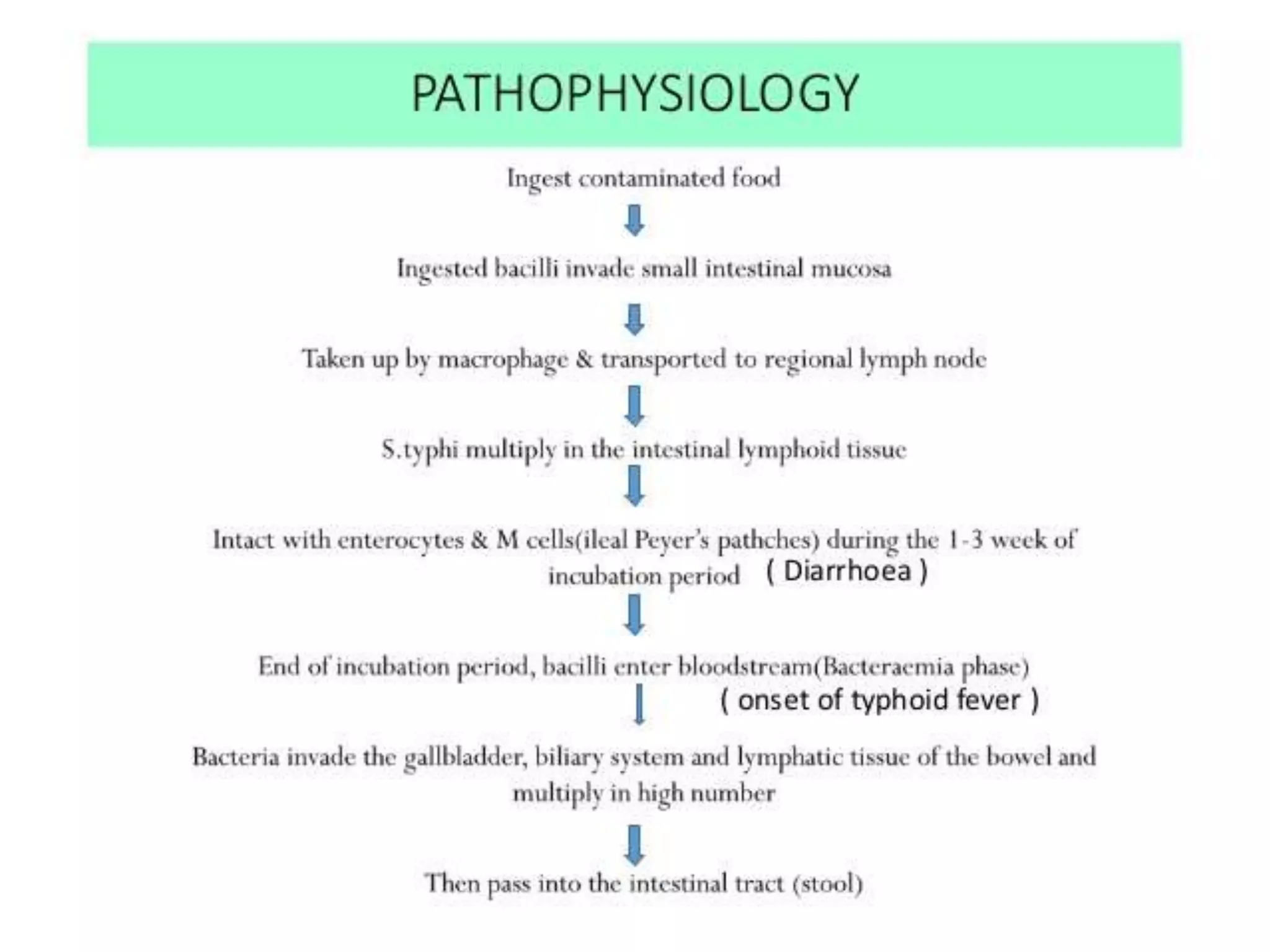
 After ingestion and passage through the stomach, salmonellae attach to the
mucosa of the small intestine and invade into the M (microfold) cells located in
Peyer patches, as well as into enterocytes.
 The bacteria remain in endocytic vacuoles, where they replicate. The bacteria can
also be transported across the cytoplasm and released into the blood or lymphatic
circulation.
 Regulation of the attachment, engulfment, and replication is controlled primarily
by two large clusters of genes (pathogenicity island I and II) on the bacterial
chromosome.
 Pathogenicity island I encodes salmonella-secreted invasion proteins (Ssps)
and a type III secretion system that injects the proteins into the host cell.
 Pathogenicity island II contains genes that allow the bacteria to evade the host’s
immune response and a second type III secretion system for this function.
Epidemiology
 Salmonella can colonize virtually all animals, including poultry, reptiles,
livestock, rodents, domestic animals, birds, and humans.
 Animal-to-animal spread and the use of Salmonella-contaminated
animal feeds maintain an animal reservoir.
 Serotypes such as Salmonella Typhi and Salmonella Paratyphi are
highly adapted to humans and do not cause disease in nonhuman
hosts.
 In addition, in contrast with other Salmonella serotypes, strains that are
highly adapted to humans (i.e., Salmonella Typhi, Salmonella Paratyphi)
can survive in the gallbladder and establish chronic carriage.
Epidemiology
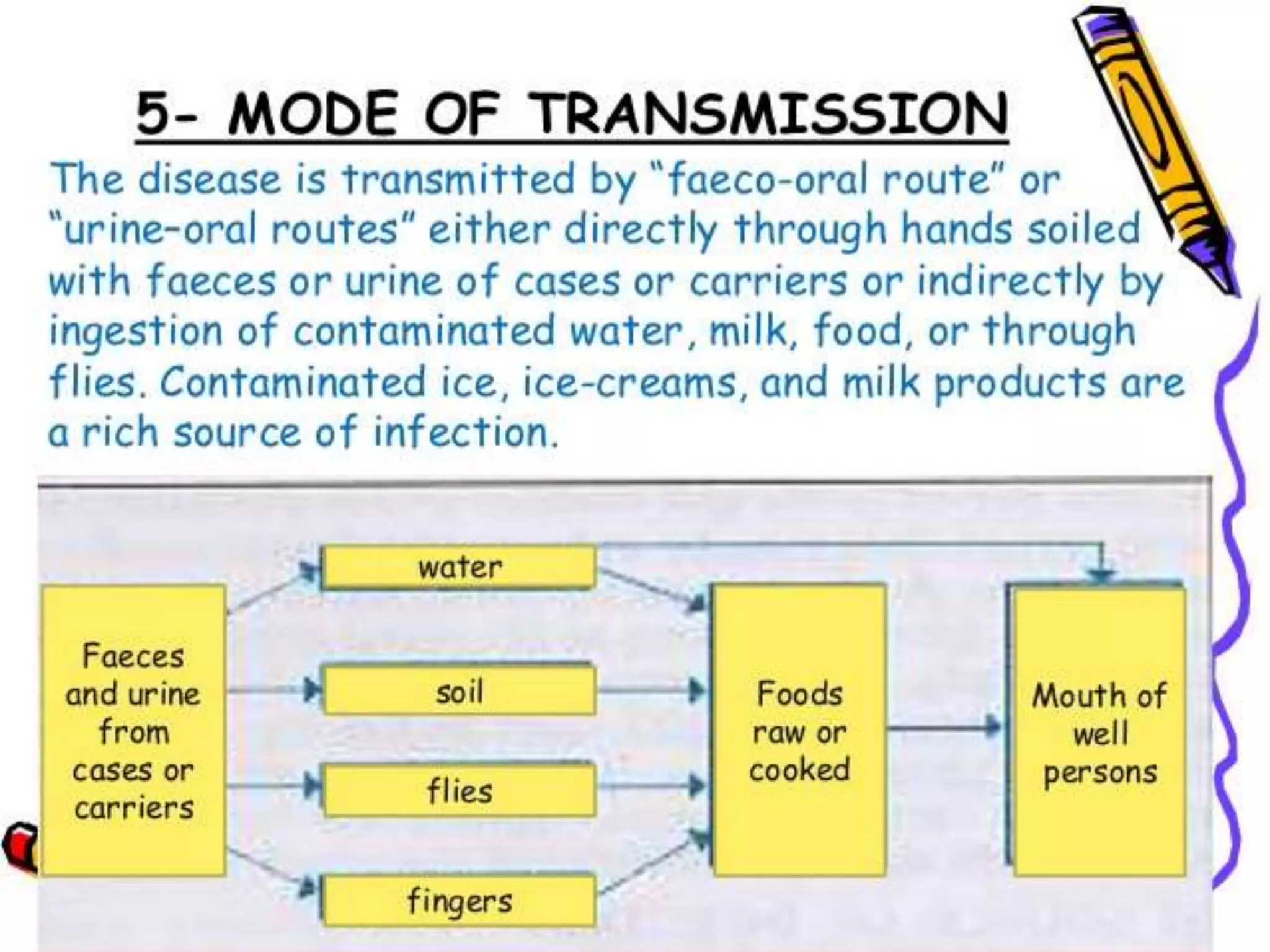
 Most infections result from the ingestion of contaminated food products and,
in children, from direct fecal-oral spread.
 The incidence of disease is greatest in children younger than 5 years and adults
older than 60 years who are infected during the summer and autumn months,
when contaminated foods are consumed at outdoor social gatherings.
 The most common sources of human infections are poultry, eggs, dairy
products, and foods prepared on contaminated work surfaces (e.g., cutting
boards where uncooked poultry was prepared).
 Salmonella Typhi infections occur when food or water contaminated by
infected food handlers is ingested. There is no animal reservoir.
 It is estimated that 21 million Salmonella Typhi infections and 200,000 deaths
occur each year worldwide.
Epidemiology
 The infectious dose for Salmonella Typhi infections is low, so
person-to-person spread is common.
 In contrast, a large inoculum (e.g., 106 to 108 bacteria) is required
for symptomatic disease to develop with most other Salmonella
serotypes.
 The organisms can multiply to this high density if contaminated
food products are improperly stored (e.g., left at room temperature).
 The infectious dose is lower for people at high risk for disease
because of age, immunosuppression or underlying disease
(leukemia, lymphoma, sickle cell disease), or reduced gastric
acidity.
Clinical Diseases
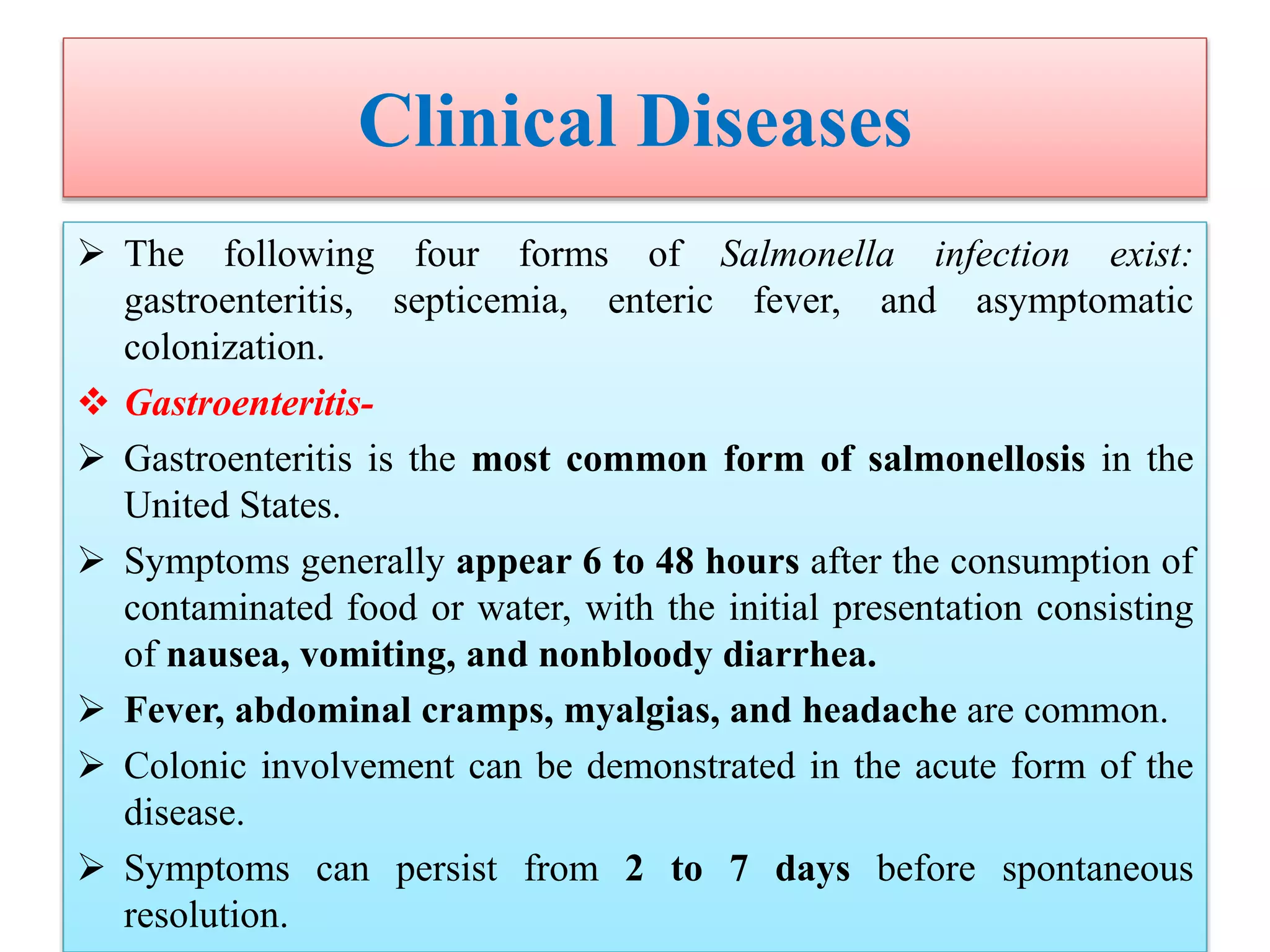
 The following four forms of Salmonella infection exist:
gastroenteritis, septicemia, enteric fever, and asymptomatic
colonization.
 Gastroenteritis-
 Gastroenteritis is the most common form of salmonellosis in the
United States.
 Symptoms generally appear 6 to 48 hours after the consumption of
contaminated food or water, with the initial presentation consisting
of nausea, vomiting, and nonbloody diarrhea.
 Fever, abdominal cramps, myalgias, and headache are common.
 Colonic involvement can be demonstrated in the acute form of the
disease.
 Symptoms can persist from 2 to 7 days before spontaneous
resolution.
Clinical Diseases
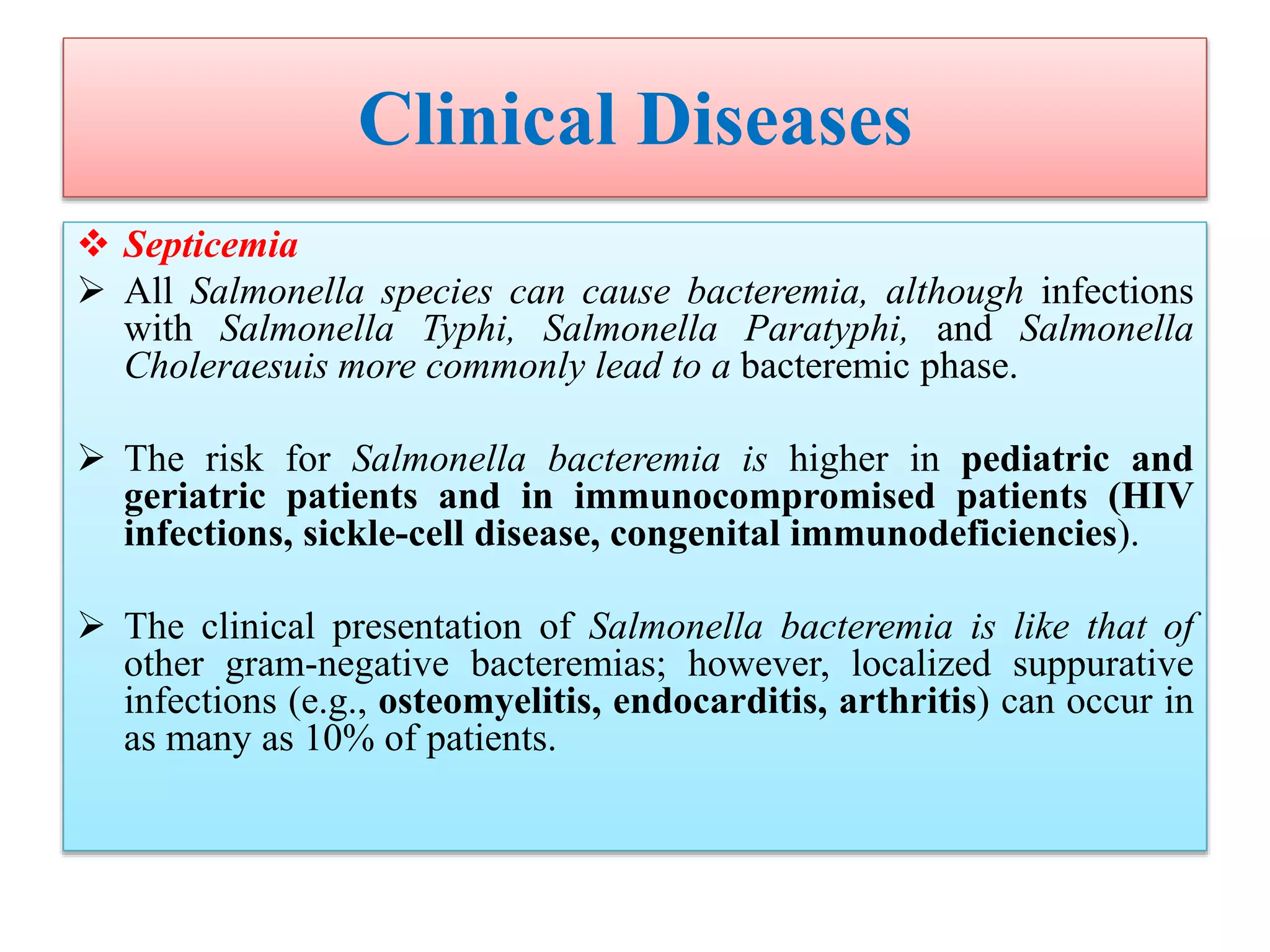
 Septicemia
 All Salmonella species can cause bacteremia, although infections
with Salmonella Typhi, Salmonella Paratyphi, and Salmonella
Choleraesuis more commonly lead to a bacteremic phase.
 The risk for Salmonella bacteremia is higher in pediatric and
geriatric patients and in immunocompromised patients (HIV
infections, sickle-cell disease, congenital immunodeficiencies).
 The clinical presentation of Salmonella bacteremia is like that of
other gram-negative bacteremias; however, localized suppurative
infections (e.g., osteomyelitis, endocarditis, arthritis) can occur in
as many as 10% of patients.
Clinical Diseases
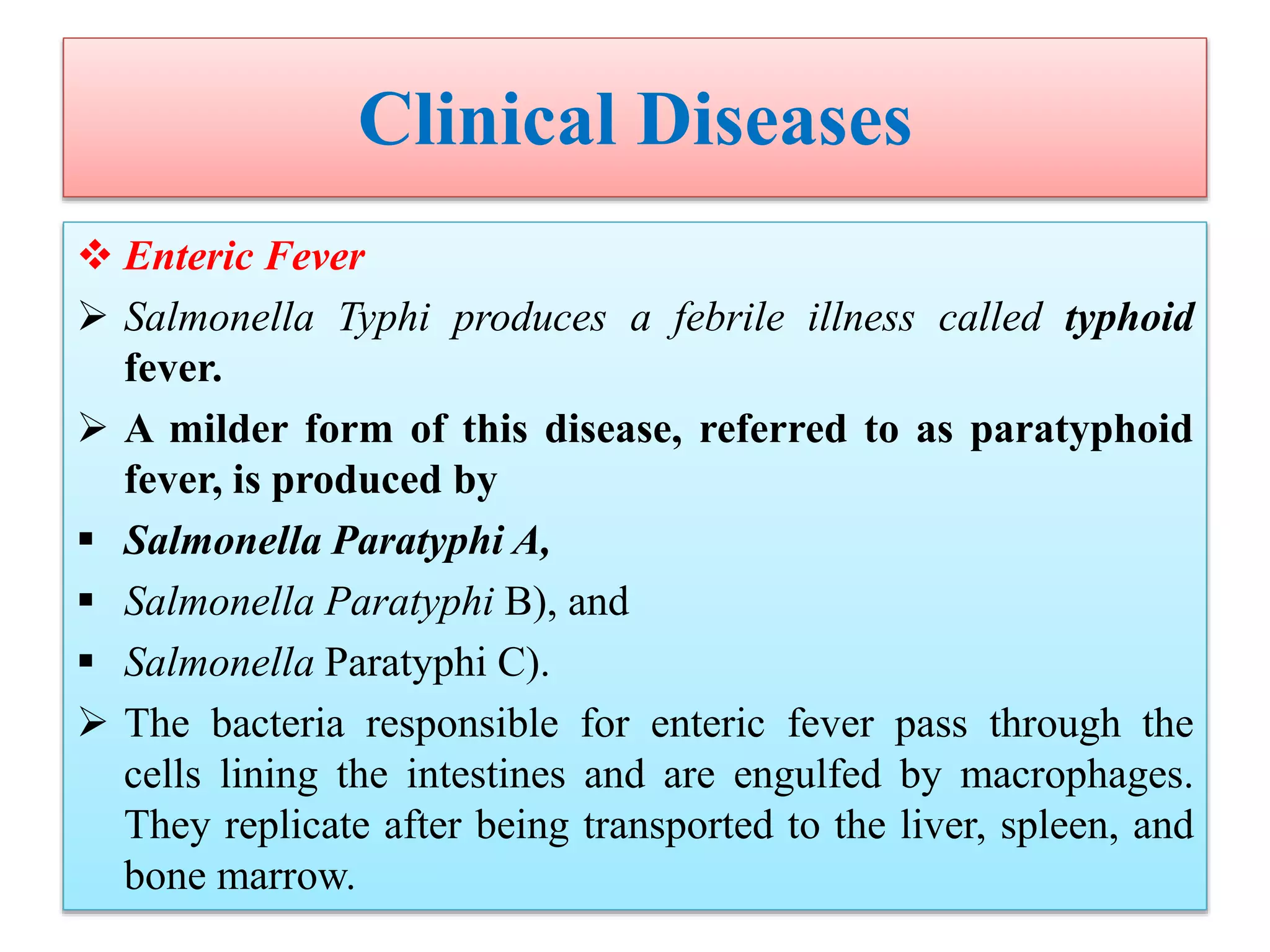
 Enteric Fever
 Salmonella Typhi produces a febrile illness called typhoid
fever.
 A milder form of this disease, referred to as paratyphoid
fever, is produced by
 Salmonella Paratyphi A,
 Salmonella Paratyphi B), and
 Salmonella Paratyphi C).
 The bacteria responsible for enteric fever pass through the
cells lining the intestines and are engulfed by macrophages.
They replicate after being transported to the liver, spleen, and
bone marrow.
Clinical Diseases
 Ten to 14 days after ingestion of the bacteria, patients
experience
 gradually increasing fever, with
 nonspecific complaints of headache, myalgias, malaise,
and anorexia.
 These symptoms persist for 1 week or longer and are
followed by
 gastrointestinal symptoms. This cycle corresponds to an
initial bacteremic phase that is followed by colonization of
the gallbladder and then reinfection of the intestines.
 Enteric fever is a serious clinical disease and must be
suspected in febrile patients who have recently traveled to
developing countries where disease is endemic.
Clinical Diseases
 Enteric fever is a misnomer, in that the hallmark features of this
disease—fever and abdominal pain—are variable.
 Although fever is documented at presentation in >75% of cases,
abdominal pain is reported in only 30–40%.
 Thus a high index of suspicion for this potentially fatal systemic
illness is necessary when a person presents with fever and a history
of recent travel to a developing country.
 The incubation period for S.Typhi averages 10–14 days but
ranges from 3 to 21 days, with the duration likely reflecting the
inoculum size and the host’s health and immune status.
 The most prominent symptom is prolonged fever (38.8°–40.5°C;
101.8°–104.9°F), which can continue for up to 4 weeks if
untreated.
 S. Paratyphi A is thought to cause milder disease than S.Typhi, with
predominantly gastrointestinal symptoms.
Clinical Diseases
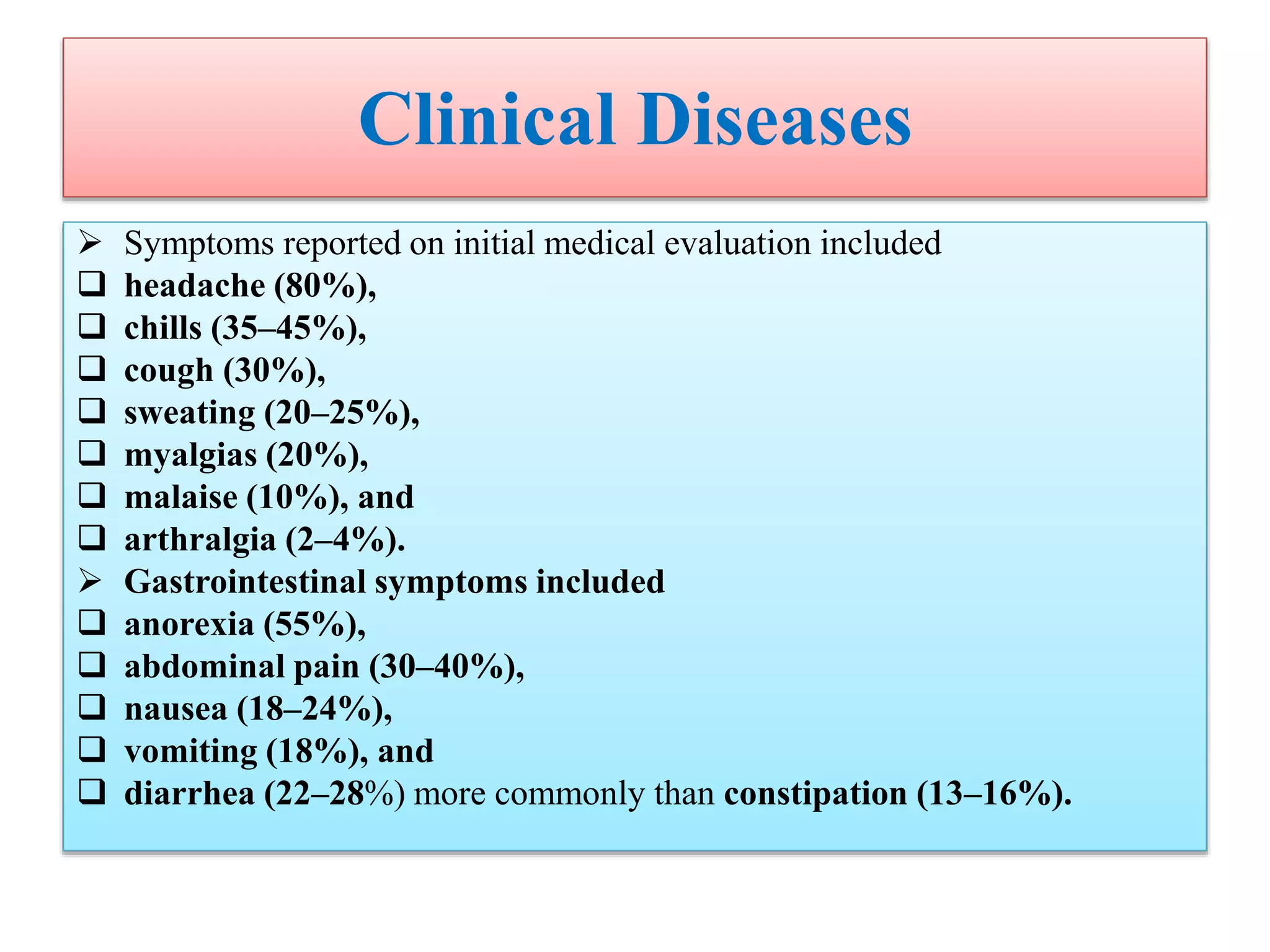
 Symptoms reported on initial medical evaluation included
 headache (80%),
 chills (35–45%),
 cough (30%),
 sweating (20–25%),
 myalgias (20%),
 malaise (10%), and
 arthralgia (2–4%).
 Gastrointestinal symptoms included
 anorexia (55%),
 abdominal pain (30–40%),
 nausea (18–24%),
 vomiting (18%), and
 diarrhea (22–28%) more commonly than constipation (13–16%).
Clinical Diseases
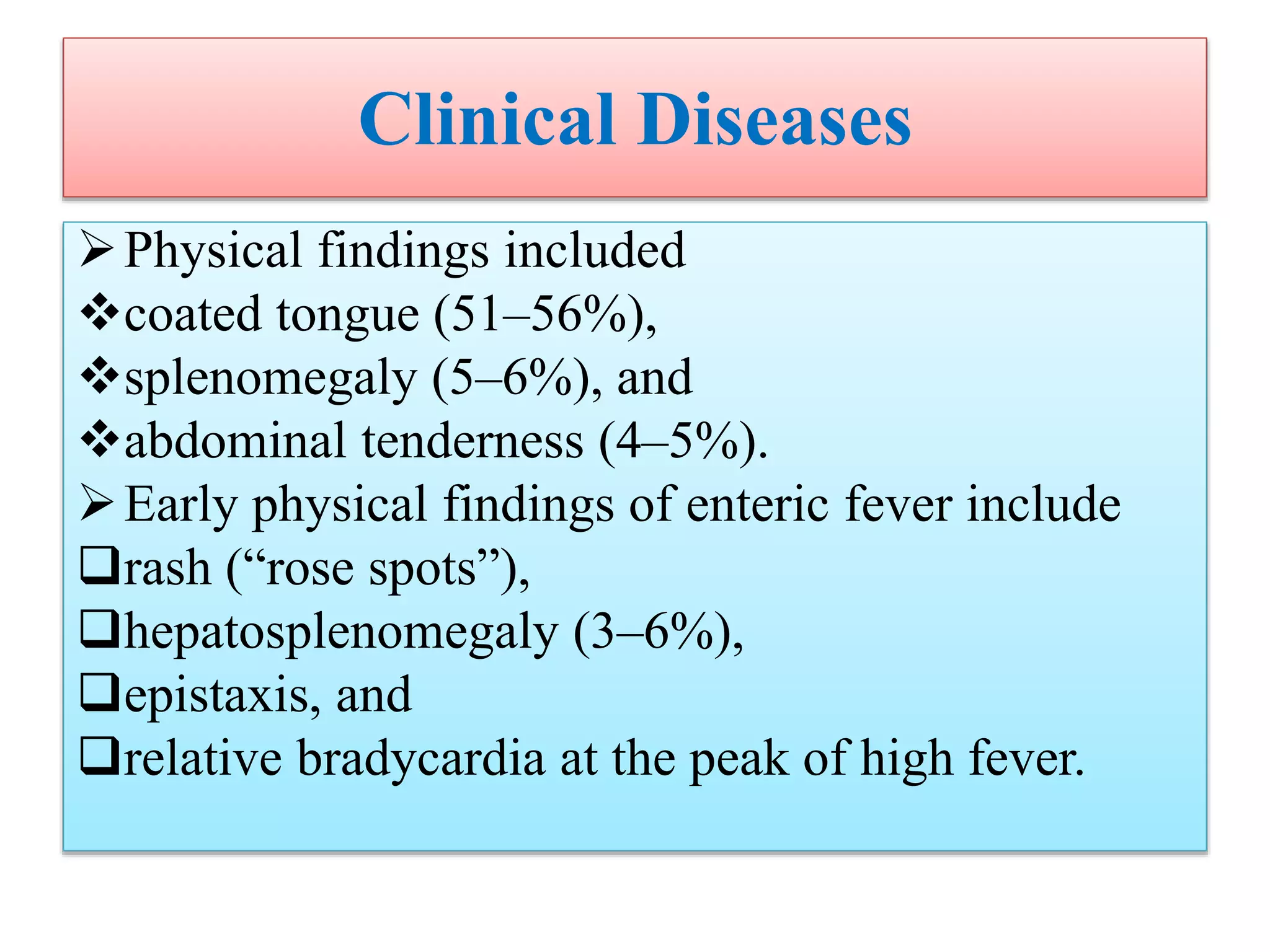
Physical findings included
coated tongue (51–56%),
splenomegaly (5–6%), and
abdominal tenderness (4–5%).
Early physical findings of enteric fever include
rash (“rose spots”),
hepatosplenomegaly (3–6%),
epistaxis, and
relative bradycardia at the peak of high fever.
Clinical Diseases
Rose spots make up a faint, salmon-colored,
blanching, maculopapular rash located primarily
on the trunk and chest.
The rash is evident in ∼30% of patients at the end
of the first week and resolves without a trace after
2–5 days.
Patients can have two or three crops of lesions,
and Salmonella can be cultured from punch
biopsies of these lesions.
The faintness of the rash makes it difficult to
detect in highly pigmented patients.
Clinical Diseases
 Complications of Enteric Fever-
1. Gastrointestinal bleeding
2. Intestinal perforation (usually of terminal ileum
3. Encephalopathy accompanied by hemodynamic shock
4. Hepatitis
5. Cholecystitis
6. Pneumonia (may be due to secondary infection with other
organisms such as Streptococcus pneumoniae)
7. Myocarditis
8. Acute kidney injury, nephritis
Clinical Diseases
 Complications of Enteric fever-
1. Deep-seated abscess (e.g., spleen, large joint, bone)
2. Anemia
3. Meningitis
4. Neurological disturbance (cerebellar ataxia)
5. Miscarriage
6. Psychiatric disturbance
7. Disseminated intravascular coagulation
8. Chronic carriage (fecal or urinary carriage for 1 yr)
9. Carcinoma of gallbladder
Clinical Diseases
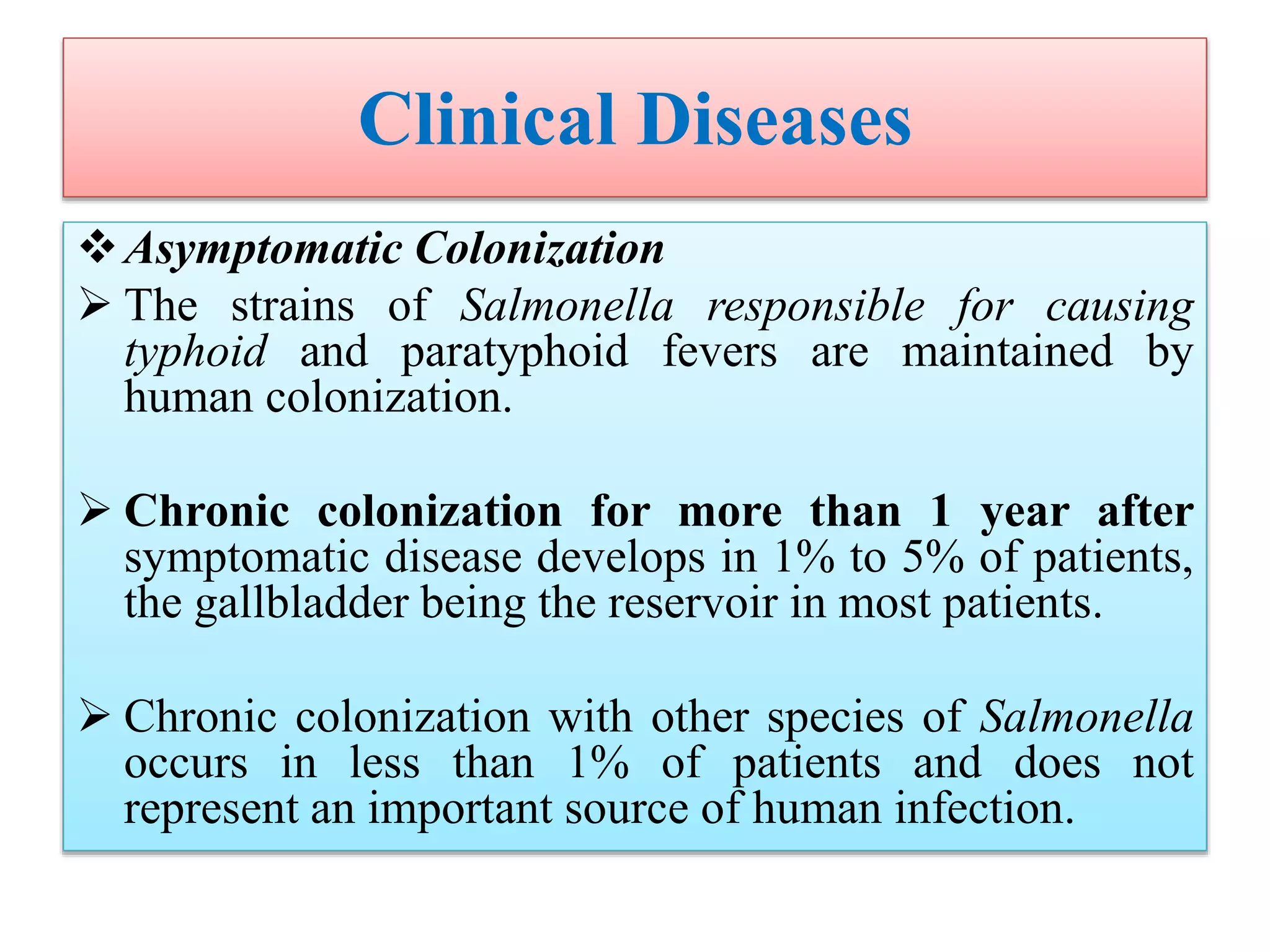
Asymptomatic Colonization
 The strains of Salmonella responsible for causing
typhoid and paratyphoid fevers are maintained by
human colonization.
 Chronic colonization for more than 1 year after
symptomatic disease develops in 1% to 5% of patients,
the gallbladder being the reservoir in most patients.
 Chronic colonization with other species of Salmonella
occurs in less than 1% of patients and does not
represent an important source of human infection.
Rose Spot
Laboratory diagnosis of Enteric Fever
 Diagnostic tests are needed for the diagnosis of-
 invasive Salmonella infections,
 for the detection of convalescent and chronic fecal carriage of typhoidal
Salmonella,
 and to estimate the burden of disease for public health assessment.
 It may be important to be able to detect both Salmonella serovar Typhi and
Salmonella serovar Paratyphi A infections, as they cannot be distinguished
from each other clinically.
 Microbial culture is the mainstay of diagnosis.
 Antibody and antigen detection and nucleic acid amplification tests have
limitations, as described below.
Laboratory diagnosis of Enteric Fever
The test of choice depends on the duration of
disease-
Duration of disease Specimen Positivity (%)
1st week Blood culture 90
2nd week Blood Culture
Feaces culture
Widal test
75
50
Low titre
3rd week Widal test
Blood culture
Feaces culture
80-100
60
80
Laboratory diagnosis of Enteric Fever
 The definitive diagnosis of enteric fever relies on the
isolation of Salmonella enterica from normally sterile
clinical samples, usually blood and bone marrow.
 Culture confirms the diagnosis and provides an isolate for
antimicrobial susceptibility testing, epidemiologic typing,
and molecular characterization.
 Blood culture-
 Blood cultures are positive in approx. 90% of cases in the
first week of fever, 75% in the second week and 60% in the
third week.
 Positivity rates decline thereafter and blood cultures remain
positive in 25% cases till the subsidence of pyrexia.
Laboratory diagnosis of Enteric Fever
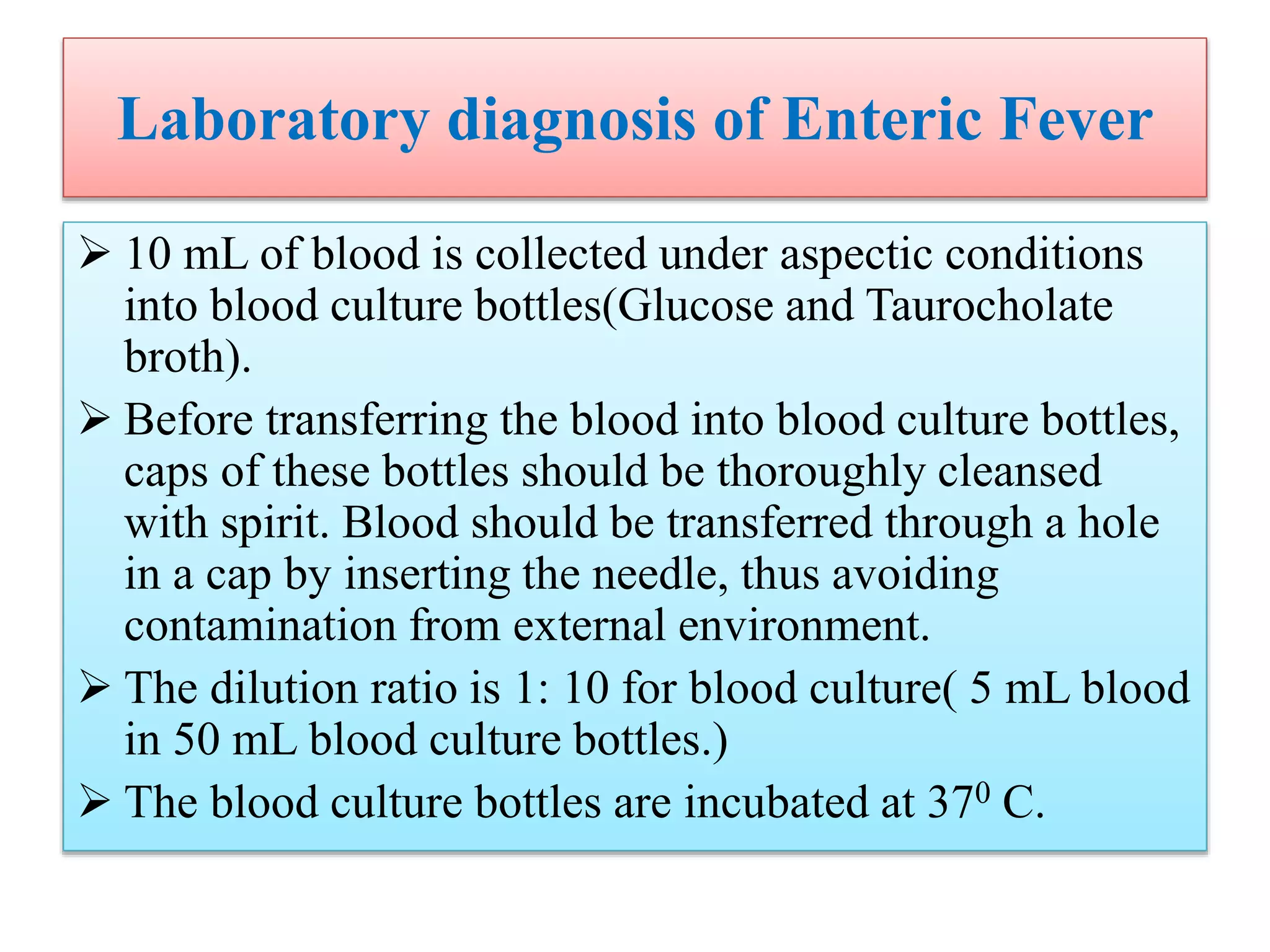
 10 mL of blood is collected under aspectic conditions
into blood culture bottles(Glucose and Taurocholate
broth).
 Before transferring the blood into blood culture bottles,
caps of these bottles should be thoroughly cleansed
with spirit. Blood should be transferred through a hole
in a cap by inserting the needle, thus avoiding
contamination from external environment.
 The dilution ratio is 1: 10 for blood culture( 5 mL blood
in 50 mL blood culture bottles.)
 The blood culture bottles are incubated at 370 C.
Laboratory diagnosis of Enteric Fever
 In areas of endemicity where antimicrobials are frequently taken before
evaluation, the yield from blood culture can be as low as 40%, and in this setting,
bone marrow aspirate culture is usually considered the reference standard
method, with a sensitivity of 80%.
 The optimum period for detecting organisms circulating in the bloodstream is
considered to be in the first or second week of the illness, although cultures can
still remain positive in the third week in the absence of antimicrobial exposure.
 It is possible that if a sufficiently large volume of blood is taken for culture using
modern media and systems, blood culture may be as sensitive as bone marrow
culture.
 Rose spot culture has been reported to be positive in 70% of patients,
although in practice rose spots are rarely present.
 Cerebrospinal fluid culture is usually positive only in very young children.
Laboratory diagnosis of Enteric Fever
 Blood culture bottles are sub-cultured in Blood and MacConkey
agar and pale lactose non-fermenting colonis are selected for
Biochemical and serological identification.
 Clot Culture-
 It is an alternative to blood culture. 5 mL of blood is withdrawn
aseptically into a sterile container and allowed to clot.
 The serum is separated and used for Widal test.
 The clot is broken up with a sterile glass rod and added to bile broth
containing streptokinase (100 units/ml.) which digests the clot and
bacteria is released from the clot.
Laboratory diagnosis of Enteric Fever
 Faeces Culture-
 Salmonella is shed in the feaces throughout the diseaes and even in the
convalescence.
 Hence, feacal culture may be helpful in patients and also in detection of
carriers. It is also valuable during antibiotic therapy when blood cultures
become negative.
 Successful culture depends on the use of Enrichment and Selective media.
 Feacal samples are inoculated into one tube each of Selenite and
Tetrathionate broth(Both enrichment media) and also plated directly
MacConkey agar, DCA/ XLD and Wilson-Blair Media.
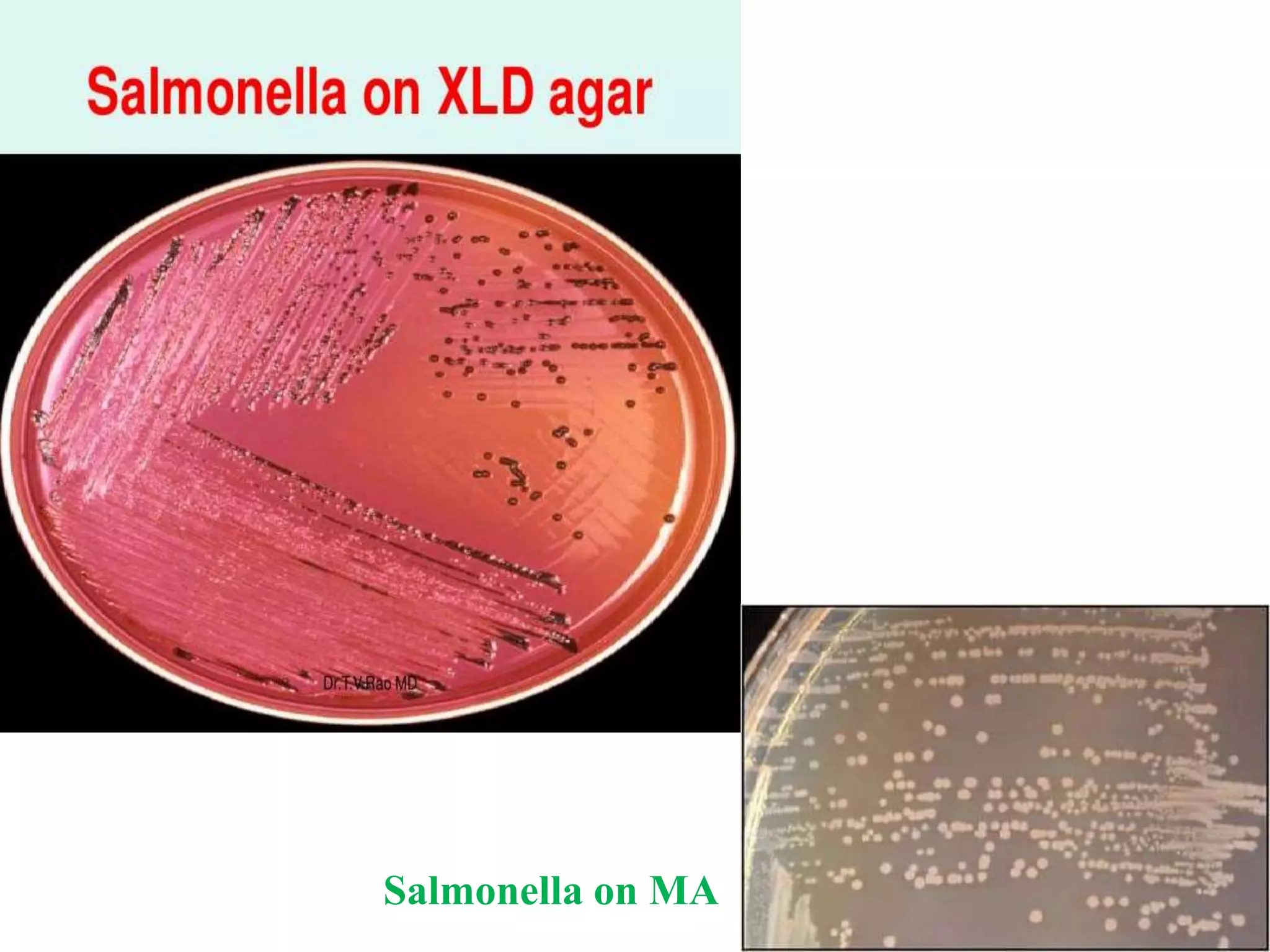
 Salmonella appear as pale yellow colonies on MacConkey agar and DCA
media. On W-B medium, S. typhi form large black colonies with metallic
sheen whereas S. paratyphi A produces green colonies due to lack of H2S
production.
 Enrichment broths are incubated for 6-8 hrs. before subculture to
MacConkey and DCA agar and incubated overnight for 370 C.
Laboratory diagnosis of Enteric Fever
 Biochemical Identification of Isolates-
Tests S. typhi S. Paratyphi
Catalase +ve +ve
Oxidase -ve -ve
Nitrate
Reduction
+ve +ve
Glucose +ve (Acid only) +ve( Acid and
Gas)
Mannitol +ve (Acid only) +ve( Acid and
Gas)
Lactose -ve -ve
Salmonella on MA
Wilson-Blair Media
Laboratory diagnosis of Enteric Fever
 Serological Identification of Isolates-
 A loopful of the growth from a nutrient agar slop is emulsified in 2
different drops of saline,
 one acts a control ( check for Autoagglutination), another is tested
by Polyvalent O & H antisera.
 Positive agglutination confirms identification of salmonella genus.
 Further typing can be done in a Reference lab. Like National
Salmonella Reference Center , Kasauli.
Laboratory diagnosis of Enteric Fever
 Demonstration of Antibodies-
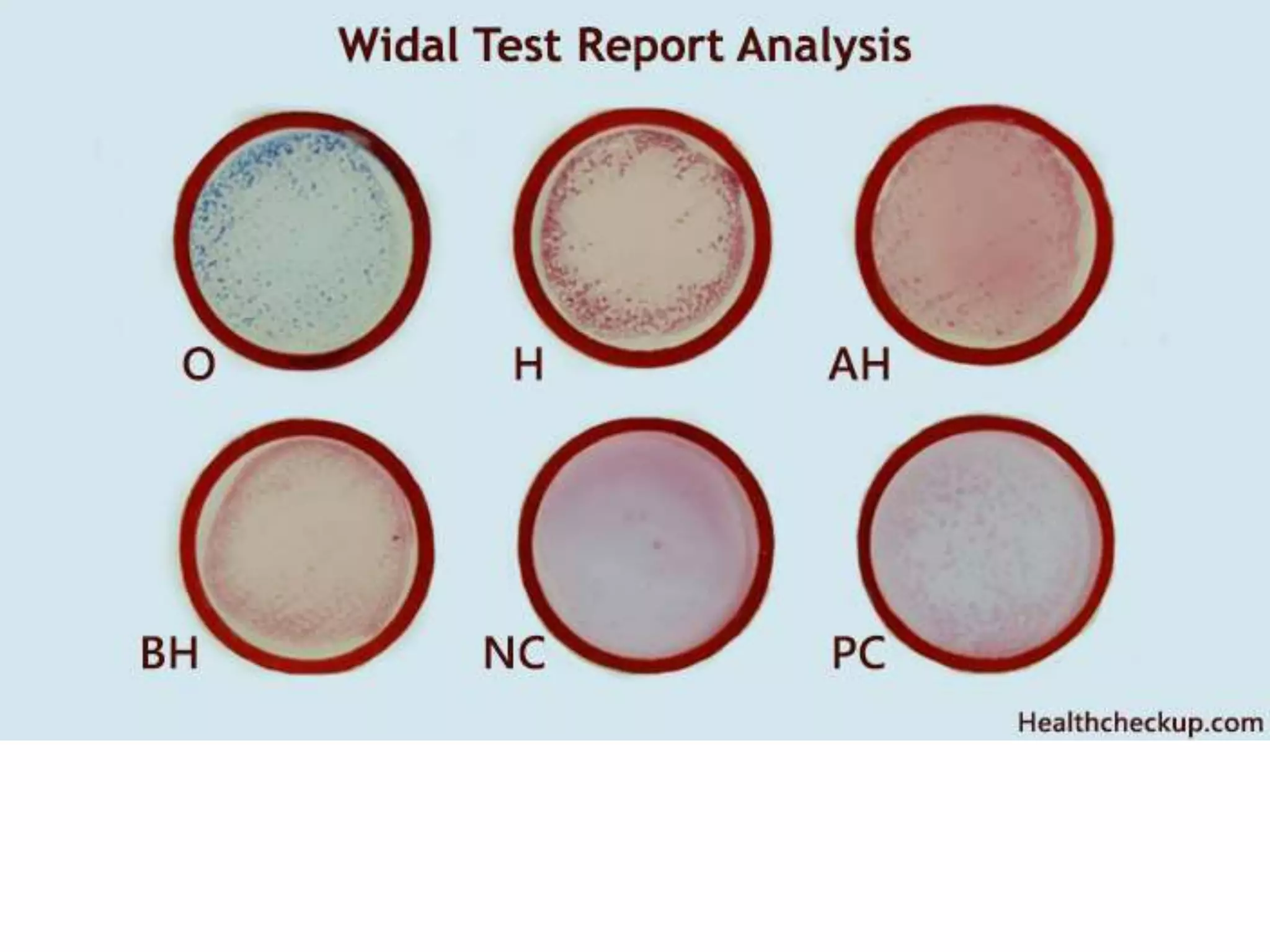
Widal Test-
 It is an agglutination test for detection of agglutinins (H and O) present
in patients with enteric fever. Antibodies start appearing at the end of the
1st week and rise sharply at 3rd week.
 Procedure-
 Two types of tubes are used for this test- Dreyer’s Tube (narrow tube
with a conical bottom) and Felix tube ( Short, round bottom).
 Equal vol. (0.4 ml) of serial dilutions of serum (1:10 to 1:640) and H
and O antigengs ( for S. Typhi) and AH & BH antigens (for S.
Paratyphi) are mixed and incubated in a water bath at 370C for 4 hours
and read after overnight refrigeration at 40C.
 Control tubes containing the antigen and normal saline are included to
check for autoagglutination.
Laboratory diagnosis of Enteric Fever
 Interpretation of Widal Test-
1. The test may be negative in early part of first week.
2. Single test is usually of not much value
3. A rise in titer between two sera specimens is more meaningful
than a single test.
4. If the first sample is taken late in the disease, a rise in titer may
not be demonstrable. Instead, there may be a fall in titer.
5. Baseline titer of the population must be known before
attaching significance to the titers.
6. The antibody levels of healthy individuals in population of a
given area give the baseline titer.
7. A titer of 100 or more for O antigen is considered significant
and a titer in excess of 200 for H antigens is considered
significant generally.
Laboratory diagnosis of Enteric Fever
 Interpretation of Widal Test-
1. Patients already treated with antibiotics may not show any rise
in titer, instead there may be fall in titer.
2. Patients treated with antibiotics in the early stages may not give
positive results.
3. Patients who have received vaccines against Salmonella may
give false positive reactions.
4. This can be differentiated from true infection by repeating the
test after a week. True untreated infection results in rise in titer.
5. Those individuals with past infections may develop anti-
Salmonella antibodies during an unrelated or closely related
infection…. “anamnestic response” …..differentiated from
true infection by lack of any rise in titer on repetition after a
week.
Laboratory diagnosis of Enteric Fever
 Other Serological Tests-
1. ELISA
2. Reverse Passive Haemagglutination Test (RPHA)
3. The TyphiDot is a DOT enzyme immunoassay (Typhidott and
Typhidot-Mt)
4. TUBEX (IDL Biotech, Sollentuna, Sweden) is a
semiquantitative test that uses polystyrene particle
agglutination to detect IgM antibodies to the O9 antigen.
5. S. Typhi antigen can be detected in the urine of some typhoid
patients by co-agglutination and ELISA
Laboratory diagnosis of Enteric Fever
 Molecular Diagnosis-
 Targets for Salmonella serovar Typhi PCR-based assays have included
 theHdflagellin gene fliC-d,
 the Vi capsular gene viaB,
 the tyvelose epimerase gene (tyv) (previously rfbE),
 the paratose synthase gene (prt) (previously rfbS),
 groEL,
 the 16sRNA gene ,
 hilA (a regulatory gene in Salmonella pathogenicity island 1 [SPI-1]), the gene
encoding the 50-kDa outer membrane protein ST50
 The food industry has used PCR technology for several decades and guidelines
are published for quantitative detection of Salmonella in food by PCR.
 Studies using single or nested PCR primers for fliC of S. Typhi have reported
good results from PCR.
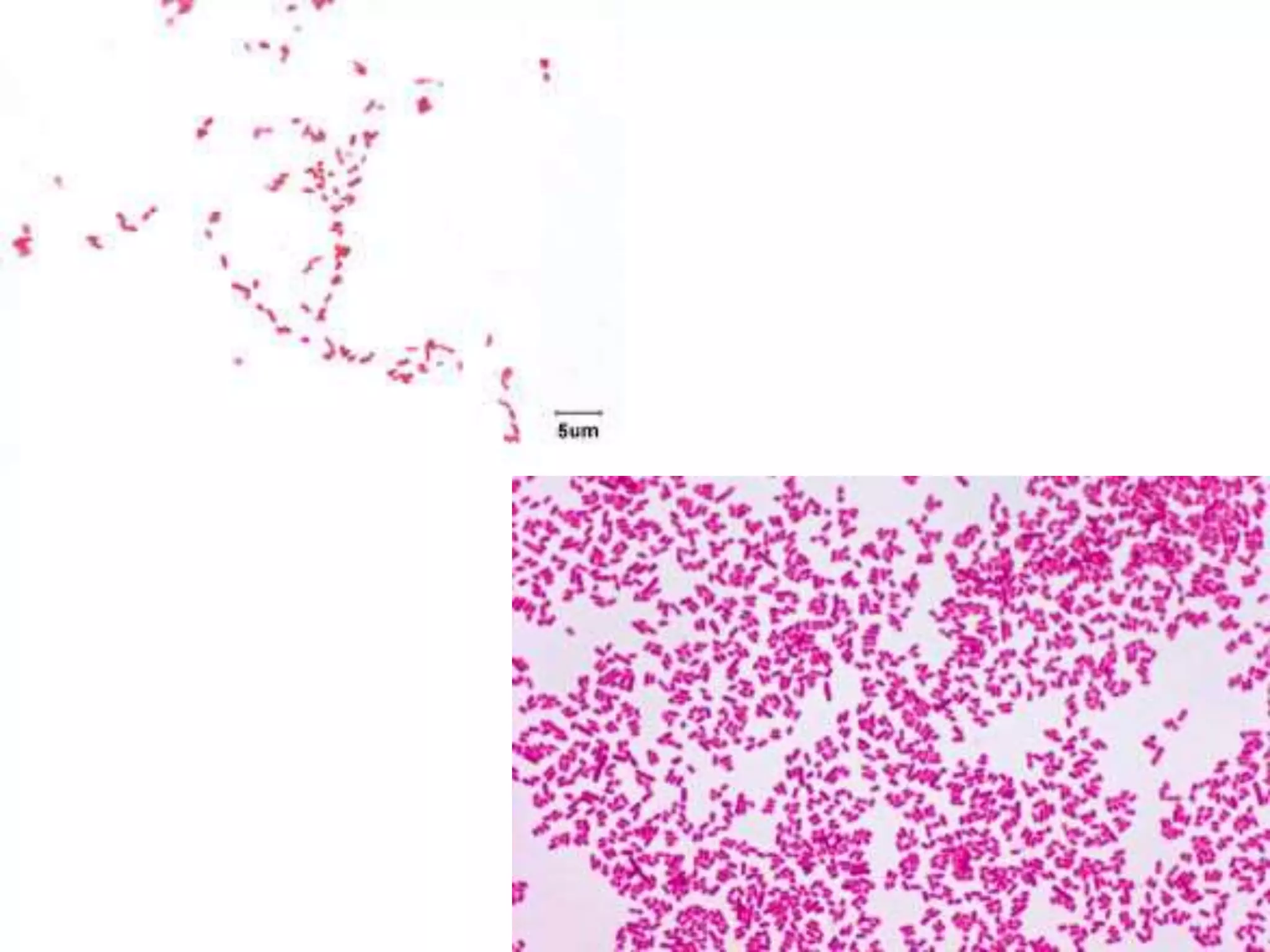
Salmonella typhi
Salmonella typhi
Salmonella typhi

Salmonella typhi

  • 1.
  • 2.
    Introduction  The genusSalmonella is composed of motile bacteria that conform to the definition of the family Enterobacteriaceae.  The genus Salmonella is composed of two species,  Salmonella enterica and  Salmonella bongori (formerly subspecies V).  Salmonella enterica has been subdivided into six subspecies: A. S. enterica subsp. enterica, designated subspecies I; B. S. enterica subsp. salamae, subspecies II; C. S. enterica subsp. arizonae, subspecies IIIa; D. S. enterica subsp. diarizonae, subspecies IIIb; E. S. enterica subsp. houtenae, subspecies IV; and F. S. enterica subsp. indica, subspecies VI.
  • 4.
    Introduction  The typespecies is S. enterica subsp. enterica.  Subspecies I strains are commonly isolated from humans and warm- blooded animals.  Subspecies II, IIIa, IIIb, IV, and VI strains and S. bongori are usually isolated from coldblooded animals and the environment.  Salmonella Serotypes  Salmonella serotyping is a subtyping method based on the immunologic characterization of three surface structures:  O antigen, which is the outermost portion of the LPS layer that covers the bacterial cell;  H antigen, which is the filament portion of the bacterial flagella; and  Vi antigen, which is a capsular polysaccharide present in specific serotypes.  Serotyping of Salmonella is commonly performed to facilitate surveillance for Salmonella infection and to aid in the recognition of outbreaks.
  • 13.
    Pathogenesis and Immunity After ingestion and passage through the stomach, salmonellae attach to the mucosa of the small intestine and invade into the M (microfold) cells located in Peyer patches, as well as into enterocytes.  The bacteria remain in endocytic vacuoles, where they replicate. The bacteria can also be transported across the cytoplasm and released into the blood or lymphatic circulation.  Regulation of the attachment, engulfment, and replication is controlled primarily by two large clusters of genes (pathogenicity island I and II) on the bacterial chromosome.  Pathogenicity island I encodes salmonella-secreted invasion proteins (Ssps) and a type III secretion system that injects the proteins into the host cell.  Pathogenicity island II contains genes that allow the bacteria to evade the host’s immune response and a second type III secretion system for this function.
  • 16.
    Epidemiology  Salmonella cancolonize virtually all animals, including poultry, reptiles, livestock, rodents, domestic animals, birds, and humans.  Animal-to-animal spread and the use of Salmonella-contaminated animal feeds maintain an animal reservoir.  Serotypes such as Salmonella Typhi and Salmonella Paratyphi are highly adapted to humans and do not cause disease in nonhuman hosts.  In addition, in contrast with other Salmonella serotypes, strains that are highly adapted to humans (i.e., Salmonella Typhi, Salmonella Paratyphi) can survive in the gallbladder and establish chronic carriage.
  • 17.
    Epidemiology  Most infectionsresult from the ingestion of contaminated food products and, in children, from direct fecal-oral spread.  The incidence of disease is greatest in children younger than 5 years and adults older than 60 years who are infected during the summer and autumn months, when contaminated foods are consumed at outdoor social gatherings.  The most common sources of human infections are poultry, eggs, dairy products, and foods prepared on contaminated work surfaces (e.g., cutting boards where uncooked poultry was prepared).  Salmonella Typhi infections occur when food or water contaminated by infected food handlers is ingested. There is no animal reservoir.  It is estimated that 21 million Salmonella Typhi infections and 200,000 deaths occur each year worldwide.
  • 18.
    Epidemiology  The infectiousdose for Salmonella Typhi infections is low, so person-to-person spread is common.  In contrast, a large inoculum (e.g., 106 to 108 bacteria) is required for symptomatic disease to develop with most other Salmonella serotypes.  The organisms can multiply to this high density if contaminated food products are improperly stored (e.g., left at room temperature).  The infectious dose is lower for people at high risk for disease because of age, immunosuppression or underlying disease (leukemia, lymphoma, sickle cell disease), or reduced gastric acidity.
  • 21.
    Clinical Diseases  Thefollowing four forms of Salmonella infection exist: gastroenteritis, septicemia, enteric fever, and asymptomatic colonization.  Gastroenteritis-  Gastroenteritis is the most common form of salmonellosis in the United States.  Symptoms generally appear 6 to 48 hours after the consumption of contaminated food or water, with the initial presentation consisting of nausea, vomiting, and nonbloody diarrhea.  Fever, abdominal cramps, myalgias, and headache are common.  Colonic involvement can be demonstrated in the acute form of the disease.  Symptoms can persist from 2 to 7 days before spontaneous resolution.
  • 22.
    Clinical Diseases  Septicemia All Salmonella species can cause bacteremia, although infections with Salmonella Typhi, Salmonella Paratyphi, and Salmonella Choleraesuis more commonly lead to a bacteremic phase.  The risk for Salmonella bacteremia is higher in pediatric and geriatric patients and in immunocompromised patients (HIV infections, sickle-cell disease, congenital immunodeficiencies).  The clinical presentation of Salmonella bacteremia is like that of other gram-negative bacteremias; however, localized suppurative infections (e.g., osteomyelitis, endocarditis, arthritis) can occur in as many as 10% of patients.
  • 23.
    Clinical Diseases  EntericFever  Salmonella Typhi produces a febrile illness called typhoid fever.  A milder form of this disease, referred to as paratyphoid fever, is produced by  Salmonella Paratyphi A,  Salmonella Paratyphi B), and  Salmonella Paratyphi C).  The bacteria responsible for enteric fever pass through the cells lining the intestines and are engulfed by macrophages. They replicate after being transported to the liver, spleen, and bone marrow.
  • 24.
    Clinical Diseases  Tento 14 days after ingestion of the bacteria, patients experience  gradually increasing fever, with  nonspecific complaints of headache, myalgias, malaise, and anorexia.  These symptoms persist for 1 week or longer and are followed by  gastrointestinal symptoms. This cycle corresponds to an initial bacteremic phase that is followed by colonization of the gallbladder and then reinfection of the intestines.  Enteric fever is a serious clinical disease and must be suspected in febrile patients who have recently traveled to developing countries where disease is endemic.
  • 25.
    Clinical Diseases  Entericfever is a misnomer, in that the hallmark features of this disease—fever and abdominal pain—are variable.  Although fever is documented at presentation in >75% of cases, abdominal pain is reported in only 30–40%.  Thus a high index of suspicion for this potentially fatal systemic illness is necessary when a person presents with fever and a history of recent travel to a developing country.  The incubation period for S.Typhi averages 10–14 days but ranges from 3 to 21 days, with the duration likely reflecting the inoculum size and the host’s health and immune status.  The most prominent symptom is prolonged fever (38.8°–40.5°C; 101.8°–104.9°F), which can continue for up to 4 weeks if untreated.  S. Paratyphi A is thought to cause milder disease than S.Typhi, with predominantly gastrointestinal symptoms.
  • 26.
    Clinical Diseases  Symptomsreported on initial medical evaluation included  headache (80%),  chills (35–45%),  cough (30%),  sweating (20–25%),  myalgias (20%),  malaise (10%), and  arthralgia (2–4%).  Gastrointestinal symptoms included  anorexia (55%),  abdominal pain (30–40%),  nausea (18–24%),  vomiting (18%), and  diarrhea (22–28%) more commonly than constipation (13–16%).
  • 27.
    Clinical Diseases Physical findingsincluded coated tongue (51–56%), splenomegaly (5–6%), and abdominal tenderness (4–5%). Early physical findings of enteric fever include rash (“rose spots”), hepatosplenomegaly (3–6%), epistaxis, and relative bradycardia at the peak of high fever.
  • 28.
    Clinical Diseases Rose spotsmake up a faint, salmon-colored, blanching, maculopapular rash located primarily on the trunk and chest. The rash is evident in ∼30% of patients at the end of the first week and resolves without a trace after 2–5 days. Patients can have two or three crops of lesions, and Salmonella can be cultured from punch biopsies of these lesions. The faintness of the rash makes it difficult to detect in highly pigmented patients.
  • 29.
    Clinical Diseases  Complicationsof Enteric Fever- 1. Gastrointestinal bleeding 2. Intestinal perforation (usually of terminal ileum 3. Encephalopathy accompanied by hemodynamic shock 4. Hepatitis 5. Cholecystitis 6. Pneumonia (may be due to secondary infection with other organisms such as Streptococcus pneumoniae) 7. Myocarditis 8. Acute kidney injury, nephritis
  • 30.
    Clinical Diseases  Complicationsof Enteric fever- 1. Deep-seated abscess (e.g., spleen, large joint, bone) 2. Anemia 3. Meningitis 4. Neurological disturbance (cerebellar ataxia) 5. Miscarriage 6. Psychiatric disturbance 7. Disseminated intravascular coagulation 8. Chronic carriage (fecal or urinary carriage for 1 yr) 9. Carcinoma of gallbladder
  • 31.
    Clinical Diseases Asymptomatic Colonization The strains of Salmonella responsible for causing typhoid and paratyphoid fevers are maintained by human colonization.  Chronic colonization for more than 1 year after symptomatic disease develops in 1% to 5% of patients, the gallbladder being the reservoir in most patients.  Chronic colonization with other species of Salmonella occurs in less than 1% of patients and does not represent an important source of human infection.
  • 33.
  • 34.
    Laboratory diagnosis ofEnteric Fever  Diagnostic tests are needed for the diagnosis of-  invasive Salmonella infections,  for the detection of convalescent and chronic fecal carriage of typhoidal Salmonella,  and to estimate the burden of disease for public health assessment.  It may be important to be able to detect both Salmonella serovar Typhi and Salmonella serovar Paratyphi A infections, as they cannot be distinguished from each other clinically.  Microbial culture is the mainstay of diagnosis.  Antibody and antigen detection and nucleic acid amplification tests have limitations, as described below.
  • 35.
    Laboratory diagnosis ofEnteric Fever The test of choice depends on the duration of disease- Duration of disease Specimen Positivity (%) 1st week Blood culture 90 2nd week Blood Culture Feaces culture Widal test 75 50 Low titre 3rd week Widal test Blood culture Feaces culture 80-100 60 80
  • 37.
    Laboratory diagnosis ofEnteric Fever  The definitive diagnosis of enteric fever relies on the isolation of Salmonella enterica from normally sterile clinical samples, usually blood and bone marrow.  Culture confirms the diagnosis and provides an isolate for antimicrobial susceptibility testing, epidemiologic typing, and molecular characterization.  Blood culture-  Blood cultures are positive in approx. 90% of cases in the first week of fever, 75% in the second week and 60% in the third week.  Positivity rates decline thereafter and blood cultures remain positive in 25% cases till the subsidence of pyrexia.
  • 38.
    Laboratory diagnosis ofEnteric Fever  10 mL of blood is collected under aspectic conditions into blood culture bottles(Glucose and Taurocholate broth).  Before transferring the blood into blood culture bottles, caps of these bottles should be thoroughly cleansed with spirit. Blood should be transferred through a hole in a cap by inserting the needle, thus avoiding contamination from external environment.  The dilution ratio is 1: 10 for blood culture( 5 mL blood in 50 mL blood culture bottles.)  The blood culture bottles are incubated at 370 C.
  • 39.
    Laboratory diagnosis ofEnteric Fever  In areas of endemicity where antimicrobials are frequently taken before evaluation, the yield from blood culture can be as low as 40%, and in this setting, bone marrow aspirate culture is usually considered the reference standard method, with a sensitivity of 80%.  The optimum period for detecting organisms circulating in the bloodstream is considered to be in the first or second week of the illness, although cultures can still remain positive in the third week in the absence of antimicrobial exposure.  It is possible that if a sufficiently large volume of blood is taken for culture using modern media and systems, blood culture may be as sensitive as bone marrow culture.  Rose spot culture has been reported to be positive in 70% of patients, although in practice rose spots are rarely present.  Cerebrospinal fluid culture is usually positive only in very young children.
  • 40.
    Laboratory diagnosis ofEnteric Fever  Blood culture bottles are sub-cultured in Blood and MacConkey agar and pale lactose non-fermenting colonis are selected for Biochemical and serological identification.  Clot Culture-  It is an alternative to blood culture. 5 mL of blood is withdrawn aseptically into a sterile container and allowed to clot.  The serum is separated and used for Widal test.  The clot is broken up with a sterile glass rod and added to bile broth containing streptokinase (100 units/ml.) which digests the clot and bacteria is released from the clot.
  • 41.
    Laboratory diagnosis ofEnteric Fever  Faeces Culture-  Salmonella is shed in the feaces throughout the diseaes and even in the convalescence.  Hence, feacal culture may be helpful in patients and also in detection of carriers. It is also valuable during antibiotic therapy when blood cultures become negative.  Successful culture depends on the use of Enrichment and Selective media.  Feacal samples are inoculated into one tube each of Selenite and Tetrathionate broth(Both enrichment media) and also plated directly MacConkey agar, DCA/ XLD and Wilson-Blair Media.  Salmonella appear as pale yellow colonies on MacConkey agar and DCA media. On W-B medium, S. typhi form large black colonies with metallic sheen whereas S. paratyphi A produces green colonies due to lack of H2S production.  Enrichment broths are incubated for 6-8 hrs. before subculture to MacConkey and DCA agar and incubated overnight for 370 C.
  • 42.
    Laboratory diagnosis ofEnteric Fever  Biochemical Identification of Isolates- Tests S. typhi S. Paratyphi Catalase +ve +ve Oxidase -ve -ve Nitrate Reduction +ve +ve Glucose +ve (Acid only) +ve( Acid and Gas) Mannitol +ve (Acid only) +ve( Acid and Gas) Lactose -ve -ve
  • 43.
  • 44.
  • 46.
    Laboratory diagnosis ofEnteric Fever  Serological Identification of Isolates-  A loopful of the growth from a nutrient agar slop is emulsified in 2 different drops of saline,  one acts a control ( check for Autoagglutination), another is tested by Polyvalent O & H antisera.  Positive agglutination confirms identification of salmonella genus.  Further typing can be done in a Reference lab. Like National Salmonella Reference Center , Kasauli.
  • 47.
    Laboratory diagnosis ofEnteric Fever  Demonstration of Antibodies- Widal Test-  It is an agglutination test for detection of agglutinins (H and O) present in patients with enteric fever. Antibodies start appearing at the end of the 1st week and rise sharply at 3rd week.  Procedure-  Two types of tubes are used for this test- Dreyer’s Tube (narrow tube with a conical bottom) and Felix tube ( Short, round bottom).  Equal vol. (0.4 ml) of serial dilutions of serum (1:10 to 1:640) and H and O antigengs ( for S. Typhi) and AH & BH antigens (for S. Paratyphi) are mixed and incubated in a water bath at 370C for 4 hours and read after overnight refrigeration at 40C.  Control tubes containing the antigen and normal saline are included to check for autoagglutination.
  • 48.
    Laboratory diagnosis ofEnteric Fever  Interpretation of Widal Test- 1. The test may be negative in early part of first week. 2. Single test is usually of not much value 3. A rise in titer between two sera specimens is more meaningful than a single test. 4. If the first sample is taken late in the disease, a rise in titer may not be demonstrable. Instead, there may be a fall in titer. 5. Baseline titer of the population must be known before attaching significance to the titers. 6. The antibody levels of healthy individuals in population of a given area give the baseline titer. 7. A titer of 100 or more for O antigen is considered significant and a titer in excess of 200 for H antigens is considered significant generally.
  • 49.
    Laboratory diagnosis ofEnteric Fever  Interpretation of Widal Test- 1. Patients already treated with antibiotics may not show any rise in titer, instead there may be fall in titer. 2. Patients treated with antibiotics in the early stages may not give positive results. 3. Patients who have received vaccines against Salmonella may give false positive reactions. 4. This can be differentiated from true infection by repeating the test after a week. True untreated infection results in rise in titer. 5. Those individuals with past infections may develop anti- Salmonella antibodies during an unrelated or closely related infection…. “anamnestic response” …..differentiated from true infection by lack of any rise in titer on repetition after a week.
  • 52.
    Laboratory diagnosis ofEnteric Fever  Other Serological Tests- 1. ELISA 2. Reverse Passive Haemagglutination Test (RPHA) 3. The TyphiDot is a DOT enzyme immunoassay (Typhidott and Typhidot-Mt) 4. TUBEX (IDL Biotech, Sollentuna, Sweden) is a semiquantitative test that uses polystyrene particle agglutination to detect IgM antibodies to the O9 antigen. 5. S. Typhi antigen can be detected in the urine of some typhoid patients by co-agglutination and ELISA
  • 56.
    Laboratory diagnosis ofEnteric Fever  Molecular Diagnosis-  Targets for Salmonella serovar Typhi PCR-based assays have included  theHdflagellin gene fliC-d,  the Vi capsular gene viaB,  the tyvelose epimerase gene (tyv) (previously rfbE),  the paratose synthase gene (prt) (previously rfbS),  groEL,  the 16sRNA gene ,  hilA (a regulatory gene in Salmonella pathogenicity island 1 [SPI-1]), the gene encoding the 50-kDa outer membrane protein ST50  The food industry has used PCR technology for several decades and guidelines are published for quantitative detection of Salmonella in food by PCR.  Studies using single or nested PCR primers for fliC of S. Typhi have reported good results from PCR.