Pulmonary Tuberculosis By: Dave Jay S. Manriquez RN. February 1, 2009
Pulmonary Tuberculosis Tuberculosis  (abbreviated as  TB  for  tubercle bacillus  or  T u b erculosis) is a common and often deadly  infectious disease  caused by  mycobacteria , mainly  Mycobacterium tuberculosis . Tuberculosis usually attacks the lungs (as  pulmonary  TB).
Pulmonary Tuberculosis Scanning electron micrograph of  Mycobacterium tuberculosis
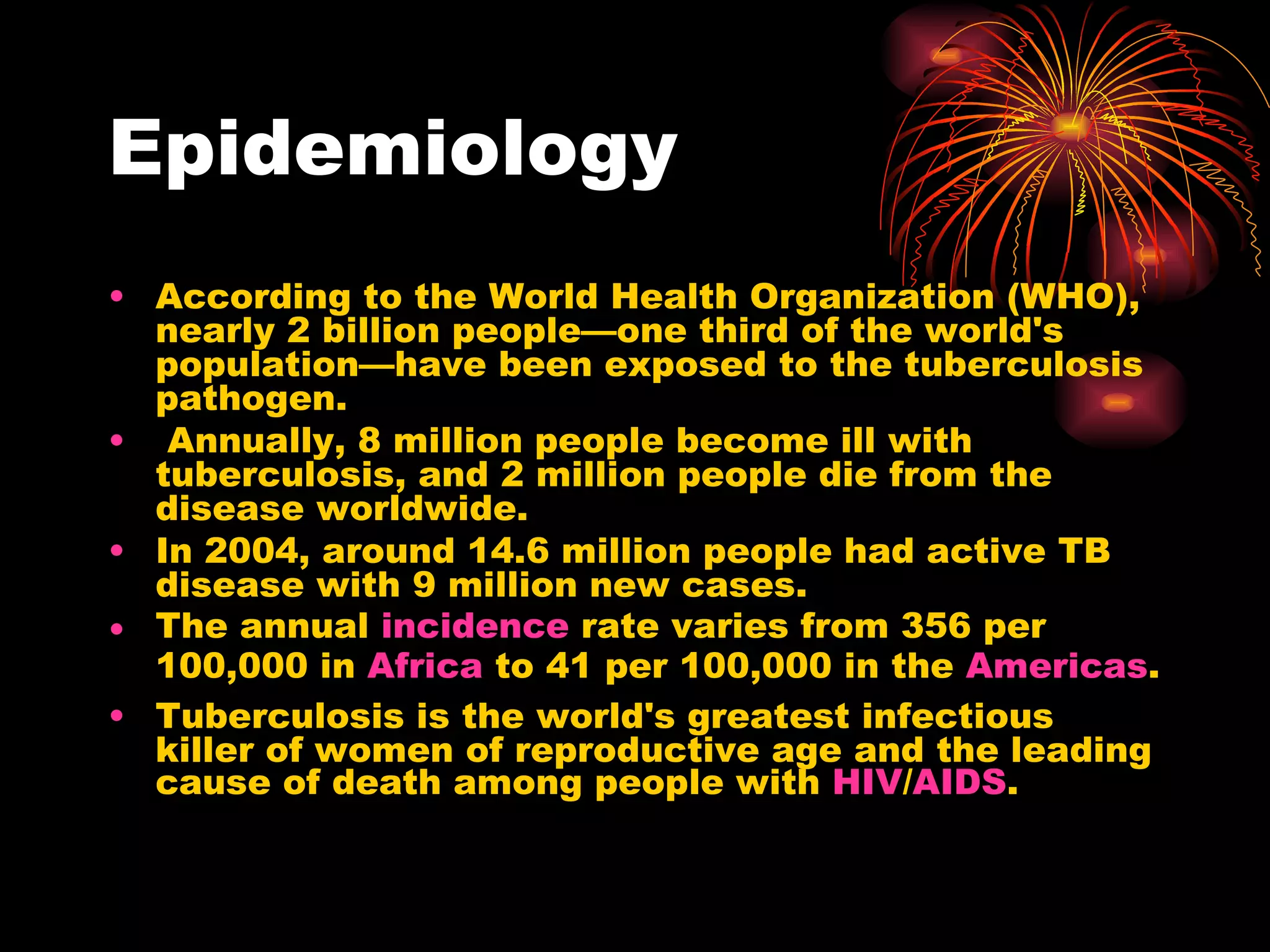
Epidemiology According to the World Health Organization (WHO), nearly 2 billion people—one third of the world's population—have been exposed to the tuberculosis pathogen. Annually, 8 million people become ill with tuberculosis, and 2 million people die from the disease worldwide.  In 2004, around 14.6 million people had active TB disease with 9 million new cases.  The annual  incidence  rate varies from 356 per 100,000 in  Africa  to 41 per 100,000 in the  Americas . Tuberculosis is the world's greatest infectious killer of women of reproductive age and the leading cause of death among people with  HIV / AIDS .
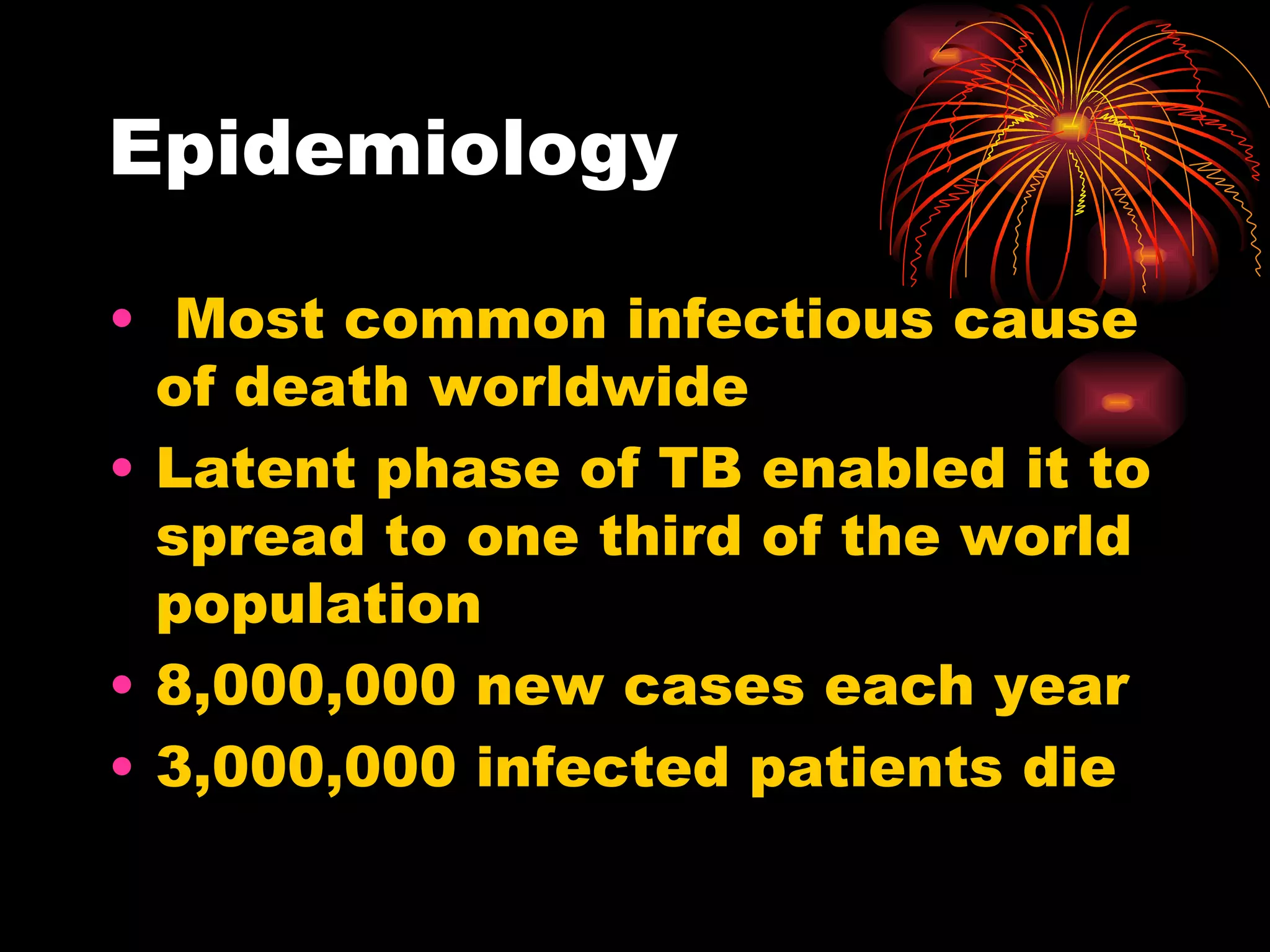
Epidemiology Most common infectious cause of death worldwide Latent phase of TB enabled it to spread to one third of the world population 8,000,000 new cases each year 3,000,000 infected patients die
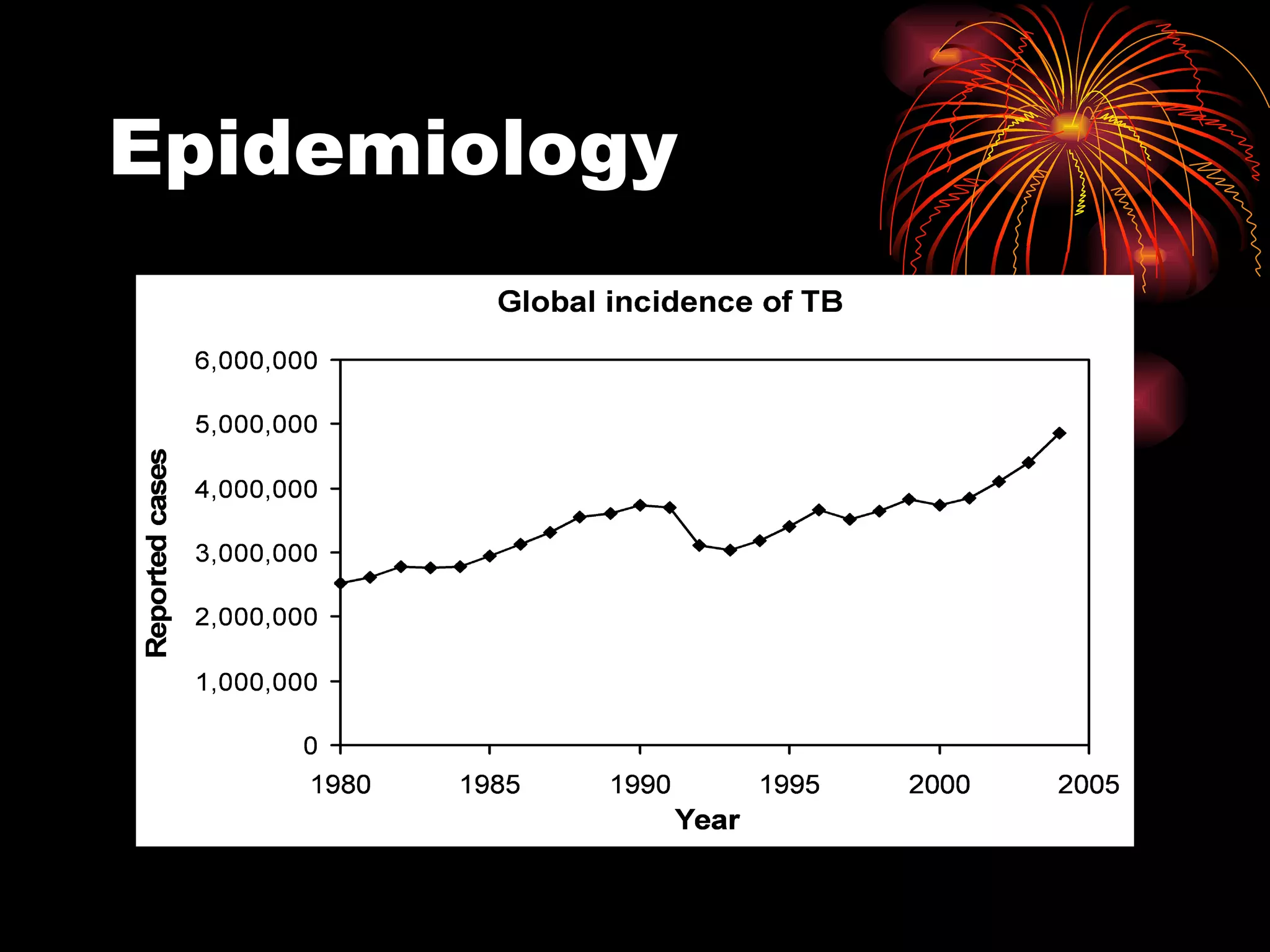
Epidemiology
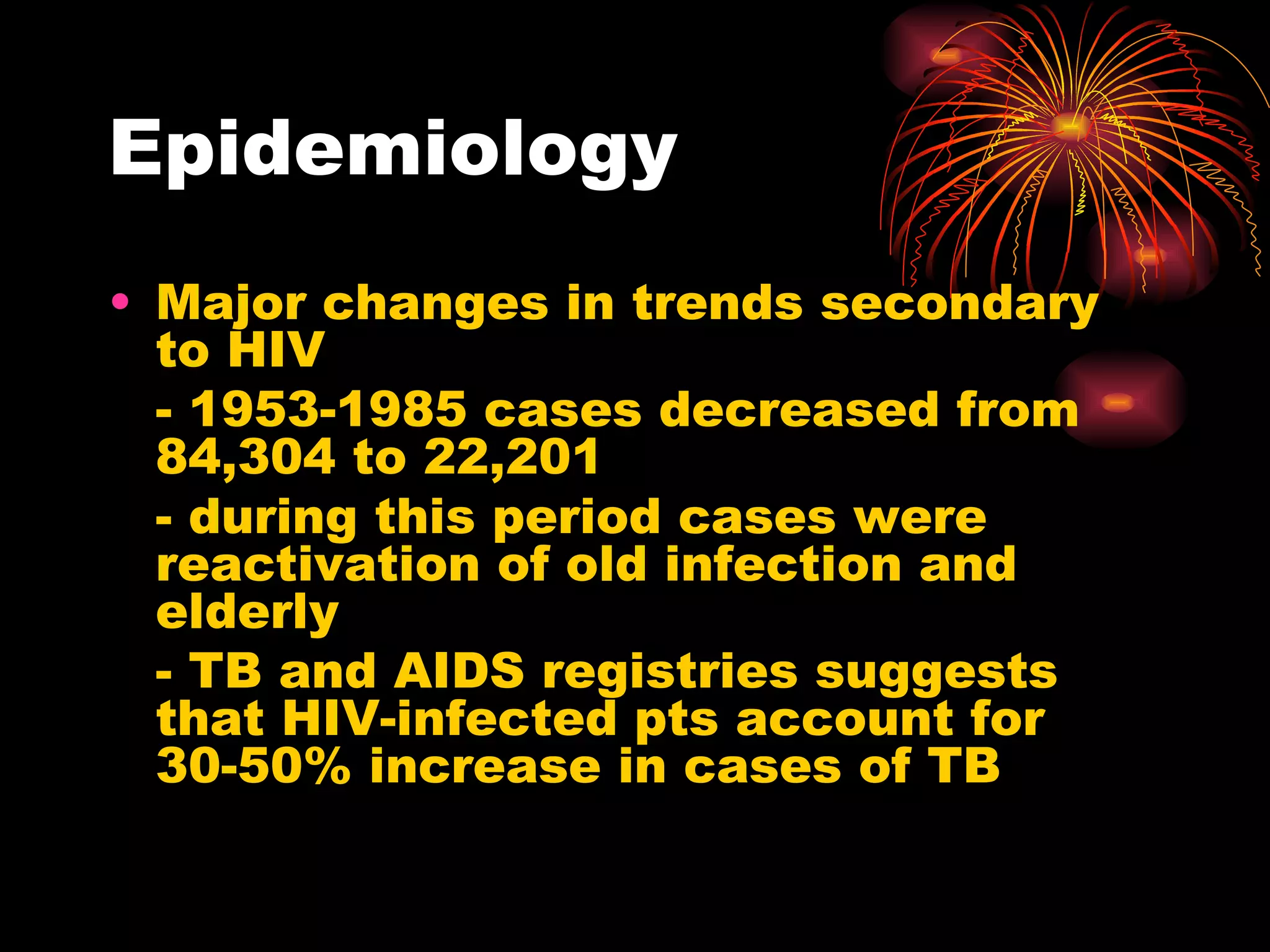
Epidemiology Major changes in trends secondary to HIV - 1953-1985 cases decreased from 84,304 to 22,201 - during this period cases were reactivation of old infection and elderly - TB and AIDS registries suggests that HIV-infected pts account for 30-50% increase in cases of TB
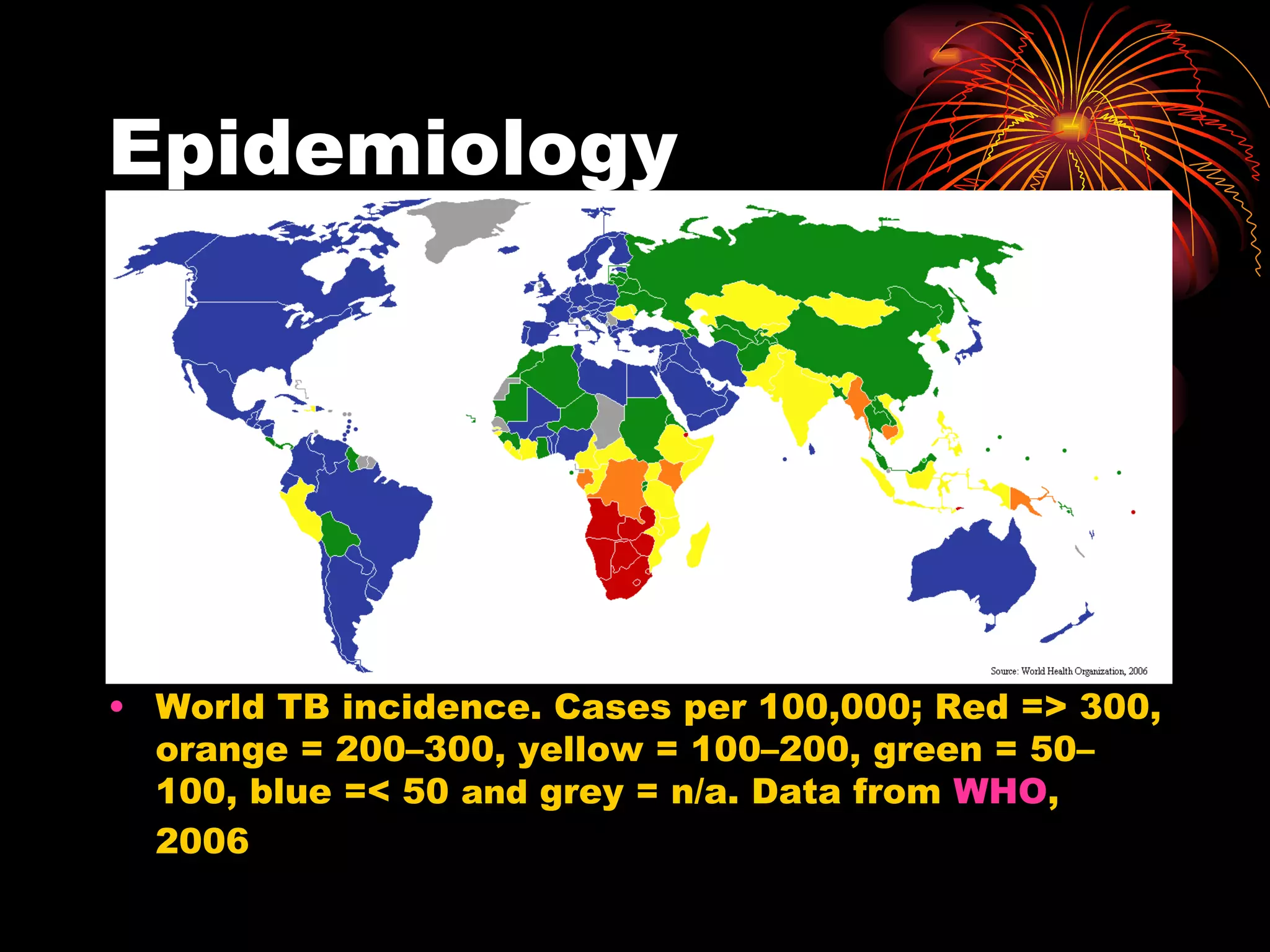
Epidemiology World TB incidence. Cases per 100,000; Red => 300, orange = 200–300, yellow = 100–200, green = 50–100, blue =< 50  and  grey = n/a. Data from  WHO , 2006
Incidence 1985-1990 TB cases increased 55% in Hispanics and 27% in African Americans Populations at risk - Foreign-born individuals - Low socioeconomic status - Cancer pts - Celiac disease - Cigarette smokers - TNF-a antagonists - Corticosteroids - HIV
Transmission When people suffering from active pulmonary TB cough, sneeze, speak, or spit, they expel infectious  aerosol  droplets 0.5 to 5  µm  in diameter.  A single sneeze can release up to 40,000 droplets. People with prolonged, frequent, or intense contact are at particularly high risk of becoming infected, with an estimated 22% infection rate.  A person with active but untreated tuberculosis can infect 10–15 other people per year. Others at risk include people in areas where TB is common,
Transmission
Transmission people who inject drugs using unsanitary needles, residents and employees of high-risk congregate settings, medically under-served and low-income populations,  high-risk racial or ethnic minority populations,  children exposed to adults in high-risk categories, patients  immunocompromised  by conditions such as  HIV / AIDS , people who take immunosuppressant drugs,  and health care workers serving these high-risk clients.
Pathogenesis
Pathogenesis Hyperlink to Microsoft Word Pathophysiology of Pulmonary  Tuberculosis.doc   Pathogenesis of TB infection and  disease.doc
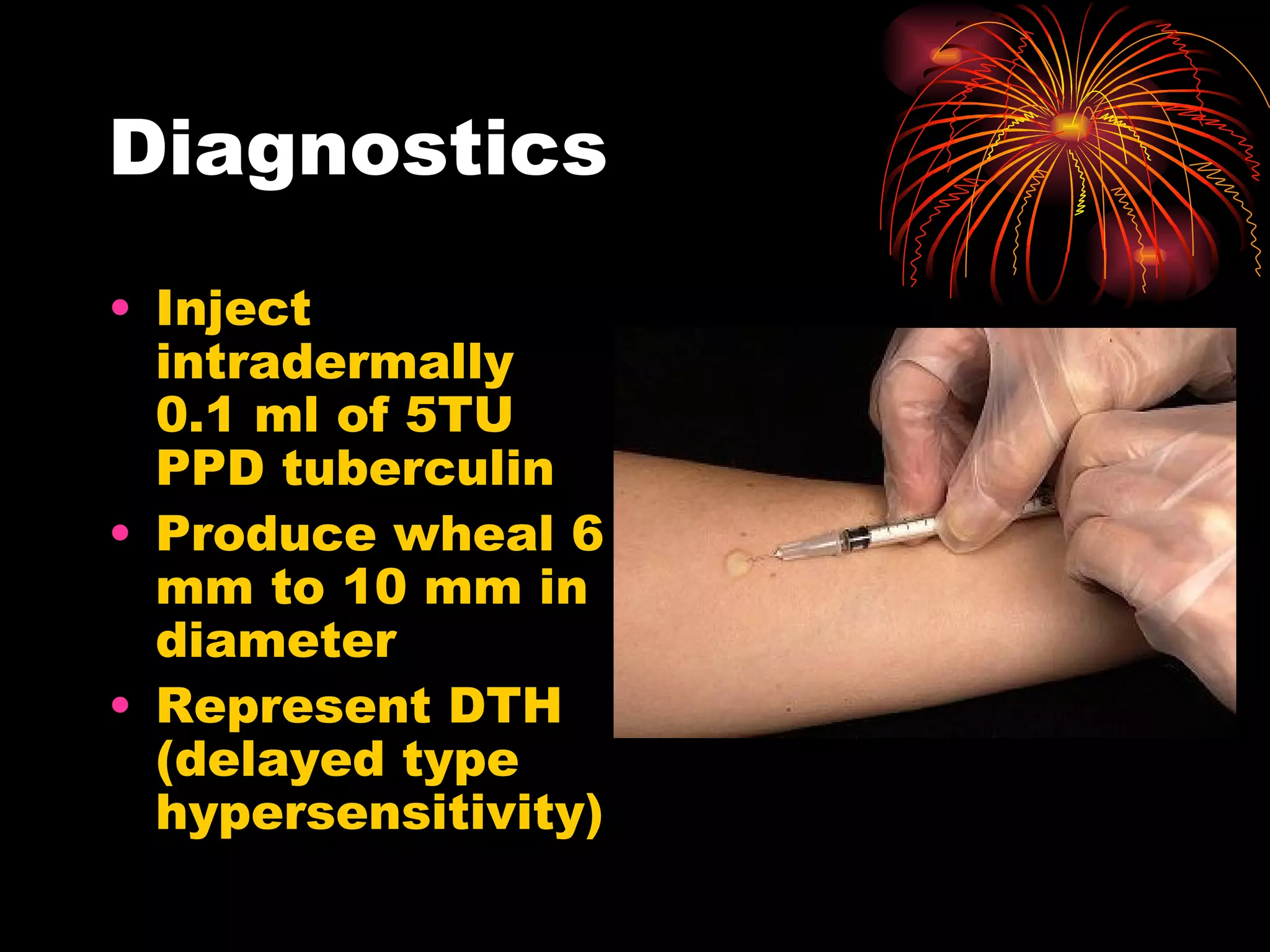
Diagnostics Inject intradermally 0.1 ml   of 5TU PPD tuberculin Produce wheal 6 mm to 10   mm in diameter Represent DTH  (delayed type hypersensitivity)
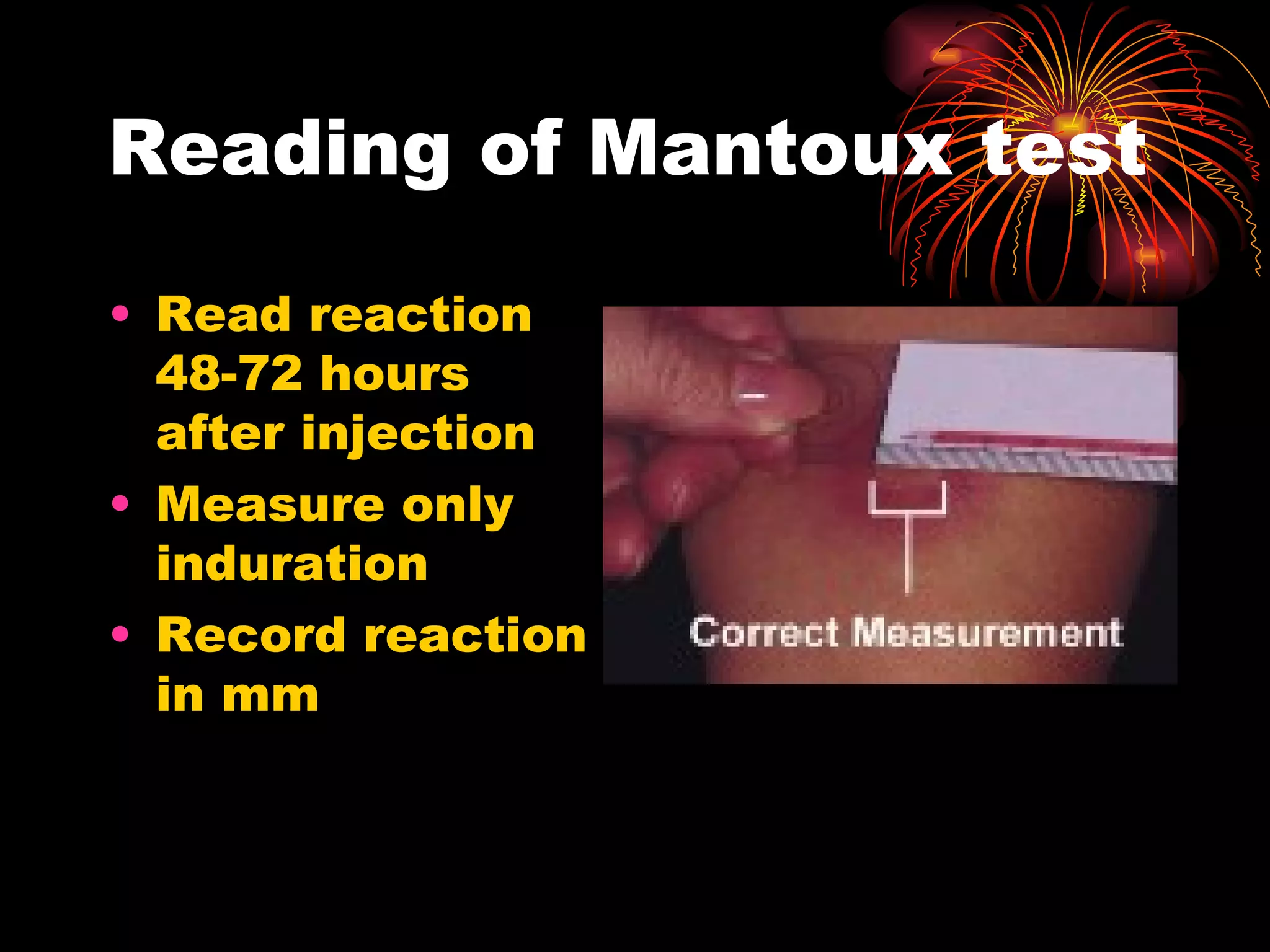
Reading of Mantoux test Read reaction 48-72 hours after injection Measure only induration Record reaction in mm
Classifying the Tuberculin Reaction > 5 mm is classified as positive in HIV-positive persons Recent contacts of TB case Persons with fibrotic changes on CXR consistent with old healed TB Patients with organ transplants and other immunosuppressed patients
Classifying the tuberculin reaction >10  mm is classified as positive in Recent arrivals from high-prevalence countries Injection drug users Residents and employees of high-risk settings Mycobacteriology laboratory personnel Persons with clinical conditions that place them at high risk Children <4 years, or children and adolescents exposed to adults in high-risk categories
Classifying the tuberculin reaction > 15 mm is classified as positive in Persons with no known risk factors for TB
Factors may affect TST False negative Faulty application Anergy Acute TB (2-10 wks to convert) Very young age (< 6 months old)  Live-virus vaccination Overwhelming TB disease False positive BCG vaccination (usually <10mm by adulthood) Nontuberculous mycobacteria  infection
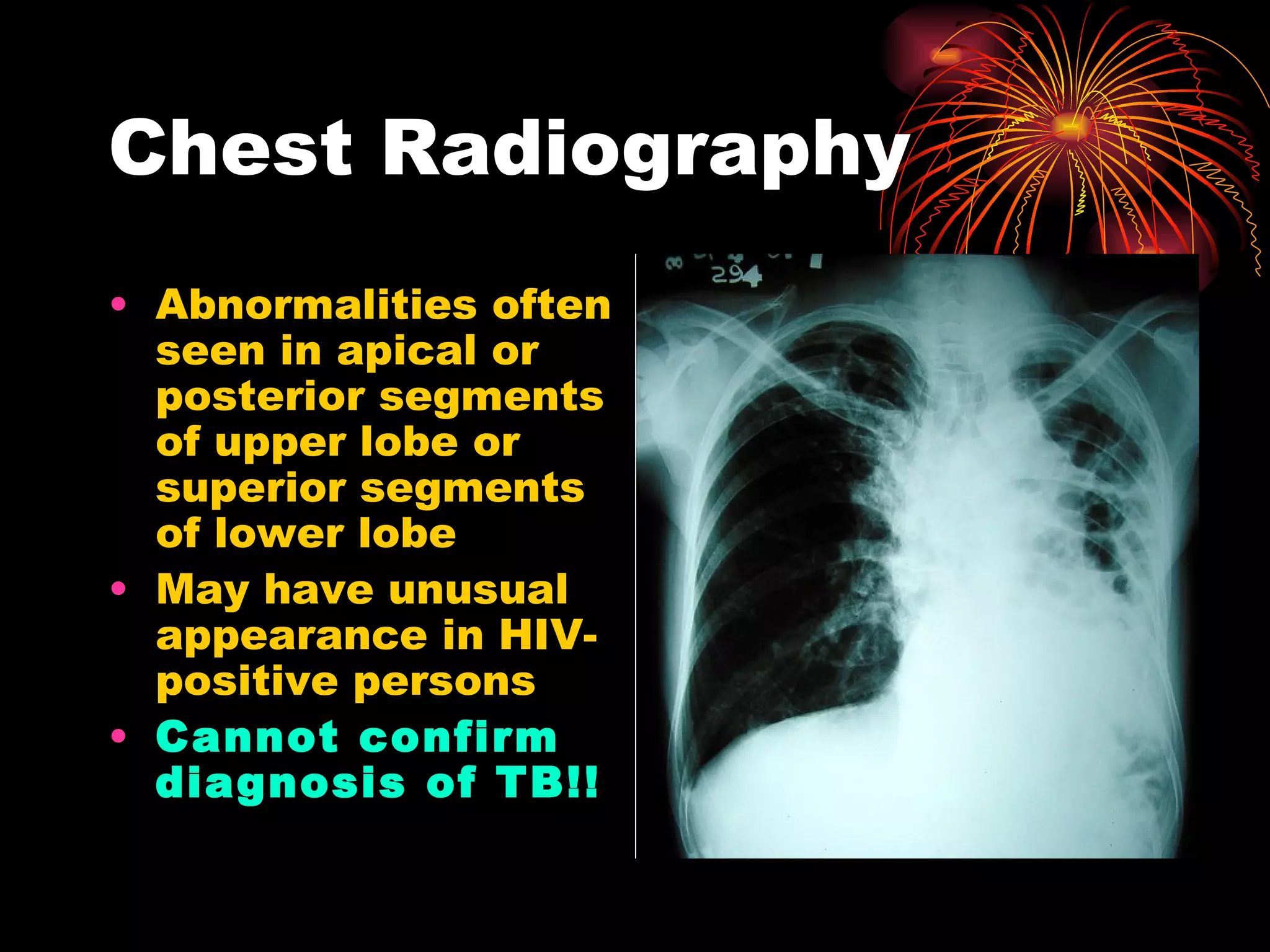
Chest Radiography Abnormalities often seen in apical  or posterior  segments of upper  l obe or superior segments of lower lobe May have unusual appearance in   HIV-positive persons  Cannot confirm diagnosis of TB !!
Chest radiography No chest X-ray pattern is absolutely typical of TB 10-15% of culture-positive TB patients not diagnosed by X-ray 40% of patients diagnosed as having TB on the basis of x-ray alone do not have active TB
Specimen Collection Obtain 3 sputum specimens for smear   examination and culture Persons unable to cough up sputum induce   sputum bronchoscopy  gastric aspiration   Follow infection control precautions during specimen collection
Number of sputum samples required overall diagnostic yield for sputum examination related to   the quantity of sputum (at least 5 mL)  the quality of sputum multiple samples obtained at different times to the laboratory for processing 3 samples obtained at least eight hours apart with at least one sample obtained in the early morning
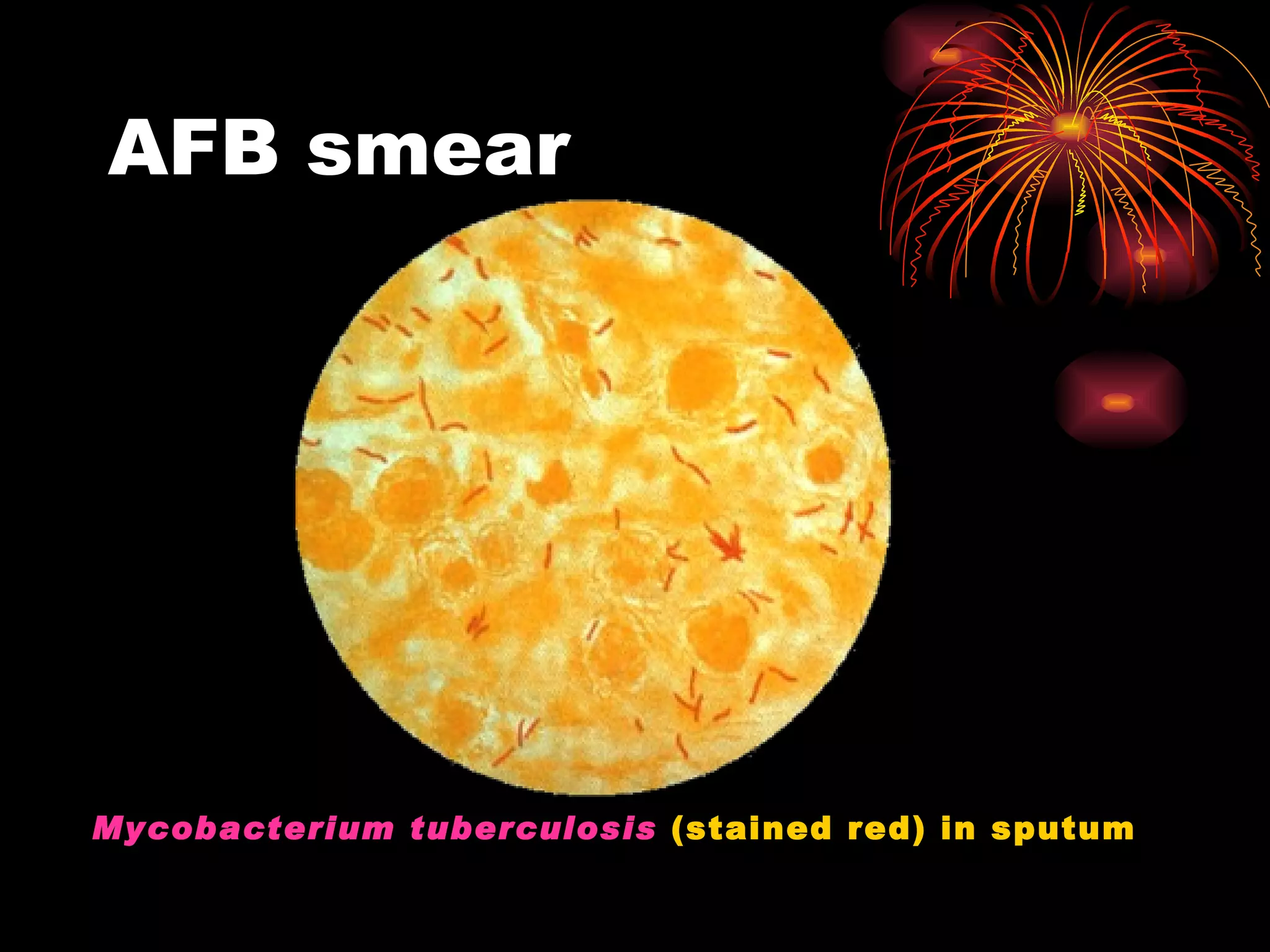
Smear Examination Strongly consider TB in patients with smears containing acid-fast bacilli (AFB)‏ Results should be available within 24 hours of specimen collection Presumptive diagnosis of TB Not specific for M. tuberculosis
AFB smear Mycobacterium tuberculosis  (stained red) in sputum
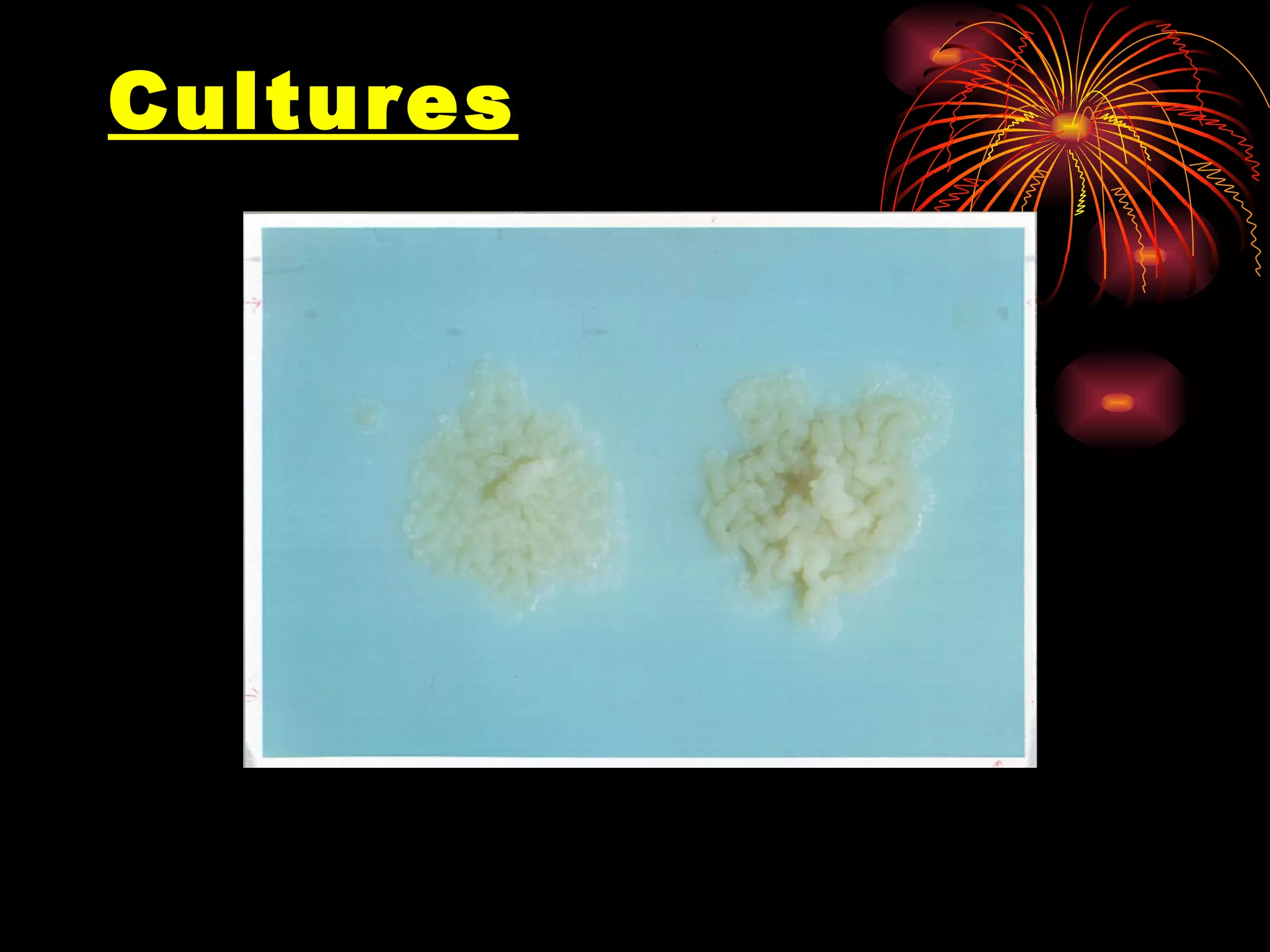
Cultures
Signs and Symptoms
Signs and Symptoms Hemoptysis Also known as coughing up blood, it is a symptom of bleeding somewhere in the respiratory tract.  Frothy and bright red blood may come from the nose, mouth, or throat (upper respiratory tract), the lower respiratory tract, or the lungs.  The seriousness of the disorder depends on the cause of the bleeding.
Signs and Symptoms Anorexia The sysmptom of poor appetite whatever the cause
Treatment
Tuberculosis treatment The standard &quot;short&quot; course  treatment for tuberculosis  (TB), is  isoniazid ,  rifampicin ,  pyrazinamide , and  ethambutol  for two months, then isoniazid and rifampicin alone for a further four months. The patient is considered cured at six months (although there is still a relapse rate of 2 to 3%). For  latent tuberculosis , the standard treatment is six to nine months of  isoniazid  alone. If the organism is known to be fully sensitive, then treatment is with isoniazid, rifampicin, and pyrazinamide for two months, followed by isoniazid and rifampicin for four months. Ethambutol need not be used.
Drugs All first-line anti-tuberculous  drug names  have a standard three-letter and a single-letter abbreviation: ethambutol  is EMB or E,  isoniazid  is INH or H,  pyrazinamide  is PZA or Z,  rifampicin  is RMP or R,  Streptomycin  is STM or S.
Drugs There are six classes of second-line drugs (SLDs) used for the treatment of TB. A drug may be classed as second-line instead of first-line for one of two possible reasons: it may be less effective than the first-line drugs. aminoglycosides : e.g.,  amikacin  (AMK),  kanamycin  (KM);  polypeptides : e.g.,  capreomycin ,  viomycin ,  enviomycin ;  fluoroquinolones : e.g.,  ciprofloxacin  (CIP),  levofloxacin ,  moxifloxacin  (MXF);  thioamides : e.g.  ethionamide ,  prothionamide   cycloserine  (the only antibiotic in its class);  p -aminosalicylic acid  (PAS or P).
Drugs considered &quot;third-line drugs&quot;  not very effective  or because their efficacy has not been proven .  Rifabutin is effective, but is not included on the WHO list because for most developing countries, it is impractically expensive. rifabutin   macrolides : e.g.,  clarithromycin  (CLR);  linezolid  (LZD);  thioacetazone  (T);  thioridazinea ;  arginine ;  vitamin D ;  R207910 .
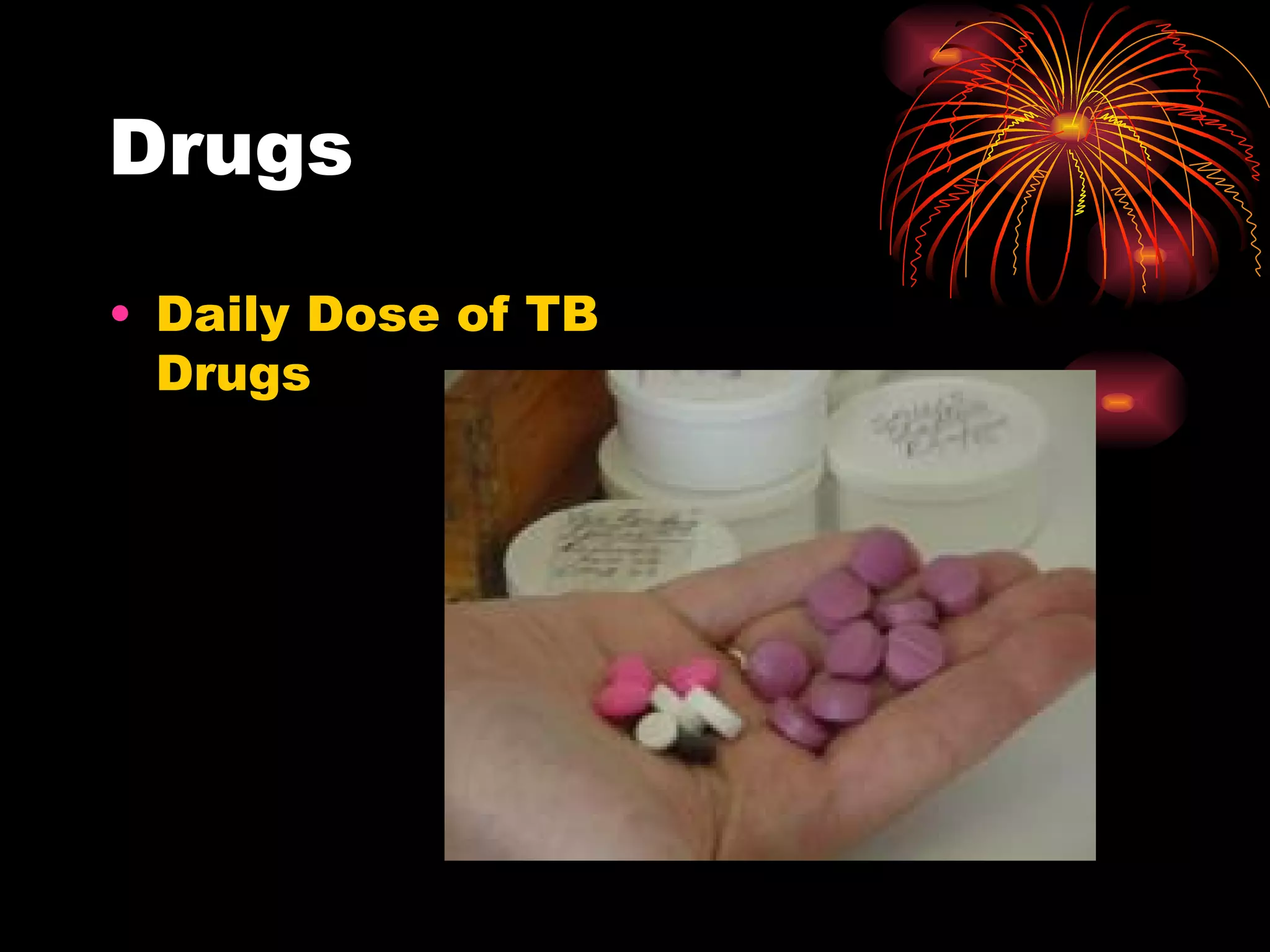
Drugs Daily Dose of TB Drugs
Drugs Multi-drug resistant TB  ( MDR-TB ) is defined as resistance to the two most effective first-line TB drugs:  rifampicin  and  isoniazid .  Extensively drug-resistant TB  ( XDR-TB ) is also resistant to three or more of the six classes of second-line drugs.
Monitoring and DOTS DOTS  stands for &quot;Directly Observed Therapy, Short-course&quot; and is a major plan in the  WHO  global TB eradication programme.  The DOTS strategy focuses on five main points of action.  These include government commitment to control TB,  diagnosis based on sputum-smear microscopy tests done on patients who actively report TB symptoms,  direct observation short-course chemotherapy treatments, a definite supply of drugs, and  standardized reporting and recording of cases and treatment outcomes.
Prevention TB prevention and control takes two parallel approaches.  In the first, people with TB and their contacts are identified and then treated.  Identification of infections often involves testing high-risk groups for TB.  In the second approach, children are  vaccinated  to protect them from TB.
Vaccines Many countries use  Bacillus Calmette-Guérin  (BCG) vaccine as part of their TB control programs, especially for infants. According to the W.H.O., this is the most often used vaccine worldwide, with 85% of infants in 172 countries immunized in 1993. BCG provides some protection against severe forms of pediatric TB unreliable against adult pulmonary TB,  Currently, there are more cases of TB on the planet than at any other time in history  urgent need for a newer, more effective vaccine that would prevent all forms of TB—including drug resistant strains—in all age groups and among people with HIV.
Current Surgical Intervention  Patients with hemoptysis first received  Bronchial Artery Embolization  because of the  recurrent hemoptysis .  Current indication of  Lung Resection  for  pulmonary tuberculosis  includes  MDR-TB with a poor response to medical therapy ,  hemoptysis due to bronchiectasis or Aspergillus superinfection , and  destroyed lung as previously reported , which are consistent with our indications.    Surgery remains a crucial adjunct to medical therapy for the treatment of  MDR-TB  and  medical failure lesions .
Thank You

Pulmonary Tuberculosis Presentation

  • 1.
    Pulmonary Tuberculosis By:Dave Jay S. Manriquez RN. February 1, 2009
  • 2.
    Pulmonary Tuberculosis Tuberculosis (abbreviated as TB for tubercle bacillus or T u b erculosis) is a common and often deadly infectious disease caused by mycobacteria , mainly Mycobacterium tuberculosis . Tuberculosis usually attacks the lungs (as pulmonary TB).
  • 3.
    Pulmonary Tuberculosis Scanningelectron micrograph of Mycobacterium tuberculosis
  • 4.
    Epidemiology According tothe World Health Organization (WHO), nearly 2 billion people—one third of the world's population—have been exposed to the tuberculosis pathogen. Annually, 8 million people become ill with tuberculosis, and 2 million people die from the disease worldwide. In 2004, around 14.6 million people had active TB disease with 9 million new cases. The annual incidence rate varies from 356 per 100,000 in Africa to 41 per 100,000 in the Americas . Tuberculosis is the world's greatest infectious killer of women of reproductive age and the leading cause of death among people with HIV / AIDS .
  • 5.
    Epidemiology Most commoninfectious cause of death worldwide Latent phase of TB enabled it to spread to one third of the world population 8,000,000 new cases each year 3,000,000 infected patients die
  • 6.
  • 7.
    Epidemiology Major changesin trends secondary to HIV - 1953-1985 cases decreased from 84,304 to 22,201 - during this period cases were reactivation of old infection and elderly - TB and AIDS registries suggests that HIV-infected pts account for 30-50% increase in cases of TB
  • 8.
    Epidemiology World TBincidence. Cases per 100,000; Red => 300, orange = 200–300, yellow = 100–200, green = 50–100, blue =< 50 and grey = n/a. Data from WHO , 2006
  • 9.
    Incidence 1985-1990 TBcases increased 55% in Hispanics and 27% in African Americans Populations at risk - Foreign-born individuals - Low socioeconomic status - Cancer pts - Celiac disease - Cigarette smokers - TNF-a antagonists - Corticosteroids - HIV
  • 10.
    Transmission When peoplesuffering from active pulmonary TB cough, sneeze, speak, or spit, they expel infectious aerosol droplets 0.5 to 5 µm in diameter. A single sneeze can release up to 40,000 droplets. People with prolonged, frequent, or intense contact are at particularly high risk of becoming infected, with an estimated 22% infection rate. A person with active but untreated tuberculosis can infect 10–15 other people per year. Others at risk include people in areas where TB is common,
  • 11.
  • 12.
    Transmission people whoinject drugs using unsanitary needles, residents and employees of high-risk congregate settings, medically under-served and low-income populations, high-risk racial or ethnic minority populations, children exposed to adults in high-risk categories, patients immunocompromised by conditions such as HIV / AIDS , people who take immunosuppressant drugs, and health care workers serving these high-risk clients.
  • 13.
  • 14.
    Pathogenesis Hyperlink toMicrosoft Word Pathophysiology of Pulmonary Tuberculosis.doc Pathogenesis of TB infection and disease.doc
  • 15.
    Diagnostics Inject intradermally0.1 ml of 5TU PPD tuberculin Produce wheal 6 mm to 10 mm in diameter Represent DTH (delayed type hypersensitivity)
  • 16.
    Reading of Mantouxtest Read reaction 48-72 hours after injection Measure only induration Record reaction in mm
  • 17.
    Classifying the TuberculinReaction > 5 mm is classified as positive in HIV-positive persons Recent contacts of TB case Persons with fibrotic changes on CXR consistent with old healed TB Patients with organ transplants and other immunosuppressed patients
  • 18.
    Classifying the tuberculinreaction >10 mm is classified as positive in Recent arrivals from high-prevalence countries Injection drug users Residents and employees of high-risk settings Mycobacteriology laboratory personnel Persons with clinical conditions that place them at high risk Children <4 years, or children and adolescents exposed to adults in high-risk categories
  • 19.
    Classifying the tuberculinreaction > 15 mm is classified as positive in Persons with no known risk factors for TB
  • 20.
    Factors may affectTST False negative Faulty application Anergy Acute TB (2-10 wks to convert) Very young age (< 6 months old) Live-virus vaccination Overwhelming TB disease False positive BCG vaccination (usually <10mm by adulthood) Nontuberculous mycobacteria infection
  • 21.
    Chest Radiography Abnormalitiesoften seen in apical or posterior segments of upper l obe or superior segments of lower lobe May have unusual appearance in HIV-positive persons Cannot confirm diagnosis of TB !!
  • 22.
    Chest radiography Nochest X-ray pattern is absolutely typical of TB 10-15% of culture-positive TB patients not diagnosed by X-ray 40% of patients diagnosed as having TB on the basis of x-ray alone do not have active TB
  • 23.
    Specimen Collection Obtain3 sputum specimens for smear examination and culture Persons unable to cough up sputum induce sputum bronchoscopy gastric aspiration Follow infection control precautions during specimen collection
  • 24.
    Number of sputumsamples required overall diagnostic yield for sputum examination related to the quantity of sputum (at least 5 mL) the quality of sputum multiple samples obtained at different times to the laboratory for processing 3 samples obtained at least eight hours apart with at least one sample obtained in the early morning
  • 25.
    Smear Examination Stronglyconsider TB in patients with smears containing acid-fast bacilli (AFB)‏ Results should be available within 24 hours of specimen collection Presumptive diagnosis of TB Not specific for M. tuberculosis
  • 26.
    AFB smear Mycobacteriumtuberculosis (stained red) in sputum
  • 27.
  • 28.
  • 29.
    Signs and SymptomsHemoptysis Also known as coughing up blood, it is a symptom of bleeding somewhere in the respiratory tract. Frothy and bright red blood may come from the nose, mouth, or throat (upper respiratory tract), the lower respiratory tract, or the lungs. The seriousness of the disorder depends on the cause of the bleeding.
  • 30.
    Signs and SymptomsAnorexia The sysmptom of poor appetite whatever the cause
  • 31.
  • 32.
    Tuberculosis treatment Thestandard &quot;short&quot; course treatment for tuberculosis (TB), is isoniazid , rifampicin , pyrazinamide , and ethambutol for two months, then isoniazid and rifampicin alone for a further four months. The patient is considered cured at six months (although there is still a relapse rate of 2 to 3%). For latent tuberculosis , the standard treatment is six to nine months of isoniazid alone. If the organism is known to be fully sensitive, then treatment is with isoniazid, rifampicin, and pyrazinamide for two months, followed by isoniazid and rifampicin for four months. Ethambutol need not be used.
  • 33.
    Drugs All first-lineanti-tuberculous drug names have a standard three-letter and a single-letter abbreviation: ethambutol is EMB or E, isoniazid is INH or H, pyrazinamide is PZA or Z, rifampicin is RMP or R, Streptomycin is STM or S.
  • 34.
    Drugs There aresix classes of second-line drugs (SLDs) used for the treatment of TB. A drug may be classed as second-line instead of first-line for one of two possible reasons: it may be less effective than the first-line drugs. aminoglycosides : e.g., amikacin (AMK), kanamycin (KM); polypeptides : e.g., capreomycin , viomycin , enviomycin ; fluoroquinolones : e.g., ciprofloxacin (CIP), levofloxacin , moxifloxacin (MXF); thioamides : e.g. ethionamide , prothionamide cycloserine (the only antibiotic in its class); p -aminosalicylic acid (PAS or P).
  • 35.
    Drugs considered &quot;third-linedrugs&quot; not very effective or because their efficacy has not been proven . Rifabutin is effective, but is not included on the WHO list because for most developing countries, it is impractically expensive. rifabutin macrolides : e.g., clarithromycin (CLR); linezolid (LZD); thioacetazone (T); thioridazinea ; arginine ; vitamin D ; R207910 .
  • 36.
    Drugs Daily Doseof TB Drugs
  • 37.
    Drugs Multi-drug resistantTB ( MDR-TB ) is defined as resistance to the two most effective first-line TB drugs: rifampicin and isoniazid . Extensively drug-resistant TB ( XDR-TB ) is also resistant to three or more of the six classes of second-line drugs.
  • 38.
    Monitoring and DOTSDOTS stands for &quot;Directly Observed Therapy, Short-course&quot; and is a major plan in the WHO global TB eradication programme. The DOTS strategy focuses on five main points of action. These include government commitment to control TB, diagnosis based on sputum-smear microscopy tests done on patients who actively report TB symptoms, direct observation short-course chemotherapy treatments, a definite supply of drugs, and standardized reporting and recording of cases and treatment outcomes.
  • 39.
    Prevention TB preventionand control takes two parallel approaches. In the first, people with TB and their contacts are identified and then treated. Identification of infections often involves testing high-risk groups for TB. In the second approach, children are vaccinated to protect them from TB.
  • 40.
    Vaccines Many countriesuse Bacillus Calmette-Guérin (BCG) vaccine as part of their TB control programs, especially for infants. According to the W.H.O., this is the most often used vaccine worldwide, with 85% of infants in 172 countries immunized in 1993. BCG provides some protection against severe forms of pediatric TB unreliable against adult pulmonary TB, Currently, there are more cases of TB on the planet than at any other time in history urgent need for a newer, more effective vaccine that would prevent all forms of TB—including drug resistant strains—in all age groups and among people with HIV.
  • 41.
    Current Surgical Intervention Patients with hemoptysis first received Bronchial Artery Embolization because of the recurrent hemoptysis . Current indication of Lung Resection for pulmonary tuberculosis includes MDR-TB with a poor response to medical therapy , hemoptysis due to bronchiectasis or Aspergillus superinfection , and destroyed lung as previously reported , which are consistent with our indications.    Surgery remains a crucial adjunct to medical therapy for the treatment of MDR-TB and medical failure lesions .
  • 42.