Inverter (Konverter DC – AC) Pekik Argo Dahono
Penggunaan Inverter Pengendalian motor ac UPS Catu daya ac Ballast elektronik Microwave heating Static VAR generators FACTS (Flexible AC Transmission System) Filter daya aktif Penyearah
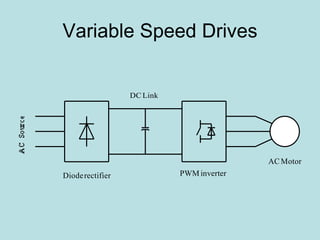
Variable Speed Drives
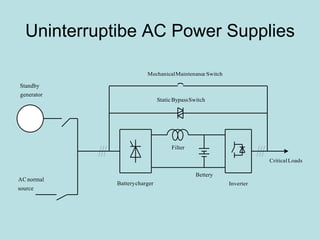
Uninterruptibe AC Power Supplies
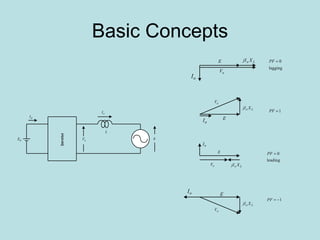
Basic Concepts
Properties of Ideal Inverters DC input is free of ripple AC output is sinusoidal or has a controllable waveshape
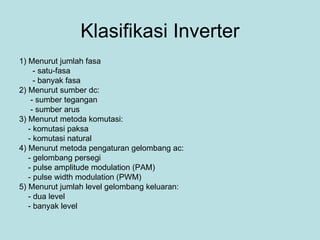
Klasifikasi Inverter 1) Menurut jumlah fasa - satu-fasa - banyak fasa 2) Menurut sumber dc: - sumber tegangan - sumber arus 3) Menurut metoda komutasi: - komutasi paksa - komutasi natural 4) Menurut metoda pengaturan gelombang ac: - gelombang persegi - pulse amplitude modulation (PAM) - pulse width modulation (PWM) 5) Menurut jumlah level gelombang keluaran: - dua level - banyak level
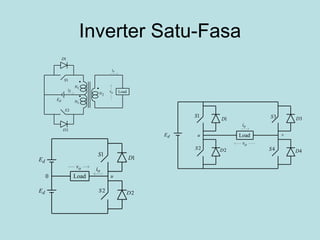
Inverter Satu-Fasa
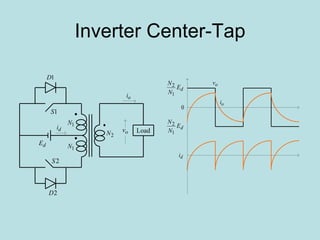
Inverter Center-Tap
Inverter Center-Tap
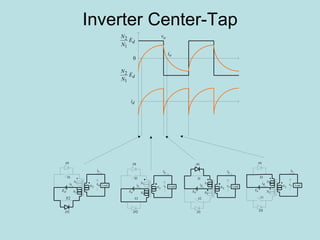
Inverter Center-Tap
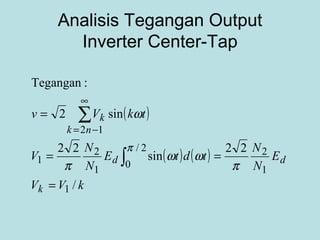
Analisis Tegangan Output Inverter Center-Tap
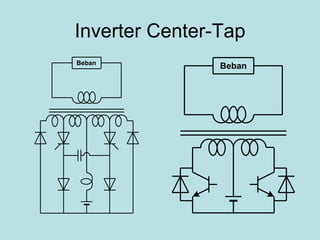
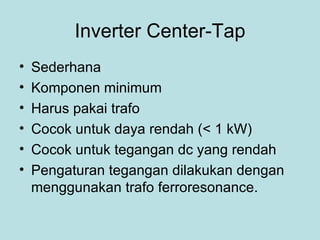
Inverter Center-Tap Sederhana Komponen minimum Harus pakai trafo Cocok untuk daya rendah (< 1 kW) Cocok untuk tegangan dc yang rendah Pengaturan tegangan dilakukan dengan menggunakan trafo ferroresonance.
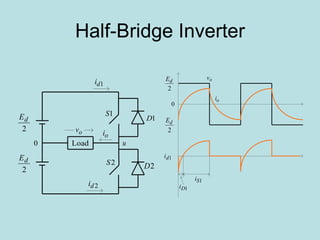
Half-Bridge Inverter
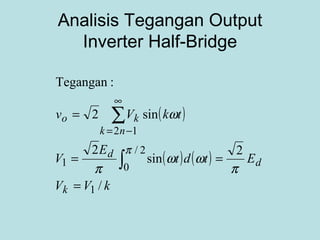
Analisis Tegangan Output Inverter Half-Bridge
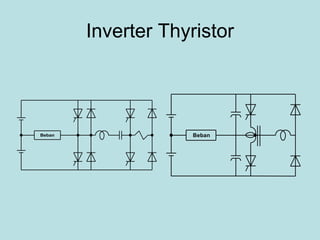
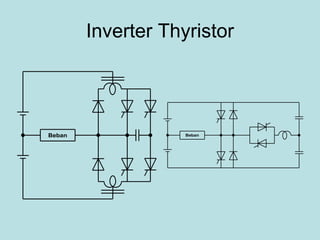
Inverter Thyristor
Inverter Thyristor
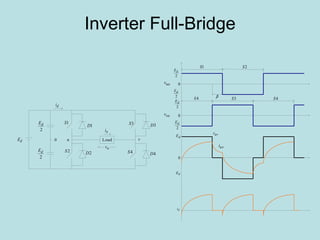
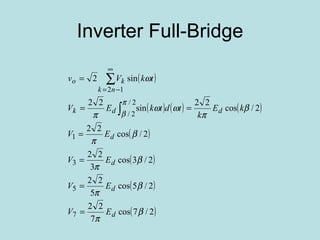
Inverter Full-Bridge
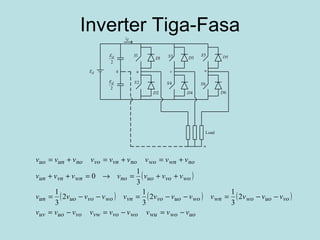
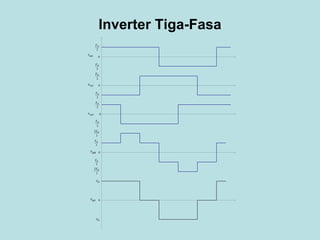
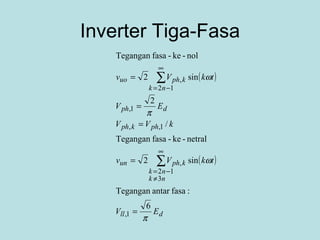
Inverter Tiga-Fasa
Inverter Tiga-Fasa
Inverter Tiga-Fasa
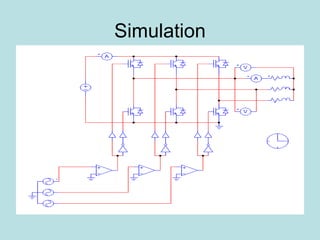
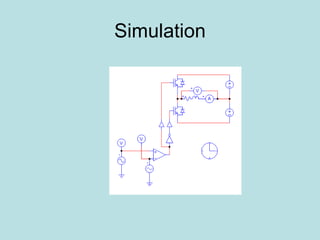
Simulation
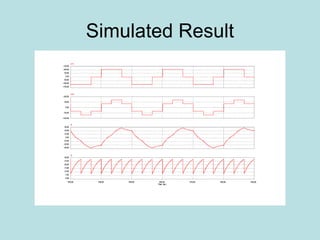
Simulated Result
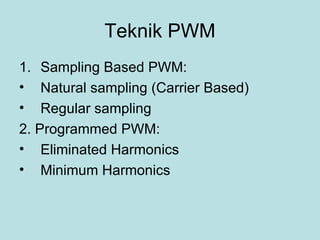
Teknik PWM Sampling Based PWM: Natural sampling (Carrier Based) Regular sampling  2. Programmed PWM: Eliminated Harmonics Minimum Harmonics
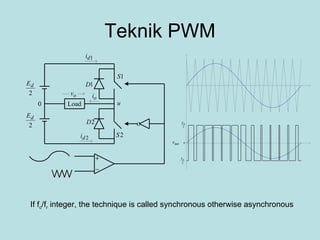
Teknik PWM If f c /f r  integer, the technique is called synchronous otherwise asynchronous
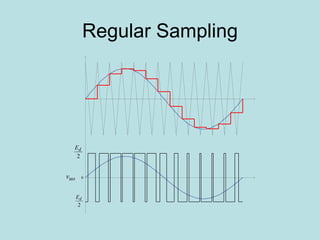
Regular Sampling
Simulation
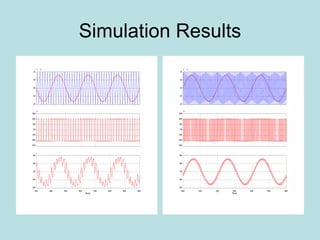
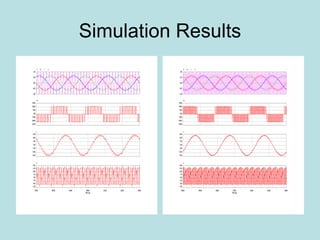
Simulation Results
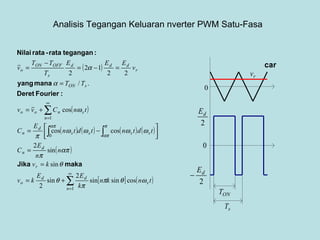
Analisis Tegangan Keluaran nverter PWM Satu-Fasa
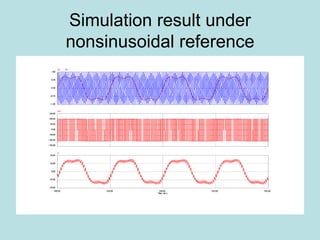
Simulation result under nonsinusoidal reference
Analisis Tegangan keluaran Maximum peak output voltage is  E d /2.  This value is less than the fundamental component of square-wave output voltage. The output current waveform is almost sinusoidal when the switching frequency is high. Because the switching frequency is high, the switching losses are also high.
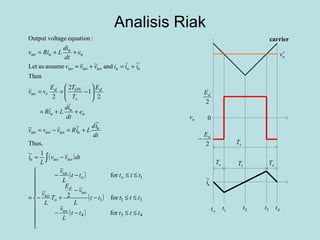
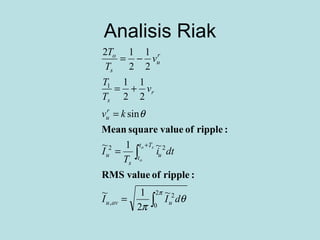
Analisis Riak
Analisis Riak
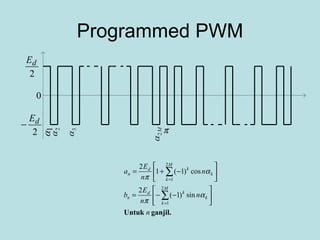
Programmed PWM
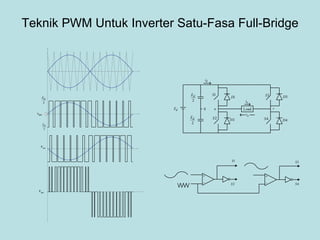
Teknik PWM Untuk Inverter Satu-Fasa Full-Bridge
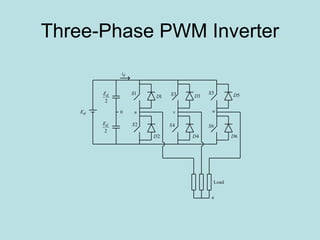
Three-Phase PWM Inverter
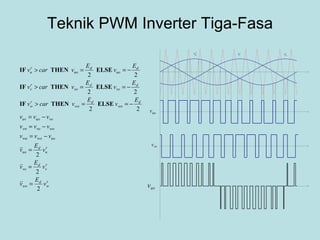
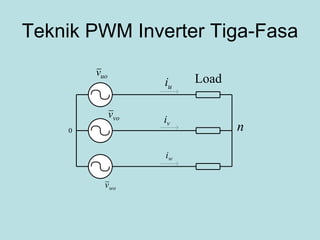
Teknik PWM Inverter Tiga-Fasa
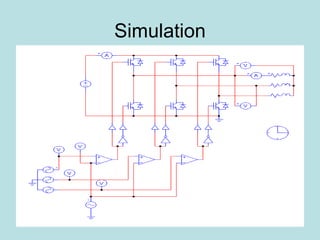
Simulation
Simulation Results
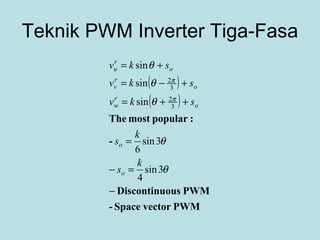
Teknik PWM Inverter Tiga-Fasa
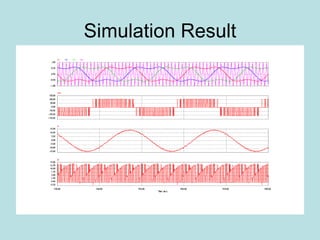
Simulation Result
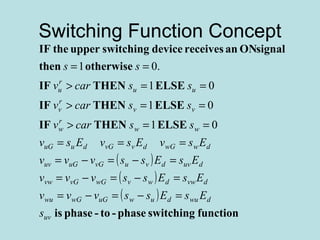
Switching Function Concept
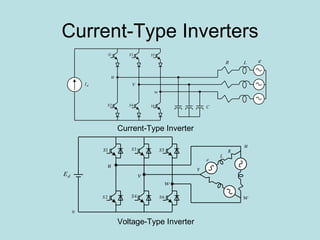
Current-Type Inverters Current-Type Inverter Voltage-Type Inverter
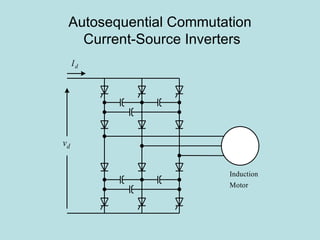
Autosequential Commutation  Current-Source Inverters
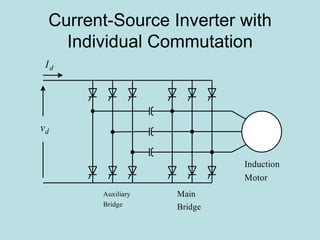
Current-Source Inverter with Individual Commutation
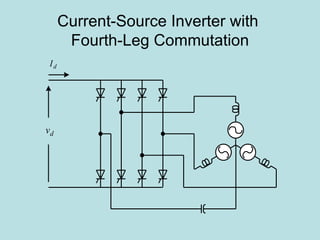
Current-Source Inverter with  Fourth-Leg Commutation
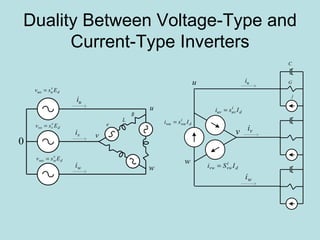
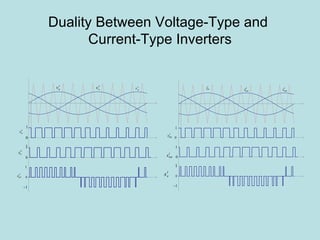
Duality Between Voltage-Type and Current-Type Inverters
Duality Between Voltage-Type and  Current-Type Inverters
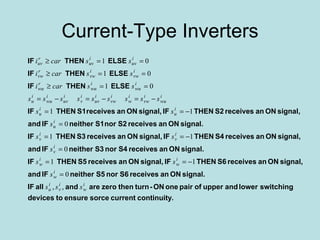
Current-Type Inverters
Current-Type Inverters At present, voltage-type inverters are more popular than current-type inverters. Current-type inverters are commonly used as PWM rectifiers. Advances on superconductor will increase the use of current-type inverters. At present, several manufacturers introduce reverse-blocking devices on one module.  Current-type inverters are introduced for medium voltage ac drives because the input and output currents are almost sinusoidal, inherently four-quadrants, and short-circuit proof.
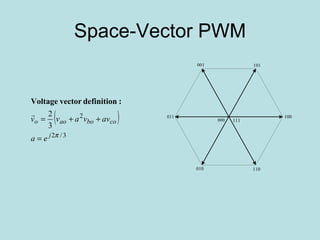
Space-Vector PWM
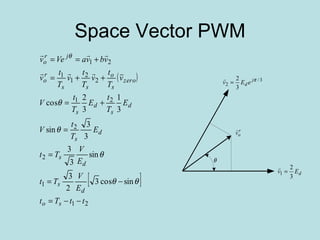
Space Vector PWM
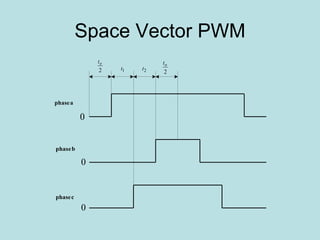
Space Vector PWM
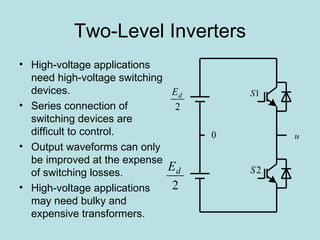
Two-Level Inverters High-voltage applications need high-voltage switching devices. Series connection of switching devices are difficult to control. Output waveforms can only be improved at the expense of switching losses. High-voltage applications may need bulky and expensive transformers.
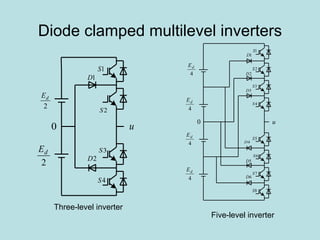
Diode clamped multilevel inverters Three-level inverter Five-level inverter
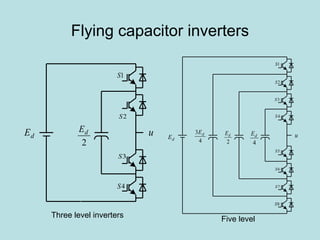
Flying capacitor inverters Three level inverters Five level
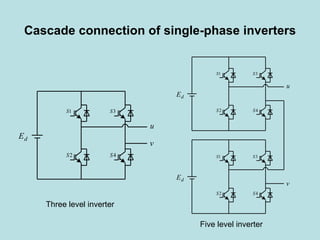
Cascade connection of single-phase inverters Three level inverter Five level inverter

Inverters