 A systematic designing of the
classroom environment to create
conditions in which effective teaching
an learning can occur(Smith, et.al,
2006).
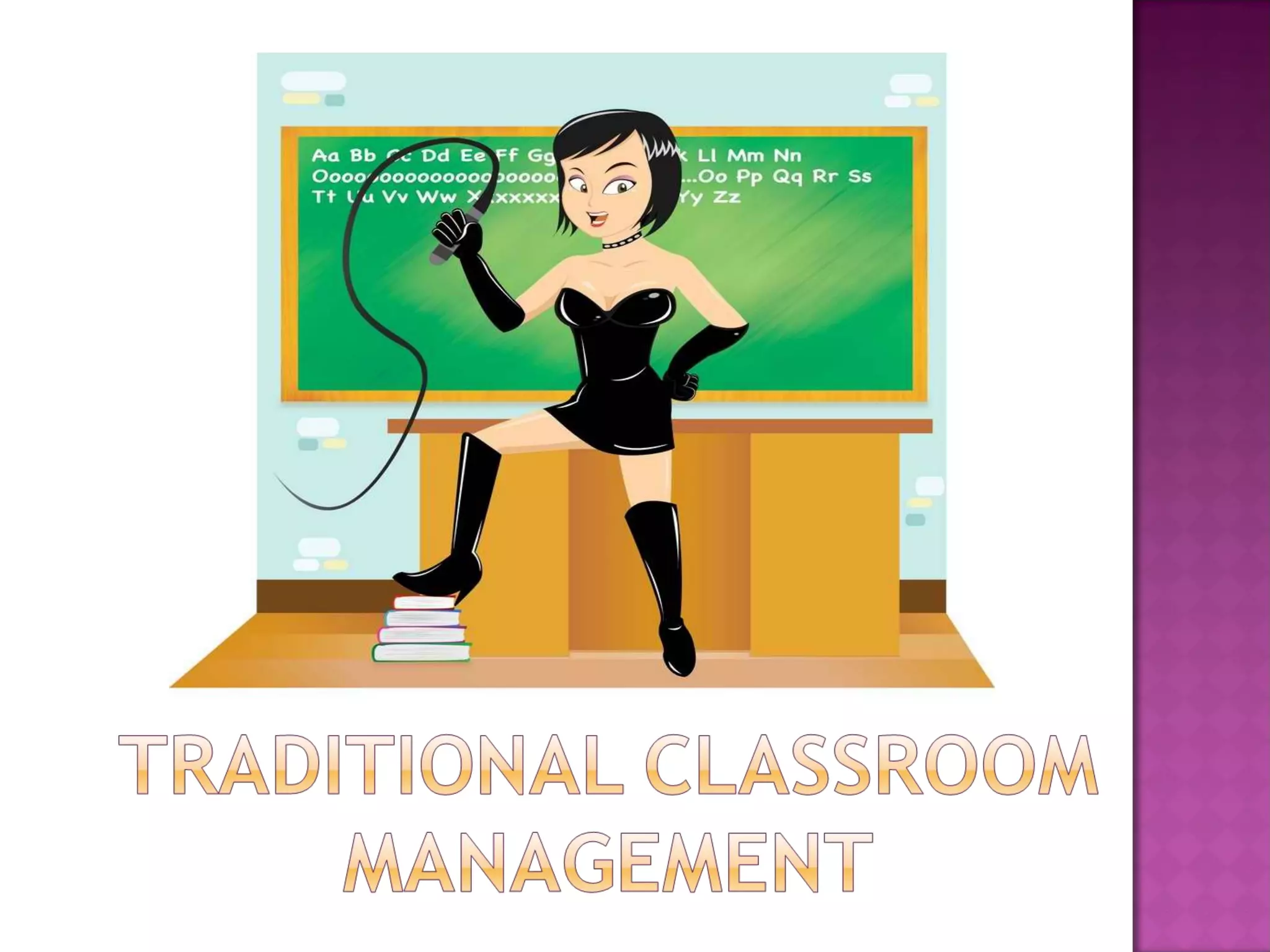
 Requiring teachers to be skillful in directing
classroom activities to make students busy
and discipline.
 Rules were imposed and students were
strictly monitored never to break.
Focused on the mastery of 3R’s, obedience
and compliance.
 The ability of teachers and
students to agree upon and carry
forward a common framework for
social and academic interactions
by creating an ethos within a
social fabric that is built over
time, and ultimately leads to
student self-discipline(Freiberg
and Lapointe, 2006).
Shifted from one-way flow of interaction to
an environment of shared responsibility and
learning.
 Shifted from obedience and compliance to
procedures which advance self-discipline.
Emphasizes on the concerted efforts of both
the teacher and students to create an
effective learning environment.
 Stimulating and supportive
environment
 Reasonable expectations from
the learners and
 Opportunities for all students to
experience success.
 Physical Dimension
 Psychosocial Dimension
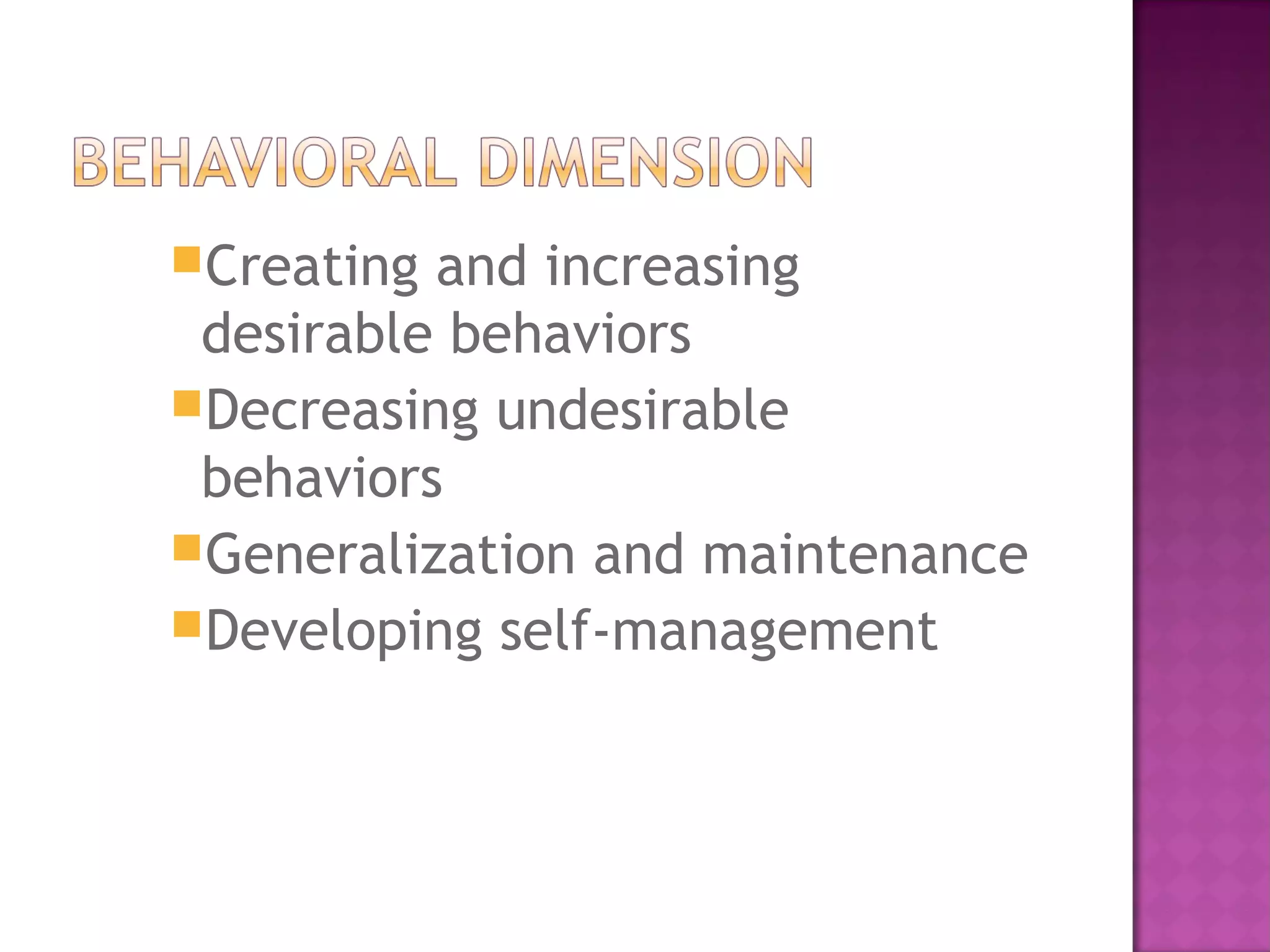
 Behavioral Dimension
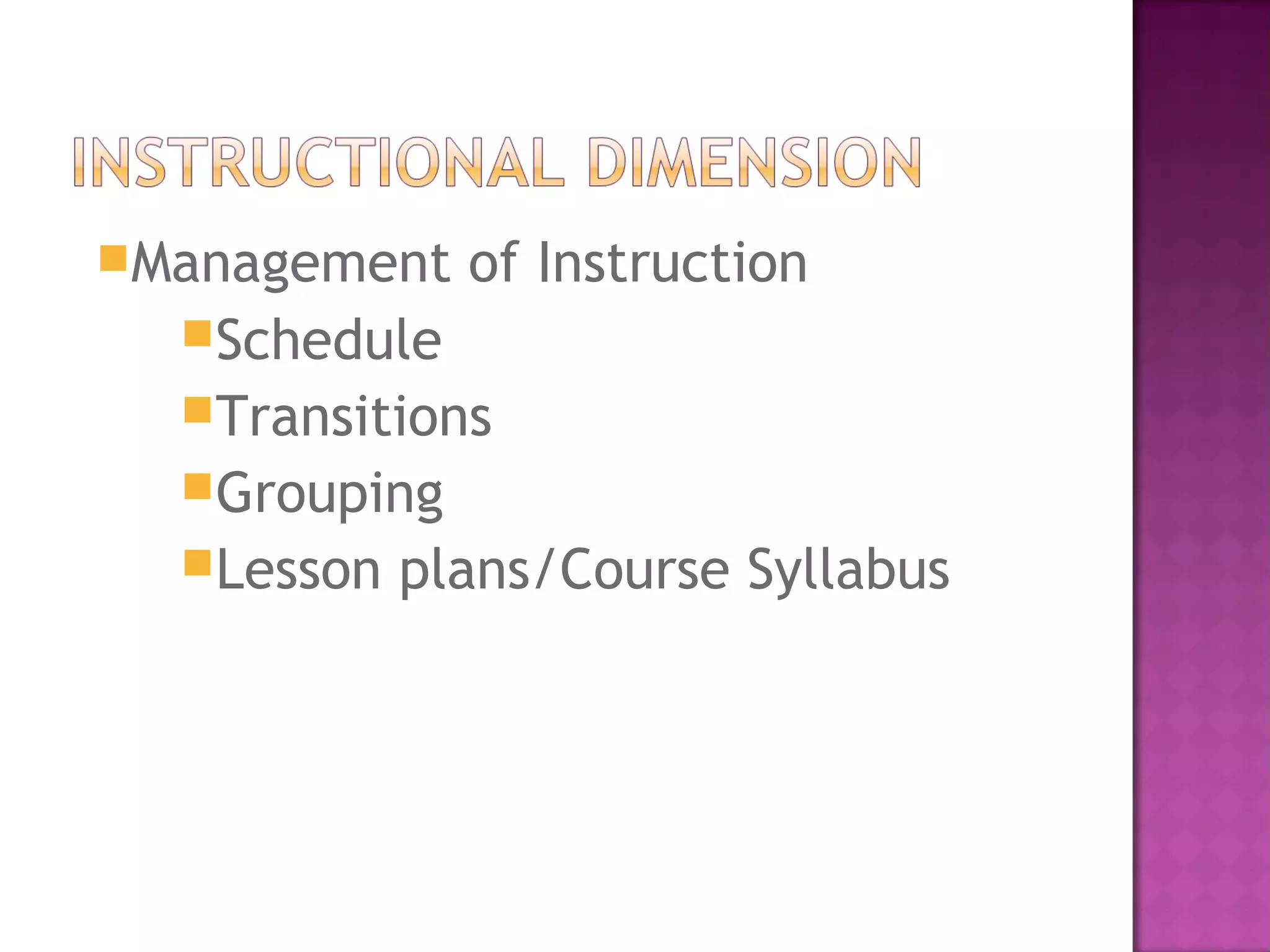
 Instructional Dimension
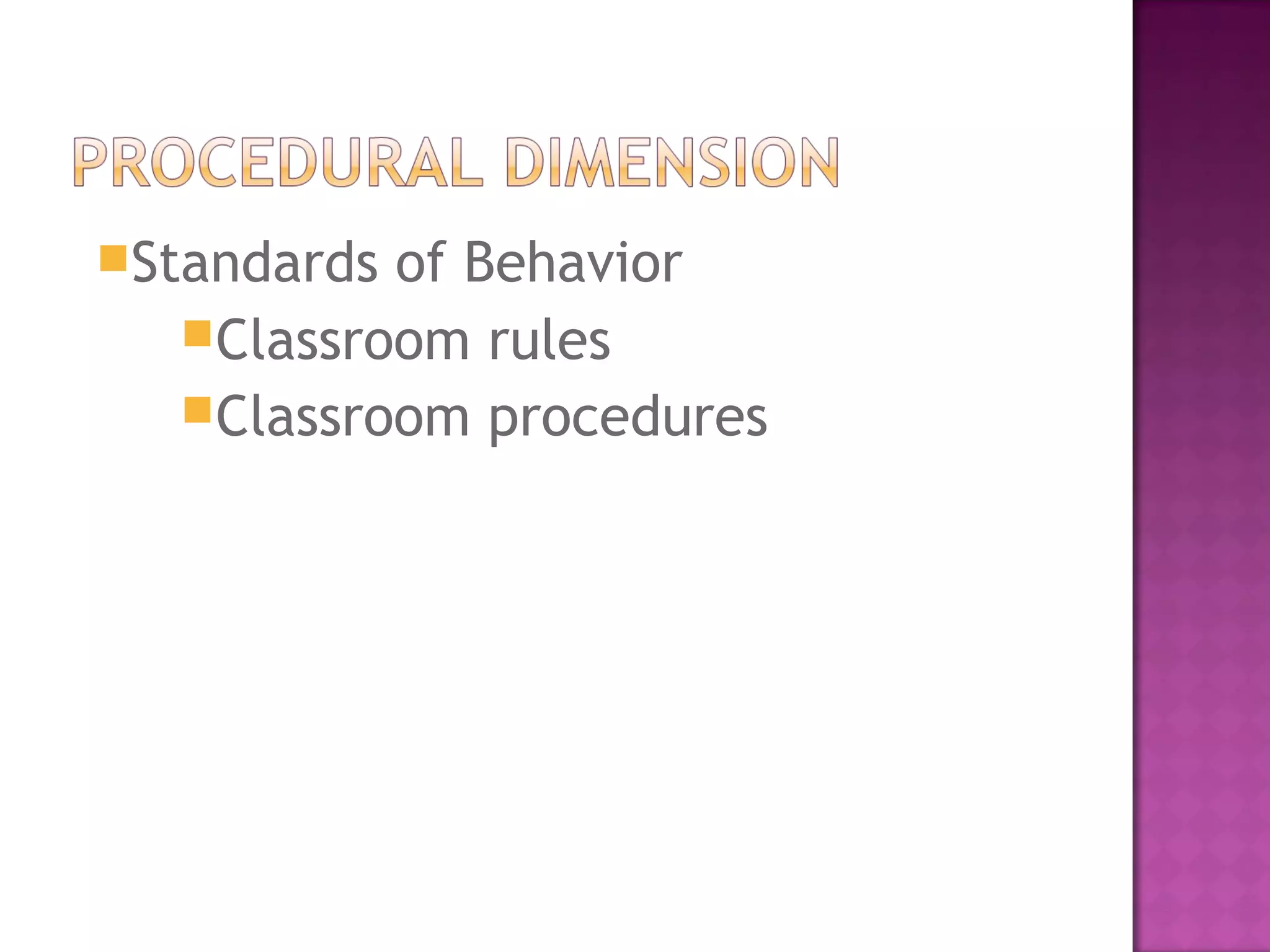
 Procedural Dimension
 Organizational Dimension
 Instructional issues
 Discipline
 Management issues and
 Interpersonal relationships
Setting the stage
Physical environment
Enriching the classroom
environment
Academic materials and text
Interest boosting
Humor
Organized lessons
Positive expectations
Comfort and Order
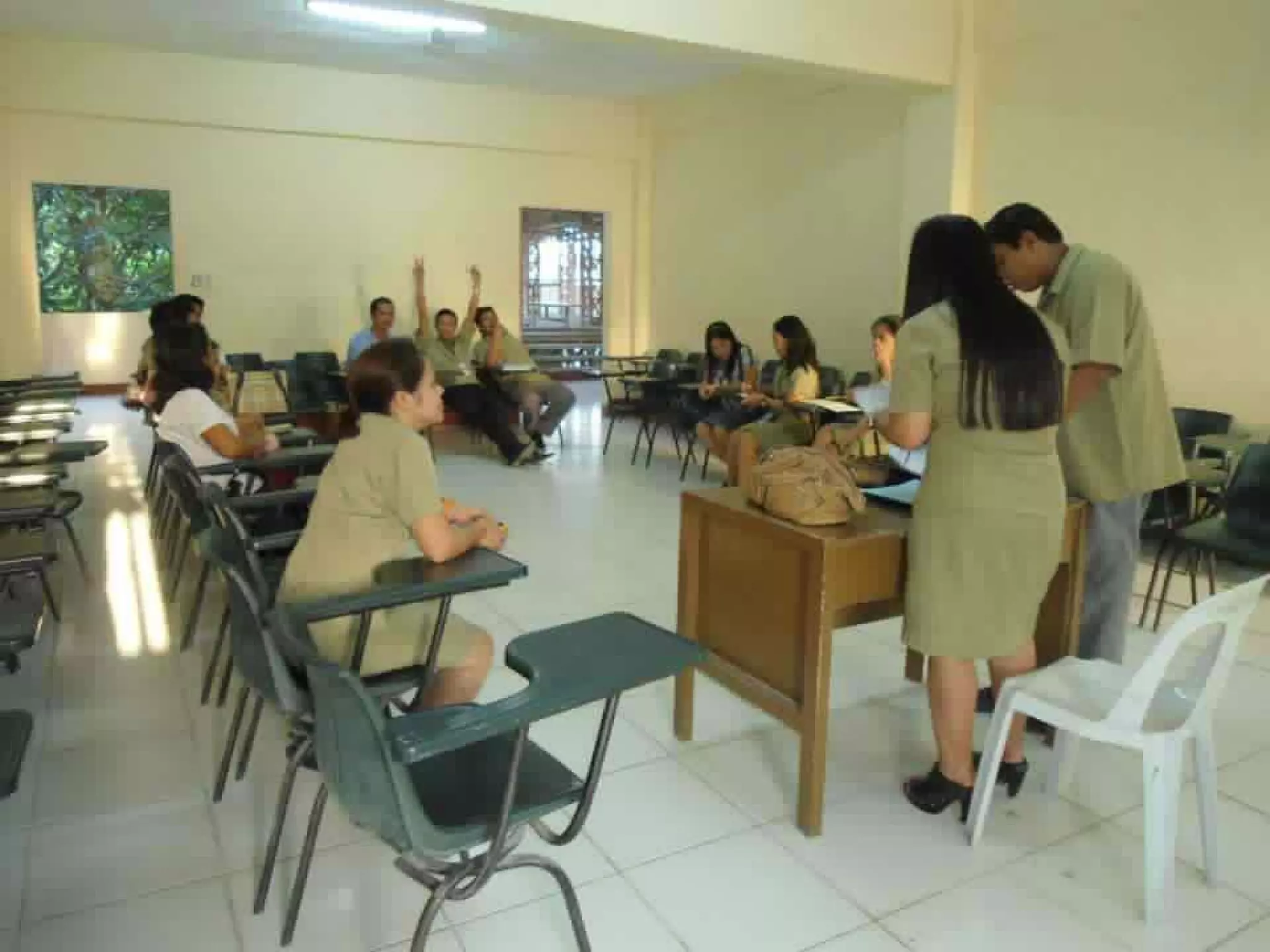
Comfort - as described at school (in the
classroom) refers to physical comfort.
Room temperature
Arrangement of furniture
Availability of wall spaces
Seating arrangement
Traffic patterns
Interest centers
Storage of materials
Signage
Visual appearance of the classroom
Order - refers to identifiable routines and
guidelines for acceptable behavior in the
class.
Beginning class
Ending class
Interruptions
Instructional procedures
Non-instructional procedures
Grading system
General conduct
Communication procedures
 How to arrange desks and other
furniture.
 When to take breaks and what kind of
breaks they will be.
 What to display on the bulletin boards
and walls.
Setting the classroom climate
Student factors- students’
attitude about school and their
relationship with their teachers
and other school authorities
Teachers factors – teacher’s
disposition , competencies and
skills and behavior
Communication skills
Peer factors – peer influence in
in the process of socialization,
bolstering self-confidence and
providing a sense of identity and
belonging.
Family-related factors – parents’
interest is exemplified by the
degree of involvement in the
child’s education.
Creating and increasing
desirable behaviors
Decreasing undesirable
behaviors
Generalization and maintenance
Developing self-management
Focusing on improved self-concept
Management of Instruction
Schedule
Transitions
Grouping
Lesson plans/Course Syllabus
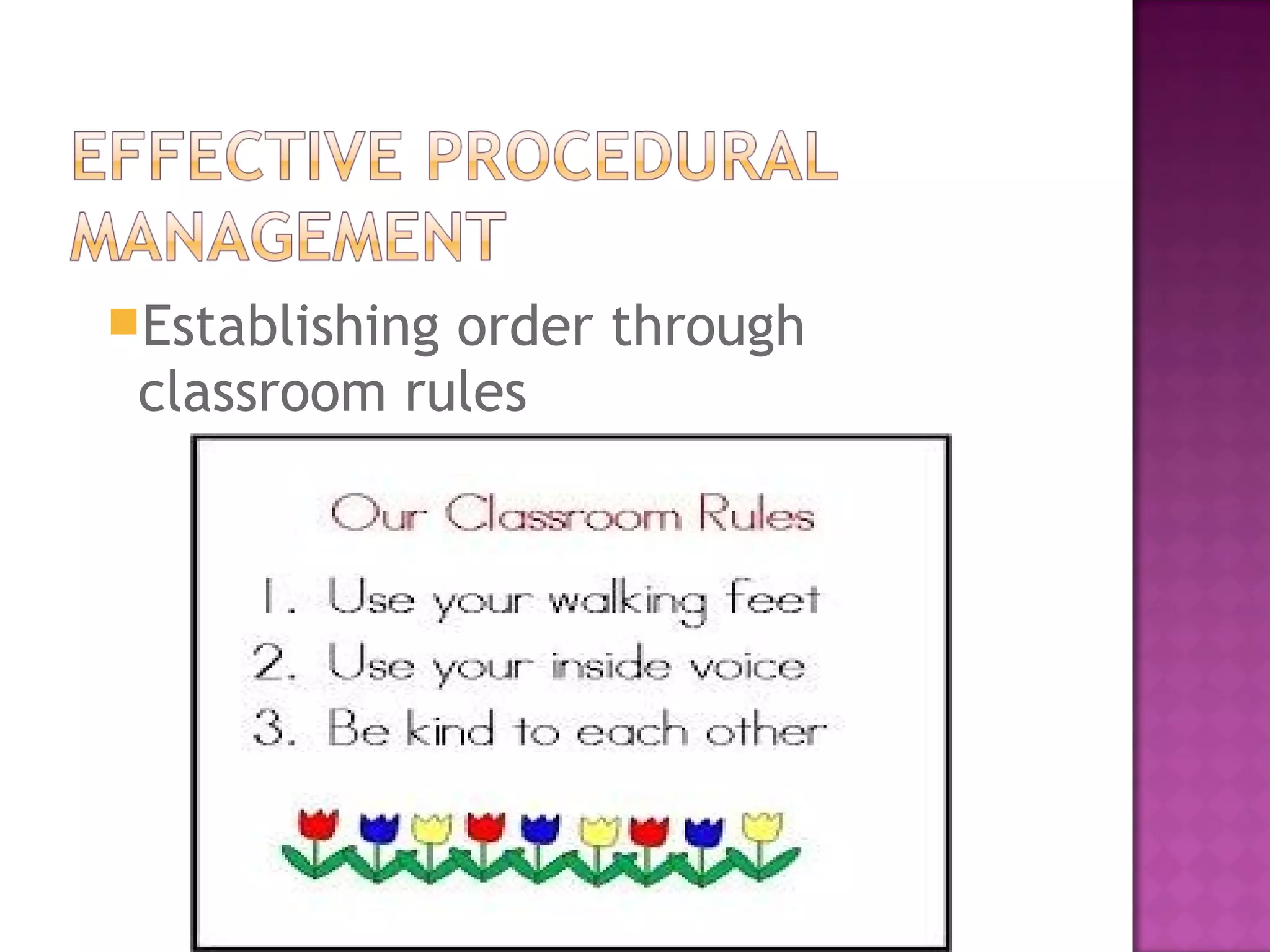
Standards of Behavior
Classroom rules
Classroom procedures
Establishing order through
classroom rules
Establish and maintain a healthy
relationship
Personnel interaction
Work environment
Administrative duties
Instructional applications
Personal applications
Encouraging responsibility
2 teach is
2 touch lives
4ever
Classroom Management by O.
Beriones Dañocup, 2010
Student Teachers’ Manual for
Observation and Participation by
Brenda B. Corpuz, et.al, 2002
www.slidesshare.net
Note: Lecture available @
http://www.slideshare.net/MariaM
arthaManetteMadrid/classroom-
management-21543793
Classroom management

Classroom management

  • 3.
     A systematicdesigning of the classroom environment to create conditions in which effective teaching an learning can occur(Smith, et.al, 2006).  Requiring teachers to be skillful in directing classroom activities to make students busy and discipline.  Rules were imposed and students were strictly monitored never to break. Focused on the mastery of 3R’s, obedience and compliance.
  • 5.
     The abilityof teachers and students to agree upon and carry forward a common framework for social and academic interactions by creating an ethos within a social fabric that is built over time, and ultimately leads to student self-discipline(Freiberg and Lapointe, 2006).
  • 6.
    Shifted from one-wayflow of interaction to an environment of shared responsibility and learning.  Shifted from obedience and compliance to procedures which advance self-discipline. Emphasizes on the concerted efforts of both the teacher and students to create an effective learning environment.
  • 7.
     Stimulating andsupportive environment  Reasonable expectations from the learners and  Opportunities for all students to experience success.
  • 8.
     Physical Dimension Psychosocial Dimension  Behavioral Dimension  Instructional Dimension  Procedural Dimension  Organizational Dimension
  • 9.
     Instructional issues Discipline  Management issues and  Interpersonal relationships
  • 10.
    Setting the stage Physicalenvironment Enriching the classroom environment Academic materials and text Interest boosting Humor Organized lessons Positive expectations
  • 11.
    Comfort and Order Comfort- as described at school (in the classroom) refers to physical comfort. Room temperature Arrangement of furniture Availability of wall spaces Seating arrangement Traffic patterns Interest centers Storage of materials Signage Visual appearance of the classroom
  • 12.
    Order - refersto identifiable routines and guidelines for acceptable behavior in the class. Beginning class Ending class Interruptions Instructional procedures Non-instructional procedures Grading system General conduct Communication procedures
  • 15.
     How toarrange desks and other furniture.  When to take breaks and what kind of breaks they will be.  What to display on the bulletin boards and walls.
  • 16.
    Setting the classroomclimate Student factors- students’ attitude about school and their relationship with their teachers and other school authorities Teachers factors – teacher’s disposition , competencies and skills and behavior Communication skills
  • 17.
    Peer factors –peer influence in in the process of socialization, bolstering self-confidence and providing a sense of identity and belonging. Family-related factors – parents’ interest is exemplified by the degree of involvement in the child’s education.
  • 18.
    Creating and increasing desirablebehaviors Decreasing undesirable behaviors Generalization and maintenance Developing self-management
  • 19.
  • 20.
  • 21.
    Standards of Behavior Classroomrules Classroom procedures
  • 22.
  • 23.
    Establish and maintaina healthy relationship Personnel interaction Work environment Administrative duties Instructional applications Personal applications
  • 27.
  • 29.
    2 teach is 2touch lives 4ever
  • 30.
    Classroom Management byO. Beriones Dañocup, 2010 Student Teachers’ Manual for Observation and Participation by Brenda B. Corpuz, et.al, 2002 www.slidesshare.net Note: Lecture available @ http://www.slideshare.net/MariaM arthaManetteMadrid/classroom- management-21543793