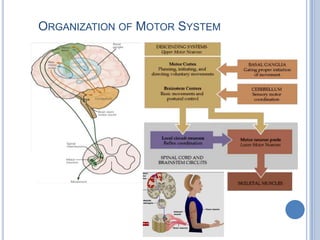
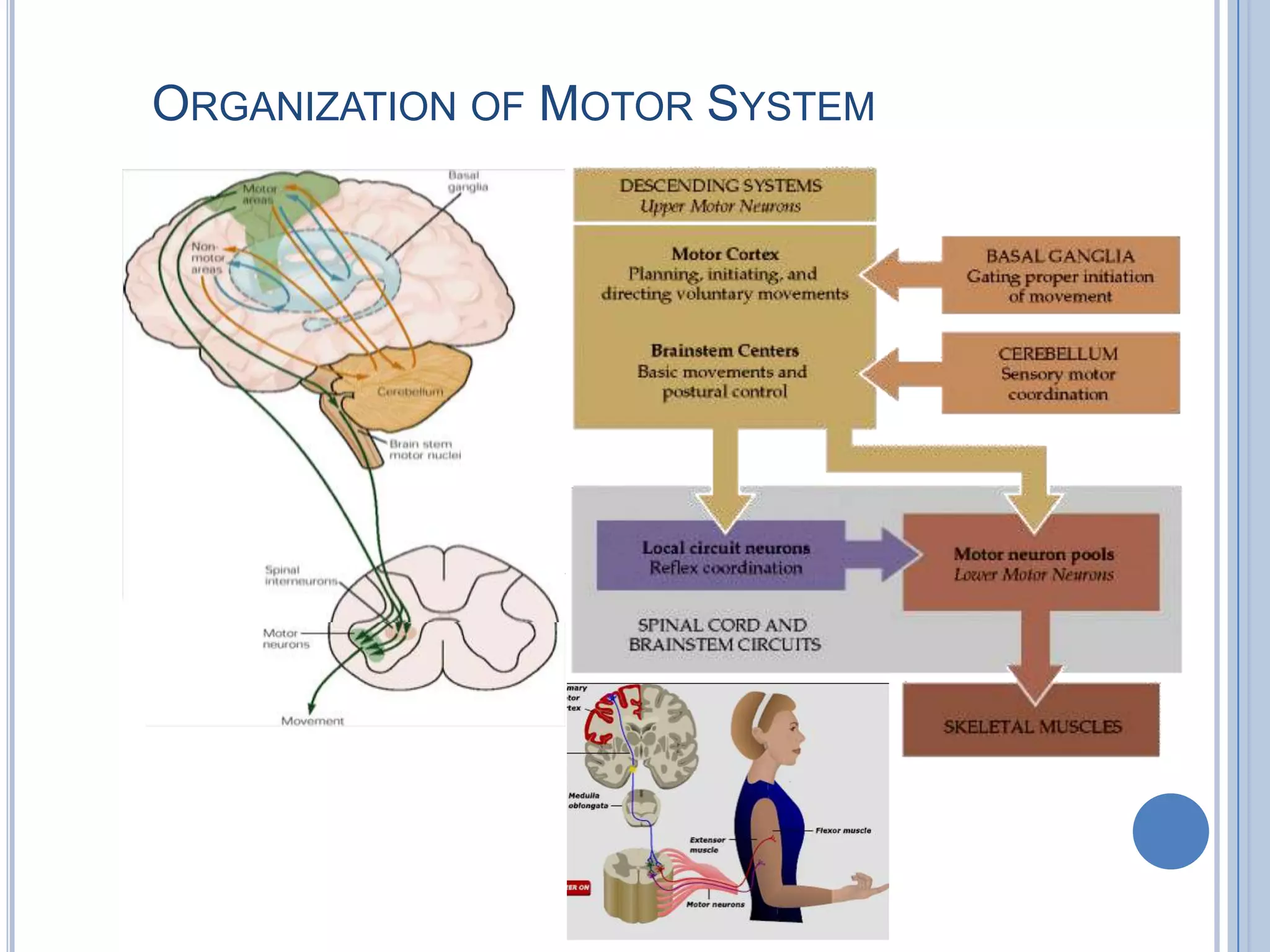
Organization of Motor System
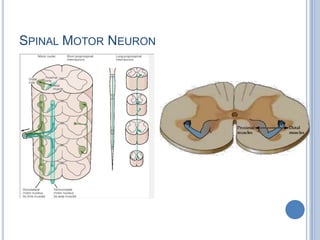
Spinal Motor Neuron
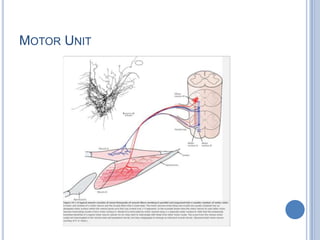
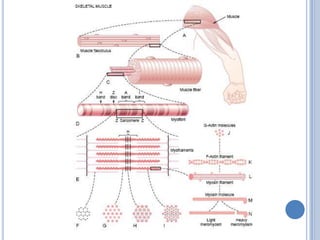
Motor Unit
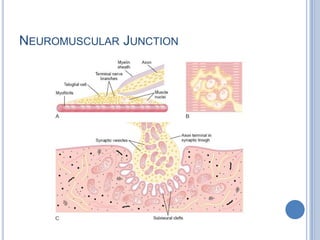
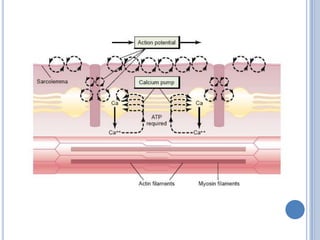
Neuromuscular Junction
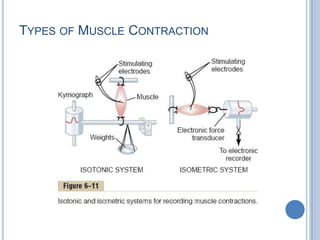
Types of Muscle Contraction
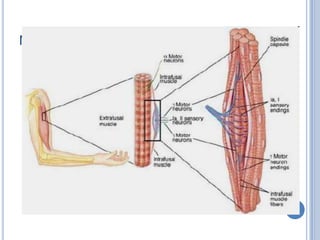
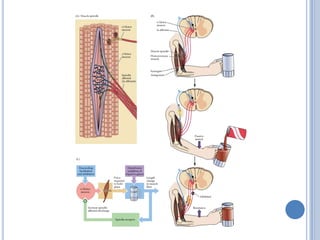
Muscle Spindle
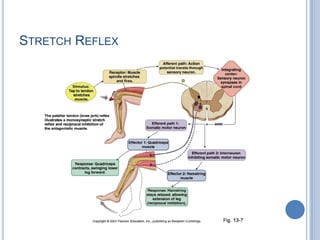
Stretch Reflex
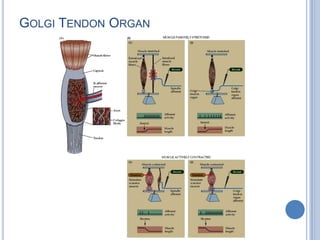
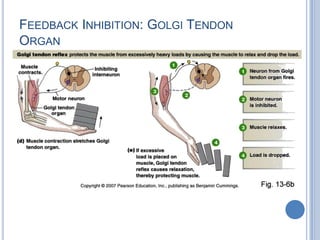
Golgi Tendon Organ
Feedback Inhibition: Golgi Tendon Organ
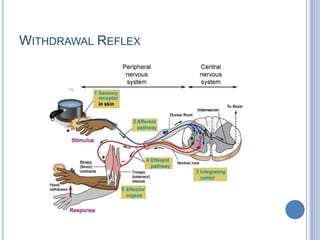
Withdrawal Reflex
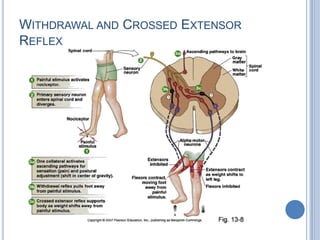
Withdrawal and Crossed Extensor Reflex
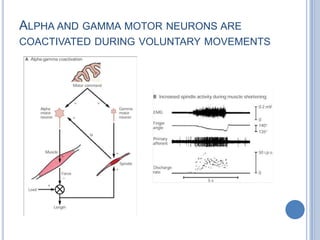
Alpha and gamma motor neurons are coactivated during voluntary movements
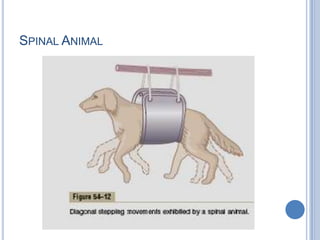
Spinal Animal
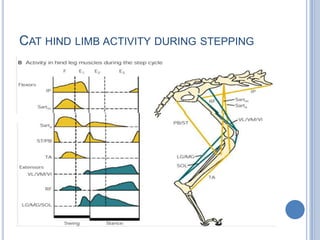
Cat hind limb activity during stepping
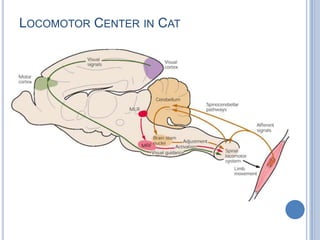
Locomotor Center in Cat
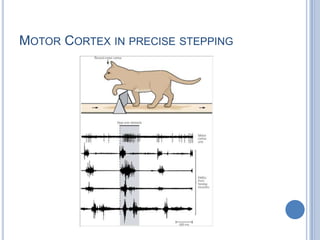
Motor Cortex in precise stepping
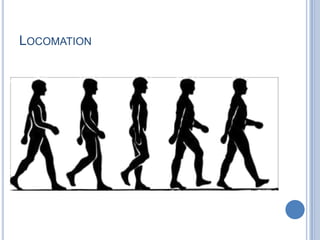
Locomation
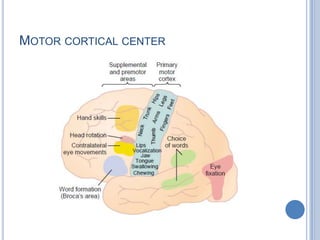
Motor cortical center
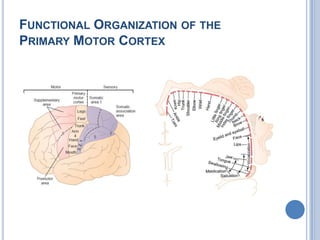
Functional Organization of the Primary Motor Cortex
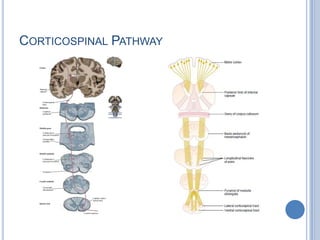
Corticospinal Pathway
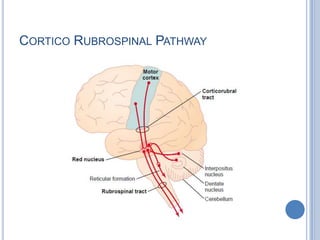
CorticoRubrospinal Pathway
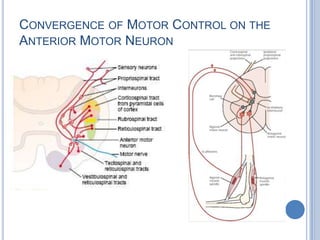
Convergence of Motor Control on the Anterior Motor Neuron
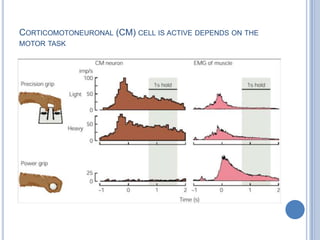
Corticomotoneuronal (CM) cell is active depends on the motor task
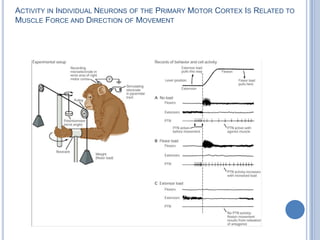
Activity in Individual Neurons of the Primary Motor Cortex Is Related to Muscle Force and Direction of Movement
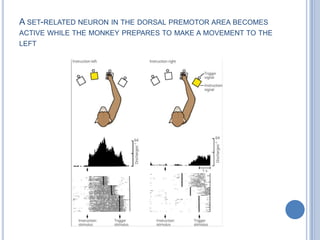
A set-related neuron in the dorsal premotor area becomes active while the monkey prepares to make a movement to the left
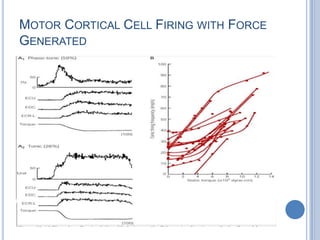
Motor Cortical Cell Firing with Force Generated
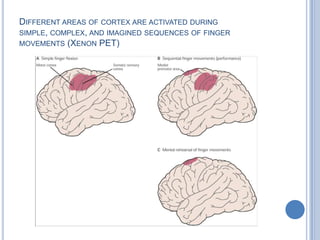
Different areas of cortex are activated during simple, complex, and imagined sequences of finger movements (Xenon PET)
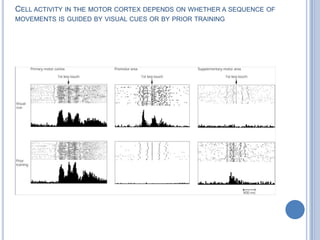
Cell activity in the motor cortex depends on whether a sequence of movements is guided by visual cues or by prior training
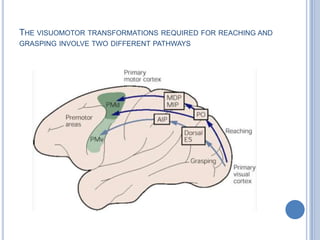
The visuomotor transformations required for reaching and grasping involve two different pathways
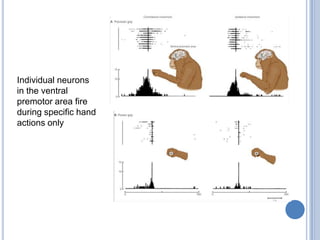
Individual neurons in the ventral premotor area fire during specific hand actions only
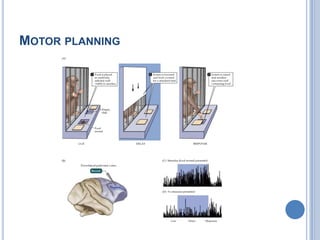
Motor planning
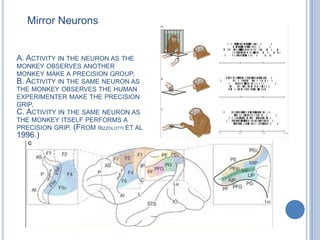
Mirror NeuronsA. Activity in the neuron as the monkey observes another monkey make a precision group.B. Activity in the same neuron as the monkey observes the human experimenter make the precision grip.C. Activity in the same neuron as the monkey itself performs a precision grip. (From Rizzolottiet al 1996.)
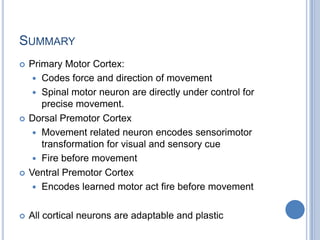
SummaryPrimary Motor Cortex:Codes force and direction of movementSpinal motor neuron are directly under control for precise movement.Dorsal Premotor CortexMovement related neuron encodes sensorimotor transformation for visual and sensory cueFire before movementVentral Premotor CortexEncodes learned motor act fire before movementAll cortical neurons are adaptable and plastic
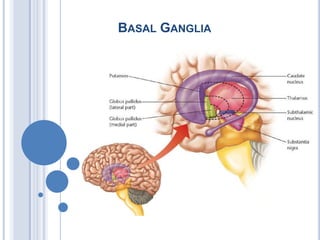
Basal Ganglia
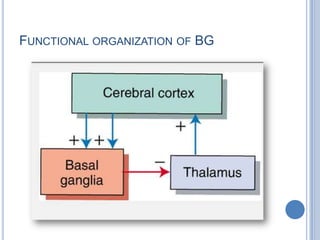
Functional organization of BG
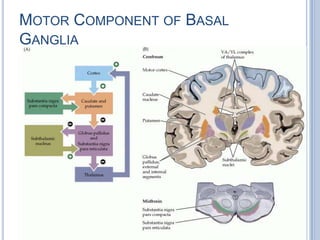
Motor Component of Basal Ganglia
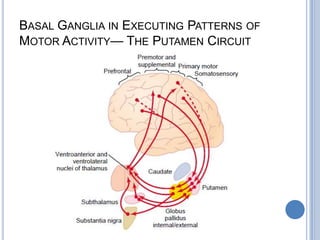
Basal Ganglia in Executing Patterns of Motor Activity— The Putamen Circuit
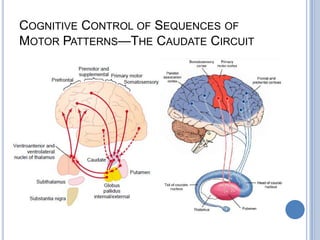
Cognitive Control of Sequences of Motor Patterns—The Caudate Circuit
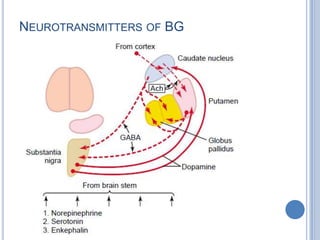
Neurotransmitters of BG
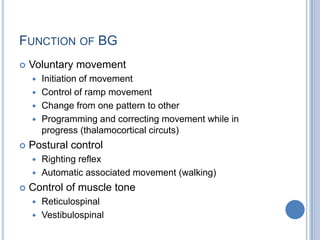
Function of BGVoluntary movementInitiation of movementControl of ramp movementChange from one pattern to otherProgramming and correcting movement while in progress (thalamocortical circuts)Postural controlRighting reflexAutomatic associated movement (walking)Control of muscle toneReticulospinal Vestibulospinal
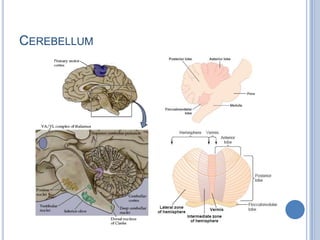
Cerebellum
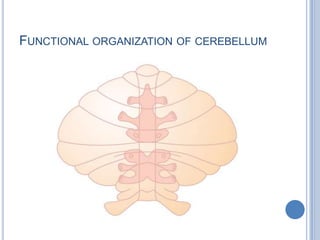
Functional organization of cerebellum
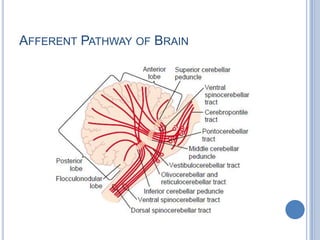
Afferent Pathway of Brain
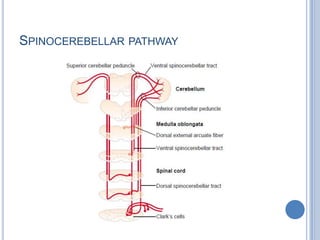
Spinocerebellar pathway
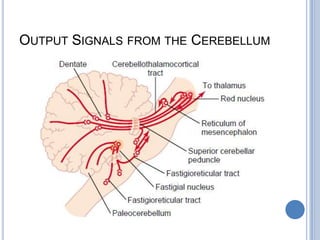
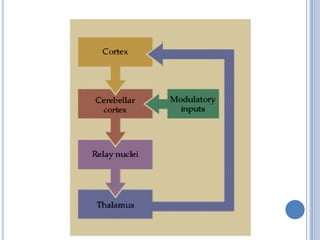
Output Signals from the Cerebellum
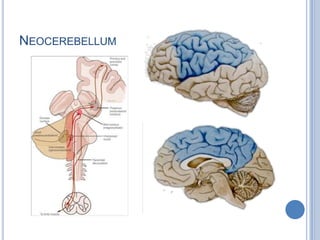
Neocerebellum
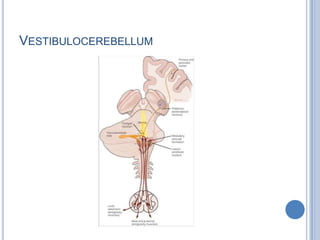
Vestibulocerebellum
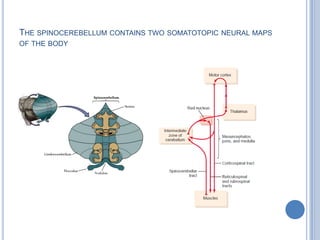
The spinocerebellum contains two somatotopic neural maps of the body
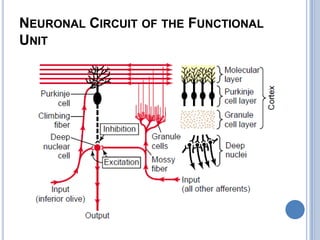
Neuronal Circuit of the Functional Unit
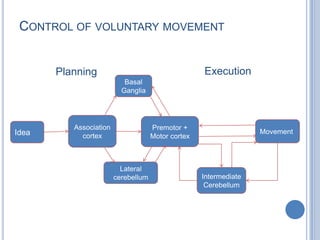
Control of voluntary movementExecutionPlanningBasal GangliaAssociation cortexPremotor + Motor cortexMovementIdeaLateral cerebellumIntermediate Cerebellum

Motor system overview 2011