Downloaded 414 times

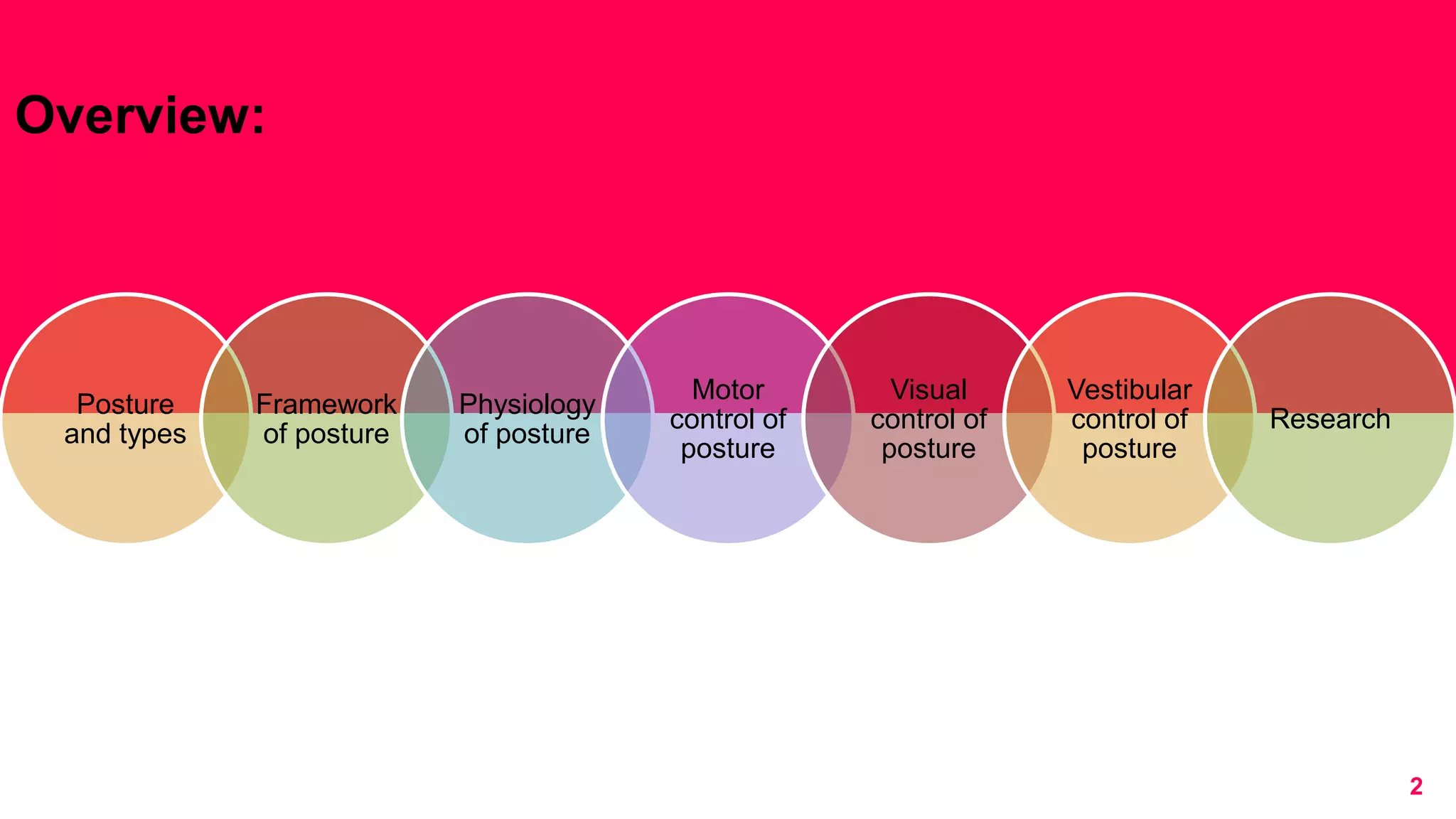
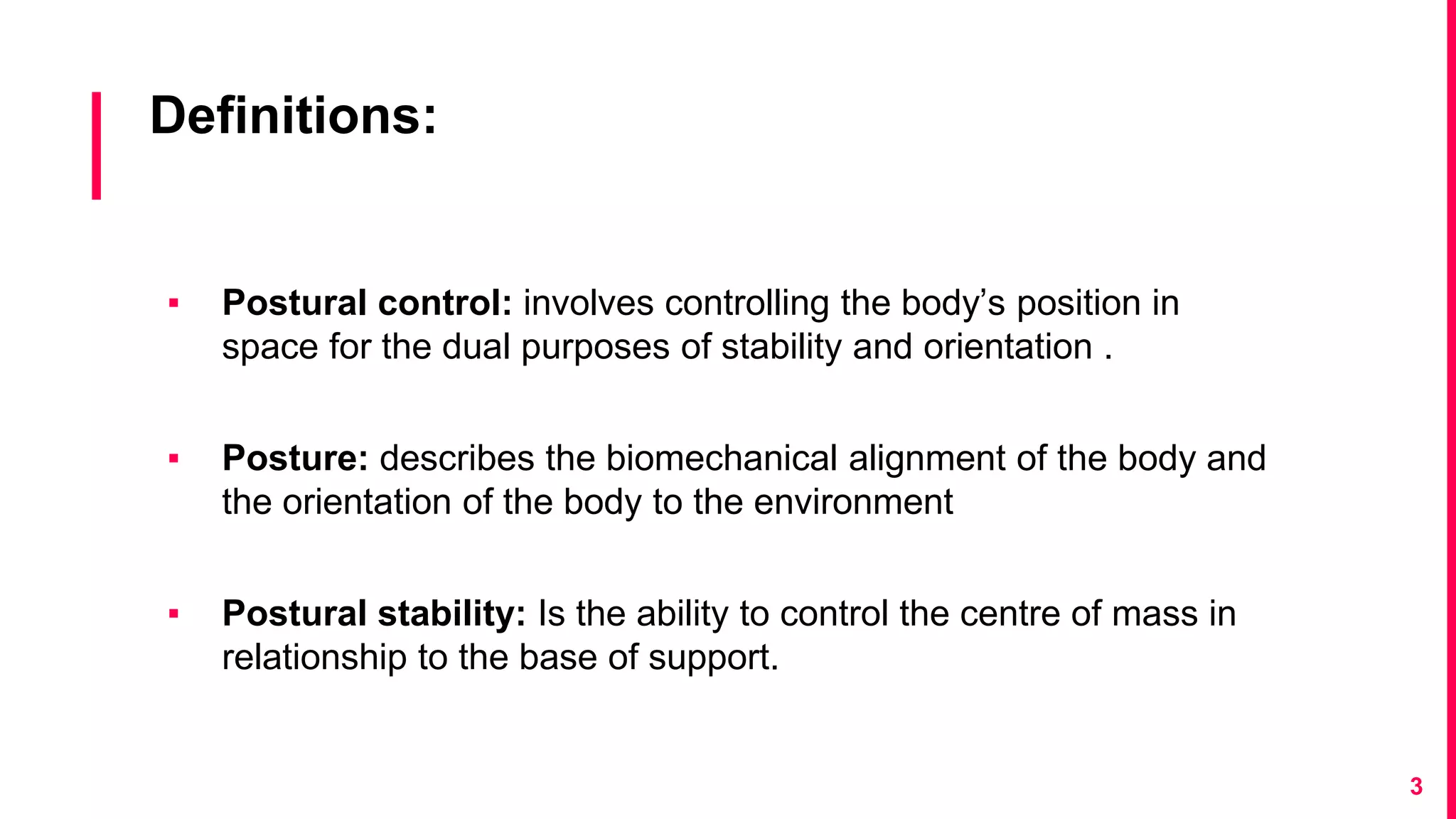
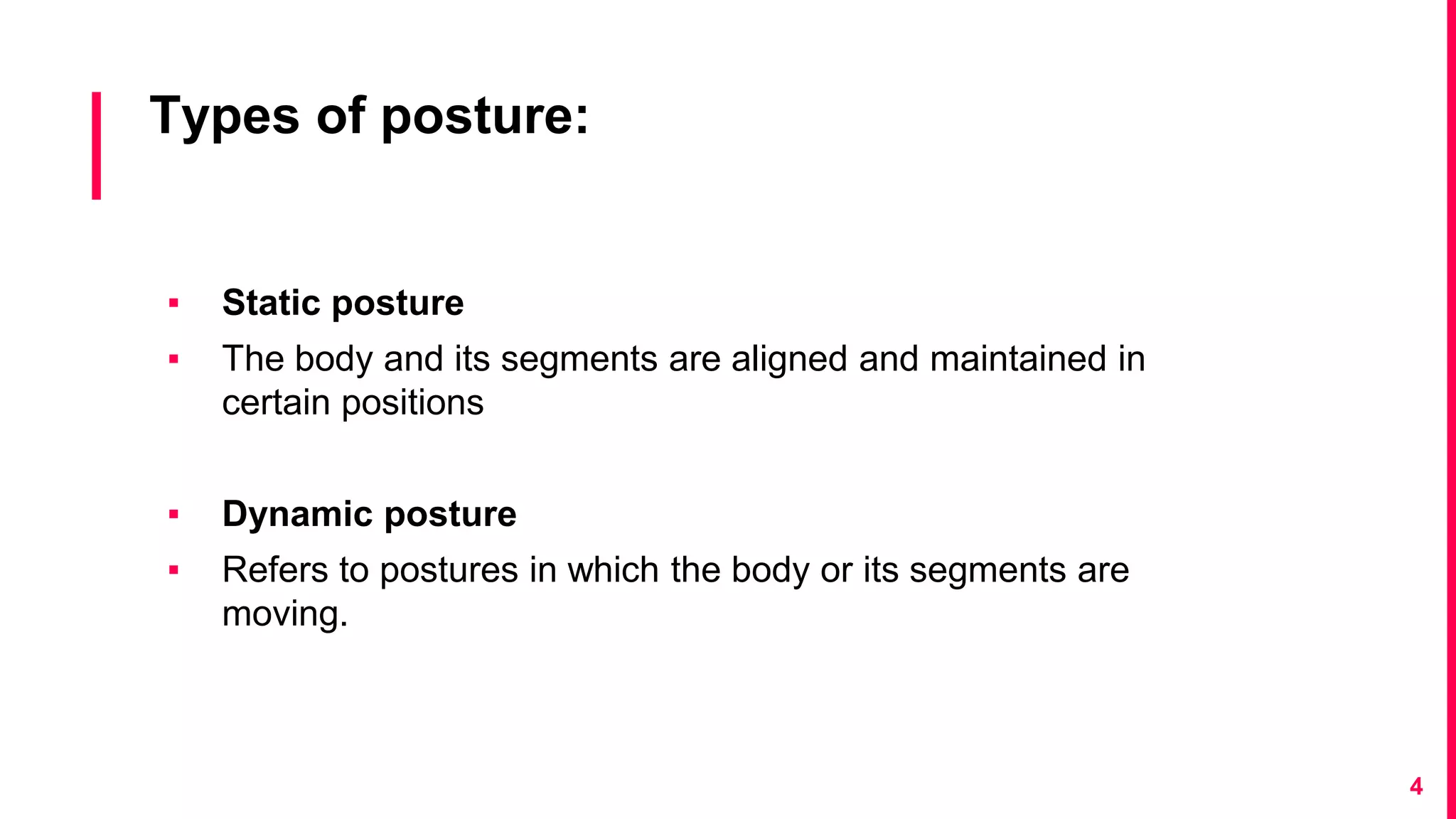
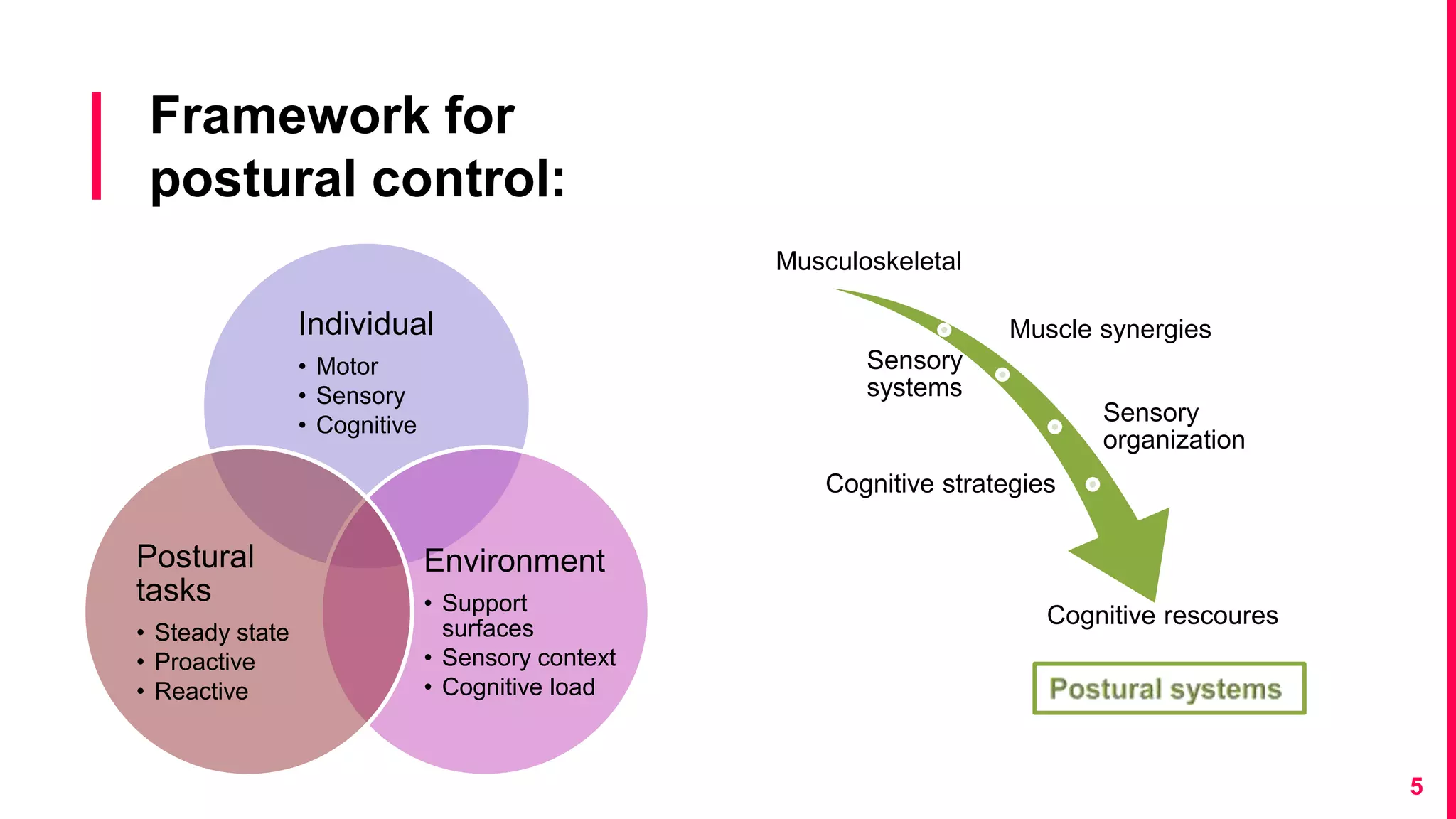
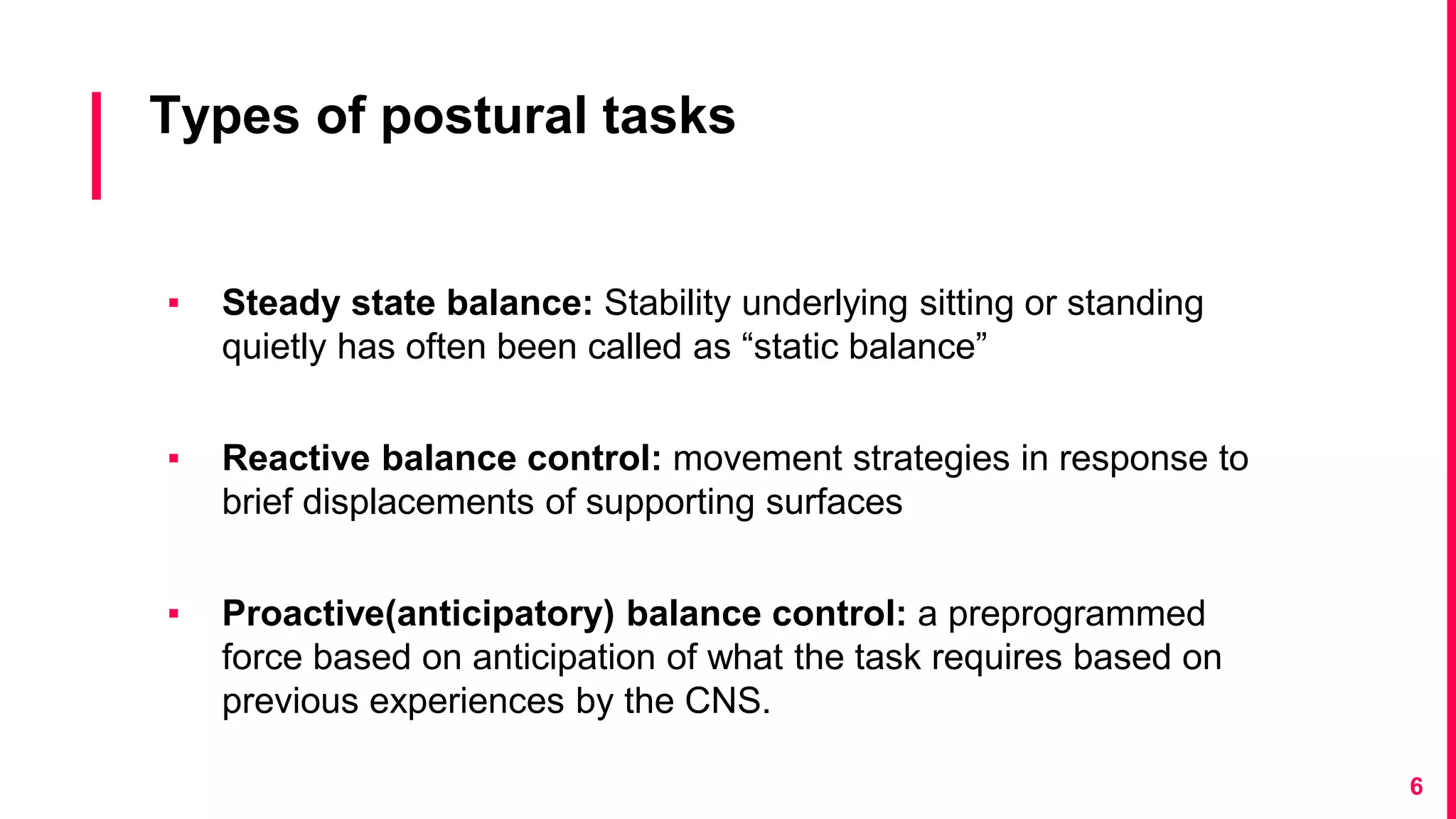
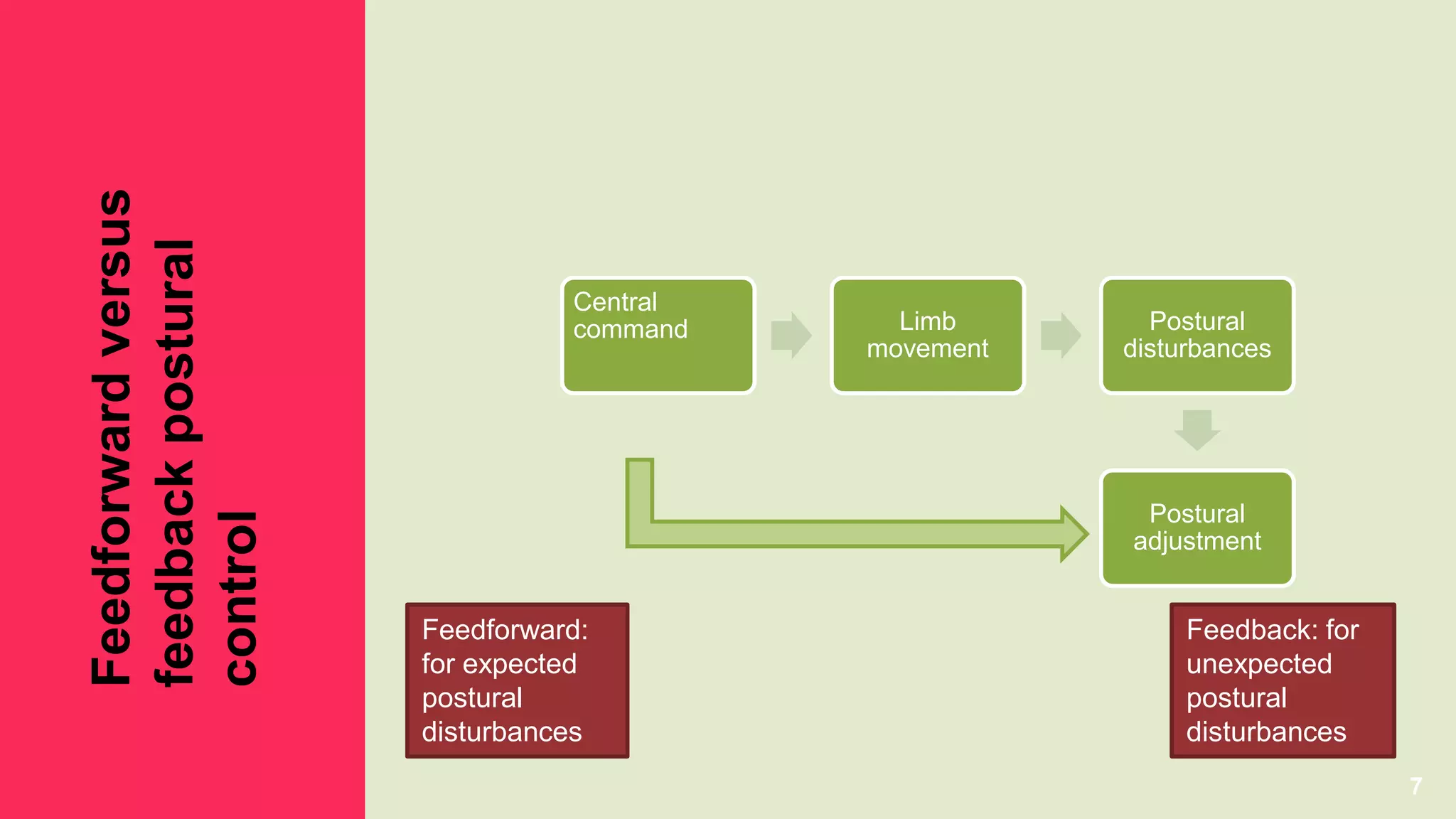
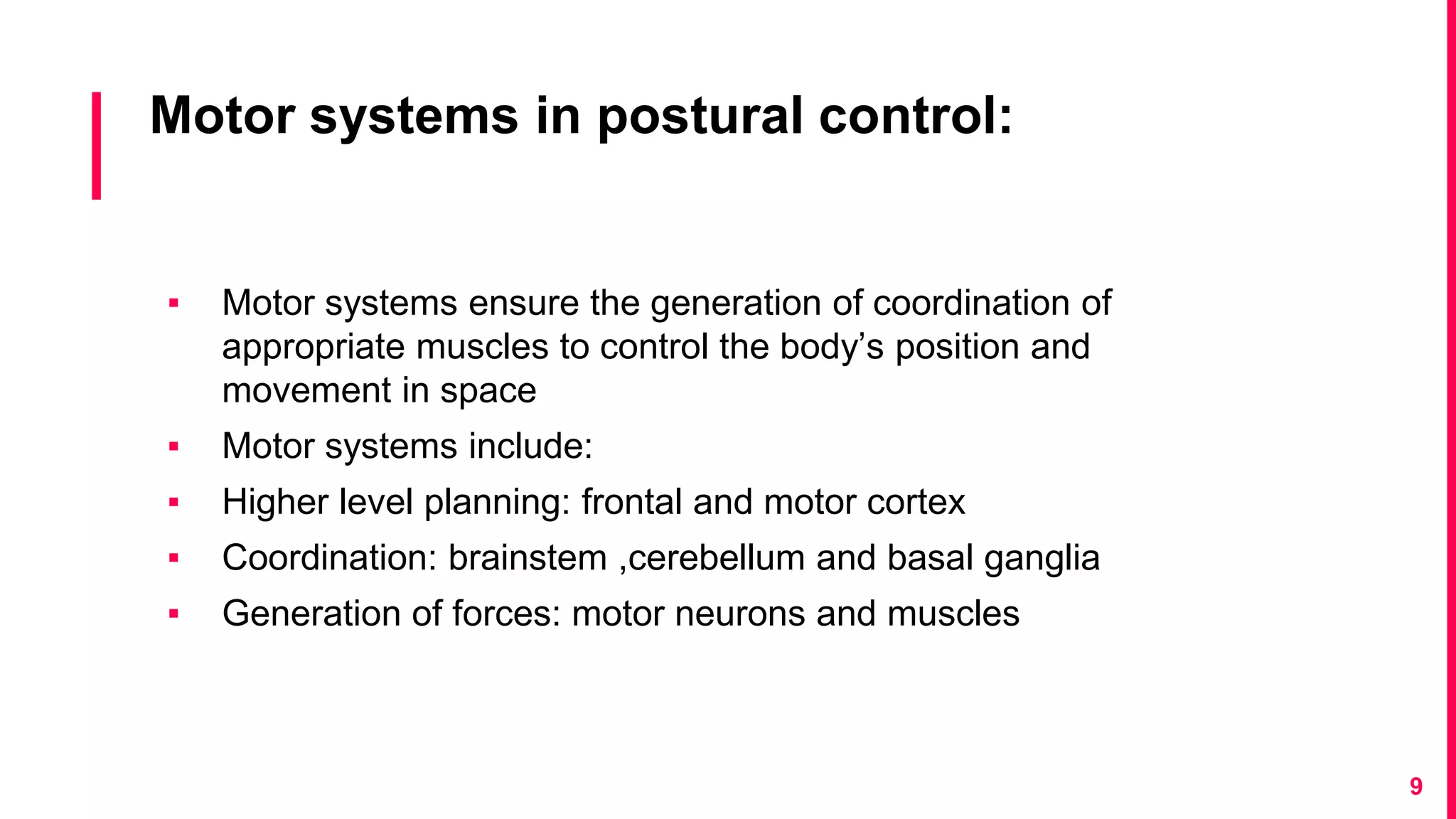
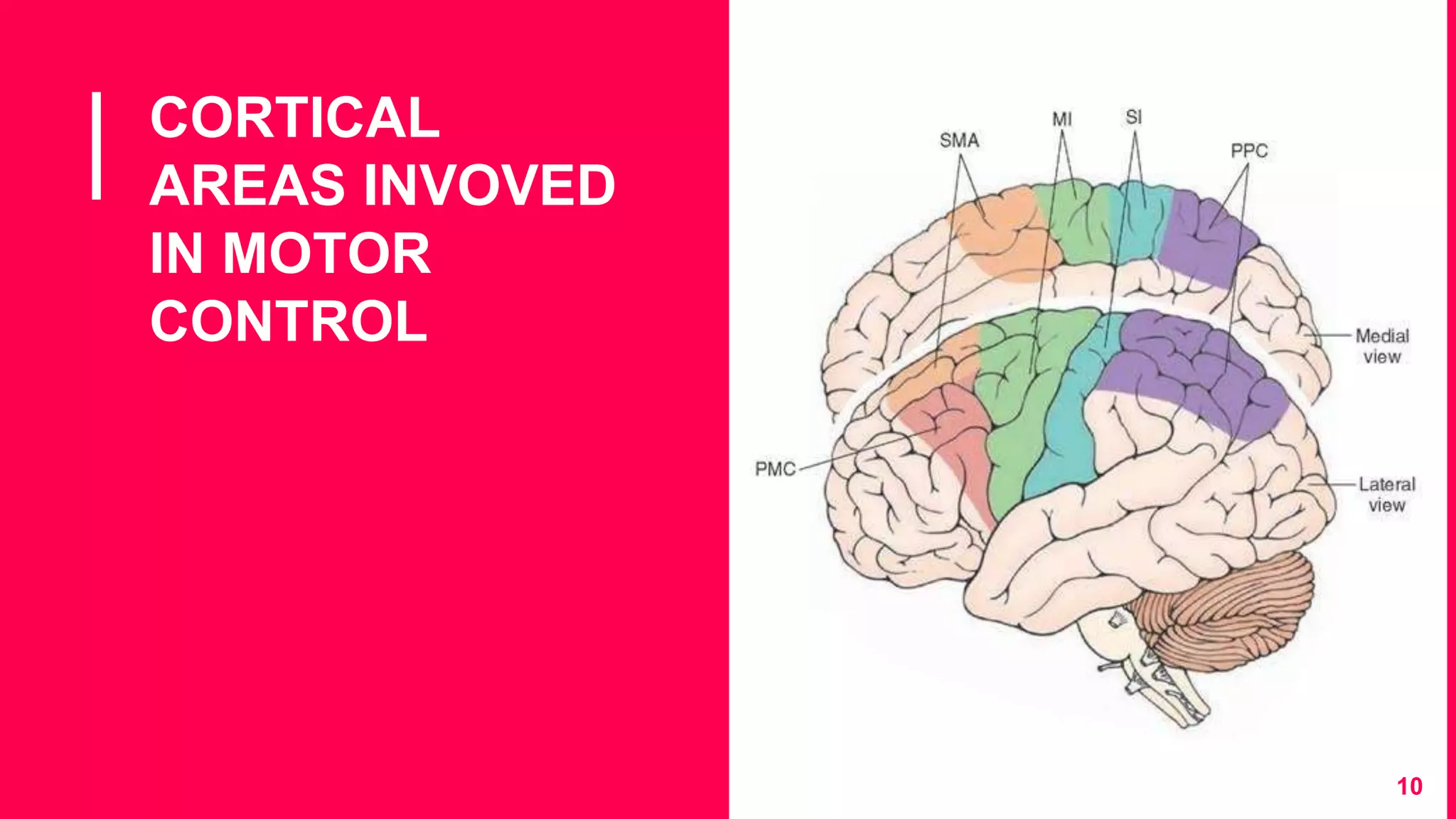
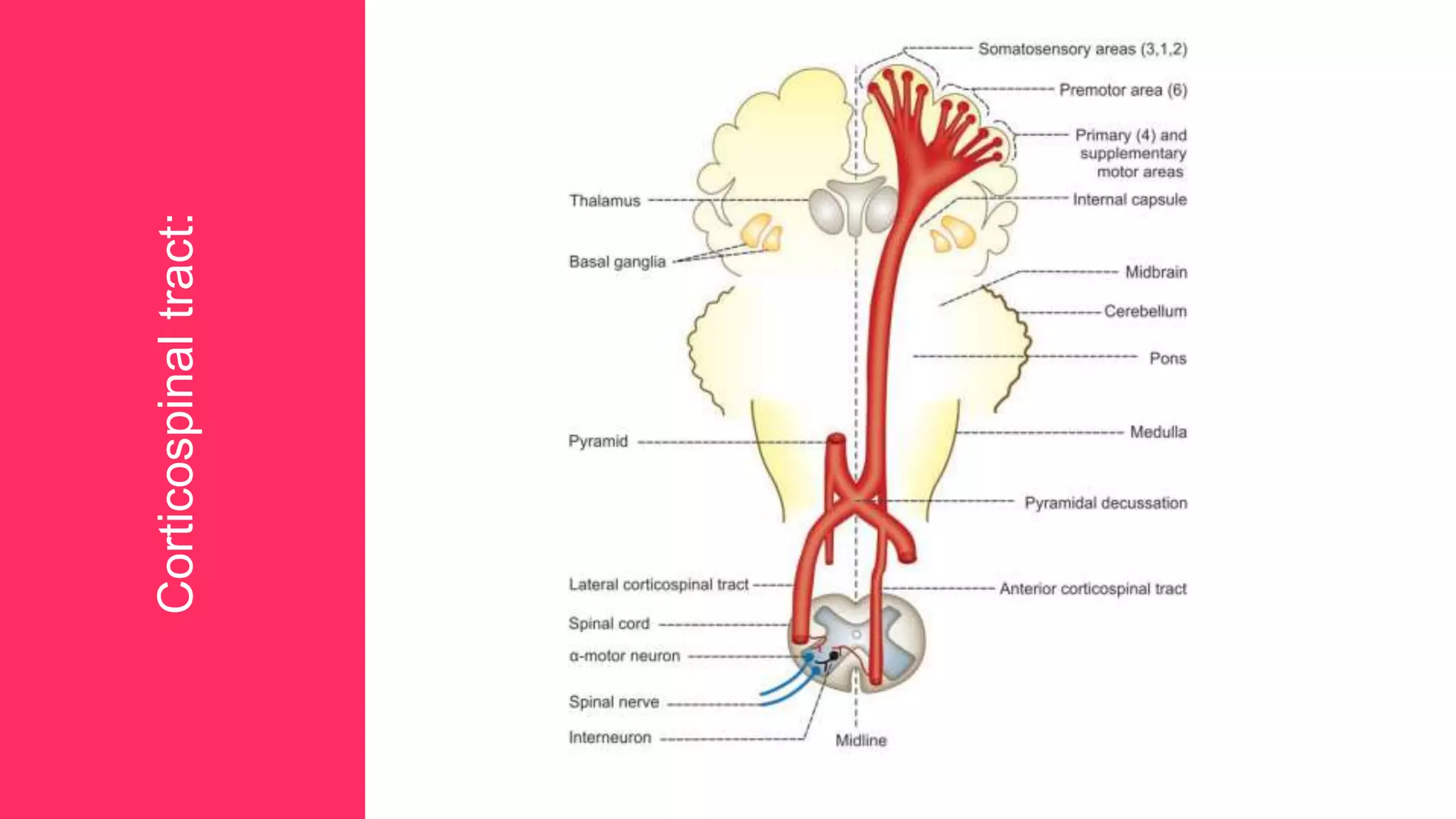
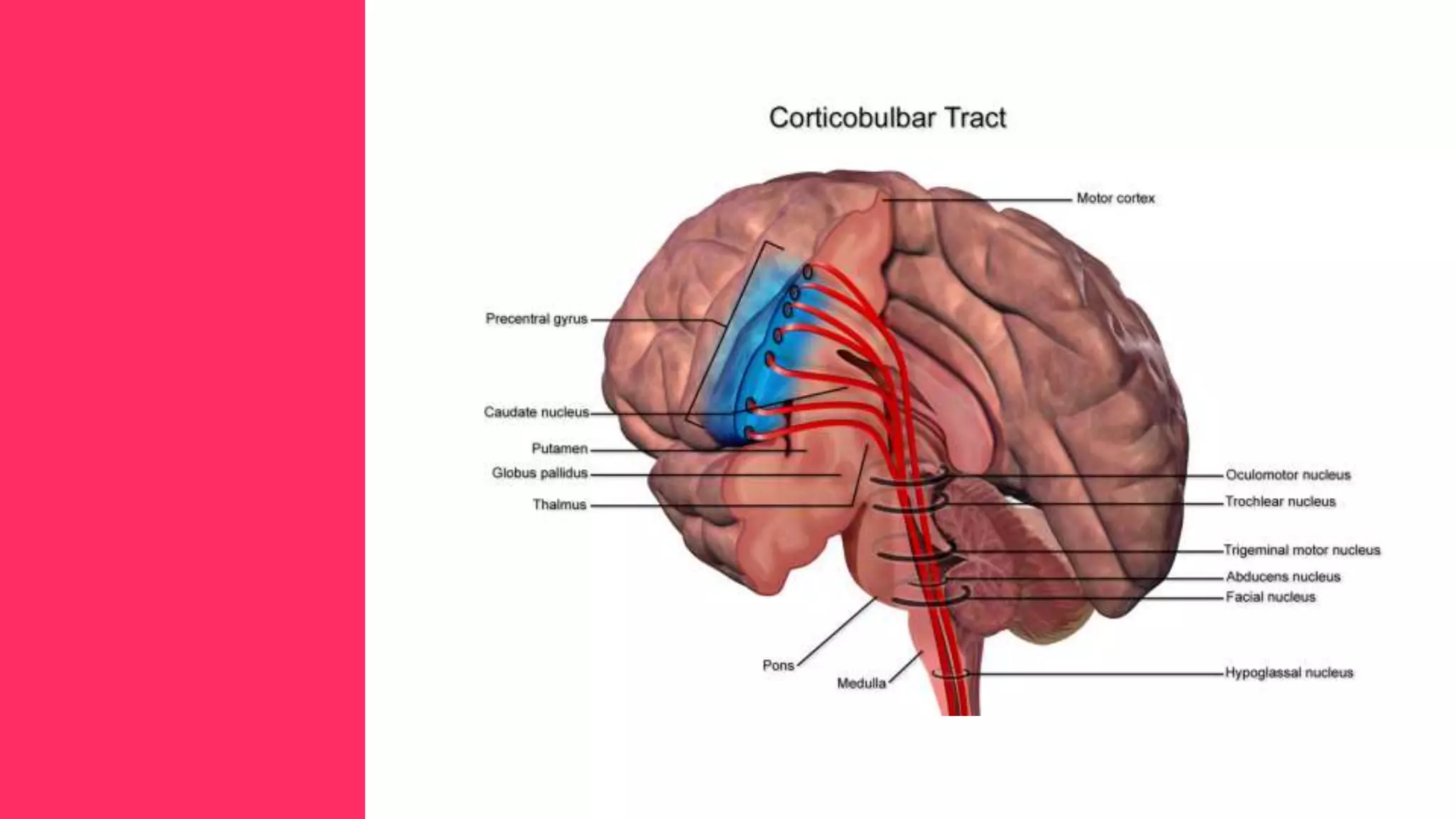
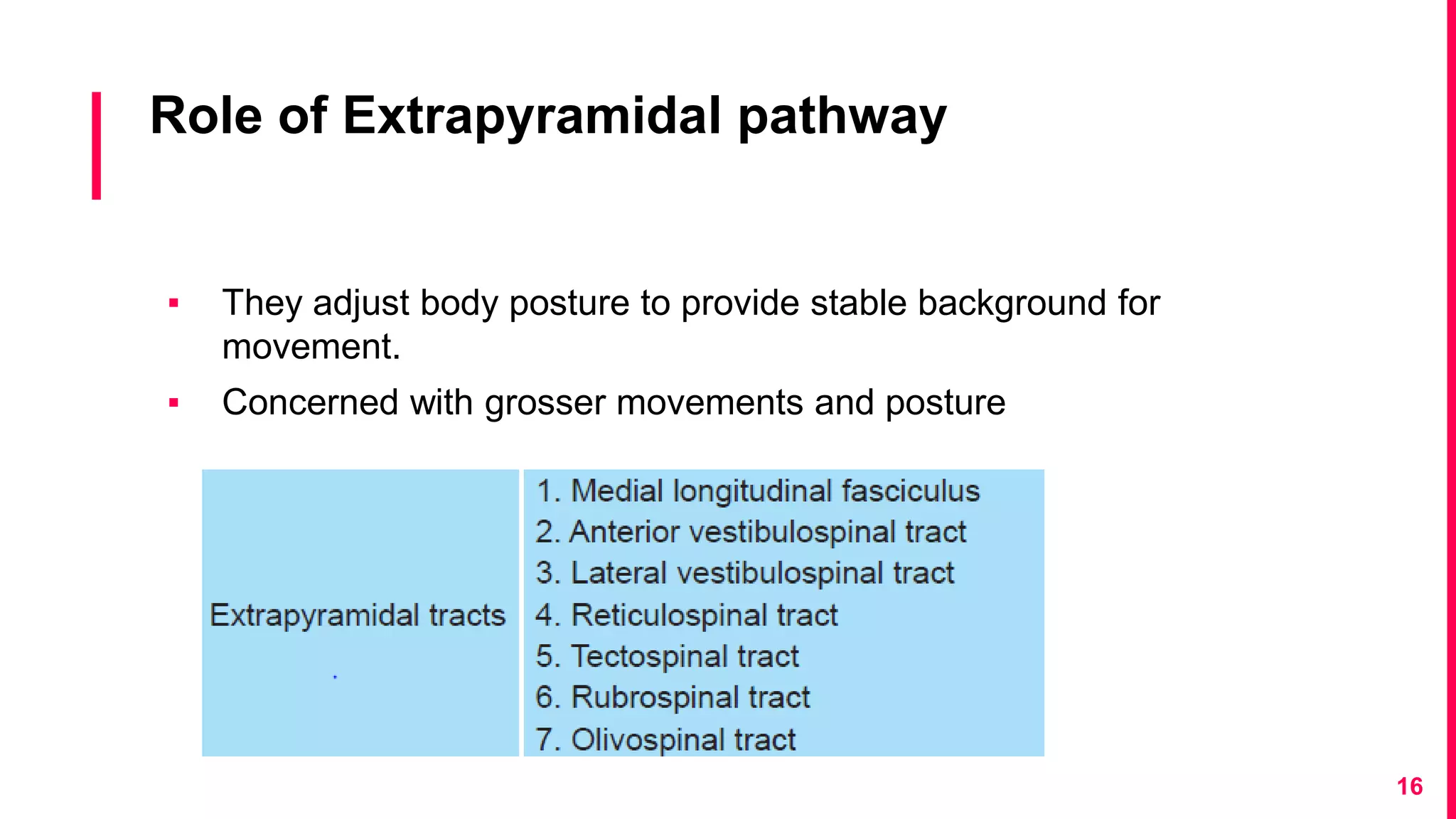
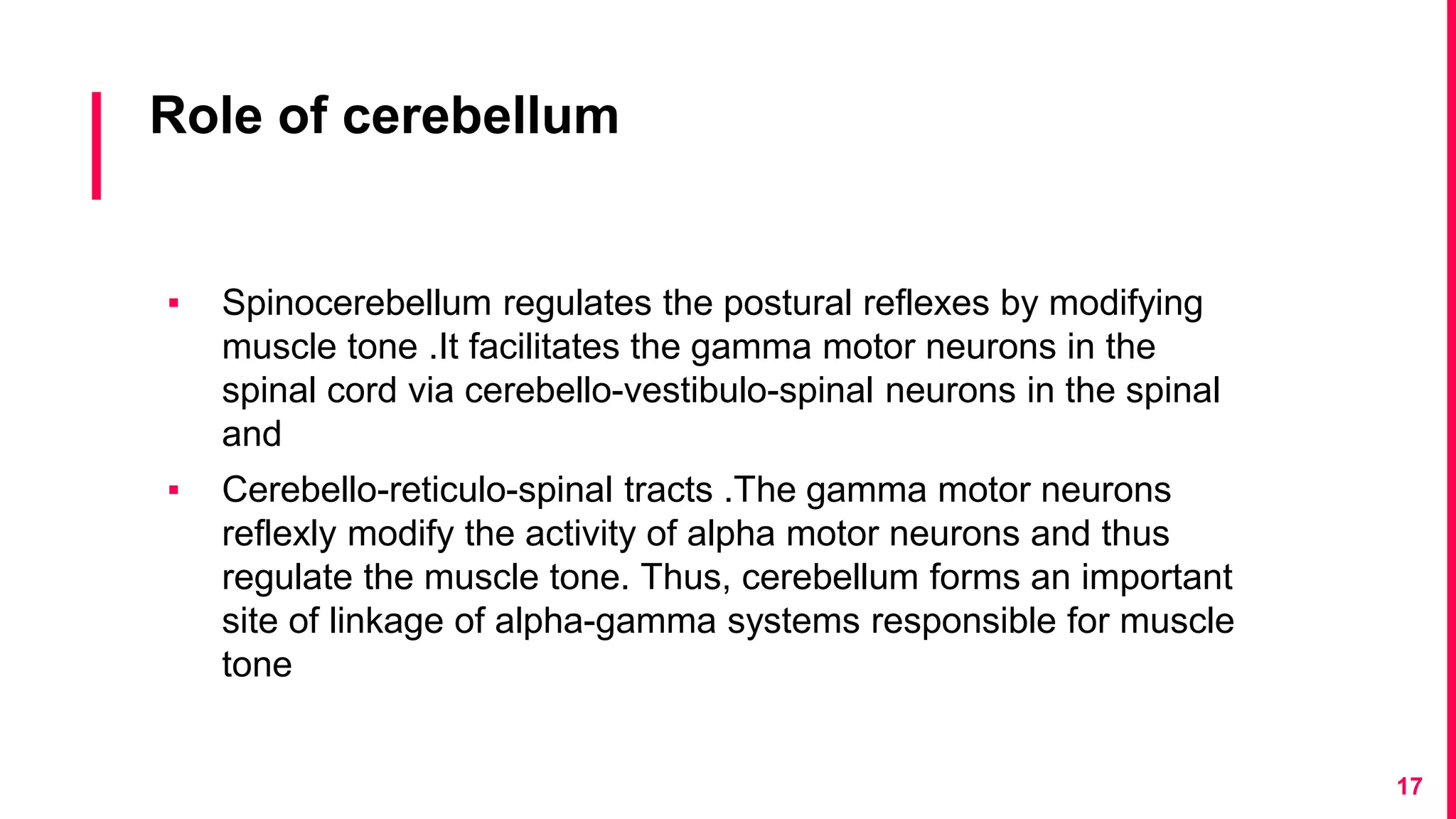
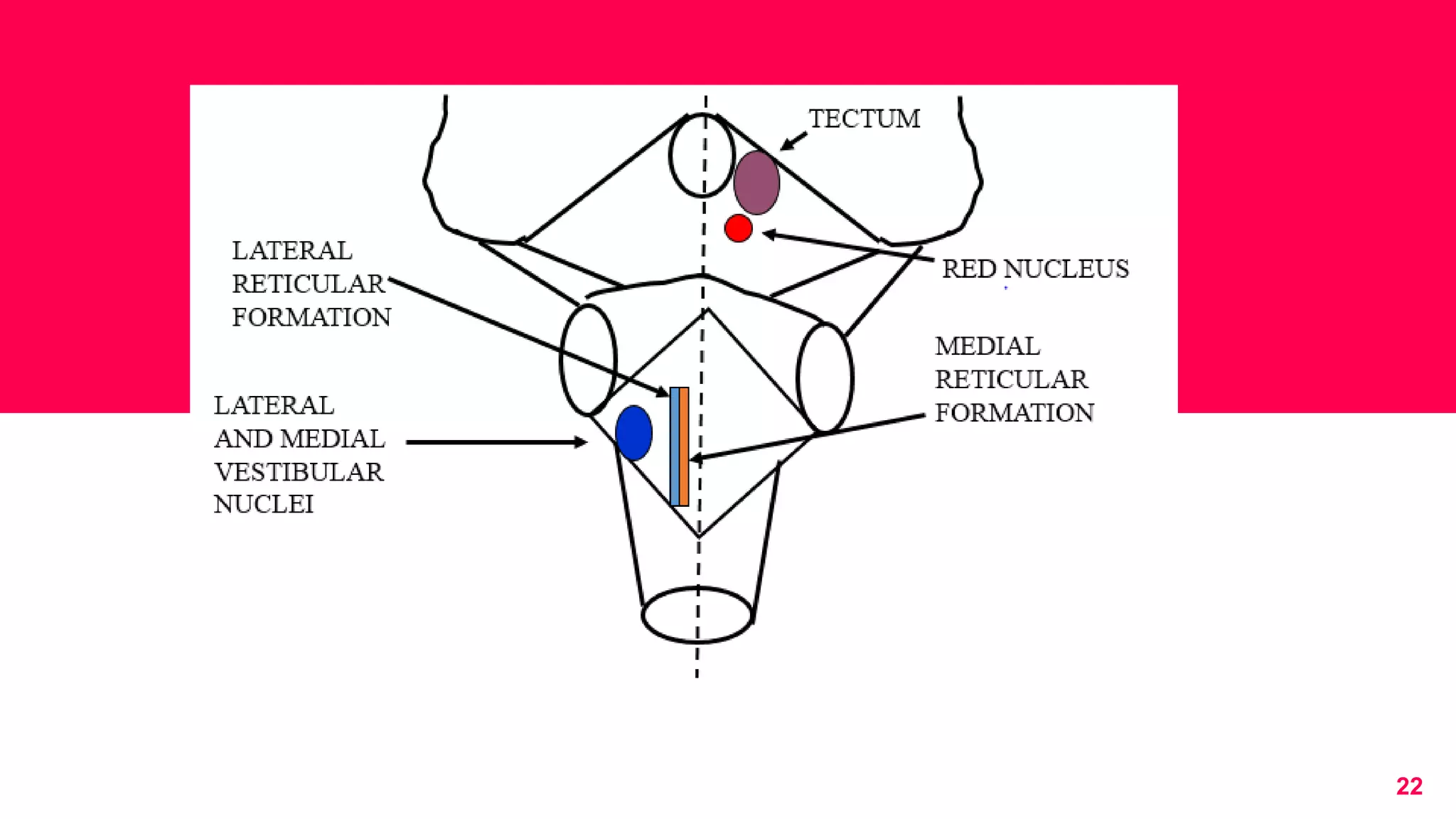

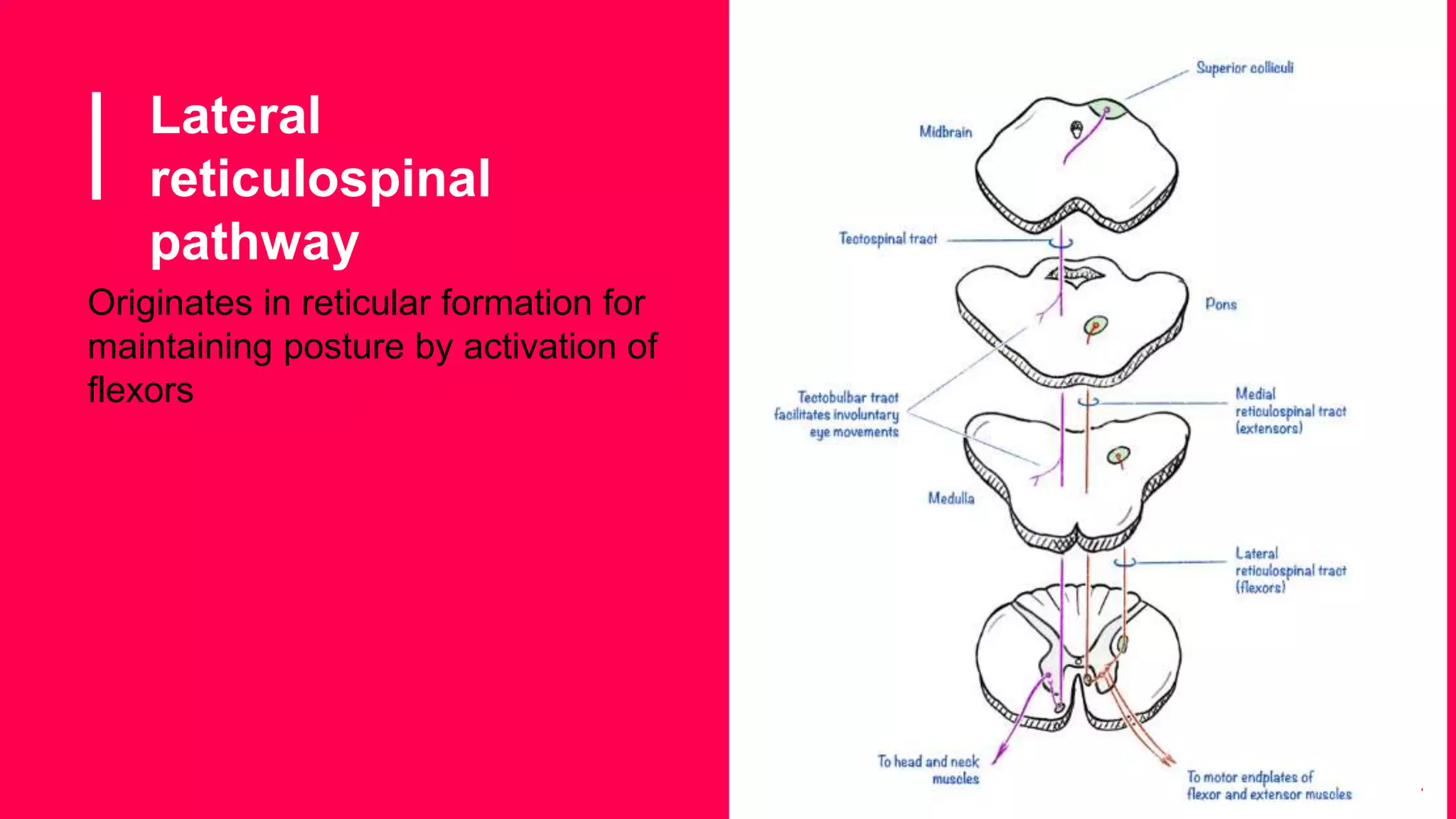

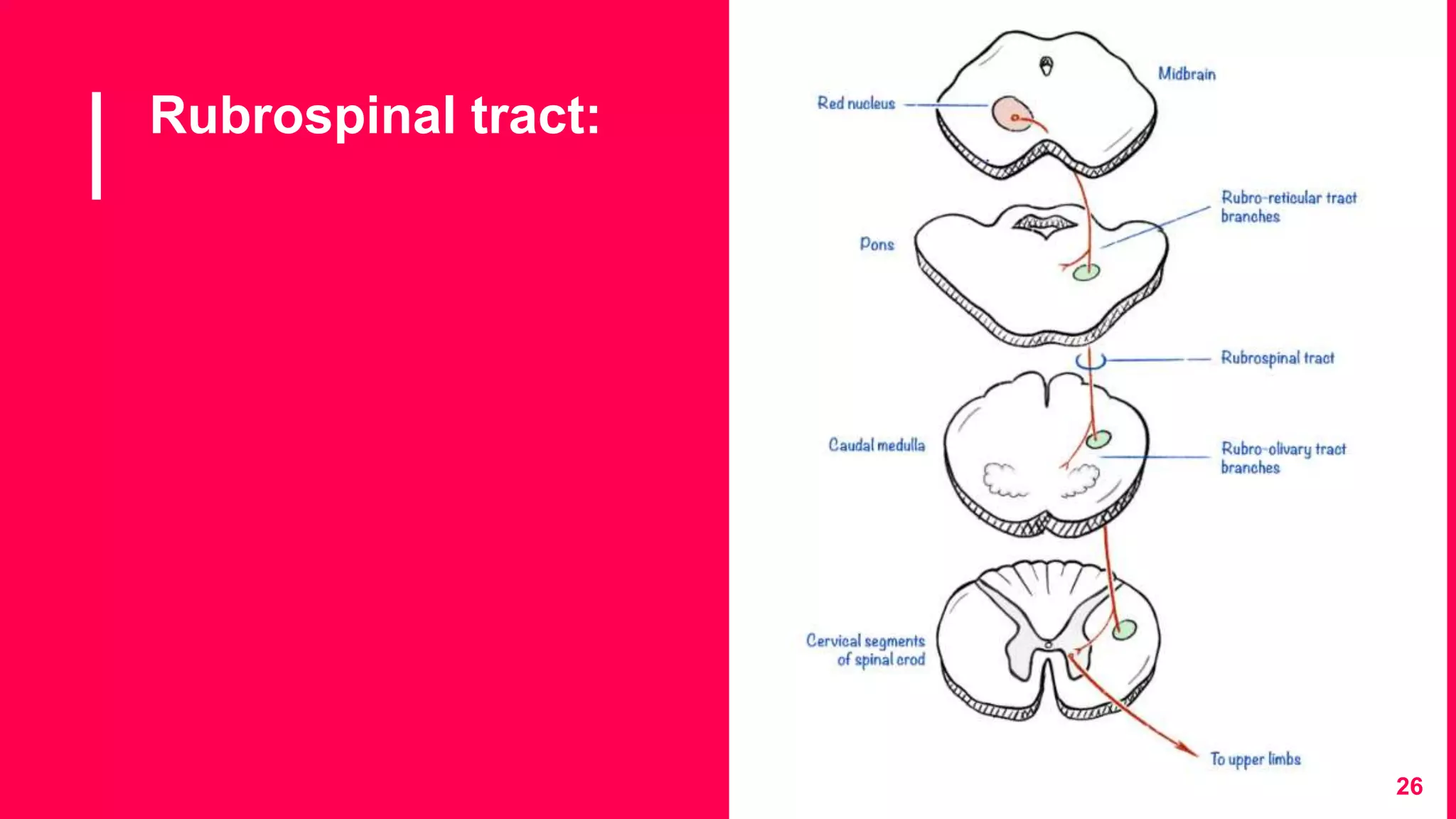
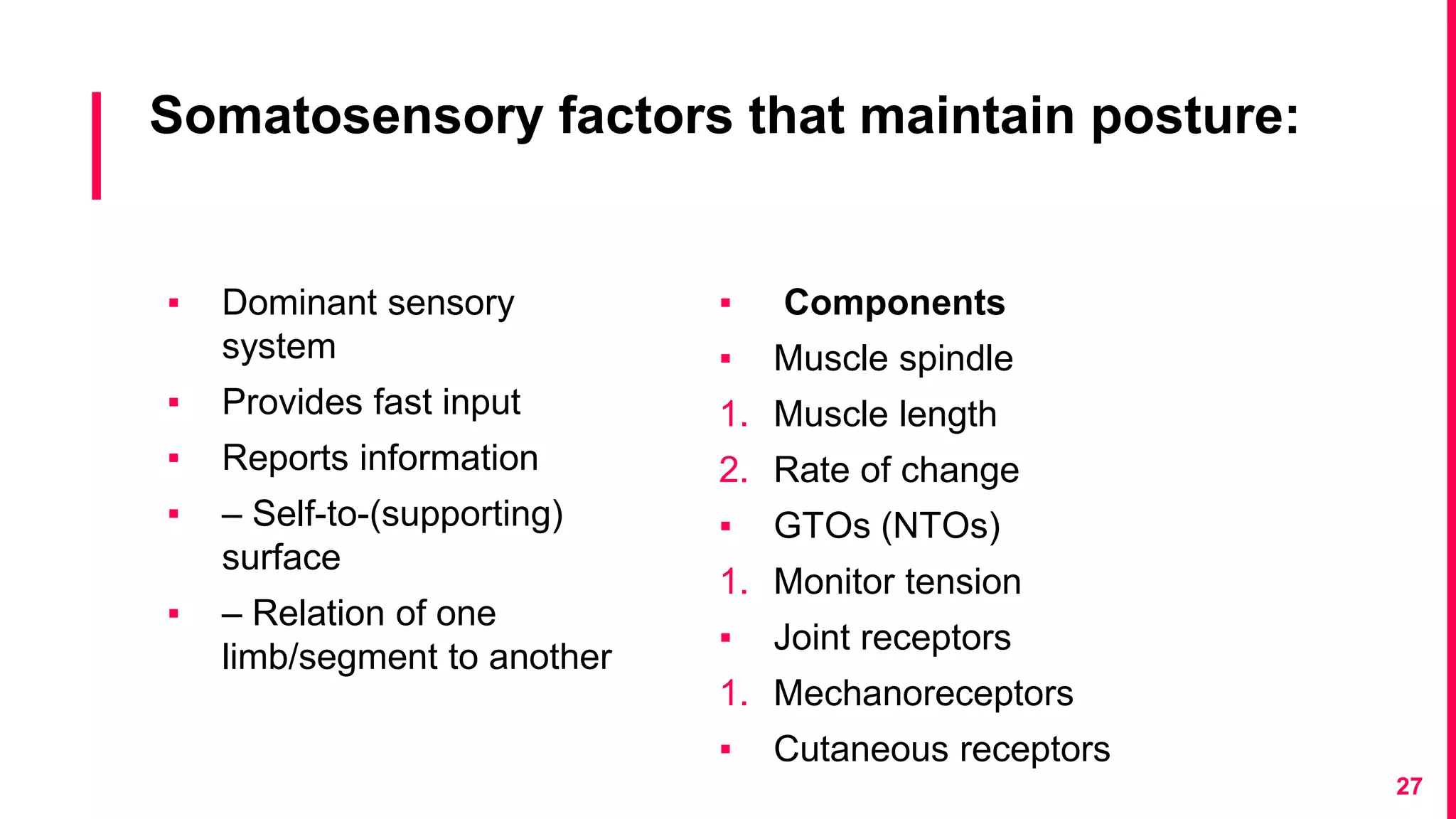
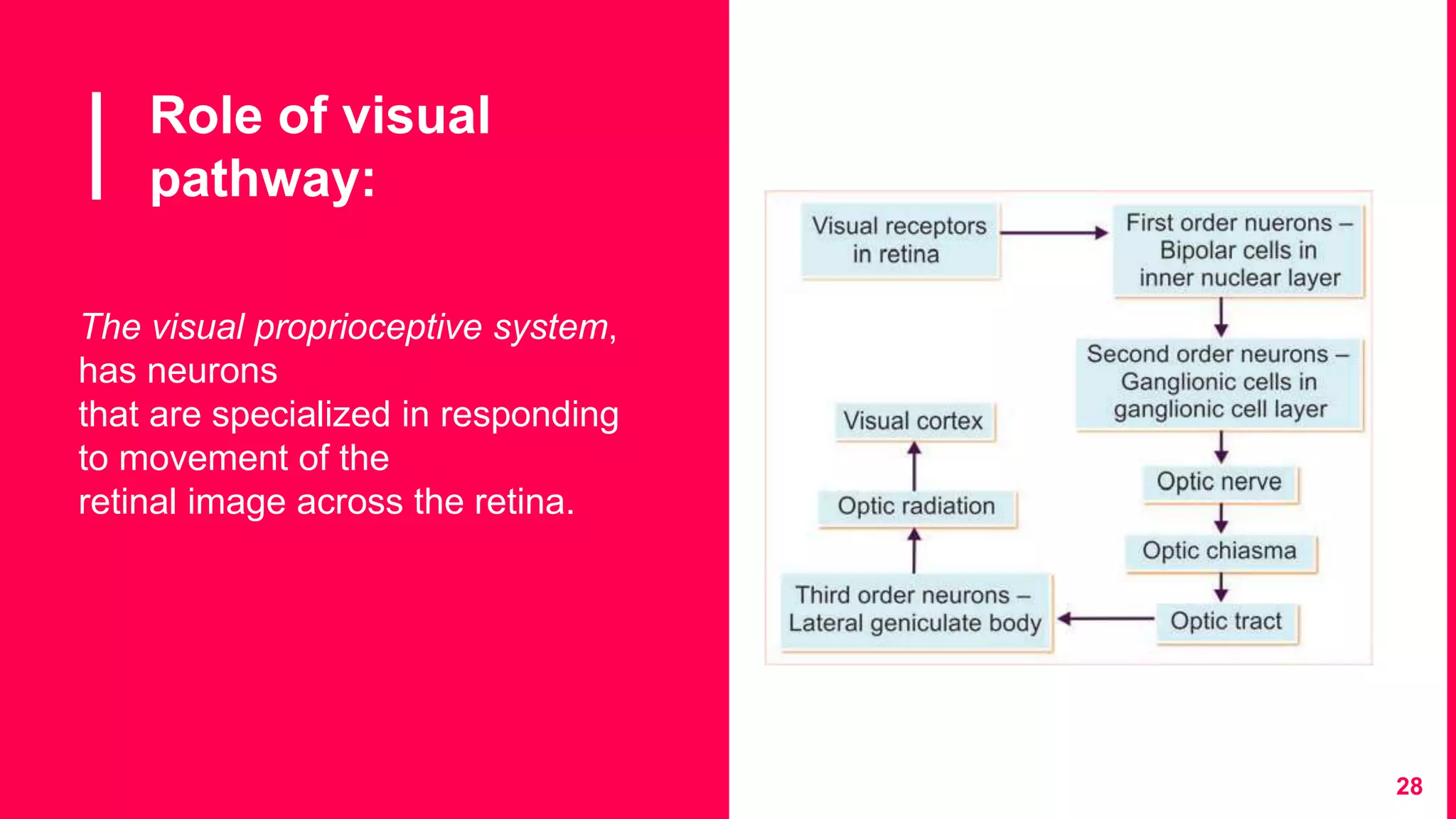


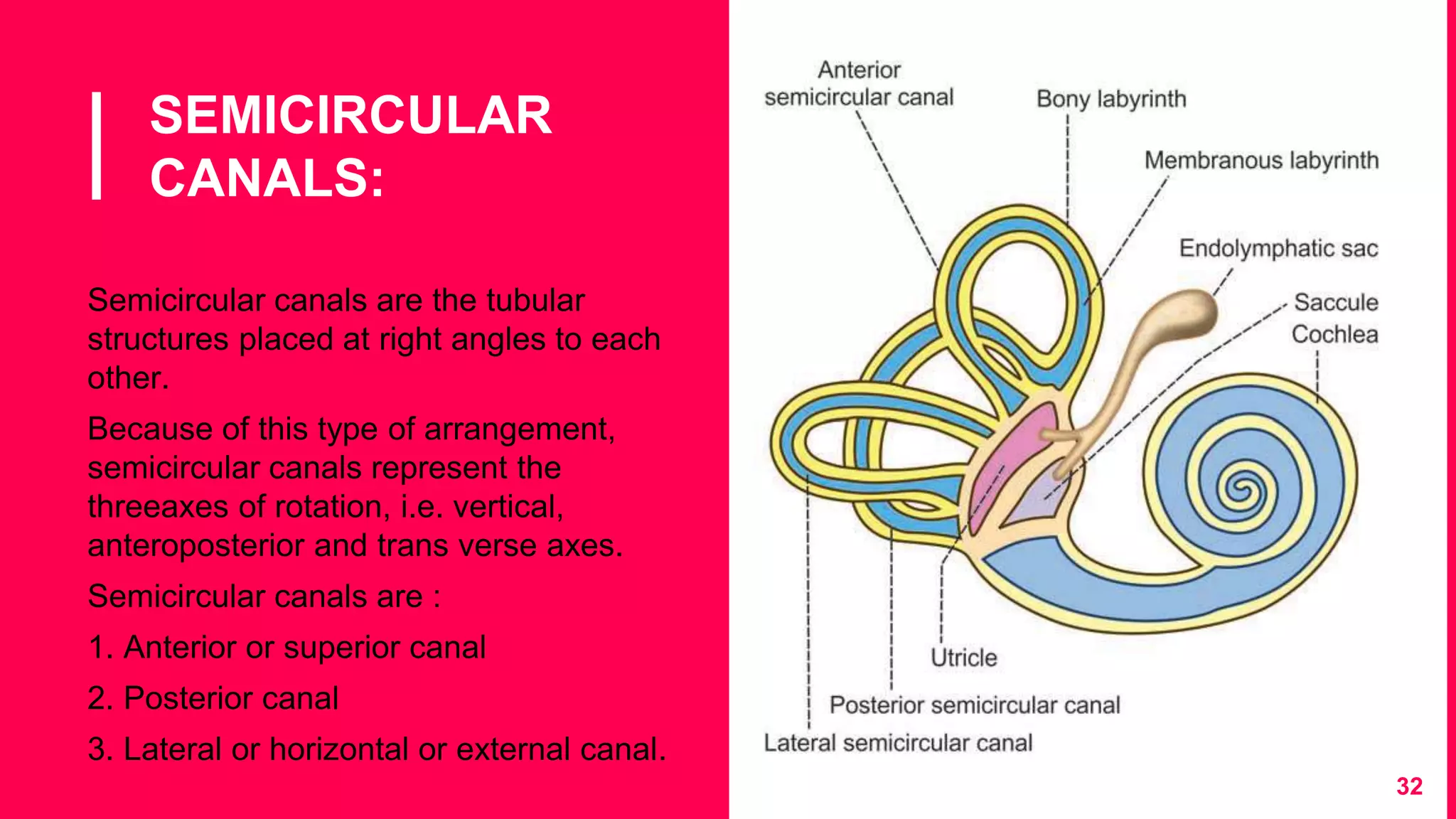


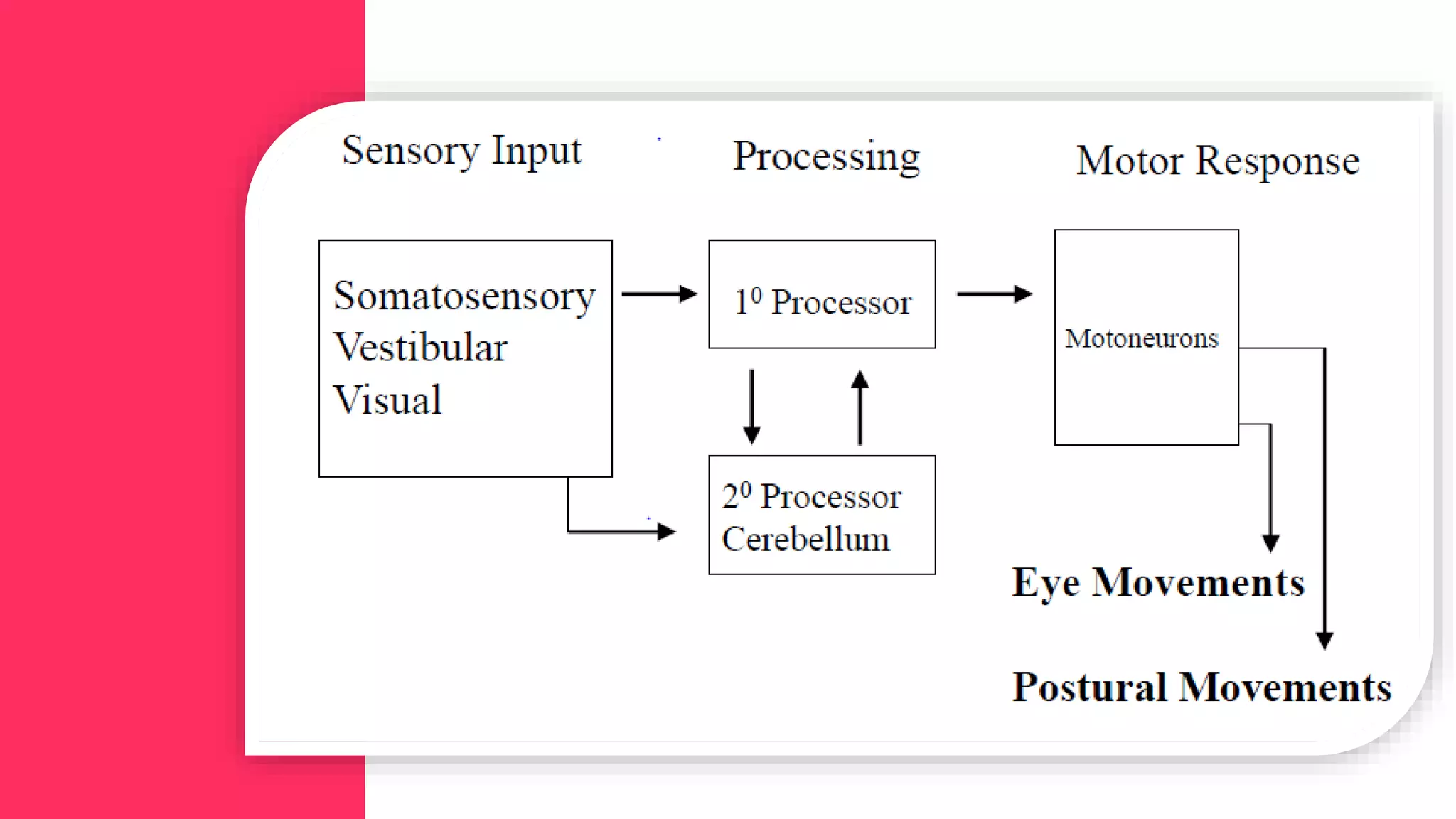



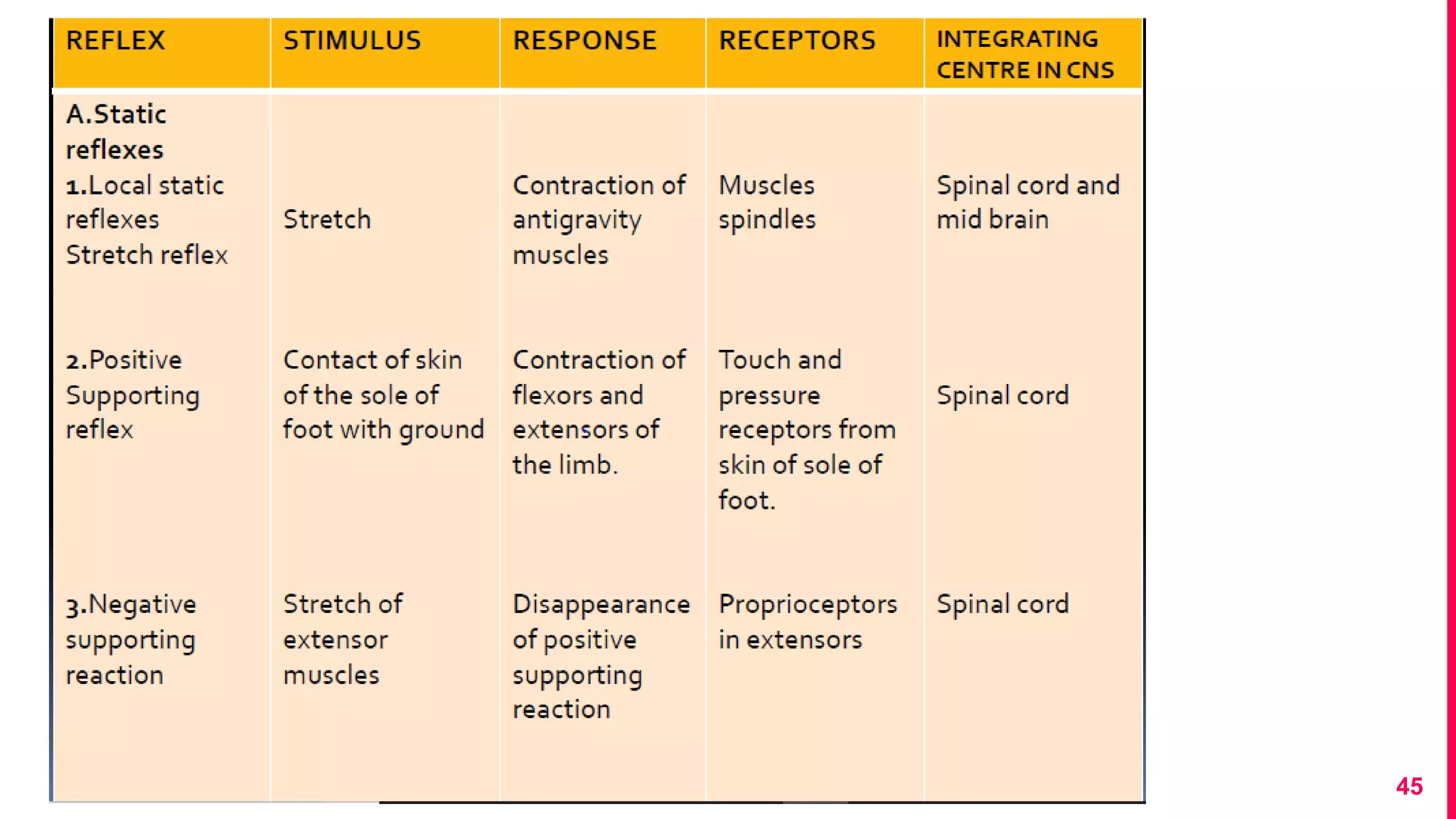
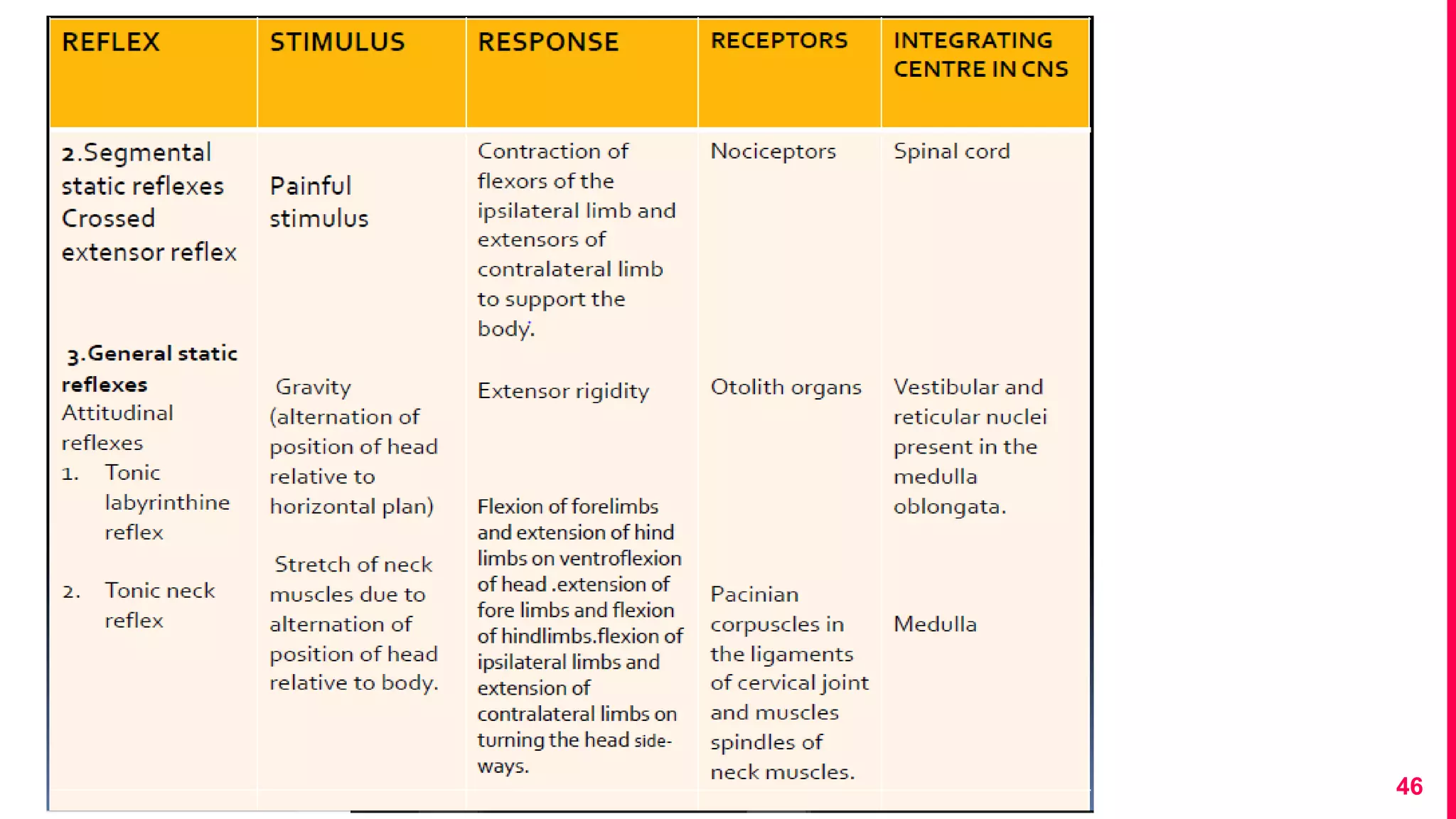
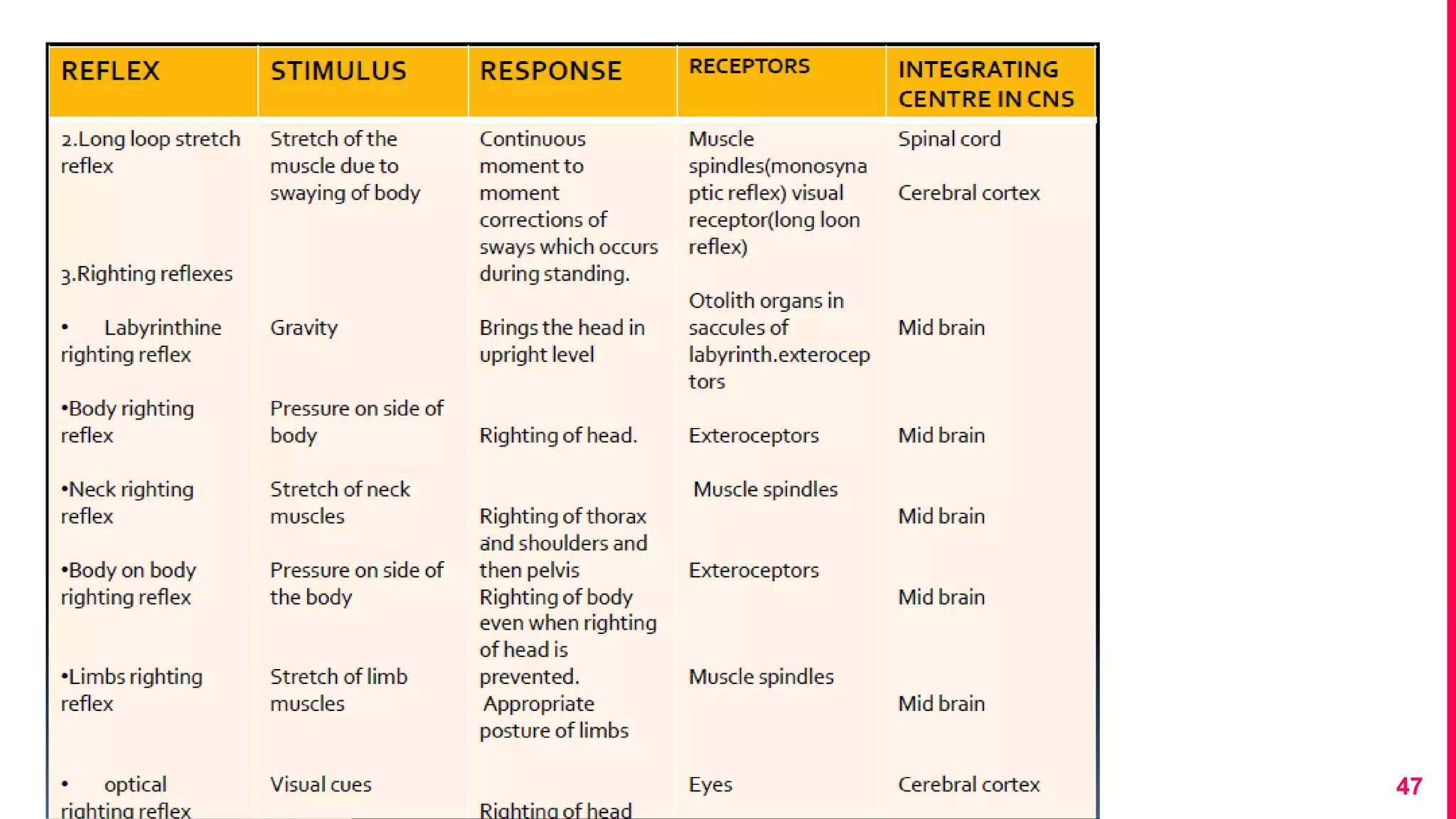
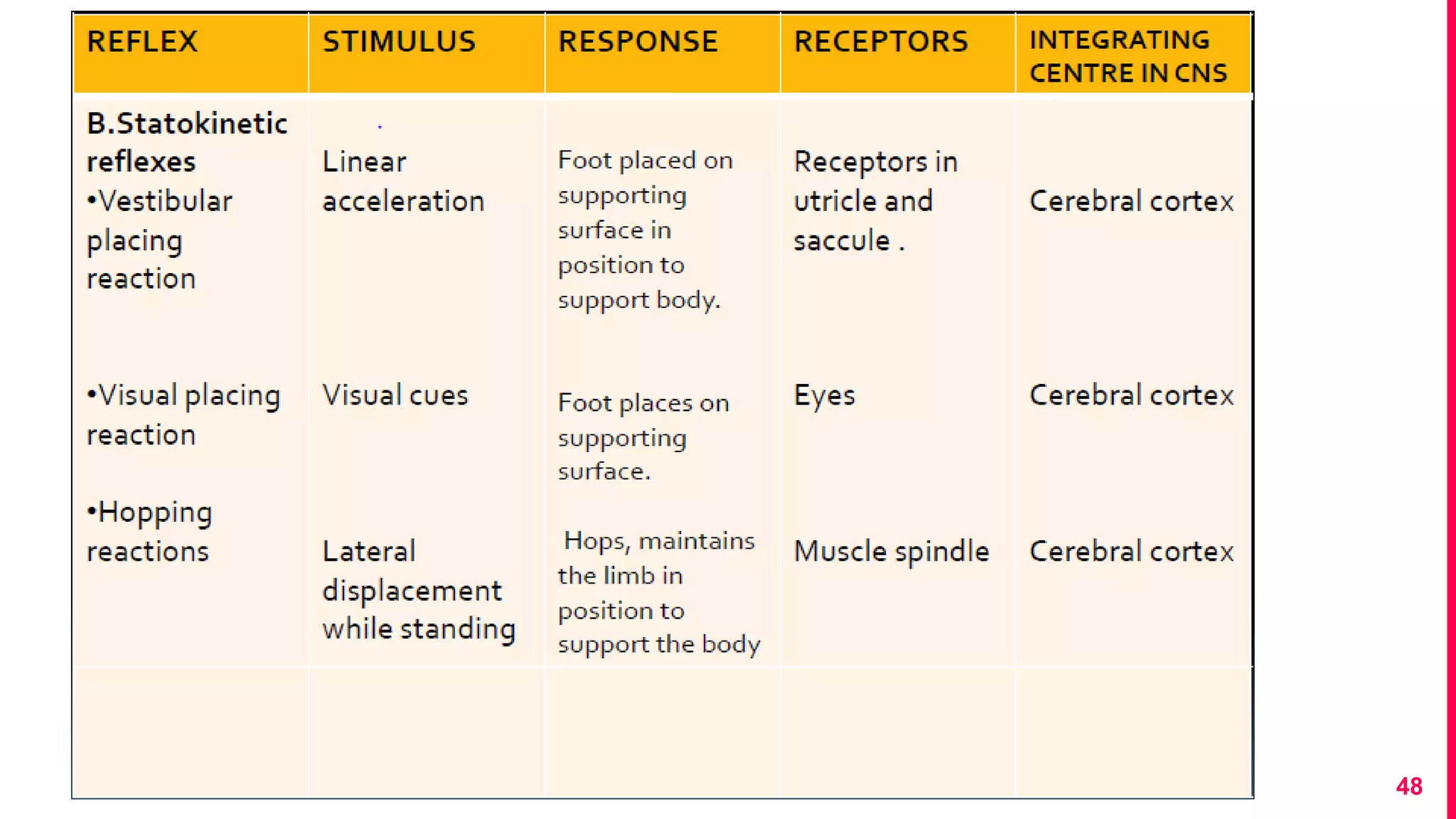




The document discusses the neurophysiology of posture and movement, covering topics such as types of posture, frameworks for postural control, and the roles of various systems including motor, sensory, and cognitive components. It highlights how postural control is maintained through mechanisms like muscle tone and reflexes, as well as the contributions of the vestibular system, visual pathways, and proprioception. The latter part presents research on postural control deficits in individuals with multiple sclerosis, showing significant challenges compared to healthy individuals.


![Apporach to lung biopsy [Auto-saved].pptx latest](https://cdn.slidesharecdn.com/ss_thumbnails/apporachtolungbiopsyauto-saved-251211225655-93258539-thumbnail.jpg?width=640&height=640&fit=bounds)


