


CHAPTER 1The Human Communication Process
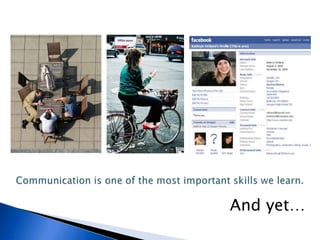
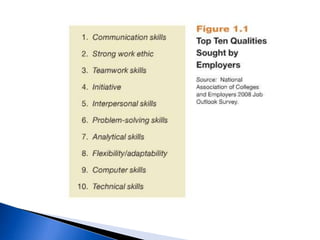
Communication is one of the most important skills we learn.And yet…
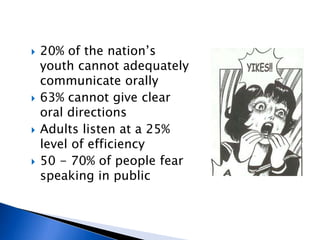
20% of the nation’s youth cannot adequately communicate orally63% cannot give clear oral directionsAdults listen at a 25% level of efficiency50 - 70% of people fear speaking in public
How would you define communication?
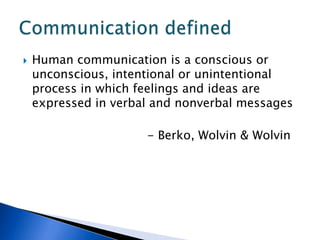
Human communication is a conscious or unconscious, intentional or unintentional process in which feelings and ideas are expressed in verbal and nonverbal messages					- Berko, Wolvin & WolvinCommunication defined
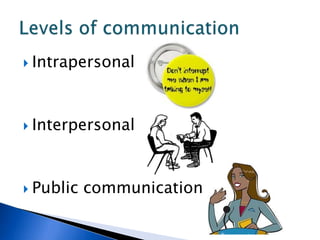
IntrapersonalInterpersonalPublic communicationLevels of communication
DynamicContinuousIrreversibleInteractiveContextualCharacteristics of communication
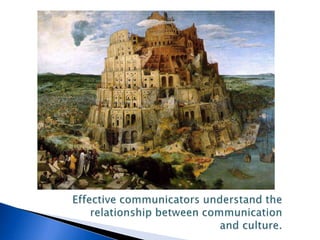
Effective communicators understand the relationship between communication and culture.
NationalityRegion of countryReligion	Political orientationSocioeconomic statusGenderSexual orientationAge/generationVocation						HobbiesFamily background				Marital statusCommunication and culture
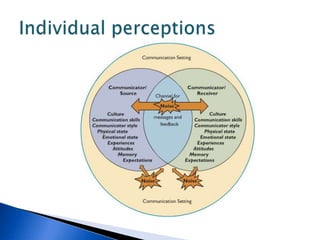
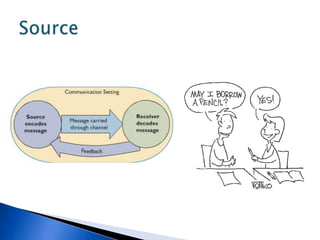
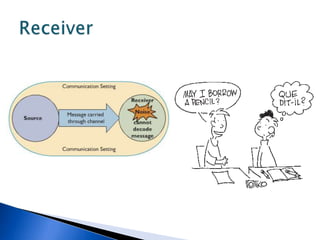
Individual perceptionsSourceChannelReceiverFeedbackNoiseContextComponents of human communicationCommunication occurs within a system. When the system breaks down, communication breaks down.Bad systems can correct themselves.
Individual perceptions
Source
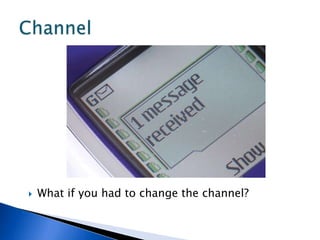
ChannelWhat if you had to change the channel?
Receiver
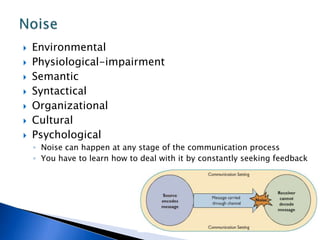
NoiseEnvironmentalPhysiological-impairmentSemanticSyntacticalOrganizationalCulturalPsychologicalNoise can happen at any stage of the communication processYou have to learn how to deal with it by constantly seeking feedback
Context
Models of communication
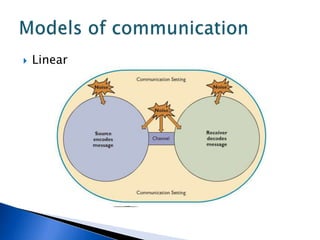
LinearModels of communication
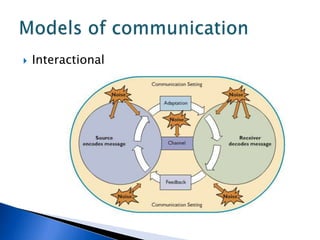
InteractionalModels of communication
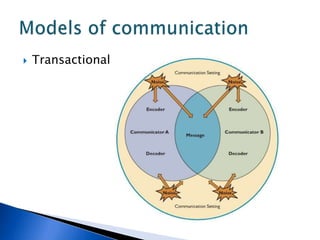
TransactionalModels of communication
What about social media?
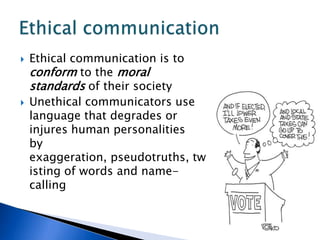
Ethical communication is to conform to the moral standards of their societyUnethical communicators use language that degrades or injures human personalities   by exaggeration, pseudotruths, twisting of words and name-callingEthical communication
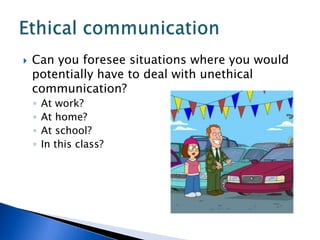
Can you foresee situations where you would potentially have to deal with unethical communication?At work?At home?At school?In this class?Ethical communication
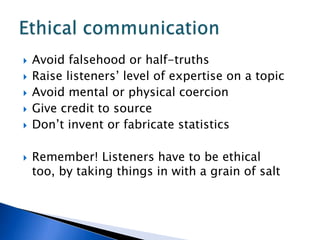
Avoid falsehood or half-truthsRaise listeners’ level of expertise on a topicAvoid mental or physical coercionGive credit to sourceDon’t invent or fabricate statisticsRemember! Listeners have to be ethical too, by taking things in with a grain of saltEthical communication

Chapter 1: The Human Communicaton Process