Epigenetic
Prepared by
Ala’a Alruwaisan_Sumaiah Alghamdi
Norah Alhoshani_ Hend Alsubaie
Submitted to
_ Dr. Zainab
18_12_2014
Objectives
_ Introduction.
_ Epigenetic structure.
_ Epigenetic mechanisms.
_ Behavioral epigenetic.
introduction
_ You are what your mother ate!
_ Twins have the same genes but why one of
them has specific disease and another dose not!
_ What is the cause of increasing the percentage
of some diseases?
_ epigenetic is a recent science.
History of Epigenetics
_1940s Conrad Waddington had defined epigenetics
as the “the branch of biology which studies the
causal interactions between genes and their
products, which bring the phenotype into being.”
_1948 DNA methylation was first described in
bacterial genomes .
_1975, two groups independently did hypothesize
that 5-methylcytosines were duplicated through cell
division and regulated mRNA expression.
History of Epigenetic
_1975, Allfrey et had already demonstrated that
histone acetylation and methylation contributed
to gene expression control .
_1990s, Andrew Feinberg, “epicenter of modern
medicine because it can help to explain the
relationship between an individual's genetic
background, the environment, aging, and
disease.”
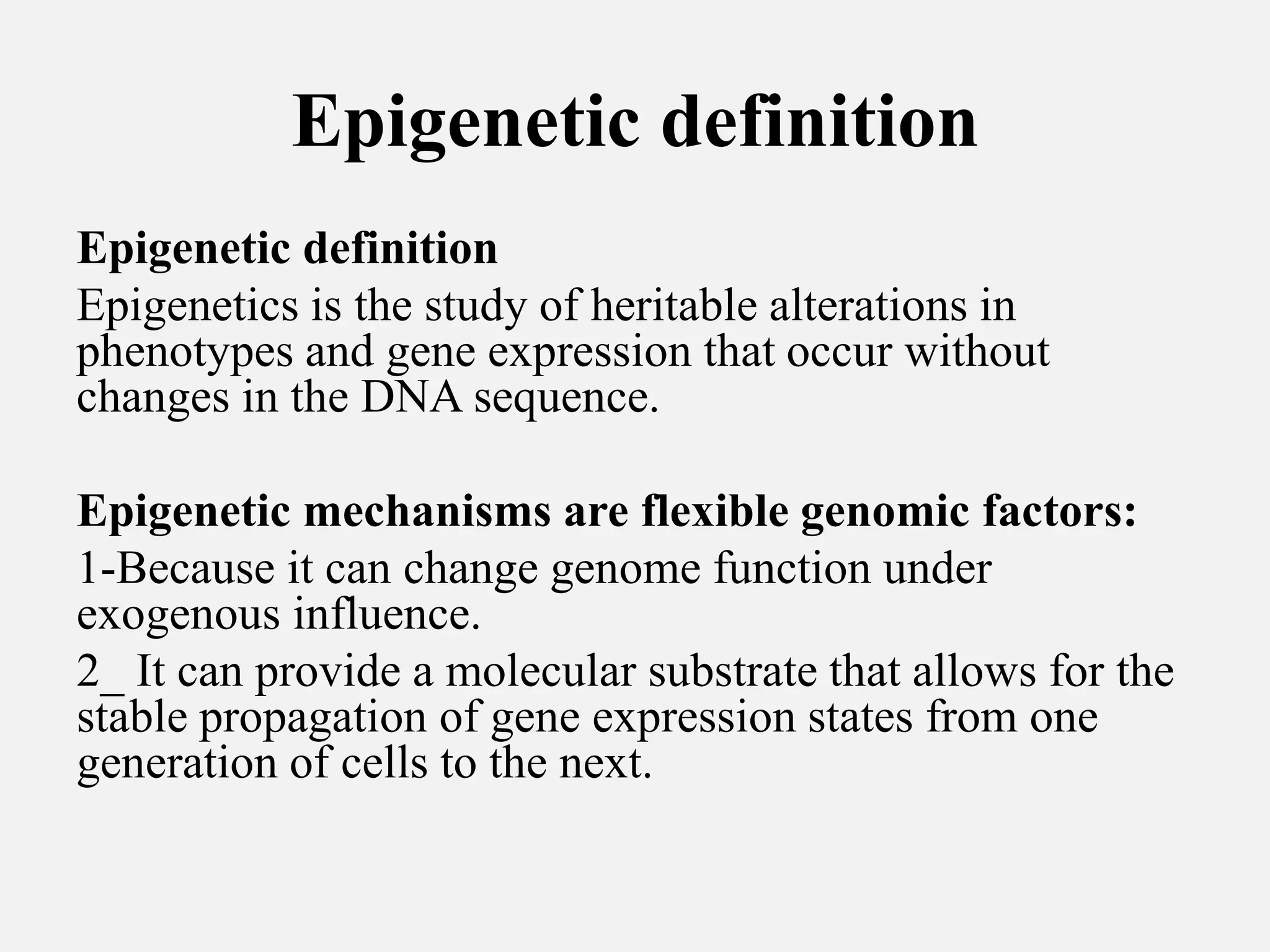
Epigenetic definition
Epigenetics is the study of heritable alterations in
phenotypes and gene expression that occur without
changes in the DNA sequence.
Epigenetic mechanisms are flexible genomic factors:
1-Because it can change genome function under
exogenous influence.
2_ It can provide a molecular substrate that allows for the
stable propagation of gene expression states from one
generation of cells to the next.
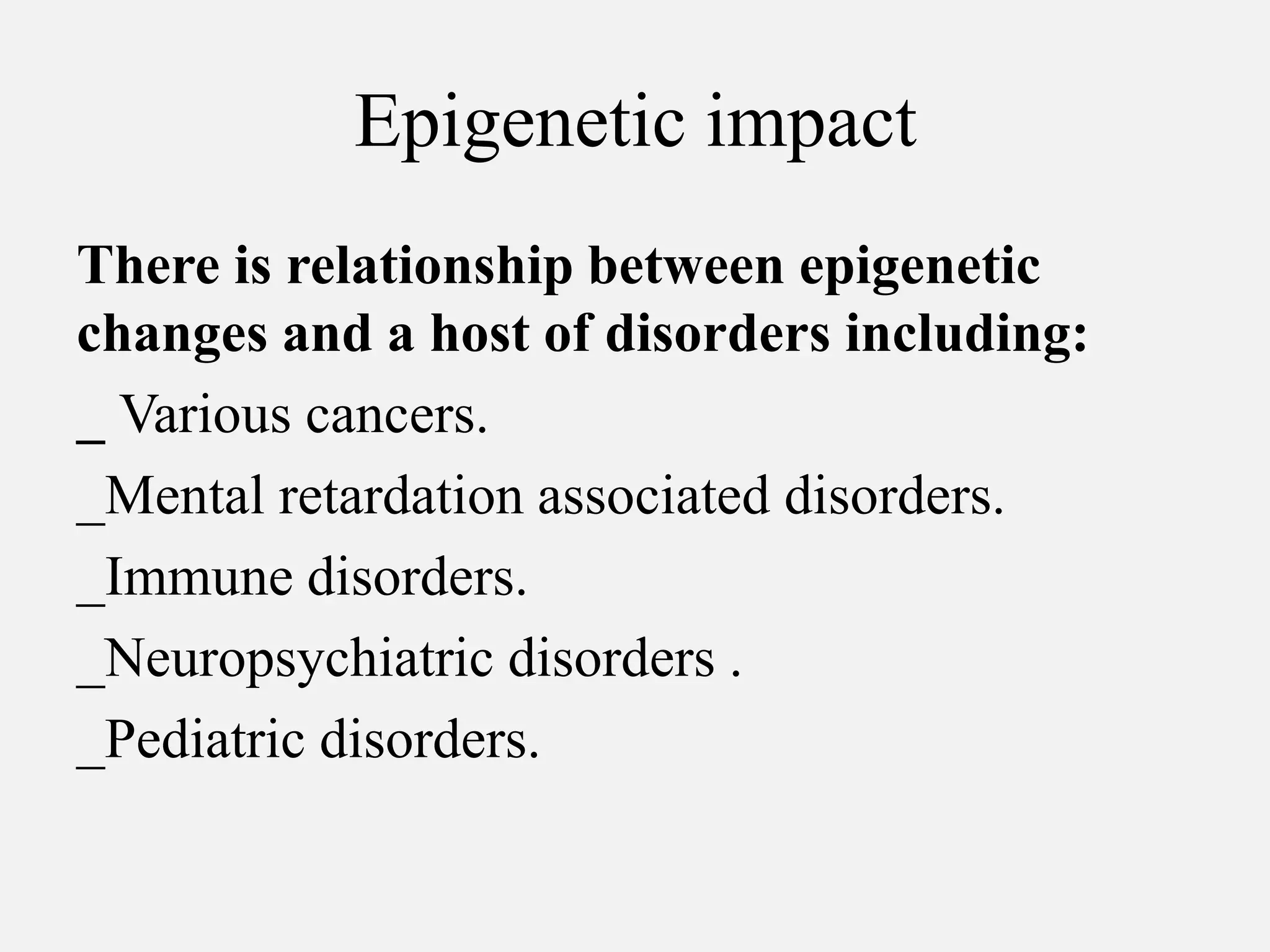
Epigenetic impact
There is relationship between epigenetic
changes and a host of disorders including:
_ Various cancers.
_Mental retardation associated disorders.
_Immune disorders.
_Neuropsychiatric disorders .
_Pediatric disorders.
Epigenetic avoidance
Can We Keep Our Epigenome Healthy? How
Can We Get It Back in Shape?
_A growing sector of pharmacological research has
focused on the development of drugs that can
modify the epigenome. For instance, animal
experiments have identified histone deacetylase
inhibitors.
A major issue in epigenomic is how rapidly and how
effectively these epigenomic drugs can be translated
to humans and introduced in standard clinical
practice.
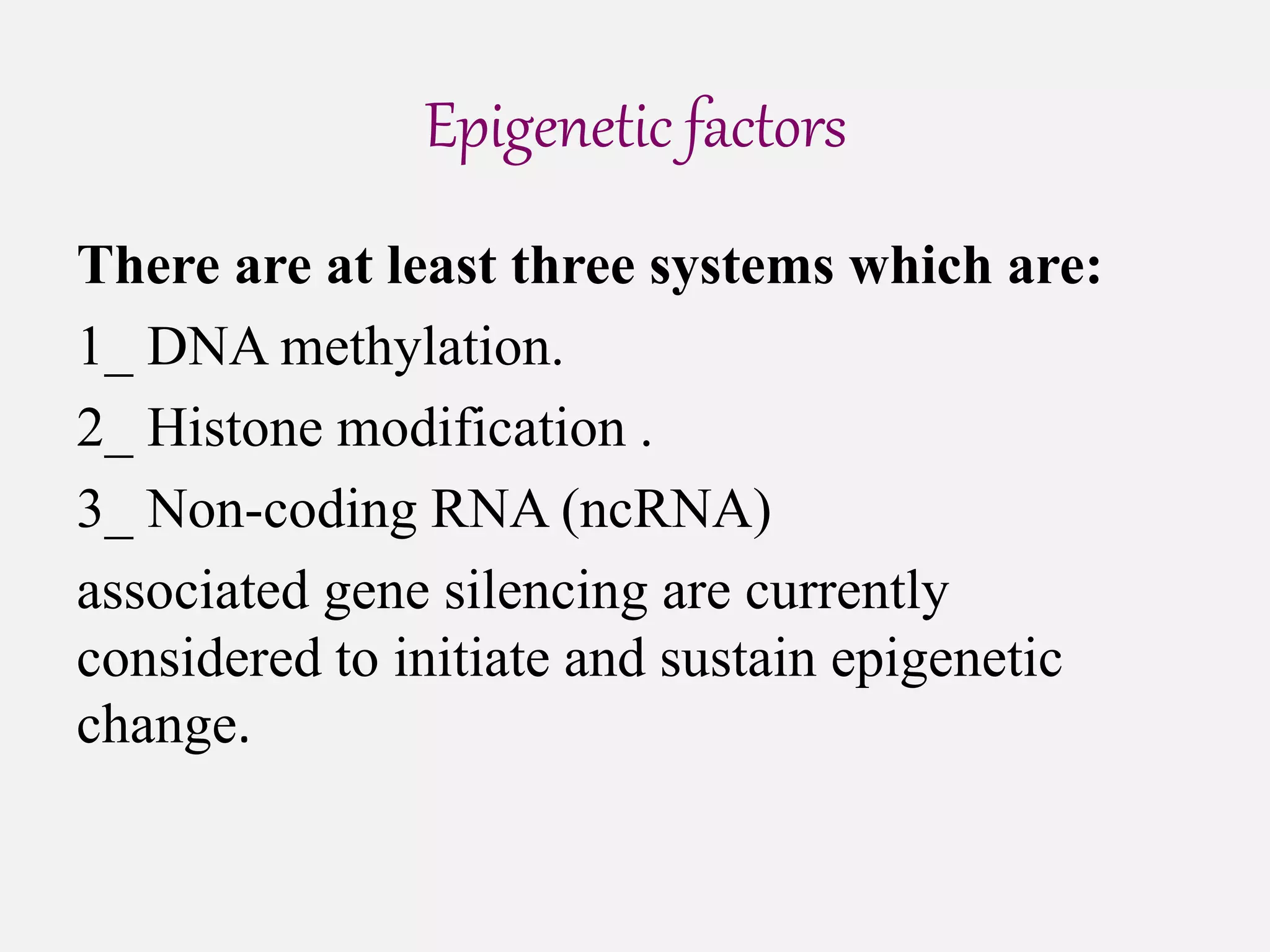
Epigenetic factors
There are at least three systems which are:
1_ DNA methylation.
2_ Histone modification .
3_ Non-coding RNA (ncRNA)
associated gene silencing are currently
considered to initiate and sustain epigenetic
change.
Place of occurrence of
epigenetics
• A adjustments occur in gene function without any change
in the nucleotide sequences that make up DNA.
• On-DNA inheritance or epigenetics means that the
sequence of the DNA doesn’t change, but access to the
DNA changes biochemically. This altered DNA can transfer
to children and grandchildren.
Genes structure
Gene occurs when the impact of external factors
• Aware of epigenetic a new and important level of our
understanding of heredity and the impact of the
environment on human reason
• . Indicates that some things in human life , such as the type
and quantity of nutrition , anxiety and exposure to toxins
and many other things that could have an effect on the
organism is inherited from one generation to another
generation.
Identified those factors in several points
• Environmental factors
• Behavioral factors
• Dietary factors
• Psychological factors
How occurrence epigenetic
Two ways :
Amendments to
DNA methylation
Histone
modificatio
n
Acyetalitio
n
Detour dna
Amendments to DNA methylation
What is DNA methylation ?
adding a methyl molecule into cytosine base in the DNA.
what is their role ? Or effect ?
Methylation has the ability to inhibit or activate gene.
* For that to happen ?
it is explained as epigenetics which is changes in DNA without
any change in the genetic sequence.
How it is happen
• Consisted of methyl carbon and three atoms of hydrogen and has a strong
tendency to link to something else (ie Methylth ) . And the methyl group
has affinity cytosine bases in DNA .
• there are a special enzymes derivative of methyl molecules which
essential nutrients , such as folic acid, and vitamin B12, and it control by
certain rules in the genome
Amendments to DNA methylation
• And explain to add or Methylthed of DNA in the
back bone affect the genetic structure leads to
increase access to Methylthed IN hydrogen bonds
between DNA strands and thus the changing of
DNA lead to the silence the gene expression by
preventing adhesion of expression enzymes.
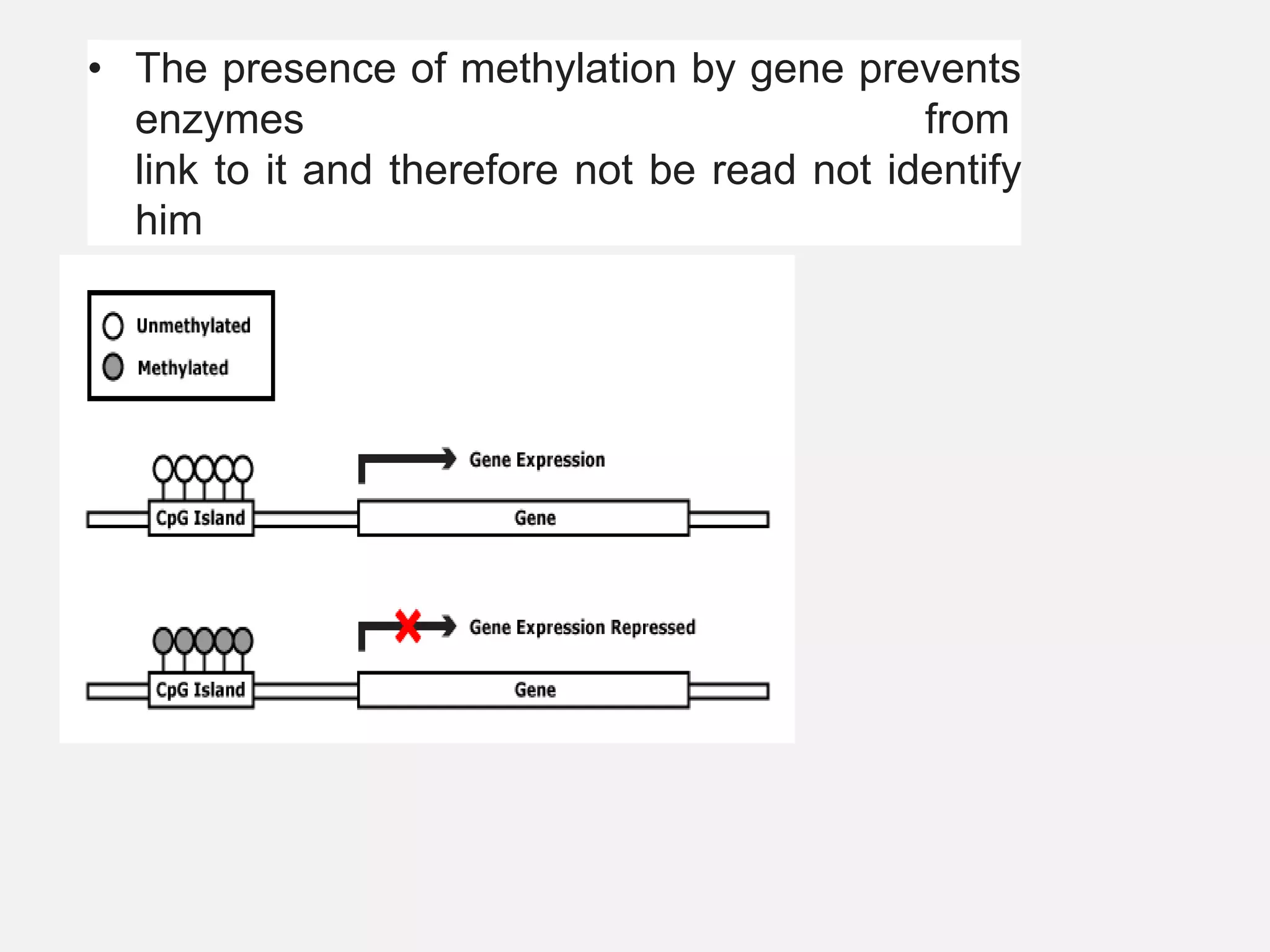
• The presence of methylation by gene prevents
enzymes from
link to it and therefore not be read not identify
him
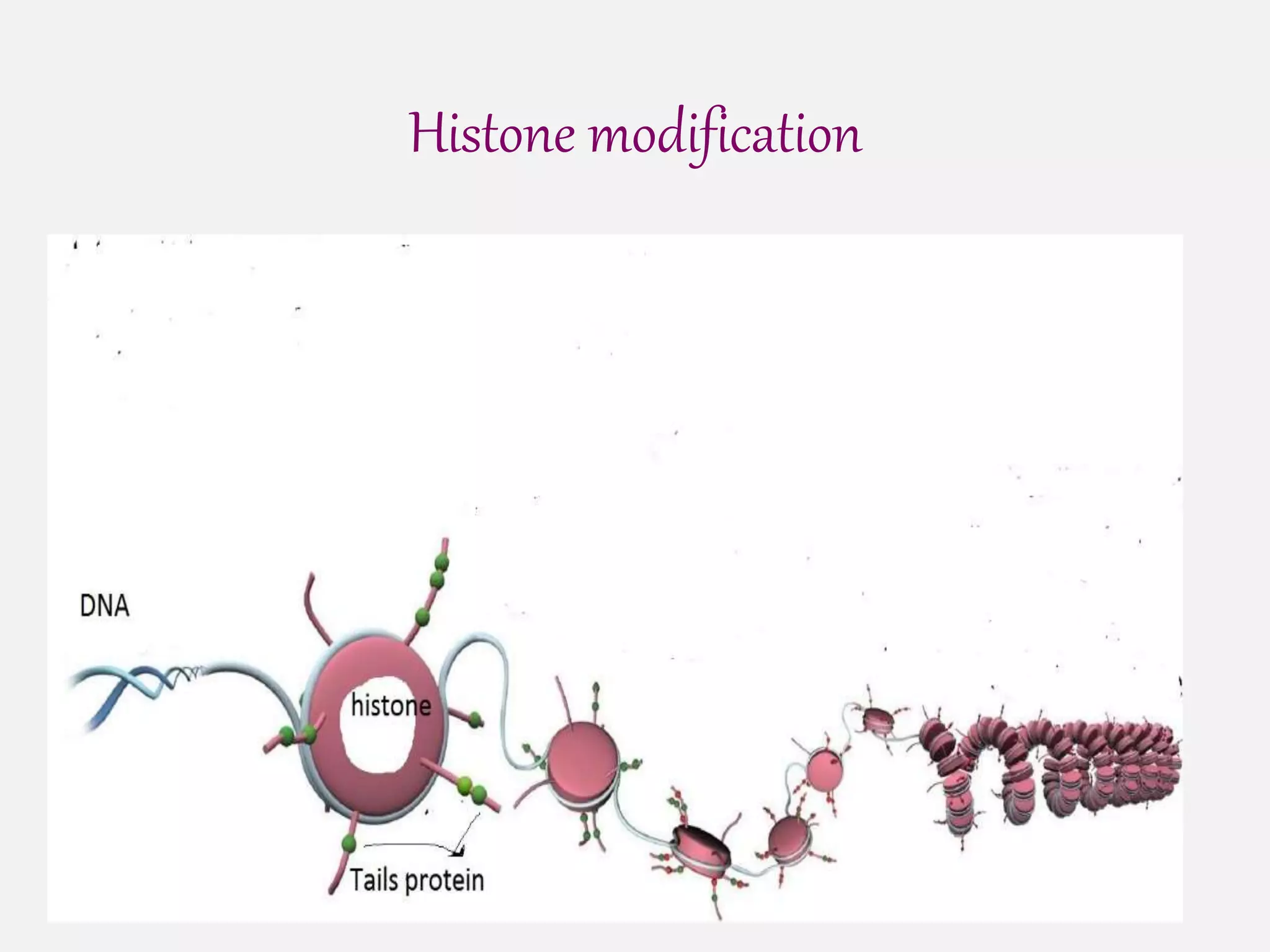
Histone modification
How it is work?
Modification occurs in two ways for histone
1- Acyetalition
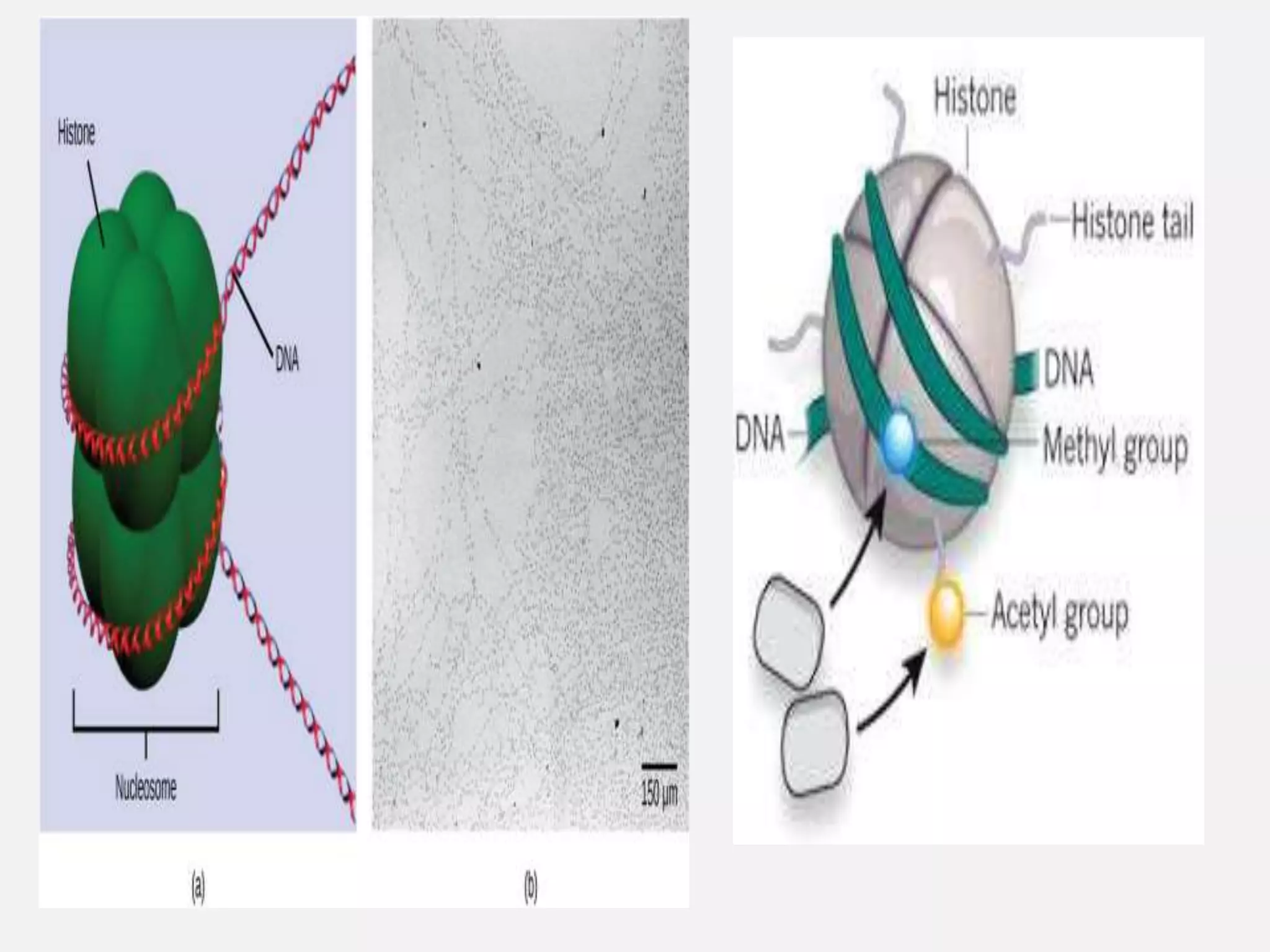
Changes occur in histone by the addition or removal of
Acetyl group which work to amplify the genes to
create the occurrence of gene expression.
Acyetalition
• changes in histone because of influencing factors leads to the entry of
the dehydrogenase acetyl enzymes thus changing the composition and
thus disarming acetyl which considered as important factor in gene
expression leads to stopped gene and silence the gene
• The histone complex chemical markers attached to the ends of tails of
histones controls the gene expression
• . Usually signs of acetylcholine signs Colin acetyl exaggerating the
neighboring genes , While enzymes with claims of acetylcholine stop
gene
Histone modification
2- wrap DNA
• 2- wrap DNA When the DNA wrapped around the
histone strong leadership to stop the narrow gene
expression by blocking enzymes up to the protein ,
• and a change in the gene structure
• When the Dna wrapping around the histone heavily
then enzymes cannot be accessed for Histone .
Histone modification
Epigenetic & Disease
Epigeneticsis defined as the study of all inheritableand potentiallyreversible changes in genome functionthat do not
alter the nucleotide sequence withinthe DNA.Epigenetic mechanisms such as DNA methylation,histone
modification,nucleosome positioning,and micro RNAs(mi RNAs)are essentialto carry out key functionsin the
regulation of gene expression. Therefore, the epigenetic mechanisms are a window to understanding the possible
mechanisms involved in the pathogenesis of complex diseases such as autoimmune diseases.It is noteworthythat
autoimmunediseases do not have the same epidemiology,pathology, or symptoms but do have a common origin
that can be explained by the sharing of immunogenetic mechanisms.Currently,epigenetic researchis looking for
disruptionin one or more epigenetic mechanisms to provide new insights into autoimmunediseases. The
identificationof cell-specifictargetsof epigenetic deregulation willserve us as clinicalmarkers for diagnosis,
disease progression,and therapy approaches.
Epigenenatic influence
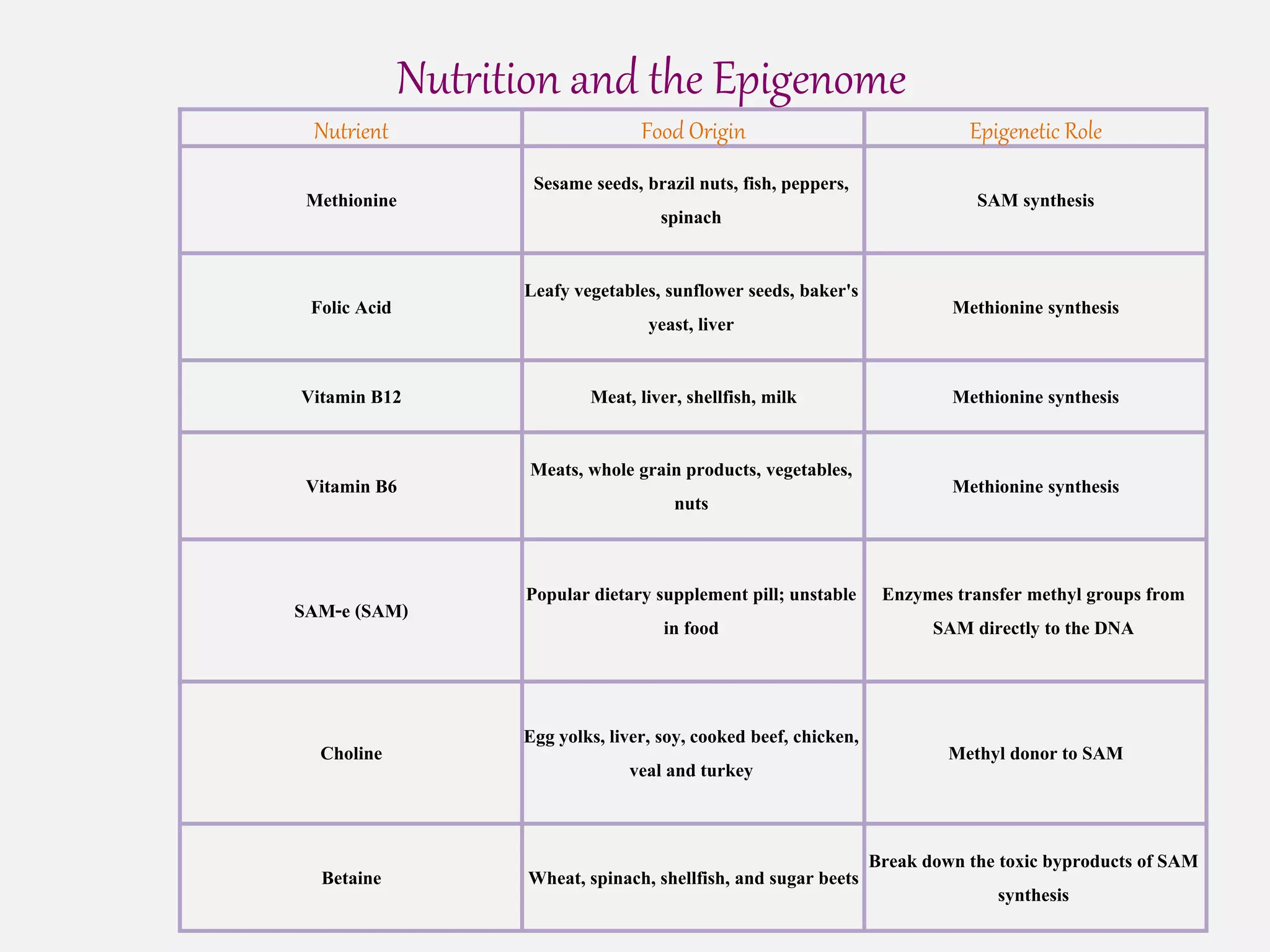
Nutrition and the Epigenome
Nutrient Food Origin Epigenetic Role
Methionine
Sesame seeds, brazil nuts, fish, peppers,
spinach
SAM synthesis
Folic Acid
Leafy vegetables, sunflower seeds, baker's
yeast, liver
Methionine synthesis
Vitamin B12 Meat, liver, shellfish, milk Methionine synthesis
Vitamin B6
Meats, whole grain products, vegetables,
nuts
Methionine synthesis
SAM-e (SAM)
Popular dietary supplement pill; unstable
in food
Enzymes transfer methyl groups from
SAM directly to the DNA
Choline
Egg yolks, liver, soy, cooked beef, chicken,
veal and turkey
Methyl donor to SAM
Betaine Wheat, spinach, shellfish, and sugar beets
Break down the toxic byproducts of SAM
synthesis
Nutrition and the Epigenome
Nutrient Food Origin Epigenetic Role
Resveratrol Red wine
Removes acetyl groups from histones,
improving health (shown in lab mice)
Genistein Soy, soy products
Increased methylation, cancer prevention,
unknown mechanism
Sulforaphane Broccoli
Increased histone acetylation turning on anti-
cancer genes
Butyrate
A compound produced in the intestine when
dietary fiber is fermented
Increased histone acetylation turning on
'protective' genes, increased lifespan (shown
in the lab in flies)
Diallyl sulphide (DADS) Garlic
Increased histone acetylation turning on anti-
cancer genes
Nutrition and the Epigenome
Disease Examples
GeneDisease
Xq28sexual orientation 19931
E2F RbRetinoblastoma2
P53Li-Fraumeni Syndrome3
Behavioral Epigenetic
• One Branch OF Epigenetic is development of behavior its
name: Behavioral Epigenetic
• refers to the study of how signals from the environment
trigger molecular biological changes that modify what goes
on in brain cells.
• it is Includes everything that happens in every stage of life
and It has a relationship to environment such as: social
experience; nutrition; hormones; and toxicological exposures
that occur prenatally, postnatally, and in adulthood.
Short Story
Experiment
• the Researchers kerry ressler and brian dias
From Emory University in Atlanta discovered a special
discovery that the DNA can transfer the memories until the
3rd generation !!
Experiment
steps:
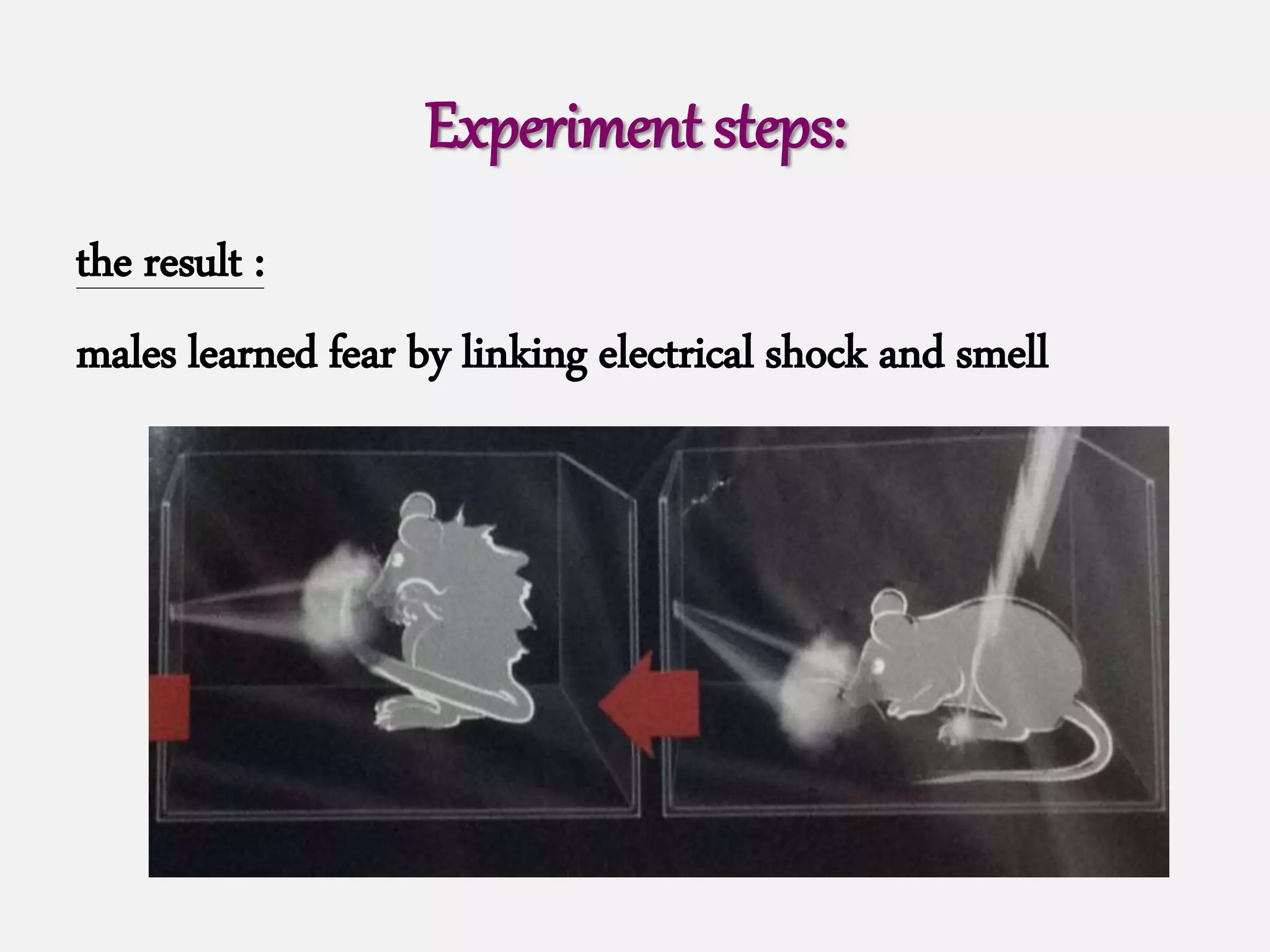
1- Male mice were adapted to be afraid from specific smell..
he let 12 male mice face light electric shocks directly after
being smell specific chemical molecule (Acetophenone ) five
times a day during
the three days..
Experiment steps:
the result :
males learned fear by linking electrical shock and smell
2-the male Mated with the female was not subject to
adaptation
After ten days ,happen a Mating between males and females "
never exposed to the smell of acetophenone“
then they were separated to avoid
the exchange of information
between males and females.
Experiment steps:
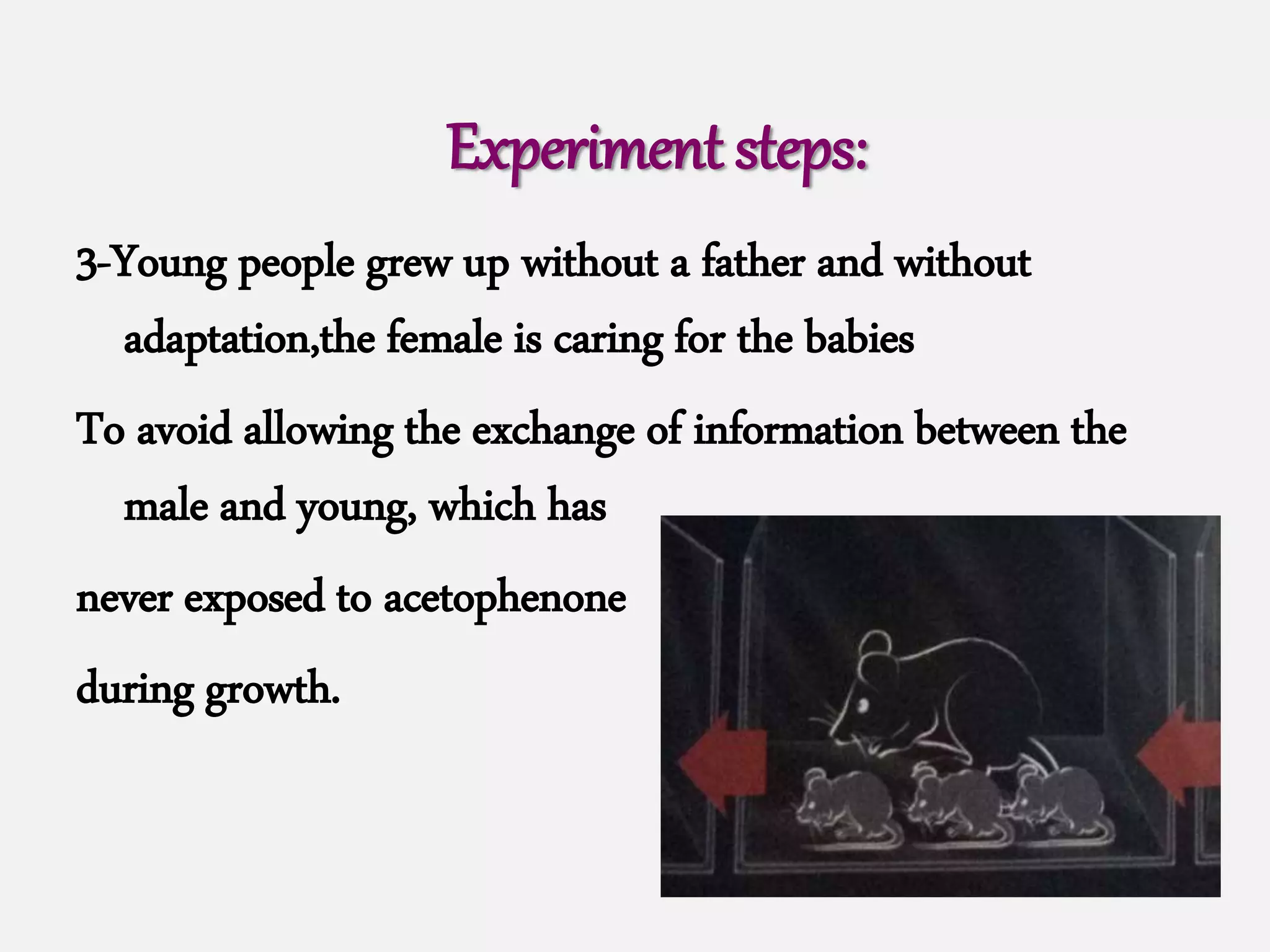
3-Young people grew up without a father and without
adaptation,the female is caring for the babies
To avoid allowing the exchange of information between the
male and young, which has
never exposed to acetophenone
during growth.
Experiment steps:
4- At puberty
offspring exposed to acetophenone with non adaptation
offspring male the reuslt they Showed a greater tendency
to fear
Experiment steps:
Explanation:
In this examples which based on fear Conditioning
There are tow Explanation:
1- J. David Sweatt, director of the McKnight Brain Institute at the
University of Alabama at Birmingham,
• Forming memories of and remembering this fear is raise
acetylation of histones in the hippocampus
Which interferes with the behavior usually associated with the fear.
• but blocking acetylation reverses these effects and also
strengthens the formation of the fear memories
Explanation:
2- Michael Meaney and of Douglas Hospital in Montreal, and Eric
Nestler at Mount Sinai in New York City says:
• is just the opposite , At least a subset of genes undergo active
demethylation and remethylation, which is driven by the
environment or by experience.
• This dynamism, he says, can lead to either transient or persistent
functional changes in the nervous system
Explanation:
• It's reasonable to think that these transgenerational effects will
have a half life, so to speak, that they probably last for two, three,
four generations and then are subject to reversing back to the
original baseline state.
Future revolution
• .epigenetics is already a vast topic, rife with complexities that grow
more intricate every day. Discoveries seem to lead not to illumination
but to more questions,
• and we have space here to touch on barely a few. ,it perhaps solve
for immense medical troubles. at some future date seems likely to
potentially fix (or even prevent) mental disorders and Somatic
disorders.
• how long will it be before we try our hand at such epigenetic
improvements??
References
• Epigenetic Changes in Cancer
• Epigenetics and Autoimmune Diseases
• Epigenetics in BIOLOGY and MEDICINE
• The RB Epigenetic Functions in Cancer Progression Control
2013
• http://circgenetics.ahajournals.org/content/3/6/567.full
• http://bioscience.oxfordjournals.org
• ADN IL TRANSMET AUSSI NOS SOUVENIRS!, Science &vie 1158
pp 72-75
• http://publications.kacst.edu.sa
References
• http://www.oloommagazine.com
• Riggs, A. D., Martiennssen, R. A. & Russo, V. E. A. in
• Epigenetic Mechanisms of Gene Regulation 1–4
•(Cold Spring Harbor Laboratory Press, Cold Spring
•Harbor, New York, 1996).
Thanks

Epigenetic

  • 1.
    Epigenetic Prepared by Ala’a Alruwaisan_SumaiahAlghamdi Norah Alhoshani_ Hend Alsubaie Submitted to _ Dr. Zainab 18_12_2014
  • 2.
    Objectives _ Introduction. _ Epigeneticstructure. _ Epigenetic mechanisms. _ Behavioral epigenetic.
  • 3.
    introduction _ You arewhat your mother ate! _ Twins have the same genes but why one of them has specific disease and another dose not! _ What is the cause of increasing the percentage of some diseases? _ epigenetic is a recent science.
  • 4.
    History of Epigenetics _1940sConrad Waddington had defined epigenetics as the “the branch of biology which studies the causal interactions between genes and their products, which bring the phenotype into being.” _1948 DNA methylation was first described in bacterial genomes . _1975, two groups independently did hypothesize that 5-methylcytosines were duplicated through cell division and regulated mRNA expression.
  • 5.
    History of Epigenetic _1975,Allfrey et had already demonstrated that histone acetylation and methylation contributed to gene expression control . _1990s, Andrew Feinberg, “epicenter of modern medicine because it can help to explain the relationship between an individual's genetic background, the environment, aging, and disease.”
  • 7.
    Epigenetic definition Epigenetic definition Epigeneticsis the study of heritable alterations in phenotypes and gene expression that occur without changes in the DNA sequence. Epigenetic mechanisms are flexible genomic factors: 1-Because it can change genome function under exogenous influence. 2_ It can provide a molecular substrate that allows for the stable propagation of gene expression states from one generation of cells to the next.
  • 8.
    Epigenetic impact There isrelationship between epigenetic changes and a host of disorders including: _ Various cancers. _Mental retardation associated disorders. _Immune disorders. _Neuropsychiatric disorders . _Pediatric disorders.
  • 9.
    Epigenetic avoidance Can WeKeep Our Epigenome Healthy? How Can We Get It Back in Shape? _A growing sector of pharmacological research has focused on the development of drugs that can modify the epigenome. For instance, animal experiments have identified histone deacetylase inhibitors. A major issue in epigenomic is how rapidly and how effectively these epigenomic drugs can be translated to humans and introduced in standard clinical practice.
  • 10.
    Epigenetic factors There areat least three systems which are: 1_ DNA methylation. 2_ Histone modification . 3_ Non-coding RNA (ncRNA) associated gene silencing are currently considered to initiate and sustain epigenetic change.
  • 11.
    Place of occurrenceof epigenetics • A adjustments occur in gene function without any change in the nucleotide sequences that make up DNA. • On-DNA inheritance or epigenetics means that the sequence of the DNA doesn’t change, but access to the DNA changes biochemically. This altered DNA can transfer to children and grandchildren.
  • 12.
  • 13.
    Gene occurs whenthe impact of external factors • Aware of epigenetic a new and important level of our understanding of heredity and the impact of the environment on human reason • . Indicates that some things in human life , such as the type and quantity of nutrition , anxiety and exposure to toxins and many other things that could have an effect on the organism is inherited from one generation to another generation.
  • 14.
    Identified those factorsin several points • Environmental factors • Behavioral factors • Dietary factors • Psychological factors
  • 15.
    How occurrence epigenetic Twoways : Amendments to DNA methylation Histone modificatio n Acyetalitio n Detour dna
  • 17.
    Amendments to DNAmethylation What is DNA methylation ? adding a methyl molecule into cytosine base in the DNA. what is their role ? Or effect ? Methylation has the ability to inhibit or activate gene. * For that to happen ? it is explained as epigenetics which is changes in DNA without any change in the genetic sequence.
  • 18.
    How it ishappen • Consisted of methyl carbon and three atoms of hydrogen and has a strong tendency to link to something else (ie Methylth ) . And the methyl group has affinity cytosine bases in DNA . • there are a special enzymes derivative of methyl molecules which essential nutrients , such as folic acid, and vitamin B12, and it control by certain rules in the genome
  • 19.
    Amendments to DNAmethylation
  • 20.
    Amendments to DNAmethylation • And explain to add or Methylthed of DNA in the back bone affect the genetic structure leads to increase access to Methylthed IN hydrogen bonds between DNA strands and thus the changing of DNA lead to the silence the gene expression by preventing adhesion of expression enzymes.
  • 22.
    • The presenceof methylation by gene prevents enzymes from link to it and therefore not be read not identify him
  • 23.
    Histone modification How itis work? Modification occurs in two ways for histone 1- Acyetalition Changes occur in histone by the addition or removal of Acetyl group which work to amplify the genes to create the occurrence of gene expression.
  • 24.
    Acyetalition • changes inhistone because of influencing factors leads to the entry of the dehydrogenase acetyl enzymes thus changing the composition and thus disarming acetyl which considered as important factor in gene expression leads to stopped gene and silence the gene • The histone complex chemical markers attached to the ends of tails of histones controls the gene expression • . Usually signs of acetylcholine signs Colin acetyl exaggerating the neighboring genes , While enzymes with claims of acetylcholine stop gene
  • 25.
    Histone modification 2- wrapDNA • 2- wrap DNA When the DNA wrapped around the histone strong leadership to stop the narrow gene expression by blocking enzymes up to the protein , • and a change in the gene structure • When the Dna wrapping around the histone heavily then enzymes cannot be accessed for Histone .
  • 26.
  • 28.
    Epigenetic & Disease Epigeneticsisdefined as the study of all inheritableand potentiallyreversible changes in genome functionthat do not alter the nucleotide sequence withinthe DNA.Epigenetic mechanisms such as DNA methylation,histone modification,nucleosome positioning,and micro RNAs(mi RNAs)are essentialto carry out key functionsin the regulation of gene expression. Therefore, the epigenetic mechanisms are a window to understanding the possible mechanisms involved in the pathogenesis of complex diseases such as autoimmune diseases.It is noteworthythat autoimmunediseases do not have the same epidemiology,pathology, or symptoms but do have a common origin that can be explained by the sharing of immunogenetic mechanisms.Currently,epigenetic researchis looking for disruptionin one or more epigenetic mechanisms to provide new insights into autoimmunediseases. The identificationof cell-specifictargetsof epigenetic deregulation willserve us as clinicalmarkers for diagnosis, disease progression,and therapy approaches.
  • 29.
  • 32.
  • 33.
    Nutrient Food OriginEpigenetic Role Methionine Sesame seeds, brazil nuts, fish, peppers, spinach SAM synthesis Folic Acid Leafy vegetables, sunflower seeds, baker's yeast, liver Methionine synthesis Vitamin B12 Meat, liver, shellfish, milk Methionine synthesis Vitamin B6 Meats, whole grain products, vegetables, nuts Methionine synthesis SAM-e (SAM) Popular dietary supplement pill; unstable in food Enzymes transfer methyl groups from SAM directly to the DNA Choline Egg yolks, liver, soy, cooked beef, chicken, veal and turkey Methyl donor to SAM Betaine Wheat, spinach, shellfish, and sugar beets Break down the toxic byproducts of SAM synthesis Nutrition and the Epigenome
  • 34.
    Nutrient Food OriginEpigenetic Role Resveratrol Red wine Removes acetyl groups from histones, improving health (shown in lab mice) Genistein Soy, soy products Increased methylation, cancer prevention, unknown mechanism Sulforaphane Broccoli Increased histone acetylation turning on anti- cancer genes Butyrate A compound produced in the intestine when dietary fiber is fermented Increased histone acetylation turning on 'protective' genes, increased lifespan (shown in the lab in flies) Diallyl sulphide (DADS) Garlic Increased histone acetylation turning on anti- cancer genes Nutrition and the Epigenome
  • 35.
    Disease Examples GeneDisease Xq28sexual orientation19931 E2F RbRetinoblastoma2 P53Li-Fraumeni Syndrome3
  • 36.
  • 37.
    Behavioral Epigenetic • OneBranch OF Epigenetic is development of behavior its name: Behavioral Epigenetic • refers to the study of how signals from the environment trigger molecular biological changes that modify what goes on in brain cells. • it is Includes everything that happens in every stage of life and It has a relationship to environment such as: social experience; nutrition; hormones; and toxicological exposures that occur prenatally, postnatally, and in adulthood.
  • 38.
  • 39.
    Experiment • the Researcherskerry ressler and brian dias From Emory University in Atlanta discovered a special discovery that the DNA can transfer the memories until the 3rd generation !!
  • 40.
    Experiment steps: 1- Male micewere adapted to be afraid from specific smell.. he let 12 male mice face light electric shocks directly after being smell specific chemical molecule (Acetophenone ) five times a day during the three days..
  • 41.
    Experiment steps: the result: males learned fear by linking electrical shock and smell
  • 42.
    2-the male Matedwith the female was not subject to adaptation After ten days ,happen a Mating between males and females " never exposed to the smell of acetophenone“ then they were separated to avoid the exchange of information between males and females. Experiment steps:
  • 43.
    3-Young people grewup without a father and without adaptation,the female is caring for the babies To avoid allowing the exchange of information between the male and young, which has never exposed to acetophenone during growth. Experiment steps:
  • 44.
    4- At puberty offspringexposed to acetophenone with non adaptation offspring male the reuslt they Showed a greater tendency to fear Experiment steps:
  • 45.
    Explanation: In this exampleswhich based on fear Conditioning There are tow Explanation: 1- J. David Sweatt, director of the McKnight Brain Institute at the University of Alabama at Birmingham, • Forming memories of and remembering this fear is raise acetylation of histones in the hippocampus Which interferes with the behavior usually associated with the fear. • but blocking acetylation reverses these effects and also strengthens the formation of the fear memories
  • 46.
    Explanation: 2- Michael Meaneyand of Douglas Hospital in Montreal, and Eric Nestler at Mount Sinai in New York City says: • is just the opposite , At least a subset of genes undergo active demethylation and remethylation, which is driven by the environment or by experience. • This dynamism, he says, can lead to either transient or persistent functional changes in the nervous system
  • 47.
    Explanation: • It's reasonableto think that these transgenerational effects will have a half life, so to speak, that they probably last for two, three, four generations and then are subject to reversing back to the original baseline state.
  • 48.
    Future revolution • .epigeneticsis already a vast topic, rife with complexities that grow more intricate every day. Discoveries seem to lead not to illumination but to more questions, • and we have space here to touch on barely a few. ,it perhaps solve for immense medical troubles. at some future date seems likely to potentially fix (or even prevent) mental disorders and Somatic disorders. • how long will it be before we try our hand at such epigenetic improvements??
  • 49.
    References • Epigenetic Changesin Cancer • Epigenetics and Autoimmune Diseases • Epigenetics in BIOLOGY and MEDICINE • The RB Epigenetic Functions in Cancer Progression Control 2013 • http://circgenetics.ahajournals.org/content/3/6/567.full • http://bioscience.oxfordjournals.org • ADN IL TRANSMET AUSSI NOS SOUVENIRS!, Science &vie 1158 pp 72-75 • http://publications.kacst.edu.sa
  • 50.
    References • http://www.oloommagazine.com • Riggs,A. D., Martiennssen, R. A. & Russo, V. E. A. in • Epigenetic Mechanisms of Gene Regulation 1–4 •(Cold Spring Harbor Laboratory Press, Cold Spring •Harbor, New York, 1996).
  • 51.