BeyonD the Genetic Code
Presented by SUSHMA T A
EPIGENETI
CS
Table of Contents
EPIGENETICS
WHAT IS EPIGENETICS?
HOW DOES EPIGENETICS
WORK?
HOW CAN YOUR EPIGENETIC
CHANGE?
EPIGENETICS AND HEALTH
EPIGENTICS IN SMOKING
(CASE STUDY)
EPIGENETICS IN CHILD
DEVELOPMENT
01
06
04
09
05
10
02
07
03
08
ERRORS IN EPIGENETICS
PROCESS
DUTCH HUNGER WINTER
EPIGENETICS (CASE STUDY)
EPIGENETICS, IDENTICAL TWINS &
RHEUMATOID ARTHRITIS (CASE STUDY)
11
EPIGENETICS & AGOUTI MICE
(CASE STUDY)
12EPIGENETIC THERAPY
EPIGENETICS & OBESITY
(CASE STUDY)
WHAT IS EPIGENETICS ?
EPIGENETICS
Epigenetics is the study of how your behaviors and
environment can cause changes that affect the way
your genes work.
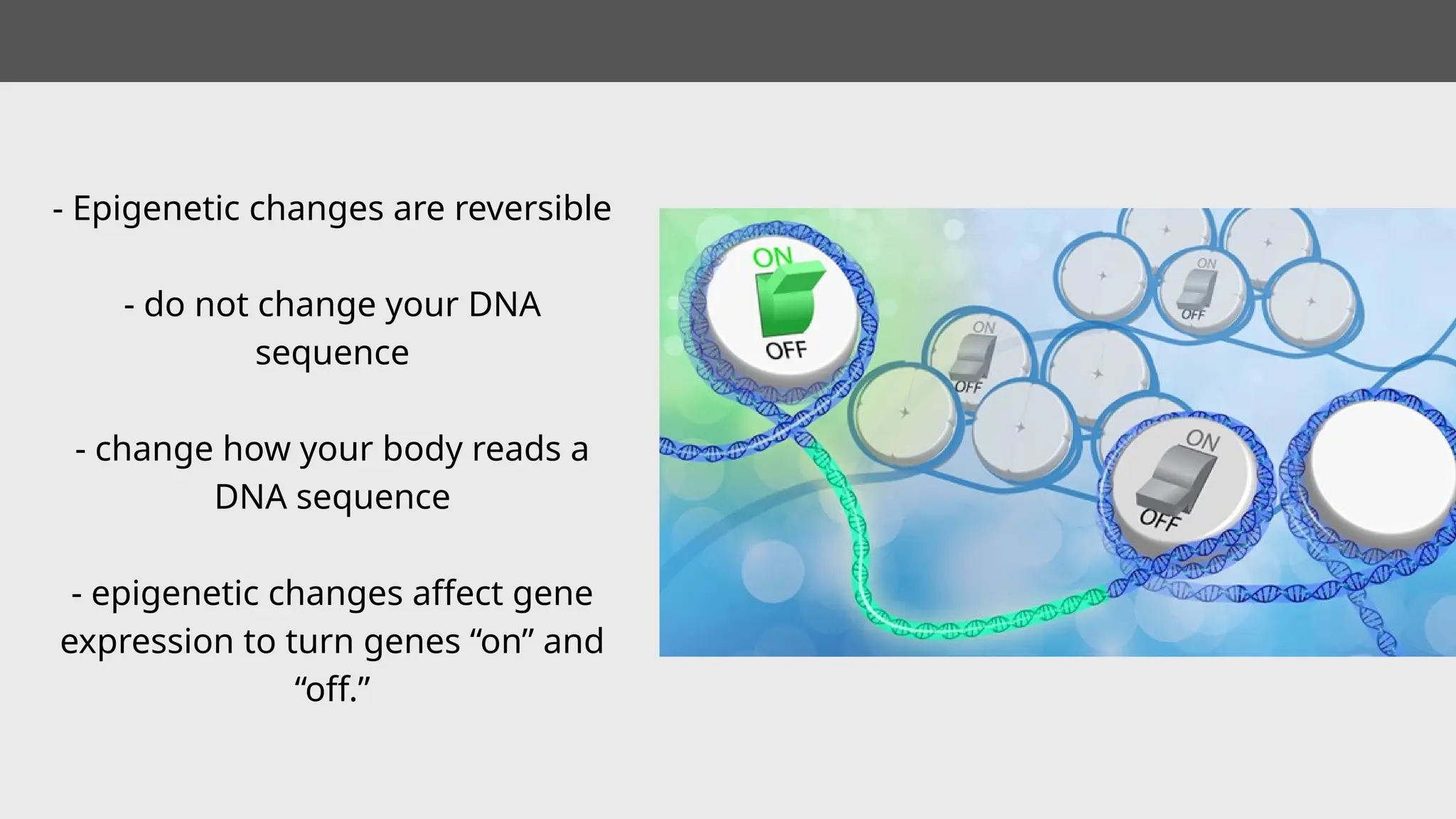
- Epigenetic changes are reversible
- do not change your DNA
sequence
- change how your body reads a
DNA sequence
- epigenetic changes affect gene
expression to turn genes “on” and
“off.”
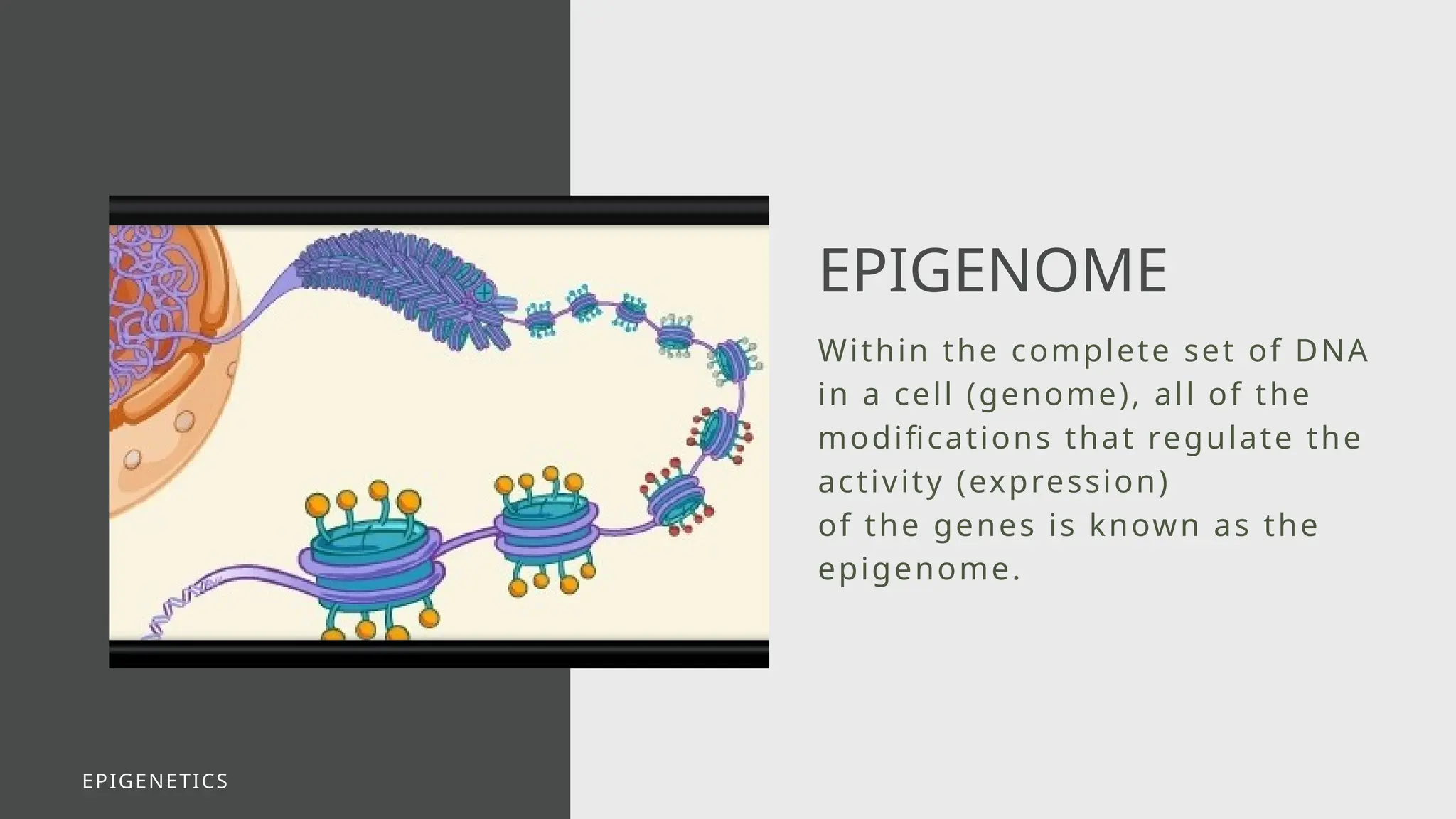
Within the complete set of DNA
in a cell (genome), all of the
modifications that regulate the
activity (expression)
of the genes is known as the
epigenome.
EPIGENOME
EPIGENETICS
- Chemical group is added to specific places on the DNA
- blocks the proteins that attach to DNA to “read” the gene
- This chemical group can be removed through a process called
demethylation
- methylation turns genes “off ” and demethylation turns genes “on”
DNA wrapped tightly around histones cannot be accessed by
proteins that “read” the gene. Some genes are wrapped around
histones and are turned “off ” while some genes are not wrapped
around histones and are turned “on.” Chemical groups can be
added or removed from histones and change whether a gene is
unwrapped or wrapped (“on” or “off ”).
Non-coding RNA helps control gene expression by attaching to
coding RNA, along with certain proteins, to break down the
coding RNA so that it cannot be used to make proteins. Non-
coding RNA may also recruit proteins to modify histones to turn
genes “on” or “off.”
DNA METHYLATION
1
2
3
HISTONE MODIFICATION
NON-CODING RNA
How Does Epigenetics
Work?
EPIGENETICS:
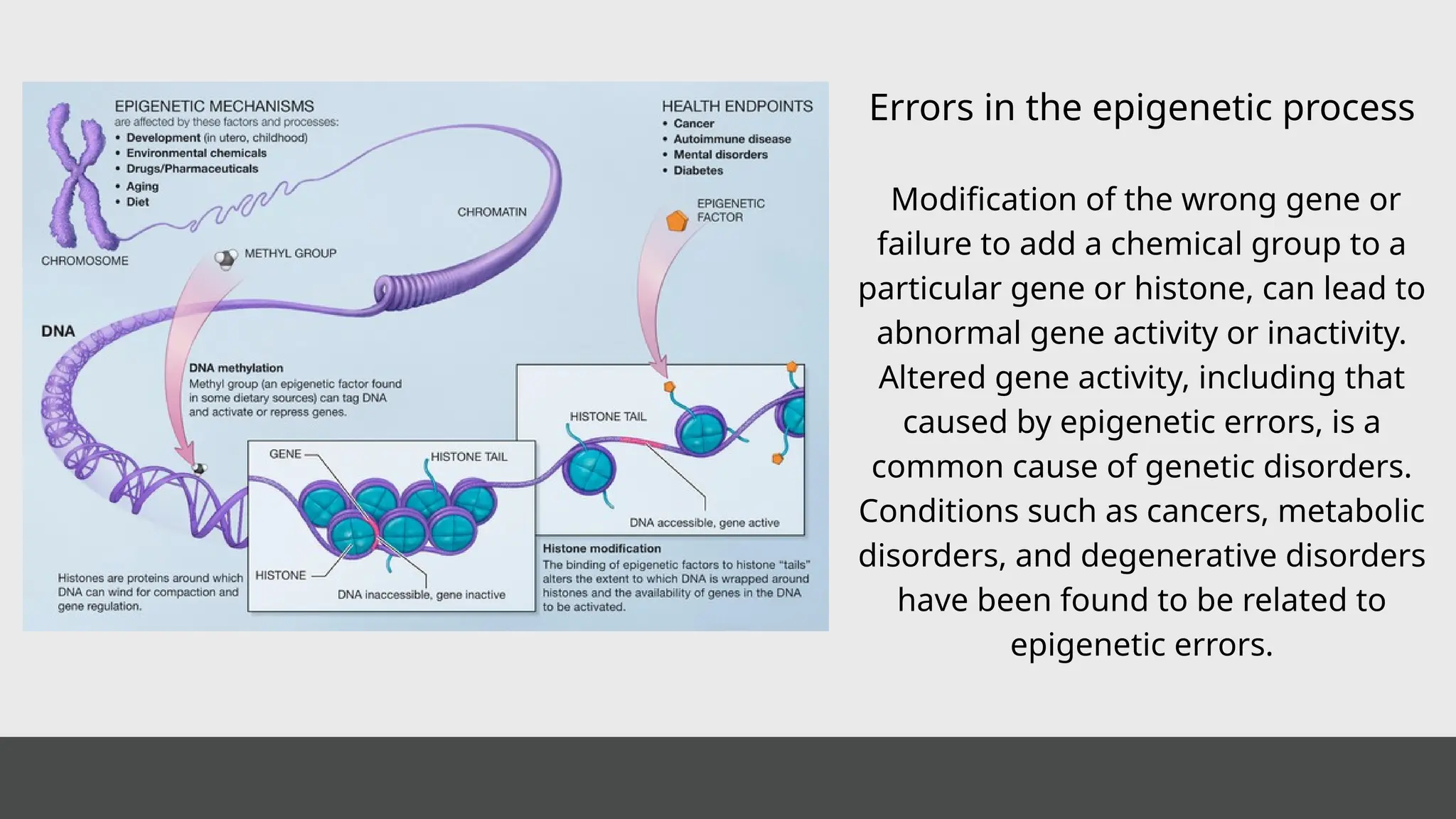
Errors in the epigenetic process
Modification of the wrong gene or
failure to add a chemical group to a
particular gene or histone, can lead to
abnormal gene activity or inactivity.
Altered gene activity, including that
caused by epigenetic errors, is a
common cause of genetic disorders.
Conditions such as cancers, metabolic
disorders, and degenerative disorders
have been found to be related to
epigenetic errors.
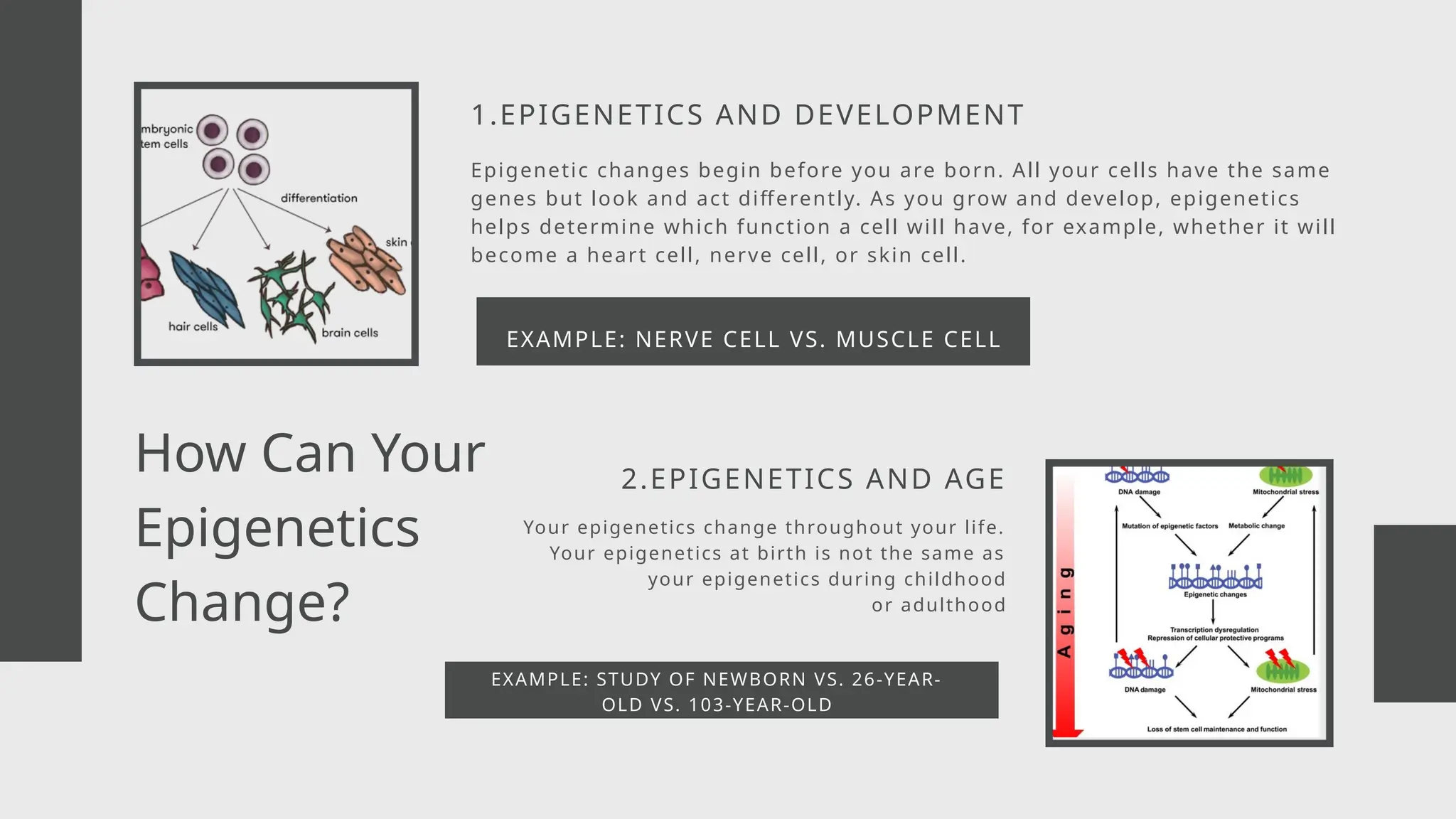
1.EPIGENETICS AND DEVELOPMENT
Epigenetic changes begin before you are born. All your cells have the same
genes but look and act differently. As you grow and develop, epigenetics
helps determine which function a cell will have, for example, whether it will
become a heart cell, nerve cell, or skin cell.
EXAMPLE: NERVE CELL VS. MUSCLE CELL
Your epigenetics change throughout your life.
Your epigenetics at birth is not the same as
your epigenetics during childhood
or adulthood
2.EPIGENETICS AND AGE
EXAMPLE: STUDY OF NEWBORN VS. 26-YEAR-
OLD VS. 103-YEAR-OLD
How Can Your
Epigenetics
Change?
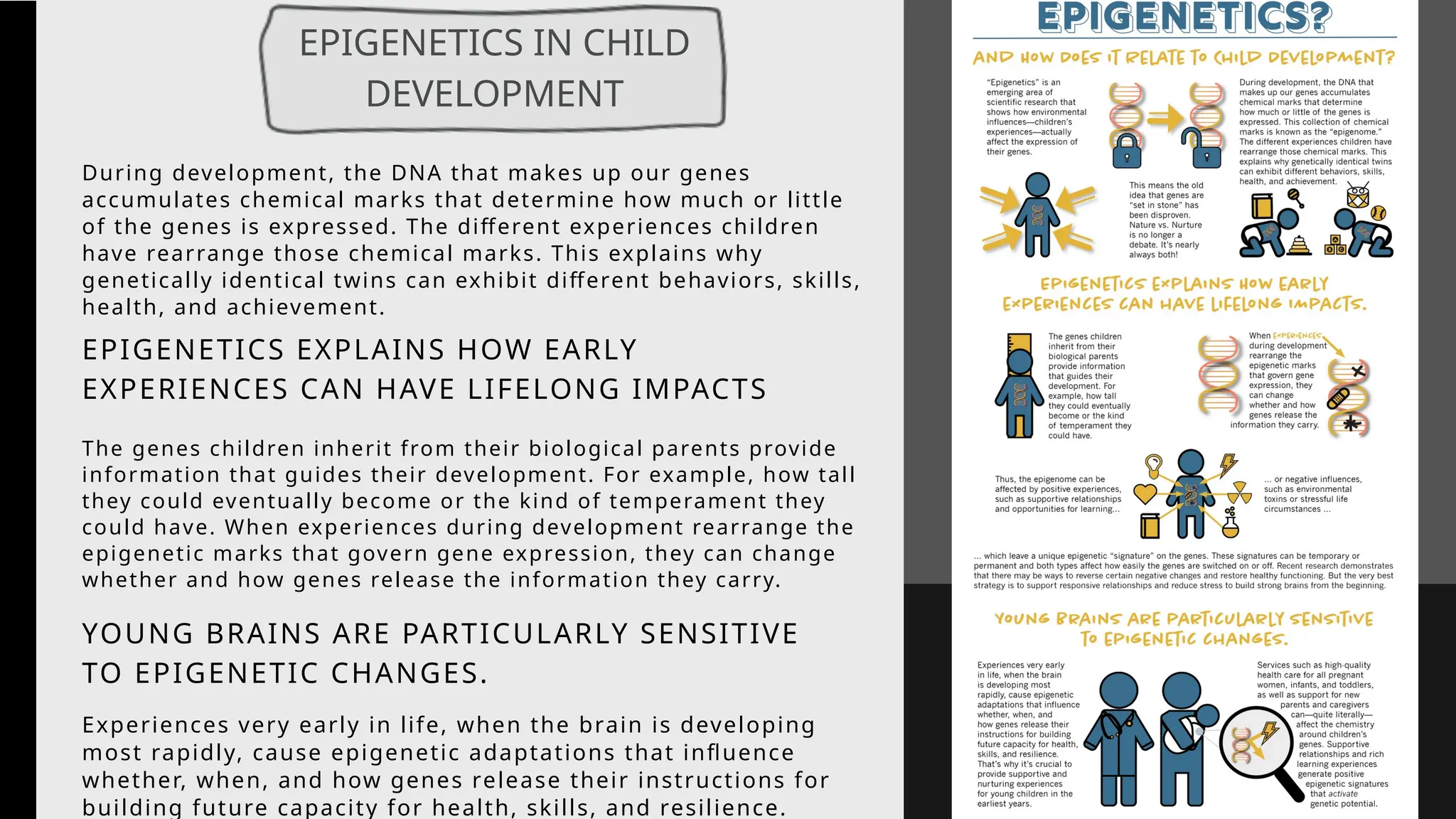
During development, the DNA that makes up our genes
accumulates chemical marks that determine how much or little
of the genes is expressed. The different experiences children
have rearrange those chemical marks. This explains why
genetically identical twins can exhibit different behaviors, skills,
health, and achievement.
The genes children inherit from their biological parents provide
information that guides their development. For example, how tall
they could eventually become or the kind of temperament they
could have. When experiences during development rearrange the
epigenetic marks that govern gene expression, they can change
whether and how genes release the information they carry.
EPIGENETICS EXPLAINS HOW EARLY
EXPERIENCES CAN HAVE LIFELONG IMPACTS
Experiences very early in life, when the brain is developing
most rapidly, cause epigenetic adaptations that influence
whether, when, and how genes release their instructions for
building future capacity for health, skills, and resilience.
YOUNG BRAINS ARE PARTICULARLY SENSITIVE
TO EPIGENETIC CHANGES.
EPIGENETICS IN CHILD
DEVELOPMENT
Example: Smokers vs. non-smokers vs. former
smokers
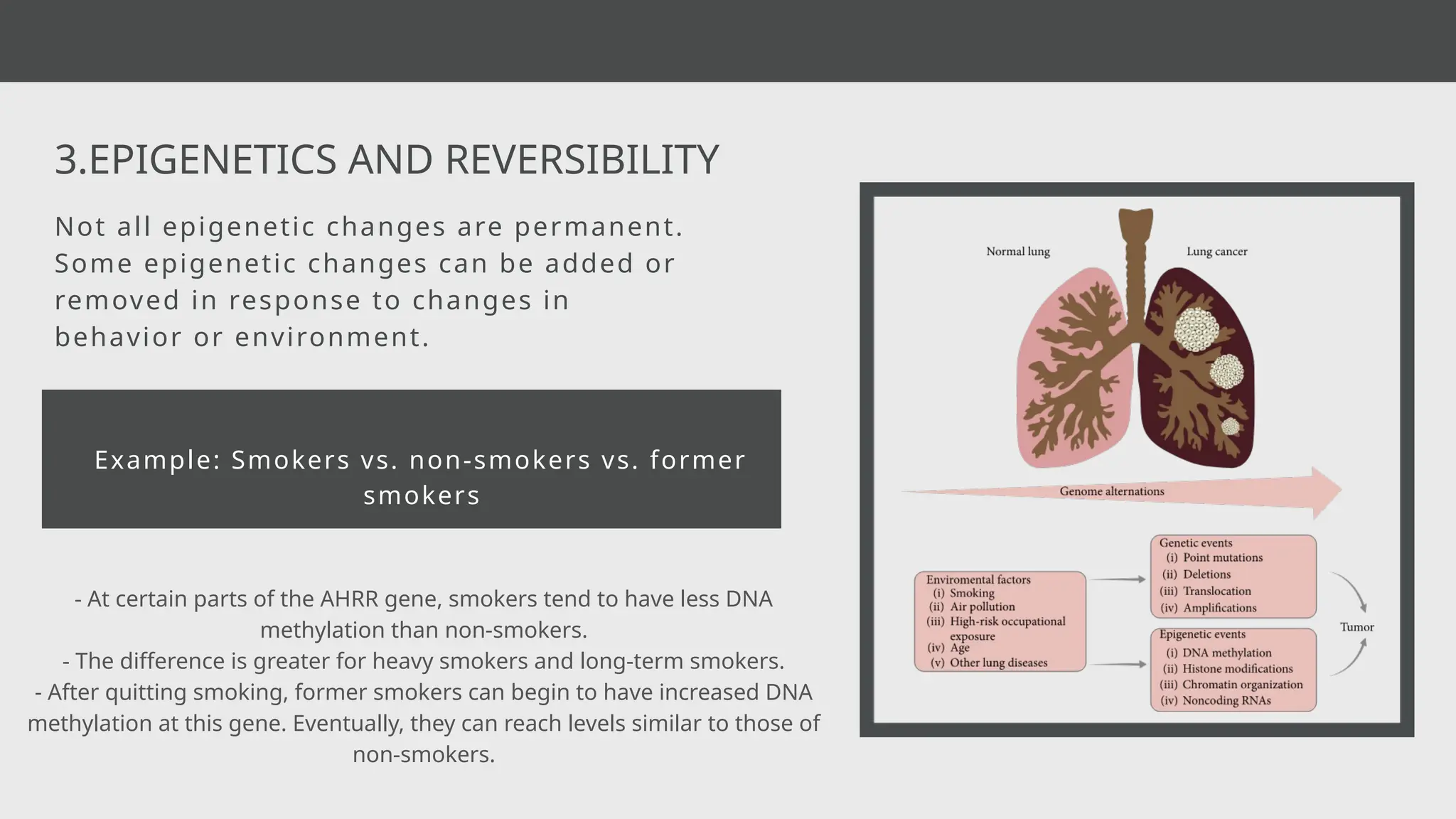
3.EPIGENETICS AND REVERSIBILITY
Not all epigenetic changes are permanent.
Some epigenetic changes can be added or
removed in response to changes in
behavior or environment.
- At certain parts of the AHRR gene, smokers tend to have less DNA
methylation than non-smokers.
- The difference is greater for heavy smokers and long-term smokers.
- After quitting smoking, former smokers can begin to have increased DNA
methylation at this gene. Eventually, they can reach levels similar to those of
non-smokers.
EPIGENETICS IN
SMOKING
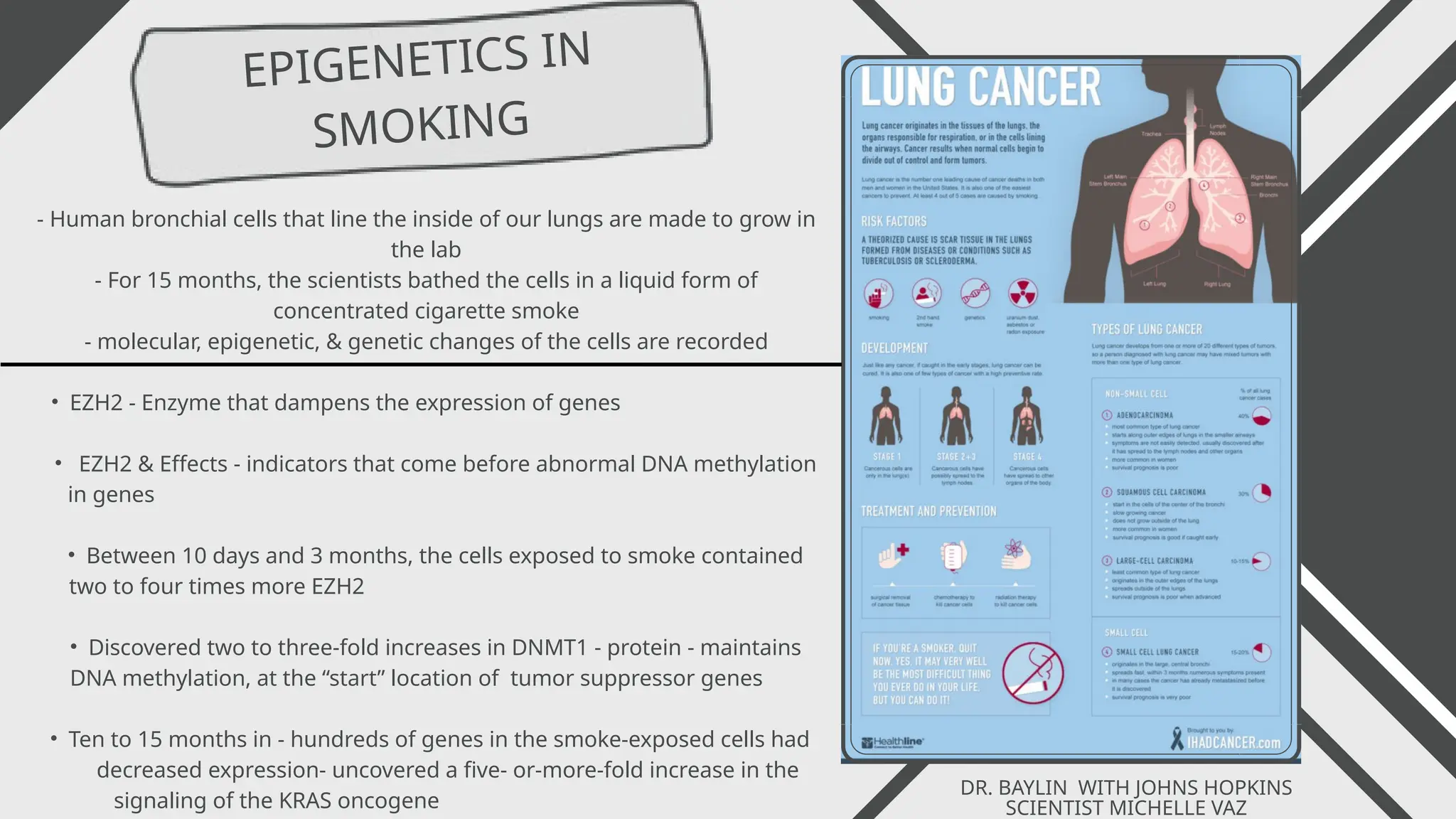
- Human bronchial cells that line the inside of our lungs are made to grow in
the lab
- For 15 months, the scientists bathed the cells in a liquid form of
concentrated cigarette smoke
- molecular, epigenetic, & genetic changes of the cells are recorded
• EZH2 - Enzyme that dampens the expression of genes
• EZH2 & Effects - indicators that come before abnormal DNA methylation
in genes
• Between 10 days and 3 months, the cells exposed to smoke contained
two to four times more EZH2
• Discovered two to three-fold increases in DNMT1 - protein - maintains
DNA methylation, at the “start” location of tumor suppressor genes
• Ten to 15 months in - hundreds of genes in the smoke-exposed cells had
decreased expression- uncovered a five- or-more-fold increase in the
signaling of the KRAS oncogene
DR. BAYLIN WITH JOHNS HOPKINS
SCIENTIST MICHELLE VAZ
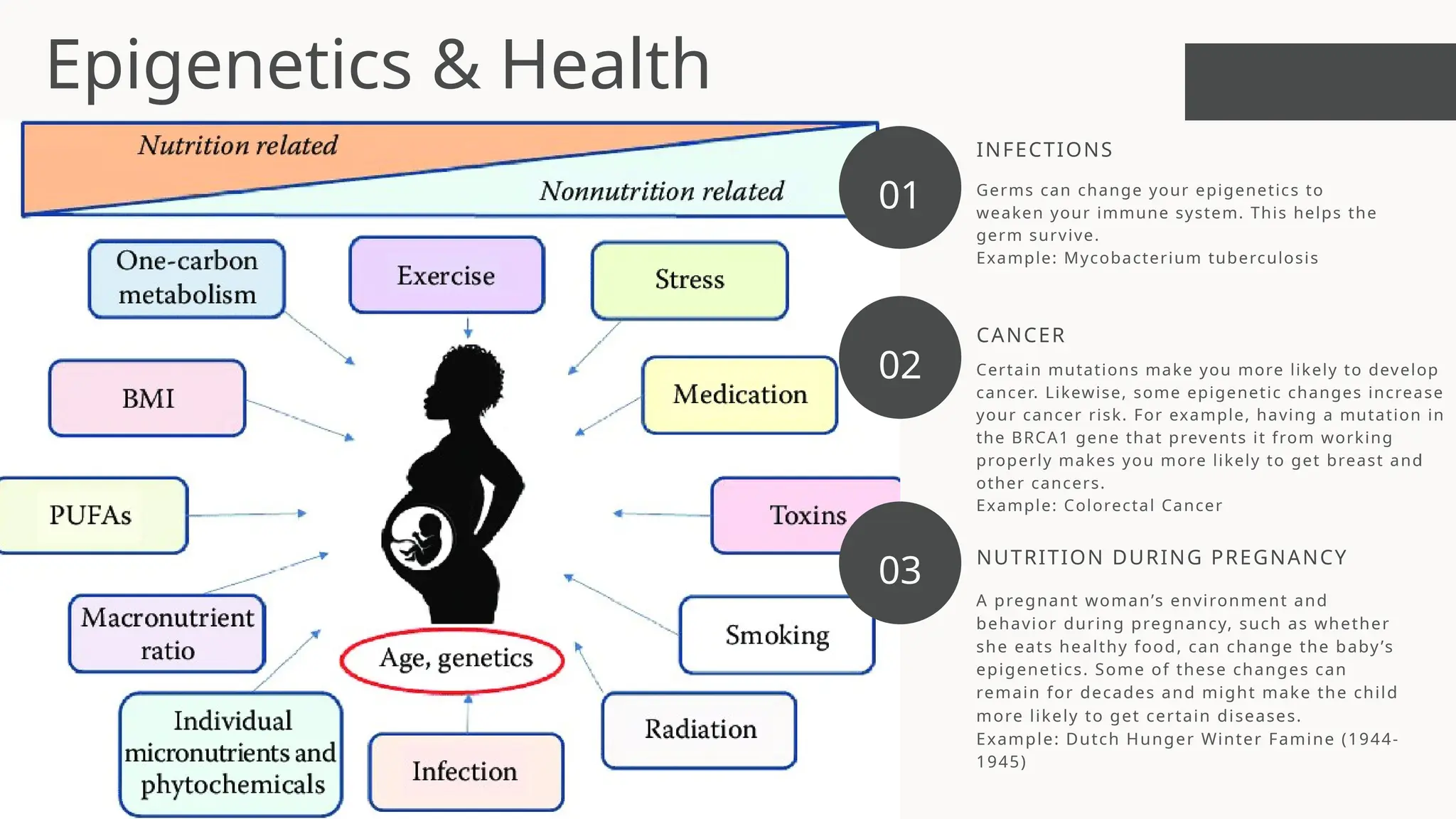
Certain mutations make you more likely to develop
cancer. Likewise, some epigenetic changes increase
your cancer risk. For example, having a mutation in
the BRCA1 gene that prevents it from working
properly makes you more likely to get breast and
other cancers.
Example: Colorectal Cancer
CANCER
A pregnant woman’s environment and
behavior during pregnancy, such as whether
she eats healthy food, can change the baby’s
epigenetics. Some of these changes can
remain for decades and might make the child
more likely to get certain diseases.
Example: Dutch Hunger Winter Famine (1944-
1945)
NUTRITION DURING PREGNANCY
Germs can change your epigenetics to
weaken your immune system. This helps the
germ survive.
Example: Mycobacterium tuberculosis
INFECTIONS
01
02
03
Epigenetics & Health
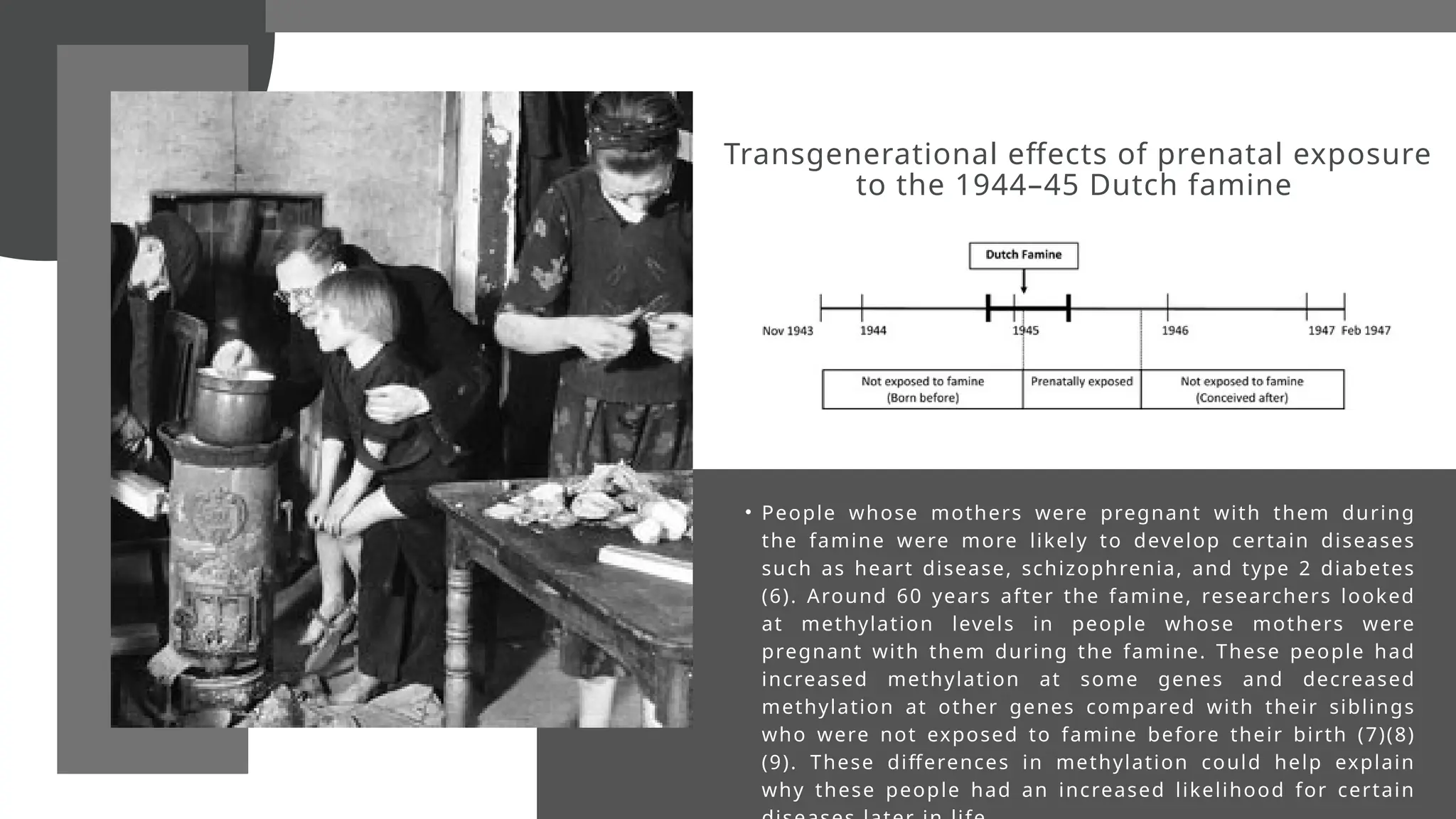
Transgenerational effects of prenatal exposure
to the 1944–45 Dutch famine
• People whose mothers were pregnant with them during
the famine were more likely to develop certain diseases
such as heart disease, schizophrenia, and type 2 diabetes
(6). Around 60 years after the famine, researchers looked
at methylation levels in people whose mothers were
pregnant with them during the famine. These people had
increased methylation at some genes and decreased
methylation at other genes compared with their siblings
who were not exposed to famine before their birth (7)(8)
(9). These differences in methylation could help explain
why these people had an increased likelihood for certain
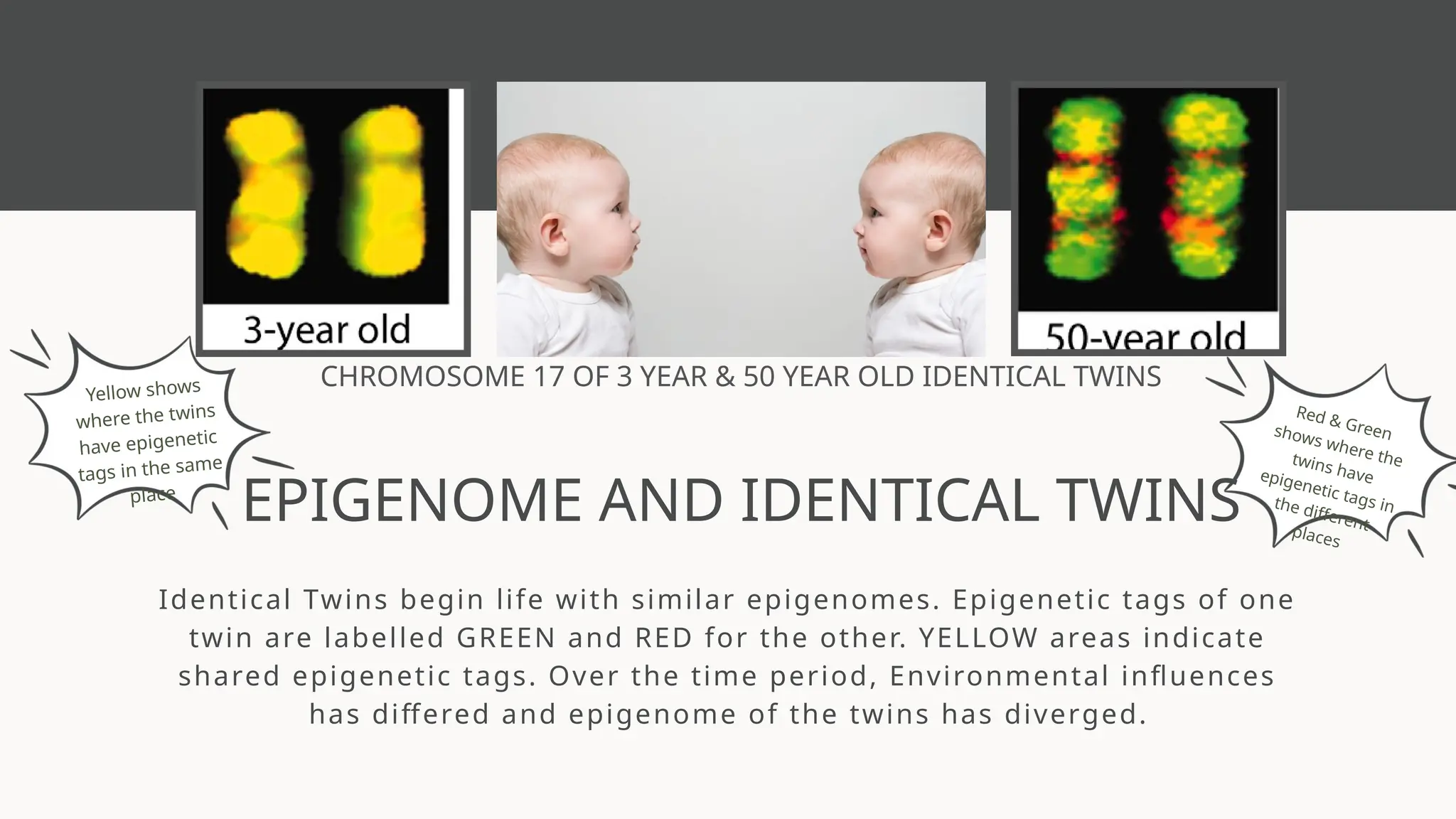
Identical Twins begin life with similar epigenomes. Epigenetic tags of one
twin are labelled GREEN and RED for the other. YELLOW areas indicate
shared epigenetic tags. Over the time period, Environmental influences
has differed and epigenome of the twins has diverged.
EPIGENOME AND IDENTICAL TWINS
Yellow shows
where the twins
have epigenetic
tags in the same
place
Red & Green
shows where the
twins have
epigenetic tags in
the different
places
CHROMOSOME 17 OF 3 YEAR & 50 YEAR OLD IDENTICAL TWINS
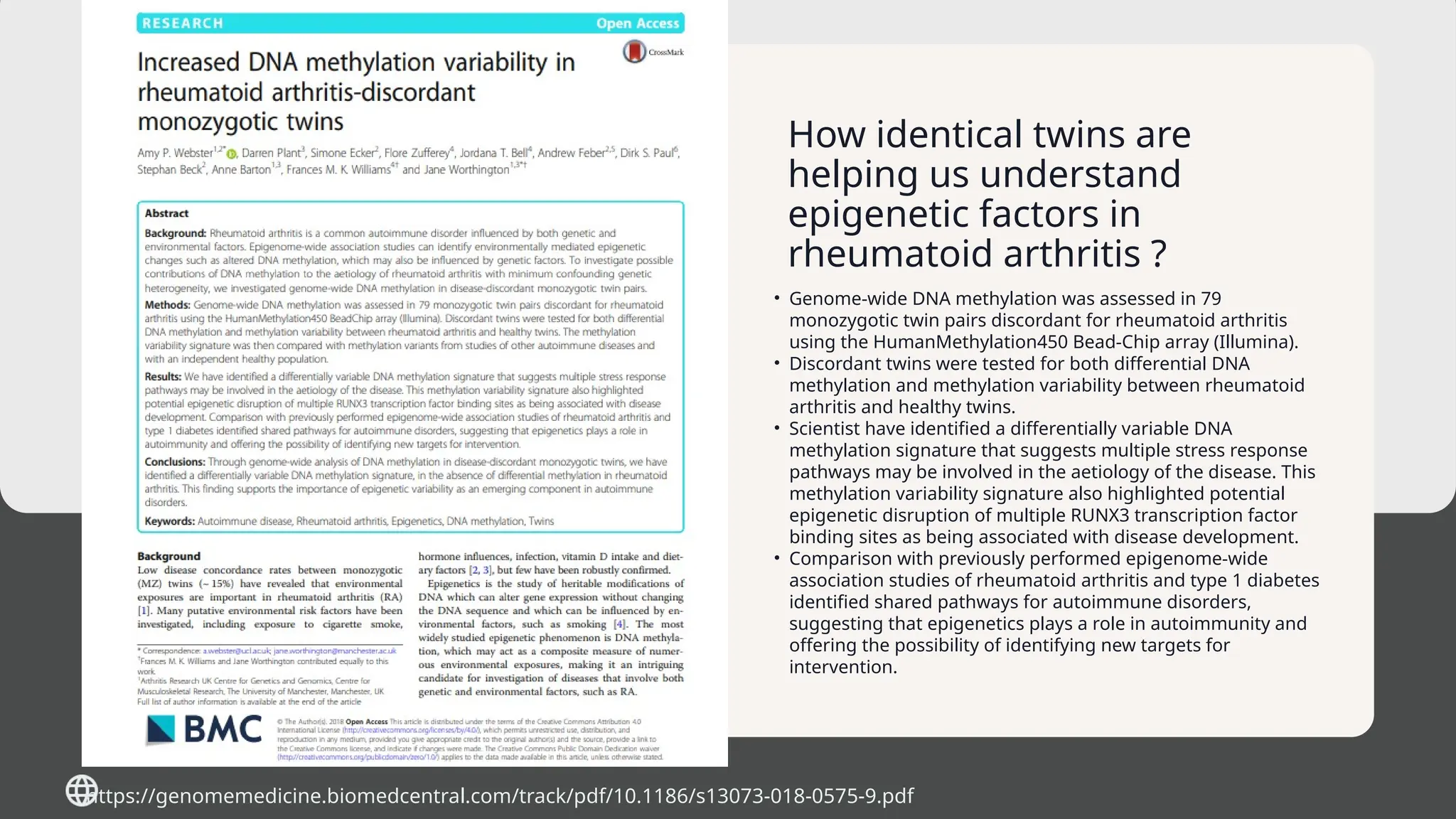
https://genomemedicine.biomedcentral.com/track/pdf/10.1186/s13073-018-0575-9.pdf
How identical twins are
helping us understand
epigenetic factors in
rheumatoid arthritis ?
• Genome-wide DNA methylation was assessed in 79
monozygotic twin pairs discordant for rheumatoid arthritis
using the HumanMethylation450 Bead-Chip array (Illumina).
• Discordant twins were tested for both differential DNA
methylation and methylation variability between rheumatoid
arthritis and healthy twins.
• Scientist have identified a differentially variable DNA
methylation signature that suggests multiple stress response
pathways may be involved in the aetiology of the disease. This
methylation variability signature also highlighted potential
epigenetic disruption of multiple RUNX3 transcription factor
binding sites as being associated with disease development.
• Comparison with previously performed epigenome-wide
association studies of rheumatoid arthritis and type 1 diabetes
identified shared pathways for autoimmune disorders,
suggesting that epigenetics plays a role in autoimmunity and
offering the possibility of identifying new targets for
intervention.
EPIGENETICS & AGOUTI MICE
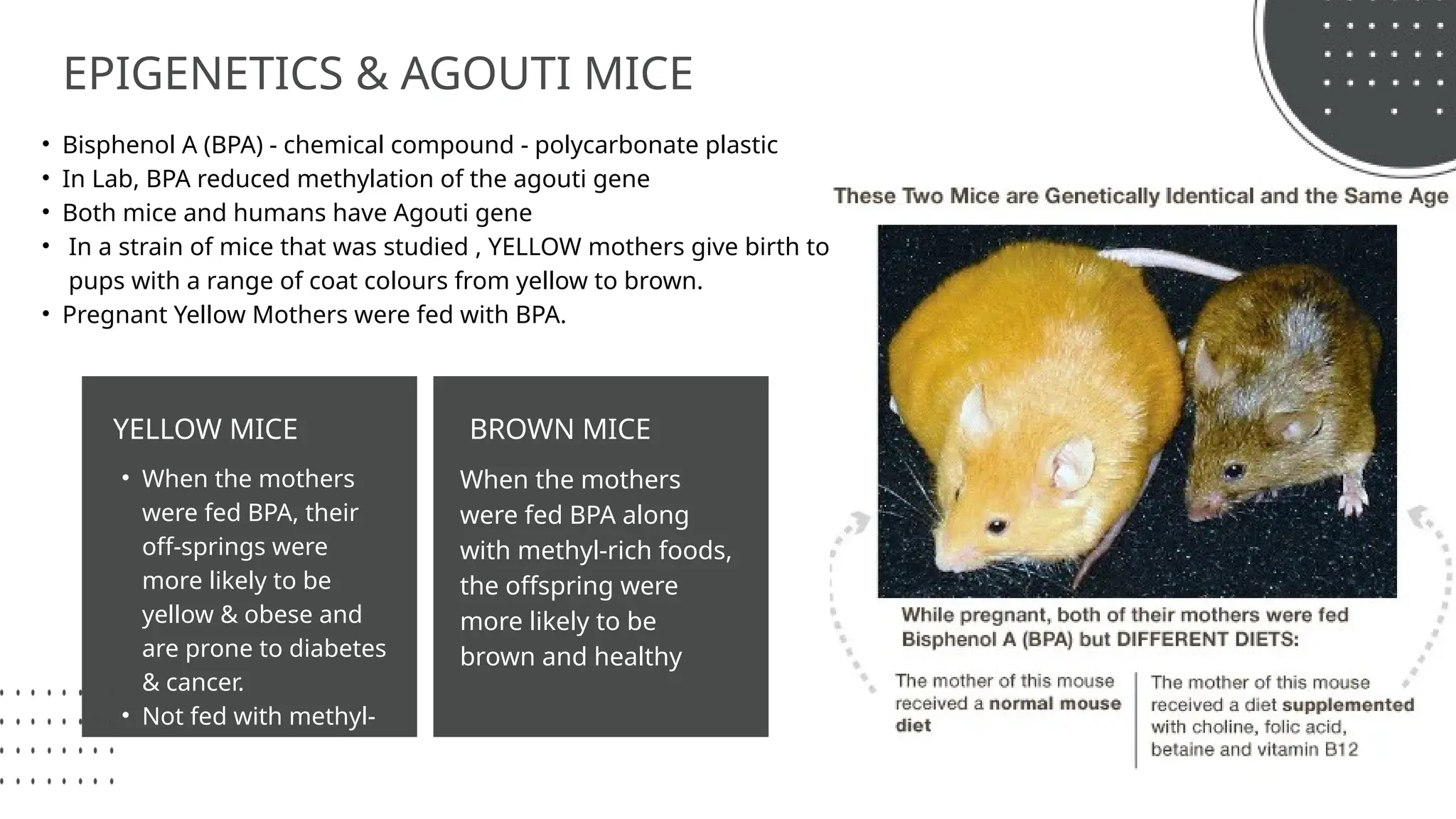
• Bisphenol A (BPA) - chemical compound - polycarbonate plastic
• In Lab, BPA reduced methylation of the agouti gene
• Both mice and humans have Agouti gene
• In a strain of mice that was studied , YELLOW mothers give birth to
pups with a range of coat colours from yellow to brown.
• Pregnant Yellow Mothers were fed with BPA.
YELLOW MICE BROWN MICE
• When the mothers
were fed BPA, their
off-springs were
more likely to be
yellow & obese and
are prone to diabetes
& cancer.
• Not fed with methyl-
rich foods .
When the mothers
were fed BPA along
with methyl-rich foods,
the offspring were
more likely to be
brown and healthy
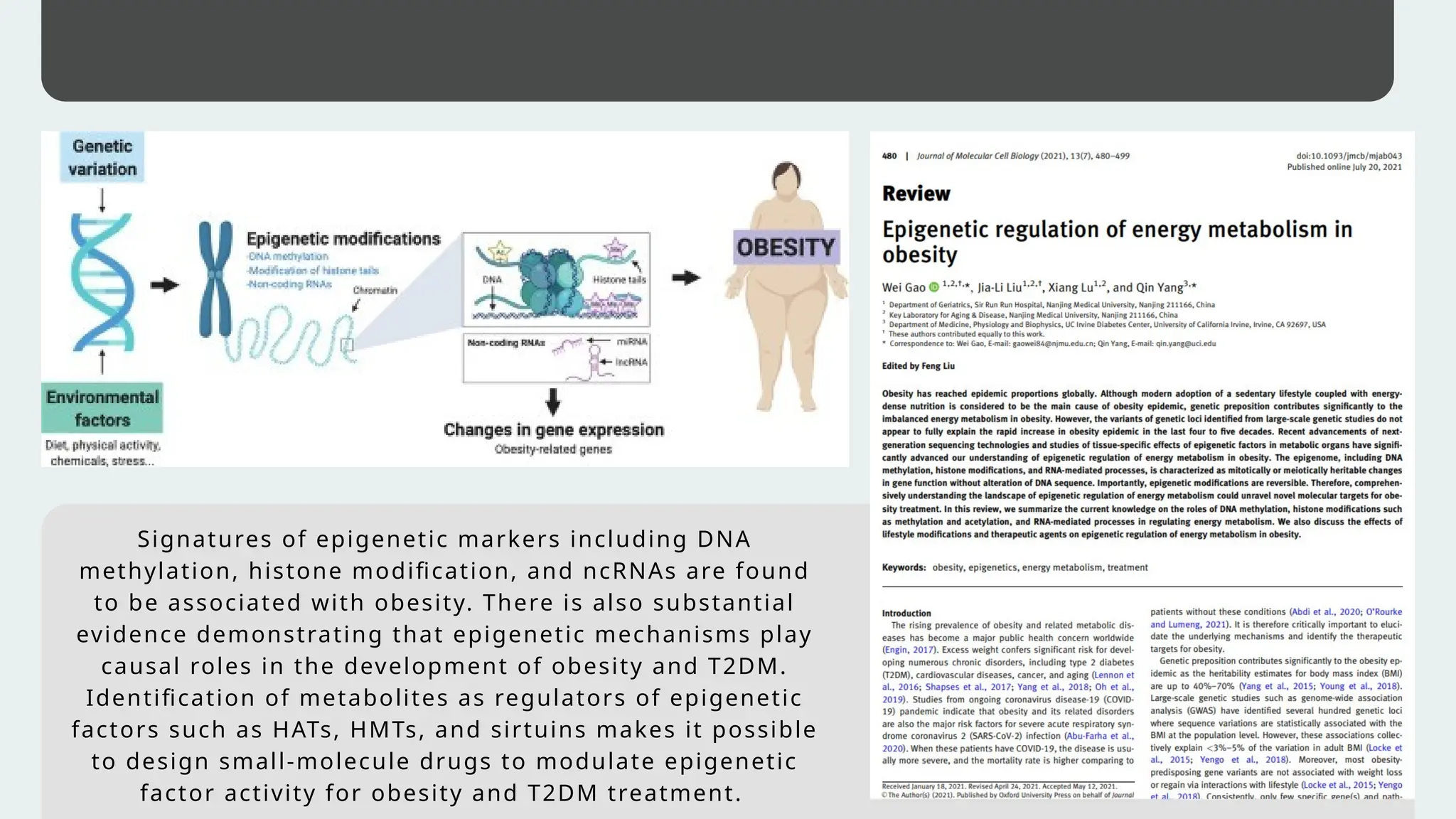
Signatures of epigenetic markers including DNA
methylation, histone modification, and ncRNAs are found
to be associated with obesity. There is also substantial
evidence demonstrating that epigenetic mechanisms play
causal roles in the development of obesity and T2DM.
Identification of metabolites as regulators of epigenetic
factors such as HATs, HMTs, and sirtuins makes it possible
to design small-molecule drugs to modulate epigenetic
factor activity for obesity and T2DM treatment.
EPIGENETIC THERAPY
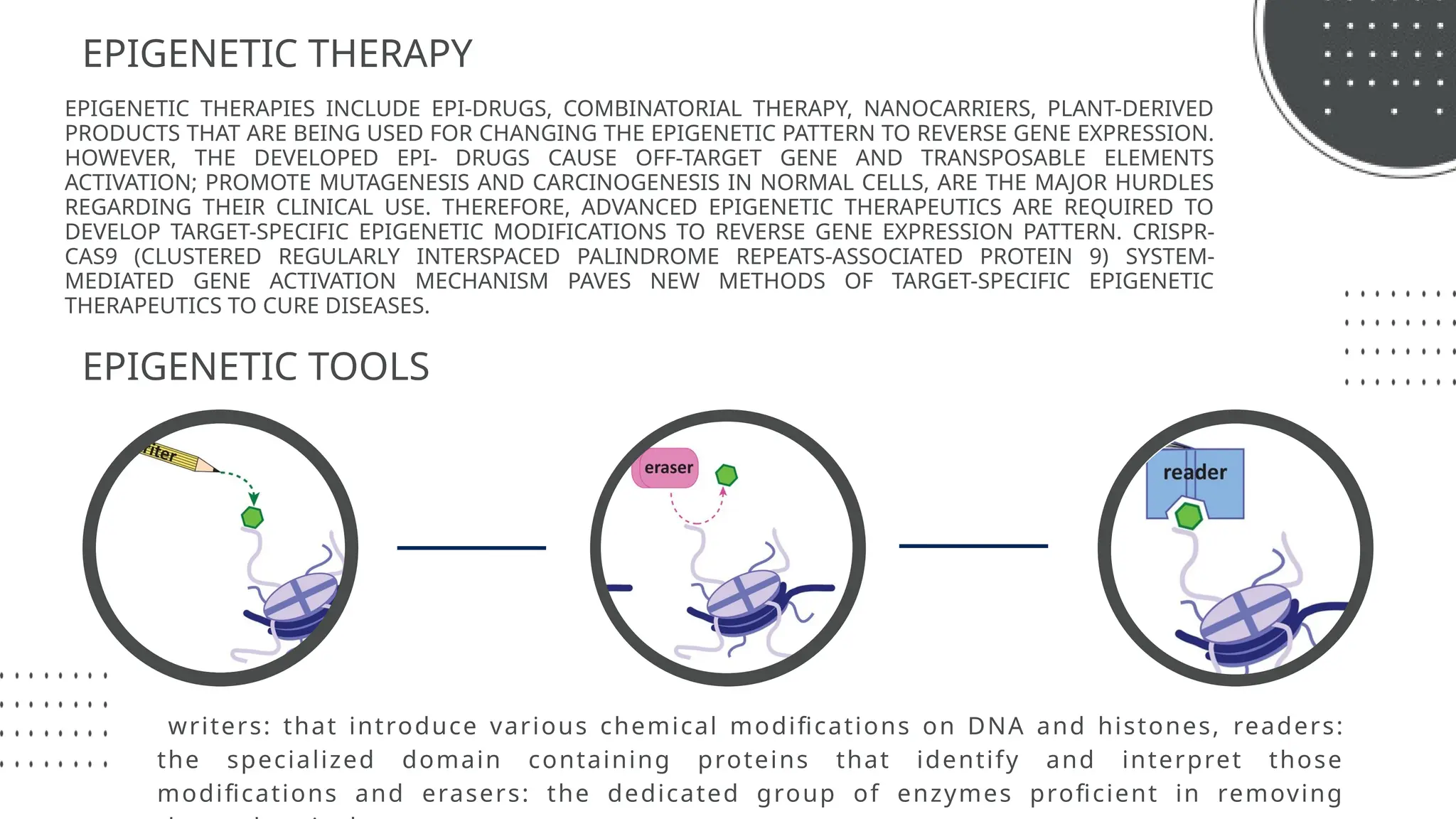
writers: that introduce various chemical modifications on DNA and histones, readers:
the specialized domain containing proteins that identify and interpret those
modifications and erasers: the dedicated group of enzymes proficient in removing
EPIGENETIC THERAPIES INCLUDE EPI-DRUGS, COMBINATORIAL THERAPY, NANOCARRIERS, PLANT-DERIVED
PRODUCTS THAT ARE BEING USED FOR CHANGING THE EPIGENETIC PATTERN TO REVERSE GENE EXPRESSION.
HOWEVER, THE DEVELOPED EPI- DRUGS CAUSE OFF-TARGET GENE AND TRANSPOSABLE ELEMENTS
ACTIVATION; PROMOTE MUTAGENESIS AND CARCINOGENESIS IN NORMAL CELLS, ARE THE MAJOR HURDLES
REGARDING THEIR CLINICAL USE. THEREFORE, ADVANCED EPIGENETIC THERAPEUTICS ARE REQUIRED TO
DEVELOP TARGET-SPECIFIC EPIGENETIC MODIFICATIONS TO REVERSE GENE EXPRESSION PATTERN. CRISPR-
CAS9 (CLUSTERED REGULARLY INTERSPACED PALINDROME REPEATS-ASSOCIATED PROTEIN 9) SYSTEM-
MEDIATED GENE ACTIVATION MECHANISM PAVES NEW METHODS OF TARGET-SPECIFIC EPIGENETIC
THERAPEUTICS TO CURE DISEASES.
EPIGENETIC TOOLS
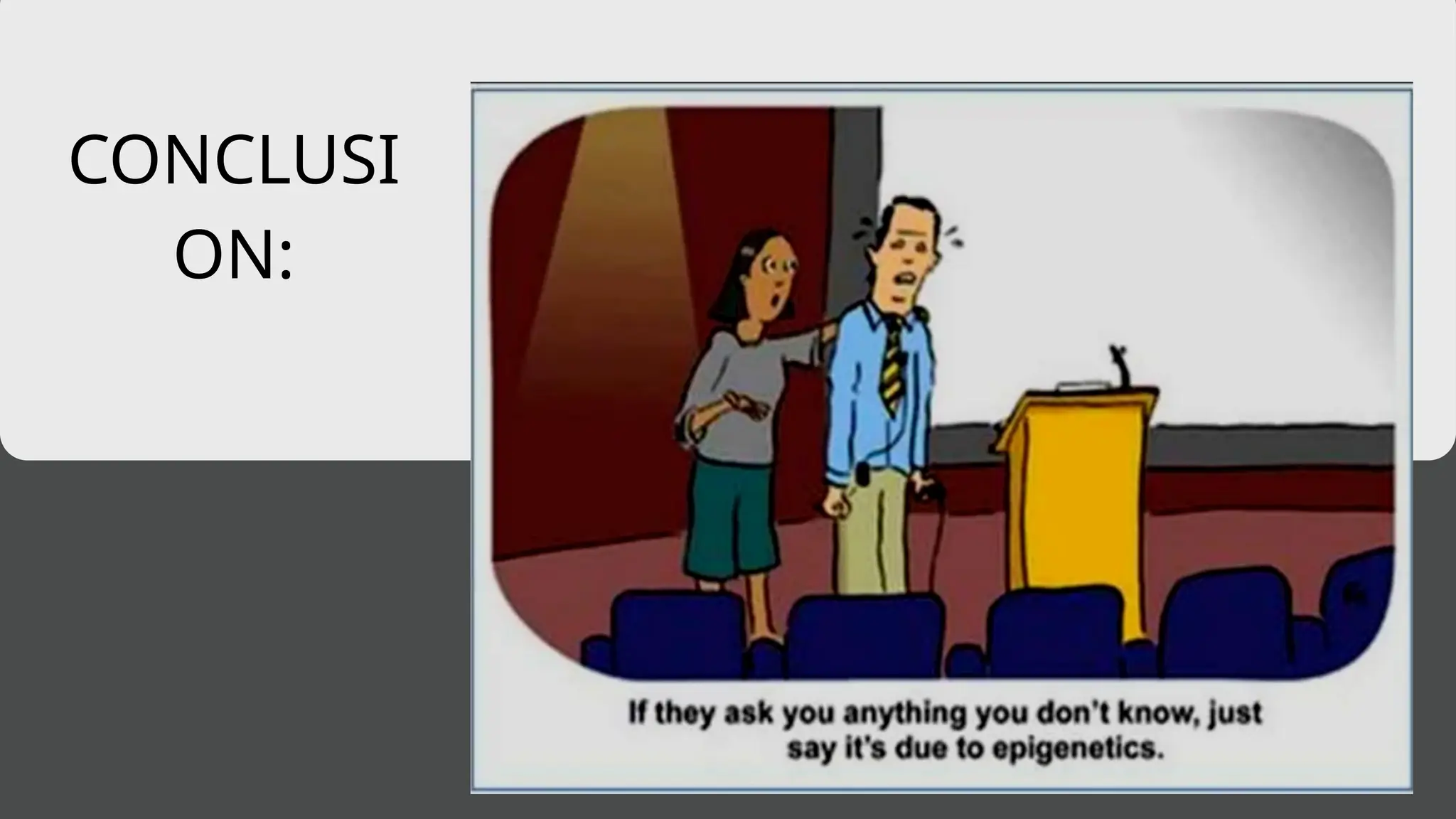
CONCLUSI
ON:
EVERYTHING ABOUT EPIGENETICS - BEYOND THE GENETIC CODE

EVERYTHING ABOUT EPIGENETICS - BEYOND THE GENETIC CODE

  • 1.
    BeyonD the GeneticCode Presented by SUSHMA T A EPIGENETI CS
  • 2.
    Table of Contents EPIGENETICS WHATIS EPIGENETICS? HOW DOES EPIGENETICS WORK? HOW CAN YOUR EPIGENETIC CHANGE? EPIGENETICS AND HEALTH EPIGENTICS IN SMOKING (CASE STUDY) EPIGENETICS IN CHILD DEVELOPMENT 01 06 04 09 05 10 02 07 03 08 ERRORS IN EPIGENETICS PROCESS DUTCH HUNGER WINTER EPIGENETICS (CASE STUDY) EPIGENETICS, IDENTICAL TWINS & RHEUMATOID ARTHRITIS (CASE STUDY) 11 EPIGENETICS & AGOUTI MICE (CASE STUDY) 12EPIGENETIC THERAPY EPIGENETICS & OBESITY (CASE STUDY)
  • 3.
    WHAT IS EPIGENETICS? EPIGENETICS Epigenetics is the study of how your behaviors and environment can cause changes that affect the way your genes work.
  • 5.
    - Epigenetic changesare reversible - do not change your DNA sequence - change how your body reads a DNA sequence - epigenetic changes affect gene expression to turn genes “on” and “off.”
  • 6.
    Within the completeset of DNA in a cell (genome), all of the modifications that regulate the activity (expression) of the genes is known as the epigenome. EPIGENOME EPIGENETICS
  • 7.
    - Chemical groupis added to specific places on the DNA - blocks the proteins that attach to DNA to “read” the gene - This chemical group can be removed through a process called demethylation - methylation turns genes “off ” and demethylation turns genes “on” DNA wrapped tightly around histones cannot be accessed by proteins that “read” the gene. Some genes are wrapped around histones and are turned “off ” while some genes are not wrapped around histones and are turned “on.” Chemical groups can be added or removed from histones and change whether a gene is unwrapped or wrapped (“on” or “off ”). Non-coding RNA helps control gene expression by attaching to coding RNA, along with certain proteins, to break down the coding RNA so that it cannot be used to make proteins. Non- coding RNA may also recruit proteins to modify histones to turn genes “on” or “off.” DNA METHYLATION 1 2 3 HISTONE MODIFICATION NON-CODING RNA How Does Epigenetics Work? EPIGENETICS:
  • 8.
    Errors in theepigenetic process Modification of the wrong gene or failure to add a chemical group to a particular gene or histone, can lead to abnormal gene activity or inactivity. Altered gene activity, including that caused by epigenetic errors, is a common cause of genetic disorders. Conditions such as cancers, metabolic disorders, and degenerative disorders have been found to be related to epigenetic errors.
  • 9.
    1.EPIGENETICS AND DEVELOPMENT Epigeneticchanges begin before you are born. All your cells have the same genes but look and act differently. As you grow and develop, epigenetics helps determine which function a cell will have, for example, whether it will become a heart cell, nerve cell, or skin cell. EXAMPLE: NERVE CELL VS. MUSCLE CELL Your epigenetics change throughout your life. Your epigenetics at birth is not the same as your epigenetics during childhood or adulthood 2.EPIGENETICS AND AGE EXAMPLE: STUDY OF NEWBORN VS. 26-YEAR- OLD VS. 103-YEAR-OLD How Can Your Epigenetics Change?
  • 10.
    During development, theDNA that makes up our genes accumulates chemical marks that determine how much or little of the genes is expressed. The different experiences children have rearrange those chemical marks. This explains why genetically identical twins can exhibit different behaviors, skills, health, and achievement. The genes children inherit from their biological parents provide information that guides their development. For example, how tall they could eventually become or the kind of temperament they could have. When experiences during development rearrange the epigenetic marks that govern gene expression, they can change whether and how genes release the information they carry. EPIGENETICS EXPLAINS HOW EARLY EXPERIENCES CAN HAVE LIFELONG IMPACTS Experiences very early in life, when the brain is developing most rapidly, cause epigenetic adaptations that influence whether, when, and how genes release their instructions for building future capacity for health, skills, and resilience. YOUNG BRAINS ARE PARTICULARLY SENSITIVE TO EPIGENETIC CHANGES. EPIGENETICS IN CHILD DEVELOPMENT
  • 12.
    Example: Smokers vs.non-smokers vs. former smokers 3.EPIGENETICS AND REVERSIBILITY Not all epigenetic changes are permanent. Some epigenetic changes can be added or removed in response to changes in behavior or environment. - At certain parts of the AHRR gene, smokers tend to have less DNA methylation than non-smokers. - The difference is greater for heavy smokers and long-term smokers. - After quitting smoking, former smokers can begin to have increased DNA methylation at this gene. Eventually, they can reach levels similar to those of non-smokers.
  • 13.
    EPIGENETICS IN SMOKING - Humanbronchial cells that line the inside of our lungs are made to grow in the lab - For 15 months, the scientists bathed the cells in a liquid form of concentrated cigarette smoke - molecular, epigenetic, & genetic changes of the cells are recorded • EZH2 - Enzyme that dampens the expression of genes • EZH2 & Effects - indicators that come before abnormal DNA methylation in genes • Between 10 days and 3 months, the cells exposed to smoke contained two to four times more EZH2 • Discovered two to three-fold increases in DNMT1 - protein - maintains DNA methylation, at the “start” location of tumor suppressor genes • Ten to 15 months in - hundreds of genes in the smoke-exposed cells had decreased expression- uncovered a five- or-more-fold increase in the signaling of the KRAS oncogene DR. BAYLIN WITH JOHNS HOPKINS SCIENTIST MICHELLE VAZ
  • 14.
    Certain mutations makeyou more likely to develop cancer. Likewise, some epigenetic changes increase your cancer risk. For example, having a mutation in the BRCA1 gene that prevents it from working properly makes you more likely to get breast and other cancers. Example: Colorectal Cancer CANCER A pregnant woman’s environment and behavior during pregnancy, such as whether she eats healthy food, can change the baby’s epigenetics. Some of these changes can remain for decades and might make the child more likely to get certain diseases. Example: Dutch Hunger Winter Famine (1944- 1945) NUTRITION DURING PREGNANCY Germs can change your epigenetics to weaken your immune system. This helps the germ survive. Example: Mycobacterium tuberculosis INFECTIONS 01 02 03 Epigenetics & Health
  • 15.
    Transgenerational effects ofprenatal exposure to the 1944–45 Dutch famine • People whose mothers were pregnant with them during the famine were more likely to develop certain diseases such as heart disease, schizophrenia, and type 2 diabetes (6). Around 60 years after the famine, researchers looked at methylation levels in people whose mothers were pregnant with them during the famine. These people had increased methylation at some genes and decreased methylation at other genes compared with their siblings who were not exposed to famine before their birth (7)(8) (9). These differences in methylation could help explain why these people had an increased likelihood for certain
  • 16.
    Identical Twins beginlife with similar epigenomes. Epigenetic tags of one twin are labelled GREEN and RED for the other. YELLOW areas indicate shared epigenetic tags. Over the time period, Environmental influences has differed and epigenome of the twins has diverged. EPIGENOME AND IDENTICAL TWINS Yellow shows where the twins have epigenetic tags in the same place Red & Green shows where the twins have epigenetic tags in the different places CHROMOSOME 17 OF 3 YEAR & 50 YEAR OLD IDENTICAL TWINS
  • 17.
    https://genomemedicine.biomedcentral.com/track/pdf/10.1186/s13073-018-0575-9.pdf How identical twinsare helping us understand epigenetic factors in rheumatoid arthritis ? • Genome-wide DNA methylation was assessed in 79 monozygotic twin pairs discordant for rheumatoid arthritis using the HumanMethylation450 Bead-Chip array (Illumina). • Discordant twins were tested for both differential DNA methylation and methylation variability between rheumatoid arthritis and healthy twins. • Scientist have identified a differentially variable DNA methylation signature that suggests multiple stress response pathways may be involved in the aetiology of the disease. This methylation variability signature also highlighted potential epigenetic disruption of multiple RUNX3 transcription factor binding sites as being associated with disease development. • Comparison with previously performed epigenome-wide association studies of rheumatoid arthritis and type 1 diabetes identified shared pathways for autoimmune disorders, suggesting that epigenetics plays a role in autoimmunity and offering the possibility of identifying new targets for intervention.
  • 18.
    EPIGENETICS & AGOUTIMICE • Bisphenol A (BPA) - chemical compound - polycarbonate plastic • In Lab, BPA reduced methylation of the agouti gene • Both mice and humans have Agouti gene • In a strain of mice that was studied , YELLOW mothers give birth to pups with a range of coat colours from yellow to brown. • Pregnant Yellow Mothers were fed with BPA. YELLOW MICE BROWN MICE • When the mothers were fed BPA, their off-springs were more likely to be yellow & obese and are prone to diabetes & cancer. • Not fed with methyl- rich foods . When the mothers were fed BPA along with methyl-rich foods, the offspring were more likely to be brown and healthy
  • 19.
    Signatures of epigeneticmarkers including DNA methylation, histone modification, and ncRNAs are found to be associated with obesity. There is also substantial evidence demonstrating that epigenetic mechanisms play causal roles in the development of obesity and T2DM. Identification of metabolites as regulators of epigenetic factors such as HATs, HMTs, and sirtuins makes it possible to design small-molecule drugs to modulate epigenetic factor activity for obesity and T2DM treatment.
  • 20.
    EPIGENETIC THERAPY writers: thatintroduce various chemical modifications on DNA and histones, readers: the specialized domain containing proteins that identify and interpret those modifications and erasers: the dedicated group of enzymes proficient in removing EPIGENETIC THERAPIES INCLUDE EPI-DRUGS, COMBINATORIAL THERAPY, NANOCARRIERS, PLANT-DERIVED PRODUCTS THAT ARE BEING USED FOR CHANGING THE EPIGENETIC PATTERN TO REVERSE GENE EXPRESSION. HOWEVER, THE DEVELOPED EPI- DRUGS CAUSE OFF-TARGET GENE AND TRANSPOSABLE ELEMENTS ACTIVATION; PROMOTE MUTAGENESIS AND CARCINOGENESIS IN NORMAL CELLS, ARE THE MAJOR HURDLES REGARDING THEIR CLINICAL USE. THEREFORE, ADVANCED EPIGENETIC THERAPEUTICS ARE REQUIRED TO DEVELOP TARGET-SPECIFIC EPIGENETIC MODIFICATIONS TO REVERSE GENE EXPRESSION PATTERN. CRISPR- CAS9 (CLUSTERED REGULARLY INTERSPACED PALINDROME REPEATS-ASSOCIATED PROTEIN 9) SYSTEM- MEDIATED GENE ACTIVATION MECHANISM PAVES NEW METHODS OF TARGET-SPECIFIC EPIGENETIC THERAPEUTICS TO CURE DISEASES. EPIGENETIC TOOLS
  • 21.