CELLULAR COMMUNICATION
 Presented by:
Dr. N. Sannigrahi,
Associate Professor,
Department of Botany,
Nistarini college, Purulia
D.B. Road, Purulia,
INDIA (W.B)
CELLULAR COMMUNICATION
TOPICS COVERED
Signal transduction:
Hormones and their receptors,
cell surface receptor,
Signaling through G-protein coupled receptors,
Signal transduction pathways,
Second messengers, Calcium calmodulin,
MAP kinase cascade
COMMUNICATION-SIGNAL
 The unicellular organisms have to communicate to each other
organelles by a very simple pathway,
 The multicellular organisms are very diverse in the context of
structural and functional diversity,
 Coordination of different functions like growth, development, tissue
formation, response to the stimuli needs the harmony of the diverse
type of cells distributed in the different organs for the orchestra of the
organ systems to perform an individual identity,
 Regulation of metabolism, manage growth and death by apoptosis
along with the earnest need to maintain homeostasis,
 To keep up the structural integrity of the cell,
 All those needs communication by the different coordinated functions
like chemical signals, direct contact for the adjoining cells, distance
signaling ,
 The cellular communication is a very vital process that is brought
about by the stimulation followed by the different functions as
cascade to work and build up homeostasis.
SIGNAL TRANSDUCTION
 Signal transduction is as a fundamental feature of life as metabolism
or self-replication. After receiving information from the extracellular
space, all living cells react to it by processing and converting it into
intracellular effects. If the changes persist for the long term, some
signals must reach the nucleus in order to bring about changes in gene
expression,
 It is the detection of specific signals at the cell surface by regulatory
mechanisms where these signals are transmitted into the cell leading
to the expression of certain genes and/or changes in cell behavior .
 Detection of a signal by PRRs, as a result of pathogen recognition, is
propagated via a signal transduction pathway that terminates with the
activation of certain immune response,
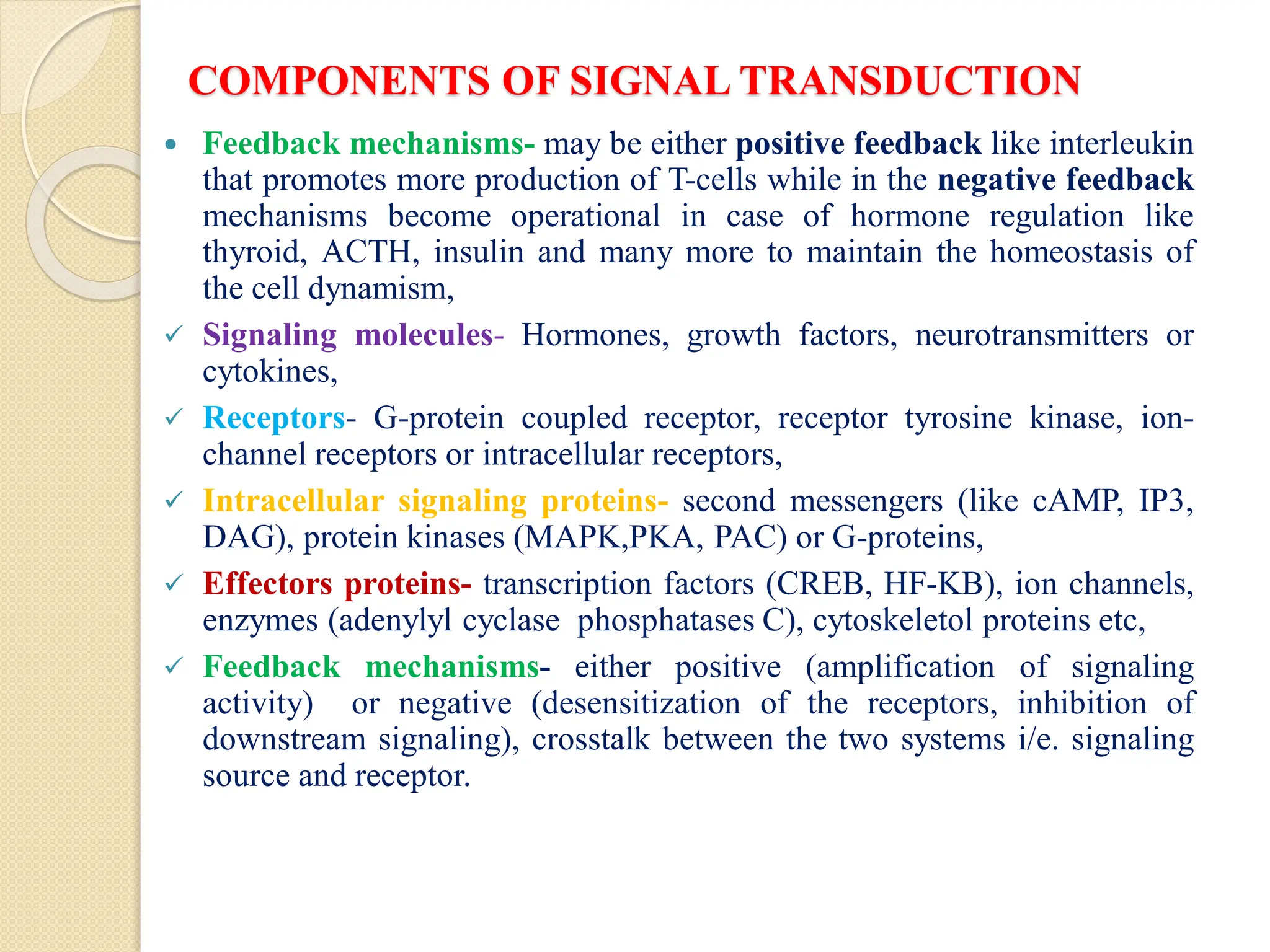
 Signal transduction is the process by which a cell receives a signal
from its environment and converts it into an internal cellular response.
 It involves a series of molecular events, often a cascade, that transmit
the signal from the cell surface to the inside, leading to changes in
gene expression or cell behavior.
 This communication is vital for cell function, growth, and adaptation
to stimuli like light, heat, and other chemical signals.
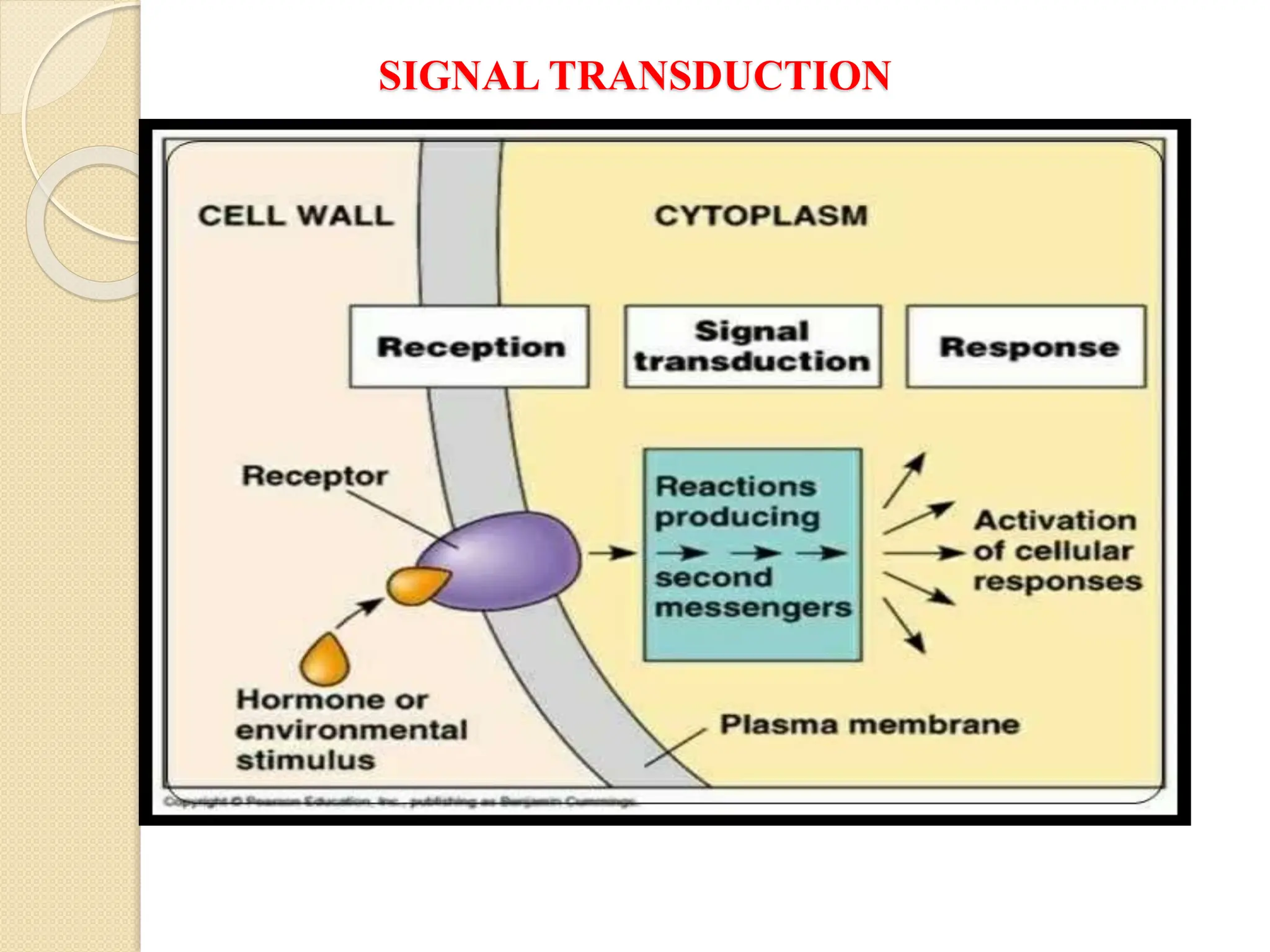
SIGNAL TRANSDUCTION- OVERVIEW
 Signal transduction comprises a series of events as a part of the
regulation of different biochemical cycles irrespective of its nature.
The entire process of signal transduction comprises the following
events:
 SIGNAL RECEPTION- A signaling molecule or ligand binds to a
specific receptor on or in the cell,
 TRANSDUCTION- The binding events open a series of
conformational changes in the receptor and it is followed by a series
of internal molecular events,
 SIGNAL AMPLIFICATION-Cascades of reactions involving
enzymes or proteins , that can amplify the signal, allowing a small ,
micro signal to amplify on cellular effect,
 CELLULAR RESPONSE-
 The signal is ultimately transmitted to an intracellular target that
could be the transcription factor that can alter gene expression,
 It also can be protein that can change the cell behavior,
SIGNAL TRANSDUCTION
COMPONENTS OF SIGNAL TRANSDUCTION
 Cell Signaling- Cell communication between extracellular response
and intracellular interaction to respond the signal received from the
external sources.
 Cells undergoing signal response may be close contact or far off ;by
means of chemical components/ direct contact, these are to be done,
 Signaling cell sends some information to the recipient cell, the
recipient cells produce some chemicals to convey the message to the
signaling cell by crosstalk, messenger from signaling cell and receptor
to the recipient cell,
 Intracellular changes takes place inside the recipient cell in course of
amplification,
 The target entity i.e. inside the nucleus , it received as transcription
factor to switch on the specific gene and produce proteins by
following central dogma and the protein as counter messenger sends to
the signal cell in response to the signal cell,
 The entire process needs some components- signaling molecule or
primary messenger, receptor, intracellular signaling proteins or
secondary messenger, effectors proteins, followed by feedback
mechanisms.
COMPONENTS OF SIGNAL TRANSDUCTION
 Feedback mechanisms- may be either positive feedback like interleukin
that promotes more production of T-cells while in the negative feedback
mechanisms become operational in case of hormone regulation like
thyroid, ACTH, insulin and many more to maintain the homeostasis of
the cell dynamism,
 Signaling molecules- Hormones, growth factors, neurotransmitters or
cytokines,
 Receptors- G-protein coupled receptor, receptor tyrosine kinase, ion-
channel receptors or intracellular receptors,
 Intracellular signaling proteins- second messengers (like cAMP, IP3,
DAG), protein kinases (MAPK,PKA, PAC) or G-proteins,
 Effectors proteins- transcription factors (CREB, HF-KB), ion channels,
enzymes (adenylyl cyclase phosphatases C), cytoskeletol proteins etc,
 Feedback mechanisms- either positive (amplification of signaling
activity) or negative (desensitization of the receptors, inhibition of
downstream signaling), crosstalk between the two systems i/e. signaling
source and receptor.
CELL SIGNALING TYPES
 Paracrine Signaling or Communication- a type of cell-to-cell
communication where a cell releases signaling molecules that affect
adjacent and near by cells, required for embryonic development, tissue
repairment, inflammation etc.
 Endocrine Signaling- it involves the hormones that travels through
bloodstream to affect distant cells through the body where paracrine
signaling is not effective,
 Direct Signaling- Cell to cell in close proximity mediated by Gap
Junction
 Autocrine signaling - Regulating the cell by itself, signaling molecule
produce by the cell and used by the same cell receptor,
 Synaptic Signaling- Where the neurotransmitters control the signal ;
Neuron-Neuron junction, Neuron- Muscular junction where it works,
 GPCR Bases Cell Signaling- binding of a signaling molecule to a
GPCR in G-protein activation which in turn triggers the production of
any number of second messengers.
HORMONES AND THEIR RECEPTORS
 Hormones have no direct effect on target cells. It first binds to a receptor
on the target cells, forming a hormone-receptor complex. This hormone-
receptor complex causes a variety of alterations or responses in target
cells. Here, let’s learn more about the different types of hormone
receptors.
 What are Hormone Receptors?
 Hormone receptors are big protein molecules found in target cells. There
are thousands of receptors on each cell. An important aspect of receptors
is that each receptor recognizes only one hormone. Thus, a hormone may
only function on a target cell only if the receptor for that hormone is
present on the target cell.
 Examples of hormone receptors:
 Glucagon receptors
 Androgen receptors
 Insulin receptors
 Progesterone receptors
 Thyroid hormone receptors
HORMONE RECEPTORS
 Types of Hormone Receptors
 Lipophilic hormones (lipid-soluble hormones) like thyroid and steroids
can pass through the nuclear and cell membrane. These hormones target
the specific DNA sequences by diffusing into the cell. The lipophilic
hormone receptors, upon binding with these hormones, undergo
conformational changes and influence the transcription process.
 Hydrophilic hormones (water-soluble hormones) are lipophobic in
nature. Thus, they cannot diffuse through the cell membranes. Examples
include catecholamine, glycoprotein, insulin, etc. The receptors for these
hormones are localized on the plasma membrane
 Thus, hormone receptors are found in the target cells’ cell membrane,
cytoplasm, or nucleus, as follows:
 Cell membrane – The cell membrane contains receptors for protein
hormones and adrenal medullary hormones (catecholamine)
 Cytoplasm – Steroid hormone receptors are found in the cytoplasm of
target cells.
 Nucleus – Thyroid hormone receptors are found in the nucleus of the cell.
CELL SURFACE RECEPTOR
 Cell surface receptors
 These receptors are embedded in the cell membrane and bind to the
extracellular molecules to initiate cell signaling. Cell surface
receptors are specialized IMPs (integral membrane proteins) which
allow communication between the extracellular space and the cell.
The 2 main classes of cell surface receptors are
 G Protein-coupled Receptors
 They are a large group of proteins that can detect molecules present
outside the cell and activate further cellular responses. They possess 7
transmembrane helices that can activate a G-protein upon binding.
Example – Thyrotropin receptor.
 Enzyme-linked Receptors
 They possess both receptor and catalytic functions. Here, an
extracellular ligand binds to cause an enzymatic action on the
intracellular side. Example – Receptor tyrosine kinase.
INTRACELLULAR RECEPTORS
 Intracellular receptors
 These receptors are found inside the cell. The two classes of
intracellular receptors are as follows:
 Nuclear Receptors
 Receptors located within the cytoplasm are also termed nuclear
receptors. In particular, these receptors are proteins present within the
cells that are responsible for recognizing thyroid and steroid
hormones. They work with other proteins to regulate the homeostasis,
gene expression and metabolism of the organism. They also have the
ability to directly bind to the DNA. Example – Thyroid hormone
receptor.
 InsP3 Receptor
 Inositol triphosphate receptor acts as a calcium channel by activating
the InsP3. These receptors have a broad tissue distribution and are
abundantly found in the cerebellum. They are mostly found integrated
into the endoplasmic reticulum. InsP3R are vital for the control of
several physiological and cellular processes.
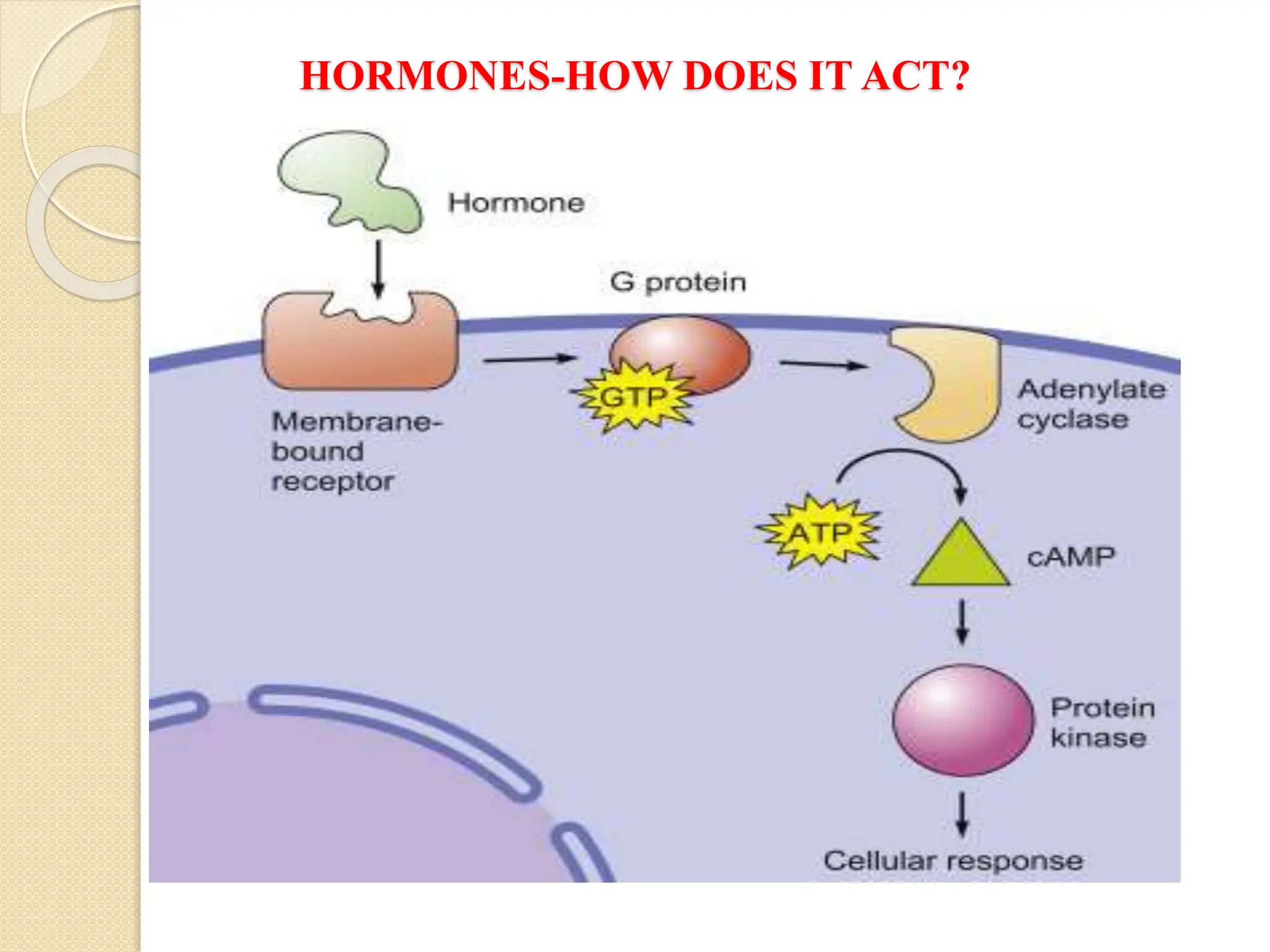
HORMONES-HOW DOES IT ACT?
 Regulation of Hormone Receptors
 Receptor proteins are not static cell components. Their number grows
or falls under different conditions.
 When a hormone is released in excess, the number of receptors for that
hormone decreases owing to hormone binding to receptors. This is
known as downregulation. The number of receptors rises during
hormone deficit and this is termed as upregulation.
 Hormone enters the target cell as a hormone-receptor complex via
Endocytosis and performs the activities. This whole process is termed
internalization. Some receptors are recycled after internalization,
whereas many are destroyed and new receptors are produced. It takes
a long time for new receptors to form. Thus, the number of receptors
diminishes, as the hormone levels rise.
 Thus, the hormone receptors play a very crucial role in this regard in
the context of cell signaling pathway.
SIGNALING THROUGH G-PROTEIN COUPLED RECEPTORS
 G-protein-coupled receptors (GPCRs) are the largest and most
diverse group of membrane receptors in eukaryotes.
 These cell surface receptors act like an inbox for messages in the
form of light energy, peptides, lipids, sugars, and proteins.
 Such messages inform cells about the presence or absence of life-
sustaining light or nutrients in their environment, or they convey
information sent by other cells.
 GPCRs play a role in an incredible array of functions in the human
body, and increased understanding of these receptors has greatly
affected modern medicine.
 In fact, researchers estimate that between one-third and one-half of all
marketed drugs act by binding to GPCRs.
 GPCRs consist of a single polypeptide that is folded into a globular
shape and embedded in a cell's plasma membrane. Seven segments of
this molecule span the entire width of the membrane — explaining
why GPCRs are sometimes called seven- transmembrane receptors —
and the intervening portions loop both inside and outside the cell. The
extracellular loops form part of the pockets at which signaling
molecules bind to the GPCR.
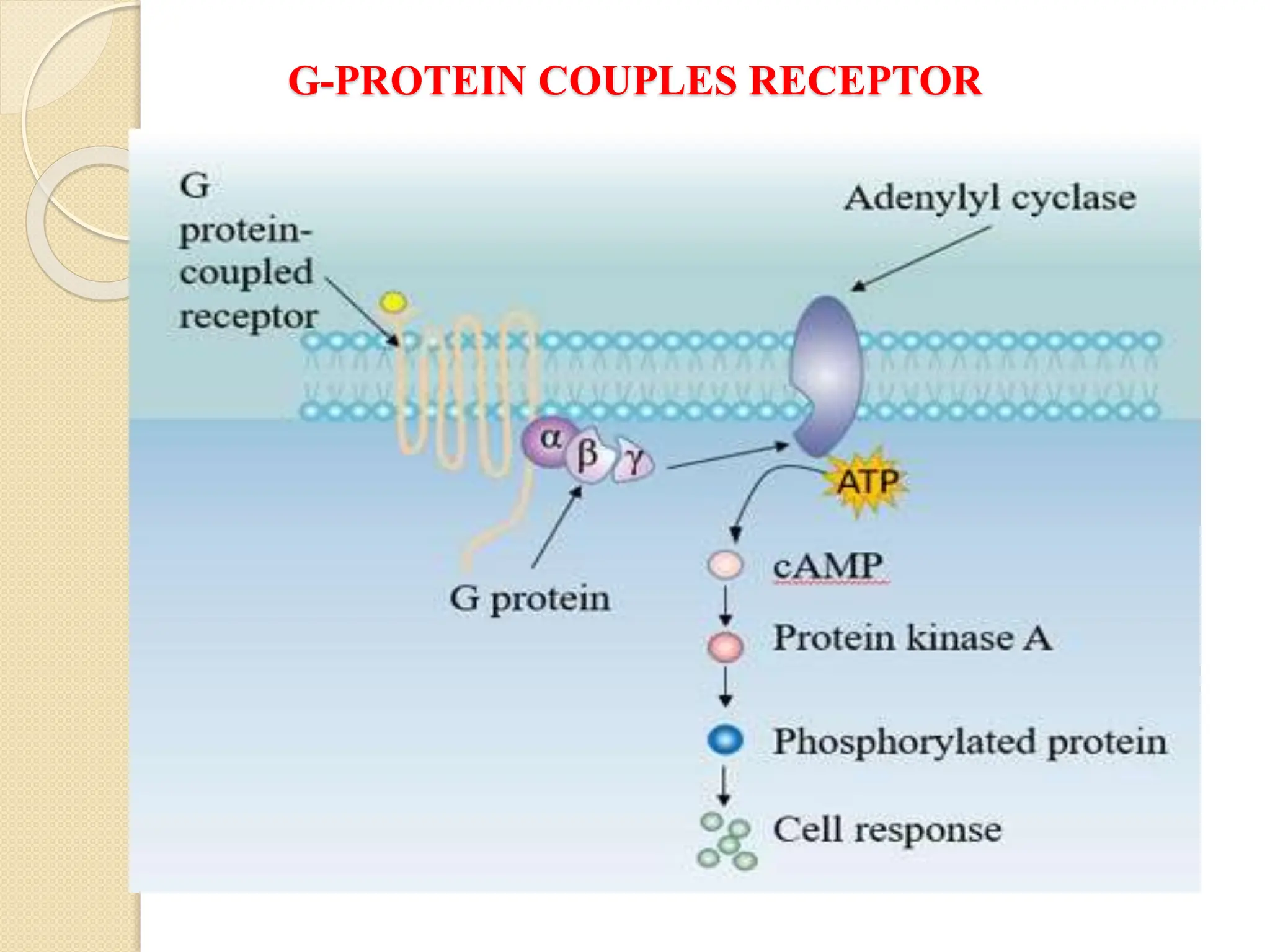
G-PROTEIN COUPLES RECEPTOR
GPCR- MODE OF FUNCTION
 As their name implies, GPCRs interact with G proteins in the plasma
membrane. When an external signaling molecule binds to a GPCR, it
causes a conformational change in the GPCR. This change then triggers
the interaction between the GPCR and a nearby G protein.
 G proteins are specialized proteins with the ability to bind the
nucleotides guanosine triphosphate (GTP) and guanosine diphosphate
(GDP). Some G proteins, such as the signaling protein Ras, are small
proteins with a single subunit.
 However, the G proteins that associate with GPCRs are heterotrimeric,
meaning they have three different subunits: an alpha subunit, a beta
subunit, and a gamma subunit. Two of these subunits — alpha and
gamma — are attached to the plasma membrane by lipid anchors.
 A G protein alpha subunit binds either GTP or GDP depending on
whether the protein is active (GTP) or inactive (GDP). In the absence of a
signal, GDP attaches to the alpha subunit, and the entire G protein-GDP
complex binds to a nearby GPCR.
 This arrangement persists until a signaling molecule joins with the
GPCR. At this point, a change in the conformation of the GPCR activates
the G protein, and GTP physically replaces the GDP bound to the alpha
subunit.
GPCR- MODE OF FUNCTION
 As a result, the G protein subunits dissociate into two parts: the GTP-
bound alpha subunit and a beta-gamma dimer.
 Both parts remain anchored to the plasma membrane, but they are no
longer bound to the GPCR, so they can now diffuse laterally to interact
with other membrane proteins. G proteins remain active as long as their
alpha subunits are joined with GTP.
 However, when this GTP is hydrolyzed back to GDP, the subunits once
again assume the form of an inactive heterotrimer, and the entire G
protein reassociates with the now-inactive GPCR. In this way, G proteins
work like a switch — turned on or off by signal-receptor interactions on
the cell's surface.
 Whenever a G protein is active, both its GTP-bound alpha subunit and
its beta-gamma dimer can relay messages in the cell by interacting with
other membrane proteins involved in signal transduction.
 Specific targets for activated G proteins include various enzymes that
produce second messengers, as well as certain ion channels that allow
ions to act as second messengers. Some G proteins stimulate the activity
of these targets, whereas others are inhibitory.
GPCR- MODE OF FUNCTION
 Vertebrate genomes contain multiple genes that encode the alpha, beta,
and gamma subunits of G proteins. The many different subunits
encoded by these genes combine in multiple ways to produce a diverse
family of G proteins.
 What Second Messengers Do GPCR Signals Trigger in Cells?
 Activation of a single G protein can affect the production of hundreds
or even thousands of second messenger molecules. (Recall that second
messengers — such as cyclic AMP [cAMP], diacylglycerol [DAG],
and inositol 1, 4, 5-triphosphate [IP3] - are small molecules that
initiate and coordinate intracellular signaling pathways.)
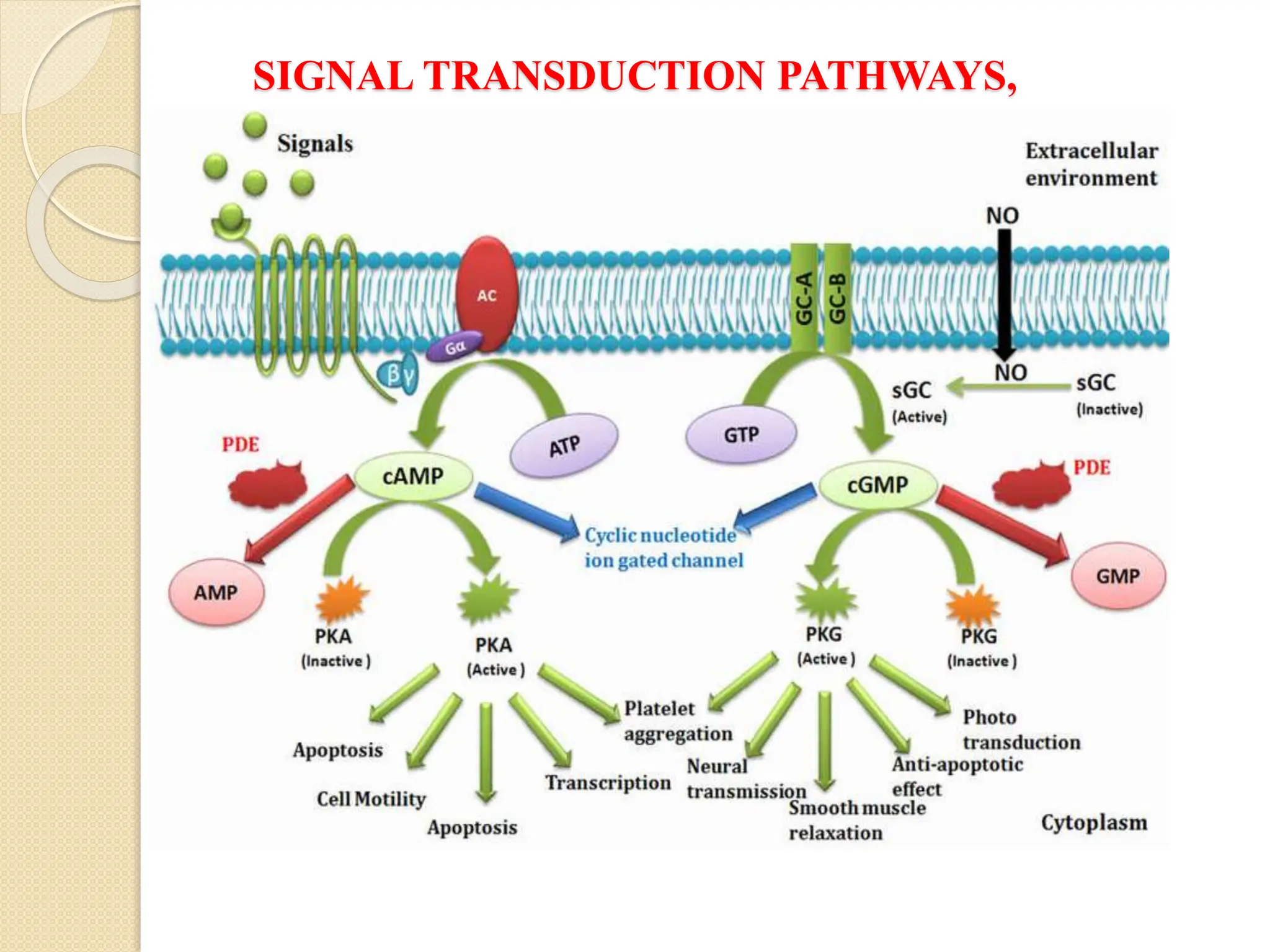
 One especially common target of activated G proteins is adenylyl
cyclase, a membrane-associated enzyme that, when activated by the
GTP-bound alpha subunit, catalyzes synthesis of the second
messenger cAMP from molecules of ATP. In humans, cAMP is
involved in responses to sensory input, hormones, and nerve
transmission, among others.
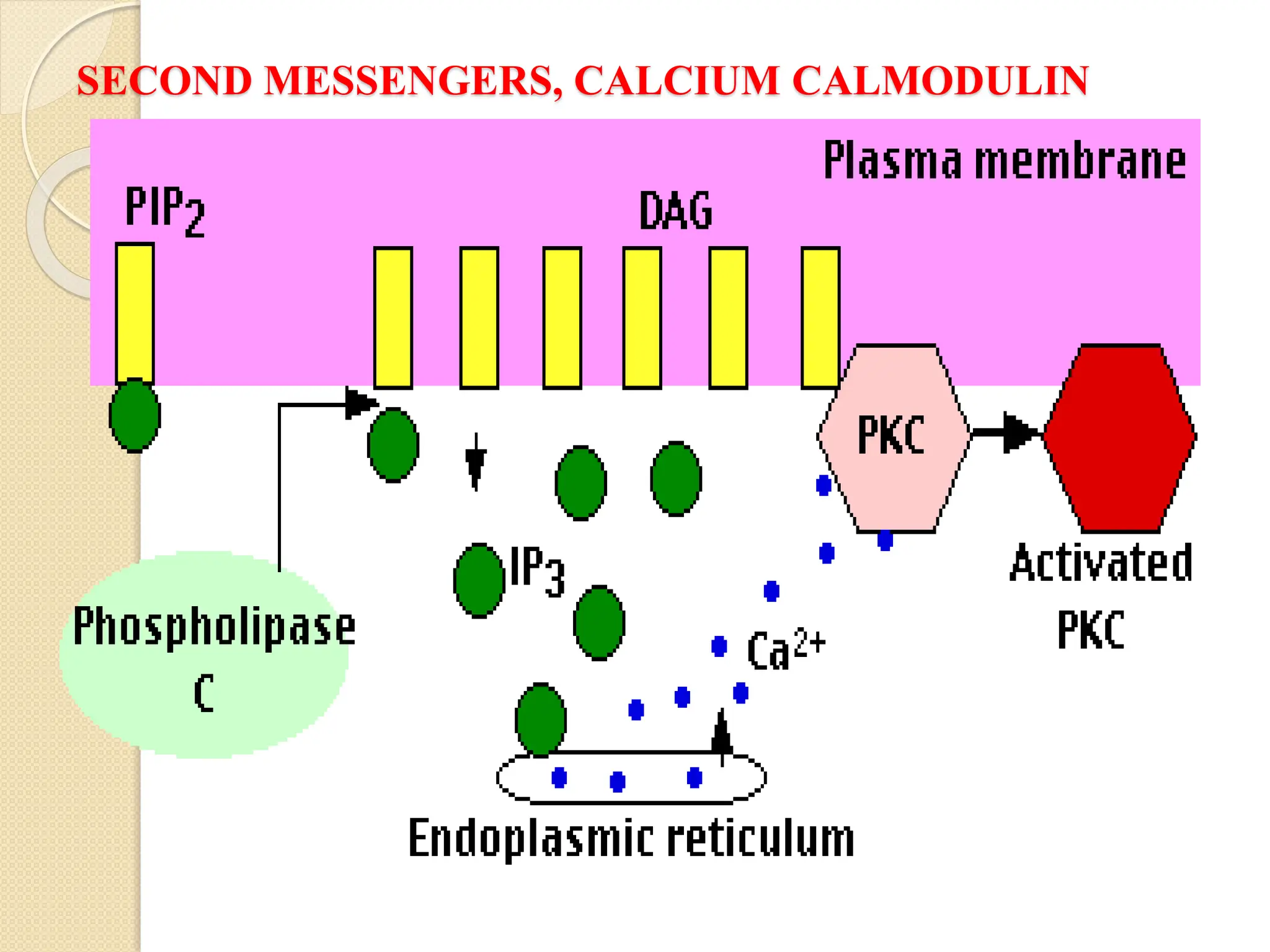
 Phospholipase C is another common target of activated G proteins
GPCR- MODE OF FUNCTION
 This membrane-associated enzyme catalyzes the synthesis of not one,
but two second messengers — DAG and IP3 — from the membrane
lipid phosphatidyl inositol.
 This particular pathway is critical to a wide variety of human bodily
processes. For instance, thrombin receptors in platelets use this
pathway to promote blood clotting.
 GPCRs are a large family of cell surface receptors that respond to a
variety of external signals.
 Binding of a signaling molecule to a GPCR results in G protein
activation, which in turn triggers the production of any number of
second messengers. Through this sequence of events, GPCRs help
regulate an incredible range of bodily functions, from sensation to
growth to hormone responses.
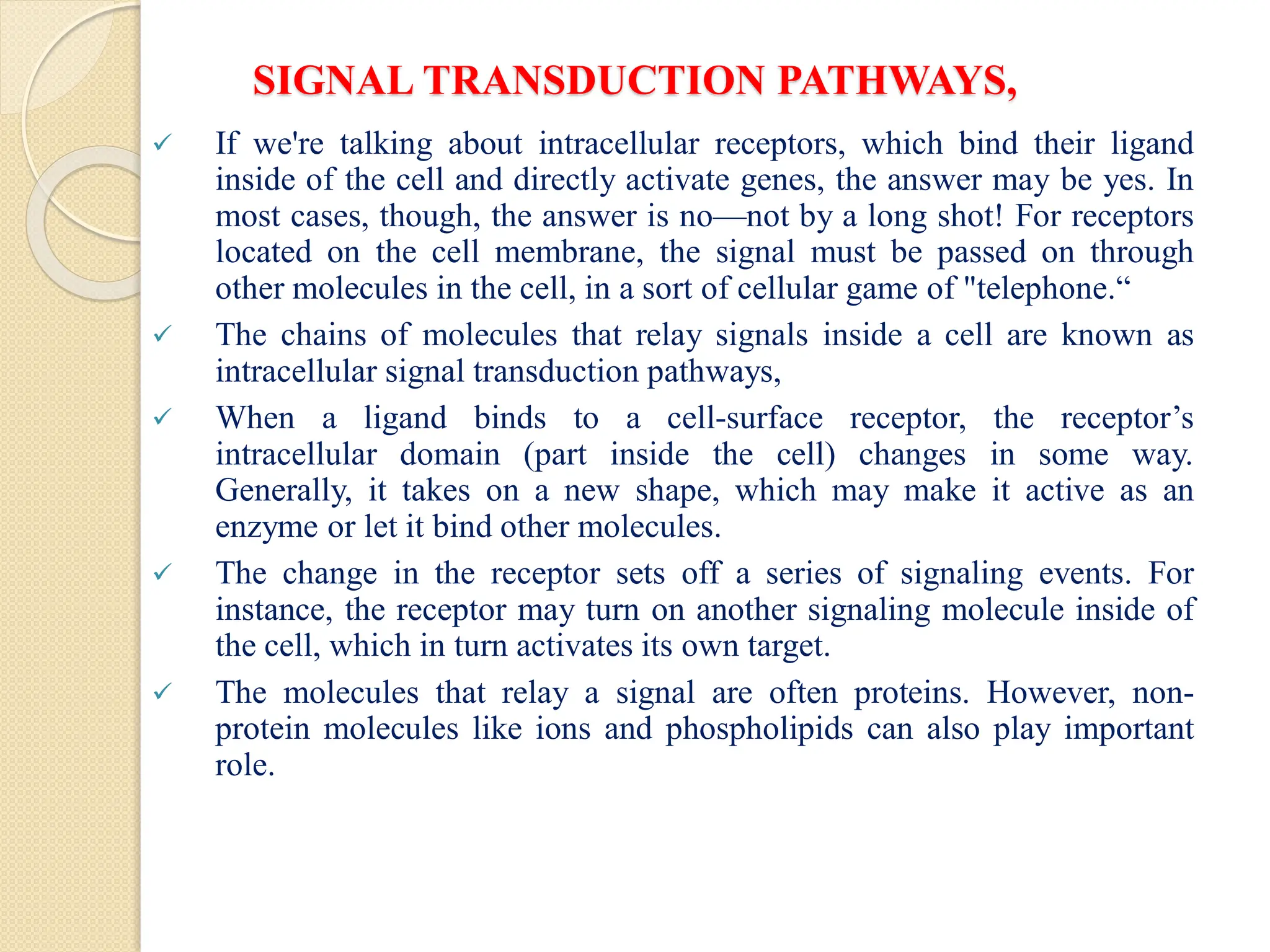
SIGNAL TRANSDUCTION PATHWAYS,
 If we're talking about intracellular receptors, which bind their ligand
inside of the cell and directly activate genes, the answer may be yes. In
most cases, though, the answer is no—not by a long shot! For receptors
located on the cell membrane, the signal must be passed on through
other molecules in the cell, in a sort of cellular game of "telephone.“
 The chains of molecules that relay signals inside a cell are known as
intracellular signal transduction pathways,
 When a ligand binds to a cell-surface receptor, the receptor’s
intracellular domain (part inside the cell) changes in some way.
Generally, it takes on a new shape, which may make it active as an
enzyme or let it bind other molecules.
 The change in the receptor sets off a series of signaling events. For
instance, the receptor may turn on another signaling molecule inside of
the cell, which in turn activates its own target.
 The molecules that relay a signal are often proteins. However, non-
protein molecules like ions and phospholipids can also play important
role.
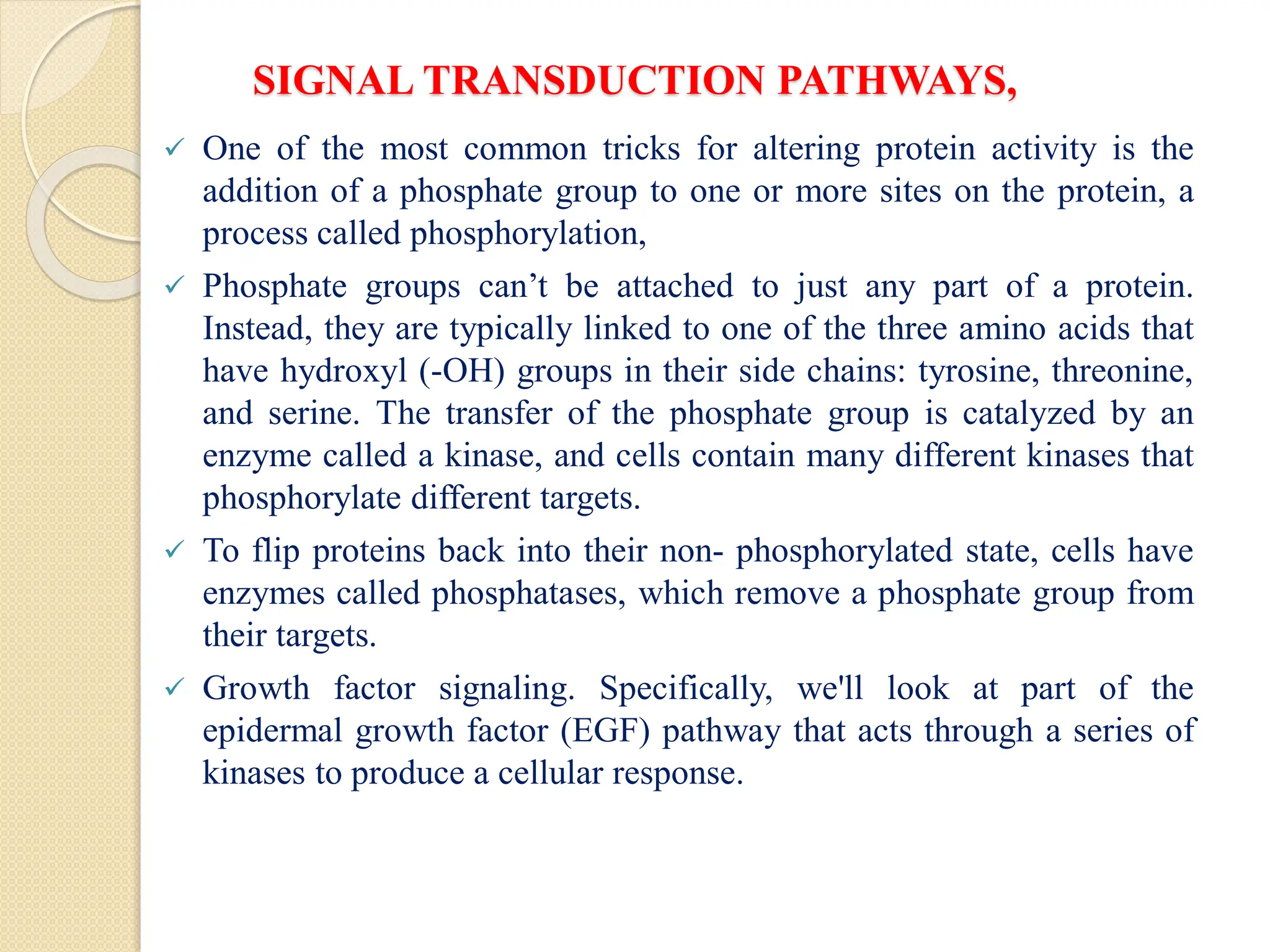
SIGNAL TRANSDUCTION PATHWAYS,
 One of the most common tricks for altering protein activity is the
addition of a phosphate group to one or more sites on the protein, a
process called phosphorylation,
 Phosphate groups can’t be attached to just any part of a protein.
Instead, they are typically linked to one of the three amino acids that
have hydroxyl (-OH) groups in their side chains: tyrosine, threonine,
and serine. The transfer of the phosphate group is catalyzed by an
enzyme called a kinase, and cells contain many different kinases that
phosphorylate different targets.
 To flip proteins back into their non- phosphorylated state, cells have
enzymes called phosphatases, which remove a phosphate group from
their targets.
 Growth factor signaling. Specifically, we'll look at part of the
epidermal growth factor (EGF) pathway that acts through a series of
kinases to produce a cellular response.
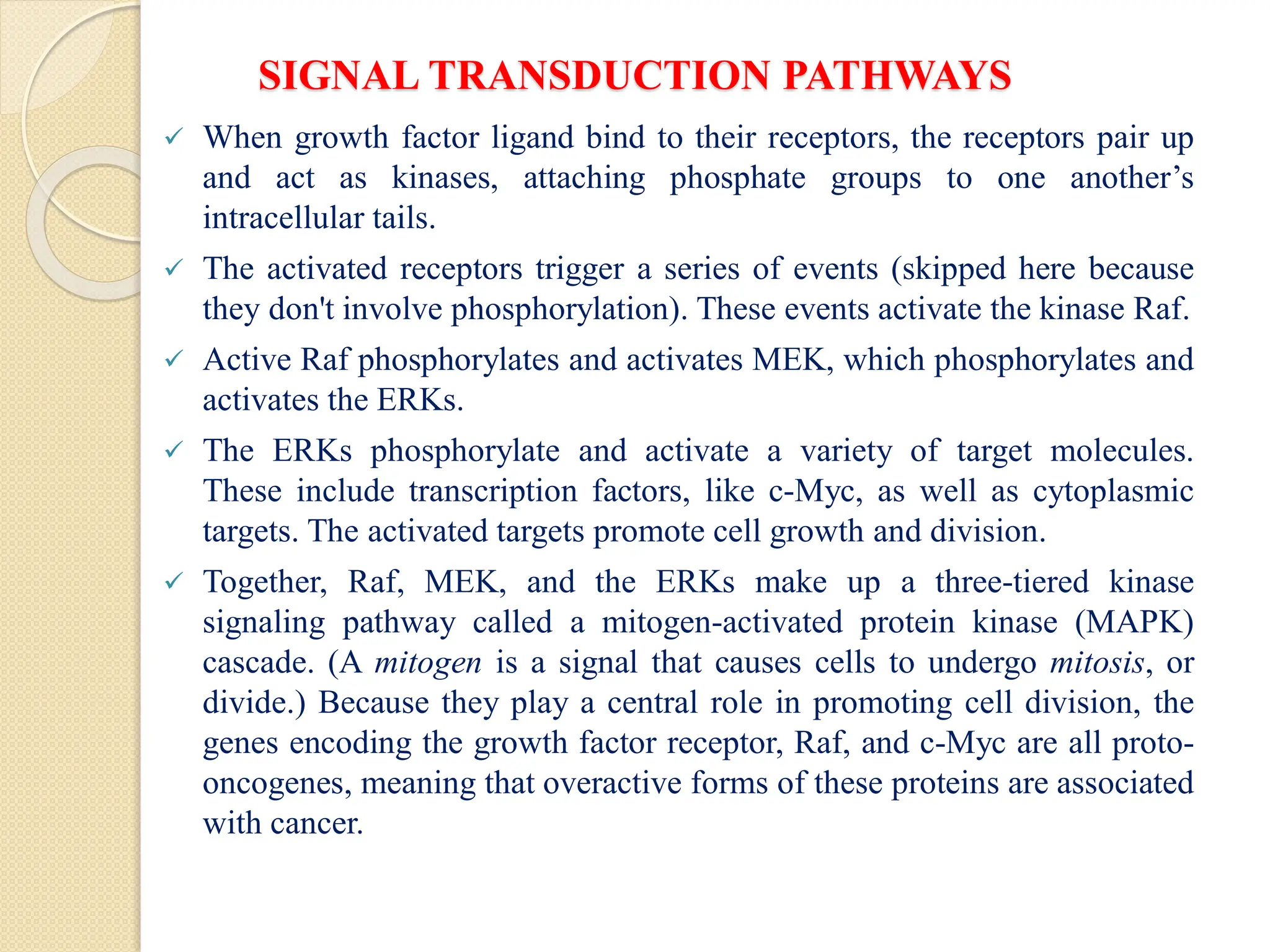
SIGNAL TRANSDUCTION PATHWAYS
 When growth factor ligand bind to their receptors, the receptors pair up
and act as kinases, attaching phosphate groups to one another’s
intracellular tails.
 The activated receptors trigger a series of events (skipped here because
they don't involve phosphorylation). These events activate the kinase Raf.
 Active Raf phosphorylates and activates MEK, which phosphorylates and
activates the ERKs.
 The ERKs phosphorylate and activate a variety of target molecules.
These include transcription factors, like c-Myc, as well as cytoplasmic
targets. The activated targets promote cell growth and division.
 Together, Raf, MEK, and the ERKs make up a three-tiered kinase
signaling pathway called a mitogen-activated protein kinase (MAPK)
cascade. (A mitogen is a signal that causes cells to undergo mitosis, or
divide.) Because they play a central role in promoting cell division, the
genes encoding the growth factor receptor, Raf, and c-Myc are all proto-
oncogenes, meaning that overactive forms of these proteins are associated
with cancer.
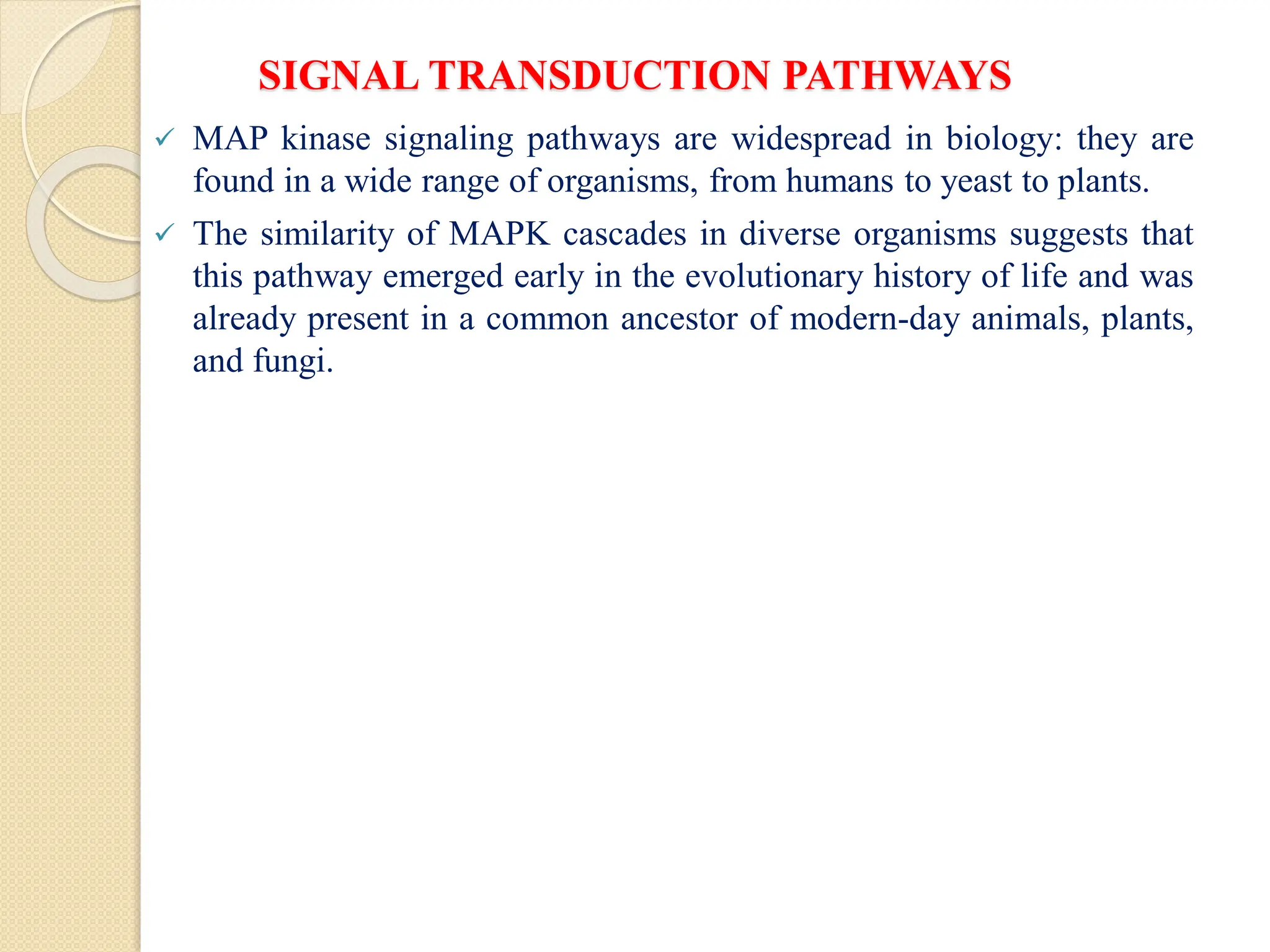
SIGNAL TRANSDUCTION PATHWAYS
 MAP kinase signaling pathways are widespread in biology: they are
found in a wide range of organisms, from humans to yeast to plants.
 The similarity of MAPK cascades in diverse organisms suggests that
this pathway emerged early in the evolutionary history of life and was
already present in a common ancestor of modern-day animals, plants,
and fungi.
SECOND MESSENGERS, CALCIUM CALMODULIN
 Although proteins are important in signal transduction pathways, other
types of molecules can participate as well. Many pathways involve second
messengers, small, non-protein molecules that pass along a signal initiated
by the binding of a ligand (the “first messenger”) to its receptor.
 Second messengers include ions; cyclic AMP (cAMP), a derivative of
ATP; and inositol phosphates, which are made from phospholipids.
 Calcium ions are a widely used type of second messenger. In most cells,
the concentration of calcium ions, Ca+2 in the cytosol is very low, as ion
pumps in the plasma membrane continually work to remove it. For
signaling purposes, may be stored in compartments such as the
endoplasmic reticulum.
 In pathways that use calcium ions as a second messenger, upstream
signaling events release a ligand that binds to and opens ligand-gated
calcium ion channels. These channels open and allow the higher levels of
 that are present outside the cell (or in intracellular storage compartments)
to flow into the cytoplasm, raising the concentration of cytoplasmic ,
SECOND MESSENGERS, CALCIUM CALMODULIN
 Some proteins in the cell have binding sites for Ca+2 ions, and the
released ions attach to these proteins and change their shape (and thus,
their activity). The proteins present and the response produced are
different in different types of cells. For instance, Ca+2 signaling in the
β-cells of the pancreas leads to the release of insulin,
while Ca+2 signaling in muscle cells leads to muscle contraction.
 Another second messenger used in many different cell types is cyclic
adenosine monophosphate (cyclic AMP or cAMP), a small molecule
made from ATP. In response to signals, an enzyme called adenylyl
cyclase converts ATP into cAMP, removing two phosphates and
linking the remaining phosphate to the sugar in a ring shape,
 Once generated, cAMP can activate an enzyme called protein kinase A
(PKA), enabling it to phosphorylate its targets and pass along the
signal. Protein kinase A is found in a variety of types of cells, and it
has different target proteins in each. This allows the same cAMP
second messenger to produce different responses in different contexts.
SECOND MESSENGERS, CALCIUM CALMODULIN
 cAMP signaling is turned off by enzymes called phosphodiesterases, which
break the ring of ), cAMP and turn it into adenosine monophosphate (AMP
MAP-kinase Cascade
 MAP-Kinase stands for Mitogen Activated Protein Kinase pathway,
specific to the serine and threonine amino acids,
 Activated by mitogen, osmotic stress, heat shock and proinflammatory
cytokines,
 It is the cellular growth and living pathway,
 It operates under mainly 5 principles- Signaling molecule, Receptors,
Cellular activators or messenger, Transcription factors and Cellular
effects,
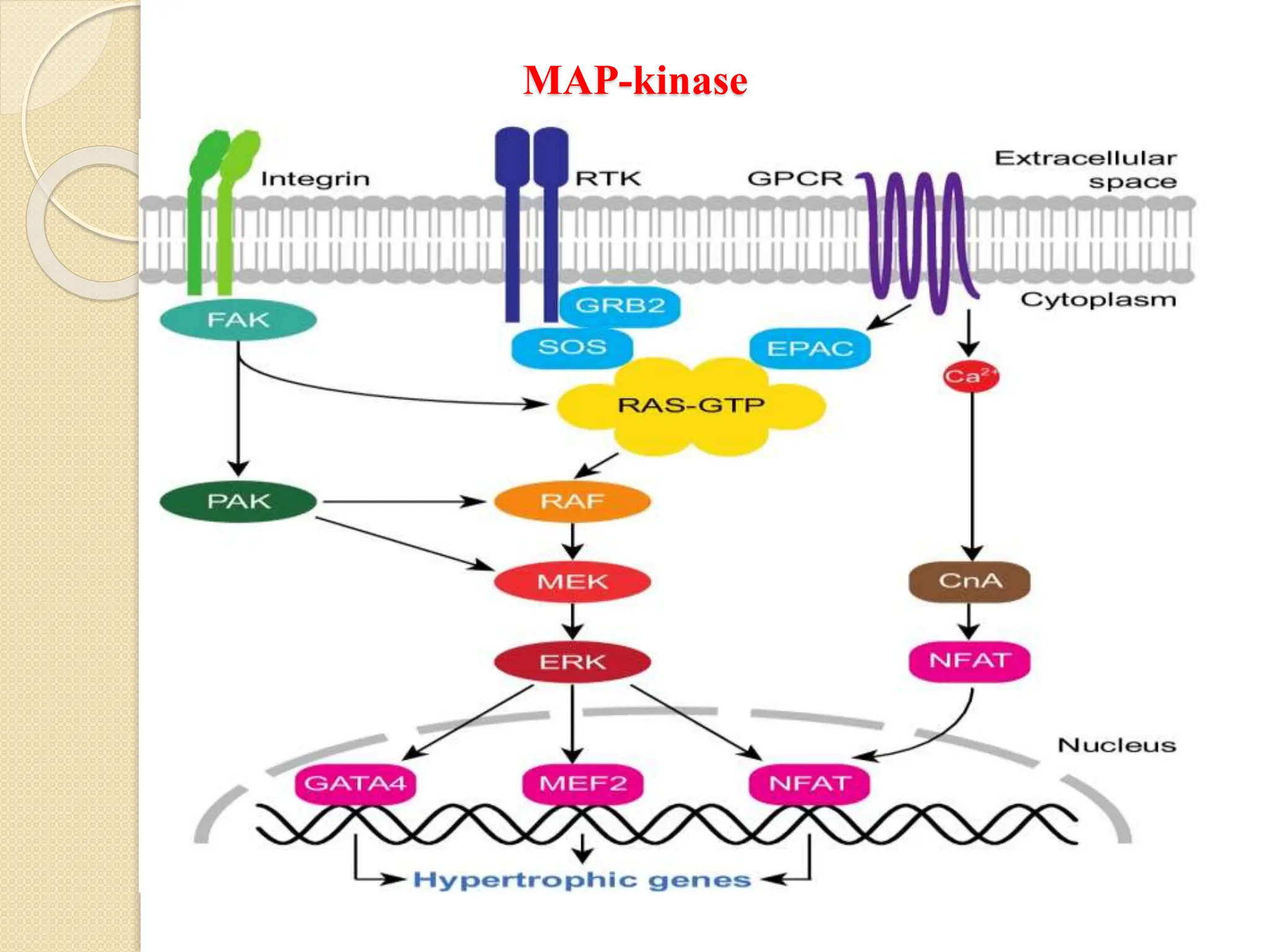
 Receptor- Tyrosine kinase is the receptor of this pathway,
 Effectors transcription factor is MAP Kinase (ERK Protein),
 Activator protein- Ras,
 Regulation done by MAPK cascades,
phosphorylation/dephosphorylation and compartmentalization of
MAPKs
 Receptor is mitogen or the growth factor for this pathway,
 Dimerisation of the receptor takes place at the exposure of the growth
factor,
 Phosphorylation of the tyrosine takes place making phosphorylation
Tyrosine residues,
MAP-kinase
 MAPKinase may be grouped into three families- in mammals, these
are ERKs (Extracellular Regulated Kinases), JNKs (Jun amino -
terminal -kinases), p38/SAPKs (Stress Activated Protein Kinases),
 Let for example, the receptor T-cells mediated by TCR receptor binds
with Ras inactivated form Ras-GDP,
 Ras -GDP is activated to Ras -GTP due to the shuffling of GDP into
GTP by a new version of GEF( Guanosine Exchange Factor),
 Then Ras -GTP can be hydrolyzed to again Ras -GDP later on,
 Then the activated form of Ras -GTP activates Raf,
 Raf- further activates MEK,
 MEK activates MEP kinase (MAPK),
 MAP kinase further activates transcription factor ELK, all the steps
take place in the cytosol,
 Now, ELK moves into the nucleus, activated into ELK-P,
 ELK-P activates the promoter region of the gene to promote the
synthesis of Fos protein,
MAP-kinase
MAP-kinase
 Fos can be phosphorylated by the another protein present in the
nucleus into Jun-P,
 Now both the Fos -P & Jun-P jointly activated the transcription factor
of the several genes which leads to the cell growth, cell cycles, cell
proliferation and cell division , many more---,
 MAPK pathway can be canonical or non-canonical but the whole
process is initiated by Ras,
 Thus, the overall process of the MAPK can be summarized by the
above sequences and the entire MAPK cascade plays a pivotal role
for the cell growth, division and cell proliferation in the presence of
the specific signals required for doing the same.
THANK YOU FOR YOUR VISIT
 ACKNOWLEDGEMENTS:
a. Google for images,
b. Different websites for enriching the course content,
c. Science Direct pages,
d. www.khanacademy.org.
e. Pmc.ncbi.nim.nih.gov.
f. Fundamentals of Biochemistry- Jain.. Jain. Jain
g. Biochemistry- Lehninger,
h. AI enabled resource materials
DISCLAIMER:
This presentation has been designed to address the academic
fraternity without any financial interest. This is absolutely free to
use . The author does not claim any kind of financial benefits from
this content.

Cellular Communication: Signal Transduction Pathway

  • 1.
    CELLULAR COMMUNICATION  Presentedby: Dr. N. Sannigrahi, Associate Professor, Department of Botany, Nistarini college, Purulia D.B. Road, Purulia, INDIA (W.B)
  • 2.
    CELLULAR COMMUNICATION TOPICS COVERED Signaltransduction: Hormones and their receptors, cell surface receptor, Signaling through G-protein coupled receptors, Signal transduction pathways, Second messengers, Calcium calmodulin, MAP kinase cascade
  • 3.
    COMMUNICATION-SIGNAL  The unicellularorganisms have to communicate to each other organelles by a very simple pathway,  The multicellular organisms are very diverse in the context of structural and functional diversity,  Coordination of different functions like growth, development, tissue formation, response to the stimuli needs the harmony of the diverse type of cells distributed in the different organs for the orchestra of the organ systems to perform an individual identity,  Regulation of metabolism, manage growth and death by apoptosis along with the earnest need to maintain homeostasis,  To keep up the structural integrity of the cell,  All those needs communication by the different coordinated functions like chemical signals, direct contact for the adjoining cells, distance signaling ,  The cellular communication is a very vital process that is brought about by the stimulation followed by the different functions as cascade to work and build up homeostasis.
  • 4.
    SIGNAL TRANSDUCTION  Signaltransduction is as a fundamental feature of life as metabolism or self-replication. After receiving information from the extracellular space, all living cells react to it by processing and converting it into intracellular effects. If the changes persist for the long term, some signals must reach the nucleus in order to bring about changes in gene expression,  It is the detection of specific signals at the cell surface by regulatory mechanisms where these signals are transmitted into the cell leading to the expression of certain genes and/or changes in cell behavior .  Detection of a signal by PRRs, as a result of pathogen recognition, is propagated via a signal transduction pathway that terminates with the activation of certain immune response,  Signal transduction is the process by which a cell receives a signal from its environment and converts it into an internal cellular response.  It involves a series of molecular events, often a cascade, that transmit the signal from the cell surface to the inside, leading to changes in gene expression or cell behavior.  This communication is vital for cell function, growth, and adaptation to stimuli like light, heat, and other chemical signals.
  • 5.
    SIGNAL TRANSDUCTION- OVERVIEW Signal transduction comprises a series of events as a part of the regulation of different biochemical cycles irrespective of its nature. The entire process of signal transduction comprises the following events:  SIGNAL RECEPTION- A signaling molecule or ligand binds to a specific receptor on or in the cell,  TRANSDUCTION- The binding events open a series of conformational changes in the receptor and it is followed by a series of internal molecular events,  SIGNAL AMPLIFICATION-Cascades of reactions involving enzymes or proteins , that can amplify the signal, allowing a small , micro signal to amplify on cellular effect,  CELLULAR RESPONSE-  The signal is ultimately transmitted to an intracellular target that could be the transcription factor that can alter gene expression,  It also can be protein that can change the cell behavior,
  • 6.
  • 7.
    COMPONENTS OF SIGNALTRANSDUCTION  Cell Signaling- Cell communication between extracellular response and intracellular interaction to respond the signal received from the external sources.  Cells undergoing signal response may be close contact or far off ;by means of chemical components/ direct contact, these are to be done,  Signaling cell sends some information to the recipient cell, the recipient cells produce some chemicals to convey the message to the signaling cell by crosstalk, messenger from signaling cell and receptor to the recipient cell,  Intracellular changes takes place inside the recipient cell in course of amplification,  The target entity i.e. inside the nucleus , it received as transcription factor to switch on the specific gene and produce proteins by following central dogma and the protein as counter messenger sends to the signal cell in response to the signal cell,  The entire process needs some components- signaling molecule or primary messenger, receptor, intracellular signaling proteins or secondary messenger, effectors proteins, followed by feedback mechanisms.
  • 8.
    COMPONENTS OF SIGNALTRANSDUCTION  Feedback mechanisms- may be either positive feedback like interleukin that promotes more production of T-cells while in the negative feedback mechanisms become operational in case of hormone regulation like thyroid, ACTH, insulin and many more to maintain the homeostasis of the cell dynamism,  Signaling molecules- Hormones, growth factors, neurotransmitters or cytokines,  Receptors- G-protein coupled receptor, receptor tyrosine kinase, ion- channel receptors or intracellular receptors,  Intracellular signaling proteins- second messengers (like cAMP, IP3, DAG), protein kinases (MAPK,PKA, PAC) or G-proteins,  Effectors proteins- transcription factors (CREB, HF-KB), ion channels, enzymes (adenylyl cyclase phosphatases C), cytoskeletol proteins etc,  Feedback mechanisms- either positive (amplification of signaling activity) or negative (desensitization of the receptors, inhibition of downstream signaling), crosstalk between the two systems i/e. signaling source and receptor.
  • 9.
    CELL SIGNALING TYPES Paracrine Signaling or Communication- a type of cell-to-cell communication where a cell releases signaling molecules that affect adjacent and near by cells, required for embryonic development, tissue repairment, inflammation etc.  Endocrine Signaling- it involves the hormones that travels through bloodstream to affect distant cells through the body where paracrine signaling is not effective,  Direct Signaling- Cell to cell in close proximity mediated by Gap Junction  Autocrine signaling - Regulating the cell by itself, signaling molecule produce by the cell and used by the same cell receptor,  Synaptic Signaling- Where the neurotransmitters control the signal ; Neuron-Neuron junction, Neuron- Muscular junction where it works,  GPCR Bases Cell Signaling- binding of a signaling molecule to a GPCR in G-protein activation which in turn triggers the production of any number of second messengers.
  • 10.
    HORMONES AND THEIRRECEPTORS  Hormones have no direct effect on target cells. It first binds to a receptor on the target cells, forming a hormone-receptor complex. This hormone- receptor complex causes a variety of alterations or responses in target cells. Here, let’s learn more about the different types of hormone receptors.  What are Hormone Receptors?  Hormone receptors are big protein molecules found in target cells. There are thousands of receptors on each cell. An important aspect of receptors is that each receptor recognizes only one hormone. Thus, a hormone may only function on a target cell only if the receptor for that hormone is present on the target cell.  Examples of hormone receptors:  Glucagon receptors  Androgen receptors  Insulin receptors  Progesterone receptors  Thyroid hormone receptors
  • 11.
    HORMONE RECEPTORS  Typesof Hormone Receptors  Lipophilic hormones (lipid-soluble hormones) like thyroid and steroids can pass through the nuclear and cell membrane. These hormones target the specific DNA sequences by diffusing into the cell. The lipophilic hormone receptors, upon binding with these hormones, undergo conformational changes and influence the transcription process.  Hydrophilic hormones (water-soluble hormones) are lipophobic in nature. Thus, they cannot diffuse through the cell membranes. Examples include catecholamine, glycoprotein, insulin, etc. The receptors for these hormones are localized on the plasma membrane  Thus, hormone receptors are found in the target cells’ cell membrane, cytoplasm, or nucleus, as follows:  Cell membrane – The cell membrane contains receptors for protein hormones and adrenal medullary hormones (catecholamine)  Cytoplasm – Steroid hormone receptors are found in the cytoplasm of target cells.  Nucleus – Thyroid hormone receptors are found in the nucleus of the cell.
  • 12.
    CELL SURFACE RECEPTOR Cell surface receptors  These receptors are embedded in the cell membrane and bind to the extracellular molecules to initiate cell signaling. Cell surface receptors are specialized IMPs (integral membrane proteins) which allow communication between the extracellular space and the cell. The 2 main classes of cell surface receptors are  G Protein-coupled Receptors  They are a large group of proteins that can detect molecules present outside the cell and activate further cellular responses. They possess 7 transmembrane helices that can activate a G-protein upon binding. Example – Thyrotropin receptor.  Enzyme-linked Receptors  They possess both receptor and catalytic functions. Here, an extracellular ligand binds to cause an enzymatic action on the intracellular side. Example – Receptor tyrosine kinase.
  • 13.
    INTRACELLULAR RECEPTORS  Intracellularreceptors  These receptors are found inside the cell. The two classes of intracellular receptors are as follows:  Nuclear Receptors  Receptors located within the cytoplasm are also termed nuclear receptors. In particular, these receptors are proteins present within the cells that are responsible for recognizing thyroid and steroid hormones. They work with other proteins to regulate the homeostasis, gene expression and metabolism of the organism. They also have the ability to directly bind to the DNA. Example – Thyroid hormone receptor.  InsP3 Receptor  Inositol triphosphate receptor acts as a calcium channel by activating the InsP3. These receptors have a broad tissue distribution and are abundantly found in the cerebellum. They are mostly found integrated into the endoplasmic reticulum. InsP3R are vital for the control of several physiological and cellular processes.
  • 14.
  • 15.
    HORMONES-HOW DOES ITACT?  Regulation of Hormone Receptors  Receptor proteins are not static cell components. Their number grows or falls under different conditions.  When a hormone is released in excess, the number of receptors for that hormone decreases owing to hormone binding to receptors. This is known as downregulation. The number of receptors rises during hormone deficit and this is termed as upregulation.  Hormone enters the target cell as a hormone-receptor complex via Endocytosis and performs the activities. This whole process is termed internalization. Some receptors are recycled after internalization, whereas many are destroyed and new receptors are produced. It takes a long time for new receptors to form. Thus, the number of receptors diminishes, as the hormone levels rise.  Thus, the hormone receptors play a very crucial role in this regard in the context of cell signaling pathway.
  • 16.
    SIGNALING THROUGH G-PROTEINCOUPLED RECEPTORS  G-protein-coupled receptors (GPCRs) are the largest and most diverse group of membrane receptors in eukaryotes.  These cell surface receptors act like an inbox for messages in the form of light energy, peptides, lipids, sugars, and proteins.  Such messages inform cells about the presence or absence of life- sustaining light or nutrients in their environment, or they convey information sent by other cells.  GPCRs play a role in an incredible array of functions in the human body, and increased understanding of these receptors has greatly affected modern medicine.  In fact, researchers estimate that between one-third and one-half of all marketed drugs act by binding to GPCRs.  GPCRs consist of a single polypeptide that is folded into a globular shape and embedded in a cell's plasma membrane. Seven segments of this molecule span the entire width of the membrane — explaining why GPCRs are sometimes called seven- transmembrane receptors — and the intervening portions loop both inside and outside the cell. The extracellular loops form part of the pockets at which signaling molecules bind to the GPCR.
  • 17.
  • 18.
    GPCR- MODE OFFUNCTION  As their name implies, GPCRs interact with G proteins in the plasma membrane. When an external signaling molecule binds to a GPCR, it causes a conformational change in the GPCR. This change then triggers the interaction between the GPCR and a nearby G protein.  G proteins are specialized proteins with the ability to bind the nucleotides guanosine triphosphate (GTP) and guanosine diphosphate (GDP). Some G proteins, such as the signaling protein Ras, are small proteins with a single subunit.  However, the G proteins that associate with GPCRs are heterotrimeric, meaning they have three different subunits: an alpha subunit, a beta subunit, and a gamma subunit. Two of these subunits — alpha and gamma — are attached to the plasma membrane by lipid anchors.  A G protein alpha subunit binds either GTP or GDP depending on whether the protein is active (GTP) or inactive (GDP). In the absence of a signal, GDP attaches to the alpha subunit, and the entire G protein-GDP complex binds to a nearby GPCR.  This arrangement persists until a signaling molecule joins with the GPCR. At this point, a change in the conformation of the GPCR activates the G protein, and GTP physically replaces the GDP bound to the alpha subunit.
  • 19.
    GPCR- MODE OFFUNCTION  As a result, the G protein subunits dissociate into two parts: the GTP- bound alpha subunit and a beta-gamma dimer.  Both parts remain anchored to the plasma membrane, but they are no longer bound to the GPCR, so they can now diffuse laterally to interact with other membrane proteins. G proteins remain active as long as their alpha subunits are joined with GTP.  However, when this GTP is hydrolyzed back to GDP, the subunits once again assume the form of an inactive heterotrimer, and the entire G protein reassociates with the now-inactive GPCR. In this way, G proteins work like a switch — turned on or off by signal-receptor interactions on the cell's surface.  Whenever a G protein is active, both its GTP-bound alpha subunit and its beta-gamma dimer can relay messages in the cell by interacting with other membrane proteins involved in signal transduction.  Specific targets for activated G proteins include various enzymes that produce second messengers, as well as certain ion channels that allow ions to act as second messengers. Some G proteins stimulate the activity of these targets, whereas others are inhibitory.
  • 20.
    GPCR- MODE OFFUNCTION  Vertebrate genomes contain multiple genes that encode the alpha, beta, and gamma subunits of G proteins. The many different subunits encoded by these genes combine in multiple ways to produce a diverse family of G proteins.  What Second Messengers Do GPCR Signals Trigger in Cells?  Activation of a single G protein can affect the production of hundreds or even thousands of second messenger molecules. (Recall that second messengers — such as cyclic AMP [cAMP], diacylglycerol [DAG], and inositol 1, 4, 5-triphosphate [IP3] - are small molecules that initiate and coordinate intracellular signaling pathways.)  One especially common target of activated G proteins is adenylyl cyclase, a membrane-associated enzyme that, when activated by the GTP-bound alpha subunit, catalyzes synthesis of the second messenger cAMP from molecules of ATP. In humans, cAMP is involved in responses to sensory input, hormones, and nerve transmission, among others.  Phospholipase C is another common target of activated G proteins
  • 21.
    GPCR- MODE OFFUNCTION  This membrane-associated enzyme catalyzes the synthesis of not one, but two second messengers — DAG and IP3 — from the membrane lipid phosphatidyl inositol.  This particular pathway is critical to a wide variety of human bodily processes. For instance, thrombin receptors in platelets use this pathway to promote blood clotting.  GPCRs are a large family of cell surface receptors that respond to a variety of external signals.  Binding of a signaling molecule to a GPCR results in G protein activation, which in turn triggers the production of any number of second messengers. Through this sequence of events, GPCRs help regulate an incredible range of bodily functions, from sensation to growth to hormone responses.
  • 22.
  • 23.
    SIGNAL TRANSDUCTION PATHWAYS, If we're talking about intracellular receptors, which bind their ligand inside of the cell and directly activate genes, the answer may be yes. In most cases, though, the answer is no—not by a long shot! For receptors located on the cell membrane, the signal must be passed on through other molecules in the cell, in a sort of cellular game of "telephone.“  The chains of molecules that relay signals inside a cell are known as intracellular signal transduction pathways,  When a ligand binds to a cell-surface receptor, the receptor’s intracellular domain (part inside the cell) changes in some way. Generally, it takes on a new shape, which may make it active as an enzyme or let it bind other molecules.  The change in the receptor sets off a series of signaling events. For instance, the receptor may turn on another signaling molecule inside of the cell, which in turn activates its own target.  The molecules that relay a signal are often proteins. However, non- protein molecules like ions and phospholipids can also play important role.
  • 24.
    SIGNAL TRANSDUCTION PATHWAYS, One of the most common tricks for altering protein activity is the addition of a phosphate group to one or more sites on the protein, a process called phosphorylation,  Phosphate groups can’t be attached to just any part of a protein. Instead, they are typically linked to one of the three amino acids that have hydroxyl (-OH) groups in their side chains: tyrosine, threonine, and serine. The transfer of the phosphate group is catalyzed by an enzyme called a kinase, and cells contain many different kinases that phosphorylate different targets.  To flip proteins back into their non- phosphorylated state, cells have enzymes called phosphatases, which remove a phosphate group from their targets.  Growth factor signaling. Specifically, we'll look at part of the epidermal growth factor (EGF) pathway that acts through a series of kinases to produce a cellular response.
  • 25.
    SIGNAL TRANSDUCTION PATHWAYS When growth factor ligand bind to their receptors, the receptors pair up and act as kinases, attaching phosphate groups to one another’s intracellular tails.  The activated receptors trigger a series of events (skipped here because they don't involve phosphorylation). These events activate the kinase Raf.  Active Raf phosphorylates and activates MEK, which phosphorylates and activates the ERKs.  The ERKs phosphorylate and activate a variety of target molecules. These include transcription factors, like c-Myc, as well as cytoplasmic targets. The activated targets promote cell growth and division.  Together, Raf, MEK, and the ERKs make up a three-tiered kinase signaling pathway called a mitogen-activated protein kinase (MAPK) cascade. (A mitogen is a signal that causes cells to undergo mitosis, or divide.) Because they play a central role in promoting cell division, the genes encoding the growth factor receptor, Raf, and c-Myc are all proto- oncogenes, meaning that overactive forms of these proteins are associated with cancer.
  • 26.
    SIGNAL TRANSDUCTION PATHWAYS MAP kinase signaling pathways are widespread in biology: they are found in a wide range of organisms, from humans to yeast to plants.  The similarity of MAPK cascades in diverse organisms suggests that this pathway emerged early in the evolutionary history of life and was already present in a common ancestor of modern-day animals, plants, and fungi.
  • 27.
    SECOND MESSENGERS, CALCIUMCALMODULIN  Although proteins are important in signal transduction pathways, other types of molecules can participate as well. Many pathways involve second messengers, small, non-protein molecules that pass along a signal initiated by the binding of a ligand (the “first messenger”) to its receptor.  Second messengers include ions; cyclic AMP (cAMP), a derivative of ATP; and inositol phosphates, which are made from phospholipids.  Calcium ions are a widely used type of second messenger. In most cells, the concentration of calcium ions, Ca+2 in the cytosol is very low, as ion pumps in the plasma membrane continually work to remove it. For signaling purposes, may be stored in compartments such as the endoplasmic reticulum.  In pathways that use calcium ions as a second messenger, upstream signaling events release a ligand that binds to and opens ligand-gated calcium ion channels. These channels open and allow the higher levels of  that are present outside the cell (or in intracellular storage compartments) to flow into the cytoplasm, raising the concentration of cytoplasmic ,
  • 28.
  • 29.
    SECOND MESSENGERS, CALCIUMCALMODULIN  Some proteins in the cell have binding sites for Ca+2 ions, and the released ions attach to these proteins and change their shape (and thus, their activity). The proteins present and the response produced are different in different types of cells. For instance, Ca+2 signaling in the β-cells of the pancreas leads to the release of insulin, while Ca+2 signaling in muscle cells leads to muscle contraction.  Another second messenger used in many different cell types is cyclic adenosine monophosphate (cyclic AMP or cAMP), a small molecule made from ATP. In response to signals, an enzyme called adenylyl cyclase converts ATP into cAMP, removing two phosphates and linking the remaining phosphate to the sugar in a ring shape,  Once generated, cAMP can activate an enzyme called protein kinase A (PKA), enabling it to phosphorylate its targets and pass along the signal. Protein kinase A is found in a variety of types of cells, and it has different target proteins in each. This allows the same cAMP second messenger to produce different responses in different contexts.
  • 30.
    SECOND MESSENGERS, CALCIUMCALMODULIN  cAMP signaling is turned off by enzymes called phosphodiesterases, which break the ring of ), cAMP and turn it into adenosine monophosphate (AMP
  • 31.
    MAP-kinase Cascade  MAP-Kinasestands for Mitogen Activated Protein Kinase pathway, specific to the serine and threonine amino acids,  Activated by mitogen, osmotic stress, heat shock and proinflammatory cytokines,  It is the cellular growth and living pathway,  It operates under mainly 5 principles- Signaling molecule, Receptors, Cellular activators or messenger, Transcription factors and Cellular effects,  Receptor- Tyrosine kinase is the receptor of this pathway,  Effectors transcription factor is MAP Kinase (ERK Protein),  Activator protein- Ras,  Regulation done by MAPK cascades, phosphorylation/dephosphorylation and compartmentalization of MAPKs  Receptor is mitogen or the growth factor for this pathway,  Dimerisation of the receptor takes place at the exposure of the growth factor,  Phosphorylation of the tyrosine takes place making phosphorylation Tyrosine residues,
  • 32.
    MAP-kinase  MAPKinase maybe grouped into three families- in mammals, these are ERKs (Extracellular Regulated Kinases), JNKs (Jun amino - terminal -kinases), p38/SAPKs (Stress Activated Protein Kinases),  Let for example, the receptor T-cells mediated by TCR receptor binds with Ras inactivated form Ras-GDP,  Ras -GDP is activated to Ras -GTP due to the shuffling of GDP into GTP by a new version of GEF( Guanosine Exchange Factor),  Then Ras -GTP can be hydrolyzed to again Ras -GDP later on,  Then the activated form of Ras -GTP activates Raf,  Raf- further activates MEK,  MEK activates MEP kinase (MAPK),  MAP kinase further activates transcription factor ELK, all the steps take place in the cytosol,  Now, ELK moves into the nucleus, activated into ELK-P,  ELK-P activates the promoter region of the gene to promote the synthesis of Fos protein,
  • 33.
  • 34.
    MAP-kinase  Fos canbe phosphorylated by the another protein present in the nucleus into Jun-P,  Now both the Fos -P & Jun-P jointly activated the transcription factor of the several genes which leads to the cell growth, cell cycles, cell proliferation and cell division , many more---,  MAPK pathway can be canonical or non-canonical but the whole process is initiated by Ras,  Thus, the overall process of the MAPK can be summarized by the above sequences and the entire MAPK cascade plays a pivotal role for the cell growth, division and cell proliferation in the presence of the specific signals required for doing the same.
  • 35.
    THANK YOU FORYOUR VISIT  ACKNOWLEDGEMENTS: a. Google for images, b. Different websites for enriching the course content, c. Science Direct pages, d. www.khanacademy.org. e. Pmc.ncbi.nim.nih.gov. f. Fundamentals of Biochemistry- Jain.. Jain. Jain g. Biochemistry- Lehninger, h. AI enabled resource materials DISCLAIMER: This presentation has been designed to address the academic fraternity without any financial interest. This is absolutely free to use . The author does not claim any kind of financial benefits from this content.