INSULIN
PHARMACOLOGY
Dr. D. K. Brahma
Associate Professor
Department of Pharmacology
NEIGRIHMS, Shillong
Background
Discovered by Banting and Best - 1921
Fredrick G. Banting & Charles H. Best -
Canadian Scientist – Extracted Insulin from Dog
pancreas
2 chain Polypeptide – 51 amino acids & MW
6000
Chain-A has 21 and Chain-B has 30 amino
acids – connected by two disulfide bonds
Source: Porcine, Bovine and Human (Pork =
human)
Synthesized in β cells of islets of pancreas –
single chain 110 amino acids (Preproinsulin)
Proinsulin – 86 amino acids
Connecting “C” peptide (35 amino acids)
removed by proteolysis in Golgi apparatus –
Insulin
Source: https://www.researchgate.net/figure/268872215_fig3_Figure-3-Structure-of-
pro-insulin-showing-C-peptide-and-the-A-and-B-chains-of-insulin
DiabetesMellitus
• Hyperglycaemia, glycosuria, hyperlipidaemia, negative nitrogen balance
and ketonaemia
• Pathological changes: thickening of capillary basement membrane,
increase in blood vessel wall matrix, and cellular proliferation
• Consequences: Lumen narrowing, atherosclerosis, sclerosis of
glomerular capillaries, retinopathy, neuropathy and peripheral vascular
insuffficency
• Causes of pathological changes: Enhanced non-enzymatic glycosylation
of tissue proteins and accumulation of large amounts of sorbitol
• Glycosylated haemoglobin (HbA1c ) – Index of protein glycosylation
DiabetesMellitus- Types
• Type I: Insulin dependent DM (IDDM) / Juvenile onset diabetes – low circulating insulin level –
prone to ketoacidocis
– destruction of β cells in pancreatic islets
– Type IA – antibodies destroying β cells
– Type IB: Idiopathic, no β cell antibody detectable
– Low degree of genetic predisposition
• Type II Noninsulin-dependent DM (NIDDM): no loss of moderate loss of β cell, low/normal/high
insulin in circulation, no anti- β-cell antibody – genetic predisposition
• Causes: (1) Abnormality in gluco-receptor in β cell – needs higher conc. of glucose; (2)
Relative β cell deficiency
– Down regulation of insulin receptors in peripheral tissues
– Many Hypertensives are hyperinsulinaemic – normoglycaemic but dyslipidaemia,
hyperuricaemia, abdominal obesity (metabolic syndrome) – Insulin Resistance
– Excess of hyperglycamic hormones
• Other Types: Type III (!) – LADA and MODY; Type IV – Pancreactomy and gestational diabetes
mellitus (GDM)
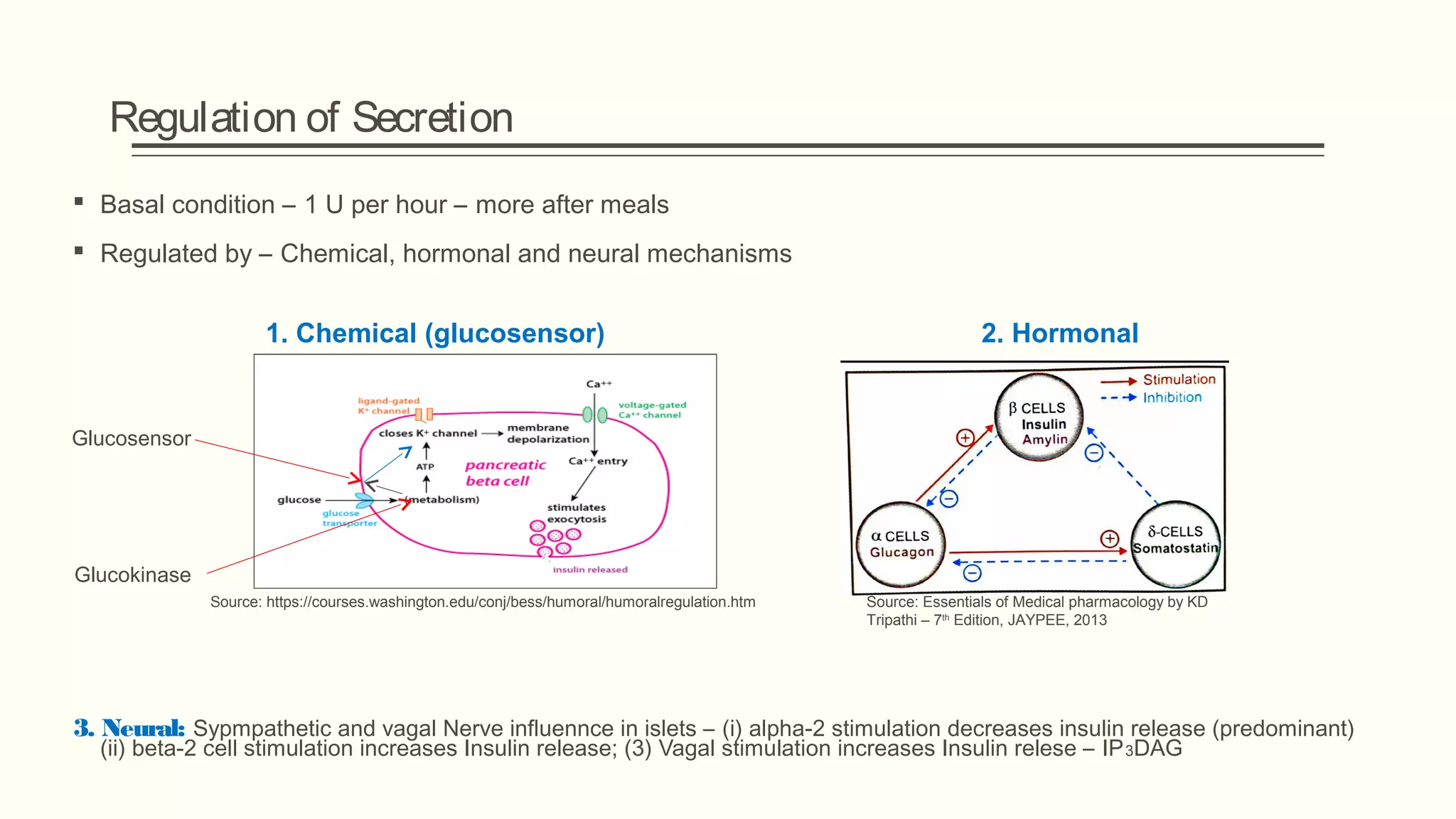
Regulation of Secretion
 Basal condition – 1 U per hour – more after meals
 Regulated by – Chemical, hormonal and neural mechanisms
3. Neural: Sypmpathetic and vagal Nerve influennce in islets – (i) alpha-2 stimulation decreases insulin release (predominant)
(ii) beta-2 cell stimulation increases Insulin release; (3) Vagal stimulation increases Insulin relese – IP3DAG
1. Chemical (glucosensor) 2. Hormonal
Glucokinase
Glucosensor
Source: Essentials of Medical pharmacology by KD
Tripathi – 7th
Edition, JAYPEE, 2013
Source: https://courses.washington.edu/conj/bess/humoral/humoralregulation.htm
Actionsof Insulin
 Meal derived glucose, amino acids, fatty acids and fuel storage
 Major anabolic hormone – synthesis of glycogen, lipids and proteins
1. Facilitates glucose transport across cell membrane – skeletal muscle and fats - Liver, brain,
RBC, WBC and renal medullary cells are independent
2. Intracellular utilization of glucose – phosphorylation to form Glucose-6-PO4 – increased
production of glucokinase – also glycogen synthase
3. Inhibits gluconeogenesis from protein, FFA and glycerol (diverted to liver) – by decreasing
synthesis of (gene mediated) phosphoenol pyruvate carboxykinase.
4. Inhibits lipolysis in adipose tissues – favours triglyceride synthesis – in diabetes, increased FFA
and glycerol (Acetyl-CoA) – ketone bodies
5.Facilitates amino acid entry and their synthesis to protein – also inhibits protein breakdown in
muscles and other cells – in its absence excess pyruvate, glucose and urea (negative nitrogen
balance)
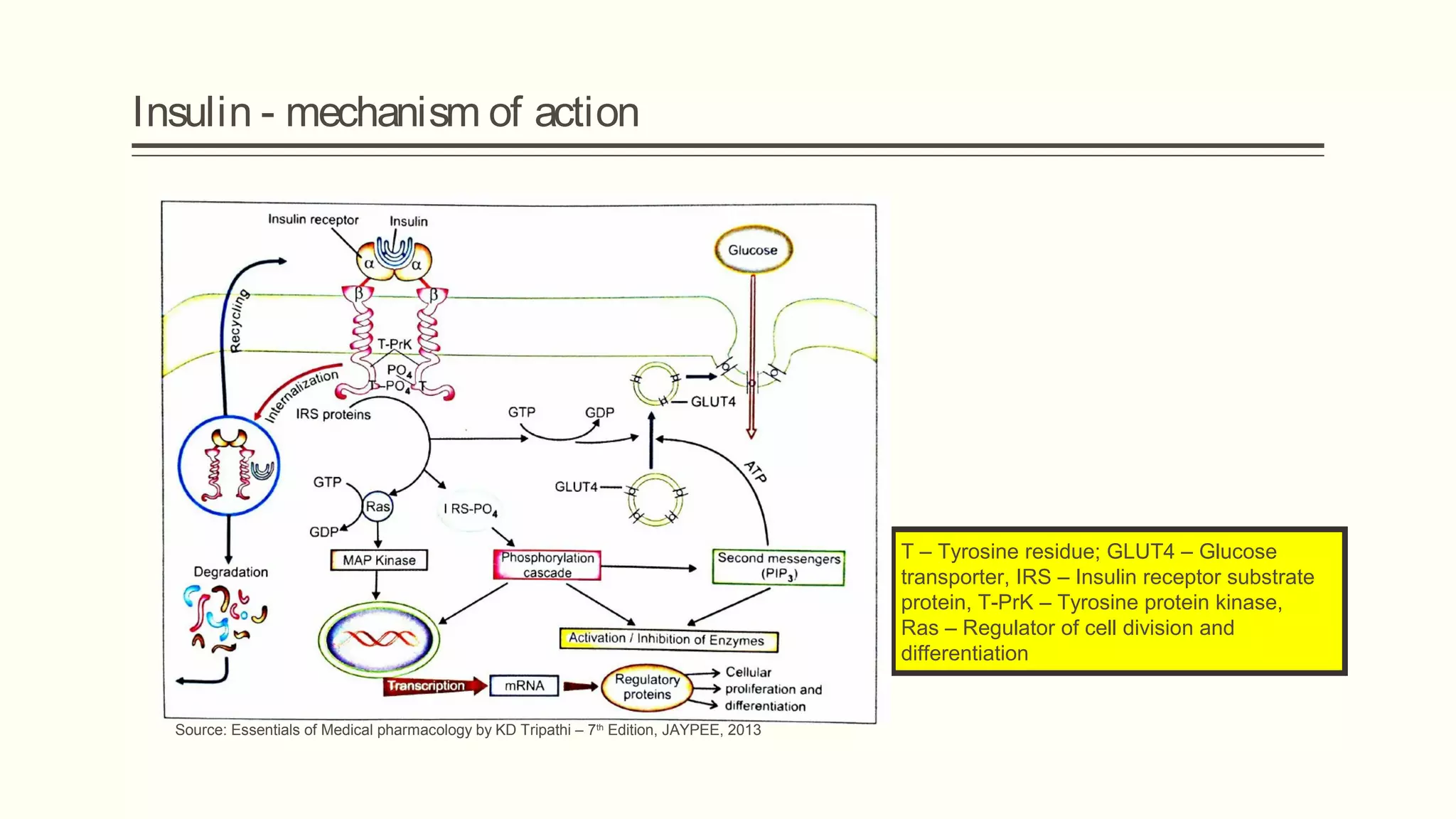
Insulin - mechanism of action
T – Tyrosine residue; GLUT4 – Glucose
transporter, IRS – Insulin receptor substrate
protein, T-PrK – Tyrosine protein kinase,
Ras – Regulator of cell division and
differentiation
Source: Essentials of Medical pharmacology by KD Tripathi – 7th
Edition, JAYPEE, 2013
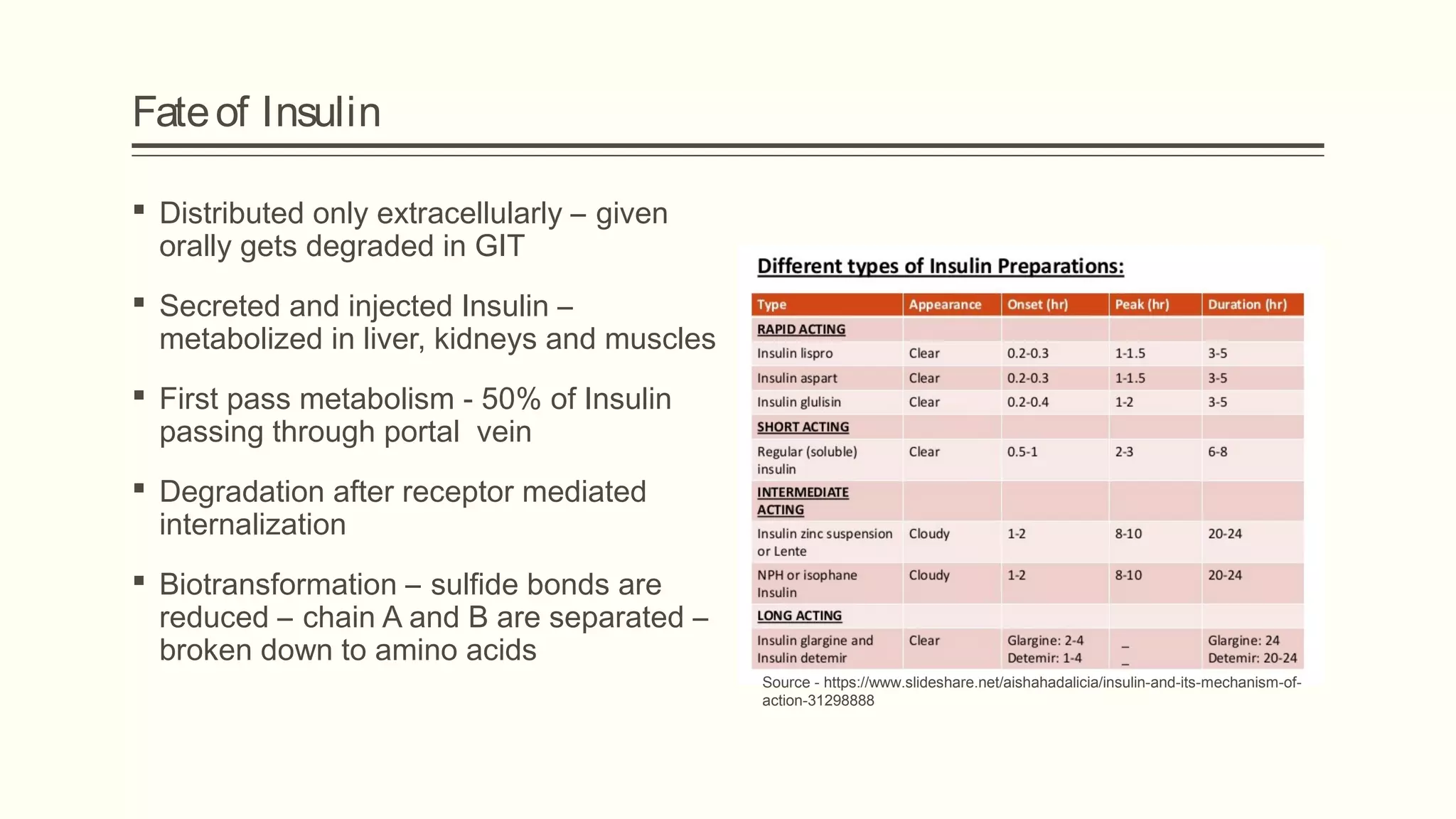
Fateof Insulin
 Distributed only extracellularly – given
orally gets degraded in GIT
 Secreted and injected Insulin –
metabolized in liver, kidneys and muscles
 First pass metabolism - 50% of Insulin
passing through portal vein
 Degradation after receptor mediated
internalization
 Biotransformation – sulfide bonds are
reduced – chain A and B are separated –
broken down to amino acids
Source - https://www.slideshare.net/aishahadalicia/insulin-and-its-mechanism-of-
action-31298888
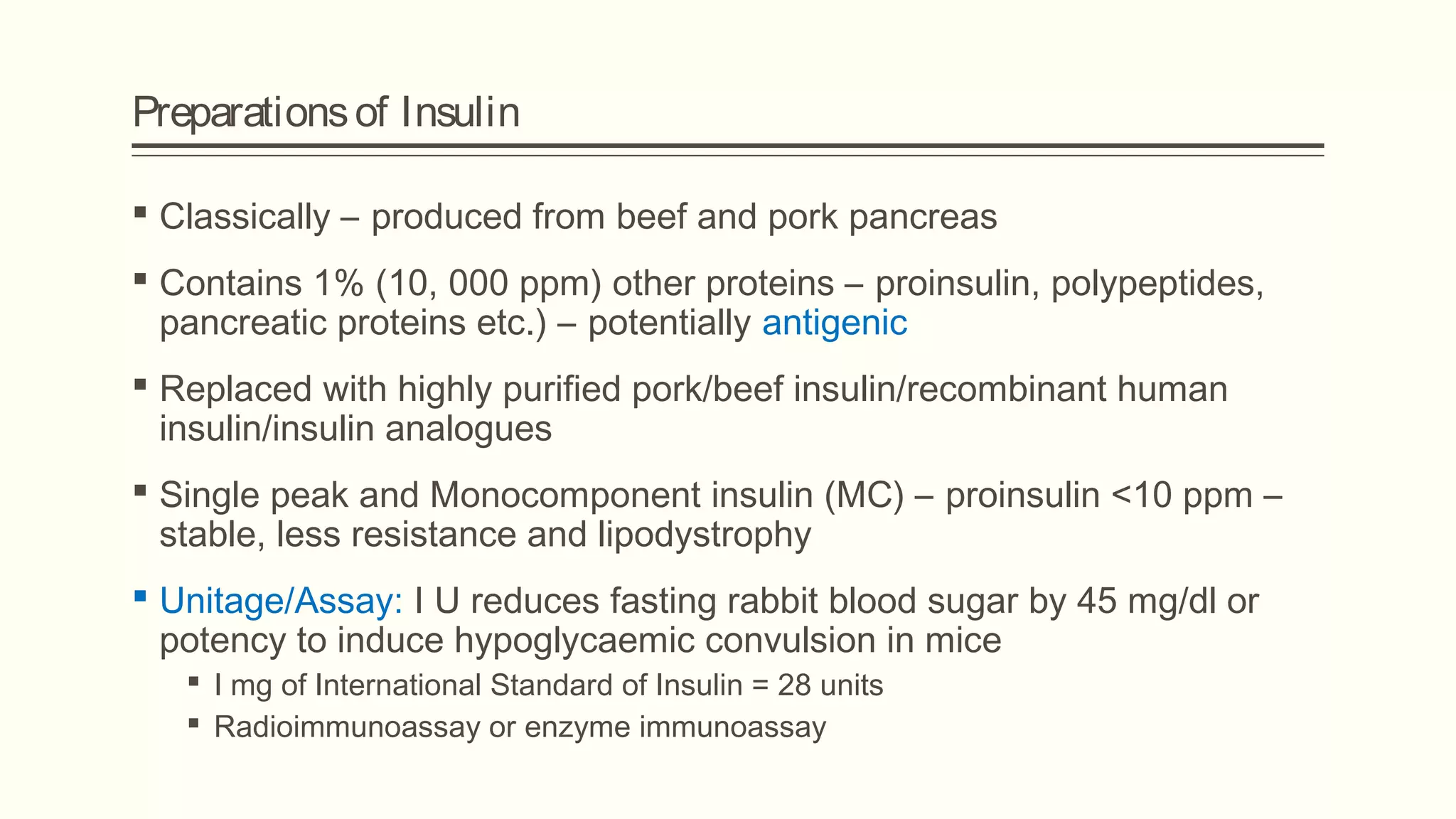
Preparationsof Insulin
 Classically – produced from beef and pork pancreas
 Contains 1% (10, 000 ppm) other proteins – proinsulin, polypeptides,
pancreatic proteins etc.) – potentially antigenic
 Replaced with highly purified pork/beef insulin/recombinant human
insulin/insulin analogues
 Single peak and Monocomponent insulin (MC) – proinsulin <10 ppm –
stable, less resistance and lipodystrophy
 Unitage/Assay: I U reduces fasting rabbit blood sugar by 45 mg/dl or
potency to induce hypoglycaemic convulsion in mice
 I mg of International Standard of Insulin = 28 units
 Radioimmunoassay or enzyme immunoassay
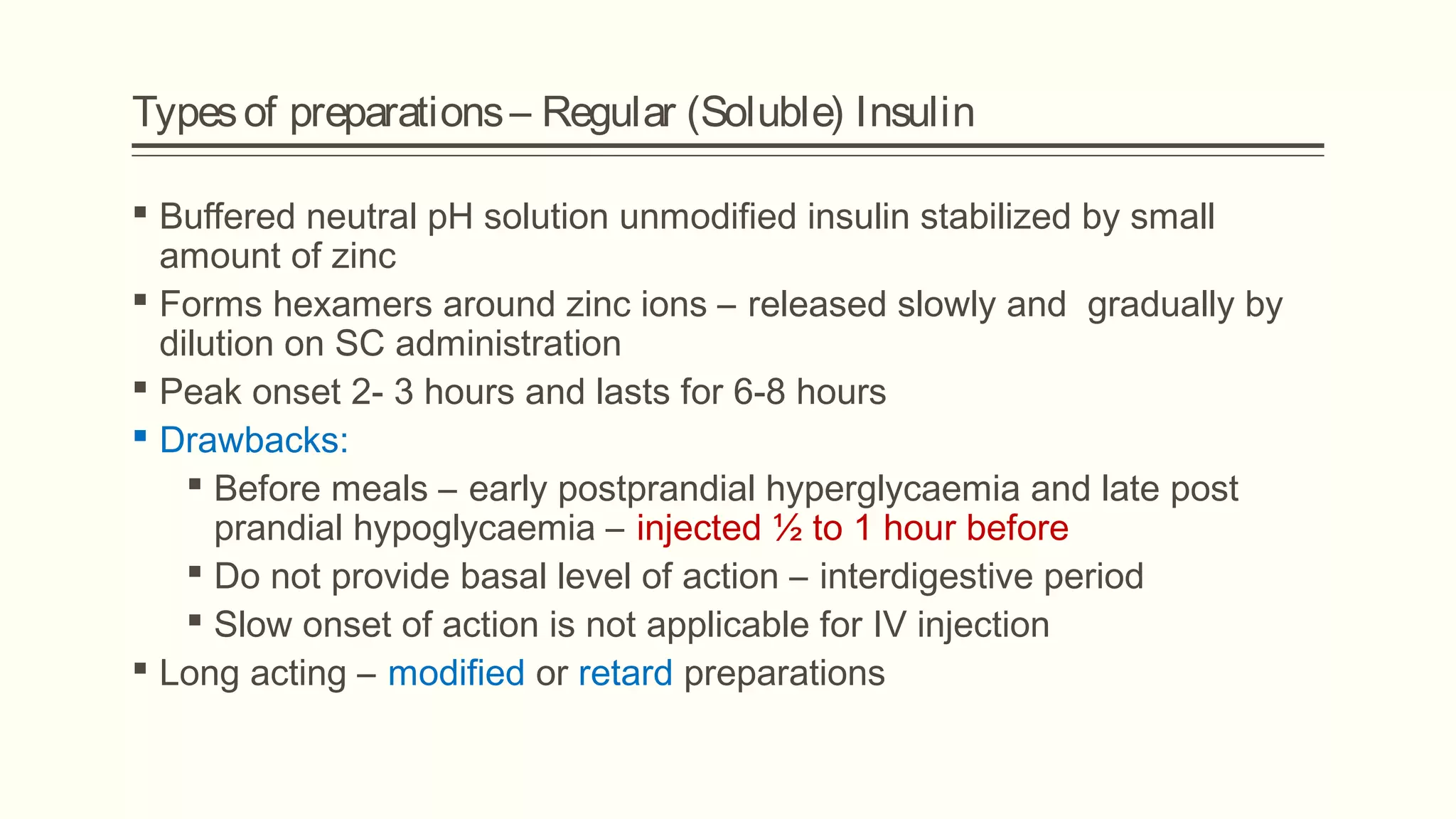
Typesof preparations– Regular (Soluble) Insulin
 Buffered neutral pH solution unmodified insulin stabilized by small
amount of zinc
 Forms hexamers around zinc ions – released slowly and gradually by
dilution on SC administration
 Peak onset 2- 3 hours and lasts for 6-8 hours
 Drawbacks:
 Before meals – early postprandial hyperglycaemia and late post
prandial hypoglycaemia – injected ½ to 1 hour before
 Do not provide basal level of action – interdigestive period
 Slow onset of action is not applicable for IV injection
 Long acting – modified or retard preparations
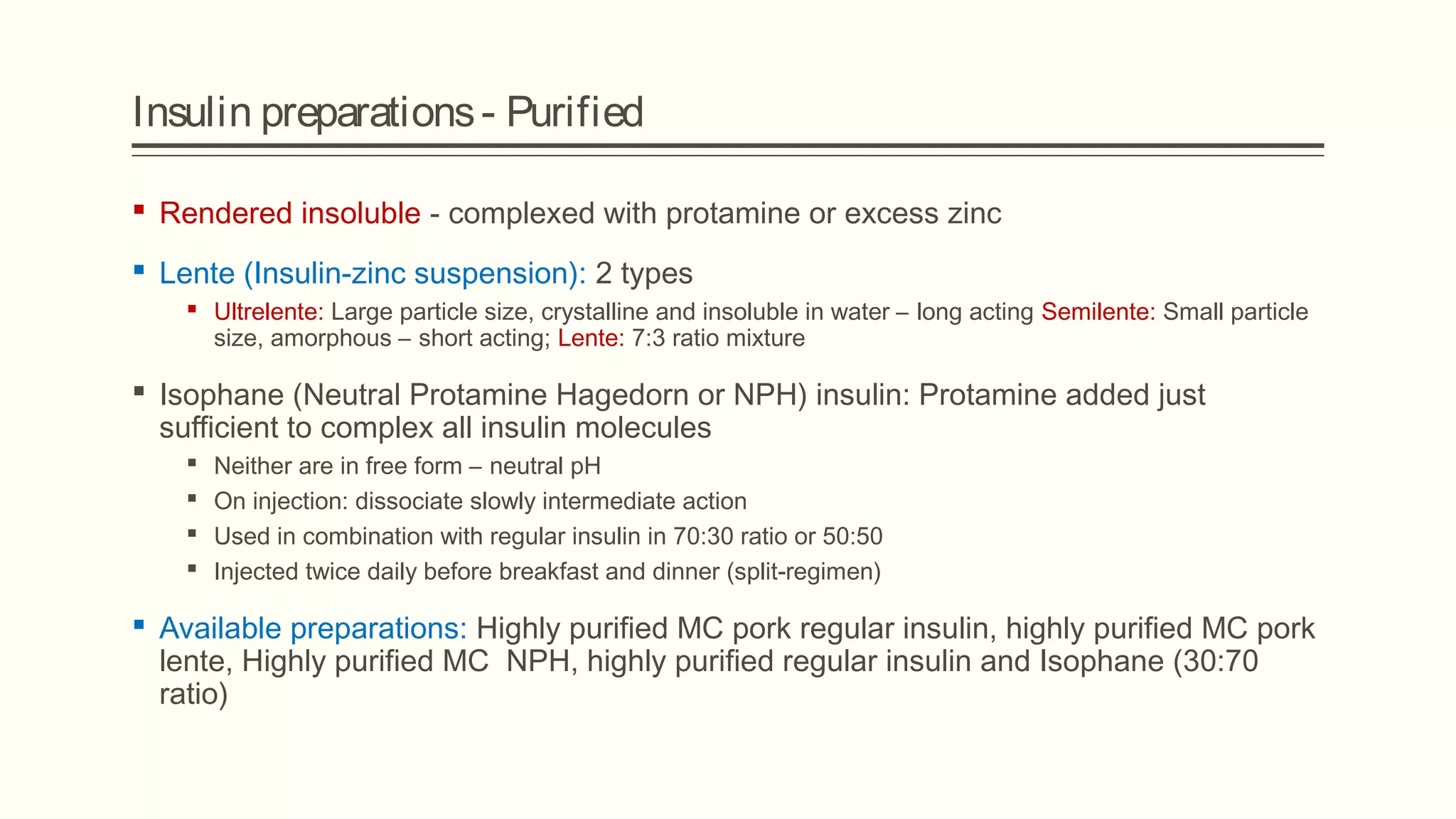
Insulin preparations- Purified
 Rendered insoluble - complexed with protamine or excess zinc
 Lente (Insulin-zinc suspension): 2 types
 Ultrelente: Large particle size, crystalline and insoluble in water – long acting Semilente: Small particle
size, amorphous – short acting; Lente: 7:3 ratio mixture
 Isophane (Neutral Protamine Hagedorn or NPH) insulin: Protamine added just
sufficient to complex all insulin molecules
 Neither are in free form – neutral pH
 On injection: dissociate slowly intermediate action
 Used in combination with regular insulin in 70:30 ratio or 50:50
 Injected twice daily before breakfast and dinner (split-regimen)
 Available preparations: Highly purified MC pork regular insulin, highly purified MC pork
lente, Highly purified MC NPH, highly purified regular insulin and Isophane (30:70
ratio)
Human Insulin
 Same amino acid sequence as human insulin - produced by recombinant DNA
technology
 In Esche richia co li – proinsulin recombinant bacteria (prb) and in yeast – precursor
yeast recombinant (pyr) or by enzymatic modification of porcine insulin
 Human actrapid (regular insulin) – 40 U/ml
 Human monotard (lente), human insulatard (NPH), Human mixtard (30:50), Insuman
(50:50)
 Advantages: More water soluble and hydrophobic, more rapid absorption than porcine
or bovine, more defined peak, shorter duration of action
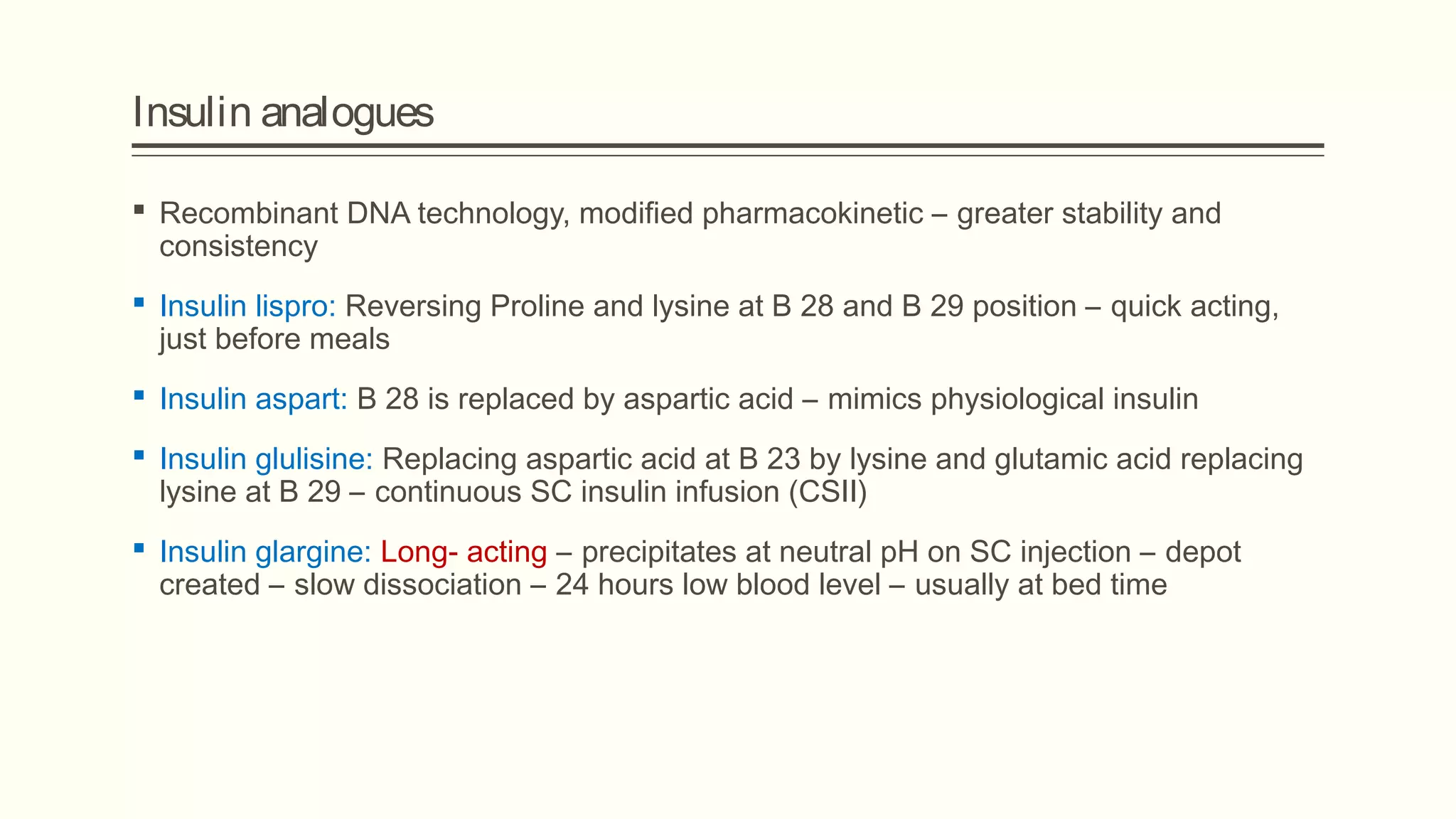
Insulin analogues
 Recombinant DNA technology, modified pharmacokinetic – greater stability and
consistency
 Insulin lispro: Reversing Proline and lysine at B 28 and B 29 position – quick acting,
just before meals
 Insulin aspart: B 28 is replaced by aspartic acid – mimics physiological insulin
 Insulin glulisine: Replacing aspartic acid at B 23 by lysine and glutamic acid replacing
lysine at B 29 – continuous SC insulin infusion (CSII)
 Insulin glargine: Long- acting – precipitates at neutral pH on SC injection – depot
created – slow dissociation – 24 hours low blood level – usually at bed time
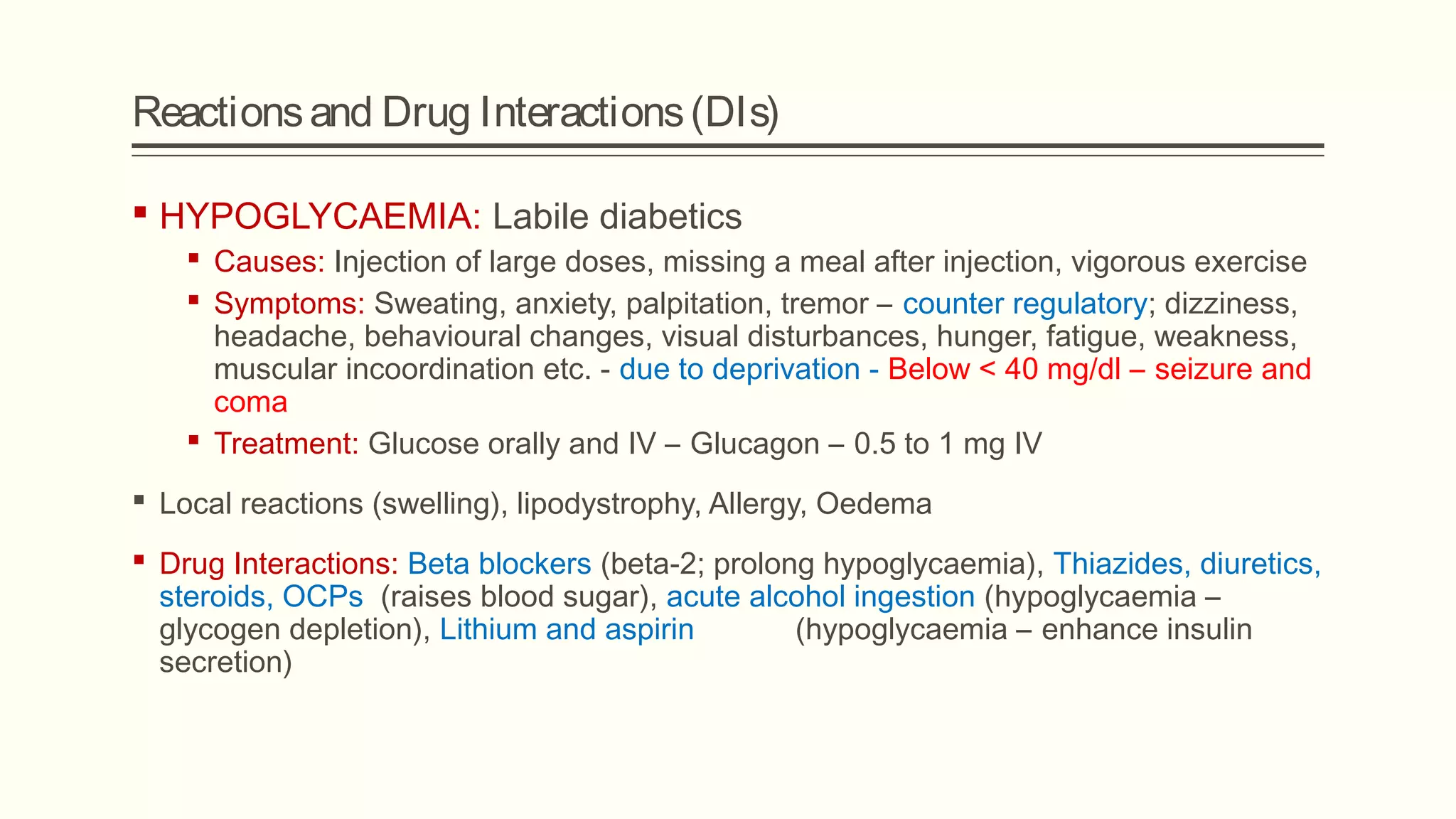
Reactionsand Drug Interactions(DIs)
 HYPOGLYCAEMIA: Labile diabetics
 Causes: Injection of large doses, missing a meal after injection, vigorous exercise
 Symptoms: Sweating, anxiety, palpitation, tremor – counter regulatory; dizziness,
headache, behavioural changes, visual disturbances, hunger, fatigue, weakness,
muscular incoordination etc. - due to deprivation - Below < 40 mg/dl – seizure and
coma
 Treatment: Glucose orally and IV – Glucagon – 0.5 to 1 mg IV
 Local reactions (swelling), lipodystrophy, Allergy, Oedema
 Drug Interactions: Beta blockers (beta-2; prolong hypoglycaemia), Thiazides, diuretics,
steroids, OCPs (raises blood sugar), acute alcohol ingestion (hypoglycaemia –
glycogen depletion), Lithium and aspirin (hypoglycaemia – enhance insulin
secretion)
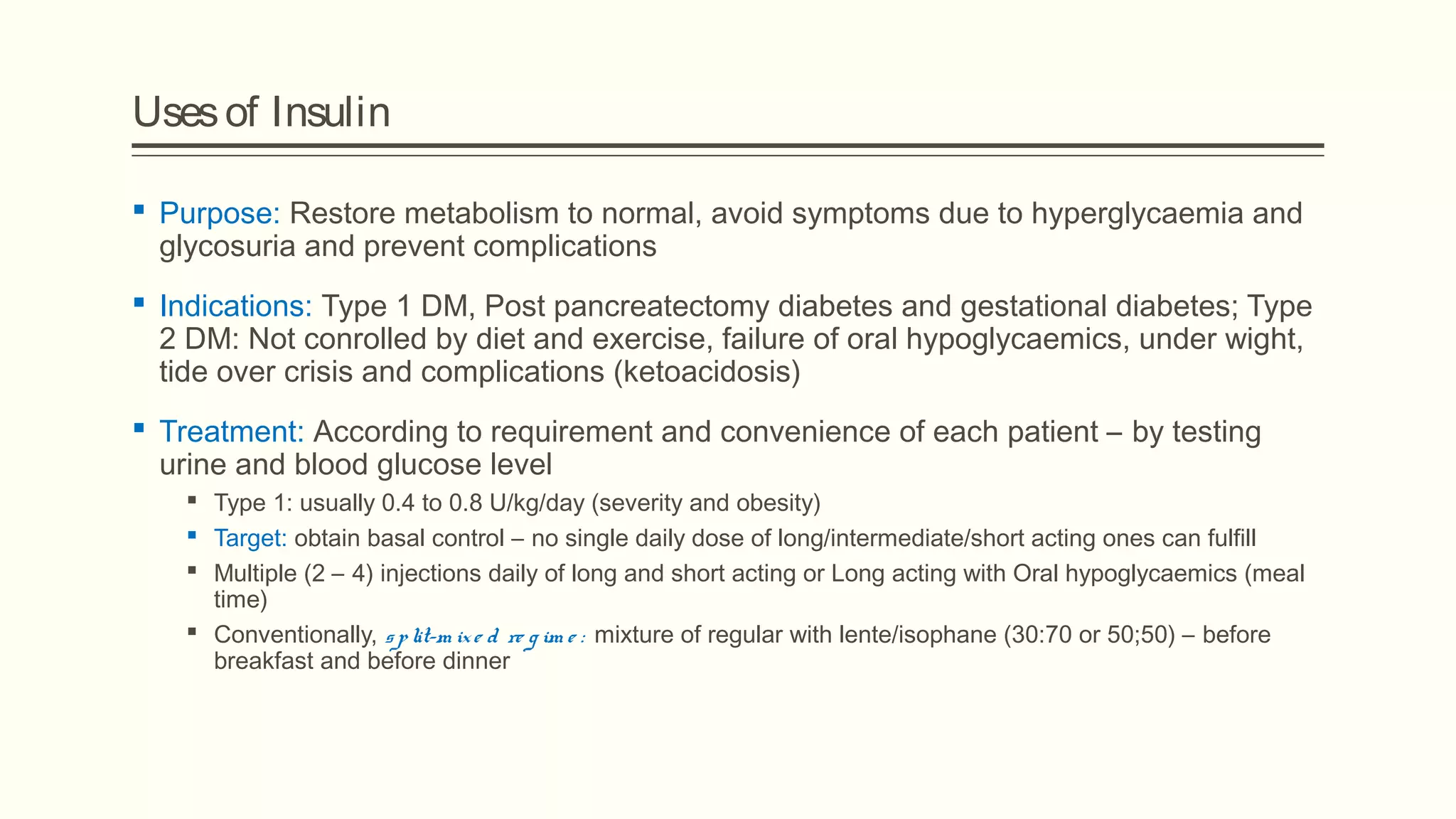
Usesof Insulin
 Purpose: Restore metabolism to normal, avoid symptoms due to hyperglycaemia and
glycosuria and prevent complications
 Indications: Type 1 DM, Post pancreatectomy diabetes and gestational diabetes; Type
2 DM: Not conrolled by diet and exercise, failure of oral hypoglycaemics, under wight,
tide over crisis and complications (ketoacidosis)
 Treatment: According to requirement and convenience of each patient – by testing
urine and blood glucose level
 Type 1: usually 0.4 to 0.8 U/kg/day (severity and obesity)
 Target: obtain basal control – no single daily dose of long/intermediate/short acting ones can fulfill
 Multiple (2 – 4) injections daily of long and short acting or Long acting with Oral hypoglycaemics (meal
time)
 Conventionally, split-m ixe d re g im e : mixture of regular with lente/isophane (30:70 or 50;50) – before
breakfast and before dinner
Usesof Insulin – contd.
 Basal bolus regime: 3 - 4 daily injections - a long acting (glargine) insulin before
breakfast or before bed time with 2-3 meal time injections of short rapidly acting (lispro
or aspart)
 Other uses: Diabetic Ketoacidosis (Coma), Hyperosmolar (non-ketotic
hyperglycaemic) coma
 Insulin resistance: Type 2 DM, Age, large body fats, pregnancy, OCPs – acromegally,
Cushing`s syndrome, phaeochromocytoma etc.
 Acute Insulin resistance: Infection, trauma, surgery, stress etc.
 Newer Insulin Delivery devices: Insulin syringe, Pen devices, inhalled insulin, Insulin
pumps (CSII) etc.
Summary of Insulin preparations
 Short acting: Regular soluble insulin – clear appearance; 6-8 hours – can be mixed
with others except glargine
 Intermediate acting: Lente, NPH or Isophane – cloudy; 20-24 hours - Regular
 Long acting: Glargine and detemir – clear; 24 hours – cannot be mixed with others
(can be combined)
 Rapid acting: lispro, aspart, glulisine – clear; 3-5 hours – can be mixed with Regular
and NPH
Thank you
Insulin prefilled syringe
Insulin pump

Insulin pharmacology

  • 1.
    INSULIN PHARMACOLOGY Dr. D. K.Brahma Associate Professor Department of Pharmacology NEIGRIHMS, Shillong
  • 2.
    Background Discovered by Bantingand Best - 1921 Fredrick G. Banting & Charles H. Best - Canadian Scientist – Extracted Insulin from Dog pancreas 2 chain Polypeptide – 51 amino acids & MW 6000 Chain-A has 21 and Chain-B has 30 amino acids – connected by two disulfide bonds Source: Porcine, Bovine and Human (Pork = human) Synthesized in β cells of islets of pancreas – single chain 110 amino acids (Preproinsulin) Proinsulin – 86 amino acids Connecting “C” peptide (35 amino acids) removed by proteolysis in Golgi apparatus – Insulin Source: https://www.researchgate.net/figure/268872215_fig3_Figure-3-Structure-of- pro-insulin-showing-C-peptide-and-the-A-and-B-chains-of-insulin
  • 3.
    DiabetesMellitus • Hyperglycaemia, glycosuria,hyperlipidaemia, negative nitrogen balance and ketonaemia • Pathological changes: thickening of capillary basement membrane, increase in blood vessel wall matrix, and cellular proliferation • Consequences: Lumen narrowing, atherosclerosis, sclerosis of glomerular capillaries, retinopathy, neuropathy and peripheral vascular insuffficency • Causes of pathological changes: Enhanced non-enzymatic glycosylation of tissue proteins and accumulation of large amounts of sorbitol • Glycosylated haemoglobin (HbA1c ) – Index of protein glycosylation
  • 4.
    DiabetesMellitus- Types • TypeI: Insulin dependent DM (IDDM) / Juvenile onset diabetes – low circulating insulin level – prone to ketoacidocis – destruction of β cells in pancreatic islets – Type IA – antibodies destroying β cells – Type IB: Idiopathic, no β cell antibody detectable – Low degree of genetic predisposition • Type II Noninsulin-dependent DM (NIDDM): no loss of moderate loss of β cell, low/normal/high insulin in circulation, no anti- β-cell antibody – genetic predisposition • Causes: (1) Abnormality in gluco-receptor in β cell – needs higher conc. of glucose; (2) Relative β cell deficiency – Down regulation of insulin receptors in peripheral tissues – Many Hypertensives are hyperinsulinaemic – normoglycaemic but dyslipidaemia, hyperuricaemia, abdominal obesity (metabolic syndrome) – Insulin Resistance – Excess of hyperglycamic hormones • Other Types: Type III (!) – LADA and MODY; Type IV – Pancreactomy and gestational diabetes mellitus (GDM)
  • 5.
    Regulation of Secretion Basal condition – 1 U per hour – more after meals  Regulated by – Chemical, hormonal and neural mechanisms 3. Neural: Sypmpathetic and vagal Nerve influennce in islets – (i) alpha-2 stimulation decreases insulin release (predominant) (ii) beta-2 cell stimulation increases Insulin release; (3) Vagal stimulation increases Insulin relese – IP3DAG 1. Chemical (glucosensor) 2. Hormonal Glucokinase Glucosensor Source: Essentials of Medical pharmacology by KD Tripathi – 7th Edition, JAYPEE, 2013 Source: https://courses.washington.edu/conj/bess/humoral/humoralregulation.htm
  • 6.
    Actionsof Insulin  Mealderived glucose, amino acids, fatty acids and fuel storage  Major anabolic hormone – synthesis of glycogen, lipids and proteins 1. Facilitates glucose transport across cell membrane – skeletal muscle and fats - Liver, brain, RBC, WBC and renal medullary cells are independent 2. Intracellular utilization of glucose – phosphorylation to form Glucose-6-PO4 – increased production of glucokinase – also glycogen synthase 3. Inhibits gluconeogenesis from protein, FFA and glycerol (diverted to liver) – by decreasing synthesis of (gene mediated) phosphoenol pyruvate carboxykinase. 4. Inhibits lipolysis in adipose tissues – favours triglyceride synthesis – in diabetes, increased FFA and glycerol (Acetyl-CoA) – ketone bodies 5.Facilitates amino acid entry and their synthesis to protein – also inhibits protein breakdown in muscles and other cells – in its absence excess pyruvate, glucose and urea (negative nitrogen balance)
  • 7.
    Insulin - mechanismof action T – Tyrosine residue; GLUT4 – Glucose transporter, IRS – Insulin receptor substrate protein, T-PrK – Tyrosine protein kinase, Ras – Regulator of cell division and differentiation Source: Essentials of Medical pharmacology by KD Tripathi – 7th Edition, JAYPEE, 2013
  • 8.
    Fateof Insulin  Distributedonly extracellularly – given orally gets degraded in GIT  Secreted and injected Insulin – metabolized in liver, kidneys and muscles  First pass metabolism - 50% of Insulin passing through portal vein  Degradation after receptor mediated internalization  Biotransformation – sulfide bonds are reduced – chain A and B are separated – broken down to amino acids Source - https://www.slideshare.net/aishahadalicia/insulin-and-its-mechanism-of- action-31298888
  • 9.
    Preparationsof Insulin  Classically– produced from beef and pork pancreas  Contains 1% (10, 000 ppm) other proteins – proinsulin, polypeptides, pancreatic proteins etc.) – potentially antigenic  Replaced with highly purified pork/beef insulin/recombinant human insulin/insulin analogues  Single peak and Monocomponent insulin (MC) – proinsulin <10 ppm – stable, less resistance and lipodystrophy  Unitage/Assay: I U reduces fasting rabbit blood sugar by 45 mg/dl or potency to induce hypoglycaemic convulsion in mice  I mg of International Standard of Insulin = 28 units  Radioimmunoassay or enzyme immunoassay
  • 10.
    Typesof preparations– Regular(Soluble) Insulin  Buffered neutral pH solution unmodified insulin stabilized by small amount of zinc  Forms hexamers around zinc ions – released slowly and gradually by dilution on SC administration  Peak onset 2- 3 hours and lasts for 6-8 hours  Drawbacks:  Before meals – early postprandial hyperglycaemia and late post prandial hypoglycaemia – injected ½ to 1 hour before  Do not provide basal level of action – interdigestive period  Slow onset of action is not applicable for IV injection  Long acting – modified or retard preparations
  • 11.
    Insulin preparations- Purified Rendered insoluble - complexed with protamine or excess zinc  Lente (Insulin-zinc suspension): 2 types  Ultrelente: Large particle size, crystalline and insoluble in water – long acting Semilente: Small particle size, amorphous – short acting; Lente: 7:3 ratio mixture  Isophane (Neutral Protamine Hagedorn or NPH) insulin: Protamine added just sufficient to complex all insulin molecules  Neither are in free form – neutral pH  On injection: dissociate slowly intermediate action  Used in combination with regular insulin in 70:30 ratio or 50:50  Injected twice daily before breakfast and dinner (split-regimen)  Available preparations: Highly purified MC pork regular insulin, highly purified MC pork lente, Highly purified MC NPH, highly purified regular insulin and Isophane (30:70 ratio)
  • 12.
    Human Insulin  Sameamino acid sequence as human insulin - produced by recombinant DNA technology  In Esche richia co li – proinsulin recombinant bacteria (prb) and in yeast – precursor yeast recombinant (pyr) or by enzymatic modification of porcine insulin  Human actrapid (regular insulin) – 40 U/ml  Human monotard (lente), human insulatard (NPH), Human mixtard (30:50), Insuman (50:50)  Advantages: More water soluble and hydrophobic, more rapid absorption than porcine or bovine, more defined peak, shorter duration of action
  • 13.
    Insulin analogues  RecombinantDNA technology, modified pharmacokinetic – greater stability and consistency  Insulin lispro: Reversing Proline and lysine at B 28 and B 29 position – quick acting, just before meals  Insulin aspart: B 28 is replaced by aspartic acid – mimics physiological insulin  Insulin glulisine: Replacing aspartic acid at B 23 by lysine and glutamic acid replacing lysine at B 29 – continuous SC insulin infusion (CSII)  Insulin glargine: Long- acting – precipitates at neutral pH on SC injection – depot created – slow dissociation – 24 hours low blood level – usually at bed time
  • 14.
    Reactionsand Drug Interactions(DIs) HYPOGLYCAEMIA: Labile diabetics  Causes: Injection of large doses, missing a meal after injection, vigorous exercise  Symptoms: Sweating, anxiety, palpitation, tremor – counter regulatory; dizziness, headache, behavioural changes, visual disturbances, hunger, fatigue, weakness, muscular incoordination etc. - due to deprivation - Below < 40 mg/dl – seizure and coma  Treatment: Glucose orally and IV – Glucagon – 0.5 to 1 mg IV  Local reactions (swelling), lipodystrophy, Allergy, Oedema  Drug Interactions: Beta blockers (beta-2; prolong hypoglycaemia), Thiazides, diuretics, steroids, OCPs (raises blood sugar), acute alcohol ingestion (hypoglycaemia – glycogen depletion), Lithium and aspirin (hypoglycaemia – enhance insulin secretion)
  • 15.
    Usesof Insulin  Purpose:Restore metabolism to normal, avoid symptoms due to hyperglycaemia and glycosuria and prevent complications  Indications: Type 1 DM, Post pancreatectomy diabetes and gestational diabetes; Type 2 DM: Not conrolled by diet and exercise, failure of oral hypoglycaemics, under wight, tide over crisis and complications (ketoacidosis)  Treatment: According to requirement and convenience of each patient – by testing urine and blood glucose level  Type 1: usually 0.4 to 0.8 U/kg/day (severity and obesity)  Target: obtain basal control – no single daily dose of long/intermediate/short acting ones can fulfill  Multiple (2 – 4) injections daily of long and short acting or Long acting with Oral hypoglycaemics (meal time)  Conventionally, split-m ixe d re g im e : mixture of regular with lente/isophane (30:70 or 50;50) – before breakfast and before dinner
  • 16.
    Usesof Insulin –contd.  Basal bolus regime: 3 - 4 daily injections - a long acting (glargine) insulin before breakfast or before bed time with 2-3 meal time injections of short rapidly acting (lispro or aspart)  Other uses: Diabetic Ketoacidosis (Coma), Hyperosmolar (non-ketotic hyperglycaemic) coma  Insulin resistance: Type 2 DM, Age, large body fats, pregnancy, OCPs – acromegally, Cushing`s syndrome, phaeochromocytoma etc.  Acute Insulin resistance: Infection, trauma, surgery, stress etc.  Newer Insulin Delivery devices: Insulin syringe, Pen devices, inhalled insulin, Insulin pumps (CSII) etc.
  • 17.
    Summary of Insulinpreparations  Short acting: Regular soluble insulin – clear appearance; 6-8 hours – can be mixed with others except glargine  Intermediate acting: Lente, NPH or Isophane – cloudy; 20-24 hours - Regular  Long acting: Glargine and detemir – clear; 24 hours – cannot be mixed with others (can be combined)  Rapid acting: lispro, aspart, glulisine – clear; 3-5 hours – can be mixed with Regular and NPH
  • 18.
    Thank you Insulin prefilledsyringe Insulin pump

Editor's Notes

  • #2 NOTE: To change the image on this slide, select the picture and delete it. Then click the Pictures icon in the placeholder to insert your own image.