Downloaded 259 times
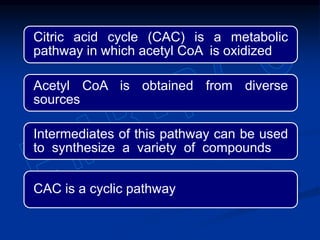
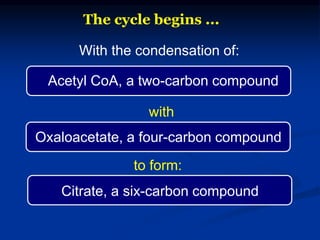
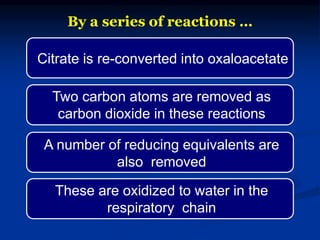
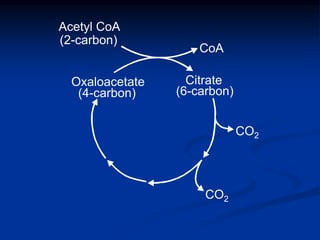
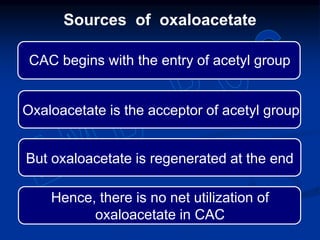
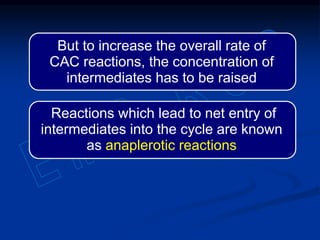
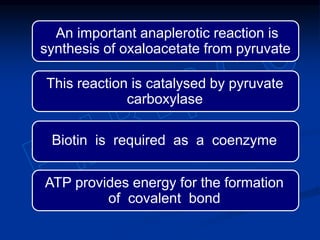
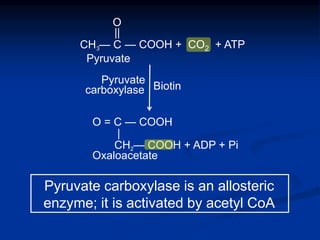
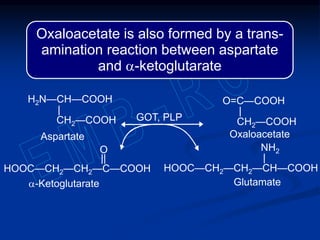
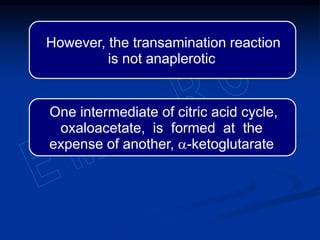
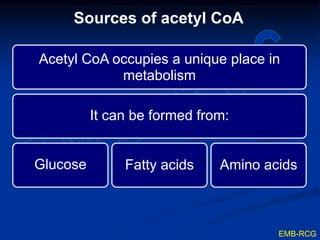
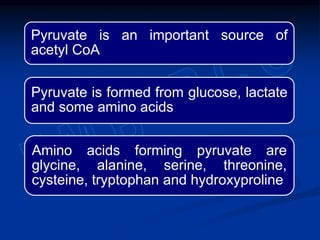
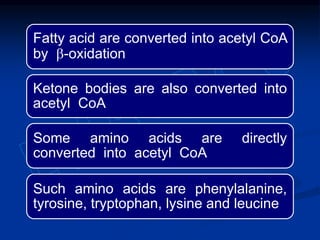
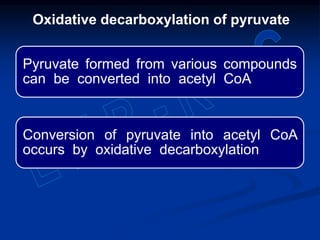
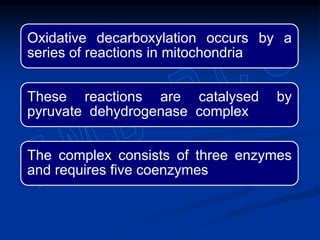
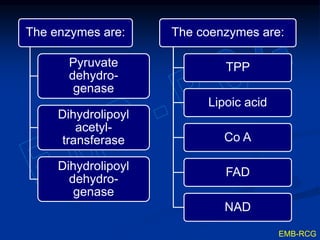
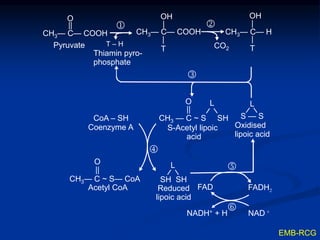
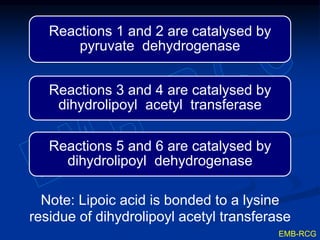
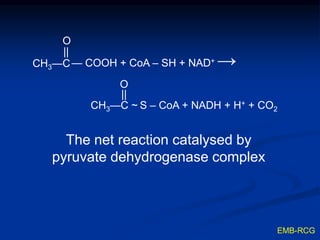
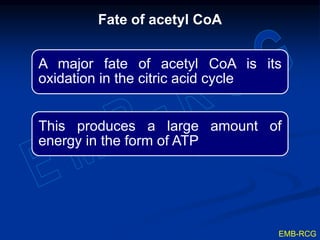
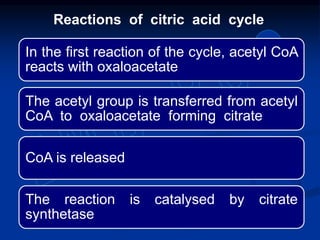
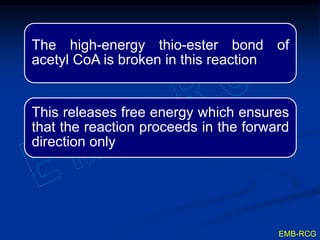
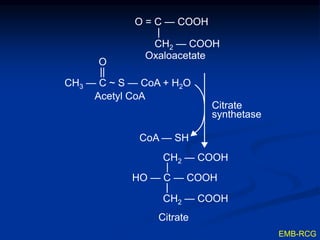
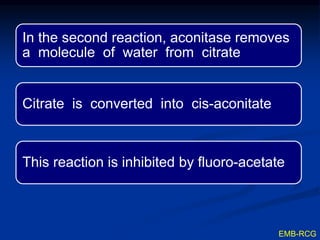
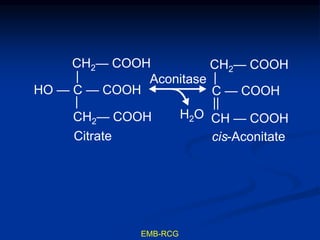
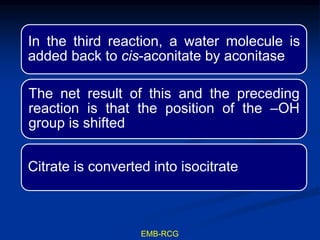
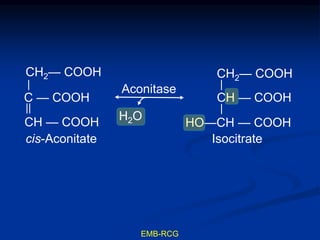
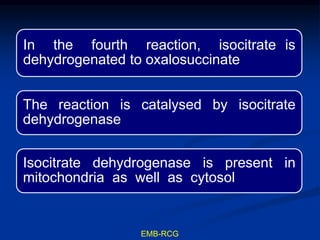
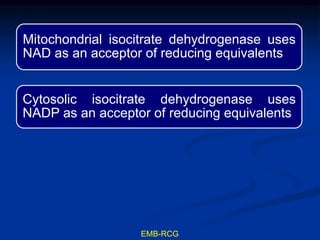
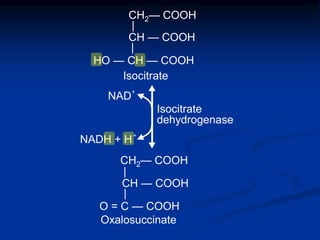
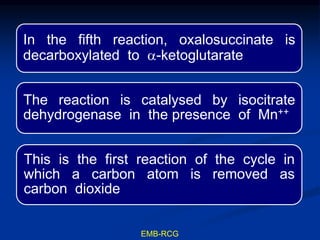
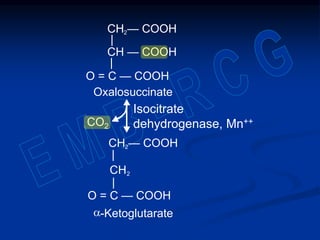
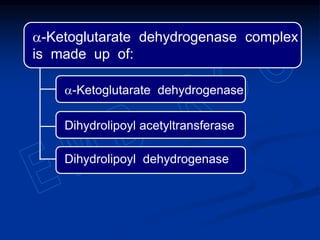
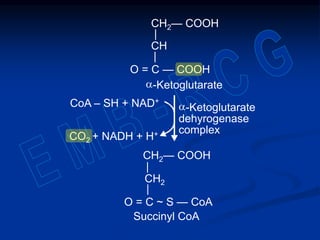
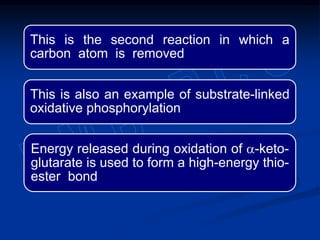
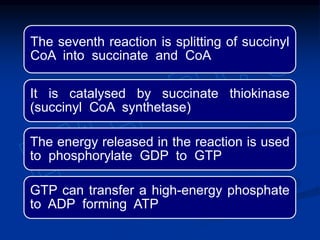
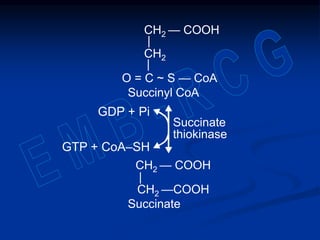
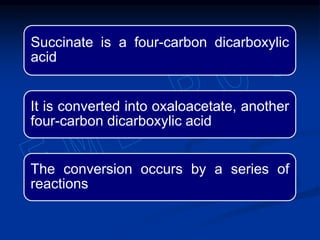
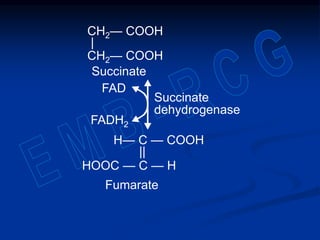
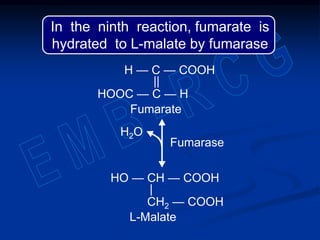
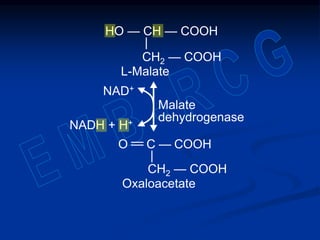
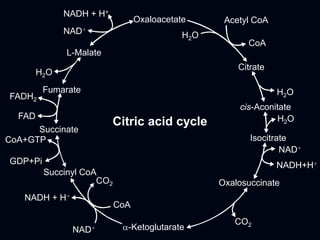
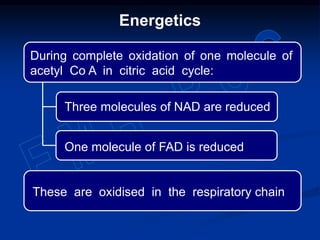
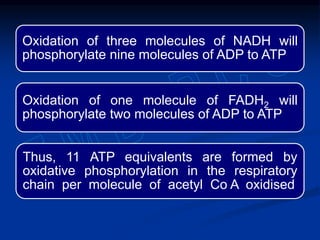
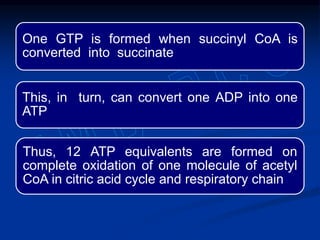
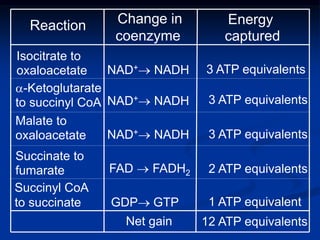
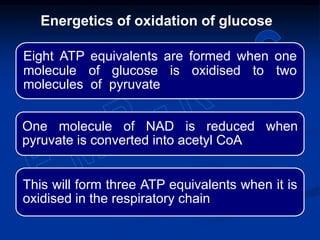
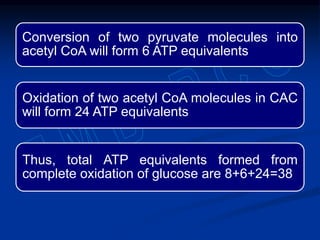
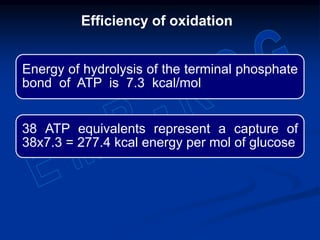
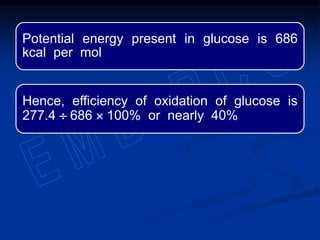
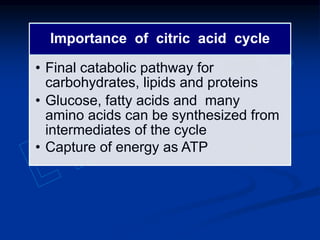
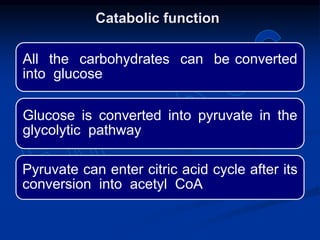
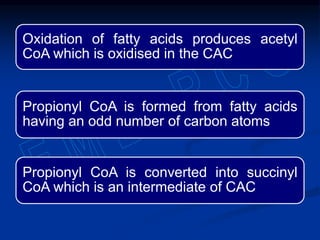
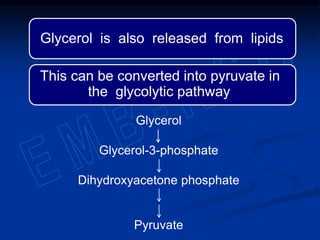
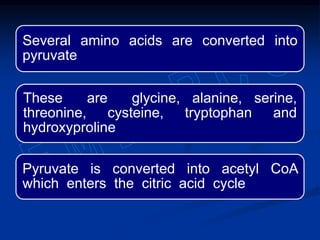
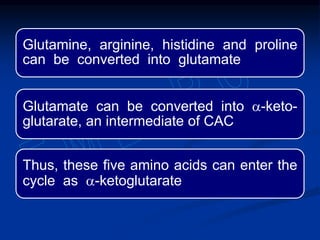
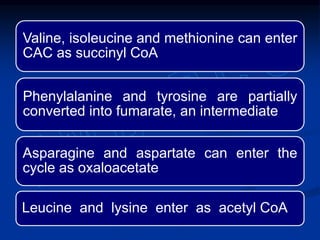
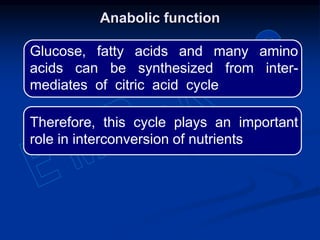
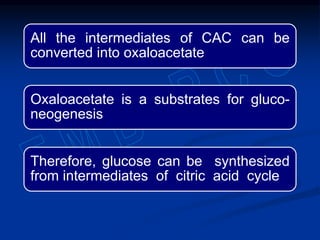
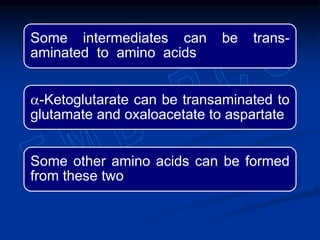
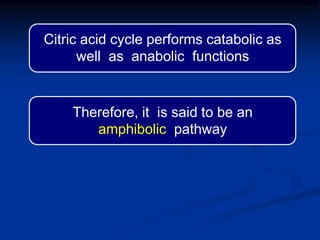
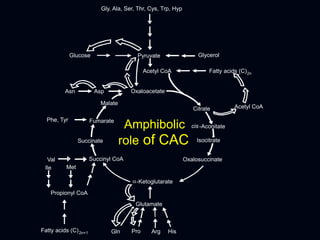
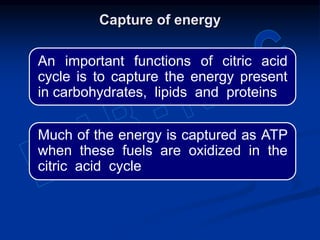
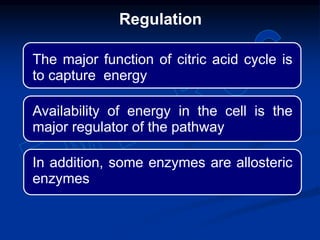
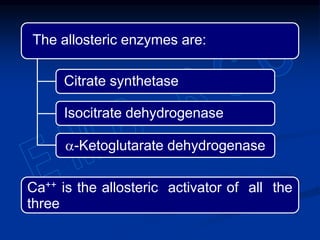
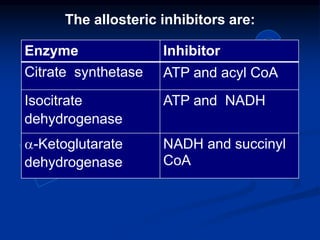
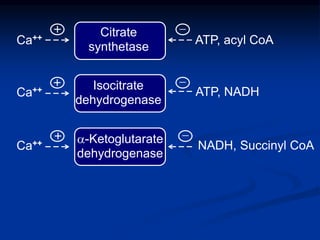
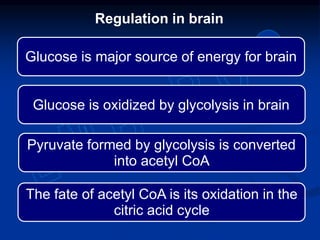
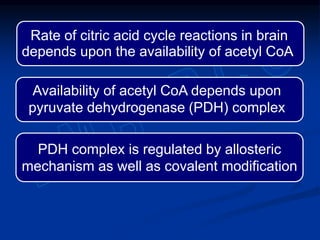


The citric acid cycle (CAC) is a key metabolic pathway that occurs in the mitochondria of cells. It involves the oxidation of acetyl-CoA derived from carbohydrates, fats, and proteins to carbon dioxide. During each turn of the cycle, NAD+ and FAD are reduced to NADH and FADH2 to generate energy in the form of ATP through oxidative phosphorylation. Overall, the complete oxidation of one acetyl-CoA molecule in the CAC and respiratory chain produces 12 ATP molecules, capturing the energy from nutrients. The cycle plays a central role in cellular respiration and the production of energy.


