Downloaded 96 times
- 1 / 18
- 2 / 18
 Most read
- 3 / 18
 Most read
- 4 / 18
- 5 / 18
- 6 / 18

- 7 / 18
- 8 / 18
- 9 / 18
- 10 / 18
 Most read
- 11 / 18
- 12 / 18
- 13 / 18
- 14 / 18
- 15 / 18

- 16 / 18
- 17 / 18
- 18 / 18
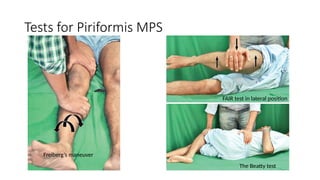
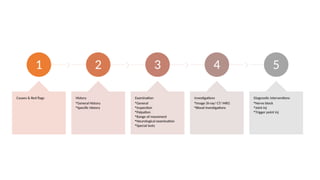
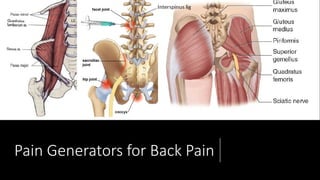
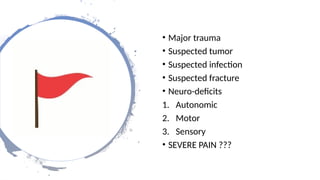
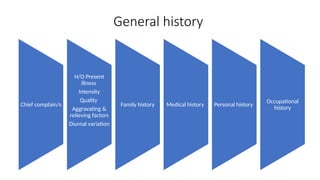
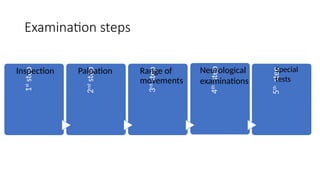
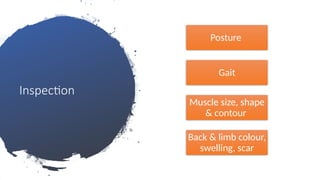
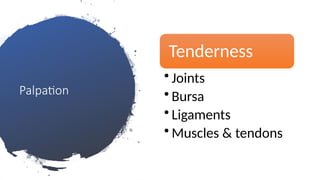
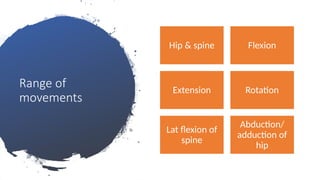
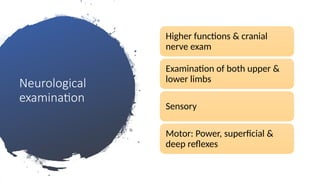
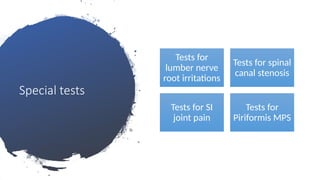
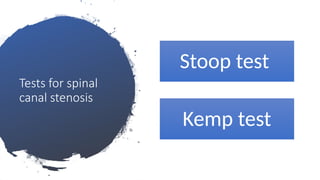
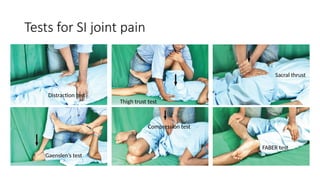
A structured, practical guide to clinical evaluation of low back pain for physicians and pain specialists. This presentation covers: • Red flags in back pain • Targeted history taking • Physical and neurological examination • Straight Leg Raise (SLR) / Lasègue test • Spinal stenosis assessment • Sacroiliac joint provocation tests • Piriformis and deep gluteal pain tests Designed for daily outpatient practice, postgraduate training, and interventional pain medicine decision-making. 👉 Full detailed guide available here: https://daradia.com/back-pain-evaluation-red-flags-examination-tests/ Created by Daradia – The Pain Clinic (India)


