•Primary survey
•A patentairway
•B normal breathing
•C vital signs stable
•D E4V5M6
•E no external wound
•Adjunct to primary survey
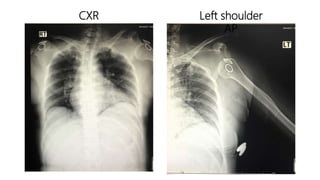
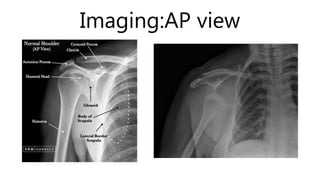
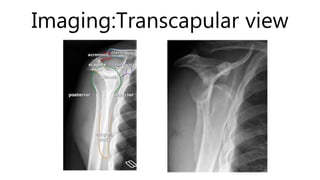
•CXR
CC: หกล้ม ไหล่ซ้ายกระแทกพื้น 2 ชั่วโมงก่อนมาโรงพยาบาล
4.
•Secondary survey
•A nohistory of allergy
•M no current medication
•P healthy, no known U/D
•L last meal 6.30
•E 2 ชั่วโมงก่อนมาโรงพยาบาล ขณะกาลังล้างห้องน้า เสียหลักล้ม
ตอนหันตัว ไหล่ซ้ายกระแทกที่กาแพงห้องน้าอย่างแรง ศีรษะไม่กระแทก
สะโพกไม่กระแทก หลังไหล่ซ้ายกระแทก รู้สึกปวดไหล่มาก ขยับแขน
ซ้ายไม่ได้ ยกแขนไม่ขึ้น
5.
Physical examination
•Vital signs:T 37.0 c, BP 130/80 mmHg, PR 84
bpm, RR 20/min
•GA: alert
•HEENT: within normal limit
•CVS: normal S1S2, no murmur
•Lungs: clear both lungs
•Abdomen: soft, not tender
6.
Physical examination
• Extremities:
•Leftshoulder
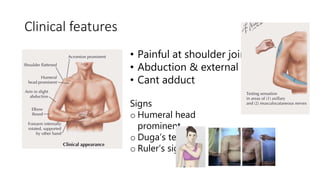
•Inspection: mild deformity, no redness, mild
swelling
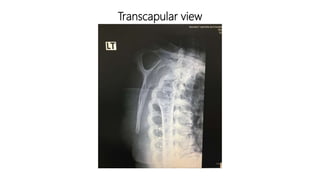
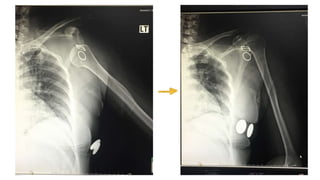
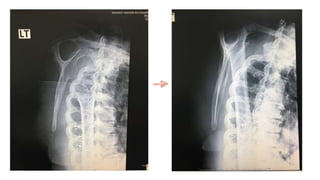
•Palpation: bony prominent as figure, not
warm, marked tender at Lt. shoulder joint
•Movement: limited ROM due to pain
•Special test: positive Duga’s test, positive
Hamilton ruler’s sign
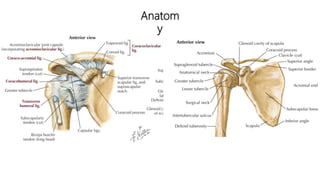
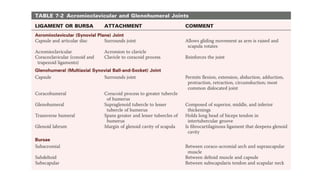
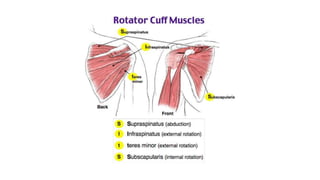
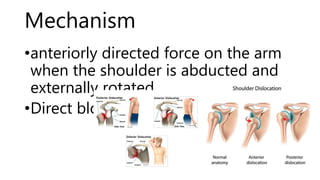
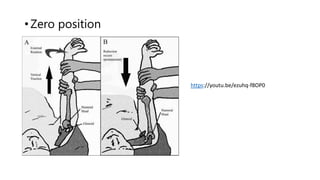
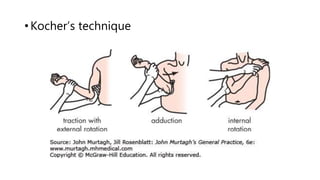
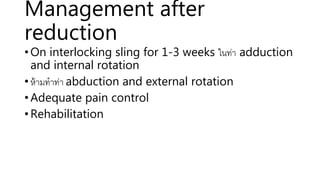
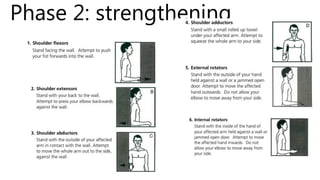
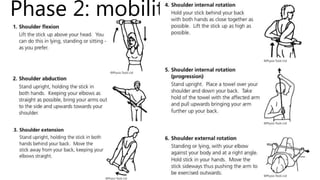
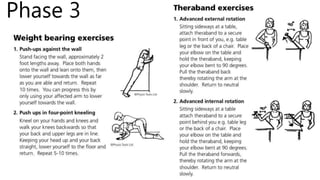
![Phase 1
Ref:https://www.nhs.uk/Conditions/dislocated-shoulder/Documents/100419shoulder[1].pdf](https://image.slidesharecdn.com/conferenceantshoulderdislocation-190123015040/85/Conference-ant-shoulder-dislocation-26-320.jpg)