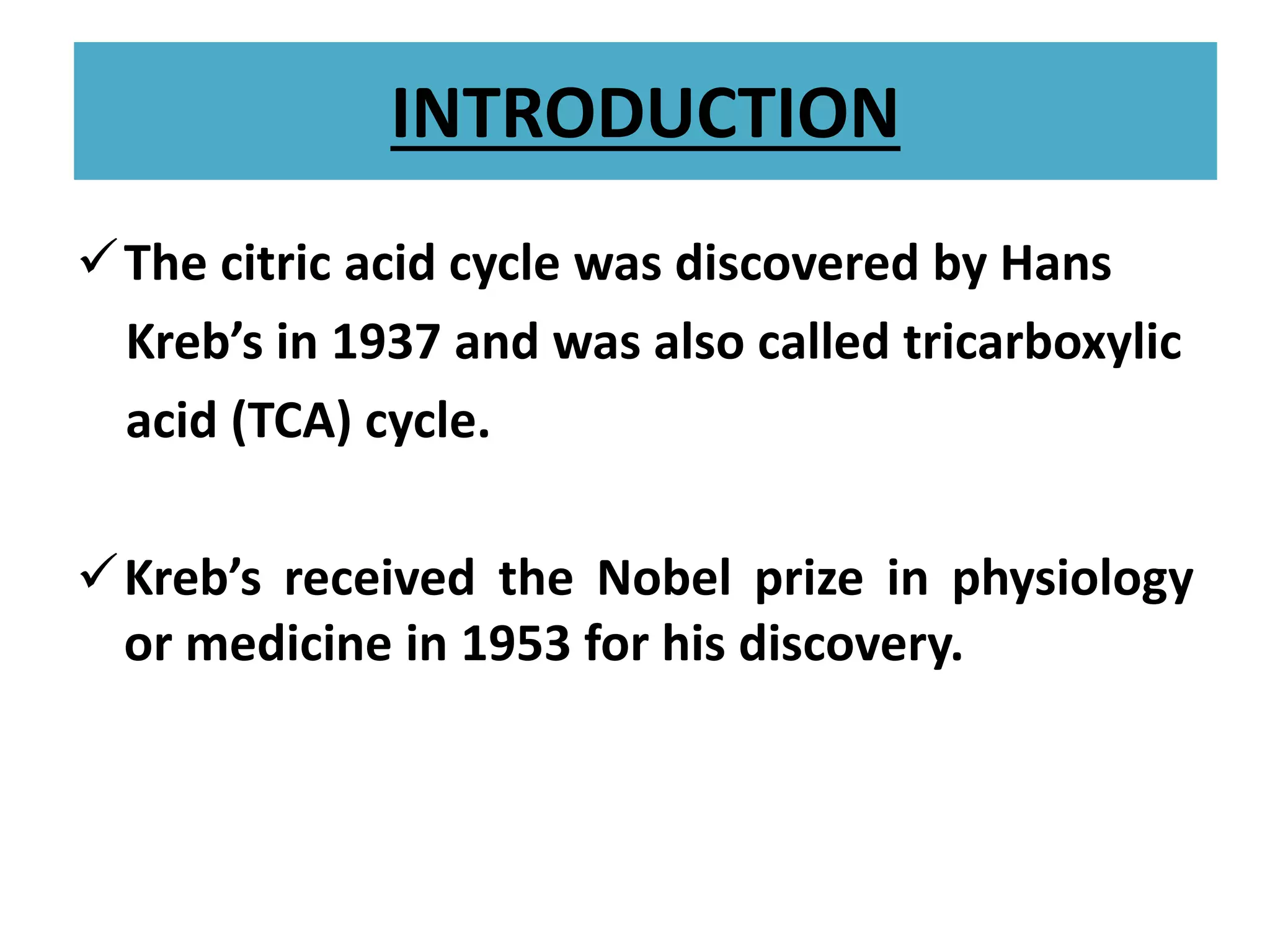
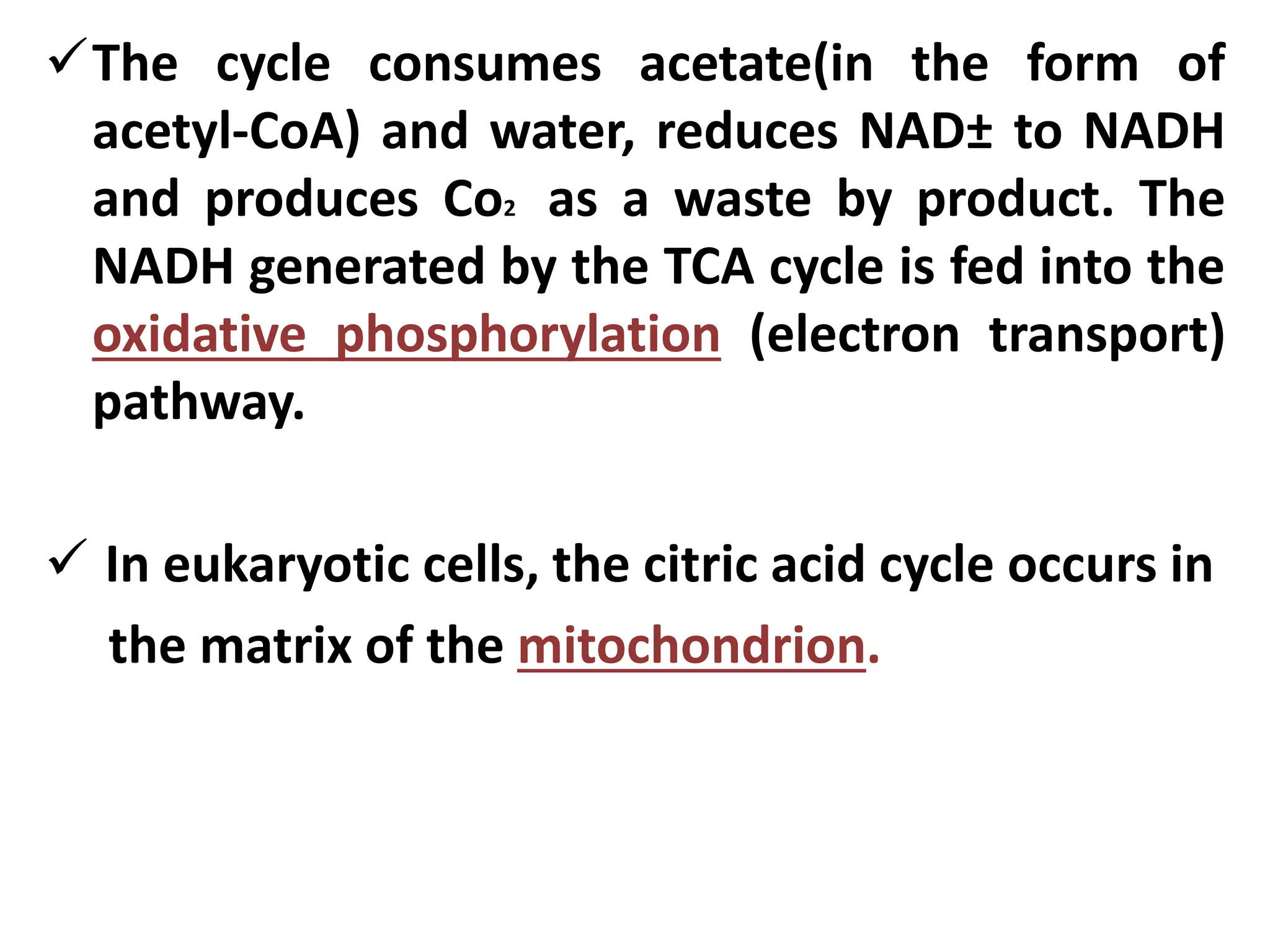
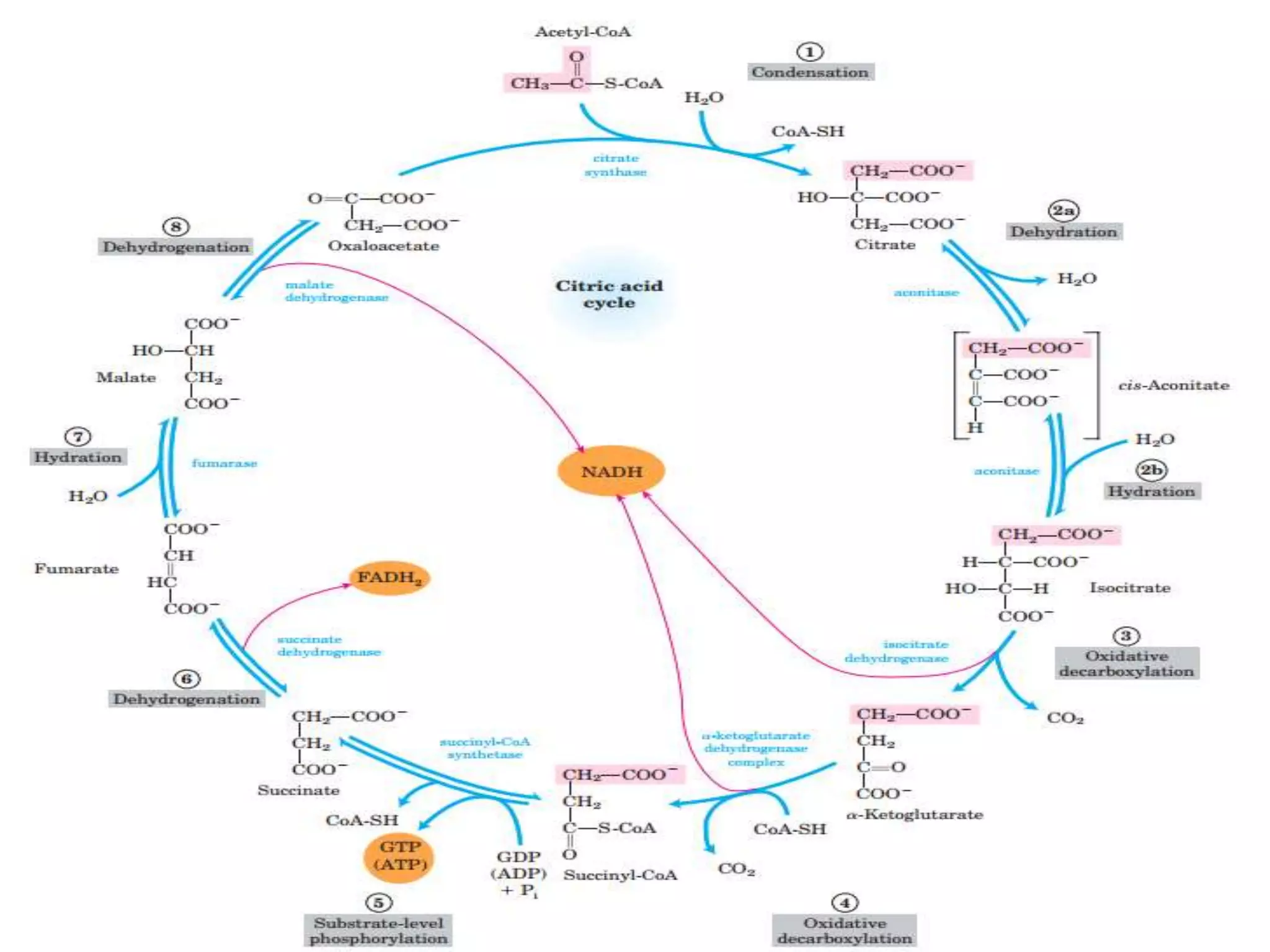
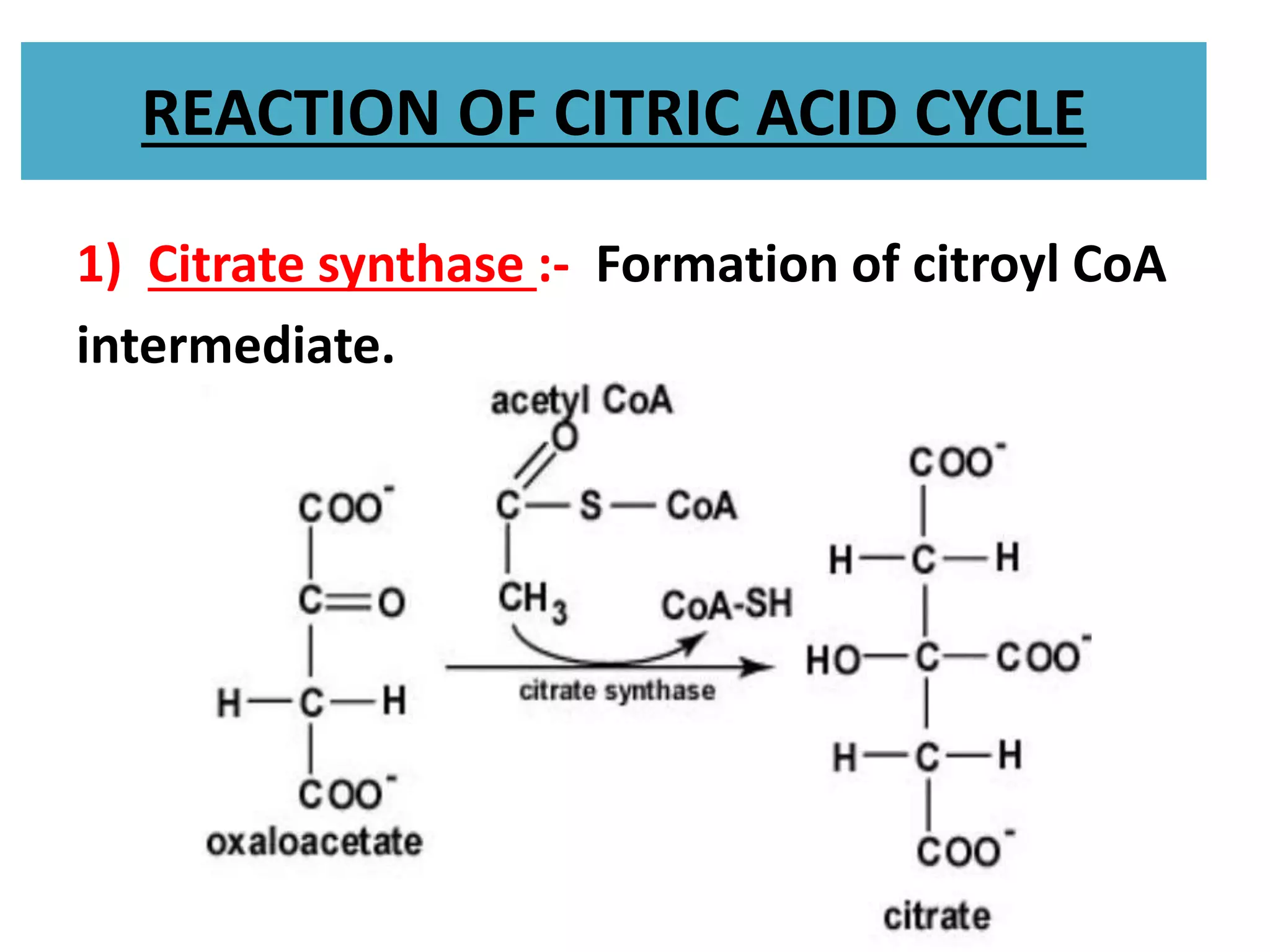
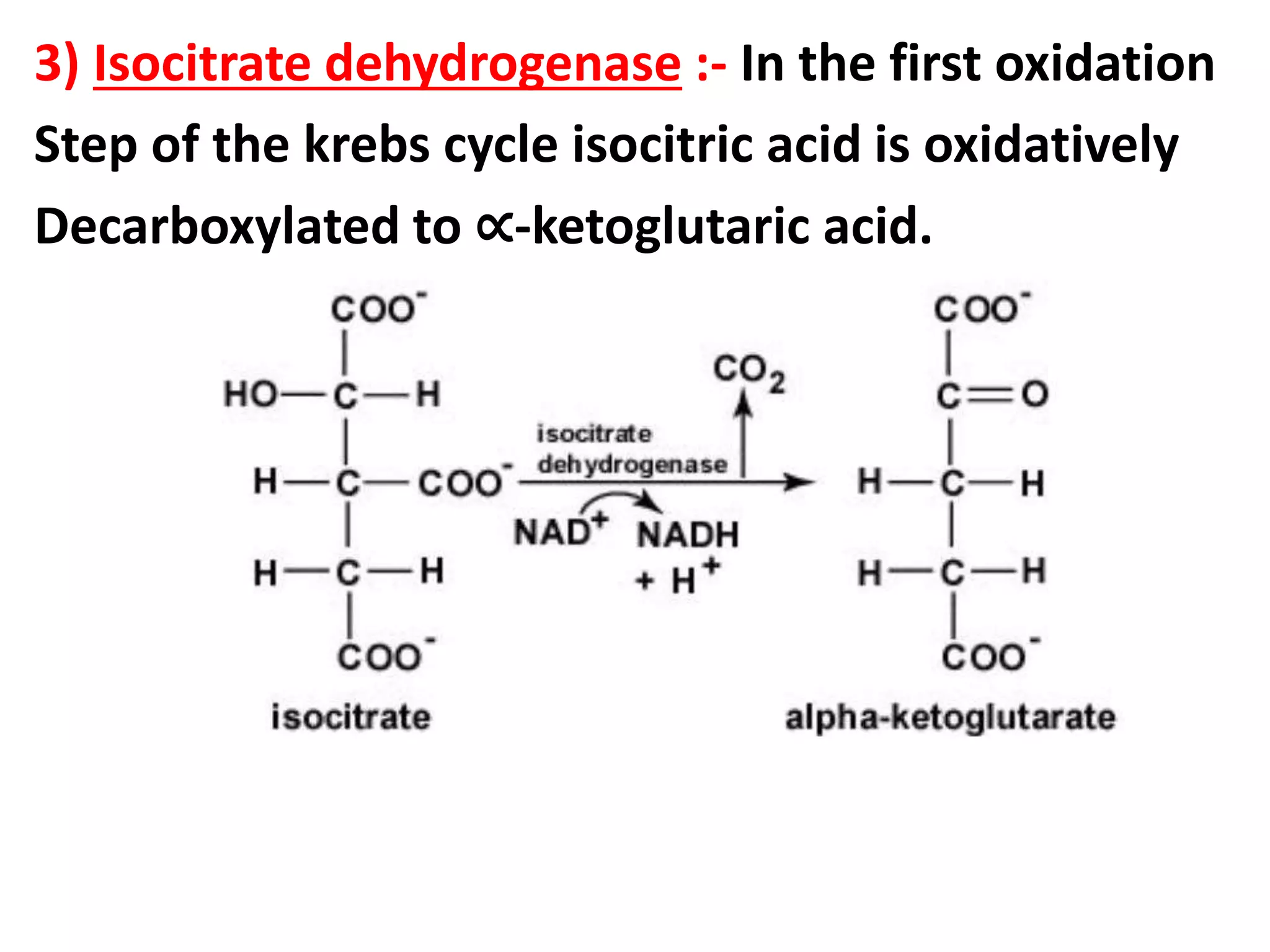
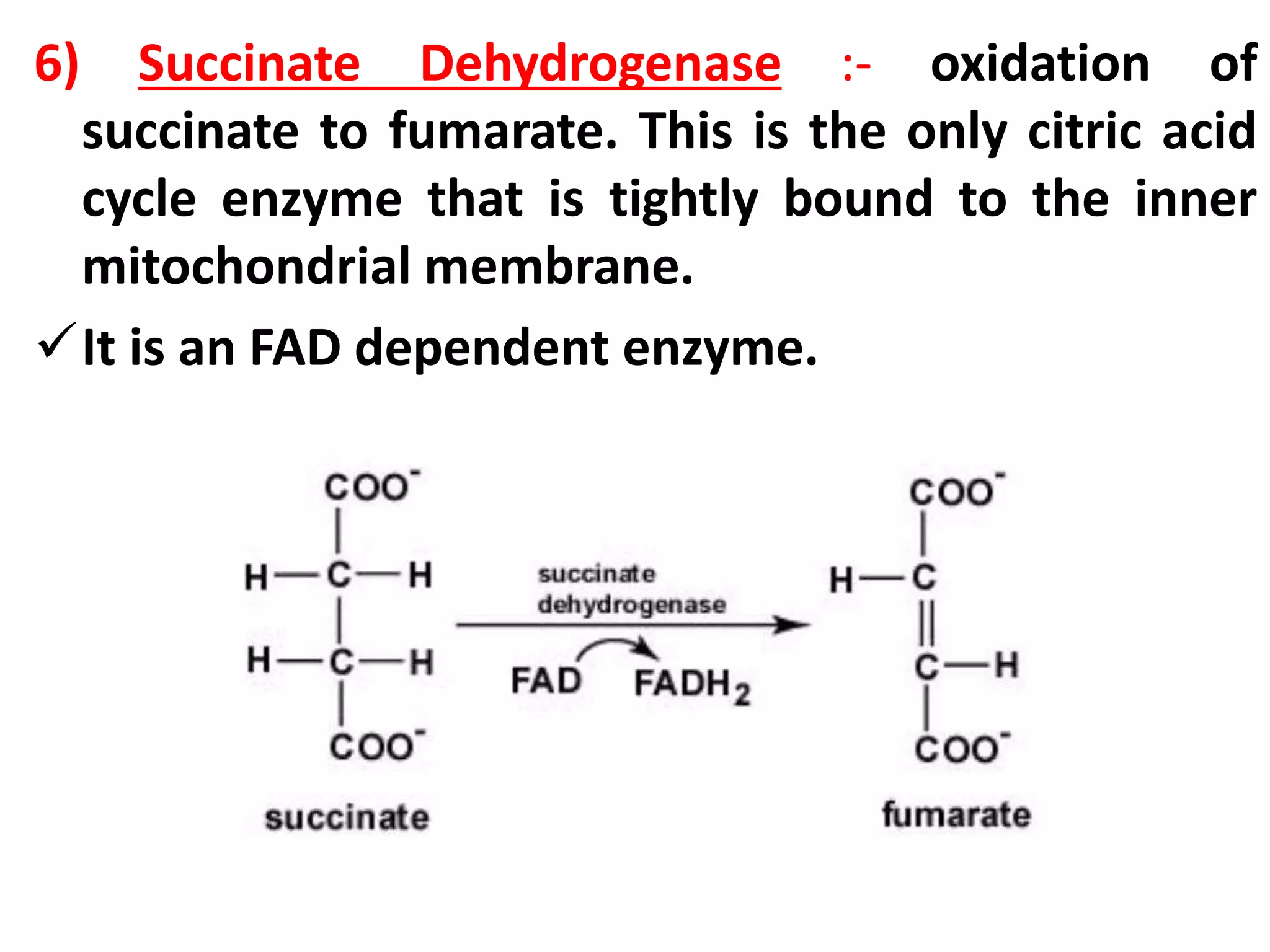
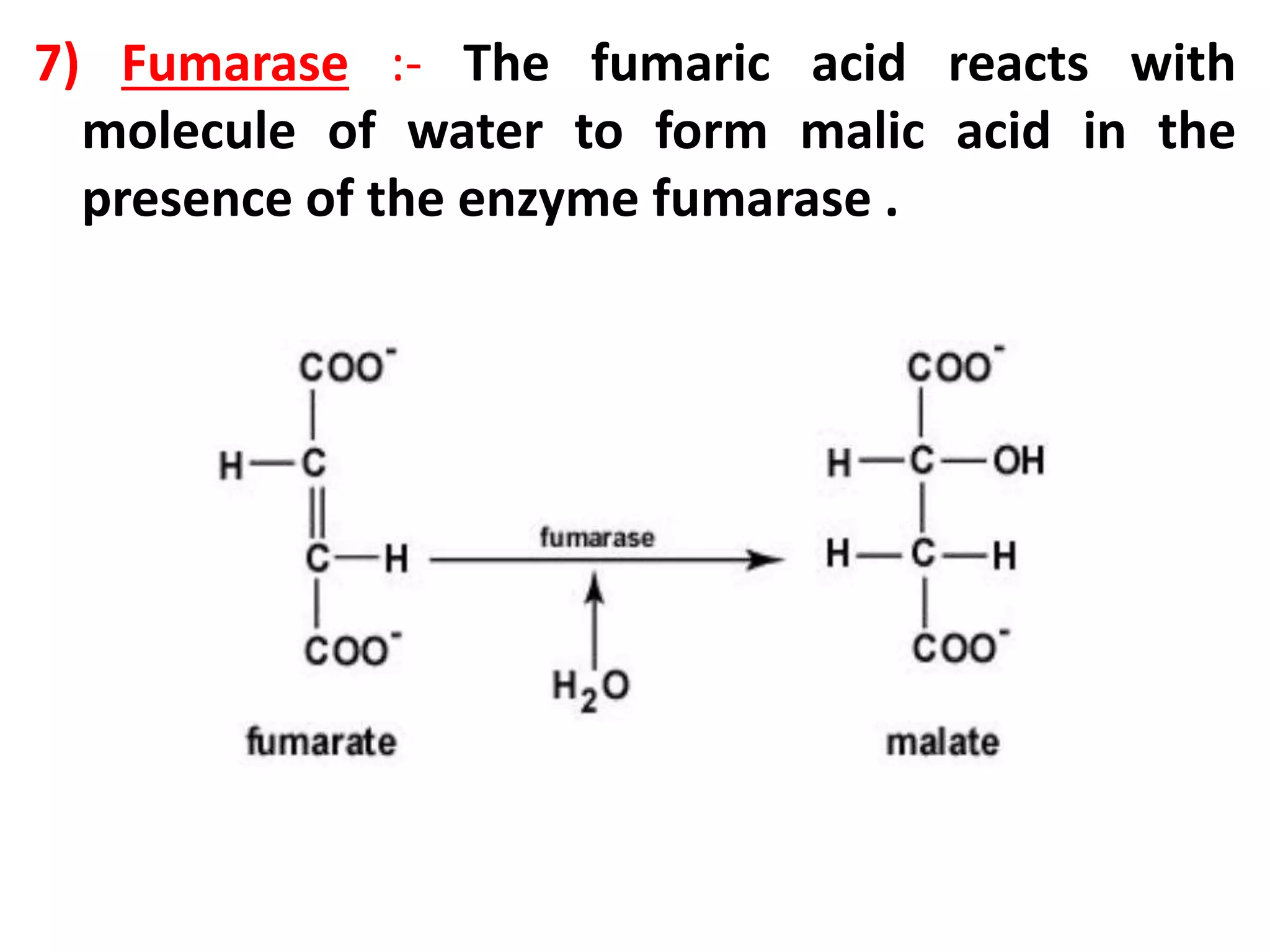
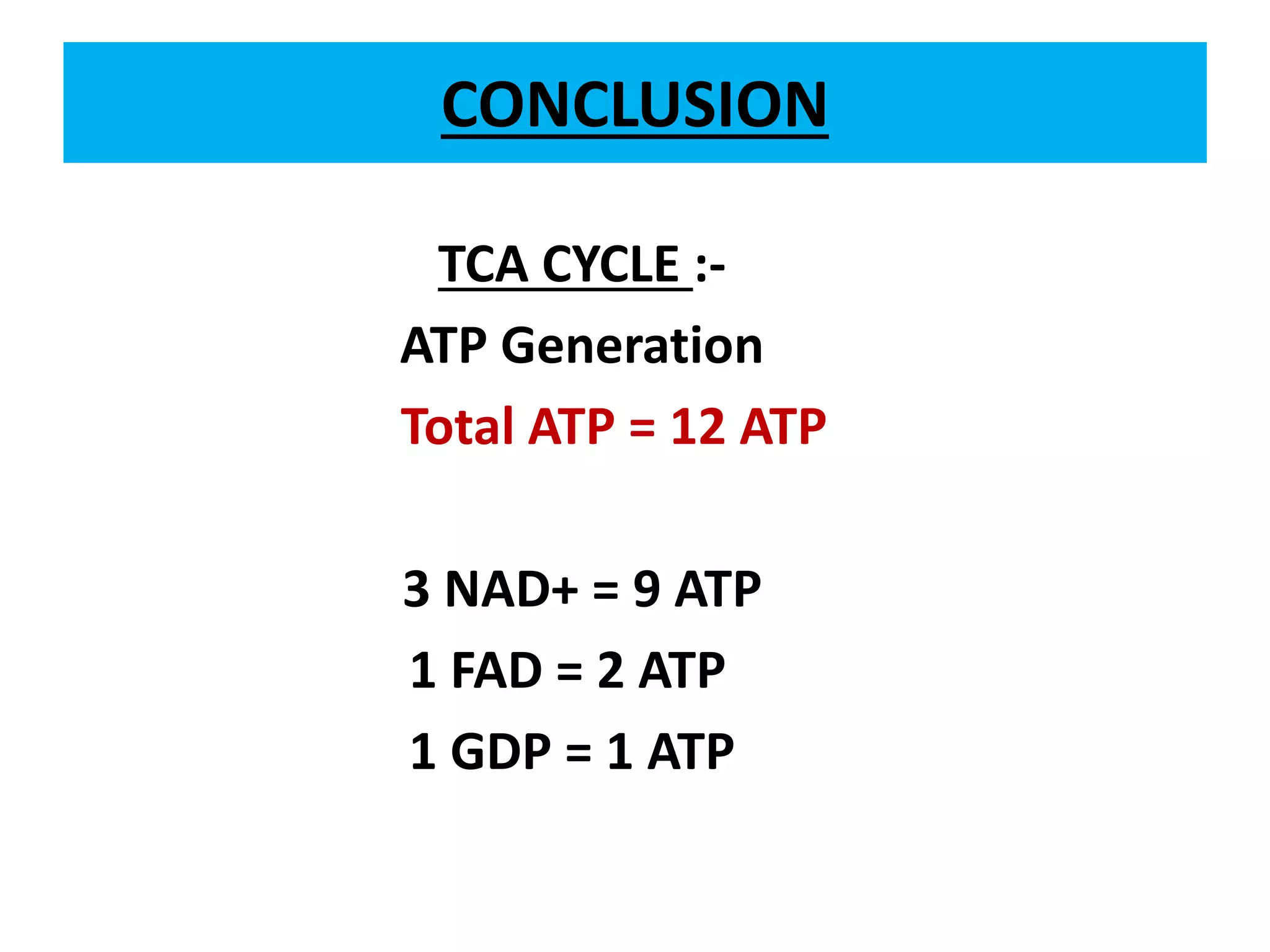
The tricarboxylic acid (TCA) cycle is a series of enzyme-catalyzed reactions that forms a key part of aerobic respiration in cells. It was discovered by Hans Krebs in 1937 and is also known as the Krebs cycle or citric acid cycle. The cycle occupies a central position in metabolism, using acetate to generate carbon dioxide, reducing agents like NADH, and ATP through oxidative phosphorylation. It provides precursors for amino acid and nucleotide biosynthesis. The cycle is critical for generating the majority of a cell's energy needs through the complete oxidation of carbohydrates, fatty acids, and amino acids.