Downloaded 87 times


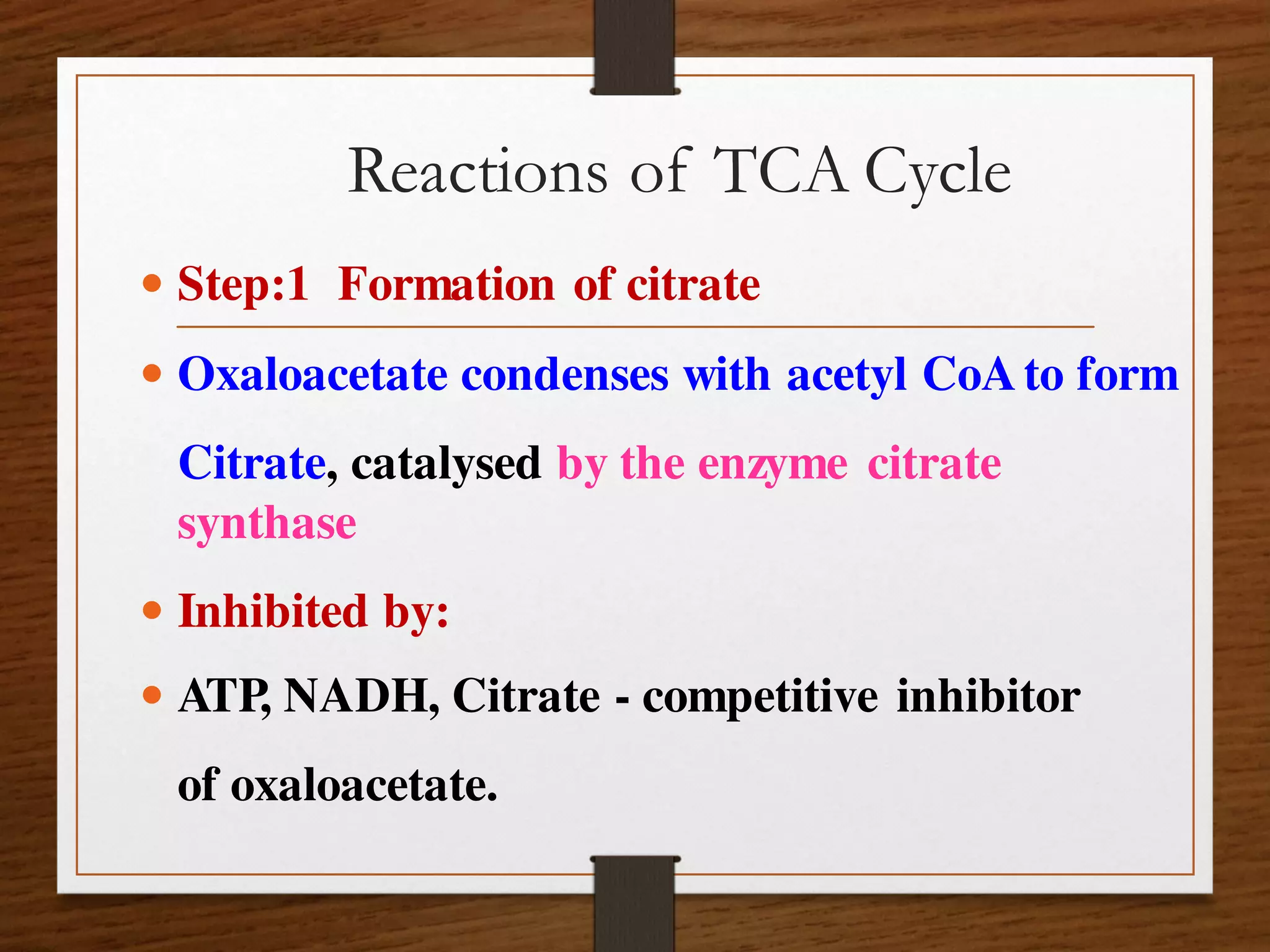

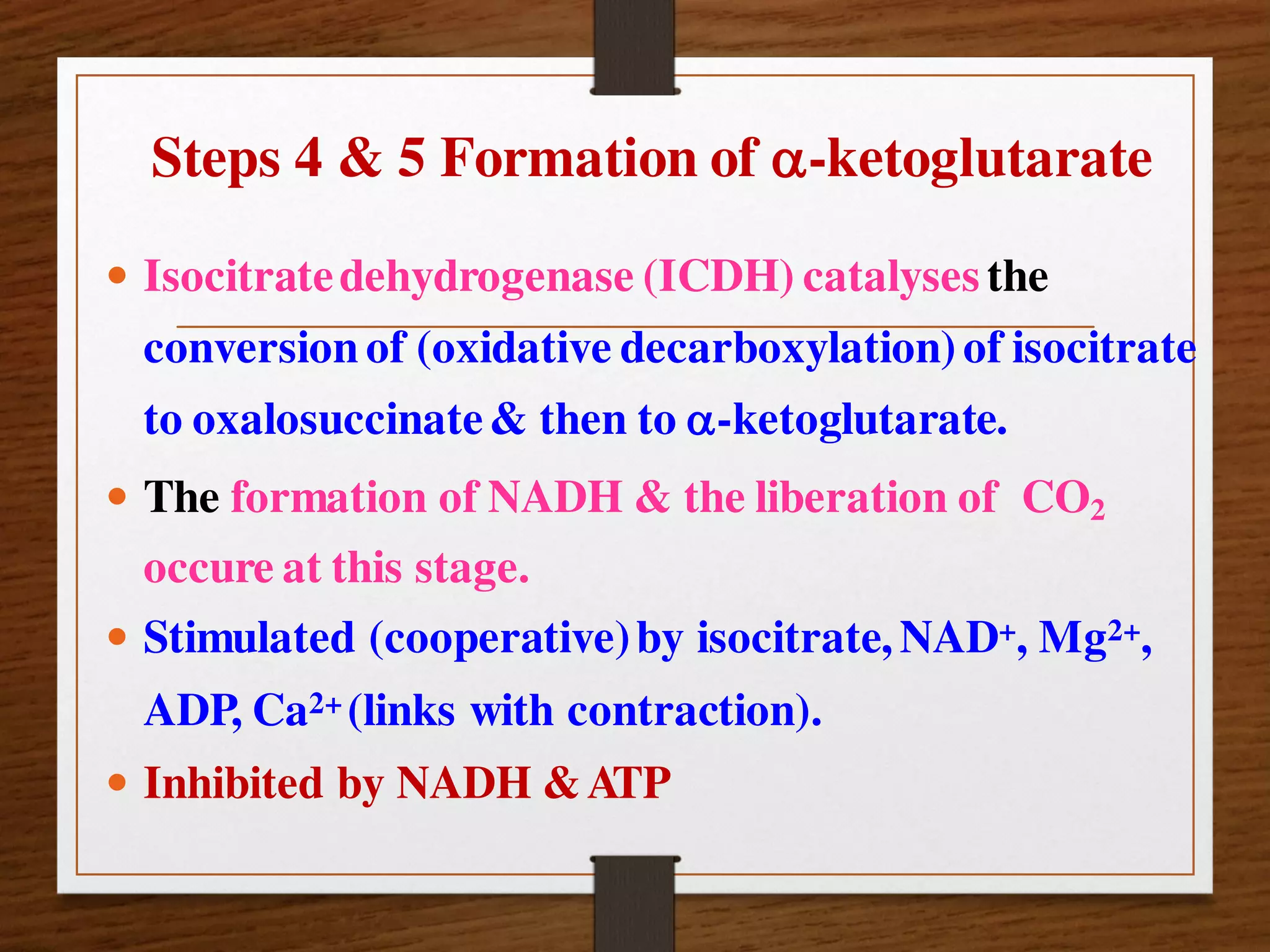


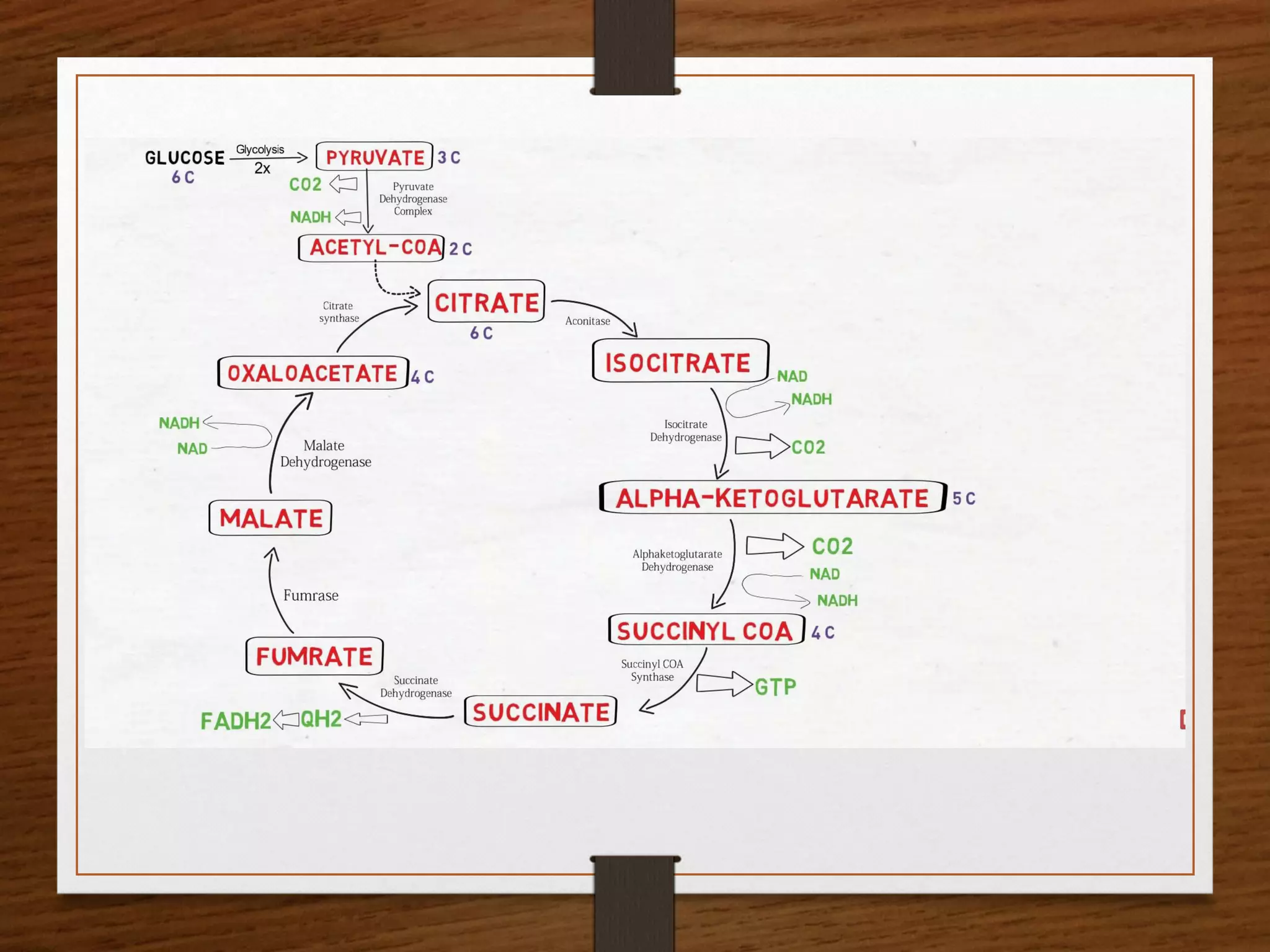
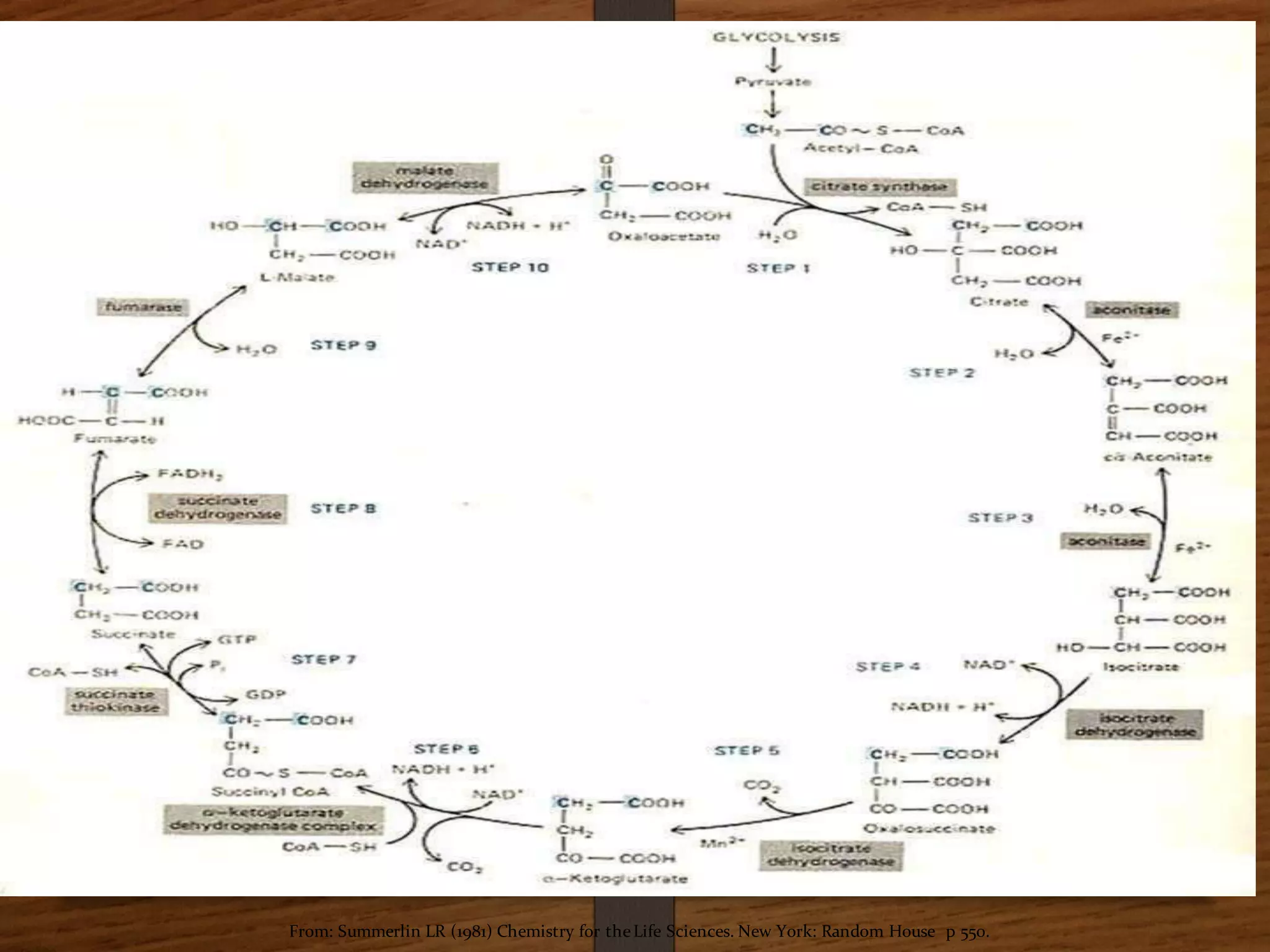


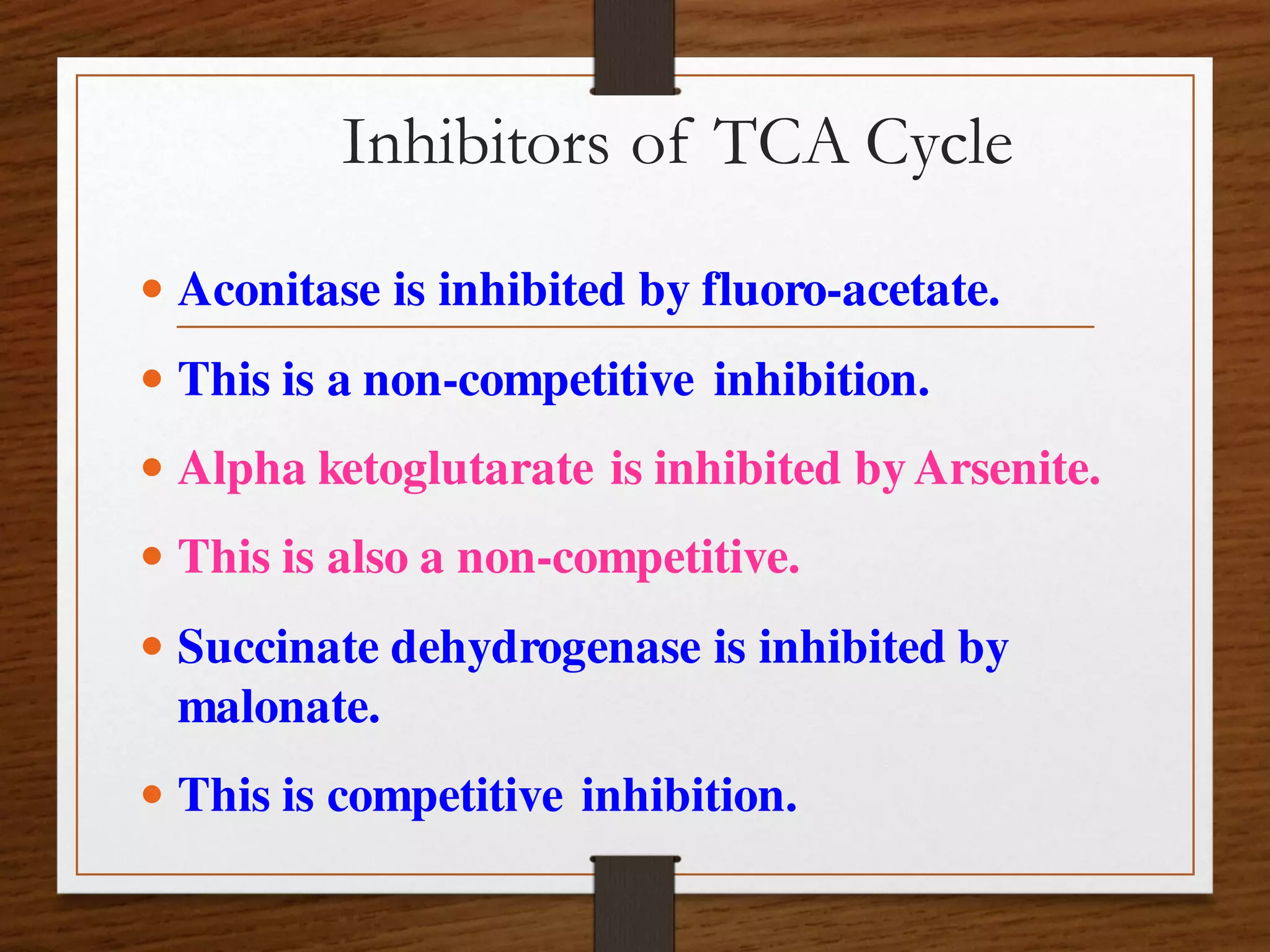


The TCA cycle, also known as the Krebs cycle or citric acid cycle, is the final common pathway for the oxidation of carbohydrates, fats, and proteins to produce energy in the form of ATP, NADH, and FADH2. The cycle involves the oxidation of acetyl-CoA to carbon dioxide, with the production of high-energy electron carriers and the regeneration of oxaloacetate. Key steps include the condensation of acetyl-CoA and oxaloacetate to form citrate, followed by oxidative decarboxylation reactions that generate NADH and FADH2. The TCA cycle takes place in the mitochondrial matrix and is tightly regulated by enzymes like citrate


