Instructional Design Today: What We Really Need to Know as Practitioners, Researchers, and Designers Karl Kapp, Ed.D., CFPIM, CIRM Professor, Instructional Technology Assistant Director, Institute for Interactive Technologies Bloomsburg University,  Bloomsburg, PA Performance Interactivity E-Learning ISD
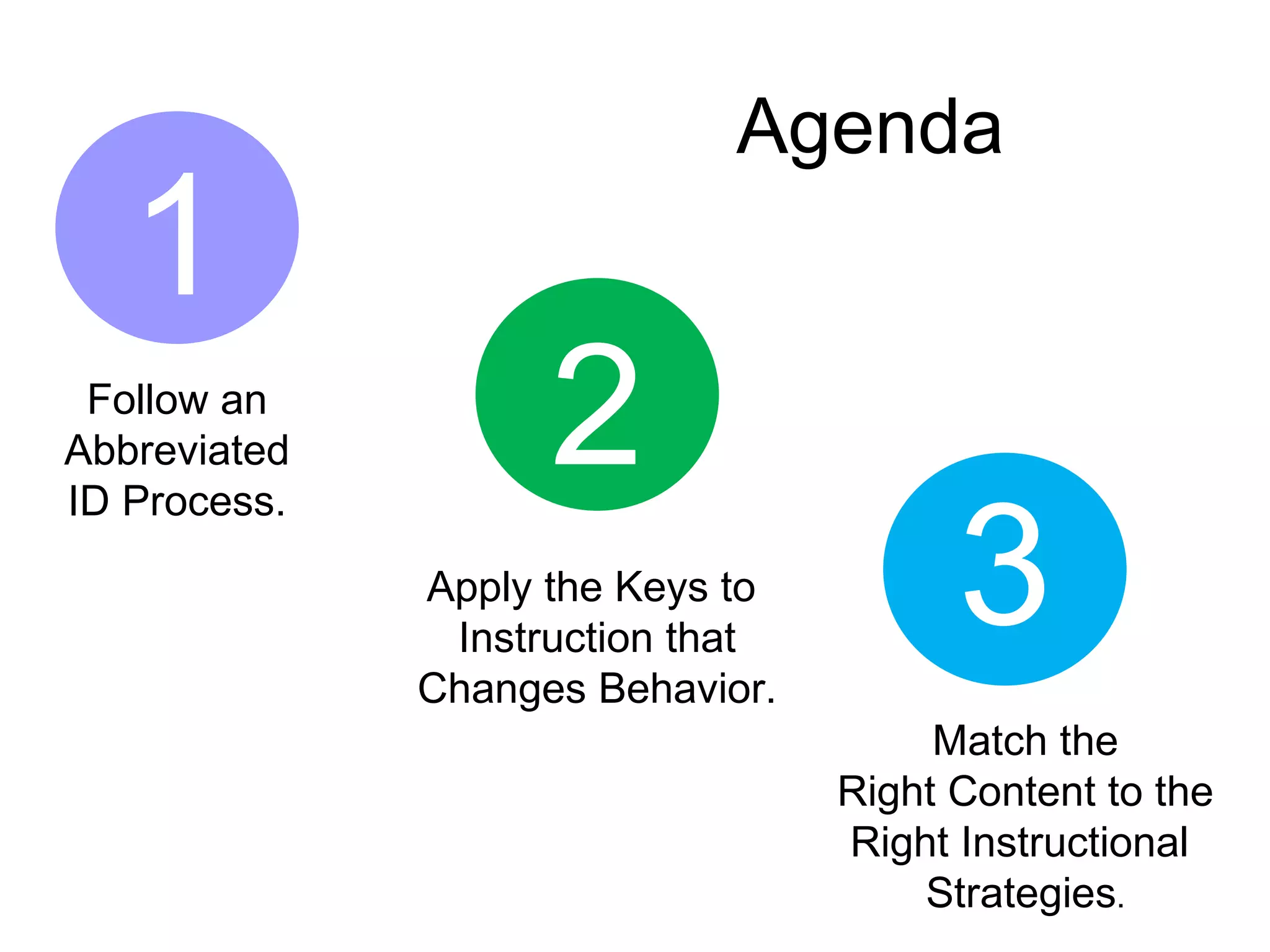
Agenda Follow an Abbreviated ID Process. Apply the Keys to  Instruction that Changes Behavior. Match the Right Content to the Right Instructional  Strategies . 1 2 3
Keep Up with Latest Thinking on the Topic: Google “Kapp Notes”
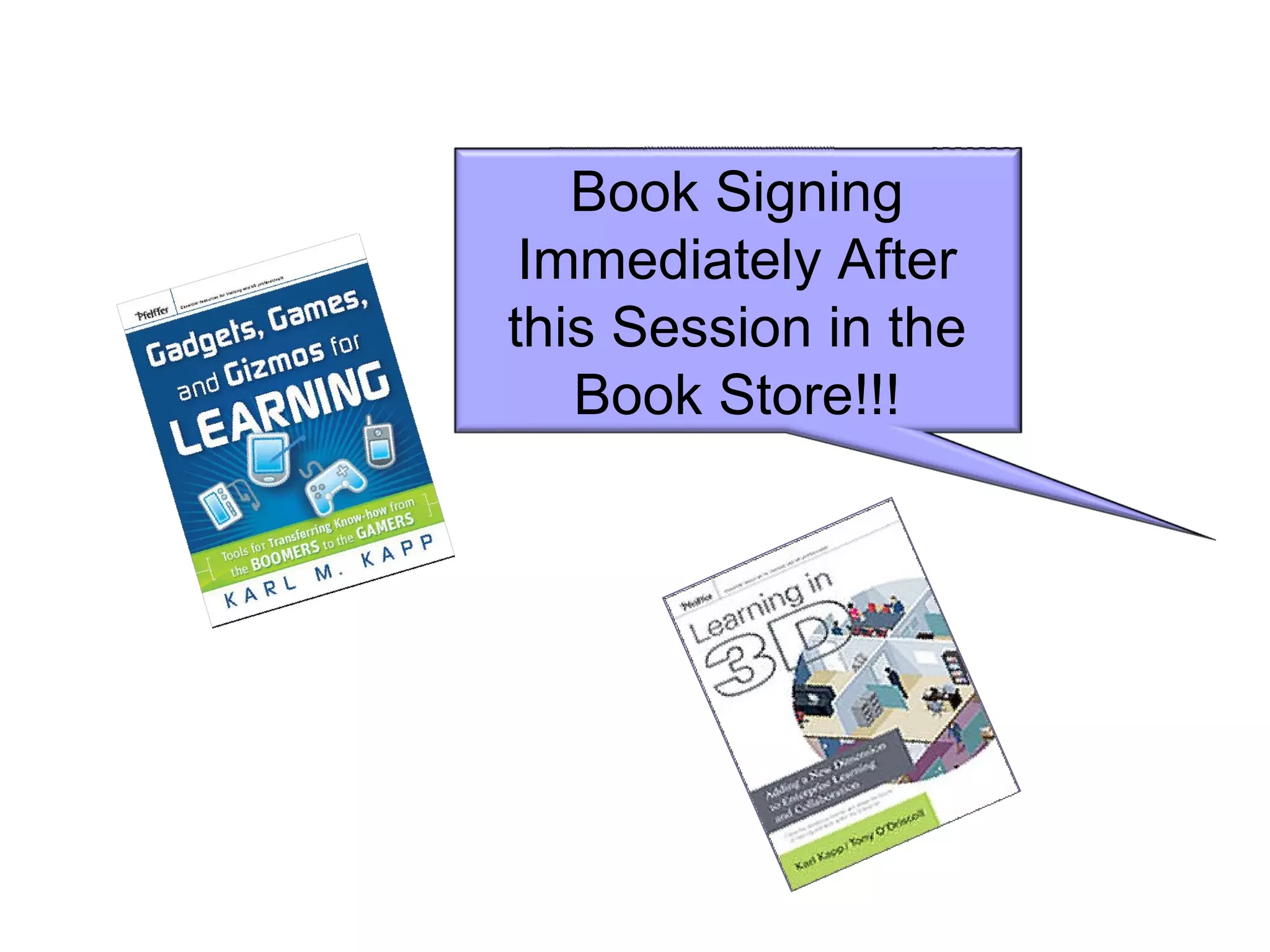
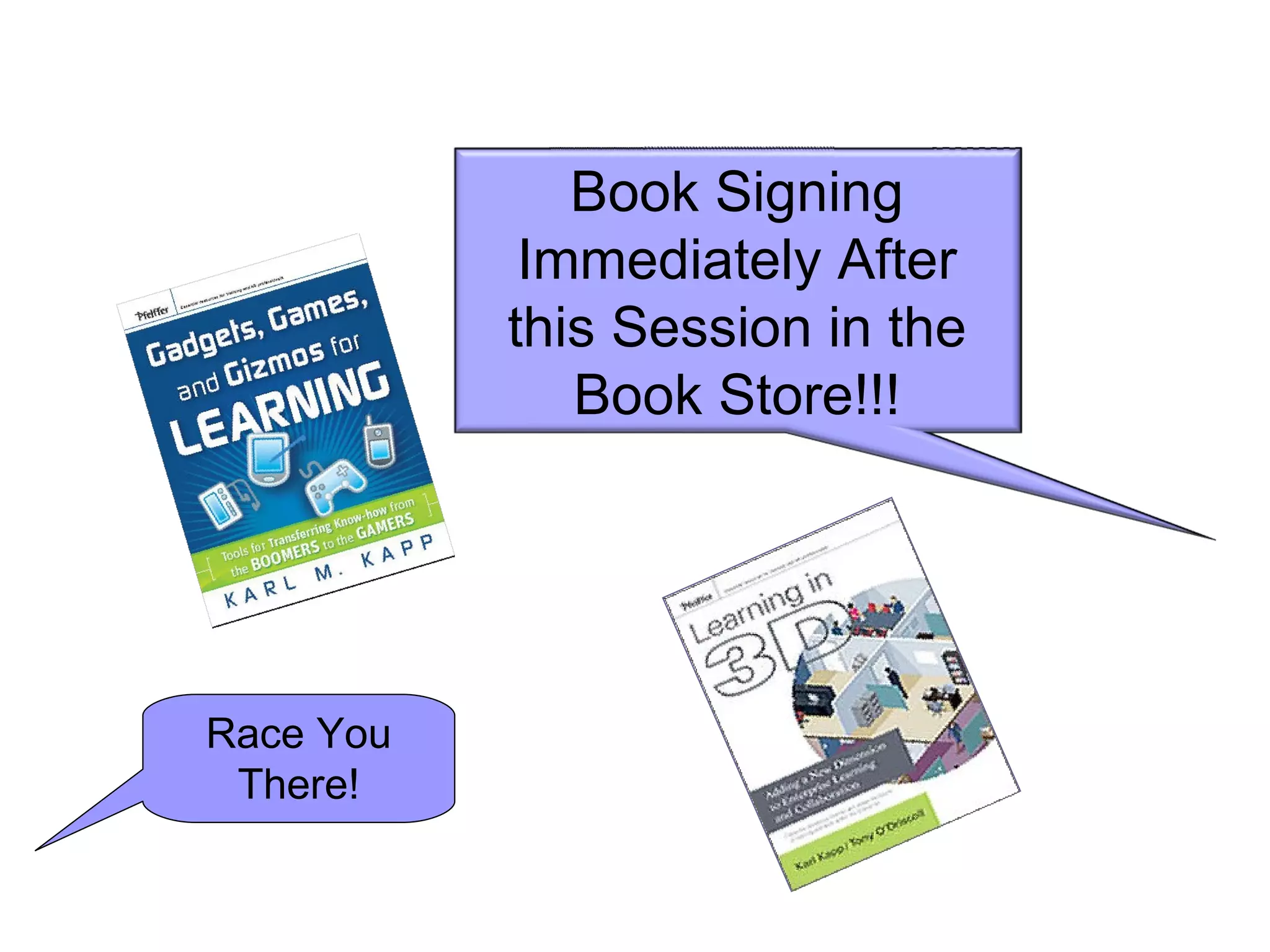
Book Signing Immediately After this Session in the Book Store!!!
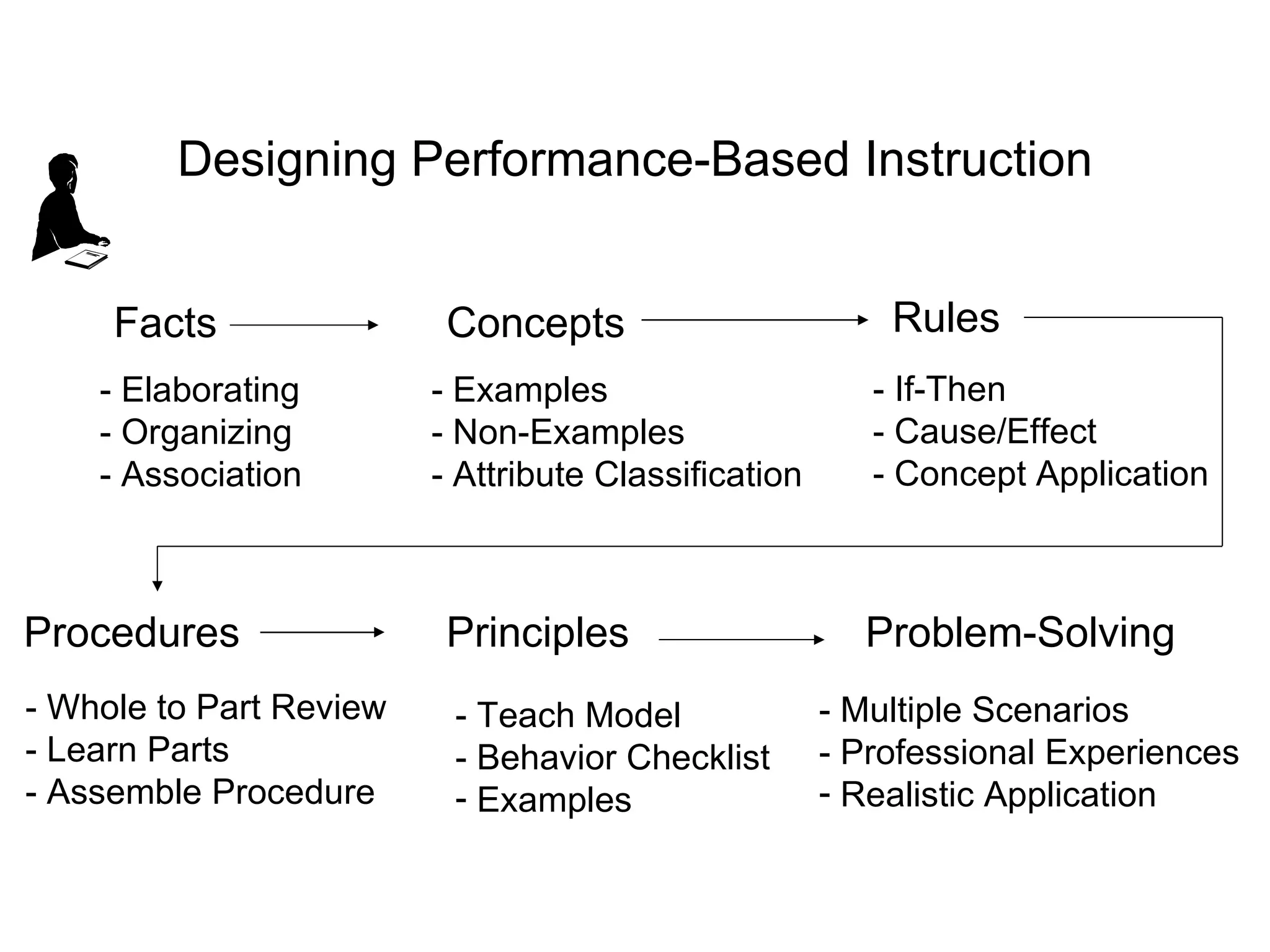
Designing Performance-Based Instruction Facts Concepts Rules - Elaborating - Organizing - Association - Examples - Non-Examples - Attribute Classification - If-Then - Cause/Effect - Concept Application Procedures Principles Problem-Solving - Whole to Part Review - Learn Parts - Assemble Procedure - Teach Model - Behavior Checklist Examples - Multiple Scenarios - Professional Experiences Realistic Application
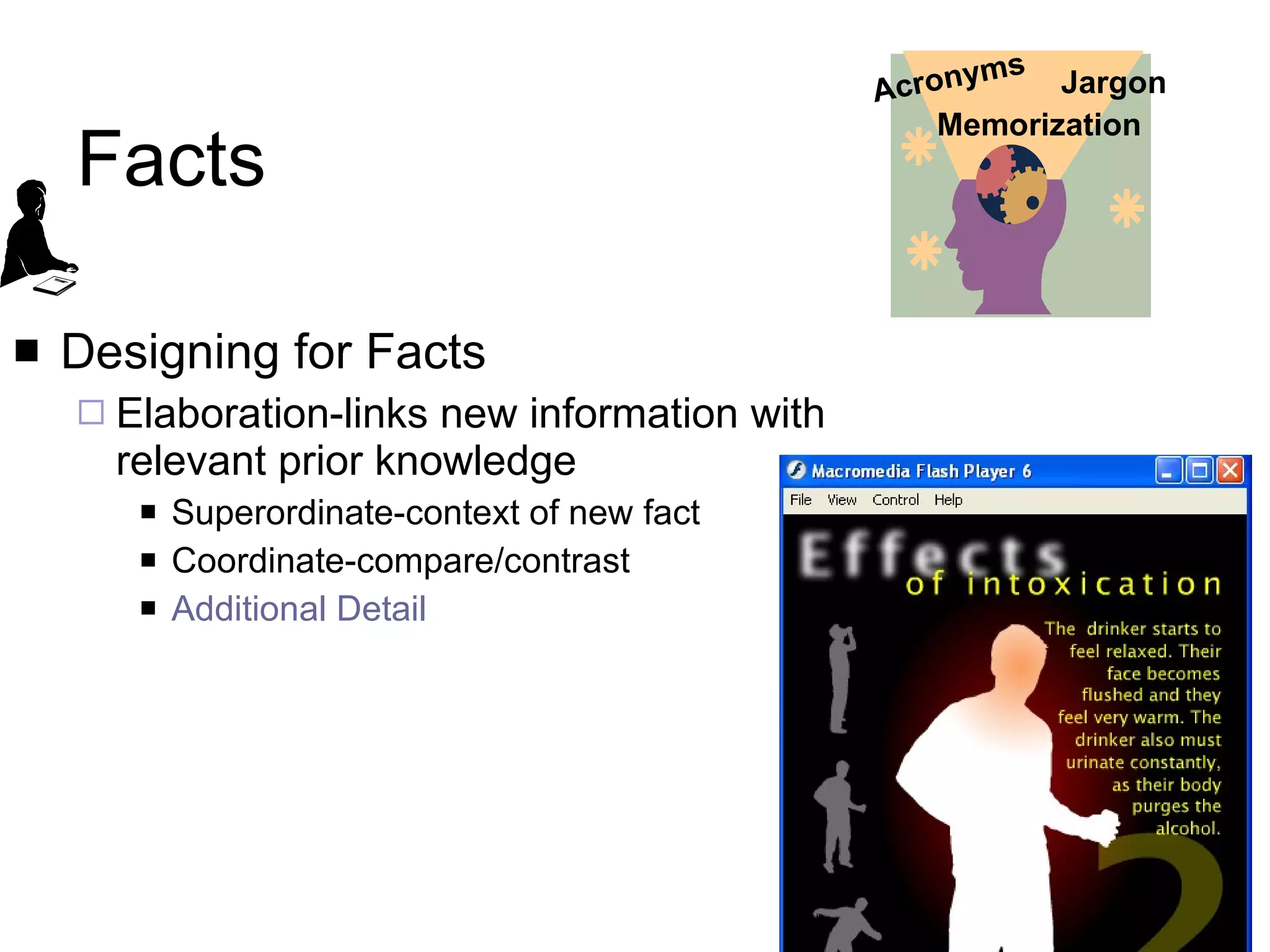
Facts  Designing for Facts Elaboration-links new information with relevant prior knowledge Superordinate-context of new fact Coordinate-compare/contrast Additional Detail Jargon Acronyms Memorization
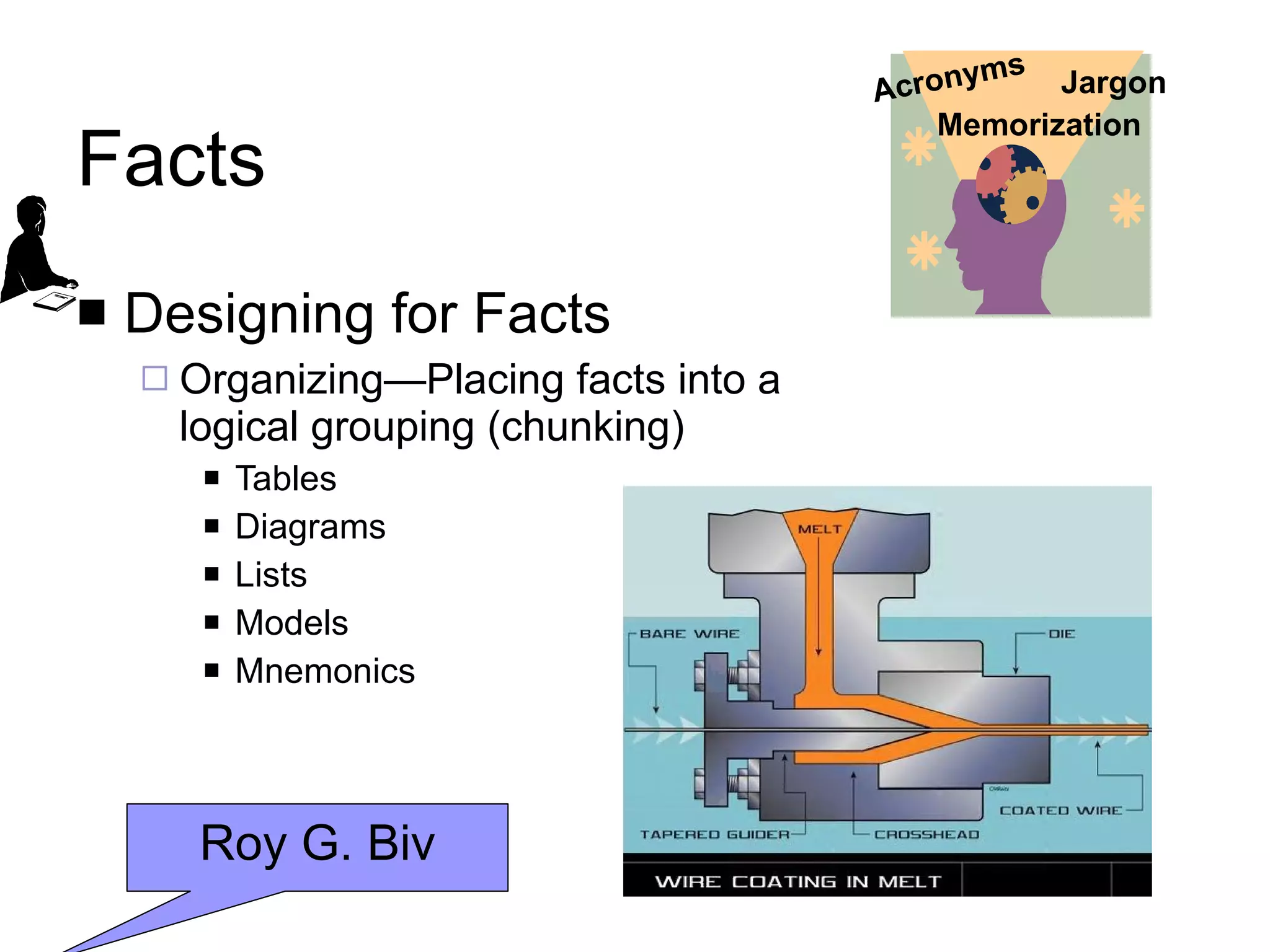
Facts Designing for Facts Organizing—Placing facts into a logical grouping (chunking) Tables Diagrams Lists Models Mnemonics Roy G. Biv Jargon Acronyms Memorization
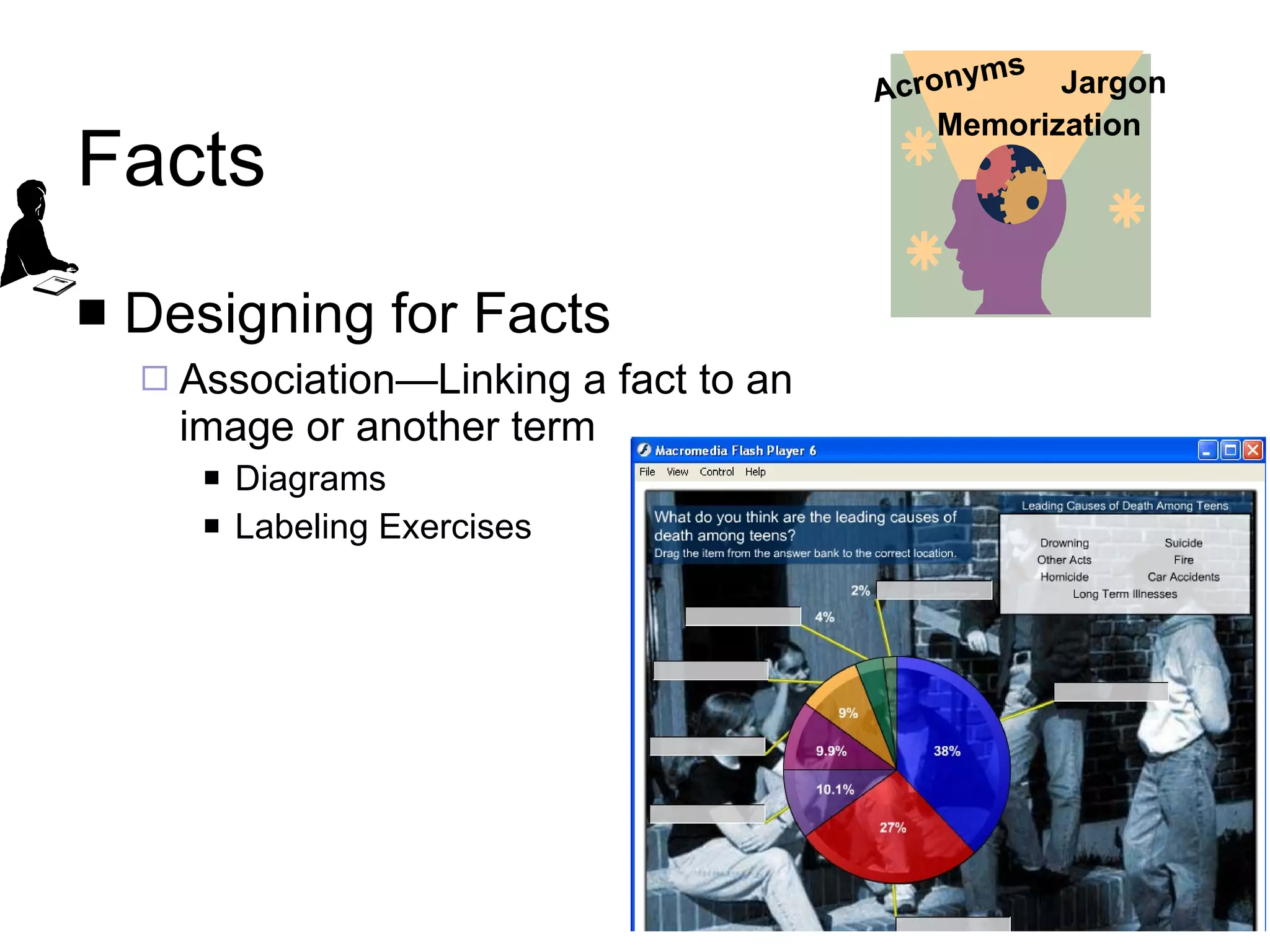
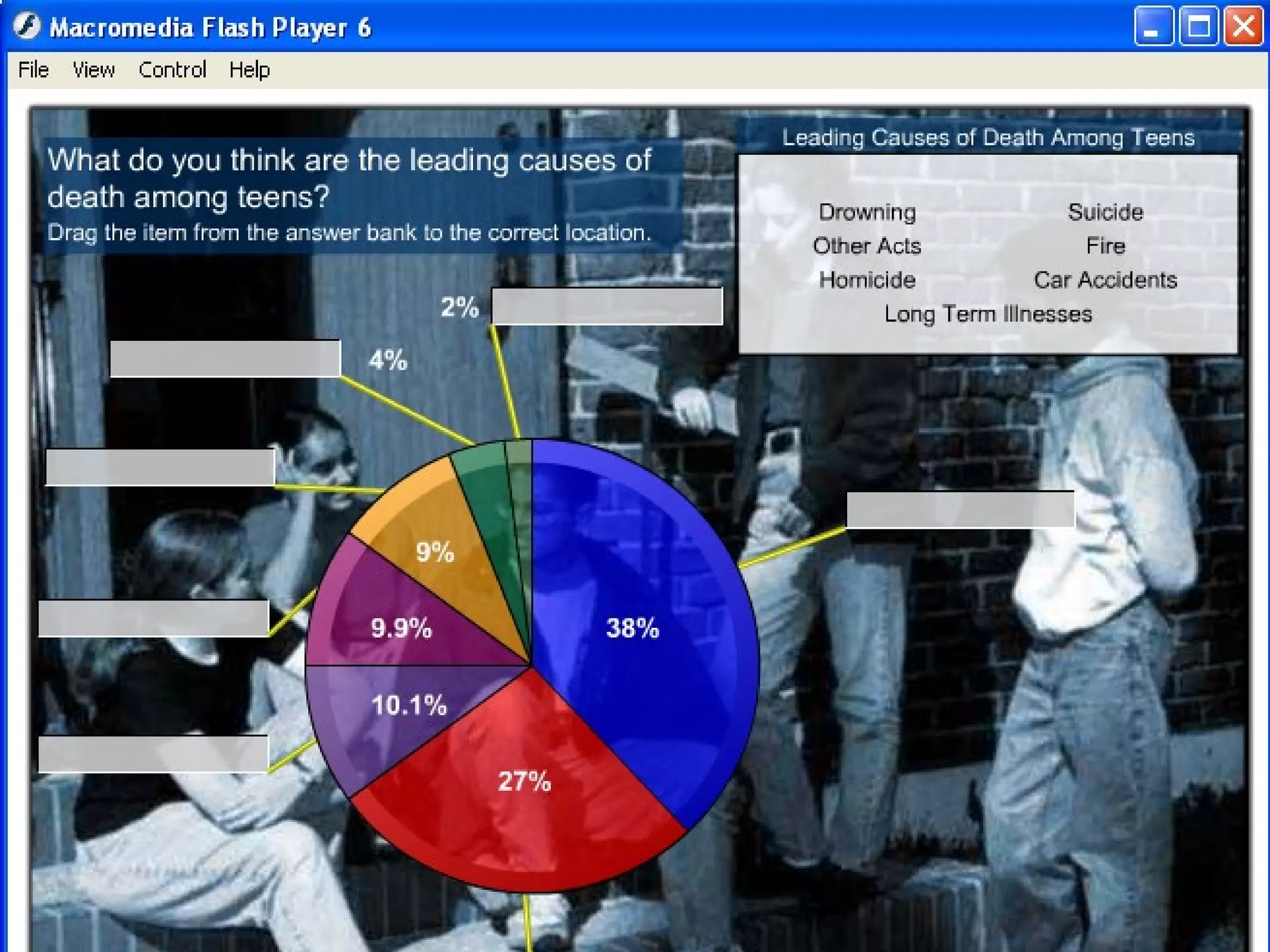
Facts Designing for Facts Association—Linking a fact to an image or another term Diagrams Labeling Exercises Jargon Acronyms Memorization
 
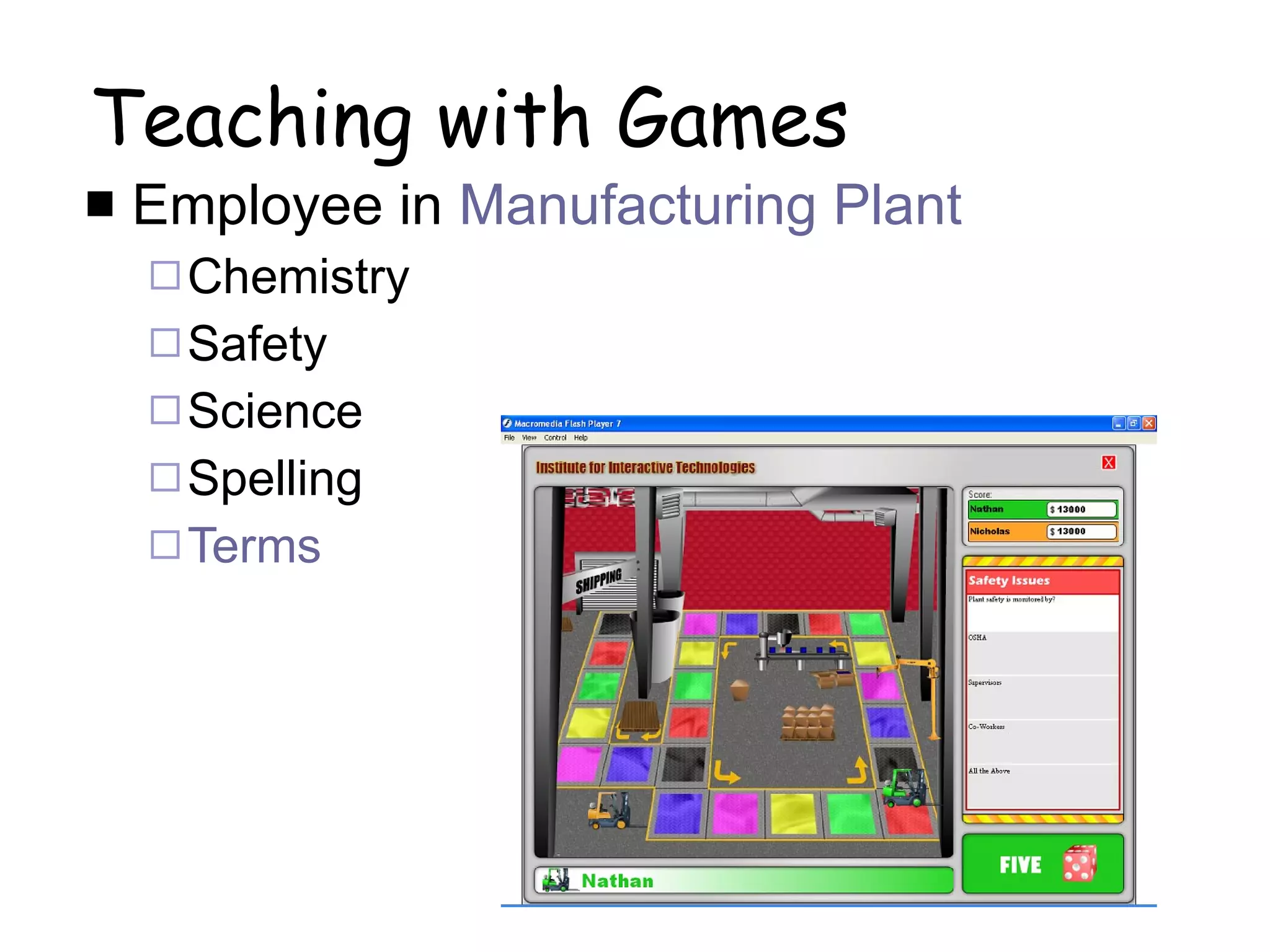
Teaching with Games Employee in  Manufacturing Plant Chemistry Safety Science Spelling Terms

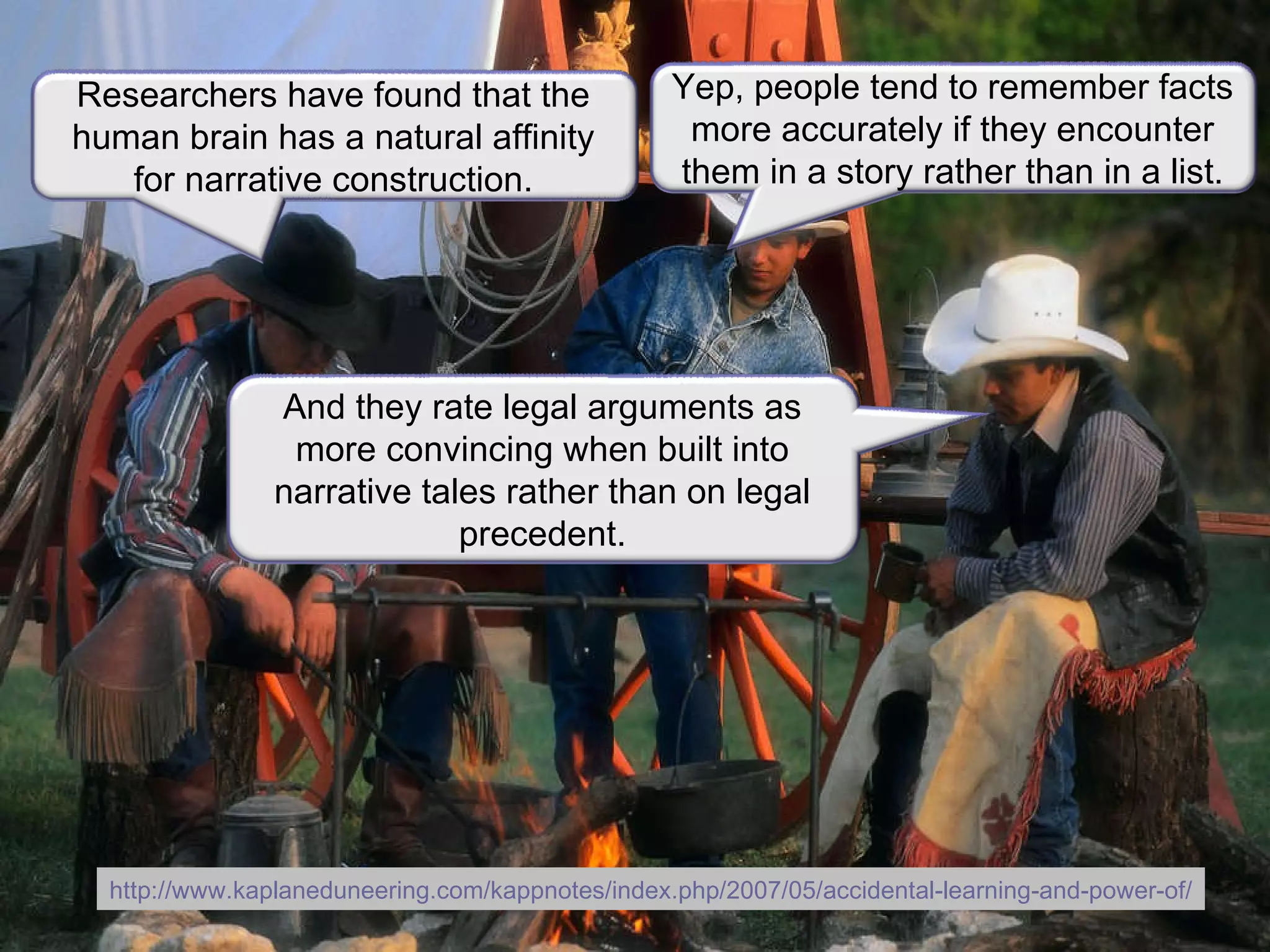
http://www.kaplaneduneering.com/kappnotes/index.php/2007/05/accidental-learning-and-power-of/ Researchers have found that the human brain has a natural affinity for narrative construction. Yep, people tend to remember facts more accurately if they encounter them in a story rather than in a list. And they rate legal arguments as more convincing when built into narrative tales rather than on legal precedent.
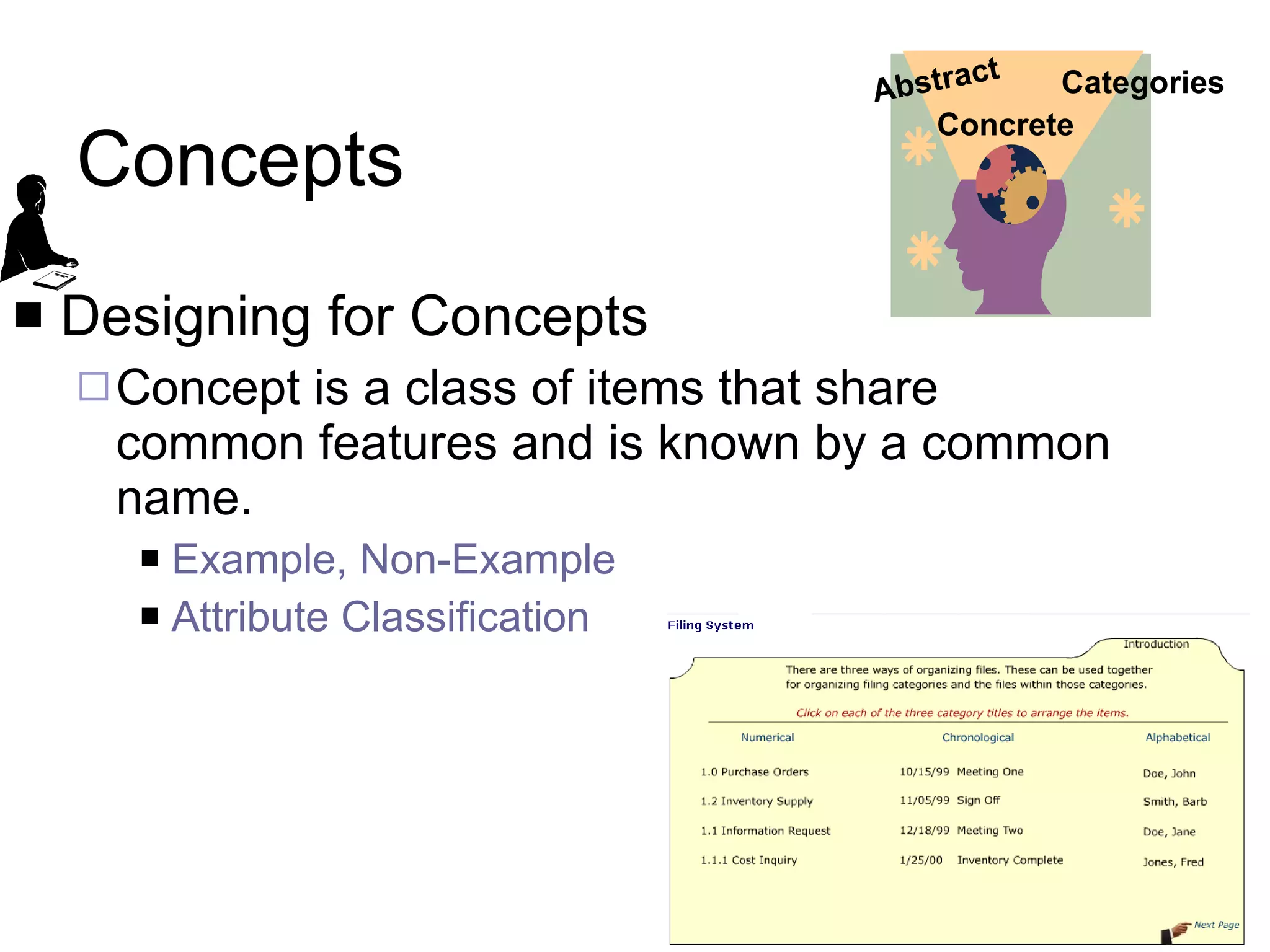
Concepts Designing for Concepts Concept is a class of items that share common features and is known by a common name. Example, Non-Example Attribute Classification Categories Abstract Concrete

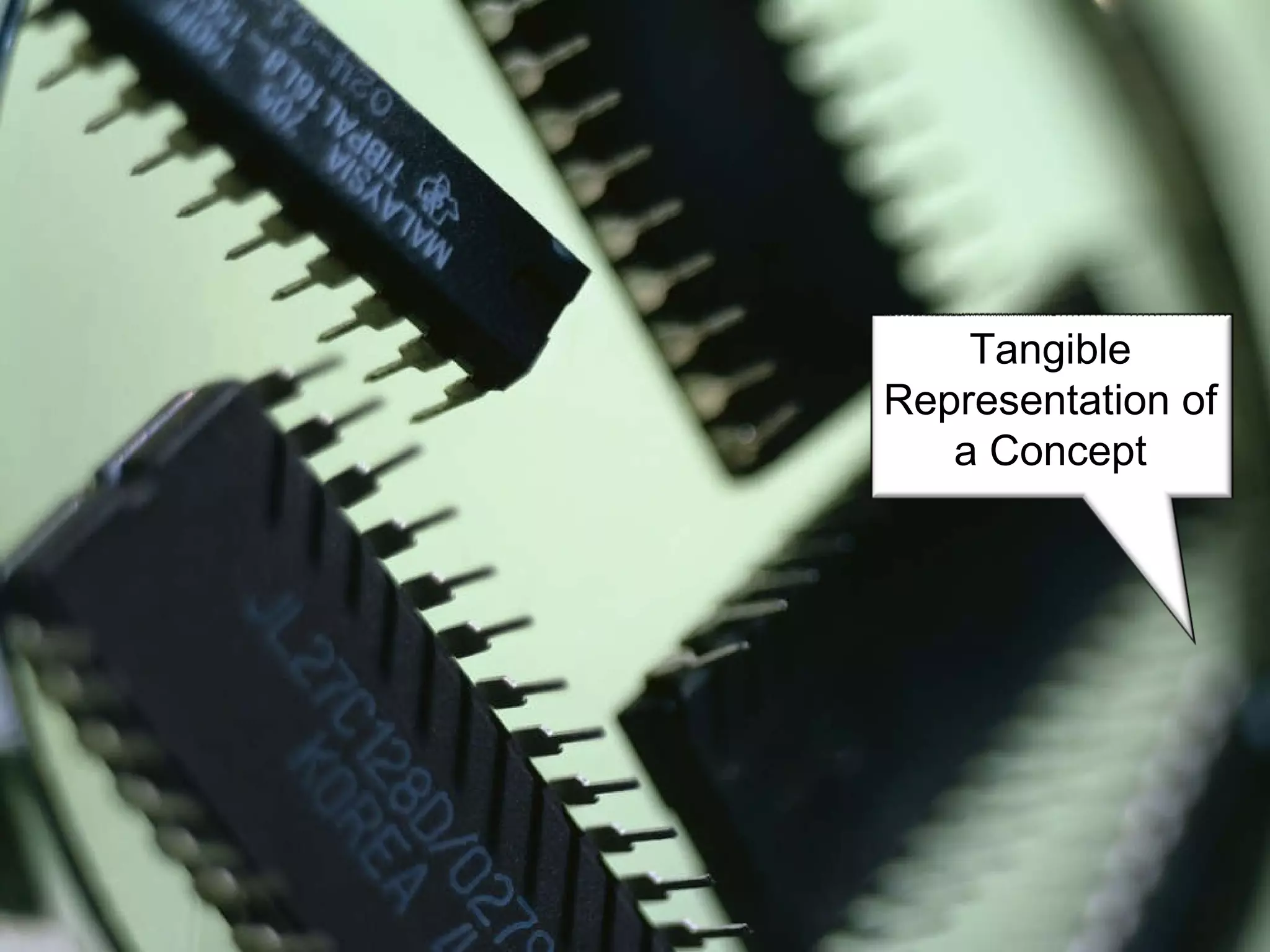
Tangible Representation of a Concept
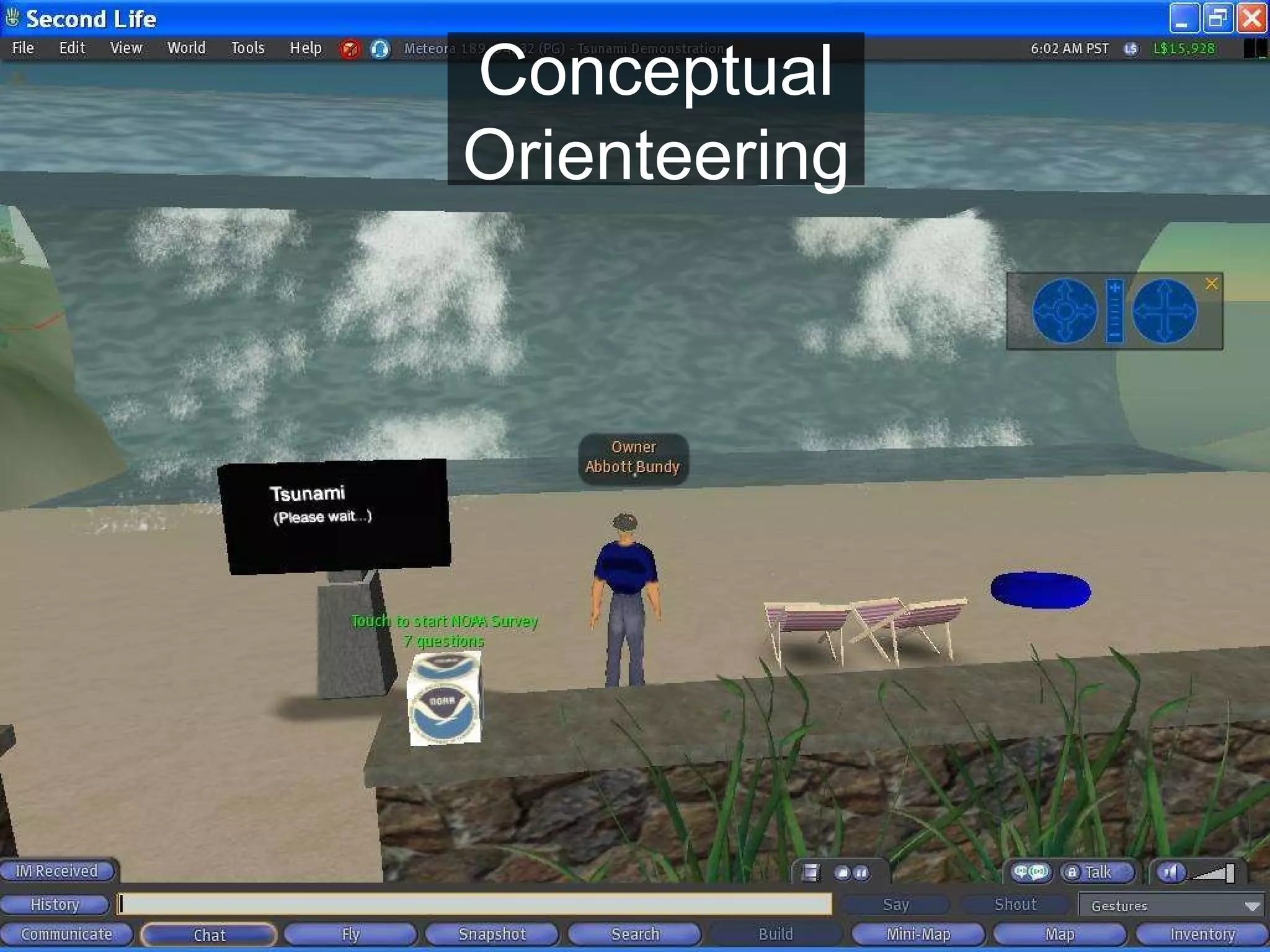
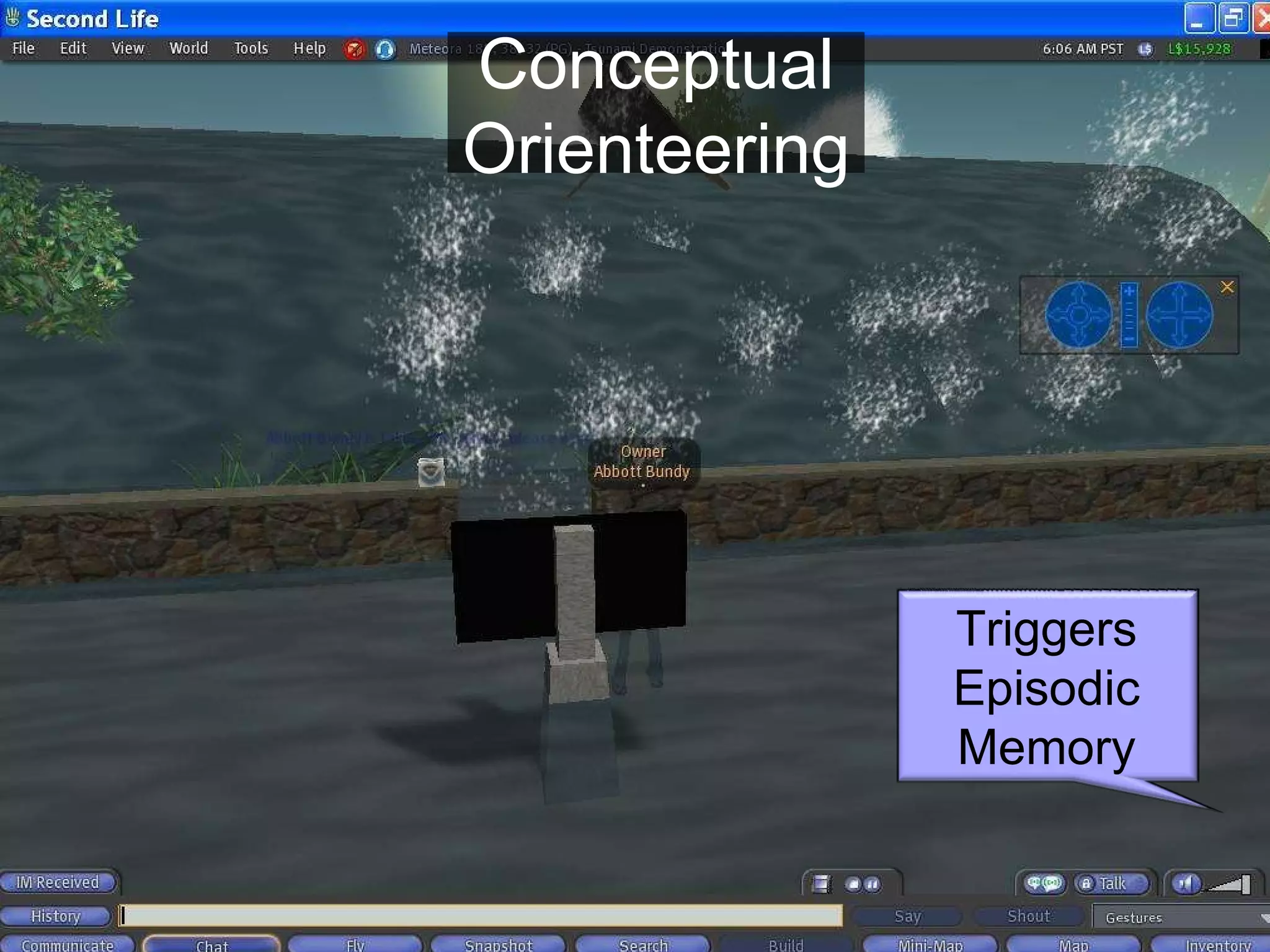
Conceptual Orienteering
Conceptual Orienteering Triggers Episodic Memory
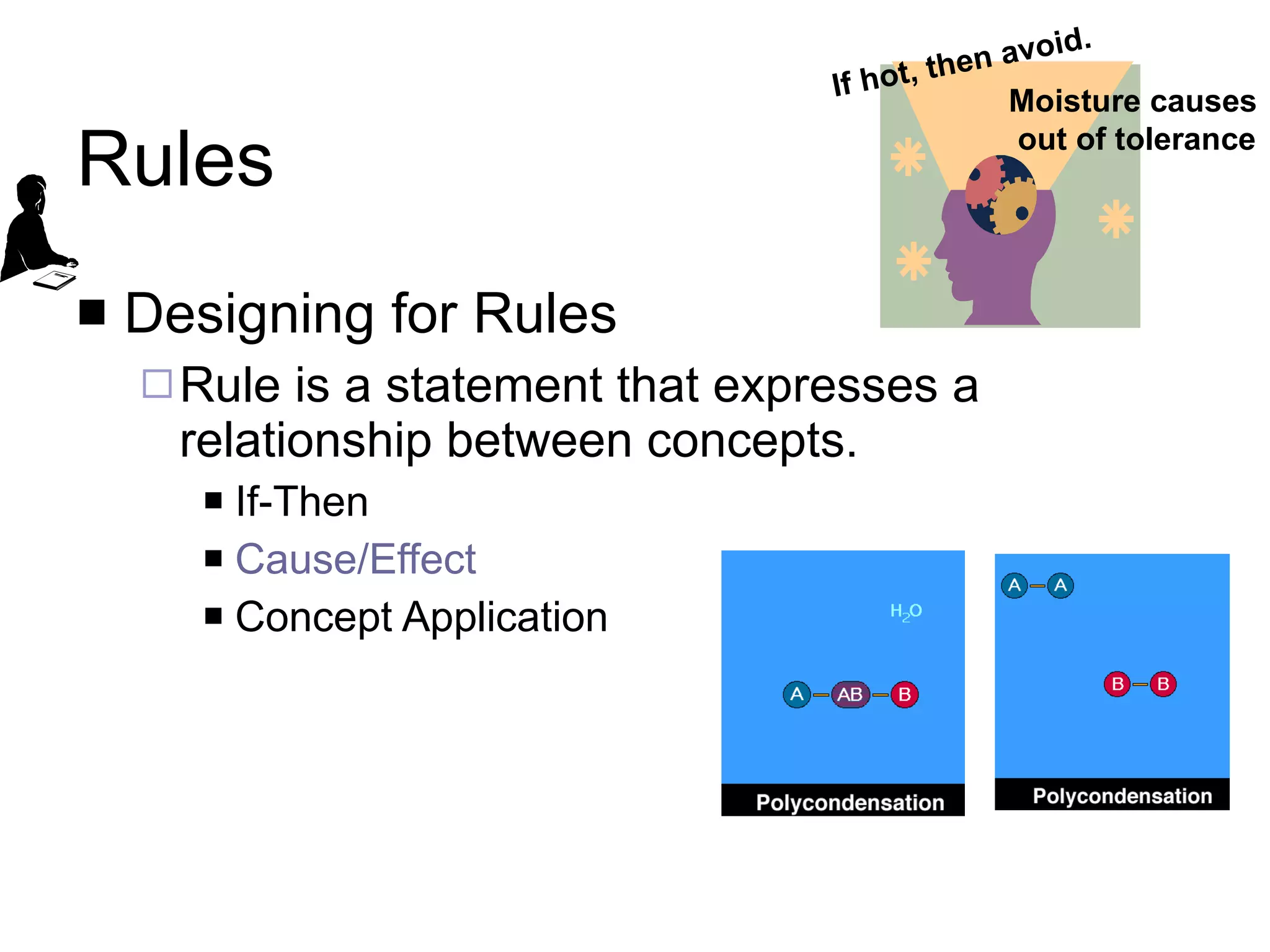
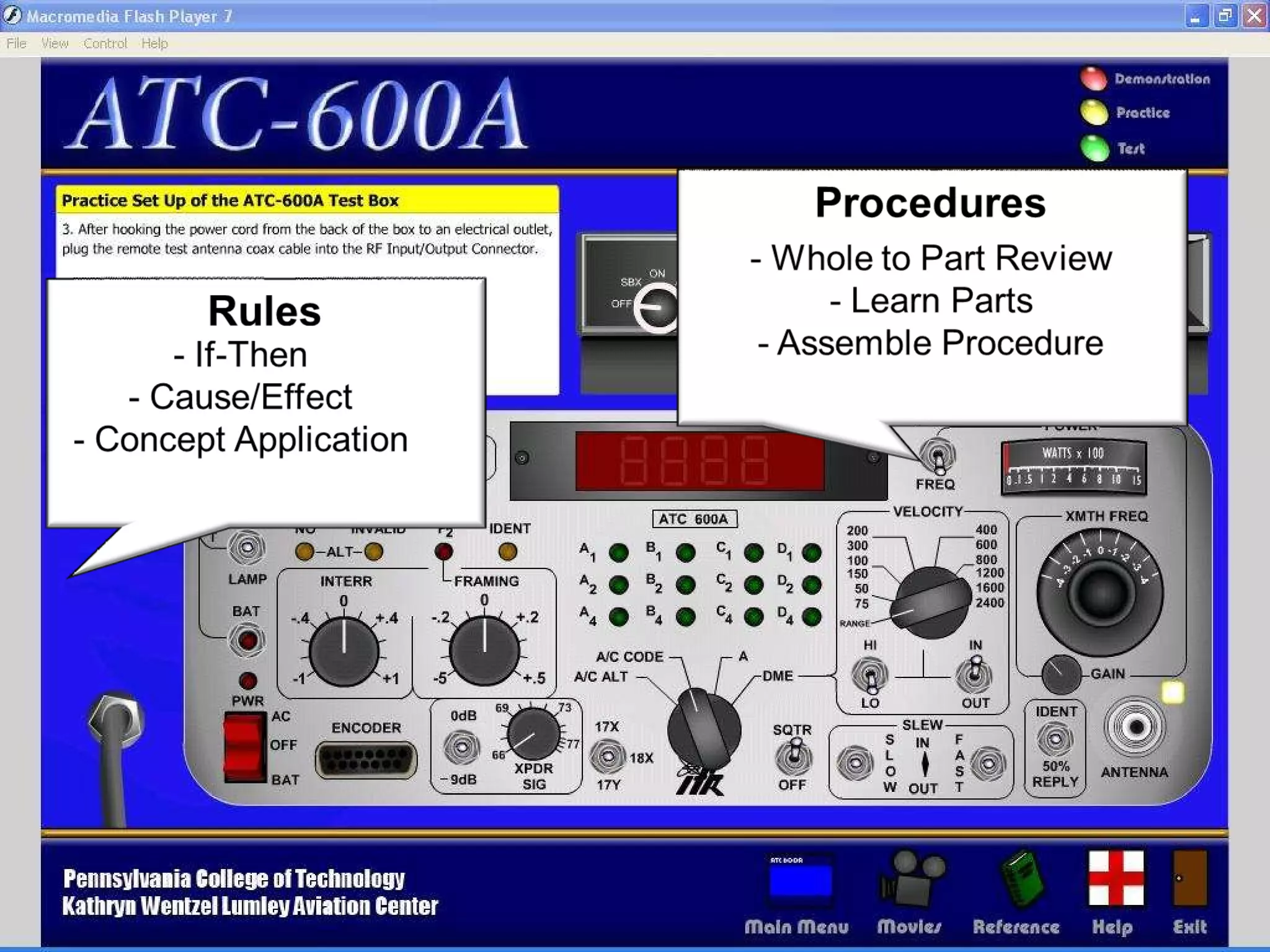
Rules Designing for Rules Rule is a statement that expresses a relationship between concepts. If-Then Cause/Effect Concept Application Moisture causes out of tolerance If hot, then avoid.


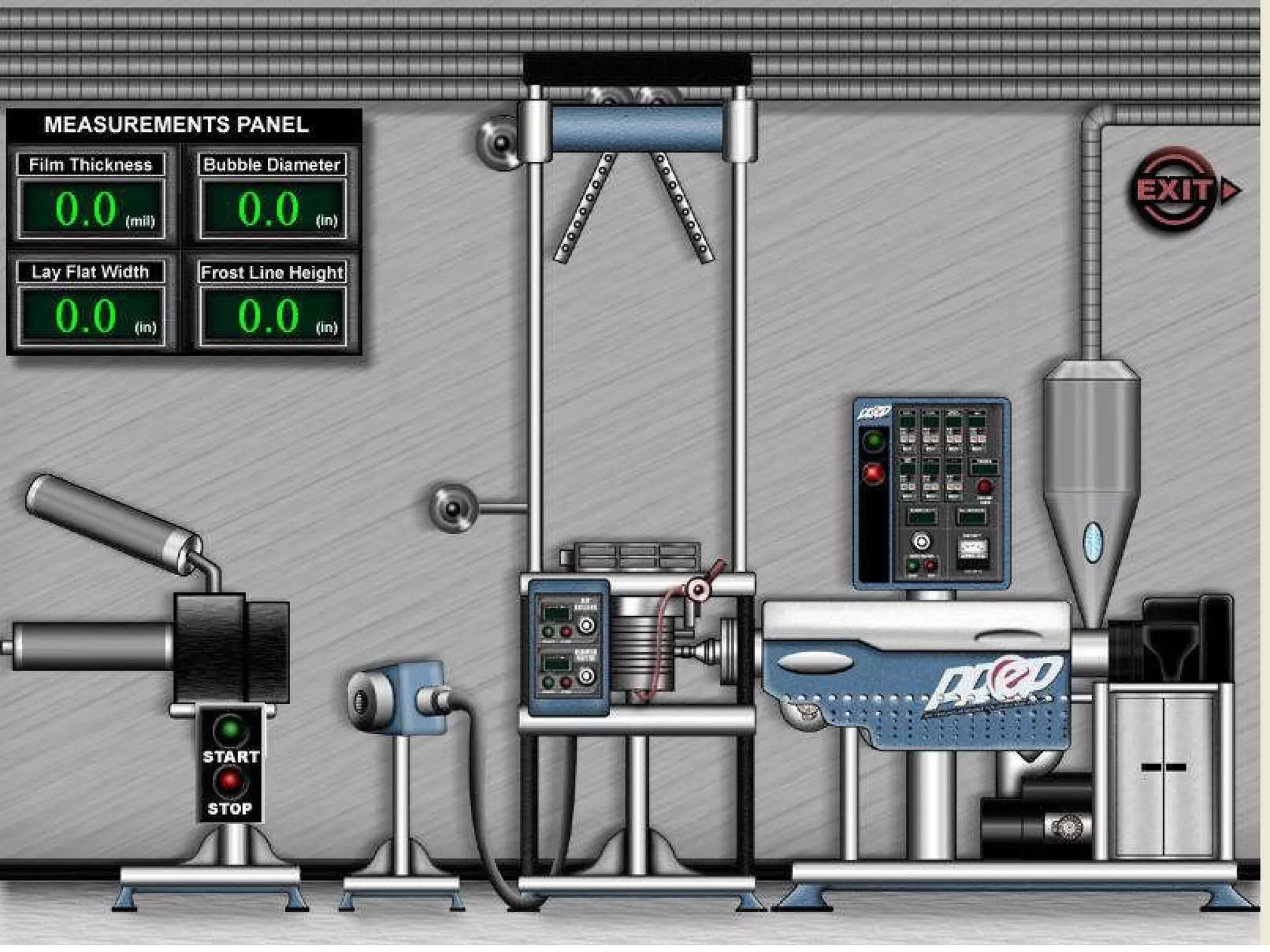
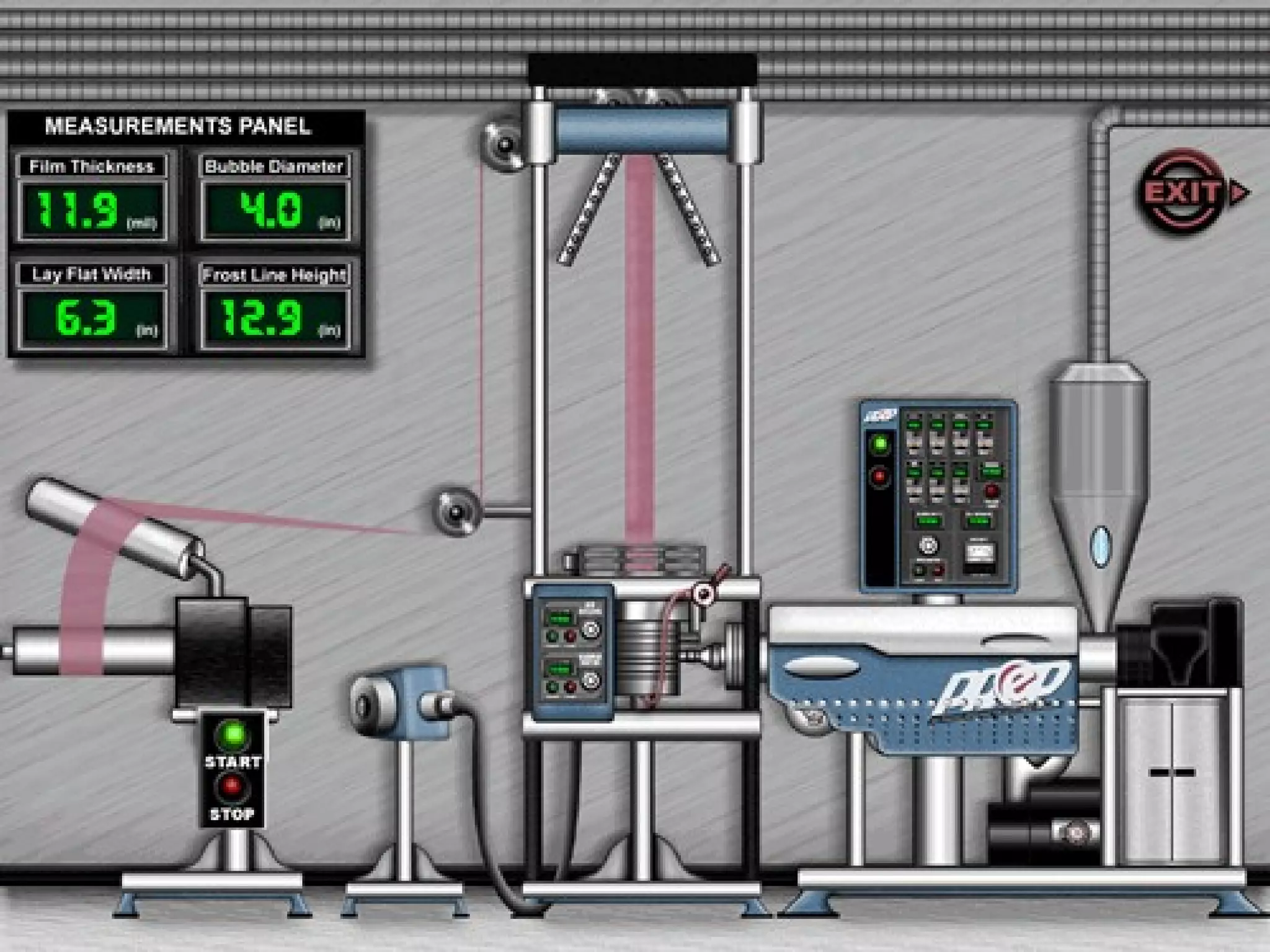
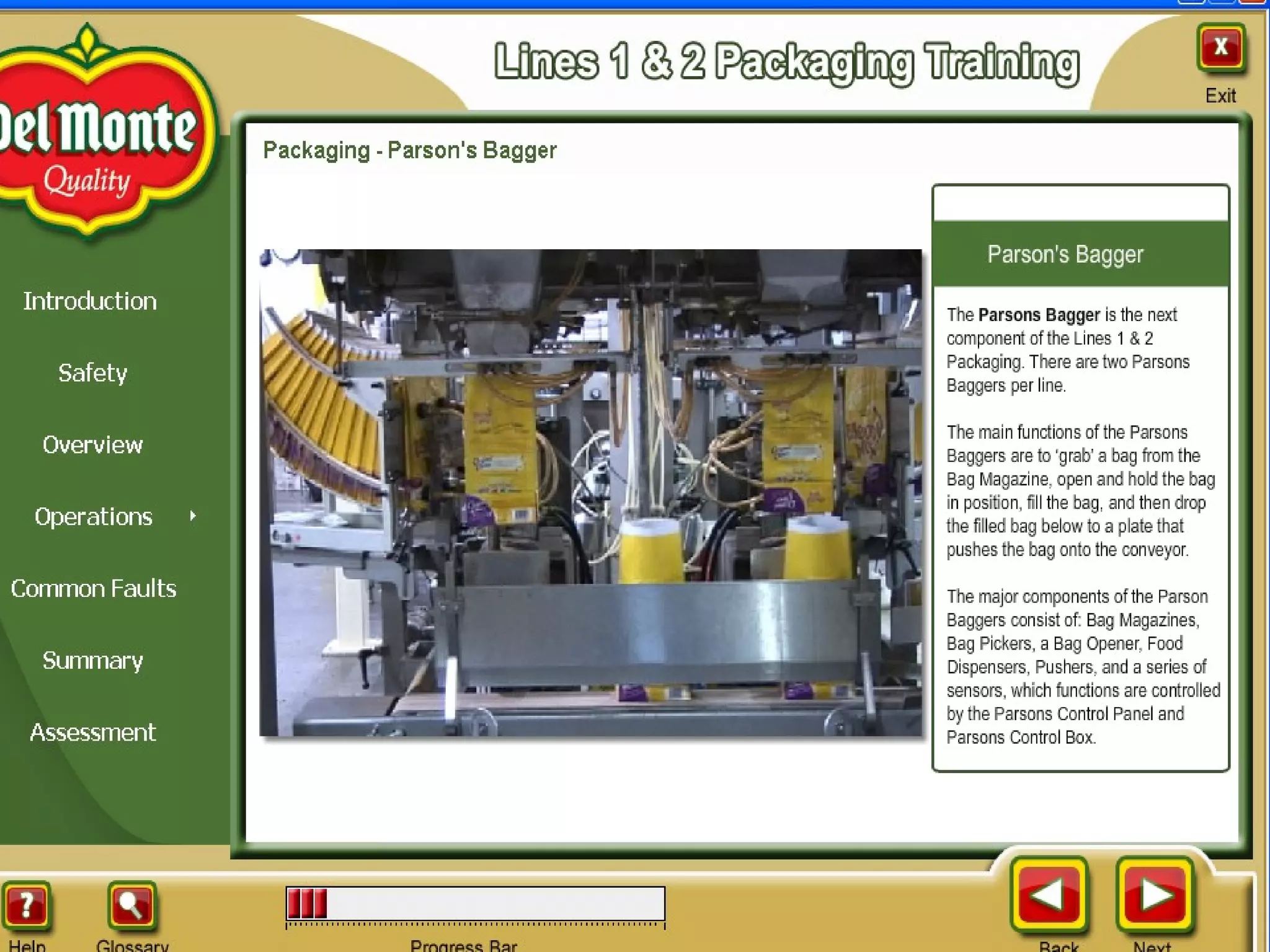
Procedures Designing for Procedures Procedure is a sequence of steps the learner performs to accomplish a task. Whole to Part Review Learn Parts Assemble  Procedure SOPs Software Processes Step-by-Step
 
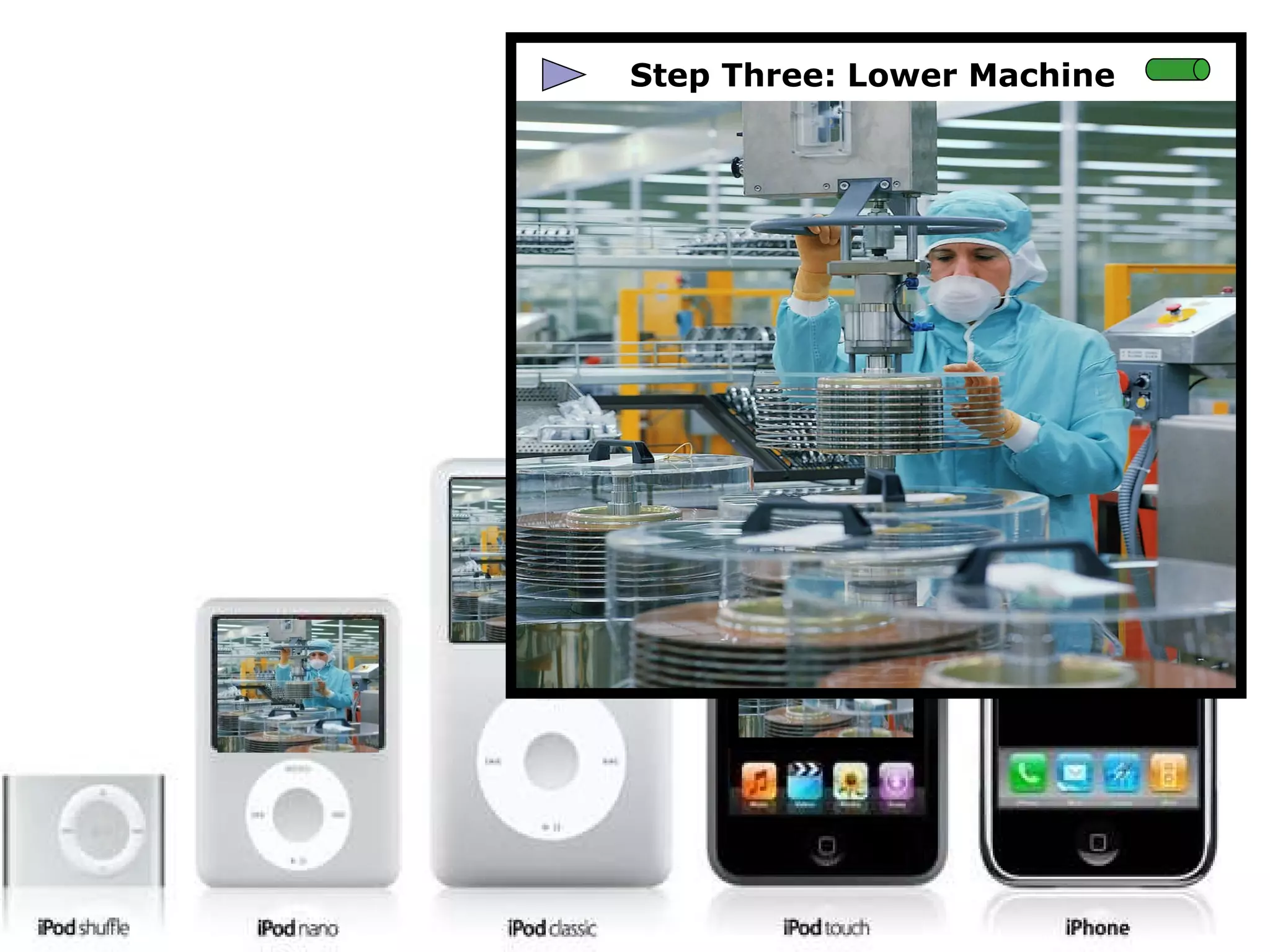
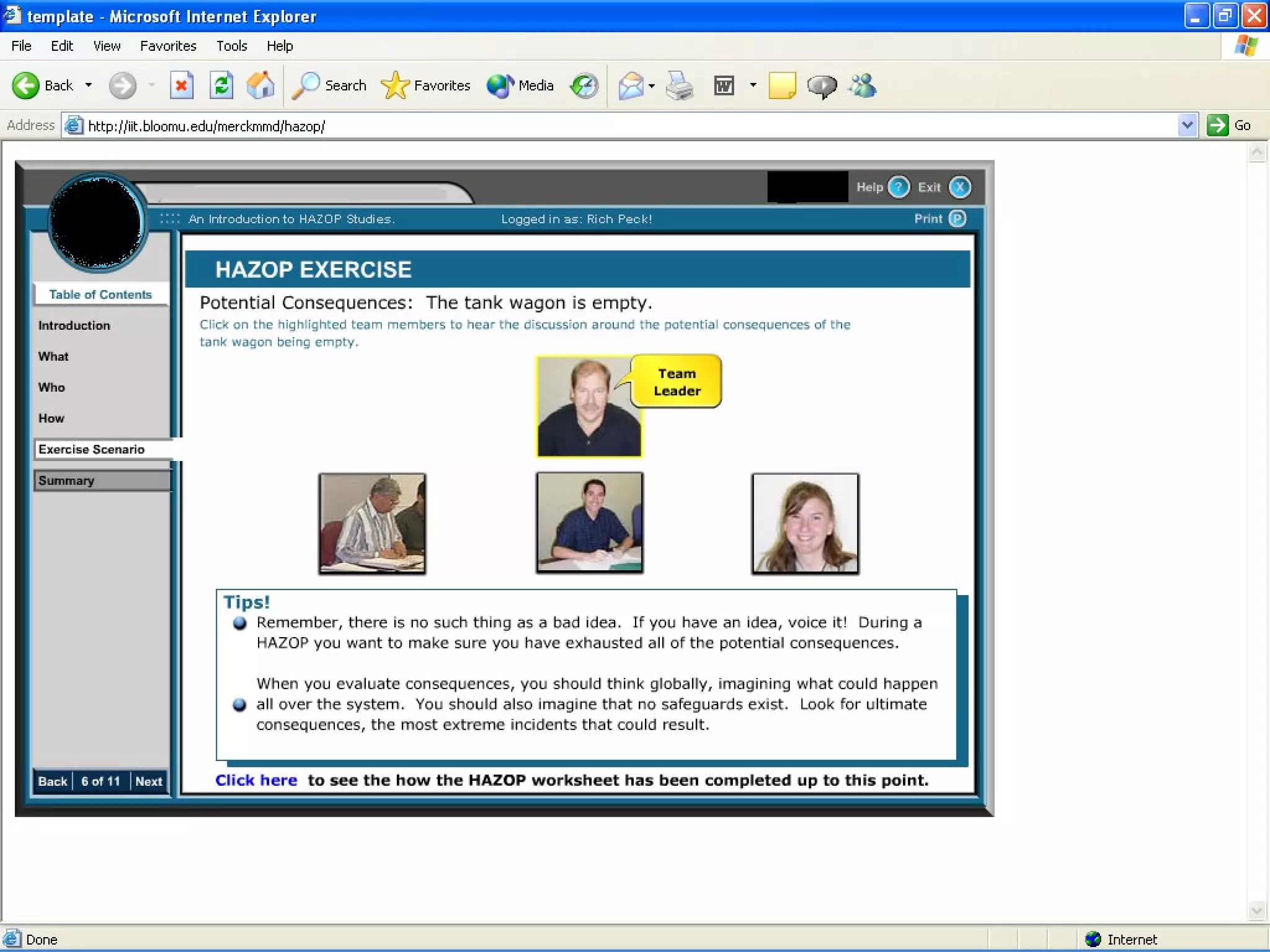
Step Three: Lower Machine
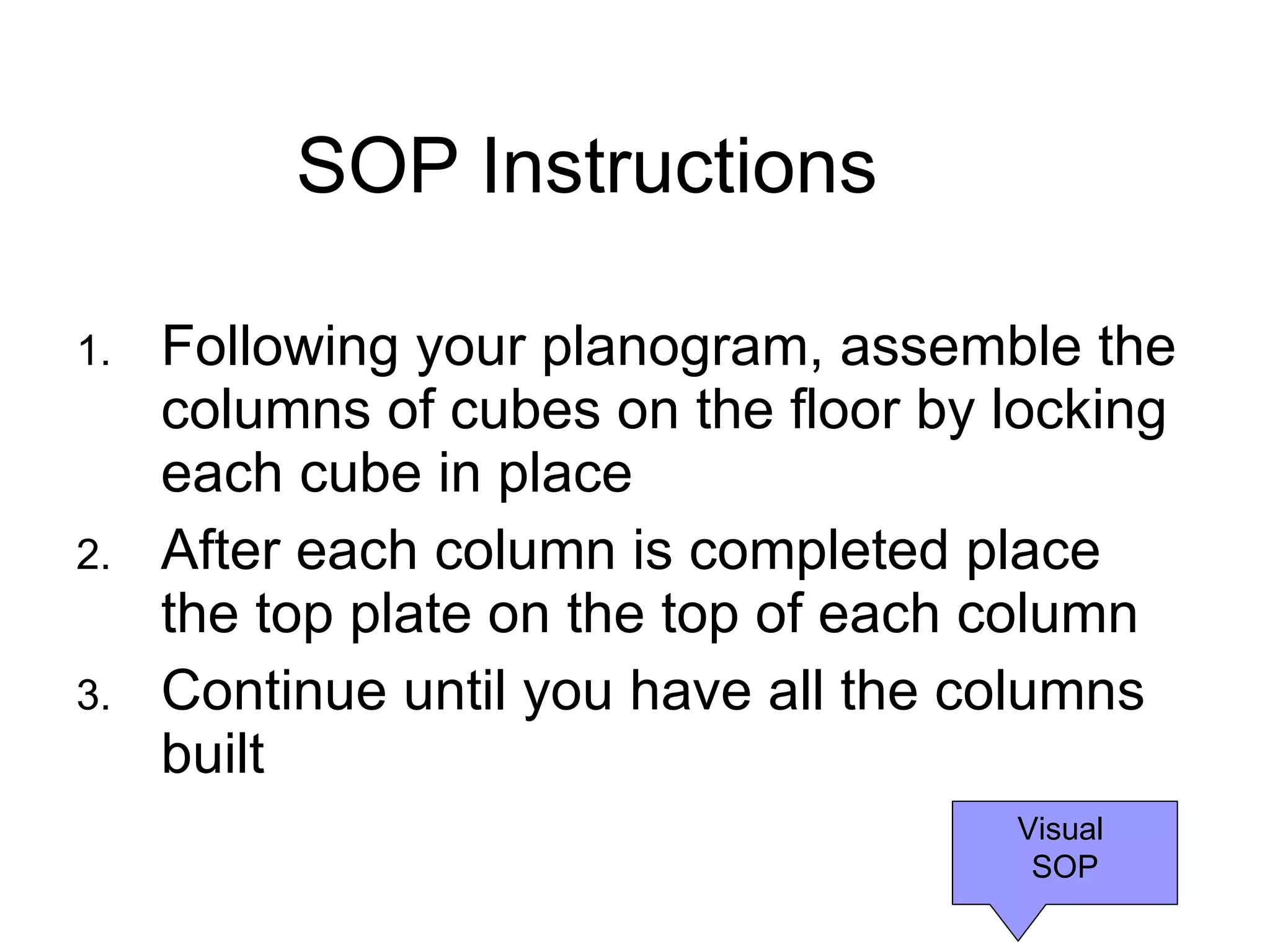
SOP Instructions Following your planogram, assemble the columns of cubes on the floor by locking each cube in place After each column is completed place the top plate on the top of each column Continue until you have all the columns built  Visual  SOP
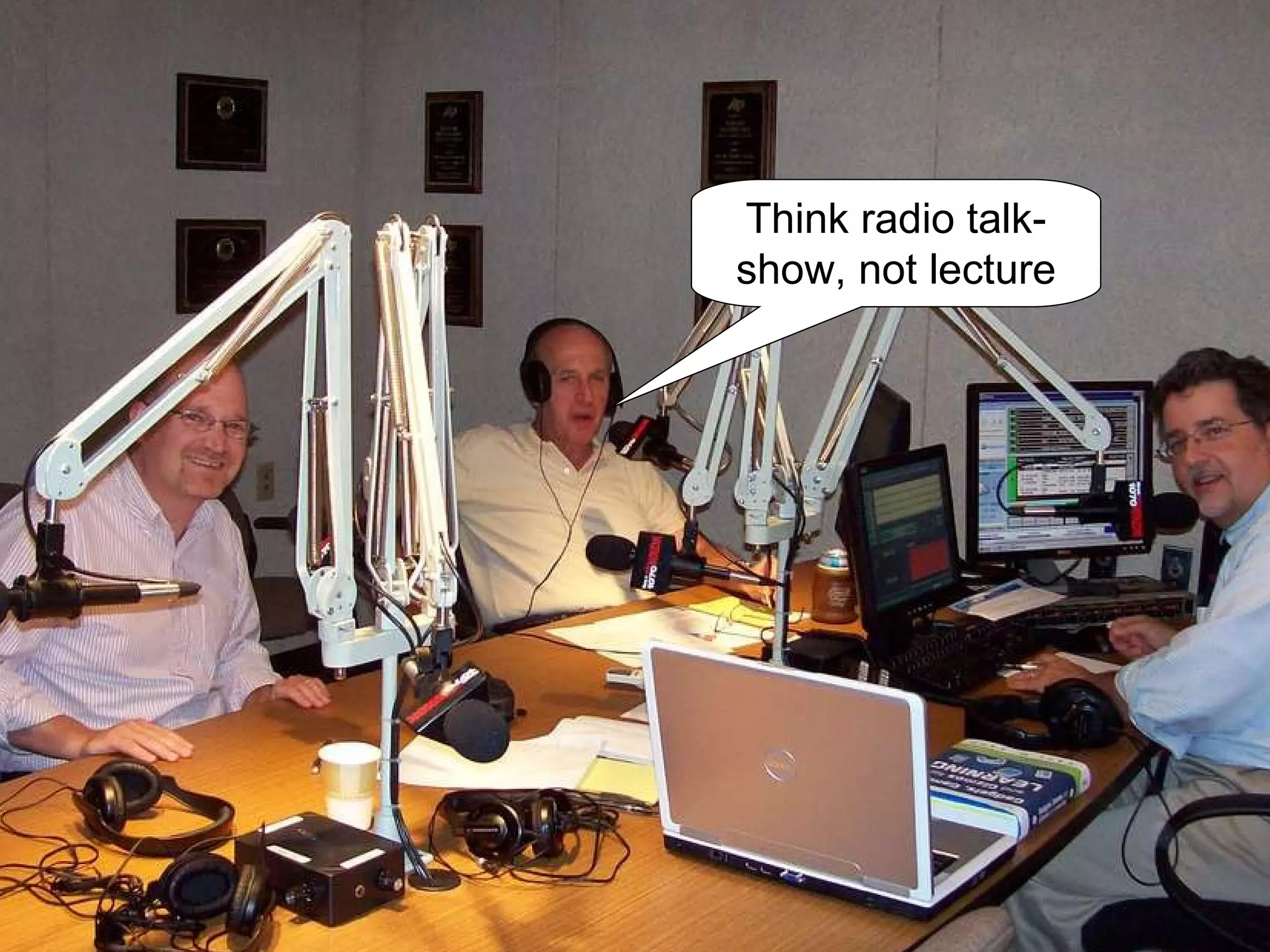
Think radio talk-show, not lecture
www.gadgetsgamesandgizmos.com © Karl M. Kapp 2007
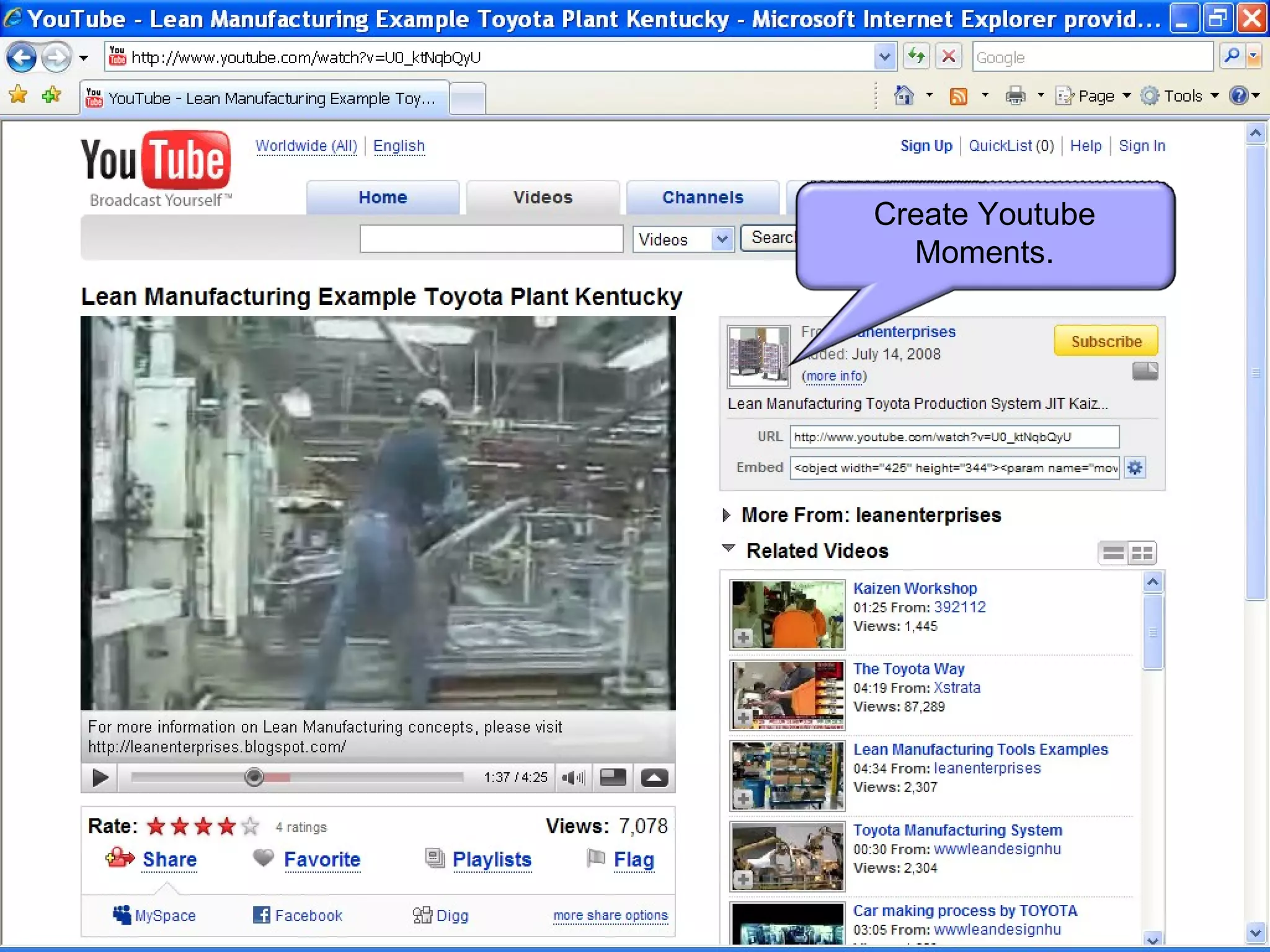
Create Youtube Moments.
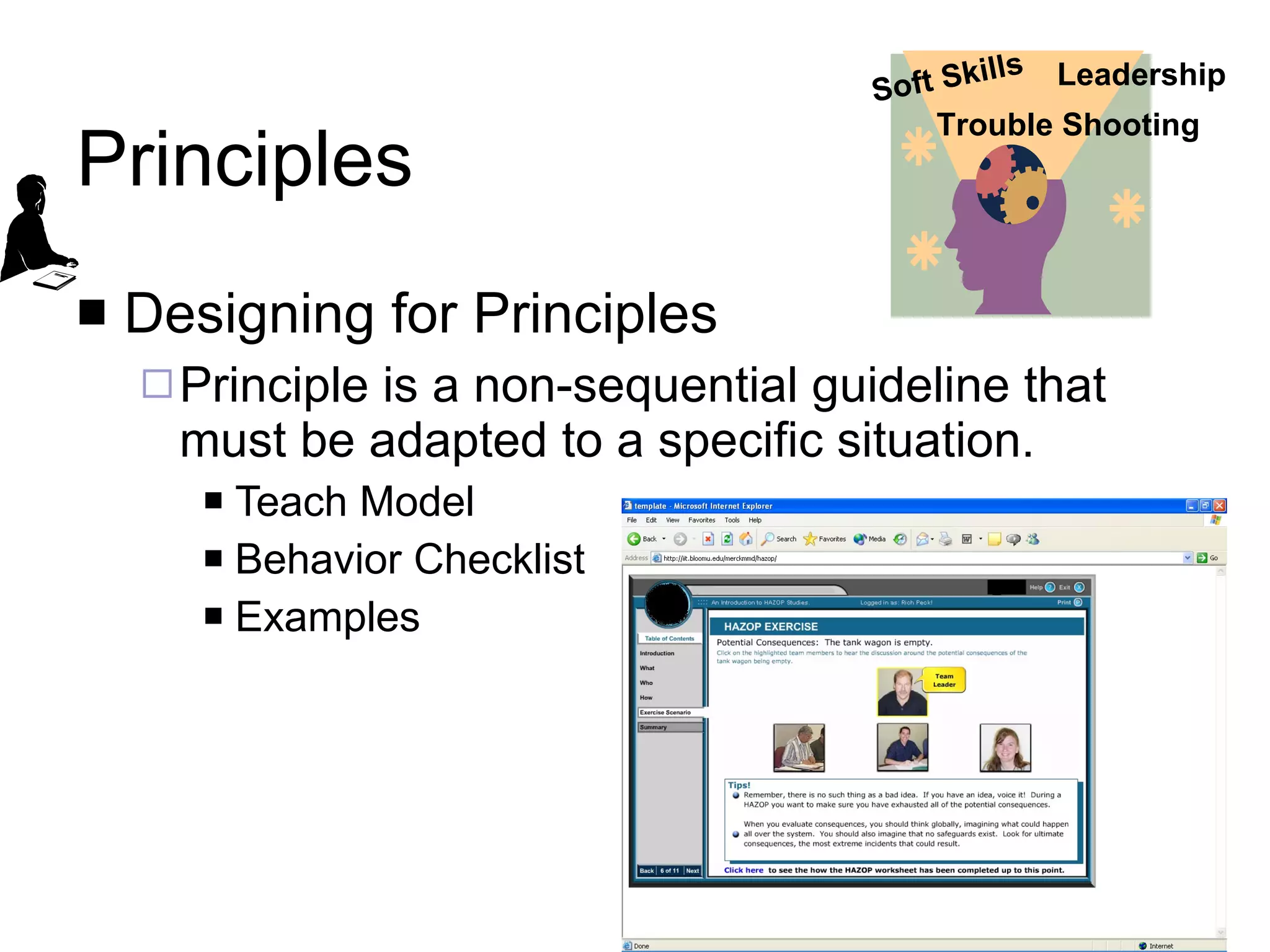
Principles Designing for Principles Principle is a non-sequential guideline that must be adapted to a specific situation.  Teach Model Behavior Checklist Examples Soft Skills Trouble Shooting Leadership
 
 
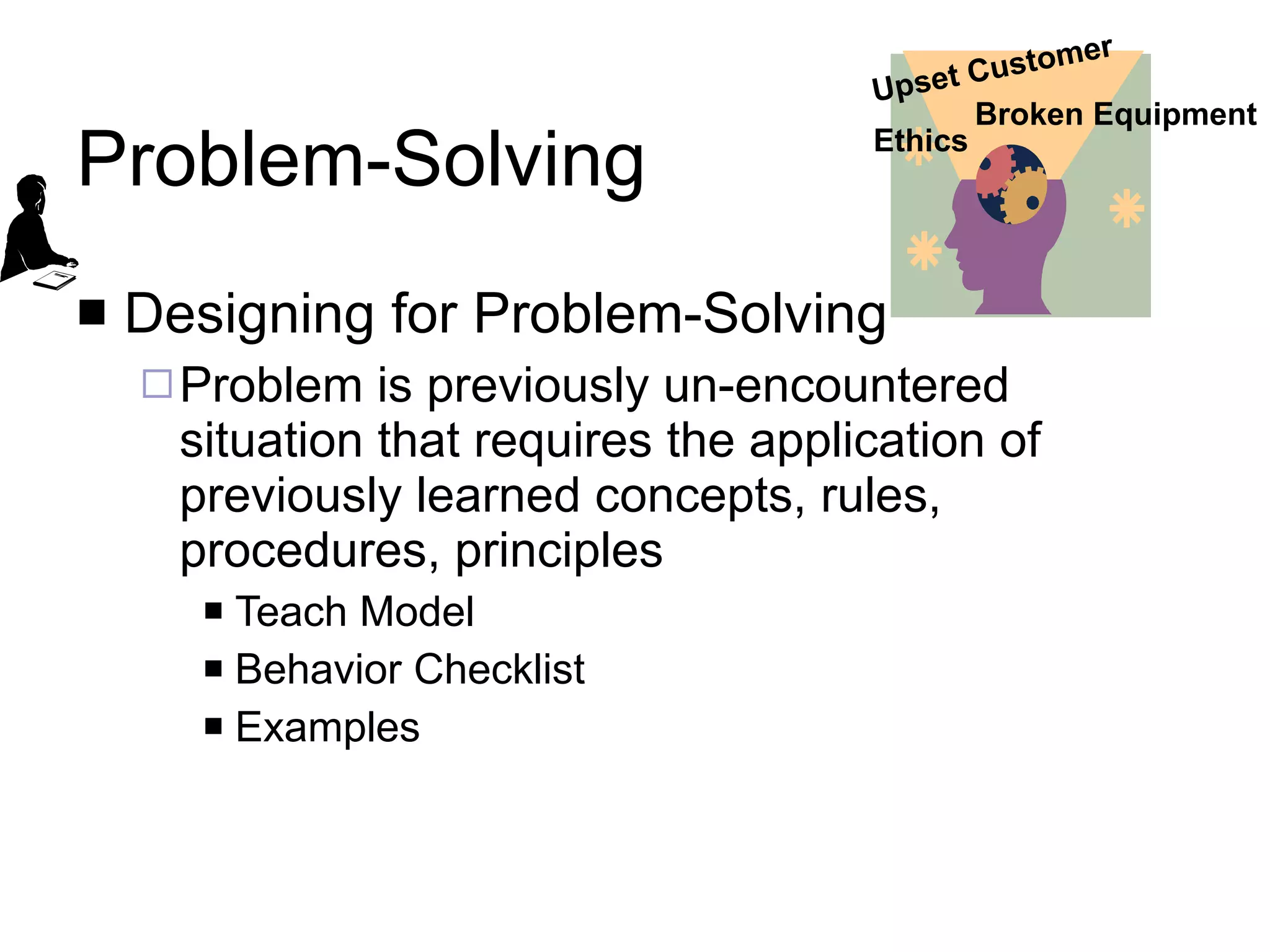
Problem-Solving Designing for Problem-Solving Problem is previously un-encountered situation that requires the application of previously learned concepts, rules, procedures, principles Teach Model Behavior Checklist Examples Upset Customer Ethics Broken Equipment
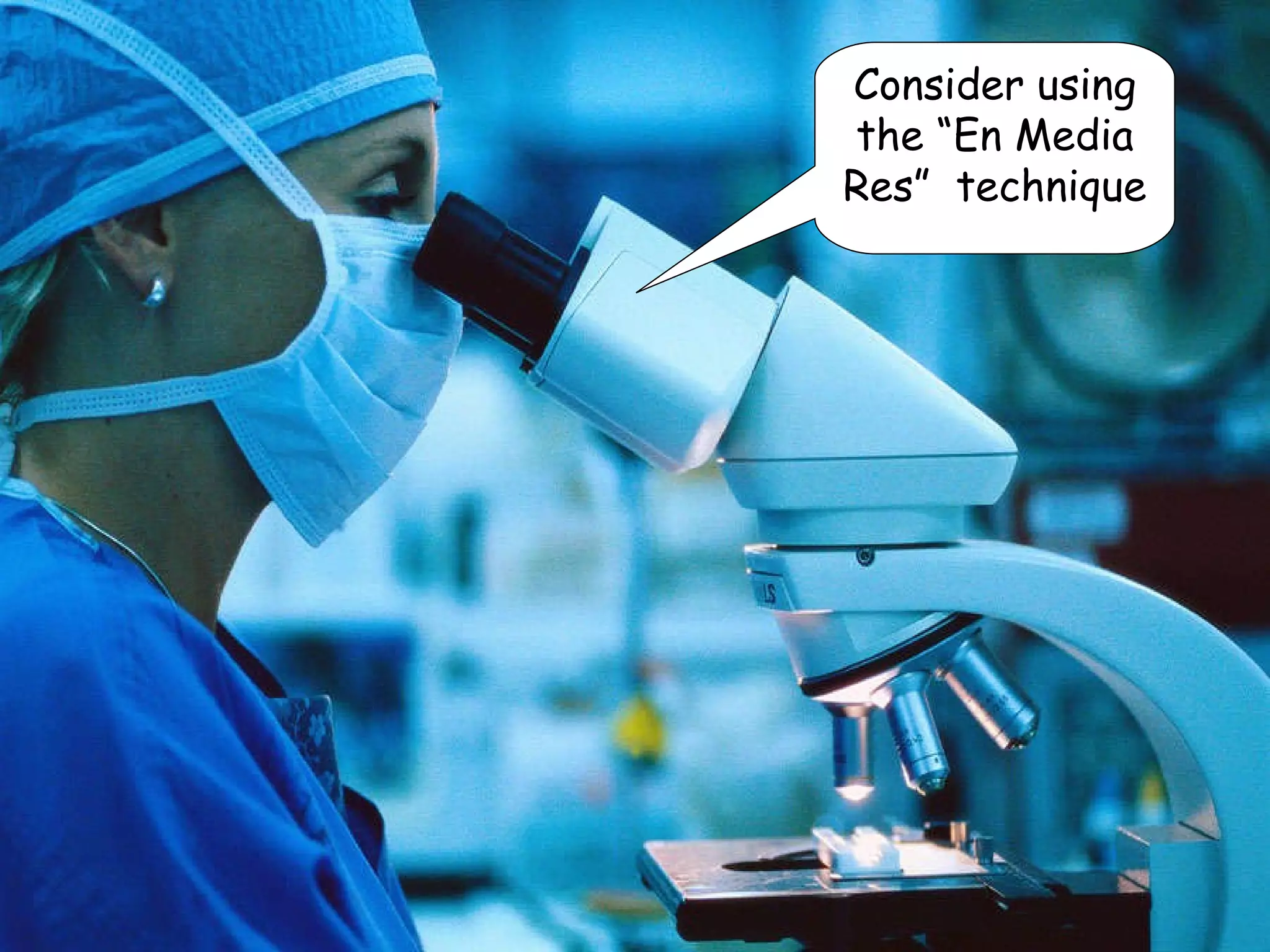
Consider using the “En Media Res”  technique
Problem-Based Learning
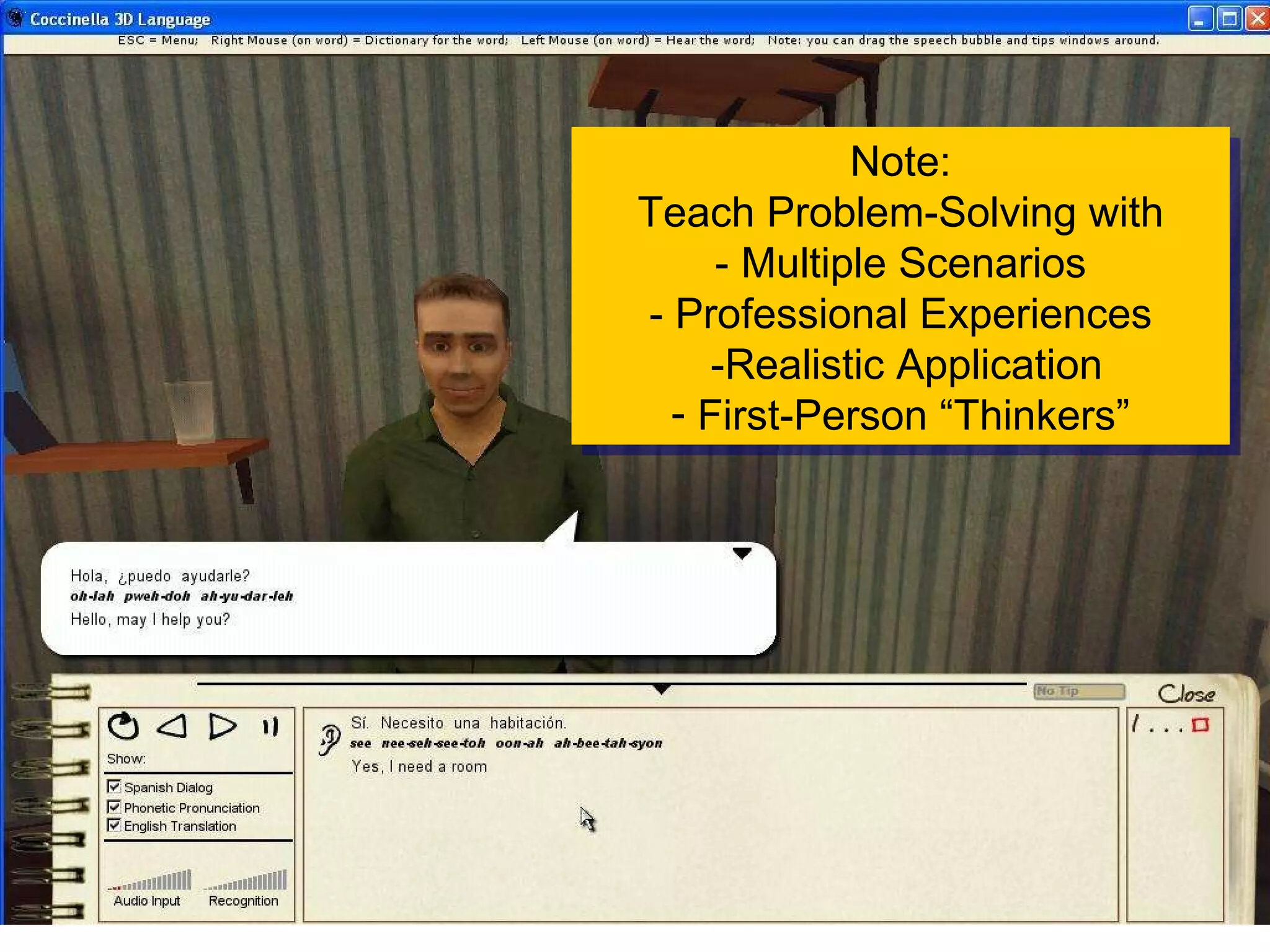
www.gadgetsgamesandgizmos.com Note: Teach Problem-Solving with - Multiple Scenarios - Professional Experiences -Realistic Application First-Person “Thinkers”
Create a learning documentary of how to do a job, how decisions are made, how dots are connected.
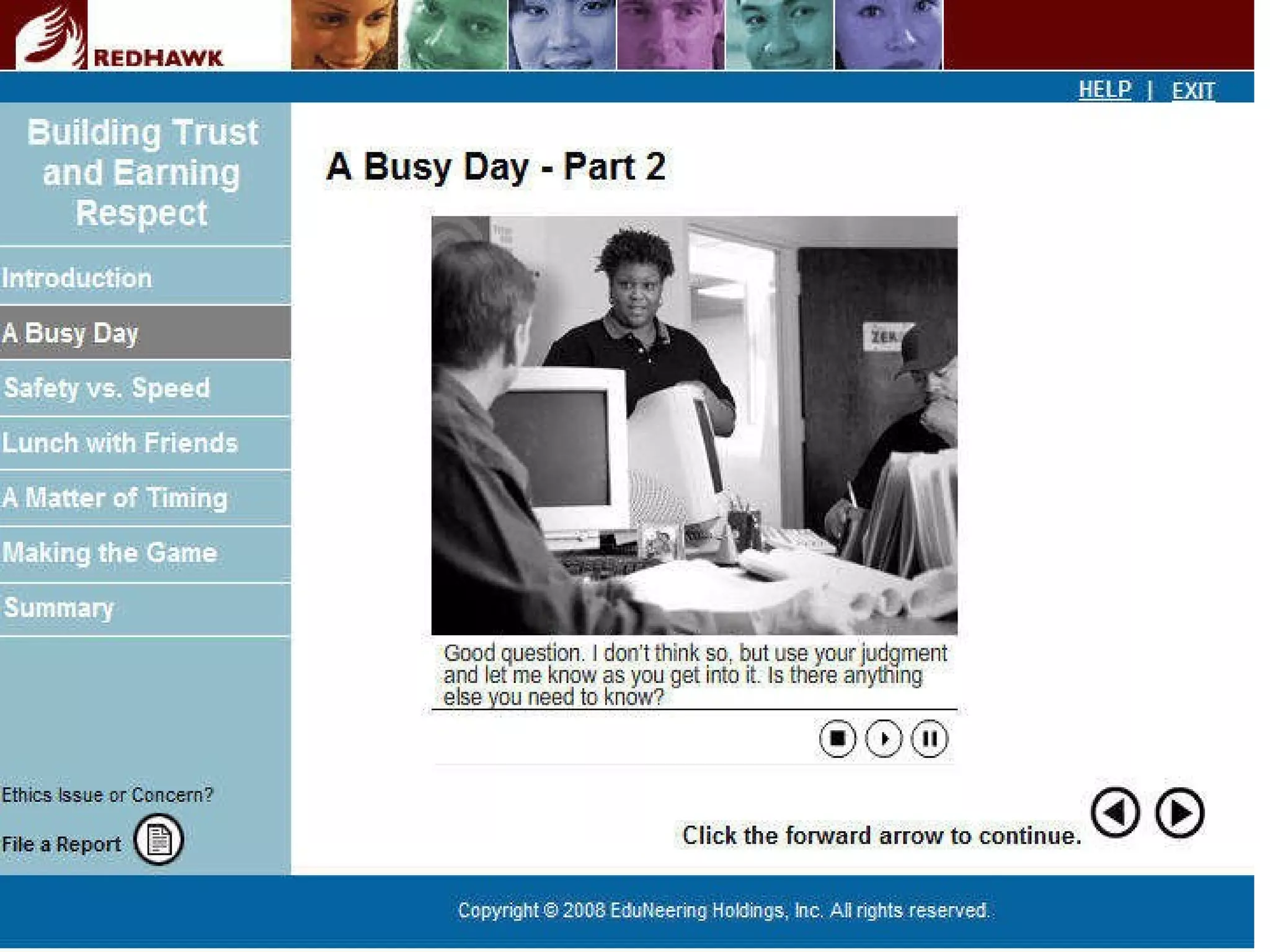
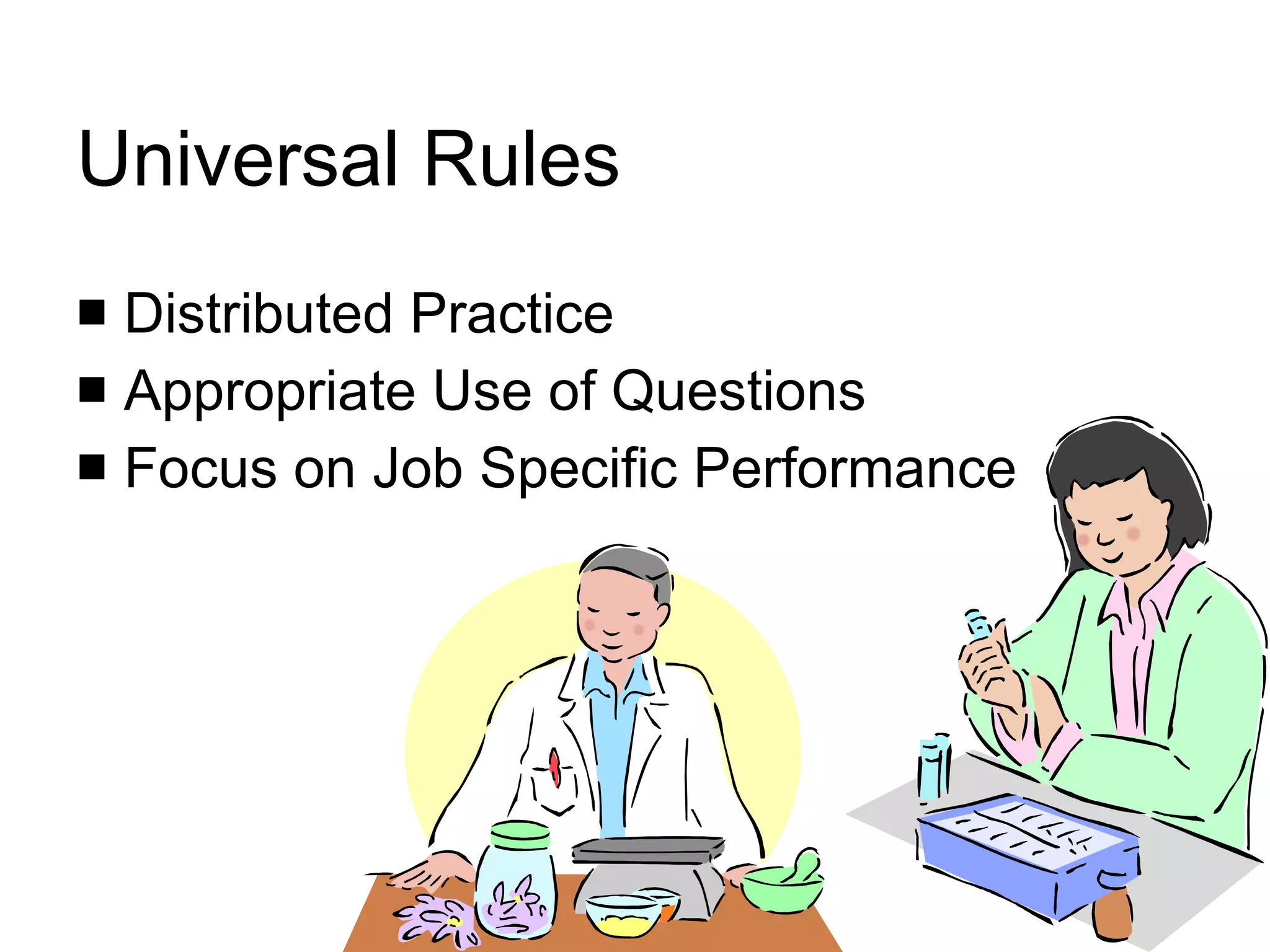
Universal Rules Distributed Practice Appropriate Use of Questions Focus on Job Specific Performance
Say Dadda
 
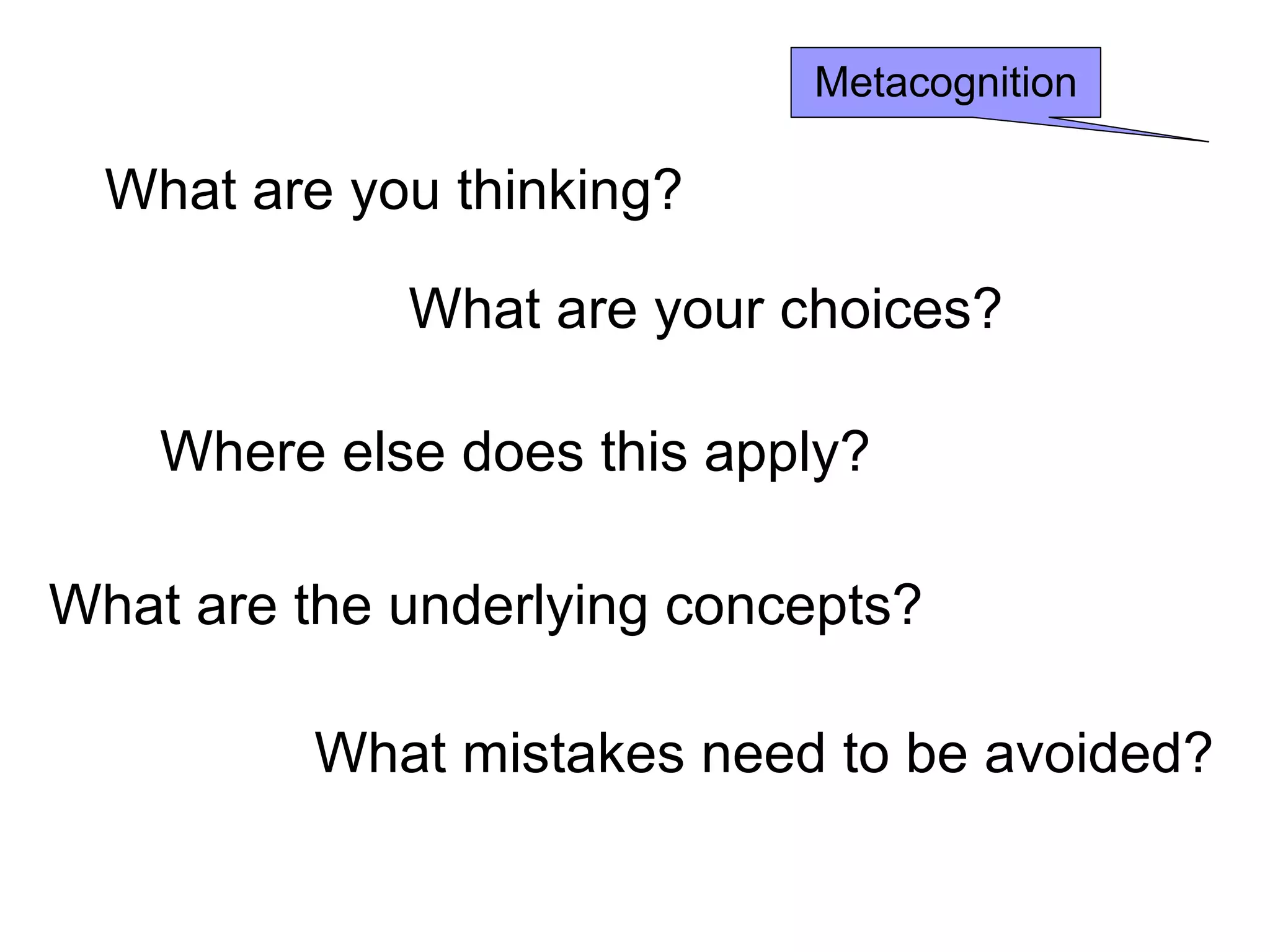
What are you thinking? What are your choices? Where else does this apply? What are the underlying concepts? What mistakes need to be avoided? Metacognition
Job Specific  Performance
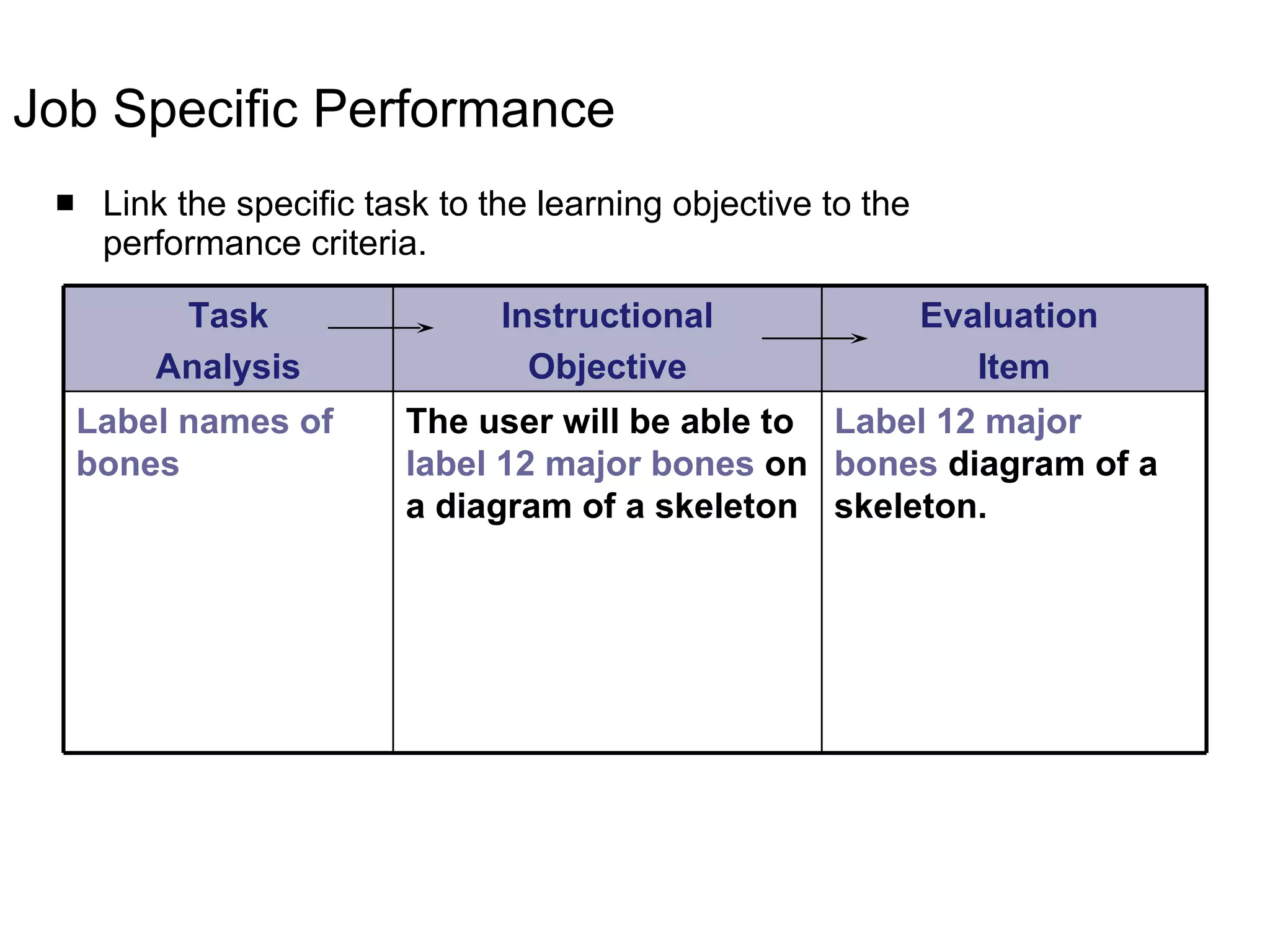
Job Specific Performance Link the specific task to the learning objective to the performance criteria.  KNOWLEDGE SUMMIT 2009 Task Analysis Instructional Objective Evaluation  Item Label names of bones The user will be able to  label 12 major bones   on a diagram of a skeleton Label 12 major bones  diagram of a skeleton.
Leveraging Social Media Twitter Blogs Podcasts Video
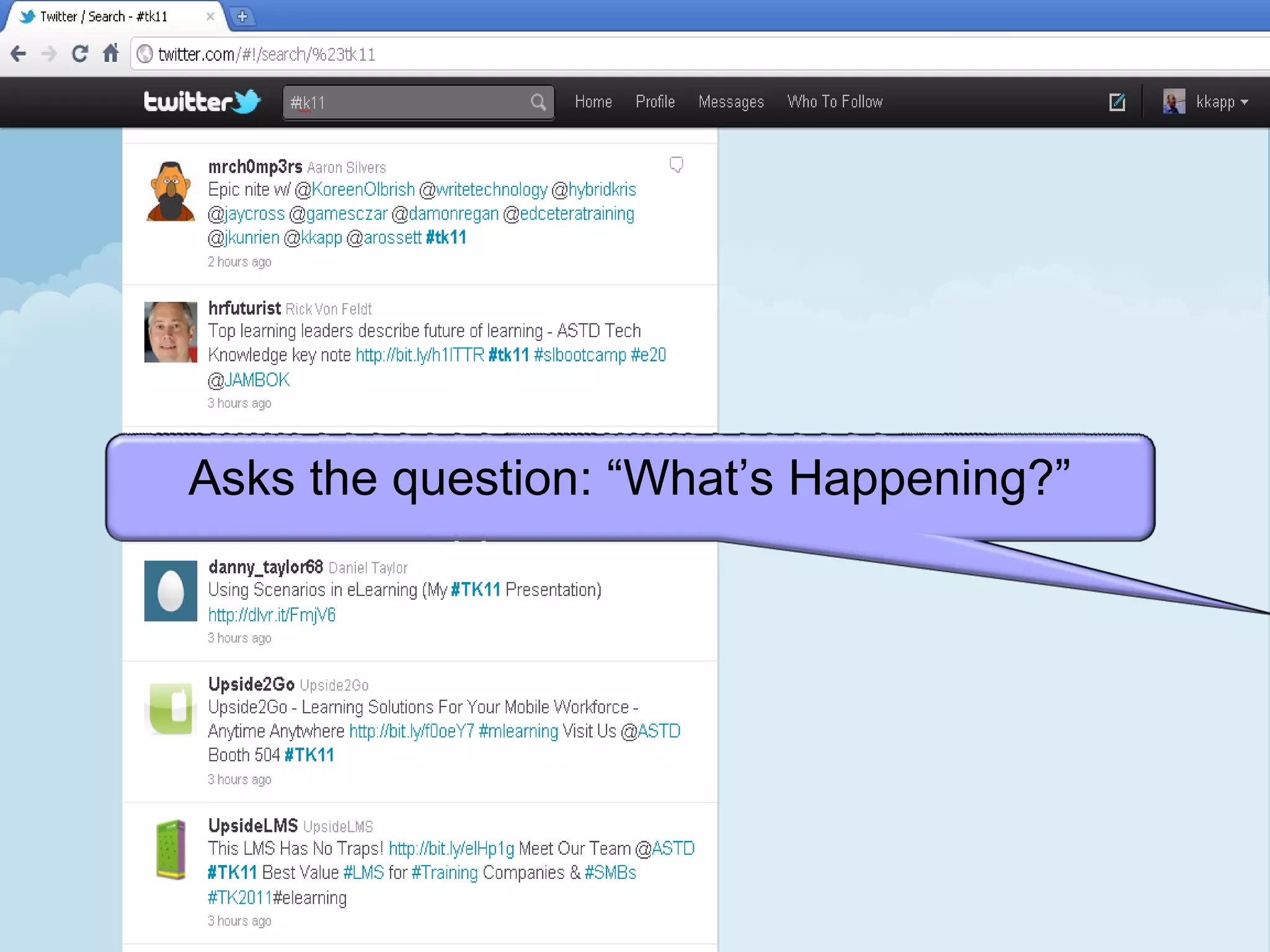
Asks the question: “What’s Happening?”
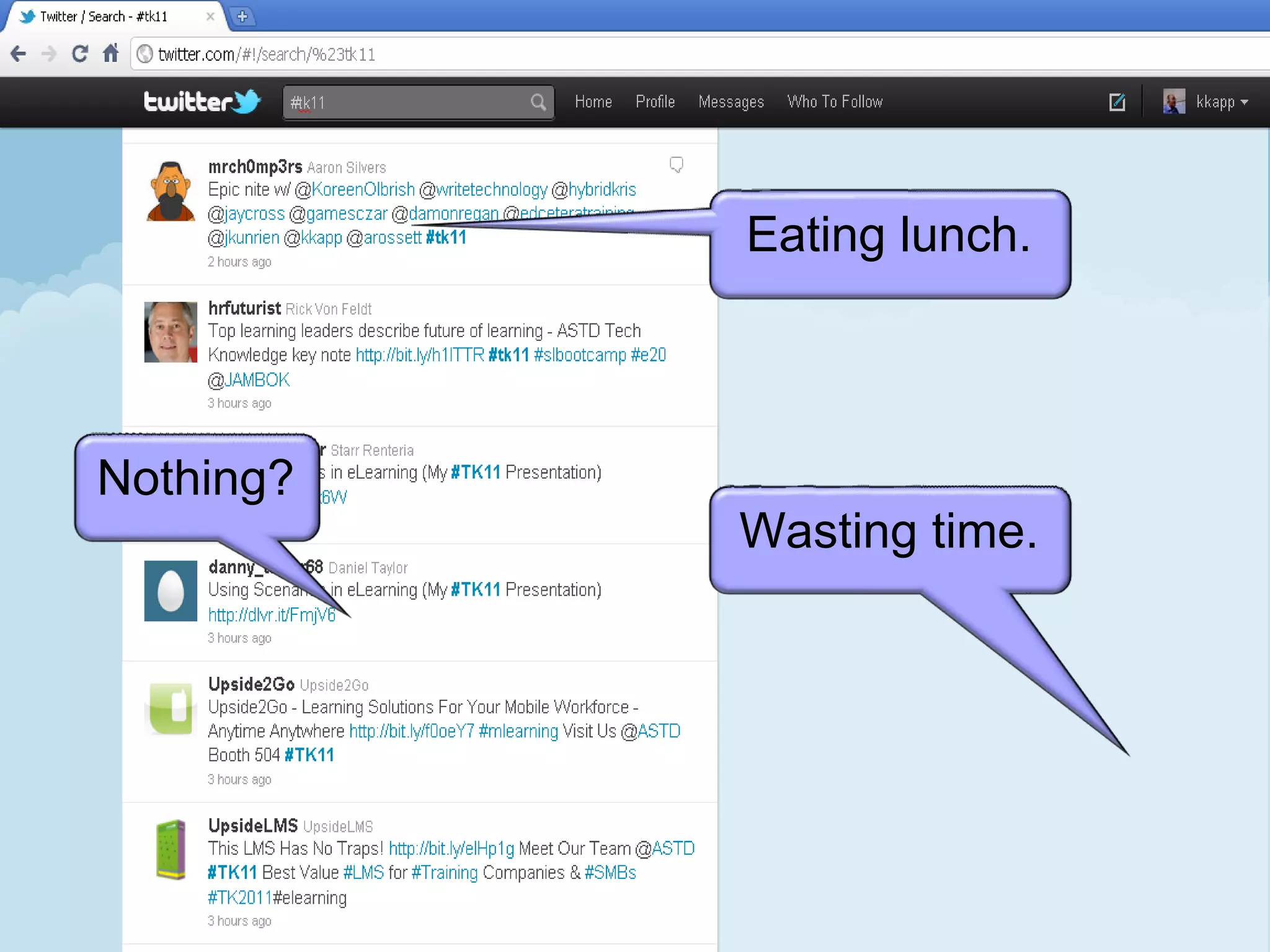
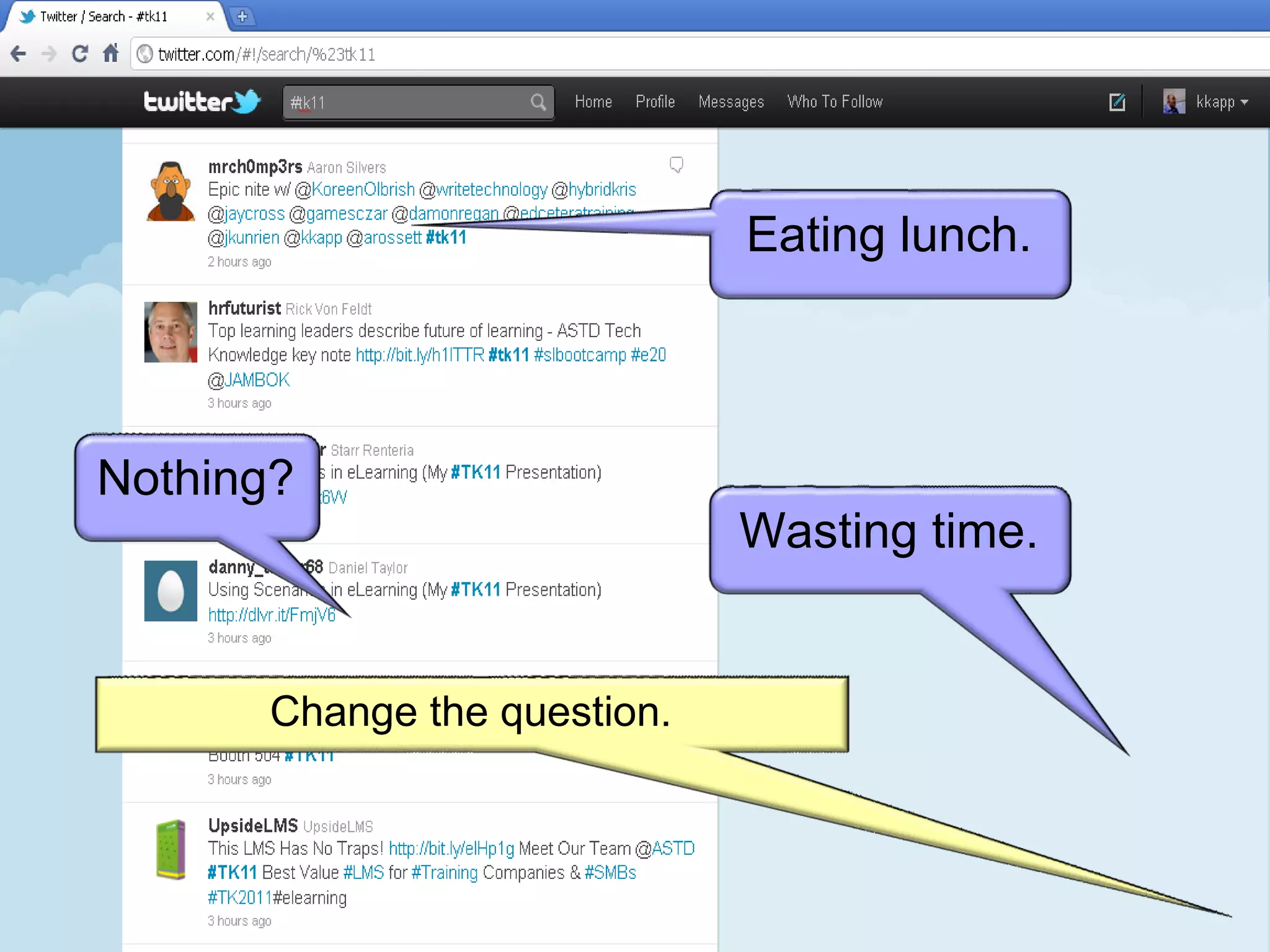
Nothing? Eating lunch. Wasting time.
Nothing? Eating lunch. Wasting time. Change the question.
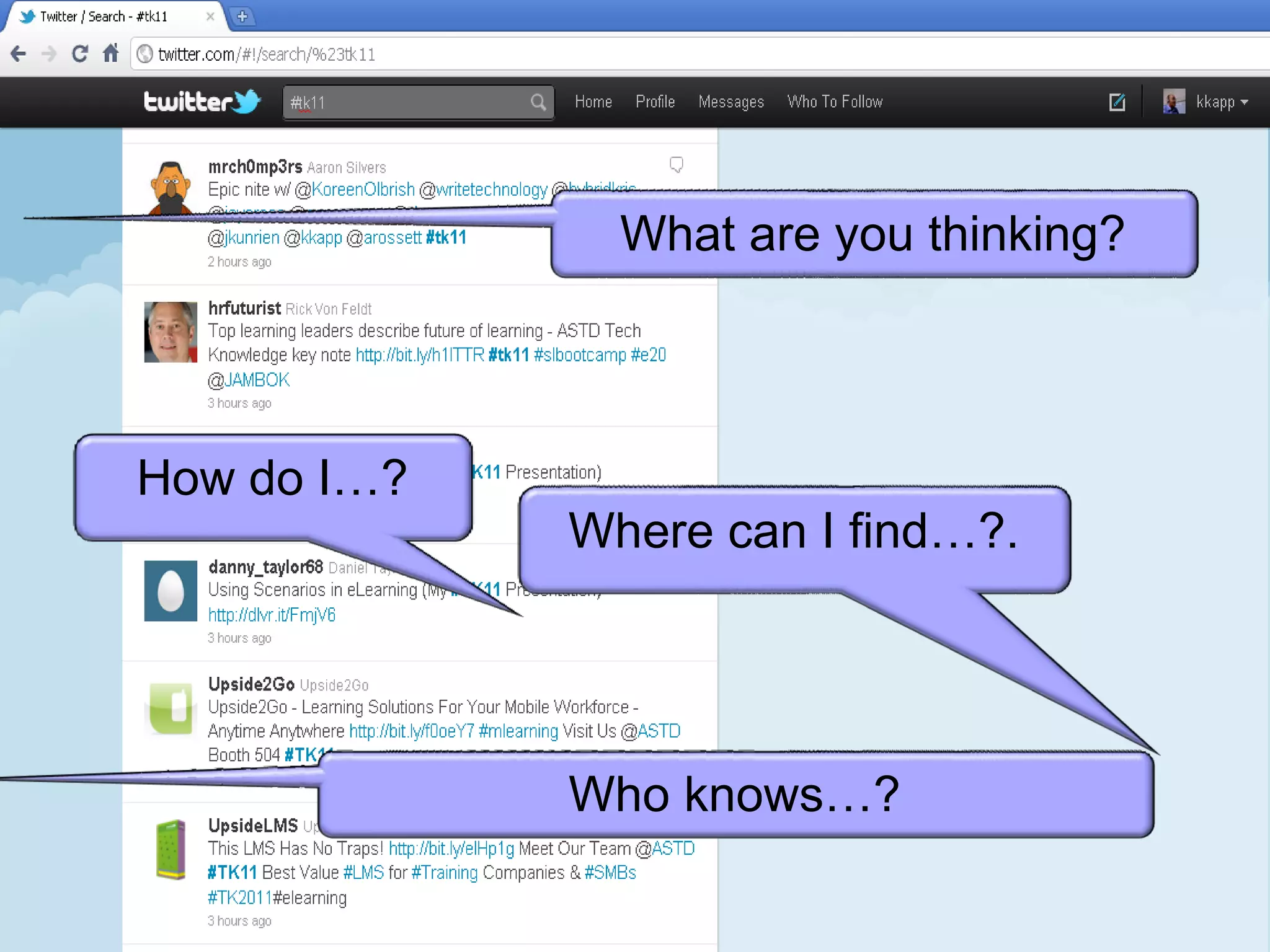
How do I…? What are you thinking? Where can I find…?. Who knows…?
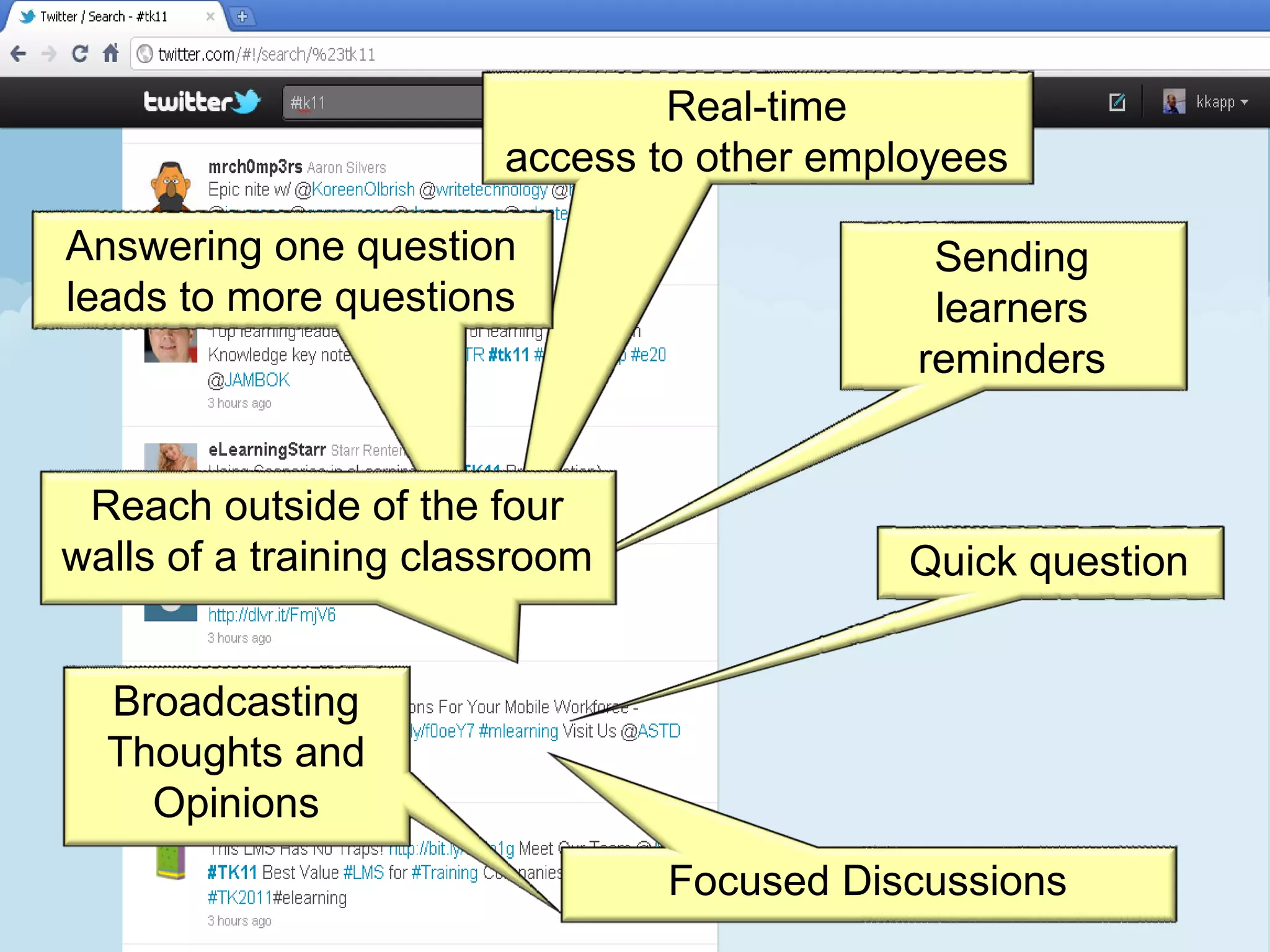
Real-time access to other employees Quick question Broadcasting Thoughts and Opinions Sending learners reminders Answering one question leads to more questions Reach outside of the four walls of a training classroom Focused Discussions
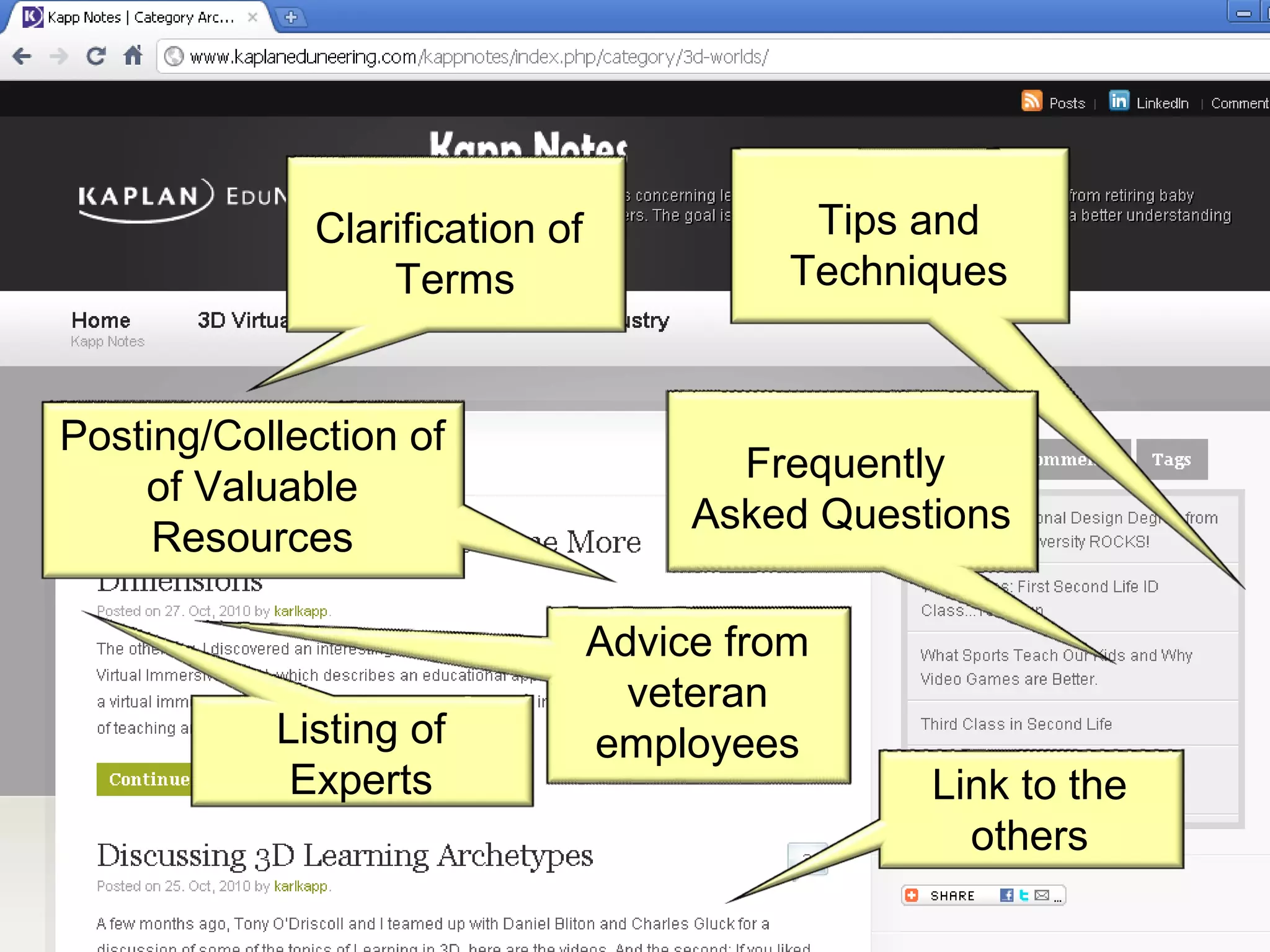
Clarification of  Terms Tips and Techniques Frequently  Asked Questions Posting/Collection of of Valuable Resources Listing of Experts Link to the others Advice from veteran employees
Conclusion Apply instructional strategies to match content to delivery Use universal techniques like distributed practice and questioning techniques Include instructional strategies for new media.
Race You There! Book Signing Immediately After this Session in the Book Store!!!
Questions/More Information http://www.kaplaneduneering.com/kappnotes/ Recommended books Samples and Examples Learning in 3D www.learningin3d.info   Gadgets, Games and Gizmos for Learning www.gadgetsgamesandgizmos.com   Email:  [email_address] Email:  [email_address]

Instructional Design Today: What We Really Need to Know as Practitioners, Researchers, and Designers

  • 1.
    Instructional Design Today:What We Really Need to Know as Practitioners, Researchers, and Designers Karl Kapp, Ed.D., CFPIM, CIRM Professor, Instructional Technology Assistant Director, Institute for Interactive Technologies Bloomsburg University, Bloomsburg, PA Performance Interactivity E-Learning ISD
  • 2.
    Agenda Follow anAbbreviated ID Process. Apply the Keys to Instruction that Changes Behavior. Match the Right Content to the Right Instructional Strategies . 1 2 3
  • 3.
    Keep Up withLatest Thinking on the Topic: Google “Kapp Notes”
  • 4.
    Book Signing ImmediatelyAfter this Session in the Book Store!!!
  • 5.
    Designing Performance-Based InstructionFacts Concepts Rules - Elaborating - Organizing - Association - Examples - Non-Examples - Attribute Classification - If-Then - Cause/Effect - Concept Application Procedures Principles Problem-Solving - Whole to Part Review - Learn Parts - Assemble Procedure - Teach Model - Behavior Checklist Examples - Multiple Scenarios - Professional Experiences Realistic Application
  • 6.
    Facts Designingfor Facts Elaboration-links new information with relevant prior knowledge Superordinate-context of new fact Coordinate-compare/contrast Additional Detail Jargon Acronyms Memorization
  • 7.
    Facts Designing forFacts Organizing—Placing facts into a logical grouping (chunking) Tables Diagrams Lists Models Mnemonics Roy G. Biv Jargon Acronyms Memorization
  • 8.
    Facts Designing forFacts Association—Linking a fact to an image or another term Diagrams Labeling Exercises Jargon Acronyms Memorization
  • 9.
  • 10.
    Teaching with GamesEmployee in Manufacturing Plant Chemistry Safety Science Spelling Terms
  • 11.
    http://www.kaplaneduneering.com/kappnotes/index.php/2007/05/accidental-learning-and-power-of/ Researchers havefound that the human brain has a natural affinity for narrative construction. Yep, people tend to remember facts more accurately if they encounter them in a story rather than in a list. And they rate legal arguments as more convincing when built into narrative tales rather than on legal precedent.
  • 12.
    Concepts Designing forConcepts Concept is a class of items that share common features and is known by a common name. Example, Non-Example Attribute Classification Categories Abstract Concrete
  • 13.
  • 14.
  • 15.
  • 16.
    Rules Designing forRules Rule is a statement that expresses a relationship between concepts. If-Then Cause/Effect Concept Application Moisture causes out of tolerance If hot, then avoid.
  • 17.
  • 18.
  • 19.
  • 20.
    Procedures Designing forProcedures Procedure is a sequence of steps the learner performs to accomplish a task. Whole to Part Review Learn Parts Assemble Procedure SOPs Software Processes Step-by-Step
  • 21.
  • 22.
  • 23.
    SOP Instructions Followingyour planogram, assemble the columns of cubes on the floor by locking each cube in place After each column is completed place the top plate on the top of each column Continue until you have all the columns built Visual SOP
  • 24.
  • 25.
  • 26.
  • 27.
    Principles Designing forPrinciples Principle is a non-sequential guideline that must be adapted to a specific situation. Teach Model Behavior Checklist Examples Soft Skills Trouble Shooting Leadership
  • 28.
  • 29.
  • 30.
    Problem-Solving Designing forProblem-Solving Problem is previously un-encountered situation that requires the application of previously learned concepts, rules, procedures, principles Teach Model Behavior Checklist Examples Upset Customer Ethics Broken Equipment
  • 31.
    Consider using the“En Media Res” technique
  • 32.
  • 33.
    www.gadgetsgamesandgizmos.com Note: TeachProblem-Solving with - Multiple Scenarios - Professional Experiences -Realistic Application First-Person “Thinkers”
  • 34.
    Create a learningdocumentary of how to do a job, how decisions are made, how dots are connected.
  • 35.
    Universal Rules DistributedPractice Appropriate Use of Questions Focus on Job Specific Performance
  • 36.
  • 37.
  • 38.
    What are youthinking? What are your choices? Where else does this apply? What are the underlying concepts? What mistakes need to be avoided? Metacognition
  • 39.
    Job Specific Performance
  • 40.
    Job Specific PerformanceLink the specific task to the learning objective to the performance criteria. KNOWLEDGE SUMMIT 2009 Task Analysis Instructional Objective Evaluation Item Label names of bones The user will be able to label 12 major bones on a diagram of a skeleton Label 12 major bones diagram of a skeleton.
  • 41.
    Leveraging Social MediaTwitter Blogs Podcasts Video
  • 42.
    Asks the question:“What’s Happening?”
  • 43.
  • 44.
    Nothing? Eating lunch.Wasting time. Change the question.
  • 45.
    How do I…?What are you thinking? Where can I find…?. Who knows…?
  • 46.
    Real-time access toother employees Quick question Broadcasting Thoughts and Opinions Sending learners reminders Answering one question leads to more questions Reach outside of the four walls of a training classroom Focused Discussions
  • 47.
    Clarification of Terms Tips and Techniques Frequently Asked Questions Posting/Collection of of Valuable Resources Listing of Experts Link to the others Advice from veteran employees
  • 48.
    Conclusion Apply instructionalstrategies to match content to delivery Use universal techniques like distributed practice and questioning techniques Include instructional strategies for new media.
  • 49.
    Race You There!Book Signing Immediately After this Session in the Book Store!!!
  • 50.
    Questions/More Information http://www.kaplaneduneering.com/kappnotes/Recommended books Samples and Examples Learning in 3D www.learningin3d.info Gadgets, Games and Gizmos for Learning www.gadgetsgamesandgizmos.com Email: [email_address] Email: [email_address]

Editor's Notes

  • #23 Teaching young doctors how to distinguish heart sounds. After hearing a recording of different heart sounds about 500 times, young doctors reliably discriminate among different sounds made by various heart problems. Before listening to the recordings, the young doctors correctly identified only 50 percent of the heart sounds; after they test they could identify 80 percent of the sounds correctly.
  • #49 CJ