#ATDCORE
4
SPEAKER:
Beyond Gamification:
Thinking Like
A game designer.
By Karl M. Kapp
Professor, Bloomsburg University, Author Gamification
of Learning and Instruction
March 22, 2018
Author: Gamification of Learning and Instruction
Twitter:@kkapp
karlkapp@gmail.com
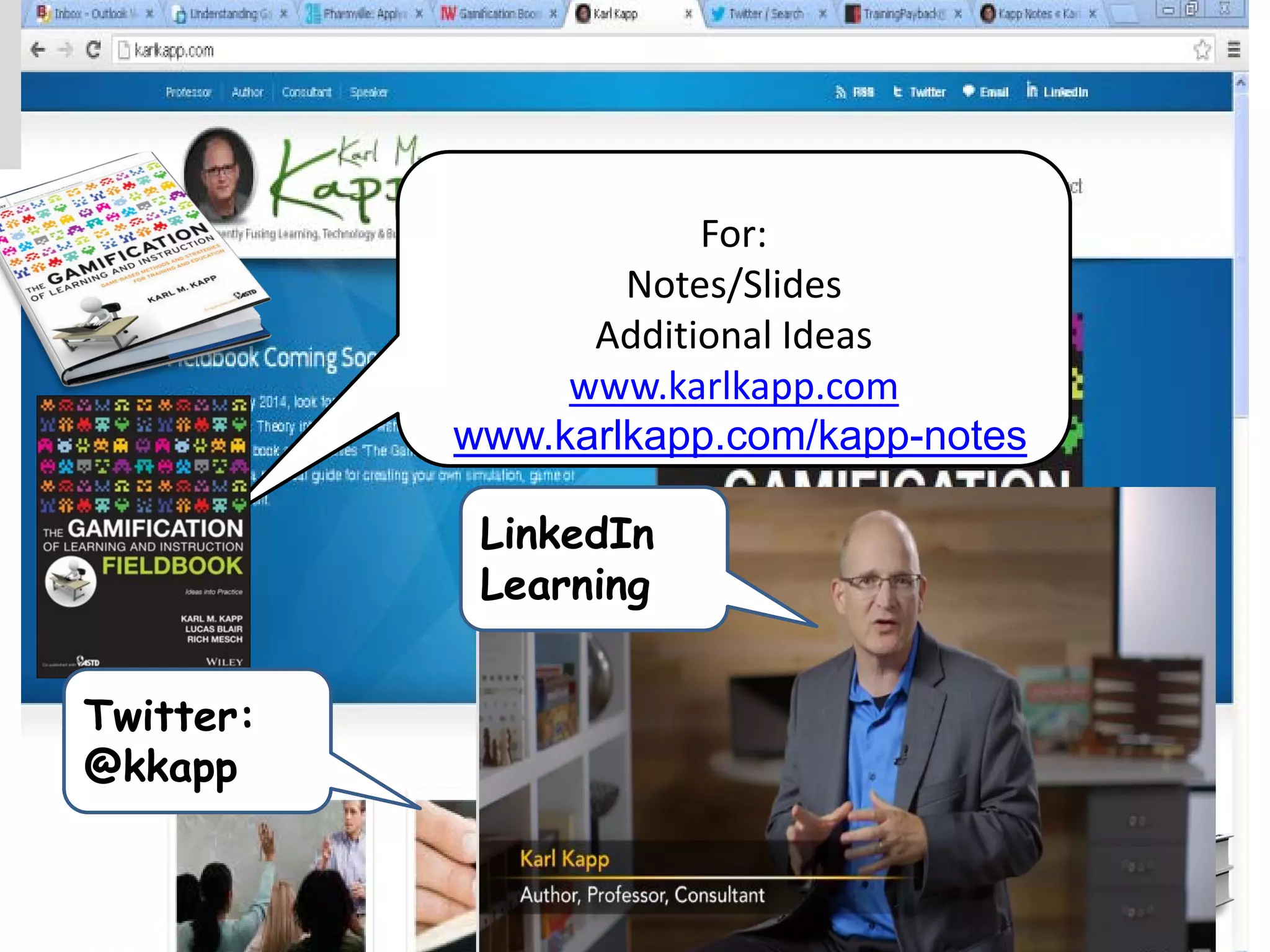
For:
Notes/Slides
Additional Ideas
www.karlkapp.com
www.karlkapp.com/kapp-notes
LinkedIn
Learning
Twitter:
@kkapp
Design takeaway
challenge.
Karl Kapp
Presents:
You are a game designer at SuperGame Corporation
which has hit some hard times lately.
It’s Friday 4:59 PM you and your
colleague have only one thing
on your mind.
Suddenly, your boss calls you
and your colleague into her office.
Ito and Jasmine come into my
office.
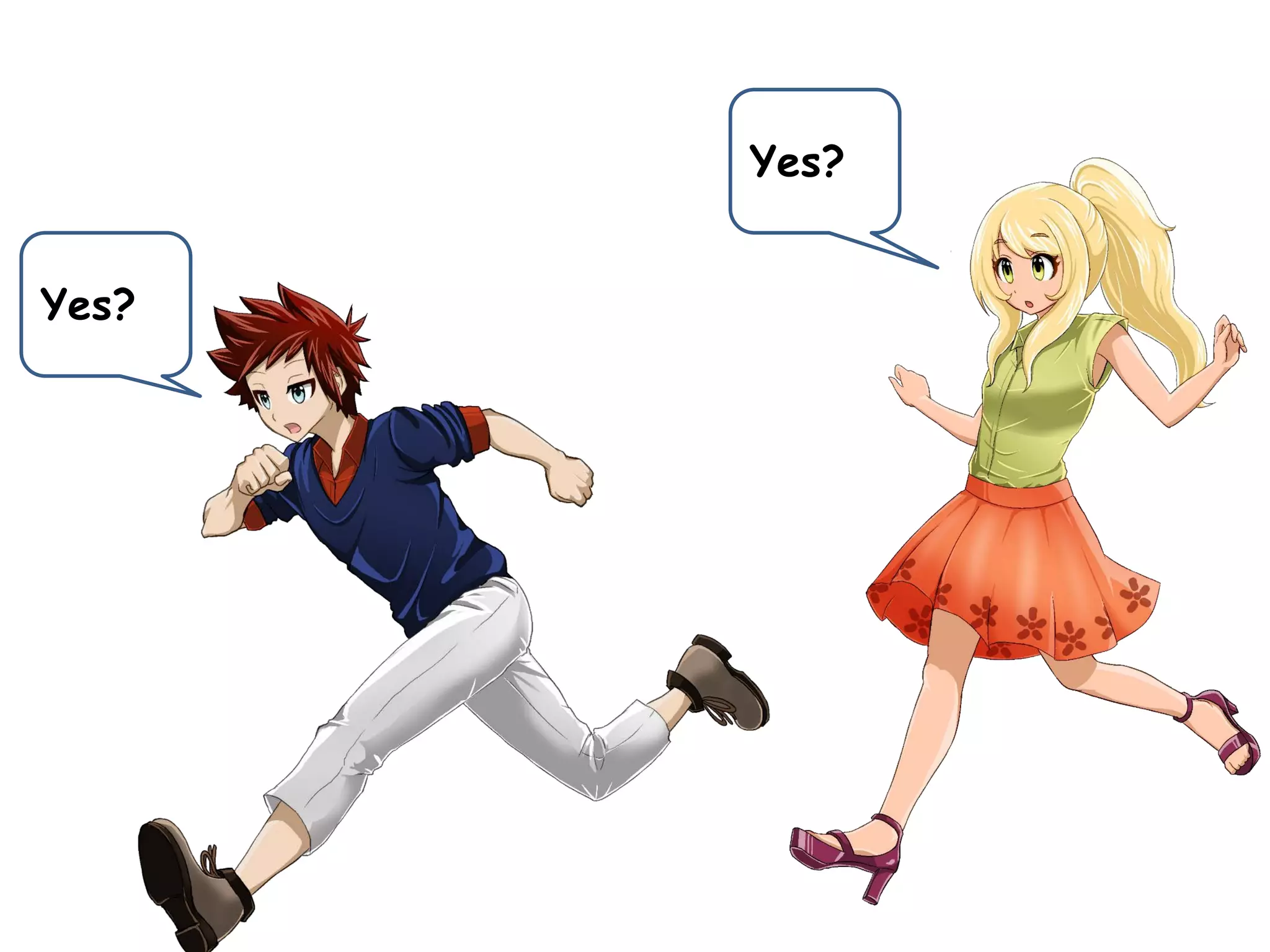
Yes?
Yes?
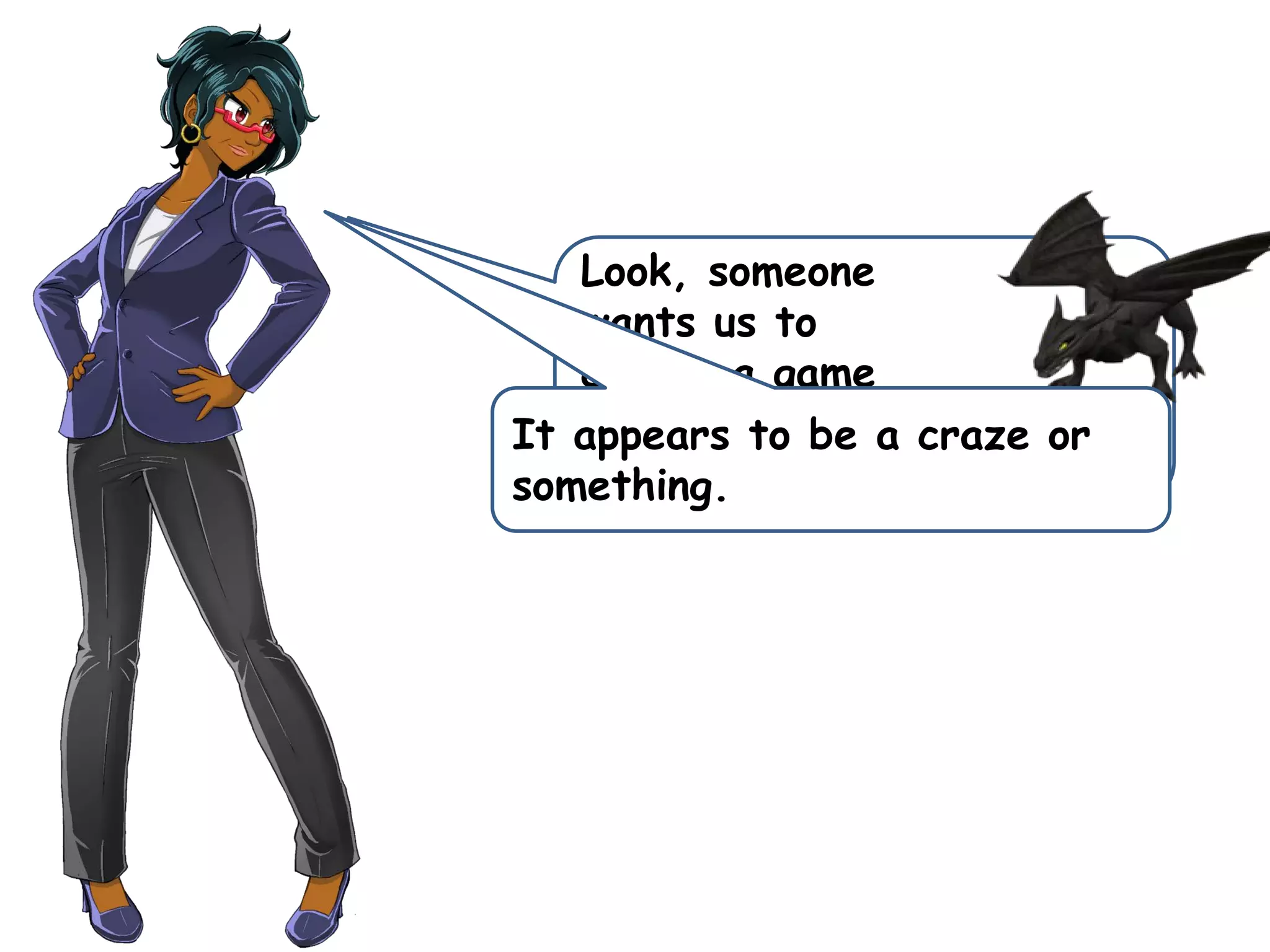
Look, someone
wants us to
create a game
about capturing dragons.It appears to be a craze or
something.
Working name is…
“Dragónmon Go”
You are competing internally for the
project. Winning team earns the
right to work on the project.
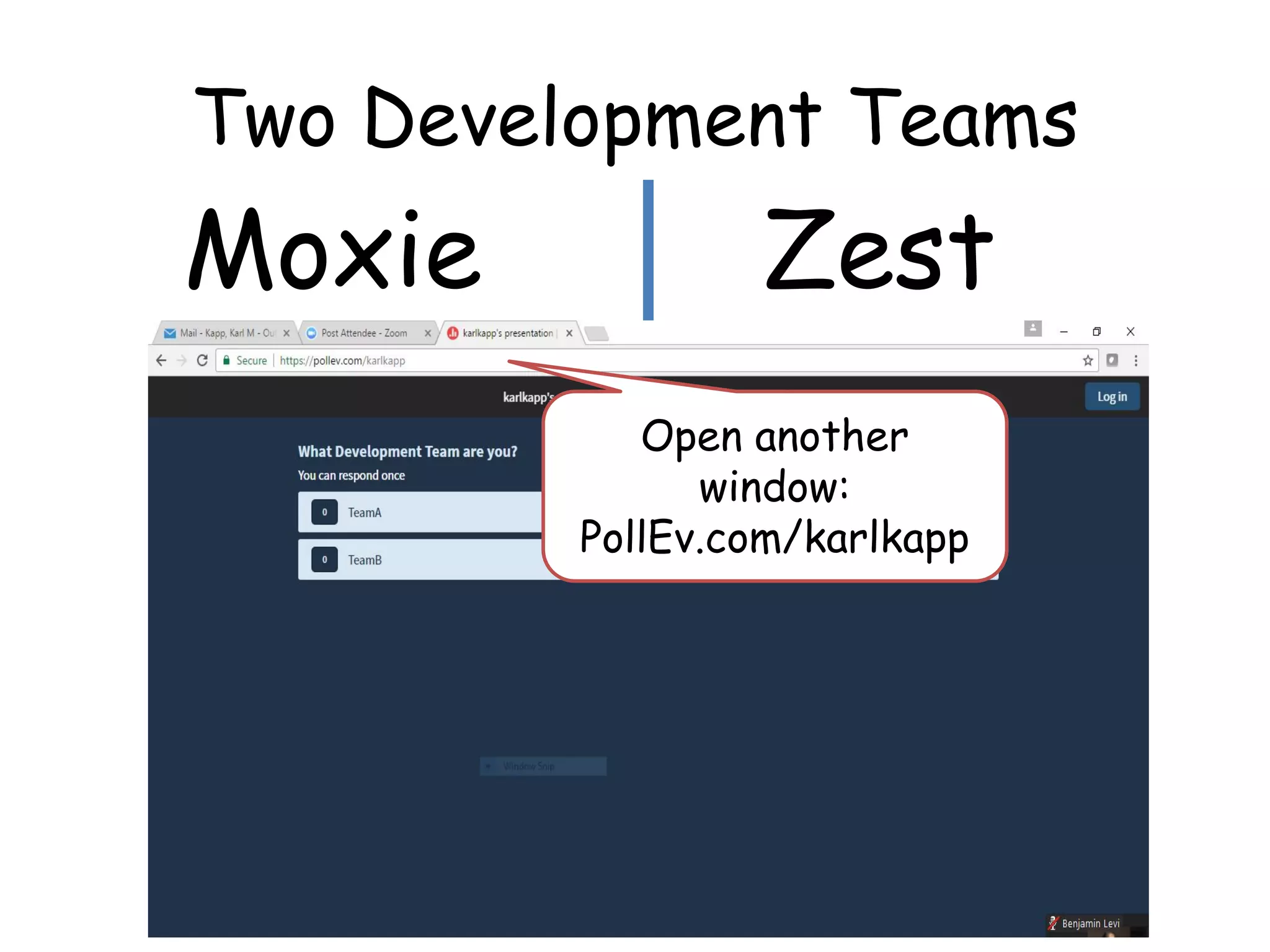
Two Development Teams
Moxie Zest
Open another
window:
PollEv.com/karlkapp
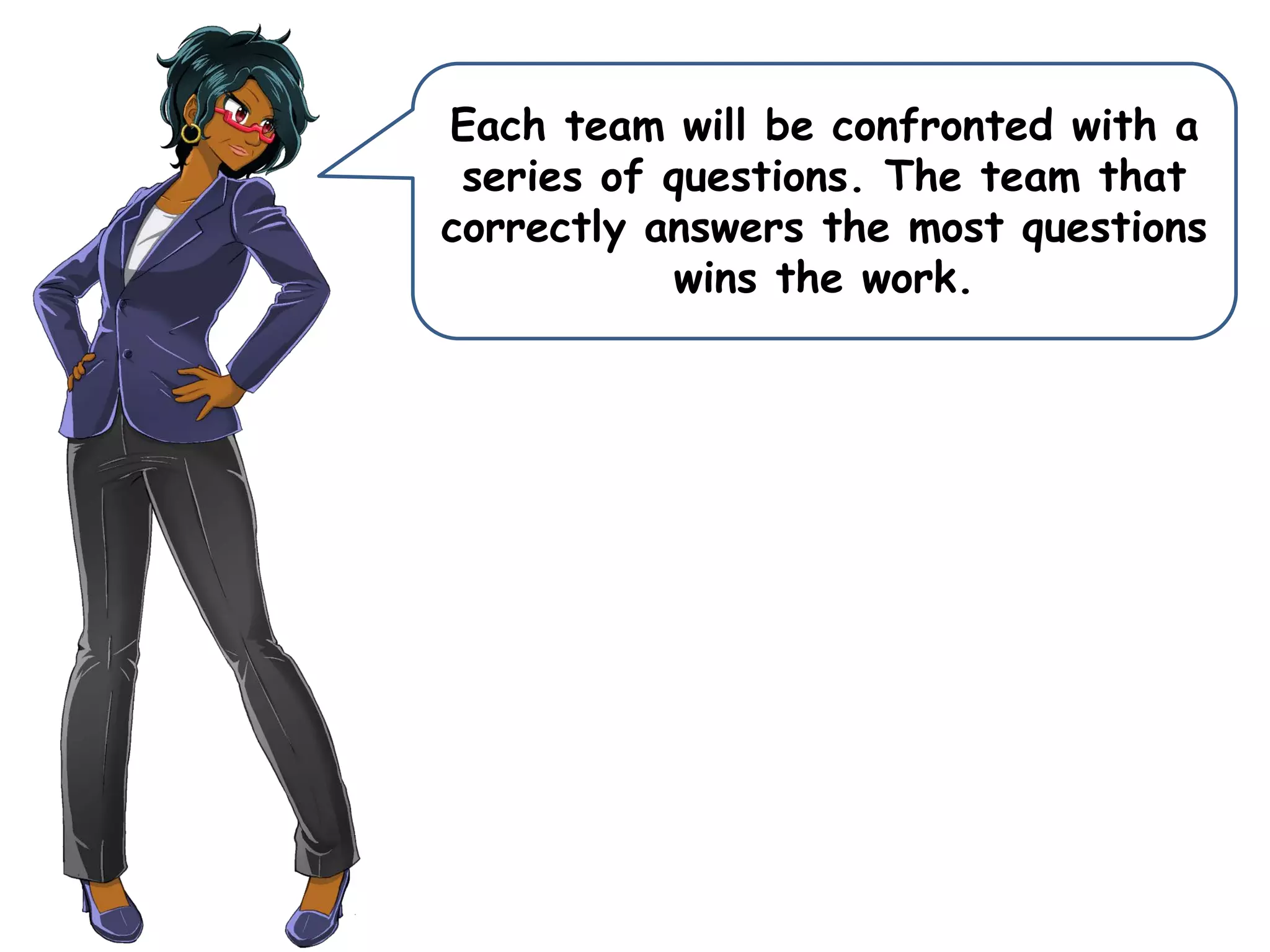
Each team will be confronted with a
series of questions. The team that
correctly answers the most questions
wins the work.
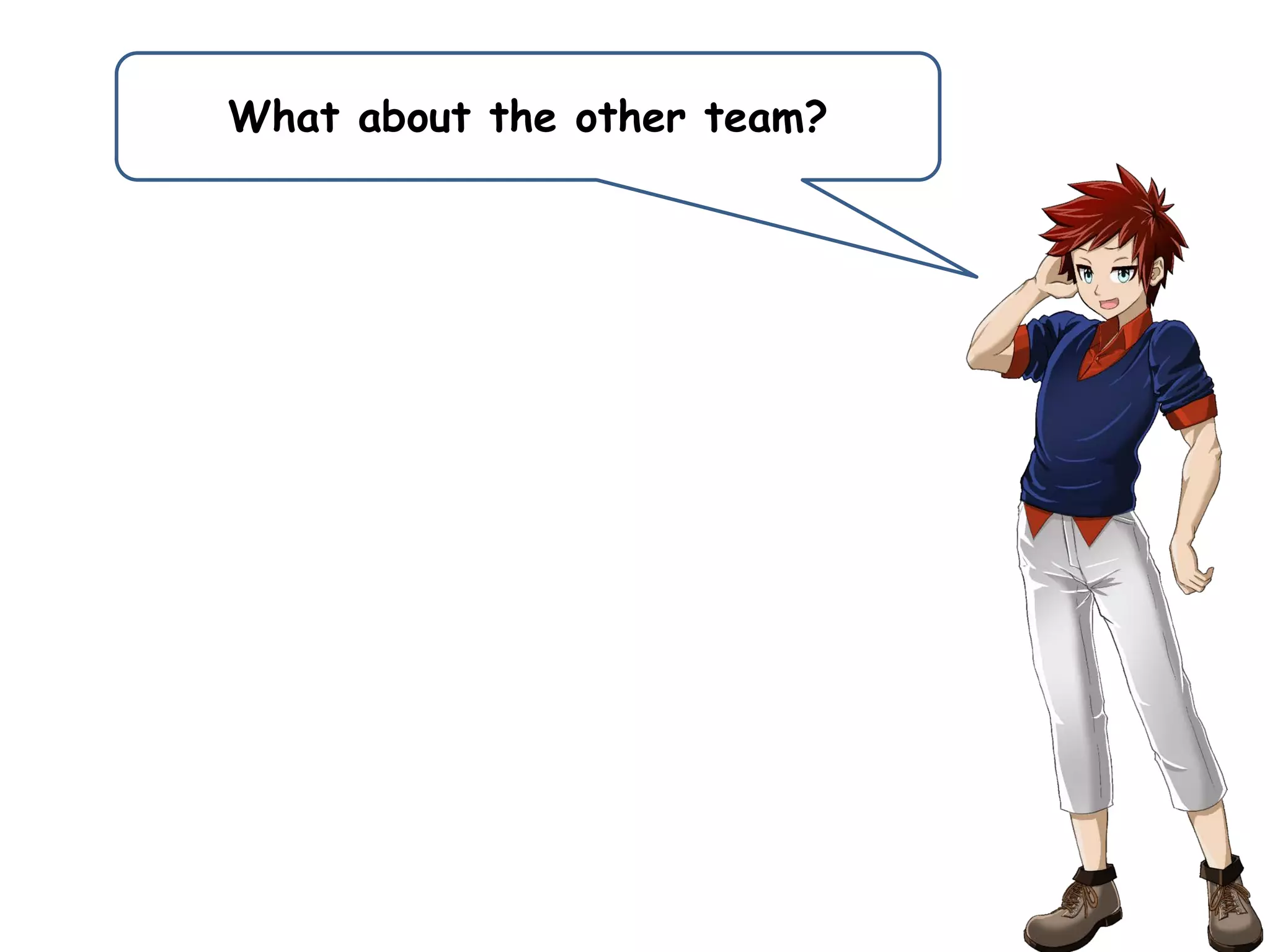
What about the other team?
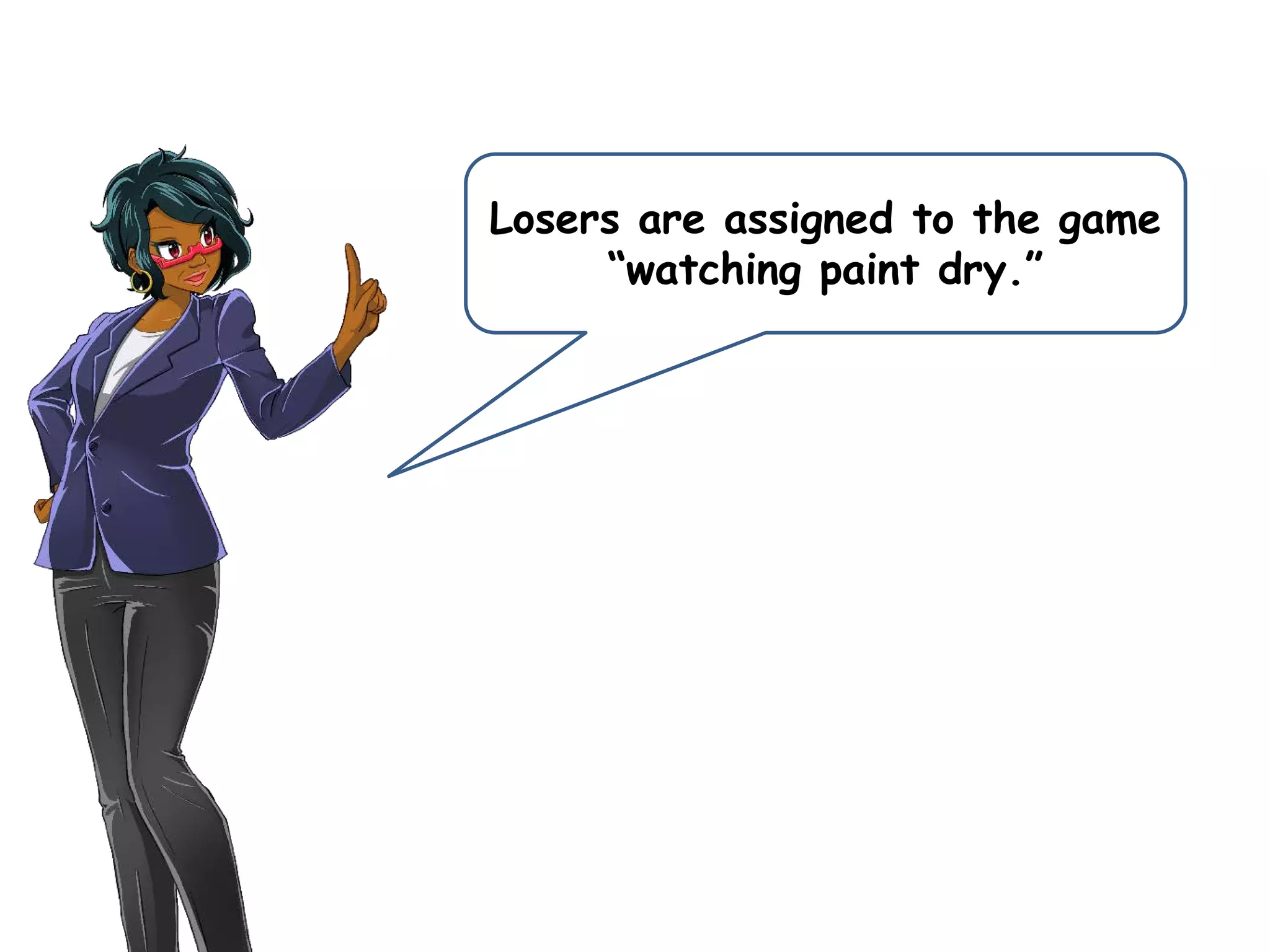
Losers are assigned to the game
“watching paint dry.”
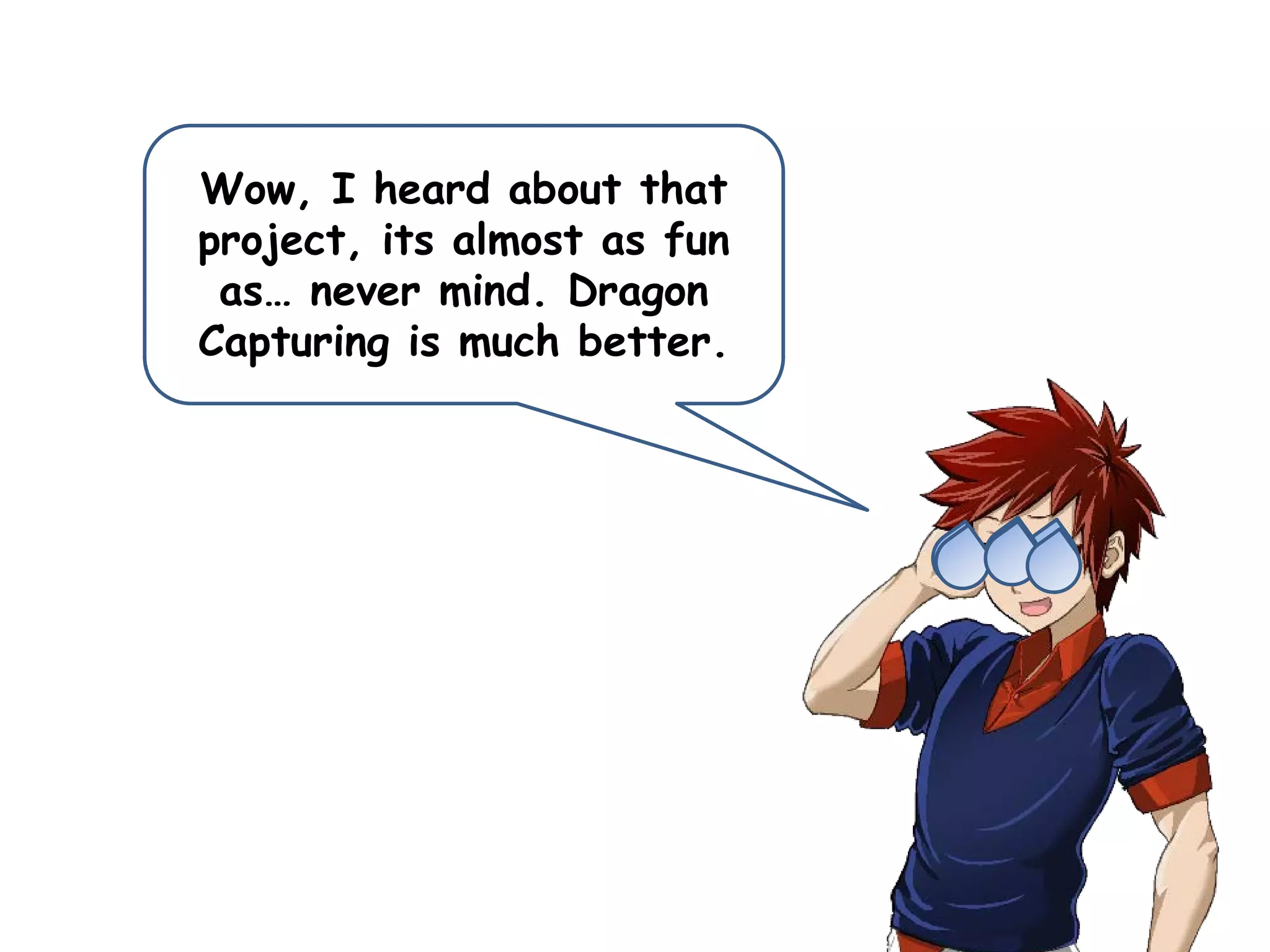
Wow, I heard about that
project, its almost as fun
as… never mind. Dragon
Capturing is much better.
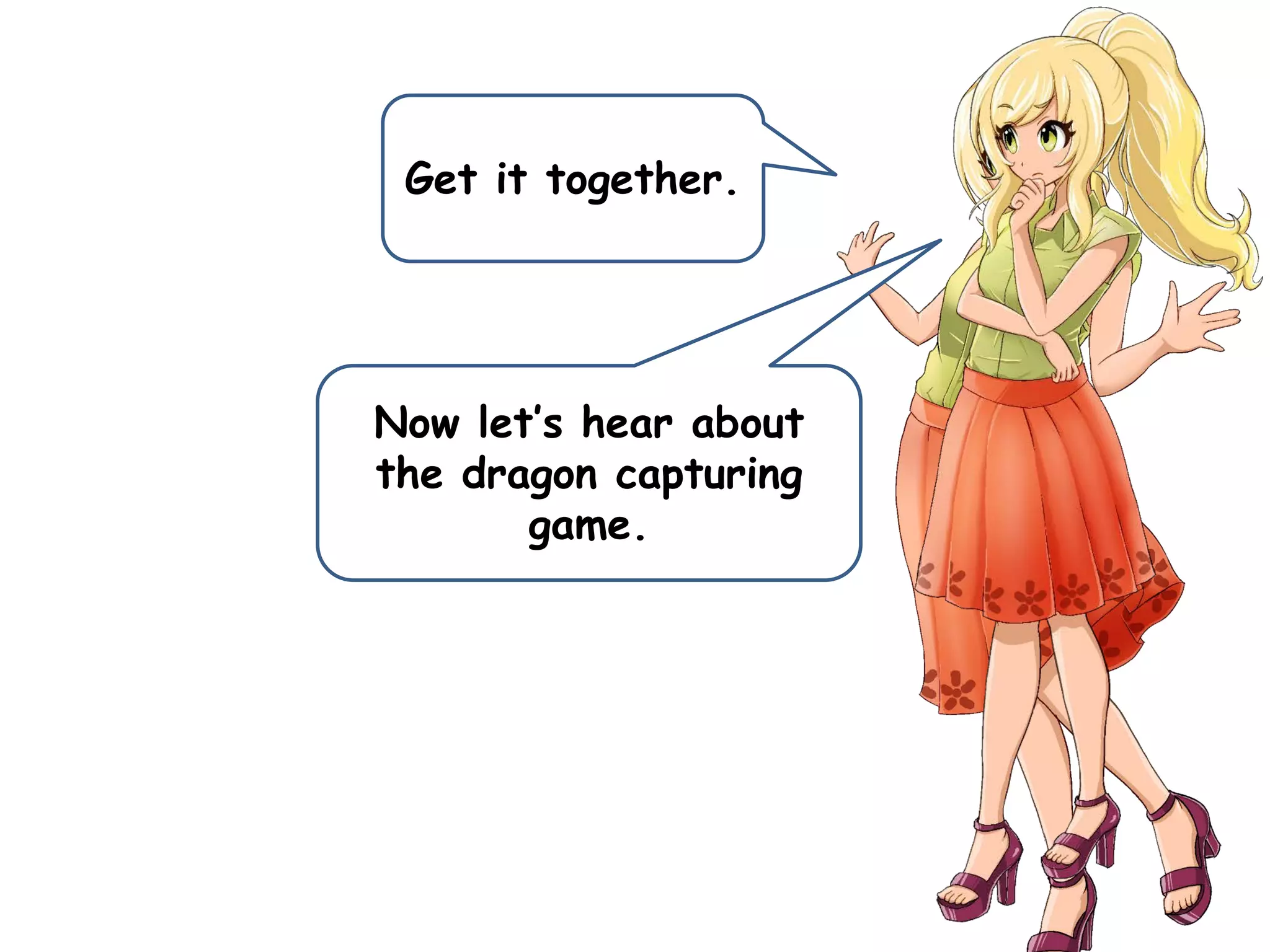
Get it together.
Now let’s hear about
the dragon capturing
game.
First decision about this dragon capturing
game is…should it be digital or a tabletop
game?
You have two choices:
Digital?
or
Card Game?
Card Game? It’s
2018!
Actually, there are a number of benefits to
card games.
They build learner engagement, are a social
accelerant and provide a tangible take-away
from the event.
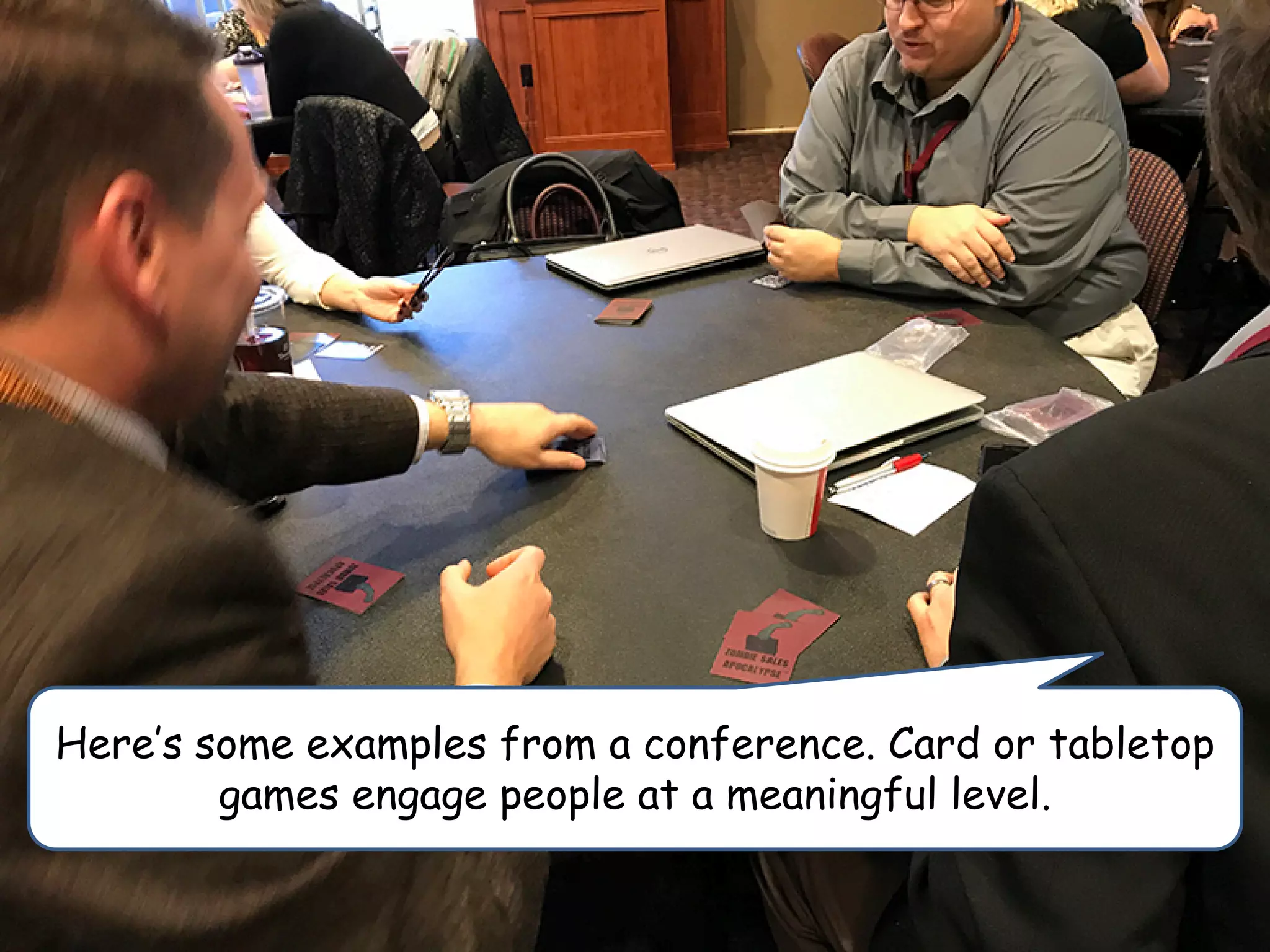
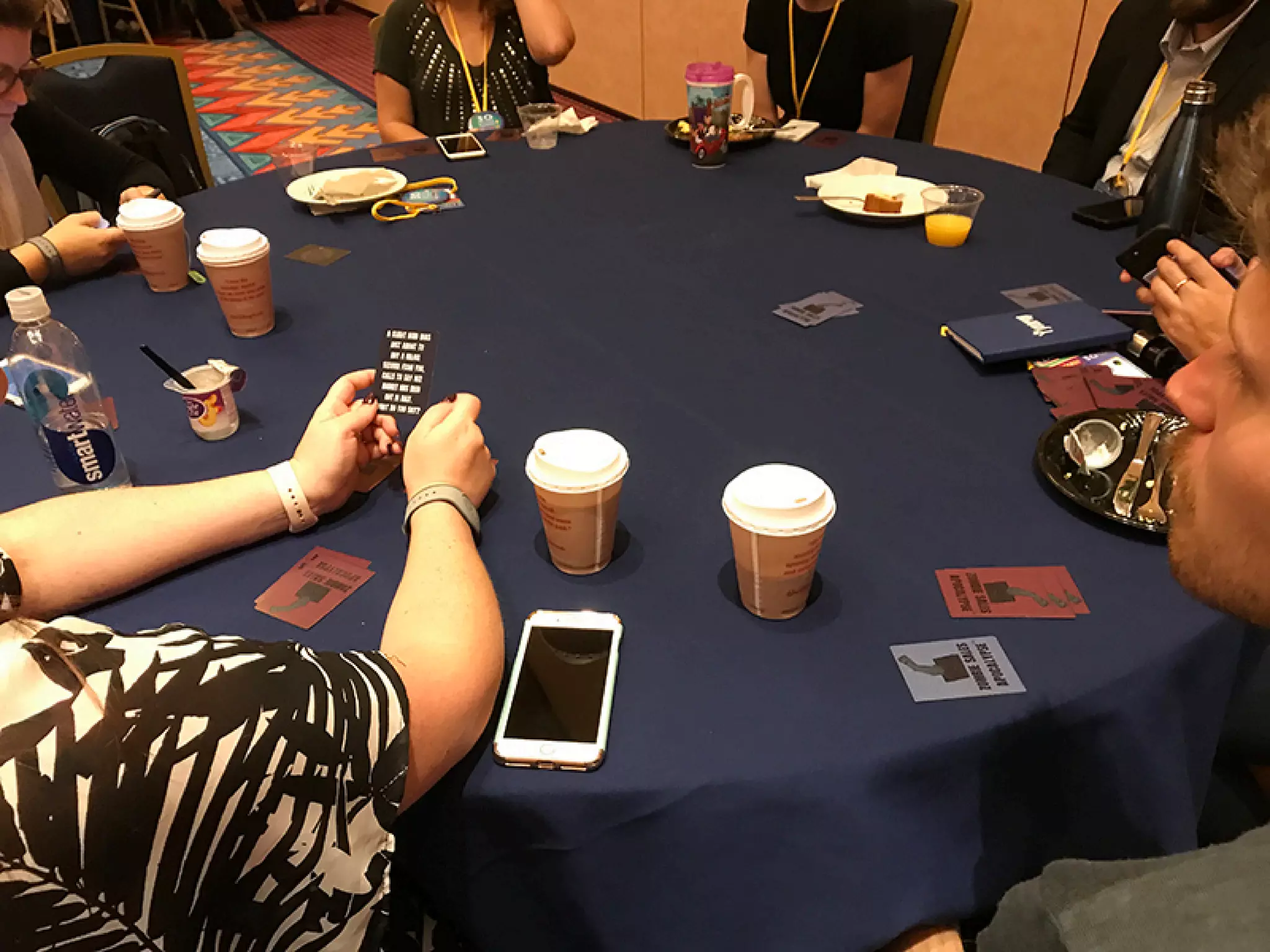
Here’s some examples from a conference. Card or tabletop
games engage people at a meaningful level.
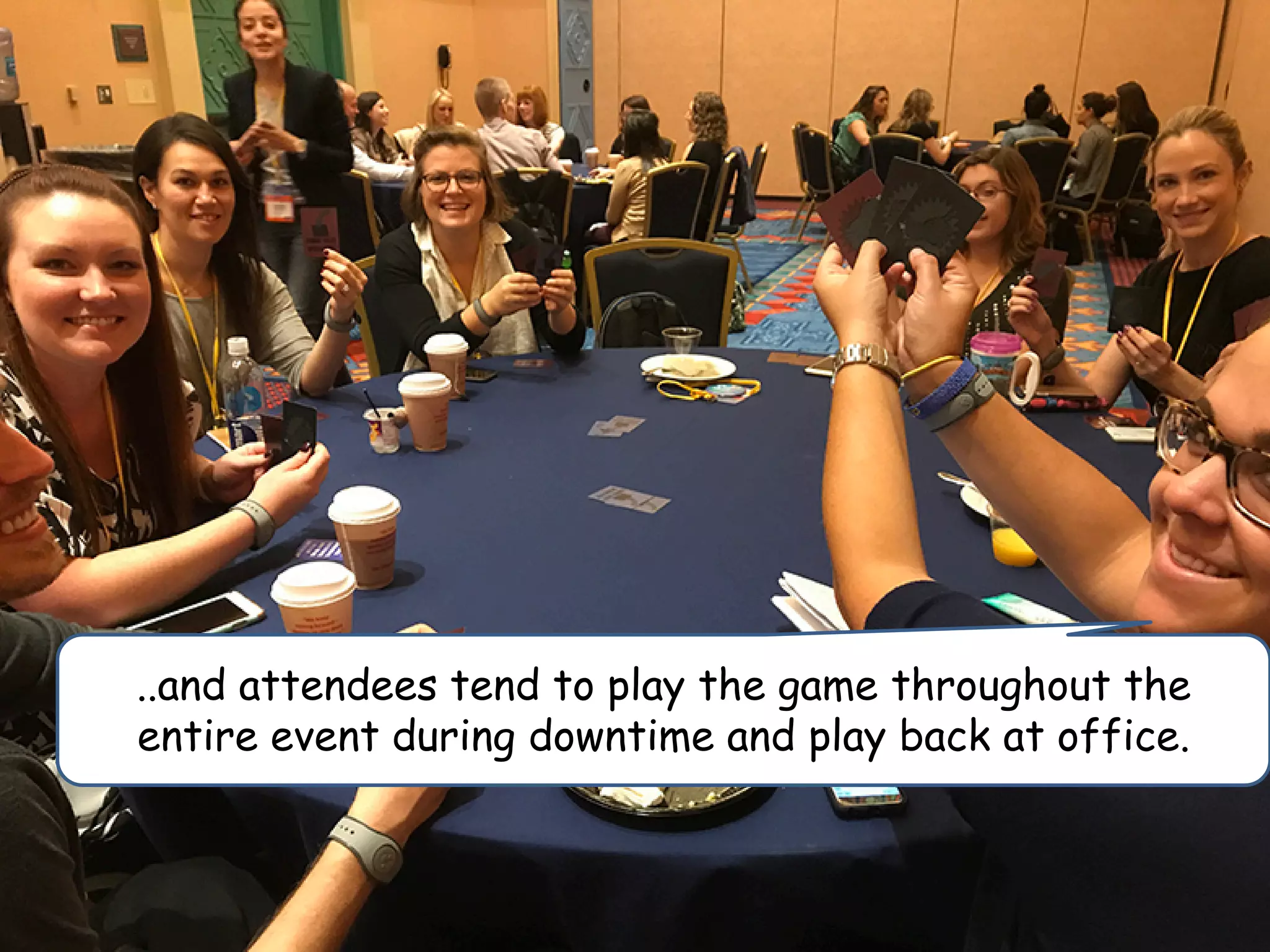
..and attendees tend to play the game throughout the
entire event during downtime and play back at office.
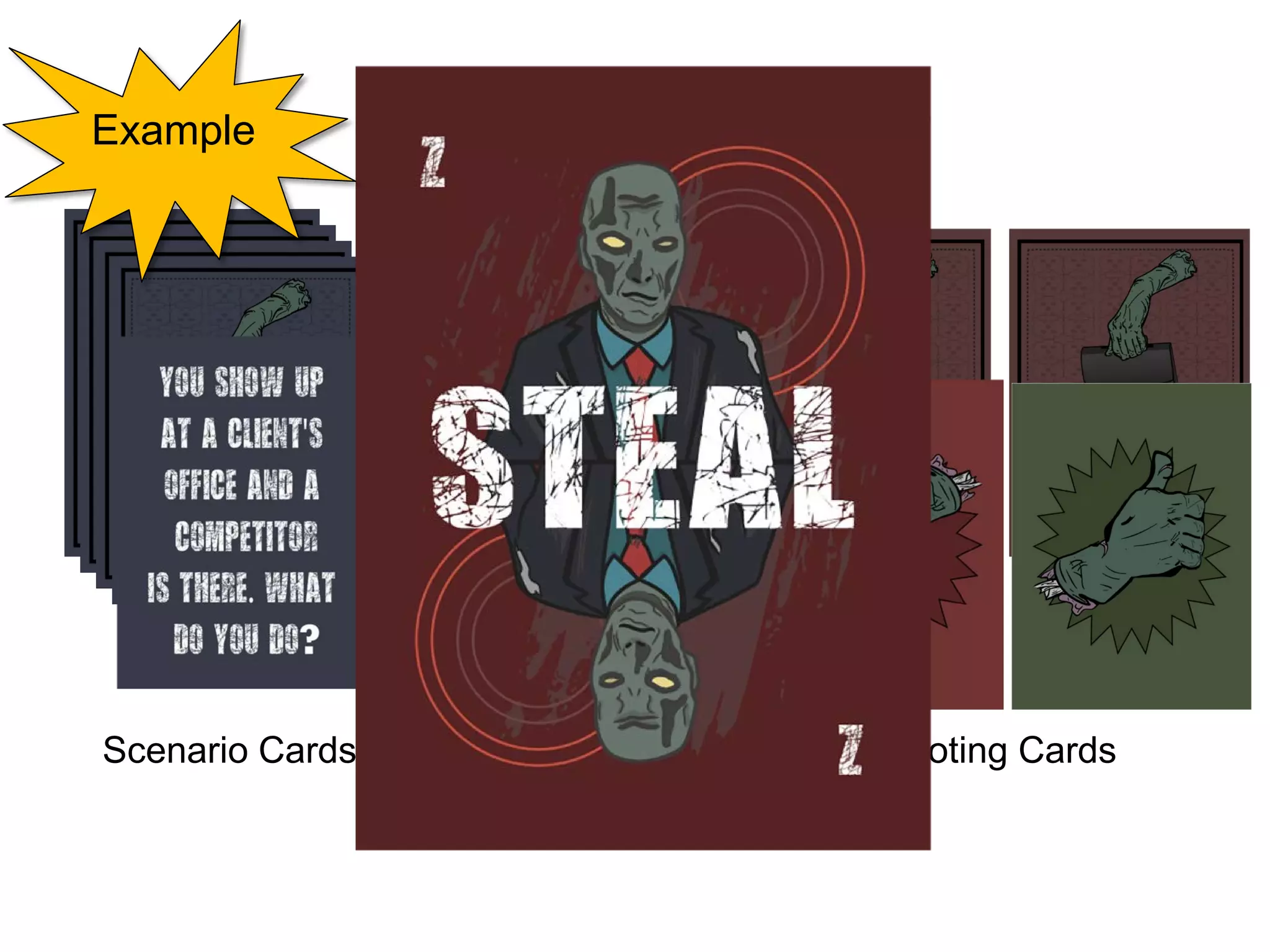
Zombie Sales Apocalypse
Scenario Cards Challenge Cards Voting Cards
Example
Dragónmon
Go
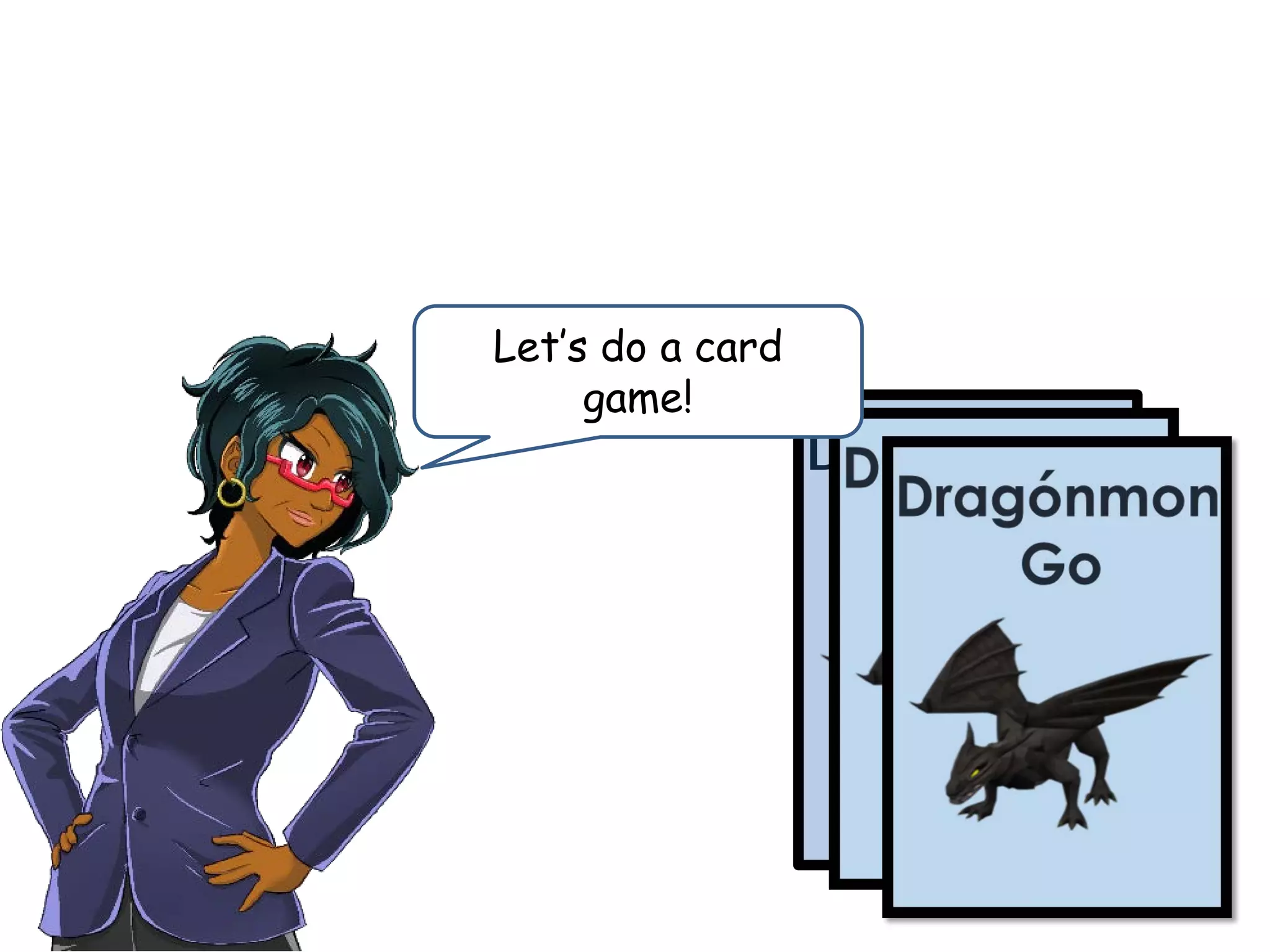
Let’s do a card
game!
Next decision about this dragon
capturing game is how to start the
game. What should the player’s first
in-game experience be?
You have two choices:
Tell the player three things they need to
know about capturing dragons.
or
Begin with by having the player start
capturing dragons right away.
Why does this answer make
sense?
Not Sure?
Good game designers know that games
are engaging because they require action
right away.
Action draws in the player and
encourages further engagement.
Start by capturing a dragon.
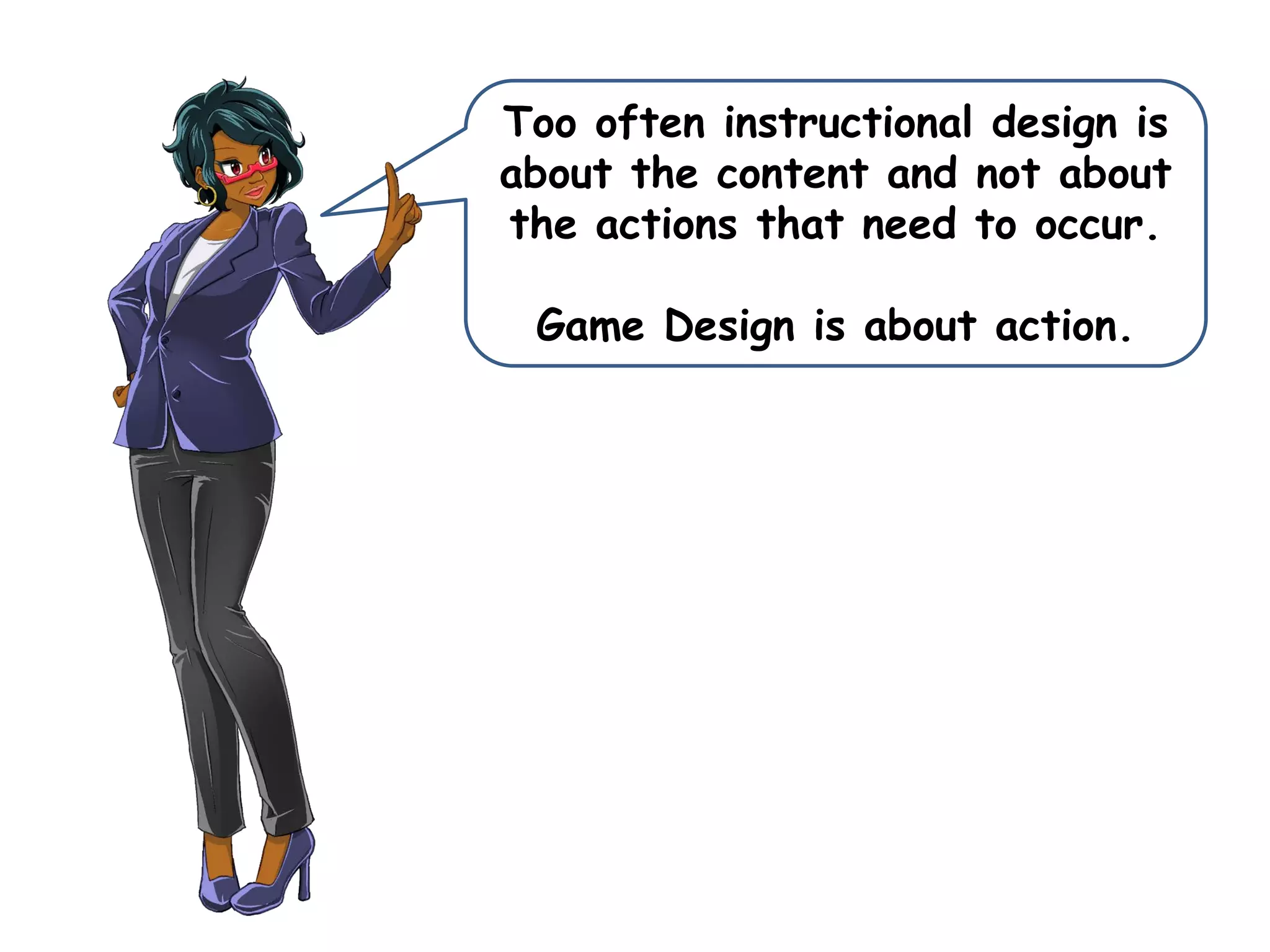
Too often instructional design is
about the content and not about
the actions that need to occur.
Game Design is about action.
Create an “open loop”.
Remember, research indicates that
learners who used interactive games
for learning had greater cognitive
gains over learners provided with
traditional classroom training.
Vogel, J. J., Vogel D.S., Cannon-Bowers, J., Bowers, C.A., Muse, K., & Wright, M. (2006). Computer gaming and
Interactive simulations for learning: A meta-analysis. Journal of Educational Computing Research, 34(3), 229-243.
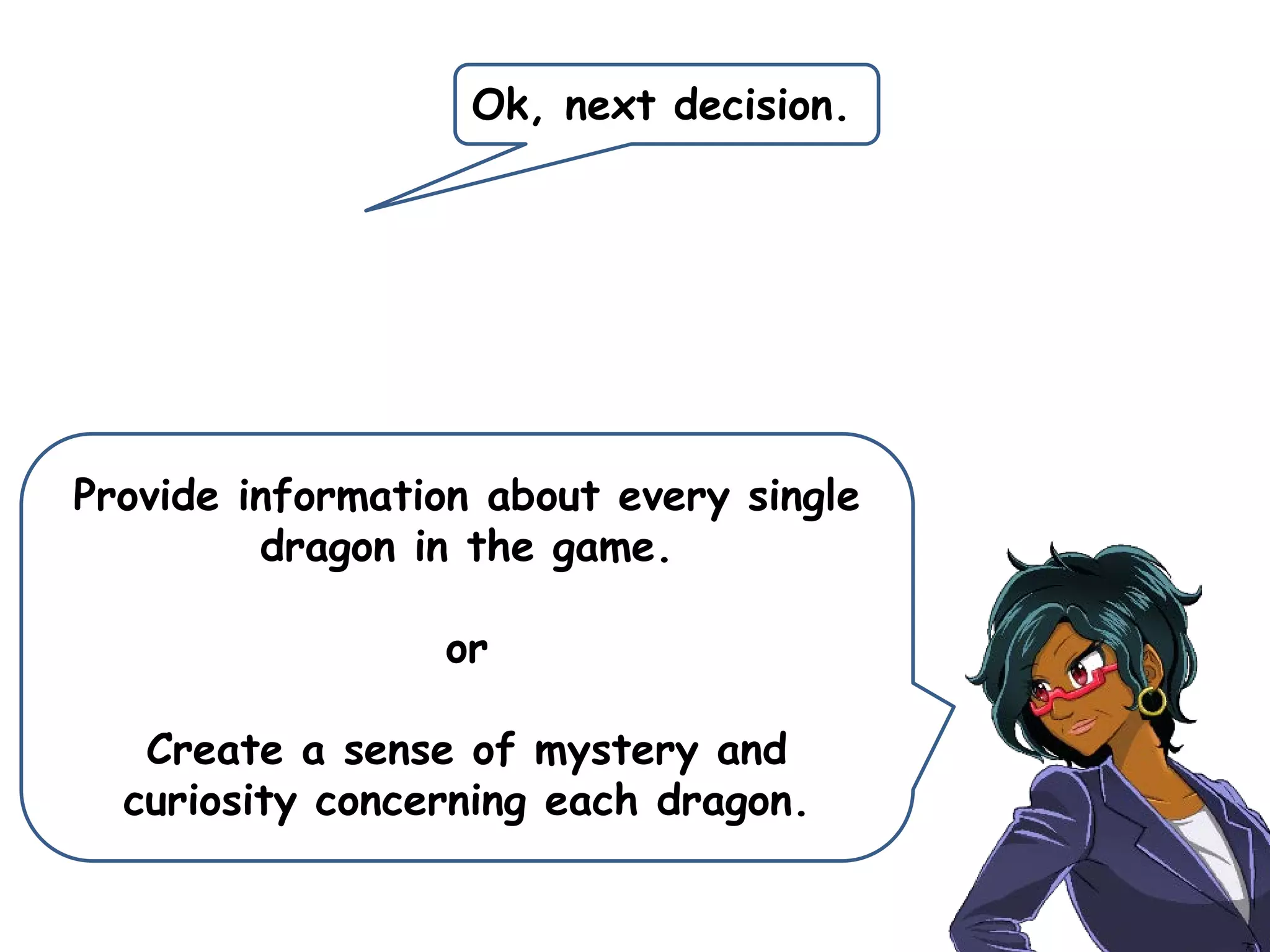
Ok, next decision.
Provide information about every single
dragon in the game.
or
Create a sense of mystery and
curiosity concerning each dragon.
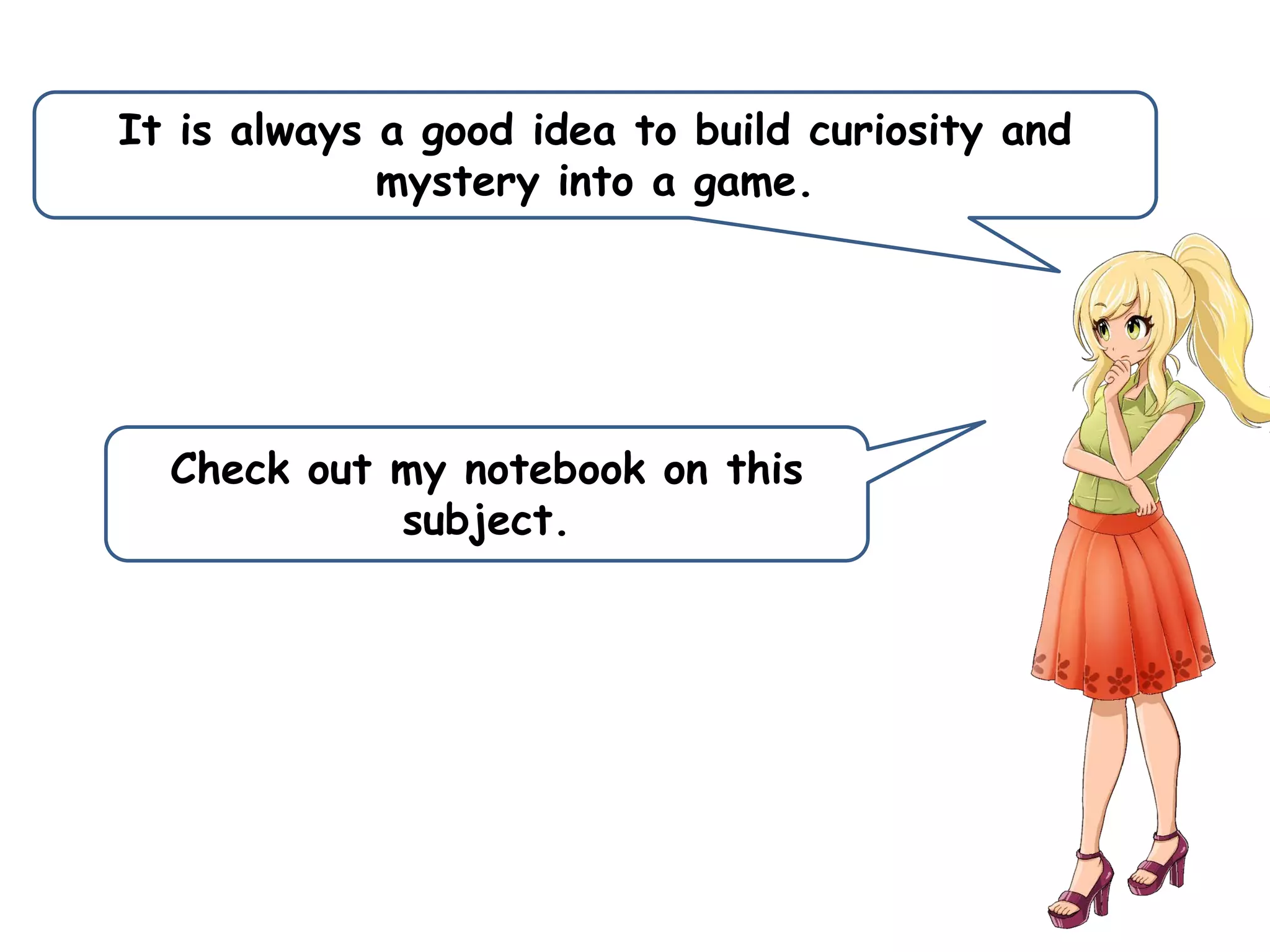
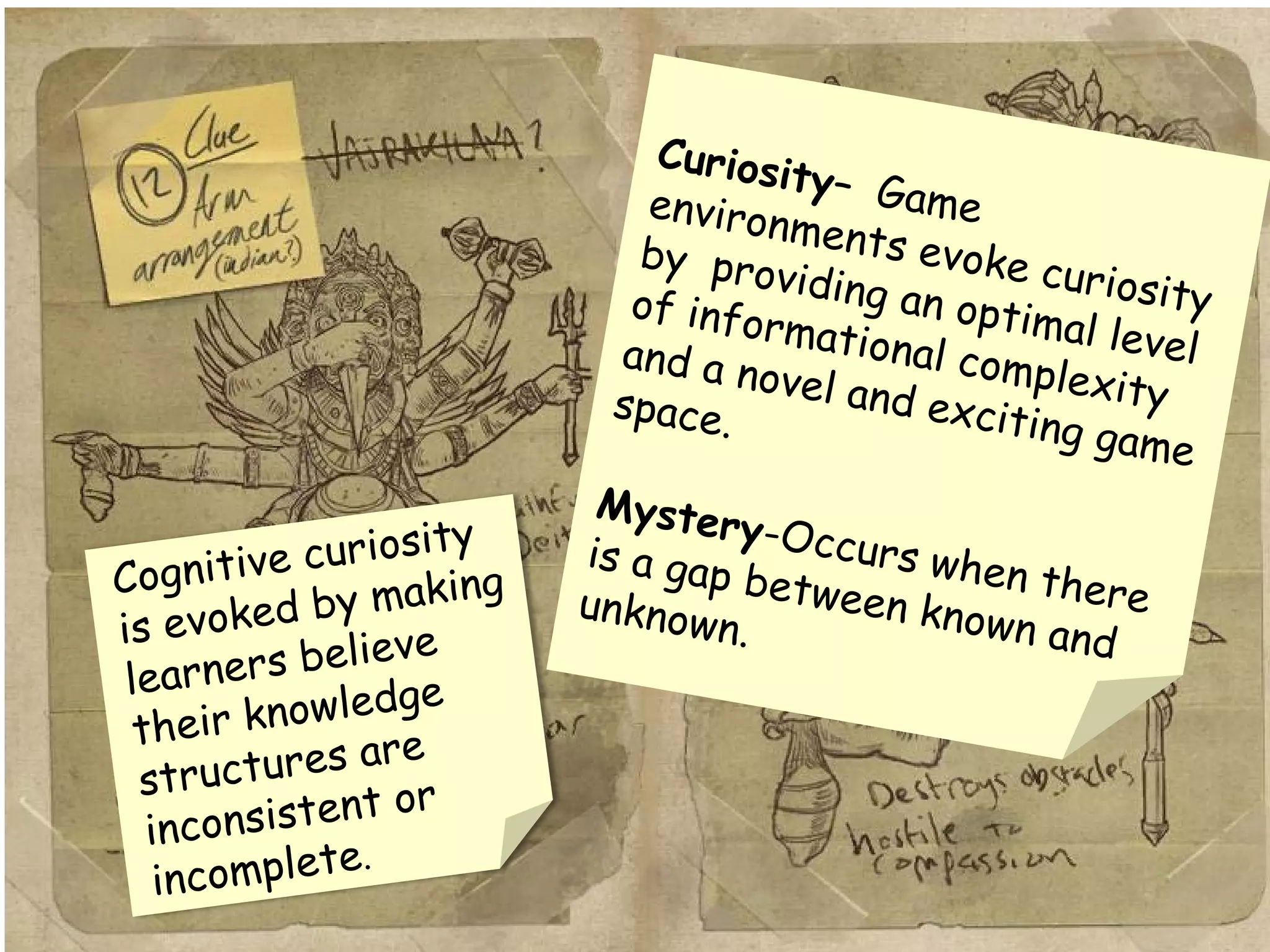
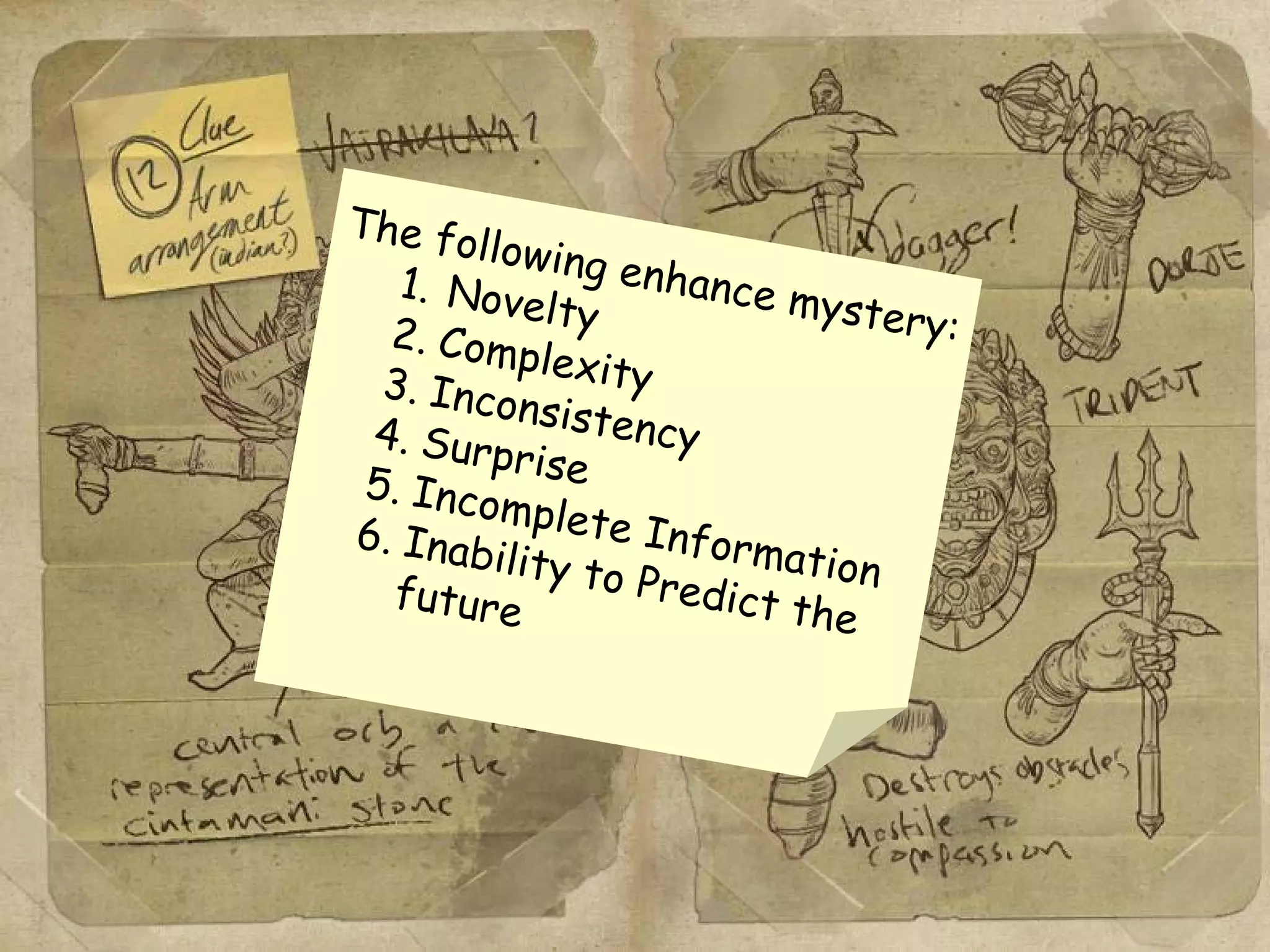
It is always a good idea to build curiosity and
mystery into a game.
Check out my notebook on this
subject.
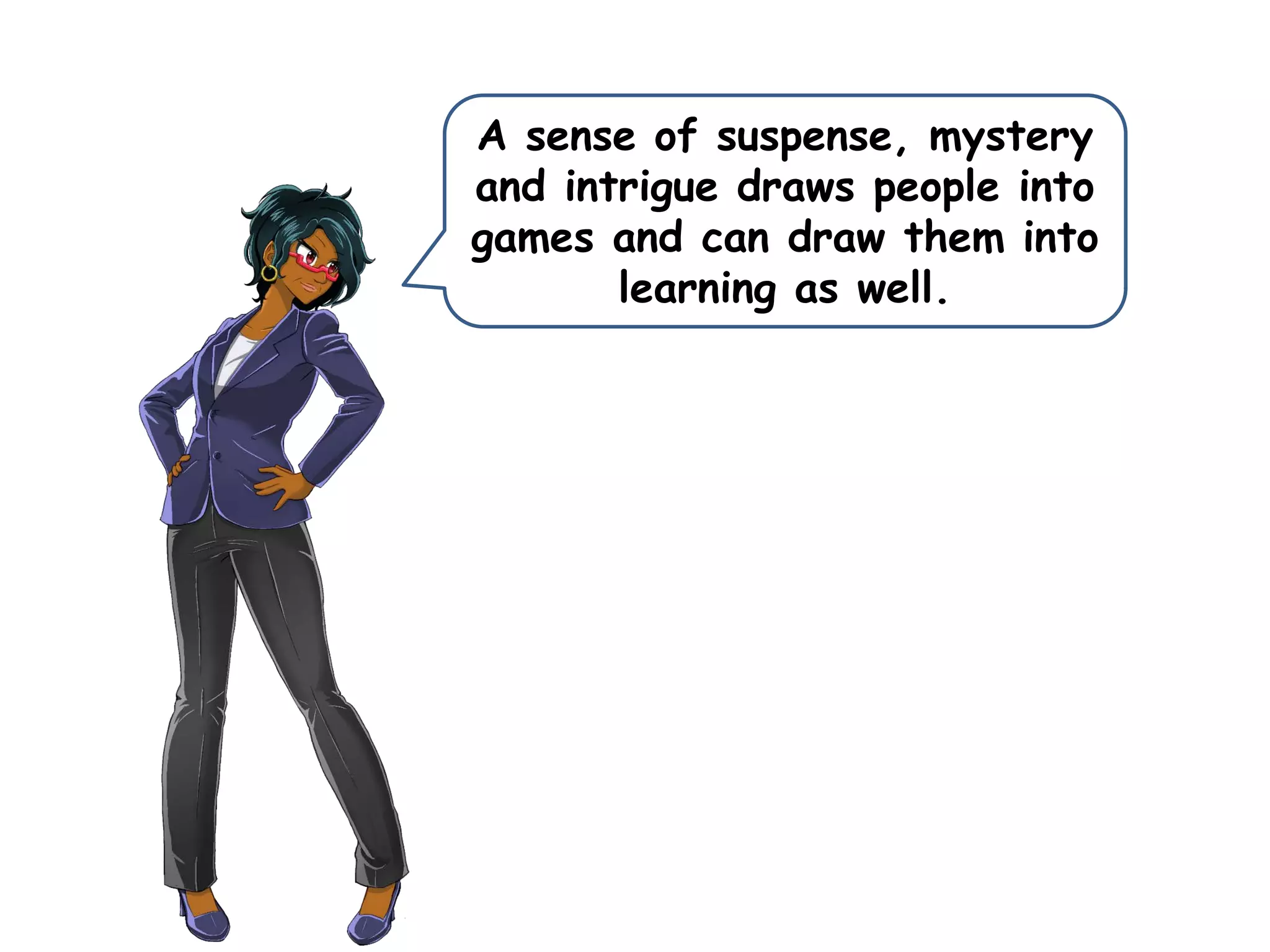
A sense of suspense, mystery
and intrigue draws people into
games and can draw them into
learning as well.
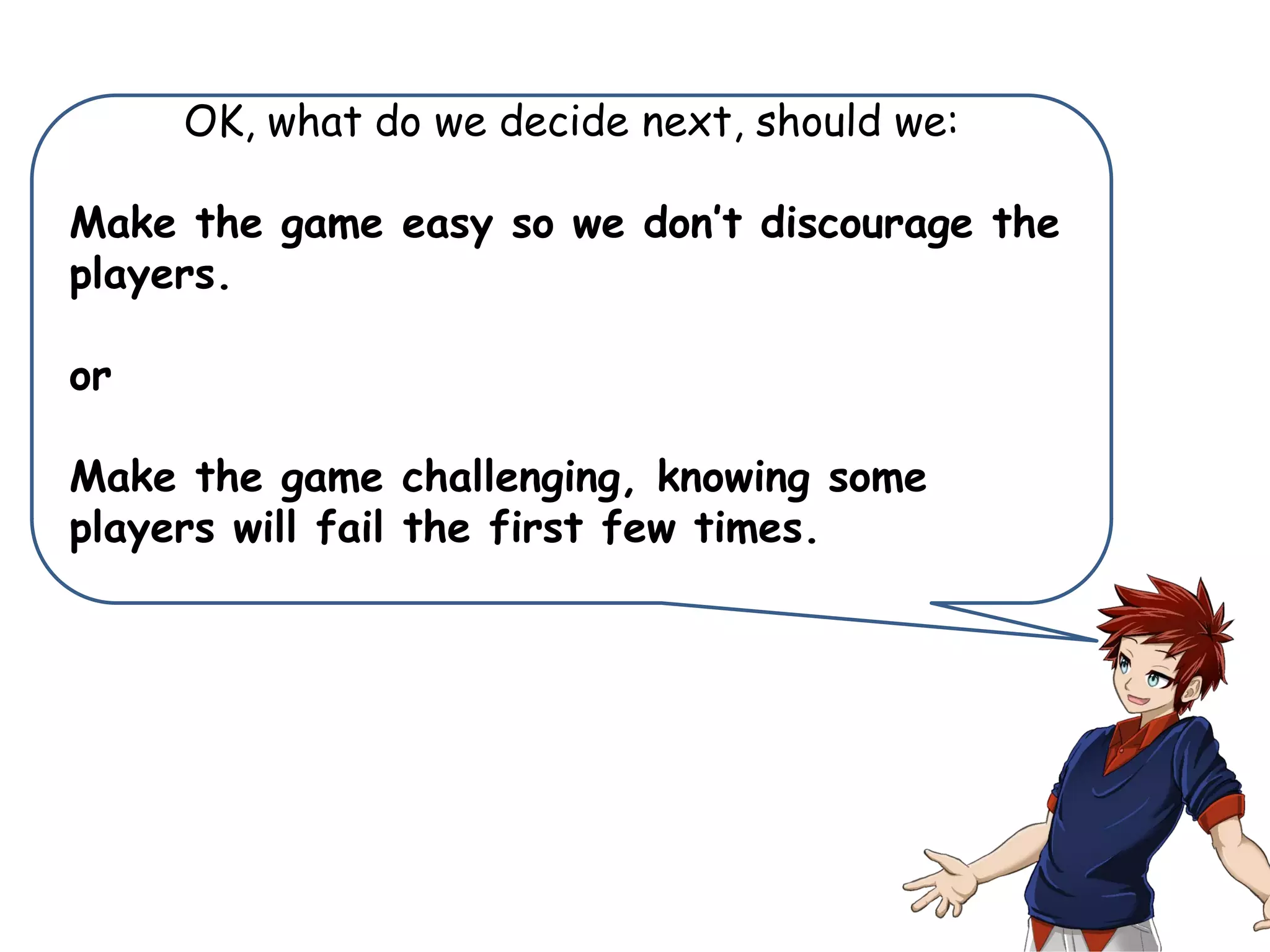
OK, what do we decide next, should we:
Make the game easy so we don’t discourage the
players.
or
Make the game challenging, knowing some
players will fail the first few times.
Jones, B., Valdez, G., Norakowski, J., & Rasmussen, C. (1994). Designing learning and technology
for educational reform. North Central Regional Educational Laboratory. [Online]. Available:
http://www.ncrtec.org/capacity/profile/profwww.htm and Schlechty, P. C. (1997). Inventing
better schools: An action plan for educational reform. San Francisco, CA: Jossey-Bass. Chapter 2
“The Gamification of Learning and Instruction.”
It needs to be challenging.
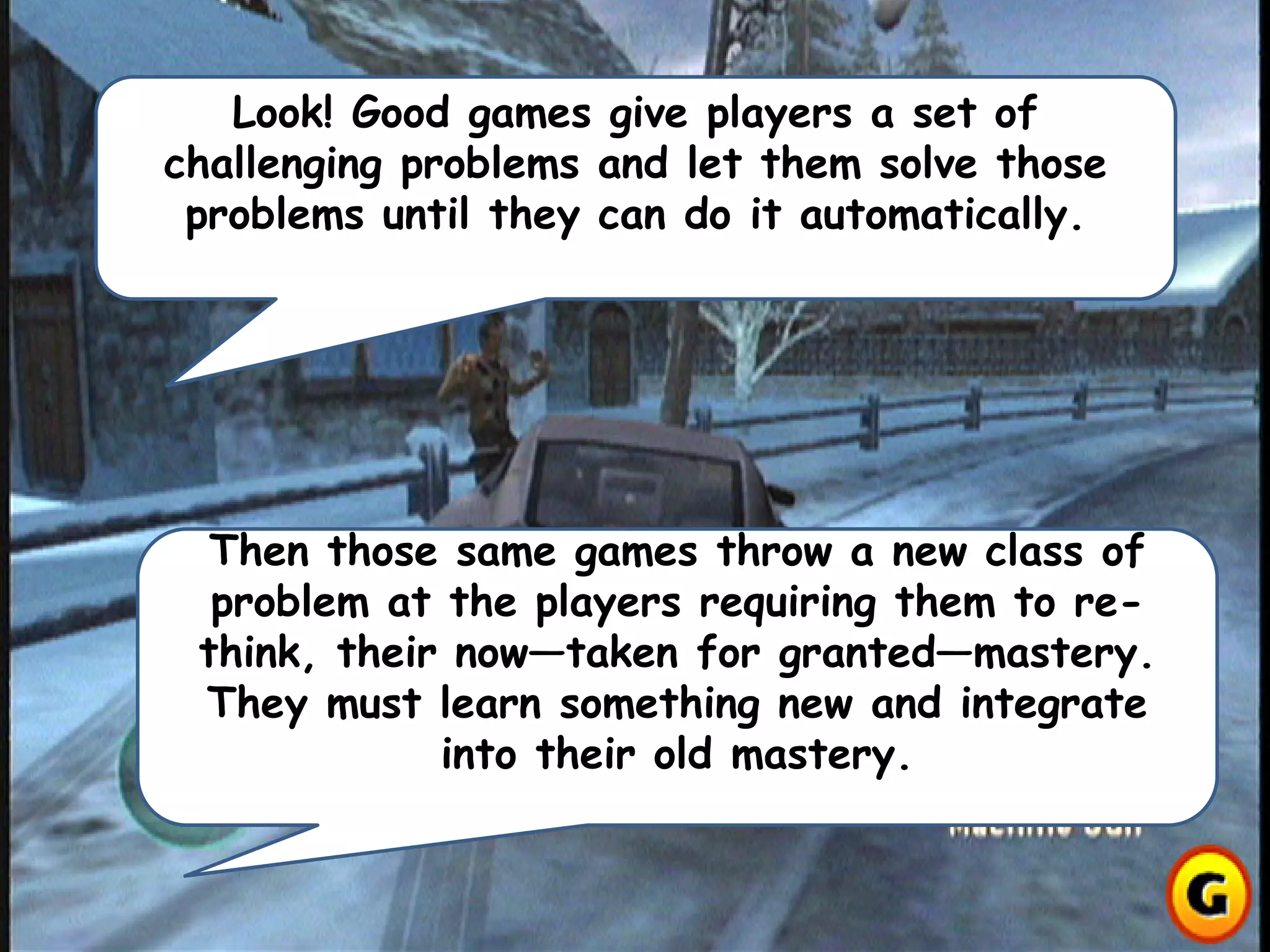
Look! Good games give players a set of
challenging problems and let them solve those
problems until they can do it automatically.
Then those same games throw a new class of
problem at the players requiring them to re-
think, their now—taken for granted—mastery.
They must learn something new and integrate
into their old mastery.
Well said!
Actually, my good friend James Paul
Gee said those words, I’m quoting
him.
Always good to cite
sources!
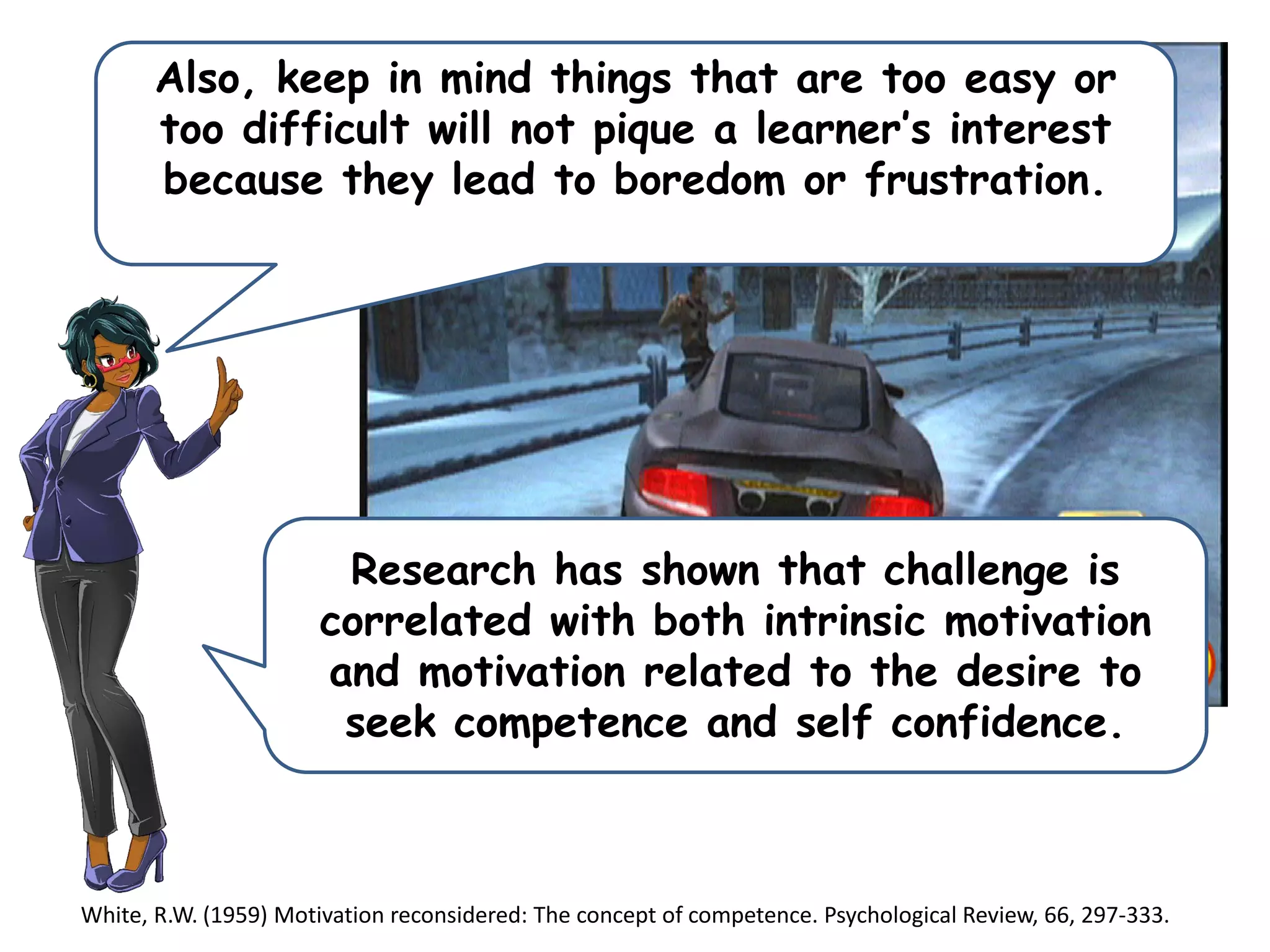
Also, keep in mind things that are too easy or
too difficult will not pique a learner’s interest
because they lead to boredom or frustration.
Research has shown that challenge is
correlated with both intrinsic motivation
and motivation related to the desire to
seek competence and self confidence.
White, R.W. (1959) Motivation reconsidered: The concept of competence. Psychological Review, 66, 297-333.
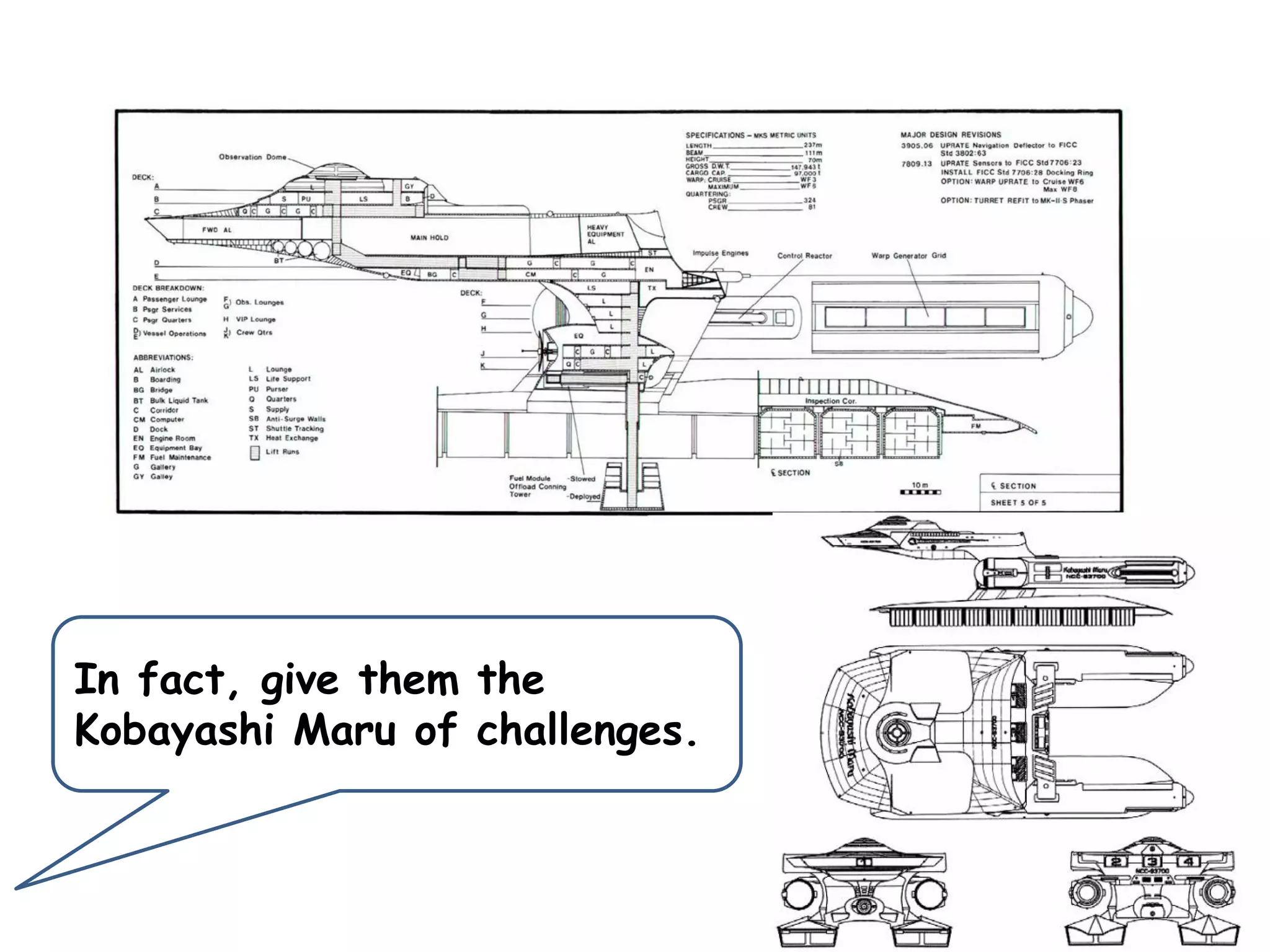
In fact, give them the
Kobayashi Maru of challenges.
Harsh!
Well, the next decision, should we:
Put the player at risk, they could die at
any moment.
or
Let the player safely explore the
environment.
Seriously, you are asking me
this question. The player needs
to be at risk.
No risk, or danger equal no skin in
the game.
Get the player emotionally involved
by putting him or her at “mock”
risk.
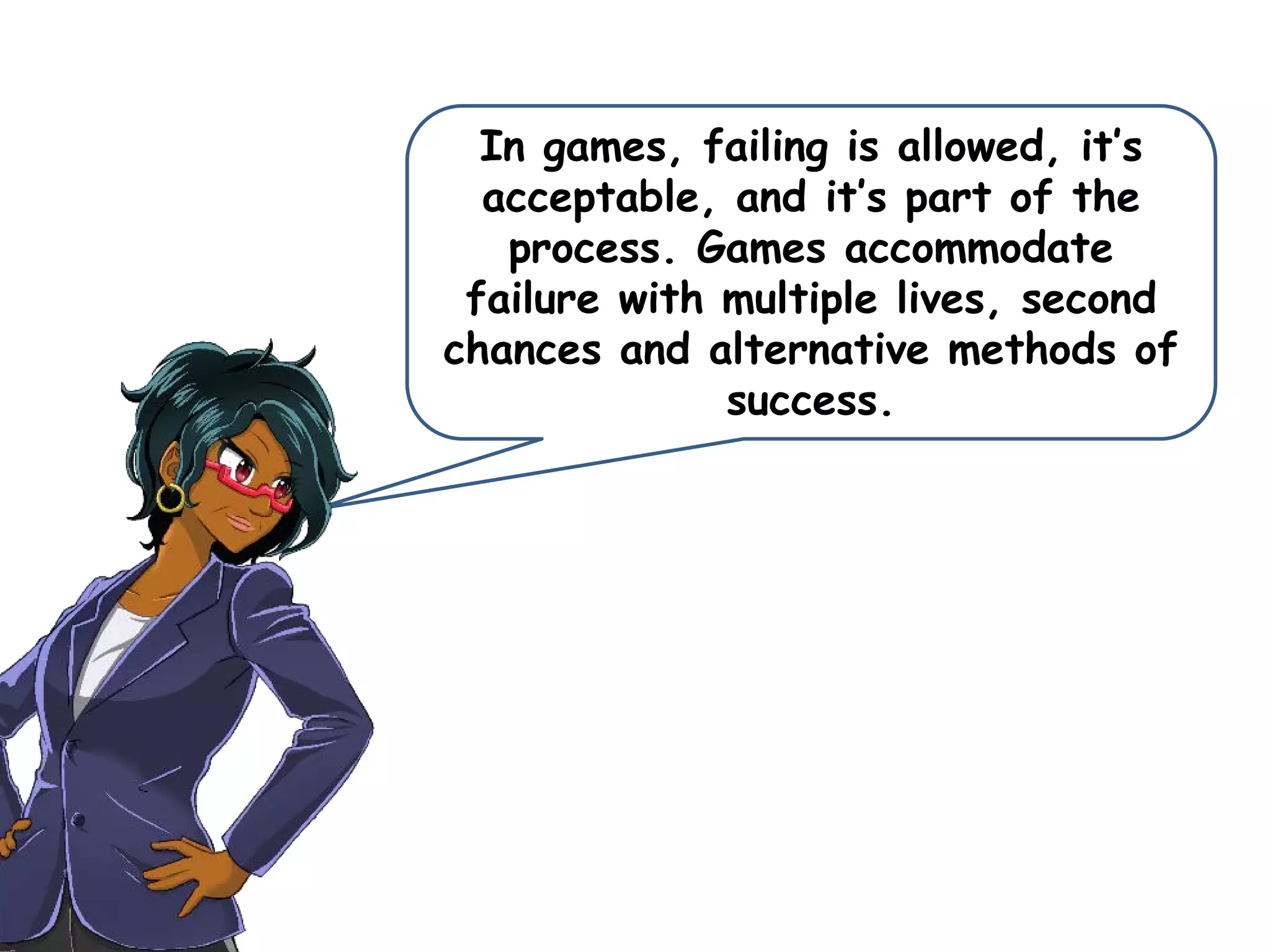
In games, failing is allowed, it’s
acceptable, and it’s part of the
process. Games accommodate
failure with multiple lives, second
chances and alternative methods of
success.
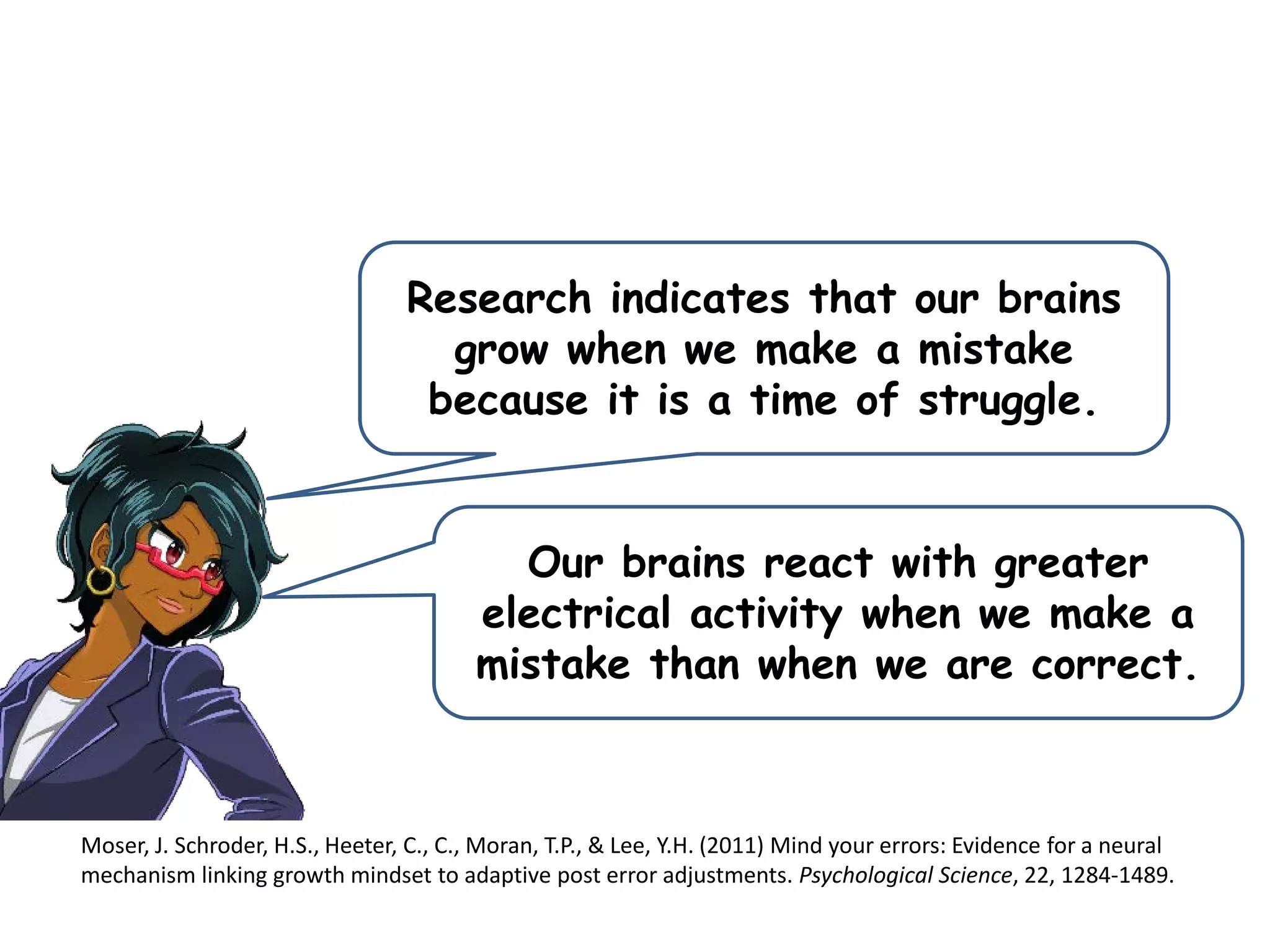
Research indicates that our brains
grow when we make a mistake
because it is a time of struggle.
Moser, J. Schroder, H.S., Heeter, C., C., Moran, T.P., & Lee, Y.H. (2011) Mind your errors: Evidence for a neural
mechanism linking growth mindset to adaptive post error adjustments. Psychological Science, 22, 1284-1489.
Our brains react with greater
electrical activity when we make a
mistake than when we are correct.
Do you punish failure in your
learning design or do you allow and
encourage the freedom to fail?
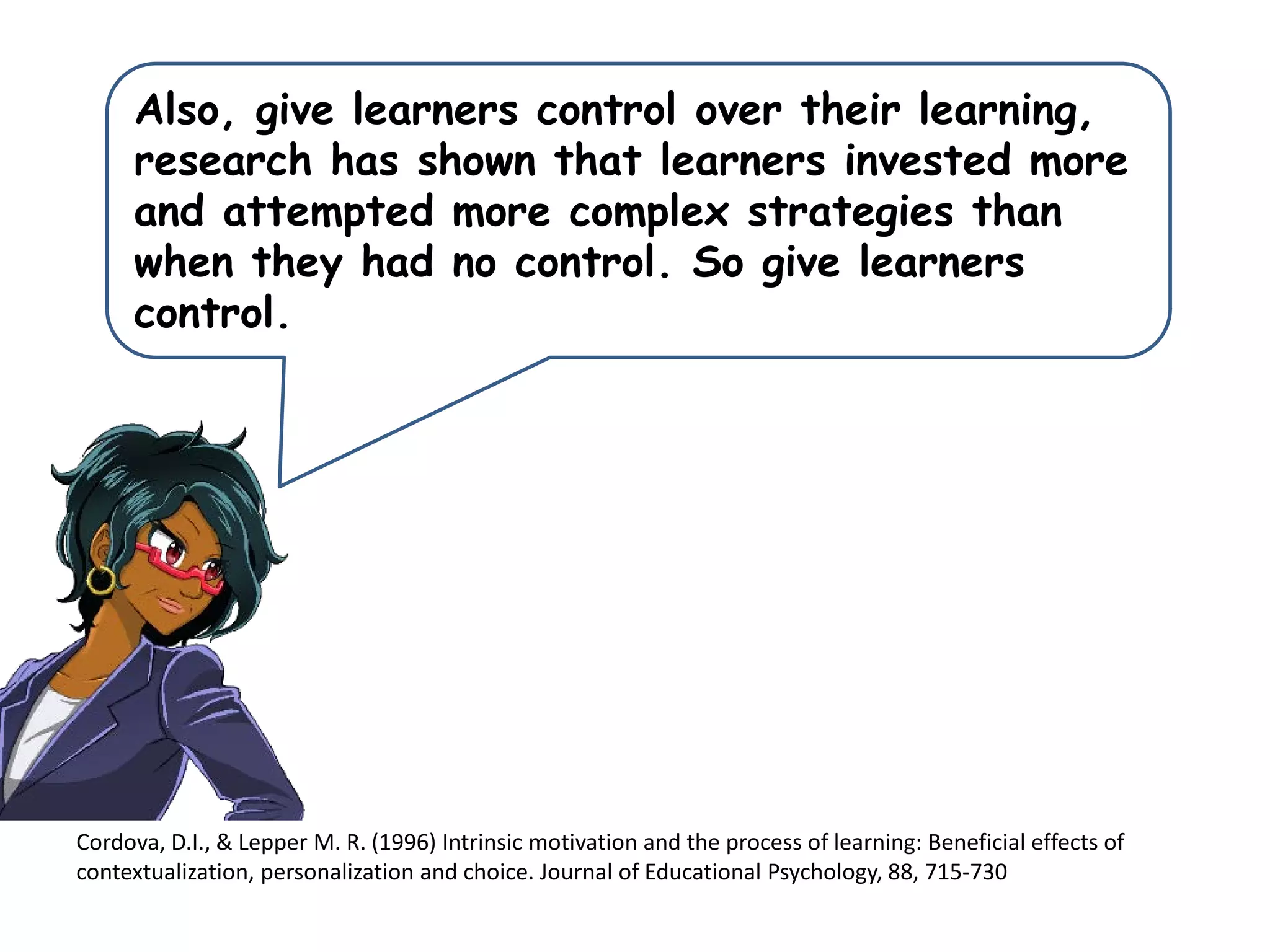
Cordova, D.I., & Lepper M. R. (1996) Intrinsic motivation and the process of learning: Beneficial effects of
contextualization, personalization and choice. Journal of Educational Psychology, 88, 715-730
Also, give learners control over their learning,
research has shown that learners invested more
and attempted more complex strategies than
when they had no control. So give learners
control.
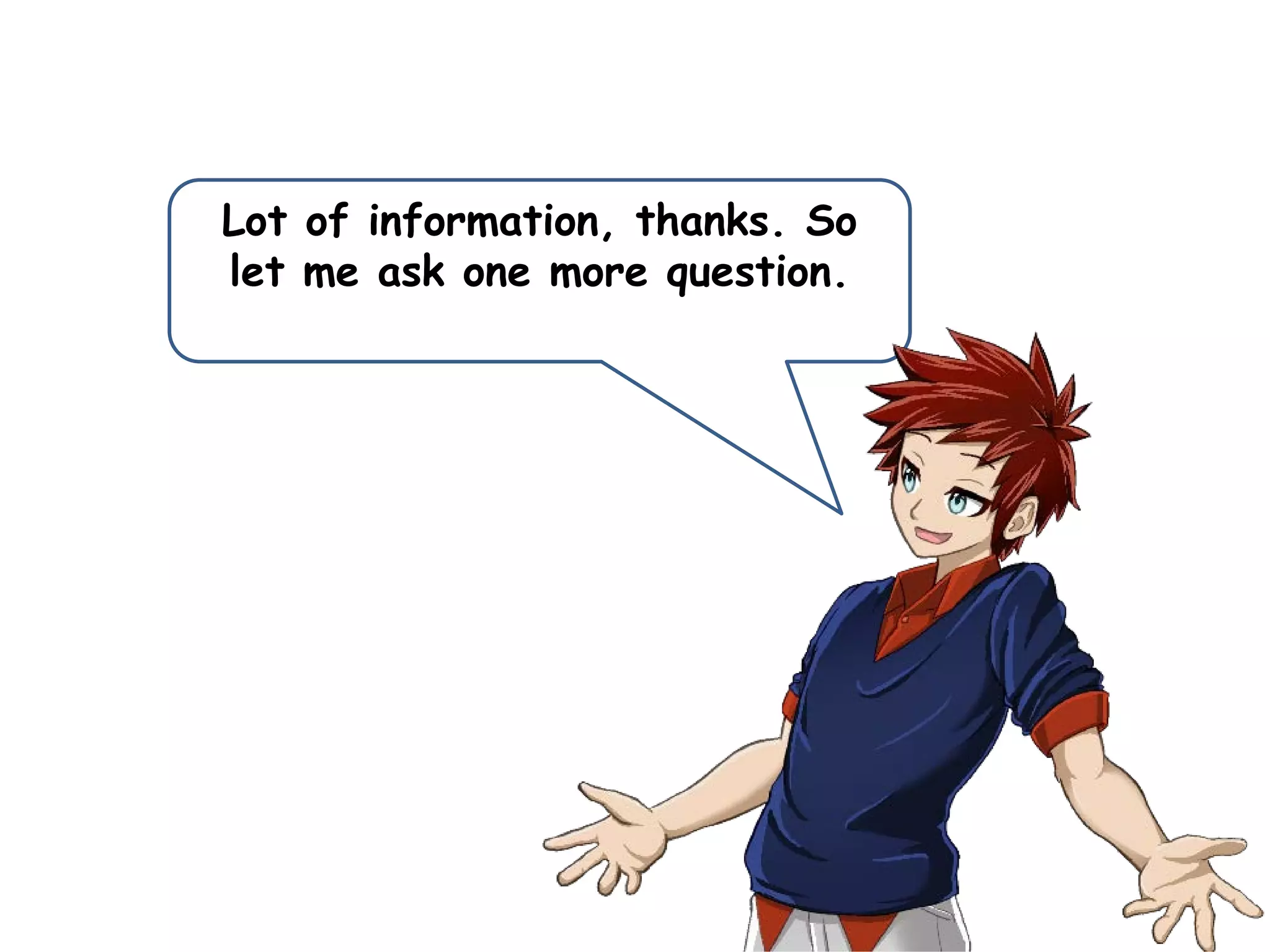
Lot of information, thanks. So
let me ask one more question.
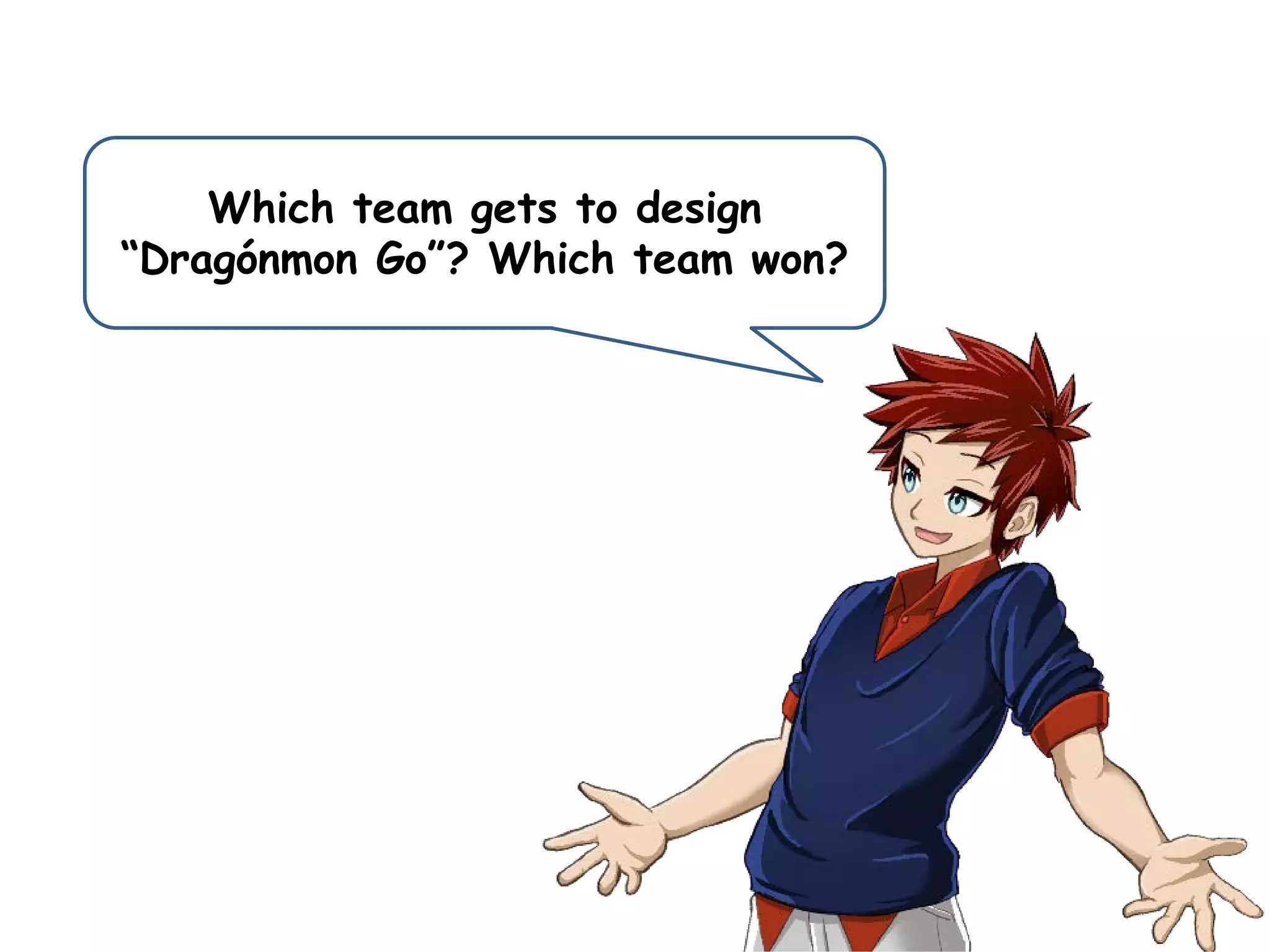
Which team gets to design
“Dragónmon Go”? Which team won?
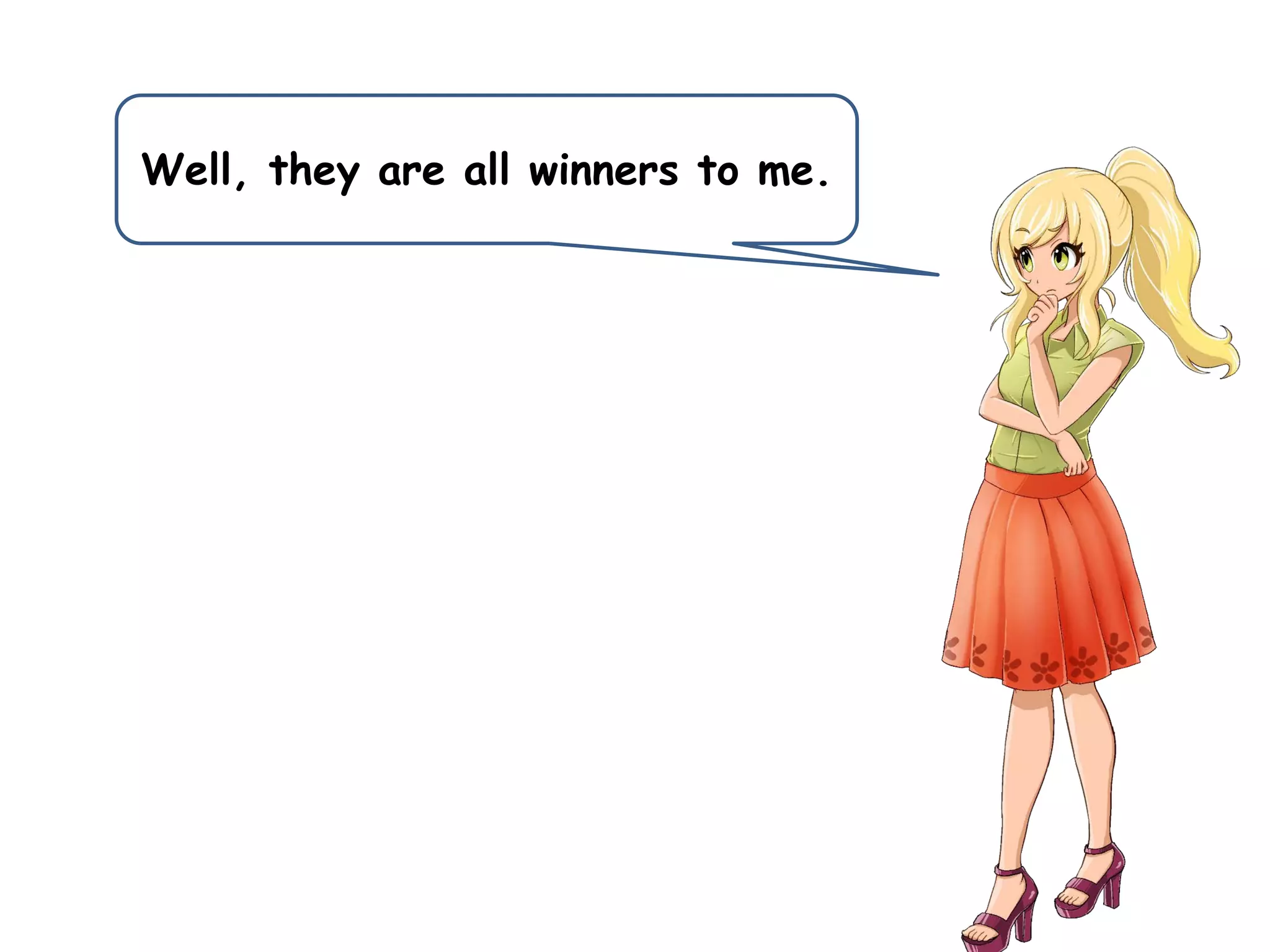
Well, they are all winners to me.
Ugh….
How about a
re-cap…
Here are five tips for thinking like a
game designer:
1) Begin with activity
2) Create curiosity, mystery, intrigue
3) Create a challenge for the learner
4) Put learners at “mock” risk—
encourage mistakes
5) Give learners control and meaningful
choices
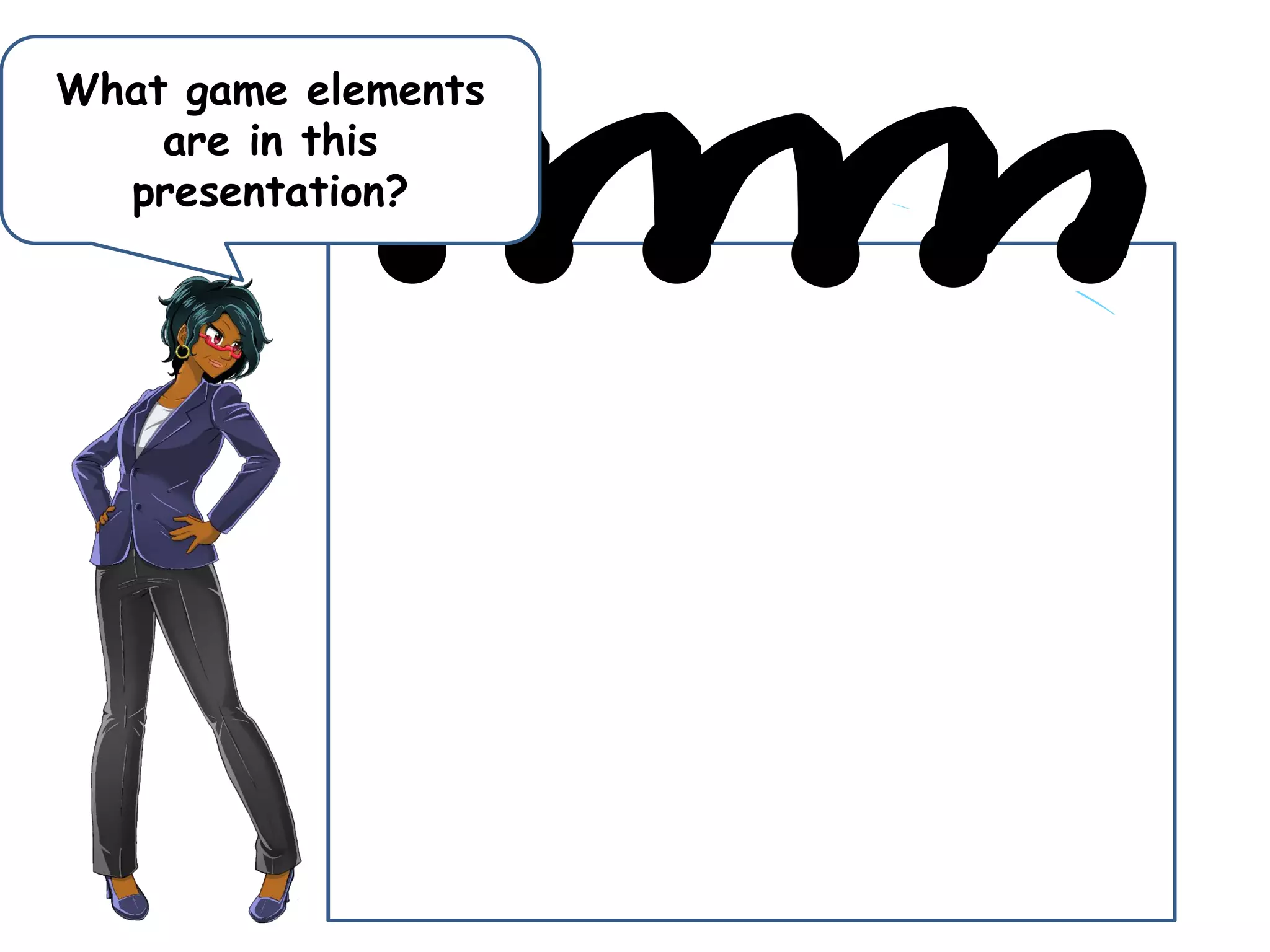
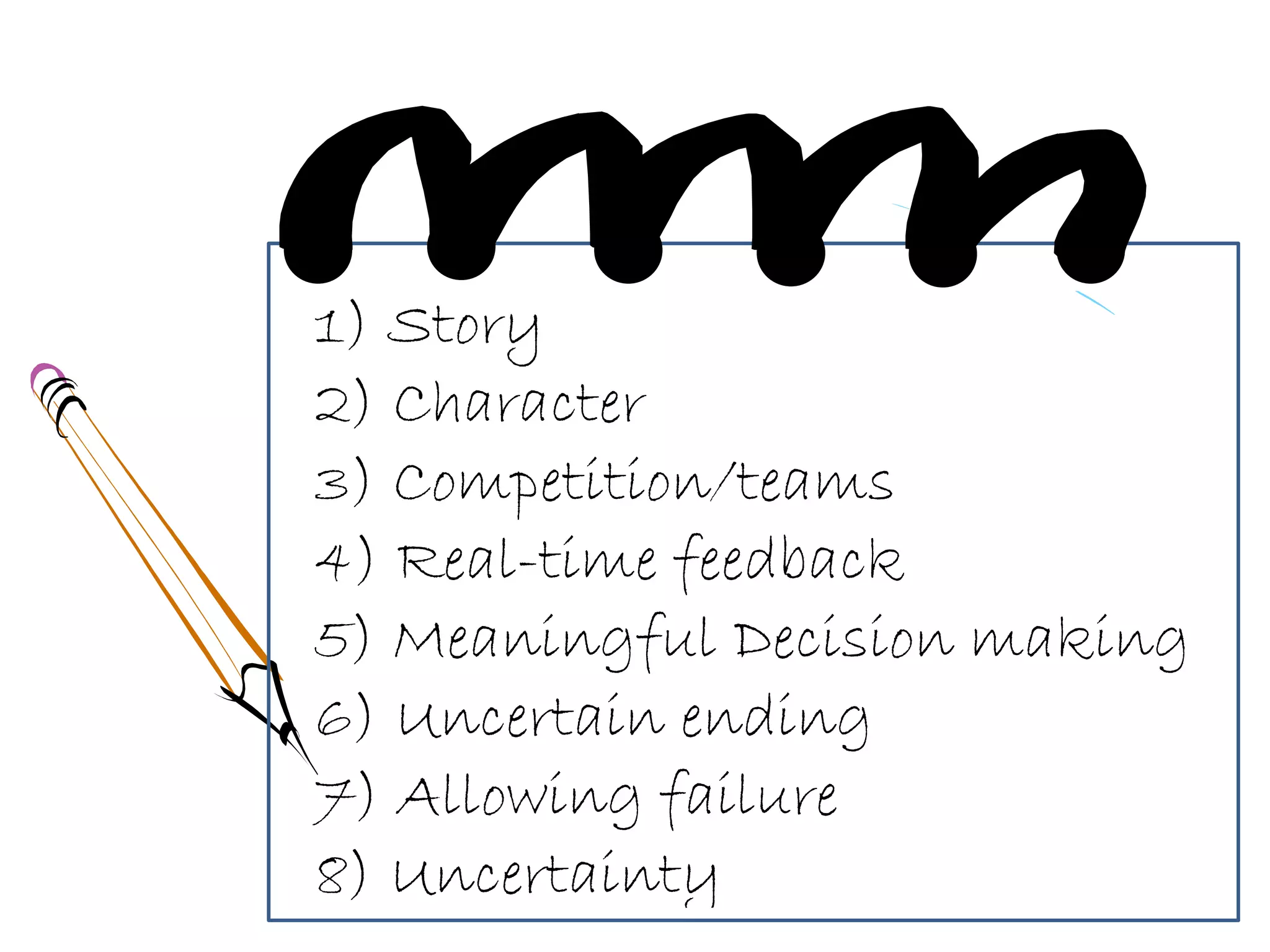
What game elements
are in this
presentation?
1) Story
2) Character
3) Competition/teams
4) Real-time feedback
5) Meaningful Decision making
6) Uncertain ending
7) Allowing failure
8) Uncertainty
You can use more
realistic settings for
storytelling.
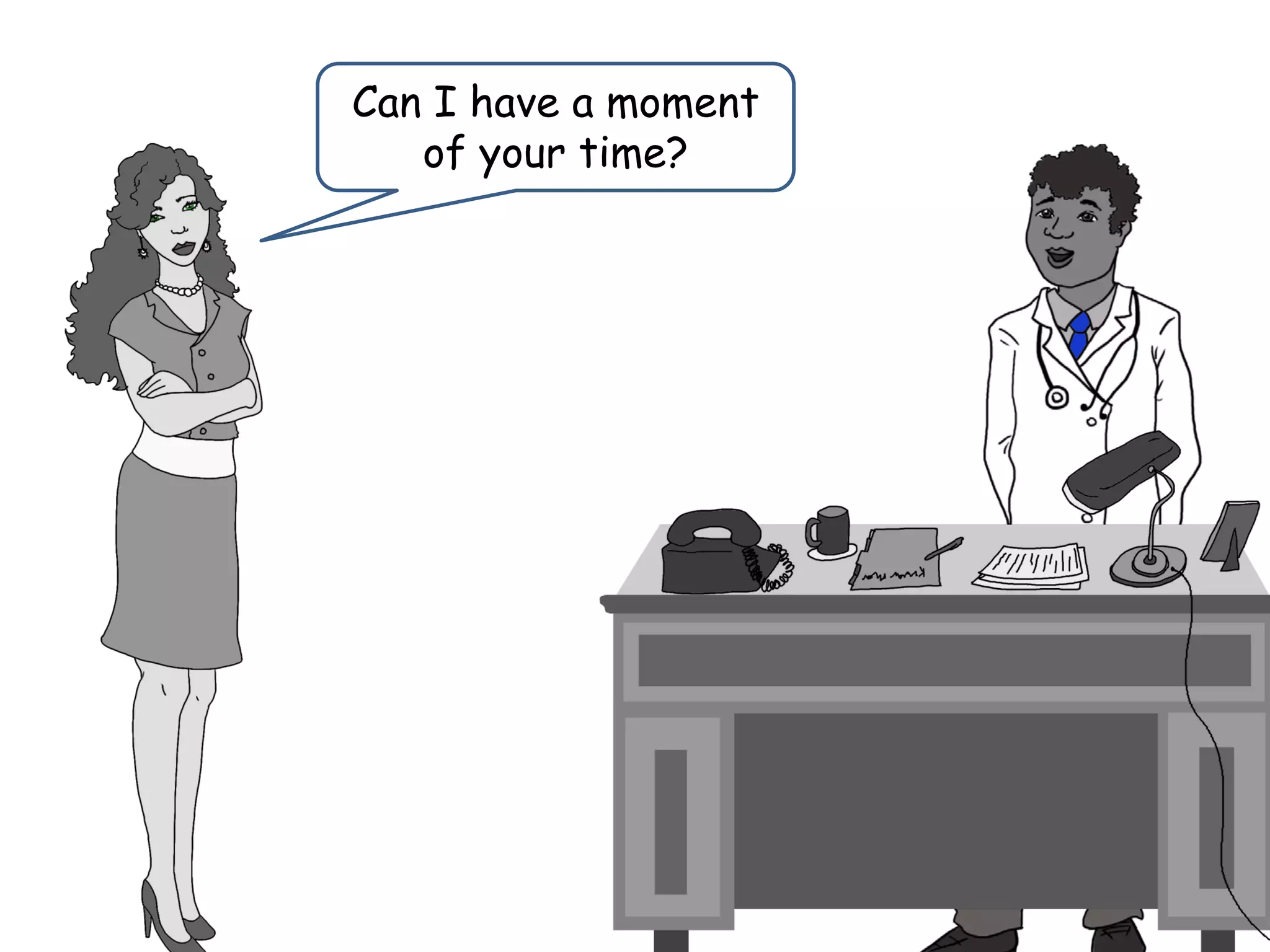
Can I have a moment
of your time?
Well, I am busy…
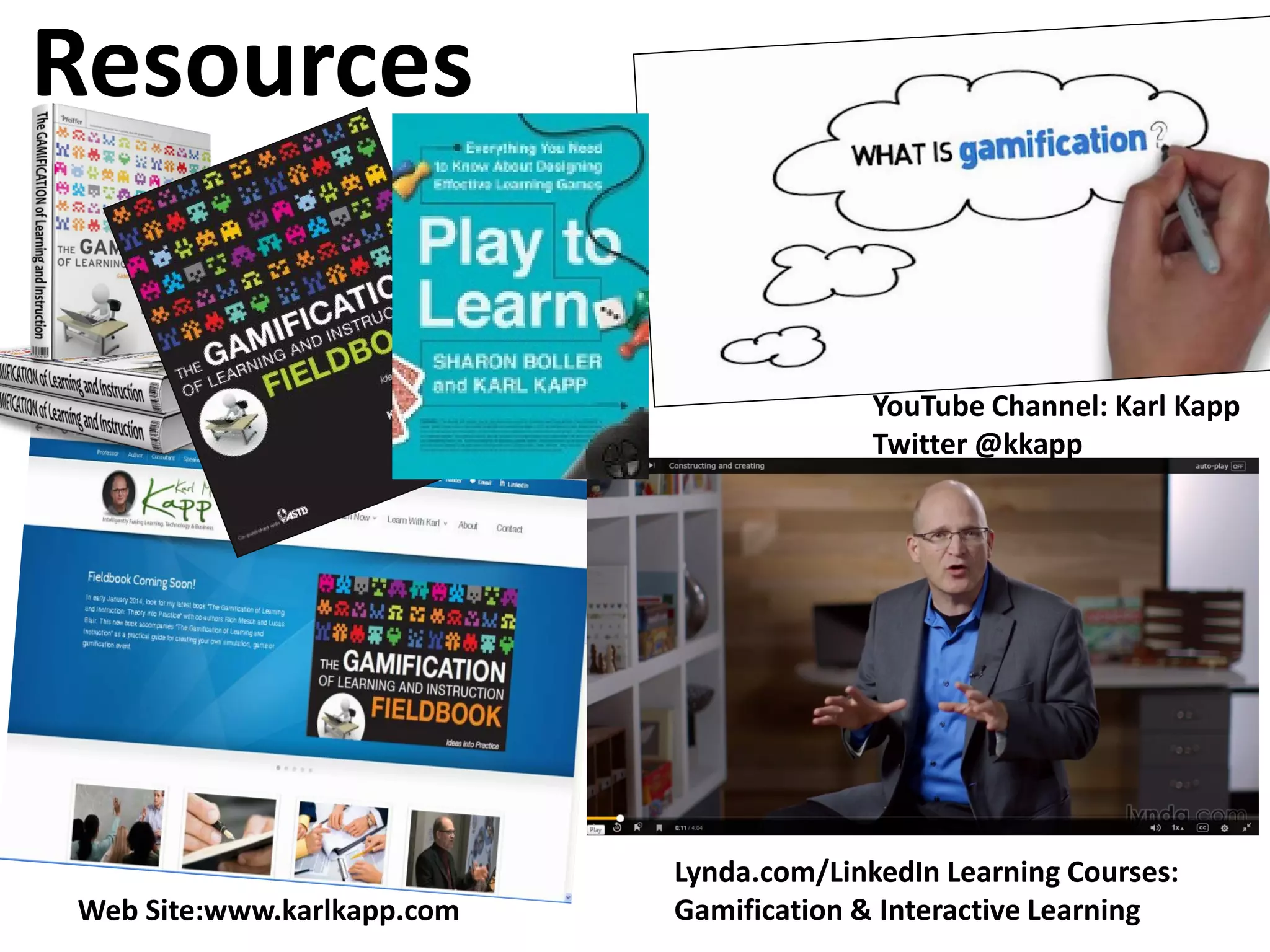
Lynda.com/LinkedIn Learning Courses:
Gamification & Interactive Learning
YouTube Channel: Karl Kapp
Twitter @kkapp
Web Site:www.karlkapp.com
Resources
Questions?
For:
Notes/Slides
Additional Ideas
www.karlkapp.com
www.karlkapp.com/kapp-notes
LinkedIn
Learning
Twitter:
@kkapp

Beyond Gamification: Thinking Like a Game Designer

  • 1.
  • 2.
    Beyond Gamification: Thinking Like Agame designer. By Karl M. Kapp Professor, Bloomsburg University, Author Gamification of Learning and Instruction March 22, 2018 Author: Gamification of Learning and Instruction Twitter:@kkapp karlkapp@gmail.com
  • 3.
  • 4.
  • 5.
  • 7.
    You are agame designer at SuperGame Corporation which has hit some hard times lately.
  • 8.
    It’s Friday 4:59PM you and your colleague have only one thing on your mind.
  • 9.
    Suddenly, your bosscalls you and your colleague into her office. Ito and Jasmine come into my office.
  • 10.
  • 11.
    Look, someone wants usto create a game about capturing dragons.It appears to be a craze or something.
  • 12.
  • 13.
    You are competinginternally for the project. Winning team earns the right to work on the project.
  • 14.
    Two Development Teams MoxieZest Open another window: PollEv.com/karlkapp
  • 15.
    Each team willbe confronted with a series of questions. The team that correctly answers the most questions wins the work.
  • 16.
    What about theother team?
  • 17.
    Losers are assignedto the game “watching paint dry.”
  • 18.
    Wow, I heardabout that project, its almost as fun as… never mind. Dragon Capturing is much better.
  • 19.
    Get it together. Nowlet’s hear about the dragon capturing game.
  • 20.
    First decision aboutthis dragon capturing game is…should it be digital or a tabletop game?
  • 21.
    You have twochoices: Digital? or Card Game?
  • 22.
  • 23.
    Actually, there area number of benefits to card games. They build learner engagement, are a social accelerant and provide a tangible take-away from the event.
  • 24.
    Here’s some examplesfrom a conference. Card or tabletop games engage people at a meaningful level.
  • 26.
    ..and attendees tendto play the game throughout the entire event during downtime and play back at office.
  • 27.
    Zombie Sales Apocalypse ScenarioCards Challenge Cards Voting Cards Example
  • 28.
  • 29.
    Next decision aboutthis dragon capturing game is how to start the game. What should the player’s first in-game experience be?
  • 30.
    You have twochoices: Tell the player three things they need to know about capturing dragons. or Begin with by having the player start capturing dragons right away.
  • 31.
    Why does thisanswer make sense? Not Sure?
  • 32.
    Good game designersknow that games are engaging because they require action right away. Action draws in the player and encourages further engagement. Start by capturing a dragon.
  • 33.
    Too often instructionaldesign is about the content and not about the actions that need to occur. Game Design is about action.
  • 34.
  • 35.
    Remember, research indicatesthat learners who used interactive games for learning had greater cognitive gains over learners provided with traditional classroom training. Vogel, J. J., Vogel D.S., Cannon-Bowers, J., Bowers, C.A., Muse, K., & Wright, M. (2006). Computer gaming and Interactive simulations for learning: A meta-analysis. Journal of Educational Computing Research, 34(3), 229-243.
  • 36.
    Ok, next decision. Provideinformation about every single dragon in the game. or Create a sense of mystery and curiosity concerning each dragon.
  • 37.
    It is alwaysa good idea to build curiosity and mystery into a game. Check out my notebook on this subject.
  • 40.
    A sense ofsuspense, mystery and intrigue draws people into games and can draw them into learning as well.
  • 41.
    OK, what dowe decide next, should we: Make the game easy so we don’t discourage the players. or Make the game challenging, knowing some players will fail the first few times.
  • 42.
    Jones, B., Valdez,G., Norakowski, J., & Rasmussen, C. (1994). Designing learning and technology for educational reform. North Central Regional Educational Laboratory. [Online]. Available: http://www.ncrtec.org/capacity/profile/profwww.htm and Schlechty, P. C. (1997). Inventing better schools: An action plan for educational reform. San Francisco, CA: Jossey-Bass. Chapter 2 “The Gamification of Learning and Instruction.” It needs to be challenging.
  • 43.
    Look! Good gamesgive players a set of challenging problems and let them solve those problems until they can do it automatically. Then those same games throw a new class of problem at the players requiring them to re- think, their now—taken for granted—mastery. They must learn something new and integrate into their old mastery.
  • 44.
  • 45.
    Actually, my goodfriend James Paul Gee said those words, I’m quoting him.
  • 46.
    Always good tocite sources!
  • 47.
    Also, keep inmind things that are too easy or too difficult will not pique a learner’s interest because they lead to boredom or frustration. Research has shown that challenge is correlated with both intrinsic motivation and motivation related to the desire to seek competence and self confidence. White, R.W. (1959) Motivation reconsidered: The concept of competence. Psychological Review, 66, 297-333.
  • 48.
    In fact, givethem the Kobayashi Maru of challenges.
  • 49.
  • 50.
    Well, the nextdecision, should we: Put the player at risk, they could die at any moment. or Let the player safely explore the environment.
  • 52.
    Seriously, you areasking me this question. The player needs to be at risk.
  • 53.
    No risk, ordanger equal no skin in the game. Get the player emotionally involved by putting him or her at “mock” risk.
  • 54.
    In games, failingis allowed, it’s acceptable, and it’s part of the process. Games accommodate failure with multiple lives, second chances and alternative methods of success.
  • 55.
    Research indicates thatour brains grow when we make a mistake because it is a time of struggle. Moser, J. Schroder, H.S., Heeter, C., C., Moran, T.P., & Lee, Y.H. (2011) Mind your errors: Evidence for a neural mechanism linking growth mindset to adaptive post error adjustments. Psychological Science, 22, 1284-1489. Our brains react with greater electrical activity when we make a mistake than when we are correct.
  • 56.
    Do you punishfailure in your learning design or do you allow and encourage the freedom to fail?
  • 57.
    Cordova, D.I., &Lepper M. R. (1996) Intrinsic motivation and the process of learning: Beneficial effects of contextualization, personalization and choice. Journal of Educational Psychology, 88, 715-730 Also, give learners control over their learning, research has shown that learners invested more and attempted more complex strategies than when they had no control. So give learners control.
  • 58.
    Lot of information,thanks. So let me ask one more question.
  • 59.
    Which team getsto design “Dragónmon Go”? Which team won?
  • 60.
    Well, they areall winners to me.
  • 61.
  • 62.
  • 63.
    Here are fivetips for thinking like a game designer: 1) Begin with activity 2) Create curiosity, mystery, intrigue 3) Create a challenge for the learner 4) Put learners at “mock” risk— encourage mistakes 5) Give learners control and meaningful choices
  • 64.
    What game elements arein this presentation?
  • 65.
    1) Story 2) Character 3)Competition/teams 4) Real-time feedback 5) Meaningful Decision making 6) Uncertain ending 7) Allowing failure 8) Uncertainty
  • 66.
    You can usemore realistic settings for storytelling.
  • 67.
    Can I havea moment of your time?
  • 68.
    Well, I ambusy…
  • 69.
    Lynda.com/LinkedIn Learning Courses: Gamification& Interactive Learning YouTube Channel: Karl Kapp Twitter @kkapp Web Site:www.karlkapp.com Resources
  • 70.
  • 71.