







By Karl M. Kapp
Bloomsburg University
LinkedIn page: karlkapp/
Twitter ID: @kkapp
Email: karlkapp@gmail.com
Website: karlkapp.com
A Guide for Employee
Gamified Learning
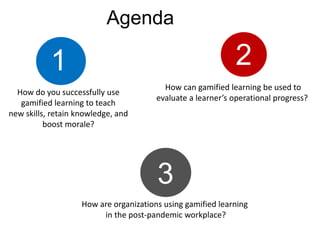
1
Agenda
How do you successfully use
gamified learning to teach
new skills, retain knowledge, and
boost morale?
How can gamified learning be used to
evaluate a learner’s operational progress?
2
3
How are organizations using gamified learning
in the post-pandemic workplace?
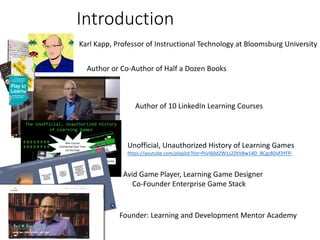
Introduction
Karl Kapp, Professor of Instructional Technology at Bloomsburg University
Author of 10 LinkedIn Learning Courses
Author or Co-Author of Half a Dozen Books
Unofficial, Unauthorized History of Learning Games
https://youtube.com/playlist?list=PLVi60d2W1s2ZhVBw14D_BCgz8Dvf3YFP-
Avid Game Player, Learning Game Designer
Co-Founder Enterprise Game Stack
https://www.enterprisegamestack.com/
Founder: Learning and Development Mentor Academy
https://www.ldmentor.com/
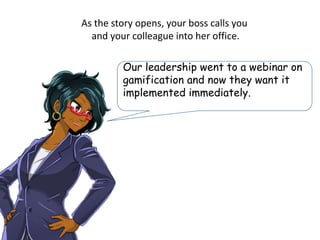
As the story opens, your boss calls you
and your colleague into her office.
Our leadership went to a webinar on
gamification and now they want it
implemented immediately.
Sure?
OK?
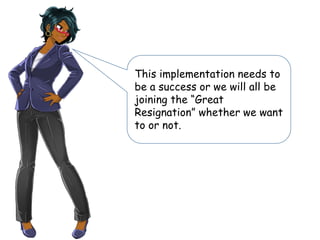
This implementation needs to
be a success or we will all be
joining the “Great
Resignation” whether we want
to or not.
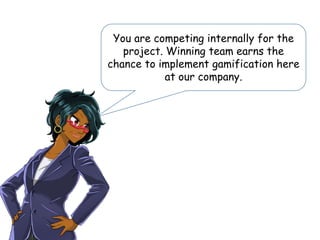
You are competing internally for the
project. Winning team earns the
chance to implement gamification here
at our company.
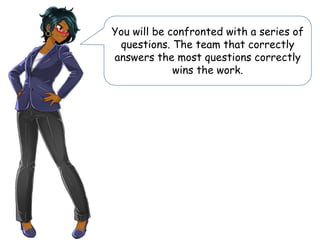
You will be confronted with a series of
questions. The team that correctly
answers the most questions correctly
wins the work.
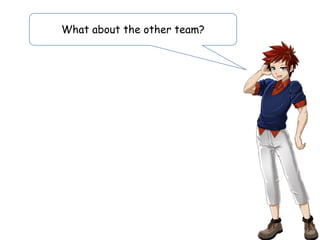
What about the other team?
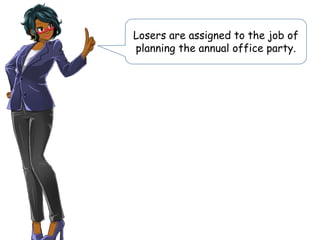
Losers are assigned to the job of
planning the annual office party.
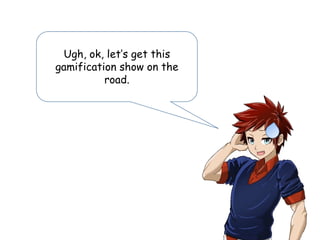
Ugh, ok, let’s get this
gamification show on the
road.
Get it together.
Now let’s make some
gamification decisions.
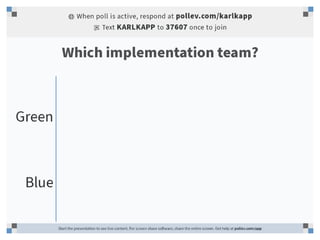
First we need to pick teams.
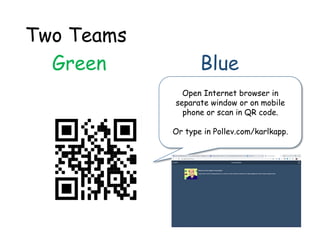
Two Teams
Green Blue
Open Internet browser in
separate window or on mobile
phone or scan in QR code.
Or type in Pollev.com/karlkapp.
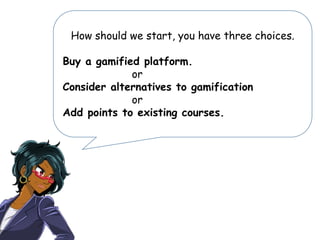
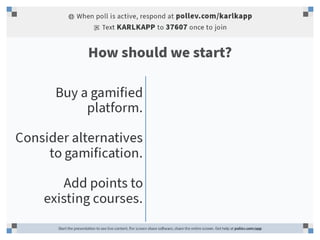
How should we start, you have three choices.
Buy a gamified platform.
or
Consider alternatives to gamification
or
Add points to existing courses.
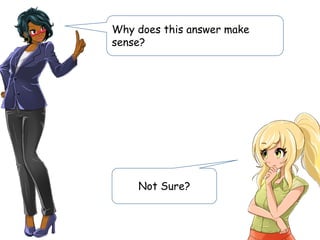
Why does this answer make
sense?
Not Sure?
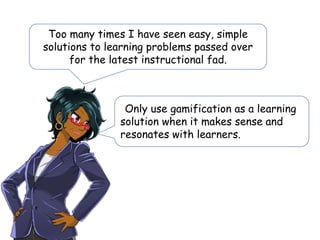
Too many times I have seen easy, simple
solutions to learning problems passed over
for the latest instructional fad.
Only use gamification as a learning
solution when it makes sense and
resonates with learners.
Oh, and make sure you tie success
criteria to KPIs (Key Performance
Indicators)
Ok I get tying to KPIs.
But how do we know when it
will resonate with learners
and will make sense for the
organization?
There are three considerations
when implementing gamification to
help make it a success.
J. Hamari, J. Koivisto Why do people use gamification services? International Journal of Information Management, 35 (4) (2015), pp. 419-431
J. Hamari, J. Koivisto, H. Sarsa Does gamification work?–a literature review of empirical studies on gamification Paper presented at the 2014
47th Hawaii international conference on system sciences (2014)
J. Hamari, J. Koivisto Why do people use gamification services? International Journal of Information Management, 35 (4) (2015), pp. 419-431
J. Hamari, J. Koivisto, H. Sarsa Does gamification work?–a literature review of empirical studies on gamification Paper presented at the 2014
47th Hawaii international conference on system sciences (2014)
J. Hamari, J. Koivisto Why do people use gamification services? International Journal of Information Management, 35 (4) (2015), pp. 419-431
J. Hamari, J. Koivisto, H. Sarsa Does gamification work?–a literature review of empirical studies on gamification Paper presented at the 2014
47th Hawaii international conference on system sciences (2014)
Let’s look at the design
of the system first.
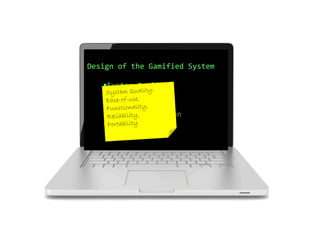
Design of the Gamified System
System Quality
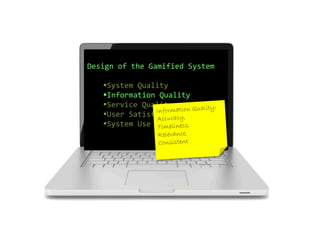
Information Quality
Service Quality
User Satisfaction
System Use
J. Hamari, J. Koivisto, H. Sarsa Does gamification work?–a literature review of empirical studies on gamification Paper presented at the 2014
47th Hawaii international conference on system sciences (2014).
K. Seaborn, D.I. Fels Gamification in theory and action: A survey International Journal of Human-computer Studies, 74 (2015), pp. 14-31.
Tsay, C. H. Kofinas, A. & Lou. J. (June 2018) Enhancing student learning experience with technology-mediated gamification: An empirical study.
Computers and Education, Vol. 121. Pages 1-17. https://doi.org/10.1016/j.compedu.2018.01.009
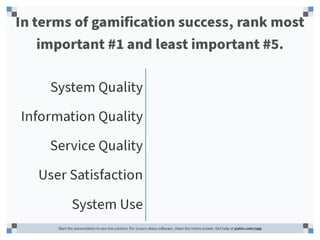
Before we go further, rank the
five in terms of which you think is
most important #1 and least
important #5.
Design of the Gamified System
System Quality
Information
Service quality
User satisfaction
System use
Design of the Gamified System
System Quality
Information Quality
Service Quality
User Satisfaction
System Use
Design of the Gamified System
System Quality
Information Quality
Service Quality
User Satisfaction
System Use
Design of the Gamified System
System Quality
Information Quality
Service Quality
User Satisfaction
System Use
Design of the Gamified System
System Quality
Information Quality
Service Quality
User Satisfaction
System Use
Okay, that’s the gamification system but
what about the other two elements of
success?
Ah, yes, one of those is player
qualities.
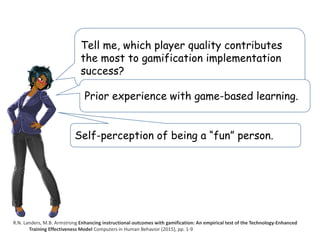
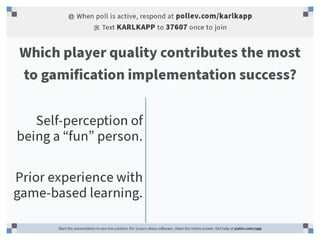
Tell me, which player quality contributes
the most to gamification implementation
success?
R.N. Landers, M.B. Armstrong Enhancing instructional outcomes with gamification: An empirical test of the Technology-Enhanced
Training Effectiveness Model Computers in Human Behavior (2015), pp. 1-9
Prior experience with game-based learning.
Self-perception of being a “fun” person.
It turns out that learner’s prior experience
and attitudes towards game-based learning
is a huge predictor of acceptance?
But what if they have no prior experience?
Consider implementing something like
“Friday Fun Day” or introducing “serious”
games into your training delivery.
Also, involve learners in the selection of
meaningful game elements and goals that fall
in line with their own interests to sustain
their intrinsic motivation.
Hmm, good stuff. I think the last element to
gamification implementation success is to match
gamification elements to the right learning outcome.
What does that even mean?
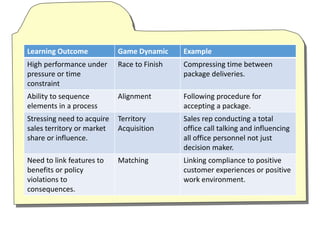
Here, take a look at this chart.
Learning Outcome Game Dynamic Example
High performance under
pressure or time
constraint
Race to Finish Compressing time between
package deliveries.
Ability to sequence
elements in a process
Alignment Following procedure for
accepting a package.
Stressing need to acquire
sales territory or market
share or influence.
Territory
Acquisition
Sales rep conducting a total
office call talking and influencing
all office personnel not just
decision maker.
Need to link features to
benefits or policy
violations to
consequences.
Matching Linking compliance to positive
customer experiences or positive
work environment.
Let’s dig a little deeper.
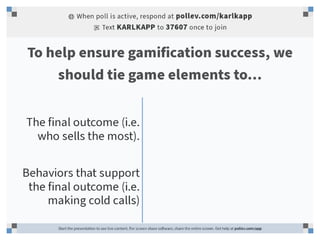
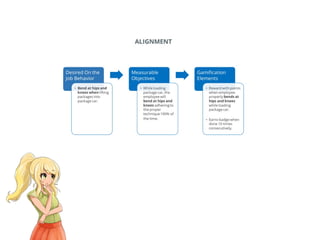
We need to tie gamification elements to the
needs of the business and the behaviors of the
employees/learners.
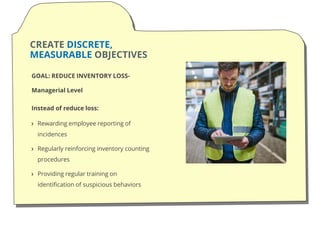
Do not tie it to final outcomes!
CREATE DISCRETE,
MEASURABLE OBJECTIVES
GOAL: REDUCE INVENTORY LOSS-
Managerial Level
Instead of reduce loss:
Rewarding employee reporting of
incidences
Regularly reinforcing inventory counting
procedures
Providing regular training on
identification of suspicious behaviors
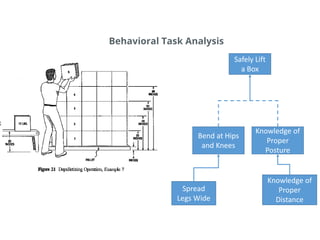
Behavioral Task Analysis
Safely Lift
a Box
Spread
Legs Wide
Knowledge of
Proper
Distance
Bend at Hips
and Knees
Knowledge of
Proper
Posture
So how do we know if our gamification
efforts were a success? How do we
measure them?
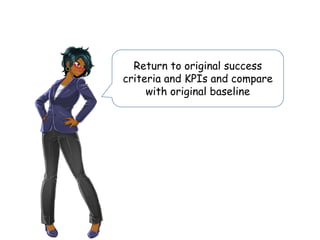
Return to original success
criteria and KPIs and compare
with original baseline
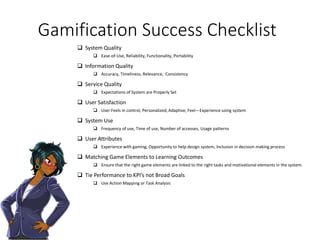
Gamification Success Checklist
 System Quality
 Ease-of-Use, Reliability, Functionality, Portability
 Information Quality
 Accuracy, Timeliness, Relevance, Consistency
 Service Quality
 Expectations of System are Properly Set
 User Satisfaction
 User Feels in control, Personalized, Adaptive, Feel—Experience using system
 System Use
 Frequency of use, Time of use, Number of accesses, Usage patterns
 User Attributes
 Experience with gaming, Opportunity to help design system, Inclusion in decision making process
 Matching Game Elements to Learning Outcomes
 Ensure that the right game elements are linked to the right tasks and motivational elements in the system.
 Tie Performance to KPI’s not Broad Goals
 Use Action Mapping or Task Analysis
Questions?
CEO of Xvoyant
Linkedin page: robjeppsen/
Twitter ID: @robjeppsen
Email: Rob@Xvoyant.com
Website: xvoyant.com
Rob Jeppsen
Speaker:
Professor of Instructional Technology, Bloomsburg
University
LinkedIn page: karlkapp/
Twitter ID: @kkapp
Email: karlkapp@gmail.com
Website: karlkapp.com
Karl Kapp
Your feedback helps ATD continue to provide
top-notch educational programs that help you
stay on top of a changing profession.
Evaluations forms for this session are
available via the mobile app and at the
following link: atdconference.org/attendees.
FEEDBACK
COUNTS
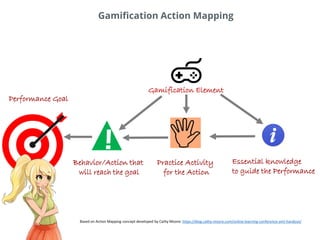
Gamification Action Mapping
Performance Goal
Essential knowledge
to guide the Performance
!
Behavior/Action that
will reach the goal
Practice Activity
for the Action
Gamification Element
Based on Action Mapping concept developed by Cathy Moore: https://blog.cathy-moore.com/online-learning-conference-anti-handout/

A Guide for Employee Gamified Learning

  • 1.
    By Karl M.Kapp Bloomsburg University LinkedIn page: karlkapp/ Twitter ID: @kkapp Email: karlkapp@gmail.com Website: karlkapp.com A Guide for Employee Gamified Learning
  • 2.
    1 Agenda How do yousuccessfully use gamified learning to teach new skills, retain knowledge, and boost morale? How can gamified learning be used to evaluate a learner’s operational progress? 2 3 How are organizations using gamified learning in the post-pandemic workplace?
  • 3.
    Introduction Karl Kapp, Professorof Instructional Technology at Bloomsburg University Author of 10 LinkedIn Learning Courses Author or Co-Author of Half a Dozen Books Unofficial, Unauthorized History of Learning Games https://youtube.com/playlist?list=PLVi60d2W1s2ZhVBw14D_BCgz8Dvf3YFP- Avid Game Player, Learning Game Designer Co-Founder Enterprise Game Stack https://www.enterprisegamestack.com/ Founder: Learning and Development Mentor Academy https://www.ldmentor.com/
  • 5.
    As the storyopens, your boss calls you and your colleague into her office. Our leadership went to a webinar on gamification and now they want it implemented immediately.
  • 6.
  • 7.
    This implementation needsto be a success or we will all be joining the “Great Resignation” whether we want to or not.
  • 8.
    You are competinginternally for the project. Winning team earns the chance to implement gamification here at our company.
  • 9.
    You will beconfronted with a series of questions. The team that correctly answers the most questions correctly wins the work.
  • 10.
    What about theother team?
  • 11.
    Losers are assignedto the job of planning the annual office party.
  • 12.
    Ugh, ok, let’sget this gamification show on the road.
  • 13.
  • 14.
    Now let’s makesome gamification decisions.
  • 15.
    First we needto pick teams.
  • 16.
    Two Teams Green Blue OpenInternet browser in separate window or on mobile phone or scan in QR code. Or type in Pollev.com/karlkapp.
  • 18.
    How should westart, you have three choices. Buy a gamified platform. or Consider alternatives to gamification or Add points to existing courses.
  • 20.
    Why does thisanswer make sense? Not Sure?
  • 21.
    Too many timesI have seen easy, simple solutions to learning problems passed over for the latest instructional fad. Only use gamification as a learning solution when it makes sense and resonates with learners.
  • 22.
    Oh, and makesure you tie success criteria to KPIs (Key Performance Indicators)
  • 23.
    Ok I gettying to KPIs. But how do we know when it will resonate with learners and will make sense for the organization?
  • 24.
    There are threeconsiderations when implementing gamification to help make it a success.
  • 25.
    J. Hamari, J.Koivisto Why do people use gamification services? International Journal of Information Management, 35 (4) (2015), pp. 419-431 J. Hamari, J. Koivisto, H. Sarsa Does gamification work?–a literature review of empirical studies on gamification Paper presented at the 2014 47th Hawaii international conference on system sciences (2014)
  • 26.
    J. Hamari, J.Koivisto Why do people use gamification services? International Journal of Information Management, 35 (4) (2015), pp. 419-431 J. Hamari, J. Koivisto, H. Sarsa Does gamification work?–a literature review of empirical studies on gamification Paper presented at the 2014 47th Hawaii international conference on system sciences (2014)
  • 27.
    J. Hamari, J.Koivisto Why do people use gamification services? International Journal of Information Management, 35 (4) (2015), pp. 419-431 J. Hamari, J. Koivisto, H. Sarsa Does gamification work?–a literature review of empirical studies on gamification Paper presented at the 2014 47th Hawaii international conference on system sciences (2014)
  • 28.
    Let’s look atthe design of the system first.
  • 29.
    Design of theGamified System System Quality Information Quality Service Quality User Satisfaction System Use J. Hamari, J. Koivisto, H. Sarsa Does gamification work?–a literature review of empirical studies on gamification Paper presented at the 2014 47th Hawaii international conference on system sciences (2014). K. Seaborn, D.I. Fels Gamification in theory and action: A survey International Journal of Human-computer Studies, 74 (2015), pp. 14-31. Tsay, C. H. Kofinas, A. & Lou. J. (June 2018) Enhancing student learning experience with technology-mediated gamification: An empirical study. Computers and Education, Vol. 121. Pages 1-17. https://doi.org/10.1016/j.compedu.2018.01.009
  • 30.
    Before we gofurther, rank the five in terms of which you think is most important #1 and least important #5.
  • 32.
    Design of theGamified System System Quality Information Service quality User satisfaction System use
  • 33.
    Design of theGamified System System Quality Information Quality Service Quality User Satisfaction System Use
  • 34.
    Design of theGamified System System Quality Information Quality Service Quality User Satisfaction System Use
  • 35.
    Design of theGamified System System Quality Information Quality Service Quality User Satisfaction System Use
  • 36.
    Design of theGamified System System Quality Information Quality Service Quality User Satisfaction System Use
  • 37.
    Okay, that’s thegamification system but what about the other two elements of success?
  • 38.
    Ah, yes, oneof those is player qualities.
  • 39.
    Tell me, whichplayer quality contributes the most to gamification implementation success? R.N. Landers, M.B. Armstrong Enhancing instructional outcomes with gamification: An empirical test of the Technology-Enhanced Training Effectiveness Model Computers in Human Behavior (2015), pp. 1-9 Prior experience with game-based learning. Self-perception of being a “fun” person.
  • 41.
    It turns outthat learner’s prior experience and attitudes towards game-based learning is a huge predictor of acceptance?
  • 42.
    But what ifthey have no prior experience?
  • 43.
    Consider implementing somethinglike “Friday Fun Day” or introducing “serious” games into your training delivery.
  • 44.
    Also, involve learnersin the selection of meaningful game elements and goals that fall in line with their own interests to sustain their intrinsic motivation.
  • 45.
    Hmm, good stuff.I think the last element to gamification implementation success is to match gamification elements to the right learning outcome.
  • 46.
    What does thateven mean?
  • 47.
    Here, take alook at this chart.
  • 48.
    Learning Outcome GameDynamic Example High performance under pressure or time constraint Race to Finish Compressing time between package deliveries. Ability to sequence elements in a process Alignment Following procedure for accepting a package. Stressing need to acquire sales territory or market share or influence. Territory Acquisition Sales rep conducting a total office call talking and influencing all office personnel not just decision maker. Need to link features to benefits or policy violations to consequences. Matching Linking compliance to positive customer experiences or positive work environment.
  • 49.
    Let’s dig alittle deeper.
  • 51.
    We need totie gamification elements to the needs of the business and the behaviors of the employees/learners. Do not tie it to final outcomes!
  • 52.
    CREATE DISCRETE, MEASURABLE OBJECTIVES GOAL:REDUCE INVENTORY LOSS- Managerial Level Instead of reduce loss: Rewarding employee reporting of incidences Regularly reinforcing inventory counting procedures Providing regular training on identification of suspicious behaviors
  • 53.
    Behavioral Task Analysis SafelyLift a Box Spread Legs Wide Knowledge of Proper Distance Bend at Hips and Knees Knowledge of Proper Posture
  • 55.
    So how dowe know if our gamification efforts were a success? How do we measure them?
  • 56.
    Return to originalsuccess criteria and KPIs and compare with original baseline
  • 57.
    Gamification Success Checklist System Quality  Ease-of-Use, Reliability, Functionality, Portability  Information Quality  Accuracy, Timeliness, Relevance, Consistency  Service Quality  Expectations of System are Properly Set  User Satisfaction  User Feels in control, Personalized, Adaptive, Feel—Experience using system  System Use  Frequency of use, Time of use, Number of accesses, Usage patterns  User Attributes  Experience with gaming, Opportunity to help design system, Inclusion in decision making process  Matching Game Elements to Learning Outcomes  Ensure that the right game elements are linked to the right tasks and motivational elements in the system.  Tie Performance to KPI’s not Broad Goals  Use Action Mapping or Task Analysis
  • 59.
    Questions? CEO of Xvoyant Linkedinpage: robjeppsen/ Twitter ID: @robjeppsen Email: Rob@Xvoyant.com Website: xvoyant.com Rob Jeppsen Speaker: Professor of Instructional Technology, Bloomsburg University LinkedIn page: karlkapp/ Twitter ID: @kkapp Email: karlkapp@gmail.com Website: karlkapp.com Karl Kapp
  • 60.
    Your feedback helpsATD continue to provide top-notch educational programs that help you stay on top of a changing profession. Evaluations forms for this session are available via the mobile app and at the following link: atdconference.org/attendees. FEEDBACK COUNTS
  • 61.
    Gamification Action Mapping PerformanceGoal Essential knowledge to guide the Performance ! Behavior/Action that will reach the goal Practice Activity for the Action Gamification Element Based on Action Mapping concept developed by Cathy Moore: https://blog.cathy-moore.com/online-learning-conference-anti-handout/