























Learning Technologies: Thinking Beyond Four Walls By: Karl M. Kapp, Ed.D. Professor, Instructional Technology Bloomsburg University
Google “Kapp Notes”
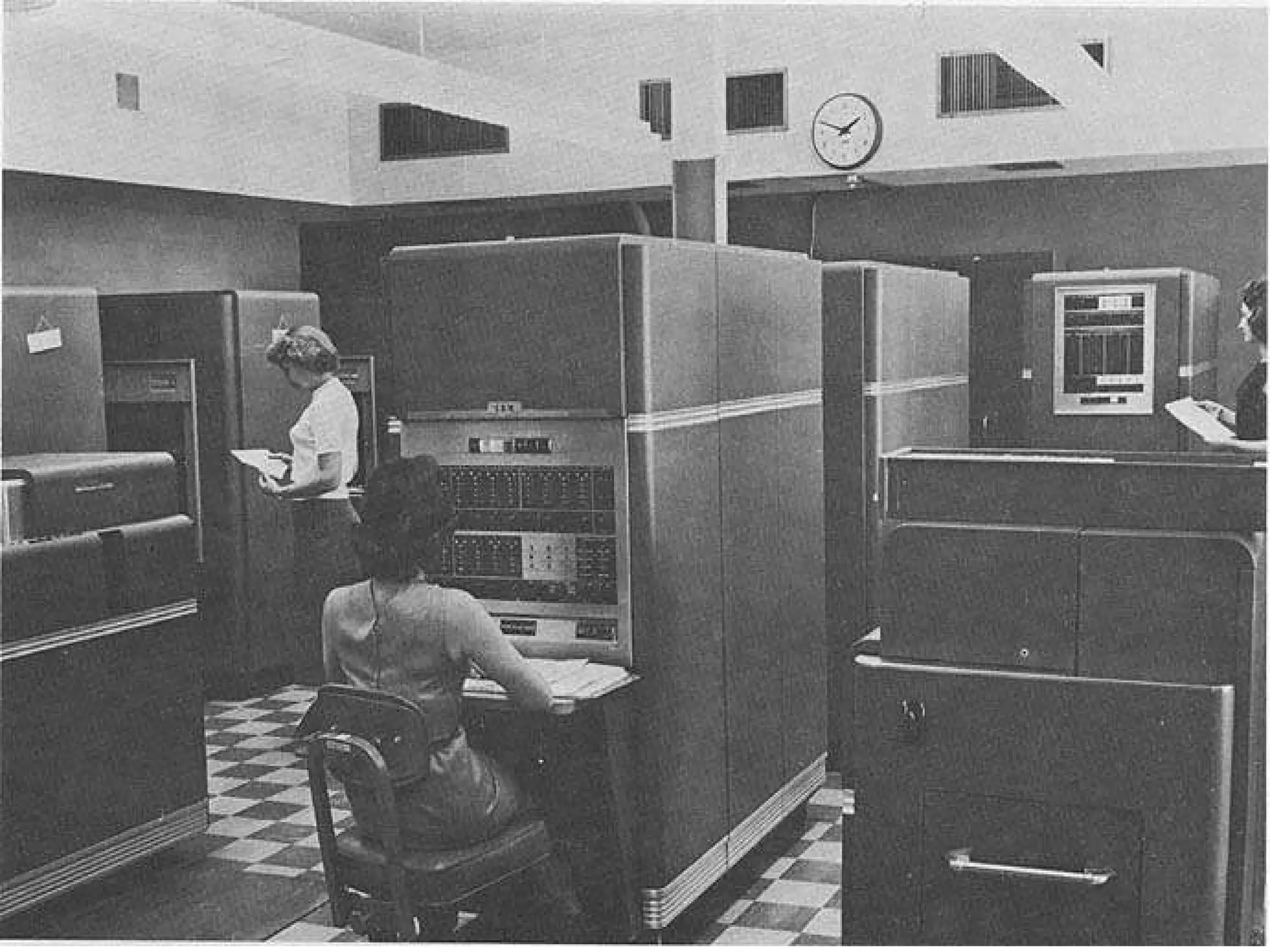
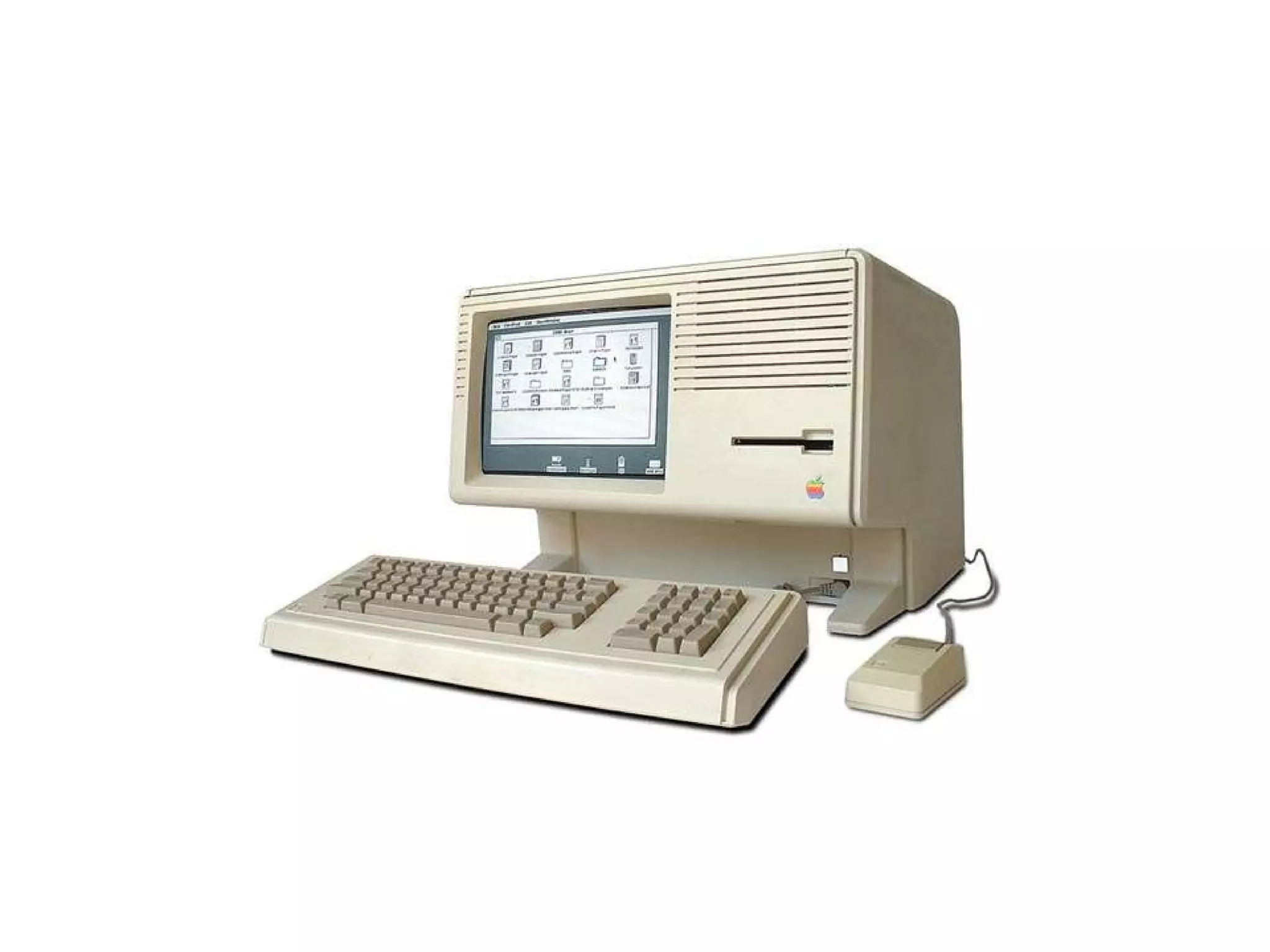
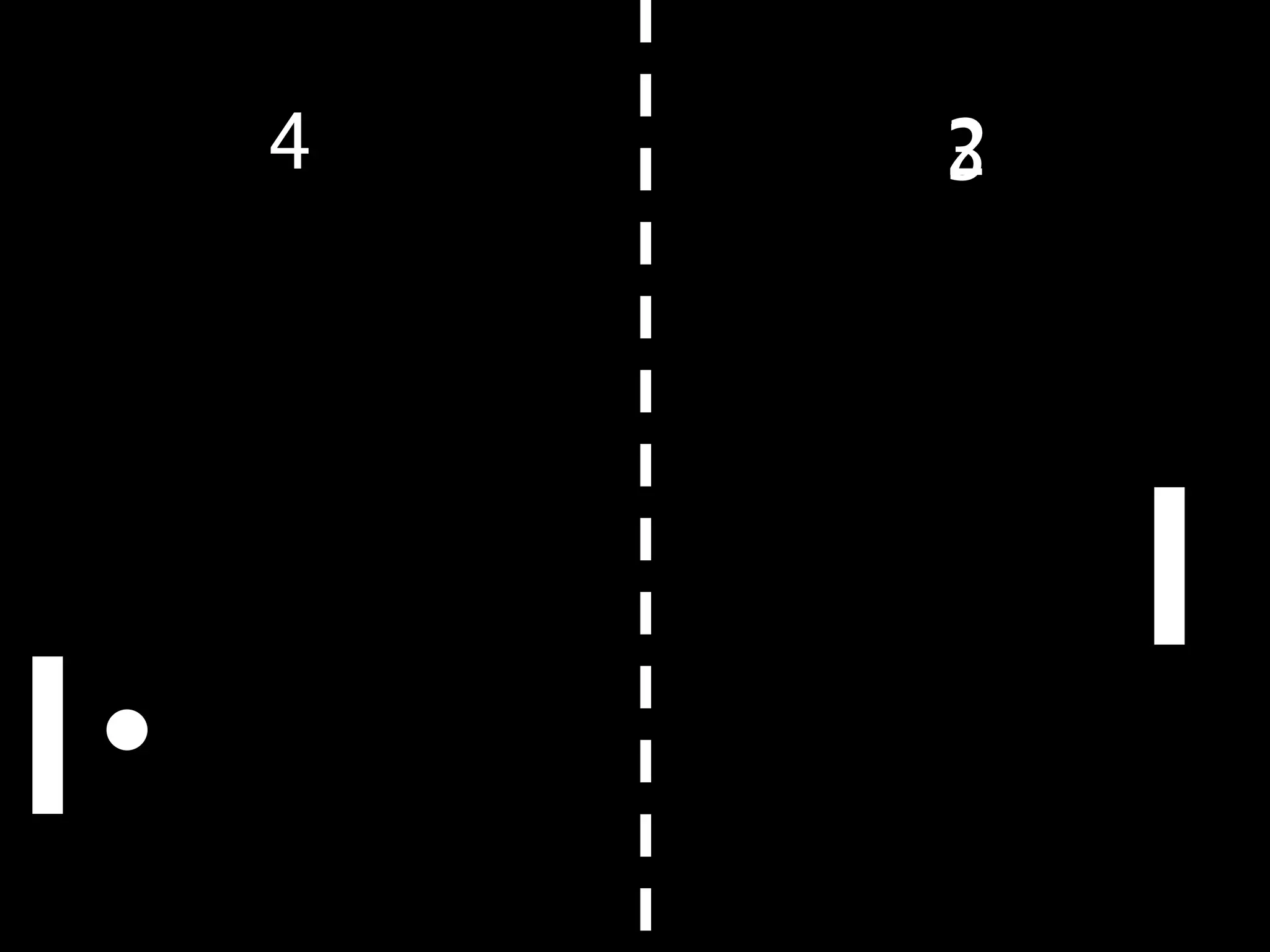
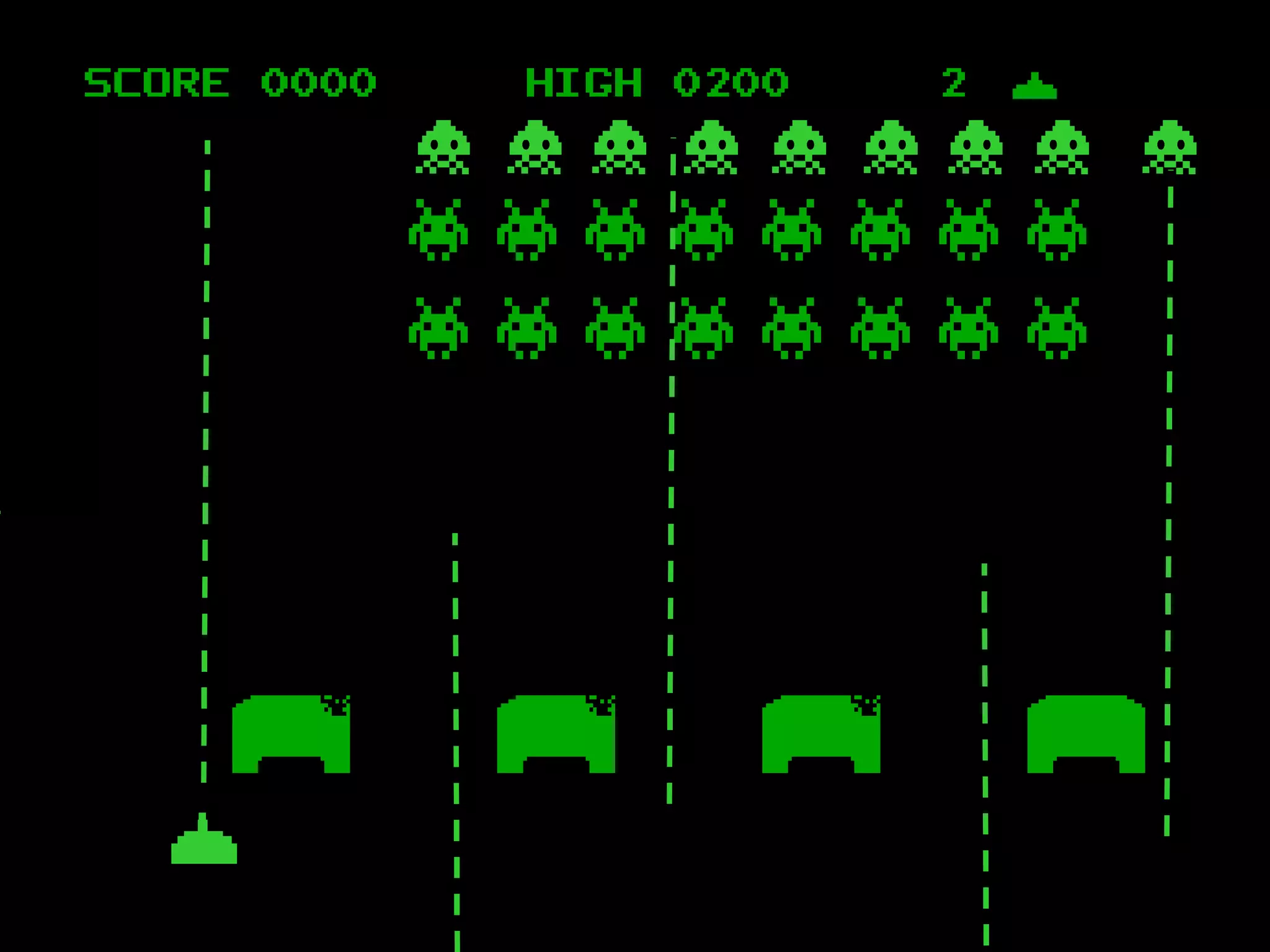
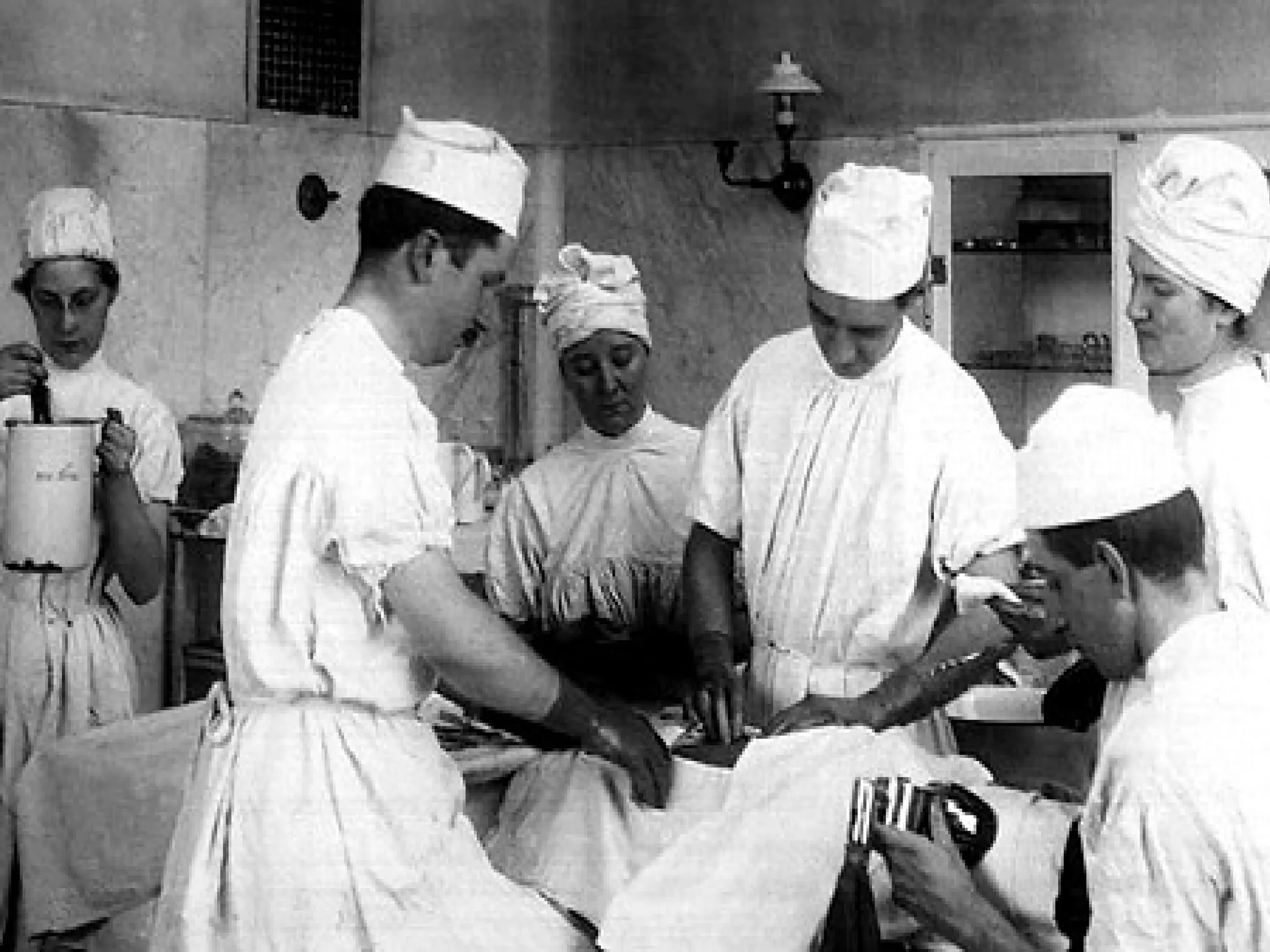
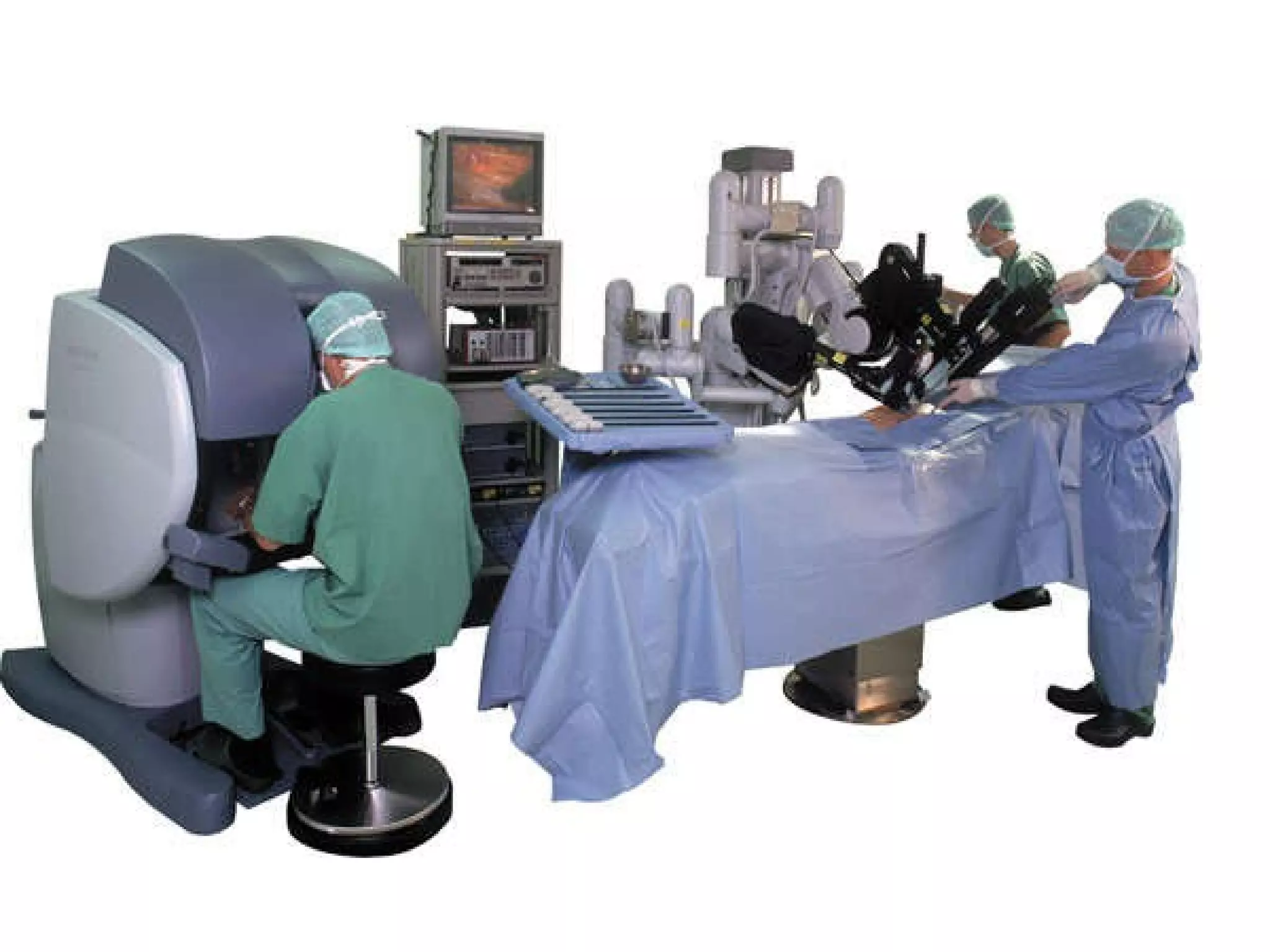
Brief history of…  Technology
 
 
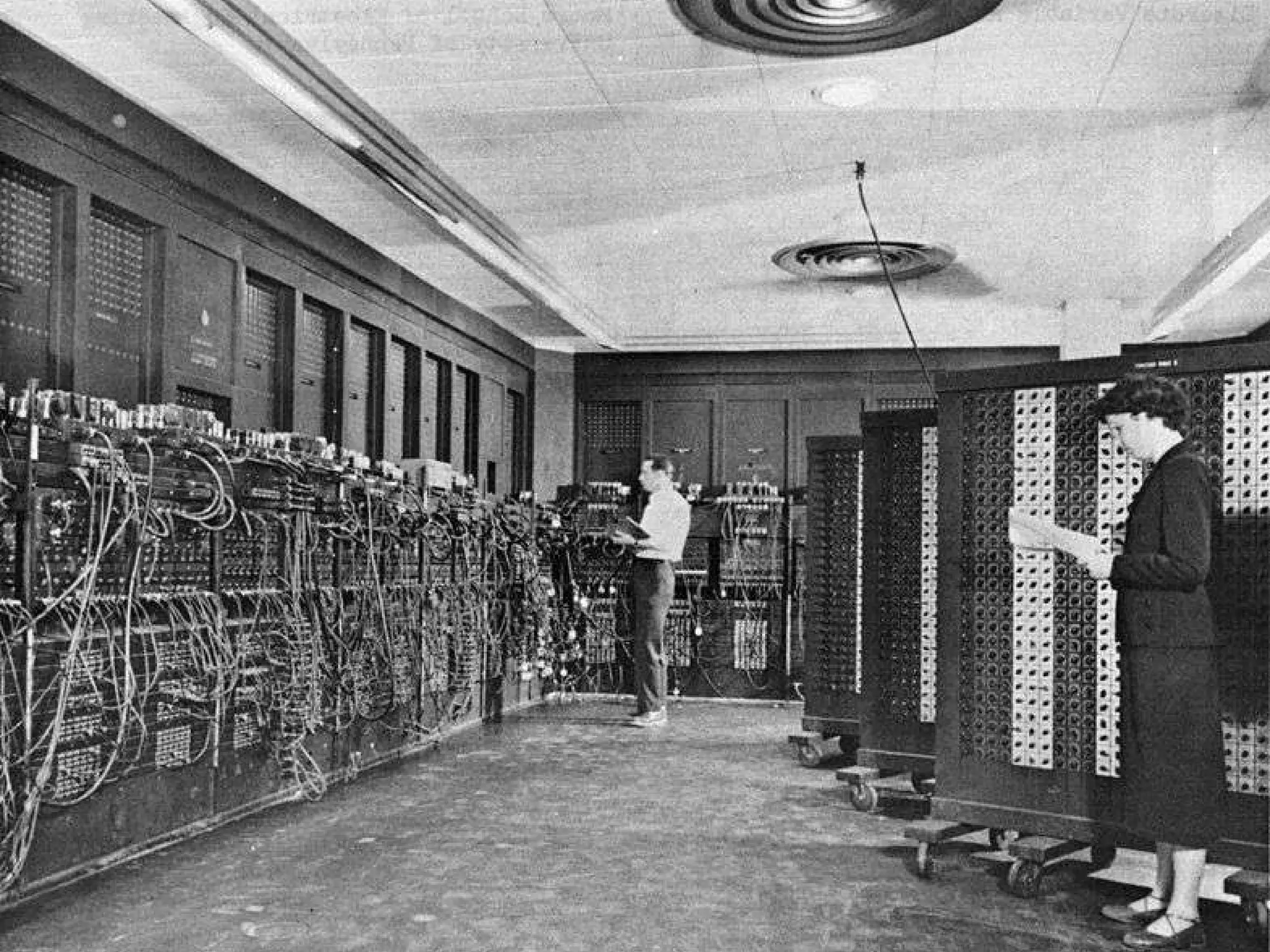
ENIAC's main control panel


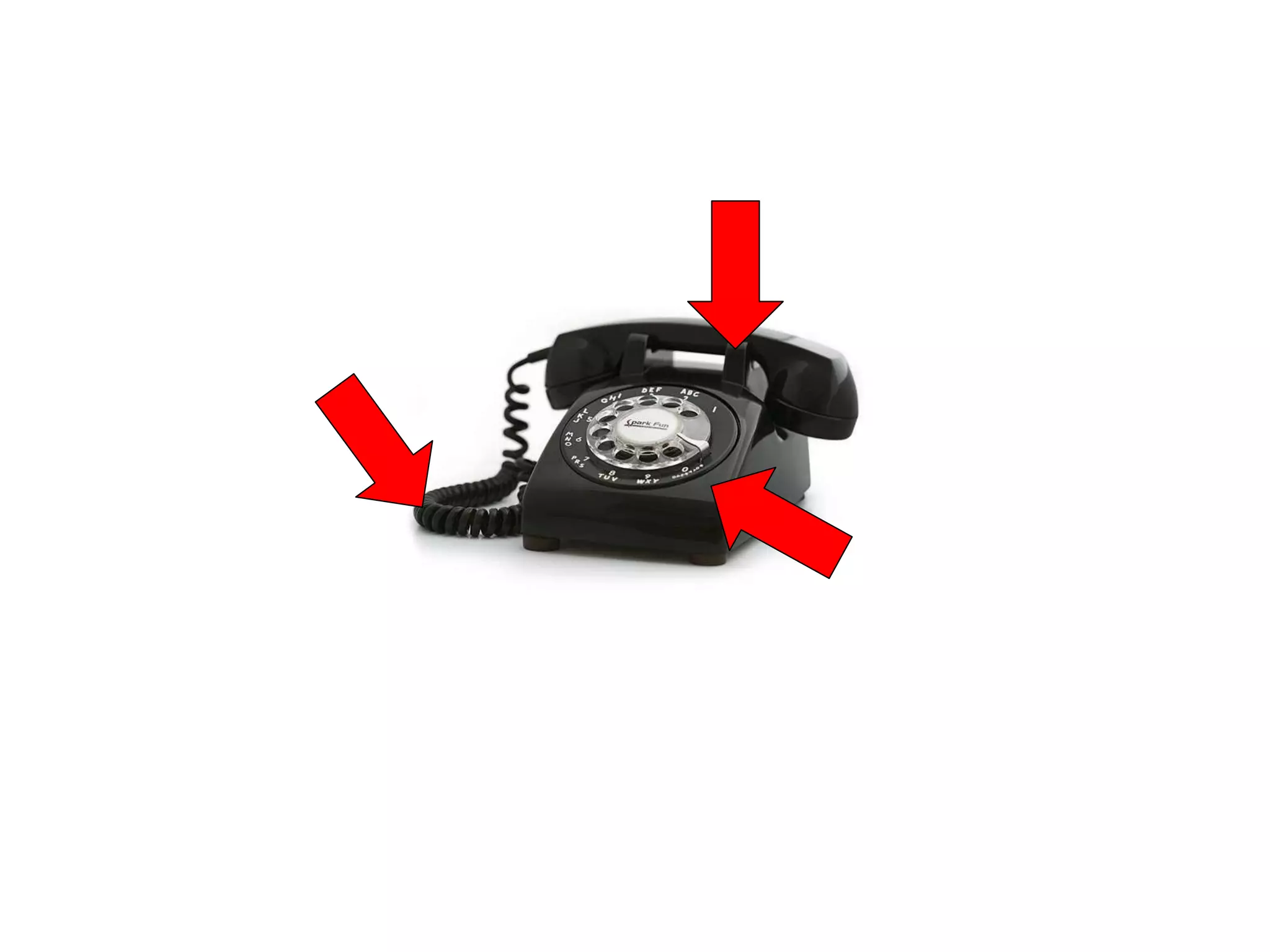
4 2 3


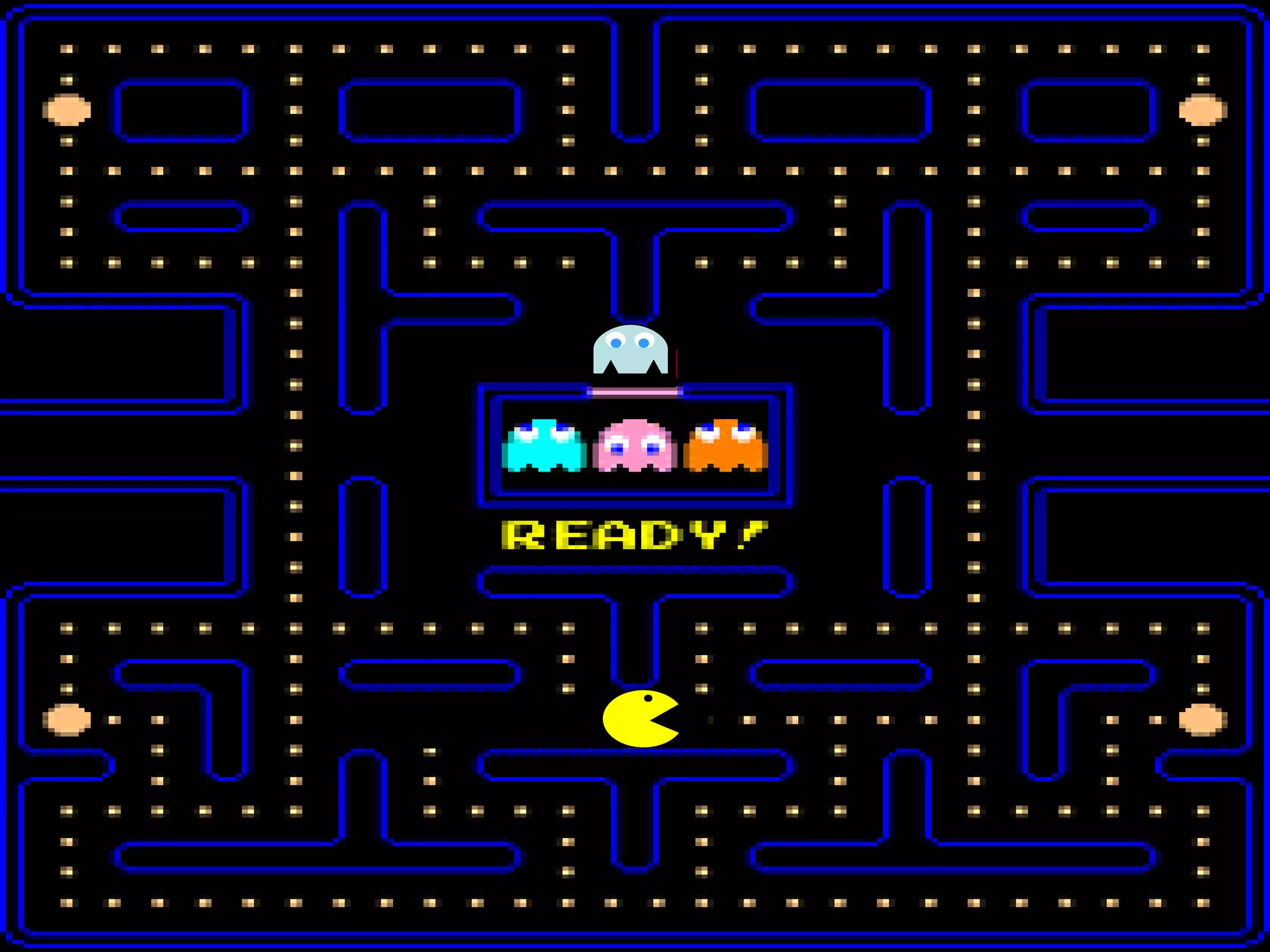
What actions should I take based on this information?
 
www.gadgetsgamesandgizmos.com © Karl M. Kapp 2007 Feel free to use but please site source and book
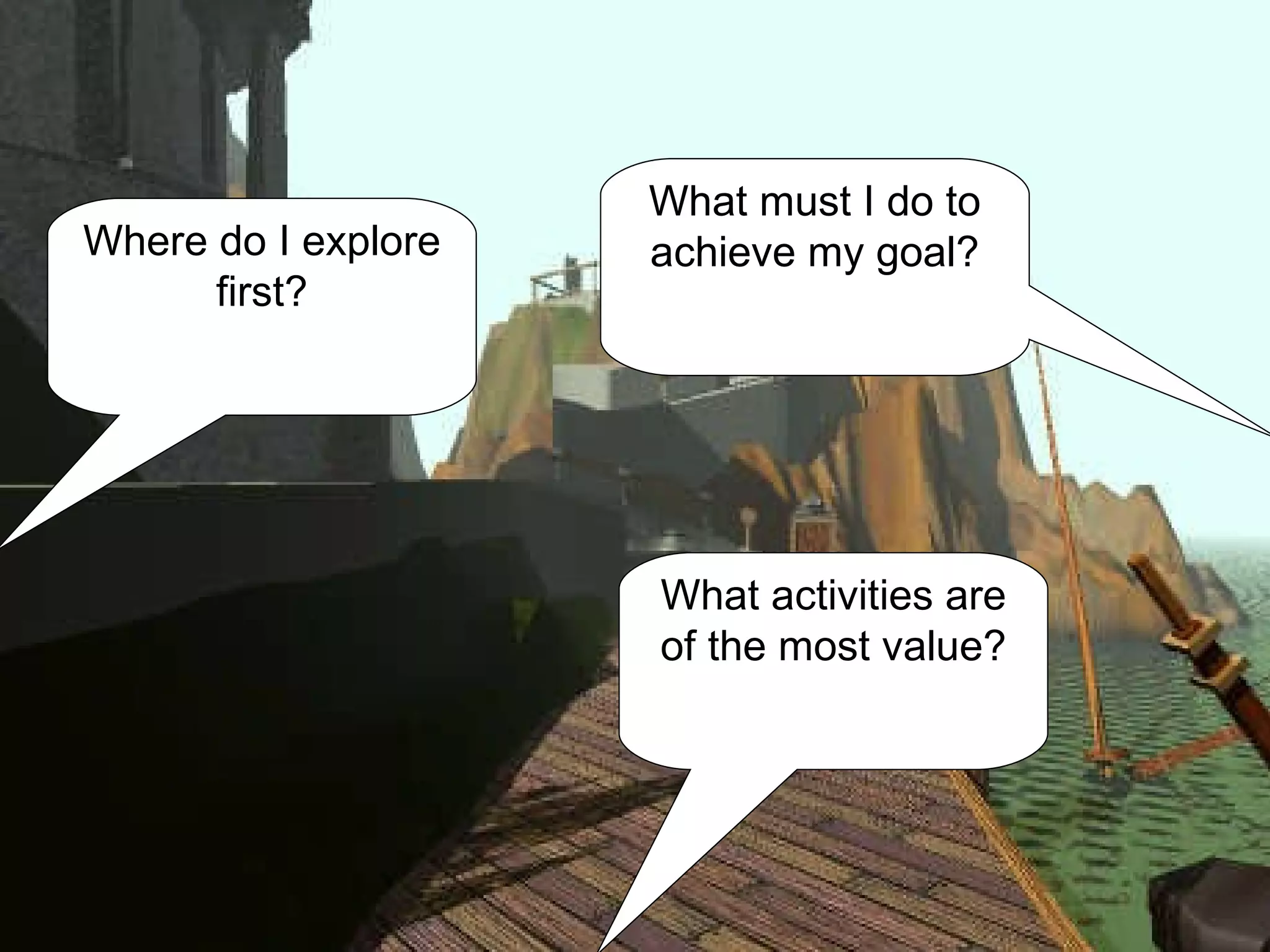
www.gadgetsgamesandgizmos.com © Karl M. Kapp 2007 Feel free to use but please site source and book Where do I explore first? What activities are of the most value? What must I do to achieve my goal?
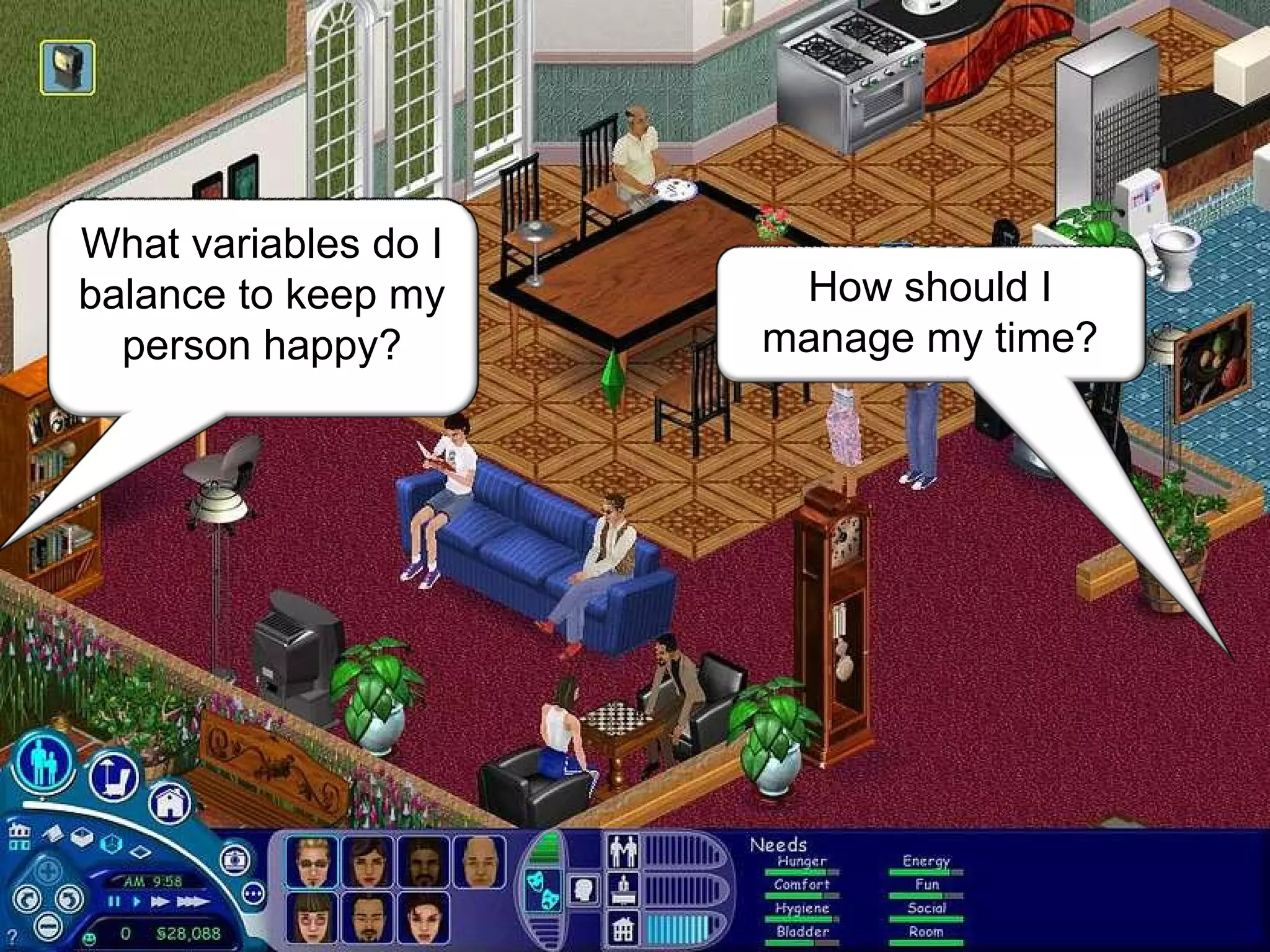
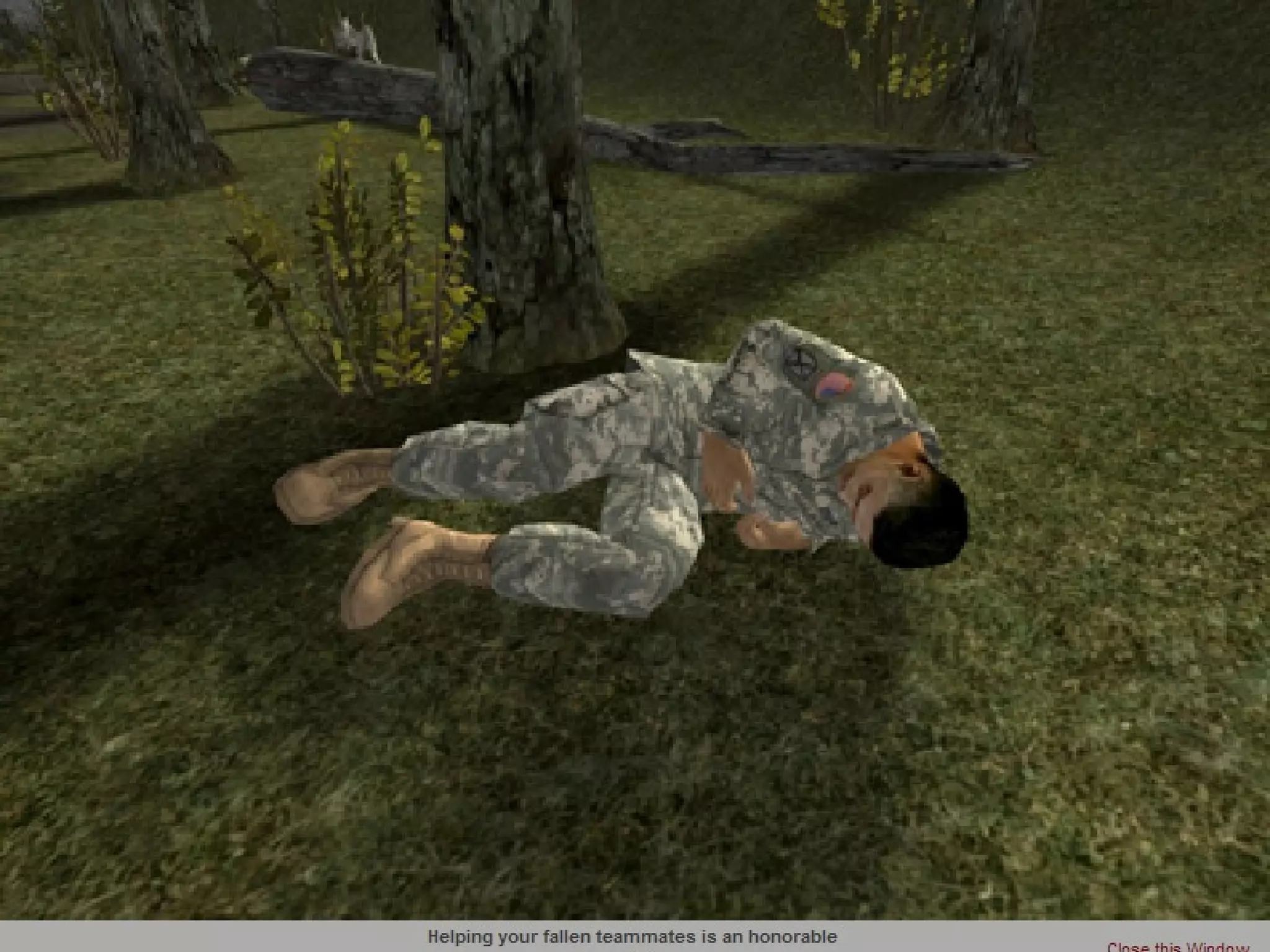
What variables do I balance to keep my person happy? How should I manage my time?
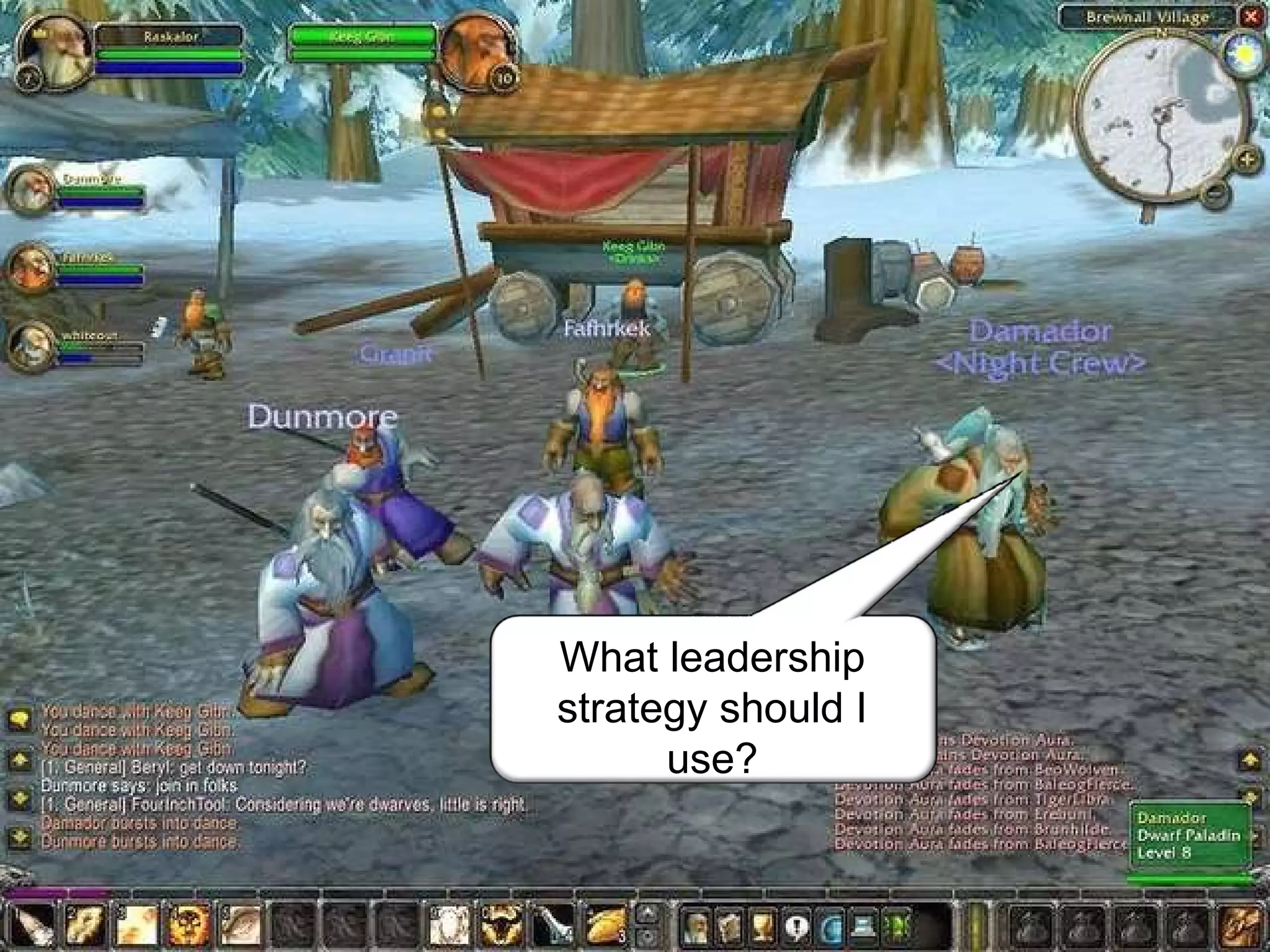
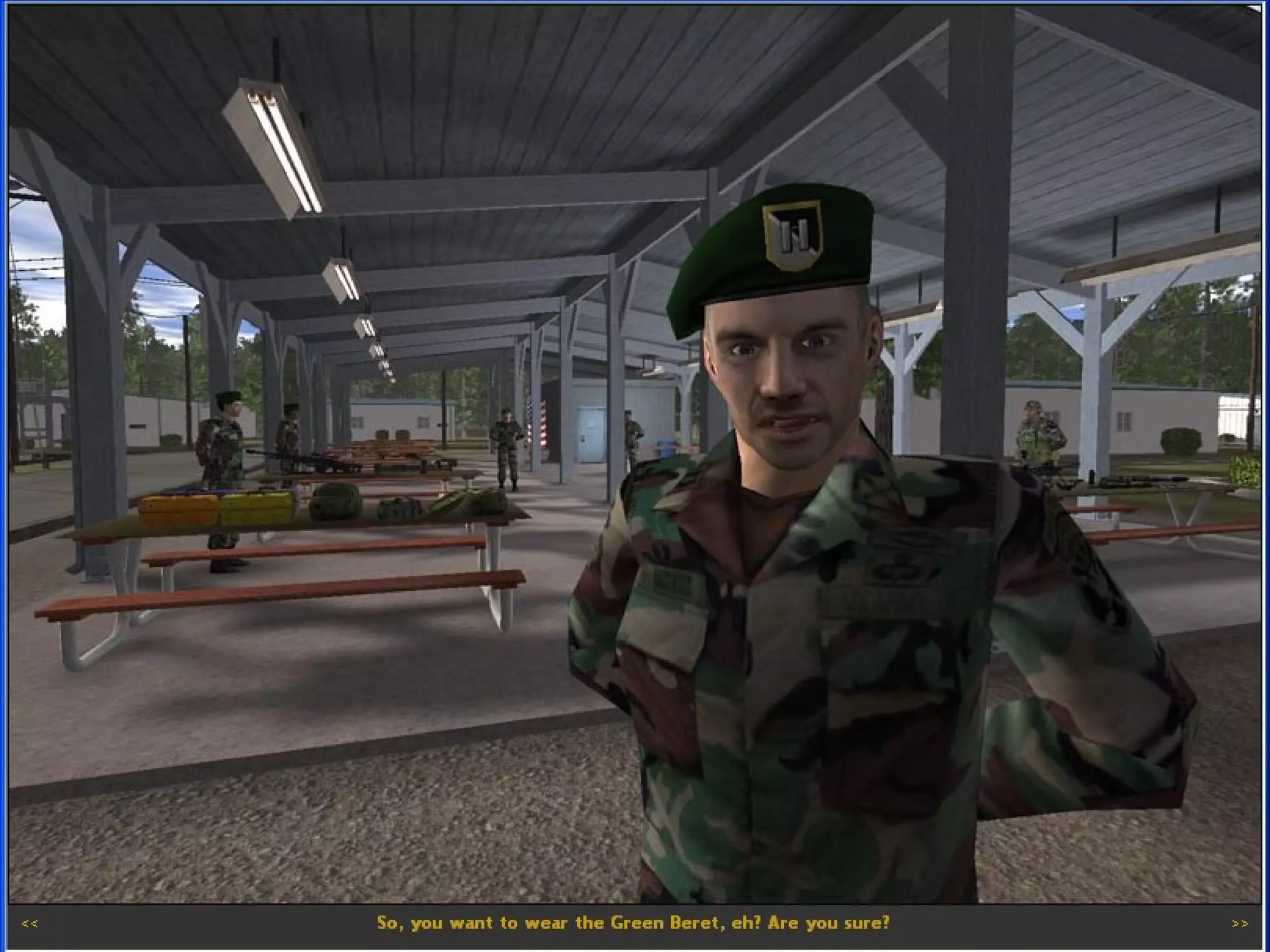
What leadership strategy should I use?
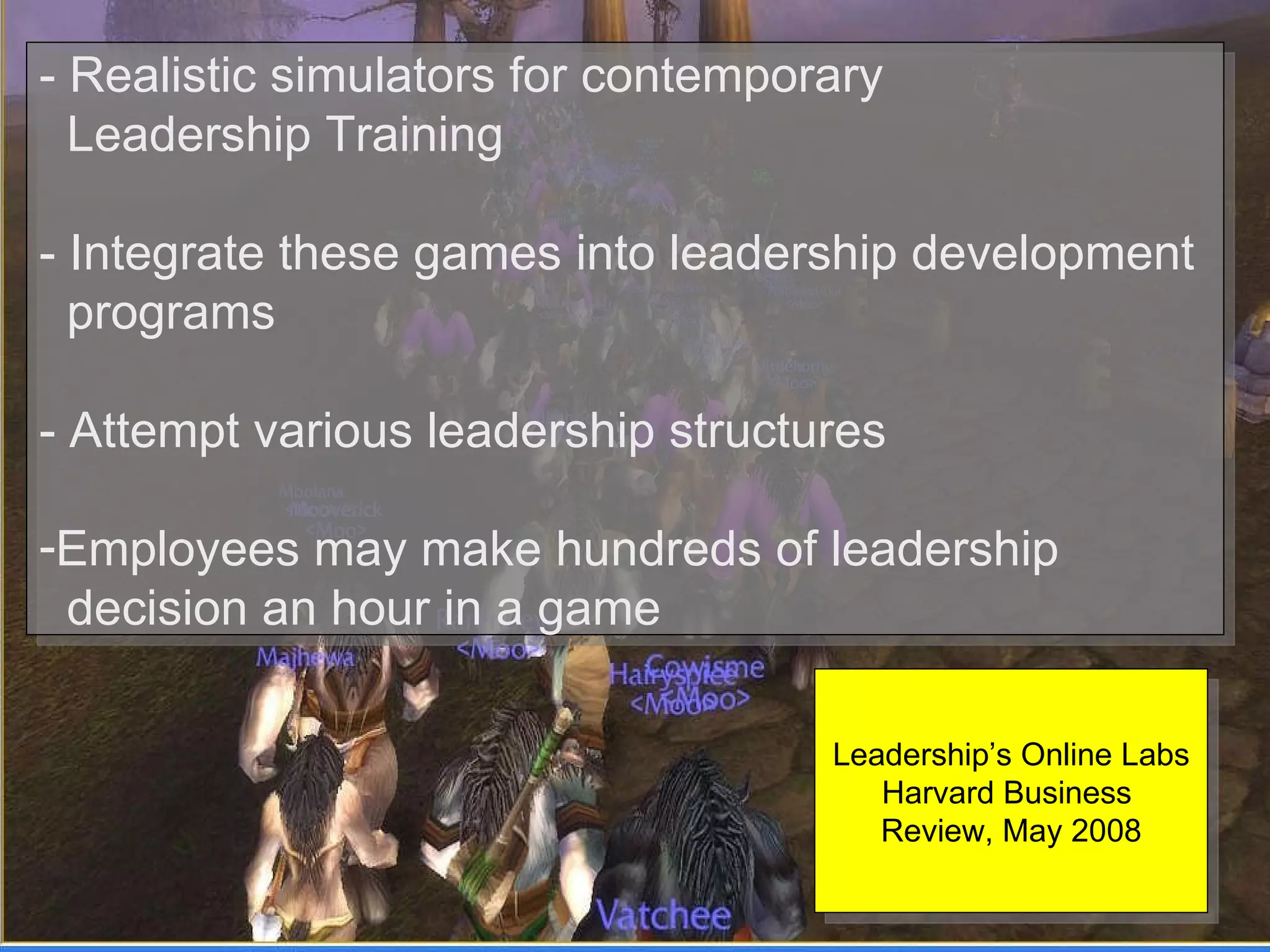
-   Realistic simulators for contemporary  Leadership Training - Integrate these games into leadership development  programs - Attempt various leadership structures Employees may make hundreds of leadership  decision an hour in a game Leadership’s Online Labs Harvard Business  Review, May 2008
 
 
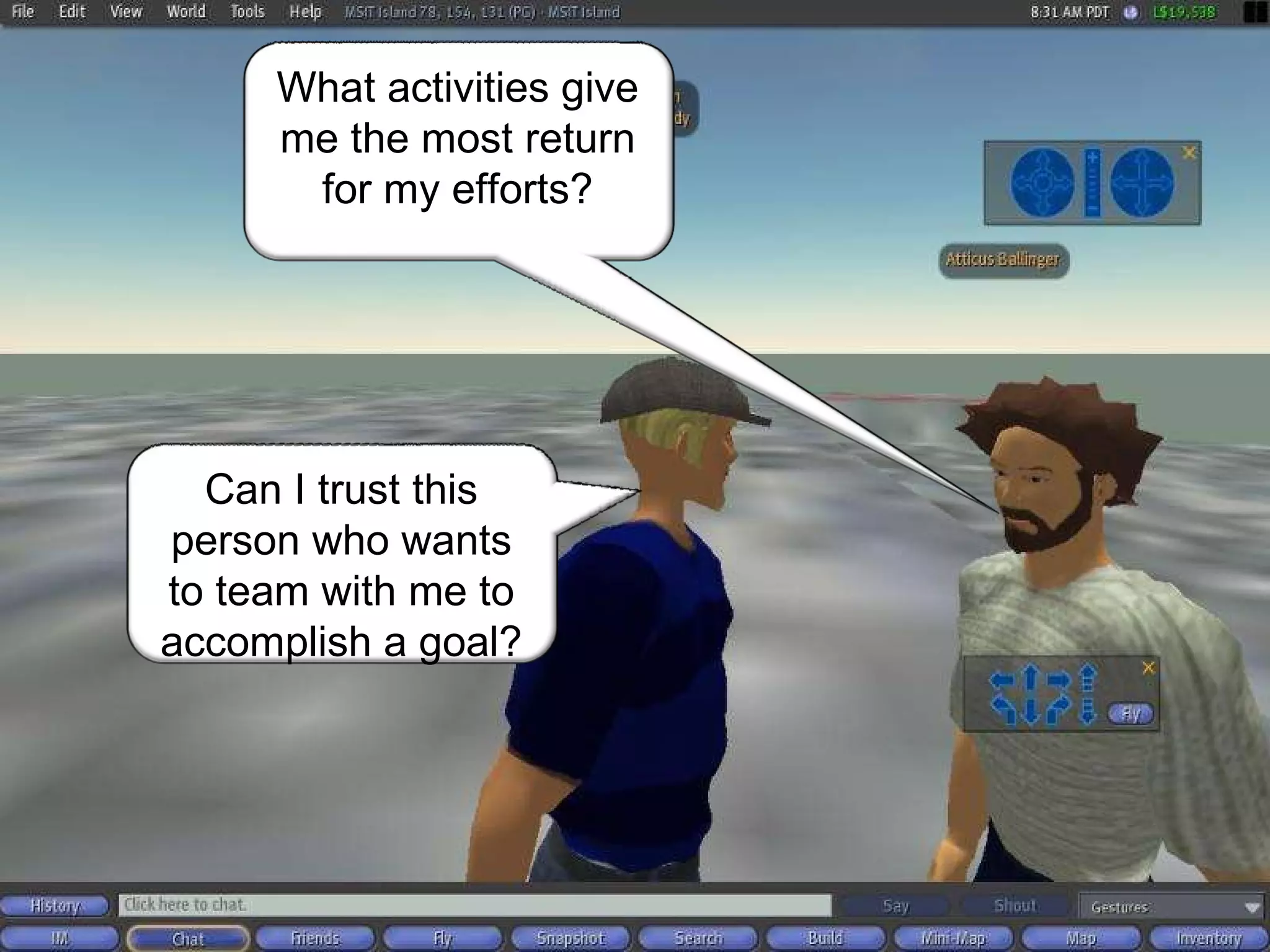
What activities give me the most return for my efforts? Can I trust this person who wants to team with me to accomplish a goal?
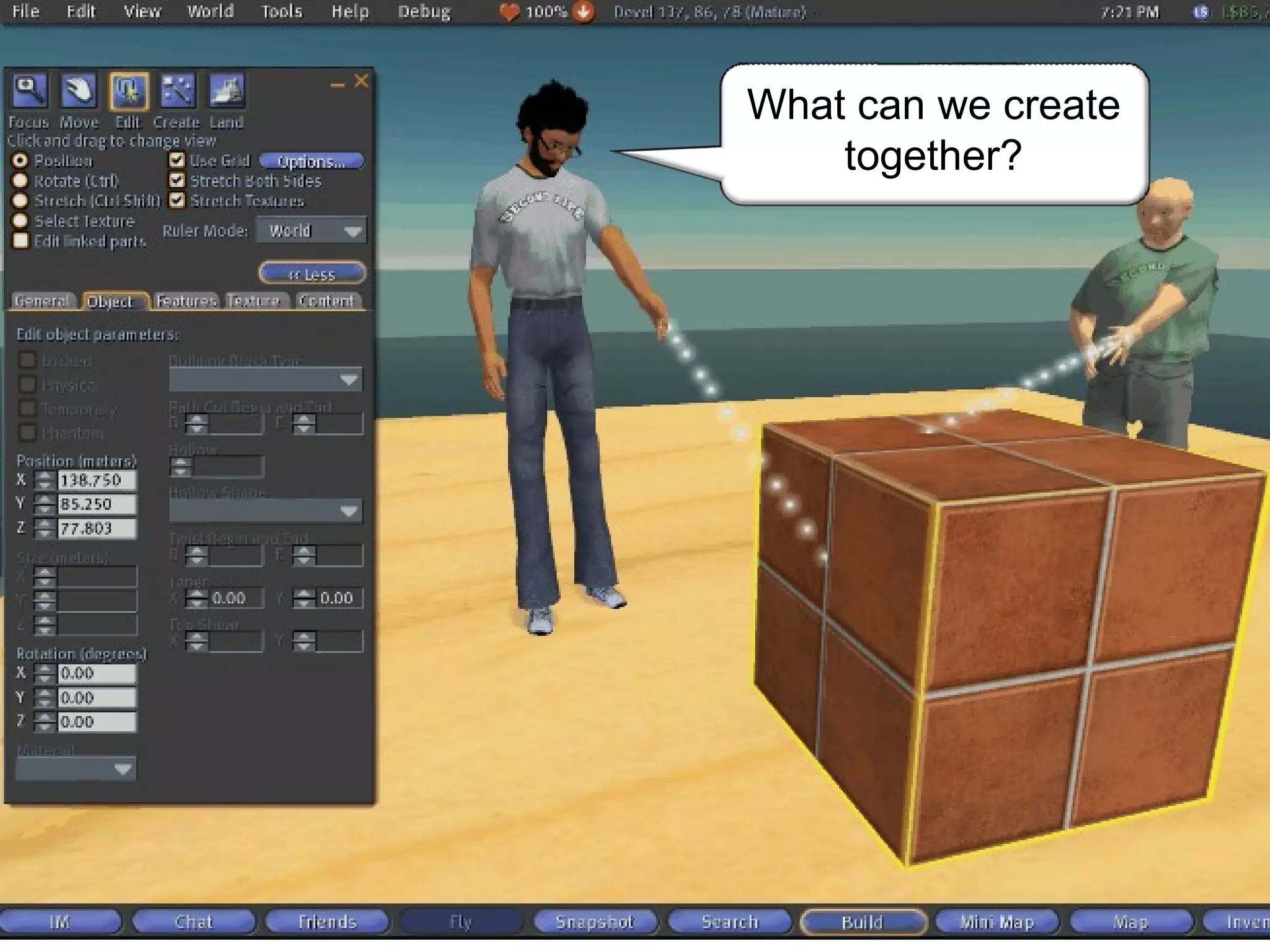
What can we create together?


Found at bat-blog.com


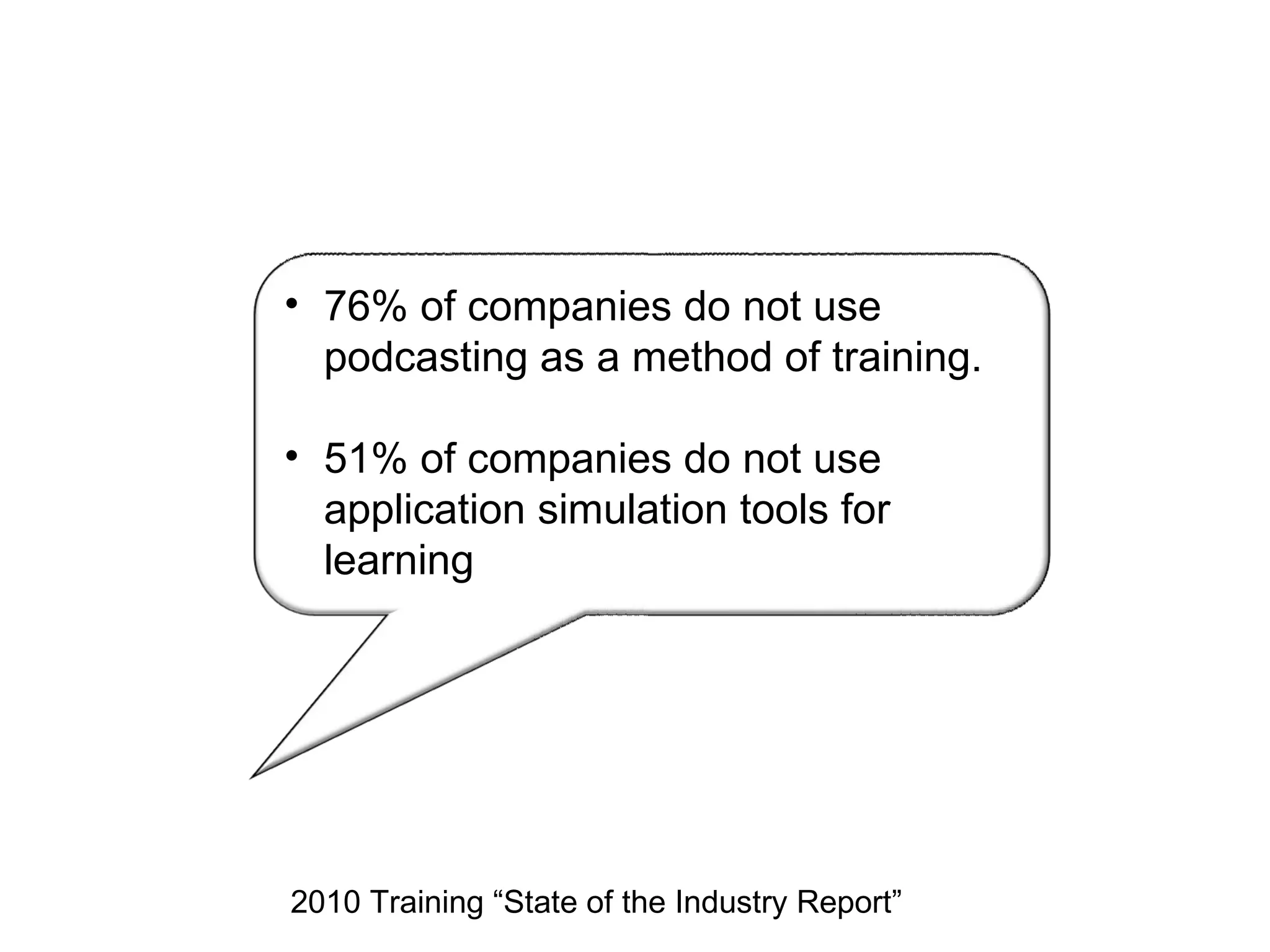
2010 Training “State of the Industry Report” 76% of companies do not use podcasting as a method of training. 51% of companies do not use application simulation tools for learning
New Approaches are Needed
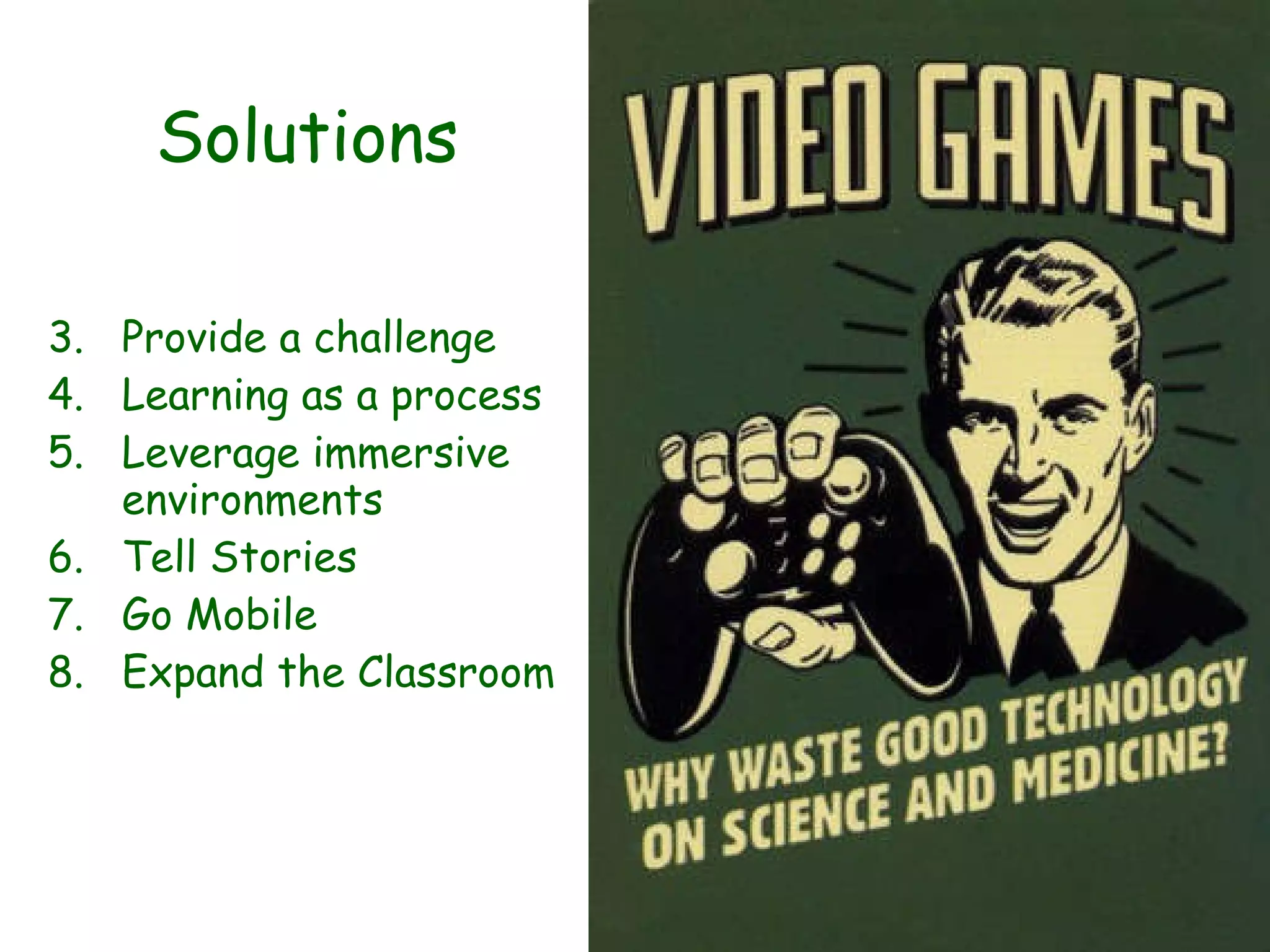
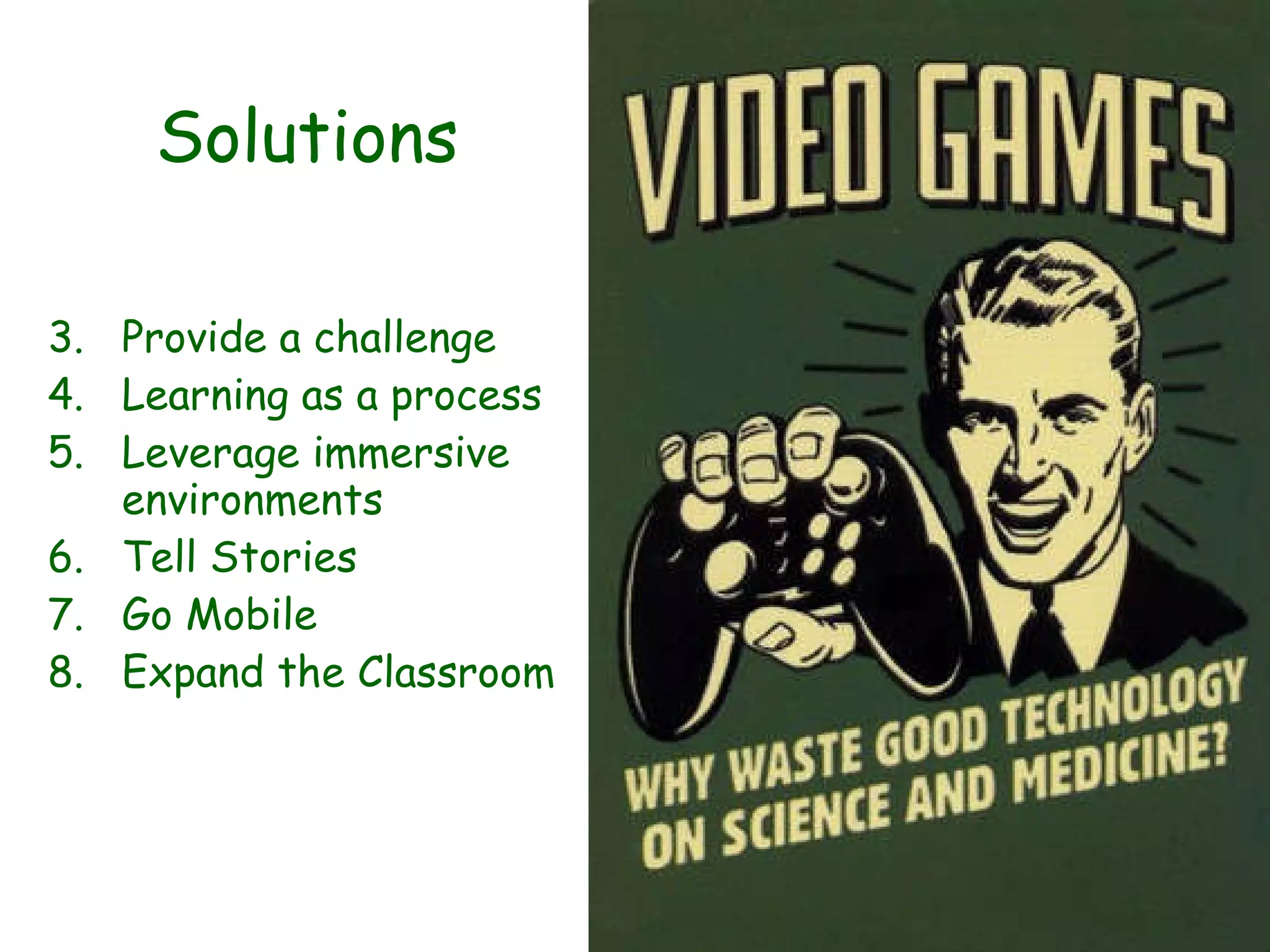
Solutions Provide a challenge Learning as a process Leverage immersive environments Tell Stories Go Mobile Expand the Classroom
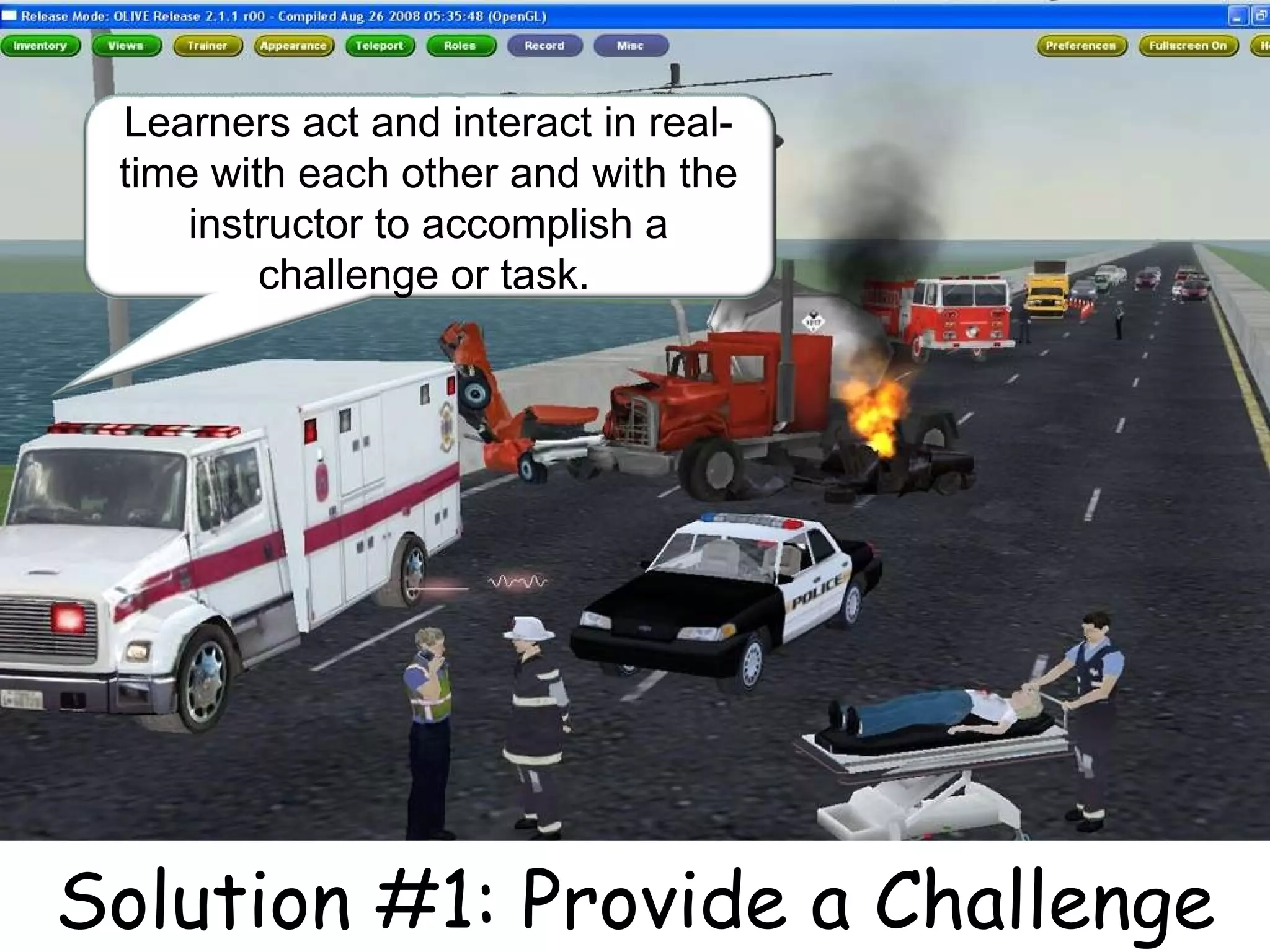
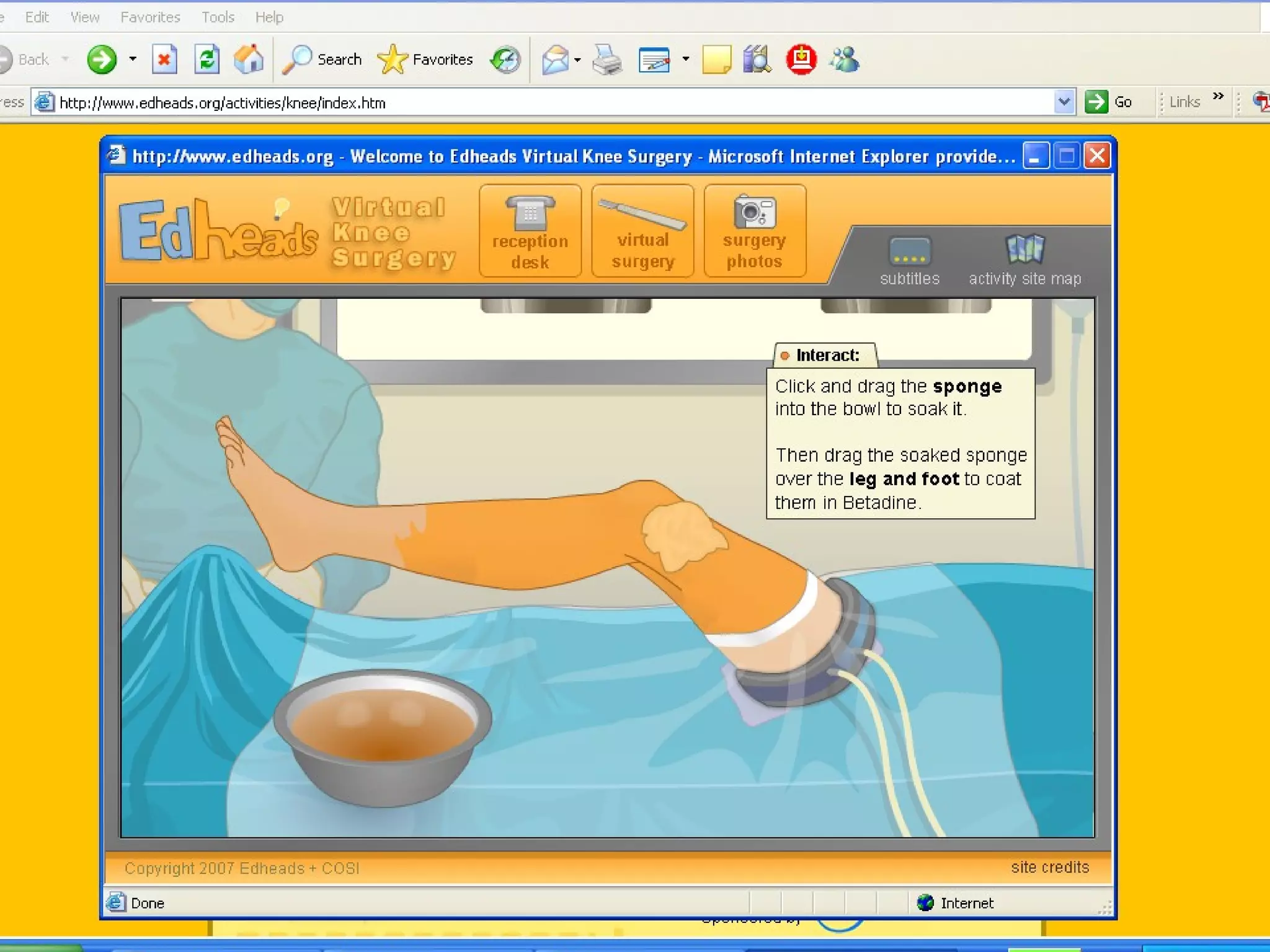
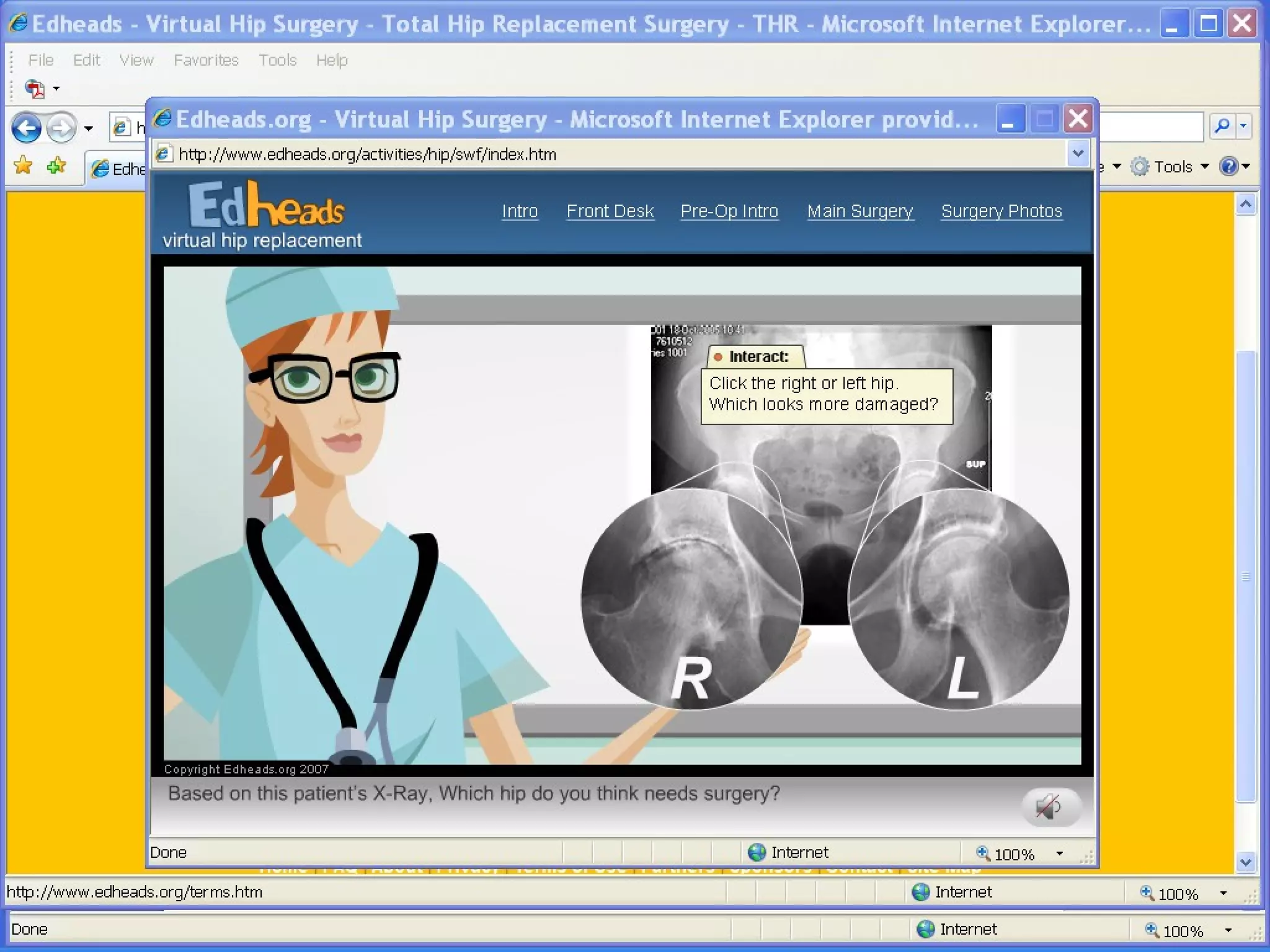
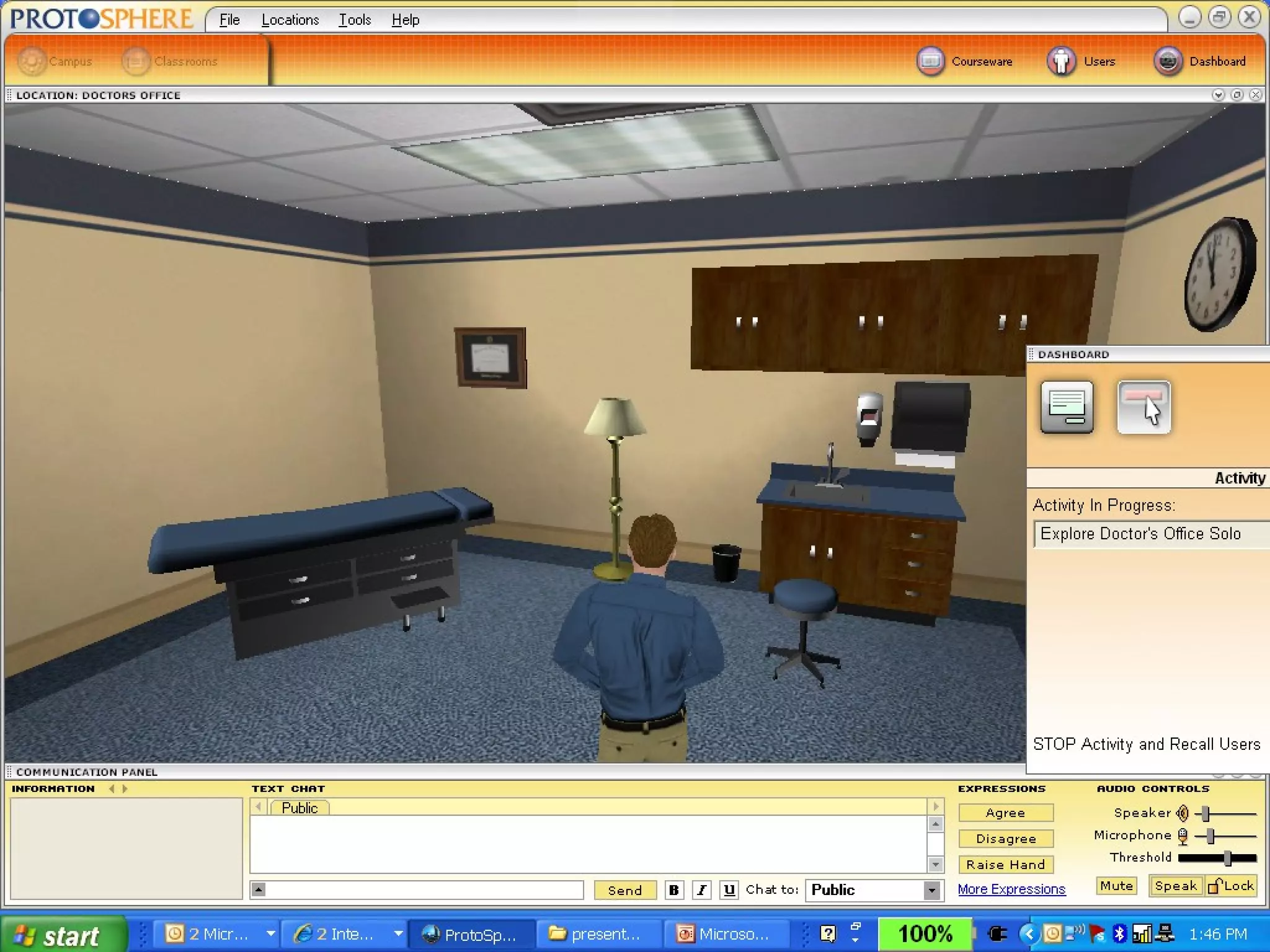
Solution #1: Provide a Challenge Learners act and interact in real-time with each other and with the instructor to accomplish a challenge or task.  
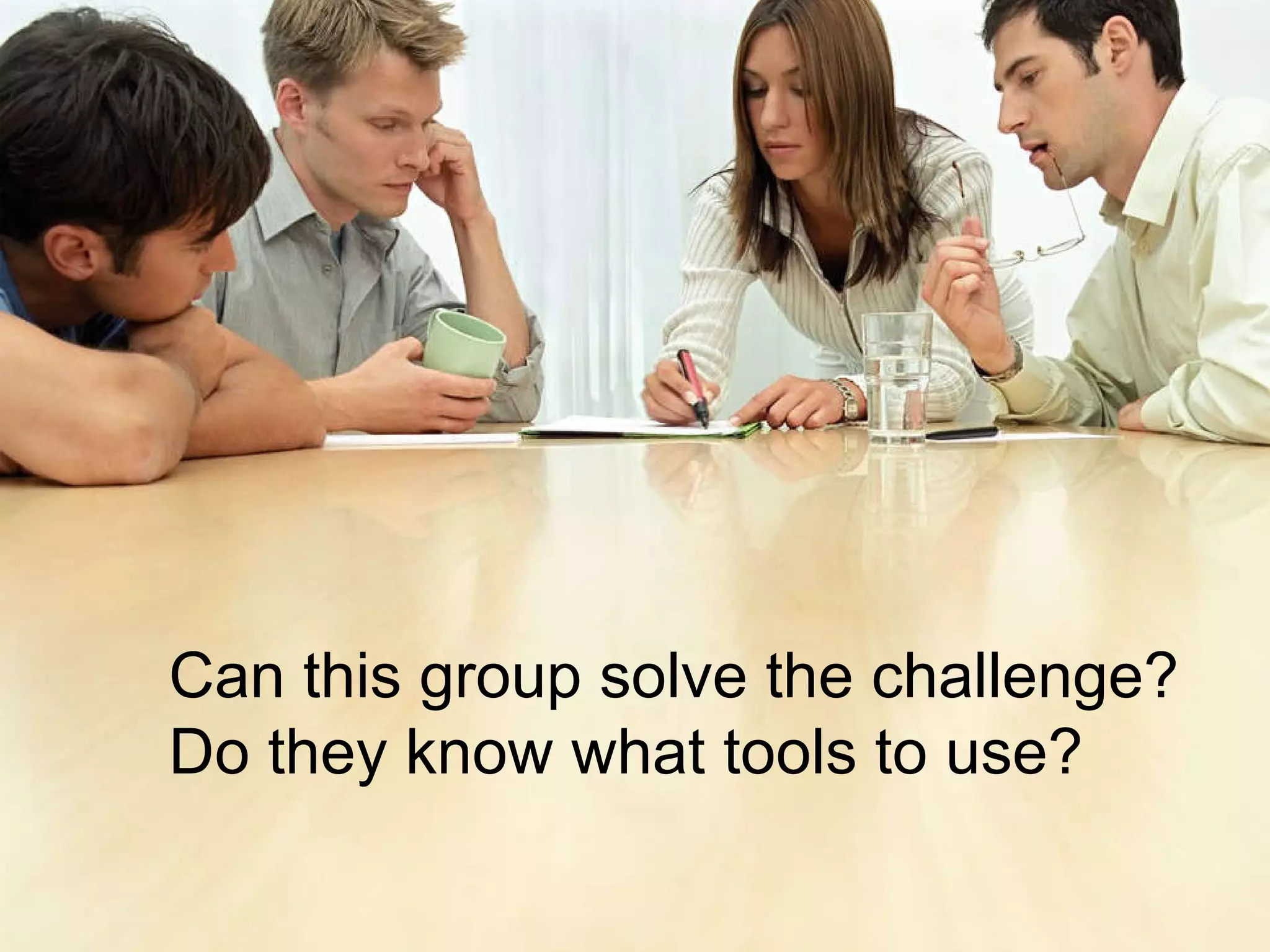
Can this group solve the challenge?  Do they know what tools to use?
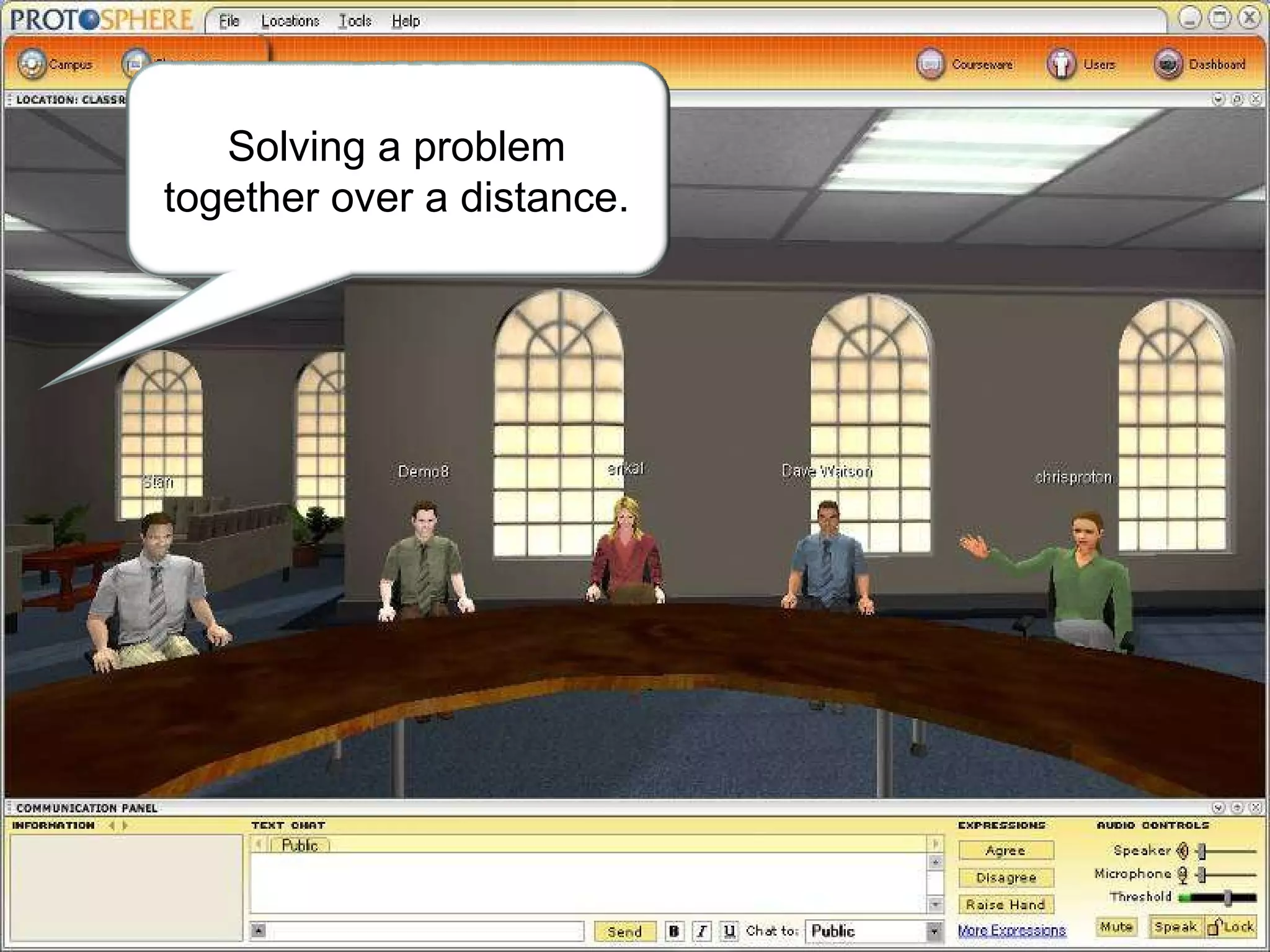
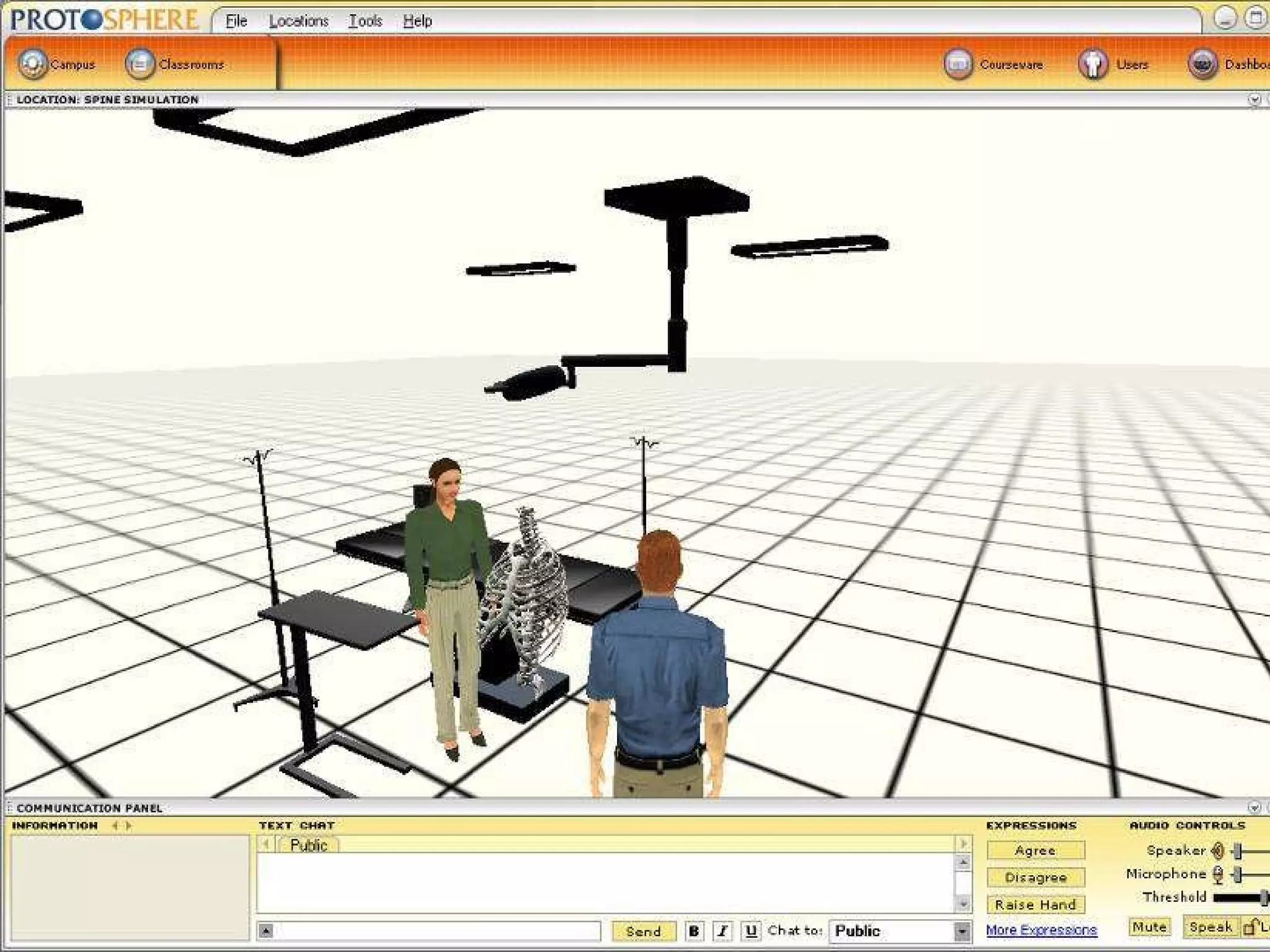
Solving a problem together over a distance.
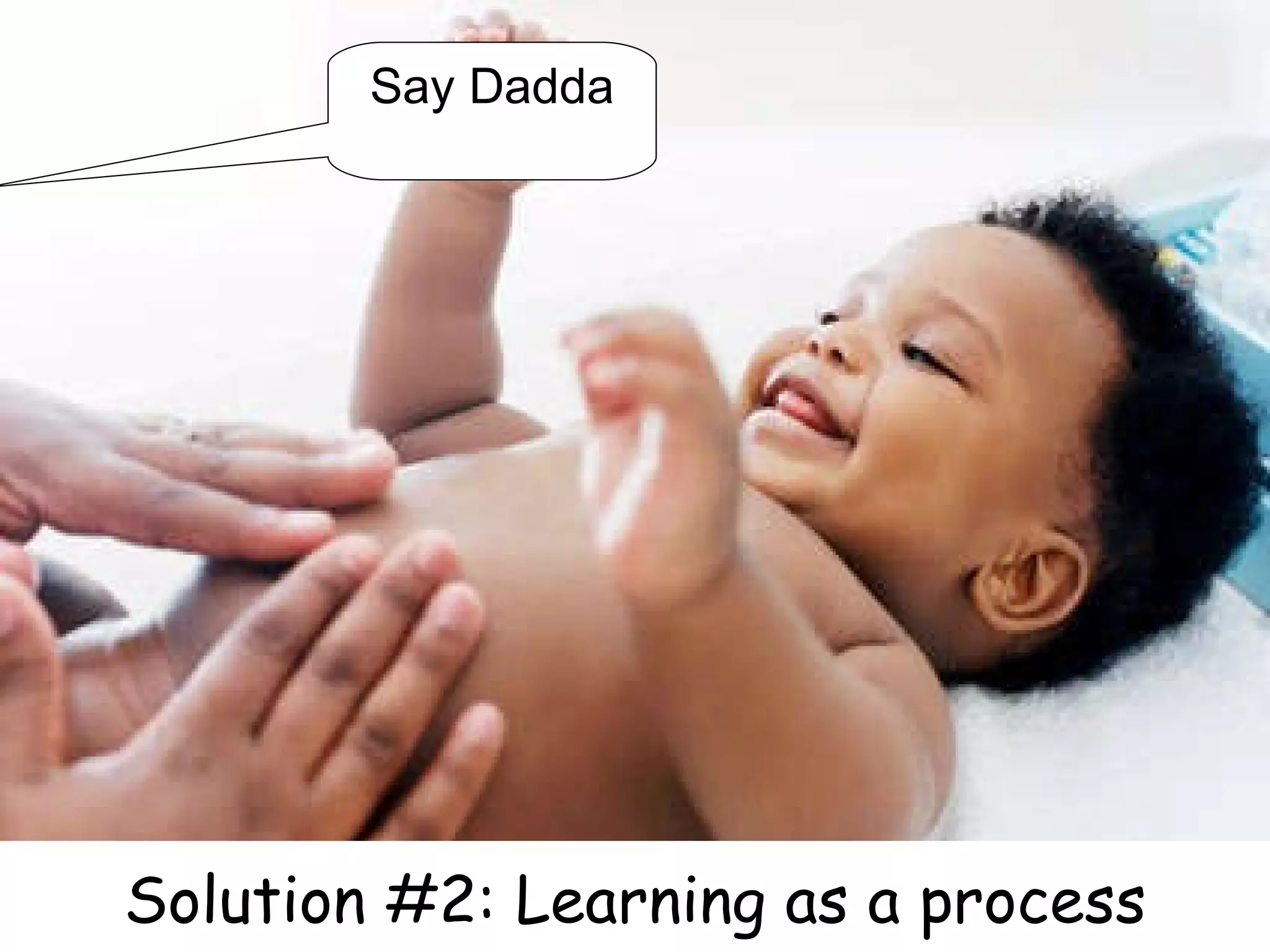
Say Dadda Solution #2: Learning as a process


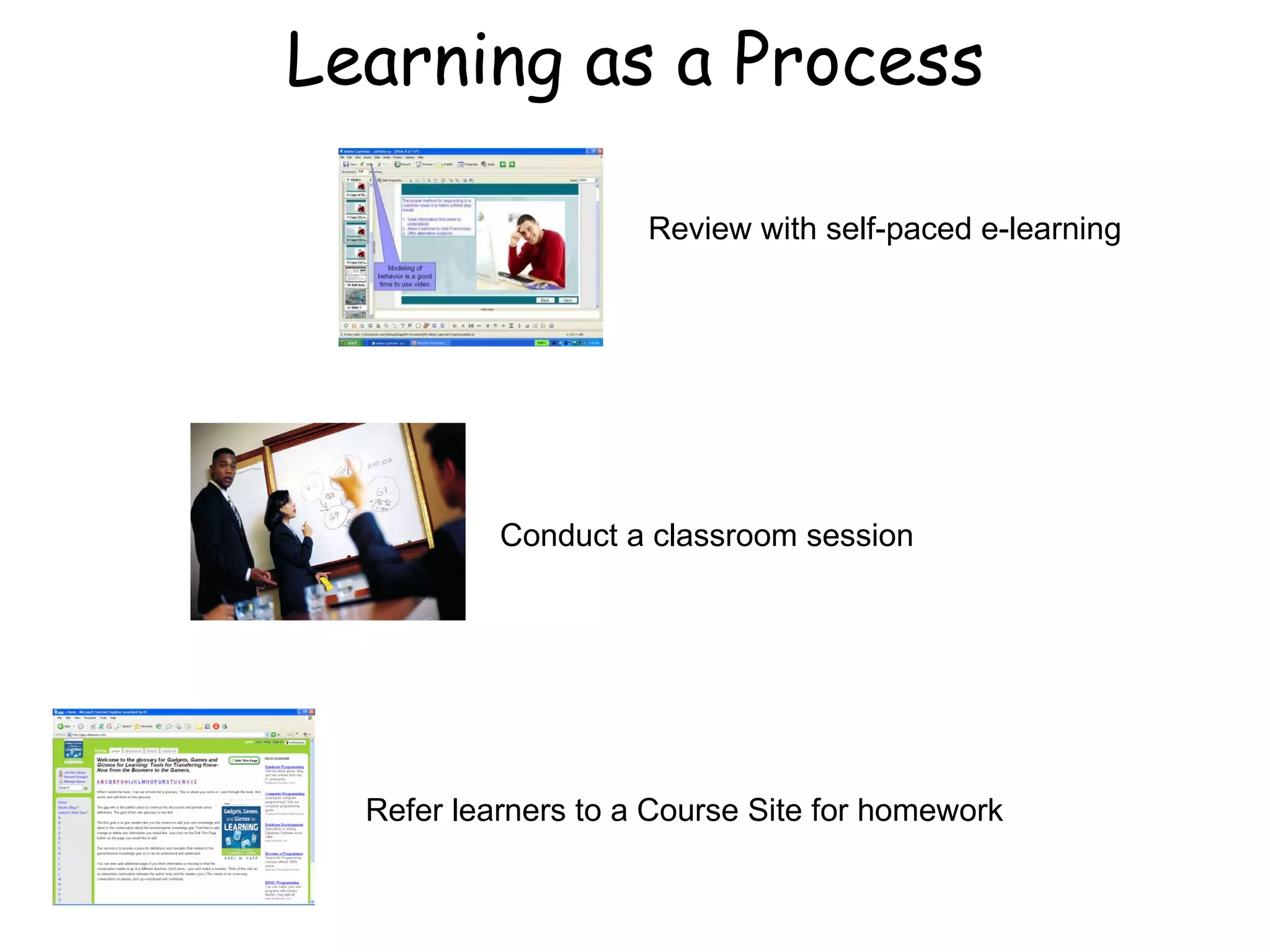
Refer learners to a Course Site for homework Conduct a classroom session Review with self-paced e-learning Learning as a Process
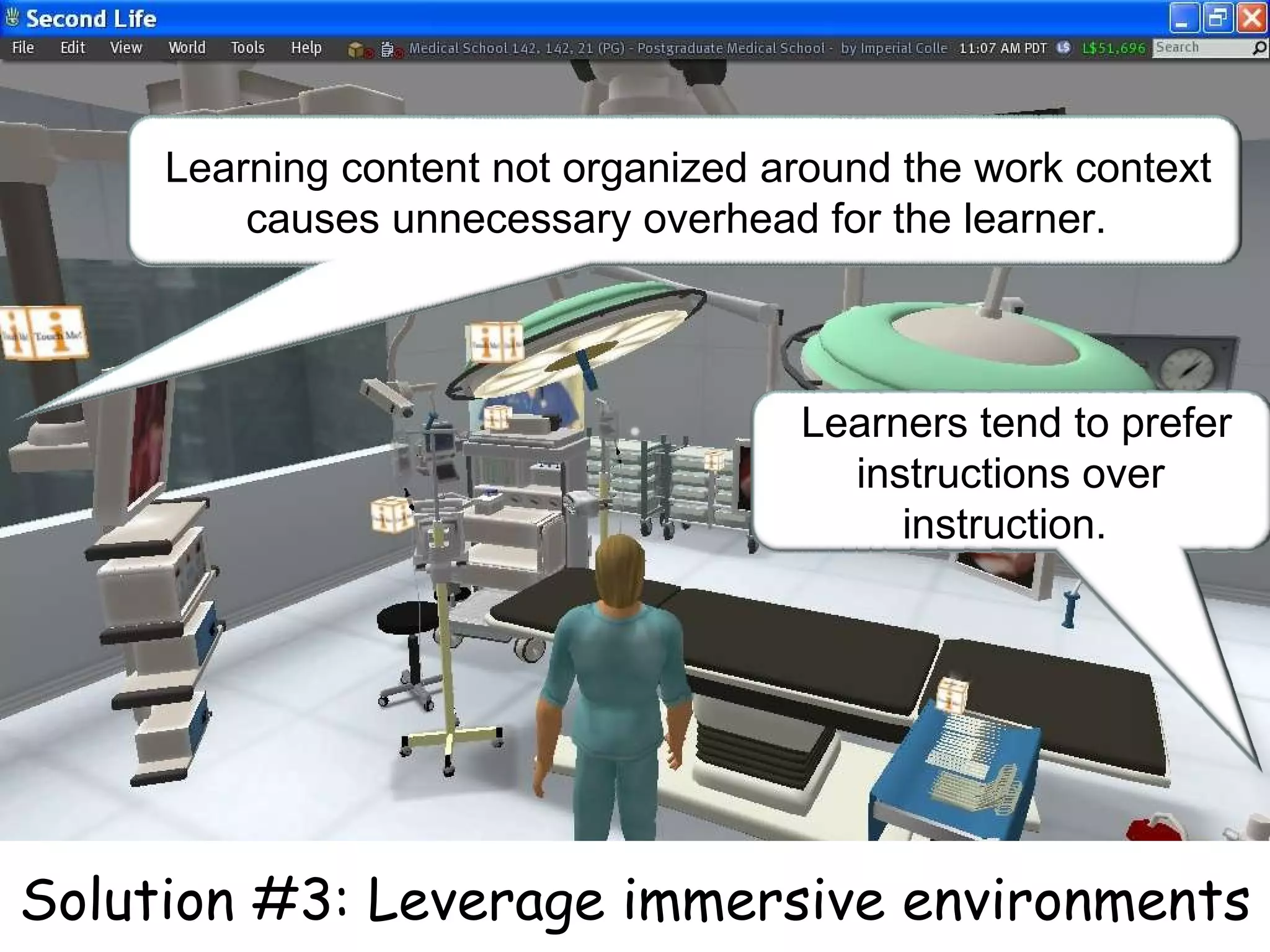
Solution #3: Leverage immersive environments   Learning content not organized around the work context causes unnecessary overhead for the learner.    Learners tend to prefer instructions over instruction. 
 
www.gadgetsgamesandgizmos.com © Karl M. Kapp 2007 Feel free to use but please site source and book
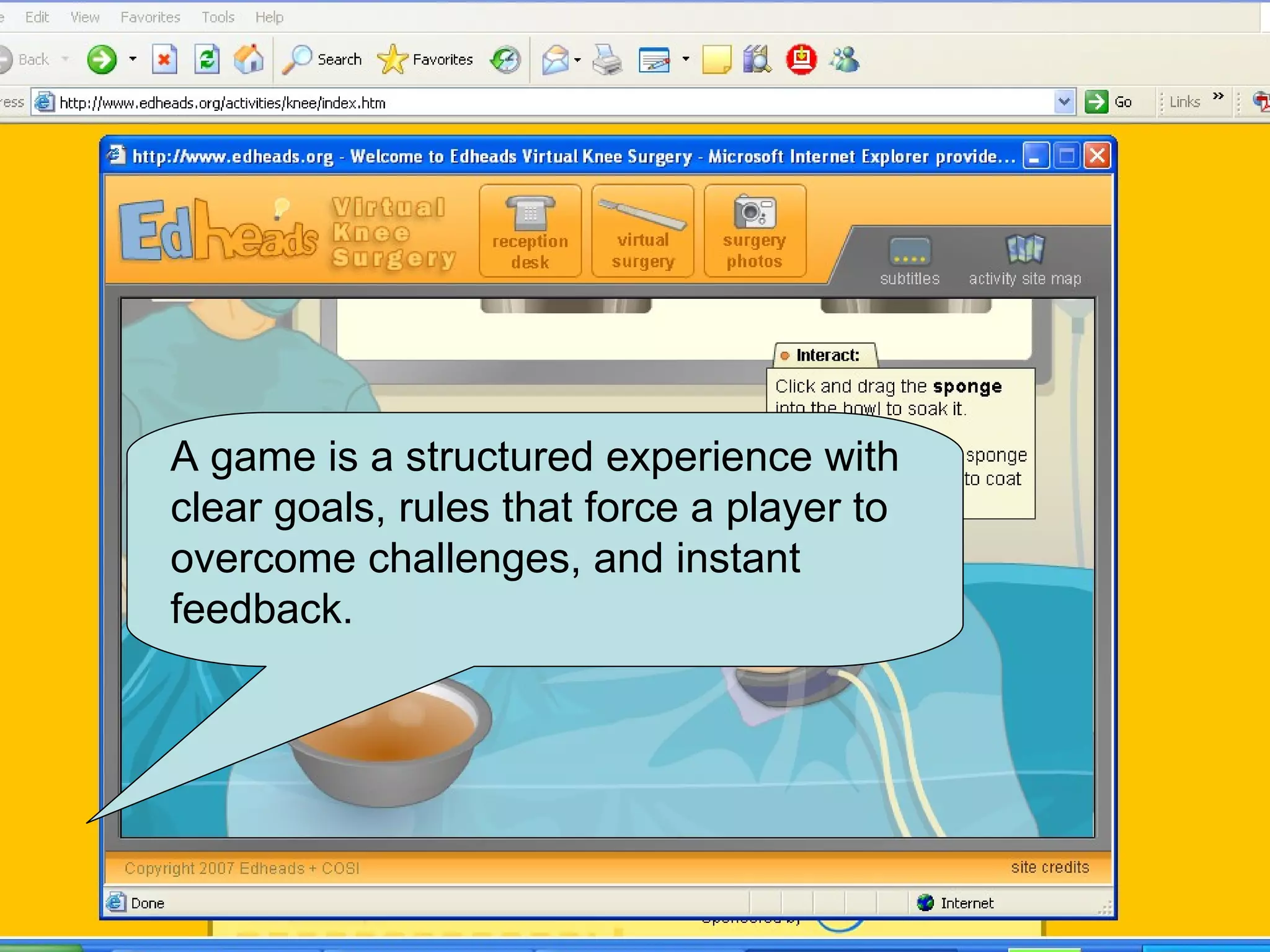
www.gadgetsgamesandgizmos.com © Karl M. Kapp 2007 Feel free to use but please site source and book A game is a structured experience with clear goals, rules that force a player to overcome challenges, and instant feedback. 
www.gadgetsgamesandgizmos.com © Karl M. Kapp 2007 Feel free to use but please site source and book
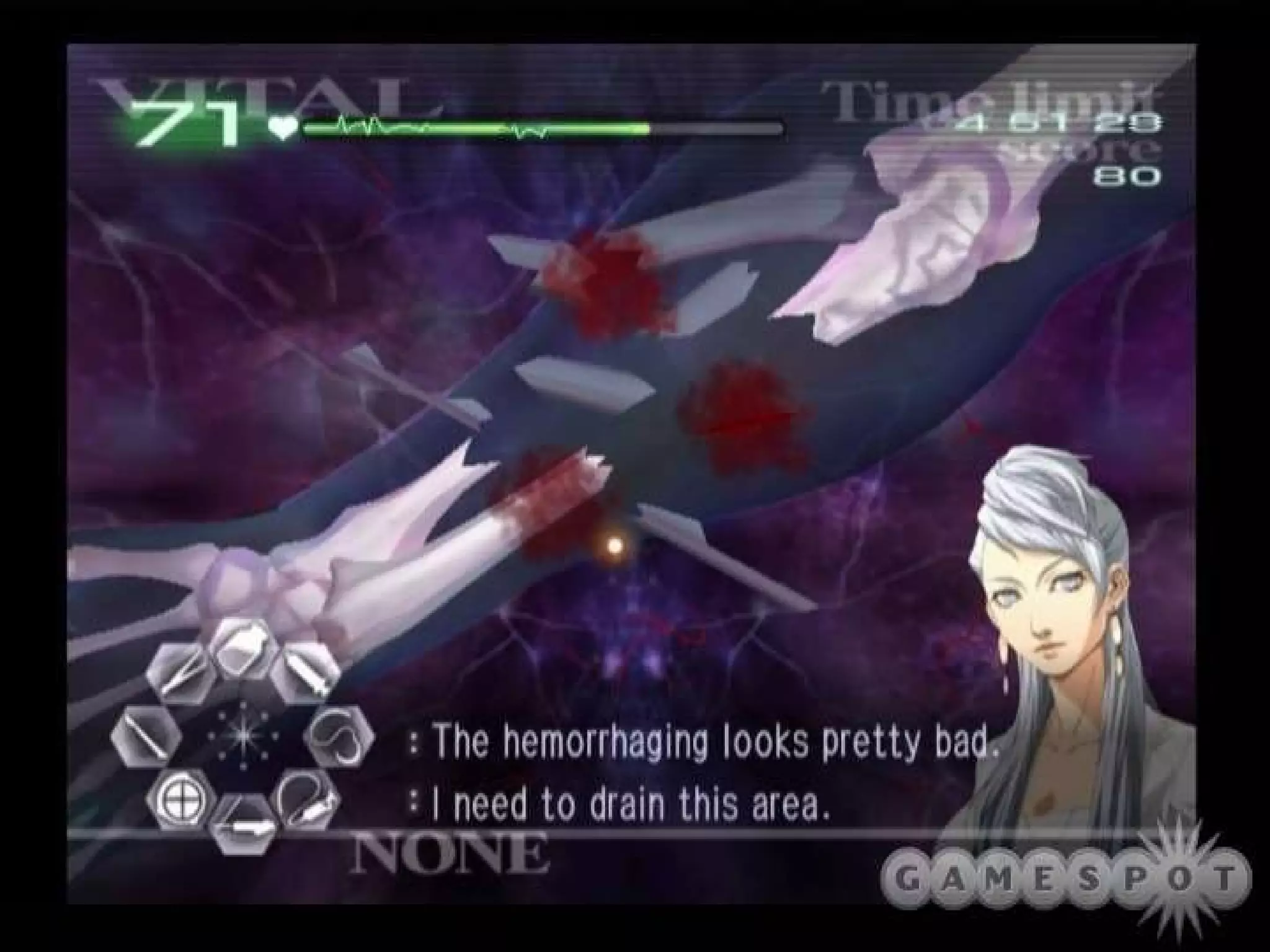
www.gadgetsgamesandgizmos.com © Karl M. Kapp 2007 Feel free to use but please site source and book Surgeons who play video games three hours a week commit 37% fewer errors and work 27% faster in laparoscopic surgery -- which requires deft use of a joystick, instruments, and a tiny camera -- than doctors who don't.
 
 
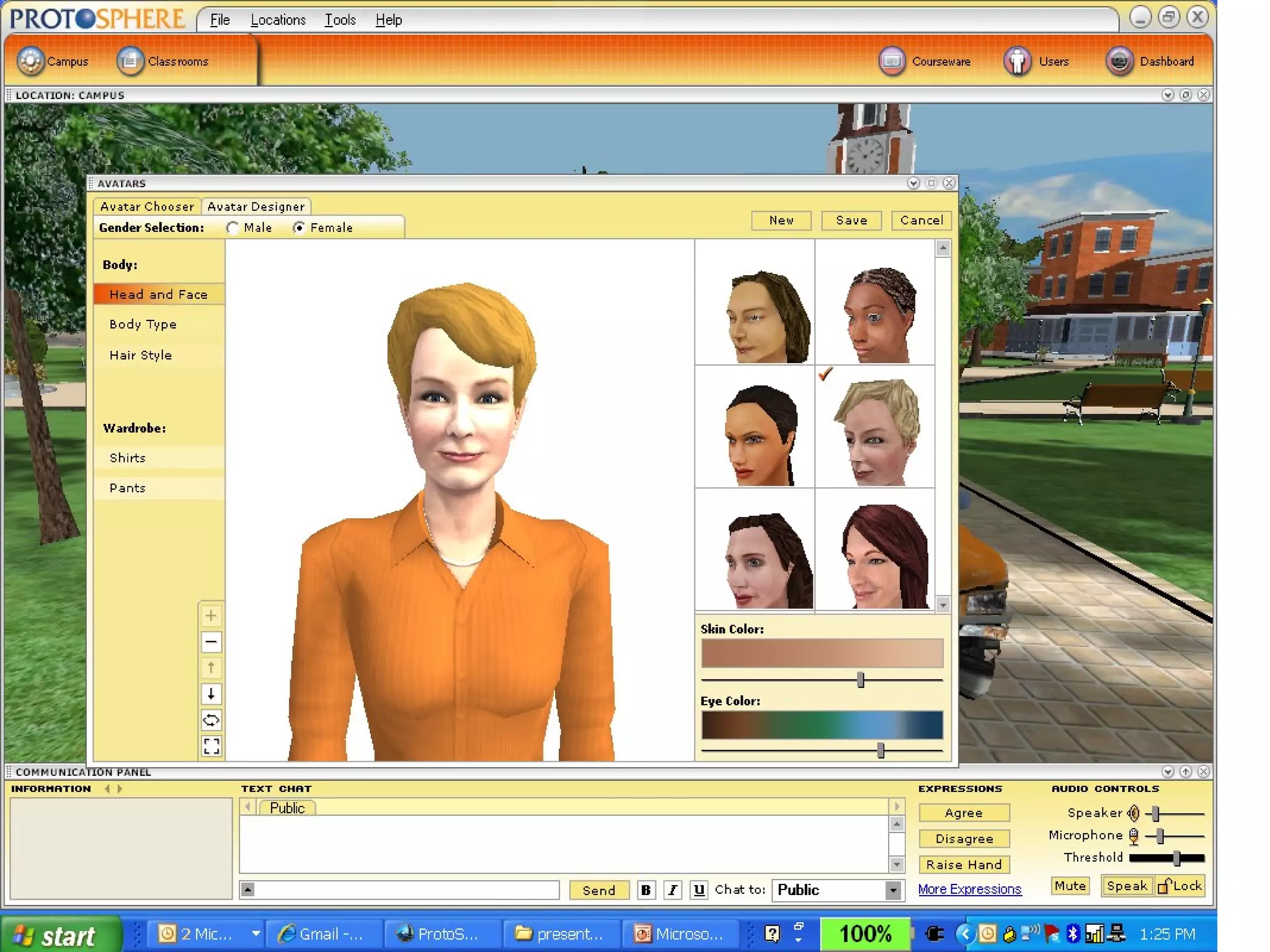
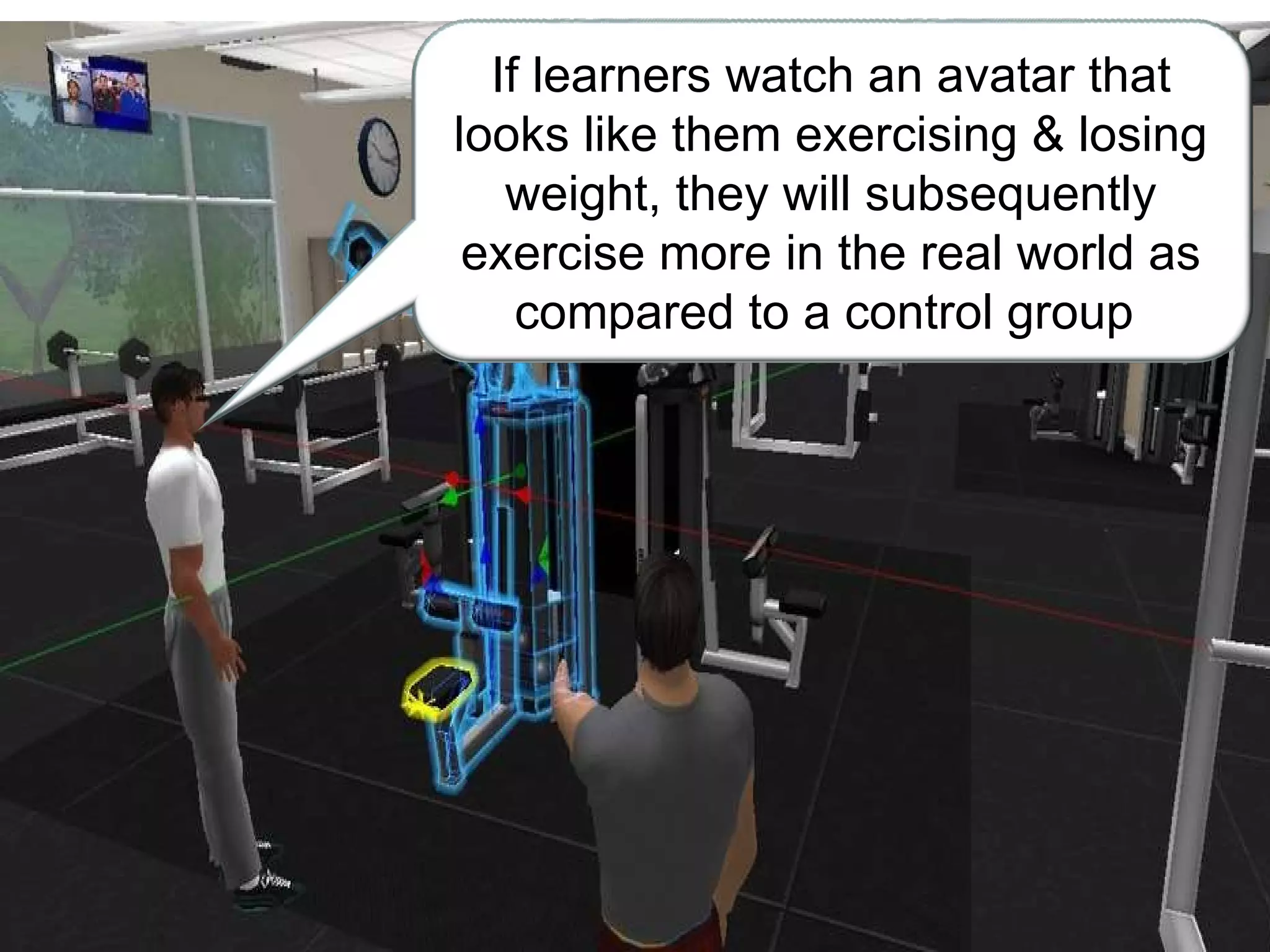
If learners watch an avatar that looks like them exercising & losing weight, they will subsequently exercise more in the real world as compared to a control group .
Within 24 hours of watching an avatar like themselves run, learners were more likely to run than watching an avatar not like them or watching an avatar like them loitering .


Create Shared Working Spaces
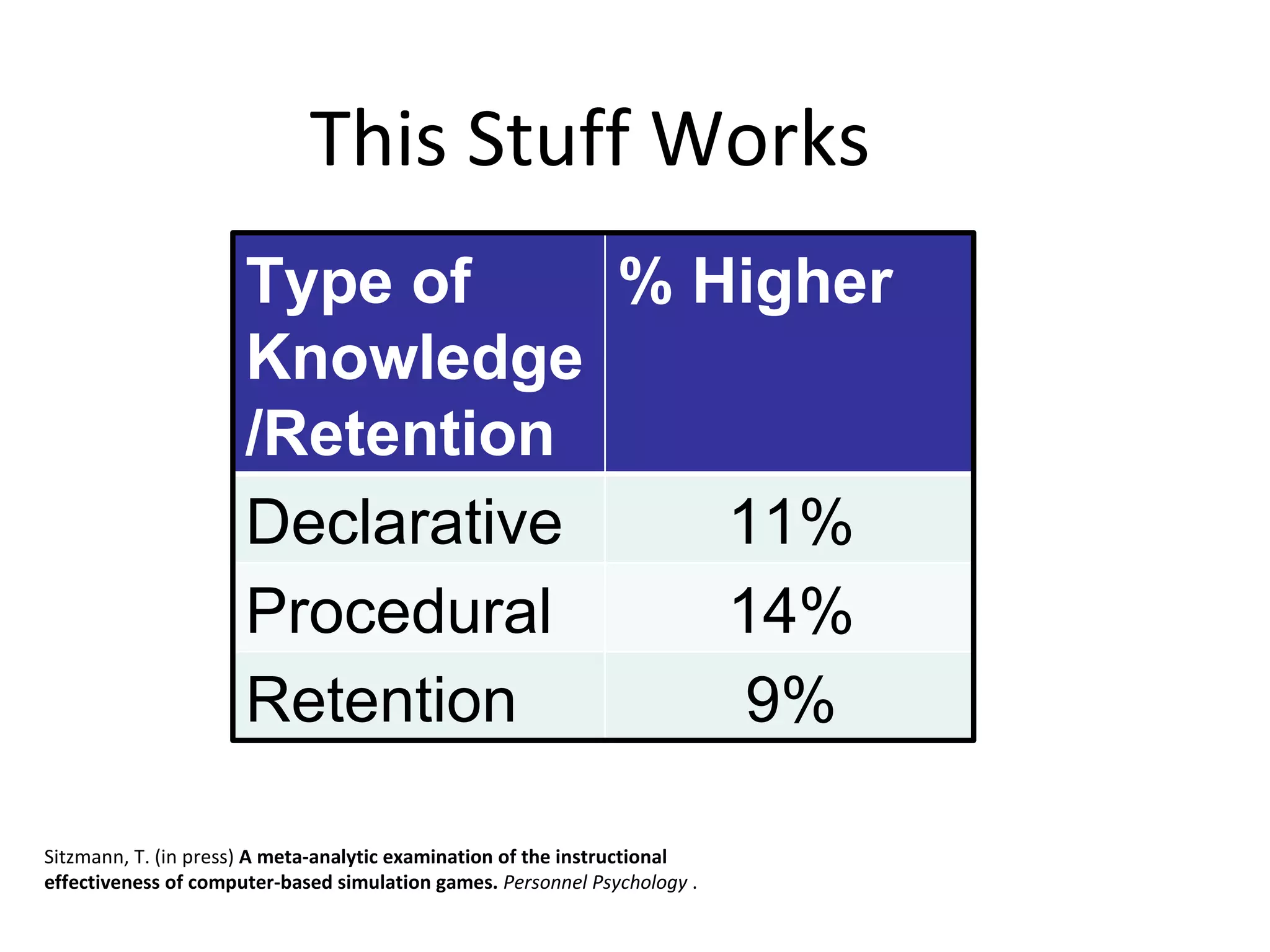
This Stuff Works Sitzmann, T. (in press)  A meta-analytic examination of the instructional effectiveness of computer-based simulation games.  Personnel Psychology  . Type of Knowledge/Retention % Higher Declarative 11% Procedural  14% Retention 9%
Solution #5: Tell Stories Researchers have found that the human brain has a natural affinity for narrative construction. Yep, People tend to remember facts more accurately if they encounter them in a story rather than in a list. And they rate legal arguments as more convincing when built into narrative tales rather than on legal precedent.
Solution #5: Go Mobile
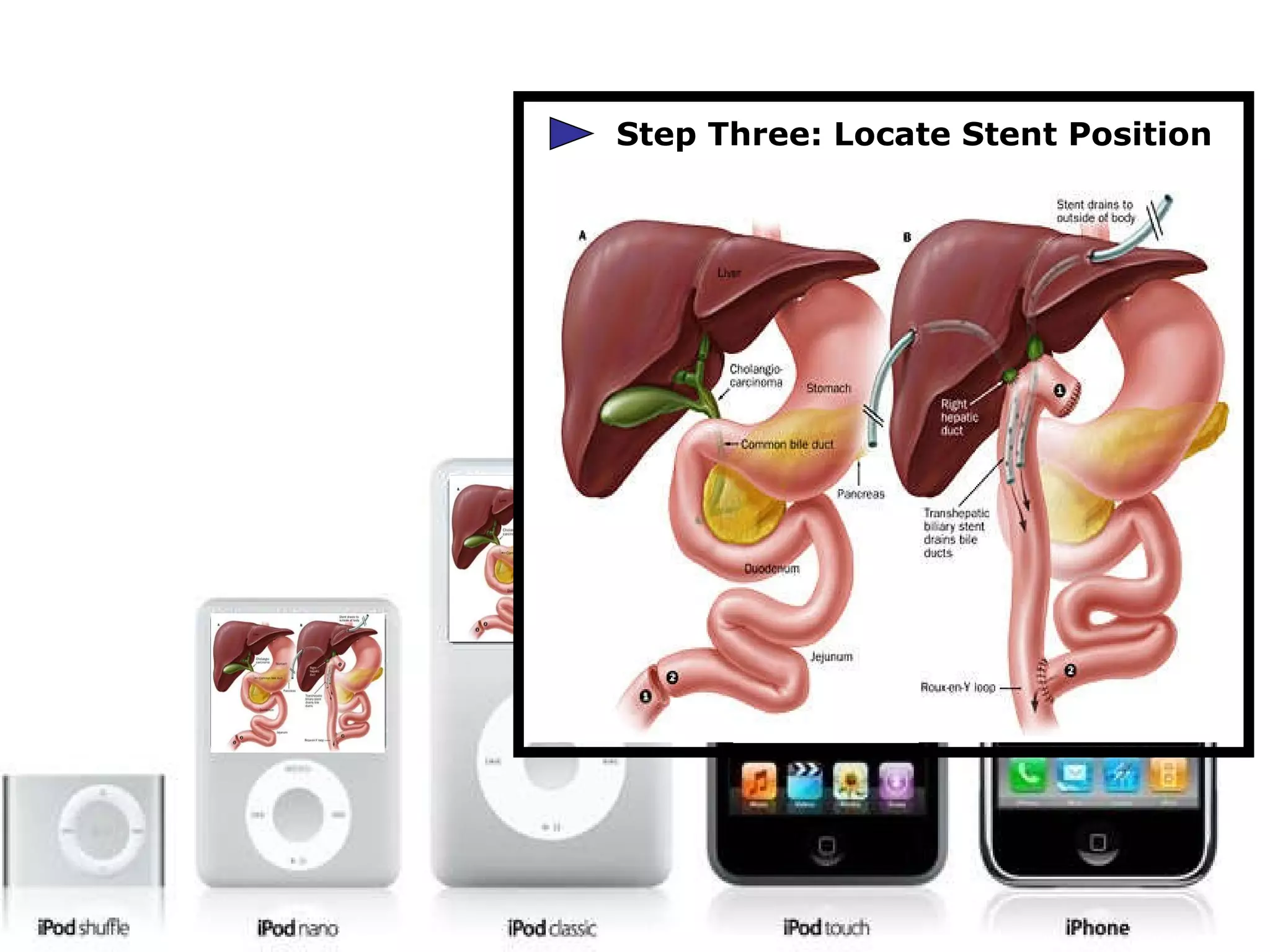
Step Three: Locate Stent Position
 
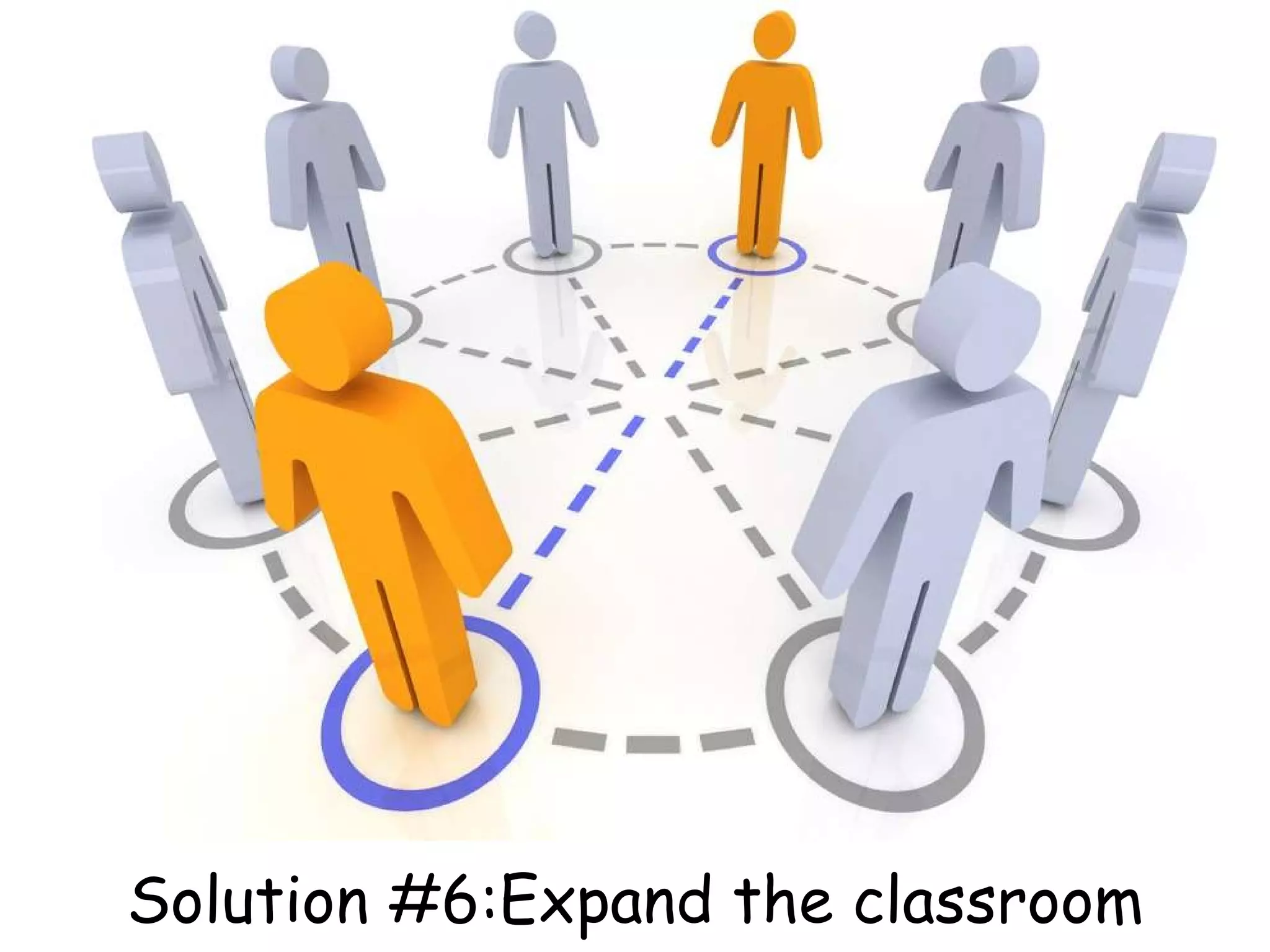
Solution #6:Expand the classroom
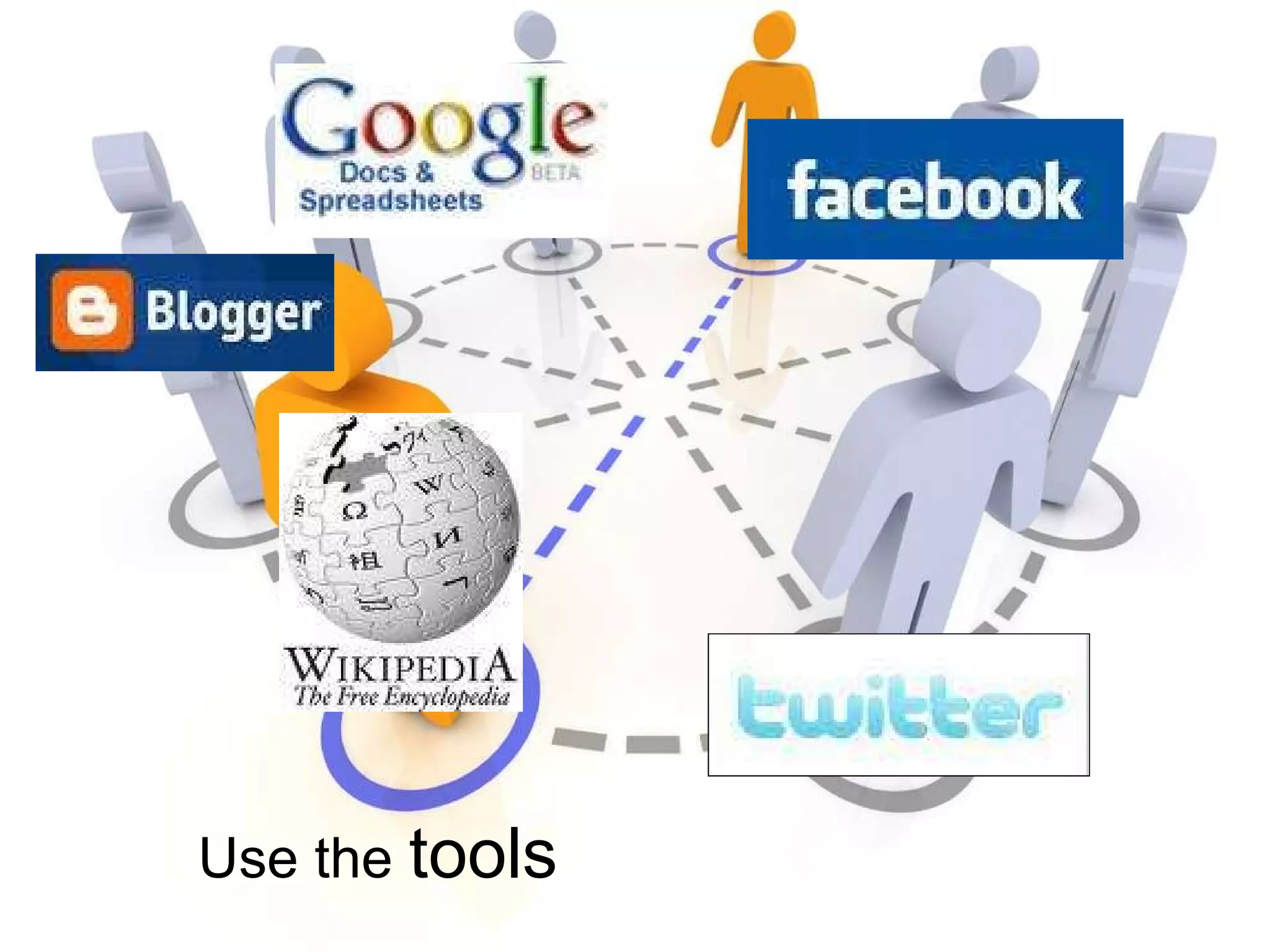
Use the  tools
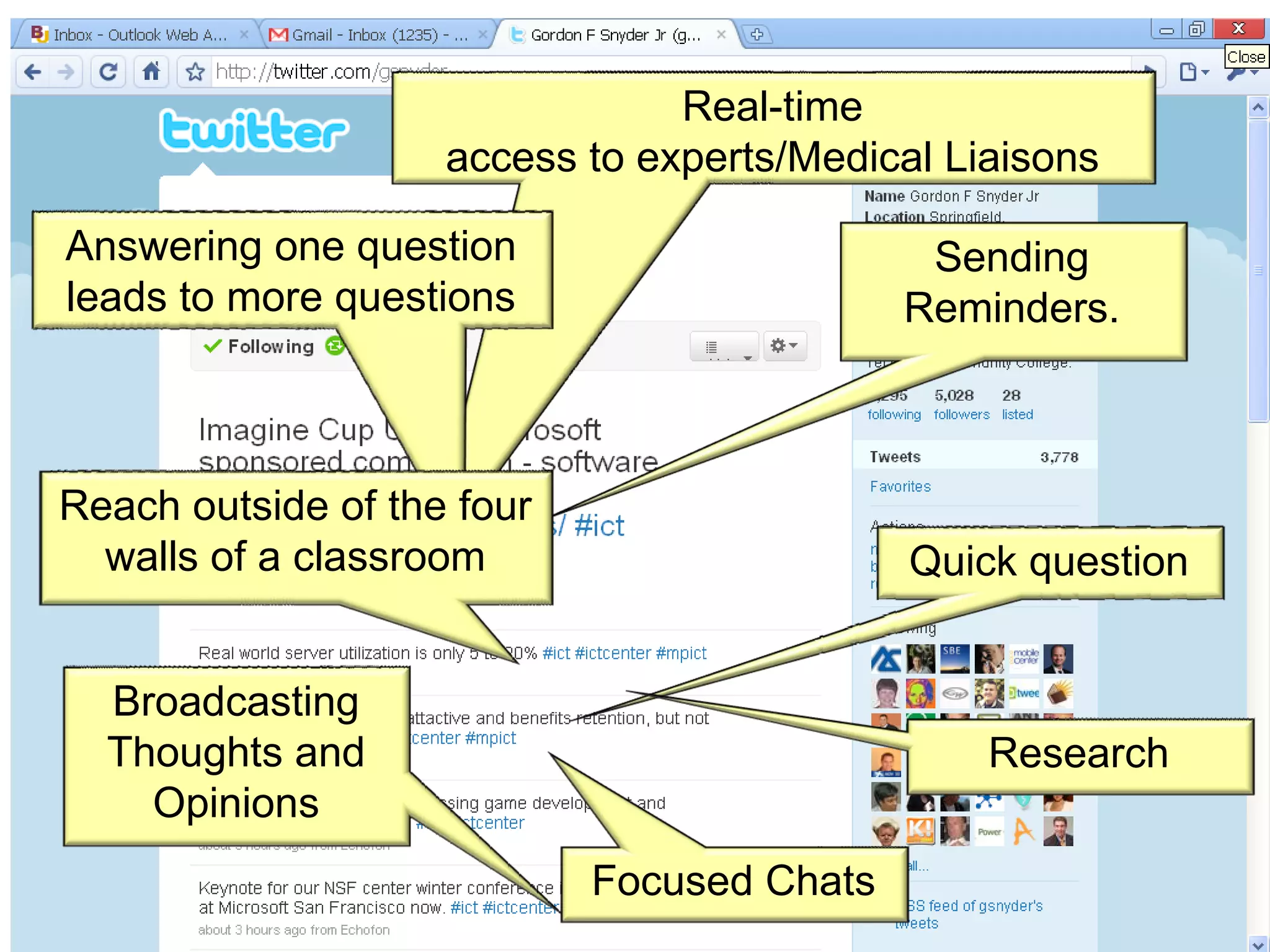
Real-time access to experts/Medical Liaisons Quick question Broadcasting Thoughts and Opinions Sending Reminders. Research Answering one question leads to more questions Reach outside of the four walls of a classroom Focused Chats
Definition of  Terms Tips and Techniques Frequently  Asked Questions Posting/Collection of of Valuable Resources Link to the Field Advice from Experts Peer-to-Peer Learning
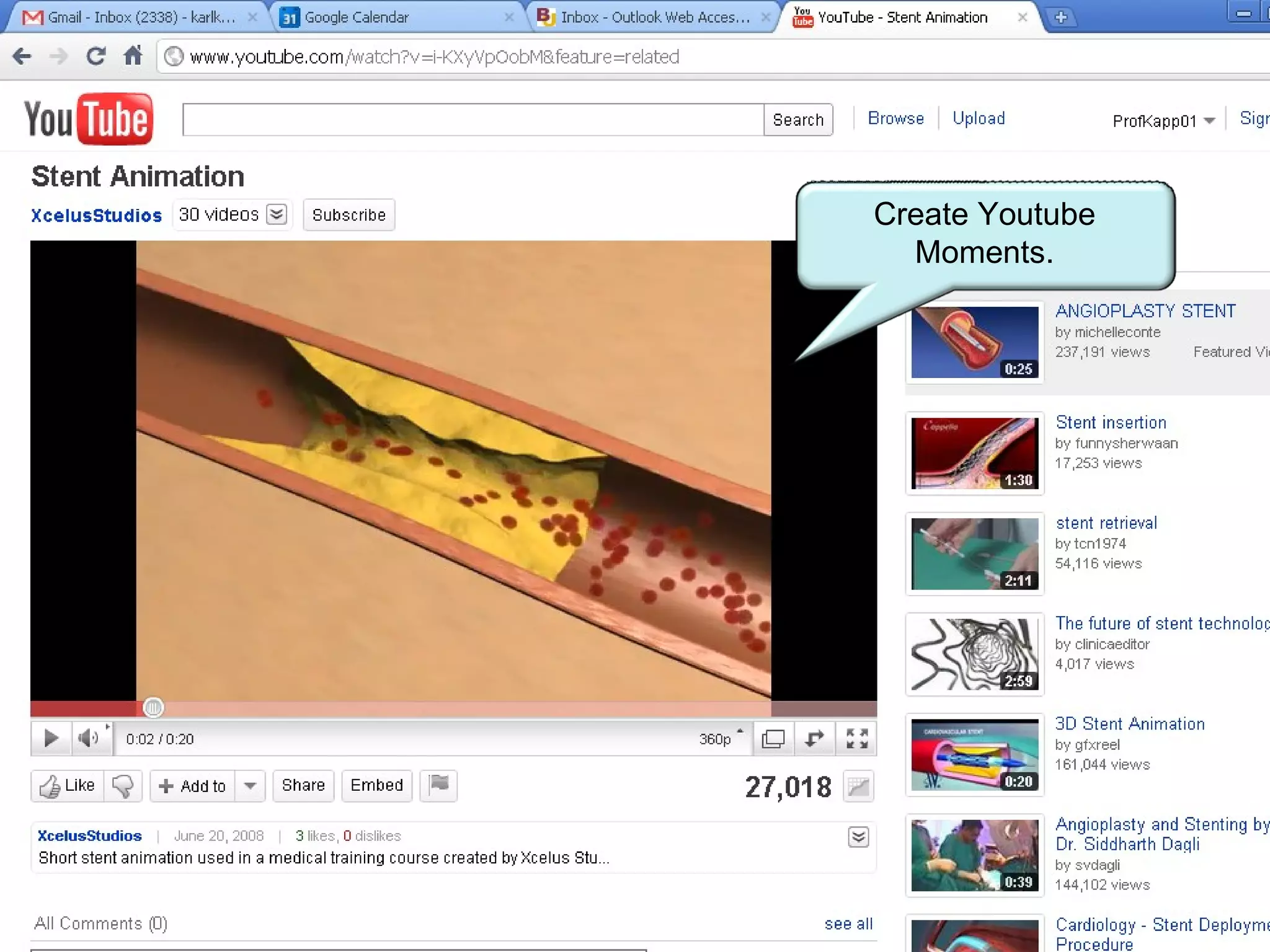
Create Youtube Moments.
Go ahead…jump in!
Solutions Provide a challenge Learning as a process Leverage immersive environments Tell Stories Go Mobile Expand the Classroom
Questions/More Information http://www.kaplaneduneering.com/kappnotes/ Recommended books Samples and Examples Learning in 3D www.learningin3d.info   Gadgets, Games and Gizmos for Learning www.gadgetsgamesandgizmos.com   Email:  [email_address] Email:  [email_address]

Beyond Four Walls

Editor's Notes

  • #6 In Dec 2008 Americans sent 100 billion text messages, double the number of Dec 2007. Average person sent 407 text messages, double the 188 sent in Dec 2007. At the same time, the average length of a cell phone call declined last year to 2.3 minutes. That's the shortest chat time since the 1990s, before mobile devices and cheap calling plans became widely available to everyday consumers. The peak talk time came in 2004, when a caller on average chatted for 3.05 minutes. "We are seeing a clear trend of huge increases in text messaging," said Amanda Lenhart, senior research specialist at the Pew Internet and American Life Project. "If teens are a leader for America, then we are moving to a text-based communication system. For them, there is less interest in talking."
  • #12 Various games and the problems the gamers had to solve.
  • #56 Wii-Hab
  • #71 Teaching young doctors how to distinguish heart sounds. After hearing a recording of different heart sounds about 500 times, young doctors reliably discriminate among different sounds made by various heart problems. Before listening to the recordings, the young doctors correctly identified only 50 percent of the heart sounds; after they test they could identify 80 percent of the sounds correctly.