Using Emotions
in a Positive Way
Jim Marteney
Professor of Communication Studies
Los Angeles Valley College
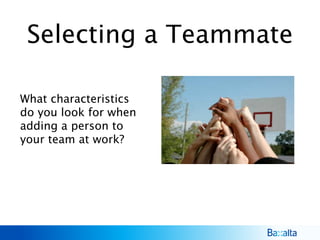
Selecting a Teammate
What characteristics
do you look for when
adding a person to
your team at work?
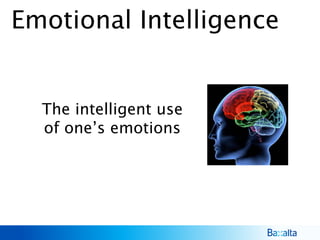
Emotional Intelligence
The intelligent use
of one’s emotions
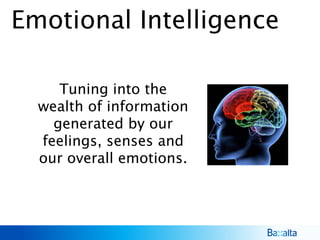
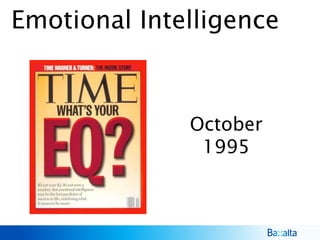
Emotional Intelligence
Tuning into the
wealth of information
generated by our
feelings, senses and
our overall emotions.
Emotional Intelligence
October
1995
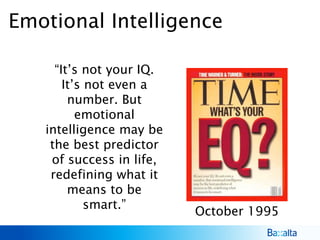
Emotional Intelligence
“It’s not your IQ.
It’s not even a
number. But
emotional
intelligence may be
the best predictor
of success in life,
redefining what it
means to be
smart.”
October 1995
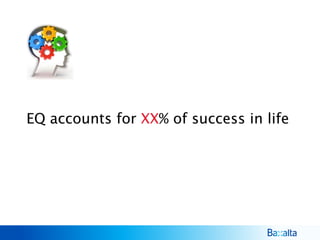
EQ accounts for XX% of success in life
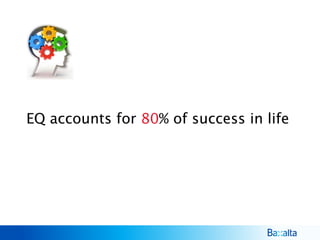
EQ accounts for 80% of success in life
IQ accounts for 20% of success in life
We get promoted for our EQ
We get hired for our IQ
We get fired for our EQ
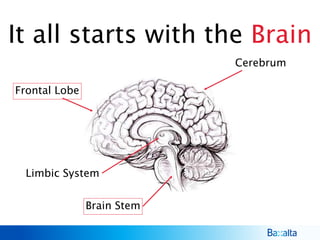
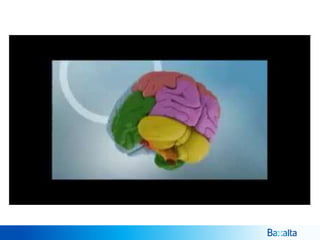
It all starts with the Brain
Brain Stem
Limbic System
Frontal Lobe
Cerebrum
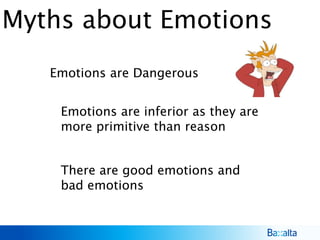
Myths about Emotions
Emotions are Dangerous
Emotions are inferior as they are
more primitive than reason
There are good emotions and
bad emotions
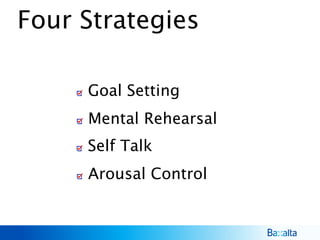
Four Strategies
Self Talk
Arousal Control
Goal Setting
Mental Rehearsal
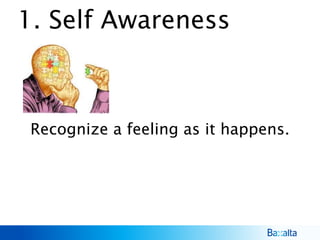
1. Self Awareness
Recognize a feeling as it happens.
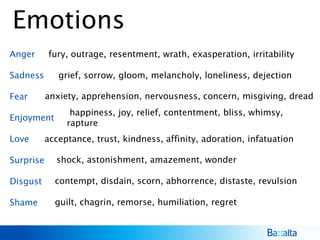
Emotions
Anger fury, outrage, resentment, wrath, exasperation, irritability
Sadness grief, sorrow, gloom, melancholy, loneliness, dejection
Fear anxiety, apprehension, nervousness, concern, misgiving, dread
Enjoyment
happiness, joy, relief, contentment, bliss, whimsy,
rapture
Love acceptance, trust, kindness, affinity, adoration, infatuation
Surprise shock, astonishment, amazement, wonder
Disgust contempt, disdain, scorn, abhorrence, distaste, revulsion
Shame guilt, chagrin, remorse, humiliation, regret
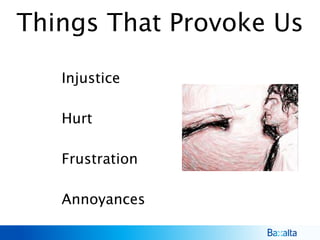
Things That Provoke Us
Injustice
Hurt
Frustration
Annoyances
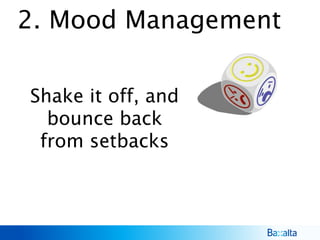
2. Mood Management
Shake it off, and
bounce back
from setbacks
3. Self Motivation
Marshaling of
feelings and
enthusiasm
Question:
What is the difference
between a plan and a dream?
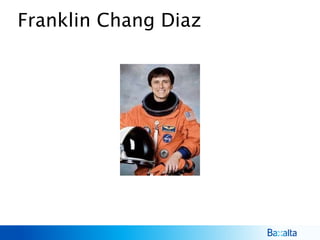
Franklin Chang Diaz
EQ’s Control Over Us
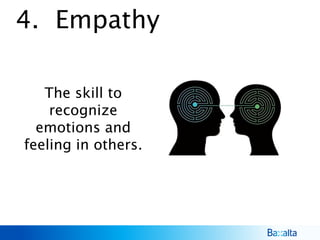
4. Empathy
The skill to
recognize
emotions and
feeling in others.
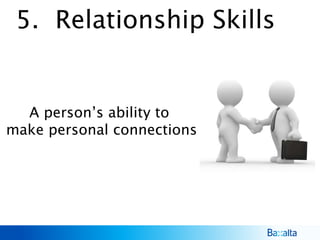
5. Relationship Skills
A person’s ability to
make personal connections
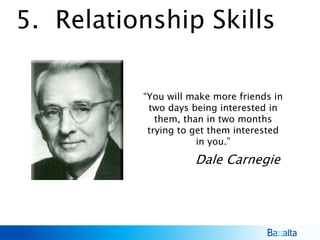
5. Relationship Skills
“You will make more friends in
two days being interested in
them, than in two months
trying to get them interested
in you.”
Dale Carnegie
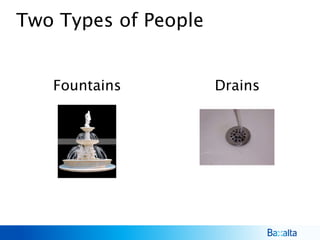
Fountains Drains
Two Types of People
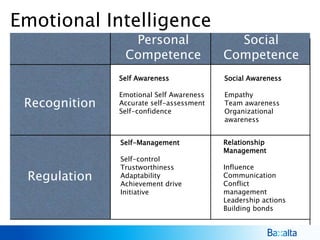
Emotional Intelligence
Personal
Competence
Social
Competence
Recognition
Regulation
Self Awareness
Emotional Self Awareness
Accurate self-assessment
Self-confidence
Self-Management
Self-control
Trustworthiness
Adaptability
Achievement drive
Initiative
Social Awareness
Empathy
Team awareness
Organizational
awareness
Relationship
Management
Influence
Communication
Conflict
management
Leadership actions
Building bonds
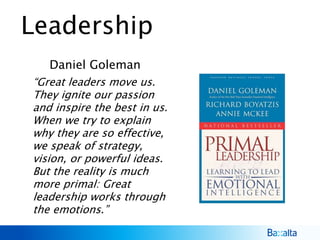
Leadership
Daniel Goleman
“Great leaders move us.
They ignite our passion
and inspire the best in us.
When we try to explain
why they are so effective,
we speak of strategy,
vision, or powerful ideas.
But the reality is much
more primal: Great
leadership works through
the emotions.”
Improving Our EQ
The Good News:
We can all improve our EQ
No matter how old we are.
Improving Our EQ
1. Self Awareness
What are you feeling?
What is causing that feeling?
Take breaks during the day to audit your
feelings.
Improving Our EQ
2. Mood Management
Use activities to release negative emotions
Prepare yourself for challenges
Find friends
Take a break during the day to manage your
mood
Improving Our EQ
3. Self Motivation
Sketch out a specific plan of action
Manage Your Time
Use the S.E.A.L.s 4 strategies
Decide on your goals, professionally & personally
Improving Our EQ
4. Empathy
Be an Empathic listener
Try seeing how long you can
listen to someone without
interrupting
Ask yourself, “What are behind those words?”
Improving Our EQ
5. Relationship Skills
Build relationships both personally &
professionally
Encourage growth of those around you
Think, what’s in it for them?
Practice connecting with other’s communication style
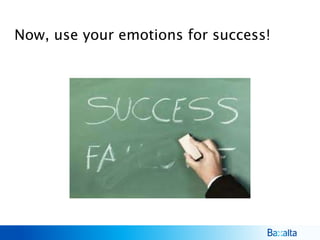
Now, use your emotions for success!

EQ: Being in Control