


L.A. County Assistant Program
Thinking in Our
Reality
Week Two
All Couples Argue
Over the Craziest Things…….
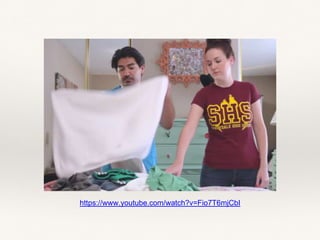
https://www.youtube.com/watch?v=Fio7T6mjCbI
Male/Female Communication
It’s Not About the Nail
https://www.youtube.com/watch?v=-4EDhdAHrOg
It’s Not About
the Nail
Chapter 3: Argumentative
Environment
Defining of Critical Thinking
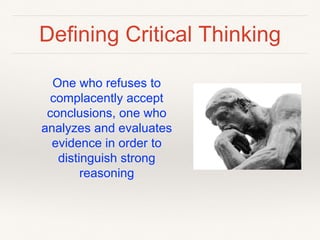
Defining Critical Thinking
One who refuses to
complacently accept
conclusions, one who
analyzes and evaluates
evidence in order to
distinguish strong
reasoning
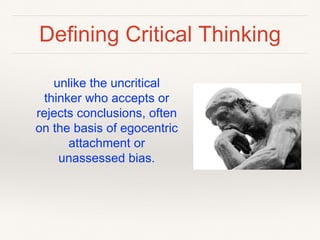
Defining Critical Thinking
unlike the uncritical
thinker who accepts or
rejects conclusions, often
on the basis of egocentric
attachment or
unassessed bias.
https://www.youtube.com/watch?v=-85-j7Nr9i4
Chapter 3: Argumentative
Environment
Defining of Critical Thinking
Critical Thinking Skills
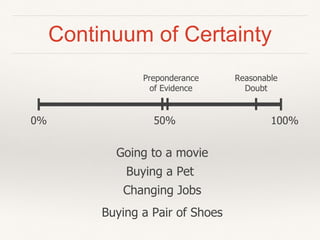
Continuum of Certainty
0% 100%50%
Reasonable
Doubt
Preponderance
of Evidence
Going to a movie
Buying a Pet
Changing Jobs
Buying a Pair of Shoes
Chapter 3: Argumentative
Environment
Definitions of Critical Thinking
Rhetorical Model of Argumentation
Critical Thinking Skills
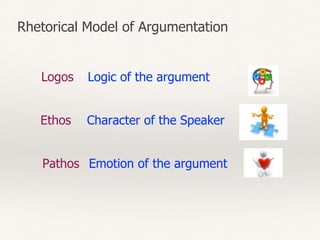
Rhetorical Model of Argumentation
Logos Logic of the argument
Ethos Character of the Speaker
Pathos Emotion of the argument
Chapter 4 Foundations of
Knowledge
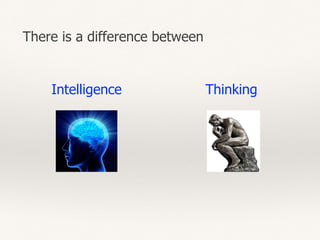
There is a difference between
ThinkingIntelligence
Types of Thinking
Horizontal Thinking
Vertical Thinking
(Lateral Thinking)
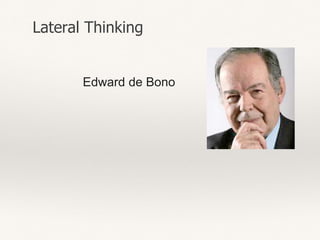
Edward de Bono
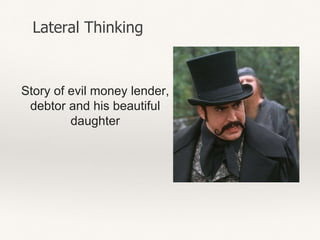
Lateral Thinking
Story of evil money lender,
debtor and his beautiful
daughter
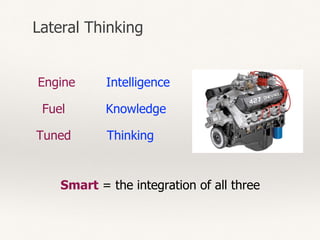
Lateral Thinking
Engine
Fuel
Tuned
Intelligence
Knowledge
Thinking
Smart = the integration of all three
Lateral Thinking
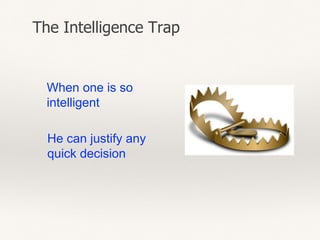
The Intelligence Trap
When one is so
intelligent
He can justify any
quick decision
Types of Thinking
Horizontal Thinking
Vertical Thinking
Emotional Intelligence
Chapter 5 Decision Making
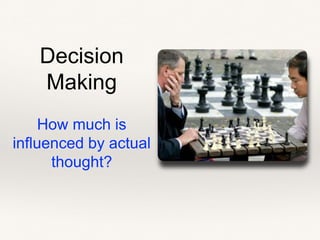
Decision
Making
How much is
influenced by actual
thought?
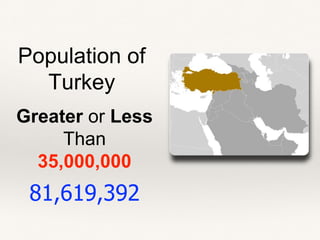
Population of
Turkey
Greater or Less
Than
35,000,000
81,619,392
Two Types of Decisions
Voluntary Decision Making
Involuntary Decision Making
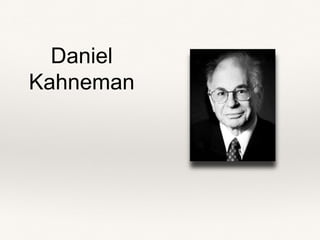
Daniel
Kahneman
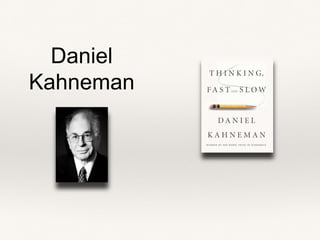
Daniel
Kahneman
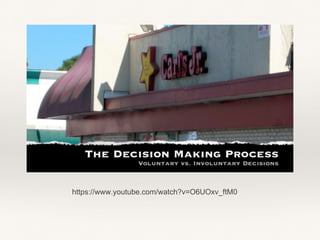
https://www.youtube.com/watch?v=O6UOxv_ftM0
Amos Tversky
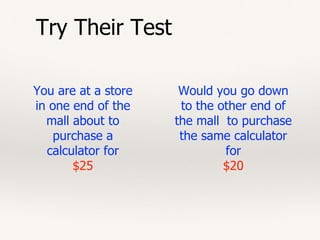
Try Their Test
You are at a store
in one end of the
mall about to
purchase a
calculator for
$25
Would you go down
to the other end of
the mall to purchase
the same calculator
for
$20
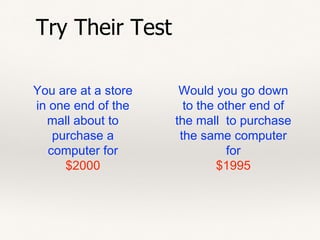
You are at a store
in one end of the
mall about to
purchase a
computer for
$2000
Would you go down
to the other end of
the mall to purchase
the same computer
for
$1995
Try Their Test
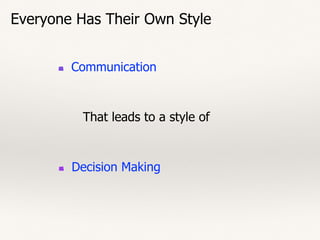
Everyone Has Their Own Style
Communication
That leads to a style of
Decision Making
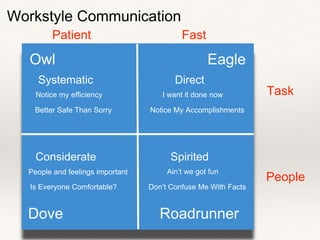
Workstyle Communication
Eagle
Roadrunner
Owl
Dove
Patient Fast
Task
People
Systematic
Better Safe Than Sorry
Notice my efficiency
Direct
Notice My Accomplishments
I want it done now
Considerate
Is Everyone Comfortable?
People and feelings important
Spirited
Don’t Confuse Me With Facts
Ain’t we got fun
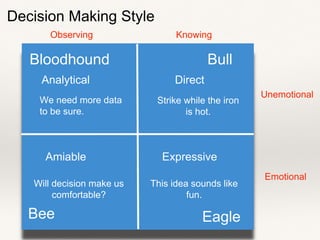
Decision Making Style
Bull
Eagle
Bloodhound
Bee
Observing Knowing
Unemotional
Emotional
Analytical Direct
Amiable Expressive
We need more data
to be sure.
Strike while the iron
is hot.
This idea sounds like
fun.
Will decision make us
comfortable?
How We Decide
https://www.youtube.com/watch?v=N2iJF2I94pg
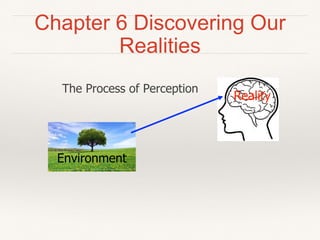
Chapter 6 Discovering Our
Realities
Environment
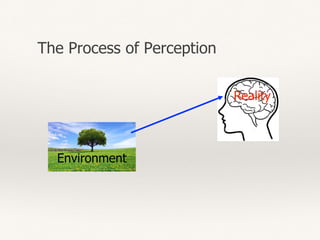
Reality
The Process of Perception
https://www.youtube.com/watch?v=v3iPrBrGSJM
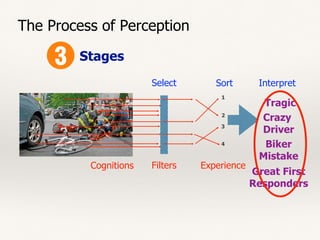
SortSelect Interpret
The Process of Perception
Stages
Cognitions Filters
1
2
3
4
Tragic
Crazy
Driver
Biker
Mistake
Great First
Responders
Experience
Environment
Reality
The Process of Perception
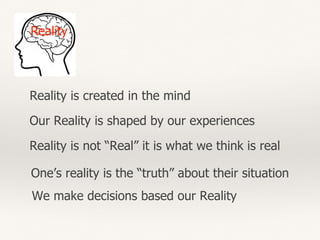
Reality
Reality is created in the mind
Reality is not “Real” it is what we think is real
One’s reality is the “truth” about their situation
Our Reality is shaped by our experiences
We make decisions based our Reality
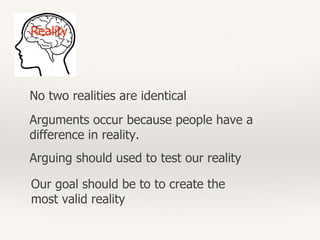
Reality
No two realities are identical
Arguing should used to test our reality
Our goal should be to to create the
most valid reality
Arguments occur because people have a
difference in reality.
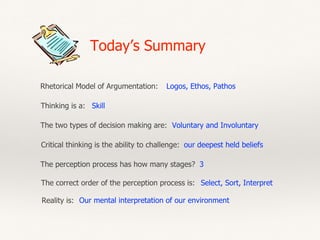
Today’s Summary
Rhetorical Model of Argumentation:
Thinking is a: Skill
Logos, Ethos, Pathos
The two types of decision making are: Voluntary and Involuntary
Critical thinking is the ability to challenge: our deepest held beliefs
The perception process has how many stages? 3
The correct order of the perception process is: Select, Sort, Interpret
Reality is: Our mental interpretation of our environment
Week 2: Thinking in our Reality

Week 2: Thinking in our Reality