BY
ARUN.M
GENERAL PRINCIPLES
A. Clearly defined objective which is
understood by all the participants.
B. Leader to guide and coordinate
proceeding.
C. The main points in the discussion
should be recorded.
D. Everyone should feel free to
participate.
E. Shy persons should be
encourages to contribute.
F. All points of view should be
fairly considered.
G. Discussion should keep to the point.
H. Properly closed with a report,
decision, recommendation or summing
up of the matter discussed.
I. The members of the group should
come to the conclusion with a basic
knowledge of the topic to be discussed.
DISCUSSION TECHNIQUES
 PROPER PLANNING
PREPARING STUDENTS FOR DISCUSSION
DISCUSSION GUIDING TECHNIQUES
DISCUSSION GUIDING TECHNIQUES
•Open the discussion session with a
keynote address.
•Ensuring participation of all students
is very important.
•Make sure that opinions or viewpoints
are between the group members
•Group leaders have to summarize
the viewpoints
•Discussion ends with a concluding
note
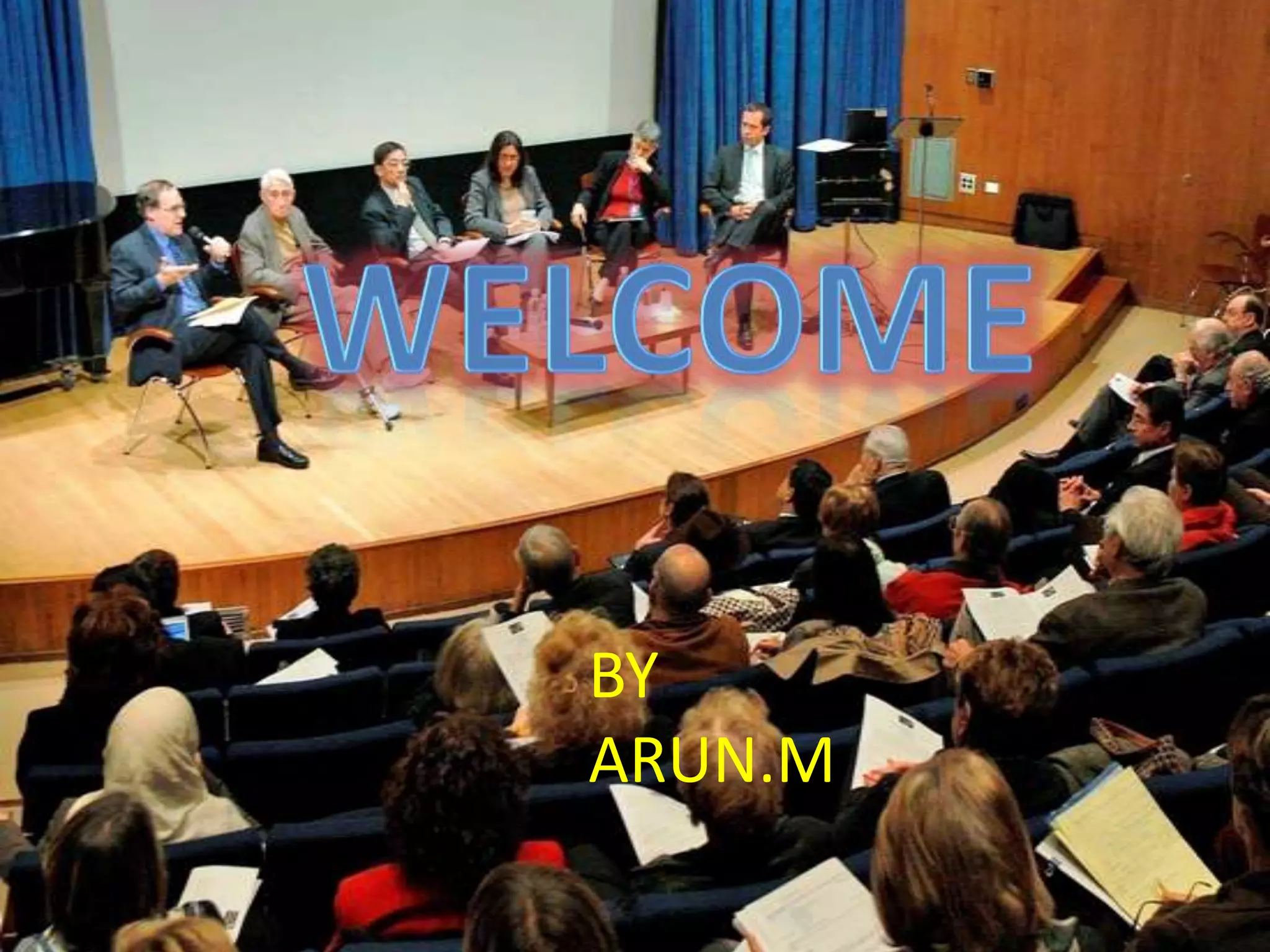
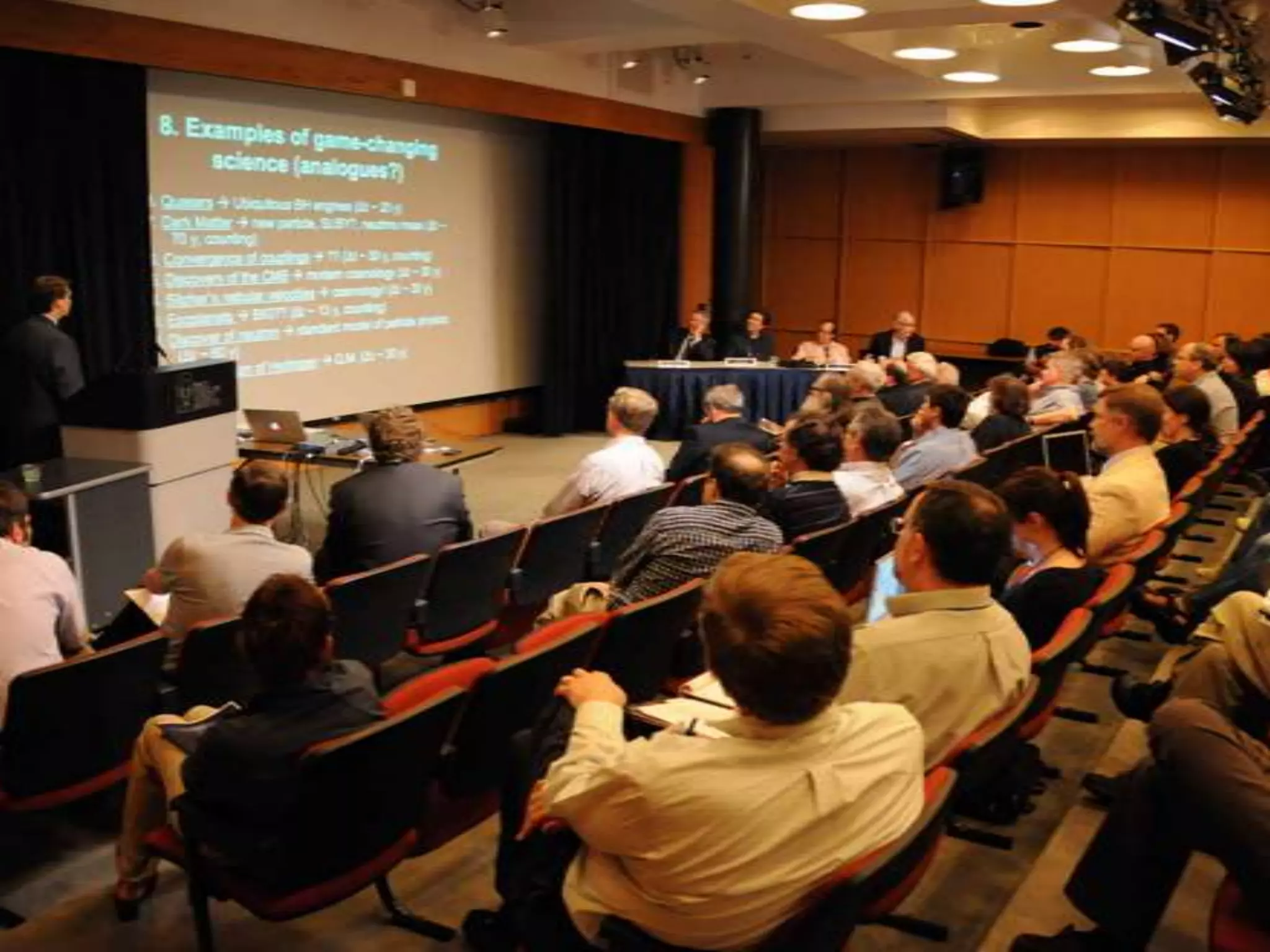
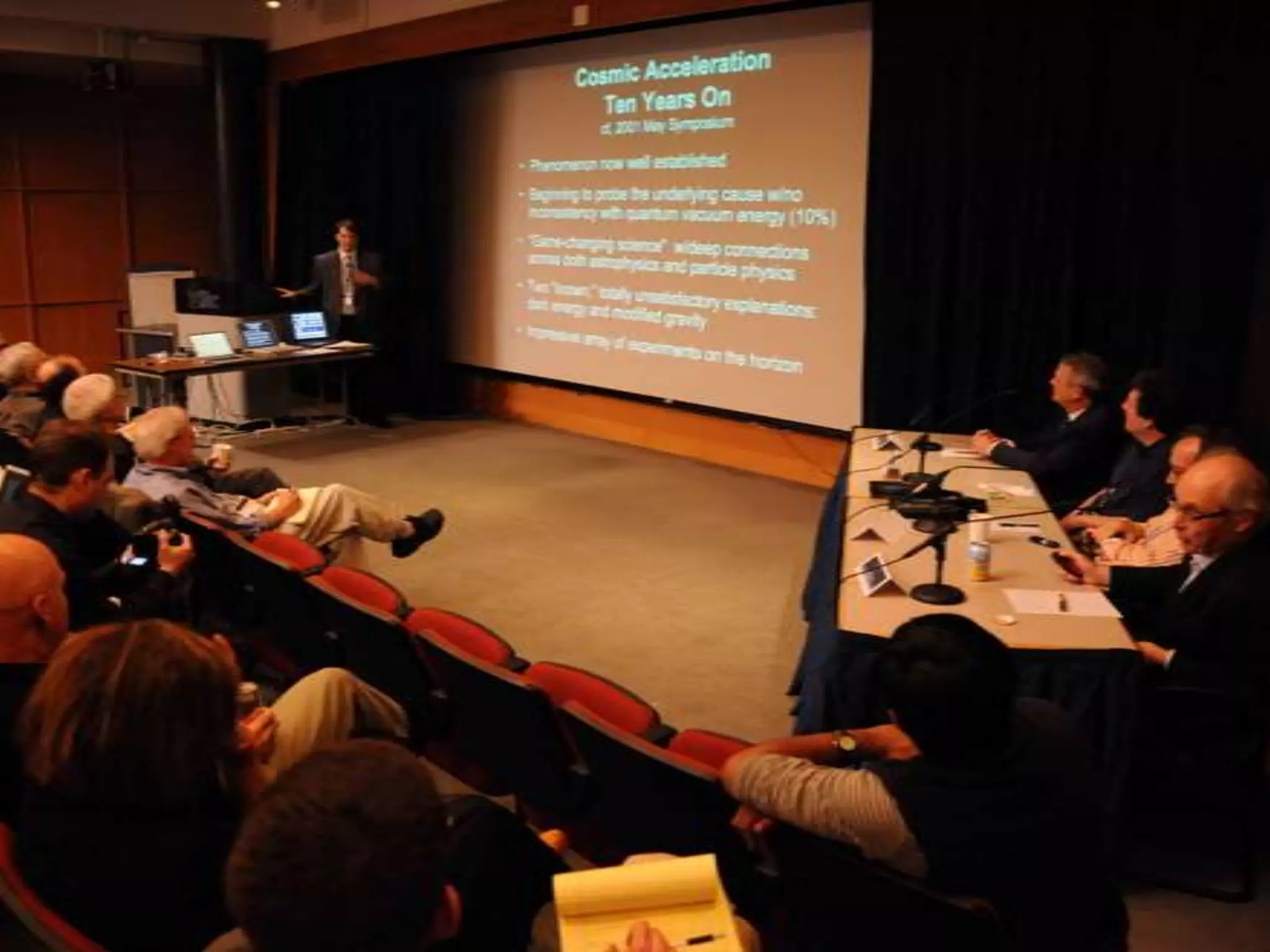
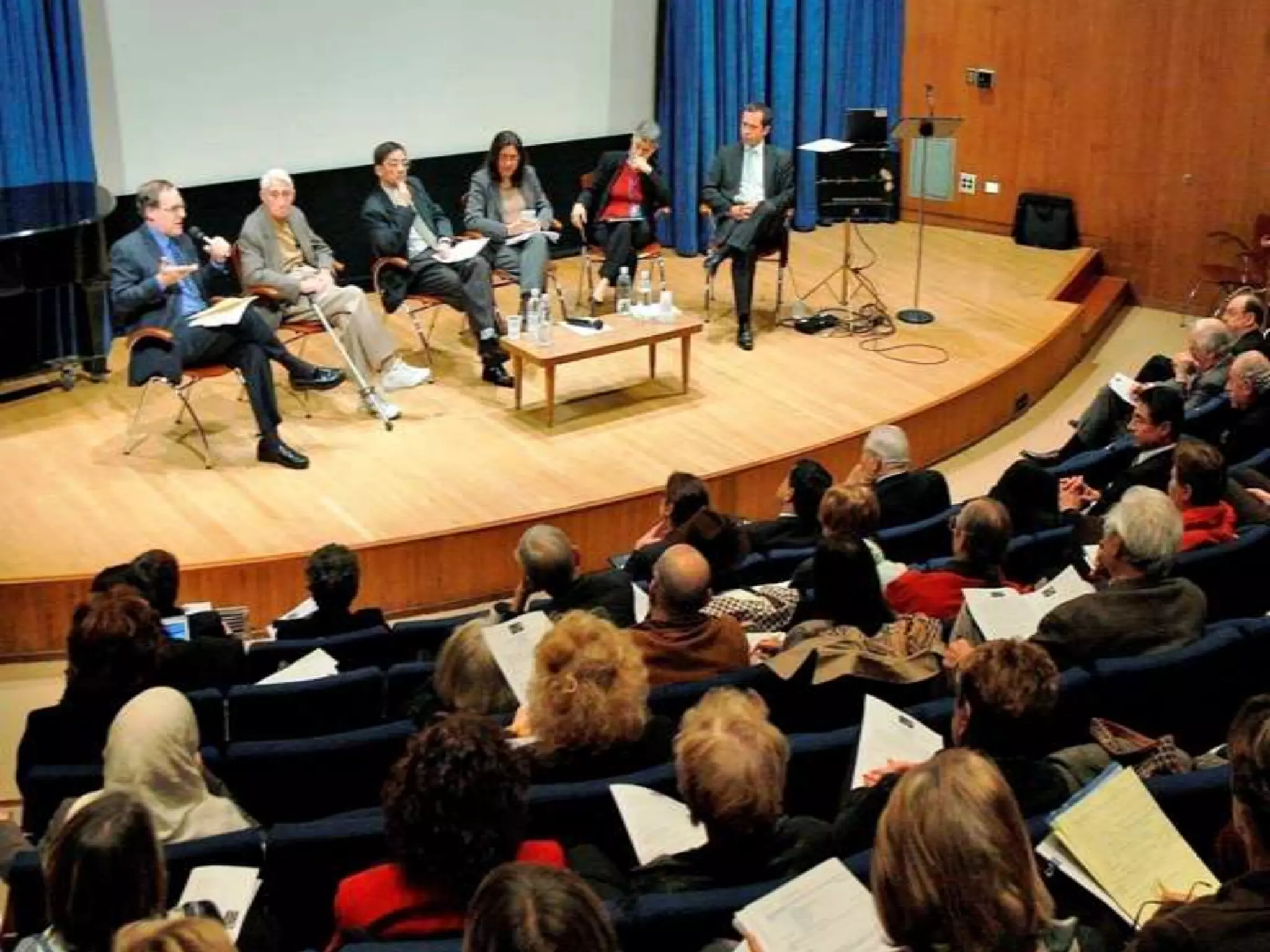
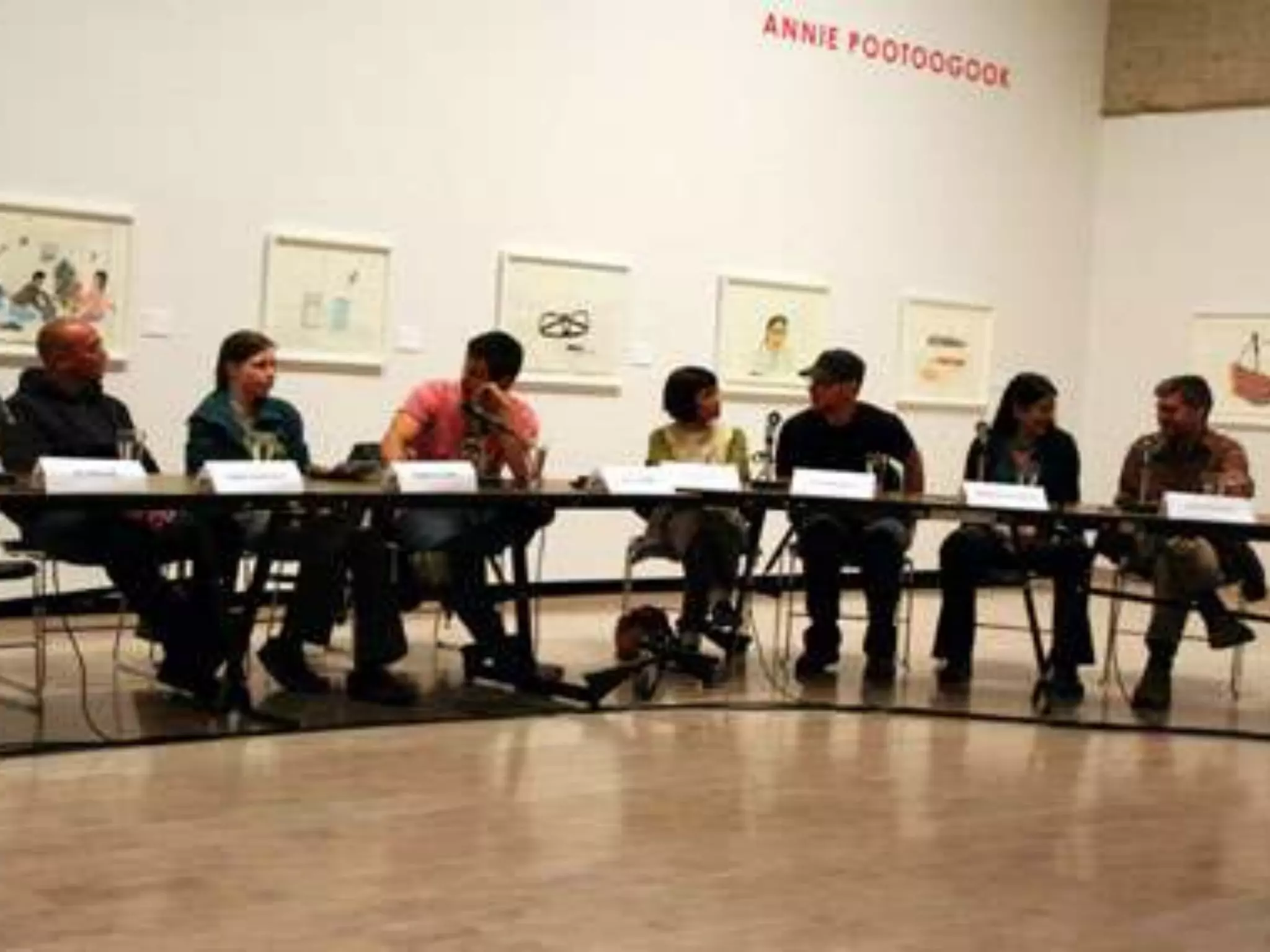
A panel discussion is a situation
in which a group of people are
gathered together to discuss an
issue, often to provide feedback
or to discuss an issue of public
concern in front of an audience.
INSTRUCTOR:
•Plays most important role in panel
discussion
•Plans how, where, when panel
discussion will be organized
•Prepares the schedule for panel
discussion
•Sometimes rehearsal is also planned
MODERATOR:
•Discussion on the theme and
encourages interaction
•Summarizes and highlights the
points
•Should have mastery on the
theme or problem.
PANELISTS:
•There are 4- 8 panelists
•Members sits in a semi- circle
shape
•The moderator sits in the
middle
•Mastery of the subject matter.
AUDIENCE
•Audience are allowed to put
question
•Seek clarification
•Present their point of view
and their experiences
ORGANISING PANEL METHODS
•Rehearsal before actual discussion
•Equal distance
•Quick thinkers and facile talkers
•Knowing the limits of topic
•Moderator should be selected carefully
•Audience will have the opportunity
•Equal opportunity to express their views
Discussion and pannel discussion

Discussion and pannel discussion

  • 1.
  • 9.
    GENERAL PRINCIPLES A. Clearlydefined objective which is understood by all the participants. B. Leader to guide and coordinate proceeding. C. The main points in the discussion should be recorded.
  • 10.
    D. Everyone shouldfeel free to participate. E. Shy persons should be encourages to contribute. F. All points of view should be fairly considered.
  • 11.
    G. Discussion shouldkeep to the point. H. Properly closed with a report, decision, recommendation or summing up of the matter discussed. I. The members of the group should come to the conclusion with a basic knowledge of the topic to be discussed.
  • 13.
    DISCUSSION TECHNIQUES  PROPERPLANNING PREPARING STUDENTS FOR DISCUSSION DISCUSSION GUIDING TECHNIQUES
  • 15.
    DISCUSSION GUIDING TECHNIQUES •Openthe discussion session with a keynote address. •Ensuring participation of all students is very important. •Make sure that opinions or viewpoints are between the group members
  • 16.
    •Group leaders haveto summarize the viewpoints •Discussion ends with a concluding note
  • 18.
    A panel discussionis a situation in which a group of people are gathered together to discuss an issue, often to provide feedback or to discuss an issue of public concern in front of an audience.
  • 20.
    INSTRUCTOR: •Plays most importantrole in panel discussion •Plans how, where, when panel discussion will be organized •Prepares the schedule for panel discussion •Sometimes rehearsal is also planned
  • 21.
    MODERATOR: •Discussion on thetheme and encourages interaction •Summarizes and highlights the points •Should have mastery on the theme or problem.
  • 22.
    PANELISTS: •There are 4-8 panelists •Members sits in a semi- circle shape •The moderator sits in the middle •Mastery of the subject matter.
  • 23.
    AUDIENCE •Audience are allowedto put question •Seek clarification •Present their point of view and their experiences
  • 24.
    ORGANISING PANEL METHODS •Rehearsalbefore actual discussion •Equal distance •Quick thinkers and facile talkers •Knowing the limits of topic
  • 25.
    •Moderator should beselected carefully •Audience will have the opportunity •Equal opportunity to express their views