Conjunctivitis
Definition
• Conjunctivitis is an inflammation or infection of the
transparent membrane (conjunctiva) that lines the
eyelid and covers the white part of the eyeball.
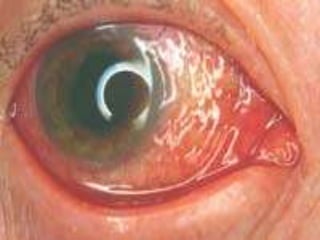
• When small blood vessels in the conjunctiva become
inflamed, they're more visible. This is what causes the
white of the eyes to appear reddish or pink.
• Also known as “pink eye”
Risk factors
• Exposure to something for which the person have an
allergy (allergic conjunctivitis)
• Exposure to someone infected with the viral or
bacterial form of conjunctivitis
• Using contact lenses
Causes
• Viruses
• Bacteria
• Allergies
• A chemical splash in the eye
• A foreign object in the eye
• In newborns, a blocked tear duct
TYPESViral and bacterial conjunctivitis
• Viral conjunctivitis and bacterial conjunctivitis may affect one or both
eyes.
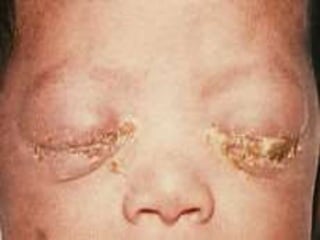
• Viral conjunctivitis usually produces a watery discharge. Bacterial
conjunctivitis often produces a thicker, yellow-green discharge.
• Both viral and bacterial conjunctivitis can be associated with colds or
with symptoms of a respiratory infection, such as a sore throat.
• Both viral and bacterial types are very contagious. They are spread
through direct or indirect contact with the eye secretions of someone
who's infected.
• Adults and children alike can develop both of these types of pink eye.
However, bacterial conjunctivitis is more common in children than it
is in adults.
Allergic conjunctivitis
• Allergic conjunctivitis affects both eyes and is a
response to an allergy-causing substance such as
pollen. In response to allergens, the body produces
an antibody called immunoglobulin E (IgE).
• Most allergic conjunctivitis can be controlled with
allergy eyedrops.
Conjunctivitis resulting from irritation
• Irritation from a chemical splash or foreign object in the
eye is also associated with conjunctivitis.
• Sometimes flushing and cleaning the eye is done to get rid
of the chemical or object causing redness and irritation.
Pathophysiology
Microbes enter the eye on contact with infected objects
Inflammation of the eye
Dilation of blood vessels of eye
Swelling, redness, exudates and discharge
Symptoms
• Pain
• Redness in one or both eyes
(hyperemia)
• Itchiness in one or both eyes
• A discharge in one or both eyes
that forms a crust during the
night that may prevent your eye
or eyes from opening in the
morning i.e. exudation
• Tearing
• Photophobia
• Dropping of upper eye lid
• Periorbital cellulitis
• Fever
• Sore throat
• Runny nose
• A gritty feeling in one or
both eyes
Tests and diagnosis
• To determine whether the patient have pink eye, the
doctor will examine the eyes.
• The doctor may also take a sample of eye secretions
from the conjunctiva for laboratory analysis if the
patient have a very severe case of conjunctivitis, if the
corneas are affected or if the person've had repeated
infections that aren't responding to treatment.
Treatments and drugs
Treatment for bacterial conjunctivitis
• If the infection is bacterial, the doctor may prescribe antibiotic eyedrops as pink eye
treatment, and the infection should go away within several days.
• Antibiotic eye ointment, in place of eyedrops, is sometimes prescribed for treating
bacterial pink eye in children.
• An ointment is often easier to administer to an infant or young child than are eyedrops,
though the ointment may blur vision for up to 20 minutes after application.
• With either form of medication, expect signs and symptoms to start getting better in a few
days.
• Follow the doctor's instructions and use the antibiotics for the complete period prescribed
to prevent recurrence of the infection.
Treatment for viral conjunctivitis
• There is no treatment for most cases of viral conjunctivitis.
Instead, the virus needs time to run its course — up to two or
three weeks. Viral conjunctivitis often begins in one eye and
then infects the other eye within a few days. The signs and
symptoms should gradually clear on their own.
• Antiviral medications may be an option if the doctor
determines that the viral conjunctivitis is caused by the
herpes simplex virus.
Treatment for allergic conjunctivitis
• If the irritation is allergic conjunctivitis, the doctor may prescribe
one of many different types of eye drops for people with allergies.
• These may include medications that help control allergic reactions,
such as antihistamines or drugs that help control inflammation,
such as steroids and anti-inflammatory drops.
• The patient may also reduce the severity of allergic conjunctivitis
symptoms by avoiding whatever causes the allergies when
possible.
Lifestyle and home remedies
• Apply a compress to the eyes.
• Try eye drops.
• Stop wearing contact lenses.
• Reduce exposure to light.
• Prevent rubbing of the eye.
• Clean the eye using sterile water and cotton swabs, from inner
canthus to outer canthus
• Use of dark sunglasses is advised, in presence of photophobia.
Prevention
• Preventing the spread of pink eye
• Practice good hygiene to control the spread of pink eye. For instance:
• Don't touch your eyes with your hands.
• Wash your hands often.
• Use a clean towel and washcloth daily.
• Don't share towels or washcloths.
• Change your pillowcases often.
• Don’t use eye cosmetics, such as mascara.
• Don't share eye cosmetics or personal eye care items.
• Although pink eye symptoms may resolve in three or four days, children with viral
conjunctivitis may be contagious for a week or more. Children may return to school when
they no longer experience tearing and redness of eyes.
• If the child has bacterial conjunctivitis, keep him or her
away from school until after treatment is started.
Preventing pink eye in newborns
• Newborns' eyes are susceptible to bacteria normally
present in the mother's birth canal. These bacteria
cause no symptoms in the mother. In rare cases, these
bacteria can cause infants to develop a serious form of
conjunctivitis known as ophthalmia neonatorum, which
needs treatment without delay to preserve sight. That's
why shortly after birth, an antibiotic ointment is
applied to every newborn's eyes. The ointment helps
prevent eye infection.
Family teaching
• Prevent transmission of infection.
• Use of good hand washing after touching the eye.
• Use separate towel, sheet and pillow case foe infected child.
• Do not allow the medicine dropper to touch the child’s eyes
during medication instillation.
• Discard old contact lenses and use new ones after infection
has resolved.

Conjuctivitis

  • 3.
  • 4.
    Definition • Conjunctivitis isan inflammation or infection of the transparent membrane (conjunctiva) that lines the eyelid and covers the white part of the eyeball. • When small blood vessels in the conjunctiva become inflamed, they're more visible. This is what causes the white of the eyes to appear reddish or pink. • Also known as “pink eye”
  • 5.
    Risk factors • Exposureto something for which the person have an allergy (allergic conjunctivitis) • Exposure to someone infected with the viral or bacterial form of conjunctivitis • Using contact lenses
  • 6.
    Causes • Viruses • Bacteria •Allergies • A chemical splash in the eye • A foreign object in the eye • In newborns, a blocked tear duct
  • 7.
    TYPESViral and bacterialconjunctivitis • Viral conjunctivitis and bacterial conjunctivitis may affect one or both eyes. • Viral conjunctivitis usually produces a watery discharge. Bacterial conjunctivitis often produces a thicker, yellow-green discharge. • Both viral and bacterial conjunctivitis can be associated with colds or with symptoms of a respiratory infection, such as a sore throat. • Both viral and bacterial types are very contagious. They are spread through direct or indirect contact with the eye secretions of someone who's infected. • Adults and children alike can develop both of these types of pink eye. However, bacterial conjunctivitis is more common in children than it is in adults.
  • 8.
    Allergic conjunctivitis • Allergicconjunctivitis affects both eyes and is a response to an allergy-causing substance such as pollen. In response to allergens, the body produces an antibody called immunoglobulin E (IgE). • Most allergic conjunctivitis can be controlled with allergy eyedrops.
  • 9.
    Conjunctivitis resulting fromirritation • Irritation from a chemical splash or foreign object in the eye is also associated with conjunctivitis. • Sometimes flushing and cleaning the eye is done to get rid of the chemical or object causing redness and irritation.
  • 10.
    Pathophysiology Microbes enter theeye on contact with infected objects Inflammation of the eye Dilation of blood vessels of eye Swelling, redness, exudates and discharge
  • 11.
    Symptoms • Pain • Rednessin one or both eyes (hyperemia) • Itchiness in one or both eyes • A discharge in one or both eyes that forms a crust during the night that may prevent your eye or eyes from opening in the morning i.e. exudation • Tearing • Photophobia • Dropping of upper eye lid • Periorbital cellulitis • Fever • Sore throat • Runny nose • A gritty feeling in one or both eyes
  • 12.
    Tests and diagnosis •To determine whether the patient have pink eye, the doctor will examine the eyes. • The doctor may also take a sample of eye secretions from the conjunctiva for laboratory analysis if the patient have a very severe case of conjunctivitis, if the corneas are affected or if the person've had repeated infections that aren't responding to treatment.
  • 13.
    Treatments and drugs Treatmentfor bacterial conjunctivitis • If the infection is bacterial, the doctor may prescribe antibiotic eyedrops as pink eye treatment, and the infection should go away within several days. • Antibiotic eye ointment, in place of eyedrops, is sometimes prescribed for treating bacterial pink eye in children. • An ointment is often easier to administer to an infant or young child than are eyedrops, though the ointment may blur vision for up to 20 minutes after application. • With either form of medication, expect signs and symptoms to start getting better in a few days. • Follow the doctor's instructions and use the antibiotics for the complete period prescribed to prevent recurrence of the infection.
  • 14.
    Treatment for viralconjunctivitis • There is no treatment for most cases of viral conjunctivitis. Instead, the virus needs time to run its course — up to two or three weeks. Viral conjunctivitis often begins in one eye and then infects the other eye within a few days. The signs and symptoms should gradually clear on their own. • Antiviral medications may be an option if the doctor determines that the viral conjunctivitis is caused by the herpes simplex virus.
  • 15.
    Treatment for allergicconjunctivitis • If the irritation is allergic conjunctivitis, the doctor may prescribe one of many different types of eye drops for people with allergies. • These may include medications that help control allergic reactions, such as antihistamines or drugs that help control inflammation, such as steroids and anti-inflammatory drops. • The patient may also reduce the severity of allergic conjunctivitis symptoms by avoiding whatever causes the allergies when possible.
  • 16.
    Lifestyle and homeremedies • Apply a compress to the eyes. • Try eye drops. • Stop wearing contact lenses. • Reduce exposure to light. • Prevent rubbing of the eye. • Clean the eye using sterile water and cotton swabs, from inner canthus to outer canthus • Use of dark sunglasses is advised, in presence of photophobia.
  • 17.
    Prevention • Preventing thespread of pink eye • Practice good hygiene to control the spread of pink eye. For instance: • Don't touch your eyes with your hands. • Wash your hands often. • Use a clean towel and washcloth daily. • Don't share towels or washcloths. • Change your pillowcases often. • Don’t use eye cosmetics, such as mascara. • Don't share eye cosmetics or personal eye care items. • Although pink eye symptoms may resolve in three or four days, children with viral conjunctivitis may be contagious for a week or more. Children may return to school when they no longer experience tearing and redness of eyes.
  • 18.
    • If thechild has bacterial conjunctivitis, keep him or her away from school until after treatment is started. Preventing pink eye in newborns • Newborns' eyes are susceptible to bacteria normally present in the mother's birth canal. These bacteria cause no symptoms in the mother. In rare cases, these bacteria can cause infants to develop a serious form of conjunctivitis known as ophthalmia neonatorum, which needs treatment without delay to preserve sight. That's why shortly after birth, an antibiotic ointment is applied to every newborn's eyes. The ointment helps prevent eye infection.
  • 19.
    Family teaching • Preventtransmission of infection. • Use of good hand washing after touching the eye. • Use separate towel, sheet and pillow case foe infected child. • Do not allow the medicine dropper to touch the child’s eyes during medication instillation. • Discard old contact lenses and use new ones after infection has resolved.