Downloaded 239 times

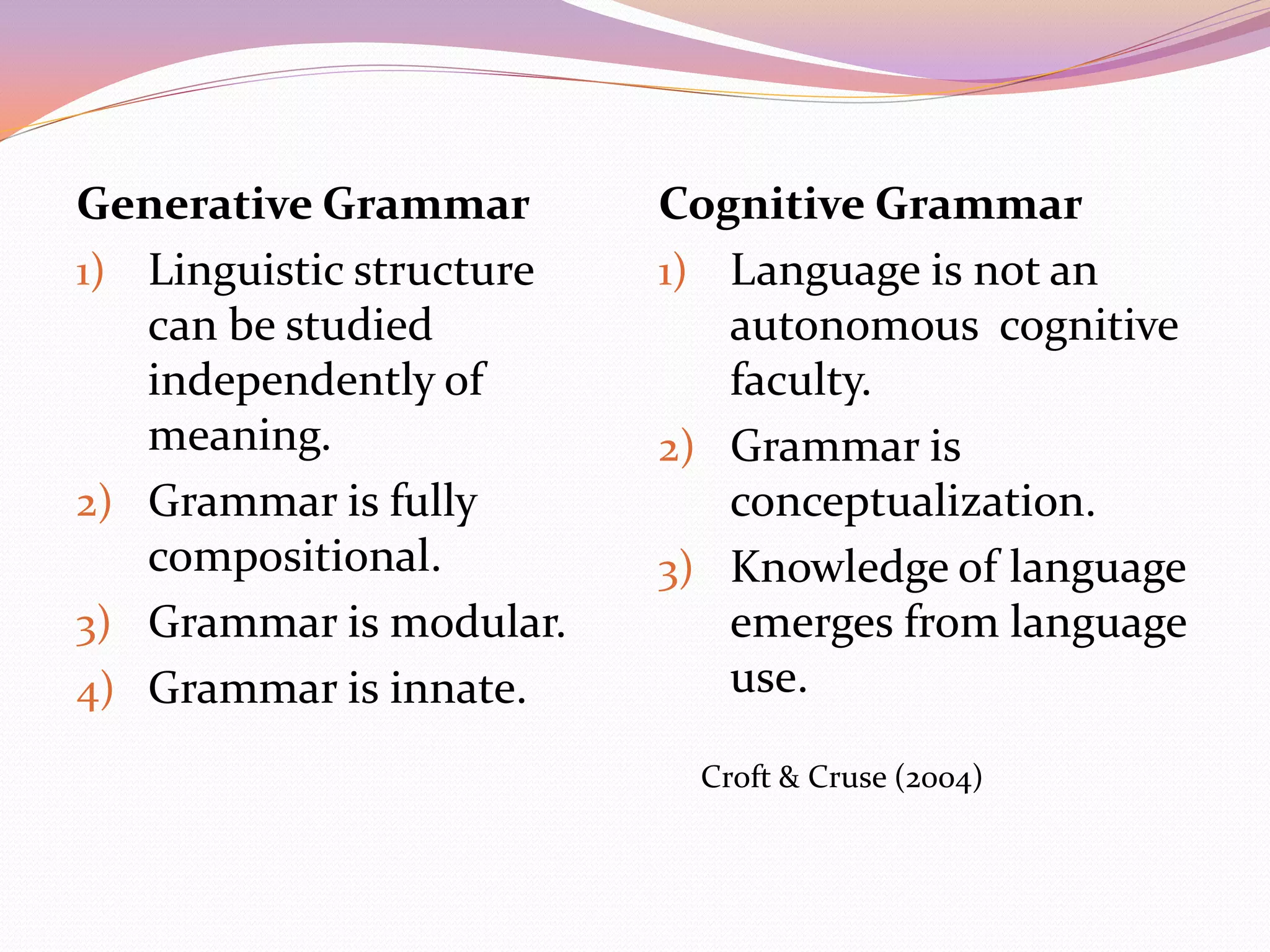
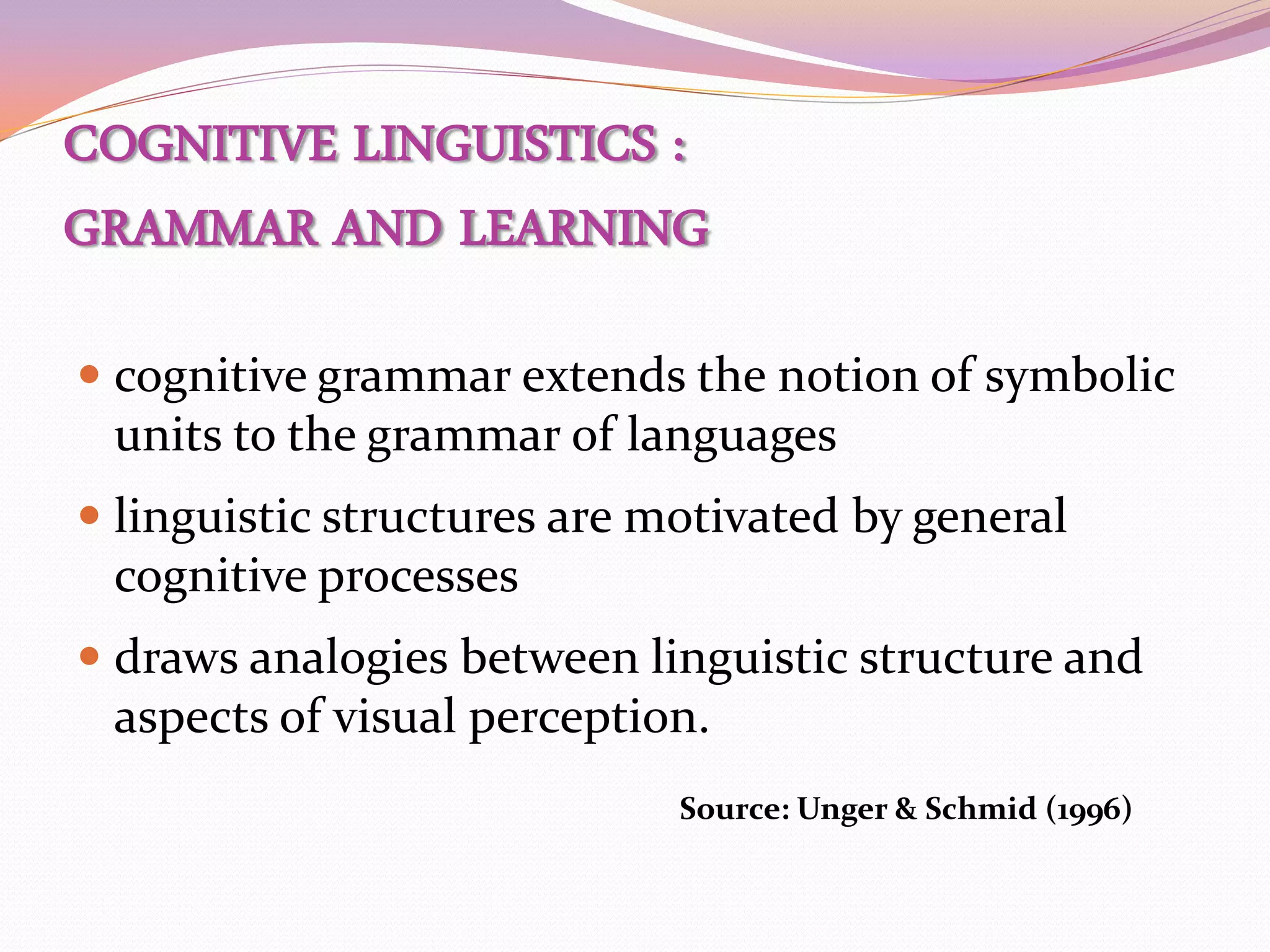
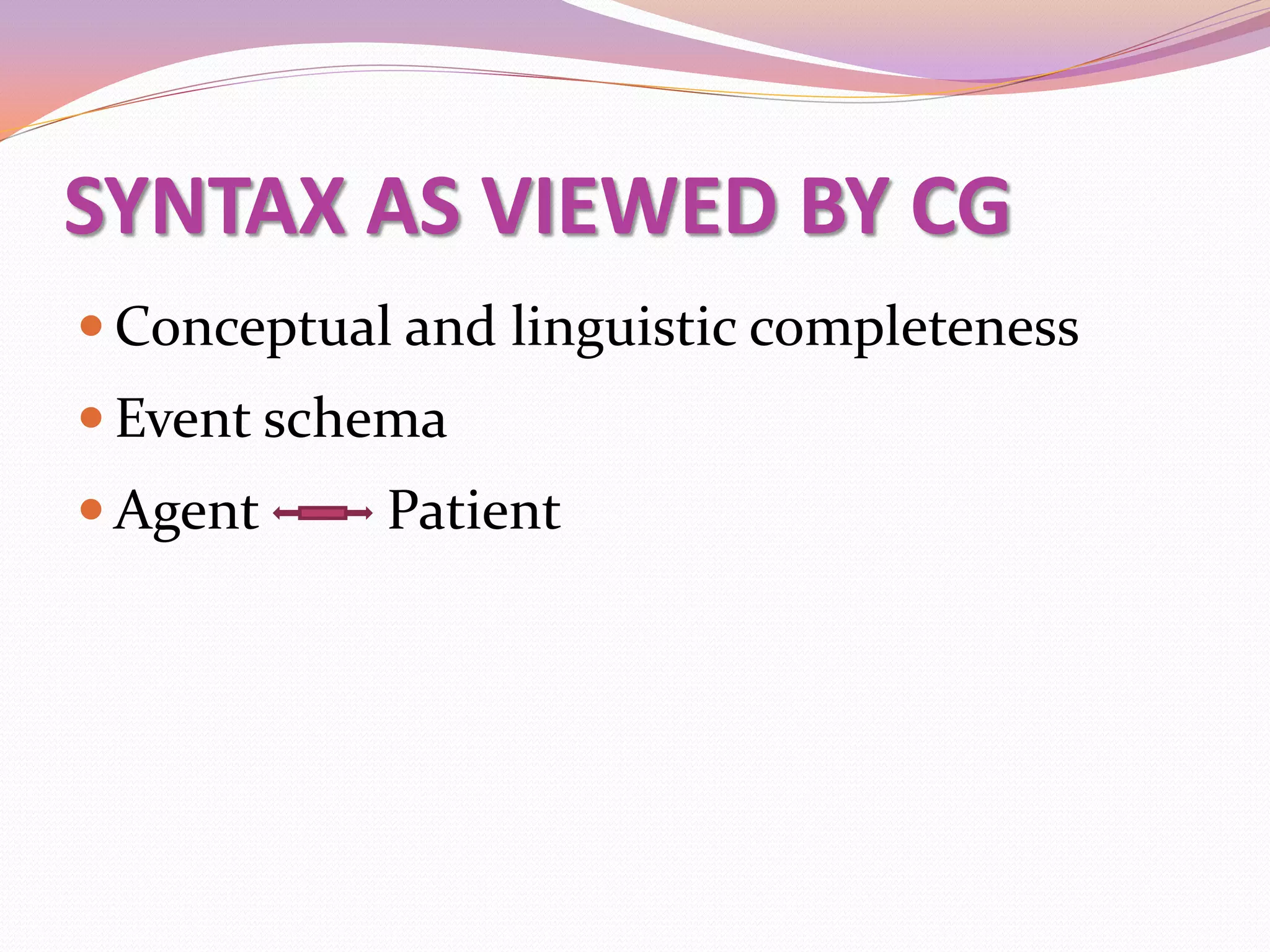
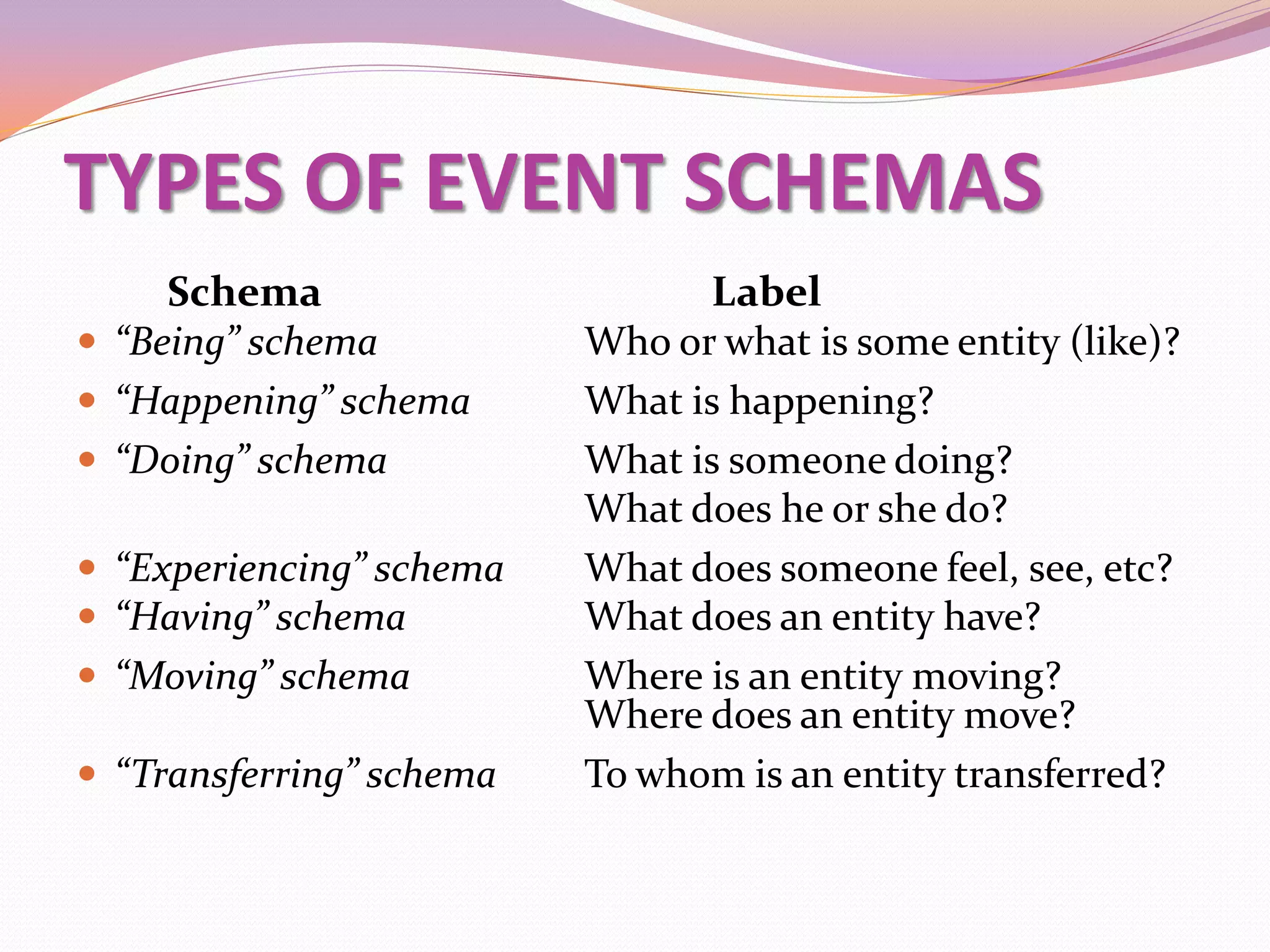
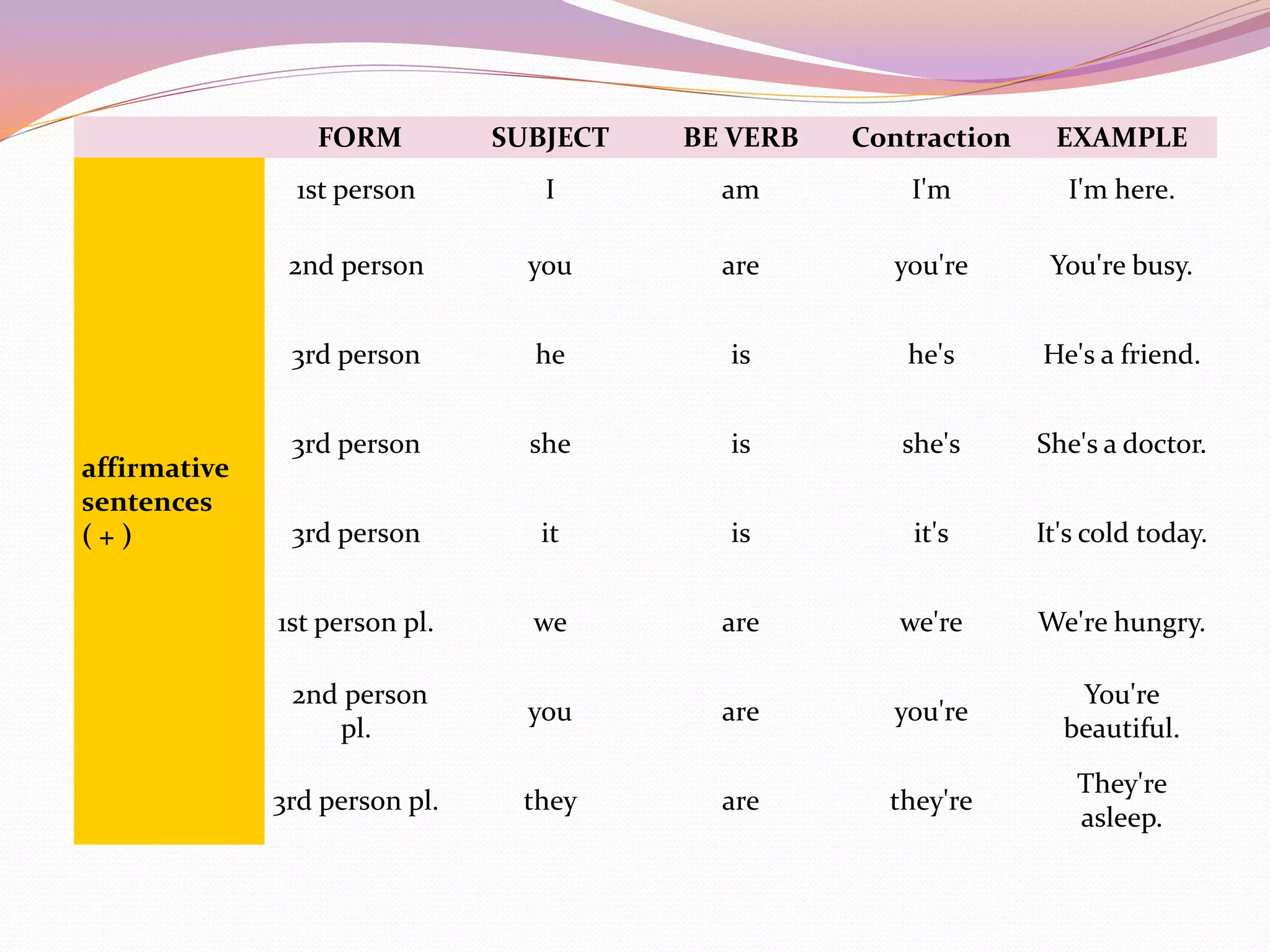
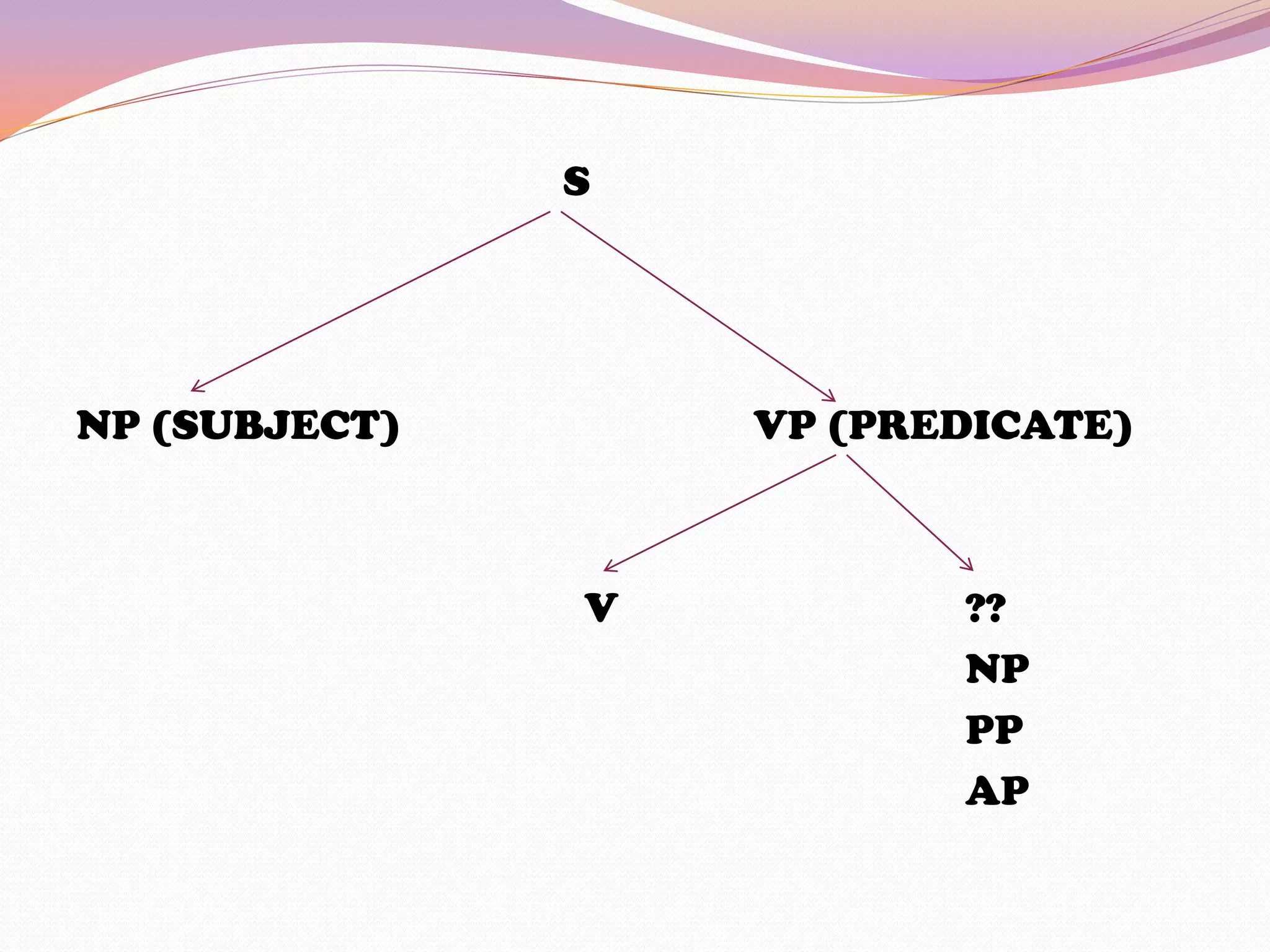
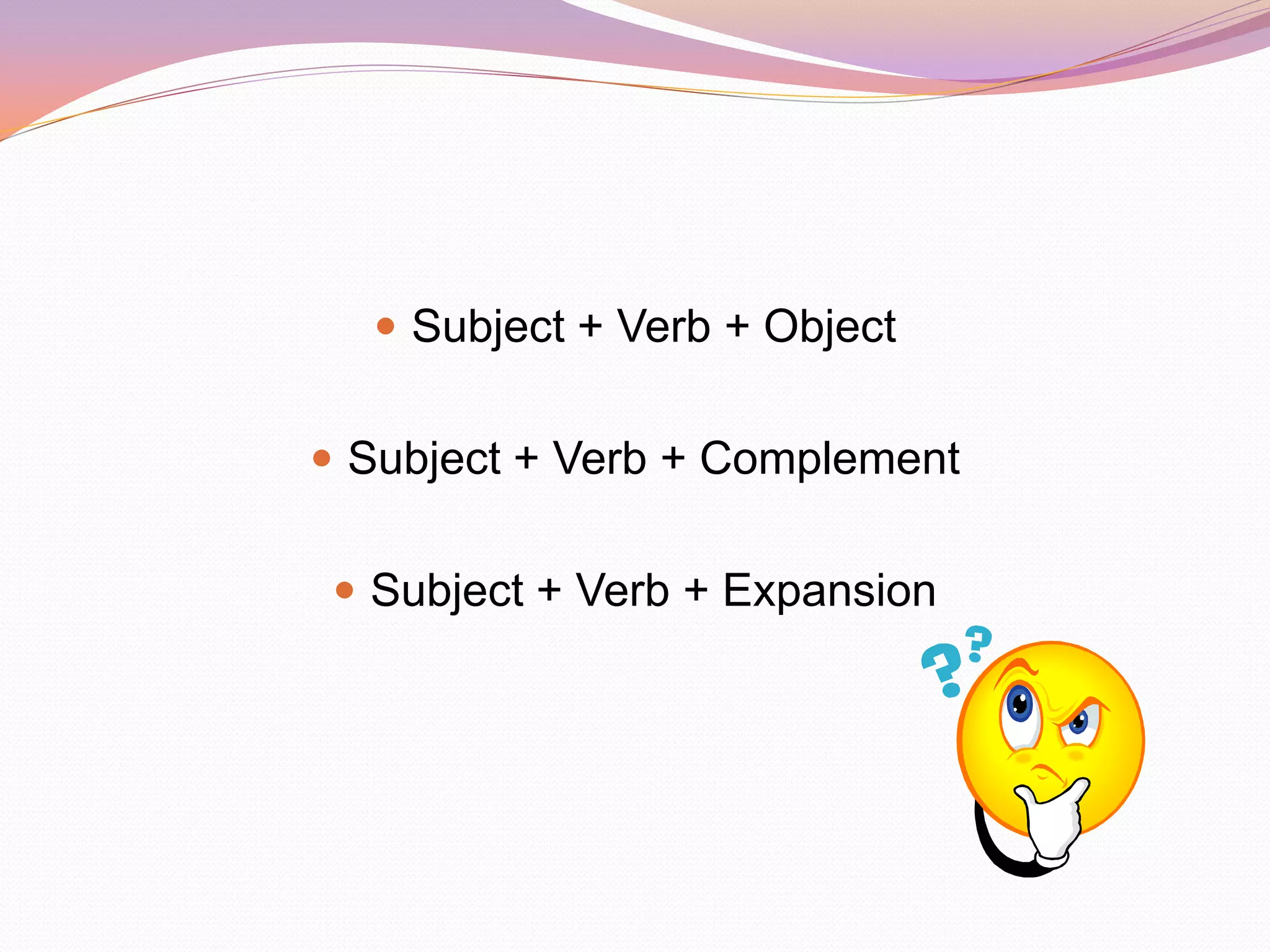

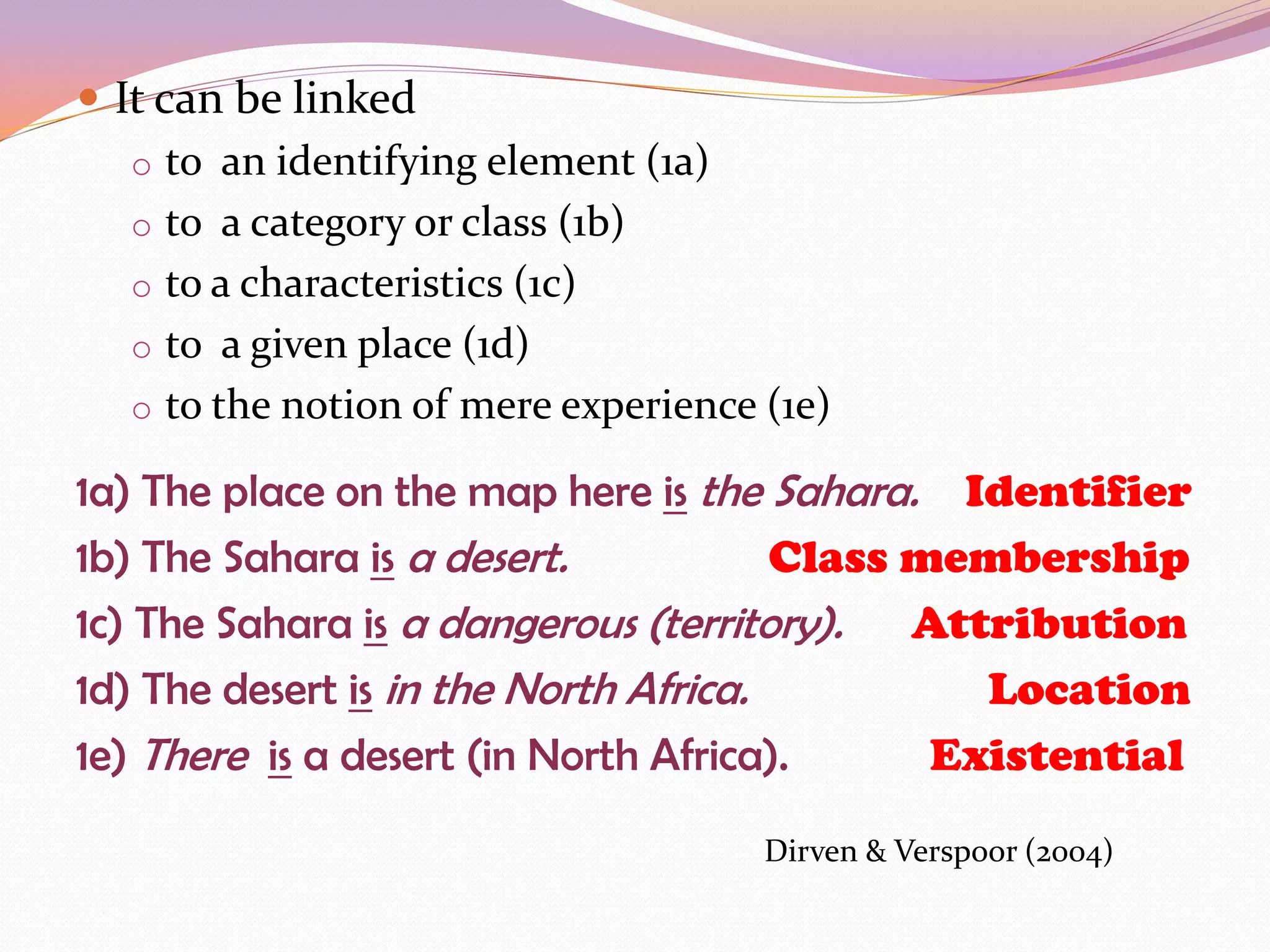

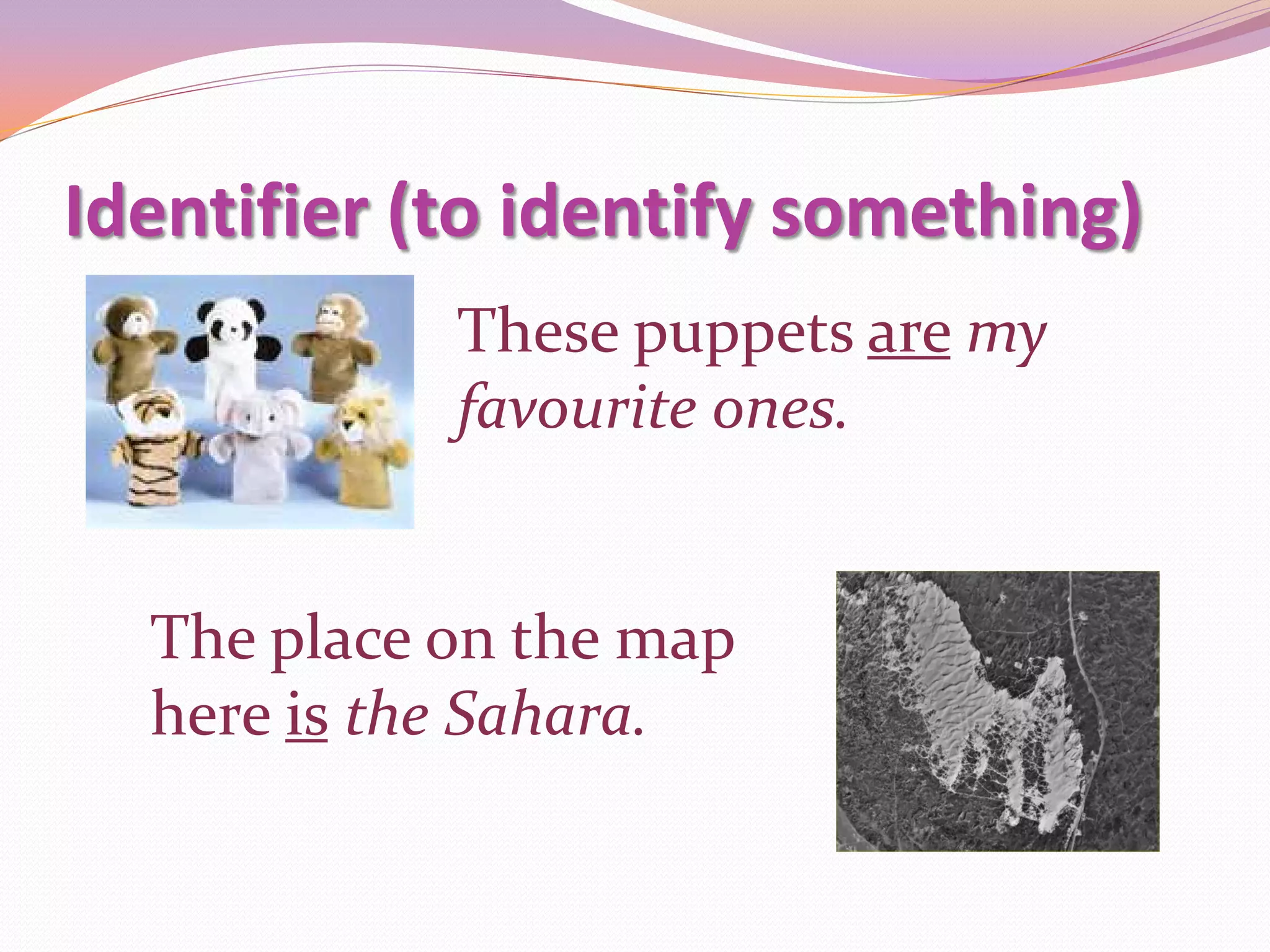
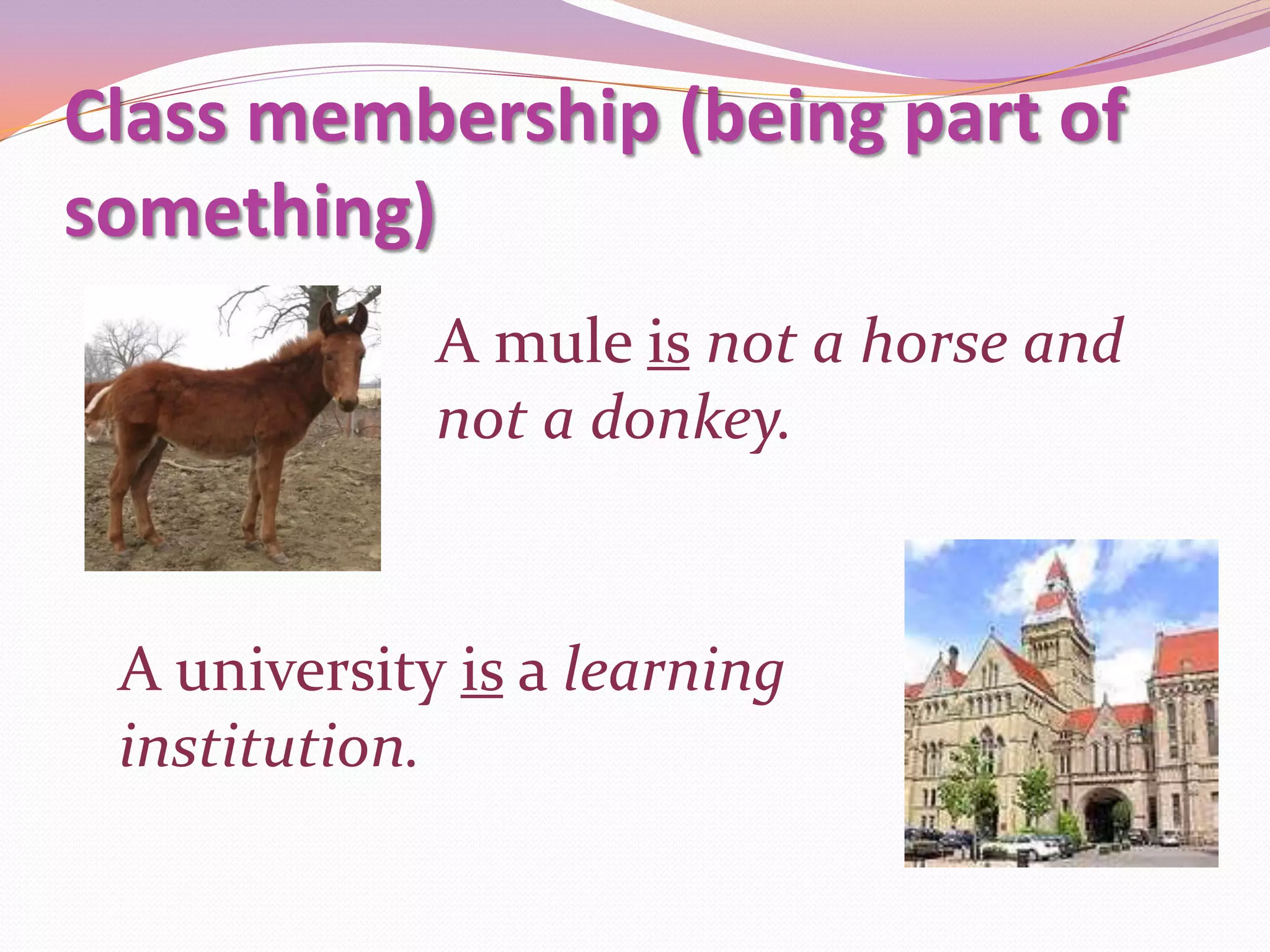
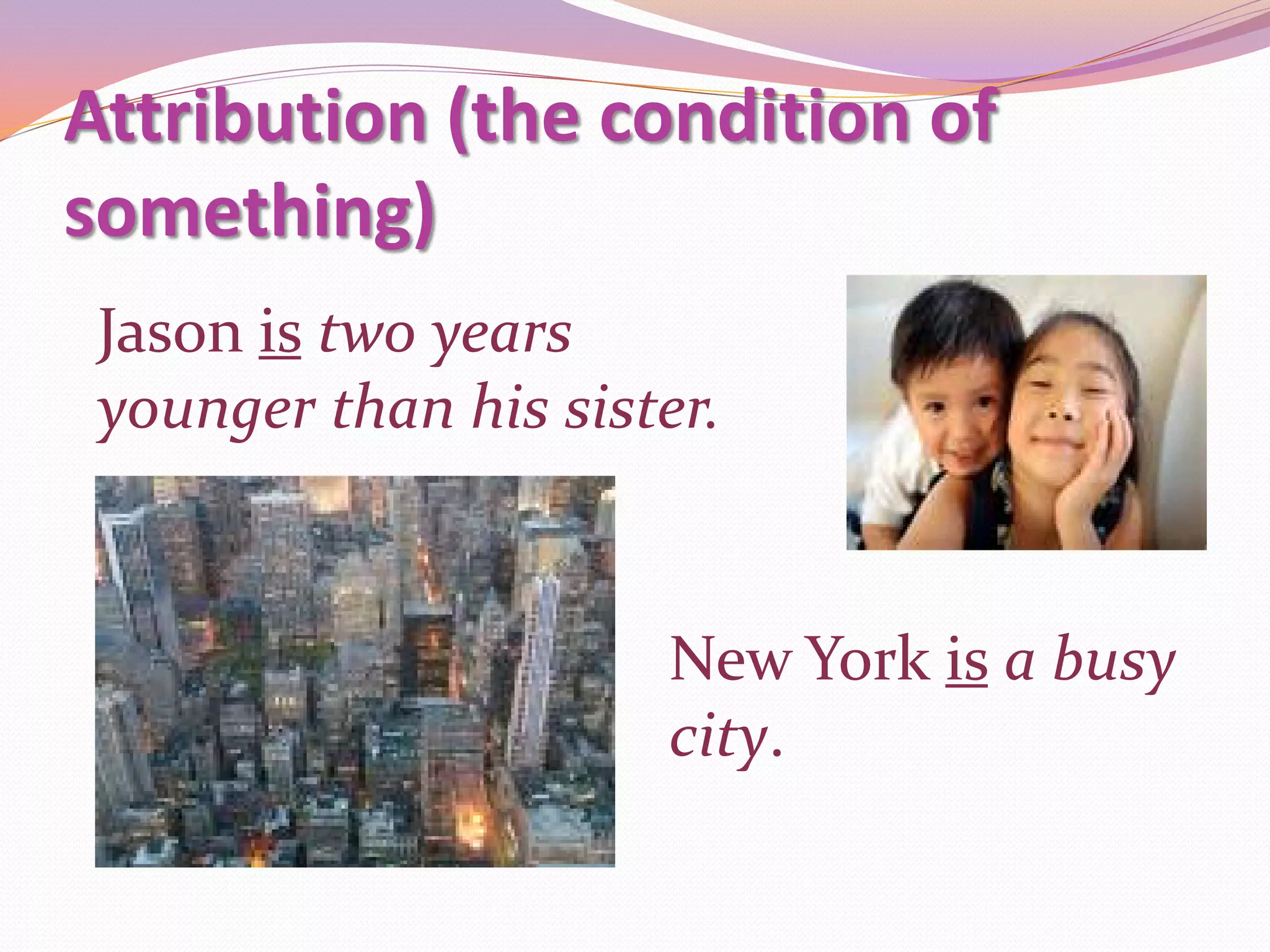

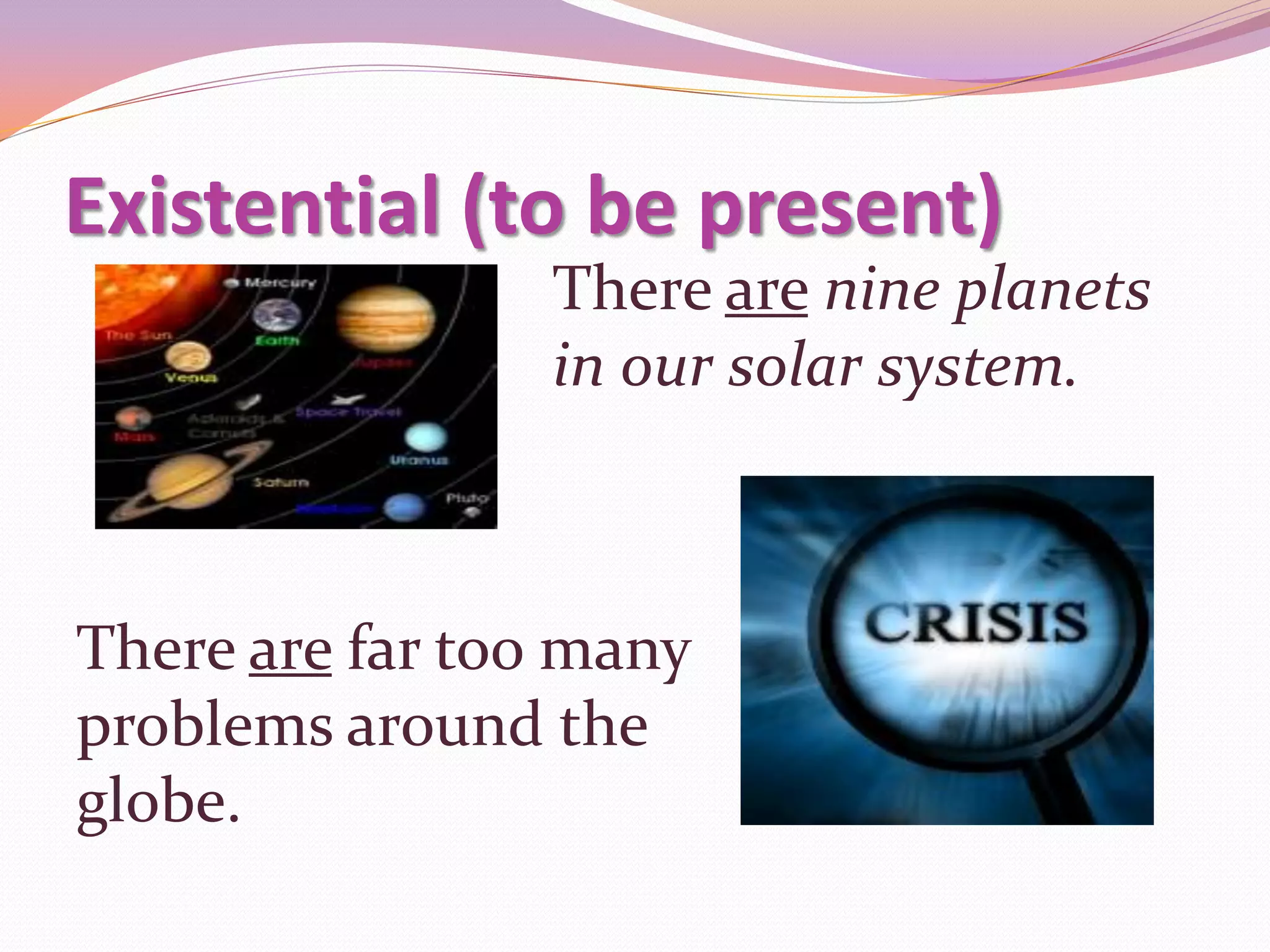
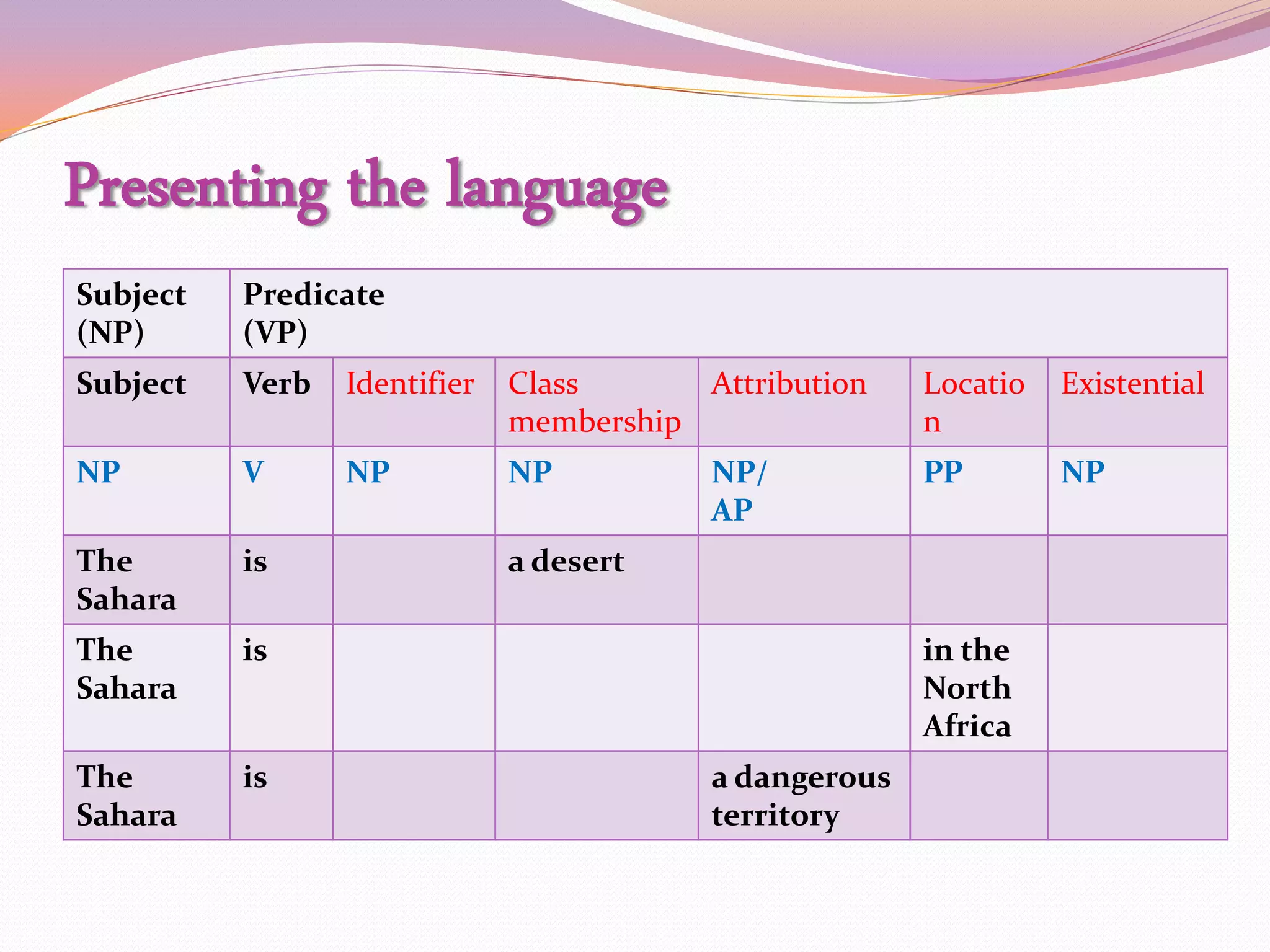
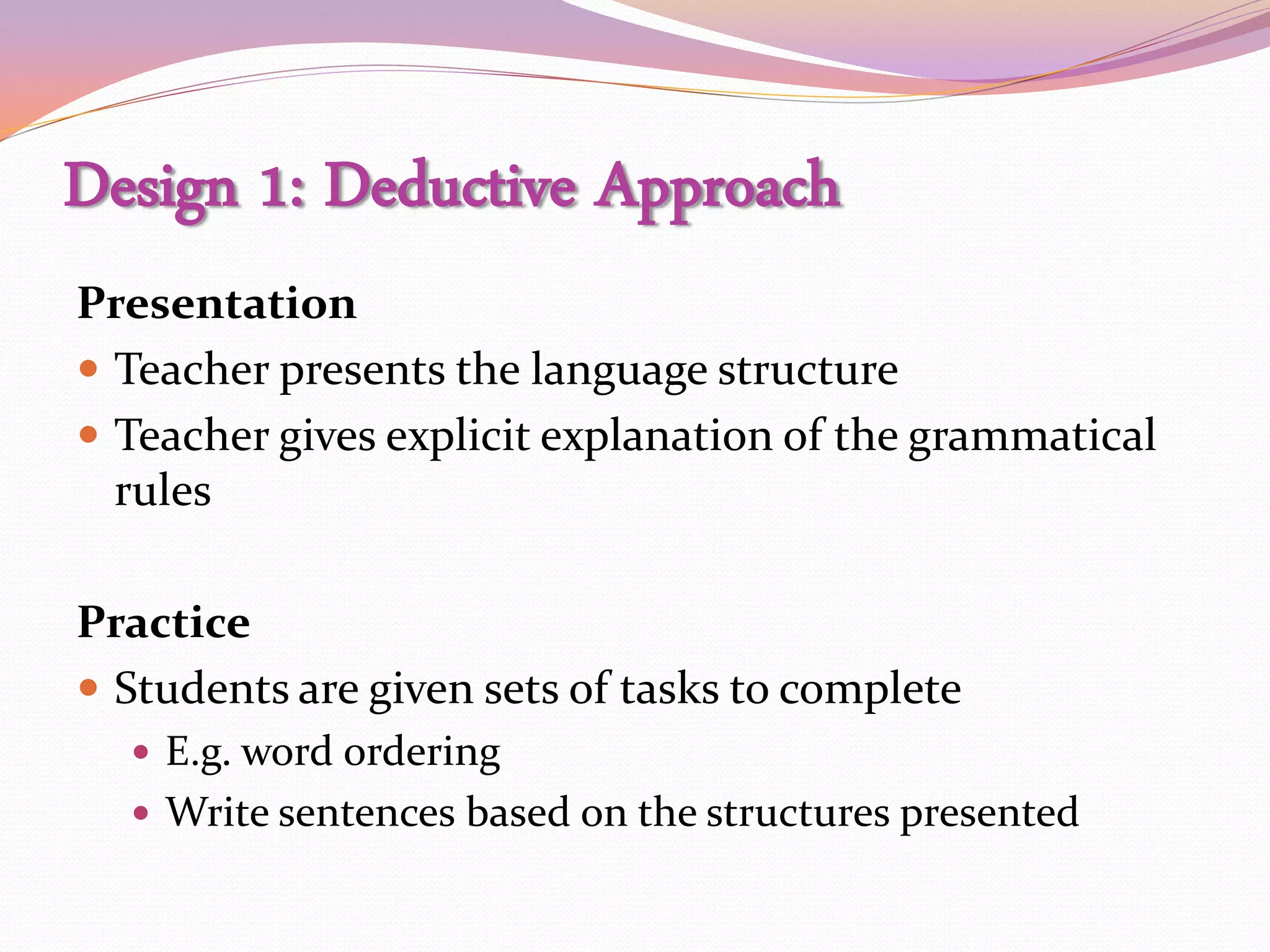
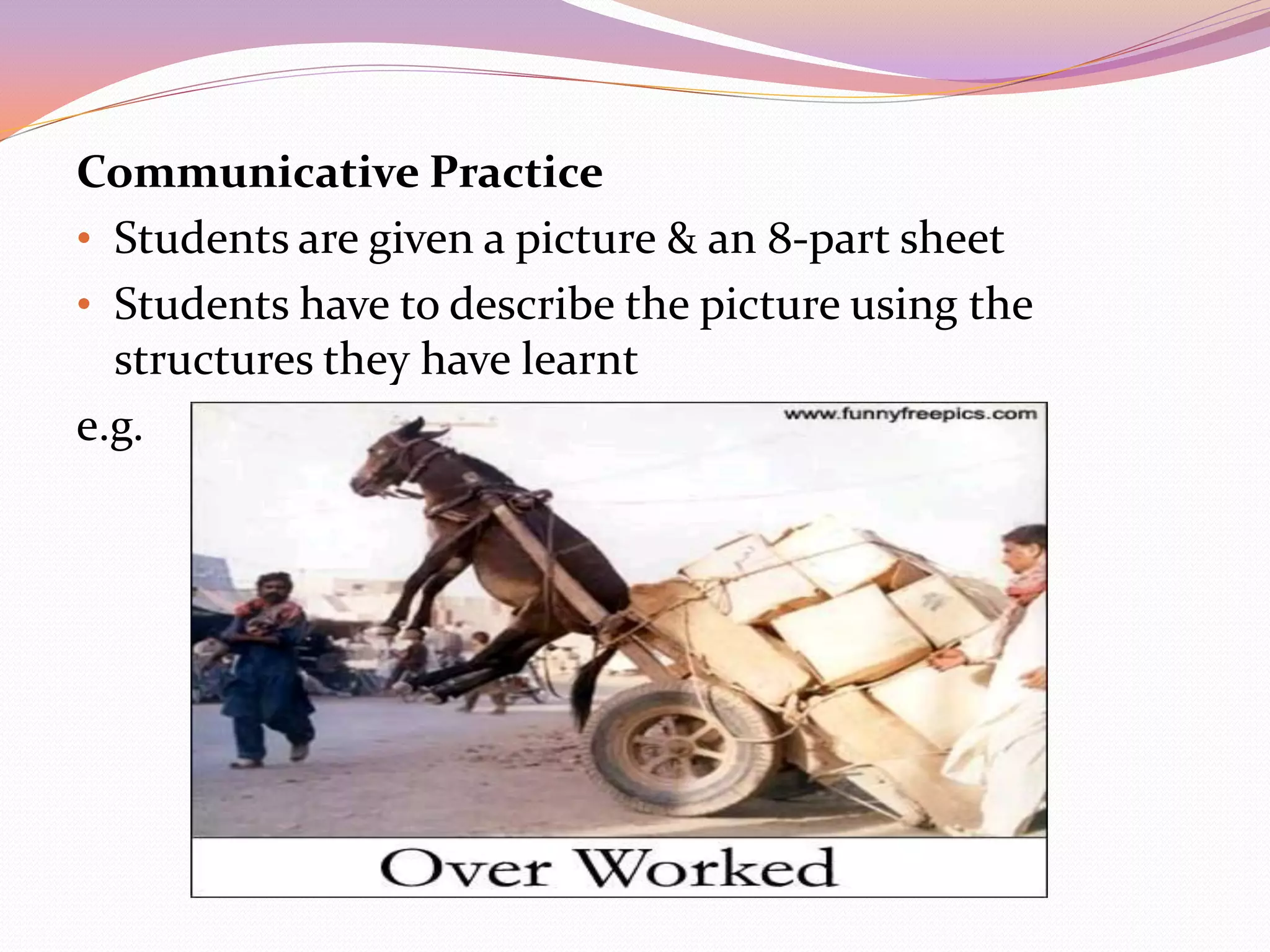
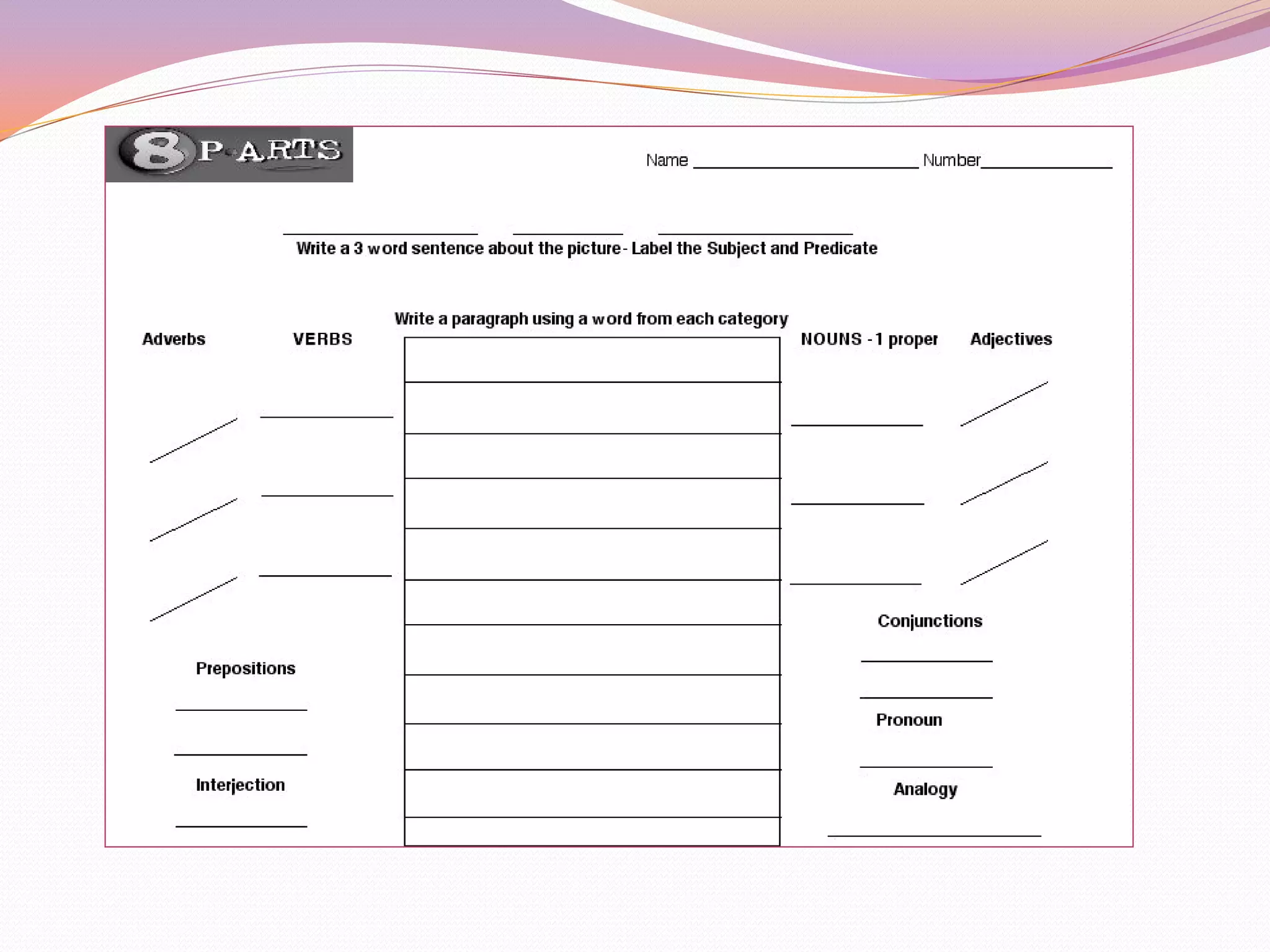
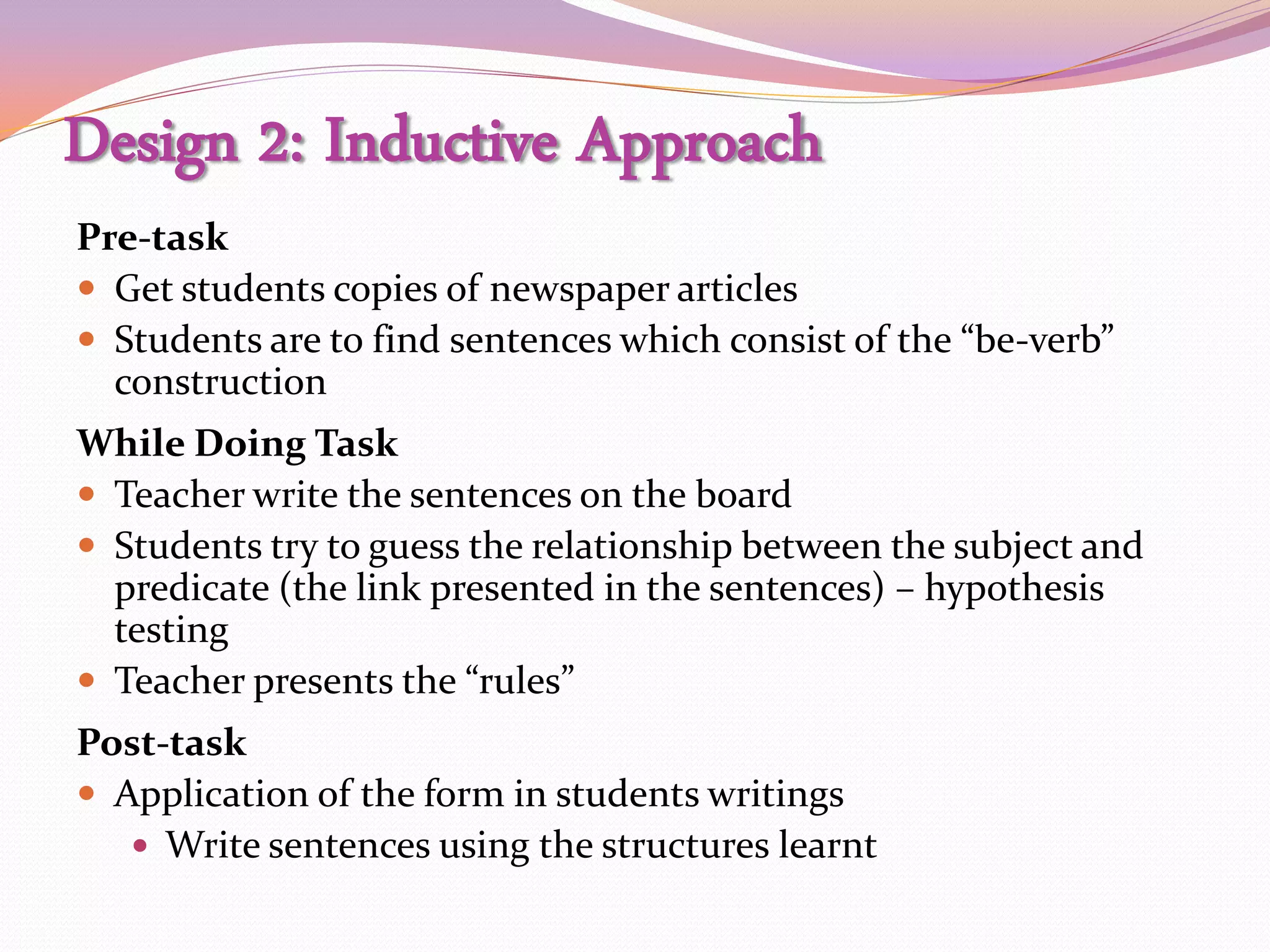

This paper presents an alternative approach to teaching the be-verb construction in English based on cognitive linguistics. It outlines how cognitive grammar views grammar and learning as motivated by general cognitive processes. The paper proposes teaching the be-verb using cognitive grammar's "being schema" which relates subjects to identifiers, class membership, attributions, locations, or existential states. Examples are given and two designs for presenting and practicing this approach deductively or inductively are suggested. The cognitive approach is argued to help students better understand the concept of the verb "to be".


![Basics of-english-grammar[1]](https://cdn.slidesharecdn.com/ss_thumbnails/basics-of-english-grammar1-130418054318-phpapp01-thumbnail.jpg?width=640&height=640&fit=bounds)


