METHODS TO TRANSFER
DNA TO HOST CELL
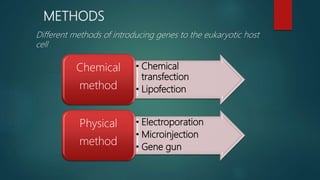
METHODS
Different methods of introducing genes to the eukaryotic host
cell
• Chemical
transfection
• Lipofection
Chemical
method
• Electroporation
• Microinjection
• Gene gun
Physical
method
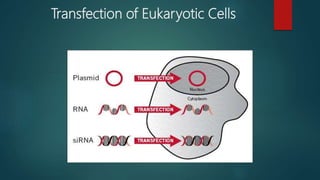
Transfection of Eukaryotic Cells
Transfection
 Transfection is a method of transporting DNA, RNA
and/or various macromolecules into an eukaryotic
cell
 Using chemical, lipid or physical based methods
 Neutralize negative charges on DNA
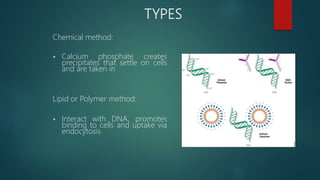
TYPES
Chemical method:
 Calcium phosphate creates
precipitates that settle on cells
and are taken in
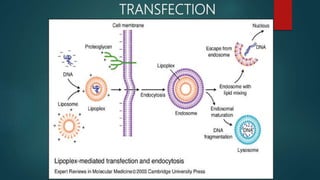
Lipid or Polymer method:
 Interact with DNA, promotes
binding to cells and uptake via
endocytosis
TRANSFECTION
Purpose of Transfection
 Study gene function
 Study protein expression
 Transfer DNA into embryonic stem cells
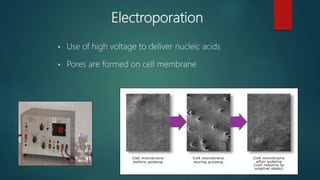
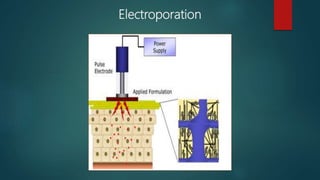
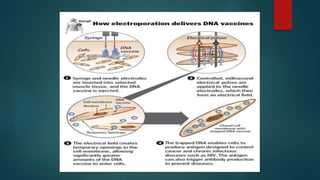
Electroporation
 Use of high voltage to deliver nucleic acids
 Pores are formed on cell membrane
Electroporation
Applications
 Direct transfer of plasmid between cells
 Transdermal drug delivery
 Cancer tumour electro chemotherapy
 Gene therapy
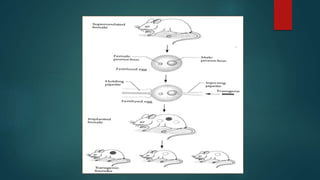
Microinjection
 Use of a fine needle
 Use to transfer of DNA into embryonic stem cells
 Injection of linear DNA
 Random integration
 Inefficient
Advantages
 No requirement of marker gene
 Introduction of the target gene directly into a single cell
 Easy identification of transformed cells
 No requirement of selection of transformed cells
(antibiotic resistance or herbicide resistance markers)
 Can be used for transgenic animals
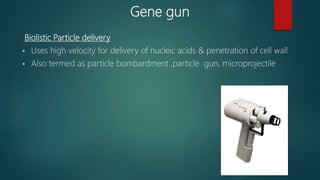
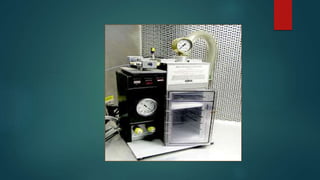
Gene gun
Biolistic Particle delivery
 Uses high velocity for delivery of nucleic acids & penetration of cell wall
 Also termed as particle bombardment ,particle gun, microprojectile
Advantages
 Simple and convenient method involving coating DNA/RNA on to gold
micro-carrier, loading sample cartridges, pointing the nozzle and firing the
device.
 Eliminates the use of potentially harmful viruses or toxic chemical
treatment as gene delivery vehicle.
Advantages & Disadvantages
Advantages
 Provides the ability to transfer
in negatively charged
molecules into cells with a
negatively charged membrane
 Liposome-mediated transport
of DNA has high efficiency.
Good for long-term studies
requiring incorporation of
genetic material into the
chromosome
Disadvantages
 Chemical Reagents: not useful
for long-term studies
 Transfection efficiency is
dependent on cell health, DNA
quality, DNA quantity,
confluency (40-80%)
 Direct Microinjection and
Biolistic Particle delivery is an
expensive and at times a
difficult method

Transfection methods (DNA to host cell)

  • 1.
  • 2.
    METHODS Different methods ofintroducing genes to the eukaryotic host cell • Chemical transfection • Lipofection Chemical method • Electroporation • Microinjection • Gene gun Physical method
  • 3.
  • 4.
    Transfection  Transfection isa method of transporting DNA, RNA and/or various macromolecules into an eukaryotic cell  Using chemical, lipid or physical based methods  Neutralize negative charges on DNA
  • 5.
    TYPES Chemical method:  Calciumphosphate creates precipitates that settle on cells and are taken in Lipid or Polymer method:  Interact with DNA, promotes binding to cells and uptake via endocytosis
  • 6.
  • 7.
    Purpose of Transfection Study gene function  Study protein expression  Transfer DNA into embryonic stem cells
  • 8.
    Electroporation  Use ofhigh voltage to deliver nucleic acids  Pores are formed on cell membrane
  • 9.
  • 11.
    Applications  Direct transferof plasmid between cells  Transdermal drug delivery  Cancer tumour electro chemotherapy  Gene therapy
  • 12.
    Microinjection  Use ofa fine needle  Use to transfer of DNA into embryonic stem cells  Injection of linear DNA  Random integration  Inefficient
  • 14.
    Advantages  No requirementof marker gene  Introduction of the target gene directly into a single cell  Easy identification of transformed cells  No requirement of selection of transformed cells (antibiotic resistance or herbicide resistance markers)  Can be used for transgenic animals
  • 15.
    Gene gun Biolistic Particledelivery  Uses high velocity for delivery of nucleic acids & penetration of cell wall  Also termed as particle bombardment ,particle gun, microprojectile
  • 17.
    Advantages  Simple andconvenient method involving coating DNA/RNA on to gold micro-carrier, loading sample cartridges, pointing the nozzle and firing the device.  Eliminates the use of potentially harmful viruses or toxic chemical treatment as gene delivery vehicle.
  • 18.
    Advantages & Disadvantages Advantages Provides the ability to transfer in negatively charged molecules into cells with a negatively charged membrane  Liposome-mediated transport of DNA has high efficiency. Good for long-term studies requiring incorporation of genetic material into the chromosome Disadvantages  Chemical Reagents: not useful for long-term studies  Transfection efficiency is dependent on cell health, DNA quality, DNA quantity, confluency (40-80%)  Direct Microinjection and Biolistic Particle delivery is an expensive and at times a difficult method