The Essentials of Biochemistry
By Prof. Liwayway Memije-Cruz
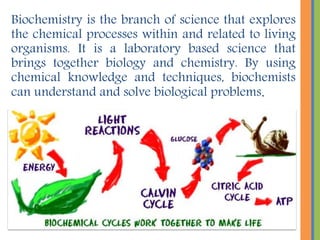
Biochemistry is the branch of science that explores
the chemical processes within and related to living
organisms. It is a laboratory based science that
brings together biology and chemistry. By using
chemical knowledge and techniques, biochemists
can understand and solve biological problems.
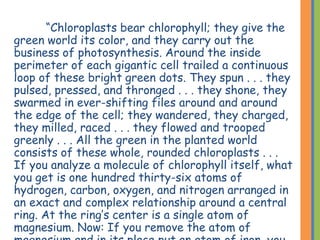
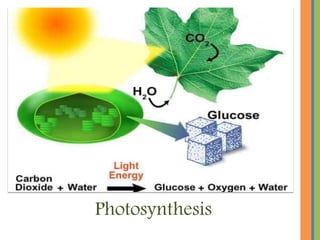
Photosynthesis
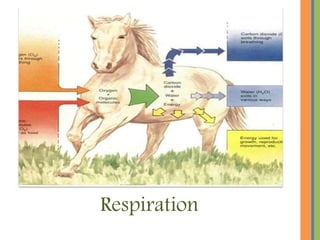
Respiration
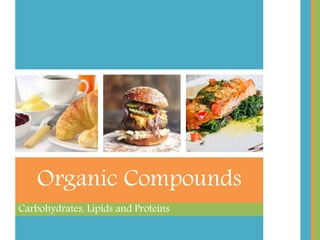
Carbohydrates, Lipids and Proteins
Organic Compounds
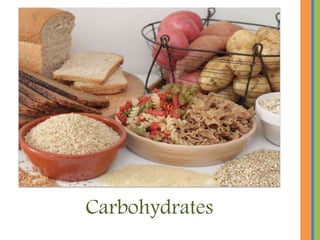
Carbohydrates
Carbohydrates means
hydrated carbons; examples
are glucose (C6 H12O6) and
ribose (C5H10O5). They
provide an easy and ready to
use source of food.
Monosaccharides are commonly referred to
as simple sugars.
Examples are:
Glucose – blood sugar which is the universal
cellular fuel
Fructose - converted to glucose for used by
body cells.
Galactose
Ribose - form part of the structure of nucleic
acids.
Deoxyribose
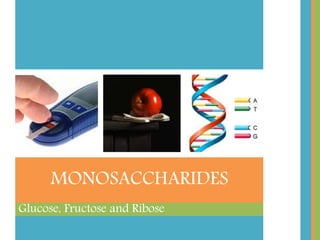
Glucose, Fructose and Ribose
MONOSACCHARIDES
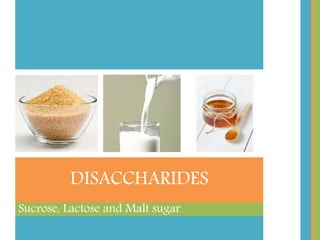
Disaccharides are referred to as double sugars.
Some of the important disaccharides in the diet
include:
Sucrose (glucose-fructose), which is cane
sugar.
Lactose (glucose-galactose) found in milk.
Maltose (glucose-glucose) malt sugar.
Disaccharides must be broken down (digested)
to monosaccharide to be absorbed from the
digestive tract in to the blood.
Sucrose, Lactose and Malt sugar
DISACCHARIDES
Polysaccharide, which literally means
much sugar, is a polymer of linked
monosaccharides.
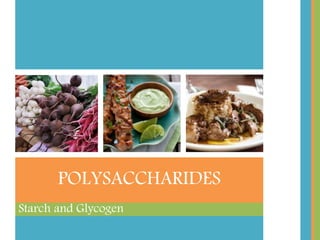
 Starch is the storage polysaccharide
formed by plants as starchy foods like
grains and root vegetables (potatoes and
carrots).
 Glycogen is found in animal tissues like
in the muscles and the liver.
Starch and Glycogen
POLYSACCHARIDES
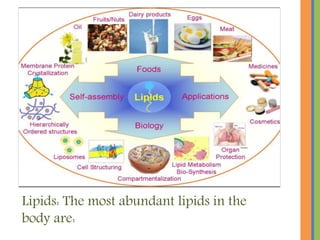
Lipids: The most abundant lipids in the
body are:
Lipids are organic compounds
composed of carbon, hydrogen and
oxygen. They are a large and diverse
group of organic compounds composed
of fatty acids and glycerol. They may be
solid or liquid. Most of them are
insoluble in water but readily dissolve in
other lipids, and in organic solvents like
alcohol, ether and acetone.
1. Neutral Fats (triglycerides)
They represent the body’s most abundant and
concentrated sources of usable energy. They are stored
chiefly in fat deposits beneath the skin and around
body organs where they help insulate the body and
protect deeper body tissues from heat loss and bumps.
2. Phospholipids
They are modified lipid containing phosphorous. Their
presence in cellular membrane allow cells to be
selective about what may enter or leave. They are found
in the brain and the nervous tissue where they help to
form insulating white matter.
3. Steroids. They are specific groups of chemical substances.
They include certain hormones and cholesterol.
Cholesterol – the basis of all body steroids. Found in all
membranes, and abundant in the brain.
Bile salts - breakdown product of cholesterol that is released
by the liver into the digestive tract where they aid in fat
digestion and absorption.
Vitamin D – produced in the skin on exposure to ultra violet
radiation from modified cholesterol. Necessary for normal
body growth and function.
Sex hormones –produced from cholesterol, which include
estrogen and progesterone that are vital for normal
reproductive function. Lack of sex hormones may results to
sterility.
Adrenal cortical hormones – composed of cortisol, a long-
term antistress hormone necessary for life and aldosterone
that helps regulate salts and water balance in the body fluids
by the targeting the kidneys.
OTHER LIPOID SUBSTANCES INCLUDE:
FAT-SOLUBLE VITAMINS:
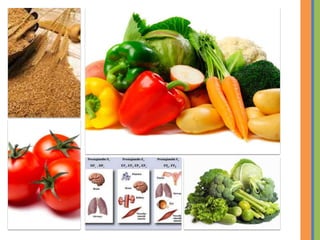
Vitamin A - found in orange – pigmented vegetables (carrots)
and fruits (tomatoes) and part of the photoreception pigments
involved in vision.
Vitamin E - found in wheat germ and green leafy vegetables that
promote wound healing and contribute to fertility. It may help to
neutralize free radicals and believed to the involved in triggering
some types of blood.
Vitamin K - made available largely by the action of intestinal
bacteria, it is also present in a wide variety of food and is
necessary for proper blood clotting.
Prostaglandin derivatives of fatty acids found in cell membranes,
which stimulate uterine contraction, regulate blood pressure and
control stomach secretion and motility of the gastrointestinal
tract.
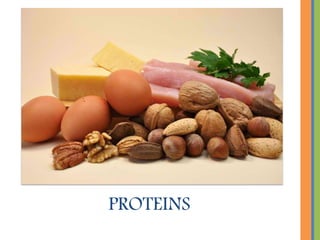
PROTEINS
Proteins are complex nitrogenous substances
that are accounted for over 50% of the organic
matter in the body. Amino Acids are small
molecules that are the building blocks of
proteins. 20 common types of amino acids are
found in the body. The amino acids released
through protein digestion are absorbed and used
to build the body’s proteins. Of the common
amino acids, eight are essential amino acids. Our
body cannot build these molecules; they should
be obtained from the diet.
– Transport proteins carry iron,
cholesterol and other substances in the
body. Example is hemoglobin, which
helps in the transport of oxygen in the
blood.
– Contractile proteins are involved in
cell division and sperm propulsion.
Actin and myosin are substances
essential for muscle contraction and
body movement.
– Catalyst is essential for every
biochemical reaction in the body.
A catalyst is a substance that increases the rate of a
chemical reaction without becoming part of the product
or being changed itself.
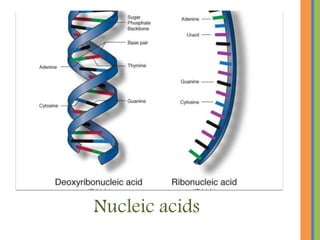
Nucleic acids
Thank you!

The Essentials of Biochemistry

  • 1.
    The Essentials ofBiochemistry By Prof. Liwayway Memije-Cruz
  • 2.
    Biochemistry is thebranch of science that explores the chemical processes within and related to living organisms. It is a laboratory based science that brings together biology and chemistry. By using chemical knowledge and techniques, biochemists can understand and solve biological problems.
  • 3.
  • 4.
  • 5.
    Carbohydrates, Lipids andProteins Organic Compounds
  • 6.
  • 7.
    Carbohydrates means hydrated carbons;examples are glucose (C6 H12O6) and ribose (C5H10O5). They provide an easy and ready to use source of food.
  • 8.
    Monosaccharides are commonlyreferred to as simple sugars. Examples are: Glucose – blood sugar which is the universal cellular fuel Fructose - converted to glucose for used by body cells. Galactose Ribose - form part of the structure of nucleic acids. Deoxyribose
  • 9.
    Glucose, Fructose andRibose MONOSACCHARIDES
  • 10.
    Disaccharides are referredto as double sugars. Some of the important disaccharides in the diet include: Sucrose (glucose-fructose), which is cane sugar. Lactose (glucose-galactose) found in milk. Maltose (glucose-glucose) malt sugar. Disaccharides must be broken down (digested) to monosaccharide to be absorbed from the digestive tract in to the blood.
  • 11.
    Sucrose, Lactose andMalt sugar DISACCHARIDES
  • 12.
    Polysaccharide, which literallymeans much sugar, is a polymer of linked monosaccharides.  Starch is the storage polysaccharide formed by plants as starchy foods like grains and root vegetables (potatoes and carrots).  Glycogen is found in animal tissues like in the muscles and the liver.
  • 13.
  • 14.
    Lipids: The mostabundant lipids in the body are:
  • 15.
    Lipids are organiccompounds composed of carbon, hydrogen and oxygen. They are a large and diverse group of organic compounds composed of fatty acids and glycerol. They may be solid or liquid. Most of them are insoluble in water but readily dissolve in other lipids, and in organic solvents like alcohol, ether and acetone.
  • 16.
    1. Neutral Fats(triglycerides) They represent the body’s most abundant and concentrated sources of usable energy. They are stored chiefly in fat deposits beneath the skin and around body organs where they help insulate the body and protect deeper body tissues from heat loss and bumps. 2. Phospholipids They are modified lipid containing phosphorous. Their presence in cellular membrane allow cells to be selective about what may enter or leave. They are found in the brain and the nervous tissue where they help to form insulating white matter.
  • 17.
    3. Steroids. Theyare specific groups of chemical substances. They include certain hormones and cholesterol. Cholesterol – the basis of all body steroids. Found in all membranes, and abundant in the brain. Bile salts - breakdown product of cholesterol that is released by the liver into the digestive tract where they aid in fat digestion and absorption. Vitamin D – produced in the skin on exposure to ultra violet radiation from modified cholesterol. Necessary for normal body growth and function. Sex hormones –produced from cholesterol, which include estrogen and progesterone that are vital for normal reproductive function. Lack of sex hormones may results to sterility. Adrenal cortical hormones – composed of cortisol, a long- term antistress hormone necessary for life and aldosterone that helps regulate salts and water balance in the body fluids by the targeting the kidneys.
  • 18.
    OTHER LIPOID SUBSTANCESINCLUDE: FAT-SOLUBLE VITAMINS: Vitamin A - found in orange – pigmented vegetables (carrots) and fruits (tomatoes) and part of the photoreception pigments involved in vision. Vitamin E - found in wheat germ and green leafy vegetables that promote wound healing and contribute to fertility. It may help to neutralize free radicals and believed to the involved in triggering some types of blood. Vitamin K - made available largely by the action of intestinal bacteria, it is also present in a wide variety of food and is necessary for proper blood clotting. Prostaglandin derivatives of fatty acids found in cell membranes, which stimulate uterine contraction, regulate blood pressure and control stomach secretion and motility of the gastrointestinal tract.
  • 20.
  • 21.
    Proteins are complexnitrogenous substances that are accounted for over 50% of the organic matter in the body. Amino Acids are small molecules that are the building blocks of proteins. 20 common types of amino acids are found in the body. The amino acids released through protein digestion are absorbed and used to build the body’s proteins. Of the common amino acids, eight are essential amino acids. Our body cannot build these molecules; they should be obtained from the diet.
  • 22.
    – Transport proteinscarry iron, cholesterol and other substances in the body. Example is hemoglobin, which helps in the transport of oxygen in the blood. – Contractile proteins are involved in cell division and sperm propulsion. Actin and myosin are substances essential for muscle contraction and body movement. – Catalyst is essential for every biochemical reaction in the body. A catalyst is a substance that increases the rate of a chemical reaction without becoming part of the product or being changed itself.
  • 23.
  • 24.