By Dr. Elrasheed Eltaher Osman
Biochemistry 
Definition 
Is the science concerned 
with various biomolecules 
that occur in the living cell 
and organism and their 
chemical reactions
Components of biochemistry : 
1- cell biology 
2- molecular biology 
3- molecular genetics
Aims of biochemistry 
1- is to describe and explain in 
molecular terms all chemical 
processes of living cell 
2- To understand how life is began 
3- knowledge of biochemistry is 
essential to all life sciences
Bio-medicine relationship 
 Most Biomedical of biomedical 
techniques 
reaction used for has diagnosis been 
of 
discovered diseases 
after following 
a course of a disease 
 All diseases have 
biomedical bases 
Biochemistry used for 
formulation of drugs
In order to study biochemistry a little 
information should be known about 
the cell 
The cell smallest unit of live capable 
of doing all living processes 
Cell divided into : 
1- eukaryotic cell 
2- prokaryotic cell
Biomolecules 
Complex molecules that is formed living 
organisms they include: 
1- carbohydrates 
2- protein 
3- lipids 
4- nucleic acids 
5- minerals 
6- vitamins 
7- water
All are composed of atoms 
 All except minerals contain 
elements of water 
 All except minerals and water 
are organic molecules 
 All except minerals ,water and 
vitamins yield energy
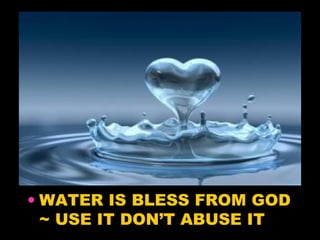
• WATER IS BLESS FROM GOD 
~ USE IT DON’T ABUSE IT
Homeostasis 
Is the maintenance of composition of the 
internal environment for good health and 
this include: 
1- water distribution 
2- pH 
3- electrolytes concentration
WATER , pH and BUFFERS 
Water 
Is the principle end product of 
oxidative catabolism of food 
Is the most important molecule 
for life 
No life without water 
All elements and processes in 
some how needs water
Water distribution 
This depends on 
Control of thirst by hypothalamus 
Anti-diuretic hormone 
Retention or excretion of water by 
-Kidney (micturition) 
- skin (perispiration) 
-Lung (respiration)
Water disbalance 
occurs when there is state of water 
depletion or excess 
Water depletion (dehydration) 
Result from 
1- decrease intake (comma) 
2- increase loss (severe 
sweating, renal loss, diarrhea 
cholera …
Water excess 
May be due to: 
 Increase intake 
(excessive I/V fluids) 
 Decrease output 
(renal failure)
WHAT MAKES WATER AN 
IDEAL SOLVENT FOR THE 
LIFE ? 
This is due to its ideal 
properties
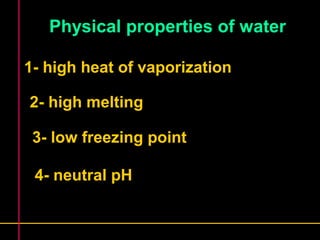
Physical properties of water 
1- high heat of vaporization 
2- high melting 
3- low freezing point 
4- neutral pH
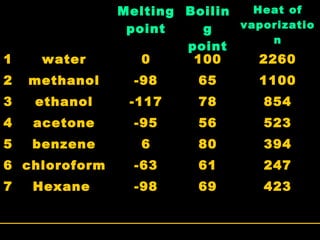
solvent Melting 
point 
Boilin 
g 
point 
Heat of 
vaporizatio 
n 
1 water 0 100 2260 
2 methanol -98 65 1100 
3 ethanol -117 78 854 
4 acetone -95 56 523 
5 benzene 6 80 394 
6 chloroform -63 61 247 
7 Hexane -98 69 423
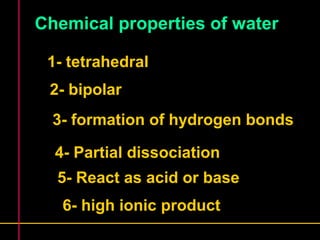
Chemical properties of water 
1- tetrahedral 
2- bipolar 
3- formation of hydrogen bonds 
4- Partial dissociation 
5- React as acid or base 
6- high ionic product
pH 
Potential hydrogen 
Hydrogen ion concentration 
Is –log [H+] 
pH scale 1—14 
7 neutral 
Normal pH 7.35 – 7.45
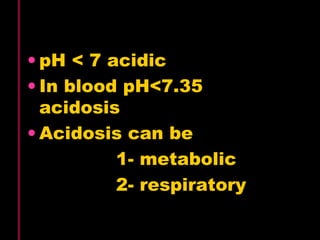
• pH < 7 acidic 
• In blood pH<7.35 
acidosis 
•Acidosis can be 
1- metabolic 
2- respiratory
• pH > 7 alkaline 
• In blood pH>7.45 
alkalosis 
• Alkalosis can be 
1- metabolic 
2- respiratory
Buffers 
 Molecules that resist 
change in pH when acid 
or alkaline are added to a 
solution 
 They are week acids 
and their conjugated 
base
Normal occurring buffers 
inside human body include: 
1- carbonic acid and 
bicarbonate 
2- organic phosphoric acid 
and phosphate 
3- proteins
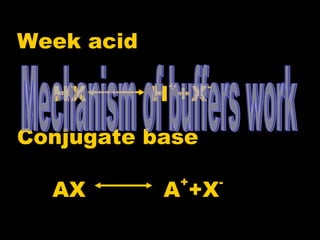
Week acid 
HX H++X-Conjugate 
base 
AX A++X-
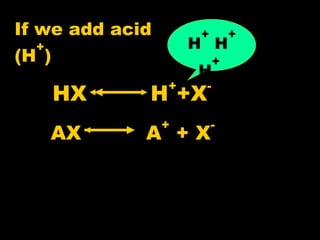
If we add acid 
(H+) 
+ H+ 
H+ 
HX H++X-H 
AX A+ + X-
Not like this 
Wake up
Forces stabilizing bimolecules 
These Include: 
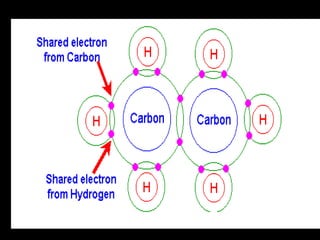
1- covalent bonds 
2- non- covalent bonds
Covalent bonds 
 Strong bonds 
 Needs high energy to be broken 
 Examples are 
Peptide bonds 
Glycosidic bonds 
Ester bonds 
Disulfide bridge
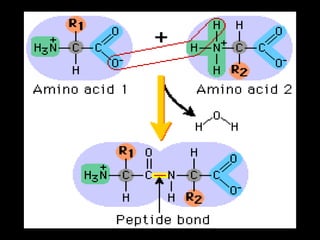
Peptide bonds 
 Covalent bond 
 Form between amino group 
of one molecule and carboxyl 
group on another molecule
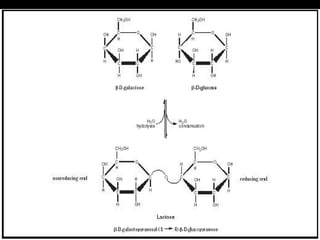
Glycosidic bond 
 Covalent bond 
 Form between two different 
alcohol groups 
 Can be 
1- N-glycosidic 
2- O-glycosidic 
3- S-glycosidic
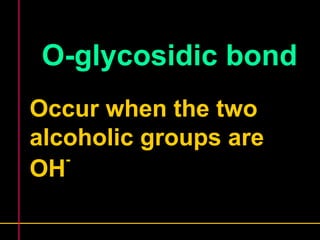
O-glycosidic bond 
Occur when the two 
alcoholic groups are 
OH-
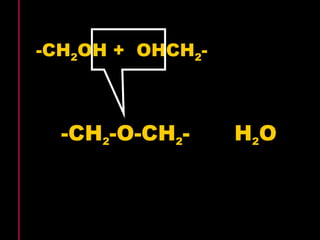
-CH2OH + OHCH2- 
-CH2-O-CH2- H2O
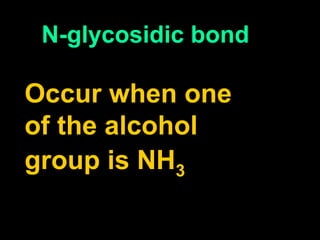
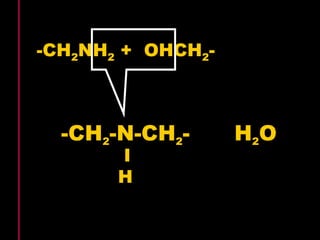
N-glycosidic bond 
Occur when one 
of the alcohol 
group is NH3
-CH2NH2 + OHCH2- 
-CH2-N-CH2- H2O 
IH
S-glycosidic 
Occur when one 
of the alcohol 
group is SH
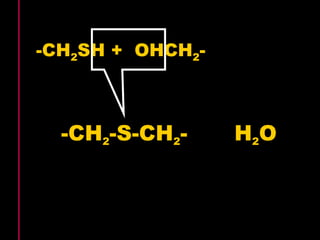
-CH2SH + OHCH2- 
-CH2-S-CH2- H2O
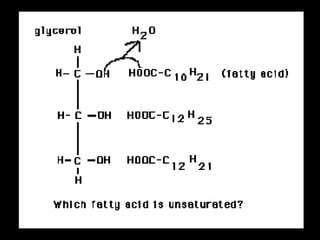
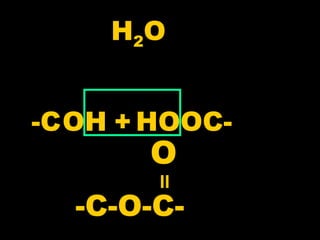
Ester bond 
Occur between alcohol 
group and carboxyl group 
Phosphoester 
Thioester
2O 
-COH +H OOC-H 
II 
-C-O-C-O
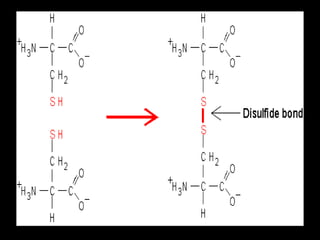
Disulfide bridge 
Occur between two SH 
group
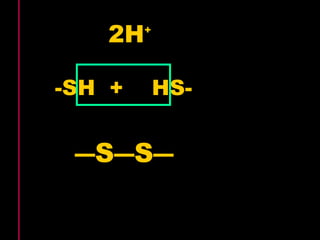
2H+ 
-SH + HS- 
―S―S―
The non-covalent bonds 
This include 
1- hydrogen bond 
2- hydrophobic interaction 
3- Electrostatic bond 
4- Van Der Waal forces
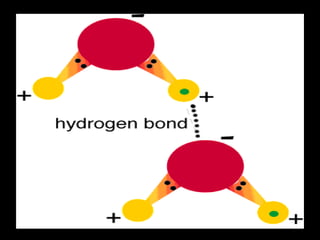
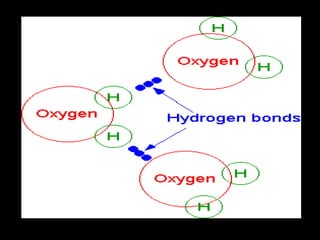
Hydrogen bond 
 Non-covalent bond 
 Occur between positive 
hydrogen ion in a molecule ad 
negative ion in another one 
Is very week bond
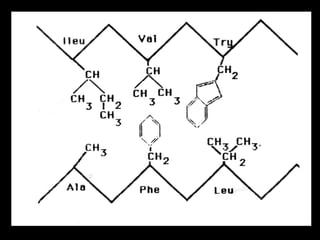
The hydrophobic interaction 
Is tendency of a molecule for 
folding around it self to hide 
the non-polar part from water 
when put in solution 
In this case the polar 
part come to the out side 
to contact water
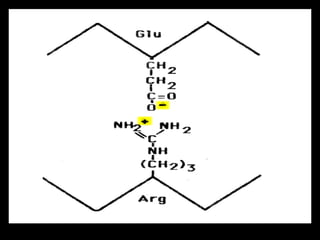
Electrostatic interaction 
(ionic bridge,salt bridge) 
 Non-covalent bond 
 Occur between a positive 
ion in one molecule and most 
negative ion in another 
molecule
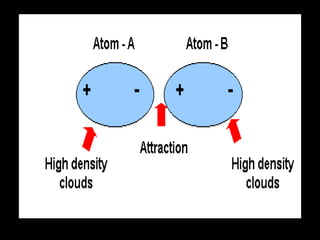
Van Der Waal forces 
Is the attractive and 
repulsive forces that 
occur between two 
adjacent atoms in a 
molecule
Introduction to biochemistry

Introduction to biochemistry

  • 2.
    By Dr. ElrasheedEltaher Osman
  • 3.
    Biochemistry Definition Isthe science concerned with various biomolecules that occur in the living cell and organism and their chemical reactions
  • 4.
    Components of biochemistry: 1- cell biology 2- molecular biology 3- molecular genetics
  • 5.
    Aims of biochemistry 1- is to describe and explain in molecular terms all chemical processes of living cell 2- To understand how life is began 3- knowledge of biochemistry is essential to all life sciences
  • 6.
    Bio-medicine relationship Most Biomedical of biomedical techniques reaction used for has diagnosis been of discovered diseases after following a course of a disease  All diseases have biomedical bases Biochemistry used for formulation of drugs
  • 7.
    In order tostudy biochemistry a little information should be known about the cell The cell smallest unit of live capable of doing all living processes Cell divided into : 1- eukaryotic cell 2- prokaryotic cell
  • 9.
    Biomolecules Complex moleculesthat is formed living organisms they include: 1- carbohydrates 2- protein 3- lipids 4- nucleic acids 5- minerals 6- vitamins 7- water
  • 10.
    All are composedof atoms  All except minerals contain elements of water  All except minerals and water are organic molecules  All except minerals ,water and vitamins yield energy
  • 11.
    • WATER ISBLESS FROM GOD ~ USE IT DON’T ABUSE IT
  • 12.
    Homeostasis Is themaintenance of composition of the internal environment for good health and this include: 1- water distribution 2- pH 3- electrolytes concentration
  • 13.
    WATER , pHand BUFFERS Water Is the principle end product of oxidative catabolism of food Is the most important molecule for life No life without water All elements and processes in some how needs water
  • 14.
    Water distribution Thisdepends on Control of thirst by hypothalamus Anti-diuretic hormone Retention or excretion of water by -Kidney (micturition) - skin (perispiration) -Lung (respiration)
  • 15.
    Water disbalance occurswhen there is state of water depletion or excess Water depletion (dehydration) Result from 1- decrease intake (comma) 2- increase loss (severe sweating, renal loss, diarrhea cholera …
  • 16.
    Water excess Maybe due to:  Increase intake (excessive I/V fluids)  Decrease output (renal failure)
  • 17.
    WHAT MAKES WATERAN IDEAL SOLVENT FOR THE LIFE ? This is due to its ideal properties
  • 18.
    Physical properties ofwater 1- high heat of vaporization 2- high melting 3- low freezing point 4- neutral pH
  • 19.
    solvent Melting point Boilin g point Heat of vaporizatio n 1 water 0 100 2260 2 methanol -98 65 1100 3 ethanol -117 78 854 4 acetone -95 56 523 5 benzene 6 80 394 6 chloroform -63 61 247 7 Hexane -98 69 423
  • 20.
    Chemical properties ofwater 1- tetrahedral 2- bipolar 3- formation of hydrogen bonds 4- Partial dissociation 5- React as acid or base 6- high ionic product
  • 21.
    pH Potential hydrogen Hydrogen ion concentration Is –log [H+] pH scale 1—14 7 neutral Normal pH 7.35 – 7.45
  • 22.
    • pH <7 acidic • In blood pH<7.35 acidosis •Acidosis can be 1- metabolic 2- respiratory
  • 23.
    • pH >7 alkaline • In blood pH>7.45 alkalosis • Alkalosis can be 1- metabolic 2- respiratory
  • 24.
    Buffers  Moleculesthat resist change in pH when acid or alkaline are added to a solution  They are week acids and their conjugated base
  • 25.
    Normal occurring buffers inside human body include: 1- carbonic acid and bicarbonate 2- organic phosphoric acid and phosphate 3- proteins
  • 26.
    Week acid HXH++X-Conjugate base AX A++X-
  • 27.
    If we addacid (H+) + H+ H+ HX H++X-H AX A+ + X-
  • 28.
    Not like this Wake up
  • 29.
    Forces stabilizing bimolecules These Include: 1- covalent bonds 2- non- covalent bonds
  • 30.
    Covalent bonds Strong bonds  Needs high energy to be broken  Examples are Peptide bonds Glycosidic bonds Ester bonds Disulfide bridge
  • 32.
    Peptide bonds Covalent bond  Form between amino group of one molecule and carboxyl group on another molecule
  • 34.
    Glycosidic bond Covalent bond  Form between two different alcohol groups  Can be 1- N-glycosidic 2- O-glycosidic 3- S-glycosidic
  • 36.
    O-glycosidic bond Occurwhen the two alcoholic groups are OH-
  • 37.
    -CH2OH + OHCH2- -CH2-O-CH2- H2O
  • 38.
    N-glycosidic bond Occurwhen one of the alcohol group is NH3
  • 39.
    -CH2NH2 + OHCH2- -CH2-N-CH2- H2O IH
  • 40.
    S-glycosidic Occur whenone of the alcohol group is SH
  • 41.
    -CH2SH + OHCH2- -CH2-S-CH2- H2O
  • 42.
    Ester bond Occurbetween alcohol group and carboxyl group Phosphoester Thioester
  • 44.
    2O -COH +HOOC-H II -C-O-C-O
  • 45.
    Disulfide bridge Occurbetween two SH group
  • 46.
    2H+ -SH +HS- ―S―S―
  • 48.
    The non-covalent bonds This include 1- hydrogen bond 2- hydrophobic interaction 3- Electrostatic bond 4- Van Der Waal forces
  • 49.
    Hydrogen bond Non-covalent bond  Occur between positive hydrogen ion in a molecule ad negative ion in another one Is very week bond
  • 52.
    The hydrophobic interaction Is tendency of a molecule for folding around it self to hide the non-polar part from water when put in solution In this case the polar part come to the out side to contact water
  • 54.
    Electrostatic interaction (ionicbridge,salt bridge)  Non-covalent bond  Occur between a positive ion in one molecule and most negative ion in another molecule
  • 56.
    Van Der Waalforces Is the attractive and repulsive forces that occur between two adjacent atoms in a molecule