Presented by: Group 1
Iqra, Ghazia, Mobeen, Hamza, Kainat
GC Women University, Sialkot
Carbohydrates
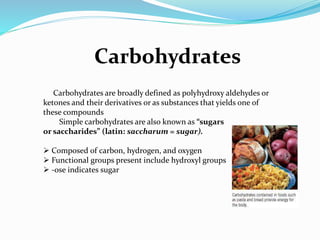
Carbohydrates are broadly defined as polyhydroxy aldehydes or
ketones and their derivatives or as substances that yields one of
these compounds
Simple carbohydrates are also known as “sugars
or saccharides” (latin: saccharum = sugar).
 Composed of carbon, hydrogen, and oxygen
 Functional groups present include hydroxyl groups
 -ose indicates sugar
Carbohydrates are the most abundant of all the organic compounds in
nature.
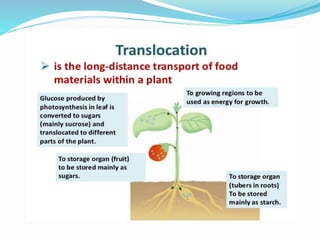
 In plants, energy from the Sun is used to convert carbon dioxide and water into
the carbohydrate glucose.
 Many of the glucose molecules are made into long-chain polymers of starch that
store energy.
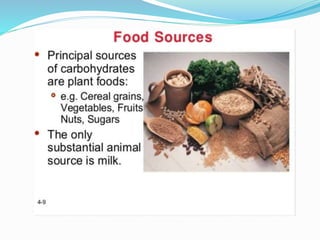
About 65% of the foods in our diet consist of carbohydrates.
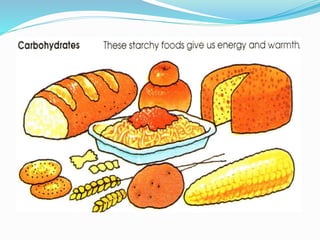
Each day we utilize carbohydrates in foods such as bread, pasta, potatoes, and
rice.
Other carbohydrates called disaccharides include sucrose (table sugar) and
lactose in milk.
During digestion and cellular metabolism, carbohydrates are converted into
glucose,
which is oxidized further in our cells to provide our bodies with energy and to
provide the cells with carbon atoms for building molecules of protein, lipids, and
nucleic acids.
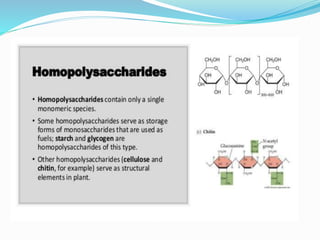
 In plants, a polymer of glucose called cellulose builds the structural framework.
Cellulose has other important uses, too.
The wood in our furniture, the pages in your notebook, and the cotton in our
clothing are made of cellulose.
Carbohydrates
Mostly derived from plant.
Animals -synthesize carbohydrate from
lipidglycerol and amino acids.
Glucose -major metabolic fuel of mammals
and a universal fuel of the fetus.
Other sugars are converted into glucose in the
liver.
Diabetes mellitus, galactosemia, glycogen storage
diseases, and lactose intolerance are some of the
disease related to carbohydrate metabolism
Classification
Aldehyde or ketone derivatives of polyhydric
alcohol are mainly classified as
 Monosaccharides
 Disaccharides
 Oligosaccharide
 Polysaccharides
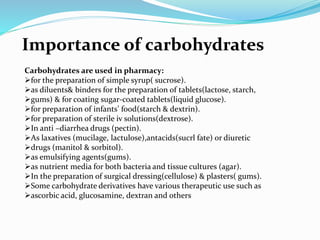
Importance of carbohydrates
Carbohydrates are used in pharmacy:
for the preparation of simple syrup( sucrose).
as diluents& binders for the preparation of tablets(lactose, starch,
gums) & for coating sugar-coated tablets(liquid glucose).
for preparation of infants’ food(starch & dextrin).
for preparation of sterile iv solutions(dextrose).
In anti –diarrhea drugs (pectin).
As laxatives (mucilage, lactulose),antacids(sucrl fate) or diuretic
drugs (manitol & sorbitol).
as emulsifying agents(gums).
as nutrient media for both bacteria and tissue cultures (agar).
In the preparation of surgical dressing(cellulose) & plasters( gums).
Some carbohydrate derivatives have various therapeutic use such as
ascorbic acid, glucosamine, dextran and others
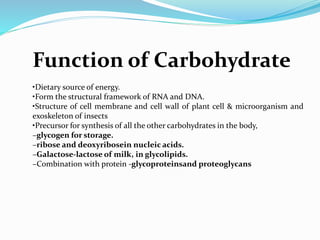
Function of Carbohydrate
•Dietary source of energy.
•Form the structural framework of RNA and DNA.
•Structure of cell membrane and cell wall of plant cell & microorganism and
exoskeleton of insects
•Precursor for synthesis of all the other carbohydrates in the body,
–glycogen for storage.
–ribose and deoxyribosein nucleic acids.
–Galactose-lactose of milk, in glycolipids.
–Combination with protein -glycoproteinsand proteoglycans
Carbohydrates
Carbohydrates
Carbohydrates
Carbohydrates
Carbohydrates
Carbohydrates

Carbohydrates

  • 1.
    Presented by: Group1 Iqra, Ghazia, Mobeen, Hamza, Kainat GC Women University, Sialkot
  • 3.
    Carbohydrates Carbohydrates are broadlydefined as polyhydroxy aldehydes or ketones and their derivatives or as substances that yields one of these compounds Simple carbohydrates are also known as “sugars or saccharides” (latin: saccharum = sugar).  Composed of carbon, hydrogen, and oxygen  Functional groups present include hydroxyl groups  -ose indicates sugar
  • 4.
    Carbohydrates are themost abundant of all the organic compounds in nature.  In plants, energy from the Sun is used to convert carbon dioxide and water into the carbohydrate glucose.  Many of the glucose molecules are made into long-chain polymers of starch that store energy. About 65% of the foods in our diet consist of carbohydrates. Each day we utilize carbohydrates in foods such as bread, pasta, potatoes, and rice. Other carbohydrates called disaccharides include sucrose (table sugar) and lactose in milk. During digestion and cellular metabolism, carbohydrates are converted into glucose, which is oxidized further in our cells to provide our bodies with energy and to provide the cells with carbon atoms for building molecules of protein, lipids, and nucleic acids.  In plants, a polymer of glucose called cellulose builds the structural framework. Cellulose has other important uses, too. The wood in our furniture, the pages in your notebook, and the cotton in our clothing are made of cellulose.
  • 6.
    Carbohydrates Mostly derived fromplant. Animals -synthesize carbohydrate from lipidglycerol and amino acids. Glucose -major metabolic fuel of mammals and a universal fuel of the fetus. Other sugars are converted into glucose in the liver. Diabetes mellitus, galactosemia, glycogen storage diseases, and lactose intolerance are some of the disease related to carbohydrate metabolism
  • 7.
    Classification Aldehyde or ketonederivatives of polyhydric alcohol are mainly classified as  Monosaccharides  Disaccharides  Oligosaccharide  Polysaccharides
  • 25.
    Importance of carbohydrates Carbohydratesare used in pharmacy: for the preparation of simple syrup( sucrose). as diluents& binders for the preparation of tablets(lactose, starch, gums) & for coating sugar-coated tablets(liquid glucose). for preparation of infants’ food(starch & dextrin). for preparation of sterile iv solutions(dextrose). In anti –diarrhea drugs (pectin). As laxatives (mucilage, lactulose),antacids(sucrl fate) or diuretic drugs (manitol & sorbitol). as emulsifying agents(gums). as nutrient media for both bacteria and tissue cultures (agar). In the preparation of surgical dressing(cellulose) & plasters( gums). Some carbohydrate derivatives have various therapeutic use such as ascorbic acid, glucosamine, dextran and others
  • 26.
    Function of Carbohydrate •Dietarysource of energy. •Form the structural framework of RNA and DNA. •Structure of cell membrane and cell wall of plant cell & microorganism and exoskeleton of insects •Precursor for synthesis of all the other carbohydrates in the body, –glycogen for storage. –ribose and deoxyribosein nucleic acids. –Galactose-lactose of milk, in glycolipids. –Combination with protein -glycoproteinsand proteoglycans