Team Building
Ravi Kumudesh
MSc/BSc/Dip(MLT)
Sri Lanka Society for Medical Laboratory Science
slsmls.org
Teamwork
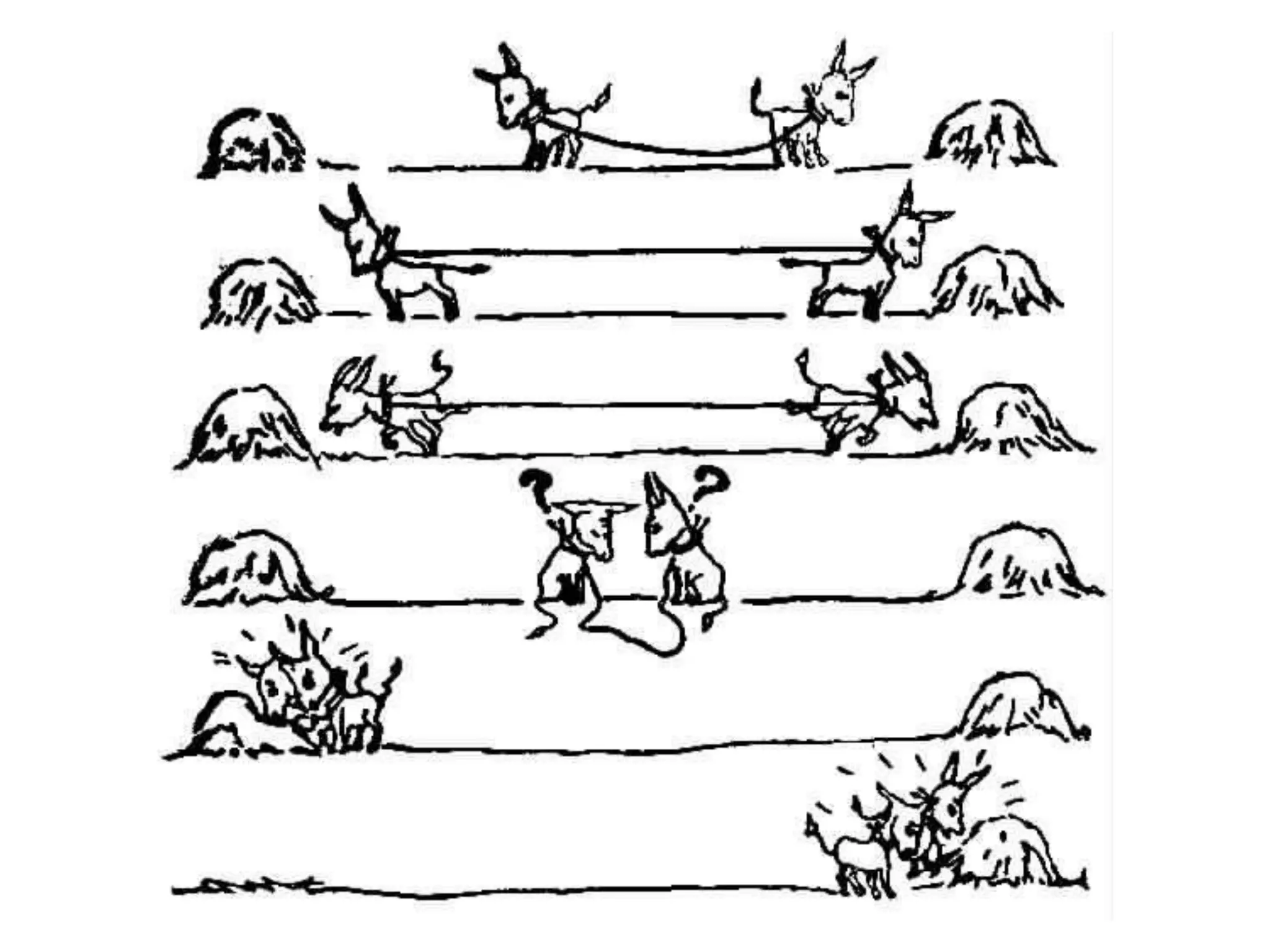
“Create A Story”
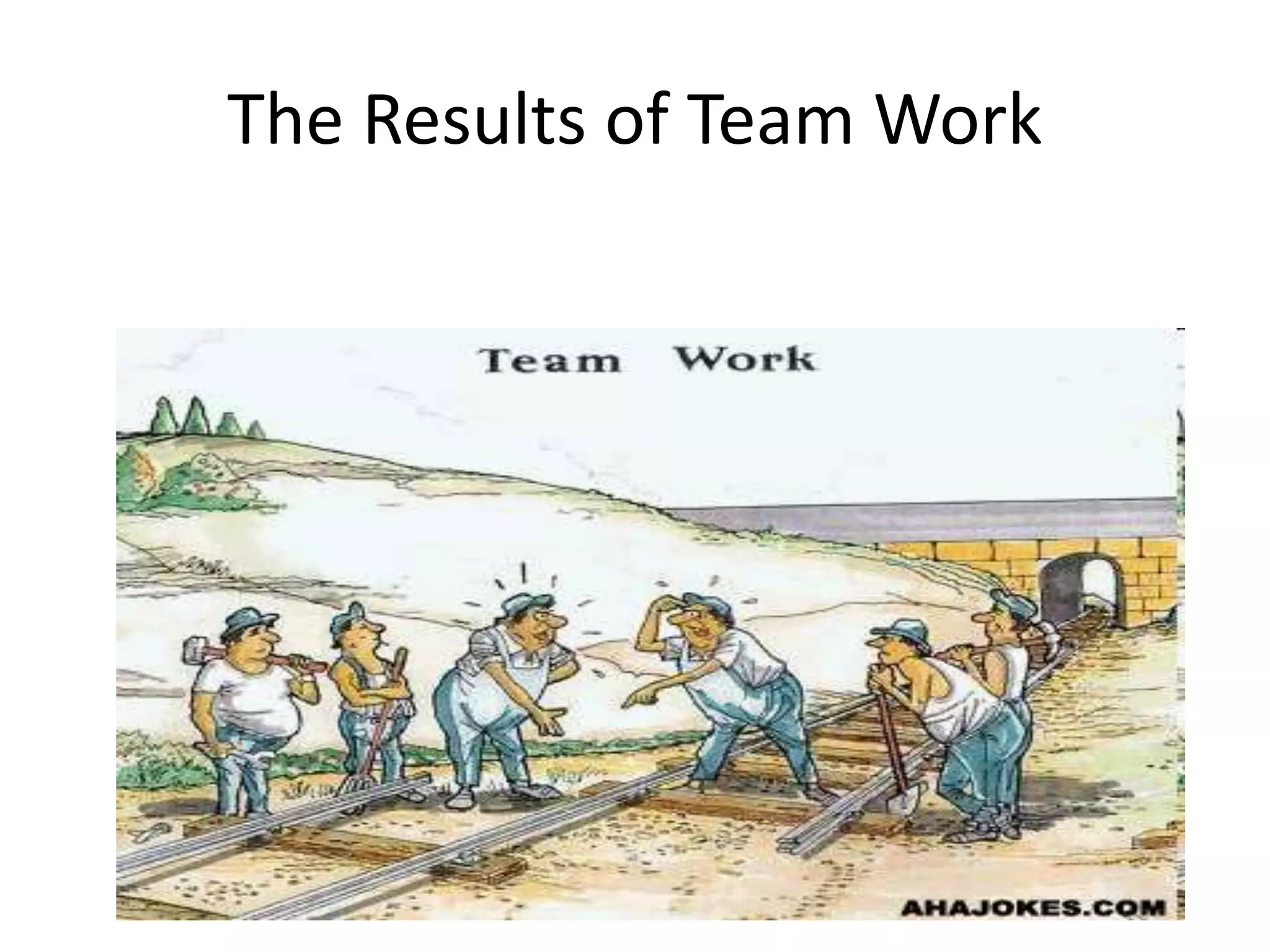
The Results of Team Work
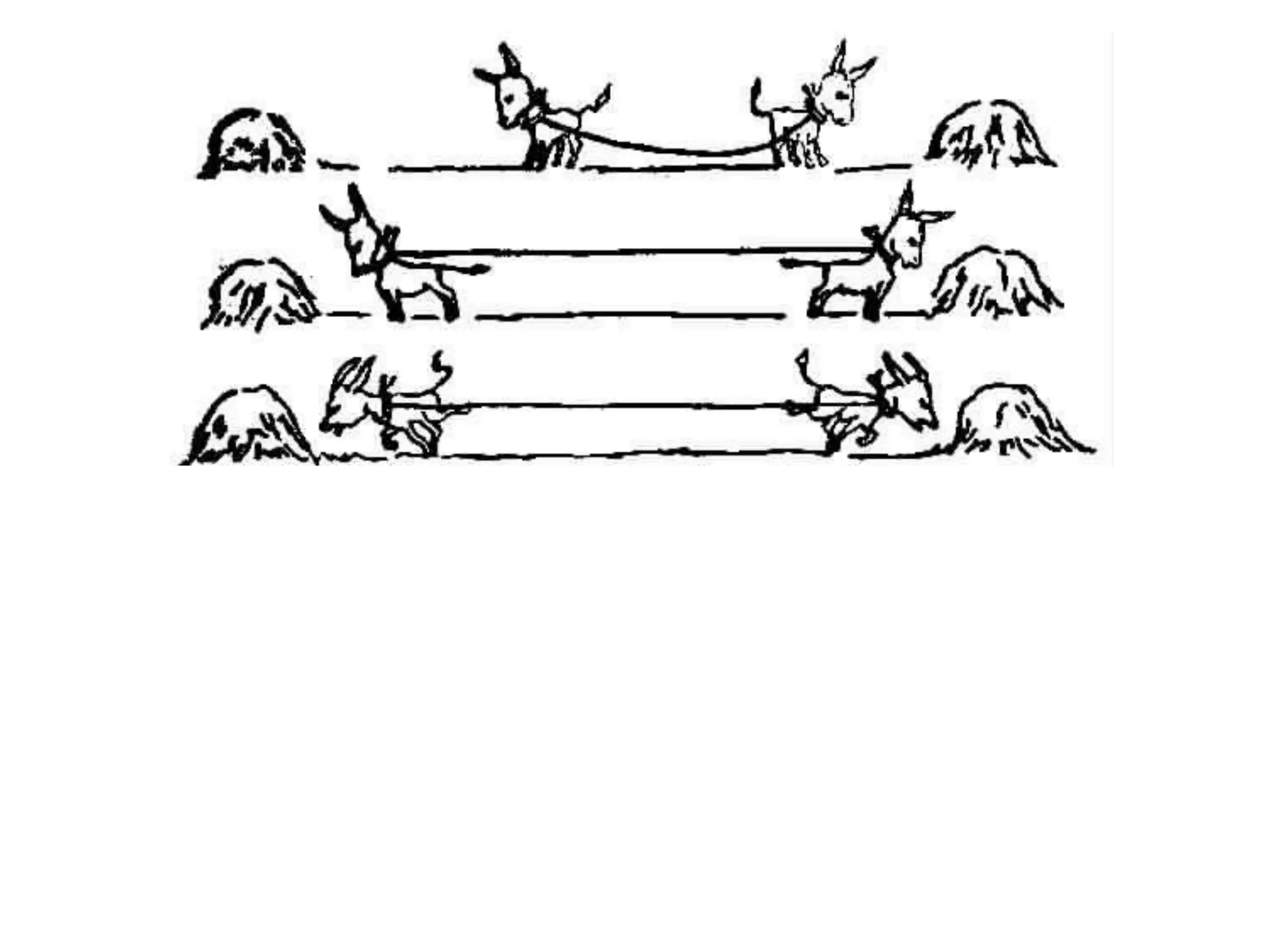
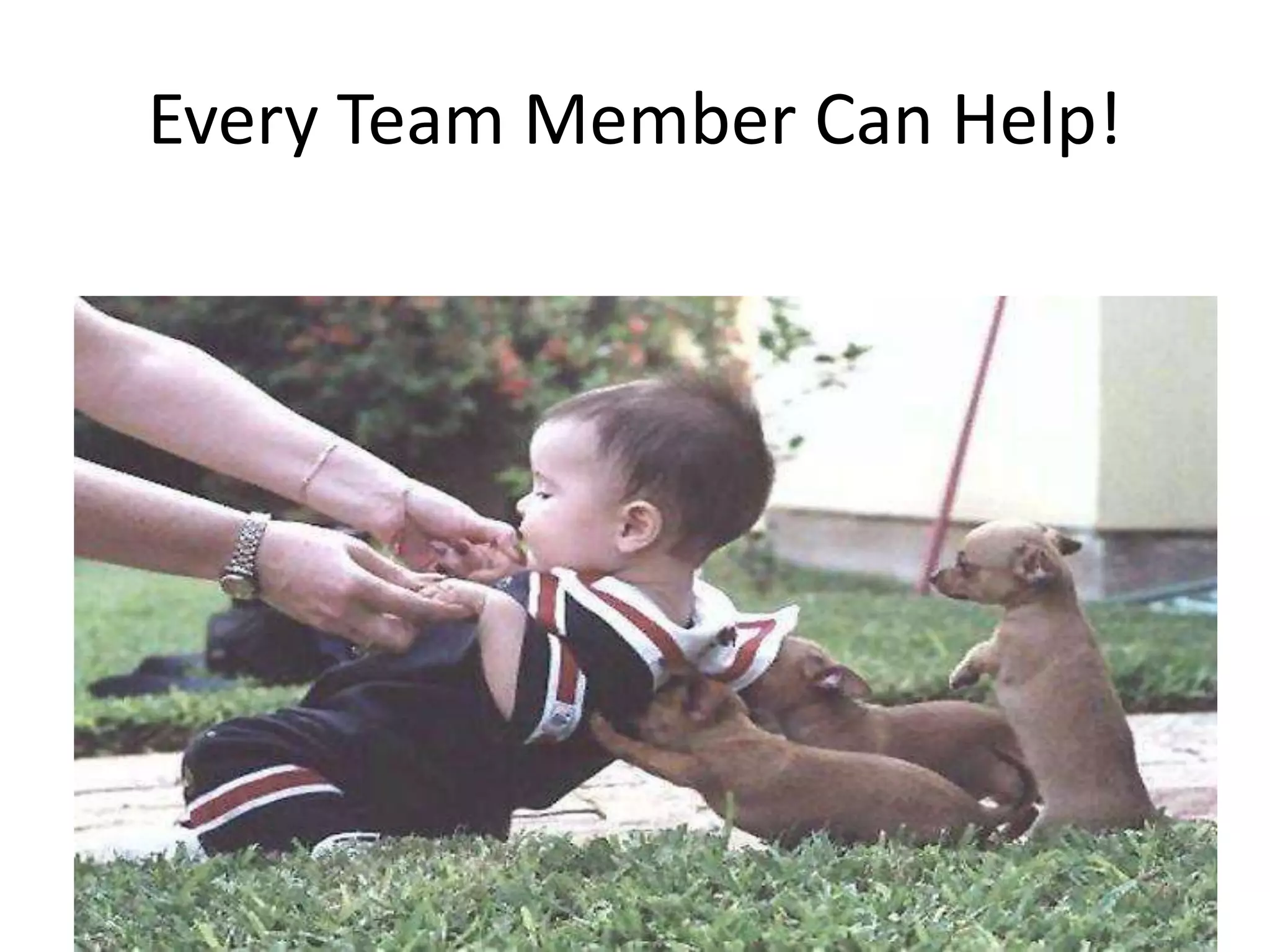
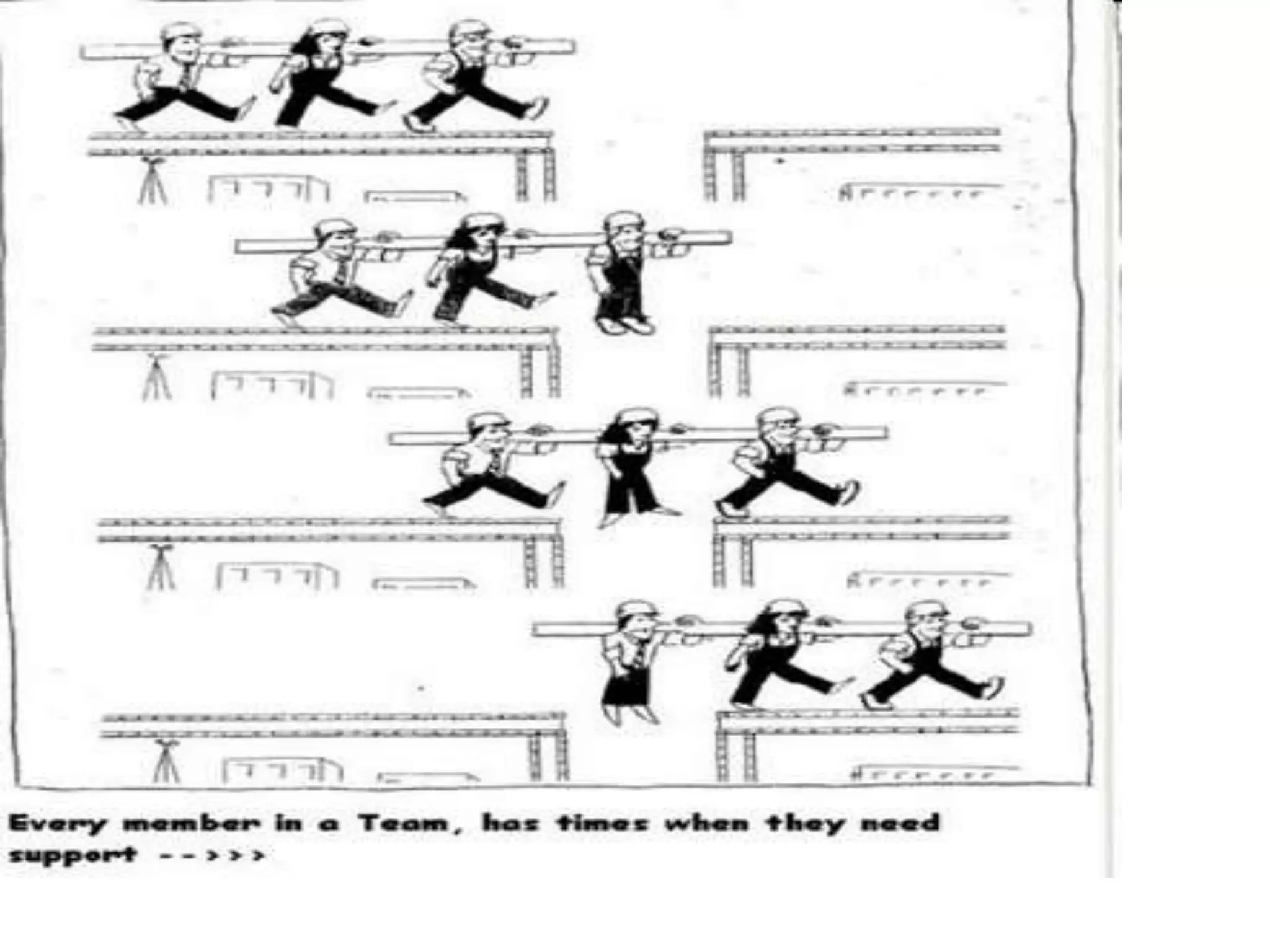
Every Team Member Can Help!
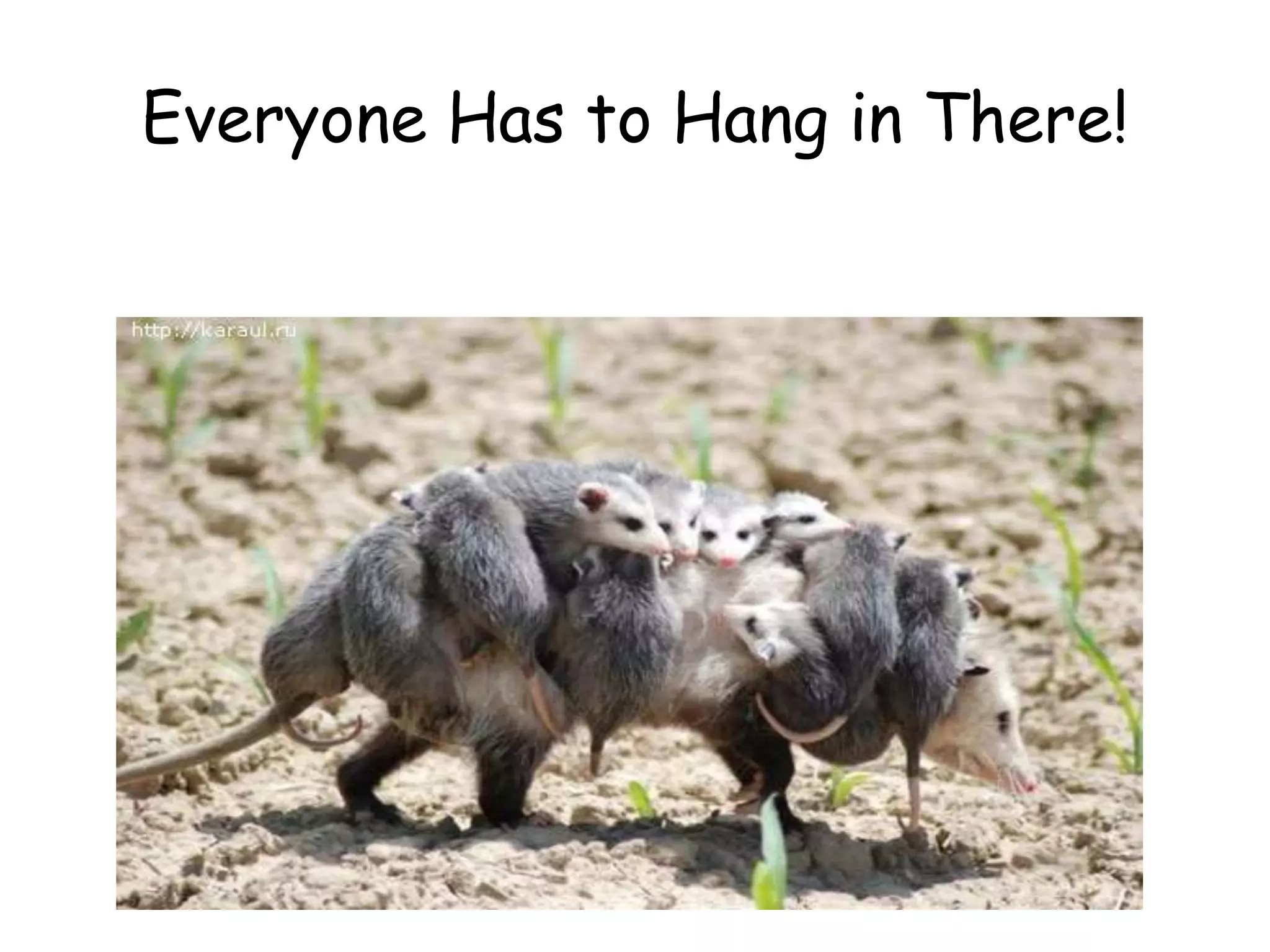
Everyone Has to Hang in There!
Why Should We Be a Team?
• When staff use their skills and knowledge
together, the result is a stronger agency that
can fulfill its mission
“To provide accurate information that would assist
individuals in achieving a better quality of life.”
• People working together can sustain the
enthusiasm and lend support needed to
complete the work of each program.
How does a Team Work Best?
A Teams succeeds when its members have:
• a commitment to common objectives
• defined roles and responsibilities
• effective decision systems, communication
and work procedures
• good personal relationships
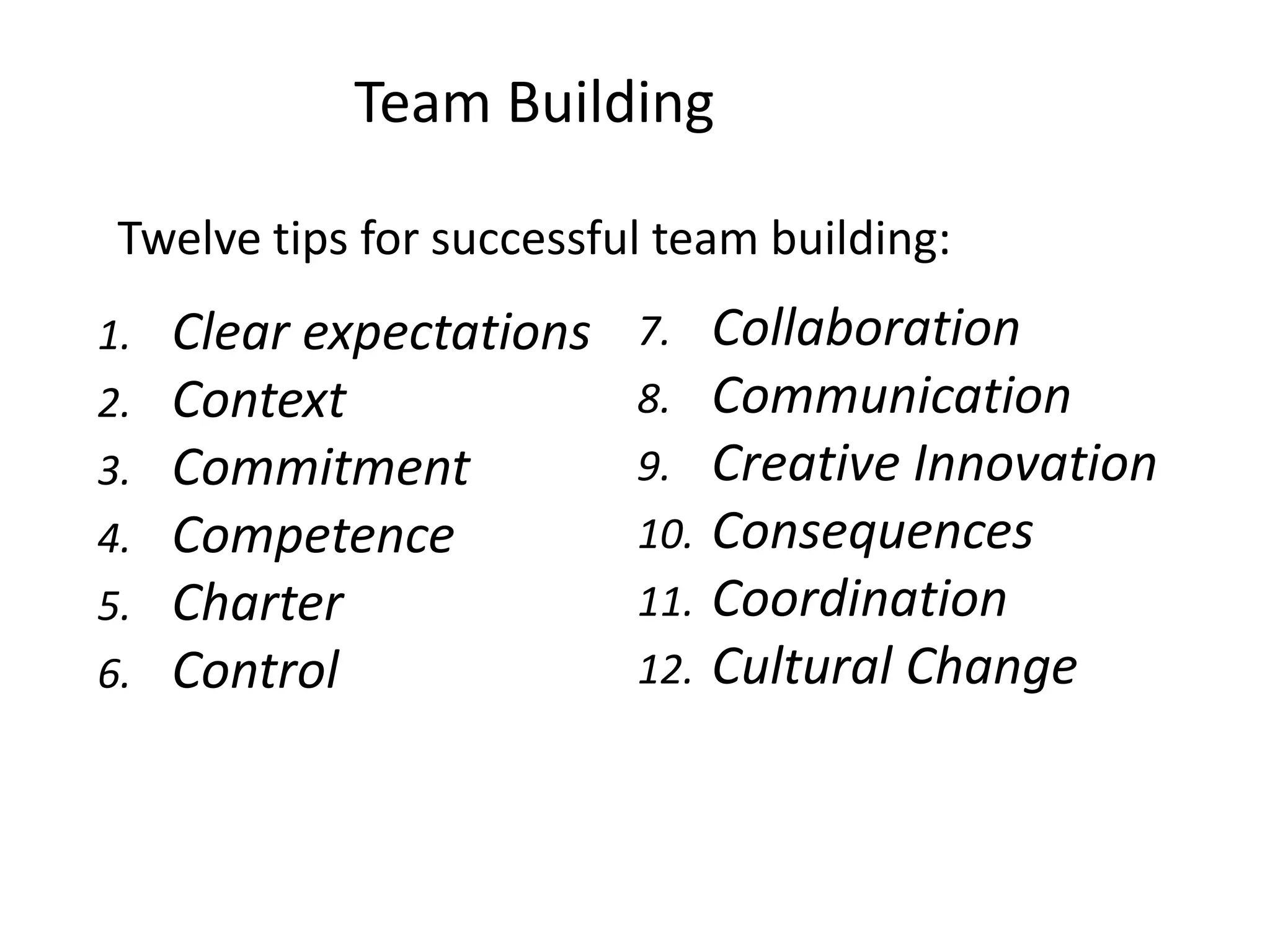
Team Building
Twelve tips for successful team building:
1. Clear expectations
2. Context
3. Commitment
4. Competence
5. Charter
6. Control
7. Collaboration
8. Communication
9. Creative Innovation
10. Consequences
11. Coordination
12. Cultural Change
Definition of teamwork:
– Teamwork is the
concept of people
working together as
a team for one
specific purpose
under the same
value.
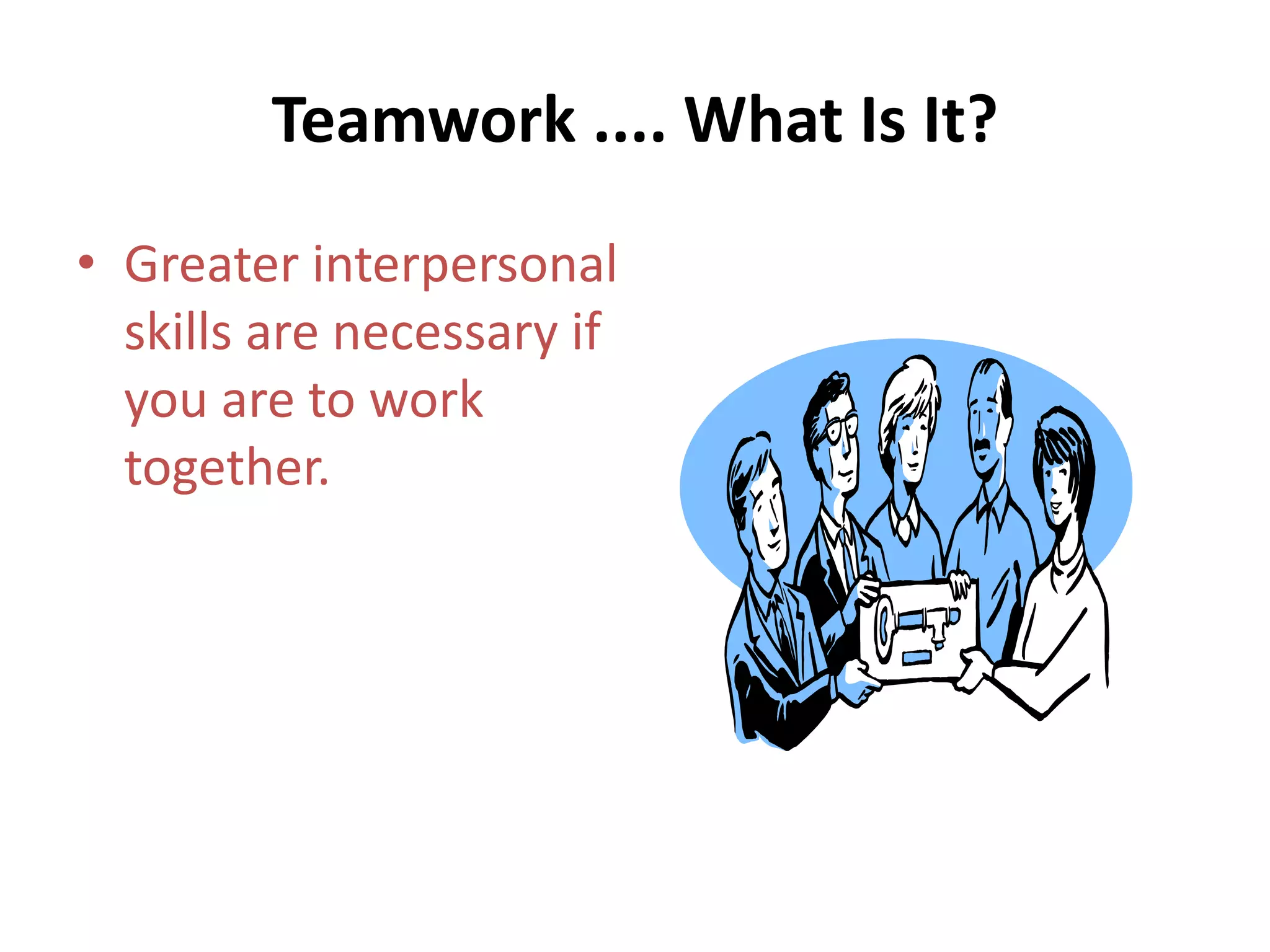
Teamwork .... What Is It?
• Greater interpersonal
skills are necessary if
you are to work
together.
Principles of Teamwork
 Benefits of Teamwork
 Characteristics of the Best Team Leaders
 Characteristics of Great Team Members
 Characteristics of Effective Teams
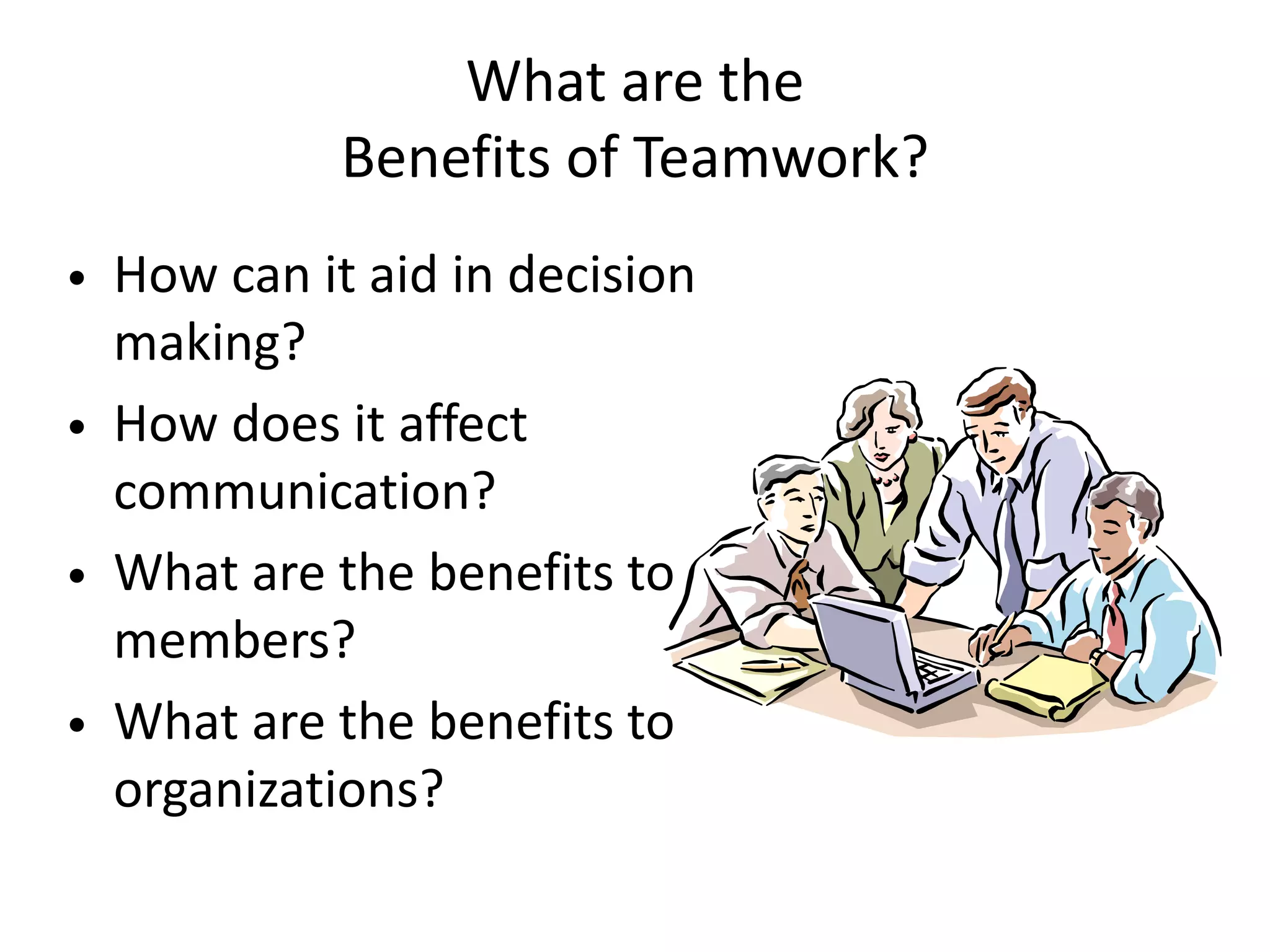
What are the
Benefits of Teamwork?
• How can it aid in decision
making?
• How does it affect
communication?
• What are the benefits to
members?
• What are the benefits to
organizations?
Characteristics of the
Best Team Leaders
• What skills do they have?
• What traits do they exhibit?
• How do they communicate?
• What motivates them?
Characteristics of
Great Team Members
• What makes individual members a
valuable part of the team?
• How do they communicate?
• How do they participate?
• What’s their attitude?
• What’s their motivation?
Characteristics of
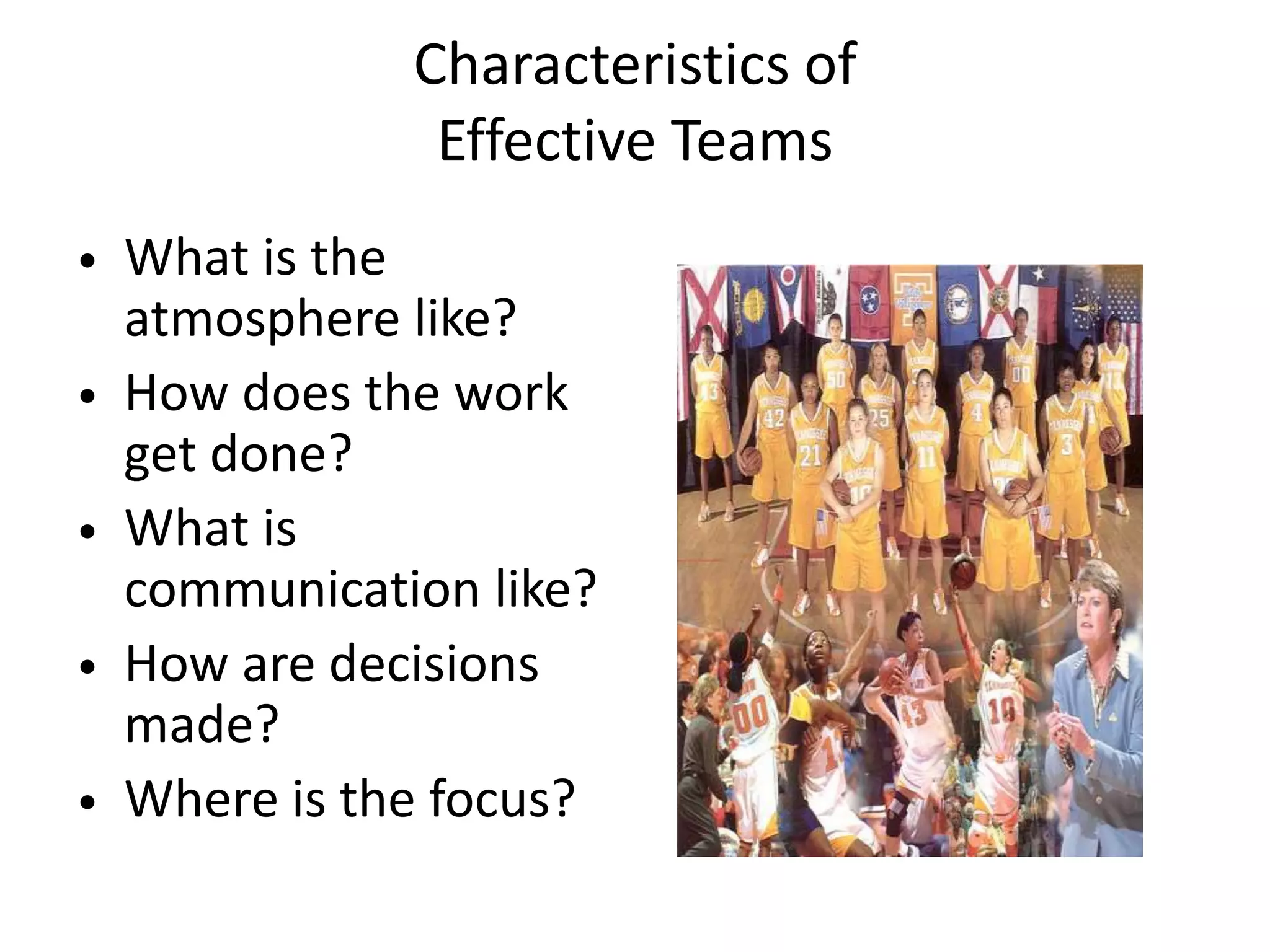
Effective Teams
• What is the
atmosphere like?
• How does the work
get done?
• What is
communication like?
• How are decisions
made?
• Where is the focus?
Qualities of a Team
• Members care for one another
• Members know what is important
• Members communicate with one another
• Members grow together
• There is a team fit
Team Morale Depends On
Support
Resources
Communication
Personalities
Teamwork Skills
• Listen
• Question
• Persuade
• Respect
• Help
• Share
• Participate
What Is A Team?
According to Webster's Ninth Edition:
In other words, when one person cannot accomplish a
job alone and several individuals must cooperate to
fulfill a mission, you need a team. The better the
cooperation, communication, and coordination among
team members, the more efficient the team.
“A team is a number of persons
associated together in work or activity:
as a group on one side (as in football or
debate).”
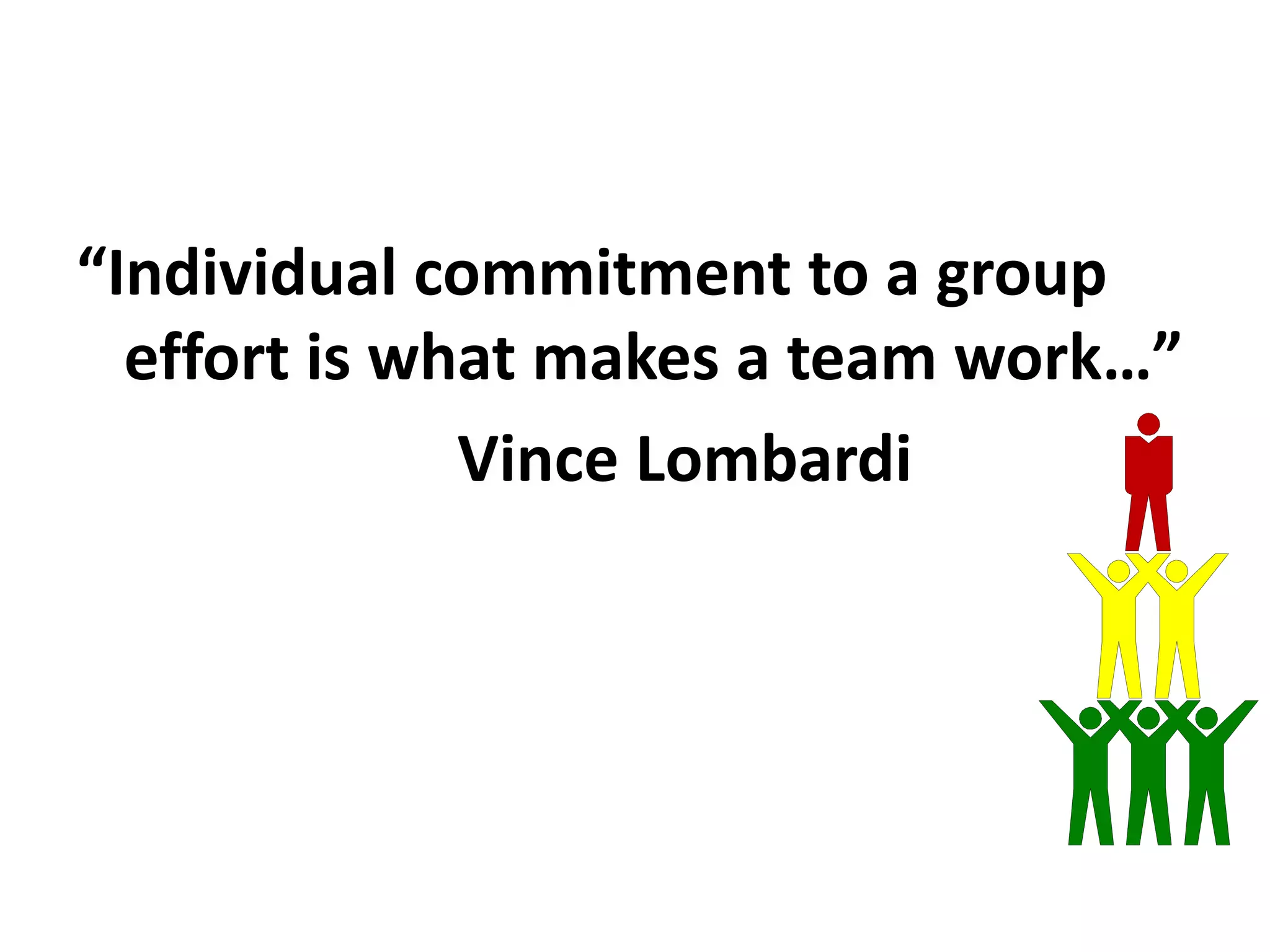
“Individual commitment to a group
effort is what makes a team work…”
Vince Lombardi
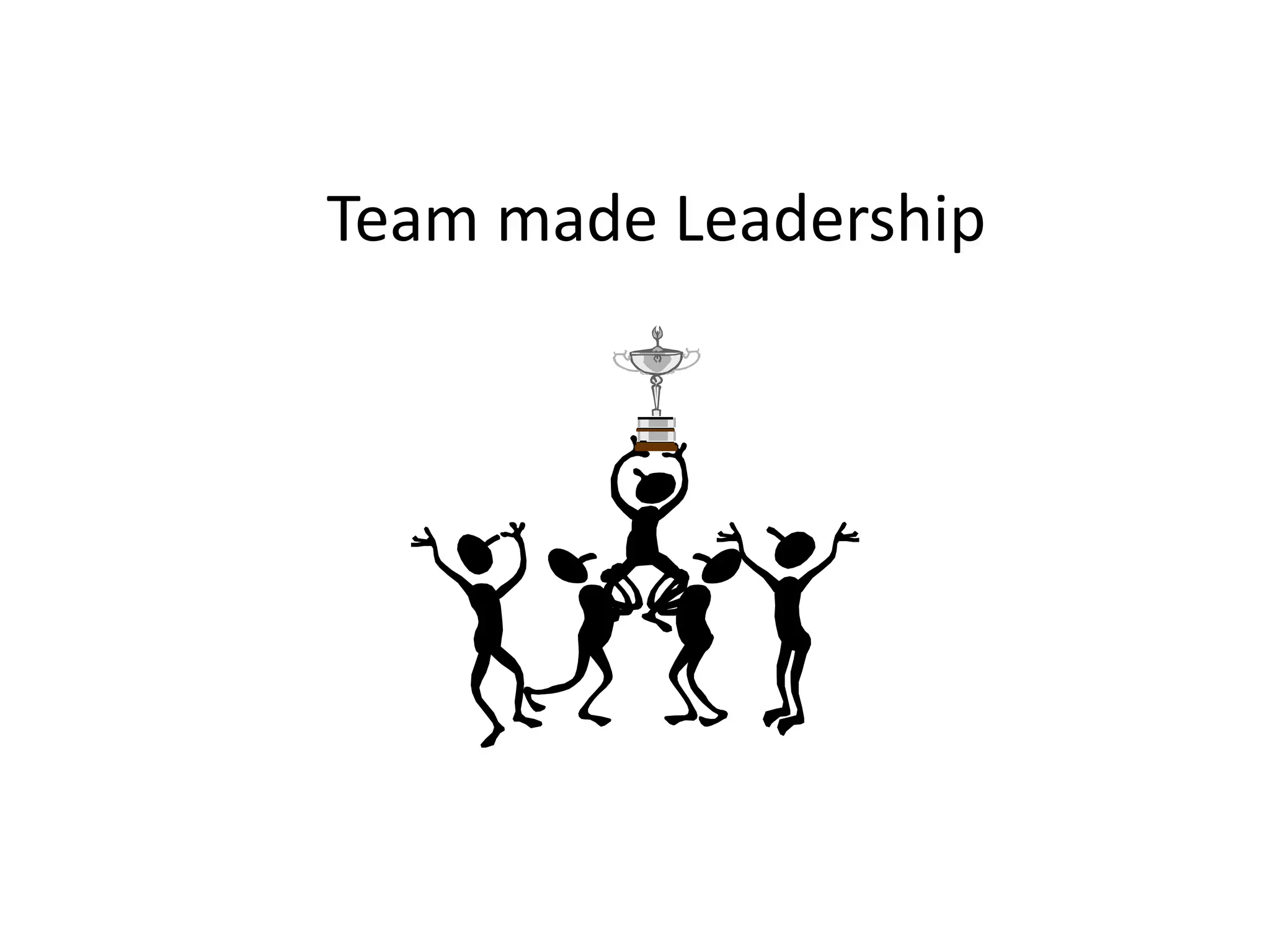
Team made Leadership
How do Teams Work Best?
• Teams succeed when members have:
• Commitment to common objectives;
• Defined roles and responsibilities;
• Effective decision systems, communication
and work procedures; and,
• Good personal relationships.
Behaviors
• Competitive relationships become more
cooperative.
• There is a willingness to confront issues
and solve problems.
• Teams develop the ability to express criticism
constructively.
• There is a sense of team spirit.
Giving Constructive Feedback
• Be descriptive
• Don't use labels
• Don’t exaggerate
• Don’t be judgmental
• Speak for yourself
Giving Constructive Feedback
• Use “I” messages.
• Restrict your feedback to things you know for
certain.
• Help people hear and accept your
compliments when giving positive feedback.
Receiving Feedback
• Listen carefully.
• Ask questions for clarity.
• Acknowledge the feedback.
• Acknowledge the valid points.
• Take time to sort out what you heard.
Beginnings of conflict:
• Poor communication
• Seeking power
• Dissatisfaction with management style
• Weak leadership
• Lack of openness
• Change in leadership
Conflict indicators:
• Body language
• Disagreements, regardless of issue
• Withholding bad news
• Surprises
• Conflicts in value system
• Desire for power
• Increasing lack of respect
• Open disagreement
• Lack of clear goals
Techniques for avoiding and/or resolving
conflict:
• Meet conflict head on
• Plan for and communicate frequently
• Be honest about concerns
• Agree to disagree - understand healthy disagreement would
build better decisions
• Let your team create - people will support what they help
create
• Discuss differences in values openly
• Continually stress the importance of following policy
• Communicate honestly - avoid playing "gotcha" type games
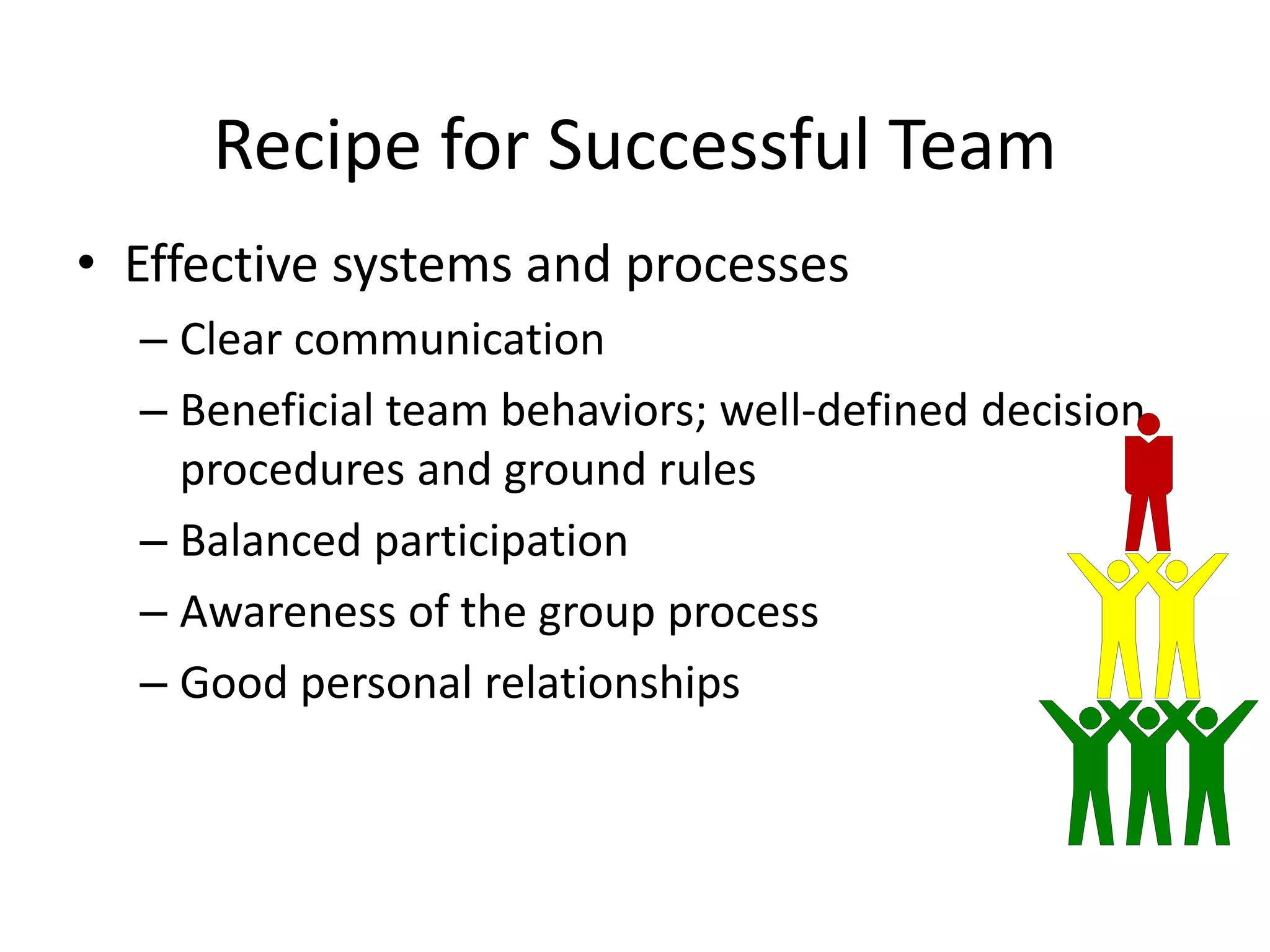
Recipe for Successful Team
• Commitment to shared goals and objectives
• Clearly define roles and responsibilities
Use best skills of each
Allows each to develop in all areas
Recipe for Successful Team
• Effective systems and processes
– Clear communication
– Beneficial team behaviors; well-defined decision
procedures and ground rules
– Balanced participation
– Awareness of the group process
– Good personal relationships
Negotiating Conflict
• Separate problem issues from people issues.
• Be soft on people, hard on problem.
• Look for underlying needs, goals of each party
rather than specific solutions.
Addressing the Problem
• State your views in clear non-judgmental
language.
• Clarify the core issues.
• Listen carefully to each person’s point of view.
• Check understanding by restating the core
issues.
Valued Team Members
• Every one has potential to be a leader
• Success often depends on your ability to
be an effective team member
Becoming a
Valued Team Member
• Avoid any action that might sabotage the
team
• Keep in mind that effective team
membership depends on honest, open
communication
• Do not feel the need to submerge your own
strong believes, creative solutions, and
ideas
Teamwork .... Why?
• Teams are a part of everyone's life. You're a
member of a family team.
• So it's appropriate that you understand how
to function effectively as a team member.
Teamwork ....
What Are Your Beliefs and Attitudes?
• Let's begin by
considering the most
important element of
teamwork-how
• you feel about it!
Teamwork depends not
only on your skills, but
on your attitudes as
well.
Keep the following in mind:
• Teamwork improves the working
environment.
• Teamwork keeps communication consistent.
• Teamwork relieves stress.
• Teamwork reduces errors.
• Teamwork keeps communication lines open.
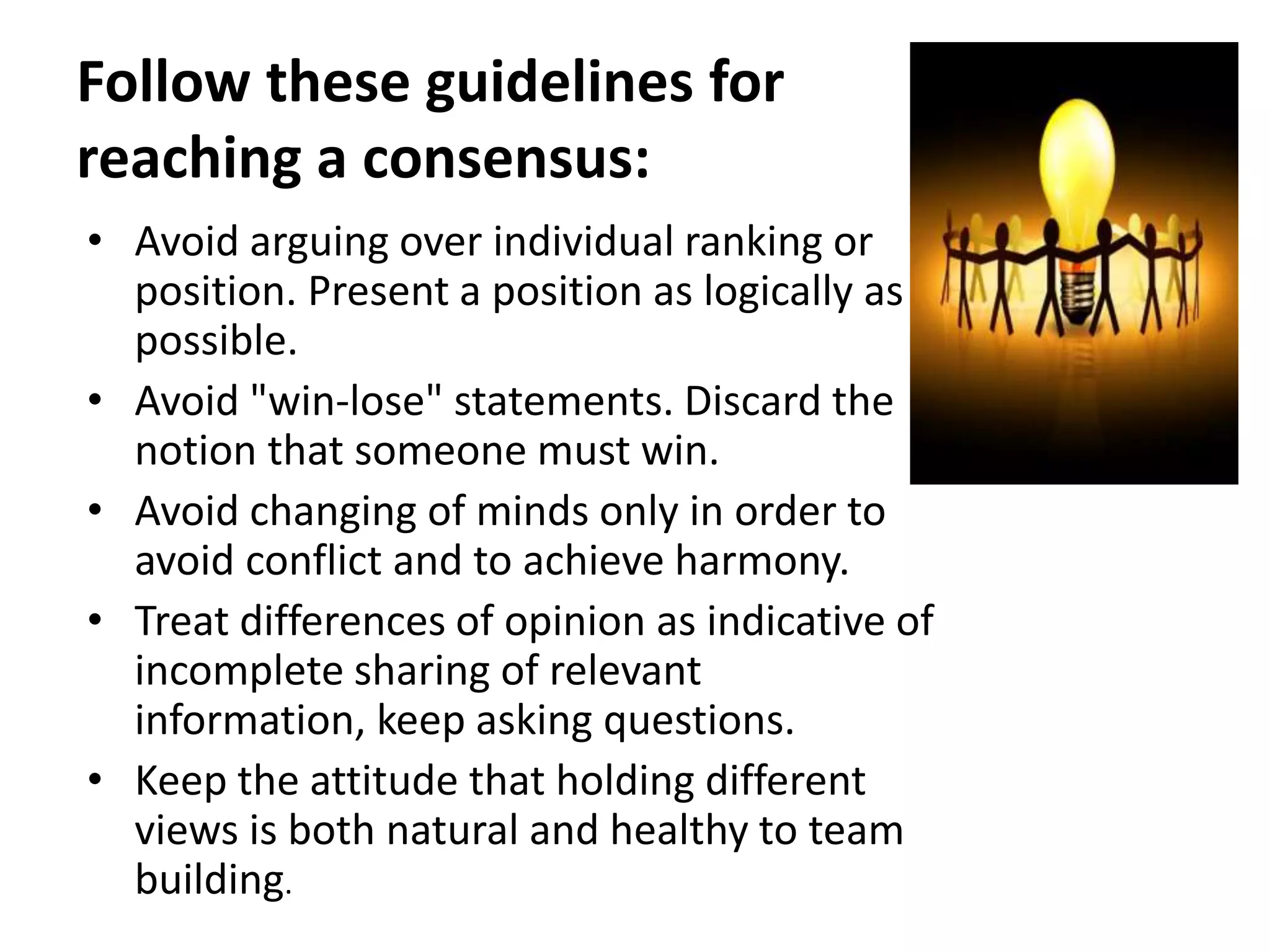
Follow these guidelines for
reaching a consensus:
• Avoid arguing over individual ranking or
position. Present a position as logically as
possible.
• Avoid "win-lose" statements. Discard the
notion that someone must win.
• Avoid changing of minds only in order to
avoid conflict and to achieve harmony.
• Treat differences of opinion as indicative of
incomplete sharing of relevant
information, keep asking questions.
• Keep the attitude that holding different
views is both natural and healthy to team
building.
slsmls.org
Enjoy your Game!

Team Building by Ravi Kumudesh

  • 1.
    Team Building Ravi Kumudesh MSc/BSc/Dip(MLT) SriLanka Society for Medical Laboratory Science slsmls.org
  • 2.
  • 3.
    The Results ofTeam Work
  • 6.
  • 7.
    Everyone Has toHang in There!
  • 8.
    Why Should WeBe a Team? • When staff use their skills and knowledge together, the result is a stronger agency that can fulfill its mission “To provide accurate information that would assist individuals in achieving a better quality of life.” • People working together can sustain the enthusiasm and lend support needed to complete the work of each program.
  • 9.
    How does aTeam Work Best? A Teams succeeds when its members have: • a commitment to common objectives • defined roles and responsibilities • effective decision systems, communication and work procedures • good personal relationships
  • 10.
    Team Building Twelve tipsfor successful team building: 1. Clear expectations 2. Context 3. Commitment 4. Competence 5. Charter 6. Control 7. Collaboration 8. Communication 9. Creative Innovation 10. Consequences 11. Coordination 12. Cultural Change
  • 11.
    Definition of teamwork: –Teamwork is the concept of people working together as a team for one specific purpose under the same value.
  • 12.
    Teamwork .... WhatIs It? • Greater interpersonal skills are necessary if you are to work together.
  • 13.
    Principles of Teamwork Benefits of Teamwork  Characteristics of the Best Team Leaders  Characteristics of Great Team Members  Characteristics of Effective Teams
  • 14.
    What are the Benefitsof Teamwork? • How can it aid in decision making? • How does it affect communication? • What are the benefits to members? • What are the benefits to organizations?
  • 15.
    Characteristics of the BestTeam Leaders • What skills do they have? • What traits do they exhibit? • How do they communicate? • What motivates them?
  • 16.
    Characteristics of Great TeamMembers • What makes individual members a valuable part of the team? • How do they communicate? • How do they participate? • What’s their attitude? • What’s their motivation?
  • 17.
    Characteristics of Effective Teams •What is the atmosphere like? • How does the work get done? • What is communication like? • How are decisions made? • Where is the focus?
  • 18.
    Qualities of aTeam • Members care for one another • Members know what is important • Members communicate with one another • Members grow together • There is a team fit
  • 19.
    Team Morale DependsOn Support Resources Communication Personalities
  • 20.
    Teamwork Skills • Listen •Question • Persuade • Respect • Help • Share • Participate
  • 21.
    What Is ATeam? According to Webster's Ninth Edition: In other words, when one person cannot accomplish a job alone and several individuals must cooperate to fulfill a mission, you need a team. The better the cooperation, communication, and coordination among team members, the more efficient the team. “A team is a number of persons associated together in work or activity: as a group on one side (as in football or debate).”
  • 22.
    “Individual commitment toa group effort is what makes a team work…” Vince Lombardi
  • 23.
  • 24.
    How do TeamsWork Best? • Teams succeed when members have: • Commitment to common objectives; • Defined roles and responsibilities; • Effective decision systems, communication and work procedures; and, • Good personal relationships.
  • 25.
    Behaviors • Competitive relationshipsbecome more cooperative. • There is a willingness to confront issues and solve problems. • Teams develop the ability to express criticism constructively. • There is a sense of team spirit.
  • 26.
    Giving Constructive Feedback •Be descriptive • Don't use labels • Don’t exaggerate • Don’t be judgmental • Speak for yourself
  • 27.
    Giving Constructive Feedback •Use “I” messages. • Restrict your feedback to things you know for certain. • Help people hear and accept your compliments when giving positive feedback.
  • 28.
    Receiving Feedback • Listencarefully. • Ask questions for clarity. • Acknowledge the feedback. • Acknowledge the valid points. • Take time to sort out what you heard.
  • 29.
    Beginnings of conflict: •Poor communication • Seeking power • Dissatisfaction with management style • Weak leadership • Lack of openness • Change in leadership
  • 30.
    Conflict indicators: • Bodylanguage • Disagreements, regardless of issue • Withholding bad news • Surprises • Conflicts in value system • Desire for power • Increasing lack of respect • Open disagreement • Lack of clear goals
  • 31.
    Techniques for avoidingand/or resolving conflict: • Meet conflict head on • Plan for and communicate frequently • Be honest about concerns • Agree to disagree - understand healthy disagreement would build better decisions • Let your team create - people will support what they help create • Discuss differences in values openly • Continually stress the importance of following policy • Communicate honestly - avoid playing "gotcha" type games
  • 32.
    Recipe for SuccessfulTeam • Commitment to shared goals and objectives • Clearly define roles and responsibilities Use best skills of each Allows each to develop in all areas
  • 33.
    Recipe for SuccessfulTeam • Effective systems and processes – Clear communication – Beneficial team behaviors; well-defined decision procedures and ground rules – Balanced participation – Awareness of the group process – Good personal relationships
  • 34.
    Negotiating Conflict • Separateproblem issues from people issues. • Be soft on people, hard on problem. • Look for underlying needs, goals of each party rather than specific solutions.
  • 35.
    Addressing the Problem •State your views in clear non-judgmental language. • Clarify the core issues. • Listen carefully to each person’s point of view. • Check understanding by restating the core issues.
  • 36.
    Valued Team Members •Every one has potential to be a leader • Success often depends on your ability to be an effective team member
  • 37.
    Becoming a Valued TeamMember • Avoid any action that might sabotage the team • Keep in mind that effective team membership depends on honest, open communication • Do not feel the need to submerge your own strong believes, creative solutions, and ideas
  • 41.
    Teamwork .... Why? •Teams are a part of everyone's life. You're a member of a family team. • So it's appropriate that you understand how to function effectively as a team member.
  • 42.
    Teamwork .... What AreYour Beliefs and Attitudes? • Let's begin by considering the most important element of teamwork-how • you feel about it! Teamwork depends not only on your skills, but on your attitudes as well.
  • 43.
    Keep the followingin mind: • Teamwork improves the working environment. • Teamwork keeps communication consistent. • Teamwork relieves stress. • Teamwork reduces errors. • Teamwork keeps communication lines open.
  • 44.
    Follow these guidelinesfor reaching a consensus: • Avoid arguing over individual ranking or position. Present a position as logically as possible. • Avoid "win-lose" statements. Discard the notion that someone must win. • Avoid changing of minds only in order to avoid conflict and to achieve harmony. • Treat differences of opinion as indicative of incomplete sharing of relevant information, keep asking questions. • Keep the attitude that holding different views is both natural and healthy to team building.
  • 45.