This document provides guidance on key concepts and skills for practical biology experiments, including:
1. Experimental design involves establishing a testable hypothesis with independent and dependent variables. Proper controls and minimizing random/systematic errors ensures fair and reliable tests.
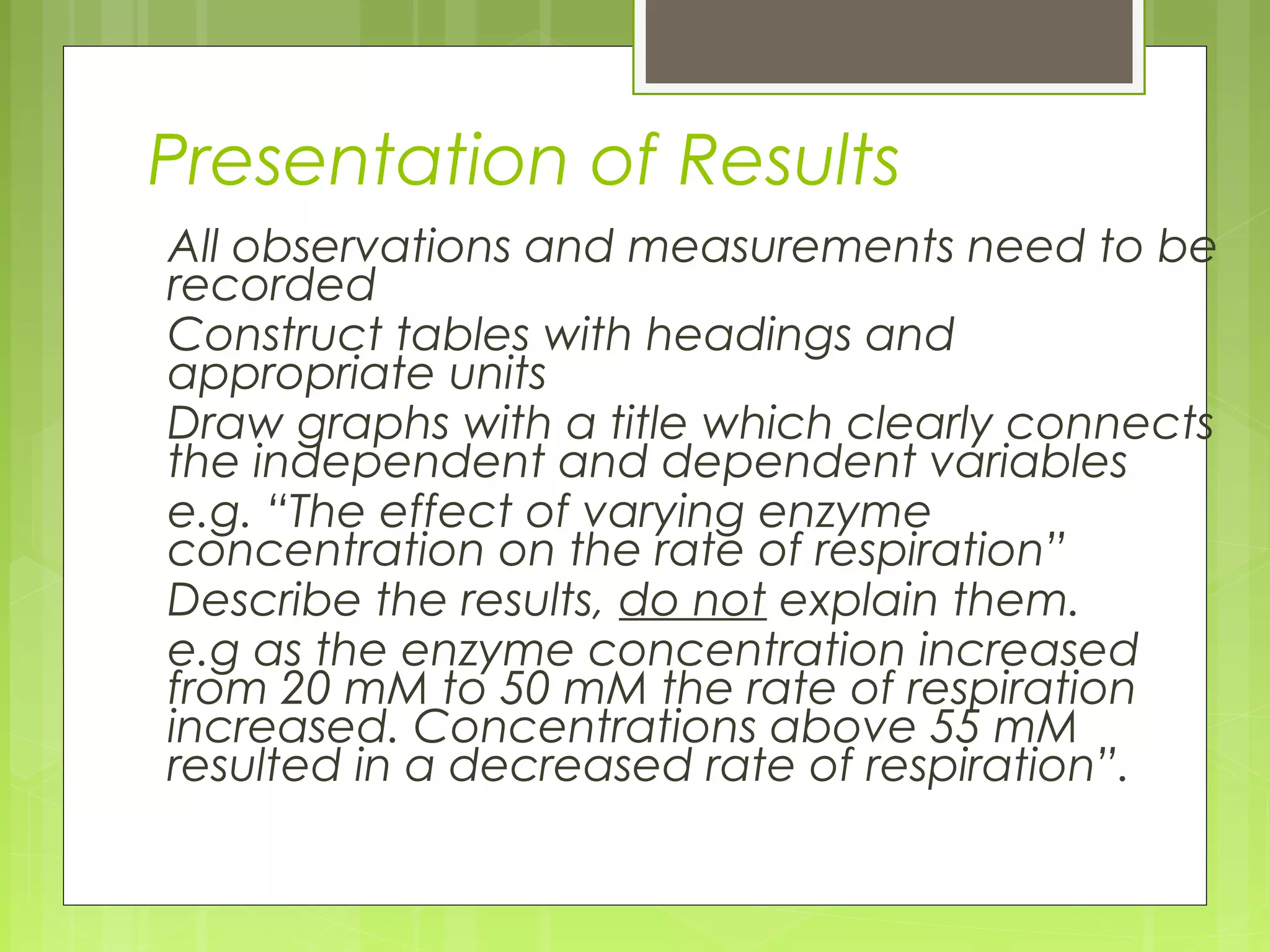
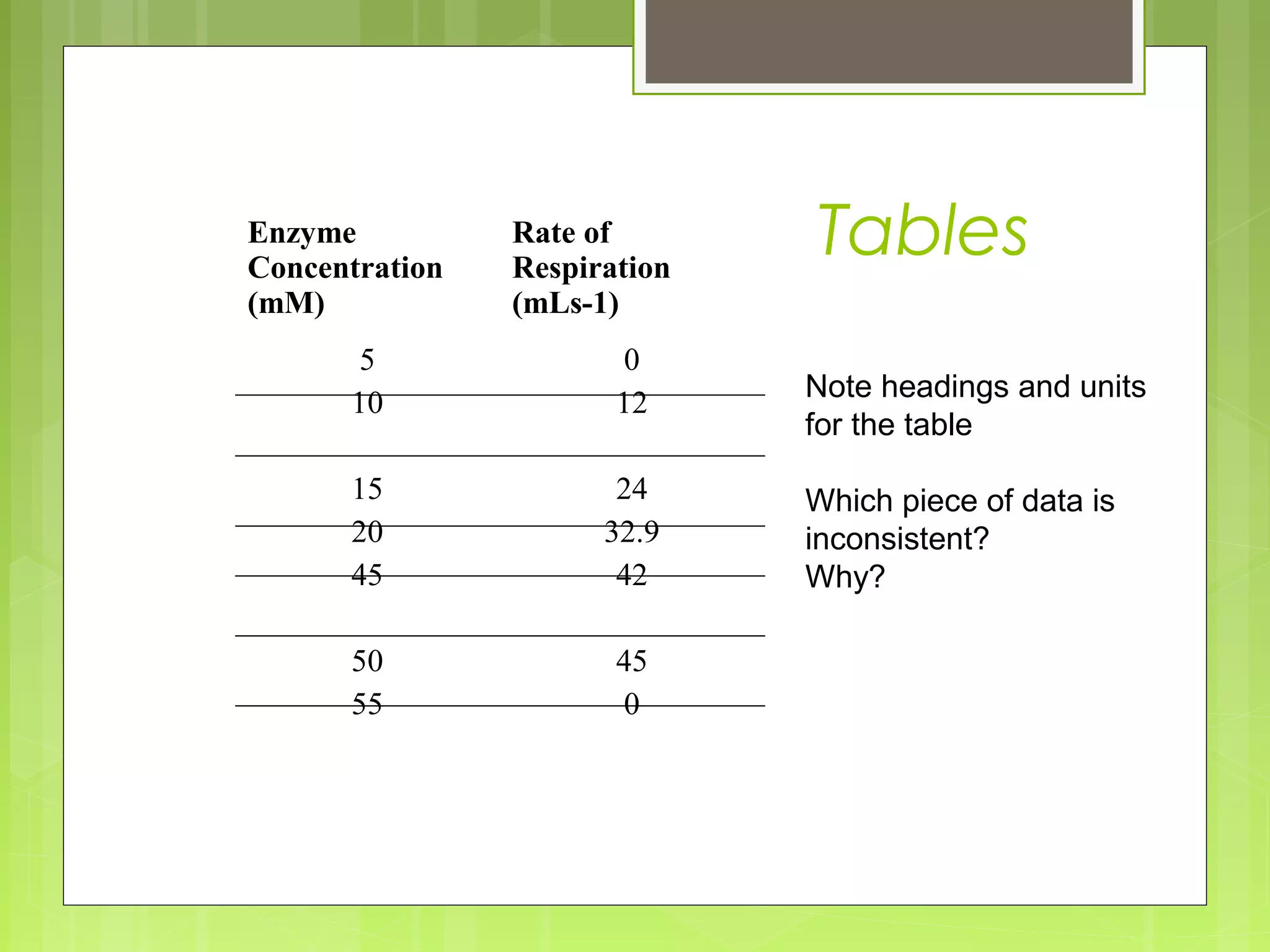
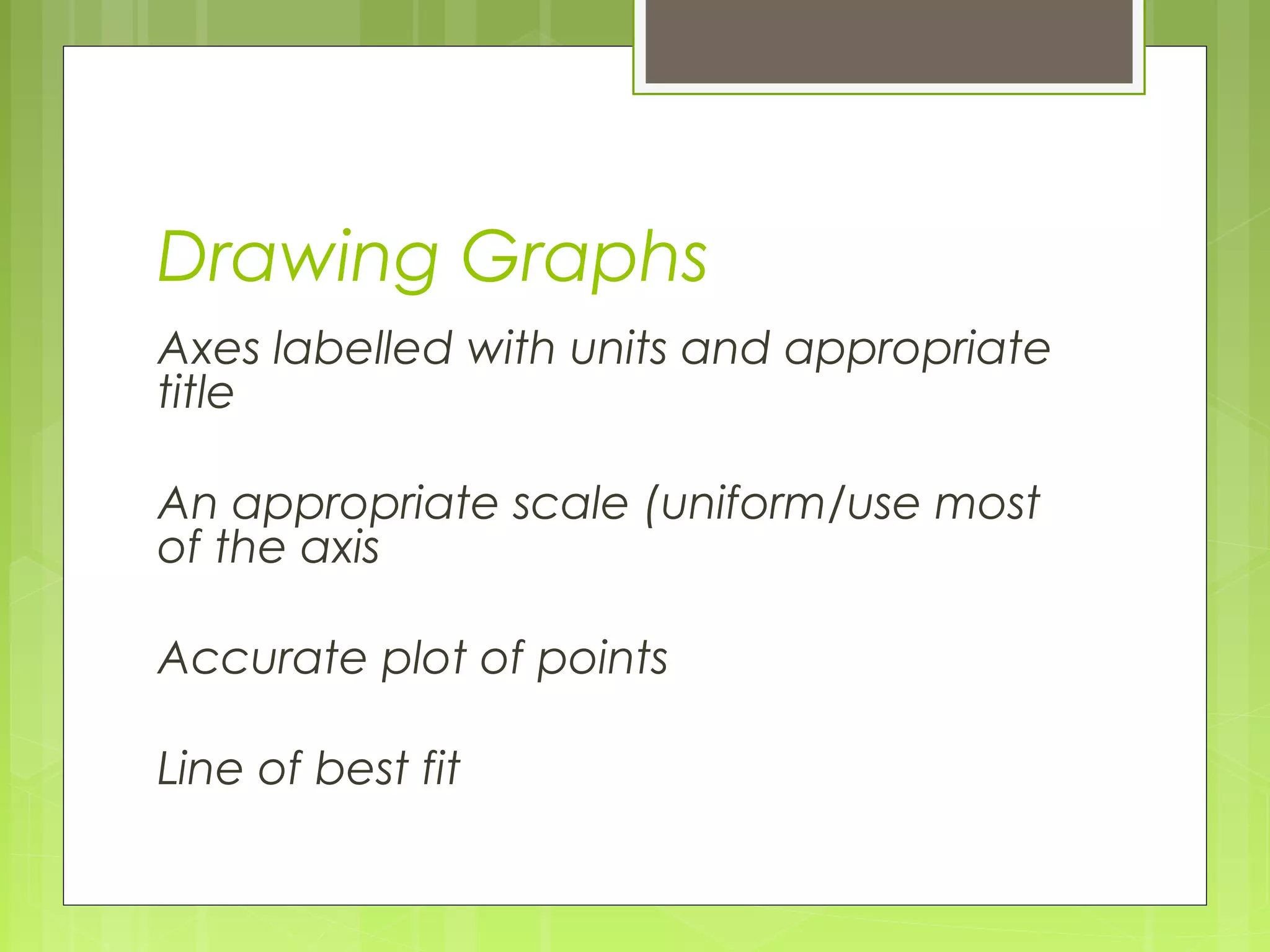
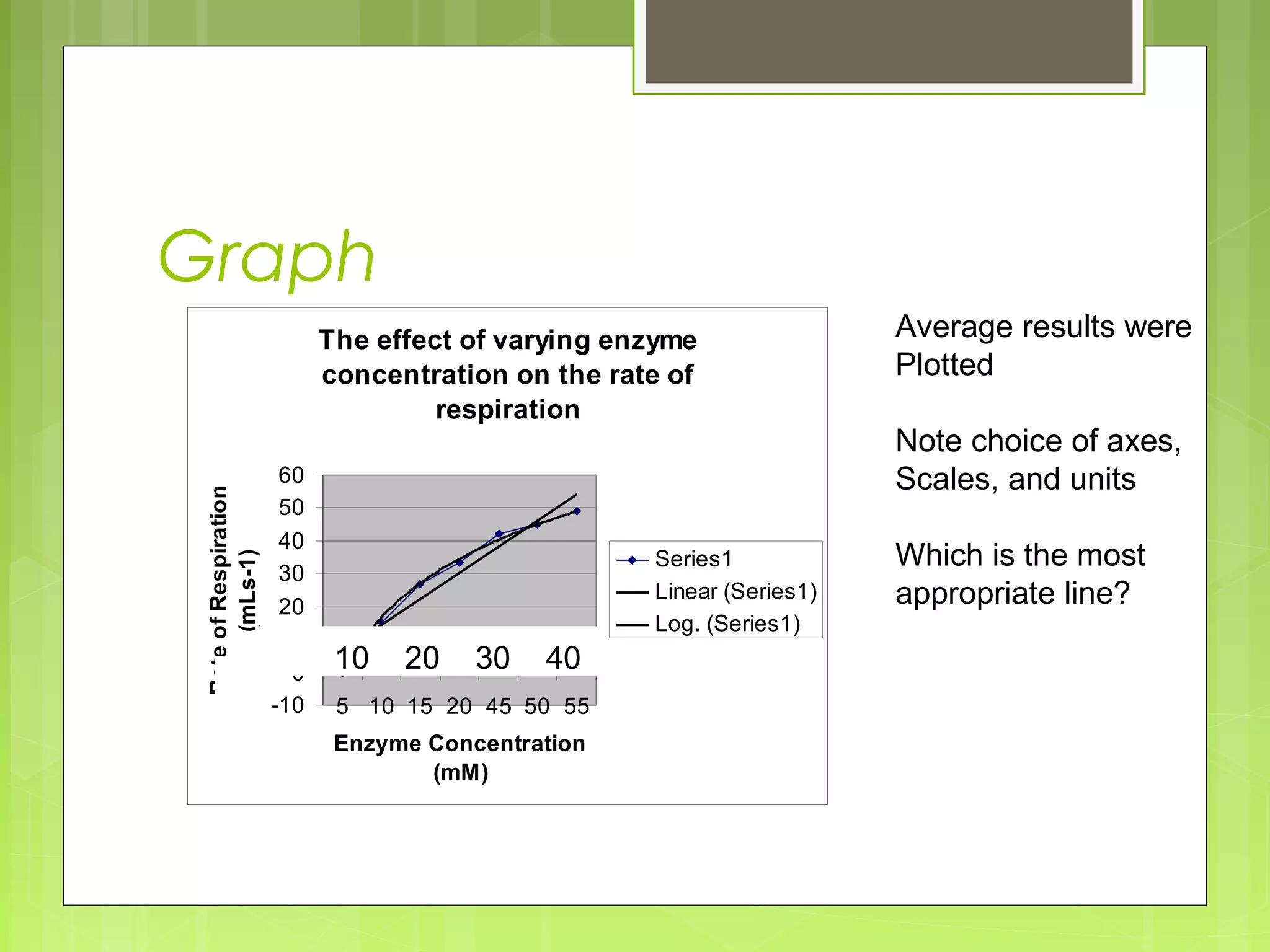
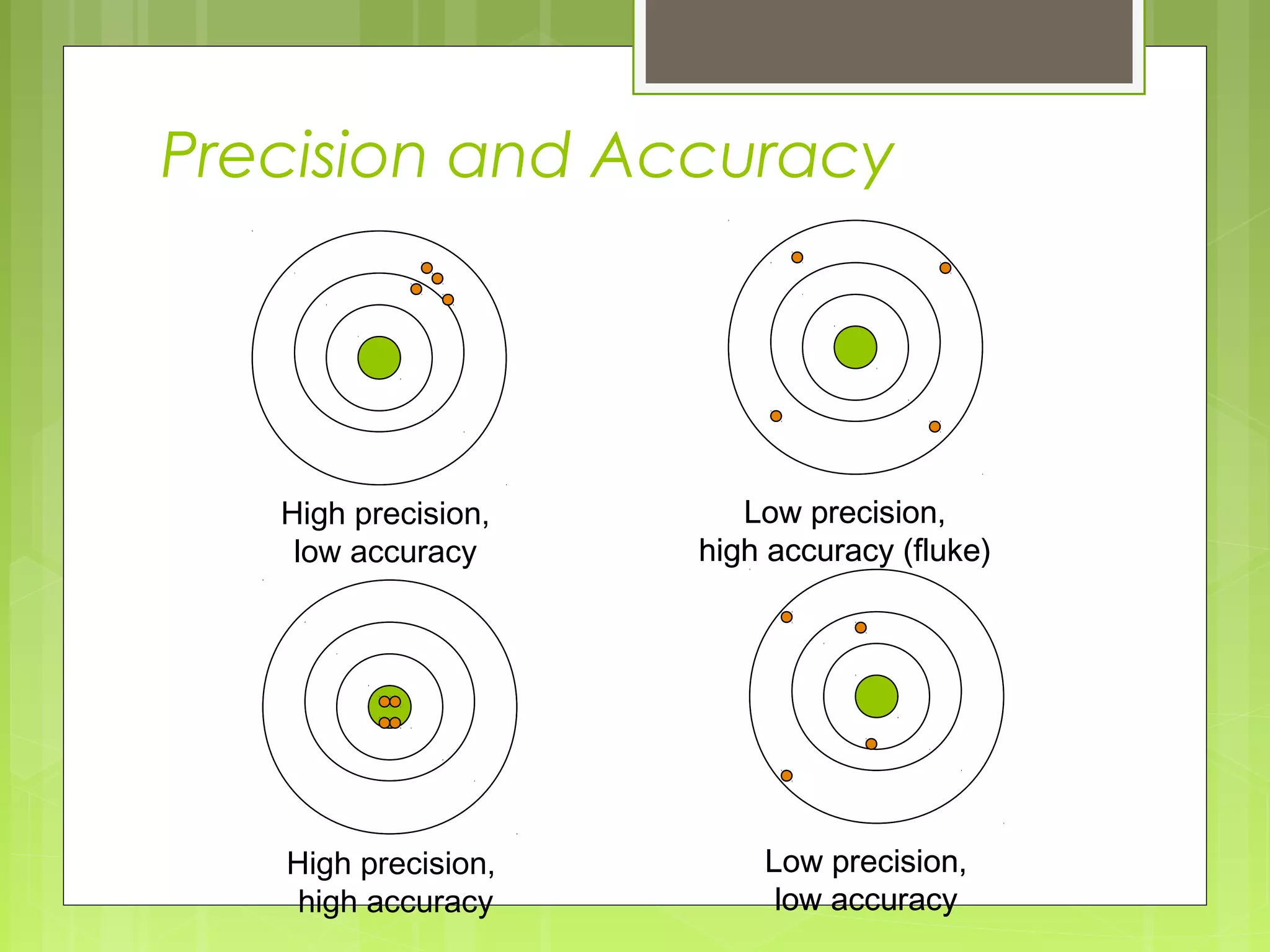
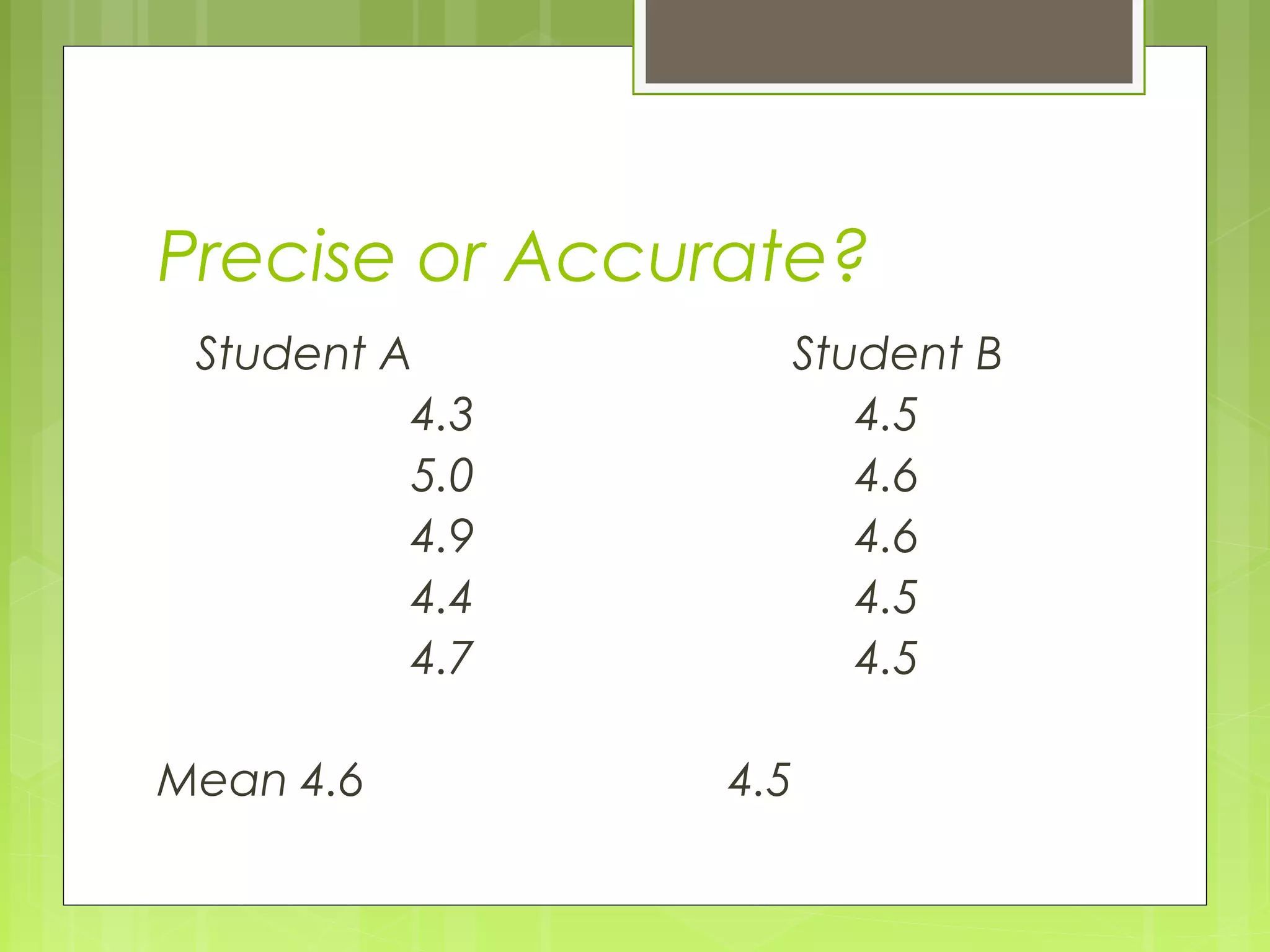
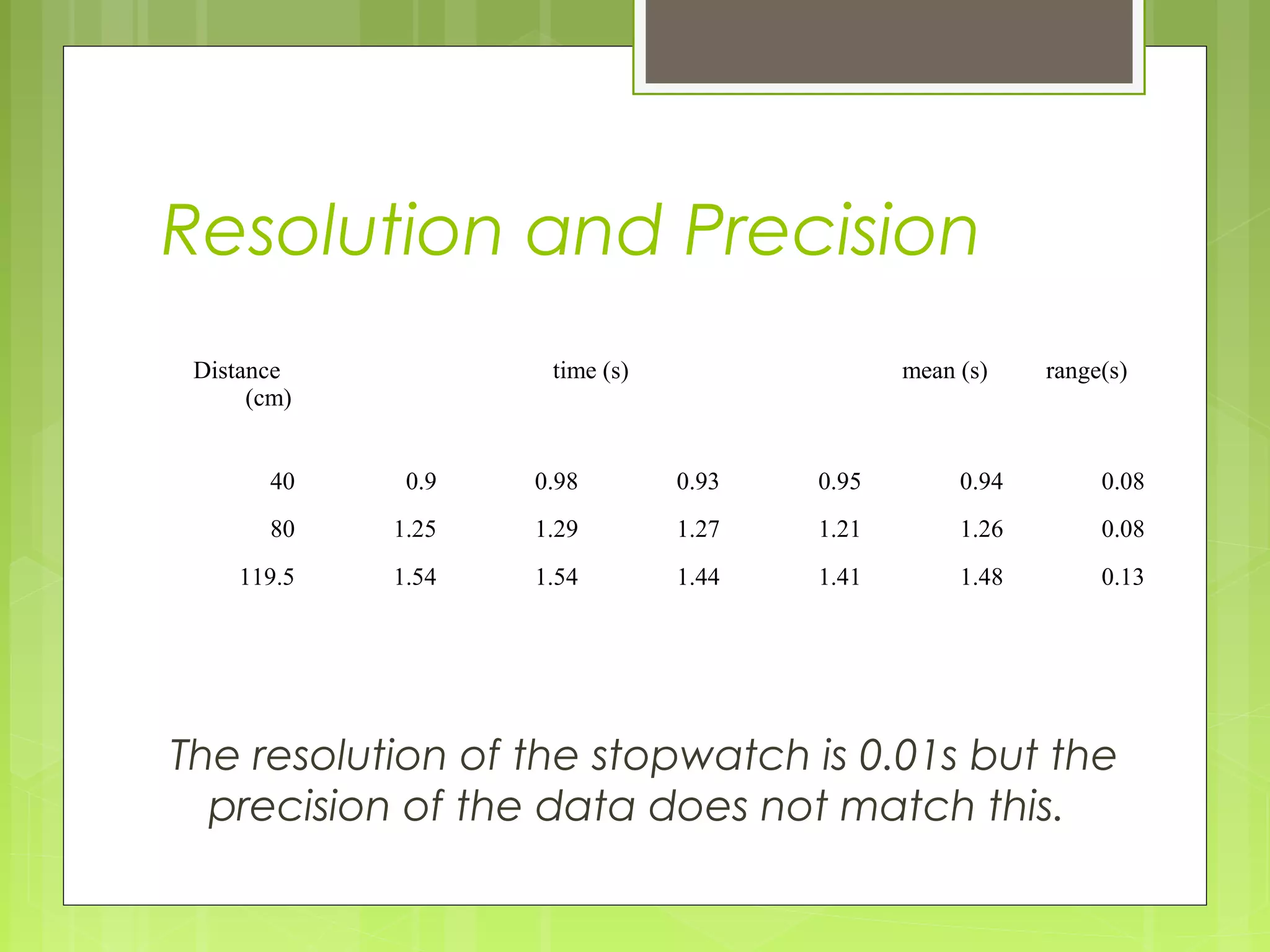
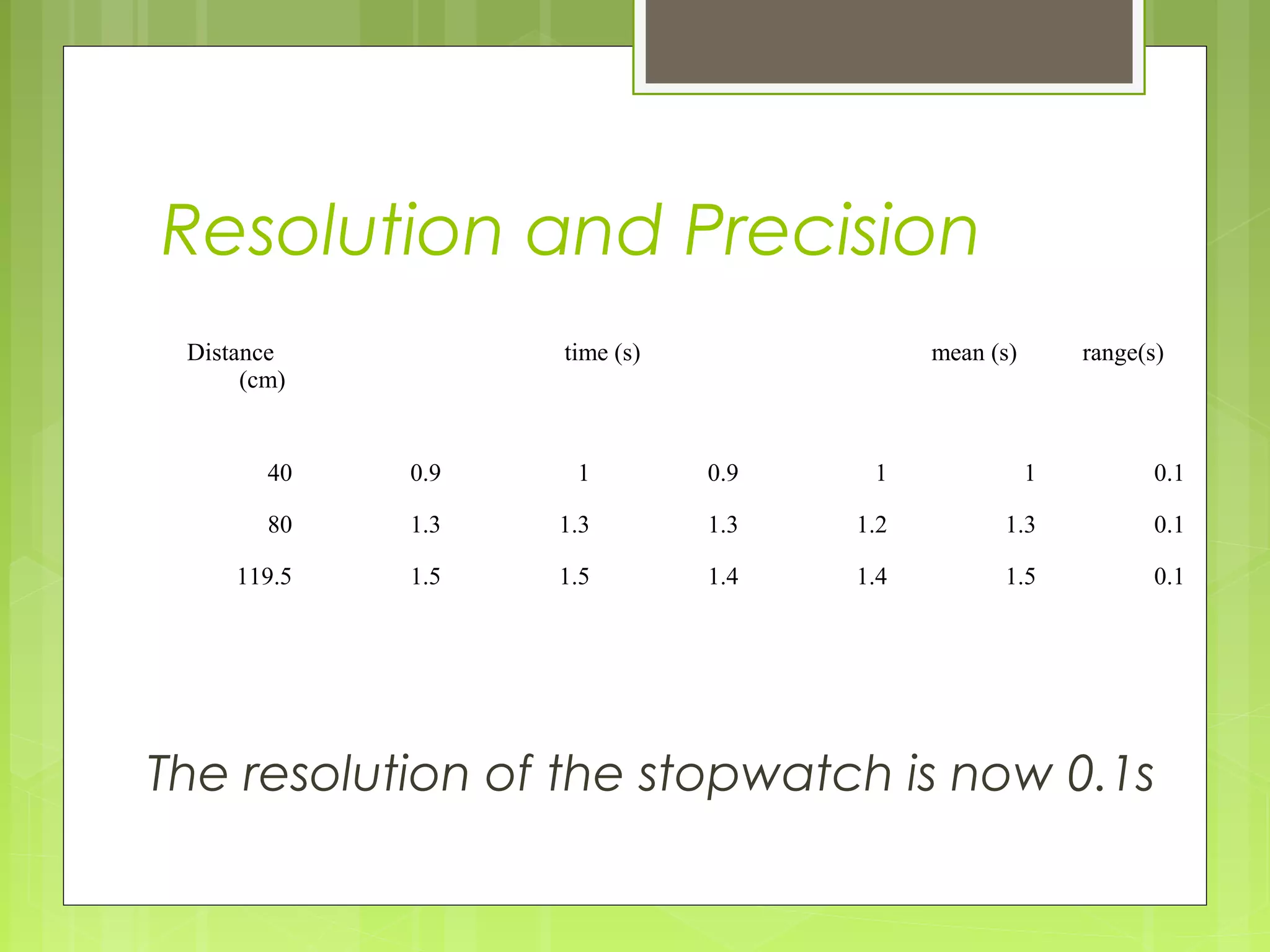
2. Variables, controls, sample size, precision and accuracy must be considered. Results should be recorded in tables and graphs, then analyzed and conclusions made about whether the data supports the original hypothesis.
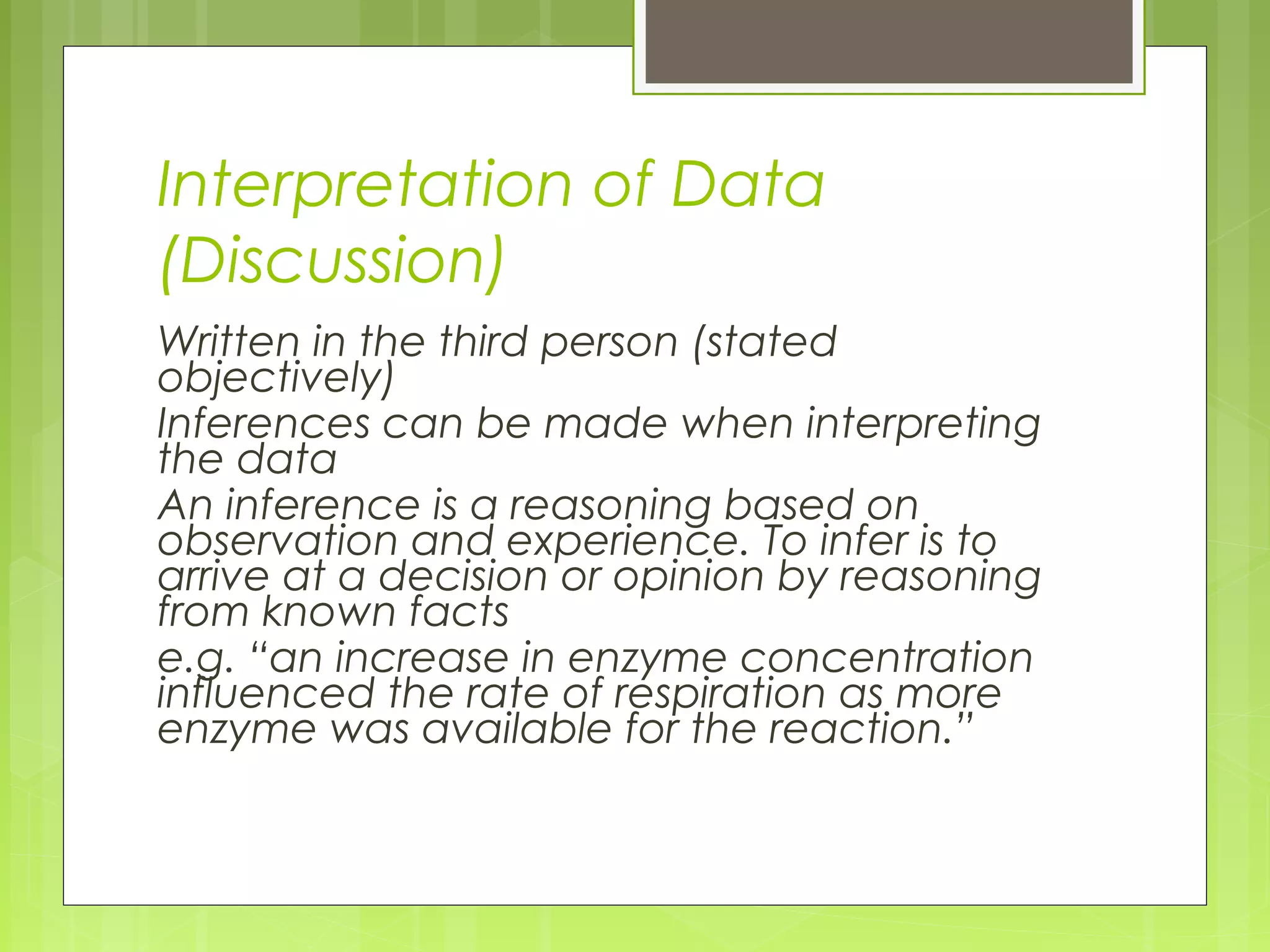
3. Proper scientific communication includes objective interpretation of results, evaluating sources of error, and stating how experiments could be improved. The conclusion relates directly back to the original hypothesis.