Download as PDF, PPTX
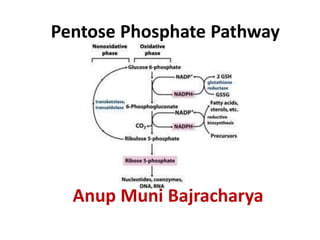
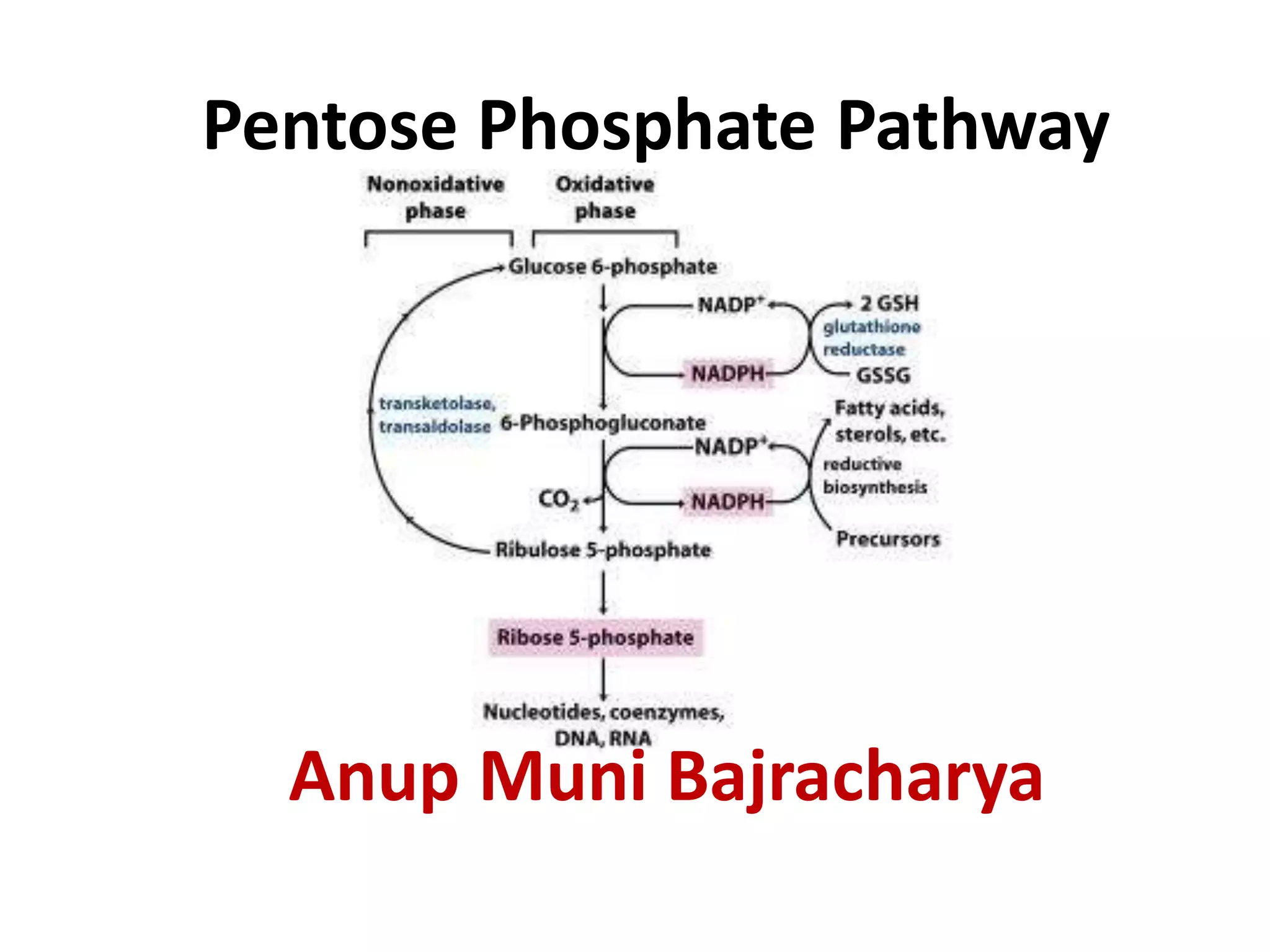
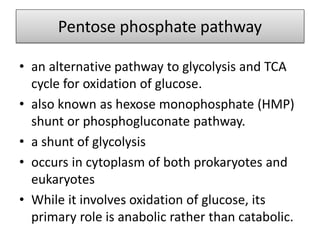
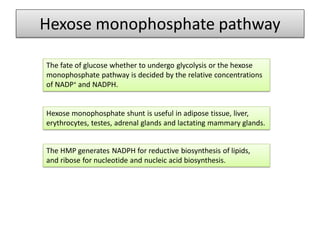
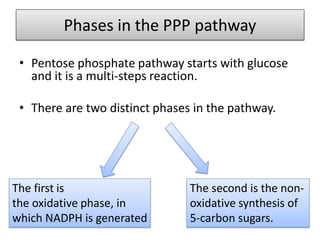
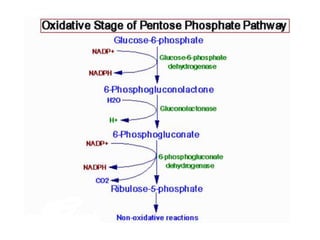
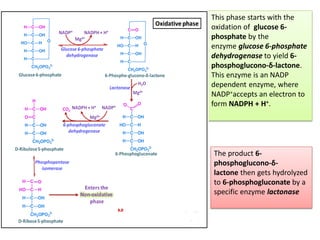
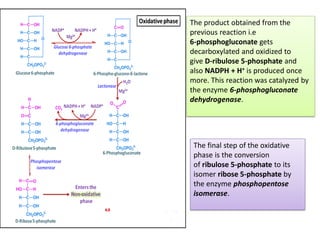
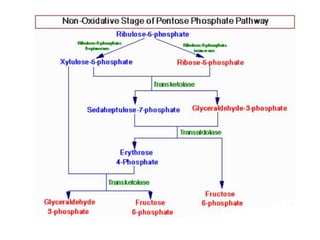
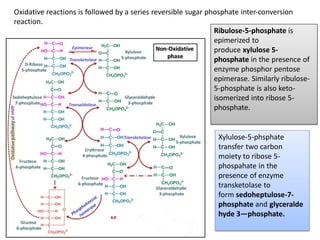
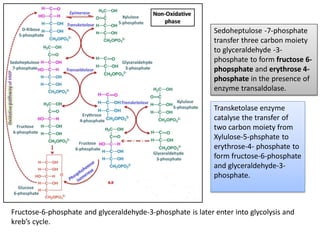
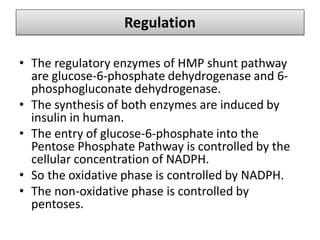
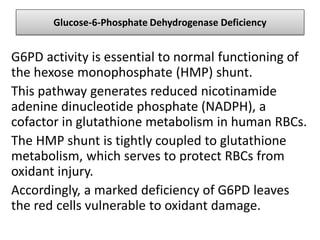
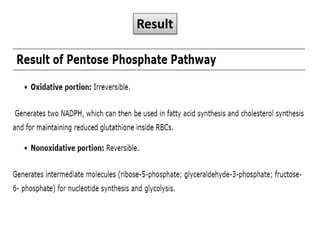
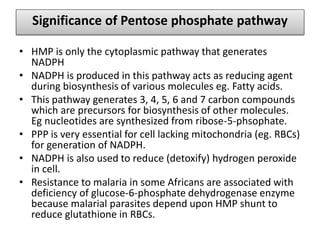


The pentose phosphate pathway (PPP) is an alternative metabolic route to glycolysis for glucose oxidation, primarily serving anabolic processes by generating NADPH and ribose. It consists of two phases: the oxidative phase, which produces NADPH, and the non-oxidative phase, which synthesizes various sugar phosphates, leading to intermediates for glycolysis. Key regulatory enzymes include glucose-6-phosphate dehydrogenase, and deficiencies in the pathway, such as G6PD deficiency, can affect red blood cell function and are linked to resistance against malaria.


![PERI-PROSTHETIC FRACTURE NAIL-PLATE CONSTRUCT [NPC].pptx](https://cdn.slidesharecdn.com/ss_thumbnails/drarunkumardrmohamedashrafperiprostheticfrasturenail-plateconstructnpc-260209164459-7e9d15a1-thumbnail.jpg?width=640&height=640&fit=bounds)


![ONFH[AVN HIP] -TRIPLE REGIME -A NOVAL SURGICAL CONCEPT .pptx](https://cdn.slidesharecdn.com/ss_thumbnails/onfhavnhip2026koaconcalicutdrgokuldevdrmashraf-260210064517-213ec005-thumbnail.jpg?width=640&height=640&fit=bounds)