
PREPARED BY:-
Karm Balar
ASST. Prof.
S.S.A.S.I.T.
S.S.A.S.I.T G.T.U
SHREE SWAMI ATMANAND SARASWATI
INSTITUTE OF TECHNOLOGY, SURAT
Building & Town planning
1
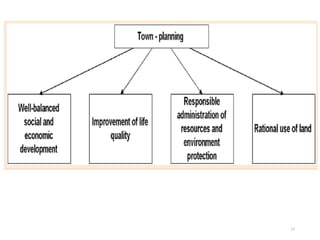
WHAT IS TOWN PLANNING
The art and science of ordering the use of land and siting of buildings and
communication routes so as to secure the maximum practicable degree of
economy, convenience, and beauty.
An art of shaping and guiding the physical growth of the town creating buildings
and environments to meet the various needs such as social, cultural, economic
and recreational etc. and to provide healthy conditions for both rich and poor to
live, to work, and to play or relax, thus bringing
OR
2
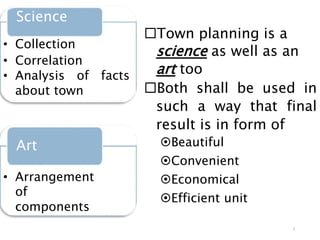
• Collection
• Correlation
• Analysis of facts
about town
Science
Art
• Arrangement
of
components
Town planning is a
science as well as an
art too
Both shall be used in
such a way that final
result is in form of
Beautiful
Convenient
Economical
Efficient unit
3
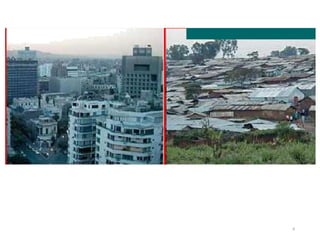
IF PLANNING WAS NOT THERE?
• Uneven & Chaotic development – contrasting urban
scenario
• Mixed Land use – Industries springing up in residential
zones
• Congested Transportation Network – overflowing traffic
than expected
4
Town planning in Ancient In
 Planning of towns was done on scientific bases even in Vedic times
Ancient literature such as vedas, puranas, shastras contains some of
principles and theories of town planning
 ‘Vishwa karmaprakash’ says ‘First layout the towns and then plan out the houses’
 ‘Mansara Shilpa-shastra’ mentions some of aspects of town planning like
 Study of soil
 Climatic condition
 Wind direction
 Orientation of building
 Topography etc.
5
Various types of town plans described in book such as
‘dandka’
‘swastika’
‘padmaka’ (lotus shaped)
‘nandyavarta’ (flower shaped)
‘prastara’
‘chatumukha’
‘karmukha’ (bow shaped)
6
Typical Indian town consisted
Markets
Streets
Public buildings
Residences for citizens
Temples
Royal palace
Recreation canters
Ditches / trenches
Sheds for drinking water
Pleasure gardens
Tanks
Reservoirs
Underground passages
City forts etc.
7
8
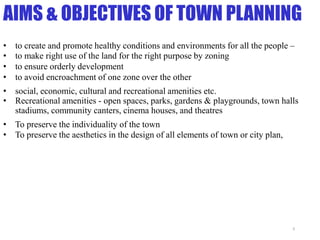
AIMS & OBJECTIVES OF TOWN PLANNING
• to create and promote healthy conditions and environments for all the people –
• to make right use of the land for the right purpose by zoning
• to ensure orderly development
• to avoid encroachment of one zone over the other
• social, economic, cultural and recreational amenities etc.
• Recreational amenities - open spaces, parks, gardens & playgrounds, town halls
stadiums, community canters, cinema houses, and theatres
• To preserve the individuality of the town
• To preserve the aesthetics in the design of all elements of town or city plan,
9
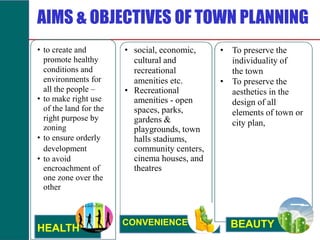
AIMS & OBJECTIVES OF TOWN PLANNING
• to create and
promote healthy
conditions and
environments for
all the people –
• to make right use
of the land for the
right purpose by
zoning
• to ensure orderly
development
• to avoid
encroachment of
one zone over the
other
HEALTH
• social, economic,
cultural and
recreational
amenities etc.
• Recreational
amenities - open
spaces, parks,
gardens &
playgrounds, town
halls stadiums,
community centers,
cinema houses, and
theatres
CONVENIENCE
• To preserve the
individuality of
the town
• To preserve the
aesthetics in the
design of all
elements of town or
city plan,
BEAUTY 10
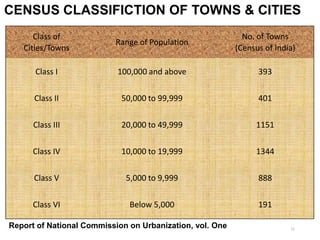
CENSUS CLASSIFICTION OF TOWNS & CITIES
Class of
Cities/Towns
Range of Population
No. of Towns
(Census of India)
Class I 100,000 and above 393
Class II 50,000 to 99,999 401
Class III 20,000 to 49,999 1151
Class IV 10,000 to 19,999 1344
Class V 5,000 to 9,999 888
Class VI Below 5,000 191
Report of National Commission on Urbanization, vol. One 11
12
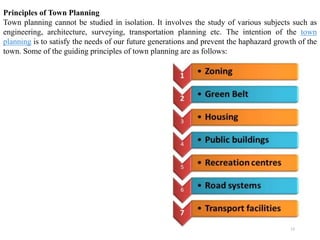
Principles of Town Planning
Town planning cannot be studied in isolation. It involves the study of various subjects such as
engineering, architecture, surveying, transportation planning etc. The intention of the town
planning is to satisfy the needs of our future generations and prevent the haphazard growth of the
town. Some of the guiding principles of town planning are as follows:
13
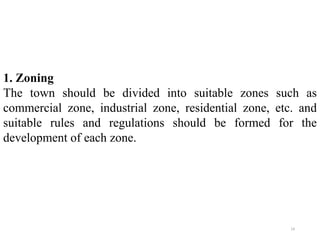
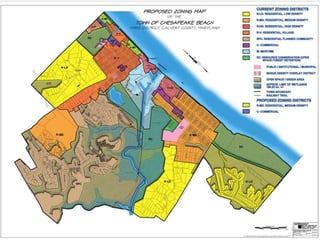
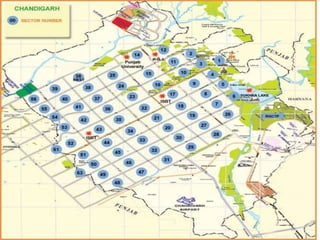
1. Zoning
The town should be divided into suitable zones such as
commercial zone, industrial zone, residential zone, etc. and
suitable rules and regulations should be formed for the
development of each zone.
14
15
16
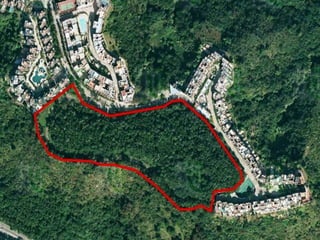
2. Green belt
Green belt is non-development zone on the periphery of the
town. It prevents the haphazard of the town restricting its size.
In essence, a green belt is an invisible line designing a border
around a certain area, preventing development of the area and
allowing wildlife to return and be established.
17
18
19
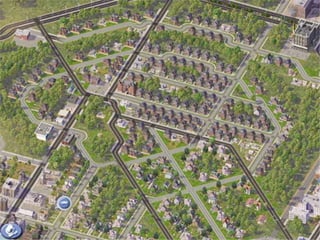
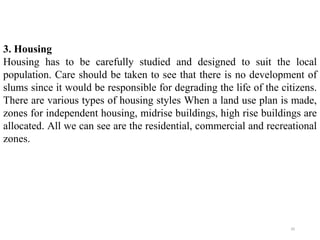
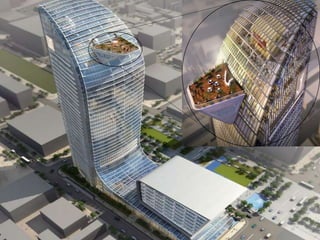
3. Housing
Housing has to be carefully studied and designed to suit the local
population. Care should be taken to see that there is no development of
slums since it would be responsible for degrading the life of the citizens.
There are various types of housing styles When a land use plan is made,
zones for independent housing, midrise buildings, high rise buildings are
allocated. All we can see are the residential, commercial and recreational
zones.
20
21
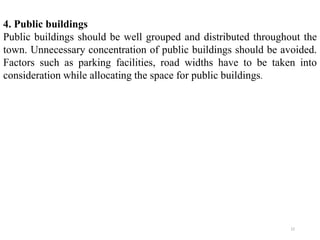
4. Public buildings
Public buildings should be well grouped and distributed throughout the
town. Unnecessary concentration of public buildings should be avoided.
Factors such as parking facilities, road widths have to be taken into
consideration while allocating the space for public buildings.
22
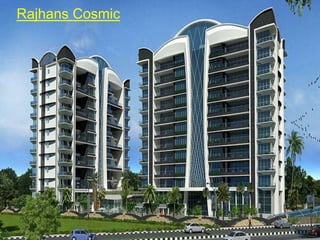
Rajhans Cosmic
23
24
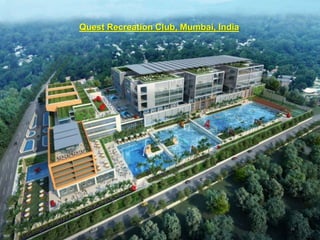
5. Recreation centres
Recreation centres have to be given importance while designing a town.
They are necessary for the recreational activities of the general public.
They include parks for walking and cycling, amusement parks etc
25
Quest Recreation Club, Mumbai, India
26
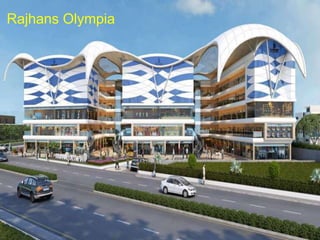
Rajhans Olympia
27
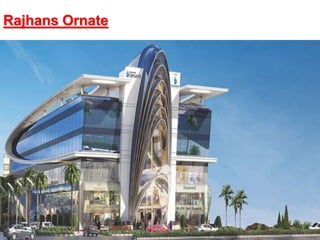
Rajhans Ornate
28
6. Road systems
Road network hierarchy is very important. The efficiency of any town is
measured by the layout of its roads. A nicely designed road system puts a
great impression in the minds of people, especially the visitors to the
town. The provision of a faulty road system in the initial stages of town
formation proves to be too difficult and costly to repair or to re-arrange
in future.
29
7. Transport facilities
The town should be provided with suitable transport facilities so that
there is minimum loss of time from place of work to the place of
residence. Efficiency in transport facilities includes both public and
private networks. Public transportation network includes access to buses,
trains, trams and trolleybuses. Efficiency in using the public transport
will determine the success of that town in terms of design.
30
Necessity of town plan
 In absence of town planning, town faces
following kind of problems
Defective road system, narrow streets/ roads
Development of slums
Haphazard location of industries
Heavy traffic during working hrs of day
Inadequate open spaces for parks and playgrounds,
i.e. unhealthy living conditions
Lack of essential amenities like power, water supply
drainage
Noisy atmosphere
Uncontrolled development of town
31
32
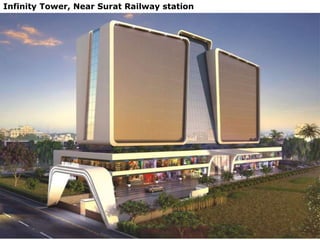
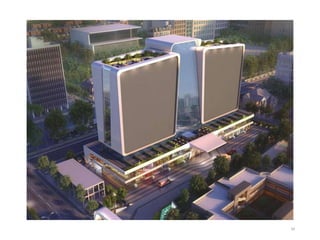
Infinity Tower, Near Surat Railway station
33
34
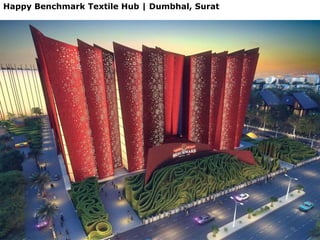
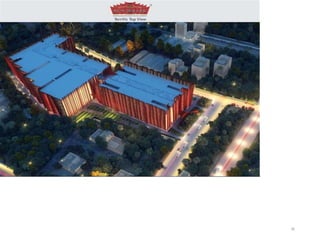
Happy Benchmark Textile Hub | Dumbhal, Surat
35
36
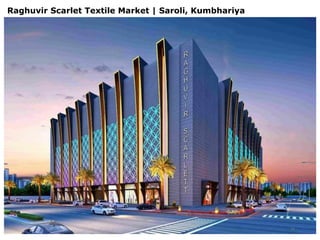
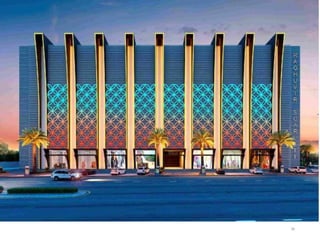
Raghuvir Scarlet Textile Market | Saroli, Kumbhariya
37
38
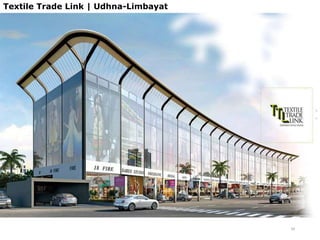
Textile Trade Link | Udhna-Limbayat
39
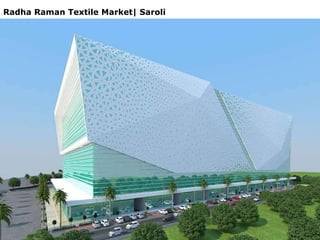
Radha Raman Textile Market| Saroli
40

Ch 1 intro of tp

  • 1.
    PREPARED BY:- Karm Balar ASST.Prof. S.S.A.S.I.T. S.S.A.S.I.T G.T.U SHREE SWAMI ATMANAND SARASWATI INSTITUTE OF TECHNOLOGY, SURAT Building & Town planning 1
  • 2.
    WHAT IS TOWNPLANNING The art and science of ordering the use of land and siting of buildings and communication routes so as to secure the maximum practicable degree of economy, convenience, and beauty. An art of shaping and guiding the physical growth of the town creating buildings and environments to meet the various needs such as social, cultural, economic and recreational etc. and to provide healthy conditions for both rich and poor to live, to work, and to play or relax, thus bringing OR 2
  • 3.
    • Collection • Correlation •Analysis of facts about town Science Art • Arrangement of components Town planning is a science as well as an art too Both shall be used in such a way that final result is in form of Beautiful Convenient Economical Efficient unit 3
  • 4.
    IF PLANNING WASNOT THERE? • Uneven & Chaotic development – contrasting urban scenario • Mixed Land use – Industries springing up in residential zones • Congested Transportation Network – overflowing traffic than expected 4
  • 5.
    Town planning inAncient In  Planning of towns was done on scientific bases even in Vedic times Ancient literature such as vedas, puranas, shastras contains some of principles and theories of town planning  ‘Vishwa karmaprakash’ says ‘First layout the towns and then plan out the houses’  ‘Mansara Shilpa-shastra’ mentions some of aspects of town planning like  Study of soil  Climatic condition  Wind direction  Orientation of building  Topography etc. 5
  • 6.
    Various types oftown plans described in book such as ‘dandka’ ‘swastika’ ‘padmaka’ (lotus shaped) ‘nandyavarta’ (flower shaped) ‘prastara’ ‘chatumukha’ ‘karmukha’ (bow shaped) 6
  • 7.
    Typical Indian townconsisted Markets Streets Public buildings Residences for citizens Temples Royal palace Recreation canters Ditches / trenches Sheds for drinking water Pleasure gardens Tanks Reservoirs Underground passages City forts etc. 7
  • 8.
  • 9.
    AIMS & OBJECTIVESOF TOWN PLANNING • to create and promote healthy conditions and environments for all the people – • to make right use of the land for the right purpose by zoning • to ensure orderly development • to avoid encroachment of one zone over the other • social, economic, cultural and recreational amenities etc. • Recreational amenities - open spaces, parks, gardens & playgrounds, town halls stadiums, community canters, cinema houses, and theatres • To preserve the individuality of the town • To preserve the aesthetics in the design of all elements of town or city plan, 9
  • 10.
    AIMS & OBJECTIVESOF TOWN PLANNING • to create and promote healthy conditions and environments for all the people – • to make right use of the land for the right purpose by zoning • to ensure orderly development • to avoid encroachment of one zone over the other HEALTH • social, economic, cultural and recreational amenities etc. • Recreational amenities - open spaces, parks, gardens & playgrounds, town halls stadiums, community centers, cinema houses, and theatres CONVENIENCE • To preserve the individuality of the town • To preserve the aesthetics in the design of all elements of town or city plan, BEAUTY 10
  • 11.
    CENSUS CLASSIFICTION OFTOWNS & CITIES Class of Cities/Towns Range of Population No. of Towns (Census of India) Class I 100,000 and above 393 Class II 50,000 to 99,999 401 Class III 20,000 to 49,999 1151 Class IV 10,000 to 19,999 1344 Class V 5,000 to 9,999 888 Class VI Below 5,000 191 Report of National Commission on Urbanization, vol. One 11
  • 12.
  • 13.
    Principles of TownPlanning Town planning cannot be studied in isolation. It involves the study of various subjects such as engineering, architecture, surveying, transportation planning etc. The intention of the town planning is to satisfy the needs of our future generations and prevent the haphazard growth of the town. Some of the guiding principles of town planning are as follows: 13
  • 14.
    1. Zoning The townshould be divided into suitable zones such as commercial zone, industrial zone, residential zone, etc. and suitable rules and regulations should be formed for the development of each zone. 14
  • 15.
  • 16.
  • 17.
    2. Green belt Greenbelt is non-development zone on the periphery of the town. It prevents the haphazard of the town restricting its size. In essence, a green belt is an invisible line designing a border around a certain area, preventing development of the area and allowing wildlife to return and be established. 17
  • 18.
  • 19.
  • 20.
    3. Housing Housing hasto be carefully studied and designed to suit the local population. Care should be taken to see that there is no development of slums since it would be responsible for degrading the life of the citizens. There are various types of housing styles When a land use plan is made, zones for independent housing, midrise buildings, high rise buildings are allocated. All we can see are the residential, commercial and recreational zones. 20
  • 21.
  • 22.
    4. Public buildings Publicbuildings should be well grouped and distributed throughout the town. Unnecessary concentration of public buildings should be avoided. Factors such as parking facilities, road widths have to be taken into consideration while allocating the space for public buildings. 22
  • 23.
  • 24.
  • 25.
    5. Recreation centres Recreationcentres have to be given importance while designing a town. They are necessary for the recreational activities of the general public. They include parks for walking and cycling, amusement parks etc 25
  • 26.
    Quest Recreation Club,Mumbai, India 26
  • 27.
  • 28.
  • 29.
    6. Road systems Roadnetwork hierarchy is very important. The efficiency of any town is measured by the layout of its roads. A nicely designed road system puts a great impression in the minds of people, especially the visitors to the town. The provision of a faulty road system in the initial stages of town formation proves to be too difficult and costly to repair or to re-arrange in future. 29
  • 30.
    7. Transport facilities Thetown should be provided with suitable transport facilities so that there is minimum loss of time from place of work to the place of residence. Efficiency in transport facilities includes both public and private networks. Public transportation network includes access to buses, trains, trams and trolleybuses. Efficiency in using the public transport will determine the success of that town in terms of design. 30
  • 31.
    Necessity of townplan  In absence of town planning, town faces following kind of problems Defective road system, narrow streets/ roads Development of slums Haphazard location of industries Heavy traffic during working hrs of day Inadequate open spaces for parks and playgrounds, i.e. unhealthy living conditions Lack of essential amenities like power, water supply drainage Noisy atmosphere Uncontrolled development of town 31
  • 32.
  • 33.
    Infinity Tower, NearSurat Railway station 33
  • 34.
  • 35.
    Happy Benchmark TextileHub | Dumbhal, Surat 35
  • 36.
  • 37.
    Raghuvir Scarlet TextileMarket | Saroli, Kumbhariya 37
  • 38.
  • 39.
    Textile Trade Link| Udhna-Limbayat 39
  • 40.
    Radha Raman TextileMarket| Saroli 40