Downloaded 29 times
![A. Extraversion (E)
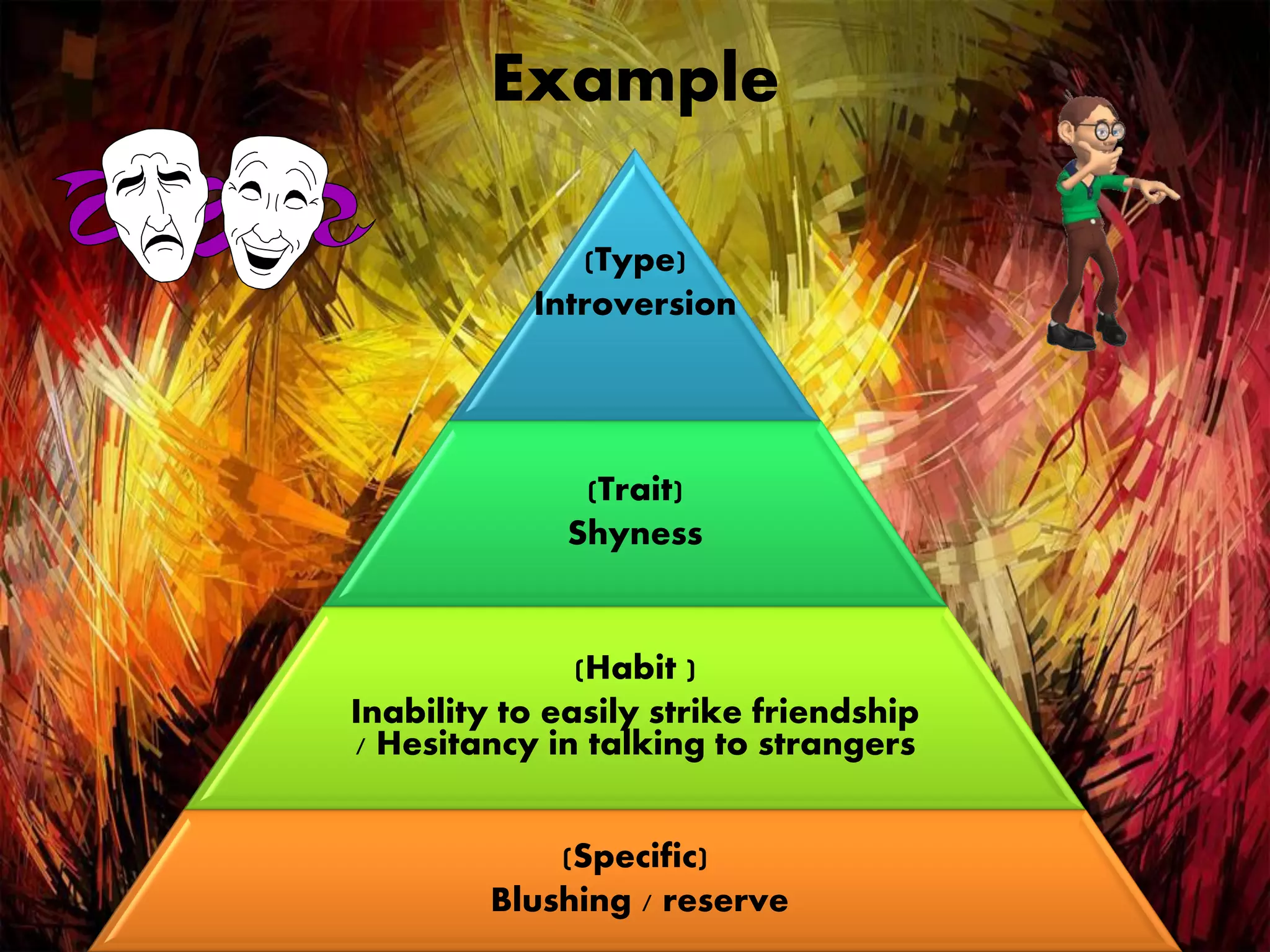
vs. Introversion
• High Extraversion:
– Outgoing,
– Social,
– Lively,
– Friendly.
• Low Extraversion
[Introversion]:
– Shy,
– Passive,
– Withdrawn.](https://image.slidesharecdn.com/9forwjttkqpdzv0qsx2g-signature-980f7f7ed5b4f99a92f7c3eacf76602cc4f8b021972f91408378cfe40891f479-poli-190728183035/75/Type-cum-trait-approach-Thiyagusuri-14-2048.jpg)
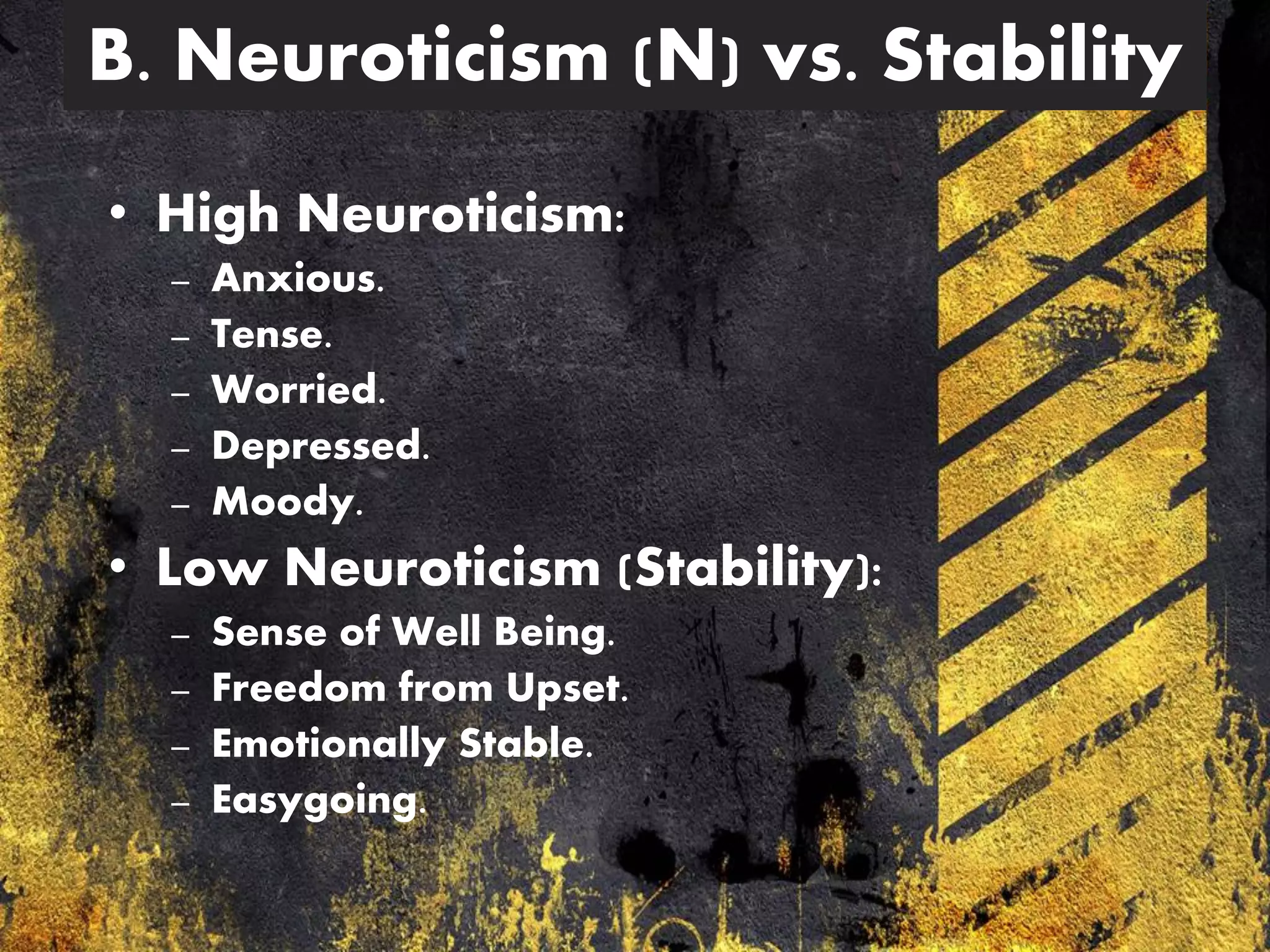
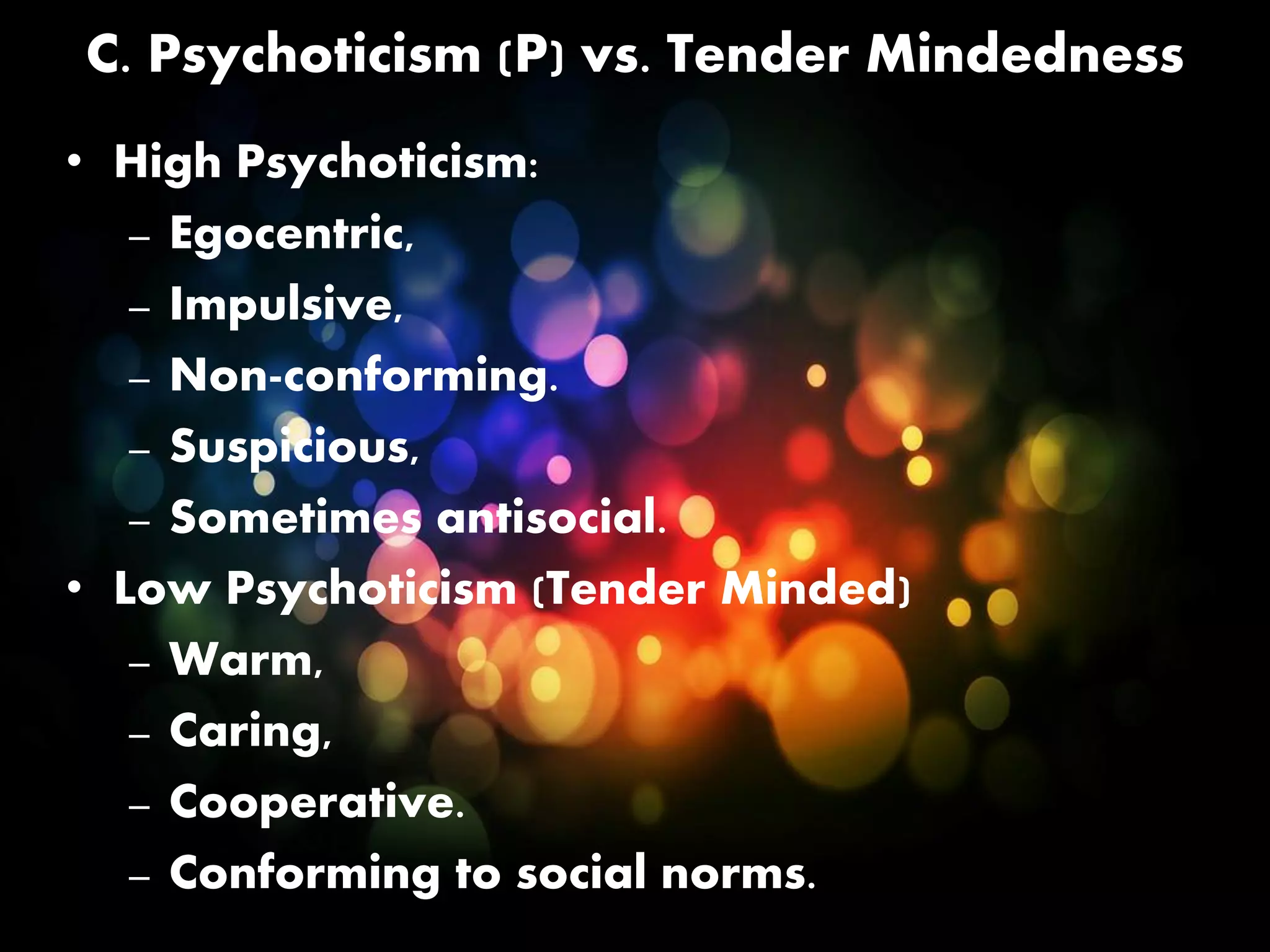
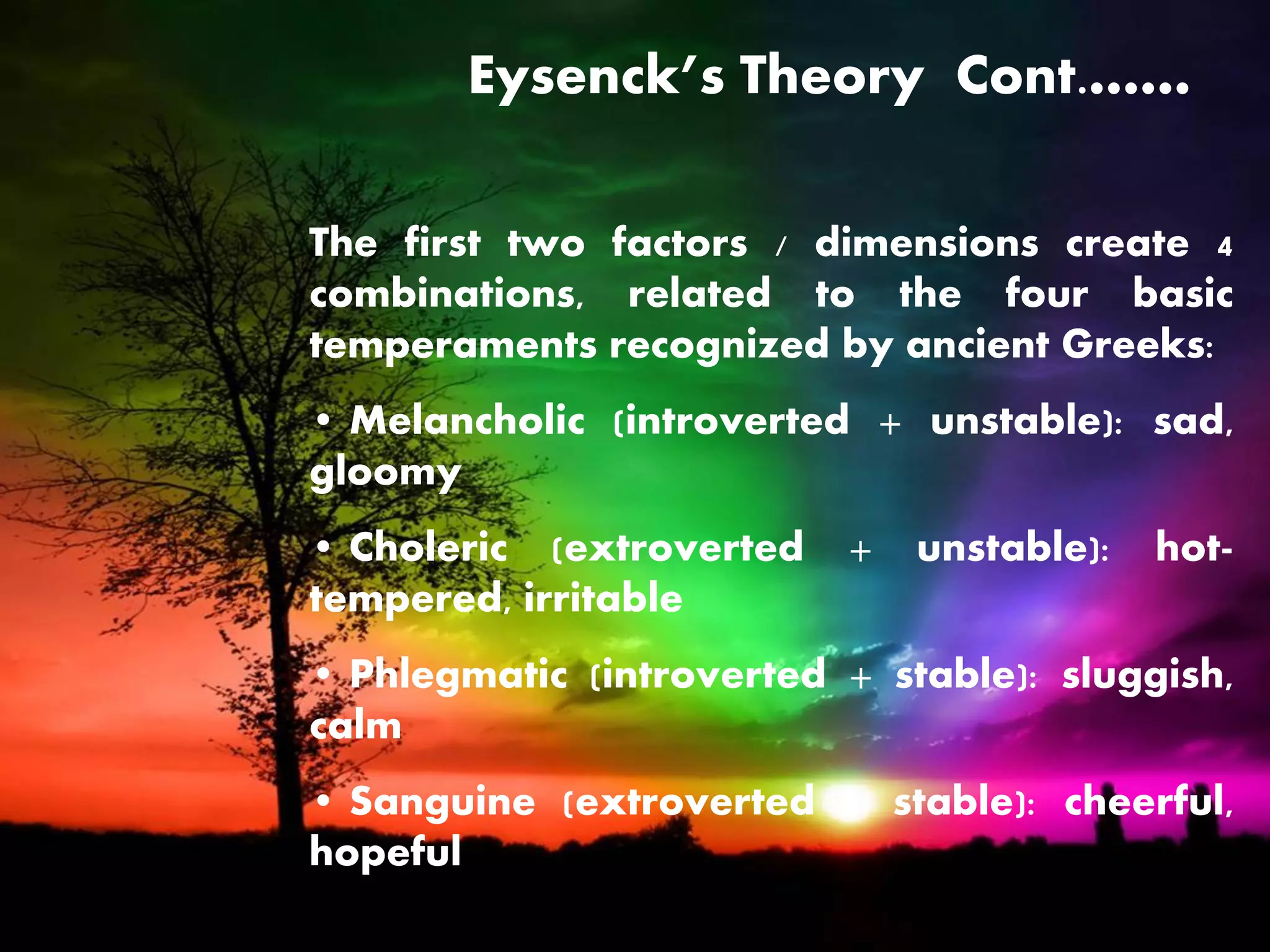
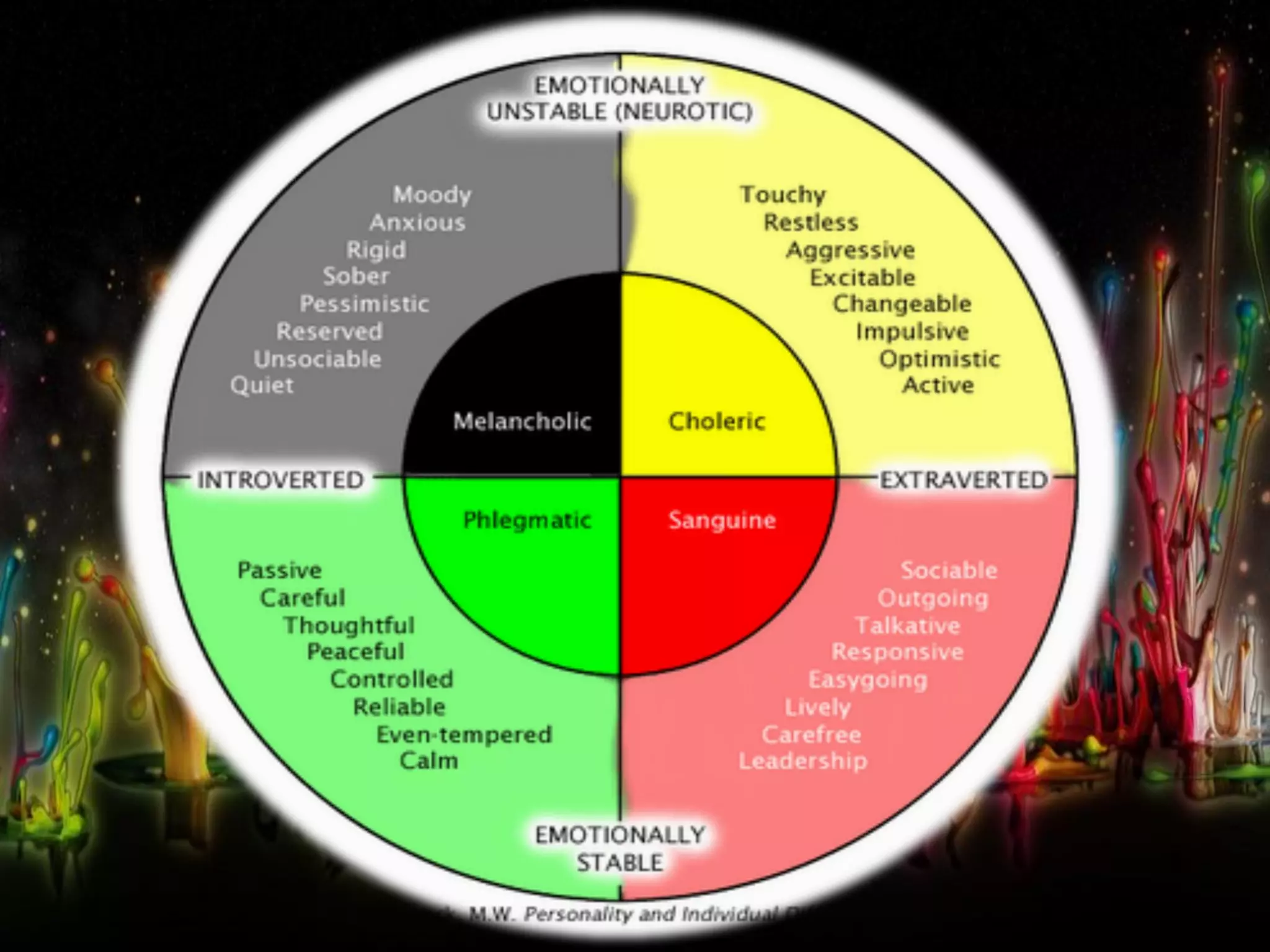
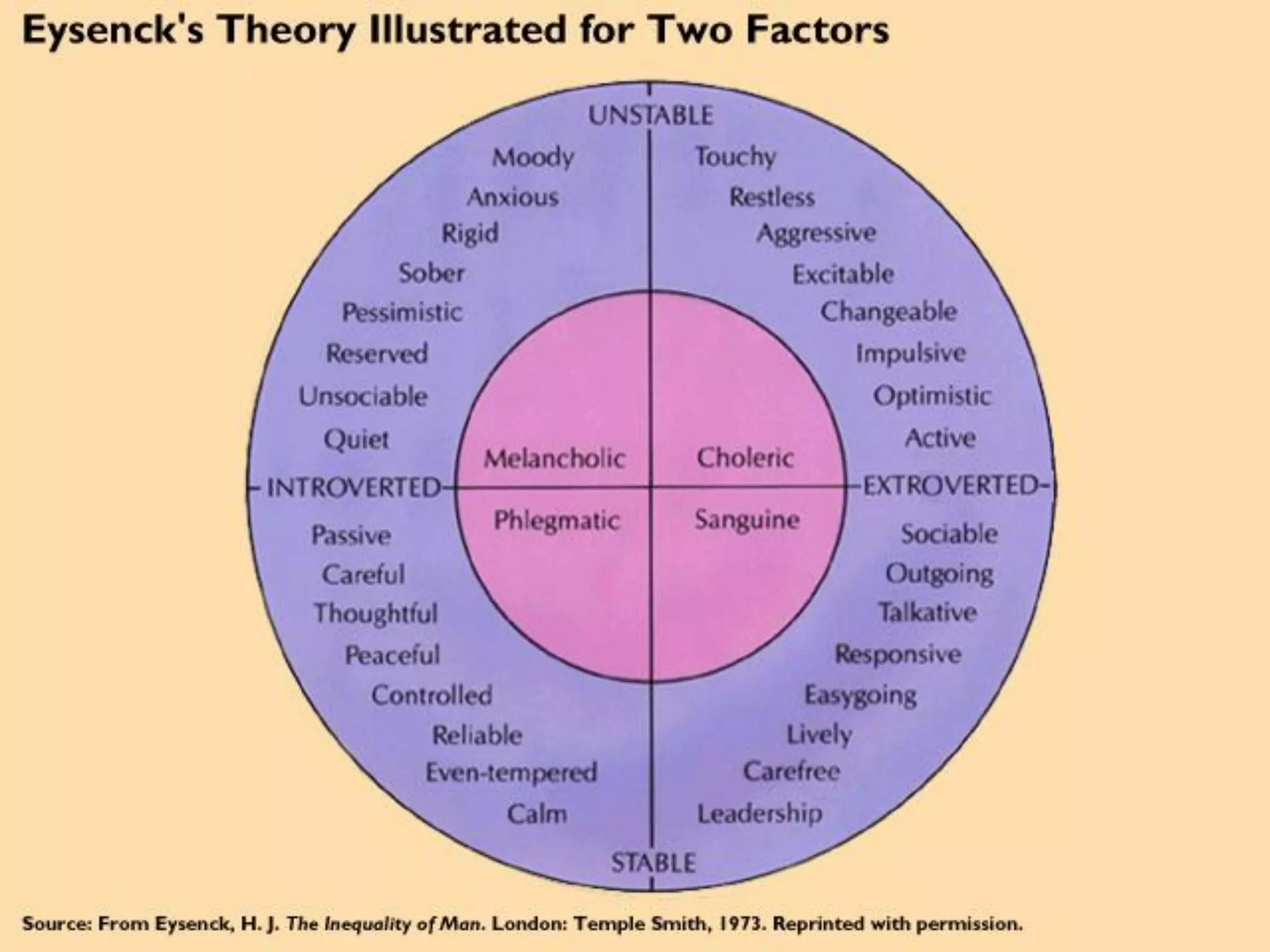
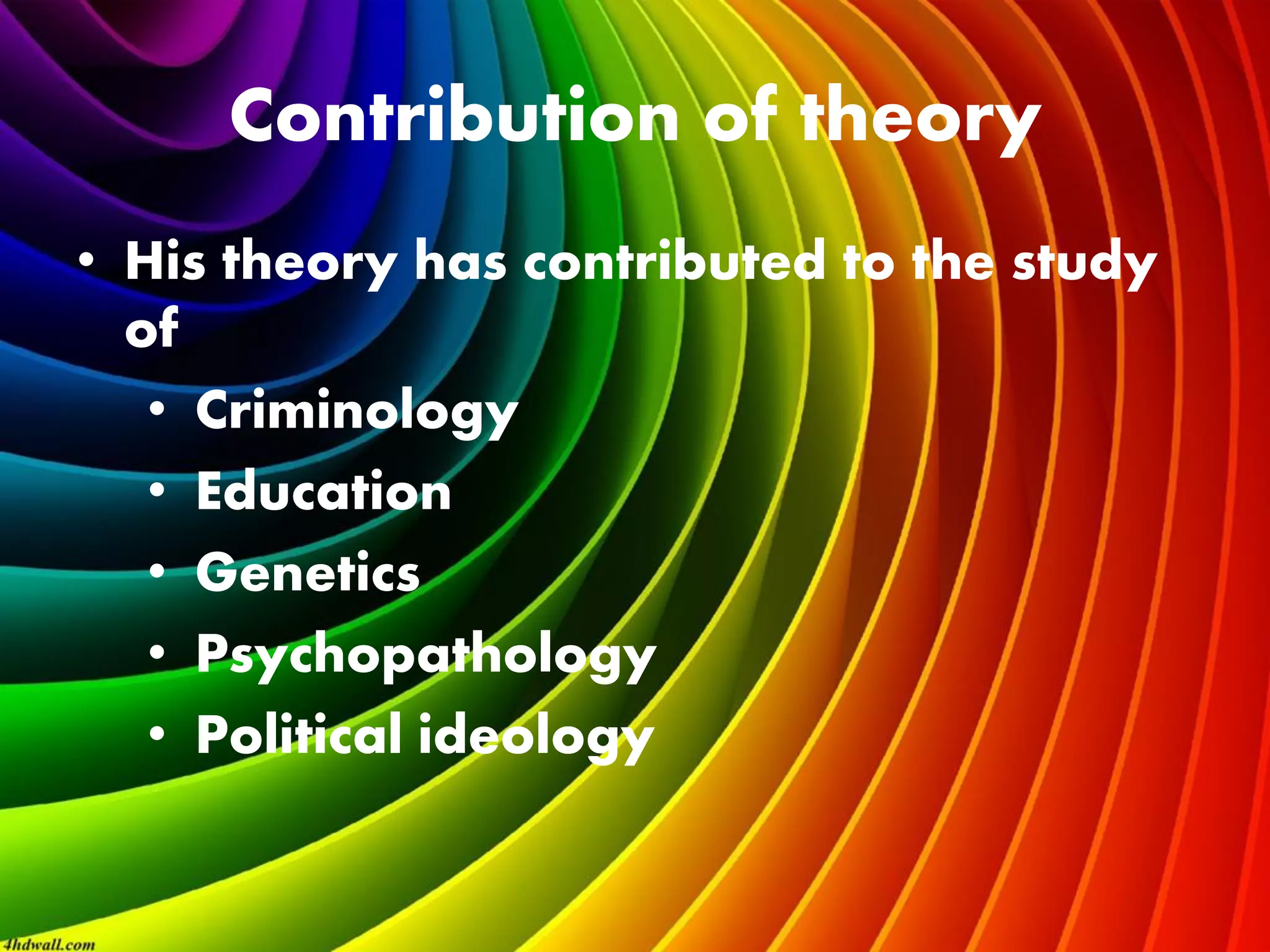


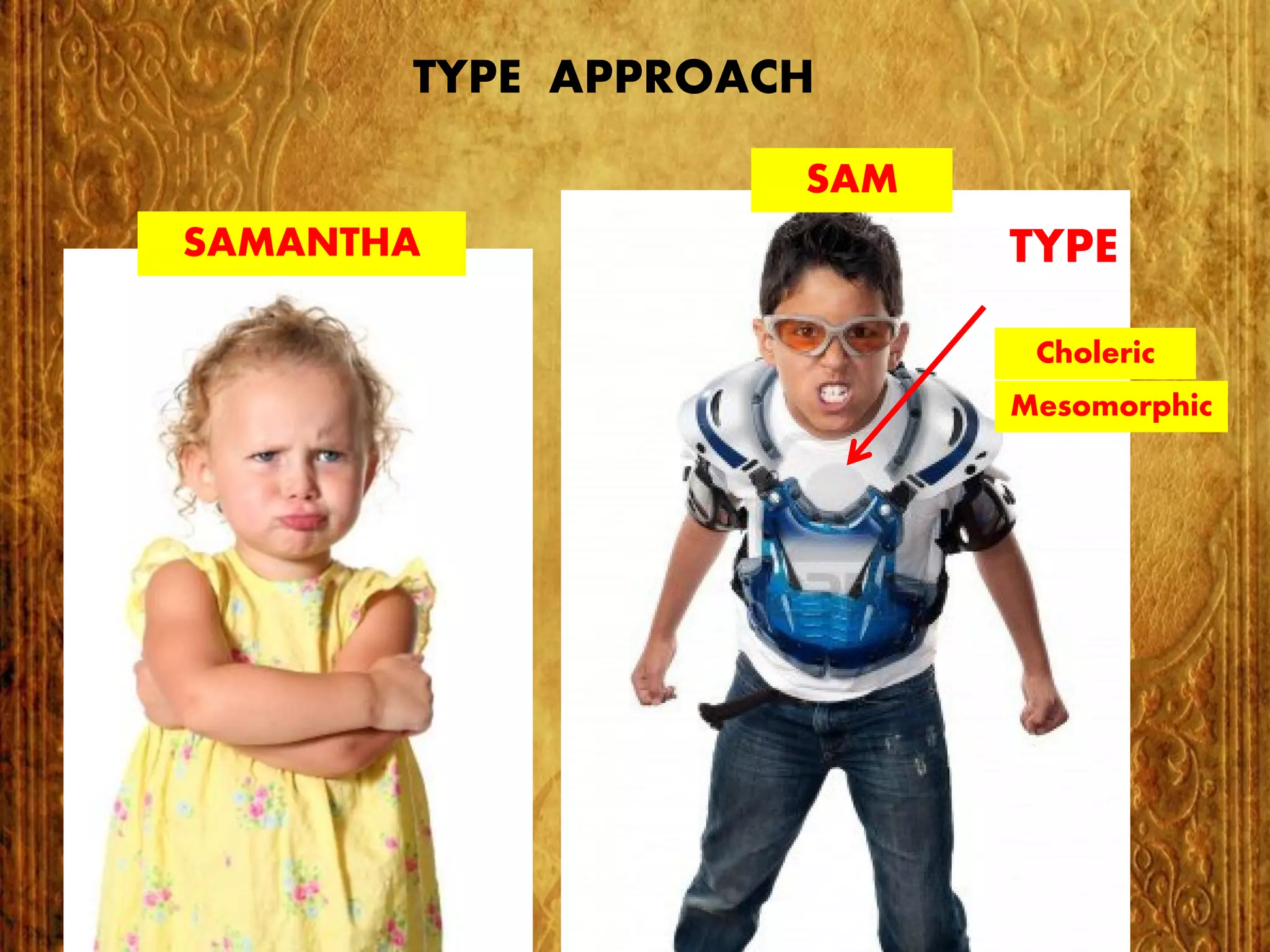
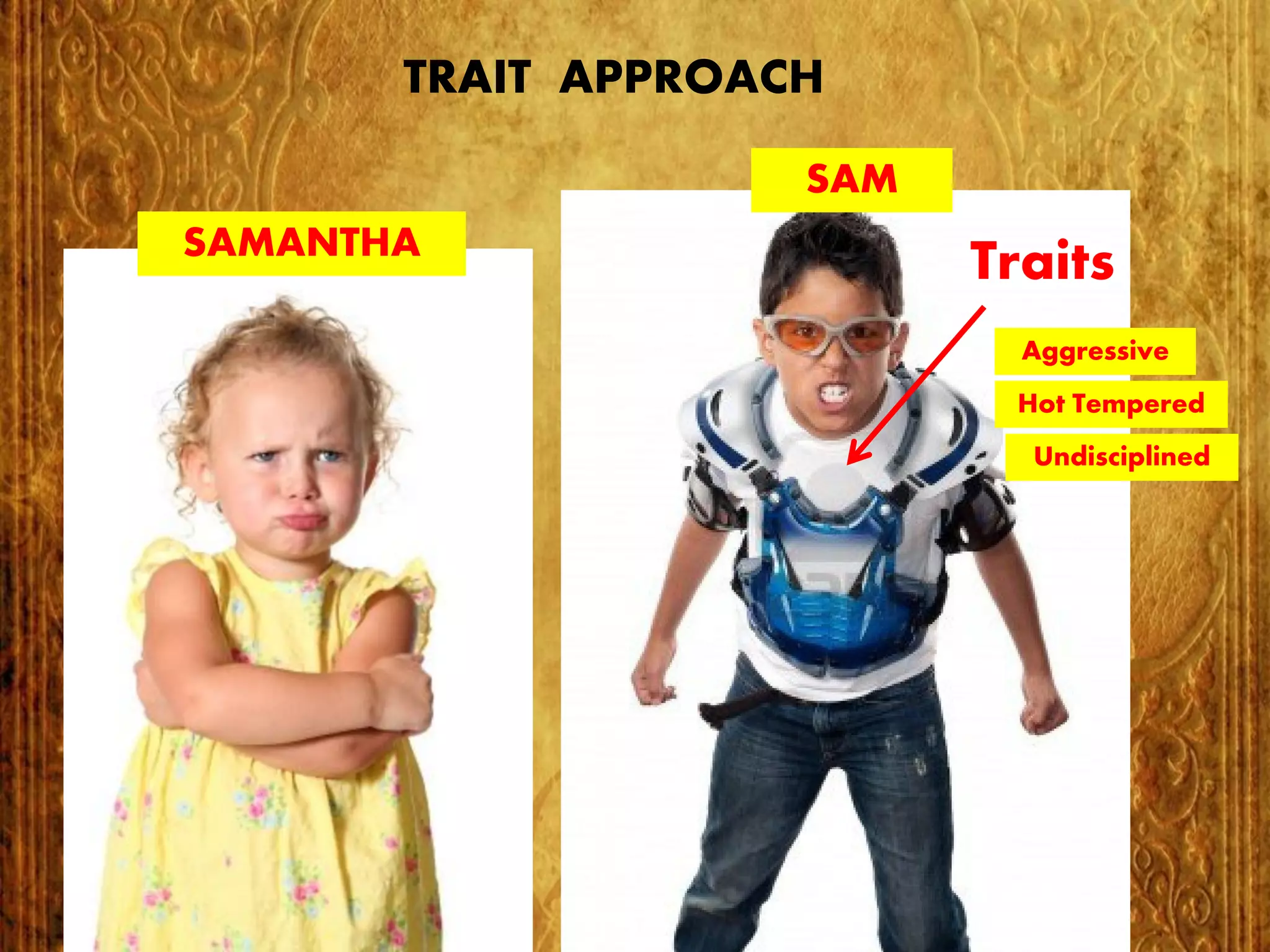
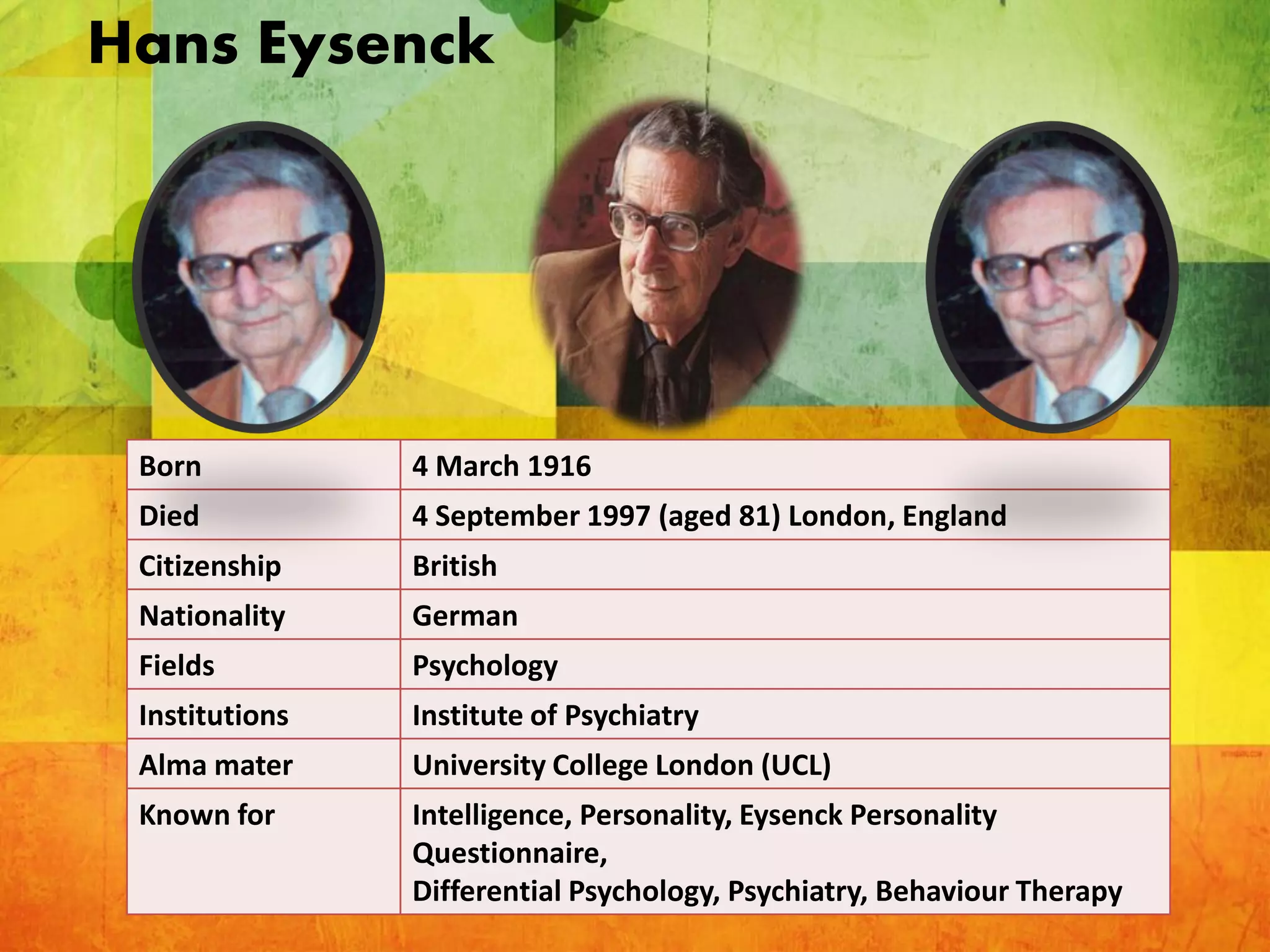
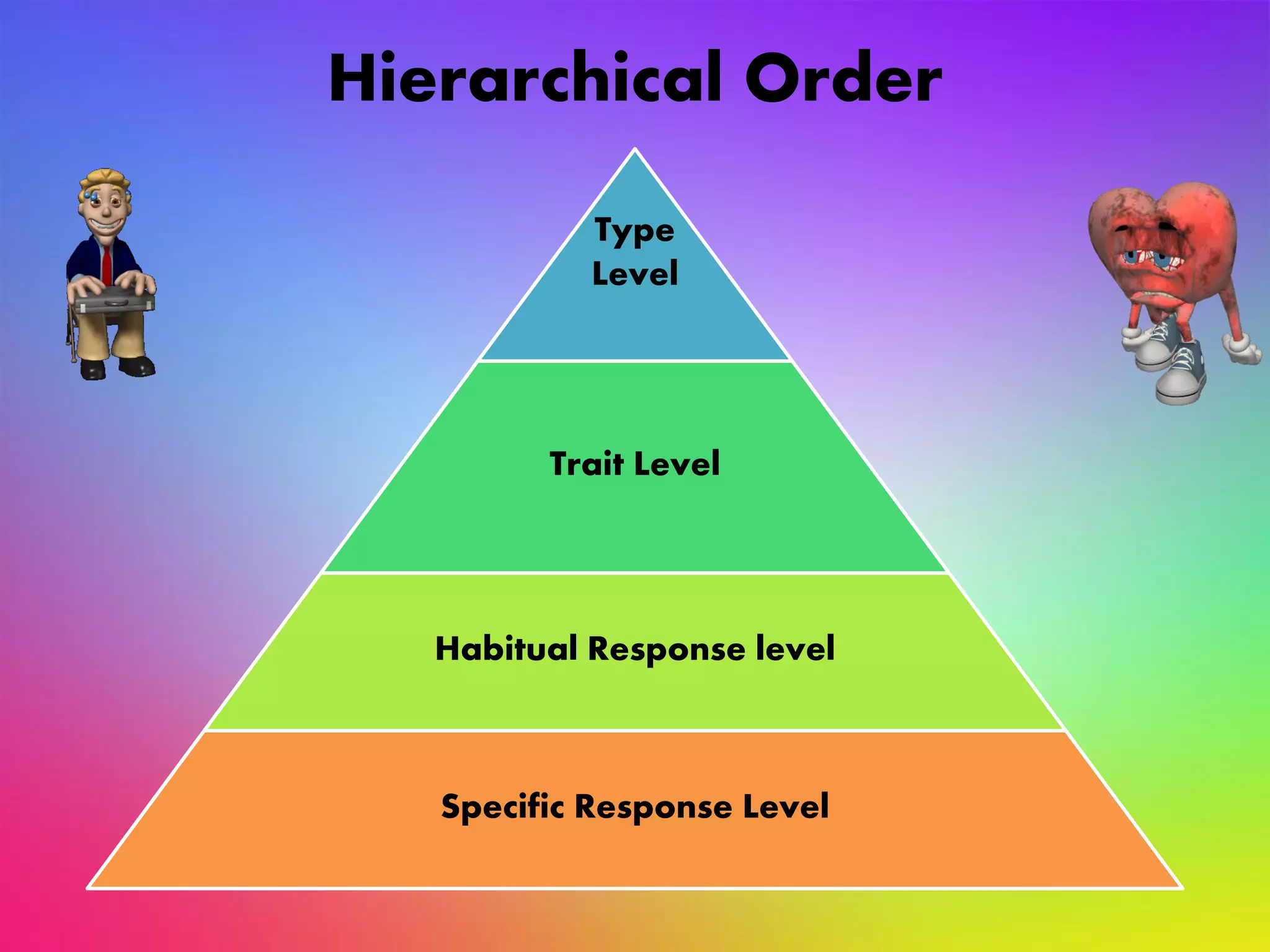
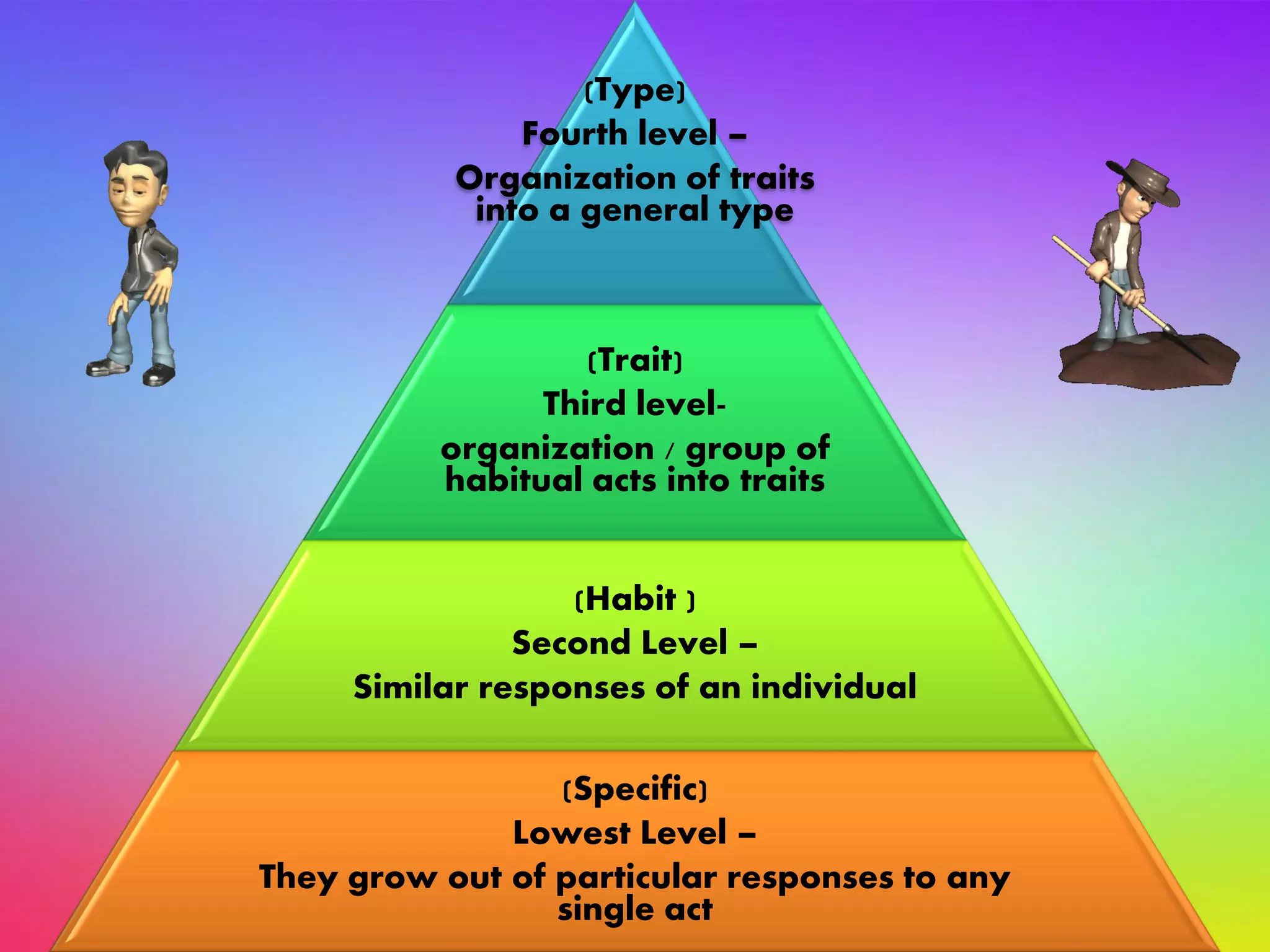
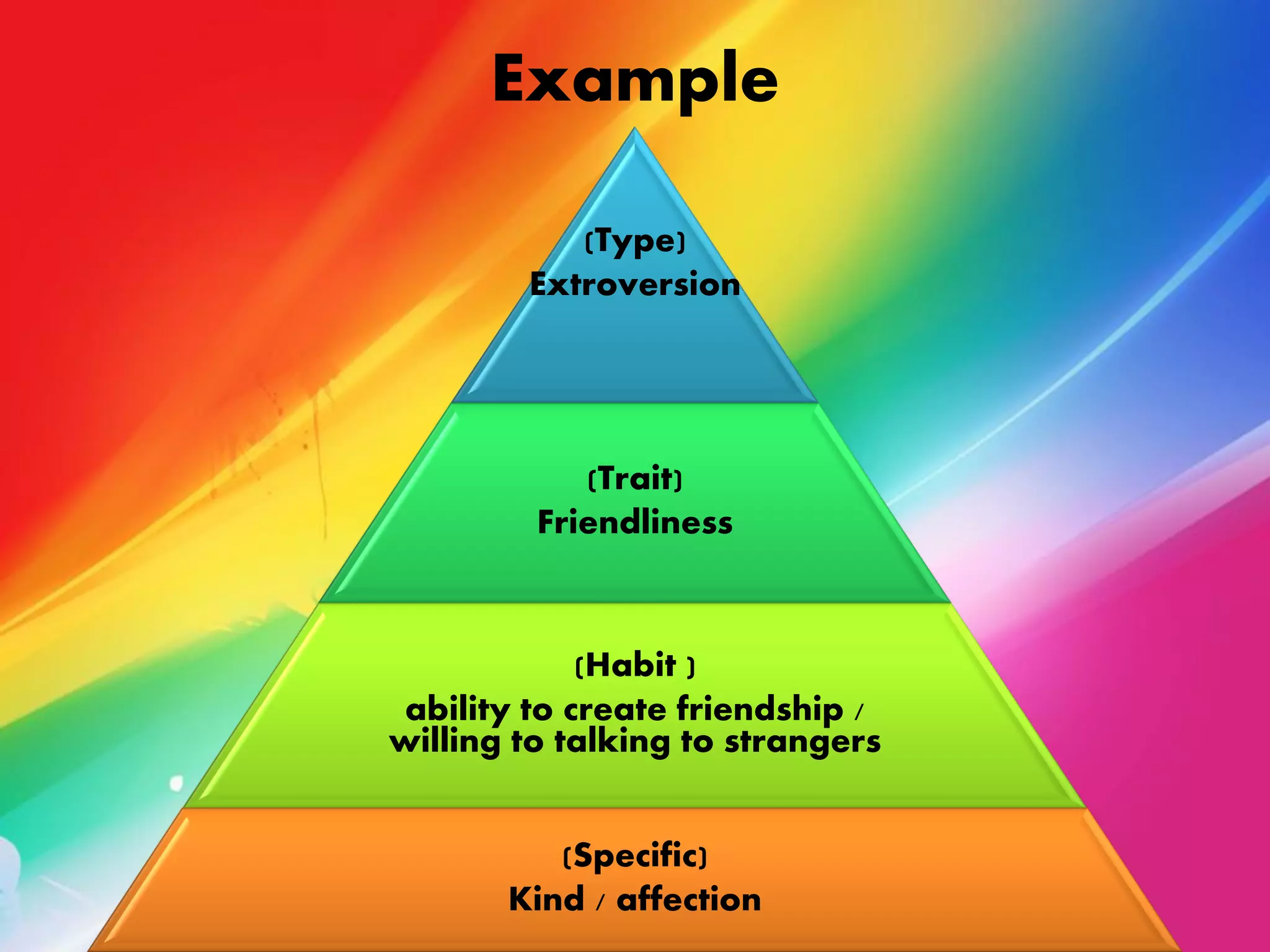
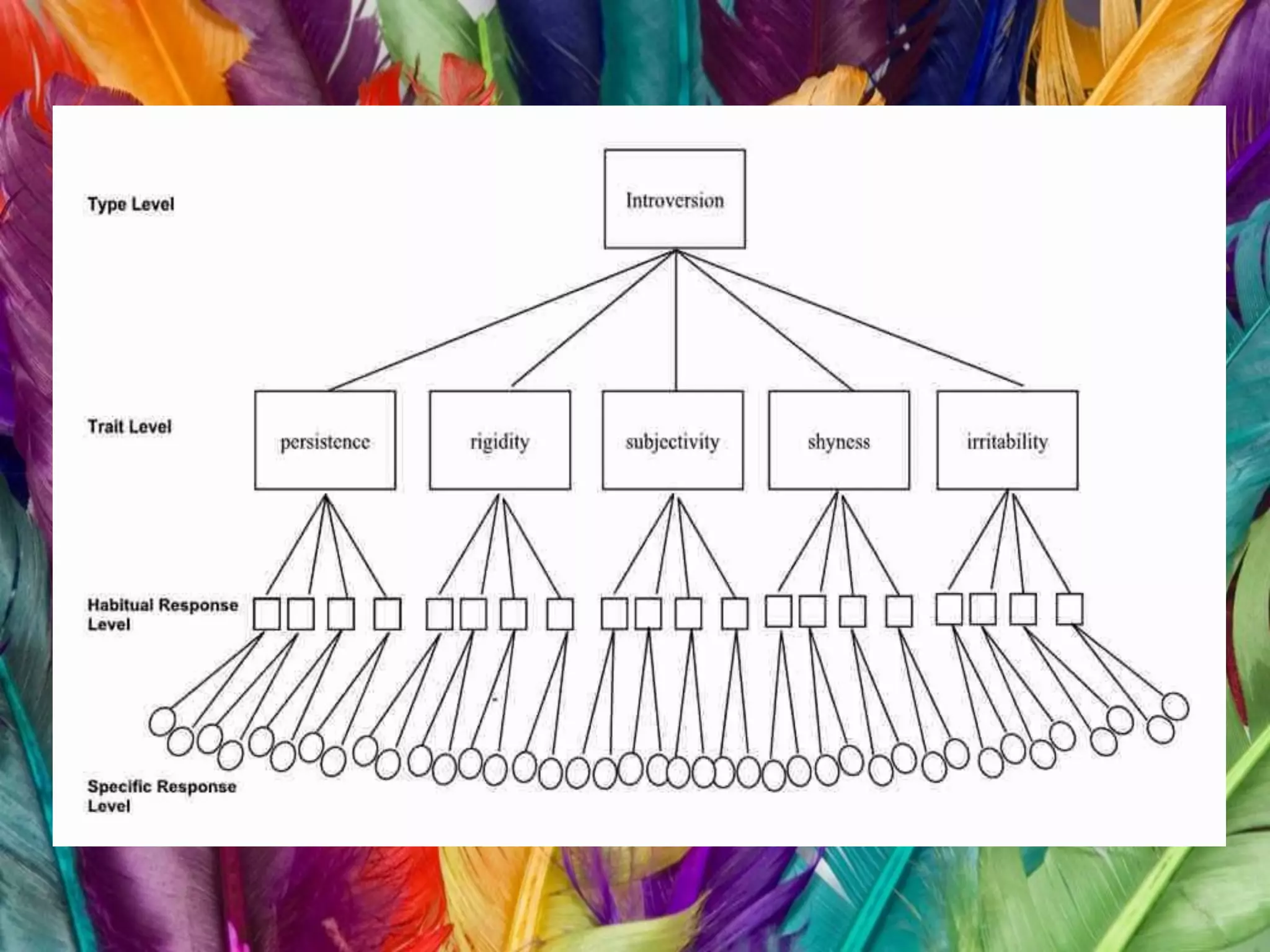
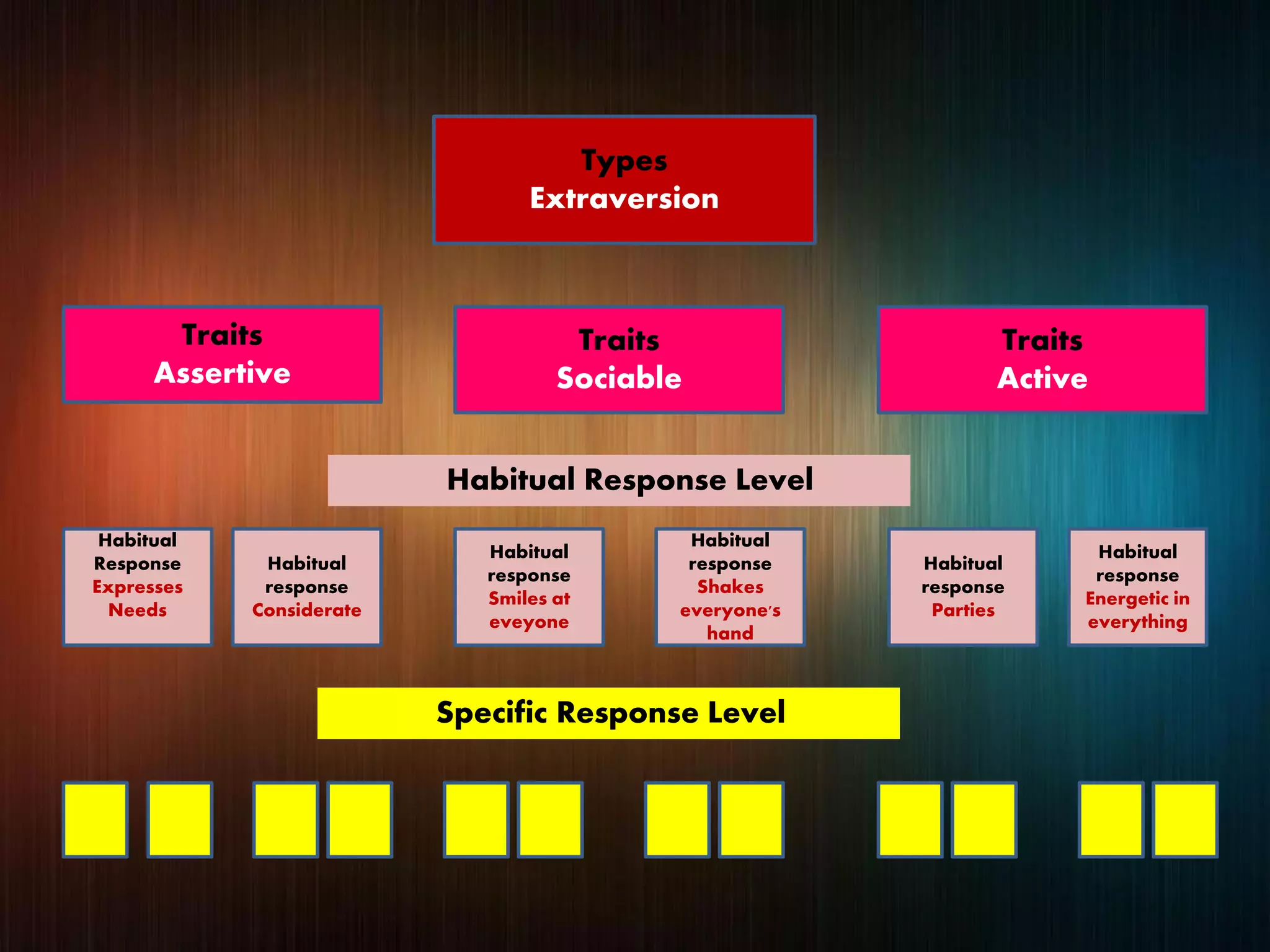
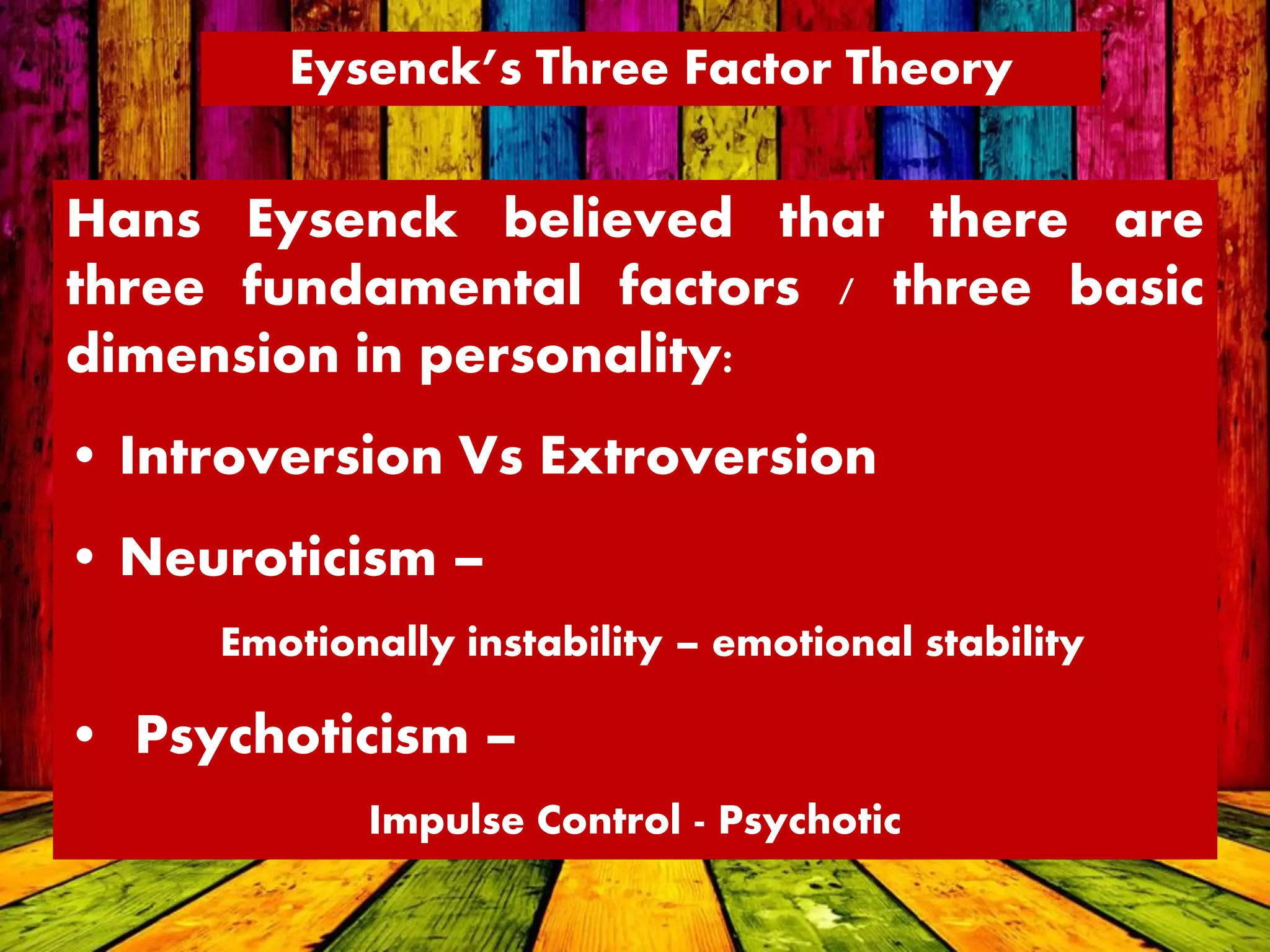
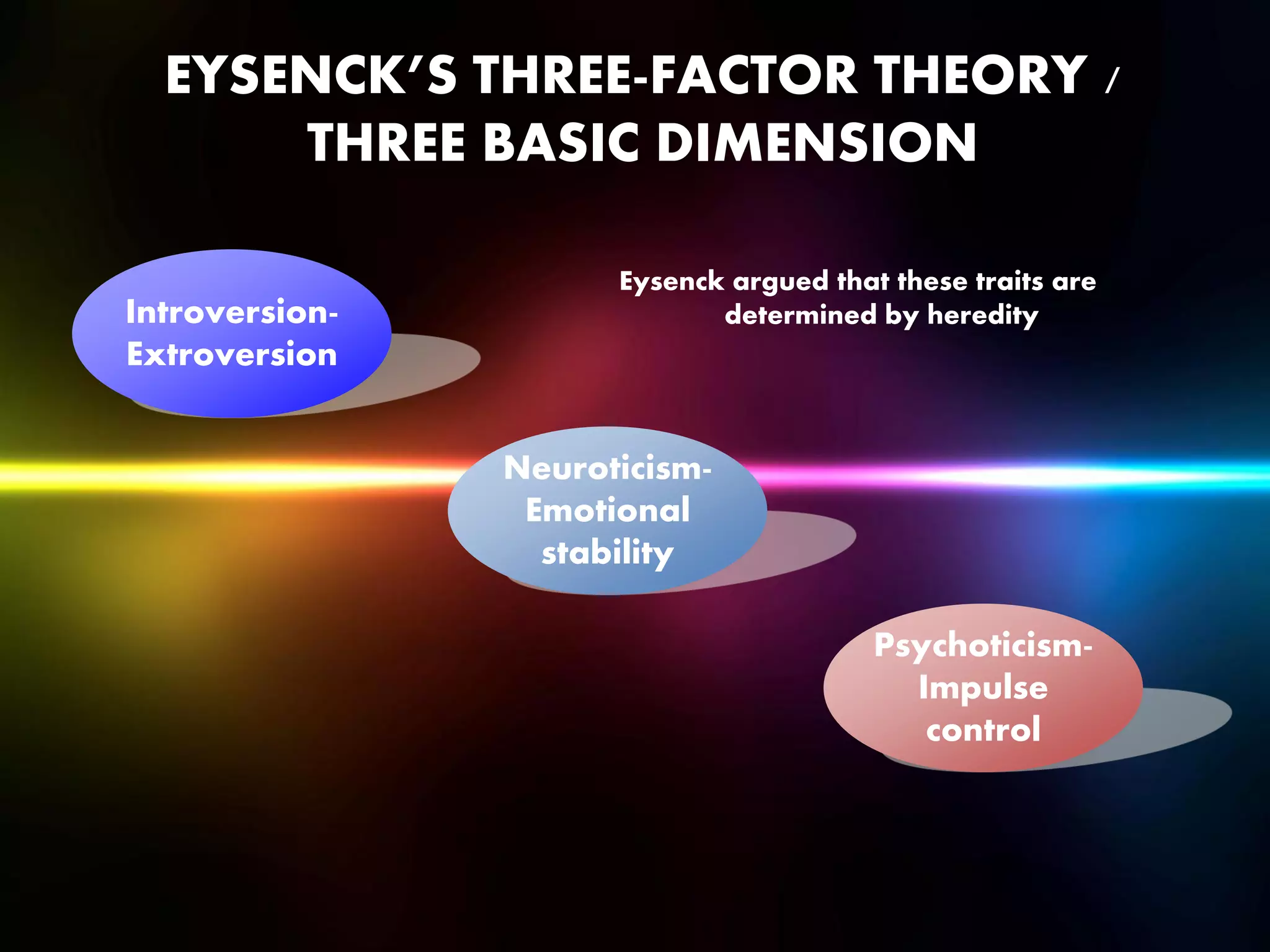
Hans Eysenck proposed a type-cum-trait approach to personality that incorporated both types and traits. He believed there were three fundamental personality factors: extraversion vs introversion, neuroticism vs emotional stability, and psychoticism vs impulse control. These factors determine four basic temperament types - melancholic, choleric, phlegmatic, and sanguine. Eysenck's theory contributed to research in criminology, education, genetics, psychopathology, and political ideology. It argued that personality traits are determined by heredity.


