SICKLE CELL
SYNDROMES
Brajesh Lahri
Final Professional MBBS
All India Institute of Medical Sciences
(AIIMS).Bhopal
INTRODUCTION
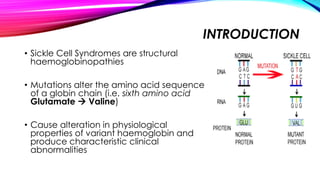
• Sickle Cell Syndromes are structural
haemoglobinopathies
• Mutations alter the amino acid sequence
of a globin chain (i.e. sixth amino acid
Glutamate  Valine)
• Cause alteration in physiological
properties of variant haemoglobin and
produce characteristic clinical
abnormalities
TYPES OF SICKLE CELL SYNDROMES
• Sickle Cell Trait
• Sickle Cell Anaemia
• S/ß0 Thalassemia
• S/ß+ Thalassemia
• Haemoglobin SC
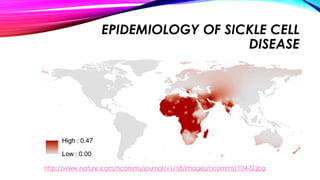
EPIDEMIOLOGY OF SICKLE CELL
DISEASE
http://www.nature.com/ncomms/journal/v1/n8/images/ncomms1104-f2.jpg
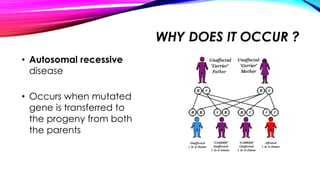
WHY DOES IT OCCUR ?
• Autosomal recessive
disease
• Occurs when mutated
gene is transferred to
the progeny from both
the parents
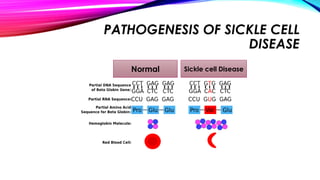
PATHOGENESIS OF SICKLE CELL
DISEASE
Normal Sickle cell Disease
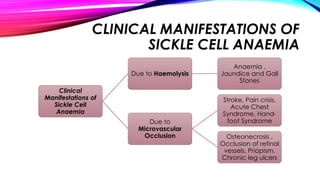
CLINICAL MANIFESTATIONS OF
SICKLE CELL ANAEMIA
Clinical
Manifestations of
Sickle Cell
Anaemia
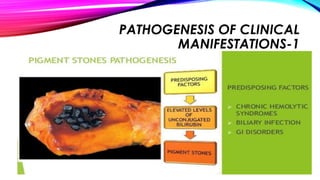
Due to Haemolysis
Anaemia ,
Jaundice and Gall
Stones
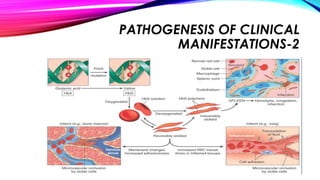
Due to
Microvascular
Occlusion
Stroke, Pain crisis,
Acute Chest
Syndrome, Hand-
foot Syndrome
Osteonecrosis ,
Occlusion of retinal
vessels, Priapism,
Chronic leg ulcers
PATHOGENESIS OF CLINICAL
MANIFESTATIONS-1
PATHOGENESIS OF CLINICAL
MANIFESTATIONS-2
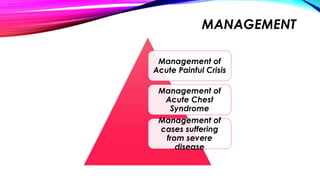
MANAGEMENT
Management of
Acute Painful Crisis
Management of
Acute Chest
Syndrome
Management of
cases suffering
from severe
disease
MANAGEMENT OF ACUTE PAINFUL
CRISIS
• Vigorous hydration and thorough evaluation for underlying cause (such as
infection )
• Aggressive analgesia should be given
• Morphine- for severe pain.Dose: 0.1-0.15 mg/kg every 6-8 hr
• Ketorolac-for bone pain. Dose-30-60 mg initial dose then15-30 mg every 6-8
hr
• NO- can be used to provide short term pain relief
• Blood transfusion should be reserved for extreme cases
MANAGEMENT OF ACUTE CHEST
SYNDROME
• Medical emergency requiring management in ICU
• Continuous monitoring of hydration is essential to avoid development of
pulmonary edema
• Vigorous oxygen therapy for protection of arterial oxygen saturation
• Blood transfusion should be given to maintain a hematocrit of >30
• Emergency exchange transfusion if arterial saturation drops to <90%
MANAGEMENT OF CASES
SUFFERING FROM SEVERE DISEASE
• Use of Hydroxyurea
• Blood Transfusion
• Bone marrow Transplantation
HYDROXYUREA
• Mainstay of therapy for patients with severe symptoms
• Mechanism of Action :
Increases fetal hemoglobin(HbF).
Beneficial effects on RBC hydration and vascular wall adherence.
Suppression of the granulocytes and reticulocytes.
• Dose:10-30 mg/kg per day.
BLOOD TRANSFUSION
• Simple Transfusion:
Indications of simple transfusion-
 Splenic sequestration
 Aplastic crisis
 Acute chest syndrome
• Exchange Transfusion:
Indicated in children who have suffered from cerebrovascular accident , to
reduce the risk of stroke in future
ADDITIONAL PROPHYLACTIC
MEASURES
Children should be vaccinated against capsulated organisms like
pneumococcus, meningococcus , H.influenza-B, Hepatitis B and seasonal
influenza.
Regular slit lamp examination to monitor retinopathy.
Antibiotic prophylaxis for splenectomized patient during dental or invasive
procedures.
Vigorous oral hydration during periods of extreme exercise,exposure to hot
and cold,emotional stress or infection.
Sickle cell disease

Sickle cell disease

  • 1.
    SICKLE CELL SYNDROMES Brajesh Lahri FinalProfessional MBBS All India Institute of Medical Sciences (AIIMS).Bhopal
  • 2.
    INTRODUCTION • Sickle CellSyndromes are structural haemoglobinopathies • Mutations alter the amino acid sequence of a globin chain (i.e. sixth amino acid Glutamate  Valine) • Cause alteration in physiological properties of variant haemoglobin and produce characteristic clinical abnormalities
  • 3.
    TYPES OF SICKLECELL SYNDROMES • Sickle Cell Trait • Sickle Cell Anaemia • S/ß0 Thalassemia • S/ß+ Thalassemia • Haemoglobin SC
  • 4.
    EPIDEMIOLOGY OF SICKLECELL DISEASE http://www.nature.com/ncomms/journal/v1/n8/images/ncomms1104-f2.jpg
  • 5.
    WHY DOES ITOCCUR ? • Autosomal recessive disease • Occurs when mutated gene is transferred to the progeny from both the parents
  • 6.
    PATHOGENESIS OF SICKLECELL DISEASE Normal Sickle cell Disease
  • 7.
    CLINICAL MANIFESTATIONS OF SICKLECELL ANAEMIA Clinical Manifestations of Sickle Cell Anaemia Due to Haemolysis Anaemia , Jaundice and Gall Stones Due to Microvascular Occlusion Stroke, Pain crisis, Acute Chest Syndrome, Hand- foot Syndrome Osteonecrosis , Occlusion of retinal vessels, Priapism, Chronic leg ulcers
  • 8.
  • 9.
  • 10.
    MANAGEMENT Management of Acute PainfulCrisis Management of Acute Chest Syndrome Management of cases suffering from severe disease
  • 11.
    MANAGEMENT OF ACUTEPAINFUL CRISIS • Vigorous hydration and thorough evaluation for underlying cause (such as infection ) • Aggressive analgesia should be given • Morphine- for severe pain.Dose: 0.1-0.15 mg/kg every 6-8 hr • Ketorolac-for bone pain. Dose-30-60 mg initial dose then15-30 mg every 6-8 hr • NO- can be used to provide short term pain relief • Blood transfusion should be reserved for extreme cases
  • 12.
    MANAGEMENT OF ACUTECHEST SYNDROME • Medical emergency requiring management in ICU • Continuous monitoring of hydration is essential to avoid development of pulmonary edema • Vigorous oxygen therapy for protection of arterial oxygen saturation • Blood transfusion should be given to maintain a hematocrit of >30 • Emergency exchange transfusion if arterial saturation drops to <90%
  • 13.
    MANAGEMENT OF CASES SUFFERINGFROM SEVERE DISEASE • Use of Hydroxyurea • Blood Transfusion • Bone marrow Transplantation
  • 14.
    HYDROXYUREA • Mainstay oftherapy for patients with severe symptoms • Mechanism of Action : Increases fetal hemoglobin(HbF). Beneficial effects on RBC hydration and vascular wall adherence. Suppression of the granulocytes and reticulocytes. • Dose:10-30 mg/kg per day.
  • 15.
    BLOOD TRANSFUSION • SimpleTransfusion: Indications of simple transfusion-  Splenic sequestration  Aplastic crisis  Acute chest syndrome • Exchange Transfusion: Indicated in children who have suffered from cerebrovascular accident , to reduce the risk of stroke in future
  • 16.
    ADDITIONAL PROPHYLACTIC MEASURES Children shouldbe vaccinated against capsulated organisms like pneumococcus, meningococcus , H.influenza-B, Hepatitis B and seasonal influenza. Regular slit lamp examination to monitor retinopathy. Antibiotic prophylaxis for splenectomized patient during dental or invasive procedures. Vigorous oral hydration during periods of extreme exercise,exposure to hot and cold,emotional stress or infection.