Download as PDF, PPTX
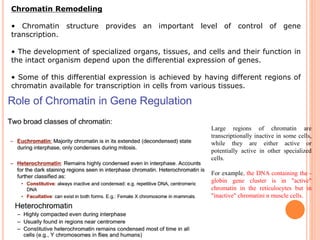
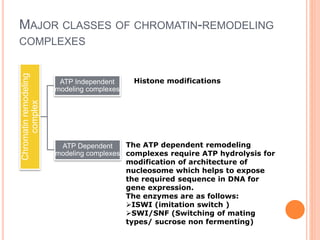
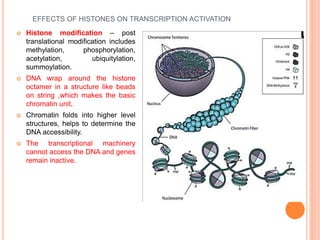
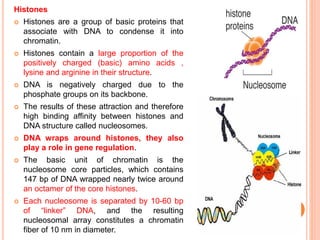
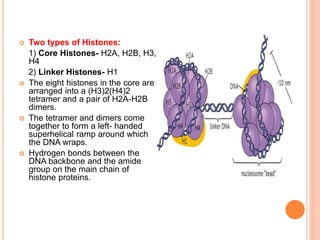
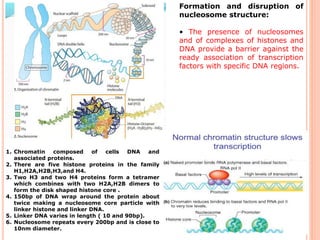
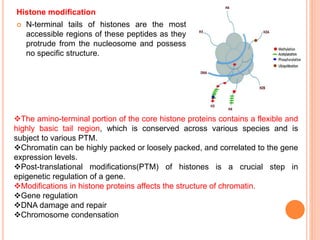
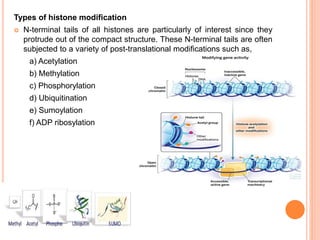
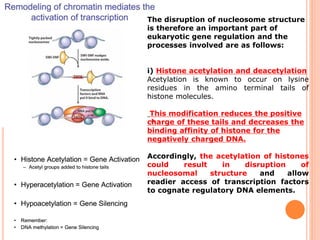
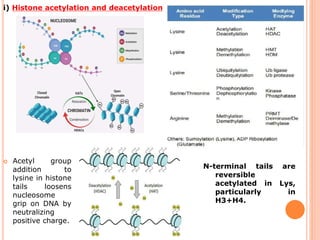
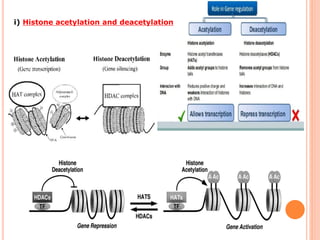
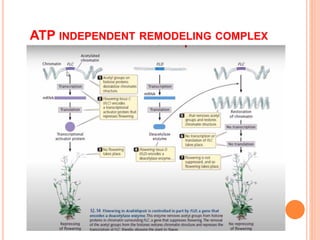
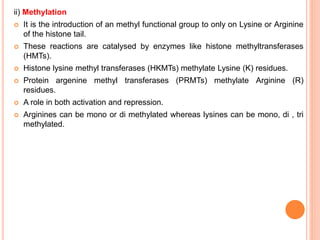
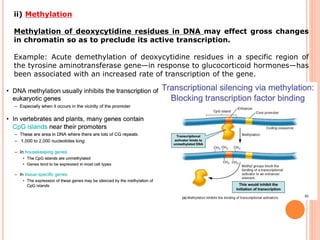
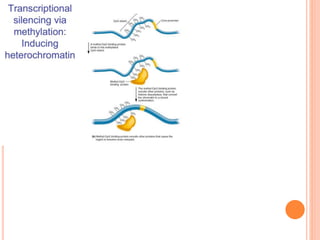
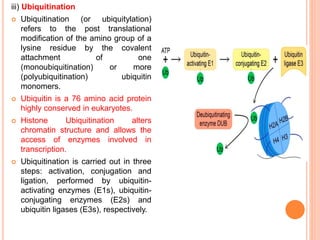
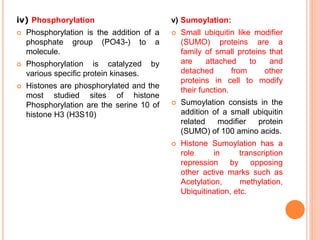
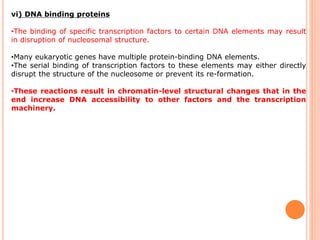
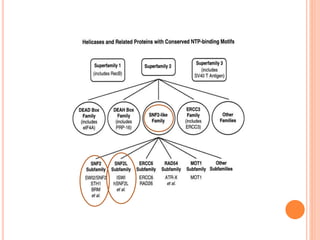
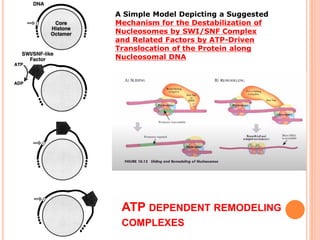

1. Chromatin remodeling complexes use ATP hydrolysis to modify nucleosome structure and expose DNA for gene expression. The main classes are ATP-independent complexes and ATP-dependent complexes like ISWI and SWI/SNF. 2. Post-translational modifications of histone tails like acetylation, methylation, and phosphorylation can affect chromatin structure and transcription by altering DNA-histone interactions. 3. Chromatin remodeling is important for differential gene expression in specialized cell types and controlling DNA accessibility for transcription.


![Polymer [ बहुलक ] Chemistry Notes PDF - Irfanullah Mehar - JJ Sir Chemistry.pdf](https://cdn.slidesharecdn.com/ss_thumbnails/polymerchemistrynotespdf-irfanullahmehar-jjsirchemistry-260210172118-3f9b37f7-thumbnail.jpg?width=640&height=640&fit=bounds)


