Downloaded 139 times







![JensMartensson
21
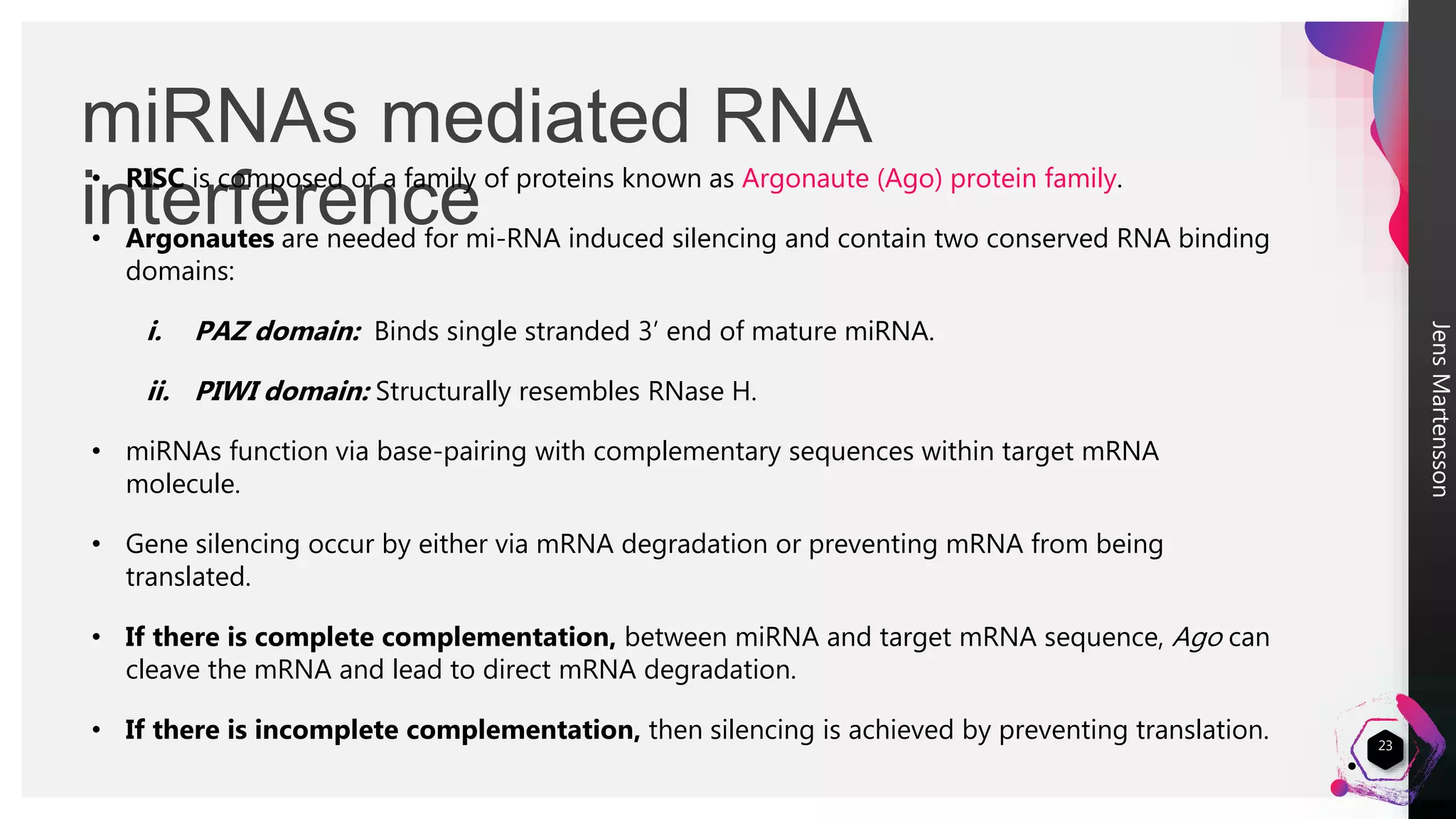
RNA interference (RNAi)
• RNAi is an evolutionary is an evolutionary conserved mechanism of gene regulation
that is induced by small silencing RNA in a sequence-specific manner.
• The phenomenon was first identified in C. elegans by Fire and Mello in 1998. Lin-4 and
Let-7 are two micro-RNAs (miRNAs) that were first discovered in C. elegans.
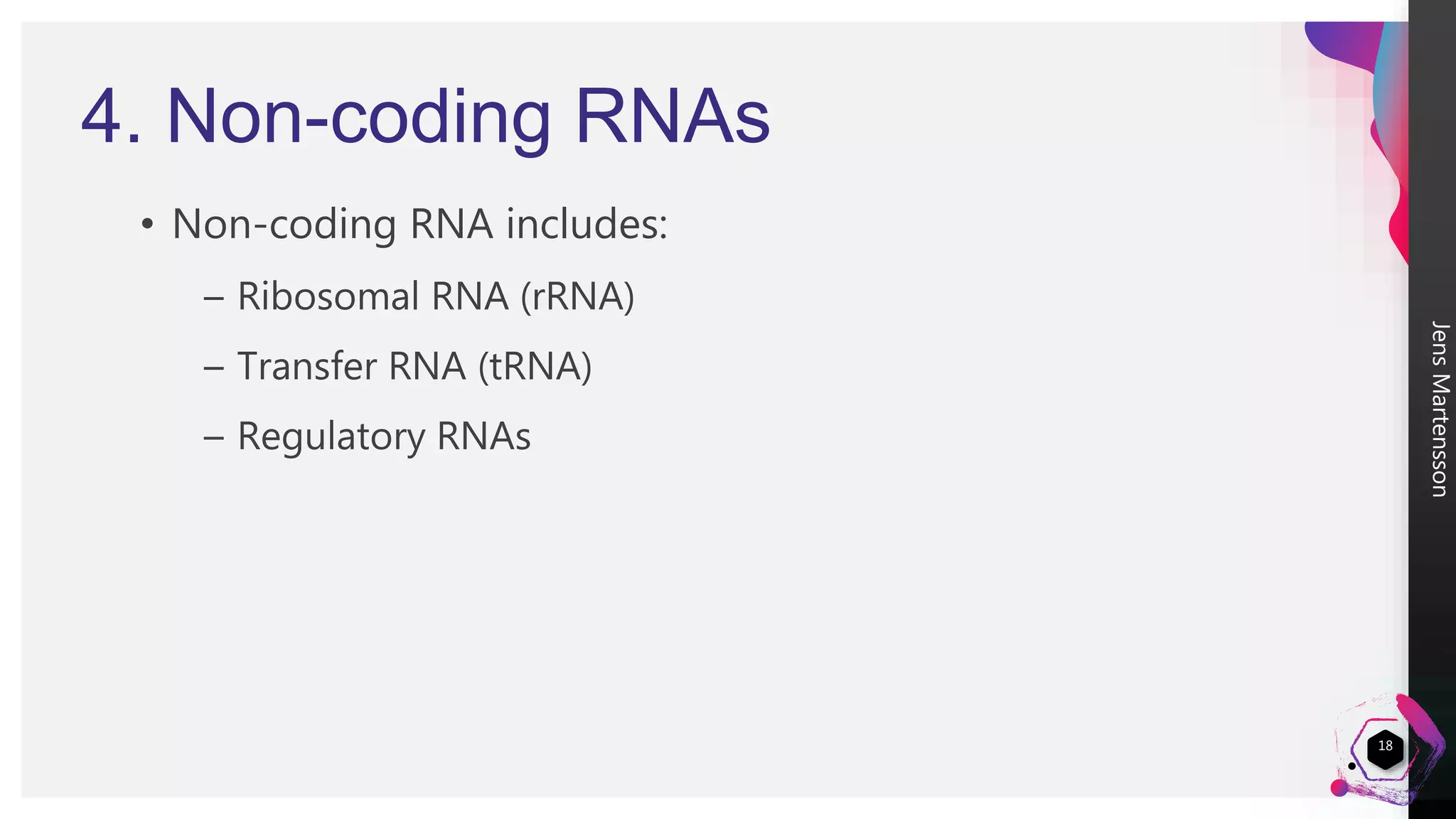
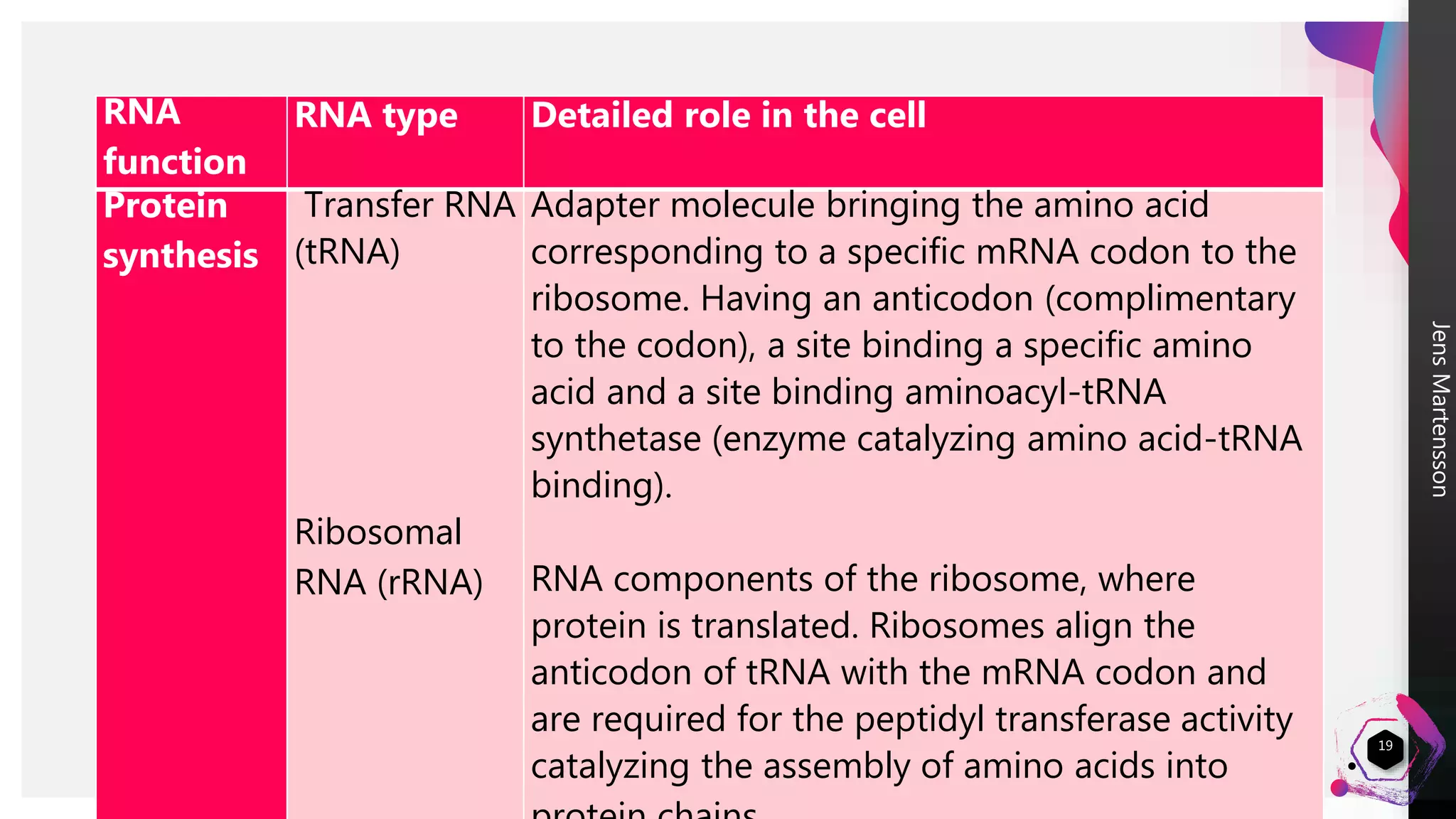
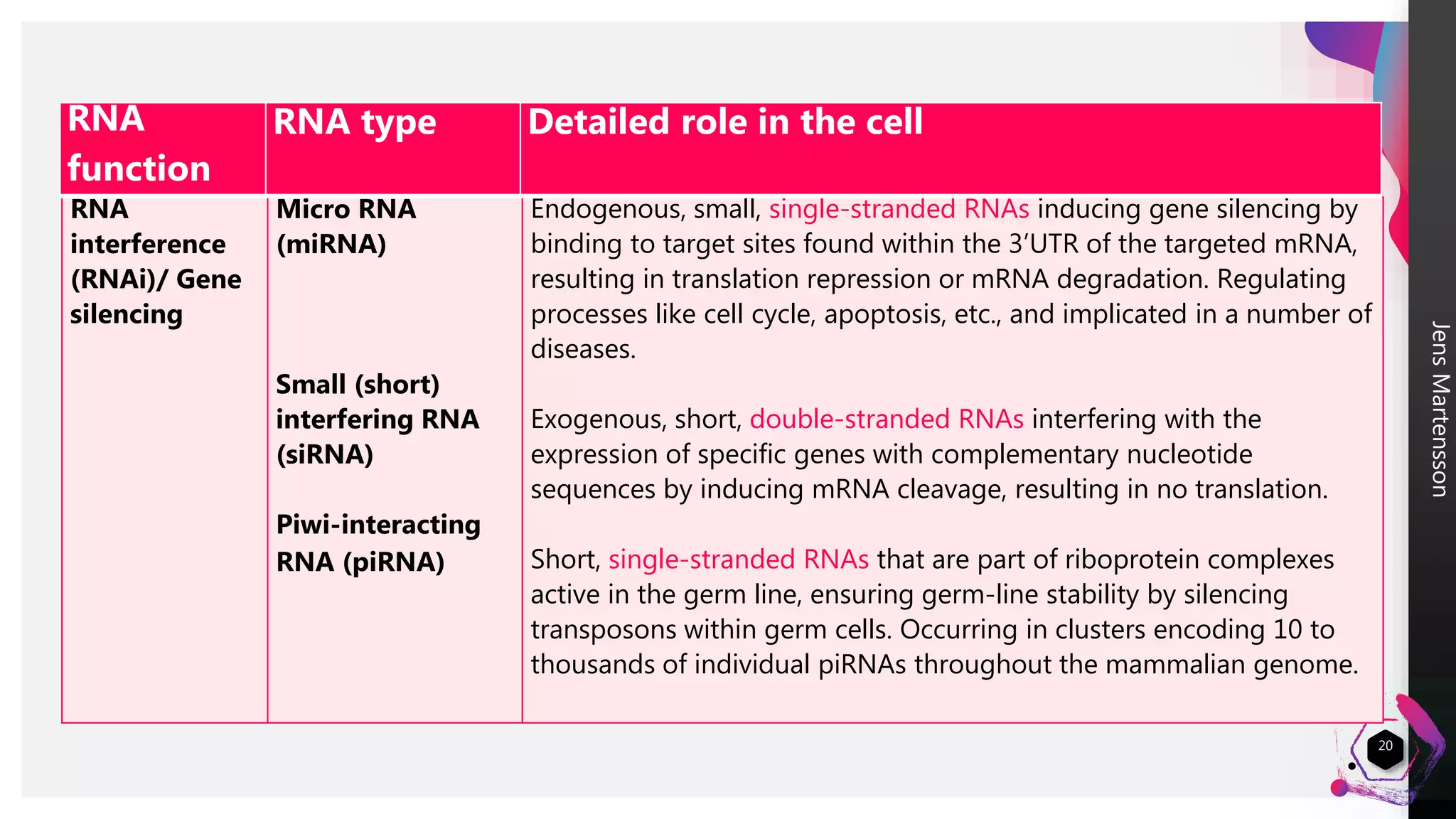
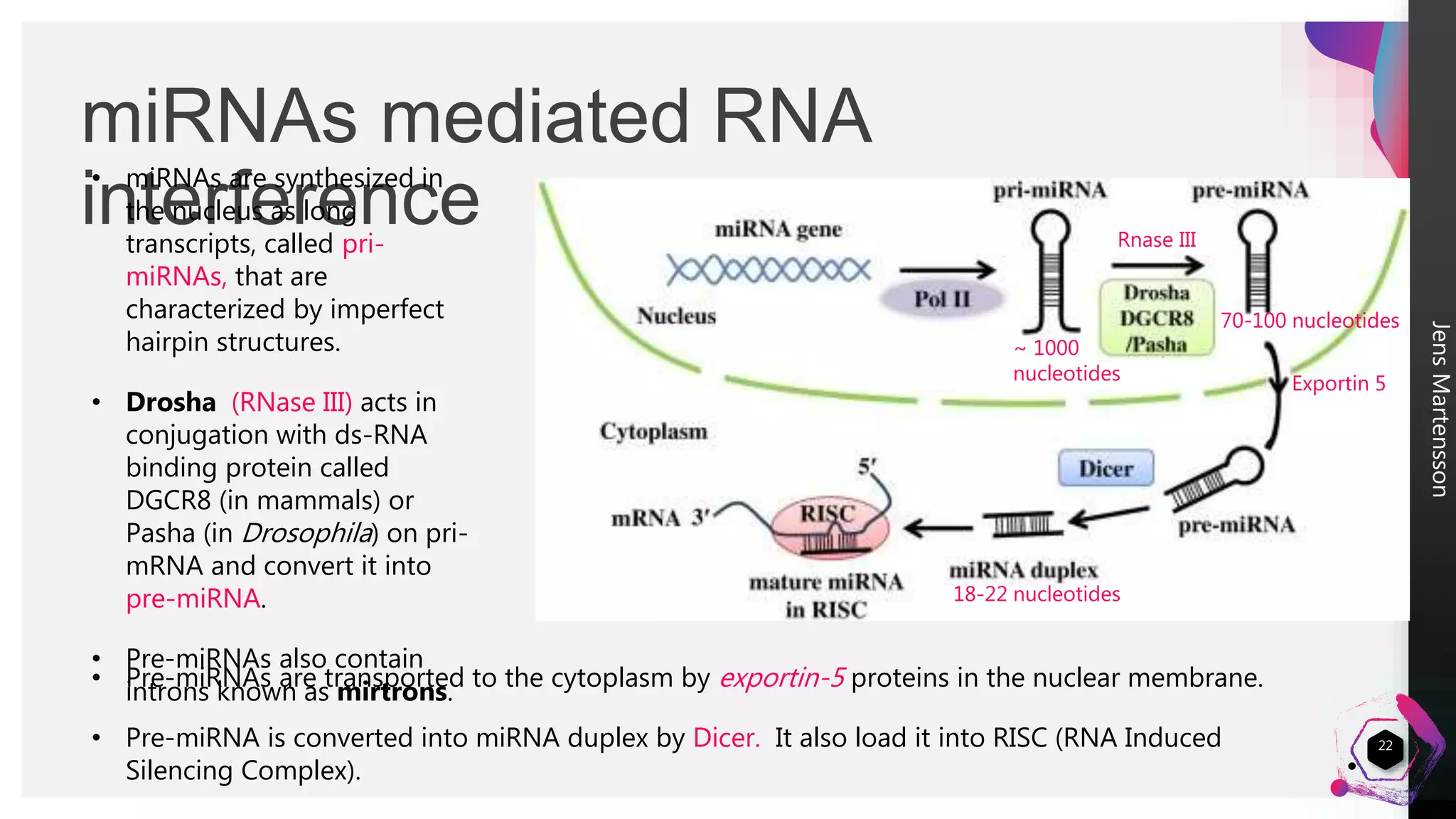
• Two principle types of small silencing RNA molecules are:
i. microRNA (miRNA) [endogenously produced]
ii. small interfering RNA (siRNA) [exogenously produced]
• These small RNAs have been shown to play critical roles in developmental timing,
haematopoietic cell differentiation, cell death, cell proliferation and oncogenesis.](https://image.slidesharecdn.com/junkdnaanditsimportance-copy-190916202630/75/Junk-DNA-Non-coding-DNA-and-its-Importance-Regulatory-RNAs-RNA-interference-Pseudogenes-21-2048.jpg)




![JensMartensson
Regulation of Gene Expression
• Some noncoding DNA sequences determine the expression levels of various genes, both
those that are transcribed to proteins and those that themselves are involved in gene
regulation.
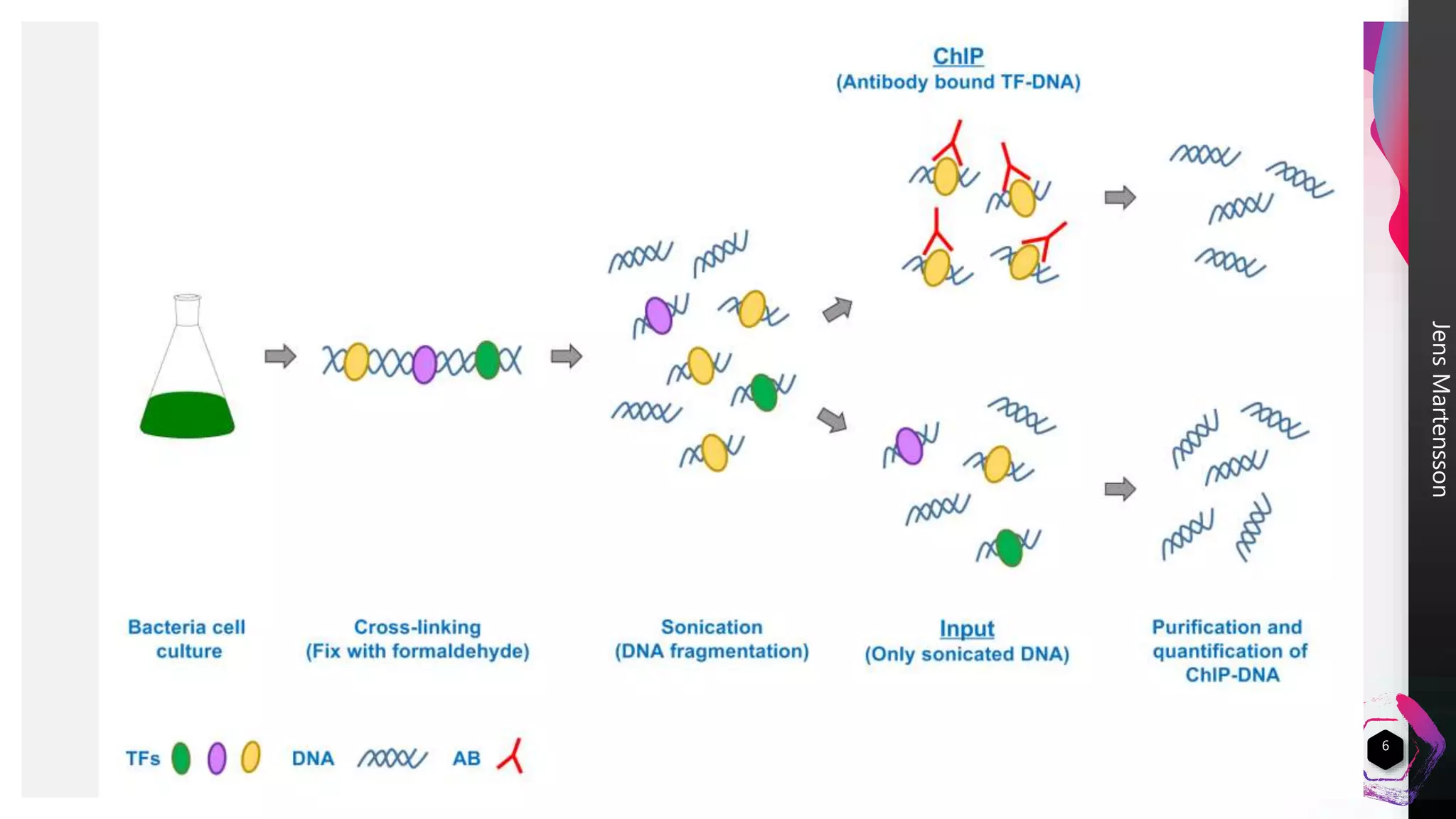
• Transcription factors
Some noncoding DNA sequences determine where transcription factors attach.[55] A transcription factor
is a protein that binds to specific non-coding DNA sequences, thereby controlling the flow (or
transcription) of genetic information from DNA to mRNA.
• Operators
An operator is a segment of DNA to which a repressor binds. A repressor is a DNA-binding protein that
regulates the expression of one or more genes by binding to the operator and blocking the attachment
of RNA polymerase to the promoter, thus preventing transcription of the genes. This blocking of
expression is called repression.
• Enhancers
An enhancer is a short region of DNA that can be bound with proteins (trans-acting factors), much like
a set of transcription factors, to enhance transcription levels of genes in a gene cluster.
35](https://image.slidesharecdn.com/junkdnaanditsimportance-copy-190916202630/75/Junk-DNA-Non-coding-DNA-and-its-Importance-Regulatory-RNAs-RNA-interference-Pseudogenes-35-2048.jpg)



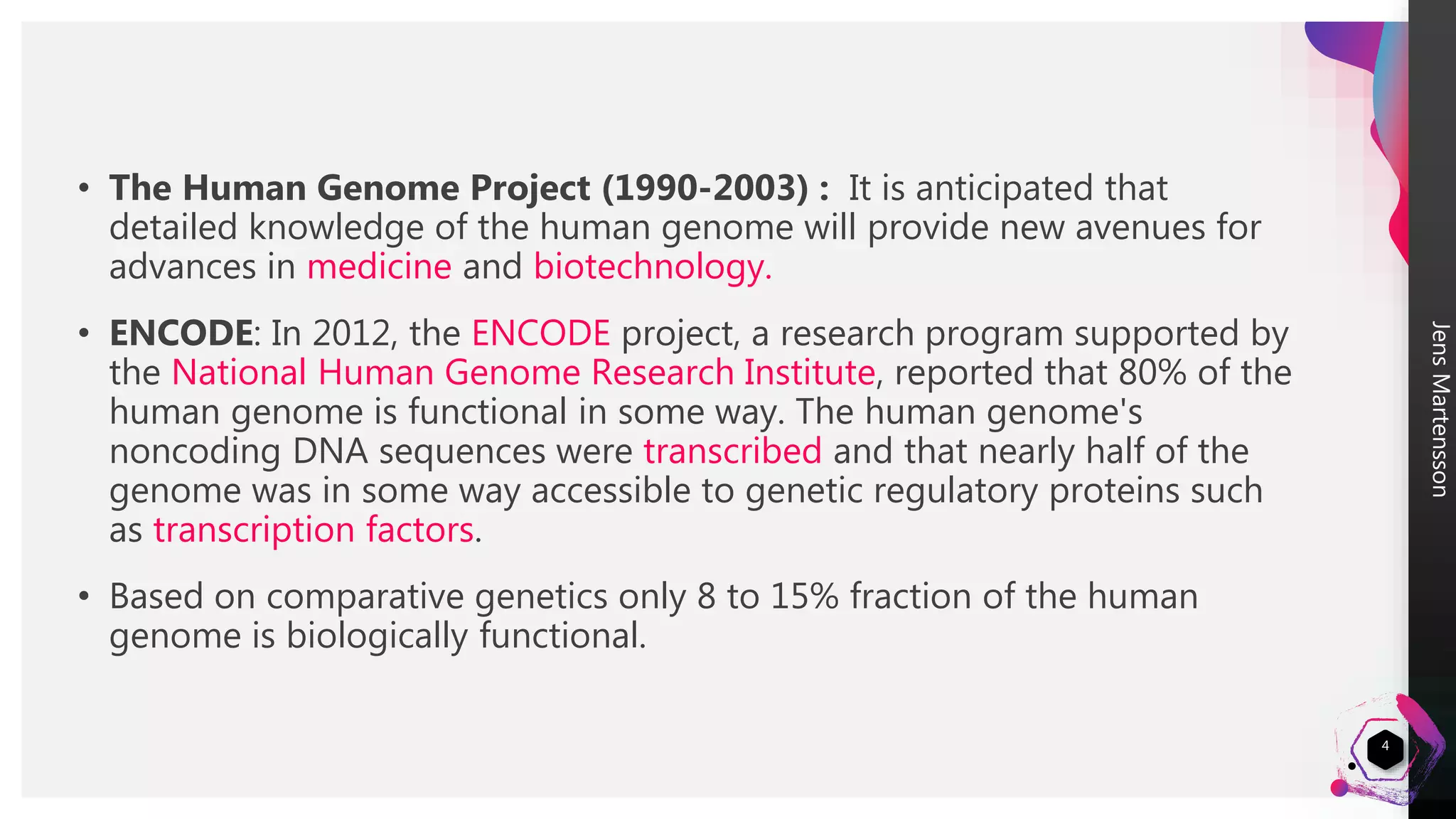
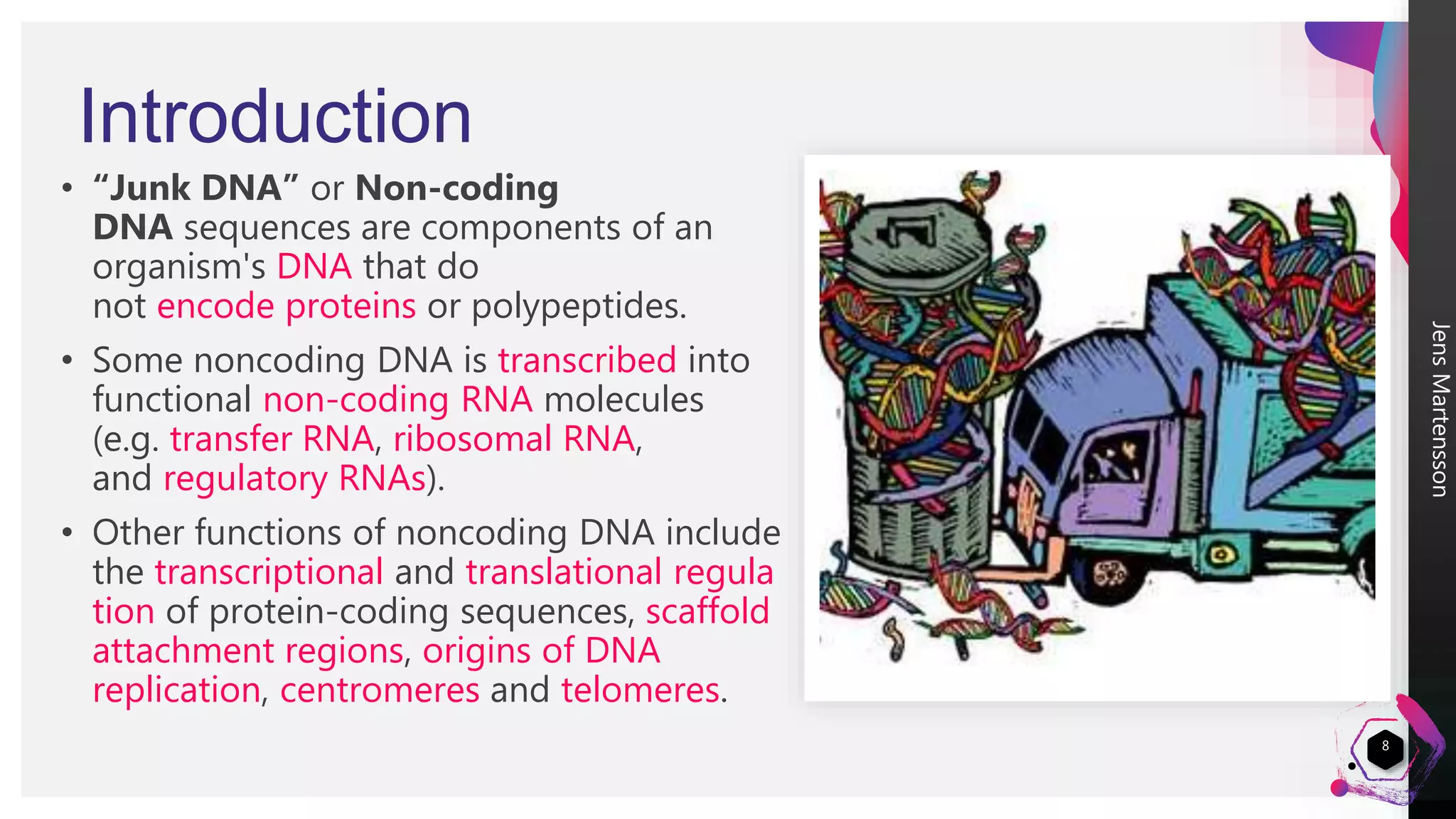
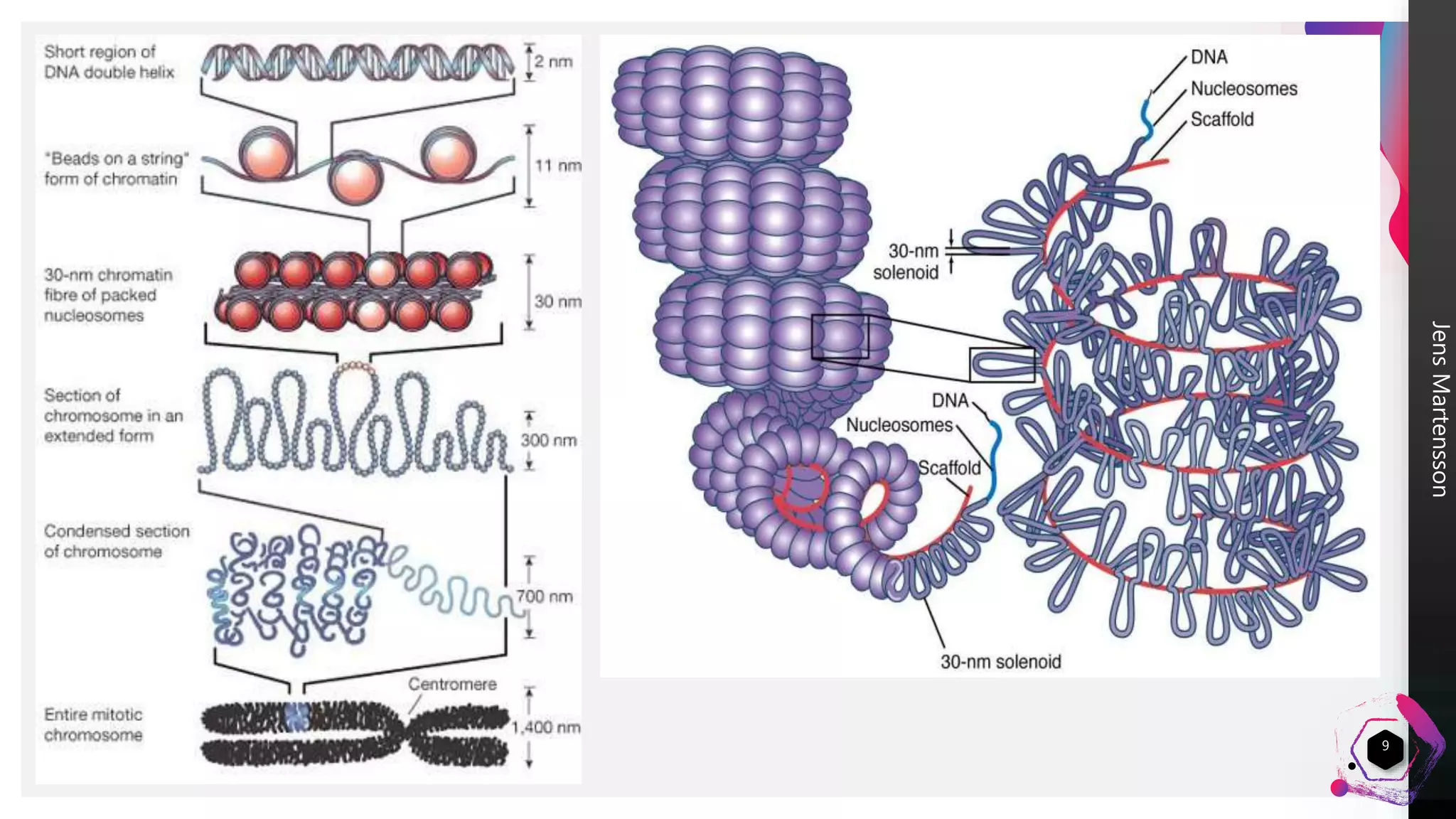
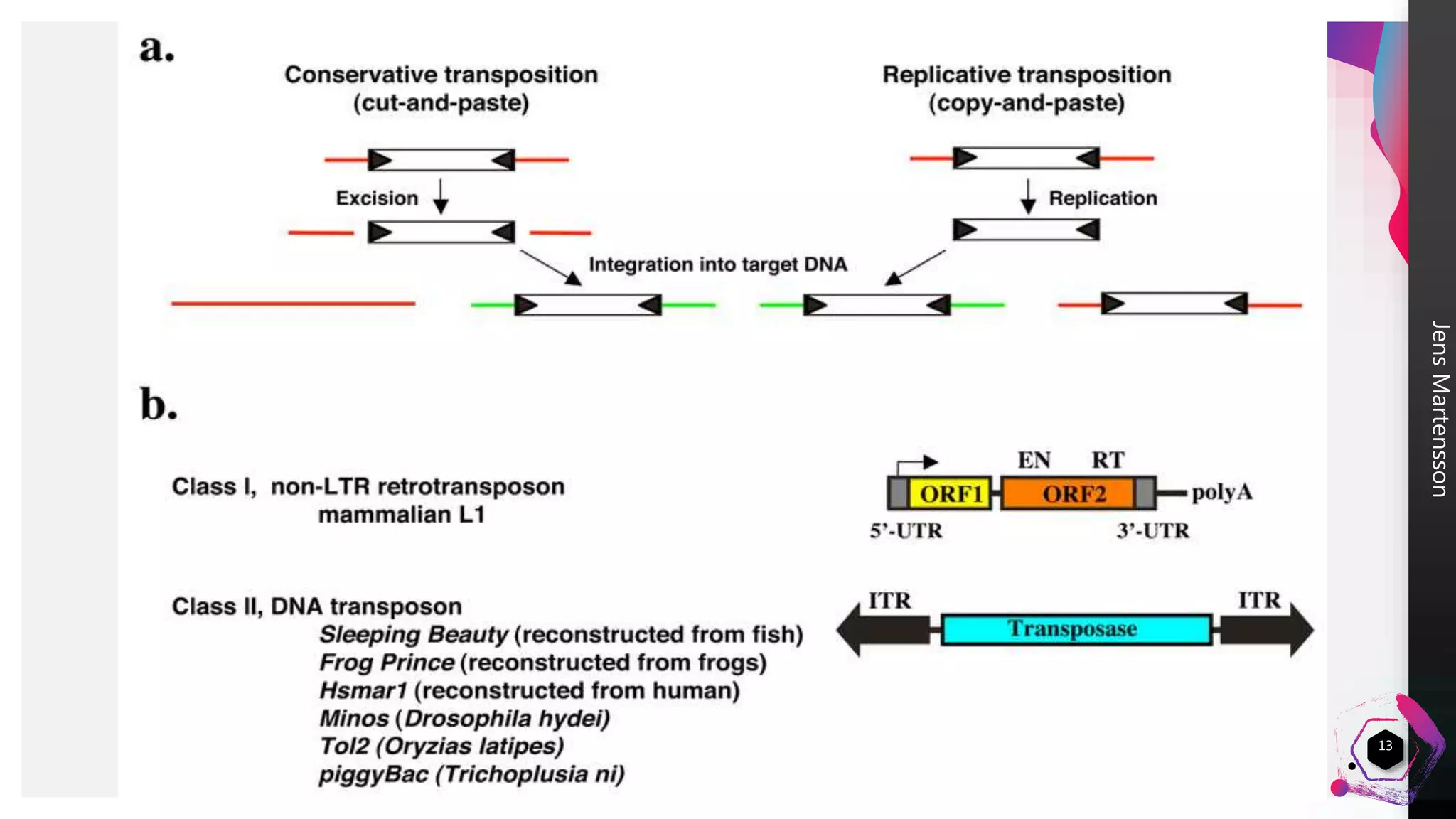
The document discusses various types of non-coding DNA sequences, including repetitive sequences, transposons, non-coding RNAs, introns, and pseudogenes. It notes that while genes only make up 2-3% of human DNA, recent projects like ENCODE have found that a much larger portion of non-coding DNA is functionally important, for example through transcriptional and translational regulation of protein-coding sequences. The document outlines different classes of transposons, introns, non-coding RNAs and their various roles in gene expression, epigenetics, and genome evolution.


