Shaina Salazar Joson
October 14, 1997
Malolos, Bulacan
Bulacan State
University
Bachelor of Secondary
Education (Filipino)
Educational Technology 2 is
concerned with the “Integrating
technology into teaching and
learning.” Especially on
introducing, reinforcing,
supplementing, and extending the
knowledge and skills to learners so
that they can become examplary
users of educational technology.
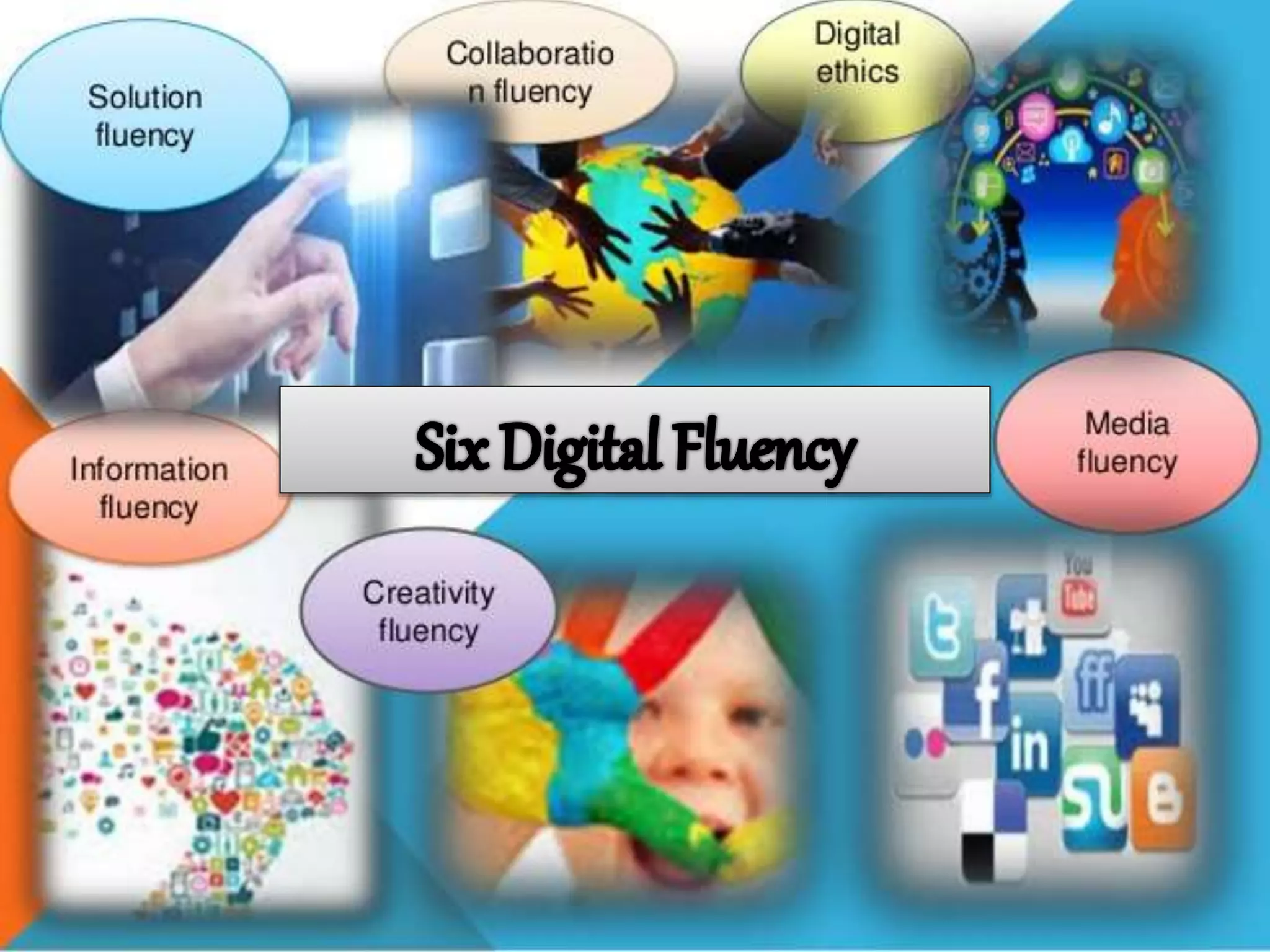
SOLUTION FLUENCY
Ability to think
creatively to solve
problems in real time
by clearly defining the
problem, designing an
appropriate solution,
delivering
the solution and then
evaluating the process
and the outcome.
INFORMATIVE FLUENCY
Informative Fluency is
a set of abilities
requiring individuals
to "recognize when
information is needed
and have the ability to
locate, evaluate, and
use effectively the
needed information."
COLLABORATION FLUENCY
One of the strongest
assets any student can
have is the ability to
work well within a
team.
MEDIA FLUENCY
Media Fluency refers to the ability to
unconsciously interpret the messages contained
within media of all sorts, and the ability to
communicate in multiple multimedia formats.
DIGITAL ETHICS
Digital Ethics is the
study of how to
manage
oneself ethically,
professionally and in a
clinically sound
manner via online
and digital mediums.
CREATIVE FLUENCY
Creative Fluency is the
process by which
artistic proficiency
adds meaning through
design, art and
storytelling.
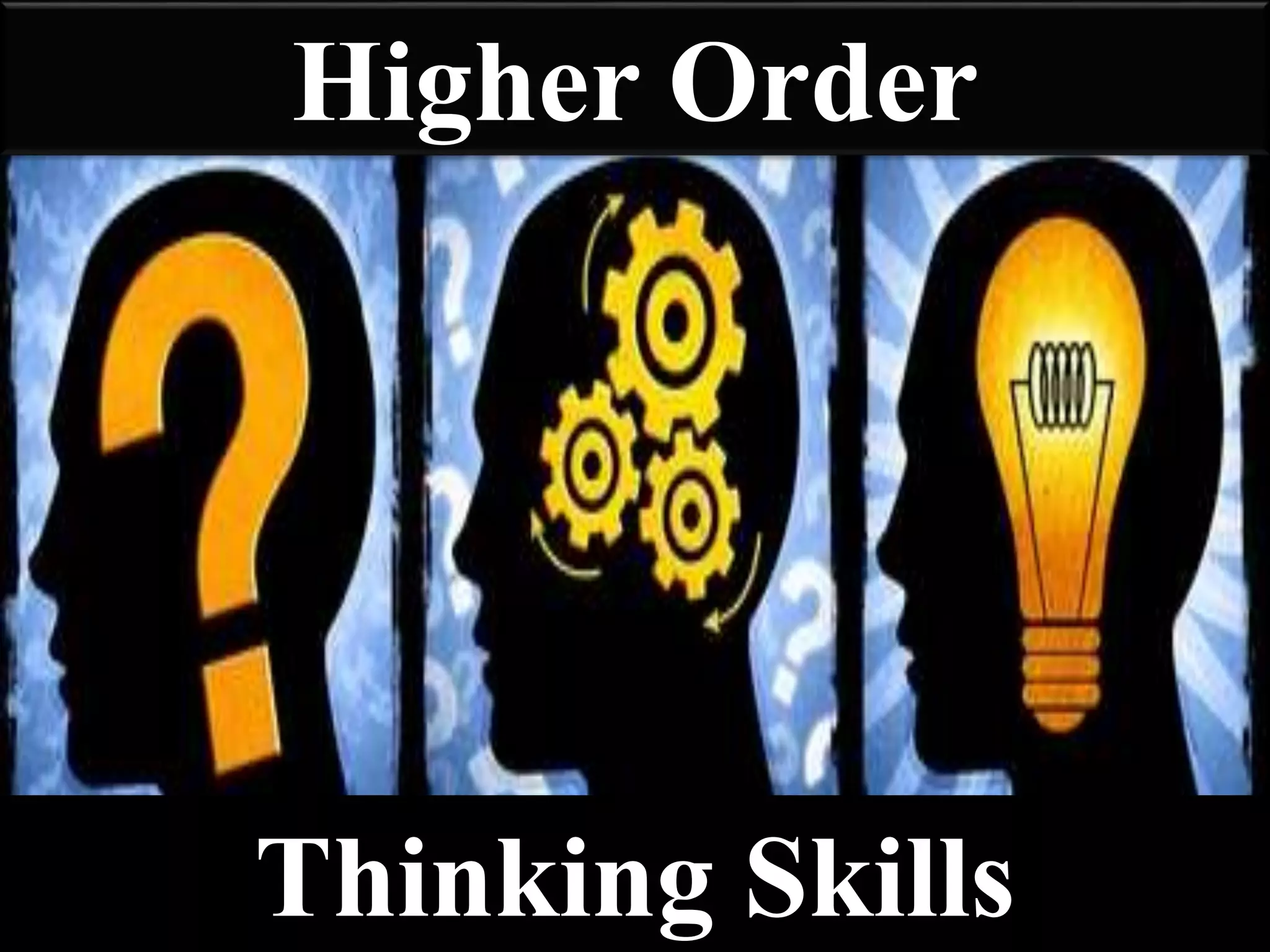
Thinking Skills
Higher Order
RESOURSE BASE
Teacher will step out of tradition role of being a content expert instead
the students will find their own information
SIMPLE CREATION
Assigned the students to create their own software materials to
supplement the needs for relevant and effective materials
GUIDED HYPERMEDIA
As a instructive tool by production of students power point and as a
communicating tool when a students do a multimedia
WEB BASED
To create and post on different webpages on a given topic
A S
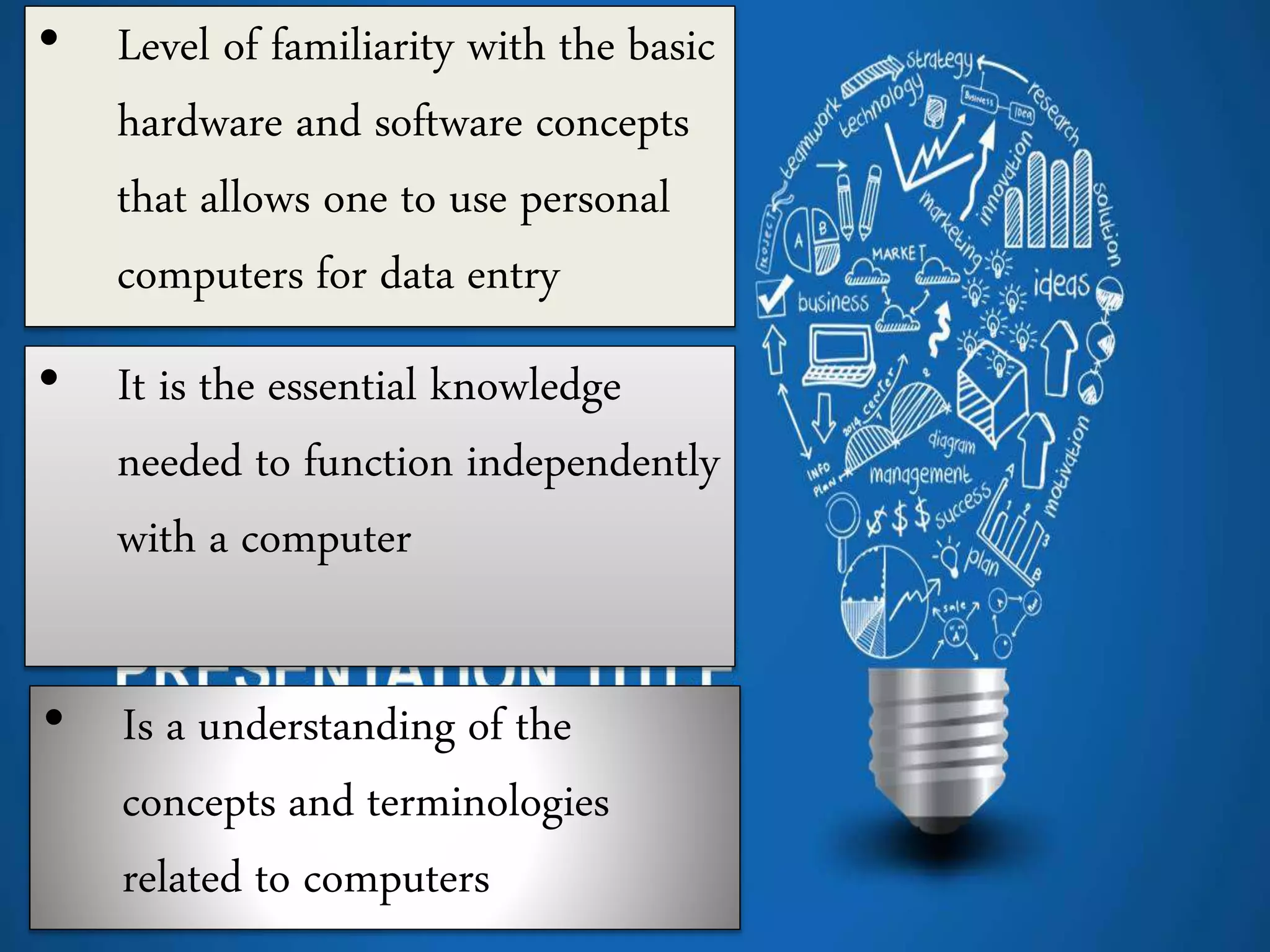
• Level of familiarity with the basic
hardware and software concepts
that allows one to use personal
computers for data entry
• Is a understanding of the
concepts and terminologies
related to computers
• It is the essential knowledge
needed to function independently
with a computer
The computer can provide vast amount of
information in various forms, such as text,
graphics, sound and video.
Students can use gather information to
communicate to other people in more
knowledgeable use.
The computer itself can be use as a
manipulating information, visualizing
ones understanding of new knowledge.
Work cooperatively and construct a
shared understanding of new knowledge
The computer can created images bolder
that a student can feel and situation it
was real.
By using the computers, learners will know much more
than of what they have already know by scanning, surfing
through the use of computers. Technology right now is very
wide in young generation or Y- generation. Social
networking sites helps us a lot of things when it comes to
studies. But as far as we are all concern, many teens right
now are abusing the good benefits of the high technology.
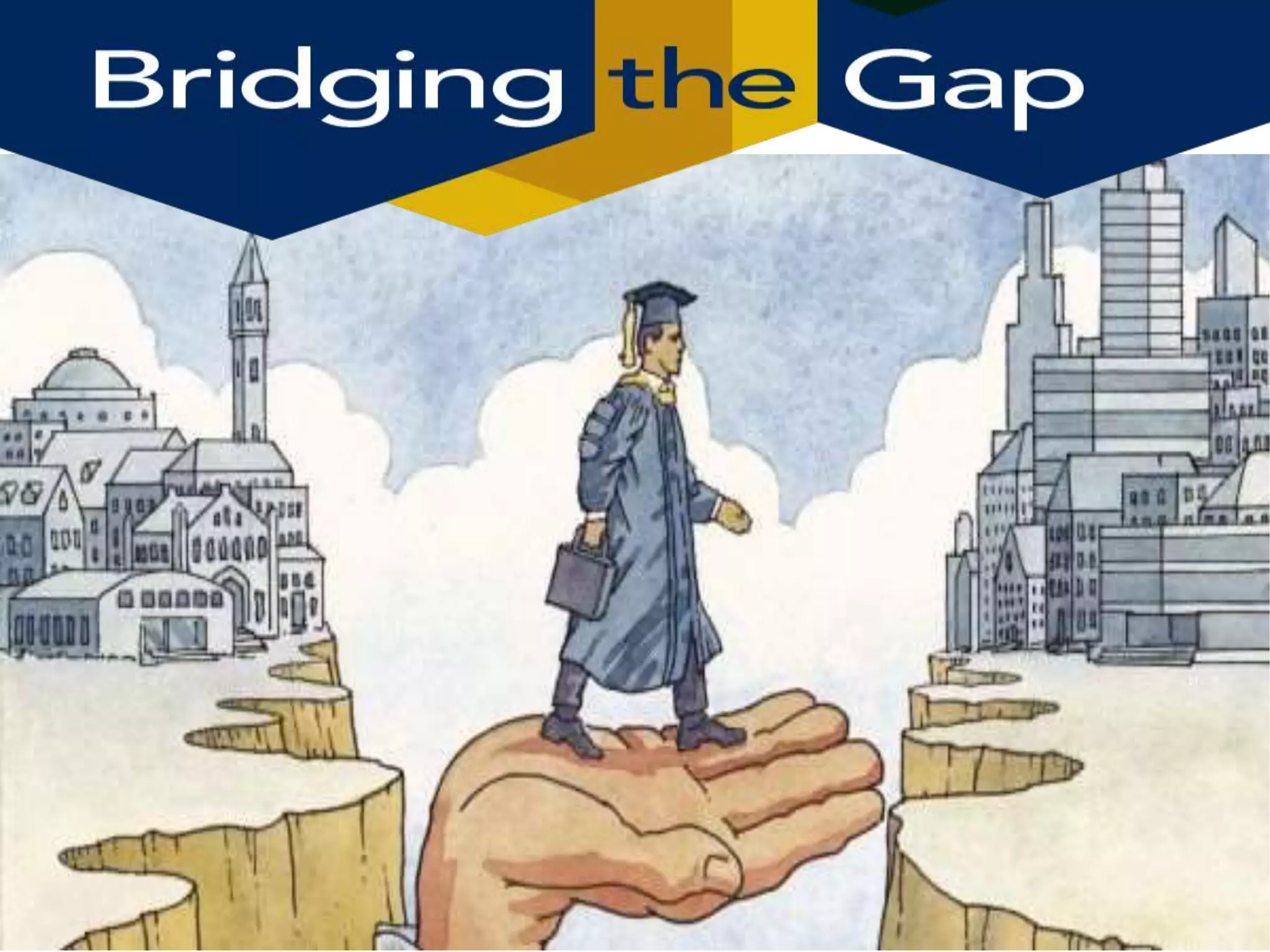
The older generation has a gap with the younger
generation that they cannot easily adapt to the modern
world of the young generations. Teachers feel too obliged
to delivering content-based courses, the learning of which
is measurable by standard tests. Digital learners and not
surprisingly there is much fun in the digital world outside
the school.
It is the students themselves who demonstrate higher
thinking skills and creativity through such activities
searching for information, organizing and synthesizing
ideas, creating presentations, and the like. Computer
has a great help for both the teachers and the learners,
for the teachers it facilitate their instructional methods
and improve their instructional materials; for the
learners it contributes a lot in their cognitive
development and learning experiences. A unique
aspect of computers is that they not only represent
process, but they also naturally keep track of the
actions used to carry out a given task, so that the
process and its trace can become an object of study in
its own right.
Joson Shaina

Joson Shaina

  • 2.
    Shaina Salazar Joson October14, 1997 Malolos, Bulacan Bulacan State University Bachelor of Secondary Education (Filipino)
  • 4.
    Educational Technology 2is concerned with the “Integrating technology into teaching and learning.” Especially on introducing, reinforcing, supplementing, and extending the knowledge and skills to learners so that they can become examplary users of educational technology.
  • 9.
    SOLUTION FLUENCY Ability tothink creatively to solve problems in real time by clearly defining the problem, designing an appropriate solution, delivering the solution and then evaluating the process and the outcome.
  • 10.
    INFORMATIVE FLUENCY Informative Fluencyis a set of abilities requiring individuals to "recognize when information is needed and have the ability to locate, evaluate, and use effectively the needed information."
  • 11.
    COLLABORATION FLUENCY One ofthe strongest assets any student can have is the ability to work well within a team.
  • 12.
    MEDIA FLUENCY Media Fluencyrefers to the ability to unconsciously interpret the messages contained within media of all sorts, and the ability to communicate in multiple multimedia formats.
  • 13.
    DIGITAL ETHICS Digital Ethicsis the study of how to manage oneself ethically, professionally and in a clinically sound manner via online and digital mediums.
  • 14.
    CREATIVE FLUENCY Creative Fluencyis the process by which artistic proficiency adds meaning through design, art and storytelling.
  • 15.
  • 16.
    RESOURSE BASE Teacher willstep out of tradition role of being a content expert instead the students will find their own information SIMPLE CREATION Assigned the students to create their own software materials to supplement the needs for relevant and effective materials GUIDED HYPERMEDIA As a instructive tool by production of students power point and as a communicating tool when a students do a multimedia WEB BASED To create and post on different webpages on a given topic
  • 18.
  • 19.
    • Level offamiliarity with the basic hardware and software concepts that allows one to use personal computers for data entry • Is a understanding of the concepts and terminologies related to computers • It is the essential knowledge needed to function independently with a computer
  • 20.
    The computer canprovide vast amount of information in various forms, such as text, graphics, sound and video. Students can use gather information to communicate to other people in more knowledgeable use.
  • 21.
    The computer itselfcan be use as a manipulating information, visualizing ones understanding of new knowledge. Work cooperatively and construct a shared understanding of new knowledge
  • 22.
    The computer cancreated images bolder that a student can feel and situation it was real.
  • 26.
    By using thecomputers, learners will know much more than of what they have already know by scanning, surfing through the use of computers. Technology right now is very wide in young generation or Y- generation. Social networking sites helps us a lot of things when it comes to studies. But as far as we are all concern, many teens right now are abusing the good benefits of the high technology. The older generation has a gap with the younger generation that they cannot easily adapt to the modern world of the young generations. Teachers feel too obliged to delivering content-based courses, the learning of which is measurable by standard tests. Digital learners and not surprisingly there is much fun in the digital world outside the school.
  • 27.
    It is thestudents themselves who demonstrate higher thinking skills and creativity through such activities searching for information, organizing and synthesizing ideas, creating presentations, and the like. Computer has a great help for both the teachers and the learners, for the teachers it facilitate their instructional methods and improve their instructional materials; for the learners it contributes a lot in their cognitive development and learning experiences. A unique aspect of computers is that they not only represent process, but they also naturally keep track of the actions used to carry out a given task, so that the process and its trace can become an object of study in its own right.