By
Dr. Riham Hazem Raafat
Lecturer of Chest Diseases
Ainshams University
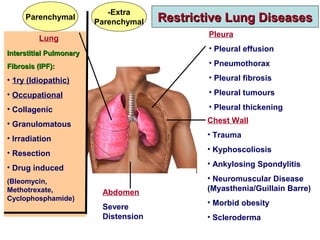
Lung
Interstitial PulmonaryInterstitial Pulmonary
Fibrosis (IPF):Fibrosis (IPF):
• 1ry (Idiopathic)
• Occupational
• Collagenic
• Granulomatous
• Irradiation
• Resection
• Drug induced
(Bleomycin,
Methotrexate,
Cyclophosphamide)
Pleura
• Pleural effusion
• Pneumothorax
• Pleural fibrosis
• Pleural tumours
• Pleural thickening
Chest Wall
• Trauma
• Kyphoscoliosis
• Ankylosing Spondylitis
• Neuromuscular Disease
(Myasthenia/Guillain Barre)
• Morbid obesity
• Scleroderma
Abdomen
Severe
Distension
Restrictive Lung DiseasesRestrictive Lung Diseases
Extra-
Parenchymal
Parenchymal
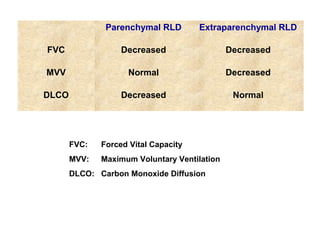
Parenchymal RLD Extraparenchymal RLD
FVC Decreased Decreased
MVV Normal Decreased
DLCO Decreased Normal
FVC: Forced Vital Capacity
MVV: Maximum Voluntary Ventilation
DLCO: Carbon Monoxide Diffusion
Adapted from: ATS/ERS Guidelines for IIP. AJRCCM. 2002;165:277-304.
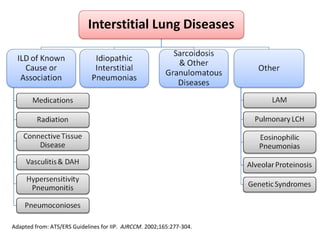
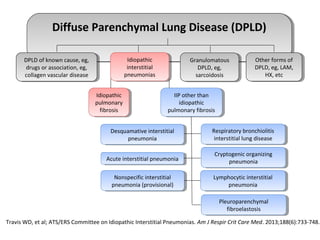
Diffuse Parenchymal Lung Disease (DPLD)Diffuse Parenchymal Lung Disease (DPLD)
DPLD of known cause, eg,
drugs or association, eg,
collagen vascular disease
DPLD of known cause, eg,
drugs or association, eg,
collagen vascular disease
Idiopathic
interstitial
pneumonias
Idiopathic
interstitial
pneumonias
Granulomatous
DPLD, eg,
sarcoidosis
Granulomatous
DPLD, eg,
sarcoidosis
Other forms of
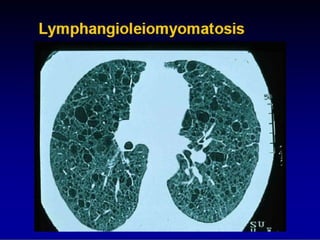
DPLD, eg, LAM,
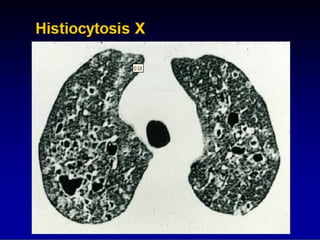
HX, etc
Other forms of
DPLD, eg, LAM,
HX, etc
Idiopathic
pulmonary
fibrosis
Idiopathic
pulmonary
fibrosis
IIP other than
idiopathic
pulmonary fibrosis
IIP other than
idiopathic
pulmonary fibrosis
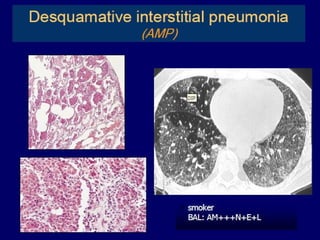
Desquamative interstitial
pneumonia
Desquamative interstitial
pneumonia
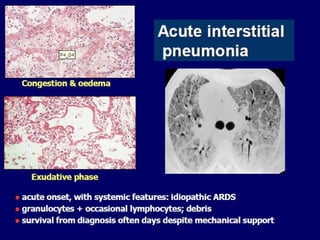
Acute interstitial pneumoniaAcute interstitial pneumonia
Nonspecific interstitial
pneumonia (provisional)
Nonspecific interstitial
pneumonia (provisional)
Respiratory bronchiolitis
interstitial lung disease
Respiratory bronchiolitis
interstitial lung disease
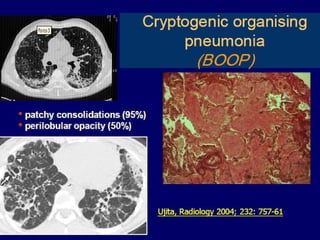
Cryptogenic organizing
pneumonia
Cryptogenic organizing
pneumonia
Lymphocytic interstitial
pneumonia
Lymphocytic interstitial
pneumonia
Pleuroparenchymal
fibroelastosis
Pleuroparenchymal
fibroelastosis
Travis WD, et al; ATS/ERS Committee on Idiopathic Interstitial Pneumonias. Am J Respir Crit Care Med. 2013;188(6):733-748.
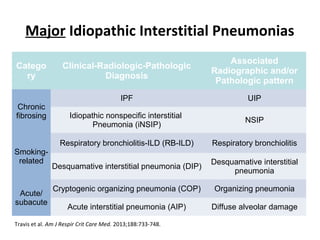
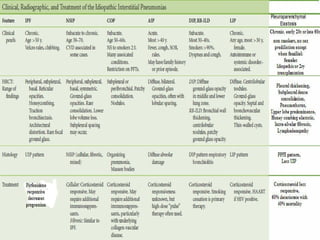
Major Idiopathic Interstitial Pneumonias
Catego
ry
Clinical-Radiologic-Pathologic
Diagnosis
Associated
Radiographic and/or
Pathologic pattern
Chronic
fibrosing
IPF UIP
Idiopathic nonspecific interstitial
Pneumonia (iNSIP)
NSIP
Smoking-
related
Respiratory bronchiolitis-ILD (RB-ILD) Respiratory bronchiolitis
Desquamative interstitial pneumonia (DIP)
Desquamative interstitial
pneumonia
Acute/
subacute
Cryptogenic organizing pneumonia (COP) Organizing pneumonia
Acute interstitial pneumonia (AIP) Diffuse alveolar damage
Travis et al. Am J Respir Crit Care Med. 2013;188:733-748.
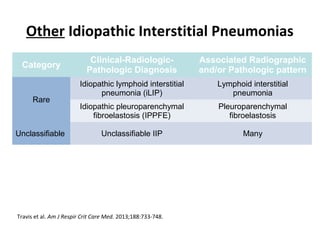
Other Idiopathic Interstitial Pneumonias
Category
Clinical-Radiologic-
Pathologic Diagnosis
Associated Radiographic
and/or Pathologic pattern
Rare
Idiopathic lymphoid interstitial
pneumonia (iLIP)
Lymphoid interstitial
pneumonia
Idiopathic pleuroparenchymal
fibroelastosis (IPPFE)
Pleuroparenchymal
fibroelastosis
Unclassifiable Unclassifiable IIP Many
Travis et al. Am J Respir Crit Care Med. 2013;188:733-748.
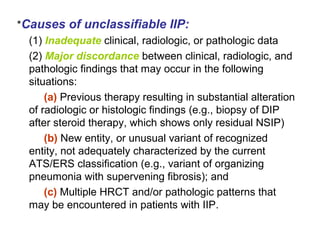
*Causes of unclassifiable IIP:
(1) Inadequate clinical, radiologic, or pathologic data
(2) Major discordance between clinical, radiologic, and
pathologic findings that may occur in the following
situations:
(a) Previous therapy resulting in substantial alteration
of radiologic or histologic findings (e.g., biopsy of DIP
after steroid therapy, which shows only residual NSIP)
(b) New entity, or unusual variant of recognized
entity, not adequately characterized by the current
ATS/ERS classification (e.g., variant of organizing
pneumonia with supervening fibrosis); and
(c) Multiple HRCT and/or pathologic patterns that
may be encountered in patients with IIP.
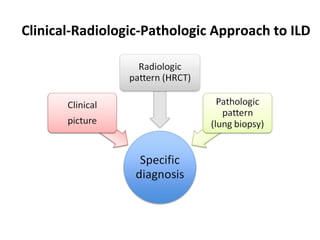
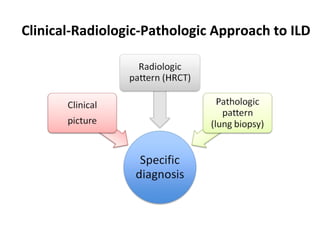
Clinical-Radiologic-Pathologic Approach to ILD
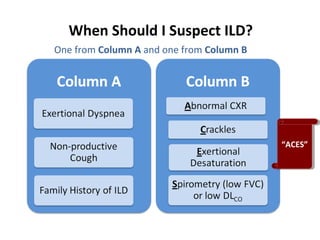
When Should I Suspect ILD?
One from Column A and one from Column B
“ACES”“ACES”
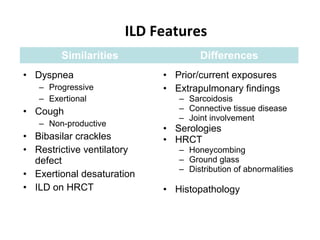
ILD Features
Similarities Differences
• Dyspnea
– Progressive
– Exertional
• Cough
– Non-productive
• Bibasilar crackles
• Restrictive ventilatory
defect
• Exertional desaturation
• ILD on HRCT
• Prior/current exposures
• Extrapulmonary findings
– Sarcoidosis
– Connective tissue disease
– Joint involvement
• Serologies
• HRCT
– Honeycombing
– Ground glass
– Distribution of abnormalities
• Histopathology
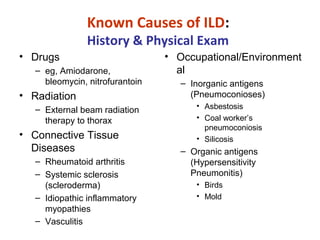
Known Causes of ILD:
History & Physical Exam
• Drugs
– eg, Amiodarone,
bleomycin, nitrofurantoin
• Radiation
‒ External beam radiation
therapy to thorax
• Connective Tissue
Diseases
– Rheumatoid arthritis
– Systemic sclerosis
(scleroderma)
– Idiopathic inflammatory
myopathies
– Vasculitis
• Occupational/Environment
al
– Inorganic antigens
(Pneumoconioses)
• Asbestosis
• Coal worker’s
pneumoconiosis
• Silicosis
– Organic antigens
(Hypersensitivity
Pneumonitis)
• Birds
• Mold
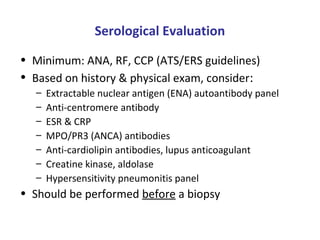
Serological Evaluation
• Minimum: ANA, RF, CCP (ATS/ERS guidelines)
• Based on history & physical exam, consider:
– Extractable nuclear antigen (ENA) autoantibody panel
– Anti-centromere antibody
– ESR & CRP
– MPO/PR3 (ANCA) antibodies
– Anti-cardiolipin antibodies, lupus anticoagulant
– Creatine kinase, aldolase
– Hypersensitivity pneumonitis panel
• Should be performed before a biopsy
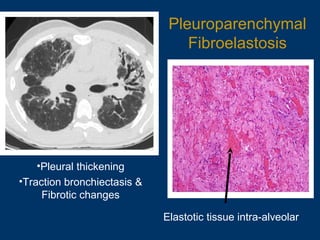
Pleuroparenchymal
Fibroelastosis
•Pleural thickening
•Traction bronchiectasis &
Fibrotic changes
Elastotic tissue intra-alveolar
Idiopathic Pulmonary Fibrosis
• Peripheral lobular fibrosis of unknown cause
• Clinical impact
– Exertional dyspnea
– Cough
– Functional and exercise limitation
– Impaired quality-of-life
– Risk for acute respiratory failure and death
• Median survival time of 3-5 years
• Two new drugs approved by the FDA in October 2014
‒ Nintedanib (Ofev)
‒ Pirfenidone (Esbriet, Pirfenex)
IPF is defined as a specific form of chronic,
fibrosing interstitial pneumonia of unknown
cause, typically affecting adults over 50 years,
limited to the lungs, and associated with the
histopathologic and/or radiologic pattern of usual
interstitial pneumonia (UIP)
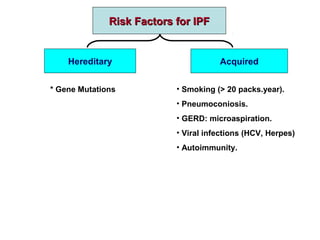
Risk Factors for IPFRisk Factors for IPF
Hereditary Acquired
* Gene Mutations • Smoking (> 20 packs.year).
• Pneumoconiosis.
• GERD: microaspiration.
• Viral infections (HCV, Herpes)
• Autoimmunity.
Clinical-Radiologic-Pathologic Approach to ILD
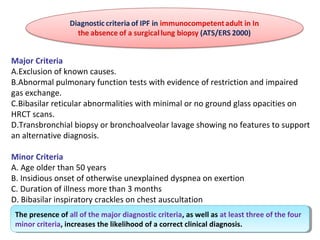
Major Criteria
A.Exclusion of known causes.
B.Abnormal pulmonary function tests with evidence of restriction and impaired
gas exchange.
C.Bibasilar reticular abnormalities with minimal or no ground glass opacities on
HRCT scans.
D.Transbronchial biopsy or bronchoalveolar lavage showing no features to support
an alternative diagnosis.
Minor Criteria
A. Age older than 50 years
B. Insidious onset of otherwise unexplained dyspnea on exertion
C. Duration of illness more than 3 months
D. Bibasilar inspiratory crackles on chest auscultation
The presence of all of the major diagnostic criteria, as well as at least three of the four
minor criteria, increases the likelihood of a correct clinical diagnosis.
The presence of all of the major diagnostic criteria, as well as at least three of the four
minor criteria, increases the likelihood of a correct clinical diagnosis.
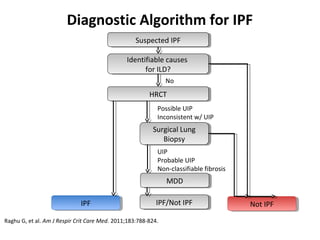
Diagnostic Algorithm for IPF
Raghu G, et al. Am J Respir Crit Care Med. 2011;183:788-824.
Suspected IPFSuspected IPF
Identifiable causes
for ILD?
Identifiable causes
for ILD?
HRCTHRCT
Surgical Lung
Biopsy
Surgical Lung
Biopsy
MDDMDD
IPF/Not IPFIPF/Not IPFIPFIPF Not IPFNot IPF
No
Possible UIP
Inconsistent w/ UIP
UIP
Probable UIP
Non-classifiable fibrosis
Raghu G, et al. Am J Respir Crit Care Med. 2011;183:788-824.
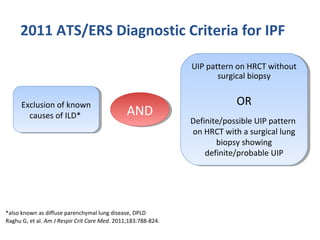
2011 ATS/ERS Diagnostic Criteria for IPF
*also known as diffuse parenchymal lung disease, DPLD
Exclusion of known
causes of ILD*
Exclusion of known
causes of ILD*
UIP pattern on HRCT without
surgical biopsy
OR
Definite/possible UIP pattern
on HRCT with a surgical lung
biopsy showing
definite/probable UIP
UIP pattern on HRCT without
surgical biopsy
OR
Definite/possible UIP pattern
on HRCT with a surgical lung
biopsy showing
definite/probable UIP
ANDAND
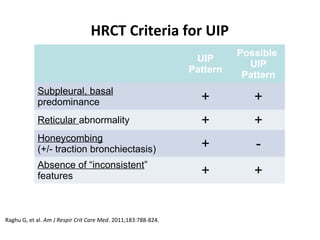
HRCT Criteria for UIP
UIP
Pattern
Possible
UIP
Pattern
Subpleural, basal
predominance + +
Reticular abnormality + +
Honeycombing
(+/- traction bronchiectasis) + -
Absence of “inconsistent”
features + +
Raghu G, et al. Am J Respir Crit Care Med. 2011;183:788-824.
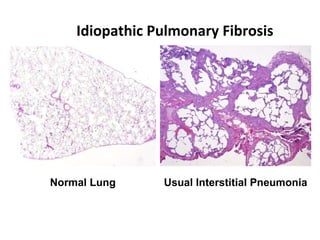
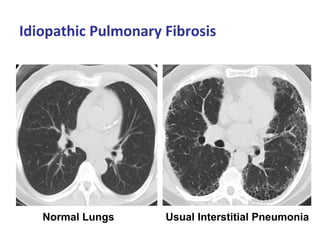
Idiopathic Pulmonary Fibrosis
Normal Lungs Usual Interstitial Pneumonia
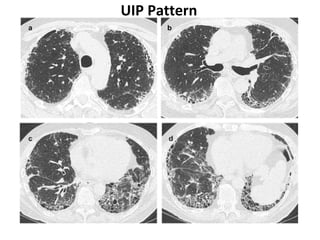
UIP Pattern
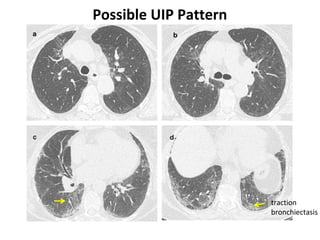
Possible UIP Pattern
traction
bronchiectasis
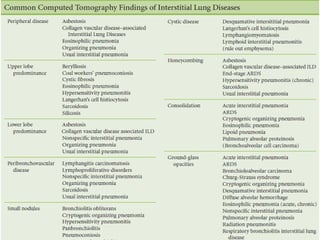
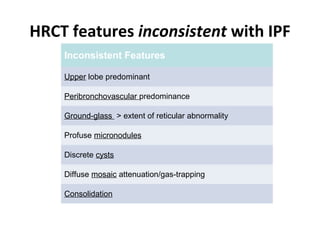
HRCT features inconsistent with IPF
Inconsistent Features
Upper lobe predominant
Peribronchovascular predominance
Ground-glass > extent of reticular abnormality
Profuse micronodules
Discrete cysts
Diffuse mosaic attenuation/gas-trapping
Consolidation
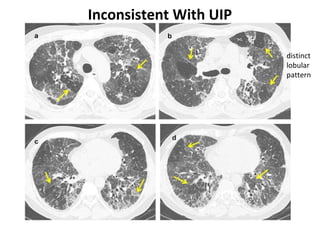
Inconsistent With UIP
distinct
lobular
pattern
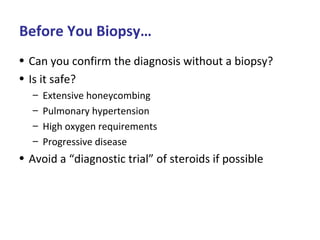
Before You Biopsy…
• Can you confirm the diagnosis without a biopsy?
• Is it safe?
– Extensive honeycombing
– Pulmonary hypertension
– High oxygen requirements
– Progressive disease
• Avoid a “diagnostic trial” of steroids if possible
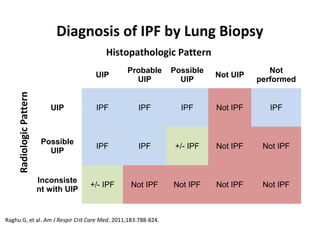
Diagnosis of IPF by Lung Biopsy
Raghu G, et al. Am J Respir Crit Care Med. 2011;183:788-824.
UIP
Probable
UIP
Possible
UIP
Not UIP
Not
performed
UIP IPF IPF IPF Not IPF IPF
Possible
UIP
IPF IPF +/- IPF Not IPF Not IPF
Inconsiste
nt with UIP
+/- IPF Not IPF Not IPF Not IPF Not IPF
Histopathologic Pattern
RadiologicPattern
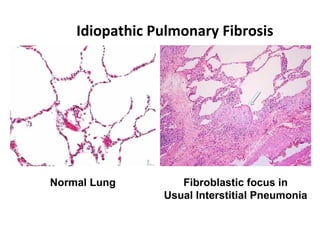
Idiopathic Pulmonary Fibrosis
Normal Lung Usual Interstitial Pneumonia
Idiopathic Pulmonary Fibrosis
Normal Lung Fibroblastic focus in
Usual Interstitial Pneumonia
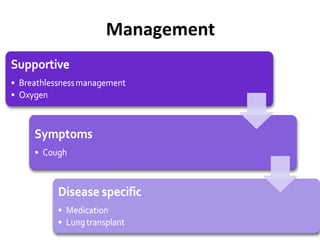
Management
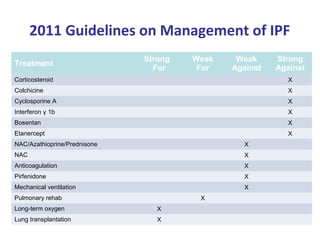
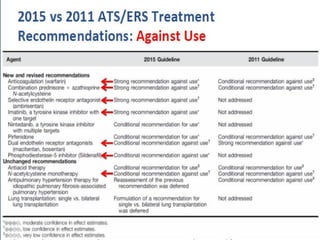
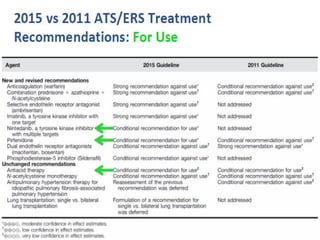
2011 Guidelines on Management of IPF
Treatment
Strong
For
Weak
For
Weak
Against
Strong
Against
Corticosteroid X
Colchicine X
Cyclosporine A X
Interferon γ 1b X
Bosentan X
Etanercept X
NAC/Azathioprine/Prednisone X
NAC X
Anticoagulation X
Pirfenidone X
Mechanical ventilation X
Pulmonary rehab X
Long-term oxygen X
Lung transplantation X
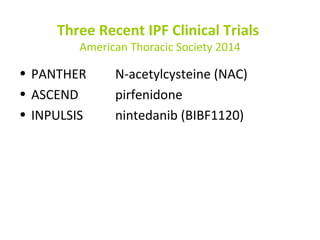
Three Recent IPF Clinical Trials
American Thoracic Society 2014
• PANTHER N-acetylcysteine (NAC)
• ASCEND pirfenidone
• INPULSIS nintedanib (BIBF1120)
PANTHER
N-acetylcysteine (NAC)
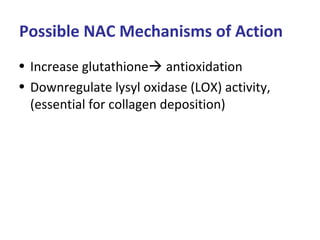
Possible NAC Mechanisms of Action
• Increase glutathione antioxidation
• Downregulate lysyl oxidase (LOX) activity,
(essential for collagen deposition)
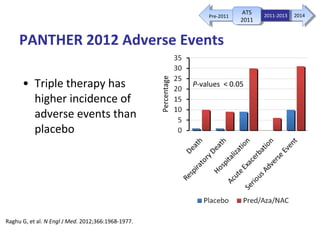
PANTHER 2012 Adverse Events
• Triple therapy has
higher incidence of
adverse events than
placebo
P-value for each comparison < 0.05
IPFNet writing committee. N Engl J Med 2012;366;1968-77.
P-values < 0.05
Raghu G, et al. N Engl J Med. 2012;366:1968-1977.
Percentage
ATS
2011
ATS
2011
2011-2013 2014Pre-2011
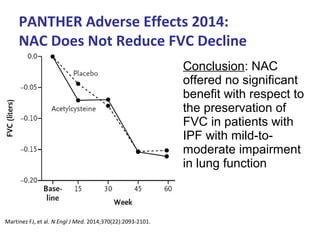
PANTHER Adverse Effects 2014:
NAC Does Not Reduce FVC Decline
Martinez FJ, et al. N Engl J Med. 2014;370(22):2093-2101.
Conclusion: NAC
offered no significant
benefit with respect to
the preservation of
FVC in patients with
IPF with mild-to-
moderate impairment
in lung function
ASCEND
Pirfenidone
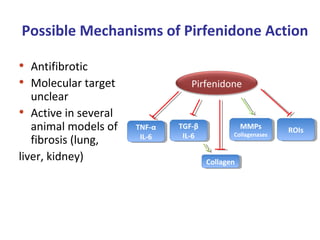
Possible Mechanisms of Pirfenidone Action
TNF-α
IL-6
TNF-α
IL-6
Pirfenidone
TGF-β
IL-6
TGF-β
IL-6
MMPs
Collagenases
MMPs
Collagenases
ROIsROIs
CollagenCollagen
• Antifibrotic
• Molecular target
unclear
• Active in several
animal models of
fibrosis (lung,
liver, kidney)
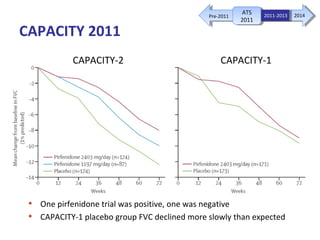
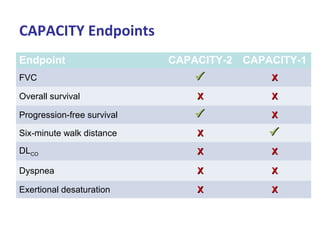
CAPACITY 2011
CAPACITY-2 CAPACITY-1
• One pirfenidone trial was positive, one was negative
• CAPACITY-1 placebo group FVC declined more slowly than expected
ATS
2011
ATS
2011
2011-2013 2014Pre-2011
CAPACITY Endpoints
Endpoint CAPACITY-2 CAPACITY-1
FVC  XX
Overall survival XX XX
Progression-free survival  XX
Six-minute walk distance XX 
DLCO XX XX
Dyspnea XX XX
Exertional desaturation XX XX
ASCEND 2014
ATS
2011
ATS
2011
2011-2013Pre-2011 2014
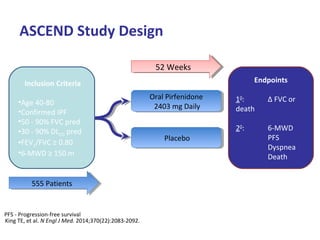
Endpoints
10
: Δ FVC or
death
20
: 6-MWD
PFS
Dyspnea
Death
ASCEND Study Design
King TE, et al. N Engl J Med. 2014;370(22):2083-2092.
Oral Pirfenidone
2403 mg Daily
Oral Pirfenidone
2403 mg Daily
PlaceboPlacebo
52 Weeks52 Weeks
PFS - Progression-free survival
Inclusion Criteria
•Age 40-80
•Confirmed IPF
•50 - 90% FVC pred
•30 - 90% DLCO pred
•FEV1/FVC ≥ 0.80
•6-MWD ≥ 150 m
555 Patients555 Patients
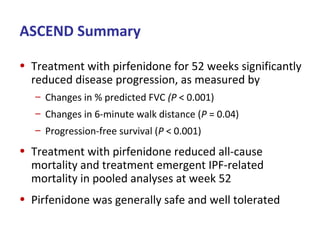
ASCEND Summary
• Treatment with pirfenidone for 52 weeks significantly
reduced disease progression, as measured by
– Changes in % predicted FVC (P < 0.001)
– Changes in 6-minute walk distance (P = 0.04)
– Progression-free survival (P < 0.001)
• Treatment with pirfenidone reduced all-cause
mortality and treatment emergent IPF-related
mortality in pooled analyses at week 52
• Pirfenidone was generally safe and well tolerated
66
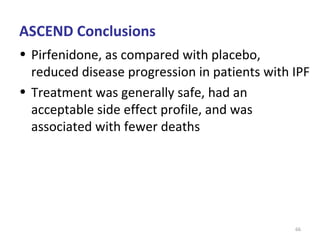
• Pirfenidone, as compared with placebo,
reduced disease progression in patients with IPF
• Treatment was generally safe, had an
acceptable side effect profile, and was
associated with fewer deaths
ASCEND Conclusions
67
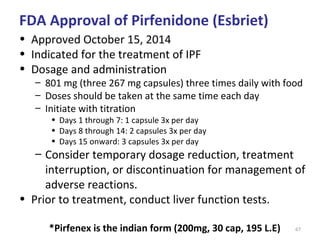
• Approved October 15, 2014
• Indicated for the treatment of IPF
• Dosage and administration
– 801 mg (three 267 mg capsules) three times daily with food
– Doses should be taken at the same time each day
– Initiate with titration
• Days 1 through 7: 1 capsule 3x per day
• Days 8 through 14: 2 capsules 3x per day
• Days 15 onward: 3 capsules 3x per day
– Consider temporary dosage reduction, treatment
interruption, or discontinuation for management of
adverse reactions.
• Prior to treatment, conduct liver function tests.
*Pirfenex is the indian form (200mg, 30 cap, 195 L.E)
FDA Approval of Pirfenidone (Esbriet)
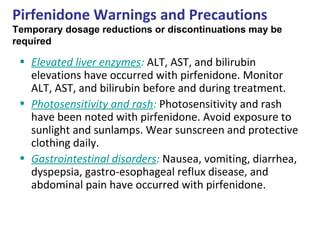
Pirfenidone Warnings and Precautions
Temporary dosage reductions or discontinuations may be
required
• Elevated liver enzymes: ALT, AST, and bilirubin
elevations have occurred with pirfenidone. Monitor
ALT, AST, and bilirubin before and during treatment.
• Photosensitivity and rash: Photosensitivity and rash
have been noted with pirfenidone. Avoid exposure to
sunlight and sunlamps. Wear sunscreen and protective
clothing daily.
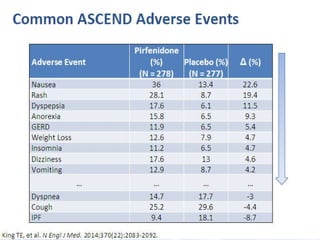
• Gastrointestinal disorders: Nausea, vomiting, diarrhea,
dyspepsia, gastro-esophageal reflux disease, and
abdominal pain have occurred with pirfenidone.
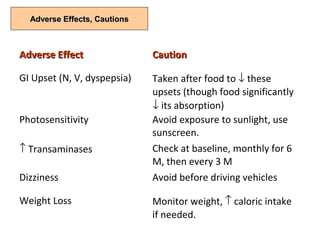
Adverse Effects, CautionsAdverse Effects, Cautions
Adverse EffectAdverse Effect CautionCaution
GI Upset (N, V, dyspepsia) Taken after food to ↓ these
upsets (though food significantly
↓ its absorption)
Photosensitivity Avoid exposure to sunlight, use
sunscreen.
↑ Transaminases Check at baseline, monthly for 6
M, then every 3 M
Dizziness Avoid before driving vehicles
Weight Loss Monitor weight, ↑ caloric intake
if needed.
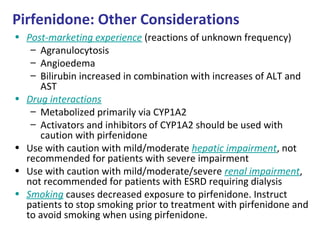
Pirfenidone: Other Considerations
• Post-marketing experience (reactions of unknown frequency)
– Agranulocytosis
– Angioedema
– Bilirubin increased in combination with increases of ALT and
AST
• Drug interactions
– Metabolized primarily via CYP1A2
– Activators and inhibitors of CYP1A2 should be used with
caution with pirfenidone
• Use with caution with mild/moderate hepatic impairment, not
recommended for patients with severe impairment
• Use with caution with mild/moderate/severe renal impairment,
not recommended for patients with ESRD requiring dialysis
• Smoking causes decreased exposure to pirfenidone. Instruct
patients to stop smoking prior to treatment with pirfenidone and
to avoid smoking when using pirfenidone.
INPULSIS
Nintedanib
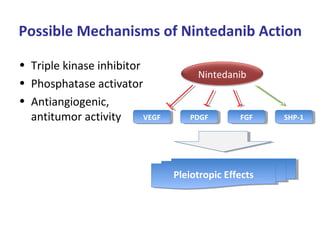
Possible Mechanisms of Nintedanib Action
• Triple kinase inhibitor
• Phosphatase activator
• Antiangiogenic,
antitumor activity VEGFVEGF
Nintedanib
PDGFPDGF FGFFGF SHP-1SHP-1
Pleiotropic EffectsPleiotropic Effects
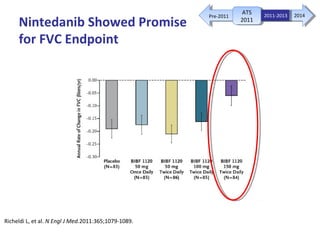
Richeldi L, et al. N Engl J Med.2011:365;1079-1089.
Nintedanib Showed Promise
for FVC Endpoint
ATS
2011
ATS
2011
2011-2013 2014Pre-2011
INPULSIS 2014
ATS
2011
ATS
2011
2011-2013Pre-2011 2014
Richeldi L, et al. N Engl J Med. 2014;370(22):2071-2082.
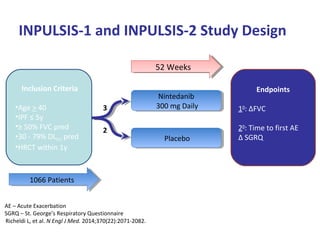
INPULSIS-1 and INPULSIS-2 Study Design
Endpoints
10
: ΔFVC
20
: Time to first AE
Δ SGRQ
Inclusion Criteria
•Age > 40
•IPF ≤ 5y
•≥ 50% FVC pred
•30 - 79% DLCO pred
•HRCT within 1y
Nintedanib
300 mg Daily
Nintedanib
300 mg Daily
PlaceboPlacebo
52 Weeks52 Weeks
3
2
1066 Patients1066 Patients
AE – Acute Exacerbation
SGRQ – St. George’s Respiratory Questionnaire
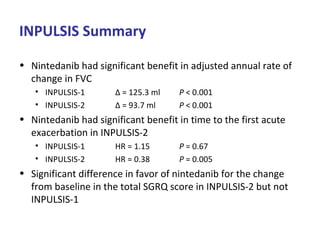
INPULSIS Summary
• Nintedanib had significant benefit in adjusted annual rate of
change in FVC
• INPULSIS-1 Δ = 125.3 ml P < 0.001
• INPULSIS-2 Δ = 93.7 ml P < 0.001
• Nintedanib had significant benefit in time to the first acute
exacerbation in INPULSIS-2
• INPULSIS-1 HR = 1.15 P = 0.67
• INPULSIS-2 HR = 0.38 P = 0.005
• Significant difference in favor of nintedanib for the change
from baseline in the total SGRQ score in INPULSIS-2 but not
INPULSIS-1
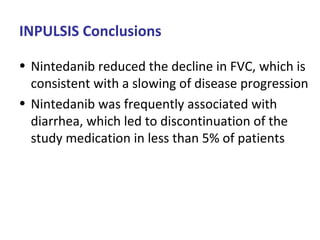
INPULSIS Conclusions
• Nintedanib reduced the decline in FVC, which is
consistent with a slowing of disease progression
• Nintedanib was frequently associated with
diarrhea, which led to discontinuation of the
study medication in less than 5% of patients
79
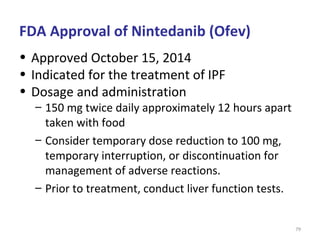
• Approved October 15, 2014
• Indicated for the treatment of IPF
• Dosage and administration
– 150 mg twice daily approximately 12 hours apart
taken with food
– Consider temporary dose reduction to 100 mg,
temporary interruption, or discontinuation for
management of adverse reactions.
– Prior to treatment, conduct liver function tests.
FDA Approval of Nintedanib (Ofev)
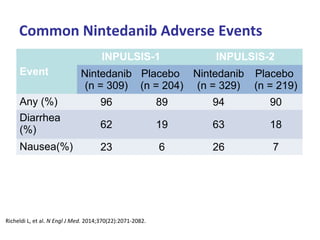
Richeldi L, et al. N Engl J Med. 2014;370(22):2071-2082.
Common Nintedanib Adverse Events
Event
INPULSIS-1 INPULSIS-2
Nintedanib
(n = 309)
Placebo
(n = 204)
Nintedanib
(n = 329)
Placebo
(n = 219)
Any (%) 96 89 94 90
Diarrhea
(%) 62 19 63 18
Nausea(%) 23 6 26 7
81
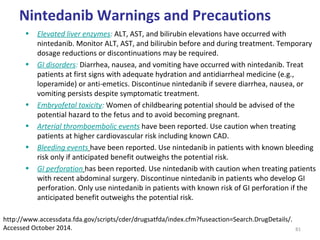
• Elevated liver enzymes: ALT, AST, and bilirubin elevations have occurred with
nintedanib. Monitor ALT, AST, and bilirubin before and during treatment. Temporary
dosage reductions or discontinuations may be required.
• GI disorders: Diarrhea, nausea, and vomiting have occurred with nintedanib. Treat
patients at first signs with adequate hydration and antidiarrheal medicine (e.g.,
loperamide) or anti-emetics. Discontinue nintedanib if severe diarrhea, nausea, or
vomiting persists despite symptomatic treatment.
• Embryofetal toxicity: Women of childbearing potential should be advised of the
potential hazard to the fetus and to avoid becoming pregnant.
• Arterial thromboembolic events have been reported. Use caution when treating
patients at higher cardiovascular risk including known CAD.
• Bleeding events have been reported. Use nintedanib in patients with known bleeding
risk only if anticipated benefit outweighs the potential risk.
• GI perforation has been reported. Use nintedanib with caution when treating patients
with recent abdominal surgery. Discontinue nintedanib in patients who develop GI
perforation. Only use nintedanib in patients with known risk of GI perforation if the
anticipated benefit outweighs the potential risk.
Nintedanib Warnings and Precautions
http://www.accessdata.fda.gov/scripts/cder/drugsatfda/index.cfm?fuseaction=Search.DrugDetails/.
Accessed October 2014.
Nintedanib: Other Considerations
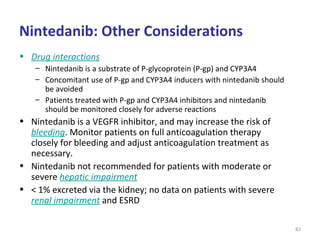
• Drug interactions
– Nintedanib is a substrate of P-glycoprotein (P-gp) and CYP3A4
– Concomitant use of P-gp and CYP3A4 inducers with nintedanib should
be avoided
– Patients treated with P-gp and CYP3A4 inhibitors and nintedanib
should be monitored closely for adverse reactions
• Nintedanib is a VEGFR inhibitor, and may increase the risk of
bleeding. Monitor patients on full anticoagulation therapy
closely for bleeding and adjust anticoagulation treatment as
necessary.
• Nintedanib not recommended for patients with moderate or
severe hepatic impairment
• < 1% excreted via the kidney; no data on patients with severe
renal impairment and ESRD
82
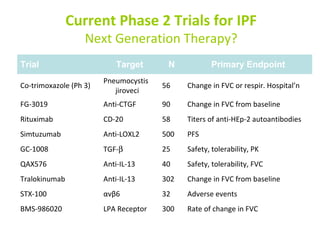
Current Phase 2 Trials for IPF
Next Generation Therapy?
Trial Target N Primary Endpoint
Co-trimoxazole (Ph 3)
Pneumocystis
jiroveci
56 Change in FVC or respir. Hospital’n
FG-3019 Anti-CTGF 90 Change in FVC from baseline
Rituximab CD-20 58 Titers of anti-HEp-2 autoantibodies
Simtuzumab Anti-LOXL2 500 PFS
GC-1008 TGF-β 25 Safety, tolerability, PK
QAX576 Anti-IL-13 40 Safety, tolerability, FVC
Tralokinumab Anti-IL-13 302 Change in FVC from baseline
STX-100 αvβ6 32 Adverse events
BMS-986020 LPA Receptor 300 Rate of change in FVC
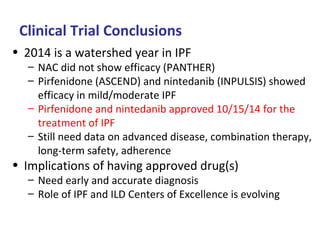
Clinical Trial Conclusions
• 2014 is a watershed year in IPF
– NAC did not show efficacy (PANTHER)
– Pirfenidone (ASCEND) and nintedanib (INPULSIS) showed
efficacy in mild/moderate IPF
– Pirfenidone and nintedanib approved 10/15/14 for the
treatment of IPF
– Still need data on advanced disease, combination therapy,
long-term safety, adherence
• Implications of having approved drug(s)
– Need early and accurate diagnosis
– Role of IPF and ILD Centers of Excellence is evolving
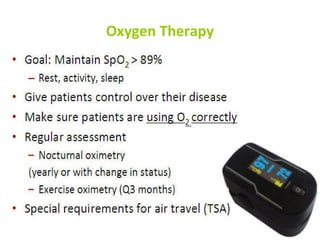
Oxygen Therapy
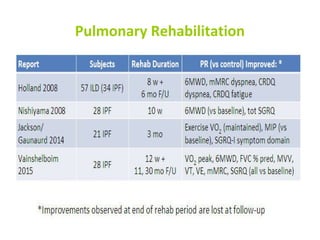
Pulmonary Rehabilitation
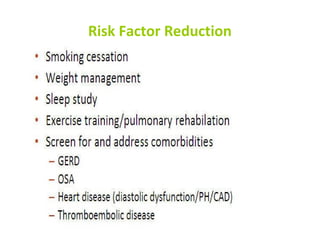
Risk Factor Reduction
Lung Transplantation for IPF:
2014 Referral Guidelines
• Histopathologic or radiographic evidence of usual
interstitial pneumonitis (UIP)
• Abnormal lung function: FVC < 80% predicted or
DLCO < 40% predicted
• Any dyspnea or functional limitation attributable to
lung disease
• Any oxygen requirement, even if only during exertion
Weill D, et al. J Heart Lung Transplant.2014 Jun 26. [Epub ahead of print].
Other Therapies
• Stem Cell Therapy
• Proteolytic Enzymes ??
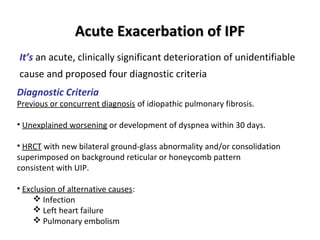
Acute Exacerbation of IPFAcute Exacerbation of IPF
Diagnostic Criteria
Previous or concurrent diagnosis of idiopathic pulmonary fibrosis.
• Unexplained worsening or development of dyspnea within 30 days.
• HRCT with new bilateral ground-glass abnormality and/or consolidation
superimposed on background reticular or honeycomb pattern
consistent with UIP.
• Exclusion of alternative causes:
 Infection
 Left heart failure
 Pulmonary embolism
It’s an acute, clinically significant deterioration of unidentifiable
cause and proposed four diagnostic criteria
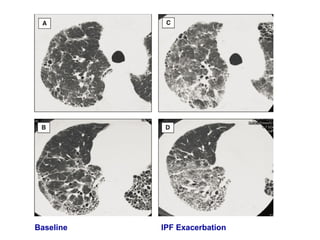
Baseline IPF Exacerbation
Reducing the risk of exacerbations
*Steroids up to pulse dose +/- Immunosuppresives +/- PMX Bimobilized
Fiber Column Hemoperfusion & Tacrolimus showed response acc. to HRCT
pattern
*Sildenafil, Imatinib, Bosentan & Triple therapy were tried with no reported
improvement.
*Pirfenidone has shown inconsistent effects on AEx-IPF.
*Nintedanib reported a lower incidence of AEx-IPF in patients treated with
nintedanib 300 mg/day than placebo
(It is interesting that nintedanib may have an effect on AEx-IPF whereas the
tyrosine kinase inhibitor imatinib, which inhibits the platelet-derived growth
factor receptor (PDGFR), did not . Nintedanib is an inhibitor of PDGFR, vascular
endothelial growth factor receptor (VEGFR), and fibroblast growth factor
receptor (FGFR) and this specificity of inhibition may be key to its effects on
AEx-IPF)
*Antacid might decrease frequency
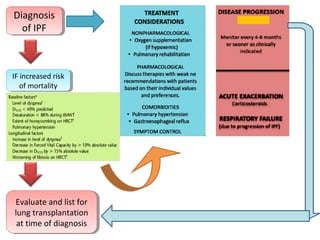
Diagnosis
of IPF
Diagnosis
of IPF
IF increased risk
of mortality
IF increased risk
of mortality
Evaluate and list for
lung transplantation
at time of diagnosis
Evaluate and list for
lung transplantation
at time of diagnosis
Interstitial Lung Diseases

Interstitial Lung Diseases

  • 1.
    By Dr. Riham HazemRaafat Lecturer of Chest Diseases Ainshams University
  • 2.
    Lung Interstitial PulmonaryInterstitial Pulmonary Fibrosis(IPF):Fibrosis (IPF): • 1ry (Idiopathic) • Occupational • Collagenic • Granulomatous • Irradiation • Resection • Drug induced (Bleomycin, Methotrexate, Cyclophosphamide) Pleura • Pleural effusion • Pneumothorax • Pleural fibrosis • Pleural tumours • Pleural thickening Chest Wall • Trauma • Kyphoscoliosis • Ankylosing Spondylitis • Neuromuscular Disease (Myasthenia/Guillain Barre) • Morbid obesity • Scleroderma Abdomen Severe Distension Restrictive Lung DiseasesRestrictive Lung Diseases Extra- Parenchymal Parenchymal
  • 3.
    Parenchymal RLD ExtraparenchymalRLD FVC Decreased Decreased MVV Normal Decreased DLCO Decreased Normal FVC: Forced Vital Capacity MVV: Maximum Voluntary Ventilation DLCO: Carbon Monoxide Diffusion
  • 4.
    Adapted from: ATS/ERSGuidelines for IIP. AJRCCM. 2002;165:277-304.
  • 5.
    Diffuse Parenchymal LungDisease (DPLD)Diffuse Parenchymal Lung Disease (DPLD) DPLD of known cause, eg, drugs or association, eg, collagen vascular disease DPLD of known cause, eg, drugs or association, eg, collagen vascular disease Idiopathic interstitial pneumonias Idiopathic interstitial pneumonias Granulomatous DPLD, eg, sarcoidosis Granulomatous DPLD, eg, sarcoidosis Other forms of DPLD, eg, LAM, HX, etc Other forms of DPLD, eg, LAM, HX, etc Idiopathic pulmonary fibrosis Idiopathic pulmonary fibrosis IIP other than idiopathic pulmonary fibrosis IIP other than idiopathic pulmonary fibrosis Desquamative interstitial pneumonia Desquamative interstitial pneumonia Acute interstitial pneumoniaAcute interstitial pneumonia Nonspecific interstitial pneumonia (provisional) Nonspecific interstitial pneumonia (provisional) Respiratory bronchiolitis interstitial lung disease Respiratory bronchiolitis interstitial lung disease Cryptogenic organizing pneumonia Cryptogenic organizing pneumonia Lymphocytic interstitial pneumonia Lymphocytic interstitial pneumonia Pleuroparenchymal fibroelastosis Pleuroparenchymal fibroelastosis Travis WD, et al; ATS/ERS Committee on Idiopathic Interstitial Pneumonias. Am J Respir Crit Care Med. 2013;188(6):733-748.
  • 6.
    Major Idiopathic InterstitialPneumonias Catego ry Clinical-Radiologic-Pathologic Diagnosis Associated Radiographic and/or Pathologic pattern Chronic fibrosing IPF UIP Idiopathic nonspecific interstitial Pneumonia (iNSIP) NSIP Smoking- related Respiratory bronchiolitis-ILD (RB-ILD) Respiratory bronchiolitis Desquamative interstitial pneumonia (DIP) Desquamative interstitial pneumonia Acute/ subacute Cryptogenic organizing pneumonia (COP) Organizing pneumonia Acute interstitial pneumonia (AIP) Diffuse alveolar damage Travis et al. Am J Respir Crit Care Med. 2013;188:733-748.
  • 7.
    Other Idiopathic InterstitialPneumonias Category Clinical-Radiologic- Pathologic Diagnosis Associated Radiographic and/or Pathologic pattern Rare Idiopathic lymphoid interstitial pneumonia (iLIP) Lymphoid interstitial pneumonia Idiopathic pleuroparenchymal fibroelastosis (IPPFE) Pleuroparenchymal fibroelastosis Unclassifiable Unclassifiable IIP Many Travis et al. Am J Respir Crit Care Med. 2013;188:733-748.
  • 8.
    *Causes of unclassifiableIIP: (1) Inadequate clinical, radiologic, or pathologic data (2) Major discordance between clinical, radiologic, and pathologic findings that may occur in the following situations: (a) Previous therapy resulting in substantial alteration of radiologic or histologic findings (e.g., biopsy of DIP after steroid therapy, which shows only residual NSIP) (b) New entity, or unusual variant of recognized entity, not adequately characterized by the current ATS/ERS classification (e.g., variant of organizing pneumonia with supervening fibrosis); and (c) Multiple HRCT and/or pathologic patterns that may be encountered in patients with IIP.
  • 9.
  • 10.
    When Should ISuspect ILD? One from Column A and one from Column B “ACES”“ACES”
  • 11.
    ILD Features Similarities Differences •Dyspnea – Progressive – Exertional • Cough – Non-productive • Bibasilar crackles • Restrictive ventilatory defect • Exertional desaturation • ILD on HRCT • Prior/current exposures • Extrapulmonary findings – Sarcoidosis – Connective tissue disease – Joint involvement • Serologies • HRCT – Honeycombing – Ground glass – Distribution of abnormalities • Histopathology
  • 12.
    Known Causes ofILD: History & Physical Exam • Drugs – eg, Amiodarone, bleomycin, nitrofurantoin • Radiation ‒ External beam radiation therapy to thorax • Connective Tissue Diseases – Rheumatoid arthritis – Systemic sclerosis (scleroderma) – Idiopathic inflammatory myopathies – Vasculitis • Occupational/Environment al – Inorganic antigens (Pneumoconioses) • Asbestosis • Coal worker’s pneumoconiosis • Silicosis – Organic antigens (Hypersensitivity Pneumonitis) • Birds • Mold
  • 13.
    Serological Evaluation • Minimum:ANA, RF, CCP (ATS/ERS guidelines) • Based on history & physical exam, consider: – Extractable nuclear antigen (ENA) autoantibody panel – Anti-centromere antibody – ESR & CRP – MPO/PR3 (ANCA) antibodies – Anti-cardiolipin antibodies, lupus anticoagulant – Creatine kinase, aldolase – Hypersensitivity pneumonitis panel • Should be performed before a biopsy
  • 28.
  • 31.
    Idiopathic Pulmonary Fibrosis •Peripheral lobular fibrosis of unknown cause • Clinical impact – Exertional dyspnea – Cough – Functional and exercise limitation – Impaired quality-of-life – Risk for acute respiratory failure and death • Median survival time of 3-5 years • Two new drugs approved by the FDA in October 2014 ‒ Nintedanib (Ofev) ‒ Pirfenidone (Esbriet, Pirfenex)
  • 32.
    IPF is definedas a specific form of chronic, fibrosing interstitial pneumonia of unknown cause, typically affecting adults over 50 years, limited to the lungs, and associated with the histopathologic and/or radiologic pattern of usual interstitial pneumonia (UIP)
  • 33.
    Risk Factors forIPFRisk Factors for IPF Hereditary Acquired * Gene Mutations • Smoking (> 20 packs.year). • Pneumoconiosis. • GERD: microaspiration. • Viral infections (HCV, Herpes) • Autoimmunity.
  • 34.
  • 35.
    Major Criteria A.Exclusion ofknown causes. B.Abnormal pulmonary function tests with evidence of restriction and impaired gas exchange. C.Bibasilar reticular abnormalities with minimal or no ground glass opacities on HRCT scans. D.Transbronchial biopsy or bronchoalveolar lavage showing no features to support an alternative diagnosis. Minor Criteria A. Age older than 50 years B. Insidious onset of otherwise unexplained dyspnea on exertion C. Duration of illness more than 3 months D. Bibasilar inspiratory crackles on chest auscultation The presence of all of the major diagnostic criteria, as well as at least three of the four minor criteria, increases the likelihood of a correct clinical diagnosis. The presence of all of the major diagnostic criteria, as well as at least three of the four minor criteria, increases the likelihood of a correct clinical diagnosis.
  • 36.
    Diagnostic Algorithm forIPF Raghu G, et al. Am J Respir Crit Care Med. 2011;183:788-824. Suspected IPFSuspected IPF Identifiable causes for ILD? Identifiable causes for ILD? HRCTHRCT Surgical Lung Biopsy Surgical Lung Biopsy MDDMDD IPF/Not IPFIPF/Not IPFIPFIPF Not IPFNot IPF No Possible UIP Inconsistent w/ UIP UIP Probable UIP Non-classifiable fibrosis
  • 37.
    Raghu G, etal. Am J Respir Crit Care Med. 2011;183:788-824. 2011 ATS/ERS Diagnostic Criteria for IPF *also known as diffuse parenchymal lung disease, DPLD Exclusion of known causes of ILD* Exclusion of known causes of ILD* UIP pattern on HRCT without surgical biopsy OR Definite/possible UIP pattern on HRCT with a surgical lung biopsy showing definite/probable UIP UIP pattern on HRCT without surgical biopsy OR Definite/possible UIP pattern on HRCT with a surgical lung biopsy showing definite/probable UIP ANDAND
  • 38.
    HRCT Criteria forUIP UIP Pattern Possible UIP Pattern Subpleural, basal predominance + + Reticular abnormality + + Honeycombing (+/- traction bronchiectasis) + - Absence of “inconsistent” features + + Raghu G, et al. Am J Respir Crit Care Med. 2011;183:788-824.
  • 39.
    Idiopathic Pulmonary Fibrosis NormalLungs Usual Interstitial Pneumonia
  • 40.
  • 41.
  • 42.
    HRCT features inconsistentwith IPF Inconsistent Features Upper lobe predominant Peribronchovascular predominance Ground-glass > extent of reticular abnormality Profuse micronodules Discrete cysts Diffuse mosaic attenuation/gas-trapping Consolidation
  • 43.
  • 44.
    Before You Biopsy… •Can you confirm the diagnosis without a biopsy? • Is it safe? – Extensive honeycombing – Pulmonary hypertension – High oxygen requirements – Progressive disease • Avoid a “diagnostic trial” of steroids if possible
  • 45.
    Diagnosis of IPFby Lung Biopsy Raghu G, et al. Am J Respir Crit Care Med. 2011;183:788-824. UIP Probable UIP Possible UIP Not UIP Not performed UIP IPF IPF IPF Not IPF IPF Possible UIP IPF IPF +/- IPF Not IPF Not IPF Inconsiste nt with UIP +/- IPF Not IPF Not IPF Not IPF Not IPF Histopathologic Pattern RadiologicPattern
  • 46.
    Idiopathic Pulmonary Fibrosis NormalLung Usual Interstitial Pneumonia
  • 47.
    Idiopathic Pulmonary Fibrosis NormalLung Fibroblastic focus in Usual Interstitial Pneumonia
  • 50.
  • 51.
    2011 Guidelines onManagement of IPF Treatment Strong For Weak For Weak Against Strong Against Corticosteroid X Colchicine X Cyclosporine A X Interferon γ 1b X Bosentan X Etanercept X NAC/Azathioprine/Prednisone X NAC X Anticoagulation X Pirfenidone X Mechanical ventilation X Pulmonary rehab X Long-term oxygen X Lung transplantation X
  • 54.
    Three Recent IPFClinical Trials American Thoracic Society 2014 • PANTHER N-acetylcysteine (NAC) • ASCEND pirfenidone • INPULSIS nintedanib (BIBF1120)
  • 55.
  • 56.
    Possible NAC Mechanismsof Action • Increase glutathione antioxidation • Downregulate lysyl oxidase (LOX) activity, (essential for collagen deposition)
  • 57.
    PANTHER 2012 AdverseEvents • Triple therapy has higher incidence of adverse events than placebo P-value for each comparison < 0.05 IPFNet writing committee. N Engl J Med 2012;366;1968-77. P-values < 0.05 Raghu G, et al. N Engl J Med. 2012;366:1968-1977. Percentage ATS 2011 ATS 2011 2011-2013 2014Pre-2011
  • 58.
    PANTHER Adverse Effects2014: NAC Does Not Reduce FVC Decline Martinez FJ, et al. N Engl J Med. 2014;370(22):2093-2101. Conclusion: NAC offered no significant benefit with respect to the preservation of FVC in patients with IPF with mild-to- moderate impairment in lung function
  • 59.
  • 60.
    Possible Mechanisms ofPirfenidone Action TNF-α IL-6 TNF-α IL-6 Pirfenidone TGF-β IL-6 TGF-β IL-6 MMPs Collagenases MMPs Collagenases ROIsROIs CollagenCollagen • Antifibrotic • Molecular target unclear • Active in several animal models of fibrosis (lung, liver, kidney)
  • 61.
    CAPACITY 2011 CAPACITY-2 CAPACITY-1 •One pirfenidone trial was positive, one was negative • CAPACITY-1 placebo group FVC declined more slowly than expected ATS 2011 ATS 2011 2011-2013 2014Pre-2011
  • 62.
    CAPACITY Endpoints Endpoint CAPACITY-2CAPACITY-1 FVC  XX Overall survival XX XX Progression-free survival  XX Six-minute walk distance XX  DLCO XX XX Dyspnea XX XX Exertional desaturation XX XX
  • 63.
  • 64.
    Endpoints 10 : Δ FVCor death 20 : 6-MWD PFS Dyspnea Death ASCEND Study Design King TE, et al. N Engl J Med. 2014;370(22):2083-2092. Oral Pirfenidone 2403 mg Daily Oral Pirfenidone 2403 mg Daily PlaceboPlacebo 52 Weeks52 Weeks PFS - Progression-free survival Inclusion Criteria •Age 40-80 •Confirmed IPF •50 - 90% FVC pred •30 - 90% DLCO pred •FEV1/FVC ≥ 0.80 •6-MWD ≥ 150 m 555 Patients555 Patients
  • 65.
    ASCEND Summary • Treatmentwith pirfenidone for 52 weeks significantly reduced disease progression, as measured by – Changes in % predicted FVC (P < 0.001) – Changes in 6-minute walk distance (P = 0.04) – Progression-free survival (P < 0.001) • Treatment with pirfenidone reduced all-cause mortality and treatment emergent IPF-related mortality in pooled analyses at week 52 • Pirfenidone was generally safe and well tolerated
  • 66.
    66 • Pirfenidone, ascompared with placebo, reduced disease progression in patients with IPF • Treatment was generally safe, had an acceptable side effect profile, and was associated with fewer deaths ASCEND Conclusions
  • 67.
    67 • Approved October15, 2014 • Indicated for the treatment of IPF • Dosage and administration – 801 mg (three 267 mg capsules) three times daily with food – Doses should be taken at the same time each day – Initiate with titration • Days 1 through 7: 1 capsule 3x per day • Days 8 through 14: 2 capsules 3x per day • Days 15 onward: 3 capsules 3x per day – Consider temporary dosage reduction, treatment interruption, or discontinuation for management of adverse reactions. • Prior to treatment, conduct liver function tests. *Pirfenex is the indian form (200mg, 30 cap, 195 L.E) FDA Approval of Pirfenidone (Esbriet)
  • 68.
    Pirfenidone Warnings andPrecautions Temporary dosage reductions or discontinuations may be required • Elevated liver enzymes: ALT, AST, and bilirubin elevations have occurred with pirfenidone. Monitor ALT, AST, and bilirubin before and during treatment. • Photosensitivity and rash: Photosensitivity and rash have been noted with pirfenidone. Avoid exposure to sunlight and sunlamps. Wear sunscreen and protective clothing daily. • Gastrointestinal disorders: Nausea, vomiting, diarrhea, dyspepsia, gastro-esophageal reflux disease, and abdominal pain have occurred with pirfenidone.
  • 70.
    Adverse Effects, CautionsAdverseEffects, Cautions Adverse EffectAdverse Effect CautionCaution GI Upset (N, V, dyspepsia) Taken after food to ↓ these upsets (though food significantly ↓ its absorption) Photosensitivity Avoid exposure to sunlight, use sunscreen. ↑ Transaminases Check at baseline, monthly for 6 M, then every 3 M Dizziness Avoid before driving vehicles Weight Loss Monitor weight, ↑ caloric intake if needed.
  • 71.
    Pirfenidone: Other Considerations •Post-marketing experience (reactions of unknown frequency) – Agranulocytosis – Angioedema – Bilirubin increased in combination with increases of ALT and AST • Drug interactions – Metabolized primarily via CYP1A2 – Activators and inhibitors of CYP1A2 should be used with caution with pirfenidone • Use with caution with mild/moderate hepatic impairment, not recommended for patients with severe impairment • Use with caution with mild/moderate/severe renal impairment, not recommended for patients with ESRD requiring dialysis • Smoking causes decreased exposure to pirfenidone. Instruct patients to stop smoking prior to treatment with pirfenidone and to avoid smoking when using pirfenidone.
  • 72.
  • 73.
    Possible Mechanisms ofNintedanib Action • Triple kinase inhibitor • Phosphatase activator • Antiangiogenic, antitumor activity VEGFVEGF Nintedanib PDGFPDGF FGFFGF SHP-1SHP-1 Pleiotropic EffectsPleiotropic Effects
  • 74.
    Richeldi L, etal. N Engl J Med.2011:365;1079-1089. Nintedanib Showed Promise for FVC Endpoint ATS 2011 ATS 2011 2011-2013 2014Pre-2011
  • 75.
  • 76.
    Richeldi L, etal. N Engl J Med. 2014;370(22):2071-2082. INPULSIS-1 and INPULSIS-2 Study Design Endpoints 10 : ΔFVC 20 : Time to first AE Δ SGRQ Inclusion Criteria •Age > 40 •IPF ≤ 5y •≥ 50% FVC pred •30 - 79% DLCO pred •HRCT within 1y Nintedanib 300 mg Daily Nintedanib 300 mg Daily PlaceboPlacebo 52 Weeks52 Weeks 3 2 1066 Patients1066 Patients AE – Acute Exacerbation SGRQ – St. George’s Respiratory Questionnaire
  • 77.
    INPULSIS Summary • Nintedanibhad significant benefit in adjusted annual rate of change in FVC • INPULSIS-1 Δ = 125.3 ml P < 0.001 • INPULSIS-2 Δ = 93.7 ml P < 0.001 • Nintedanib had significant benefit in time to the first acute exacerbation in INPULSIS-2 • INPULSIS-1 HR = 1.15 P = 0.67 • INPULSIS-2 HR = 0.38 P = 0.005 • Significant difference in favor of nintedanib for the change from baseline in the total SGRQ score in INPULSIS-2 but not INPULSIS-1
  • 78.
    INPULSIS Conclusions • Nintedanibreduced the decline in FVC, which is consistent with a slowing of disease progression • Nintedanib was frequently associated with diarrhea, which led to discontinuation of the study medication in less than 5% of patients
  • 79.
    79 • Approved October15, 2014 • Indicated for the treatment of IPF • Dosage and administration – 150 mg twice daily approximately 12 hours apart taken with food – Consider temporary dose reduction to 100 mg, temporary interruption, or discontinuation for management of adverse reactions. – Prior to treatment, conduct liver function tests. FDA Approval of Nintedanib (Ofev)
  • 80.
    Richeldi L, etal. N Engl J Med. 2014;370(22):2071-2082. Common Nintedanib Adverse Events Event INPULSIS-1 INPULSIS-2 Nintedanib (n = 309) Placebo (n = 204) Nintedanib (n = 329) Placebo (n = 219) Any (%) 96 89 94 90 Diarrhea (%) 62 19 63 18 Nausea(%) 23 6 26 7
  • 81.
    81 • Elevated liverenzymes: ALT, AST, and bilirubin elevations have occurred with nintedanib. Monitor ALT, AST, and bilirubin before and during treatment. Temporary dosage reductions or discontinuations may be required. • GI disorders: Diarrhea, nausea, and vomiting have occurred with nintedanib. Treat patients at first signs with adequate hydration and antidiarrheal medicine (e.g., loperamide) or anti-emetics. Discontinue nintedanib if severe diarrhea, nausea, or vomiting persists despite symptomatic treatment. • Embryofetal toxicity: Women of childbearing potential should be advised of the potential hazard to the fetus and to avoid becoming pregnant. • Arterial thromboembolic events have been reported. Use caution when treating patients at higher cardiovascular risk including known CAD. • Bleeding events have been reported. Use nintedanib in patients with known bleeding risk only if anticipated benefit outweighs the potential risk. • GI perforation has been reported. Use nintedanib with caution when treating patients with recent abdominal surgery. Discontinue nintedanib in patients who develop GI perforation. Only use nintedanib in patients with known risk of GI perforation if the anticipated benefit outweighs the potential risk. Nintedanib Warnings and Precautions http://www.accessdata.fda.gov/scripts/cder/drugsatfda/index.cfm?fuseaction=Search.DrugDetails/. Accessed October 2014.
  • 82.
    Nintedanib: Other Considerations •Drug interactions – Nintedanib is a substrate of P-glycoprotein (P-gp) and CYP3A4 – Concomitant use of P-gp and CYP3A4 inducers with nintedanib should be avoided – Patients treated with P-gp and CYP3A4 inhibitors and nintedanib should be monitored closely for adverse reactions • Nintedanib is a VEGFR inhibitor, and may increase the risk of bleeding. Monitor patients on full anticoagulation therapy closely for bleeding and adjust anticoagulation treatment as necessary. • Nintedanib not recommended for patients with moderate or severe hepatic impairment • < 1% excreted via the kidney; no data on patients with severe renal impairment and ESRD 82
  • 84.
    Current Phase 2Trials for IPF Next Generation Therapy? Trial Target N Primary Endpoint Co-trimoxazole (Ph 3) Pneumocystis jiroveci 56 Change in FVC or respir. Hospital’n FG-3019 Anti-CTGF 90 Change in FVC from baseline Rituximab CD-20 58 Titers of anti-HEp-2 autoantibodies Simtuzumab Anti-LOXL2 500 PFS GC-1008 TGF-β 25 Safety, tolerability, PK QAX576 Anti-IL-13 40 Safety, tolerability, FVC Tralokinumab Anti-IL-13 302 Change in FVC from baseline STX-100 αvβ6 32 Adverse events BMS-986020 LPA Receptor 300 Rate of change in FVC
  • 85.
    Clinical Trial Conclusions •2014 is a watershed year in IPF – NAC did not show efficacy (PANTHER) – Pirfenidone (ASCEND) and nintedanib (INPULSIS) showed efficacy in mild/moderate IPF – Pirfenidone and nintedanib approved 10/15/14 for the treatment of IPF – Still need data on advanced disease, combination therapy, long-term safety, adherence • Implications of having approved drug(s) – Need early and accurate diagnosis – Role of IPF and ILD Centers of Excellence is evolving
  • 86.
  • 87.
  • 88.
  • 89.
    Lung Transplantation forIPF: 2014 Referral Guidelines • Histopathologic or radiographic evidence of usual interstitial pneumonitis (UIP) • Abnormal lung function: FVC < 80% predicted or DLCO < 40% predicted • Any dyspnea or functional limitation attributable to lung disease • Any oxygen requirement, even if only during exertion Weill D, et al. J Heart Lung Transplant.2014 Jun 26. [Epub ahead of print].
  • 91.
    Other Therapies • StemCell Therapy • Proteolytic Enzymes ??
  • 95.
    Acute Exacerbation ofIPFAcute Exacerbation of IPF Diagnostic Criteria Previous or concurrent diagnosis of idiopathic pulmonary fibrosis. • Unexplained worsening or development of dyspnea within 30 days. • HRCT with new bilateral ground-glass abnormality and/or consolidation superimposed on background reticular or honeycomb pattern consistent with UIP. • Exclusion of alternative causes:  Infection  Left heart failure  Pulmonary embolism It’s an acute, clinically significant deterioration of unidentifiable cause and proposed four diagnostic criteria
  • 96.
  • 97.
    Reducing the riskof exacerbations *Steroids up to pulse dose +/- Immunosuppresives +/- PMX Bimobilized Fiber Column Hemoperfusion & Tacrolimus showed response acc. to HRCT pattern *Sildenafil, Imatinib, Bosentan & Triple therapy were tried with no reported improvement. *Pirfenidone has shown inconsistent effects on AEx-IPF. *Nintedanib reported a lower incidence of AEx-IPF in patients treated with nintedanib 300 mg/day than placebo (It is interesting that nintedanib may have an effect on AEx-IPF whereas the tyrosine kinase inhibitor imatinib, which inhibits the platelet-derived growth factor receptor (PDGFR), did not . Nintedanib is an inhibitor of PDGFR, vascular endothelial growth factor receptor (VEGFR), and fibroblast growth factor receptor (FGFR) and this specificity of inhibition may be key to its effects on AEx-IPF) *Antacid might decrease frequency
  • 98.
    Diagnosis of IPF Diagnosis of IPF IFincreased risk of mortality IF increased risk of mortality Evaluate and list for lung transplantation at time of diagnosis Evaluate and list for lung transplantation at time of diagnosis

Editor's Notes

  • #41 Usual interstitial pneumonia (UIP) pattern. (a–d) Sequential high-resolution computed tomography images through the lung demonstrate a classic UIP pattern with evidence of diffuse reticulation, traction bronchiectasis, and subpleural, basilar honeycombing. In the absence of a known underlying etiology, this appearance is diagnostic of idiopathic pulmonary fibrosis, for which surgical biopsy is not indicated.
  • #42 Possible usual interstitial pneumonia (UIP) pattern. (a–d) Sequential high-resolution computed tomography images through the lungs also show a possible UIP pattern. In this case, in addition to subpleural reticulation and traction bronchiectasis (arrows in c and d) there is also evidence of subpleural ground-glass attenuation in the same areas of increased reticulation. Again, in the absence of a known etiology, this pattern also requires open lung biopsy confirmation. Biopsy confirmed UIP.
  • #44 Findings inconsistent with a usual interstitial pneumonia pattern—chronic hypersensitivity pneumonitis. (a–d) Sequential high-resolution computed tomography images obtained in inspiration through the lungs. In this case, in addition to diffuse reticulation and traction bronchiectasis, there is also evidence of numerous foci of decreased lung attenuation and vascularity, many with a distinct lobular pattern (arrows in a–d) strongly suggestive of the diagnosis of chronic hypersensitivity pneumonitis, a diagnosis later confirmed by obtaining a detailed clinical history revealing prolonged use of a hot tub. In the absence of a convincing clinical history, confirmation of this diagnosis may be obtained by bronchoalveolar lavage.
  • #52 Weak For: should be used in the majority of patients with IPF, but not using may be a reasonable choice in a minority Weak Against: should not be used in the majority of patients with IPF, but may be a reasonable choice in a minority Raghu G, et al. Am J Respir Crit Care Med. 2011;183:788-824 An Official ATS/ERS/JRS/ALAT Statement: Idiopathic Pulmonary Fibrosis: Evidence-based Guidelines for Diagnosis and Management Ganesh Raghu, Harold R. Collard, Jim J. Egan, Fernando J. Martinez, Juergen Behr, Kevin K. Brown, Thomas V. Colby, Jean-Francxois Cordier, Kevin R. Flaherty, Joseph A. Lasky, David A. Lynch, Jay H. Ryu, Jeffrey J. Swigris, Athol U. Wells, Julio Ancochea, Demosthenes Bouros, Carlos Carvalho, Ulrich Costabel, Masahito Ebina, David M. Hansell, Takeshi Johkoh, Dong Soon Kim, Talmadge E. King, Jr., Yasuhiro Kondoh, Jeffrey Myers, Nestor L. Mu¨ller, Andrew G. Nicholson, Luca Richeldi, Moise´s Selman, Rosalind F. Dudden, Barbara S. Griss, Shandra L. Protzko, and Holger J. Schu¨nemann, on behalf of the ATS/ERS/JRS/ALAT Committee on Idiopathic Pulmonary Fibrosis THIS OFFICIAL STATEMENT OF THE AMERICAN THORACIC SOCIETY (ATS), THE EUROPEAN RESPIRATORY SOCIETY (ERS), THE JAPANESE RESPIRATORY SOCIETY (JRS), AND THE LATIN AMERICAN THORACIC ASSOCIATION (ALAT) WAS APPROVED BY THE ATS BOARD OF DIRECTORS, NOVEMBER 2010, THE ERS EXECUTIVE COMMITTEE, SEPTEMBER 2010, THE JRS BOARD OF DIRECTORS, DECEMBER 2010, AND THE ALAT EXECUTIVE COMMITTEE, NOVEMBER 2010 THIS STATEMENT HAS BEEN FORMALLY ENDORSED BY THE SOCIETY OF THORACIC RADIOLOGY AND BY THE PULMONARY PATHOLOGY SOCIETY
  • #57 Respiration. 2012;84(6):509-17. doi: 10.1159/000340041. Epub 2012 Sep 20. N-acetylcysteine downregulation of lysyl oxidase activity alleviating bleomycin-induced pulmonary fibrosis in rats. Li S1, Yang X, Li W, Li J, Su X, Chen L, Yan G. Idiopathic pulmonary fibrosis (IPF) is a progressive and fatal lung disease without beneficial therapy, except for lung transplantation. A high oral dose of N-acetylcysteine (NAC) added to prednisone and azathioprine has been found to improve lung function in IPF patients, though the mechanism of action remains poorly understood. OBJECTIVE: Based on our previous findings showing elevation of glutathione (GSH) content associated with downregulation of lysyl oxidase (LOX) activity, which is essential for collagen deposition, the aim of the present study was to test the hypothesis that NAC alleviates IPF by regulating LOX function. METHODS: We firstly analyzed the time course of collagen deposition in lung tissue, hydroxyproline content, LOX activity, GSH levels, and transforming growth factor-β(1) (TGF-β(1)) and α-smooth muscle actin (α-SMA) expression in bleomycin (BLM)-induced pulmonary fibrosis in a rat model. Then, we focused our studies on NAC modulation of LOX activity. RESULTS: LOX activity was increased on day 9 and peaked 14 days after BLM administration, while TGF-β(1) protein peaked on day 9. Interestingly, NAC treatment for 14 days from day 0 reversed LOX activity to normal levels and increased GSH levels in the lung of BLM-dosed rats. Consistently, NAC partially attenuated pulmonary fibrosis and inhibited TGF-β(1) and α-SMA expression in this model. CONCLUSIONS: Our study supports a novel mechanism of NAC alleviating IPF by inhibition of LOX activity via elevation of lung GSH in BLM-induced pulmonary fibrosis. The TGF-β(1)/α-SMA pathway may also play an important role in modulation of LOX activity
  • #64 Background In two of three phase 3 trials, pirfenidone, an oral antifibrotic therapy, reduced disease progression, as measured by the decline in forced vital capacity (FVC) or vital capacity, in patients with idiopathic pulmonary fibrosis; in the third trial, this end point was not achieved. We sought to confirm the beneficial effect of pirfenidone on disease progression in such patients. Methods In this phase 3 study, we randomly assigned 555 patients with idiopathic pulmonary fibrosis to receive either oral pirfenidone (2403 mg per day) or placebo for 52 weeks. The primary end point was the change in FVC or death at week 52. Secondary end points were the 6-minute walk distance, progression-free survival, dyspnea, and death from any cause or from idiopathic pulmonary fibrosis. Results In the pirfenidone group, as compared with the placebo group, there was a relative reduction of 47.9% in the proportion of patients who had an absolute decline of 10 percentage points or more in the percentage of the predicted FVC or who died; there was also a relative increase of 132.5% in the proportion of patients with no decline in FVC (P&amp;lt;0.001). Pirfenidone reduced the decline in the 6-minute walk distance (P = 0.04) and improved progression-free survival (P&amp;lt;0.001). There was no significant between-group difference in dyspnea scores (P = 0.16) or in rates of death from any cause (P = 0.10) or from idiopathic pulmonary fibrosis (P = 0.23). However, in a prespecified pooled analysis incorporating results from two previous phase 3 trials, the between-group difference favoring pirfenidone was significant for death from any cause (P = 0.01) and from idiopathic pulmonary fibrosis (P = 0.006). Gastrointestinal and skin-related adverse events were more common in the pirfenidone group than in the placebo group but rarely led to treatment discontinuation. Conclusions Pirfenidone, as compared with placebo, reduced disease progression, as reflected by lung function, exercise tolerance, and progression-free survival, in patients with idiopathic pulmonary fibrosis. Treatment was associated with an acceptable sideeffect profile and fewer deaths. (Funded by InterMune; ASCEND ClinicalTrials.gov number, NCT01366209.)
  • #74 BIBF 1120: triple angiokinase inhibitor with sustained receptor blockade and good antitumor efficacy. Hilberg F1, Roth GJ, Krssak M, Kautschitsch S, Sommergruber W, Tontsch-Grunt U, Garin-Chesa P, Bader G, Zoephel A, Quant J, Heckel A, Rettig WJ. Cancer Res. 2008 Jun 15;68(12):4774-82. Inhibition of tumor angiogenesis through blockade of the vascular endothelial growth factor (VEGF) signaling pathway is a novel treatment modality in oncology. Preclinical findings suggest that long-term clinical outcomes may improve with blockade of additional proangiogenic receptor tyrosine kinases: platelet-derived growth factor receptors (PDGFR) and fibroblast growth factor receptors (FGFR). BIBF 1120 is an indolinone derivative potently blocking VEGF receptor (VEGFR), PDGFR and FGFR kinase activity in enzymatic assays (IC(50), 20-100 nmol/L). BIBF 1120 inhibits mitogen-activated protein kinase and Akt signaling pathways in three cell types contributing to angiogenesis, endothelial cells, pericytes, and smooth muscle cells, resulting in inhibition of cell proliferation (EC(50), 10-80 nmol/L) and apoptosis. In all tumor models tested thus far, including human tumor xenografts growing in nude mice and a syngeneic rat tumor model, BIBF 1120 is highly active at well-tolerated doses (25-100 mg/kg daily p.o.), as measured by magnetic resonance imaging of tumor perfusion after 3 days, reducing vessel density and vessel integrity after 5 days, and inducing profound growth inhibition. A distinct pharmacodynamic feature of BIBF 1120 in cell culture is sustained pathway inhibition (up to 32 hours after 1-hour treatment), suggesting slow receptor off-kinetics. Although BIBF 1120 is rapidly metabolized in vivo by methylester cleavage, resulting in a short mean residence time, once daily oral dosing is fully efficacious in xenograft models. These distinctive pharmacokinetic and pharmacodynamic properties may help explain clinical observations with BIBF 1120, currently entering phase III clinical development. Nintedanib (BIBF-1120) inhibits hepatocellular carcinoma growth independent of angiokinase activity. Tai WT1, Shiau CW2, Li YS1, Chang CW1, Huang JW3, Hsueh TT2, Yu HC1, Chen KF4. J Hepatol. 2014 Jul;61(1):89-97. doi: 10.1016/j.jhep.2014.03.017. Epub 2014 Mar 18. Nintedanib, a triple angiokinase inhibitor, is currently being evaluated against advanced HCC in phase I/II clinical trials. Here, we report the underlying molecular mechanism by which nintedanib (BIBF-1120) induces an anti-HCC effect. METHODS: To further elucidate whether the effect of nintedanib on SHP-1 is dependent on its angiokinase inhibition activity, we developed a novel kinase-independent derivative of nintedanib, ΔN. HCC cell lines were treated with nintedanib or its derivative (ΔN) and apoptosis, signal transduction, and phosphatase activity were analyzed. Purified SHP-1 proteins or HCC cells expressing deletion N-SH2 domain or D61A point mutants were used to investigate the potential effect of nintedanib on SHP-1. In vivo efficacy was determined in nude mice with HCC subcutaneous xenografts (n⩾8 mice). RESULTS: Nintedanib induced anti-proliferation in HCC cell lines by targeting STAT3. Ectopic STAT3 abolished nintedanib-mediated apoptosis in HCC cells. Nintedanib further activated SHP-1 in purified SHP-1 proteins suggesting that nintedanib directly affects SHP-1 for STAT3 inhibition. HCC cells or recombinant SHP-1 proteins expressing deletion of N-SH2 domain or D61A mutants restored the activity of nintedanib suggesting that the auto-inhibition structure of SHP-1 was relieved by nintedanib. Although ΔN only retained the backbone of nintedanib without kinase activity, ΔN still induced substantial anti-HCC activity in vitro and in vivo by targeting STAT3. CONCLUSIONS: Nintedanib induced significant anti-HCC activity independent of angiokinase inhibition activity in a preclinical HCC model by relieving autoinhibition of SHP-1. Our findings provide new mechanistic insight into the inhibition of HCC growth by nintedanib.
  • #76 Background Nintedanib (formerly known as BIBF 1120) is an intracellular inhibitor that targets multiple tyrosine kinases. A phase 2 trial suggested that treatment with 150 mg of nintedanib twice daily reduced lung-function decline and acute exacerbations in patients with idiopathic pulmonary fibrosis. Methods We conducted two replicate 52-week, randomized, double-blind, phase 3 trials (INPULSIS-1 and INPULSIS-2) to evaluate the efficacy and safety of 150 mg of nintedanib twice daily as compared with placebo in patients with idiopathic pulmonary fibrosis. The primary end point was the annual rate of decline in forced vital capacity (FVC). Key secondary end points were the time to the first acute exacerbation and the change from baseline in the total score on the St. George’s Respiratory Questionnaire, both assessed over a 52-week period. Results A total of 1066 patients were randomly assigned in a 3:2 ratio to receive nintedanib or placebo. The adjusted annual rate of change in FVC was −114.7 ml with nintedanib versus −239.9 ml with placebo (difference, 125.3 ml; 95% confidence interval [CI], 77.7 to 172.8; P&amp;lt;0.001) in INPULSIS-1 and −113.6 ml with nintedanib versus −207.3 ml with placebo (difference, 93.7 ml per year; 95% CI, 44.8 to 142.7; P&amp;lt;0.001) in INPULSIS-2. In INPULSIS-1, there was no significant difference between the nintedanib and placebo groups in the time to the first acute exacerbation (hazard ratio with nintedanib, 1.15; 95% CI, 0.54 to 2.42; P = 0.67); in INPULSIS-2, there was a significant benefit with nintedanib versus placebo (hazard ratio, 0.38; 95% CI, 0.19 to 0.77; P = 0.005). The most frequent adverse event in the nintedanib groups was diarrhea, with rates of 61.5% and 18.6% in the nintedanib and placebo groups, respectively, in INPULSIS-1 and 63.2% and 18.3% in the two groups, respectively, in INPULSIS-2. Conclusions In patients with idiopathic pulmonary fibrosis, nintedanib reduced the decline in FVC, which is consistent with a slowing of disease progression; nintedanib was frequently associated with diarrhea, which led to discontinuation of the study medication in less than 5% of patients. (Funded by Boehringer Ingelheim; INPULSIS-1 and INPULSIS-2 ClinicalTrials.gov numbers, NCT01335464 and NCT01335477.)