Downloaded 705 times
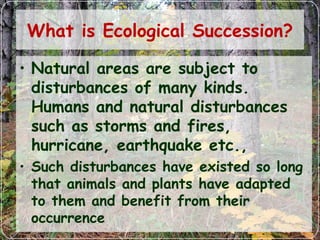


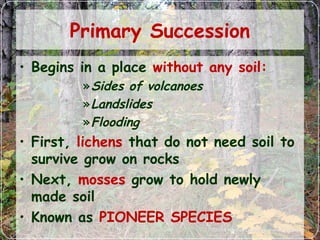
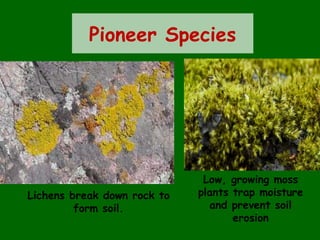

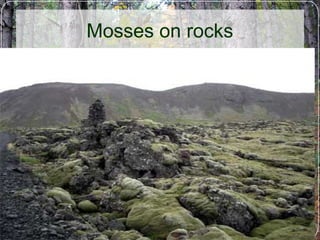
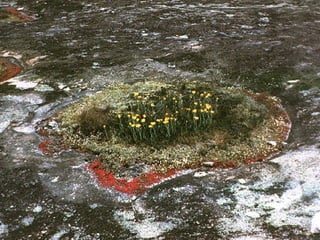

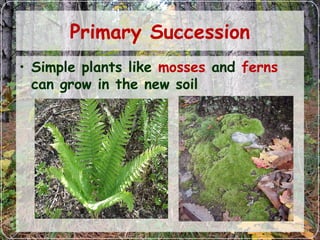
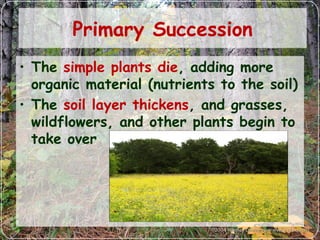
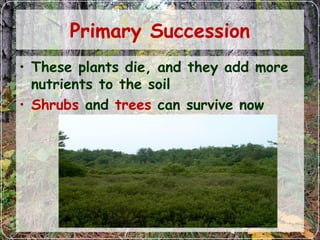
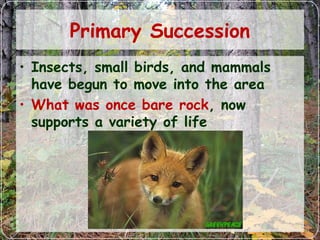
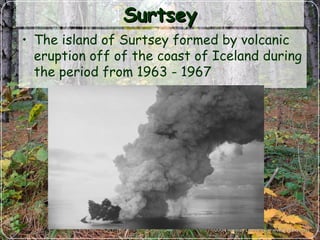
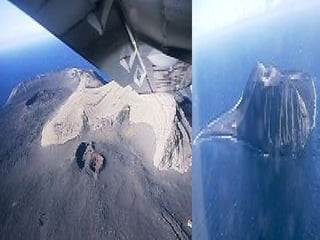



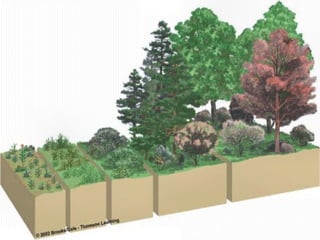
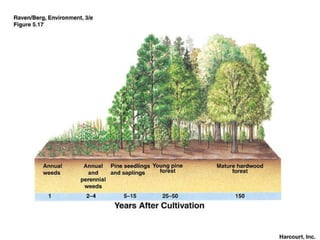
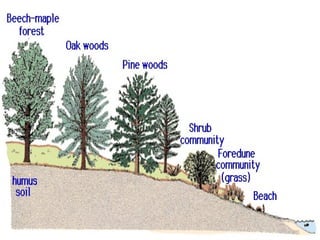
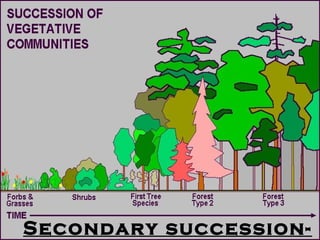
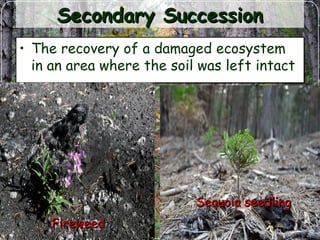
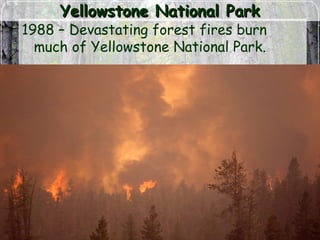
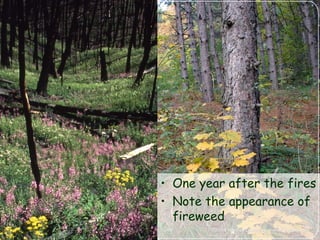
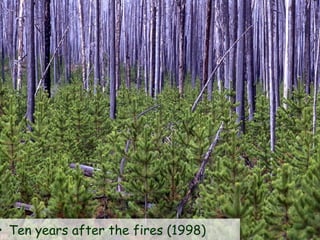
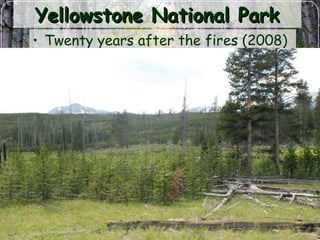




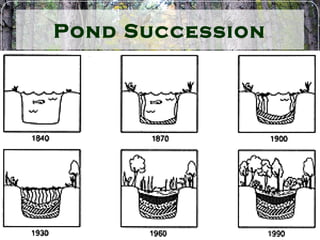
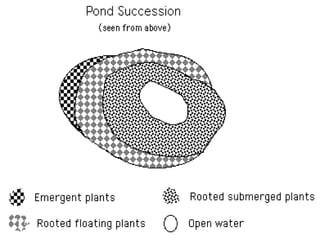
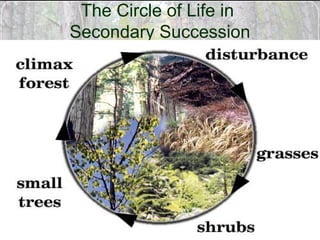

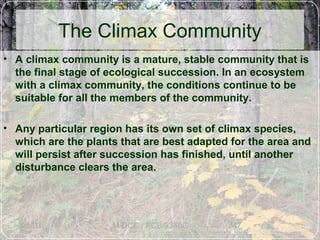
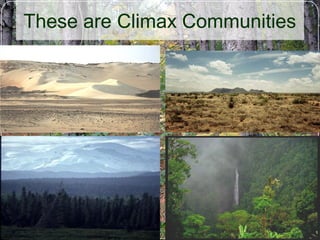
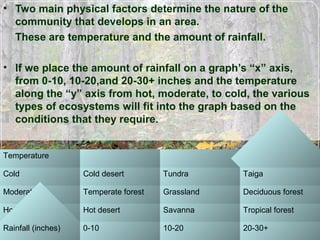
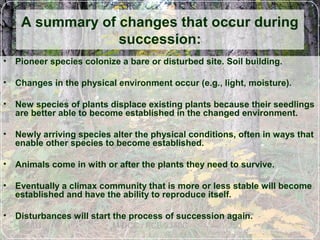
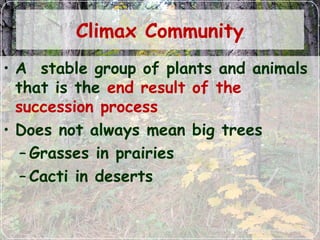
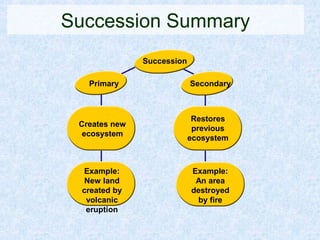

Ecological succession describes how communities of plants and animals change over time in a particular area. There are two types of succession: primary succession, which occurs in areas without soil like after a volcanic eruption, and secondary succession, which occurs in areas with existing soil like after a forest fire. During primary succession, pioneer species like lichens and mosses establish first and help develop soil over time. Later stages see grasses and shrubs followed by trees. Secondary succession reestablishes ecosystems more quickly since soil remains intact, beginning with plants adapted to disturbed areas like fireweed before trees and other late stage species return. All succession leads eventually to a climax community of species best adapted to the local environment that will persist until


