PRESENTED BY:
BIBIN MATHEW,
2ND M. Sc. ENVIRONMENTAL SCIENCE,
CENTRAL UNIVERSITY OF KERALA.
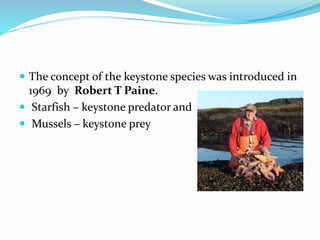
 The concept of the keystone species was introduced in
1969 by Robert T Paine.
 Starfish – keystone predator and
 Mussels – keystone prey
KEYSTONE SPECIES
 Keystone species is a species that has a
disproportionately large effect on its natural
environment relative to its abundance.
 Plays a critical role in maintaining the structure of
an ecological community.
 Helps to determine the types and numbers of various other
species in the community.
 Without keystone species, the ecosystem will be different
 It can be any organism.
 Commonly it’s a predator.
 In general keystone species is a predator that prevents
a particular herbivorous species from eliminating
dominant plant species.
Types of keystone species
 1) Herbivores
 2) Mutualist
 3) Predators
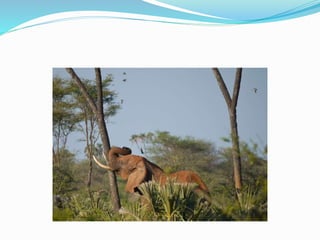
HERBIVORES
 Their consumption of plants helps control the physical
and biological aspects of an ecosystem.
 In African savannas, Elephants are the keystone
species. Elephants eat shrubs and small trees, such as
acacia.
 Even if an acacia tree grows to a height of a meter or
more, elephants are able to knock it over and uproot it.
 This feeding behavior keeps the savanna a grassland
and not a forest or woodland.
MUTUALISTS
 Two or more species that engage in mutually beneficial
interactions.
 A change in one species would impact the other, and
change the entire ecosystem.
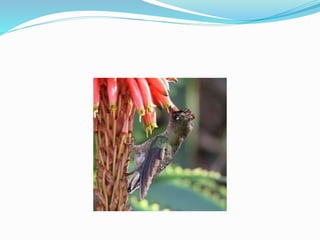
 In the woody grasslands of Patagonia, hummingbird
and indigenous plants act together as keystone
mutualists.
 Humming bird pollinates the plant.
 These plants provide the sugary nectar that makes up
most of the hummingbird’s diet.
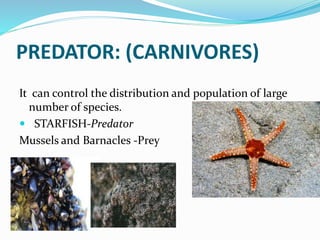
PREDATOR: (CARNIVORES)
It can control the distribution and population of large
number of species.
 STARFISH-Predator
Mussels and Barnacles -Prey
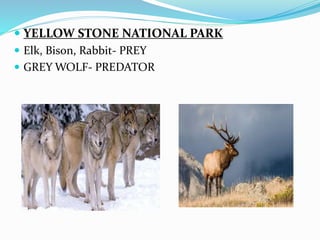
 YELLOW STONE NATIONAL PARK
 Elk, Bison, Rabbit- PREY
 GREY WOLF- PREDATOR
YELLOW STONE NATIONAL PARK
CONCLUSION
 Integral part of ecosystem.
 Conservation and restoration of keystone species is
essential for maintaining and re establishing the
ecosystem.
REFERENCES
 https://biologydictionary.net/keystone-species/
 https://en.wikipedia.org/wiki/Robert_T._Paine_(zoologist)
 https://cals.arizona.edu/research/redsquirrel/res_pdf/Hale
Koprowski2018RestEcolKeystoneSppReintroductions.pdf
 https://en.wikipedia.org/wiki/Keystone_species
 https://greentumble.com/12-examples-of-keystone-
species/
 https://www.nationalgeographic.org/encyclopedia/keyston
e-species/
Thank you

Keystone species

  • 1.
    PRESENTED BY: BIBIN MATHEW, 2NDM. Sc. ENVIRONMENTAL SCIENCE, CENTRAL UNIVERSITY OF KERALA.
  • 2.
     The conceptof the keystone species was introduced in 1969 by Robert T Paine.  Starfish – keystone predator and  Mussels – keystone prey
  • 3.
    KEYSTONE SPECIES  Keystonespecies is a species that has a disproportionately large effect on its natural environment relative to its abundance.  Plays a critical role in maintaining the structure of an ecological community.  Helps to determine the types and numbers of various other species in the community.  Without keystone species, the ecosystem will be different  It can be any organism.  Commonly it’s a predator.
  • 4.
     In generalkeystone species is a predator that prevents a particular herbivorous species from eliminating dominant plant species.
  • 5.
    Types of keystonespecies  1) Herbivores  2) Mutualist  3) Predators
  • 6.
    HERBIVORES  Their consumptionof plants helps control the physical and biological aspects of an ecosystem.  In African savannas, Elephants are the keystone species. Elephants eat shrubs and small trees, such as acacia.  Even if an acacia tree grows to a height of a meter or more, elephants are able to knock it over and uproot it.  This feeding behavior keeps the savanna a grassland and not a forest or woodland.
  • 8.
    MUTUALISTS  Two ormore species that engage in mutually beneficial interactions.  A change in one species would impact the other, and change the entire ecosystem.  In the woody grasslands of Patagonia, hummingbird and indigenous plants act together as keystone mutualists.  Humming bird pollinates the plant.  These plants provide the sugary nectar that makes up most of the hummingbird’s diet.
  • 10.
    PREDATOR: (CARNIVORES) It cancontrol the distribution and population of large number of species.  STARFISH-Predator Mussels and Barnacles -Prey
  • 11.
     YELLOW STONENATIONAL PARK  Elk, Bison, Rabbit- PREY  GREY WOLF- PREDATOR
  • 12.
  • 13.
    CONCLUSION  Integral partof ecosystem.  Conservation and restoration of keystone species is essential for maintaining and re establishing the ecosystem.
  • 14.
    REFERENCES  https://biologydictionary.net/keystone-species/  https://en.wikipedia.org/wiki/Robert_T._Paine_(zoologist) https://cals.arizona.edu/research/redsquirrel/res_pdf/Hale Koprowski2018RestEcolKeystoneSppReintroductions.pdf  https://en.wikipedia.org/wiki/Keystone_species  https://greentumble.com/12-examples-of-keystone- species/  https://www.nationalgeographic.org/encyclopedia/keyston e-species/
  • 15.