Smoke Control and Management Systems  Chapter 12
Learning Objectives Define smoke control and smoke management State the design goals for smoke control and smoke management systems Name the three general methods used to control smoke movement Describe the four pressure differential methods used to control smoke Describe five design requirements or operational characteristics of smoke control systems
Learning Objectives (continued) List the different life safety and fire protection systems that interface with smoke control systems and describe how they interact Discuss the importance of the acceptance testing and annual retesting processes for smoke control systems
Introduction Smoke and toxic gases can migrate outside of the fire area Smoke travels along stairways, ducts, corridors, elevator hoistways, etc. Spread of smoke and toxic gases can cause much damage, injuries, and death Passive design approach uses walls, etc., to create barriers Active design approach uses mechanical systems to exhaust the air
Figure 12-1 Manually operated smoke and heat vent in stairway
Code Required Smoke Control and Smoke Management Code-mandated installation of smoke control limited to certain structures Many structures facilitate quick evacuation Significantly compartmentalized to inhibit smoke travel Installation of these systems in every structure is  unnecessary Requirements exist for occupancies with significant evacuation challenge
Smoke Containment, Removal, and Opposed Airflow Basic goal of smoke control is to mitigate the spread of smoke Smoke control techniques can be standalone or integrated into a building-wide approach Systems use 100% outdoor air for positive pressurization 100% exhaust to the outdoors for smoke relief General approaches: containment, removal, opposed airflow
Containment by Pressure Differentials Stairway pressurization : prevents or reduces smoke intrusion into egress stairways Floating zone/floor-by-floor pressurization : uses the HVAC system Elevator hoistway pressurization : similar to stairway pressurization Refuge area pressurization : prevents smoke intrusion into refuge areas
Figure 12-2 This mechanical fan and duct line supply air to pressurize a stairway
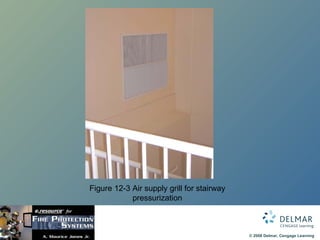
Figure 12-3 Air supply grill for stairway pressurization
Figure 12-4 Mechanical fan unit for “sandwich effect” pressurization
Figure 12-5 Exhaust vent in corridor for “sandwich effect” pressurization
Smoke Removal Best suited for large volume spaces, such as atriums, indoor stadiums, and airport terminals Provides vertical cross-flow ventilation from floor to roof Large volume spaces have no barriers Smoke and toxic gases will rise and spread throughout the area Unpolluted air fed at a slower rate than the exhaust system rate Fed from a level lower than the fire
Figure 12-6 Atrium
Figure 12-7 Atrium exhaust vent
Containment by Airflow Direction Airflow velocity across openings controls smoke when pressure differential strategy is not practical Uses large volumes of air that flow in a particular direction; smoke cannot migrate Used to manage fires in railway tunnels Rarely used by engineers: complex control and large air volumes required Supplying large amounts of air may fuel the fire
Design Requirements and Operational Characteristics Operational characteristics found in model codes: Immediate and automatic operations on activation of waterflow devices and smoke detectors Manual operation and override Primary/backup power source Minimum operation for 20 minutes Ability to maintain the smoke level six feet above highest level of walking in the means of egress
Fire Protection Systems and Smoke Control Containing smoke and gases in the area of fire origin contingent upon many factors Best opportunity to control smoke: Properly operating fire detection system Automatic fire sprinkler systems Rapid firefighter response
Interface with Fire Protection Systems and Other Life Safety Systems Smoke control systems interconnect with fire protection, HVAC, elevator and backup power Activation of an automatic initiating device starts smoke control system operation Activation by manual pull station not recommended Failure to shut down HVAC systems could be worst contributor to smoke movement Functional components of the system should be monitored
Figure 12-8 Beam detector
Figure 12-9 Smoke Control Panel
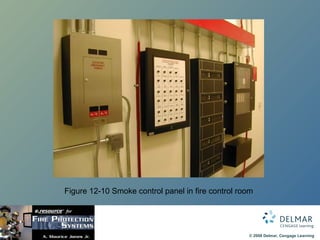
Figure 12-10 Smoke control panel in fire control room
Testing and Performance Verification Generally the engineer who designed the smoke control system develops a detailed test plan Testing usually follows the testing of all other life safety and fire protection systems Process usually starts with operational testing at the component level Continues with functional testing of individual systems All tests should be witnessed and documented
Annual Testing Systems should undergo functional and performance testing on an annual basis Annual tests should address: Functional performance of individual components and systems Integrated performance verification Individual system and integrated performance testing should be done by trained personnel Same qualifications as person who did the initial acceptance testing
Summary Smoke control and management systems can contain smoke to the area of origin Three general methods: Containment Exhaust Opposed airflow Important to connect smoke control with fire protection, HVAC, and other building systems All smoke control systems should undergo functional and performance testing annually

Chapter 12

  • 1.
    Smoke Control andManagement Systems Chapter 12
  • 2.
    Learning Objectives Definesmoke control and smoke management State the design goals for smoke control and smoke management systems Name the three general methods used to control smoke movement Describe the four pressure differential methods used to control smoke Describe five design requirements or operational characteristics of smoke control systems
  • 3.
    Learning Objectives (continued)List the different life safety and fire protection systems that interface with smoke control systems and describe how they interact Discuss the importance of the acceptance testing and annual retesting processes for smoke control systems
  • 4.
    Introduction Smoke andtoxic gases can migrate outside of the fire area Smoke travels along stairways, ducts, corridors, elevator hoistways, etc. Spread of smoke and toxic gases can cause much damage, injuries, and death Passive design approach uses walls, etc., to create barriers Active design approach uses mechanical systems to exhaust the air
  • 5.
    Figure 12-1 Manuallyoperated smoke and heat vent in stairway
  • 6.
    Code Required SmokeControl and Smoke Management Code-mandated installation of smoke control limited to certain structures Many structures facilitate quick evacuation Significantly compartmentalized to inhibit smoke travel Installation of these systems in every structure is unnecessary Requirements exist for occupancies with significant evacuation challenge
  • 7.
    Smoke Containment, Removal,and Opposed Airflow Basic goal of smoke control is to mitigate the spread of smoke Smoke control techniques can be standalone or integrated into a building-wide approach Systems use 100% outdoor air for positive pressurization 100% exhaust to the outdoors for smoke relief General approaches: containment, removal, opposed airflow
  • 8.
    Containment by PressureDifferentials Stairway pressurization : prevents or reduces smoke intrusion into egress stairways Floating zone/floor-by-floor pressurization : uses the HVAC system Elevator hoistway pressurization : similar to stairway pressurization Refuge area pressurization : prevents smoke intrusion into refuge areas
  • 9.
    Figure 12-2 Thismechanical fan and duct line supply air to pressurize a stairway
  • 10.
    Figure 12-3 Airsupply grill for stairway pressurization
  • 11.
    Figure 12-4 Mechanicalfan unit for “sandwich effect” pressurization
  • 12.
    Figure 12-5 Exhaustvent in corridor for “sandwich effect” pressurization
  • 13.
    Smoke Removal Bestsuited for large volume spaces, such as atriums, indoor stadiums, and airport terminals Provides vertical cross-flow ventilation from floor to roof Large volume spaces have no barriers Smoke and toxic gases will rise and spread throughout the area Unpolluted air fed at a slower rate than the exhaust system rate Fed from a level lower than the fire
  • 14.
  • 15.
    Figure 12-7 Atriumexhaust vent
  • 16.
    Containment by AirflowDirection Airflow velocity across openings controls smoke when pressure differential strategy is not practical Uses large volumes of air that flow in a particular direction; smoke cannot migrate Used to manage fires in railway tunnels Rarely used by engineers: complex control and large air volumes required Supplying large amounts of air may fuel the fire
  • 17.
    Design Requirements andOperational Characteristics Operational characteristics found in model codes: Immediate and automatic operations on activation of waterflow devices and smoke detectors Manual operation and override Primary/backup power source Minimum operation for 20 minutes Ability to maintain the smoke level six feet above highest level of walking in the means of egress
  • 18.
    Fire Protection Systemsand Smoke Control Containing smoke and gases in the area of fire origin contingent upon many factors Best opportunity to control smoke: Properly operating fire detection system Automatic fire sprinkler systems Rapid firefighter response
  • 19.
    Interface with FireProtection Systems and Other Life Safety Systems Smoke control systems interconnect with fire protection, HVAC, elevator and backup power Activation of an automatic initiating device starts smoke control system operation Activation by manual pull station not recommended Failure to shut down HVAC systems could be worst contributor to smoke movement Functional components of the system should be monitored
  • 20.
  • 21.
    Figure 12-9 SmokeControl Panel
  • 22.
    Figure 12-10 Smokecontrol panel in fire control room
  • 23.
    Testing and PerformanceVerification Generally the engineer who designed the smoke control system develops a detailed test plan Testing usually follows the testing of all other life safety and fire protection systems Process usually starts with operational testing at the component level Continues with functional testing of individual systems All tests should be witnessed and documented
  • 24.
    Annual Testing Systemsshould undergo functional and performance testing on an annual basis Annual tests should address: Functional performance of individual components and systems Integrated performance verification Individual system and integrated performance testing should be done by trained personnel Same qualifications as person who did the initial acceptance testing
  • 25.
    Summary Smoke controland management systems can contain smoke to the area of origin Three general methods: Containment Exhaust Opposed airflow Important to connect smoke control with fire protection, HVAC, and other building systems All smoke control systems should undergo functional and performance testing annually