   Biodiversity is a term used to describe the
    diversity of life.
   Variety and differences among organisms in
    Terrestrial
    Marine
    Other aquatic ecosystems
   Of the ecological complexes of which they
    are a part.
   GENETIC
   SPECIES
   ECOSYSTEM
   LANDSCAPE
    Species is defined as a group of organisms capable
    of interbreeding and producing fertile offspring.
                              or
   Species is a group or class of animals and plants
    having certain common and permanent
    characteristics that clearly distinguish it from other
    groups and have a passage of a common gene.
     Species Diversity - is the number of different
    species of living things living in an area.
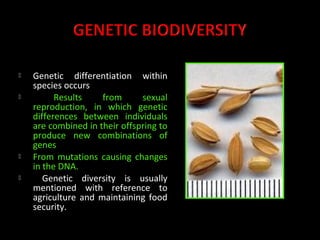
   Genetic differentiation within
    species occurs
         Results    from      sexual
    reproduction, in which genetic
    differences between individuals
    are combined in their offspring to
    produce new combinations of
    genes
   From mutations causing changes
    in the DNA.
      Genetic diversity is usually
    mentioned with reference to
    agriculture and maintaining food
    security.
    It is the variation of habitats, community types,
    and abiotic environments present in a given area.
   Same set of animals and plants may be present in a
    region but in different tropics (levels) of the
    ecosystem.
   Global biodiversity
   Biological diversity at national level
   Regional or local biodiversity
   Regional diversity can be classified into
    Alpha       – at a particular point
    Beta       - at a particular locality
    Gamma - at a particular region
   Since India is having all types of climatic regions ,
    the biodiversity is very high.
   10 th rank among plant richness
   11 th in number of endemic species of higher
    vertebrates
   6 th in centers of diversity and origin of food crops
   India is one of the 12 mega diversity nations
   India is considered to be the origin of 5000 species
    of flowering and 320 species of food plants
   The marine diversity of India is still to be explored.
  According to a report (1996), India is estimated to
   have over
 45,000 plant species - 7% of the world’s flora
 81,000 animal species - 6.5% of fauna.
 The 1999 report says

 49,219 plant species - 12.5%
 81,251 animal species - 6.6%.
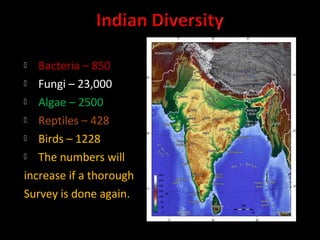
  Bacteria – 850
 Fungi – 23,000

 Algae – 2500

 Reptiles – 428

 Birds – 1228

 The numbers will

increase if a thorough
Survey is done again.
   Endemism – when a particular species is restricted
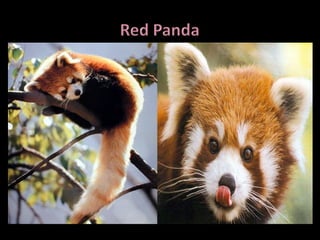
    to particular region then it is endemic - Red panda
   If the endemic species contribute more than 0.5%
    of the species , then the place is considered as a
    biodiversity hotspot
   There are 25 hot spots in the world.
   India has some parts in two hot spots.
   Western Ghats - Srilanka
   Eastern Himalayas – Indo Burman
   The hot spots occupy 2% of the land area of earth
   They contain 50% of the biodiversity.
   40% of plants 25% of vertebrates are endemic to
    hot spots
   Roughly we can say that hot spots are in
    Western Amazon , Madagascar
     North and Central Borneo
     North East Australia and West Africa.
   Due to careless human activities the biodiversity is
    under serious threat.
   If biodiversity is going on decreasing it will not only
    affect the animals but ultimately human who is on
    the top of the food chain.
   Causes of threats
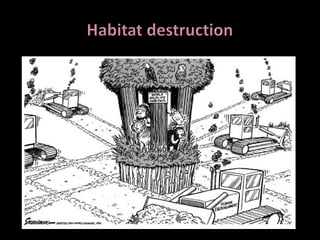
    Habitat destruction
    Fragmentation
    Poaching
   Broad-scale commercial and conservation
    strategies need to be developed
    must take into account the economic and
     environmental constraints of the particular country
    (i.e., detailed local knowledge!)

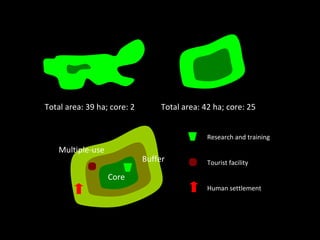
    There must be designated core and buffer
     conservation zones
     centered around areas of particular endemism
     (other areas can be designated for limited
     sustainable commercial activities.
    (polycyclic logging, selective extraction of forest
     products etc.)
Total area: 39 ha; core: 2        Total area: 42 ha; core: 25


                                               Research and training
    Multiple-use
                             Buffer            Tourist facility

                   Core
                                               Human settlement
   Due to the serious human activities some of the
    animals have totally vanished, which are called the
    extinct species
    DODO, passenger pigeon, cheetah(in India)
   Some of the species are present in so low in
    numbers which can become extinct are called
    endangered species
    Asian Elephant, Gharial, Peacock.
SOME OF THE
ENDANGERED
  ANIMALS
   Consumptive
   Productive
   Service
   Ethical
   Social
   Aesthetic
   optional
   Food – among known 80,000 food crops 90% are
    from the wild ancestoral crops.
   Drugs and medicine – around 75% people are
    relying on herbal remedies for ailments.
   The field of alternate medicines depends on the
    plant products hence on the biodiversity.
   Ayurvedha , Siddha , Unani systems either use
    herbal as such or the products derived from plants.
   Many of the forest products are precious hence
    they are exploited to the maximum.
   The products which are got from the forests and
    directly merchandised come under the productive
    value.
   Elephant tusks – used in show pieces
   Tiger bones and testis – Chinese medicine
   Skins of tigers, red panda, cheetah and snakes.

Biodiversity

  • 2.
    Biodiversity is a term used to describe the diversity of life.  Variety and differences among organisms in Terrestrial Marine Other aquatic ecosystems  Of the ecological complexes of which they are a part.
  • 7.
    GENETIC  SPECIES  ECOSYSTEM  LANDSCAPE
  • 8.
    Species is defined as a group of organisms capable of interbreeding and producing fertile offspring. or  Species is a group or class of animals and plants having certain common and permanent characteristics that clearly distinguish it from other groups and have a passage of a common gene.  Species Diversity - is the number of different species of living things living in an area.
  • 9.
    Genetic differentiation within species occurs  Results from sexual reproduction, in which genetic differences between individuals are combined in their offspring to produce new combinations of genes  From mutations causing changes in the DNA.  Genetic diversity is usually mentioned with reference to agriculture and maintaining food security.
  • 10.
    It is the variation of habitats, community types, and abiotic environments present in a given area.  Same set of animals and plants may be present in a region but in different tropics (levels) of the ecosystem.
  • 11.
    Global biodiversity  Biological diversity at national level  Regional or local biodiversity  Regional diversity can be classified into Alpha – at a particular point Beta - at a particular locality Gamma - at a particular region
  • 12.
    Since India is having all types of climatic regions , the biodiversity is very high.  10 th rank among plant richness  11 th in number of endemic species of higher vertebrates  6 th in centers of diversity and origin of food crops  India is one of the 12 mega diversity nations  India is considered to be the origin of 5000 species of flowering and 320 species of food plants  The marine diversity of India is still to be explored.
  • 13.
     Accordingto a report (1996), India is estimated to have over 45,000 plant species - 7% of the world’s flora 81,000 animal species - 6.5% of fauna.  The 1999 report says 49,219 plant species - 12.5% 81,251 animal species - 6.6%.
  • 14.
     Bacteria– 850  Fungi – 23,000  Algae – 2500  Reptiles – 428  Birds – 1228  The numbers will increase if a thorough Survey is done again.
  • 15.
    Endemism – when a particular species is restricted to particular region then it is endemic - Red panda  If the endemic species contribute more than 0.5% of the species , then the place is considered as a biodiversity hotspot  There are 25 hot spots in the world.  India has some parts in two hot spots.  Western Ghats - Srilanka  Eastern Himalayas – Indo Burman
  • 16.
    The hot spots occupy 2% of the land area of earth  They contain 50% of the biodiversity.  40% of plants 25% of vertebrates are endemic to hot spots  Roughly we can say that hot spots are in Western Amazon , Madagascar North and Central Borneo North East Australia and West Africa.
  • 18.
    Due to careless human activities the biodiversity is under serious threat.  If biodiversity is going on decreasing it will not only affect the animals but ultimately human who is on the top of the food chain.  Causes of threats Habitat destruction Fragmentation Poaching
  • 24.
    Broad-scale commercial and conservation strategies need to be developed  must take into account the economic and environmental constraints of the particular country (i.e., detailed local knowledge!)  There must be designated core and buffer conservation zones  centered around areas of particular endemism (other areas can be designated for limited sustainable commercial activities. (polycyclic logging, selective extraction of forest products etc.)
  • 25.
    Total area: 39ha; core: 2 Total area: 42 ha; core: 25 Research and training Multiple-use Buffer Tourist facility Core Human settlement
  • 26.
    Due to the serious human activities some of the animals have totally vanished, which are called the extinct species  DODO, passenger pigeon, cheetah(in India)  Some of the species are present in so low in numbers which can become extinct are called endangered species  Asian Elephant, Gharial, Peacock.
  • 27.
  • 34.
    Consumptive  Productive  Service  Ethical  Social  Aesthetic  optional
  • 35.
    Food – among known 80,000 food crops 90% are from the wild ancestoral crops.  Drugs and medicine – around 75% people are relying on herbal remedies for ailments.  The field of alternate medicines depends on the plant products hence on the biodiversity.  Ayurvedha , Siddha , Unani systems either use herbal as such or the products derived from plants.
  • 36.
    Many of the forest products are precious hence they are exploited to the maximum.  The products which are got from the forests and directly merchandised come under the productive value.  Elephant tusks – used in show pieces  Tiger bones and testis – Chinese medicine  Skins of tigers, red panda, cheetah and snakes.