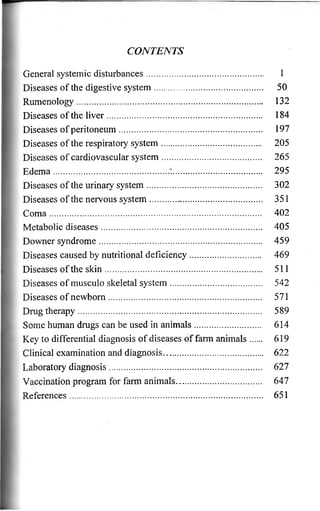
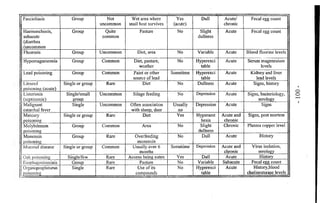
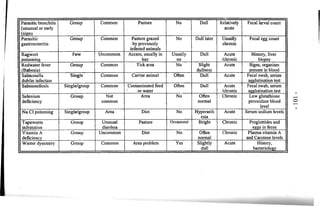
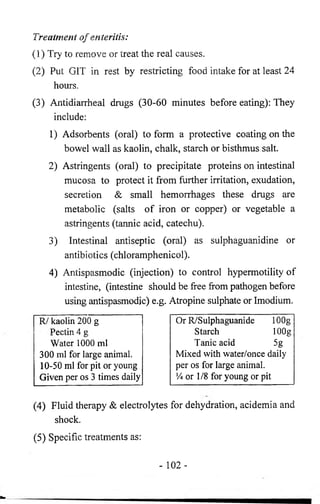
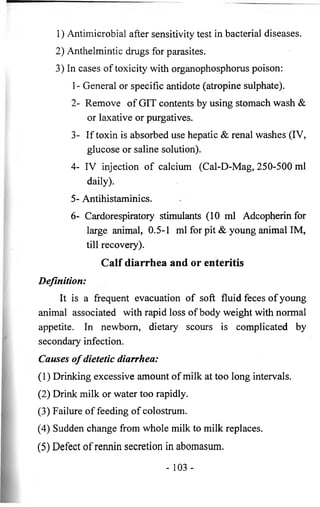
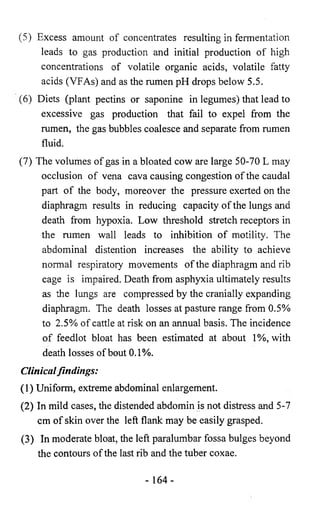
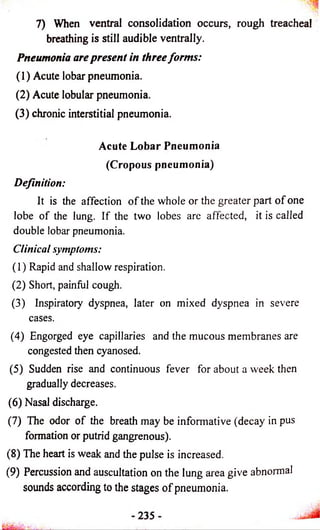
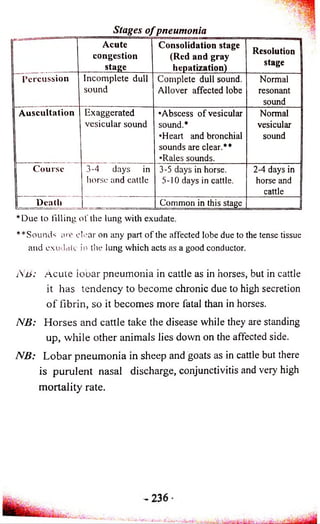
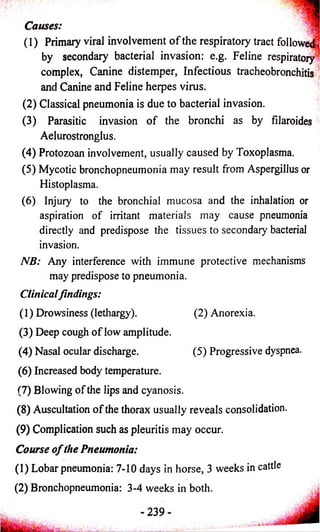
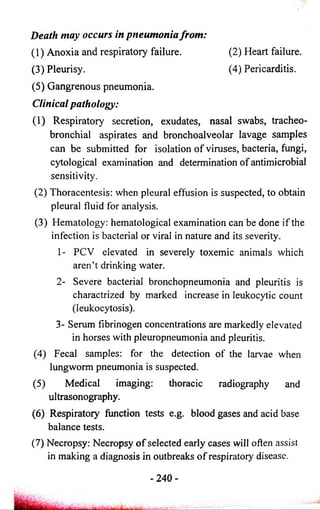
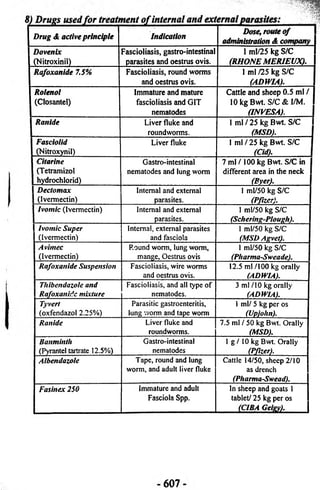
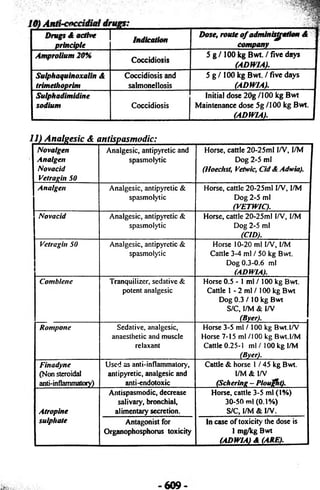
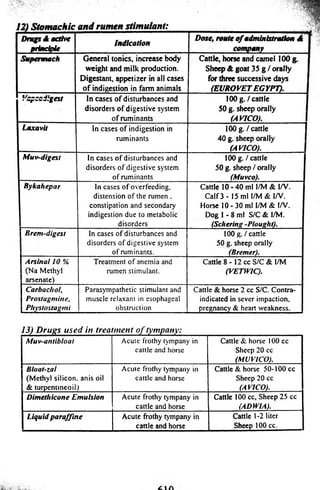
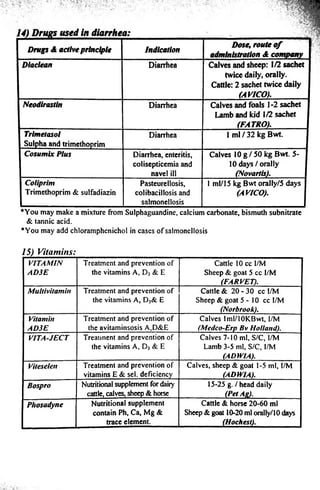
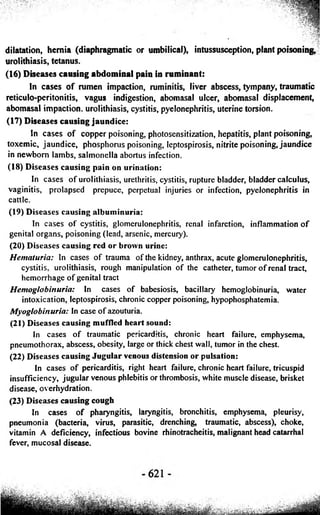
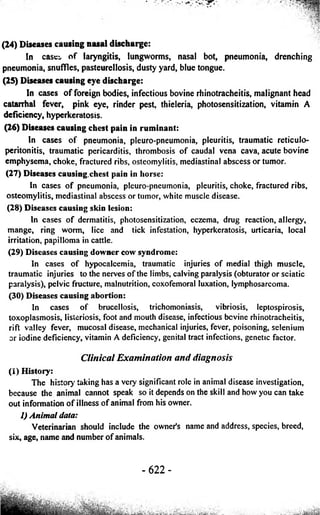
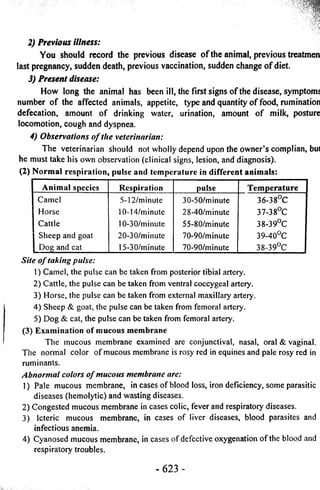
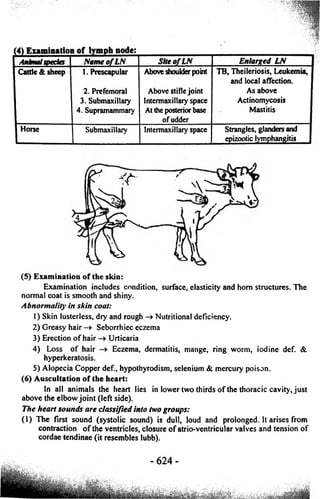
CONTENTS 
General systemic disturbances....................................................... 1 
Diseases of the digestive system............................................... 50 
Rumenology.................................................................................... 132 
Diseases of the liv e r................................................................... 184 
Diseases of peritoneum.............................................................. 197 
Diseases of the respiratory system........................................... 205 
Diseases of cardiovascular system........................................... 265 
Edema.......................................................................... Diseases of the urinary system............. .................................... 302 
Diseases of the nervous system.................................................... 351 
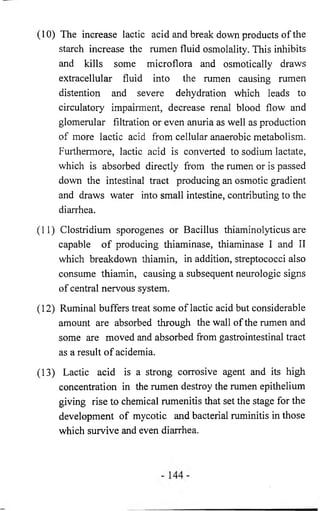
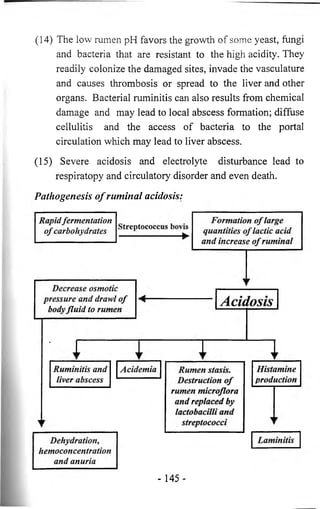
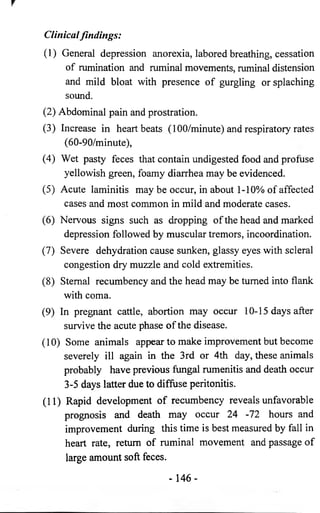
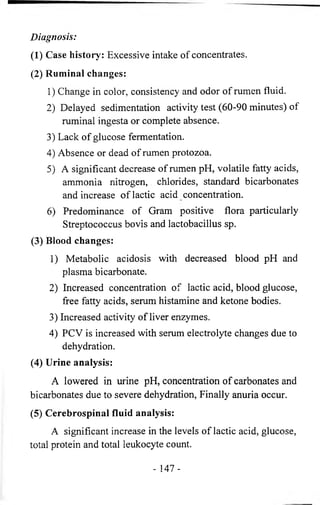
Coma............................................................................................... 402 
Metabolic diseases ..................................................................... 405 
Downer syndrome.......................................................................... 459 
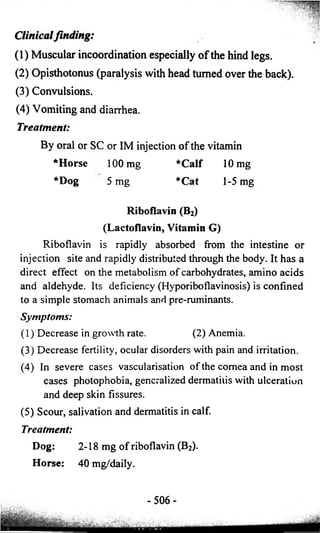
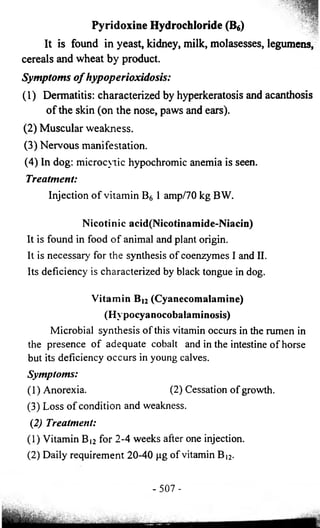
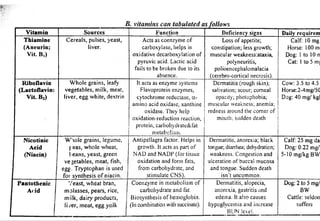
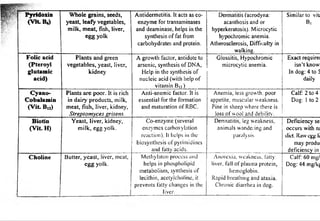
Diseases caused by nutritional deficiency................................. 469 
Diseases of the sk in .................................................................... 511 
Diseases of musculo skeletal system........................................ 542 
Diseases of newborn................................................................... 571 
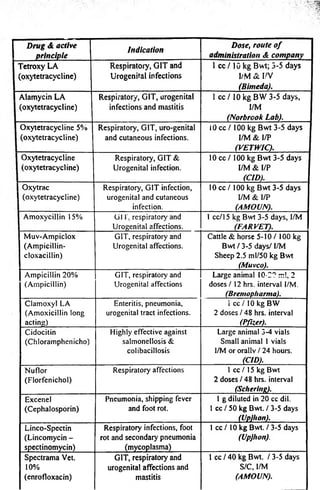
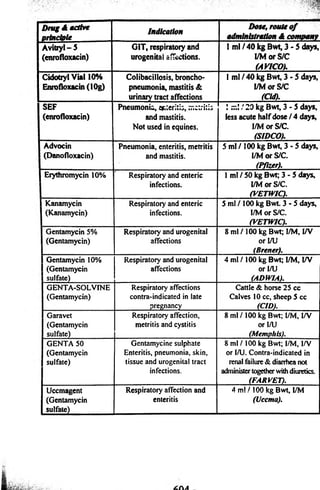
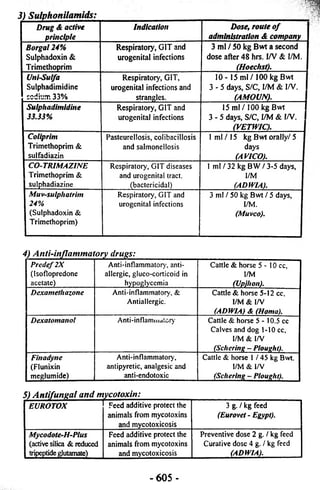
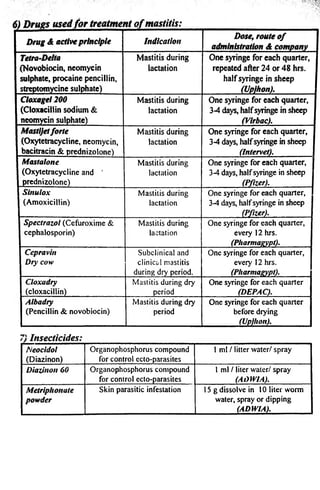
Drug therapy ........................................................ Some human drugs can be used in animals................................ 614 
Key to differential diagnosis of diseases of farm animals 619 
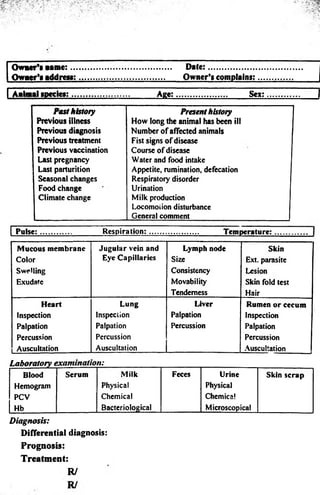
Clinical examination and diagnosis.............................................. 622 
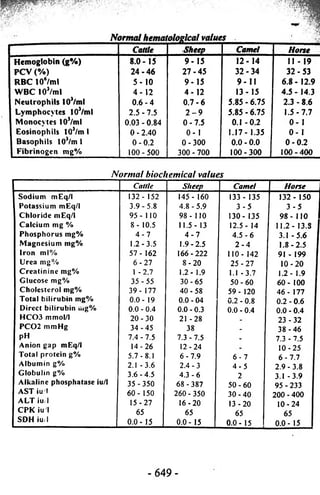
Laboratory diagnosis..................................................................... 627 
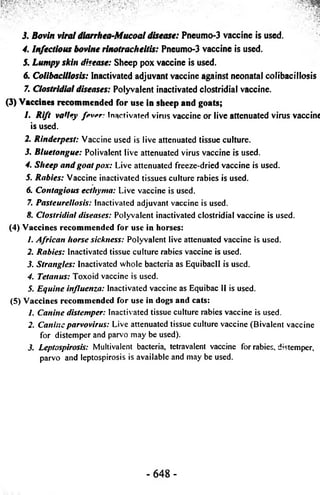
Vaccination program for farm animals........................................ 647 
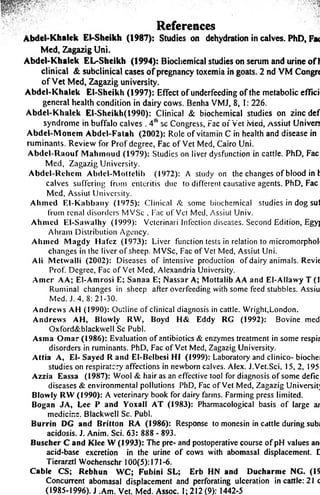
References....................................................................................... 651
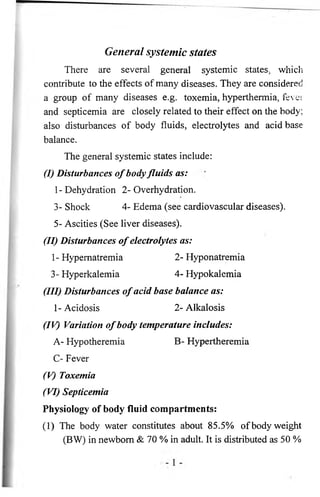
General systemic states 
There are several general systemic states, which 
contribute to the effects of many diseases. They are considered 
a group of many diseases e.g. toxemia, hyperthermia, fever 
and septicemia are closely related to their effect on the body; 
also disturbances of body fluids, electrolytes and acid base 
balance. 
The general systemic states include: 
(I) Disturbances o f body fluids as: 
1- Dehydration 2- Overhydration. 
3- Shock 4- Edema (see cardiovascular diseases). 
5- Ascities (See liver diseases). 
(II) Disturbances o f electrolytes as: 
1 - Hypernatremia 2 - Hyponatremia 
3- Hyperkalemia 4- Hypokalemia 
(III) Disturbances o f acid base balance as: 
1 - Acidosis 2 - Alkalosis 
(IV) Variation o f body temperature includes: 
A- Hypotheremia B- Hypertheremia 
C- Fever 
(V) Toxemia 
(VI) Septicemia 
Physiology of body fluid compartments: 
(1) The body water constitutes about 85.5% of body weight 
(BW) in newborn & 70 % in adult. It is distributed as 50 %
in intracellular fluid (ICF), 16% in extracellular fluid in 
interstitial space (ECF) & 4% in blood plasma. 
(2 ) Sodium (Na+, cation), chloride (CF, anion), bicarbonate 
(HC03") are the major ions in ECF. 
(3) Potassium (K+), magnesium (Mg+) are the major cations in 
ICF. 
(4) Composition of the ICF is maintained by selective 
permeability of the cell membrane and the activity of 
energy-dependent membrane-bound Na^^ATPase pumps, 
which take in K+ and extrude Na+. 
Physiology o f water: 
The water content of body is regulated by the kidneys & 
the absorption of water by the renal distal tubules which is 
controlled by the antidiuretic hormone (ADH) from the 
pituitary gland. The release of ADH is determined by 
osmoreceptors in CNS & volume receptors (baroreceptors in 
caratoid sinus & mesenagal cell of afferent glomerulo 
arterioles & chemoreceptprs in aortic arch & carotid body) in 
the heart & great blood vessels so that the increase in blood 
osmotic pressure & decrease in blood volume will increase 
ADH & reduce urine volume.
Disturbances o f body fluids 
Dehydration (Negative water balance) 
Definition: 
It means loss of body fluid and body weight as well as 
electrolyte imbalances. 
Cause: 
It may be one or more of the following: 
(I) Failure of water intake in cases of: 
( 1 ) Deprivation of water &fluid intake. 
(2) Lack of thirst due to toxemia or debility. 
(3) Inability to drink water in cases of pharyngeal or 
esophageal obstruction or paralysis of pharynx or painful 
lesions in cases of stomatitis and abscess or in cases of 
dysphagia 
(4) Depression of thirst center. 
(5) Depressed or comatosed condition. 
(6 ) Decrease water intake (Hypodipsia, adipsia). 
(II) Excessive loss of body fluid in cases of: 
(1) Gastrointestinal disturbances as in: 
1) Profuse or ropy salivation. 
2 ) Prolonged vomiting. 
3) Acute carbohydrate engorgement. 
4) Dilatation & torsion of abomasum. 
5) Acute intestinal obstruction. 
6 ) Severe constipation. 
7) Profuse watery diarrhea and/or enteritis 
8 ) Prolonged use of purgative for long period.
(2) Urinary disturbances in cases o f : 
1) Polyuria (increase amount & number of urination). 
2 ) Prolonged use of diuretic for long period. 
(3) Skin disturbances in cases of: 
1 ) Copious sweating. 
2) Heat & sun stroke: Horse loss about 10-15 liters/hour 
during exercise in hot climate above 32°C. 
3) Excessive skin bums or wound. 
4) Major operation in cases of oozing of serum or body 
fluid or hemorrhage. 
(4) Excessive accumulation of body fluid in body sac: in 
cases of: 
l)Ascities 2) Diffuse peritonitis. 3) Pleurisy. 
4) Pericarditis. 5) Pyometra. 
Pathogenesis: 
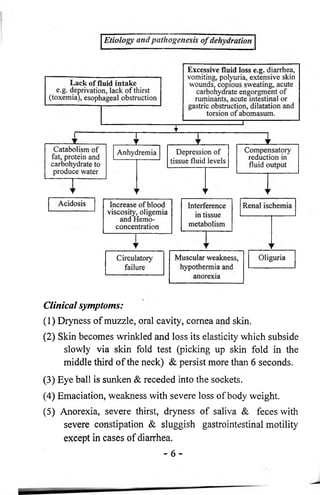
(1) Firstly, body try to compensate body water loss by 
decrease water loss from skin, GI, respiratory and urinary 
tract (by decreasing ADH resulting in concentration of 
urine and elevation of serum urea nitrogen) so that oliguria 
& dry feces occur in cases of failure or decreased water 
intake or in cases of mild dehydration. 
(2) When the body fluids are decreased, the fluid is drained 
primarily from skin, connective tissue, muscles (to 
maintain normal blood volume) leading to depression o f 
tissue fluid levels & interference with tissue metabolism 
causing muscular weakness, decrease body weight as well 
as dryness o f skin & muzzle. 
- 4 -
(3) Drawing of fluid from blood causing anhydremia (decrease 
water content of blood), oligemia (decrease blood volume) 
& hemoconcentration (increase % of erythrocytic volume 
than ECF) which lead to peripheral circulatory failure 
resulting in scanty salivation, dryness of oral cavity, 
muzzle, cornea & feces, scanty sweating, oliguria,renal 
ischemia & even coldness of body extremities (ears, nose, 
tail, horn & claws). 
(4) Breakdown & catabolism of body fat then carbohydrate & 
finally protein to produce metabolic water as well as fatty 
acids, lactate or glucose & amino acids (anaeobic tissue 
oxidation) resulting in acidosis, acidemia & elevation of 
serum urea nitrogen as well as sunken eyes (breakdown of 
orbital fat) and great loss of body weight. 
* In mild & moderate acidosis, the hydrogen ion: 
a-Enter the cell, liberating K+ extracellular, causing 
hyperkalemia. 
b- Stimulate the respiratory center resulting in hyperventilation. 
* Severe acidosis, hyperkalemia & hypovolemia results in: 
a-Hypoventilation. 
b-Muscular & myocardial weakness resulting in bradycardia 
& cardiac arrythemia, later on death occurs due to 
respiratory, heart & circulatory failure.
Clinical symptoms: 
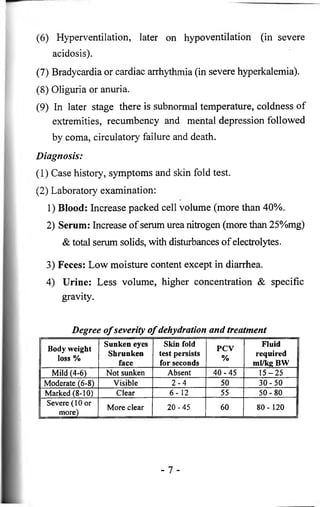
(1) Dryness of muzzle, oral cavity, cornea and skin. 
(2) Skin becomes wrinkled and loss its elasticity which subside 
slowly via skin fold test (picking up skin fold in the 
middle third of the neck) & persist more than 6 seconds. 
(3) Eye ball is sunken & receded into the sockets. 
(4) Emaciation, weakness with severe loss of body weight. 
(5) Anorexia, severe thirst, dryness of saliva & feces with 
severe constipation & sluggish gastrointestinal motility 
except in cases of diarrhea. 
- 6 -
(6 ) Hyperventilation, later on hypoventilation (in severe 
acidosis). 
(7) Bradycardia or cardiac arrhythmia (in severe hyperkalemia). 
(8 ) Oliguria or anuria. 
(9) In later stage there is subnormal temperature, coldness of 
extremities, recumbency and mental depression followed 
by coma, circulatory failure and death. 
Diagnosis: 
(1) Case history, symptoms and skin fold test. 
(2) Laboratory examination: 
1) Blood: Increase packed cell volume (more than 40%. 
2) Serum: Increase of serum urea nitrogen (more than 25%mg) 
& total serum solids, with disturbances of electrolytes. 
3) Feces: Low moisture content except in diarrhea. 
4) Urine: Less volume, higher concentration & specific 
gravity. 
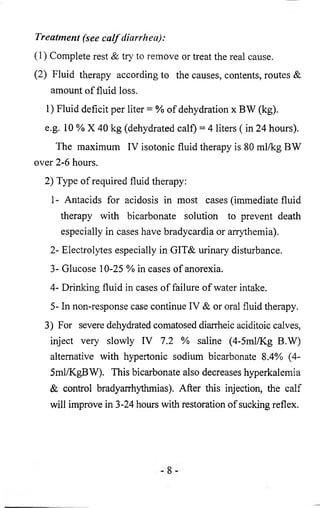
Degree of severity of dehydration and treatment 
Body weight 
loss % 
Sunken eyes 
Shrunken 
face 
Skin fold 
test persists 
for seconds 
PCV 
% 
Fluid 
required 
ml/kg BW 
Mild (4-6) Not sunken Absent 40- 4 5 1 5 -25 
Moderate (6-8) Visible 2 - 4 50 30-50 
Marked (8-10) Clear 6 - 12 55 50- 8 0 
Severe (10 or 
more) More clear 20-45 60 80-120 
- 7 -
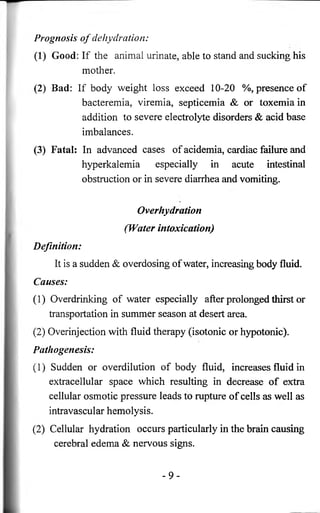
Treatment (see calf diarrhea): 
(1) Complete rest & try to remove or treat the real cause. 
(2 ) Fluid therapy according to the causes, contents, routes & 
amount of fluid loss. 
1) Fluid deficit per liter = % of dehydration x BW (kg). 
e.g. 10 % X 40 kg (dehydrated calf) = 4 liters ( in 24 hours). 
The maximum IV isotonic fluid therapy is 80 ml/kg BW 
over 2 - 6 hours. 
2) Type of required fluid therapy: 
1 - Antacids for acidosis in most cases (immediate fluid 
therapy with bicarbonate solution to prevent death 
especially in cases have bradycardia or arrythemia). 
2- Electrolytes especially in GIT& urinary disturbance. 
3- Glucose 10-25 % in cases of anorexia. 
4- Drinking fluid in cases of failure of water intake. 
5- In non-response case continue IV & or oral fluid therapy. 
3) For severe dehydrated comatosed diarrheic aciditoic calves, 
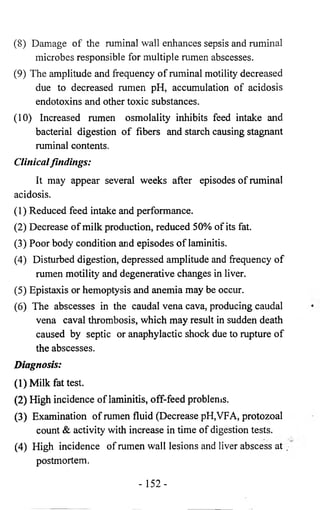
inject very slowly IV 7.2 % saline (4-5ml/Kg B.W) 
alternative with hypertonic sodium bicarbonate 8.4% (4- 
5ml/KgBW). This bicarbonate also decreases hyperkalemia 
& control bradyarrhythmias). After this injection, the calf 
will improve in 3-24 hours with restoration of sucking reflex.
Prognosis o f dehydration: 
(1) Good: If the animal urinate, able to stand and sucking his 
mother. 
(2) Bad: If body weight loss exceed 10-20 %, presence of 
bacteremia, viremia, septicemia & or toxemia in 
addition to severe electrolyte disorders & acid base 
imbalances. 
(3) Fatal: In advanced cases of acidemia, cardiac failure and 
hyperkalemia especially in acute intestinal 
obstruction or in severe diarrhea and vomiting. 
Overhydration 
(Water intoxication) 
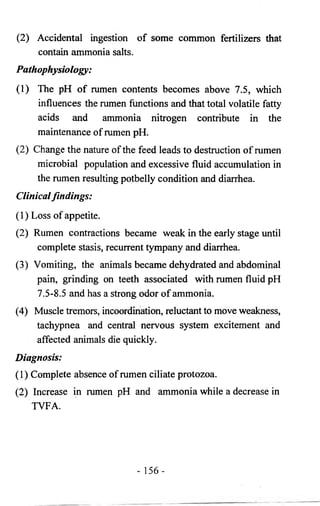
Definition: 
It is a sudden & overdosing of water, increasing body fluid. 
Causes: 
(1 ) Overdrinking of water especially after prolonged thirst or 
transportation in summer season at desert area. 
(2) Overinjection with fluid therapy (isotonic or hypotonic). 
Pathogenesis: 
( 1 ) Sudden or overdilution of body fluid, increases fluid in 
extracellular space which resulting in decrease of extra 
cellular osmotic pressure leads to rupture of cells as well as 
intravascular hemolysis. 
(2) Cellular hydration occurs particularly in the brain causing 
cerebral edema & nervous signs. 
- 9 -
Symptoms: 
1 * Restlessness, muscle relaxation, ataxia, tonic & clonic 
convulsions. 
(2) Edema: in subcutaneous, lung, pleura, brain & ascites. 
(3) Sudden increase of body weight. 
(4) Brain edema, asphyxia & come. 
(5) Increase CVP(central venous pressure) & decrease PCV. 
(6 ) Intravascular hemolysis leads to red urine & death. 
Treatment: 
( 1 ) Diuretic: Oral (k-citrate or k. acetate 15+15gm /os/cow 
three times daily), or lasix, IV or IM, 4 mg /kg BW (one 
ampoule /50-70 kg BW). 
(2) Stop all IV infusion. 
(3) Give sedative & hematincs (Iron,copper and vitamin 
B12:See anemia). 
(4) Phlebotomy to decreased blood volume. 
Prevention: 
(1) Water supply before, during & after travailing. 
(2) Drinking water three regular times at least per day. 
- 1 0 -
Disturbances o f electrolytes 
(1) The normal blood serum levels of Na+; K+ & CL" are 132- 
152; 95-110 & 4-6 m.Eq/1, respectively. 
(2) They are the most important electrolytes in the body. They 
affected by certain diseases & body fluid disturbances. 
(3) Sodium is the most abundant ion in ECF. It is responsible 
for maintenance of ECF osmotic pressure. 
Physiology of Sodium: Total body Na+ losses activate the 
CNS to alter renal Na+ handling resulting in a decrease in renal 
Na+ excretion. An increase in Na+ content in the ECF results in 
changes opposite to those seen with Na+ loss. 
[1] Sodium excess (Hypernatremia) 
It is an elevation of sodium level in serum more than 
normal. It arises from: 
(1) Excessive IV saline solution or oral Na+ or salt poisoning 
(2) Pure water loss or water deprivation. 
[2] Sodium deficiency (Hyponatremia) 
It is a decrease of Na+ level in serum or blood. 
Causes: 
(1) Excessive IV fluid therapy free from Na+. 
(2) Low intake of Na+ with diuretics. 
(3) Loss of sodium containing fluid in cases of diarrhea, 
enteritis, excessive sweating & blood loss. 
Pathogenesis: 
Na+ depletion leads to increase renal losses of water to 
maintain normal osmotic pressure resulting in withdraw of 
- 11 -
fluid from ECF, so that body & blood fluid will decrease 
resulting in: 
(a) Stimulating neurohypophysis for more ADH secretion 
causing oliguria or anuria. 
(b) Peripheral circulatory failure followed by renal failure, 
hypothermia and dehydration. 
Symptoms: 
It includes muscular weakness, hypothermia, dehydration, 
mental depression & death from oligemic or hypovolemic shock. 
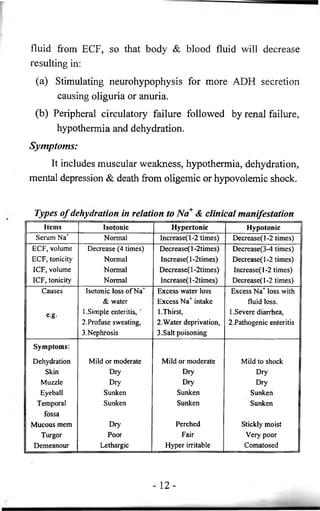
Types of dehydration in relation to Na+ & clinical manifestation 
Items Isotonic Hypertonic Hypotonic 
Serum Na+ Normal Increase(l-2 times) Decrease(l-2 times) 
ECF, volume Decrease (4 times) Decrease( l -2times) Decrease(3-4 times) 
ECF, tonicity Normal Increase(l-2times) Decrease(l-2 times) 
ICF, volume Normal Decrease( l -2times) Increase(l-2 times) 
ICF, tonicity Normal Increase( l -2times) Decrease(l-2 times) 
Causes Isotonic loss of Na1^ Excess water loss Excess Na+ loss with 
& water Excess Na+ intake fluid loss. 
e.g. l.Simple enteritis, ' l .Thirst, I.Severe diarrhea, 
2.Profuse sweating, 
3.Nephrosis 
2. Water deprivation, 
3.Salt poisoning 
2.Pathogenic enteritis 
Symptoms: 
Dehydration Mild or moderate Mild or moderate Mild to shock 
Skin Dry Dry Dry 
Muzzle Dry Dry Dry 
Eyeball Sunken Sunken Sunken 
Temporal Sunken Sunken Sunken 
fossa 
Mucous mem Dry Perched Stickly moist 
Turgor Poor Fair Very poor 
Demeanour Lethargic Hyper irritable Comatosed 
- 1 2 - 
/
Treatment: 
By isotonic or hypertonic sodium (5%) solution. The 
amount of m.Eq. of Na+ required in fluid therapy = serum Na+ 
level (Normal - Dehydrated) X BW / kg divided by 3. 
Physiology of potassium (K+): It is the main ICF cation. It 
has an important role for potential difference of cell membrane 
& excitation of cell so that excess or less K+ depress the heart 
muscle, so it must not be injected IV. 
[1] Potassium deficiency (Hypokalemia) 
It is a decrease of serum K+ level. 
Causes: 
(1) Low K+ in diet (rare in grazing animal). 
(2) Prolonged use of fluid therapy free from K+. 
(3) Increase K+ excretion & loss by: 
1) Excessive & rapid bicarbonate Injection. 
2) Insulin & or glucose injection. 
3) Injection of Na salt, high level of ACTH, aldosterone, 
adreno-cortical hormones. 
4) Vomiting or diarrhea. 5) Excessive sweating. 
6 ) Prolonged anorexia. 7) Metabolic alkalosis. 
(4) Acute gastric, abomasal or intestinal dilatation, impaction, 
obstruction or torsion leading to excessive K+ loss and 
excretion. 
Symptoms: 
K+ depletion is characterized by progressive muscular 
weakness & decrease excitability of nerve: 
- 13-
(1) Weakness of myocardium lead to dilatation, arrhythmia, 
heart failure 
(2) Weakness of respiratory muscles lead to cyanosis, dyspnea, 
and respiratory failure. 
(3) Weakness of intestinal muscles leads to atony & 
distension. 
(4) Alkalosis occurs due to exchange of K+ (from urine to 
blood) for EC (from blood to urine) in the renal tubular 
fluid. 
(5) Excessive K+ excretion in GIT lead to failure of gastric H+ 
& CL' to be reabsorbed by small intestine resulting in 
hypokalemia, hypochloremia & metabolic alkalosis due 
to retention of H* compensated by excessive K+ 
excretion. 
Treatment: 
(1) Remove causes. 
(2) Oral K+ salt or fruit or milk or meat. 
(3) IV injection of K+ may be very dangerous. 
(4) IV saline solution to treat hypokalemia, hypochloremia & 
alkalosis. 
[2] Hyperkalemia 
It is an elevation of serum K+ level than normal. 
Causes: 
(1) Increase K+ intake. 
(2) Metabolic acidosis. 
(3) Rapid infusion of K+ salts. 
(4) Decrease renal elimination, oliguric acute renal failure, urethral 
obstruction or terminal stages of chronic renal failure. 
- 14 -
Symptoms: 
(1) Weakness. 
(2) Bradycardia (as an increase in plasma K+ by 1.0 m eq PL 
reduce 8 heart beats/ minute). 
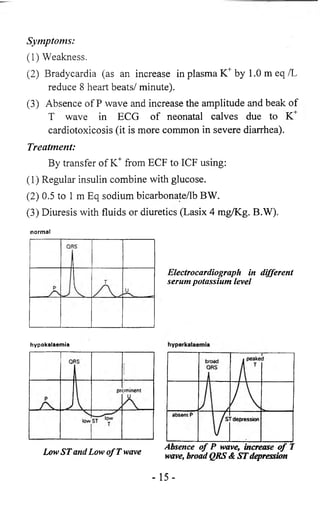
(3) Absence of P wave and increase the amplitude and beak of 
T wave in ECG of neonatal calves due to K 
cardiotoxicosis (it is more common in severe diarrhea). 
Treatment: 
By transfer of K+ from ECF to ICF using: 
(1) Regular insulin combine with glucose. 
(2 ) 0.5 to 1 m Eq sodium bicarbonate/lb BW. 
(3) Diuresis with fluids or diuretics (Lasix 4 mg/Kg. B.W). 
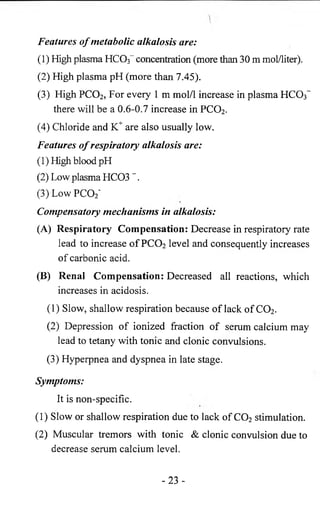
normal 
hypokalaemia 
Electrocardiograph in different 
serum potassium level 
Low ST and Low of T wave Absence of P wave, increase o f T 
wave, broad QRS & ST depression 
- 15 -
Acid base balance 
Feature of acid base: 
*The normal plasma pH ranged from 7.35-7.45 which 
represents a FT concentration of 36- 44 mmol/litre. 
*The normal plasma HCO3’ concentration is 20 to 30 mmol/litre. 
*The lowest urinary pH is 4.5 units (with severe metabolic 
acidosis in presence of normal kidneys) and the highest 
urinary pH is 10 units (with severe metabolic alkalosis). 
*Daily, as a result of the normal metabolic process, there is: 
(1) A release of 40-60 mmol (1 mmol/kg/day) of H* (mainly 
from protein metabolism) into the extracellular fluids. 
These hydrogen ions are removed through the lungs 
and the kidneys after being dealt with by the first line 
of defense; and 
(2) A release of 13,000-15,000 mmol of C 0 2 (mainly of 
carbohydrate source). 
NB: Body can tolerate pH ranging from 7 to 7.8, It is 
maintained by buffer systems, respiratory regulation of 
arteriole C 0 2 & renal regulation of plasma HCO3 . The 
bicarbonate system has pulmonary & renal control of 
excretion as: 
C 02 (lung) + H20 <-> H2 C 0 3 <-> H + HCO3 (kidney). 
Physiology o f the Acid Base System: 
The bicarbonate (HCO'3) and Carbonic acid (H2C 0 3) pair 
is the major physiologically active buffer system in the extra 
cellular fluids (ECF).
When there is influx of acid or alkali into body fluid: 
The first line of defense will be the extra cellular buffer 
system (HCO'3) followed by the intracellular buffer system, 
(proteins, hemoglobin and phosphates). In the condition of 
excess acid load, i.e. accumulation of hC ions in blood, Yf will 
combine with plasma HCO3 ’ to form H2 CO3 which dissociates 
quickly into H20 and C 0 2 which could be removed by lungs 
through ventilation. But in case of excess alkali load as HCO3 ’, 
will be buffered by plasma Yf to form H2C 0 3. 
NB: Normally H2C 0 3 is present in blood in very low 
concentrations, as it is very unstable. 
The second line of defense against acid base disorders is 
the lung and kidneys. The lung through hyperventilation will 
wash C 0 2 in states of acid load and through hypoventilation 
will lead to accumulation of C 0 2 in states of alkalosis. 
Retained C 0 2 will react with H20 resulting in generation of 
H2C 0 3 which will dissociate into Yf and HCCb'.The 
respiratory defense mechanism is rapid in the contrary to renal 
defense mechanisms which are slow. 
The renal defense mechanisms involve the adjustment of 
the reabsorption of the filtered HCO3 ' and the secretion of H*. 
In states of acid load, the kidney increases the proximal tubular 
HCO3 ’ reabsorption (Kr + HCO3 ' H2C 0 3 H2 0+ C 0 2, 
and excrete more Yf through more titratable acids excretion 
(e.g. phosphates and sulfates through the glomerular filtration) 
and through increasing rate of formation of ammonia (NH2 + 
H+-^> NH4 by the renal tubules). The averse will occur in 
states of alkali load, i.e. less HC03' reabsorption with 
bicarbonaturia, less titratable acid excretion and less ammonia 
formation.
Acidosis 
Acidemia means shift of arterial blood pH toward the 
acidity. 
Acidosis refers to any acidotic process of body 
(Formation, excretion and other pathogenesis even acidemia). 
Causes: 
[1] Metabolic acidosis :It occurs in cases of: 
(1) Excessive loss of bicarbonate in enteritis, renal failure, urea 
toxicity & damage of proximal tubules (less renal HCO3’ 
absorption). 
(2) Excessive bicarbonate free fluids therapy in alkalosis. 
(3) Over production of organic acids in: 
1) Over feeding with carbohydrates. 
2) Starvation, ketosis and pregnancy toxemia. 
3) Colic with strangulated bowel. 
4) Strangulated abomasal torsion. 
5) Dehydration, bums, fever and shock. 
6 ) Liver cirrhosis and hepatitis. 
7) Abnormal gut flora in cases of diarrhea and GIT 
disorders (Lactobacillus, etc). 
8 ) Anaerobic tissue oxidation in dehydration and hypovolemia. 
[2] Respiratory acidosis: It occurs in cases of: 
(1) Depression of respiratory center. 
(2) Defect in respiratory system that lead to poor pulmonary 
ventilation & elevating C02, in cases of pneumonia, 
pneumothorax, pleurisy, pulmonary edema, asphyxia Sc 
severe emphysema. 
- 18-
Pathogenesis: 
( 1 ) Simple & mild acidosis can be compensated by 
hyperventilation (with a consequent drop in the level of 
C 0 2 and HC03) & hyperkalemia (If pH decrease by 0.1 
unit, the ECF K+ increase by 0.6 m eq/L). 
(2) Features of metabolic acidosis are: 
1) Low plasma HC03_ concentration (less than 20 m mol/liter). 
2) Low arterial C 0 2 concentration (less than 40 m mol/liter). 
3) Low plasma pH (less than 7.35). 
(3) Features of respiratory acidosis are: 
1) Low blood pH 
2) Low urine pH (less than 5.4) 
3) High plasma HC03~ 
4) High PC02. 
(4) Respiratory compensation for acidosis when the cause of 
acidosis is not respiratory: The increase in PC02 stimulate 
respiratory center to increase rate and depth of respiration 
which decrease PC02 and consequently decrease carbonic 
acid level so bring bicarbonate: carbonic acid ratio towards 
the normal. 
(5) Renal compensation (in healthy kidney): 
1) Increase in acid excretion (aciduria). 
2) Increase the rate of sodium hydrogen exchange. 
3) Increase bicarbonate ion reabsorption. 
4) Increase the formation of ammonia. 
- 1 9 -
(6) Acidosis it self (less than 7.0) increases heart contraction, 
beats & output. 
(7) Hyperkalemia & acidosis result in muscular-& myocardial 
weakness, bradycardia & cardiac arrhythmia. 
(8 ) Then acidosis compensated by kidney leads to polyuria (to 
expel excess acid from excess C02) increasing hyperventilation 
& dehydration. 
(9) Severe acidosis, hyperkalemia together with peripheral 
circulatory failure resulting in respiratory center depression 
& hypoventilation occurs (slow & shallow respiration with 
hypercapnea) then coma & death may be occur. 
NB: Metabolic acidosis is more severe in calves more than 7 
days old than calves less than 7 days old with the same 
degree of dehydration. 
Clinical findings: 
(1) Firstly, stimulation of respiratory center in the form of 
increase in the depth and rate of respiration followed by 
depression of respiratory function in the form of slow and 
shallow respiration. 
(2) Tachycardia lead to decrease in blood pressure and pulse 
amplitude 
(3) Polyuria due to aciduria which is sufficient to produce 
dehydration. 
(4) General weakness then coma and death. 
(5) If there is hyperkalaemia due to compensatory movement 
of K out the cell into the extracellular space causing 
bradycardia, heart block, sudden collapse and sudden 
death. 
- 2 0 -
Treatment: 
(1) Complete rest, remove & treat the real cause. 
(2) Antacid: By IV and or oral sodium bicarbonate (or acetate 
or lactate) not more than lg/kg BW/day or by IV Ringer 
lactate solution. 
e.g. The bicarbonate deficit in horse with acute diarrhea & 
acidosis = BW (kg) x 0.3 x (Normal level - observed 
plasma bicarbonate) = 500 (Kg BW) x 0.3 x [26 
(normal serum bicarbonate level in m Eq/liter) - 12 
(Bicarbonate level in acidosis)]= 500 x 0.3 x 14 = 
2100 m Eq/ Liter =2100 divided by 12= 175 gm Na H 
C 03 (as 1 gm Na H C 0 3 yields 12 mEq HCO3 ). 
(3) Saline solution to correct hyponatremia and hyperkalemia. 
(4) In respiratory acidosis: Treat respiratory disorders firstly, 
also use bronchodilator (Carbonic anhydrase inhibitor, 
Diamox). 
(5) In chronic respiratory acidosis use 40% 0 2 or use ventilator 
in respiratory failure. 
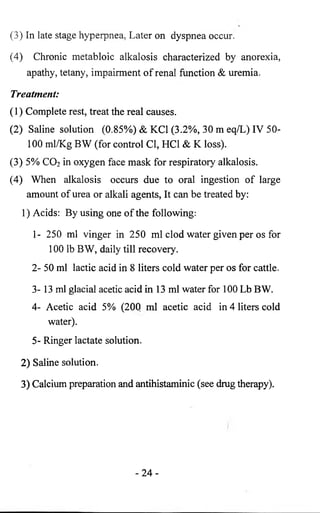
Required amount of sodium bicarbonate in g per 24 hrs given IV 
in concentration of 2.6-5 or even 8.4% for calf40-50 kg BW. 
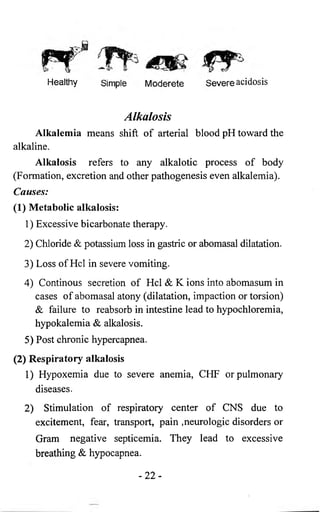
Acidosis Na.bicarb. Calf state 
Simple 5 g 1 -Can not sucking but can stand 
Mild 10 g 1-No sucking 2- Need assistance to stand 
Moderate 20 g Sternal recumbency +1, 2 (previous) 
Severe 30 g 3- lateral recumbency + 1,2 
4-Coldness o f extremities 
Hyper 
Severe 
40 g 1,2,3,4 + opened mouth, dropped tongue, cardiac 
arrythemia, hypoventilation, coma, then death. 
-21 -
Healthy Simple Moderete S e v e r e acidosis 
Alkalosis 
Alkalemia means shift of arterial blood pH toward the 
alkaline. 
Alkalosis refers to any alkalotic process of body 
(Formation, excretion and other pathogenesis even alkalemia). 
Causes: 
(1) Metabolic alkalosis: 
1) Excessive bicarbonate therapy. 
2) Chloride & potassium loss in gastric or abomasal dilatation. 
3) Loss of Hcl in severe vomiting. 
4) Continous secretion of Hcl & K ions into abomasum in 
cases of abomasal atony (dilatation, impaction or torsion) 
& failure to reabsorb in intestine lead to hypochloremia, 
hypokalemia & alkalosis. 
5) Post chronic hypercapnea. 
(2) Respiratory alkalosis 
1) Hypoxemia due to severe anemia, CHF or pulmonary 
diseases. 
2) Stimulation of respiratory center of CNS due to 
excitement, fear, transport, pain .neurologic disorders or 
Gram negative septicemia. They lead to excessive 
breathing & hypocapnea. 
- 2 2 -
Features o f metabolic alkalosis are: 
(1) High plasma HC03~ concentration (more than 30 m mol/liter). 
(2) High plasma pH (more than 7.45). 
(3) High PC02, For every 1 m mol/1 increase in plasma HCCb-there 
will be a 0.6-0.7 increase in PC02. 
(4) Chloride and K+ are also usually low. 
Features o f respiratory alkalosis are: 
(1)High blood pH 
(2) Low plasma HC03 ”. 
(3) Low PC02‘ 
Compensatory mechanisms in alkalosis: 
(A) Respiratory Compensation: Decrease in respiratory rate 
lead to increase of PC02 level and consequently increases 
of carbonic acid. 
(B) Renai Compensation: Decreased all reactions, which 
increases in acidosis. 
( 1 ) Slow, shallow respiration because of lack of C 0 2. 
(2) Depression of ionized fraction of serum calcium may 
lead to tetany with tonic and clonic convulsions. 
(3) Hyperpnea and dyspnea in late stage. 
Symptoms: 
It is non-specific. 
(1) Slow or shallow respiration due to lack of C02 stimulation. 
(2) Muscular tremors with tonic & clonic convulsion due to 
decrease serum calcium level. 
-23 -
(3) In late stage hyperpnea, Later on dyspnea occur. 
(4) Chronic metabloic alkalosis characterized by anorexia, 
apathy, tetany, impairment of renal function & uremia. 
Treatment: 
(1) Complete rest, treat the real causes. 
(2) Saline solution (0.85%) & KC1 (3.2%, 30 m eq/L) IV 50- 
100 ml/Kg BW (for control Cl, HC1 & K loss). 
(3) 5% CO2 in oxygen face mask for respiratory alkalosis. 
(4) When alkalosis occurs due to oral ingestion of large 
amount of urea or alkali agents, It can be treated by: 
1) Acids: By using one of the following: 
1- 250 ml vinger in 250 ml clod water given per os for 
100 lb BW, daily till recovery. 
2- 50 ml lactic acid in 8 liters cold water per os for cattle. 
3- 13 ml glacial acetic acid in 13 ml water for 100 Lb BW. 
4- Acetic acid 5% (200 ml acetic acid in 4 liters cold 
water). 
5- Ringer lactate solution. 
2) Saline solution. 
3) Calcium preparation and antihistaminic (see drug therapy). 
- 2 4 -
Variation o f body temperature 
The body temperature is a reflection of the balance 
between heat gain and heat loss. 
(1) To maintain a constant body temperature, the rate of heat 
loss must equal the rate of heat gain. 
(2) Heat gain occurs through muscular activity, digestion of 
food, metabolic activity, convection, conduction & 
radiation. 
(3) Heat loss occurs through convection, conduction, radiation, 
urine, feces, saliva and evaporation (sweet, respiration). 
(4) The balance between heat loss and heat gain is controlled 
by the heat-regulating functions of the hypothalamus and 
peripheral thermoreceptors of the skin. 
The body temperature is regulated against heat or cold by: 
(1) Peripheral thermoreceptors in skin & certain mucous 
membranes. 
(2) Central thermoregulatory mechanism in anterior 
hypothalamus area of brain which consists of neural & 
hormonal components. 
Hypothermia (Over cooling) 
Definition: 
It is a lower body temperature than normal which occurs 
when excess heat is lost or insufficient is produced. 
- 2 5 -
Causes: 
(1) Excessive heat loss due to exposure to severe cold. 
(2) Insufficient heat production due to: 
1) Insufficient feed intake in very old & bad nurished 
animals. 
2) Secondary to some diseases associated with decrease of 
muscle tone, cardiac output and shock such as: 
1- Milk fever 
2- Acute ruminal impaction 
3- During anaesthesia and sedation 
4- During anemia, severe hemorrhage, circulatory failure 
and shock. 
5- Reduction of metabolic activity in the terminal stages of 
many diseases except in cases of tetanus, strychnine 
poisoning and heat or sun stroke where the temperature 
remains elevated during death. 
(3) Factors which augment over cooling such as: 
1) Humid air is a better heat conductor so cools the body 
rapidly. 
2) Movement of air intensifies cooling. 
3) Emaciated and malnourished animal. 
4) Many narcotic drugs cause heat loss. 
(4) Neonatal hypothermia (see newborn diseases).
Pathogenesis: 
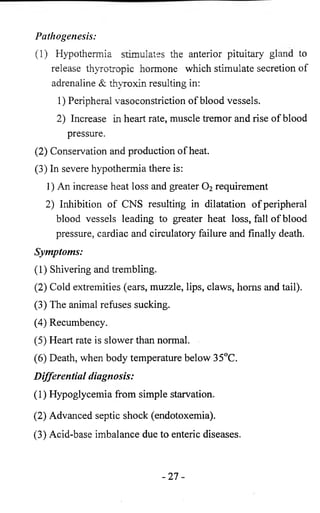
( 1 ) Hypothermia stimulates the anterior pituitary gland to 
release thyrotropic hormone which stimulate secretion of 
adrenaline & thyroxin resulting in: 
1) Peripheral vasoconstriction of blood vessels. 
2) Increase in heart rate, muscle tremor and rise of blood 
pressure. 
(2) Conservation and production of heat. 
(3) In severe hypothermia there is: 
1) An increase heat loss and greater 0 2 requirement 
2) Inhibition of CNS resulting in dilatation of peripheral 
blood vessels leading to greater heat loss, fall of blood 
pressure, cardiac and circulatory failure and finally death. 
Symptoms: 
(1) Shivering and trembling. 
(2) Cold extremities (ears, muzzle, lips, claws, horns and tail). 
(3) The animal refuses sucking. 
(4) Recumbency. 
(5) Heart rate is slower than normal. 
(6 ) Death, when body temperature below 35°C. 
Differential diagnosis: 
(1) Hypoglycemia from simple starvation. 
(2) Advanced septic shock (endotoxemia). 
(3) Acid-base imbalance due to enteric diseases. 
- 2 7 -
Treatment: 
(1) Warm the surrounding place by warmer or even firing. 
(2) Rectal enema with warm water. 
(3) IV injection of glucose (10-40 %, 39°C) & calcium preparation. 
(4) General tonics and cardio respiratory stimulants 
(Corticosteroid preparation to prevent shock). 
Hyperthermia (Over heating) 
Definition: 
It is an elevation of body temperature due to excessive 
heat production or absorption or due to deficient heat loss 
when the causes o f these abnormalities are purely physical. 
Causes: 
(1) Less humidity of the environment which limits heat loss. 
(2) Prolonged service or exercise. 
(3) Muscular exertion (fatty animals in high humidity). 
(4) Neurogenic hyperthermia by damage to hypothalamus. 
(5) Excessive muscular activity as in strychnine poisoning. 
(6 ) Heat and/or sun stroke. 
(7) Hyperthermia is aggravated by: 
1) Inadequate sweating or no sweating. 
2) Thick body coat. 
3) Defect in thermoregulatory mechanism. 
4) Diminish air current that impairs cooling of body.
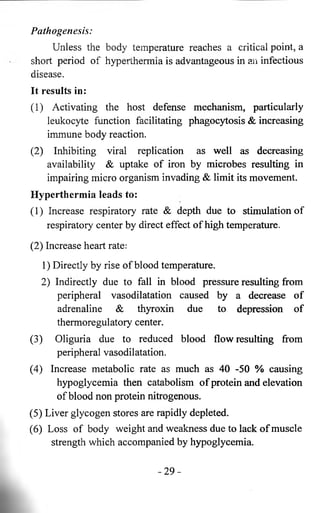
Pathogenesis: 
Unless the body temperature reaches a critical point, a 
short period of hyperthermia is advantageous in an infectious 
disease. 
It results in: 
( 1 ) Activating the host defense mechanism, particularly 
leukocyte function facilitating phagocytosis & increasing 
immune body reaction. 
(2) Inhibiting viral replication as well as decreasing 
availability & uptake of iron by microbes resulting in 
impairing micro organism invading & limit its movement. 
Hyperthermia leads to: 
(1) Increase respiratory rate & depth due to stimulation of 
respiratory center by direct effect of high temperature. 
(2) Increase heart rate: 
1) Directly by rise of blood temperature. 
2) Indirectly due to fall in blood pressure resulting from 
peripheral vasodilatation caused by a decrease of 
adrenaline & thyroxin due to depression of 
thermoregulatory center. 
(3) Oliguria due to reduced blood flow resulting from 
peripheral vasodilatation. 
(4) Increase metabolic rate as much as 40 -50 % causing 
hypoglycemia then catabolism of protein and elevation 
of blood non protein nitrogenous. 
(5) Liver glycogen stores are rapidly depleted. 
(6 ) Loss of body weight and weakness due to lack of muscle 
strength which accompanied by hypoglycemia. 
- 2 9 -
(7) Increase thirst due to dryness of the mouth. 
(8 ) Relaxation of smooth muscles results in anorexia, 
indigestion, rumen stasis, and constipation. 
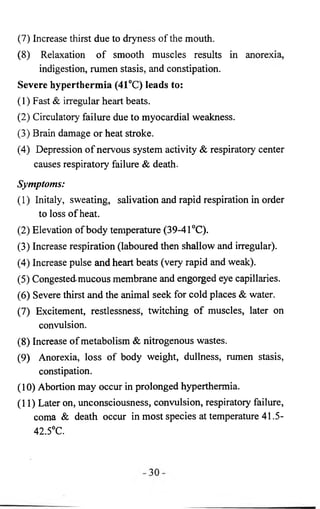
Severe hyperthermia (41°C) leads to: 
(1) Fast & irregular heart beats. 
(2) Circulatory failure due to myocardial weakness. 
(3) Brain damage or heat stroke. 
(4) Depression of nervous system activity & respiratory center 
causes respiratory failure & death. 
Symptoms: 
(1) Initaly, sweating, salivation and rapid respiration in order 
to loss of heat. 
(2) Elevation of body temperature (39-41°C). 
(3) Increase respiration (laboured then shallow and irregular). 
(4) Increase pulse and heart beats (very rapid and weak). 
(5) Congested mucous membrane and engorged eye capillaries. 
(6 ) Severe thirst and the animal seek for cold places & water. 
(7) Excitement, restlessness, twitching of muscles, later on 
convulsion. 
(8 ) Increase of metabolism & nitrogenous wastes. 
(9) Anorexia, loss of body weight, dullness, rumen stasis, 
constipation. 
(10) Abortion may occur in prolonged hyperthermia. 
(11) Later on, unconsciousness, convulsion, respiratory failure, 
coma & death occur in most species at temperature 41.5- 
42.5°C.
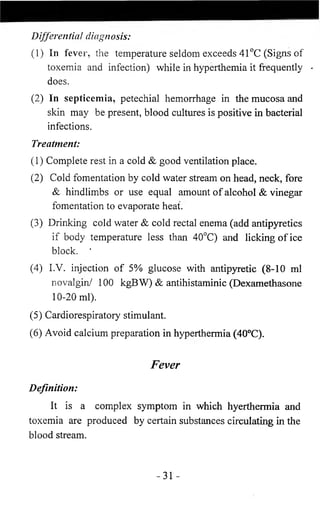
Differential diagnosis: 
(1) In fever, the temperature seldom exceeds 41 °C (Signs of 
toxemia and infection) while in hyperthemia it frequently < 
does. 
(2) In septicemia, petechial hemorrhage in the mucosa and 
skin may be present, blood cultures is positive in bacterial 
infections. 
Treatment: 
( 1 ) Complete rest in a cold & good ventilation place. 
(2) Cold fomentation by cold water stream on head, neck, fore 
& hindlimbs or use equal amount of alcohol & vinegar 
fomentation to evaporate heat. 
(3) Drinking cold water & cold rectal enema (add antipyretics 
if body temperature less than 40°C) and licking of ice 
block. * 
(4) I.V. injection of 5% glucose with antipyretic (8-10 ml 
novalgin/ 100 kgBW) & antihistaminic (Dexamethasone 
1 0 - 2 0 ml). 
(5) Cardiorespiratory stimulant. 
(6 ) Avoid calcium preparation in hyperthermia (40°C). 
Fever 
Definition: 
It is a complex symptom in which hyerthermia and 
toxemia are produced by certain substances circulating in the 
blood stream. 
-31 -
Etiology: 
(1) Septic fever: 
These include infection with bacteria, viruses, protozoa or 
fungi, It may be: 
1) Local: such as abscess, cellulitis and empyema. 
2 ) Systemic: as bacteremia, septicemia, toxemia and viremia. 
(2) Aseptic fever: 
1) Chemical fever: Such as injection of foreign protein. 
2 ) Surgical fever due to breakdown of tissue and blood. 
3) Immune reaction or anaphylaxis. 
4) Drug: long using of antimicrobial drugs. 
5) Fever from tissue necrosis. 
6 ) Infectious causes of fever in ruminant: 
1- Mastitis, metritis, pnemonia, leptospirosis, enteritis, 
listeriosis and toxemia. 
2- Bovine viral diarhea, three day sickness, black leg. 
3- Thileriasis, babesiosis, anoplasmosis and Clostridium 
perforange type (A,C,D,0). 
4- Less common causes: as endocarditis, pericarditis, 
cystitis, pyelonephritis, vesicular stomatitis, hoof 
abscess and enzootic abortion. 
Pathogenesis: r 
(1) The febrile response is initiated by introduction of an 
exogenous pyrogen to the body such as bacteria, 
endotoxin, virus and antigen antibody complexes.
(2) The exogenous pyrogen stimulates the release of 
endogenous pyrogens. The later are protein substance 
called cytokines released from monocytes (called 
monokines) & from lymphocytes (called lymphokines). 
(3) The cytokines are lymphocytes activating factor (called 
Interleukin 1 ) which stimulate T- lymphocyte proliferation 
in the presence of antigen & thereby enhances immune 
responses. Prostaglandins & calcium level in the 
hypothalamus are mediators between endogenous 
pyrogen & the hypothalamus. They also regulate 
hypothalamus activity. 
(4) The Interleukin 1 initiates fever by abrupt increasing of 
prostaglandin E2 in the anterior hypothalamus which 
raising the thermostatic set point resulting in: 
1) Vasoconstriction leading to coldness & dryness of skin 
& absence of sweating increasing heat conservation. 
2) Muscular shivering leading to elevation of 
temperature, pulse & heat production. 
7VB:The pyrogenic substance & elevated temperature occur in 
one hour after invasion of microorganism to the blood. 
(5) The previous stage is followed by: 
1) Constant temperature where cutaneous vasodilatation 
causes flushing of the skin & sweating. 
2) Increasing of metabolism to maintain the temperature. 
3) Tissue wasting may occur.
(6 ) Fever is uncertain defense mechanism, leads to: 
1) Increase antibody formation. 
2) Reduce severity of disease 
3) Limited microorganism movement. 
f 
So that hyperthermia may benefit the host by inhibiting 
viral replication, activating the host defense mechanisms 
(particularly leukocytes function) and decreasing the 
availability & uptake of iron by microbes. 
Clinical findings and stages offever: 
First (Initial) stage: Period of chill (Increment) which 
is manifested by cutaneous vasocontraction (due to stimulation 
of cutaneous nerve ending) resulting in: 
(1) Coldness, dryness of skin and absence of sweating. 
(2) Rectal and internal temp is elevated (as heat is generated 
from liver). 
(3) The pulse rate is increased. 
(4) Rapid respiration. 
(5) Oliguria. 
(6 ) Muscular shivering (it is a reflexion due to cooling of the 
superficial layer of the skin). 
(7) Dullness, drowsiness, disinclination to move, inappetance, 
erection of hair and arched back, rapid respiration, 
shivering, high colored urine. 
Second stage: Period of constant and maximum 
temperature which is manifested by cutaneous vasodilatation 
causing flushing of blood to skin and mucosa resulting in: 
- 3 4 -
(1) Rise of temperature, pulse, respiration & heart beats. 
(2) Congested mm, engorged eye capillaries and profuse 
sweating. 
(3) Severe thirst due to dryness of oral cavity. 
(4) Anorexia, indigestion, rumen stasis & constipation. 
(5) Depression, dullness, drops of milk production. Muscular 
weakness and wasting. 
(6 ) Oliguria with albuminuria due to dehydration. 
Third stage :Period of decrement which is developed 
when the effect of the pyrogenic substances is removed 
resulting in: 
(1) Profuse sweating and peripheral vasodilatation to increase 
heat loss. 
(2) Temp, pulse, respiration, appetite, muzzle, skin, urine 
begin to shift to normal side. 
Clinical classification o f fever: 
(1) Acute fever: Sudden sharp elevation of temp to 40°C or 
more e.g. acute viral or bacterial diseases (pneumonia, 
peritonitis). 
(2) Subacute fever: Elevation of temp 39-39.5°C e.g. mild 
inflammation (nephritis, cystitis, etc). 
(3) Chronic fever: Elevation of temp 0.5 to 1°C than normal 
for long period e.g. pulmonary TB.
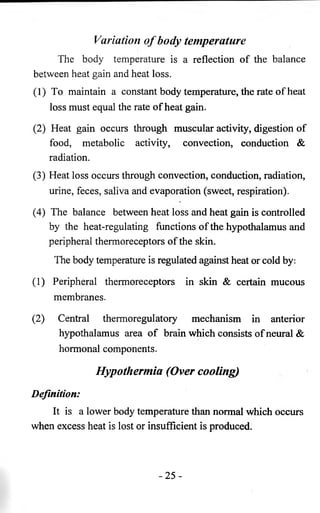
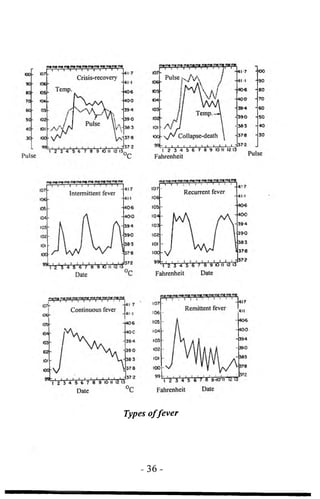
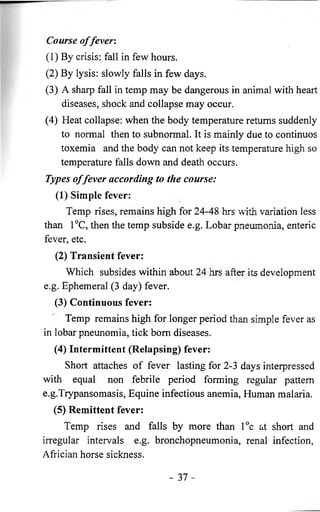
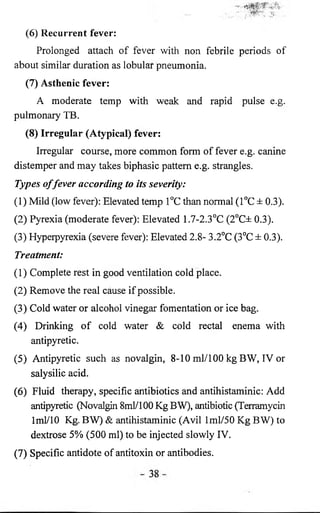
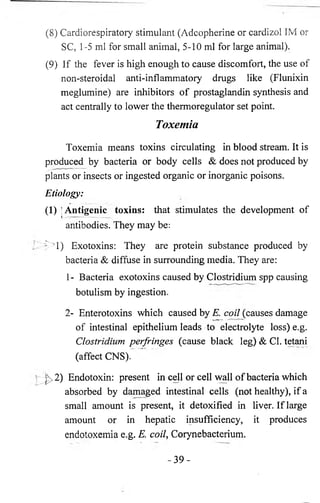
Types of fever 
- 3 6 -
Course o f fever: 
(1) By crisis: fall in few hours. 
(2) By lysis: slowly falls in few days. 
(3) A sharp fall in temp may be dangerous in animal with heart 
diseases, shock and collapse may occur. 
(4) Heat collapse: when the body temperature returns suddenly 
to normal then to subnormal. It is mainly due to continuos 
toxemia and the body can not keep its temperature high so 
temperature falls down and death occurs. 
Types o f fever according to the course: 
(1) Simple fever: 
Temp rises, remains high for 24-48 hrs with variation less 
than 1°C, then the temp subside e.g. Lobar pneumonia, enteric 
fever, etc. 
(2) Transient fever: 
Which subsides within about 24 hrs after its development 
e.g. Ephemeral (3 day) fever. 
(3) Continuous fever: 
Temp remains high for longer period than simple fever as 
in lobar pneunomia, tick bom diseases. 
(4) Intermittent (Relapsing) fever: 
Short attaches of fever lasting for 2-3 days interpressed 
with equal non febrile period forming regular pattern 
e.g.Trypansomasis, Equine infectious anemia, Human malaria. 
(5) Remittent fever: 
Temp rises and falls by more than l°c at short and 
irregular intervals e.g. bronchopneumonia, renal infection, 
Africian horse sickness. 
- 3 7 -
(6 ) Recurrent fever: 
Prolonged attach of fever with non febrile periods of 
about similar duration as lobular pneumonia. 
(7) Asthenic fever: 
A moderate temp with weak and rapid pulse e.g. 
pulmonary TB. 
(8) Irregular (Atypical) fever: 
Irregular course, more common form of fever e.g. canine 
distemper and may takes biphasic pattern e.g. strangles. 
Types of fever according to its severity: 
(1) Mild (low fever): Elevated temp 1°C than normal (1°C ± 0.3). 
(2) Pyrexia (moderate fever): Elevated 1.7-2.3°C (2°C± 0.3). 
(3) Hyperpyrexia (severe fever): Elevated 2.8- 3.2°C (3°C ± 0.3). 
Treatment: 
(1) Complete rest in good ventilation cold place. 
(2) Remove the real cause if possible. 
(3) Cold water or alcohol vinegar fomentation or ice bag. 
(4) Drinking of cold water & cold rectal enema with 
antipyretic. 
(5) Antipyretic such as novalgin, 8-10 ml/100 kg BW, IV or 
salysilic acid. 
(6 ) Fluid therapy, specific antibiotics and antihistaminic: Add 
antipyretic (Novalgin 8ml/100 Kg BW), antibiotic (Terramycin 
1 ml/10 Kg. BW) & antihistaminic (Avil 1 ml/50 Kg BW) to 
dextrose 5% (500 ml) to be injected slowly IV. 
(7) Specific antidote of antitoxin or antibodies.
(8 ) Cardiorespiratory stimulant (Adcopherine or cardizol 1M or 
SC, 1-5 ml for small animal, 5-10 ml for large animal). 
(9) If the fever is high enough to cause discomfort, the use of 
non-steroidal anti-inflammatory drugs like (Flunixin 
meglumine) are inhibitors of prostaglandin synthesis and 
act centrally to lower the thermoregulator set point. 
Toxemia 
Toxemia means toxins circulating in blood stream. It is 
produced by bacteria or body cells & does not produced by 
plants or insects or ingested organic or inorganic poisons. 
Etiology: 
(1) I Antigenic toxins: that stimulates the development of 
antibodies. They may be: 
^>1) Exotoxins: They are protein substance produced by 
bacteria & diffuse in surrounding media. They are: 
1 - Bacteria exotoxins caused by Clostridium spp causing 
botulism by ingestion. 
2- Enterotoxins which caused by E. coz/Jcauses damage 
of intestinal epithelium leads to electrolyte loss) e.g. 
Clostridium perfringes (cause black leg) & Cl. tetani 
(affect CNS). 
£>2) Endotoxin: present in cell or cell wall of bacteria which 
absorbed by damaged intestinal cells (not healthy), if a 
small amount is present, it detoxified in liver. If large 
amount or in hepatic insufficiency, it produces 
endotoxemia e.g. E. coil, Corynebacterium. 
- 3 9 -
(2 ) MetaboIic!|toxins: 
They are toxins produced by abnormal body metabolism 
or by incomplete elimination of toxic material by body 
metabolism. They are: 
1) Ketone bodies due to defect in fat & carbohydrate 
metabolism. 
2) Histamine & Histamine like substance, produced by 
abnormal digestion or metabolism. 
3) Indole, phenol, cresol & amines in malabsorption, 
intestinal obstruction, 
Pathogenesis: 
(1) Bacteria can be isolated in bacterial toxin. 
(2) Non specific toxin may affect: 
1 ) Carbohydrate metabolism by decreasing blood sugar & 
liver glycogen & or increasing blood pyruvate & 
lactate resulting in mental depression & death. 
2) Protein metabolism by increasing protein breakdown, 
non-protein nitrogen, total serum protein & globulin. 
3) Mineral metabolism by decreasing iron & zinc, by 
increasing copper. 
4) These toxins may cause: 
1- Damage of liver & kidney parenchyma & functions. 
2- Loss of muscle tone & myocardial weakness. 
3- Affect CNS as Cl. tetani & botulism. 
4- Hypersensitivity, allergy, anaphylaxis. 
- 4 0 -
Symptoms: 
Vary with cause & severity, it includes: 
(1) Anorexia, general weakness, depression, separation of flock, 
stunt growth & emaciation. 
(2) Temperature, pulse, respiration, heart affected by bacteria 
& its toxin (less in metabolic toxin). 
(3) Terminally myocardial weakness, renal & hepatic dysfunction, 
coma, collapse & death may occur, 
Diagnosis: 
(1) History & environmental sources of toxin. 
(2) Symptoms of causative agents. 
(3) Laboratory examination for bacteria, its toxin, serum contents. 
Treatment: 
( 1 ) Complete rest, try to remove & treat the real cause. 
(2) Avoid toxin with specific antitoxin. 
(3) IV nutrient, renal & hepatic wash using (25% IV glucose). 
(4) Antibiotics & or sulphonamides after sensitivity test. 
(5) Non specific toxin using sodium thiosulfate & methylene 
blue. 
(6 ) Glucocorticoids (Dexamethzone, lmg/Kg BW, IV every 24 
hours). 
- 41 -
Septicemia 
Definition: 
It is a morbid state compound of fever, toxemia with 
circulating bacteria (bacteremia) or virus (viremia) or protozoa 
in blood. 
Causes: 
In all species: Anthrax, salmonellosis, pasteurellosis, 
leptospirosis, rift valley fever...etc. 
Pathogenesis: 
(1) Systemic reaction: The exotoxins or endotoxins produced 
by the infective agents produce toxemia and high fever. 
(2) Localization (if animal survive): localization occurs in 
many organs e.g. myocardium and joints and may produce 
serious defects in animals, which survive the toxemia. 
(3) Direct endothelial damage & hemorrhage: The general 
characters of viremia are similar to bactermia but no toxins 
produced by the viruses, but the clinical signs are mainly 
due to the destruction of body cells caused by virus 
multiplication. Vims may also produce htravascular 
coagulation in septicemic diseases. 
Symptoms: 
(1) Resemble fever & toxemia. 
(2) Submucosal & subepidermal petecheal hemorrhage in 
conjunctiva, mouth and vulva. 
(3) Localized signs in heart, joint, eye and meninges. 
Treatment: 
(1) Strict hygienic measures. 
(2) Lines of treatment of fever & toxemia. 
- 4 2 -
Shock 
Definition: 
It is an inadequate blood flow to vital organs or even 
body tissue causing inadequate tissue perfusion to meet the 
nutritional requirements of the cells & remove the waste 
product of metabolism. 
Clinical signs: 
Includes hypotension, weak pulse, tachycardia, cold 
extremities, depression, pale mucous membranes, increase 
capillary refill time and fever (in early stages of septic shock). 
Types o f shock: 
[1] Hypovolemic shock :It is a pathological decrease in 
capillary perfusion due to decrease of blood volume. 
Causes: 
(1) Blood loss in cases of severe injury & hemorrhage. 
(2) Plasma loss in cases of burns & or sepsis. 
(3) Body water & electrolyte loss in case of dehydration. 
Symptoms: 
(1) Mild shock (up to 20% blood volume loss): It is a decrease 
in perfusion of non vital organs & tissues (skin, fat, 
skeletal muscle & bone). It is manifested by a pale & cool 
skin. 
(2) Moderate shock (20-40% blood volume loss): It is a 
decrease in perfusion of vital organs (as liver, gut and 
kidneys). It is manifested by oliguria to anuria & drop in 
blood pressure. 
- 43 -
(3) Severe shock (40% or more blood volume loss): It is a 
decrease in perfusions of heart & brain. It is manifested by 
restlessness, agitation, coma, cardiac irregularities, ECG 
abnormalities & cardiac arrest. 
Treatment: 
Shock is an acute emergency: 
( 1 ) Complete rest in an airway. 
(2) Try to treat & remove the real cause. 
(3) IV fluid to restore blood volume by one or more of the 
following: 
1 ) Crystalloid as iso or hypertonic sodium chloride in 
balanced salt solution (Ringer’s lactate or Ringer’s 
acetate) with strictly use of sodium bicarbonate in 
acidosis (to avoid alkalosis) 
2) Colloids including whole blood & albumin: 
1- Use bloods if shock persists after infusion two 
liters of crystalloid. 
2- Albumin solutions (25-50 gm in liter saline or 
Ringer) in prolonged severe shock. 
NB: Measuring of arterial blood pressure, central venous 
pressure, pulse rate & hematocrit are essential for 
diagnosis &prognosis. 
NB: Prognosis is good by an increase in cardiac output, blood 
pressure, urine flow & decrease in pulse rate. 
[2] Septic shock: It is a failure of cells of vital organs to 
oxygen utilization & to perform normal metabolic 
function despite availability of oxygen. 
- 4 4 -
Causes: 
(1) Gram negative septicemia: mainly from gastrointestinal or 
genitourinary tract that increase capillary permeability & 
increase fluid loss from vascular space producing 
hypovolemia as well as direct toxic effect on heart with 
depression of myocardial function 
(2) Gram positive septicemia: it is less severe than G. negative. 
It is limited to area of infection. 
Symptoms: 
(1) Infection, confusion & restlessness. 
(2) Skin and exterimities are dry and warm. 
(3) Increase heart beats. 
(4) Pulmonary hypertension & hyperventilation. 
(5) Urine output is normal at first, then it slows rapidly. 
Treatment: 
(1) Volume replacement: Balance salt solutions. 
(2) Specific antibiotics & sulfonamides after sensitivity test or 
mixing 5,000,000IU crystaline penicilline and 2-5mg/lb 
dexamethasone with IV fluid. 
(3) Surgical drainage for abscess or the focus of infection. 
(4) Supportive measures for heart & lung. 
[3] Neurogenic shock: It occurs due to a failure of arterial 
resistance from nervous or psychic stimulation (sudden 
pain or fright), vasodilator drugs (nitrites), spinal 
anesthesia or spinal trauma. 
- 45 -
- - 
it may be caused by severe painful stimuli such as severe 
external trama , extensive bums, severe fracture, concussion 
o f brain. 
Symptoms: 
Pallor, cold sweat, weakness, light headedness & 
occasionally nausea. Fainting with high-tension & bradycardia 
may be occurring. 
Treatment: 
(1) Resting in a recumbent or head down position with the legs 
elevated for a few minutes is usually sufficient. 
(2) Potent analgesic or sedative to relief pain. 
(3) Using vasopressor agent in severe cases. 
(4) Cardiogenic shock: It is an inadequate blood flow to vital 
organs due to inadequate cardiac output inspite of normal 
cardiac filling pressure. It is rare in large animals. 
Causes: 
(1) Many patient with surgical problems. 
(2) Pulmonary embolism. 
(3) Drugs as general or epidural or spinal anesthesia & 
sometimes analgesia. 
(4) Myocardial diseases e.g.cardiomyopathy. 
(5) Valvular diseases e.g. valvular endocarditis. 
(6 ) Cardiac tamponade e.g. pericardial effusion. 
(7) Arrhythmia or heart block. 
- 4 6 -
Symptoms: 
(1) Dyspnea. 
(3) Cardiac arrythemia. 
(2) Pulmonary rales. 
(4) Myocardial infarction. 
(5) Later on hypovolemia 
Treatment: 
By correcting central venous pressure. 
[5] Anaphylaxis&anaphylactic shock :It is a server condition 
of acute antibody antigen reactions 
Causes: 
(1) Repeat blood transfusions from same donor. 
(2) Repeat injection of same vaccine as FMD & Rabies 
vaccine. 
(3) After first injection of some drug as penicillin. 
(4) In certain cattle, sudden stop of milk secretion. 
(5) Killing or death of subcutaneous hypodermal larvae. 
(6 ) Ingestion of certain protein at pasture or feedlot. 
(7) Sensitivity to a protein substance entering the blood stream 
& a second exposure to the same substance. 
Pathogenesis: 
Antigen and antibodies (Neutrophil, basophil, mast cells 
or some specific tissues or cells) causing liberation of 
anaphylactic mediators such as histamine, serotonine and 
catecholamines resulting in: 
(1) Systemic hypotension. 
(2) Pulmonary congestion & edema then pulmonary hypertension. 
- 4 7 -
(3) Severe hemoconcentration, leukopenia, thrombocytopenia 
and hyperkalemia. 
(4) Dyspnea, later on apnea, anoxia and death. 
Symptoms: 
May appear very sudden & peracute including: 
(1) Anxiety; severe dyspnea; muscle tremors & or muscle 
shivering. 
(2) Other symptoms may be occurring as profuse salivation, 
moderate bloat or diarrhea in ruminants, laminitis in equines. 
1 ) Rhenitis, cough, abnormal chest sounds & elevated 
temperature. 
2) Urticaria and subcutaneous edema. 
(3) Symptoms may appear within 2 to 20 minutes & disappear 
if recovery occurs within two hours. 
(4) Death may occur within 10 to 20 minutes with signs of 
cough, dyspnea, cyanosis, collapse & frothy nasal discharge. 
Treatment: 
(1) Complete rest, try to remove & treat the real cause. 
(2) Antihistaminic & cortisone (Dexamethazone lmg/K,IV 
every 24 hrs). 
(3) Calcium preparation and Vitamin C (100-200 ml calcium 
gluco ascorbate IV, for large animal). 
(4) Cardiorespiratory stimulant (10 ml Adcopherine or 
cardizole, IM or SC, for large animal. 
(5) Fluid therapy for hepatic & renal wash if the cause reaches 
liver & kidney (Glucose 25%). 
(6 ) Non absorbable laxative or purgative (Magnesium 
sulphate) if the cause is still inside gastrointestinal tract. 
- 48 -
[6 ] Other types of shock: 
(1) Electrical shock. 
(2) Emotional shock 
(3) Traumatic shock after severe trauma. 
(4) Obstructive shock: It is a cardiogenic cause involves 
obstruction of blood flow as severe heart worm disease, 
aortic thromboembolism & tumor. 
- 4 9 -
Diseases of the digestive system 
Principles o f alimentary tract dysfunction: 
The primary function of the alimentary tract is prehension, 
digestion & absorption. The major gastrointentestinal tract (GIT) 
dysfunction: 
(1) Motor dysfunction (Hypo or hyper motility): 
Alimentary motility is the peristaltic movements with 
moving of ingesta & feces from esophagus to rectum. Motility 
depends on nervous system & intestinal musculature 
1) Irritation of mucous, increases motility of upper or lower 
digestive tract causing vomiting and or diarrhea 
2) Atony or decrease of GIT motility result in constipation 
or distension. 
3) Distension results in accumulation of gas (produced by 
fermentation or digestion of ingesta) & fluid (saliva, 
gastric & intestinal fluid as well as body fluid) in GIT. 
4) Distension causes pain & reflexly increase spasm & 
motility of neighbouring gut segment resulting in 
abdominal pain with or without autointoxication. Later 
on GIT wall becomes fatigue or even paralysis 
5) Dehydration occurs due to distension from accumulated 
food in GIT that elevating osmotic pressure in gut 
resulting in drawing of body fluid & electrolytes to 
lumen then dehydration occurs with or without shock. 
(2) Secretary dysfunction: 
It is rare in animals, but in human & neonates defects of 
gastric &pancreatic secretion produce recognized syndrome 
- 5 0 -
e.g. defect in lactase activity in neonates resulting in 
indigested lactose leading to hyperosmotic effect followed 
by diarrhea . 
(3) Digestive dysfunction: 
It depends on motor and secretary function and, in 
herbivores, on activity of the microflora which inhibit the 
forestomachs of ruminants, or cecum and colon of equines. 
1) Microbial digestion that digest carbohydrate & cellulose 
in fore stomach of ruminant to volatile fatty acids & 
convert nitrogenous substance to ammonia & protein. 
2) Ruminal protozoa, bacteria, yeast may affected by oral 
drugs & feeding (as acidosis or alkalosis). 
(4) Absorptive dysfunction: 
It is an increase irritability of GIT mucous will increase 
its motility & passage of lumen content so less affected with 
gut enzyme led to maldigestion & malabsorption. 
(5) Autointoxication: 
Toxic amines, phenols & cresols produced by 
putrefaction of protein in the large intestine but normally 
detoxified in the bowel wall could, if regurgitated into the 
small intestine, be absorbed and cause depression, anorexia & 
weakness. 
Manifestation o f alimentary tract dysfunction: 
[1] Abnormal prehension: It may be interfere with: 
(1) Paralysis of muscles of jaw or tongue. 
(2) Defect of incisor teeth or jaws. 
(3) Stomatitis & oral foreign bodies. 
-51 -
(4) Congenital abnormalities of teeth, gum, tongue, lips or 
jaws. In all cases not in systemic disease, the animal is 
hungry & attempts to feed but can not do so. 
(5) Lockjaw in tetanus. 
[2] Abnormal mastication: It may be: 
(1) Slow jaw movements in cases of bad teeth 
(2) Painful mastication in cases of painful stomatitis (complete 
refusal to chew). 
(3) Incompleted mastication with drop of food from mouth 
during mastication in cases of sharp teeth. 
(4) Passage of food particles in feces in cases of bad teeth. 
[3] Abnormal swallowing: It may be from: 
(1) Dysphagia (it means a difficulty in swallowing): It 
manifested by forceful attempts to swallow, accompanied 
by extension of the head at first, followed by forceful 
flexion & violent contraction of the muscles of neck & 
abdomen. 
(2) Defect in nervous control of the reflex or a narrowing of 
the lumen of the pharynx or esophagus may interfere with 
swallowing. 
(3) Lesions in the pharynx cause regurgitation through the 
nostril or coughing up of the material. 
[4j Diarrhea :It is a frequent evacuation of soft feces, more in 
bulky than normal. It occurs in enteritis, incomplete 
digestion with passage of excessive fiber. 
[5] Constipation: It is a dry, hard & of small bulk feces which 
are passed at infrequent intervals. It occurs when the 
period of food passage through GIT is prolonged & 
52
intestinal activity is reduced. Constipation may cause 
severe debility, dehydration, painful conditions in anus & 
paralytic ileus (loss of intestinal movement). 
NB: The food journey in the gut is 12-35 hours (ruminants), 1- 
4 days (horses) & 2-4 days (dog, cat). 
[6] Vomiting :It is a protective mechanism in the form of 
reverse peristaltic movement with the function of 
removing excessive quantities of ingesta or toxic materials 
from stomach. It is not common in animals. Vomiting 
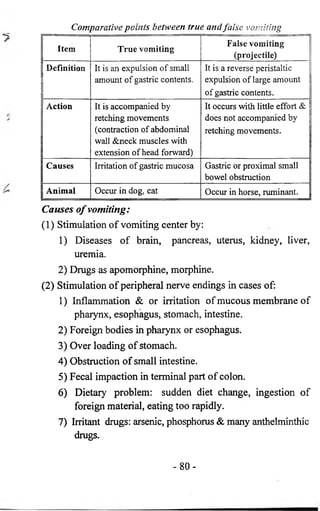
occurs in two forms: as true or projectile vomiting. 
[7] Alimentary tract hemorrhage: It occurs in cases of: 
( 1 ) Stomach or intestinal ulceration with erosion of blood 
vessels. 
(2) Severe hemorrhagic enteritis. 
(3) Structural lesions of intestinal wall as tumor . 
(4) Infestation with helminthes(Blood sucking nematodes as 
Bunostomiasis) or protozoa (Coccidia or Cryptosporidia). 
(5) Local vascular engorgement or obstruction as in 
intussusception, verminous thrombosis. 
Alimentary tract hemorrhage 
Blood origin Character of blood & GIT contents 
Stomach Vomits are dark brow color like coffee grounds 
due to formation o f acid haematin, feces are black 
or very black brown tarry appearance (Melena). 
Small intestine Feces are brown black 
Colon or caecum Blood is unchanged giving red colored feces 
Lower colon or 
Clots o f whole blood are voided 
rectum 
- 5 3 -
[8 ] Abdominal pain: Different degree of abdominal pain 
r occurs (Severity of pain varies with the nature of the 
lesions). The pain varies with the species but pain 
associated with diseases of abdominal viscera causes 
similar signs irrespective of the organ involved: 
(1) Acute pain of horses occurs in cases of colic including 
gastric dilatation, intestinal obstruction, enteritis and colitis. 
(2) Subacute pain of horses in cases of thromboembolic colic, 
impaction of large intestine and ileal hypertrophy. 
(3) Acute pain of cattle in cases of intestinal obstruction and 
poisoning. 
(4) Subacute pain of cattle occurs in cases of traumatic 
reticuloperitonitis and general peritonitis. 
[9] Grunting which may be 
(1) Expiratory caused by pulmonary or thoracic diseases 
including severe pulmonary emphysema, severe 
pneumonia, pleuritis and or severe hydropericardium 
(2) Non expiratory caused by: 
1) Peritonitis (acute local or diffuse or chronic). 
2) Distended organ includes bloat, abomasum, omasum, 
severe hepatomegaly and or acute intestinal 
obstruction. 
3) Severe pain in genitourinary tract (vaginitis, vulvitis 
and urolithiasis). 
[10] Dehydration & shock: Dehydration is common in acute 
diseases but shock may result from hyperacute one .The 
acute rapid distension of stomach & or intestine may 
- 5 4 -
cause dehydration, peripheral circulatory failure, shock Sc 
finally death. Shock & death occur within 6-12 hours in 
acute intestinal accident in horses but cattle persist for 3-4 
days but in acute tympany may cause death in a very 
short time. 
Principles o f treatment in alimentary tract diseases: 
(1) Remove & treat the primary cause if possible. 
(2) Supportive treatment (fluid therapy & electrolytes as in 
cases of dehydration). 
(3) Correction of abnormal motility. 
(4) Symptomatic treatment. 
(5) Rumen juice or dried ruminal content to refresh rumen 
organisms. 
Diseases o f the oral cavity 
Stomatitis 
Definition: , 
It is the inflammation of the mucous membrane of the 
oral cavity. It includes inflammation of tongue (glositis), gum 
(gingivitis), palate (Palatitis), may be teeth (odonitis) or lips 
(chelitis). It is manifested by partial or complete loss of 
appetite, profuse salivation & painful mastication. 
Causes: 
(1) Primary stomatitis: 
1) Physical & mechanical agents: 
1- Trauma while dosing a drug or faulty use of probag. 
2- Foreign body injury as point metal nails and bones. 
- 5 5 -
3- Coarse food, sharp owns or plant spines. 
4- Frozen food or hot drinks. 
5- Sharp teeth or malposition of teeth. 
2) Chemical agents: 
1- Irritant substances: chloral hydrate, turpentine oil, 
acid, alkali,iodine, formaline, mercury, too hot or 
too cold food or drink. 
2- Irritant drugs & licking of skin painted by irritant 
drugs, e.g. bin-iodine of mercury, cantharides, leg 
blisters, etc. 
3) Infectious agents: Bacteria & fungi invading oral 
mucous. 
(2) Secondary stomatitis: 
1) Virus: Rinder pest (diphtheretic), foot & mouth 
disease (vesicles), vesicular stomatitis, Herpes virus. 
2) Bacteria: Actinobacillosis, Bacillus necrophorus, etc. 
3) Fungus: Monilia, Candida, Aspergillus sp. 
4) Spirochetes: (Fuso spirochatal stomatitis). 
5) Parasites: Entamoeba aingivalis in dog. 
6) Nutritional: Necrotic stomatitis (black tongue in nicin 
deficiency in dog). 
7) Poisoning as mercury, copper and lead. 
8) Allergy & autoimmune causes: certain plants as 
alfalf, moldy forages & or photosensitizing reactions.
Symptoms: 
(1) Partial or complete loss of appetite (Animal hesitate when 
taking food). 
(2) Slow & painful mastication. 
(3) Chewing movement are accompanied by salivation. 
(4) Salivation either frothy & small or profuse & drooling. 
(5) Saliva may contain pus or shreds of epithelial cells. 
(6) A fetid odor from mouth in infections. 
(7) Enlargement of local lymph nodes. 
(8) Surrounding tissues, upper and lower lips may be affected. 
(9) Toxemia and dehydration may be occur. 
Types of stomatitis according to lesions: 
(1) Simple or catarrhal or traumatic stomatitis: It is the 
commonest form. It is characterized by: 
1) Partial or complete refuse of food due to pain. 
2) Local or diffuse red & swollen mucosa covered by thick 
tenacious mucus. 
3) Foul odor salivation, foaming at lips clefts & smacking 
in acute cases. 
(2) Errosive stomatitis: characterized by epithelial errosions. 
(3) Follicular stomatitis: has raised nodules (swollen follicles 
of mucosa). 
(4) Vesicular stomatitis: There are vesicles which rupture or 
brust leaving superficial or deep ulcers, which heal soon. 
(5) Papular stomatitis: characterized by formation of small 
millet or lentil sized wart like proliferation of papules on 
- 5 7 -
buccal mucosa. These nodules either red colors or 
bordered by red zone .The nodule decay followed by 
small ulcers, erosions that heal later. It is common in 
calves. 
(6) Pustullar stomatitis: Pustules of various sizes are 
developed filled by pus, then rupture leaving ulcers. 
(7) Pseudoaphthus stomatitis: There is formation of grayish 
membranes, which may be removed leaving bloody 
ulcers. 
(8 ) Ulcerative stomatitis: small or very big red ulcers may 
develop in oral mucosa covered with dead necrotic tissues 
e.g. Actinobacillosis in cattle. 
(9) Diphtheretic stomatitis: superficial necrosis occurs with 
yellow grayish sloughs, which removed leaving deeper 
ulcers. 
(10) Grangrenous stomatitis: presence of oral offensive odor 
& gangrenous changes of cheeks, gums & lips, spasm of 
jaw muscles, toxemia & death with 48 hrs. 
(11) Phelgmonous stomatitis: presence of severe painful red 
swollen in mucous membrane & living deeper structure in 
tongue & pharynx: Edema & phlegmon of cheeks, jaws, 
lips, tongue, even nasal mucosa, sub & inter maxillary 
may be occur; fever also occurs e.g. Anthrax, 
Actinobacillosis. 
(12) Mycotic or Aphthus stomatitis (Sore throat): presence 
of whitish to yellowish necrotic deposit over the oral 
mucosa, tongue & muzzle which may ulcerate or 
coalase into larger area. Other signs of allergic reactions 
to fungi may occur. 
- 5 8 -
(13) Allergic stomatitis (clover disease): there are two forms: 
1) Mild form shows slight salivation, a few small crusted 
lesions around the muzzle & congested buccal mucosa. 
2) Severe form shows severe stomatitis, dermatitis, and 
numerous ulcers in the lips, hard palate & posterior part 
of the tongue. 
NB: Palatills: it means an inflammation, swelling & edema of 
mucosa of palate. It is common in equine. 
Course o f stomatitis: 
Mostly acute, recovered in 8-12 days. 
Complications: 
(1) Loss of teeth. 
(2) Septicemia. 
(3) Extension to other organ as bones 
(4) Gastroenteritis from swallowing of secretion. 
Hygienic treatment: 
(1) Remove or treat the real cause (foreign bodies, sharp 
teeth). 
(2) Prevent animal to graze at pasture & isolation in infection 
diseases. 
(3) Easily digested palatable soft food as bran mashes for 
equine, green food for ruminants, milk rice or fine minced 
for dogs. 
(4) Give the animal clean water in enough amounts after each 
feeding before using oral antiseptic.
Medical treatment: 
(1) Wash or touch (with rod covered with gauze at the 
applying end) or spray (with sprayer) the mouth cavity or 
lesion with mild antiseptics, astringents & antiphlogistics 
such as one of the following: 
2 % solution of copper sulfate 2 % suspension of borax 
2 % gention violet 2 % alum solution 
1: 4000 fresh solution of potassium permanganates. 
1 -2 % Borax glycerine (over lesions). 
1-3% iodo glycerine (over lesions). 
NB: Addition of 1-10 ml of antibiotic solution (Terramycin) to 
oral antiseptic give better result. 
(2) Touch the ulcer with 0.5-1 % alcohlic Tr. Iodine or 0.5 to 
1 0 % silver nitrate. 
(3) SC injection of atropine sulfate (30-60 mg, 4-6 ml, 1 %, for 
large animal, 0.4- 3.0 mg for pit animal) to control salivation. 
(4) Antihistaminic (Dexamethosone, 10-20 ml, for large 
animal) in allergic condition. 
(5) Antibiotics or sulfonamides (see drug therapy) to control 
infection. 
(6 ) Antifungal (Mycostatin 25 mg/ kg BW orally) in mycotic 
infection. 
(7) In palatitis of equine, aspirate fluid under mucosa of palate 
by long sterile needle, then irrigate with antiseptic, then 
oral antiseptic wash, supportive treatment & antibiotic if 
fever present. 
(8 ) Supportive treatment: Glucose 10 - 40% IV in difficulty 
swallowing, vitamin A&C. 
(9) Surgical removal of granulomatous or gangrenous mass. 
- 6 0 -
Diseases o f the salivary glands 
Normally, the amount of salivary secretion varied from 6 - 
12 liters in sheep, 74-190 liters in cattle per day. Saliva help in 
mastication, swallowing, digestion (of triglycerides), buffering 
(contain large amount of Na, K which act against acids during 
ruminal fermentation)& have antifrothing properties. Diseases 
of the salivary glands include parotitis and salivation. 
Parotitis 
Definition: 
It is the inflammation of any salivary glands (parotid, 
submaxillary and or sublingual). 
Causes: 
(1) Mechanical: Trauma or irritation from grass owns. 
(2) Inflammation from pharyngitis or stomatitis. 
(3) Infection from actinomycosis, actinobacillosis and TB in 
cattle, strangles in horse. 
(4) Foreign body, salivary calculi and abscess. 
(5) Avitaminosis A is a predisposing cause. 
Symptoms: 
(1) Local diffuse painful, hot swelling which seen & palpated 
in upper & or lower pharyngeal region. 
(2) Swelling of gland & surrounding tissue may interfere with 
prehension (anorexia & disincline to open mouth), 
mastication, swallowing (dysphagia, profuse salivation) 
& respiration. 
(3) Inflammation may extend to larynx causing laryngeal 
edema (dyspnea may occur) or paralysis of facial nerve. 
-61 -
(4) Abscess may develop in gland, evacuate in oral cavity, 
may rupture discharging pus lead to formation of fistula. 
(5) Rise of body temperature. 
(6 ) The common causes in cattle are: 
1) Painful swelling between lower jaws which may 
suppurate due to inflammation of submaxillary glands. 
NB: In chronic inflammation, the gland is enlarged, hard, cold 
& painless. 
2) Glands may be enlarged & firm due to enterance of food 
particle in excretory duct (Salivary cyst). 
3) If one side affected, animal bends heads & neck to 
healthy side. 
Treatment: 
(1) Treat the real cause. 
(2) In diffuse swelling apply: 
1) Hot fomentation with boric acid on diffuse swellings 
over skin lesion. 
2) Resorbant ointements as 10% iodine or 20% icthyol 
(over lesion). 
(3) Atropine sulphate (0.02micrograms/Lb BW) to reduce 
saliva. 
(4) Suitable antibiotic & sulphonamides. 
(5) In chronic cases, inject the glands, to atrophy, with lugol’s 
iodine 2-5 ml at intervals of 7-10 days. 
(6 ) Surgical treatment for abscess or calculi, 
Prognosis: is favorable and the course is less than 14 days.
Salivation (Ptyalism, Sialosis) 
Definition: 
It is the secretion of excessive amounts of saliva with 
profuse salivation. It is a symptom of various diseases. 
Causes: 
(1) Stomatitis and parotitis. 
(2) Pharyngeal or esophageal paralysis or obstruction. 
(3) Fermentable food in rumen or stomach. 
(4) Drugs such as carbocoal. 
(5) Infectious diseases: FMD, Rabies and Cattle plague. 
(6 ) Toxicity: pilocarpine and organophosphorus compounds. 
Symptoms: 
(1) Profuse salivation (may reach 0.25 liter in 15 minutes) 
followed by smaching mastication. 
(2) Empty movement of swallowing. 
(3) Accumulation of foamy saliva on buccal cleft. 
Treatment: 
(1) Treat the real cause (Infection, toxicity, and fermentable 
food). 
(2) Atropine sulphate injection. 
-63 -
Diseases o f the pharynx 
Pharyngitis 
Definition: 
It is the inflammation of the pharyngeal mucosa Sc 
submucosa. It is common in horses Sc dogs. It is characterized 
by purulent bilateral nasal discharge, regurgitation through 
nostrils while drinking. Pyrexia Sc stiffness of neck occur in 
pharyngeal infection. 
Causes: 
(1) Physical causes: 
1) Injury from sharp or hard food, foreign body or faulty 
use of stomach tube. 
2) Too hot or too cold food or fluid. 
3) Irritation by smoke, gas, fumes. 
4) Excess barking in dog. 
(2) Chemical: Irritant chemicals or drugs. 
(3) Infectious: Canine distemper; Strangles Sc Gastrophilus 
larvae in horses, Actinobacillosis, TB and Calf diphtheria. 
(4) Extension from stomatitis or upper respiratory infection. 
Pathogenesis: 
(1) Catarrhal changes with hyperemia, excessive mucous or 
serocellular exudate. 
(2) Croupous changes with thick albuminous exudate 
(leucocytes Sc cellular debris). 
(3) Diphtheretic changes with necrotic tissue deposit. 
- 6 4 -
(4) Ulcerative changes due to erosion of necrotic tissue, 
leaving ulcer. 
(5) Phlegmonous changes with bacterial invasion & purulent 
infiltration. 
(6 ) Suppurative changes with abscess formation which 
rupturing inside or outside. 
Symptoms: 
(1) Anorexia, dysphagia and painful opening of mouth 
(2) In severe cases, regurgitation of food & fluid from nostril. 
(3) Mucopurlent nasal discharge may occur, then edema of 
glottis followed by suffocation & or snoring with rattling 
sounds respiration. 
(4) Deep palpation of throat feels hot painful swelling & 
induce cough. 
(5) Swelling of submaxillary & pharyngeal lymph nodes. 
(6 ) Cardinal signs of inflammation are clear by using 
pharangeoscope from nostril in horse. 
(7) Fever and severe toxemia specially in oral necrosis. 
(8 ) Dropping of sahva, stiffness of neck, extension of head and 
protrusion of tongue. 
(9) Empyemia of the guttural pouches may occur in horses. 
(10) In severe local swelling, there may be obstruction to 
respiration and visible swelling of the throat resulting in 
pronounced dyspnea and even death within 36-48 hours. 
(11) Acute cases usually subside in 3-4 days, chronic cases 
may persist for many weeks. 
<r 
- 6 5 -
Diagnosis: 
(1) Symptoms: Bilateral nasal discharges, extension of head & 
neck, cough by deep palpation of pharynx, regurgitation 
of food from nostril. 
(2) In pharyngeal edema, hypersalivation & dysphagia occur. 
Differential diagnosis: 
(1) In pharyngitis, the onset is acute & pain is local. 
(2) In pharyngeal paralysis & obstruction, the onset is slow 
except in cases of foreign body. 
Treatment: 
v (1) Remove the cause, easily digested palatable soft food. 
(2) Keep animal in well ventilated, clean warm isolated place. 
(3) Amtibiotic & sulphonamides in fever (see drug therapy). 
(4) Antiinflammatory to reduce edema. 
(5) Parenteral feeding (IV glucose) & supportive treatment. 
(6 ) Medicated steam inhalation in horse only(See laryngitis). 
(7) Local paint with Mandel’s solution: Iodine 500 mg ;K. 
Iodide Igm; pepperment oil 250 mg & glycerine 30 ml. 
(8 ) Expectorant to expel the exudates & mucolytic to soften 
the viscid exudate, (bisolvone: 1 ampule/ 70 kg BW, IM 
daily) till recovery. 
(9) Vitamin A & C (see drug therapy). 
NB: Don’t drink animal liquid or drugs.
Pharyngeal obstruction 
Definition: 
It is an obstruction of the pharynx, which is accompanied 
by difficult respiration, coughing and difficult swallowing. 
Causes: 
(1) Tuberculosis, actinobacillosis, lymphomatosis and strangles 
due to enlargment of retrophryngeal lymph nodes. 
(2) Foreign bodies (bones, com cobs, etc). 
(3) Dermoid cysts and goitrous thyroid in horse. 
Clinical findings: 
(1) Difficult in swallowing. 
(2) Attempts to swallow because of hunger but they cough the 
food. 
(3) Auscultation over the pharynex reveals loud inspiratiory 
sounds as well as snoring respiration. 
(4) Prolonged inspiration with abdominal effort. 
(5) Emaciation if the disease takes a long course. 
(6) The faulty use of nasal tube may result in rupture of lymph 
node abscess and aspiration pneumonia. 
Diagnosis: 
(1) Signs of the primary disease may aid in diagnosis. 
(2) Tuberculin test for TB. 
(3) Sensitivity test for microbs.
Treatment: 
(1) Removal of foreign body by introducing the hand through 
the mouth. 
(2) Treatment the main cause(s): strangles, abscess ...,etc. 
Pharyngeal paralysis: 
It is usually manifested by inability to swallow, absence 
of signs of pain & respiratory obstruction. 
Causes: 
(1) It is usually accompany several specific diseases including 
Rabies, Botulism, Canine distemper, and African horse 
sickness. 
(2) Injury of glossopharyngeal nerve by: 
1) Pressures from tumor or abscess. 
2) Trauma to the throat region. 
3) Guttural pouch infection in horses. 
Clinical findings: 
(1) In cases of primary pharyngeal paralysis, there is no 
systemic reaction. 
(2) The animal is usually hunger but the prehension of food or 
water are followed by dropping of food from mouth and 
coughing. 
(3) Pneumonia may follow aspiration of food or fluid. 
(4) Coughing & regurgitation or expulsion of food through the 
nostril. 
(5) Constant salivation, loss of condition & dehydration. 
(6 ) Complete pharyngeal paralysis is permanent and fatal. 
- 6 8 -
Diagnosis: 
(1) Pharyngeal paralysis is a typical sign in rabies 
characterized by absence of pain and respiratory 
obstruction. 
(2) In pharyngitis, pain & swelling occur. 
(3) In pharyngeal obstruction, due to foreign body, located by 
physical examination. 
Treatment: 
(1) Feeding by stomach tube or I/V. 
(2) Local application of warm fomentation externally on 
lesion. 
Prognosis: 
It is unfavorable. 
Diseases o f the esophagus 
Esophagus is wide and its wall is thin so it is capable to 
be dilated. Its mucous membrane is less sensitive to irritants 
and also less exposed to their action during their rapid passage 
through it (so primary esophagitis is less occur). Its tunica 
muscularis is striated in cattle (so local choke may be occur) 
while the cranial two thirds are striated and the caudal one 
third is smooth in equines (so bran column choke maybe 
occur). The esophagus ,in the middle third of the neck, passes 
to the left side where it can be palpated. The mediastinal 
lymph nodes lie dorsal to it before passes the diaphragm (so 
esophagus tract is easily obstructed by enlargement of these 
nodes). 
- 6 9 -
Diseases o f the esophagus includes: 
(1) Esophagitis (2) Obstruction (Choke). 
(3) Paralysis. (4) Dilatation. 
(5) Stenosis. 
Esophagitis 
It is an inflammation of the esophagus accompanied by 
pain on swallowing & palpation as well as regurgitation of 
blood stained slimy material. 
Causes: 
(1) The same as stomatitis, pharyngitis (thermal, chemical, 
mechanical influences). 
(2) Unskillful introduction of stomach tube causing laceration 
of mucosa. 
(3) Inflammation or even gangrene of esophageal submucosa 
by hypoderma lineata larvae (live or dead) in cattle. 
(4) Secondary to pharyngitis or gastritis specially inFMD, 
Cattle plague, etc. 
Clinical findings: 
(1) Difficulty in swallowing, manifested by movements of 
head from side to side with stretching and bending of the 
head & the animal usually refuse food due to dysphagia. 
(2) Excessive salivation, sometimes coughing & regurgitation 
(contain much mucus & fresh blood) if the animal tried to eat. 
(3) If the esophagitis is in the cervical region, palpation of the 
jugular furrow or swallowing of food causes severe pain.
(4) In extensive inflammation, there is a discharge of mucoid 
or blood stained saliva from the mouth to the nose. 
(5) Vigorous contraction of cervical & abdominal muscles. 
(6 ) Perforation of the thoracic esophagus may lead to fatal 
pleurisy. 
(7) In recovered cases, chronic esophageal stenosis (due to 
connective tissue formation) & distension above the 
stenosis may occur. 
Course & complication: 
(1) Cases of simple catarrhal subside in one or two weeks. 
(2) More severe inflammation may lead to suppuration of the 
surrounding tissues with abscess formation, which may 
extend to the thoracic cavity. 
(3) Inflammatory swelling in the jugular region or even 
esophageal fistula due to local cervical cellulitis. 
(4) SC emphysema or even fatal pleurisy due to perforation of 
thoracic esophagus. 
Diagnosis: 
(1) Local palpation to localize the lesion. 
(2) Pharyngitis and esophagitis usually occur together. 
(3) Complete obstruction of esophagus in cattle causes bloat. 
Treatment: 
(1) Remove the cause. 
(2) Food should be withheld for 2 to 3 days and animal should 
be fed IV by injection of glucose or dextrose 5-10 %. 
(3) Cold water or milk with astringent fluids (0.5-1.0% tannic 
acid) in dog. 
-71 -
(4) Narcotic drugs if dysphagia is present to reduce pain as 
Morphine sulphate 60-90 mg SC for horses, 15mg for dogs 
or Atropine sulphate, (16-32 mg SC for large animal or 
0.4- 3.0 mg for pit animal) repeated every 6 - 8 hrs till 
recovery. 
(5) Antibiotic (see drug therapy). 
Obstruction of the esophagus (Choke) 
Definition: 
It is a sudden closure of esophageal tract by food masses 
or foreign bodies and manifested clinically by inability to 
swallow, regurgitation of food and water & bloat formation in 
ruminants. It may be acute or chronic; cervical or thoracic; 
partial or complete. 
Causes: 
(1) Internal obstruction: It is usually caused by impacted 
masses of food: 
Dogs: swallowing their food directly without proper 
mastication, feeding on bones (vertebrae) or large 
pieces of ligaments. 
Horses: Feeding on dry materials such as bran with little or no 
water causes column of bran. 
Cattle: swallowing without previous thorough mastication. 
Many kinds of foreign bodies may be close esophageal 
tract such as cobs of maize, upper part of can sugar, 
root of turnip, potato and cabbage, also fruits of apple 
or orange. 
(2) Foreign bodies like stone, piece of metal, wood, glass, etc 
may be accidental. 
- 7 2 -
(3) Obstruction of cardia due to carcinoma of stomach. 
(4) External pressure due to enlargement of mediastinal lymph 
nodes by TB, tumors, abscess or Actinobacillosis. 
(5) Defect in esophageal wall (chronic obstruction) due to: 
1) Esophagitis followed by fibrous tissue formation & stenosis. 
2) Continous spasm in cases of hypomagnesemia or tetanus. 
3) Paralysis. 
4) Esophageal hiatus hernia in cattle. 
Pathogenesis: 
The esophagus transport food from mouth to the stomach. 
The gases formed from fermentation of ingesta in rumen 
eructate to outside through the esophagus, so that esophageal 
obstruction will hinder the passage of food and drink to the 
stomach as well as accumulation of gases inside the rumen. 
There are three sites of obstruction: 
(1) Behind pharynx (oropharynx). (2) Cervical. 
(3) Thoracic part of esophagus. 
Symptoms o f acute choke in cattlei 
( 1 ) Obstruction is usually in oropharynx or at the thoracic 
inlet. 
(2 ) Sudden stop of eating, forceful attempts to swallow & 
regurgitation of food. 
(3) Anxiety, restlessness, salivation, coughing, dyspnea, 
grunting, dullness & depression. 
(4) Extension of head & neck with protrusion of tongue. 
-73 -
(5) Signs may disappear within few hours due to relaxation of 
the initial esophageal spasm and may accompany by 
onward passage of the obstruction. 
(6 ) Bloat occurs rapidly in complete obstruction. 
(7) Impossible passage of stomach tube. 
(8 ) Persistent obstruction causes pressure necrosis and 
perforation or subsequent stenosis due to fibrous tissue 
construction. 
Symptoms o f acute choke in horses: 
(1) Obstruction is often in terminal thoracic part of esophagus 
so it cannot see or palpated. 
(2) Symptoms are more severe with severe violet colic & 
forceful attempts to swallow. 
(3) Sudden stop of eating, profuse salivation, regurgitation of 
food & saliva through the nostril. 
(4) Head is drawn down & the neck is arched. 
Symptoms o f acute choke in dog & cat: 
(1) Distress, dysphagia, salivation, vomiting through nostril. 
(2) Foul breath. 
(3) Mouth held high and pawing in the mouth. 
(4) Feeling of mass on cervical part by digital pressures. 
NB: Death occurs in all species due to drenching pneumonia 
or dehydration. 
Symptoms o f chronic choke: 
(1) Absence of acute signs. 
(2) Chronic bloat is the early signs in cattle. Exaggerated 
rumen movement for some weeks then atony occurs after 
prolonged distension. 
- 7 4 -
(3) Swallowed material may pass slowly through the stenotic 
area or accumulates (cause dilatation of esophagus and 
swelling at the base of neck)& then regurgitated. 
(4) When paralysis of the esophagus occurs, the regurgitation 
does not occur but the esophagus fills, &over flows & 
saliva drools from the mouth & nostrils. 
Treatment: 
( 1 ) Analgesic drug to sedate animal & relax spasm by using 
IM or SC 5% largactil 0.5 to 2.2 mg for large animal, 0.5 
to 1.0 mg for small animal or by using SC or IM 16-32 
mg atropine sulphate for large animal, 0.4 - 0.8 mg for 
small animal, to relax esophageal spasm. 
(2) Oral use of liquid paraffin to lubricate esophageal tract. 
(3) Removal of causative object which depends on site, nature 
of choke, duration of affection & esophageal wall 
condition. 
1) Choke in orophamgeal part can be removed by hand. 
2 ) Choke in anterior part of esophagus removed by hand 
in horses & cattle. The head is stretched forward & 
the mouth kept open by a mouth gag or by drawing 
out of the tongue & holding it to one side with the 
hand. Introduce closed fingers along the hard palate 
into the pharynx then open the fingers, hold the 
foreign body and get rid of it. 
3) In small animal, remove the foreign body through 
mouth by esophageal forceps. 
4) Solid mass can be pushed towards stomach or rumen 
by stomach tube or probang. 
- 7 5 -
5) In horse, introduce warm water or saline by stomach 
tube through the nostril to penetrate the bran column, 
the horse will be discomfort, lower its head & neck 
down so some bran come down into stomach & other 
part go out through stomach tube. Repeat the process 
(pumped off or syphoned off) several times to get rid 
of obstruction. 
(4) Trocarisation or antifoaming to relief bloat in ruminants. 
(5) If all the measures fail, surgical interference must be done. 
NB: Keep animal head low to avoid aspiration. 
Paralysis of the esophagus 
It is usually occur in association with paralysis of the 
pharynx. 
Clinical findings: 
(1) Gradual accumulation of food in the esophagus which 
gives rise to a sausage shaped swelling in the left jugular 
depression. 
(2) When the esophagus is- quite full, swallowing becomes 
impossible and regurgitation of food takes place due to 
the failure of the peristaltic action. 
Treatment: 
(1) Impacted masses of food may be pushed into the stomach. 
(2) Sacculent or liquid food is recommended. 
(3) Nerve tonics (Strychnine, B complex). 
(4) If no response slaughter the animal.
Dilatation of the esophagus 
It is a rare condition but occurs in horse, manifested by 
persistent pathological condition with enlargement of 
esophagus lumen either uniformly or at one circumscribed part 
of the wall. It may be secondary to stenosis of the esophagus 
resulting in paralysis at any part of the muscular wall. 
Clinical findings: 
(1) The animal begins to feed and attempts to swallow with 
lowered head and spasmodic contractions of the neck 
muscle. 
(2) Regurgitation of food, which is undigested, decomposed 
and covered by mucous & with presence of fetid odour 
from the mouth. 
(3) In dogs, retention of the food causes vomiting and 
ulceration which may result in formation of fistula. 
(4) Decreases of the swelling on pressure which is present in 
jugular furrow. 
Treatment: 
Is surgically by resection. 
Stenosis of esophagus 
The common causes are: 
(1) External pressure from enlarged mediastinal lymph node in 
cases of TB or tumors. 
(2) Fibrous tissue formation in esophageal wall after 
esophagitis. 
(3) Chronic spasm of esophageal wall muscle in cases of 
hypomagnesemia or tetanus. 
- 7 7 -
Symptoms: 
(1) Animal feeds greedily with no difficult in mastication or 
degulation. 
(2) Later on, straining in swallowing & chronic tympany in 
ruminant. 
(3) In TB, normal mastication, swallowing, defection with 
other signs. 
Treatment: 
Treat the real cause. 
Prognosis: 
It is unfavourable.
Affection o f the stomach 
The stomach is the first area affected by irritating 
materials which are ingested, so the case history is the most 
important part for a suspected gastric disorders. Affection of 
the stomach includes: 
[1] Vomiting (Emesis). [2] Gastric ulcer. 
[3] Gastritis 
Vomiting (Emesis) 
Definition: 
It is a forcible expulsion of stomach contents through 
nose or mouth. It is not a disease but a symptom. 
It is controlled by vomiting center in the medulla 
oblongata (M.O.). 
Vomiting may be: 
(1) Central vomiting due to direct stimulation of the vomiting 
center in M.O. due to diseases of the brain, uremia, 
apomorphine poisoning. 
(2) Reflex or indirect vomiting due to irritation in various 
organs as esophagus, stomach, intestine, kidney, uterus. 
1) The horse & ruminant seldom vomit. It occurs with 
great difficulty & always with very grave or even fatal 
signs. 
2) Vomitus flows through the nose in horse (due to 
elongated soft palate), through the mouth in other 
species.
Comparative points between true and false vomiting 
Item True vomiting False vomiting 
(projectile) 
Definition It is an expulsion of small 
amount of gastric contents. 
It is a reverse peristaltic 
expulsion of large amount 
of gastric contents. 
Action It is accompanied by 
retching movements 
(contraction of abdominal 
wall &neck muscles with 
extension of head forward) 
It occurs with little effort & 
does not accompanied by 
retching movements. 
Causes Irritation of gastric mucosa Gastric or proximal small 
bowel obstruction 
Animal Occur in dog, cat Occur in horse, ruminant. 
Causes o f vomiting : 
(1) Stimulation of vomiting center by: 
1) Diseases of brain, pancreas, uterus, kidney, liver, 
uremia. 
2) Drugs as apomorphine, morphine. 
(2) Stimulation of peripheral nerve endings in cases of: 
1) Inflammation & or irritation of mucous membrane of 
pharynx, esophagus, stomach, intestine. 
2) Foreign bodies in pharynx or esophagus. 
3) Over loading of stomach. 
4) Obstruction of small intestine. 
5) Fecal impaction in terminal part of colon. 
6 ) Dietary problem: sudden diet change, ingestion of 
foreign material, eating too rapidly. 
7) Irritant drugs: arsenic, phosphorus & many anthelminthic 
drugs. 
- 80-
8 ) Reflex emetics: sodium chloride, sodium carbonate. 
(3) Autointoxication by some poisonous plant or toxic 
products as lead, arsenic, and copper sulphate. 
Treatment: 
(1) Treat the real cause and symptomatical treatment. 
(2) Give one of the following antiemetics: 
1) Central antiemetics:as phenothiazine derivatives 
(Largactil 1-2 ml/50 Kg BW, IM or 0.5 — 2.2 mg/large 
animals, 0.5 mg/small animals) or antihistaminics (Avil 
1-2 ml/50 Kg) or centeral sedative in cases of severe 
vomiting (Barbiturates or chloral hydrate) 
2) Peripheral anti emetics: as local gastric sedative (by oral 
use of cocaine or benzocaine in chronic vomition of 
dogs) or parasympathplytics (Atropine sulphate) or a 
mixture of adsorbants, demulcents and coating to 
lubricate and protect gastric mucosa e.g.: 
1- Kaolin pectin mixture (Kapect or Kapect compound, 
1-2 spoonful/os/3 times daily 30 minute before eating) 
2- Starch, bismuth subnitrate (50-100 gm/os for large 
animal), egg albumin, treacle, honey, sugar (for 
young and pit animal). 
3- Astringent (2-4 gm Tannic acid /os for large animals). 
3) Antacids (Sodium bicarbonate, milk of magnesia). 
Differential diagnosis: 
(1) Regurgitation: It is a passive, retrograde movement of 
ingested material, usually before it reaches the 
stomach. It may occur immediately or delayed after 
feeding or drinking. 
(2) Complete obstruction of esophagus: It is manifested by 
persistent regurgitation. 
-81 -
Gastric ulcer 
Definition: 
It is a local ulcer or interruption in continuity of stomach 
mucosa or submucosa with tendancy to extend. It is 
characterized by anorexia, abdominal pain, abnormal intestinal 
motility (Diarrhea or constipation and gastric hemorrhage with 
occult blood in feces (melena). 
Causes: 
It is associated with a primary erosive or ulcerative 
diseases in cases of gastritis or gastroenteritis due to: 
(1) Physical causes: foreign bodies, coarse food, hair balls, 
sharp metal, sharp object, sharp glass, etc. 
(2) Chemical causes: Irritant chemical, corrosive substances', 
etc. 
(3) Infective causes: Bacteria, virus (cattle plague), parasites 
(Gastrophilus sp. and Habronema megastoma larvae in 
horses),etc. 
(4) Miscellaneous causes: Tumor, liver cirrhosis, uremi etc. 
(5) Gastric ulcer more frequent in training than working 
horses. 
(6) In 1 to 6 months old foals: It occurs due to ingestion of 
rough feed. It is also caused by tumors of mucosa, certain 
drugs (dosing with non steroidal anti-inflammatory) & 
parasites. 
Pathogenesis: 
(1) Lesions observed near cardiac end, pyloric end or fundic 
end of stomach. There is punch out of epithelium (Crater), 
- 8 2 -
1.2 inches in diameter. It may contain mucus & blood 
clots. Initially there is hyperkeratolysis then hyperkeratosis 
which ended by ulcer, even perforation & peritonitis. 
(2) Irritants, acetyl choline & gastrin cause stimulation of 
gastric cells lead to excessive secretion of acid & 
pepsinogen resulting in erosion & ulceration of gastric 
mucosa. 
(3) Hyperacidosis in stomach may cause rupture to blood 
vessels, bleeding then local necrosis, ulcer or even 
proliferation of stomach wall. 
(4) Foreign body may cause desquamation, inflammation & 
ulcer, even perforation & peritonitis may occur. 
Symptoms: 
(1) Absent in mild form. 
(2) In uncomplicated ulcers, there are variable appetite, 
abdominal pain (colic), constipation or diarrhea. 
(3) If hemorrhage occur, there are rapid breath, loss of body 
weight, anemia, vomiting (which may contain blood), 
hematemesis, occult blood in feces (melena) causing very 
black, tarry and usually pasty feces in a small volume, 
death may occur. 
(4) In foals, there are depression, abdominal pain, grinding of 
teeth, excessive salivation, tend to lie down in dorsal 
recumbency for prolonged period. 
(5) In complicated ulcers: 
1) Perforation followed by acute local peritonitis causing 
chronic illness, fever, severe anorexia & intermittent 
diarrhea. 
2) Acute shock leads to death in a few hours. 
- 83-
3) Squamous cell carcinoma of the gastric wall causes 
serious inappetinance, rapid weight loss, venteral 
edema and perhapes a mass, which is palaple per 
rectum. 
Diagnosis: 
(1) During life: Black tarry or dark brown pasty feces with 
occult blood (melena). 
(2) Sharp rise in total leukocytic and neutrophils. 
(3) Gastroendoscopy for horses. 
(4) PM for gastric ulcer finding. 
Treatment: 
(1) Remove & treat the real cause. 
(2) Alkaline agents and coating (as oral magnesium hydroxide 
or carbonate, lg/Kg BW, or trisilicate) to neutralize the 
acidity & allow healing. 
(3) Sedative (atropine sulphate) for colic. 
(4) Fluid therapy. 
(5) Hematonic injection ( as iron, vitamins K,B, calcium, 
coagulin ) or even blood transfusion in cases of bloody 
feces. 
(6 ) Surgical repair. 
Gastritis (Abomasitis) 
Definition: 
It is the inflammation of monogastric stomach or 
abomasitis in ruminants. It causes disorders of motility and 
function. It is manifested clinically by vomiting and is 
commonly associated with enteritis causing gastroenteritis. 
- 84-
Causes: 
(1) Physical: 
1 ) Overfeeding causes gastric dilatation. 
2) Ingestion of too cold (frozen) or too hot food and water 
or abnormal food (decomposed or moldy or ferminated 
or damaged or poisonous). 
3) Coarse fibrous feeds as straw bedding. 
4) Bad teeth leading to faulty mastication. 
5) Foreign bodies. 
(2) Chemical: 
1) Caustic and irritant poisons e.g. copper, lead, arsenic, 
nitrates, phenols, etc. 
2) Excessive production of lactic acid in the rumen from 
overfeeding with carbohydrates or grains causing 
ruminitis & gastroenteritis. 
3) Strong acid, alkali, drugs (aspirin), herbicide, 
rodenticide, insecticides and or chemical fertilizer. 
(3) Biological: 
1 ) Bacterial agents (rare) e.g. necrobacillus, leptospira in 
dog... etc. 
2) Viral as Rinder pest, Bovine viral diarrhea, Bovine 
malignant catarrh (cause abomasal erosion), Equine 
influenza and Canine hepatitis. 
3) Fungus agents can produce diffuse or ulcerative gastritis 
in newborn animal. 
- 8 5 -
4) Metazoan agents, many nematodes e.g. Trichostrongylus, 
Oestertagia sp., Haemonchus, Paramphystomes, 
Habronema, Gastrophilus sp & migration of Ascaris (as 
granulomatous and ulcerative lesions may be occur). 
(4) Neurogenic (Pshycosomatic gastritis): 
Too much stress, strain, fatigue, environmental changes 
which increase HC1 secretion causing gastritis or ulcer. 
Classification o f Gastritis according to the severity o f 
inflammation: 
(1) Catarrhal gastiritis is caused by thermal,chemical, 
bacterial, parasitic or traumatic injury. Secondary in some 
specific infectious disease. The principle constituent of the 
exudate is mucous. 
(2) Fibrinous gastritis is produced by more severe irritants. 
(3) Hemorrhagic gastritis is caused by severe irritants such as 
arsenic or gastric ulcers or neoplasm or wound. 
(4) Suppurative gastritis is caused by pyogenic bacteria. 
(5) Necrotic gastritis, local or diffuse. 
(6 ) Parasitic gastritis is very common in domestic animals e.g. 
Haemonchus contortus, Ostertagia or larval form of some 
insects such as the bots or larval of gastrophilus in horses. 
Pathogenesis: 
It may be contributed to: 
(1) Local injury of stomach mucosa. 
(2) Digestive effect of the gastric juice upon the 
injured tissue. 
(3) Local circulatory disturbance as hemorrhage. 
- 8 6 -
The irritants will irritate gastric mucosa resulting in: 
(1) Hypermotility causing pain, vomiting, later on dehydration 
& shock. 
(2) Hypersecretion of mucus which protects the mucosa to 
some extent. 
(3) The hypermotility and hypersecretion result in impaired 
digestion, putrifaction of decomposed foods, more 
inflammation as well as acute gastritis or even ulcer. If the 
lesion extend to the intestine acute gastroenteritis occur. 
Later on dehydration & shock occur. 
Symptoms o f acute gastritis in carnivore: 
(1) In severe inflammation, vomiting occurs with forceful 
movements, containing much mucous & even blood. 
(2) Abdominal pain with diarrhea in cases of gastroenteritis. 
(3) Severe thirst, dehydration, alkalosis, tetany & rapid 
breathing. 
(4) Continuos lapping water or licking cool objects. 
In herbivorous: Feces are dark brown to tarry colored with 
foul smelling as well as the second and third previous 
symptoms). 
Diagnosis: 
Depends on symptoms, analysis of vomitus and other 
signs of the specific disease. 
(1) In gastric dilatation, the vomitus is more profuse and 
vomiting is more severe. 
(2) In esophageal obstruction, the vomitus is neutral in reaction and 
does not have the rancid odor of the stomach contents. 
(3) In intestinal obstruction, may be accompanied by 
vomiting, but it is alkaline in nature. 
- 8 7 -
Treatment o f acute gastritis in dogs: 
(1) Treat the real cause. 
(2) Allow animal to lick ice cubes to relieve discomfort due to 
thirst. 
(3) Prevent water intake for 12 hours & food for 24 hours, 
then soft palatable & highly nutrient food e.g. bran mashes 
to cattle and horses. Cheese or chicken with rice and soup 
in dogs. 
(4) Antacid: sodium bicarbonate, Mucogel, Neogelco, or 
Epicogel suspension given every 2 to 3 hrs (for dog). 
(5) Coating drugs as 60-120 gm bismuth subnitrate for large 
animal or white egg or mucogel or kapect, 1 teaspoonful 3 
times daily before meal for small animal to coat the 
inflamed mucous membrane of the stomach and prevent 
food to come contact it. 
(6 ) Gastric sedative and astringents. 
(7) Electrolyte solution to replace fluids lost by vomiting. 
(8 ) Gastric lavage and enema to remove irritant chemical or 
poisoning. 
(9) Sometimes purgation is necessary, as mineral oil to protect 
gastric mucosa. 
(10) Tranquilizers & antispasmodic drugs. 
(11) Antibiotic or sulphonamide in cases of increased 
temperature. 
(12) In cases of hematomesis (Bloody vomition), inject 
vitamin K, Ca preparation sometimes blood transfusion is 
necessary. 
- 88-
Symptoms o f chronic gastritis in dogs: 
(1) Symptoms are not severe. 
(2) Pica with intermittent weak appetite. 
(3 ) less or absence of pain, vomiting, dehydration & fever. 
(4) Vomiting (rare) usually occur after feeding, containing 
much viscid mucus. 
(5) Emaciation & loss of weight due to maldigestion. 
(6 ) Anemia occurs if blood suckers are present, it may result 
in hydremia with edema & bottle jaw. 
In herbivorus: Previous symptoms as well as tympany, 
gastritis, pyloric stenosis and gastric ulcers may be occur. 
Treatment o f chronic gastritis in dogs: 
(1)Treat the real cause. 
(2) Stimulation of gastric motility using strychnine. 
(3) Digestive preparations, enzymes & vitamins. 
(4) Antemetic (rectally, orally & parentarally). 
(5) Antibiotics or sulfonamide for infections. 
(6) Divide diet at frequent intervals daily to improve gastric 
digestion & minimize condition. 
Gastric dilatation in the horse 
Definition: 
It is a dilatation of the stomach in the horse which 
manifested by abdominal pain and occasionally by projectile 
forceful explosive vomiting.
Etiology: 
Acute gastric dilatation: 
(1) Obstruction of the pylorus e.g. strangulation by pedunculated 
lipoma. 
(2 ) Overeating of grain or overdrinking of fluid. 
(3) Torsion of the stomach (in sows is much more severe) 
(4) Intestinal obstruction, filling by reflux. 
(5) Reflux from duodenitis - proximal jejunitis. 
(6 ) Postsurgical paralytic ileus, filling by reflux. 
(7) Atony of the stomach wall in old age or horses that wind-suck. 
Pathogenesis: 
(1) Acute obstruction of the small intestine lead to acute 
gastric dilatation. 
(2) Gastric dilatation is also encountered in some horses in the 
early recovery stages after abdominal surgery involving 
the gut. 
(3) Dilatation of the stomach stimulates vomition. 
NB: In acute dilatation when vomition does not occur, the 
secretion accumulates & gastric motility is increased 
with powerful peristaltic waves passing towards the 
pylorus. 
(4) The distension & hypermotility cause severe abdominal 
pain. 
(5) Excessive gastric secretion and loss of fluid can result in 
fatal dehydration and alkalosis. 
- 9 0 -
(6) The abnormal digestion & putrefaction cause damage to 
the gastric mucosa causing increase permeability of the 
mucosa to endotoxins and the development of endotoxic 
shock. 
(7) Engorgement on wheat in the horse results in production of 
large quantities of lactic acid in all parts of the intestine 
which increase the osmotic pressure and passage of much 
fluid into lumen and severe dehydration may result. 
Clinical Findings: 
(1) Vomiting is a cardinal sign in acute gastric dilatation. It is 
usually projectile in nature & manifested by vomiting of 
large quantities of fluid with little effort. 
NB: In the horse much of the material is passed through the 
nostrils & it is usually a terminal event, sometimes 
accompanied by gastric rupture. 
(2) In grain engorgement dilatation most of the fluid is 
absorbed by the mass of food & vomiting does not occur. 
(3) Severe abdominal pain, in the horses (sweating, rolling, 
kicking at the belly, sitting on hunches and an increase in 
pulse and respiratory rates). 
(4) Severe dehydration (inelastic skin and sunked eye...) 
NB: If alkalosis is severe the clinical signs may include tetany, 
tremor & rapid respiration. 
NB: Passage of a nasogastric tubes usually results in the 
evacuation of large quantities of foul-smelling fluid, 
except in cases of grain engorgement where it is 
obstructed by grain. 
-91 -
(5) Laminitis due to grain engorgement in horses. 
(6) Acute post-race dilatation occurring spontaneously or 
immediately after racing is accompanied by more serious 
& acute signs. 
NB: There is abdominal distension, coughing, dyspnea, 
tympany and large amounts of foul-smelling gas, and 
usually fluid, are passed via the stomach tube. This 
immediately relieves the animal's distress. Care is needed 
when the tube is being passed because fatal rupture of the 
stomach is a relatively common terminal event and it is 
best to avoid any suggestion that the passage of the tube 
caused the rupture. 
In chronic dilatation, there is: 
(1) Anorexia, mild continuous or recurrent pain, scanty feces 
and gradual loss of body weight persisting for a period of 
months. Vomiting and bouts of pain may occur after 
feeding but they are not usually severe. 
(2) Dehydration may be present but is usually only of 
moderate degree. 
(3) The distended stomach may be palpable on rectal 
examination and the feces are passed in small quantities 
and are usually of a soft pasty consistency. 
Clinical Pathology: 
(1) The vomitus should be checked for acidity to determine 
that it has originated in the stomach. 
NB: Reflux of intestinal fluid may cause secondary gastric 
dilatation but the vomitus will be alkaline. 
- 9 2 -
(2) Radiographic examination may be of diagnostic value in 
young animals, and ultrasonography may reveal intestinal 
displacement by the distended stomach. 
Necropsy Findings: 
(1) After grain engorgement in horses, the stomach is 
distended with a doughy evil-smelling mass of food. 
(2) In acute gastric dilatation due to other causes, the stomach 
is grossly distended with fluid and the wall shows patchy 
hemorrhages. 
(3) Rupture may occur and the peritoneal cavity is then full of 
ingesta. 
Treatment: 
(1) Remove or treat the real cause. 
(2) Soft palatable food. 
(3) Empty the stomach by lavage via a nasogastric tube, large 
tube should be used, and 5-10 liters of normal saline 
pumped in and then siphoned alternative with mineral oil 
to facilitate the evacuation of the mass. 
NB: In case of grain engorgement gastric lavage is unsuccessful 
because of the pastiness of the ingesta. 
(4) Antibiotics to prevent the endotoxemia. 
(5) Periodic removal of gastric fluid by stomach tube in cases 
of obstruction relieves the discomfort and prolongs 
animal life provided then the fluid and electrolyte losses 
are replaced by the solution.
Enteritis & D ia rrh e a in weaning and adult 
Definition: 
It is the inflammation of intestinal mucosa. It increases 
intestinal motility, secretion & decrease absorption. It is 
characterized clinically by abdominal pain, soft or watery 
feces, varying degree of dehydration, sometimes dysentery. It 
may accompany gastritis in simple stomach animal leading to 
gastroenteritis. 
NB: Diarrhea means frequent painful evacuation of bowl with 
soft or watery feces which soil the tail, buttock & hind 
limb. 
Causes (see the tables): 
(1) Diarrhea with or without enteritis: 
1) Physical agents causing dietetic diarrhea: 
1- Moldy or fermented or decomposed or damaged food. 
2- Coarse fibrous foods 
3- Foreign body in food. 
4- Overfeeding which follow by local acidosis and 
diarrhea. 
5- Prolonged thirst & hunger followed by excessive 
drinking & feeding. 
6- Sudden changes of diet from dry to green. 
2) Deficiency: Copper, cobalt or vitamin A. 
3) Drugs: Oral use of certain drugs (chloramphenicol, 
ampicillin, etc). 
4) Osmotic diarrhea: Taking more sugar, fat, fatty acids or 
purgatives. 
- 9 4 -
(2) Enteritis with or without diarrhea: 
1) Chemical: 
1- Ingestion of caustic or irritating chemicals as arsenic, 
lead, mercury & copper. 
2- Ingestion of acids or alkalines or drugs of anthelminths, 
carbon tetrachloride and cathartics. 
3- Toxicity & poisoning as organophosphorus. 
2) Bacterial: e.g. Pasteurellosis, Salmonellosis, Johne’s 
disease, Tuberculosis, Vibrionic and Yersinosis. 
3) Viral: e.g. Cattle plague, Mucosal disease, Bovine virus 
diarrhea, Malignant catarrhal fever, Cannine distemper. 
4) Fungal: Aspergillus and Candida sp. 
5) Protozoal: Eimeria sp. (coccidosis), Cryptosporidium sp, 
Blantidium coli and Giardia sp. 
6) Helminthes: liver fluke, Paramphistonum, GIT Nematodes, 
Monezia, Ostertagia sp. in cattle, Ostertagia, Nematodirus 
and Trichostrongylus sp. in sheep, Strongylus, Triconema 
and Ascaris sp. in equines. 
7) Secondary causes as enterotoxemia, diphethertic enteritis, 
hepatic congestion, leukosis, endocarditis or pericarditis, etc. 
Pathogenesis: 
The clinical signs vary according to the causative agent. 
It may be mild catarrhal inflammation or severe hemorrhagic 
enteritis, errosive enteritis or necrotic destruction of the 
intestinal mucosa. The inflammatory reaction of intestinal 
epithelium may lead to irritation, desquamation or even 
sloughing of mucosa resulting in: 
( 1) Maldigestion due to defect in liberating digestable enzyme 
from damaged mucosa resulting in incomplete digestion, 
- 9 5 -
putrification of protein & fermentation of carbohydrate 
liberating foul odour. 
(2 ) Reflexly increase peristaltic movements so food less 
affected by digestible enzyme as well as rapid passage of 
intestinal contents resulting in malabsorption of food & 
water so diarrhea & dehydration occur. 
(3) Excessive loss of body fluid or oozing of plasma or even 
blood from damaged mucosa causing dehydration & 
hypovolemic shock. 
(4) Damaged or weakened epithelial in severe enteritis permit 
the absorption of food toxic products (Indole, cresol, 
phenols, toxic amines) & allow the enterance of 
pathogenic bacteria to body tissue. 
(5) In chronic enteritis, the intestinal wall becomes thickened 
& mucous secretion is stimulated, fluid absorption is 
decreased & the feces are thin, watery & may contain 
much mucous. 
Symptoms: 
Depend on the course: 
(1) Diarrhea: The feces are soft, foul smell, dark green or 
black in intestinal bleeding, streaked with blood in lower 
intestinal hemorrhage or coccidiosis. Animal tail, buttocks 
& hindquartes are soiled with feces. 
(2) Vomiting: occurs when stomach & duodenum are 
inflamed. 
(3) Tenesmus & dysentery: occur when inflammation extends 
to the colon.
(4) Abdominal pain: (rolling & kick at the belly), which is 
more severe in horses. 
(5) Auscultation reveals intestinal hypermotility. 
(6 ) Septicemia, toxemia & fever may occur in infectious 
enteritis. 
(7) Dehydration occurs after 10-12 hrs, becomes dangerous 
after 12-24 hrs causing acidemia, circulatory failure, shock 
& finally death. 
(8) In chronic enteritis: 
1) Pain is seldom. 
2) Feces contain large amounts of mucous, odor is not 
changed. 
3) The course is longer & animal becomes emaciated. 
Diagnosis & Differential diagnosis: 
(1) In elevated body temperature, diarrhea may be: 
1) Bacterial: characterized by fever, septicemia, 
leucocytosis, Bacteria can be isolated & identified. 
2) Viral: fever, viremia, leucopenia followed by 
leucocytosis. Use zeis filter, antibody antigenic 
reaction (sensitivity test) to identify virus. 
(2) In normal body temperature, Microscopical fecal examination 
is done: Presence of parasitic eggs indicate parasitic 
diarrhea (Trematodes, nematodes, cestodes, protozoa): 
Characterized by anemia, gradual loss of body weight & 
appetite, pica, bottle jaw in fasculasis, bloody diarrhea in 
coccidosis, etc. Eggs, larvae or even adult wormc * 
mucous shreds may be present in feces. 
- 9 7 -
In negative fecal microscopical fields: Diarrhea may be: 
1) Toxic diarrhea: 
1- History of toxicity or poisoning 
2- Out break in the same fed animals (same ration). 
3- Temperature, normal or subnormal. 
4- Bloody feces as in arsenic poisoning. 
2) Dietetic diarrhea: 
1- Sudden change of food from dry to green 
2- Defect in food content (moldy, fermented, putrefied, 
frozen). 
3- Overfeeding or drinking after long period of thirst & 
hunger. 
4- Defect in milk or milk replacer or overdrinking. 
(3) Diarrhea should be differentiated from dysentery. 
Comparative points between diarrhea and dysentery 
Items Diarrhea Dysentery 
Volume of feces: Has voluminous fluid Has scanty stick 
Blood in feces: Has no blood Has blood 
Mucus in feces Has no mucus or fibrin Has mucus or fibrin 
Pus in feces Has less pus cells Abundant 
Defecation With less straining With severe straining
Differential diagnosis of some causes of diarrhea in growing cattle 
Condition Group or 
single problem 
Frequency 
of 
occurrence 
Epidemiology. 
History 
Presence 
of blood Attitude 
Acute or 
chronic 
signs 
Diagnosis 
Acidosis Group or single Common More carbohydrate No , Dull Acute Signs, history 
Aflatoxicosis Group Uncommon Diet Yes Dullness Acute Toxin detection 
Anaphylaxis Single Uncommon Injection; oral No Variable Acute History 
Antibiotic 
Group Uncommon New batch of feed 
contamination of 
introduced 
feed 
No Dull Acute History, ketosis, 
recovery after feed 
removal 
Arsenic 
poisoning 
(acute, subacute) 
Group Uncommon Area Yes Dullness Acute Urine arsenic levels 
Brassica spp. 
Poisoning 
Few Not 
uncommon 
Kale fed for several 
weeks 
Usually 
no 
Dull Acute History, anemia, 
Heinz-Ehrlich 
bodies 
Bunostomiasis 
(subacute) 
Group Rare Pasture NO Variable Subacute Fecal egg count 
Cobalt deficiency Group Not 
common 
Area, heavy 
liming 
No Slight 
dullness 
Chronic Signs, history, 
plasma vitamin B )2 
levels 
Coccidiosis Younger group Quite 
common 
Overcrowding, 
poor hygiene 
Yes Dull Acute/ 
chronic 
Oocysts in feces 
Copper 
deficiency 
Group Common Area, molybdenum 
presence 
No Slight 
dullness 
Chronic Signs, history, 
plasma and liver 
copper 
Copper 
poisoning 
(acute, chronic) 
Single or group Uncommon Diet, injections Yes Dullness Acute or 
chronic 
Plasma copper levels 
-99 -
Fascioliasis Group Not 
uncommon 
Wet area where 
snail host survives 
Yes 
(acute) 
Dull Acute/ 
chronic 
Fecal egg count 
Haemonchosis, 
subacute 
(diarrhea 
(uncommon 
Group Quite 
common 
Pasture No Slight 
dullness 
Acute Fecal egg count 
Fluorosis Group Uncommon Diet, area No Variable Acute Blood fluorine levels 
Hypomagnesemia Group Common Diet, pasture, 
weather 
No Hyperexci 
table 
Acute Serum magenesium 
levels 
Lead poisoning Group Common Paint or other 
source of lead 
Sometime Hyperexci 
table 
Acute Kidney and liver 
lead levels 
Linseed 
poisoning (acute) 
Single or group Rare Diet No Dullness Acute Signs, history 
Listeriosis 
(septicemic) 
Single/small 
group 
Uncommon Silage feeding No Depression Acute Signs, bacteriology, 
serology 
Malignant 
catarrhal fever 
Single Uncommon Often association 
with sheep, deer 
Usually 
no 
Depression Acute Signs 
Mercury 
poisoning 
Single or group Rare Diet Yes Hyperaest 
hesia 
Acute and 
chronic 
Signs, post mortem 
Molybdenum 
poisoning 
Group Common Area No Slight 
dullness 
Chronic Plasma copper level 
Monensin 
poisoning 
Group Rare Overfeeding 
monensin 
No Dull Acute History 
1 Mucosal disease Single or group Common Usually over 6 
months 
Sometime Depression Acute and 
chronic 
Virus isolation, 
serology 
| Oak poisoning Single/few Rare Acorns being eaten Yes Dull Acute History 
 Esophagostomiais Group Rare Pasture No Variable Subacute Fecal egg count 
| Organoposphourus 
Single Rare Use of its 
No Hyperexci 
Acute History,blood 
j poisoning 
compounds 
table 
cholinesterase levels 
- 1 0 0 -
Parasitic bronchitis 
(unusual or early 
(signs 
Group Common Pasture No Dull Relatively 
acute 
Fecal larval count 
Parasitic 
gastroenteritis 
Group Common Pasture grazed 
by previously 
infested animals 
No Dull later Usually 
chronic 
Fecal egg count 
Ragwort 
poisoning 
Few Uncommon Access, usually in 
hay 
Usually 
no 
Dull Acute 
/chronic 
History, liver 
biopsy 
Redwater fever 
(Babesia) 
Group Common Tick area No Slight 
dullness 
Acute Signs, organism 
present in blood 
Salmonella 
dublin infection 
Single Common Carrier animal Often Dull Acute Fecal swab, serum 
agglutination test 
Salmonellosis Single/group Common Contaminated feed 
or water 
Often Dull Acute 
/chronic 
Fecal swab, serum 
agglutination test 
Selenium 
deficiency 
Group Not 
common 
Area No Often 
normal 
Chronic Low glutathione 
peroxidase blood 
level 
Na Cl poisoning Single/group Area Diet No Hyperasth 
esia 
Acute Serum sodium levels 
Tapeworm 
infestation 
Group Unusual 
diarrhea 
Pasture Occasional Bright Chronic Proglottides and 
eggs in feces 
Vitamin A 
deficiency 
Group Uncommon Diet No Often 
normal 
Chronic Plasma vitamin A 
and Carotene levels 
Winter dysentery Group Common Area problem Yes Slightly 
dull 
Acute History, 
bacteriology 
- 101 -
Treatment o f enteritis: 
(1) Try to remove or treat the real causes. 
(2) Put GIT in rest by restricting food intake for at least 24 
hours. 
(3) Antidiarrheal drugs (30-60 minutes before eating): They 
include: 
1) Adsorbents (oral) to form a protective coating on the 
bowel wall as kaolin, chalk, starch or bisthmus salt. 
2) Astringents (oral) to precipitate proteins on intestinal 
mucosa to protect it from further irritation, exudation, 
secretion & small hemorrhages these drugs are 
metabolic (salts of iron or copper) or vegetable a 
astringents (tannic acid, catechu). 
3) Intestinal antiseptic (oral) as sulphaguanidine or 
antibiotics (chloramphenicol). 
4) Antispasmodic (injection) to control hypermotility of 
intestine, (intestine should be free from pathogen before 
using antispasmodic) e.g. Atropine sulphate or Imodium. 
R/ kaolin 200 g 
Pectin 4 g 
Water 1000 ml 
300 ml for large animal. 
10-50 ml for pit or young 
Given per os 3 times daily 
Or R/Sulphaguanide lOOg 
Starch lOOg 
Tanicacid 5g 
Mixed with water/once daily 
per os for large animal. 
V* or 1/8 for young or pit 
(4) Fluid therapy & electrolytes for dehydration, acidemia and 
shock. 
(5) Specific treatments as: 
- 102-
1) Antimicrobial after sensitivity test in bacterial diseases. 
2) Anthelmintic drugs for parasites. 
3) In cases of toxicity with organophosphorus poison: 
1- General or specific antidote (atropine sulphate). 
2- Remove of GIT contents by using stomach wash & 
or laxative or purgatives. 
3- If toxin is absorbed use hepatic & renal washes (IV, 
glucose or saline solution). 
4- IV injection of calcium (Cal-D-Mag, 250-500 ml 
daily). 
5- Antihistaminics. 
6- Cardorespiratory stimulants (10 ml Adcopherin for 
large animal, 0.5-1 ml for pit & young animal IM, 
till recovery). 
Calf diarrhea and or enteritis 
Definition: 
It is a frequent evacuation of soft fluid feces of young 
animal associated with rapid loss of body weight with normal 
appetite. In newborn, dietary scours is complicated by 
secondary infection. 
Causes o f dietetic diarrhea: 
(1) Drinking excessive amount of milk at too long intervals. 
(2) Drink milk or water too rapidly. 
(3) Failure of feeding of colostrum. 
(4) Sudden change from whole milk to milk replaces. 
(5) Defect of rennin secretion in abomasum. 
- 103 -
(6) Defects in milk or milk replaces: 
1) Hot or cold or dirty. 
2) Bad storage or expired date. 
3) More diluted or more concentrated. 
4) Very low in casein or calcium. 
5) High in sodium or pH. 
6) Milk replacer rich in soyabean protein or fish protein. 
(7) Enzyme deficiency as lactase, sucrase, malatase lead to 
exceretion of watery feces in dog & newborn animals. 
(8) Osmotic diarrhea: Taking more sugar, fat or purgatives. 
(9) Low immunity and immunoglobulin. 
(10) Failure of abomasal groove to close with subsequent 
fermentation of milk in the rumen can result in chronic 
diarrhea & mild bloat. 
(11) Certain drugs as oral chloramphenical, neomycin, etc. 
Flow of water and nutrients in a normal calf 
Causes o f calf infectious diarrhea: 
It is caused by a complex rather than a specific etiologic 
agent (see tables). 
- 104-
Pathogenesis: 
(1) The Causative agent of calf scour or prolongation of 
drinking time results in abnormal dilution of milk with 
saliva & production of froth, easily digested curd leading 
to incomplete curdling of milk & abomasal bloat, 
distension & irritation of gastric mucosa & reflexly 
hypermotility occurs resulting in rapid passage of 
undigested milk to intestine & rapidly putrefy then 
malabsorption, diarrhea & dehydration occur. 
(2) Also, the bacterial or viral infection or parasitic infestation 
may lead to inflammation and or desquamation of 
intestinal epithelium decreasing enzyme secretion as well 
as escaping of body fluid resulting in: 
1) Decrease of intestinal enzymes causing maldigestion 
& malabsorption. 
2) Excessive body fluid loss with electrolyte, bicarbonate, 
water & even blood in feces 
3) Changes in bacterial flora of the small intestine. 
4) The net results are: Dehydration, Metabolic acidosis, 
Electrolyte abnormalities (hyponatremia, varying 
degrees of hyperkalemia), Negative energy balance, 
and Overgrowth o f the small intestinal lumen with 
gram negative bacteria as well as Peripheral 
circulatory failure (cold extremities, subnormal 
temperature), Recumbency, Coma and finally Death. 
NB: Calves with diarrhea die from: Septicemia, Acidemia, 
Hyperkalemia, Hypothermia or Prolonged malnutrition 
and hypoglycemia. 
- 105-
Differential diagnosis o f some causes of diarrhea in calves 
Condition 
Normal 
age 
when 
apparent 
Frequency 
of 
occurrence 
Epidemiology 
Presenc 
e of 
blood Attitude 
Acute or 
chronic 
signs 
Diagnosis 
Clostridium perfringens 
(Welchii) types B and C 
Up to 10 
days old 
Uncommon Good condition calf Yes Dull Acute Fecal swab 
Dietary scour Up to 4 
weeks 
Very 
common 
Management No Bright Both Fecal swab 
Colibacillosis Up to 1 
week 
Very 
common 
Management/colostrum May be Dull Acute Fecal swab 
Rotavirus 1-21 day 
old 
Common Overcrowding No Dull Acute Virus isolation serology 
Adenovirus About 1 
week 
Rare - No Dull Acute Virus isolation 
serology. 
Enterovirus First few 
days 
Rare Carrier cows No Dull Acute Serology 
Infectious bovine 
rhinotracheitis 
(alimentary) 
First few 
days 
Rare Herd infection No Dull Acute Virus isolation serology 
Astrovirus First few 
days 
Rare. Carrier cows No Dull Acute Virus isolation serology 
Salmonella dublin Over 2 
weeks 
Common Carrier cows Often Dull Acute Fecal swab 
Other salmonella 5-120 days 
old 
Common Contaminated feed / water Often Dull Acute Fecal swab 
Calicivirus first few 
days 
Rare Carrier cows No Dull Acute Virus isolation serology 
Coronavirus Up to 3 
weeks 
Common Overcrowding No Dull Acute Virus isolation 
Campylobacter sp. 
Infection 
Over 1 
week 
Uncommon Probably carriers No Slight dull Acute Fecal swab 
Proteus, Pseudomonas sp. Over 10 
days 
Rare Long use antibiotic No Slightly 
dull 
Chronic Fecal swab 
Candida sp. Over 10 Rare Long use antibiotic No Slightly Chronic Fecal swab 
- 106-
days dull 
Intestinal disaccharidase 
deficiency 
From birth Rare Lack of enzyme No Slightly 
dull 
Chronic Glucose tolerance 
Cryptosporidiosis 5-28 days 
old 
Common Fecal spread No Slightly 
dull 
Acute Oocysts in feces 
Coccidiosis Over 17 
day old 
Common Overcrowding, 
contaminated feed 
Yes Slightly 
dull 
Subacute Oocysts in feces 
Arsenic poisoning Over 10 
days 
Very rare Source of arsenic Occasio 
nally 
Very dull Peracute Arsenic in urine, liver 
and kidney 
Fluorosis Over 4 
weeks 
Very rare Source of fluoride No Dull Acute Blood and urine 
fluoride levels 
Copper poisoning Towards 3 
months 
Rare Injection or pasture 
dressing 
Some Very dull Both Blood and liver copper 
levels 
NaCl poisoning Over 5 
weeks 
Rare Water supply interruption No Slight 
dullness 
Acute Blood sodium levels 
Mercury poisoning Over 10 
days 
Very rare Seed grain used Some Dull Both Urine and kidney 
mercury levels 
Molybdenum poisoning Towards 3 
mon. 
Rare Area of country No Some 
dullness 
Both Blood copper levels 
Nitrate poisoning Over 5 
weeks 
Uncommon High nitrogen usage No Dull Acute Methaemoglobin 
Aflatoxicosis Towards 3 
mon. 
Rare Groundnut usually May be Dull Acute Feed analysis 
Lead poisoning Over 2 
weeks old 
Uncommon Batteries, paint, etc. No Excitable Usually 
acute 
Blood and kidney lead 
levels 
Tuberculosis Any age Very rare Infected milk No Slightly 
dull 
Chronic Tuberculin test 
Furazolidone poisoning Any age Rare Furazolidone previously in 
feed 
Yes Dull Chronic History of feeding 
furazolidone 
Vitamin A deficiency Any age Rare Lack of vitamin A and 
carotene 
No Dull or 
convulsions 
Chronic Plasma and liver 
vitamin A levels 
Copper deficiency 3 months Rare Lack of copper No Some 
dullness 
Chronic Blood and kidney 
copper levels 
- 107-
Treatment: 
(1) Hygienic treatment: 
1) Remove, correct and treat the real cause(s) as diet, 
bacteria, parasite, etc. 
2) Milk feeding should be stopped for 24hrs & oral 
electrolyte solution is used. Milk is then gradually 
reintroduced. 
3) Foals should be muzzled & allowed only limited 
accesses to the mare. 
(2) Medicinal treatment: 
1) Fluid therapy and antacid. 
2) Energy supply & electrolytes 
3) Intestinal adsorbent, astringent & antiseptic given 
orally, half or one hour before sucking. 
4) Ancillary treatment. 
Treatment of 50 Kg calf suffering from soft watery feces 
and dry muzzle with sternal recmbency 
(1) If the temperature is normal, fecal exam is negative, Treatment 
should be: 
1) The required fluid therapy in 24 hrs =10%BW= 50 x 
0.10 = 5 liters: 
1- In the first four hrs IV injection of 250ml Na 
bicrbonate 5% (4-5 ml/Kg BW as antacid); 250ml 
NaCl 0.9-5 % (4-5 ml/ Kg BW as electrolytes and 
correct hyperkalemia) and 250 ml glucose 5-10% 
(energy supply). 
NB: Rise the hindquarter of the calf to obtain clear jugular vein. 
- 108-
2- In the second four hrs repeat similar dose IV, if 
urination occurs complete with oral fluid therapy. If 
urination does not occur repeat similar dose IV. 
3- The rest amount of fluid should be taken per os 
instead of milk during the first 24 hrs e.g. Lectade, 
sachet A&B or Lactolyte one bag, etc, in two liters 
of warm water (for energy supply, hypoglycemia & 
hypothermia). Calf takes 3-4 liters (to complete 
fluid therapy up to 10% of body weight) divided 
into 2-3 times in first day then milk is reintroduced 
gradually as 25,50,75&100 % instead of fluid 
therapy during second, third, fourth & fifth days, 
respectively. 
2) Antidiarrheic drugs: 10 gm sulpha guanidine(intestinal 
antiseptic), 0.5 gm tanic acid(astingent) and 10-20 gm 
bisthmus nitrate(intestinal coating) ,or use kaolin pectin 
mixture or other patent preperation, etc, per os one hr 
before sucking or eating daily till recovery. 
3) Ancillary treatment: probiotics, B vitamins , and lactase 
(intestinal protectants and motility modifiers). 
(2) If lateral recumbency occurs,(comatose diarrheic calves) 
treatment should be: 
1) The required fluid therapy in 24 hrs = 50x0.10= 5 liters: 
In the first four hrs IV injection (very slowly, 1-5 
ml/minute) o f200-250 ml hypertonic sodium bicarbonate 
solution 8.4% (for severe metabolic acidosis), 200-250 
ml hypertonic saline solution 7.2% (for severe 
hyponatemia) and two liters glucose 5-10% (for blood 
expansion & energy supply especially in subnormal 
body temperature). 
2) Apply chest rug and warm the place to warm the calf. 
- 109-
3) In the second four hrs inject 1-2 liters glucose, if 
urination occurs complete with oral fluid therapy. If 
urination does not occur repeat glucose injection. 
4) The rest amount of fluid is completed as mentioned 
before. 
5) Antidiarrheic drugs. 
6) Ancillary treatment. 
(3) If temperature rises apply cold fomentation and use 
suitable antibiotic after sensitivity test. 
(4) Remove, correct and treat the real cause(s) as diet, 
bacteria, parasite, etc. 
Control o f dietetic diarrhea: 
(1) Sucking of colostrum after birth within 1 to 12 hrs. 
(2) Sanitary house, good ventilation place, free from air 
current & pathogens during parturition & after birth. 
(3) Avoid crowding. 
(4) Sanitary use of milk replacer: contents, preparation, 
mixing, dilution, concentration, fat contents, water used, 
temperature during manufacture & sucking, etc. 
(5) Isolation of animal during appearance of any disease. 
(6) Oral dosing of piperazine citrate (5-15 gm for calf) or other 
antiparasitic drug within 15-30 days old. 
(7) Use suitable drugs as early as possible in proper dose, 
route & time during appearance of any disease. 
Hemorrhagic enteritis 
GIT hemorrhage in animals may be caused by: 
(1) Parvovirus infection in dog. 
(2) Heavy coccidial infection. 
- 110-
(3) In general, bleeding from GIT mucosa is caused by: gastric 
ulcer, ingestion of certain drugs (e.g. aspirin, 
phenylbutazone etc), gastric neoplasm, purpural disease or 
due to heavy parasitic infection. 
(4) Ingestion of anticoagulants, aflatoxin, and corrosive 
chemicals. 
(5) Invasive E. coli as well as salmonella sp. may cause 
erosion of intestinal mucosa leading to bleeding. 
(6) Tarry colored feces occurs in dogs with ancylostomal 
infection and in cattle with piroplasmosis, abomasal ulcer 
and displacement. 
NB: Gastric ulcer produces dark, tarry, colored firm feces. Feces 
are not firm when the bleeding is associated with enteritis. 
NB: Anemia is the cardinal sign in animals suffering from such 
diarrhea. 
Diagnosis: 
(1) Bleeding from the upper GIT, feces is tarry colored. There 
is chance of hematemesis. 
(2) Bleeding from lower GIT, hematemesis is not the feature. 
The color of the feces depends on the rapidity with which 
blood reaches the anal opening. It may be red, reddish or 
slightly altered. 
Treatment: 
(1) Treat the real cause (ulcer, parasite, etc). 
(2) Absolute rest with arrangement of elevation of hindquarter 
of animals. 
(3) Recording of pulse rate. If pulse rate falls steadily, it will 
indicate that initial effects of hemorrhage are being 
• i n -
compensated, but if there is fresh bleeding, there will be 
elevation of pulse rate. 
(4) Estimation of Hb % and hematocrit to evalute 
hemoconcentration. 
(5) Sedation. 
(6) Gastric hypothermia: by oral ice or cold water for dog. 
Lavage with ice-cold water will stop bleeding from ulcer. 
(7) Antacids and feeding: Bland food or milk in case of 
monogastric animal should be fed at two hour interval. 
Liquid antacid should be fed at 3 to 4 hour interval in case 
of ulcer. 
(8) Vitamin K is used when the cause of bleeding is due to use 
of non-steroidal anti-inflammatory drugs (e.g., aspirin, 
salicylate) because they lower the blood level of 
prothrombin and platelets, 
(9) Fluid and blood transfusion (50-120 ml/Kg BW in 24 
hours). 
(10) Surgical intervention in cases of surgical bleeding. 
Constipation 
Definition: 
It is an absence or infrequent difficult defecation. Feces 
remain in colon & rectum for long period so more water is 
reabsorbed & fecal mass becomes dry & hard. 
NB: Tenesmus is infective or painful straining to defecate, 
usually accompany dyschezia.
Causes: 
(1) Lack of: exercise, roughage food, bile salts, calcium 
(hypocalcemia) or glucose (ketosis). 
(2) Dry hard food (bone), impaction of colon (due to bone, 
hair, clothes etc), obstruction of intestine or stone 
formation (enterolith, fecolith). 
(3) General muscular weakness, dehydration, paralytic ileus. 
(4) Hypertrophy of prostatic glands, chronic peritonitis, Hyper 
or hypothyroidism. 
(5) Diseases of anal gland & perianal regions (abscess, fistula, 
procititis) 
(6) Painful conditions of pelvic regions 
(7) Overdosing of certain drugs: astringents, sulphonamides, 
and diuretics. 
Symptoms: 
(1) Feces is dry, hard, may be stained with mucus or blood, 
accompanied with tenesmus. 
(2) Complete stop of defecation, rectum is blocked with very 
hard masses of feces. 
(3) Animal dull, depressed, loss appetite, with abdominal pain. 
(4) Later on, intestinal tympany, dehydration, autointoxication & 
toxemia may occur. 
Hygienic treatment: 
(1) Regular exercise: (2) Regular feeding time 
(3) Sufficient water intake (4) Reduce dietary carbohydrate 
(5) Easily digested palatable food as fibrous diet & bran for 
equines, green food for ruminants. 
(6) Remove the real cause. 
- 113 -
Medical treatment: 
(1) Enema with warm water (10 liters for large animal & 0.5-1 
liter for small animal) & soft soap or sodium chloride. 
Enema or suppository of glycerine is used for dogs & 
cats. Enema must be repeated at intervals to stimulate & 
regulate intestinal movement. 
(2) One of the following laxative: 
1) Liquid paraffin, oil mineral (lubricant laxative) 0.50-2.00 
liters for large animal, 60-120 ml for small animal, 2-30 
ml for pits, given per os & or as enema. 
2) Magnesium sulphate (saline laxative) in sufficient 
quantity of water per os 250-500 gm for cattle. It is 
effective within 3-12 hours in simple stomach and 
approximately 18 hrs in ruminants. Also Magnesium 
oxide or hydroxide for cattle (250-500 g), horse (30- 
100), dog (5-25) and cat (2-5). 
3) Carbacoal (Hypodermic laxative) by SC injection of 1-2 
ml for large animal. 
NB: Mg-sulphate & Parasympathomimetics (carbacoal) are 
contraindicated in cases of: 
(1) Severe impaction (to avoid rupture of rumen). 
(2) Cecal impaction or severe constipation (to avoid rupture of 
cecum) 
(3) Emaciation (to avoid shock or death). 
(4) Pregnancy (to avoid abortion). 
(5) Equines (rupture of cecum may be occur). 
NB: Enema & liquid paraffin are used firstly followed by Mg 
sulphate or carbacoal or 0.5 gallon of liquid paraffin & 
0.5 gallon of Mg-sulphate. 
- 114-
Affection of anal sacs in pit animal 
There are two anal sacs contain myraid glands situated 
ventrolaterally to the anus. Their secretions lubricate anal 
orifice & facilitate passage of firm feces. 
Causes: 
May be irritation of anal sacs or lack of muscular tone or 
animal obesity or tape worm infestation. 
Symptoms: 
(1) Frequent attempts to lick or bite the anal region. 
(2) Rubbing of perineal region against ground or solid object. 
(3) Inflammation & swelling of anal region (common in canines). 
(4) Sometimes, the distended gland bursts, release thin yellow 
foul smelling secretion mixed with pus and setting up of 
fistula of the anal gland. 
(5) Constipation. 
Treatment: 
Grasp the anus, exert firm pressure on the sacs by 
introducing a gloved finger into the anus & compressing the 
sacs between this finger & the thumb then insert small amount 
of lubricant 1-5 ml (liquid paraffin) in the sac then give oral 
laxatives for 3-5 days (5-20 ml) liquid paraffin. When the anal 
secretion is dry inject 1 or 2 ml of warm olive oil in the sac, 
leave it 1-2 days, then it is easily removed. In tape worm 
infestation give suitable anthelemenitic. In pus formation, 
drainage the pus, antiseptic wash, then local &systemic 
antibiotic or sulphonamide. 
- 115 -
Colic 
(Intestinal indigestion or Equine indigestion) 
It is a collection of symptoms indicating abdominal pain 
(Grunting, groaning, looking round at the flank, It also means 
colic pain or an attach of colic). The nature of attach of colic, 
severity, duration & abnormal posture help in diagnosis: 
(1) In a mild attach, the horse looks round at the flank, kicks at 
the abdomen, switches the tail & tends to be recumbent (It 
occurs in cases of obstruction of small intestine, catarrhal 
enteritis). 
(2) In a moderate attack ,the horse moves to & fro restlessly, 
frequently lies down (only to get up again) & occasionally 
rolls (It occur in cases of obstruction of the large colon, 
intestinal tympany, etc). 
(3) In a severe attack, the animal throws itself to the ground, 
remains lying on its back, rolls frequently, runs against the 
walls, walks in circles, injures itself & is dangerous to 
approach (in cases of volvulus, strangulated hernia, severe 
spasm of the intestine). The whole attach may be short, 
lasting only some fifteen minutes; or prolonged, lasting for 
several hours or a day or more. It may be continuous (in 
cases of volvulus, strangulated hernia) or may be short or 
long periods as a day (in cases of obstruction of the large 
intestine). 
(4) Abnormal posture: 
I) Stretching back of the hindlegs in cases of large tumors 
in the abdomen, severe obstruction of large colon & 
caecum. 
- 116-
2) As the above point, with exposure of the penis, it may 
be urethral obstruction. 
3) Sitting on the haunches like a dog in cases of acute 
gastric dilatation. 
4) Kneeling in cases of volvulus. 
Anatomical classification o f colic: 
(1) True colic: pain from GIT. 
(2) False colic: pain from other parts than GIT (Liver, kidney, 
uterus, etc). 
Clinical classification o f colic: 
(1) Spasmodic 
(2) Tympanic (flatulent) 
(3) Impactive (obstructive) 
(4) Specific colic due to extra-luminal or outside obstruction of 
bowel e.g. Volvulus; invagination; torsion; strangulated 
hernia; scrotal, diaphragmatic & umbilical hernia. 
Spasmodic colic 
Definition: 
It is a severe attacks of abdominal pain caused by violent 
irregular hyperperistaltic movement of the intestine, 
characterized by intermittent fits of colic, rapid course (short 
duration) and favorable prognosis. 
Etiology: 
(1) Drinking cold water when horse is hot and sweat after 
work. 
(2) Exposure of the body to external cold or wetness.
Symptoms: 
(1) It occurs suddenly in the form of fits of colic, each fit lasts 
from 5-15 minutes (short attacks) and during these 
attacks the animal kicks at the abdomen, lies down on the 
ground and rolls with violence but often rise again after 
rolling. These efforts resulted in slight increase in body 
temperature, respiration, pulse & congested mucosa. 
(2) Hypermotility (increases in the peristaltic sound). 
(3) Defecation occurs at short intervals and the feces may be 
semisolid or fluid. 
(4) Frequent passage of small quantity of urine. 
(5) Local or patchy sweating on back, gluteal region, brisket & 
hindleg region. 
(6) Horse may looks at the flank region towards the site of 
colic, forefimbs extended forward, hindlimbs extended 
backward. 
(7) After & between the attach, the horse shakes the body & 
look quite normal till second fit. 
(8) Rectal examination: Negative findings. 
(9) Mucous membrane of the eye may be congested with 
elevation of pulse, temperature & respiration. 
(10) Signs usually disappear spontaneously within few hours. 
- 118-
Diagnosis: 
Depends on symptoms which respond rapidly to the 
treatment with narcotics and sedative. 
Treatment: 
(1) Give intestinal sedative and antispasmodic drugs 
(spasmolytics) e.g. Atropine sulfate 4-6 ml 1% or 40-60 
ml 1x1000, injected SC, IM or IV. 
(2) Rectal enema using warm water and soft soap to stimulates 
and regulates peristaltic movement of the intestine and 
consequently relief pain. 
(3) Warm compresses applied to the abdomen, act as a counter 
irritant. 
(4) To relief pain quickly, give sedative (such as Novalgin, 
Analgin or Novacid in a dose of 10 ml/lOOKgBW 
injected IV) or promazine derivatives (tranquilizer & 
spasmolytic such as largactil, 5%, 0.5-2.2 mg for large 
animal, 05-1 mg for small animal). 
NB: IV 500 ml 5% glucose mixed with atropine & novalgine 
is satisfied. 
Flatulent colic (Intestinal tympany) 
It is a form of colic due to excessive distension of th 
bowel with gases particularly cecum and colon. 
Etiology: 
(1) Feeding on large quantities of highly fermentable gree 
feed such as barseem. 
(2) Ingestion of spoiled or moldy food or grains, which h 
tendency to swell. 
- 119-
(3) Sudden change in the ration. 
(4) Atony of the bov/el. 
(5) Obstruction of the bowel by sands. 
Symptoms: 
(1) Sudden attacks of continuos abdominal pain. 
(2) Abdominal distension occurs due to accumulation of gases 
in the intestine, which can be observed in the flanks 
region (especially in the right flank). Whole belly may be 
inflated giving a round shape of the body. 
(3) Cecal percussion gives tympanic sound (drum like sound). 
(4) Initially, hyperperistalsis, later on atony of the gut giving 
metalic tinkling or fluid rushing sound by auscultation. 
(5) Affected horse may roll and paw violently and lies down 
very carefully. 
(6) Congested mucosa, increase of pulse & respiration, with 
moderate to severe dyspnea. 
(7) Small amount of feces may be voided. 
(8) In large intestinal tympany, the anus will remain in open 
condition with frequent evacuation of offensive gases. 
(9) Anorexia, occasional sweating & dehydration with oilguria 
or anuria. 
(10) Increase blood urea nitrogen level due to intestinal 
gangrene. 
(11) Animal may die of suffocation. 
- 120-
Diagnosis: 
(1) Primary tympany from history (fermentable food intake), 
pass of gases from recum. 
(2) Secondary tympany: complete stoppage of flatus, intense 
pain & high pitched sound by auscultation. 
(3) Obstruction is evident through pre- rectal exploration. 
Treatment: 
(1) Apply massage externally in flank regions and internally 
through the rectum using the hand to stimulate peristalsis. 
(2) Rectal enema using warm water and soft soap. 
(3) IV Sedative such as Novalgin (20-60ml). 
(4) Purgatives: Oral liquid paraffin 1-2 liters. 
(5) Oral carminative drugs such as a mixture of ammonium 
carbonate (50 gm) & charcoal (50 gm) dissolved in 
sufficient quantity of water 
(6) Antifermentive such as formaline solution, 10-20 ml 
dissolved in 2 liters of water given per os. 
(7) In severe cases, get rid of intestinal tympany by trocarised 
through the right (cecum) and left flanks (colon) or cecal 
puncturing needle to expel gases (2/3 of total amounts). 
(8) Prophylactic treatment: Avoid food & water for 24 hours, 
avoid fermentable foods, and apply proper regular 
exercise. 
- 121 -
Different points between spamodic & flatulent colic in equine 
Item Spasmodic colic Flatulent colic 
Definition Severe short abdominal pain Severe continuos abdominal pain 
Includes Intermittent fits of colic 
Short duration 
Favorable prognosis 
Gas formation in cecium & colon 
Distension of abdomen 
Favorable prognosis 
Causes Drinking of cold water 
Exposure to cold weather 
after work and excitement 
Improper food (sacculent, moldy) 
Atony of intestinal wall 
Obstruction by sand 
Temperature Normal Slight increase 
Pulse 
Increase during attach 
Respiration 
Increase during attach 
Increase ; 
Increase, dyspnea 
Mucous 
membrane 
Normal Congested ; 
Cecum 
Inspection 
Palpation 
Percussion 
Auscultation 
Normal 
Normal 
Normal 
Hyperperistaltic 
Distended 
Flatulent 
Hyperresonant sound ; 
Hypoperistaltic j 
Sweating Only patchy Evident I 
Feces Semisolid or fluid Pasty with passage of offensive 
gases 
Colic Short, intermittent: kick, 
pawing, paddling. Forelimbs 
extend forward, hind limbs 
extend backward, head looks 
to the flank. Lie down & 
rolling vigorously. Between 
fits stand up normally. 
Ulceration & wounds on body 
surface 
Continuous, lie down carefully 
(dog-sitting) & stand again 
Treatment -Tranquilizer 
-Spasmolytic 
-Sedative 
-Enema 
-Sedative 
-Carminative 
-Flank massage 
-Antifermentive 
-Adsorbent or trocar 
-Enema 
- 122-
Colic due to impaction of the intestine 
It occurs when the large intestine remains impacted with 
undigested food material causing partial obstruction, colic, 
depression & anorexia. 
Etiology: 
(1) Overfeeding of grains or coarse food rich in cellulose and 
bran for long period. 
(2) Ingesting food materials, which contain large amounts of 
mud or sand. 
(3) Sluggish intestinal peristalsis especially in old debilitated 
& or draught horses. 
(4) Greedy feeding & defective teeth. 
(5) Obstruction of the intestine or natural opening by large 
foreign bodies or parasite. 
(6) Inadequate water intake or green food. 
(7) Enterolith, fiber balls, hairball. 
(8) Encephalitic (equine rectal paralysis). 
Colic may be due to: 
(1) Impaction of the small intestine. 
(2) Impaction of the colon. 
[1] Impaction of the small intestine: 
It occurs due to accumulation of sand in the small 
intestine (sandy colic) or large number of parasites (Ascaris). 
Symptoms: 
(1) The symptoms varies according to the location of 
impaction, when the duodenum is affected, the symptoms 
occurs after feeding within few hours, when the ileum is 
affected symptoms appear after several hours. 
- 123 -
(2) Restlessness and beats the ground with the forelimbs. 
(3) In severe attacks the animal lies on the ground and rolls 
with quick pulse & continuous pain during attack. 
(4) During urination the animal throw the hindlegs more 
backward and outward and urine comes out at intervals. 
[2]: Impaction of the colon: 
It is due to accumulation of undigested materials in the 
colon. The large colon is the most common seat of impaction 
in horse. 
Symptoms: 
(1) Subacute colic which occurs slowly, started with dullness 
and abdominal discomfort, the animal looks at the flank 
and kicking its belly. 
(2) Constipation, Feces are passed in small amounts, hard in 
consistency and covered with thick & sticky mucous. 
(3) Intestinal sound are absent or much decreased in intensity. 
(4) Moderate increase in pulse but the temperature & 
respiration are normal. 
(5) Rectal palpation revealed balloon shape colon impacted 
with fecal mass. 
(6) Dehydration, thirst, anorexia occur with constant effort to 
urinate. 
Diagnosis and differential diagnosis: 
(1) In cases of sandy colic: 
1) Sand is present in feces. 
2) Sedimentation of sand in the feces. 
- 124-
3) Palpation of a sand-filled viscus on rectal palption. 
4) Identification of radio dense material of abdominal 
radiographs. 
5) Abdominal auscultation on the ventral abdomen in the 
area just caudal to the xiphoid process. Sand sounds are 
gritty in character and of variable duration and intensity 
resembling the sound generated by partially filling a 
paper bag with sand and slowly rotating it. 
(2) In cases of obstruction due to parasites, the fecal 
examination reveals the presence of parasitic eggs. 
(3) Differential diagnosis between impaction in the intestine 
and colon by rectal palpation. 
Treatment: 
(1) IV Sedative (Novalgin 20-60 ml) or oral sedative such as 
chloral hydrate 30, oil of turpentine 30, sp. ether nitrosi 30, 
campher 15, Tr.nux vomica 10 then lin seed oil add 1 liter, 
given at once by the stomach tube for a horse. 
NB: Overdosing of turpentine oil causes nephritis, nephrosis 
and death). 
(2) Laxative per os or direct into the cecum by long needle as 
liquid paraffin or mineral oil or lin seed oil (1-2 liters). 
(3) Rectal enema using warm water and soft soap or lubricant. 
(4) Carbacoal or colityl 2ml injected SC after rectal enema & 
laxative. 
(5) Reduce the amount of carbohydrate given to the animal.
Acute intestinal obstruction (specific colic) 
[1] Embolic colic (Verminous aneurism): 
It is disorder in the intestine due to the presence of larvae 
of strongylus vulgaris in the anterior mesenteric artery of the 
horse, causing aneurisms, emboli and thrombi of the 
mesenteric artery and its branches. 
It is characterized by intermittent and attacks of colic 
which occurs suddenly during work as in spasmodic colic, 
beside that the feces are bloody &parasitic eggs are present in 
fecal examination. Atoxyl solution 3 % or anthelminitic may 
be used in treatment. 
[2] Intestinal torsion (Volvulus) or Gut tie or Twist of the 
intestine: 
Volvulus is an intestinal obstruction due to rotation of 
segment of the intestine around its mesenteric axis. It is either 
partial or complete. Volvulus is common in small intestine 
while torsion is common in large intestine in which the bowel 
twists on its own or long axis. 
Causes: 
(1) Severe attack of colic, violent movements, rolling, jumping 
or sudden fall of the animal during colic. 
(2) Injections of large dose of carbacoal which lead to sudden 
increase in the peristaltic movements. 
(3) Heavy infestation with parasite (Ascaris) cause irregularity 
in peristaltic movement of the intestine resulted in 
torsion. 
- 126-
Symptoms: 
(1) Sudden onset of continuous peracute abdominal pain, kick 
abdomen, beat the ground with its limbs vigorously, sink 
to the ground, roll, then get up again. 
(2) Profuse sweating due to fatigue & pain. 
(3) Initially temperature is elevated, terminally becomes 
subnormal. 
(4) Increase pulses (90/minute), respiration & congested 
mucous membrane. 
(5) Complete anorexia, absence or weak peristaltic movement. 
(6) Bowel evacuations are scar. Tenesmus is frequent, 
tympany may occur. 
(7) Rectal palpation reveals: Absence of feces in rectum as 
well as distension of intestine with gases. 
(8) Short course, death within 48 hours. 
Diagnosis: 
(1) History & symptoms. 
(2) Back racking indicates empty rectum & colon, free from 
3 ) Rectal enema expelled away again in short interval within 
the same contents & color, without any feces. 
4)Rectal examination in the upper part of abdomen in torsion 
reveals an irregular tympany, or at the same particular 
area pain occurs when touched, the animal groans & 
kicks the belly from the severe pain. 
- 127-
Treatment: 
(1) Sedative. 
(2) In partial torsion, give large doses of liquid paraffin or lin 
seed oil & make rectal enema. 
(3) Surgical removal of obstruction. 
Prognosis: 
(1) Complete torsion is unfavorable (death within 12-24 
hours). 
(2) In partial twist, the course & prognosis depends upon the 
severity of case & cause. 
[3] Intestinal strangulation: 
It is the occlusion of the intestinal lumen by pressure 
from out side. It occurs when a lope of the intestine passes 
through a natural or artificial opening in the peritoneum and 
held there as in case of inguinal hernia in stallion. Also in case 
of pedunculated tumour which cause strangulation. 
Symptoms: as torsion. 
Treatment: Surgical. 
[4] Invagination (Intussusception, telescoping): 
This is a form of acute intestinal obstruction caused by 
telescoping of a section of the bowel into a portion 
immediately behind it especially in ileocecal junction. The 
affected part form a sausage shaped, painful swelling 
composed of three segments (outer, middle & inner) as the 
ileum is always invaginated into cecum or colon. It occurs 
frequently in cattle & dog, seldom in sheep & horse. 
- 128-
Invagination of intestine 
Causes: 
(1) Irregular &violent intestinal peristaltic movement. 
(2) Enteritis &intestinal parasites. 
(3) Presence of tumors in the lumen of the bowel. 
Symptoms: 
*Horses: 
(1) Sudden onset of abdominal pain with rolling & sweating. 
(2) Increase of pulse & respiratory rates. 
(3) Absence of feces in rectum, usually presence of intestinal 
tympany. 
*Cattle: 
(1) Abdominal pain with kicking at the abdomen. 
(2) Complete anorexia, no ruminal & intestinal motility, bowel 
evacuations are scanty. 
(3) Palpation per rectum may reveal sausage shape of firm 
consistency. 
(4) Normal temperature, pulse, respiration. 
(5) This course take 6-8 days with gradual development of 
abdominal enlargement, increase of heart rate, toxemia & 
even death after ten days. 
- 129-
Diagnosis: 
(1) Rectal palpation in horse &cow or abdominal palpation in dog. 
(2) X-ray after a barium meal. 
Treatment: 
(1) IV sedative, oral large doses of liquid paraffin. 
(2) Laparotomy to reduce or resected the intussusception &the 
normal ends anastomosed if necrosis of the bowel has 
occurred . 
Impaction of the ileocecal valve 
It is common in horse causing subacute abdominal pain 
followed by acute pain. It is usually fatal as in severe acute 
intestinal obstruction. 
Etiology: 
(1) Long continued intake of indigestible roughage particularly 
given in fine chopped conditions. 
(2) Altered food, change of exercise schedule and unaccustomed 
whether act as predisposing factors. 
Pathogenesis: 
Finely chopped straw or poor quality feed stuffs pass 
through the stomach in an undigestible form and accumulate in 
the ileocecal valve. These remain in engorged form and cause 
complete obstruction. Animal thus suffers from malnutrition. 
Large intestine contains very little fecal materials. There may be 
signs of autointoxication and dehydration. 
Clinical findings: 
The first stage: Mild subacute continuous abdominal pain for 
8-12 hours (Horse looks to flank region, rolls, pawings 
with increasing intestinal motility). 
- 130-
The second stage: 
(1) Severe depression, animal may put his head downward. 
(2) Severe and continuos abdominal pain in late stage. 
(3) Elevated temperature (39.5°C), pulse (80-120/m), respiration 
(30-40/m). 
(4) Patchy sweating with coldness of the extremities. 
(5) Vomitus is alkaline in nature. 
(6) Gaseous distension of small intestine. 
(7) Large intestine remains empty, absence of intestinal 
frequency and intensity sound, negative rectal exploration. 
(8) Electrolytes imbalance and acidosis. 
(9) Passage of nasal tubes is followed by aspiration of 
sanguineous fluid (several liters). 
(10) Death within 36-48 hours after onset of illness due to 
vascular shock. 
Diagnosis: 
It is based on a prolonged course of the disease, subclinical 
pain, negative rectal findings and gross accumulation of fluid. 
Treatment: 
(1) IV fluid therapy 
(2) Liquid paraffin 2-4 liters /os/daily followed in 2-3 hrs by 
mild dose of neuromuscular purgative (Carbcoal 0.5-1 mg 
SC for large animal) to avoid intestinal rupture. 
(3) Surgical removal of impacted mass. 
NB: Enterocolitis in horses is characterized by diarrhea, 
dehydration & shock. 
- 131 -
Ruminology 
The forestomach of the ruminants can be divided into 
primary structures, reticulorumen and omosabomal are 
separated by reticuloomasal orifice. The reticulorumen of an 
adult cow occupies almost the entire left half of the abdominal 
cavity and has capacity of up to 90 kg of digesta. 
The establishment of rumen microbes in newborn animals 
requires contact with older animals at least 1-2 weeks. Live 
weight gain is improved by greater digestibility accompanied 
by higher level of VFA, also higher ammonia level which 
indicate a greater protein digestion by rumen microbes. 
The ciliates represent 2% of the weight of the rumen 
content and increase in their number two times within about 
one day by means of binary fission in the rumen, the almost 
same number of increased ciliates flows to the posterior 
alimentary tract of the host and digested in the abomasum and 
small intestine as nitrogen nutrients. The bacteria and protozoa 
provide the ruminant with cellulose digestion, protein and non 
protein nitrogenous utilization, essential amino acids, synthesis 
of vitamin B and detoxication. 
The cellulytic Gram negative bacteria ferment 
carbohydrates producing acetic, propioic and butyric volatile 
fatty acids. The normal pH of the rumen ingesta is 6-7 and 
maintained by alkalinity of saliva, alkaline feed, buffering 
action of rumen ingesta and by elimination of acids from 
rumen by passage posteriorly. However increase or decrease 
ruminal pH resulting of indigestion. The animal control over 
the fermentation process by selecting the feed, adding a buffer 
- 132-
like saliva, continous agitation and mixing the forestomach 
contont. Retention of ingesta in the rumenoreticulum for one 
to three days allows sufficient time for bacterial disintegration. 
Bacteria obtain adequate nutrient from their hydrolysis of the 
plant feeds. 
Digestion of the feed stuffs in the reticulorumen occurs 
by microbial fermentation. The mucosal epithelium absorbs 
and exchanges products of the fermentation without secretory 
function. 
Forestomach fermentation depends on: 
(1) Amounts and types of ingested feed and water. 
(2) Buffering of saliva to counteract the acidity of the 
fermentation products. 
(3) Eructation of the gases produced by fermentation. 
(4) Reticuloruminal motility to provide mixing; rumination, 
remastication and passage of ingesta. 
(5) Rumen temperature and exchanges of electrolytes and 
volatile fatty acids across the rumen wall. 
Abnormalities of any one of these functions can lead to 
digestive disturbances. 
Ruminal motility is used as an index of digestive function 
in the ruminants. Ruminal ingests divided into upper layer of 
free gas, lower layer of fluid containing gas bubbles and 
suspended food particles but the undigested fibers float on the 
top.
Stages of the rumination cycle 
Ruminal 
cycle Reticulorumen Omasum 
Stage 1 
Result 
Two contractions of reticulum and reticuloruminal fold 
* Reticular contents pass over reticuloruminal fold into rumen. 
Dilatation of omasal canal 
♦Passage of feed into the 
omasum 
Stage 2 
Result 
Contraction of ruminal atrium, dorsal blind sac and ruminal pillar. 
Movement of reticular fluid over reticulorumin fold into relaxed rumen. 
*Passage of coarse particles over the ruminal pillar into dorsal blind sac. 
*Movement of dorsal sac results in squeezing and mixing of solid 
contents. 
Contraction of omasal 
canal 
♦Transport of feed from 
omasal canal into omasum 
Stage3 
Result 
Contraction of ventral sac and pillar of rumen with 
relaxation of dorsal sac. 
* Fluid part of rumen contents returns to dorsal sac and ruminal atrium 
and is forced through the fibrous matter. 
Contraction of omasum 
♦Contents squeezed. Slow 
removal of contents to 
abomasum. 
Stage 4 
Result 
Contraction of dorsal sac and pillar of rumen. 
♦Transfer of accumulated gut contents to the cardia resulting in 
eructation. 
Contraction of omasal canal. 
♦Emptying of omasal canal. 
Eructation Reticular contraction prior to stage 1. 
Reticular bolus projected into mouth.
Indigestion 
It is a general term for a group of diseases characterized 
by dysfunction of the reticulorumen, decrease its motility, 
discontinuous grazing and abnormal feces. It is usually results 
in anorexia, decrease in ruminal contraction, ruminal 
distension, mild bloat, decrease milk production, sometimes 
abdominal pain, diarrhea, recumbency and death. 
The general causes o f rumen dysfunction: 
(1) Inadequate quantity of feed 
(2) Improper ratio of nutrient elements. 
(3) Infrequent and irregular feeding. 
(4) Too much feed. 
(5) Sudden changes in feed. 
(6) Infrequent and inadequate water intake. 
(7) Spoilage or moldy feeds. 
(8) Fever. 
(9) Internal or external parasites. 
(10) Prolonged or heavy oral dosing with sulpha drugs or 
antibiotics. 
Classification o f indigestion: 
[1] Primary Indigestion: 
(1) Reticuloruminal fermentative (Microbial /biochemical) 
disorders. 
1) Simple indigestion. 
2) Acute rumen lactic acidosis. 
3) Subacute rumen lactic acidosis. 
4) Rumen alkalosis. 
5) Chronic indigestion in calves. 
- 135 -
(2) Reticuloruminal motor disorders/Diseases of the ruminal 
wall. 
1) Traumatic reticuloperitonitis. 
2) Frothy bloat and free gas bloat. 
3) Vagal indigestion. 
[2] Secondary: 
(1) Secondary reticuloruminal motor inactivity. 
(2) Secondary reticuloruminal microflora inactivity 
Reticuloruminal fermentative disorders 
Simple indigestion 
Definition: 
It is the inability of animal to digest feed stuff due to an 
abrupt change in the ration, where the rumen microflora are 
not metabolically adapted with nutrient substrates or produce 
inhibitory substances to decrease fermentation. 
Etiology: 
(1) Indigestible and damage foods include moldy or overheated 
feeds, frosted forages and partly fermented spoiled or sour 
silages. One or several animals on the same ration may 
have signs. 
(2) Indigestable substances as placenta, balls of hair or wool, 
heavily contaminated roughage with sand, mud and/or 
dust. 
(3) Sudden change of food from green to dry. 
(4) Less water intake especially during dry season. 
- 136-
(5) Deficiencies of one or more nutrients in animal fed poor-quality 
roughage (late cut, highly lignified hay, straw, 
bedding or scrub fed during drought period). 
(6) Deficiency in protein and readily digestible carbohydrates, 
diminish microbial populations and fermentative 
processes. 
(7) Deficiencies of specific mineral nutrients as cobalt. 
(8) Inhibitory substances such as antibiotics or some plant 
products. 
(9) Secondary indigestion in cases of fever, septicemia, 
toxemia and other diseases cause ruminal atony. 
Pathophysiology: 
(1) Primary ruminal atony caused by dietary abnormalities: 
overeating on grains (acidity) or high protein diet 
(alkalinity) or toxic amides and amines produced (include 
histamine) as well as decreasing of food intake. 
(2) The decline in microbial digestive processes results in 
prolonged breakdown of ingested feed stuffs, 
constipation, sharp decrease in volatile fatty acids 
productions in the atonic reticulorumen resulting in a fall 
in milk yield. 
(3) The feces are usually reduced in quantity and are drier than 
normal on the first day then fermentation and acidosis 
occurs 24-48 hours later on, irritating ruminal mucosa 
causing diarrheic. 
NB: In adult cattle passage of ingesta through the digestive 
tract requires 1.5-4 days (total 30-50 kg of feces/day 
divided into 10-24 defecations) and often delayed in 
cases of indigestion. 
- 137-
Clinical findings: 
(1) Reduction in appetite, dullness and depression. 
(2) Drop of milk production. 
(3) Decrease In frequency and amplitude of rumen contractions 
or ceases o f rumination. 
(4) The distended rumen and mild abdominal discomfort usually 
resolves when the rumen movements return to normal size 
in about 48 hours. 
Diagnosis: 
(1) History and clinical symptoms. 
(2) Evaluation of rumen fluid: 
1) pH: It is decreased to 5-5.5 in subacute or chronic 
rumen acidosis as well as a decrease in ruminal total 
volatile fatty acids (TVFA) and ammonia concentration. 
2) Sedimentation/floatation test: By putting seaved ruminal 
juice sample in 50 ml cylinder. The particles collected 
with each other and settled by gravity. If microbes active 
digestion occurs with production of gases and VFA 
causing refloatation of particles to the top of test tube 
within 3-9 minutes. More longer time occurs in mild 
inactivity. Complete settling indicate complete 
inactivity. 
3) Cellulose digestion test: By putting seaved ruminal juice 
in 15 ml capacity screw capped test tube from which 
cotton fiber thread is tied, the other end is tied with a 
bead immersed in ruminal juice sample. If the bead is 
settled in bottom within 24-36 hours, indicate digestion 
- 138-
of cotton (cellulose) which occur in active microbes. 
Delaying settling occurs in cases of inactive microbes. 
4) Rodex potential (oxidation-reduction potential): By putting 
20 ml seaved ruminal juice with lml of methylen blue 
0.03% in test tube. If dark blue color occurs within 3 
minutes indicate highly active microbes. If takes 3-6 
minute, indicate moderate inactivity. If more than 15 
minutes, indicate inactivity. 
5) Glucose fermentation test: By putting 10 ml sieved 
ruminal juice with 0.5 ml of 16% glucose solution in 
saccharometer. If gas formation occur within l-2ml/ 
hour, indicate active microbes. More gas formation 
indicates tympany. Less gas formation indicates inactivity. 
6) Microscopical examination for evaluation of the number 
and activity of protozoa in the rumen fluid. Activity and 
concentrations of large and small protozoa were reduced 
in cows with indigestion. The larger protozoa was the 
first to disappear. 
7) The normal rumen fluid chloride concentration is less 
than 30 mEq/L. It increases in excessive chloride intake, 
or reflux of abomasal ingesta into the rumen caused by 
abomasal disease, or obstruction of intestine flow. 
- 139-
Rumen juice in healthy, acidosis and alkalosis 
Healthy Acidosis Alkalosis 
Physical examination: 
(1) Color* 
(2) Odour 
(3) Consistency 
(4) Sedimentation test 
(5) Cellulose digestion test 
Green to brownish 
Aromatic 
Viscous 
5-15 minute 
24-36 hours 
Milky gray 
Sour 
Watery or thin 
Longer time 
Longer time 
Varies 
Moldy 
Watery or thin 
Longer time 
Longer time 
Biochemical examination: 
(6) pH 
(7) Total acidity/unit 
(8) Total VFA “mol/L” 
(9) Rodex test 
(10) Glucose fermentation test 
6.2-12 
8-25 
60-120 
Blue color in 3 minutes 
1-2 ml/hours 
Less than 6 
Reach 70 
Less than 30 
Longer time 
Little or absent 
More than 7 
Decrease 
Longer time 
Little or absent 
Microscopical examination: 
(11) Protozoa** 
(12) Main bacteria 
Active, motile, 
crowded 
Gram negative 
Inactive, dead or absent 
Gram positive*** 
Inactive, dead or absent 
Proteolytic bacteria and 
bacteria produce ammonia 
* Color depend on feed intake 
** Microscopical examination under low power, protozoa and bacterial count in healthy juice are 200,000 and 2xl06 
per ml rumen juice. 
*** Amylolytic bacteria such as Streptococcus bovis, Lactobacillus acidophalus, etc.
Treatment: 
(1) Remove or treat the real cause 
(2) Slight exercise and ruminal massage. 
(3) Oral preparations to increase the activity and population of 
rumen microflora such as nux vomica, ginger and tartar 
emetic in powder form after mixed with water (e.g. 
Supermach, Bykodigest/1-2 sachet daily till recovery). 
(4) Parasympathomimetics preparations such as, physostigmine 
and neostagmine in small doses repeated at short intervals 
increase ruminal activity. 
(5) Oral use of magnesium oxide or hydroxide (Igm/kg BW) if 
ruminal pH is decreased. 
(6) Rumen transfaunation which contains active and healthy 
microflora as one liter for calves, 3 Liters for adult cattle 
and 8 to 16 L is more desirable 
NB: Rumen juice remains viable for up to 9 hours at room 
temperature or 24 hours under refrigeration. 
NB: Treated animals regained their appetite and ruminal 
activity within one week post treatment. 
Acute lactic acidosis 
Definition: 
It is an over production of ruminal lactic acid due to 
excessive consumption of highly fermented carbohydrates. It 
is lethal in less than 24 hours in severe cases. 
- 141 -
Etiology: 
Sudden exposure to the feeds without prior adaptation, or 
because of accidental access, unrestricted access to 
concentrates or engorging with cereal grains as well as with 
fruits, root crops, starch, soluble sugars and molasses. 
Pathophysiology: 
(1) The severity of rumen acidosis and clinical signs depend 
on the amount and type of carbohydrate rich feed 
consumed and the degree of prior rumen microbial 
adaptation to the carbohydrate substrate. The disease may 
be a mild form of indigestion or be a toxemic form, which 
is difficult to be distinguished from other acute toxicities 
or various diseases with endotoxemia. 
(2) The first clinical signs occur 4 - 8 hours or shorter in case 
of grinded grain engorgement, as rumen pH fell rapidly 
under normal limit at 2-4 hours due to production of 
lactic acid and thus induce more acid, ingestion and 
fermentation. 
(3) As the amount of concentrates or highly fermentable feed 
increases, It is followed within 2-6 hours by a marked 
increase in the gram positive streptococcus bovis which 
multiply rapidly utilizing starch or glucose to produce 
lactic acid decreasing the rumen pH and increasing rumen 
fluid osmalality. 
(4) As more and more lactic acid and volatile fatty acids are 
produced and if sufficient substrate is available, the 
rumen pH may drop to 5-5.5. 
- 142-
The increased lactic acid production and rumen fluid 
osmolality, inhibit or kill rumen protozoa, which 
normally use starch and sugar and limits the increase in 
lactic acid production. 
Lactic acid concentration usually reaches its peak within 7- 
24 hours after acute overeating. Thus decreased rumen 
pH during the first 6-8 hours of acidosis is not caused by 
lactic acidosis, but by an increased production of other 
organic acids. 
Additional microbial changes include increased proportion 
of coliforms and clostridium perfemgens in the rumen, 
elaborating enterotoxins. The Streptococcous bovis 
organisms began the lactic acid production are inhibited 
below pH 4.5, leaving the Lactobacilli as the most acid-resistant 
species, to generate more lactic acid (equal 
mixture of L & D isomers of lactate). 
The rumen pH is lowered, the amplitude and frequency of 
rumen movements are decreased and complete ruminal 
stasis occurs at pH of 5. 
The changes of rumen microflora are associated with 
production of toxins, especially histamine, tyramine, 
tryptamine, alcohol and endotoxins, all of these toxins 
may result in further cardiac, hepatic and renal damage 
and development of laminitis (due to releasing of 
histamine and endotoxins as a result of bacteriolysis and 
tissue degradation). 
- 143-
(10) The increase lactic acid and break down products of the 
starch increase the rumen fluid osmolality. This inhibits 
and kills some microflora and osmotically draws 
extracellular fluid into the rumen causing rumen 
distention and severe dehydration which leads to 
circulatory impairment, decrease renal blood flow and 
glomerular filtration or even anuria as well as production 
of more lactic acid from cellular anaerobic metabolism. 
Furthermore, lactic acid is converted to sodium lactate, 
which is absorbed directly from the rumen or is passed 
down the intestinal tract producing an osmotic gradient 
and draws water into small intestine, contributing to the 
diarrhea. 
(11) Clostridium sporogenes or Bacillus thiaminolyticus are 
capable o f producing thiaminase, thiaminase I and II 
which breakdown thiamin, in addition, streptococci also 
consume thiamin, causing a subsequent neurologic signs 
of central nervous system. 
(12) Ruminal buffers treat some of lactic acid but considerable 
amount are absorbed through the wall of the rumen and 
some are moved and absorbed from gastrointestinal tract 
as a result of acidemia. 
(13) Lactic acid is a strong corrosive agent and its high 
concentration in the rumen destroy the rumen epithelium 
giving rise to chemical rumenitis that set the stage for the 
development of mycotic and bacterial ruminitis in those 
which survive and even diarrhea.
(14) The low rumen pH favors the growth of some yeast, fungi 
and bacteria that are resistant to the high acidity. They 
readily colonize the damaged sites, invade the vasculature 
and causes thrombosis or spread to the liver and other 
organs. Bacterial ruminitis can also results from chemical 
damage and may lead to local abscess formation; diffuse 
cellulitis and the access of bacteria to the portal 
circulation which may lead to liver abscess. 
(15) Severe acidosis and electrolyte disturbance lead to 
respiratopy and circulatory disorder and even death. 
Pathogenesis o f ruminal acidosis: 
- 145-
f 
Clinical findings: 
(1) General depression anorexia, labored breathing, cessation 
of rumination and ruminal movements, ruminal distension 
and mild bloat with presence of gurgling or splaching 
sound. 
(2) Abdominal pain and prostration. 
(3) Increase in heartbeats (100/minute) and respiratory rates 
(60-90/minute), 
(4) Wet pasty feces that contain undigested food and profuse 
yellowish green, foamy diarrhea may be evidenced. 
(5) Acute laminitis may be occur, in about 1-10% of affected 
cases and most common in mild and moderate cases. 
(6) Nervous signs such as dropping of the head and marked 
depression followed by muscular tremors, incoordination. 
(7) Severe dehydration cause sunken, glassy eyes with scleral 
congestion dry muzzle and cold extremities. 
(8) Sternal recumbency and the head may be turned into flank 
with coma. 
(9) In pregnant cattle, abortion may occur 10-15 days after 
survive the acute phase of the disease. 
(10) Some animals appear to make improvement but become 
severely ill again in the 3rd or 4th day, these animals 
probably have previous fungal rumenitis and death occur 
3-5 days latter due to diffuse peritonitis. 
(11) Rapid development of recumbency reveals unfavorable 
prognosis and death may occur 24 -72 hours and 
improvement during this time is best measured by fall in 
heart rate, return of ruminal movement and passage of 
large amount soft feces. 
- 146-
Diagnosis: 
(1) Case history: Excessive intake of concentrates. 
(2) Ruminal changes: 
1) Change in color, consistency and odor of rumen fluid. 
2) Delayed sedimentation activity test (60-90 minutes) of 
ruminal ingesta or complete absence. 
3) Lack of glucose fermentation. 
4) Absence or dead of rumen protozoa. 
5) A significant decrease of rumen pH, volatile fatty acids, 
ammonia nitrogen, chlorides, standard bicarbonates 
and increase of lactic acid concentration. 
6) Predominance of Gram positive flora particularly 
Streptococcus bovis and lactobacillus sp. 
(3) Blood changes: 
1) Metabolic acidosis with decreased blood pH and 
plasma bicarbonate. 
2) Increased concentration of lactic acid, blood glucose, 
free fatty acids, serum histamine and ketone bodies. 
3) Increased activity of liver enzymes. 
4) PCV is increased with serum electrolyte changes due to 
dehydration. 
(4) Urine analysis: 
A lowered in urine pH, concentration of carbonates and 
bicarbonates due to severe dehydration, Finally anuria occur. 
(5) Cerebrospinal fluid analysis: 
A significant increase in the levels of lactic acid, glucose, 
total protein and total leukocyte count. 
- 1 4 7 -
Degree o f clinical symptoms & Severity o f grain overload with treatment in cattle 
Degree of illness Peracute Acute Subacute Mild 
Temperature °C 
35.5-38 
38.5-39.5 
38.5-39 
Pulse 
110-130 /minutes 
9 0 - 100 
72-84 
Respiration 
60-90 / min, Shallow 
38.5-39 (normal) 
5 5 - 8 0 (normal) 
Dehydration% 8-12% o f Bw 8-10% 4-6 % (Slight) Non 
Distend abdomen Prominent Moderate Mild or none Non 
Rumen 
Distension 
Distended with fluid 
Distended 
Moderate 
Contraction 
Complete stasis 
Complete stasis 
Weak only 
Palpation 
Firm & doughy 
Firm & doughy 
Doughy ingesta 
Non , 
Weak only 
Normal 
Rumen juice 
Smell 
pH 
Protozoa 
Sweet sour (diarrhea) 
Below 5-4 
Absent 
Sweet sour (diarrhea) 
Below 5-6 
Absent 
Sweet sour (diarrhea) 
below 5-6 
Some, alive 
Sweet sour (diarrhea) 
below 6.5-7 
Normal, Active 
Mental state& 
muscular 
strength 
Severely depressed, 
WeaK, unable to Stand, 
Lateral recumbency 
Depressed, able to walk 
but ataxic, complete 
anorexia, may want to 
drink. 
Fairly bright alert, able to 
walk, no ataxia may eat 
& want to drink. 
Bright alert, able to 
walk, no ataxia eats 
drink normally. 
Treatment Rumenotomy 
NaHC03 lg (5%)/Kg IV 
in 30 min. followed by 
150 ml (1.3%)/ Kg in 6-12 
hours 
Rumen lavage or 
Rumenotomy 
Sodium bicarbonate as 
peracute 
Feed hay 
Magnesium hydroxide 
1 gm/KgBW into rumen 
Fluid therapy 
Feed hay 
Eating begin 24-36 hours 
Feed hay 
Observe for 48 hours 
Watch for anorexia
Treatment: 
The principle goal of therapy for acute lactic acidosis in 
ruminants is to correct ruminal and systemic acidosis, 
evacuation of ruminal fermented material, restore the blood 
volume and electrolyte loss and to restore forestomach and 
intestinal motility. 
(1) Water supply should be restricted due to distension and atony of 
the rumen. 
(2) Avoid further access to feed but use a good quality 
palatable hay. 
(3) IV fluid therapy with balanced electrolyte solution. 
(4) Rumen lavage or purgatives in moderate cases if animals 
are still standing, but are depressed with heart rate of 90 - 
100 beats / minute, moderate rumen distention and rumen 
pH between 5.0 - 6.0 
1) Rumen lavage with warm water using a stomach tube. 
Water is pumped (until there is an obvious distention 
of left paralumber fossa) and siphoned, 10 irrigation’s 
may be required for complete rumen evacuation. 
2) Purgatives: Back racking then rectal enema then 1-5 
liters liquid paraffin per os and rectum, then (after 3-6 
hours) 500-1000 gm magnesium sulphate (in sufficient 
quantity of water per os) or carbcoal 1-2 ml (SC). 
Avoid Mg sulphate or carbcoal in pregnancy. 
(5) Oral antacids as sodium bicarbonate or magnesium 
hydroxide mixed with sufficient quantity of water (to treat 
local acidosis) and or IV solution of 5% sodium 
- 1 4 9 -
bicarbonate at rate of 2-5 litter for a 450 kg animals, this is 
followed by I/V administration of 1.3% sodium 
bicarbonates at 150 ml/kg given over the next 6 -1 2 hours 
(to treat acidemia) and also oral sodium bicarbonates 
(maximum oral and or IV dose of sodium bicarbonate is 
Igm/KgBW). 
(6) Rumenotomy and evacuation of rumen content (rinsing of 
rumen with water for several times and rumen juice 
transplantation of 10 - 20 litter placed in the rumen) in 
severely affected cases (Animals have rumen pH of 5.0, 
heart rate of more than 100 beat/minute, dehydration of 8 
%, rumen distention and recumbence). 
(7) Antihistaminic, thiamin and calcium borogluconate and 
dextrose solution was recommended. 
(8) Ionophors such as monensin, tetronasin, lasalocid & 
salinomycin are recently used for treatment and prevention 
of rumen acidosis and increase ruminal microbial 
population. 
Subacute rumen acidosis (SARS) 
It is the most important nutritional disease of dairy cattle. 
It is more commonly occurring and economically important 
problem for dairy herds than the classic form of acute acidosis. 
There is fermentation but less than the acute rumen acidosis. 
Etiology: 
(1) Continuous ingestion of excessive quantities of concentrates 
with low level of well structured fibrous ration for long 
period. 
- 150-
(2) Inadequate feeding or adaptation from roughage's to high 
grain diet. 
(3) Poor adaptation of the rumen to ration changes that occur 
in early lactation or at the beginning of fattening, either 
from formulation or from feeding management errors. 
Path ophysiology: 
(1) The effects of SARA depend upon the intensity and 
duration of feeding programs, type of adapted ration 
before the changes of ration to high concentrate. 
(2) Hay feeding animals are more susceptible to acidosis than 
grain feeding animals. 
(3) Volatile fatty acids stimulate the proliferation of ruminal 
papillae epithelium causing parakeratosis which may 
inhibit absorption of VFAs for months or years, this may 
leading to suboptimal performance of the animals with 
SARA. 
(4) Decrease the ruminal pH below 6.0, ruminal lactobacilli 
counts increases and protozoa populations decreased. 
(5) Certain bacteria, including coliform and amino acid 
decarboxylating bacteria, producing amides as histamine 
or during lysis, releases endotoxins. 
(6) The increased ruminal osmolatity enhances the activity of 
lactate dehydrogenase increasing the conversion of 
pyruvate to lactate 
(7) Less milk fat and total milk protein content due to ruminal 
inversion of the molar ratio of acetate to propionate and 
subsequent repletion of fatty acid procures and the fall in 
butterfat. 
- 151 -
(8) Damage of the ruminal wall enhances sepsis and ruminal 
microbes responsible for multiple rumen abscesses. 
(9) The amplitude and frequency of ruminal motility decreased 
due to decreased rumen pH, accumulation of acidosis 
endotoxins and other toxic substances. 
(10) Increased rumen osmolality inhibits feed intake and 
bacterial digestion of fibers and starch causing stagnant 
ruminal contents. 
Clinical findings: 
It may appear several weeks after episodes of ruminal 
acidosis. 
(1) Reduced feed intake and performance. 
(2) Decrease of milk production, reduced 50% of its fat. 
(3) Poor body condition and episodes of laminitis. 
(4) Disturbed digestion, depressed amplitude and frequency of 
rumen motility and degenerative changes in liver. 
(5) Epistaxis or hemoptysis and anemia may be occur. 
(6) The abscesses in the caudal vena cava, producing caudal 
vena caval thrombosis, which may result in sudden death 
caused by septic or anaphylactic shock due to rupture of 
the abscesses. 
Diagnosis: 
(1) Milk fattest. 
(2) High incidence of laminitis, off-feed problems. 
(3) Examination of rumen fluid (Decrease pH,VFA, protozoal 
count & activity with increase in time of digestion tests. 
(4) High incidence of rumen wall lesions and liver abscess at / 
postmortem. 
- 152-
Prevention o f Lactic Acidosis: 
(1) Antimicrobial compounds such as ionophores (monensm, 
lasalocid, and salinomycin 1-3 mg/kgBW) and non 
ionophores (sulfur containing peptide thiopentine, and 
chlorotetracycline, oxytertracycline, bacitracin and 
tylosin), reducing lactate production in animals on high 
grain diets. 
(2) Feed additives that are used as buffers (0.5 - 1 % of ration 
DM basis) include sodium bicarbonate, lime stone, 
sodium pentonite, magnesium oxide, magnesium 
hydroxide, calcium - magnesium carbonates. 
(3) Immunization against lactic acidosis in cattle by using 
genetically engineered rumen bacteria (Streptococcous 
bovis and lactobacillus) IM with 5 ml of vaccine followed 
by poster dose after 2-4 week. 
Chronic indigestion in calves 
It is caused by rumen overflow (ruminal drinking) 
or esophageal groove closure failure or due to 
abomasal reflux. 
Etiology: 
(1) Over feeding of fluids beyond the capacity of the 
abomasum (2 liter in newborn and 35 kg / calf) including 
acidic, hypertonic fluids and severely heat treated skim 
milk. 
(2) Abomasal inflammation or ulceration resulting in failure of 
curd formation. 
- 153 -
(3) Esophageal groove reflex is weakened by age especially 
after weaning, feeding on non-milk protein, unpalatable 
fluid and spoiled milk, also weakened the closure of 
reticular groove allowing greater escape of fluids to the 
reticulorumen. 
Pathophysiology: 
(1) The forestomach microflora of 1 -4 weeks old ruminant are 
the coliform and lactobacilli, thus bacterial fermentation 
of milk in rumen result in ruminal and metabolic acidosis. 
(2) Insufficient closure of reticular groove while drinking milk 
or back flow of abomasal contents due to abomasal 
reflux, cause the milk to overflow the rumen. Bacterial 
fermentation of milk in rumen result in rapid increase 
rumen of lactic acid in the rumen with decreased ruminal pH. 
(3) Ruminal hyperkeratosis and villous atrophy. 
Clinical findings: 
(1) It is a herd problem, most commonly in calves 4-6 weeks 
of age. 
(2) Decreased appetite, depression, dehydration, dull, scaly 
hair coat, alopecia, poor body condition, clay like feces 
and inability to stand. 
(3) Distention of the ventral abdomen especially over the left 
side, with fluid splashy sound revealed by ballottement 
and loud fluid splashing heard by auscultation over the 
left paralumber.fossa while the calf is drinking. 
(4) Rumen fluid had a pungent, sour smell and contain 
fermented milk and clots of milk with rumen pH of < 6.0. 
Furthermore, a rumen pH of < 5.0 that led to metabolic 
acidosis in less than 4 weeks old calves with ruminal drinking. 
- 154-
Diagnosis: 
(1) A low (< 6.0) to normal pH. 
(2) Chymosin is normally present in abomasal juice and 
detection renin activity in the rumen fluid suggests 
abomasal reflux. 
(3) Evaluation of acid-base status: Partially compensated 
metabolic acidosis with blood pH of (6.87-7.32); reduced 
bicarbonate and PCO2 may be occur. 
Treatment: 
(See also acid base disorder and calf diarrhea) 
(1) Feeding a relatively small volume. 
(2) Correction of local (ruminal) and systemic (blood) acidosis 
by IV injection of isotonic fluid and 5% Na bicarbonate. 
(3) The hypertonic solution rehydrated calves faster and more 
effective for dehydrated calves. 
(4) Ruminal lavage then fresh oral ruminal juice (0.5-1 liter 
once daily). 
(5) Oral 1% copper sulphate or 10% Na bicarbonate to close of 
the esophageal groove aiding in rumen bypass of oral 
treatment. 
Rumen alkalosis 
It occurs by excessive consumption of diet rich in protein. 
Etiology: 
(1) High protein diets or non-protein nitrogen sources such as 
urea, ammonium and phosphate regenerate excessive 
ammonia. 
- 155-
(2) Accidental ingestion of some common fertilizers that 
contain ammonia salts. 
Pathophysiology: 
(1) The pH of rumen contents becomes above 7.5, which 
influences the rumen functions and that total volatile fatty 
acids and ammonia nitrogen contribute in the 
maintenance of rumen pH. 
(2) Change the nature of the feed leads to destruction of rumen 
microbial population and excessive fluid accumulation in 
the rumen resulting potbelly condition and diarrhea. 
Clinical findings: 
(1) Loss of appetite. 
(2) Rumen contractions became weak in the early stage until 
complete stasis, recurrent tympany and diarrhea. 
(3) Vomiting, the animals became dehydrated and abdominal 
pain, grinding on teeth associated with rumen fluid pH 
7.5-8.5 and has a strong odor of ammonia. 
(4) Muscle tremors, incoordination, reluctant to move weakness, 
tachypnea and central nervous system excitement and 
affected animals die quickly. 
Diagnosis: 
(1) Complete absence of rumen ciliate protozoa. 
(2) Increase in rumen pH and ammonia while a decrease in 
TVFA. 
- 1 5 6 -
Treatment and Prevention: 
When alkalosis occurs due to oral ingestion of large 
amount of urea or alkali agents, It can be treated by: 
(1) Acids: By using one of the following: 
1) 250 ml vinger in 250 ml clod water/os /100 lb BW. 
2) 50 ml lactic acid in 8 liters cold water /os for cattle. 
3) 13 ml glacial acetic acid in 13 ml water /100 Lb Bw. 
4) Acetic acid 5% (200 ml acetic acid in 4 liters cold water). 
5) Ringer lactate solution. 
(2) Saline solution. 
(3) Calcium preparation and antihistaminic (see drug therapy). 
(4) Purgative and ruminal stimulant if indigestion occurs. 
Traumatic reticuloperitonitis (TRP) 
or hardware disease 
Definition and Etiology: 
It is the perforation of the wall of the reticulum by a sharp 
foreign body. It is a common disease of adult dairy cattle but 
rarely seen in small ruminants. 
Pathophysiology: 
(1) The ingestive techniques of cattle with their tongue allow 
sharp nonfood items such as wire or nails to be prehended 
and swallowed in prepared food. Most cases are sporadic. 
(2) The swallowed foreign object of high specific gravity settle 
to the bottom of the ventral sac of the rumen. 
- 157-
Sequelae of traumatic reticulitis 
- 158-
(3) Contraction cycles of the forestomach dump those objects 
from the rumen into the reticulum, contractions of the 
reticulum are sufficient to push a sharp-pointed object 
through the wall giving rise to TRP. 
(4) The normal forestomach bacteria leak through the hole thus 
created and may establish infection locally along the 
foreign body and cause localized or generalized 
peritonitis. 
(5) The pain and inflammation are responsible for rumen stasis 
and decrease of milk yield. 
(6) The foreign body produces initially an acute local 
peritonitis which may spread to cause subsequent 
damage, including vagal indigestion and diaphragmatic 
hernia. It may be involve other organs resulting in 
traumatic pericarditid, hepatitis, pneumonia, pleuritis, 
splenitis and mediastinal abscess. 
Clinical signs: 
(1) Abrupt onset of anorexia and hypogalactia. 
(2) Decreased or absent rumen contractions recurrent tympany 
and constipation. 
(3) Affected cattle may stand with an arched back, grunting 
spontaneously during walking or when defecate or urinate, 
or abducted elbows and evidence of cranial abdominal 
pain. 
(4) Some cows regurgitate rumen fluid 
(5) Fever, tachycardia, weight loss, rough hair coat. 
(6) Dyspnea may occur if left-sided failure is also present. 
- 159-
(7) Reluctance to move or lie down, The foreign body may 
penetrate the liver or spleen, leading to abscess formation. 
These abscesses may be responsible for other signs of 
gastrointestinal malfunction, particularly ruminoreticular 
outflow problems. 
(8) Sudden death has occurred as a result of the laceration of a 
coronary blood vessel or puncture of the heart by the 
foreign body. 
Diagnosis: 
(1) History and symptoms. 
(2) Pain tests is necessary to exaggerate pain and the animal 
may grunt on expiration such as: 
1) Downward walking on a slope (pain). 
2) Turning in a narrow circle (pain). 
3) Elevating by a bar on xiphoid cartilage (pain). 
4) Percussion on line of attachment of diaphragm (pain). 
5) Sharp blow over the reticular area (pain, resonant). 
6) Forceful pinching of withers will cause grunting. 
Site of reticulum (shaded) between shoulder joint, 
umbilicus and caudal edge of the lung 
- 160-
NB: Metal detector (It is positive with sharp or blunt iron 
metal only) and sonographic examination can demonstrate 
the metallic foreign bodies. 
Clinical pathology: 
(1) Increase of total leucocytic count between 8,000 to 
12000/cmm. 
(2) Total neutrophils rising from 30-35 to 50-70 %. 
(3) Increase of plasma proteins to 10 g/dl or greater. 
Postmortem examination: 
(1) Diffuse peritonitis characterized by copious, foul-smelling 
peritoneal fluid. While chronically affected animals may 
have extensive pericardial effusion with a thick epicardial 
layer of fibrin. 
(2) Presence the penetrating foreign body in the wall of the 
reticulum or pericardium. A lacerated myocardium with 
resulting hemorrhage in peracutly die cattle. 
Treatment: 
(1) Elevation of hind quarater of the animal, fasting and 
parenteral antibiotic therapy. 
(2) Animals that are not significantly improved until the third 
day require a rumenotomy to remove the foreign object 
from the reticulum. 
Prophylaxis: 
(1) Drenching of special magnetic tube. 
(2) Special care during feeding & grazing to avoid any sharp 
foreign bodies. 
(3) Use nylon thread instead of wire to roll rice straw. 
(4) Balanced ration contains all necessary minerals, trace 
elements & vitamins. 
- 161 -
Bloat 
(Ruminal tympany) 
Definition: 
it is abnormal distension of the rumen and reticulum by 
excessive retention of the gases of ruminal fermentation, either 
in the form of persistent foam mixed with rumen contents 
“frothy bloat” or as free gas separated from the ingesta “free 
bloat”. 
The condition may be fatal if the distention is extreme 
enough to compromise ventilation by compressing the thoracic 
viscera. 
Etiology: 
Free gas bloat: May occur after overfeeding of 
concentrates or acidosis or alkalosis. 
Frothy bloat: 
(1) Lush legumes such as fresh-cut forages or the feeding of 
alfalfa hay or red, white and sweet clover or may be due to 
winter wheat pasture or Legume or berseem or alfalf, 
which are moist or wet or recently irrigated with water or 
accumulated with each other for long period. 
(2) High-concentrate finishing rations in the feedlot with 
minimal roughage. 
(3) A muco-protein slime composed of bacterial by-products 
stabilizes the froth. 
(4) Increase herbage digestibility with sodium fertilizer and 
also increase maximum gas output from grass and rate of 
production. 
- 1 6 2 -
Recurrent tympany: 
(1) Esophageal obstruction or stenosis (See esophageal 
stenosis and choke). 
(2) Traumatic reticuloperitonitis. 
(3) Vagal indigestion. 
(4) Diaphragmatic hernia. 
(5) A chronic ruminal typmany in young calves due to 
enlargement of thymus. 
(6) Continued feeding of coarse indigestible roughage. 
(7) The passage of unpalatable milk replacer to the rumen, 
where it undergoes fermentation and gas production. 
(8) Many systemic conditions influence the motility of the 
forestomach and thus may produce mild bloat. 
Pathphysiology: 
(1) Hydrogen sulfide, methyl sulfide, and dimethyl sulfide, 
were the predominant gases in the rumen. 
(2) Both legume bloat and grain bloat may resolve 
spontaneously if the animal stops consuming the bloat-producing 
feed and microbial digestion eliminates the 
froth-stabilizing factors. 
(3) Some species of encapsulated bacteria increase in numbers 
produce a insoluble slime which may result in a stable 
foam. 
(4) Muco-protein slime composed of bacterial by-products 
stabilizes the froth. 
- 163-
(5) Excess amount of concentrates resulting in fermentation 
leads to gas production and initial production of high 
concentrations of volatile organic acids, volatile fatty 
acids (VFAs) and as the rumen pH drops below 5.5. 
(6) Diets (plant pectins or saponine in legumes) that lead to 
excessive gas production that fail to expel from the 
rumen, the gas bubbles coalesce and separate from rumen 
fluid. 
(7) The volumes of gas in a bloated cow are large 50-70 L may 
occlusion of vena cava causing congestion of the caudal 
part of the body, moreover the pressure exerted on the 
diaphragm results in reducing capacity of the lungs and 
death from hypoxia. Low threshold stretch receptors in 
the rumen wall leads to inhibition of motility. The 
abdominal distention increases the ability to achieve 
normal respiratory movements of the diaphragm and rib 
cage is impaired. Death from asphyxia ultimately results 
as the lungs are compressed by the cranially expanding 
diaphragm. The death losses at pasture range from 0.5% 
to 2.5% of cattle at risk on an annual basis. The incidence 
of feedlot bloat has been estimated at about 1%, with 
death losses of bout 0.1%. 
Clinical findings: 
(1) Uniform, extreme abdominal enlargement. 
(2) In mild cases, the distended abdomin is not distress and 5-7 
cm of skin over the left flank may be easily grasped. 
(3) In moderate bloat, the left paralumbar fossa bulges beyond 
the contours of the last rib and the tuber coxae. 
- 164-
(4) In severe bloat there is prominent distension of both sides 
of the abdomen, the animal may breath through the mouth 
and protruded tongue, uncomfortable, anxious and may 
be staggering. Severe cases may die in few hours or less 
if tympany not relieved. Some cattle may be found dead 
on pasture. 
(5) Signs of anorexia, salivation, rumenstasis, and diarrhea, 
colic. 
(6) As the forestomach enlarges, breathing becomes more 
labored dyspnea, extension of the head, increased 
respiratory rate upto 60/minute, cyanosis of mucous 
membranes and collapse leading to death within a few 
minutes. 
Treatment: 
(1) Mild to moderate distention of the rumen with free gas, 
passage of a stomach tube generally is sufficient to relieve 
the discomfort. 
(2) Rumenotomy is recommendedin severe cases. 
(3) Mineral oil in a dosage of 250-500 cc, is effective to reduce 
surface tension and foam. 
(4) Sedation may be necessary for further examination and 
treatment. 
(5) A trocar introduced through the left paralumbar fossa 
relieves bloat caused by free gas accumulation but may 
not be adequate for frothy bloat. For animals with free 
gas bloat of extraruminal cause, a temporary rumen 
fistula may be required. 
- 165 -
(6) For less severe cases, owners may be advised to tie a stick 
in the mouth to promote the production of excessive 
saliva which may assist in denaturation of the stable 
foam. 
(7) Openning of the mouth and holding the tongue out together 
with rumen massage from down to upward and from back 
to forward may help the eructation. 
(8) Antacid therapy If the pH of the rumen fluid is below 
5.5should be provided in the form of sodium bicarbonate 
or magnesium hydroxide. 
(9) Animals with advanced cases of parturient paresis may be 
bloated severely enough that deflating the rumen should 
precede calcium administration. 
(10) Get rid of fermintable ruminal ingesta by using purgatives. 
Prevention: 
(1) Avoid legumes with highly moisture or recently watered or 
wet by dew or rain or after collected and accumulation for 
long period. 
(2) Recently ionophore antibiotics as rumensin (1 mg/kg daily) 
greatly reduced the incidence of legume bloat, and 
iasalocid (1.32 mg/kg/daily) effectively reduced the 
incidence of grain bloat. 
(3) Providing adequate fiber in feedlot rations “ 10-15%” and 
slowly introducing higher proportions of concentrates, 
particulary com, barley, and soybean meal, permit 
ruminal adaptation that helps prevent bloat. 
(4) Application of oil to pasture or addition to feed and water 
“ 120g/head or 2% emulsion in drinking water” is 
recommended.
Vagal indigestion 
(Hoflund's syndrome) 
Vagal indigestion syndrome comprises a group of motor 
disturbances that hinder passage of ingesta from the 
reticulorumen or abomasum or both. 
Sketch of the course and 
distribution of the abdominal vagus 
(a) Reticuolomasal orifice 
(b) Pyloric orifice 
Obstruction of ingesta flow occurs at two sites: 
(1) Anterior functional stenosis: It is a failure ofomasal 
transport with hypermotility which impairs flow of 
ingesta through the reticuloomasal orifice and 
accumulation of ingesta in the reticulorumen leads to 
gradually progressive distention of the forestomachs, 
atony of the reticulorumen, often associated with chronic 
reccurent bloat or normal whereas the omasum and 
abomasum remain relatively empty. 
(2) Posterior functional stenosis: It is a failure of pyloric 
ingesta outflow to intestine and occurs continuously or 
recurrent pattern causing accumulation of ingesta in the 
abomasum and omasum. 
Etiology: 
(1) Sequela to prolonged traumatic reticuloperitonitis and 
reticular adhesions. 
- 1 6 7 -
(2) Abscesses, adhesions, and peritonitis at the reticulum 
(especially the right side of the reticulum or 
reticuloomasai area; hepatic abscesses; diffuse peritonitis. 
(3) Neoplasia of the ruminoreticular fold and esophageal 
groove may interfere with vagal nerve function. 
(4) Actinobacillosis of the rumen and reticulum. 
(5) Peritonitis In sheep caused by Sarcosporidia and 
Cysticercus tenuicollis, fibropapillomas of the cardia. 
(6) The distension of the abomasum and thrombosis of its 
vessels may have causes injury to the ventral vagus nerve. 
(7) Inflammatory disease of the reticular and ruminal walls. 
(8) Indigestion in late pregnancy of cows is considered a type 
of vagus indigestion in which the rumen and abomasum 
are grossly distended but the cause is uncertain. 
NB: Foreign bodies that obstruct the reticuloomasai orifice 
cause a syndrome similar to vagal indigestion except by 
exploratory rumenotomy. 
Pathopathology: 
(1) In the first phase, reticulorumen motility is decreased (due 
to immobilization of the reticulum caused by the 
inflammation, pain and fever). 
(2) The second phase occurs when the adhesions are extensive 
enough to cause additional impairment of reticulum 
motility. 
(3) The third phase is characterized by a further change in the 
consistency of the rumen content, the abomasum enlarges 
and reflux abomasum may occur.
Clinical signs o f Anterior Functional Stenosis: 
(1) Vigorous contractions of the rumen producing a uniform 
frothy fluid, although complete atony may be occur. 
(2) Inappetence for several days with evidence of loss of body 
weight and distension of the rumen with pasty and/or 
frothy contents (because of increased time and 
maceration in the reticulorumen). 
(3) Alternations in the reticulorumen motility, dehydration, 
acid-base imbalance. 
(4) Scanty feces with an increase in undigested particles in the 
feces (due to inadequate rumination or abnormalities in 
the forestomach motility resulting in delaying of ingesta 
passage and secondary starvation. 
(5) The rumen becomes overfilled especially the ventral rumen 
sac. The rumen assumes an L shape because the left flank 
distended from top to bottom and the right flank 
distended only in the lower half. This abdominal contour 
is called a "papple- shaped abdomin" which as a pear. 
(6) Distention and stasis of the forestomach, empty omasum 
and abomasum, 
(7) Decreased reticular motility caused by adhesion or 
paralysis due to the changes in rumen content and the 
alteration in food particle passage. 
(8) Paralysis of the omasum and reticuloomasal orifice may 
occur (due to insufficient vagal sensory excitation). 
(9) Reticular adhesions that develop after traumatic reticuloperitonitis 
could prevent normal delivery of small particle ingest, with 
fluid consistency, to the reticuloomasal orifice. 
- 169-
Pyloric outflow failure 
(Posterior functional stenosis) 
Etiology: 
(1) Volvulus, right and left displacements of the abomasum 
and abomasal ulceration. 
(2) Damaged vagal nerve branches or abomasal wall. 
(3) After surgical correctiofL of the volvulus, the abomasum 
remains atonic, and signs of the disease develop within 
several days. 
(4) The gross distention and twisting of the abomasum and 
lesser omentum are presumed to injure the vagal nerves 
or abomasal wall, or both. 
(5) Inflammation and adhesions involving the abomasal fundus 
and reticulum have been associated with posterior 
functional stenosis. 
Symptoms: 
(1) Abomasal impaction (The upper left abdomen is distended 
and the lower one-half of the abdomen is distended 
bilaterally), inappetence for several days, enlarged 
'papple'-shaped abdomen with or without bloat. 
(2) Enlarged ingesta-impacted or fluid-distended abomasum 
palpable through right flank or on rectal examination (It 
is not easily palpated in advanced pregnancy). 
(3) In advanced stages of this form, There are severe distention 
forestomach, motility is reduced, and the rumen contents 
become more fluid. 
- 170-
(4) The feces are scant and pasty and contain undigested 
particles. 
(5) Failure of ingesta to flow into the intestinal tract causing 
dehydration, hypochloremia and metabolic alkalosis. 
(6) Ruminal movements are seriously reduced or absent and 
there may be persistent mild bloat. 
(7) Fluid-splashing sounds may also be audible on ballottement 
of the left and right flanks if the rumen is distended with 
excessive quantities of fluid. 
(8) Abnormal gross distension of the rumen by rectal palpation 
which may almost block the pelvic inlet also the impacted 
or ruptured abomasum may be palpable. 
(9) The animal becomes weak and recumbent, increase the 
heart rate and the animal dies slowly of inanition. 
Diagnosis: 
(1) Therapeutic diagnosis, no response to oral adminstration of 
purgative or parasympathomimitic drugs. 
(2) Ruminal chloride concentrations increased from 30 
(normal) to above 40 mmol/L due to overfilling which 
resulting from abomasal reflux, 
(3) Bile acids may also reflux from the duodenum into the 
rumen of the animals with an ileus of the small intestine. 
In contrast, the rumen fluid of animals with anterior 
functional stenosis has a normal chloride content and no 
bile acids. 
(4) Hemoconcentration and elevation of total plasma protein 
are common with dehydration. 
- 171 -
Treatment: 
(1) It is relatively poor, Animal should be slaughter. 
(2) Foreign bodies should be removed, abscesses adherent to 
the reticulum can be drained into the reticulum. 
(3) Mineral oil. 
(4) Surgery. 
(5) Rumen transfaunation, fluid therapy, calcium salt injection 
and oral potassium chloride. 
Diaphragmatic hernia 
Definition: 
Herniation of a portion of the reticulum through a 
diaphragmatic rupture causes chronic ruminal tympany, 
anorexia and displacement of the heart. It is not common in 
farm animals. It occurs in cattle, especially in association with 
traumatic reticuloperitonitis. There may be no abnormal 
sounds in the thorax. 
Etiology: 
(1) Weakness of diaphragm by lesions of traumatic 
reticuloperitonitis. 
(2) Rup-ture of diaphragm by foreign body. 
(3) Congenital defects. 
Pathogenesis: 
(1) The usual syndrome is similar to that of vagus indigestion 
in which ruminal hypermotility is present.
(2) The disturbance of function in the forestomachs suggests 
that food can get into the rumen and can not pass to the 
abomasum. 
(3) The hypermotility is thought to be due to overdistension of 
the rumen and to be the cause of the frothy bloat. 
(4) Normal respiration and heart beats in small herniation. 
(5) Displacement and compression of the heart may occur. 
Clinical findings: 
(1) Partial loss of appetite and loss of condition for several 
weeks before abdominal distension due to accumulation of 
fluid and froth in the rumen. 
(2) Persistent moder-ate tympany of the rumen occurs. 
(3) Grinding of the teeth may occur and the feces are pasty and 
reduced in volume. 
(4) Rumination does not occur but occasionally animal 
regurgitates when a stomach tube is passed. 
(5) Bradycardia may be present (40-60/min). A systolic murmur 
may be present and the intensity of the heart sounds may 
suggest displace-ment of the heart, usually interiorly or to 
the left. 
(6) Reticuloruminal sounds may be audible in the thorax and 
there may be interference with respiration and signs of 
pain with each reticular contraction. 
(7) A more severe syndrome is recorded in cases where viscera 
other than a por-tion of the reticulum is herniated. 
(9) Affected animals usually die from starvation in 3-4 weeks 
after the onset of bloat. 
- 173-
Clinical pathology: 
(1) Laboratory examinations are of no value in diagnosis. 
(2) Radiological examination after a barium meal has facilitated 
diagnosis. 
Necropsy findings: 
(1) The majority of cases are complications of traumatic 
reticuloperitor itis and a fistulous tract is often found in 
the vicinity of the diaphragmatic rupture which is usually 
15-20 cm in diameter. 
(2) A portion of the reticulum protrudes into the right pleural 
cavity to form a spherical distension usu-ally 20-30 cm in 
diameter, but more exten-sive in some cases. 
(3) The reticulum is very tightly adherent to the hernial ring 
which is thickened by fibrous tissue. 
(4) The omasum and abomasum are relatively empty but the 
rumen is overfilled with frothy, porridge-like material 
contains fiber. 
(5) Less common cases are those in which part of the reticulum, 
the omasum and part of the abomasum are herniated. 
Treatment: 
(1) Most recorded attempts at surgical repair in cattle have 
been unsuccessful and treatment has not usually been 
recommended. 
(2) Slaughter of the animals is usually preferred in these cases. 
- 1 7 4 -
Abomasum displacement and volvulus 
Definition: 
Abomasal displacement occurs either to the right or to the 
left side of the abdomen when gas accumulates inside the 
abomasum. Left displacement of the abomasum is most often 
encountered (75%) than the right cases (25%). The highest 
incidence in adult dairy cattle in the early postpartum period. 
Etiology: 
(1) Atony of the abomasum caused by an abnormally high 
volatile fatty acid (VFA) concentration and continued 
microbial fermentation of ingesta lead to gas 
accumulation and resultant distention. 
(2) Displaced abomasums was associated with nutrition-related 
risk factors, use of minerals and sodium chloride, 
inadequate concentrates feeding. Moreover hypocalcemia 
with decreased abomasal smooth muscle tone may also 
contribute to atony. 
(3) Diets high in starch or deficient in roughage are commonly 
associated with abomasal displacement. 
[1] Left displacement of the abomasum (LDA): 
Abomasal displacement occurs to the left side of the 
abdomen, where the abomasum located between the rumen 
and left abdominal wall. 
Risk factors: 
(1) Cows in early lactation are at greatest risk of developing 
LDA, (occurred in the first 30 days after calving). 
- 175 -
(2) A higher incidence has been reported in late winter/early 
spring after the winter housing season. 
(3) Energy and protein nutrition of the prepartum dry cow may 
be related to LDA. 
(4) Abomasal atony and or displacement also occur with 
hypocalcemia. 
Pathphysiology: 
(1) The pH value of the abomasal contents in adult cattle is 
normally constant (2.0), A higher abomasal pH (upto 5.5) 
cause bacterial fermentation with subsequent gas 
production. These gases may help in the pathogenesis of 
abomasal displacement. This gas may affect carbon 
dioxide released in the reaction of bicarbonate and 
hydrochloric acid. 
(2) The cause of LDA is unknown, but many factors may be 
association with the occurrence of LDA such as stress, 
adverse weather, high relative proportions of concentrate 
in the diet and concurrent disease. 
(3) LDA that occurs secondary to disease associated with 
endotoxic or febrile reactions in the cow (e.g., retained 
placenta or metritis and severe mastitis) may be the result 
of the depressant effect of endotoxin or endogenous 
pyrogen. 
(4) Severe ketonemia may depress gastrointestinal motility. 
Secondary ketosis occurs in anorexia caused by the 
reduced passage of ingesta and the discomfort of LDA. 
- 176-
Clinical findings: 
(1) Moderate to complete anorexia, feces may be drier than 
normal or scant and watery with abdominal distension. 
(2) Reduced frequency of rumen contractions. 
(3) The last one or two ribs on the left are sprung, but the 
abdomen is sunken in the paralumhar fossa. 
(4) Extreme abdominal distention, the abomasum may be 
visible as a bulge in the left paralumbar fossa. 
(5*) The rumen is not pressed tightly to the abdominal wall 
when palpated through the left paralumbar fossa. 
(6) During rectal examination the abomasum may be palpated 
to the left of the caudodorsal blind sac of the rumen. 
(7) The eyes frequently are retracted in the orbit to varying 
degrees and mild pain. 
(8) Elevated pulse to 85 to 90 beats/minute, respirations may 
be normal or shallow. 
(9) Gurgling or tinkling rather than normal scratching sounds 
may be heard on auscultation in the left paralumbar fossa. 
(10) Auscultation and percussion reveal a ping over the gas-filled 
portion of the abomasum. This ping may be 
extending from the lower third of the abdomen in the 
eighth intercostal space to the paralumbar fossa. This ping 
is circular and does not generally extend beyond the last 
rib so that percussion along a line from the tuber coxae to 
the elbow is necessary. 
(11) Ruminal tympany, pneumoperitoneum and collapsed rumen. 
- 177-
(12) Air in the uterus and dilation and displacement of the 
cecum to the left of the rumen may also produce left-sided 
pings. 
(13) An assistant blow on the stomach tube passed into the 
rumen while auscultation over the left side differentiates 
the rumen from other structures. 
(14) The retained placenta, ketosis, a stillborn calf, metritis, 
parturient paresis were associated with abomasal 
displacement. 
(15) Ketonuria and acetone on the breath are common. 
Diagnosis: 
It depends on clinical and chemical evaluation of serum 
electrolyte and acid-base levels. 
(1) The blood pH and bicarbonate concentrations are elevated, 
with a hypochloremic alkalosis as well as hypoglycemia 
and ketonuria. However, excitement or stress may 
produce hyperglycemia. 
(2) Abomasum reflux in the ruminoreticulum leads to mild 
metabolic alkalosis. 
(3) Percutaneous needle aspiration of fluid or gas from the 
suspected abomasum aids in correct identification. 
(5) Abomasal pH of less than 4.5 confirms the presence of 
LDA. 
(6) The ruminal content of sodium and calcium were reduced, 
where as potassium, phosphorous and chloride were 
increased. 
- 178-
(7) The urine pH often is acidic despite the metabolic 
alkalosis. 
(8) A reduced abomasal outflow, resulting in dehydration and 
disturbances of blood acid-base-balance (hypochloremic 
alkalosis). 
Treatment: 
(1) Treatment for LDA involves returning the abomasum to its 
normal anatomic location, also treating and correction of 
electrolyte and acid-base abnormalities, and providing 
therapy for concurrent disease conditions. 
(2) The nonsurgical approaches involve casting the cow on her 
right side, rolling her into dorsal recumbency. The cow is 
then allowed to stand. The gas in the abomasums causes it 
to float to a ventral location when the cow is in dorsal 
recumbency. 
(3) The surgical approaches for correction and or fixation. 
Complications involving abscess formation, herniation, 
suturing of the rumen, and pyloric obstruction after blind-stitch 
abomasopexy. 
Prevention and control: 
(1) Dietary manipulation to reduce abomasal atony caused by 
high-concentrate rations as well as gradual introduction of 
concentrates after calving, prepartum introduction of 
ensiled and concentrate feeds, an increase in the particle 
size of the forage. 
(2) Prevention of hypocalcemia. 
(3) Reduction in other periparturient inflammatory diseases 
such as mastitis and metritis. 
- 179-
[2] Right Displacement of the Abomasum (RDA): 
Abomasal displacement occurs to the right side of the 
abdomen, where the abomasum located between the liver and 
right abdominal wall. RDA occurs at about 10% to 15% the 
frequency of LDA. The predisposing causes, pathophysiologic 
mechanisms, clinical pathologic conditions, and epidemiologic 
characteristics are the same as LDA. 
Clinical findings: 
(1) The general systemic state of the cow with RDA is the 
same as in LDA. 
(2) An area of tympanitic resonant is heard on the right side 
with auscultation and percussion. 
(3) The condition must be differentiated from other causes of 
right-sided pings, such as cecal distention (with or 
without volvulus), gas in the spiral colon, pneumorectum 
after rectal examination, pneumoperitoneum, physometra 
(gas in the uterus), and abomasal volvulus. 
(4) The ping usually is confined to an area under the last five 
ribs in the upper half of the abdomen. Cecal and rectal 
pings usually are detectable in a linear pattern just below 
the transverse processes of the lumbar vertebrae 
extending to the tuber coxae. 
(5) The rectal examination identifies the gas-filled structure of 
abomasums and the spiral colon may be palpated laterally 
flattened, mildly distended. Abomasal volvulus in an 
early case is the most difficult to differentiate from RDA. 
With time the cow becomes progressively more 
dehydrated and more severely ill with volvulus than is 
usual with RDA. Later on a ping caused by the fluid level 
in the abomasums occurs. 
- 180-
Treatment: 
(1) The surgical treatment. 
(2) Rolling for nonsurgical correction is contraindicated 
because of the risk of creating abomasal volvulus from a 
RDA. 
(3) The prognosis for a successful recovery after surgery is 
comparable to that for LDA. 
[3] Abomasal volvulus (Right torsion of the abomasum): 
Abomasal volvulus is a sporadic disease that proceeds by 
RDA. Right torsion of the abomasum, (RTA), leads to 
complete obstruction of the flow of ingesta through the 
duodenum. 
Pathphysiology: 
(1) Risk factors predisposing to LDA or RDA probably 
contribute to the pathogenesis of RTA. Whether true 
RDA precedes RTA is not known. 
(2) Dehydration and cardiovascular collapse occur in more 
prolonged cases. 
(3) Earlier cases have acid-base and electrolyte abnormalities 
(hypochloremic, metabolic alkalosis, hypokalemia) as in 
LDA but more marked 
(4) In cases of severe distention of the abomasum and omasum 
with vascular compromise, systemic cardiovascular 
insufficiency develops. 
(5) The rotation probably occurs most frequently at the 
reticuloomasai junction.
(6) The duodenum is looped around the omasum, regardless of 
the degree of volvulus. 
(7) When RTA occurs, the hydrochloric acid is regurgitated 
from the abomasum to the omasum and rumen so that 
rumen chlorides increase and the animal becomes 
alkalotic and hypochloremic. 
(8) Potassium moves intracellularly as hydrogen ions move 
extracellularly in response to the metabolic alkalosis. 
(9) Endogenous inflammatory mediators and bacterial toxins 
may diffuse from the abomasum to viable surrounding 
tissues, where absorption occurs, the viability of the 
abomasum is lost, and death follows shortly. 
Clinical findings: 
(1) Sunken eyes, loss of skin elasticity,dehydration. 
(2) The heart rate increases above 100 beats/min. 
(3) Abdominal distention is marked bilaterally. 
(4) Complete rumen stasis develops, leading to bloat, and the 
abomasum greatly enlarges on the right. 
(5) Feces are absent or watery but scant. 
(6) A large area of tympanic resonanic with uniformy is 
detectable on the right, extending from the eighth rib to the 
middle of the paralumbar fossa. 
(7) Other causes of proximal intestinal obstruction and torsion 
of the intestinal mass around the root of the mesentery 
must be differentiated from RTA. 
(8) Rectal examination the abomasum can be felt with RTA. 
With intestinal obstruction or intestinal volvulus, distended 
loops of small intestine can be palpated.
(9) The pings caused by gas in the intestines have a variable 
pitch over the area involved. Cecal distention with rotation 
can produce a similar degree of abdominal distention high 
on the right, A ping extends to the tuber coxae, and the 
cecum can be palpated per rectum. 
(10) Diffuse peritonitis leads to complete atony of GIT and the 
abdomen may become distended with gas in all parts of the 
tract. 
(11) As RTA progresses, cattle become recumbent and 
depressed. 
(12) Death occurs within hours of this stage, which occurs 1 to 
3 days after the development of the volvulus. 
Treatment: 
(1) Immediate surgical intervention. 
(2) Correction of fluid, electrolyte, and acid-base abnormalities 
by IV 0.9% sodium chloride and potassium chloride (less 
than 1 mEq/kg/hr to prevent K cardiotoxicity). 
(3) For advanced cases with metabolic acidosis, balanced 
electrolyte solutions such as Ringer's solution are 
indicated. 
(4) Broad-spectrum antibiotics. 
(5) Nonsteroidal anti-inflammatory drugs may be indicated if 
shock has developed.
Diseases o f the liver 
The liver (Hepar) is the largest gland in the body. It is 
situated obliquely on the abdominal surface of the diaphragm. 
Its parietal surface is present just to the right of the median 
plane. Its most anterior part is opposite the ventral third of the 
sixth intercostal space or seventh rib in equines. A small part 
of it is in direct contact with the last two or three ribs in cattle. 
It is more caudal in pit and young animals. 
Palpation & percussion o f liver: 
It is possible to locate the edge of the right lobe of liver in 
small animal. But, in large animal, pain response by deep 
percussion & palpation occurs in case of enlarged diseased 
liver only. 
Functions o f the liver: 
(1) Bile metabolism: 
1) Conjugation and excretion of bilirubin. 
2) Synthesis and excretion of bile salts. 
(2) Fat metabolism: 
1) Synthesis of about 75% of the circulating cholesterol, 
esterification and excretion of cholesterol with bile. 
2) It also synthesis of vitamin A from carotene. 
3) Binding of cholesterol with globulins to form lipoproteins 
4) Incorporation of cholesterol in the synthesis of bile salts 
5) It regulates phospholipid concentration in blood plasma. 
- 1 8 4 -
(3) Protein metabolism: 
1) Deamination of amino acid to form plasma protein 
(Synthesis of albumin, alpha 1 globulin, elimination of 
gamma globulins, fibrinogen, prothrombin & 
cholinestrase), tissue protein and stored protein. 
2) Synthesis of coagulation factors : prothrombin, factors V, 
Vil, TX, X and fibrinogen. 
3) Incorporation of ammonia with CO2 to form urea. 
4) Conversion of uric acid to allantoic acid. 
5) Conversion of the non nitrogenous residue resulting 
from: deamination of amino acids into glucose, ketone 
bodies and other materials used in metabolism. 
(4) Carbohydrate metabolism: 
1) Storage of glycogen and release of glucose. 
2) Gluconeogenesis. 
3) Formation of lipids from excess carbohydrate 
4) Maintains normal blood sugar levels. 
(5) Detoxification of hormones, drugs and toxic substances 
and excretion of many toxine. 
(6) Vitamins metabolism & storage: A, D, E, K, thiamine, 
riboflavin and niacin. 
(7) Erythropoesis and blood storage with spleen. 
(8) Liver has a very large reserve of functions & 
approximately three-quarters of its parenchyma must be 
rendered inactive before clinical signs of hepatic 
dysfunction appear. 
- 185-
Manifestations (Principles) o f liver dysfunction: 
[I] Jaundice: 
It is the most important clinical sign associated with liver 
diseases, in which bile pigments accumulates in blood 
(bilirubinemia) and then partly excreted by the kidney 
(bilirubinuria) and partly deposited in the tissue such as 
mucous membrane (of conjunctiva, nasal & mouth) and 
unpigmented part of the skin. The sweat, milk and exudates 
also contain bile. 
Causes o f jaundice are classified as: 
(1) Pre-hepatic (Intravenous hemolytic) jaundice: 
1) Bacterial infection e.g. bacillary hemoglobinuria and 
leptospirosis. 
2) Viruses infection (Equine infectious influenza). 
3) Protozoa e.g. babesiosis, anaplasma and infectious 
equine anemia. 
4) Hypophosphatemia. 
5) Poisoning e.g. chronic copper poisoning: Arsenic; 
Phosphorous; lead poisoning. 
6) Isoimmune hemolytic anema especially in newborn. 
Symptoms o f hemolytic jaundice is characterized by: 
(1) Hemoglobinuria in severe cases. 
(2) Anemia. 
(3) Yellow mucosa (moderate degree). 
(4) Increase urobilinogen & absence of bilirubin in urine. 
- 186-
(2) Hepatic causes of diffuse hepatitis (toxic, infective and 
obstructive). 
(3) Post-hepatic (obstructive): Extra-hepatic biliary obstruction 
occurs by: 
1) Infestation with trematodes (Fascioliasis) & nematodes. 
2) Inflammation of the bile ducts by extension from enteritis. 
3) Calculi or compression by tumor masses. 
Symptoms o f jaundice: 
(1) Indigestion, latter on the MM, unpigmented skin, sclera, 
tongue & gum are discolored from lemon yellow to 
orange yellow or greenish yellow or intense yellow. 
(2) The urine, sweat, milk and other exudates stained with bile 
pigment. Hemoglobinuria may be occurred in hemolytic 
jaundice. 
(3) Constipation, feces have a fetid odor and pale in color, 
contain fats. Feces become soft & dark in hemolytic 
jaundice. 
(4) The animal is dull, depressed, loss its body weight & 
emaciated. 
(5) In dogs and cats, acute jaundice produces convulsion and 
repeated vomiting. 
(6) Muscular spasms, excitability, coma & finally death. 
Treatment: 
(1) Complete rest, Treat the real cause, Give easily digested 
diet free from fat & salt, rich in protein. 
- 187-
(2) In constipation, direct cholagogues & laxative are used, for 
horse give: Mag. sulphate 60, sod. bicarbonate 30 & 
sod.citrate 10 gm dissolved in sufficient quantity of water 
given as drench for 5 days. 
(3) Oral and IV injection of glucose, calcium, polyvitamines 
daily. 
[2] Nervous signs: 
Hyperexcitability, convulsions, terminal coma, muscle 
tremor & weakness may be occur due to hypoglycemia & or 
failure of hepatic detoxication which resulted in accumulation 
of excess amino acids and ammonia. Inability to work, 
drowsiness & yawning occurred with more slowly liver 
damage & persistent hypoglycemic encephalopathy (decrease 
of brain glucose). 
[3] Diarrhea and constipation: 
In hepatitis and hepatic fibrosis, the partial or complete 
absence of bile salts from the alimentary tract deprives bile 
salts from their laxative and mild disinfectant effect resulting 
in anorexia & vomiting, in some species and constipation 
punctuated by diarrhea with pale feces. 
[4] Edema and emaciation: 
Failure of the liver to anabolic amino acids and protein 
during hepatic insufficiency is manifested by tissue wasting 
and fall in the plasma protein, which lower the osmotic 
pressure of the plasma lead to edema as Bottle Jaw. Edema is 
much more severe & is limited to the abdominal cavity in 
cases of obstruction of the portal circulation or hepatic 
fibrosis. 
- 188-
[5] Photosensitization: 
Most photosensitizing substances including phyllo-erythrin 
(the normal breakdown product of the chlorophyll in 
the alimentary tract) are excreted in the bile. In hepatic or 
biliary insufficiency, excretion of these substances is retarted 
and photosensitization occurs. 
[6] Hemorrhagic diathesis: 
(1) In severe diffuse diseases of the liver, there is a 
deficiency in prothrombin formation, which prolonged 
the clotting time of the blood. 
(2) Absence of bile salts from the intestine retards the 
absorption of the fat & fat soluble vitamins especially 
vitamin K formation which is essential for 
prothrombin, fibrinogen & thromboplastin formation. 
[7] Abdominal pain: 
It is caused by: 
(1) Distension of liver with increased tension of the 
capsule (due to liver engorgement with blood in acute 
inflammation or CHF). 
(2) The lesion of the capsule, beneath the capsule or in 
parenchyma, causes local irritation to its pain end 
organs. Pain may be included arched back, disinclined 
to move, tenseness of abdomen, even pain on deep 
hepatic palpation. 
[8] Alteration in size of the liver: 
It is seen in advanced congestion of the liver due to CHF 
and when multiple neoplastic metastasis occurs. In acute 
hepatitis the swelling is not sufficiently large to be detected 
clinically. If fibrosis occurs, the liver becomes smaller. 
- 189-
[9] Hepatic coma: 
It is usually seen in chronic than acute hepatic failure due 
to hypoglycemia and ammonia toxicity which is caused by 
breakdown of protein & urea by intestinal bacteria which 
increase endogenous urea formation. It causes metabolic 
encephalopathy & hepatic coma. 
[10] Endocrine abnormalites: 
Due to the role of liver in endocrine metabolism. 
[11] Nutritional and metabolic abnormalities: 
For protein, fat & carbohydrate. Fat soluble hypovitaminosis 
may also be occurred. 
[12] Blood & serum abnormalities: 
Especially serum GPT, GOT, alkaline phosphate, etc. 
Principles o f treatment in diseases o f liver: 
(1) Rest, try to treat the real cause. 
(2) Diet free from fat, rich in carbohydrate, protein of high 
biological value, calcium & vitamins. 
(3) Easily digested food, with mild laxative. 
(4) Oral & or injected glucose 5% (hepatic wash), calcium 
guanidate (to reduce intoxication, easily excreted), 
vitamins A, C, K & B complex, diuretics, liver extract or 
oral liver preparation. 
(5) Specific antimicrobial drugs. 
(6) In chronic diffuse hepatitis, fibrous tissue replacement 
causes compression of the sinusoids, which is irreversible 
except in the very early stages, where removal of fat from 
the liver by administration of lypotrophic factors 
including choline associated with diet low in fat and 
protein. 
- 190-
Tretment o f edema and ascites by: 
(1) Salt restriction in diet. 
(2) Increase dietary glucose and carbohydrate. 
(3) Dietary proteins lgm/kg BW to correct hypoalbuminemia, 
but should be cut short if hepatic encephalopathy appears. 
(4) Oral plenty of vitamins B. 
(5) Diuretic ( lasix, 1 ampule /50kg) 
(6) Plasma transfusion & dextran 6% IV to increase plasma 
osmotic pressure. 
(7) Abdominal paraceutesis to relieve dysnea & pressure 
symptoms. 
Treatment o f hepatic enceephalopathy by: 
(1) Restriction of protein in diet to control blood ammonia. 
(2) Excess carbohydrate in diet to prevent breakdown of 
proteins and increase liver glycogen. 
(3) Potassium chloride in diet for hypokalemia . 
(4) Vitamins in diet specially B complex . 
(5) Antibiotics to sterile the colon and inhibit ammonia 
production organisms (Neomycin 4 gm daily orally for 70 
kg BW). 
(6) Enema or purgative daily to remove ammonia from the 
colon. 
(7) Sedative as chloral hydrate (excreted in urine, paraldehyde 
(excseted in breath), chloropromazine but morphine is 
contraindicated. 
- 191 -
Symptomaticai treatment o f viral hepatitis by: 
(1) Diet rich in protein and carbohydrate, low in fat. 
(2) Vitamin K & E. 
(3) Corticosteroids in acute hepatic necrosis. 
Diseases o f the liver 
Hepatitis 
It is the inflammation of hepatic cells. The cause of liver 
fibrosis & cirrhosis is the same as hepatitis, but the onset is 
slower & less acute than hepatitis. 
Diffuse diseases of the liver (Hepatitis) 
This term includes all diffuse degenerative and 
inflammatory diseases, which affect the liver. Clinically the 
syndrome caused by fibrosis of the liver which is slower and 
less acute than hepatitis. It may be infectious hepatitis or toxic 
(non-infectious). The toxic types are classified into acute 
(acute yellow atrophy) or chronic (cirrhosis). 
Causes o f hepatitis: 
(1) Toxic hepatitis: 
1) Inorganic poisons including phosphorus /arsenic; 
gossypol; etc. 
2) Bacterial toxins may play a part in producing hepatitis. 
3) Extensive tissue damage occurs after bums, injury and 
infection. 
- 192-
Plate 1 Diseases of digestive system
Plate 2 Diseases of digestive system
Plate 2 (a) Diseases of digestive system 
Milky gray or milky brown rumen juice 
Absence of flotation and sour smell
Plate 3 (a) Diseases it acerr.s system
Plate 3 (b) Diseases of digestive system
(2) Infectious hepatitis: e.g. Salmonella, leptospira. 
(3) P a ra sitic h ep a titis: in massive liver fluke infestation and 
migration of larvae ofascaris. 
(4) Nutritional hepatitis: e.g. cystine and methionine 
deficiency- 
(5) Congestive hepatitis: by CHF which increases pressure in 
the sinusoids of the liver causing anoxia and compression 
of the surrounding hepatic parenchyma resulting in 
centrilobular degeneration. 
Pathogenesis: 
The usual lesion in toxic hepatitis is centrilobular and 
varies from cloudy swelling to acute necrosis with a terminal 
veno-occlusive lesion in some plant poisonings. In infectious 
hepatitis, the lesions vary from necrosis of isolated cells to 
diffuse necrosis. In parasitic hepatitis the changes depend upon 
the number and type of migrating parasites. In massive fluke 
infestation sufficient damage may occur to cause acute hepatic 
insufficiency. Fibrosis is the terminal stage of hepatitis. 
Clinical findings: 
(1) Anorexia, indigestion, weight loss, bleeding tendency, 
ascites. 
(2) Jaundice is present in icteric hepatitis. 
(3) Vomiting, dark urine, in some animals. 
(4) Constipation punctuated by attacks of diarrhea and the 
feces are light in color than normal. 
(5) Edema and emaciation. 
(6) Nervous signs, dull, depression, hepatic coma due to 
hyperexcitability and convulsions. 
- 193-
(7) Dummy syndrome in which affected animals push with the 
head, do not respond to stimuli and may be blind. 
(8) Photosensitization in animal fed on green fodders and 
exposed to sunlight. 
(9) Subacute abdominal pain (arched back and pain on 
palpation of the liver). 
( I 0) In chronic hepatili.s the signs developed slowly and persist 
lot a longer periods. 
(11) Ascites and dummy syndrome are more common in 
chronic than acute form. 
Diagnosis: 
It is based on symptoms, radiography, liver function tests 
and biopsy. 
Differential diagnosis: 
(1) Encephalopathy as jaundice or photosensitization are 
present. 
(2) Acidosis by history and clinical examination. 
Treatment: 
(1) Oral or IV injection of glucose (25 or 40%), vitamins B, C, 
K, A. 
(2) Keep the bowel open with easily digestible food & mild 
laxative. 
(3) Diet high in carbohydrate, calcium and low in protein, fat 
as much protein may lead to ammonia intoxication. 
(4) Oral antibiotics. 
(5) Amino acid mixture specially those containing methionine 
anc. choline. 
- 194 -
(6) Digestive aids for dogs as enzymes, brewer yeast, liver 
extract, egg yolk. 
(7) Hepatic preparation: sachet (sorbit, sorbitol, sorbosan). 
Ampules as Cholephytol (Hepaton, Dioron, etc). 
(8) Digestive preparation as Digestion (Syrup), or tablets as 
Zymogen Forte, polyzyme , panzymogen. 
(9) Inject 10% immunoglobin 0.02ml / Kg BW, IM, in viral 
hepatitis 
Focal diseases of the liver 
(1) Hepatic abscess: 
Local suppurative infections of the liver do not cause 
clinical signs o f hepatic dysfunction unless they are metastatic 
and massive .They cause local pain on palpation or percussion 
over the liver. 
(2) Hepatic tumours: 
Metastatic lesions of lymphomatosis in calves are the 
commonest neoplasms known in the liver of animals. They 
produce some abdominal pain by stretching the capsule of the 
liver but they produce no signs of hepatic dysfunction. 
Affections of the gall bladder 
Cholecystitis and cholangitis: 
It is the inflammation of the gall bladder and bile ducts: 
These arise from infections ascending from the duodenum and 
are possible as the result o f blood-borne metastasis, but all 
these things arc rare in animals. Cholecystitis also results from 
- 195 -
the chemically irritant action o f the retained and concentrated 
bile when the escape of bile is prevented by pressure upon or 
swelling o f the bile duct. I f the passage o f bile to the gall 
bladder is prevented by swelling o f the cystic duct or other 
obstruction, the epithelium o f the gall bladder secretes a clear 
watery fluid, filling the cavity with what has been called 
(white bile).
Diseases o f peritoneum 
Peritonitis 
Definition: 
It is an inflammation of peritoneum, accompanied by 
abdominal pain, tenderness & rigidity of abdominal wall, fecal 
stasis, fever & toxemia. Acute diffuse peritonitis is more 
common in dog, horse while chronic type occurs in cattle. 
Physical causes: 
(1) Injury or rupture of any part of GIT e.g. 
1) Stomach & intestine (Penetration by foreign body, 
traumatic reticulo-peritonitis or rupture due to acute 
dilatation or obstruction). 
2) Rumen, cecum (Trocarisation, faulty passage of puncturing 
needle in horse). 
3) Abomasum (Rupture or puncture of ulcer). 
4) Ulcerative colitis. 
5) Rectum (Penetration or mpture during calving, rectal 
examination, enema). 
(2) Injury or rupture of some parts of urogenital system e.g. 
Urinary bladder ,uterus, vagina (During dystokia or coitus 
or faulty catheter) and or pyelonephritis. 
(3) During injury, wounds or accident of abdomen. 
(4) During traumatic peritonitis or intraperitoneal injection 
using contaminated needle. 
(5) Surgical (During laparotomy, casteration, herniotomy, etc).
Chemical causes: 
(1) Irritant & foreign substance (Antiseptic, gloves, etc) during 
laparotomy. 
(2) Bile & urine after injury o f biliary or urinary tract. 
(3) Hypertonic or non-sterile solution injected in peritoneum. 
(4) Semen enters peritoneum through accident during artificial 
insemination. 
Infectious causes: 
(1) Suppurative lesions o f liver, spleen, pancreas, prostate, 
testicle, spermatic cord, mesenteric lymph nodes, kidney, 
lung, pleura. 
(2) Bacteria (TB, Actinobacillus, Corynebacterium pyogenes, 
bacteremia, septicemia, pyemia, etc). 
(3) Virus: Haemophilus suis in pig. 
(4) Mycoplasma. 
(5) Parasites as strongylus vulgaris, esophagostomum. Habronema 
& Gastrophilus sp causes gastric rupture or erosion. 
Factors operate in the pathogenesis o f peritonitis: 
(1) Toxemia due to microbes & tissue damage, lead to death 
within one or two days. Rupture of GIT lead to endotoxic 
shock, death within 2 to 3 hours. 
(2) Hypovolemic shock due to enter of GIT or urogenital 
content in peritoneum or due to hemorrhage. 
(3) Dehydration, decrease serum Na & K levels resulting in 
muscular weakness. 
(4) Irritant o f peritoneum lead to hyper followed by 
hypomotility o f gut, paralytic ileus, & constipation. 
- 198-
(5) Microbes cause peritonitis, exudate formation which 
coagulate causing adhesion o f abdominal organs. 
(6) Inflammation of peritoneum, irritating nerve ending 
causing continuos pain & reflexly cause rigidity o f 
abdominal wall & arched back. 
Symptoms: 
[1] Peracute difuse peritonitis: 
(1) Toxemia occurs in cows after calving or GIT rupture. 
(2) Severe weakness, depression, circulatory failure, 
recumbent, coma & subnormal temperature. 
(3) Death occurs within 1-7 days in severe toxemia. 
[2] Acute diffuse peritonitis: 
(1) Animal grunts when move ,eat, urinate, defecate, lie 
down. 
(2) Animal walks with caution, when forced to do. 
(3) Elevated temperature (39.5-41.5°C), pulse (double) & 
respiration (with dyspnea & absence of abdominal 
movement). 
(4) Enlarged abdomen, tenderness o f abdominal wall, 
muscle rigidity & abdominal pain which is more severe 
by palpation & percussion in horse, dog, less in cattle. 
(5) Pain is clearer in horse, It includes bellowing, grunting 
& grinding of teeth. 
(6) Horse tries to lie down while cattle remains standing 
with great care to move or lie down & walks with short 
steps. 
(7) Animal stands with arched back, muscular rigidity and 
closed feet under the body with lowering o f head & 
neck downward. 
199-
(8) GIT motility (rumen or cecum) is reduced or absent. It 
is observed by palpation or auscultation. 
(9) Feces are hard, dark with mucous & foul odor causing 
rectal tensemus & constipation, later on tympany may 
occur. Rectal examination may be negative or only 
mucous is present. 
( 10) Bilateral lacrimation, tearing, purulent discharge may 
be occur. 
(11) In toxemia, severe weakness, depression, circulatory 
failure & death may be occur, within 24-48 hours in 
acute, 4-7 days in less acute, 2-15 hours in peracute. 
[3] Acute local peritonitis: 
(1) Similar, but less severe, to acute diffuse peritonitis. 
(2) Pain is localized in small area. 
(3) Arching back, disincline to move. 
(4) Temperature & pulse are slightly affected. 
[4] Chronic peritonitis: 
(1) It takes a long course (some months). 
(2) Loss o f appetite, slight rise of temperature & mild 
colic. 
(3) Emaciation & tenderness of abdomen. 
(4) Rectal examination reveals signs o f visceral adhesion. 
(5) Distended abdomen, accumulation of fluid in abdominal 
cavity. 
Clinical pathology: 
(1) Leucopenia (2000 to 3000 leucocytes per c /mm) in peracute 
cases. 
(2) Neutrophilia in acute diffuse cases. 
-2 0 0 -
(3) Normal WBC in acute local & chronic cases. 
(4) Peritoneal fluid exudates has high specific gravity (more 
than 1.017), high protein content (more than 3.05 g/dl), 
high total nucleated cell count (5000 to 100000 ml), 
macrophages, non degenerative neutrophils, offensive odor 
& turbid color. 
Prognosis: 
Local peritonitis is more favorable than peracute or acute 
diffuse peritonitis. 
Treatment: 
(1) Complete rest, treat the real cause. 
(2) Stop oral feeding for two days but 5% glucose IV is used. 
(3) Broad spectrum antibiotics. 
(4) Tranquilizer or sedative to relief pain. 
(5) Injection o f calcium, vitamins B complex, A & C. 
(6) Surgical drainage of peritoneal fluid. 
(7) Slowly IV glucose 5% after addition o f atropine sulphate, 
(Sedative), novalgin (Analgesic) & terramycin Antibiotic). 
Ascites 
Definition: 
It is the accumulation o f transudate fluid in the sac o f 
peritoneum. 
Causes: 
(1) Passive congestion due to disturbances in blood circulation 
in cases of: 
-201 -
1) Congestive heart failure, chronic alveolar diseases. 
2) Obstruction in portal circulation in cases of liver cirrhosis. 
3) Portal congestion resulting from pressure by tumor, 
enlarged lymph nodes, fasculiasis. It increases 
hydrostatic pressure & decreases plasma colloid 
osmotic pressure. 
4) Renal insufficiency which lead to excessive loss of 
protein & retention of sodium. 
(2) Hypoproteinemia & Hypoalbuminemia in wasting diseases 
such as TB, chronic nephritis, malnutrition, liver diseases 
or heavy infestation with parasites. 
Symptoms: 
(1) Appear slowly & gradually with gradual loss of appetite & 
body weight. 
(2) Gradual & symmetrical distension & swollen of abdomen. 
Finally becomes barrel shape & pear like appearance as 
the abdomen distended downward with hollow flank. 
(3) The accumulated fluid varies in position by gravity with 
moving of animal. 
(4) Swelling of abdomen is not hot or pain. 
(5) Palpation & gentle percussion on one side of abdomen, 
fluctuation occurs & a wave or thrill can be felt by the 
other side. It may be felt per rectum in large animal. 
(6) Tachycardia & engorgement of abdominal blood vessel. 
(7) Difficult & wholey costal respiration.
(8) Later on, poor condition, dehydration and anemia may be 
occur. If Mucous membrane becomes yellow, prognosis 
will be unfavorable with short course & ended by death. 
(9) Puncture o f abdomen, transudate is obtained. 
Clinical pathology: 
Collect fluid from peritoneal cavity (Transudate): It is a 
clean, watery fluid, have low specific gravity (1.010), low 
protein content (1.0 g/dl), no neutrophil, no mesothelial cells, 
total nucleated cell count less than 1000/ml. 
Diagnosis & Differential diagnosis: 
(1) Ascites: Gradual enlargement of abdomen, contain non­inflammatory 
fluid (transudate). Dyspnea occurs on 
raising the hindquarter, fluid thrill on tactile percussion. 
(2) Peritonitis: Rise of temperature, abdominal pain 
(increased by percussion), tender abdomen with hot & 
painful swelling (contains inflammatory fluid, exudate), 
paralytic ileus (constipation), Cow disinclines to move or 
lying down so cows stand during the course of the 
disease. 
(3) Enlarged abdomen may be: 
FI- Fetus: Rectal examination & pregnancy test. 
F2- False fetus: Extrauterine pregnancy 
F3- Fibroma: Tumor 
F4- Fat: Excessive area of dullness, no other signs. 
F5- Food: Impacted rumen with dehydration. 
F6-Foreign body: History of ingestion with abdominal pain. 
-203
P7- Flatus: Tympanic rumen. 
F8- Feces: Constipation, hard feces & colic. 
F9- Fluid. Ascities 
(4) Dilated bladder: oliguria, later on uremia 
(5) Ruptured bladder: Empty bladder after severe colic, 
urinferous odor,history of severe colic then sudden 
disappear, abdomen puncture gives urine. 
(6) Ruptured of rumen, abomasum, stomach, intestine: 
ingesta in peritoneum. 
(7) Rupture of uterus: History of dystokia, lochia in peritoneum. 
Treatment: 
(1) Treat the real cause. 
(2) Diet rich in protein, poor in water & sodium chloride. 
(3) Diuretic as: IM lasix (1 ampule/ 70 kg BW) or Oral 15 gm 
potassium acetate & 15 gm potassium citrate for cows 
daily till recovery. 
(4) Gradual drainage of transudate (leave about 0.33 of ascetic 
fluid to avoid shock) every 3-5 days. 
(5) Iodides & general tonics.
Diseases o f the respiratory system 
1 he function efficiency of the respiratory system depends 
on its ability to oxygenate blood and remove carbon dioxide 
from the blood in the respiratory circulation. Interference with 
these functions can occur in a number o f ways but the final 
defect in all instances is lack of adequate oxygen supply to the 
tissues. The anoxia of respiratory insufficiency is responsible 
for most of the clinical signs of respiratory diseases and 
respiratory failure. 
Principles o f respiratory insufficiency: 
[1] Anoxia 
It is a failure of the tissue to receive adequate oxygen. 
In certain pulmonary diseases, gaseous exchange between 
oxygen and carbon dioxide is impaired. This results in increase 
o f depth of the respiratory movements and an increase in heart 
rate and stroke volume. 
Types o f anoxia: 
(1) Anoxic anoxia: It occurs when there is defective 
oxygenation of blood in the pulmonary circulation due to 
respiratory diseases, such as pneumonia, pneumo-thorax, 
pulmonary edema and pulmonary congestion. 
(2) Anemic anoxia: It occurs when oxygen capacity of the 
blood is reduced in cases o f anemia due to blood 
parasites, copper poisoning and nitrite poisoning, etc. 
(3) Stagnant anoxia: It occurs due to decrease the rate of 
blood in the capillaries in case o f CHF, peripheral 
circulatory faulty and local venous obstruction.
(4) Histotoxic anoxia: It occurs due to failure of tissue 
oxidation system in cases o f cyanide poisoning only. It 
inhibits cytochrome oxidase so inhibit tissue oxidation. 
[2] Respiratory failure: 
Normal respiratory movements are involuntary and 
stimulated by respiratory centers in medulla oblongata (MO) 
as well as pH, 0 2 and C 0 2 tensions of the cranial arterial blood 
supply. 
Respiratory failure is the terminal stage of respiratory 
insufficiency in which the activity of the respiratory centers 
diminishes to the point where movements of respiratory 
muscles ceases. 
[3] Hypercapnia 
It is the retention of C 0 2 in blood and tissues due to 
faulty in elmination of C 0 2 during respiratory insufficiency, 
which stimulate respiratory center in MO. 
General manifestations o f respiratory insufficiency: 
It may be includes: 
(1) Respiratory noises: 
1) Cough: It is a sudden expulsion of air proceeded by 
deep inspiration. It is caused by irritation of the 
respiratory mucosa of the air passages by inhalation of 
foreign body or dust. It indicates the presence of 
disease in the respiratory system. Cough is classified 
into:
1- Acute cough: symptom in many cases o f respiratory 
disease as acute laryngitis, acute bronchitis, acute 
lobar and lobular pneumonia. 
2- Chronic cough: Symptom in chronic bronchitis, 
chronic alveolar emphysema. 
2) Sneezing: It occurs due to irritation of nasal mucosa as 
in rhenitis. 
3) Snorting: It is a forceful expulsion of air through the 
nostrils due to pharyngeal obstruction or compression, 
which occurs in many types of painful and laboured breathing. 
2) Nasal discharge: 
Abnormal nasal discharge is usually an indication of 
diseases of respiratory tract. Nasal discharge may be watery, 
mucoid, mucopurrulant or purulent according to the disease 
condition. It may be unilateral or bilateral. 
(3 ) Dyspnea: 
It is difficult in breathing and may be: 
1) Physiologically after hard exercises. 
2) Pathologically arise from anoxia and hypercapnia due to 
diseases of respiratory tract as in case of bronchitis, 
pneumonia, laryngitis and pleurisy. 
(4) Fever: 
In cases of bronchitis, bronchopneumonia and pleurisy. 
(5) Changes in respiratory movements: 
It may be:
1) Wholly costal: It occurs in ruminants in cases o f tympany 
and impaction. 
2) Wholly abdominal in cases of pneumonia and pleurisy. 
3) Double expiratory movement in case of chronic alveolar 
emphysema. 
(6) Cynosis: 
It is a bluish discoloration of the skin, mucous membrane, 
caused by severe reduced hemoglobin in the blood, or 
incomplete oxygenation of hemoglobin. It occurs in 
respiratory diseases. 
(7) Abnormal respiratory sounds: 
By percussion and auscultation. 
Principles o f treatment o f respiratory tract diseases: 
(1) Cough sedative for painful dry cough e.g. opium 
derivatives (codine 1-2 mg/Kg 3-4 times) per os daily for 
non ruminants. 
(2) Bronchodilator: It improves ventilation and tends to 
correct 0 2 exchange e.g. aminophylline or cidophylline or 
theophylline (10 mI/50Kg BW, IV, daily). 
(3) Mucolytic for liquefying the thick secretion e.g. Mucosal. 
(4) Expectorants: It depends on type of cough and exudates 
present. 
1) Sedative expectorants when cough is painful and 
exhausting and the secretion is thick (tenacious), 
e.g.ammonium and potassium salts. They stimulate 
secretion of mucus and reduce cough.
2) Stimulant expectorant when cough is soft and a big 
amount o f exudates is present (as in chronic 
bronchitis) e.g. creosote or turpentine (Steam). These 
drugs cause slight irritation and hyperemia o f the 
respiratory mucosa. 
3) Anodyne expectorants when cough is exhaustive e.g. 
morphin, belladona or codine. 
NB: Bisolvone is bronchial mucolytic but Trisolvone is 
mucolytic, bronchodilator and expectorant (Syrup or 
capsules or solution 1 amp 1M daily/ 50 KgBW). 
(5) Respiratory stimulants: e.g. a mixture o f 0 2 containing 
5-10% C02 ; Also Coramine or coracid are other 
common respiratory stimulant. 
(6) Respiratory antiseptic (antibacterial drugs): according 
to type of micro-organism(s) and sensitivity test. 
(7) Anti-inflammatory drugs e.g. Dexatomonal IM or IV 10- 
20ml/cow,horse; l-10ml/dog, sheep, calf / daily till 
recovery. 
(8) Supportive treatment: Such as vitamin C, A, glucose 5- 
25% and heart tonic. 
(9) Respiratory anthelmintic: Ivomic 1 ml/50 KgBW/cow, SC. 
Diseases of the upper re sp ira to ry tra c t 
Diseases of nasal chamber 
They include: epistaxis; rhinitis; summer snuffles and 
parasites of the nose and facial sinuses.
Epistaxis 
(Nose Bleed, Nasal haemorrhage) 
Definition: 
It is the bleeding from the nostrils and or sinuses. 
Causes: 
(1) Primary causes: 
1) Traumatic injury of the nose, head, nasal bones and wall 
of the sinus. 
2) Foreign bodies or neoplasms. 
3) Over exhaustion especially in horses. 
4) Local trauma: As a result of stomach tube, vigorously 
passed via the nostrils. 
(2) Secondary causes: 
1) Parasitic diseases: Heavy infestation with Oestrus ovis 
in sheep or Gastrophilus nasalis in horses (Nasal 
myiasis). 
2) Infectious diseases: Anthrax, Glanders, Hemorrhagic 
septicemia. 
3) Erosion and ulceration of the nasal mucosa (e.g. 
glanders and neoplastic diseases). 
4) Mild epistaxis in congestive heart failure and purpura 
hemorrhagica. 
5) Mycotic ulceration of the blood vessels in the wall of 
the guttural pouch in the horses. 
6) Traumatic injury o f the nasal bones and sinuses. 
7) Hemorrhagic polyps of the mucosa of the nasal cavity or 
paranasal sinuses. 
8) Moldy sweet clover poisoning in cattle.
NB: Bleeding from the lungs, (hemoptysis) during pulmonary 
diseases or increased pulmonary vascular pressure. 
Symptoms: 
(1) Bleeding from the nostrils (unilateral or bilateral), in drops 
or as a stream when is coming from the nasal cavities or 
sinuses. 
(2) The blood is bright red in color and may be scanty or 
profuse. 
(3) Some horses repeat swallowing, without eating or drinking. 
(4) It usually stops spontaneously but in some cases it may be 
profuse and continues till death from hemorrhagic anemia 
within few hours. 
(5) Blood may be mixed with mucous if nasal catarrh is 
present or in cases of glanders. 
Diagnosis and differential diagnosis: 
(1) Try to locate the place of injury (by using endoscope) 
(2) Unilateral bleeding is of nasal origin. 
(3) Blood: 
1) Bright red (from nostrils) called epistaxis. 
2) Brownish red, acidic mixed with ingesta (from stomach) 
called hemotemesis. 
3) Frothy bright red (from lung) called hemoptysis. 
4) Blood originated from lung of horses is not foamy when 
seen at the nose because the horizontal position of the 
major bronchi allows blood to flow out freely without 
being coughing up and made foamy. This blood is 
discharged from nostril and not from mouth due to long 
soft palate.
Some differences between hemoptysis & hematemesis 
Item Hemoptysis Hematemesis 1 
Symptoms Cough Vomiting 
Color Dark red or bright red Coffee color or bright red 
Contents of blood Blood & sputum Blood & Food particles 
Reaction Alkaline Acidic I 
Amount of blood Usually scanty Usually massive 
Melena Uncommon Invariably present 
GIT system No abnormality Tenderness over epigastnim, 
ascites, splenomegaly 
Other symptoms Dyspnea, chest pain, Pain in the epigastrum, 
coughs. bulging of abdomen 
Chest x ray Abnormality in lung Normal 
Barium Meal x ray Normal Signs of ulcer or growth 
Treatment: 
Hygienic tre a tm en t: 
(1 ) Complete rest of the animal and keep it quite. 
(2) Cold compression on the forehead and nose o f the animal. 
Medical tre a tm en t: 
(1) In unilateral bleeding, apply astringent solution to the 
affected nostrils by irrigating the affected part with 
adrenaline or 2% alum solution or 2% tannic acid. 
(2) In case o f bilateral bleeding, insert trachetomy tube and 
then plug the two nostrils with gauze (zigzag like 
manner) soaked in astringent solution. 
(3) Coagulation medical drugs: such as calcium chloride 10% 
(about 100 ml SC) or coagulin or vitamin K injection. 
(4) Glucose 20% and physiological saline (NaCl 0.9%) IV, one 
liter. 
(5) Hemorrhage in race horses has been treated with diuretics 
and blood coagulants. 
(6) Blood transfusion in severe cases. 
- 2 1 2 -
Rhinitis 
(Coryza-Nasal Catarrha) 
Definition: 
It is an inflammation o f the mucous membrane o f the 
nose manifested by a serous, mucoid or muco-purulent nasal 
discharge. 
Types: 
(1) Acute rhinitis. 
(2) Chronic rhinitis. 
(3) Cropous rhinitis. 
(4) Folliclular rhinitis. 
Causes: 
(1) Primary causes: 
1) Inhalation of irritant vapour such as ammonia or 
chlorides. 
2) Presence of some foreign bodies in the nose as grains or 
dust. 
(2) Secondary causes: 
1) Microorganisms (Staph., Strept. or Diphtheroids), these 
microorganisms are normally present in the respiratory 
tract, but they become active and pathogenic and attack 
the mucous membrane of the nostrils when the resistance 
of the animals is lowered due to exposure o f the animal to 
some atmospheric alterations such as clod weather, 
dampness, sudden changes from hot to cold. 
2) Parasitic: As Oestrous ovis in sheep. 
-213 -
3) Infectious diseases as strangles, glanders, equine influenza, 
malignant catarrhal fever and canine distemper in dogs. 
4) Extension of inflammation from other parts of respiratory 
tract (laryngitis, pharyngitis). 
5) Fungus as Aspergillus fumigatus in dogs. 
Symptoms: 
(1) Nasal discharge, which is usually serous initially but 
quickly, becomes mucoid and in bacterial infection it may 
be purulent. 
(2) Inflammation may be unilateral or bilateral. 
(3) Sneezing is characteristic in the early acute stages, later on, 
it is followed by snoring and expulsion of large amounts 
of mucopurulent discharge. 
(4) Foreign body (such as sticks and twigs) which may be 
pushed up into the nostrils causing laceration, bleeding 
and or complete obstruction. 
(5) Later on difficult respiration accompanied by mouth 
breathing when both nostrils are obstructed. 
Diagnosis: 
From symptoms (sudden onset and watery nasal 
discharge). 
Prognosis: 
Favorable, if neglected, it will be chronic. 
Treatment: 
(1) Hygienic treatment: 
1) Put the animal at rest, in well ventilated place free from 
air current. 
2) Give easily digested food to keep the bowl open.
(2) Medical treatment: 
1) Thick tenacious exudate (which causing nasal obstruction) 
must be removed gently by irrigation o f the nasal 
cavities with saline solution (0.9%) or 1% sodium 
bicarbonate solution or with a mixture o f saline and 
antibiotic to relief exudate and prevent secondaiy 
infection. 
2) A nasal decongestant is sprayed up into the nostrils 
(ephedrine nasal drop for pit animal). 
3) In allergic rhinitis; inject antihistaminic, Ca and vitamin C. 
4) Medicated steam inhalation: For nasal discharge and 
stenosis of the nasal passages from swollen mucosa. It 
is done by the following way: 
1- Boil the water in a pail (fulfilled with the water). 
2- Add the volatile medicament (to disinfect respiratory 
tract) in dose of 30 gm creoiin or 4 gm menthol + 4 
gm thymol. 
3- Sprinkle some tibn on the surface of the water to 
regulate the steam vapour. 
4- The ideal way is putting the pail in one comer of the 
stable and the animal (horse) in the other comer to 
prevent the possibility that the animals may kick or 
bites the pail. 
5- Avoid uses this medication in meat and milk producing 
animals.
Chronic Rhinitis 
This disease takes longer time than the acute type 
Etiology: 
(1) Neglected acute cases o f rhinitis. 
(2) Accompanied chronic diseases o f the respiratory tract 
(chronic emphysema, Glanders and T.B.) 
Symptoms: 
(1) Mucoid nasal discharge. 
(2) Mucous membrane is swollen and bluish in colour. 
(3) Stenosis o f the nasal cavity lead to snorting. 
(4) Ulcers and abrasions on the nasal skin surface from rubbing 
against rough objects. 
Complication: 
(1) Sinusitis. (2) Conjunctivitis. 
(3) Enlarged submaxillary lymph glands 
(4) Pneumonia. 
Differential diagnosis between chronic rhinitis and chronic rhinitis 
Chronic rhinitis Chronic rhinitis 
Nasal discharge Continuous, bilateral Intermittent, unilateral 
Percussion on 
Resonant sound Dull sound 
nasal sinus 
Course o f the disease: 
Complete recovery is achieved in one week. 
Treatment: 
As acute rhinitis.
Cropous Rhinitis 
Definition: 
It is fibrinous inflammation o f the nasal mucous 
membrane characterized by formation o f pseudo-membrane. 
Etiology: 
(1) Inhalation o f irritant vapor such as hot gases, hot fumes, 
and smoke. 
(2) Microbiological: e.g. Bacillus necrophorous. 
Symptoms: 
(1) The onset is sudden with marked general symptoms. 
(2) Sever acute nasal catarrh. 
(3) High fever. 
(4) Fibrino-purulent discharges from the nose. 
(5) Formation of thick gray or reddish yellow pseudo­membranes 
of the red and swollen mucous membranes. 
This may form patches which are easily detached leaving 
bleeding erosions. 
Course o f the disease: 
It is usually favorable and recovery is achieved in about 
one week. 
Treatment: 
(1) As in acute rhinitis. 
(2) Crusts can be removed with warm water or saline solution 
and simple nasal ointment. 
(3) Don’t pull the pseudo-membrane, but you can hasten the 
shedding by irrigation o f the nose with 1-2% solution of 
sodium bicarbonate. 
(4) Antibiotic (if there was an elevation in temperature/
Definition: 
Follicular Rhinitis 
It is an inflammation of the nasal mucus membrane, 
maxillary glands and sebaceous glands forming pustules and 
ulcers. 
Etiology: 
Streptococcus equi. 
Symptoms: 
(1) Inflammation of the nasal mucous membrane. 
(2) Appearance of small nodules on the nasal septum (increase 
in size and number) and become yellowish in color. 
(3) Adjacent nodules will coalesce and form big nodules, 
which bursts and leaving bright red erosions (similar 
nodules on nostrils, upper tips, cheeks, and form ulcer). 
(4) Swelling of the regional lymph gland and lymph vessels. 
(5) Conjunctivitis. 
Prognosis: 
Recovery in 2-3 weeks. 
Treatment: 
(1) Local application of mercurial ointment or iodine ointment. 
(2) Antibiotic. 
(3) Medical steam inhalation. 
Summer Snuffles 
It occurs in spring and autumn in cattle due to allergy. 
Symptoms: 
(1) Sudden onset of dyspnea.
(2) Profuse nasal discharge (yellow or orange material varies 
from mucopurulant to caseous consistency). 
(3) Sneezing, irritation and severe obstruction. 
(4) The animal shake its head and rub it and nose against hard 
objects. 
(5) Difficult breathing and mouth breathing. 
(6) Swelling and edema of the nasal mucosa. 
Treatment: 
As rhinitis, in addition of injection of antihistaminic and 
anti-inflammatory drugs. 
Parasites in nose and facial sinuses 
(Sheep gadly, Oestrus ovis, sheep bot, Nasal myiasis) 
The sheep gradly attacks pastured sheep, and deposit 
larvae on the margins of the nostrils. The larvae migrate to the 
frontal sinuses where they develop, causing nasal catarrh and 
sometimes symptoms of meningitis. 
Symptoms: 
(1) The sheep is shaking their heads and thrust their heads to 
the ground. 
(2) They collect together under trees, holding their noses under 
one another to prevent an attach. 
(3) Sneezing due to migration of the young larvae and 
irritation o f the mucosa. 
(4) Dirty nasal discharge and lacrimation. 
Treatment: 
No effective treatment is found.
Diseases o f the Sinus 
Catarrh of the Maxillary Sinus 
Definition: 
It is a chronic catarrh or inflammation of the mucosa of 
the maxillary sinus usually gives rise to the accumulation of 
mucopurulent exudation. This condition is common in old 
horses and is usually unilateral. 
Causes: 
(1) Traumatic. 
(2) Extension from nasal catarrh or by extension diseases of 
teeth and alveoli. 
(3) In some infectious diseases (such as glanders and 
malignant catarrhal fever). 
Symptoms: 
(1) Unilateral nasal discharge, which at firstly is mucoid then 
mucopurulant then purulent and foetid. It is more clear 
after exercise and dropping of the head. 
(2) The animal lowers the head, snorts and cough. 
(3) White streaks is formed on the upper lip when the affection 
continues for a long time. 
(4) Conjunctivitis and lacrimation, due to extension of the 
inflammation to the lacrimal ducts and sacs. 
(5) Tenderness is usually present during pressure over the 
sinus. 
(6) Difficulty in respiration and swelling of sub-maxillary 
lymph glands. 
- 2 2 0 -
Diagnosis: 
(1) From clinical symptoms. 
(2) Exclude glanders by mallein test. 
Treatment: 
(1) Removal o f the affected tooth if present. 
(2) Trephining followed by repeated irrigation o f the cavities 
by astringent solutions and physiological saline. 
C atarrh of the Frontal Sinus 
Definition: 
It is a chronic inflammation in the mucous membrane of 
the frontal sinus with the formation of mucopurulent masses of 
exudate. 
Causes: 
As catarrh of the maxillary sinus. 
NB: Sinusitis in pet animals is usually caused by dental 
diseases. It is usually involves the frontal and maxillary 
sinuses. 
Symptoms: 
(1) Unilateral fetid nasal discharge especially during snorting 
and after cough. 
(2) The frontal bone and base o f the horn are sensitive to 
pressure and percussion. 
(3) In cattle, the head is held to the side affected in unilateral 
affection. 
(4) Epileptic attacks may be present. 
-221 -
Diagnosis: 
(1) The affection is easily recognized by the tenderness to 
pressure in the frontal region and base o f the horns. 
(2) Nasal discharge is present. 
(3) Area affected is warm to touch. 
Treatment: 
(1) Remove the initiating cause. 
(2) Trephining of the frontal bones and irrigation by normal 
saline. 
(3) Antibiotic. 
(4) Injection of enzymes. 
In pet animals, local installation of enzymes (trypsin) 
helps to liquefy the pus and tissue debris in an affected sinus, 
thus complementing the antibiotic action. 
Diseases o f the guttral pouch 
Catarrh of the Guttral Pouch 
Definition: 
It is an acute or chronic inflammatory process in the 
pouch with accumulation o f masses of exudate. 
Causes: 
(1) Traumatic. (2) Foreign bodies or food particles. 
(3) May be secondary to pharyngitis due to the extension of 
the inflammation from the upper parts of the nasal cavities. 
(4) Glanders. (5) Mycosis. 
Clinical findings: 
(1) Pharangitis. 
(2) Mucoid or purulant nasal discharge. 
- 2 2 2 -
(3) Slight enlargement o f the sub-maxillary glands 
(4) Enlargement o f the parotid regions. 
Complications: 
(1) Stenosis of the larynx. 
(2) Dysphagia with regurgitation caused by narrowing o f the 
pharyngeal cavity. 
(3) Edema and swelling of the pharyngeal wall. 
(4) Aspiration pneumonia may develop. 
Treatment: 
(1) Lower the head several times daily in order to evacute the 
exudate. 
(2) Press on the guttural pouch area to help evacuation. 
(3) Antibiotic. 
NB: Irrigation is forbidden because o f the possibility of 
aspiration pneumonia. 
Diseases of the tonsils 
Tonsillitis (in pet animals) 
The canine tonsils are elongated and fusiform and are 
attached by a somewhat narrowed base. The tonsils consist of 
aggregations of lymphoid tissue. They play an important role 
in preventing the entrance of microorganisms into the general 
circulation because of the phagocytic macrophages, which 
they contain. 
Causes: 
(1) Infection is usually caused by Streptococcus hemolyticus. 
(2) Chronic vomiting, regurgitation and bronchitis result in 
secondary tonsillitis. 
-223-
Symptoms: 
(1) Cough. (2) Fever. 
(3) Inappetence. (4) Dysphagia and salivation. 
Diagnosis: 
By inspection of the tonsils. 
(1) Acutely inflamed tonsils appear bright red, and inflammation 
of the surrounding mucosa may be obvious. 
(2) Punctuate hemorrhages may also be seen. 
(3) Localized abscesses may be visible as white spots on the 
surface of the tonsils. 
Treatment: 
(1) Antibiotic (as penicillin) or broad-spectrum antibiotics. 
(2) Analgesic drugs to relief pain. 
NB: Tonsillectomy provides permanent relief from clinical 
signs. 
Diseases o f la ry n x a n d tra c h e a 
(Laryngitis and trachitis) 
Definition: 
It is an inflammation of the air passages of the larynx, 
trachea and sometimes bronchi. It is characterized by cough, 
noisy inspiration and respiratory troubles. 
Causes: 
(1) Sudden exposure to cold. 
(2) Inhalation o f irritant gases and vapour or dusty air. 
(3) Bad usage of stomach tube or probage. 
(4) Excessive drinking or blowing or barking. 
- 2 2 4-
(5) In course of some infectious agents such as infectious 
equine bronchitis, strangles and equine influenza virus 
infection, equine viral thiopneumonitis, equine viral 
arteritis, calf diphtheria, bovine rhino-trachitis, pharyngeal 
abscess or retropharyngeal lymph node rupture. 
Clinical signs: 
(1) Cough is the classical sign, it is short, dry and harsh with 
long interval in acute affections and can be easily induced 
by pinching of the trachea or larynx then become moist 
long cough with short interval (chronic). 
(2) Inspiratory dyspnea varies according to the degree of 
obstruction. 
(3) Fever in cases of infection. 
(4) Nasal discharge and swelling of the nasal mucous 
membranes if there is extension o f inflammation. 
(5) Palpation of the larynx reveals pain and cough. 
(6) Swelling of the submaxillary lymph gland. 
(7) Inspiratory dyspnea in severe cases. 
(8) Slight rise of body temperature, but it will be so high in 
infectious diseases. 
(9) Dysphagia, when the inflammation extended to the 
pharynx. 
Course o f the disease: 
Only few days, but if neglected, it may extend to 2 weeks. 
Diagnosis: 
It depends on: 
(1) History. (2) Clinical symptoms. 
225
Differentiation between laryngitis and strangles 
Laryngitis Strangles 
Affect all species. Affect equine only 
Affect all ages. Affect young age. 
Slight rise of temperature High rise in temperature. 
No abscess formation. Abscess formation in submaxillary gland 
Unfrequent nasal discharge. Frequent nasal discharge. 
Treatment: 
(1) Remove or treat the real cause. 
(2) Non steroidal anti-inflammatory drugs, such as 
phenylbutazone used to decrease fever and maintain the 
appetite during the acute phase o f the infection. 
(3) Antibiotic for secondary bacterial infection afterculture 
and sensitivity test or use broad-spectrum antibacterial and 
or trimethoprim sulpha, for 5-7 days. 
Area o f auscultation o f lung
Diseases o f the bronchi 
Acute bronchitis (Acute tracheo-bronchitis) 
Definition: 
It is the inflammation of large and or medium sized 
bronchi, while the inflammation o f the small bronchioles is 
termed bronchiolitis. 
Causes: 
(1) Invasion of the mucous membranes o f the bronchi by some 
microorganisms such as streptococci or pasterulla. These 
organisms are present normally in the respiratory tract, but 
they become active and pathogenic when the defensive 
mechanisms o f the animal is lowered due to cold weather 
or irritant vapour. 
(2) Bad ventilation and sanitary measures in the stables: 
inhalation of CO2 and ammonia from accumulated feces 
and urine in the stables will irritate the mucous membranes 
of the bronchi and also lower the resistance o f the 
respiratory bronchial tree. 
(3) Extension o f the inflammation from other parts of the 
respiratory tact (airogenic). 
(4) During migration of lung worm larvae (Dictyocaulus 
viviparous in cattle, Dictyocaulus filarial in sheep and goat 
and Dictyocaulus amfieldi in equines). 
(5) Some specific diseases, where the bronchitis occurs in 
other courses e.g Strangles in horses, Hemorrhagic 
septicaemia and Canine distemper. 
Clinical findings: 
(1) It starts with short dry painful cough then it be come s moist.
(2) There is nasal discharge which is either mucoid or 
mucopurulent. 
(3) Continuous fever for 7 days. 
(4) Both pulse and respiratory rates are increased. 
(5) Dyspnea. 
(6) Congested MM and engorged eye capillaries. 
(7) Lung auscultation reveals dry rales at early stage then 
becomes moist rales on the second or third day from onset 
o f the disease due to presence o f abnormal secretion in 
bronchial tree. The rales are inconstant due to the 
movement o f secretion within the bronchial tree specially 
after coughing. 
Sometimes cripitant rales may be heard due to the 
swelling of the bronchial mucosa which become adherent to 
one another and have to be separated by the stream o f air (the 
cripitant rales are specific symptom in cases o f bronchiolitis). 
Diagnosis: 
It depends on: 
(1) Case history. (2) Clinical findings. 
(3) Bronchitis can be differentiated from peumonia by means 
o f auscultation and percussion. 
Treatment: 
(1) Hygienic measures: 
1) Rest in good ventilated stable away from air draughts. 
2) Give laxative green food free from dust to keep the 
bowl open. 
3) Put a rage on the body o f the animal specially the chest.
(2) Medical treatment: 
1) Medical steam inhalation. 
2) Apply poultice on the chest. 
3) Respiratory expectorant. 
4) Antimicrobials after sensitivity test. 
5) Diuretics. 
6) Heart tonic. 
7) Supportive treatment: IV, 1-2 liters dextrose 40%. 
Prognosis: 
In acute bronchitis, prognosis is favourable, but in 
bronchiolitis it is very difficult. 
Chronic bronchitis 
Definition: 
It is a chronic inflammation of the mucous membranes o f 
the bronchi. 
Causes: 
(1) It may follows the neglected acute form. 
(2) A continuous and mild action o f the causative organism 
which cause the acute type. 
(3) Secondary to long standing infectious respiratory diseases 
as lungworm infestation, tuberculosis or glanders in horses 
or pulmonary abscess in cow.
Clinical findings: 
The symptoms o f chronic bronchitis is the same as in 
acute bronchitis, but the course of the disease takes longer time 
and the signs aren’t so intense as in the acute type. 
(1) Cough is severe but not painful and easily induced. 
(2) Only dry rales on auscultation. 
(3) Temperature is normal or slightly elevated. 
(4) Poor general condition. 
Diagnosis: 
(1) Exclude tuberculosis by applying tuberculin test. 
(2) Exclude lungworm infestation by fecal examination. 
Treatment: 
The treatment of chronic bronchitis is the same as in 
acute bronchitis but it is preferable to add potassium iodide in 
the expectorant mixture to liquefy the exudate. 
Diseases of the lung 
Pneumonia 
Definition: 
It is an inflammation of the lung tissue and usually 
accompanied by inflammation of the bronchioles and pleuria. 
It is manifested clinically by an increase in respiratory rate, 
cough, abnormal breath sounds on auscultation and in most 
bacterial pneumonia, by evidence of toxemia. 
Etiology: 
(1) Most o f the pneumonias in animals are bronchogenic in 
origin (airogenic) but some originated by the 
hematogenous and lymphatic route or by extension from 
neighboring inflamed tissue. 
-2 3 0 -
(2) Non infectious cases such as: 
1) Exposure to cold and air currents with severe fatigue. 
2) Bad ventilation stables. 
3) Inhalation o f irritant gases and vapour. 
4) Vitamin C and or vitamin A deficiency and a defect of 
immune protective mechanism. 
5) Over excretion as traveling for long distance. 
6) Drenching pneumonia. 
7) Too old and too young animals are more susceptible 
specially the debilitated ones. 
(3) Pneumonia may be caused by viruses, bacteria (or a 
combination of both), fungi and parasites. 
(4) Pneumonia are grouped here according to species: 
(1) Cattle: 
1) Pneumonic pasteurellosis (shipping fever): Pasteurella 
haemolytica, Pasteurella multocida. 
2) Enzootic pneumonia of calves: parainfluenza-3, adenovirus 
1,2 and 3, rhinovirus, bovine respiratory syncytial 
virus, bovine herps virus (IBR), Actinomyces, 
Corynbacterium pyogens and streptococcus sp. 
3) Contagious bovine pleuropneumonia (Mycoplasma 
mycoides). 
4) Lung worm pneumonia (Dictyocaulus viviparus). 
5) Sporadically in tuberculosis caused by Mycobacterium 
bovis.
(2) Horses: 
1) pleuropneumonia in mature horses, due to aerobic and 
anaerobic bacteria. 
2) Newborn foals: Streptococcus sp., E.coli and 
Actinobacillus equi. 
3) Older foals: Corynebacterium equi, Equine herpes virus 
and Equine influenza virus. 
4) Dictycaulus amfeldi and Parascaris equorum. 
5) Galnders and epizootic lymphangitis. 
(3) Sheep: 
1) Pneumonic pasteurellosis (Pasteurella sp.) 
2) Newborn lambs (uncommonly Streptococcus zooepidemicus, 
Salmonella abortus-ovis). 
3) Severe pneumonia due to Mycoplasma sp. in lambs. 
4) Symptomsless pneumonias without secondary infection-adenovirus, 
respiratory syncytial virus, reovirus and 
mycoplasma sp. 
5) Corynebacterium pseudotuberculosis. 
6) Lung worm (Dictycaulusfilari). 
Pathogenesis: 
'1) The process by which pneumonia develops varies with 
1) Causative agent and its virulence. 
2) Portal by which it is introduced into the lung. 
,2) Bacteria are introduced largely by way of the respiratory 
passages and cause a primary bronchiolitis which spreads to 
involve surrounding pulmonary parenchyma. The reaction 
of the lung tissue may be in the form of
1) An acute fibrinous process as in pasteurellosis. 
2) Necrotizing lesions as in infection with Fusobacterium 
necrophorum. 
3) As a more chronic caseous or granulomatous lesion in 
mycobacterial or mycotic infections. 
4) Spread o f the lesion through the lung occurs by: 
1- Extension and passage o f infective material along 
bronchioles and lymphatics. 
2- The spread along air passages is facilitated by the 
normal movements o f the bronchiolar epithelium 
and by coughing. 
NB: Hematogenous infection by bacteria results in a varying 
number o f septic foci which may enlarge to form lung 
abscesses. Pneumonia occurs when these abscesses 
rupture into air passages and spread as a secondary 
bronchopneumonia. 
(3) Viral infection are also introduced chiefly by inhalation 
and cause a primary bronchiolitis but it is characterized 
by absence of acute inflammatory' reaction and toxaemia. 
1) In viral infection, spread to alveoli causes enlargement 
and proliferation o f the alveolar epithelium and the 
development o f alveolar edema. 
2) Viral pneumonia is characterized by development of 
interstitial pneumonia results in consolidation of 
pulmonary parenchyma without involvement o f the 
bronchi and on auscultation loud bronchial sound is 
heard. 
NB: The pathophysiology o f all types o f pneumonia is based 
upon the interference with gaseous exchanges between 
the alveolar air and the blood, because o f the obliteration 
-233 -
of the alveolar air space and obstruction of air passage. 
The reduction o f oxygenation o f the blood is due to thfe 
failure o f a part o f circulating blood to come in contact 
with oxygen so cyanosis is most likely to develop and 
this lead to anoxic anoxia and hypercapnia. 
Clinical signs: 
Signs depend on the stage o f the disease and secondary 
bacterial pneumonia. 
(1) In early stages of viral pneumonia. 
1) Mild depression and anorexia. 
2) Marked elevation in body temperature. 
3) Serous to mucopurulent lacrimal and nasal discharges. 
4) Cough and elevated respiratory rates in the early stage 
cough is dry, painful and harch, but in late stage cough 
is moist and painless. 
5) On auscultation of the lungs there may be an increase in 
breath sounds. 
(2) In severe inflammation and toxemia (Bacterial pneumonia): 
1) Fever of 40°C. 
2) Deep labored inspiration with extension of the head. 
3) Dyspnea in both respiratory and expiratory. 
4) Ocular and nasal discharges progress from serous to 
mucopurulent. 
5) Normal lung sounds are difficult to hear expect in 
calves, goats and sheep. The heavy chest wall of larger 
cattle makes it difficult to hear normal airway sounds. 
6) By auscultation o f the anterior ventral lung fields 
reveals crackles and wheezes and an increase in 
bronchial sounds especially on inspiration.
7) When ventral consolidation occurs, rough treacheal 
breathing is still audible ventrally. 
Pneumonia are p re sen t in three fo rm s: 
(1) Acute lobar pneumonia. 
(2) Acute lobular pneumonia. 
(3) chronic interstitial pneumonia. 
Acute Lobar Pneumonia 
(Cropous pneumonia) 
Definition: 
It is the affection o f the whole or the greater part o f one 
lobe o f the lung. If the two lobes are affected, it is called 
double lobar pneumonia. 
Clinical symptoms: 
(1) Rapid and shallow respiration. 
(2) Short, painful cough. 
(3) Inspiratory dyspnea, later on mixed dyspnea in severe 
cases. 
(4) Engorged eye capillaries and the mucous membranes are 
congested then cyanosed. 
(5) Sudden rise and continuous fever for about a week then 
gradually decreases. 
(6) Nasal discharge. 
(7) The odor o f the breath may be informative (decay in pus 
formation or putrid gangrenous). 
(8) The heart is weak and the pulse is increased. 
(9) Percussion and auscultation on the lung area give abnormal 
sounds according to the stages o f pneumonia.
Stages o f pneumonia 
Acute 
congestion 
stage 
Consolidation stage 
(Red and gray 
hepatization) 
Resolution 
stage 
P e r cu ssio n Incomplete dull 
sound 
Complete dull sound. 
Allover affected lobe 
Normal i 
resonant 
sound 
Auscultation Exaggerated 
vesicular sound 
•Abscess of vesicular 
sound.* 
•Heart and bronchial 
sounds are clear.** 
•Rales sounds. 
Normal 
vesicular 
sound 
Course 3-4 days in 
horse and cattle 
3-5 days in horse. 
5-10 days in cattle. 
2-4 days in 
horse and 
cattle 
Death Common in this stage 
*Due to filling o f the lung with exudate. 
**Sounds are clear on any part of the affected lobe due to the tense tissue 
and exudate in the lung which acts as a good conductor. 
NB: Acute iooar pneumonia in cattle as in horses, but in cattle 
it has tendency to become chronic due to high secretion 
o f fib rin , so it becomes more fatal than in horses. 
N B : H o rs e s an d cattle take the disease while they are standing 
up, w h ile other animals lies down on the affected side. 
N B : L o b a r p n eum o n ia in sheep and goats as in cattle but there 
is p u ru le n t nasal discharge, conjunctivitis and very high 
m o rta lity rate.
Acute Lobular Pneumonia 
(Catarrhal or bronchopneumonia) 
Definition: 
It is a catarrhal inflammation o f bronchi, bronchioles as 
well as alveoli (Broncho-pneumonia). It affects small group o f 
lobules in one or both lobes o f the lung. It differs from acute 
lobar pneumonia in the following points: 
(1) Recurrent fever (Specific symptom): It shoots hig h and 
remain for 3 days then drop suddenly to normal and stay 
for few days, then shoots high again and so on, this is due 
to appearance o f a new foci o f infection in the lungs. 
(2) Percussion and auscultation on the lung area reveal all 
sounds o f different stages o f pneumonia in different areas 
at the same time, in addition to the resonant and vesicular 
sound as well as rales. 
(3) Compensatory emphysema can be detected by percussion 
and auscultation around the affected areas specially the red 
consolidation stage. 
Comparison between acute lobar and lobular pneumonia 
1 — Lobar pneumonia Lobular pneumonia j 
] Onset Sudden --------- ---—A-----------------------------------j 
Gradual and preceded by j 
bronchitis. 1 
I Temperature Continuos Recurrent i 
| Course 1-7 days, By crisis 3-4 weeks. By lysis 
[Cough 
Short Painful, weak and 
£ 
frequent 
Sputum Rusty Frothy and mucopurulent 
Percussion Differ according to 
different stages 
Scattered areas of 
dullness in both lungs. 
Auscultation According to stage Consildatin and captation 
over different areas of 
lungs. _ 
P.M. One lobe or part 
affected 
Scattered areas oF lobe or 
lobes
Chronic Interstitial Pneumonia 
Definition: 
It is the chronic inflammation o f the interstitial tissues. It 
is caused by: 
(1) Viral infection. 
(2) Infestation with lung worm. 
(3) Secondary to lobar and lobular pneumonia when the 
exudate becomes organized. 
(4) Secondary to some specific disease e.g. Tuberculosis, 
Contagious bovine pleuropneumonia in cattle. 
Clinical findings: 
(1) Severe mixed dyspnea. 
(2) Easily induced cough. 
(3) Slight rise o f temperature (it is very high in infectious 
diseases). 
(4) On percussion, dullness is heard on the anterior and 
posterior borders of the lungs. 
(5) On auscultation, week or absence of vesicular sound but 
rales may be heard. 
(6) Consildation and fibrosis of the lung will cause reduction 
in the respiratory surface, the lung will loose some of its 
power of expansion as well as some of its elasticity and 
this lead to death from asphyxia. 
Pneumonia in pit animals 
Acute and chronic inflammatory changes of the lungs and 
bronchi characterized by respiratory disturbances and 
complicated by systemic effects o f toxins absorbed from the 
involved area. 
- 2 3 8 -
Causes: 
(1) Primary viral involvement o f the respiratory tract followed -, 
by secondary bacterial invasion: e.g. Feline respiratory 
complex, Canine distemper, Infectious tracheobronchitis 
and Canine and Feline herpes virus. 
(2) Classical pneumonia is due to bacterial invasion. 
(3) Parasitic invasion o f the bronchi as by filaroides 
Aelurostronglus. 
(4) Protozoan involvement, usually caused by Toxoplasma. 
(5) Mycotic bronchopneumonia may result from Aspergillus or 
Histoplasma. 
(6) Injury to the bronchial mucosa and the inhalation or 
aspiration o f irritant materials may cause pneumonia 
directly and predispose the tissues to secondary bacterial 
invasion. 
NB: Any interference with immune protective mechanisms 
may predispose to pneumonia. 
Clinical findings: 
(1) Drowsiness (lethargy). (2) Anorexia. 
(3) Deep cough o f low amplitude. 
(4) Nasal ocular discharge. (5) Progressive dyspnea. 
(6) Increased body temperature. 
(7) Blowing o f the lips and cyanosis. 
(8) Auscultation o f the thorax usually reveals consolidation. 
(9) Complication such as pleuritis may occur. 
Course o f the Pneumonia: 
(1) Lobar pneumonia: 7-10 days in horse, 3 weeks in cattle 
(2) Bronchopneumonia: 3-4 weeks in both.
Death may occurs in pneumonia from: 
(1) Anoxia and respiratory failure. 
(3) Pleurisy. 
(2) Heart failure. 
(4) Pericarditis. 
(5) Gangrenous pneumonia. 
Clinical pathology: 
(1) Respiratory secretion, exudates, nasal swabs, tracheo­bronchial 
aspirates and bronchoalveolar lavage samples 
can be submitted for isolation of viruses, bacteria, fungi, 
cytological examination and determination of antimicrobial 
sensitivity. 
(2) Thoracentesis: when pleural effusion is suspected, to obtain 
pleural fluid for analysis. 
(3) Hematology: hematological examination can be done if the 
infection is bacterial or viral in nature and its severity. 
1- PCV elevated in severely toxemic animals which 
aren’t drinking water. 
2- Severe bacterial bronchopneumonia and pleuritis is 
charactrized by marked increase in leukocytic count 
(leukocytosis). 
3- Serum fibrinogen concentrations are markedly elevated 
in horses with pleuropneumonia and pleuritis. 
(4) Fecal samples: for the detection of the larvae when 
lungworm pneumonia is suspected. 
(5) Medical imaging: thoracic radiography and 
ultrasonography. 
(6) Respiratory function tests e.g. blood gases and acid base 
balance tests. 
(7) Necropsy: Necropsy o f selected early cases will often assist 
in making a diagnosis in outbreaks o f respiratory disease. 
- 2 4 0 -
Diagnosis o f pneumonia depends on: 
(1) History. 
(2) Clinical symptoms (Polypnea in the early stages, dyspnea 
in late stage, abnormal lung sounds, cough, fever and 
toxemia in bacterial pneumonia). 
(3) Clinical pathology. 
Differential diagnosis: 
(1) Polypnea and dyspnea may result from involvement o f 
other body systems disturbances e.g. 
1- Congestive heart failure. 
2- Poisoning by histotoxic agents e.g. hydrocyanic acid. 
3- Hyperthermia. 
4- Acidosis. 
The previous diseases are accompanied by respiratory 
embarrassments but not by abnormal respiratory sounds, 
which present in pulmonary involvement. 
(2) Pleuritis is characterized by: 
1) Shallow, abdominal type of respiration. 
2) Friction sounds in the early stage and muffling lung 
sounds. Fluid line detected by auscultation and 
percussion in late stage. 
(3) Pneumothorax is characterized by: 
1) Inspiratory dyspnea. 
2) An absence of vesicular sounds. 
3) Bronchial sounds are audible over the base of the lung. 
4) Hyperresonant sound on percussion. 
-241 -
Some differences between bacterial, viral, parasitic & aspiration pneumonia 
Bacterial pneumonia Viral pneumonia Parasitic pneumonia Aspiration pneum 
Nasal 
discharge 
S e ro u s then mucoid, 
mucopurulent, finally 
p u ru le n t. 
Initially serous finally 
puruleut (bacterial 
infection) 
As bacterial 
pneumonia 
Initially mucopurulent 
lastly purulent 
Temperature Sharp rise High rise Sometimes rise High rise 
Respiration Abdominal, Initially 
p o ly p n e a finally dyspnea 
Polypnea (Rapid & 
shallow) 
Dyspnea Putrified breath smell 
(due to necrosis, 
gangrene) 
C o u g h M oist, painful, 
paroxysemal. productive 
Dry, persistent, 
productive 
Chronic,dry, paroxysmal 
unproductive 
Moist cough in later 
stage 
A u s c u l t a t i ^ ^ A c cording to stage 
(c onge stion, red, grey or 
resolution). 
Initially, increase 
vesicular sound, finally 
increase bronchial sound 
Moist rales Moist rales 
A c u te 
inflammatory 
reaction 
Present 
(Fibrinous,necotic, 
c a s e o u s ) 
Absent 
Symptoms T oxem ia , abducted 
elbow, anorexia, dullness 
re lu c e n t to lie down. 
Rapid dehydration, 
emaciation, refuses feed 
intake. 
Anemia, protruded 
tongue, extension o f head 
& neck, emaciation 
dehydration. 
Anorexia, emaciation, 
abducted elbow 
relucent to lie down 
due to heart pain. 
H em o g ram N e u tro p h ila (shift)to left 
in a cute cases. 
Neutropenia & increase 
in lymphocytes 
Eosinophila Neutrophilia 
Treatment Sp e c ific & easily Non specific Specific Variable 
-242 -
(4) Contagious Bovine Pleuro-pneumonia: 
It is a highly infectious septicemic disease caused by 
mycoplasma mycoides characterized by localization in the 
lungs and pleura resulting to acute lobar pneumonia and 
pleurisy. It occurs commonly in cattle and it is characterized 
by high morbidity and mortality rates. 
Treatment o f pneumonia: 
(1) Avoid overcrowding and put the animal in worm dry place 
free from air current and apply chest rug. 
(2) Correct anemia if present. 
(3) Oxygen therapy if cyanosis is severe. 
(4) Feed animal with easily digestible and palatable food 
(green laxature food for ruminants, bran mash for equines). 
(5) Injection of vitamin C and A to increase body immunity. 
(6) Expectorant e.g. Bisolvone (mucolytic and expectorant) or 
trisolven (mucolytic, expectorant and bronchodilator) 1 
ml/50 KgBW, IM, daily till recovery. 
(7) Bronchodilators: to improves ventilation and tends to correct 
oxygen exchange e.g. Aminophylline and theophylline I.V. 
njection. 
(8) Glucose 5-10%, 500 ml and saline solution 0.9%, 500 ml 
(or more) daily to control dehydration. 
(9) Diuretics: e.g. pot. acetate and pot. citrate 15 gm from each 
are added to the drinking water o f the animal every day. 
(10) Antimicrobial therapy: one o f the following: 
1) Oxytetracycline (5 mg/kgBW IM for 5-7 days). 
243
2) Long acting tetracyclines at 10 mg/kg. 
3) SC enrofloxacin (5 mg/kg) 
4) Procaine penicillin 4000 IU/kg daily IM for 5-7 days. 
5) Sulfonamides 200 mg/Kg for 5-7 days. 
6) Combination of oxytetracycline and sulfonamides. 
7) Combination of tetracycline and penicillin. 
(11) Antiinflammatory therapy : one of the following: 
1) Corticosteroids and antihistamines, such as dexamethasone 
5-25 mg given I/M or I/V. 
2) Non Steroidal anti-inflammatory drugs (NSAIDs) such 
as acetyl salycilic acid (asprin) (100 mg/kg every m 
hours) or flunixen meglumine (2 mg/kg) either a single 
dose or divided into two doses at 12 hour intervals. 
NB: Care should be taken from renal toxicity, so dehydrated 
animals should be rehydrated before administration of 
these drugs. 
NB: Avoid over dose or use them for prolonged period 
because they may result in abomasal ulceration. 
(12) Heart tonic: one of the following: 
1) Cardiazole 1-2 gm for horse according to size. 
2) Pulve digitalis. 
1-4 gm for large animal. 
1 / 2-4 gm for small animal. 
This dose must be divided in 3 parts and given 3 times in 
three days. 
3) Repherin or pholiderin or adcopherine (IM), 5-10 c.c 
for large animal, 1 / 2-1 c.c. for small animal.
MB: No treatement for interstitial pneumonia and the diseased 
cattle should be slaughtered. 
MB: There is no specific treatment for the viral pneumonias 
while mycoplasma spp. are sensitive to antibiotics in 
vitro. So, the pneumonias caused by them don’t respond 
to treatment. This may be due to the intercellular 
location o f the mycoplasma making them inaccessible to 
the drugs. Because, viral and mycoplasma pneumonias 
are commonly complicated by secondary bacterial 
infections, it is common practice to treat them with 
antibiotics until recovery. 
NB: Corticosteroids as anti-inflammatory effect in the 
treatment o f acute pneumonia. 
Prevention and control: 
(1) Vaccination o f healthy dams. 
(2) Good colostral management, to give adequate passive 
transfer. 
(3) Disinfection o f calves’ navels to limit pathogen exposure 
by over crowding and direct contact. 
(4) Provide a good-quality air and protects the calf from bad 
environment. 
(5) Avoid exposure of newborn to cold or current air. 
(6) Calves should be fed proper nutrition for protein, energy, 
minerals and vitamins. 
(7) Vaccination programs in dairy calves should be start at 1-2 
months o f age.
(8) Avoid over crowding and long transportation in bad 
weather. 
(9) Mass medication can be used to control outbreaks of 
pneumonia in flocks. Sulfonamides are administered in the 
drinking water or orally at 200 mg/kg on the first day and 
66 mg/kg each subsequent day of treatment. 
Aspiration Pneumonia 
Definition: 
It is an inflammation of lung tissue caused by inhalation 
or aspiration of large amounts of foreign material, often 
liquids. 
Causes: 
(1) Careless drenching or passage of stomach tube to lung 
during administration of milk or liquid medication. 
(2) In pail-fed calves. 
(3) Animals with pharyngeal paresis or abscess and cattle with 
parturient paresis or laryngeal paralysis or obstruction. 
(4) Sheep that are dipped and cattle that ingests crud oils or 
anasthetized animals 
(5) Meconium aspiration secondary to fetal distress. 
(6) Vomition. 
Pathogenesis: 
(1) I f drenching substances are large in quantities , asphexia & 
death may o c cu r. 
(2) Drenching o f soluble small quantities (e.g. chloral hydrate 
or Mg sulphate) will exert their systemic pharmacological 
effects
(3) Drenching o f non soluble small quantities (e.g. liquid 
paraffin or vomitus material), death may occur within 48- 
72 hours. 
(4) Drenching of bacterial infection will cause suppuration & 
gangrenous pneumonia, resulting in death. 
(5) When animal survive from acute stage, chronic ill health & 
pulmonary abscesses will occur. 
Clinical symptoms: 
(1) Mild diffuse alveolitis that results in hypoxia and acidosis. 
(2) If large quantities of fluid are aspirated, death may occur. 
(3) Gangrenous bronchopneumonia develops as a result of 
infection and the irritating properties of the inhaled material. 
(4) Depression, polypnea, dyspnea, coughing and fever. 
(5) Putrid breath in suppuration and gangrenous pneumonia. 
(6) Moist rales and continous cough. 
Diagnosis: 
It based on the history, sudden onset, sever signs. 
Differential diagnosis: 
It includes acute bronchopneumonia and septicemia. 
Lung worm infestation 
(Verminous broncho-pneumonia) 
Definition: 
Lung worm infestation is an enzootic or epizootic 
affection manifested by bronchitis and broncho-pneumonia 
caused by parasitic infestation of the lung.
Causes: 
(1) Dictycolous filaria (Strongylus filaria): in sheep and goat. 
(2) Dictycoluus vivparous: in cattle. 
(3) Dictycolous arnfeld: in equines. 
(4) Dictycolous cameli: in camel. 
(5) Hemotrongylus vasorum: in dog. 
Pathogenesis: 
(1) The larvae ingested with the food (grass stem) or water 
enter lymph stream from the intestine then they reach the 
pulmonary capillaries from which they enter the alveoli 
and bronchi. 
(2) The larvae invading the pulmonary alveoli and bronchi, 
damage them, causing bronchitis. Bacteria also play a 
secondary part in producing pneumonia. 
(3) Occiusion of individual bronchi may be caused by exudate 
and or clumps o f worms lead to collapse of portion of 
lung. 
(4) Incubation period between infestation and appearance of 
symptoms average between 4-8 weeks. 
Clinical findings: 
(1) In sheep and goats: 
1) Paroxysmal cough is often accompanied by expectoration 
o f masses o f mucous containing sometimes adult 
worms or larvae. 
AIB: Paroxysmal cough: when seputum reach pharynx after 
cough animal try to swallow it.
2) Sero-mucoid nasal discharge. This causes severe itching 
o f the skin around the nares. 
3) Respiration is labored with moderate dyspnea. 
4) Temperature may reach 41 °C i f lung is involved. 
5) Emaciation, anemia and frequent diarrhea. 
6) Edema o f the submaxillary region, eyelids and or the 
whole o f the anterior part o f the head. 
(2) In cattle (mostly calves 4-6 months age and yearlings): 
1) Acute form: 
1- Sudden cough, accompanied by protrusion o f tongue 
and the expectoration o f masses o f mucus, sometimes 
mixed with worms. 
2- Sudden onset o f rapid swallow respiration is accelerated 
up to 100/minute and later becomes labored. 
3- Increase vescular and bronchial sounds on auscultation 
all over parts o f the lungs. Moist rales are heard over 
the bronchial tree. 
4- High temperature 40.5°C. 
5- Heart rate increases to 100-200/min. 
6- A slight nasal discharge. 
7- Very severe dyspnea, cyanosis and recumbency. 
8- Severe infestation may kill the animal in 3 to 8 days 
(mortality rats 70-80%) proceeded by a period of 
emaciation, anemia and severe diarrhea. 
2) Subacute verminous pneumonia is more common in 
calves than the acute form: 
1- The onset is usually sudden. 
2- Evidence o f recent diarrhea.
Tiff 
3- The temperature is normal or slightly elevated. 
4- Increase in the rae (60-70/min) and depth of 
respiration. 
5- Expiratory grunt and expiration may be relatively 
prolonged. 
6- Frequent paroxysmal o f coughing. 
7- The course o f the disease is long, 3-4 weeks. 
8- By auscultation, there is consolidation and bronchitis 
ventrally and marked emphysema dorsally. 
9- Affected animals loss weight very quickly. 
10- The mortality rate is much less than in acute form. 
(3) In the horse: 
1) The symptoms are nearly the same as in calves. 
2) It is more common in donkeys than horses. 
Diagnosis: 
(1) By the microscopic examination o f the feces (larvae). The 
larvae may not present in the early stage of symptoms 
because the worm in the bronchi aren’t yet mature. 
(2) Eosinophilia is present in subacute cases. 
(3) Lung worm is easily confused clinically with bacterial 
bronchopneumonia or viral pneumonia. 
Treatment: 
(1) Broad spectrum anthelmentics as Ivermectin (1 cc/50 kg 
S/C). It is effective against mature and immature stage. 
(2) Antihistaminic to reduce the severity o f the reaction on the 
larvae. 
(3) Antibiotic for secondary infection. 
(4) Vitamin A and C.
Pulmonary Abscess 
It is circumscribed suppurative foci involving the lung 
parenchyma. It may cause suppurative bronchopneumonia. It 
may be primary or secondary or acute or chronic in nature. It 
has been recorded in cattle, dog and cat. 
Causes: 
(1) Aspiration o f infectious material in the lungs is the most 
common cause o f lung abscess. Faulty drenching or during 
milk fever, ephemeral fever, neurologic condition, general 
anaesthesia or feeding in orphan c a lf may lead to this 
condition. 
(2) Penetration o f lung parenchyma as a consequence o f 
traumatic reiculo pericarditis may set up lung abscess. 
(3) Systemic fungal infection (Aspergillus, Cryptococcus) may 
cause lung abscess. 
(4) Causal organisms o f pneumonia (Streptococcus, 
Mycoplasma, Klebsiella, TB) etc. may produce lung 
abscess. 
(5) Pyogenic abscess of liver may extend to adjacent lung 
parenchyma and cause lung abscess. 
Pathogenesis: 
There are three stags in the production o f lung abscess. 
(1) Stage o f consolidation: Inflammatory exudate fills up the 
alveoli and convert the lung into a solid mass. 
(2) Stage o f liquification: Due to virulence o f the organism and 
low resistance o f the host, necrosis o f the lung occurs. The 
necrosed material and exudate get liquefied by the toxin of 
the bacteria. The liquid materials are the pus.
(3) Stage of rupture and cavity formation: Pus, thus formed 
increases the tension and thereby cause rupture of the 
abscess. Pus is then drained out leaving behind a cavity 
containing exudate and air. 
Clinical findings: 
(1) Loss o f appetite, dullness and depression. 
(2) Loss of body weight. 
(3) Reduction in milk yield. 
(4) Intermittent (fluctuating) temperature. 
(5) Productive cough and respiratory distress (dyspnea). 
(6) Foul smelling discharge from nose and occasional 
hemoptysis. 
(7) Area of dullness on auscultation. 
(8) Fine or medium rales on the involved area. 
Diagnosis: 
This is based on clinical findings and laboratory 
investigations. 
(1) Blood examination: Neutrophilic leukocytosis. It is more in 
acute cases than chronic cases. 
(2) Nasal exudate, pus lung tissues, culture for isolation of 
causative organisms. 
(3) Radiological examination: It is helpful in small animal. X-ray 
will show a dense homogenous radio dense shadow 
with rarefication in the center and later on cavity 
containing fluid surrounded by alveolar infiltrate.
Comparison between pyogenic abscess and tubercular abscess 
Parameters Pyogenic abscess Tubercular abscess 
Onset Sudden Gradual 
Foetid expectoration Common 1 Not common 
Hemoptysis Not common Common 
Situation In a particular spot Spot or wide spread 
Blood Neutrophilic 
leukocytosis 
Leucopenia with j 
lymphocytosis I 
Sputum/exudate Pyogenic organisms Tubercular bacilli |i 
X-ray Abscess cavity single. 
Surrounding lung 
tissue normal. 
Abscess cavity single | 
or multiple. T.B. jj 
lesion on other parts | 
of lungs. | 
| Tuberculin test Negative Positive 1 
Prognosis: 
It is bad due to rupture o f this abscess resulting in fatal 
broncho-pneumonia. 
Treatment: 
Antibiotic (after sensitivity test), vitamin C and A. 
Pulmonary Congestion and Edema 
(Hyperemia o f Lung) 
(1) Pulmonary Congestion: 
It is abnormal engorgement o f pulmonary vessels with 
blood due to active (increase out flow) or passive hyperemia 
(diminished out flow) with normal or increased in flow o f 
blood. 
(2) Pulmonary edema: 
It is abnormal accumulation o f liquid and solute in the 
intestinal tissue, air ways. It occurs from exudation o f serous 
fluid into the alveoli and bronchioles and then into the inter-alveolar 
tissue.
Causes: 
(1) Early stage o f pneumonia. 
(2) Hypostatic congestion in recumbent animals. 
(3) Anaphylactic reactions. 
(4) An increase capillary hydrostatic pressure. 
(5) A loss o f negative interstinal hydrostatic pressure. 
(6) Increase of capillary permeability to protein. 
(7) Insufficient lymphatic drainage. 
Clinical finding: 
(1) Dyspnea and dilated nostrils. (2) Mouth breathing. 
(3) Abdominal and thoracic movement during inspiration and 
expiration. 
(4) Abducted elbow. 
(5) Increase respiratory rate and pulse. 
(6) Bright red nasal mucous membrane. 
(7) Compensatory emphysema in the dorsal parts of the lung. 
(8) Cough (soft and moist). (9) Slight nasal discharge. 
(10) Auscultation reveals bubbling sound with movement of air. 
Diagnosis: 
By clinical symptoms 
Treatment: 
(1) Complete rest of the animal and correct the respiratory cause. 
(2) Oxygen therapy in cases o f dyspnea. 
(3) SC injection o f compher or caffeine. 
(4) Cardiac tonic. 
(5) Antihistaminic (IM) in conjugation with adrenaline (SC). 
(6) Diuretic. 
-25 4 -
Definition: 
Respiratory emphysema 
It is an over distention of the alveoli with air without any 
change in the pulmonary tissue. In this disease, the pulmonary 
alveoli are over distended with air resulting in loosing of their 
elasticity. 
(1) Acute alveolar emphysema 
Causes: 
(1) Persisting coughing. (2) Acute bronchiolitis. 
(3) Forced expiration and inspiration due to obstruction by 
foreign body, larvae of worms or worms (Dictycollus). 
Symptoms: 
(1) Dyspnea. 
(2) Exaggerated vesicular sound by auscultation. 
(3) By percussion, hyperresonant sound is heard. 
Diagnosis: 
By history and symptoms. 
Treatment: 
Treat the primary cause. 
(2) Chronic alveolar emphysema 
(Poor man disease - Heaves — Broken wind — Asthma ) 
Definition: 
It is a permanent dilatation and over distension of the 
alveoli without any change in the lung tissue. It is involve one 
lobe or both lobes. It is mainly disease of horses and in 
sporting dogs.
Plate 4 Diseases of respiratory system
Maxillary sinus cyst N a s a l e d em a 
Calf pneumomia ( IBR ) Lung worm in a horse 
Pneumonia in sheep 
Tuberculous pneumonia
Causes: 
The main cause is unknown but there are some 
predisposing factors such as: 
(1) Over exertion (heavy work). 
(2) Supplying the animal with non-nourished food containing 
dust for long time as dusty rice straw (Poor man disease). 
This dust will cause irritation and continuous coughing and 
consequently dilatation o f the alveoli. 
(3) Chronic bronchitis or chronic coughing or chronic edema. 
(4) Traumatic perforation of the lung and pulmonary abscess. 
(5) Allergic. 
(6) Sensitivity o f some horse to moldy and dusty food 
(Aspergillus fumigatus). 
Pathogenesis: 
(1) The primary deficiency in the strength of the supporting 
tissue. 
(2) The stenosis in the bronchial tree in cases o f chronic 
bronchitis, bronchiolitis or bronchial spasms lead to 
accumulation o f air in the alveoli. 
(3) The previous two parameters (1&2) resulting in over 
stretching o f the elastic tissues ( supporting tissues ) of the 
pulmonary parenchyma resulting in excessive dilatation 
leads to loss o f elasticity causing: 
1) Chronic alveolar emphysema. 
2) Weakness o f alveolar wall, which rupture resulting in 
interstitial emphysema. 
-25 6 -
Symptoms: 
(1) Prolonged cough which is weak and low (usually at 
morning). 
(2) Difficulty in breathing (expiratory dyspnea). 
(3) Double expiratory movement. The first is costoabdominal 
(normal) while the second is wholly abdominal because 
the animal tries to get rid of the rest o f the expiratory air 
(Broken wind) by the only movement o f its abdominal 
muscles. 
(4) Percussion give hyper-resonant sound. 
(5) Heave’s line: It is development of a grooves in the flank 
along the line of the costai arch due to the action of the 
abdominal muscles in trail for getting rid the rest of the 
air. 
(6) The abdomen of the affected horse is barrel-shaped. 
(7) Increase the area of lung (the posterior border of the lung 
area will cut the 14th rib in its middle (in disease) instead 
of the 11th rib (in normal horse). 
Course and prognosis: 
It is a chronic, low progressive and incurable disease. 
Diagnosis: 
(1) Clinical symptoms 
(2) Respiratory rate test: 
1) Counting the number of respiration/m before exercise. 
2) Exercises the horse for 5-10 minutes. 
3) Rest the animal for 5 minutes. 
4) Count respiratory rate each 5 minutes till become normal.
In normal horse, the respiratory rate return to normal (10- 
14 m) after 15-20 minutes rest, but in emphysema,respiration 
reach 80-120/m lasts 30-60 m to return normal. 
Treatment: 
No direct treatment but stop the progress of the disease by 
symptomatic relief. Full recovery cannot be expected. 
(1) Oxygen supply for life threating phase in valuable animals. 
(2) Good nourished food free from dust. 
(3) Administration of belladona. (4) Bronchodialator. 
(5) Expectorant. (6) Vitamin A and C. 
(3) Interstitial Pulmonary Emphysema 
Definition: 
It is over distention of the alveoli with air and escape of 
air in the inter-lobular and intra-lobular spaces following 
rupture of the alveoli or bronchial wall. 
Causes: 
(1) Broken rib with lung damage. 
(2) Heavy load or difficult parturation with over distension of 
the pulmonary vesicles. 
(3) Heavy infestation of lung worm with damage of lung 
tissue. 
Susceptibility: 
Cattle due to slight expansibility of lung tissue. 
Symptoms: 
(1) Sudden dyspnea. (2) S/C emphysema. 
(3) Hyperresonant or tympanic sound on percussion. 
(4) Cripitation rales on auscultation. 
Treatment: 
Slaughter of animal as death occurs within 1-2 days. 
- 2 5 8 -
Diseases of the pleura 
[1] Pleurisy - Pleuritis 
The pleura o f the thorax is composed o f visceral and 
parietal pleura. 
(1) The visceral pleura covers the lung surface, lackes 
specific pain receptors. 
(2) The parietal pleura lines the chest wall, diaphragm, and 
mediastinum, contains pain receptors, thus, when the 
pleural lining is inflamed, it can be a source o f significant 
pain for the animal. 
Definition: 
Pleurisy is an acute inflammation of the pleura causes 
pain during respiration. 
Causes: 
(1) An extension of infection, inflammation, rupture abscesses 
from the respiratory tract. 
(2) Traumatic perforation o f the thoracic wall or sequle of 
traumatic reticulo-peritonitis or rupture o f the thoracic 
part of esophagus. 
(3) Infectious: such as contagious bovine pleuro-pneumonia 
and caprine pleuro-pneumonia o f sheep and goat, 
infectious equine pneumonia and strangles. 
Pathogenesis: 
(1) First stage (acute dry stage): In early affection the 
contact and frictional movement between the partial and 
visceral pleurae cause pain due to stimulation of pain and 
organ in the pleura. 
- 2 5 9 -
(2) Second stage (exudative stage): It is characterized by 
production o f sero-fibrinous inflammatory exudate which 
collect in the pleural sacs and causes collapse o f the 
ventral part o f the lungs, reducing vital capacity and 
interfere with gas exchange. 
(3) T h ird stage (stage of adhesion): The fluid is resorbed and 
adhesion develops, restricting movement of the lungs 
and chest wall and interfere with respiratory change in 
minor degree, then adhesion is gradually disappear with 
continuous movement. 
(4) In b ac te ria l pleuritis, bacterial toxins o f damaged tissue 
causes toxemia which result in accumulation o f large 
amount o f pus in pleural sac. In severe cases causing it 
causes pyothorax (collection o f pus in the pleural 
cavity). 
Clinical findings: 
(1) Fever, tachycardia, tachypnea and inspiratory dyspnea with 
groan in g and wheezes. 
(2) Painful and short cough. 
(3) Palpation and percussion on chest and lung area reveals 
pain. 
(4) A ccelerated respiration which is wholly abdominal (the 
animal refuse to move its costal muscles to avoid pain). 
Pleuritic line is formed at costo-central junction due to 
elevation o f the ribs and abdominal type o f respiration. 
(5) Thoracic pain on deep palpation o f the sternum. 
(6) Abducted elbows to relief pressure from the lung and 
pleura. 
- 2 6 0 -
(7) Signs o f toxemia with loss o f appetite, dullness antfi 
depression. 
(8) Percussion on the chest causes severe pain, while in the 2I^ | 
exudative stages where there is a formation o f exudate 
which goes downwards by gravity to the floor o f the 
pleural sacs will give rise to line o f demarcation 
(pleuretic line) which is horizontal and at which! 
percussion on and below this line gives a dull sound. The 
pleuretic line will be changed as you change the positon 
o f the animal (It is diagnostic method to differentiate 
pleurisy from bronchopneumonia) 
(9) Auscultation on the chest give friction sound in the first ] 
stage while in the 2nd stage give normal vesicular sound 
above the pleuretic line and no sound or muffled sound ; 
below it. 
(10) Exiensiun of the inflammation may take place to the 
pericardium and death may occur in any time due to 
combination of toxemia and anoxia. 
NB: Chronic pleurisy which occur in tubeieuiosis is usually 
symptomless, no inflammatory signs and no fluid 
exudation. Weight loss is one o f the most common sign. 
Diagnosis and differential diagnosis: 
(1) History and symptoms. 
(2) Thoracic puncture to obtain a sample from the inflammatory 
fluid for bacteriological examination. 
(3) Differential from pneumonia, emphysema and hydrothorax.
Comparison between emphysema and pleurisy 
Items 1 Chronic alveolar 1 
is Pleurisy 
1 
emphysema j 
Definition 
Causes 
Susceptibility 
Symptoms 
Temperature 
Pulse 
Dyspnea 
Respiration 
Cough 
Chest 
Inspection 
Palpation 
Percussion 
Over distension of alveoli 
Heavy work dusty food 
Mainly in equines 
Inflammation of pleura 
Inflammation 
All animals 
Normal 
Normal 
Expiratory 
Double expiratory movement 
Weak 
Increased 
Increased 
Inspirator}’ 
Wholly abdominal 
Painful 
Barrel-shape 
Emphysema 
Hyper resonant 
Normal 
Severe pain }j 
Resonant (above ) 
Dull (down) 
Friction (early stage) 
No or muffled (late) h 
Normal 
Pleuritic ridge 
Change lesion position 
May be short 
Specific 
Auscultation 
Area o f Aus. 
Lines 
Movement 
Course 
Treatment 
Exaggerated vesicular sound 
Increased 
Heaves line 
No change 
Mouths or years 
Non specific | 
H y d ro th o r a x a n d H em o th o ra x 
(1) H y d ro th o r a x : 
It is an accumulation o f edematous transudate in the 
p leu ra l sacs, c au sin g comp re ssio n o f the ventral portions o f the 
Jung, le ad in g to dyspnea. It caused by: 
(1 ) C o n g e stiv e h e a rt failure. 
(2 ) H y p o p ro te in em ia . 
(3) Lymphatosis in cattle. 
(2) Hemothorax: 
It is an a c cum u la tio n o f the wholly blood in the pleural 
sac. It c au sed by: 
2 6 2 -
(1) Traumatic injury to the thoracic wall. M 
(2) Rupture o f pleural adhesion. 
Pathogenesis: 
Accumulation o f fluid in the pleural sac results in: 
(1) Compression & collapse o f the venteral part o f the lung 
causing dyspnea which differ according to severity of' 
edema. 
(2) Compression o f the atria causing an increase o f venous 
pressure in large vein ( jugular pulsation). 
Symptoms: 
(1) Absence of any systemic signs. 
(2) Absence of ribs movements. 
(3) Absence of breath sounds. 
(4) Acute hemorrhagic anemia. 
(5) Dyspnea develops gradually. 
(6) Percussion gives dull sound on the lower part o f the chest. 
(7) Engorgement o f the jugular vein and pulse. 
Differential diagnosis between hydrothorax and pleurisy 
Hydrothorax Pleurisy 
Chest pain Absent Present 
Pleuritic fluid Transudate Exudate 
Body temperature Normal High 
General toxaemia Absent Present 
- 2 6 3 -
Treatment: 
(1) Treat the primary cause. 
(2) Aspiration o f fluid from pleural sac. 
(3) Blood transfusion or injection of coagulants. 
Pneumothorax 
Definition: 
It is the enteiy of air into the pleural cavity which may 
cause collapse of the lung of insufficient quantity and 
respiratory troubles. 
Causes: 
(1) External puncture of the thoracic wall. 
(2) Rupture of the lung due to sharp broken rib. 
(3) Coughing. 
Symptoms: 
It is unilateral expect in horse. 
(1) Dyspnea. 
(2) Decrease movement of the affected side and increase 
movement of the unaffected side. 
(3) Auscultation: bronchial sound is audible. 
(4) Weak heart rate. 
Treatment: 
(1) Surgical interference. 
(2) Prophylactic treatment to avoid pleurisy.
Diseases of cardiovascular system 
Introduction: 
The cardiovascular system consists o f the heart and blood 
vessels. The heart is a cone shape organ composed from right 
and left atria, right and left ventricles in all domestic animals. 
(1) The right atrium receives blood from systemic and 
coronary veins then flow into the right ventricle which 
pumping blood into the pulmonary circulation to liberate 
C 0 2 & take 0 2 to & from alveoli of the lungs. 
(2) The left atrium receives the freshly oxygenated blood from 
the lungs through pulmonary vein to flow into the leu 
ventricle which provides the driving force for pumping 
arterial blood into the systemic circulation through aorta. 
Function o f cardiovascular system: 
(1) The heart provides the driving force for the maintenance o f 
continuous circulation o f blood through the 
cardiovascular system so that normal exchanges o f fluid, 
electrolytes, oxygen and other nutrients and excretory 
substances can be occurs between the vascular system 
and tissues. 
(2) The principal force responsible for the passage o f fluid 
through the capillary wall is the difference between the 
capillary pressure and the osmotic pressure o f the plasma 
protein. 
(3) Where the capillary pressure is greater, outward filtration 
occurs. Where the osmotic pressure o f the plasma is 
greater, inward filtration or absorption occurs. Subsidiary
factors are the hydrostatic pressure in the tissue spaces 
and osmotic pressure o f the relative small amount o f 
protein the escapes through the capillary walls into the 
tissue spaces. Failure o f the circulation in any degree 
interferes with these exchanges and is the basis for 
circulatory failure. 
Anatomy o f the heart: 
(1) The heart is a muscular organ suspended by its own vessels 
in the lower two-thirds o f the thoracic cavity. The left 
ventricle is in contact with the chest wall in an area 
extending from the third to the six ribs. 
(2) A small area o f the right ventricle is in contact with the 
chest wall from the fourth to about the six ribs. In cattle 
the heart is only separated by the thickness o f the 
diaphragm from the reticulum, which occupies the lower 
anterior part o f the abdominal cavity formed by the curve 
of the diaphragm, makes it possible for penetrating 
foreign bodies to enter the pericardial sac and cardiac 
muscle. The great vessels entering and arising from it fix 
the base of the heart. 
(3) The right atrio-ventricular opening guarded by the tricuspid 
valve lies opposite to the fourth intercostal space. The 
pulmonary orifice lies opposite to the third intercostal 
space slightly above atrioventricular opening. 
(4) The left atrio-ventricular opening guarded by the bicuspid 
valve or mitral valve, which is opposite to the fifth 
intercostal space. The aortic orifice lies opposite to the 
fourth intercostal space.
Methods of the examination of the heart: 
(1) Palpation o f the cardiac region to detect the thrill and 
cardiac displacement. 
(2) Percussion in cardiac area gives dull sound. 
(3) Auscultation o f the heart must be prolonged and also it is 
necessary to lift the forelimb forwards as the heart lies 
above the elbow joint in the left side by about fist o f hand 
in large animals. 
Cardiac cycle: 
When relaxation of the ventricles is just commencing, 
both atria will fill with blood from the great veins entering the 
heart (cranial and caudal vena cava in the right side and 
pulmonary veins in the left side). The cycle of contraction 
commences in the atria for passing the blood into the 
ventricles. 
(1) Systolic sound (Lub): 
It is produced by contraction of the ventricles and closure 
o f the atrio-ventricular valves in association with tension of the 
chordae tendinae. 
During cardiac systole the blood forced along the 
pulmonary artery to the lungs and aorta through the arteries to 
the systemic circulation. The atria are relaxed and filled with 
blood from great veins then the contraction is completed and 
ventricles relax. 
(2) Diastolic sound (Dub): 
It is produced by closure of aortic and pulmonary valves 
and relaxation o f ventricles resulted in decrease of heart 
content and blood pressure in the great vessels.
N.B: The vibration o f any portion o f the heart will be 
transmitted through the fluid filling its chambers. 
Therefore heart sounds are complex involving vibration 
of all the substance of the heart and its contained fluid. 
The vibration of the cardiac skeleton is produced by the 
closure of the valves of the heart. 
Principles o f circulatory failure: 
The function of cardio-vascular system is to maintain the 
circulation of the blood so that the normal exchanges o f fluid, 
electrolytes, oxygen and other nutrient and excretory 
substances can be made between the vascular system and 
tissues. Failure o f the circulation in any degree interferes with 
these exchanges and is the basis for circulatory failure. 
The two functional units of the system are the heart and 
blood vessels. Any disease of one o f them may giving rise to 
two forms of circulatory failure: 
(1) Heart failure: It is inadequency due to involvement of the 
heart itself resulting in CHF, later on deprives tissues of 
their oxygen & acute heart failure occur. 
(2) Peripheral circulatory failure, in which the vascular system 
fails to return the blood to the heart resulting in CHF & 
oxygen tissue deprivation. 
Abnormalities o f cardiac rate and rhythm: 
(1) Tachycardia: 
It is an increase of heart rate resulting from an increased 
rate of discharge of impulses from the sinoauricular node, 
which has its own intrinsic rate o f discharge. Tachycardia may
1) Simple due to excitement, fever, pain or some drugs 
administration. 
2) Paroxysmal due to myocardial diseases. It is short attacks 
with sudden onset and end. 
Treatment: 
(1) Keep the animal in quite place 
(2) Administration of nerve sedative such as chloral hydrate 
(20-40 gm in water orally or rectally) or morphine (0.3-0.5 
gm/ horse, 0.03-0.05 gm /dogs). 
(3) Blood substitute may be given by slow intravenous 
injection. 
(4) Digitalis and quinidine sulfate (l-2gm in 16 ml water three 
times daily) is recommended to terminate dangerous 
attacks of paroxysmal tachycardia. 
(2) Bradycardia: 
It is an abnormal decrease in heart rate than normal 
Causes: 
(1) Heart diseases such as degeneration, atrophy and 
myocarditis. 
(2) Nervous disorders (meningitis, encephalitis and 
hydrocephalus). 
(3) Vagus stimulation as in GIT disorders. It is temporary 
effect and disappears after administration of atropine SC 
or correction of diet.
Treatment: 
Complete rest o f the affected animal to avoid occurrence 
o f acute heart failure & treat the real cause. 
Manifestations o f circulatory failure: 
It is usually depend on the manner and rapidity o f its 
onset and on its duration. They may be: 
(1) Congestive heart failure. (2) Acute heart failure. 
(3) Peripheral circulatory failure. 
Congestive heart failure (CHF) 
The heart, due to some intrinsic defect, is unable to 
maintain circulatory equilibrium at rest and general venous 
congestion occurs accompanied by dilatation o f vessels, edema 
o f the lungs & peripheral (SC edema), enlargement o f the heart 
and an increase in heart rate with rapid pulse. 
Causes: 
Myocardium, endocardium and pericardium diseases 
which primarily interfere with the flow o f blood away from the 
heart and diseases which weaken heart action so that the heart 
blood input is less than output resulting in CHF. These 
diseases include endocarditis, myocarditis, myocardial 
dystrophy, pericarditis and hydropericardium. 
Pathogenesis: 
(1) Myocardial weakness will reduce heart contraction & 
increase cardiac reservoir which is accom panied by 
increase o f heart rates, d ilatation & hypertrophy o f heart 
& dilatation o f blood vessels so that heart is unable to
maintain normal circulation. In this stage, the animal kt 
normal at rest but unable to perform vigorous exercise 
then CHF develops resulting in anoxia, edema & oliguria. 
(2) Edema may be occur due to increased hydrostatic pressure 
in vessels but capillaries damage caused by anoxia, 
facilitates the passage of plasma protein into tissues 
causing edema. 
(3) CHF may occur in either the right or left ventricles or in 
both together. Right-sided failure causes involvement of 
liver and kidney and reduces their normal function. 
Clinical findings: 
(1) The left side CHF is manifested by: 
1) Increase in the rate and depth of respiration at rest, 
cough, presence o f moist rales at the base of the lungs, 
severe dyspnea, cyanosis. 
2) Increase o f heart rates. 
3) Exercise tolerance test needs longer time to reach 
normal heart rate. 
4) Feces are usually normal at first but in the late stage 
diarrhea may be profuse. 
5) Body weight increases because of edema but appetite is 
poor. 
6) Dilatation o f superficial veins particularly the jugular 
(visible pulsation). 
7) Edema, anasarca, ascites, hydrothorax and 
hydropericardium. 
-271 -
8) Anasarca is limited to the ventral surface o f the body, 
neck and jaw. 
9) In severe congestion, enlargement o f the liver is present. 
10) Epistaxis may occur in the horse. 
11) Depression, loss o f condition, stagger gait. 
12) Oliguria. 
13) Subnormal temperature & death in severe cases. 
NB: The right heart failure is dominated by signs o f 
pulmonary circulatory failure. 
NB: The left heart failure or whole heart failure is dominated 
by systemic circulatory failure. 
Differential diagnosis: 
Accumulations of free fluid in the abdomen may also 
occur in peritonitis; rupture of the bladder and hepatic fibrosis. 
(1) Chronic peritonitis: the fluid is exudate, the heart is normal. 
(2) Rupture of the urinary bladder: no urine passes from the 
urethra, severe colic followed by rest, uremia is present. 
(3) Hepatic fibrosis: presence of jaundice and photosensitization. 
(4) Physiological edema: It occur in mares and cows near the 
end o f pregnancy reach its maximum degree in the udder, 
sometimes extend to the brisket but the heart & jugular 
veins are normal. 
(5) Hypoproteinemic edema: It occurs in parasitism. It is 
limited to intermandibular. It is not severe but it is usually 
accompanied by anemia.
Treatment: 
(1) Treat the primary cause. 
(2) Rest or at least avoid violent exercise. 
(3) I f edema is present, reduce water intake, Avoid fat & salt 
intake. 
(4) Diuretics may reduce the embarrassment caused by large 
accumulation o f fluid in body cavities. 
(5) Vein section 2-4 ml. blood/lb. body weight. 
(6) Digitalis is useful to increase the contractile power o f the 
heart. 
Acute hea rt failure (AHF) 
It is a sudden loss of consciousness, falling with or 
without convulsions, severe paleness o f the mucosa and either 
death or complete recovery. 
Causes: 
(1) Filling the pericardial sac suddenly with fluid in excessive 
tachycardia and/or ventricular fibrillation. 
(2) IV injections o f calcium too quickly. 
(3) Diseases o f the myocardium as enzootic muscular 
dystrophy & falling disease. 
(4) Occlusion o f a coronary vessel. (Rare in animals). 
Pathogenesis: 
With excessive tachycardia, the diastolic period is so 
short that filling o f the ventricles is impossible and the cardiac 
output is greatly reduced.
In ventricular fibrillation no coordinate contractions occur 
and no blood is ejected from the heart. As a result o f these 
there is tissue anoxia. In peracute cases the most sensitive 
organ is affected first and the clinical signs are principally 
nervous in type. In less acute cases respiratory distress is more 
obvious. 
Clinical findings: 
(1) Dyspnea, staggering and falling. 
(2) Pale mucous membranes, incoordination o f limb 
movements and convulsions. 
(3) Bradycardia, absence o f palpated pulse, absence o f heart 
sounds. 
(4) Death within seconds or minutes in falling disease or 
within 12-24 hours in calves with muscular dystrophy in 
which dyspnea & pulmonary edema are present. 
Treatment: 
(1) It is not usually practicable in large animals because of 
sudden death. 
(2) Calcium toxicity treated by slowly IV/300 ml 10% 
magnesium sulphate. 
Peripheral circulatory failure (PCF) 
It occurs when the cardiac output is reduced because of a 
failure of venous return to the heart. The decreased blood flow 
to tissues and the resulting anoxia causes depression o f tissue 
function. 
Causes: 
Failure of venous return occurs when there is peripheral 
vasodilatation and pooling o f blood in the vessels. It may be:
(1) Vasogenic failure, when the defect is vascular, It occurs 
principally in shock when the blood collects in splanchnic 
vessels. 
(2) Hematogenic failure, when blood volume is reduced. It is 
manifested by a decrease in total and circulating blood 
volumes and occurs in hemorrhages, the terminal stages 
o f shock and in dehydration. 
Clinical findings: 
(1) Anorexia. (2) General depression. 
(3) Thirst may be evident. (4) Muscular weakness. 
(5) Subnormal temperature. 
(6) Increases respiratory rates & heat beats. 
Diagnosis: 
It depends on symptoms & presence of circulatory 
failure, hemorrhage, shock & or dehydration. 
Treatment: 
(1) Fluid therapy to restore the normal circulation to avoid 
tissue anoxia. 
(2) In Vasogenic failure: Vaso-constrictor drugs (adrenaline) 
are used. 
(3) In Hematogenic failure: lost fluids should be replaced by 
plasma in shock, by isotonic fluid in dehydration or by 
whole blood in hemorrhage. 
Principles o f treatment o f circulatory failure: 
(1) In CHF, increase the efficiency o f the cardiac ejection. If 
edema is present (in severe cases) the combined use of 
digitalis and a diuretic provide a good treatment.
- 
(2) In AHF, the aim is to restore normal cardiac rhythm I! 
(physical massage). 1 
(3) In PCF, by the provision o f fluids or whole blood-if the 1 
failure is hematogenic or by the administration o f vaso­constrictor 
drugs if the failure is vasogenic. 
(4) In all types o f circulatory failure the basic defect is tissue 
anoxia and provision of extra-oxygen is needed. 
NB: Auricular flutter: as the atrum beats are very rapid 
where the ventricular beats are slightly changed. It occurs 
in myocardial diseases which leads to CHF. 
NB: Auricular fibrillation: The auricle receives many 
impulses in an irregular manner, which transmitted to 
ventricle. 
NB: Heart block occurs when the ventricles do not contract in 
response to atria contraction. It is caused by disturbance 
of auriculoventricular bundle, local inflammation of 
myocardium and poisoning. Types o f heart block are 
sino-auricular block, atrio-ventricular block and bundle 
branch block. 
Diseases of the heart 
[1J Acute myocarditis 
Causes: 
It is usually secondary in origin. It frequently follows 
severe systemic infections: 
(1) Toxin from the circulation. 
(2) In the course of: foot and mouth disease, TB, Strangles and 
Glanders.
(3) Septic emboli of myocardium which causes suppurative 
myocarditis. 
(4) Acute poisoning, septicemia, toxemia. 
(5) Sharp foreign body penetrating the heart 
(6) Parasites as cyst Cercus bovis, Trichenella Spirals, 
Piroplasmosis. 
Clinical findings: 
Are related to the functional disturbances: - 
(1) Increased heart rate. 
(2) Accelerated weak pulse. 
(3) Pulse becomes thread, irregular or intermittent. 
(4) Venous engorgement. 
(5) Venous pulsation develops. 
(6) Cyanosed mucous membrane. 
(7) Trembling. 
(8) If tide heart is quite dilated, functional murmurs may be 
heard. 
(9) Death from cardiac paralysis. 
Diagnosis: 
The late stage o f myocarditis is distinguished from 
pericarditis or endocarditis by the absence of pericardial or 
endocardial sounds. 
Treatment 
(1) Rest, hygienic stables and nutritional diet. Treat the 
primary cause. 
-277- 
___
(2) Avoid unnecessary movement. Patient’s activity should be 
limited. 
(3) Moderate doses o f alcohol or caffeine (6-8 gm for large 
animals and 0.5-0.1 gm. for small animals). 
(4) Large doses o f an appropriate antibiotic after antibiotic 
sensitivity test from blood culture in bacteremia or 
septicemia. 
(5) Cardiac tonics as digitalis. 
[2J Pericaridits 
Definition: 
It is the inflammation of parietal and or visceral layers of 
the pericardium. The serous fluid increased & becomes 
exudates. It may be traumatic or non-traumatic. 
(1) Non traumatic Pericaridits 
It is the inflammation of pericardium which may be 
serous, fibrinous hemorrhagic or septic. 
Causes: 
(1) Microbial infection by extension from pleura and 
peritonitis. 
(2) Secondary complication in the course of some infectious 
diseases such as CBPP, TB, strangles, glanders, 
pasteurellosis & encephalomyelitis in cattle. 
(3) Common due to infection after exposure to cold, even 
exertion or fatigue.
Pathogenesis: 
The microbial causes o f fibrinous pericarditis are quite 
variable. In the ox, fibrinous pericarditis, with or without some 
hemorrhage is commonly part o f sporadic bovine 
encephalomyelitis, contagious bovine pleuro-pneumonia, 
pasterurellosis, black leg, clostridia hemoglobinuria and some 
of the new-natal coliform infections, which enter via the navil. 
In fibrinous perciarditis, there is seldom a significant 
exudation of fluid so that distension of the pericardial sac isn’t 
to be expected. 
NB: The supportive pericardial fluid may appear as a cloudy 
exudate, as creamy pus or as a mixture of pus and 
masses of fibrin-foul smelling. 
Symptoms: 
(1) Atony of digestive system (anorexia, rumen stasis & 
constipation). 
(2) Fever (41°C). 
(3) Cyanosis of mucous membrane. 
(4) Rapid weak pulse & cardiac beats. 
(5) Percussion over cardiac area reveals painful reflexes. 
(6) Auscultation over heart reveals frictional sound, later on 
muffled sound occurs. 
(7) Subcutaneous edema. 
Clinical pathology: 
Leucocytosis accompanied by neutrophilia. 
- 2l9 -
Treatment: 
(1) Treat the real cause. 
(2) Cold fomentation over the cardiac area. 
(3) Antibiotic & sulphonamides 
(4) Oral salisylate (antipyretic drugs). 
(5 ) Cardiac stimulant as caffeine or cardiac tonic as digitalis. 
(6) Vitamins and calcium therapy. 
(2)Traumatic pericarditis 
It means septic inflammation o f pericardium arising from 
penetration o f the pericardium by a sharp foreign body 
migrating from the reticulum. It is the disease o f cattle due to 
the habit o f eating. 
Causes: 
Pointed or sharp foreign body penetrating from reticulum 
or rumen to the diaphragm & heart. 
Predisposing causes: 
Include pregnancy, parturation, transportation, matting, 
running & sudden falling. 
Pathogenesis: 
In the early stages, inflammation o f the pericardium is 
accompanied by hyperemia and deposition o f fibrinous 
exudate, which produces a friction rub when the pericardium 
and epicardium rub together during cardiac movement so that 
a friction sound heard by auscultation o f lung as a “to and fro” 
friction sound which is not quite synchronous with systole and 
diastole.
(1) When exudation takes place the inflammed surfaces are 
separated due to accumulation o f exudate & in this cases 
faint heart sound or muffling sound heard by auscultation. 
(2) The accumulated fluid compresses the atria and right 
ventricle preventing their complete filling; CHF follows. 
(3) Invasion o f the pericardial sac with gas forming organisms 
will result in the pericardial sac containing both fluid & 
gas producing tinkling or splashing sounds which heard 
on auscultation o f heart. 
(4) A severe toxemia is usually present in suppurative 
pericarditis due to toxins produced by the bacteria in the 
pericardial sac. In the recovery stage o f non-suppurative 
and suppurative pericarditis, restriction of cardiac 
movement will probable be followed by the appearance 
of CHF due to adhesion. 
Clinical findings: 
(1) In the early stages there is pain & animal avoid movement 
& lie down carefully. 
(2) Anorexia, rumen stasis, constipation, depression, history of 
recurrent tympany and decrease o f milk yield at the 
beginning (l/3)but stop milk completely latter on. 
(3) Abduction o f the elbows and forelimb. 
(4) Arching o f the back. 
(5) Pain is evidenced on percussion or firm palpation over the 
cardiac area. 
(6) Trembling o f the anconeus muscles o f the left side. 
(7) Shallow abdominal respiration.
(8) Heart & pulse rates are increased. 
(9) Fever is present. 
(10) In early stage there is friction rub on heart whicl 
disappears as soon as fluids separate the walls o f the 
pericardial sacs. Also, severe pain with grunting occurs 
on heart percussion or moving o f animal or by pain tests. 
(11) The second stage o f effusion is manifested by muffling 
(disappearance) o f the heart sounds as a result o f 
accumulation of excess fibrin, an increase in the area o f 
cardiac dullness but the quality o f the dullness is changed 
to resemble the dullness o f fluid (similar to the percussion 
over intestine) rather than the dullness o f solid tissue. 
(12) Third stage if gas & excess exudates are present in the 
pericardial sac, the cardiac cycle is accompanied by 
splashing or tinkling sound as if come from an open tape. 
(13) Toxemia is severe. 
(14) Signs of pleurisy, pneumonia and peritonitis may be 
present. 
(15) Congested mucosa, engorged eye capillaries & engorged 
jugular vein with clear pulsation. 
(16) Edema of the brisket region which may extend upward to 
the mandible or backward below the thorax & dewlab. 
(17) At the last stage the animal becomes restless, very 
excitable, subnormal temperature, lies down in 
convulsion, coma then death occurs.
Clinical Pathology: 
(1) Leucocytosis& shift of WBCs to the left. 
(2) At first three days elevated from 8,000 to 12,000 c mm, 
then upto 30,000 or more. 
(3) Neutrophils from 30 - 35 to 50-70% 
(4) Monocytes elevated from 2 to 5-9% 
Diagnosis: 
(1) History & symptoms, edema of breast, jugular pulsation, 
recurrent tympany, etc. 
(2) Percussion & auscultation of heart. 
(3) Pain tests and tests for foreign bodies on heart with severe 
pain & grunting. 
(4) Metal detector. 
(5) Radiology 
Treatment: 
In pregnant cows give fresh green food, complete rest & 
proper use of broad-spectrum antibiotics & sulphonamides 
together with diuretics and mild laxatives to promote 
absorption, till parturition. 
Prognosis: 
Is unfavorable. Slaughter the animal. 
Prophylaxis: 
(1) Drenching o f special magnetic tube. 
(2) Special care during feeding & grazing to avoid any sharp 
foreign bodies. 
(3) Use nylon thread instead of wire to roll rice straw. 
(4) Balanced ration contains all necessary minerals, trace 
elements & vitamins.
[3] Hydropericardium 
It is an excessive formation o f serous fluid in pericardial 
sac. It is common in dog & cat. It is a secondary disease 
usually accompanies: 
(1) Chronic disease o f heart & lung such as myocardosis & 
pericarditis as well as ascites & liver fibrosis. 
(2) Worm infestation. 
(3) Hydremic diseases in chronic nephritis, anemia. 
Clinical findings: 
(1) Increase in cardiac dullness as in pericarditis. 
(2) Cardiac tone is weak & is not sharply detected with a small 
rapid pulse 
(3) Dyspnea. 
(4) Cyanosis o f mucosa. 
(5) Filling o f capillaries with blood. 
(6) There is no fever or cardinal signs. 
Diagnosis: 
(1) Symptoms. 
(2) Increase area o f cardiac dullness without pain. 
(3) Puncture o f pericardial sac gives clear yellow transudate. 
(4) Jaundice occurs in liver cirrhosis. 
Treatment: 
(1) Complete rest, treat the real cause. 
(2) Diet free from salt & restriction o f water supply. 
(3) Cardiac stimulant as adcopherine & cardiac tonics as digitalis. 
(4) Diuretics & laxative. 
(5) Slowly IV injection o f 10% calcium chloride. 
- 2 8 4 -
[4] Pneumo-pericardium 
Causes: 
(1) Stomach gases, following the perforation by foreign 
bodies. 
(2) As a complication of putrefactive purulent pericarditis. 
Clinical findings: 
Percussion over heart reveals loud & tympanic sound. 
Treatment: 
As pericarditis and surgical interference. 
[5] Endocarditis 
It is the Inflammation of the endocardium which may 
interfere with blood flow from the heart by causing 
insufficiency or stenosis of the valves, murmurs sounds are 
clearly audible from heart and if interference with blood flow 
is sufficiently severe, CHF develops. 
Causes: 
(1) Bacterial infection (whether by direct adhesion to 
undamaged endothelium or through the valvular surfaces 
or by hematogenous spread). In cattle, Alpha-hemolytic 
streptococci & Coryne bacterium pyogenes may be a 
cause. 
(2) The infection may be emboli from suppurative lesions in 
other sites especially traumatic reticulitis, metritis and 
mastitis.
Pathogenesis: j 
Vegetative or ulcerative lesions may develop and-1 
interfere with the normal passage o f blood through the cardiac 1 
orifices resulting in CHF. Fragments o f vegetative lesions may 1 
become detached and cause embolic endocarditis with the I 
production of miliary pulmonary abscesses or abscesses in | 
other organs including myocardium, kidneys and joints. 1 
In cattle valvular lesions occur most commonly on the 1 
right A. V. valve and venous congestion is most marked in the j| 
general systemic vessels. 1 
Clinical findings: 
(1) Poor exercise tolerance. 1 
(2) Loss of condition & depression. 1 
(3) Pain, Moderate ruminal tympany, Scouring or constipation. 
(4) Moderate fluctuating fever, Labored breathing. 
(5) Increase in heart rate, Distension of the jugular vein, 
Murmur on auscultation. 
(6) Pale MM, anemia, Jaundice, General edema. 
(7) Blindness, Facial paralysis, Muscle paralysis, Recumbence. 
(8) Secondary involvement of the other organs may cause the 
appearance o f signs o f peripheral lymphadenitis, embolic 
pneumonia, nephritis, arthritis or myocarditis. 
(9) Death (sudden, if the sickness is severe). 
Course: 
May be as several weeks or months.
Diagnosis: A 
(1) Failure to observe a valvular murmur may result in 
confusion between endocarditis and pericarditis or other 
causes o f CHF. 
(2) The commonest error in cattle is in differentiation o f the 
disease from lymphomatosis which respond to treatment 
with penicillin. 
(3) Blood culture may reveal the causative organism. 
Treatment: 
(1) Specific antibiotics after sensitivity test. 
(2) Penicillin is the antibiotic of choice, effective in large 
doses, 4-6 million units daily for a 1200 lb cow should be 
given for 3 days. 
(3) Cardiac tonics. 
Diseases characterized by abnormalities o f the cellular 
elements o f the blood: 
These include: [I] Anemia, [II] Leukosis, [III] Leucopenia 
Anemia 
It is a reduction in the number of erythrocytes, 
hemoglobin (Hb) or both in circulating blood. 
Causes: 
(1) Excessive loss o f blood by hemorrhage. 
(2) Insufficient production or excessive destruction of 
erythrocytes.
Etiological classification o f anemia: 
[1] Hemorrhagic or blood loss anemia: 
(1) Acute in cases of trauma, surgery or defects o f the 
coagulin mechanism. 
(2) Simple chronic or secondary anemia in cases of: 
1) Internal parasites as hook worms, stomach worms, 
coccidia, nodular worm, liver fluke, strongylosis. 
2) External parasites as ticks, some flea, blood suckling 
parasites. 
3) GIT lesions as ulcer, hemorrhagic gastritis, enteritis. 
4) Urogenital tract bleeding as nephritis, uremia, 
excessive esterus hemorrhage. 
[2] Hemolytic anemia: 
Due to destruction of red blood cells or shortened life 
span of erythrocytes in cases of: 
(1) Blood parasites: Anaplasma, piroplasma, babesia, 
trypansoma. 
(2) Bacterial infection: leptospirosis, bacillary hemoglobinuria. 
(3) Viral infections: Equine infectious anemia. 
(4) Chemical agents: Poisoning with copper, lead, 
phenothiazine & methylene blue. 
(5) Poisonous plants: Caster bean, wild onion, kale. 
(6) Hemolytic reptile poison: snake poison. 
(7) Metabolic: Post parturient hemoglobinuria or 
hypophosphatemia, common in cattle which feed on diet 
rich in calcium &poor in phosphorus (Alfa alfa, berseem). 
- 2 8 8 -
(8) Auto immune hemolytic anemia. 
(9) Immune hemolytic anemia o f the newborn due to mother & 
fetus antibodies incompatibility or due to hemolysin in the 
colostrum. 
(10) Isoimmunization following multiple blood transfusions 
between animals. 
[3] Hypoplastic anemia 
Due to depression of bone marrow caused by: 
(1) Physical agents: Irradiation from x-rays, radium, and 
radioactive isotopes. 
(2) Chemical agents as estrogens, chloramphenical, 
sulphaguanidine, copper, lead, mercury. 
(3) Biological toxin produced in course of chronic suppurative 
processes. 
(4) Parasitic toxins produced by intestinal parasites (Taenia & 
Ascaris) or blood protozoa (Anaplasm, Theilaria, 
Trypansoma). 
(5) Tumors o f leukemic cells in the bone marrow or osteolytic 
tissue. 
[4] Nutritional deficiency anemia: 
In cases of: 
(1) Iron deficiency in diet or pasture or malabsorption or 
severe chronic hemorrhage. 
(2) Copper deficiency in diet or pasture or excessive 
molybdenum intake. 
-2 8 9 -
(3) Cobalt deficiency with decreased synthesis o f vitamin B12? 
or diet or pasture deficient on cobalt (Vitamin B12 is V, 
erythrocyte maturing factor). 
(4) Vitamins deficiency: Folic acid, riboflavin, pyridoxine, 
nicotic acid, and vitamin C. 
5) Protein deficiency due to insufficient intake or digestion o f 
protein or marked serum protein loss. 
Morphological & etiological classification o f anemia 
Serial 
Morphological classification 
Etiological Size of classification 
RBC Hb content 
111 
121 
Macrocytic 
Macrocytic 
Normochromic 
Hypochromic 
Cobalt & B12 deficiency 
Anaplasma, Piroplasma, 
leptospira, Bacillary Hb uria, 
parturent Hb uria. 
[3] 
or (4] 
or [5] 
Normocytic 
Normocytic 
Microcytic 
Normochromic 
Hypochromic 
Normochromic 
! - Acute blood loss 
2- Nephritis with terminal 
uremia jj 
3- Subacute or chronic | 
inflammatory diseases || 
4- Stomach worm infection j 
(except Hemonchus causes | 
blood loss). 
5- Leukemia 
6- Hypoplastic anemia, 
radiation, injury or soybean 
meal poisoning 
I6J Microcytic Hypochromic 1 - Deficiency of iron 
2- Defect in utilization of 
iron stores of body in copper 
deficiency or molybdenum 
poisoning. ___.
Pathogenesis: 
(1) Anemic anoxia may follow anemia which compensated by 
increase in depth o f respiration (to take more oxygen) & 
increase in cardiac output due to increase in stroke 
volume &heart rate & a decrease in circulation time. 
(2) Severe hemolytic anemia causes Hburia, nephrosis & 
depression o f renal function. 
(3) In severe hemorrhage, loss plasma protein & decrease o f 
blood volume occur, resulting in dehydration & 
hypovolemia. 
General symptoms o f anemia: 
(1) Pale mucous membranes, muscular weakness, depression, 
inability to work, sweating & cold extremities. 
(2) Increase respiratory depth, but normal rates. 
(3) Increase intensity o f pulse, heart sound & rate. 
(4) In chronic blood loss, there are general weakness, 
incoordination, anorexia, sweating, respiratory 
embrassement &cold extremities. 
(5) In severe hemolytic anemia; muscular tremors, labored 
respiration (air hunger), subnormal temperature even death 
may be occur due to anoxia. 
(6) In acute post hemorrhagic anemia, symptoms develop 
rapidly with fainting & convulsions before death. 
(7) In piroplasmosis &spleenomegaly Jaundice may be occur. 
(8) In rapid hemolysis (^destruction o f 40-50% RBCs, 
hemoglobinuria occurs. 
(9) In late stage there are:
1) Rapid pulse but heart sounds & beats are weak with low 
intensity. 
2) SC edeme o f thorax, abdomen & limbs. 
3) Dyspnea, cold extremities, fainting & convulsion occur 
followed by death. 
Clinical pathology: 
Decrease blood levels o f Hb (50% or lower), RBCs & 
PCV. In aplastic anemia, low level o f mature & immature 
RBCs occur. 
Diagnosis: 
Depend on symptoms & clinical pathology. 
Treatment: 
(1) Treat the real cause (parasite, bacteria). 
(2) Blood transfusion in acute or chronic anemia, 
(3) Oral &IV sodium bicarbonate (2%) to facilitate elimination 
of Hb by kidneys. 
(4) In nutritional anemia, use diets contain iron, copper, cobalt, 
protein & vitamins. 
(5) In all cases of anemia give hematonics, polyvitamins, 
vitamins B)2, folic acid & liver extract. 
Leukemia (Leukosis) 
It is a malignant state o f leucopic disorders. It is 
characterized by leucoproliferative changes in bone marrow 
along with appearance of abnormal premature leukocytes in 
peripheral circulation. 
It is recorded in dog, cattle, horse, sheep, pig, and cat. 
- 2 9 2 -
Causes: 
May be: 
(1) Genetic factors. 
(2) Carcinogenic factors: virus like particles. 
There are four forms of bovine leucocytosis: 
(1) Acute leukemia: predominant blast cells are in the blood 
& bone marrow. 
(2) Chronic leukemia: Partly mature cells are in blood & 
bone marrow. 
(3) Leukemic leukemia: Plenty of premature leucocytes are 
present in blood & elevation of totals WBCs more than 
15000/Cmm 
(4) Aleukemic leukemia: Premature cells are moderate to few 
in number in the blood. 
Pathogenesis: 
(1) The agents activate the cells of the reticuloendothelial 
system, causing subclinical disease which characterized by 
lymphomatosis which may last for months or years or the 
life. 
(2) Course depends on the site, size & spread of growth of 
neoplasm. 
Symptoms: 
(1) Enlargement o f superficial lymph nodes. 
(2) Enlarged thymus or thoracic lymph nodes. 
(3) Exophthalmos: Unilater or bilateral bulging of eye balls. 
(4) Rectal palpation indicates enlargements of inguinal & iliac 
lymph nodes & the group o f lymph nodes under the ventral 
surface o f the lumbar pelvic parts of the spine.
(5) Anorexia, weakness, depression, thirsts, polyuria. js 
(6) Fall o f milk yield in cattle. 3 
(7) Jaundice, ascites & cachetic condition. 
(8) Dyspnea & coughing. 
(9) Abomasal ulcer & hemorrhage. i 
(10) Posterior paresis. 
Diagnosis: 
-j 
Depend on palpation o f lymph nodes & blood changes. 
Treatment: 
Non specific treatment. 
(1) Alkaling agent & folic acid antagonist (metho trexate). 
(2) Repeat blood transfusion. 
Control: 
(1) Prohibition of sale of animal. 
(2) Prevention of spread o f contagious & contact with other 
herds. 
Leucopenia 
It occurs in many diseases. It reduces the resistance of the 
animal to bacterial infection. The symptoms depend on the 
main cause or causes. Broad spectrum antibiotics are useful to 
prevent bacterial invasion.
Edema 
Definition: 
It is the excessive accumulation o f body fluid in the tissue 
space caused by disturbance in the mechanism o f fluid 
exchange between capillaries, the tissue spaces and the 
lymphatic vessels. It is accompanied by endocrine, circulatory, 
hepatic & renal changes. It may be local or general. 
Causes: 
|1J Increased hydrostatic pressure: 
(1) Hepatic fibrosis as the fibrosis of hepatic cells obstruct the 
portal circulation (portal hypertension) which increase the 
hydostatic pressure and help in accumulation of fluid in 
the tissue space & peritoneum cavity causing ascites 
(local edema). 
(2) CHF in which venous engorgement & blood stasis occur 
resulting in increasing of hydrostatic pressure inside 
blood capillary & flow of fluid transudate in the 
interstitial tissue & body cavities causing general edema. 
In traumatic pericarditis edema of the brisket are more 
common. 
(3) Compression o f mammary veins by a large fetus on the 
venous & lymphatic drainage results in hypo-proteinemia 
and a fall in PCOP. This physiological or mammary 
edema occurs in udder, under the belly, vulva & hind legs 
in late pregnancy or early parturition. This edema may 
resolve itself within few days or treated withdiuretic & or 
protein supplement.
[2] Decreased plasma osmotic pressure-Hypoproteinemia: 
(1) Renal diseases causing continuous loss o f protein in urine 
(albumin urine), occurs in anasarca in the anterior part o f 
the body (head, eye lids, neck). 
(2) Parasites as Fascula sp & Haemonchus sp in ruminants, 
Strongylus in horses, Hook worm in dogs causing loss o f 
osmotic due to protein loss. 
(3) Malnutrition due to: 
1) Defect in digestion, absorption, metabolism, utilization 
o f protein & plasma protein. 
2) Decrease protein level in diet. 
3) Impairement o f liver function. 
4) Vitamin A deficiency causes edema of legs specially in 
calves. 
5) Copper deficiency in sheep. 
(4) Liver damage in heavy parasitic infestation or malnutrition 
or bacterial, viral infection or toxicity. They causing 
failure o f protein synthesis. 
[3] Obstruction o f blood or lymph or portal circulation due to 
tumor, fibrosis, surgical, congential obstruction in calf, 
ulcerative lymphangitis in horse or parasites as filaria. 
[4] Allergic condition: In which allerge & histamin like 
substance are released causing local liberation o f 
vasodilators increasing capillary permeability, dilatation, 
vascular damage o f small vessels and hydrostatic pressure 
increasing fluid & protein passage to interstitial space than 
that reabsorbed by lymphatic fluid causing angioedema, 
urticaria, wheels or purpura hemorrhagica. 
- 296-
[5J Toxines in the course of some infectious diseases as 
Anthrax, Black leg, Malignant edema, Pasteurlosis, 
Filariasis, Edematous skin disease as well as equine infectious 
anemia, viral arteritis, infectious rhinopneumonia. 
Etiological classification o f edema: 
(1) Physiological or mammary edema: 
(2) Cardiac edema: It occurs in CHF 
(3) Renal edema 
(4) Hepatic edema. 
(5) Pulmonary edema: due to disturbance of circulatory & 
plumonary circulation, nervous system, together with 
physiochemical factors regulating fluid exchange in 
tissues. 
(6) Obstructive edema: due to obstruction of blood or lymph or 
portal circulation. 
(7) Allergic edema. 
(8) Nutrional edema. 
Pathogenesis: 
[1] In normal state: 
(1) The absorbed water reaches blood to enter intravascular 
space (vascular water contains more protein), interstitial 
space & intracelllar. 
(2) There are a constant flow (to & fro) between vascular & 
interstitial water which occur between capillary arterial 
end (due to higher hydrostatic pressure & lower osmotic 
pressure) & capillary venous end (due to lower 
hydrostatic pressure & higher osmotic pressure) & carries 
nutrient & metabolites to body tissue. 
(3) At capillary venous end the reverse occurs. 
- 297-
[2] In diseased condition: 
When the hydrostatic pressure increased & osmotic 
pressure decreased leads to: 
(1) An excessive fluid tends to pass into tissue space at the 
capillary arterial end as the hydrostatic pressure o f the 
blood is sufficient to overcome its osmotic pressure. 
(2) An excessive fluid tends to pass into tissue space (instead 
o f returning to the vascular system) at the capillary 
venous end as the position is reversed. 
(3) Failure o f fluid to return to the capillaries re su ltin g in 
accumulation o f fluid into tissue space or e sc ap e into 
serous cavity forming edema. 
Clinical symptoms (Symptomatical classification o f edema): 
(1) Anasarcas: SC formation o f transudate in abdominal floor, 
sternum, brisket, intermandibular space,pharyngeai and 
perineal region. This edema is soft, painless and pit on 
pressure. 
(2) Ascites: Transudate formation in peritoneal cavity causing 
enlarged abdomen with pear shape. Percussion o f the fluid, 
thrill is seen and can be detected on the other side and at 
top line o f fluid. 
(3) Hydropsy: Fluid formation in uterus. 
(4) Cerebral edema is manifested by nervous symptoms. 
(5) Hydropericardium: fluid in pericardium causing restriction 
o f cardiac movements and muffled heart sounds occur. 
(6) Pulmonary edema: It is accompanied by re sp ira to iy 
disorders, moist rales and frothy discharge from the nose.
Common types of clinical edema (examples of associated 
conditions): 
(1) Intermandibular edema (parasitic). 
(2) Thoraco- abdominal (parasitic/ heart). 
(3) Supra-orbital fossa (south AF.H.S./ renal) 
(4) Pharyngeal region (pharyngitis/hemorrhagic septicemia). 
(5) Perineal area (urticaria). 
(6) Buttock region (black leg). 
(7) Udder region (physiological/mastitis). 
(8) Limbs, whole or with demarcation (heart/renal). 
(9) Brisk! region (heart). 
(10) Dewlap (pericarditis). 
(11) Head region (purpura hemorrhagica, swelled head in rams 
& blue tongue). 
(12) Generalized (systemic). 
Edema may be: 
[1] Non inflammatory (cold) edema: 
(1) May be local or general edema. 
(2) Cold and painless swelling contains transudate (serous 
fluid). 
(3) Causes: Increase in hydrostatic pressure & plasma colloid 
osmotic pressure (PCOP). 
[2] Inflammatory (hot) edema: 
(1) Local edema. 
(2) Hot (local or general fever), red (in unpigmented skin), 
firm & painful swelling contains exudate. 
(3) Caused by:
1) Increase capillary permeability which aggravated by 
blockage lymphatic & capillaries with fibrin clots.e.g. 
boils, cellulitis, trauma, infection, chemical irritants. 
2) Damage of blood vessels due to virus, bacteria, 
septicemia, malignant edema... 
3) Obstructive by swelling or tumor. 
Diagnosis: 
(1) History of: 
1) Diet, its composition, mineral, vitamins and even 
protein. 
2) Onset and duration of edema and number of diseased 
animal. 
3) Renal, hepatic, cardiac, lymphatic, respiratory disorder 
or previous diseases. 
4) State of appetite. 
(2) Physical examination for: 
1) Local or general edema. 
2) Palpation of external lymph nodes. 
3) Palpation of edema: Typical edema is cold, not painful 
and pitting (finger impression appears after palpation). 
Edema may also be hot and painful. 
4) Abnormal cardiac or pulmonary sounds. 
5) Jugular, mammary or peripheral veins may be 
distended, pulsated and cord like. 
(3) Laboratory examination include: 
1) Hepatic and renal function tests. 
2) Serum electrolytes. 
- 3 0 0 -
Differential diagnosis o f different swelling: 
(1) Abscess: Pus contents by expiratory puncture. 
(2) Hematoma: Blood contents. 
(3) Tumor: Biopsy. 
(4) Bursitis: Inflammatory swelling o f bursa. 
(5) Cyst: Soft, painless, doughy swelling, which pit under 
finger pressure. 
Treatment and management o f edema: 
(1) Treat the real cause. 
(2) Cardiac edema : Rest, adequate protein, salt free diet, 
diuretics (Potassium citrate and acetate or lasix), digoxin, 
restrict wa te r intake or even drainage of the sac in 
hydro pe ric a rdium in equines. Slaughter of cattle in cases 
o f pericarditis and CHF. 
(3) Hepatic coma: Rest, treat the causes (parasite, infections), 
dextrose, calcium, liver extract, amino acids, restrict 
water intake. 
NB: Gradually aspirate 2/3 o f fluid in ascites and hydrothorax 
to avoid acute dilatation o f splanchenic vessels, which 
lead to peripheral circulatory failure. 
(4) Renal edema: Rest, sodium free diet, amino acids, 
corticosteroid. 
(5) Nutritional edema and hypoproteinemia: whole blood, 
plasma expander, amino acids, iron, copper, cobalt, 
vitamins B12, A, diet rich in protein, mineral & vitamins. 
(6) Mammary edema: Rest, diuretic, protein diets. 
(7) Allergic edema: Antihistaminic or anti-inflammatory 
(corticosteroid) 
(8) Obstructive edema: Symptomatic treatment. 
-301 -
Plate 5 Diseases of cardiovascular system
Diseases o f urinary system 
Diseases of the bladder and urethra are common and 
more important than diseases of the kidneys in farm animals. 
Physiology: 
(1) The kidneys: 
They excrete the end products of tissue metabolism 
(except carbon dioxide) and maintain homeostasis o f fluid and 
electrolyte metabolism, including acid-base balance, by 
selective excretion of these substances. The kidney maintains 
homeostasis by varying the volume o f water and the 
concentration o f solutes in the urine. The kidney composed o f 
many similar nephrons. Each nephron is composed o f blood 
vessels, glomerulus and a tubular system (proximal tubule, 
loop of Henle, distal tubule and collecting duct). In general, 
the tubules maintain homeostasis while the glomeruli control 
excretion of metabolic end products. 
(2) The glomerulus: 
It is a semipermeable filter that allows easy passage o f 
water and low molecular weight solutes. Glomerular filtrate is 
derived from plasma by simple passive filtration driven by 
arterial lood ressure. he volume of filtrate epends pon 
the hydrostatic pressure and the plasma osmotic pressure in the 
glomerular capillaries and on the proportion of glomeruli 
which are functional. 
(3) Renal tubules: 
It reabsorbs substances (Glucose and phosphate as the 
body need) which secreted from the glomerular filtration, 
- 302 - -.1 '
which are needed for utilization and participation in metabolic 
processes, while permitting the excretion o f waste products. 
Inorganic sulphates and creatinine are not reabsorbed in 
appreciable amounts. The tubules also actively secrete 
substances, particularly electrolytes to regulate acid-base 
balance and make a balance between resorption and secretion. 
(4) Mechanism of w ater regulation: 
It depends on the antidiuretic hormone (ADH). Tissue 
dehydration and an increase in the osmotic pressure o f the 
tissue fluid stimulate secretion o f ADH from the posterior 
pituitary gland. The renal tubules respond to ADH by 
conserving water and producing concentrated urine. 
Renal in su ffic ien cy and renal failure 
Renal insufficiency means a partial loss of renal function. 
Renal failure means that the kidneys can no longer 
regulate body fluid and solute composition. It is the terminal 
stage o f renal insufficiency. 
Causes o f renal insufficiency, renal failure and uremia: 
(1) Prerenal: 
1) CHF and acute circulatory failure with acute renal 
ischemia 
2) Hemoglobinuric and myoglobinuric nephrosis. 
3) Severe bloat can interfere with cardiac output and lead to 
renal ischemia in ruminants.
(2) Renal: 
1) Glomerulonephritis, interstitial nephritis, pyelonephritis, 
embolic nephritis and amyloidosis. 
2) Experimental uremia by surgical removal o f both 
kidneys. 
(3) Postrenal: 
1) Complete obstruction o f the urinary tract by vesical or 
urethral calculus, or bilateral urethral obstruction. 
2) Internal rupture o f any part o f the urinary tract. 
Pathogenesis: 
(1) Damage to the glomerular epithelium destroys its selective 
permeability and permits the passage o f plasma protein 
principally albumin. 
(2) Glomerular filtration may cease completely when there is 
extensive damage to glomeruli. 
(3) The healthy nephrons compensate to maintain total 
glomerular filtration by increasing their filtration rates 
which may exceed the capacity o f tubular epithelium to 
reabsorb fluid and solutes causing polyuria and 
developing renal insufficiency. 
(4) Decreased glomerular filtration also results in retention o f 
metabolic waste products such as urea. Also phosphate 
and sulphate filtration is reduced causing renal metabolic 
acidosis. Phosphate retention increases calcium excretion 
in the urine causing a secondary hypocalcemia. 
(5) In horses, kidneys are an important rout o f excretion o f 
calcium so the decrease glomerular rate may result in 
hypercalcemia if there is a large dietary intake o f calcium.
(6) Hyperkalemia can be a serious complication in renal ' 
insufficiency causing myocardial asthema and fatal heart 
failure, which occur in uremia. 
(7) Loss o f tubular resorptive function causes loss o f sodium; 
hyponatremia which occurs in all cases o f renal failure 
resulting in clinical dehydration. 
(8) The terminal stage o f renal insufficiency “renal failure” is 
the result o f the cumulative effects o f impaired renal 
excretory and homeostatic functions. Continued loss o f 
large volume dilute urine causes dehydration. 
(9) Prolonged hypoproteinemia results in rapid loss o f body 
condition and muscle weakness. Acidosis is also a 
contributing factor to muscle weakness and mental 
attitude. Hyponatremia and hyperkalemia cause skeletal 
muscle weakness and myocardial asthema. 
(10) Renal failure and urinary tract obstruction cause uremia. 
It is characterized by an increase in blood urea and 
creatinine (azotemia) and by retention o f other solutes. 
Clinical findings: 
(1) Abnormal constituent o f the urine 
(2) Variations in daily urine flow 
(3) Abdominal pain and painful and difficult urination 
(dysurea and stranguria). 
(4) Abnormal size o f the kidneys. 
(5) Abnormalities o f the bladder and urethra. 
(6) Acute and chronic renal failure.
principle manifestation o f urinary tract diseases ( 1 ) Abnormal constituents of the urine 
(1) Proteinuria 
Causes: 
(1) Normal urine contains only small amount of protein. It is 
more observed in normal foals, calves, kids and lambs in 
the first 40 hours after they receive colostrum. 
p),Transitional due to: 
1) Physiological condition. 
2) Excessive muscular excerise. 
3) Emotional stress and convulsion. 
i ’ 4) Excessive ingestion of protein. 
(3) Pathological: It may be: 
1) Pre renal: e.g. Congestive heart failure, myoglobinuria, 
hematuria and hemoglobinuria. Small amounts are 
associated with fever and toxemia. 
2) Renal: e.g. Glomerulonephritis, renal infarction, 
tubular nephrosis, amyloidosis and urinary tract 
infections. 
3) Post renal: e.g. urinogenitial tract infections (cystitis, 
prostitis, uretheritis, ureteritis). 
. Pathogenesis: 
(1) Plasma protein enters urine when glomerular permeability 
is increased as well as tubular cell degeneration in cases 
o f acute tubular nephrosis. 
- 3 0 6 -
(2) Proteinuria can be quantified by determining amount o f 
protein passed in a 24-hour period or by urinary 
creatinine. The highly alkaline urine produced by herbi­vores 
can result in a false positive reaction for protein. 
(3) Chronic and acute proteinuria may cause hypoproteinemia 
as occurs in chronic glomerulonephritis and acute tubular 
nephrosis in horses and in amyloidosis of cattle. 
(2) Casts and cells 
(1) Casts are organized, tubular structures, which vary in 
appearance depending on their composition. 
(2) It is indication of inflammatory or degenerative changes in 
the kidney where they form by agglomeration of 
desquamated cells and Tamm-Horsfall protein. 
(3) Casts may not form in all cases of renal disease. 
(4) Casts readily dissolve in alkaline urine and are best 
detected in fresh urine samples. 
(5) Erythrocytes, leukocytes and epithelial cells in urine may 
originate in any part of the urinary tract. 
(3) Hematuria 
It is the presence of red blood cells or clots in the urine. 
(1) Prerenal causes such as: 
1) Trauma to the kidney. 
2) Septicemia (Anthrax, Leptospirosis, Hemorrhagic 
septicemia) and purpura hemorrhagica. 
(2) Renal causes include:
i n Acute+glomerulonephritis. 2) Renal infarctioi£~ ^ 
3) Embolism o f the renal artery. 4) Pyelonephritis* 
5) Tubular damage by sulphonamide, arsenic, phosphorus 
and lead toxicity. 
0 ) Postrenal causes: may occur in: 
1) Urolithiasis. 2) Cystitis. 3) Faulty catheterization. 
1 4j) Blood from the reproductive tract. 
5j) Enzootic hematuria o f cattle when hemorrhage originates 
from tumours o f the urinary bladder. 
NB: In severe cases of hematuria, blood may be voided as 
grossly visible clots or deep red to brown colored urine. 
A®:! Less severe cases may show only cloudiness which settles 
to form a red deposit on standing. 
NB: In slight condition detected only on microscopic 
■ examination of a centrifuged sediment. 
NB: Hematuria for long periods result in blood loss anemia. 
Blood origin: 
(1) From kidney when equally mixed with urine sample. 
(2) From urinary bladder when concentrated in final urine. 
(3) From urethral lesion when flow in the first part of urine. 
(4) Hemoglobinuria 
Jit is a presence o f hemoglobin in urine 
i Caiises: See also post parturient hemoglobinuria. 
(1) False: It occurs in hematuria when erythrocytes are lyses 
and release their hemoglobin. In this case, erythrocytes 
can be detected only by microscopic examination of urine 
sediment for cellular debris.
(2) Trite: It causes a deep red to brown coloration 01 unne. I t 
gives a positive reaction to biochemical tests for 
hemoglobin. There is no erythrocyte debris in sediment. 
(3) Hemoglobin liberated from circulating erythrocytes is 
converted to bile pigments in the cells o f the 
reticuloendothelial system. If hemolysis exceeds the 
capacity o f this system to remove the hemoglobin, it 
accumulates in the blood until it exceeds a certain renal 
threshold and then passes into the urine. 
(4) Some hemoglobin is reabsorbed from the glomerular 
filtrate by the tubular epithelium. 
(5) Hemoglobin precipitates to form casts in the tubules, 
especially if the urine is acidic and as a result some 
plugging of tubules occurs, but the chief cause of uremia 
in hemolylic anemia is ischemic tubular nephrosis. 
(5) Myoglobinuria 
It is the presence of myoglobin (myohemoglobin) in the 
urine is evidence of severe muscle damage (azoturia). 
Causes: 
(1) It is rare in enzootic muscular dystrophy due to insufficient 
myoglobin in the muscles of young animals. 
(2) Azoturia in equines. 
Pathogenesis: 
(1) The myoglobin molecule is much smaller than hemoglobin 
and passes the glomerulus much more readily, so a 
detectable dark brown staining of the urine occurs 
without very high plasma levels of myoglbin.
It is determined by spectrographic examination. It 
s accompanied by myopathy and hemoglobin. Myoglobin 
! can precipitate in tubules and may contribute to uremia. 
(6) Pyuria 
(1). .It means presence o f leukocytes, or pus and bacteria in 
| .wrine, indicates inflammatory exudation at some point in 
i the urinary tract, usually the renal pelvis or bladder. 
I 
(2) It is detected by microscopic examination o f urine 
S sediment. 
(7) Crystalluria 
(1) (Crystals in the i urine of herbivorous animals have no 
• special significance unless they occur in very large 
! numbers and may predisposed to urolithiasis. 
(2) Ca carbonate and triple phosphate crystals are common. 
(8) Glycosuria and ketonuria 
I 
Glycosuria in combination with ketonuria occurs only in 
diabetes mellitus, a rare disease in large animals. 
Causes: 
(1) Enterotoxemia due to Clostridium Perferenges type D. 
i 
(2) After IV treatment with dextrose solution, adrenocortico-trophic 
hormones or Cortisone analogs. 
(3) Apute tubular nephrosis due to failure o f tubular resorption. 
(4) Ketonuria, acetonemia of cattle and pregnancy toxemia of 
ewes and also occurs in starvation.
' ' ' ; [2] Variations in daily urine flow 
An increase or decrease in urine volume over 24 hours. 
(1) Polyuria: 
It is an increase in urine volume over 24 hours period, 
diagnosed by determine o f specific gravity or osmolality, 
blood urea and creatinine. 
1) Extrarenal causes: 
1- Diabetus insipidus. 
2- Diuretic drugs including corticosteroids. 
3- Transient: e.g. excessive water intake, Diet deficient in 
Na Cl, Hyperglycemia, Fear or Emotion stress. 
2) Renal cause: 
1- Exceeded resorptive capacity of remaining tubules. 
2- When the osmotic gradient in the renal medulla is not 
adequate to produce concentrated urine. 
(2) Oliguria and Anuria: 
It is a reduction in the daily output (oliguria) and 
complete absence of urine (anuria). 
Oliguria is caused by dehydration, CHF, peripheral circulatory 
failure and terminal stages of all forms of nephritis. 
Anuria is caused by urolithiasis, 
NB: It leads to retension of solutes and disturbances of acid-base 
balance that contribute to uremia. 
(3) Pollakiuria: 
It is an abnormal frequent passage of urine. It may occur 
nth or without an increase in the volume of urine excreted
and: is commonly associated with disease o f the lower uritjip 
Tract such as cystitis, the presence o f calculi in the bladder 
'frri4tritis, and partial obstruction o f the urethra. 
(4) Dribbling: 
i : ' | 7 , i It is an intermittent passage o f small volumes o f urine du^. 
", to lack o f sphincter control. Occurs in cases o f non-obstrucfr^l 
urolithiasis and persistent urachus. 
[3] Abnormal painful or difficult urination 
(1) Jysuria or painful or difficult urination: 
; It is accompanied by a frequent passage of small amounts 
of urine. It occurs in cystitis, vesical calculus and urethritis. 
Grunting and abdominal pain may occur with painful urination 
and: the animal may remain in the typical posture after 
urination is completed. 
(2) Stranguria: 
It is a slow and painful urination which accompanied by 
strains to pass each drop of urine. It occurs in cystitis, vesical 
calculus, urethral obstruction and urethritis. 
(3) Urine scalding of the perineum or urinary burn: 
lit is caused by frequent wetting of the skin with urine. 
[4] Morphological abnormalities of urinary tracts 
(1) Enlargement or decreased size of kidneys or ureters. 
(2) Abnormalities of the bladder: Gross enlargement of the 
bladder, rupture of the bladder, a shrunken bladder fol- 
 |lowing rupture.
(3) Abnormalities o f the urethra include enlargement and ? 
o f the pelvic urethra and its external aspects in male cattle 
and ram with obstructive urolithiasis. 
[5] Acute and chronic renal failure 
The clinical findings o f urinary tract disease vary with the 
rate o f development and stage o f the disease. In horses, mental 
depression, colic and diarrhea are common with oliguria or 
polyuria. Cattle with uremia are similar and in addition are 
frequently recumbent and may have a bleeding diathesis. In 
chronic renal disease of all species, there is a severe loss o f 
body weight, anorexia, polyuria, polydipsia and ventral edema. 
[6] Uremia 
It is the systemic state that occurs in the terminal stages o f 
renal insufficiency due to retention o f some solutes and 
disturbances o f acid base balances. Anuria or oliguria may 
occur with uremia. 
Clinical signs: 
(1) Depressed,anorexic with muscular weakness and tremor. 
(2) In chronic uremia: Poor body condition (due to continued 
loss o f protein in the urine) and dehydration may occur. 
(3) The respiration is usually increased in rate and depth but is 
not dyspenic; in the terminal stages it may become 
periodic in character. 
(4) The heart rate is markedly increased because o f terminal 
dehydration and myocardial asthenia.
'-■1 
■ P ' Wr ' (5) The tem w ^ ^ B n n s normal except in infections 
■ ? ^ f processes o f acute tubular nephrosis. 
(6) The animal becomes recumbent and comatose in terminal 
! stages then temperature falls and death occurs quietly, 
-' ■ i 
,,,;flinical pathology: 
* ■ I 
i There is a progressive metabolic alkalosis, hypercapnia 
and an elevation o f blood urea (up to 90mmol/L) and 
creatinine. 
! Sp ecia l examination o f the urinary system 
Collection o f urine samples: 
(1) Urine samples obtained by catheterization are preferred for 
microbiological examination. A finger can be inserted 
into the suburethral diverticulum to direct the tip o f the 
catheter over the diverticulum and into the external 
urethral orifice. 
*Hygienic measure is essential to avoid ascending infection. 
 *Metal or rubber cather is used to female cows and buffaloes. 
*Male horses can also be catheterized easily if the penis is 
related.- It is usually relaxed when the urethral obstruction is 
present but administration of an ataractic drug makes 
manipulation of the penis easier and often results in its 
complete relaxation. The catheter should be lubricated and 
rigid enough to pass through the long urethra but flexible 
enough to pass around the ischial arch. 
, f 
*Rams, boars and young calves usually cannot be catheterized 
because o f inaccessibility of the penis and the small diameter 
; o7< f th‘ie urethra. j 
i i . J
♦Steers and bulls may urinate if the preputial orifice is mas­saged 
and splashed with warm water. 
' ' '.JK 
*Ewes often urinate immediately after rising if they have been ! 
recumbent or occluding their nostrils. 
(2) An IV injection o f furosemide (0.5-0.8mg/kg BW) 
produces urination in most animals in about 20 minutes. 
The sample is useful for microbiological examination, but 
composition has been drastically altered by the diuretic. 
Renal function tests: 
They evaluate the functional capability o f the kidney and, 
in general assess blood flow to the kidneys, glomerular 
filtration and tubular function. 
(1) Tests of urine: 
1) Specific gravity of urine to measure the capacity of renal 
tubules to conserve fluid and excrete solute. For most 
species, normal specific gravity range is 1.028- 1.032. In 
chronic renal disease it decreases to about 1.010 but it 
increased in dehydration. 
2) The urine osmolality gives a more direct assessment of 
the tubule's ability to conserve or excrete solute than 
does specific gravity. Sodium and inorganic phosphate 
are reabsorbed from the glomerular filtrate by the renal 
tubules and therefore, the fractional learance of sodium 
and phosphate are indices of tubular function. 
(3) The measurement of enzymes in urine (gamma-glutamyl- 
transferase activity) may be useful as early 
indicator of tubular degeneration before the onset of 
renal dysfunction.
blood: 
!The tests are done by serial sampling o f blood and t # ||l 
over 12-24hour periods. 
iBlood urea and creatinine concentrations are marked 
increases only after 60-75% o f nephrons are destroyed and 
may be increased in prerenal uremia. 
 , 
NB: Glomerular filtration rate and renal blood flow are 
iV: .£ < j, evaluated by measuring the time o f disappearance o f the 
dye (phenol sulfon phthalein or sodium sulfanilate) after 
IV injection. 
(3) Radiography: 
It is limited in farm animals but may be used to examine 
the lower urinary tract in neonatal animals. 
(4) Renal biopsy: 
Percutaneous renal biopsy is done in cows and horses. A 
v 
sample is collected by introducing a biopsy needle through the 
abdominal wall. 
(5) Ultrasonography: 
In equines, It is used to visualize he kidney, to guide the 
biopsy needle before collecting the tissue sample, techniques 
for endoscopic and ultrasound.
Principles o f treatment o f urinary tract disease 
(1) Urinary sedatives: 
Sedation is achieved by removing the causes o f irritant by 
using antimicrobial, urinary acidifiers or alkalizers. 
(2) Urinary antiseptics: 
1) Hexamine 4.8-8 g/horse, cow; 1.3-2.6 g/sheep, goat; 
0.15-0.3g/dog,cat, given per os daily with sufficient 
quantity o f water. 
2) Antimicrobes (Antibiotic and or sulphonamides): After 
urine culture and sensitivity test. The first antimicrobials 
include penicillin in ruminant and trimethoprim -sulfa in 
horses. Treatment should continue for at least seven 
days and 2-4 weeks for upper urinary tract infections. 
(3) Diuretics: It is used after correction of dehydration. 
1) Lasix amp 1 ml/50 kBW IM or IV (Furosemide 1-2 
mg/kg BW every 12 hours). 
2) Osmotic diuretic e.g. glucose or mannitol (0.25-2 g/kg 
BW in a 20% solution). If anuria or oliguria is present, 
the rate of fluid administration should be monitored to 
prevent overhydration. 
3) Electrolyte osmotic diuretic e.g. Balanced electrolyte 
solutions or normal saline (IV) supplemented with oral 
potassium salts (K nitrate 2-12g/cow, horse: 1- 
2g/sheep,goat or K citrate and K acetate 15+15 g/large 
animal daily till complete recovery). 
4) Ammonium chloride 4-30g/cow, horse; 0.3 g three times 
daily/dog, cat, per os. It is diuretic, urinary acidifer and 
respiratory expectorant.
Urinary acidifiers: : 
1) Sodium acid phosphate or monobasic sodium phosphalp 
/ o s / 0.3 g/ three times daily for dog, c a t; 30 g as initial 
dose for cow, horse then 15 g twice daily. 
1 2) Oral dosing o f hexamine or ammonium chloride after 15- 
20 minutes o f dosing acid phosphate give good results. 
3) Saline (Isotonic or hypertonic) solution up to 5 liters for 
j large animal. 
(5) Urinary alkalizers: 
K or Na bicarbonate 120g/cow, 60g/horse, l-5g/dogper 
os daily till complete recovery for alkalizer acidic urine 
especially when sulphonamide are used. 
(6) Renal wash: 
Slowly IV glucose 5-25% (Renal wash, diuretic, energy 
supply) and or saline solution. 
Diseases o f the kidney 
(1) Nephrosis 
! Nephrosis includes degenerative and inflammatory 
lesions primarily affecting the renal tubules. Nephrosis is the 
most, common cause o f acute kidney failure and or uremia. 
' Toxic nephrosis: 
The kidneys are susceptable to endogenous and 
exogenous toxins from blood and during urine excretion. 
ii:'Etiology: 
(1) Direct action o f metals toxins (Mercury, arsenic, cadmium, 
selenium, and organic copper compounds).
(2) Oral administration o f potassium dichromate and mercurid ^ 
chloride includes topical blistering agents containing 
mercuric chloride. 
(3) Antimicrobials like aminoglycosides, and overdosing with 
neomycin and gentamicin in treatment o f calves. 
(4) Prolonged treatment with or overdosing o f sulfonamides, 
turpentine oil, Benzimidazole compound (Thiabendazole) 
(5) Overdosing with vitamin K, D2 or D3 (injection) in Horses. 
(6) Treatment o f horses with non-steroidal anti-inflammatory 
drugs (Phenylbutazone and flunixin meglumine). 
(7) Monensin in ruminants. 
(8) Oxalate in plants 
(9) My cotoxins. 
Pathogenesis: 
(1) In acute nephrosis there is obstruction to the flow of 
glomerular filtrate through the tubules as a result o f 
interstitial edema and intraluminal casts. 
(2) If there is sufficient tubular damage, there may be back 
leakage of glomerular filtrate into the interstitial. 
(3) There may also be a direct toxic effect on glomeruli which 
decreases glomerular filtration. 
(4) The combined effect is oliguria and uremia. 
(5) In subacute cases, impaired tubular resorption of solutes 
and fluids may lead to polyuria. 
NB: Many systemic diseases such as septicemia cause 
temporary tubular nephrosis.
Clinical findings: 
(1;) Clinical signs may not be referable to the urinary system. ! 
* fii peracute cases (In vitamin K3 injection) there may Be 
' colic and stranguria. 
(3) In acute nephrosis there is depression, anorexia, hypothermia, 
a slow or an elevated eart ate, nd eak pulse,diarrhea, 
• j later on dehydration occurs. 
Clinical pathology: 
(1) Presence o f proteinuria, glucosuria and haematuria. 
(2) Elevation o f Gamma-glutamyl transferase in urine. 
(3) Elevation o f SUN and creatinine although hypoproteinemia 
may be present. 
(4) In acute renal disease of horses, hypercalcemia and 
hypophosphatemia may be present but in vitamin D 
intoxication serum calcium and phosphate are increased. 
(5) Azotemia occurs when uremia is present. 
Necropsy finding: 
(1) Kidneys are swollen and wet in acute cases. 
(2) Necrosis and desquamation of tubular epithelia and hyaline 
casts in the dilated tubules. 
(3) Renal medullary necrosis in phenylbutazone poisoning. 
(4) Ulcers in all or any part of the alimentary tract. . i 
Treatment: 
(1) Specific antitoxins with treatment of the real cause. 
• (2) Renal and hepatic wash using 10-25% IV glucose. 
(3) Purgative to get rid of GIT toxines. 
(4) Treatment the complication (Diarrhea,uremia).
Definition: 
(2) Renal ischemia 
It is a reduction o f blood flow through the kidneys aue 10 
general circulatory failure causing transitory oliguria followed 
by anuria and uremia if the circulatory failure is not corrected. 
Etiology: 
Any condition of hypotension or release o f endogenous 
pressor agents. 
Etiology o f acute renal ischemia: 
(1) General circulatory emergencies such as shock, diarrhea, 
dehydration, acute hemorrhagic anemia, heart failure. 
(2) Embolism of renal artery, recorded in horses. 
(3) Extreme ruminal distension in cattle. 
Etiology o f chronic renal ischemia: 
Chronic circulatory insufficiency e.g. CHF. 
Pathogenesis: 
(1) As blood pressure falls, a sudden reduction in cardiac 
output occur lead to compensatory vasoconstriction of 
renal blood vessels and consequently acute ischemia, 
glomerular filtration decreases and metaboliles that are 
normally excreted accumulate in the blood stream. 
(2) The concentration of urea in the blood increases, giving 
rise to prerenal uremia. 
Clinicalfindings: 
(1) Renal ischemia does not appear as a distinct disease and its 
signs are associated with the primary disease.
(2) Oliguria and azotemia. 
(3) Later on,acute renal failure and uremia may occur. 
'* Clnical pathology: 
; Proteinuria as well as elevation o f SUN and creatinine. 
Necropsy findings: 
* 0 ) Renal cortex is pale and swollen. 
(2) Necrosis is visible at the corticomedullary junction. 
(3) Necrosis o f tubular epithelium, (glomeruli in severe cases). 
(4) In hemoglobinuria and myoglobinuria hyaline casts are 
! present in the tubules. 
Diagnosis: 
Symptoms including oliguria and azotemia in the 
presence of circulatory failure. 
Treatment: 
(1) Correcting fluid, electrolyte and acid-base disturbance. 
(2) Supportive treatment with treatment of the real cause. 
(3) Treatment of acute renal failure. 
(3) Glomerulonephritis 
(1) It occur as a primary diseases or as a component of 
j diseases affecting several body systems, such as Equine 
infectious anemia 
(2) It affects the renal glomeruli although the inflammatory 
! process extends to affect the surrounding interstitial tissue 
i and blood vessels. It is rare in ruminants.
Pathogenesis: 
Glomerular injury, circulating antigen-antibody complexes | f 
(Immunity) may be deposited in the glomerulus. 
Symptoms and Diagnosis: 
They depend on the primary causes: 
(1) Many affected animals are asymptomatic until found dead. 
(2) Some have signs of tachycardia, edema o f the conjunctiva, 
nystagmus, walking in circles and convulsions. 
(3) There is severe proteinuria and low plasma albumin. 
(4) Blood urea is increased in lamb (greater than 35 mmol/L) 
with hyperphosphatemia and hypocalcemia. 
(5) At postmortem the kidneys are large and pale and have 
multifocal pinpoint yellow and red spots throughout the 
cortex. 
(6) On histopathological examination there are severe vascular 
lesions in the choroid plexuses and the lateral ventricles o f 
the brain. 
(4) Interstitial nephritis 
(1) It is rarely recognized in animals. It is seen in PM findings. 
It may be diffuse or have a focal distribution in calves, 
white-spotted kidney) due to destruction of nephrons. 
(2) The kidney is an important reservoir for leptospira sp., 
particularly cattle. The disease begins with acute tubular 
nephrosis. Horses with chronic interstitial nephritis have 
the clinical syndrome of chronic renal failure with uremia.
iV'v./Vf'.. {, (5) Embolic nephritis 
r 
 ^ ................... 
Clinical signs occur when embolic lesions are very 
extensive, in which septicemia may be followed by uremia as 
well as transient proteinuria and pyuria 
Etiology: 
(1) Septicemia or bacteremia when bacteria lodge in renal 
tissue lead to embolic suppurative nephritis or renal 
s abscess. 
j 
(2) Localized septic processes from vulvular endocarditis, 
suppurative lesions in uterus, udder, navel, peritoneal 
cavity in cattle. Be associated with systemic infections 
such as septicemia in neonatal animals including 
shigellosis in foals and E. coli septicemia in calves 
Erysipelas in pigs Septicemic or bacteremic strangles in 
horses. 
Pathogenesis: 
(1) Bacterial emboli localize in renal tissue and causing focal 
suppurative lesions. 
(2) Emboli can block larger vessels and cause infarction of 
portions o f kidney, 
(3) Presence o f proteinuria, casts, and microscopic hematuria. 
: .(4) The gradual enlargement of focal embolic lesions leads to 
i toxemia and gradual loss of renal function. 
i 
(5) Clinical signs usually develop only when multiple emboli 
destroy much o f the renal parenchyma, or when there is 
& H one or larger infected infarcts.
Clinical findings: 
(1) Signs o f toxemia. 
(2) The kidney may be enlarged on rectal examination. 
(3) Repeated showers o f emboli or gradual spread from several 
large, suppurative infarcts may cause fatal uremia. 
(4) Spread to the renal pelvis may cause signs similar to 
pyelonephritis. 
Clinical pathology: 
(1) Hematuria and pyuria. 
(2) Proteinuria is present but is also normally present in 
neonatal animals in the first 30-40 hours o f life. 
(3) Culture of urine at the time when proteinuria occurs may 
reveal the identity of the bacteria infecting the emulous. 
(4) Hematology reveals acute or chronic inflammatory 
process. 
Necropsy findings: 
(1) Small gray spots in the renal cortex in early stage. 
(2) Large abscesses in later stages may be extending into pelvis. 
(3) Fibrous tissue may surround long standing and healed 
lesions, consist of areas of scar tissue in cortex, causing 
depressed surfaces due to destruction of cortical tissue. 
(5) Extensive scaring may cause an obvious irregular reduction 
in the size o f the kidney. 
Differential diagnosis: 
(1) Pyelonephritis. 
(2) Prerenal uremia and ischemic tubular nephrosis in severely 
dehydrated neonatal animals. The presence of other signs 
o f sepsis can reveal the presence of embolic nephritis.
s u u u c ii a u u u m m m p om jlu ic iie u m ia r c u u n ' ^ .j suggest acute intestinal obstruction but d e fe ca tioh i^ S 
F'' ■ ' '; nwHiWl 
’ affected and rectal examination o f intestines is n eg a ti^ p | 
Treatment: 
(1) Treat the real cause with renal wash and antiseptic. 
(2)Antimicrobials after urine culture and sensitivity. It should 
. » » 
be continued for long period (7-14 days) or more. 
(3) Avoid the use o f nephrotoxic drugs. 
(3) Treatment the septic shock in neonatal animals. 
(6) Pyelonephritis 
Definition: 
It is a suppurative infection o f kidney caused by ascending 
infection from the lower urinary tract. It is characterized by 
enlarged kidney, pyuria, suppurative nephritis, cystits and 
ureteritis aa well as abnormal urine contents. 
Etiology: 
(1) Secondary to bacterial infections of the lower urinaiy tract 
(2) Spread from embolic nephritis of hematological origin 
such as septicemia in cattle caused by Pseudomonas 
Aeruginosa. 
(3) Specific pyelonephritis in cattle caused by Corynbacterium 
renale alone or mixed with C.pilosum, C.cystitidis, 
C.pseudotuberclosis, Actinomyces (Coiyncbacterium) 
pyogens, Actinobacilins equuli, Ecoli and Staph aureus. 
r:
Occurrence: 
(1) It is widespread in all countries in cattle but rare in sheep. 
(2) Cows are more susceptible than bulls. 
(3) All ages o f mature cows are susceptible. 
Source o f infection: 
(1) Urine o f affected or carrier animals and 
(2) C.renale can also be isolated from the vagina or vaginal 
vestibule o f urinary tract of healthy or carrier animals. 
Transmission: 
(1) Infection can be transmitted by direct contact or by the use 
o f contaminated brushes. 
(2) Careless use o f catheters. 
(3) Venereally (The organism was isolated from the prepuce, 
urethra, and the semen o f bulls). 
Risk factors: 
(1) In cows, It is more common in early lactation and rare in 
second lactation. 
(2) Cold seasons of the year and heavily fed, high-producing 
dairy herds. 
(3) It is low in cows that have post parturient uterine disease 
that treated with antibiotics. 
(4) Obstructive urinary abnormalities in bulls. 
(5) Technique or infection o f urinary catheterization. 
Pathogenesis: 
(1) Pyelonephritis usually develops as an ascending infection 
from bladder, ureters, and kidneys.
(2) Trauma to the urethra, or urine stasis, may fad 
• ^ ascending infection. The destruction o f renal tissue 
obstruction o f urinary outflow ultimately result in uremii 
and the death o f the animal. 
(3) C. renale have a greater ability to attach to urinary tracl 
; ' epithelium, are more resistant to phagocytosis and make 
the initial ascending infection. 
Clinical findings: 
(1) The first sign may be the passage o f blood-stained urine. 
(2) In other cases, the first sign may be an attack o f acute colic, 
(raising o f the tail, and kicking at the abdomen) and 
straining to urinate, the attack passing o ff in a few hours 
due to obstruction o f ureter or renal calyx by pus or tissue 
debris. 
(3) The onset is gradual with a fluctuating temperature (about 
39.5°C), decreases appetite, loss o f condition, and fall in 
milk yield over a period o f weeks. 
(4) Presence o f blood, pus, mucus, and tissue debris in the 
urine, particularly in the last urine part. 
(5) Dribbling and painful urination. 
(6) Rectal palpation reveals an enlargement o f kidney, loss its 
lobulation and pain. Later on, thickening o f bladder wall 
and enlargement o f one or both ureters (Cord-like). 
(7) In many cases there is only weight loss and susped 
gastrointestinal disease so urine analysis is essential. 
(8) Unless early treatment, the disease is highly fatal. 
(9) The course is usually several weeks or even months and the 
terminal signs are uremia then death.
Clinical pathology: 
(1) Urine analysis and examination: 
1) Proteinuria and hematuria. 
2) Urine pH is greater than B.5 (More alkaline). 
3) Higher specific gravity vary between 1.008 and 1.021 
4) Microscopic examination will show pyuria and presence 
o f C.renale in urine culture (Gram +ve, Chinese-like 
litter or palisade-like cluster). 
(2) Blood and serum contents: 
1) Hypoalbuminemia and hypergammaglobulinemia. 
2) Neutrophilia may be present. 
3) Elevation of serum creatinine and urea (above 1.5 
mg/dL and 100 mg/dL respectively, this means bad 
prognosis). 
(3) Renal biopsy and ultrasound reveal dilated renal collecting 
system. 
(4) Endoscopic examination reveals enlarged urethra and thick 
bladder. 
Necropsy findings: 
(1) The kidneys are usually enlarged and loss of lobulation. 
(2) The renal calyces and enlarged ureters contain blood, pus, 
and mucus. 
(3) Light colored necrotic areas on the kidney surface. 
(4) Changes visible on the cut surface include excavation of 
papillae, abcessation, and necrosis which extend from the 
distal medulla into the cortex.
5 ) The bladder and uretnra are thick-walled and their 
membranes are hemorrhagic, edematous, and eroded. 
(6) Histologically, the renal lesions are a confusing mixture o f 
acute suppurative changes and various degrees o f fibrosis 
with mononuclear cell infiltration. 
Differential diagnosis: 
(1) Acute colic in acute intestinal obstruction: normal kidney 
and urine. 
(2) Chronic cases may be confused with traumatic reticulitis, 
normal kidney and urine. 
■ »- 
(3) Sporadic cases o f non-specific cystitis can only be 
differentiated by culture o f the urine. 
(4) Polypoid cystitis is a non-specific result o f bladder 
inflammation and may be a cause of dysuria and 
obstructive uropathy. 
Treatment: 
(1) Large doses of procaine penicillin G 15000 IU/kgBW,IM, 
daily for at least 3 weeks. 
(2) Monobasic sodium phosphate or sodium acid phosphate 
(125 gm dissolved in drinking water daily for several 
days to acidify urine). 
(3) IV glucose (Urinary lavage). 
(4) Urinary antiseptic, diuretic, sedative. 
(5) Sufficient quantity o f water, less nitrogenous food. 
NB: Improvement o f appetite and milk yield and clearing of 
the urine indicate good prognosis.
Control: 
(1) Isolation o f affected animals and destruction o f infected 
litter and bedding. 
(2) Hygienic measures for parturition, catheterization, etc. 
(3) Excess water intake, vitamin A and C. 
(7) Hydronephrosis 
Definition: 
It is a dilatation o f the renal pelvis with progressive 
atrophy o f the renal parenchyma. It occurs as a congenital or 
an acquired condition following obstruction o f the urinary 
tract. 
Causes: 
(1) Any urinary tract obstruction. 
(2) Urolithiasis in ruminants. 
(3) If the obstruction is unilateral, the unaffected kidney can 
compensate fully for the loss o f function and the 
obstruction may not cause kidney failure (Unilateral 
obstruction may be detectable on palpation per rectum o f 
a grossly distended kidney). 
(4) Chronic partial obstruction o f the penile urethra by a 
urolith causes hydronephrosis and chronic renal failure in 
a steer. 
(5) Papillomas o f the urinary bladder causes partial obstruction 
o f the ureters in cows. 
Symptoms, diagnosis and treatment: Depend on the main 
cause.
(8) R en a l neoplasms 
Primary tumor o f the kidney are uncommon. Carcinonia 
occur in cattle and horses. Enlargement o f the kidney is the 
characteristic sign; in cattle and horses neoplasm should be 
; considered in the differential diagnosis o f renal enlargement. 
Diseases of the bladder, ureters and urethra 
Definition: 
(1) Cystitis 
It is the inflammation of the bladder, usually caused by 
bacterial infection and is characterized clinically by frequent 
painful urination as well as presence of blood, inflammatory 
cells and bacteria in the urine. 
Etiology: 
(1) Sporadic cases due to the introduction of infection into the 
bladder when trauma to the bladder has occurred or when 
there is stagnation of the urine. 
(2) Secondary to bacterial infection (E. coli, Streptococci and 
Diphtheroid bacilli are common) associations with: 
1) Cystic calculus 
2) Difficult parturition 
3) Contaminated catheterization 
4) Late pregnancy as a sequel to paralysis of the bladder. 
5) A special case of bladder paralysis occurs in horses 
grazing Sudax or Sudan grass. 
6) Pyelonephritis, endometritis, vaginitis. 
7) Certain drugs for long period as turpentine oil. 
- 332 -
Pathogenesis: 
(1) Bacteria frequently gain entrance to the bladder but 
usually removed by the flushing action o f voided urine 
before they invade the mucosa. 
(2) Mucosal injury facilitates invasion but stagnation o f urine 
is the most important predisposing cause. 
(3) Bacteria usually enter the bladder by ascending from 
urethra or descending infection from kidney. 
Clinical findings: 
(1) Frequent urination with small urine volume. It is 
accompanied by pain and sometimes grunting; the animal 
remains in the urination posture (for some minutes after 
the flow has ceased) and arched back (as if it wants to 
urinate with presence o f pain). 
(2) In very acute cases, moderate abdominal pain (baddling o f 
the hind feet, kicking at the belly and raising the tail) and 
a moderate fever may occur. 
(3) Acute retention may develop if the urethra blocked with 
pus or blood. 
(4) In acute cases no palpable abnormality but pain may be 
evidenced. 
(5) Chronic cases show less marked signs, the bladder wall 
may feel thickened on rectal examination and, in horses, a 
calculus may be present. 
(6) The presence o f calculi in the bladder is detected by rectal 
ultrasonographic or radiographic examination in smallei 
animals.
Clinical pathology: 
f l ) Blood and pus in the urine is typical o f acute cases and die 
urine may have a strong ammonia odor. 
(2) In less severe cases the urine may only turbid and in 
; chronic cases there may be no abnormality on gross i ’ 
inspection. 
(3) Microscopic examination of urine sediment reveal erythrocytes, 
leukcytes and desquamated epithelial cells. 
(4) Bacterial culture is necessary for diagnosis and treatment. 
Necropsy findings: 
(1) Acute cystitis is manifested by hyperemia, hemorrhage and 
edema of the mucosa. 
(2) The urine is cloudy and contain mucous. 
(3) In subacute and chronic cases the wall is grossly thickened 
and the mucosal surface is rough and granular. 
(4) Highly vascular papillary projection may have eroded 
causing the urine to be blood stained or contain large clots 
of blood specially at the end of urination. 
Differential diagnosis: 
(1) Pyelonephritis: Lesions in the kidney. 
{2} Thickening of the bladder wall occurs in cystitis, enzootic 
hematuria and in poisoning by the yellow-woodtree 
(Terminalia oblongate) in cattle and by sorghum in 
horses. 
(3) Urethral obstruction causes frequent attempts at urination 
but the urine flow is greatly restricted, usually only drops 
are voided and the distended bladder can be feel on rectal 
examination.
treatment: 
(1) Antimicrobials for 7 -1 4 days to avoid relapse. 
(2) Free access to water at all times to increase flow o f urine. 
(3) Hexamine or sulponamide to alter urine pH. 
(4) Irrigate urinary bladder with mild antiseptic (Lotagin or 
Lugal). 
(5) Surgical for calculi. 
NB: Diuretic is contraindicated in cases o f urine retention to 
avoid rupture of urinary bladder. 
NB: The prognosis in chronic cases is poor because o f 
difficulty o f completely eradicating the infection and 
the common secondary involvement o f the kidney. 
(2) Paralysis of the bladder 
Paralysis of the bladder is uncommon in large animals, 
Causes: 
(1) Spinal cord degeneration following consumption of sorghum 
can lead to bladder paralysis and posterior ataxia. 
(2) Idiopathic bladder paralysis and overflow incontinence 
may occur sporadically in the absence of other neurological 
or systemic signs. 
Symptoms: 
(1) Bladder is markedly distended with urine. 
(2) Constant or intermittent drippling o f urine. 
(3) The bladder is enlarged on per rectum examination and 
urine can be easily expressed by manual compression.
(4) Chronic distension o f the bladder leads to a c cum u la tl^ ji 
calcium carbonate crystals. , 
1(5) Urine stasis produces cystitis. 
} , ■ ' ' f . Treatment: 
Is supportive aimed at relieving bladder distension by 
" ‘regular catheterization and lavage as well as antibiotics to 
avoid cystitis. 
Prognosis: 
Depends on the primary disease. Paralysis in the absence 
o f spinal cord disease has a poor prognosis. 
(3) Rupture o f the bladder 
(U roperitoneum) 
Etiology: 
(1) Obstruction of the urethra by calculi. 
(2) Rare cases occur due to difficult or normal parturition, due 
to compression of a full bladder during birthing. 
(3) Congenital rupture. 
Pathogenesis: 
(1) After the bladder ruptures, uroperitoneum results in a series 
o f abnormalities that arise from failure of the excretory 
process combined with solute and fluid redistribution 
between the peritoneal fluid and extracellular fluid. 
j- (2) Urine is usually hypertonic especially in animals whose 
water intake is decreased by uremia.
(3) Osmotic pressure from hypertonic urine promotes movem 
o f extracellular water into the peritoneal cavity. I f this 
• • movement combined with reduced water intake, it results 
in clinical dehydration. 
(4) Urine usually has a lower concentration o f sodium and 
chloride and higher concentrations o f urea, creatinine, 
potassium and phosphates than plasma. Diffusion along 
this concentration gradient across the peritoneal 
membrane results in a general pattern o f azotemia with 
hyponatremia, hypochloremia, hyperkalemia and 
hyperphosphatemia. 
(5) Bladder rupture leads to gradual development o f ascites 
from uroperitoneum, ruminal stasis, constipation and 
depression. 
(6) In cattle, uremia may take 1-2 weeks to develop. 
Clinical signs: 
(1) Sudden disappears of previously severe colic. 
(2) Depression, anorexia, colic, abdominal distension 
(3) Uremia develop within 1-2 days following rupture. 
(4) Threlling per rectum and abdominal wall. 
Clinical pathology: 
(1) Increase urea and creatinine concentrations in plasma. 
(2) The ratio o f urea in peritoneal fluid to that in serum is a 
good guide in the early stages, but after 40 hours the ratio 
o f the peritoneal to serum creatinine greater than 2:1 is 
diagnostic o f uroperitoneum. 
Treatment: 
Surgical with a goal of bladder repair or slaugher.
(4)Urinary bladder neoplasms 
It is common only in cattle where bracken poisoning, vety 
rare in horses. 
r : '■% 
T Angioma, transitional epithelial carcinoma, and vascular 
endothelioma more common than papillomas, adenomas, 
hemangiomas and transitional cell tumors. 
Clinical signs included hematuria, weight loss, stranguria 
V and the secondary development of cystitis. 
I 
(S)Urolithiasis in ruminants 
Urolithiasis is common as a subclinical disorder mong 
ruminants, 50% of animal fed primarily of grain or where 
animals graze certain types of pasture, especially the castrated 
male. It is characterized by complete retention o f urine, 
frequent unsuccessful attempts to urinate and distension o f the 
bladder. Mortality rate is high. 
Etiology: 
Inorganic and organic urinary solutes are precipitated 
around a nidus as crystals or as amorphous deposit in a 
prolonged period. 
There are three main factors contribute to urolithiasis: 
(1) Nidus formation: 
1) A nidus may be a group of desquamated epithelial cells 
j,c 
or necrotic tissues from local infection in urinary tract. 
The nidus favors the deposition of crystals about itself. 
2) Deficiency o f vitamin A or the administration of 
i estrogen and or using of stilbosterol (a growth 
t promoting) favor the nidus formation.
(2) Precipitation o f urinary solutes on the nidus: 
It occurs for several reasons, including: 
(1) Increased phosphate or carbonate calculi formation in the 
alkaline urine o f herbivores 
(2) Increased concentration o f urine solutes as a result o f water 
deprivation in cold weather. 
(3) Heavy fluid loss, which may occur in hot weather. 
(4) Excessive mineral intake (which often occurs in feedlots), 
particularly with respect to a high phosphate intake. 
(5) Diet high in magnesium (some calf milk replaces) and 
phosphate (Heavy concentrated diets) which prevented by 
supplementation by calcium. 
(6) Ingestion o f plant with high oxalic acid content causing 
calcium carbonate calculi in sheep. 
(3) Mucoproteins: 
In the urine act as cementing agents to solidify the solutes 
that have precipitated around the nidus. Heavy-concentrate and 
low-roughage feeding and the pelleting o f rations (common in 
most feedlot feeding) increase mucoproteins in the urine and 
consequently calculi formation. 
NB: Cattle usually have single, hard, discrete calculi, but there 
can be up to200 calculi present in an individual animal's 
urinary tract. 
Types o f calculi: 
(1) Magnesium ammonium phosphate calculi: They are 
common in feedlot cattle and sheep fed high-concentrate 
low-roughage rations. These calculi are highly
insoluble in alkaline urine (pH o f 8.5-9.5); thus, 1 
precipitate readily in the normally alkaline urine o f 
herbivores. These calculi are usually small, smooth, and 
soft, with a high recurrence because there are many salts. 
r, 
v(2) Silicate calculi occur in animals grazing on mature grasses 
or wheat or oat (which contains up to 2% silica). Water in 
these areas also high in silicates. Silicate calculi are rough 
and hard, usually forming only a single calculus. A high 
level o f silica in both diet and water, causing outbreaks o f 
calculi at any time o f the year in any age. 
Composition o f calculi: 
(1) Animal grazing in pasture grasses have a high content o f 
silica form siliceous calculi. 
(2) Calcium, ammonium and magnesium carbonate re 
common constituents o f calculi in cattle and sheep 
grazing clover-rich pasture. 
(3) Magnesium ammonium phosphate calculi in lambs fed 
high concentrations o f magnesium in feedlot rations. 
(4) Oxalate calculi are rare in ruminants. 
(5) Estrogenic subterranean clover causes soft, moist, yellow 
calculi. Feedlot lambs receiving a supplement of 
stilboestrol (1 mg/kg o f feed or 2 mg per lamb daily) 
developed urolithins calculi causing urethral obstruction 
due to plugs formation o f mucoprotein and enlargement 
o f accessory sex glands. 
Miscellaneous fa c to rs fa v o r the development o f urolithiasis: 
(1) Stasis o f urine. 
(2) Certain feed such as cottonseed meal and milosorghum.
(3) In feedlots a combination o f high mineral feeding and 
high level o f mucoprotein in the urine. 
(4) In large animals a high intake o f mineralized water, or 
oxalate or silica in plants 
Risk fa c to rs fo r obstructive urolithiasis: 
(1) Size o f calculi. 
(2) Diameter o f the urethra. Wethers (castrated lambs) and 
steers (castrated cattle) are more affected due to the 
relatively small diameter o f the urethra. 
(3) Bulls pass calculi which are twice in size o f those which 
could be passed by an early castrated steer. 
Occurrence: 
It is mainly seen in castrated males and is particularly 
common in feedlot and range-fed steers or withers. Although 
bulls cows, heifers, ewes, and rams, also form urinary calculi, 
however: 
(1) The female urethra is shorter and more able to pass urethral 
calculi than the male urethra. 
(2) In bulls, the urethra is up to 40% larger in diameter than in 
a similarly aged steer; so bulls are less likely to become 
obstructed by urolith. 
(3) It may occur at any site. It is more common at the sigmoid 
flexure in steers, and in the vermiform appendage 
(urethral process) or at the sigmoid flexure in wethers or ram. 
(4) It is highest during the early part o f the feeding period (fed 
roughage and grain) and during cold weather when the 
consumption o f water may be decreased. It may occur as 
; outbreaks in large number o f animals.
(5) It is common in old age and less common in lambs/1 
ite. young as 1 month. 
516) Outbreaks may occur affecting a large number o f animals 
in short-time especially in feeder steer and withers 
(castrated lamb) being fed heavy concentrate ration and 
animal in pasture containing large quantities o f oxalate, 
estrogen or silica. 
Clinical findings: 
Vary with the site and completeness o f urinary tract 
? obstruction. 
(1) Partial incomplete obstruction: 
Urine dribbling from the prepuce (dribblers) with blood-tinged 
urine surrounding the prepuce may be evident with 
white, powdery crystals precipitating around the preputial 
orifice. These animals have prolonged painful urination and 
may tramp or tread when attempting to pass urine. 
(2) Complete urethral obstruction: 
| Bladder rupture occurs after 18-72 hours if the obstruction 
is not relieved. 
(1) Inappetence, depression, and colic signs (with kicking at 
the abdomen). 
£2) Treading: Steers shift their weight to opposing hind limbs 
(i.e., treading) and appear restless, getting up and down 
frequently. 
i f y Tenesmus may also be present, with palpable pulsations of 
f the urethra and straining sufficient to prolapse the rectum. 
(4) The preputial orifice hairs are dry. 
r f(5) $heep may also exhibit tail wriggling.
(3) Other signs: 
Can include grunting and grinding o f the teeth. 
(4) Rectal palpation: 
May reveal a large and tightly distended urinary bladder. 
Sequelae o f urolithiasis: 
(1) Urethral rupture: 
The calculus lodges in the penile urethra, and causes 
pressure necrosis of the urethral wall. Urine leaks into the 
subcutaneous tissue around the penis and accumulates in the 
subcutaneous connective tissue along the prepuce, resulting in 
extensive edema along the abdominal floor (extending from 
the sigmoid flexure to the umbilicus). Usually, the leakage o f 
fluid relieves the acute pain of urinary bladder distention, 
toxemia and tissue necrosis with sloughing of the skin of the 
ventral abdomen. 
(2) Bladder rupture. 
Sudden disappearance of abdominal pain, bilateral fluid-filled 
distended of the abdomen (pear-shape abdomen). In 
contrast to urethral rupture, there is little or no detectable 
ventral edema in the preputial or umbilical region. On rectal 
examination, the bladder is not palpable. 
Diagnosis o f urolithiasis: 
(1) Clinical examination and history. 
(2) Urine analysis in its early when the calculi are present in 
kidney or bladder. The urine usually contains erythrocytes 
and epithelial cells, crystals (Sand, sabulous deposit and 
or bacteria may be present in secondary invasion of the 
traumatic cystitis and pyelonephritis).
(§) Elevation o f S U b ^ t _ ^ ^ ^ p R h e as well as reduction' 
serum sodium and 
..t v j • ^ 
( 0 4bdominocentesis to detect uroperitonium after rupture o f 
jr the bladder or needle aspiration from the subcutaneous 
swelling associated with urethral rupture. 
(•5) Ultrasonography: The kidneys are examined from the 
j paralumber fossa for enlargement, and urethra for 
f dilatation. 
(6) Necropsy findings: For calculi unilateral ureteral obstruction is 
usually accompanied by dilatation o f the ureter and 
hydronephrosis. 
K 
1) Bilateral obstruction causes fatal uremia. 
2) Calculi in the bladder are usually accompanied by 
varying degrees o f chronic cystitis. 
r 3) The urethra or urethral process may be obstructed by 
one or more stones, or may be impacted for up to 35 cm 
with fine sabulous deposit. 
4) When rupture o f the urethra has occurred the urethra • eroded at the site o f obstruction and extensive cellulitis 
and accumulation o f urine are present in the ventral 
; abdominal wall. 
* 5) When the bladder as uptured, he eritoneal avity s 
distended with urine and there is mild to moderate 
chemical peritonitis. 
(7) petennine the chemical composition o f the calculi in areas 
? v^frere urolithiasis is a problem.
Differential diagnosis: 
(1) Urethral rupture: 
1) The ventral abdominal edematous swelling that is 
associated with the prepuce caudally to the level o f the 
scrotum, accompanied by pain at the sigmoid flexure. 
2) In sheep and goats, Examination o f the penis tip often 
reveals a turgid cyanotic vermiform appendage. 
Blockage further proximal in the penile urethra is 
usually present. 
(2) Bladder rupture: 
1) Abdominal swelling (fetus, false fetus, fibroma, fat, 
fluid, food, feces and flatus). A fluid wave can usually 
be balloted across the abdomen, and centesis o f the 
abdomen with a large-bore needle yields a large 
amount o f clear, non-cellular fluid. 
2) Palpation o f the penis at the sigmoid flexure may 
identify the site o f obstruction, with pain induced on 
manipulation o f the region. 
3) On rectal palpation, the urinary bladder is usually non-palpable. 
Although the abdomen is filled with fluid, 
this cannot be determined by per rectum palpation. 
(3) Dilatation of the urethral process in young cattle is 
characterized by a midline perineal swelling and may 
resemble pulsation o f the perineal urethra in obstructive 
urolithiasis. The urethral recess arises from the junction o f 
the pelvic and spongy parts o f the urethra at the level o f 
the ischial arch. A fold o f urethra mucosa proximal to the 
recess acts as a valve to prevent the retrograde flow of
l l urine into the pelvic urethra. In dilatation o f the 
f recess, during urination the proximal urethra pulses artiP 
the swelling may enlarge slightly. There is no urethral 
obstruction and urine flows passively from the penis for 
several minutes after the urethral pulsation ceases. The 
dilatation can be radiographed using » contrast media. 
Treatment: 
(1) Slaughter o f cattle or lambs that are near the end o f their 
|, feedlot-feeding period. 
(2) Metal catheterization (For mare, cow, female buffaloes) 
and rubber catheterization for male equines. 
(3) In early stages o f the disease or in cases o f incomplete 
obstruction, treatment with: 
1) Urinary antiseptic (Antibiotic, sulphonamide or others) 
to prevent secondary infection. 
2) Analgesic (Novalgin lOml/lOOKgBW, IV) to relief pain. 
3) Smooth muscle relaxants (Depropanx or Prostagmine 
or Neurazine or Neuril) to relax the urethral muscle 
and permit passage o f the obstructing calculus. 
F 4) IV glucose 5% (After or with muscle relaxant) as 
f diuretic, increase urine flow and facilitate calculi passage. 
r 
5) Ammonium chloride at 200 mg/kg BW orally twice 
ii: . daily and decreased at biweekly intervals until a 
t dosage o f 60 mg/kg BW is reached to maintain the pH 
below 7.0. 
Animals treated medically should be observed for 
f 
urination and that obstruction does not recur. 
- "A# 
346
(4) I f there is no urine passage within 6 hours, 
treatment, but surgery may be required. 
(5) Surgical: 
1) Urethrotomy or cystotomy to remove the calculi. 
2) Amputation of the urethral process in ram, then applied 
local antiseptic then massage o f urinary bladder and 
slight exercise. 
Prevention: 
(1) Clean water intake all times. 
(2) Adequate intake of vitamin A (Berseem or Berseem hay). 
(3) Ca : P ratio of ration should be 1.2: 1 or (1.5-2.0:1) to 
avoid precipitation of excess phosphorus in the urine. 
(4) Sodium chloride 3-5 % of total ration helps to prevent 
urolithiasis by decreasing the rate of deposition of 
magnesium and phosphate around the nidus of a calculus. 
(5) For yearling (300 kg steers the daily consumption of 50g of 
salt does not prevent he ormation of siliceous calculi; at 
200 g daily intake the occurrence of calculi is 
significantly reduced, and at 300g daily calculus 
formation is almost eliminated. This effect is due to the 
physical diluting effect of increased water intake 
promoted by salt supplementation. The salt concentration 
be gradually increased to 10 % in several weeks and 
incorporate it in pellets to facilitate mixing. 
(6) Feeding of ammonium chloride (45 g/day to steers and 10 
g daily to sheep) to prevent urolithiasis due to phosphate 
calculi.
I* •• 
(V) Ammonium chloride or phosphoric acid added to the 
o f steers increases the acidity |IK o f urine and reduce 
A Incidence o f calculi except silicic acid which prevented 
by feeding o f sodium chloride, which reduce the 
concentration o f silicic acid in the urine and maintaining 
- I$ it below the saturation concentration. 
i, (i)Ximi^ation o f the oxalate supplies. 
| (9) The control o f siliceous calculi in cattle by increasing he 
[ water intake (to increase urine flow) and feeding o f 
It  alfalfa hay (it contains less silica). 
rVC 
asteration may increase urethral dilatation and reduce 
the incidence of urolithiasis. 
Prognosis: 
U’ 
r The survival rate for urethral rupture is 90% and is 50% 
fbr bladder rupture. 
Urolithiasis in horses 
Urolithiasis occurs sporadically in horses, with low 
prevalence (0.04-0.5%) and occur mainly in older age 5-15 
years and commonly affected male (75%) than female. The 
I urolith are most commonly in the bladder. It is composed of 
4 c|leiun^:(^irbonate. 
Urine from healthy adult horses is characterized by a 
f. v.sv'uf, bsta'ntial quantity o f mucoprotein, a high concentration of 
considerable insoluble materials, and alkalinity. 
T 
Nephrolithiasis may arise a sequel to degenerative or 
inflammatory processes in the kidney in which inflammatory 
serves as a nidus for calculus formation. 
348
Clinical findings and diagnosis: 
(1) Stranguria (straining to urinate). 
(2) Pollakiuria (frequent passage o f small amounts o f urine, 
hematuria, and dysuria (difficult urination). 
(3) Incontinence resulting in urine scalding of the perineum in 
females or o f the medial aspect o f the hindlimbs in males. 
(4) Painful urination with hematuria associated with cystitis. 
(5) Bacterial infection is common. 
(6) The bladder wall may be thickened and large calculi may 
be palpable per rectum just as the hand enters the rectum. 
(7) In males, urethral calculi may present with signs of 
complete or partial obstruction that may be confused with 
colic of gastrointestinal origin. Horses with urethral 
obstructions make frequent attempts to urinate but pass 
only small amounts of blood-tinged urine. 
(8) Urinalysis reveals evidence of erythrocytes, leucocytes, 
protein, amorphous depress, and calcium carbonate 
crystals. 
(9) Renal calculi are frequently bilateral and lead to chronic 
renal failure resulting in chronic weight loss and colic. 
Congenital defects of the urinary tract 
Congenital defects of the urinary tract are not common in 
farm animals. Most common is uroperitoneum in foals 
following leakage from the urinary bladder. 
(I) Patent urachus: See diseases of neobom.
Plate 6(a) Diseases of urinary system
Plate 6 (b) Diseases of urinary system
Plate 6 (c) Diseases of urinary system
(2) Rupture o f the b la d d e r: The cause is unclear. It may be 
traumatic origin during the birth process or defective 
closure o f the bladder wall, clinical signs develop due to 
urine accumulation in the peritoneal cavity and ruptured 
bladder. For treatment surgical repair o f the bladder 
defect is necessary with IV normal saline to correct 
dehydration and electrolyte abnormalities. 
(3) U re th ra l a tre sia : It is a congential obstruction o f urethral 
opening. It is manifested by failure to pass urine and 
distension o f the patent portion o f the urethra. 
(4) U re te ra l defect: (Unilateral and or bilateral). It is similar 
to rupture o f the urinary bladder. 
(5) Polycystic kidneys: It is a common congenital defect. If it 
is extensive and bilateral the affected animal is usually 
stillborn or dies soon after birth. 
(6) Hypospadias: It is an imperfect closure o f the external 
male urethra in a series o f newborn lambs is recorded 
with other neonatal defects including atresia ani and 
diaphragmatic hernia 
(7) Ectopic ureter: It occurs in cattle and horses. It may be 
unilateral or bilateral with urinary incontinence resent 
since birth as the major clinical manifestation. The 
ectopic ureter opens into the urogenital tract at a place 
other than the bladder such as the cervix, urethra or 
vagina. The condition is often complicated by ascending 
infections, hydronephrosis and dilatation o f the ureter. 
Definite diagnosis is done by radiology or endoscopy.
The nervous system has three main anatomic divisions: 
(1) The central nervous system (CNS): 
Brain and spinal cord. 
(2) The peripheral nervous system: 
Contains twelve pairs of cranial and forty-two pairs of 
spinal nerves with their ganglia which are distributed into 
various organs o f the body. 
(3) The autonomic nervous system: 
Contains two chains of ganglionated nerve cords 
extending on each side of the lower surface of the thoracic 
vertebral and their various branches to the soft organs of the 
large body cavities. 
The meninges: 
These are membranes covering brain and spinal cord. 
They consist of: 
(1) Dura matter: 
It is a thick outermost covering. 
(2) Archnoid: 
It is the middle layer containing the cerebrospinal fluid 
(CSF). 
(3) Pia matter: 
It is the inner most vascular membrane covering brain 
and spinal cord. 
Nervous system
Cerebrospinal fluid (CSF): 
It is a straw colored watery material, to protect central 
nervous organs from the effects o f concussions. 
The Brain: 
It is located in the cranial cavity. The basic structural unit 
o f the brain is the nerve cell or neurons. It is composed of: 
(1) The cerebrum (large brain): 
It occupies the anterior part o f the cranial cavity. It is 
composed o f an outer gray matter and an inner core of white 
matter. The function o f the cerebrum is: 
(1) Govern both consciousness and intelligence. 
(2) Seat o f all intellect and o f all volitional acts. 
(3) Special senses o f light, hearing, taste, touch and smell. 
Animals possess varying degrees of intelligence but lack the 
power to reason. 
(2) The cerebellum (small brain): 
It is the suprasegmental portion of brain. It consists of 
median vermis and two lateral hemispheres. Its function is to 
act as the center for nerves of coordination, e.g.: Those of 
semicircular canals o f ears, muscles, tendons and joints. They 
are concerned with movements, body posture and equilibrium. 
A serious cerebellum injury may cause the patient to walk 
around or spin in a circle. 
(3) The Pons: 
It lies between the medulla and the cerebral peduncles. 
From the pons arise the sixth (abducents), the seventh (facial), 
trigeminal and vestibulocochlear nerves. 
- 352 - I
(4) The medulla oblongata (MO): 
It is a connection between pons and spinal cord. It is the 
place o f origin o f hypoglossal, glossopharyngeal and vagus 
nerves. Respiratory and cardiovascular centers are located in 
medulla. The functions of the pons and medulla oblongata are 
closely related of reflex center o f cardiac movement, 
respiration, swallowing, vomiting and for other actions. 
T h e Spinal Cord: 
It extends from medulla oblongata to the middle o f the 
sacrum. It is divided into two basic regions: 
(1) White matter; which is composed of ascending and 
descending fiber. 
(2) Grey matter is composed of nerve cells and their processes. 
Function o f spinal cord; 
(1) It controls the activities of glands, blood vessels, visceral 
organs, and to a degree the voluntary or skeletal muscular 
system. 
(2) Conduction of impulses to and from the brain. 
The Cranial Nerves: 
They are proceeding directly from the brain through 
openings in the skull, there are twelve pairs, some of them are 
motor, others sensory and still others mixed. These are: 
(1) Olfactory nerve supplies mucous membranes of nasal cavity. 
(2) The optic nerve supplying the eyes. 
(3) The oculomoter nerve supplies muscles of the eyeball. 
(4) The trochlear nerve supplies muscles of the eyeball. 
-353 -
(5) The trigeminal nerve, mixed nerve to the face and mouth. 
(6) The abducent nerve supplies retractor muscles of eyeball. 
(7) The facial nerve, to the face and ears. 
(8) The auditory nerve, to the ear. 
(9) The glossopharyngeal nerve, to tongue and pharynx. 
(10) The vagus, to stomach, heart, lungs, trachea, and pharynx. 
(11) The spinal accessory nerve, motor. 
(12) The hypoglossal nerve; motor to the tongue. 
The Spinal Nerves: 
They originate from the spinal cord. They number 37 
pairs in ox, 35-36 pairs in dog. Each nerve leaves the vertebral 
canal through the intervertebral foram ina, it is composed of a 
dorsal sensory and a ventral motor roots. 
The Sympathetic or Autonomic Nerves: 
They come from the sensory nerve roots of the spinal 
nerves. At intervals communicating branches joining these 
nerves with the CNS. They transmit stimuli to the heart, 
involuntary muscles, glands, blood vessels, and they conduct 
impulses from the viscera to the cerebrospinal system.
N e rv e F u n c tio n T ests Function Signs Dysfun 
O lfa c to ry Sm e ll Blindfold animal and see if it can 
find food to eat 
Inability to find food 
O p tic V is io n Pupillary light reflex (sensory 
portion) 
Menace response; walk through a 
maze; throw cotton balls 
Blind, with loss o f pi 
light. 
O c u lom o to r C o n s tric t pupil; extraocular 
m u s c le s - dorsal, medial and 
v e n tra l rectus, and ventral 
o b liq u e - move eyeball 
Pupillary light reflex (motor portion) Dilated pupil; paralyzed 
downward and outward 
T ro c h le a r E x tra o c u la r muscles- superior 
o b liq u e 
Eyeball movement Slight upward and in 
eyeball seen on ophthalr 
T rig em in a l M o to r to muscles o f 
m a s tic a tio n - chew, close mouth 
S e n s a tio n to the face 
Palpate muscles o f head; fellow tone 
Eye blink, ear twitch, and lip 
retraction response to touching or 
pinching (sensory) 
Atrophied temporalis 
muscles 
Bilateral: dropped jaw, 
to the head 
A b d u c en s E x tra o c u la r muscles- lateral 
r e c tu s - move eyeball laterally 
Eyeball movement Paralyzed eyeball devia 
Fac ia l M u s c le s o f facial expression; 
e le v a te ears, close eyes, curl lips 
L a c rim a l and sa liv a ry glands 
Eye blink, ear twitch and lip retraction 
response to touching or pinching 
(motor); Schirmer tear test 
Inability to close the e 
ear, or curl the lips 
Dry eyes and mucous mi
V e s tib u lo co c h le a r V e stib u la r equilibrium - changes 
in e y eb a ll po sitio n and limb tone 
w ith chan g e s in head position 
C o ch le a r-h e a rin g 
Observe head posture, balance and 
gait; observe for nystagmus and 
positional strabismus and nystagmus 
When sleeping try to arouse 
Unilateral; head tilt, circling, roll 
leaning to one side; rotary or hon 
nystagmus; positional nystagmu 
strabismus 
Bilateral: fall to either side; wide 
head movements. Bilateral- des 
G lo s so p h a ry n g e a l S e n so ry to the pharynx Swallow reflex (sensory) Dysphagia- difficulty swallowing 
V a g u s M o to r to the pharynx, larynx 
p a ra sym p a th e tic to viscera o f 
th o ra x and abdomen 
Swallow reflex; auscultate and 
examine larynx 
Dysphaia- difficulty swall 
Laryngeal paralysis; unilatera 
bilateral 
Bilateral: megaesophagus 
S p in a l a c c e sso ry M o to r to muscles o f neck Palpate neck musculature Atrophy o f musculature, Uni 
slight deviation o f the neckawa 
the lesion 
H y p o g lo s s a l M o to r to the tongue Observe drinking and ability to pull 
tongue into mouth; palpate tongue 
Unilateral: atrophy and contrac 
one side; 
Bilateral: inability to retract tongu
Nervous Reflexes: 
There are three examined reflexes o f CNS: 
[1] Superficial reflexes: 
(1) Conjunctival reflex: 
They are the sensory nerve fibers in the ophthalmic and 
maxillary branches of the fifth cranial nerve and the motor 
fibres o f the seventh cranial nerve. 
(2) Corneal Reflex: 
They concerned sensory fibers in the ophthalmic branch 
o f the fifth nerve and motor fibers in the seventh cranial nerve. 
(3) Pupil Reflex: 
The nerves involved are the second sensory nerve (optic) 
and the third motor nerve (oculomotor). 
(4) Perineal Reflex: 
This reflex is useful in cattle and horses. In cases of 
recumbency and failure to response by the perineal reflex, 
must be regarded as a sign of serious import. This reflex is a 
convenient means of testing the functional of the local spinal 
reflexes. One of the folds of the skin radiating from the anus is 
pinched between the forefinger and thumb; this should result 
in a reflex contraction of the perineal musculature, causing the 
skin of the region to become tense. 
(5) Pedal Reflex: 
This reflex is tested only in recumbent animals which 
cannot rise or cannot stand when assisted to its feet. In cattle 
and horses, this reflex may be tested by stimulating the skin of 
the bulb of the heel with a pin. In dog and cats, one of the 
- 357-
folds o f skin between the bads is nipped between the ball o f 
the forefinger and thumbnail, quick and active retraction o f the 
leg should take place. In parablegic dogs, the movement may 
be sluggish and limited if the spinal reflexes are still intact or 
the response may be completely absent i f there is a breakdown 
o f the reflex arc. 
[2] Deeper Reflexes (Musclo-tendon reflexes): 
These reflexes are confined to cases o f recumbent animal 
to investigate the state o f the neuro-muscular mechanism, or 
cases in which damage to the spinal cord is suspected. 
(1) Patellar Reflex, 
(2) Tarsal Reflex: 
It is more convenient to perform on small animals. For 
testing this reflex, the hock must be slightly flexes. If attempts 
to flex the hock are countered by the animal vigoursly 
extending the limb, so it is not necessary to perform the test. 
When the hock has been flexed the tendo-achilles must be 
struck a quick sharp blow. Avigorous contraction o f the 
gastrocnemius muscle should result. 
[3] Organic Reflexes: 
(1) Respiration; stimulation o f the respiratory center may 
be reflex by visceral pain or by increase blood carbon 
dioxide. 
(2) Deglutition reflex. 
(3) Defecation reflex. 
(4) Micturation reflex.
Common causes of neurological diseases 
(1) Nutritional disorders: 
1) Polyencephalomalacia in grain engorgement. 
2) Cerebral ataxia due to demylination in copper deficiency. 
3) Neurological disorders in calf in vitamin A deficiency. 
4) Peripheral nerve disorders in vitamin Bi, B6 and B |2 
deficiency. 
(2) Grazing pasture problems: 
Ingestion of algae or spoiled food may produce botulism. 
(3) Poisonous plants: 
Plants such as Slaviceps paspali, Astragalus sp, Nicotiana 
to baccum, etc produce ataxia, convulsion, paralysis or sudden 
death. 
(4) Neurotoxicants: 
As lead, chlorinated hydrocarbon & organophosphorus. 
(5) Infectious agents: 
Such as rabies, tetanus, distemper, Listeriosis, toxoplasma, 
encephalitis virus or infective disease as louping ill, canine 
distemper, cerebral form of babesiosis or trypansomiasis. 
(6) Parasites: 
By migration through brain & spinal cord causing neuro 
paralytic disorders such as; visceral larvae migrans of toxocara 
canis; Hypoderma bovis & larvae of Oestrus ovis; Taenia 
multcipes from dog to sheep & goat causing circling disease & 
rotate in a circle; Strongylus sp, Ancylotstoma sp & Dirofilaria 
cause damage o f brain tissue; Setaria digitata causes 
cerebrospinal nematodiasis in goat, sheep & horse.
(7) Vaccine or immunization: 
Such as rabies & distemper vaccine. 
(8) Metabolic diseases: 
Such as hypocalcemia, hypomagnesemia and ketosis 
(Nervous form) in cattle; pregnancy toxemia in sheep & goats. 
Clinical approach of nervous system 
[1] History of feeding & environment. 
[2] Inspection: 
It should be made from various angles. All the body parts 
of the animals starting from anterior to posterior extremity 
should be thoroughly observed. Behaviour of the animal 
ranging from decline to aggressiveness should be noted. 
Response of the animal to the external stimuli will give a clear 
idea about the state of animal’s health. Clinical signs like 
recumbency, enlarged head, dilated pupils, droopy ears and 
eyelids often point to wards hydrocephalus. Spinal injury 
points to peripheral nerve paralysis. Semiflex of foreleg directs 
to radial paralysis. 
[3] Posture: 
Abnormal posture may arise from injury of 
musculoskeletal & or nervous system. Animal adopt different 
types of posture due to neurological disorder. When head is 
twisted in one side and can be made straight manually it will 
suggest middle ear infection but if it cannot be straightened, it 
is indicative of inner ear involvement. Paresis or paralysis of 
one leg is caused by peripheral nerve injury. Paraplegia is 
indicative of spinal cord involvement. Hemiplegia suggests 
brain Lesions. 
-3 6 0 -
[4] Gait: 
Abnormalities in gait are observed when the animal walks 
or run. Brain lesion may cause circling. Vestibular lesions 
cause circling in closed circle whereas lesions o f thalamus 
cause circling in wide circle. Cerebellar lesions cause 
dysmetria characterized by uncoordinated gait with wide apart 
legs (goose-stepping). Standing or walking in one side is seen 
in small animals due to cerebral affection. 
[5] Palpation: 
A systemic palpation o f vertebral column and skull will 
reveal about dislocation and fracture. The involved area 
becomes hyper or hyposensitive to touch. 
[6] Sensitivity: 
Sensitivity disorders arise as a result of impaired 
transmission o f excitation along sensory nerves from the 
peripheral receptors and along afferent nerves to the cerebral 
cortex. Sensitivity may be diminished (hypoaesthesia), lost 
(anaesthesia) or increases (hyperaesthesia). Simple sensitivity 
is divided into superficial (skin, mucosa), or deep (muscles, 
joints, bones) or interoceptive (internal organs). 
Sensory reflex 
It includes analgesia, loss o f superficial reflex 
hypersensitivity e.g.Acetonemia, hypomagnesemia, tetanus 
show hyperaestheia skin to touch.
Sensory-motor reflexes 
(1) Anal reflex: Pin pricking near anal opening causes closure 
o f anal sphincter. But lesions between sacral 1 to 3 will 
cause inhibition o f this reflex. 
(2) Tail reflex: Pin prick to tail causes its movements. But, 
affection o f spinal cord in sacral or coccygeal part will 
produce flaccidity o f tail. 
(3) Panniculus reflex: Pin prick to different regions cause 
panniculus muscles movement along with skin twitching. 
In injury o f spinal cord these reflexes are lost from 
corresponding area. Besides, conjunctival, comeal, 
pupillary and pedal reflexes can be noted. 
(4) Myotonic reflex: Pateller reflex- when patellar tendon is 
tapped with a percussion hammer, the stifle joint is 
extended. Loss of Patellar reflex indicate lumber 4-6 spinal 
lesions. 
(5) Tendon reflex: Flexor reflex- when a stimulus is applied 
near leg, the leg is flexed. Inhibition of this reflex in 
foreleg will indicate lesions in between cervical —4 and 
thoracic 2 spinal segment and such inhibition in hindleg 
will indicate lesions between lumber 5 to sacral 2 spinal 
segment. 
(6) Motor irritation (hyperkinesis): It denotes involuntary 
excessive movements caused by irritate lesions of spinal, 
pyramidal, extra pyramidal and motor region of central 
nervous system. These are movements by fibrillation, 
spasms, convulsion, tremor, tetany, forced movement and 
chorea.
(7) Fibrillation: Isolated contraction o f various muscle fibers 
is known as fibrillary contraction. It is observed in any 
stimulation o f peripheral motor neuron. 
Body reflexes 
Reflex condition may be: 
(1) A reflexia: No response, in case o f trauma. 
(2) Hyporeflexia: Decrease response, in case of paraplegia. 
(3) Hyperreflexia: Increase response, in case of paresis. 
Types o f reflexes: May be: 
(1) Organic reflex. (2) Respiratory reflex. 
(3) Deglutition reflex. 
Reflexes: may be: 
(1) Superficial reflexes: 
1) Conjunctival reflex. 
2) Comeal reflex, when cotton swab reach in front of 
animal, cornea response. 
3) Pupillary reflex by source of light in dark room, light 
directed to the eye pupilla, pulliary constriction occurs. 
(2) Deep reflexes: 
1) Pedal reflex by pin in bulb of heel in horse or bulb of 
claw in cattle, It will with draw of hoof or claw in 
response cases. 
2) Perineal reflexes: Pinch animal in response it contract 
peritoneal muscles.
3) Tarsal reflexes in dog & index, response is just to retract 
the finger. It is indicated if recumbency accompanied 
by trauma o f spinal cord or not. 
General Manifestations o f diseases o f the nervous system: 
HI Mental state: 
This include mania and frenzy. 
Mania occurs in the nervous form o f acetonaemia in 
cattle,and liver insufficiency in horses poisoned by 
certain plants. 
Frenzy, occurs in rabies, acute lead poisoning. 
Mania and frenzy are manifestations of general excitation 
o f the cerebral cortex. 
Depressive mental states include somnolence, lassitude, 
syncope & coma. They are all manifestations of 
depression of cerebral cortical function in various 
degrees. 
Head pressing a syndrome characterized by the animal 
pushing its head against fixed objects may be due 
to a combination o f headache & mania. 
[2] Involuntary movements: 
They include convulsions and tremor. Convulsions 
always originate in the cerebral cortex but the primary cause 
may be a dysfunction in a system other than the nervous 
system. True tonic convulsions occur in strychnine poisoning 
and in tetanus. Convulsions may occur in various intoxications 
(e.g. lead, arsenic, mercurials & phosphates chlorinated 
hydrocarbon, etc.). 
- 3 6 4 -
[3] Posture and gait: 
Head pressing or rotation, dog sitting posture dropping o f 
lips, eyelids & ears are examples. 
[4] Paralysis: 
Loss o f motor power or sensation or both in cases o f 
nerve injury resulting in loss o f voluntary muscular 
movements. 
NB: Paresis (relaxation): The power of contraction is weaker 
than normal. It may be local of general. 
Symptomatic classification o f paralysis: 
(1) Spastic paralysis means paralysis in contractile stage. 
(2) Flaccid paralysis means paralysis in relaxation stage. 
The type o f paralysis is often indicative of the site of the 
lesion. Most paralysis seen in farm animals is flaccid and is 
caused by lesions in the spinal cord. 
Clinical classification o f paralysis: 
(1) Monoplegia: Paralysis of one limb or one muscle. 
(2) Diplegia: Similar bilateral paralysis. 
(3) Hemiplegia: Paralysis of one side of the body. 
(4) Quadriplegia: Paralysis of all four legs. 
(5) Paraplegia: Paralysis of the posterior part of the body and 
the hind legs due to spinal cord affection. 
There are two types of paraplegia: 
1) Paraplegia in extension due to hypertonicity of the 
extensor group of muscles. 
2) Paraplegia in flexion due to increased tone of the flexor 
group of muscles.
Peripheral nerve paralysis: 
It includes the suprascapular, brachial plexus and radial 
nerves o f the forelimbs as well as femoral, obturator, tibial, 
peroneal and sciatic nerves o f the hindlimbs. 
[5] Disturbances in sensation: 
Lesions o f the peripheral sensory neurons cause hyper or 
hyposensation o f the area supplied by the nerve. 
Principles o f treatment in diseases o f the nervous system: 
Treatment o f disease o f the nervous system have some 
particular problems, because o f the failure o f nervous tissue in 
the brain and spinal cord to regenerate and because o f the 
impermeability o f the blood- brain barrier to many drugs. 
When peripheral nerves are served regeneration occurs if the 
damage is not extensive. When neurons are destroyed in the 
brain and spinal cord no regeneration occurs and the provision 
o f nervous stimulants have no effect on the loss o f function 
that occurs. The emphasis in treatment o f diseases o f the 
nervous system must be on prevention o f further damage. 
(1) Control o f Infection: 
By the broad spectrum antibiotic and chloramphenicol. 
Treatment o f the diseases o f the brain is limited by the 
existence o f the blood- brain barrier which prevents 
penetration o f some substances into nervous tissue. The 
cerebrospinal fluid is probably o f little importance as a mear 
o f bringing antibacterial drugs to brain tissue. 
(2) Decompression: 
Increased intracranial pressure probably occurs in mos 
cases of inflammation of the brain; acute cerebral oedema an< 
hypovitaminosis A. In these circumstances, some treatmen 
s h o u ld hp o iv p n tn n /ith d ro t i/ f lu id fr r m flip h ro in ticcup nni
reduce the pressure. IV injection o f hypertonic solutions of 
glucose, saline, or sucrose with diuretics give good but 
transitory results. 
(3) CNS stimulants: 
These substances exert a transitory improvement in 
nervous function and are indicated only in nervous shock and 
after anaesthesia or cyanide and nitrate poisoning. 
(4) CNS depressants: 
The use of these drugs based on the same general 
considerations as in application of nervous stimulants. 
NB: Diseases of the nervous system may be organic or functional. 
Technical terms: 
*Encephalitis: inflammation of the brain. 
*Myelitis: inflammation o f the spinal cord. 
*Neuritis: inflammation of the nerve tissue. 
*Meningitis: inflammation of the brain covering 
*Pachymeningitis: inflammation of the dura matter. 
*Leptomeningitis: inflammation of the pia matter. 
*Neuralgia: pain along the coures of a nerve. 
*Ataxia: Failure of muscular coordination or irregularity 
between several members of a group of muscles with out 
paresis, paralysis or involuntary movement. 
*Tremors (trembling): faint, rapid, intermittent contraction 
relatively of short periods. 
*Spasms: Abnormal muscular contractions. They are two 
types: 
- 367-
(1) Tonic spasms: Continuous muscular contractions for 
relatively long period. 
(2) Clonic spasms: Rapidly intermittent contraction 
relatively o f short periods. 
*Chorea: It je rk in g movement o f single muscle or muscle 
groups due to clonic muscular concentration . 
*Rigors: relatively strong, rapid intermittent muscular 
contractions. 
*Seizures (convulsion, ictus, fit): It is an involuntary 
paroxysmal disturbance o f the brain with uncontrolled 
muscular activity. 
*Paresis (relaxation): The power o f contraction is weaker 
than normal. It may be local or general. 
*Anaesthesis: Los s o f sensation. 
*Hyperaesthesia: Hypersensitivity o f any part o f sensory 
nerves. 
*Hemianaesthesia: Loss o f sensation o f one side o f the body. 
*Somnolence (Sleepiness): The patient stands with the 
head drooping and the eyes closed. 
*Stuper: Disturbance o f equilibrium when standing. 
*Lassitude: Tiredness- weakness. 
*Syncope (Fainting): Loss o f consciousness caused by 
inadequate glucose or oxygen to the brain causing 
neurogenic o r cardiovascular disturbances. 
*Coma: Loss o f consciousness with absence o f reflexes and 
loss o f m u scu la r tone, but the cardiac and respiratory 
functions are still maintained. 
*Nystagmus: Rapid, rhythmic side to side movement o f eye
Technique adopted to investigate neurological disorders: 
(1) Clinical neurological examination: 
Previous clinical approach is highly effective for 
diagnosis; prognosis and treatment. 
(2) Radiological examination: 
It helps to identify traumatic and congenital lesions of the 
vertebral column and skull. 
(3) Radio isotope scanning: 
It is used to screen lesions like tumor, infective changes 
in the brain. Gamma emitters are injected IV and their sites o f 
localisation are scanned through a recorded. 
(4) Electro encephalography: 
(EEG) To record the electrical activity of cerebral cortex 
and interpret function state o f cortex. 
(5) Neuro- opthalmology: 
The optic nerve is a part of brain and lesions of brain and 
brain stem are reflected in the form of opthalmological 
symptoms; e.g. Brain edema is characterized by papilloedema 
and protrusion of optic disc. 
1) Nystagmus (involuntary oscillation of eye ball): 
Is concerned with the lesions of cerebellovestibular 
apparatus. 
2) Non-functional droopy eyelids: 
Are associated with seventh cranial nerve paralysis. 
(6) Nerve conduction velocity: 
Here the rate of passage of nerve impulse following direct 
stimulus is recorded. This is applied to diagnose paresis and 
paralysis. 
- 3 6 9 -
(7) CSF pressure: 
1) It increases in cases of: 
1- Avitaminosis A 
2- Increased intracranial contents (tumor, abscess, cyst). 
3- Hydrocephalus. 
4- Inflammation (meningitis, encephalitis). 
2) It decreases in cases of: 
1- Shock 
2- hypotension 
3- Long standing degenerative disease. 
D is e a s e s o f th e brain 
These diseases include encephalitis, encephalomalacia, 
hemorrhage o f the brain, hydrocephalus, cerebral anemia, sun 
or heat stroke, chorea, neurosis, coenurosis, epilepsy, 
toxoplasmosis, leptospirosis, tick paralysis, listeriosis and 
cerebrospinal nematodosis in equines. 
Encephalitis 
Definition: 
It is the inflammation o f the encephalon (brain), 
characterized by initial hyperexcitability followed by paralysis 
and unconsciousness. It may be primary or secondary or 
consequence to other diseases. 
Etiology: 
(1) Viral agents: 
Cattle: Sporadic bovine encephalomyelitis; Bovine 
malignant catarrh; Rabies; Infectious bovine rhinotracheitis.
Horse: Infectious encephalomyelitis. 
Sheep and Goats: Scrapie; Louping ill. 
Dog: Canine distemper. 
(2) Bacterial agents: 
Listeria, Necrobacillus, Enterotoxaemia, Salmonella, Erysipelus. 
(3) Parasitic agents: 
Migrating larvae, Multiceps multiceps, Toxoplasmosis, 
Nervous coccidiosis. 
(4) Toxic agents: 
Lead, Arsenic, Salt poisoning, Ipomia plant. 
(5) Fungal agents: 
Cryptococcosis. 
Pathogenesis: 
Infecting agents cause irritation and degenerative changes 
in the brain tissues. There will be formation o f multiple 
necrotic foci o f micro- abscess. Lesions depend on the sites 
and nature o f causative agents. There may be acute edematous 
swelling. This may obstruct blood flow and interfere with 
cerebral function. There is gradual increase in intracranial 
pressure. Irreversible brain injury is associated with cervical 
rigidity, ataxia, tremors, convulsions followed by coma and 
paralysis. 
Clinical findings: 
(1) High rise o f temperature. 
(2) Mania, aggressiveness, depression and stupor. 
(3) Circling movement, head pressing.
(4) Clonic convulsion, muscular tremor and pawing on the 
ground. 
(5) Frothy salivation from commissar o f mouth. 
(6) Champing o f jaws and hyperaesthesia. 
(7) Depression o f consciousness. 
(8) Spastic type o f paralysis may be in either sides. 
(9) Ataxia or incoordination of gait. 
(10) Nystagmus o f eye ball. 
(11) Unilateral facial paralysis due to listeriosis. 
(12) Blindness of eye reflex. 
(13) Prostration, unable to stand, head is drawn under the body. 
Clinical pathology: 
Examination of CSF for biochemical, cellular and 
microbiological aspects. 
Diagnosis & differential diagnosis: 
Differentiated from: 
(1) Acute cerebral edema: Less excitement; No fever; 
History of salt poisoning. 
(2) Poisoning: Salivation; History of poisoning; No fever; 
Blindness; Acute onset. 
(3) Avitaminosis-A: Occur in young animal (calf); No fever; 
Ataxia, Hyperaesthesia; Respond to Vitamin-A therapy. 
(4) Encephalomalacia: History of grain engorgement; Thiamine 
Deficiency, which respond to vitamin B 1 therapy. 
(5) Meningitis: Temperature reaction; Hyperaesthesia; Rigidity 
of muscles; Examination of C.S.F. will assist in diagnosis.
Treatment: 
(1) Complete rest, try to remove & treat the real causes. 
(2) Use o f sedative and tranquilizers during the excitement stage. 
(3) Nervous stimulants during the period o f depression. 
(4) High dose o f broad spectrum antibiotics for 5-7 days. 
(5) Use o f corticosteroid. 
(6) Specific antidote against poisoning. 
(7) Specific treatment for specific agent. 
(8) Use of parenteral fluids for nourishment and dehydration. 
(9) Use of mannitol to reduce intracranial pressure. 
Encephalomalacia 
Definition: 
It is the degenerative changes of brain. 
Causes: 
(1 ) N u tr itio n a l deficiency: Copper, vitamin E, thiamine. 
(2) Infectious: Clostridium perffingens type D, pulpy Kidney. 
(3) Ingestion of toxic chemical: Lead, mercury, arsenic. Salt 
causes edema of brain. 
(4) Hepatic encephalopathy: Damage of liver lead to indigestion 
o f protein & ammonia intoxication causing damage of CNS. 
Pathogenesis: 
It may occur as a result of endothelial injury. 
Clinical symptoms: 
It may be acute or subacute.
(1) Acute form: 
Muscle tremor (more pronounced in head); Frothy 
Salivation & Champing o f jaws; clonic convulsions, 
Opisthotonos condition; Nystagmus o f eye ball; Death within 
24 hours in young age group (6-9 months). 
(2) Subacute form: 
Anorexia & depression; Ataxia; Circling movement; Head 
pressing; Atony o f rumen; Bradycardia; Severe weakness. 
Diagnosis: 
The disease occurs in young age & differentiated from: 
(1) Lead poisoning: seen in all ages, history of poisoning, 
salivation, blindness, mortality rate is very high. 
(2) Avitaminosis A: occurs in very young animal as two 
forms Cerebral form (tremors, inco-ordination & 
convulsion) & Ocular form (blindness & keratitis). It 
responds to vitamin A therapy. 
Treatment: 
The disease is irreversible but apply supportive treatment 
including B- complex, fresh rumen juice, corticosteroid to 
reduce intracranial pressure. 
Cerebral apoplexy 
(Hemorrhage in the brain) 
Definition: 
This means rupture o f a blood vessel in the brain. This 
condition may occur in cattle, horses and dogs.
Etiology: 
(1) High increase in blood pressure during violent exertion or 
parturition. 
(2) Traumatic injury o f the skull. 
Symptoms: 
(1) Nervous shock:, Animal falls unconscious with convulsions. 
(2) The intracranial pressure leads to lethargy, coma and death. 
(3) The formed haernatoma will compress on part o f the brain 
causing loss of functions controlled by centers located in 
this part; and consequently hemiplegia, paraplegia or 
monoplegia. 
(4) Breathing is slow and sonorous. 
Treatment: 
(1) Keep the animal quite in a calm place. 
(2) Apply cold compresses to the head. 
(3) Elevate the head above the body level. 
(4) Give laxatives and diuretics. 
(5) Stimulants are contraindicated. 
(6) Do not attempt to push the animal to stand. 
(7) Slowly IV injections of 50% sucrose (one ml/lb BW). 
Hydrocephalus 
Definition: 
It is an accumulation of cerebro-spinal fluid in the 
cerebral ventricles due to defect in the normal drainage of the 
cerebrospinal fluid. 
-375 -
Etiology: 
(1) Congenital hydrocephalus: It is due to embiyological defect in 
the change canals and foramina between the individual 
ventricles or between the ventricles and subarachnoid 
space. The cerebral hemisphere becomes distended with 
fluid and the growing skull becomes greatly enlarged. 
(2) Acquired hydrocephalus: It is caused by obstruction of 
drainage by some local space occupying lesion or 
inflammation. It may be acute or transient as in cholesterol 
granulomas, compression of the brain occurs in 
hypovitaminosis A in calves due to failure of growth of the 
cranial bone to accommodate the growing brain. 
Symptoms: 
(1) Gradual onset of general paralysis. 
(2) Depression, disinclination to move. 
(3) Chewing in slow intermittent and incomplete. 
(4) Reaction to cutanous stimulation is reduced. 
(5) Frequent stumbling in coordination and abnormal posture. 
(6) Brady cardia and cardiac arrhythmia. 
Diagnosis: 
The diseases must be differentiated from encephalitis. 
Treatment: 
No treatment. 
Cerebral anaemia anoxia 
(Cerebral ischaemia) 
Definition: 
Cerebral anoxia occurs when the supply of oxygen to the 
brain is reduced. This may be acute or chronic depending on 
the severity of the deprivation. 
-376-
Etiology: 
(1) Sudden and severe loss o f blood on general anaemia due to 
chronic loss o f blood. 
(2) Acute hydrocyanic acid and nitrite poisoning. 
(3) Acute cardiac failure due to severe copper deficiency in 
cattle. 
(4) Terminal stages o f pneumonia and congestive heart failure. 
(5) Sudden rush o f blood from the brain to internal organs as 
in too rapid removal o f transudate or exudate from a body 
cavity. 
(6) Sudden evacuation of gas from tympanic stomach. 
(7) Allergic shocks. 
(8) Increased intracranial pressure with compression o f the 
cerebral vessels. 
Symptoms: 
Acute cerebral anoxia is manifested by: 
(1) Loss o f consciousness. 
(2) Muscular tremor, beginning about the head and spreading 
to the trunks and limbs followed by recumbency. 
(3) Chronic convulsions and the animal fall to the ground. 
(4) Vomiting may occur. 
(5) The mucous membrane is pale and the pupils dilated. 
Chronic cerebral anoxia are manifested by: 
(1) Pale mucous membrane. 
9 (2) Lethargy, dullness, atexia. 
(3) Muscle tremor or convulsions in some cases.
Differential diagnosis: 
(1) Hypoglycemia in which similar signs occur. 
(2) Lead and arsenic poisoning and encephalitis. 
Prognosis: 
(1) Favorable as long as the pupil can react to light. 
(2) If there is no reaction especially when there is convulsions, 
the prognosis is bad. 
Treatment: 
(1) Remove the real cause. 
(2) Respiratory stimulant such as inhalation o f ammonia. 
(3) Artificial respiration may keep the animal alive for few 
minutes. 
(4) Injection o f stimulants as campher. 
(5) Put the head in a lower position than the body level to 
supply the brain with blood. 
Sun stroke 
(Heat stroke) 
Definition: 
It is affection not necessarily due to exposure to sun rays, 
but also to action of great heat combined with increased 
humidity. This frequently result from direct exposure of the 
sun rays during the hot season, also inability to prespire readily 
is a predisposing factor. 
Etiology: 
( 1) Direct exposure o f the animal to sun rays during a hot and 
humid weather. 
- 3 7 8 -
(2) H» ising o f th . n lair coat or fatty animals in crowds in a 
hot humid ill-entilated place. 
(3) Damage to the hypothalamus due to spontaneous hemorrhage. 
(4) Inadequate water intake and insufficiency o f the tissue 
fluids to permit heat loss by evaporation. 
Pathogenesis: 
(1) Heat stroke will cause vasodilatation of the cranial vessels, 
the result is drop in blood pressure. 
(2) Respiration increases in rate and depth, the temperature is 
elevated, the heart rate becomes fast and irregular, the 
urine secretions is reduced. 
Symptoms: 
(1) Onset is sudden, the animal stops work and refuse to continue. 
(2) Staggering gait and the animal fall to the ground unconcions. 
(3) Mucous membranes are congested. 
(4) Pulse is fast and irregular. 
(5) The temperature is elevated up to 42°C, shivering. 
(6) Convulsions are evident and the animal dies in a state of 
coma within two hours. 
Diagnosis: 
The condition should be excluded from acute infective 
diseases. 
Treatment: 
(1) Put the animal in a well ventilated shaded place (cool 
place). 
(2) Spray the patient with cold water and apply ice bag to the head. 
-379-
(3) Circulatory stimulants and vasoconstrictors are indicated, 
camphor in oil 20-30 gm for large animals + 1.5-0.5 gm 
for small animals (hypodermically). 
(4) IV o f 5% dextrose saline solution slowely. 
NB: When the body temperature begins to fall, regulate or stop 
cold water because rapid drop o f temperature below the 
normal is dangerous. 
Chorea 
Definition: 
It is a nervous disease characterized by involuntary 
jerking movements of individual muscle or group o f muscles 
without loss of sensation. 
Etiology: 
This case is usually a sequel to certain disease in which 
the central nervous system is involved, such as canine 
distemer, encephalitis, brain tumours or diffuse meningo­encephalitis. 
Symptoms: 
(1) Twitching of the temporal muscles or muscles of the eye 
lids or lips or muscles of the neck. 
(2) Chorea may be followed by paralysis. 
Treatment: is unsatisfactory: 
(1) Keep the bowel open by using laxatives. 
(2) Nerve sedatives as bromides or phenobarbitol is indicated. 
(3) Vitamin therapy is recommended (B-complex and vit. A, D 
and E). 
(4) Tonics as arsenical preperations. 
(5) Massage the affected muscle. 
-3 8 0 -
Neuroses o f pregnancy, parturition and lactation 
It occurs in cases of: 
(1) Milk fever. 
(3) Grass tetany. 
(2) Acetonaemia. 
(4) Neurosis and or neuritis. 
Vices nurosis 
(self mutilation or atopy) 
It is an inherited pruritus associated with hypersensitivity 
reaction to grasses, weeds, pollens, trees, molds, dust, feather, 
cotton, season changes, etc. It occurs after recently change 
environment or in horses which are bored. It is temporarily. 
The clinical signs: 
Include variable circumstances, spinning round, recurrent 
pruritus, chewing and biting o f one stifle or shoulder resulting 
in alopecia, local scarring. It is treated by specific 
antihistaminic (after determination o f allergen) and systemic 
injection o f calcium, vitamins A, C and glucocorticoids. 
Coenurosis (sturdy) 
The disease is caused by the presence o f multiceps in the 
brain, which inhabits in the small intestine o f the dog and fox. 
It occurs most commonly in sheep, much more rarely in other 
herbivores in the following order o f frequency (cattle, goats, 
horses, camels and rabbits). 
Causes: 
The tape worm Tania multiceps inhabit in the small 
intestine o f the dog. Infestation occurs as the result o f 
ingestion o f proglottids o f tape worm from grass or water 
contaminated with the feces o f infested dog.
Symptoms: 
In sheep: 
The first stage o f acute meningo-encephalitis begin 10-14 
days after invasion: 
(1) The animal lags behind the rest o f the flock. Often 
interrupts its grazing to stand with lowered head. 
(2) In severe case there is dullness, scalp hot and painful to 
touch, lateral bending o f the head, salivation girding o f 
the teeth, sometimes the animal rushes along a straight 
line or in a circle, stumbles then fall, finally developing 
convulsions. 
The second stage, after 3-6 months: 
(1) Disturbance of consciousness from increased intracranial 
pressure. The animal lifts the feet too high in walking, 
head is lowered or raised in the air. 
(2) Epileptic attacks. 
(3) Circular convulsive movement. 
In cattle, the most common type of movement is circular. 
Treatment: 
(1) Cold compression on the head. 
(2) Trephinning and removal of the cyst. 
Epilepsy Fits 
It is a chronic nervous disorder characterized by a sudden 
complete loss of consciousness associated with muscular 
convulsions.
Causes: 
(1) Fright excitement, shock, falls, etc. Predispose to an attack. 
The condition should be differentiated from symptomatic 
epilepsy or epileptiform fits. 
(2) It is rare in animals and caused by a disorder o f the nervous 
system. 
(3) Heredity is considered to be important factor. 
(4) Symptomatic epilepsy or epileptiform convulsions show 
similar symptoms but if the cause is removed, it will not recur. 
(5) In the dog in which fits are o f common occurrence 
peripheral irritation such may be caused by gastro­intestinal 
parasites, parasites in the ear or nasal cavity 
(Pentastomes) distemper, rickets, osteomalacia, skin 
irritations, fleas and other parasites may be responsible for 
epileptiform fits. 
Symptoms: 
(1) In the horses usually there is no preliminary dullness, but 
in a severe attack there is an anxious expression. 
(2) If the animal is at work it will stop work suddenly eyes 
fixed and staring, pupils dilated. Respiration accelerated, 
stagger, fall, become unconscious, tonic contractions o f 
neck muscles and a little later a clonic spasm starts at the 
head and spreads backwards, there is profuse salivation, 
jaws fixed or grindings the teeth, struggling with fore and 
hind limbs, which might take minutes or up to half hour. 
(3) Consciousness gradual returns and the horse rise up.
In the Dog: 
(1) The attack is usually sudden, with first trembling muscles 
o f the body go into violent contractions, pupils dilate, 
spasmodic movements o f jaw, foamy saliva (which may 
be blood stained) respiration deep and balanced, heart 
palpitated, involuntary discharges o f urine and feces, 
animals fall unconscious, and recover in one o f five 
minutes but if the cause is not removed one fits may be 
followed by another in a short time. 
(2) The animal usually dies from exhaustion. 
Treatment: 
(1) Remove the cause. 
(2) During fits, steps should be taken to prevent self-injury-give 
an inhalant anaesthetic, a purgative, bromides non 
irritant diet, inhalation of emyl nitrite, chloral hydrate per 
rectum or IV. 
Toxoplasmosis 
(1) The clinical signs in calves are dyspnea, cough, fever 
tremors and shaking of the head, grinding of the teeth, 
depression, recumbency with bicycling motions of the 
legs, weakness and prostration. 
(2) Death after a period of 2-6 days. 
(3) In adults there is hyper excitability more than depression in 
the early stages. 
(4) Diagnosis depends on demonstrations of the organisms by 
animal inoculation or histologically there is no knowledge 
yet of the life cycle nor is there a treatment. Autotoxin has 
been demonstrated in the serum of adult dogs. 
- 3 8 4 -
(5) Post mortem, mild hyperemia or no lesions in the CNS the toxin 
acts on the control and not on the peripheral nervous system. 
Leptospirosis 
(1) It causes meningitis in man, and only one case is described 
in the literature. 
(2) Fever, stiff gait, excessive salivation, anxious facial 
expression and drawn back ears are the symptoms noticed. 
The animal recovered. 
(3) Diagnosis by serological and the agglutination lysis titre. 
Tick paralysis 
(1) A Rapidly progressive ascending flaccid paralysis. It first 
affects the hind legs and eventually may reach the medulla 
oblongata and death results from respiratory failure. 
Calves, sheep, goats, pigs, dogs and cats are affected as 
well as man. 
(2) Recovery without treatment may occur in sheep in 48 
hours. Dipping or spraying will stop the diseases quickly in 
a flock. 
(3) The cause is a toxin injected into the host by rapidly 
engorging female ticks (toxin in the tick’s body). 
(4) Young animals are more susceptible than adults. The toxin 
causes paralysis. Adults can with stand heavy infestations 
because of previous exposure.
Listeriosis 
(1) A highly fetal infectious disease in ruminants caused by 
listeria monocytogenes affecting cattle, sheep and goats 
most commonly. 
(2) The symptoms are those o f encephalitis and brain lesions. 
Listeria isolated from abscesses o f liver and from lymph 
glands, spleen, heart and spinal cord. 
(3) Cattle o f all ages are affected. The affected cow shows 
dullness and isolates herself from the herd and wanders 
around from place to place may stand with the head 
pushing against a wall or byre. 
(4) The cow may circle at pasture, the circling becoming 
evident when she is confirmed to a yard. The animal 
particularly young cows, circles using the hind legs as a 
pivot. Circling may be to the right or left but is usually in 
the same direction. The head may be carried low on one 
side, salivation conjunctivitis and nasal discharge may be 
seen. Paralysis o f the pharynx, paresis and coma precede 
death. The disease is usually sporadic. It has a tendency 
to reappear periodically on the same farm. 
(5) Enzootics may appear in beef cattle. Morbidity is low and 
mortality is high and most affected cattle die. 
(6) Diagnosis by symptoms serologic tests are not successful. 
It should be differentiated from rabies and lead poisoning. 
(7) Treatment by penicillin and IV sulphamezathin.
Cereb ro sp in al nematodosis 
in equine 
(1) A nervous disorder o f horses due to the larvae o f the 
parasite setaria, a peritoneal worm in cattle. Arthropod 
vectors serve as intermediate hosts, and pass the infective 
stage larvae into the horses, sheep and goats. 
(2) The larvae can penetrate the CNS and cause 
incoordination, imbalance and motor weakness and 
marked swaying in the posterior parts of the body and the 
horse tends to drag the toes on forward movement. 
(3) The disease responds to the drug: “Caricida”. 
Diseases o f th e m en in g e s 
Meningitis 
Definition: 
It is the inflammation of the meninges; it affects brain and 
spinal cord. 
Etiology: 
(1) Bacterial: due to streptococci, corynebacteria, haemophilus, 
pasteurella, listeria & leptospira, and tuberculosis. 
(2) Viral: Malignant head catarrh and bovine encephalomyelitis. 
(3) Extension of inflammation in cases of encephalitis. 
Mode o f infection: 
(1) In bacterial infection: infection is usually haematogenous. 
(2) Sporadic cases occurs as a result of penetrating wounds of 
the skull, otitis media & after dehorning. 
(3) As a result o f umbilical infections in newborn animals. 
- 3 8 7 -
Symptoms: 
(1) The onset o f acute cases is sudden. 
(2) Fever and toxemia & cutaneous hyperaesthesia. 
(3) Tonic spasms o f neck muscles causing retraction o f head & 
muscle tremors. 
(4) Respiration is usually slow and deep. 
(5) Excitement, mania followed by convulsions & finally 
death. 
Diagnosis: 
(1) Clinical signs 
(2) CSF examination, which shows, high protein, turbidity, 
high cell count and bacteria. 
Treatment: 
(1) Antibacterial drugs over a long period (7-10 days). 
(2) Analgesics in severe pain. 
(3) Oral salicylates in chronic cases. 
(4) Hypnotics to quiten the animal. 
(5) Intrathecal administration of drugs is advised in severe cases. 
Diseases o f the spinal co rd 
They include traumatic injury and myelitis. 
Traumatic Injury 
Definition: 
This is a sudden severe trauma of the spinal cord causes 
complete flaccid paralysis caudal to the injury. 
- 3 8 8 -
Etio lo g y : 
(1 ) Dislocation or fracture o f the vertebrae. 
(2 ) Concussion or contusion without structural damage to the 
bones o f the vertebral column. 
(3) Migration o f parasitic larvae as in cerebrospinal nematodiases. 
P a th o g en e sis: 
The lesions cause compression on the nervous tissue due 
to the displaced bone or haematoma. The initial response is 
th a t o f spinal shock which is manifested by complete flaccid 
paralysis. The lesion must effect at least the ventral third o f the 
co rd before spinal shock occurs. 
Symptoms: 
(1) Immediate spinal shock manifested by flaccid paralysis. 
(2) Fall in blood pressure due to vasodilation. 
(3) Local sweating. 
1) The extremities are affected and the animal is unable to rise. 
2) Anaethesia occurs at and caudal to the lesion and 
hyperaesthesia may be observed at the anterior edge of 
the lesion due to irritation by local inflammation and 
edema. 
3) There is no systemic disturbance but pain may cause 
anorexia and an increase in heart rate. 
4) Recoveiy may occur in 1-3 weeks if nervous tissue is not 
destroyed; when there is extensive damage to a large 
section o f the cord, there is no recovery and disposal is 
advisable.
Diagnosis: 
(1) Depends upon the history and symptoms. 
(2) X-ray examination may reveal the site and extent of injury. 
Treatment: 
(1) Careful nursing on deep bedding with turning. 
(2) Massage of bony prominence and periodic plinging. 
Myelitis 
It is the inflammation of the spinal cord which is usually 
associated with viral encephalitis. The initial signs of initiation 
are followed by signs of loss of function. This is common in 
rabies, may be ended by paralysis.
Viral diseases o f CNS in animals 
Disease Cause Incidence C lin ic a l Signs and 
pathology 
Course and 
prognosis 
Diagnostic 
tests Treatm 
E n c e p h a lo 
m y e litis 
T o g a v iru s Variable; 
horses, dogs 
Dep re ss, fever, 
a n o rex ia , circling, 
p rim a rily cerebral signs 
Acute, 
prognosis; 
recovery or brain 
damage 
History, CSF, 
serology, vims 
isolation 
Support 
S c r a p i e ’’Slow” 
v iru s 
S p o rad ic ; 
s h e e p more 
than 2 y e ar 
old 
Pruritus, c ereb e lla r 
atax ia , death; neuronal 
an d spongi- form 
deg en e ra tio n o f brain 
Chronic, pro­gressive; 
always 
fatal 
History and 
signs, 
histopathology 
Norn 
M a lig n a n t 
c a ta r rh a l fev e r 
H e rp e s 
v iru s 
S p o rad ic ; 
a d u lt c attle 
D ep re ssio n , blindness, 
se izu re s, d e ath; nasal 
an d o c u la r discharge 
Acute, progres­sive; 
usually 
fatal 
History and 
signs, h isto p ­athology 
Non< 
B o v in e sp o n g i-f 
rom 
e n c e p h a lo p a th y 
P o s s ib ly 
s c ra p ie 
v iru s 
C attle A b n o rm a l behavior, 
g a it and posture, 
aggressive, 
h y p e rre a ctiv e to 
stimuli. 
Chronic, 
progressive; 
usually fatal 
Signs, 
histopatholog, 
mouse 
inoculation 
Non* 
E q u in e in fection 
a n em ia 
R e tro v iru s Rare CN S; 
ho rse s 
Beh av io ral changes, 
blindne ss, ataxia, 
weakness 
Chronic, 
progressive 
Serology Support 
C a p rin e 
a r th e ritis - e n c e ­p 
h a lom y e litis 
R e tro v iru s S p o rad ic ; 
y o u n g g o a ts 
Arth e ritis, ataxia, 
p a re sis , affe c t pelvic 
lim b then limbs; signs 
o f c ereb e llum or 
cranium. 
Acute to chronic 
progressive or 
fatal 
History, signs, 
CSF, serology 
Support 
L o u p in g ill F la v iv iru s S h e e p A ta x ia o f head and 
tru n k le aping gait 
Acute, 
Progressive; 
ab o u t5 0% fatal 
Presen ce o f 
ticks, serology, 
virus isolation 
Support
Bacterial (1-5), mycotic (6-8), protozoal (9-12) and parasitic diseases (13,14) o f 
Disease Cause Incidence Clinical signs and 
Pathology 
Course and 
Prognosis D iagnostic Tests 
1.M e n in g itis S taphylococcus, 
P a steurella, 
others 
V a riab le , 
but 
g e n e ra lly 
un com m o n 
G eneralized or 
localized (especially 
cervical) 
hyperaesthesia; 
d eg re e o f illness 
variable 
Acute or chronic 
Prognosis good 
with early 
treatment 
CSF (protein > 2 0 
mg/dl, neutropjils 
Culture and sensitiv 
test 
2 ,M e n in g o - 
e n c e p h a lom y e litis 
As menin g itis U n com m o n As meningitis, 
blindness, seizures, 
ataxia, cranial nerve 
deficits 
Usually acute: 
P rognosis good 
with early 
treatment, but 
neurologic deficits 
are common 
Same as meningiti 
EEG may indicatt 
encephalitis 
3. A b s c e s s As in m e n in g itis Rare Focal signs and may 
be signs o f 
m e n in g itis or 
m eningoencepha litis 
May be chronic; 
Progression may be 
rapid once signs 
are obvious 
As meningo­encephalitis 
4 ,T e ta n u s C lo s trid ium 
te tan i 
R are except 
in horses 
E x ten so r rigidity o f 
all limbs, often 
o p isth o to n o s; erected 
ear. contraction o f 
facial muscles, 
pro lap sed nictitating 
membrane; infected 
wound 
Acute onset. Often 
lasts 1-2 wk, 
animals may die; 
Prognosis fair if 
treated 
Signs, history, 
isolation o f organis 
from wound 
5 .L is te rio s is Listeria 
monocy to g en e s 
S p o ra d ic in 
rum in an ts 
Depression, 
a sym m etric ataxia 
and p aresis, cranial 
nerve signs, central 
v e stib u la r signs 
Acute progressive 
in sheep and goats, 
more chronic in 
cattle; poor 
p rognosis if CNS 
signs are present 
History, sign, CSF 
protein, mo n o n u ck 
cells, 
Histopathology, 
fluorescent antibot 
isolation o f L isteri
I 6 .N o c a rd io sis Nocardia 
species 
Low R espiratory or 
c u tan eo u s forms; 
CN S abscesses and 
osteomyelitis 
Chronic; 
p oor prognosis 
Smears, cultures, 
(protein, neutroph 
I 7 .A c tin om y co s is Ac tinomyces 
spe cies 
Low Sim ilar to nocardiosis Chronic; 
poor prognosis 
As Nocardiosi 
1 8 .A sp e rg illo s is A sp e rg illu s sp. P rim a rily 
in la rg e 
a n im a ls 
Encephalitis, guttural 
pouch infection 
Chronic; 
poor prognosis 
Culture, CSF 
1 9 .T o x o p la sm o sis T oxopla sma 
gondii 
C om m o n 
in fe c tio n 
b u t 
in fre q u e n t 
c lin ic a l 
p ro b lem 
Immunosuppression; 
CNS, eyes, lungs, 
g a strointe stina l tract 
and skeletal muscle 
often affected 
Chronic; fair to 
poor prognosis 
Serum titer, oocys 
stool, biopsy, C 
(Protein, mononu 
& neutrophiles 
I 10.B a b e sio s is B a b e s ia sp. R are Parasite o f RBC ; 
ra re ly CNS, But 
infarction and 
h emorrhage moie 
common 
Acute to chronic; 
Poor prognosis 
Peripheral bloc 
smears 
| 1 1 .T ry p a n o sm ia s is T ry p a n o s om a 
c ru z i 
R are P arasite o f RBC; 
rarely causes CNS 
disease 
C hronic, fair 
prognosis 
Peripheral bloc 
smears 
I 1 2 .C o c c id io s is S e v e r a l s p e c ie s C om m o n 
e n te ric , ra re 
C N S . 
E nteric may cause 
CN S signs 
S a rco cy stis spp. may 
c au se myopathy 
V ariable Fecal exam. O rg a 
in muscle biop 
f 13.L a rv a m ig ra n s T o x o c a r a c a n is 
a n d o th e r 
s p e c ie s 
R a re G ra n u lom a s in brain 
o r sp in al cord from 
m ig ra tin g larvae 
Acute or chronic; 
Prognosis d epends 
on severity o f signs 
None, necrops 
I 1 4 .C o e n u r s is j C o e n u r u s sp . R a r e ; in 
s h e e p 
C N S sig n s d ep en d on 
lo c a tio n o f lesion 
Acute to chronic; 
P ro g n o sis poor 
Palpated sheep sk 
radiographs
m 
Diseases of thoracic limb nerves 
(lameness of nerve paralysis origin) 
(Peripheral nerve paralysis) 
Nerve paralyses o f the forelimb include the 
suprascapular, brachial plexus and radial. The main hindlimb 
involvement is with the femoral, obturator, tibial, peroneal and 
sciatic. The usual cause is trauma. The treatment in all forms involves 
careful nursing and supportive care (e.g. oral fluids), and 
management of the primary lesion (e.g. fracture). Sometimes 
multiple nerve injuries occur as in the downer cow syndrome. 
Suprascapular paralysis 
(slipped shoulder) 
Etiology and pathology: 
The suprascapular nerve originates from cervical 6 and 7 
roots to supply supra- and infraspinatus muscles. It has no 
sensory component. It is injured by: 
(1) Blunt trauma in calves from mangers and troughs. 
(2) Fractures of the scapular neck or acromium. 
Clinical signs and diagnosis: 
Few clinical signs initially. The shoulder joint may be 
slightly abducted. The shoulder will lie low and slipping outward 
in time when the foot is placed on the ground. The affected 
limb is brought under the body. After one week muscular 
atrophy causes increased prominence of the scapular spine. 
Treatment: Systemic Vitamin E& B complex. 
Prognosis: Is usually good. 
-3 9 4 -
Brachial plexus paralysis 
Etiology: 
(1) Severe abduction of forelimb 
(2) Trauma, as from sudden caudal ventral displacement of the 
shoulder and entire forelimb, together with abduction can 
lead to separation of any group of the nerve roots C6 to T2. 
The nerves mainly affected are the radial, median and 
ulnar resulting in a complete loss of motor supply to the 
forelimb. 
Clinical signs: 
The forelimb is non-weight bearing and is maintained in 
flaccid extension, with a tendency for the digits to be dragged. 
Sensation is absent from the level of the elbow distally. 
Muscular atrophy is evident after seven days. 
Treament: 
(1) Soft bedding. (2) Anti-inflammatory drug. 
(3) Support the limb. 
Prognosis: It is very poor. 
Radial paralysis (dropped elbow) 
Aetiology: 
(1) The nerve (roots Cl- Tl) damaged in humeral shaft or first 
rib fractures. 
(2) After a long (one to two hour) period of general 
anaesthesia in lateral recumbency due to compressed 
vascular compartment. 
(3) After brachial plexus injuries or severe trauma. 
- 395 -
Clinical signs and diagnosis: 
Dropped elbow (due to damage o f medial nerve and 
triceps paralysis), knuckled fetlock and an inability to bear the 
weight and advance the limb. I f the limb is placed in its usual 
position, the fetlock flexes as an attempt is made to bear 
weight. Sensory loss can be detected over the elbow and lateral 
aspect o f the forearm. 
Treatment: 
(1) Soft bedding on non slip surfaces. 
(2) Bandaged the fetlock to prevent iatrogenic trauma. 
(3) Systemic anti-inflammatory drugs and vitamin B complex. 
Prognosis: Is good if the nerve is not sectioned. 
Femoral paralysis 
Etiology: 
Damage o f femoral nerve by oversized fetus at delivery 
as forced traction is exerted resulting in rupture of the nerve 
&or very severe perineural hemorrhage, edema, damage &or 
atrophy o f quadriceps femoris. 
Nerve course: 
The femoral nerve (L4-6 spinal nerve roots) has a short 
course, ramifying in the iliopsoas and quadriceps muscles. 
Clinical signs: 
(1) The animal, usually a neonate, is unable to main the stifle 
joint in extension due to quadriceps dysfunction. 
(2) Stifle is flexed and digit rests with minimal weight bearing. 
(3) Hock and digital joints may flex so the toe is not dragged. 
- 3 9 6 -
Treatment: 
(1) The animal should be kept on non-slip surfaces to avoid 
possible hip luxation or femoral neck fracture. 
(2) The hocks and hindfeet should be kept close together by a 
figure o f eight pattern o f rope above hocks on fetlocks. 
The distance between these joints should not exceed 30 cm 
which permits the animal to rise. 
(3) Supportive care for several days. 
Peroneal paralysis 
Etiology: 
The peroneal never is a major branch of the sciatic nerve 
(L6- S2 nerve roots). Its common site of damage is over lateral 
aspect o f the stifle joint where the nerve lies relatively close to 
the skin surface. It is liable to injury or trauma following 
sudden falls or chronic pressure (prolonged recumbency). 
Clinical signs: 
(1) The hock is hyperextended 
(2) Fetlock, pasterns and digits are flexed (knuckled over). 
(3) The foot can be placed in its normal position. 
(4) One or both leg(s) may be affected. 
(5) Skin sensation is lost from the fetlock to the coronary band. 
Treatment: 
(1) Soft bedding, B complex& anti-inflammatory. 
(2) Self-induced trauma to the fetlock is minimized by application 
of a soft bandage or a plaster cast to the fetlock. 
Prognosis: Is good with recovery usually in a few days.
Sciatic paralysis 
Etiology: 
(1) In prolonged unilateral recumbency. 
(2) Secondary to femoral neck or pelvic fracture (pubis, ischium). 
(3) Septic infection arising from intramuscular injections. 
Clinical sings: 
(1) The limb is entirely non- weight bearing. 
(2) The limb hangs loosely and there is forward jerk while the 
animal attempts to walk. 
(3) Sensation is lost from the limb distal to the stifle except, 
the medial aspect of the mid-metatarsal region. 
Prognosis: 
Is hopeless so that early slaughter is advisable. 
Tibial nerve paralysis 
It is rare in animal. It is caused by paralysis of the 
extensor of the hock and flexor of the digits resulted in slightly 
flexed fetlock while the sole is in apposition with the ground. 
Other paralysis 
(1) Spastic paralysis denotes paralysis in contractile stage. 
(2) Flaccid paralysis indicates paralysis in relaxation stage.
Lesions o f Nerves o f the Thoracic Limb and Neurologic Examination Fine 
Roots Nerve Muscle Atrophy Gait and Posture 
Deficit 
Spinal Reflex 
Alterations 
C6-C7 Suprascapular 1 .Supra. 
2. infrajspinatus 
1 .N o n e l.N o n e 
C7-C8 Axillary 1.Deltoid l.N o n e l.N o n e 1 
C6-C8 Musculocutaneous 1. B ic e p s b r a c h ii 1 .N o fle x io n o f e lb ow 1.D e c re a s ed o r a b se n t 
fle x io n o f e lb ow d u rin g 
fle x o r re fle x 
1 
Cl- T2 Radial 1.T r ic e p s b r a c h ii 
2 .E x t e n s o r c a r p ir a d ia lis 
3 .U ln a r i s la te ra lis 
4 .C om m o n a n d la te ra l 
d ig ita l e x te n s o r s 
l .N o e x te n s io n o f 
e lb ow , c a rp u s an d 
d ig its 
2 .U n a b le to s u p p o rt 
w e ig h t on lim b 
1 .D e c re a s e d o r a b se n t 
o f tric e p s te n d o n re fle x 
& e x te n so r c a rp i 
ra d ia lis 
m u s c le re s p o n s e 
Sf 
a 
C8-T1 Median and Ulnar 1.F le x o r 
2 .S u p e r f ic i a l & d e e p 
c a p r i r a d ia lis d ig ita l 
f le x o r 
3 .F le x o r c a r p i u in a ris 
4 .D e e p d ig ita l fle x o r 
1 .N o fle x io n o f c a rp u s . 
2 .N o fle x io n o f d ig its . 
1 .D e c re a s e d o r a b s e n t 
flex tio n o f c a rp u s a n d 
d ig its d u rin g fle x o r 
re fle x 
s 
a 
L5-L6 Obturator 1 .P e c tin e u s 
2. G r a c ilu s 
1.S lig h t a b d u c tio n o f 
h ip 
1 .N o n e 
L4-L5 Femoral 1 .Q u a d r ic e p s fem o ris 1 .U n a b le to e x te n d 
s tifle 
2 .L im b c o lla p s e s w ith 
w e ig h t 
1 .D e c re a s e d o r a b s e n t 
p a te lla r to n d o n re fle x
L 6 - S 1 S c i a t i c 1. S em im em b r a n o s u s 
2 . S em ite n d in o s u s 
3 .A ll m u s c le s o f 
p e ro n e a l a n d tib ia l 
n e rv e a 
1 .U n a b le to a c tiv e ly 
fle x stifle 
2 .H o c k fle x e s and 
e x te n d s p a ss iv e ly 
3. H o c k d ro p p e d 
4 .K n u c k led o n to d ig its 
5 .C a u d a ! g lu te a l 
m u s c le in v o lv em e n t 
w ill p ro d u c e a d d u c tio n 
o f h ip 
1 .D e c re a s e d o r a b se n t 
fle x o r re fle x 
2 .D e c re a s ed o r ab sen t 
c ra n ia l tib ia l m u s c le 
re sp o n se 
3 .D e c re a s ed o r ab sen t 
g a s tro c n em iu s te n d o n 
re flex 
L 6 - S 1 T i b i a l 1.G a s tr o c n em iu s 
2 .S u p e r f ic ia l a n d d e e p 
d ig ita l fle x o rs 
1.D ro p p e d h o ck an d 
ta rsu s 
2 .O v e r fle x io n o f h o c k 
an d o v e r e x te n s io n o f 
d ig its 
1 .D e c re a s e d o r a b se n t 
g a s tro c n em iu s te n d o n 
re fle x 
L 6 - S 1 P e r o n e a l ( f ib u l a r ) 1. P e ro n e u s lo n g u s 
2 . C ra n ia l tib ia l 
3 .L a te ra l a n d lo n g 
d ig ita l e x te n s o r 
1.S ta n d k n u c k le d o n to 
d ig its 
2 .O v e re x te n s io n o f 
h o c k an d o v e rfle x io n o f 
d ig its 
1 D e c re a s ed o r ab se n t 
c ra n ia l tib ia l m u scle 
re sp o n se
Spastic paralysis o f 
hind quarter in dog.
Coma 
Definition: 
It is the terminal point o f apathy or depression in which 
the response o f the animal is so badly affected that even strong 
painful stimuli is incapable to elicit any reactions. Animal 
remains in a state of unconsciousness. 
Etiology: 
(1) C ereb ra l Disorders: 
1) Head injury. 2) Cerebral hemorrhage. 
3) Meningitis. 4) Space occupying lesions o f brain. 
5) Epilepsy. 6) Cerebro-vascular thrombosis 
7) Sub-arachnoid hemorrhage. 
(2) Metabolic Disorders and Poisoning: 
1) Diabetic coma (keto-acidosis). 2) Hepatic coma. 
3) Hypoglycaemic coma. 4) Endocrine disorder. 
5) Barbiturate poisonin. 6) Uraemia 
7) Pulmonary encephalopathy (respiratory acidosis). 
(3) Cardiac Disorder: 
Coronary thrombosis. 
(4) Pulmonary Disorder: 
Pulmonary infraction or CO2 narcosis. 
Diagnosis: Should be differentiated from: 
(1) Head injury: 
1) History of trauma. 2) Marked injury of the skull. 
3) Altered pupillary reflex. 4) Increased CSF pressure. 
5) Presence of blood in CSF. 
- 402-
(2) Meningitis: 
1) High rise o f temperature. 
3) Hyperaesthesia. 
5) Increased CSF protein. 
(3) Epilepsy: 
1) History o f convulsion. 
(4) Diabetic coma: 
1) Polyuria. 
3) Dehydration. 
(5) Hypoglycemic coma: 
3) Convulsion. 
5) Low blood sugar level. 
(6) Uraemia: 
1) Presence of oedema. 
3) Altered respiration. 
(7) Hepatic coma: 
1) Jaundice. 
3) Ascites. 
5) High blood bilirubin level. 
2) Rigidity of muscles. 
4) (Leukocytosis)in CSF. 
2) Fits at frequent interval. 
2) Polydipsia. 
4) Hyperglycemia. 
2) Dilated pupil. 
4) Tremor. 
2) Smell of ammonia in breath. 
4) High BUN level. 
2) Tremor. 
4) Hepatomegaly. 
1) History of prolonged starvation. 
Treatment: 
(1) Animal should be kept in lateral recumbency. 
(2) Whole body should be kept clean. 
(3) Oral feeding with glucose & water. 
- 403- i
(4) IV Glucose & 5 -10% Dextrose . 
(5) In case of metabolic acidosis, diabetic coma, uraemia inject 
150 to 500 ml o f molar lactate or sodium bicarbonate. 
(6) Oxygen inhalation. 
(7) Use of antibiotics (Penicillin or Oxytetracycline). 
(8) Use of bronchodilators (Theophylline, Amino phylline). 
(9) Use of respiratory stimulant (Nikethamide).
Plate 6(b) Diseases of nervous system
Plate 6 (c) Diseases of nervous system
Production (metabolic) diseases 
Definition: 
They are diseases closely related to pregnancy, birthing, 
milk yield and nutrition. These diseases are attributed to 
imbalance between input of dietary nutrients and output of 
production. When the imbalance occurs, it may lead to a change 
of body metabolites which may be accompanied by occurrence 
of production disease. These diseases include: Hypocalcemia 
(Milk fever), Hypophosphatemia (Post parturient hemoglobin 
uria), Hypomagnesmia (Grass tetany), Hypoglycemia (Ketosis), 
Fat cow syndrome, Downer syndrome and Myoglobinuria in 
equines. 
Causes: 
(1) Cows which produce so much products that natural diet can 
not replace the nutritional imbalance. 
(2) The diet may be insufficient in nutrient density or even 
imbalanced e.g. a ration may contain sufficient protein for 
high milk production but contains insufficient precursors of 
glucose to replace the energy t-vcreted involved the in milk. 
(3) Dropped of certain blood components below normal limit 
which is needed to increase or to replace negative 
nutritive balance created by high production. 
Susceptibility: 
(1) Dairy animals are more susceptible due to the extremely 
turn over of body fluids, salts and soluble organic 
materials during the early part of lactation. In next phase 
of production cycle lead to parturition followed by
sudden onset of profuse lactation so the nutrient reserve? 
suffer from serious deblition may be subcritical level 
accompanied by metabolic disorders. 
(2) Essential metabolites which are drop below critical level. 
(3) During succeeding period of lactation especially in cows 
producing large quantities of milk with a variable amount 
of food intake specially with environmental changes. 
They cause hormonal and or nutritional imbalance which 
will not decrease milk production but cause serious 
debility of body reserve to maintain production. 
(4) Animals susceptible to metabolic diseases due to either 
genetic or management factors. 
(5) Seasonal changes e.g. hypophosphatemia mostly occur in 
berseem season in Egypt due to low ph and high Ca 
content in berseem. 
Compton Metabolic Profile Test: 
It is the laboratory measurement of certain blood 
components at regular time which reflect the nutritional status 
of the animal with or without appearance of clinical 
abnormalities e.g. a lower level of blood glucose than normal 
indicate that there is an insufficient energy needed for milk 
production that may be or may not detectable clinically. 
Aim o f the test: 
(1) Detection of quantitative and qualitative adequacy of the 
diet content of cows in relation to milk yield, estrus cycle 
and parturation. 
(2) Early diagnosis of nutritional deficiency and or metabolic 
diseases.
(3) To evaluate the input-output (nutrient^ milk yield 
calving) relationships to know the health status of title 
herd. 
Test procedures: 
(1) Blood samples are collected from three groups, each o f 
seven cows including: dry cow, medium or high-yield 
lactating cows. 
(2) The samples are collected at least three times yearly during 
summer, autumn and winter or when nutritional 
imbalance is suspected. 
(3) The samples must be collected at the same time of day at 
each collection and should be done with a minimum of 
excitement of the cows. 
(4) About 5 ml of collected blood is placed in vials containing 
oxalate-fluoride for glucose and serum inorganic 
phosphorus, and 20-30 ml in heparinized vials for the 
determination of other components. 
(5) The samples must be send to the laboratory within a few 
hours and must not be subjected to delays in delivery or 
to heat or cold. 
(6) In some cases, milk and or urine samples are collected 
from each test lactating cow and tested for the presence of 
ketonies, and the results correlated with the blood glucose 
levels of each cow. 
Laboratory analysis including: 
(1) Whole blood levels of packed cell volume (PCV), 
hemoglobin (HB), urea nitrogen (BUN) and glucose.
(2) Serum levels o f inorganic phosphorus, magnesiurijp? 
calcium, potossium and sodium, total protein, albumin 
and globulin, copper, iron, plasma and non stratified free 
fatty acids. 
(3) Milk contents (Physical and chemical). 
(4) Urine analysis (Physical, chemical and microscopical). 
(5) Diet analysis (Quantility and quality). 
Interpretation o f results: 
(1) Low BUN indicate that protein intake is minimal and an 
early warning that “low protein status” may develop in 
lactating cows later if protein intake isn’t increased. 
(2) Low level of albumin and HB occur in long standing low 
protein status. 
(3) Mean values of PCV, HB, serum iron is consistently higher 
in non-lactating cows than in lactating cows. 
(4) Globulin and total protein concentrations increase with 
increased age and concentration of inorganic phosphate 
meanwhile albumin, magnesium, sodium, urea nitrogen 
decrease with increasing age, 
(5) Serum inorganic phosphorus tends to fall following long 
term insufficient dietary intake and hyperphosphatemia 
may occur in cattle grazing on highly fertilized pasture. 
(6) Serum calcium levels vary only within narrow limits and 
aren’t sensitive indicator of input output balance. 
However abnormally low levels in late pregnancy 
indicate a dangerous situation.
(7) Serum magnesium levels are usually low during win* 
months and subclinical hypomagnesemia exist in manvy ^ 
herds especially pregnant cattle. This can be converted 
into clinical hypomagnesemia with a sudden deprivation ! 
o f feed. 
(8) Low level of serum sodium occurs in early lactation in 
cows grazing on summer pasture without supplement 
with salt. 
(9) A serum potassium level is difficult to interpret because the 
levels of the electrolyte in serum aren’t necessarily 
indicative of potassium deficiency. 
(10) There is sufficient fluctuation in blood components of 
dairy cows associated with interaction between effect of 
season-milk yield stage of lactation. 
(11) BUN, HB and PCV are increased during summer months 
in both lactating and non lactating cow. 
(12) Hb and PCV have been found to be inversely related to 
current of milk yield in both summer and winter. 
(13) Magnesium concentration show a reverse tends being 
lowered in non lactating than lactating particularly in 
winter. 
(14) There is a relationship between the actual energy intake 
and plasma non stratified fatty acids. 
(15) Free fatty acids are more sensitive than blood glucose as 
indicator for energy status. Free fatty acids being to be 
increase several weeks pre-partum and reach to its peak at 
parturition and decrease gradually to reach its normal 
level after several weeks of lactation.
(16) Blood glucose concentration is usually lowered in early 
lactation and during the winter months because there is a 
heavy demand for glucose during winter months than 
summer for energy. The blood glucose level follow a 
similar pattern but there may be period of early lactation a 
serious drop of blood glucose because a large portion of 
blood glucose being converted to lactose in the mammary 
gland. 
Parturient Paresis 
(Milk Fever or Hypocalcemia) 
Definition: 
It is a metabolic disease occurring most commonly in adult 
cows, within 12-72 hours of parturition. It is characterized by 
hypocalcemia, general muscular weakness, paresis, circulatory 
collapse, depression of consciousness and recumbency. 
Etiology: 
Decreases in the levels of ionized calcium in blood and 
tissue fluids and this is predisposed by: 
(1) Excessive loss of Ca in the colostrum more than Ca absorption 
from the intestines and mobilization from bone to replace. 
(2) Impairment of absorption of Ca from the intestine at parturition. 
(3) Inadequate mobilization of calcium from skeleton store: 
1) Failure to mobilize skeletal calcium due to Parathormone 
(PTH) insufficiency which decreases mobilization of 
skeletal calcium from bones. Ca intakes during the dry 
period influence this problem. High Ca intake during
the dry period (over 100-125 g/cow/day) depresses the 
activity of (PTH) and its gland. Conversely feeding of 
low Ca (8 g/day/450 kg BW) and high ph during the 
dry period stimulate the PTH activity and its gland for 
increase its activity which required at parturation. 
2) Excessive calcitonin level in blood may also decrease 
the Ca level of blood by decreasing Ca absorption from 
intestine and resorption from bones. 
3) Estrogens also inhibit calcium mobilization. 
(4) Other factors include deficiency of vitamin D and or less 
acidic pH in gut. 
(5) Sometimes Vit. D3 (cholecalciforol) is a very important 
factor. Vitamin D3 is first converted to 25, hydroxy 
cholecalciforol by the enzymes of liver. This is again 
converted to 1, 25 dihydroxy cholecalciforol (1,25,DHCC) 
by the enzymes of kidney. PTH influences the whole 
process, 1,25, DHCC is the active form of Vitamin D3. 
This activated form acts on the gut cells and helps in 
absorption and resorption of Ca. In this way positive Ca 
balance is maintained in blood so that (due to this 
physiochemical properties) vitamin D3 is recently 
considered as hormones. 
Other risk factors: 
(1) Diy period nutrition: Nutrition during dry period plays an 
important role in causing milk fever such as: 
1) Increase Ca feeding during the dry period increase the 
incidence o f milk fever so feeding pre-partum diets 
containing a low concentration of calcium prevent milk 
-411 -
fever by activating PTH increasing Ca transport ’ 
mechanisms in the intestine and bone prior to 
parturition and adapt the animal before lactation to 
drain of Ca. 
2) Pre-partum diet high in phosphorus also increases the 
incidence of milk fever. 
3) Dietary anion cation balance (DACB): Diets high in 
cation (like Na, K) associated with increase incidence 
of the disease. 
4) Acidosis and diarrhea reduce calcium absorption. 
(2) Increase the age of cow (more commons at 5-10 years old). 
(3) High producing dairy cattle (more common at the third to 
seventh parities and lactating period but does not occur in 
heifers). 
(4) Winter season when animal are fed on poor quality 
roughage or fed on diets high in cation (Na+, K+) as 
barseem than anion (C1‘ and S’ ). 
Other theories: 
(1) Parathyroid dysfunction. 
(2) Anaerobic microorganism in the udder. 
(3) General anemia. 
(4) De-arrangement of the adrenal gland. 
Pathophysiology: 
(1) Hypocalcemia may be termed as deficiency disease. 
(2) If the deficiency of calcium in feed is not main causes of 
the disease and there are other causal factors, the disease is 
termed as metabolic disease.
(3) Normally there is Ca pool in blood, which is mai 
with PTH by absorption of Ca from the small intestine 
resorption of Ca from bone then mineralized in bone or 
excreted in gut, urine and milk so that excessive drainage 
of Ca in milk just after parturition causes hypocalcemia. 
(4) The normal ratio of Ca:ph level in the blood is 2.3:1. If this 
ratio is upset, hypo or hypercalcemia may take place. 
When milk fever is associated with hypocalcemia, 
hypophosphatemia and hypomagnesemia, it is known as 
milk fever syndrome or milk fever complex that treated 
by Ca, Mg and ph therapy. 
(5) Ca is very important to maintain the tonicity and exitability 
of muscle and helps in the transmission of nerve impulse. 
1) Ca increases the muscle tone while Mg decreases the 
muscle tone. They are antagonistic to each other. Ca 
helps to maintain neuromuscular tone. The release of 
unbound Ca ion into the sarcolemma of the muscle 
fiber triggers the contractile protein action of myosin, 
which produce the contration of the myofibers. The 
normal ratio of Ca to Mg in blood is 6:1. In 
hypermagnesemia the ratio decreased from 6:1 to 2:1 
stimulating the release of acetylcholine so that the 
patient becomes paretic and necrosis supervenes. 
2) Hypocalcemia inhibits the release of insulin but the 
hyperglycemia is not common in milk fever. 
(6) The onset of lactation at the time of parturition results in a 
sudden loss of Ca in colostrum. Colostrum has more Ca 
than milk (8 times) and blood (12-13 times).
Also, milk fever is associated with higher milk 
production due to reduction of intestinal vitamin D3 
receptors and a higher than normal production of 
parathyroid hormone related protein by the mammary 
gland which increases Ca transport from blood to milk. 
(7) During the dry period calcium demand is low, therefore 
intestinal absorption and bone resorption of calcium is 
relativity inactivate. 
(8) Some degree of hypocalcemia occurs in all cows at the 
onset of lactation, and this stimulates calcium absorption 
from the intestine and increase bone resporption. 
(9) Stimulation of 1, 25 dihydroxy-vitamin D (1, 25 {OH2} D) 
need 24 hours for stimulation and parathyroid hormone 
(PTH) need 48 hours for stimulation. If these adaptions to 
increase calcium demand are prolonged, clinical 
hypocalcemia may develop. 
NB: Some cows with clinical parturient paresis have higher 
ievel of PTH and 1, 25 (OH)2 D but there is a defect in 
ability of the target tissues (intestine, bone, kidney) to 
respond to the hormonal stimuli. This may be due to 
deficiency of hormone receptors or a defect of the 
metabolic pathways activates when the hormones bind 
with their receptors. 
(10) Calcium absorption decrease with increasing age due to 
decreased number of hormonal receptors. 
Pathogenesis: 
(1) Milk fever is a hypocalcemic mineral deficiency. When 
cow grows older it assimilate less calcium from feeds.
Cow secretes about 12 times of blood calcium th rough^ 
colostrums. All the calcium salts in milk have to come 
from the blood stream. As such, blood calcium must be 
replaced about 12 times a day so if there is any wrong 
with the mechanism of maintaining calcium homeostasis, 
the symptoms of hypocalcemia will start appearing. 
(2) Hypocalcemia affects muscular contraction in several 
different ways: 
1) Calcium has a member stabilizing effect on peripheral 
nerves, hyperesthesia and mild tetany seen in early 
stages of parturient paresis due to a lack of nerve cell 
membrane stabilization. 
2) Ca is required for release of acetylcoline at the neuro­muscular 
junction. Inability to release acetylcholine, 
caused by hypocalcemia, causes paralysis by blocking 
the transmission of nerve impulse fibers. 
3) Calcium is also directly required by muscle cells for 
contraction to occur by hindering calcium dependent 
action. 
4) Lack of smooth muscle tone results in gastrointestinal 
stasis and ruminal stasis. Decrease contractility of 
cardiac muscle and lowered stroke volume. 
5) Death occurs due to respiratory failure. 
Clinical findings: 
There are three stages of the disease: 
The fir s t stage (Excitement and tetany stage) ushort p h a se”: 
(1) Hypersensitivity, musclar tremors, tetany and twitching, 
spasm o f the head and limbs.
(2) Stiffness in gait, difficult to stand or move (due to rapid S 
development of muscular weakness), unsteadiness of the 
hind legs. The animal is ataxic and fall easily. 
(3) Shaking of the head, protrusion of the tongue and grinding 
of the teeth. 
(4) Normal or slightly elevated temperature due to hyperexcitability. 
(5) Anorexia, rumen stasis, absence of defecation and urination. 
Second stage “Sternal recumbency stage”: 
(1) Disappear of tetany and twitching but the cow is unable to rise. 
(2) Depression of consciousness. 
(3) Animal appears to be in a deep sleep. 
(4) The animal lying on sternum and the head turned into the 
flank. 
(5) Reflexes are absent with protrusion of the tongue from the 
mouth. 
(6) The eye is usually dry and staring with incomplete or 
absence of papillary light reflexes. 
(7) Loss of anal reflex. 
(8) Bloat, rumen stasis and constipation. 
(9) Muzzle is dry, the skin and extremities are cold. 
(10) Subnormal temperature (36-38°C) 
(11) Deep and irregular breathing. 
(12) Decrease the intensity of heart sounds. 
(13) Increase in pulse rate from 55-80 to 70-90-120/m. 
(14) Flaccidity in limbs.
T h ir d s ta g e ( L a te r a l r e c u m b e n c y a n d c o n u ito s e d s ta g e fm ^ I 
(1) Extreme flaccidity o f limbs and depression by passn 
movement. 
(2) Lateral recumbency, liable to bloat and coma. 
(3) Dilated pupil and animal does not respond to light. 
(4) Increase heart rate 120/m and impalpable pulse. 
(5) Subnormal temperature (35 -36.5'C). 
(6) Sluggish movement of stomach and intestine with retention 
of urine and feces. 
(7) Death. 
Diagnosis: 
(1) History (calving, age, lactation period). 
(2) Symptoms (paresis, depression of consciousness). 
(3) Clinical pathology 
1) Serum calcium level decreased from 9-11 to below 5 or 
even 2 mg%. 
2) In complicated hypocalcemia, serum magnesium level is 
usually moderately elevated from 1.5-2.5 to 3 mg%. 
3) Serum inorganic phosphorus levels are usually normal 
or depressed from 4-6 to 1.5-3.0 mg%. 
4) Blood glucose levels are usually normal except in cases 
complicated with ketosis. 
5) Neutrophilia, eosinopenia and lymphopenia. 
(4) Diagnostic therapy: favorable response and cow able to 
stand after IVcalcium therapy. 
- 417-
Differential diagnosis: 
(1) When hypocalcemia is linked with normal magnesium the 
animal paddles with the hind legs, becomes recumbent, 
may or may not get up, finally becomes paretic and 
comatosed. 
(2) When hypocalcemia is linked with hypomagnesemia, 
cowshows tetany of the fore and hind legs, hyperaesthesia 
then recumbent followed by convulsion. 
NB: Hypomagnesemia inhibit mobilization of Ca from bones. 
(3) When low phospherous levels occurs in cases of parturient 
paresis so that it respond to Ca and ph injections to return 
serum Ca and ph to normal level. Phosphorus is essential 
for energy so that muscle will not get enough energy for 
contraction so that animal is unable to stand through the 
hypocalcemia due to lake of energy. 
(4) Hypomagnesemia: Excitement, hypersensitivity and 
muscular tremors, tetany and therapeutic diagnosis. 
(5) Severe toxemia: Acute diffuse peritonitis, mastitis, 
recumbancy, depression, examine mammary gland and 
examine the abdomen. 
(6) Fat cow syndrome: Excessive body condition, anorexia 
depression and recombency. 
(7) Downer cow syndrome: Active eating, temperature 
slightly raised and long course 1 -2 weeks. 
(8) Metritis: It develops in 3-5 days after calving, rise of body 
temperature, retained placenta and offensive uterine 
discharge and doesn’t respond to treatment with calcium. 
(9) Acetonemia: Occurs from two to eight weeks of birthing, 
acetome smell in breathing. Rother’s test (+ ve), normal 
calcium, low glucose, and higher ketone bodies.
Course and prognosis: 
(1) At the beginning: Complete recovery may occur in 15 
minutes to 6 hours but weakness continues for several 
days after recovery. 
(2) Unfavourable when complicated with metritis, mastitis, 
ketosis or pneumonia. 
(3) If coma is remained for more than 3 days, it is dangerous 
and may lead to death. 
(4) In untreated cases, the animal falls to the ground and dies 
(in one or two days) in convulsion and respiratory failure. 
Complication: 
(1) Drenching pneumonia due to the passage of saliva to the 
trachea and lungs due to dysphagia as a result of paralysis 
of thorax, pharynx and esophagus. 
(2) Hypostatic congestion, which arises from recumbent 
position of the animal at one side for a long time. 
(3) Fracture of long bones. 
(4) Metritis. 
Treatment: 
(1) Calcium therapy: (as one gm for every 10 lb BW) By one 
of the following: 
1) Calcium gluconate 20%, 500 ml (375 ml IV very 
slowly and 125 ml SC after 5-30 min. at different 
sites), repeat this treatment daily, 3 continuos days or 
till complete recovery. 
NB: Boric acid is added for: 
"“Increase the solubility of calcium gluconate in water. 
♦It keeps Ca-gluconate compound stable. 
♦Prevent severe local reactions (abscess). 
- 419- 
■ '' ••• . _' •>..;. ... 1 .
2) Ca borogluconate (20% or 25%) 500 ml I/V as (Mm 
gluconate. 
3) Compound contains calcium, Mg and glucose. 
4) Cal. D. Mg as Ca gluconate. 
NB: IV calcium injection should be less than 400 ml in a dose. 
Stop injection if heart beats increased to avoid calcium 
fetal heart block. SC 10% magnesium sulphate solution is 
specific antidote in these cases. Avoid IV Ca injection if 
body temperature is high (40 °C or more). 
(2) Compounds which increasing calcium level in blood: 
1) AD3E (5-10 ml/daily IM). 
2) Anti-inflammatory anticalcitonin hormone which prevent 
the inhibition of parathyroid gland (Predef 10 cc IM) 
3) ACTH (400-500 IU IM). 
(3) Udder inflation: Using sterile pure 0 2 with a special hand 
pump carrying an air filter and teat syphon to each teat till 
complete distension then tie each teat with a pandage for 
4-5 h, intramammary press, so udder calcium will back to 
blood stream. 
(4) Supportive treatment: 
1) Dextrose 25% Z2-I liter IV. 
2) Heart tonic as Adcoferine 5-10 ml. 
5) Hygienic treatment: 
1) Ample space should be provided with soft clean 
bedding under sternum. 
2) Clean water supply.
3) Easy digested food. Using stomach tube to avoid 
aspiration pneumonia. 
4) Rotate the affected animal from side to side to avoid 
tympany and hypostatic congestion. 
Prnnhvlaxis and control: JL W 
(1) Inject the pregnant cow with a daily dose o f200 ml Ca 
gluconate 2 days before and after parturition or Ca should 
be fed two-week before and after parturient. 
(2) In cows susceptible to attach: 
1) Drawn off small quantities of milk for the first 72 
hours of birthing. 
2) SC injection of (60 gm Ca. gluconate + 12 gm boric 
acid + 450 cc water) immediately after calving 
repeated twenty hours later. 
(3) During the last month of pregnancy, feeding the cow with 
ration containing high ph-low Ca, to activate parathyroid 
gland but avoid much low Ca in diet to prevent 
rarification of bones (restrict Ca diet to 30-40 gm/day for 
a few weeks prepartum) or using steam bone flour. 
(4) Oral dosing with 20 million I.U. of vitamin D2/day for 5 
days/cows immediately before calving or one million IU 
SC 2-8 days before birthing to stimulate calcium 
absorption from intestine and mobilization from bone. 
(5) Ca: ph ratio of the total ration should be between 1.5:1 and 
2.5:1 as 0.40 % Ca and 0.26 % ph in dry basis. 
(6) High levels of calcium in the dry cow diet cause the 
parathyroid gland to become less active.
Post Parturient Hemoglobinuria of Cows 
Hemoglobinuria in Buffaloes (Red Water) 
Definition: 
It is a metabolic hemolytic disease of cattle and buffaloes 
characterized clinically by hemoglobinuria and anemia and 
biochemically by intravascular hemolysis and hypophosphatemia. 
Incidence and occurrence: 
(1) It is usually occur 2-4 weeks after parturition in cows and 
in mid-term of gestation in buffaloes. 
(2) Animals are susceptible between fifth and tenth calving. 
Causes: 
(1) Diets low in phosphorus or unsupplemented with ph. 
(2) Feeding of cruciferous plants such as Berseem, grass, 
turnips, kale (contain thiocyanites, nitrates and sulphoxides 
as toxins) and carbage (contains thiouracil as toxins). 
Pathogenesis: 
(1) The cruciferous plants may be rich in Ca and poor in ph so 
excessive Ca needs more ph to metabolism and excreted 
(in urine and feces) resulting in ph deficiency. 
(2) The toxins of these plants cause irreversible oxidative 
changes in hemoglobin leading to the formation of Heinz 
bodies in the RBCs. As soon as Heinz bodies are formed, 
the erythrocytes become foreign to the circulatory system. 
These foreign RBC are carried to the spleen where they 
are erythrophagocytosed by the spleen and other 
reticuloendothelial system. So, increased destruction of 
RBC leads to hemolytic anemia and hemoglobinuria.
Some o f the sulphoxides as S-alkyl-ciystaline s o tp fe rfd ^ l 
are broken down in the rumen by bacterial lyase to form v 
dimethyl sulphide which is the acute cause for hemolysis 
of R.B.C. likewise, nitrate is broken down in the rumen to 
nitrite which cause oxidative hemolysis. In nitrite 
poisoning there is also formation of Heinz bodies. 
(3) Phosphorus deficiency results in: 
1) Decrease of RBC glycolysis (due to a decrease in 
glucose -6-phosphate dehydrogenase). 
2) Decrease of adenosine triphosphate synthesis (ATP). 
3) Decrease of phospholipid in the wall of RBC. 
The previous points result in loss of normal RBC 
defomiability, increase its fragility and IV hemolysis 
resulting in hemoglobinemia ad hemoglobinuria. 
(4) Copper and selenium provide some protection against the 
effect of orally hemolytic agents in cruciferous plants 
(previous toxins) so that copper and selenium deficiency 
may be a predisposing cause of ph deficiency. 
(5) The clinical findings are those of acute hemolytic anemia 
and in fatal cases death occurs due to anemic anoxia. 
Clinicalfindings: 
(1) Color of urine may vary from light brown in mild cases to 
deep red or coffe colored in severe cases. 
(2) Inappetence, pica, dull, depression and weakness develop 
suddenly. 
(3) Severe depression of milk yield (although in some less 
cases, the cow continues to eat and milk normally for 24 
hours after discoloration of the urine. Milk may be 
yellowish or reddish in color. 
- 423-
(4) Dehydration develops quickly. ' - ' ^ 1 8 
(5) The mucous membranes are pale and anemic, the cardiac 
impulse and jugular pulse are much augmented with 
tachycardia. 
(6) Cessation of rumination and constipation . 
(7) The feces are usually dry and firm. 
(8) Dyspnea due to anemic anoxia. 
(9) Hemolytic jaundice may be apparent in the late stages. 
(10) The course of the acute disease extends from 3-5 days, the 
cow becomes weak and stagger and finally recumbent 
(Downer). 
(11) Gangrene and sloughing of the tips of the tail or teat or 
ear or the digits. 
(12) Ketosis commonly occurs. 
(13) Death may occur within a few hours or days, in non-fatal 
cases, convalescence requires about 3 weeks and 
recovering animals often show pica. 
Diagnosis: 
(1) History (pregnancy in buffaloes, parturition in cows or 
green season). 
(2) Clinical symptoms (hemoglobinuria, hemolytic anemia, 
dehydration, pica). 
(3) Laboratory: 
1) Serum inorganic phosphorus decreased from 4-7 
(normal) to 2-3 or even to 0.4-1.5 mg/dl. 
2) RBC dropped from 5.5-6.0 (normal) to 2 millions 
/c.mm with presence of Heinz bodies in RBC.
3) Low copper level o f the blood and liver o f affected' 
cows. 
4) PCV dropped from 25-35 (normal) to 25%. 
5) The urine is dark, red-brown to black in color and 
usually moderately turbid without RBC. 
6) Benzidine test is positive blue for detection o f blood in 
urine. 
7) Centrifugation of urine sample or leave urine sample in 
test tube for long period. No changes occur 
(Hemoglobinuria). 
Necropsy findings: 
(1) The blood is thin, Icterus is widespread in the body. 
(2) The liver is swollen and fatty infiltration and degeneration. 
(3) Discolored urine is present in the bladder. 
Differential diagnosis: 
(1) Leptospirosis: All ages of cattle are affected. There is 
acute fever, anemia, red colored milk. Abortion, 
leptospira titres and leucopenia. Animal may die in 24-48 
hours, response to antibiotic therapy. 
(2) Bacillary hemoglobinuria: Acute fever and abdominal 
pain. No changes in milk, marked hemglobinuria and 
death in 2-4 days. In anaerobic culture examination Cl. 
hemolyticum organisms are found, there may be 
Leucocytosis or leucopenia. 
(3) Babesiosis: History o f tick infestation, occur in enzootic 
form, young animals are mostly susceptible acute in 
onset, fever, jaundice, abortion, marked hemoglobinuria.
Course o f disease is 2-3 weeks. Identification o f 
organisms in blood smear. Response to specific 
antiprotozoal drug i.e. Berenil. 
(4) Anaplasmosis: Common in yearling and mature cattle in 
summer season. No hemoglobinuria; jaundice is 
common; fever. Blood smear and CFT reveal the 
organism. Response to specific drug. 
(5) Drug induced such as phenothiazine: No hemolytic 
anemia. History will detect the case. 
(6) Euzootic hematuria: Sommon in hilly areas. Intact RBC 
found in the urine. Occur due to certain vesicular changes 
in bladder (carcinogenic). 
(7) Blood transfusion reaction: Sudden onset, dyspnea, 
cough, trembling. Responds to adrenaline. 
(8) Pyelonephritis: Hematuria, pus and cast in urine,enlarged 
kidney. 
(9) Myoglobinuria: occurs in young cattle affected with 
enzootic nutritional muscular dystrophy and may be 
confused with hemoglobinurea. History of grain 
engorgement. 
(10) Chronic copper poisoning: severe jaundice, no fever, 
hemoglobinurea present, toxic levels of copper in blood, 
liver and feces. 
(11) Water intoxication: History 
Treatment: 
(1) Blood transfusion: 5L of whole blood to a 450 kg cow is 
indicated in severe cases. This will usually sufficient for 
up to 48 h then an additional transfusion is necessary if 
cow is weak and mucous membranes are pale.
(2) Sources of phosphorus: ' x^ l f i 
1) IV slowly administration of 60 or 80 g of sodium acid 
phosphate in 300 or 400 ml of distilled water on the 
first day followed by further SC injections of similar 
doses at 12-hours intervals till recovery. Similar daily 
doses (60-80 g) by mouth till 3 days after 
disappearance of red urine (complete recoverty). 
2) Oral dosing with bone meal (120 g) twice daily or 
dicalcium phosphate daily for 5 days or till recovery. 
3) In severe cases o f red urine, inject also other patent 
phosphorus preparation as catozal, phospho 2o, 
tonophosphan 10-15 ml IM or 20-50 ml dissolved in 
500 ml glucose slowly IV daily, till recovery. 
4) Stop feeding o f barseem but add bran to ration together 
with 100-200 gm Mg sulphate to avoid indigestion. 
(3) Supportive therapy (glucose 10-20%) to minimize the 
danger of hemoglobinuric nephritis. 
(4) Hematinic preparation: iron, copper, cobalt, vitamin Bi2. 
Control: 
(1) An adequate dietary intake of phosphorus. 
(2) For pregnant aged buffaloes or lactating senile cows add to 
their normal ration in rate of 30 gm Na acid phosphate or 
60 gm bone meal or daily use of bran. 
(3) Copper supplementation in copper deficient area.
Hypomagnesemia 
(Grass tetany-Grass stager- Lactating tetany) 
Definition: 
It is a highly fatal metabolic neuretic disease in adult 
ruminant and nutritional deficiency disease in calves (milk 
tetany or calf tetany). It reaches its highest incidence in 
lactating cows. It is characterized by hypomagnesemia and 
clinically by hyperaesthesia, tonic and clonic muscular spasms, 
tetany and convulsions, and finally death occurs due to 
respiratory failure. 
Occurrence o f lactating tetany: 
(1) Majority of cases occurs at 5-10 years old in lactating 
animals. 
(2) It may occur at any age, in beef cattle, dry dairy cows and 
bulls that are grazing on wheat or grazing on lush or grass 
cereal crops deficient in magnesium. 
Classification o f hypomagnesemia according to the causes: 
(1) Lactation tetany: More common in mare than cow which 
give profuse amount of milk with ingestion of excessive 
green grass. 
(2) Grass tetany : It occurs in animals maintained on green 
grass or newly grown grass which are deficient in Mg. 
(3) Milk tetany (Whole milk tetany): It occurs in calf fed on 
milk diet. 
(4) Transit tetany (Transport tetany): It occurs after long 
transport in cows or pregnant ewes or in lamb transported 
to feed lots. It is precipitated by heavy feeding before
transportation and deprivation of water and food for 24 
hours during transit. It is characterized by recumbency, 
alimentary tract stasis and coma. It is a highly fatal condition. 
(5) Winter tetany: It occurs in winter season due to less 
developed pastures deficient in Mg. 
Predisposing causes: 
(1) Tetanogenic pasture: young green grass, lush grass pasture, 
sandy and laterite soil, some fertilizer are poor in Ca, Mg, 
and Na but high in K which interfere with Mg absorption 
and increase Mg excretion in urine. 
(2) Starvation, also a duration of bad weather (cold and raining 
winter), transportation for long period, violet exercise, 
and movement to unaccustomed pasture. They cause a 
period of partial starvation and hypomagnesemia. 
(3) Heavy top dressing with ammonia fertilizers lead to reduce 
Mg uptake by plants. 
(4) Excessive content of water in lush green grasses or 
excessive production of ammonia in rumen from protein 
rich diet or acidic diet interfere with Mg absorption. 
(5) 0.12 g Mg is excreted in one liter milk so excessive 
lactation need more Mg intake. 
(6) Scour or intestinal loss or Mg loss from blood parasites 
decrease Mg absorption. 
(7) Hyperthyroidism. 
(8) Calcitonin acts as antihypermagnesemic agent. 
- 429-
M a i n c a u s e s : 
The Maine cause is a decrease in Mg level in blood, 
although hypocalcemia is often present. Mg hemostasis is 
very weak because Mg has no storage in the blood, therefore 
serum Mg level depends largely on the daily intake o f Mg in 
the diet. On the other hand, lactating cows losses high 
percentage of Mg in milk, urine and digestive secretion, so the 
reduction in daily intake of Mg causes the diseases and may 
be caused by the following: 
(1) Feeding on diet or food deficient in magnesium. 
(2) Reduced food intake (decrease dietary Mg contents) or 
decrease in the amount of absorbed Mg. 
Physiology and pathogenesis: 
(1) The total magnesium level in the body of an adult cow is 
approximately about 200g, from which 70% is present in 
skeleton where it is relatively unavailable and can not be 
mobilized in time of need, while 29% from unavailable 
magnesium is present in tissue of the body and only 1% 
circulates in the extra cellular fluids. 
(2) Mobilization o f magnesium to the blood circulation varies 
with age. About 30-60% can be mobilized in young 
animal, very little in adult animal. In a calf up to age of 
one month magnesium is absorbed from both small and 
large intestine, later on from 3rd month it is absorbed from 
the middle third of the small intestine. Magnesium is 
excreted through urine and gut. 
(3) Mg is a cofactor for certain enzymes requiring thiamine 
pyrophosphate, an activator of enzyme (pyruvic acid 
carboxylase, creatinine kinase) and is required for the 
oxidative phosphorylation. 
430-
(4) A decrease in Mg:Ca ratio stimulate secretion of acetyl 
choline estrase (ACH) which is responsible for 
hyperaesthesia, muscular tremors, convulsion, etc. 
(5) Tetany may result from central effect of brain due to lower 
of Mg level of CSF in hypomagnesemic animal. 
Clinical findings: 
The disease may be acute, subacute and chronic: 
[1] Acute lactation tetany: 
(1) The animal may be grazing and suddenly cease to graze and 
appear uncomfortable with twitching of the muscles and 
ears. 
(2) Severe hyperaesthesia so that any slight disturbances such as 
sudden noise or touch leads to attacks of continuos 
bellowing and frenzied galloping. 
(3) Staggering gait then fall down on the ground with obvious 
tetany of the limbs which is rapidly followed by clonic 
spasm and convulsions lasting for about a minute. 
(4) During the convulsive episodes there is opithotonus (Back 
head), nystagmus (rotation of eye ball), champing of the 
jaws, frothing at the mouth, pricking of the ears, retardation 
of the eye lids. Between episodes the animal lies quite but a 
sudden noise or touch stimulate another attack. 
(5) The temperature rises (40 to 40.5°C) after severe muscle 
exertions. 
(6) Death usually occurs (from respiratory failure) within a half 
to one hour and the mortality rate is high.
[2] Subacute lactation tetany: 
(1) The onset is more gradual. It takes from 3 -4 days, there is 
slight inappetence, wildness of the facial expression and 
exaggerated limb movements. 
(2) Stagger gait or stiffness of the limbs 
(3) Loss of appetite which accompanies by rumen stasis and 
decrease in milk yield. 
(4) Spasmodic urination and frequent defecation. 
(5) Anoxious, muscular tremors and mild tetany in the hind legs 
and tail. 
(6) Unsteady walking, then the animal falls down on and the 
affected cow rolls on her side with legs stretched backward. 
[3] Chronic lactation tetany: 
(1) Low serum-magnesium levels with or without signs. 
(2) A few animals do some vagus syndrome including dullness, 
convulsion, unthriftiness and indifferent appetite. 
(3) It may also occur in animals, which recover from the 
subacute form of the disease. 
Diagnosis: 
(1) Case history: A bad weather or grazing green cereal crops or 
luch grass. 
(2) Clinical symptoms: Inco-ordination, hyperaethesia and 
tetany. 
(3) Clinical pathology: 
1) Serum Mg level dropped from 1.7-3 (normal) to less 
than 1.0-0.5 mg% (diseased).
2) CSF Mg level dropped from 2 (normal) to l e s a l l i^ S 
mg% (in tetany, even after 12 hours after death)*' 
3) Serum Ca level may be reduced. 
Differential diagnosis: 
(1) Nervous fonn of ketosis: It is not usually accompanied b] 
convulsions or letany, presence of ketonuria anc 
hypoglycemia. 
(2) Rabies: Presence of straining, ascending paralysis, anesthesia 
and an absence of tetany. 
(3) Acute lead poisoning: Blindness and mania, history of access 
to lead. 
(4) Enterotoxemia caused by Clostridium perfringes type D. 
(5) Polio-encephalomalacia. 
(6) Tetanus. 
(7) Vitamin A deficiency. 
(8) Meningitis. 
Hygienic treatment: 
Complete rest of the affected animal in quite place. 
Medical treatment: 
(1) Source of magnesium: By IV (200-300 ml of 5%) 
solution of Mg sulfate. (It causes rapid rise in serum 
Mg within 3-6 h) followed by SC injection of 200-300 
ml of 20% solution of Mg sulfate. 
N B : 
1) The IV injection of magnesium salts may induce 
cardiac arrythemia, or medullar depression may be 
severe enough to cause respiratory failure and 
death.
2) If previous signs are noticed the injection should b#: n 
stopped immediately and if necessary, a calcium 
solution injected as specific Mg antidote. 
3) A dilute solution (3.3%) Mg lactate causes minimal 
tissue injury and safety for administered IV or SC. 
4) Magnesium gluconate (15% solution) can used at a 
dose o f 200-400 ml. 
NB: Avoid hypomagnesemic relapses by further SC injection 
of Mg salts or 50 gm Mg oxide orally/day for a week 
after treatment recovery. 
(2) One of the following combined Ca/Mg therapy (The safest 
therapy): 
1) IV 500 ml for cow (50 ml for calves) of 25%Ca 
borogluconate, followed by, SC 300 ml (30 ml for 
calves) 15% Mg lactate, followed by, oral 120 gm (12 
gm for calves) Mg sulphate. 
2) 500 ml of a solution containing 25% calcium borogluconate 
and 5% magnesium hypophosphate for cattle, 50 ml for 
sheep IV, followed by SC injection of a concentrated 
solution of Mg salt. 
3) A combination of 12% Mg adipate and 5% Ca gluconate 
at a dose rate of 500 ml is also used. 
(3) A magnesium-rich enema: It is an alternate therapy: 
60 g of MgCl2-6H02 in 250 to 500 ml of warm water 
results in rapid absorption of Mg. 
(4) Oral Mg oxide: 60 g in a gelatin capsule for 5 to 6 days as 
an alternate form of therapy.
(5) Tranquilizer and narcotics for subacute cases: 
Feeding of Mg sulphate (60 gm for cow or 6-7 gm for 
sheep or caif per day) which can mixed with molasses or water 
in equal parts or grain concentrates (60 gm = 0.2% of ration). 
(6) Supportive treatment: Injection of glucose 25% I/V. 
(7) Ancillary treatment: Vit E, B, D and anthelementic. 
Prevention: 
(1) By drenching or add in the feed of at least 60 g of Mg 
oxide or other Mg salts per day to prevent the disease. 
(2) Spraying Mg on the hay to be feed as a supplement during 
periods of grass tetany risk. 
(3) Top dressing of pasture: This, together with magnesium 
rich fertilizer, raises the level of magnesium in the pasture 
and decreases the susceptibility of cattle to 
hypomagnesemia. For top dressing, calcium magnesite 
(1125 kg/ha) or magnesium limestone (5600 kg/ha) are 
satisfactory, the former resulting in a greater increase in 
pasture magnesium. 
(4) Animal should be provided with comfortable shelter during 
winter season. 
(5) Avoid fertilizer with potash fertilizer. 
(6) Avoid very mush nitrogenous food and bad weather. 
(7) Gradual change from concentrated ration to pasture. 
(8) Administration of mixture containing Mg, Ca and ph.
Milk tetany 
(Hypomagnesemic tetany of calves) 
Definition: 
It is a highly nutritional neuretic disease in calves 2-4 
months of age or older which are fed only a milk diet (Milk is 
low in magnesium and gives adequate Mg for the requirement 
of growing calf up to 50 Kg). 
Clinical findings: 
(1) The animal begins grazing normally, but suddenly cease to 
graze and appeared uncomfortable and twitching of the 
muscles of the jaws and ears. 
(2) Hyperthesia: any slight disturbances such as sudden noise or 
touch leads the affected animal to attacks of continuos 
bellowing; galloping, general spasms and convulsion with 
great fear. 
(3) Stagger gait and fall down on the ground with tetany and or 
paresis of the limbs and convulsions. 
(4) Anxious or wild expression formed by protruded third eye lid 
to cover most of the eye ball, and continuous movement of 
eyeball form. 
(5) During the convulsion episodes, there is champing of jaws, 
retraction of the eye lids (nystagmus), pricking of the ears 
and opisthotonus. Between the episodes, the animal lies 
quietly for some interval, but any slight noise or touch give 
rises to another attack. 
(6) Grinding of the teeth and frothing from the mouth. 
(7) Frequent spasmodic urination. 
- 436-
(8) Increase in temperature (40-41°C). 
(9) Pulse and respiratory rates are increased. 
(10) Mortality rate is high and death may occur within 14-1 hour 
after the onset of the convulsion starts. 
Treatment: 
(1) Source of Mg: Mg lactate or Mg sulfate 5% (50 ml, I/V 
very slowly) or Mg sulfate 10%, 100 ml, S/C. 
(2) Source of Ca: Ca gluconate 20% or Ca borogluconate 
25%(100ml, I/V) very slowly in different sites. 
(3) Combined solution of Ca and Mg such as Cal-Bor- Mg or 
Cal D. Mg 100 -200ml I/V very slowly. 
(4) Vitamin E, B complex and anthelementic. 
Lactation tetany in Mares 
(Eclampsia) 
Definition: 
It is a metabolic disease affecting lactating Mares 
characterized by hypocalcemia and hypomagnesmia 
A number of factors appear to be predisposing to the 
disease. Most cases occur in lactating mares, either at about 
the tenth day after foaling or 1 to 2 days after weaning. 
Clinical finding: 
(1) Severely affected animals sweat profusely. 
(2) Difficulty in moving and incoordination, because of tetany 
of the limbs. 
(3) Rapid respiration and dilatation of the nostrils.
(4) Muscular fibrillation, particularly the masseter and sh< 
region. 
(5) Inability to swallow food or water and decrease defecation 
and urination. 
(6) Within 24 hours, the animal goes down and tetanic 
convulsion develops. 
(7) Mare dies in about 48 hours after the onset of illness. 
Treatment: 
Injection of Ca solution causes a rapid recovery. 
Ketosis 
(Acetonemia, Post-Parturient Dyspepsia of cattle) 
Definition: 
It is a disease of ruminants caused by impaired 
metabolism of carbohydrate and volatile fatty acids. 
Biochemically, it is characterized by ketonemia, ketonuria, 
hypoglycemia and low level of hepatic glycogen. Clinically 
acetonemia in cattle and pregnancy toxemia in ewes. 
Incidence: 
(1) Ketosis is a disease of dairy cattle and high milkers 
buffaloes. 
(2) It occurs mainly in animals housed or pastured during the 
winter. 
(3) It causes major losses to dairy farmers and highly fetal in 
pregnancy toxemia.
Predisposing causes: J ? 
(1) Endocrine gland disturbances: ,» . 
1) Adrenocortical insufficiency: Adrenal gland, produces 
adrenaline which is concerned with glucose metabolism 
especially in case of stress. Adrenaline increases blood 
sugar levei by the conversion of glycogen to glucose. 
Muscle glycogen is converted into lactic acid which is 
converted by the liver to glycogen. Due to stress during 
pregnancy and parturition), adrenal cortex is stimulated 
and thus cortisone (glucocorticoid) is liberated. 
Cortisone stimulates the formation of glucose from fat 
and protein (gluconeogenesis). In absence of cortisone, 
gluconeogenesis does not occur. So, fat is broken down 
to ketone bodies resulting to ketosis. 
2) Hypothyroidism (because some cases respond to 
thyroxine therapy): Thyroid hormone maintains basic 
metabolic rate and gluconeogenesis and thus has a role 
in glucose formation. 
3) Role of insulin: insulin helps in the peripheral utilization 
of glucose. In diabetic patient, glucose isn’t permeable 
to cells due to decrease level of insulin in blood. Cells 
don’t get glucose as a result of which fat break down to 
ketone bodies. This referred as diabetes keto-acidosis. 
(2) Hepatic insufficiency due to inability of the liver to produce 
enough glucose to satisfy the requirements of the 
mammary gland. 
(3) Deficiency of cobalt because vitamin B12 cannot be 
synthesized and so epinephrine isn’t formed so that 
gluconeogenesis does not occur and hypoglycemia results 
then fat is broken down to ketone bodies.
Pathogenesis: 
(1) Normally, 
W?P 
the ingested carbohydrate is converted 
ketogenic acid (70% acetic acid & 20%butyric acid) & 
glucogenic acid (10% propionic acid) in a ratio o f about 
4:1 
1) When dietary fiber increases the ketogenic acid 
increase & fat % of milk increases. 
2) When soluble dietary carbohydrate (starch) increases, 
the propionic acid increases. 
(2) The utilized propionic acid by liver depends on synthesis 
of vitamin B|2 which require cobalt in ruminant digestion. 
(3) If glucose supply in tissue is normal, the propionic acid is 
converted to oxaloacetate in liver. 
(4) Glucose is formed in liver to be enter the blood from: 
1) Oxaloacetate. 
2) Glucogenic amino acid. 
3) Glycerol from fat. 
(5) If milk production is low, the mammary gland extract about 
40% of glucose which enter the blood to be lactose, this 
ratio increased by increased milk production e.g. the cow 
that secrets 30 kg milk daily loss about 3 pounds of sugar 
glucose. 
(6) The ketogenic fatty acid need glucose to completely 
oxidized to CCh+HaO+Energy (in krebs cycle) so glucose 
deficiency results in accumulation of ketogenic fatty 
acids, ketonemia & ketonuria.
(7) IF glucose metabolism is going on, the acetic acid & 
butyric acid will form the activated acetate which 
1) Converted to fat or 
2) Utilized for energy 
(8) In absence of oxaloacetate the activated acetate converted 
to ketone bodies including: 
1) Acetoactic acid 
2) Beta hydroxy butyric acid 
3) Isopropyl alcohol (which resulted from breakdown of 
acetoacetic acid in the rumen) causing nervous from 
of ketosis. 
Pathogenesis o f ketotic cows is characterized by: 
(1) Presence of hypoglycemia, low level of hepatic glycogen 
and ketonemia which exert an effect on the clinical 
syndrome. 
(2) Hypoglycemic encephalopathy (any disorder of the brain) 
and depression of cerebral metabolism due to decrease in 
glucose utilization. 
(3) Increase of ketone bodies in the blood specially acetoacetic 
acid which is toxic and may result in terminal coma.
Ingested carbohydrate in ruminants
Symptoms o f bovine ketosis: 
There are five forms of bovine ketosis 
[1] Subclinical form where the urine and blood contain ketone 
bodies in excess amount but there is no obvious 
symptoms o f ketosis 
[2] Wasting or digestive form: 
It is the most common form. It is manifested by: 
(1) Gradual but moderate decrease in appetite and milk 
production over a period of 2-4 days. 
(2) Body weight is lost rapidly, from the decrease in appetite. 
(3) Cows become woody (Woody cow) due to the apparent 
wasting and loss of cutaneous elasticity. 
(4) The feces are firm and dry due to ruminal atony. 
(5) The cow is moderately depressed and disinclined to move 
or eat may be due to abdominal pain. 
(6) Temperature, pulse and respiration are normal. 
(7) Ketone smell in breath, milk, sweat, urine and stable. 
[3] Nervous form: 
It occurs quite suddenly 
(1) The animal walks incircles and crossing the fore legs. 
(2) Pushing the head or lean it against objects. 
(3) Apparent blindness, aimless movement and wandering. 
(4) Hyperaethesia, isolated muscle twitches on shoulder and 
flank, moderate tremors, tetany and stagar gait. 
(5) Bellowing on being pinched or stroked.
(6) Depraved appetite with excessive salivation, exaggerated 
licking, abnormal chewing movements. 
(7) Nervous signs occur in 1-2 hours and may recur in interval 
of about 8-12 hours. Animal may injure itself during 
episoides. 
[4] Mixed form of wasting and nervous forms 
[5] Milk fever like form: 
It resembles milk fever disease but the muscular 
twitching and hypersensation are constant symptoms. This 
form responds to treatment with calcium and glucose therapy 
due to presence of hypoglycemia and hypocalcemia. 
Diagnosis o f bovine ketosis: 
(1) History of calving or late pregnancy and winter season. 
(2) Clinical symptoms of ketone odor, wasting and or nervous 
form. 
(3) Biochemical abnormality (See the table). 
Rothers test fo r detection o f ketone bodies: 
(For urine): To 5 ml urine add ammonium sulfate to 
saturation (about 1 gm) and 2 or 3 drops of sodium 
nitropursside solution; mix and cover with strong ammonium 
hydroxide. A reddish purple ring is positive. 
A positive test is considered as warming rather than a 
sign of disease. 
(For serum): Put 2 drops of plasma or serum in a test 
tube and supersaturate with ammonium sulfate crystals by 
shaking. Add 2 drops of approximately 5% sodium 
nitropursside solution and shake. Let stand 3 minutes. A 
permanganate color indicates a trace; a light blue, a moderate 
amount; and a deep blue, a large amount of ketone bodies. 
445-
Laboratory examination concerning ketosis in cattle 
and pregnancy toxemia in ewes 
Item* 
Cow Ewes 
Healthy Ketotic Healthy Disc 
1- Blood glucose mg% 35-55 40 or less 35-60 23a 
2- Blood ketone mg% 5-15 10-100 7-40 Incr 
3- Blood aceto acetic acid mg % 0.10 up to 7 0.10 25- 
4- Blood beta hydroxy butyric acid mg% 8.00 up to 30 
5- ketone bodies in urine mg% Absent 80-1300 
| 6- ketone bodies in milk mg% Rare up to 40 
| 7- plasma free fatty acids mcq/1 0.90 up to 28 0.1-0.4 1.0-1 
| 8- Blood urea nitrogen mg% 6-27 Increase 25-30 up to i 
Necropsy finding: 
(1) Yellowish friable enlarged liver. 
(2) Enlargement and hyperemia o f adrenal cortex. 
(3) Fatty changes in kidney and heart. 
(4) Pneumonic lungs due to hypostatic congestion. 
Differential diagnosis: 
(1) Wasting form: 
1) Traumatic reticulitis (no relation to calving and pain t< 
is positive, normal serum glucose). 
2) Vagus indigestion (marked stasis o f alimentary tra 
with bloat). 
3) Abomasal displacement (marked abomasal sounds ai 
absence o f ruminal sounds)
(2) Nervous form: 
1) Rabies (mania and ascending paralysis) 
2) hypomagnesemia. 
3) Hypocalcemia. 
4) Bovine spogyform encephalopathy. 
5) Lead poisoning are closely resemble nervous form in 
addition to blindness, convulsion history. 
Hygienic treatment: 
(1) Complete rest of the animal in ample space. 
(2) Clean water supply and keep bowl open. 
(3) Avoid cold stress, under nutrition, or sudden change in 
ration. 
Medical treatment: 
(1) Sources of glucose: 
1) IV injection of dextrose 25-40% 500ml for cattle (in 
ewes 150-250 ml) IV, twice daily for 3-5 successive 
days causing temporary hyperglycemia. 
2) Oral hyperglycemic agents: Glycerol or glycerin 100 mg 
or propylene glycol 110 mg (mix with food or as a 
drench, twice daily for 2-4 days) or sodium propionate 
(100-200 gm once daily for 3 day). They are glucogenic 
and thus produce glucose. 
NB: IV glucose and oral glycerol give the best result as they 
depress the fat content of milk. 
(2) alcium gluconate 20% (250 ml IV and 250 SC) to correct 
the milk fever form with IV glucose. 
- 447 -
(3) Hormonal therapy (One o f the following): - 
1) Glucocorticoids: Such as dexamethazone 10 ml (30 mg) 
I/M one or two doses for cattle (to induce 
gluconeogenesis, increases the blood sugar level, 
reduces ketone bodies formation by utilization of 
acetyl coenzyme A). 
2) Adrenocorical hormone 400-500 IU. 
Insulin or protamine zinc 200 IU/SC (to facilitate 
transport of glucose into cells). 
Thyroxine 250 -300 mg/day for five days I/M (to 
induce glucogenesis so increase blood sugar). 
(4) Cobalt sulfate 5 mg in cattle and 1 mg in sheep orally with 
water. Vitamin B J2 100- 300 mg IM every week. 
(5) Transmission of fresh ruminal juice 1-3 liters. 
(6) Chloral hydrate (for nervous and wasting forms): Initial 
dose of 30 gm followed by 8gm twice daily for several 
days. It is given per os in a capsule or as drenches in 
molasses and water by stomach tube (to overcome motor 
irritation in nervous form, it also breaks down the starch 
in rumen and stimulate the production and absorption of 
glucose. It also influence on rumen fermentation in 
direction of increased production of propionate so that 
blood glucose level increased) 
Prevention: 
(1) Avoid overrating during pregnant period, under starvation 
and malnutrition. 
(2) Supply the diet with copper, cobalt and phosphorus.
(3) Preservation containing nicotinic acid, yeast powder, 
sodium hydrogen phosphate may be given daily. 
(4) Ground maize may be incorporated in the ration because 
maize is easily digested and thus help in rapid rise of 
Wood glucose level. 
(5) Monensin hydrochloride may be fed as it increases 
propionate level over acetate level. 
Pregnancy toxemia (Ovine ketosis) 
It occurs in ewes carrying more than one lamb (rare in 
ewes carrying one iamb) during the late stage of pregnancy. 
Cmmaes .* 
Hypoglycemia due to inadequate glucose production 
relative to die fetal and maternal requirements or due to 
decline in the plane of nutrition during the last two months of 
pregnancy particularly in ewes that carry twins and well fed 
before hand. 
Predtsptesmg cmmes: 
(1) Impaired hepatic dysfunction as the liver is unable to make 
gluconeogenesis and hypoglycemia occurs and less 
glucose supply to well grown twin. 
(2) Exposure to inclement weather and or heavy worm 
infestation (Haemonchus contortus) due to more drain of 
glucose metabolism. 
(3) Hypothyroidism (causing lassitude and much weakness), 
adrenocortical disturbances (due to an increase in plasma 
cortisol) or hypersecretion of growth hormone (as insulin 
antagonist in regard to fat and carbohydrate metabolism).
Symptoms: 
The symptoms are similar to the nervous form o f ketosis 
in cows in addition to: 
f 
(1) Separation of the ewes and walk aimless away from the 
flock. 
(2) Ewe tends to avoid bright light with apparent blindness and 
even excessive lacrimation. 
(3) If food is put in animal mouth, it does not masticate ad 
tends to fall out instead of swallowing. 
(4) Restlessness, lassitude and unresponsive to stimuli. 
(5) Ataxia, locomoter dysfunction with odd posture and drop 
itself against obstacles. 
(6) Muscle twitching of the eyes and ears, and nystagmus may 
be present. 
(7) Dysphagia, grinding of the teeth, ketone smell. 
(8) Rapid, difficult breathing. 
(9) Ewes lie on its sternum and unable to stand. 
(10) In the terminal stage, ewe appears to be blind, not respond 
to nearly all stimuli, recumbent, dyspneaic, cyanotic, 
comatose and death within 3-7 days after the first clinical 
signs are observed. 
Treatment o f pregnancy toxemia: 
(1) Induction of abortion. 
(2) Sources of glucose (oral and IV). 
(3) Cobalt sulfate and vitamin B|2. 
(4) Hormonal therapy.
Fat Cow Syndrome 
(Lipid mobilization syndrome) 
Definition: 
It is a multifactorial condition occurring in daiiy cows 
following parturition characterized by progressive depression 
and failure to respond to treatment of other predisposing 
diseases. 
Causes: 
(1) Mobilization of excessive quantities of fat from body 
depots to the liver. 
(2) It occurs either because of a deprivation of feed in fat beef 
cattle and those bearing twins or because of a sudden 
demand of energy in postpartum period in well-conditioned 
cows. 
Clinical signs: 
It occurs in the postpartum period. Most affected cows 
are either obese or very well conditioned with a long amount 
o f omental and subcutaneous fat. 
(1) Depression, anorexia, weight loss and weakness that can 
lead to recumbency. 
(2) Decreased rumen motility and decreased milk production. 
(3) Other signs vary and are related to other concurrent diseases 
such as metritis, retained fetal membranes, mastitis, 
parturient paresis and displaced abomasum. 
Clinical pathology: 
(1) Hepatic lipidosis but serum fatty acids (FFAs) will be 
increased. 
(2) Decrease in triglycerides, cholesterol, albumin, magnesium 
and insulin. 
451
(3) Serum enzymes: significant increases occur in the serum' 
activities of lactic dehydrogenase (LDH), aspartate 
aminotransferase (AST), alkaline phosphatase (ALP) and 
acid phosphatase (ACD). 
 
(4) Blood ketones: in severely ketotic cows there is a positive 
correlation between blood ketone body concentrations 
and the degree of fatty liver. 
(5) Liver biopsy and analysis: liver biopsy can be used to 
determine the severity of the fatty liver and the 
concentration of triglycerides. 
(6) Ultrasonography of the liver: to evaluate fatty infiltration in 
dairy cattle. 
(7) Hemogram: indicates leukopenia, neutropenia and 
lymphopenia. 
(8) Necropsy findings: In sever fatal cases, the liver is grossly 
enlarged, pale yellow, friable and greasy. 
(9) The histological change includes fatty cysts, enlarged 
hepatocytes and compression of hepatic sinusoids. 
Differential diagnosis: 
It must be differentiated from those diseases which occur 
commonly immediately following parturation. 
(I) Left-side displacement of the abomasum: it results in a 
secondary ketosis, inappetance and prings over the left 
abdomen. 
(2) Retained placenta and metritis: they may be accompanied 
by fever, inappetence to anorexia, ruminal atony and a foul 
smelling vaginal discharge.
(3) Primary ketosis: it occurs immediately after parturation or | 
within several days. Inappetence, rumen stasis, ketonuria 
and a good response to glucose and propylene glycol. 
Prognosis: 
The prognosis for severe fatty liver is unfavorable and 
there is no specific therapy. 
Treatment: 
(1) Continuous IV infusion of glucose and electrolytes. 
(2) Intra-ruminal administration of rumen juice (5-10 L) from 
normal cows to stimulate the appetite of affected cows. 
(3) Corticosteroids such as dexamethasone at a dose of 20 mg 
every second day until recovery. 
(4) Propylene glycol given orally promotes gluconeogenesis. 
(5) Insulin (zinc protamine) at 200-300 pSC twice daily 
promote the peripheral utilization of glucose. 
(6) Injection of vitamin E and selenium. 
(7) Injection of choline chloride (25 g in 250 ml of sterile 
saline) given S/C. 
Control: 
(1) Prevent pregnant cattle from becoming fat during the last 
third of pregnancy particularly during dry period. 
(2) Metabolic profiles may be used as a means of assessing 
energy status of the animal. 
(3) Treatment of all diseases which occur immediately after 
parturation. 
(4) The use of propylene glycol will promote gluconeogenesis 
and minimize the mobilization of a depot fat.
Azoturia 
Synonym: 
Paralytic hemoglobinuria, Azoturia, Tying up, 
Myositis,Rhabdomylosis, Monday morning disease, Paralytic 
myoglobinuria, Lumbago, Lumber paralysis, Black water 
disease. 
Definition: 
It is a disease of horses, occurring during exercise after a 
period of inactivity on full rations. It is characterized by 
myoglobinuria, muscular degeneration and lumber paralysis. 
Incidence: 
The disease has a great economic importance in draught 
horses but is now reduced to sporadic cases occurring 
particularly in race horses fed heavily on grain. 
Causes: 
(1) Overfeeding on rest day 
(2) There is a possible role of dietary deficiency of vitamin E 
and selenium as well as white muscle diseases. 
Pathogenesis: 
(1) The commonly accepted theory is that large stores of 
glycogen are laid down in muscles during a period of rest 
with eating of over maintaince ration and when exercise 
or working is begun, the glycogen is rapidiy metabolized 
to lactic acid (in stead of glucose) due to anoxia. 
(2) If the rate at which lactic acid is produced exceeds the rate 
at which it can be removed in the blood stream and 
finally through urine, the accumulation of lactic acid
occurs rapidly and increased in the muscle i! f |§ 
sarcolactate. The space between the individual muscle •; 
fibers is filled with lactate. Since lactate is very much 
toxic, muscles become swollen leading to muscular 
hyaline degeneration and coagulation of muscle proteins 
lead to: 
1) Liberation of myoglobin causing myopathic lesion, 
myoglobinemia, then myoglobinuria and red brown 
urine. 
2) Coagulative necrosis of muscle fibers causes hard, stiff 
and painful swelling of the large muscle masses. 
(3) The gluteal muscles are most commonly involved and this 
is thought to be due to their high content of glycogen so 
that limb muscles become weak, animal unable to stand 
and lie down (Sternal or lateral recumbency). 
(4) The primary myopathic lesion may cause pressure on the 
sciatic and other crural nerves and result in a secondary 
neuropathic degeneration of the rectus lemoris and vastus 
muscles. 
(5) Myoglobin normally cannot pass through the glomerular 
filter due to their high molecular weight. But excessive 
myoglobin give high pressure on the kidney tubules 
resulting into degeneration of the renal tubules and 
formation of cast then nephrosis or nephropathy develops 
leading to azoturia and uremia. 
(6) Death is usually due to septicemia or myohemoglobinuric 
nephrosis and uremia, depending upon the extent of 
muscle damage or due to degeneration of myocardium.
Clinical finding: 
Acute form: 
(1) Signs develop 15 minutes to 1 hour after the beginning o 
work or exercise in the next day o f complete rest and ovei 
maintance ration. 
(2) Signs include profuse sweating, stiffness o f gait anc 
reluctance to move. The signs may disappear in a few 
hours if the horse is allowed to complete rest immediately 
but the condition usually progresses to recumbency. 
(3) Severe pain and distress are accompanied by restlessness, 
struggling and repeated attempts to rise. 
(4) Rapid respiration, week rapid pulse, congested mucus 
membrane and temperature may rise up to 40.5°C. 
(5) One limb or all four limbs may be affected but the common 
finding is involvement of both hindlegs. The quadriceps 
femurs and gluteal muscles are stiff, hard and board like 
and indicate severe pain after palpation or touch or 
movement causing lameness. 
(6) The urine is of deep redish brown or coffee color and 
urination may be inhibited. 
(7) Appetite and water intakes are often normal, constipation 
may occur due to a decrease in peristaltic movement. 
Subacute form: 
(1) Signs are mild and myoglobinuria is absent. 
(2) There is lameness, and great restriction of movement of the 
hind limbs. 
(3) The horse first assuming a dog sitting position followed by 
lateral recumbencey then death.
Diagnosis: 
(1) Case history (rest, overfeeding). 
(2) Clinical signs 
(3) Urine analysis: Urine contains myoglobin and dark red in 
color. 
(4) Serum analysis: Elevated serum creatinine phosphokinase 
and serum glutamic oxalacetic transaminase. 
(5) Electrocardiograph is diagnostic in case of myocardial 
degeneration. 
Differential diagnosis: 
(1) Laminits: no discoloration of urine. 
(2) Myosititis: It develops slowly and affects usually the 
muscles of the jaw 
(3) Vitamin E and selenium deficiency: No discoloration of 
urine and decrease in serum selenium and vitamin E 
(4) Rheumatic myostitis: No discoloration of urine and 
respond to treatment with antirhumatic. 
(5) Iliac thrombosis: can be detected by rectal palpation. 
(6) Tetanus: Prolapse of the third eye lid, locke jaw and 
history of old wound 
(7) Colic: Fits of colic with normal colored urine. 
(8) Blood parasites: Positive blood film 
Treatment: 
Hygienic treatment: 
(1) Complete rest of the animal. 
(2) Application of fresh heavy bedding and cover the animal 
with rugs, to relief discomfort and pain.
(3) Turn the animal every 4 hours to avoid hypostatic ^ 
congestion 
(4) Keep the bowel open using bran mash or green food in diet 
and or continuous supplies of fresh water. 
(5) Avoid giving any nitrogenous food during the course of 
treatment. 
(6) Application of hot fomentation especially on the hind 
quarter 
Medical treatment: 
(1) Sedative and antinflammatory: Such as Novalgine 50% 20- 
30 ml or dexamethasone 
(2) Antacid: Such as sodium bicarbonate (orally 200 g. 
dissolved in one liter of water and IV 110 ml 2%) to 
keep the urine alkaline and prevent myoglobin 
precipitation in the renal tubules 
(3) Electrolyte or glucose solution to maintain a high rate of 
urine flow and avoid tubular blockage. 
(4) Vitamin E, selenium and tri B injection. 
(5) Narcotic drugs: Such as Chloral hydrate (30 g) is dissolved 
in one litter of water and is given by stomach tube. 
(6) Insulin, calcium preparation, antihistaminic drugs. 
(7) Purgative. 
(8) Diuretic or catheterization. 
Prognosis: 
It is good if the animal remains standing, recovery 
occurring in 2-4 days, but recumbency is usually followed by 
fatal uremia and septicemia.
Control: ■ 
• • 
(1) Reduce the grain ration to half on rest day and when the ' 
horse is getting no exercise. 
(2) Daily exercise to minimizes the disease. 
Downer syndrome 
Definition: 
It is a recumbency of animal and unable to rise again. 
Causes: 
[11 Before parturition: 
(1) Parturient paresis (hypocalcemia). 
(2) Grass tetany. 
(3) Ketosis. 
(4) Severe torsion of uterus with possible rupture of uterine 
artery. 
(5) Hydrops of th* allantois. 
(6) Septic metritis of pregnancy. 
(7) Dislocation of hip or sacro-iliac joint, or fracture of a leg or 
pelvis. 
[2] During four days after calving: 
(1) Parturient paresis. 
(2) Grass tetany. 
(3) Ketosis. 
(4) Septic metritis with or without retained placenta. 
(5) Septic mastitis. 
(6) Rupture of uterus and diffuse peritonitis.
(7) Traumatic gastritis with diffuse peritonitis. 
(8) Obturator paralysis. 
(9) Peroneal nerve paralysis. 
(10) Dislocation or subluxation of the hip or sacro-iliac joints, 
fracture of the leg, pelvis or spine. 
(11) Rupture of gastrocnemius tendon. 
(12) Toxic indigestion after hypocalcemia due to prolonged 
suppression of intestinal activity. 
(13) Degeneration of muscle. 
(14) “Cast” with or without debility. 
(15) Albuminuria due to primary nephritis (rare). 
[3] During four to fourteen days after calving: 
(1) Septic metritis with or without retained placenta. 
(2) Septic mastitis. 
(3) Traumatic gastritis with diffuse peritonitis. 
(4) Debility. 
(5) Obturator paralysis. 
(6) Fracture or dislocation. 
(7) Suppurative arthritis of knee or back hock and pyemia. 
(8) Ketosis. 
(9) Parturient paresis (hypocalcemia). 
(10) Grass tetany or magnesium deficiency. 
(11) Postparturient hemoglobinuria (possibly leptospirosis). 
(12) Albuminuria (nephritis). 
(13) Advanced severe pyelonephritis. 
(14) Degeneration of muscle.
[4] At any time: j | 
(I) Metabolic disturbances and deficiencies of: 
1) Hypocalcemia 
2) Hypophosphatemia. 
3) Hypomagnesmia. 
4) Hypoglycemia. 
5) Vitamin A: hypervitaminosis A in calves and lambs 
(Downer calf or Downer lamb) 
6) Vitamin E: hypovitaminosis E (white muscle disease of 
calves or stiff lamb disease of lambs). 
7) Ca, ph and vitamin D deficiency in Rickets (Downer 
calf) or osteomalacia in adults (Cow and buffaloe). 
8) Trace element deficiencies and electrolytes disturbances: 
1- Selenium and vitamin E deficiency. 
2- Potassium deficiency in hypokalemia particularly in 
the so-called Creeper downer cows which are alert 
and crawl but unable to rises. 
3- Protein deficiency in hypoproteinemia particularly if 
accompanied by unspecific digestive disturbances. 
(2) Infectious diseases: 
Generally the last stages of any acute febrile infectious 
disease can cause recumbancy, for instance: 
(1) Anthrax. (2) Black leg. 
(3) Malignant edema. (4) Mucosal disease. 
(5) Acute mastitis (due to anemia). 
(6) Generalized T.B. (due to tuberculous meningitis). 
(7) Last stage of tetanus (due to generalized tonic spasm).
(3) Non infectious medicinal diseases: 
(1) Severe cases of rumen acidosis (due to rumen Histaminosis) 
(2) Liver cirrhosis due to impairment of liver functions 
especially the detoxification and inactivation of steroid 
hormones (particularly estrogen). 
(3) Liver abscess (due to hyper or hypoglycemia). 
(4) Last stages of pneumonia (due to hypoxia). 
(5) Last stage of pyelonephritis (due to uraemia). 
(6) Acute circulatory cirrhosis (due to acute heart failure or 
acute circulatory failure which both lead to brain ischemia). 
(7) Traumatic pericarditis (due to generalized toxemia). 
(8) Encephalopathy (encephalitis, meningitis, meningeoncephalitis 
or encephalomalecia). 
(9) Severe starvation (due to hypoproteinemia and hypoglycemia). 
(10) Severe thirst (due to hemoconcentration and dehydration). 
(11) Leukemia. 
(12) Sun struck (over heating). 
('!} Surgical and obstetrical causes fo r recumbency: 
Generally injuries to the locomotor-muscloskeletal 
system, nerves, muscles and bones can causes in some cases 
recumbency: 
Bones: broken bones (Limbs, vertebral column or pelvis). 
Joints: artheritis (especially knee of hock joints). 
Muscles: ischemic muscle necrosis or muscular rheumatism. 
Traumatic injury of medial thigh muscles and of 
tissues covering hip joint and of obturator muscles are 
common in ccws which do not recover.
Nerves: pressure on nerves (especially obturator nerve and 
this usually causing recumbency in the lasts third ol 
pregnancy particularly if too large fetus is intrauterine 
present). 
Pathogenesis: 
(1) Regardless of the cause, the prolonged recumbancy results 
in ischemic necrosis of major muscles o f the hind limbs 
(semitendinous muscles and muscles caudal to the stifle). 
(2) Prolonged compression of the muscle leads to tissue 
anoxia, cell damage and inflammation which cause 
swelling, the swelling causes a further increase in 
pressure. 
(3) Sciatic nerve damage due to pressure also occurs and may 
contribute to downer. 
(4) Downers occasionally remain somnolent or depressed, 
suggesting some form of toxemia. 
Clinical findings: 
(1) Cows which unable to stand after 24 hours and after two 
treatments are classified as downers. 
(2) The animals are usually bright and alert and, although the 
appetite is reduced, the cow eats and drinks moderately 
well. 
(3) Normal temperature and the heart rate may be normal or 
elevated to 80-100/m. 
(4) Tachycardia and arrthymia occur in some cows, especially 
immediately following the administration of calcium IV 
and sudden death may occur.
(5) Defecation and urination are normal but proteinuria l i | 
common and indicate extensive muscle damage. 
(6) Some affected cows may makes no effort to stand. Others 
will make frequent attempts to stand. These attempts may 
result in crawling “along the ground with both hind legs”. 
(7) In some cases, the hind limbs are extended on each side of 
the cow and reach up to the elbows on each side. 
(8) Complications may result such as mastitis, ulceration of the 
hock and elbow joints and traumatic injuries around the 
tuber coxae caused by the hip slings. 
Course: 
(1) It is variable and depends on the causes, nature and extent 
of the lesions. 
(2) About 50% of downer cows will stand within 4 days or less 
if treated early and properly. 
(3) The prognosis is poor for those which are still recumbent 
after 7 days, although some affected cows which down 
for 10-14 days and subsequently stood up and recovered. 
(4) Death may occur in 48-72 hours following the onset and is 
usually associated with myocarditis. 
Differential diagnosis (see the table):
Comparative points between different downer cow syndrome 
Disease Clinical signs Clinical pathology Response to treatment § 
1-Milk fever Early excitement and tetany, 
then depression, coma, 
hypothermia, pupil dilatation, 
weak heart sounds. No rumen 
movements. 
Hypocalcemia, less than 
5 mg/di. 
High serum magnesium. 
Low inorganic ph. 
Rapid, characteristic response 1 
(Muscle tremor, swelling on 
muzzle, defecation, urination, 
heart sounds are improved after 
IV injection of calcium. 
2-Hypomagnesemia Excitement, hypersensitivity, 
muscle trernor, tetany. 
Recumbent with tetanic 
convulsions, laud heart sounds. 
Low serum magnesium 
less than 1.2 mg/dl. 
It responsd to magnesium 
therapy but much slower than 
response to calcium in milk 
fever. 
1 3-Sever toxemia 
| (acute diffuse 
peritonitis and 
coliform mastitis) 
Recumbencey, depression to 
coma, hypothermia, gut stasis, 
heart rate over 100 , grunting. 
Examine mammary gland and 
abdomen for abdominal 
disease. 
Leukopenia. 
Low Ca level (7-8 mg/dl) 
Examine milk and 
peritonium lluid. 
Response is poor and 
temporary. 
Prognosis very bad. 
May die if treated IV with 
calcium or magnesium salts. 
J 4-Maternal 
| obstetrical paralysis 
Bright, alter, drink, defecate, 
tiy to rise and cannot. Normal i 
rumenal movement. 1 
Normal CPK may 
become high if much 
muscle damage. 
No treatment, if not recovered 
by third day, prognosis may be 
unfavorable. f
5-Fat cow syndrome Excessive body condition, 
anorexia, apathy, depression, 
recumbency and looks scant 
soft feces, ketonuria. 
Evidence of hepatic 
disease 
Will recover if cows begin to 
eat. 
Treat with fluids, glucose, 
insulin and provide good 
quality palatable roughage. 
6-Phyuical injuries Excessive lateral mobility of 
the limb with hip dislocation. 
Increased CPK and 
SGOT 
Supportive therapy, deep 
bedding and frequent rolling 
7-Acute 
hypokalemia 
Recumbent, weak flaccid, 
unable to hold head off 
ground, cardiac arrythmia. 
Lower potassium below 
2.3 mEq/L. 
Potassium chloride IV and 
oral. 
8-Ephemeral fever Contagious disease, fever, 
drop in milk production and 
decrease in ruminal 
movement. 
It is contagious disease Self recovery
Treatment: 
(1) Complete rest in ample place and try to remove or treat the 
real cause 
(2) Fluid and electrolyte therapy 
1) Injections of electrolytes contain Ca, Mg, phosphate, 
tonics, potassium, vitamin E and selenium. 
2) Large quantities of fluid therapy by oral and parenteral 
route is indicated for cows which may not be drinking 
normal quantities of water. 
3) Polyvitamins contain vitamin A, B, D and E. 
4) Anabolic hormones as steroid gonada! hormones or 
other anti-inflammatory hormones like cortisone and its 
derivatives particularly if toxemia suspected (Cortigen 
B6 or Dexatomanol). 
(3) Bedding and clinical care 
1) Comfortable bedding and roll the cow from side to side 
several times daily to minimize the extent of ischemic 
necrosis. 
2) Palatable feed and good quantity of water supply. 
3) A sand is the ideal ground surface which facilitates 
standing when downer cows attempt to stand. 
4) Massage of limbs may be successful especially for 
muscle. 
Control: 
(1) Early detection and treatment of milk fever and causative 
agent will reduce the incidence and severity of downer 
cow syndrome.
(2) Recumbent cows should be treated as soon as possible anfc*. 
should not delayed for more than one hour. 
(3) Dairy cows should be placed in a comfortable well-bedded 
box stall prior to calving and should be left in that box 
stall until at least 48 hours after parturtion in the event 
that milk fever develops. 
Prognosis: 
(1) Hopefull cases: 
1) Hind limbs are in usual position, Animal attempts to 
rise. 
2) Only one hind limb is spread laterally with adequate 
nursing. 
3) Mastitis and metritis are the causes of downer condition. 
(2) Hopeless cases: 
1) Severe nerve damage, fracture and dislocation of hip 
joints. 
2) Both hind limbs are spread laterally. 
3) Absence of voluntary movement of hind limbs. 
4) Cow unable to bear weight on its fore.
Plate 7 Metabolic diseases
Plate 8 Metabolic diseases and downer cow syndrome
Plate 8 (a) Metabolic diseases and downer cow syndrome
Nutritional deficiency diseases 
(1) Minerals: 
(1) Major elements are essential for growth. Their deficiency 
include: Phosphorous deficiency, Rickets, Osteomalacia 
and Gi.i.eodystrophic fibrosis. 
(2) Trace elements are essential for healthy growth. They 
include: copper, iron, zinc, iodine, selenium, cobalt and 
manganese. 
(2) Vitamins: 
(1) Fat soluble vitamins as vitamin A, D, E & K. 
(2) Water soluble vitamins as Bb B2, B6, B|2 & C. 
Etiology; o f the disease: 
11] Evidence of existence of deficiency: 
(1) Diet: 
1) The type of the soil affects the plant growing on it. 
2) Farming practices and marketing may affect the 
presence of specific nutrients in live stock. 
(2) Abnormal absorption: 
Diet may contain adequate amounts or others substances 
which can decrease the absorption such as: 
1) Excess phosphate reduce calcium absorption. 
2) Excess calcium reduce the absorption of iodine. 
3) Absence of bile salts prevent absorption of fat soluble 
vitamin. 
4 | Chronic enteritis reduces dietary digestion and absorption.
(3) Abnormal utilization of ingested nutrient: 
Ingested certain material may effect on the development 
of the deficiency e.g. molybdenum and sulphate reduce copper 
absorption,metabolism and storage. 
(4) Abnormal requirement: 
Stimulation of the growth rate of animals by improved 
nutrition of other practices may increase their requirement of 
specific nutrient to the point where deficiency disease occurs. 
[21 Evidence of a deficiency: 
As to the cause of disease (clinical signs & PM): e.g 
Night blindness indicate vitamin A deficiency. Level of 
vitamins and minerals in the blood, urine, liver biopsy and 
postmortem lesion help in diagnosis. 
[3] Evidence based on cure or prevention by correction of 
deficiency: 
By observing the effects of specific addition to the ration 
(diagnostic therapy). 
Distribution of Calcium, phosphorus and magnesium: 
(1) Ca, inorganic ph and Mg ions are all found ECF. Ca 
and ph constitute the abundant cation after K in bone. Mg 
is abundant anion after K in all ICF. 
(2) Bone contains 99% of ca, 85% of ph and 75% of Mg of the 
body. The main function of the three ions is in the bone 
formation. 
(3) Magnesium and to a lesser extend calcium are important 
cofactor for many enzyme.
(4) Ca and Mg stabilize nerve and muscle membrane (control 
irritability of Ca resulted in increase acetyle choline 
liberated at the site. While increase Mg resulted in 
decrease acetyle choline liberation). 
Forms o f calcium and phosphorus: 
(1) Calcium is found in two forms: 
1) Ionic which is physiologically active form 
2) Non-ionized mainly as a potentiate to a lesser extent as 
citrate or phosphorus. 
(2) Phosphorus occurs at least in three forms: 
1) Inorganic ions 
2) Lipid bound phosphorus 
3) Organic ester phosphorus 
Physiological fu n c tio n o f calcium: 
(1) Formation of bone and milk. 
(2) Participation in the clotting of blood 
(3) Maintenance of neuromuscular excitability. 
(4) Essential for muscle contraction. 
Physiological fu n c tio n o f inorganic phosphorus: 
(1) Mineralization of bones and teeth. 
(2) Fonnation of phospholipid of the milk. 
(3) Formation of proteins and tissue enzymes. 
(4) Intermediary metabolism of carbohydrate and muscle 
contraction (Creatine phosphatase,AMP, ATP, etc). 
(5) Phosphorus is important in energy storage and transfer: 
(6) Role in reproduction. 
(7) Prevent RBCs fragility( enter in phospholipids of cell wall). 
-471 -
Chronic Phosphorus Deficiency 
Etiology: 
Most phosphorus (PO4 = phosphate) deficiency in animals 
is primary' (absolute dietary deficiency), secondary P 0 4 
deficiency is mediated by other factors. 
Diets high in calcium or low in vitamin D prevent 
efficient absorption and decrease bioavailability of PO4. 
Clinical signs: 
The earliest signs of chronic P 0 4 deficiency included: 
(1) Decreased feed consumption, pica and weight loss. 
(2) Retarded growth and poor milk production. 
(3) Reproductive disturbances such as anestrus, irregular 
estrus, reduced conception rate and delayed puberty. 
(4) Oesteomalacia in adult (Characterized by emaciated, dull, 
stiff and shifting lameness usually develop spontaneous 
fractures that don’t heal). 
(5) Rickets in young growing animals (Characterized by 
enlarged, painful swelling of the epiphysis and 
metaphysis of the long bones and the costo-chondral 
junctions. The animal is stiff, the forelegs are bowed and 
the back is arched). 
Diagnosis: 
(1) History' (Diet contents). 
(2) Clinical signs:Abnormal development of bone and teeth, 
plays a part in the production of bloat, make RBCs 
fragile, infertility, decrease milk, rough coat, pica and 
osteodystrophy in late stages. 
(3) Laboratory: Depressed serum P04 (1.5 to 3.5 mg/dl) 
disturbance of Ca, P and vitamin D levels.
Treatment: 
Oral and daily supplement of PO4 including sodium acid 
phosphate (30-60 g), bone meal (125 g daily) and bran (5-10 
Kg) and or ph injection (See hypophosphatemia). 
Rickets 
Definition: 
It is a disease of young and rapidly growing animals 
characterized by defective calcification of growing bone. 
Causes: 
(1) Calcium, phosphorus and/or vitamin D deficiency. 
(2) Failure of provisional calcification with persistence of 
hypertrophy cartilage and enlargement of epiphyses of 
long bones and costochondral junctions. 
Predisposing causes: 
(1) Dark or damp places with insufficient sun light rays (solar 
radiation) 
(2) Bad sanitation. 
(3) Rapid growth. 
(4) Poor Ca & ph content in the milk of the mother. 
Pathogenesis: 
(1) Dietary deficiency of Ca, ph and vitamin D result in 
defective mineralization of osteoid and cartilaginous 
matrix of developing bone. 
(2) There is persistence and continued growth of hypertrophy 
epiphyseal cartilage increasing the width of the 
epiphyseal cartilage and plate. 
- 473 -
(3) Poor calcification of diphyseal bone results in stresses and 
bowing of long bones and enlargement of the joints. 
Symptoms: 
(1] Subclinical rickets: 
The most important one and respond easily to treatment. It 
is detected only by blood and serum analysis ofCa, ph and 
vitamin D. 
(2) Clinical rickets: 
(1) Stiffness in gait. 
(2) Enlargement of the limb joints especially in the forelegs 
and costochondral junction (button like projection). 
(3) The long bones show abnormal curvature usually forward 
and outward at the knee. 
(4) Lameness and tendency to lie down. 
(5) Arching of the back 
(6) Irregular and delayed eruption o f the teeth, poorly calcified 
teeth with pitting grooving and pigmentation. 
(7) Thickening and softening ofjaw bones. 
(8) Dyspnea and chronic rumen tympany in severe cases. 
(9) Finally hypersensitivity, tetany, fracture may occur 
spontaneously, lameness, recumbency and death. 
Clinical pathology: 
Decrease in serum Ca level to 4-5 mg% (normal 10-12 
g%) and serum ph level to l-2mg% (normal 6 mg%) or 
imbalance between them.
Diagnosis: 
(1) History of dietary deficiency of Ca and ph or vitamin D. 
(2) Clinical signs. 
(3) Radiographic examination. 
Differential diagnosis: 
Vitamin E deficiency, copper deficiency and articular 
rheumatism. 
Treatment: 
(1) IV injection of calcium gluconate for Iamb (50-1 OOcc), calf 
(100-200cc) and SC 20% sodium acid phosphate 5-10 ml/ 
lamb, 10-25 ml/calf daily till recovery. 
(2) Oral mineral mixture: 25g/daily/calf, lOg/lamb. 
(3) Bone meal (as mineral mixture) and bran in the ration. 
NB: In severe deformity treatment is of no value. 
Prophylaxis: 
(1) Exposure of the animal to sun light and avoid dampness. 
(2) Daily requirement of calcium, phosphorus and vitamin D. 
Osteomalacia 
Definition: 
It is a disease of adult animals affecting bone in which 
endochondral ossification completed. It is characterized by 
osteoperosis and formation of excessive uncalcified matrix 
which lead to lameness and easly fracture. 
Causes: 
(1) Calcium, phosphorus and/or vitamin D deficiency. 
(2) Lactation and pregnancy are predisposing causes. 
- 475 -
Pathogenesis: 
(1) Osteomalacia occurs in adults under the same conditions of 
rickets and is mainly confined to the diaphyses of bone. 
(2) It is formed during the normal process of rebuilding the 
bone. Osteoid tissue under the periosteum ( especially at 
the site of ligament and tendon attachment and in the 
Haversian systems) gradually replaces the calcified 
tissues causing weakeness of the bones which break or 
become deformed and uncalcified callus is unable to 
support weight. 
(3) It mainly occurs in cattle area deficient in ph or in feedlot 
animals take more ph with low Ca and vitamin D. 
(4) Pathogenesis occurs by: 
1) Increase resorption of bone mineral to supply the needs 
of pregnancy, lactation and endogenous metabolism 
leads to osteoporosis, weakness and deformity of bone. 
^) Large amount of uncalcified osteoid tissue are deposited 
in the diaphysis. 
Symptoms: 
In the early stages (The main cause is ph deficiency): 
(1) Lower productivity and infertility. 
(2) Loss of condition. 
(3) Licking and chewing of foreign object & pica. 
In the late stage: 
(1) Stiff gait, moderate lameness and shifting from leg to leg 
due to painful condition of the bone and joints. 
(2) Arched back. 
- 4 7 6 -
(3) Crackling sound during walking. 
(4) Bone deformity leads to fracture of bone and separation of 
tendon. Dystokia may occur in deformity of pelvis. 
(5) Finally weakness lead to disinclination to move, permenant 
recumbency and death from starvation. 
Diagnosis: 
(1) Case history and symptoms. 
(2) Laboratory examination: Increase serum alkaline phosphatase 
and decrease phosphorus level. 
(3) Radiographic examination. 
Treatment: 
(1) Calcium therapy: Ca gluconate 500 ml IV & SC in cattle. 
(2) Phosphorus therapy: Tonophosphan 25-30cc IV or IM in 
cattle or sodium dibasic phosphate 100-200 ml of 20% 
solution SC. 
(3) Vitamin D3 therapy. 
(4) Mineral mixture: 50g /daily/ cattle. 
(5) Bone meal (100 g ) and bran daily in the ration. 
NB: In severe deformity treatment is of no value. 
Osteodystrophy (Osteodystrophia Fibrose) 
Definition: 
It is an abnormal soft cellular fibrious tissue formation of 
bones. It includes weakness, distortion & enlargement of 
bones, susceptibility of bone to fracture & interference with 
gait & posture.
Occurrence: 
It occurs mainly in horses at any age specially after 
weaning 2-7 years. The disease may occur within 5 months. 
Etiology: 
(1) Nutritional causes: 
1) Imbalance of Ca: ph ratio in diet 1: 2.9 or greater. 
2) Calcium deficiency due to very low calcium intake. 
3) Prolonged feeding of diet high in calcium. 
4) Excess ph feeding lead to secondary Ca deficiency (such 
as cereal hays combined with heavy grain or bran 
feeding). 
5) Continuous ingestion of oxalate in specific grasses with 
normal dietary intake of calcium & phosphorous. 
6) Disease of parathyroid gland (adenoma). 
7) Deficiency in dietary protein, copper, vitamin A & or 
multivitamin, multimineral deficiency 
8) Hypervitaminosis A 
(2) Chemical agents: Chronic lead or fluorine poisoning. 
(3) Congenital causes; Chondrodystrophy in dwarf calves; exostosis 
in horse; angular deformities of joints of long bones. 
(4) Physical causes: as trauma. 
Pathogenesis: 
(1) Weakness of bones and a fibrious dysplasia occurs around 
the affected bone in response to: 
1) Defective in mineralization of bones follows the 
imbalance of Ca and ph in the diet and a fibrious 
dysplasia occurs. 
2) Hyperparathyroidism stimulated by the excessive 
intake of ph. 
- 478 -
(2) Weakness o f bone lead to fractures and separation of 
muscle and tendinous attachment. 
(3) Articular erosions occur commonly and displacement of 
bone marrow may cause the development of anemia. 
Symptoms: 
(1) Shifting lameness (no physical deformity can be found) 
occurs in early stage. 
(2) Arching of the black 
(3) Crackling of the joints due to relaxation and or sprain of 
tendons and ligament. 
(4) Lameness may occur due to articular erosions. 
(5) Weakness of the bones 
(6) In more advanced cases severe injuries including fracture 
and distorsion. 
(7) Fracture & distortion in growing animals. 
(8) Unexpected fractures in mature animals. 
(9) Local swelling of the lower mandible and facial bones 
which may lead to difficulty in respiration and snoring. 
(10) Flattening of the ribs, fractures and detachment of 
ligaments. 
(11) Obvious swelling of joints and curvature of long bones. 
(12) Pressure of spinal cord or nerves may lead to paralysis. 
(13) Severe emaciation and anemia. 
(14) Chronic wasting & lameness in cow with calcinosis
Diagnosis: 
(1) History and clinical signs 
(2) Laboratory examination: Increase serum level of alkaline 
phosphatase and ph and decrease serum Ca level. 
(3) Radiographic examination. 
Treatment: 
(1) Correct Ca: ph imbalance in ration. 
(2) Cereal hay may supplement with alfalfa or clover hay or 
finely ground lime stone. 
Deficiency of trace elements 
Iron deficiency 
Iron plays a vital role in the normal functioning of 
animal life. 70% of body iron remains as functional iron 
mainly as hemoglobin, myoglobin, etc. 
Natural feed stuffs contain enough iron to meet the 
functional activity of animal’s life. 
Iron content of milk is very poor in amount so that if calf 
is maintained on whole milk for a long period is likely to 
suffer from anemia. 
Causes: 
(1) Less content of iron in the feed or defect in absorption or 
utilization. 
(2) Excessive loss through excretion. 
(3) High demand of it.
(4) Blood sucking parasites cause heavy drainage of iron. 
Calves, lambs and kids suffer from anemia, mostly from 
endoparasites which characterized by bottle jaw in severe 
anemia. 
(5) Copper deficiency blocks iron utilization. 
(6) Low folic acid level. 
Symptoms: 
(1) Paleness of mucosa, skin and feces due to presence of 
microcytic hypochromic anemia. 
(2) Severe dyspnea. 
(3) Edema of head and fore quarters. 
Diagnosis: 
(1) History' of diets, management and clinical findings. 
(2) Hematological examination: 
1) Reduction in Hb level and RBC count. 
2) RBC shows morphological changes characterized by 
anisocytosis, poikilocylosis and reticulocytosis. 
3) Subnormal serum iron level (170-300 pg % or less). 
Treatment: 
(1) Remove the real cause. 
(2) Oral ferrous sulphate with 4 ml of 1.8 % solution. 
(3) Hematinic mixture containing ferriet ammon citrate 1.2 
gm; copper sulphate 60 mg; cobalt sulphate 15 mg and 
water. Oral dosing of 15 to 30 ml 3 time daily for cattle 
and horse . 
(4) Parenteral iron preparation e.g. Imferon 2 to 10 ml, IM, at 
alternate day till complete recovery.
Copper deficiency 
Causes: 
(1) Grazing in copper deficient soil. 
(2) Secondary copper deficiency occurs due to 
1) High molybdenum and or sulphur intake. 
2) Copper absorption and retention is decreased by excessive 
dietary calcium, zinc, molybdenum and or sulphur. 
Pathogenesis: 
(1) Copper is essential for the synthesis of hemoglobin, 
reutilization of iron (hemociderin)liberated from the 
normal breakdown of hemoglobin, enzymatic activities 
and tissue o XI dation. 
(2) Normal copper levels in animals range from 0.5 to 1.5 
ug/ml blood, about 90% of copper remains in plasma as 
ceruplasmin. 
(3) Liver is the main storage organ of copper. High level of 
copper is observed in liver in number of diseases of man 
and animals (e.g. Cirrhosis of liver, hepatocellular 
degeneration and tuberculosis). 
(4) Copper deficiency leads to: 
1) Faulty in tissue oxidation because copper is essential for 
function and formation of cytochrome oxidase system so 
that inadequate keratinization of skin, wool and hair 
occur due to inability of follicle cells to convert 
prekeratin to keratin. 
2) Decrease Hb synthesis resulting in anemic hypoxia
3) ! .oss of bone collagen as a result of impaired activity of 
the copper enzymes (e.g. amine or lysil oxidase causing 
osteoporosis. 
4) Demyelination of CNS as well as necrosis and neuronal 
degeneration of spinal cord and brain stem. 
5) Depigmentation of hairs and wools (achromotrichia) so 
that blacks hairs turn gray or brown. This occurs 
because copper interferes with the formation of 
melanine from tyrosine. 
6) Mucosa! atrophy in the small intestine resulting in severe 
diarrhea and malabsorption. 
Symptoms: 
(1) Microcytic hypochromic anemia due to hindrance in the 
process of hematopoiesis. 
(2) Diarrhoea (Scouring) in cattle. This diarrhea is persistant in 
nature and is defined as ’peat scours’ and ‘te a rt’. 
(3) Bone deformities: Bones become porous (osteoporosis) and 
there is tendency of spontaneous fracture. 
(4) Nervous disorder: Such animal shows nervous 
manifestations known as neonatal alaxia and sway back, 
later on paralysis may be occur. 
(5) Pigmentary disorder: Black hairs turn grey or brown. There 
are abnormalities in the growth of hair and wools. Hair 
color around the eyes is strikingly altered giving glasses 
like appearance (Spectacle disease).
(6) In sheep: the fine wool becomes limp, gloosy and looses its 
crimp developing straight and steely wool appearance. 
Black wool shows depigmentation to white. 
(7) Partial or complete alopecia may be occurring. 
(8) The coat becomes rough. The red and black coat of cattle 
changed to a bleached, rusty red. 
(9) Myocardial degeneration causing acute heart failure and 
sudden death (Falling disease). 
(10) Infertility, delayed estrus in cattle, dead fetus and abortion 
may be occurs in all animals. 
Diagnosis: 
(1) History of diet and clinical findings. 
(2) Estimation of Cu level in soil, hair, diet, blood and liver. 
(3) Low level of copper reduces hemoglobin level and RBC. 
Treatment: 
( ! ) R.emove the cause. 
(2) Oral copper sulphate 2-4 gm for adult cattle, 1.5 gm for 
goat and sheep (recovery occurs within hours), repeated 
weekly interval to prevent reappearance. 
(3) Add 5 ppm of copper sulphate to the dry diet or 0.5% 
copper can be added in mineral mixture. 
(4) Very slowly IV injection of diluted 20 mg copper for sheep 
and 50 mg for cattle are effective for about four months.
Zinc deficiency 
Normal visceral organs contain zinc in trace while skin, 
hair, wool are rich in zinc content. Zinc is component of 
certain enzymes like carbonic anhydrase required for removal 
of C 0 2 ; alkaline phosphatase required for phosphorylation; 
concerning lipid metabolism and lactic dehydrogenase for the 
interconversion of pyruvic acid and lactic acid. It is also 
necessary for RNA synthesis. 
Symptoms: 
(1) Retarded growth: Animals become stunted and dwarf poor 
growth due to reduced appetite and poor food utilization. 
(2) Skeletal disorder: Bones grow ^proportionately and 
remain fragile. Stiffness of joints and lesion around the 
hoofs may be occur. These deformities may be linked up 
with decreased osteoblastic activity. 
1 3) Abnormal keratogenesis: Rough, dry, scaly hair coats and 
alopecia. Imperfect keratinization of the epithelial cells of 
the skin (Parakeratosis) due to poor dietary zinc and 
excess cqlcium content of diets. In dairy cattle excess 
thickening of skin (Hyperkeratosis) occurs. Partial or 
complete lopccia and general dermatitis around the head, 
neck and other parts may be occur. Such dermatitis often 
respond to zinc therapy and is known as “Zinc 
responsive dermatitis”. 
(4) Reproductive disorder: Sexual maturity of animal is 
delayed as well as adverse effect in the process and 
spermatogenesis and development of secondary sexual. It 
also affects the entire gametes of reproductive organs, 
females starting from heat up to lactation following 
parturition. Such bull and cow remain infertile and cause 
breeding obstacle in the farm.
Diagnosis: 
(1) History of diet, clinical findings. 
(2) Estimation of serum zinc level (Normal 80-120 ug/dl), 
reduction of zinc, alkaline phosphatase and carbonic 
anhydrase level of serum 
Treatment: 
2 gm per week of zinc sulphate orally or 0.2% zinc 
carbonate are added to the diet for cow or 100 to 200 mg of 
zinc sulphate for dog. 
NB: Zinc sulphate should be added daily for prevention as 25 
(cattle), 10 (calf), 5 (sheep) or 2.5 mg for lamb. 
Cobalt deficiency (Pine) 
Cobalt plays a vital role in ruminant animals. Generally, 
pasture content of cobalt can meet the requirements of the 
animals. But pasture cobalt level below 0.1 ppm cause 
deficiency signs in animals. Lamb and sheep are more 
susceptible than calves, Cows are the least. 
Pathogenesis: 
(1) Ruminal micro flora need cobalt to synthesize vitamin B|2 
which plays a crucial-role in the production of red cells. 
Maturation of RBC is delayed due to absence of vitamin 
B12. 
(2) Cobalt deficiency in ruminants causes the inability to 
metabolize propionic acid which is accompanied by a 
failure of appetite. 
(3) Cobalt is a growth factor.
Symptoms 
It is non specific. 
(1) Acute deficiency manifested by photosentiziation and toxic 
hepatopathy, which treated by dietary cobalt or thiamin. 
(2) Chronic deficiency is manifested by general cinacialioii, 
anemia, loss of appetite, pica, lacrimation, rough hair 
coat, loss of milk production, infertility, diarrhea and 
death within 3-12 months. 
Diagnosis: 
(1) History of diet, clinical signs. 
(2) Estimation of cobalt level of soil, plant and blood. 
(3) Animals show normocytic normochromic anemia. 
(4) Forages containing less than 0.07 ppm cobalt. 
(5) Greyish color in the liver in PM (White liver disease). 
Treatment: 
(1) Cobalt sulphate should be given in the following dose: 
Cow and buffalo: 500 mg/day; calf: 100 to 200 mg/day; 
sheep and goat: 100 to 200 rag/day; Lamb and kid: 0.5 
mg/day. Intervals of 2 weeks between dosing are best. 
(2) Preparation containing copper, cobalt and iron may be fed 
when there is severe anemia. 
1) Vitamin Bi2 can be given parenterally. 
2) Pasture can be treated with 30 gm per acre of land. 
-487 -
Iodine deficiency 
Etiology: 
(1) Feeding of animals from iodine deficient pasture. Soil 
iodine may have poor iodine content. 
(2) Excess calcium, excess linseed meal and certain plant ( 
Goiterogenic plants) e.g. Brassica sp., cause deficiency of 
iodine through their interaction. 
Pathogenesis: 
(1) Goiter is seen in lamb, kid, piglet, calf, dog and cat. 
(2) Iodine helps in the production of thyroxine in the thyroid 
glands so iodine deficiency leads to less production of 
thyroxine which is very much needed for the metabolic 
activities of the body. Physical, mental and sexual 
activities are governed by it. 
(3) The decrease in the thyroid output stimulates the anterior 
pituitary gland to increase the thyrotropic hormones 
which stimulate the function of the thyroid gland follicles 
to increase their secretion to meet the body need of 
thyroxine, accordingly, compensatory proliferation of the 
thyroid occurs causing enlargement of the thyroid gland 
due to hyperplasia (goiter) which stopped by iodine 
treatment. 
Clinical fin d in g s: 
(1) Loss of condition and weakness. 
(2) Decreased milk production in dairy cows. 
(3) Impairment of libido in bull and failure ofestrus in cows. 
(4) Increased gestation length in mares, sows and ewes. 
15) Still birth and leg weakness, goiter.
Partial or complete alopecia and palpated enlarged 
thyroid gland (Goiter) in different species. 
Species Thyoidgland Hair coat 
Cattle Slight enlarged Normal 
Calf Gross enlarged * Rare alopecia 
Horse Enlarged Normal 
Foal Little enlarged** Normal 
Ij 
Sheep Enlarged Variable 
il Lamb Visible enlarged Alopecia (Hairless) 
*lt may causes respiratory obstruction. 
¥ * Excessive flexion of the lower forelegs, extension of the lc 
part of the hindlegs, defective ossification, collapse of cer 
and third tarsal bone (Leading to lameness) may occur in foal 
Diagnosis: 
(1) Clinical signs o f goiter. 
(2) Decrease of serum protein bound iodine (Normal =2.4 t 
Ug/100 ml) and thyroxine level (Normal 50 nmol/dl). 
Treatment: 
(1) Potassium iodide 200 mg per kg feed or salt. 
(2) Lactating and pregnant cows 0.8 to 1 mg/kg dry feed. 
(3) Dry cow0.l-0.3mg/kg dry matter. 
(4) Oral dosing of 280 mg twice times during the fourth a 
fifth month of pregnant ewes prevent goiter in lambs. 
N B :Avoid excess iodine to avoid toxic reaction.
Manganese deficiency 
Manganese is concerned with reproductive processes and 
skeletal integrity. Deficiency of it causes infertility and 
skeletal abnormalities. 
Etiology: 
(1) Low content of it in the soil and heavy lining of soil. 
(2) Plants grown on those soils are deficient in manganese 
content. 
Symptoms: 
(1) Infertility and limb deformities. 
(2) Bones are weak, short and painful. 
(3) Animals are reluctant to move. 
(4) Delayed estrus or subestrus. 
Diagnosis: 
(1) History of feeding, clinical signs. 
(2) Decrease of blood manganese level. 
Treatment: 
Add 2-4 gms of manganese sulphate /os/daily/ cattle. 
Selenium and/or Vitamin E deficiency 
(White Muscle Disease in Calves 
& Stiff Lamb Disease in Sheep) 
Definition: 
It occurs in most species. It is characterized by hyaline 
degeneration of the skeletal muscle, muscular dystrophy and 
myocardial degeneration.
Vitamin E is a tocopherol compound. It is widely 
distributed in nature, the oils obtained from seeds, green leaves 
and animal tissues. 
Physiological func tion o f vitamin E (three forms: «, p and y): 
(1) It prevents muscular dystrophy and myocardial degeneration. 
(2) Support reproduction. 
(3) It improves utilization of vitamin A. 
(4) It has an antioxident property on unsaturated fatty acid 
(facilitate their metabolic neutralization) so that increase 
intake of unsaturated fatty acid require increase intake of 
vitamin E. 
1) Selenium is component of the blood enzyme glutathione 
peroxidase (GSH-PX) which contains four atoms of 
selenium per molecule. 
2) Selenium, vitamin E and sulfer containing amino acids 
act synergistically to protect tissues from oxidative 
damage especially membrane rich in unsaturated fatty 
acids which play a role in the protection of the cells by 
destroying perioxides before attack the cellular 
membranes (via selenium action) and preventing the 
formation of these peroxides (via vitamin E function) 
e.g. mitochondria endoplasmic reticulum and plasma 
membrane. 
Predisposing causes: 
(1) Sudden unaccustomed exercise. 
(2) Walking for long distance. 
(3 ) burned out doors after winter housing and rapidly growin g 
animals.
Causes: 
(1) When animal are fed on poor hay or straw. 
(2) Oxidation during rancidification of the oils caused 
destruction of vitamin E. 
(3) Presence of myopathic agent in the oil (Unsaturated fatty 
acid in the fish and vegetable oil) may destroy vitamin E. 
(4) Secondary deficiency occurs due to excess iron intake. 
Pathogenesis: 
(1) The symptoms come suddenly shortly follow unaccustomed 
exercise. 
(2) Diet low in selenium or vitamin E gives no protection 
against lipoperoxidation which normally at cellular level 
resulting in: 
1) Hyaline degeneration and calcification of muscle fiber. 
2) Abnormal retention of calcium in the muscle fiber lead 
to destruction of the muscle and release of enzymes as 
lactic dehydrogenase, aldolase and creatinine 
phosphokinase (CPK). 
3) Degeneration of skeletal muscle as diaphragm (dyspnea), 
heart (myocardial degeneration & congestive heart failure). 
4) Acute degeneration lead to liberation of myoglobin in 
the blood myoglobinuria. 
(3) Selenium has an important role in transportation and 
retention of vitamin E. 
(4) The skeletal muscle lesions occur bisymmetrically 
(bilateral lameness).
(5) The symptoms of vitamin E and selenium deficiency varies 
according to the groups of muscle affected. Three main 
types are described: 
1) Skeletal types which affected locomotors and 
supporting muscle. 
2) Thoracic types which affected intercostals and 
diaphragmatic muscles. 
3) Cardiac type in which heart muscles are involved. 
Age susceptibility: 
(1) In sheep the disease may be congenital. Affected lambs are 
either born dead or die shortly after birth. 
(2) The delayed form of the disease develops in lambs of a few 
days up to 3 months of age or even in 9-12 month old 
sheep. 
Symptoms: 
Subacute enzootic muscular dystrophy: 
(1) It is more common in calves and lambs. 
(2) Stiffness, weakness and trampling of the limbs may be 
followed paralysis. 
(3) Inability to stand. Rotator)' movement of hocks and 
shoulder of calves. 
(4) On palpation of the muscle are hard, rubbery, often swollen 
and atrophied. 
(5) Dyspnea, labored abdominal respiration when diaphragm 
and intercostal muscles are affected. 
(6) Bilateral lameness and inability to move and graze and 
death from starvation.
(7) If the animal held to the dam it will suck.In more severe 
cases the upper borders of the scapula protrude about the 
back line and widely separate from the chest. 
(8) The toes are spread, there is relaxation o f the carpal and 
metacarpal joints and standing on tip- toe (Knuckling on 
the fetlock). 
(9) Inability to rise the head, difficult in swallowing, inability 
to use tongue and relaxation of the abdominal muscles 
&choke may occur. 
(10) Paralytic myoglobinuria in yearling cattle may occur. 
Acute form: 
(1) It is more common in calves than in lambs. 
(2) The affected animals may die suddenly after exercise. 
(3) This form is characterized 
1) Sudden onset of dullness. 
2) Respiratory distress. 
3) Frothy blood stained nasal discharge. 
4) Increase heart rate and irregular heart beats. 
5) Death within 6-12 hrs from cardiac and respiratory arrest. 
Other deficiency signs: 
Include retention of placenta in caitle, tying up syndrome 
(muscle degeneration) in horse, arthritic like condition in dog, 
mulberry heart disease in pig & Nutritional dystrophy in sheep. 
Diagnosis: 
( i ; From history and clinical signs. 
(2) Clinical pathology:
1) Tocopherol level in the liver is more accurate than in the 
plasma. 
2) Plasma Creatinine Phosphokinase (normal plasma level 
sheep 50 iu / liter and horse 60 iu /liter) will increase 
above 1000 iu/liter. 
3) Ratio of creatine to creatinine (normal lamb 0.7%) 
reaches 1-5% 
4) SGOT (normally less than 100 iu / liter) reaches 400 
and 2000 i u/liter in calf and lamb, respectively. 
5) Decrease the level of GSH-PX, selenium contents in 
serum, liver and renal cortex. 
6) Decrease of selenium status in the soil 
(3) Post mortum: 
1) Skeletal muscles and diaphragm showed non-inflammatoiy 
bilateral hyaline degeneration with localized white or 
grayish aieas of degeneration (fish flesh). 
2) Similar lesion of myocardial degeneration are visible 
(under the endocardium of the left ventricle in calves 
and both ventricles in lamb). 
Differential diagnosis: 
In cattle: (1) Claf tetany. (2) Arthritis. 
In sheep: (l)Richets. (2) Copper deficiency. 
Treatment: 
(1) Source o f vitamin E as alpha tocopherol acetate 750 mg / 
calf and 350 mg / lamb orally or IM. 
(2) Patent preparation as Vitamin E 15% or AD3E (3 cc / Calf 
and 1 cc / Lamb orally).
(3) Combination of vitamin E and Selenium: 
1 ) Vitamin E 20% and Selenium orally 2 - 3 g / head. 
2) VitE Selen 3 cc / calf and 1 cc / lamb IM injection. 
NB: Combination of selenium and vitamin E in the treatment 
give good results. 
Prophylaxis: 
(1) IM injection of 25 mg sod. selenite and 250 mg of alph-tocopherol 
acetate to pregnant cows at 5-6 months of 
pregnancy. 
(2) 2 mg of sod. selenite and 100 mg alph-tocopherol to 
newborn calves. 
(3) Wheat genii oils for calf (10 ml), lambs (1 ml) orally per day. 
Deficiency of Fat Soluble Vitamins 
Vitamin A Deficiency (Hypovitaminosis A) 
Definition: 
It is an insufficient supply of vitamin A in the ration or its 
defective absorption from the alimentary canal. 
Causes: 
P r im a r y v i tamin A deficiency: 
Lack of green feed or failure to add vitamin A 
supplement to diets. 
</>.• Alcoholic form of vitamin A in green fodder doesn’t pass 
the placental barrier and a high intake of green pasture 
before parturition doesn’t increase the hepatic store of 
vitamin A in the newborn animals but only increase it in 
clostrum.
Ester form (in fish oil) passes through the 
barrier and feeding o f these oils before parturition will 
an increase o f the stores o f the vitamin in fetal liver. 
Secondary vitamin A deficiency: 
It may occur in cases of: 
(1) Chronic disease in the liver or intestine because much o 
the conversion o f carotene to vitamin A occurs inth< 
intestinal epithelium while the liver is the main site o 
storage o f the vitamin. 
(2) Continued ingestion o f mineral oil (liquid paraffin 
dissolves vitamin A and carotene resulting in it: 
malabsorption and excessive fecal excretion causing i 
severe depression o f plasma carotene and vitamin / 
esters. 
(3) High cholorinated naphthalenes interfere with th< 
conversion o f carotene to vitamin A. 
(4) Additional factors which increase the requirement o 
vitamin A such as high environmental temperature, higl 
nitrate content in the feed which reduce the conversion o 
carotene to vitamin A. 
(5) Low phosphate diet facilitating storage of the vitamin A. 
Pathogenesis: 
Vitamin A is essential for the regeneration o f the visu* 
purple necessary for dim light vision, for normal bone growt 
and for maintenance o f normal epithelial tissues. 
There is a difference in tissue and organ response i 
difference species and particular clinical signs may occur
..... 
* ' - v v *  :  • - * '• 
(1) Night vision: Ability to see in dim light and even 
light is reduced because of interference with regenei 
o f visual purple. 
(2) Bone growth: Vitamin A is necessary to maintain the 
normal position and activity o f oesteoblasts and 
oesteoclasts. When deficiency occurs there is no 
retardation o f endochondrial bone growth but there is inco­ordination 
o f bone growth in that shaping. Over growing o f 
the cranial cavity occurs with resulting distortion and 
*. herniations of the brain and an increase in cerbrospinal 
fluid pressure up to 4 or 6 times normal. 
(3) Epithelial tissue: Vitamin A deficiency leads to degeneration 
or atrophy of the epithelial cells including the secretory 
and or a covering epithelium. These secretory cells are 
gradually replaced by the stratified, keratinizing epithelial 
cells. It occurs chiefly in the salivary glands, the urogenital 
tract (including placenta but not ovaries or renai tubules) 
and the para-ocular glands and teeth. The secretion o f 
thyroxin is markedly reduced. 
Vitamin A deficiency affect the covering epithelial cells of: 
1) Eye by thickening & stration o f cornea causing comeal 
opacity in dog & calf. 
2) Skin by thickening & keratinization causing dryness, 
bran like deposition & hyperkeratinization (xerodermia). 
3) GIT by degenerative changes causing enteritis. 
4) Respiratory tract by degeneration & strafication causing 
respiratory infection.
5) Urinary tract by degeneration & comification fevO 
the formation o f renal stones. 
6) Reproductive tract by degeneration impairing 
spermatogenesis in male & oogenesis in female as well 
as retention o f fetal membranes & abortion. 
(4) Embryological development: Vitamin A is essential for 
organ formation during the growth o f the fetus. 
Clinical findings: 
(1) Night blindness: Inability to see in dim light is the earliest 
signs in all species, Later on in day light. 
(2) Xerophthalmia (Xerox = dry, opthalmos = eye): It is a 
dryness of conjunctiva, bulbar conjunctiva due to non­functioning 
goblet cells. Thickening & stration of cornea 
giving opaque appearance ( clouding ) , It occurs only in 
the dog and calf. In other species, a thin serous mucoid 
discharge from the eye occurs, followed by corneal 
keratinization, clouding and sometimes ulceration and 
photophobia (fright from light). 
(3) Changes in the skin: In cattle, a heavy deposit of bran like 
scales on the skin are seen. Dry, scaly hooves with 
multiple, vertical cracks are particularly noticed in horses. 
(4) Emaciation, inappetence, weakness and stunted growth. 
(5) Loss of reproductive function: In the male, libido is 
retained but degeneration o f the germinative epithelium 
o f the seminiferous tubules causes reduction in the 
number o f motile, normal spermatozoa produced. In 
young rams, the testicles may be visibly smaller than
placental degeneration occurs leading to abi 
birth of dead or weak young. Placental retention 
common. 
(6) Nervous symptoms: Signs related to damage o f the central 
nervous system include: 
1) Paralysis of skeletal muscle due to damage o f 
peripheral nerve roots. - 
2) Encephalopathy due to increase intracranial'pressure. 
3) Blindness due to constriction of optic nerve canal. 
4) These defects occur at any age but most commonly in 
young growing animals. 
(7) Edema (anasarca) of legs and fore quarter is often recorded 
in feedlot. 
(8) A high incidence of otitis media, pneumonia and enteritis. 
(9) Increased susceptibility to infection due to low immunity. 
Diagnosis: 
(1) History (green feed or‘vitamin A supplements aren’t being 
provided) and symptoms. 
(2) Testing for night-blindness is the early method. 
(3) Increase CSF pressure is the earliest measurable changes. 
(4) Estimations of vitamin A level in plasma and liver. 
(5) Histological examination of parotid salivary gland. 
Differential diagnosis: 
(1) Hypomagnesima in calves. 
(2) Rabies.
Plate 9 Deficiency diseases
S   1 U ^ j | ^ » ' ^ m |^ 3 S 'S > ''- ■ *'N ' ,_’.7 -* - 'y^jxndSi 
1) Orally: 440 lU/lcg in water emulsion. 
2) Parentnd injection o f an aqueous r a t e t e l anofly 
(1 ) The response to treatment in severe cases is often rapid awl 
complete but the disease may be irreversible in chronic 
cases. 
(2 ) Calves with convulsive form due to increased CSF pressure 
will usually return to normal in 48 hours following 
treatment. 
(3) Blind animal with ocular form will not respond to 
treatment and should be slaughtered. 
Control 
(1) The minimum daily requirement in all specie* is 40 JU o f 
vitamin A /kg. 
(2) During pregnancy, lactation or rapid growth the amount are 
usually increased by 50-75% of the requirements. 
VNanlf P d fflriw ty 
it l§ ctwmI fry tiraffftrfrftf ffUw o f tf^maltff 
their ftadM^I it nanifNttd by poor appetite aed growth md hi
Function of vitamin D: 
(1) It is a complex substance with anti-ricketogenic activity. 
(2) It increases the absorption of Ca and ph from the 
alimentary tract, facilitate their deposition in bones as 
well as control their metabolism and renal excretion. 
(3) Vitamin D2 is present in sun cure hay and is produced by 
ultraviolet irradiation of plant sterols. 
(4) Vitamin Dj is produced from its precursor 7- 
dehydrocholesterol in mammalian skin and by natural 
irradiation with ultra- violet light. 
(5) Vitamin D4 and D5 occur naturally in the oils of some fish. 
Causes: 
(1) A lack of ultraviolet irradiation of the skin coupled with a 
deficiency of performed vitamin D complex in the diet 
lead to a deficiency of vitamin D in the tissues. 
(2) Cloudy, overcast sky, smoke, laden atmosphere and winter 
months exacerbates of the lack of irradiation. 
(3) Poor irradiation in animals with dark skin or heavy coats 
(sheep) and housed in doors for long periods. 
(4) Carotene when present in large quantity in certain feeds 
has antivitamin D potency. 
Pathogenesis: 
(1) Vitamin D3 is produced from its precursor 7- 
dehydrocholesterol in mammalian skin by netural 
irradiation with ultra-violet light. 
(2) Vitamin D2 is present in sun-cured hay and is produced by 
ultraviolet irradiation on plant sterols (calciferol). 
-at*! ....... 
0 2 -
(3) Vitamins D4 and D5 occur naturally in the oil of some fish. 
(4) Calciferol or viosterol is produced commercially by the 
irradiation of yeast. 
(5) Dihydrotachysterol produced commercially by irradiation 
c f yeast and is used in prevention of parturient paresis. 
Mode o f action o f vitamin D: 
It facilitates deposition of Ca and ph in bone and increase 
absorption of these minerals from the alimentary canal. 
(1) When the Ca:ph ratio in ration is wider than the normal 1:1 
to 2:1, vitamin D requirements are increased for good 
calcium and phosphorus retention and bone mineralization 
so that vitamin D deficiency with supplying an imbalance 
of Ca and ph might lead to disease. 
(2) When normal Ca and ph intake with the same degree of 
vitamin D deficiency, the disease does not occur. 
Clinical signs: 
(1) Reduce productivity. 
(2) Decrease appetite and efficiency of food utilization cause 
poor weight gain in growing animals and poor production 
in adult. 
(3) Reproductive efficiency is reduced. 
(4) In late stage, lameness accompanied by signs of rickets in 
young animals and osteomalacia in adults. 
Treatment: 
( 1 ) Source of vitamin D2. 
(2 ) Adequate calcium and phosphorus.
(3) A single IM injection o f calciferol or vitamin D(1000 
IU/kg BW) will meet the need of the animals for 3-6 
months. 
(4) Orally vitamin D: 40-50 IU/kg/daily or single oral doses of 
two million units is an effective for 2 months in lambs. 
Control: 
(1) Orally vitamin D: 10 IU/kg daily requirement. 
(2) Sun dried hay is a good source. 
(3) Fish liver oils are high and rich in vitamin D4 and D5 . 
(4) Irradiated dry yeast is the simplest and cheapest method o f 
supplying vitamin D in mixed green feeds. 
(5) Single IM injection of vitamin D2 (calciferol) in oil to 
protect ruminants for some months (0.5-1 million are only 
recommended for sheep). 
Vitamin K 
Vitamin K is essential for the formation of prothrombin 
(in liver) which is essential for clotting of the blood. 
Occurrence: 
Vitamin K deficiency is rare under natural conditions in 
domesticated animals because of the high content of substance 
with vitamin K activity in most plants and the synthesis of 
these substances by mineral activity in alimentary canal. 
Absorption of vitamin K form the intestine is dependent 
on the presence of bile and fat in the intestines. 
Storage is mainly in the liver and excretion is via the 
urinary tract.
Therapeutic use o f vitamin K: 
(1) Treatment o f epistaxis. 
(2) Coccidiosis. 
(3) Sweet clover poisoning (toxic quantities of coumarin cause 
depress the prothrombin levels of blood and interferes with 
its clotting mechanism. 
(4) Abomasal ulcer. 
(5) Hepatitis and gastroenteritis: when vitamin K absorption is 
restricted or prothrombin formation impaired. 
Deficiency of water soluble vitamins 
B) (Auerine-Thiamine) 
It is present in most plants, the most concentrated sources 
are yeast and wheat germ. It is formed by bacterial synthesis in 
the rumen. Milk, meat, eggs and fish are the main sources for 
carnivores. 
It is readily absorbed from the intestine, very little is 
stored. The liver, kidney, brain and heart muscle being the 
main deposit. Excess is excreted in the urine. 
P ath ogen esis: 
(1) It acts as a co-enzyme for several decarboxylating enzyme 
systems (decarboxylase), which is necessary for the 
decarboxylation of pyruvic acid. 
(2 ) It is an intermediate stage in carbohydrate build up or 
breakdown (catalyst in the metabolic process). 
(3) Deficiency result in loss of energy, a build up of pyruvic 
acid and lactic acids in the tissues and decrease intestinal 
absorption of glucose. 
- 505 -
Clinical finding: 
(1) Muscular incoordination especially of the hind legs. 
(2) Opisthotonus (paralysis with head turned over the back). 
(3) Convulsions. 
(4) Vomiting and diarrhea. 
Treatment: 
By oral or SC or IM injection of the vitamin 
*Horse 100 mg *Calf 10 mg 
*Dog 5 mg *Cat 1-5 mg 
Riboflavin (B2) 
(Lactoflavin, Vitamin G) 
Riboflavin is rapidly absorbed from the intestine or 
injection site and rapidly distributed through the body. It has a 
direct effect on the metabolism of carbohydrates, amino acids 
and aldehyde. Its deficiency (Hyporiboflavinosis) is confined 
to a simple stomach animals and pre-ruminants. 
Symptoms: 
(1) Decrease in growth rate. (2) Anemia. 
(3) Decrease fertility, ocular disorders with pain and irritation. 
(4) In severe cases vascularisation of the cornea and in most 
cases photophobia, generalized dermatitis with ulceration 
and deep skin fissures. 
(5) Scour, salivation and dermatitis in calf. 
Treatment: 
Dog: 2-18 mg of riboflavin (B2). 
Horse: 40 mg/daily. 
-506-
lH 
Pyridoxine Hydrochloride (B6) 
It is found in yeast, kidney, milk, molasesses, legumens, 
cereals and wheat by product. 
Symptoms o f hypoperioxidosis: 
(1) Dermatitis: characterized by hyperkeratosis and acanthosis 
of the skin (on the nose, paws and ears). 
(2) Muscular weakness. 
(3) Nervous manifestation. 
(4) In dog: microcytic hypochromic anemia is seen. 
Treatment: 
Injection of vitamin B6 1 amp/70 kg BW. 
Nicotinic acid(Nicotinamide-Niacin) 
It is found in food of animal and plant origin. 
It is necessary for the synthesis of coenzymes I and II. 
Its deficiency is characterized by black tongue in dog. 
Vitamin B!2 (Cyanecomalamine) 
(Hypocyanocobalaminosis) 
Microbial synthesis of this vitamin occurs in the rumen in 
the presence of adequate cobalt and in the intestine of horse 
but its deficiency occurs in young calves. 
Symptoms: 
(1) Anorexia. (2) Cessation of growth. 
(3) Loss of condition and weakness. 
(2) Treatment: 
(1) Vitamin Bi2 for 2-4 weeks after one injection. 
(2) Daily requirement 20-40 pg of vitamin B)2. 
- 507 -
B. vitamins can tabulated as follows 
Vitamin Sources Function Deficiency signs Daily requirem 
Thiamine 
C e re a ls , pulse s, yeast, 
Acts as coenzyme o f 
(Aneurin; 
liver. 
carboxylase, helps in 
Vit. B.) 
oxidative decarboxylation o f 
pyruvic acid. Lactic acid 
fails to be broken due to its 
absence. 
Loss o f appetite; 
constipation; less growth; 
muscular weakness:ataxia, 
polyneuritis, 
polioencephalomalacia 
(cerebro-cortical necrosis). 
Calf: 10 mg 
Horse: 100 m 
Dog: 1 to 10 n 
Cat: 1 to 5 m 
Riboflavin 
(Lactoflavin: 
Vit. B2) 
W h o le gra in s, leafy 
v e g e ta b le s , milk, meat, 
liv e r, e g g w h ite , dextrin 
It acts as enzyme systems 
Flavoprotein enzymes, 
cytochrome reductase, a-amino 
acid oxidase, xanthine 
oxidase. They help 
oxidation-reduction reaction, 
protein, carbohydrate&fat 
metabolism. 
Dermatitis (rough skin); 
salivation; scour; comeal 
opacity; photophobia; 
muscular weakness; anemia; 
redness around the comer o f 
mouth; sudden death 
Cow: 3.5 to 4.5 
Horse:2-4mg/5C 
Dog: 40 mg/ kg 
Nicotinic 
Acid 
(Niacin) 
W h o le g ra in s, legume, 
p e a s , w h o le wheat, 
b e an s , y e a s t, green 
v e g e ta b le s , meat, fish, 
eg g . T ry p to p h a n is used 
for sy n th e s is o f niacin. 
Antipellagra factor. Helps in 
growth. It acts as part o f 
NAD and NADP (for tissue 
oxidation and form fats, 
from carbohydrate, and 
stimulate CNS). 
Dermatitis, anorexia; black 
tongue; diarrhea; dehydration; 
weakness. Congestion and 
ulceration o f buccal mucosa 
and tongue. Sudden death 
isn't uncommon. 
Calf: 25 mg da 
Dog: 0.22 mg/ 
5-10 mg/kg BW 
Pantothenic 
Acid 
Y e a s t, w h e a t bran, 
m o la s s e s , p e a rs, rice, 
m ilk , d a iry p ro d u c ts, 
liv e r, m e a t, eg g y o lk 
Coenzyme in metabolism o f 
carbohydrate and fat. 
Biosynthesis o f hemoglobin. 
(In combination with succinate). 
Dermatitis, alopecia, 
anorexia, gastritis and 
edema. It also causes 
hypoglycemia and increase 
BUN level. 
Dog: 2 to 5 mg/ 
BW 
Cattle: seldon 
suffers
Pyridoxin 
(Vit. B6) 
Whole grains, seeds, 
yeast, leafy vegetables, 
milk, meat, fish, liver, 
egg yolk 
A ntidermetitis. It acts as co­en 
zyme for transaminases 
and deaminase, helps in the 
synthesis o f fat from 
c arbohydrates and protein. 
Dermatitis (acrodyna: 
acanthosis and or 
hyperkeratosis). Microcytic 
hypochromic anemia. 
Atherosclerosis, Difficulty in 
walking. 
Similar to vit. 
B, 
Folic acid 
(Pteroyl 
glutamic 
acid) 
P la n ts an d green 
v e g e ta b le s , yeast, liver, 
k id n e y 
A growth factor, antidote to 
a rsenic, synthesis o f DNA, 
Help in the synthesis o f 
nucleic acid (with help o f 
vitamin B |2) 
Glossitis, Hypochromic 
microcytic anemia. 
Exact require 
isn’t know 
In dog: 4 to 5 
daily 
Cyano- 
Cobalamin 
(Vit B12) 
P lan ts a r e p o o r. It is rich 
in d a iry p ro d u c ts , milk, 
m e a t, f is h , liver, kidney, 
Streptomyces grisens. 
Anti-anemic factor. It is 
essential for the formation 
and maturation o f RBC. 
Anemia, less growth, poor 
appetite, muscular weakness. 
Pine in sheep where there is 
loss of wool and debilitv. 
Calf: 2 to 4 
Dog: 1 to 2 
Biotin 
(Vit. H) 
Y e a s t, liv e r, kidney, 
m ilk , e g g yolk. 
Co-enzyme (several 
enzymes carboxylation 
reaction). It helps in the 
biosynthesis o f pyrimidines 
and fatty acids. 
Dermatitis, leg weakness, 
animals wandering and 
paralysis. 
Deficiency se 
occurs with n< 
did . Raw egg li 
may produ 
deficiency in 
Choline 
. 
Bu tte r, y e a s t, liver, meat, 
e g g yolk. 
Methylaton process and 
helps in phospholipid 
metabolism, synthesis of 
lecithin, acetylcholine, it 
prevents fatty changes in the 
liver. 
Anorexia, weakness, fatty 
liver, fall of plasma protein, 
hemoglobin. 
Rapid breathing and ataxia. 
Chronic diarrhea in dog. 
Calf: 60 mg/ 
Dog: 44 mg/kj
Vitamin C 
It isn’t an essential nutritional factor in the domestic 
animals because it is synthesized by all species except man, 
monkey and guinea pig. 
Function: 
Ascorbic acid is act as a co-enzyme in certain oxidative 
processes, including the oxidation of tyrosine and 
phenylalanine. 
(1) It is necessary for normal folic acid function. 
(2) It is essential for normal healing. 
(3) It plays a role in the treatment of infertility in cattle. 
(4) It plays a role in maintaining normal capillary fragility. 
(5) It is important in the detoxication of toxins and chemicals 
(Aresic-sulphonamide, salysilates, stilbosterol and 
barbiturates). It was found that its concentration decrease 
in such condition. 
(6 ) It elevates body immunity. 
(7) It has a role as antihistaminic. 
Treatment: 
Cevarol ampoule, 1 amp/70 KgBW. IV or IM or SC. 
Therapeutic uses o f vitamin C: 
(1) Respiratory affection (Rhenitis, bronchitis, pneumonia). 
(2) Toxicity: arsenic, sulphonamide, salsilates, stilbosterol and 
barbiturates). 
(3) Viral infection. (4) Help in wound healing. 
(5) Some cases of infertility in cattle. 
(6 ) Digestive troubles as indigestion and diarrhea in horses. 
* 
- 51 0 -
Dermatology 
(Skin Diseases) 
The skin is a covering for the whole body so it is a mirror 
that reflects many systemic and local diseases. The incidence of 
skin diseases in Uutneslic animals is high. Many of the skin 
diseases are contagious therefore quick and accurate diagnosis 
is important in their control and eradication. 
Function o f the skin: 
(1) Protection from light, organisms and mechanical. 
(2) Immunologic function. 
(3) Vitamin D synthesis. 
(4) Heat regulation. 
(5) Secretary organ by sweating : e.g. wastes, urea. 
(6 ) Water reserve. 
(7) Sensory organs. 
(8 ) Reflection of internal feelings. 
Causes o f skin diseases: 
[1] Infectious: 
(1) Viral: 
1) Contagious erythema. 
2) Ulcerative dermatitis in sheep. 
3) Lumpy skin diseases (in cattle). 
4) Pox. 
5) Vesicular papular dermatitis (in horse). 
-511 -
(2) Bacterial: 
1) Bacterial dermatitis. 2) Tuberculosis. 3) Foot rot. 
(3) Mycotic: 
1) Ring worm. 2) Epizootic lymphangitis. 
3) Spirocheta. 
(4) Parasitic: 
1) Protozoa e.g. Lishmaniasis. 
2) Arthropodes as mange. 
3) Helminthes as filariasis. 
[2] Non infectious: 
(1) Nutritional deficiency of zinc, cobalt, iodine and copper. 
(2 ) Chemical injury as acids, alkalies and gases. 
(3) Histamine production: urticaria. 
(4) Lesions due to severe abrasion or friction. 
(5) Disturbance in circulation such as erythema. 
(6 ) Distribution in nervous tissue “itching”. 
(7) Internal diseases (constipation, nephritis). 
(8 ) Neoplasms (wastes, papilloma, carcinoma). 
(9) Congenital defects (alopecia). 
(10) Over feeding of carbohydrate without enough exercise. 
(11) Traumatic (wounds). 
(12) Thermal, excessive heat, sun rays. 
(13) Long administration of some drugs as arsenic, mercury, 
serum causing skin rashes. 
(14) Endocrine disorders. 
- 5 1 2 -
Scientific Term used in Skin Diseases 
[1] Primary lesions (less than 1 cm in size): 
(1) Macule: It is a flat circumscribed discoloration o f the skin 
or mucous membrane. 
(2) Papule: A solid elevation of the skin or mucous membrane 
extending deeper in the epidermis. 
(3) Nodule: A solid elevation of the skin or mucous membrane 
extending into the dermis (neoplastic or inflammatory). 
(4) Vesicle: A fluid filled superficial circumscribed elevation 
of skin or mucous membrane. 
[2] Lesions more than 1 ml: 
Such as cyst, tumor, granuloma, plaque. 
[3] Primary lesions of varying sizes: 
(1) Pustule: Vesicle of the skin or mucous membrane which 
contain pus. 
(2) Wheal: An irregularly shaped, elevated transient lesion of 
the skin or mucous membrane due to edema. 
[4] Secondary cutaneous lesions: 
(1) Erosion: Shallow ulcer of the epidermis doesn’t penetrate 
the entire epidermis. 
(2) Erythema: A redness of skin due to capillary congestion. 
(3) Hyperkeratosis: An increased thickening of the keratin 
layer of the epidermis (normal in the foot pads, nose of dog 
and cat). 
(4) Scab or crust: A collected dried exudate on the surface of 
the epidermis adherent to hairs.
(5) Scale: A collection of excessive keratin flacks upon the 
surface o f the skin. 
(6) Scar: A permenant depigmented area o f fibrous tissue 
without hair growth. 
(7) Parakeratosis: Retention of nuclei in the keratin layer 
(stratum comium) with absence of stratum granulosum 
characterized by scale formation. 
(8) Seborrhea: Over active disease of sebaceous glands result 
in oilness, crust or scales. 
P rin c ip le s o f trea tm en t o f skin diseases: 
( 1) Accurate diagnosis of the cause to choose the correct 
topical or systemic treatment by obtaining complete 
medical history and through medical examination. 
(2) Removal of hair coat and debris to enable topical 
application to come into contact with the causative agent. 
(3) In allergic diseases remove the causative agent. 
(4) In bacterial disease, sensitivity tests on culture of the 
organism are advisable. 
(5) Treat the primary cause and prevent secondary infection 
by: 
1) Base c f bacteriostatic ointment or dressing. 
2) Administration of local anaesthetic ointments to 
prevent further damage from scratching. 
3) Fluid therapy in case of fluid and electrolytes losses. 
4) Sulpher containing amino acids or zinc or vitamin A 
facilitate the repair of skin tissues.
Drugs used for Treatment of Skin Diseases: 
(1) Stimulants: 
These are compounds which have an action on the skin. 
They are powders, aqueous sol., suspensions or mineral oils. 
They applied externally on the skin lesion. 
(2) Sedatives: They used to depress irritation and it may be: 
1) Emollients: 
1- Oils: such as olive, caster, cotton seed oil. 
2- Fats: such as wool fat. 
3- Wax: such as bees wax. 
4- Hydrocarbon: as liquid paraffin, cod-liver oii and glycerin. 
2) Sedative powders: As chalk, talk, zinc carbonate and kaolin. 
(3) Astringent: 
It coagulates protein forming a protective layer. Such as 
copper sulphate, zinc sulphate and ferric chloride. 
(4) Corticosteroid: 
They inhibits fibroblasts and diminish the fibrosis of 
chronic inflammation, inhibit vasodilatation and increase 
permeability and exudate formation of acute inflammation. 
(5) Counter irritant: 
They are substances which applied to the skin to cause 
local irritation and inflammation, e.g. iodine. 
(6) Caustics: 
They are agents which destroy tissue and excessive 
granulation and superficial tumors (warts), ex.: Nitric acid, 
caustic soda, phenol, mercury chloride. 
-515-
(I) Diseases of the Epidermis and Dermis 
They include Dermatitis, Eczema, Urticaria, Photosensitization, 
Pityriasis, Parakeratosis and Hyperkeratosis. 
Dermatitis 
Definition: 
It is inflammation of the dermis and epidermis. 
Causes: 
(1) In all species: 
1) Mycotic dermatitis due to Dermatophilus congolensis in 
horses, cattle and sheep. 
2) Staphylococcus aureus. 
3) Ring worm. 
4) Photosensitive dermatitis. 
5) Chemical irritation (contact dermatitis) topically. 
6) Arsenic and systemic poisoning. 
7) Mange mite infestation. 
8 ) Biting flies. 
9) Stephanofilaria sp. dermatitis. 
10) Strongyloids sp. dermatitis. 
(2) In cattle: 
1) Udder impetigo (staphylococcus aureus). 
2) Cow pox. 
3) Lumpy skin disease, Foot and Mouth disease, Rinder pest, 
Bovine virus diarrhea. 
-516-
(3) In sheep and goat: 
1) Sheep pox. 
2) Ulcerative dermatitis. 
3) Fleece rot. 
4) Ovine dermatitis. 
5) Caprine idiopathic dermatitis. 
(4 ) In horses: 
1) Horse pox. 
2) Canadian horse pox. 
3) Viscular stomatitis. 
4) Dermatophytes including ringworm. 
P ath ogen esis: 
(1) Inflammation of deeper layers of the skin involving blood 
vessels and lymphatics. 
(2) It may be acute, chronic, suppurative, weeping ulcerative 
or gangrenous. 
(3) Increased thickness, temperature, pain and itching. 
Clinical fin d in g s: 
(1) Symptoms start by erythema, vesicles. 
(2) Edema of the skin and subcutaneous tissues. 
(3) Healing stage or scab formation or may be necrosis or 
gangrene of the affected area in severe cases. 
(4) Systemic reaction may occur when the affected skin area is 
extensive. 
- 517-
(5 ) Spread o f infection to subcutaneous may result in diffuse 
cellulitis. * 
(6) Shock with peripheral circulatory failure may be present in 
the early stages. 
(7) Toxemia due to absorption of tissue breakdown. 
Clinical pathology and diagnosis: 
(1) Skin scraping or swabs for parasites or bacterial 
examination. 
(2) Cellular and sensitivity tests for bacteria. 
(3) In allergic or parasitic states, accumulation of eosinophils 
in the inflammed area. 
Treatment: 
(1) Hygienic treatment: 
1) Remove the injuries and harmful stimuli. 
2) Remove the physical or chemical agent from environment. 
3) Supply balanced diet to repair nutritional deficiency (vit. A, 
B, E, and D). 
(2) Medical treatment: 
In infectious causes, identify the causative agent, make 
sensitivity test (in bacterial infection) to select the specific 
antibacterial drug. E.g. garamycin, terramycin ointement 
applied on the skin lesion. 
(3) Supportive treatment: 
It includes both local and systemic therapy. 
(1) Local applications: 
Including astringent either powders or lotions in the 
weeping stage or as greasy ointment in the scabby stage. 
-518-
(2) Systemic: 
1) Antihistaminic: It is recommended when tissue destruction 
is extensive or the dermatitis is allergic in origin. 
2) Calcium preparations 
3) Fluid therapy: If shock is present. 
4) Parental antibiotic and anti-fungal agents: 
5) Anaesthetic drugs: 
NB: If the lesions are extensive or secondary bacterial 
invasion is likely to occur, parental antibiotic or anti-fungal 
agents may be preferred to topical application. 
NB: The use of vaccination as prophylaxis in viral and bacterial 
dermatitis must not be neglected. Autogenous vaccines 
may be most satisfactory in bacterial infections. 
Eczema 
Definition: 
It is an inflammatory reaction of the epidermal cells to 
substances to which the cells are sensitized. These substances 
may be present in the external or internal environment. 
Predisposing causes: 
Repeated wetting or dampness as continuos sweating or 
scratching due to external parasites, soiling and dirties. 
Main causes: 
Eczema occurs when the skin cells are brought into 
contact allergens. These allergen may be:
* t? 
(1 ) Exogenous allergens: when therapy applied to the skin 
surface and include external parasites, some soaps 01 
antiseptic washes. 
(2 ) Endogenous allergens: It is usually enter the circulation 
by absorption from gut. It may be ingested, usually as 
protein, or they may be formed in the gut, as in 
autointoxication due to over eating or constipation or by 
digestion o f internal parasites. 
P a th o g en e sis: 
(1) The primary 'lesion is erythema, followed by inter and 
intracellular edema. 
(2) The accumulation of edematous fluid causes the formation 
of small vesicles which are characteristic of the early 
stages of eczema. 
(3) Rupture of the vesicles and exfoliation of epidermal cells 
result in weeping and development of scabs. 
(4) This acute stage may be disappearing quickly while the 
chronic inflammation may be persisting with either 
parakeratosis or pachydermia. 
Clinical finding: 
(1) In the acute form: 
1) Patches of erythema if formed followed by the appearance 
of small vesicles which rupture and cause weeping of the 
surface scab formation follows. 
2) Itching, irritation, scratching and rubbing. 
(2) In the chronic form: 
Chronic eczema may follow an acute stage, and because 
o f the scratching and rubbing there is alopecia, some scaling 
and hypertrophy o f all skin layers with resultant pachydermia.
Diagnosis: 
(1) Definitive diagnosis o f eczema is difficult. 
(2) In eczema the lesions are superficial, follow a 
pattern o f development. 
Treatment: 
(1) Hygenic: 
1) Prevent exposure to sensitizing substance. 
2) Change the diet (it should be digestible- contain all required 
vitamins, vegetables oil and protein). 
3) Change of bedding with healthy environment. 
4) Removal of internal and external parasites. 
5) Mild laxative and keep the bowel open. 
6) Tonic as arsenical preparation, iron, nux vomica, calcium. 
(2) Medical: 
1) Local: 
It varies with the stage of development of the disease. 
1- In the early weeping stage astringent antiseptic 
lotions are required. 
2- In the later scabby stage, protective ointment or pasts 
(containing local anaesthetic agents, applied at 
frequent intervals). 
2) Systemic: 
1- Sedative drugs: In early acute stages give sedation to 
avoid further damage by scratching. 
2- Antihistaminic drugs: for treatment of eczema and 
give good results in acute cases. 
3- Non specific protein injections: It includes autogenous 
whole blood or boiled skim milk, and cortisone 
preparations to stimulate healing. 
-521 - 
fairly regular
Urticaria (Nettle Rash) 
Definition: 
It is an allergic condition characterized by small local 
circumscribed elevated firm areas (wheals) varying in size, 
appeared suddenly and disappear suddenly. 
Etiology: 
(1) Primary urticaria: 
1) Insect bites. 
2) Ingestion of unusual food, with the allergen usually a protein 
(Soya bean). 
3) Sudden change from green to dry food. 
4) Certain drugs e.g penicillin or other anaesthetic agent. 
5) Certain vaccine e.g. FMD. 
6) Constipation or acute gastroenteritis. 
7) Death of warble fly larvae in tissue. 
8) Sudden stop of milking in heavy lactating cows. 
(2) Secondary urticaria: 
Occurs as part of a syndrome e.g. 
(1) Respiratory tract infections in horses including strangles 
and the upper respiratory tract viral infections. 
(2) Erysiplas in pigs. 
Pathogenesis: 
The lesions are characteristic of an allergic reaction. 
(1) A primary dilatation of capillaries cause cutaneous 
erythema. 
- 522 -
(2) Exudation from the damaged capillary walls causes local 
edema in the dermis and wheal develops. Only the dermis 
and sometimes the epidermis are involved. 
(3) In extreme cases the wheals may expand to become serous, 
when they may ulcerate and discharge. 
Clinical picture: 
(1) Cattle and buffalo: 
1) The round elevated firm patches (wheals) may appear 
within 6-12 h. 
2) They vary from 0.5-5 cm in diameter and are tense to the 
touch. 
3) No itching expect for insect pities. 
4) Color changes appear in the unpigmented areas of skin. 
5) Lesion may be disappears within few hours or persist for 3- 
4 days. 
(2) In equines: 
1) Wheals usually a start in neck, back, sides of the chest and 
persist for several days. 
2) The head may be swollen. 
3) In severe cases fever may appear. 
(3) In dogs: 
1) Circumscribed firm elevated areas may appear. 
2) Congestion o f mucous membrane o f nose and mouth. 
3) Severe rhinitis and stomatitis. 
4) Swelling o f the face may occur. 
- 523 -
Clinical p a th o lo g y : 
(1) Increase tissue histamine level. 
(2) Local accumulation o f eosinophils. 
(3) Transit elevation o f blood histamine and eosinophils. 
Treatment: 
(1) Primary: 
A change of diet and environment especially exposure to 
the causal insects or plants is standard practice. Spontaneous 
recovery is common. 
(2) Medicinal treatment: 
1) Antihistaminic drugs. 
2) Corticosteroids or epinephrine by parental injection. 
3) Local application of cooling astringent lotions such as: 
Calamine or white lotion or diluted solution of sodium 
bicarbonate is favored. 
4) IV Injection of calcium and vitamin C in large animal. 
5) Mild purgative to get rid of GIT toxic materials as Magnesum 
sulphate 200-300 g for cattle, Caster oil 30-50 cc for dog. 
Photosensitization 
Definition: 
It is the disease caused by the sensitization of the 
superficial layers of lightly pigmented skin to light of certain 
wave-lengths. Dermatitis develops when the sensitized skin is 
exposed to strong light. 
- 52 4 -
Causes: 
Primary photosensitization: 
It is due to ingestion of exogenous photodynamic agents. 
It usually occurs when the plant is in the lush green stage and 
is growing rapidly. Live-stock are affected within 4 to 5 days 
of going onto pasture. 
Photosensitization occurs when photosensitizing substance 
(photodynamic agents) is present in sufficient concentration in 
the skin. Photodynamic agents may be exogenous or endogenous. 
(1) Exogenous photosensitization agents: 
They are toxic substances that are present in large 
quantities in certain plants. 
(2) Endogenous (Hepatogenous photsensitization): 
The photosensitized substance is “phylloerythrin” which 
is the normal end product of chlorophyll metabolism and 
excreted in the bile. When biliary secretion is obstructed by 
hepatitis or biliary duct obstruction, phylloerythrin accumulates 
in the body and may reach levels in the skin which make it 
sensitive to light. 
(3) Photsensitization of uncertain etiology: 
Photosensitive dermatitis occurs in animals fed on 
Barssica rapa, Trifolium hybridium (clover). 
Pathogenesis: 
(1) Sensitization of skin tissues to light of particular 
wavelengths results in dermatitis. If the skin is exposed to 
sunlight and if the light rays can penetrate the superficial 
layers of the skin. 
-525-
(2) Lesions occur only on the unpigmented skin areas and 
these only when they aren’t covered with a heavy coat o f 
hair or wool. 
(3 ) Lesions are more severe on the dorsal parts o f the body and 
those under parts exposed to sunlight when the animal lies 
down (lateral part o f the testis). 
(4 ) The penetration o f light rays to sensitized tissues cause the 
liberation o f histamine, local cell death and tissue edema. 
(5) Nervous signs may occur and are caused as a result o f 
photodynamic agent or as a result of liver dysfunction. 
Clinical findings: 
(1) The skin lesions show a characteristic distribution with 
clear demarcation between the lesion and normal skin. 
(2) Lesions usually occur on the ears, eyelids, muscles, face, 
the lateral aspects of the testis, vulva and perineum. 
(3) The first sign is erythema followed by edema. 
(4) Irritation is severe and the animal rubs the affected parts 
with laceration. Symptom may be vary with affected part. 
(5) When the teats are affected the cow will often kick at her 
belly. 
(6) Severe edema with drooping of the ears. 
(7) Dyspnea due to nasal obstruction. 
(8) Dysphagia due to swelling of the lips. 
(9) Exudation commonly occurs and causes mailing o f the hair. 
(10) Increase pulse and temperature (41-42 °C). 
(11) Posterior paralysis, blindness and shock in severe cases. 
- 5 2 6 -
Treatment: 
(1) Immediate removal from direct sunlight. 
(2 ) Prevent o f ingestion o f further toxic material. 
(3 ) Laxatives to eliminate toxic materials already eaten. 
(4 ) Local treatment according to the stage o f the lesion. 
(5 ) Antihistaminic. 
(6) Antibiotic to avoid septicemia. 
Pityriasis (Dandruff) 
Definition: 
It is a condition characterized by the presence of bran-like 
scales on the skin surface. 
Etiology: 
(1) Dietary pityriasis: occurs in the later stage of vitamin A 
and or vitamin B complex deficiency particularly nicotinic 
acid and riboflavin. 
(2) Parasitic pityriasis: often accompanies infestations with 
external parasites including fleas, lice and mange mites. 
(3) Fungal pityriasis: It is often occur in the early stage of 
ringworm. 
Pathogenesis: 
(1) Scales are keratinized epithelial cells these are sometimes 
softened and made greasy by the exudation o f serum or 
sebum. 
(2) When hyperkeratinization occurs it begins around the 
orifices o f the hair follicles and spread to the surrounding 
stratum comeum.
Clinical findings: 
(1) Primary pityriasis characterized by accumulation o f seal 
without itching or other skin lesions. 
(2 ) The scales are superficial in origin. 
(3 ) Secondary pityriasis is usually accompanied by the lesioi 
o f the primary disease. 
Treatment: 
(1) Correction of the primary cause is the first necessity. 
(2) Emolient ointment and alcoholic lotion. 
(3) Antibacterial therapy for complicated cases. 
Pruritis 
D efinition: 
It is a temporary or permanent cutaneous itching. It isn’ 
accompanied by any other abnormality of the skin and no 
caused by parasites. 
Causes: 
(1) Secondary to renal and digestive diseases. 
(2) Local: due to parasites in the rectum (Oxyuris). 
(3) Nasal pruritis (Oestrus ovis). 
(4) Urinary pruritis: as in case of oestriasis. 
Symptoms: 
Itching and licking the affected area. 
Diagnosis: 
Exclude the internal and external parasites.
Treatment: 
(1 ) Clean the skin by soap and warm water. 
(2 ) A n a lg e sic , local mixture o f salicylic acid and cold water 
and a lcoh o l, systemic analgesic. 
(3 ) Anaesthetic ointment. 
Hyperkeratosis 
D e fin ition : 
It is the accumulation of epithelial cells on the skin as a 
result of excessive keratinization. It may be local at pressure 
points (e.g. elbows, when animals lie habitually on herd 
surfaces or generalized. 
Causes o f generalized hyperkeratosis: 
(1) Chronic arsenic poisoning. 
(2) Chlorinated naphthalenes poisoning. 
(3) Poisoning with highly chlorinated naphthalene compounds. 
Symptoms: 
(1) The skin is dry hairless, corregated and thicker than normal. 
(2) Dryness of the external surface. 
(3) Fissures may occur. 
Treatment: 
(1) Correction of the primary cause. 
(2) Keratolytic ointment such salicylic acid as a lotion or 
ointment with a lanolin base.
Parakeratosis 
Definition: 
It is an incomplete keratinization o f the epithelial cells o f 
the skin. 
Causes: 
(1) Non specific chronic inflammation of the cellular epidermis. 
(2) Dietary deficiency of zinc. 
(3) As a part of inherited disease. 
Pathogenesis and symptoms: 
(1) Edema of the brickie cell layer, dilatation of the 
intracellular lymphatic and leucocytic infiltration. 
(2) Imperfect keratinization of epithelial cells. 
(3) Thickening of the skin, gray colored. 
(4) Formation of scales which removed leaving raw red surface. 
(5) Soft crusts with a raw skin surface. 
Treatment: 
(1) Remove the abnormal tissue by keratolytic ointment. 
(2) Washing with soap and water then application with 
astringent ointment.
(II) Disease of the hair, wool and skin glands: 
They include: Alop ecia, Seborrhea and Acne. 
Alopecia (Baldness) 
D e fin itio n : 
It is a partial or complete loss of the hair or wool coat or 
even easily detaches. It may be due to lack of hair production 
or to damage of hair already produced. 
E tio lo g y : 
(1) Prim a ry alopecia: 
The follicles fails to produce a fiber in the inherited 
diseases (congenital) such as congenital hypotrichosis, 
symmetrical alopecia, balady calves, adenohypophyseal 
hypoplasia and hypothyroidism due to iodine deficiency 
(goiter). 
(2) Secondary alopecia: 
1) Metabolic alopecia: It occurs during or after a period of 
malnutrition or impaired nutrition (Deficiency of copper, 
zinc, iodine, and cobalt) associated with severe illness 
(Diarrhea). 
2) Feeding of excessive amounts of soya oil or unsaturated 
fatty acids in milk replacers to calves. 
3) Toxic alopecia: It occurs in cases of thallium poisoning and 
by the “jumbey” plant (Leucaenia glauca). 
4) Traumatic alopecia: Fibers are broken and lost because of 
scratching or rubbing or remove dirties from skin. 
5) Parasitic alopecia: Due to infestation with fasciola, gastro­intestinal 
parasites and lung worms. 
6) Fungal alopecia: It occurs in cases of dermatomyeose.s in 
sheep and calves
Symptoms: 
(1 ) In primary alopecia: when fibers fail to grow, the skin is 
shiny and in most cases is thinner than normal. 
(2 ) Ip cases o f congenital follicular alopecia, the ordinary 
covering hairs are absent. 
(3 ) In secondary alopecia, the stumps o f old fibers or 
developing new ones may be seen. 
D ia gn o sis: 
(1) Determine the primary cause. 
(2) Skin biopsy to determine the status of the follicular 
epithelium. 
Treatment: 
(1) Treat the primary cause of alopecia then using Vitamins, 
mineral and trace elements mixture to correct the 
metabolic disorders. 
(2) Improve the blood supply to the skin by the use of ultra­violet 
lumb or rubbing the skin by biniodide of mercury 
1:20 parts of lanoline. 
Seborrhea 
Definition: 
It is an excessive secretion of sebum on to the skin 
surface. 
Causes: 
Secondary seborrhea is secondary to dermatitis and skin 
irritation.
Plate 10 Skin diseases
Plate 10 (a) Skin diseases
Pathogenesis: 
Increased blood supply to the skin and increased hair 
growth appears to stimulate the production o f sebum. 
Symptoms: 
k (1 ) E x c essiv e greasiness o f the skin. 
(2 ) Hypertrophy o f sebaceous gland may be visible. 
(3) Secondary infection may lead to the development o f acne. 
(4) Flexural seborrhea of cattle occurs most commonly in daiiy 
cows which have calved recently. Lesions are present in 
the groin, between the udder and the medial surface of the 
thigh or in the median fissure between the two halves of 
the udder. 
(5) Greasy heel occurs most commonly in the hind legs of 
horses which are allowed to stand for long periods in wet 
stables. 
Treatment: 
(1) The skin must be kept clean and dry. 
(2) The affected area should be de-fatted with hot water and 
soap wastes. 
(3) Local astringent lotion on the lesion. 
(4) Ointment in acute case 
R/ Salicylic acid (5 parts) 
Boric acid (3 parts) 
Phenol (2 parts) 
Mineral oil (2 parts) 
repeated at 5 days intervals.
Acne 
Definition: 
It is infection o f hair follicles by the acne bacillus (a 
dipheroid organism). It is more common in horses. 
Pathogenesis: 
(1) Obstruction o f sebaceous gland duct by secretion and 
epithelial debris. 
(2) Infection. 
(3) Seborrhoea and hypertrophy o f the glands. 
(4) Dilitation o f the ducts cause acne. 
Clinical findings: 
(1) Nodules around the base o f the hair and develop into 
pustules. 
(2) The lesions are painful and rupture under pressure. 
(3) Contamination o f the surrounding skin and the lesions 
spread to other hair follicles. 
(4) Shedding o f the hair o f the affected follicle. 
Diagnosis: 
Skin swabs for bacteriological and parasitological 
examination. 
Treatment: 
(1) Washing with warm water then antiseptic solution. 
(2) Local antibacterial ointment or lotion. 
(3) Systemic antibiotic when lesions are extensive. 
(4) Infected animals should be isolated and treated. 
(5) Disinfecting after grooming.
(Ill) Diseases of the subcutis 
• : ^fj|® 
They include: edema, Emphysema, Lymphangitis, 
Hemorrhage and Gangrene. 
Edema 
(1) Anasarca 
Definition: 
It is accumulation o f fluid transudate in the subcutaneous 
tissues. 
Causes: 
(1) Increase venous pressure as in congestive heart failure o f 
old horses, traumatic pericarditis in cattle, and severe udder 
engorgement in cows, particularly heifers about to calve. 
(2) Reduced osmotic pressure, it occurs when there is 
hypoproteinemia due to liver damage, as in acute 
fascioliasis, heavy parasitic infestation or dietary 
deficiency. 
(3) Vitamin A deficiency in beef cattle, but anasarca due to 
lenal injury is rare in animals. 
(4) Inflammatory edema: due to clostridial infection is 
common in large animals. 
Symptoms: 
(1) Locai or diffuse visible swelling. 
(2) Edema is soft, fluctuating and pit under pressure. 
(3) There is no pain unless inflammation is present. 
(4) In large animals the edema is usually confined to the 
ventral aspects.
Pathogenesis: ' 
(1) The accumulation of fluids symptomatic o f edema may be 
. • 5p| 
due to either to increase venous pressure, to decreased v 
osmotic pressure of the blood or to damage to capillary 
walls. 
(2) Reduced osmotic pressure is often associated with 
hypoproteinemia. 
(3 ) When capillary walls are damaged, as in malignant edema 
and angioneurotic edema, there is leakage o f fluid or 
plasma into local tissue spaces. 
D ia gn o sis: 
Subcutaneous edema may be confused with infiltration o f 
the bellv wall with urine as a result o f urethral obstruction and 
with subcutaneous hemorrhage. 
Treatment: 
Unless the primary condition in repaired, removal o f the 
fluid by drainage methods such as intubation or multiple 
incision or by the use o f diuretic will be o f little value. 
(2) Angioneurotic edema 
Defin ition : 
The sudden appearance o f transient subcutaneous edema 
due to allergic cause is known as angioneurotic edema. 
Causes: 
(1) Endogenous and exogenous allergens provoke either local 
or diffuse lesions.
(2) It occurs most frequently in cattle and horses on pasturtf, 
especially the period when the pasture is in flower. 
(3) This suggests that the allergen is a plant protein. 
(4) Fish meals may also provoke an attach. 
Treatment: 
(1) Antihistamine drugs are favored. 
(2) Adrenaline or epinephrine (3 to 5 ml o f a 1:1000 solution 
intramuscularly) is also satisfactory. 
(3) Purgative may be administered to hasten the elimination o f 
exogenous allergens. 
Subcutaneous Emphysema 
Definition: 
It is the presence o f free gas in the S/C tissue. 
Causes: 
(1) Air entering through accidental or surgical wounds o f the skin. 
(2) Lung puncture by rib fracture or traumatic reticulitis. 
(3) Trocaization o f rumen and seeping o f gases through it. 
(4) Interstitial edema. 
(5) Infections with gas gangrene organisms. 
Symptoms: 
(1) Visible swelling occurs over the body, either local or diffuse. 
(2). Emphysema is soft, fluctuating and cripitant to the touch. 
(3) There is no pain and no external lesion except in gas 
gangrene, inflammation is also present. 
(4) In large animals the edema is usually confined to the 
ventral aspects o f the trunk. 
- 537-
Treatment: 
(1) No treatment for sterile emphysema. 
(2) Gas gangrene requires immediate and drastic treatment 
with antibiotic. 
(3) The primary cause of the condition should be ascertained 
and treated. 
Lymphangitis 
D e fin itio n : 
It is inflammation and enlargement o f the lymph v e sse ls 
and usually associated with lymphadenitis. 
Cau se s: 
(1) Local skin infection with subsequent spread to the lymphatic 
system. 
(2) Infections: 
(3) In equines: Glanders, Epizootic lymphangitis and Ulcerative 
lymphangitis. 
(4) In cattle Skin farcy, Nocardia fascinica, Skin T.B., Flariasis 
and Lumpy skin disease. 
Symptoms: 
(1) Ulcers usually exist at the original site o f infection. 
(2 ) The lymph vesicles leaving this ulcer are enlarged, 
thickned and tortuous and often have secondary ulcers or 
sinuses along their course. 
(3) Local edema may result from lymphatic obstruction.
(4) In chronic cases, fibrous tissue may be laid down in 
subcutis. 
(5) The medial surface of the hind leg is the most frequent site, 
particularly in horses. 
Treatment: 
(1) The focus o f infection must be removed by surgical 
excision or specific medical treatment. 
(2) Early treatment is essential to prevent the wide spread 
involvement o f lymphatic vessels and nodes. 
Subcutaneous Hemorrhage 
Definition: 
Subcutaneous hemorrhage occurs as the result o f 
extravasation o f whole blood into the subcutaneous tissue. 
Causes: 
Accumulation o f blood in the SC tissues beyond the limit 
o f that normally caused by trauma may be due to: 
(1) Defect in coagulation mechanism or increased permeability 
o f the vessel wall. 
(2) Dicoumarol poisoning due to ingestion o f mouldy sweet 
clover hay. 
(3) Purpura haemorrhagica. 
(4) Poisoning by tricholoroethylene-extracted soybean meal. 
Diagnosis: 
(1) Subcutaneous hemorrhage is usually associated with 
hemorrhages into other tissues. 
(2) Swelling is confirmed only by opening.
Treatment: 
(1) Removal o f the cause is the first importance. 
(2) The hemorrhage should not be opened until clotting is 
completed. 
(3) If blood is sever, blood transfusions may be required. 
(4) Parental injection of coagulants is advisable if hemorrhages 
are recent. 
Gangrene 
Definition: 
It is the result o f death o f tissues with subsequent 
sloughing o f the affected part and when it occurs in the skin, it 
usually involves the dermis, epidermis and the subcutaneous 
tissue. 
C a u s e s : 
(1) Severe or continued trauma (as in pressure sores and saddle 
or harness galls). 
(2) Damage by strong chemical agents or sever heat or cold 
may cause local or diffuse gangrene o f the skin. 
(3) Bacterial infections, specially erysipelas in pigs and 
Staphylococcal mastitis and cutaneous gangrene o f the 
udder in cattle, may cause local area o f skin gangrene. 
Clinical fin d in g s : 
(1) The area is swollen, raised, discolored and cold. 
(2) Separation occurs at the margin and sloughing may occur 
before drying o f the affected skin is apparent.
(3) The underlying surface is raw and weeping. 
(4) Sloughing may take a considerable time and the underlying 
surface usually consists of granulation tissue. 
-541 - 
Treatment: 
# 
(1) The primary condition must be treated. 
(2) Local treatment comprises the application of astringent and 
antibacterial ointment to facilitate separation o f the 
gangrenous tissue and to prevent bacterial infection.
Diseases of musculoskeletal system 
Anatomy: 
The musculoskeletal system consists o f muscles & their 
attachments, bones & joints. 
Physiology: 
This system has an important role for movement gait, 
posture & locomotion as well as respiration, mastication, 
urination, and defecation protection certain vital organs. 
Locomotor disorders & Lameness: 
They may be involved in many diseases o f 
musculoskeletal system (Bones, muscles, tendons & 
ligaments) nervous system &even blood vascular system. 
Clinical approach o f musculoskeletal system: 
[1] History: 
(1) Numbers o f animals showing similar condition. 
(2) Age (e.g Rickets in young, osteomalacia in adult. 
(3) Relation with pregnancy or production. 
(4) Relation with unhygienic ground condition. 
(5) History o f transportation, trauma, injury or accident. 
(6) Injury, fracture or lameness due to overcrowding & or floor 
soiled with urine, feces, mud & water. 
(7) Duration o f illness. 
(8) History o f gait, posture, movement, lameness. 
(9) History o f diets as: 
1) Copper deficient diet inhabit osteoblast activity 
2) High magnesium & low calcium cause poor bone growth.
3) Low magnesium produces muscle incoordination^ 
poor bone development. 
4) Low zinc causes poor ostoblastic activity & osteopenia. 
5) Low vitamin A level impairs osteoblastic activity& 
fragile bone 
6) Low vit.D level may bring rickets. 
7) Low protein level may reduce osteoid formation. 
[2] Inspection: 
(1) Posture: 
It is the state o f animal during standing or recumbency. 
Abnormal posture may include: 
(1) Cow sits on sternum, head rest on flank: occurs in case o f 
milk fever. 
(2) Sheep or goat lies in frog-like posture: occurs in case o f 
parturient hypocalcemia. 
(3) A calf in lateral recumbency with head hold in 
opisthotonus along with tonic clonic contraction o f limbs: 
occurs in casp o f bypomagnesemic tetany. 
(4) A cow keeping on the carpal joints & unable to stand: in 
case o f calcinosis condition o f nutritional origin. 
(5) A horse shifting its weights from one limb to other limb 
continuously: in Laminitis, osteodystrophia fibrosa. 
(6) A cow stands with crossing o f forelimbs: occurs in cases o f 
ketosis, painfull fracture o f third phalanx. 
(7) A cow in sternal recumbency with hindlimbs extended 
behind (frog like posture): in bilateral hip dysplasia.
(8) Abnormal twist in neck (torticollis): in 
deformities 
cervical vertebrae, muscles, tendon or nerves. 
(9) A goat may hold its head in upward direction as i f looking 
at the sky (star grazing posture): occurs in case o f thiamine 
deficiency, Gid, polyencephalomalacia. 
(10) A horse standing with its hind legs drawn forward under 
the abdomen & fore feet to front: in case o f laminitis. 
(11) A kid or lamb unable to extend the knee due to swelling 
o f the carpal joint: occurs in case o f infective artheritis. 
(2) Gait: 
It is the rate, range, force & direction of animal during 
walking. Abnormal gait may include: 
(1) Enzootic ataxia, sway back: occurs in hypocuprosis 
(2) Stiff gait with incoordination: occur in cases of azoturia. 
(3) Stiff gait accompanied with pain: occurs in cases of 
rheumatism, polyartheritis, myositis & neuritis. 
(4) Stiff painful gait with septicemia :in calf black quarter. 
(5) Painful limb movement & disinclination to move:occur in 
cases of laminitis, foot rot & pododermitis. 
(6) Knuckling of fetlock: in neuritis or nerve paralysis. 
(7) Lameness may be graded during walking as follows: 
1) Mild (lameness is almost undetectable). 
2) Moderate. 3) Pronounced. 
4) Severe. 
5) Highly severe in which the animal is incapable to lift the 
lame lamb & carry it forward. For this, it has to walk 
practically on three legs. 
- 544-
[3] Local examination: 
Using palpation, pressure test, percussion, probang & 
compression to determine pain, swelling, thermal response 
(hot or cold), crepitation, mobility & movement o f limbs & 
joints. 
(1) Passive movements of limbs to identify: 
1) Fracture 
3) Pain 
2) Dislocations 
(2 ) P a lp a tion o f muscles for evidence of: 
1) Enlargement 2) Atrophy 
3) Pain test for evidence o f paralysis or inflammation. 
S p e c ia l examination o f musculoskeletal system: 
(1) Radiography: for diagnosis the diseases o f bones, joints & 
soft tissue swelling o f limbs. 
(2) Muscle biopsy: for microscopic & histochemical evaluations. 
(3) Arthroscopy: using special endoscope for visceral 
inspection o f jo in t cavity & articular surface . 
(4) Arthrocentensis: collection of joint fluid for cellular, 
biochemical & inflammatory conditions. 
(5) Ultrasonography: for soft tissue examination. 
(6) Electromyography: to detect the activity of muscle & nerve. 
(7) Clinical pathology: for synovia, blood, urine, tissue 
specially serum level o f Ca,P & vitamin D for bone 
diseases; Creatine phosphokinase (CPK), Aspartate 
amino-transferase (AST) & Alkaline phosphatase enzyme 
for muscle diseases.
(8) Nutritional data including: 
1) Amount. 2) Analysis o f ration. 
3) Ratio of one nutrient to another in diet. 
Diseases of the musculoskeletal system 
They can be classified according to their nature as 
diseases of: 
(1) Muscles: 
1) Degenerative diseases as myopathy 
2) Inflammatory diseases as myositis 
(2) Bones: 
1) Degenerative diseases as osteodystrophy 
2) Inflammatory diseases as osteomyelitis 
(3) Joints: 
1) Degenerative diseases as arthropathy 
2) Inflammatory diseases as arthritis 
(4) Feet: 
1) Lameness of nerve paralysis. 
2) Lameness of miscellaneous neuromuscular diseases. 
3) Lameness of iatrogenic origin. 
Diseases of muscles 
Myopathy 
Definition: 
It is a non inflammatory degeneration of skeletal muscles.
Etiology: 
(1) Nutritional myopathy in young animals: Including acute or 
subacute enzootic muscular dystrophy. It caused by 
deficiency in dietary selenium,sulphur containing amino 
acids & vitamin E. 
(2) Myopathy in older animals: 
1) Muscular dystrophy (Paralytic myoglobinuria) of cattle. 
It occurs in cattle up to two years of age with history o f 
increased exercise in a heavy fed & well muscled 
animals. It caused by vitamin E & selenium deficiency. 
2) Myoglobinuria (Post exercise or exertional rhabdomylois, 
equine paralytic myoglobinuria, tying up syndrome, 
azoturia & Monday morning disease). It occurs in 
equines with heavy musculature, irregular exercise, 
high grain diet & a nervous disposition. 
3) Ischemic myopathies: It occurs in downer cow syndrome 
as the recumbency for more than a day in one position 
may produce compression of blood vessels. This will 
produce tissue anoxia, cellular damage, inflammation, 
cell death & muscle degeneration. 
AB: Myopathy in metabolic disorder characterized by acute 
onset, occur rapidly & response to treatment rapidly. 
NB: Myopathy in nutritional deficiency is gradual case, occur 
gradual & gradual response. 
(3) Congenital myopathies: such as inherited double muscling 
disease or inherited diaphragmatic muscle dystrophy in 
cattle.
(4) Neurogenic myopathies due to: 
1) Akabane virus. 2) Suprascapular nerve paralysis. 
3) Injury or degeneration or separation o f nerve supplies to 
skeletal muscle. 
(5) Poisonous plants that contains mycotoxin may produce 
muscular degeneration 
(6) Prolong use of corticosteroid 
(7) Neoplasma such as rhabdomyosarcomas 
Clinical findings: 
It depends on the main causes. It may be: 
(1) Weakness o f muscles, muscles are swollen, hard &painful 
which may be degenerated & atrophy. 
(2) Abnormalities in gait, inability to rise or walk. Stiffness of 
joints & lameness. 
(3) Animal may become paretic or recumbent & unable to rise 
(downer cow syndrome). 
(4) Urine may become coffee color. 
(5) Edema o f head & neck 
(6) Increase heart rate, later on sudden death due to heart failure. 
Clinical pathology: 
(1) Increase CPK, Normal is 1000-5000 Iu in Lamb, calf & 
foal, Increased up to 5000-1000 Iu), SGOT & alkaline 
phosphates en zym e. 
(2) Other findings according to the causative agents. 
Line of treatment: 
(1) Complete rest of animal if possible. 
- 548-
_ _ _ _ _ — _ _ _ _ ---------------------------------------- T 
?»*' ’* " ' 
(2) Tiy to remove & treat the real cause. 
(3) Soft bedding, good care & periodic rolling o f animal. 
(4) Antacids. 
(5) Fluid therapy, vitamin E, tri p and selenium. 
(6) Anti-inflammatory drugs as Dexa-Tomanal: (20-40ml) IV 
for hourse or IM for cattle (20-30ml) & calf (4-10 ml) or 
Curazolidine: (15-30ml) deeply IM for large animals; (5- 
10) for small animal. 
Myositis 
Definition: 
It is the inflammation o f muscle fibbers. Myositis is either: 
(1) Acute inflammation with muscle swelling & pain as well 
as fever & toxemia in severe case. 
(2) Chronic inflammation manifested by muscular atrophy as 
well as joint & limb contractor. 
Types o f myositis: 
(1) Traumatic myositis: 
It occurs after traumatic myositis o f limb or traumatic 
injury or tearing o f muscle fibers or forced work or exercise. It 
is accompanied by pain, heat, swelling, lameness, abnormal 
gait, short step, sudden withdrawal o f extended foot when it 
reaches the ground, Fever & toxemia may be present. 
(2) Rheumatic myositis (Muscular rheumatism): 
1) It arises from exposure to cold, dampness, winds or 
draughts as well as infection or intoxication.
2) It is characterized by severe muscular pain in affected pailfl| 
When shoulder is affected very slow movement, short step 
& lifting of forelegs. When neck is affected it becomes 
stretched with stiff movement. When lumbar muscle 
affected stiffness & dragging of hindlimb occurs. When 
master muscles, affected, difficult mastication & chewing 
occurs. When abdominal muscle affected, constipation 
occurs. A gradual disappearance of symptoms occurs 
during periods of activity (walking). 
Muscular rheumatism is characterized by: 
(1) Sudden onset after exposure to cold. 
(2) Hardness o f muscles. 
(3) Gradual disappearance o f motor disturbance during or 
periods o f activity (walking or exercise). 
Treatment: 
(1) Local dry heat by direct sun light. 
(2) Hot fomentation. 
(3) Gentile exercise. 
(4) Fluid therapy . 
(5) Analgesic, Antipyretic & antirheumatic agents to relief 
pain as Asprin, Sodium salicylate or potassium salicylate 
in dose o f (20-40 for large animal & (l-3 g ) for small 
animal given two to three times daily per os for three days. 
(6) Voltarin (local or systemic) to relif the pain. 
(7) Injection of cortison or ACTH or phenylabutazon. 
R/phenylbutazone in dose of lgm/lOOkg BW or 10 mg/k 
BW. 
- 550-
(3) Suppurative myositis: 
It is a severe local pain & swelling of muscle which 
initially firm, later soften & fluctuate (abscess) due to 
bacterial infection, It occurs in dogs. 
(4) Myositis in specific diseases: 
It occurs in during the course o f black quarter, 
actinobacillosis, clostridial myositis, foot & mouth disease. 
(5) Other types 
1) Eosinophilic myositis. 2) Fibrotic myopathy. 
3) Ossifying myopathy. 4) Parasitic myositis. 
Diseases of joints 
Arthropathy (Osteoarthropathy) 
Definition: 
It is non-inflammatory lesions o f the articular surface o f 
joints characterize by degeneration & erosion o f articular 
cartilage & hypertrophy o f the surrounding bone. 
Etiology: 
It may be 
(1) Nutritional cause: secondary to deficiency ofCa, P, Cu, 
Mg, Zn & or vitamin D 
(2) Poisoning Fluorosis in cattle. 
(3) Cortico steroid injection: in equines 
(4) Trauma: Acute or repeated subacute trauma to joint surface. 
(5) Inheritance in young beef bull (9 months old) or in aged 
dairy cows & bulls.
(1) Decrease appetite & milk production 
(2) Stiff gait due to difficulty in flexing affected joints normally. 
(3) Shifting weight from limb to limb in cattle. 
(4) Chronic lameness which slowly response to treatment 
(5) Painfull of affected joints by passive flexion. 
(6) Muscular atrophy of affected limbs resulting in more 
prominent of bony prominence of joint. 
(7) Prolonged recumbency & difficulty in rising. 
Diagnosis: 
(1) History. (2) Radiography. 
(3) Symptoms: stiff gait, no pain o f joint capsule & more 
apparent bony prominence. 
(4) Laboratory examination including: 
1) Synovial fluid. 3) Hematology 
2) Serum Ca, P, Zn, Mn, Cu & vitamin D. 
Treatment: 
(1) Complete rest, Remove the cause, Adequate diet, Suitable 
f lo o r 
(2) Large dose o f acetyl salicylic acid & or intraarticular 
injection o f corticosteroids or non-steroidal antiinflammatory. 
(3) Surgical therapy & joint lavage. 
(4) Physical therapy: Initially, immobilization o f joints, later 
on regular exercise. 
(5) Slaughter the non-response case and animal with 
irrepairabl lesions. 
-SS2- 
Clinical symptoms'.
Artheritis & synovitis 
(Septic artheritis, Joint ill in neonate) 
Definition: 
It is the inflammation of synovial membrance & articular 
surface. 
Etiology: 
Sporadic cases o f artheritis may caused by: 
(1) Trauma with perforation o f joint capsule. 
(2) Extension o f the infection from surrounding tissue as that 
occurs in food rot in cattle & interdigital abscesses o f 
sheep. 
(3) Hematogenous spread from suppurative lesions commonly 
in udder, uterus, diaphragmatic abscess, infected naval or 
tail & casteration wound that causes local infections & or 
bacteremia or septicemia as in infection with Salmonella 
spp &. Actinomyces pyogens in calves; Staphyloccus spp 
& Staph, aureus in Lambs; Coryrebacterium equi in foals; 
Mycoplasma in sheep & Brucella abortus in cattle. 
Pathogenesis: 
(1) In young animals, the seat o f blood born infection is joints 
due to trauma to articular surfaces. 
(2) Pain, heat, swelling o f affected joints. 
(3) Artheritis may be suppurative or serofibrinous depending 
on the main causes. 
(4) In chronic cases, erosion o f joint cartilage occurs, periarticular 
proliferation may develop o f bone as well as villi o f 
granulation tissue.
Clinical symptoms: 
(1) Painful & heat are detected by palpation, passive 
movement or passive flexion of joint. 
(2) Joint is swollen, rupture of joint capsule may occurs in 
pyogenic bacteria. 
(3) Hock, stifle & knee joints are most affected. 
(4) Painful lameness to the point that the animal will not put 
the affected limb to the ground. 
(5) Fever, anorexia, loss of body weight & discomfort occur in 
severely affected animals. 
(6) In long standing chronic cases, normal movement is greatly 
reduced & crepitation may be felt when parts are moved. 
Diagnosis: 
(1) Careful palpation. 
(2) X-rays. 
(3) Increase synovial fluids with blood which high in leucocytes 
& neutrophils. 
Treatment: 
(1) Complete rest. 
(2) Remove or treat the cause. 
(3) Cold water or ice to relief hot & pain. 
(4) Aspiration of fluid from swelling joint. 
(5) Systemic broad-spectrum antibiotics, sulpha drugs & anti 
inflammatory together with injection of intraarticular 
cortisone & or antibiotics if joint capsule is sterile. 
(6) Counter irritants as blisters, point firing, etc may be used
N.B: 
(1) Proper sanitation & good management may 
prevent the 
disease in young animals. 
(2) Bad prognosis occurs in cases of suppurative arthritis 
(3) Ankylosis may occur as complication of arthritis. 
(4) Neglected animal may die or should destroy due to open 
joint infection. 
Articular rheumatism 
(Rheumatoid polyartheritis) 
Definition: 
It is an acute febrile infectious disease associated with 
serous or serofibrinous inflammation developing at one joint 
or more. It is common in cattle, rare in horses, sheep, and 
dogs. 
Etiology: 
(1) Mild infection caused by pyogenic organisms (poly 
bacterial origin usually streptococcus) which producing 
toxins causing serous or sero-fibrinous inflammation o f 
the joints. 
(2) In calves, Bacillus pyogenes alone or with mixed 
infections. 
Predisposing causes: 
(1) Chill due to cold. (2) Dampy weather. 
(3) Draughty stable. (4) Allergic condition. 
(5) Retained placenta, parturition or aboration in cows.
Pathogenesis 
(1) The disease is a secondary from mild meteritis, mastitis 
and others. 
(2) The infective agent or its toxins reaching the joints in the 
blood stream from some distant focus which may be very 
deeply hidden. The organisms causes new local septic 
focus in joint which may remain undetected and liberate 
toxin resulting in allergic condition & or inflammation. 
(3 ) Pyogenic influence may reach blood causing systemic 
disturbance & other joints inflammation. 
C lin ica l symptoms: 
(1) Inflammation develops suddenly & involves several joints 
at the same time or in succession, Mostly affecting knee, 
stifle, hock & fetlock joints. 
(2) Limbs kept in a flexed position in acute pain. If several 
joints are affected, the animal remains lying down. 
(3) Pronounced lameness in walking. 
(4) Affected joints are swollen, tense & hot. 
(5) Both joint & surrounding tissue are sensitive to pressure. 
(6) The local symptoms usually subside after 1 to 2 weeks but 
frequently reappear later in other joints. 
(7) Increase temperature (40-41 c), pulse and respiration. 
(8) Decrease appetite & milk production. 
Diagnosis: 
(1) Signs of fever. 
(2) Simultaneous (in same time) or successive inflammation o f 
number o f joints. 
556
Treatment: 
(1) Complete rest 
(2) Remove or treat real cause. 
(3) In acute cases: sodium salicylate two to three times daily 
(4) Local treatments including: 
1) Hot compression 
2) Bathing with a solution of camphor. 
3) Rubbing the joints by stimulant as iodex & analgesic 
lineament. 
(5) Try to find the septic foci & treat it 
(6) Antiinflammatory & analgesic as cortison for three days. 
Diseases o f bones 
They include osteodystrophy and rickets (see nutritional 
deficiency diseases) and osteomyelitis. 
Osteomyelitis 
Definition: 
It is the inflammation o f bone marrow. 
Etiology: 
(1) Trauma. 
(2) Specific diseases: as brucellosis & actinomycosis in cattle; 
salmonella in foals & calves, Corynebact.sp & E. cloi. 
(3) Non specific: by hematogenous infections in cases of 
omphalitis, abscesses after casteration, or docking or wounds.
Clinical symptoms: 
(1) Pain, hot & swelling o f affected bones & easily fracture. 
(2) Generalized soft tissue swelling & inflammation. 
(3) Secondary muscular atrophy o f affected limb. 
(4) Erosion o f bone # pus discharges into surrounding tissues 
causing cellulitis or phelgmon & sinuses which persist 
long period. 
(5) Prehension& mastication interfere if jaws & teeth affected. 
(6) Meningitis & paralysis occur if vertebral body affected. 
(7) Lameness & local swelling when limb bones are affected. 
Treatment: 
(1 ) Antibiotics & sulfonamides used after sensitivity test 
(2) Surgical, remove o f affected bone. 
Prognosis-. 
It is bad. 
Diseases o f the foot in Cattle 
Foot rot (Interdigital necrobacillosis) 
Definition: 
It is a contagious disease affecting mature dairy cattle 
characterized by presence o f moist, red & swollen fissure in 
interdigital space with foul odour. 
Causes: 
(1) Fusobacterium necrophorum that enters skin o f interdigital 
space through injury or comprise. 
(2) Other bacteria may or may not involved as Bacteroids 
melaninogenicus, Dichelobactes nodosus.
Predisposing causes: 
(1) Cattle on pasture or living in unsanitary housing condition. 
(2) More common during wet period & under bad management 
condition that causes abrasions between the claws as 
stones, rough grounds, sharp objects, nails, woods. 
Clinical symptoms: 
(1) It is a sporadic disease but affect up to 25% o f cows per year. 
(2) Appears o f sudden foot lameness specially in hind limbs. 
(3) Presence o f moist, red, swollen fissure in interdigital space 
with foul odor. 
(4) Heat, pain & swelling o f coronet & between claws. 
(5) Later on fissure becomes deeper in soft tissues, bones & 
joint causing severe swelling & Lameness. 
(6) Temperature ranged from 39 to 40°C with loss o f milk 
production & loss o f condition or both. 
Diagnosis: 
(1) History: Lameness o f hind Limbs. 
(2) Symptoms: Fissure with hot, pain & swollening between 
claws & coronet. 
(3) Laboratory examination: Isolation & identification o f 
F.necrophorum alone or with mixed infections from the 
fissure between the claws. 
Treatment: 
(1) Complete rest o f animal if possible . 
(2) Try to remove & treat the real causes.
(3) Clean & debridement of foot then apply 
creams or solutions as copper sulfate 5% or paste. 
(4) Intramuscular injection of 22000 Iu procaine penicillin G 
per kg BW twice daily for 5-7 days. 
(5) Long acting antibiotics can used in non milking cattle as 
drawing of milk is necessary with antibiotic therapy. 
(6) Surgical therapy for deeper fissure. 
Prevention: 
(1) Sanitary disposal o f manure & wet places. 
(2) Good hygienic measure o f ground free from harmful objects. 
(3) Rotation o f cows in farm & pasture. 
(4) Apply foot bath o f 5 - 10% solution o f formaldehyde & 
copper sulphate at door inlet. Alternatively with dry lime 
to coat feet & decrease moisture & bacterial proliferation. 
(5) Commercial vaccines. 
Sole ulcer 
Definition: 
It is a circumscribed ulcer on the sole at the heel -sole 
junction on the lateral claw usually o f the hind limb. 
Causes: 
Local ischemia may be from chronic Laminitis. 
Symptoms: 
(1) It is common in stabled cattle, with hard flooring . 
(2) Circular ulcer on the sole giving spongy feet with 
granulation formation. 
(3) Severe Lameness.
Treatment: 
(1) Remove undermined sole with trimming & para away 
granulation tissue. 
(2) Astringent powder over granulation tissue with bandage. 
Definition: 
Laminitis (Found) 
It is a diffuse aseptic inflammation o f the corium. 
Causes: 
(1) Acute Laminitis: 
Acute systemic disease or ruminal acidosis may cause 
laminar degeneration o f the sensitive laminae o f the third 
phalanx. 
(2)Chronic Laminitis: 
It is associated with heavy, interrupted feeding o f diets 
high in grain. 
Symptoms: 
(1) Young dairy or feed lot cattle usually affected but more 
common in older dairy animals 2-3 months after or 
associated or pre-parturient diseases as mastitis, meteritis. 
(2) Acute Laminitis is seen in sporadic cases characterized by: 
1) Stiff gait. 
2) Severe lameness, stiffness & pain o f any or all legs. 
3) Cow stands with arched back, forelegs extended & hind 
legs underneath. 
4) Swelling & tenderness o f the heel bulbs & the coronary 
bands 
561
5) The sole becomes soft & trimming reveals 
hemorrhage & bruising. 
6) Recumbency is common. 
(3 ) Chronic Laminitis is mild & unobserved. It occurs mainly 
in hind feed. Signs include: 
1) Wide, Flat, Long & misshaped feet. 
2) Pasterns & heels tend to drop. 
3) Trimming reveals hemorrhage at the white line. 
Treatment: 
(1) Complete rest. 
(2) Try to remove the real cause. 
(3) Anti-inflammatory & Antihistaminic drugs. 
Prevention: 
(1) Frequent trimming. 
(2) Avoid ruminal acidosis. 
(3) Frequent feeding o f small amount o f carbohydrates. 
Diseases of the foot in horses 
Thrush 
Definition: 
It is a moist exudative dermatitis o f the central & lateral 
sulci o f the frog. 
Causes: 
(1) Fusobacterium necrophorum. 
(2) Unhygienic conditions, lack o f exercise & poor foot care. 
(3) Lameness by decreasing weight bearing & natural cleaning 
o f the sole or by causing improper hoof growth.
Symptoms: 
(1) It is common in adult horses under unhygienic conditions. 
(2) Soft, spongy, disintegrated frog horn with fetid odor. 
(3) Lameness. 
(4) In advanced siage, Inflammation of the coronet & 
discharge of pus from fissures in the coronet & heels. 
Treatment: 
(1) Daily local antiseptic products as iodine, copper sulfate. 
(2) Loose & necrotic material must be pared away. 
(3) Bandage may be necessary. 
Prevention: 
(1) Educate the client with good proper hygienic condition, 
foot care, picking out the foot & trimming. 
(2) Correct any chronic lameness. 
Laminitis 
Definition: 
It is a local inflammatory condition o f the foot that occur 
after a manifestation o f a systemic disturbance. 
Causes: 
(1) Carbohydrate overload 
(2) Diseases that produce systemic disturbances as endometritis, 
salmonellosis, colitis. 
Predisposing causes: 
(1) Excessive trauma resulting from hard surfaces. 
(2) Excessive weight bearing forced of a single limb after injury 
to the contralateral limb.
Plate 10 (a) Diseases of musculoskeletal system
Symptoms: 
m 
(1) Acute laminitis: 
1) The front feet laminitis is more common than hind limb. 
2) Lameness develops rapidly. 
3) The horse shifts its weight onto the hind limbs (under its 
body), while front limbs are placed out in front. When 
forced to walk, the horse walks with short strides & 
places the feet down quickly. 
4) Affected hoof walls feel warm & a bounding digital 
pulse is felt. 
5) Pain over the sole by using hoof testers. 
(2) Chronic Laminitis: 
1) Present in individual limbs, particularly in overweight 
horses. 
2) Recurrent bouts o f variable lameness occurs. 
3) Classic hoof wall rings occurs. 
4) Dropped or flattened sole with a long toe develops. 
(3) There is four degree of lameness caused by laminitis: 
1) Grade 1: Including foot discomfort without pain short 
& stilted gait at trot; without lameness. 
2) Grade 2: Forefeet lifted without difficulty; some 
discomfort & lameness as evidenced by stilted gait. 
3) Grade 3: Unable to move, resistance to lifting forefeet. 
4) Grade 4: The horse does not move without being forced. 
(4) Signs o f other systemic disease with Laminitis .In addition, 
a heel to toe placement while walking & recumbency occur.
Diagnosis: 
Depends on: 
(1) History. (2) Symptoms. (3) Radiology. 
(4) Changes to the angulation of third phalanx. 
(5) Gross laminar degeneration. 
Treatment: 
(1) Rest. (2) Remove cause. (3) Anaglesic. 
(4) Restore digital blood flow using Ace promazing (40 mg 
every 6 hours). 
(5) Posterior digital nerve block to localize the pain to the feet. 
(6) Trimming. 
(7) Slight walking to increase digital blood flow. 
(8) Dietary modification to reduce carbohydrate engorgement. 
Prognosis: 
It is good in acute form & very poor in chronic form. 
Diseases of the foot in sheep 
Foot rot 
Definition: 
It is the inflammation of the interdigital space of foot with 
a foul odor. 
Etiology: 
Dichelobacter nodosus&or Fusobact. necrophorum. 
Predisposing causes: 
(1) Trauma: stones, sharp objects. 
(2) Moisture & wet places of pasture & house. 
(3) Hot, dry condition are unfavourable for spread of disease.
Symptoms: 
(1) It may occur as out break with up to 7% morbidity in area 
with heavy population pressure. 
(2) Moistness & swelling o f interdigital space & separation o f 
the soft hom. 
(3) Mild lameness may occur. 
(4) In virulent foot rot there are: 
1) A progresses to severe laminess (non-weight bearing). 
2) The hom becomes loose & sloughs, creating an 
underrun sole with a foul odor. 
3) Systemic signs of fever & anorexia because the lesion 
extends to deeper fissure (osteomyelitis) with 
sloughing of the foot. 
Diagnosis: 
Depend on: 
(1) Clinical symptoms 
(2) Epidemiologic findings 
(3) Bacterial culture 
Treatment: 
(1) Trimming to expose necrotic sole. 
(2) Apply local disinfectant. 
(3) Suitable antibiotic (penicillin). 
- 5 6 6 -
Lameness above the fetlock origin 
It may be caused by: 
[1] Nerve paralyses: 
Of the forelimb include the suprascapular, brachial plexus 
and radial. The main hindlimb involvement is with the 
femoral, obturator, tibial, peroneal and sciatic. The usual cause 
is trauma. The treatment in all forms involves careful nursing 
and supportive care (e.g. oral fluids). 
[2] Contracted flexor tendons: 
Symptoms: 
Arthrogryposis or articular rigidity. 
Etiology: 
(1) May be congenital in cattle, usually in flexion. 
(2) Dystokia. 
(3) Akabane virus d-Ingestion of various toxic plants. 
Clinical signs and diagnosis: 
(1) Mild cases: 
1) May be self-correcting as the calf moves around to an 
increasing extent. 
2) The mild cases show about 10-20 excessive flexion of 
the carpus and forelocks. Forced extension discloses 
the tautness in flexor tendons and suspensory ligament. 
3) Contracted tendons usually affect both deep and 
superficial flexors & sometimes the suspensory 
ligaments. Sometimes the hindlimbs have abnormal 
hock extensor rigidity and fetlock flexion.
Symptoms: 
(1) It may occur as out break with up to 7% morbidity in 
with heavy population pressure. 
(2) Moistness & swelling of interdigital space & separation of 
the soft hom. 
(3) Mild lameness may occur. 
(4) In virulent foot rot there are: 
1) A progresses to severe laminess (non-weight bearing). 
2) The hom becomes loose & sloughs, creating an 
underrun sole with a foul odor. 
3) Systemic signs o f fever & anorexia because the lesion 
extends to deeper fissure (osteomyelitis) with 
sloughing o f the foot. 
Diagnosis: 
Depend on: 
(1) Clinical symptoms 
(2) Epidemiologic findings 
(3) Bacterial culture 
Treatment: 
(1) Trimming to expose necrotic sole. 
(2) Apply local disinfectant. 
(3) Suitable antibiotic (penicillin).
Lameness above the fetlock origin 
It may be caused by: 
[1] Nerve paralyses: 
Of the forelimb include the suprascapular, brachial plexus 
and radial. The main hindlimb involvement is with the 
femoral, obturator, tibial, peroneal and sciatic. The usual cause 
is trauma. The treatment in all forms involves careful nursing 
and supportive care (e.g. oral fluids). 
[21 Contracted flexor tendons: 
Symptoms: 
Arthrogryposis or articular rigidity. 
Etiology: 
(1) May be congenital in cattle, usually in flexion. 
(2) Dystokia. 
(3) Akabane virus d-Ingestion of various toxic plants. 
Clinical signs and diagnosis: 
(1) Mild cases: 
1) May be self-correcting as the calf moves around to an 
increasing extent. 
2) The mild cases show about 10-20 excessive flexion of 
the carpus and forelocks. Forced extension discloses 
the tautness in flexor tendons and suspensory ligament. 
3) Contracted tendons usually affect both deep and 
superficial flexors & sometimes the suspensory 
ligaments. Sometimes the hindlimbs have abnormal 
hock extensor rigidity and fetlock flexion.
(3) The hind limbs are hyperextended caudally in a fixed • ■ 
manner that may persist for several minutes. Spasms may 4i 
extend forward to the forelimbs and neck muscles. 
(4) The head is extended and the forefeet advanced with the 
back arched. If then forced to move, the gait is stiff, and 
episodic raising of hind limbs may occur during forward 
movement. 
(5) Animals may recumbent when the condition is advanced. 
Treatment: 
The spastic syndrome is incurable. Vitamin D, TriB, E, 
bone meal and sedatives can be used. 
[4] Lameness of iatrogenic: 
Iatrogenic damage may be a result of treatment for 
diseased or injury. It occur in cases of: 
(1) Radial paralysis form prologed lateral recumbency during 
anesthesia. 
(2) Neonatal long bone fracture & physical separation 
resulting from excessive traction in dustokia. 
IM injection, result in a massive abscess, which cause 
Lameness that require surgical interference.
Diseases of the newborn 
Newborn diseases have a great economic importance 
among dairy farms. These diseases cause a high mortality rate 
among newborn lambs (20%) and calves (10-30 %). These 
diseases may be: 
[1] Physical cause: (Hyper or hypothermia) 
[2] Parturient injury from dystokia 
[3] Congenital Defects 
[4] Poisonous plants: May cause teratogenic effects. 
[5] Fetal hypoxia (neonatal hypoxia) 
[6] Neonatal hypothermia. 
[7] Hypoglycemia 
[8] Failure of passive transfer (FPT) 
[9] Sepicemia 
[10] Umbilical abnormalities 
Congenital Defects 
These defects have a maternal causes. They include: 
(1) Virus infections (2) Nutritional Deficiency 
1) Blue virus: in lambs. 1) Iodine: goiter in all species. 
2) Bovine viral diarrhea virus. 2) Copper deficiency in lambs. 
3) Akabane virus. 3) Cobalt.
Fetal hypoxia 
(Neonatal hypoxia) 
It is common in foals, when foals are bom in a primary 
apneic state, but gasping respiration begins within 30 to 60 
seconds. 
Causes: 
Placental dysfunction or occlusion of the umbilicus in the 
second stage of labor. 
Symptoms: 
(1) Low birth weight, weak (causing weak calf syndrome), 
unable to stand. 
(2) Respiratory distress. 
(3) Absence of sucking and swallowing reflex. 
(4) Finally subnormal temperature and death within 10-15 
minutes after birth or live for several hours. 
Treatment: 
(1) Avoid any vigorous movement during manipulation. 
(2) Extending the head and clearing the nostrils of mucus. 
(3) Close one nostril by hand and breathing forcibly into the 
other opening, with slight chest massage. Continue about 
25/min until respiration is spontaneous. 
(4) IV injection of 200 ml 5% sodium bicarbonate solution for 
calf and foal, 20 ml for lamb, kid to treat the acidosis. 
(5) Stomach tube feeding using milk (or reconstituted dried 
milk) at the rate of 80ml/kg /day in 10 divided feeds. 
(6) Feeding of warm colostrum and fluid therapy. 
-572-
(2) Severe hypothermia (less than 37°C): 
(1) The animal should be dries off after birthing. 
(2) Immersion of the animal in water at38°C, then 
dried. 
(3) Rectal enema with warm water. 
(4) Warm the surrounding place by warmer or even firing. 
(5) IV injection of glucose (10-40 %, of 39°C in dose of 30-50 
ml) & calcium preparation. 
(6) General tonics and cardio respiratory stimulants 
(Corticosteroid preparation to prevent shock). 
Prevention: 
(1) Warm birthing place, free from air current. 
(2) Changing the calving season to a warmer time of the year 
to minimize exposure to severe weather. 
(3) Providing a protective shelter. 
(4) Providing adequate assistance at the time of birthing to 
minimize the incidence of dystocia. 
(5) Give colostrum after birth in suitable amount & time. 
(6) In foal additional insulation with foal rugs and leg 
bandages will reduce heat loss from dry body surfaces. 
(7) Frequent monitoring of both rectal and air temperature help 
in early diagnosis.
Neonatal hypoglycemia 
Causes: 
(1) Excessive heat loss due to low enviromental temperature in 
cases of inadequate heating, bedding and shelter, Also 
cold or wet weather. 
(2) Prepartum malnutrition of dam. 
(3) Bad weather preventing sucking or dam mothering. 
(4) Dams which are too old to have satisfactory milk flow. 
(5) Too tired mother because of prolonged parturition. 
The effect o f nutrition on the newborn: 
(1) Newborn lambs, calves and foals are much more capable of 
maintaining their blood glucose levels when starved than 
piglets. 
(2) Hypoglycemic coma may be seen in lambs. 
(3) Calves are also highly resistant to insulin-produced 
hypoglycemia during the first 48 hours of life but are 
susceptible and respond convulsively to it at 7 days. 
(4) In all species at birth, there are usually adequate quantities 
of lactase, pancreatic lipase and proteolytic enzymes with 
which to digest lactose, milk fat and milk proteins. 
(5) In the calf, significant sucrase activity never develops with 
age; there are slight increases with age in amylases and 
maltase and the pepsin-HCI complex is not effective until 
about 2 weeks of age. 
(6) Sucrase and maltase activities in the foal are barely 
detectable at birth but increase to adult levels at 7 months 
of age.
(2) Severe hypothermia (less than 37°C): 
(1) The animal should be dries off after birthing. 
(2) Immersion of the animal in water at38°C, 
dried. 
(3) Rectal enema with warm water. 
(4) Warm the surrounding place by warmer or even firing. 
(5) IV injection of glucose (10-40 %, of 39°C in dose of 30-50 
ml) & calcium preparation. 
(6) General tonics and cardio respiratory stimulants 
(Corticosteroid preparation to prevent shock). 
Prevention: 
(1) Warm birthing place, free from air current. 
(2) Changing the calving season to a warmer time of the year 
to minimize exposure to severe weather. 
(3) Providing a protective shelter. 
(4) Providing adequate assistance at the time of birthing to 
minimize the incidence of dystocia. 
(5) Give colostrum after birth in suitable amount & time. 
(6) In foal additional insulation with foal rugs and leg 
bandages will reduce heat loss from dry body surfaces. 
(7) Frequent monitoring of both rectal and air temperature help 
in early diagnosis. 
then quickly
Neonatal hypoglycemia I 
Causes: 
(1) Excessive heat loss due to low enviromental temperature in 
cases of inadequate heating, bedding and shelter, Also 
cold or wet weather. 
(2) Prepartum malnutrition of dam. 
(3) Bad weather preventing sucking or dam mothering. 
(4) Dams which are too old to have satisfactory milk flow. 
(5) Too tired mother because of prolonged parturition. 
The effect o f nutrition on the newborn: 
(1) Newborn lambs, calves and foals are much more capable of 
maintaining their blood glucose levels when starved than 
piglets. 
(2) Hypoglycemic coma may be seen in lambs. 
(3) Calves are also highly resistant to insulin-produced 
hypoglycemia during the first 48 hours of life but are 
susceptible and respond convulsively to it at 7 days. 
(4) In all species at birth, there are usually adequate quantities 
of lactase, pancreatic lipase and proteolytic enzymes with 
which to digest lactose, milk fat and milk proteins. 
(5) In the calf, significant sucrase activity never develops with 
age; there are slight increases with age in amylases and 
maltase and the pepsin-HCI complex is not effective until 
about 2 weeks of age. 
(6) Sucrase and maltase activities in the foal are barely 
detectable at birth but increase to adult levels at 7 months 
of age. 
-576
(7) Nutritional diarrhea and increased incidence o f inft 
diarrhea are common in calves fed poor quality nuBf'S 
replaces which contain relatively indigestible non-milk 
carbohydrates or non-milk proteins or heat-denatured 
skim-milk powder. 
Symptoms: 
(1) Tremors, weakness, recumbency, coma. 
(2) Hypothermia and dehydration. 
Treatment: 
(1) Glucose or dextrose, 20% solution, 2 g/kBW IV or 
intraperitonium. 
(2) Warming the neonate in air at 40°C at least and thorough 
drying from fetal fluid. 
(3) Then feeding of 100-200 ml colostrum. 
NB: Glucose, sucrose or starch should not be used for oral 
medication. 
Failure of passive transfer (FPT) 
Definition: 
It is an inadequate transfer of colostral immunoglobulin. 
Causes: 
(1) Poor colostral quantity and quality. 
(2) Failure of ingestion or absorption of colostrum. 
(3) Absence of colostrum. 
Sequale o f FPT: 
(1) Increase infection disease morbidity and mortality. 
(2) Increase duration of pathogen shedding. 
(3) Starvation and decrease weight gain.
(1) Oral dosing o f colostmm as 10% o f BW in the first 24 
hours, from which two liters fed in the first 6 hours o f life, 
provide about lg/Kg o f immunoglobin. 
(2) Alternative sources o f immunoglobin (Patient preperation, 
colostrum, plasma or serum. 
(3) Mix one wipped egg, one teaspoonful o f olive oil to one 
liter o f milk to be given instead of colostrum. 
Septicemia and infection 
Septicemia and focal infection are major causes o f 
morbidity and mortality in neonatal foals and calves. 
Predisposing causes: 
(1) FPT (Failure of passive transfer of colostrum immunoglobins). 
(2) Unsanitary management. 
Etio lo g y : 
Possible causes o f neonatal septicemia 
Calves Lambs and kids Foals 
E.coli 
Salmonella spp. 
Listeria monocytogenes 
Pasteurella spp. 
Streptococcus spp. 
Pneumococcus spp. 
E. coli 
Salmonella spp. 
Liste; ia monocytogenes 
Ery sipelas insidiosa. 
E.coli 
ActinobaciUus equuli 
Salmonella abortivoequina 
Salmonella typhimurium 
Streptococcus pyogenes 
Listeria monocytogenes
Possible causes o f acute neonatal diarrhea & septicemia 
Calves Lambs and kids Foals 
E.coli* 
Rota and Corona viruses 
Cryptosporidium 
Salmonella sp. 
Eimeria sp. * * 
Cl. perfringens type C 
Coronavirus 
Cryptosporidium 
Cl. perfringens type C 
Rotavirus 
Caprine herpesvirus 
Salmonella spp. 
Eimeria spp. 
Foal-heat diarrhea j 
Rotavirus 
Cl. perfringens type B 
* Enteropathogenic & enterotoxigenic form 
** Calves at least 3 weeks o f age 
Pathogenesis: 
Most neonatal infections are caused by genital tract or 
skin infection, or environmental pollution. 
(1) Uterine infections may ascend from the vagina or 
hematogenous spread or spread directly from the uterine 
wall so that the clinical signs occur during the first 24 
hours o f life. 
(2) Infections acquired during delivery usually occur in 
stressed foals bv meconium-contaminated amniotic fluid * 
cr a meconiuni-stained foal through respiratory and 
digestive tract or umbilicus. 
(3) Infections acquired after birth occurs when the neonate 
is 48-96 hours old due to inadequate passive transfer o f 
colostral immunoglobulin, poor husbandry practices and 
presence o f endemic infectious disease. 
Predisposing factors: 
(1) Bacterial placentitis due to purulent vaginal discharge, 
premature delivery, and an abnormal placenta, 
contaminated discharge present in the brith canal. 
-5 79-
(2) Perinatal stresses (e.g. chronic in utero hypoxia, acute 
birth asphyxia, prematurity, dystocia). 
(3) Overcrowding, poor ventilation, and contamination of the 
environment with pathogenic bacteria (e.g., Salmonella 
species). 
Clinical findings: 
(1) Septicemia: It is vary according to the stage o f disease and 
the site o f localized infection. 
1) The early signs are nonspecific include mental 
depression (lethargy, oor ucking eflex eakness 
recumbency), diarrhea, and dehydration. 
2) Abnormal body temperature. 
3) Abnormal mucous membranes colors vary from a 
muddy red-gray, to mottled, pale, or cyanotic. The 
capillary refill time is usually delayed (more than 2 
seconds) and congested eye capillaries. 
4) Petechiation o f the ears, sclera, vulvar, or buccal 
membranes due to intravascular coagulation. 
(2) Localized infection in various organs may lead to: 
1) Pneumonia: Cough, nasal discharge tachypnea, dyspnea, 
and fever. 
2) Diarrhea may occur secondary to septicemia or enteritis. 
3) Septic meningitis: Early signs include lethargy, depression, 
aimless wandering, and abnormal vocalization. Signs 
usually include progress to diffuse cranial nerve deficits 
causing apparent blindness; truncal and limb ataxia; 
weakness; recumbency; and coma, seizures, or both.
4) Septic arthritis and osteomyelitis: Are common 
acute lameness, periarticular edema, joint capsule distention, 
orphysealpain. 
5) Uveitis: Abnormalitis in the eyes. 
6) Omphalitis is characterized by heat, pain, swelling, and 
purulent discharge from the umbilicus. 
(3) Septic shock: 
1) The early stage (hyperdynamic septic shock, septicemia 
without circulatory collapse) is characterized byconjected 
mucous membranes, a normal capillary refill time and blood 
pressure and warm extremities Localizing signs of infection 
may or may not be present 
2) The late stage (hypodynamic septic shock) is characterized 
by tissue hypoperfusion. Clinical signs include cold 
extremities, sluggish capillary refill, hypotension, pale gray 
mucous membranes and markedly altered mentation. 
Diagnosis: 
(1) laboratory examination: 
1) Leukocytosis and an increase in the number of band 
neutrophils. Leukopenia and neutropenia may also occur. 
2) Increase fibrinogen level to 1000 mg/dl at birth. 
3) Hypoglycemia due to decreased feed intake, low hepatic 
glycogen stores, and abnormal glucose metabolism caused 
by endotoxemia (depressed hepatic gluconeogenesis and 
increased peripheral uptake o f glucose). 
4) Low level o f serum immunoglobulin. 
5) Hypoxemia and a metabolic acidosis are frequently present 
during arterial blood gas analysis
6) Azotemia due to poor renal perfusion. 
7) Hyperbilirubinemia due to endotoxin-induced cholestasis. 
8) Electrolyte abnormalities occur in severe diarrhea 
(2) Blood cultures: 
1) Sensitivity test. 
2) Bacterial cultures of fluid obtained from sites of focal 
infection (e.g., cerebrospinal fluid, joint fluid, peritoneal 
fluid, and tracheal fluid), phaiynx, trachea, external ear canal 
and stomach contents. 
NB: Culture of the same pathogen from more than two sites of 
focal infection supports a diagnosis of bacteremia. 
Treatment: 
(1) General supportive care: 
1) Respirator}' support for hypoxemia and respiratory failure 
2) Fluid for hypovolemic shock and hypoglycemia. 
1- Attemating lactated Ringers solution with 5% dextrose, 
or administering 25% dextrose and 0.85% saline. 
2- If metabolic acidosis is severe, IV Na HC03 (see acidosis). 
3) IV plasma to restore circulating blood volume, osmotic 
pressure, and immunoglobulin concentrations. 
4) Nonsteroidal antiinflammatory drugs to recover 
endotoxemia (decreased cardiac output and hypotension). 
Flunixin meglumine (0.25-1.1 mg/kg, IV or IM every 8 
hours). 
5) Nutritional support by IV or nasogastric tube. 
- 582-
(2) Treatment of generalized infection: 
1) A combination of a Beta Iadam antibiotic (e g, penicillin 
ampicillin) and an aminoglycoside (e.g., gentamicin, 
amikacin): 
1- TV or IM Gentamicin 2.2 mg/kg every 8-12 hours or 
3.3 mg/kg every 12 hours. 
2- IV or IM Amikacin 7 mg/kg every 8-12 hours or 10 
mg/kg every 12 hours. 
2) Cephalosporins: 
1- IV or IM Cefotaxime 20-30 mg/kg every 8 hours. 
2- IV or IM Ceftiofiir: 2.2-6.6 mg/kg, every 8-12 hours. 
3) Other drugs. 
1- Trimethoprim-sulfonamide combinations: 15 mg/kg, 
IV or orally every 12 hours. 
2- Chloramphenicol: 25-50 mg/kg, IV or orally, every 6 
hours. 
3- Ticarcillin-clavulanate: 50 mg/kg, IV eveiy 6-8 hours. 
Antibiotic therapy in calves: 
(1) Ceftiofur (5 mg/kg, IV or IM every 8-12 hours) or sulfon­amides 
(15 mg/kg orally or IV or IM every 12 hours). 
(2) Aminoglycosides: Gentamicin (3-5 mg/kg, IV every 12 
hours). 
(3) Tetracyclines and sulfonamides. 
NB: General principles for treatment o f generalized infection: 
(1) Antibiotic after blood culture and sensitivity test. 
(2) Initially, IV is preferred for antibiotic because 
peripheral circulation may be compromised, making 
absorption from other routes inconsistent.
(3) Duration of therapy, 7-10 days, Neonates 
positive blood cultures and no evidence of focal 
infection treated for at least 2 week and those with 
localized infections treated for 3-4 weeks. 
(3) Treatment of focal infections: 
1) Septic meningitis: 
1- Antibiotic therapy (blood-brain barrier e.g, trimethoprim-sulfonamide 
combinations alone or with beta lactam 
antibiotic or aminoglycoside). 
2- Anticonvulsants (e.g., diazepam, phenobarbital) and 
NSAIDs (e.g., flunixin meglumine). 
2) Septic arthritis or osteomyelitis: 
1- Systemic antibiotic therapy 
2- Adequate serum immunoglobulin concentrations 
3- Analgesic therapy 
4- Drainage and removal o f debris from the joint and 
adjacent tissues (lavage with sterile polyionic fluids) 
5- Articular rest 
6- Surgical debridement, installation o f a sterile drain, 
and immobilization o f the limb. 
Prognosis: 
(1) The overall survival rate for septicemic neonates is less 
than 60%, but early diagnosis and treatment improve the 
outcome. 
1) A neonate with a negative blood culture but evidence 
o f focal infection (e.g., pneumonia, diarrhea) has a 
more favorable prognosis.
, - v - ■ . ; : Y • Y / . - y y 
'* ;» • v Y:' ■ ' . Y ' .. 'I 
2) Appropriate and early therapeutic intervention 
with in uteroacquired infections often results 
favorable outcome: survival rates greater than 75%. 
(2) The long-term prognosis for future pedormance is guarded 
if multifocal bone or joint disease is diagnosed. 
Prevention: 
(1) Good hygenic sanitory condition. 
(2) Sanitory management o f the dam specially udder and 
genital system 
Umbilical abnormalities 
[1] Umbilical infections 
Definition: 
It is inflammations which may be involve the urachus, 
umbilical veins (omphalophlebitis), one or both umbilical 
arteries (omphaloarteritis), or many structures (Omphalitis, 
umbilical abscess). 
Pathogenesis: 
Infection may originate following contamination o f the 
external umbilicus fter irth r esult rom ther ites uring 
periods o f septicemia. Bacteria may localize in the umbilical 
vessels, urachus, bladder, or interstitial tissues and the 
infection may extend into the peritoneal cavity or progress to a 
generalized septicemia. Urachal abscessation can cause the 
previously closed urachus to become patent externally or allow 
urine to leak subcutaneously or into the peritoneal cavity. 
-5S5-
Symptoms. 
(1) Umbilical enlargement, pain on palpation, patent un 
(common in foals, rare in calves), or purulent discharge. 
(2) The first signs are decreased suckling and depression. Fever, 
dysuria, pollakiuria, and tenesmus may be occurring. 
(3 ) Deep abdominal palpation for the internal umbilical 
structures, enlargement o f the umbilical vein coursing 
cranially toward the liver; enlarged umbilical arteries 
coursing caudally toward the bladder. 
(4) Palpation may elicit a grunt and abdominal splinting in 
calves with a septic umbilicus and associated peritonitis. 
Diagnosis: 
(1) Clinicopathologic: Symptoms,neutrophilia with toxic 
changes in neutrophils and hyperfibrinogenemia. Blood 
culture from umbilical affection. 
(2) Ultrasonography o f internal umbilical structures. An 
increased diameter, thickened wall, or abscesses. 
Treatment: 
(1) Prolonged antibiotic and drainage. NB: 50% o f foals 
responded to medical therapy alone. 
(2) Surgery for multisystemic infection, umbilical vein 
involvement, uroperi-toneum from urachal rupture, or 
failure to respond to medical therapy. 
Prevention: 
(1) Adequate colostrum passive transfer and a clean environment. 
(2) Proper postpartum care o f the umbilical (Dipping the 
umbilicus in 2% iodine or 1 % povidone-iodine. 
(3) Apply 7% iodine on local tissue necrosis to prevent infection. 
- 586-
[2] Patent urachus 
Etiology 
(1) Congenital patent urachus caused by excessive torsion o f 
the umbilical cord in utero causes urachal obstruction, 
urine retention in the bladder, distention of the proximal 
urachus and interference with urachal involution. 
(2) Acquired patent urachus: Reestablishment of urine flow 
after a normal urachal closure at birth by any insult that 
causes tension on the abdominal wall (e.g., prolonged 
recumbency, tenesmus, abdominal distention) r 
umbilical inflammation (e.g., omphalitis) may lead to the 
development of an acquired patent urachus. 
Clinical findings: 
(1) Urine is dribbling or flowing from the umbilical stump. 
(2) Dermatitis may develop on the hindlimbs and ventral 
abdomen from urine scalding. 
(3) Fever, purulent discharge, and pain on palpation of the 
umbilicus 
Treatment: 
(1) Sanitary management. 
(2) Local therapy and removal of predisposing conditions. 
(3) Cauterization of the urachus with silver nitrate sticks, 2% 
iodine, or local procaine penicillin. 
(4) Surgical management. 
Prevention: 
(1) Sanitary enviroment. 
-587-
(2) The umbilicus should be allowed to rupture spontan 
(3) Critically ill neonates should be restrained to prevent f 
excessive tension on the ventral abdomen. 
[3] Excessive bleeding from the umbilicus 
Bleeding from the umbilicus may occur, particularly if it 
was cut or ligated. Occasionally, hemorrhage is severe enough 
to necessitate a blood transfusion. Rarely, hemoperitoneum 
will result from hemorrhage from an intra-abdominal umbilical 
vessel 
588
Drug therapy 
Drugs therapy should be: 
(1) Well prepared & manufactured. 
(2) Well active principle & not expired. 
(3) Well absorbed, metabolized, excreted & renal clearance. 
(4) Clean, free from pathogens & non-toxic. 
(5) Well transported &stored. 
Important Interaction o f antibiotic drugs: 
Drug interactions are the result of use of two or more drugs in 
the same patient. The interaction may cause an increase or 
decrease therapeutic response and may be useful or harmful. 
(1) Interactions affecting gastrointestinal absorption. 
1) Antacid will decrease markedly the absorption of 
penicillins and tetracyclines from the gut. 
2) Milk and milk products will inhibit gastrointestinal 
absorbable tetracycline-calcium complex. For this reason, 
oral tetracyclines should not be administered in milk or 
to a young animal immediately after it has nursed. 
(2) Antidiarrheal medications such as Kaolin, pectin, bismuth 
compounds, will physically adsorb higher molecular 
weight antibiotics thus causing poor absorption. Neomycin 
will block the absorption of oral penicillin. 
(3) Tetracyclines may enhance the rate of development of 
cachexia because they exert an anti-anabolic effect. They 
would increase the catabolic effect of glucocorticoids.
(4) Chloramphenicol may interfere with antibody production 
in active immunization procedures, e.g. immune response 
to tetanus toxoid. 
(5) Interactions altering activity against pathogen: Some 
combinations of antibiotics act synergistically; other 
cause antagonistic interactions. Certain bacteriostatic 
antibiotics (chloramphenicol, tetracyclines eiythromycin, 
and sulfonamides) antagonize the bactericidal antibiotics 
(penicillins, cephalosporins and streptomycin) because 
bacteriostatic drugs prevent multiplication of the 
organisms whereas the bactericidal drugs kill only 
multiplying bacteria. 
(6) Corticosteroids may decrease the clinical response to 
bacteriostatic antibiotics by decreasing the inflammatory 
response and diminishing the phagocytic competency of 
leucocytes. 
(7) Toxic Interactions: Tetracycline, administered parenterally, 
may interact with methoxyfluranc to produce an 
impairment of renal function which may have a fat 
outcome. 
(8) Interactions with Changes in Acid-Base Balance: This is of 
clinical significance in treating urinary tract infections 
and suppurative processes. Drugs that exhibit increased 
activity in acid and decreased activity in alkaline media 
include: mandelamine (methenamine), nitrofurans, 
tetracyclines and sulfonamides. The antibacterial action 
of chloramphenicol, gentamycin, kanamycin, neomycin, 
streptomycin, and erythromycin is decreased in acid and
m y m y ¥® yyy^mmM ":y'm 
Species Differences in Drug Therapy 
Variations in the fate o f Drug: 
(1) Many drugs are ineffective in horses or ruminant animals 
following oral administration because of poor absorption 
(as salicylates) due to the presence of large amounts of 
ingesta and because of destruction within the rumen (as 
chloramphenicol, cardiac glycosides). 
(2) Biotransformation converts a lipid soluble drug to a 
derivative which is more water-soluble and therefore 
more easily excreted by the kidneys. Marked differences 
in duration of blood concentrations of salicylate, 
chloramphenicol, phenylbutazone, amphetamine, phenol 
and several other drugs are observed among horses, 
ruminants, dogs, and cats. 
(3) Several specific differences are known in drug 
metabolizing enzymes. The cat is deficient in hepatic 
glucuronlyi transferase. This results in dependence on 
different and slower pathways for biotransformation of 
certain compounds with resultant increases in duration of 
action and potential toxicity. Dogs possess a hepatic 
acetylase, which rapidly removes acetyl groups. Thus, 
acetylated derivatives of sulfonamides are not found in 
canine urine as they are in other species. 
Factors which determine dose: 
(1) According to the route: 
If the dose by mouth were 1 part (12 ml), the dose would be: 
2 part (24 ml) per rectum. 1/2 part (6 ml) by SC. 
1/3 part (4 ml) by IM. 1/4 part (3 ml) by intratracheal 
1/4 part (3 ml) by IV.
(2) According to different animals: 
If the dose for the horse were 1 part, the dose would be: 
1.5 part for the cow. 1/5 part for sheep and goat. 
1/8 part for swine. 1/16 part for dog. 
1/32 part for cat. 
(3) According to age in all animals: 
Horse Cattle 
From 3 years upwards Form 2 years upwards IPart 
From 1.5 years to 3 years From 1 to 2 years 14 Part 
From 9 months to 18 months From 1/2 to 1 year V* Part 
From 4.25 months to 9 months From 3 to 6 months 1/8 Part 
From 1 month to 4.5 months From 1 to 3 moths 1/16 Part 
Sheep Dog 
From 2 years upwards From 14 to 1 years upwards 'Part 
From 1 to 2 years From 3 to 6 months 14 Part 
From 1/2 to 1 years From 1.5 to 3 months % Part 
From 3 to 6 months From 20 to 25 days 1/8 Part 
j 1 to 3 months From 10 to 25 days 1/16 Part
Measures 
Liter (L) = 1000 milliliter. 
Milliliter (ml) =cubic centimeter (cc) =15 minim 
Equivalent of common measures for liquids 
1 drop = 0.06 ml. 
1 teaspoonful = 4 ml. = 1 drachm 
1 table spoonful = 15 ml. = 4 drachm 
1 coffee cupful = 30 ml. = 1 FI ounce 
1 tea cupful = 120 ml. = 4 FI ounces 
1 glassful = 180 ml. = 6 FI ounces 
1 large glassful = 250 ml. = 8 FI ounces 
1 pint = 500 ml. = 16 FI ounces 
1 Quart = 1000 ml. = 32 FI ounces 
1 Gallon = 4546 ml. 
Weights 
Kilogram (kg) = 1000 grams = 2.2 Pounds (Lb) = 35.274 ounces 
Gram (gm) = 1000 milligram (mg) 
mg = 1000 micrograms ( ug ) 
jig = 1000 picogram. 
Ounce (oz) = 30.00 grams
Fluid therapy 
[1] Parenteral fluid therapy: 
1) Must be injected slowly IV at a rate o f 10 ml / min. 
2) Avoid sudden & or excessive dilution of blood. 
3) Must be within normal body temperature. 
4) Similar to blood viscosity, pH, osmotic pressure. 
5) Complete excretion or metabolized with long duration 
circulation. 
6) Clean, sterile, no turbidity or precipitate. 
7) Non toxic, non antibody formation. 
(1)Electrolytes: 
Sodium replaces Na loss & increase body water uptake. 
Potassium replace K loss & act as antacids, e.g.: Saline; 
Ringer; Ringer’s lactate solution. 
(1) Saline solution (0.9% sodium chloride). 
(2) Ringer solution (contains Na, K, Cl & Ca at dose of 130, 
40, 11& 3 m. Eq/ L, respectively). 
(3) Ringer’s lactate solution (as Ringer solution plus 28 m. 
Eq./ L, Lactate). 
(2) Glucose or Dextrose: 
For energy supply. It increases Na & body water uptake. 
(1) Glucose 5% is used as fluid therapy. 
(2) 10 to 25 % as a source of energy, renal & hepatic wash. 
(3) 25 to 40% in cases of hypoglycemia (ketosis). 
(4) 40% should not exceed 20 ml/Kg In 24hrs period. 
(5) Glucose 50% is used as diuretic in renal failure.
(3) Antacids: 
(1) Sodium bicarbonate 1.3 % isotonic solution for mild fe 
’ ' V; 
acidosis. 
(2) 1.3% in 5% dextrose for mild acidosis. 
(3) 2.6% to 5 % for mild & moderate acidosis. 
(4) 7.5%-8.4% for severe acidosis, hyperkalemia &rumen 
acidosis. 
(5) Ringer lactate or acetate, 0.1 KCL or 0.5 % sodium 
bicarbonate for acidosis with Na+ & K+ deficits. 
(6) Molar sodium lactate solution (11.2 g x 100 ml water). Its 
osmotic pressure is six times more than plasma. 
(7) 1/6 molar (1.87 g x 100 ml water) to treat metabolic 
acidosis & hyperkalemia. 
(4)Saline 0.9 (or 7.2%) & 0.25 % K c l 0.25 (or3.2%) o r Ringer 
lactate: 
For alkalosis, hypokalemia & hypochloemia (or severe 
cases). 
(5)Hypertonic solution: 
For rapid expansion of the blood volume e.g. 7.2% Na Cl 
(4-5 ml/Kg) or sodium bicarbonate (8.4%,4-5 ml/Kg) for 
severe acidosis. 
(6) Whole b lo o d o r p la sm a o r p lasm a substitutes: 
50 to 100 ml injected initially to avoid & measure 
anaphylaxis, the rest amount should be injected before 72 
hours. It is indicated in sever hemorrhage or sever skin bums. 
-_ 599-
Blood transmission: 
Must be from same species, breed, and age or from the 
dam (of the same blood group). 
Blood transfusion: 
Collect 500 ml of whole blood from donar animal o f the 
same species in a sterile autoclaved saline bottle containing an 
anticoagulant like sodium citrate solution (3.85%) 10 ml for 
100 ml of blood. Blood is generally collected from the jugular 
vein using a wide bore needle or a canula. The blood can be 
collected at the rate of 10-15 ml/kg BW from the donar animal 
in the inner wall of the bottle to prevent frothing. Filter the 
blood through the sterile gauze if froth is formed. Blood can be 
stored in freeze for a week. Cattle blood could be preserved for 
22 days for a safe transfusion. 
[2] Oral fluid therapy formation: 
(1) Oral electrolytes as the intestinal absorption of sodium 
replaces Na loss & increase body water uptake. 
Potassium replaces K loss & antacids e.g. Saline; Ringer. 
(2) Oral glucose or dextrose for energy supplies increase Na & 
body water uptake. Glucose sodium ratio should be 1:1 to 
3:1 mixed with milk. 
(3) Amino acid, glycine & alanine for nitrogen source increase 
Na & water uptake; glutamine may facilitate repair of 
damaged intestinal epithelium; acetate &propionate also 
increase intestinal Na & water uptake. These preparation 
as well as acetate containing fluid can be fed with milk as 
acetate does not raise abomasal pH or inhibit milk clot. 
- 600-
(4) Bicarbonate is direct antacid meanwhile citrate, 
propionate are indirect antacids & stimul 
absorption. Bicarbonate containing fluid should be fed 
one hour of milk feeding to avoid inhibition of milk 
clotting. 
(5) Pure water for hypertonic dehydration. 
(6) Milk should not be with held for more than 24-48 hours as 
milk has a trophic effect on epithelium cells, limits 
weight loss & maintains higher GIT enzymes. 
Examples o f oral fluid therapy: 
Water, Milk, Rehydran (one sachet in 200 ml water), 
Lactolyte (one bag in two liters water), Lectade (mix sachet A 
& B in two liters water), Diet scour (one sachet in one liter 
water) etc. 
-601 -
Antibiotics 
D Narrow^ spectrum antibiotic: 
Drug & a ctive 
principle In d ica tion 
Dose, route o f administration 1 
& company 
Pen & Strep 
(pencillin-streptomycine) 
Respiratory tract 
infection, navel ill, 
listeriosis, enteritis, 
meningitis, septicemia 
and urogenital affections 
Large animals 1 cc/25 kg 
Bwt deeply IM/daily/3-5 days 
(Imp. by Agripharma) 
(Norbrook JLL.) 
-Streptopenicid 
-Neobiotic 
(pencillin-streptomycine) 
Respiratory tract 
infection, navel ill, 
listeriosis, enteritis 
Meningitis, septicemia 
and urogenital infection 
Large animal 2 vial 
Small animal 1/2 vial 
I/M every 12 hours. (CID) 
Streptomycine 
(each vial 
contain 1 g 
streptomycin) 
Affect gram negative o f 
urinary and respiratory 
affections 
Large animal 2-4 g 
Small animal 1/2 g 
I/M every 12 hours. (CID) 
Norocillin LA 
Long acting 
penicillin 
Each vial contain 
1.2 million IU 
Affect gram positive 
organism. 
Large animal 2-4 million IU 
Small animal 400.000 IU. 
I/M every 24 hours. 
(Norbrook ) 
2) B r o a d s p e c trum a n tib io tic : 
Panterramycine 
(oxytetracycline) 
Pulmonary, genital, urinary 
and mastitis 
1 cc / 10 kg Bwt 3-5 days, 
Oral, local, S/C, I/M & I/V 
(Pfizer) 
Uvomycin 
(oxytetracycline) 
Pulmonary, genital, urinary 
and mastitis 
I cc / 10 kg BW 3-5 days 
I/M & l/V 
(floechst) 
Terramycine Q 
JOG 
(oxytetracycline) 
Pulmonary, genital, urinary 
and mastitis 
1 cc / 10 kg Bwt 3-5 days 
I/M & l/V 
(m e r) 
Terramycine LA 
(oxytetracycline) 
Anaplasma, pneumonia, 
leptospirosis... 
lcc / 10kg/48 hrs.2 doses, IM 
(Pfizer) 
Oxycomplex 
(oxytetracycline, 
tripelennamine and 
dexamethazone) 
Mastitis, joint ill, 
Meteritis, listeriosis & 
pneumonia. 
(Antibiotic, antihistaminic 
& anti-inflammatory). 
3 cc / 100 kg 3-5 days I/M 
contra-indicated in late 
pregnancy, equine & dogs 
(Bimeda) 
TRJDOXLA. 
(oxytetracycline) 
Anaplasma, pneumonia, 
leptospirosis... 
1 cc /1 0 kg Bwt. / 48 hrs. 
2 doses, l/M 
(FARVET) 
602-
| Drug Sl active 
1 principle Indication Dose, route of 
administration & company 
I Tetroxy LA 
1 (oxytetracy cline) 
Respiratory, GIT and 
Urogenital infections 
1 cc / 1G kg Bwt; 5-5 days 
I/M & I/V 
(Bimeda). 
1 Alamycin LA 
1 (oxytetracycline) 
Respiratory, GIT, urogenital 
infections and mastitis 
1 c c / 1 0 k g B W 3-5 days, 
I/M 
(Norbrook Lab). 
1 Oxytetracycline 5% I (oxytetracycline) 
Respiratory, GIT, uro-genital 
and cutaneous infections. 
10 cc / 100 kg Bwt 3-5 days 
I/M & I/P 
(VETWIC). 
1 Oxytetracycline 
1 (oxytetracycline) 
Respiratory, GIT & 
Urogenital infection. 
10 cc / 100 kg Bwt 3-5 days 
I/M & I/P 
(CIO). 
I Oxytrac 
1 (oxytetracycline) 
Respiratory, GIT infection, 
urogenital and cutaneous 
infection. 
10 cc / 100 kg Bwt 3-5 days 
I/M & I/P 
(AMOUN). 
1 Amoxycillin 15% GIT, respiratory and 
Urogenital affections. 
1 cc/15 kg Bwt 3-5 days, I/M 
(FAR VET). 
1 Muv-Ampiclox I (Ampicillin- I cloxacillin) 
GIT, respiratory and 
Urogenital affections. 
Cattle & horse 5 -1 0 / 100 kg 
Bwt / 3-5 days/ I/M 
Sheep 2.5 ml/50 kg Bwt 
(Muvco). 
1 Ampicillin 20% 
(Ampicillin) 
GIT, respiratory and 
Urogenital affections 
Large animal 10-20 ml, 2 
doses / 12 hrs. interval I/M. 
(Bremopharma). 
Clamoxyl LA 
(Amoxicillin long 
acting) 
Enteritis, pneumonia, 
urogenital tract infections. 
 c c /lO k g BW 
2 doses / 48 hrs. interval 
(Pfizer). 
Cidocitin 
(Chloramphenicho) 
Highly effective against 
salmonellosis & 
colibacillosis 
Large animal 3-4 vials 
Small animal I vials 
I/M or orallv / 24 hours. 
(C/D). 
Nuflor 
(Florfenichol) 
Respiratory affections 1 cc / 15 kg Bwt 
2 doses / 48 hrs. interval 
(Sobering). 
Excenel 
(Cephalosporin) 
Pneumonia, shipping fever 
and foot rot. 
1 g diluted in 20 cc dil. 
1 cc / 50 kg Bwt. / 3-5 days 
(UpJIion). 
Linco-Spectin 
(Lincomycin - 
spectinomycin) 
Respiratory infections, foot 
rot and secondary pneumonia 
(mycoplasma) 
1 cc / 10 kg Bwt. / 3-5 days 
(Upjhon). 
Spectrama Vet. 
10% 
(enrofloxacin) 
GIT, respiratory and 
urogenital affections and 
mastitis 
1 cc / 40 kg Bwt. / 3-5 days 
S/C, l/M 
(AMOUN).
1 Drug & active 
I principle Indication Dose, route of 
administration A company 
I A v ta y l-5 
I (enrofloxacin) 
GIT, respiratory and 
urogenital affections. 
1 ml /4 0 kg Bwt, 3 * 5 days, 
I/M or S/C 
(AVICOl 
I Cidotryl Vial 10% 
I Enrofloxacin (lOg) 
Colibacillosis, broncho* 
pneumonia, mastitis & 
urinary tract affections 
! ml /4 0 kg Bwt, 3 - 5 days, 
I/M or S/C 
fCId). 
JSEF 
I (enrofloxacin) 
Pneumonia, enteritis, metritis 
and mastitis. 
Not used in equines. 
I ,t*I /2D kg Bwt, 3 - 5 days, 
less acute half dose / 4 days, 
I/M or S/C. 
(SIDCO). 
I Advocin 
1 (Danofloxacin) 
Pneumonia, enteritis, metritis 
and mastitis. 
5 ml / 100 kg Bwt, 3 - 5 days, 
I/M or S/C. 
(Pfizer). 
| Erythromycin 10% Respiratory and enteric 
infections. 
1 ml / 50 kg Bwt; 3 - 5 days, 
I/M or S/C. 
(VETWIC). 
1 Kanamycin 
I (Kanamycin) 
Respiratory and enteric 
infections. 
5 ml / 100 kg Bwt 3 - 5 days, 
I/M or S/C. 
(VETWIC). 
1 Gentamycin 5% 
I (Gentamycin) 
Respiratory and urogenital 
affections 
8 ml /100 kg Bwt; I/M, I/V 
orl/U 
(Brener). 
1 Gentamycin 10% 
I (Gentamycin 
I sulfate) 
Respiratory and urogenital 
affections 
4 ml / 100 kg Bwt; I/M, I/V 
or I/U 
(ADWIA). 
GENTA-SOLVINE 
I (Gentamycin) 
Respiratory affections 
contra-indicated in late 
pregnancy 
Cattle & horse 25 cc 
Calves 10 cc, sheep 5 cc 
. (CIO). 
1 Garavet 
I (Gentamycin 
I sulfate) 
Respiratory affection, 
metritis and cystitis 
8 ml / 100 kg Bwt; l/M, I/V 
or I/U 
(Memphis). 
GENTA 50 
1 (Gentamycin 
sulfate) 
Gentamycine sulphate 
Enteritis, pneumonia, skin, 
tissue and urogenital tract 
infections. 
8 m l / 100 kg Bwt; I/M, 1/V 
or I/U, Contra-indicated in 
renal failure & diarrhea not 
administer together with diuretics. 
(FARVET). 
Uccmagent 
(Gentamycin 
sulfate) 
Respiratory affection and 
enteritis 
4 m ! / 100 kg Bwt, I/M 
(Uccma).
3) Sulphonilamids: 
Drug active 
principle 
Indication Dose, route of | 
administration Sc company 1 
Borgal 24% 
Sulphadoxin & 
Trimethoprim 
Respiratory, GIT and 
urogenital infections 
3 ml / 50 kg Bwt a second 1 
dose after 48 hrs. I/V & I/M. 1 
(Hoechst). I 
Uni-Sulfa 
Sulphadimidine 
sodium 33% 
Respiratory, GIT, 
urogenital infections and 
strangles. 
1 0 -1 5 ml /1 0 0 kg Bwt 
3 - 5 days, S/C, I/M & I/V. 1 
(AMOUN). I 
Sulphadimidine 
3333% 
Respiratory, GIT and 
urogenital infections 
15 ml / 100 kg Bwt 1 
3 - 5 days, S/C, I/M & I/V. 1 
(VETWIC). I 
Coliprim 
Trimethoprim & 
sulfadiazin 
Pasteurellosis, colibacillosis 
and salmonellosis 
1 ml / 15 kg Bwt orally/ 5 1 
days 1 
(A VICO). 
CO-TRIMAZINE 
Trimethoprim & 
sulphadiazine 
Respiratory, GIT diseases 
and urogenital tract, 
(bactericidal) 
1 m l/3 2 kg B W /3-5 days, 
I/M I 
(ADWIA). 
Mu v-sulph at rim 
24% 
(Sulphadoxin & 
Trimethoprim) 
Respiratory, GIT and 
urogenital infections 
3 ml / 50 kg Bwt / 5 days, 1 
I/M. 
(Muvco). I 
4) Anti-inflammatory drugs: 
Predef 2X 
(Isoflopredone 
acetate) 
Anti-inflammatory, anti­allergic, 
gluco-corticoid in 
hypoglycemia 
Cattle & horse 5 - 10 cc, 
I/M 
(Upjhon). 
Dexamethazone Anti-inflammatory, & 
Antiallergic. 
Cattle & horse 5-12 cc, 
1/M & I/V 
(ADWIA) & (Homa). 
Dexatomanol Anti-inflammatory Cattle & horse 5 - 10.5 cc 
Calves and dog 1-10 cc, 
I/M & I/V 
(Sellering - Plough!). 
F'utadyne 
(Flunixin 
meglumide) 
Anti-inflammatory, 
antipyretic, analgesic and 
anti-endotoxic 
Cattle & horse I / 45 kg Bwt. 
1/M & I/V 
(Schering - Plough!). 
5) A n ti fungal and my cotoxin: 
EUROTOX Feed additive protect the 
animals from mycotoxins 
and mycotoxicosis 
3 g. / kg feed 
(Eurovet - Egypt% 
Mycodote-H-Plus 
(active silica & reduced 
tripeptide glutamate) 
Feed additive protect the 
animals from mycotoxins 
and mycotoxicosis 
Preventive dose 2 g. / kg feed 
Curative dose 4 g. / kg feed 
(ADWIA). 
- € 0 5 -
6) Drugs used for treatment of mastitis: 
Drug A active principle Indication Dose, route of 
administration A company 
Tetra-Delta 
(Novobiocin, neomycin 
sulphate, procaine pencillin, 
streptomycine sulphate) 
Mastitis during 
lactation 
One syringe for each quarter, 
repeated after 24 or 48 hrs. 
half syringe in sheep 
(Upjhon). 
Claxagel 200 
(Cloxacillin sodium & 
neomycin sulphate) 
Mastitis during 
lactation 
One syringe for each quarter, 
3-4 days, half syringe in sheep 
(Virbac). 
Mastljet forte 
(Oxytetracycline, neomycin, 
bacitracin & prednizolone) 
Mastitis during 
lactation 
One syringe for each quarter, 
3-4 days, half syringe in sheep 
(In/ervet). 
Mastalone 
(Oxytetracycline and ' 
prednizolone) 
Mastitis during 
lactation 
One syringe for each quarter, 
3-4 days, half syringe in sheep 
(Pfizer). 
Slnulox 
(Amoxicillin) 
Mastitis during 
lactation 
One syringe for each quarter, 
3-4 days, half syringe in sheep 
(Pfizer). 
Spectrazol (Cefuroxime & 
cephalosporin) 
Mastitis during 
lactation 
One syringe for each quarter, 
every 12 hrs. 
(Pharmagypt). 
Cep ravin 
Dry cow 
Subclinicai and 
clinical mastitis 
during dry period. 
One syringe for each quarter, 
every 12 hrs. 
(Pharmagypt). 
Cloxadry 
(cloxacillin) 
Mastitis during dry 
period 
One syringe for each quarter 
(DEPAC). 
Albadry 
(Pencillin & novobiocin) 
Mastitis during dry 
period 
One syringe for each quarter 
before drying 
(Upjhon). 
7 ) I n s e c t i c i d e s ^ 
Neocidol 
(Diazinon) 
Organophosphorus compound 
for control ecto-parasites 
1 nil / litter water/ spray 
Diazinon 60 Organophosphorus compound 
for control ecto-parasites 
1 ml / liter water/ spray 
(ADWIA). 
Metriphonate 
powder 
Skin parasitic infestation 15 g dissolve in 10 liter worm 
water, spray or dipping 
(ADWIA).
I Drug <£ active principle Indication Dose, route of 1 
administration & company 1 
1 Dovenix 
1 (Nitroxinil) 
Fascioliasis, gastro-intestinal 
parasites and oestrus ovis. 
1 ml/25 kg S/C 1 
(RHONE MERIEUX). 1 
I Rafoxanide 7.5% Fascioliasis, round worms 
and oestrus ovis. 
1 ml 125 kg S/C 
(ADWIAI I 
I Rolenol 
I (Closantel) 
Immature and mature 
fascioliasis and GIT 
nematodes 
Cattle and sheep 0.5 ml / | 
10 kg Bwt. S/C & I/M. I 
(INVESA). I 
I Ranide Liver fluke and 
roundworms. 
1 mi / 25 kg Bwt. S/C I 
(MSD). I 
1 Fasciolid 
1 (Nitroxynil) 
Liver fluke I ml / 25 kg Bwt. S/C I 
(Cid). 
| Citarine 
I (Tetramizol 
I hydrochlorid) 
Gastro-intestinal 
nematodes and lung worm 
7 m l / 100 kg Bwt. S/C in 1 
different area in the neck 1 
(Byer). 1 
1 Dectomax 
1 (Ivermectin) 
Internal and external 
parasites. 
1 ml/50 kg S/C 1 
(Pfizer). | 
I Ivomic (Ivermectin) Internal and external 
parasites. 
1 ml/50 kg S/C 
(Schering-Plough). 1 
1 ivomic Super 
I (Ivermectin) 
Internal, external parasites 
and fasciola 
1 ml/50 kg S/C 
(MSD Agvet). 
1 Avimec 
1 (Ivermectin) 
Round worm, lung worm, 
mange, Oestrus ovis 
1 ml/50 kg S/C 1 
(Pharma-Sweade). | 
1 Rafoxanide Suspension Fascioliasis, wire worms 
and oestrus ovis. 
12.5 ml/100 kg orally 
(ADWIA). 
1 Thibendazole and 
I Rafoxanide mixture 
Fascioliasis, and all type of 
nematodes. 
3 ml/10 kg orally j 
(ADWIA). 
I Tyvert 
I (oxfendazol 2.25%) 
Parasitic gastroenteritis, 
lung worm and tape worm 
1 ml/ 5 kg per os 1 
(Upjohn). 1 
1 Ranide Liver fluke and 
roundworms. 
7.5 ml / 50 kg Bwt. Orally 1 
(MSD). | 
1 Banminth 
(Pyrantel tartrate 12.5%) 
Gastro-intestinal 
nematodes 
1 g / 10 kg Bwt. Orally 1 
(Pfizer). 
Albendazole Tape, round and lung 
worm, and adult liver fluke 
Cattle 14/50, sheep 2/10 I 
as drench 1 
(Pharma-Swead). 1 
Fasinex 250 Immature and adult 
Fasciola Spp. 
In sheep and goats 1 j 
tablet/ 25 kg per os I 
(CIBA Gelgy).  
607
Drugs A active 
principle Indication Dose, route o f - 3 | 
administration A companr 
Levamisoie Broad spcct. anthelmentics 
against round worm of 
GIT, lung of cattle, sheep 
and goat. 
S ml/15 kg oral drench 
(Pharma-SweaJ)I 
Hapadex GIT nematodes, cestodes, 
fasciola hepaticaand 
paramphistomum 
15 ml/100 kg Bwt 
paramphist. 40 ml/100 kg 
(Sobering- plough). ] 
Vaibazine sus 
(Albendazole) 
GIT nematodes, round, 
tape worms and fasciola 
4ml/10kgBwt orally for GIT 
nematodes&aduit fascioltasis 
(Pfizer). 
Vaibazine tab 
(Albendazole) 
GIT nematodes, round, 
tape worms and fasciola 
1 tablet/80 kg Bwt orally 
(Pfizer). 
Piperazine 
Citrate 50% 
Ascaridia and oxyuris in 
cattle and horses 
40 g / 100 kg Bwt. Orally 
(Uccma). 
Piperazine 
DHC 52% 
Ascaridia and oxyuris in 
cattle and horses 
11 g / 100 kg Bwt. Orally 
(ADWIA). 
Yomesan 
(Niclozamid) 
Tenia spp. and 
paramphistomum. 
Cattle, sheep & dog 1 
tablet / 10 kg Bwt Orally 
(Byer). 
Equvalan 
(Ivermectin) 
Internal parasites of horse Past syring / 600 kg Bwt 
on the base of the tongue 
(MSDAgvet). 
9) Drugs used for treatment of blood parasites: 
Berenil 
Babesiosis, 
(Diminazine & 
trypanosomiasis and 
antipyrin) 
theiieria 
Prepared 7% aqueous solution, 3.5 
mg/kg Bwt; vial 1.05g. dis. 12.5 
ml water for 300 kg Cattle, I/M 
(Hoechst). 
Imizol 
(Imidocarb 
diproionate 12%) 
Babesiosis and 
anaplasmosis. 
Cattle & sheep 1 ml /100 kg Bwt as 
one d^e. I/M & S/C Horse 2 ml/100 
kg Bwt two doses 48 hrs. Intervals. 
Dog 0.5 ml / 10 kg Bwt. 
(Schering-Plough). 
Butalex 
(Buparvaquone) 
Thieleriosis Cattle 1 m l/20 kg/l/M 
(Pitman moors). 
Naganol Trypanosomiasis 1 g / 50 kg Bwt dissolved in 
distilled water 10%soln; I/V 
maximum dose in Camel 8 g. 
(Byer). 
Arsina! 10 % 
(Na Methyl arsenate) 
Thieleriasis and 
rumen stimulant. 
Cattle 8 -12 cc S/C & l/M 
(VETWIC). 
-608
u 
; " 
Drugs Sl active 
principle Indication 
Dose, route o f admlnisjfation A ! 
company 
Amprolium 20% Coccidiosis 5 g / 100 kg Bwt. / five days 
(ADWIA). 
Sulphaquinoxalin Al 
trimethoprim 
Coccidiosis and 
salmonellosis 
5 g /100 kg Bwt. / five days 
(ADWIA). 
Sulphadimidine 
sodium Coccidiosis 
Initial dose 20g /100 kg Bwt 
Maintenance dose 5g / 100 kg Bwt. 
(ADWIA). 
1 1 ) A n a l g e s i c & a n t i s p a s m o d i c : 
Novalgen 
Anal gen 
No vac id 
Vetragin SO 
A n a lg e s ic , a n tip y re tic a nd 
s p a sm o ly tic 
H o rs e , c a ttle 2 0 - 2 5 m l l/ V , I /M 
D o g 2 -5 m l 
(Hoechst; Vetwic, Cid&Adwia). 
Analgen A n a lg e s ic , a n tip y re tic & 
s p a sm o ly tic 
H o rs e , c a ttle 2 0 -2 5 m l I /V , I /M 
D o g 2 -5 m l 
(VETWIC). 
Nova cid A n a lg e s ic , a n tip y re tic & 
s p a sm o ly tic 
H o rs e , c a ttle 2 0 -2 5 m I I/V , I /M 
D o g 2 -5 m l 
(CID). 
Vet rag in 50 A n a lg e s ic , a n tip y re tic & 
s p a sm o ly tic 
H o rs e 1 0 -2 0 m l I/V , I/M 
C a ttle 3 -4 m l / 5 0 k g B w t. 
D o g 0 .3 - 0 .6 m l 
(ADWIA). 
Comblene T ra n q u iliz e r, se d a tive & 
p o te n t a n a lg e s ic 
H o rs e 0 .5 - 1 m l / 100 k g B w t. 
C a ttle 1 - 2 m l / 100 k g B w t 
D o g 0 .3 / 10 k g B w t 
S /C , I /M & I/V 
(Byer). 
Rompone S e d a tiv e , a n a lg e sic, 
a n a e s th e tic and m u scle 
re la x a n t 
H o rs e 3 -5 m l / 100 k g B w t. I/V 
H o rs e 7 -1 5 m l / 10 0 k g B w t.I/M 
C a ttle 0 .2 5 -1 m l / 100 k g 1/M 
(Byer). 
Finadyne 
(N o n steroidal 
a n ti-in flam m a to ry ) 
U s e d as a n ti-in fla m m a to ry , 
a n tip y re tic , a n a lg e s ic and 
a n ti-e n d o to x ic 
C a ttle & h o rs e 1 / 4 5 k g B w t. 
I/M & l/ V 
(Sobering - Ploufht). 
Atropine 
sulphate 
Antispasmodic, decrease 
salivary, bronchial, 
alimentary secretion. 
Horse, cattle 3-5 ml (1%) 
30-50 ml (0.1%) 
S/C, 1/M & l/V. 
Antagonist for 
Organophosphorus toxicity 
In case of toxicity the dose is 
1 mg/kg Bwt 
(ADWIA) A (ARE). 
609
12) Stomachic and rumen stimulant: 
Drugs A active 
principle Indication Dose, route o f administration A 
company 
Supermach General tonics, increase body 
weight and milk production. 
Digestant, appetizer in all cases 
o f indigestion in farm animals 
Cattle, horse and camel 100 g. I 
Sheep A goat 35 g / orally f 
for three successive days i 
(EUROVET EGYPT). 
Vcpecdlgest In cases o f d is tu rb a n c e s a n d 
d is o rd e rs o f d ig e s tiv e s ys tem 
o f ru m in a n ts 
100 g ./cattle | 
50 g. sheep orally 1 
(A VICO). I 
Laxavit In cases o f in d ig e s tio n in 
ru m in a n ts 
100 g./cattle I 
40 g. sheep orally I 
(A VICO). I 
Muv-digest In cases o f d is tu rb a n c e s and 
d is o rd e rs o f d ig e s tiv e system 
o f ru m in a n ts 
lOOg. /cattle | 
50 g. sheep / orally I 
(Muvco). 1 
Bykahepar In cases o f o v e rfe e d in g , 
d is te n s io n o f th e rum e n , 
c o n s tip a tio n a n d s e c o n d a ry 
in d ig e s tio n d u e to m e ta b o lic 
d is o rd e rs 
C a ttle 10 - 4 0 m l I /M & I /V . 
C a lf 3 - 15 m l I /M & I/V . 
H o rs e 1 0 - 3 0 m l I/M & F /V . 
D o g 1 - 8 m l S /C & l/M . 
(Schering -PIought). 
I Brem-digest In cases o f d is tu rb a n c e s and 
d is o rd e rs o f d ig e s tiv e system 
o f ru m in a n ts . 
100 g. / c a ttle 
5 0 g. sheep o r a lly 
(Bremer). 
Arsinal 10 % 
(N a M e th y l 
a rs e n a te ) 
T re a tm e n t o f a n em ia and 
rum e n s tim u la n t. 
C a ttle 8 - 12 cc S /C & l/M 
(VETWIC). 
Carbachol, 
Prostagmine, 
Phystostagmi 
P a ra s ym p a th e tic s tim u la n t and 
m u s c le re la x a n t in esophageal 
o b s tru c tio n 
C a ttle & h o rse 2 cc S /C . C o n tra ­in 
d ic a te d in s e ve r im p a c tio n , 
p re g n a n c y & h e a rt w e a kn e s s . 
13) D ru g s u s e d in treatment o f tympany: 
Muv-antibloal A c u te fro th y tym p a n y in 
c a ttle and horse 
C a ttle & h o rse 100 cc 
S heep 2 0 cc 
(MU VI CO). 
Bloat-zal 
(M e th y l s ilic o n , a n is o il 
& tu r p e n ttn e o il) 
A c u te fro th y tym p a n y in 
c a ttle and horse 
C a ttle & horse 5 0 -1 0 0 c c 
S heep 2 0 cc 
(A VICO). 
Dimethicone Emulsion A c u te fro th y tym p a n y in 
c a ttle a nd horse 
C a ttle 100 cc, S h e e p 2 5 cc 
(ADWIA). 
Liquid paraffuie A c u te fro th y tym p a n y in 
c a ttle and h orse 
C a ttle 1 -2 lite r 
S heep 100 cc.
14) Drugs used in diarrhea: 
Drugs A active principle Indication Dose, route o f 
administration A company 
Diactean Diarrhea Calves and sheep: 1/2 sachet 
twice daily, orally. 
Cattle: 2 sachet twice daily 
(A VICO). 
Neodirastin D ia rrh e a Calves and foals 1 -2 sachet 
Lamb and kid 1 /2 sachet 
(FATRO). 
Trimetasol 
Sulpha and tr im e th o p r im 
D ia rrh e a 1 ml / 32 kg Bwt. 
Cosumix Plus D ia rrh e a , e n te ritis , 
c o lis e p tic e m ia a n d 
n a v e l ill 
Calves 10 g / 5 0 kg Bwt. 5 - 
10 d a y s / o r a lly 
(Novartis). 
Coliprim 
T r im e th o p r im & s u lfa d ia z in 
P a s te u re llo s is , 
c o lib a c illo s is a n d 
s a lm o n e llo s is 
1 m l/1 5 k g B w t o r a lly /5 d a y s 
(A VICO). 
• Y o u m a y m a k e a m ix tu re fro m S u lp h a g u a n d in e , c a lc iu m c a rb o n a te , b is m u th s u b n itra te 
& ta n n ic a c id . 
• Y o u m a y a d d c h io ra m p h e n ic h o l in cases o f s a lm o n e llo s is 
15) Vitamins: 
VITAMIN 
AD3E 
T re a tm e n t a n d p re v e n tio n o f 
th e v ita m in s A , D 3 & E 
C a ttle 10 cc I /M 
S h e e p & g o a t 5 c c I /M 
(FARVET). 
Multivitamin T re a tm e n t a n d p re v e n tio n o f 
th e v ita m in s A , D 3& E 
C a ttle & 2 0 - 3 0 c c I /M 
S h e e p & g o a t 5 - 1 0 cc I / M 
(Norbrook). 
Vitamin 
AD3E 
T re a tm e n t a n d p re v e n tio n o f 
th e a v ita m in s o s is A ,D & E 
C a lv e s lm l/ lO K B w t , I/M 
(Medco-Erp Bv Holland). 
VITA-JECT T re a tm e n t a n d p re v e n tio n o f 
th e v ita m in s A , D 3 & E 
C a lv e s 7 -1 0 m l, S /C , I/M 
L a m b 3 -5 m l, S /C , I/M 
(ADWIA). 
Viteselen T re a tm e n t a n d p re v e n tio n o f 
v ita m in s E & sel. d e fic ie n c y 
C a lv e s , sheep & g o a t 1-5 m l, I/M 
(ADWIA). 
Bospro N u tritio n a l supplem ent fo r d a iiy 
cattle, calves, sheep & horse 
1 5 -2 5 g. / head d a ily 
(PelAg). 
Phosadyne N u tr itio n a l s u p p lem e n t 
c o n ta in P h, C a , M g & 
tra c e e lem e n t. 
C a ttle & h o rse 2 0 -6 0 m l 
Sheep & goat 10-20 m l o ra lly /1 0 days 
(Hochest).
16) M u te /a te 
Drugs A active 
principle Indication Dose, route o f administration A 
company 
Cat. D. Mg Hypocalcemia, 
Hypomagnesemia and 
hypoglycemia 
Cattle 0.5-1 liter, I/V & I/M 
Sheep 50-100 ml 
(Pfizer). 
Calcium 
borogiuconate 
Hypocalcemia 
Ca deficiency 
in all animals 
Cattle 500 ml: 375 ccI/V, 125 ccS/C 
Sheep 50-100 cc 
(VETWIC). 
CAL-BOR-MAG Hypocalcemia and 
Hypomagnesemia 
Cattle0.5-1 liter, I/V, I/M 
Sheep 50-100 ml 
(ADWIA). 
Caimagose Hypocalcemia and 
Hypomagnesemia 
Cattle0.5-1 liter, f/V, 1/M 
Sheep 50-100 ml 
(VETWICI 
Roborante 
(Calcium and 
vit. B12) 
Hypocalcemia, chronic 
indigestion and 
exhaustion 
Cattle 10 -2 5 ml, I/V & I/M 
Horse 15 - 20 ml, Sheep 3 - 5 ml 
(Calier). 
Tonophosphan Hypophosphatemia Cattle 25 -50 ml, I/M & I/V 
(Hochest). 
Catosal 
(Inorganic ph. 
and vit. B12) 
Post pai iurient 
hypophosphatemia 
Cattie and horse 25 - 50 cc 
Sheep 2.5 - 5 ml, I/M & I/V 
(Byer) 
-Na. Acid 
phosph 
Na dibasic ph. 
Hypophosphatemia 60gm/300ml boiling water to be given 
I/V followed by 3 doses S/C every 12 hr. 
(VETWIC). 
Mg.Sutphate 
25% 
Muscle relaxant and 
convulsions, Hypomag. 
Cattle 200 ml S/C in different areas. 
Sheep 50 cc. 
Iron dexirane Anemia, liver disease, 
stress and toxicity 
Preventive I m! / 20 kg Bwt. 
Treatment 4 ml /1 0 kg I/M, S/C 
(Bimeda). 
Mg. Lactate Hypomagnesemia and 
calve tetany 
33 gm Mg. Lactate in 500ml o f 
distal water, Cattle 500 ml 1/V, 
Calves 100-150 ml l/V 
17) Hormones: 
Lutalyse 
N a tu ra l PGF 2 a 
Repeat breeder, cystic ovary, delayed 
ovulation, and smooth inactive ovary. 
5 ml /I/M 
(Upjon) 
Oxytocin Retained placenta, milk let down 
and pyometria 
5 ml /S/C 
Receptal GnRH it is a gonadotrophine releasing hormone 5 ml /I/M 
Prostavet Prosolvene 
Estrumate 
Infertility and in-active ovary 5 ml /1/M 
(Verbac)
18) Fluid therapy: 
1 Drugs A active 
I principle 
Indication Dose, route of 1 
administration A company 1 
I Adwla Electrolytes C m ] electrolyte for calves in 
cases of dehydration, 
diarrhea, hyponatremia 
And acidosis. 
50- 100 g./calves or j 
Iambs, dissolve in 2 liters of I 
w a te r o r m ilk . I 
(ADWIA). | 
1 Lactolyte Oral electrolyte for calves in 
(A, f 4 I a • « wuocj w l u w itju ia tiu ii, 
d ia rrh e a , h y p o n a tre m ia a n d 
a c id o s is . 
1 b a g ( 9 0 ) d is s o lv e d in 1 
w o rm w a te r ( 2 lit e r ) , tw ic e I 
tim e s d a ily 2 - 3 d a y s . 1 
(Vlrbac). I 
I Lectade R e h y d ra te s s c o u rin g in 
c a lv e s , 
M ix s a c h e t A a n d B tw o J 
lit e r o f w o rm w a te r, 2 - 3 1 
tim e s d a ily . j 
(Beech am). j 
1 Diet scour 
I ( a n tib io tic , v ita m in s 
I & e le c tro ly te s ) 
P re v e n tio n a n d tre a tm e n t o f 
s c o u r in Iam b s a n d c a lve s . 
1 00 g d is s o lv e d in o n e - lite r I 
w a te r, 2 -3 tim e s d a ily . J 
(Virbac). | 
1 Rehydran O ra l re h y d ra tio n s o lu tio n E a c h s a c h e t d is s o lv e d in } 
2 0 0 m l w a te r, tw ic e d a ily . I 
(CID). 1 
1 Sodium chloride 
0 .9 , 5 ,7 . 2 , 1 1 .2% 
D e h y d ra tio n , h y p o n a tre m ia 
a n d a lk a lo s is 
A c c o r d in g to d e g re e o f j 
d e h y d ra tio n . 
(ADWIA). I 
1 Ringer 
(N a C l, K C I, C a C l) 
It is u se d fo r re h y d ra tio n a n d 
as s o u rc e o f c a lo rie s 
A c c o rd in g to d e g re e o f 
d e h y d ra tio n . 
(ADWIAA 
1 Ringer lactate 
(N a C l, K C I, C a C l) 
It is u sed fo r re h y d ra tio n a nd 
as s o u rc e o f c a lo rie s 
A c c o rd in g to d e g re e o f 
d e h y d ra tio n . 
(ADWIAj. 
1 Glucose or Dextrose 
5 % 
I t is u sed fo r re h y d ra tio n a nd 
as s o u rc e o f c a lo rie s 
A c c o rd in g to d e g re e o f 
d e h y d ra tio n . 
(ADWIA). 
I Dextrose 25% It is used as so u rce o f 
c a lo rie s , as o sm o tic d iu re tic 
A c c o rd in g to d e g re e o f 
d e h y d ra tio n . 
(ADWIA). 
I Dextrose 50% It is used as s o u rc e o f 
c a lo rie s as o sm o tic d iu re tic 
A c c o rd in g to d e g re e o f 
d e h y d ra tio n . 
(ADWIA). 
1 A fa bicarbonate 
1.3% 
In case o f m ild a c id o s is . A c c o rd in g to d e g re e o f 
a c id o s is . 
(ADWIA). 
I Na bicarbonate 
3 -5 , 5 , 8 .4 % 
H y p e rto n ic s o lu tio n fo r 
se ve re a c id e m ia . 
A c c o rd in g to d e g re e o f 
a c id o s is . 
(ADWIA).
Some human drugs can be used in animals 
Drugs A active 
Indication Dose, route o f 
principle administration A cornpai 
Procaine penicillin 
(Affect gram positive). 
Large animal 2-4 million 
(each vial contain 
Used in treatment of abscess, 
Small animal 400.000 II 
400.000 IU 
& respiratory affection. 
I/M every 12 hours. 
penicillin) 
(Nile). 
-jPenicillin G.Na. 
-Aqua-pen 
(Affect gram positive), 
(each vial contain 1000.000 
IU Crystalline penicillin) 
I/M & I/V every 6 hours. 
(Masr A CID). 
-Penicid LA 
-Last pen 
-Durapen 
Long acting penicillin 
each vial contain 1.2 million 
IU 
Large animal 2-4 million I 
Small animal 400.000 IU. 
I/M every 24 hours. 
(CID, Masr A Nile). 
Ampicillin susp 
(125 & 250) 
R e s p ir a to r y a n d u r o g e n ita l 
a ffe c tio n s 
5 m l f o r d o g a n d c a t /6 
h o u rs / o r a lly / 3 - 5 d a y s . 
Ampicillin vial 
(250 & 500) 
R e s p ir a to r y a n d u r o g e n ita l 
a ffe c tio n s 
1 v ia l d o g a n d c a t /6 - 12 
h o u rs - I /M - 3 - 5 d a y s 
Entox susp 
(1 2 5 & 2 5 0 ) (A m o x ic illin ) 
R e s p ir a to r y , u r o g e n ita l a n d 
s k in a ffe c tio n s 
5 m l f o r d o g a n d c a t 16 
h o u rs / o r a lly / 3- 5 d a y s . 
Entox vial 
(5 0 0 & 1 0 0 0 ) 
(A m o x ic illin ) 
R e s p ir a to r y , u r o g e n ita l a n d 
s k in a ffe c tio n s 
1 v ia l d o g a n d c a t / 12 
h o u rs / - I /M -3 -5 d a y s 
Erythrocin 200 susp R e s p ir a to r y a ffe c tio n s 5 m l / y o u n g a n im a l /6 
h o u rs / o r a lly / 3 - 5 d a y s . 
Velosev vial 
(500 & 1000) 
(C e p h a lo s p o r in ) 
R e s p ir a to r y , u r o g e n ita l a n d 
a r th r itis a ffe c tio n s 
I v ia l / y o u n g a n im a l / 12 
h o u rs - I /M - 3 - 5 d a y s 
Oxycyclene amp R e s p ir a to r y , u ro g e n ita l a n d 
s k in a ffe c tio n s 
1 a m p o u le / y o u n g a n im a l / 
12 h o u rs - I /M - 3 - 5 d a y s 
Cidostin susp 
(C h lo r a m p h e n ic o l) 
E n te r itis , s a lm o n e llo s is a n d 
c o lib a c ilio s is 
5 m l f o r y o u n g a n im a l /6 
h o u rs / o r a lly / 3 - 5 d a y s . 
Thiophenicol v ia l 
(C h lo r a m p h e n ic o l) 
E n te r itis , s a lm o n e llo s is a n d 
c o lib a c ilio s is 
1 v ia l / y o u n g a n im a l / 6 
h o u rs - ! /M - 3 - 5 d a y s 
Septazol 
(S u lfa m e th o x a z o ! & 
t r im e th o p r im ) 
R e s p ir a to r y a n d u ro -g e n ita l 
a ffe c tio n s 
5 m l f o r y o u n g a n im a l / 12 
h o u rs / o r a lly / 3 - 5 d a y s . 
2) A n tifu n g a l 
Drugs A active 
principle 
Indication 
Dose, route o f administration A 
company 
Mycostatin 
(N y s ta tin ) 
M y c o t ic s to m a titis P a in t th e m o u th 3 tim e s d a ily 
Fulvin S y s te m ic fu n g a l 2 ta b le t / 8 h o u rs / o r a lly / 2 0 
(m ic r o n iz e d ) a ffe c tio n s d a y s 
Canesten 
- __ _11 _ 
T o p ic a l fu n g a l 
a!__ 
P a in t th e a ffe c te d p a rt 3 tim e s 
/ AA
Dermotar oint 
(Hydrocortizone, 
salsylic acid & tar) 
Eczema Paint the affected part 2 times daily. 
Lignocain cream Bums as local anaesthetic Paint the affected part 2 times daily 
Tanthenol 
Skin ulcers and bums Paint the affected part 2 times daily 
lotion 
Voltaren gel Topical antirheumatic and 
anti-inflammatory drug 
Paint the affected part 3 times daily 
Allergy! cream Topical anti-histaminic drug Paint the affected part 3 times daily 
Betamethazone Topical antiinflammatory drug Paint the affected part 3 times daily 
Voltaren amp Antirheumatic and 
anti-inflammatory drug 
Cattle 3 ampoules I/M 
Sheep 1 ampoule I/M 
Avil Anti - histaminic Cattle & horse 3 ampoules I/M 
Sheep 1 ampoule I/M 
Pirafene Anti - histaminic Cattle & horse 3 ampoules I/M 
Sheep 1 ampoule I/M 
Declophen -Fetdene -Voltaren -Orudis **Liometacen 
-Myocrisin 
Used as anti­inflammatory 
& anti­rheumatic. 
1 ampoule / 70 kg Bwt. 
(Pltarco, Pfizer, Ciba, RP/MP, Nile 
and M& B). 
Drugs active 
principle Indication 
r 
Dose, route of 
administration &. company 
Aspegic vial Antipyretic, sedative and non 
estroidal anti-inflammatory 
1 vial / 70 kg Bwt. I/M & I/V 
Novacid syrp Analgesic 5 ml for dog and cat /6 hours 
/ orally/ 3- 5 days. 
Stesolid 
(Syrup & Supp) 
Sedatives and tranquilizer According to the severity of 
the cases 
Neurazine Tranquilizer, sedative & 
potent analgesic 
0.4 mg / kg Bwt, deeply I/M 
(1 m l/65 kg Bwt.) 
(MisrI 
Morphine Narcotic Dogs 1 amp. (10 mg), S/C 
(MisrI
6) Anti-Spasmodic and muscle relaxant drugs: 
Buscopan 
amp 
Antispasmodic in case o f colic Cattle 8c horse 3 ampoules I/M 
Sheep 1 ampoule I/M 
Spasmopa 
ralgin 
Spasmoclb 
algin 
Renal and intestinal colic 
specially in Equines 
Horse 20-25 cc I/M, I/V 
(Novarts & Cairo). 
Cid water 
Walirlne 
Antispasmodic and carminative 
in young animals 
Calves, sheep and dog 5-20 ml/ 
orally/ 3 times daily. 
Norflex 
amp 
Skeletal muscle relaxant 
in case o f lumbago 
Horse 3 ampoules - 8 hours -I/M 
7) Laxative drug 
Laxoiag syrup 
Sedalac syrup 
Laxomag syrup * 
Laxofut syrup 
Laxative & Purgative Cattle & horse I bottle 
Calves, sheep and dog 20 ml 
orally / 12 hours / 3- 5 days 
Glycerin supp Laxative Cattle & horse 3 supp 
Calves, sheep and dog 1 supp 
8) Anti Diarrlteadrugs: 
Kapect susp Diarrhea Cattle & horse 1 bottle 
Pectokal susp Calves, sheep and dog 20 ml 
Lomitil syrup orally /1 2 hours / 3- 5 days 
Entroquine susp 
Kapect compoud 
9) Anthelmintic^ drugs: 
Drugs & active 
principle Indication Dose, route o f administration 
& company 
-Antiver 
-Fluvermal 
Treatment of internal 
parasites o f dogs and cats 
I table spoonful two time 
daily 
101 Antacid^ drugs: 
Mucogel susp Antacid Cattle & horse 50-100 ml 
Epicogel susp Calves, sheep and dog 5-20 ml/ orally/ 3 times 
Gelcosicone susp daily. 
Alucon susp 
Antacid powder 
Biskaol powder 
11) Carminative afrugs: 
Disflatyl tablet 
Flatidyl tablet 
Maxiflat tablet 
Simethicone emu 
Ultra-carbon tab. 
Carmlnex tablet 
Carminative Calves, sheep and dog 5-10 tablets / orally/ 3 
times daily.
12) Anti Emetic drugs: 
Cortlgen B6 amp Anticmitic Dog and cat 1/8 - 1/2 
Primpran amp ampoule I/M 
Dramamln amp 
Plemazol syrup 
13) Digestant drugs: 
| Dlgestln syrup 
Dlstase syr 
Siropostine syr 
Siropostln-S syr 
Digestant Calves, sheep and dog 5-20 ml/ 
orally/ 3 times daily. 
14) Cough Sedative,, ZxpectorantMucolytic and Bronchodialator drugs: 
Drugs A active 
principle indication Doset route o f administration 
A company 
Brochistal syrup 
Expectyi syrup 
Isilin syrup 
Brochophane syr 
Cough sedative and 
expectorant 
Cattle & horse 30 ml 
Sheep and dog 5 ml 
orally / 12 hours / 3-5 days 
Bisiivon amo. Mucolvtic drug Cattle & horse 3 ampoules I/M 
Tristivon amp. Mucolytic, bronchodilator 
and expectorant 
Sheep 1 ampoule I/M 
Niucopront susp Mucolytic drug Cattle Sc horse 30 ml 
Sheep and dog 5 ml 
orally / 12 hours / 3- 5 days. 
Codilar syrup 
Codipront syrup 
Coffin syrup 
Antitussives for dry cough Cattle Sc horse 30 ml 
Sheep and dog 5 ml 
orally / 12 hours / 3- 5 days 
Minophylline amp 
Aminophyliine amp 
Bronchodilator in cases of 
emphysema and bronchitis 
Cattle Sc horse 3 ampoules I/M 
Sheep I ampoule I/M 
15) Heart tonics: 
Lanoxine Heart tonic Cattle Sc horse 3 ampoules I/M 
(Digoxine) Sheep 1 ampoule I/M 
16) Urinary Antiseptic and Diuretic drugs: 
Cotiurinal eff 
Urolith in eff 
Uricoieff 
Orinal eff 
Urinary antiseptic 10 g / 200 ml water 2 times daily 
Lasix amp Diuretic Cattle & horse 3 ampoules l/M 
Sheep 1 ampoule 1/M 
Edemex Diuretic Cattle & horse 3 ampoules I/M 
Sheep 1 ampoule 1/M
17) Hormones used in labour and ovulation: ' .v..' c frrsJ- < 
Oxytocin amp Facilitate parturition Cattle 3 amp. I/V in saline 
Folone 
Smooth inactive ovary Cattle 3 ampoules I/M 
Estrogen 
Methergin amp After parturition and hemorrhage Cattle 5 amp. / 12 hours I/M 
/fl) V i t a m i n s a n d 
Drugs <& active 
principle Indication Dose, route of administration & 
comnanv 
A Vlton 
A. Varol 
Treatment o f diseases due to 
vit. A def. 
Cattle 3 ampoules I/M 
Sheep 1 ampoule I/M 
E. Viton White muscle disease, Stiff 
lamb disease & tip toe 
Cattle 3 ampoules I/M 
Sheep 1 ampoule I/M 
Cevarol 
(Vit. C) 
Promote wound healing 
increase body resistance 
Cattle 10 cc I/V, I/M 
Sheep 5 cc 
Varolex Bn 
with 
liver extract 
(Vit Bl2) 
Gastrointestinal disturbance 
and pernicious anemia 
Cattle I vial, I/M 
Sheep 1/2 vial I/M 
TriB 
(Trivarol, 
Trivacid) 
Combination o f vitamin Bj, 
B6 & B|2. For gastrointestinal 
disturbance and neuro­muscular 
disorders. 
Cattle 3 ampoules I/M 
Sheep 1 ampoule I/M 
Amri K amp Vitamin K in cases o f 
hemorrhage and epistaxis 
Cattle 3 ampoules I/M 1 
Sheep 1 ampoule I/M j 
De Ca BI2 
Devarol antp 
Rickets and calcium 
deficiency 
1 ampoule / 50-70 kg Bwt. I/M 
Medivet syrup 
Fruital syrup 
ViSol calicum 
General tonic and deficiency 
diseases 
5 ml for dog and cat /6 hours / 1 
orally/ 3- 5 days. 
Phosphoplex 
Fe 
Appetizer 5 ml for dog and cat /6 hours / 1 
orally/ 3- 5 days. 
Hepavit Bt2 Live* affections Cattle & horse 3 ampoules 1/M 1 
Sheep 1 ampoule I/M f 
19) Drops for eye and nose allergy and 
Anarol drops 
Prisoline zinc blue 
Eye affection 5-10 drops / 3 times daily 
Dexamethazone Eye affection 5-10 drops / 3 times daily 
20) Scabies and Lice preparations: 
Liced spray Lice and scabies One time daily / 3 days 
Benzjanll 
(emu I gel) 
Lice and scabies One time daily / 3 days 
Neocid shampoo Lice and scabies One time daily / 3 days
Key to differential diagnosis o f diseases offarm animals 
(1) Diseases causing sudden death: 
In cases of hypocalcemia, hypomagnesemia, acute pneumonia, peracute mastitis, 
poisonous, heavy worm infestation, enterotoxemia, salmonellosis, tetanus, snake bite, 
calculi, acute liver fluke, lamb dysentery, sun stroke, anthrax, malignant edema, 
intussuception. 
(2) Diseases causing sudden death in young animals: 
In c a s e s o f en zo o tic a taxia, colibacillosis, vitamin A d e fic ien cy , brucellosis, 
to x o p a l sm o s i s , arthritis, en te ro to x emia , feeding trouble s , navel ill, pneumonia, 
c o c c id io s is , cobalt, c o p p e r de fic iency, necrobacillosis, injury a t birth, jaundice, 
g e n e tic factors. 
(3) Diseases causing lameness, stagger and / or paralysis: 
In c ase s o f arthritis, foot rol, foot abscess, injuries, fracture, wound, 
laminitis, improper shoeing, sprain, sole abscess, acute mastitis, bla ck leg, 
lis teriosis, foot and mouth disease, tetanus, blue tongue, enzootic a taxia , white 
mu sc le disease, rickets, calcium deficiency, grass tetany, central n e rv o u s system 
d ise a se s , vitamin A deficiency, copper deficiency, pregnant toxemia, plant 
poisoning. 
(4) Diseases causing convulsion: 
In cases o f hypomagnesemia, hypoglycemia, milk fever and vitamin A and 
co p p e r deficiency, urea poisoning, spinal abscess, meningitis, sinusitis and trauma 
in central nervous system, colibacillosis, tetanus, enzootic ataxia, infectious bovine 
rhinotra che itis, malignant head catarrhal fever, coenurosis, listeriosis, babesiosis. 
(5) Diseases causing wasting (emaciation): 
In cases o f abomasal impaction or displacement, copper, selenium, and/or 
p h o sp h o ru s deficiency, malnutrition, foreign body, turners, tick and/or lice 
infestation and chronic diseases such as tuberculosis, Jo h n e ’s diseases. 
(6) Diseases causing fever: 
In cases o f pneumonia, pleurisy, enteritis, pyelonephritis, acute mastitis, 
metritisand septic infection, bacterial, viral diseases, blood parasites diseases. 
(7) Disease problems arising from intensive management of cattle: 
In c ase s o f rumen acidosis, laminitis, urolithiasis, tympany, liver abscess, a 
vitaminos is A, avitaminosis E, hypomagnesemia, hypocalcemia, ketosis. 
(8) Diseases causing polyphagia (increase in food intake): 
In cases of starvation, internal parasites, functional diarrhea, chronic 
gastritis, diabetes mellitus, hyperthyrodism and abnormalities of digestion 
particuiary pancreatic deficiency. 
- 619 -
(9) Diseases causing anophagia (poor appetite or decrease food intake): 
In cases o f stomatitis, pharygitis and hyperthermia, thiamine, cobalt and zinc 
deficiency, heavy infestation with trichostrongyloid helminth, some sheep which 
have been at pasture become completly anophagic if housed. 
(10) Diseases causing pica or allotrophagia: 
(Ingestion of material other than food). In cases of salt, cobalt and/or 
phosphorus deficiency, chronic abdominal pain due to peritonitis or gastritis, 
rabies, ketosis (nervous form). 
(11) Diseases causing weight loss or failure to gain weight: 
Malnutrition due to trace element deficiency, falty absorption and digestion, 
excessive loss of protein and carbohydrate, congestive heart failure, chronic 
diseases: trypanosomiasis, enzootic pneumonia, chronic peritonitis, parasitic 
infestation. 
(12) Diseases causing scouring: 
In cases of gastrointestinal nematodes and coccidiosis, liver abscessand 
cancer, rota, corona virus, colibaciliosis, salmonellosis, enterotoxemia, lamb 
dysentery, feeding troubles (milk replacer or concentrate), poisoning, mineral 
deficiency, vitamin A deficiency. 
(13) Diseases causing vomiting: 
In cases of diseases of brain and drugs causing central vomiting action 
(apomorphine), plant poisoning, autointoxication, gastritis or over eating in dogs, 
obstruction of the pylorus (gastrophiius larvae) or small intestine, involvement of 
organs such as the kidneys, liver, uterus, pancreas. 
(14) Diseases causing diarrhea: 
In cases of gastrointestinal nematodes, fascioliasis. paramphistomiasis, 
coccidiosis, salmonellosis, Johne’s disease, bovine viral diarrhea, malignant head 
catarrhal fever, enterotoxemia, rinder pest, enteritis, indigestion of spoiled feed, 
overfeeding, or sudden change, abomasal displacement or torsion, peritonitis, 
copper deficiency, congestive heart failure, uremia, renal failure, overdose of 
rompone, laxative, parasympathomimitics, toxic plant, toxicity by arsenic, sulfur, 
salt, zinc, copper or levamisol, traumatic reticulitis, vagal indigestion, liver abscess, 
vitamin A deficiency, selenium deficiency, zinc deficiency. 
(15) Diseases causing abdominal pain in horse: 
In cases of intestinal tympany, intestinal obstruction, intestinal muscle spasm 
(cramps), intestinal impaction, colitis, colonic displacement, colonic volvolus, ileal 
impaction, intestinal foreign body (sand), renal colic, parasympathomimitic drugs, 
peritonitis, small intestinal strangulation, uterine torsion, ascarid impaction, gastric
dilatation, hernia (diaphragmatic or umbilical), intussusception, plant poisoning,^ 
urolithiasis, tetanus. 
(16) Diseases causing abdominal pain in ruminant: 
In cases of rumen impaction, ruminitis, liver abscess, tympany, traumatic 
reticulo-peritonitis, vagus indigestion, abomasal ulcer, abomasal displacement, 
abomasal impaction, urolithiasis, cystitis, pyelonephritis, uterine torsion. 
(17) Diseases causing jaundice: 
In cases of copper poisoning, photosensitization, hepatitis, plant poisoning, 
toxemic, jaundice, phosphorus poisoning, leptospirosis, nitrite poisoning, jaundice 
in newborn lambs, salmonella abortus infection. 
(18) Diseases causing pain on urination: 
In cases of urolithiasis, urethritis, cystitis, rupture bladder, bladder calculus, 
vaginitis, prolapsed prepuce, perpetual injuries or infection, pyelonephritis in 
cattle. 
(19) Diseases causing albuminuria: 
In cases of cystitis, glomerulonephritis, renal infarction, inflammation of 
genital organs, poisoning (lead, arsenic, mercuiy). 
(20) Diseases causing red or brown urine: 
Hematuria: In cases of trauma of the kidney, anthrax, acute glomerulonephritis, 
cystitis, urolithiasis, rough manipulation of the catheter, tumor of renal tract, 
hemorrhage of genital tract 
Hemoglobinuria: In cases of babesiosis, bacillary hemoglobinuria, water 
intoxication, leptospirosis, chronic copper poisoning, hypophosphatemia. 
Myoglobinuria: In case of azouturia. 
(21) Diseases causing muffled heart sound: 
In cases of traumatic pericarditis, chronic heart failure, emphysema, 
pneumothorax, abscess, obesity, large or thick chest wall, tumor in the chest. 
(22) Diseases causing Jugular venous distension or pulsation: 
In cases of pericarditis, right heart failure, chronic heart failure, tricuspid 
insufficiency, jugular venous phlebitis or thrombosis, white muscle disease, brisket 
disease, overhydration. 
(23) Diseases causing cough 
In cases of pharyngitis, laryngitis, bronchitis, emphysema, pleurisy, 
pneumonia (bacteria, virus, parasitic, drenching, traumatic, abscess), choke, 
vitamin A deficiency, infectious bovine rhinotracheitis, malignant head catarrhal 
fever, mucosal disease.
(24) Diseases causing nasal discharge: 
In case:, of laryngitis, lungworms, nasal bot, pneumonia, drenching 
pneumonia, snuffles, pasteurellosis, dusty yard, blue tongue. 
(25) Diseases causing eye discharge: 
In cases of foreign bodies, infectious bovine rhinotracheitis, malignant head 
catarrhal fever, pink eye, rinder pest, thieleria, photosensitization, vitamin A 
deficiency, hyperkeratosis. 
(26) Diseases causing chest pain in ruminant: 
In cases of pneumonia, pleuro-pneumonia, pleuritis, traumatic reticulo-peritonitis, 
traumatic pericarditis, thrombosis of caudal vena cava, acute bovine 
emphysema, choke, fractured ribs, osteomylitis, mediastinal abscess or tumor. 
(27) Diseases causing.chest pain in horse: 
In cases of pneumonia, pleuro-pneumonia, pleuritis, choke, fractured ribs, 
osteomylitis, mediastinal abscess or tumor, white muscle disease. 
(28) Diseases causing skin lesion: 
In cases of dermatitis, photosensitization, eczema, drug reaction, allergy, 
mange, ring worm, lice and tick infestation, hyperkeratosis, urticaria, local 
irritation, papilloma in cattle. 
(29) Diseases causing downer cow syndrome: 
In cases of hypocalcemia, traumatic injuries of medial thigh muscle, 
traumatic injuries to the nerves of the limbs, calving paralysis (obturator or sciatic 
paralysis), pelvic fructure, malnutrition, coxofemoral luxation, lymphosarcoma. 
(30) Diseases causing abortion: 
In cases of brucellosis, trichomoniasis, vibriosis, leptospirosis, 
toxoplasmosis, listeriosis, foot and mouth disease, infectious bovine rhinotracheitis, 
rift valley fever, mucosal disease, mechanical injuries, fever, poisoning, selenium 
or iodine deficiency, vitamin A deficiency, genital tract infections, genetic factor. 
Clinical Examination and diagnosis 
(I) History: 
The history taking has a very significant role in animal disease investigation, 
because the animal cannot speak so it depends on the skill and how you can take 
out information of illness of animal from his owner. 
1) Animal data: 
Veterinarian should include the owner’s name and address, species, breed, 
six, age, name and number of animals. 
- 622 -
2) Previous illness: 
You should record the previous disease o f the animal, previous treatmen 
last pregnancy, sudden death, previous vaccination, sudden change o f diet. 
3) Present disease: 
How long the animal has been ill, the first signs of the disease, symptoms 
number of the affected animals, appetite, type and quantity o f food, rumination 
defecation, amount of drinking water, urination, amount o f milk, posture 
locomotion, cough and dyspnea. 
4) Observations o f the veterinarian: 
The veterinarian should not wholly depend upon the owner’s complian, but 
he must take his own observation (clinical signs, lesion, and diagnosis). 
(2) Normal respiration, pulse and temperature in different animals: 
Animal species Respiration pulse Temperature 
Camel 
Horse 
Cattle 
j Sheep and goat 
1 Dog and cat 
5-12/minute 
10-14/minute 
10-30/minute 
20-30/minute 
15-30/minute 
30-50/minute 
28-40/minute 
55-80/minute 
70-90/minute 
70-90/minute 
36-38°C 
37-38°C 
38-39°C 
39-40°C 
38-39°C 
Site o f taking pulse: 
1) Camel, the pulse can be taken from posterior tibia! artery. 
2) Cattle, the pulse can be taken from ventral coccygeal artery. 
3) Horse, the pulse can be taken from external maxillary artery. 
4) Sheep & goat, the pulse can be taken from femoral artery. 
5) Dog & cat, the pulse can be taken from femoral artery. 
(3) Examination of mucous membrane 
The mucous membrane examined are conjunctival, nasal, oral & vaginal. 
The normal color of mucous membrane is rosy red in equines and pale rosy red in 
ruminants. 
Abnormal colors o f mucous membrane are: 
1) Pale mucous membrane, in cases of blood loss, iron deficiency, some parasitic 
diseases (hemolytic) and wasting diseases. 
2) Congested mucous membrane in cases colic, fever and respiratory diseases. 
3) Icteric mucous membrane, in cases of liver diseases, blood parasites and 
infectious anemia. 
4) Cyanosed mucous membrane, in cases of defective oxygenation of the blood and 
respiratory troubles. 
- 623 -
(4) Examination of lymph node: 
Animal specks Name of LN She ofLN Enlarged LN 
Cattle & sheep 1. Prescapular 
2. Prefemoral 
3. Submaxillary 
4. Supramammary 
Above shoulder point 
Above stifle joint 
Intermaxillary space 
At the posterior base 
of udder 
TB, Theileriosis, Leukemia, 
and local affection. 
As above 
Actinomycosis 
Mastitis 
Horse Submaxillary Intermaxillary space Strangles, glanders and 
epizootic lymphangitis 
(5) Examination of the skin: 
Examination includes condition, surface, elasticity and horn structures. The 
normal coat is smooth and shiny. 
Abnormality in skin coat: 
1) Skin lusterless, dry and rough -> Nutritional deficiency. 
2) Greasy hair -> Seborrhiec eczema 
3) Erection of hair Urticaria 
4) Loss of hair Eczema, dermatitis, mange, ring worm, iodine def. & 
hyperkeratosis. 
5) Alopecia Copper def., hypothyrodism, selenium & mercury poison. 
(6) Auscultation of the heart: 
In all animals the heart lies in lower two thirds of the thoracic cavity, just 
above the elbow joint (left side). 
The heart sounds are classified into two groups: 
(1) The first sound (systolic sound) is dull, loud and prolonged. It arises from 
contraction of the ventricles, closure of atrio-ventricular valves and tension of 
cordae tendinae (it resembles lubb). 
:I5t.tr 
.... . 
- 624 -
(2) Second sound (diastolic sound) is short and sharpen It is due U> closure Of 
semilunar valves (it resembles dup). S 
Abnormal heart sounds: 
They may originate in the cavities of the heart or from pericardium. 
1) Murmur: 
It may systolic or diastolic due to improper closure of atrio-ventricular valves 
and aortic valve respectively. 
2) Pericardial sounds: 
They occur in traumatic pericarditis and are classified into 3 stages: 
/- First stage (dry stage): 
Frictional sound is heard due to friction between parietal and visceral layer 
of pericardium. 
2- Second stage (exudative stage): 
Dribbling sound is heard when small amount of exudate is formed. 
Splashing sound (Tinkling sound) is heard when inflammation goes on, 
increase exudate and sometimes mixed with gases. 
3- Third stage (Muffling stage): 
Muffling sound is heard when the exudate is rich in fibrin and pus due to 
septic infection and the heart sound is low as it comes from distant place. 
(7) Auscultation of the lung: 
The aica of auscultation and percussion of the lung is a triangular area 
formed by three points: 
1) Posterior angle of the scapula. 
2) Olecranon process of the ulna. 
3) Second last intercostal space. 
The normal sounds by auscultation: Vesicular sound in lung (resemble V) and 
bronchial sound (resemble Ch) at the larynx and trachea. 
Abnormal respiratory sounds: 
1) Rales: 
1- Dry rales: It is heard when air is being forced through a bronchial tube which 
is partially constricted, either by dry tenacious thick exudate or severe swelling of 
the mucous membrane. 
2- Moist rales: It is heard when bronchi contains light, thin watery mucous (pus 
- blood - liquid - exudate) moving from place to place. 
J- Cripitant rales: occur when the opposing walls of bronchial mucosa become 
adherent to one another and separated by the stream of incoming air. 
- 625 -
2) Emphysematous sounds: 
Emphysematous sounds are harsh and crackling, heard during inspiration, 
occur in pulmonary emphysema and edema. 
3) Frictional sounds: Are heard in dry stage of pleuritis. 
(8) Examination o f the abdomen: 
The abdominal cavity is occupied by the lumen, interline anJ associated 
organs. The abdominal cavity is separated from the chest cavity by the diaphragm. 
Rumen 
Location: The rumen can be examined in the left side (left flank region). 
Auscultation: Normal ruminal movement is (2 - 5) / 2 minutes. 
It increases in cases o f vagal indigestion and gastric stenosis. Decreases in 
ruminal movement and/or stasis in cases o f indigestion, severe tympany, rumen 
acidosis and traumatic reticulo-peritonitis. 
Reticulum 
Location: The reticulum is located on the left side at the ventral end o f 6th or 7th 
rib and separated from the heart by the curve o f the diaphragm. 
Auscultation: Reticular movements are heard as a rumbling gurgle. The normal 
contraction is heard every 40-60 seconds into two phases interrupted by a period o f 
a pause. 
Abomasum 
Location: It is located in the abdominal floor on the right side behind the xiphoid 
cartilage. 
Auscultation: Neither percussion nor auscultation can be done in the investigation 
o f the abomasum. It is only valuable and diagnostic in case o f displacement to the 
left side. Splashing or tinkling sound (more fluid in nature can be heard every 1$ 
minutes by auscultation. 
Cecum 
Location: The cecum is a cone shape can be examined in the right side. Its round 
base in the right flank and its apex above xiphoid cartilage. 
Auscultation: Normal intestinal movement is peristaltic sound. An increase o f 
intestinal movement in spasmodic colic and decrease or absence o f intestinal 
movement in flatulent colic and intestinal impaction. 
Liver 
Location: The liver is situated in concavity of the diaphragm. It is located on the 
right side o f midian plane and contact with right portion of diaphragm and some of 
its portion is incontact with last 2-3 ribs. It can be examined by palpation and 
percussion through the costal arch.
1) Scapular cartilage 
2) Esophagus 3) Heart 
4) 5 th rib 5) Right lunt 
6) Omasum 7) Liver 
8) Gall bladder 9) Abomasu 
10) Jejunum 
11) Ascending colon 
12) Descending colon 
13) Right Kidney 
14) Duodenum 
15) Cecum 
Ox (Left side): 1) Esophagus 2) Trachea 
3) Scapula 4) Humerus 
5) Radius & Ulna 
6) Heart 7) Reticulum 
8) 6th rib 9) 13th rib 
10) Spleen 13) Uterus 
11) Dorsal sac of rumen 
12) Greater Omentum 
14) Urinary bladder 
15) Jejunum 16) Hip Joint 
17) Femur 18) Stiffle Joint 
19) Supra mammary gland 
Faaciofli Paramphistomum 
Caplllarfa 
Moniczia Dictyocaulus filaria L1 Chabertia 
Ostertagia Ncma to i l i i u Burtofttomu* H'ongyloMfc* 
T tich u ris Dictyocaulus viviparus L1 Cooporia H em o n c h u i 
Fecal examination of cattle and sheep
Laboratory Diagnosis 
[1] Fecal examination: 
The fecal sample (5-10 g) is collected directly from the animal in a clean dry 
glass container. The feces are kept in a refrigerator at 4°C in delay examination. 
Methods of fecal examination: 
1) Direct method: 
Place a drop of distilled water in the middle of a clean dry glass slide, add 
small amount of feces, mix and place a cover slide. Examine it under microscope 
for the presence of parasitic ova. If no parasitic ova is detected it should be 
examined by qualitative method. 
2) Qualitative concentration method: 
Feces are mixed with either of the saturated sugar, saturated salt solution or 
41% magnesium sulfate solution. The parasitic ova, being lighter float on the top of 
fluid and can be concentrated for examination. 
(1) Simple flotation method: 1 g of feces is mixed with few ml of distilled water, 
filtered through a fine sieve, mixed with 4-5 ml of saturated salt solution, then 
placed in a tube or cylinder and filled up to the top with solution, cover the 
tube with glass slide and left it 30-60 minutes at room temperature. Remove 
the cover slide and examine under the microscope. 
(2) Concentration flotation method: 1 g of feces mixed with few ml of distilled 
water, filtered through a fine sieve. The filtrate is mixed with saturated suger 
solution in a ratio of 1:3 in a test tube, mix the contents and centrifuge at 1500 
rpm / 5 minutes. Transfer the small amount of superficial contents of tube on a 
clean and dry glass slide and examine for the presence of parasitic ova. The 
sediment can be examined for eggs of trematodes. 
(3) Baermen,s technique in cattle and horse: Put a Small amount of feces in guaze 
inside funnle filled with worm water, examine the first few drops to detect 
the larva after 2 hours. 
(4) Vida technique in sheep: Pellet of feces is mixed with warm water in a 
petredish for 10 minutes then crushed by forceps and examine after 10 
minutes. 
[2] Urine examination: 
Urine samples can be collected 
in cows and sheep either by 
stimulation of the urethra through 
valva or by catheterization. In delay 
exam, store the urine in refrigerator 
at 4°C. 
Suburethral 
diverticulum 
Urinary 
bladder 
External 
urethral orifice 
- 6 2 7 -
1) Chemical examination: 
1) Reaction (pH): The reaction o f urine is determined by using pH strips or p 
meter. Normal urine is alkaline in cattle and horse (7.4-8.4) and acidic (6-7) 
dogs and cats. Acidic urine is abnormally observed in cases of starvation, fevc 
treatment with sodium acid phosphate, while the alkaline urine is abnormal 
observed in cases o f cystitis, urine retention and treatment by carbonate, aceta 
and nitrate of sodium or potassium. 
2) Glucose: Normally there is no any glucose content in the urine. Glucosur 
occurs due to hyperglycemia and in diabetes mellitus, acute or chron 
pancreatitis, hyperadrenaline and certain drugs (penicillin, tetracycline an 
chloramphenicol). Glucosuria can be detected in the urine by using < 
Benedict’s test or urine strips. 
3) Protein: The main protein in the urine is albumin which comes under certai 
disease conditions such as cystitis, glomerulonephritis, renal infarctioi 
inflammation of genital organs and poisoning (lead, arsenic and mercury). It ca 
be detected by using of sulfosalcylic acid test or urine strips test. 
4) Ketones bodies: Ketones bodies are acetone, acetoacetic acid and bet 
hydroxy butyric acid which are formed as a result of breakdown of fatty acids. 1 
abnormally occurs in acetonemia, pregnancy toxemia, fatty degeneration o f th 
liver and abomasal displacement. It can be detected by using of Rother’s test c 
urine strips test. 
5) Bilirubin: It may be: 
1- Pre-hepatic (hemolytic): It occurs in case of bacillary hemoglobinuria an 
leptospirosis, babesiosis, anaplasma, infectious equine anemia, chroni 
copper poisoning, hypophosphataemia and/or heavy metal poisoning. 
2- Hepatic: It may be toxic, infective or obstructive 
3- Post-hepatic: Obstruction by calculi or compression by tumor. 
6) Blood, hemoglobinuria & myoglobinuria: 
1- Hematuria: The color is red and cloudy. It is caused by trauma of th 
kidney, anthrax (pre-renal), acute glomerulonephritis, tubular degeneratio 
(by bacterial toxins and sulfanilamide intoxication (renal); cystiti: 
urolithiasis, rough manipulation of the catheter, tumor of renal tract and als 
hemorrhage o f genital tract (post-renal). If the blood comes during onset c 
urination, the source o f hemorrhage is coming from urethra. If the whol 
urine is mixed with blood the possible source may be kidneys but if only la: 
portion o f urine is red and containing blood, it will be come from th 
bladder.
2- Hemoglobinuria: The color is brown to red, caused by water intoxication, 
babesiosis, bacillary hemoglonburin, leptospirosis, chronic copper poisoning 
and hypophosphatemia. 
3- Myoglobinuria: Brown to black color of urine, occurs in case of Azouturia 
disease. Blood, hemoglobin & myoglobin can be detected by using of 
Benzidine test or urine strips test. 
2) Microscopical examination: 
Take 5-10 ml urine in a centrifuge tube and centrifuge it at 1000 rpm/10 
minutes. Discard the supernatant and place a drop of sediment on dry glass slide. 
Cover it with a cover slip and examine under microscope. 
1) Organized sediment: 
1- Epithelial cells: They increase in cystitis, and other inflammatory 
condition of urinary tract. 
2- Leucocytes (pus cells): The number of leucocytes increases in nephritis, 
pyelonephritis, urolhritis and cystitis. Presence of 10 leucocytes per high 
power field of 15 ml urine sediment are considered as an inflammatory 
condition. The leucocytes are larger than erythrocytes and have granular 
appearance. 
3- Erythrocytes: It is spherical in shape, like a faint colorless ring (Shadow 
cells). Presence of large number of erythrocytes is an indication of 
hemorrhage from urogenital system. 
4- Casts: Presence of casts indicate mild form of renal irritation (hayline 
casts), nephritis and degeneration of kidney (epithelial casts), hemorrhage 
in the renal tubules (red cell cast) and suppurative infection as in 
pyelonephritis and kidney abscess (leucocytic cast). 
5- Parasites: Capillaria plica (bladder worm of dog and cat), dioctophyma 
renale (kidney worm of dog). Other worms/or ova may be present in the 
urine sediment as a fecal contamination. 
2) Un-organized sediment: 
Crystals: Crystals occur as a result of acute liver disease, carbon 
tetrachloride poisoning and phosphorus poisoning. In alkaline urine, the crystal 
may be triple and amorphous phosphates or calcium carbonate and ammonium 
urates. In acidic urine the crystals present may be amorphous urate, uric acid or 
calcium oxalate. 
3) Cultural examination: 
Urine is collected in a sterile container, inoculated on culture media directly 
or after centrifugation. Antibiotic sensitivity tests can be done. 
- 629 -
[3] Skin scraping examination: 
The scrapings must be collected deeply from the most affected parts o f the 
skin, it is better to moist the affected area with mineral oil before scrabing. 
1) Direct method: The skin scrapings are placed on a clean and diy glass slide 
with one drop 10% sodium hydroxide, cover it with cover slip and examined 
under low power o f microscope. 
2) Sedimentation methods: The skin scrapings are kept in 10% potassium or 
sodium hydroxide, 2-4 hours then transfer to a centrifuge tube and centrifuged 
at 3000 rpm/10 minutes. The supernatant is discarded and one drop o f the 
sediment examine under microscope. 
3) Examination of skin scrapings for fungi: 
/- Examination by Wood’s lamp: The Wood’s lamp has UV light, which is 
directed on the skin or scrapings collected in petri dishes. If the microsporum 
fungi are present, it will give a yellow green fluorescence, while no 
fluorescence in negative infection. 
2- Microscopic examination: Collection o f skin scrapings should be from the 
center as well as from the periphery o f the lesion. Swab the lesion with 95% 
alcohol to remove any saprophytic organism. The skin scrapings are 
collected in sterilized petri dishes containing 10% sodium hydroxide or 
potassium hydroxide. Put one drop on a clean slide, cover it and apply 
Vaseline around the rim o f cover slip. The slide is warmed gently for few 
seconds, then examine for the presence o f chains o f hyphae and spores. 
[4] Examination of milk: 
Collection o f the samples: The udder o f the animal should be cleaned with 
water and antiseptic solution like potassium permanganate (1:1000). The hands o f 
this examiner should be cleaned with soap and antiseptics. Disinfect the teats with 
alcohol 70%. collect the milk sample from each teat in a separate tube (5-10 ml) 
and discard the first 3-4 streams o f milk, all tubes should be stoppered and 
transported to in an ice bag for the laboratory examination. 
(1) Physical examination of milk: 
1) Color: The normal color o f milk is white, but in acute mastitis it may become 
reddish (presence o f blood) or Yellow which occur during colostral period, 
feeding o f carrots and/or due to tetracycline therapy. 
2) Reaction: The pH o f normal milk is 6.4 to 6.6 but in mastitis it becomes alkaline 
up to 7.4 due to the presence o f sodium bicarbonate in the milk. The reaction 
can be determined by using pH strips or pH meter.
3) Odor: The normal color o f milk is pleasant but in mastitis due to actinomyces /, 
pyogenes it has an offensive odor. In ketosis the odor o f milk becomes sweet ? 
and fruity (acetone smell). 
4) Consistency: The colostrum is normally viscous in character. In acute and 
subacute mastitis the milk contains fine and large flakes, while it becomes 
watery in case o f poor feeding and chronic mastitis. 
(2) Chemical examination of milk: 
1) White slide test: Milk (4-5 drops) are placed on a clean dry slide, add a drop o f 
4% sodium hydroxide and mix with a glass rode. Thickness and flakes appear 
in mastitis. 
2) California mastitis test: This test is based on an increase in the number o f 
leucocytes and increase alkalinity in mastitic milk. Take 0.5 ml milk from each 
quarter in plastic peddle cups and add equal quantity o f California reagent, 
mix well by circular movement o f paddle on a horizontal plane. 
1- Liquid milk with no streaks or precipitation is negative for mastitis. 
2- Streaky milk is weak positive (+). 
3- Slimy is strong positive (++). 
4- Gelatinous is very strong positive (+++). 
3) Leucocytic count: Mark the area on central portion o f the slide (1 square cm). 
Put 0.1 ml, spread the milk sample by bacteriological loop in this area, dry the 
smear and dissolve the fat by rinsing in xylene for 2-5 minute. Fix the smear 
with alcohol 4-5 minutes and stain with methylene blue for 1 minute. Remove 
the excess stain by immersing the slide in alcohol. Count the leukocyte under 
oil immersion lens. The cell o f 10 field are counted and averaged and 
multiplied by 500.000 to get the total number o f leukocytes in the milk. 
(3) Bacteriological examination of milk: 
1) Direct microscopical examination. 
2) Cultural examination: The milk is collected in sterilized vials, stored in a 
refrigerator and send to the laboratory, for isolation o f the organism and 
antibiotic sensitivity test. 
[5] Rumen juice examination: 
Examination o f rumen juice (RJ) gives rapid diagnostic test for monitoring 
the function o f the rumen as well as the nutritional health o f the animals. The 
rumen juice is collected from animals by using a stomach tube that was introduced 
through the mouth, then moved to and fro to obtain a representative sample from 
different areas o f the rumen. The pH o f the rumen juice, ammonia concentration, 
and volatile fatty acids must be measured as soon as possible. 
- 631 -
Counting o f rumen ciliale protozoa: 
The rumen juice samples filtered through one layer of gauze, then fixed and 
stained with 4 times volume of methyl-green formaline saline (MFS) solution (100 
ml formaldehyde 35%, 900 ml DW, methyl green 0.60 g and sodium chloride 0.80 
g), then stocked in dark place until examination. After gentle mixing of fixed 
rumen juice sample, one drop was poured on hemocytometer slide, covered with a 
cover slip and examined under a light microscope. 
The number of rumen protozoa per 1 ml was calculated as follow: 
Calculation: Number of protozoa/ I ml RJ = n X 5 X 10⁴ 
Notes: 
(1) The dilution rate (1 ml rumen juice & 4 ml MFS) = 5 
(2) Count the number o f protozoa in one large corner square of WBC = n 
(3) The depth o f hemocytometer is 0.1 so that you must multiply by 10 
(4) The number o f protozoa/ ml RJ = nX dilution X depth. 
(5) The number o f protozoa/ I ml RJ = n X dilution X depth X 10 3 
(6) The number o f protozoa/ 1 ml RJ = n X 5 X 10X 103 
Identification o f rumen ciliate protozoa: 
Differential counts were also made using the same slide. Identification o f 
genera, species and forma o f the ciliate must be recorded. 
Distribution and composition o f ciliate species in the rumen are affected by 
many factors, such as host species, keeping area o f the host and feeding condition 
o f the host. 
General morphology o f rumen ciliate protozoa (see the following diagram) 
(1) Buetschliidae: Body is ovoid, uniform somatic ciiiature, there is peculiar CoV. 
(2) Iso tr ich a spp.: Body is ellipsoidal uniform somatic ciiiature, no 
concretion vacuole. 
(3) Charonina ventriculi: Ciliary zones are present at the anterior and 
posterior ends & distinct vestibulum. 
(4) Entodium: Ciliary tufts only in the adorsal area & small in size. 
(5) Diplodinium: Ciliary tufts in the adorsal area and antero-left side & 
skeletal plate is preset 
(6) Epidinium: Ciliary tufts in the adorsal area and antero-left side & skeletal 
plate is preset. 
ACZ: adorsal ciliary zone; C: cilia; CoV: concretion vacuole; Cph: 
cloproct; CS: caudal spine; CV contractile vacuole; FV: food vacuole; LCZ: 
left ciliary zone; Ma: macronucleus; Mi: micronucleus; OP: operculum; SP: 
skeletal plate; Tr: trichite; V: vestibulum. 
- 632 -
. R u m e n Pr o t o z o a 
Diagram fo r the identification o f rumen ciliates
Key fo r the identification o f rumen ciliates 
For the identification of rumen ciliate, the following character should 
be noted: 
(1) Shape: Spherical, ovoid, ellipsoidal, elongate or asymetrical. 
(2) Location of ciliary zone: Entire body surface, anterior and posterior 
bodies surface or anterior body surface only. 
(3) Number o f ciliary zones: One or two. 
(4) Concretion vacuole: Present or absent. 
(5) Operculum: Present or absent. 
(6) Skeletal plate: Present or absent. 
(7) Number of skeletal plates: One, two, three, four or five. 
(8) Shape of skeletal plate: Broad or selender. 
(9) Number of contractile vacuole: One, two, three, four, five or more. 
110) Shape of macronucleus: Spherical, ellipsoidal, rod or more complicated. 
ti l) Location of micronucleus: Anterior, middle or posterior. 
(12) Number of caudal spine: Zero, one, two, three, four, five or more. 
(13) Size: Diplodiniinae and Ophryoscolecinae are bigger in size than 
Entodiniinae. 
(14) The micronucleus is located very close to the macronucleus, so that it is 
difficult to find it in a specimen fixed with MFS solution. 
1 15) The caudal spines of large ciliate can note be adjusted to bring them all 
in to focus. 
1 16) The skeletal plate are strongly stained with iodine, so mix a drop of 
diluted tincture iodine with a drop of 10% formaline on a glass slide to 
observe the skeletal plates. 
(17) In general, in specimens collected from hosts just after feeding, it is 
difficult to observe the organelles.
Rumen Pro to zo a 
whole body 
surface 
•lm n » t body 
s u r f a c e 
anterior sod 
p osterio r sod 
(5) 
with s k e le ta l 
plate 
without 
sk e le ts l p la te 
C?) 
with broad with slen d e r 
• k c le ttl plate sk e le ta l p late 
(9) 
rod-shaped more-eo-plieated 
(io> 
t t 
■tddla p o ste rio r
Rum in Protozoa 
<um iriim 
7 C y - ‘ 
0 
T i iM t 
f r u M 
'**1 tRIm *H1 
M t w i l t 
f4M WU*rbfr p v t i 
W » M f< K f 
< » wm 
H I * whh *W l f 
Wdy h Hic i 0 
OfkrywwWtUM i 
0 Q 0 . „ .... IwHrWWaa %/ 
•erferMs 
IM* mwryrtiKn 
Cfcarowfw# 
ln r tr lr iU M 
fNfeirWanrrlr-fc* iMrxluA* 
1 
*»H« w*|y at 
• A f l l I f f * 
1 
DO 
rI*rft aI aaidt *a ndto rhtnl daywd 
r * » i ad cilia Aliqafh ta 
fcUy ana, <100 ?m 
>h lmjfM m * 
ra«a d ctU* parallel 
la hady a iia . 
E a la ila iiM * 
b M d w * i 0 
y / ,f v „ 00 n 0 ® flw v w r* * h o t richa 
r 
h o d y Urrvdr i w iih o v i 
vprrvwkim, hr ft n lu ty 
toac aituiKa at o n tth l/d 
fiom m ltr ia i r«d 
W f avoid a ilk «p*rrt»Uia 
at eootor ml a atorier rad 
0 Dip tod mi m t* 
r 
hady *> o d wrth 
many afiiaaa at 
p a a ta rlo r |Mrt 
ml hady 
Oph ryoacol* t iaa a S -I 
d ; alllpUcal 
with 3 e o a tra e tlU 
without akrlctal 
plataa 
with ahalacal platoa 
n c w ln 
0 
© 
flphrrommUx 
mvcrmZXZl 
rad-aka pad, 
paatarlor 
<oat r act (la 
vacwol* 
attwatea at 
poatarior rad 
d a i f n a w i rM 
aatcrhtr M r < 
d w c t w w k it 
thick** ad 
with 1 akalatal 
plat# 
with 3 ar mrnct 
akalatal plataa 
0 OlplodvHum 
Eadittktm 
n 
With Wtd* Aatatat 
ffatt which aw n 
a half awrfac* of 
hodr 
akalatal plat* »Wad«r with 3 ahcUtal 
plate* 
1---------- T 1 
with 2 akalatal with 4 akalatal with S akah 
plalai p b t * * , 3 largo plat**. 2 la. 
awd I twalL awd 1 a a t d 
with 4 caatrac* wear 3 cwat 
l i t aacwalao I I I * vacwoln 
t'mopiophltrrm 
hady avoid la tri* 
“ I akalatal pavr—t orf. aaMncteraraioarc Uwa akalatapl ~plat* 
hoakod ^ aUwdcr. a *c t* _ plat a l i r j t ^ 
Rrtrafittmtm 
KrrmafUtiro* 
awctawa rad-ahapod 
IWrdtOra* 
0 Ear F ak p t l 
{Jtpfa/daifnm 
Diagram for the identification
Phylum Ciliophora 
Genus 
Species 
Forma 
Entodinium 
(1) Entodinium ovinum 
(The body is oval shape, the macronucleus is rod- shaped) 
(2) Entodinium parvum 
(The body is symmetrical and elongated, the anterior end is flattened) 
(3) Entodinium simplex 
(The body is ovoid, the posterior end is round, and the macronucleus is rod­shaped) 
(4) Entodinium nanellum 
(The body is relatively elongate, the anterior end is flattened) 
(5) Entodinium bimastus 
(The body is ovoid, the posterior part is tappers, the macronucleus is rod­shaped) 
(6) Entodinium exigum 
(Body is round, anterior end is flattened, the macronucleus is short and thick) 
Entodinium longinucleatum (EL) 
(7) EL spinonucleatum 
(Macronucleus is rod shape and its length is half of the body, three caudal 
spins, one is short and located on the right side and two are long and located 
on the left side) 
(8) EL acutonucleatum 
(Similar to the entodinium longinucleatum with three caudal spines, one is 
located on the right side and two are on the left side) 
(9) EL longinucleatum 
(The body is ovoid, the macrocucleus extend from the anterior to the 
posterior part of the body, no caudal spine) 
(10) Entodinium minimum 
(The body is asymmetrical, posterior part of the body is slender) 
(11) Entodinium dubardi 
(Similar to simplex) 
(12) Parentodinium africanum
Entodinium caudatum (EC) 
(13 )ECdubardi 
(14) EC caudatum 
(One long right caudal spine and two short left spines, contractile vacule is 
located in the anterior part of the body, the macronucleus is rod- shaped, its 
anterior is thick and its posterior is thin) 
(15) EC lobosopinosum 
(Similar to ECC, one long and one short spine were divided in the same 
manner) 
(16) Entodinium dilob tint 
(There are two broad and short spines at the right and left posterior end of 
the body) 
Phylum Ci 
Genus 
Species 
Forma 
(17) Entodinium rhomboideum 
(The body is rhomboid, the macronucleus is rod - shaped) 
(18) Entodinium furca 
(19) Entodinium birostratum 
(20) Entodinium rostratum 
(The body is a symmetrical, right surface is convex and left side is concave, 
there is left spine in the posterior end) 
(21) Entodinium bovis 
(The body is round and the anterior end becomes small) 
(22) Entodinium ovumrajae 
Cligoisotricha 
(23) Oligoisoticlia bubali 
(The body is ovoid and small, the posterior end is slighly concave and the 
macronucleus is eleptical) 
Charonina 
(24) Charonina ventriculi 
(The body is relatively elongate, The vestibulum is clear and long, cilia 
cover only the anterior and posterior end of the body) 
Eodinium (Eo) 
(25) Eo posterovesiculatum 
(The body is ellipsoidal and small, the left side of the anterior end is 
depressed for the contractile vacuol)
Eudiplodinium 
Eudiplodinium maggi 
(The body is ovoid to triangular and very big in size, the macronucleus 
resembles 7 shape) 
Eudiplodinium bubalus 
(The body is ellipsoidal, posterior end has a small caudal lobe on the right 
side, two contractil vacuoles are present) 
(26) Eudiplodinium bovis 
(Similar to preceding species, but slightly larger in size) 
(27) Eudiplodinium dilobum 
(Similar to Eu bovis, but there are two process at right posterior end of the 
body) 
Pltylum Ciliophora 
Genus 
Species 
Forma 
(28) Eudiplodinium monolobum 
(Similar to Eu bovis, but there is relatively pointed process at right posterior 
end of the body) , 
(29) Eudiplodinium rostratum 
(The body is ovoid and small, there is a big caudal spine at the right posterior 
end of the body, one skeletal plate is present) 
Dipledinium 
Diplodinium anisacanthum (DAs) 
DAs anacanthum 
(The shape and size are similar to diplodinium dentatumbut the posterior part 
of the body tappers, no caudal spine) 
(30) DAs monaacanthum 
(One caudal spine) 
DAs diacanthum 
(Tow caudal spine) 
(31) DAs pentacanthum 
(Five caudal spine) 
DAs hexacanthum 
(Six caudal spine) 
(32) Diplodinium dentatum 
(Body is nearly square. The left surface is convex. Operculum is relatively 
small and the macronuclus is heavy rod-shaped.) 
- 6 3 9 -
(33) Diplodinium cameli 
Dasytricha 
(34) Dasytricha ruminantium 
(Body is ellipsoidal with cilia in the entire surface, elliptical macronucleus) 
(35) Dasytricha kabbani 
(The size is larger than DR with cilia cover the four fifth of body surface) 
Isotricha 
(36) Isoticha prostoma 
(It resemble dasytricha but it size is larger, the macronucleus is rod shap, 
curved and its location is near the vestibulum) 
(37) Isoticha intestinalis 
(It resemble Isotrichaprostoma but the vestibulum is located in the middle o f 
the body) 
Ostracodinium (O) 
(38) O clipeolum 
(The body is ellipsoidal, one very wide skeletal plate, small rounded and 
flattened process is present at the postero-right end of the body) 
(39) O obtusum 
(The body is ellipsoidal, one very wide skeletal plate) 
Metadinium 
(40) Metadinium affine 
(The body is ovoid, there are two slender skeletal plates closed to each other 
at the posterior part o f the body) 
Ophryoscolex (Oph) 
(41) Oph caudatus 
(The body is stout with many furcated spines at the posterior part with one 
long caudal spine) 
(42) Oph putkinji 
(The body is stout with many furcated spines at the posterior part with one 
short caudal spine) 
Buetschlia 
(43) Polymorpltella bovis 
Polyplastron 
(44) Polyplastron multivesiculatum 
(The body is ovoid, there are five skeletal plates, 4-5 contractile vacuoles in 
the left side of the macronucleus)
Elytroplastron 
Elytroplastron bubali 
(Similar to the preceding species, there are four skeletal plates) 
Epidinium (Ep) 
Ep ecaudatum ecaudatum 
(The body is elongated and slightly tappered posteriorly, no operculum, thr 
skeletal plates, two contractile vacuoles are present) 
(45) E p e c a u d a t u m c a u d a t u m 
(Similar to the preceding species with one distinct caudal spine) 
Caloscolex (Cal) 
(46) C a l o s c o l e x c a m e l i 
|6) Blood examination: 
The blood is collected from animals through a puncture of jugular vein i 
horse, camel, cattle, sheep and goat, cephalic vein or recurrent tarsal vein in do 
and cat, ear vein and anterior vena cava in pig. Two blood samples can be collecte 
for laboratory examination. 
Whole blood samples: The blood sample is mixed to anticoagulant such a 
heparin or EDTA or potassium and ammonium oxalate. It is indicated foi 
hematological examination such as erythrocytic count, leucocytic count 
differential leucocytes, hemoglobin concentration, packed cell volume and blooc 
film. 
Serum samples: The blood sample is collected without addition of 
anticoagulant, left to clot then centrifuged at 3000 rpm for 20 minutes. Only clear 
serum separates in a clean blastic container for biochemical examination. It is 
indicated for biochemical examination of the blood such as calcium, phosphorus, 
magnesium, glucose, zinc, copper, cobau, iron, vitamin A and E and liver and 
kidney function tests. 
(1) Blood film: 
A drop of fresh blood is placed in one corner end of slide, and spreaded as 
smear with the help of another slide using its thin edge at an angle of 45o. Dry the 
smear in air, fix in methanol 4-5 minutes and dry in air. Stain the smear with 
Giemsa stain diluted 1:10 in distilled water for 5 minutes. Wash the slides, dry in 
air and examine under oil immersion of the microscope for the presence of blood 
parasites such as babesia, theileria, anaplasma, trypanosoma and filaria and also for 
differential leucocytic count. 
-6 4 1 -
(2) Diffrential leucocytic count: 
Count at least 200 cells by battlement- zigzag method. Cells counted are 
neutrophils, lymphocytes, eosinophils, monocytes and basophils. The cell count is 
presented in percent. 
Notes: 
1) Lymphocytosis: Occurs in viral infections, tuberculosis, brucellosis, 
hypothyroidism and after vaccination. 
2) Neutrophilia: Occurs in septicemic diseases, uremia, gout, coronary thrombosis, 
pyogenic infections and traumatic reticuloperitonitis. 
3) Cosinophillia: Occurs in allergy, parasitic infections, skin disease, anaphylactic 
reaction and convalescence. 
4) Basophilia: Occurs in pox infection, sinusitis, spleenectomy, cirrhosis, 
Hodgkin’s disease and introduction of foreign protein. 
5) Monocytosis: Occurs in tuberculosis, brucellosis, trypanosomiasis, covalescence 
and monocytic leukemia. 
6) Giemsa stain stock solution is diluted 1: 9 in distilled water. 
7) Wright’s stain prepared as follow: Mix 1.66 g of Wrigh stain powder with 
glycerin 1: 2 in morter, then add one liter of methanol and filter before use. 
(8) Lieshman stain: Lieshman stain powder 0.15 g, add methanol 100 ml, mix in a 
pestle and morter then filter before use. 
(3) Packed cell volume (hematocrit value) “PCV”: 
It can be determined by using of microhematocrite tube of 1 mm diameter and 
7-8 cm length. It is filled with blood by capillary action. Close one end of capillary 
tube by plasticin and centrifuge in microcentrifuge for 5 minutes. Remove the tubes 
and put them on reader scale to calculate hematocrite value. 
(4) Hemoglobin: 
The hemoglobin is measured by using Sahli apparatus. Take 5 drop of N/10 
HCI in measuring tube and draw fresh blood in pipette to the 20 mark. Transfers 
the blood into acid and mix for five minutes and add distilled water drop by drop, 
mix with stirring rod to match the color of standard, read the scale in the tube, the 
value of hemoglobin g%. 
Notes: 
1) The hemoglobin level is decrease in anemia. 
2) The hemoglobin can be determined by colorometric method using a diagnostic kit.
(5) Mean corpuscular volume (MCV), Mean corpuscular hemoglobit) 
(MCH) and Mean corpuscular hemoglobin concentration (MCHC): 
uMrCvV// cub. ic. m. i cron PCVxlO RBC/cumm in millions 
MCH/mi• cro-mi. crogram = — —HbDg—%: xl0 — 
° RBC/cumm in millions 
Hbg%xl00 
MCHC/volume % = PCV%-- 
Notes: 
1) Microcytosis (low MCV): It occurs with anemia due to iron deficiency and 
some immune - mediated hemolytic anemia. 
2) Marcocytosis (high MCV): It occurs with malnutrition defects such as cobalt or 
vitamin BI2 and folic deficiency. 
3) MCH decreases with most cases o f anemia as a result o f decrease erythrocytic 
count. MCI I may increase artificially with intravascular hemolysis. 
4) MCHC decrease with iron deficiency and increase with intravascular hemolysis. 
(6) Method o f counting erythrocytes (RBC): 
1) Reagents; you can use one o f the following reagents; 
1- Haymes’s reagent (2.5 g sodium sulfate, sodium chloride 0.5 g, 
mercuric chloride 0.25 g then add distilled water to 100 ml). 
2- Gour’s reagent (16.65 ml glacial acetic acid, 6.25 g sodium sulfate then 
add distilled water to 100 ml. 
3- Physiological saline; 9 g o f sodium chloride dissolved in one liter of 
distilled water. 
2) Equipment 
1- Hemocytometer (special chamber to RBC, containing 25 primary square, 
each primary square contain 16 secondary square (the total is 400). 
2- RBC pipette graduated to 0.5, I & 101 
3- Microscope (high power). 
3) Method: 
Clean the counting chambers and put the coverslip on the demarcated area 
for counting. Suck the blood sample up to 0.5 mark in RBC pipette, then draw the 
reagent up to 101 mark, mix well for 2-3 minutes, discard first few drops about 0.5 
ml (the dilution rate is 200) then place a drop near the edge of the coverslip on the 
plateform of the counting chamber, wait 1-2 minutes then start counting of RBC in 
5 primary. Cells on the top line of squares and left side are included in count, while 
that of right side and bottom line are excluded from the counting.
4) Calculation: 
Number of RBC/ ml blood or cumm * n X 10000 
5) Notes: 
1- Other method can be used without 
pipette, mix 3.980 ml o f diluting 
reagent to 20 ml blood in witherman 
tube (dilution rate is 200). Then place 
a drop near the edge of the coverslip 
and count the sample. 
2- The number of RBC in 5 primary 
square (80 secondary sq.) = n. 
3- The number of RBC in all secondary 
square (400) = nx5. 
4- The dilution rate of RBC = 200 and the depth is 0.1 so that you must 
multiply by 10. 
5- The number of RBC/mi blood or cumm = n x 5 x dilution X depth 
6- Increased total erythrocytic count is reported in cases of dehydration, 
hemoconcentration, exercise, occlusion of the vein for a longer period. 
7- Decreased total erythrocytic count is reported in cases of anemia, 
anaplasmosis, babesiosis, leptospirosis, copper, lead and 
phenothiazine poisoning, equine infectious anemia, and defective 
blood formation. 
(7) Method of counting of leucocytes (WBC): 
1) Reagent of WBC: Turkey’s solution (3 ml glacial acetic acid, 97 ml 
distilled water and few drops of aqueous gentian violet % or methylene 
blue to give color to the solution). 
2) Equipments: 
1- Hemocytometer (4 large corner square for WBC count). 
2- WBC diluting pipette graduated to 0.5, I and 11. 
3- Microscope 
3) Method: 
Clean the counting chambers and put the coverslip on the demarcated area 
for counting. Suck the blood sample up to 0.5 mark in WBC pipette, then suck the 
reagent up to II mark, mix well for 2-3 minutes, discard first few drops about 0.5 
ml (the dilution rate is 20), then place a drop near the edge of the coverslip on the 
plateform of the counting chamber, wait 1-2 minutes then start counting of WBC in 
four large comer squares of the ruled area under low power. 
- 644 -
4) Calculation: 
Number o f WBC/ml blood or cumm = n x 50 
(5) Notes: 
1) Other method can be used without pipette by mixing 380 ml o f dilutin 
reagent to 20 ml blood in wither tube (dilution rate is 20); then place 
drop near the edge o f the coverslip and count. 
2) The number o f WBC in 4 large squares = n 
The dilution rate of WBC = 20 and depth of hemocytometer is 0.1 s 
that multiply by 10. 
3) Number of WBC/ml blood or cumm = nx dilution x depth 
4) Decreased leukocytes (leukopenia) is reported in cases of canin 
distemper, infecious canine hepatitis, mucosal disease, hog cholera 
swine influenza, chronic intoxication of lead, arsenic, mercury 
pesticides, prolonged antibiotic therapy, rinder pest, malignant hea< 
catarrhal fever, extreme debility and loss of resistance exposure of x 
rays. 
5) Increased leucocytes (leukocytosis) is reported in cases oi 
pasteurellosis, leptospirosis, salomoneliosis, local infection ol 
streptococci, staphylococci and corynbacterium, uremia, diabetus. 
gout, malignancy, viral infections and traumatic reiculoperitonitis. 
Interpretations fo r analysis o f some serum parameters 
(1) Blood glucose: 
1) Decrease blood sugar values (hypoglycemia) is observed in acetonemia, 
pregnant toxemia, hyperinsulinism, hepatic insufficiency, starvation, 
hypothroidism and hypopitutarism. 
2) Increase blood sugar values (hyperglycemia) is observed in diabetes 
mellitus.hyperpitutarism, shock, urinary obstruction, hyperthyroidism, 
chronic nephritis, burns, epilepsy, tetany and convulsions. 
(2) Total protein: 
1) Decrease total protein values is observed in maldigestion, burns, 
malabsorption, starvation, lactation, renal disease, liver disease, chronic 
wasting disease, proteinurea, diarrhea and parasitic disease. 
2) Increase total protein values is observed in dehydration, shock and 
neoplasms. 
(3) Serum calcium: 
I) Decrease of serum calcium is observed in milk fever, starvation, 
hypothyroidism, ketosis, rickets and eclampsia. 
- 645 -
:* -rcjt 
2) Increase o f serum calcium is observed in hyperproteinemia, hyperthyroidn 
and after adminstration o f vitamin D. 
(4) Serum inorganic phosphorus: 
1) Decrease o f serum inorganic phosphorus is observed in pi< 
hypophosphatemia, hyperparathyroidism, heavy parasitism and rheumatis 
like syndrome. 
2) Increase of serum inorganic phosphorus is observed in renal failur 
hypoparathyroidism, healing of fractures and hypervitaminosis D. 
(5) Serum magnesium: 
Decrease o f serum magnesium is observed in grass tetany. 
(6) Serum cholesterol: 
1) Decrease o f serum cholesterol is observed in hyperthyroidism, liver diseases 
anemia, starvation, acute infections, intestinal obstruction, low fat diet ant 
epilepsy. 
2) Increase o f serum cholesterol is observed in hypothyroidism, advancec 
nephrosis, chronic glomerulonephritis, cortizone therapy, high fat diet, anc 
obstruction o f bile duct, pregnancy and diabetic acidosis. 
Interpretations for analysis o f some serum parameters 
(7) Serum urea: 
1) Decrease o f serum urea is observed in acute hepatic insufficiency, chronic 
wasting diseases, nephrosis and pregnancy. 
2) Increase o f serum urea is observed in acute or chronic nephritis, urinary or 
intestinal obstruction, liver cirrhosis and peritonitis. 
(8) Serum creatinine: 
Increase creatinine values is observed in severe nephritis, urinary obstruction 
and severe toxic nephrosis. 
(9) Serum sodium: 
1) Decrease serum sodium values is observed in severe burns and myxedema. 
2) Increase serum sodium values is observed in dehydration due to diarrhea, 
vomiting and in primary water deficit in body. 
(10) Serum potassium: 
1) Decrease of serum potassium is observed in severe acute diarrhea, chronic 
nephritis, hyperinsulinism, hypercorticoadrenaline and over medication of 
corticosteroid. 
2) Increase of serum potassium is observed in bronchopneumonia, diarrhea, 
nephritis, uremia pyometra and in acute infections. 
- 646 -
(11) Serum glutamic oxalacetic transaminase: 
increase o f serum glutamic oxalacetic transaminase is observed in hepatic 
necrosis, myocardial infarction, and muscular necrosis, azoturia, starvation and 
vitamin E deficiency. 
(12) Serum glutamic pyruvic transaminase: 
Increase of serum glutamic pyruvic transaminase is observed in suppurative 
hepatitis, anemia, pyometra, hypothyroidism, arsenic poisoning, infectious canine 
hepatitis and hepatic carcinoma. 
(13) Serum alkaline phosphatase: 
1) Increase of serum alkaline phosphatase is observed in intestinal rickets, 
osteomalacia, obstructive jaundice, infectious hepatitis, pregnancy, 
hyperthyroidism, hyperparathyroidism, myostitis ossificans and flurosis. 
2) Decrease of serum alkaline phosphatase is observed in chronic nephritis, 
hypothyroidism and hypomagnsemic tetany. 
Vaccination programs for farm animals in Egypt 
(1) Vaccines recommended for use in dairy and beef calves up to 12 months 
1) Foot and mouth disease: Vaccine used is Aziridine inactivated tissue 
culture Ol vaccine. 
2) Rinderpest: Vaccine used is live attenuated tissue culture. 
3) Rift vally fever: Inactivated virus vaccine or live attenuated virus vaccine 
4) Bovin viral diarrhea-Mucoal disease: Pneumo-3 vaccine is used. 
5) Rota and coma virus infection: Inactivated virus vaccine in oily adjuvant 
(CORONIFFA RC) 
6) Infectious bovine rinotracheitis: Pneumo-3 v accine is used. 
7) Rabies: Inactivated tissue culture rabies vaccine is used. 
8) Lumpy skin disease: Sheep pox vaccine is used. 
9) Hemorrhagic septicemia: Hemorrhagic septicemia inactivated oil adjuvant 
vaccine is used. 
10) Brucellosis: Calf hood attenuated vaccine B19 is used. 
11) Clostridial diseases: Polyvalent inactivated clostridial vaccine is used. 
(2) Vaccines recommended for use in pregnant cows and buffaloes: 
1) Foot and mouth disease: Vaccine used is Aziridine inactivated tissue 
culture 01 vaccine. 
2. Rift valley fever: Inactivated virus vaccine or live attenuated virus vaccine 
is used. 
- 6 4 7 -
5. Bovin viral diarrhea-Mucoal disease: Pneumo-3 vaccine is used. 
4. Infectious bovine rinotracheitis: Pneumo-3 vaccine is used. 
5. Lumpy skin disease: Sheep pox vaccine is used. 
6. Colibacillosis: Inactivated adjuvant vaccine against neonatal colibacillosis 
7. C l o s t r i d i a l d i s e a s e s : Polyvalent inactivated clostridial vaccine. 
(3) Vaccines recommended for use in sheep and goats; 
L Rift valley fever: Inactivated vims vaccine or live attenuated vims vaccine 
is used. 
2. Rinderpest: Vaccine used is live attenuated tissue culture. 
J. Bluetongue: Polivalent live attenuated virus vaccine is used. 
4. Sheep and goat pox: Live attenuated freeze-dried vaccine is used. 
5. Rabies: Vaccine inactivated tissues culture rabies is used. 
6. Contagious ecthyma: Live vaccine is used. 
7. Pasteureilosis: Inactivated adjuvant vaccine is used. 
8. Clostridial diseases: Polyvalent inactivated clostridial vaccine is used. 
(4) Vaccines recommended for use in horses: 
1. African horse sickness: Polyvalent live attenuated vaccine is used. 
2. Rabies: Inactivated tissue culture rabies vaccine is used. 
5. Strangles: Inactivated whole bacteria as EquibacII is used. 
4. Tetanus: Toxoid vaccine is used. 
5. Equine influenza: Inactivated vaccine as Equibac II is used. 
(5) Vaccines recommended for use in dogs and cats: 
L Canine distemper: Inactivated tissue culture rabies vaccine is used. 
2. Canine parvovirus: Live attenuated tissue culture vaccine (Bivalent vaccine 
for distemper and parvo may be used). 
J. Leptospirosis: Multivaient bacteria, tetravalent vaccine for rabies, distemper, 
parvo and leptospirosis is available and may be used. 
- 6 4 8 -
N o r m a l h e m a t o l o g i c a l v a l u e s 
Cattle Sheep Camel Hone 
Hemoglobin (g%) 8.0-15 9-15 12-14 11-19 
PCV (%) 24-46 27-45 32-34 32-53 
RBC 106/ml 5 -1 0 9-15 9-11 6.8-12.9 
WBC 10J/ml 4-12 4-12 13-15 4.5-14.3 
Neutrophils 103/ml 0.6-4 0.7-6 5.85 - 6.75 2.3 - 8.6 
Lymphocytes I03/ml 2.5-7.5 2 - 9 5.85 - 6.75 1.5-7.7 
Monocvtes 103/ml 0.03 - 0.84 0-7.5 0.I - 0.2 0 -1 
Eosinophils 103/m 1 0 - 2.40 0-1 1.17-1.35 0 -1 
Basophils 103/m 1 0-0.2 0-300 0.0 - 0.0 0-0.2 
Fibrinogen mg% 100-500 300 - 700 100-300 100-400 
Normal biochemical values 
Cattle Sheep Camel Hone 
Sodium mEq/l 132 - 152 145- 160 133- 135 132-150 
Potassium mEq/l 3.9 -5.8 4.8-5.9 3 - 5 3 - 5 
Chloride niEq/l 95-110 98-110 130- 135 9 8 -1 1 0 
Calcium mg % 8 - 10.5 11.5-13 12.5-14 11.2- 13.S I 
Phosphorus mg% 4 - 7 4 - 7 4 .5 -6 3.1-5.6 1 
Magnesium mg% 1.2 - 3.5 1.9-2.5 2 - 4 1.8 -2 .5 1 
Iron ml% 5 7 - 162 166-222 110- 142 91 -1 99 I 
Urea mg% 6 - 2 7 8 -2 0 2 5 -2 7 10-20 
Creatinine mg% 1 -2.7 1.2- 1.9 1.1 -3.7 1.2-1.9 1 
Glucose mg% 35-55 30-65 50-60 60 -1 00 
Cholesterol mg% 3 9 - 177 40-58 59- 120 4 6 -1 77 I 
Total bilirubin mg% 0.0- 19 0.0 - 04 0.2 - 0.8 0.2 - 0.6 
Direct bilirubin r»ig% 0.0 - 0.4 0.0 - 0.3 0.0 - 0.4 0.0 - 0.4 I 
HC03 mmol/1 2 0 -3 0 21-28 2 3 -3 2 
PC02 mmHg 34-45 38 - 3 8 -4 6 
pH 7.4-7.5 7.3 - 7.5 • 7.3 - 7.5 
Anion gap mEq/l 14-26 12-24 10-25 
Total protein g% 5.7-8.1 6-7.9 6 - 7 6 -7 .7 
Albumin g% 2.1 -3.6 2.4-3 4 - 5 2.9 - 3.8 
Globulin g% 3.6-4.5 4.3-6 2 3.1-3.9 
Alkaline phosphatase iu/l 35 -350 68-387 50-60 95 -233 
AST iu/l 60- 150 260 - 350 30-40 2 0 0 -4 0 0 
ALT iu/l 15-27 16-20 13-20 10-24 
CPK iu I 65 65 65 65 
SDH iu/l 0.0-15 0.0- 15 0.0 -15 ! 0.0 -15 1 
- 6 4 9 -
Owitr'i um e : .. 
Owtr*» addres»: 
Date:....................... 
Owner*! complains: 
I Animal «pccle«:.......................... Age:........................ S e x : ................ I 
Past history Present history 
Previous illness How long the animal has been ill 
Previous diagnosis Number of affected animals 
Previous treatment Fist signs of disease 
Previous vaccination Course of disease 
Last pregnancy Water and food intake 
Last parturition Appetite, rumination, defecation 
Seasonal changes Respiratory disorder 
Food change Urination 
Climate change Milk production 
Locomotion disturbance 
General comment 
Pulse:............. Respiration:............... 
Mucous membrane 
Jugular vein and 
Color 
Eye Capillaries 
Swelling 
Exudate 
Lymph node 
Size 
Consistency 
Movability 
Tenderness 
Skin 
Ext. parasite 
Lesion 
Skin fold test 
Hair 
Heart 
Inspection 
Palpation 
Percussion 
Auscultation 
Lung 
Inspection 
Palpation 
Percussion 
Auscultation 
Liver 
Palpation 
Percussion 
Rumen or cecum 
Inspection 
Palpation 
Percussion 
Auscultation 
Laboratory ex 
Blood Serum Milk Feces Urine Skin scrap 
Hemogram Physical Physical 
PCV Chemical Chemical 
Hb Bacteriological Microscopical 
D i a g n o s i s : 
Differential diagnosis: 
Prognosis: 
Treatment: 
R/
References 
Abdel-Khalek El-Sheikh (1987): Studies on dehydration in calves. PhD, Fac 
Med, Zagazig Uni. 
Abdel-Khalek EL-Sheikh (1994): Biochemical studies on serum and urine of! 
clinical & subclinical cases o f pregnancy toxemia in goats. 2 nd VM Congn 
o f Vet Med, Zagazig university. 
Abdel-Khalek El-Sheikh (1997): Effect of underfeeding of the metabolic effici 
general health condition in dairy cows. Benha VMJ, 8, 1: 226. 
Abdel-Khalek El-Sheikh(1990): Clinical & biochemical studies on zinc def 
syndrome in buffalo calves . 4th sc Congress, Fac of Vet Vied, Assiut Univers 
Abdel-Monem Abdel-Fatah (2002): Role of vitamin C in health and disease in 
ruminants. Review for Prof degree, Fac of Vet Med, Cairo Uni. 
Abdel-Raouf Mahmoud (1979): Studies on liver dysfunction in cattle. PhD, Fac 
Med, Zagazig University. 
Abdel-Rehcm Abdcl-Mottelib (1972): A study on the changes of blood in t 
calves suffering from enteritis due to different causative agents. PhD, Fac 
Med, Assiut University. 
Ahmed El-Kabbaity (1975): Clinical & some biochemical studies in dog sul 
from renal disorders MVSc , Fac of Vet Med, Assiut Univ. 
Ahmed El-Sawalhy (1999): Vcterinari Infection diseases. Second Edition, Egyj 
Ahram Distribution Agency. 
Ahmed Magdy Hafez (1973): Liver function tests in relation to micromorphol 
changes in the liver of sheep. MVSc, Fac of Vet Med, Assiut Uni. 
Ali Metwaili (2002): Diseases of intensive production of dairy animals. Revie 
Prof. Degree, Fac of Vet Med, Alexandria University. 
Amer AA; El-Amrosi E; Sanaa E; Nassar A; Mottalib AA and EI-Allawy T (1 
Ruminal changes in sheep after overfeeding with some feed stubbles. Assiu 
Med. J. 4, 8:21-30. 
Andrews AH (1990): Outline of clinical diagnosis in cattle. Wright,London. 
Andrews AH, Blowly RW, Boyd H& Eddy RG (1992): Bovine med 
Oxford&blackwell Sc Publ. 
Asma Omar (1986): Evaluation of antibiotics & enzymes treatment in some respir 
disorders in ruminants. PhD, Fac of Vet Med, Zagazig University. 
Attia A, El- Sayed R and El-Belbesi HI (1999): Laboratory and clinico- biochei 
studies on respiratory affections in newborn calves. Alex. J.Vet.Sci, 15, 2, 195 
Azzia Eassa (1987): Wool & hair as an effective tool for diagnosis of some defic 
diseases & environmental pollutions PhD, Fac of Vet Med, Zagazig Universit; 
Blowly RW (1990): A veterinary book for dairy farms. Farming press limited. 
Bogan J A, Lee P and Yoxall AT (1983): Pharmacological basis of large ar 
medicine. Blackwell Sc. Publ. 
Burrin DG and Britton RA (1986): Response to monesin in cattle during sub; 
acidosis. J. Anim. Sci. 63: 888 - 893. 
Buscher C and Klee W (1993): The pre- and postoperative course of pH values an 
acid-base excretion in the urine of cows with abomasal displacement. I 
Tierarztl Wochenschr 100(5): 171-6. 
Cable CS; Rebhun WC; Fubini SL; Erb HN and Ducharme NG. (19 
Concurrent abomasal displacement and perforating ulceration in cattle: 21 c 
(1985-1996). J .Am. Vet. Med. Assoc. 1:212 (9): 1442-5
Coles EH (1986): Veterinary Clinical Pathology, 4 A Ed., W. B. Saunders Com 
West Washington Square. Philadelphia. 
Constable PD (2002):Recent developments & perspectives in bovine medicine. 
World Buiatrics Congress, Hannover, Germany. 
Cronje PB (2000): Ruminant Physiology: Digestion, Metabolism, Growth 
Reproduction. CABI Publishing. 
Davenport DF and Kerr LA (2001): Atypical rumen acidosis in a dairy herd  
whiskey distillery by-products. Vet Hum Toxicology 43 (3): 165-7. 
DevSd v/ctts H (1979): Hand book of medical treatment 17ed. Jones medical publ. 
Deherty TJ & Mulville PM(1992): Diagnosis & treatment of large animal disez 
WB Saunders Company. 
Dewhurst RJ; Evans RT; Mottram TT; Spanel P and Smith D (2001): Assessn 
of rumen processes by selected-ion-flow-tube mass spectromerric analysis 
rumen gases. J. Dairy Sci. 84 (6): 1438 
Doxey DL (1983): Clinical Pathology and Diagnostic Procedures. 2nd Ed. Baillii 
Tindall. London. 
El-Abas El-Nagar (1976): Some studies on bloat in cattle . MVSC , Fac of Vet M 
Zagazig University. 
EL-Amrousi S, Nafie EK, EL- Rahehewi M & Abdel-Mottelib A. (1971):Studies 
enteritis in buffalo calves. J. Egypt VMA, 31 : 219 
El-Attar HM; Agag Bl; Hassanein HA; Safwat EE. and Eid MA (198 
Urolithiasis syndrome as a field observation in ram. 4th Scientific Conference 
General Federation of Arab Veterinarians, Baghdad. Iraq. 
El-Kabany AW; Hassanein EL and Kamelia Z (1984): Effect of high phosphoi 
diet on incidence of urinary calculi and metabolism of other minerals in Eg) 
goats. 1st Sci Cong. Fac. Vet. Med.; Assiut Univ. 13 (26): 155 - 163. 
El-Magawery S.; M. H. Naser; M. Y. Nasr and G. E. Abo-El Eneen (1995): Clinic 
biochemical and epidemiological aspects of hemoglobinuria of Egyptian buffalo 
with trials of treatment. Alex. J. Vet. Science. 11 (4): 599-606. 
El-Sayed RF, Nafie ST and El- Meligy A (1992): Some investigation on an outbreak 
enzootic bronchopneumonia among fattening buffalo calves. Assiut VMJ. 27: 53 
El-Sebae A, Amer A, Nafie E, Abdel-all & Sadiek AH (1987): Respiratory 
alimentary manifestation among fattening buffalo calves. Assiut VMJ, 19. 37: 14< 
El-Sheikh AR, Hayam MSM and Bader A (2002): Effect of diet, dietary' cation anii 
differences, body condition score, milk yield, parities and season on the inciden 
of milk fever in dairy cows. XXII World Buiatrics Congress. Hannover, Germany 
El-Sheriff M, Mottelib A, Radwan Y& El- Saifi A (1981): Studies on experimental 
induced hypomagnesemia in buffalo calves. VMJ, Fac of Vet Med. Cai 
University 36,29:465 
Enemark JM and Jorgensen RJ (2001): Subclinical rumen acidosis as a cause 
reduced appetite in newly calved dairy cows in Denmark: results of a poll amoi 
Danish dairy practitioner. Vet. Q. 23 (4): 206-10. 
Fawzia F, Amer A, Abdel-Aziz H and Abdel- Raouf M. (1980): Wool as effecti' 
tool for diagnosis of some deficiency diseases. Assiut VJ, 7,13:814 
Fenner WR (2000): Quick reference to veterinary medicine 3rd Ed, Lippincott 
Fleischer P; Metzner M; Beyerbach M; Hoedemaker M. and Klee W (2001): Tl 
relation between milk yield and the incidence of some disease in dairy cows. 
n a i r v S r i S A ( Q Y 9 0 ? S

Vet. internal medicine text book

  • 2.
    CONTENTS General systemicdisturbances....................................................... 1 Diseases of the digestive system............................................... 50 Rumenology.................................................................................... 132 Diseases of the liv e r................................................................... 184 Diseases of peritoneum.............................................................. 197 Diseases of the respiratory system........................................... 205 Diseases of cardiovascular system........................................... 265 Edema.......................................................................... Diseases of the urinary system............. .................................... 302 Diseases of the nervous system.................................................... 351 Coma............................................................................................... 402 Metabolic diseases ..................................................................... 405 Downer syndrome.......................................................................... 459 Diseases caused by nutritional deficiency................................. 469 Diseases of the sk in .................................................................... 511 Diseases of musculo skeletal system........................................ 542 Diseases of newborn................................................................... 571 Drug therapy ........................................................ Some human drugs can be used in animals................................ 614 Key to differential diagnosis of diseases of farm animals 619 Clinical examination and diagnosis.............................................. 622 Laboratory diagnosis..................................................................... 627 Vaccination program for farm animals........................................ 647 References....................................................................................... 651
  • 4.
    General systemic states There are several general systemic states, which contribute to the effects of many diseases. They are considered a group of many diseases e.g. toxemia, hyperthermia, fever and septicemia are closely related to their effect on the body; also disturbances of body fluids, electrolytes and acid base balance. The general systemic states include: (I) Disturbances o f body fluids as: 1- Dehydration 2- Overhydration. 3- Shock 4- Edema (see cardiovascular diseases). 5- Ascities (See liver diseases). (II) Disturbances o f electrolytes as: 1 - Hypernatremia 2 - Hyponatremia 3- Hyperkalemia 4- Hypokalemia (III) Disturbances o f acid base balance as: 1 - Acidosis 2 - Alkalosis (IV) Variation o f body temperature includes: A- Hypotheremia B- Hypertheremia C- Fever (V) Toxemia (VI) Septicemia Physiology of body fluid compartments: (1) The body water constitutes about 85.5% of body weight (BW) in newborn & 70 % in adult. It is distributed as 50 %
  • 5.
    in intracellular fluid(ICF), 16% in extracellular fluid in interstitial space (ECF) & 4% in blood plasma. (2 ) Sodium (Na+, cation), chloride (CF, anion), bicarbonate (HC03") are the major ions in ECF. (3) Potassium (K+), magnesium (Mg+) are the major cations in ICF. (4) Composition of the ICF is maintained by selective permeability of the cell membrane and the activity of energy-dependent membrane-bound Na^^ATPase pumps, which take in K+ and extrude Na+. Physiology o f water: The water content of body is regulated by the kidneys & the absorption of water by the renal distal tubules which is controlled by the antidiuretic hormone (ADH) from the pituitary gland. The release of ADH is determined by osmoreceptors in CNS & volume receptors (baroreceptors in caratoid sinus & mesenagal cell of afferent glomerulo arterioles & chemoreceptprs in aortic arch & carotid body) in the heart & great blood vessels so that the increase in blood osmotic pressure & decrease in blood volume will increase ADH & reduce urine volume.
  • 6.
    Disturbances o fbody fluids Dehydration (Negative water balance) Definition: It means loss of body fluid and body weight as well as electrolyte imbalances. Cause: It may be one or more of the following: (I) Failure of water intake in cases of: ( 1 ) Deprivation of water &fluid intake. (2) Lack of thirst due to toxemia or debility. (3) Inability to drink water in cases of pharyngeal or esophageal obstruction or paralysis of pharynx or painful lesions in cases of stomatitis and abscess or in cases of dysphagia (4) Depression of thirst center. (5) Depressed or comatosed condition. (6 ) Decrease water intake (Hypodipsia, adipsia). (II) Excessive loss of body fluid in cases of: (1) Gastrointestinal disturbances as in: 1) Profuse or ropy salivation. 2 ) Prolonged vomiting. 3) Acute carbohydrate engorgement. 4) Dilatation & torsion of abomasum. 5) Acute intestinal obstruction. 6 ) Severe constipation. 7) Profuse watery diarrhea and/or enteritis 8 ) Prolonged use of purgative for long period.
  • 7.
    (2) Urinary disturbancesin cases o f : 1) Polyuria (increase amount & number of urination). 2 ) Prolonged use of diuretic for long period. (3) Skin disturbances in cases of: 1 ) Copious sweating. 2) Heat & sun stroke: Horse loss about 10-15 liters/hour during exercise in hot climate above 32°C. 3) Excessive skin bums or wound. 4) Major operation in cases of oozing of serum or body fluid or hemorrhage. (4) Excessive accumulation of body fluid in body sac: in cases of: l)Ascities 2) Diffuse peritonitis. 3) Pleurisy. 4) Pericarditis. 5) Pyometra. Pathogenesis: (1) Firstly, body try to compensate body water loss by decrease water loss from skin, GI, respiratory and urinary tract (by decreasing ADH resulting in concentration of urine and elevation of serum urea nitrogen) so that oliguria & dry feces occur in cases of failure or decreased water intake or in cases of mild dehydration. (2) When the body fluids are decreased, the fluid is drained primarily from skin, connective tissue, muscles (to maintain normal blood volume) leading to depression o f tissue fluid levels & interference with tissue metabolism causing muscular weakness, decrease body weight as well as dryness o f skin & muzzle. - 4 -
  • 8.
    (3) Drawing offluid from blood causing anhydremia (decrease water content of blood), oligemia (decrease blood volume) & hemoconcentration (increase % of erythrocytic volume than ECF) which lead to peripheral circulatory failure resulting in scanty salivation, dryness of oral cavity, muzzle, cornea & feces, scanty sweating, oliguria,renal ischemia & even coldness of body extremities (ears, nose, tail, horn & claws). (4) Breakdown & catabolism of body fat then carbohydrate & finally protein to produce metabolic water as well as fatty acids, lactate or glucose & amino acids (anaeobic tissue oxidation) resulting in acidosis, acidemia & elevation of serum urea nitrogen as well as sunken eyes (breakdown of orbital fat) and great loss of body weight. * In mild & moderate acidosis, the hydrogen ion: a-Enter the cell, liberating K+ extracellular, causing hyperkalemia. b- Stimulate the respiratory center resulting in hyperventilation. * Severe acidosis, hyperkalemia & hypovolemia results in: a-Hypoventilation. b-Muscular & myocardial weakness resulting in bradycardia & cardiac arrythemia, later on death occurs due to respiratory, heart & circulatory failure.
  • 9.
    Clinical symptoms: (1)Dryness of muzzle, oral cavity, cornea and skin. (2) Skin becomes wrinkled and loss its elasticity which subside slowly via skin fold test (picking up skin fold in the middle third of the neck) & persist more than 6 seconds. (3) Eye ball is sunken & receded into the sockets. (4) Emaciation, weakness with severe loss of body weight. (5) Anorexia, severe thirst, dryness of saliva & feces with severe constipation & sluggish gastrointestinal motility except in cases of diarrhea. - 6 -
  • 10.
    (6 ) Hyperventilation,later on hypoventilation (in severe acidosis). (7) Bradycardia or cardiac arrhythmia (in severe hyperkalemia). (8 ) Oliguria or anuria. (9) In later stage there is subnormal temperature, coldness of extremities, recumbency and mental depression followed by coma, circulatory failure and death. Diagnosis: (1) Case history, symptoms and skin fold test. (2) Laboratory examination: 1) Blood: Increase packed cell volume (more than 40%. 2) Serum: Increase of serum urea nitrogen (more than 25%mg) & total serum solids, with disturbances of electrolytes. 3) Feces: Low moisture content except in diarrhea. 4) Urine: Less volume, higher concentration & specific gravity. Degree of severity of dehydration and treatment Body weight loss % Sunken eyes Shrunken face Skin fold test persists for seconds PCV % Fluid required ml/kg BW Mild (4-6) Not sunken Absent 40- 4 5 1 5 -25 Moderate (6-8) Visible 2 - 4 50 30-50 Marked (8-10) Clear 6 - 12 55 50- 8 0 Severe (10 or more) More clear 20-45 60 80-120 - 7 -
  • 11.
    Treatment (see calfdiarrhea): (1) Complete rest & try to remove or treat the real cause. (2 ) Fluid therapy according to the causes, contents, routes & amount of fluid loss. 1) Fluid deficit per liter = % of dehydration x BW (kg). e.g. 10 % X 40 kg (dehydrated calf) = 4 liters ( in 24 hours). The maximum IV isotonic fluid therapy is 80 ml/kg BW over 2 - 6 hours. 2) Type of required fluid therapy: 1 - Antacids for acidosis in most cases (immediate fluid therapy with bicarbonate solution to prevent death especially in cases have bradycardia or arrythemia). 2- Electrolytes especially in GIT& urinary disturbance. 3- Glucose 10-25 % in cases of anorexia. 4- Drinking fluid in cases of failure of water intake. 5- In non-response case continue IV & or oral fluid therapy. 3) For severe dehydrated comatosed diarrheic aciditoic calves, inject very slowly IV 7.2 % saline (4-5ml/Kg B.W) alternative with hypertonic sodium bicarbonate 8.4% (4- 5ml/KgBW). This bicarbonate also decreases hyperkalemia & control bradyarrhythmias). After this injection, the calf will improve in 3-24 hours with restoration of sucking reflex.
  • 12.
    Prognosis o fdehydration: (1) Good: If the animal urinate, able to stand and sucking his mother. (2) Bad: If body weight loss exceed 10-20 %, presence of bacteremia, viremia, septicemia & or toxemia in addition to severe electrolyte disorders & acid base imbalances. (3) Fatal: In advanced cases of acidemia, cardiac failure and hyperkalemia especially in acute intestinal obstruction or in severe diarrhea and vomiting. Overhydration (Water intoxication) Definition: It is a sudden & overdosing of water, increasing body fluid. Causes: (1 ) Overdrinking of water especially after prolonged thirst or transportation in summer season at desert area. (2) Overinjection with fluid therapy (isotonic or hypotonic). Pathogenesis: ( 1 ) Sudden or overdilution of body fluid, increases fluid in extracellular space which resulting in decrease of extra cellular osmotic pressure leads to rupture of cells as well as intravascular hemolysis. (2) Cellular hydration occurs particularly in the brain causing cerebral edema & nervous signs. - 9 -
  • 13.
    Symptoms: 1 *Restlessness, muscle relaxation, ataxia, tonic & clonic convulsions. (2) Edema: in subcutaneous, lung, pleura, brain & ascites. (3) Sudden increase of body weight. (4) Brain edema, asphyxia & come. (5) Increase CVP(central venous pressure) & decrease PCV. (6 ) Intravascular hemolysis leads to red urine & death. Treatment: ( 1 ) Diuretic: Oral (k-citrate or k. acetate 15+15gm /os/cow three times daily), or lasix, IV or IM, 4 mg /kg BW (one ampoule /50-70 kg BW). (2) Stop all IV infusion. (3) Give sedative & hematincs (Iron,copper and vitamin B12:See anemia). (4) Phlebotomy to decreased blood volume. Prevention: (1) Water supply before, during & after travailing. (2) Drinking water three regular times at least per day. - 1 0 -
  • 14.
    Disturbances o felectrolytes (1) The normal blood serum levels of Na+; K+ & CL" are 132- 152; 95-110 & 4-6 m.Eq/1, respectively. (2) They are the most important electrolytes in the body. They affected by certain diseases & body fluid disturbances. (3) Sodium is the most abundant ion in ECF. It is responsible for maintenance of ECF osmotic pressure. Physiology of Sodium: Total body Na+ losses activate the CNS to alter renal Na+ handling resulting in a decrease in renal Na+ excretion. An increase in Na+ content in the ECF results in changes opposite to those seen with Na+ loss. [1] Sodium excess (Hypernatremia) It is an elevation of sodium level in serum more than normal. It arises from: (1) Excessive IV saline solution or oral Na+ or salt poisoning (2) Pure water loss or water deprivation. [2] Sodium deficiency (Hyponatremia) It is a decrease of Na+ level in serum or blood. Causes: (1) Excessive IV fluid therapy free from Na+. (2) Low intake of Na+ with diuretics. (3) Loss of sodium containing fluid in cases of diarrhea, enteritis, excessive sweating & blood loss. Pathogenesis: Na+ depletion leads to increase renal losses of water to maintain normal osmotic pressure resulting in withdraw of - 11 -
  • 15.
    fluid from ECF,so that body & blood fluid will decrease resulting in: (a) Stimulating neurohypophysis for more ADH secretion causing oliguria or anuria. (b) Peripheral circulatory failure followed by renal failure, hypothermia and dehydration. Symptoms: It includes muscular weakness, hypothermia, dehydration, mental depression & death from oligemic or hypovolemic shock. Types of dehydration in relation to Na+ & clinical manifestation Items Isotonic Hypertonic Hypotonic Serum Na+ Normal Increase(l-2 times) Decrease(l-2 times) ECF, volume Decrease (4 times) Decrease( l -2times) Decrease(3-4 times) ECF, tonicity Normal Increase(l-2times) Decrease(l-2 times) ICF, volume Normal Decrease( l -2times) Increase(l-2 times) ICF, tonicity Normal Increase( l -2times) Decrease(l-2 times) Causes Isotonic loss of Na1^ Excess water loss Excess Na+ loss with & water Excess Na+ intake fluid loss. e.g. l.Simple enteritis, ' l .Thirst, I.Severe diarrhea, 2.Profuse sweating, 3.Nephrosis 2. Water deprivation, 3.Salt poisoning 2.Pathogenic enteritis Symptoms: Dehydration Mild or moderate Mild or moderate Mild to shock Skin Dry Dry Dry Muzzle Dry Dry Dry Eyeball Sunken Sunken Sunken Temporal Sunken Sunken Sunken fossa Mucous mem Dry Perched Stickly moist Turgor Poor Fair Very poor Demeanour Lethargic Hyper irritable Comatosed - 1 2 - /
  • 16.
    Treatment: By isotonicor hypertonic sodium (5%) solution. The amount of m.Eq. of Na+ required in fluid therapy = serum Na+ level (Normal - Dehydrated) X BW / kg divided by 3. Physiology of potassium (K+): It is the main ICF cation. It has an important role for potential difference of cell membrane & excitation of cell so that excess or less K+ depress the heart muscle, so it must not be injected IV. [1] Potassium deficiency (Hypokalemia) It is a decrease of serum K+ level. Causes: (1) Low K+ in diet (rare in grazing animal). (2) Prolonged use of fluid therapy free from K+. (3) Increase K+ excretion & loss by: 1) Excessive & rapid bicarbonate Injection. 2) Insulin & or glucose injection. 3) Injection of Na salt, high level of ACTH, aldosterone, adreno-cortical hormones. 4) Vomiting or diarrhea. 5) Excessive sweating. 6 ) Prolonged anorexia. 7) Metabolic alkalosis. (4) Acute gastric, abomasal or intestinal dilatation, impaction, obstruction or torsion leading to excessive K+ loss and excretion. Symptoms: K+ depletion is characterized by progressive muscular weakness & decrease excitability of nerve: - 13-
  • 17.
    (1) Weakness ofmyocardium lead to dilatation, arrhythmia, heart failure (2) Weakness of respiratory muscles lead to cyanosis, dyspnea, and respiratory failure. (3) Weakness of intestinal muscles leads to atony & distension. (4) Alkalosis occurs due to exchange of K+ (from urine to blood) for EC (from blood to urine) in the renal tubular fluid. (5) Excessive K+ excretion in GIT lead to failure of gastric H+ & CL' to be reabsorbed by small intestine resulting in hypokalemia, hypochloremia & metabolic alkalosis due to retention of H* compensated by excessive K+ excretion. Treatment: (1) Remove causes. (2) Oral K+ salt or fruit or milk or meat. (3) IV injection of K+ may be very dangerous. (4) IV saline solution to treat hypokalemia, hypochloremia & alkalosis. [2] Hyperkalemia It is an elevation of serum K+ level than normal. Causes: (1) Increase K+ intake. (2) Metabolic acidosis. (3) Rapid infusion of K+ salts. (4) Decrease renal elimination, oliguric acute renal failure, urethral obstruction or terminal stages of chronic renal failure. - 14 -
  • 18.
    Symptoms: (1) Weakness. (2) Bradycardia (as an increase in plasma K+ by 1.0 m eq PL reduce 8 heart beats/ minute). (3) Absence of P wave and increase the amplitude and beak of T wave in ECG of neonatal calves due to K cardiotoxicosis (it is more common in severe diarrhea). Treatment: By transfer of K+ from ECF to ICF using: (1) Regular insulin combine with glucose. (2 ) 0.5 to 1 m Eq sodium bicarbonate/lb BW. (3) Diuresis with fluids or diuretics (Lasix 4 mg/Kg. B.W). normal hypokalaemia Electrocardiograph in different serum potassium level Low ST and Low of T wave Absence of P wave, increase o f T wave, broad QRS & ST depression - 15 -
  • 19.
    Acid base balance Feature of acid base: *The normal plasma pH ranged from 7.35-7.45 which represents a FT concentration of 36- 44 mmol/litre. *The normal plasma HCO3’ concentration is 20 to 30 mmol/litre. *The lowest urinary pH is 4.5 units (with severe metabolic acidosis in presence of normal kidneys) and the highest urinary pH is 10 units (with severe metabolic alkalosis). *Daily, as a result of the normal metabolic process, there is: (1) A release of 40-60 mmol (1 mmol/kg/day) of H* (mainly from protein metabolism) into the extracellular fluids. These hydrogen ions are removed through the lungs and the kidneys after being dealt with by the first line of defense; and (2) A release of 13,000-15,000 mmol of C 0 2 (mainly of carbohydrate source). NB: Body can tolerate pH ranging from 7 to 7.8, It is maintained by buffer systems, respiratory regulation of arteriole C 0 2 & renal regulation of plasma HCO3 . The bicarbonate system has pulmonary & renal control of excretion as: C 02 (lung) + H20 <-> H2 C 0 3 <-> H + HCO3 (kidney). Physiology o f the Acid Base System: The bicarbonate (HCO'3) and Carbonic acid (H2C 0 3) pair is the major physiologically active buffer system in the extra cellular fluids (ECF).
  • 20.
    When there isinflux of acid or alkali into body fluid: The first line of defense will be the extra cellular buffer system (HCO'3) followed by the intracellular buffer system, (proteins, hemoglobin and phosphates). In the condition of excess acid load, i.e. accumulation of hC ions in blood, Yf will combine with plasma HCO3 ’ to form H2 CO3 which dissociates quickly into H20 and C 0 2 which could be removed by lungs through ventilation. But in case of excess alkali load as HCO3 ’, will be buffered by plasma Yf to form H2C 0 3. NB: Normally H2C 0 3 is present in blood in very low concentrations, as it is very unstable. The second line of defense against acid base disorders is the lung and kidneys. The lung through hyperventilation will wash C 0 2 in states of acid load and through hypoventilation will lead to accumulation of C 0 2 in states of alkalosis. Retained C 0 2 will react with H20 resulting in generation of H2C 0 3 which will dissociate into Yf and HCCb'.The respiratory defense mechanism is rapid in the contrary to renal defense mechanisms which are slow. The renal defense mechanisms involve the adjustment of the reabsorption of the filtered HCO3 ' and the secretion of H*. In states of acid load, the kidney increases the proximal tubular HCO3 ’ reabsorption (Kr + HCO3 ' H2C 0 3 H2 0+ C 0 2, and excrete more Yf through more titratable acids excretion (e.g. phosphates and sulfates through the glomerular filtration) and through increasing rate of formation of ammonia (NH2 + H+-^> NH4 by the renal tubules). The averse will occur in states of alkali load, i.e. less HC03' reabsorption with bicarbonaturia, less titratable acid excretion and less ammonia formation.
  • 21.
    Acidosis Acidemia meansshift of arterial blood pH toward the acidity. Acidosis refers to any acidotic process of body (Formation, excretion and other pathogenesis even acidemia). Causes: [1] Metabolic acidosis :It occurs in cases of: (1) Excessive loss of bicarbonate in enteritis, renal failure, urea toxicity & damage of proximal tubules (less renal HCO3’ absorption). (2) Excessive bicarbonate free fluids therapy in alkalosis. (3) Over production of organic acids in: 1) Over feeding with carbohydrates. 2) Starvation, ketosis and pregnancy toxemia. 3) Colic with strangulated bowel. 4) Strangulated abomasal torsion. 5) Dehydration, bums, fever and shock. 6 ) Liver cirrhosis and hepatitis. 7) Abnormal gut flora in cases of diarrhea and GIT disorders (Lactobacillus, etc). 8 ) Anaerobic tissue oxidation in dehydration and hypovolemia. [2] Respiratory acidosis: It occurs in cases of: (1) Depression of respiratory center. (2) Defect in respiratory system that lead to poor pulmonary ventilation & elevating C02, in cases of pneumonia, pneumothorax, pleurisy, pulmonary edema, asphyxia Sc severe emphysema. - 18-
  • 22.
    Pathogenesis: ( 1) Simple & mild acidosis can be compensated by hyperventilation (with a consequent drop in the level of C 0 2 and HC03) & hyperkalemia (If pH decrease by 0.1 unit, the ECF K+ increase by 0.6 m eq/L). (2) Features of metabolic acidosis are: 1) Low plasma HC03_ concentration (less than 20 m mol/liter). 2) Low arterial C 0 2 concentration (less than 40 m mol/liter). 3) Low plasma pH (less than 7.35). (3) Features of respiratory acidosis are: 1) Low blood pH 2) Low urine pH (less than 5.4) 3) High plasma HC03~ 4) High PC02. (4) Respiratory compensation for acidosis when the cause of acidosis is not respiratory: The increase in PC02 stimulate respiratory center to increase rate and depth of respiration which decrease PC02 and consequently decrease carbonic acid level so bring bicarbonate: carbonic acid ratio towards the normal. (5) Renal compensation (in healthy kidney): 1) Increase in acid excretion (aciduria). 2) Increase the rate of sodium hydrogen exchange. 3) Increase bicarbonate ion reabsorption. 4) Increase the formation of ammonia. - 1 9 -
  • 23.
    (6) Acidosis itself (less than 7.0) increases heart contraction, beats & output. (7) Hyperkalemia & acidosis result in muscular-& myocardial weakness, bradycardia & cardiac arrhythmia. (8 ) Then acidosis compensated by kidney leads to polyuria (to expel excess acid from excess C02) increasing hyperventilation & dehydration. (9) Severe acidosis, hyperkalemia together with peripheral circulatory failure resulting in respiratory center depression & hypoventilation occurs (slow & shallow respiration with hypercapnea) then coma & death may be occur. NB: Metabolic acidosis is more severe in calves more than 7 days old than calves less than 7 days old with the same degree of dehydration. Clinical findings: (1) Firstly, stimulation of respiratory center in the form of increase in the depth and rate of respiration followed by depression of respiratory function in the form of slow and shallow respiration. (2) Tachycardia lead to decrease in blood pressure and pulse amplitude (3) Polyuria due to aciduria which is sufficient to produce dehydration. (4) General weakness then coma and death. (5) If there is hyperkalaemia due to compensatory movement of K out the cell into the extracellular space causing bradycardia, heart block, sudden collapse and sudden death. - 2 0 -
  • 24.
    Treatment: (1) Completerest, remove & treat the real cause. (2) Antacid: By IV and or oral sodium bicarbonate (or acetate or lactate) not more than lg/kg BW/day or by IV Ringer lactate solution. e.g. The bicarbonate deficit in horse with acute diarrhea & acidosis = BW (kg) x 0.3 x (Normal level - observed plasma bicarbonate) = 500 (Kg BW) x 0.3 x [26 (normal serum bicarbonate level in m Eq/liter) - 12 (Bicarbonate level in acidosis)]= 500 x 0.3 x 14 = 2100 m Eq/ Liter =2100 divided by 12= 175 gm Na H C 03 (as 1 gm Na H C 0 3 yields 12 mEq HCO3 ). (3) Saline solution to correct hyponatremia and hyperkalemia. (4) In respiratory acidosis: Treat respiratory disorders firstly, also use bronchodilator (Carbonic anhydrase inhibitor, Diamox). (5) In chronic respiratory acidosis use 40% 0 2 or use ventilator in respiratory failure. Required amount of sodium bicarbonate in g per 24 hrs given IV in concentration of 2.6-5 or even 8.4% for calf40-50 kg BW. Acidosis Na.bicarb. Calf state Simple 5 g 1 -Can not sucking but can stand Mild 10 g 1-No sucking 2- Need assistance to stand Moderate 20 g Sternal recumbency +1, 2 (previous) Severe 30 g 3- lateral recumbency + 1,2 4-Coldness o f extremities Hyper Severe 40 g 1,2,3,4 + opened mouth, dropped tongue, cardiac arrythemia, hypoventilation, coma, then death. -21 -
  • 25.
    Healthy Simple ModereteS e v e r e acidosis Alkalosis Alkalemia means shift of arterial blood pH toward the alkaline. Alkalosis refers to any alkalotic process of body (Formation, excretion and other pathogenesis even alkalemia). Causes: (1) Metabolic alkalosis: 1) Excessive bicarbonate therapy. 2) Chloride & potassium loss in gastric or abomasal dilatation. 3) Loss of Hcl in severe vomiting. 4) Continous secretion of Hcl & K ions into abomasum in cases of abomasal atony (dilatation, impaction or torsion) & failure to reabsorb in intestine lead to hypochloremia, hypokalemia & alkalosis. 5) Post chronic hypercapnea. (2) Respiratory alkalosis 1) Hypoxemia due to severe anemia, CHF or pulmonary diseases. 2) Stimulation of respiratory center of CNS due to excitement, fear, transport, pain .neurologic disorders or Gram negative septicemia. They lead to excessive breathing & hypocapnea. - 2 2 -
  • 26.
    Features o fmetabolic alkalosis are: (1) High plasma HC03~ concentration (more than 30 m mol/liter). (2) High plasma pH (more than 7.45). (3) High PC02, For every 1 m mol/1 increase in plasma HCCb-there will be a 0.6-0.7 increase in PC02. (4) Chloride and K+ are also usually low. Features o f respiratory alkalosis are: (1)High blood pH (2) Low plasma HC03 ”. (3) Low PC02‘ Compensatory mechanisms in alkalosis: (A) Respiratory Compensation: Decrease in respiratory rate lead to increase of PC02 level and consequently increases of carbonic acid. (B) Renai Compensation: Decreased all reactions, which increases in acidosis. ( 1 ) Slow, shallow respiration because of lack of C 0 2. (2) Depression of ionized fraction of serum calcium may lead to tetany with tonic and clonic convulsions. (3) Hyperpnea and dyspnea in late stage. Symptoms: It is non-specific. (1) Slow or shallow respiration due to lack of C02 stimulation. (2) Muscular tremors with tonic & clonic convulsion due to decrease serum calcium level. -23 -
  • 27.
    (3) In latestage hyperpnea, Later on dyspnea occur. (4) Chronic metabloic alkalosis characterized by anorexia, apathy, tetany, impairment of renal function & uremia. Treatment: (1) Complete rest, treat the real causes. (2) Saline solution (0.85%) & KC1 (3.2%, 30 m eq/L) IV 50- 100 ml/Kg BW (for control Cl, HC1 & K loss). (3) 5% CO2 in oxygen face mask for respiratory alkalosis. (4) When alkalosis occurs due to oral ingestion of large amount of urea or alkali agents, It can be treated by: 1) Acids: By using one of the following: 1- 250 ml vinger in 250 ml clod water given per os for 100 lb BW, daily till recovery. 2- 50 ml lactic acid in 8 liters cold water per os for cattle. 3- 13 ml glacial acetic acid in 13 ml water for 100 Lb BW. 4- Acetic acid 5% (200 ml acetic acid in 4 liters cold water). 5- Ringer lactate solution. 2) Saline solution. 3) Calcium preparation and antihistaminic (see drug therapy). - 2 4 -
  • 28.
    Variation o fbody temperature The body temperature is a reflection of the balance between heat gain and heat loss. (1) To maintain a constant body temperature, the rate of heat loss must equal the rate of heat gain. (2) Heat gain occurs through muscular activity, digestion of food, metabolic activity, convection, conduction & radiation. (3) Heat loss occurs through convection, conduction, radiation, urine, feces, saliva and evaporation (sweet, respiration). (4) The balance between heat loss and heat gain is controlled by the heat-regulating functions of the hypothalamus and peripheral thermoreceptors of the skin. The body temperature is regulated against heat or cold by: (1) Peripheral thermoreceptors in skin & certain mucous membranes. (2) Central thermoregulatory mechanism in anterior hypothalamus area of brain which consists of neural & hormonal components. Hypothermia (Over cooling) Definition: It is a lower body temperature than normal which occurs when excess heat is lost or insufficient is produced. - 2 5 -
  • 29.
    Causes: (1) Excessiveheat loss due to exposure to severe cold. (2) Insufficient heat production due to: 1) Insufficient feed intake in very old & bad nurished animals. 2) Secondary to some diseases associated with decrease of muscle tone, cardiac output and shock such as: 1- Milk fever 2- Acute ruminal impaction 3- During anaesthesia and sedation 4- During anemia, severe hemorrhage, circulatory failure and shock. 5- Reduction of metabolic activity in the terminal stages of many diseases except in cases of tetanus, strychnine poisoning and heat or sun stroke where the temperature remains elevated during death. (3) Factors which augment over cooling such as: 1) Humid air is a better heat conductor so cools the body rapidly. 2) Movement of air intensifies cooling. 3) Emaciated and malnourished animal. 4) Many narcotic drugs cause heat loss. (4) Neonatal hypothermia (see newborn diseases).
  • 30.
    Pathogenesis: ( 1) Hypothermia stimulates the anterior pituitary gland to release thyrotropic hormone which stimulate secretion of adrenaline & thyroxin resulting in: 1) Peripheral vasoconstriction of blood vessels. 2) Increase in heart rate, muscle tremor and rise of blood pressure. (2) Conservation and production of heat. (3) In severe hypothermia there is: 1) An increase heat loss and greater 0 2 requirement 2) Inhibition of CNS resulting in dilatation of peripheral blood vessels leading to greater heat loss, fall of blood pressure, cardiac and circulatory failure and finally death. Symptoms: (1) Shivering and trembling. (2) Cold extremities (ears, muzzle, lips, claws, horns and tail). (3) The animal refuses sucking. (4) Recumbency. (5) Heart rate is slower than normal. (6 ) Death, when body temperature below 35°C. Differential diagnosis: (1) Hypoglycemia from simple starvation. (2) Advanced septic shock (endotoxemia). (3) Acid-base imbalance due to enteric diseases. - 2 7 -
  • 31.
    Treatment: (1) Warmthe surrounding place by warmer or even firing. (2) Rectal enema with warm water. (3) IV injection of glucose (10-40 %, 39°C) & calcium preparation. (4) General tonics and cardio respiratory stimulants (Corticosteroid preparation to prevent shock). Hyperthermia (Over heating) Definition: It is an elevation of body temperature due to excessive heat production or absorption or due to deficient heat loss when the causes o f these abnormalities are purely physical. Causes: (1) Less humidity of the environment which limits heat loss. (2) Prolonged service or exercise. (3) Muscular exertion (fatty animals in high humidity). (4) Neurogenic hyperthermia by damage to hypothalamus. (5) Excessive muscular activity as in strychnine poisoning. (6 ) Heat and/or sun stroke. (7) Hyperthermia is aggravated by: 1) Inadequate sweating or no sweating. 2) Thick body coat. 3) Defect in thermoregulatory mechanism. 4) Diminish air current that impairs cooling of body.
  • 32.
    Pathogenesis: Unless thebody temperature reaches a critical point, a short period of hyperthermia is advantageous in an infectious disease. It results in: ( 1 ) Activating the host defense mechanism, particularly leukocyte function facilitating phagocytosis & increasing immune body reaction. (2) Inhibiting viral replication as well as decreasing availability & uptake of iron by microbes resulting in impairing micro organism invading & limit its movement. Hyperthermia leads to: (1) Increase respiratory rate & depth due to stimulation of respiratory center by direct effect of high temperature. (2) Increase heart rate: 1) Directly by rise of blood temperature. 2) Indirectly due to fall in blood pressure resulting from peripheral vasodilatation caused by a decrease of adrenaline & thyroxin due to depression of thermoregulatory center. (3) Oliguria due to reduced blood flow resulting from peripheral vasodilatation. (4) Increase metabolic rate as much as 40 -50 % causing hypoglycemia then catabolism of protein and elevation of blood non protein nitrogenous. (5) Liver glycogen stores are rapidly depleted. (6 ) Loss of body weight and weakness due to lack of muscle strength which accompanied by hypoglycemia. - 2 9 -
  • 33.
    (7) Increase thirstdue to dryness of the mouth. (8 ) Relaxation of smooth muscles results in anorexia, indigestion, rumen stasis, and constipation. Severe hyperthermia (41°C) leads to: (1) Fast & irregular heart beats. (2) Circulatory failure due to myocardial weakness. (3) Brain damage or heat stroke. (4) Depression of nervous system activity & respiratory center causes respiratory failure & death. Symptoms: (1) Initaly, sweating, salivation and rapid respiration in order to loss of heat. (2) Elevation of body temperature (39-41°C). (3) Increase respiration (laboured then shallow and irregular). (4) Increase pulse and heart beats (very rapid and weak). (5) Congested mucous membrane and engorged eye capillaries. (6 ) Severe thirst and the animal seek for cold places & water. (7) Excitement, restlessness, twitching of muscles, later on convulsion. (8 ) Increase of metabolism & nitrogenous wastes. (9) Anorexia, loss of body weight, dullness, rumen stasis, constipation. (10) Abortion may occur in prolonged hyperthermia. (11) Later on, unconsciousness, convulsion, respiratory failure, coma & death occur in most species at temperature 41.5- 42.5°C.
  • 34.
    Differential diagnosis: (1)In fever, the temperature seldom exceeds 41 °C (Signs of toxemia and infection) while in hyperthemia it frequently < does. (2) In septicemia, petechial hemorrhage in the mucosa and skin may be present, blood cultures is positive in bacterial infections. Treatment: ( 1 ) Complete rest in a cold & good ventilation place. (2) Cold fomentation by cold water stream on head, neck, fore & hindlimbs or use equal amount of alcohol & vinegar fomentation to evaporate heat. (3) Drinking cold water & cold rectal enema (add antipyretics if body temperature less than 40°C) and licking of ice block. * (4) I.V. injection of 5% glucose with antipyretic (8-10 ml novalgin/ 100 kgBW) & antihistaminic (Dexamethasone 1 0 - 2 0 ml). (5) Cardiorespiratory stimulant. (6 ) Avoid calcium preparation in hyperthermia (40°C). Fever Definition: It is a complex symptom in which hyerthermia and toxemia are produced by certain substances circulating in the blood stream. -31 -
  • 35.
    Etiology: (1) Septicfever: These include infection with bacteria, viruses, protozoa or fungi, It may be: 1) Local: such as abscess, cellulitis and empyema. 2 ) Systemic: as bacteremia, septicemia, toxemia and viremia. (2) Aseptic fever: 1) Chemical fever: Such as injection of foreign protein. 2 ) Surgical fever due to breakdown of tissue and blood. 3) Immune reaction or anaphylaxis. 4) Drug: long using of antimicrobial drugs. 5) Fever from tissue necrosis. 6 ) Infectious causes of fever in ruminant: 1- Mastitis, metritis, pnemonia, leptospirosis, enteritis, listeriosis and toxemia. 2- Bovine viral diarhea, three day sickness, black leg. 3- Thileriasis, babesiosis, anoplasmosis and Clostridium perforange type (A,C,D,0). 4- Less common causes: as endocarditis, pericarditis, cystitis, pyelonephritis, vesicular stomatitis, hoof abscess and enzootic abortion. Pathogenesis: r (1) The febrile response is initiated by introduction of an exogenous pyrogen to the body such as bacteria, endotoxin, virus and antigen antibody complexes.
  • 36.
    (2) The exogenouspyrogen stimulates the release of endogenous pyrogens. The later are protein substance called cytokines released from monocytes (called monokines) & from lymphocytes (called lymphokines). (3) The cytokines are lymphocytes activating factor (called Interleukin 1 ) which stimulate T- lymphocyte proliferation in the presence of antigen & thereby enhances immune responses. Prostaglandins & calcium level in the hypothalamus are mediators between endogenous pyrogen & the hypothalamus. They also regulate hypothalamus activity. (4) The Interleukin 1 initiates fever by abrupt increasing of prostaglandin E2 in the anterior hypothalamus which raising the thermostatic set point resulting in: 1) Vasoconstriction leading to coldness & dryness of skin & absence of sweating increasing heat conservation. 2) Muscular shivering leading to elevation of temperature, pulse & heat production. 7VB:The pyrogenic substance & elevated temperature occur in one hour after invasion of microorganism to the blood. (5) The previous stage is followed by: 1) Constant temperature where cutaneous vasodilatation causes flushing of the skin & sweating. 2) Increasing of metabolism to maintain the temperature. 3) Tissue wasting may occur.
  • 37.
    (6 ) Feveris uncertain defense mechanism, leads to: 1) Increase antibody formation. 2) Reduce severity of disease 3) Limited microorganism movement. f So that hyperthermia may benefit the host by inhibiting viral replication, activating the host defense mechanisms (particularly leukocytes function) and decreasing the availability & uptake of iron by microbes. Clinical findings and stages offever: First (Initial) stage: Period of chill (Increment) which is manifested by cutaneous vasocontraction (due to stimulation of cutaneous nerve ending) resulting in: (1) Coldness, dryness of skin and absence of sweating. (2) Rectal and internal temp is elevated (as heat is generated from liver). (3) The pulse rate is increased. (4) Rapid respiration. (5) Oliguria. (6 ) Muscular shivering (it is a reflexion due to cooling of the superficial layer of the skin). (7) Dullness, drowsiness, disinclination to move, inappetance, erection of hair and arched back, rapid respiration, shivering, high colored urine. Second stage: Period of constant and maximum temperature which is manifested by cutaneous vasodilatation causing flushing of blood to skin and mucosa resulting in: - 3 4 -
  • 38.
    (1) Rise oftemperature, pulse, respiration & heart beats. (2) Congested mm, engorged eye capillaries and profuse sweating. (3) Severe thirst due to dryness of oral cavity. (4) Anorexia, indigestion, rumen stasis & constipation. (5) Depression, dullness, drops of milk production. Muscular weakness and wasting. (6 ) Oliguria with albuminuria due to dehydration. Third stage :Period of decrement which is developed when the effect of the pyrogenic substances is removed resulting in: (1) Profuse sweating and peripheral vasodilatation to increase heat loss. (2) Temp, pulse, respiration, appetite, muzzle, skin, urine begin to shift to normal side. Clinical classification o f fever: (1) Acute fever: Sudden sharp elevation of temp to 40°C or more e.g. acute viral or bacterial diseases (pneumonia, peritonitis). (2) Subacute fever: Elevation of temp 39-39.5°C e.g. mild inflammation (nephritis, cystitis, etc). (3) Chronic fever: Elevation of temp 0.5 to 1°C than normal for long period e.g. pulmonary TB.
  • 39.
  • 40.
    Course o ffever: (1) By crisis: fall in few hours. (2) By lysis: slowly falls in few days. (3) A sharp fall in temp may be dangerous in animal with heart diseases, shock and collapse may occur. (4) Heat collapse: when the body temperature returns suddenly to normal then to subnormal. It is mainly due to continuos toxemia and the body can not keep its temperature high so temperature falls down and death occurs. Types o f fever according to the course: (1) Simple fever: Temp rises, remains high for 24-48 hrs with variation less than 1°C, then the temp subside e.g. Lobar pneumonia, enteric fever, etc. (2) Transient fever: Which subsides within about 24 hrs after its development e.g. Ephemeral (3 day) fever. (3) Continuous fever: Temp remains high for longer period than simple fever as in lobar pneunomia, tick bom diseases. (4) Intermittent (Relapsing) fever: Short attaches of fever lasting for 2-3 days interpressed with equal non febrile period forming regular pattern e.g.Trypansomasis, Equine infectious anemia, Human malaria. (5) Remittent fever: Temp rises and falls by more than l°c at short and irregular intervals e.g. bronchopneumonia, renal infection, Africian horse sickness. - 3 7 -
  • 41.
    (6 ) Recurrentfever: Prolonged attach of fever with non febrile periods of about similar duration as lobular pneumonia. (7) Asthenic fever: A moderate temp with weak and rapid pulse e.g. pulmonary TB. (8) Irregular (Atypical) fever: Irregular course, more common form of fever e.g. canine distemper and may takes biphasic pattern e.g. strangles. Types of fever according to its severity: (1) Mild (low fever): Elevated temp 1°C than normal (1°C ± 0.3). (2) Pyrexia (moderate fever): Elevated 1.7-2.3°C (2°C± 0.3). (3) Hyperpyrexia (severe fever): Elevated 2.8- 3.2°C (3°C ± 0.3). Treatment: (1) Complete rest in good ventilation cold place. (2) Remove the real cause if possible. (3) Cold water or alcohol vinegar fomentation or ice bag. (4) Drinking of cold water & cold rectal enema with antipyretic. (5) Antipyretic such as novalgin, 8-10 ml/100 kg BW, IV or salysilic acid. (6 ) Fluid therapy, specific antibiotics and antihistaminic: Add antipyretic (Novalgin 8ml/100 Kg BW), antibiotic (Terramycin 1 ml/10 Kg. BW) & antihistaminic (Avil 1 ml/50 Kg BW) to dextrose 5% (500 ml) to be injected slowly IV. (7) Specific antidote of antitoxin or antibodies.
  • 42.
    (8 ) Cardiorespiratorystimulant (Adcopherine or cardizol 1M or SC, 1-5 ml for small animal, 5-10 ml for large animal). (9) If the fever is high enough to cause discomfort, the use of non-steroidal anti-inflammatory drugs like (Flunixin meglumine) are inhibitors of prostaglandin synthesis and act centrally to lower the thermoregulator set point. Toxemia Toxemia means toxins circulating in blood stream. It is produced by bacteria or body cells & does not produced by plants or insects or ingested organic or inorganic poisons. Etiology: (1) I Antigenic toxins: that stimulates the development of antibodies. They may be: ^>1) Exotoxins: They are protein substance produced by bacteria & diffuse in surrounding media. They are: 1 - Bacteria exotoxins caused by Clostridium spp causing botulism by ingestion. 2- Enterotoxins which caused by E. coz/Jcauses damage of intestinal epithelium leads to electrolyte loss) e.g. Clostridium perfringes (cause black leg) & Cl. tetani (affect CNS). £>2) Endotoxin: present in cell or cell wall of bacteria which absorbed by damaged intestinal cells (not healthy), if a small amount is present, it detoxified in liver. If large amount or in hepatic insufficiency, it produces endotoxemia e.g. E. coil, Corynebacterium. - 3 9 -
  • 43.
    (2 ) MetaboIic!|toxins: They are toxins produced by abnormal body metabolism or by incomplete elimination of toxic material by body metabolism. They are: 1) Ketone bodies due to defect in fat & carbohydrate metabolism. 2) Histamine & Histamine like substance, produced by abnormal digestion or metabolism. 3) Indole, phenol, cresol & amines in malabsorption, intestinal obstruction, Pathogenesis: (1) Bacteria can be isolated in bacterial toxin. (2) Non specific toxin may affect: 1 ) Carbohydrate metabolism by decreasing blood sugar & liver glycogen & or increasing blood pyruvate & lactate resulting in mental depression & death. 2) Protein metabolism by increasing protein breakdown, non-protein nitrogen, total serum protein & globulin. 3) Mineral metabolism by decreasing iron & zinc, by increasing copper. 4) These toxins may cause: 1- Damage of liver & kidney parenchyma & functions. 2- Loss of muscle tone & myocardial weakness. 3- Affect CNS as Cl. tetani & botulism. 4- Hypersensitivity, allergy, anaphylaxis. - 4 0 -
  • 44.
    Symptoms: Vary withcause & severity, it includes: (1) Anorexia, general weakness, depression, separation of flock, stunt growth & emaciation. (2) Temperature, pulse, respiration, heart affected by bacteria & its toxin (less in metabolic toxin). (3) Terminally myocardial weakness, renal & hepatic dysfunction, coma, collapse & death may occur, Diagnosis: (1) History & environmental sources of toxin. (2) Symptoms of causative agents. (3) Laboratory examination for bacteria, its toxin, serum contents. Treatment: ( 1 ) Complete rest, try to remove & treat the real cause. (2) Avoid toxin with specific antitoxin. (3) IV nutrient, renal & hepatic wash using (25% IV glucose). (4) Antibiotics & or sulphonamides after sensitivity test. (5) Non specific toxin using sodium thiosulfate & methylene blue. (6 ) Glucocorticoids (Dexamethzone, lmg/Kg BW, IV every 24 hours). - 41 -
  • 45.
    Septicemia Definition: Itis a morbid state compound of fever, toxemia with circulating bacteria (bacteremia) or virus (viremia) or protozoa in blood. Causes: In all species: Anthrax, salmonellosis, pasteurellosis, leptospirosis, rift valley fever...etc. Pathogenesis: (1) Systemic reaction: The exotoxins or endotoxins produced by the infective agents produce toxemia and high fever. (2) Localization (if animal survive): localization occurs in many organs e.g. myocardium and joints and may produce serious defects in animals, which survive the toxemia. (3) Direct endothelial damage & hemorrhage: The general characters of viremia are similar to bactermia but no toxins produced by the viruses, but the clinical signs are mainly due to the destruction of body cells caused by virus multiplication. Vims may also produce htravascular coagulation in septicemic diseases. Symptoms: (1) Resemble fever & toxemia. (2) Submucosal & subepidermal petecheal hemorrhage in conjunctiva, mouth and vulva. (3) Localized signs in heart, joint, eye and meninges. Treatment: (1) Strict hygienic measures. (2) Lines of treatment of fever & toxemia. - 4 2 -
  • 46.
    Shock Definition: Itis an inadequate blood flow to vital organs or even body tissue causing inadequate tissue perfusion to meet the nutritional requirements of the cells & remove the waste product of metabolism. Clinical signs: Includes hypotension, weak pulse, tachycardia, cold extremities, depression, pale mucous membranes, increase capillary refill time and fever (in early stages of septic shock). Types o f shock: [1] Hypovolemic shock :It is a pathological decrease in capillary perfusion due to decrease of blood volume. Causes: (1) Blood loss in cases of severe injury & hemorrhage. (2) Plasma loss in cases of burns & or sepsis. (3) Body water & electrolyte loss in case of dehydration. Symptoms: (1) Mild shock (up to 20% blood volume loss): It is a decrease in perfusion of non vital organs & tissues (skin, fat, skeletal muscle & bone). It is manifested by a pale & cool skin. (2) Moderate shock (20-40% blood volume loss): It is a decrease in perfusion of vital organs (as liver, gut and kidneys). It is manifested by oliguria to anuria & drop in blood pressure. - 43 -
  • 47.
    (3) Severe shock(40% or more blood volume loss): It is a decrease in perfusions of heart & brain. It is manifested by restlessness, agitation, coma, cardiac irregularities, ECG abnormalities & cardiac arrest. Treatment: Shock is an acute emergency: ( 1 ) Complete rest in an airway. (2) Try to treat & remove the real cause. (3) IV fluid to restore blood volume by one or more of the following: 1 ) Crystalloid as iso or hypertonic sodium chloride in balanced salt solution (Ringer’s lactate or Ringer’s acetate) with strictly use of sodium bicarbonate in acidosis (to avoid alkalosis) 2) Colloids including whole blood & albumin: 1- Use bloods if shock persists after infusion two liters of crystalloid. 2- Albumin solutions (25-50 gm in liter saline or Ringer) in prolonged severe shock. NB: Measuring of arterial blood pressure, central venous pressure, pulse rate & hematocrit are essential for diagnosis &prognosis. NB: Prognosis is good by an increase in cardiac output, blood pressure, urine flow & decrease in pulse rate. [2] Septic shock: It is a failure of cells of vital organs to oxygen utilization & to perform normal metabolic function despite availability of oxygen. - 4 4 -
  • 48.
    Causes: (1) Gramnegative septicemia: mainly from gastrointestinal or genitourinary tract that increase capillary permeability & increase fluid loss from vascular space producing hypovolemia as well as direct toxic effect on heart with depression of myocardial function (2) Gram positive septicemia: it is less severe than G. negative. It is limited to area of infection. Symptoms: (1) Infection, confusion & restlessness. (2) Skin and exterimities are dry and warm. (3) Increase heart beats. (4) Pulmonary hypertension & hyperventilation. (5) Urine output is normal at first, then it slows rapidly. Treatment: (1) Volume replacement: Balance salt solutions. (2) Specific antibiotics & sulfonamides after sensitivity test or mixing 5,000,000IU crystaline penicilline and 2-5mg/lb dexamethasone with IV fluid. (3) Surgical drainage for abscess or the focus of infection. (4) Supportive measures for heart & lung. [3] Neurogenic shock: It occurs due to a failure of arterial resistance from nervous or psychic stimulation (sudden pain or fright), vasodilator drugs (nitrites), spinal anesthesia or spinal trauma. - 45 -
  • 49.
    - - itmay be caused by severe painful stimuli such as severe external trama , extensive bums, severe fracture, concussion o f brain. Symptoms: Pallor, cold sweat, weakness, light headedness & occasionally nausea. Fainting with high-tension & bradycardia may be occurring. Treatment: (1) Resting in a recumbent or head down position with the legs elevated for a few minutes is usually sufficient. (2) Potent analgesic or sedative to relief pain. (3) Using vasopressor agent in severe cases. (4) Cardiogenic shock: It is an inadequate blood flow to vital organs due to inadequate cardiac output inspite of normal cardiac filling pressure. It is rare in large animals. Causes: (1) Many patient with surgical problems. (2) Pulmonary embolism. (3) Drugs as general or epidural or spinal anesthesia & sometimes analgesia. (4) Myocardial diseases e.g.cardiomyopathy. (5) Valvular diseases e.g. valvular endocarditis. (6 ) Cardiac tamponade e.g. pericardial effusion. (7) Arrhythmia or heart block. - 4 6 -
  • 50.
    Symptoms: (1) Dyspnea. (3) Cardiac arrythemia. (2) Pulmonary rales. (4) Myocardial infarction. (5) Later on hypovolemia Treatment: By correcting central venous pressure. [5] Anaphylaxis&anaphylactic shock :It is a server condition of acute antibody antigen reactions Causes: (1) Repeat blood transfusions from same donor. (2) Repeat injection of same vaccine as FMD & Rabies vaccine. (3) After first injection of some drug as penicillin. (4) In certain cattle, sudden stop of milk secretion. (5) Killing or death of subcutaneous hypodermal larvae. (6 ) Ingestion of certain protein at pasture or feedlot. (7) Sensitivity to a protein substance entering the blood stream & a second exposure to the same substance. Pathogenesis: Antigen and antibodies (Neutrophil, basophil, mast cells or some specific tissues or cells) causing liberation of anaphylactic mediators such as histamine, serotonine and catecholamines resulting in: (1) Systemic hypotension. (2) Pulmonary congestion & edema then pulmonary hypertension. - 4 7 -
  • 51.
    (3) Severe hemoconcentration,leukopenia, thrombocytopenia and hyperkalemia. (4) Dyspnea, later on apnea, anoxia and death. Symptoms: May appear very sudden & peracute including: (1) Anxiety; severe dyspnea; muscle tremors & or muscle shivering. (2) Other symptoms may be occurring as profuse salivation, moderate bloat or diarrhea in ruminants, laminitis in equines. 1 ) Rhenitis, cough, abnormal chest sounds & elevated temperature. 2) Urticaria and subcutaneous edema. (3) Symptoms may appear within 2 to 20 minutes & disappear if recovery occurs within two hours. (4) Death may occur within 10 to 20 minutes with signs of cough, dyspnea, cyanosis, collapse & frothy nasal discharge. Treatment: (1) Complete rest, try to remove & treat the real cause. (2) Antihistaminic & cortisone (Dexamethazone lmg/K,IV every 24 hrs). (3) Calcium preparation and Vitamin C (100-200 ml calcium gluco ascorbate IV, for large animal). (4) Cardiorespiratory stimulant (10 ml Adcopherine or cardizole, IM or SC, for large animal. (5) Fluid therapy for hepatic & renal wash if the cause reaches liver & kidney (Glucose 25%). (6 ) Non absorbable laxative or purgative (Magnesium sulphate) if the cause is still inside gastrointestinal tract. - 48 -
  • 52.
    [6 ] Othertypes of shock: (1) Electrical shock. (2) Emotional shock (3) Traumatic shock after severe trauma. (4) Obstructive shock: It is a cardiogenic cause involves obstruction of blood flow as severe heart worm disease, aortic thromboembolism & tumor. - 4 9 -
  • 53.
    Diseases of thedigestive system Principles o f alimentary tract dysfunction: The primary function of the alimentary tract is prehension, digestion & absorption. The major gastrointentestinal tract (GIT) dysfunction: (1) Motor dysfunction (Hypo or hyper motility): Alimentary motility is the peristaltic movements with moving of ingesta & feces from esophagus to rectum. Motility depends on nervous system & intestinal musculature 1) Irritation of mucous, increases motility of upper or lower digestive tract causing vomiting and or diarrhea 2) Atony or decrease of GIT motility result in constipation or distension. 3) Distension results in accumulation of gas (produced by fermentation or digestion of ingesta) & fluid (saliva, gastric & intestinal fluid as well as body fluid) in GIT. 4) Distension causes pain & reflexly increase spasm & motility of neighbouring gut segment resulting in abdominal pain with or without autointoxication. Later on GIT wall becomes fatigue or even paralysis 5) Dehydration occurs due to distension from accumulated food in GIT that elevating osmotic pressure in gut resulting in drawing of body fluid & electrolytes to lumen then dehydration occurs with or without shock. (2) Secretary dysfunction: It is rare in animals, but in human & neonates defects of gastric &pancreatic secretion produce recognized syndrome - 5 0 -
  • 54.
    e.g. defect inlactase activity in neonates resulting in indigested lactose leading to hyperosmotic effect followed by diarrhea . (3) Digestive dysfunction: It depends on motor and secretary function and, in herbivores, on activity of the microflora which inhibit the forestomachs of ruminants, or cecum and colon of equines. 1) Microbial digestion that digest carbohydrate & cellulose in fore stomach of ruminant to volatile fatty acids & convert nitrogenous substance to ammonia & protein. 2) Ruminal protozoa, bacteria, yeast may affected by oral drugs & feeding (as acidosis or alkalosis). (4) Absorptive dysfunction: It is an increase irritability of GIT mucous will increase its motility & passage of lumen content so less affected with gut enzyme led to maldigestion & malabsorption. (5) Autointoxication: Toxic amines, phenols & cresols produced by putrefaction of protein in the large intestine but normally detoxified in the bowel wall could, if regurgitated into the small intestine, be absorbed and cause depression, anorexia & weakness. Manifestation o f alimentary tract dysfunction: [1] Abnormal prehension: It may be interfere with: (1) Paralysis of muscles of jaw or tongue. (2) Defect of incisor teeth or jaws. (3) Stomatitis & oral foreign bodies. -51 -
  • 55.
    (4) Congenital abnormalitiesof teeth, gum, tongue, lips or jaws. In all cases not in systemic disease, the animal is hungry & attempts to feed but can not do so. (5) Lockjaw in tetanus. [2] Abnormal mastication: It may be: (1) Slow jaw movements in cases of bad teeth (2) Painful mastication in cases of painful stomatitis (complete refusal to chew). (3) Incompleted mastication with drop of food from mouth during mastication in cases of sharp teeth. (4) Passage of food particles in feces in cases of bad teeth. [3] Abnormal swallowing: It may be from: (1) Dysphagia (it means a difficulty in swallowing): It manifested by forceful attempts to swallow, accompanied by extension of the head at first, followed by forceful flexion & violent contraction of the muscles of neck & abdomen. (2) Defect in nervous control of the reflex or a narrowing of the lumen of the pharynx or esophagus may interfere with swallowing. (3) Lesions in the pharynx cause regurgitation through the nostril or coughing up of the material. [4j Diarrhea :It is a frequent evacuation of soft feces, more in bulky than normal. It occurs in enteritis, incomplete digestion with passage of excessive fiber. [5] Constipation: It is a dry, hard & of small bulk feces which are passed at infrequent intervals. It occurs when the period of food passage through GIT is prolonged & 52
  • 56.
    intestinal activity isreduced. Constipation may cause severe debility, dehydration, painful conditions in anus & paralytic ileus (loss of intestinal movement). NB: The food journey in the gut is 12-35 hours (ruminants), 1- 4 days (horses) & 2-4 days (dog, cat). [6] Vomiting :It is a protective mechanism in the form of reverse peristaltic movement with the function of removing excessive quantities of ingesta or toxic materials from stomach. It is not common in animals. Vomiting occurs in two forms: as true or projectile vomiting. [7] Alimentary tract hemorrhage: It occurs in cases of: ( 1 ) Stomach or intestinal ulceration with erosion of blood vessels. (2) Severe hemorrhagic enteritis. (3) Structural lesions of intestinal wall as tumor . (4) Infestation with helminthes(Blood sucking nematodes as Bunostomiasis) or protozoa (Coccidia or Cryptosporidia). (5) Local vascular engorgement or obstruction as in intussusception, verminous thrombosis. Alimentary tract hemorrhage Blood origin Character of blood & GIT contents Stomach Vomits are dark brow color like coffee grounds due to formation o f acid haematin, feces are black or very black brown tarry appearance (Melena). Small intestine Feces are brown black Colon or caecum Blood is unchanged giving red colored feces Lower colon or Clots o f whole blood are voided rectum - 5 3 -
  • 57.
    [8 ] Abdominalpain: Different degree of abdominal pain r occurs (Severity of pain varies with the nature of the lesions). The pain varies with the species but pain associated with diseases of abdominal viscera causes similar signs irrespective of the organ involved: (1) Acute pain of horses occurs in cases of colic including gastric dilatation, intestinal obstruction, enteritis and colitis. (2) Subacute pain of horses in cases of thromboembolic colic, impaction of large intestine and ileal hypertrophy. (3) Acute pain of cattle in cases of intestinal obstruction and poisoning. (4) Subacute pain of cattle occurs in cases of traumatic reticuloperitonitis and general peritonitis. [9] Grunting which may be (1) Expiratory caused by pulmonary or thoracic diseases including severe pulmonary emphysema, severe pneumonia, pleuritis and or severe hydropericardium (2) Non expiratory caused by: 1) Peritonitis (acute local or diffuse or chronic). 2) Distended organ includes bloat, abomasum, omasum, severe hepatomegaly and or acute intestinal obstruction. 3) Severe pain in genitourinary tract (vaginitis, vulvitis and urolithiasis). [10] Dehydration & shock: Dehydration is common in acute diseases but shock may result from hyperacute one .The acute rapid distension of stomach & or intestine may - 5 4 -
  • 58.
    cause dehydration, peripheralcirculatory failure, shock Sc finally death. Shock & death occur within 6-12 hours in acute intestinal accident in horses but cattle persist for 3-4 days but in acute tympany may cause death in a very short time. Principles o f treatment in alimentary tract diseases: (1) Remove & treat the primary cause if possible. (2) Supportive treatment (fluid therapy & electrolytes as in cases of dehydration). (3) Correction of abnormal motility. (4) Symptomatic treatment. (5) Rumen juice or dried ruminal content to refresh rumen organisms. Diseases o f the oral cavity Stomatitis Definition: , It is the inflammation of the mucous membrane of the oral cavity. It includes inflammation of tongue (glositis), gum (gingivitis), palate (Palatitis), may be teeth (odonitis) or lips (chelitis). It is manifested by partial or complete loss of appetite, profuse salivation & painful mastication. Causes: (1) Primary stomatitis: 1) Physical & mechanical agents: 1- Trauma while dosing a drug or faulty use of probag. 2- Foreign body injury as point metal nails and bones. - 5 5 -
  • 59.
    3- Coarse food,sharp owns or plant spines. 4- Frozen food or hot drinks. 5- Sharp teeth or malposition of teeth. 2) Chemical agents: 1- Irritant substances: chloral hydrate, turpentine oil, acid, alkali,iodine, formaline, mercury, too hot or too cold food or drink. 2- Irritant drugs & licking of skin painted by irritant drugs, e.g. bin-iodine of mercury, cantharides, leg blisters, etc. 3) Infectious agents: Bacteria & fungi invading oral mucous. (2) Secondary stomatitis: 1) Virus: Rinder pest (diphtheretic), foot & mouth disease (vesicles), vesicular stomatitis, Herpes virus. 2) Bacteria: Actinobacillosis, Bacillus necrophorus, etc. 3) Fungus: Monilia, Candida, Aspergillus sp. 4) Spirochetes: (Fuso spirochatal stomatitis). 5) Parasites: Entamoeba aingivalis in dog. 6) Nutritional: Necrotic stomatitis (black tongue in nicin deficiency in dog). 7) Poisoning as mercury, copper and lead. 8) Allergy & autoimmune causes: certain plants as alfalf, moldy forages & or photosensitizing reactions.
  • 60.
    Symptoms: (1) Partialor complete loss of appetite (Animal hesitate when taking food). (2) Slow & painful mastication. (3) Chewing movement are accompanied by salivation. (4) Salivation either frothy & small or profuse & drooling. (5) Saliva may contain pus or shreds of epithelial cells. (6) A fetid odor from mouth in infections. (7) Enlargement of local lymph nodes. (8) Surrounding tissues, upper and lower lips may be affected. (9) Toxemia and dehydration may be occur. Types of stomatitis according to lesions: (1) Simple or catarrhal or traumatic stomatitis: It is the commonest form. It is characterized by: 1) Partial or complete refuse of food due to pain. 2) Local or diffuse red & swollen mucosa covered by thick tenacious mucus. 3) Foul odor salivation, foaming at lips clefts & smacking in acute cases. (2) Errosive stomatitis: characterized by epithelial errosions. (3) Follicular stomatitis: has raised nodules (swollen follicles of mucosa). (4) Vesicular stomatitis: There are vesicles which rupture or brust leaving superficial or deep ulcers, which heal soon. (5) Papular stomatitis: characterized by formation of small millet or lentil sized wart like proliferation of papules on - 5 7 -
  • 61.
    buccal mucosa. Thesenodules either red colors or bordered by red zone .The nodule decay followed by small ulcers, erosions that heal later. It is common in calves. (6) Pustullar stomatitis: Pustules of various sizes are developed filled by pus, then rupture leaving ulcers. (7) Pseudoaphthus stomatitis: There is formation of grayish membranes, which may be removed leaving bloody ulcers. (8 ) Ulcerative stomatitis: small or very big red ulcers may develop in oral mucosa covered with dead necrotic tissues e.g. Actinobacillosis in cattle. (9) Diphtheretic stomatitis: superficial necrosis occurs with yellow grayish sloughs, which removed leaving deeper ulcers. (10) Grangrenous stomatitis: presence of oral offensive odor & gangrenous changes of cheeks, gums & lips, spasm of jaw muscles, toxemia & death with 48 hrs. (11) Phelgmonous stomatitis: presence of severe painful red swollen in mucous membrane & living deeper structure in tongue & pharynx: Edema & phlegmon of cheeks, jaws, lips, tongue, even nasal mucosa, sub & inter maxillary may be occur; fever also occurs e.g. Anthrax, Actinobacillosis. (12) Mycotic or Aphthus stomatitis (Sore throat): presence of whitish to yellowish necrotic deposit over the oral mucosa, tongue & muzzle which may ulcerate or coalase into larger area. Other signs of allergic reactions to fungi may occur. - 5 8 -
  • 62.
    (13) Allergic stomatitis(clover disease): there are two forms: 1) Mild form shows slight salivation, a few small crusted lesions around the muzzle & congested buccal mucosa. 2) Severe form shows severe stomatitis, dermatitis, and numerous ulcers in the lips, hard palate & posterior part of the tongue. NB: Palatills: it means an inflammation, swelling & edema of mucosa of palate. It is common in equine. Course o f stomatitis: Mostly acute, recovered in 8-12 days. Complications: (1) Loss of teeth. (2) Septicemia. (3) Extension to other organ as bones (4) Gastroenteritis from swallowing of secretion. Hygienic treatment: (1) Remove or treat the real cause (foreign bodies, sharp teeth). (2) Prevent animal to graze at pasture & isolation in infection diseases. (3) Easily digested palatable soft food as bran mashes for equine, green food for ruminants, milk rice or fine minced for dogs. (4) Give the animal clean water in enough amounts after each feeding before using oral antiseptic.
  • 63.
    Medical treatment: (1)Wash or touch (with rod covered with gauze at the applying end) or spray (with sprayer) the mouth cavity or lesion with mild antiseptics, astringents & antiphlogistics such as one of the following: 2 % solution of copper sulfate 2 % suspension of borax 2 % gention violet 2 % alum solution 1: 4000 fresh solution of potassium permanganates. 1 -2 % Borax glycerine (over lesions). 1-3% iodo glycerine (over lesions). NB: Addition of 1-10 ml of antibiotic solution (Terramycin) to oral antiseptic give better result. (2) Touch the ulcer with 0.5-1 % alcohlic Tr. Iodine or 0.5 to 1 0 % silver nitrate. (3) SC injection of atropine sulfate (30-60 mg, 4-6 ml, 1 %, for large animal, 0.4- 3.0 mg for pit animal) to control salivation. (4) Antihistaminic (Dexamethosone, 10-20 ml, for large animal) in allergic condition. (5) Antibiotics or sulfonamides (see drug therapy) to control infection. (6 ) Antifungal (Mycostatin 25 mg/ kg BW orally) in mycotic infection. (7) In palatitis of equine, aspirate fluid under mucosa of palate by long sterile needle, then irrigate with antiseptic, then oral antiseptic wash, supportive treatment & antibiotic if fever present. (8 ) Supportive treatment: Glucose 10 - 40% IV in difficulty swallowing, vitamin A&C. (9) Surgical removal of granulomatous or gangrenous mass. - 6 0 -
  • 64.
    Diseases o fthe salivary glands Normally, the amount of salivary secretion varied from 6 - 12 liters in sheep, 74-190 liters in cattle per day. Saliva help in mastication, swallowing, digestion (of triglycerides), buffering (contain large amount of Na, K which act against acids during ruminal fermentation)& have antifrothing properties. Diseases of the salivary glands include parotitis and salivation. Parotitis Definition: It is the inflammation of any salivary glands (parotid, submaxillary and or sublingual). Causes: (1) Mechanical: Trauma or irritation from grass owns. (2) Inflammation from pharyngitis or stomatitis. (3) Infection from actinomycosis, actinobacillosis and TB in cattle, strangles in horse. (4) Foreign body, salivary calculi and abscess. (5) Avitaminosis A is a predisposing cause. Symptoms: (1) Local diffuse painful, hot swelling which seen & palpated in upper & or lower pharyngeal region. (2) Swelling of gland & surrounding tissue may interfere with prehension (anorexia & disincline to open mouth), mastication, swallowing (dysphagia, profuse salivation) & respiration. (3) Inflammation may extend to larynx causing laryngeal edema (dyspnea may occur) or paralysis of facial nerve. -61 -
  • 65.
    (4) Abscess maydevelop in gland, evacuate in oral cavity, may rupture discharging pus lead to formation of fistula. (5) Rise of body temperature. (6 ) The common causes in cattle are: 1) Painful swelling between lower jaws which may suppurate due to inflammation of submaxillary glands. NB: In chronic inflammation, the gland is enlarged, hard, cold & painless. 2) Glands may be enlarged & firm due to enterance of food particle in excretory duct (Salivary cyst). 3) If one side affected, animal bends heads & neck to healthy side. Treatment: (1) Treat the real cause. (2) In diffuse swelling apply: 1) Hot fomentation with boric acid on diffuse swellings over skin lesion. 2) Resorbant ointements as 10% iodine or 20% icthyol (over lesion). (3) Atropine sulphate (0.02micrograms/Lb BW) to reduce saliva. (4) Suitable antibiotic & sulphonamides. (5) In chronic cases, inject the glands, to atrophy, with lugol’s iodine 2-5 ml at intervals of 7-10 days. (6 ) Surgical treatment for abscess or calculi, Prognosis: is favorable and the course is less than 14 days.
  • 66.
    Salivation (Ptyalism, Sialosis) Definition: It is the secretion of excessive amounts of saliva with profuse salivation. It is a symptom of various diseases. Causes: (1) Stomatitis and parotitis. (2) Pharyngeal or esophageal paralysis or obstruction. (3) Fermentable food in rumen or stomach. (4) Drugs such as carbocoal. (5) Infectious diseases: FMD, Rabies and Cattle plague. (6 ) Toxicity: pilocarpine and organophosphorus compounds. Symptoms: (1) Profuse salivation (may reach 0.25 liter in 15 minutes) followed by smaching mastication. (2) Empty movement of swallowing. (3) Accumulation of foamy saliva on buccal cleft. Treatment: (1) Treat the real cause (Infection, toxicity, and fermentable food). (2) Atropine sulphate injection. -63 -
  • 67.
    Diseases o fthe pharynx Pharyngitis Definition: It is the inflammation of the pharyngeal mucosa Sc submucosa. It is common in horses Sc dogs. It is characterized by purulent bilateral nasal discharge, regurgitation through nostrils while drinking. Pyrexia Sc stiffness of neck occur in pharyngeal infection. Causes: (1) Physical causes: 1) Injury from sharp or hard food, foreign body or faulty use of stomach tube. 2) Too hot or too cold food or fluid. 3) Irritation by smoke, gas, fumes. 4) Excess barking in dog. (2) Chemical: Irritant chemicals or drugs. (3) Infectious: Canine distemper; Strangles Sc Gastrophilus larvae in horses, Actinobacillosis, TB and Calf diphtheria. (4) Extension from stomatitis or upper respiratory infection. Pathogenesis: (1) Catarrhal changes with hyperemia, excessive mucous or serocellular exudate. (2) Croupous changes with thick albuminous exudate (leucocytes Sc cellular debris). (3) Diphtheretic changes with necrotic tissue deposit. - 6 4 -
  • 68.
    (4) Ulcerative changesdue to erosion of necrotic tissue, leaving ulcer. (5) Phlegmonous changes with bacterial invasion & purulent infiltration. (6 ) Suppurative changes with abscess formation which rupturing inside or outside. Symptoms: (1) Anorexia, dysphagia and painful opening of mouth (2) In severe cases, regurgitation of food & fluid from nostril. (3) Mucopurlent nasal discharge may occur, then edema of glottis followed by suffocation & or snoring with rattling sounds respiration. (4) Deep palpation of throat feels hot painful swelling & induce cough. (5) Swelling of submaxillary & pharyngeal lymph nodes. (6 ) Cardinal signs of inflammation are clear by using pharangeoscope from nostril in horse. (7) Fever and severe toxemia specially in oral necrosis. (8 ) Dropping of sahva, stiffness of neck, extension of head and protrusion of tongue. (9) Empyemia of the guttural pouches may occur in horses. (10) In severe local swelling, there may be obstruction to respiration and visible swelling of the throat resulting in pronounced dyspnea and even death within 36-48 hours. (11) Acute cases usually subside in 3-4 days, chronic cases may persist for many weeks. <r - 6 5 -
  • 69.
    Diagnosis: (1) Symptoms:Bilateral nasal discharges, extension of head & neck, cough by deep palpation of pharynx, regurgitation of food from nostril. (2) In pharyngeal edema, hypersalivation & dysphagia occur. Differential diagnosis: (1) In pharyngitis, the onset is acute & pain is local. (2) In pharyngeal paralysis & obstruction, the onset is slow except in cases of foreign body. Treatment: v (1) Remove the cause, easily digested palatable soft food. (2) Keep animal in well ventilated, clean warm isolated place. (3) Amtibiotic & sulphonamides in fever (see drug therapy). (4) Antiinflammatory to reduce edema. (5) Parenteral feeding (IV glucose) & supportive treatment. (6 ) Medicated steam inhalation in horse only(See laryngitis). (7) Local paint with Mandel’s solution: Iodine 500 mg ;K. Iodide Igm; pepperment oil 250 mg & glycerine 30 ml. (8 ) Expectorant to expel the exudates & mucolytic to soften the viscid exudate, (bisolvone: 1 ampule/ 70 kg BW, IM daily) till recovery. (9) Vitamin A & C (see drug therapy). NB: Don’t drink animal liquid or drugs.
  • 70.
    Pharyngeal obstruction Definition: It is an obstruction of the pharynx, which is accompanied by difficult respiration, coughing and difficult swallowing. Causes: (1) Tuberculosis, actinobacillosis, lymphomatosis and strangles due to enlargment of retrophryngeal lymph nodes. (2) Foreign bodies (bones, com cobs, etc). (3) Dermoid cysts and goitrous thyroid in horse. Clinical findings: (1) Difficult in swallowing. (2) Attempts to swallow because of hunger but they cough the food. (3) Auscultation over the pharynex reveals loud inspiratiory sounds as well as snoring respiration. (4) Prolonged inspiration with abdominal effort. (5) Emaciation if the disease takes a long course. (6) The faulty use of nasal tube may result in rupture of lymph node abscess and aspiration pneumonia. Diagnosis: (1) Signs of the primary disease may aid in diagnosis. (2) Tuberculin test for TB. (3) Sensitivity test for microbs.
  • 71.
    Treatment: (1) Removalof foreign body by introducing the hand through the mouth. (2) Treatment the main cause(s): strangles, abscess ...,etc. Pharyngeal paralysis: It is usually manifested by inability to swallow, absence of signs of pain & respiratory obstruction. Causes: (1) It is usually accompany several specific diseases including Rabies, Botulism, Canine distemper, and African horse sickness. (2) Injury of glossopharyngeal nerve by: 1) Pressures from tumor or abscess. 2) Trauma to the throat region. 3) Guttural pouch infection in horses. Clinical findings: (1) In cases of primary pharyngeal paralysis, there is no systemic reaction. (2) The animal is usually hunger but the prehension of food or water are followed by dropping of food from mouth and coughing. (3) Pneumonia may follow aspiration of food or fluid. (4) Coughing & regurgitation or expulsion of food through the nostril. (5) Constant salivation, loss of condition & dehydration. (6 ) Complete pharyngeal paralysis is permanent and fatal. - 6 8 -
  • 72.
    Diagnosis: (1) Pharyngealparalysis is a typical sign in rabies characterized by absence of pain and respiratory obstruction. (2) In pharyngitis, pain & swelling occur. (3) In pharyngeal obstruction, due to foreign body, located by physical examination. Treatment: (1) Feeding by stomach tube or I/V. (2) Local application of warm fomentation externally on lesion. Prognosis: It is unfavorable. Diseases o f the esophagus Esophagus is wide and its wall is thin so it is capable to be dilated. Its mucous membrane is less sensitive to irritants and also less exposed to their action during their rapid passage through it (so primary esophagitis is less occur). Its tunica muscularis is striated in cattle (so local choke may be occur) while the cranial two thirds are striated and the caudal one third is smooth in equines (so bran column choke maybe occur). The esophagus ,in the middle third of the neck, passes to the left side where it can be palpated. The mediastinal lymph nodes lie dorsal to it before passes the diaphragm (so esophagus tract is easily obstructed by enlargement of these nodes). - 6 9 -
  • 73.
    Diseases o fthe esophagus includes: (1) Esophagitis (2) Obstruction (Choke). (3) Paralysis. (4) Dilatation. (5) Stenosis. Esophagitis It is an inflammation of the esophagus accompanied by pain on swallowing & palpation as well as regurgitation of blood stained slimy material. Causes: (1) The same as stomatitis, pharyngitis (thermal, chemical, mechanical influences). (2) Unskillful introduction of stomach tube causing laceration of mucosa. (3) Inflammation or even gangrene of esophageal submucosa by hypoderma lineata larvae (live or dead) in cattle. (4) Secondary to pharyngitis or gastritis specially inFMD, Cattle plague, etc. Clinical findings: (1) Difficulty in swallowing, manifested by movements of head from side to side with stretching and bending of the head & the animal usually refuse food due to dysphagia. (2) Excessive salivation, sometimes coughing & regurgitation (contain much mucus & fresh blood) if the animal tried to eat. (3) If the esophagitis is in the cervical region, palpation of the jugular furrow or swallowing of food causes severe pain.
  • 74.
    (4) In extensiveinflammation, there is a discharge of mucoid or blood stained saliva from the mouth to the nose. (5) Vigorous contraction of cervical & abdominal muscles. (6 ) Perforation of the thoracic esophagus may lead to fatal pleurisy. (7) In recovered cases, chronic esophageal stenosis (due to connective tissue formation) & distension above the stenosis may occur. Course & complication: (1) Cases of simple catarrhal subside in one or two weeks. (2) More severe inflammation may lead to suppuration of the surrounding tissues with abscess formation, which may extend to the thoracic cavity. (3) Inflammatory swelling in the jugular region or even esophageal fistula due to local cervical cellulitis. (4) SC emphysema or even fatal pleurisy due to perforation of thoracic esophagus. Diagnosis: (1) Local palpation to localize the lesion. (2) Pharyngitis and esophagitis usually occur together. (3) Complete obstruction of esophagus in cattle causes bloat. Treatment: (1) Remove the cause. (2) Food should be withheld for 2 to 3 days and animal should be fed IV by injection of glucose or dextrose 5-10 %. (3) Cold water or milk with astringent fluids (0.5-1.0% tannic acid) in dog. -71 -
  • 75.
    (4) Narcotic drugsif dysphagia is present to reduce pain as Morphine sulphate 60-90 mg SC for horses, 15mg for dogs or Atropine sulphate, (16-32 mg SC for large animal or 0.4- 3.0 mg for pit animal) repeated every 6 - 8 hrs till recovery. (5) Antibiotic (see drug therapy). Obstruction of the esophagus (Choke) Definition: It is a sudden closure of esophageal tract by food masses or foreign bodies and manifested clinically by inability to swallow, regurgitation of food and water & bloat formation in ruminants. It may be acute or chronic; cervical or thoracic; partial or complete. Causes: (1) Internal obstruction: It is usually caused by impacted masses of food: Dogs: swallowing their food directly without proper mastication, feeding on bones (vertebrae) or large pieces of ligaments. Horses: Feeding on dry materials such as bran with little or no water causes column of bran. Cattle: swallowing without previous thorough mastication. Many kinds of foreign bodies may be close esophageal tract such as cobs of maize, upper part of can sugar, root of turnip, potato and cabbage, also fruits of apple or orange. (2) Foreign bodies like stone, piece of metal, wood, glass, etc may be accidental. - 7 2 -
  • 76.
    (3) Obstruction ofcardia due to carcinoma of stomach. (4) External pressure due to enlargement of mediastinal lymph nodes by TB, tumors, abscess or Actinobacillosis. (5) Defect in esophageal wall (chronic obstruction) due to: 1) Esophagitis followed by fibrous tissue formation & stenosis. 2) Continous spasm in cases of hypomagnesemia or tetanus. 3) Paralysis. 4) Esophageal hiatus hernia in cattle. Pathogenesis: The esophagus transport food from mouth to the stomach. The gases formed from fermentation of ingesta in rumen eructate to outside through the esophagus, so that esophageal obstruction will hinder the passage of food and drink to the stomach as well as accumulation of gases inside the rumen. There are three sites of obstruction: (1) Behind pharynx (oropharynx). (2) Cervical. (3) Thoracic part of esophagus. Symptoms o f acute choke in cattlei ( 1 ) Obstruction is usually in oropharynx or at the thoracic inlet. (2 ) Sudden stop of eating, forceful attempts to swallow & regurgitation of food. (3) Anxiety, restlessness, salivation, coughing, dyspnea, grunting, dullness & depression. (4) Extension of head & neck with protrusion of tongue. -73 -
  • 77.
    (5) Signs maydisappear within few hours due to relaxation of the initial esophageal spasm and may accompany by onward passage of the obstruction. (6 ) Bloat occurs rapidly in complete obstruction. (7) Impossible passage of stomach tube. (8 ) Persistent obstruction causes pressure necrosis and perforation or subsequent stenosis due to fibrous tissue construction. Symptoms o f acute choke in horses: (1) Obstruction is often in terminal thoracic part of esophagus so it cannot see or palpated. (2) Symptoms are more severe with severe violet colic & forceful attempts to swallow. (3) Sudden stop of eating, profuse salivation, regurgitation of food & saliva through the nostril. (4) Head is drawn down & the neck is arched. Symptoms o f acute choke in dog & cat: (1) Distress, dysphagia, salivation, vomiting through nostril. (2) Foul breath. (3) Mouth held high and pawing in the mouth. (4) Feeling of mass on cervical part by digital pressures. NB: Death occurs in all species due to drenching pneumonia or dehydration. Symptoms o f chronic choke: (1) Absence of acute signs. (2) Chronic bloat is the early signs in cattle. Exaggerated rumen movement for some weeks then atony occurs after prolonged distension. - 7 4 -
  • 78.
    (3) Swallowed materialmay pass slowly through the stenotic area or accumulates (cause dilatation of esophagus and swelling at the base of neck)& then regurgitated. (4) When paralysis of the esophagus occurs, the regurgitation does not occur but the esophagus fills, &over flows & saliva drools from the mouth & nostrils. Treatment: ( 1 ) Analgesic drug to sedate animal & relax spasm by using IM or SC 5% largactil 0.5 to 2.2 mg for large animal, 0.5 to 1.0 mg for small animal or by using SC or IM 16-32 mg atropine sulphate for large animal, 0.4 - 0.8 mg for small animal, to relax esophageal spasm. (2) Oral use of liquid paraffin to lubricate esophageal tract. (3) Removal of causative object which depends on site, nature of choke, duration of affection & esophageal wall condition. 1) Choke in orophamgeal part can be removed by hand. 2 ) Choke in anterior part of esophagus removed by hand in horses & cattle. The head is stretched forward & the mouth kept open by a mouth gag or by drawing out of the tongue & holding it to one side with the hand. Introduce closed fingers along the hard palate into the pharynx then open the fingers, hold the foreign body and get rid of it. 3) In small animal, remove the foreign body through mouth by esophageal forceps. 4) Solid mass can be pushed towards stomach or rumen by stomach tube or probang. - 7 5 -
  • 79.
    5) In horse,introduce warm water or saline by stomach tube through the nostril to penetrate the bran column, the horse will be discomfort, lower its head & neck down so some bran come down into stomach & other part go out through stomach tube. Repeat the process (pumped off or syphoned off) several times to get rid of obstruction. (4) Trocarisation or antifoaming to relief bloat in ruminants. (5) If all the measures fail, surgical interference must be done. NB: Keep animal head low to avoid aspiration. Paralysis of the esophagus It is usually occur in association with paralysis of the pharynx. Clinical findings: (1) Gradual accumulation of food in the esophagus which gives rise to a sausage shaped swelling in the left jugular depression. (2) When the esophagus is- quite full, swallowing becomes impossible and regurgitation of food takes place due to the failure of the peristaltic action. Treatment: (1) Impacted masses of food may be pushed into the stomach. (2) Sacculent or liquid food is recommended. (3) Nerve tonics (Strychnine, B complex). (4) If no response slaughter the animal.
  • 80.
    Dilatation of theesophagus It is a rare condition but occurs in horse, manifested by persistent pathological condition with enlargement of esophagus lumen either uniformly or at one circumscribed part of the wall. It may be secondary to stenosis of the esophagus resulting in paralysis at any part of the muscular wall. Clinical findings: (1) The animal begins to feed and attempts to swallow with lowered head and spasmodic contractions of the neck muscle. (2) Regurgitation of food, which is undigested, decomposed and covered by mucous & with presence of fetid odour from the mouth. (3) In dogs, retention of the food causes vomiting and ulceration which may result in formation of fistula. (4) Decreases of the swelling on pressure which is present in jugular furrow. Treatment: Is surgically by resection. Stenosis of esophagus The common causes are: (1) External pressure from enlarged mediastinal lymph node in cases of TB or tumors. (2) Fibrous tissue formation in esophageal wall after esophagitis. (3) Chronic spasm of esophageal wall muscle in cases of hypomagnesemia or tetanus. - 7 7 -
  • 81.
    Symptoms: (1) Animalfeeds greedily with no difficult in mastication or degulation. (2) Later on, straining in swallowing & chronic tympany in ruminant. (3) In TB, normal mastication, swallowing, defection with other signs. Treatment: Treat the real cause. Prognosis: It is unfavourable.
  • 82.
    Affection o fthe stomach The stomach is the first area affected by irritating materials which are ingested, so the case history is the most important part for a suspected gastric disorders. Affection of the stomach includes: [1] Vomiting (Emesis). [2] Gastric ulcer. [3] Gastritis Vomiting (Emesis) Definition: It is a forcible expulsion of stomach contents through nose or mouth. It is not a disease but a symptom. It is controlled by vomiting center in the medulla oblongata (M.O.). Vomiting may be: (1) Central vomiting due to direct stimulation of the vomiting center in M.O. due to diseases of the brain, uremia, apomorphine poisoning. (2) Reflex or indirect vomiting due to irritation in various organs as esophagus, stomach, intestine, kidney, uterus. 1) The horse & ruminant seldom vomit. It occurs with great difficulty & always with very grave or even fatal signs. 2) Vomitus flows through the nose in horse (due to elongated soft palate), through the mouth in other species.
  • 83.
    Comparative points betweentrue and false vomiting Item True vomiting False vomiting (projectile) Definition It is an expulsion of small amount of gastric contents. It is a reverse peristaltic expulsion of large amount of gastric contents. Action It is accompanied by retching movements (contraction of abdominal wall &neck muscles with extension of head forward) It occurs with little effort & does not accompanied by retching movements. Causes Irritation of gastric mucosa Gastric or proximal small bowel obstruction Animal Occur in dog, cat Occur in horse, ruminant. Causes o f vomiting : (1) Stimulation of vomiting center by: 1) Diseases of brain, pancreas, uterus, kidney, liver, uremia. 2) Drugs as apomorphine, morphine. (2) Stimulation of peripheral nerve endings in cases of: 1) Inflammation & or irritation of mucous membrane of pharynx, esophagus, stomach, intestine. 2) Foreign bodies in pharynx or esophagus. 3) Over loading of stomach. 4) Obstruction of small intestine. 5) Fecal impaction in terminal part of colon. 6 ) Dietary problem: sudden diet change, ingestion of foreign material, eating too rapidly. 7) Irritant drugs: arsenic, phosphorus & many anthelminthic drugs. - 80-
  • 84.
    8 ) Reflexemetics: sodium chloride, sodium carbonate. (3) Autointoxication by some poisonous plant or toxic products as lead, arsenic, and copper sulphate. Treatment: (1) Treat the real cause and symptomatical treatment. (2) Give one of the following antiemetics: 1) Central antiemetics:as phenothiazine derivatives (Largactil 1-2 ml/50 Kg BW, IM or 0.5 — 2.2 mg/large animals, 0.5 mg/small animals) or antihistaminics (Avil 1-2 ml/50 Kg) or centeral sedative in cases of severe vomiting (Barbiturates or chloral hydrate) 2) Peripheral anti emetics: as local gastric sedative (by oral use of cocaine or benzocaine in chronic vomition of dogs) or parasympathplytics (Atropine sulphate) or a mixture of adsorbants, demulcents and coating to lubricate and protect gastric mucosa e.g.: 1- Kaolin pectin mixture (Kapect or Kapect compound, 1-2 spoonful/os/3 times daily 30 minute before eating) 2- Starch, bismuth subnitrate (50-100 gm/os for large animal), egg albumin, treacle, honey, sugar (for young and pit animal). 3- Astringent (2-4 gm Tannic acid /os for large animals). 3) Antacids (Sodium bicarbonate, milk of magnesia). Differential diagnosis: (1) Regurgitation: It is a passive, retrograde movement of ingested material, usually before it reaches the stomach. It may occur immediately or delayed after feeding or drinking. (2) Complete obstruction of esophagus: It is manifested by persistent regurgitation. -81 -
  • 85.
    Gastric ulcer Definition: It is a local ulcer or interruption in continuity of stomach mucosa or submucosa with tendancy to extend. It is characterized by anorexia, abdominal pain, abnormal intestinal motility (Diarrhea or constipation and gastric hemorrhage with occult blood in feces (melena). Causes: It is associated with a primary erosive or ulcerative diseases in cases of gastritis or gastroenteritis due to: (1) Physical causes: foreign bodies, coarse food, hair balls, sharp metal, sharp object, sharp glass, etc. (2) Chemical causes: Irritant chemical, corrosive substances', etc. (3) Infective causes: Bacteria, virus (cattle plague), parasites (Gastrophilus sp. and Habronema megastoma larvae in horses),etc. (4) Miscellaneous causes: Tumor, liver cirrhosis, uremi etc. (5) Gastric ulcer more frequent in training than working horses. (6) In 1 to 6 months old foals: It occurs due to ingestion of rough feed. It is also caused by tumors of mucosa, certain drugs (dosing with non steroidal anti-inflammatory) & parasites. Pathogenesis: (1) Lesions observed near cardiac end, pyloric end or fundic end of stomach. There is punch out of epithelium (Crater), - 8 2 -
  • 86.
    1.2 inches indiameter. It may contain mucus & blood clots. Initially there is hyperkeratolysis then hyperkeratosis which ended by ulcer, even perforation & peritonitis. (2) Irritants, acetyl choline & gastrin cause stimulation of gastric cells lead to excessive secretion of acid & pepsinogen resulting in erosion & ulceration of gastric mucosa. (3) Hyperacidosis in stomach may cause rupture to blood vessels, bleeding then local necrosis, ulcer or even proliferation of stomach wall. (4) Foreign body may cause desquamation, inflammation & ulcer, even perforation & peritonitis may occur. Symptoms: (1) Absent in mild form. (2) In uncomplicated ulcers, there are variable appetite, abdominal pain (colic), constipation or diarrhea. (3) If hemorrhage occur, there are rapid breath, loss of body weight, anemia, vomiting (which may contain blood), hematemesis, occult blood in feces (melena) causing very black, tarry and usually pasty feces in a small volume, death may occur. (4) In foals, there are depression, abdominal pain, grinding of teeth, excessive salivation, tend to lie down in dorsal recumbency for prolonged period. (5) In complicated ulcers: 1) Perforation followed by acute local peritonitis causing chronic illness, fever, severe anorexia & intermittent diarrhea. 2) Acute shock leads to death in a few hours. - 83-
  • 87.
    3) Squamous cellcarcinoma of the gastric wall causes serious inappetinance, rapid weight loss, venteral edema and perhapes a mass, which is palaple per rectum. Diagnosis: (1) During life: Black tarry or dark brown pasty feces with occult blood (melena). (2) Sharp rise in total leukocytic and neutrophils. (3) Gastroendoscopy for horses. (4) PM for gastric ulcer finding. Treatment: (1) Remove & treat the real cause. (2) Alkaline agents and coating (as oral magnesium hydroxide or carbonate, lg/Kg BW, or trisilicate) to neutralize the acidity & allow healing. (3) Sedative (atropine sulphate) for colic. (4) Fluid therapy. (5) Hematonic injection ( as iron, vitamins K,B, calcium, coagulin ) or even blood transfusion in cases of bloody feces. (6 ) Surgical repair. Gastritis (Abomasitis) Definition: It is the inflammation of monogastric stomach or abomasitis in ruminants. It causes disorders of motility and function. It is manifested clinically by vomiting and is commonly associated with enteritis causing gastroenteritis. - 84-
  • 88.
    Causes: (1) Physical: 1 ) Overfeeding causes gastric dilatation. 2) Ingestion of too cold (frozen) or too hot food and water or abnormal food (decomposed or moldy or ferminated or damaged or poisonous). 3) Coarse fibrous feeds as straw bedding. 4) Bad teeth leading to faulty mastication. 5) Foreign bodies. (2) Chemical: 1) Caustic and irritant poisons e.g. copper, lead, arsenic, nitrates, phenols, etc. 2) Excessive production of lactic acid in the rumen from overfeeding with carbohydrates or grains causing ruminitis & gastroenteritis. 3) Strong acid, alkali, drugs (aspirin), herbicide, rodenticide, insecticides and or chemical fertilizer. (3) Biological: 1 ) Bacterial agents (rare) e.g. necrobacillus, leptospira in dog... etc. 2) Viral as Rinder pest, Bovine viral diarrhea, Bovine malignant catarrh (cause abomasal erosion), Equine influenza and Canine hepatitis. 3) Fungus agents can produce diffuse or ulcerative gastritis in newborn animal. - 8 5 -
  • 89.
    4) Metazoan agents,many nematodes e.g. Trichostrongylus, Oestertagia sp., Haemonchus, Paramphystomes, Habronema, Gastrophilus sp & migration of Ascaris (as granulomatous and ulcerative lesions may be occur). (4) Neurogenic (Pshycosomatic gastritis): Too much stress, strain, fatigue, environmental changes which increase HC1 secretion causing gastritis or ulcer. Classification o f Gastritis according to the severity o f inflammation: (1) Catarrhal gastiritis is caused by thermal,chemical, bacterial, parasitic or traumatic injury. Secondary in some specific infectious disease. The principle constituent of the exudate is mucous. (2) Fibrinous gastritis is produced by more severe irritants. (3) Hemorrhagic gastritis is caused by severe irritants such as arsenic or gastric ulcers or neoplasm or wound. (4) Suppurative gastritis is caused by pyogenic bacteria. (5) Necrotic gastritis, local or diffuse. (6 ) Parasitic gastritis is very common in domestic animals e.g. Haemonchus contortus, Ostertagia or larval form of some insects such as the bots or larval of gastrophilus in horses. Pathogenesis: It may be contributed to: (1) Local injury of stomach mucosa. (2) Digestive effect of the gastric juice upon the injured tissue. (3) Local circulatory disturbance as hemorrhage. - 8 6 -
  • 90.
    The irritants willirritate gastric mucosa resulting in: (1) Hypermotility causing pain, vomiting, later on dehydration & shock. (2) Hypersecretion of mucus which protects the mucosa to some extent. (3) The hypermotility and hypersecretion result in impaired digestion, putrifaction of decomposed foods, more inflammation as well as acute gastritis or even ulcer. If the lesion extend to the intestine acute gastroenteritis occur. Later on dehydration & shock occur. Symptoms o f acute gastritis in carnivore: (1) In severe inflammation, vomiting occurs with forceful movements, containing much mucous & even blood. (2) Abdominal pain with diarrhea in cases of gastroenteritis. (3) Severe thirst, dehydration, alkalosis, tetany & rapid breathing. (4) Continuos lapping water or licking cool objects. In herbivorous: Feces are dark brown to tarry colored with foul smelling as well as the second and third previous symptoms). Diagnosis: Depends on symptoms, analysis of vomitus and other signs of the specific disease. (1) In gastric dilatation, the vomitus is more profuse and vomiting is more severe. (2) In esophageal obstruction, the vomitus is neutral in reaction and does not have the rancid odor of the stomach contents. (3) In intestinal obstruction, may be accompanied by vomiting, but it is alkaline in nature. - 8 7 -
  • 91.
    Treatment o facute gastritis in dogs: (1) Treat the real cause. (2) Allow animal to lick ice cubes to relieve discomfort due to thirst. (3) Prevent water intake for 12 hours & food for 24 hours, then soft palatable & highly nutrient food e.g. bran mashes to cattle and horses. Cheese or chicken with rice and soup in dogs. (4) Antacid: sodium bicarbonate, Mucogel, Neogelco, or Epicogel suspension given every 2 to 3 hrs (for dog). (5) Coating drugs as 60-120 gm bismuth subnitrate for large animal or white egg or mucogel or kapect, 1 teaspoonful 3 times daily before meal for small animal to coat the inflamed mucous membrane of the stomach and prevent food to come contact it. (6 ) Gastric sedative and astringents. (7) Electrolyte solution to replace fluids lost by vomiting. (8 ) Gastric lavage and enema to remove irritant chemical or poisoning. (9) Sometimes purgation is necessary, as mineral oil to protect gastric mucosa. (10) Tranquilizers & antispasmodic drugs. (11) Antibiotic or sulphonamide in cases of increased temperature. (12) In cases of hematomesis (Bloody vomition), inject vitamin K, Ca preparation sometimes blood transfusion is necessary. - 88-
  • 92.
    Symptoms o fchronic gastritis in dogs: (1) Symptoms are not severe. (2) Pica with intermittent weak appetite. (3 ) less or absence of pain, vomiting, dehydration & fever. (4) Vomiting (rare) usually occur after feeding, containing much viscid mucus. (5) Emaciation & loss of weight due to maldigestion. (6 ) Anemia occurs if blood suckers are present, it may result in hydremia with edema & bottle jaw. In herbivorus: Previous symptoms as well as tympany, gastritis, pyloric stenosis and gastric ulcers may be occur. Treatment o f chronic gastritis in dogs: (1)Treat the real cause. (2) Stimulation of gastric motility using strychnine. (3) Digestive preparations, enzymes & vitamins. (4) Antemetic (rectally, orally & parentarally). (5) Antibiotics or sulfonamide for infections. (6) Divide diet at frequent intervals daily to improve gastric digestion & minimize condition. Gastric dilatation in the horse Definition: It is a dilatation of the stomach in the horse which manifested by abdominal pain and occasionally by projectile forceful explosive vomiting.
  • 93.
    Etiology: Acute gastricdilatation: (1) Obstruction of the pylorus e.g. strangulation by pedunculated lipoma. (2 ) Overeating of grain or overdrinking of fluid. (3) Torsion of the stomach (in sows is much more severe) (4) Intestinal obstruction, filling by reflux. (5) Reflux from duodenitis - proximal jejunitis. (6 ) Postsurgical paralytic ileus, filling by reflux. (7) Atony of the stomach wall in old age or horses that wind-suck. Pathogenesis: (1) Acute obstruction of the small intestine lead to acute gastric dilatation. (2) Gastric dilatation is also encountered in some horses in the early recovery stages after abdominal surgery involving the gut. (3) Dilatation of the stomach stimulates vomition. NB: In acute dilatation when vomition does not occur, the secretion accumulates & gastric motility is increased with powerful peristaltic waves passing towards the pylorus. (4) The distension & hypermotility cause severe abdominal pain. (5) Excessive gastric secretion and loss of fluid can result in fatal dehydration and alkalosis. - 9 0 -
  • 94.
    (6) The abnormaldigestion & putrefaction cause damage to the gastric mucosa causing increase permeability of the mucosa to endotoxins and the development of endotoxic shock. (7) Engorgement on wheat in the horse results in production of large quantities of lactic acid in all parts of the intestine which increase the osmotic pressure and passage of much fluid into lumen and severe dehydration may result. Clinical Findings: (1) Vomiting is a cardinal sign in acute gastric dilatation. It is usually projectile in nature & manifested by vomiting of large quantities of fluid with little effort. NB: In the horse much of the material is passed through the nostrils & it is usually a terminal event, sometimes accompanied by gastric rupture. (2) In grain engorgement dilatation most of the fluid is absorbed by the mass of food & vomiting does not occur. (3) Severe abdominal pain, in the horses (sweating, rolling, kicking at the belly, sitting on hunches and an increase in pulse and respiratory rates). (4) Severe dehydration (inelastic skin and sunked eye...) NB: If alkalosis is severe the clinical signs may include tetany, tremor & rapid respiration. NB: Passage of a nasogastric tubes usually results in the evacuation of large quantities of foul-smelling fluid, except in cases of grain engorgement where it is obstructed by grain. -91 -
  • 95.
    (5) Laminitis dueto grain engorgement in horses. (6) Acute post-race dilatation occurring spontaneously or immediately after racing is accompanied by more serious & acute signs. NB: There is abdominal distension, coughing, dyspnea, tympany and large amounts of foul-smelling gas, and usually fluid, are passed via the stomach tube. This immediately relieves the animal's distress. Care is needed when the tube is being passed because fatal rupture of the stomach is a relatively common terminal event and it is best to avoid any suggestion that the passage of the tube caused the rupture. In chronic dilatation, there is: (1) Anorexia, mild continuous or recurrent pain, scanty feces and gradual loss of body weight persisting for a period of months. Vomiting and bouts of pain may occur after feeding but they are not usually severe. (2) Dehydration may be present but is usually only of moderate degree. (3) The distended stomach may be palpable on rectal examination and the feces are passed in small quantities and are usually of a soft pasty consistency. Clinical Pathology: (1) The vomitus should be checked for acidity to determine that it has originated in the stomach. NB: Reflux of intestinal fluid may cause secondary gastric dilatation but the vomitus will be alkaline. - 9 2 -
  • 96.
    (2) Radiographic examinationmay be of diagnostic value in young animals, and ultrasonography may reveal intestinal displacement by the distended stomach. Necropsy Findings: (1) After grain engorgement in horses, the stomach is distended with a doughy evil-smelling mass of food. (2) In acute gastric dilatation due to other causes, the stomach is grossly distended with fluid and the wall shows patchy hemorrhages. (3) Rupture may occur and the peritoneal cavity is then full of ingesta. Treatment: (1) Remove or treat the real cause. (2) Soft palatable food. (3) Empty the stomach by lavage via a nasogastric tube, large tube should be used, and 5-10 liters of normal saline pumped in and then siphoned alternative with mineral oil to facilitate the evacuation of the mass. NB: In case of grain engorgement gastric lavage is unsuccessful because of the pastiness of the ingesta. (4) Antibiotics to prevent the endotoxemia. (5) Periodic removal of gastric fluid by stomach tube in cases of obstruction relieves the discomfort and prolongs animal life provided then the fluid and electrolyte losses are replaced by the solution.
  • 97.
    Enteritis & Dia rrh e a in weaning and adult Definition: It is the inflammation of intestinal mucosa. It increases intestinal motility, secretion & decrease absorption. It is characterized clinically by abdominal pain, soft or watery feces, varying degree of dehydration, sometimes dysentery. It may accompany gastritis in simple stomach animal leading to gastroenteritis. NB: Diarrhea means frequent painful evacuation of bowl with soft or watery feces which soil the tail, buttock & hind limb. Causes (see the tables): (1) Diarrhea with or without enteritis: 1) Physical agents causing dietetic diarrhea: 1- Moldy or fermented or decomposed or damaged food. 2- Coarse fibrous foods 3- Foreign body in food. 4- Overfeeding which follow by local acidosis and diarrhea. 5- Prolonged thirst & hunger followed by excessive drinking & feeding. 6- Sudden changes of diet from dry to green. 2) Deficiency: Copper, cobalt or vitamin A. 3) Drugs: Oral use of certain drugs (chloramphenicol, ampicillin, etc). 4) Osmotic diarrhea: Taking more sugar, fat, fatty acids or purgatives. - 9 4 -
  • 98.
    (2) Enteritis withor without diarrhea: 1) Chemical: 1- Ingestion of caustic or irritating chemicals as arsenic, lead, mercury & copper. 2- Ingestion of acids or alkalines or drugs of anthelminths, carbon tetrachloride and cathartics. 3- Toxicity & poisoning as organophosphorus. 2) Bacterial: e.g. Pasteurellosis, Salmonellosis, Johne’s disease, Tuberculosis, Vibrionic and Yersinosis. 3) Viral: e.g. Cattle plague, Mucosal disease, Bovine virus diarrhea, Malignant catarrhal fever, Cannine distemper. 4) Fungal: Aspergillus and Candida sp. 5) Protozoal: Eimeria sp. (coccidosis), Cryptosporidium sp, Blantidium coli and Giardia sp. 6) Helminthes: liver fluke, Paramphistonum, GIT Nematodes, Monezia, Ostertagia sp. in cattle, Ostertagia, Nematodirus and Trichostrongylus sp. in sheep, Strongylus, Triconema and Ascaris sp. in equines. 7) Secondary causes as enterotoxemia, diphethertic enteritis, hepatic congestion, leukosis, endocarditis or pericarditis, etc. Pathogenesis: The clinical signs vary according to the causative agent. It may be mild catarrhal inflammation or severe hemorrhagic enteritis, errosive enteritis or necrotic destruction of the intestinal mucosa. The inflammatory reaction of intestinal epithelium may lead to irritation, desquamation or even sloughing of mucosa resulting in: ( 1) Maldigestion due to defect in liberating digestable enzyme from damaged mucosa resulting in incomplete digestion, - 9 5 -
  • 99.
    putrification of protein& fermentation of carbohydrate liberating foul odour. (2 ) Reflexly increase peristaltic movements so food less affected by digestible enzyme as well as rapid passage of intestinal contents resulting in malabsorption of food & water so diarrhea & dehydration occur. (3) Excessive loss of body fluid or oozing of plasma or even blood from damaged mucosa causing dehydration & hypovolemic shock. (4) Damaged or weakened epithelial in severe enteritis permit the absorption of food toxic products (Indole, cresol, phenols, toxic amines) & allow the enterance of pathogenic bacteria to body tissue. (5) In chronic enteritis, the intestinal wall becomes thickened & mucous secretion is stimulated, fluid absorption is decreased & the feces are thin, watery & may contain much mucous. Symptoms: Depend on the course: (1) Diarrhea: The feces are soft, foul smell, dark green or black in intestinal bleeding, streaked with blood in lower intestinal hemorrhage or coccidiosis. Animal tail, buttocks & hindquartes are soiled with feces. (2) Vomiting: occurs when stomach & duodenum are inflamed. (3) Tenesmus & dysentery: occur when inflammation extends to the colon.
  • 100.
    (4) Abdominal pain:(rolling & kick at the belly), which is more severe in horses. (5) Auscultation reveals intestinal hypermotility. (6 ) Septicemia, toxemia & fever may occur in infectious enteritis. (7) Dehydration occurs after 10-12 hrs, becomes dangerous after 12-24 hrs causing acidemia, circulatory failure, shock & finally death. (8) In chronic enteritis: 1) Pain is seldom. 2) Feces contain large amounts of mucous, odor is not changed. 3) The course is longer & animal becomes emaciated. Diagnosis & Differential diagnosis: (1) In elevated body temperature, diarrhea may be: 1) Bacterial: characterized by fever, septicemia, leucocytosis, Bacteria can be isolated & identified. 2) Viral: fever, viremia, leucopenia followed by leucocytosis. Use zeis filter, antibody antigenic reaction (sensitivity test) to identify virus. (2) In normal body temperature, Microscopical fecal examination is done: Presence of parasitic eggs indicate parasitic diarrhea (Trematodes, nematodes, cestodes, protozoa): Characterized by anemia, gradual loss of body weight & appetite, pica, bottle jaw in fasculasis, bloody diarrhea in coccidosis, etc. Eggs, larvae or even adult wormc * mucous shreds may be present in feces. - 9 7 -
  • 101.
    In negative fecalmicroscopical fields: Diarrhea may be: 1) Toxic diarrhea: 1- History of toxicity or poisoning 2- Out break in the same fed animals (same ration). 3- Temperature, normal or subnormal. 4- Bloody feces as in arsenic poisoning. 2) Dietetic diarrhea: 1- Sudden change of food from dry to green 2- Defect in food content (moldy, fermented, putrefied, frozen). 3- Overfeeding or drinking after long period of thirst & hunger. 4- Defect in milk or milk replacer or overdrinking. (3) Diarrhea should be differentiated from dysentery. Comparative points between diarrhea and dysentery Items Diarrhea Dysentery Volume of feces: Has voluminous fluid Has scanty stick Blood in feces: Has no blood Has blood Mucus in feces Has no mucus or fibrin Has mucus or fibrin Pus in feces Has less pus cells Abundant Defecation With less straining With severe straining
  • 102.
    Differential diagnosis ofsome causes of diarrhea in growing cattle Condition Group or single problem Frequency of occurrence Epidemiology. History Presence of blood Attitude Acute or chronic signs Diagnosis Acidosis Group or single Common More carbohydrate No , Dull Acute Signs, history Aflatoxicosis Group Uncommon Diet Yes Dullness Acute Toxin detection Anaphylaxis Single Uncommon Injection; oral No Variable Acute History Antibiotic Group Uncommon New batch of feed contamination of introduced feed No Dull Acute History, ketosis, recovery after feed removal Arsenic poisoning (acute, subacute) Group Uncommon Area Yes Dullness Acute Urine arsenic levels Brassica spp. Poisoning Few Not uncommon Kale fed for several weeks Usually no Dull Acute History, anemia, Heinz-Ehrlich bodies Bunostomiasis (subacute) Group Rare Pasture NO Variable Subacute Fecal egg count Cobalt deficiency Group Not common Area, heavy liming No Slight dullness Chronic Signs, history, plasma vitamin B )2 levels Coccidiosis Younger group Quite common Overcrowding, poor hygiene Yes Dull Acute/ chronic Oocysts in feces Copper deficiency Group Common Area, molybdenum presence No Slight dullness Chronic Signs, history, plasma and liver copper Copper poisoning (acute, chronic) Single or group Uncommon Diet, injections Yes Dullness Acute or chronic Plasma copper levels -99 -
  • 103.
    Fascioliasis Group Not uncommon Wet area where snail host survives Yes (acute) Dull Acute/ chronic Fecal egg count Haemonchosis, subacute (diarrhea (uncommon Group Quite common Pasture No Slight dullness Acute Fecal egg count Fluorosis Group Uncommon Diet, area No Variable Acute Blood fluorine levels Hypomagnesemia Group Common Diet, pasture, weather No Hyperexci table Acute Serum magenesium levels Lead poisoning Group Common Paint or other source of lead Sometime Hyperexci table Acute Kidney and liver lead levels Linseed poisoning (acute) Single or group Rare Diet No Dullness Acute Signs, history Listeriosis (septicemic) Single/small group Uncommon Silage feeding No Depression Acute Signs, bacteriology, serology Malignant catarrhal fever Single Uncommon Often association with sheep, deer Usually no Depression Acute Signs Mercury poisoning Single or group Rare Diet Yes Hyperaest hesia Acute and chronic Signs, post mortem Molybdenum poisoning Group Common Area No Slight dullness Chronic Plasma copper level Monensin poisoning Group Rare Overfeeding monensin No Dull Acute History 1 Mucosal disease Single or group Common Usually over 6 months Sometime Depression Acute and chronic Virus isolation, serology | Oak poisoning Single/few Rare Acorns being eaten Yes Dull Acute History Esophagostomiais Group Rare Pasture No Variable Subacute Fecal egg count | Organoposphourus Single Rare Use of its No Hyperexci Acute History,blood j poisoning compounds table cholinesterase levels - 1 0 0 -
  • 104.
    Parasitic bronchitis (unusualor early (signs Group Common Pasture No Dull Relatively acute Fecal larval count Parasitic gastroenteritis Group Common Pasture grazed by previously infested animals No Dull later Usually chronic Fecal egg count Ragwort poisoning Few Uncommon Access, usually in hay Usually no Dull Acute /chronic History, liver biopsy Redwater fever (Babesia) Group Common Tick area No Slight dullness Acute Signs, organism present in blood Salmonella dublin infection Single Common Carrier animal Often Dull Acute Fecal swab, serum agglutination test Salmonellosis Single/group Common Contaminated feed or water Often Dull Acute /chronic Fecal swab, serum agglutination test Selenium deficiency Group Not common Area No Often normal Chronic Low glutathione peroxidase blood level Na Cl poisoning Single/group Area Diet No Hyperasth esia Acute Serum sodium levels Tapeworm infestation Group Unusual diarrhea Pasture Occasional Bright Chronic Proglottides and eggs in feces Vitamin A deficiency Group Uncommon Diet No Often normal Chronic Plasma vitamin A and Carotene levels Winter dysentery Group Common Area problem Yes Slightly dull Acute History, bacteriology - 101 -
  • 105.
    Treatment o fenteritis: (1) Try to remove or treat the real causes. (2) Put GIT in rest by restricting food intake for at least 24 hours. (3) Antidiarrheal drugs (30-60 minutes before eating): They include: 1) Adsorbents (oral) to form a protective coating on the bowel wall as kaolin, chalk, starch or bisthmus salt. 2) Astringents (oral) to precipitate proteins on intestinal mucosa to protect it from further irritation, exudation, secretion & small hemorrhages these drugs are metabolic (salts of iron or copper) or vegetable a astringents (tannic acid, catechu). 3) Intestinal antiseptic (oral) as sulphaguanidine or antibiotics (chloramphenicol). 4) Antispasmodic (injection) to control hypermotility of intestine, (intestine should be free from pathogen before using antispasmodic) e.g. Atropine sulphate or Imodium. R/ kaolin 200 g Pectin 4 g Water 1000 ml 300 ml for large animal. 10-50 ml for pit or young Given per os 3 times daily Or R/Sulphaguanide lOOg Starch lOOg Tanicacid 5g Mixed with water/once daily per os for large animal. V* or 1/8 for young or pit (4) Fluid therapy & electrolytes for dehydration, acidemia and shock. (5) Specific treatments as: - 102-
  • 106.
    1) Antimicrobial aftersensitivity test in bacterial diseases. 2) Anthelmintic drugs for parasites. 3) In cases of toxicity with organophosphorus poison: 1- General or specific antidote (atropine sulphate). 2- Remove of GIT contents by using stomach wash & or laxative or purgatives. 3- If toxin is absorbed use hepatic & renal washes (IV, glucose or saline solution). 4- IV injection of calcium (Cal-D-Mag, 250-500 ml daily). 5- Antihistaminics. 6- Cardorespiratory stimulants (10 ml Adcopherin for large animal, 0.5-1 ml for pit & young animal IM, till recovery). Calf diarrhea and or enteritis Definition: It is a frequent evacuation of soft fluid feces of young animal associated with rapid loss of body weight with normal appetite. In newborn, dietary scours is complicated by secondary infection. Causes o f dietetic diarrhea: (1) Drinking excessive amount of milk at too long intervals. (2) Drink milk or water too rapidly. (3) Failure of feeding of colostrum. (4) Sudden change from whole milk to milk replaces. (5) Defect of rennin secretion in abomasum. - 103 -
  • 107.
    (6) Defects inmilk or milk replaces: 1) Hot or cold or dirty. 2) Bad storage or expired date. 3) More diluted or more concentrated. 4) Very low in casein or calcium. 5) High in sodium or pH. 6) Milk replacer rich in soyabean protein or fish protein. (7) Enzyme deficiency as lactase, sucrase, malatase lead to exceretion of watery feces in dog & newborn animals. (8) Osmotic diarrhea: Taking more sugar, fat or purgatives. (9) Low immunity and immunoglobulin. (10) Failure of abomasal groove to close with subsequent fermentation of milk in the rumen can result in chronic diarrhea & mild bloat. (11) Certain drugs as oral chloramphenical, neomycin, etc. Flow of water and nutrients in a normal calf Causes o f calf infectious diarrhea: It is caused by a complex rather than a specific etiologic agent (see tables). - 104-
  • 108.
    Pathogenesis: (1) TheCausative agent of calf scour or prolongation of drinking time results in abnormal dilution of milk with saliva & production of froth, easily digested curd leading to incomplete curdling of milk & abomasal bloat, distension & irritation of gastric mucosa & reflexly hypermotility occurs resulting in rapid passage of undigested milk to intestine & rapidly putrefy then malabsorption, diarrhea & dehydration occur. (2) Also, the bacterial or viral infection or parasitic infestation may lead to inflammation and or desquamation of intestinal epithelium decreasing enzyme secretion as well as escaping of body fluid resulting in: 1) Decrease of intestinal enzymes causing maldigestion & malabsorption. 2) Excessive body fluid loss with electrolyte, bicarbonate, water & even blood in feces 3) Changes in bacterial flora of the small intestine. 4) The net results are: Dehydration, Metabolic acidosis, Electrolyte abnormalities (hyponatremia, varying degrees of hyperkalemia), Negative energy balance, and Overgrowth o f the small intestinal lumen with gram negative bacteria as well as Peripheral circulatory failure (cold extremities, subnormal temperature), Recumbency, Coma and finally Death. NB: Calves with diarrhea die from: Septicemia, Acidemia, Hyperkalemia, Hypothermia or Prolonged malnutrition and hypoglycemia. - 105-
  • 109.
    Differential diagnosis of some causes of diarrhea in calves Condition Normal age when apparent Frequency of occurrence Epidemiology Presenc e of blood Attitude Acute or chronic signs Diagnosis Clostridium perfringens (Welchii) types B and C Up to 10 days old Uncommon Good condition calf Yes Dull Acute Fecal swab Dietary scour Up to 4 weeks Very common Management No Bright Both Fecal swab Colibacillosis Up to 1 week Very common Management/colostrum May be Dull Acute Fecal swab Rotavirus 1-21 day old Common Overcrowding No Dull Acute Virus isolation serology Adenovirus About 1 week Rare - No Dull Acute Virus isolation serology. Enterovirus First few days Rare Carrier cows No Dull Acute Serology Infectious bovine rhinotracheitis (alimentary) First few days Rare Herd infection No Dull Acute Virus isolation serology Astrovirus First few days Rare. Carrier cows No Dull Acute Virus isolation serology Salmonella dublin Over 2 weeks Common Carrier cows Often Dull Acute Fecal swab Other salmonella 5-120 days old Common Contaminated feed / water Often Dull Acute Fecal swab Calicivirus first few days Rare Carrier cows No Dull Acute Virus isolation serology Coronavirus Up to 3 weeks Common Overcrowding No Dull Acute Virus isolation Campylobacter sp. Infection Over 1 week Uncommon Probably carriers No Slight dull Acute Fecal swab Proteus, Pseudomonas sp. Over 10 days Rare Long use antibiotic No Slightly dull Chronic Fecal swab Candida sp. Over 10 Rare Long use antibiotic No Slightly Chronic Fecal swab - 106-
  • 110.
    days dull Intestinaldisaccharidase deficiency From birth Rare Lack of enzyme No Slightly dull Chronic Glucose tolerance Cryptosporidiosis 5-28 days old Common Fecal spread No Slightly dull Acute Oocysts in feces Coccidiosis Over 17 day old Common Overcrowding, contaminated feed Yes Slightly dull Subacute Oocysts in feces Arsenic poisoning Over 10 days Very rare Source of arsenic Occasio nally Very dull Peracute Arsenic in urine, liver and kidney Fluorosis Over 4 weeks Very rare Source of fluoride No Dull Acute Blood and urine fluoride levels Copper poisoning Towards 3 months Rare Injection or pasture dressing Some Very dull Both Blood and liver copper levels NaCl poisoning Over 5 weeks Rare Water supply interruption No Slight dullness Acute Blood sodium levels Mercury poisoning Over 10 days Very rare Seed grain used Some Dull Both Urine and kidney mercury levels Molybdenum poisoning Towards 3 mon. Rare Area of country No Some dullness Both Blood copper levels Nitrate poisoning Over 5 weeks Uncommon High nitrogen usage No Dull Acute Methaemoglobin Aflatoxicosis Towards 3 mon. Rare Groundnut usually May be Dull Acute Feed analysis Lead poisoning Over 2 weeks old Uncommon Batteries, paint, etc. No Excitable Usually acute Blood and kidney lead levels Tuberculosis Any age Very rare Infected milk No Slightly dull Chronic Tuberculin test Furazolidone poisoning Any age Rare Furazolidone previously in feed Yes Dull Chronic History of feeding furazolidone Vitamin A deficiency Any age Rare Lack of vitamin A and carotene No Dull or convulsions Chronic Plasma and liver vitamin A levels Copper deficiency 3 months Rare Lack of copper No Some dullness Chronic Blood and kidney copper levels - 107-
  • 111.
    Treatment: (1) Hygienictreatment: 1) Remove, correct and treat the real cause(s) as diet, bacteria, parasite, etc. 2) Milk feeding should be stopped for 24hrs & oral electrolyte solution is used. Milk is then gradually reintroduced. 3) Foals should be muzzled & allowed only limited accesses to the mare. (2) Medicinal treatment: 1) Fluid therapy and antacid. 2) Energy supply & electrolytes 3) Intestinal adsorbent, astringent & antiseptic given orally, half or one hour before sucking. 4) Ancillary treatment. Treatment of 50 Kg calf suffering from soft watery feces and dry muzzle with sternal recmbency (1) If the temperature is normal, fecal exam is negative, Treatment should be: 1) The required fluid therapy in 24 hrs =10%BW= 50 x 0.10 = 5 liters: 1- In the first four hrs IV injection of 250ml Na bicrbonate 5% (4-5 ml/Kg BW as antacid); 250ml NaCl 0.9-5 % (4-5 ml/ Kg BW as electrolytes and correct hyperkalemia) and 250 ml glucose 5-10% (energy supply). NB: Rise the hindquarter of the calf to obtain clear jugular vein. - 108-
  • 112.
    2- In thesecond four hrs repeat similar dose IV, if urination occurs complete with oral fluid therapy. If urination does not occur repeat similar dose IV. 3- The rest amount of fluid should be taken per os instead of milk during the first 24 hrs e.g. Lectade, sachet A&B or Lactolyte one bag, etc, in two liters of warm water (for energy supply, hypoglycemia & hypothermia). Calf takes 3-4 liters (to complete fluid therapy up to 10% of body weight) divided into 2-3 times in first day then milk is reintroduced gradually as 25,50,75&100 % instead of fluid therapy during second, third, fourth & fifth days, respectively. 2) Antidiarrheic drugs: 10 gm sulpha guanidine(intestinal antiseptic), 0.5 gm tanic acid(astingent) and 10-20 gm bisthmus nitrate(intestinal coating) ,or use kaolin pectin mixture or other patent preperation, etc, per os one hr before sucking or eating daily till recovery. 3) Ancillary treatment: probiotics, B vitamins , and lactase (intestinal protectants and motility modifiers). (2) If lateral recumbency occurs,(comatose diarrheic calves) treatment should be: 1) The required fluid therapy in 24 hrs = 50x0.10= 5 liters: In the first four hrs IV injection (very slowly, 1-5 ml/minute) o f200-250 ml hypertonic sodium bicarbonate solution 8.4% (for severe metabolic acidosis), 200-250 ml hypertonic saline solution 7.2% (for severe hyponatemia) and two liters glucose 5-10% (for blood expansion & energy supply especially in subnormal body temperature). 2) Apply chest rug and warm the place to warm the calf. - 109-
  • 113.
    3) In thesecond four hrs inject 1-2 liters glucose, if urination occurs complete with oral fluid therapy. If urination does not occur repeat glucose injection. 4) The rest amount of fluid is completed as mentioned before. 5) Antidiarrheic drugs. 6) Ancillary treatment. (3) If temperature rises apply cold fomentation and use suitable antibiotic after sensitivity test. (4) Remove, correct and treat the real cause(s) as diet, bacteria, parasite, etc. Control o f dietetic diarrhea: (1) Sucking of colostrum after birth within 1 to 12 hrs. (2) Sanitary house, good ventilation place, free from air current & pathogens during parturition & after birth. (3) Avoid crowding. (4) Sanitary use of milk replacer: contents, preparation, mixing, dilution, concentration, fat contents, water used, temperature during manufacture & sucking, etc. (5) Isolation of animal during appearance of any disease. (6) Oral dosing of piperazine citrate (5-15 gm for calf) or other antiparasitic drug within 15-30 days old. (7) Use suitable drugs as early as possible in proper dose, route & time during appearance of any disease. Hemorrhagic enteritis GIT hemorrhage in animals may be caused by: (1) Parvovirus infection in dog. (2) Heavy coccidial infection. - 110-
  • 114.
    (3) In general,bleeding from GIT mucosa is caused by: gastric ulcer, ingestion of certain drugs (e.g. aspirin, phenylbutazone etc), gastric neoplasm, purpural disease or due to heavy parasitic infection. (4) Ingestion of anticoagulants, aflatoxin, and corrosive chemicals. (5) Invasive E. coli as well as salmonella sp. may cause erosion of intestinal mucosa leading to bleeding. (6) Tarry colored feces occurs in dogs with ancylostomal infection and in cattle with piroplasmosis, abomasal ulcer and displacement. NB: Gastric ulcer produces dark, tarry, colored firm feces. Feces are not firm when the bleeding is associated with enteritis. NB: Anemia is the cardinal sign in animals suffering from such diarrhea. Diagnosis: (1) Bleeding from the upper GIT, feces is tarry colored. There is chance of hematemesis. (2) Bleeding from lower GIT, hematemesis is not the feature. The color of the feces depends on the rapidity with which blood reaches the anal opening. It may be red, reddish or slightly altered. Treatment: (1) Treat the real cause (ulcer, parasite, etc). (2) Absolute rest with arrangement of elevation of hindquarter of animals. (3) Recording of pulse rate. If pulse rate falls steadily, it will indicate that initial effects of hemorrhage are being • i n -
  • 115.
    compensated, but ifthere is fresh bleeding, there will be elevation of pulse rate. (4) Estimation of Hb % and hematocrit to evalute hemoconcentration. (5) Sedation. (6) Gastric hypothermia: by oral ice or cold water for dog. Lavage with ice-cold water will stop bleeding from ulcer. (7) Antacids and feeding: Bland food or milk in case of monogastric animal should be fed at two hour interval. Liquid antacid should be fed at 3 to 4 hour interval in case of ulcer. (8) Vitamin K is used when the cause of bleeding is due to use of non-steroidal anti-inflammatory drugs (e.g., aspirin, salicylate) because they lower the blood level of prothrombin and platelets, (9) Fluid and blood transfusion (50-120 ml/Kg BW in 24 hours). (10) Surgical intervention in cases of surgical bleeding. Constipation Definition: It is an absence or infrequent difficult defecation. Feces remain in colon & rectum for long period so more water is reabsorbed & fecal mass becomes dry & hard. NB: Tenesmus is infective or painful straining to defecate, usually accompany dyschezia.
  • 116.
    Causes: (1) Lackof: exercise, roughage food, bile salts, calcium (hypocalcemia) or glucose (ketosis). (2) Dry hard food (bone), impaction of colon (due to bone, hair, clothes etc), obstruction of intestine or stone formation (enterolith, fecolith). (3) General muscular weakness, dehydration, paralytic ileus. (4) Hypertrophy of prostatic glands, chronic peritonitis, Hyper or hypothyroidism. (5) Diseases of anal gland & perianal regions (abscess, fistula, procititis) (6) Painful conditions of pelvic regions (7) Overdosing of certain drugs: astringents, sulphonamides, and diuretics. Symptoms: (1) Feces is dry, hard, may be stained with mucus or blood, accompanied with tenesmus. (2) Complete stop of defecation, rectum is blocked with very hard masses of feces. (3) Animal dull, depressed, loss appetite, with abdominal pain. (4) Later on, intestinal tympany, dehydration, autointoxication & toxemia may occur. Hygienic treatment: (1) Regular exercise: (2) Regular feeding time (3) Sufficient water intake (4) Reduce dietary carbohydrate (5) Easily digested palatable food as fibrous diet & bran for equines, green food for ruminants. (6) Remove the real cause. - 113 -
  • 117.
    Medical treatment: (1)Enema with warm water (10 liters for large animal & 0.5-1 liter for small animal) & soft soap or sodium chloride. Enema or suppository of glycerine is used for dogs & cats. Enema must be repeated at intervals to stimulate & regulate intestinal movement. (2) One of the following laxative: 1) Liquid paraffin, oil mineral (lubricant laxative) 0.50-2.00 liters for large animal, 60-120 ml for small animal, 2-30 ml for pits, given per os & or as enema. 2) Magnesium sulphate (saline laxative) in sufficient quantity of water per os 250-500 gm for cattle. It is effective within 3-12 hours in simple stomach and approximately 18 hrs in ruminants. Also Magnesium oxide or hydroxide for cattle (250-500 g), horse (30- 100), dog (5-25) and cat (2-5). 3) Carbacoal (Hypodermic laxative) by SC injection of 1-2 ml for large animal. NB: Mg-sulphate & Parasympathomimetics (carbacoal) are contraindicated in cases of: (1) Severe impaction (to avoid rupture of rumen). (2) Cecal impaction or severe constipation (to avoid rupture of cecum) (3) Emaciation (to avoid shock or death). (4) Pregnancy (to avoid abortion). (5) Equines (rupture of cecum may be occur). NB: Enema & liquid paraffin are used firstly followed by Mg sulphate or carbacoal or 0.5 gallon of liquid paraffin & 0.5 gallon of Mg-sulphate. - 114-
  • 118.
    Affection of analsacs in pit animal There are two anal sacs contain myraid glands situated ventrolaterally to the anus. Their secretions lubricate anal orifice & facilitate passage of firm feces. Causes: May be irritation of anal sacs or lack of muscular tone or animal obesity or tape worm infestation. Symptoms: (1) Frequent attempts to lick or bite the anal region. (2) Rubbing of perineal region against ground or solid object. (3) Inflammation & swelling of anal region (common in canines). (4) Sometimes, the distended gland bursts, release thin yellow foul smelling secretion mixed with pus and setting up of fistula of the anal gland. (5) Constipation. Treatment: Grasp the anus, exert firm pressure on the sacs by introducing a gloved finger into the anus & compressing the sacs between this finger & the thumb then insert small amount of lubricant 1-5 ml (liquid paraffin) in the sac then give oral laxatives for 3-5 days (5-20 ml) liquid paraffin. When the anal secretion is dry inject 1 or 2 ml of warm olive oil in the sac, leave it 1-2 days, then it is easily removed. In tape worm infestation give suitable anthelemenitic. In pus formation, drainage the pus, antiseptic wash, then local &systemic antibiotic or sulphonamide. - 115 -
  • 119.
    Colic (Intestinal indigestionor Equine indigestion) It is a collection of symptoms indicating abdominal pain (Grunting, groaning, looking round at the flank, It also means colic pain or an attach of colic). The nature of attach of colic, severity, duration & abnormal posture help in diagnosis: (1) In a mild attach, the horse looks round at the flank, kicks at the abdomen, switches the tail & tends to be recumbent (It occurs in cases of obstruction of small intestine, catarrhal enteritis). (2) In a moderate attack ,the horse moves to & fro restlessly, frequently lies down (only to get up again) & occasionally rolls (It occur in cases of obstruction of the large colon, intestinal tympany, etc). (3) In a severe attack, the animal throws itself to the ground, remains lying on its back, rolls frequently, runs against the walls, walks in circles, injures itself & is dangerous to approach (in cases of volvulus, strangulated hernia, severe spasm of the intestine). The whole attach may be short, lasting only some fifteen minutes; or prolonged, lasting for several hours or a day or more. It may be continuous (in cases of volvulus, strangulated hernia) or may be short or long periods as a day (in cases of obstruction of the large intestine). (4) Abnormal posture: I) Stretching back of the hindlegs in cases of large tumors in the abdomen, severe obstruction of large colon & caecum. - 116-
  • 120.
    2) As theabove point, with exposure of the penis, it may be urethral obstruction. 3) Sitting on the haunches like a dog in cases of acute gastric dilatation. 4) Kneeling in cases of volvulus. Anatomical classification o f colic: (1) True colic: pain from GIT. (2) False colic: pain from other parts than GIT (Liver, kidney, uterus, etc). Clinical classification o f colic: (1) Spasmodic (2) Tympanic (flatulent) (3) Impactive (obstructive) (4) Specific colic due to extra-luminal or outside obstruction of bowel e.g. Volvulus; invagination; torsion; strangulated hernia; scrotal, diaphragmatic & umbilical hernia. Spasmodic colic Definition: It is a severe attacks of abdominal pain caused by violent irregular hyperperistaltic movement of the intestine, characterized by intermittent fits of colic, rapid course (short duration) and favorable prognosis. Etiology: (1) Drinking cold water when horse is hot and sweat after work. (2) Exposure of the body to external cold or wetness.
  • 121.
    Symptoms: (1) Itoccurs suddenly in the form of fits of colic, each fit lasts from 5-15 minutes (short attacks) and during these attacks the animal kicks at the abdomen, lies down on the ground and rolls with violence but often rise again after rolling. These efforts resulted in slight increase in body temperature, respiration, pulse & congested mucosa. (2) Hypermotility (increases in the peristaltic sound). (3) Defecation occurs at short intervals and the feces may be semisolid or fluid. (4) Frequent passage of small quantity of urine. (5) Local or patchy sweating on back, gluteal region, brisket & hindleg region. (6) Horse may looks at the flank region towards the site of colic, forefimbs extended forward, hindlimbs extended backward. (7) After & between the attach, the horse shakes the body & look quite normal till second fit. (8) Rectal examination: Negative findings. (9) Mucous membrane of the eye may be congested with elevation of pulse, temperature & respiration. (10) Signs usually disappear spontaneously within few hours. - 118-
  • 122.
    Diagnosis: Depends onsymptoms which respond rapidly to the treatment with narcotics and sedative. Treatment: (1) Give intestinal sedative and antispasmodic drugs (spasmolytics) e.g. Atropine sulfate 4-6 ml 1% or 40-60 ml 1x1000, injected SC, IM or IV. (2) Rectal enema using warm water and soft soap to stimulates and regulates peristaltic movement of the intestine and consequently relief pain. (3) Warm compresses applied to the abdomen, act as a counter irritant. (4) To relief pain quickly, give sedative (such as Novalgin, Analgin or Novacid in a dose of 10 ml/lOOKgBW injected IV) or promazine derivatives (tranquilizer & spasmolytic such as largactil, 5%, 0.5-2.2 mg for large animal, 05-1 mg for small animal). NB: IV 500 ml 5% glucose mixed with atropine & novalgine is satisfied. Flatulent colic (Intestinal tympany) It is a form of colic due to excessive distension of th bowel with gases particularly cecum and colon. Etiology: (1) Feeding on large quantities of highly fermentable gree feed such as barseem. (2) Ingestion of spoiled or moldy food or grains, which h tendency to swell. - 119-
  • 123.
    (3) Sudden changein the ration. (4) Atony of the bov/el. (5) Obstruction of the bowel by sands. Symptoms: (1) Sudden attacks of continuos abdominal pain. (2) Abdominal distension occurs due to accumulation of gases in the intestine, which can be observed in the flanks region (especially in the right flank). Whole belly may be inflated giving a round shape of the body. (3) Cecal percussion gives tympanic sound (drum like sound). (4) Initially, hyperperistalsis, later on atony of the gut giving metalic tinkling or fluid rushing sound by auscultation. (5) Affected horse may roll and paw violently and lies down very carefully. (6) Congested mucosa, increase of pulse & respiration, with moderate to severe dyspnea. (7) Small amount of feces may be voided. (8) In large intestinal tympany, the anus will remain in open condition with frequent evacuation of offensive gases. (9) Anorexia, occasional sweating & dehydration with oilguria or anuria. (10) Increase blood urea nitrogen level due to intestinal gangrene. (11) Animal may die of suffocation. - 120-
  • 124.
    Diagnosis: (1) Primarytympany from history (fermentable food intake), pass of gases from recum. (2) Secondary tympany: complete stoppage of flatus, intense pain & high pitched sound by auscultation. (3) Obstruction is evident through pre- rectal exploration. Treatment: (1) Apply massage externally in flank regions and internally through the rectum using the hand to stimulate peristalsis. (2) Rectal enema using warm water and soft soap. (3) IV Sedative such as Novalgin (20-60ml). (4) Purgatives: Oral liquid paraffin 1-2 liters. (5) Oral carminative drugs such as a mixture of ammonium carbonate (50 gm) & charcoal (50 gm) dissolved in sufficient quantity of water (6) Antifermentive such as formaline solution, 10-20 ml dissolved in 2 liters of water given per os. (7) In severe cases, get rid of intestinal tympany by trocarised through the right (cecum) and left flanks (colon) or cecal puncturing needle to expel gases (2/3 of total amounts). (8) Prophylactic treatment: Avoid food & water for 24 hours, avoid fermentable foods, and apply proper regular exercise. - 121 -
  • 125.
    Different points betweenspamodic & flatulent colic in equine Item Spasmodic colic Flatulent colic Definition Severe short abdominal pain Severe continuos abdominal pain Includes Intermittent fits of colic Short duration Favorable prognosis Gas formation in cecium & colon Distension of abdomen Favorable prognosis Causes Drinking of cold water Exposure to cold weather after work and excitement Improper food (sacculent, moldy) Atony of intestinal wall Obstruction by sand Temperature Normal Slight increase Pulse Increase during attach Respiration Increase during attach Increase ; Increase, dyspnea Mucous membrane Normal Congested ; Cecum Inspection Palpation Percussion Auscultation Normal Normal Normal Hyperperistaltic Distended Flatulent Hyperresonant sound ; Hypoperistaltic j Sweating Only patchy Evident I Feces Semisolid or fluid Pasty with passage of offensive gases Colic Short, intermittent: kick, pawing, paddling. Forelimbs extend forward, hind limbs extend backward, head looks to the flank. Lie down & rolling vigorously. Between fits stand up normally. Ulceration & wounds on body surface Continuous, lie down carefully (dog-sitting) & stand again Treatment -Tranquilizer -Spasmolytic -Sedative -Enema -Sedative -Carminative -Flank massage -Antifermentive -Adsorbent or trocar -Enema - 122-
  • 126.
    Colic due toimpaction of the intestine It occurs when the large intestine remains impacted with undigested food material causing partial obstruction, colic, depression & anorexia. Etiology: (1) Overfeeding of grains or coarse food rich in cellulose and bran for long period. (2) Ingesting food materials, which contain large amounts of mud or sand. (3) Sluggish intestinal peristalsis especially in old debilitated & or draught horses. (4) Greedy feeding & defective teeth. (5) Obstruction of the intestine or natural opening by large foreign bodies or parasite. (6) Inadequate water intake or green food. (7) Enterolith, fiber balls, hairball. (8) Encephalitic (equine rectal paralysis). Colic may be due to: (1) Impaction of the small intestine. (2) Impaction of the colon. [1] Impaction of the small intestine: It occurs due to accumulation of sand in the small intestine (sandy colic) or large number of parasites (Ascaris). Symptoms: (1) The symptoms varies according to the location of impaction, when the duodenum is affected, the symptoms occurs after feeding within few hours, when the ileum is affected symptoms appear after several hours. - 123 -
  • 127.
    (2) Restlessness andbeats the ground with the forelimbs. (3) In severe attacks the animal lies on the ground and rolls with quick pulse & continuous pain during attack. (4) During urination the animal throw the hindlegs more backward and outward and urine comes out at intervals. [2]: Impaction of the colon: It is due to accumulation of undigested materials in the colon. The large colon is the most common seat of impaction in horse. Symptoms: (1) Subacute colic which occurs slowly, started with dullness and abdominal discomfort, the animal looks at the flank and kicking its belly. (2) Constipation, Feces are passed in small amounts, hard in consistency and covered with thick & sticky mucous. (3) Intestinal sound are absent or much decreased in intensity. (4) Moderate increase in pulse but the temperature & respiration are normal. (5) Rectal palpation revealed balloon shape colon impacted with fecal mass. (6) Dehydration, thirst, anorexia occur with constant effort to urinate. Diagnosis and differential diagnosis: (1) In cases of sandy colic: 1) Sand is present in feces. 2) Sedimentation of sand in the feces. - 124-
  • 128.
    3) Palpation ofa sand-filled viscus on rectal palption. 4) Identification of radio dense material of abdominal radiographs. 5) Abdominal auscultation on the ventral abdomen in the area just caudal to the xiphoid process. Sand sounds are gritty in character and of variable duration and intensity resembling the sound generated by partially filling a paper bag with sand and slowly rotating it. (2) In cases of obstruction due to parasites, the fecal examination reveals the presence of parasitic eggs. (3) Differential diagnosis between impaction in the intestine and colon by rectal palpation. Treatment: (1) IV Sedative (Novalgin 20-60 ml) or oral sedative such as chloral hydrate 30, oil of turpentine 30, sp. ether nitrosi 30, campher 15, Tr.nux vomica 10 then lin seed oil add 1 liter, given at once by the stomach tube for a horse. NB: Overdosing of turpentine oil causes nephritis, nephrosis and death). (2) Laxative per os or direct into the cecum by long needle as liquid paraffin or mineral oil or lin seed oil (1-2 liters). (3) Rectal enema using warm water and soft soap or lubricant. (4) Carbacoal or colityl 2ml injected SC after rectal enema & laxative. (5) Reduce the amount of carbohydrate given to the animal.
  • 129.
    Acute intestinal obstruction(specific colic) [1] Embolic colic (Verminous aneurism): It is disorder in the intestine due to the presence of larvae of strongylus vulgaris in the anterior mesenteric artery of the horse, causing aneurisms, emboli and thrombi of the mesenteric artery and its branches. It is characterized by intermittent and attacks of colic which occurs suddenly during work as in spasmodic colic, beside that the feces are bloody &parasitic eggs are present in fecal examination. Atoxyl solution 3 % or anthelminitic may be used in treatment. [2] Intestinal torsion (Volvulus) or Gut tie or Twist of the intestine: Volvulus is an intestinal obstruction due to rotation of segment of the intestine around its mesenteric axis. It is either partial or complete. Volvulus is common in small intestine while torsion is common in large intestine in which the bowel twists on its own or long axis. Causes: (1) Severe attack of colic, violent movements, rolling, jumping or sudden fall of the animal during colic. (2) Injections of large dose of carbacoal which lead to sudden increase in the peristaltic movements. (3) Heavy infestation with parasite (Ascaris) cause irregularity in peristaltic movement of the intestine resulted in torsion. - 126-
  • 130.
    Symptoms: (1) Suddenonset of continuous peracute abdominal pain, kick abdomen, beat the ground with its limbs vigorously, sink to the ground, roll, then get up again. (2) Profuse sweating due to fatigue & pain. (3) Initially temperature is elevated, terminally becomes subnormal. (4) Increase pulses (90/minute), respiration & congested mucous membrane. (5) Complete anorexia, absence or weak peristaltic movement. (6) Bowel evacuations are scar. Tenesmus is frequent, tympany may occur. (7) Rectal palpation reveals: Absence of feces in rectum as well as distension of intestine with gases. (8) Short course, death within 48 hours. Diagnosis: (1) History & symptoms. (2) Back racking indicates empty rectum & colon, free from 3 ) Rectal enema expelled away again in short interval within the same contents & color, without any feces. 4)Rectal examination in the upper part of abdomen in torsion reveals an irregular tympany, or at the same particular area pain occurs when touched, the animal groans & kicks the belly from the severe pain. - 127-
  • 131.
    Treatment: (1) Sedative. (2) In partial torsion, give large doses of liquid paraffin or lin seed oil & make rectal enema. (3) Surgical removal of obstruction. Prognosis: (1) Complete torsion is unfavorable (death within 12-24 hours). (2) In partial twist, the course & prognosis depends upon the severity of case & cause. [3] Intestinal strangulation: It is the occlusion of the intestinal lumen by pressure from out side. It occurs when a lope of the intestine passes through a natural or artificial opening in the peritoneum and held there as in case of inguinal hernia in stallion. Also in case of pedunculated tumour which cause strangulation. Symptoms: as torsion. Treatment: Surgical. [4] Invagination (Intussusception, telescoping): This is a form of acute intestinal obstruction caused by telescoping of a section of the bowel into a portion immediately behind it especially in ileocecal junction. The affected part form a sausage shaped, painful swelling composed of three segments (outer, middle & inner) as the ileum is always invaginated into cecum or colon. It occurs frequently in cattle & dog, seldom in sheep & horse. - 128-
  • 132.
    Invagination of intestine Causes: (1) Irregular &violent intestinal peristaltic movement. (2) Enteritis &intestinal parasites. (3) Presence of tumors in the lumen of the bowel. Symptoms: *Horses: (1) Sudden onset of abdominal pain with rolling & sweating. (2) Increase of pulse & respiratory rates. (3) Absence of feces in rectum, usually presence of intestinal tympany. *Cattle: (1) Abdominal pain with kicking at the abdomen. (2) Complete anorexia, no ruminal & intestinal motility, bowel evacuations are scanty. (3) Palpation per rectum may reveal sausage shape of firm consistency. (4) Normal temperature, pulse, respiration. (5) This course take 6-8 days with gradual development of abdominal enlargement, increase of heart rate, toxemia & even death after ten days. - 129-
  • 133.
    Diagnosis: (1) Rectalpalpation in horse &cow or abdominal palpation in dog. (2) X-ray after a barium meal. Treatment: (1) IV sedative, oral large doses of liquid paraffin. (2) Laparotomy to reduce or resected the intussusception &the normal ends anastomosed if necrosis of the bowel has occurred . Impaction of the ileocecal valve It is common in horse causing subacute abdominal pain followed by acute pain. It is usually fatal as in severe acute intestinal obstruction. Etiology: (1) Long continued intake of indigestible roughage particularly given in fine chopped conditions. (2) Altered food, change of exercise schedule and unaccustomed whether act as predisposing factors. Pathogenesis: Finely chopped straw or poor quality feed stuffs pass through the stomach in an undigestible form and accumulate in the ileocecal valve. These remain in engorged form and cause complete obstruction. Animal thus suffers from malnutrition. Large intestine contains very little fecal materials. There may be signs of autointoxication and dehydration. Clinical findings: The first stage: Mild subacute continuous abdominal pain for 8-12 hours (Horse looks to flank region, rolls, pawings with increasing intestinal motility). - 130-
  • 134.
    The second stage: (1) Severe depression, animal may put his head downward. (2) Severe and continuos abdominal pain in late stage. (3) Elevated temperature (39.5°C), pulse (80-120/m), respiration (30-40/m). (4) Patchy sweating with coldness of the extremities. (5) Vomitus is alkaline in nature. (6) Gaseous distension of small intestine. (7) Large intestine remains empty, absence of intestinal frequency and intensity sound, negative rectal exploration. (8) Electrolytes imbalance and acidosis. (9) Passage of nasal tubes is followed by aspiration of sanguineous fluid (several liters). (10) Death within 36-48 hours after onset of illness due to vascular shock. Diagnosis: It is based on a prolonged course of the disease, subclinical pain, negative rectal findings and gross accumulation of fluid. Treatment: (1) IV fluid therapy (2) Liquid paraffin 2-4 liters /os/daily followed in 2-3 hrs by mild dose of neuromuscular purgative (Carbcoal 0.5-1 mg SC for large animal) to avoid intestinal rupture. (3) Surgical removal of impacted mass. NB: Enterocolitis in horses is characterized by diarrhea, dehydration & shock. - 131 -
  • 135.
    Ruminology The forestomachof the ruminants can be divided into primary structures, reticulorumen and omosabomal are separated by reticuloomasal orifice. The reticulorumen of an adult cow occupies almost the entire left half of the abdominal cavity and has capacity of up to 90 kg of digesta. The establishment of rumen microbes in newborn animals requires contact with older animals at least 1-2 weeks. Live weight gain is improved by greater digestibility accompanied by higher level of VFA, also higher ammonia level which indicate a greater protein digestion by rumen microbes. The ciliates represent 2% of the weight of the rumen content and increase in their number two times within about one day by means of binary fission in the rumen, the almost same number of increased ciliates flows to the posterior alimentary tract of the host and digested in the abomasum and small intestine as nitrogen nutrients. The bacteria and protozoa provide the ruminant with cellulose digestion, protein and non protein nitrogenous utilization, essential amino acids, synthesis of vitamin B and detoxication. The cellulytic Gram negative bacteria ferment carbohydrates producing acetic, propioic and butyric volatile fatty acids. The normal pH of the rumen ingesta is 6-7 and maintained by alkalinity of saliva, alkaline feed, buffering action of rumen ingesta and by elimination of acids from rumen by passage posteriorly. However increase or decrease ruminal pH resulting of indigestion. The animal control over the fermentation process by selecting the feed, adding a buffer - 132-
  • 136.
    like saliva, continousagitation and mixing the forestomach contont. Retention of ingesta in the rumenoreticulum for one to three days allows sufficient time for bacterial disintegration. Bacteria obtain adequate nutrient from their hydrolysis of the plant feeds. Digestion of the feed stuffs in the reticulorumen occurs by microbial fermentation. The mucosal epithelium absorbs and exchanges products of the fermentation without secretory function. Forestomach fermentation depends on: (1) Amounts and types of ingested feed and water. (2) Buffering of saliva to counteract the acidity of the fermentation products. (3) Eructation of the gases produced by fermentation. (4) Reticuloruminal motility to provide mixing; rumination, remastication and passage of ingesta. (5) Rumen temperature and exchanges of electrolytes and volatile fatty acids across the rumen wall. Abnormalities of any one of these functions can lead to digestive disturbances. Ruminal motility is used as an index of digestive function in the ruminants. Ruminal ingests divided into upper layer of free gas, lower layer of fluid containing gas bubbles and suspended food particles but the undigested fibers float on the top.
  • 137.
    Stages of therumination cycle Ruminal cycle Reticulorumen Omasum Stage 1 Result Two contractions of reticulum and reticuloruminal fold * Reticular contents pass over reticuloruminal fold into rumen. Dilatation of omasal canal ♦Passage of feed into the omasum Stage 2 Result Contraction of ruminal atrium, dorsal blind sac and ruminal pillar. Movement of reticular fluid over reticulorumin fold into relaxed rumen. *Passage of coarse particles over the ruminal pillar into dorsal blind sac. *Movement of dorsal sac results in squeezing and mixing of solid contents. Contraction of omasal canal ♦Transport of feed from omasal canal into omasum Stage3 Result Contraction of ventral sac and pillar of rumen with relaxation of dorsal sac. * Fluid part of rumen contents returns to dorsal sac and ruminal atrium and is forced through the fibrous matter. Contraction of omasum ♦Contents squeezed. Slow removal of contents to abomasum. Stage 4 Result Contraction of dorsal sac and pillar of rumen. ♦Transfer of accumulated gut contents to the cardia resulting in eructation. Contraction of omasal canal. ♦Emptying of omasal canal. Eructation Reticular contraction prior to stage 1. Reticular bolus projected into mouth.
  • 138.
    Indigestion It isa general term for a group of diseases characterized by dysfunction of the reticulorumen, decrease its motility, discontinuous grazing and abnormal feces. It is usually results in anorexia, decrease in ruminal contraction, ruminal distension, mild bloat, decrease milk production, sometimes abdominal pain, diarrhea, recumbency and death. The general causes o f rumen dysfunction: (1) Inadequate quantity of feed (2) Improper ratio of nutrient elements. (3) Infrequent and irregular feeding. (4) Too much feed. (5) Sudden changes in feed. (6) Infrequent and inadequate water intake. (7) Spoilage or moldy feeds. (8) Fever. (9) Internal or external parasites. (10) Prolonged or heavy oral dosing with sulpha drugs or antibiotics. Classification o f indigestion: [1] Primary Indigestion: (1) Reticuloruminal fermentative (Microbial /biochemical) disorders. 1) Simple indigestion. 2) Acute rumen lactic acidosis. 3) Subacute rumen lactic acidosis. 4) Rumen alkalosis. 5) Chronic indigestion in calves. - 135 -
  • 139.
    (2) Reticuloruminal motordisorders/Diseases of the ruminal wall. 1) Traumatic reticuloperitonitis. 2) Frothy bloat and free gas bloat. 3) Vagal indigestion. [2] Secondary: (1) Secondary reticuloruminal motor inactivity. (2) Secondary reticuloruminal microflora inactivity Reticuloruminal fermentative disorders Simple indigestion Definition: It is the inability of animal to digest feed stuff due to an abrupt change in the ration, where the rumen microflora are not metabolically adapted with nutrient substrates or produce inhibitory substances to decrease fermentation. Etiology: (1) Indigestible and damage foods include moldy or overheated feeds, frosted forages and partly fermented spoiled or sour silages. One or several animals on the same ration may have signs. (2) Indigestable substances as placenta, balls of hair or wool, heavily contaminated roughage with sand, mud and/or dust. (3) Sudden change of food from green to dry. (4) Less water intake especially during dry season. - 136-
  • 140.
    (5) Deficiencies ofone or more nutrients in animal fed poor-quality roughage (late cut, highly lignified hay, straw, bedding or scrub fed during drought period). (6) Deficiency in protein and readily digestible carbohydrates, diminish microbial populations and fermentative processes. (7) Deficiencies of specific mineral nutrients as cobalt. (8) Inhibitory substances such as antibiotics or some plant products. (9) Secondary indigestion in cases of fever, septicemia, toxemia and other diseases cause ruminal atony. Pathophysiology: (1) Primary ruminal atony caused by dietary abnormalities: overeating on grains (acidity) or high protein diet (alkalinity) or toxic amides and amines produced (include histamine) as well as decreasing of food intake. (2) The decline in microbial digestive processes results in prolonged breakdown of ingested feed stuffs, constipation, sharp decrease in volatile fatty acids productions in the atonic reticulorumen resulting in a fall in milk yield. (3) The feces are usually reduced in quantity and are drier than normal on the first day then fermentation and acidosis occurs 24-48 hours later on, irritating ruminal mucosa causing diarrheic. NB: In adult cattle passage of ingesta through the digestive tract requires 1.5-4 days (total 30-50 kg of feces/day divided into 10-24 defecations) and often delayed in cases of indigestion. - 137-
  • 141.
    Clinical findings: (1)Reduction in appetite, dullness and depression. (2) Drop of milk production. (3) Decrease In frequency and amplitude of rumen contractions or ceases o f rumination. (4) The distended rumen and mild abdominal discomfort usually resolves when the rumen movements return to normal size in about 48 hours. Diagnosis: (1) History and clinical symptoms. (2) Evaluation of rumen fluid: 1) pH: It is decreased to 5-5.5 in subacute or chronic rumen acidosis as well as a decrease in ruminal total volatile fatty acids (TVFA) and ammonia concentration. 2) Sedimentation/floatation test: By putting seaved ruminal juice sample in 50 ml cylinder. The particles collected with each other and settled by gravity. If microbes active digestion occurs with production of gases and VFA causing refloatation of particles to the top of test tube within 3-9 minutes. More longer time occurs in mild inactivity. Complete settling indicate complete inactivity. 3) Cellulose digestion test: By putting seaved ruminal juice in 15 ml capacity screw capped test tube from which cotton fiber thread is tied, the other end is tied with a bead immersed in ruminal juice sample. If the bead is settled in bottom within 24-36 hours, indicate digestion - 138-
  • 142.
    of cotton (cellulose)which occur in active microbes. Delaying settling occurs in cases of inactive microbes. 4) Rodex potential (oxidation-reduction potential): By putting 20 ml seaved ruminal juice with lml of methylen blue 0.03% in test tube. If dark blue color occurs within 3 minutes indicate highly active microbes. If takes 3-6 minute, indicate moderate inactivity. If more than 15 minutes, indicate inactivity. 5) Glucose fermentation test: By putting 10 ml sieved ruminal juice with 0.5 ml of 16% glucose solution in saccharometer. If gas formation occur within l-2ml/ hour, indicate active microbes. More gas formation indicates tympany. Less gas formation indicates inactivity. 6) Microscopical examination for evaluation of the number and activity of protozoa in the rumen fluid. Activity and concentrations of large and small protozoa were reduced in cows with indigestion. The larger protozoa was the first to disappear. 7) The normal rumen fluid chloride concentration is less than 30 mEq/L. It increases in excessive chloride intake, or reflux of abomasal ingesta into the rumen caused by abomasal disease, or obstruction of intestine flow. - 139-
  • 143.
    Rumen juice inhealthy, acidosis and alkalosis Healthy Acidosis Alkalosis Physical examination: (1) Color* (2) Odour (3) Consistency (4) Sedimentation test (5) Cellulose digestion test Green to brownish Aromatic Viscous 5-15 minute 24-36 hours Milky gray Sour Watery or thin Longer time Longer time Varies Moldy Watery or thin Longer time Longer time Biochemical examination: (6) pH (7) Total acidity/unit (8) Total VFA “mol/L” (9) Rodex test (10) Glucose fermentation test 6.2-12 8-25 60-120 Blue color in 3 minutes 1-2 ml/hours Less than 6 Reach 70 Less than 30 Longer time Little or absent More than 7 Decrease Longer time Little or absent Microscopical examination: (11) Protozoa** (12) Main bacteria Active, motile, crowded Gram negative Inactive, dead or absent Gram positive*** Inactive, dead or absent Proteolytic bacteria and bacteria produce ammonia * Color depend on feed intake ** Microscopical examination under low power, protozoa and bacterial count in healthy juice are 200,000 and 2xl06 per ml rumen juice. *** Amylolytic bacteria such as Streptococcus bovis, Lactobacillus acidophalus, etc.
  • 144.
    Treatment: (1) Removeor treat the real cause (2) Slight exercise and ruminal massage. (3) Oral preparations to increase the activity and population of rumen microflora such as nux vomica, ginger and tartar emetic in powder form after mixed with water (e.g. Supermach, Bykodigest/1-2 sachet daily till recovery). (4) Parasympathomimetics preparations such as, physostigmine and neostagmine in small doses repeated at short intervals increase ruminal activity. (5) Oral use of magnesium oxide or hydroxide (Igm/kg BW) if ruminal pH is decreased. (6) Rumen transfaunation which contains active and healthy microflora as one liter for calves, 3 Liters for adult cattle and 8 to 16 L is more desirable NB: Rumen juice remains viable for up to 9 hours at room temperature or 24 hours under refrigeration. NB: Treated animals regained their appetite and ruminal activity within one week post treatment. Acute lactic acidosis Definition: It is an over production of ruminal lactic acid due to excessive consumption of highly fermented carbohydrates. It is lethal in less than 24 hours in severe cases. - 141 -
  • 145.
    Etiology: Sudden exposureto the feeds without prior adaptation, or because of accidental access, unrestricted access to concentrates or engorging with cereal grains as well as with fruits, root crops, starch, soluble sugars and molasses. Pathophysiology: (1) The severity of rumen acidosis and clinical signs depend on the amount and type of carbohydrate rich feed consumed and the degree of prior rumen microbial adaptation to the carbohydrate substrate. The disease may be a mild form of indigestion or be a toxemic form, which is difficult to be distinguished from other acute toxicities or various diseases with endotoxemia. (2) The first clinical signs occur 4 - 8 hours or shorter in case of grinded grain engorgement, as rumen pH fell rapidly under normal limit at 2-4 hours due to production of lactic acid and thus induce more acid, ingestion and fermentation. (3) As the amount of concentrates or highly fermentable feed increases, It is followed within 2-6 hours by a marked increase in the gram positive streptococcus bovis which multiply rapidly utilizing starch or glucose to produce lactic acid decreasing the rumen pH and increasing rumen fluid osmalality. (4) As more and more lactic acid and volatile fatty acids are produced and if sufficient substrate is available, the rumen pH may drop to 5-5.5. - 142-
  • 146.
    The increased lacticacid production and rumen fluid osmolality, inhibit or kill rumen protozoa, which normally use starch and sugar and limits the increase in lactic acid production. Lactic acid concentration usually reaches its peak within 7- 24 hours after acute overeating. Thus decreased rumen pH during the first 6-8 hours of acidosis is not caused by lactic acidosis, but by an increased production of other organic acids. Additional microbial changes include increased proportion of coliforms and clostridium perfemgens in the rumen, elaborating enterotoxins. The Streptococcous bovis organisms began the lactic acid production are inhibited below pH 4.5, leaving the Lactobacilli as the most acid-resistant species, to generate more lactic acid (equal mixture of L & D isomers of lactate). The rumen pH is lowered, the amplitude and frequency of rumen movements are decreased and complete ruminal stasis occurs at pH of 5. The changes of rumen microflora are associated with production of toxins, especially histamine, tyramine, tryptamine, alcohol and endotoxins, all of these toxins may result in further cardiac, hepatic and renal damage and development of laminitis (due to releasing of histamine and endotoxins as a result of bacteriolysis and tissue degradation). - 143-
  • 147.
    (10) The increaselactic acid and break down products of the starch increase the rumen fluid osmolality. This inhibits and kills some microflora and osmotically draws extracellular fluid into the rumen causing rumen distention and severe dehydration which leads to circulatory impairment, decrease renal blood flow and glomerular filtration or even anuria as well as production of more lactic acid from cellular anaerobic metabolism. Furthermore, lactic acid is converted to sodium lactate, which is absorbed directly from the rumen or is passed down the intestinal tract producing an osmotic gradient and draws water into small intestine, contributing to the diarrhea. (11) Clostridium sporogenes or Bacillus thiaminolyticus are capable o f producing thiaminase, thiaminase I and II which breakdown thiamin, in addition, streptococci also consume thiamin, causing a subsequent neurologic signs of central nervous system. (12) Ruminal buffers treat some of lactic acid but considerable amount are absorbed through the wall of the rumen and some are moved and absorbed from gastrointestinal tract as a result of acidemia. (13) Lactic acid is a strong corrosive agent and its high concentration in the rumen destroy the rumen epithelium giving rise to chemical rumenitis that set the stage for the development of mycotic and bacterial ruminitis in those which survive and even diarrhea.
  • 148.
    (14) The lowrumen pH favors the growth of some yeast, fungi and bacteria that are resistant to the high acidity. They readily colonize the damaged sites, invade the vasculature and causes thrombosis or spread to the liver and other organs. Bacterial ruminitis can also results from chemical damage and may lead to local abscess formation; diffuse cellulitis and the access of bacteria to the portal circulation which may lead to liver abscess. (15) Severe acidosis and electrolyte disturbance lead to respiratopy and circulatory disorder and even death. Pathogenesis o f ruminal acidosis: - 145-
  • 149.
    f Clinical findings: (1) General depression anorexia, labored breathing, cessation of rumination and ruminal movements, ruminal distension and mild bloat with presence of gurgling or splaching sound. (2) Abdominal pain and prostration. (3) Increase in heartbeats (100/minute) and respiratory rates (60-90/minute), (4) Wet pasty feces that contain undigested food and profuse yellowish green, foamy diarrhea may be evidenced. (5) Acute laminitis may be occur, in about 1-10% of affected cases and most common in mild and moderate cases. (6) Nervous signs such as dropping of the head and marked depression followed by muscular tremors, incoordination. (7) Severe dehydration cause sunken, glassy eyes with scleral congestion dry muzzle and cold extremities. (8) Sternal recumbency and the head may be turned into flank with coma. (9) In pregnant cattle, abortion may occur 10-15 days after survive the acute phase of the disease. (10) Some animals appear to make improvement but become severely ill again in the 3rd or 4th day, these animals probably have previous fungal rumenitis and death occur 3-5 days latter due to diffuse peritonitis. (11) Rapid development of recumbency reveals unfavorable prognosis and death may occur 24 -72 hours and improvement during this time is best measured by fall in heart rate, return of ruminal movement and passage of large amount soft feces. - 146-
  • 150.
    Diagnosis: (1) Casehistory: Excessive intake of concentrates. (2) Ruminal changes: 1) Change in color, consistency and odor of rumen fluid. 2) Delayed sedimentation activity test (60-90 minutes) of ruminal ingesta or complete absence. 3) Lack of glucose fermentation. 4) Absence or dead of rumen protozoa. 5) A significant decrease of rumen pH, volatile fatty acids, ammonia nitrogen, chlorides, standard bicarbonates and increase of lactic acid concentration. 6) Predominance of Gram positive flora particularly Streptococcus bovis and lactobacillus sp. (3) Blood changes: 1) Metabolic acidosis with decreased blood pH and plasma bicarbonate. 2) Increased concentration of lactic acid, blood glucose, free fatty acids, serum histamine and ketone bodies. 3) Increased activity of liver enzymes. 4) PCV is increased with serum electrolyte changes due to dehydration. (4) Urine analysis: A lowered in urine pH, concentration of carbonates and bicarbonates due to severe dehydration, Finally anuria occur. (5) Cerebrospinal fluid analysis: A significant increase in the levels of lactic acid, glucose, total protein and total leukocyte count. - 1 4 7 -
  • 151.
    Degree o fclinical symptoms & Severity o f grain overload with treatment in cattle Degree of illness Peracute Acute Subacute Mild Temperature °C 35.5-38 38.5-39.5 38.5-39 Pulse 110-130 /minutes 9 0 - 100 72-84 Respiration 60-90 / min, Shallow 38.5-39 (normal) 5 5 - 8 0 (normal) Dehydration% 8-12% o f Bw 8-10% 4-6 % (Slight) Non Distend abdomen Prominent Moderate Mild or none Non Rumen Distension Distended with fluid Distended Moderate Contraction Complete stasis Complete stasis Weak only Palpation Firm & doughy Firm & doughy Doughy ingesta Non , Weak only Normal Rumen juice Smell pH Protozoa Sweet sour (diarrhea) Below 5-4 Absent Sweet sour (diarrhea) Below 5-6 Absent Sweet sour (diarrhea) below 5-6 Some, alive Sweet sour (diarrhea) below 6.5-7 Normal, Active Mental state& muscular strength Severely depressed, WeaK, unable to Stand, Lateral recumbency Depressed, able to walk but ataxic, complete anorexia, may want to drink. Fairly bright alert, able to walk, no ataxia may eat & want to drink. Bright alert, able to walk, no ataxia eats drink normally. Treatment Rumenotomy NaHC03 lg (5%)/Kg IV in 30 min. followed by 150 ml (1.3%)/ Kg in 6-12 hours Rumen lavage or Rumenotomy Sodium bicarbonate as peracute Feed hay Magnesium hydroxide 1 gm/KgBW into rumen Fluid therapy Feed hay Eating begin 24-36 hours Feed hay Observe for 48 hours Watch for anorexia
  • 152.
    Treatment: The principlegoal of therapy for acute lactic acidosis in ruminants is to correct ruminal and systemic acidosis, evacuation of ruminal fermented material, restore the blood volume and electrolyte loss and to restore forestomach and intestinal motility. (1) Water supply should be restricted due to distension and atony of the rumen. (2) Avoid further access to feed but use a good quality palatable hay. (3) IV fluid therapy with balanced electrolyte solution. (4) Rumen lavage or purgatives in moderate cases if animals are still standing, but are depressed with heart rate of 90 - 100 beats / minute, moderate rumen distention and rumen pH between 5.0 - 6.0 1) Rumen lavage with warm water using a stomach tube. Water is pumped (until there is an obvious distention of left paralumber fossa) and siphoned, 10 irrigation’s may be required for complete rumen evacuation. 2) Purgatives: Back racking then rectal enema then 1-5 liters liquid paraffin per os and rectum, then (after 3-6 hours) 500-1000 gm magnesium sulphate (in sufficient quantity of water per os) or carbcoal 1-2 ml (SC). Avoid Mg sulphate or carbcoal in pregnancy. (5) Oral antacids as sodium bicarbonate or magnesium hydroxide mixed with sufficient quantity of water (to treat local acidosis) and or IV solution of 5% sodium - 1 4 9 -
  • 153.
    bicarbonate at rateof 2-5 litter for a 450 kg animals, this is followed by I/V administration of 1.3% sodium bicarbonates at 150 ml/kg given over the next 6 -1 2 hours (to treat acidemia) and also oral sodium bicarbonates (maximum oral and or IV dose of sodium bicarbonate is Igm/KgBW). (6) Rumenotomy and evacuation of rumen content (rinsing of rumen with water for several times and rumen juice transplantation of 10 - 20 litter placed in the rumen) in severely affected cases (Animals have rumen pH of 5.0, heart rate of more than 100 beat/minute, dehydration of 8 %, rumen distention and recumbence). (7) Antihistaminic, thiamin and calcium borogluconate and dextrose solution was recommended. (8) Ionophors such as monensin, tetronasin, lasalocid & salinomycin are recently used for treatment and prevention of rumen acidosis and increase ruminal microbial population. Subacute rumen acidosis (SARS) It is the most important nutritional disease of dairy cattle. It is more commonly occurring and economically important problem for dairy herds than the classic form of acute acidosis. There is fermentation but less than the acute rumen acidosis. Etiology: (1) Continuous ingestion of excessive quantities of concentrates with low level of well structured fibrous ration for long period. - 150-
  • 154.
    (2) Inadequate feedingor adaptation from roughage's to high grain diet. (3) Poor adaptation of the rumen to ration changes that occur in early lactation or at the beginning of fattening, either from formulation or from feeding management errors. Path ophysiology: (1) The effects of SARA depend upon the intensity and duration of feeding programs, type of adapted ration before the changes of ration to high concentrate. (2) Hay feeding animals are more susceptible to acidosis than grain feeding animals. (3) Volatile fatty acids stimulate the proliferation of ruminal papillae epithelium causing parakeratosis which may inhibit absorption of VFAs for months or years, this may leading to suboptimal performance of the animals with SARA. (4) Decrease the ruminal pH below 6.0, ruminal lactobacilli counts increases and protozoa populations decreased. (5) Certain bacteria, including coliform and amino acid decarboxylating bacteria, producing amides as histamine or during lysis, releases endotoxins. (6) The increased ruminal osmolatity enhances the activity of lactate dehydrogenase increasing the conversion of pyruvate to lactate (7) Less milk fat and total milk protein content due to ruminal inversion of the molar ratio of acetate to propionate and subsequent repletion of fatty acid procures and the fall in butterfat. - 151 -
  • 155.
    (8) Damage ofthe ruminal wall enhances sepsis and ruminal microbes responsible for multiple rumen abscesses. (9) The amplitude and frequency of ruminal motility decreased due to decreased rumen pH, accumulation of acidosis endotoxins and other toxic substances. (10) Increased rumen osmolality inhibits feed intake and bacterial digestion of fibers and starch causing stagnant ruminal contents. Clinical findings: It may appear several weeks after episodes of ruminal acidosis. (1) Reduced feed intake and performance. (2) Decrease of milk production, reduced 50% of its fat. (3) Poor body condition and episodes of laminitis. (4) Disturbed digestion, depressed amplitude and frequency of rumen motility and degenerative changes in liver. (5) Epistaxis or hemoptysis and anemia may be occur. (6) The abscesses in the caudal vena cava, producing caudal vena caval thrombosis, which may result in sudden death caused by septic or anaphylactic shock due to rupture of the abscesses. Diagnosis: (1) Milk fattest. (2) High incidence of laminitis, off-feed problems. (3) Examination of rumen fluid (Decrease pH,VFA, protozoal count & activity with increase in time of digestion tests. (4) High incidence of rumen wall lesions and liver abscess at / postmortem. - 152-
  • 156.
    Prevention o fLactic Acidosis: (1) Antimicrobial compounds such as ionophores (monensm, lasalocid, and salinomycin 1-3 mg/kgBW) and non ionophores (sulfur containing peptide thiopentine, and chlorotetracycline, oxytertracycline, bacitracin and tylosin), reducing lactate production in animals on high grain diets. (2) Feed additives that are used as buffers (0.5 - 1 % of ration DM basis) include sodium bicarbonate, lime stone, sodium pentonite, magnesium oxide, magnesium hydroxide, calcium - magnesium carbonates. (3) Immunization against lactic acidosis in cattle by using genetically engineered rumen bacteria (Streptococcous bovis and lactobacillus) IM with 5 ml of vaccine followed by poster dose after 2-4 week. Chronic indigestion in calves It is caused by rumen overflow (ruminal drinking) or esophageal groove closure failure or due to abomasal reflux. Etiology: (1) Over feeding of fluids beyond the capacity of the abomasum (2 liter in newborn and 35 kg / calf) including acidic, hypertonic fluids and severely heat treated skim milk. (2) Abomasal inflammation or ulceration resulting in failure of curd formation. - 153 -
  • 157.
    (3) Esophageal groovereflex is weakened by age especially after weaning, feeding on non-milk protein, unpalatable fluid and spoiled milk, also weakened the closure of reticular groove allowing greater escape of fluids to the reticulorumen. Pathophysiology: (1) The forestomach microflora of 1 -4 weeks old ruminant are the coliform and lactobacilli, thus bacterial fermentation of milk in rumen result in ruminal and metabolic acidosis. (2) Insufficient closure of reticular groove while drinking milk or back flow of abomasal contents due to abomasal reflux, cause the milk to overflow the rumen. Bacterial fermentation of milk in rumen result in rapid increase rumen of lactic acid in the rumen with decreased ruminal pH. (3) Ruminal hyperkeratosis and villous atrophy. Clinical findings: (1) It is a herd problem, most commonly in calves 4-6 weeks of age. (2) Decreased appetite, depression, dehydration, dull, scaly hair coat, alopecia, poor body condition, clay like feces and inability to stand. (3) Distention of the ventral abdomen especially over the left side, with fluid splashy sound revealed by ballottement and loud fluid splashing heard by auscultation over the left paralumber.fossa while the calf is drinking. (4) Rumen fluid had a pungent, sour smell and contain fermented milk and clots of milk with rumen pH of < 6.0. Furthermore, a rumen pH of < 5.0 that led to metabolic acidosis in less than 4 weeks old calves with ruminal drinking. - 154-
  • 158.
    Diagnosis: (1) Alow (< 6.0) to normal pH. (2) Chymosin is normally present in abomasal juice and detection renin activity in the rumen fluid suggests abomasal reflux. (3) Evaluation of acid-base status: Partially compensated metabolic acidosis with blood pH of (6.87-7.32); reduced bicarbonate and PCO2 may be occur. Treatment: (See also acid base disorder and calf diarrhea) (1) Feeding a relatively small volume. (2) Correction of local (ruminal) and systemic (blood) acidosis by IV injection of isotonic fluid and 5% Na bicarbonate. (3) The hypertonic solution rehydrated calves faster and more effective for dehydrated calves. (4) Ruminal lavage then fresh oral ruminal juice (0.5-1 liter once daily). (5) Oral 1% copper sulphate or 10% Na bicarbonate to close of the esophageal groove aiding in rumen bypass of oral treatment. Rumen alkalosis It occurs by excessive consumption of diet rich in protein. Etiology: (1) High protein diets or non-protein nitrogen sources such as urea, ammonium and phosphate regenerate excessive ammonia. - 155-
  • 159.
    (2) Accidental ingestionof some common fertilizers that contain ammonia salts. Pathophysiology: (1) The pH of rumen contents becomes above 7.5, which influences the rumen functions and that total volatile fatty acids and ammonia nitrogen contribute in the maintenance of rumen pH. (2) Change the nature of the feed leads to destruction of rumen microbial population and excessive fluid accumulation in the rumen resulting potbelly condition and diarrhea. Clinical findings: (1) Loss of appetite. (2) Rumen contractions became weak in the early stage until complete stasis, recurrent tympany and diarrhea. (3) Vomiting, the animals became dehydrated and abdominal pain, grinding on teeth associated with rumen fluid pH 7.5-8.5 and has a strong odor of ammonia. (4) Muscle tremors, incoordination, reluctant to move weakness, tachypnea and central nervous system excitement and affected animals die quickly. Diagnosis: (1) Complete absence of rumen ciliate protozoa. (2) Increase in rumen pH and ammonia while a decrease in TVFA. - 1 5 6 -
  • 160.
    Treatment and Prevention: When alkalosis occurs due to oral ingestion of large amount of urea or alkali agents, It can be treated by: (1) Acids: By using one of the following: 1) 250 ml vinger in 250 ml clod water/os /100 lb BW. 2) 50 ml lactic acid in 8 liters cold water /os for cattle. 3) 13 ml glacial acetic acid in 13 ml water /100 Lb Bw. 4) Acetic acid 5% (200 ml acetic acid in 4 liters cold water). 5) Ringer lactate solution. (2) Saline solution. (3) Calcium preparation and antihistaminic (see drug therapy). (4) Purgative and ruminal stimulant if indigestion occurs. Traumatic reticuloperitonitis (TRP) or hardware disease Definition and Etiology: It is the perforation of the wall of the reticulum by a sharp foreign body. It is a common disease of adult dairy cattle but rarely seen in small ruminants. Pathophysiology: (1) The ingestive techniques of cattle with their tongue allow sharp nonfood items such as wire or nails to be prehended and swallowed in prepared food. Most cases are sporadic. (2) The swallowed foreign object of high specific gravity settle to the bottom of the ventral sac of the rumen. - 157-
  • 161.
    Sequelae of traumaticreticulitis - 158-
  • 162.
    (3) Contraction cyclesof the forestomach dump those objects from the rumen into the reticulum, contractions of the reticulum are sufficient to push a sharp-pointed object through the wall giving rise to TRP. (4) The normal forestomach bacteria leak through the hole thus created and may establish infection locally along the foreign body and cause localized or generalized peritonitis. (5) The pain and inflammation are responsible for rumen stasis and decrease of milk yield. (6) The foreign body produces initially an acute local peritonitis which may spread to cause subsequent damage, including vagal indigestion and diaphragmatic hernia. It may be involve other organs resulting in traumatic pericarditid, hepatitis, pneumonia, pleuritis, splenitis and mediastinal abscess. Clinical signs: (1) Abrupt onset of anorexia and hypogalactia. (2) Decreased or absent rumen contractions recurrent tympany and constipation. (3) Affected cattle may stand with an arched back, grunting spontaneously during walking or when defecate or urinate, or abducted elbows and evidence of cranial abdominal pain. (4) Some cows regurgitate rumen fluid (5) Fever, tachycardia, weight loss, rough hair coat. (6) Dyspnea may occur if left-sided failure is also present. - 159-
  • 163.
    (7) Reluctance tomove or lie down, The foreign body may penetrate the liver or spleen, leading to abscess formation. These abscesses may be responsible for other signs of gastrointestinal malfunction, particularly ruminoreticular outflow problems. (8) Sudden death has occurred as a result of the laceration of a coronary blood vessel or puncture of the heart by the foreign body. Diagnosis: (1) History and symptoms. (2) Pain tests is necessary to exaggerate pain and the animal may grunt on expiration such as: 1) Downward walking on a slope (pain). 2) Turning in a narrow circle (pain). 3) Elevating by a bar on xiphoid cartilage (pain). 4) Percussion on line of attachment of diaphragm (pain). 5) Sharp blow over the reticular area (pain, resonant). 6) Forceful pinching of withers will cause grunting. Site of reticulum (shaded) between shoulder joint, umbilicus and caudal edge of the lung - 160-
  • 164.
    NB: Metal detector(It is positive with sharp or blunt iron metal only) and sonographic examination can demonstrate the metallic foreign bodies. Clinical pathology: (1) Increase of total leucocytic count between 8,000 to 12000/cmm. (2) Total neutrophils rising from 30-35 to 50-70 %. (3) Increase of plasma proteins to 10 g/dl or greater. Postmortem examination: (1) Diffuse peritonitis characterized by copious, foul-smelling peritoneal fluid. While chronically affected animals may have extensive pericardial effusion with a thick epicardial layer of fibrin. (2) Presence the penetrating foreign body in the wall of the reticulum or pericardium. A lacerated myocardium with resulting hemorrhage in peracutly die cattle. Treatment: (1) Elevation of hind quarater of the animal, fasting and parenteral antibiotic therapy. (2) Animals that are not significantly improved until the third day require a rumenotomy to remove the foreign object from the reticulum. Prophylaxis: (1) Drenching of special magnetic tube. (2) Special care during feeding & grazing to avoid any sharp foreign bodies. (3) Use nylon thread instead of wire to roll rice straw. (4) Balanced ration contains all necessary minerals, trace elements & vitamins. - 161 -
  • 165.
    Bloat (Ruminal tympany) Definition: it is abnormal distension of the rumen and reticulum by excessive retention of the gases of ruminal fermentation, either in the form of persistent foam mixed with rumen contents “frothy bloat” or as free gas separated from the ingesta “free bloat”. The condition may be fatal if the distention is extreme enough to compromise ventilation by compressing the thoracic viscera. Etiology: Free gas bloat: May occur after overfeeding of concentrates or acidosis or alkalosis. Frothy bloat: (1) Lush legumes such as fresh-cut forages or the feeding of alfalfa hay or red, white and sweet clover or may be due to winter wheat pasture or Legume or berseem or alfalf, which are moist or wet or recently irrigated with water or accumulated with each other for long period. (2) High-concentrate finishing rations in the feedlot with minimal roughage. (3) A muco-protein slime composed of bacterial by-products stabilizes the froth. (4) Increase herbage digestibility with sodium fertilizer and also increase maximum gas output from grass and rate of production. - 1 6 2 -
  • 166.
    Recurrent tympany: (1)Esophageal obstruction or stenosis (See esophageal stenosis and choke). (2) Traumatic reticuloperitonitis. (3) Vagal indigestion. (4) Diaphragmatic hernia. (5) A chronic ruminal typmany in young calves due to enlargement of thymus. (6) Continued feeding of coarse indigestible roughage. (7) The passage of unpalatable milk replacer to the rumen, where it undergoes fermentation and gas production. (8) Many systemic conditions influence the motility of the forestomach and thus may produce mild bloat. Pathphysiology: (1) Hydrogen sulfide, methyl sulfide, and dimethyl sulfide, were the predominant gases in the rumen. (2) Both legume bloat and grain bloat may resolve spontaneously if the animal stops consuming the bloat-producing feed and microbial digestion eliminates the froth-stabilizing factors. (3) Some species of encapsulated bacteria increase in numbers produce a insoluble slime which may result in a stable foam. (4) Muco-protein slime composed of bacterial by-products stabilizes the froth. - 163-
  • 167.
    (5) Excess amountof concentrates resulting in fermentation leads to gas production and initial production of high concentrations of volatile organic acids, volatile fatty acids (VFAs) and as the rumen pH drops below 5.5. (6) Diets (plant pectins or saponine in legumes) that lead to excessive gas production that fail to expel from the rumen, the gas bubbles coalesce and separate from rumen fluid. (7) The volumes of gas in a bloated cow are large 50-70 L may occlusion of vena cava causing congestion of the caudal part of the body, moreover the pressure exerted on the diaphragm results in reducing capacity of the lungs and death from hypoxia. Low threshold stretch receptors in the rumen wall leads to inhibition of motility. The abdominal distention increases the ability to achieve normal respiratory movements of the diaphragm and rib cage is impaired. Death from asphyxia ultimately results as the lungs are compressed by the cranially expanding diaphragm. The death losses at pasture range from 0.5% to 2.5% of cattle at risk on an annual basis. The incidence of feedlot bloat has been estimated at about 1%, with death losses of bout 0.1%. Clinical findings: (1) Uniform, extreme abdominal enlargement. (2) In mild cases, the distended abdomin is not distress and 5-7 cm of skin over the left flank may be easily grasped. (3) In moderate bloat, the left paralumbar fossa bulges beyond the contours of the last rib and the tuber coxae. - 164-
  • 168.
    (4) In severebloat there is prominent distension of both sides of the abdomen, the animal may breath through the mouth and protruded tongue, uncomfortable, anxious and may be staggering. Severe cases may die in few hours or less if tympany not relieved. Some cattle may be found dead on pasture. (5) Signs of anorexia, salivation, rumenstasis, and diarrhea, colic. (6) As the forestomach enlarges, breathing becomes more labored dyspnea, extension of the head, increased respiratory rate upto 60/minute, cyanosis of mucous membranes and collapse leading to death within a few minutes. Treatment: (1) Mild to moderate distention of the rumen with free gas, passage of a stomach tube generally is sufficient to relieve the discomfort. (2) Rumenotomy is recommendedin severe cases. (3) Mineral oil in a dosage of 250-500 cc, is effective to reduce surface tension and foam. (4) Sedation may be necessary for further examination and treatment. (5) A trocar introduced through the left paralumbar fossa relieves bloat caused by free gas accumulation but may not be adequate for frothy bloat. For animals with free gas bloat of extraruminal cause, a temporary rumen fistula may be required. - 165 -
  • 169.
    (6) For lesssevere cases, owners may be advised to tie a stick in the mouth to promote the production of excessive saliva which may assist in denaturation of the stable foam. (7) Openning of the mouth and holding the tongue out together with rumen massage from down to upward and from back to forward may help the eructation. (8) Antacid therapy If the pH of the rumen fluid is below 5.5should be provided in the form of sodium bicarbonate or magnesium hydroxide. (9) Animals with advanced cases of parturient paresis may be bloated severely enough that deflating the rumen should precede calcium administration. (10) Get rid of fermintable ruminal ingesta by using purgatives. Prevention: (1) Avoid legumes with highly moisture or recently watered or wet by dew or rain or after collected and accumulation for long period. (2) Recently ionophore antibiotics as rumensin (1 mg/kg daily) greatly reduced the incidence of legume bloat, and iasalocid (1.32 mg/kg/daily) effectively reduced the incidence of grain bloat. (3) Providing adequate fiber in feedlot rations “ 10-15%” and slowly introducing higher proportions of concentrates, particulary com, barley, and soybean meal, permit ruminal adaptation that helps prevent bloat. (4) Application of oil to pasture or addition to feed and water “ 120g/head or 2% emulsion in drinking water” is recommended.
  • 170.
    Vagal indigestion (Hoflund'ssyndrome) Vagal indigestion syndrome comprises a group of motor disturbances that hinder passage of ingesta from the reticulorumen or abomasum or both. Sketch of the course and distribution of the abdominal vagus (a) Reticuolomasal orifice (b) Pyloric orifice Obstruction of ingesta flow occurs at two sites: (1) Anterior functional stenosis: It is a failure ofomasal transport with hypermotility which impairs flow of ingesta through the reticuloomasal orifice and accumulation of ingesta in the reticulorumen leads to gradually progressive distention of the forestomachs, atony of the reticulorumen, often associated with chronic reccurent bloat or normal whereas the omasum and abomasum remain relatively empty. (2) Posterior functional stenosis: It is a failure of pyloric ingesta outflow to intestine and occurs continuously or recurrent pattern causing accumulation of ingesta in the abomasum and omasum. Etiology: (1) Sequela to prolonged traumatic reticuloperitonitis and reticular adhesions. - 1 6 7 -
  • 171.
    (2) Abscesses, adhesions,and peritonitis at the reticulum (especially the right side of the reticulum or reticuloomasai area; hepatic abscesses; diffuse peritonitis. (3) Neoplasia of the ruminoreticular fold and esophageal groove may interfere with vagal nerve function. (4) Actinobacillosis of the rumen and reticulum. (5) Peritonitis In sheep caused by Sarcosporidia and Cysticercus tenuicollis, fibropapillomas of the cardia. (6) The distension of the abomasum and thrombosis of its vessels may have causes injury to the ventral vagus nerve. (7) Inflammatory disease of the reticular and ruminal walls. (8) Indigestion in late pregnancy of cows is considered a type of vagus indigestion in which the rumen and abomasum are grossly distended but the cause is uncertain. NB: Foreign bodies that obstruct the reticuloomasai orifice cause a syndrome similar to vagal indigestion except by exploratory rumenotomy. Pathopathology: (1) In the first phase, reticulorumen motility is decreased (due to immobilization of the reticulum caused by the inflammation, pain and fever). (2) The second phase occurs when the adhesions are extensive enough to cause additional impairment of reticulum motility. (3) The third phase is characterized by a further change in the consistency of the rumen content, the abomasum enlarges and reflux abomasum may occur.
  • 172.
    Clinical signs of Anterior Functional Stenosis: (1) Vigorous contractions of the rumen producing a uniform frothy fluid, although complete atony may be occur. (2) Inappetence for several days with evidence of loss of body weight and distension of the rumen with pasty and/or frothy contents (because of increased time and maceration in the reticulorumen). (3) Alternations in the reticulorumen motility, dehydration, acid-base imbalance. (4) Scanty feces with an increase in undigested particles in the feces (due to inadequate rumination or abnormalities in the forestomach motility resulting in delaying of ingesta passage and secondary starvation. (5) The rumen becomes overfilled especially the ventral rumen sac. The rumen assumes an L shape because the left flank distended from top to bottom and the right flank distended only in the lower half. This abdominal contour is called a "papple- shaped abdomin" which as a pear. (6) Distention and stasis of the forestomach, empty omasum and abomasum, (7) Decreased reticular motility caused by adhesion or paralysis due to the changes in rumen content and the alteration in food particle passage. (8) Paralysis of the omasum and reticuloomasal orifice may occur (due to insufficient vagal sensory excitation). (9) Reticular adhesions that develop after traumatic reticuloperitonitis could prevent normal delivery of small particle ingest, with fluid consistency, to the reticuloomasal orifice. - 169-
  • 173.
    Pyloric outflow failure (Posterior functional stenosis) Etiology: (1) Volvulus, right and left displacements of the abomasum and abomasal ulceration. (2) Damaged vagal nerve branches or abomasal wall. (3) After surgical correctiofL of the volvulus, the abomasum remains atonic, and signs of the disease develop within several days. (4) The gross distention and twisting of the abomasum and lesser omentum are presumed to injure the vagal nerves or abomasal wall, or both. (5) Inflammation and adhesions involving the abomasal fundus and reticulum have been associated with posterior functional stenosis. Symptoms: (1) Abomasal impaction (The upper left abdomen is distended and the lower one-half of the abdomen is distended bilaterally), inappetence for several days, enlarged 'papple'-shaped abdomen with or without bloat. (2) Enlarged ingesta-impacted or fluid-distended abomasum palpable through right flank or on rectal examination (It is not easily palpated in advanced pregnancy). (3) In advanced stages of this form, There are severe distention forestomach, motility is reduced, and the rumen contents become more fluid. - 170-
  • 174.
    (4) The fecesare scant and pasty and contain undigested particles. (5) Failure of ingesta to flow into the intestinal tract causing dehydration, hypochloremia and metabolic alkalosis. (6) Ruminal movements are seriously reduced or absent and there may be persistent mild bloat. (7) Fluid-splashing sounds may also be audible on ballottement of the left and right flanks if the rumen is distended with excessive quantities of fluid. (8) Abnormal gross distension of the rumen by rectal palpation which may almost block the pelvic inlet also the impacted or ruptured abomasum may be palpable. (9) The animal becomes weak and recumbent, increase the heart rate and the animal dies slowly of inanition. Diagnosis: (1) Therapeutic diagnosis, no response to oral adminstration of purgative or parasympathomimitic drugs. (2) Ruminal chloride concentrations increased from 30 (normal) to above 40 mmol/L due to overfilling which resulting from abomasal reflux, (3) Bile acids may also reflux from the duodenum into the rumen of the animals with an ileus of the small intestine. In contrast, the rumen fluid of animals with anterior functional stenosis has a normal chloride content and no bile acids. (4) Hemoconcentration and elevation of total plasma protein are common with dehydration. - 171 -
  • 175.
    Treatment: (1) Itis relatively poor, Animal should be slaughter. (2) Foreign bodies should be removed, abscesses adherent to the reticulum can be drained into the reticulum. (3) Mineral oil. (4) Surgery. (5) Rumen transfaunation, fluid therapy, calcium salt injection and oral potassium chloride. Diaphragmatic hernia Definition: Herniation of a portion of the reticulum through a diaphragmatic rupture causes chronic ruminal tympany, anorexia and displacement of the heart. It is not common in farm animals. It occurs in cattle, especially in association with traumatic reticuloperitonitis. There may be no abnormal sounds in the thorax. Etiology: (1) Weakness of diaphragm by lesions of traumatic reticuloperitonitis. (2) Rup-ture of diaphragm by foreign body. (3) Congenital defects. Pathogenesis: (1) The usual syndrome is similar to that of vagus indigestion in which ruminal hypermotility is present.
  • 176.
    (2) The disturbanceof function in the forestomachs suggests that food can get into the rumen and can not pass to the abomasum. (3) The hypermotility is thought to be due to overdistension of the rumen and to be the cause of the frothy bloat. (4) Normal respiration and heart beats in small herniation. (5) Displacement and compression of the heart may occur. Clinical findings: (1) Partial loss of appetite and loss of condition for several weeks before abdominal distension due to accumulation of fluid and froth in the rumen. (2) Persistent moder-ate tympany of the rumen occurs. (3) Grinding of the teeth may occur and the feces are pasty and reduced in volume. (4) Rumination does not occur but occasionally animal regurgitates when a stomach tube is passed. (5) Bradycardia may be present (40-60/min). A systolic murmur may be present and the intensity of the heart sounds may suggest displace-ment of the heart, usually interiorly or to the left. (6) Reticuloruminal sounds may be audible in the thorax and there may be interference with respiration and signs of pain with each reticular contraction. (7) A more severe syndrome is recorded in cases where viscera other than a por-tion of the reticulum is herniated. (9) Affected animals usually die from starvation in 3-4 weeks after the onset of bloat. - 173-
  • 177.
    Clinical pathology: (1)Laboratory examinations are of no value in diagnosis. (2) Radiological examination after a barium meal has facilitated diagnosis. Necropsy findings: (1) The majority of cases are complications of traumatic reticuloperitor itis and a fistulous tract is often found in the vicinity of the diaphragmatic rupture which is usually 15-20 cm in diameter. (2) A portion of the reticulum protrudes into the right pleural cavity to form a spherical distension usu-ally 20-30 cm in diameter, but more exten-sive in some cases. (3) The reticulum is very tightly adherent to the hernial ring which is thickened by fibrous tissue. (4) The omasum and abomasum are relatively empty but the rumen is overfilled with frothy, porridge-like material contains fiber. (5) Less common cases are those in which part of the reticulum, the omasum and part of the abomasum are herniated. Treatment: (1) Most recorded attempts at surgical repair in cattle have been unsuccessful and treatment has not usually been recommended. (2) Slaughter of the animals is usually preferred in these cases. - 1 7 4 -
  • 178.
    Abomasum displacement andvolvulus Definition: Abomasal displacement occurs either to the right or to the left side of the abdomen when gas accumulates inside the abomasum. Left displacement of the abomasum is most often encountered (75%) than the right cases (25%). The highest incidence in adult dairy cattle in the early postpartum period. Etiology: (1) Atony of the abomasum caused by an abnormally high volatile fatty acid (VFA) concentration and continued microbial fermentation of ingesta lead to gas accumulation and resultant distention. (2) Displaced abomasums was associated with nutrition-related risk factors, use of minerals and sodium chloride, inadequate concentrates feeding. Moreover hypocalcemia with decreased abomasal smooth muscle tone may also contribute to atony. (3) Diets high in starch or deficient in roughage are commonly associated with abomasal displacement. [1] Left displacement of the abomasum (LDA): Abomasal displacement occurs to the left side of the abdomen, where the abomasum located between the rumen and left abdominal wall. Risk factors: (1) Cows in early lactation are at greatest risk of developing LDA, (occurred in the first 30 days after calving). - 175 -
  • 179.
    (2) A higherincidence has been reported in late winter/early spring after the winter housing season. (3) Energy and protein nutrition of the prepartum dry cow may be related to LDA. (4) Abomasal atony and or displacement also occur with hypocalcemia. Pathphysiology: (1) The pH value of the abomasal contents in adult cattle is normally constant (2.0), A higher abomasal pH (upto 5.5) cause bacterial fermentation with subsequent gas production. These gases may help in the pathogenesis of abomasal displacement. This gas may affect carbon dioxide released in the reaction of bicarbonate and hydrochloric acid. (2) The cause of LDA is unknown, but many factors may be association with the occurrence of LDA such as stress, adverse weather, high relative proportions of concentrate in the diet and concurrent disease. (3) LDA that occurs secondary to disease associated with endotoxic or febrile reactions in the cow (e.g., retained placenta or metritis and severe mastitis) may be the result of the depressant effect of endotoxin or endogenous pyrogen. (4) Severe ketonemia may depress gastrointestinal motility. Secondary ketosis occurs in anorexia caused by the reduced passage of ingesta and the discomfort of LDA. - 176-
  • 180.
    Clinical findings: (1)Moderate to complete anorexia, feces may be drier than normal or scant and watery with abdominal distension. (2) Reduced frequency of rumen contractions. (3) The last one or two ribs on the left are sprung, but the abdomen is sunken in the paralumhar fossa. (4) Extreme abdominal distention, the abomasum may be visible as a bulge in the left paralumbar fossa. (5*) The rumen is not pressed tightly to the abdominal wall when palpated through the left paralumbar fossa. (6) During rectal examination the abomasum may be palpated to the left of the caudodorsal blind sac of the rumen. (7) The eyes frequently are retracted in the orbit to varying degrees and mild pain. (8) Elevated pulse to 85 to 90 beats/minute, respirations may be normal or shallow. (9) Gurgling or tinkling rather than normal scratching sounds may be heard on auscultation in the left paralumbar fossa. (10) Auscultation and percussion reveal a ping over the gas-filled portion of the abomasum. This ping may be extending from the lower third of the abdomen in the eighth intercostal space to the paralumbar fossa. This ping is circular and does not generally extend beyond the last rib so that percussion along a line from the tuber coxae to the elbow is necessary. (11) Ruminal tympany, pneumoperitoneum and collapsed rumen. - 177-
  • 181.
    (12) Air inthe uterus and dilation and displacement of the cecum to the left of the rumen may also produce left-sided pings. (13) An assistant blow on the stomach tube passed into the rumen while auscultation over the left side differentiates the rumen from other structures. (14) The retained placenta, ketosis, a stillborn calf, metritis, parturient paresis were associated with abomasal displacement. (15) Ketonuria and acetone on the breath are common. Diagnosis: It depends on clinical and chemical evaluation of serum electrolyte and acid-base levels. (1) The blood pH and bicarbonate concentrations are elevated, with a hypochloremic alkalosis as well as hypoglycemia and ketonuria. However, excitement or stress may produce hyperglycemia. (2) Abomasum reflux in the ruminoreticulum leads to mild metabolic alkalosis. (3) Percutaneous needle aspiration of fluid or gas from the suspected abomasum aids in correct identification. (5) Abomasal pH of less than 4.5 confirms the presence of LDA. (6) The ruminal content of sodium and calcium were reduced, where as potassium, phosphorous and chloride were increased. - 178-
  • 182.
    (7) The urinepH often is acidic despite the metabolic alkalosis. (8) A reduced abomasal outflow, resulting in dehydration and disturbances of blood acid-base-balance (hypochloremic alkalosis). Treatment: (1) Treatment for LDA involves returning the abomasum to its normal anatomic location, also treating and correction of electrolyte and acid-base abnormalities, and providing therapy for concurrent disease conditions. (2) The nonsurgical approaches involve casting the cow on her right side, rolling her into dorsal recumbency. The cow is then allowed to stand. The gas in the abomasums causes it to float to a ventral location when the cow is in dorsal recumbency. (3) The surgical approaches for correction and or fixation. Complications involving abscess formation, herniation, suturing of the rumen, and pyloric obstruction after blind-stitch abomasopexy. Prevention and control: (1) Dietary manipulation to reduce abomasal atony caused by high-concentrate rations as well as gradual introduction of concentrates after calving, prepartum introduction of ensiled and concentrate feeds, an increase in the particle size of the forage. (2) Prevention of hypocalcemia. (3) Reduction in other periparturient inflammatory diseases such as mastitis and metritis. - 179-
  • 183.
    [2] Right Displacementof the Abomasum (RDA): Abomasal displacement occurs to the right side of the abdomen, where the abomasum located between the liver and right abdominal wall. RDA occurs at about 10% to 15% the frequency of LDA. The predisposing causes, pathophysiologic mechanisms, clinical pathologic conditions, and epidemiologic characteristics are the same as LDA. Clinical findings: (1) The general systemic state of the cow with RDA is the same as in LDA. (2) An area of tympanitic resonant is heard on the right side with auscultation and percussion. (3) The condition must be differentiated from other causes of right-sided pings, such as cecal distention (with or without volvulus), gas in the spiral colon, pneumorectum after rectal examination, pneumoperitoneum, physometra (gas in the uterus), and abomasal volvulus. (4) The ping usually is confined to an area under the last five ribs in the upper half of the abdomen. Cecal and rectal pings usually are detectable in a linear pattern just below the transverse processes of the lumbar vertebrae extending to the tuber coxae. (5) The rectal examination identifies the gas-filled structure of abomasums and the spiral colon may be palpated laterally flattened, mildly distended. Abomasal volvulus in an early case is the most difficult to differentiate from RDA. With time the cow becomes progressively more dehydrated and more severely ill with volvulus than is usual with RDA. Later on a ping caused by the fluid level in the abomasums occurs. - 180-
  • 184.
    Treatment: (1) Thesurgical treatment. (2) Rolling for nonsurgical correction is contraindicated because of the risk of creating abomasal volvulus from a RDA. (3) The prognosis for a successful recovery after surgery is comparable to that for LDA. [3] Abomasal volvulus (Right torsion of the abomasum): Abomasal volvulus is a sporadic disease that proceeds by RDA. Right torsion of the abomasum, (RTA), leads to complete obstruction of the flow of ingesta through the duodenum. Pathphysiology: (1) Risk factors predisposing to LDA or RDA probably contribute to the pathogenesis of RTA. Whether true RDA precedes RTA is not known. (2) Dehydration and cardiovascular collapse occur in more prolonged cases. (3) Earlier cases have acid-base and electrolyte abnormalities (hypochloremic, metabolic alkalosis, hypokalemia) as in LDA but more marked (4) In cases of severe distention of the abomasum and omasum with vascular compromise, systemic cardiovascular insufficiency develops. (5) The rotation probably occurs most frequently at the reticuloomasai junction.
  • 185.
    (6) The duodenumis looped around the omasum, regardless of the degree of volvulus. (7) When RTA occurs, the hydrochloric acid is regurgitated from the abomasum to the omasum and rumen so that rumen chlorides increase and the animal becomes alkalotic and hypochloremic. (8) Potassium moves intracellularly as hydrogen ions move extracellularly in response to the metabolic alkalosis. (9) Endogenous inflammatory mediators and bacterial toxins may diffuse from the abomasum to viable surrounding tissues, where absorption occurs, the viability of the abomasum is lost, and death follows shortly. Clinical findings: (1) Sunken eyes, loss of skin elasticity,dehydration. (2) The heart rate increases above 100 beats/min. (3) Abdominal distention is marked bilaterally. (4) Complete rumen stasis develops, leading to bloat, and the abomasum greatly enlarges on the right. (5) Feces are absent or watery but scant. (6) A large area of tympanic resonanic with uniformy is detectable on the right, extending from the eighth rib to the middle of the paralumbar fossa. (7) Other causes of proximal intestinal obstruction and torsion of the intestinal mass around the root of the mesentery must be differentiated from RTA. (8) Rectal examination the abomasum can be felt with RTA. With intestinal obstruction or intestinal volvulus, distended loops of small intestine can be palpated.
  • 186.
    (9) The pingscaused by gas in the intestines have a variable pitch over the area involved. Cecal distention with rotation can produce a similar degree of abdominal distention high on the right, A ping extends to the tuber coxae, and the cecum can be palpated per rectum. (10) Diffuse peritonitis leads to complete atony of GIT and the abdomen may become distended with gas in all parts of the tract. (11) As RTA progresses, cattle become recumbent and depressed. (12) Death occurs within hours of this stage, which occurs 1 to 3 days after the development of the volvulus. Treatment: (1) Immediate surgical intervention. (2) Correction of fluid, electrolyte, and acid-base abnormalities by IV 0.9% sodium chloride and potassium chloride (less than 1 mEq/kg/hr to prevent K cardiotoxicity). (3) For advanced cases with metabolic acidosis, balanced electrolyte solutions such as Ringer's solution are indicated. (4) Broad-spectrum antibiotics. (5) Nonsteroidal anti-inflammatory drugs may be indicated if shock has developed.
  • 187.
    Diseases o fthe liver The liver (Hepar) is the largest gland in the body. It is situated obliquely on the abdominal surface of the diaphragm. Its parietal surface is present just to the right of the median plane. Its most anterior part is opposite the ventral third of the sixth intercostal space or seventh rib in equines. A small part of it is in direct contact with the last two or three ribs in cattle. It is more caudal in pit and young animals. Palpation & percussion o f liver: It is possible to locate the edge of the right lobe of liver in small animal. But, in large animal, pain response by deep percussion & palpation occurs in case of enlarged diseased liver only. Functions o f the liver: (1) Bile metabolism: 1) Conjugation and excretion of bilirubin. 2) Synthesis and excretion of bile salts. (2) Fat metabolism: 1) Synthesis of about 75% of the circulating cholesterol, esterification and excretion of cholesterol with bile. 2) It also synthesis of vitamin A from carotene. 3) Binding of cholesterol with globulins to form lipoproteins 4) Incorporation of cholesterol in the synthesis of bile salts 5) It regulates phospholipid concentration in blood plasma. - 1 8 4 -
  • 188.
    (3) Protein metabolism: 1) Deamination of amino acid to form plasma protein (Synthesis of albumin, alpha 1 globulin, elimination of gamma globulins, fibrinogen, prothrombin & cholinestrase), tissue protein and stored protein. 2) Synthesis of coagulation factors : prothrombin, factors V, Vil, TX, X and fibrinogen. 3) Incorporation of ammonia with CO2 to form urea. 4) Conversion of uric acid to allantoic acid. 5) Conversion of the non nitrogenous residue resulting from: deamination of amino acids into glucose, ketone bodies and other materials used in metabolism. (4) Carbohydrate metabolism: 1) Storage of glycogen and release of glucose. 2) Gluconeogenesis. 3) Formation of lipids from excess carbohydrate 4) Maintains normal blood sugar levels. (5) Detoxification of hormones, drugs and toxic substances and excretion of many toxine. (6) Vitamins metabolism & storage: A, D, E, K, thiamine, riboflavin and niacin. (7) Erythropoesis and blood storage with spleen. (8) Liver has a very large reserve of functions & approximately three-quarters of its parenchyma must be rendered inactive before clinical signs of hepatic dysfunction appear. - 185-
  • 189.
    Manifestations (Principles) of liver dysfunction: [I] Jaundice: It is the most important clinical sign associated with liver diseases, in which bile pigments accumulates in blood (bilirubinemia) and then partly excreted by the kidney (bilirubinuria) and partly deposited in the tissue such as mucous membrane (of conjunctiva, nasal & mouth) and unpigmented part of the skin. The sweat, milk and exudates also contain bile. Causes o f jaundice are classified as: (1) Pre-hepatic (Intravenous hemolytic) jaundice: 1) Bacterial infection e.g. bacillary hemoglobinuria and leptospirosis. 2) Viruses infection (Equine infectious influenza). 3) Protozoa e.g. babesiosis, anaplasma and infectious equine anemia. 4) Hypophosphatemia. 5) Poisoning e.g. chronic copper poisoning: Arsenic; Phosphorous; lead poisoning. 6) Isoimmune hemolytic anema especially in newborn. Symptoms o f hemolytic jaundice is characterized by: (1) Hemoglobinuria in severe cases. (2) Anemia. (3) Yellow mucosa (moderate degree). (4) Increase urobilinogen & absence of bilirubin in urine. - 186-
  • 190.
    (2) Hepatic causesof diffuse hepatitis (toxic, infective and obstructive). (3) Post-hepatic (obstructive): Extra-hepatic biliary obstruction occurs by: 1) Infestation with trematodes (Fascioliasis) & nematodes. 2) Inflammation of the bile ducts by extension from enteritis. 3) Calculi or compression by tumor masses. Symptoms o f jaundice: (1) Indigestion, latter on the MM, unpigmented skin, sclera, tongue & gum are discolored from lemon yellow to orange yellow or greenish yellow or intense yellow. (2) The urine, sweat, milk and other exudates stained with bile pigment. Hemoglobinuria may be occurred in hemolytic jaundice. (3) Constipation, feces have a fetid odor and pale in color, contain fats. Feces become soft & dark in hemolytic jaundice. (4) The animal is dull, depressed, loss its body weight & emaciated. (5) In dogs and cats, acute jaundice produces convulsion and repeated vomiting. (6) Muscular spasms, excitability, coma & finally death. Treatment: (1) Complete rest, Treat the real cause, Give easily digested diet free from fat & salt, rich in protein. - 187-
  • 191.
    (2) In constipation,direct cholagogues & laxative are used, for horse give: Mag. sulphate 60, sod. bicarbonate 30 & sod.citrate 10 gm dissolved in sufficient quantity of water given as drench for 5 days. (3) Oral and IV injection of glucose, calcium, polyvitamines daily. [2] Nervous signs: Hyperexcitability, convulsions, terminal coma, muscle tremor & weakness may be occur due to hypoglycemia & or failure of hepatic detoxication which resulted in accumulation of excess amino acids and ammonia. Inability to work, drowsiness & yawning occurred with more slowly liver damage & persistent hypoglycemic encephalopathy (decrease of brain glucose). [3] Diarrhea and constipation: In hepatitis and hepatic fibrosis, the partial or complete absence of bile salts from the alimentary tract deprives bile salts from their laxative and mild disinfectant effect resulting in anorexia & vomiting, in some species and constipation punctuated by diarrhea with pale feces. [4] Edema and emaciation: Failure of the liver to anabolic amino acids and protein during hepatic insufficiency is manifested by tissue wasting and fall in the plasma protein, which lower the osmotic pressure of the plasma lead to edema as Bottle Jaw. Edema is much more severe & is limited to the abdominal cavity in cases of obstruction of the portal circulation or hepatic fibrosis. - 188-
  • 192.
    [5] Photosensitization: Mostphotosensitizing substances including phyllo-erythrin (the normal breakdown product of the chlorophyll in the alimentary tract) are excreted in the bile. In hepatic or biliary insufficiency, excretion of these substances is retarted and photosensitization occurs. [6] Hemorrhagic diathesis: (1) In severe diffuse diseases of the liver, there is a deficiency in prothrombin formation, which prolonged the clotting time of the blood. (2) Absence of bile salts from the intestine retards the absorption of the fat & fat soluble vitamins especially vitamin K formation which is essential for prothrombin, fibrinogen & thromboplastin formation. [7] Abdominal pain: It is caused by: (1) Distension of liver with increased tension of the capsule (due to liver engorgement with blood in acute inflammation or CHF). (2) The lesion of the capsule, beneath the capsule or in parenchyma, causes local irritation to its pain end organs. Pain may be included arched back, disinclined to move, tenseness of abdomen, even pain on deep hepatic palpation. [8] Alteration in size of the liver: It is seen in advanced congestion of the liver due to CHF and when multiple neoplastic metastasis occurs. In acute hepatitis the swelling is not sufficiently large to be detected clinically. If fibrosis occurs, the liver becomes smaller. - 189-
  • 193.
    [9] Hepatic coma: It is usually seen in chronic than acute hepatic failure due to hypoglycemia and ammonia toxicity which is caused by breakdown of protein & urea by intestinal bacteria which increase endogenous urea formation. It causes metabolic encephalopathy & hepatic coma. [10] Endocrine abnormalites: Due to the role of liver in endocrine metabolism. [11] Nutritional and metabolic abnormalities: For protein, fat & carbohydrate. Fat soluble hypovitaminosis may also be occurred. [12] Blood & serum abnormalities: Especially serum GPT, GOT, alkaline phosphate, etc. Principles o f treatment in diseases o f liver: (1) Rest, try to treat the real cause. (2) Diet free from fat, rich in carbohydrate, protein of high biological value, calcium & vitamins. (3) Easily digested food, with mild laxative. (4) Oral & or injected glucose 5% (hepatic wash), calcium guanidate (to reduce intoxication, easily excreted), vitamins A, C, K & B complex, diuretics, liver extract or oral liver preparation. (5) Specific antimicrobial drugs. (6) In chronic diffuse hepatitis, fibrous tissue replacement causes compression of the sinusoids, which is irreversible except in the very early stages, where removal of fat from the liver by administration of lypotrophic factors including choline associated with diet low in fat and protein. - 190-
  • 194.
    Tretment o fedema and ascites by: (1) Salt restriction in diet. (2) Increase dietary glucose and carbohydrate. (3) Dietary proteins lgm/kg BW to correct hypoalbuminemia, but should be cut short if hepatic encephalopathy appears. (4) Oral plenty of vitamins B. (5) Diuretic ( lasix, 1 ampule /50kg) (6) Plasma transfusion & dextran 6% IV to increase plasma osmotic pressure. (7) Abdominal paraceutesis to relieve dysnea & pressure symptoms. Treatment o f hepatic enceephalopathy by: (1) Restriction of protein in diet to control blood ammonia. (2) Excess carbohydrate in diet to prevent breakdown of proteins and increase liver glycogen. (3) Potassium chloride in diet for hypokalemia . (4) Vitamins in diet specially B complex . (5) Antibiotics to sterile the colon and inhibit ammonia production organisms (Neomycin 4 gm daily orally for 70 kg BW). (6) Enema or purgative daily to remove ammonia from the colon. (7) Sedative as chloral hydrate (excreted in urine, paraldehyde (excseted in breath), chloropromazine but morphine is contraindicated. - 191 -
  • 195.
    Symptomaticai treatment of viral hepatitis by: (1) Diet rich in protein and carbohydrate, low in fat. (2) Vitamin K & E. (3) Corticosteroids in acute hepatic necrosis. Diseases o f the liver Hepatitis It is the inflammation of hepatic cells. The cause of liver fibrosis & cirrhosis is the same as hepatitis, but the onset is slower & less acute than hepatitis. Diffuse diseases of the liver (Hepatitis) This term includes all diffuse degenerative and inflammatory diseases, which affect the liver. Clinically the syndrome caused by fibrosis of the liver which is slower and less acute than hepatitis. It may be infectious hepatitis or toxic (non-infectious). The toxic types are classified into acute (acute yellow atrophy) or chronic (cirrhosis). Causes o f hepatitis: (1) Toxic hepatitis: 1) Inorganic poisons including phosphorus /arsenic; gossypol; etc. 2) Bacterial toxins may play a part in producing hepatitis. 3) Extensive tissue damage occurs after bums, injury and infection. - 192-
  • 196.
    Plate 1 Diseasesof digestive system
  • 197.
    Plate 2 Diseasesof digestive system
  • 198.
    Plate 2 (a)Diseases of digestive system Milky gray or milky brown rumen juice Absence of flotation and sour smell
  • 200.
    Plate 3 (a)Diseases it acerr.s system
  • 201.
    Plate 3 (b)Diseases of digestive system
  • 202.
    (2) Infectious hepatitis:e.g. Salmonella, leptospira. (3) P a ra sitic h ep a titis: in massive liver fluke infestation and migration of larvae ofascaris. (4) Nutritional hepatitis: e.g. cystine and methionine deficiency- (5) Congestive hepatitis: by CHF which increases pressure in the sinusoids of the liver causing anoxia and compression of the surrounding hepatic parenchyma resulting in centrilobular degeneration. Pathogenesis: The usual lesion in toxic hepatitis is centrilobular and varies from cloudy swelling to acute necrosis with a terminal veno-occlusive lesion in some plant poisonings. In infectious hepatitis, the lesions vary from necrosis of isolated cells to diffuse necrosis. In parasitic hepatitis the changes depend upon the number and type of migrating parasites. In massive fluke infestation sufficient damage may occur to cause acute hepatic insufficiency. Fibrosis is the terminal stage of hepatitis. Clinical findings: (1) Anorexia, indigestion, weight loss, bleeding tendency, ascites. (2) Jaundice is present in icteric hepatitis. (3) Vomiting, dark urine, in some animals. (4) Constipation punctuated by attacks of diarrhea and the feces are light in color than normal. (5) Edema and emaciation. (6) Nervous signs, dull, depression, hepatic coma due to hyperexcitability and convulsions. - 193-
  • 203.
    (7) Dummy syndromein which affected animals push with the head, do not respond to stimuli and may be blind. (8) Photosensitization in animal fed on green fodders and exposed to sunlight. (9) Subacute abdominal pain (arched back and pain on palpation of the liver). ( I 0) In chronic hepatili.s the signs developed slowly and persist lot a longer periods. (11) Ascites and dummy syndrome are more common in chronic than acute form. Diagnosis: It is based on symptoms, radiography, liver function tests and biopsy. Differential diagnosis: (1) Encephalopathy as jaundice or photosensitization are present. (2) Acidosis by history and clinical examination. Treatment: (1) Oral or IV injection of glucose (25 or 40%), vitamins B, C, K, A. (2) Keep the bowel open with easily digestible food & mild laxative. (3) Diet high in carbohydrate, calcium and low in protein, fat as much protein may lead to ammonia intoxication. (4) Oral antibiotics. (5) Amino acid mixture specially those containing methionine anc. choline. - 194 -
  • 204.
    (6) Digestive aidsfor dogs as enzymes, brewer yeast, liver extract, egg yolk. (7) Hepatic preparation: sachet (sorbit, sorbitol, sorbosan). Ampules as Cholephytol (Hepaton, Dioron, etc). (8) Digestive preparation as Digestion (Syrup), or tablets as Zymogen Forte, polyzyme , panzymogen. (9) Inject 10% immunoglobin 0.02ml / Kg BW, IM, in viral hepatitis Focal diseases of the liver (1) Hepatic abscess: Local suppurative infections of the liver do not cause clinical signs o f hepatic dysfunction unless they are metastatic and massive .They cause local pain on palpation or percussion over the liver. (2) Hepatic tumours: Metastatic lesions of lymphomatosis in calves are the commonest neoplasms known in the liver of animals. They produce some abdominal pain by stretching the capsule of the liver but they produce no signs of hepatic dysfunction. Affections of the gall bladder Cholecystitis and cholangitis: It is the inflammation of the gall bladder and bile ducts: These arise from infections ascending from the duodenum and are possible as the result o f blood-borne metastasis, but all these things arc rare in animals. Cholecystitis also results from - 195 -
  • 205.
    the chemically irritantaction o f the retained and concentrated bile when the escape of bile is prevented by pressure upon or swelling o f the bile duct. I f the passage o f bile to the gall bladder is prevented by swelling o f the cystic duct or other obstruction, the epithelium o f the gall bladder secretes a clear watery fluid, filling the cavity with what has been called (white bile).
  • 206.
    Diseases o fperitoneum Peritonitis Definition: It is an inflammation of peritoneum, accompanied by abdominal pain, tenderness & rigidity of abdominal wall, fecal stasis, fever & toxemia. Acute diffuse peritonitis is more common in dog, horse while chronic type occurs in cattle. Physical causes: (1) Injury or rupture of any part of GIT e.g. 1) Stomach & intestine (Penetration by foreign body, traumatic reticulo-peritonitis or rupture due to acute dilatation or obstruction). 2) Rumen, cecum (Trocarisation, faulty passage of puncturing needle in horse). 3) Abomasum (Rupture or puncture of ulcer). 4) Ulcerative colitis. 5) Rectum (Penetration or mpture during calving, rectal examination, enema). (2) Injury or rupture of some parts of urogenital system e.g. Urinary bladder ,uterus, vagina (During dystokia or coitus or faulty catheter) and or pyelonephritis. (3) During injury, wounds or accident of abdomen. (4) During traumatic peritonitis or intraperitoneal injection using contaminated needle. (5) Surgical (During laparotomy, casteration, herniotomy, etc).
  • 207.
    Chemical causes: (1)Irritant & foreign substance (Antiseptic, gloves, etc) during laparotomy. (2) Bile & urine after injury o f biliary or urinary tract. (3) Hypertonic or non-sterile solution injected in peritoneum. (4) Semen enters peritoneum through accident during artificial insemination. Infectious causes: (1) Suppurative lesions o f liver, spleen, pancreas, prostate, testicle, spermatic cord, mesenteric lymph nodes, kidney, lung, pleura. (2) Bacteria (TB, Actinobacillus, Corynebacterium pyogenes, bacteremia, septicemia, pyemia, etc). (3) Virus: Haemophilus suis in pig. (4) Mycoplasma. (5) Parasites as strongylus vulgaris, esophagostomum. Habronema & Gastrophilus sp causes gastric rupture or erosion. Factors operate in the pathogenesis o f peritonitis: (1) Toxemia due to microbes & tissue damage, lead to death within one or two days. Rupture of GIT lead to endotoxic shock, death within 2 to 3 hours. (2) Hypovolemic shock due to enter of GIT or urogenital content in peritoneum or due to hemorrhage. (3) Dehydration, decrease serum Na & K levels resulting in muscular weakness. (4) Irritant o f peritoneum lead to hyper followed by hypomotility o f gut, paralytic ileus, & constipation. - 198-
  • 208.
    (5) Microbes causeperitonitis, exudate formation which coagulate causing adhesion o f abdominal organs. (6) Inflammation of peritoneum, irritating nerve ending causing continuos pain & reflexly cause rigidity o f abdominal wall & arched back. Symptoms: [1] Peracute difuse peritonitis: (1) Toxemia occurs in cows after calving or GIT rupture. (2) Severe weakness, depression, circulatory failure, recumbent, coma & subnormal temperature. (3) Death occurs within 1-7 days in severe toxemia. [2] Acute diffuse peritonitis: (1) Animal grunts when move ,eat, urinate, defecate, lie down. (2) Animal walks with caution, when forced to do. (3) Elevated temperature (39.5-41.5°C), pulse (double) & respiration (with dyspnea & absence of abdominal movement). (4) Enlarged abdomen, tenderness o f abdominal wall, muscle rigidity & abdominal pain which is more severe by palpation & percussion in horse, dog, less in cattle. (5) Pain is clearer in horse, It includes bellowing, grunting & grinding of teeth. (6) Horse tries to lie down while cattle remains standing with great care to move or lie down & walks with short steps. (7) Animal stands with arched back, muscular rigidity and closed feet under the body with lowering o f head & neck downward. 199-
  • 209.
    (8) GIT motility(rumen or cecum) is reduced or absent. It is observed by palpation or auscultation. (9) Feces are hard, dark with mucous & foul odor causing rectal tensemus & constipation, later on tympany may occur. Rectal examination may be negative or only mucous is present. ( 10) Bilateral lacrimation, tearing, purulent discharge may be occur. (11) In toxemia, severe weakness, depression, circulatory failure & death may be occur, within 24-48 hours in acute, 4-7 days in less acute, 2-15 hours in peracute. [3] Acute local peritonitis: (1) Similar, but less severe, to acute diffuse peritonitis. (2) Pain is localized in small area. (3) Arching back, disincline to move. (4) Temperature & pulse are slightly affected. [4] Chronic peritonitis: (1) It takes a long course (some months). (2) Loss o f appetite, slight rise of temperature & mild colic. (3) Emaciation & tenderness of abdomen. (4) Rectal examination reveals signs o f visceral adhesion. (5) Distended abdomen, accumulation of fluid in abdominal cavity. Clinical pathology: (1) Leucopenia (2000 to 3000 leucocytes per c /mm) in peracute cases. (2) Neutrophilia in acute diffuse cases. -2 0 0 -
  • 210.
    (3) Normal WBCin acute local & chronic cases. (4) Peritoneal fluid exudates has high specific gravity (more than 1.017), high protein content (more than 3.05 g/dl), high total nucleated cell count (5000 to 100000 ml), macrophages, non degenerative neutrophils, offensive odor & turbid color. Prognosis: Local peritonitis is more favorable than peracute or acute diffuse peritonitis. Treatment: (1) Complete rest, treat the real cause. (2) Stop oral feeding for two days but 5% glucose IV is used. (3) Broad spectrum antibiotics. (4) Tranquilizer or sedative to relief pain. (5) Injection o f calcium, vitamins B complex, A & C. (6) Surgical drainage of peritoneal fluid. (7) Slowly IV glucose 5% after addition o f atropine sulphate, (Sedative), novalgin (Analgesic) & terramycin Antibiotic). Ascites Definition: It is the accumulation o f transudate fluid in the sac o f peritoneum. Causes: (1) Passive congestion due to disturbances in blood circulation in cases of: -201 -
  • 211.
    1) Congestive heartfailure, chronic alveolar diseases. 2) Obstruction in portal circulation in cases of liver cirrhosis. 3) Portal congestion resulting from pressure by tumor, enlarged lymph nodes, fasculiasis. It increases hydrostatic pressure & decreases plasma colloid osmotic pressure. 4) Renal insufficiency which lead to excessive loss of protein & retention of sodium. (2) Hypoproteinemia & Hypoalbuminemia in wasting diseases such as TB, chronic nephritis, malnutrition, liver diseases or heavy infestation with parasites. Symptoms: (1) Appear slowly & gradually with gradual loss of appetite & body weight. (2) Gradual & symmetrical distension & swollen of abdomen. Finally becomes barrel shape & pear like appearance as the abdomen distended downward with hollow flank. (3) The accumulated fluid varies in position by gravity with moving of animal. (4) Swelling of abdomen is not hot or pain. (5) Palpation & gentle percussion on one side of abdomen, fluctuation occurs & a wave or thrill can be felt by the other side. It may be felt per rectum in large animal. (6) Tachycardia & engorgement of abdominal blood vessel. (7) Difficult & wholey costal respiration.
  • 212.
    (8) Later on,poor condition, dehydration and anemia may be occur. If Mucous membrane becomes yellow, prognosis will be unfavorable with short course & ended by death. (9) Puncture o f abdomen, transudate is obtained. Clinical pathology: Collect fluid from peritoneal cavity (Transudate): It is a clean, watery fluid, have low specific gravity (1.010), low protein content (1.0 g/dl), no neutrophil, no mesothelial cells, total nucleated cell count less than 1000/ml. Diagnosis & Differential diagnosis: (1) Ascites: Gradual enlargement of abdomen, contain non­inflammatory fluid (transudate). Dyspnea occurs on raising the hindquarter, fluid thrill on tactile percussion. (2) Peritonitis: Rise of temperature, abdominal pain (increased by percussion), tender abdomen with hot & painful swelling (contains inflammatory fluid, exudate), paralytic ileus (constipation), Cow disinclines to move or lying down so cows stand during the course of the disease. (3) Enlarged abdomen may be: FI- Fetus: Rectal examination & pregnancy test. F2- False fetus: Extrauterine pregnancy F3- Fibroma: Tumor F4- Fat: Excessive area of dullness, no other signs. F5- Food: Impacted rumen with dehydration. F6-Foreign body: History of ingestion with abdominal pain. -203
  • 213.
    P7- Flatus: Tympanicrumen. F8- Feces: Constipation, hard feces & colic. F9- Fluid. Ascities (4) Dilated bladder: oliguria, later on uremia (5) Ruptured bladder: Empty bladder after severe colic, urinferous odor,history of severe colic then sudden disappear, abdomen puncture gives urine. (6) Ruptured of rumen, abomasum, stomach, intestine: ingesta in peritoneum. (7) Rupture of uterus: History of dystokia, lochia in peritoneum. Treatment: (1) Treat the real cause. (2) Diet rich in protein, poor in water & sodium chloride. (3) Diuretic as: IM lasix (1 ampule/ 70 kg BW) or Oral 15 gm potassium acetate & 15 gm potassium citrate for cows daily till recovery. (4) Gradual drainage of transudate (leave about 0.33 of ascetic fluid to avoid shock) every 3-5 days. (5) Iodides & general tonics.
  • 214.
    Diseases o fthe respiratory system 1 he function efficiency of the respiratory system depends on its ability to oxygenate blood and remove carbon dioxide from the blood in the respiratory circulation. Interference with these functions can occur in a number o f ways but the final defect in all instances is lack of adequate oxygen supply to the tissues. The anoxia of respiratory insufficiency is responsible for most of the clinical signs of respiratory diseases and respiratory failure. Principles o f respiratory insufficiency: [1] Anoxia It is a failure of the tissue to receive adequate oxygen. In certain pulmonary diseases, gaseous exchange between oxygen and carbon dioxide is impaired. This results in increase o f depth of the respiratory movements and an increase in heart rate and stroke volume. Types o f anoxia: (1) Anoxic anoxia: It occurs when there is defective oxygenation of blood in the pulmonary circulation due to respiratory diseases, such as pneumonia, pneumo-thorax, pulmonary edema and pulmonary congestion. (2) Anemic anoxia: It occurs when oxygen capacity of the blood is reduced in cases o f anemia due to blood parasites, copper poisoning and nitrite poisoning, etc. (3) Stagnant anoxia: It occurs due to decrease the rate of blood in the capillaries in case o f CHF, peripheral circulatory faulty and local venous obstruction.
  • 215.
    (4) Histotoxic anoxia:It occurs due to failure of tissue oxidation system in cases o f cyanide poisoning only. It inhibits cytochrome oxidase so inhibit tissue oxidation. [2] Respiratory failure: Normal respiratory movements are involuntary and stimulated by respiratory centers in medulla oblongata (MO) as well as pH, 0 2 and C 0 2 tensions of the cranial arterial blood supply. Respiratory failure is the terminal stage of respiratory insufficiency in which the activity of the respiratory centers diminishes to the point where movements of respiratory muscles ceases. [3] Hypercapnia It is the retention of C 0 2 in blood and tissues due to faulty in elmination of C 0 2 during respiratory insufficiency, which stimulate respiratory center in MO. General manifestations o f respiratory insufficiency: It may be includes: (1) Respiratory noises: 1) Cough: It is a sudden expulsion of air proceeded by deep inspiration. It is caused by irritation of the respiratory mucosa of the air passages by inhalation of foreign body or dust. It indicates the presence of disease in the respiratory system. Cough is classified into:
  • 216.
    1- Acute cough:symptom in many cases o f respiratory disease as acute laryngitis, acute bronchitis, acute lobar and lobular pneumonia. 2- Chronic cough: Symptom in chronic bronchitis, chronic alveolar emphysema. 2) Sneezing: It occurs due to irritation of nasal mucosa as in rhenitis. 3) Snorting: It is a forceful expulsion of air through the nostrils due to pharyngeal obstruction or compression, which occurs in many types of painful and laboured breathing. 2) Nasal discharge: Abnormal nasal discharge is usually an indication of diseases of respiratory tract. Nasal discharge may be watery, mucoid, mucopurrulant or purulent according to the disease condition. It may be unilateral or bilateral. (3 ) Dyspnea: It is difficult in breathing and may be: 1) Physiologically after hard exercises. 2) Pathologically arise from anoxia and hypercapnia due to diseases of respiratory tract as in case of bronchitis, pneumonia, laryngitis and pleurisy. (4) Fever: In cases of bronchitis, bronchopneumonia and pleurisy. (5) Changes in respiratory movements: It may be:
  • 217.
    1) Wholly costal:It occurs in ruminants in cases o f tympany and impaction. 2) Wholly abdominal in cases of pneumonia and pleurisy. 3) Double expiratory movement in case of chronic alveolar emphysema. (6) Cynosis: It is a bluish discoloration of the skin, mucous membrane, caused by severe reduced hemoglobin in the blood, or incomplete oxygenation of hemoglobin. It occurs in respiratory diseases. (7) Abnormal respiratory sounds: By percussion and auscultation. Principles o f treatment o f respiratory tract diseases: (1) Cough sedative for painful dry cough e.g. opium derivatives (codine 1-2 mg/Kg 3-4 times) per os daily for non ruminants. (2) Bronchodilator: It improves ventilation and tends to correct 0 2 exchange e.g. aminophylline or cidophylline or theophylline (10 mI/50Kg BW, IV, daily). (3) Mucolytic for liquefying the thick secretion e.g. Mucosal. (4) Expectorants: It depends on type of cough and exudates present. 1) Sedative expectorants when cough is painful and exhausting and the secretion is thick (tenacious), e.g.ammonium and potassium salts. They stimulate secretion of mucus and reduce cough.
  • 218.
    2) Stimulant expectorantwhen cough is soft and a big amount o f exudates is present (as in chronic bronchitis) e.g. creosote or turpentine (Steam). These drugs cause slight irritation and hyperemia o f the respiratory mucosa. 3) Anodyne expectorants when cough is exhaustive e.g. morphin, belladona or codine. NB: Bisolvone is bronchial mucolytic but Trisolvone is mucolytic, bronchodilator and expectorant (Syrup or capsules or solution 1 amp 1M daily/ 50 KgBW). (5) Respiratory stimulants: e.g. a mixture o f 0 2 containing 5-10% C02 ; Also Coramine or coracid are other common respiratory stimulant. (6) Respiratory antiseptic (antibacterial drugs): according to type of micro-organism(s) and sensitivity test. (7) Anti-inflammatory drugs e.g. Dexatomonal IM or IV 10- 20ml/cow,horse; l-10ml/dog, sheep, calf / daily till recovery. (8) Supportive treatment: Such as vitamin C, A, glucose 5- 25% and heart tonic. (9) Respiratory anthelmintic: Ivomic 1 ml/50 KgBW/cow, SC. Diseases of the upper re sp ira to ry tra c t Diseases of nasal chamber They include: epistaxis; rhinitis; summer snuffles and parasites of the nose and facial sinuses.
  • 219.
    Epistaxis (Nose Bleed,Nasal haemorrhage) Definition: It is the bleeding from the nostrils and or sinuses. Causes: (1) Primary causes: 1) Traumatic injury of the nose, head, nasal bones and wall of the sinus. 2) Foreign bodies or neoplasms. 3) Over exhaustion especially in horses. 4) Local trauma: As a result of stomach tube, vigorously passed via the nostrils. (2) Secondary causes: 1) Parasitic diseases: Heavy infestation with Oestrus ovis in sheep or Gastrophilus nasalis in horses (Nasal myiasis). 2) Infectious diseases: Anthrax, Glanders, Hemorrhagic septicemia. 3) Erosion and ulceration of the nasal mucosa (e.g. glanders and neoplastic diseases). 4) Mild epistaxis in congestive heart failure and purpura hemorrhagica. 5) Mycotic ulceration of the blood vessels in the wall of the guttural pouch in the horses. 6) Traumatic injury o f the nasal bones and sinuses. 7) Hemorrhagic polyps of the mucosa of the nasal cavity or paranasal sinuses. 8) Moldy sweet clover poisoning in cattle.
  • 220.
    NB: Bleeding fromthe lungs, (hemoptysis) during pulmonary diseases or increased pulmonary vascular pressure. Symptoms: (1) Bleeding from the nostrils (unilateral or bilateral), in drops or as a stream when is coming from the nasal cavities or sinuses. (2) The blood is bright red in color and may be scanty or profuse. (3) Some horses repeat swallowing, without eating or drinking. (4) It usually stops spontaneously but in some cases it may be profuse and continues till death from hemorrhagic anemia within few hours. (5) Blood may be mixed with mucous if nasal catarrh is present or in cases of glanders. Diagnosis and differential diagnosis: (1) Try to locate the place of injury (by using endoscope) (2) Unilateral bleeding is of nasal origin. (3) Blood: 1) Bright red (from nostrils) called epistaxis. 2) Brownish red, acidic mixed with ingesta (from stomach) called hemotemesis. 3) Frothy bright red (from lung) called hemoptysis. 4) Blood originated from lung of horses is not foamy when seen at the nose because the horizontal position of the major bronchi allows blood to flow out freely without being coughing up and made foamy. This blood is discharged from nostril and not from mouth due to long soft palate.
  • 221.
    Some differences betweenhemoptysis & hematemesis Item Hemoptysis Hematemesis 1 Symptoms Cough Vomiting Color Dark red or bright red Coffee color or bright red Contents of blood Blood & sputum Blood & Food particles Reaction Alkaline Acidic I Amount of blood Usually scanty Usually massive Melena Uncommon Invariably present GIT system No abnormality Tenderness over epigastnim, ascites, splenomegaly Other symptoms Dyspnea, chest pain, Pain in the epigastrum, coughs. bulging of abdomen Chest x ray Abnormality in lung Normal Barium Meal x ray Normal Signs of ulcer or growth Treatment: Hygienic tre a tm en t: (1 ) Complete rest of the animal and keep it quite. (2) Cold compression on the forehead and nose o f the animal. Medical tre a tm en t: (1) In unilateral bleeding, apply astringent solution to the affected nostrils by irrigating the affected part with adrenaline or 2% alum solution or 2% tannic acid. (2) In case o f bilateral bleeding, insert trachetomy tube and then plug the two nostrils with gauze (zigzag like manner) soaked in astringent solution. (3) Coagulation medical drugs: such as calcium chloride 10% (about 100 ml SC) or coagulin or vitamin K injection. (4) Glucose 20% and physiological saline (NaCl 0.9%) IV, one liter. (5) Hemorrhage in race horses has been treated with diuretics and blood coagulants. (6) Blood transfusion in severe cases. - 2 1 2 -
  • 222.
    Rhinitis (Coryza-Nasal Catarrha) Definition: It is an inflammation o f the mucous membrane o f the nose manifested by a serous, mucoid or muco-purulent nasal discharge. Types: (1) Acute rhinitis. (2) Chronic rhinitis. (3) Cropous rhinitis. (4) Folliclular rhinitis. Causes: (1) Primary causes: 1) Inhalation of irritant vapour such as ammonia or chlorides. 2) Presence of some foreign bodies in the nose as grains or dust. (2) Secondary causes: 1) Microorganisms (Staph., Strept. or Diphtheroids), these microorganisms are normally present in the respiratory tract, but they become active and pathogenic and attack the mucous membrane of the nostrils when the resistance of the animals is lowered due to exposure o f the animal to some atmospheric alterations such as clod weather, dampness, sudden changes from hot to cold. 2) Parasitic: As Oestrous ovis in sheep. -213 -
  • 223.
    3) Infectious diseasesas strangles, glanders, equine influenza, malignant catarrhal fever and canine distemper in dogs. 4) Extension of inflammation from other parts of respiratory tract (laryngitis, pharyngitis). 5) Fungus as Aspergillus fumigatus in dogs. Symptoms: (1) Nasal discharge, which is usually serous initially but quickly, becomes mucoid and in bacterial infection it may be purulent. (2) Inflammation may be unilateral or bilateral. (3) Sneezing is characteristic in the early acute stages, later on, it is followed by snoring and expulsion of large amounts of mucopurulent discharge. (4) Foreign body (such as sticks and twigs) which may be pushed up into the nostrils causing laceration, bleeding and or complete obstruction. (5) Later on difficult respiration accompanied by mouth breathing when both nostrils are obstructed. Diagnosis: From symptoms (sudden onset and watery nasal discharge). Prognosis: Favorable, if neglected, it will be chronic. Treatment: (1) Hygienic treatment: 1) Put the animal at rest, in well ventilated place free from air current. 2) Give easily digested food to keep the bowl open.
  • 224.
    (2) Medical treatment: 1) Thick tenacious exudate (which causing nasal obstruction) must be removed gently by irrigation o f the nasal cavities with saline solution (0.9%) or 1% sodium bicarbonate solution or with a mixture o f saline and antibiotic to relief exudate and prevent secondaiy infection. 2) A nasal decongestant is sprayed up into the nostrils (ephedrine nasal drop for pit animal). 3) In allergic rhinitis; inject antihistaminic, Ca and vitamin C. 4) Medicated steam inhalation: For nasal discharge and stenosis of the nasal passages from swollen mucosa. It is done by the following way: 1- Boil the water in a pail (fulfilled with the water). 2- Add the volatile medicament (to disinfect respiratory tract) in dose of 30 gm creoiin or 4 gm menthol + 4 gm thymol. 3- Sprinkle some tibn on the surface of the water to regulate the steam vapour. 4- The ideal way is putting the pail in one comer of the stable and the animal (horse) in the other comer to prevent the possibility that the animals may kick or bites the pail. 5- Avoid uses this medication in meat and milk producing animals.
  • 225.
    Chronic Rhinitis Thisdisease takes longer time than the acute type Etiology: (1) Neglected acute cases o f rhinitis. (2) Accompanied chronic diseases o f the respiratory tract (chronic emphysema, Glanders and T.B.) Symptoms: (1) Mucoid nasal discharge. (2) Mucous membrane is swollen and bluish in colour. (3) Stenosis o f the nasal cavity lead to snorting. (4) Ulcers and abrasions on the nasal skin surface from rubbing against rough objects. Complication: (1) Sinusitis. (2) Conjunctivitis. (3) Enlarged submaxillary lymph glands (4) Pneumonia. Differential diagnosis between chronic rhinitis and chronic rhinitis Chronic rhinitis Chronic rhinitis Nasal discharge Continuous, bilateral Intermittent, unilateral Percussion on Resonant sound Dull sound nasal sinus Course o f the disease: Complete recovery is achieved in one week. Treatment: As acute rhinitis.
  • 226.
    Cropous Rhinitis Definition: It is fibrinous inflammation o f the nasal mucous membrane characterized by formation o f pseudo-membrane. Etiology: (1) Inhalation o f irritant vapor such as hot gases, hot fumes, and smoke. (2) Microbiological: e.g. Bacillus necrophorous. Symptoms: (1) The onset is sudden with marked general symptoms. (2) Sever acute nasal catarrh. (3) High fever. (4) Fibrino-purulent discharges from the nose. (5) Formation of thick gray or reddish yellow pseudo­membranes of the red and swollen mucous membranes. This may form patches which are easily detached leaving bleeding erosions. Course o f the disease: It is usually favorable and recovery is achieved in about one week. Treatment: (1) As in acute rhinitis. (2) Crusts can be removed with warm water or saline solution and simple nasal ointment. (3) Don’t pull the pseudo-membrane, but you can hasten the shedding by irrigation o f the nose with 1-2% solution of sodium bicarbonate. (4) Antibiotic (if there was an elevation in temperature/
  • 227.
    Definition: Follicular Rhinitis It is an inflammation of the nasal mucus membrane, maxillary glands and sebaceous glands forming pustules and ulcers. Etiology: Streptococcus equi. Symptoms: (1) Inflammation of the nasal mucous membrane. (2) Appearance of small nodules on the nasal septum (increase in size and number) and become yellowish in color. (3) Adjacent nodules will coalesce and form big nodules, which bursts and leaving bright red erosions (similar nodules on nostrils, upper tips, cheeks, and form ulcer). (4) Swelling of the regional lymph gland and lymph vessels. (5) Conjunctivitis. Prognosis: Recovery in 2-3 weeks. Treatment: (1) Local application of mercurial ointment or iodine ointment. (2) Antibiotic. (3) Medical steam inhalation. Summer Snuffles It occurs in spring and autumn in cattle due to allergy. Symptoms: (1) Sudden onset of dyspnea.
  • 228.
    (2) Profuse nasaldischarge (yellow or orange material varies from mucopurulant to caseous consistency). (3) Sneezing, irritation and severe obstruction. (4) The animal shake its head and rub it and nose against hard objects. (5) Difficult breathing and mouth breathing. (6) Swelling and edema of the nasal mucosa. Treatment: As rhinitis, in addition of injection of antihistaminic and anti-inflammatory drugs. Parasites in nose and facial sinuses (Sheep gadly, Oestrus ovis, sheep bot, Nasal myiasis) The sheep gradly attacks pastured sheep, and deposit larvae on the margins of the nostrils. The larvae migrate to the frontal sinuses where they develop, causing nasal catarrh and sometimes symptoms of meningitis. Symptoms: (1) The sheep is shaking their heads and thrust their heads to the ground. (2) They collect together under trees, holding their noses under one another to prevent an attach. (3) Sneezing due to migration of the young larvae and irritation o f the mucosa. (4) Dirty nasal discharge and lacrimation. Treatment: No effective treatment is found.
  • 229.
    Diseases o fthe Sinus Catarrh of the Maxillary Sinus Definition: It is a chronic catarrh or inflammation of the mucosa of the maxillary sinus usually gives rise to the accumulation of mucopurulent exudation. This condition is common in old horses and is usually unilateral. Causes: (1) Traumatic. (2) Extension from nasal catarrh or by extension diseases of teeth and alveoli. (3) In some infectious diseases (such as glanders and malignant catarrhal fever). Symptoms: (1) Unilateral nasal discharge, which at firstly is mucoid then mucopurulant then purulent and foetid. It is more clear after exercise and dropping of the head. (2) The animal lowers the head, snorts and cough. (3) White streaks is formed on the upper lip when the affection continues for a long time. (4) Conjunctivitis and lacrimation, due to extension of the inflammation to the lacrimal ducts and sacs. (5) Tenderness is usually present during pressure over the sinus. (6) Difficulty in respiration and swelling of sub-maxillary lymph glands. - 2 2 0 -
  • 230.
    Diagnosis: (1) Fromclinical symptoms. (2) Exclude glanders by mallein test. Treatment: (1) Removal o f the affected tooth if present. (2) Trephining followed by repeated irrigation o f the cavities by astringent solutions and physiological saline. C atarrh of the Frontal Sinus Definition: It is a chronic inflammation in the mucous membrane of the frontal sinus with the formation of mucopurulent masses of exudate. Causes: As catarrh of the maxillary sinus. NB: Sinusitis in pet animals is usually caused by dental diseases. It is usually involves the frontal and maxillary sinuses. Symptoms: (1) Unilateral fetid nasal discharge especially during snorting and after cough. (2) The frontal bone and base o f the horn are sensitive to pressure and percussion. (3) In cattle, the head is held to the side affected in unilateral affection. (4) Epileptic attacks may be present. -221 -
  • 231.
    Diagnosis: (1) Theaffection is easily recognized by the tenderness to pressure in the frontal region and base o f the horns. (2) Nasal discharge is present. (3) Area affected is warm to touch. Treatment: (1) Remove the initiating cause. (2) Trephining of the frontal bones and irrigation by normal saline. (3) Antibiotic. (4) Injection of enzymes. In pet animals, local installation of enzymes (trypsin) helps to liquefy the pus and tissue debris in an affected sinus, thus complementing the antibiotic action. Diseases o f the guttral pouch Catarrh of the Guttral Pouch Definition: It is an acute or chronic inflammatory process in the pouch with accumulation o f masses of exudate. Causes: (1) Traumatic. (2) Foreign bodies or food particles. (3) May be secondary to pharyngitis due to the extension of the inflammation from the upper parts of the nasal cavities. (4) Glanders. (5) Mycosis. Clinical findings: (1) Pharangitis. (2) Mucoid or purulant nasal discharge. - 2 2 2 -
  • 232.
    (3) Slight enlargemento f the sub-maxillary glands (4) Enlargement o f the parotid regions. Complications: (1) Stenosis of the larynx. (2) Dysphagia with regurgitation caused by narrowing o f the pharyngeal cavity. (3) Edema and swelling of the pharyngeal wall. (4) Aspiration pneumonia may develop. Treatment: (1) Lower the head several times daily in order to evacute the exudate. (2) Press on the guttural pouch area to help evacuation. (3) Antibiotic. NB: Irrigation is forbidden because o f the possibility of aspiration pneumonia. Diseases of the tonsils Tonsillitis (in pet animals) The canine tonsils are elongated and fusiform and are attached by a somewhat narrowed base. The tonsils consist of aggregations of lymphoid tissue. They play an important role in preventing the entrance of microorganisms into the general circulation because of the phagocytic macrophages, which they contain. Causes: (1) Infection is usually caused by Streptococcus hemolyticus. (2) Chronic vomiting, regurgitation and bronchitis result in secondary tonsillitis. -223-
  • 233.
    Symptoms: (1) Cough.(2) Fever. (3) Inappetence. (4) Dysphagia and salivation. Diagnosis: By inspection of the tonsils. (1) Acutely inflamed tonsils appear bright red, and inflammation of the surrounding mucosa may be obvious. (2) Punctuate hemorrhages may also be seen. (3) Localized abscesses may be visible as white spots on the surface of the tonsils. Treatment: (1) Antibiotic (as penicillin) or broad-spectrum antibiotics. (2) Analgesic drugs to relief pain. NB: Tonsillectomy provides permanent relief from clinical signs. Diseases o f la ry n x a n d tra c h e a (Laryngitis and trachitis) Definition: It is an inflammation of the air passages of the larynx, trachea and sometimes bronchi. It is characterized by cough, noisy inspiration and respiratory troubles. Causes: (1) Sudden exposure to cold. (2) Inhalation o f irritant gases and vapour or dusty air. (3) Bad usage of stomach tube or probage. (4) Excessive drinking or blowing or barking. - 2 2 4-
  • 234.
    (5) In courseof some infectious agents such as infectious equine bronchitis, strangles and equine influenza virus infection, equine viral thiopneumonitis, equine viral arteritis, calf diphtheria, bovine rhino-trachitis, pharyngeal abscess or retropharyngeal lymph node rupture. Clinical signs: (1) Cough is the classical sign, it is short, dry and harsh with long interval in acute affections and can be easily induced by pinching of the trachea or larynx then become moist long cough with short interval (chronic). (2) Inspiratory dyspnea varies according to the degree of obstruction. (3) Fever in cases of infection. (4) Nasal discharge and swelling of the nasal mucous membranes if there is extension o f inflammation. (5) Palpation of the larynx reveals pain and cough. (6) Swelling of the submaxillary lymph gland. (7) Inspiratory dyspnea in severe cases. (8) Slight rise of body temperature, but it will be so high in infectious diseases. (9) Dysphagia, when the inflammation extended to the pharynx. Course o f the disease: Only few days, but if neglected, it may extend to 2 weeks. Diagnosis: It depends on: (1) History. (2) Clinical symptoms. 225
  • 235.
    Differentiation between laryngitisand strangles Laryngitis Strangles Affect all species. Affect equine only Affect all ages. Affect young age. Slight rise of temperature High rise in temperature. No abscess formation. Abscess formation in submaxillary gland Unfrequent nasal discharge. Frequent nasal discharge. Treatment: (1) Remove or treat the real cause. (2) Non steroidal anti-inflammatory drugs, such as phenylbutazone used to decrease fever and maintain the appetite during the acute phase o f the infection. (3) Antibiotic for secondary bacterial infection afterculture and sensitivity test or use broad-spectrum antibacterial and or trimethoprim sulpha, for 5-7 days. Area o f auscultation o f lung
  • 236.
    Diseases o fthe bronchi Acute bronchitis (Acute tracheo-bronchitis) Definition: It is the inflammation of large and or medium sized bronchi, while the inflammation o f the small bronchioles is termed bronchiolitis. Causes: (1) Invasion of the mucous membranes o f the bronchi by some microorganisms such as streptococci or pasterulla. These organisms are present normally in the respiratory tract, but they become active and pathogenic when the defensive mechanisms o f the animal is lowered due to cold weather or irritant vapour. (2) Bad ventilation and sanitary measures in the stables: inhalation of CO2 and ammonia from accumulated feces and urine in the stables will irritate the mucous membranes of the bronchi and also lower the resistance o f the respiratory bronchial tree. (3) Extension o f the inflammation from other parts of the respiratory tact (airogenic). (4) During migration of lung worm larvae (Dictyocaulus viviparous in cattle, Dictyocaulus filarial in sheep and goat and Dictyocaulus amfieldi in equines). (5) Some specific diseases, where the bronchitis occurs in other courses e.g Strangles in horses, Hemorrhagic septicaemia and Canine distemper. Clinical findings: (1) It starts with short dry painful cough then it be come s moist.
  • 237.
    (2) There isnasal discharge which is either mucoid or mucopurulent. (3) Continuous fever for 7 days. (4) Both pulse and respiratory rates are increased. (5) Dyspnea. (6) Congested MM and engorged eye capillaries. (7) Lung auscultation reveals dry rales at early stage then becomes moist rales on the second or third day from onset o f the disease due to presence o f abnormal secretion in bronchial tree. The rales are inconstant due to the movement o f secretion within the bronchial tree specially after coughing. Sometimes cripitant rales may be heard due to the swelling of the bronchial mucosa which become adherent to one another and have to be separated by the stream o f air (the cripitant rales are specific symptom in cases o f bronchiolitis). Diagnosis: It depends on: (1) Case history. (2) Clinical findings. (3) Bronchitis can be differentiated from peumonia by means o f auscultation and percussion. Treatment: (1) Hygienic measures: 1) Rest in good ventilated stable away from air draughts. 2) Give laxative green food free from dust to keep the bowl open. 3) Put a rage on the body o f the animal specially the chest.
  • 238.
    (2) Medical treatment: 1) Medical steam inhalation. 2) Apply poultice on the chest. 3) Respiratory expectorant. 4) Antimicrobials after sensitivity test. 5) Diuretics. 6) Heart tonic. 7) Supportive treatment: IV, 1-2 liters dextrose 40%. Prognosis: In acute bronchitis, prognosis is favourable, but in bronchiolitis it is very difficult. Chronic bronchitis Definition: It is a chronic inflammation of the mucous membranes o f the bronchi. Causes: (1) It may follows the neglected acute form. (2) A continuous and mild action o f the causative organism which cause the acute type. (3) Secondary to long standing infectious respiratory diseases as lungworm infestation, tuberculosis or glanders in horses or pulmonary abscess in cow.
  • 239.
    Clinical findings: Thesymptoms o f chronic bronchitis is the same as in acute bronchitis, but the course of the disease takes longer time and the signs aren’t so intense as in the acute type. (1) Cough is severe but not painful and easily induced. (2) Only dry rales on auscultation. (3) Temperature is normal or slightly elevated. (4) Poor general condition. Diagnosis: (1) Exclude tuberculosis by applying tuberculin test. (2) Exclude lungworm infestation by fecal examination. Treatment: The treatment of chronic bronchitis is the same as in acute bronchitis but it is preferable to add potassium iodide in the expectorant mixture to liquefy the exudate. Diseases of the lung Pneumonia Definition: It is an inflammation of the lung tissue and usually accompanied by inflammation of the bronchioles and pleuria. It is manifested clinically by an increase in respiratory rate, cough, abnormal breath sounds on auscultation and in most bacterial pneumonia, by evidence of toxemia. Etiology: (1) Most o f the pneumonias in animals are bronchogenic in origin (airogenic) but some originated by the hematogenous and lymphatic route or by extension from neighboring inflamed tissue. -2 3 0 -
  • 240.
    (2) Non infectiouscases such as: 1) Exposure to cold and air currents with severe fatigue. 2) Bad ventilation stables. 3) Inhalation o f irritant gases and vapour. 4) Vitamin C and or vitamin A deficiency and a defect of immune protective mechanism. 5) Over excretion as traveling for long distance. 6) Drenching pneumonia. 7) Too old and too young animals are more susceptible specially the debilitated ones. (3) Pneumonia may be caused by viruses, bacteria (or a combination of both), fungi and parasites. (4) Pneumonia are grouped here according to species: (1) Cattle: 1) Pneumonic pasteurellosis (shipping fever): Pasteurella haemolytica, Pasteurella multocida. 2) Enzootic pneumonia of calves: parainfluenza-3, adenovirus 1,2 and 3, rhinovirus, bovine respiratory syncytial virus, bovine herps virus (IBR), Actinomyces, Corynbacterium pyogens and streptococcus sp. 3) Contagious bovine pleuropneumonia (Mycoplasma mycoides). 4) Lung worm pneumonia (Dictyocaulus viviparus). 5) Sporadically in tuberculosis caused by Mycobacterium bovis.
  • 241.
    (2) Horses: 1)pleuropneumonia in mature horses, due to aerobic and anaerobic bacteria. 2) Newborn foals: Streptococcus sp., E.coli and Actinobacillus equi. 3) Older foals: Corynebacterium equi, Equine herpes virus and Equine influenza virus. 4) Dictycaulus amfeldi and Parascaris equorum. 5) Galnders and epizootic lymphangitis. (3) Sheep: 1) Pneumonic pasteurellosis (Pasteurella sp.) 2) Newborn lambs (uncommonly Streptococcus zooepidemicus, Salmonella abortus-ovis). 3) Severe pneumonia due to Mycoplasma sp. in lambs. 4) Symptomsless pneumonias without secondary infection-adenovirus, respiratory syncytial virus, reovirus and mycoplasma sp. 5) Corynebacterium pseudotuberculosis. 6) Lung worm (Dictycaulusfilari). Pathogenesis: '1) The process by which pneumonia develops varies with 1) Causative agent and its virulence. 2) Portal by which it is introduced into the lung. ,2) Bacteria are introduced largely by way of the respiratory passages and cause a primary bronchiolitis which spreads to involve surrounding pulmonary parenchyma. The reaction of the lung tissue may be in the form of
  • 242.
    1) An acutefibrinous process as in pasteurellosis. 2) Necrotizing lesions as in infection with Fusobacterium necrophorum. 3) As a more chronic caseous or granulomatous lesion in mycobacterial or mycotic infections. 4) Spread o f the lesion through the lung occurs by: 1- Extension and passage o f infective material along bronchioles and lymphatics. 2- The spread along air passages is facilitated by the normal movements o f the bronchiolar epithelium and by coughing. NB: Hematogenous infection by bacteria results in a varying number o f septic foci which may enlarge to form lung abscesses. Pneumonia occurs when these abscesses rupture into air passages and spread as a secondary bronchopneumonia. (3) Viral infection are also introduced chiefly by inhalation and cause a primary bronchiolitis but it is characterized by absence of acute inflammatory' reaction and toxaemia. 1) In viral infection, spread to alveoli causes enlargement and proliferation o f the alveolar epithelium and the development o f alveolar edema. 2) Viral pneumonia is characterized by development of interstitial pneumonia results in consolidation of pulmonary parenchyma without involvement o f the bronchi and on auscultation loud bronchial sound is heard. NB: The pathophysiology o f all types o f pneumonia is based upon the interference with gaseous exchanges between the alveolar air and the blood, because o f the obliteration -233 -
  • 243.
    of the alveolarair space and obstruction of air passage. The reduction o f oxygenation o f the blood is due to thfe failure o f a part o f circulating blood to come in contact with oxygen so cyanosis is most likely to develop and this lead to anoxic anoxia and hypercapnia. Clinical signs: Signs depend on the stage o f the disease and secondary bacterial pneumonia. (1) In early stages of viral pneumonia. 1) Mild depression and anorexia. 2) Marked elevation in body temperature. 3) Serous to mucopurulent lacrimal and nasal discharges. 4) Cough and elevated respiratory rates in the early stage cough is dry, painful and harch, but in late stage cough is moist and painless. 5) On auscultation of the lungs there may be an increase in breath sounds. (2) In severe inflammation and toxemia (Bacterial pneumonia): 1) Fever of 40°C. 2) Deep labored inspiration with extension of the head. 3) Dyspnea in both respiratory and expiratory. 4) Ocular and nasal discharges progress from serous to mucopurulent. 5) Normal lung sounds are difficult to hear expect in calves, goats and sheep. The heavy chest wall of larger cattle makes it difficult to hear normal airway sounds. 6) By auscultation o f the anterior ventral lung fields reveals crackles and wheezes and an increase in bronchial sounds especially on inspiration.
  • 244.
    7) When ventralconsolidation occurs, rough treacheal breathing is still audible ventrally. Pneumonia are p re sen t in three fo rm s: (1) Acute lobar pneumonia. (2) Acute lobular pneumonia. (3) chronic interstitial pneumonia. Acute Lobar Pneumonia (Cropous pneumonia) Definition: It is the affection o f the whole or the greater part o f one lobe o f the lung. If the two lobes are affected, it is called double lobar pneumonia. Clinical symptoms: (1) Rapid and shallow respiration. (2) Short, painful cough. (3) Inspiratory dyspnea, later on mixed dyspnea in severe cases. (4) Engorged eye capillaries and the mucous membranes are congested then cyanosed. (5) Sudden rise and continuous fever for about a week then gradually decreases. (6) Nasal discharge. (7) The odor o f the breath may be informative (decay in pus formation or putrid gangrenous). (8) The heart is weak and the pulse is increased. (9) Percussion and auscultation on the lung area give abnormal sounds according to the stages o f pneumonia.
  • 245.
    Stages o fpneumonia Acute congestion stage Consolidation stage (Red and gray hepatization) Resolution stage P e r cu ssio n Incomplete dull sound Complete dull sound. Allover affected lobe Normal i resonant sound Auscultation Exaggerated vesicular sound •Abscess of vesicular sound.* •Heart and bronchial sounds are clear.** •Rales sounds. Normal vesicular sound Course 3-4 days in horse and cattle 3-5 days in horse. 5-10 days in cattle. 2-4 days in horse and cattle Death Common in this stage *Due to filling o f the lung with exudate. **Sounds are clear on any part of the affected lobe due to the tense tissue and exudate in the lung which acts as a good conductor. NB: Acute iooar pneumonia in cattle as in horses, but in cattle it has tendency to become chronic due to high secretion o f fib rin , so it becomes more fatal than in horses. N B : H o rs e s an d cattle take the disease while they are standing up, w h ile other animals lies down on the affected side. N B : L o b a r p n eum o n ia in sheep and goats as in cattle but there is p u ru le n t nasal discharge, conjunctivitis and very high m o rta lity rate.
  • 246.
    Acute Lobular Pneumonia (Catarrhal or bronchopneumonia) Definition: It is a catarrhal inflammation o f bronchi, bronchioles as well as alveoli (Broncho-pneumonia). It affects small group o f lobules in one or both lobes o f the lung. It differs from acute lobar pneumonia in the following points: (1) Recurrent fever (Specific symptom): It shoots hig h and remain for 3 days then drop suddenly to normal and stay for few days, then shoots high again and so on, this is due to appearance o f a new foci o f infection in the lungs. (2) Percussion and auscultation on the lung area reveal all sounds o f different stages o f pneumonia in different areas at the same time, in addition to the resonant and vesicular sound as well as rales. (3) Compensatory emphysema can be detected by percussion and auscultation around the affected areas specially the red consolidation stage. Comparison between acute lobar and lobular pneumonia 1 — Lobar pneumonia Lobular pneumonia j ] Onset Sudden --------- ---—A-----------------------------------j Gradual and preceded by j bronchitis. 1 I Temperature Continuos Recurrent i | Course 1-7 days, By crisis 3-4 weeks. By lysis [Cough Short Painful, weak and £ frequent Sputum Rusty Frothy and mucopurulent Percussion Differ according to different stages Scattered areas of dullness in both lungs. Auscultation According to stage Consildatin and captation over different areas of lungs. _ P.M. One lobe or part affected Scattered areas oF lobe or lobes
  • 247.
    Chronic Interstitial Pneumonia Definition: It is the chronic inflammation o f the interstitial tissues. It is caused by: (1) Viral infection. (2) Infestation with lung worm. (3) Secondary to lobar and lobular pneumonia when the exudate becomes organized. (4) Secondary to some specific disease e.g. Tuberculosis, Contagious bovine pleuropneumonia in cattle. Clinical findings: (1) Severe mixed dyspnea. (2) Easily induced cough. (3) Slight rise o f temperature (it is very high in infectious diseases). (4) On percussion, dullness is heard on the anterior and posterior borders of the lungs. (5) On auscultation, week or absence of vesicular sound but rales may be heard. (6) Consildation and fibrosis of the lung will cause reduction in the respiratory surface, the lung will loose some of its power of expansion as well as some of its elasticity and this lead to death from asphyxia. Pneumonia in pit animals Acute and chronic inflammatory changes of the lungs and bronchi characterized by respiratory disturbances and complicated by systemic effects o f toxins absorbed from the involved area. - 2 3 8 -
  • 248.
    Causes: (1) Primaryviral involvement o f the respiratory tract followed -, by secondary bacterial invasion: e.g. Feline respiratory complex, Canine distemper, Infectious tracheobronchitis and Canine and Feline herpes virus. (2) Classical pneumonia is due to bacterial invasion. (3) Parasitic invasion o f the bronchi as by filaroides Aelurostronglus. (4) Protozoan involvement, usually caused by Toxoplasma. (5) Mycotic bronchopneumonia may result from Aspergillus or Histoplasma. (6) Injury to the bronchial mucosa and the inhalation or aspiration o f irritant materials may cause pneumonia directly and predispose the tissues to secondary bacterial invasion. NB: Any interference with immune protective mechanisms may predispose to pneumonia. Clinical findings: (1) Drowsiness (lethargy). (2) Anorexia. (3) Deep cough o f low amplitude. (4) Nasal ocular discharge. (5) Progressive dyspnea. (6) Increased body temperature. (7) Blowing o f the lips and cyanosis. (8) Auscultation o f the thorax usually reveals consolidation. (9) Complication such as pleuritis may occur. Course o f the Pneumonia: (1) Lobar pneumonia: 7-10 days in horse, 3 weeks in cattle (2) Bronchopneumonia: 3-4 weeks in both.
  • 249.
    Death may occursin pneumonia from: (1) Anoxia and respiratory failure. (3) Pleurisy. (2) Heart failure. (4) Pericarditis. (5) Gangrenous pneumonia. Clinical pathology: (1) Respiratory secretion, exudates, nasal swabs, tracheo­bronchial aspirates and bronchoalveolar lavage samples can be submitted for isolation of viruses, bacteria, fungi, cytological examination and determination of antimicrobial sensitivity. (2) Thoracentesis: when pleural effusion is suspected, to obtain pleural fluid for analysis. (3) Hematology: hematological examination can be done if the infection is bacterial or viral in nature and its severity. 1- PCV elevated in severely toxemic animals which aren’t drinking water. 2- Severe bacterial bronchopneumonia and pleuritis is charactrized by marked increase in leukocytic count (leukocytosis). 3- Serum fibrinogen concentrations are markedly elevated in horses with pleuropneumonia and pleuritis. (4) Fecal samples: for the detection of the larvae when lungworm pneumonia is suspected. (5) Medical imaging: thoracic radiography and ultrasonography. (6) Respiratory function tests e.g. blood gases and acid base balance tests. (7) Necropsy: Necropsy o f selected early cases will often assist in making a diagnosis in outbreaks o f respiratory disease. - 2 4 0 -
  • 250.
    Diagnosis o fpneumonia depends on: (1) History. (2) Clinical symptoms (Polypnea in the early stages, dyspnea in late stage, abnormal lung sounds, cough, fever and toxemia in bacterial pneumonia). (3) Clinical pathology. Differential diagnosis: (1) Polypnea and dyspnea may result from involvement o f other body systems disturbances e.g. 1- Congestive heart failure. 2- Poisoning by histotoxic agents e.g. hydrocyanic acid. 3- Hyperthermia. 4- Acidosis. The previous diseases are accompanied by respiratory embarrassments but not by abnormal respiratory sounds, which present in pulmonary involvement. (2) Pleuritis is characterized by: 1) Shallow, abdominal type of respiration. 2) Friction sounds in the early stage and muffling lung sounds. Fluid line detected by auscultation and percussion in late stage. (3) Pneumothorax is characterized by: 1) Inspiratory dyspnea. 2) An absence of vesicular sounds. 3) Bronchial sounds are audible over the base of the lung. 4) Hyperresonant sound on percussion. -241 -
  • 251.
    Some differences betweenbacterial, viral, parasitic & aspiration pneumonia Bacterial pneumonia Viral pneumonia Parasitic pneumonia Aspiration pneum Nasal discharge S e ro u s then mucoid, mucopurulent, finally p u ru le n t. Initially serous finally puruleut (bacterial infection) As bacterial pneumonia Initially mucopurulent lastly purulent Temperature Sharp rise High rise Sometimes rise High rise Respiration Abdominal, Initially p o ly p n e a finally dyspnea Polypnea (Rapid & shallow) Dyspnea Putrified breath smell (due to necrosis, gangrene) C o u g h M oist, painful, paroxysemal. productive Dry, persistent, productive Chronic,dry, paroxysmal unproductive Moist cough in later stage A u s c u l t a t i ^ ^ A c cording to stage (c onge stion, red, grey or resolution). Initially, increase vesicular sound, finally increase bronchial sound Moist rales Moist rales A c u te inflammatory reaction Present (Fibrinous,necotic, c a s e o u s ) Absent Symptoms T oxem ia , abducted elbow, anorexia, dullness re lu c e n t to lie down. Rapid dehydration, emaciation, refuses feed intake. Anemia, protruded tongue, extension o f head & neck, emaciation dehydration. Anorexia, emaciation, abducted elbow relucent to lie down due to heart pain. H em o g ram N e u tro p h ila (shift)to left in a cute cases. Neutropenia & increase in lymphocytes Eosinophila Neutrophilia Treatment Sp e c ific & easily Non specific Specific Variable -242 -
  • 252.
    (4) Contagious BovinePleuro-pneumonia: It is a highly infectious septicemic disease caused by mycoplasma mycoides characterized by localization in the lungs and pleura resulting to acute lobar pneumonia and pleurisy. It occurs commonly in cattle and it is characterized by high morbidity and mortality rates. Treatment o f pneumonia: (1) Avoid overcrowding and put the animal in worm dry place free from air current and apply chest rug. (2) Correct anemia if present. (3) Oxygen therapy if cyanosis is severe. (4) Feed animal with easily digestible and palatable food (green laxature food for ruminants, bran mash for equines). (5) Injection of vitamin C and A to increase body immunity. (6) Expectorant e.g. Bisolvone (mucolytic and expectorant) or trisolven (mucolytic, expectorant and bronchodilator) 1 ml/50 KgBW, IM, daily till recovery. (7) Bronchodilators: to improves ventilation and tends to correct oxygen exchange e.g. Aminophylline and theophylline I.V. njection. (8) Glucose 5-10%, 500 ml and saline solution 0.9%, 500 ml (or more) daily to control dehydration. (9) Diuretics: e.g. pot. acetate and pot. citrate 15 gm from each are added to the drinking water o f the animal every day. (10) Antimicrobial therapy: one o f the following: 1) Oxytetracycline (5 mg/kgBW IM for 5-7 days). 243
  • 253.
    2) Long actingtetracyclines at 10 mg/kg. 3) SC enrofloxacin (5 mg/kg) 4) Procaine penicillin 4000 IU/kg daily IM for 5-7 days. 5) Sulfonamides 200 mg/Kg for 5-7 days. 6) Combination of oxytetracycline and sulfonamides. 7) Combination of tetracycline and penicillin. (11) Antiinflammatory therapy : one of the following: 1) Corticosteroids and antihistamines, such as dexamethasone 5-25 mg given I/M or I/V. 2) Non Steroidal anti-inflammatory drugs (NSAIDs) such as acetyl salycilic acid (asprin) (100 mg/kg every m hours) or flunixen meglumine (2 mg/kg) either a single dose or divided into two doses at 12 hour intervals. NB: Care should be taken from renal toxicity, so dehydrated animals should be rehydrated before administration of these drugs. NB: Avoid over dose or use them for prolonged period because they may result in abomasal ulceration. (12) Heart tonic: one of the following: 1) Cardiazole 1-2 gm for horse according to size. 2) Pulve digitalis. 1-4 gm for large animal. 1 / 2-4 gm for small animal. This dose must be divided in 3 parts and given 3 times in three days. 3) Repherin or pholiderin or adcopherine (IM), 5-10 c.c for large animal, 1 / 2-1 c.c. for small animal.
  • 254.
    MB: No treatementfor interstitial pneumonia and the diseased cattle should be slaughtered. MB: There is no specific treatment for the viral pneumonias while mycoplasma spp. are sensitive to antibiotics in vitro. So, the pneumonias caused by them don’t respond to treatment. This may be due to the intercellular location o f the mycoplasma making them inaccessible to the drugs. Because, viral and mycoplasma pneumonias are commonly complicated by secondary bacterial infections, it is common practice to treat them with antibiotics until recovery. NB: Corticosteroids as anti-inflammatory effect in the treatment o f acute pneumonia. Prevention and control: (1) Vaccination o f healthy dams. (2) Good colostral management, to give adequate passive transfer. (3) Disinfection o f calves’ navels to limit pathogen exposure by over crowding and direct contact. (4) Provide a good-quality air and protects the calf from bad environment. (5) Avoid exposure of newborn to cold or current air. (6) Calves should be fed proper nutrition for protein, energy, minerals and vitamins. (7) Vaccination programs in dairy calves should be start at 1-2 months o f age.
  • 255.
    (8) Avoid overcrowding and long transportation in bad weather. (9) Mass medication can be used to control outbreaks of pneumonia in flocks. Sulfonamides are administered in the drinking water or orally at 200 mg/kg on the first day and 66 mg/kg each subsequent day of treatment. Aspiration Pneumonia Definition: It is an inflammation of lung tissue caused by inhalation or aspiration of large amounts of foreign material, often liquids. Causes: (1) Careless drenching or passage of stomach tube to lung during administration of milk or liquid medication. (2) In pail-fed calves. (3) Animals with pharyngeal paresis or abscess and cattle with parturient paresis or laryngeal paralysis or obstruction. (4) Sheep that are dipped and cattle that ingests crud oils or anasthetized animals (5) Meconium aspiration secondary to fetal distress. (6) Vomition. Pathogenesis: (1) I f drenching substances are large in quantities , asphexia & death may o c cu r. (2) Drenching o f soluble small quantities (e.g. chloral hydrate or Mg sulphate) will exert their systemic pharmacological effects
  • 256.
    (3) Drenching of non soluble small quantities (e.g. liquid paraffin or vomitus material), death may occur within 48- 72 hours. (4) Drenching of bacterial infection will cause suppuration & gangrenous pneumonia, resulting in death. (5) When animal survive from acute stage, chronic ill health & pulmonary abscesses will occur. Clinical symptoms: (1) Mild diffuse alveolitis that results in hypoxia and acidosis. (2) If large quantities of fluid are aspirated, death may occur. (3) Gangrenous bronchopneumonia develops as a result of infection and the irritating properties of the inhaled material. (4) Depression, polypnea, dyspnea, coughing and fever. (5) Putrid breath in suppuration and gangrenous pneumonia. (6) Moist rales and continous cough. Diagnosis: It based on the history, sudden onset, sever signs. Differential diagnosis: It includes acute bronchopneumonia and septicemia. Lung worm infestation (Verminous broncho-pneumonia) Definition: Lung worm infestation is an enzootic or epizootic affection manifested by bronchitis and broncho-pneumonia caused by parasitic infestation of the lung.
  • 257.
    Causes: (1) Dictycolousfilaria (Strongylus filaria): in sheep and goat. (2) Dictycoluus vivparous: in cattle. (3) Dictycolous arnfeld: in equines. (4) Dictycolous cameli: in camel. (5) Hemotrongylus vasorum: in dog. Pathogenesis: (1) The larvae ingested with the food (grass stem) or water enter lymph stream from the intestine then they reach the pulmonary capillaries from which they enter the alveoli and bronchi. (2) The larvae invading the pulmonary alveoli and bronchi, damage them, causing bronchitis. Bacteria also play a secondary part in producing pneumonia. (3) Occiusion of individual bronchi may be caused by exudate and or clumps o f worms lead to collapse of portion of lung. (4) Incubation period between infestation and appearance of symptoms average between 4-8 weeks. Clinical findings: (1) In sheep and goats: 1) Paroxysmal cough is often accompanied by expectoration o f masses o f mucous containing sometimes adult worms or larvae. AIB: Paroxysmal cough: when seputum reach pharynx after cough animal try to swallow it.
  • 258.
    2) Sero-mucoid nasaldischarge. This causes severe itching o f the skin around the nares. 3) Respiration is labored with moderate dyspnea. 4) Temperature may reach 41 °C i f lung is involved. 5) Emaciation, anemia and frequent diarrhea. 6) Edema o f the submaxillary region, eyelids and or the whole o f the anterior part o f the head. (2) In cattle (mostly calves 4-6 months age and yearlings): 1) Acute form: 1- Sudden cough, accompanied by protrusion o f tongue and the expectoration o f masses o f mucus, sometimes mixed with worms. 2- Sudden onset o f rapid swallow respiration is accelerated up to 100/minute and later becomes labored. 3- Increase vescular and bronchial sounds on auscultation all over parts o f the lungs. Moist rales are heard over the bronchial tree. 4- High temperature 40.5°C. 5- Heart rate increases to 100-200/min. 6- A slight nasal discharge. 7- Very severe dyspnea, cyanosis and recumbency. 8- Severe infestation may kill the animal in 3 to 8 days (mortality rats 70-80%) proceeded by a period of emaciation, anemia and severe diarrhea. 2) Subacute verminous pneumonia is more common in calves than the acute form: 1- The onset is usually sudden. 2- Evidence o f recent diarrhea.
  • 259.
    Tiff 3- Thetemperature is normal or slightly elevated. 4- Increase in the rae (60-70/min) and depth of respiration. 5- Expiratory grunt and expiration may be relatively prolonged. 6- Frequent paroxysmal o f coughing. 7- The course o f the disease is long, 3-4 weeks. 8- By auscultation, there is consolidation and bronchitis ventrally and marked emphysema dorsally. 9- Affected animals loss weight very quickly. 10- The mortality rate is much less than in acute form. (3) In the horse: 1) The symptoms are nearly the same as in calves. 2) It is more common in donkeys than horses. Diagnosis: (1) By the microscopic examination o f the feces (larvae). The larvae may not present in the early stage of symptoms because the worm in the bronchi aren’t yet mature. (2) Eosinophilia is present in subacute cases. (3) Lung worm is easily confused clinically with bacterial bronchopneumonia or viral pneumonia. Treatment: (1) Broad spectrum anthelmentics as Ivermectin (1 cc/50 kg S/C). It is effective against mature and immature stage. (2) Antihistaminic to reduce the severity o f the reaction on the larvae. (3) Antibiotic for secondary infection. (4) Vitamin A and C.
  • 260.
    Pulmonary Abscess Itis circumscribed suppurative foci involving the lung parenchyma. It may cause suppurative bronchopneumonia. It may be primary or secondary or acute or chronic in nature. It has been recorded in cattle, dog and cat. Causes: (1) Aspiration o f infectious material in the lungs is the most common cause o f lung abscess. Faulty drenching or during milk fever, ephemeral fever, neurologic condition, general anaesthesia or feeding in orphan c a lf may lead to this condition. (2) Penetration o f lung parenchyma as a consequence o f traumatic reiculo pericarditis may set up lung abscess. (3) Systemic fungal infection (Aspergillus, Cryptococcus) may cause lung abscess. (4) Causal organisms o f pneumonia (Streptococcus, Mycoplasma, Klebsiella, TB) etc. may produce lung abscess. (5) Pyogenic abscess of liver may extend to adjacent lung parenchyma and cause lung abscess. Pathogenesis: There are three stags in the production o f lung abscess. (1) Stage o f consolidation: Inflammatory exudate fills up the alveoli and convert the lung into a solid mass. (2) Stage o f liquification: Due to virulence o f the organism and low resistance o f the host, necrosis o f the lung occurs. The necrosed material and exudate get liquefied by the toxin of the bacteria. The liquid materials are the pus.
  • 261.
    (3) Stage ofrupture and cavity formation: Pus, thus formed increases the tension and thereby cause rupture of the abscess. Pus is then drained out leaving behind a cavity containing exudate and air. Clinical findings: (1) Loss o f appetite, dullness and depression. (2) Loss of body weight. (3) Reduction in milk yield. (4) Intermittent (fluctuating) temperature. (5) Productive cough and respiratory distress (dyspnea). (6) Foul smelling discharge from nose and occasional hemoptysis. (7) Area of dullness on auscultation. (8) Fine or medium rales on the involved area. Diagnosis: This is based on clinical findings and laboratory investigations. (1) Blood examination: Neutrophilic leukocytosis. It is more in acute cases than chronic cases. (2) Nasal exudate, pus lung tissues, culture for isolation of causative organisms. (3) Radiological examination: It is helpful in small animal. X-ray will show a dense homogenous radio dense shadow with rarefication in the center and later on cavity containing fluid surrounded by alveolar infiltrate.
  • 262.
    Comparison between pyogenicabscess and tubercular abscess Parameters Pyogenic abscess Tubercular abscess Onset Sudden Gradual Foetid expectoration Common 1 Not common Hemoptysis Not common Common Situation In a particular spot Spot or wide spread Blood Neutrophilic leukocytosis Leucopenia with j lymphocytosis I Sputum/exudate Pyogenic organisms Tubercular bacilli |i X-ray Abscess cavity single. Surrounding lung tissue normal. Abscess cavity single | or multiple. T.B. jj lesion on other parts | of lungs. | | Tuberculin test Negative Positive 1 Prognosis: It is bad due to rupture o f this abscess resulting in fatal broncho-pneumonia. Treatment: Antibiotic (after sensitivity test), vitamin C and A. Pulmonary Congestion and Edema (Hyperemia o f Lung) (1) Pulmonary Congestion: It is abnormal engorgement o f pulmonary vessels with blood due to active (increase out flow) or passive hyperemia (diminished out flow) with normal or increased in flow o f blood. (2) Pulmonary edema: It is abnormal accumulation o f liquid and solute in the intestinal tissue, air ways. It occurs from exudation o f serous fluid into the alveoli and bronchioles and then into the inter-alveolar tissue.
  • 263.
    Causes: (1) Earlystage o f pneumonia. (2) Hypostatic congestion in recumbent animals. (3) Anaphylactic reactions. (4) An increase capillary hydrostatic pressure. (5) A loss o f negative interstinal hydrostatic pressure. (6) Increase of capillary permeability to protein. (7) Insufficient lymphatic drainage. Clinical finding: (1) Dyspnea and dilated nostrils. (2) Mouth breathing. (3) Abdominal and thoracic movement during inspiration and expiration. (4) Abducted elbow. (5) Increase respiratory rate and pulse. (6) Bright red nasal mucous membrane. (7) Compensatory emphysema in the dorsal parts of the lung. (8) Cough (soft and moist). (9) Slight nasal discharge. (10) Auscultation reveals bubbling sound with movement of air. Diagnosis: By clinical symptoms Treatment: (1) Complete rest of the animal and correct the respiratory cause. (2) Oxygen therapy in cases o f dyspnea. (3) SC injection o f compher or caffeine. (4) Cardiac tonic. (5) Antihistaminic (IM) in conjugation with adrenaline (SC). (6) Diuretic. -25 4 -
  • 264.
    Definition: Respiratory emphysema It is an over distention of the alveoli with air without any change in the pulmonary tissue. In this disease, the pulmonary alveoli are over distended with air resulting in loosing of their elasticity. (1) Acute alveolar emphysema Causes: (1) Persisting coughing. (2) Acute bronchiolitis. (3) Forced expiration and inspiration due to obstruction by foreign body, larvae of worms or worms (Dictycollus). Symptoms: (1) Dyspnea. (2) Exaggerated vesicular sound by auscultation. (3) By percussion, hyperresonant sound is heard. Diagnosis: By history and symptoms. Treatment: Treat the primary cause. (2) Chronic alveolar emphysema (Poor man disease - Heaves — Broken wind — Asthma ) Definition: It is a permanent dilatation and over distension of the alveoli without any change in the lung tissue. It is involve one lobe or both lobes. It is mainly disease of horses and in sporting dogs.
  • 265.
    Plate 4 Diseasesof respiratory system
  • 266.
    Maxillary sinus cystN a s a l e d em a Calf pneumomia ( IBR ) Lung worm in a horse Pneumonia in sheep Tuberculous pneumonia
  • 267.
    Causes: The maincause is unknown but there are some predisposing factors such as: (1) Over exertion (heavy work). (2) Supplying the animal with non-nourished food containing dust for long time as dusty rice straw (Poor man disease). This dust will cause irritation and continuous coughing and consequently dilatation o f the alveoli. (3) Chronic bronchitis or chronic coughing or chronic edema. (4) Traumatic perforation of the lung and pulmonary abscess. (5) Allergic. (6) Sensitivity o f some horse to moldy and dusty food (Aspergillus fumigatus). Pathogenesis: (1) The primary deficiency in the strength of the supporting tissue. (2) The stenosis in the bronchial tree in cases o f chronic bronchitis, bronchiolitis or bronchial spasms lead to accumulation o f air in the alveoli. (3) The previous two parameters (1&2) resulting in over stretching o f the elastic tissues ( supporting tissues ) of the pulmonary parenchyma resulting in excessive dilatation leads to loss o f elasticity causing: 1) Chronic alveolar emphysema. 2) Weakness o f alveolar wall, which rupture resulting in interstitial emphysema. -25 6 -
  • 268.
    Symptoms: (1) Prolongedcough which is weak and low (usually at morning). (2) Difficulty in breathing (expiratory dyspnea). (3) Double expiratory movement. The first is costoabdominal (normal) while the second is wholly abdominal because the animal tries to get rid of the rest o f the expiratory air (Broken wind) by the only movement o f its abdominal muscles. (4) Percussion give hyper-resonant sound. (5) Heave’s line: It is development of a grooves in the flank along the line of the costai arch due to the action of the abdominal muscles in trail for getting rid the rest of the air. (6) The abdomen of the affected horse is barrel-shaped. (7) Increase the area of lung (the posterior border of the lung area will cut the 14th rib in its middle (in disease) instead of the 11th rib (in normal horse). Course and prognosis: It is a chronic, low progressive and incurable disease. Diagnosis: (1) Clinical symptoms (2) Respiratory rate test: 1) Counting the number of respiration/m before exercise. 2) Exercises the horse for 5-10 minutes. 3) Rest the animal for 5 minutes. 4) Count respiratory rate each 5 minutes till become normal.
  • 269.
    In normal horse,the respiratory rate return to normal (10- 14 m) after 15-20 minutes rest, but in emphysema,respiration reach 80-120/m lasts 30-60 m to return normal. Treatment: No direct treatment but stop the progress of the disease by symptomatic relief. Full recovery cannot be expected. (1) Oxygen supply for life threating phase in valuable animals. (2) Good nourished food free from dust. (3) Administration of belladona. (4) Bronchodialator. (5) Expectorant. (6) Vitamin A and C. (3) Interstitial Pulmonary Emphysema Definition: It is over distention of the alveoli with air and escape of air in the inter-lobular and intra-lobular spaces following rupture of the alveoli or bronchial wall. Causes: (1) Broken rib with lung damage. (2) Heavy load or difficult parturation with over distension of the pulmonary vesicles. (3) Heavy infestation of lung worm with damage of lung tissue. Susceptibility: Cattle due to slight expansibility of lung tissue. Symptoms: (1) Sudden dyspnea. (2) S/C emphysema. (3) Hyperresonant or tympanic sound on percussion. (4) Cripitation rales on auscultation. Treatment: Slaughter of animal as death occurs within 1-2 days. - 2 5 8 -
  • 270.
    Diseases of thepleura [1] Pleurisy - Pleuritis The pleura o f the thorax is composed o f visceral and parietal pleura. (1) The visceral pleura covers the lung surface, lackes specific pain receptors. (2) The parietal pleura lines the chest wall, diaphragm, and mediastinum, contains pain receptors, thus, when the pleural lining is inflamed, it can be a source o f significant pain for the animal. Definition: Pleurisy is an acute inflammation of the pleura causes pain during respiration. Causes: (1) An extension of infection, inflammation, rupture abscesses from the respiratory tract. (2) Traumatic perforation o f the thoracic wall or sequle of traumatic reticulo-peritonitis or rupture o f the thoracic part of esophagus. (3) Infectious: such as contagious bovine pleuro-pneumonia and caprine pleuro-pneumonia o f sheep and goat, infectious equine pneumonia and strangles. Pathogenesis: (1) First stage (acute dry stage): In early affection the contact and frictional movement between the partial and visceral pleurae cause pain due to stimulation of pain and organ in the pleura. - 2 5 9 -
  • 271.
    (2) Second stage(exudative stage): It is characterized by production o f sero-fibrinous inflammatory exudate which collect in the pleural sacs and causes collapse o f the ventral part o f the lungs, reducing vital capacity and interfere with gas exchange. (3) T h ird stage (stage of adhesion): The fluid is resorbed and adhesion develops, restricting movement of the lungs and chest wall and interfere with respiratory change in minor degree, then adhesion is gradually disappear with continuous movement. (4) In b ac te ria l pleuritis, bacterial toxins o f damaged tissue causes toxemia which result in accumulation o f large amount o f pus in pleural sac. In severe cases causing it causes pyothorax (collection o f pus in the pleural cavity). Clinical findings: (1) Fever, tachycardia, tachypnea and inspiratory dyspnea with groan in g and wheezes. (2) Painful and short cough. (3) Palpation and percussion on chest and lung area reveals pain. (4) A ccelerated respiration which is wholly abdominal (the animal refuse to move its costal muscles to avoid pain). Pleuritic line is formed at costo-central junction due to elevation o f the ribs and abdominal type o f respiration. (5) Thoracic pain on deep palpation o f the sternum. (6) Abducted elbows to relief pressure from the lung and pleura. - 2 6 0 -
  • 272.
    (7) Signs of toxemia with loss o f appetite, dullness antfi depression. (8) Percussion on the chest causes severe pain, while in the 2I^ | exudative stages where there is a formation o f exudate which goes downwards by gravity to the floor o f the pleural sacs will give rise to line o f demarcation (pleuretic line) which is horizontal and at which! percussion on and below this line gives a dull sound. The pleuretic line will be changed as you change the positon o f the animal (It is diagnostic method to differentiate pleurisy from bronchopneumonia) (9) Auscultation on the chest give friction sound in the first ] stage while in the 2nd stage give normal vesicular sound above the pleuretic line and no sound or muffled sound ; below it. (10) Exiensiun of the inflammation may take place to the pericardium and death may occur in any time due to combination of toxemia and anoxia. NB: Chronic pleurisy which occur in tubeieuiosis is usually symptomless, no inflammatory signs and no fluid exudation. Weight loss is one o f the most common sign. Diagnosis and differential diagnosis: (1) History and symptoms. (2) Thoracic puncture to obtain a sample from the inflammatory fluid for bacteriological examination. (3) Differential from pneumonia, emphysema and hydrothorax.
  • 273.
    Comparison between emphysemaand pleurisy Items 1 Chronic alveolar 1 is Pleurisy 1 emphysema j Definition Causes Susceptibility Symptoms Temperature Pulse Dyspnea Respiration Cough Chest Inspection Palpation Percussion Over distension of alveoli Heavy work dusty food Mainly in equines Inflammation of pleura Inflammation All animals Normal Normal Expiratory Double expiratory movement Weak Increased Increased Inspirator}’ Wholly abdominal Painful Barrel-shape Emphysema Hyper resonant Normal Severe pain }j Resonant (above ) Dull (down) Friction (early stage) No or muffled (late) h Normal Pleuritic ridge Change lesion position May be short Specific Auscultation Area o f Aus. Lines Movement Course Treatment Exaggerated vesicular sound Increased Heaves line No change Mouths or years Non specific | H y d ro th o r a x a n d H em o th o ra x (1) H y d ro th o r a x : It is an accumulation o f edematous transudate in the p leu ra l sacs, c au sin g comp re ssio n o f the ventral portions o f the Jung, le ad in g to dyspnea. It caused by: (1 ) C o n g e stiv e h e a rt failure. (2 ) H y p o p ro te in em ia . (3) Lymphatosis in cattle. (2) Hemothorax: It is an a c cum u la tio n o f the wholly blood in the pleural sac. It c au sed by: 2 6 2 -
  • 274.
    (1) Traumatic injuryto the thoracic wall. M (2) Rupture o f pleural adhesion. Pathogenesis: Accumulation o f fluid in the pleural sac results in: (1) Compression & collapse o f the venteral part o f the lung causing dyspnea which differ according to severity of' edema. (2) Compression o f the atria causing an increase o f venous pressure in large vein ( jugular pulsation). Symptoms: (1) Absence of any systemic signs. (2) Absence of ribs movements. (3) Absence of breath sounds. (4) Acute hemorrhagic anemia. (5) Dyspnea develops gradually. (6) Percussion gives dull sound on the lower part o f the chest. (7) Engorgement o f the jugular vein and pulse. Differential diagnosis between hydrothorax and pleurisy Hydrothorax Pleurisy Chest pain Absent Present Pleuritic fluid Transudate Exudate Body temperature Normal High General toxaemia Absent Present - 2 6 3 -
  • 275.
    Treatment: (1) Treatthe primary cause. (2) Aspiration o f fluid from pleural sac. (3) Blood transfusion or injection of coagulants. Pneumothorax Definition: It is the enteiy of air into the pleural cavity which may cause collapse of the lung of insufficient quantity and respiratory troubles. Causes: (1) External puncture of the thoracic wall. (2) Rupture of the lung due to sharp broken rib. (3) Coughing. Symptoms: It is unilateral expect in horse. (1) Dyspnea. (2) Decrease movement of the affected side and increase movement of the unaffected side. (3) Auscultation: bronchial sound is audible. (4) Weak heart rate. Treatment: (1) Surgical interference. (2) Prophylactic treatment to avoid pleurisy.
  • 276.
    Diseases of cardiovascularsystem Introduction: The cardiovascular system consists o f the heart and blood vessels. The heart is a cone shape organ composed from right and left atria, right and left ventricles in all domestic animals. (1) The right atrium receives blood from systemic and coronary veins then flow into the right ventricle which pumping blood into the pulmonary circulation to liberate C 0 2 & take 0 2 to & from alveoli of the lungs. (2) The left atrium receives the freshly oxygenated blood from the lungs through pulmonary vein to flow into the leu ventricle which provides the driving force for pumping arterial blood into the systemic circulation through aorta. Function o f cardiovascular system: (1) The heart provides the driving force for the maintenance o f continuous circulation o f blood through the cardiovascular system so that normal exchanges o f fluid, electrolytes, oxygen and other nutrients and excretory substances can be occurs between the vascular system and tissues. (2) The principal force responsible for the passage o f fluid through the capillary wall is the difference between the capillary pressure and the osmotic pressure o f the plasma protein. (3) Where the capillary pressure is greater, outward filtration occurs. Where the osmotic pressure o f the plasma is greater, inward filtration or absorption occurs. Subsidiary
  • 277.
    factors are thehydrostatic pressure in the tissue spaces and osmotic pressure o f the relative small amount o f protein the escapes through the capillary walls into the tissue spaces. Failure o f the circulation in any degree interferes with these exchanges and is the basis for circulatory failure. Anatomy o f the heart: (1) The heart is a muscular organ suspended by its own vessels in the lower two-thirds o f the thoracic cavity. The left ventricle is in contact with the chest wall in an area extending from the third to the six ribs. (2) A small area o f the right ventricle is in contact with the chest wall from the fourth to about the six ribs. In cattle the heart is only separated by the thickness o f the diaphragm from the reticulum, which occupies the lower anterior part o f the abdominal cavity formed by the curve of the diaphragm, makes it possible for penetrating foreign bodies to enter the pericardial sac and cardiac muscle. The great vessels entering and arising from it fix the base of the heart. (3) The right atrio-ventricular opening guarded by the tricuspid valve lies opposite to the fourth intercostal space. The pulmonary orifice lies opposite to the third intercostal space slightly above atrioventricular opening. (4) The left atrio-ventricular opening guarded by the bicuspid valve or mitral valve, which is opposite to the fifth intercostal space. The aortic orifice lies opposite to the fourth intercostal space.
  • 278.
    Methods of theexamination of the heart: (1) Palpation o f the cardiac region to detect the thrill and cardiac displacement. (2) Percussion in cardiac area gives dull sound. (3) Auscultation o f the heart must be prolonged and also it is necessary to lift the forelimb forwards as the heart lies above the elbow joint in the left side by about fist o f hand in large animals. Cardiac cycle: When relaxation of the ventricles is just commencing, both atria will fill with blood from the great veins entering the heart (cranial and caudal vena cava in the right side and pulmonary veins in the left side). The cycle of contraction commences in the atria for passing the blood into the ventricles. (1) Systolic sound (Lub): It is produced by contraction of the ventricles and closure o f the atrio-ventricular valves in association with tension of the chordae tendinae. During cardiac systole the blood forced along the pulmonary artery to the lungs and aorta through the arteries to the systemic circulation. The atria are relaxed and filled with blood from great veins then the contraction is completed and ventricles relax. (2) Diastolic sound (Dub): It is produced by closure of aortic and pulmonary valves and relaxation o f ventricles resulted in decrease of heart content and blood pressure in the great vessels.
  • 279.
    N.B: The vibrationo f any portion o f the heart will be transmitted through the fluid filling its chambers. Therefore heart sounds are complex involving vibration of all the substance of the heart and its contained fluid. The vibration of the cardiac skeleton is produced by the closure of the valves of the heart. Principles o f circulatory failure: The function of cardio-vascular system is to maintain the circulation of the blood so that the normal exchanges o f fluid, electrolytes, oxygen and other nutrient and excretory substances can be made between the vascular system and tissues. Failure o f the circulation in any degree interferes with these exchanges and is the basis for circulatory failure. The two functional units of the system are the heart and blood vessels. Any disease of one o f them may giving rise to two forms of circulatory failure: (1) Heart failure: It is inadequency due to involvement of the heart itself resulting in CHF, later on deprives tissues of their oxygen & acute heart failure occur. (2) Peripheral circulatory failure, in which the vascular system fails to return the blood to the heart resulting in CHF & oxygen tissue deprivation. Abnormalities o f cardiac rate and rhythm: (1) Tachycardia: It is an increase of heart rate resulting from an increased rate of discharge of impulses from the sinoauricular node, which has its own intrinsic rate o f discharge. Tachycardia may
  • 280.
    1) Simple dueto excitement, fever, pain or some drugs administration. 2) Paroxysmal due to myocardial diseases. It is short attacks with sudden onset and end. Treatment: (1) Keep the animal in quite place (2) Administration of nerve sedative such as chloral hydrate (20-40 gm in water orally or rectally) or morphine (0.3-0.5 gm/ horse, 0.03-0.05 gm /dogs). (3) Blood substitute may be given by slow intravenous injection. (4) Digitalis and quinidine sulfate (l-2gm in 16 ml water three times daily) is recommended to terminate dangerous attacks of paroxysmal tachycardia. (2) Bradycardia: It is an abnormal decrease in heart rate than normal Causes: (1) Heart diseases such as degeneration, atrophy and myocarditis. (2) Nervous disorders (meningitis, encephalitis and hydrocephalus). (3) Vagus stimulation as in GIT disorders. It is temporary effect and disappears after administration of atropine SC or correction of diet.
  • 281.
    Treatment: Complete resto f the affected animal to avoid occurrence o f acute heart failure & treat the real cause. Manifestations o f circulatory failure: It is usually depend on the manner and rapidity o f its onset and on its duration. They may be: (1) Congestive heart failure. (2) Acute heart failure. (3) Peripheral circulatory failure. Congestive heart failure (CHF) The heart, due to some intrinsic defect, is unable to maintain circulatory equilibrium at rest and general venous congestion occurs accompanied by dilatation o f vessels, edema o f the lungs & peripheral (SC edema), enlargement o f the heart and an increase in heart rate with rapid pulse. Causes: Myocardium, endocardium and pericardium diseases which primarily interfere with the flow o f blood away from the heart and diseases which weaken heart action so that the heart blood input is less than output resulting in CHF. These diseases include endocarditis, myocarditis, myocardial dystrophy, pericarditis and hydropericardium. Pathogenesis: (1) Myocardial weakness will reduce heart contraction & increase cardiac reservoir which is accom panied by increase o f heart rates, d ilatation & hypertrophy o f heart & dilatation o f blood vessels so that heart is unable to
  • 282.
    maintain normal circulation.In this stage, the animal kt normal at rest but unable to perform vigorous exercise then CHF develops resulting in anoxia, edema & oliguria. (2) Edema may be occur due to increased hydrostatic pressure in vessels but capillaries damage caused by anoxia, facilitates the passage of plasma protein into tissues causing edema. (3) CHF may occur in either the right or left ventricles or in both together. Right-sided failure causes involvement of liver and kidney and reduces their normal function. Clinical findings: (1) The left side CHF is manifested by: 1) Increase in the rate and depth of respiration at rest, cough, presence o f moist rales at the base of the lungs, severe dyspnea, cyanosis. 2) Increase o f heart rates. 3) Exercise tolerance test needs longer time to reach normal heart rate. 4) Feces are usually normal at first but in the late stage diarrhea may be profuse. 5) Body weight increases because of edema but appetite is poor. 6) Dilatation o f superficial veins particularly the jugular (visible pulsation). 7) Edema, anasarca, ascites, hydrothorax and hydropericardium. -271 -
  • 283.
    8) Anasarca islimited to the ventral surface o f the body, neck and jaw. 9) In severe congestion, enlargement o f the liver is present. 10) Epistaxis may occur in the horse. 11) Depression, loss o f condition, stagger gait. 12) Oliguria. 13) Subnormal temperature & death in severe cases. NB: The right heart failure is dominated by signs o f pulmonary circulatory failure. NB: The left heart failure or whole heart failure is dominated by systemic circulatory failure. Differential diagnosis: Accumulations of free fluid in the abdomen may also occur in peritonitis; rupture of the bladder and hepatic fibrosis. (1) Chronic peritonitis: the fluid is exudate, the heart is normal. (2) Rupture of the urinary bladder: no urine passes from the urethra, severe colic followed by rest, uremia is present. (3) Hepatic fibrosis: presence of jaundice and photosensitization. (4) Physiological edema: It occur in mares and cows near the end o f pregnancy reach its maximum degree in the udder, sometimes extend to the brisket but the heart & jugular veins are normal. (5) Hypoproteinemic edema: It occurs in parasitism. It is limited to intermandibular. It is not severe but it is usually accompanied by anemia.
  • 284.
    Treatment: (1) Treatthe primary cause. (2) Rest or at least avoid violent exercise. (3) I f edema is present, reduce water intake, Avoid fat & salt intake. (4) Diuretics may reduce the embarrassment caused by large accumulation o f fluid in body cavities. (5) Vein section 2-4 ml. blood/lb. body weight. (6) Digitalis is useful to increase the contractile power o f the heart. Acute hea rt failure (AHF) It is a sudden loss of consciousness, falling with or without convulsions, severe paleness o f the mucosa and either death or complete recovery. Causes: (1) Filling the pericardial sac suddenly with fluid in excessive tachycardia and/or ventricular fibrillation. (2) IV injections o f calcium too quickly. (3) Diseases o f the myocardium as enzootic muscular dystrophy & falling disease. (4) Occlusion o f a coronary vessel. (Rare in animals). Pathogenesis: With excessive tachycardia, the diastolic period is so short that filling o f the ventricles is impossible and the cardiac output is greatly reduced.
  • 285.
    In ventricular fibrillationno coordinate contractions occur and no blood is ejected from the heart. As a result o f these there is tissue anoxia. In peracute cases the most sensitive organ is affected first and the clinical signs are principally nervous in type. In less acute cases respiratory distress is more obvious. Clinical findings: (1) Dyspnea, staggering and falling. (2) Pale mucous membranes, incoordination o f limb movements and convulsions. (3) Bradycardia, absence o f palpated pulse, absence o f heart sounds. (4) Death within seconds or minutes in falling disease or within 12-24 hours in calves with muscular dystrophy in which dyspnea & pulmonary edema are present. Treatment: (1) It is not usually practicable in large animals because of sudden death. (2) Calcium toxicity treated by slowly IV/300 ml 10% magnesium sulphate. Peripheral circulatory failure (PCF) It occurs when the cardiac output is reduced because of a failure of venous return to the heart. The decreased blood flow to tissues and the resulting anoxia causes depression o f tissue function. Causes: Failure of venous return occurs when there is peripheral vasodilatation and pooling o f blood in the vessels. It may be:
  • 286.
    (1) Vasogenic failure,when the defect is vascular, It occurs principally in shock when the blood collects in splanchnic vessels. (2) Hematogenic failure, when blood volume is reduced. It is manifested by a decrease in total and circulating blood volumes and occurs in hemorrhages, the terminal stages o f shock and in dehydration. Clinical findings: (1) Anorexia. (2) General depression. (3) Thirst may be evident. (4) Muscular weakness. (5) Subnormal temperature. (6) Increases respiratory rates & heat beats. Diagnosis: It depends on symptoms & presence of circulatory failure, hemorrhage, shock & or dehydration. Treatment: (1) Fluid therapy to restore the normal circulation to avoid tissue anoxia. (2) In Vasogenic failure: Vaso-constrictor drugs (adrenaline) are used. (3) In Hematogenic failure: lost fluids should be replaced by plasma in shock, by isotonic fluid in dehydration or by whole blood in hemorrhage. Principles o f treatment o f circulatory failure: (1) In CHF, increase the efficiency o f the cardiac ejection. If edema is present (in severe cases) the combined use of digitalis and a diuretic provide a good treatment.
  • 287.
    - (2) InAHF, the aim is to restore normal cardiac rhythm I! (physical massage). 1 (3) In PCF, by the provision o f fluids or whole blood-if the 1 failure is hematogenic or by the administration o f vaso­constrictor drugs if the failure is vasogenic. (4) In all types o f circulatory failure the basic defect is tissue anoxia and provision of extra-oxygen is needed. NB: Auricular flutter: as the atrum beats are very rapid where the ventricular beats are slightly changed. It occurs in myocardial diseases which leads to CHF. NB: Auricular fibrillation: The auricle receives many impulses in an irregular manner, which transmitted to ventricle. NB: Heart block occurs when the ventricles do not contract in response to atria contraction. It is caused by disturbance of auriculoventricular bundle, local inflammation of myocardium and poisoning. Types o f heart block are sino-auricular block, atrio-ventricular block and bundle branch block. Diseases of the heart [1J Acute myocarditis Causes: It is usually secondary in origin. It frequently follows severe systemic infections: (1) Toxin from the circulation. (2) In the course of: foot and mouth disease, TB, Strangles and Glanders.
  • 288.
    (3) Septic emboliof myocardium which causes suppurative myocarditis. (4) Acute poisoning, septicemia, toxemia. (5) Sharp foreign body penetrating the heart (6) Parasites as cyst Cercus bovis, Trichenella Spirals, Piroplasmosis. Clinical findings: Are related to the functional disturbances: - (1) Increased heart rate. (2) Accelerated weak pulse. (3) Pulse becomes thread, irregular or intermittent. (4) Venous engorgement. (5) Venous pulsation develops. (6) Cyanosed mucous membrane. (7) Trembling. (8) If tide heart is quite dilated, functional murmurs may be heard. (9) Death from cardiac paralysis. Diagnosis: The late stage o f myocarditis is distinguished from pericarditis or endocarditis by the absence of pericardial or endocardial sounds. Treatment (1) Rest, hygienic stables and nutritional diet. Treat the primary cause. -277- ___
  • 289.
    (2) Avoid unnecessarymovement. Patient’s activity should be limited. (3) Moderate doses o f alcohol or caffeine (6-8 gm for large animals and 0.5-0.1 gm. for small animals). (4) Large doses o f an appropriate antibiotic after antibiotic sensitivity test from blood culture in bacteremia or septicemia. (5) Cardiac tonics as digitalis. [2J Pericaridits Definition: It is the inflammation of parietal and or visceral layers of the pericardium. The serous fluid increased & becomes exudates. It may be traumatic or non-traumatic. (1) Non traumatic Pericaridits It is the inflammation of pericardium which may be serous, fibrinous hemorrhagic or septic. Causes: (1) Microbial infection by extension from pleura and peritonitis. (2) Secondary complication in the course of some infectious diseases such as CBPP, TB, strangles, glanders, pasteurellosis & encephalomyelitis in cattle. (3) Common due to infection after exposure to cold, even exertion or fatigue.
  • 290.
    Pathogenesis: The microbialcauses o f fibrinous pericarditis are quite variable. In the ox, fibrinous pericarditis, with or without some hemorrhage is commonly part o f sporadic bovine encephalomyelitis, contagious bovine pleuro-pneumonia, pasterurellosis, black leg, clostridia hemoglobinuria and some of the new-natal coliform infections, which enter via the navil. In fibrinous perciarditis, there is seldom a significant exudation of fluid so that distension of the pericardial sac isn’t to be expected. NB: The supportive pericardial fluid may appear as a cloudy exudate, as creamy pus or as a mixture of pus and masses of fibrin-foul smelling. Symptoms: (1) Atony of digestive system (anorexia, rumen stasis & constipation). (2) Fever (41°C). (3) Cyanosis of mucous membrane. (4) Rapid weak pulse & cardiac beats. (5) Percussion over cardiac area reveals painful reflexes. (6) Auscultation over heart reveals frictional sound, later on muffled sound occurs. (7) Subcutaneous edema. Clinical pathology: Leucocytosis accompanied by neutrophilia. - 2l9 -
  • 291.
    Treatment: (1) Treatthe real cause. (2) Cold fomentation over the cardiac area. (3) Antibiotic & sulphonamides (4) Oral salisylate (antipyretic drugs). (5 ) Cardiac stimulant as caffeine or cardiac tonic as digitalis. (6) Vitamins and calcium therapy. (2)Traumatic pericarditis It means septic inflammation o f pericardium arising from penetration o f the pericardium by a sharp foreign body migrating from the reticulum. It is the disease o f cattle due to the habit o f eating. Causes: Pointed or sharp foreign body penetrating from reticulum or rumen to the diaphragm & heart. Predisposing causes: Include pregnancy, parturation, transportation, matting, running & sudden falling. Pathogenesis: In the early stages, inflammation o f the pericardium is accompanied by hyperemia and deposition o f fibrinous exudate, which produces a friction rub when the pericardium and epicardium rub together during cardiac movement so that a friction sound heard by auscultation o f lung as a “to and fro” friction sound which is not quite synchronous with systole and diastole.
  • 292.
    (1) When exudationtakes place the inflammed surfaces are separated due to accumulation o f exudate & in this cases faint heart sound or muffling sound heard by auscultation. (2) The accumulated fluid compresses the atria and right ventricle preventing their complete filling; CHF follows. (3) Invasion o f the pericardial sac with gas forming organisms will result in the pericardial sac containing both fluid & gas producing tinkling or splashing sounds which heard on auscultation o f heart. (4) A severe toxemia is usually present in suppurative pericarditis due to toxins produced by the bacteria in the pericardial sac. In the recovery stage o f non-suppurative and suppurative pericarditis, restriction of cardiac movement will probable be followed by the appearance of CHF due to adhesion. Clinical findings: (1) In the early stages there is pain & animal avoid movement & lie down carefully. (2) Anorexia, rumen stasis, constipation, depression, history of recurrent tympany and decrease o f milk yield at the beginning (l/3)but stop milk completely latter on. (3) Abduction o f the elbows and forelimb. (4) Arching o f the back. (5) Pain is evidenced on percussion or firm palpation over the cardiac area. (6) Trembling o f the anconeus muscles o f the left side. (7) Shallow abdominal respiration.
  • 293.
    (8) Heart &pulse rates are increased. (9) Fever is present. (10) In early stage there is friction rub on heart whicl disappears as soon as fluids separate the walls o f the pericardial sacs. Also, severe pain with grunting occurs on heart percussion or moving o f animal or by pain tests. (11) The second stage o f effusion is manifested by muffling (disappearance) o f the heart sounds as a result o f accumulation of excess fibrin, an increase in the area o f cardiac dullness but the quality o f the dullness is changed to resemble the dullness o f fluid (similar to the percussion over intestine) rather than the dullness o f solid tissue. (12) Third stage if gas & excess exudates are present in the pericardial sac, the cardiac cycle is accompanied by splashing or tinkling sound as if come from an open tape. (13) Toxemia is severe. (14) Signs of pleurisy, pneumonia and peritonitis may be present. (15) Congested mucosa, engorged eye capillaries & engorged jugular vein with clear pulsation. (16) Edema of the brisket region which may extend upward to the mandible or backward below the thorax & dewlab. (17) At the last stage the animal becomes restless, very excitable, subnormal temperature, lies down in convulsion, coma then death occurs.
  • 294.
    Clinical Pathology: (1)Leucocytosis& shift of WBCs to the left. (2) At first three days elevated from 8,000 to 12,000 c mm, then upto 30,000 or more. (3) Neutrophils from 30 - 35 to 50-70% (4) Monocytes elevated from 2 to 5-9% Diagnosis: (1) History & symptoms, edema of breast, jugular pulsation, recurrent tympany, etc. (2) Percussion & auscultation of heart. (3) Pain tests and tests for foreign bodies on heart with severe pain & grunting. (4) Metal detector. (5) Radiology Treatment: In pregnant cows give fresh green food, complete rest & proper use of broad-spectrum antibiotics & sulphonamides together with diuretics and mild laxatives to promote absorption, till parturition. Prognosis: Is unfavorable. Slaughter the animal. Prophylaxis: (1) Drenching o f special magnetic tube. (2) Special care during feeding & grazing to avoid any sharp foreign bodies. (3) Use nylon thread instead of wire to roll rice straw. (4) Balanced ration contains all necessary minerals, trace elements & vitamins.
  • 295.
    [3] Hydropericardium Itis an excessive formation o f serous fluid in pericardial sac. It is common in dog & cat. It is a secondary disease usually accompanies: (1) Chronic disease o f heart & lung such as myocardosis & pericarditis as well as ascites & liver fibrosis. (2) Worm infestation. (3) Hydremic diseases in chronic nephritis, anemia. Clinical findings: (1) Increase in cardiac dullness as in pericarditis. (2) Cardiac tone is weak & is not sharply detected with a small rapid pulse (3) Dyspnea. (4) Cyanosis o f mucosa. (5) Filling o f capillaries with blood. (6) There is no fever or cardinal signs. Diagnosis: (1) Symptoms. (2) Increase area o f cardiac dullness without pain. (3) Puncture o f pericardial sac gives clear yellow transudate. (4) Jaundice occurs in liver cirrhosis. Treatment: (1) Complete rest, treat the real cause. (2) Diet free from salt & restriction o f water supply. (3) Cardiac stimulant as adcopherine & cardiac tonics as digitalis. (4) Diuretics & laxative. (5) Slowly IV injection o f 10% calcium chloride. - 2 8 4 -
  • 296.
    [4] Pneumo-pericardium Causes: (1) Stomach gases, following the perforation by foreign bodies. (2) As a complication of putrefactive purulent pericarditis. Clinical findings: Percussion over heart reveals loud & tympanic sound. Treatment: As pericarditis and surgical interference. [5] Endocarditis It is the Inflammation of the endocardium which may interfere with blood flow from the heart by causing insufficiency or stenosis of the valves, murmurs sounds are clearly audible from heart and if interference with blood flow is sufficiently severe, CHF develops. Causes: (1) Bacterial infection (whether by direct adhesion to undamaged endothelium or through the valvular surfaces or by hematogenous spread). In cattle, Alpha-hemolytic streptococci & Coryne bacterium pyogenes may be a cause. (2) The infection may be emboli from suppurative lesions in other sites especially traumatic reticulitis, metritis and mastitis.
  • 297.
    Pathogenesis: j Vegetativeor ulcerative lesions may develop and-1 interfere with the normal passage o f blood through the cardiac 1 orifices resulting in CHF. Fragments o f vegetative lesions may 1 become detached and cause embolic endocarditis with the I production of miliary pulmonary abscesses or abscesses in | other organs including myocardium, kidneys and joints. 1 In cattle valvular lesions occur most commonly on the 1 right A. V. valve and venous congestion is most marked in the j| general systemic vessels. 1 Clinical findings: (1) Poor exercise tolerance. 1 (2) Loss of condition & depression. 1 (3) Pain, Moderate ruminal tympany, Scouring or constipation. (4) Moderate fluctuating fever, Labored breathing. (5) Increase in heart rate, Distension of the jugular vein, Murmur on auscultation. (6) Pale MM, anemia, Jaundice, General edema. (7) Blindness, Facial paralysis, Muscle paralysis, Recumbence. (8) Secondary involvement of the other organs may cause the appearance o f signs o f peripheral lymphadenitis, embolic pneumonia, nephritis, arthritis or myocarditis. (9) Death (sudden, if the sickness is severe). Course: May be as several weeks or months.
  • 298.
    Diagnosis: A (1)Failure to observe a valvular murmur may result in confusion between endocarditis and pericarditis or other causes o f CHF. (2) The commonest error in cattle is in differentiation o f the disease from lymphomatosis which respond to treatment with penicillin. (3) Blood culture may reveal the causative organism. Treatment: (1) Specific antibiotics after sensitivity test. (2) Penicillin is the antibiotic of choice, effective in large doses, 4-6 million units daily for a 1200 lb cow should be given for 3 days. (3) Cardiac tonics. Diseases characterized by abnormalities o f the cellular elements o f the blood: These include: [I] Anemia, [II] Leukosis, [III] Leucopenia Anemia It is a reduction in the number of erythrocytes, hemoglobin (Hb) or both in circulating blood. Causes: (1) Excessive loss o f blood by hemorrhage. (2) Insufficient production or excessive destruction of erythrocytes.
  • 299.
    Etiological classification of anemia: [1] Hemorrhagic or blood loss anemia: (1) Acute in cases of trauma, surgery or defects o f the coagulin mechanism. (2) Simple chronic or secondary anemia in cases of: 1) Internal parasites as hook worms, stomach worms, coccidia, nodular worm, liver fluke, strongylosis. 2) External parasites as ticks, some flea, blood suckling parasites. 3) GIT lesions as ulcer, hemorrhagic gastritis, enteritis. 4) Urogenital tract bleeding as nephritis, uremia, excessive esterus hemorrhage. [2] Hemolytic anemia: Due to destruction of red blood cells or shortened life span of erythrocytes in cases of: (1) Blood parasites: Anaplasma, piroplasma, babesia, trypansoma. (2) Bacterial infection: leptospirosis, bacillary hemoglobinuria. (3) Viral infections: Equine infectious anemia. (4) Chemical agents: Poisoning with copper, lead, phenothiazine & methylene blue. (5) Poisonous plants: Caster bean, wild onion, kale. (6) Hemolytic reptile poison: snake poison. (7) Metabolic: Post parturient hemoglobinuria or hypophosphatemia, common in cattle which feed on diet rich in calcium &poor in phosphorus (Alfa alfa, berseem). - 2 8 8 -
  • 300.
    (8) Auto immunehemolytic anemia. (9) Immune hemolytic anemia o f the newborn due to mother & fetus antibodies incompatibility or due to hemolysin in the colostrum. (10) Isoimmunization following multiple blood transfusions between animals. [3] Hypoplastic anemia Due to depression of bone marrow caused by: (1) Physical agents: Irradiation from x-rays, radium, and radioactive isotopes. (2) Chemical agents as estrogens, chloramphenical, sulphaguanidine, copper, lead, mercury. (3) Biological toxin produced in course of chronic suppurative processes. (4) Parasitic toxins produced by intestinal parasites (Taenia & Ascaris) or blood protozoa (Anaplasm, Theilaria, Trypansoma). (5) Tumors o f leukemic cells in the bone marrow or osteolytic tissue. [4] Nutritional deficiency anemia: In cases of: (1) Iron deficiency in diet or pasture or malabsorption or severe chronic hemorrhage. (2) Copper deficiency in diet or pasture or excessive molybdenum intake. -2 8 9 -
  • 301.
    (3) Cobalt deficiencywith decreased synthesis o f vitamin B12? or diet or pasture deficient on cobalt (Vitamin B12 is V, erythrocyte maturing factor). (4) Vitamins deficiency: Folic acid, riboflavin, pyridoxine, nicotic acid, and vitamin C. 5) Protein deficiency due to insufficient intake or digestion o f protein or marked serum protein loss. Morphological & etiological classification o f anemia Serial Morphological classification Etiological Size of classification RBC Hb content 111 121 Macrocytic Macrocytic Normochromic Hypochromic Cobalt & B12 deficiency Anaplasma, Piroplasma, leptospira, Bacillary Hb uria, parturent Hb uria. [3] or (4] or [5] Normocytic Normocytic Microcytic Normochromic Hypochromic Normochromic ! - Acute blood loss 2- Nephritis with terminal uremia jj 3- Subacute or chronic | inflammatory diseases || 4- Stomach worm infection j (except Hemonchus causes | blood loss). 5- Leukemia 6- Hypoplastic anemia, radiation, injury or soybean meal poisoning I6J Microcytic Hypochromic 1 - Deficiency of iron 2- Defect in utilization of iron stores of body in copper deficiency or molybdenum poisoning. ___.
  • 302.
    Pathogenesis: (1) Anemicanoxia may follow anemia which compensated by increase in depth o f respiration (to take more oxygen) & increase in cardiac output due to increase in stroke volume &heart rate & a decrease in circulation time. (2) Severe hemolytic anemia causes Hburia, nephrosis & depression o f renal function. (3) In severe hemorrhage, loss plasma protein & decrease o f blood volume occur, resulting in dehydration & hypovolemia. General symptoms o f anemia: (1) Pale mucous membranes, muscular weakness, depression, inability to work, sweating & cold extremities. (2) Increase respiratory depth, but normal rates. (3) Increase intensity o f pulse, heart sound & rate. (4) In chronic blood loss, there are general weakness, incoordination, anorexia, sweating, respiratory embrassement &cold extremities. (5) In severe hemolytic anemia; muscular tremors, labored respiration (air hunger), subnormal temperature even death may be occur due to anoxia. (6) In acute post hemorrhagic anemia, symptoms develop rapidly with fainting & convulsions before death. (7) In piroplasmosis &spleenomegaly Jaundice may be occur. (8) In rapid hemolysis (^destruction o f 40-50% RBCs, hemoglobinuria occurs. (9) In late stage there are:
  • 303.
    1) Rapid pulsebut heart sounds & beats are weak with low intensity. 2) SC edeme o f thorax, abdomen & limbs. 3) Dyspnea, cold extremities, fainting & convulsion occur followed by death. Clinical pathology: Decrease blood levels o f Hb (50% or lower), RBCs & PCV. In aplastic anemia, low level o f mature & immature RBCs occur. Diagnosis: Depend on symptoms & clinical pathology. Treatment: (1) Treat the real cause (parasite, bacteria). (2) Blood transfusion in acute or chronic anemia, (3) Oral &IV sodium bicarbonate (2%) to facilitate elimination of Hb by kidneys. (4) In nutritional anemia, use diets contain iron, copper, cobalt, protein & vitamins. (5) In all cases of anemia give hematonics, polyvitamins, vitamins B)2, folic acid & liver extract. Leukemia (Leukosis) It is a malignant state o f leucopic disorders. It is characterized by leucoproliferative changes in bone marrow along with appearance of abnormal premature leukocytes in peripheral circulation. It is recorded in dog, cattle, horse, sheep, pig, and cat. - 2 9 2 -
  • 304.
    Causes: May be: (1) Genetic factors. (2) Carcinogenic factors: virus like particles. There are four forms of bovine leucocytosis: (1) Acute leukemia: predominant blast cells are in the blood & bone marrow. (2) Chronic leukemia: Partly mature cells are in blood & bone marrow. (3) Leukemic leukemia: Plenty of premature leucocytes are present in blood & elevation of totals WBCs more than 15000/Cmm (4) Aleukemic leukemia: Premature cells are moderate to few in number in the blood. Pathogenesis: (1) The agents activate the cells of the reticuloendothelial system, causing subclinical disease which characterized by lymphomatosis which may last for months or years or the life. (2) Course depends on the site, size & spread of growth of neoplasm. Symptoms: (1) Enlargement o f superficial lymph nodes. (2) Enlarged thymus or thoracic lymph nodes. (3) Exophthalmos: Unilater or bilateral bulging of eye balls. (4) Rectal palpation indicates enlargements of inguinal & iliac lymph nodes & the group o f lymph nodes under the ventral surface o f the lumbar pelvic parts of the spine.
  • 305.
    (5) Anorexia, weakness,depression, thirsts, polyuria. js (6) Fall o f milk yield in cattle. 3 (7) Jaundice, ascites & cachetic condition. (8) Dyspnea & coughing. (9) Abomasal ulcer & hemorrhage. i (10) Posterior paresis. Diagnosis: -j Depend on palpation o f lymph nodes & blood changes. Treatment: Non specific treatment. (1) Alkaling agent & folic acid antagonist (metho trexate). (2) Repeat blood transfusion. Control: (1) Prohibition of sale of animal. (2) Prevention of spread o f contagious & contact with other herds. Leucopenia It occurs in many diseases. It reduces the resistance of the animal to bacterial infection. The symptoms depend on the main cause or causes. Broad spectrum antibiotics are useful to prevent bacterial invasion.
  • 306.
    Edema Definition: Itis the excessive accumulation o f body fluid in the tissue space caused by disturbance in the mechanism o f fluid exchange between capillaries, the tissue spaces and the lymphatic vessels. It is accompanied by endocrine, circulatory, hepatic & renal changes. It may be local or general. Causes: |1J Increased hydrostatic pressure: (1) Hepatic fibrosis as the fibrosis of hepatic cells obstruct the portal circulation (portal hypertension) which increase the hydostatic pressure and help in accumulation of fluid in the tissue space & peritoneum cavity causing ascites (local edema). (2) CHF in which venous engorgement & blood stasis occur resulting in increasing of hydrostatic pressure inside blood capillary & flow of fluid transudate in the interstitial tissue & body cavities causing general edema. In traumatic pericarditis edema of the brisket are more common. (3) Compression o f mammary veins by a large fetus on the venous & lymphatic drainage results in hypo-proteinemia and a fall in PCOP. This physiological or mammary edema occurs in udder, under the belly, vulva & hind legs in late pregnancy or early parturition. This edema may resolve itself within few days or treated withdiuretic & or protein supplement.
  • 307.
    [2] Decreased plasmaosmotic pressure-Hypoproteinemia: (1) Renal diseases causing continuous loss o f protein in urine (albumin urine), occurs in anasarca in the anterior part o f the body (head, eye lids, neck). (2) Parasites as Fascula sp & Haemonchus sp in ruminants, Strongylus in horses, Hook worm in dogs causing loss o f osmotic due to protein loss. (3) Malnutrition due to: 1) Defect in digestion, absorption, metabolism, utilization o f protein & plasma protein. 2) Decrease protein level in diet. 3) Impairement o f liver function. 4) Vitamin A deficiency causes edema of legs specially in calves. 5) Copper deficiency in sheep. (4) Liver damage in heavy parasitic infestation or malnutrition or bacterial, viral infection or toxicity. They causing failure o f protein synthesis. [3] Obstruction o f blood or lymph or portal circulation due to tumor, fibrosis, surgical, congential obstruction in calf, ulcerative lymphangitis in horse or parasites as filaria. [4] Allergic condition: In which allerge & histamin like substance are released causing local liberation o f vasodilators increasing capillary permeability, dilatation, vascular damage o f small vessels and hydrostatic pressure increasing fluid & protein passage to interstitial space than that reabsorbed by lymphatic fluid causing angioedema, urticaria, wheels or purpura hemorrhagica. - 296-
  • 308.
    [5J Toxines inthe course of some infectious diseases as Anthrax, Black leg, Malignant edema, Pasteurlosis, Filariasis, Edematous skin disease as well as equine infectious anemia, viral arteritis, infectious rhinopneumonia. Etiological classification o f edema: (1) Physiological or mammary edema: (2) Cardiac edema: It occurs in CHF (3) Renal edema (4) Hepatic edema. (5) Pulmonary edema: due to disturbance of circulatory & plumonary circulation, nervous system, together with physiochemical factors regulating fluid exchange in tissues. (6) Obstructive edema: due to obstruction of blood or lymph or portal circulation. (7) Allergic edema. (8) Nutrional edema. Pathogenesis: [1] In normal state: (1) The absorbed water reaches blood to enter intravascular space (vascular water contains more protein), interstitial space & intracelllar. (2) There are a constant flow (to & fro) between vascular & interstitial water which occur between capillary arterial end (due to higher hydrostatic pressure & lower osmotic pressure) & capillary venous end (due to lower hydrostatic pressure & higher osmotic pressure) & carries nutrient & metabolites to body tissue. (3) At capillary venous end the reverse occurs. - 297-
  • 309.
    [2] In diseasedcondition: When the hydrostatic pressure increased & osmotic pressure decreased leads to: (1) An excessive fluid tends to pass into tissue space at the capillary arterial end as the hydrostatic pressure o f the blood is sufficient to overcome its osmotic pressure. (2) An excessive fluid tends to pass into tissue space (instead o f returning to the vascular system) at the capillary venous end as the position is reversed. (3) Failure o f fluid to return to the capillaries re su ltin g in accumulation o f fluid into tissue space or e sc ap e into serous cavity forming edema. Clinical symptoms (Symptomatical classification o f edema): (1) Anasarcas: SC formation o f transudate in abdominal floor, sternum, brisket, intermandibular space,pharyngeai and perineal region. This edema is soft, painless and pit on pressure. (2) Ascites: Transudate formation in peritoneal cavity causing enlarged abdomen with pear shape. Percussion o f the fluid, thrill is seen and can be detected on the other side and at top line o f fluid. (3) Hydropsy: Fluid formation in uterus. (4) Cerebral edema is manifested by nervous symptoms. (5) Hydropericardium: fluid in pericardium causing restriction o f cardiac movements and muffled heart sounds occur. (6) Pulmonary edema: It is accompanied by re sp ira to iy disorders, moist rales and frothy discharge from the nose.
  • 310.
    Common types ofclinical edema (examples of associated conditions): (1) Intermandibular edema (parasitic). (2) Thoraco- abdominal (parasitic/ heart). (3) Supra-orbital fossa (south AF.H.S./ renal) (4) Pharyngeal region (pharyngitis/hemorrhagic septicemia). (5) Perineal area (urticaria). (6) Buttock region (black leg). (7) Udder region (physiological/mastitis). (8) Limbs, whole or with demarcation (heart/renal). (9) Brisk! region (heart). (10) Dewlap (pericarditis). (11) Head region (purpura hemorrhagica, swelled head in rams & blue tongue). (12) Generalized (systemic). Edema may be: [1] Non inflammatory (cold) edema: (1) May be local or general edema. (2) Cold and painless swelling contains transudate (serous fluid). (3) Causes: Increase in hydrostatic pressure & plasma colloid osmotic pressure (PCOP). [2] Inflammatory (hot) edema: (1) Local edema. (2) Hot (local or general fever), red (in unpigmented skin), firm & painful swelling contains exudate. (3) Caused by:
  • 311.
    1) Increase capillarypermeability which aggravated by blockage lymphatic & capillaries with fibrin clots.e.g. boils, cellulitis, trauma, infection, chemical irritants. 2) Damage of blood vessels due to virus, bacteria, septicemia, malignant edema... 3) Obstructive by swelling or tumor. Diagnosis: (1) History of: 1) Diet, its composition, mineral, vitamins and even protein. 2) Onset and duration of edema and number of diseased animal. 3) Renal, hepatic, cardiac, lymphatic, respiratory disorder or previous diseases. 4) State of appetite. (2) Physical examination for: 1) Local or general edema. 2) Palpation of external lymph nodes. 3) Palpation of edema: Typical edema is cold, not painful and pitting (finger impression appears after palpation). Edema may also be hot and painful. 4) Abnormal cardiac or pulmonary sounds. 5) Jugular, mammary or peripheral veins may be distended, pulsated and cord like. (3) Laboratory examination include: 1) Hepatic and renal function tests. 2) Serum electrolytes. - 3 0 0 -
  • 312.
    Differential diagnosis of different swelling: (1) Abscess: Pus contents by expiratory puncture. (2) Hematoma: Blood contents. (3) Tumor: Biopsy. (4) Bursitis: Inflammatory swelling o f bursa. (5) Cyst: Soft, painless, doughy swelling, which pit under finger pressure. Treatment and management o f edema: (1) Treat the real cause. (2) Cardiac edema : Rest, adequate protein, salt free diet, diuretics (Potassium citrate and acetate or lasix), digoxin, restrict wa te r intake or even drainage of the sac in hydro pe ric a rdium in equines. Slaughter of cattle in cases o f pericarditis and CHF. (3) Hepatic coma: Rest, treat the causes (parasite, infections), dextrose, calcium, liver extract, amino acids, restrict water intake. NB: Gradually aspirate 2/3 o f fluid in ascites and hydrothorax to avoid acute dilatation o f splanchenic vessels, which lead to peripheral circulatory failure. (4) Renal edema: Rest, sodium free diet, amino acids, corticosteroid. (5) Nutritional edema and hypoproteinemia: whole blood, plasma expander, amino acids, iron, copper, cobalt, vitamins B12, A, diet rich in protein, mineral & vitamins. (6) Mammary edema: Rest, diuretic, protein diets. (7) Allergic edema: Antihistaminic or anti-inflammatory (corticosteroid) (8) Obstructive edema: Symptomatic treatment. -301 -
  • 313.
    Plate 5 Diseasesof cardiovascular system
  • 314.
    Diseases o furinary system Diseases of the bladder and urethra are common and more important than diseases of the kidneys in farm animals. Physiology: (1) The kidneys: They excrete the end products of tissue metabolism (except carbon dioxide) and maintain homeostasis o f fluid and electrolyte metabolism, including acid-base balance, by selective excretion of these substances. The kidney maintains homeostasis by varying the volume o f water and the concentration o f solutes in the urine. The kidney composed o f many similar nephrons. Each nephron is composed o f blood vessels, glomerulus and a tubular system (proximal tubule, loop of Henle, distal tubule and collecting duct). In general, the tubules maintain homeostasis while the glomeruli control excretion of metabolic end products. (2) The glomerulus: It is a semipermeable filter that allows easy passage o f water and low molecular weight solutes. Glomerular filtrate is derived from plasma by simple passive filtration driven by arterial lood ressure. he volume of filtrate epends pon the hydrostatic pressure and the plasma osmotic pressure in the glomerular capillaries and on the proportion of glomeruli which are functional. (3) Renal tubules: It reabsorbs substances (Glucose and phosphate as the body need) which secreted from the glomerular filtration, - 302 - -.1 '
  • 315.
    which are neededfor utilization and participation in metabolic processes, while permitting the excretion o f waste products. Inorganic sulphates and creatinine are not reabsorbed in appreciable amounts. The tubules also actively secrete substances, particularly electrolytes to regulate acid-base balance and make a balance between resorption and secretion. (4) Mechanism of w ater regulation: It depends on the antidiuretic hormone (ADH). Tissue dehydration and an increase in the osmotic pressure o f the tissue fluid stimulate secretion o f ADH from the posterior pituitary gland. The renal tubules respond to ADH by conserving water and producing concentrated urine. Renal in su ffic ien cy and renal failure Renal insufficiency means a partial loss of renal function. Renal failure means that the kidneys can no longer regulate body fluid and solute composition. It is the terminal stage o f renal insufficiency. Causes o f renal insufficiency, renal failure and uremia: (1) Prerenal: 1) CHF and acute circulatory failure with acute renal ischemia 2) Hemoglobinuric and myoglobinuric nephrosis. 3) Severe bloat can interfere with cardiac output and lead to renal ischemia in ruminants.
  • 316.
    (2) Renal: 1)Glomerulonephritis, interstitial nephritis, pyelonephritis, embolic nephritis and amyloidosis. 2) Experimental uremia by surgical removal o f both kidneys. (3) Postrenal: 1) Complete obstruction o f the urinary tract by vesical or urethral calculus, or bilateral urethral obstruction. 2) Internal rupture o f any part o f the urinary tract. Pathogenesis: (1) Damage to the glomerular epithelium destroys its selective permeability and permits the passage o f plasma protein principally albumin. (2) Glomerular filtration may cease completely when there is extensive damage to glomeruli. (3) The healthy nephrons compensate to maintain total glomerular filtration by increasing their filtration rates which may exceed the capacity o f tubular epithelium to reabsorb fluid and solutes causing polyuria and developing renal insufficiency. (4) Decreased glomerular filtration also results in retention o f metabolic waste products such as urea. Also phosphate and sulphate filtration is reduced causing renal metabolic acidosis. Phosphate retention increases calcium excretion in the urine causing a secondary hypocalcemia. (5) In horses, kidneys are an important rout o f excretion o f calcium so the decrease glomerular rate may result in hypercalcemia if there is a large dietary intake o f calcium.
  • 317.
    (6) Hyperkalemia canbe a serious complication in renal ' insufficiency causing myocardial asthema and fatal heart failure, which occur in uremia. (7) Loss o f tubular resorptive function causes loss o f sodium; hyponatremia which occurs in all cases o f renal failure resulting in clinical dehydration. (8) The terminal stage o f renal insufficiency “renal failure” is the result o f the cumulative effects o f impaired renal excretory and homeostatic functions. Continued loss o f large volume dilute urine causes dehydration. (9) Prolonged hypoproteinemia results in rapid loss o f body condition and muscle weakness. Acidosis is also a contributing factor to muscle weakness and mental attitude. Hyponatremia and hyperkalemia cause skeletal muscle weakness and myocardial asthema. (10) Renal failure and urinary tract obstruction cause uremia. It is characterized by an increase in blood urea and creatinine (azotemia) and by retention o f other solutes. Clinical findings: (1) Abnormal constituent o f the urine (2) Variations in daily urine flow (3) Abdominal pain and painful and difficult urination (dysurea and stranguria). (4) Abnormal size o f the kidneys. (5) Abnormalities o f the bladder and urethra. (6) Acute and chronic renal failure.
  • 318.
    principle manifestation of urinary tract diseases ( 1 ) Abnormal constituents of the urine (1) Proteinuria Causes: (1) Normal urine contains only small amount of protein. It is more observed in normal foals, calves, kids and lambs in the first 40 hours after they receive colostrum. p),Transitional due to: 1) Physiological condition. 2) Excessive muscular excerise. 3) Emotional stress and convulsion. i ’ 4) Excessive ingestion of protein. (3) Pathological: It may be: 1) Pre renal: e.g. Congestive heart failure, myoglobinuria, hematuria and hemoglobinuria. Small amounts are associated with fever and toxemia. 2) Renal: e.g. Glomerulonephritis, renal infarction, tubular nephrosis, amyloidosis and urinary tract infections. 3) Post renal: e.g. urinogenitial tract infections (cystitis, prostitis, uretheritis, ureteritis). . Pathogenesis: (1) Plasma protein enters urine when glomerular permeability is increased as well as tubular cell degeneration in cases o f acute tubular nephrosis. - 3 0 6 -
  • 319.
    (2) Proteinuria canbe quantified by determining amount o f protein passed in a 24-hour period or by urinary creatinine. The highly alkaline urine produced by herbi­vores can result in a false positive reaction for protein. (3) Chronic and acute proteinuria may cause hypoproteinemia as occurs in chronic glomerulonephritis and acute tubular nephrosis in horses and in amyloidosis of cattle. (2) Casts and cells (1) Casts are organized, tubular structures, which vary in appearance depending on their composition. (2) It is indication of inflammatory or degenerative changes in the kidney where they form by agglomeration of desquamated cells and Tamm-Horsfall protein. (3) Casts may not form in all cases of renal disease. (4) Casts readily dissolve in alkaline urine and are best detected in fresh urine samples. (5) Erythrocytes, leukocytes and epithelial cells in urine may originate in any part of the urinary tract. (3) Hematuria It is the presence of red blood cells or clots in the urine. (1) Prerenal causes such as: 1) Trauma to the kidney. 2) Septicemia (Anthrax, Leptospirosis, Hemorrhagic septicemia) and purpura hemorrhagica. (2) Renal causes include:
  • 320.
    i n Acute+glomerulonephritis.2) Renal infarctioi£~ ^ 3) Embolism o f the renal artery. 4) Pyelonephritis* 5) Tubular damage by sulphonamide, arsenic, phosphorus and lead toxicity. 0 ) Postrenal causes: may occur in: 1) Urolithiasis. 2) Cystitis. 3) Faulty catheterization. 1 4j) Blood from the reproductive tract. 5j) Enzootic hematuria o f cattle when hemorrhage originates from tumours o f the urinary bladder. NB: In severe cases of hematuria, blood may be voided as grossly visible clots or deep red to brown colored urine. A®:! Less severe cases may show only cloudiness which settles to form a red deposit on standing. NB: In slight condition detected only on microscopic ■ examination of a centrifuged sediment. NB: Hematuria for long periods result in blood loss anemia. Blood origin: (1) From kidney when equally mixed with urine sample. (2) From urinary bladder when concentrated in final urine. (3) From urethral lesion when flow in the first part of urine. (4) Hemoglobinuria Jit is a presence o f hemoglobin in urine i Caiises: See also post parturient hemoglobinuria. (1) False: It occurs in hematuria when erythrocytes are lyses and release their hemoglobin. In this case, erythrocytes can be detected only by microscopic examination of urine sediment for cellular debris.
  • 321.
    (2) Trite: Itcauses a deep red to brown coloration 01 unne. I t gives a positive reaction to biochemical tests for hemoglobin. There is no erythrocyte debris in sediment. (3) Hemoglobin liberated from circulating erythrocytes is converted to bile pigments in the cells o f the reticuloendothelial system. If hemolysis exceeds the capacity o f this system to remove the hemoglobin, it accumulates in the blood until it exceeds a certain renal threshold and then passes into the urine. (4) Some hemoglobin is reabsorbed from the glomerular filtrate by the tubular epithelium. (5) Hemoglobin precipitates to form casts in the tubules, especially if the urine is acidic and as a result some plugging of tubules occurs, but the chief cause of uremia in hemolylic anemia is ischemic tubular nephrosis. (5) Myoglobinuria It is the presence of myoglobin (myohemoglobin) in the urine is evidence of severe muscle damage (azoturia). Causes: (1) It is rare in enzootic muscular dystrophy due to insufficient myoglobin in the muscles of young animals. (2) Azoturia in equines. Pathogenesis: (1) The myoglobin molecule is much smaller than hemoglobin and passes the glomerulus much more readily, so a detectable dark brown staining of the urine occurs without very high plasma levels of myoglbin.
  • 322.
    It is determinedby spectrographic examination. It s accompanied by myopathy and hemoglobin. Myoglobin ! can precipitate in tubules and may contribute to uremia. (6) Pyuria (1). .It means presence o f leukocytes, or pus and bacteria in | .wrine, indicates inflammatory exudation at some point in i the urinary tract, usually the renal pelvis or bladder. I (2) It is detected by microscopic examination o f urine S sediment. (7) Crystalluria (1) (Crystals in the i urine of herbivorous animals have no • special significance unless they occur in very large ! numbers and may predisposed to urolithiasis. (2) Ca carbonate and triple phosphate crystals are common. (8) Glycosuria and ketonuria I Glycosuria in combination with ketonuria occurs only in diabetes mellitus, a rare disease in large animals. Causes: (1) Enterotoxemia due to Clostridium Perferenges type D. i (2) After IV treatment with dextrose solution, adrenocortico-trophic hormones or Cortisone analogs. (3) Apute tubular nephrosis due to failure o f tubular resorption. (4) Ketonuria, acetonemia of cattle and pregnancy toxemia of ewes and also occurs in starvation.
  • 323.
    ' ' '; [2] Variations in daily urine flow An increase or decrease in urine volume over 24 hours. (1) Polyuria: It is an increase in urine volume over 24 hours period, diagnosed by determine o f specific gravity or osmolality, blood urea and creatinine. 1) Extrarenal causes: 1- Diabetus insipidus. 2- Diuretic drugs including corticosteroids. 3- Transient: e.g. excessive water intake, Diet deficient in Na Cl, Hyperglycemia, Fear or Emotion stress. 2) Renal cause: 1- Exceeded resorptive capacity of remaining tubules. 2- When the osmotic gradient in the renal medulla is not adequate to produce concentrated urine. (2) Oliguria and Anuria: It is a reduction in the daily output (oliguria) and complete absence of urine (anuria). Oliguria is caused by dehydration, CHF, peripheral circulatory failure and terminal stages of all forms of nephritis. Anuria is caused by urolithiasis, NB: It leads to retension of solutes and disturbances of acid-base balance that contribute to uremia. (3) Pollakiuria: It is an abnormal frequent passage of urine. It may occur nth or without an increase in the volume of urine excreted
  • 324.
    and: is commonlyassociated with disease o f the lower uritjip Tract such as cystitis, the presence o f calculi in the bladder 'frri4tritis, and partial obstruction o f the urethra. (4) Dribbling: i : ' | 7 , i It is an intermittent passage o f small volumes o f urine du^. ", to lack o f sphincter control. Occurs in cases o f non-obstrucfr^l urolithiasis and persistent urachus. [3] Abnormal painful or difficult urination (1) Jysuria or painful or difficult urination: ; It is accompanied by a frequent passage of small amounts of urine. It occurs in cystitis, vesical calculus and urethritis. Grunting and abdominal pain may occur with painful urination and: the animal may remain in the typical posture after urination is completed. (2) Stranguria: It is a slow and painful urination which accompanied by strains to pass each drop of urine. It occurs in cystitis, vesical calculus, urethral obstruction and urethritis. (3) Urine scalding of the perineum or urinary burn: lit is caused by frequent wetting of the skin with urine. [4] Morphological abnormalities of urinary tracts (1) Enlargement or decreased size of kidneys or ureters. (2) Abnormalities of the bladder: Gross enlargement of the bladder, rupture of the bladder, a shrunken bladder fol- |lowing rupture.
  • 325.
    (3) Abnormalities of the urethra include enlargement and ? o f the pelvic urethra and its external aspects in male cattle and ram with obstructive urolithiasis. [5] Acute and chronic renal failure The clinical findings o f urinary tract disease vary with the rate o f development and stage o f the disease. In horses, mental depression, colic and diarrhea are common with oliguria or polyuria. Cattle with uremia are similar and in addition are frequently recumbent and may have a bleeding diathesis. In chronic renal disease of all species, there is a severe loss o f body weight, anorexia, polyuria, polydipsia and ventral edema. [6] Uremia It is the systemic state that occurs in the terminal stages o f renal insufficiency due to retention o f some solutes and disturbances o f acid base balances. Anuria or oliguria may occur with uremia. Clinical signs: (1) Depressed,anorexic with muscular weakness and tremor. (2) In chronic uremia: Poor body condition (due to continued loss o f protein in the urine) and dehydration may occur. (3) The respiration is usually increased in rate and depth but is not dyspenic; in the terminal stages it may become periodic in character. (4) The heart rate is markedly increased because o f terminal dehydration and myocardial asthenia.
  • 326.
    '-■1 ■ P' Wr ' (5) The tem w ^ ^ B n n s normal except in infections ■ ? ^ f processes o f acute tubular nephrosis. (6) The animal becomes recumbent and comatose in terminal ! stages then temperature falls and death occurs quietly, -' ■ i ,,,;flinical pathology: * ■ I i There is a progressive metabolic alkalosis, hypercapnia and an elevation o f blood urea (up to 90mmol/L) and creatinine. ! Sp ecia l examination o f the urinary system Collection o f urine samples: (1) Urine samples obtained by catheterization are preferred for microbiological examination. A finger can be inserted into the suburethral diverticulum to direct the tip o f the catheter over the diverticulum and into the external urethral orifice. *Hygienic measure is essential to avoid ascending infection. *Metal or rubber cather is used to female cows and buffaloes. *Male horses can also be catheterized easily if the penis is related.- It is usually relaxed when the urethral obstruction is present but administration of an ataractic drug makes manipulation of the penis easier and often results in its complete relaxation. The catheter should be lubricated and rigid enough to pass through the long urethra but flexible enough to pass around the ischial arch. , f *Rams, boars and young calves usually cannot be catheterized because o f inaccessibility of the penis and the small diameter ; o7< f th‘ie urethra. j i i . J
  • 327.
    ♦Steers and bullsmay urinate if the preputial orifice is mas­saged and splashed with warm water. ' ' '.JK *Ewes often urinate immediately after rising if they have been ! recumbent or occluding their nostrils. (2) An IV injection o f furosemide (0.5-0.8mg/kg BW) produces urination in most animals in about 20 minutes. The sample is useful for microbiological examination, but composition has been drastically altered by the diuretic. Renal function tests: They evaluate the functional capability o f the kidney and, in general assess blood flow to the kidneys, glomerular filtration and tubular function. (1) Tests of urine: 1) Specific gravity of urine to measure the capacity of renal tubules to conserve fluid and excrete solute. For most species, normal specific gravity range is 1.028- 1.032. In chronic renal disease it decreases to about 1.010 but it increased in dehydration. 2) The urine osmolality gives a more direct assessment of the tubule's ability to conserve or excrete solute than does specific gravity. Sodium and inorganic phosphate are reabsorbed from the glomerular filtrate by the renal tubules and therefore, the fractional learance of sodium and phosphate are indices of tubular function. (3) The measurement of enzymes in urine (gamma-glutamyl- transferase activity) may be useful as early indicator of tubular degeneration before the onset of renal dysfunction.
  • 328.
    blood: !The testsare done by serial sampling o f blood and t # ||l over 12-24hour periods. iBlood urea and creatinine concentrations are marked increases only after 60-75% o f nephrons are destroyed and may be increased in prerenal uremia. , NB: Glomerular filtration rate and renal blood flow are iV: .£ < j, evaluated by measuring the time o f disappearance o f the dye (phenol sulfon phthalein or sodium sulfanilate) after IV injection. (3) Radiography: It is limited in farm animals but may be used to examine the lower urinary tract in neonatal animals. (4) Renal biopsy: Percutaneous renal biopsy is done in cows and horses. A v sample is collected by introducing a biopsy needle through the abdominal wall. (5) Ultrasonography: In equines, It is used to visualize he kidney, to guide the biopsy needle before collecting the tissue sample, techniques for endoscopic and ultrasound.
  • 329.
    Principles o ftreatment o f urinary tract disease (1) Urinary sedatives: Sedation is achieved by removing the causes o f irritant by using antimicrobial, urinary acidifiers or alkalizers. (2) Urinary antiseptics: 1) Hexamine 4.8-8 g/horse, cow; 1.3-2.6 g/sheep, goat; 0.15-0.3g/dog,cat, given per os daily with sufficient quantity o f water. 2) Antimicrobes (Antibiotic and or sulphonamides): After urine culture and sensitivity test. The first antimicrobials include penicillin in ruminant and trimethoprim -sulfa in horses. Treatment should continue for at least seven days and 2-4 weeks for upper urinary tract infections. (3) Diuretics: It is used after correction of dehydration. 1) Lasix amp 1 ml/50 kBW IM or IV (Furosemide 1-2 mg/kg BW every 12 hours). 2) Osmotic diuretic e.g. glucose or mannitol (0.25-2 g/kg BW in a 20% solution). If anuria or oliguria is present, the rate of fluid administration should be monitored to prevent overhydration. 3) Electrolyte osmotic diuretic e.g. Balanced electrolyte solutions or normal saline (IV) supplemented with oral potassium salts (K nitrate 2-12g/cow, horse: 1- 2g/sheep,goat or K citrate and K acetate 15+15 g/large animal daily till complete recovery). 4) Ammonium chloride 4-30g/cow, horse; 0.3 g three times daily/dog, cat, per os. It is diuretic, urinary acidifer and respiratory expectorant.
  • 330.
    Urinary acidifiers: : 1) Sodium acid phosphate or monobasic sodium phosphalp / o s / 0.3 g/ three times daily for dog, c a t; 30 g as initial dose for cow, horse then 15 g twice daily. 1 2) Oral dosing o f hexamine or ammonium chloride after 15- 20 minutes o f dosing acid phosphate give good results. 3) Saline (Isotonic or hypertonic) solution up to 5 liters for j large animal. (5) Urinary alkalizers: K or Na bicarbonate 120g/cow, 60g/horse, l-5g/dogper os daily till complete recovery for alkalizer acidic urine especially when sulphonamide are used. (6) Renal wash: Slowly IV glucose 5-25% (Renal wash, diuretic, energy supply) and or saline solution. Diseases o f the kidney (1) Nephrosis ! Nephrosis includes degenerative and inflammatory lesions primarily affecting the renal tubules. Nephrosis is the most, common cause o f acute kidney failure and or uremia. ' Toxic nephrosis: The kidneys are susceptable to endogenous and exogenous toxins from blood and during urine excretion. ii:'Etiology: (1) Direct action o f metals toxins (Mercury, arsenic, cadmium, selenium, and organic copper compounds).
  • 331.
    (2) Oral administrationo f potassium dichromate and mercurid ^ chloride includes topical blistering agents containing mercuric chloride. (3) Antimicrobials like aminoglycosides, and overdosing with neomycin and gentamicin in treatment o f calves. (4) Prolonged treatment with or overdosing o f sulfonamides, turpentine oil, Benzimidazole compound (Thiabendazole) (5) Overdosing with vitamin K, D2 or D3 (injection) in Horses. (6) Treatment o f horses with non-steroidal anti-inflammatory drugs (Phenylbutazone and flunixin meglumine). (7) Monensin in ruminants. (8) Oxalate in plants (9) My cotoxins. Pathogenesis: (1) In acute nephrosis there is obstruction to the flow of glomerular filtrate through the tubules as a result o f interstitial edema and intraluminal casts. (2) If there is sufficient tubular damage, there may be back leakage of glomerular filtrate into the interstitial. (3) There may also be a direct toxic effect on glomeruli which decreases glomerular filtration. (4) The combined effect is oliguria and uremia. (5) In subacute cases, impaired tubular resorption of solutes and fluids may lead to polyuria. NB: Many systemic diseases such as septicemia cause temporary tubular nephrosis.
  • 332.
    Clinical findings: (1;)Clinical signs may not be referable to the urinary system. ! * fii peracute cases (In vitamin K3 injection) there may Be ' colic and stranguria. (3) In acute nephrosis there is depression, anorexia, hypothermia, a slow or an elevated eart ate, nd eak pulse,diarrhea, • j later on dehydration occurs. Clinical pathology: (1) Presence o f proteinuria, glucosuria and haematuria. (2) Elevation o f Gamma-glutamyl transferase in urine. (3) Elevation o f SUN and creatinine although hypoproteinemia may be present. (4) In acute renal disease of horses, hypercalcemia and hypophosphatemia may be present but in vitamin D intoxication serum calcium and phosphate are increased. (5) Azotemia occurs when uremia is present. Necropsy finding: (1) Kidneys are swollen and wet in acute cases. (2) Necrosis and desquamation of tubular epithelia and hyaline casts in the dilated tubules. (3) Renal medullary necrosis in phenylbutazone poisoning. (4) Ulcers in all or any part of the alimentary tract. . i Treatment: (1) Specific antitoxins with treatment of the real cause. • (2) Renal and hepatic wash using 10-25% IV glucose. (3) Purgative to get rid of GIT toxines. (4) Treatment the complication (Diarrhea,uremia).
  • 333.
    Definition: (2) Renalischemia It is a reduction o f blood flow through the kidneys aue 10 general circulatory failure causing transitory oliguria followed by anuria and uremia if the circulatory failure is not corrected. Etiology: Any condition of hypotension or release o f endogenous pressor agents. Etiology o f acute renal ischemia: (1) General circulatory emergencies such as shock, diarrhea, dehydration, acute hemorrhagic anemia, heart failure. (2) Embolism of renal artery, recorded in horses. (3) Extreme ruminal distension in cattle. Etiology o f chronic renal ischemia: Chronic circulatory insufficiency e.g. CHF. Pathogenesis: (1) As blood pressure falls, a sudden reduction in cardiac output occur lead to compensatory vasoconstriction of renal blood vessels and consequently acute ischemia, glomerular filtration decreases and metaboliles that are normally excreted accumulate in the blood stream. (2) The concentration of urea in the blood increases, giving rise to prerenal uremia. Clinicalfindings: (1) Renal ischemia does not appear as a distinct disease and its signs are associated with the primary disease.
  • 334.
    (2) Oliguria andazotemia. (3) Later on,acute renal failure and uremia may occur. '* Clnical pathology: ; Proteinuria as well as elevation o f SUN and creatinine. Necropsy findings: * 0 ) Renal cortex is pale and swollen. (2) Necrosis is visible at the corticomedullary junction. (3) Necrosis o f tubular epithelium, (glomeruli in severe cases). (4) In hemoglobinuria and myoglobinuria hyaline casts are ! present in the tubules. Diagnosis: Symptoms including oliguria and azotemia in the presence of circulatory failure. Treatment: (1) Correcting fluid, electrolyte and acid-base disturbance. (2) Supportive treatment with treatment of the real cause. (3) Treatment of acute renal failure. (3) Glomerulonephritis (1) It occur as a primary diseases or as a component of j diseases affecting several body systems, such as Equine infectious anemia (2) It affects the renal glomeruli although the inflammatory ! process extends to affect the surrounding interstitial tissue i and blood vessels. It is rare in ruminants.
  • 335.
    Pathogenesis: Glomerular injury,circulating antigen-antibody complexes | f (Immunity) may be deposited in the glomerulus. Symptoms and Diagnosis: They depend on the primary causes: (1) Many affected animals are asymptomatic until found dead. (2) Some have signs of tachycardia, edema o f the conjunctiva, nystagmus, walking in circles and convulsions. (3) There is severe proteinuria and low plasma albumin. (4) Blood urea is increased in lamb (greater than 35 mmol/L) with hyperphosphatemia and hypocalcemia. (5) At postmortem the kidneys are large and pale and have multifocal pinpoint yellow and red spots throughout the cortex. (6) On histopathological examination there are severe vascular lesions in the choroid plexuses and the lateral ventricles o f the brain. (4) Interstitial nephritis (1) It is rarely recognized in animals. It is seen in PM findings. It may be diffuse or have a focal distribution in calves, white-spotted kidney) due to destruction of nephrons. (2) The kidney is an important reservoir for leptospira sp., particularly cattle. The disease begins with acute tubular nephrosis. Horses with chronic interstitial nephritis have the clinical syndrome of chronic renal failure with uremia.
  • 336.
    iV'v./Vf'.. {, (5)Embolic nephritis r ^ ................... Clinical signs occur when embolic lesions are very extensive, in which septicemia may be followed by uremia as well as transient proteinuria and pyuria Etiology: (1) Septicemia or bacteremia when bacteria lodge in renal tissue lead to embolic suppurative nephritis or renal s abscess. j (2) Localized septic processes from vulvular endocarditis, suppurative lesions in uterus, udder, navel, peritoneal cavity in cattle. Be associated with systemic infections such as septicemia in neonatal animals including shigellosis in foals and E. coli septicemia in calves Erysipelas in pigs Septicemic or bacteremic strangles in horses. Pathogenesis: (1) Bacterial emboli localize in renal tissue and causing focal suppurative lesions. (2) Emboli can block larger vessels and cause infarction of portions o f kidney, (3) Presence o f proteinuria, casts, and microscopic hematuria. : .(4) The gradual enlargement of focal embolic lesions leads to i toxemia and gradual loss of renal function. i (5) Clinical signs usually develop only when multiple emboli destroy much o f the renal parenchyma, or when there is & H one or larger infected infarcts.
  • 337.
    Clinical findings: (1)Signs o f toxemia. (2) The kidney may be enlarged on rectal examination. (3) Repeated showers o f emboli or gradual spread from several large, suppurative infarcts may cause fatal uremia. (4) Spread to the renal pelvis may cause signs similar to pyelonephritis. Clinical pathology: (1) Hematuria and pyuria. (2) Proteinuria is present but is also normally present in neonatal animals in the first 30-40 hours o f life. (3) Culture of urine at the time when proteinuria occurs may reveal the identity of the bacteria infecting the emulous. (4) Hematology reveals acute or chronic inflammatory process. Necropsy findings: (1) Small gray spots in the renal cortex in early stage. (2) Large abscesses in later stages may be extending into pelvis. (3) Fibrous tissue may surround long standing and healed lesions, consist of areas of scar tissue in cortex, causing depressed surfaces due to destruction of cortical tissue. (5) Extensive scaring may cause an obvious irregular reduction in the size o f the kidney. Differential diagnosis: (1) Pyelonephritis. (2) Prerenal uremia and ischemic tubular nephrosis in severely dehydrated neonatal animals. The presence of other signs o f sepsis can reveal the presence of embolic nephritis.
  • 338.
    s u uu c ii a u u u m m m p om jlu ic iie u m ia r c u u n ' ^ .j suggest acute intestinal obstruction but d e fe ca tioh i^ S F'' ■ ' '; nwHiWl ’ affected and rectal examination o f intestines is n eg a ti^ p | Treatment: (1) Treat the real cause with renal wash and antiseptic. (2)Antimicrobials after urine culture and sensitivity. It should . » » be continued for long period (7-14 days) or more. (3) Avoid the use o f nephrotoxic drugs. (3) Treatment the septic shock in neonatal animals. (6) Pyelonephritis Definition: It is a suppurative infection o f kidney caused by ascending infection from the lower urinary tract. It is characterized by enlarged kidney, pyuria, suppurative nephritis, cystits and ureteritis aa well as abnormal urine contents. Etiology: (1) Secondary to bacterial infections of the lower urinaiy tract (2) Spread from embolic nephritis of hematological origin such as septicemia in cattle caused by Pseudomonas Aeruginosa. (3) Specific pyelonephritis in cattle caused by Corynbacterium renale alone or mixed with C.pilosum, C.cystitidis, C.pseudotuberclosis, Actinomyces (Coiyncbacterium) pyogens, Actinobacilins equuli, Ecoli and Staph aureus. r:
  • 339.
    Occurrence: (1) Itis widespread in all countries in cattle but rare in sheep. (2) Cows are more susceptible than bulls. (3) All ages o f mature cows are susceptible. Source o f infection: (1) Urine o f affected or carrier animals and (2) C.renale can also be isolated from the vagina or vaginal vestibule o f urinary tract of healthy or carrier animals. Transmission: (1) Infection can be transmitted by direct contact or by the use o f contaminated brushes. (2) Careless use o f catheters. (3) Venereally (The organism was isolated from the prepuce, urethra, and the semen o f bulls). Risk factors: (1) In cows, It is more common in early lactation and rare in second lactation. (2) Cold seasons of the year and heavily fed, high-producing dairy herds. (3) It is low in cows that have post parturient uterine disease that treated with antibiotics. (4) Obstructive urinary abnormalities in bulls. (5) Technique or infection o f urinary catheterization. Pathogenesis: (1) Pyelonephritis usually develops as an ascending infection from bladder, ureters, and kidneys.
  • 340.
    (2) Trauma tothe urethra, or urine stasis, may fad • ^ ascending infection. The destruction o f renal tissue obstruction o f urinary outflow ultimately result in uremii and the death o f the animal. (3) C. renale have a greater ability to attach to urinary tracl ; ' epithelium, are more resistant to phagocytosis and make the initial ascending infection. Clinical findings: (1) The first sign may be the passage o f blood-stained urine. (2) In other cases, the first sign may be an attack o f acute colic, (raising o f the tail, and kicking at the abdomen) and straining to urinate, the attack passing o ff in a few hours due to obstruction o f ureter or renal calyx by pus or tissue debris. (3) The onset is gradual with a fluctuating temperature (about 39.5°C), decreases appetite, loss o f condition, and fall in milk yield over a period o f weeks. (4) Presence o f blood, pus, mucus, and tissue debris in the urine, particularly in the last urine part. (5) Dribbling and painful urination. (6) Rectal palpation reveals an enlargement o f kidney, loss its lobulation and pain. Later on, thickening o f bladder wall and enlargement o f one or both ureters (Cord-like). (7) In many cases there is only weight loss and susped gastrointestinal disease so urine analysis is essential. (8) Unless early treatment, the disease is highly fatal. (9) The course is usually several weeks or even months and the terminal signs are uremia then death.
  • 341.
    Clinical pathology: (1)Urine analysis and examination: 1) Proteinuria and hematuria. 2) Urine pH is greater than B.5 (More alkaline). 3) Higher specific gravity vary between 1.008 and 1.021 4) Microscopic examination will show pyuria and presence o f C.renale in urine culture (Gram +ve, Chinese-like litter or palisade-like cluster). (2) Blood and serum contents: 1) Hypoalbuminemia and hypergammaglobulinemia. 2) Neutrophilia may be present. 3) Elevation of serum creatinine and urea (above 1.5 mg/dL and 100 mg/dL respectively, this means bad prognosis). (3) Renal biopsy and ultrasound reveal dilated renal collecting system. (4) Endoscopic examination reveals enlarged urethra and thick bladder. Necropsy findings: (1) The kidneys are usually enlarged and loss of lobulation. (2) The renal calyces and enlarged ureters contain blood, pus, and mucus. (3) Light colored necrotic areas on the kidney surface. (4) Changes visible on the cut surface include excavation of papillae, abcessation, and necrosis which extend from the distal medulla into the cortex.
  • 342.
    5 ) Thebladder and uretnra are thick-walled and their membranes are hemorrhagic, edematous, and eroded. (6) Histologically, the renal lesions are a confusing mixture o f acute suppurative changes and various degrees o f fibrosis with mononuclear cell infiltration. Differential diagnosis: (1) Acute colic in acute intestinal obstruction: normal kidney and urine. (2) Chronic cases may be confused with traumatic reticulitis, normal kidney and urine. ■ »- (3) Sporadic cases o f non-specific cystitis can only be differentiated by culture o f the urine. (4) Polypoid cystitis is a non-specific result o f bladder inflammation and may be a cause of dysuria and obstructive uropathy. Treatment: (1) Large doses of procaine penicillin G 15000 IU/kgBW,IM, daily for at least 3 weeks. (2) Monobasic sodium phosphate or sodium acid phosphate (125 gm dissolved in drinking water daily for several days to acidify urine). (3) IV glucose (Urinary lavage). (4) Urinary antiseptic, diuretic, sedative. (5) Sufficient quantity o f water, less nitrogenous food. NB: Improvement o f appetite and milk yield and clearing of the urine indicate good prognosis.
  • 343.
    Control: (1) Isolationo f affected animals and destruction o f infected litter and bedding. (2) Hygienic measures for parturition, catheterization, etc. (3) Excess water intake, vitamin A and C. (7) Hydronephrosis Definition: It is a dilatation o f the renal pelvis with progressive atrophy o f the renal parenchyma. It occurs as a congenital or an acquired condition following obstruction o f the urinary tract. Causes: (1) Any urinary tract obstruction. (2) Urolithiasis in ruminants. (3) If the obstruction is unilateral, the unaffected kidney can compensate fully for the loss o f function and the obstruction may not cause kidney failure (Unilateral obstruction may be detectable on palpation per rectum o f a grossly distended kidney). (4) Chronic partial obstruction o f the penile urethra by a urolith causes hydronephrosis and chronic renal failure in a steer. (5) Papillomas o f the urinary bladder causes partial obstruction o f the ureters in cows. Symptoms, diagnosis and treatment: Depend on the main cause.
  • 344.
    (8) R ena l neoplasms Primary tumor o f the kidney are uncommon. Carcinonia occur in cattle and horses. Enlargement o f the kidney is the characteristic sign; in cattle and horses neoplasm should be ; considered in the differential diagnosis o f renal enlargement. Diseases of the bladder, ureters and urethra Definition: (1) Cystitis It is the inflammation of the bladder, usually caused by bacterial infection and is characterized clinically by frequent painful urination as well as presence of blood, inflammatory cells and bacteria in the urine. Etiology: (1) Sporadic cases due to the introduction of infection into the bladder when trauma to the bladder has occurred or when there is stagnation of the urine. (2) Secondary to bacterial infection (E. coli, Streptococci and Diphtheroid bacilli are common) associations with: 1) Cystic calculus 2) Difficult parturition 3) Contaminated catheterization 4) Late pregnancy as a sequel to paralysis of the bladder. 5) A special case of bladder paralysis occurs in horses grazing Sudax or Sudan grass. 6) Pyelonephritis, endometritis, vaginitis. 7) Certain drugs for long period as turpentine oil. - 332 -
  • 345.
    Pathogenesis: (1) Bacteriafrequently gain entrance to the bladder but usually removed by the flushing action o f voided urine before they invade the mucosa. (2) Mucosal injury facilitates invasion but stagnation o f urine is the most important predisposing cause. (3) Bacteria usually enter the bladder by ascending from urethra or descending infection from kidney. Clinical findings: (1) Frequent urination with small urine volume. It is accompanied by pain and sometimes grunting; the animal remains in the urination posture (for some minutes after the flow has ceased) and arched back (as if it wants to urinate with presence o f pain). (2) In very acute cases, moderate abdominal pain (baddling o f the hind feet, kicking at the belly and raising the tail) and a moderate fever may occur. (3) Acute retention may develop if the urethra blocked with pus or blood. (4) In acute cases no palpable abnormality but pain may be evidenced. (5) Chronic cases show less marked signs, the bladder wall may feel thickened on rectal examination and, in horses, a calculus may be present. (6) The presence o f calculi in the bladder is detected by rectal ultrasonographic or radiographic examination in smallei animals.
  • 346.
    Clinical pathology: fl ) Blood and pus in the urine is typical o f acute cases and die urine may have a strong ammonia odor. (2) In less severe cases the urine may only turbid and in ; chronic cases there may be no abnormality on gross i ’ inspection. (3) Microscopic examination of urine sediment reveal erythrocytes, leukcytes and desquamated epithelial cells. (4) Bacterial culture is necessary for diagnosis and treatment. Necropsy findings: (1) Acute cystitis is manifested by hyperemia, hemorrhage and edema of the mucosa. (2) The urine is cloudy and contain mucous. (3) In subacute and chronic cases the wall is grossly thickened and the mucosal surface is rough and granular. (4) Highly vascular papillary projection may have eroded causing the urine to be blood stained or contain large clots of blood specially at the end of urination. Differential diagnosis: (1) Pyelonephritis: Lesions in the kidney. {2} Thickening of the bladder wall occurs in cystitis, enzootic hematuria and in poisoning by the yellow-woodtree (Terminalia oblongate) in cattle and by sorghum in horses. (3) Urethral obstruction causes frequent attempts at urination but the urine flow is greatly restricted, usually only drops are voided and the distended bladder can be feel on rectal examination.
  • 347.
    treatment: (1) Antimicrobialsfor 7 -1 4 days to avoid relapse. (2) Free access to water at all times to increase flow o f urine. (3) Hexamine or sulponamide to alter urine pH. (4) Irrigate urinary bladder with mild antiseptic (Lotagin or Lugal). (5) Surgical for calculi. NB: Diuretic is contraindicated in cases o f urine retention to avoid rupture of urinary bladder. NB: The prognosis in chronic cases is poor because o f difficulty o f completely eradicating the infection and the common secondary involvement o f the kidney. (2) Paralysis of the bladder Paralysis of the bladder is uncommon in large animals, Causes: (1) Spinal cord degeneration following consumption of sorghum can lead to bladder paralysis and posterior ataxia. (2) Idiopathic bladder paralysis and overflow incontinence may occur sporadically in the absence of other neurological or systemic signs. Symptoms: (1) Bladder is markedly distended with urine. (2) Constant or intermittent drippling o f urine. (3) The bladder is enlarged on per rectum examination and urine can be easily expressed by manual compression.
  • 348.
    (4) Chronic distensiono f the bladder leads to a c cum u la tl^ ji calcium carbonate crystals. , 1(5) Urine stasis produces cystitis. } , ■ ' ' f . Treatment: Is supportive aimed at relieving bladder distension by " ‘regular catheterization and lavage as well as antibiotics to avoid cystitis. Prognosis: Depends on the primary disease. Paralysis in the absence o f spinal cord disease has a poor prognosis. (3) Rupture o f the bladder (U roperitoneum) Etiology: (1) Obstruction of the urethra by calculi. (2) Rare cases occur due to difficult or normal parturition, due to compression of a full bladder during birthing. (3) Congenital rupture. Pathogenesis: (1) After the bladder ruptures, uroperitoneum results in a series o f abnormalities that arise from failure of the excretory process combined with solute and fluid redistribution between the peritoneal fluid and extracellular fluid. j- (2) Urine is usually hypertonic especially in animals whose water intake is decreased by uremia.
  • 349.
    (3) Osmotic pressurefrom hypertonic urine promotes movem o f extracellular water into the peritoneal cavity. I f this • • movement combined with reduced water intake, it results in clinical dehydration. (4) Urine usually has a lower concentration o f sodium and chloride and higher concentrations o f urea, creatinine, potassium and phosphates than plasma. Diffusion along this concentration gradient across the peritoneal membrane results in a general pattern o f azotemia with hyponatremia, hypochloremia, hyperkalemia and hyperphosphatemia. (5) Bladder rupture leads to gradual development o f ascites from uroperitoneum, ruminal stasis, constipation and depression. (6) In cattle, uremia may take 1-2 weeks to develop. Clinical signs: (1) Sudden disappears of previously severe colic. (2) Depression, anorexia, colic, abdominal distension (3) Uremia develop within 1-2 days following rupture. (4) Threlling per rectum and abdominal wall. Clinical pathology: (1) Increase urea and creatinine concentrations in plasma. (2) The ratio o f urea in peritoneal fluid to that in serum is a good guide in the early stages, but after 40 hours the ratio o f the peritoneal to serum creatinine greater than 2:1 is diagnostic o f uroperitoneum. Treatment: Surgical with a goal of bladder repair or slaugher.
  • 350.
    (4)Urinary bladder neoplasms It is common only in cattle where bracken poisoning, vety rare in horses. r : '■% T Angioma, transitional epithelial carcinoma, and vascular endothelioma more common than papillomas, adenomas, hemangiomas and transitional cell tumors. Clinical signs included hematuria, weight loss, stranguria V and the secondary development of cystitis. I (S)Urolithiasis in ruminants Urolithiasis is common as a subclinical disorder mong ruminants, 50% of animal fed primarily of grain or where animals graze certain types of pasture, especially the castrated male. It is characterized by complete retention o f urine, frequent unsuccessful attempts to urinate and distension o f the bladder. Mortality rate is high. Etiology: Inorganic and organic urinary solutes are precipitated around a nidus as crystals or as amorphous deposit in a prolonged period. There are three main factors contribute to urolithiasis: (1) Nidus formation: 1) A nidus may be a group of desquamated epithelial cells j,c or necrotic tissues from local infection in urinary tract. The nidus favors the deposition of crystals about itself. 2) Deficiency o f vitamin A or the administration of i estrogen and or using of stilbosterol (a growth t promoting) favor the nidus formation.
  • 351.
    (2) Precipitation of urinary solutes on the nidus: It occurs for several reasons, including: (1) Increased phosphate or carbonate calculi formation in the alkaline urine o f herbivores (2) Increased concentration o f urine solutes as a result o f water deprivation in cold weather. (3) Heavy fluid loss, which may occur in hot weather. (4) Excessive mineral intake (which often occurs in feedlots), particularly with respect to a high phosphate intake. (5) Diet high in magnesium (some calf milk replaces) and phosphate (Heavy concentrated diets) which prevented by supplementation by calcium. (6) Ingestion o f plant with high oxalic acid content causing calcium carbonate calculi in sheep. (3) Mucoproteins: In the urine act as cementing agents to solidify the solutes that have precipitated around the nidus. Heavy-concentrate and low-roughage feeding and the pelleting o f rations (common in most feedlot feeding) increase mucoproteins in the urine and consequently calculi formation. NB: Cattle usually have single, hard, discrete calculi, but there can be up to200 calculi present in an individual animal's urinary tract. Types o f calculi: (1) Magnesium ammonium phosphate calculi: They are common in feedlot cattle and sheep fed high-concentrate low-roughage rations. These calculi are highly
  • 352.
    insoluble in alkalineurine (pH o f 8.5-9.5); thus, 1 precipitate readily in the normally alkaline urine o f herbivores. These calculi are usually small, smooth, and soft, with a high recurrence because there are many salts. r, v(2) Silicate calculi occur in animals grazing on mature grasses or wheat or oat (which contains up to 2% silica). Water in these areas also high in silicates. Silicate calculi are rough and hard, usually forming only a single calculus. A high level o f silica in both diet and water, causing outbreaks o f calculi at any time o f the year in any age. Composition o f calculi: (1) Animal grazing in pasture grasses have a high content o f silica form siliceous calculi. (2) Calcium, ammonium and magnesium carbonate re common constituents o f calculi in cattle and sheep grazing clover-rich pasture. (3) Magnesium ammonium phosphate calculi in lambs fed high concentrations o f magnesium in feedlot rations. (4) Oxalate calculi are rare in ruminants. (5) Estrogenic subterranean clover causes soft, moist, yellow calculi. Feedlot lambs receiving a supplement of stilboestrol (1 mg/kg o f feed or 2 mg per lamb daily) developed urolithins calculi causing urethral obstruction due to plugs formation o f mucoprotein and enlargement o f accessory sex glands. Miscellaneous fa c to rs fa v o r the development o f urolithiasis: (1) Stasis o f urine. (2) Certain feed such as cottonseed meal and milosorghum.
  • 353.
    (3) In feedlotsa combination o f high mineral feeding and high level o f mucoprotein in the urine. (4) In large animals a high intake o f mineralized water, or oxalate or silica in plants Risk fa c to rs fo r obstructive urolithiasis: (1) Size o f calculi. (2) Diameter o f the urethra. Wethers (castrated lambs) and steers (castrated cattle) are more affected due to the relatively small diameter o f the urethra. (3) Bulls pass calculi which are twice in size o f those which could be passed by an early castrated steer. Occurrence: It is mainly seen in castrated males and is particularly common in feedlot and range-fed steers or withers. Although bulls cows, heifers, ewes, and rams, also form urinary calculi, however: (1) The female urethra is shorter and more able to pass urethral calculi than the male urethra. (2) In bulls, the urethra is up to 40% larger in diameter than in a similarly aged steer; so bulls are less likely to become obstructed by urolith. (3) It may occur at any site. It is more common at the sigmoid flexure in steers, and in the vermiform appendage (urethral process) or at the sigmoid flexure in wethers or ram. (4) It is highest during the early part o f the feeding period (fed roughage and grain) and during cold weather when the consumption o f water may be decreased. It may occur as ; outbreaks in large number o f animals.
  • 354.
    (5) It iscommon in old age and less common in lambs/1 ite. young as 1 month. 516) Outbreaks may occur affecting a large number o f animals in short-time especially in feeder steer and withers (castrated lamb) being fed heavy concentrate ration and animal in pasture containing large quantities o f oxalate, estrogen or silica. Clinical findings: Vary with the site and completeness o f urinary tract ? obstruction. (1) Partial incomplete obstruction: Urine dribbling from the prepuce (dribblers) with blood-tinged urine surrounding the prepuce may be evident with white, powdery crystals precipitating around the preputial orifice. These animals have prolonged painful urination and may tramp or tread when attempting to pass urine. (2) Complete urethral obstruction: | Bladder rupture occurs after 18-72 hours if the obstruction is not relieved. (1) Inappetence, depression, and colic signs (with kicking at the abdomen). £2) Treading: Steers shift their weight to opposing hind limbs (i.e., treading) and appear restless, getting up and down frequently. i f y Tenesmus may also be present, with palpable pulsations of f the urethra and straining sufficient to prolapse the rectum. (4) The preputial orifice hairs are dry. r f(5) $heep may also exhibit tail wriggling.
  • 355.
    (3) Other signs: Can include grunting and grinding o f the teeth. (4) Rectal palpation: May reveal a large and tightly distended urinary bladder. Sequelae o f urolithiasis: (1) Urethral rupture: The calculus lodges in the penile urethra, and causes pressure necrosis of the urethral wall. Urine leaks into the subcutaneous tissue around the penis and accumulates in the subcutaneous connective tissue along the prepuce, resulting in extensive edema along the abdominal floor (extending from the sigmoid flexure to the umbilicus). Usually, the leakage o f fluid relieves the acute pain of urinary bladder distention, toxemia and tissue necrosis with sloughing of the skin of the ventral abdomen. (2) Bladder rupture. Sudden disappearance of abdominal pain, bilateral fluid-filled distended of the abdomen (pear-shape abdomen). In contrast to urethral rupture, there is little or no detectable ventral edema in the preputial or umbilical region. On rectal examination, the bladder is not palpable. Diagnosis o f urolithiasis: (1) Clinical examination and history. (2) Urine analysis in its early when the calculi are present in kidney or bladder. The urine usually contains erythrocytes and epithelial cells, crystals (Sand, sabulous deposit and or bacteria may be present in secondary invasion of the traumatic cystitis and pyelonephritis).
  • 356.
    (§) Elevation of S U b ^ t _ ^ ^ ^ p R h e as well as reduction' serum sodium and ..t v j • ^ ( 0 4bdominocentesis to detect uroperitonium after rupture o f jr the bladder or needle aspiration from the subcutaneous swelling associated with urethral rupture. (•5) Ultrasonography: The kidneys are examined from the j paralumber fossa for enlargement, and urethra for f dilatation. (6) Necropsy findings: For calculi unilateral ureteral obstruction is usually accompanied by dilatation o f the ureter and hydronephrosis. K 1) Bilateral obstruction causes fatal uremia. 2) Calculi in the bladder are usually accompanied by varying degrees o f chronic cystitis. r 3) The urethra or urethral process may be obstructed by one or more stones, or may be impacted for up to 35 cm with fine sabulous deposit. 4) When rupture o f the urethra has occurred the urethra • eroded at the site o f obstruction and extensive cellulitis and accumulation o f urine are present in the ventral ; abdominal wall. * 5) When the bladder as uptured, he eritoneal avity s distended with urine and there is mild to moderate chemical peritonitis. (7) petennine the chemical composition o f the calculi in areas ? v^frere urolithiasis is a problem.
  • 357.
    Differential diagnosis: (1)Urethral rupture: 1) The ventral abdominal edematous swelling that is associated with the prepuce caudally to the level o f the scrotum, accompanied by pain at the sigmoid flexure. 2) In sheep and goats, Examination o f the penis tip often reveals a turgid cyanotic vermiform appendage. Blockage further proximal in the penile urethra is usually present. (2) Bladder rupture: 1) Abdominal swelling (fetus, false fetus, fibroma, fat, fluid, food, feces and flatus). A fluid wave can usually be balloted across the abdomen, and centesis o f the abdomen with a large-bore needle yields a large amount o f clear, non-cellular fluid. 2) Palpation o f the penis at the sigmoid flexure may identify the site o f obstruction, with pain induced on manipulation o f the region. 3) On rectal palpation, the urinary bladder is usually non-palpable. Although the abdomen is filled with fluid, this cannot be determined by per rectum palpation. (3) Dilatation of the urethral process in young cattle is characterized by a midline perineal swelling and may resemble pulsation o f the perineal urethra in obstructive urolithiasis. The urethral recess arises from the junction o f the pelvic and spongy parts o f the urethra at the level o f the ischial arch. A fold o f urethra mucosa proximal to the recess acts as a valve to prevent the retrograde flow of
  • 358.
    l l urineinto the pelvic urethra. In dilatation o f the f recess, during urination the proximal urethra pulses artiP the swelling may enlarge slightly. There is no urethral obstruction and urine flows passively from the penis for several minutes after the urethral pulsation ceases. The dilatation can be radiographed using » contrast media. Treatment: (1) Slaughter o f cattle or lambs that are near the end o f their |, feedlot-feeding period. (2) Metal catheterization (For mare, cow, female buffaloes) and rubber catheterization for male equines. (3) In early stages o f the disease or in cases o f incomplete obstruction, treatment with: 1) Urinary antiseptic (Antibiotic, sulphonamide or others) to prevent secondary infection. 2) Analgesic (Novalgin lOml/lOOKgBW, IV) to relief pain. 3) Smooth muscle relaxants (Depropanx or Prostagmine or Neurazine or Neuril) to relax the urethral muscle and permit passage o f the obstructing calculus. F 4) IV glucose 5% (After or with muscle relaxant) as f diuretic, increase urine flow and facilitate calculi passage. r 5) Ammonium chloride at 200 mg/kg BW orally twice ii: . daily and decreased at biweekly intervals until a t dosage o f 60 mg/kg BW is reached to maintain the pH below 7.0. Animals treated medically should be observed for f urination and that obstruction does not recur. - "A# 346
  • 359.
    (4) I fthere is no urine passage within 6 hours, treatment, but surgery may be required. (5) Surgical: 1) Urethrotomy or cystotomy to remove the calculi. 2) Amputation of the urethral process in ram, then applied local antiseptic then massage o f urinary bladder and slight exercise. Prevention: (1) Clean water intake all times. (2) Adequate intake of vitamin A (Berseem or Berseem hay). (3) Ca : P ratio of ration should be 1.2: 1 or (1.5-2.0:1) to avoid precipitation of excess phosphorus in the urine. (4) Sodium chloride 3-5 % of total ration helps to prevent urolithiasis by decreasing the rate of deposition of magnesium and phosphate around the nidus of a calculus. (5) For yearling (300 kg steers the daily consumption of 50g of salt does not prevent he ormation of siliceous calculi; at 200 g daily intake the occurrence of calculi is significantly reduced, and at 300g daily calculus formation is almost eliminated. This effect is due to the physical diluting effect of increased water intake promoted by salt supplementation. The salt concentration be gradually increased to 10 % in several weeks and incorporate it in pellets to facilitate mixing. (6) Feeding of ammonium chloride (45 g/day to steers and 10 g daily to sheep) to prevent urolithiasis due to phosphate calculi.
  • 360.
    I* •• (V)Ammonium chloride or phosphoric acid added to the o f steers increases the acidity |IK o f urine and reduce A Incidence o f calculi except silicic acid which prevented by feeding o f sodium chloride, which reduce the concentration o f silicic acid in the urine and maintaining - I$ it below the saturation concentration. i, (i)Ximi^ation o f the oxalate supplies. | (9) The control o f siliceous calculi in cattle by increasing he [ water intake (to increase urine flow) and feeding o f It alfalfa hay (it contains less silica). rVC asteration may increase urethral dilatation and reduce the incidence of urolithiasis. Prognosis: U’ r The survival rate for urethral rupture is 90% and is 50% fbr bladder rupture. Urolithiasis in horses Urolithiasis occurs sporadically in horses, with low prevalence (0.04-0.5%) and occur mainly in older age 5-15 years and commonly affected male (75%) than female. The I urolith are most commonly in the bladder. It is composed of 4 c|leiun^:(^irbonate. Urine from healthy adult horses is characterized by a f. v.sv'uf, bsta'ntial quantity o f mucoprotein, a high concentration of considerable insoluble materials, and alkalinity. T Nephrolithiasis may arise a sequel to degenerative or inflammatory processes in the kidney in which inflammatory serves as a nidus for calculus formation. 348
  • 361.
    Clinical findings anddiagnosis: (1) Stranguria (straining to urinate). (2) Pollakiuria (frequent passage o f small amounts o f urine, hematuria, and dysuria (difficult urination). (3) Incontinence resulting in urine scalding of the perineum in females or o f the medial aspect o f the hindlimbs in males. (4) Painful urination with hematuria associated with cystitis. (5) Bacterial infection is common. (6) The bladder wall may be thickened and large calculi may be palpable per rectum just as the hand enters the rectum. (7) In males, urethral calculi may present with signs of complete or partial obstruction that may be confused with colic of gastrointestinal origin. Horses with urethral obstructions make frequent attempts to urinate but pass only small amounts of blood-tinged urine. (8) Urinalysis reveals evidence of erythrocytes, leucocytes, protein, amorphous depress, and calcium carbonate crystals. (9) Renal calculi are frequently bilateral and lead to chronic renal failure resulting in chronic weight loss and colic. Congenital defects of the urinary tract Congenital defects of the urinary tract are not common in farm animals. Most common is uroperitoneum in foals following leakage from the urinary bladder. (I) Patent urachus: See diseases of neobom.
  • 362.
    Plate 6(a) Diseasesof urinary system
  • 363.
    Plate 6(a) Diseasesof urinary system
  • 364.
    Plate 6 (b)Diseases of urinary system
  • 365.
    Plate 6 (c)Diseases of urinary system
  • 366.
    (2) Rupture of the b la d d e r: The cause is unclear. It may be traumatic origin during the birth process or defective closure o f the bladder wall, clinical signs develop due to urine accumulation in the peritoneal cavity and ruptured bladder. For treatment surgical repair o f the bladder defect is necessary with IV normal saline to correct dehydration and electrolyte abnormalities. (3) U re th ra l a tre sia : It is a congential obstruction o f urethral opening. It is manifested by failure to pass urine and distension o f the patent portion o f the urethra. (4) U re te ra l defect: (Unilateral and or bilateral). It is similar to rupture o f the urinary bladder. (5) Polycystic kidneys: It is a common congenital defect. If it is extensive and bilateral the affected animal is usually stillborn or dies soon after birth. (6) Hypospadias: It is an imperfect closure o f the external male urethra in a series o f newborn lambs is recorded with other neonatal defects including atresia ani and diaphragmatic hernia (7) Ectopic ureter: It occurs in cattle and horses. It may be unilateral or bilateral with urinary incontinence resent since birth as the major clinical manifestation. The ectopic ureter opens into the urogenital tract at a place other than the bladder such as the cervix, urethra or vagina. The condition is often complicated by ascending infections, hydronephrosis and dilatation o f the ureter. Definite diagnosis is done by radiology or endoscopy.
  • 367.
    The nervous systemhas three main anatomic divisions: (1) The central nervous system (CNS): Brain and spinal cord. (2) The peripheral nervous system: Contains twelve pairs of cranial and forty-two pairs of spinal nerves with their ganglia which are distributed into various organs o f the body. (3) The autonomic nervous system: Contains two chains of ganglionated nerve cords extending on each side of the lower surface of the thoracic vertebral and their various branches to the soft organs of the large body cavities. The meninges: These are membranes covering brain and spinal cord. They consist of: (1) Dura matter: It is a thick outermost covering. (2) Archnoid: It is the middle layer containing the cerebrospinal fluid (CSF). (3) Pia matter: It is the inner most vascular membrane covering brain and spinal cord. Nervous system
  • 368.
    Cerebrospinal fluid (CSF): It is a straw colored watery material, to protect central nervous organs from the effects o f concussions. The Brain: It is located in the cranial cavity. The basic structural unit o f the brain is the nerve cell or neurons. It is composed of: (1) The cerebrum (large brain): It occupies the anterior part o f the cranial cavity. It is composed o f an outer gray matter and an inner core of white matter. The function o f the cerebrum is: (1) Govern both consciousness and intelligence. (2) Seat o f all intellect and o f all volitional acts. (3) Special senses o f light, hearing, taste, touch and smell. Animals possess varying degrees of intelligence but lack the power to reason. (2) The cerebellum (small brain): It is the suprasegmental portion of brain. It consists of median vermis and two lateral hemispheres. Its function is to act as the center for nerves of coordination, e.g.: Those of semicircular canals o f ears, muscles, tendons and joints. They are concerned with movements, body posture and equilibrium. A serious cerebellum injury may cause the patient to walk around or spin in a circle. (3) The Pons: It lies between the medulla and the cerebral peduncles. From the pons arise the sixth (abducents), the seventh (facial), trigeminal and vestibulocochlear nerves. - 352 - I
  • 369.
    (4) The medullaoblongata (MO): It is a connection between pons and spinal cord. It is the place o f origin o f hypoglossal, glossopharyngeal and vagus nerves. Respiratory and cardiovascular centers are located in medulla. The functions of the pons and medulla oblongata are closely related of reflex center o f cardiac movement, respiration, swallowing, vomiting and for other actions. T h e Spinal Cord: It extends from medulla oblongata to the middle o f the sacrum. It is divided into two basic regions: (1) White matter; which is composed of ascending and descending fiber. (2) Grey matter is composed of nerve cells and their processes. Function o f spinal cord; (1) It controls the activities of glands, blood vessels, visceral organs, and to a degree the voluntary or skeletal muscular system. (2) Conduction of impulses to and from the brain. The Cranial Nerves: They are proceeding directly from the brain through openings in the skull, there are twelve pairs, some of them are motor, others sensory and still others mixed. These are: (1) Olfactory nerve supplies mucous membranes of nasal cavity. (2) The optic nerve supplying the eyes. (3) The oculomoter nerve supplies muscles of the eyeball. (4) The trochlear nerve supplies muscles of the eyeball. -353 -
  • 370.
    (5) The trigeminalnerve, mixed nerve to the face and mouth. (6) The abducent nerve supplies retractor muscles of eyeball. (7) The facial nerve, to the face and ears. (8) The auditory nerve, to the ear. (9) The glossopharyngeal nerve, to tongue and pharynx. (10) The vagus, to stomach, heart, lungs, trachea, and pharynx. (11) The spinal accessory nerve, motor. (12) The hypoglossal nerve; motor to the tongue. The Spinal Nerves: They originate from the spinal cord. They number 37 pairs in ox, 35-36 pairs in dog. Each nerve leaves the vertebral canal through the intervertebral foram ina, it is composed of a dorsal sensory and a ventral motor roots. The Sympathetic or Autonomic Nerves: They come from the sensory nerve roots of the spinal nerves. At intervals communicating branches joining these nerves with the CNS. They transmit stimuli to the heart, involuntary muscles, glands, blood vessels, and they conduct impulses from the viscera to the cerebrospinal system.
  • 371.
    N e rve F u n c tio n T ests Function Signs Dysfun O lfa c to ry Sm e ll Blindfold animal and see if it can find food to eat Inability to find food O p tic V is io n Pupillary light reflex (sensory portion) Menace response; walk through a maze; throw cotton balls Blind, with loss o f pi light. O c u lom o to r C o n s tric t pupil; extraocular m u s c le s - dorsal, medial and v e n tra l rectus, and ventral o b liq u e - move eyeball Pupillary light reflex (motor portion) Dilated pupil; paralyzed downward and outward T ro c h le a r E x tra o c u la r muscles- superior o b liq u e Eyeball movement Slight upward and in eyeball seen on ophthalr T rig em in a l M o to r to muscles o f m a s tic a tio n - chew, close mouth S e n s a tio n to the face Palpate muscles o f head; fellow tone Eye blink, ear twitch, and lip retraction response to touching or pinching (sensory) Atrophied temporalis muscles Bilateral: dropped jaw, to the head A b d u c en s E x tra o c u la r muscles- lateral r e c tu s - move eyeball laterally Eyeball movement Paralyzed eyeball devia Fac ia l M u s c le s o f facial expression; e le v a te ears, close eyes, curl lips L a c rim a l and sa liv a ry glands Eye blink, ear twitch and lip retraction response to touching or pinching (motor); Schirmer tear test Inability to close the e ear, or curl the lips Dry eyes and mucous mi
  • 372.
    V e stib u lo co c h le a r V e stib u la r equilibrium - changes in e y eb a ll po sitio n and limb tone w ith chan g e s in head position C o ch le a r-h e a rin g Observe head posture, balance and gait; observe for nystagmus and positional strabismus and nystagmus When sleeping try to arouse Unilateral; head tilt, circling, roll leaning to one side; rotary or hon nystagmus; positional nystagmu strabismus Bilateral: fall to either side; wide head movements. Bilateral- des G lo s so p h a ry n g e a l S e n so ry to the pharynx Swallow reflex (sensory) Dysphagia- difficulty swallowing V a g u s M o to r to the pharynx, larynx p a ra sym p a th e tic to viscera o f th o ra x and abdomen Swallow reflex; auscultate and examine larynx Dysphaia- difficulty swall Laryngeal paralysis; unilatera bilateral Bilateral: megaesophagus S p in a l a c c e sso ry M o to r to muscles o f neck Palpate neck musculature Atrophy o f musculature, Uni slight deviation o f the neckawa the lesion H y p o g lo s s a l M o to r to the tongue Observe drinking and ability to pull tongue into mouth; palpate tongue Unilateral: atrophy and contrac one side; Bilateral: inability to retract tongu
  • 373.
    Nervous Reflexes: Thereare three examined reflexes o f CNS: [1] Superficial reflexes: (1) Conjunctival reflex: They are the sensory nerve fibers in the ophthalmic and maxillary branches of the fifth cranial nerve and the motor fibres o f the seventh cranial nerve. (2) Corneal Reflex: They concerned sensory fibers in the ophthalmic branch o f the fifth nerve and motor fibers in the seventh cranial nerve. (3) Pupil Reflex: The nerves involved are the second sensory nerve (optic) and the third motor nerve (oculomotor). (4) Perineal Reflex: This reflex is useful in cattle and horses. In cases of recumbency and failure to response by the perineal reflex, must be regarded as a sign of serious import. This reflex is a convenient means of testing the functional of the local spinal reflexes. One of the folds of the skin radiating from the anus is pinched between the forefinger and thumb; this should result in a reflex contraction of the perineal musculature, causing the skin of the region to become tense. (5) Pedal Reflex: This reflex is tested only in recumbent animals which cannot rise or cannot stand when assisted to its feet. In cattle and horses, this reflex may be tested by stimulating the skin of the bulb of the heel with a pin. In dog and cats, one of the - 357-
  • 374.
    folds o fskin between the bads is nipped between the ball o f the forefinger and thumbnail, quick and active retraction o f the leg should take place. In parablegic dogs, the movement may be sluggish and limited if the spinal reflexes are still intact or the response may be completely absent i f there is a breakdown o f the reflex arc. [2] Deeper Reflexes (Musclo-tendon reflexes): These reflexes are confined to cases o f recumbent animal to investigate the state o f the neuro-muscular mechanism, or cases in which damage to the spinal cord is suspected. (1) Patellar Reflex, (2) Tarsal Reflex: It is more convenient to perform on small animals. For testing this reflex, the hock must be slightly flexes. If attempts to flex the hock are countered by the animal vigoursly extending the limb, so it is not necessary to perform the test. When the hock has been flexed the tendo-achilles must be struck a quick sharp blow. Avigorous contraction o f the gastrocnemius muscle should result. [3] Organic Reflexes: (1) Respiration; stimulation o f the respiratory center may be reflex by visceral pain or by increase blood carbon dioxide. (2) Deglutition reflex. (3) Defecation reflex. (4) Micturation reflex.
  • 375.
    Common causes ofneurological diseases (1) Nutritional disorders: 1) Polyencephalomalacia in grain engorgement. 2) Cerebral ataxia due to demylination in copper deficiency. 3) Neurological disorders in calf in vitamin A deficiency. 4) Peripheral nerve disorders in vitamin Bi, B6 and B |2 deficiency. (2) Grazing pasture problems: Ingestion of algae or spoiled food may produce botulism. (3) Poisonous plants: Plants such as Slaviceps paspali, Astragalus sp, Nicotiana to baccum, etc produce ataxia, convulsion, paralysis or sudden death. (4) Neurotoxicants: As lead, chlorinated hydrocarbon & organophosphorus. (5) Infectious agents: Such as rabies, tetanus, distemper, Listeriosis, toxoplasma, encephalitis virus or infective disease as louping ill, canine distemper, cerebral form of babesiosis or trypansomiasis. (6) Parasites: By migration through brain & spinal cord causing neuro paralytic disorders such as; visceral larvae migrans of toxocara canis; Hypoderma bovis & larvae of Oestrus ovis; Taenia multcipes from dog to sheep & goat causing circling disease & rotate in a circle; Strongylus sp, Ancylotstoma sp & Dirofilaria cause damage o f brain tissue; Setaria digitata causes cerebrospinal nematodiasis in goat, sheep & horse.
  • 376.
    (7) Vaccine orimmunization: Such as rabies & distemper vaccine. (8) Metabolic diseases: Such as hypocalcemia, hypomagnesemia and ketosis (Nervous form) in cattle; pregnancy toxemia in sheep & goats. Clinical approach of nervous system [1] History of feeding & environment. [2] Inspection: It should be made from various angles. All the body parts of the animals starting from anterior to posterior extremity should be thoroughly observed. Behaviour of the animal ranging from decline to aggressiveness should be noted. Response of the animal to the external stimuli will give a clear idea about the state of animal’s health. Clinical signs like recumbency, enlarged head, dilated pupils, droopy ears and eyelids often point to wards hydrocephalus. Spinal injury points to peripheral nerve paralysis. Semiflex of foreleg directs to radial paralysis. [3] Posture: Abnormal posture may arise from injury of musculoskeletal & or nervous system. Animal adopt different types of posture due to neurological disorder. When head is twisted in one side and can be made straight manually it will suggest middle ear infection but if it cannot be straightened, it is indicative of inner ear involvement. Paresis or paralysis of one leg is caused by peripheral nerve injury. Paraplegia is indicative of spinal cord involvement. Hemiplegia suggests brain Lesions. -3 6 0 -
  • 377.
    [4] Gait: Abnormalitiesin gait are observed when the animal walks or run. Brain lesion may cause circling. Vestibular lesions cause circling in closed circle whereas lesions o f thalamus cause circling in wide circle. Cerebellar lesions cause dysmetria characterized by uncoordinated gait with wide apart legs (goose-stepping). Standing or walking in one side is seen in small animals due to cerebral affection. [5] Palpation: A systemic palpation o f vertebral column and skull will reveal about dislocation and fracture. The involved area becomes hyper or hyposensitive to touch. [6] Sensitivity: Sensitivity disorders arise as a result of impaired transmission o f excitation along sensory nerves from the peripheral receptors and along afferent nerves to the cerebral cortex. Sensitivity may be diminished (hypoaesthesia), lost (anaesthesia) or increases (hyperaesthesia). Simple sensitivity is divided into superficial (skin, mucosa), or deep (muscles, joints, bones) or interoceptive (internal organs). Sensory reflex It includes analgesia, loss o f superficial reflex hypersensitivity e.g.Acetonemia, hypomagnesemia, tetanus show hyperaestheia skin to touch.
  • 378.
    Sensory-motor reflexes (1)Anal reflex: Pin pricking near anal opening causes closure o f anal sphincter. But lesions between sacral 1 to 3 will cause inhibition o f this reflex. (2) Tail reflex: Pin prick to tail causes its movements. But, affection o f spinal cord in sacral or coccygeal part will produce flaccidity o f tail. (3) Panniculus reflex: Pin prick to different regions cause panniculus muscles movement along with skin twitching. In injury o f spinal cord these reflexes are lost from corresponding area. Besides, conjunctival, comeal, pupillary and pedal reflexes can be noted. (4) Myotonic reflex: Pateller reflex- when patellar tendon is tapped with a percussion hammer, the stifle joint is extended. Loss of Patellar reflex indicate lumber 4-6 spinal lesions. (5) Tendon reflex: Flexor reflex- when a stimulus is applied near leg, the leg is flexed. Inhibition of this reflex in foreleg will indicate lesions in between cervical —4 and thoracic 2 spinal segment and such inhibition in hindleg will indicate lesions between lumber 5 to sacral 2 spinal segment. (6) Motor irritation (hyperkinesis): It denotes involuntary excessive movements caused by irritate lesions of spinal, pyramidal, extra pyramidal and motor region of central nervous system. These are movements by fibrillation, spasms, convulsion, tremor, tetany, forced movement and chorea.
  • 379.
    (7) Fibrillation: Isolatedcontraction o f various muscle fibers is known as fibrillary contraction. It is observed in any stimulation o f peripheral motor neuron. Body reflexes Reflex condition may be: (1) A reflexia: No response, in case o f trauma. (2) Hyporeflexia: Decrease response, in case of paraplegia. (3) Hyperreflexia: Increase response, in case of paresis. Types o f reflexes: May be: (1) Organic reflex. (2) Respiratory reflex. (3) Deglutition reflex. Reflexes: may be: (1) Superficial reflexes: 1) Conjunctival reflex. 2) Comeal reflex, when cotton swab reach in front of animal, cornea response. 3) Pupillary reflex by source of light in dark room, light directed to the eye pupilla, pulliary constriction occurs. (2) Deep reflexes: 1) Pedal reflex by pin in bulb of heel in horse or bulb of claw in cattle, It will with draw of hoof or claw in response cases. 2) Perineal reflexes: Pinch animal in response it contract peritoneal muscles.
  • 380.
    3) Tarsal reflexesin dog & index, response is just to retract the finger. It is indicated if recumbency accompanied by trauma o f spinal cord or not. General Manifestations o f diseases o f the nervous system: HI Mental state: This include mania and frenzy. Mania occurs in the nervous form o f acetonaemia in cattle,and liver insufficiency in horses poisoned by certain plants. Frenzy, occurs in rabies, acute lead poisoning. Mania and frenzy are manifestations of general excitation o f the cerebral cortex. Depressive mental states include somnolence, lassitude, syncope & coma. They are all manifestations of depression of cerebral cortical function in various degrees. Head pressing a syndrome characterized by the animal pushing its head against fixed objects may be due to a combination o f headache & mania. [2] Involuntary movements: They include convulsions and tremor. Convulsions always originate in the cerebral cortex but the primary cause may be a dysfunction in a system other than the nervous system. True tonic convulsions occur in strychnine poisoning and in tetanus. Convulsions may occur in various intoxications (e.g. lead, arsenic, mercurials & phosphates chlorinated hydrocarbon, etc.). - 3 6 4 -
  • 381.
    [3] Posture andgait: Head pressing or rotation, dog sitting posture dropping o f lips, eyelids & ears are examples. [4] Paralysis: Loss o f motor power or sensation or both in cases o f nerve injury resulting in loss o f voluntary muscular movements. NB: Paresis (relaxation): The power of contraction is weaker than normal. It may be local of general. Symptomatic classification o f paralysis: (1) Spastic paralysis means paralysis in contractile stage. (2) Flaccid paralysis means paralysis in relaxation stage. The type o f paralysis is often indicative of the site of the lesion. Most paralysis seen in farm animals is flaccid and is caused by lesions in the spinal cord. Clinical classification o f paralysis: (1) Monoplegia: Paralysis of one limb or one muscle. (2) Diplegia: Similar bilateral paralysis. (3) Hemiplegia: Paralysis of one side of the body. (4) Quadriplegia: Paralysis of all four legs. (5) Paraplegia: Paralysis of the posterior part of the body and the hind legs due to spinal cord affection. There are two types of paraplegia: 1) Paraplegia in extension due to hypertonicity of the extensor group of muscles. 2) Paraplegia in flexion due to increased tone of the flexor group of muscles.
  • 382.
    Peripheral nerve paralysis: It includes the suprascapular, brachial plexus and radial nerves o f the forelimbs as well as femoral, obturator, tibial, peroneal and sciatic nerves o f the hindlimbs. [5] Disturbances in sensation: Lesions o f the peripheral sensory neurons cause hyper or hyposensation o f the area supplied by the nerve. Principles o f treatment in diseases o f the nervous system: Treatment o f disease o f the nervous system have some particular problems, because o f the failure o f nervous tissue in the brain and spinal cord to regenerate and because o f the impermeability o f the blood- brain barrier to many drugs. When peripheral nerves are served regeneration occurs if the damage is not extensive. When neurons are destroyed in the brain and spinal cord no regeneration occurs and the provision o f nervous stimulants have no effect on the loss o f function that occurs. The emphasis in treatment o f diseases o f the nervous system must be on prevention o f further damage. (1) Control o f Infection: By the broad spectrum antibiotic and chloramphenicol. Treatment o f the diseases o f the brain is limited by the existence o f the blood- brain barrier which prevents penetration o f some substances into nervous tissue. The cerebrospinal fluid is probably o f little importance as a mear o f bringing antibacterial drugs to brain tissue. (2) Decompression: Increased intracranial pressure probably occurs in mos cases of inflammation of the brain; acute cerebral oedema an< hypovitaminosis A. In these circumstances, some treatmen s h o u ld hp o iv p n tn n /ith d ro t i/ f lu id fr r m flip h ro in ticcup nni
  • 383.
    reduce the pressure.IV injection o f hypertonic solutions of glucose, saline, or sucrose with diuretics give good but transitory results. (3) CNS stimulants: These substances exert a transitory improvement in nervous function and are indicated only in nervous shock and after anaesthesia or cyanide and nitrate poisoning. (4) CNS depressants: The use of these drugs based on the same general considerations as in application of nervous stimulants. NB: Diseases of the nervous system may be organic or functional. Technical terms: *Encephalitis: inflammation of the brain. *Myelitis: inflammation o f the spinal cord. *Neuritis: inflammation of the nerve tissue. *Meningitis: inflammation of the brain covering *Pachymeningitis: inflammation of the dura matter. *Leptomeningitis: inflammation of the pia matter. *Neuralgia: pain along the coures of a nerve. *Ataxia: Failure of muscular coordination or irregularity between several members of a group of muscles with out paresis, paralysis or involuntary movement. *Tremors (trembling): faint, rapid, intermittent contraction relatively of short periods. *Spasms: Abnormal muscular contractions. They are two types: - 367-
  • 384.
    (1) Tonic spasms:Continuous muscular contractions for relatively long period. (2) Clonic spasms: Rapidly intermittent contraction relatively o f short periods. *Chorea: It je rk in g movement o f single muscle or muscle groups due to clonic muscular concentration . *Rigors: relatively strong, rapid intermittent muscular contractions. *Seizures (convulsion, ictus, fit): It is an involuntary paroxysmal disturbance o f the brain with uncontrolled muscular activity. *Paresis (relaxation): The power o f contraction is weaker than normal. It may be local or general. *Anaesthesis: Los s o f sensation. *Hyperaesthesia: Hypersensitivity o f any part o f sensory nerves. *Hemianaesthesia: Loss o f sensation o f one side o f the body. *Somnolence (Sleepiness): The patient stands with the head drooping and the eyes closed. *Stuper: Disturbance o f equilibrium when standing. *Lassitude: Tiredness- weakness. *Syncope (Fainting): Loss o f consciousness caused by inadequate glucose or oxygen to the brain causing neurogenic o r cardiovascular disturbances. *Coma: Loss o f consciousness with absence o f reflexes and loss o f m u scu la r tone, but the cardiac and respiratory functions are still maintained. *Nystagmus: Rapid, rhythmic side to side movement o f eye
  • 385.
    Technique adopted toinvestigate neurological disorders: (1) Clinical neurological examination: Previous clinical approach is highly effective for diagnosis; prognosis and treatment. (2) Radiological examination: It helps to identify traumatic and congenital lesions of the vertebral column and skull. (3) Radio isotope scanning: It is used to screen lesions like tumor, infective changes in the brain. Gamma emitters are injected IV and their sites o f localisation are scanned through a recorded. (4) Electro encephalography: (EEG) To record the electrical activity of cerebral cortex and interpret function state o f cortex. (5) Neuro- opthalmology: The optic nerve is a part of brain and lesions of brain and brain stem are reflected in the form of opthalmological symptoms; e.g. Brain edema is characterized by papilloedema and protrusion of optic disc. 1) Nystagmus (involuntary oscillation of eye ball): Is concerned with the lesions of cerebellovestibular apparatus. 2) Non-functional droopy eyelids: Are associated with seventh cranial nerve paralysis. (6) Nerve conduction velocity: Here the rate of passage of nerve impulse following direct stimulus is recorded. This is applied to diagnose paresis and paralysis. - 3 6 9 -
  • 386.
    (7) CSF pressure: 1) It increases in cases of: 1- Avitaminosis A 2- Increased intracranial contents (tumor, abscess, cyst). 3- Hydrocephalus. 4- Inflammation (meningitis, encephalitis). 2) It decreases in cases of: 1- Shock 2- hypotension 3- Long standing degenerative disease. D is e a s e s o f th e brain These diseases include encephalitis, encephalomalacia, hemorrhage o f the brain, hydrocephalus, cerebral anemia, sun or heat stroke, chorea, neurosis, coenurosis, epilepsy, toxoplasmosis, leptospirosis, tick paralysis, listeriosis and cerebrospinal nematodosis in equines. Encephalitis Definition: It is the inflammation o f the encephalon (brain), characterized by initial hyperexcitability followed by paralysis and unconsciousness. It may be primary or secondary or consequence to other diseases. Etiology: (1) Viral agents: Cattle: Sporadic bovine encephalomyelitis; Bovine malignant catarrh; Rabies; Infectious bovine rhinotracheitis.
  • 387.
    Horse: Infectious encephalomyelitis. Sheep and Goats: Scrapie; Louping ill. Dog: Canine distemper. (2) Bacterial agents: Listeria, Necrobacillus, Enterotoxaemia, Salmonella, Erysipelus. (3) Parasitic agents: Migrating larvae, Multiceps multiceps, Toxoplasmosis, Nervous coccidiosis. (4) Toxic agents: Lead, Arsenic, Salt poisoning, Ipomia plant. (5) Fungal agents: Cryptococcosis. Pathogenesis: Infecting agents cause irritation and degenerative changes in the brain tissues. There will be formation o f multiple necrotic foci o f micro- abscess. Lesions depend on the sites and nature o f causative agents. There may be acute edematous swelling. This may obstruct blood flow and interfere with cerebral function. There is gradual increase in intracranial pressure. Irreversible brain injury is associated with cervical rigidity, ataxia, tremors, convulsions followed by coma and paralysis. Clinical findings: (1) High rise o f temperature. (2) Mania, aggressiveness, depression and stupor. (3) Circling movement, head pressing.
  • 388.
    (4) Clonic convulsion,muscular tremor and pawing on the ground. (5) Frothy salivation from commissar o f mouth. (6) Champing o f jaws and hyperaesthesia. (7) Depression o f consciousness. (8) Spastic type o f paralysis may be in either sides. (9) Ataxia or incoordination of gait. (10) Nystagmus o f eye ball. (11) Unilateral facial paralysis due to listeriosis. (12) Blindness of eye reflex. (13) Prostration, unable to stand, head is drawn under the body. Clinical pathology: Examination of CSF for biochemical, cellular and microbiological aspects. Diagnosis & differential diagnosis: Differentiated from: (1) Acute cerebral edema: Less excitement; No fever; History of salt poisoning. (2) Poisoning: Salivation; History of poisoning; No fever; Blindness; Acute onset. (3) Avitaminosis-A: Occur in young animal (calf); No fever; Ataxia, Hyperaesthesia; Respond to Vitamin-A therapy. (4) Encephalomalacia: History of grain engorgement; Thiamine Deficiency, which respond to vitamin B 1 therapy. (5) Meningitis: Temperature reaction; Hyperaesthesia; Rigidity of muscles; Examination of C.S.F. will assist in diagnosis.
  • 389.
    Treatment: (1) Completerest, try to remove & treat the real causes. (2) Use o f sedative and tranquilizers during the excitement stage. (3) Nervous stimulants during the period o f depression. (4) High dose o f broad spectrum antibiotics for 5-7 days. (5) Use o f corticosteroid. (6) Specific antidote against poisoning. (7) Specific treatment for specific agent. (8) Use of parenteral fluids for nourishment and dehydration. (9) Use of mannitol to reduce intracranial pressure. Encephalomalacia Definition: It is the degenerative changes of brain. Causes: (1 ) N u tr itio n a l deficiency: Copper, vitamin E, thiamine. (2) Infectious: Clostridium perffingens type D, pulpy Kidney. (3) Ingestion of toxic chemical: Lead, mercury, arsenic. Salt causes edema of brain. (4) Hepatic encephalopathy: Damage of liver lead to indigestion o f protein & ammonia intoxication causing damage of CNS. Pathogenesis: It may occur as a result of endothelial injury. Clinical symptoms: It may be acute or subacute.
  • 390.
    (1) Acute form: Muscle tremor (more pronounced in head); Frothy Salivation & Champing o f jaws; clonic convulsions, Opisthotonos condition; Nystagmus o f eye ball; Death within 24 hours in young age group (6-9 months). (2) Subacute form: Anorexia & depression; Ataxia; Circling movement; Head pressing; Atony o f rumen; Bradycardia; Severe weakness. Diagnosis: The disease occurs in young age & differentiated from: (1) Lead poisoning: seen in all ages, history of poisoning, salivation, blindness, mortality rate is very high. (2) Avitaminosis A: occurs in very young animal as two forms Cerebral form (tremors, inco-ordination & convulsion) & Ocular form (blindness & keratitis). It responds to vitamin A therapy. Treatment: The disease is irreversible but apply supportive treatment including B- complex, fresh rumen juice, corticosteroid to reduce intracranial pressure. Cerebral apoplexy (Hemorrhage in the brain) Definition: This means rupture o f a blood vessel in the brain. This condition may occur in cattle, horses and dogs.
  • 391.
    Etiology: (1) Highincrease in blood pressure during violent exertion or parturition. (2) Traumatic injury o f the skull. Symptoms: (1) Nervous shock:, Animal falls unconscious with convulsions. (2) The intracranial pressure leads to lethargy, coma and death. (3) The formed haernatoma will compress on part o f the brain causing loss of functions controlled by centers located in this part; and consequently hemiplegia, paraplegia or monoplegia. (4) Breathing is slow and sonorous. Treatment: (1) Keep the animal quite in a calm place. (2) Apply cold compresses to the head. (3) Elevate the head above the body level. (4) Give laxatives and diuretics. (5) Stimulants are contraindicated. (6) Do not attempt to push the animal to stand. (7) Slowly IV injections of 50% sucrose (one ml/lb BW). Hydrocephalus Definition: It is an accumulation of cerebro-spinal fluid in the cerebral ventricles due to defect in the normal drainage of the cerebrospinal fluid. -375 -
  • 392.
    Etiology: (1) Congenitalhydrocephalus: It is due to embiyological defect in the change canals and foramina between the individual ventricles or between the ventricles and subarachnoid space. The cerebral hemisphere becomes distended with fluid and the growing skull becomes greatly enlarged. (2) Acquired hydrocephalus: It is caused by obstruction of drainage by some local space occupying lesion or inflammation. It may be acute or transient as in cholesterol granulomas, compression of the brain occurs in hypovitaminosis A in calves due to failure of growth of the cranial bone to accommodate the growing brain. Symptoms: (1) Gradual onset of general paralysis. (2) Depression, disinclination to move. (3) Chewing in slow intermittent and incomplete. (4) Reaction to cutanous stimulation is reduced. (5) Frequent stumbling in coordination and abnormal posture. (6) Brady cardia and cardiac arrhythmia. Diagnosis: The diseases must be differentiated from encephalitis. Treatment: No treatment. Cerebral anaemia anoxia (Cerebral ischaemia) Definition: Cerebral anoxia occurs when the supply of oxygen to the brain is reduced. This may be acute or chronic depending on the severity of the deprivation. -376-
  • 393.
    Etiology: (1) Suddenand severe loss o f blood on general anaemia due to chronic loss o f blood. (2) Acute hydrocyanic acid and nitrite poisoning. (3) Acute cardiac failure due to severe copper deficiency in cattle. (4) Terminal stages o f pneumonia and congestive heart failure. (5) Sudden rush o f blood from the brain to internal organs as in too rapid removal o f transudate or exudate from a body cavity. (6) Sudden evacuation of gas from tympanic stomach. (7) Allergic shocks. (8) Increased intracranial pressure with compression o f the cerebral vessels. Symptoms: Acute cerebral anoxia is manifested by: (1) Loss o f consciousness. (2) Muscular tremor, beginning about the head and spreading to the trunks and limbs followed by recumbency. (3) Chronic convulsions and the animal fall to the ground. (4) Vomiting may occur. (5) The mucous membrane is pale and the pupils dilated. Chronic cerebral anoxia are manifested by: (1) Pale mucous membrane. 9 (2) Lethargy, dullness, atexia. (3) Muscle tremor or convulsions in some cases.
  • 394.
    Differential diagnosis: (1)Hypoglycemia in which similar signs occur. (2) Lead and arsenic poisoning and encephalitis. Prognosis: (1) Favorable as long as the pupil can react to light. (2) If there is no reaction especially when there is convulsions, the prognosis is bad. Treatment: (1) Remove the real cause. (2) Respiratory stimulant such as inhalation o f ammonia. (3) Artificial respiration may keep the animal alive for few minutes. (4) Injection o f stimulants as campher. (5) Put the head in a lower position than the body level to supply the brain with blood. Sun stroke (Heat stroke) Definition: It is affection not necessarily due to exposure to sun rays, but also to action of great heat combined with increased humidity. This frequently result from direct exposure of the sun rays during the hot season, also inability to prespire readily is a predisposing factor. Etiology: ( 1) Direct exposure o f the animal to sun rays during a hot and humid weather. - 3 7 8 -
  • 395.
    (2) H» isingo f th . n lair coat or fatty animals in crowds in a hot humid ill-entilated place. (3) Damage to the hypothalamus due to spontaneous hemorrhage. (4) Inadequate water intake and insufficiency o f the tissue fluids to permit heat loss by evaporation. Pathogenesis: (1) Heat stroke will cause vasodilatation of the cranial vessels, the result is drop in blood pressure. (2) Respiration increases in rate and depth, the temperature is elevated, the heart rate becomes fast and irregular, the urine secretions is reduced. Symptoms: (1) Onset is sudden, the animal stops work and refuse to continue. (2) Staggering gait and the animal fall to the ground unconcions. (3) Mucous membranes are congested. (4) Pulse is fast and irregular. (5) The temperature is elevated up to 42°C, shivering. (6) Convulsions are evident and the animal dies in a state of coma within two hours. Diagnosis: The condition should be excluded from acute infective diseases. Treatment: (1) Put the animal in a well ventilated shaded place (cool place). (2) Spray the patient with cold water and apply ice bag to the head. -379-
  • 396.
    (3) Circulatory stimulantsand vasoconstrictors are indicated, camphor in oil 20-30 gm for large animals + 1.5-0.5 gm for small animals (hypodermically). (4) IV o f 5% dextrose saline solution slowely. NB: When the body temperature begins to fall, regulate or stop cold water because rapid drop o f temperature below the normal is dangerous. Chorea Definition: It is a nervous disease characterized by involuntary jerking movements of individual muscle or group o f muscles without loss of sensation. Etiology: This case is usually a sequel to certain disease in which the central nervous system is involved, such as canine distemer, encephalitis, brain tumours or diffuse meningo­encephalitis. Symptoms: (1) Twitching of the temporal muscles or muscles of the eye lids or lips or muscles of the neck. (2) Chorea may be followed by paralysis. Treatment: is unsatisfactory: (1) Keep the bowel open by using laxatives. (2) Nerve sedatives as bromides or phenobarbitol is indicated. (3) Vitamin therapy is recommended (B-complex and vit. A, D and E). (4) Tonics as arsenical preperations. (5) Massage the affected muscle. -3 8 0 -
  • 397.
    Neuroses o fpregnancy, parturition and lactation It occurs in cases of: (1) Milk fever. (3) Grass tetany. (2) Acetonaemia. (4) Neurosis and or neuritis. Vices nurosis (self mutilation or atopy) It is an inherited pruritus associated with hypersensitivity reaction to grasses, weeds, pollens, trees, molds, dust, feather, cotton, season changes, etc. It occurs after recently change environment or in horses which are bored. It is temporarily. The clinical signs: Include variable circumstances, spinning round, recurrent pruritus, chewing and biting o f one stifle or shoulder resulting in alopecia, local scarring. It is treated by specific antihistaminic (after determination o f allergen) and systemic injection o f calcium, vitamins A, C and glucocorticoids. Coenurosis (sturdy) The disease is caused by the presence o f multiceps in the brain, which inhabits in the small intestine o f the dog and fox. It occurs most commonly in sheep, much more rarely in other herbivores in the following order o f frequency (cattle, goats, horses, camels and rabbits). Causes: The tape worm Tania multiceps inhabit in the small intestine o f the dog. Infestation occurs as the result o f ingestion o f proglottids o f tape worm from grass or water contaminated with the feces o f infested dog.
  • 398.
    Symptoms: In sheep: The first stage o f acute meningo-encephalitis begin 10-14 days after invasion: (1) The animal lags behind the rest o f the flock. Often interrupts its grazing to stand with lowered head. (2) In severe case there is dullness, scalp hot and painful to touch, lateral bending o f the head, salivation girding o f the teeth, sometimes the animal rushes along a straight line or in a circle, stumbles then fall, finally developing convulsions. The second stage, after 3-6 months: (1) Disturbance of consciousness from increased intracranial pressure. The animal lifts the feet too high in walking, head is lowered or raised in the air. (2) Epileptic attacks. (3) Circular convulsive movement. In cattle, the most common type of movement is circular. Treatment: (1) Cold compression on the head. (2) Trephinning and removal of the cyst. Epilepsy Fits It is a chronic nervous disorder characterized by a sudden complete loss of consciousness associated with muscular convulsions.
  • 399.
    Causes: (1) Frightexcitement, shock, falls, etc. Predispose to an attack. The condition should be differentiated from symptomatic epilepsy or epileptiform fits. (2) It is rare in animals and caused by a disorder o f the nervous system. (3) Heredity is considered to be important factor. (4) Symptomatic epilepsy or epileptiform convulsions show similar symptoms but if the cause is removed, it will not recur. (5) In the dog in which fits are o f common occurrence peripheral irritation such may be caused by gastro­intestinal parasites, parasites in the ear or nasal cavity (Pentastomes) distemper, rickets, osteomalacia, skin irritations, fleas and other parasites may be responsible for epileptiform fits. Symptoms: (1) In the horses usually there is no preliminary dullness, but in a severe attack there is an anxious expression. (2) If the animal is at work it will stop work suddenly eyes fixed and staring, pupils dilated. Respiration accelerated, stagger, fall, become unconscious, tonic contractions o f neck muscles and a little later a clonic spasm starts at the head and spreads backwards, there is profuse salivation, jaws fixed or grindings the teeth, struggling with fore and hind limbs, which might take minutes or up to half hour. (3) Consciousness gradual returns and the horse rise up.
  • 400.
    In the Dog: (1) The attack is usually sudden, with first trembling muscles o f the body go into violent contractions, pupils dilate, spasmodic movements o f jaw, foamy saliva (which may be blood stained) respiration deep and balanced, heart palpitated, involuntary discharges o f urine and feces, animals fall unconscious, and recover in one o f five minutes but if the cause is not removed one fits may be followed by another in a short time. (2) The animal usually dies from exhaustion. Treatment: (1) Remove the cause. (2) During fits, steps should be taken to prevent self-injury-give an inhalant anaesthetic, a purgative, bromides non irritant diet, inhalation of emyl nitrite, chloral hydrate per rectum or IV. Toxoplasmosis (1) The clinical signs in calves are dyspnea, cough, fever tremors and shaking of the head, grinding of the teeth, depression, recumbency with bicycling motions of the legs, weakness and prostration. (2) Death after a period of 2-6 days. (3) In adults there is hyper excitability more than depression in the early stages. (4) Diagnosis depends on demonstrations of the organisms by animal inoculation or histologically there is no knowledge yet of the life cycle nor is there a treatment. Autotoxin has been demonstrated in the serum of adult dogs. - 3 8 4 -
  • 401.
    (5) Post mortem,mild hyperemia or no lesions in the CNS the toxin acts on the control and not on the peripheral nervous system. Leptospirosis (1) It causes meningitis in man, and only one case is described in the literature. (2) Fever, stiff gait, excessive salivation, anxious facial expression and drawn back ears are the symptoms noticed. The animal recovered. (3) Diagnosis by serological and the agglutination lysis titre. Tick paralysis (1) A Rapidly progressive ascending flaccid paralysis. It first affects the hind legs and eventually may reach the medulla oblongata and death results from respiratory failure. Calves, sheep, goats, pigs, dogs and cats are affected as well as man. (2) Recovery without treatment may occur in sheep in 48 hours. Dipping or spraying will stop the diseases quickly in a flock. (3) The cause is a toxin injected into the host by rapidly engorging female ticks (toxin in the tick’s body). (4) Young animals are more susceptible than adults. The toxin causes paralysis. Adults can with stand heavy infestations because of previous exposure.
  • 402.
    Listeriosis (1) Ahighly fetal infectious disease in ruminants caused by listeria monocytogenes affecting cattle, sheep and goats most commonly. (2) The symptoms are those o f encephalitis and brain lesions. Listeria isolated from abscesses o f liver and from lymph glands, spleen, heart and spinal cord. (3) Cattle o f all ages are affected. The affected cow shows dullness and isolates herself from the herd and wanders around from place to place may stand with the head pushing against a wall or byre. (4) The cow may circle at pasture, the circling becoming evident when she is confirmed to a yard. The animal particularly young cows, circles using the hind legs as a pivot. Circling may be to the right or left but is usually in the same direction. The head may be carried low on one side, salivation conjunctivitis and nasal discharge may be seen. Paralysis o f the pharynx, paresis and coma precede death. The disease is usually sporadic. It has a tendency to reappear periodically on the same farm. (5) Enzootics may appear in beef cattle. Morbidity is low and mortality is high and most affected cattle die. (6) Diagnosis by symptoms serologic tests are not successful. It should be differentiated from rabies and lead poisoning. (7) Treatment by penicillin and IV sulphamezathin.
  • 403.
    Cereb ro spin al nematodosis in equine (1) A nervous disorder o f horses due to the larvae o f the parasite setaria, a peritoneal worm in cattle. Arthropod vectors serve as intermediate hosts, and pass the infective stage larvae into the horses, sheep and goats. (2) The larvae can penetrate the CNS and cause incoordination, imbalance and motor weakness and marked swaying in the posterior parts of the body and the horse tends to drag the toes on forward movement. (3) The disease responds to the drug: “Caricida”. Diseases o f th e m en in g e s Meningitis Definition: It is the inflammation of the meninges; it affects brain and spinal cord. Etiology: (1) Bacterial: due to streptococci, corynebacteria, haemophilus, pasteurella, listeria & leptospira, and tuberculosis. (2) Viral: Malignant head catarrh and bovine encephalomyelitis. (3) Extension of inflammation in cases of encephalitis. Mode o f infection: (1) In bacterial infection: infection is usually haematogenous. (2) Sporadic cases occurs as a result of penetrating wounds of the skull, otitis media & after dehorning. (3) As a result o f umbilical infections in newborn animals. - 3 8 7 -
  • 404.
    Symptoms: (1) Theonset o f acute cases is sudden. (2) Fever and toxemia & cutaneous hyperaesthesia. (3) Tonic spasms o f neck muscles causing retraction o f head & muscle tremors. (4) Respiration is usually slow and deep. (5) Excitement, mania followed by convulsions & finally death. Diagnosis: (1) Clinical signs (2) CSF examination, which shows, high protein, turbidity, high cell count and bacteria. Treatment: (1) Antibacterial drugs over a long period (7-10 days). (2) Analgesics in severe pain. (3) Oral salicylates in chronic cases. (4) Hypnotics to quiten the animal. (5) Intrathecal administration of drugs is advised in severe cases. Diseases o f the spinal co rd They include traumatic injury and myelitis. Traumatic Injury Definition: This is a sudden severe trauma of the spinal cord causes complete flaccid paralysis caudal to the injury. - 3 8 8 -
  • 405.
    Etio lo gy : (1 ) Dislocation or fracture o f the vertebrae. (2 ) Concussion or contusion without structural damage to the bones o f the vertebral column. (3) Migration o f parasitic larvae as in cerebrospinal nematodiases. P a th o g en e sis: The lesions cause compression on the nervous tissue due to the displaced bone or haematoma. The initial response is th a t o f spinal shock which is manifested by complete flaccid paralysis. The lesion must effect at least the ventral third o f the co rd before spinal shock occurs. Symptoms: (1) Immediate spinal shock manifested by flaccid paralysis. (2) Fall in blood pressure due to vasodilation. (3) Local sweating. 1) The extremities are affected and the animal is unable to rise. 2) Anaethesia occurs at and caudal to the lesion and hyperaesthesia may be observed at the anterior edge of the lesion due to irritation by local inflammation and edema. 3) There is no systemic disturbance but pain may cause anorexia and an increase in heart rate. 4) Recoveiy may occur in 1-3 weeks if nervous tissue is not destroyed; when there is extensive damage to a large section o f the cord, there is no recovery and disposal is advisable.
  • 406.
    Diagnosis: (1) Dependsupon the history and symptoms. (2) X-ray examination may reveal the site and extent of injury. Treatment: (1) Careful nursing on deep bedding with turning. (2) Massage of bony prominence and periodic plinging. Myelitis It is the inflammation of the spinal cord which is usually associated with viral encephalitis. The initial signs of initiation are followed by signs of loss of function. This is common in rabies, may be ended by paralysis.
  • 407.
    Viral diseases of CNS in animals Disease Cause Incidence C lin ic a l Signs and pathology Course and prognosis Diagnostic tests Treatm E n c e p h a lo m y e litis T o g a v iru s Variable; horses, dogs Dep re ss, fever, a n o rex ia , circling, p rim a rily cerebral signs Acute, prognosis; recovery or brain damage History, CSF, serology, vims isolation Support S c r a p i e ’’Slow” v iru s S p o rad ic ; s h e e p more than 2 y e ar old Pruritus, c ereb e lla r atax ia , death; neuronal an d spongi- form deg en e ra tio n o f brain Chronic, pro­gressive; always fatal History and signs, histopathology Norn M a lig n a n t c a ta r rh a l fev e r H e rp e s v iru s S p o rad ic ; a d u lt c attle D ep re ssio n , blindness, se izu re s, d e ath; nasal an d o c u la r discharge Acute, progres­sive; usually fatal History and signs, h isto p ­athology Non< B o v in e sp o n g i-f rom e n c e p h a lo p a th y P o s s ib ly s c ra p ie v iru s C attle A b n o rm a l behavior, g a it and posture, aggressive, h y p e rre a ctiv e to stimuli. Chronic, progressive; usually fatal Signs, histopatholog, mouse inoculation Non* E q u in e in fection a n em ia R e tro v iru s Rare CN S; ho rse s Beh av io ral changes, blindne ss, ataxia, weakness Chronic, progressive Serology Support C a p rin e a r th e ritis - e n c e ­p h a lom y e litis R e tro v iru s S p o rad ic ; y o u n g g o a ts Arth e ritis, ataxia, p a re sis , affe c t pelvic lim b then limbs; signs o f c ereb e llum or cranium. Acute to chronic progressive or fatal History, signs, CSF, serology Support L o u p in g ill F la v iv iru s S h e e p A ta x ia o f head and tru n k le aping gait Acute, Progressive; ab o u t5 0% fatal Presen ce o f ticks, serology, virus isolation Support
  • 408.
    Bacterial (1-5), mycotic(6-8), protozoal (9-12) and parasitic diseases (13,14) o f Disease Cause Incidence Clinical signs and Pathology Course and Prognosis D iagnostic Tests 1.M e n in g itis S taphylococcus, P a steurella, others V a riab le , but g e n e ra lly un com m o n G eneralized or localized (especially cervical) hyperaesthesia; d eg re e o f illness variable Acute or chronic Prognosis good with early treatment CSF (protein > 2 0 mg/dl, neutropjils Culture and sensitiv test 2 ,M e n in g o - e n c e p h a lom y e litis As menin g itis U n com m o n As meningitis, blindness, seizures, ataxia, cranial nerve deficits Usually acute: P rognosis good with early treatment, but neurologic deficits are common Same as meningiti EEG may indicatt encephalitis 3. A b s c e s s As in m e n in g itis Rare Focal signs and may be signs o f m e n in g itis or m eningoencepha litis May be chronic; Progression may be rapid once signs are obvious As meningo­encephalitis 4 ,T e ta n u s C lo s trid ium te tan i R are except in horses E x ten so r rigidity o f all limbs, often o p isth o to n o s; erected ear. contraction o f facial muscles, pro lap sed nictitating membrane; infected wound Acute onset. Often lasts 1-2 wk, animals may die; Prognosis fair if treated Signs, history, isolation o f organis from wound 5 .L is te rio s is Listeria monocy to g en e s S p o ra d ic in rum in an ts Depression, a sym m etric ataxia and p aresis, cranial nerve signs, central v e stib u la r signs Acute progressive in sheep and goats, more chronic in cattle; poor p rognosis if CNS signs are present History, sign, CSF protein, mo n o n u ck cells, Histopathology, fluorescent antibot isolation o f L isteri
  • 409.
    I 6 .No c a rd io sis Nocardia species Low R espiratory or c u tan eo u s forms; CN S abscesses and osteomyelitis Chronic; p oor prognosis Smears, cultures, (protein, neutroph I 7 .A c tin om y co s is Ac tinomyces spe cies Low Sim ilar to nocardiosis Chronic; poor prognosis As Nocardiosi 1 8 .A sp e rg illo s is A sp e rg illu s sp. P rim a rily in la rg e a n im a ls Encephalitis, guttural pouch infection Chronic; poor prognosis Culture, CSF 1 9 .T o x o p la sm o sis T oxopla sma gondii C om m o n in fe c tio n b u t in fre q u e n t c lin ic a l p ro b lem Immunosuppression; CNS, eyes, lungs, g a strointe stina l tract and skeletal muscle often affected Chronic; fair to poor prognosis Serum titer, oocys stool, biopsy, C (Protein, mononu & neutrophiles I 10.B a b e sio s is B a b e s ia sp. R are Parasite o f RBC ; ra re ly CNS, But infarction and h emorrhage moie common Acute to chronic; Poor prognosis Peripheral bloc smears | 1 1 .T ry p a n o sm ia s is T ry p a n o s om a c ru z i R are P arasite o f RBC; rarely causes CNS disease C hronic, fair prognosis Peripheral bloc smears I 1 2 .C o c c id io s is S e v e r a l s p e c ie s C om m o n e n te ric , ra re C N S . E nteric may cause CN S signs S a rco cy stis spp. may c au se myopathy V ariable Fecal exam. O rg a in muscle biop f 13.L a rv a m ig ra n s T o x o c a r a c a n is a n d o th e r s p e c ie s R a re G ra n u lom a s in brain o r sp in al cord from m ig ra tin g larvae Acute or chronic; Prognosis d epends on severity o f signs None, necrops I 1 4 .C o e n u r s is j C o e n u r u s sp . R a r e ; in s h e e p C N S sig n s d ep en d on lo c a tio n o f lesion Acute to chronic; P ro g n o sis poor Palpated sheep sk radiographs
  • 410.
    m Diseases ofthoracic limb nerves (lameness of nerve paralysis origin) (Peripheral nerve paralysis) Nerve paralyses o f the forelimb include the suprascapular, brachial plexus and radial. The main hindlimb involvement is with the femoral, obturator, tibial, peroneal and sciatic. The usual cause is trauma. The treatment in all forms involves careful nursing and supportive care (e.g. oral fluids), and management of the primary lesion (e.g. fracture). Sometimes multiple nerve injuries occur as in the downer cow syndrome. Suprascapular paralysis (slipped shoulder) Etiology and pathology: The suprascapular nerve originates from cervical 6 and 7 roots to supply supra- and infraspinatus muscles. It has no sensory component. It is injured by: (1) Blunt trauma in calves from mangers and troughs. (2) Fractures of the scapular neck or acromium. Clinical signs and diagnosis: Few clinical signs initially. The shoulder joint may be slightly abducted. The shoulder will lie low and slipping outward in time when the foot is placed on the ground. The affected limb is brought under the body. After one week muscular atrophy causes increased prominence of the scapular spine. Treatment: Systemic Vitamin E& B complex. Prognosis: Is usually good. -3 9 4 -
  • 411.
    Brachial plexus paralysis Etiology: (1) Severe abduction of forelimb (2) Trauma, as from sudden caudal ventral displacement of the shoulder and entire forelimb, together with abduction can lead to separation of any group of the nerve roots C6 to T2. The nerves mainly affected are the radial, median and ulnar resulting in a complete loss of motor supply to the forelimb. Clinical signs: The forelimb is non-weight bearing and is maintained in flaccid extension, with a tendency for the digits to be dragged. Sensation is absent from the level of the elbow distally. Muscular atrophy is evident after seven days. Treament: (1) Soft bedding. (2) Anti-inflammatory drug. (3) Support the limb. Prognosis: It is very poor. Radial paralysis (dropped elbow) Aetiology: (1) The nerve (roots Cl- Tl) damaged in humeral shaft or first rib fractures. (2) After a long (one to two hour) period of general anaesthesia in lateral recumbency due to compressed vascular compartment. (3) After brachial plexus injuries or severe trauma. - 395 -
  • 412.
    Clinical signs anddiagnosis: Dropped elbow (due to damage o f medial nerve and triceps paralysis), knuckled fetlock and an inability to bear the weight and advance the limb. I f the limb is placed in its usual position, the fetlock flexes as an attempt is made to bear weight. Sensory loss can be detected over the elbow and lateral aspect o f the forearm. Treatment: (1) Soft bedding on non slip surfaces. (2) Bandaged the fetlock to prevent iatrogenic trauma. (3) Systemic anti-inflammatory drugs and vitamin B complex. Prognosis: Is good if the nerve is not sectioned. Femoral paralysis Etiology: Damage o f femoral nerve by oversized fetus at delivery as forced traction is exerted resulting in rupture of the nerve &or very severe perineural hemorrhage, edema, damage &or atrophy o f quadriceps femoris. Nerve course: The femoral nerve (L4-6 spinal nerve roots) has a short course, ramifying in the iliopsoas and quadriceps muscles. Clinical signs: (1) The animal, usually a neonate, is unable to main the stifle joint in extension due to quadriceps dysfunction. (2) Stifle is flexed and digit rests with minimal weight bearing. (3) Hock and digital joints may flex so the toe is not dragged. - 3 9 6 -
  • 413.
    Treatment: (1) Theanimal should be kept on non-slip surfaces to avoid possible hip luxation or femoral neck fracture. (2) The hocks and hindfeet should be kept close together by a figure o f eight pattern o f rope above hocks on fetlocks. The distance between these joints should not exceed 30 cm which permits the animal to rise. (3) Supportive care for several days. Peroneal paralysis Etiology: The peroneal never is a major branch of the sciatic nerve (L6- S2 nerve roots). Its common site of damage is over lateral aspect o f the stifle joint where the nerve lies relatively close to the skin surface. It is liable to injury or trauma following sudden falls or chronic pressure (prolonged recumbency). Clinical signs: (1) The hock is hyperextended (2) Fetlock, pasterns and digits are flexed (knuckled over). (3) The foot can be placed in its normal position. (4) One or both leg(s) may be affected. (5) Skin sensation is lost from the fetlock to the coronary band. Treatment: (1) Soft bedding, B complex& anti-inflammatory. (2) Self-induced trauma to the fetlock is minimized by application of a soft bandage or a plaster cast to the fetlock. Prognosis: Is good with recovery usually in a few days.
  • 414.
    Sciatic paralysis Etiology: (1) In prolonged unilateral recumbency. (2) Secondary to femoral neck or pelvic fracture (pubis, ischium). (3) Septic infection arising from intramuscular injections. Clinical sings: (1) The limb is entirely non- weight bearing. (2) The limb hangs loosely and there is forward jerk while the animal attempts to walk. (3) Sensation is lost from the limb distal to the stifle except, the medial aspect of the mid-metatarsal region. Prognosis: Is hopeless so that early slaughter is advisable. Tibial nerve paralysis It is rare in animal. It is caused by paralysis of the extensor of the hock and flexor of the digits resulted in slightly flexed fetlock while the sole is in apposition with the ground. Other paralysis (1) Spastic paralysis denotes paralysis in contractile stage. (2) Flaccid paralysis indicates paralysis in relaxation stage.
  • 415.
    Lesions o fNerves o f the Thoracic Limb and Neurologic Examination Fine Roots Nerve Muscle Atrophy Gait and Posture Deficit Spinal Reflex Alterations C6-C7 Suprascapular 1 .Supra. 2. infrajspinatus 1 .N o n e l.N o n e C7-C8 Axillary 1.Deltoid l.N o n e l.N o n e 1 C6-C8 Musculocutaneous 1. B ic e p s b r a c h ii 1 .N o fle x io n o f e lb ow 1.D e c re a s ed o r a b se n t fle x io n o f e lb ow d u rin g fle x o r re fle x 1 Cl- T2 Radial 1.T r ic e p s b r a c h ii 2 .E x t e n s o r c a r p ir a d ia lis 3 .U ln a r i s la te ra lis 4 .C om m o n a n d la te ra l d ig ita l e x te n s o r s l .N o e x te n s io n o f e lb ow , c a rp u s an d d ig its 2 .U n a b le to s u p p o rt w e ig h t on lim b 1 .D e c re a s e d o r a b se n t o f tric e p s te n d o n re fle x & e x te n so r c a rp i ra d ia lis m u s c le re s p o n s e Sf a C8-T1 Median and Ulnar 1.F le x o r 2 .S u p e r f ic i a l & d e e p c a p r i r a d ia lis d ig ita l f le x o r 3 .F le x o r c a r p i u in a ris 4 .D e e p d ig ita l fle x o r 1 .N o fle x io n o f c a rp u s . 2 .N o fle x io n o f d ig its . 1 .D e c re a s e d o r a b s e n t flex tio n o f c a rp u s a n d d ig its d u rin g fle x o r re fle x s a L5-L6 Obturator 1 .P e c tin e u s 2. G r a c ilu s 1.S lig h t a b d u c tio n o f h ip 1 .N o n e L4-L5 Femoral 1 .Q u a d r ic e p s fem o ris 1 .U n a b le to e x te n d s tifle 2 .L im b c o lla p s e s w ith w e ig h t 1 .D e c re a s e d o r a b s e n t p a te lla r to n d o n re fle x
  • 416.
    L 6 -S 1 S c i a t i c 1. S em im em b r a n o s u s 2 . S em ite n d in o s u s 3 .A ll m u s c le s o f p e ro n e a l a n d tib ia l n e rv e a 1 .U n a b le to a c tiv e ly fle x stifle 2 .H o c k fle x e s and e x te n d s p a ss iv e ly 3. H o c k d ro p p e d 4 .K n u c k led o n to d ig its 5 .C a u d a ! g lu te a l m u s c le in v o lv em e n t w ill p ro d u c e a d d u c tio n o f h ip 1 .D e c re a s e d o r a b se n t fle x o r re fle x 2 .D e c re a s ed o r ab sen t c ra n ia l tib ia l m u s c le re sp o n se 3 .D e c re a s ed o r ab sen t g a s tro c n em iu s te n d o n re flex L 6 - S 1 T i b i a l 1.G a s tr o c n em iu s 2 .S u p e r f ic ia l a n d d e e p d ig ita l fle x o rs 1.D ro p p e d h o ck an d ta rsu s 2 .O v e r fle x io n o f h o c k an d o v e r e x te n s io n o f d ig its 1 .D e c re a s e d o r a b se n t g a s tro c n em iu s te n d o n re fle x L 6 - S 1 P e r o n e a l ( f ib u l a r ) 1. P e ro n e u s lo n g u s 2 . C ra n ia l tib ia l 3 .L a te ra l a n d lo n g d ig ita l e x te n s o r 1.S ta n d k n u c k le d o n to d ig its 2 .O v e re x te n s io n o f h o c k an d o v e rfle x io n o f d ig its 1 D e c re a s ed o r ab se n t c ra n ia l tib ia l m u scle re sp o n se
  • 417.
    Spastic paralysis of hind quarter in dog.
  • 418.
    Coma Definition: Itis the terminal point o f apathy or depression in which the response o f the animal is so badly affected that even strong painful stimuli is incapable to elicit any reactions. Animal remains in a state of unconsciousness. Etiology: (1) C ereb ra l Disorders: 1) Head injury. 2) Cerebral hemorrhage. 3) Meningitis. 4) Space occupying lesions o f brain. 5) Epilepsy. 6) Cerebro-vascular thrombosis 7) Sub-arachnoid hemorrhage. (2) Metabolic Disorders and Poisoning: 1) Diabetic coma (keto-acidosis). 2) Hepatic coma. 3) Hypoglycaemic coma. 4) Endocrine disorder. 5) Barbiturate poisonin. 6) Uraemia 7) Pulmonary encephalopathy (respiratory acidosis). (3) Cardiac Disorder: Coronary thrombosis. (4) Pulmonary Disorder: Pulmonary infraction or CO2 narcosis. Diagnosis: Should be differentiated from: (1) Head injury: 1) History of trauma. 2) Marked injury of the skull. 3) Altered pupillary reflex. 4) Increased CSF pressure. 5) Presence of blood in CSF. - 402-
  • 419.
    (2) Meningitis: 1)High rise o f temperature. 3) Hyperaesthesia. 5) Increased CSF protein. (3) Epilepsy: 1) History o f convulsion. (4) Diabetic coma: 1) Polyuria. 3) Dehydration. (5) Hypoglycemic coma: 3) Convulsion. 5) Low blood sugar level. (6) Uraemia: 1) Presence of oedema. 3) Altered respiration. (7) Hepatic coma: 1) Jaundice. 3) Ascites. 5) High blood bilirubin level. 2) Rigidity of muscles. 4) (Leukocytosis)in CSF. 2) Fits at frequent interval. 2) Polydipsia. 4) Hyperglycemia. 2) Dilated pupil. 4) Tremor. 2) Smell of ammonia in breath. 4) High BUN level. 2) Tremor. 4) Hepatomegaly. 1) History of prolonged starvation. Treatment: (1) Animal should be kept in lateral recumbency. (2) Whole body should be kept clean. (3) Oral feeding with glucose & water. - 403- i
  • 420.
    (4) IV Glucose& 5 -10% Dextrose . (5) In case of metabolic acidosis, diabetic coma, uraemia inject 150 to 500 ml o f molar lactate or sodium bicarbonate. (6) Oxygen inhalation. (7) Use of antibiotics (Penicillin or Oxytetracycline). (8) Use of bronchodilators (Theophylline, Amino phylline). (9) Use of respiratory stimulant (Nikethamide).
  • 421.
    Plate 6(b) Diseasesof nervous system
  • 422.
    Plate 6 (c)Diseases of nervous system
  • 423.
    Production (metabolic) diseases Definition: They are diseases closely related to pregnancy, birthing, milk yield and nutrition. These diseases are attributed to imbalance between input of dietary nutrients and output of production. When the imbalance occurs, it may lead to a change of body metabolites which may be accompanied by occurrence of production disease. These diseases include: Hypocalcemia (Milk fever), Hypophosphatemia (Post parturient hemoglobin uria), Hypomagnesmia (Grass tetany), Hypoglycemia (Ketosis), Fat cow syndrome, Downer syndrome and Myoglobinuria in equines. Causes: (1) Cows which produce so much products that natural diet can not replace the nutritional imbalance. (2) The diet may be insufficient in nutrient density or even imbalanced e.g. a ration may contain sufficient protein for high milk production but contains insufficient precursors of glucose to replace the energy t-vcreted involved the in milk. (3) Dropped of certain blood components below normal limit which is needed to increase or to replace negative nutritive balance created by high production. Susceptibility: (1) Dairy animals are more susceptible due to the extremely turn over of body fluids, salts and soluble organic materials during the early part of lactation. In next phase of production cycle lead to parturition followed by
  • 424.
    sudden onset ofprofuse lactation so the nutrient reserve? suffer from serious deblition may be subcritical level accompanied by metabolic disorders. (2) Essential metabolites which are drop below critical level. (3) During succeeding period of lactation especially in cows producing large quantities of milk with a variable amount of food intake specially with environmental changes. They cause hormonal and or nutritional imbalance which will not decrease milk production but cause serious debility of body reserve to maintain production. (4) Animals susceptible to metabolic diseases due to either genetic or management factors. (5) Seasonal changes e.g. hypophosphatemia mostly occur in berseem season in Egypt due to low ph and high Ca content in berseem. Compton Metabolic Profile Test: It is the laboratory measurement of certain blood components at regular time which reflect the nutritional status of the animal with or without appearance of clinical abnormalities e.g. a lower level of blood glucose than normal indicate that there is an insufficient energy needed for milk production that may be or may not detectable clinically. Aim o f the test: (1) Detection of quantitative and qualitative adequacy of the diet content of cows in relation to milk yield, estrus cycle and parturation. (2) Early diagnosis of nutritional deficiency and or metabolic diseases.
  • 425.
    (3) To evaluatethe input-output (nutrient^ milk yield calving) relationships to know the health status of title herd. Test procedures: (1) Blood samples are collected from three groups, each o f seven cows including: dry cow, medium or high-yield lactating cows. (2) The samples are collected at least three times yearly during summer, autumn and winter or when nutritional imbalance is suspected. (3) The samples must be collected at the same time of day at each collection and should be done with a minimum of excitement of the cows. (4) About 5 ml of collected blood is placed in vials containing oxalate-fluoride for glucose and serum inorganic phosphorus, and 20-30 ml in heparinized vials for the determination of other components. (5) The samples must be send to the laboratory within a few hours and must not be subjected to delays in delivery or to heat or cold. (6) In some cases, milk and or urine samples are collected from each test lactating cow and tested for the presence of ketonies, and the results correlated with the blood glucose levels of each cow. Laboratory analysis including: (1) Whole blood levels of packed cell volume (PCV), hemoglobin (HB), urea nitrogen (BUN) and glucose.
  • 426.
    (2) Serum levelso f inorganic phosphorus, magnesiurijp? calcium, potossium and sodium, total protein, albumin and globulin, copper, iron, plasma and non stratified free fatty acids. (3) Milk contents (Physical and chemical). (4) Urine analysis (Physical, chemical and microscopical). (5) Diet analysis (Quantility and quality). Interpretation o f results: (1) Low BUN indicate that protein intake is minimal and an early warning that “low protein status” may develop in lactating cows later if protein intake isn’t increased. (2) Low level of albumin and HB occur in long standing low protein status. (3) Mean values of PCV, HB, serum iron is consistently higher in non-lactating cows than in lactating cows. (4) Globulin and total protein concentrations increase with increased age and concentration of inorganic phosphate meanwhile albumin, magnesium, sodium, urea nitrogen decrease with increasing age, (5) Serum inorganic phosphorus tends to fall following long term insufficient dietary intake and hyperphosphatemia may occur in cattle grazing on highly fertilized pasture. (6) Serum calcium levels vary only within narrow limits and aren’t sensitive indicator of input output balance. However abnormally low levels in late pregnancy indicate a dangerous situation.
  • 427.
    (7) Serum magnesiumlevels are usually low during win* months and subclinical hypomagnesemia exist in manvy ^ herds especially pregnant cattle. This can be converted into clinical hypomagnesemia with a sudden deprivation ! o f feed. (8) Low level of serum sodium occurs in early lactation in cows grazing on summer pasture without supplement with salt. (9) A serum potassium level is difficult to interpret because the levels of the electrolyte in serum aren’t necessarily indicative of potassium deficiency. (10) There is sufficient fluctuation in blood components of dairy cows associated with interaction between effect of season-milk yield stage of lactation. (11) BUN, HB and PCV are increased during summer months in both lactating and non lactating cow. (12) Hb and PCV have been found to be inversely related to current of milk yield in both summer and winter. (13) Magnesium concentration show a reverse tends being lowered in non lactating than lactating particularly in winter. (14) There is a relationship between the actual energy intake and plasma non stratified fatty acids. (15) Free fatty acids are more sensitive than blood glucose as indicator for energy status. Free fatty acids being to be increase several weeks pre-partum and reach to its peak at parturition and decrease gradually to reach its normal level after several weeks of lactation.
  • 428.
    (16) Blood glucoseconcentration is usually lowered in early lactation and during the winter months because there is a heavy demand for glucose during winter months than summer for energy. The blood glucose level follow a similar pattern but there may be period of early lactation a serious drop of blood glucose because a large portion of blood glucose being converted to lactose in the mammary gland. Parturient Paresis (Milk Fever or Hypocalcemia) Definition: It is a metabolic disease occurring most commonly in adult cows, within 12-72 hours of parturition. It is characterized by hypocalcemia, general muscular weakness, paresis, circulatory collapse, depression of consciousness and recumbency. Etiology: Decreases in the levels of ionized calcium in blood and tissue fluids and this is predisposed by: (1) Excessive loss of Ca in the colostrum more than Ca absorption from the intestines and mobilization from bone to replace. (2) Impairment of absorption of Ca from the intestine at parturition. (3) Inadequate mobilization of calcium from skeleton store: 1) Failure to mobilize skeletal calcium due to Parathormone (PTH) insufficiency which decreases mobilization of skeletal calcium from bones. Ca intakes during the dry period influence this problem. High Ca intake during
  • 429.
    the dry period(over 100-125 g/cow/day) depresses the activity of (PTH) and its gland. Conversely feeding of low Ca (8 g/day/450 kg BW) and high ph during the dry period stimulate the PTH activity and its gland for increase its activity which required at parturation. 2) Excessive calcitonin level in blood may also decrease the Ca level of blood by decreasing Ca absorption from intestine and resorption from bones. 3) Estrogens also inhibit calcium mobilization. (4) Other factors include deficiency of vitamin D and or less acidic pH in gut. (5) Sometimes Vit. D3 (cholecalciforol) is a very important factor. Vitamin D3 is first converted to 25, hydroxy cholecalciforol by the enzymes of liver. This is again converted to 1, 25 dihydroxy cholecalciforol (1,25,DHCC) by the enzymes of kidney. PTH influences the whole process, 1,25, DHCC is the active form of Vitamin D3. This activated form acts on the gut cells and helps in absorption and resorption of Ca. In this way positive Ca balance is maintained in blood so that (due to this physiochemical properties) vitamin D3 is recently considered as hormones. Other risk factors: (1) Diy period nutrition: Nutrition during dry period plays an important role in causing milk fever such as: 1) Increase Ca feeding during the dry period increase the incidence o f milk fever so feeding pre-partum diets containing a low concentration of calcium prevent milk -411 -
  • 430.
    fever by activatingPTH increasing Ca transport ’ mechanisms in the intestine and bone prior to parturition and adapt the animal before lactation to drain of Ca. 2) Pre-partum diet high in phosphorus also increases the incidence of milk fever. 3) Dietary anion cation balance (DACB): Diets high in cation (like Na, K) associated with increase incidence of the disease. 4) Acidosis and diarrhea reduce calcium absorption. (2) Increase the age of cow (more commons at 5-10 years old). (3) High producing dairy cattle (more common at the third to seventh parities and lactating period but does not occur in heifers). (4) Winter season when animal are fed on poor quality roughage or fed on diets high in cation (Na+, K+) as barseem than anion (C1‘ and S’ ). Other theories: (1) Parathyroid dysfunction. (2) Anaerobic microorganism in the udder. (3) General anemia. (4) De-arrangement of the adrenal gland. Pathophysiology: (1) Hypocalcemia may be termed as deficiency disease. (2) If the deficiency of calcium in feed is not main causes of the disease and there are other causal factors, the disease is termed as metabolic disease.
  • 431.
    (3) Normally thereis Ca pool in blood, which is mai with PTH by absorption of Ca from the small intestine resorption of Ca from bone then mineralized in bone or excreted in gut, urine and milk so that excessive drainage of Ca in milk just after parturition causes hypocalcemia. (4) The normal ratio of Ca:ph level in the blood is 2.3:1. If this ratio is upset, hypo or hypercalcemia may take place. When milk fever is associated with hypocalcemia, hypophosphatemia and hypomagnesemia, it is known as milk fever syndrome or milk fever complex that treated by Ca, Mg and ph therapy. (5) Ca is very important to maintain the tonicity and exitability of muscle and helps in the transmission of nerve impulse. 1) Ca increases the muscle tone while Mg decreases the muscle tone. They are antagonistic to each other. Ca helps to maintain neuromuscular tone. The release of unbound Ca ion into the sarcolemma of the muscle fiber triggers the contractile protein action of myosin, which produce the contration of the myofibers. The normal ratio of Ca to Mg in blood is 6:1. In hypermagnesemia the ratio decreased from 6:1 to 2:1 stimulating the release of acetylcholine so that the patient becomes paretic and necrosis supervenes. 2) Hypocalcemia inhibits the release of insulin but the hyperglycemia is not common in milk fever. (6) The onset of lactation at the time of parturition results in a sudden loss of Ca in colostrum. Colostrum has more Ca than milk (8 times) and blood (12-13 times).
  • 432.
    Also, milk feveris associated with higher milk production due to reduction of intestinal vitamin D3 receptors and a higher than normal production of parathyroid hormone related protein by the mammary gland which increases Ca transport from blood to milk. (7) During the dry period calcium demand is low, therefore intestinal absorption and bone resorption of calcium is relativity inactivate. (8) Some degree of hypocalcemia occurs in all cows at the onset of lactation, and this stimulates calcium absorption from the intestine and increase bone resporption. (9) Stimulation of 1, 25 dihydroxy-vitamin D (1, 25 {OH2} D) need 24 hours for stimulation and parathyroid hormone (PTH) need 48 hours for stimulation. If these adaptions to increase calcium demand are prolonged, clinical hypocalcemia may develop. NB: Some cows with clinical parturient paresis have higher ievel of PTH and 1, 25 (OH)2 D but there is a defect in ability of the target tissues (intestine, bone, kidney) to respond to the hormonal stimuli. This may be due to deficiency of hormone receptors or a defect of the metabolic pathways activates when the hormones bind with their receptors. (10) Calcium absorption decrease with increasing age due to decreased number of hormonal receptors. Pathogenesis: (1) Milk fever is a hypocalcemic mineral deficiency. When cow grows older it assimilate less calcium from feeds.
  • 433.
    Cow secretes about12 times of blood calcium th rough^ colostrums. All the calcium salts in milk have to come from the blood stream. As such, blood calcium must be replaced about 12 times a day so if there is any wrong with the mechanism of maintaining calcium homeostasis, the symptoms of hypocalcemia will start appearing. (2) Hypocalcemia affects muscular contraction in several different ways: 1) Calcium has a member stabilizing effect on peripheral nerves, hyperesthesia and mild tetany seen in early stages of parturient paresis due to a lack of nerve cell membrane stabilization. 2) Ca is required for release of acetylcoline at the neuro­muscular junction. Inability to release acetylcholine, caused by hypocalcemia, causes paralysis by blocking the transmission of nerve impulse fibers. 3) Calcium is also directly required by muscle cells for contraction to occur by hindering calcium dependent action. 4) Lack of smooth muscle tone results in gastrointestinal stasis and ruminal stasis. Decrease contractility of cardiac muscle and lowered stroke volume. 5) Death occurs due to respiratory failure. Clinical findings: There are three stages of the disease: The fir s t stage (Excitement and tetany stage) ushort p h a se”: (1) Hypersensitivity, musclar tremors, tetany and twitching, spasm o f the head and limbs.
  • 434.
    (2) Stiffness ingait, difficult to stand or move (due to rapid S development of muscular weakness), unsteadiness of the hind legs. The animal is ataxic and fall easily. (3) Shaking of the head, protrusion of the tongue and grinding of the teeth. (4) Normal or slightly elevated temperature due to hyperexcitability. (5) Anorexia, rumen stasis, absence of defecation and urination. Second stage “Sternal recumbency stage”: (1) Disappear of tetany and twitching but the cow is unable to rise. (2) Depression of consciousness. (3) Animal appears to be in a deep sleep. (4) The animal lying on sternum and the head turned into the flank. (5) Reflexes are absent with protrusion of the tongue from the mouth. (6) The eye is usually dry and staring with incomplete or absence of papillary light reflexes. (7) Loss of anal reflex. (8) Bloat, rumen stasis and constipation. (9) Muzzle is dry, the skin and extremities are cold. (10) Subnormal temperature (36-38°C) (11) Deep and irregular breathing. (12) Decrease the intensity of heart sounds. (13) Increase in pulse rate from 55-80 to 70-90-120/m. (14) Flaccidity in limbs.
  • 435.
    T h ird s ta g e ( L a te r a l r e c u m b e n c y a n d c o n u ito s e d s ta g e fm ^ I (1) Extreme flaccidity o f limbs and depression by passn movement. (2) Lateral recumbency, liable to bloat and coma. (3) Dilated pupil and animal does not respond to light. (4) Increase heart rate 120/m and impalpable pulse. (5) Subnormal temperature (35 -36.5'C). (6) Sluggish movement of stomach and intestine with retention of urine and feces. (7) Death. Diagnosis: (1) History (calving, age, lactation period). (2) Symptoms (paresis, depression of consciousness). (3) Clinical pathology 1) Serum calcium level decreased from 9-11 to below 5 or even 2 mg%. 2) In complicated hypocalcemia, serum magnesium level is usually moderately elevated from 1.5-2.5 to 3 mg%. 3) Serum inorganic phosphorus levels are usually normal or depressed from 4-6 to 1.5-3.0 mg%. 4) Blood glucose levels are usually normal except in cases complicated with ketosis. 5) Neutrophilia, eosinopenia and lymphopenia. (4) Diagnostic therapy: favorable response and cow able to stand after IVcalcium therapy. - 417-
  • 436.
    Differential diagnosis: (1)When hypocalcemia is linked with normal magnesium the animal paddles with the hind legs, becomes recumbent, may or may not get up, finally becomes paretic and comatosed. (2) When hypocalcemia is linked with hypomagnesemia, cowshows tetany of the fore and hind legs, hyperaesthesia then recumbent followed by convulsion. NB: Hypomagnesemia inhibit mobilization of Ca from bones. (3) When low phospherous levels occurs in cases of parturient paresis so that it respond to Ca and ph injections to return serum Ca and ph to normal level. Phosphorus is essential for energy so that muscle will not get enough energy for contraction so that animal is unable to stand through the hypocalcemia due to lake of energy. (4) Hypomagnesemia: Excitement, hypersensitivity and muscular tremors, tetany and therapeutic diagnosis. (5) Severe toxemia: Acute diffuse peritonitis, mastitis, recumbancy, depression, examine mammary gland and examine the abdomen. (6) Fat cow syndrome: Excessive body condition, anorexia depression and recombency. (7) Downer cow syndrome: Active eating, temperature slightly raised and long course 1 -2 weeks. (8) Metritis: It develops in 3-5 days after calving, rise of body temperature, retained placenta and offensive uterine discharge and doesn’t respond to treatment with calcium. (9) Acetonemia: Occurs from two to eight weeks of birthing, acetome smell in breathing. Rother’s test (+ ve), normal calcium, low glucose, and higher ketone bodies.
  • 437.
    Course and prognosis: (1) At the beginning: Complete recovery may occur in 15 minutes to 6 hours but weakness continues for several days after recovery. (2) Unfavourable when complicated with metritis, mastitis, ketosis or pneumonia. (3) If coma is remained for more than 3 days, it is dangerous and may lead to death. (4) In untreated cases, the animal falls to the ground and dies (in one or two days) in convulsion and respiratory failure. Complication: (1) Drenching pneumonia due to the passage of saliva to the trachea and lungs due to dysphagia as a result of paralysis of thorax, pharynx and esophagus. (2) Hypostatic congestion, which arises from recumbent position of the animal at one side for a long time. (3) Fracture of long bones. (4) Metritis. Treatment: (1) Calcium therapy: (as one gm for every 10 lb BW) By one of the following: 1) Calcium gluconate 20%, 500 ml (375 ml IV very slowly and 125 ml SC after 5-30 min. at different sites), repeat this treatment daily, 3 continuos days or till complete recovery. NB: Boric acid is added for: "“Increase the solubility of calcium gluconate in water. ♦It keeps Ca-gluconate compound stable. ♦Prevent severe local reactions (abscess). - 419- ■ '' ••• . _' •>..;. ... 1 .
  • 438.
    2) Ca borogluconate(20% or 25%) 500 ml I/V as (Mm gluconate. 3) Compound contains calcium, Mg and glucose. 4) Cal. D. Mg as Ca gluconate. NB: IV calcium injection should be less than 400 ml in a dose. Stop injection if heart beats increased to avoid calcium fetal heart block. SC 10% magnesium sulphate solution is specific antidote in these cases. Avoid IV Ca injection if body temperature is high (40 °C or more). (2) Compounds which increasing calcium level in blood: 1) AD3E (5-10 ml/daily IM). 2) Anti-inflammatory anticalcitonin hormone which prevent the inhibition of parathyroid gland (Predef 10 cc IM) 3) ACTH (400-500 IU IM). (3) Udder inflation: Using sterile pure 0 2 with a special hand pump carrying an air filter and teat syphon to each teat till complete distension then tie each teat with a pandage for 4-5 h, intramammary press, so udder calcium will back to blood stream. (4) Supportive treatment: 1) Dextrose 25% Z2-I liter IV. 2) Heart tonic as Adcoferine 5-10 ml. 5) Hygienic treatment: 1) Ample space should be provided with soft clean bedding under sternum. 2) Clean water supply.
  • 439.
    3) Easy digestedfood. Using stomach tube to avoid aspiration pneumonia. 4) Rotate the affected animal from side to side to avoid tympany and hypostatic congestion. Prnnhvlaxis and control: JL W (1) Inject the pregnant cow with a daily dose o f200 ml Ca gluconate 2 days before and after parturition or Ca should be fed two-week before and after parturient. (2) In cows susceptible to attach: 1) Drawn off small quantities of milk for the first 72 hours of birthing. 2) SC injection of (60 gm Ca. gluconate + 12 gm boric acid + 450 cc water) immediately after calving repeated twenty hours later. (3) During the last month of pregnancy, feeding the cow with ration containing high ph-low Ca, to activate parathyroid gland but avoid much low Ca in diet to prevent rarification of bones (restrict Ca diet to 30-40 gm/day for a few weeks prepartum) or using steam bone flour. (4) Oral dosing with 20 million I.U. of vitamin D2/day for 5 days/cows immediately before calving or one million IU SC 2-8 days before birthing to stimulate calcium absorption from intestine and mobilization from bone. (5) Ca: ph ratio of the total ration should be between 1.5:1 and 2.5:1 as 0.40 % Ca and 0.26 % ph in dry basis. (6) High levels of calcium in the dry cow diet cause the parathyroid gland to become less active.
  • 440.
    Post Parturient Hemoglobinuriaof Cows Hemoglobinuria in Buffaloes (Red Water) Definition: It is a metabolic hemolytic disease of cattle and buffaloes characterized clinically by hemoglobinuria and anemia and biochemically by intravascular hemolysis and hypophosphatemia. Incidence and occurrence: (1) It is usually occur 2-4 weeks after parturition in cows and in mid-term of gestation in buffaloes. (2) Animals are susceptible between fifth and tenth calving. Causes: (1) Diets low in phosphorus or unsupplemented with ph. (2) Feeding of cruciferous plants such as Berseem, grass, turnips, kale (contain thiocyanites, nitrates and sulphoxides as toxins) and carbage (contains thiouracil as toxins). Pathogenesis: (1) The cruciferous plants may be rich in Ca and poor in ph so excessive Ca needs more ph to metabolism and excreted (in urine and feces) resulting in ph deficiency. (2) The toxins of these plants cause irreversible oxidative changes in hemoglobin leading to the formation of Heinz bodies in the RBCs. As soon as Heinz bodies are formed, the erythrocytes become foreign to the circulatory system. These foreign RBC are carried to the spleen where they are erythrophagocytosed by the spleen and other reticuloendothelial system. So, increased destruction of RBC leads to hemolytic anemia and hemoglobinuria.
  • 441.
    Some o fthe sulphoxides as S-alkyl-ciystaline s o tp fe rfd ^ l are broken down in the rumen by bacterial lyase to form v dimethyl sulphide which is the acute cause for hemolysis of R.B.C. likewise, nitrate is broken down in the rumen to nitrite which cause oxidative hemolysis. In nitrite poisoning there is also formation of Heinz bodies. (3) Phosphorus deficiency results in: 1) Decrease of RBC glycolysis (due to a decrease in glucose -6-phosphate dehydrogenase). 2) Decrease of adenosine triphosphate synthesis (ATP). 3) Decrease of phospholipid in the wall of RBC. The previous points result in loss of normal RBC defomiability, increase its fragility and IV hemolysis resulting in hemoglobinemia ad hemoglobinuria. (4) Copper and selenium provide some protection against the effect of orally hemolytic agents in cruciferous plants (previous toxins) so that copper and selenium deficiency may be a predisposing cause of ph deficiency. (5) The clinical findings are those of acute hemolytic anemia and in fatal cases death occurs due to anemic anoxia. Clinicalfindings: (1) Color of urine may vary from light brown in mild cases to deep red or coffe colored in severe cases. (2) Inappetence, pica, dull, depression and weakness develop suddenly. (3) Severe depression of milk yield (although in some less cases, the cow continues to eat and milk normally for 24 hours after discoloration of the urine. Milk may be yellowish or reddish in color. - 423-
  • 442.
    (4) Dehydration developsquickly. ' - ' ^ 1 8 (5) The mucous membranes are pale and anemic, the cardiac impulse and jugular pulse are much augmented with tachycardia. (6) Cessation of rumination and constipation . (7) The feces are usually dry and firm. (8) Dyspnea due to anemic anoxia. (9) Hemolytic jaundice may be apparent in the late stages. (10) The course of the acute disease extends from 3-5 days, the cow becomes weak and stagger and finally recumbent (Downer). (11) Gangrene and sloughing of the tips of the tail or teat or ear or the digits. (12) Ketosis commonly occurs. (13) Death may occur within a few hours or days, in non-fatal cases, convalescence requires about 3 weeks and recovering animals often show pica. Diagnosis: (1) History (pregnancy in buffaloes, parturition in cows or green season). (2) Clinical symptoms (hemoglobinuria, hemolytic anemia, dehydration, pica). (3) Laboratory: 1) Serum inorganic phosphorus decreased from 4-7 (normal) to 2-3 or even to 0.4-1.5 mg/dl. 2) RBC dropped from 5.5-6.0 (normal) to 2 millions /c.mm with presence of Heinz bodies in RBC.
  • 443.
    3) Low copperlevel o f the blood and liver o f affected' cows. 4) PCV dropped from 25-35 (normal) to 25%. 5) The urine is dark, red-brown to black in color and usually moderately turbid without RBC. 6) Benzidine test is positive blue for detection o f blood in urine. 7) Centrifugation of urine sample or leave urine sample in test tube for long period. No changes occur (Hemoglobinuria). Necropsy findings: (1) The blood is thin, Icterus is widespread in the body. (2) The liver is swollen and fatty infiltration and degeneration. (3) Discolored urine is present in the bladder. Differential diagnosis: (1) Leptospirosis: All ages of cattle are affected. There is acute fever, anemia, red colored milk. Abortion, leptospira titres and leucopenia. Animal may die in 24-48 hours, response to antibiotic therapy. (2) Bacillary hemoglobinuria: Acute fever and abdominal pain. No changes in milk, marked hemglobinuria and death in 2-4 days. In anaerobic culture examination Cl. hemolyticum organisms are found, there may be Leucocytosis or leucopenia. (3) Babesiosis: History o f tick infestation, occur in enzootic form, young animals are mostly susceptible acute in onset, fever, jaundice, abortion, marked hemoglobinuria.
  • 444.
    Course o fdisease is 2-3 weeks. Identification o f organisms in blood smear. Response to specific antiprotozoal drug i.e. Berenil. (4) Anaplasmosis: Common in yearling and mature cattle in summer season. No hemoglobinuria; jaundice is common; fever. Blood smear and CFT reveal the organism. Response to specific drug. (5) Drug induced such as phenothiazine: No hemolytic anemia. History will detect the case. (6) Euzootic hematuria: Sommon in hilly areas. Intact RBC found in the urine. Occur due to certain vesicular changes in bladder (carcinogenic). (7) Blood transfusion reaction: Sudden onset, dyspnea, cough, trembling. Responds to adrenaline. (8) Pyelonephritis: Hematuria, pus and cast in urine,enlarged kidney. (9) Myoglobinuria: occurs in young cattle affected with enzootic nutritional muscular dystrophy and may be confused with hemoglobinurea. History of grain engorgement. (10) Chronic copper poisoning: severe jaundice, no fever, hemoglobinurea present, toxic levels of copper in blood, liver and feces. (11) Water intoxication: History Treatment: (1) Blood transfusion: 5L of whole blood to a 450 kg cow is indicated in severe cases. This will usually sufficient for up to 48 h then an additional transfusion is necessary if cow is weak and mucous membranes are pale.
  • 445.
    (2) Sources ofphosphorus: ' x^ l f i 1) IV slowly administration of 60 or 80 g of sodium acid phosphate in 300 or 400 ml of distilled water on the first day followed by further SC injections of similar doses at 12-hours intervals till recovery. Similar daily doses (60-80 g) by mouth till 3 days after disappearance of red urine (complete recoverty). 2) Oral dosing with bone meal (120 g) twice daily or dicalcium phosphate daily for 5 days or till recovery. 3) In severe cases o f red urine, inject also other patent phosphorus preparation as catozal, phospho 2o, tonophosphan 10-15 ml IM or 20-50 ml dissolved in 500 ml glucose slowly IV daily, till recovery. 4) Stop feeding o f barseem but add bran to ration together with 100-200 gm Mg sulphate to avoid indigestion. (3) Supportive therapy (glucose 10-20%) to minimize the danger of hemoglobinuric nephritis. (4) Hematinic preparation: iron, copper, cobalt, vitamin Bi2. Control: (1) An adequate dietary intake of phosphorus. (2) For pregnant aged buffaloes or lactating senile cows add to their normal ration in rate of 30 gm Na acid phosphate or 60 gm bone meal or daily use of bran. (3) Copper supplementation in copper deficient area.
  • 446.
    Hypomagnesemia (Grass tetany-Grassstager- Lactating tetany) Definition: It is a highly fatal metabolic neuretic disease in adult ruminant and nutritional deficiency disease in calves (milk tetany or calf tetany). It reaches its highest incidence in lactating cows. It is characterized by hypomagnesemia and clinically by hyperaesthesia, tonic and clonic muscular spasms, tetany and convulsions, and finally death occurs due to respiratory failure. Occurrence o f lactating tetany: (1) Majority of cases occurs at 5-10 years old in lactating animals. (2) It may occur at any age, in beef cattle, dry dairy cows and bulls that are grazing on wheat or grazing on lush or grass cereal crops deficient in magnesium. Classification o f hypomagnesemia according to the causes: (1) Lactation tetany: More common in mare than cow which give profuse amount of milk with ingestion of excessive green grass. (2) Grass tetany : It occurs in animals maintained on green grass or newly grown grass which are deficient in Mg. (3) Milk tetany (Whole milk tetany): It occurs in calf fed on milk diet. (4) Transit tetany (Transport tetany): It occurs after long transport in cows or pregnant ewes or in lamb transported to feed lots. It is precipitated by heavy feeding before
  • 447.
    transportation and deprivationof water and food for 24 hours during transit. It is characterized by recumbency, alimentary tract stasis and coma. It is a highly fatal condition. (5) Winter tetany: It occurs in winter season due to less developed pastures deficient in Mg. Predisposing causes: (1) Tetanogenic pasture: young green grass, lush grass pasture, sandy and laterite soil, some fertilizer are poor in Ca, Mg, and Na but high in K which interfere with Mg absorption and increase Mg excretion in urine. (2) Starvation, also a duration of bad weather (cold and raining winter), transportation for long period, violet exercise, and movement to unaccustomed pasture. They cause a period of partial starvation and hypomagnesemia. (3) Heavy top dressing with ammonia fertilizers lead to reduce Mg uptake by plants. (4) Excessive content of water in lush green grasses or excessive production of ammonia in rumen from protein rich diet or acidic diet interfere with Mg absorption. (5) 0.12 g Mg is excreted in one liter milk so excessive lactation need more Mg intake. (6) Scour or intestinal loss or Mg loss from blood parasites decrease Mg absorption. (7) Hyperthyroidism. (8) Calcitonin acts as antihypermagnesemic agent. - 429-
  • 448.
    M a in c a u s e s : The Maine cause is a decrease in Mg level in blood, although hypocalcemia is often present. Mg hemostasis is very weak because Mg has no storage in the blood, therefore serum Mg level depends largely on the daily intake o f Mg in the diet. On the other hand, lactating cows losses high percentage of Mg in milk, urine and digestive secretion, so the reduction in daily intake of Mg causes the diseases and may be caused by the following: (1) Feeding on diet or food deficient in magnesium. (2) Reduced food intake (decrease dietary Mg contents) or decrease in the amount of absorbed Mg. Physiology and pathogenesis: (1) The total magnesium level in the body of an adult cow is approximately about 200g, from which 70% is present in skeleton where it is relatively unavailable and can not be mobilized in time of need, while 29% from unavailable magnesium is present in tissue of the body and only 1% circulates in the extra cellular fluids. (2) Mobilization o f magnesium to the blood circulation varies with age. About 30-60% can be mobilized in young animal, very little in adult animal. In a calf up to age of one month magnesium is absorbed from both small and large intestine, later on from 3rd month it is absorbed from the middle third of the small intestine. Magnesium is excreted through urine and gut. (3) Mg is a cofactor for certain enzymes requiring thiamine pyrophosphate, an activator of enzyme (pyruvic acid carboxylase, creatinine kinase) and is required for the oxidative phosphorylation. 430-
  • 449.
    (4) A decreasein Mg:Ca ratio stimulate secretion of acetyl choline estrase (ACH) which is responsible for hyperaesthesia, muscular tremors, convulsion, etc. (5) Tetany may result from central effect of brain due to lower of Mg level of CSF in hypomagnesemic animal. Clinical findings: The disease may be acute, subacute and chronic: [1] Acute lactation tetany: (1) The animal may be grazing and suddenly cease to graze and appear uncomfortable with twitching of the muscles and ears. (2) Severe hyperaesthesia so that any slight disturbances such as sudden noise or touch leads to attacks of continuos bellowing and frenzied galloping. (3) Staggering gait then fall down on the ground with obvious tetany of the limbs which is rapidly followed by clonic spasm and convulsions lasting for about a minute. (4) During the convulsive episodes there is opithotonus (Back head), nystagmus (rotation of eye ball), champing of the jaws, frothing at the mouth, pricking of the ears, retardation of the eye lids. Between episodes the animal lies quite but a sudden noise or touch stimulate another attack. (5) The temperature rises (40 to 40.5°C) after severe muscle exertions. (6) Death usually occurs (from respiratory failure) within a half to one hour and the mortality rate is high.
  • 450.
    [2] Subacute lactationtetany: (1) The onset is more gradual. It takes from 3 -4 days, there is slight inappetence, wildness of the facial expression and exaggerated limb movements. (2) Stagger gait or stiffness of the limbs (3) Loss of appetite which accompanies by rumen stasis and decrease in milk yield. (4) Spasmodic urination and frequent defecation. (5) Anoxious, muscular tremors and mild tetany in the hind legs and tail. (6) Unsteady walking, then the animal falls down on and the affected cow rolls on her side with legs stretched backward. [3] Chronic lactation tetany: (1) Low serum-magnesium levels with or without signs. (2) A few animals do some vagus syndrome including dullness, convulsion, unthriftiness and indifferent appetite. (3) It may also occur in animals, which recover from the subacute form of the disease. Diagnosis: (1) Case history: A bad weather or grazing green cereal crops or luch grass. (2) Clinical symptoms: Inco-ordination, hyperaethesia and tetany. (3) Clinical pathology: 1) Serum Mg level dropped from 1.7-3 (normal) to less than 1.0-0.5 mg% (diseased).
  • 451.
    2) CSF Mglevel dropped from 2 (normal) to l e s a l l i^ S mg% (in tetany, even after 12 hours after death)*' 3) Serum Ca level may be reduced. Differential diagnosis: (1) Nervous fonn of ketosis: It is not usually accompanied b] convulsions or letany, presence of ketonuria anc hypoglycemia. (2) Rabies: Presence of straining, ascending paralysis, anesthesia and an absence of tetany. (3) Acute lead poisoning: Blindness and mania, history of access to lead. (4) Enterotoxemia caused by Clostridium perfringes type D. (5) Polio-encephalomalacia. (6) Tetanus. (7) Vitamin A deficiency. (8) Meningitis. Hygienic treatment: Complete rest of the affected animal in quite place. Medical treatment: (1) Source of magnesium: By IV (200-300 ml of 5%) solution of Mg sulfate. (It causes rapid rise in serum Mg within 3-6 h) followed by SC injection of 200-300 ml of 20% solution of Mg sulfate. N B : 1) The IV injection of magnesium salts may induce cardiac arrythemia, or medullar depression may be severe enough to cause respiratory failure and death.
  • 452.
    2) If previoussigns are noticed the injection should b#: n stopped immediately and if necessary, a calcium solution injected as specific Mg antidote. 3) A dilute solution (3.3%) Mg lactate causes minimal tissue injury and safety for administered IV or SC. 4) Magnesium gluconate (15% solution) can used at a dose o f 200-400 ml. NB: Avoid hypomagnesemic relapses by further SC injection of Mg salts or 50 gm Mg oxide orally/day for a week after treatment recovery. (2) One of the following combined Ca/Mg therapy (The safest therapy): 1) IV 500 ml for cow (50 ml for calves) of 25%Ca borogluconate, followed by, SC 300 ml (30 ml for calves) 15% Mg lactate, followed by, oral 120 gm (12 gm for calves) Mg sulphate. 2) 500 ml of a solution containing 25% calcium borogluconate and 5% magnesium hypophosphate for cattle, 50 ml for sheep IV, followed by SC injection of a concentrated solution of Mg salt. 3) A combination of 12% Mg adipate and 5% Ca gluconate at a dose rate of 500 ml is also used. (3) A magnesium-rich enema: It is an alternate therapy: 60 g of MgCl2-6H02 in 250 to 500 ml of warm water results in rapid absorption of Mg. (4) Oral Mg oxide: 60 g in a gelatin capsule for 5 to 6 days as an alternate form of therapy.
  • 453.
    (5) Tranquilizer andnarcotics for subacute cases: Feeding of Mg sulphate (60 gm for cow or 6-7 gm for sheep or caif per day) which can mixed with molasses or water in equal parts or grain concentrates (60 gm = 0.2% of ration). (6) Supportive treatment: Injection of glucose 25% I/V. (7) Ancillary treatment: Vit E, B, D and anthelementic. Prevention: (1) By drenching or add in the feed of at least 60 g of Mg oxide or other Mg salts per day to prevent the disease. (2) Spraying Mg on the hay to be feed as a supplement during periods of grass tetany risk. (3) Top dressing of pasture: This, together with magnesium rich fertilizer, raises the level of magnesium in the pasture and decreases the susceptibility of cattle to hypomagnesemia. For top dressing, calcium magnesite (1125 kg/ha) or magnesium limestone (5600 kg/ha) are satisfactory, the former resulting in a greater increase in pasture magnesium. (4) Animal should be provided with comfortable shelter during winter season. (5) Avoid fertilizer with potash fertilizer. (6) Avoid very mush nitrogenous food and bad weather. (7) Gradual change from concentrated ration to pasture. (8) Administration of mixture containing Mg, Ca and ph.
  • 454.
    Milk tetany (Hypomagnesemictetany of calves) Definition: It is a highly nutritional neuretic disease in calves 2-4 months of age or older which are fed only a milk diet (Milk is low in magnesium and gives adequate Mg for the requirement of growing calf up to 50 Kg). Clinical findings: (1) The animal begins grazing normally, but suddenly cease to graze and appeared uncomfortable and twitching of the muscles of the jaws and ears. (2) Hyperthesia: any slight disturbances such as sudden noise or touch leads the affected animal to attacks of continuos bellowing; galloping, general spasms and convulsion with great fear. (3) Stagger gait and fall down on the ground with tetany and or paresis of the limbs and convulsions. (4) Anxious or wild expression formed by protruded third eye lid to cover most of the eye ball, and continuous movement of eyeball form. (5) During the convulsion episodes, there is champing of jaws, retraction of the eye lids (nystagmus), pricking of the ears and opisthotonus. Between the episodes, the animal lies quietly for some interval, but any slight noise or touch give rises to another attack. (6) Grinding of the teeth and frothing from the mouth. (7) Frequent spasmodic urination. - 436-
  • 455.
    (8) Increase intemperature (40-41°C). (9) Pulse and respiratory rates are increased. (10) Mortality rate is high and death may occur within 14-1 hour after the onset of the convulsion starts. Treatment: (1) Source of Mg: Mg lactate or Mg sulfate 5% (50 ml, I/V very slowly) or Mg sulfate 10%, 100 ml, S/C. (2) Source of Ca: Ca gluconate 20% or Ca borogluconate 25%(100ml, I/V) very slowly in different sites. (3) Combined solution of Ca and Mg such as Cal-Bor- Mg or Cal D. Mg 100 -200ml I/V very slowly. (4) Vitamin E, B complex and anthelementic. Lactation tetany in Mares (Eclampsia) Definition: It is a metabolic disease affecting lactating Mares characterized by hypocalcemia and hypomagnesmia A number of factors appear to be predisposing to the disease. Most cases occur in lactating mares, either at about the tenth day after foaling or 1 to 2 days after weaning. Clinical finding: (1) Severely affected animals sweat profusely. (2) Difficulty in moving and incoordination, because of tetany of the limbs. (3) Rapid respiration and dilatation of the nostrils.
  • 456.
    (4) Muscular fibrillation,particularly the masseter and sh< region. (5) Inability to swallow food or water and decrease defecation and urination. (6) Within 24 hours, the animal goes down and tetanic convulsion develops. (7) Mare dies in about 48 hours after the onset of illness. Treatment: Injection of Ca solution causes a rapid recovery. Ketosis (Acetonemia, Post-Parturient Dyspepsia of cattle) Definition: It is a disease of ruminants caused by impaired metabolism of carbohydrate and volatile fatty acids. Biochemically, it is characterized by ketonemia, ketonuria, hypoglycemia and low level of hepatic glycogen. Clinically acetonemia in cattle and pregnancy toxemia in ewes. Incidence: (1) Ketosis is a disease of dairy cattle and high milkers buffaloes. (2) It occurs mainly in animals housed or pastured during the winter. (3) It causes major losses to dairy farmers and highly fetal in pregnancy toxemia.
  • 457.
    Predisposing causes: J? (1) Endocrine gland disturbances: ,» . 1) Adrenocortical insufficiency: Adrenal gland, produces adrenaline which is concerned with glucose metabolism especially in case of stress. Adrenaline increases blood sugar levei by the conversion of glycogen to glucose. Muscle glycogen is converted into lactic acid which is converted by the liver to glycogen. Due to stress during pregnancy and parturition), adrenal cortex is stimulated and thus cortisone (glucocorticoid) is liberated. Cortisone stimulates the formation of glucose from fat and protein (gluconeogenesis). In absence of cortisone, gluconeogenesis does not occur. So, fat is broken down to ketone bodies resulting to ketosis. 2) Hypothyroidism (because some cases respond to thyroxine therapy): Thyroid hormone maintains basic metabolic rate and gluconeogenesis and thus has a role in glucose formation. 3) Role of insulin: insulin helps in the peripheral utilization of glucose. In diabetic patient, glucose isn’t permeable to cells due to decrease level of insulin in blood. Cells don’t get glucose as a result of which fat break down to ketone bodies. This referred as diabetes keto-acidosis. (2) Hepatic insufficiency due to inability of the liver to produce enough glucose to satisfy the requirements of the mammary gland. (3) Deficiency of cobalt because vitamin B12 cannot be synthesized and so epinephrine isn’t formed so that gluconeogenesis does not occur and hypoglycemia results then fat is broken down to ketone bodies.
  • 458.
    Pathogenesis: (1) Normally, W?P the ingested carbohydrate is converted ketogenic acid (70% acetic acid & 20%butyric acid) & glucogenic acid (10% propionic acid) in a ratio o f about 4:1 1) When dietary fiber increases the ketogenic acid increase & fat % of milk increases. 2) When soluble dietary carbohydrate (starch) increases, the propionic acid increases. (2) The utilized propionic acid by liver depends on synthesis of vitamin B|2 which require cobalt in ruminant digestion. (3) If glucose supply in tissue is normal, the propionic acid is converted to oxaloacetate in liver. (4) Glucose is formed in liver to be enter the blood from: 1) Oxaloacetate. 2) Glucogenic amino acid. 3) Glycerol from fat. (5) If milk production is low, the mammary gland extract about 40% of glucose which enter the blood to be lactose, this ratio increased by increased milk production e.g. the cow that secrets 30 kg milk daily loss about 3 pounds of sugar glucose. (6) The ketogenic fatty acid need glucose to completely oxidized to CCh+HaO+Energy (in krebs cycle) so glucose deficiency results in accumulation of ketogenic fatty acids, ketonemia & ketonuria.
  • 459.
    (7) IF glucosemetabolism is going on, the acetic acid & butyric acid will form the activated acetate which 1) Converted to fat or 2) Utilized for energy (8) In absence of oxaloacetate the activated acetate converted to ketone bodies including: 1) Acetoactic acid 2) Beta hydroxy butyric acid 3) Isopropyl alcohol (which resulted from breakdown of acetoacetic acid in the rumen) causing nervous from of ketosis. Pathogenesis o f ketotic cows is characterized by: (1) Presence of hypoglycemia, low level of hepatic glycogen and ketonemia which exert an effect on the clinical syndrome. (2) Hypoglycemic encephalopathy (any disorder of the brain) and depression of cerebral metabolism due to decrease in glucose utilization. (3) Increase of ketone bodies in the blood specially acetoacetic acid which is toxic and may result in terminal coma.
  • 460.
  • 461.
    Symptoms o fbovine ketosis: There are five forms of bovine ketosis [1] Subclinical form where the urine and blood contain ketone bodies in excess amount but there is no obvious symptoms o f ketosis [2] Wasting or digestive form: It is the most common form. It is manifested by: (1) Gradual but moderate decrease in appetite and milk production over a period of 2-4 days. (2) Body weight is lost rapidly, from the decrease in appetite. (3) Cows become woody (Woody cow) due to the apparent wasting and loss of cutaneous elasticity. (4) The feces are firm and dry due to ruminal atony. (5) The cow is moderately depressed and disinclined to move or eat may be due to abdominal pain. (6) Temperature, pulse and respiration are normal. (7) Ketone smell in breath, milk, sweat, urine and stable. [3] Nervous form: It occurs quite suddenly (1) The animal walks incircles and crossing the fore legs. (2) Pushing the head or lean it against objects. (3) Apparent blindness, aimless movement and wandering. (4) Hyperaethesia, isolated muscle twitches on shoulder and flank, moderate tremors, tetany and stagar gait. (5) Bellowing on being pinched or stroked.
  • 462.
    (6) Depraved appetitewith excessive salivation, exaggerated licking, abnormal chewing movements. (7) Nervous signs occur in 1-2 hours and may recur in interval of about 8-12 hours. Animal may injure itself during episoides. [4] Mixed form of wasting and nervous forms [5] Milk fever like form: It resembles milk fever disease but the muscular twitching and hypersensation are constant symptoms. This form responds to treatment with calcium and glucose therapy due to presence of hypoglycemia and hypocalcemia. Diagnosis o f bovine ketosis: (1) History of calving or late pregnancy and winter season. (2) Clinical symptoms of ketone odor, wasting and or nervous form. (3) Biochemical abnormality (See the table). Rothers test fo r detection o f ketone bodies: (For urine): To 5 ml urine add ammonium sulfate to saturation (about 1 gm) and 2 or 3 drops of sodium nitropursside solution; mix and cover with strong ammonium hydroxide. A reddish purple ring is positive. A positive test is considered as warming rather than a sign of disease. (For serum): Put 2 drops of plasma or serum in a test tube and supersaturate with ammonium sulfate crystals by shaking. Add 2 drops of approximately 5% sodium nitropursside solution and shake. Let stand 3 minutes. A permanganate color indicates a trace; a light blue, a moderate amount; and a deep blue, a large amount of ketone bodies. 445-
  • 463.
    Laboratory examination concerningketosis in cattle and pregnancy toxemia in ewes Item* Cow Ewes Healthy Ketotic Healthy Disc 1- Blood glucose mg% 35-55 40 or less 35-60 23a 2- Blood ketone mg% 5-15 10-100 7-40 Incr 3- Blood aceto acetic acid mg % 0.10 up to 7 0.10 25- 4- Blood beta hydroxy butyric acid mg% 8.00 up to 30 5- ketone bodies in urine mg% Absent 80-1300 | 6- ketone bodies in milk mg% Rare up to 40 | 7- plasma free fatty acids mcq/1 0.90 up to 28 0.1-0.4 1.0-1 | 8- Blood urea nitrogen mg% 6-27 Increase 25-30 up to i Necropsy finding: (1) Yellowish friable enlarged liver. (2) Enlargement and hyperemia o f adrenal cortex. (3) Fatty changes in kidney and heart. (4) Pneumonic lungs due to hypostatic congestion. Differential diagnosis: (1) Wasting form: 1) Traumatic reticulitis (no relation to calving and pain t< is positive, normal serum glucose). 2) Vagus indigestion (marked stasis o f alimentary tra with bloat). 3) Abomasal displacement (marked abomasal sounds ai absence o f ruminal sounds)
  • 464.
    (2) Nervous form: 1) Rabies (mania and ascending paralysis) 2) hypomagnesemia. 3) Hypocalcemia. 4) Bovine spogyform encephalopathy. 5) Lead poisoning are closely resemble nervous form in addition to blindness, convulsion history. Hygienic treatment: (1) Complete rest of the animal in ample space. (2) Clean water supply and keep bowl open. (3) Avoid cold stress, under nutrition, or sudden change in ration. Medical treatment: (1) Sources of glucose: 1) IV injection of dextrose 25-40% 500ml for cattle (in ewes 150-250 ml) IV, twice daily for 3-5 successive days causing temporary hyperglycemia. 2) Oral hyperglycemic agents: Glycerol or glycerin 100 mg or propylene glycol 110 mg (mix with food or as a drench, twice daily for 2-4 days) or sodium propionate (100-200 gm once daily for 3 day). They are glucogenic and thus produce glucose. NB: IV glucose and oral glycerol give the best result as they depress the fat content of milk. (2) alcium gluconate 20% (250 ml IV and 250 SC) to correct the milk fever form with IV glucose. - 447 -
  • 465.
    (3) Hormonal therapy(One o f the following): - 1) Glucocorticoids: Such as dexamethazone 10 ml (30 mg) I/M one or two doses for cattle (to induce gluconeogenesis, increases the blood sugar level, reduces ketone bodies formation by utilization of acetyl coenzyme A). 2) Adrenocorical hormone 400-500 IU. Insulin or protamine zinc 200 IU/SC (to facilitate transport of glucose into cells). Thyroxine 250 -300 mg/day for five days I/M (to induce glucogenesis so increase blood sugar). (4) Cobalt sulfate 5 mg in cattle and 1 mg in sheep orally with water. Vitamin B J2 100- 300 mg IM every week. (5) Transmission of fresh ruminal juice 1-3 liters. (6) Chloral hydrate (for nervous and wasting forms): Initial dose of 30 gm followed by 8gm twice daily for several days. It is given per os in a capsule or as drenches in molasses and water by stomach tube (to overcome motor irritation in nervous form, it also breaks down the starch in rumen and stimulate the production and absorption of glucose. It also influence on rumen fermentation in direction of increased production of propionate so that blood glucose level increased) Prevention: (1) Avoid overrating during pregnant period, under starvation and malnutrition. (2) Supply the diet with copper, cobalt and phosphorus.
  • 466.
    (3) Preservation containingnicotinic acid, yeast powder, sodium hydrogen phosphate may be given daily. (4) Ground maize may be incorporated in the ration because maize is easily digested and thus help in rapid rise of Wood glucose level. (5) Monensin hydrochloride may be fed as it increases propionate level over acetate level. Pregnancy toxemia (Ovine ketosis) It occurs in ewes carrying more than one lamb (rare in ewes carrying one iamb) during the late stage of pregnancy. Cmmaes .* Hypoglycemia due to inadequate glucose production relative to die fetal and maternal requirements or due to decline in the plane of nutrition during the last two months of pregnancy particularly in ewes that carry twins and well fed before hand. Predtsptesmg cmmes: (1) Impaired hepatic dysfunction as the liver is unable to make gluconeogenesis and hypoglycemia occurs and less glucose supply to well grown twin. (2) Exposure to inclement weather and or heavy worm infestation (Haemonchus contortus) due to more drain of glucose metabolism. (3) Hypothyroidism (causing lassitude and much weakness), adrenocortical disturbances (due to an increase in plasma cortisol) or hypersecretion of growth hormone (as insulin antagonist in regard to fat and carbohydrate metabolism).
  • 467.
    Symptoms: The symptomsare similar to the nervous form o f ketosis in cows in addition to: f (1) Separation of the ewes and walk aimless away from the flock. (2) Ewe tends to avoid bright light with apparent blindness and even excessive lacrimation. (3) If food is put in animal mouth, it does not masticate ad tends to fall out instead of swallowing. (4) Restlessness, lassitude and unresponsive to stimuli. (5) Ataxia, locomoter dysfunction with odd posture and drop itself against obstacles. (6) Muscle twitching of the eyes and ears, and nystagmus may be present. (7) Dysphagia, grinding of the teeth, ketone smell. (8) Rapid, difficult breathing. (9) Ewes lie on its sternum and unable to stand. (10) In the terminal stage, ewe appears to be blind, not respond to nearly all stimuli, recumbent, dyspneaic, cyanotic, comatose and death within 3-7 days after the first clinical signs are observed. Treatment o f pregnancy toxemia: (1) Induction of abortion. (2) Sources of glucose (oral and IV). (3) Cobalt sulfate and vitamin B|2. (4) Hormonal therapy.
  • 468.
    Fat Cow Syndrome (Lipid mobilization syndrome) Definition: It is a multifactorial condition occurring in daiiy cows following parturition characterized by progressive depression and failure to respond to treatment of other predisposing diseases. Causes: (1) Mobilization of excessive quantities of fat from body depots to the liver. (2) It occurs either because of a deprivation of feed in fat beef cattle and those bearing twins or because of a sudden demand of energy in postpartum period in well-conditioned cows. Clinical signs: It occurs in the postpartum period. Most affected cows are either obese or very well conditioned with a long amount o f omental and subcutaneous fat. (1) Depression, anorexia, weight loss and weakness that can lead to recumbency. (2) Decreased rumen motility and decreased milk production. (3) Other signs vary and are related to other concurrent diseases such as metritis, retained fetal membranes, mastitis, parturient paresis and displaced abomasum. Clinical pathology: (1) Hepatic lipidosis but serum fatty acids (FFAs) will be increased. (2) Decrease in triglycerides, cholesterol, albumin, magnesium and insulin. 451
  • 469.
    (3) Serum enzymes:significant increases occur in the serum' activities of lactic dehydrogenase (LDH), aspartate aminotransferase (AST), alkaline phosphatase (ALP) and acid phosphatase (ACD). (4) Blood ketones: in severely ketotic cows there is a positive correlation between blood ketone body concentrations and the degree of fatty liver. (5) Liver biopsy and analysis: liver biopsy can be used to determine the severity of the fatty liver and the concentration of triglycerides. (6) Ultrasonography of the liver: to evaluate fatty infiltration in dairy cattle. (7) Hemogram: indicates leukopenia, neutropenia and lymphopenia. (8) Necropsy findings: In sever fatal cases, the liver is grossly enlarged, pale yellow, friable and greasy. (9) The histological change includes fatty cysts, enlarged hepatocytes and compression of hepatic sinusoids. Differential diagnosis: It must be differentiated from those diseases which occur commonly immediately following parturation. (I) Left-side displacement of the abomasum: it results in a secondary ketosis, inappetance and prings over the left abdomen. (2) Retained placenta and metritis: they may be accompanied by fever, inappetence to anorexia, ruminal atony and a foul smelling vaginal discharge.
  • 470.
    (3) Primary ketosis:it occurs immediately after parturation or | within several days. Inappetence, rumen stasis, ketonuria and a good response to glucose and propylene glycol. Prognosis: The prognosis for severe fatty liver is unfavorable and there is no specific therapy. Treatment: (1) Continuous IV infusion of glucose and electrolytes. (2) Intra-ruminal administration of rumen juice (5-10 L) from normal cows to stimulate the appetite of affected cows. (3) Corticosteroids such as dexamethasone at a dose of 20 mg every second day until recovery. (4) Propylene glycol given orally promotes gluconeogenesis. (5) Insulin (zinc protamine) at 200-300 pSC twice daily promote the peripheral utilization of glucose. (6) Injection of vitamin E and selenium. (7) Injection of choline chloride (25 g in 250 ml of sterile saline) given S/C. Control: (1) Prevent pregnant cattle from becoming fat during the last third of pregnancy particularly during dry period. (2) Metabolic profiles may be used as a means of assessing energy status of the animal. (3) Treatment of all diseases which occur immediately after parturation. (4) The use of propylene glycol will promote gluconeogenesis and minimize the mobilization of a depot fat.
  • 471.
    Azoturia Synonym: Paralytichemoglobinuria, Azoturia, Tying up, Myositis,Rhabdomylosis, Monday morning disease, Paralytic myoglobinuria, Lumbago, Lumber paralysis, Black water disease. Definition: It is a disease of horses, occurring during exercise after a period of inactivity on full rations. It is characterized by myoglobinuria, muscular degeneration and lumber paralysis. Incidence: The disease has a great economic importance in draught horses but is now reduced to sporadic cases occurring particularly in race horses fed heavily on grain. Causes: (1) Overfeeding on rest day (2) There is a possible role of dietary deficiency of vitamin E and selenium as well as white muscle diseases. Pathogenesis: (1) The commonly accepted theory is that large stores of glycogen are laid down in muscles during a period of rest with eating of over maintaince ration and when exercise or working is begun, the glycogen is rapidiy metabolized to lactic acid (in stead of glucose) due to anoxia. (2) If the rate at which lactic acid is produced exceeds the rate at which it can be removed in the blood stream and finally through urine, the accumulation of lactic acid
  • 472.
    occurs rapidly andincreased in the muscle i! f |§ sarcolactate. The space between the individual muscle •; fibers is filled with lactate. Since lactate is very much toxic, muscles become swollen leading to muscular hyaline degeneration and coagulation of muscle proteins lead to: 1) Liberation of myoglobin causing myopathic lesion, myoglobinemia, then myoglobinuria and red brown urine. 2) Coagulative necrosis of muscle fibers causes hard, stiff and painful swelling of the large muscle masses. (3) The gluteal muscles are most commonly involved and this is thought to be due to their high content of glycogen so that limb muscles become weak, animal unable to stand and lie down (Sternal or lateral recumbency). (4) The primary myopathic lesion may cause pressure on the sciatic and other crural nerves and result in a secondary neuropathic degeneration of the rectus lemoris and vastus muscles. (5) Myoglobin normally cannot pass through the glomerular filter due to their high molecular weight. But excessive myoglobin give high pressure on the kidney tubules resulting into degeneration of the renal tubules and formation of cast then nephrosis or nephropathy develops leading to azoturia and uremia. (6) Death is usually due to septicemia or myohemoglobinuric nephrosis and uremia, depending upon the extent of muscle damage or due to degeneration of myocardium.
  • 473.
    Clinical finding: Acuteform: (1) Signs develop 15 minutes to 1 hour after the beginning o work or exercise in the next day o f complete rest and ovei maintance ration. (2) Signs include profuse sweating, stiffness o f gait anc reluctance to move. The signs may disappear in a few hours if the horse is allowed to complete rest immediately but the condition usually progresses to recumbency. (3) Severe pain and distress are accompanied by restlessness, struggling and repeated attempts to rise. (4) Rapid respiration, week rapid pulse, congested mucus membrane and temperature may rise up to 40.5°C. (5) One limb or all four limbs may be affected but the common finding is involvement of both hindlegs. The quadriceps femurs and gluteal muscles are stiff, hard and board like and indicate severe pain after palpation or touch or movement causing lameness. (6) The urine is of deep redish brown or coffee color and urination may be inhibited. (7) Appetite and water intakes are often normal, constipation may occur due to a decrease in peristaltic movement. Subacute form: (1) Signs are mild and myoglobinuria is absent. (2) There is lameness, and great restriction of movement of the hind limbs. (3) The horse first assuming a dog sitting position followed by lateral recumbencey then death.
  • 474.
    Diagnosis: (1) Casehistory (rest, overfeeding). (2) Clinical signs (3) Urine analysis: Urine contains myoglobin and dark red in color. (4) Serum analysis: Elevated serum creatinine phosphokinase and serum glutamic oxalacetic transaminase. (5) Electrocardiograph is diagnostic in case of myocardial degeneration. Differential diagnosis: (1) Laminits: no discoloration of urine. (2) Myosititis: It develops slowly and affects usually the muscles of the jaw (3) Vitamin E and selenium deficiency: No discoloration of urine and decrease in serum selenium and vitamin E (4) Rheumatic myostitis: No discoloration of urine and respond to treatment with antirhumatic. (5) Iliac thrombosis: can be detected by rectal palpation. (6) Tetanus: Prolapse of the third eye lid, locke jaw and history of old wound (7) Colic: Fits of colic with normal colored urine. (8) Blood parasites: Positive blood film Treatment: Hygienic treatment: (1) Complete rest of the animal. (2) Application of fresh heavy bedding and cover the animal with rugs, to relief discomfort and pain.
  • 475.
    (3) Turn theanimal every 4 hours to avoid hypostatic ^ congestion (4) Keep the bowel open using bran mash or green food in diet and or continuous supplies of fresh water. (5) Avoid giving any nitrogenous food during the course of treatment. (6) Application of hot fomentation especially on the hind quarter Medical treatment: (1) Sedative and antinflammatory: Such as Novalgine 50% 20- 30 ml or dexamethasone (2) Antacid: Such as sodium bicarbonate (orally 200 g. dissolved in one liter of water and IV 110 ml 2%) to keep the urine alkaline and prevent myoglobin precipitation in the renal tubules (3) Electrolyte or glucose solution to maintain a high rate of urine flow and avoid tubular blockage. (4) Vitamin E, selenium and tri B injection. (5) Narcotic drugs: Such as Chloral hydrate (30 g) is dissolved in one litter of water and is given by stomach tube. (6) Insulin, calcium preparation, antihistaminic drugs. (7) Purgative. (8) Diuretic or catheterization. Prognosis: It is good if the animal remains standing, recovery occurring in 2-4 days, but recumbency is usually followed by fatal uremia and septicemia.
  • 476.
    Control: ■ •• (1) Reduce the grain ration to half on rest day and when the ' horse is getting no exercise. (2) Daily exercise to minimizes the disease. Downer syndrome Definition: It is a recumbency of animal and unable to rise again. Causes: [11 Before parturition: (1) Parturient paresis (hypocalcemia). (2) Grass tetany. (3) Ketosis. (4) Severe torsion of uterus with possible rupture of uterine artery. (5) Hydrops of th* allantois. (6) Septic metritis of pregnancy. (7) Dislocation of hip or sacro-iliac joint, or fracture of a leg or pelvis. [2] During four days after calving: (1) Parturient paresis. (2) Grass tetany. (3) Ketosis. (4) Septic metritis with or without retained placenta. (5) Septic mastitis. (6) Rupture of uterus and diffuse peritonitis.
  • 477.
    (7) Traumatic gastritiswith diffuse peritonitis. (8) Obturator paralysis. (9) Peroneal nerve paralysis. (10) Dislocation or subluxation of the hip or sacro-iliac joints, fracture of the leg, pelvis or spine. (11) Rupture of gastrocnemius tendon. (12) Toxic indigestion after hypocalcemia due to prolonged suppression of intestinal activity. (13) Degeneration of muscle. (14) “Cast” with or without debility. (15) Albuminuria due to primary nephritis (rare). [3] During four to fourteen days after calving: (1) Septic metritis with or without retained placenta. (2) Septic mastitis. (3) Traumatic gastritis with diffuse peritonitis. (4) Debility. (5) Obturator paralysis. (6) Fracture or dislocation. (7) Suppurative arthritis of knee or back hock and pyemia. (8) Ketosis. (9) Parturient paresis (hypocalcemia). (10) Grass tetany or magnesium deficiency. (11) Postparturient hemoglobinuria (possibly leptospirosis). (12) Albuminuria (nephritis). (13) Advanced severe pyelonephritis. (14) Degeneration of muscle.
  • 478.
    [4] At anytime: j | (I) Metabolic disturbances and deficiencies of: 1) Hypocalcemia 2) Hypophosphatemia. 3) Hypomagnesmia. 4) Hypoglycemia. 5) Vitamin A: hypervitaminosis A in calves and lambs (Downer calf or Downer lamb) 6) Vitamin E: hypovitaminosis E (white muscle disease of calves or stiff lamb disease of lambs). 7) Ca, ph and vitamin D deficiency in Rickets (Downer calf) or osteomalacia in adults (Cow and buffaloe). 8) Trace element deficiencies and electrolytes disturbances: 1- Selenium and vitamin E deficiency. 2- Potassium deficiency in hypokalemia particularly in the so-called Creeper downer cows which are alert and crawl but unable to rises. 3- Protein deficiency in hypoproteinemia particularly if accompanied by unspecific digestive disturbances. (2) Infectious diseases: Generally the last stages of any acute febrile infectious disease can cause recumbancy, for instance: (1) Anthrax. (2) Black leg. (3) Malignant edema. (4) Mucosal disease. (5) Acute mastitis (due to anemia). (6) Generalized T.B. (due to tuberculous meningitis). (7) Last stage of tetanus (due to generalized tonic spasm).
  • 479.
    (3) Non infectiousmedicinal diseases: (1) Severe cases of rumen acidosis (due to rumen Histaminosis) (2) Liver cirrhosis due to impairment of liver functions especially the detoxification and inactivation of steroid hormones (particularly estrogen). (3) Liver abscess (due to hyper or hypoglycemia). (4) Last stages of pneumonia (due to hypoxia). (5) Last stage of pyelonephritis (due to uraemia). (6) Acute circulatory cirrhosis (due to acute heart failure or acute circulatory failure which both lead to brain ischemia). (7) Traumatic pericarditis (due to generalized toxemia). (8) Encephalopathy (encephalitis, meningitis, meningeoncephalitis or encephalomalecia). (9) Severe starvation (due to hypoproteinemia and hypoglycemia). (10) Severe thirst (due to hemoconcentration and dehydration). (11) Leukemia. (12) Sun struck (over heating). ('!} Surgical and obstetrical causes fo r recumbency: Generally injuries to the locomotor-muscloskeletal system, nerves, muscles and bones can causes in some cases recumbency: Bones: broken bones (Limbs, vertebral column or pelvis). Joints: artheritis (especially knee of hock joints). Muscles: ischemic muscle necrosis or muscular rheumatism. Traumatic injury of medial thigh muscles and of tissues covering hip joint and of obturator muscles are common in ccws which do not recover.
  • 480.
    Nerves: pressure onnerves (especially obturator nerve and this usually causing recumbency in the lasts third ol pregnancy particularly if too large fetus is intrauterine present). Pathogenesis: (1) Regardless of the cause, the prolonged recumbancy results in ischemic necrosis of major muscles o f the hind limbs (semitendinous muscles and muscles caudal to the stifle). (2) Prolonged compression of the muscle leads to tissue anoxia, cell damage and inflammation which cause swelling, the swelling causes a further increase in pressure. (3) Sciatic nerve damage due to pressure also occurs and may contribute to downer. (4) Downers occasionally remain somnolent or depressed, suggesting some form of toxemia. Clinical findings: (1) Cows which unable to stand after 24 hours and after two treatments are classified as downers. (2) The animals are usually bright and alert and, although the appetite is reduced, the cow eats and drinks moderately well. (3) Normal temperature and the heart rate may be normal or elevated to 80-100/m. (4) Tachycardia and arrthymia occur in some cows, especially immediately following the administration of calcium IV and sudden death may occur.
  • 481.
    (5) Defecation andurination are normal but proteinuria l i | common and indicate extensive muscle damage. (6) Some affected cows may makes no effort to stand. Others will make frequent attempts to stand. These attempts may result in crawling “along the ground with both hind legs”. (7) In some cases, the hind limbs are extended on each side of the cow and reach up to the elbows on each side. (8) Complications may result such as mastitis, ulceration of the hock and elbow joints and traumatic injuries around the tuber coxae caused by the hip slings. Course: (1) It is variable and depends on the causes, nature and extent of the lesions. (2) About 50% of downer cows will stand within 4 days or less if treated early and properly. (3) The prognosis is poor for those which are still recumbent after 7 days, although some affected cows which down for 10-14 days and subsequently stood up and recovered. (4) Death may occur in 48-72 hours following the onset and is usually associated with myocarditis. Differential diagnosis (see the table):
  • 482.
    Comparative points betweendifferent downer cow syndrome Disease Clinical signs Clinical pathology Response to treatment § 1-Milk fever Early excitement and tetany, then depression, coma, hypothermia, pupil dilatation, weak heart sounds. No rumen movements. Hypocalcemia, less than 5 mg/di. High serum magnesium. Low inorganic ph. Rapid, characteristic response 1 (Muscle tremor, swelling on muzzle, defecation, urination, heart sounds are improved after IV injection of calcium. 2-Hypomagnesemia Excitement, hypersensitivity, muscle trernor, tetany. Recumbent with tetanic convulsions, laud heart sounds. Low serum magnesium less than 1.2 mg/dl. It responsd to magnesium therapy but much slower than response to calcium in milk fever. 1 3-Sever toxemia | (acute diffuse peritonitis and coliform mastitis) Recumbencey, depression to coma, hypothermia, gut stasis, heart rate over 100 , grunting. Examine mammary gland and abdomen for abdominal disease. Leukopenia. Low Ca level (7-8 mg/dl) Examine milk and peritonium lluid. Response is poor and temporary. Prognosis very bad. May die if treated IV with calcium or magnesium salts. J 4-Maternal | obstetrical paralysis Bright, alter, drink, defecate, tiy to rise and cannot. Normal i rumenal movement. 1 Normal CPK may become high if much muscle damage. No treatment, if not recovered by third day, prognosis may be unfavorable. f
  • 483.
    5-Fat cow syndromeExcessive body condition, anorexia, apathy, depression, recumbency and looks scant soft feces, ketonuria. Evidence of hepatic disease Will recover if cows begin to eat. Treat with fluids, glucose, insulin and provide good quality palatable roughage. 6-Phyuical injuries Excessive lateral mobility of the limb with hip dislocation. Increased CPK and SGOT Supportive therapy, deep bedding and frequent rolling 7-Acute hypokalemia Recumbent, weak flaccid, unable to hold head off ground, cardiac arrythmia. Lower potassium below 2.3 mEq/L. Potassium chloride IV and oral. 8-Ephemeral fever Contagious disease, fever, drop in milk production and decrease in ruminal movement. It is contagious disease Self recovery
  • 484.
    Treatment: (1) Completerest in ample place and try to remove or treat the real cause (2) Fluid and electrolyte therapy 1) Injections of electrolytes contain Ca, Mg, phosphate, tonics, potassium, vitamin E and selenium. 2) Large quantities of fluid therapy by oral and parenteral route is indicated for cows which may not be drinking normal quantities of water. 3) Polyvitamins contain vitamin A, B, D and E. 4) Anabolic hormones as steroid gonada! hormones or other anti-inflammatory hormones like cortisone and its derivatives particularly if toxemia suspected (Cortigen B6 or Dexatomanol). (3) Bedding and clinical care 1) Comfortable bedding and roll the cow from side to side several times daily to minimize the extent of ischemic necrosis. 2) Palatable feed and good quantity of water supply. 3) A sand is the ideal ground surface which facilitates standing when downer cows attempt to stand. 4) Massage of limbs may be successful especially for muscle. Control: (1) Early detection and treatment of milk fever and causative agent will reduce the incidence and severity of downer cow syndrome.
  • 485.
    (2) Recumbent cowsshould be treated as soon as possible anfc*. should not delayed for more than one hour. (3) Dairy cows should be placed in a comfortable well-bedded box stall prior to calving and should be left in that box stall until at least 48 hours after parturtion in the event that milk fever develops. Prognosis: (1) Hopefull cases: 1) Hind limbs are in usual position, Animal attempts to rise. 2) Only one hind limb is spread laterally with adequate nursing. 3) Mastitis and metritis are the causes of downer condition. (2) Hopeless cases: 1) Severe nerve damage, fracture and dislocation of hip joints. 2) Both hind limbs are spread laterally. 3) Absence of voluntary movement of hind limbs. 4) Cow unable to bear weight on its fore.
  • 486.
  • 487.
    Plate 8 Metabolicdiseases and downer cow syndrome
  • 488.
    Plate 8 (a)Metabolic diseases and downer cow syndrome
  • 489.
    Nutritional deficiency diseases (1) Minerals: (1) Major elements are essential for growth. Their deficiency include: Phosphorous deficiency, Rickets, Osteomalacia and Gi.i.eodystrophic fibrosis. (2) Trace elements are essential for healthy growth. They include: copper, iron, zinc, iodine, selenium, cobalt and manganese. (2) Vitamins: (1) Fat soluble vitamins as vitamin A, D, E & K. (2) Water soluble vitamins as Bb B2, B6, B|2 & C. Etiology; o f the disease: 11] Evidence of existence of deficiency: (1) Diet: 1) The type of the soil affects the plant growing on it. 2) Farming practices and marketing may affect the presence of specific nutrients in live stock. (2) Abnormal absorption: Diet may contain adequate amounts or others substances which can decrease the absorption such as: 1) Excess phosphate reduce calcium absorption. 2) Excess calcium reduce the absorption of iodine. 3) Absence of bile salts prevent absorption of fat soluble vitamin. 4 | Chronic enteritis reduces dietary digestion and absorption.
  • 490.
    (3) Abnormal utilizationof ingested nutrient: Ingested certain material may effect on the development of the deficiency e.g. molybdenum and sulphate reduce copper absorption,metabolism and storage. (4) Abnormal requirement: Stimulation of the growth rate of animals by improved nutrition of other practices may increase their requirement of specific nutrient to the point where deficiency disease occurs. [21 Evidence of a deficiency: As to the cause of disease (clinical signs & PM): e.g Night blindness indicate vitamin A deficiency. Level of vitamins and minerals in the blood, urine, liver biopsy and postmortem lesion help in diagnosis. [3] Evidence based on cure or prevention by correction of deficiency: By observing the effects of specific addition to the ration (diagnostic therapy). Distribution of Calcium, phosphorus and magnesium: (1) Ca, inorganic ph and Mg ions are all found ECF. Ca and ph constitute the abundant cation after K in bone. Mg is abundant anion after K in all ICF. (2) Bone contains 99% of ca, 85% of ph and 75% of Mg of the body. The main function of the three ions is in the bone formation. (3) Magnesium and to a lesser extend calcium are important cofactor for many enzyme.
  • 491.
    (4) Ca andMg stabilize nerve and muscle membrane (control irritability of Ca resulted in increase acetyle choline liberated at the site. While increase Mg resulted in decrease acetyle choline liberation). Forms o f calcium and phosphorus: (1) Calcium is found in two forms: 1) Ionic which is physiologically active form 2) Non-ionized mainly as a potentiate to a lesser extent as citrate or phosphorus. (2) Phosphorus occurs at least in three forms: 1) Inorganic ions 2) Lipid bound phosphorus 3) Organic ester phosphorus Physiological fu n c tio n o f calcium: (1) Formation of bone and milk. (2) Participation in the clotting of blood (3) Maintenance of neuromuscular excitability. (4) Essential for muscle contraction. Physiological fu n c tio n o f inorganic phosphorus: (1) Mineralization of bones and teeth. (2) Fonnation of phospholipid of the milk. (3) Formation of proteins and tissue enzymes. (4) Intermediary metabolism of carbohydrate and muscle contraction (Creatine phosphatase,AMP, ATP, etc). (5) Phosphorus is important in energy storage and transfer: (6) Role in reproduction. (7) Prevent RBCs fragility( enter in phospholipids of cell wall). -471 -
  • 492.
    Chronic Phosphorus Deficiency Etiology: Most phosphorus (PO4 = phosphate) deficiency in animals is primary' (absolute dietary deficiency), secondary P 0 4 deficiency is mediated by other factors. Diets high in calcium or low in vitamin D prevent efficient absorption and decrease bioavailability of PO4. Clinical signs: The earliest signs of chronic P 0 4 deficiency included: (1) Decreased feed consumption, pica and weight loss. (2) Retarded growth and poor milk production. (3) Reproductive disturbances such as anestrus, irregular estrus, reduced conception rate and delayed puberty. (4) Oesteomalacia in adult (Characterized by emaciated, dull, stiff and shifting lameness usually develop spontaneous fractures that don’t heal). (5) Rickets in young growing animals (Characterized by enlarged, painful swelling of the epiphysis and metaphysis of the long bones and the costo-chondral junctions. The animal is stiff, the forelegs are bowed and the back is arched). Diagnosis: (1) History' (Diet contents). (2) Clinical signs:Abnormal development of bone and teeth, plays a part in the production of bloat, make RBCs fragile, infertility, decrease milk, rough coat, pica and osteodystrophy in late stages. (3) Laboratory: Depressed serum P04 (1.5 to 3.5 mg/dl) disturbance of Ca, P and vitamin D levels.
  • 493.
    Treatment: Oral anddaily supplement of PO4 including sodium acid phosphate (30-60 g), bone meal (125 g daily) and bran (5-10 Kg) and or ph injection (See hypophosphatemia). Rickets Definition: It is a disease of young and rapidly growing animals characterized by defective calcification of growing bone. Causes: (1) Calcium, phosphorus and/or vitamin D deficiency. (2) Failure of provisional calcification with persistence of hypertrophy cartilage and enlargement of epiphyses of long bones and costochondral junctions. Predisposing causes: (1) Dark or damp places with insufficient sun light rays (solar radiation) (2) Bad sanitation. (3) Rapid growth. (4) Poor Ca & ph content in the milk of the mother. Pathogenesis: (1) Dietary deficiency of Ca, ph and vitamin D result in defective mineralization of osteoid and cartilaginous matrix of developing bone. (2) There is persistence and continued growth of hypertrophy epiphyseal cartilage increasing the width of the epiphyseal cartilage and plate. - 473 -
  • 494.
    (3) Poor calcificationof diphyseal bone results in stresses and bowing of long bones and enlargement of the joints. Symptoms: (1] Subclinical rickets: The most important one and respond easily to treatment. It is detected only by blood and serum analysis ofCa, ph and vitamin D. (2) Clinical rickets: (1) Stiffness in gait. (2) Enlargement of the limb joints especially in the forelegs and costochondral junction (button like projection). (3) The long bones show abnormal curvature usually forward and outward at the knee. (4) Lameness and tendency to lie down. (5) Arching of the back (6) Irregular and delayed eruption o f the teeth, poorly calcified teeth with pitting grooving and pigmentation. (7) Thickening and softening ofjaw bones. (8) Dyspnea and chronic rumen tympany in severe cases. (9) Finally hypersensitivity, tetany, fracture may occur spontaneously, lameness, recumbency and death. Clinical pathology: Decrease in serum Ca level to 4-5 mg% (normal 10-12 g%) and serum ph level to l-2mg% (normal 6 mg%) or imbalance between them.
  • 495.
    Diagnosis: (1) Historyof dietary deficiency of Ca and ph or vitamin D. (2) Clinical signs. (3) Radiographic examination. Differential diagnosis: Vitamin E deficiency, copper deficiency and articular rheumatism. Treatment: (1) IV injection of calcium gluconate for Iamb (50-1 OOcc), calf (100-200cc) and SC 20% sodium acid phosphate 5-10 ml/ lamb, 10-25 ml/calf daily till recovery. (2) Oral mineral mixture: 25g/daily/calf, lOg/lamb. (3) Bone meal (as mineral mixture) and bran in the ration. NB: In severe deformity treatment is of no value. Prophylaxis: (1) Exposure of the animal to sun light and avoid dampness. (2) Daily requirement of calcium, phosphorus and vitamin D. Osteomalacia Definition: It is a disease of adult animals affecting bone in which endochondral ossification completed. It is characterized by osteoperosis and formation of excessive uncalcified matrix which lead to lameness and easly fracture. Causes: (1) Calcium, phosphorus and/or vitamin D deficiency. (2) Lactation and pregnancy are predisposing causes. - 475 -
  • 496.
    Pathogenesis: (1) Osteomalaciaoccurs in adults under the same conditions of rickets and is mainly confined to the diaphyses of bone. (2) It is formed during the normal process of rebuilding the bone. Osteoid tissue under the periosteum ( especially at the site of ligament and tendon attachment and in the Haversian systems) gradually replaces the calcified tissues causing weakeness of the bones which break or become deformed and uncalcified callus is unable to support weight. (3) It mainly occurs in cattle area deficient in ph or in feedlot animals take more ph with low Ca and vitamin D. (4) Pathogenesis occurs by: 1) Increase resorption of bone mineral to supply the needs of pregnancy, lactation and endogenous metabolism leads to osteoporosis, weakness and deformity of bone. ^) Large amount of uncalcified osteoid tissue are deposited in the diaphysis. Symptoms: In the early stages (The main cause is ph deficiency): (1) Lower productivity and infertility. (2) Loss of condition. (3) Licking and chewing of foreign object & pica. In the late stage: (1) Stiff gait, moderate lameness and shifting from leg to leg due to painful condition of the bone and joints. (2) Arched back. - 4 7 6 -
  • 497.
    (3) Crackling soundduring walking. (4) Bone deformity leads to fracture of bone and separation of tendon. Dystokia may occur in deformity of pelvis. (5) Finally weakness lead to disinclination to move, permenant recumbency and death from starvation. Diagnosis: (1) Case history and symptoms. (2) Laboratory examination: Increase serum alkaline phosphatase and decrease phosphorus level. (3) Radiographic examination. Treatment: (1) Calcium therapy: Ca gluconate 500 ml IV & SC in cattle. (2) Phosphorus therapy: Tonophosphan 25-30cc IV or IM in cattle or sodium dibasic phosphate 100-200 ml of 20% solution SC. (3) Vitamin D3 therapy. (4) Mineral mixture: 50g /daily/ cattle. (5) Bone meal (100 g ) and bran daily in the ration. NB: In severe deformity treatment is of no value. Osteodystrophy (Osteodystrophia Fibrose) Definition: It is an abnormal soft cellular fibrious tissue formation of bones. It includes weakness, distortion & enlargement of bones, susceptibility of bone to fracture & interference with gait & posture.
  • 498.
    Occurrence: It occursmainly in horses at any age specially after weaning 2-7 years. The disease may occur within 5 months. Etiology: (1) Nutritional causes: 1) Imbalance of Ca: ph ratio in diet 1: 2.9 or greater. 2) Calcium deficiency due to very low calcium intake. 3) Prolonged feeding of diet high in calcium. 4) Excess ph feeding lead to secondary Ca deficiency (such as cereal hays combined with heavy grain or bran feeding). 5) Continuous ingestion of oxalate in specific grasses with normal dietary intake of calcium & phosphorous. 6) Disease of parathyroid gland (adenoma). 7) Deficiency in dietary protein, copper, vitamin A & or multivitamin, multimineral deficiency 8) Hypervitaminosis A (2) Chemical agents: Chronic lead or fluorine poisoning. (3) Congenital causes; Chondrodystrophy in dwarf calves; exostosis in horse; angular deformities of joints of long bones. (4) Physical causes: as trauma. Pathogenesis: (1) Weakness of bones and a fibrious dysplasia occurs around the affected bone in response to: 1) Defective in mineralization of bones follows the imbalance of Ca and ph in the diet and a fibrious dysplasia occurs. 2) Hyperparathyroidism stimulated by the excessive intake of ph. - 478 -
  • 499.
    (2) Weakness of bone lead to fractures and separation of muscle and tendinous attachment. (3) Articular erosions occur commonly and displacement of bone marrow may cause the development of anemia. Symptoms: (1) Shifting lameness (no physical deformity can be found) occurs in early stage. (2) Arching of the black (3) Crackling of the joints due to relaxation and or sprain of tendons and ligament. (4) Lameness may occur due to articular erosions. (5) Weakness of the bones (6) In more advanced cases severe injuries including fracture and distorsion. (7) Fracture & distortion in growing animals. (8) Unexpected fractures in mature animals. (9) Local swelling of the lower mandible and facial bones which may lead to difficulty in respiration and snoring. (10) Flattening of the ribs, fractures and detachment of ligaments. (11) Obvious swelling of joints and curvature of long bones. (12) Pressure of spinal cord or nerves may lead to paralysis. (13) Severe emaciation and anemia. (14) Chronic wasting & lameness in cow with calcinosis
  • 500.
    Diagnosis: (1) Historyand clinical signs (2) Laboratory examination: Increase serum level of alkaline phosphatase and ph and decrease serum Ca level. (3) Radiographic examination. Treatment: (1) Correct Ca: ph imbalance in ration. (2) Cereal hay may supplement with alfalfa or clover hay or finely ground lime stone. Deficiency of trace elements Iron deficiency Iron plays a vital role in the normal functioning of animal life. 70% of body iron remains as functional iron mainly as hemoglobin, myoglobin, etc. Natural feed stuffs contain enough iron to meet the functional activity of animal’s life. Iron content of milk is very poor in amount so that if calf is maintained on whole milk for a long period is likely to suffer from anemia. Causes: (1) Less content of iron in the feed or defect in absorption or utilization. (2) Excessive loss through excretion. (3) High demand of it.
  • 501.
    (4) Blood suckingparasites cause heavy drainage of iron. Calves, lambs and kids suffer from anemia, mostly from endoparasites which characterized by bottle jaw in severe anemia. (5) Copper deficiency blocks iron utilization. (6) Low folic acid level. Symptoms: (1) Paleness of mucosa, skin and feces due to presence of microcytic hypochromic anemia. (2) Severe dyspnea. (3) Edema of head and fore quarters. Diagnosis: (1) History' of diets, management and clinical findings. (2) Hematological examination: 1) Reduction in Hb level and RBC count. 2) RBC shows morphological changes characterized by anisocytosis, poikilocylosis and reticulocytosis. 3) Subnormal serum iron level (170-300 pg % or less). Treatment: (1) Remove the real cause. (2) Oral ferrous sulphate with 4 ml of 1.8 % solution. (3) Hematinic mixture containing ferriet ammon citrate 1.2 gm; copper sulphate 60 mg; cobalt sulphate 15 mg and water. Oral dosing of 15 to 30 ml 3 time daily for cattle and horse . (4) Parenteral iron preparation e.g. Imferon 2 to 10 ml, IM, at alternate day till complete recovery.
  • 502.
    Copper deficiency Causes: (1) Grazing in copper deficient soil. (2) Secondary copper deficiency occurs due to 1) High molybdenum and or sulphur intake. 2) Copper absorption and retention is decreased by excessive dietary calcium, zinc, molybdenum and or sulphur. Pathogenesis: (1) Copper is essential for the synthesis of hemoglobin, reutilization of iron (hemociderin)liberated from the normal breakdown of hemoglobin, enzymatic activities and tissue o XI dation. (2) Normal copper levels in animals range from 0.5 to 1.5 ug/ml blood, about 90% of copper remains in plasma as ceruplasmin. (3) Liver is the main storage organ of copper. High level of copper is observed in liver in number of diseases of man and animals (e.g. Cirrhosis of liver, hepatocellular degeneration and tuberculosis). (4) Copper deficiency leads to: 1) Faulty in tissue oxidation because copper is essential for function and formation of cytochrome oxidase system so that inadequate keratinization of skin, wool and hair occur due to inability of follicle cells to convert prekeratin to keratin. 2) Decrease Hb synthesis resulting in anemic hypoxia
  • 503.
    3) ! .ossof bone collagen as a result of impaired activity of the copper enzymes (e.g. amine or lysil oxidase causing osteoporosis. 4) Demyelination of CNS as well as necrosis and neuronal degeneration of spinal cord and brain stem. 5) Depigmentation of hairs and wools (achromotrichia) so that blacks hairs turn gray or brown. This occurs because copper interferes with the formation of melanine from tyrosine. 6) Mucosa! atrophy in the small intestine resulting in severe diarrhea and malabsorption. Symptoms: (1) Microcytic hypochromic anemia due to hindrance in the process of hematopoiesis. (2) Diarrhoea (Scouring) in cattle. This diarrhea is persistant in nature and is defined as ’peat scours’ and ‘te a rt’. (3) Bone deformities: Bones become porous (osteoporosis) and there is tendency of spontaneous fracture. (4) Nervous disorder: Such animal shows nervous manifestations known as neonatal alaxia and sway back, later on paralysis may be occur. (5) Pigmentary disorder: Black hairs turn grey or brown. There are abnormalities in the growth of hair and wools. Hair color around the eyes is strikingly altered giving glasses like appearance (Spectacle disease).
  • 504.
    (6) In sheep:the fine wool becomes limp, gloosy and looses its crimp developing straight and steely wool appearance. Black wool shows depigmentation to white. (7) Partial or complete alopecia may be occurring. (8) The coat becomes rough. The red and black coat of cattle changed to a bleached, rusty red. (9) Myocardial degeneration causing acute heart failure and sudden death (Falling disease). (10) Infertility, delayed estrus in cattle, dead fetus and abortion may be occurs in all animals. Diagnosis: (1) History of diet and clinical findings. (2) Estimation of Cu level in soil, hair, diet, blood and liver. (3) Low level of copper reduces hemoglobin level and RBC. Treatment: ( ! ) R.emove the cause. (2) Oral copper sulphate 2-4 gm for adult cattle, 1.5 gm for goat and sheep (recovery occurs within hours), repeated weekly interval to prevent reappearance. (3) Add 5 ppm of copper sulphate to the dry diet or 0.5% copper can be added in mineral mixture. (4) Very slowly IV injection of diluted 20 mg copper for sheep and 50 mg for cattle are effective for about four months.
  • 505.
    Zinc deficiency Normalvisceral organs contain zinc in trace while skin, hair, wool are rich in zinc content. Zinc is component of certain enzymes like carbonic anhydrase required for removal of C 0 2 ; alkaline phosphatase required for phosphorylation; concerning lipid metabolism and lactic dehydrogenase for the interconversion of pyruvic acid and lactic acid. It is also necessary for RNA synthesis. Symptoms: (1) Retarded growth: Animals become stunted and dwarf poor growth due to reduced appetite and poor food utilization. (2) Skeletal disorder: Bones grow ^proportionately and remain fragile. Stiffness of joints and lesion around the hoofs may be occur. These deformities may be linked up with decreased osteoblastic activity. 1 3) Abnormal keratogenesis: Rough, dry, scaly hair coats and alopecia. Imperfect keratinization of the epithelial cells of the skin (Parakeratosis) due to poor dietary zinc and excess cqlcium content of diets. In dairy cattle excess thickening of skin (Hyperkeratosis) occurs. Partial or complete lopccia and general dermatitis around the head, neck and other parts may be occur. Such dermatitis often respond to zinc therapy and is known as “Zinc responsive dermatitis”. (4) Reproductive disorder: Sexual maturity of animal is delayed as well as adverse effect in the process and spermatogenesis and development of secondary sexual. It also affects the entire gametes of reproductive organs, females starting from heat up to lactation following parturition. Such bull and cow remain infertile and cause breeding obstacle in the farm.
  • 506.
    Diagnosis: (1) Historyof diet, clinical findings. (2) Estimation of serum zinc level (Normal 80-120 ug/dl), reduction of zinc, alkaline phosphatase and carbonic anhydrase level of serum Treatment: 2 gm per week of zinc sulphate orally or 0.2% zinc carbonate are added to the diet for cow or 100 to 200 mg of zinc sulphate for dog. NB: Zinc sulphate should be added daily for prevention as 25 (cattle), 10 (calf), 5 (sheep) or 2.5 mg for lamb. Cobalt deficiency (Pine) Cobalt plays a vital role in ruminant animals. Generally, pasture content of cobalt can meet the requirements of the animals. But pasture cobalt level below 0.1 ppm cause deficiency signs in animals. Lamb and sheep are more susceptible than calves, Cows are the least. Pathogenesis: (1) Ruminal micro flora need cobalt to synthesize vitamin B|2 which plays a crucial-role in the production of red cells. Maturation of RBC is delayed due to absence of vitamin B12. (2) Cobalt deficiency in ruminants causes the inability to metabolize propionic acid which is accompanied by a failure of appetite. (3) Cobalt is a growth factor.
  • 507.
    Symptoms It isnon specific. (1) Acute deficiency manifested by photosentiziation and toxic hepatopathy, which treated by dietary cobalt or thiamin. (2) Chronic deficiency is manifested by general cinacialioii, anemia, loss of appetite, pica, lacrimation, rough hair coat, loss of milk production, infertility, diarrhea and death within 3-12 months. Diagnosis: (1) History of diet, clinical signs. (2) Estimation of cobalt level of soil, plant and blood. (3) Animals show normocytic normochromic anemia. (4) Forages containing less than 0.07 ppm cobalt. (5) Greyish color in the liver in PM (White liver disease). Treatment: (1) Cobalt sulphate should be given in the following dose: Cow and buffalo: 500 mg/day; calf: 100 to 200 mg/day; sheep and goat: 100 to 200 rag/day; Lamb and kid: 0.5 mg/day. Intervals of 2 weeks between dosing are best. (2) Preparation containing copper, cobalt and iron may be fed when there is severe anemia. 1) Vitamin Bi2 can be given parenterally. 2) Pasture can be treated with 30 gm per acre of land. -487 -
  • 508.
    Iodine deficiency Etiology: (1) Feeding of animals from iodine deficient pasture. Soil iodine may have poor iodine content. (2) Excess calcium, excess linseed meal and certain plant ( Goiterogenic plants) e.g. Brassica sp., cause deficiency of iodine through their interaction. Pathogenesis: (1) Goiter is seen in lamb, kid, piglet, calf, dog and cat. (2) Iodine helps in the production of thyroxine in the thyroid glands so iodine deficiency leads to less production of thyroxine which is very much needed for the metabolic activities of the body. Physical, mental and sexual activities are governed by it. (3) The decrease in the thyroid output stimulates the anterior pituitary gland to increase the thyrotropic hormones which stimulate the function of the thyroid gland follicles to increase their secretion to meet the body need of thyroxine, accordingly, compensatory proliferation of the thyroid occurs causing enlargement of the thyroid gland due to hyperplasia (goiter) which stopped by iodine treatment. Clinical fin d in g s: (1) Loss of condition and weakness. (2) Decreased milk production in dairy cows. (3) Impairment of libido in bull and failure ofestrus in cows. (4) Increased gestation length in mares, sows and ewes. 15) Still birth and leg weakness, goiter.
  • 509.
    Partial or completealopecia and palpated enlarged thyroid gland (Goiter) in different species. Species Thyoidgland Hair coat Cattle Slight enlarged Normal Calf Gross enlarged * Rare alopecia Horse Enlarged Normal Foal Little enlarged** Normal Ij Sheep Enlarged Variable il Lamb Visible enlarged Alopecia (Hairless) *lt may causes respiratory obstruction. ¥ * Excessive flexion of the lower forelegs, extension of the lc part of the hindlegs, defective ossification, collapse of cer and third tarsal bone (Leading to lameness) may occur in foal Diagnosis: (1) Clinical signs o f goiter. (2) Decrease of serum protein bound iodine (Normal =2.4 t Ug/100 ml) and thyroxine level (Normal 50 nmol/dl). Treatment: (1) Potassium iodide 200 mg per kg feed or salt. (2) Lactating and pregnant cows 0.8 to 1 mg/kg dry feed. (3) Dry cow0.l-0.3mg/kg dry matter. (4) Oral dosing of 280 mg twice times during the fourth a fifth month of pregnant ewes prevent goiter in lambs. N B :Avoid excess iodine to avoid toxic reaction.
  • 510.
    Manganese deficiency Manganeseis concerned with reproductive processes and skeletal integrity. Deficiency of it causes infertility and skeletal abnormalities. Etiology: (1) Low content of it in the soil and heavy lining of soil. (2) Plants grown on those soils are deficient in manganese content. Symptoms: (1) Infertility and limb deformities. (2) Bones are weak, short and painful. (3) Animals are reluctant to move. (4) Delayed estrus or subestrus. Diagnosis: (1) History of feeding, clinical signs. (2) Decrease of blood manganese level. Treatment: Add 2-4 gms of manganese sulphate /os/daily/ cattle. Selenium and/or Vitamin E deficiency (White Muscle Disease in Calves & Stiff Lamb Disease in Sheep) Definition: It occurs in most species. It is characterized by hyaline degeneration of the skeletal muscle, muscular dystrophy and myocardial degeneration.
  • 511.
    Vitamin E isa tocopherol compound. It is widely distributed in nature, the oils obtained from seeds, green leaves and animal tissues. Physiological func tion o f vitamin E (three forms: «, p and y): (1) It prevents muscular dystrophy and myocardial degeneration. (2) Support reproduction. (3) It improves utilization of vitamin A. (4) It has an antioxident property on unsaturated fatty acid (facilitate their metabolic neutralization) so that increase intake of unsaturated fatty acid require increase intake of vitamin E. 1) Selenium is component of the blood enzyme glutathione peroxidase (GSH-PX) which contains four atoms of selenium per molecule. 2) Selenium, vitamin E and sulfer containing amino acids act synergistically to protect tissues from oxidative damage especially membrane rich in unsaturated fatty acids which play a role in the protection of the cells by destroying perioxides before attack the cellular membranes (via selenium action) and preventing the formation of these peroxides (via vitamin E function) e.g. mitochondria endoplasmic reticulum and plasma membrane. Predisposing causes: (1) Sudden unaccustomed exercise. (2) Walking for long distance. (3 ) burned out doors after winter housing and rapidly growin g animals.
  • 512.
    Causes: (1) Whenanimal are fed on poor hay or straw. (2) Oxidation during rancidification of the oils caused destruction of vitamin E. (3) Presence of myopathic agent in the oil (Unsaturated fatty acid in the fish and vegetable oil) may destroy vitamin E. (4) Secondary deficiency occurs due to excess iron intake. Pathogenesis: (1) The symptoms come suddenly shortly follow unaccustomed exercise. (2) Diet low in selenium or vitamin E gives no protection against lipoperoxidation which normally at cellular level resulting in: 1) Hyaline degeneration and calcification of muscle fiber. 2) Abnormal retention of calcium in the muscle fiber lead to destruction of the muscle and release of enzymes as lactic dehydrogenase, aldolase and creatinine phosphokinase (CPK). 3) Degeneration of skeletal muscle as diaphragm (dyspnea), heart (myocardial degeneration & congestive heart failure). 4) Acute degeneration lead to liberation of myoglobin in the blood myoglobinuria. (3) Selenium has an important role in transportation and retention of vitamin E. (4) The skeletal muscle lesions occur bisymmetrically (bilateral lameness).
  • 513.
    (5) The symptomsof vitamin E and selenium deficiency varies according to the groups of muscle affected. Three main types are described: 1) Skeletal types which affected locomotors and supporting muscle. 2) Thoracic types which affected intercostals and diaphragmatic muscles. 3) Cardiac type in which heart muscles are involved. Age susceptibility: (1) In sheep the disease may be congenital. Affected lambs are either born dead or die shortly after birth. (2) The delayed form of the disease develops in lambs of a few days up to 3 months of age or even in 9-12 month old sheep. Symptoms: Subacute enzootic muscular dystrophy: (1) It is more common in calves and lambs. (2) Stiffness, weakness and trampling of the limbs may be followed paralysis. (3) Inability to stand. Rotator)' movement of hocks and shoulder of calves. (4) On palpation of the muscle are hard, rubbery, often swollen and atrophied. (5) Dyspnea, labored abdominal respiration when diaphragm and intercostal muscles are affected. (6) Bilateral lameness and inability to move and graze and death from starvation.
  • 514.
    (7) If theanimal held to the dam it will suck.In more severe cases the upper borders of the scapula protrude about the back line and widely separate from the chest. (8) The toes are spread, there is relaxation o f the carpal and metacarpal joints and standing on tip- toe (Knuckling on the fetlock). (9) Inability to rise the head, difficult in swallowing, inability to use tongue and relaxation of the abdominal muscles &choke may occur. (10) Paralytic myoglobinuria in yearling cattle may occur. Acute form: (1) It is more common in calves than in lambs. (2) The affected animals may die suddenly after exercise. (3) This form is characterized 1) Sudden onset of dullness. 2) Respiratory distress. 3) Frothy blood stained nasal discharge. 4) Increase heart rate and irregular heart beats. 5) Death within 6-12 hrs from cardiac and respiratory arrest. Other deficiency signs: Include retention of placenta in caitle, tying up syndrome (muscle degeneration) in horse, arthritic like condition in dog, mulberry heart disease in pig & Nutritional dystrophy in sheep. Diagnosis: ( i ; From history and clinical signs. (2) Clinical pathology:
  • 515.
    1) Tocopherol levelin the liver is more accurate than in the plasma. 2) Plasma Creatinine Phosphokinase (normal plasma level sheep 50 iu / liter and horse 60 iu /liter) will increase above 1000 iu/liter. 3) Ratio of creatine to creatinine (normal lamb 0.7%) reaches 1-5% 4) SGOT (normally less than 100 iu / liter) reaches 400 and 2000 i u/liter in calf and lamb, respectively. 5) Decrease the level of GSH-PX, selenium contents in serum, liver and renal cortex. 6) Decrease of selenium status in the soil (3) Post mortum: 1) Skeletal muscles and diaphragm showed non-inflammatoiy bilateral hyaline degeneration with localized white or grayish aieas of degeneration (fish flesh). 2) Similar lesion of myocardial degeneration are visible (under the endocardium of the left ventricle in calves and both ventricles in lamb). Differential diagnosis: In cattle: (1) Claf tetany. (2) Arthritis. In sheep: (l)Richets. (2) Copper deficiency. Treatment: (1) Source o f vitamin E as alpha tocopherol acetate 750 mg / calf and 350 mg / lamb orally or IM. (2) Patent preparation as Vitamin E 15% or AD3E (3 cc / Calf and 1 cc / Lamb orally).
  • 516.
    (3) Combination ofvitamin E and Selenium: 1 ) Vitamin E 20% and Selenium orally 2 - 3 g / head. 2) VitE Selen 3 cc / calf and 1 cc / lamb IM injection. NB: Combination of selenium and vitamin E in the treatment give good results. Prophylaxis: (1) IM injection of 25 mg sod. selenite and 250 mg of alph-tocopherol acetate to pregnant cows at 5-6 months of pregnancy. (2) 2 mg of sod. selenite and 100 mg alph-tocopherol to newborn calves. (3) Wheat genii oils for calf (10 ml), lambs (1 ml) orally per day. Deficiency of Fat Soluble Vitamins Vitamin A Deficiency (Hypovitaminosis A) Definition: It is an insufficient supply of vitamin A in the ration or its defective absorption from the alimentary canal. Causes: P r im a r y v i tamin A deficiency: Lack of green feed or failure to add vitamin A supplement to diets. </>.• Alcoholic form of vitamin A in green fodder doesn’t pass the placental barrier and a high intake of green pasture before parturition doesn’t increase the hepatic store of vitamin A in the newborn animals but only increase it in clostrum.
  • 517.
    Ester form (infish oil) passes through the barrier and feeding o f these oils before parturition will an increase o f the stores o f the vitamin in fetal liver. Secondary vitamin A deficiency: It may occur in cases of: (1) Chronic disease in the liver or intestine because much o the conversion o f carotene to vitamin A occurs inth< intestinal epithelium while the liver is the main site o storage o f the vitamin. (2) Continued ingestion o f mineral oil (liquid paraffin dissolves vitamin A and carotene resulting in it: malabsorption and excessive fecal excretion causing i severe depression o f plasma carotene and vitamin / esters. (3) High cholorinated naphthalenes interfere with th< conversion o f carotene to vitamin A. (4) Additional factors which increase the requirement o vitamin A such as high environmental temperature, higl nitrate content in the feed which reduce the conversion o carotene to vitamin A. (5) Low phosphate diet facilitating storage of the vitamin A. Pathogenesis: Vitamin A is essential for the regeneration o f the visu* purple necessary for dim light vision, for normal bone growt and for maintenance o f normal epithelial tissues. There is a difference in tissue and organ response i difference species and particular clinical signs may occur
  • 518.
    ..... * '- v v * : • - * '• (1) Night vision: Ability to see in dim light and even light is reduced because of interference with regenei o f visual purple. (2) Bone growth: Vitamin A is necessary to maintain the normal position and activity o f oesteoblasts and oesteoclasts. When deficiency occurs there is no retardation o f endochondrial bone growth but there is inco­ordination o f bone growth in that shaping. Over growing o f the cranial cavity occurs with resulting distortion and *. herniations of the brain and an increase in cerbrospinal fluid pressure up to 4 or 6 times normal. (3) Epithelial tissue: Vitamin A deficiency leads to degeneration or atrophy of the epithelial cells including the secretory and or a covering epithelium. These secretory cells are gradually replaced by the stratified, keratinizing epithelial cells. It occurs chiefly in the salivary glands, the urogenital tract (including placenta but not ovaries or renai tubules) and the para-ocular glands and teeth. The secretion o f thyroxin is markedly reduced. Vitamin A deficiency affect the covering epithelial cells of: 1) Eye by thickening & stration o f cornea causing comeal opacity in dog & calf. 2) Skin by thickening & keratinization causing dryness, bran like deposition & hyperkeratinization (xerodermia). 3) GIT by degenerative changes causing enteritis. 4) Respiratory tract by degeneration & strafication causing respiratory infection.
  • 519.
    5) Urinary tractby degeneration & comification fevO the formation o f renal stones. 6) Reproductive tract by degeneration impairing spermatogenesis in male & oogenesis in female as well as retention o f fetal membranes & abortion. (4) Embryological development: Vitamin A is essential for organ formation during the growth o f the fetus. Clinical findings: (1) Night blindness: Inability to see in dim light is the earliest signs in all species, Later on in day light. (2) Xerophthalmia (Xerox = dry, opthalmos = eye): It is a dryness of conjunctiva, bulbar conjunctiva due to non­functioning goblet cells. Thickening & stration of cornea giving opaque appearance ( clouding ) , It occurs only in the dog and calf. In other species, a thin serous mucoid discharge from the eye occurs, followed by corneal keratinization, clouding and sometimes ulceration and photophobia (fright from light). (3) Changes in the skin: In cattle, a heavy deposit of bran like scales on the skin are seen. Dry, scaly hooves with multiple, vertical cracks are particularly noticed in horses. (4) Emaciation, inappetence, weakness and stunted growth. (5) Loss of reproductive function: In the male, libido is retained but degeneration o f the germinative epithelium o f the seminiferous tubules causes reduction in the number o f motile, normal spermatozoa produced. In young rams, the testicles may be visibly smaller than
  • 520.
    placental degeneration occursleading to abi birth of dead or weak young. Placental retention common. (6) Nervous symptoms: Signs related to damage o f the central nervous system include: 1) Paralysis of skeletal muscle due to damage o f peripheral nerve roots. - 2) Encephalopathy due to increase intracranial'pressure. 3) Blindness due to constriction of optic nerve canal. 4) These defects occur at any age but most commonly in young growing animals. (7) Edema (anasarca) of legs and fore quarter is often recorded in feedlot. (8) A high incidence of otitis media, pneumonia and enteritis. (9) Increased susceptibility to infection due to low immunity. Diagnosis: (1) History (green feed or‘vitamin A supplements aren’t being provided) and symptoms. (2) Testing for night-blindness is the early method. (3) Increase CSF pressure is the earliest measurable changes. (4) Estimations of vitamin A level in plasma and liver. (5) Histological examination of parotid salivary gland. Differential diagnosis: (1) Hypomagnesima in calves. (2) Rabies.
  • 521.
  • 523.
    S 1 U ^ j | ^ » ' ^ m |^ 3 S 'S > ''- ■ *'N ' ,_’.7 -* - 'y^jxndSi 1) Orally: 440 lU/lcg in water emulsion. 2) Parentnd injection o f an aqueous r a t e t e l anofly (1 ) The response to treatment in severe cases is often rapid awl complete but the disease may be irreversible in chronic cases. (2 ) Calves with convulsive form due to increased CSF pressure will usually return to normal in 48 hours following treatment. (3) Blind animal with ocular form will not respond to treatment and should be slaughtered. Control (1) The minimum daily requirement in all specie* is 40 JU o f vitamin A /kg. (2) During pregnancy, lactation or rapid growth the amount are usually increased by 50-75% of the requirements. VNanlf P d fflriw ty it l§ ctwmI fry tiraffftrfrftf ffUw o f tf^maltff their ftadM^I it nanifNttd by poor appetite aed growth md hi
  • 524.
    Function of vitaminD: (1) It is a complex substance with anti-ricketogenic activity. (2) It increases the absorption of Ca and ph from the alimentary tract, facilitate their deposition in bones as well as control their metabolism and renal excretion. (3) Vitamin D2 is present in sun cure hay and is produced by ultraviolet irradiation of plant sterols. (4) Vitamin Dj is produced from its precursor 7- dehydrocholesterol in mammalian skin and by natural irradiation with ultra- violet light. (5) Vitamin D4 and D5 occur naturally in the oils of some fish. Causes: (1) A lack of ultraviolet irradiation of the skin coupled with a deficiency of performed vitamin D complex in the diet lead to a deficiency of vitamin D in the tissues. (2) Cloudy, overcast sky, smoke, laden atmosphere and winter months exacerbates of the lack of irradiation. (3) Poor irradiation in animals with dark skin or heavy coats (sheep) and housed in doors for long periods. (4) Carotene when present in large quantity in certain feeds has antivitamin D potency. Pathogenesis: (1) Vitamin D3 is produced from its precursor 7- dehydrocholesterol in mammalian skin by netural irradiation with ultra-violet light. (2) Vitamin D2 is present in sun-cured hay and is produced by ultraviolet irradiation on plant sterols (calciferol). -at*! ....... 0 2 -
  • 525.
    (3) Vitamins D4and D5 occur naturally in the oil of some fish. (4) Calciferol or viosterol is produced commercially by the irradiation of yeast. (5) Dihydrotachysterol produced commercially by irradiation c f yeast and is used in prevention of parturient paresis. Mode o f action o f vitamin D: It facilitates deposition of Ca and ph in bone and increase absorption of these minerals from the alimentary canal. (1) When the Ca:ph ratio in ration is wider than the normal 1:1 to 2:1, vitamin D requirements are increased for good calcium and phosphorus retention and bone mineralization so that vitamin D deficiency with supplying an imbalance of Ca and ph might lead to disease. (2) When normal Ca and ph intake with the same degree of vitamin D deficiency, the disease does not occur. Clinical signs: (1) Reduce productivity. (2) Decrease appetite and efficiency of food utilization cause poor weight gain in growing animals and poor production in adult. (3) Reproductive efficiency is reduced. (4) In late stage, lameness accompanied by signs of rickets in young animals and osteomalacia in adults. Treatment: ( 1 ) Source of vitamin D2. (2 ) Adequate calcium and phosphorus.
  • 526.
    (3) A singleIM injection o f calciferol or vitamin D(1000 IU/kg BW) will meet the need of the animals for 3-6 months. (4) Orally vitamin D: 40-50 IU/kg/daily or single oral doses of two million units is an effective for 2 months in lambs. Control: (1) Orally vitamin D: 10 IU/kg daily requirement. (2) Sun dried hay is a good source. (3) Fish liver oils are high and rich in vitamin D4 and D5 . (4) Irradiated dry yeast is the simplest and cheapest method o f supplying vitamin D in mixed green feeds. (5) Single IM injection of vitamin D2 (calciferol) in oil to protect ruminants for some months (0.5-1 million are only recommended for sheep). Vitamin K Vitamin K is essential for the formation of prothrombin (in liver) which is essential for clotting of the blood. Occurrence: Vitamin K deficiency is rare under natural conditions in domesticated animals because of the high content of substance with vitamin K activity in most plants and the synthesis of these substances by mineral activity in alimentary canal. Absorption of vitamin K form the intestine is dependent on the presence of bile and fat in the intestines. Storage is mainly in the liver and excretion is via the urinary tract.
  • 527.
    Therapeutic use of vitamin K: (1) Treatment o f epistaxis. (2) Coccidiosis. (3) Sweet clover poisoning (toxic quantities of coumarin cause depress the prothrombin levels of blood and interferes with its clotting mechanism. (4) Abomasal ulcer. (5) Hepatitis and gastroenteritis: when vitamin K absorption is restricted or prothrombin formation impaired. Deficiency of water soluble vitamins B) (Auerine-Thiamine) It is present in most plants, the most concentrated sources are yeast and wheat germ. It is formed by bacterial synthesis in the rumen. Milk, meat, eggs and fish are the main sources for carnivores. It is readily absorbed from the intestine, very little is stored. The liver, kidney, brain and heart muscle being the main deposit. Excess is excreted in the urine. P ath ogen esis: (1) It acts as a co-enzyme for several decarboxylating enzyme systems (decarboxylase), which is necessary for the decarboxylation of pyruvic acid. (2 ) It is an intermediate stage in carbohydrate build up or breakdown (catalyst in the metabolic process). (3) Deficiency result in loss of energy, a build up of pyruvic acid and lactic acids in the tissues and decrease intestinal absorption of glucose. - 505 -
  • 528.
    Clinical finding: (1)Muscular incoordination especially of the hind legs. (2) Opisthotonus (paralysis with head turned over the back). (3) Convulsions. (4) Vomiting and diarrhea. Treatment: By oral or SC or IM injection of the vitamin *Horse 100 mg *Calf 10 mg *Dog 5 mg *Cat 1-5 mg Riboflavin (B2) (Lactoflavin, Vitamin G) Riboflavin is rapidly absorbed from the intestine or injection site and rapidly distributed through the body. It has a direct effect on the metabolism of carbohydrates, amino acids and aldehyde. Its deficiency (Hyporiboflavinosis) is confined to a simple stomach animals and pre-ruminants. Symptoms: (1) Decrease in growth rate. (2) Anemia. (3) Decrease fertility, ocular disorders with pain and irritation. (4) In severe cases vascularisation of the cornea and in most cases photophobia, generalized dermatitis with ulceration and deep skin fissures. (5) Scour, salivation and dermatitis in calf. Treatment: Dog: 2-18 mg of riboflavin (B2). Horse: 40 mg/daily. -506-
  • 529.
    lH Pyridoxine Hydrochloride(B6) It is found in yeast, kidney, milk, molasesses, legumens, cereals and wheat by product. Symptoms o f hypoperioxidosis: (1) Dermatitis: characterized by hyperkeratosis and acanthosis of the skin (on the nose, paws and ears). (2) Muscular weakness. (3) Nervous manifestation. (4) In dog: microcytic hypochromic anemia is seen. Treatment: Injection of vitamin B6 1 amp/70 kg BW. Nicotinic acid(Nicotinamide-Niacin) It is found in food of animal and plant origin. It is necessary for the synthesis of coenzymes I and II. Its deficiency is characterized by black tongue in dog. Vitamin B!2 (Cyanecomalamine) (Hypocyanocobalaminosis) Microbial synthesis of this vitamin occurs in the rumen in the presence of adequate cobalt and in the intestine of horse but its deficiency occurs in young calves. Symptoms: (1) Anorexia. (2) Cessation of growth. (3) Loss of condition and weakness. (2) Treatment: (1) Vitamin Bi2 for 2-4 weeks after one injection. (2) Daily requirement 20-40 pg of vitamin B)2. - 507 -
  • 530.
    B. vitamins cantabulated as follows Vitamin Sources Function Deficiency signs Daily requirem Thiamine C e re a ls , pulse s, yeast, Acts as coenzyme o f (Aneurin; liver. carboxylase, helps in Vit. B.) oxidative decarboxylation o f pyruvic acid. Lactic acid fails to be broken due to its absence. Loss o f appetite; constipation; less growth; muscular weakness:ataxia, polyneuritis, polioencephalomalacia (cerebro-cortical necrosis). Calf: 10 mg Horse: 100 m Dog: 1 to 10 n Cat: 1 to 5 m Riboflavin (Lactoflavin: Vit. B2) W h o le gra in s, leafy v e g e ta b le s , milk, meat, liv e r, e g g w h ite , dextrin It acts as enzyme systems Flavoprotein enzymes, cytochrome reductase, a-amino acid oxidase, xanthine oxidase. They help oxidation-reduction reaction, protein, carbohydrate&fat metabolism. Dermatitis (rough skin); salivation; scour; comeal opacity; photophobia; muscular weakness; anemia; redness around the comer o f mouth; sudden death Cow: 3.5 to 4.5 Horse:2-4mg/5C Dog: 40 mg/ kg Nicotinic Acid (Niacin) W h o le g ra in s, legume, p e a s , w h o le wheat, b e an s , y e a s t, green v e g e ta b le s , meat, fish, eg g . T ry p to p h a n is used for sy n th e s is o f niacin. Antipellagra factor. Helps in growth. It acts as part o f NAD and NADP (for tissue oxidation and form fats, from carbohydrate, and stimulate CNS). Dermatitis, anorexia; black tongue; diarrhea; dehydration; weakness. Congestion and ulceration o f buccal mucosa and tongue. Sudden death isn't uncommon. Calf: 25 mg da Dog: 0.22 mg/ 5-10 mg/kg BW Pantothenic Acid Y e a s t, w h e a t bran, m o la s s e s , p e a rs, rice, m ilk , d a iry p ro d u c ts, liv e r, m e a t, eg g y o lk Coenzyme in metabolism o f carbohydrate and fat. Biosynthesis o f hemoglobin. (In combination with succinate). Dermatitis, alopecia, anorexia, gastritis and edema. It also causes hypoglycemia and increase BUN level. Dog: 2 to 5 mg/ BW Cattle: seldon suffers
  • 531.
    Pyridoxin (Vit. B6) Whole grains, seeds, yeast, leafy vegetables, milk, meat, fish, liver, egg yolk A ntidermetitis. It acts as co­en zyme for transaminases and deaminase, helps in the synthesis o f fat from c arbohydrates and protein. Dermatitis (acrodyna: acanthosis and or hyperkeratosis). Microcytic hypochromic anemia. Atherosclerosis, Difficulty in walking. Similar to vit. B, Folic acid (Pteroyl glutamic acid) P la n ts an d green v e g e ta b le s , yeast, liver, k id n e y A growth factor, antidote to a rsenic, synthesis o f DNA, Help in the synthesis o f nucleic acid (with help o f vitamin B |2) Glossitis, Hypochromic microcytic anemia. Exact require isn’t know In dog: 4 to 5 daily Cyano- Cobalamin (Vit B12) P lan ts a r e p o o r. It is rich in d a iry p ro d u c ts , milk, m e a t, f is h , liver, kidney, Streptomyces grisens. Anti-anemic factor. It is essential for the formation and maturation o f RBC. Anemia, less growth, poor appetite, muscular weakness. Pine in sheep where there is loss of wool and debilitv. Calf: 2 to 4 Dog: 1 to 2 Biotin (Vit. H) Y e a s t, liv e r, kidney, m ilk , e g g yolk. Co-enzyme (several enzymes carboxylation reaction). It helps in the biosynthesis o f pyrimidines and fatty acids. Dermatitis, leg weakness, animals wandering and paralysis. Deficiency se occurs with n< did . Raw egg li may produ deficiency in Choline . Bu tte r, y e a s t, liver, meat, e g g yolk. Methylaton process and helps in phospholipid metabolism, synthesis of lecithin, acetylcholine, it prevents fatty changes in the liver. Anorexia, weakness, fatty liver, fall of plasma protein, hemoglobin. Rapid breathing and ataxia. Chronic diarrhea in dog. Calf: 60 mg/ Dog: 44 mg/kj
  • 532.
    Vitamin C Itisn’t an essential nutritional factor in the domestic animals because it is synthesized by all species except man, monkey and guinea pig. Function: Ascorbic acid is act as a co-enzyme in certain oxidative processes, including the oxidation of tyrosine and phenylalanine. (1) It is necessary for normal folic acid function. (2) It is essential for normal healing. (3) It plays a role in the treatment of infertility in cattle. (4) It plays a role in maintaining normal capillary fragility. (5) It is important in the detoxication of toxins and chemicals (Aresic-sulphonamide, salysilates, stilbosterol and barbiturates). It was found that its concentration decrease in such condition. (6 ) It elevates body immunity. (7) It has a role as antihistaminic. Treatment: Cevarol ampoule, 1 amp/70 KgBW. IV or IM or SC. Therapeutic uses o f vitamin C: (1) Respiratory affection (Rhenitis, bronchitis, pneumonia). (2) Toxicity: arsenic, sulphonamide, salsilates, stilbosterol and barbiturates). (3) Viral infection. (4) Help in wound healing. (5) Some cases of infertility in cattle. (6 ) Digestive troubles as indigestion and diarrhea in horses. * - 51 0 -
  • 533.
    Dermatology (Skin Diseases) The skin is a covering for the whole body so it is a mirror that reflects many systemic and local diseases. The incidence of skin diseases in Uutneslic animals is high. Many of the skin diseases are contagious therefore quick and accurate diagnosis is important in their control and eradication. Function o f the skin: (1) Protection from light, organisms and mechanical. (2) Immunologic function. (3) Vitamin D synthesis. (4) Heat regulation. (5) Secretary organ by sweating : e.g. wastes, urea. (6 ) Water reserve. (7) Sensory organs. (8 ) Reflection of internal feelings. Causes o f skin diseases: [1] Infectious: (1) Viral: 1) Contagious erythema. 2) Ulcerative dermatitis in sheep. 3) Lumpy skin diseases (in cattle). 4) Pox. 5) Vesicular papular dermatitis (in horse). -511 -
  • 534.
    (2) Bacterial: 1)Bacterial dermatitis. 2) Tuberculosis. 3) Foot rot. (3) Mycotic: 1) Ring worm. 2) Epizootic lymphangitis. 3) Spirocheta. (4) Parasitic: 1) Protozoa e.g. Lishmaniasis. 2) Arthropodes as mange. 3) Helminthes as filariasis. [2] Non infectious: (1) Nutritional deficiency of zinc, cobalt, iodine and copper. (2 ) Chemical injury as acids, alkalies and gases. (3) Histamine production: urticaria. (4) Lesions due to severe abrasion or friction. (5) Disturbance in circulation such as erythema. (6 ) Distribution in nervous tissue “itching”. (7) Internal diseases (constipation, nephritis). (8 ) Neoplasms (wastes, papilloma, carcinoma). (9) Congenital defects (alopecia). (10) Over feeding of carbohydrate without enough exercise. (11) Traumatic (wounds). (12) Thermal, excessive heat, sun rays. (13) Long administration of some drugs as arsenic, mercury, serum causing skin rashes. (14) Endocrine disorders. - 5 1 2 -
  • 535.
    Scientific Term usedin Skin Diseases [1] Primary lesions (less than 1 cm in size): (1) Macule: It is a flat circumscribed discoloration o f the skin or mucous membrane. (2) Papule: A solid elevation of the skin or mucous membrane extending deeper in the epidermis. (3) Nodule: A solid elevation of the skin or mucous membrane extending into the dermis (neoplastic or inflammatory). (4) Vesicle: A fluid filled superficial circumscribed elevation of skin or mucous membrane. [2] Lesions more than 1 ml: Such as cyst, tumor, granuloma, plaque. [3] Primary lesions of varying sizes: (1) Pustule: Vesicle of the skin or mucous membrane which contain pus. (2) Wheal: An irregularly shaped, elevated transient lesion of the skin or mucous membrane due to edema. [4] Secondary cutaneous lesions: (1) Erosion: Shallow ulcer of the epidermis doesn’t penetrate the entire epidermis. (2) Erythema: A redness of skin due to capillary congestion. (3) Hyperkeratosis: An increased thickening of the keratin layer of the epidermis (normal in the foot pads, nose of dog and cat). (4) Scab or crust: A collected dried exudate on the surface of the epidermis adherent to hairs.
  • 536.
    (5) Scale: Acollection of excessive keratin flacks upon the surface o f the skin. (6) Scar: A permenant depigmented area o f fibrous tissue without hair growth. (7) Parakeratosis: Retention of nuclei in the keratin layer (stratum comium) with absence of stratum granulosum characterized by scale formation. (8) Seborrhea: Over active disease of sebaceous glands result in oilness, crust or scales. P rin c ip le s o f trea tm en t o f skin diseases: ( 1) Accurate diagnosis of the cause to choose the correct topical or systemic treatment by obtaining complete medical history and through medical examination. (2) Removal of hair coat and debris to enable topical application to come into contact with the causative agent. (3) In allergic diseases remove the causative agent. (4) In bacterial disease, sensitivity tests on culture of the organism are advisable. (5) Treat the primary cause and prevent secondary infection by: 1) Base c f bacteriostatic ointment or dressing. 2) Administration of local anaesthetic ointments to prevent further damage from scratching. 3) Fluid therapy in case of fluid and electrolytes losses. 4) Sulpher containing amino acids or zinc or vitamin A facilitate the repair of skin tissues.
  • 537.
    Drugs used forTreatment of Skin Diseases: (1) Stimulants: These are compounds which have an action on the skin. They are powders, aqueous sol., suspensions or mineral oils. They applied externally on the skin lesion. (2) Sedatives: They used to depress irritation and it may be: 1) Emollients: 1- Oils: such as olive, caster, cotton seed oil. 2- Fats: such as wool fat. 3- Wax: such as bees wax. 4- Hydrocarbon: as liquid paraffin, cod-liver oii and glycerin. 2) Sedative powders: As chalk, talk, zinc carbonate and kaolin. (3) Astringent: It coagulates protein forming a protective layer. Such as copper sulphate, zinc sulphate and ferric chloride. (4) Corticosteroid: They inhibits fibroblasts and diminish the fibrosis of chronic inflammation, inhibit vasodilatation and increase permeability and exudate formation of acute inflammation. (5) Counter irritant: They are substances which applied to the skin to cause local irritation and inflammation, e.g. iodine. (6) Caustics: They are agents which destroy tissue and excessive granulation and superficial tumors (warts), ex.: Nitric acid, caustic soda, phenol, mercury chloride. -515-
  • 538.
    (I) Diseases ofthe Epidermis and Dermis They include Dermatitis, Eczema, Urticaria, Photosensitization, Pityriasis, Parakeratosis and Hyperkeratosis. Dermatitis Definition: It is inflammation of the dermis and epidermis. Causes: (1) In all species: 1) Mycotic dermatitis due to Dermatophilus congolensis in horses, cattle and sheep. 2) Staphylococcus aureus. 3) Ring worm. 4) Photosensitive dermatitis. 5) Chemical irritation (contact dermatitis) topically. 6) Arsenic and systemic poisoning. 7) Mange mite infestation. 8 ) Biting flies. 9) Stephanofilaria sp. dermatitis. 10) Strongyloids sp. dermatitis. (2) In cattle: 1) Udder impetigo (staphylococcus aureus). 2) Cow pox. 3) Lumpy skin disease, Foot and Mouth disease, Rinder pest, Bovine virus diarrhea. -516-
  • 539.
    (3) In sheepand goat: 1) Sheep pox. 2) Ulcerative dermatitis. 3) Fleece rot. 4) Ovine dermatitis. 5) Caprine idiopathic dermatitis. (4 ) In horses: 1) Horse pox. 2) Canadian horse pox. 3) Viscular stomatitis. 4) Dermatophytes including ringworm. P ath ogen esis: (1) Inflammation of deeper layers of the skin involving blood vessels and lymphatics. (2) It may be acute, chronic, suppurative, weeping ulcerative or gangrenous. (3) Increased thickness, temperature, pain and itching. Clinical fin d in g s: (1) Symptoms start by erythema, vesicles. (2) Edema of the skin and subcutaneous tissues. (3) Healing stage or scab formation or may be necrosis or gangrene of the affected area in severe cases. (4) Systemic reaction may occur when the affected skin area is extensive. - 517-
  • 540.
    (5 ) Spreado f infection to subcutaneous may result in diffuse cellulitis. * (6) Shock with peripheral circulatory failure may be present in the early stages. (7) Toxemia due to absorption of tissue breakdown. Clinical pathology and diagnosis: (1) Skin scraping or swabs for parasites or bacterial examination. (2) Cellular and sensitivity tests for bacteria. (3) In allergic or parasitic states, accumulation of eosinophils in the inflammed area. Treatment: (1) Hygienic treatment: 1) Remove the injuries and harmful stimuli. 2) Remove the physical or chemical agent from environment. 3) Supply balanced diet to repair nutritional deficiency (vit. A, B, E, and D). (2) Medical treatment: In infectious causes, identify the causative agent, make sensitivity test (in bacterial infection) to select the specific antibacterial drug. E.g. garamycin, terramycin ointement applied on the skin lesion. (3) Supportive treatment: It includes both local and systemic therapy. (1) Local applications: Including astringent either powders or lotions in the weeping stage or as greasy ointment in the scabby stage. -518-
  • 541.
    (2) Systemic: 1)Antihistaminic: It is recommended when tissue destruction is extensive or the dermatitis is allergic in origin. 2) Calcium preparations 3) Fluid therapy: If shock is present. 4) Parental antibiotic and anti-fungal agents: 5) Anaesthetic drugs: NB: If the lesions are extensive or secondary bacterial invasion is likely to occur, parental antibiotic or anti-fungal agents may be preferred to topical application. NB: The use of vaccination as prophylaxis in viral and bacterial dermatitis must not be neglected. Autogenous vaccines may be most satisfactory in bacterial infections. Eczema Definition: It is an inflammatory reaction of the epidermal cells to substances to which the cells are sensitized. These substances may be present in the external or internal environment. Predisposing causes: Repeated wetting or dampness as continuos sweating or scratching due to external parasites, soiling and dirties. Main causes: Eczema occurs when the skin cells are brought into contact allergens. These allergen may be:
  • 542.
    * t? (1) Exogenous allergens: when therapy applied to the skin surface and include external parasites, some soaps 01 antiseptic washes. (2 ) Endogenous allergens: It is usually enter the circulation by absorption from gut. It may be ingested, usually as protein, or they may be formed in the gut, as in autointoxication due to over eating or constipation or by digestion o f internal parasites. P a th o g en e sis: (1) The primary 'lesion is erythema, followed by inter and intracellular edema. (2) The accumulation of edematous fluid causes the formation of small vesicles which are characteristic of the early stages of eczema. (3) Rupture of the vesicles and exfoliation of epidermal cells result in weeping and development of scabs. (4) This acute stage may be disappearing quickly while the chronic inflammation may be persisting with either parakeratosis or pachydermia. Clinical finding: (1) In the acute form: 1) Patches of erythema if formed followed by the appearance of small vesicles which rupture and cause weeping of the surface scab formation follows. 2) Itching, irritation, scratching and rubbing. (2) In the chronic form: Chronic eczema may follow an acute stage, and because o f the scratching and rubbing there is alopecia, some scaling and hypertrophy o f all skin layers with resultant pachydermia.
  • 543.
    Diagnosis: (1) Definitivediagnosis o f eczema is difficult. (2) In eczema the lesions are superficial, follow a pattern o f development. Treatment: (1) Hygenic: 1) Prevent exposure to sensitizing substance. 2) Change the diet (it should be digestible- contain all required vitamins, vegetables oil and protein). 3) Change of bedding with healthy environment. 4) Removal of internal and external parasites. 5) Mild laxative and keep the bowel open. 6) Tonic as arsenical preparation, iron, nux vomica, calcium. (2) Medical: 1) Local: It varies with the stage of development of the disease. 1- In the early weeping stage astringent antiseptic lotions are required. 2- In the later scabby stage, protective ointment or pasts (containing local anaesthetic agents, applied at frequent intervals). 2) Systemic: 1- Sedative drugs: In early acute stages give sedation to avoid further damage by scratching. 2- Antihistaminic drugs: for treatment of eczema and give good results in acute cases. 3- Non specific protein injections: It includes autogenous whole blood or boiled skim milk, and cortisone preparations to stimulate healing. -521 - fairly regular
  • 544.
    Urticaria (Nettle Rash) Definition: It is an allergic condition characterized by small local circumscribed elevated firm areas (wheals) varying in size, appeared suddenly and disappear suddenly. Etiology: (1) Primary urticaria: 1) Insect bites. 2) Ingestion of unusual food, with the allergen usually a protein (Soya bean). 3) Sudden change from green to dry food. 4) Certain drugs e.g penicillin or other anaesthetic agent. 5) Certain vaccine e.g. FMD. 6) Constipation or acute gastroenteritis. 7) Death of warble fly larvae in tissue. 8) Sudden stop of milking in heavy lactating cows. (2) Secondary urticaria: Occurs as part of a syndrome e.g. (1) Respiratory tract infections in horses including strangles and the upper respiratory tract viral infections. (2) Erysiplas in pigs. Pathogenesis: The lesions are characteristic of an allergic reaction. (1) A primary dilatation of capillaries cause cutaneous erythema. - 522 -
  • 545.
    (2) Exudation fromthe damaged capillary walls causes local edema in the dermis and wheal develops. Only the dermis and sometimes the epidermis are involved. (3) In extreme cases the wheals may expand to become serous, when they may ulcerate and discharge. Clinical picture: (1) Cattle and buffalo: 1) The round elevated firm patches (wheals) may appear within 6-12 h. 2) They vary from 0.5-5 cm in diameter and are tense to the touch. 3) No itching expect for insect pities. 4) Color changes appear in the unpigmented areas of skin. 5) Lesion may be disappears within few hours or persist for 3- 4 days. (2) In equines: 1) Wheals usually a start in neck, back, sides of the chest and persist for several days. 2) The head may be swollen. 3) In severe cases fever may appear. (3) In dogs: 1) Circumscribed firm elevated areas may appear. 2) Congestion o f mucous membrane o f nose and mouth. 3) Severe rhinitis and stomatitis. 4) Swelling o f the face may occur. - 523 -
  • 546.
    Clinical p ath o lo g y : (1) Increase tissue histamine level. (2) Local accumulation o f eosinophils. (3) Transit elevation o f blood histamine and eosinophils. Treatment: (1) Primary: A change of diet and environment especially exposure to the causal insects or plants is standard practice. Spontaneous recovery is common. (2) Medicinal treatment: 1) Antihistaminic drugs. 2) Corticosteroids or epinephrine by parental injection. 3) Local application of cooling astringent lotions such as: Calamine or white lotion or diluted solution of sodium bicarbonate is favored. 4) IV Injection of calcium and vitamin C in large animal. 5) Mild purgative to get rid of GIT toxic materials as Magnesum sulphate 200-300 g for cattle, Caster oil 30-50 cc for dog. Photosensitization Definition: It is the disease caused by the sensitization of the superficial layers of lightly pigmented skin to light of certain wave-lengths. Dermatitis develops when the sensitized skin is exposed to strong light. - 52 4 -
  • 547.
    Causes: Primary photosensitization: It is due to ingestion of exogenous photodynamic agents. It usually occurs when the plant is in the lush green stage and is growing rapidly. Live-stock are affected within 4 to 5 days of going onto pasture. Photosensitization occurs when photosensitizing substance (photodynamic agents) is present in sufficient concentration in the skin. Photodynamic agents may be exogenous or endogenous. (1) Exogenous photosensitization agents: They are toxic substances that are present in large quantities in certain plants. (2) Endogenous (Hepatogenous photsensitization): The photosensitized substance is “phylloerythrin” which is the normal end product of chlorophyll metabolism and excreted in the bile. When biliary secretion is obstructed by hepatitis or biliary duct obstruction, phylloerythrin accumulates in the body and may reach levels in the skin which make it sensitive to light. (3) Photsensitization of uncertain etiology: Photosensitive dermatitis occurs in animals fed on Barssica rapa, Trifolium hybridium (clover). Pathogenesis: (1) Sensitization of skin tissues to light of particular wavelengths results in dermatitis. If the skin is exposed to sunlight and if the light rays can penetrate the superficial layers of the skin. -525-
  • 548.
    (2) Lesions occuronly on the unpigmented skin areas and these only when they aren’t covered with a heavy coat o f hair or wool. (3 ) Lesions are more severe on the dorsal parts o f the body and those under parts exposed to sunlight when the animal lies down (lateral part o f the testis). (4 ) The penetration o f light rays to sensitized tissues cause the liberation o f histamine, local cell death and tissue edema. (5) Nervous signs may occur and are caused as a result o f photodynamic agent or as a result of liver dysfunction. Clinical findings: (1) The skin lesions show a characteristic distribution with clear demarcation between the lesion and normal skin. (2) Lesions usually occur on the ears, eyelids, muscles, face, the lateral aspects of the testis, vulva and perineum. (3) The first sign is erythema followed by edema. (4) Irritation is severe and the animal rubs the affected parts with laceration. Symptom may be vary with affected part. (5) When the teats are affected the cow will often kick at her belly. (6) Severe edema with drooping of the ears. (7) Dyspnea due to nasal obstruction. (8) Dysphagia due to swelling of the lips. (9) Exudation commonly occurs and causes mailing o f the hair. (10) Increase pulse and temperature (41-42 °C). (11) Posterior paralysis, blindness and shock in severe cases. - 5 2 6 -
  • 549.
    Treatment: (1) Immediateremoval from direct sunlight. (2 ) Prevent o f ingestion o f further toxic material. (3 ) Laxatives to eliminate toxic materials already eaten. (4 ) Local treatment according to the stage o f the lesion. (5 ) Antihistaminic. (6) Antibiotic to avoid septicemia. Pityriasis (Dandruff) Definition: It is a condition characterized by the presence of bran-like scales on the skin surface. Etiology: (1) Dietary pityriasis: occurs in the later stage of vitamin A and or vitamin B complex deficiency particularly nicotinic acid and riboflavin. (2) Parasitic pityriasis: often accompanies infestations with external parasites including fleas, lice and mange mites. (3) Fungal pityriasis: It is often occur in the early stage of ringworm. Pathogenesis: (1) Scales are keratinized epithelial cells these are sometimes softened and made greasy by the exudation o f serum or sebum. (2) When hyperkeratinization occurs it begins around the orifices o f the hair follicles and spread to the surrounding stratum comeum.
  • 550.
    Clinical findings: (1)Primary pityriasis characterized by accumulation o f seal without itching or other skin lesions. (2 ) The scales are superficial in origin. (3 ) Secondary pityriasis is usually accompanied by the lesioi o f the primary disease. Treatment: (1) Correction of the primary cause is the first necessity. (2) Emolient ointment and alcoholic lotion. (3) Antibacterial therapy for complicated cases. Pruritis D efinition: It is a temporary or permanent cutaneous itching. It isn’ accompanied by any other abnormality of the skin and no caused by parasites. Causes: (1) Secondary to renal and digestive diseases. (2) Local: due to parasites in the rectum (Oxyuris). (3) Nasal pruritis (Oestrus ovis). (4) Urinary pruritis: as in case of oestriasis. Symptoms: Itching and licking the affected area. Diagnosis: Exclude the internal and external parasites.
  • 551.
    Treatment: (1 )Clean the skin by soap and warm water. (2 ) A n a lg e sic , local mixture o f salicylic acid and cold water and a lcoh o l, systemic analgesic. (3 ) Anaesthetic ointment. Hyperkeratosis D e fin ition : It is the accumulation of epithelial cells on the skin as a result of excessive keratinization. It may be local at pressure points (e.g. elbows, when animals lie habitually on herd surfaces or generalized. Causes o f generalized hyperkeratosis: (1) Chronic arsenic poisoning. (2) Chlorinated naphthalenes poisoning. (3) Poisoning with highly chlorinated naphthalene compounds. Symptoms: (1) The skin is dry hairless, corregated and thicker than normal. (2) Dryness of the external surface. (3) Fissures may occur. Treatment: (1) Correction of the primary cause. (2) Keratolytic ointment such salicylic acid as a lotion or ointment with a lanolin base.
  • 552.
    Parakeratosis Definition: Itis an incomplete keratinization o f the epithelial cells o f the skin. Causes: (1) Non specific chronic inflammation of the cellular epidermis. (2) Dietary deficiency of zinc. (3) As a part of inherited disease. Pathogenesis and symptoms: (1) Edema of the brickie cell layer, dilatation of the intracellular lymphatic and leucocytic infiltration. (2) Imperfect keratinization of epithelial cells. (3) Thickening of the skin, gray colored. (4) Formation of scales which removed leaving raw red surface. (5) Soft crusts with a raw skin surface. Treatment: (1) Remove the abnormal tissue by keratolytic ointment. (2) Washing with soap and water then application with astringent ointment.
  • 553.
    (II) Disease ofthe hair, wool and skin glands: They include: Alop ecia, Seborrhea and Acne. Alopecia (Baldness) D e fin itio n : It is a partial or complete loss of the hair or wool coat or even easily detaches. It may be due to lack of hair production or to damage of hair already produced. E tio lo g y : (1) Prim a ry alopecia: The follicles fails to produce a fiber in the inherited diseases (congenital) such as congenital hypotrichosis, symmetrical alopecia, balady calves, adenohypophyseal hypoplasia and hypothyroidism due to iodine deficiency (goiter). (2) Secondary alopecia: 1) Metabolic alopecia: It occurs during or after a period of malnutrition or impaired nutrition (Deficiency of copper, zinc, iodine, and cobalt) associated with severe illness (Diarrhea). 2) Feeding of excessive amounts of soya oil or unsaturated fatty acids in milk replacers to calves. 3) Toxic alopecia: It occurs in cases of thallium poisoning and by the “jumbey” plant (Leucaenia glauca). 4) Traumatic alopecia: Fibers are broken and lost because of scratching or rubbing or remove dirties from skin. 5) Parasitic alopecia: Due to infestation with fasciola, gastro­intestinal parasites and lung worms. 6) Fungal alopecia: It occurs in cases of dermatomyeose.s in sheep and calves
  • 554.
    Symptoms: (1 )In primary alopecia: when fibers fail to grow, the skin is shiny and in most cases is thinner than normal. (2 ) Ip cases o f congenital follicular alopecia, the ordinary covering hairs are absent. (3 ) In secondary alopecia, the stumps o f old fibers or developing new ones may be seen. D ia gn o sis: (1) Determine the primary cause. (2) Skin biopsy to determine the status of the follicular epithelium. Treatment: (1) Treat the primary cause of alopecia then using Vitamins, mineral and trace elements mixture to correct the metabolic disorders. (2) Improve the blood supply to the skin by the use of ultra­violet lumb or rubbing the skin by biniodide of mercury 1:20 parts of lanoline. Seborrhea Definition: It is an excessive secretion of sebum on to the skin surface. Causes: Secondary seborrhea is secondary to dermatitis and skin irritation.
  • 555.
    Plate 10 Skindiseases
  • 556.
    Plate 10 (a)Skin diseases
  • 557.
    Pathogenesis: Increased bloodsupply to the skin and increased hair growth appears to stimulate the production o f sebum. Symptoms: k (1 ) E x c essiv e greasiness o f the skin. (2 ) Hypertrophy o f sebaceous gland may be visible. (3) Secondary infection may lead to the development o f acne. (4) Flexural seborrhea of cattle occurs most commonly in daiiy cows which have calved recently. Lesions are present in the groin, between the udder and the medial surface of the thigh or in the median fissure between the two halves of the udder. (5) Greasy heel occurs most commonly in the hind legs of horses which are allowed to stand for long periods in wet stables. Treatment: (1) The skin must be kept clean and dry. (2) The affected area should be de-fatted with hot water and soap wastes. (3) Local astringent lotion on the lesion. (4) Ointment in acute case R/ Salicylic acid (5 parts) Boric acid (3 parts) Phenol (2 parts) Mineral oil (2 parts) repeated at 5 days intervals.
  • 558.
    Acne Definition: Itis infection o f hair follicles by the acne bacillus (a dipheroid organism). It is more common in horses. Pathogenesis: (1) Obstruction o f sebaceous gland duct by secretion and epithelial debris. (2) Infection. (3) Seborrhoea and hypertrophy o f the glands. (4) Dilitation o f the ducts cause acne. Clinical findings: (1) Nodules around the base o f the hair and develop into pustules. (2) The lesions are painful and rupture under pressure. (3) Contamination o f the surrounding skin and the lesions spread to other hair follicles. (4) Shedding o f the hair o f the affected follicle. Diagnosis: Skin swabs for bacteriological and parasitological examination. Treatment: (1) Washing with warm water then antiseptic solution. (2) Local antibacterial ointment or lotion. (3) Systemic antibiotic when lesions are extensive. (4) Infected animals should be isolated and treated. (5) Disinfecting after grooming.
  • 559.
    (Ill) Diseases ofthe subcutis • : ^fj|® They include: edema, Emphysema, Lymphangitis, Hemorrhage and Gangrene. Edema (1) Anasarca Definition: It is accumulation o f fluid transudate in the subcutaneous tissues. Causes: (1) Increase venous pressure as in congestive heart failure o f old horses, traumatic pericarditis in cattle, and severe udder engorgement in cows, particularly heifers about to calve. (2) Reduced osmotic pressure, it occurs when there is hypoproteinemia due to liver damage, as in acute fascioliasis, heavy parasitic infestation or dietary deficiency. (3) Vitamin A deficiency in beef cattle, but anasarca due to lenal injury is rare in animals. (4) Inflammatory edema: due to clostridial infection is common in large animals. Symptoms: (1) Locai or diffuse visible swelling. (2) Edema is soft, fluctuating and pit under pressure. (3) There is no pain unless inflammation is present. (4) In large animals the edema is usually confined to the ventral aspects.
  • 560.
    Pathogenesis: ' (1)The accumulation of fluids symptomatic o f edema may be . • 5p| due to either to increase venous pressure, to decreased v osmotic pressure of the blood or to damage to capillary walls. (2) Reduced osmotic pressure is often associated with hypoproteinemia. (3 ) When capillary walls are damaged, as in malignant edema and angioneurotic edema, there is leakage o f fluid or plasma into local tissue spaces. D ia gn o sis: Subcutaneous edema may be confused with infiltration o f the bellv wall with urine as a result o f urethral obstruction and with subcutaneous hemorrhage. Treatment: Unless the primary condition in repaired, removal o f the fluid by drainage methods such as intubation or multiple incision or by the use o f diuretic will be o f little value. (2) Angioneurotic edema Defin ition : The sudden appearance o f transient subcutaneous edema due to allergic cause is known as angioneurotic edema. Causes: (1) Endogenous and exogenous allergens provoke either local or diffuse lesions.
  • 561.
    (2) It occursmost frequently in cattle and horses on pasturtf, especially the period when the pasture is in flower. (3) This suggests that the allergen is a plant protein. (4) Fish meals may also provoke an attach. Treatment: (1) Antihistamine drugs are favored. (2) Adrenaline or epinephrine (3 to 5 ml o f a 1:1000 solution intramuscularly) is also satisfactory. (3) Purgative may be administered to hasten the elimination o f exogenous allergens. Subcutaneous Emphysema Definition: It is the presence o f free gas in the S/C tissue. Causes: (1) Air entering through accidental or surgical wounds o f the skin. (2) Lung puncture by rib fracture or traumatic reticulitis. (3) Trocaization o f rumen and seeping o f gases through it. (4) Interstitial edema. (5) Infections with gas gangrene organisms. Symptoms: (1) Visible swelling occurs over the body, either local or diffuse. (2). Emphysema is soft, fluctuating and cripitant to the touch. (3) There is no pain and no external lesion except in gas gangrene, inflammation is also present. (4) In large animals the edema is usually confined to the ventral aspects o f the trunk. - 537-
  • 562.
    Treatment: (1) Notreatment for sterile emphysema. (2) Gas gangrene requires immediate and drastic treatment with antibiotic. (3) The primary cause of the condition should be ascertained and treated. Lymphangitis D e fin itio n : It is inflammation and enlargement o f the lymph v e sse ls and usually associated with lymphadenitis. Cau se s: (1) Local skin infection with subsequent spread to the lymphatic system. (2) Infections: (3) In equines: Glanders, Epizootic lymphangitis and Ulcerative lymphangitis. (4) In cattle Skin farcy, Nocardia fascinica, Skin T.B., Flariasis and Lumpy skin disease. Symptoms: (1) Ulcers usually exist at the original site o f infection. (2 ) The lymph vesicles leaving this ulcer are enlarged, thickned and tortuous and often have secondary ulcers or sinuses along their course. (3) Local edema may result from lymphatic obstruction.
  • 563.
    (4) In chroniccases, fibrous tissue may be laid down in subcutis. (5) The medial surface of the hind leg is the most frequent site, particularly in horses. Treatment: (1) The focus o f infection must be removed by surgical excision or specific medical treatment. (2) Early treatment is essential to prevent the wide spread involvement o f lymphatic vessels and nodes. Subcutaneous Hemorrhage Definition: Subcutaneous hemorrhage occurs as the result o f extravasation o f whole blood into the subcutaneous tissue. Causes: Accumulation o f blood in the SC tissues beyond the limit o f that normally caused by trauma may be due to: (1) Defect in coagulation mechanism or increased permeability o f the vessel wall. (2) Dicoumarol poisoning due to ingestion o f mouldy sweet clover hay. (3) Purpura haemorrhagica. (4) Poisoning by tricholoroethylene-extracted soybean meal. Diagnosis: (1) Subcutaneous hemorrhage is usually associated with hemorrhages into other tissues. (2) Swelling is confirmed only by opening.
  • 564.
    Treatment: (1) Removalo f the cause is the first importance. (2) The hemorrhage should not be opened until clotting is completed. (3) If blood is sever, blood transfusions may be required. (4) Parental injection of coagulants is advisable if hemorrhages are recent. Gangrene Definition: It is the result o f death o f tissues with subsequent sloughing o f the affected part and when it occurs in the skin, it usually involves the dermis, epidermis and the subcutaneous tissue. C a u s e s : (1) Severe or continued trauma (as in pressure sores and saddle or harness galls). (2) Damage by strong chemical agents or sever heat or cold may cause local or diffuse gangrene o f the skin. (3) Bacterial infections, specially erysipelas in pigs and Staphylococcal mastitis and cutaneous gangrene o f the udder in cattle, may cause local area o f skin gangrene. Clinical fin d in g s : (1) The area is swollen, raised, discolored and cold. (2) Separation occurs at the margin and sloughing may occur before drying o f the affected skin is apparent.
  • 565.
    (3) The underlyingsurface is raw and weeping. (4) Sloughing may take a considerable time and the underlying surface usually consists of granulation tissue. -541 - Treatment: # (1) The primary condition must be treated. (2) Local treatment comprises the application of astringent and antibacterial ointment to facilitate separation o f the gangrenous tissue and to prevent bacterial infection.
  • 566.
    Diseases of musculoskeletalsystem Anatomy: The musculoskeletal system consists o f muscles & their attachments, bones & joints. Physiology: This system has an important role for movement gait, posture & locomotion as well as respiration, mastication, urination, and defecation protection certain vital organs. Locomotor disorders & Lameness: They may be involved in many diseases o f musculoskeletal system (Bones, muscles, tendons & ligaments) nervous system &even blood vascular system. Clinical approach o f musculoskeletal system: [1] History: (1) Numbers o f animals showing similar condition. (2) Age (e.g Rickets in young, osteomalacia in adult. (3) Relation with pregnancy or production. (4) Relation with unhygienic ground condition. (5) History o f transportation, trauma, injury or accident. (6) Injury, fracture or lameness due to overcrowding & or floor soiled with urine, feces, mud & water. (7) Duration o f illness. (8) History o f gait, posture, movement, lameness. (9) History o f diets as: 1) Copper deficient diet inhabit osteoblast activity 2) High magnesium & low calcium cause poor bone growth.
  • 567.
    3) Low magnesiumproduces muscle incoordination^ poor bone development. 4) Low zinc causes poor ostoblastic activity & osteopenia. 5) Low vitamin A level impairs osteoblastic activity& fragile bone 6) Low vit.D level may bring rickets. 7) Low protein level may reduce osteoid formation. [2] Inspection: (1) Posture: It is the state o f animal during standing or recumbency. Abnormal posture may include: (1) Cow sits on sternum, head rest on flank: occurs in case o f milk fever. (2) Sheep or goat lies in frog-like posture: occurs in case o f parturient hypocalcemia. (3) A calf in lateral recumbency with head hold in opisthotonus along with tonic clonic contraction o f limbs: occurs in casp o f bypomagnesemic tetany. (4) A cow keeping on the carpal joints & unable to stand: in case o f calcinosis condition o f nutritional origin. (5) A horse shifting its weights from one limb to other limb continuously: in Laminitis, osteodystrophia fibrosa. (6) A cow stands with crossing o f forelimbs: occurs in cases o f ketosis, painfull fracture o f third phalanx. (7) A cow in sternal recumbency with hindlimbs extended behind (frog like posture): in bilateral hip dysplasia.
  • 568.
    (8) Abnormal twistin neck (torticollis): in deformities cervical vertebrae, muscles, tendon or nerves. (9) A goat may hold its head in upward direction as i f looking at the sky (star grazing posture): occurs in case o f thiamine deficiency, Gid, polyencephalomalacia. (10) A horse standing with its hind legs drawn forward under the abdomen & fore feet to front: in case o f laminitis. (11) A kid or lamb unable to extend the knee due to swelling o f the carpal joint: occurs in case o f infective artheritis. (2) Gait: It is the rate, range, force & direction of animal during walking. Abnormal gait may include: (1) Enzootic ataxia, sway back: occurs in hypocuprosis (2) Stiff gait with incoordination: occur in cases of azoturia. (3) Stiff gait accompanied with pain: occurs in cases of rheumatism, polyartheritis, myositis & neuritis. (4) Stiff painful gait with septicemia :in calf black quarter. (5) Painful limb movement & disinclination to move:occur in cases of laminitis, foot rot & pododermitis. (6) Knuckling of fetlock: in neuritis or nerve paralysis. (7) Lameness may be graded during walking as follows: 1) Mild (lameness is almost undetectable). 2) Moderate. 3) Pronounced. 4) Severe. 5) Highly severe in which the animal is incapable to lift the lame lamb & carry it forward. For this, it has to walk practically on three legs. - 544-
  • 569.
    [3] Local examination: Using palpation, pressure test, percussion, probang & compression to determine pain, swelling, thermal response (hot or cold), crepitation, mobility & movement o f limbs & joints. (1) Passive movements of limbs to identify: 1) Fracture 3) Pain 2) Dislocations (2 ) P a lp a tion o f muscles for evidence of: 1) Enlargement 2) Atrophy 3) Pain test for evidence o f paralysis or inflammation. S p e c ia l examination o f musculoskeletal system: (1) Radiography: for diagnosis the diseases o f bones, joints & soft tissue swelling o f limbs. (2) Muscle biopsy: for microscopic & histochemical evaluations. (3) Arthroscopy: using special endoscope for visceral inspection o f jo in t cavity & articular surface . (4) Arthrocentensis: collection of joint fluid for cellular, biochemical & inflammatory conditions. (5) Ultrasonography: for soft tissue examination. (6) Electromyography: to detect the activity of muscle & nerve. (7) Clinical pathology: for synovia, blood, urine, tissue specially serum level o f Ca,P & vitamin D for bone diseases; Creatine phosphokinase (CPK), Aspartate amino-transferase (AST) & Alkaline phosphatase enzyme for muscle diseases.
  • 570.
    (8) Nutritional dataincluding: 1) Amount. 2) Analysis o f ration. 3) Ratio of one nutrient to another in diet. Diseases of the musculoskeletal system They can be classified according to their nature as diseases of: (1) Muscles: 1) Degenerative diseases as myopathy 2) Inflammatory diseases as myositis (2) Bones: 1) Degenerative diseases as osteodystrophy 2) Inflammatory diseases as osteomyelitis (3) Joints: 1) Degenerative diseases as arthropathy 2) Inflammatory diseases as arthritis (4) Feet: 1) Lameness of nerve paralysis. 2) Lameness of miscellaneous neuromuscular diseases. 3) Lameness of iatrogenic origin. Diseases of muscles Myopathy Definition: It is a non inflammatory degeneration of skeletal muscles.
  • 571.
    Etiology: (1) Nutritionalmyopathy in young animals: Including acute or subacute enzootic muscular dystrophy. It caused by deficiency in dietary selenium,sulphur containing amino acids & vitamin E. (2) Myopathy in older animals: 1) Muscular dystrophy (Paralytic myoglobinuria) of cattle. It occurs in cattle up to two years of age with history o f increased exercise in a heavy fed & well muscled animals. It caused by vitamin E & selenium deficiency. 2) Myoglobinuria (Post exercise or exertional rhabdomylois, equine paralytic myoglobinuria, tying up syndrome, azoturia & Monday morning disease). It occurs in equines with heavy musculature, irregular exercise, high grain diet & a nervous disposition. 3) Ischemic myopathies: It occurs in downer cow syndrome as the recumbency for more than a day in one position may produce compression of blood vessels. This will produce tissue anoxia, cellular damage, inflammation, cell death & muscle degeneration. AB: Myopathy in metabolic disorder characterized by acute onset, occur rapidly & response to treatment rapidly. NB: Myopathy in nutritional deficiency is gradual case, occur gradual & gradual response. (3) Congenital myopathies: such as inherited double muscling disease or inherited diaphragmatic muscle dystrophy in cattle.
  • 572.
    (4) Neurogenic myopathiesdue to: 1) Akabane virus. 2) Suprascapular nerve paralysis. 3) Injury or degeneration or separation o f nerve supplies to skeletal muscle. (5) Poisonous plants that contains mycotoxin may produce muscular degeneration (6) Prolong use of corticosteroid (7) Neoplasma such as rhabdomyosarcomas Clinical findings: It depends on the main causes. It may be: (1) Weakness o f muscles, muscles are swollen, hard &painful which may be degenerated & atrophy. (2) Abnormalities in gait, inability to rise or walk. Stiffness of joints & lameness. (3) Animal may become paretic or recumbent & unable to rise (downer cow syndrome). (4) Urine may become coffee color. (5) Edema o f head & neck (6) Increase heart rate, later on sudden death due to heart failure. Clinical pathology: (1) Increase CPK, Normal is 1000-5000 Iu in Lamb, calf & foal, Increased up to 5000-1000 Iu), SGOT & alkaline phosphates en zym e. (2) Other findings according to the causative agents. Line of treatment: (1) Complete rest of animal if possible. - 548-
  • 573.
    _ _ __ _ — _ _ _ _ ---------------------------------------- T ?»*' ’* " ' (2) Tiy to remove & treat the real cause. (3) Soft bedding, good care & periodic rolling o f animal. (4) Antacids. (5) Fluid therapy, vitamin E, tri p and selenium. (6) Anti-inflammatory drugs as Dexa-Tomanal: (20-40ml) IV for hourse or IM for cattle (20-30ml) & calf (4-10 ml) or Curazolidine: (15-30ml) deeply IM for large animals; (5- 10) for small animal. Myositis Definition: It is the inflammation o f muscle fibbers. Myositis is either: (1) Acute inflammation with muscle swelling & pain as well as fever & toxemia in severe case. (2) Chronic inflammation manifested by muscular atrophy as well as joint & limb contractor. Types o f myositis: (1) Traumatic myositis: It occurs after traumatic myositis o f limb or traumatic injury or tearing o f muscle fibers or forced work or exercise. It is accompanied by pain, heat, swelling, lameness, abnormal gait, short step, sudden withdrawal o f extended foot when it reaches the ground, Fever & toxemia may be present. (2) Rheumatic myositis (Muscular rheumatism): 1) It arises from exposure to cold, dampness, winds or draughts as well as infection or intoxication.
  • 574.
    2) It ischaracterized by severe muscular pain in affected pailfl| When shoulder is affected very slow movement, short step & lifting of forelegs. When neck is affected it becomes stretched with stiff movement. When lumbar muscle affected stiffness & dragging of hindlimb occurs. When master muscles, affected, difficult mastication & chewing occurs. When abdominal muscle affected, constipation occurs. A gradual disappearance of symptoms occurs during periods of activity (walking). Muscular rheumatism is characterized by: (1) Sudden onset after exposure to cold. (2) Hardness o f muscles. (3) Gradual disappearance o f motor disturbance during or periods o f activity (walking or exercise). Treatment: (1) Local dry heat by direct sun light. (2) Hot fomentation. (3) Gentile exercise. (4) Fluid therapy . (5) Analgesic, Antipyretic & antirheumatic agents to relief pain as Asprin, Sodium salicylate or potassium salicylate in dose o f (20-40 for large animal & (l-3 g ) for small animal given two to three times daily per os for three days. (6) Voltarin (local or systemic) to relif the pain. (7) Injection of cortison or ACTH or phenylabutazon. R/phenylbutazone in dose of lgm/lOOkg BW or 10 mg/k BW. - 550-
  • 575.
    (3) Suppurative myositis: It is a severe local pain & swelling of muscle which initially firm, later soften & fluctuate (abscess) due to bacterial infection, It occurs in dogs. (4) Myositis in specific diseases: It occurs in during the course o f black quarter, actinobacillosis, clostridial myositis, foot & mouth disease. (5) Other types 1) Eosinophilic myositis. 2) Fibrotic myopathy. 3) Ossifying myopathy. 4) Parasitic myositis. Diseases of joints Arthropathy (Osteoarthropathy) Definition: It is non-inflammatory lesions o f the articular surface o f joints characterize by degeneration & erosion o f articular cartilage & hypertrophy o f the surrounding bone. Etiology: It may be (1) Nutritional cause: secondary to deficiency ofCa, P, Cu, Mg, Zn & or vitamin D (2) Poisoning Fluorosis in cattle. (3) Cortico steroid injection: in equines (4) Trauma: Acute or repeated subacute trauma to joint surface. (5) Inheritance in young beef bull (9 months old) or in aged dairy cows & bulls.
  • 576.
    (1) Decrease appetite& milk production (2) Stiff gait due to difficulty in flexing affected joints normally. (3) Shifting weight from limb to limb in cattle. (4) Chronic lameness which slowly response to treatment (5) Painfull of affected joints by passive flexion. (6) Muscular atrophy of affected limbs resulting in more prominent of bony prominence of joint. (7) Prolonged recumbency & difficulty in rising. Diagnosis: (1) History. (2) Radiography. (3) Symptoms: stiff gait, no pain o f joint capsule & more apparent bony prominence. (4) Laboratory examination including: 1) Synovial fluid. 3) Hematology 2) Serum Ca, P, Zn, Mn, Cu & vitamin D. Treatment: (1) Complete rest, Remove the cause, Adequate diet, Suitable f lo o r (2) Large dose o f acetyl salicylic acid & or intraarticular injection o f corticosteroids or non-steroidal antiinflammatory. (3) Surgical therapy & joint lavage. (4) Physical therapy: Initially, immobilization o f joints, later on regular exercise. (5) Slaughter the non-response case and animal with irrepairabl lesions. -SS2- Clinical symptoms'.
  • 577.
    Artheritis & synovitis (Septic artheritis, Joint ill in neonate) Definition: It is the inflammation of synovial membrance & articular surface. Etiology: Sporadic cases o f artheritis may caused by: (1) Trauma with perforation o f joint capsule. (2) Extension o f the infection from surrounding tissue as that occurs in food rot in cattle & interdigital abscesses o f sheep. (3) Hematogenous spread from suppurative lesions commonly in udder, uterus, diaphragmatic abscess, infected naval or tail & casteration wound that causes local infections & or bacteremia or septicemia as in infection with Salmonella spp &. Actinomyces pyogens in calves; Staphyloccus spp & Staph, aureus in Lambs; Coryrebacterium equi in foals; Mycoplasma in sheep & Brucella abortus in cattle. Pathogenesis: (1) In young animals, the seat o f blood born infection is joints due to trauma to articular surfaces. (2) Pain, heat, swelling o f affected joints. (3) Artheritis may be suppurative or serofibrinous depending on the main causes. (4) In chronic cases, erosion o f joint cartilage occurs, periarticular proliferation may develop o f bone as well as villi o f granulation tissue.
  • 578.
    Clinical symptoms: (1)Painful & heat are detected by palpation, passive movement or passive flexion of joint. (2) Joint is swollen, rupture of joint capsule may occurs in pyogenic bacteria. (3) Hock, stifle & knee joints are most affected. (4) Painful lameness to the point that the animal will not put the affected limb to the ground. (5) Fever, anorexia, loss of body weight & discomfort occur in severely affected animals. (6) In long standing chronic cases, normal movement is greatly reduced & crepitation may be felt when parts are moved. Diagnosis: (1) Careful palpation. (2) X-rays. (3) Increase synovial fluids with blood which high in leucocytes & neutrophils. Treatment: (1) Complete rest. (2) Remove or treat the cause. (3) Cold water or ice to relief hot & pain. (4) Aspiration of fluid from swelling joint. (5) Systemic broad-spectrum antibiotics, sulpha drugs & anti inflammatory together with injection of intraarticular cortisone & or antibiotics if joint capsule is sterile. (6) Counter irritants as blisters, point firing, etc may be used
  • 579.
    N.B: (1) Propersanitation & good management may prevent the disease in young animals. (2) Bad prognosis occurs in cases of suppurative arthritis (3) Ankylosis may occur as complication of arthritis. (4) Neglected animal may die or should destroy due to open joint infection. Articular rheumatism (Rheumatoid polyartheritis) Definition: It is an acute febrile infectious disease associated with serous or serofibrinous inflammation developing at one joint or more. It is common in cattle, rare in horses, sheep, and dogs. Etiology: (1) Mild infection caused by pyogenic organisms (poly bacterial origin usually streptococcus) which producing toxins causing serous or sero-fibrinous inflammation o f the joints. (2) In calves, Bacillus pyogenes alone or with mixed infections. Predisposing causes: (1) Chill due to cold. (2) Dampy weather. (3) Draughty stable. (4) Allergic condition. (5) Retained placenta, parturition or aboration in cows.
  • 580.
    Pathogenesis (1) Thedisease is a secondary from mild meteritis, mastitis and others. (2) The infective agent or its toxins reaching the joints in the blood stream from some distant focus which may be very deeply hidden. The organisms causes new local septic focus in joint which may remain undetected and liberate toxin resulting in allergic condition & or inflammation. (3 ) Pyogenic influence may reach blood causing systemic disturbance & other joints inflammation. C lin ica l symptoms: (1) Inflammation develops suddenly & involves several joints at the same time or in succession, Mostly affecting knee, stifle, hock & fetlock joints. (2) Limbs kept in a flexed position in acute pain. If several joints are affected, the animal remains lying down. (3) Pronounced lameness in walking. (4) Affected joints are swollen, tense & hot. (5) Both joint & surrounding tissue are sensitive to pressure. (6) The local symptoms usually subside after 1 to 2 weeks but frequently reappear later in other joints. (7) Increase temperature (40-41 c), pulse and respiration. (8) Decrease appetite & milk production. Diagnosis: (1) Signs of fever. (2) Simultaneous (in same time) or successive inflammation o f number o f joints. 556
  • 581.
    Treatment: (1) Completerest (2) Remove or treat real cause. (3) In acute cases: sodium salicylate two to three times daily (4) Local treatments including: 1) Hot compression 2) Bathing with a solution of camphor. 3) Rubbing the joints by stimulant as iodex & analgesic lineament. (5) Try to find the septic foci & treat it (6) Antiinflammatory & analgesic as cortison for three days. Diseases o f bones They include osteodystrophy and rickets (see nutritional deficiency diseases) and osteomyelitis. Osteomyelitis Definition: It is the inflammation o f bone marrow. Etiology: (1) Trauma. (2) Specific diseases: as brucellosis & actinomycosis in cattle; salmonella in foals & calves, Corynebact.sp & E. cloi. (3) Non specific: by hematogenous infections in cases of omphalitis, abscesses after casteration, or docking or wounds.
  • 582.
    Clinical symptoms: (1)Pain, hot & swelling o f affected bones & easily fracture. (2) Generalized soft tissue swelling & inflammation. (3) Secondary muscular atrophy o f affected limb. (4) Erosion o f bone # pus discharges into surrounding tissues causing cellulitis or phelgmon & sinuses which persist long period. (5) Prehension& mastication interfere if jaws & teeth affected. (6) Meningitis & paralysis occur if vertebral body affected. (7) Lameness & local swelling when limb bones are affected. Treatment: (1 ) Antibiotics & sulfonamides used after sensitivity test (2) Surgical, remove o f affected bone. Prognosis-. It is bad. Diseases o f the foot in Cattle Foot rot (Interdigital necrobacillosis) Definition: It is a contagious disease affecting mature dairy cattle characterized by presence o f moist, red & swollen fissure in interdigital space with foul odour. Causes: (1) Fusobacterium necrophorum that enters skin o f interdigital space through injury or comprise. (2) Other bacteria may or may not involved as Bacteroids melaninogenicus, Dichelobactes nodosus.
  • 583.
    Predisposing causes: (1)Cattle on pasture or living in unsanitary housing condition. (2) More common during wet period & under bad management condition that causes abrasions between the claws as stones, rough grounds, sharp objects, nails, woods. Clinical symptoms: (1) It is a sporadic disease but affect up to 25% o f cows per year. (2) Appears o f sudden foot lameness specially in hind limbs. (3) Presence o f moist, red, swollen fissure in interdigital space with foul odor. (4) Heat, pain & swelling o f coronet & between claws. (5) Later on fissure becomes deeper in soft tissues, bones & joint causing severe swelling & Lameness. (6) Temperature ranged from 39 to 40°C with loss o f milk production & loss o f condition or both. Diagnosis: (1) History: Lameness o f hind Limbs. (2) Symptoms: Fissure with hot, pain & swollening between claws & coronet. (3) Laboratory examination: Isolation & identification o f F.necrophorum alone or with mixed infections from the fissure between the claws. Treatment: (1) Complete rest o f animal if possible . (2) Try to remove & treat the real causes.
  • 584.
    (3) Clean &debridement of foot then apply creams or solutions as copper sulfate 5% or paste. (4) Intramuscular injection of 22000 Iu procaine penicillin G per kg BW twice daily for 5-7 days. (5) Long acting antibiotics can used in non milking cattle as drawing of milk is necessary with antibiotic therapy. (6) Surgical therapy for deeper fissure. Prevention: (1) Sanitary disposal o f manure & wet places. (2) Good hygienic measure o f ground free from harmful objects. (3) Rotation o f cows in farm & pasture. (4) Apply foot bath o f 5 - 10% solution o f formaldehyde & copper sulphate at door inlet. Alternatively with dry lime to coat feet & decrease moisture & bacterial proliferation. (5) Commercial vaccines. Sole ulcer Definition: It is a circumscribed ulcer on the sole at the heel -sole junction on the lateral claw usually o f the hind limb. Causes: Local ischemia may be from chronic Laminitis. Symptoms: (1) It is common in stabled cattle, with hard flooring . (2) Circular ulcer on the sole giving spongy feet with granulation formation. (3) Severe Lameness.
  • 585.
    Treatment: (1) Removeundermined sole with trimming & para away granulation tissue. (2) Astringent powder over granulation tissue with bandage. Definition: Laminitis (Found) It is a diffuse aseptic inflammation o f the corium. Causes: (1) Acute Laminitis: Acute systemic disease or ruminal acidosis may cause laminar degeneration o f the sensitive laminae o f the third phalanx. (2)Chronic Laminitis: It is associated with heavy, interrupted feeding o f diets high in grain. Symptoms: (1) Young dairy or feed lot cattle usually affected but more common in older dairy animals 2-3 months after or associated or pre-parturient diseases as mastitis, meteritis. (2) Acute Laminitis is seen in sporadic cases characterized by: 1) Stiff gait. 2) Severe lameness, stiffness & pain o f any or all legs. 3) Cow stands with arched back, forelegs extended & hind legs underneath. 4) Swelling & tenderness o f the heel bulbs & the coronary bands 561
  • 586.
    5) The solebecomes soft & trimming reveals hemorrhage & bruising. 6) Recumbency is common. (3 ) Chronic Laminitis is mild & unobserved. It occurs mainly in hind feed. Signs include: 1) Wide, Flat, Long & misshaped feet. 2) Pasterns & heels tend to drop. 3) Trimming reveals hemorrhage at the white line. Treatment: (1) Complete rest. (2) Try to remove the real cause. (3) Anti-inflammatory & Antihistaminic drugs. Prevention: (1) Frequent trimming. (2) Avoid ruminal acidosis. (3) Frequent feeding o f small amount o f carbohydrates. Diseases of the foot in horses Thrush Definition: It is a moist exudative dermatitis o f the central & lateral sulci o f the frog. Causes: (1) Fusobacterium necrophorum. (2) Unhygienic conditions, lack o f exercise & poor foot care. (3) Lameness by decreasing weight bearing & natural cleaning o f the sole or by causing improper hoof growth.
  • 587.
    Symptoms: (1) Itis common in adult horses under unhygienic conditions. (2) Soft, spongy, disintegrated frog horn with fetid odor. (3) Lameness. (4) In advanced siage, Inflammation of the coronet & discharge of pus from fissures in the coronet & heels. Treatment: (1) Daily local antiseptic products as iodine, copper sulfate. (2) Loose & necrotic material must be pared away. (3) Bandage may be necessary. Prevention: (1) Educate the client with good proper hygienic condition, foot care, picking out the foot & trimming. (2) Correct any chronic lameness. Laminitis Definition: It is a local inflammatory condition o f the foot that occur after a manifestation o f a systemic disturbance. Causes: (1) Carbohydrate overload (2) Diseases that produce systemic disturbances as endometritis, salmonellosis, colitis. Predisposing causes: (1) Excessive trauma resulting from hard surfaces. (2) Excessive weight bearing forced of a single limb after injury to the contralateral limb.
  • 588.
    Plate 10 (a)Diseases of musculoskeletal system
  • 589.
    Symptoms: m (1)Acute laminitis: 1) The front feet laminitis is more common than hind limb. 2) Lameness develops rapidly. 3) The horse shifts its weight onto the hind limbs (under its body), while front limbs are placed out in front. When forced to walk, the horse walks with short strides & places the feet down quickly. 4) Affected hoof walls feel warm & a bounding digital pulse is felt. 5) Pain over the sole by using hoof testers. (2) Chronic Laminitis: 1) Present in individual limbs, particularly in overweight horses. 2) Recurrent bouts o f variable lameness occurs. 3) Classic hoof wall rings occurs. 4) Dropped or flattened sole with a long toe develops. (3) There is four degree of lameness caused by laminitis: 1) Grade 1: Including foot discomfort without pain short & stilted gait at trot; without lameness. 2) Grade 2: Forefeet lifted without difficulty; some discomfort & lameness as evidenced by stilted gait. 3) Grade 3: Unable to move, resistance to lifting forefeet. 4) Grade 4: The horse does not move without being forced. (4) Signs o f other systemic disease with Laminitis .In addition, a heel to toe placement while walking & recumbency occur.
  • 590.
    Diagnosis: Depends on: (1) History. (2) Symptoms. (3) Radiology. (4) Changes to the angulation of third phalanx. (5) Gross laminar degeneration. Treatment: (1) Rest. (2) Remove cause. (3) Anaglesic. (4) Restore digital blood flow using Ace promazing (40 mg every 6 hours). (5) Posterior digital nerve block to localize the pain to the feet. (6) Trimming. (7) Slight walking to increase digital blood flow. (8) Dietary modification to reduce carbohydrate engorgement. Prognosis: It is good in acute form & very poor in chronic form. Diseases of the foot in sheep Foot rot Definition: It is the inflammation of the interdigital space of foot with a foul odor. Etiology: Dichelobacter nodosus&or Fusobact. necrophorum. Predisposing causes: (1) Trauma: stones, sharp objects. (2) Moisture & wet places of pasture & house. (3) Hot, dry condition are unfavourable for spread of disease.
  • 591.
    Symptoms: (1) Itmay occur as out break with up to 7% morbidity in area with heavy population pressure. (2) Moistness & swelling o f interdigital space & separation o f the soft hom. (3) Mild lameness may occur. (4) In virulent foot rot there are: 1) A progresses to severe laminess (non-weight bearing). 2) The hom becomes loose & sloughs, creating an underrun sole with a foul odor. 3) Systemic signs of fever & anorexia because the lesion extends to deeper fissure (osteomyelitis) with sloughing of the foot. Diagnosis: Depend on: (1) Clinical symptoms (2) Epidemiologic findings (3) Bacterial culture Treatment: (1) Trimming to expose necrotic sole. (2) Apply local disinfectant. (3) Suitable antibiotic (penicillin). - 5 6 6 -
  • 592.
    Lameness above thefetlock origin It may be caused by: [1] Nerve paralyses: Of the forelimb include the suprascapular, brachial plexus and radial. The main hindlimb involvement is with the femoral, obturator, tibial, peroneal and sciatic. The usual cause is trauma. The treatment in all forms involves careful nursing and supportive care (e.g. oral fluids). [2] Contracted flexor tendons: Symptoms: Arthrogryposis or articular rigidity. Etiology: (1) May be congenital in cattle, usually in flexion. (2) Dystokia. (3) Akabane virus d-Ingestion of various toxic plants. Clinical signs and diagnosis: (1) Mild cases: 1) May be self-correcting as the calf moves around to an increasing extent. 2) The mild cases show about 10-20 excessive flexion of the carpus and forelocks. Forced extension discloses the tautness in flexor tendons and suspensory ligament. 3) Contracted tendons usually affect both deep and superficial flexors & sometimes the suspensory ligaments. Sometimes the hindlimbs have abnormal hock extensor rigidity and fetlock flexion.
  • 593.
    Symptoms: (1) Itmay occur as out break with up to 7% morbidity in with heavy population pressure. (2) Moistness & swelling of interdigital space & separation of the soft hom. (3) Mild lameness may occur. (4) In virulent foot rot there are: 1) A progresses to severe laminess (non-weight bearing). 2) The hom becomes loose & sloughs, creating an underrun sole with a foul odor. 3) Systemic signs o f fever & anorexia because the lesion extends to deeper fissure (osteomyelitis) with sloughing o f the foot. Diagnosis: Depend on: (1) Clinical symptoms (2) Epidemiologic findings (3) Bacterial culture Treatment: (1) Trimming to expose necrotic sole. (2) Apply local disinfectant. (3) Suitable antibiotic (penicillin).
  • 594.
    Lameness above thefetlock origin It may be caused by: [1] Nerve paralyses: Of the forelimb include the suprascapular, brachial plexus and radial. The main hindlimb involvement is with the femoral, obturator, tibial, peroneal and sciatic. The usual cause is trauma. The treatment in all forms involves careful nursing and supportive care (e.g. oral fluids). [21 Contracted flexor tendons: Symptoms: Arthrogryposis or articular rigidity. Etiology: (1) May be congenital in cattle, usually in flexion. (2) Dystokia. (3) Akabane virus d-Ingestion of various toxic plants. Clinical signs and diagnosis: (1) Mild cases: 1) May be self-correcting as the calf moves around to an increasing extent. 2) The mild cases show about 10-20 excessive flexion of the carpus and forelocks. Forced extension discloses the tautness in flexor tendons and suspensory ligament. 3) Contracted tendons usually affect both deep and superficial flexors & sometimes the suspensory ligaments. Sometimes the hindlimbs have abnormal hock extensor rigidity and fetlock flexion.
  • 595.
    (3) The hindlimbs are hyperextended caudally in a fixed • ■ manner that may persist for several minutes. Spasms may 4i extend forward to the forelimbs and neck muscles. (4) The head is extended and the forefeet advanced with the back arched. If then forced to move, the gait is stiff, and episodic raising of hind limbs may occur during forward movement. (5) Animals may recumbent when the condition is advanced. Treatment: The spastic syndrome is incurable. Vitamin D, TriB, E, bone meal and sedatives can be used. [4] Lameness of iatrogenic: Iatrogenic damage may be a result of treatment for diseased or injury. It occur in cases of: (1) Radial paralysis form prologed lateral recumbency during anesthesia. (2) Neonatal long bone fracture & physical separation resulting from excessive traction in dustokia. IM injection, result in a massive abscess, which cause Lameness that require surgical interference.
  • 596.
    Diseases of thenewborn Newborn diseases have a great economic importance among dairy farms. These diseases cause a high mortality rate among newborn lambs (20%) and calves (10-30 %). These diseases may be: [1] Physical cause: (Hyper or hypothermia) [2] Parturient injury from dystokia [3] Congenital Defects [4] Poisonous plants: May cause teratogenic effects. [5] Fetal hypoxia (neonatal hypoxia) [6] Neonatal hypothermia. [7] Hypoglycemia [8] Failure of passive transfer (FPT) [9] Sepicemia [10] Umbilical abnormalities Congenital Defects These defects have a maternal causes. They include: (1) Virus infections (2) Nutritional Deficiency 1) Blue virus: in lambs. 1) Iodine: goiter in all species. 2) Bovine viral diarrhea virus. 2) Copper deficiency in lambs. 3) Akabane virus. 3) Cobalt.
  • 597.
    Fetal hypoxia (Neonatalhypoxia) It is common in foals, when foals are bom in a primary apneic state, but gasping respiration begins within 30 to 60 seconds. Causes: Placental dysfunction or occlusion of the umbilicus in the second stage of labor. Symptoms: (1) Low birth weight, weak (causing weak calf syndrome), unable to stand. (2) Respiratory distress. (3) Absence of sucking and swallowing reflex. (4) Finally subnormal temperature and death within 10-15 minutes after birth or live for several hours. Treatment: (1) Avoid any vigorous movement during manipulation. (2) Extending the head and clearing the nostrils of mucus. (3) Close one nostril by hand and breathing forcibly into the other opening, with slight chest massage. Continue about 25/min until respiration is spontaneous. (4) IV injection of 200 ml 5% sodium bicarbonate solution for calf and foal, 20 ml for lamb, kid to treat the acidosis. (5) Stomach tube feeding using milk (or reconstituted dried milk) at the rate of 80ml/kg /day in 10 divided feeds. (6) Feeding of warm colostrum and fluid therapy. -572-
  • 598.
    (2) Severe hypothermia(less than 37°C): (1) The animal should be dries off after birthing. (2) Immersion of the animal in water at38°C, then dried. (3) Rectal enema with warm water. (4) Warm the surrounding place by warmer or even firing. (5) IV injection of glucose (10-40 %, of 39°C in dose of 30-50 ml) & calcium preparation. (6) General tonics and cardio respiratory stimulants (Corticosteroid preparation to prevent shock). Prevention: (1) Warm birthing place, free from air current. (2) Changing the calving season to a warmer time of the year to minimize exposure to severe weather. (3) Providing a protective shelter. (4) Providing adequate assistance at the time of birthing to minimize the incidence of dystocia. (5) Give colostrum after birth in suitable amount & time. (6) In foal additional insulation with foal rugs and leg bandages will reduce heat loss from dry body surfaces. (7) Frequent monitoring of both rectal and air temperature help in early diagnosis.
  • 599.
    Neonatal hypoglycemia Causes: (1) Excessive heat loss due to low enviromental temperature in cases of inadequate heating, bedding and shelter, Also cold or wet weather. (2) Prepartum malnutrition of dam. (3) Bad weather preventing sucking or dam mothering. (4) Dams which are too old to have satisfactory milk flow. (5) Too tired mother because of prolonged parturition. The effect o f nutrition on the newborn: (1) Newborn lambs, calves and foals are much more capable of maintaining their blood glucose levels when starved than piglets. (2) Hypoglycemic coma may be seen in lambs. (3) Calves are also highly resistant to insulin-produced hypoglycemia during the first 48 hours of life but are susceptible and respond convulsively to it at 7 days. (4) In all species at birth, there are usually adequate quantities of lactase, pancreatic lipase and proteolytic enzymes with which to digest lactose, milk fat and milk proteins. (5) In the calf, significant sucrase activity never develops with age; there are slight increases with age in amylases and maltase and the pepsin-HCI complex is not effective until about 2 weeks of age. (6) Sucrase and maltase activities in the foal are barely detectable at birth but increase to adult levels at 7 months of age.
  • 600.
    (2) Severe hypothermia(less than 37°C): (1) The animal should be dries off after birthing. (2) Immersion of the animal in water at38°C, dried. (3) Rectal enema with warm water. (4) Warm the surrounding place by warmer or even firing. (5) IV injection of glucose (10-40 %, of 39°C in dose of 30-50 ml) & calcium preparation. (6) General tonics and cardio respiratory stimulants (Corticosteroid preparation to prevent shock). Prevention: (1) Warm birthing place, free from air current. (2) Changing the calving season to a warmer time of the year to minimize exposure to severe weather. (3) Providing a protective shelter. (4) Providing adequate assistance at the time of birthing to minimize the incidence of dystocia. (5) Give colostrum after birth in suitable amount & time. (6) In foal additional insulation with foal rugs and leg bandages will reduce heat loss from dry body surfaces. (7) Frequent monitoring of both rectal and air temperature help in early diagnosis. then quickly
  • 601.
    Neonatal hypoglycemia I Causes: (1) Excessive heat loss due to low enviromental temperature in cases of inadequate heating, bedding and shelter, Also cold or wet weather. (2) Prepartum malnutrition of dam. (3) Bad weather preventing sucking or dam mothering. (4) Dams which are too old to have satisfactory milk flow. (5) Too tired mother because of prolonged parturition. The effect o f nutrition on the newborn: (1) Newborn lambs, calves and foals are much more capable of maintaining their blood glucose levels when starved than piglets. (2) Hypoglycemic coma may be seen in lambs. (3) Calves are also highly resistant to insulin-produced hypoglycemia during the first 48 hours of life but are susceptible and respond convulsively to it at 7 days. (4) In all species at birth, there are usually adequate quantities of lactase, pancreatic lipase and proteolytic enzymes with which to digest lactose, milk fat and milk proteins. (5) In the calf, significant sucrase activity never develops with age; there are slight increases with age in amylases and maltase and the pepsin-HCI complex is not effective until about 2 weeks of age. (6) Sucrase and maltase activities in the foal are barely detectable at birth but increase to adult levels at 7 months of age. -576
  • 602.
    (7) Nutritional diarrheaand increased incidence o f inft diarrhea are common in calves fed poor quality nuBf'S replaces which contain relatively indigestible non-milk carbohydrates or non-milk proteins or heat-denatured skim-milk powder. Symptoms: (1) Tremors, weakness, recumbency, coma. (2) Hypothermia and dehydration. Treatment: (1) Glucose or dextrose, 20% solution, 2 g/kBW IV or intraperitonium. (2) Warming the neonate in air at 40°C at least and thorough drying from fetal fluid. (3) Then feeding of 100-200 ml colostrum. NB: Glucose, sucrose or starch should not be used for oral medication. Failure of passive transfer (FPT) Definition: It is an inadequate transfer of colostral immunoglobulin. Causes: (1) Poor colostral quantity and quality. (2) Failure of ingestion or absorption of colostrum. (3) Absence of colostrum. Sequale o f FPT: (1) Increase infection disease morbidity and mortality. (2) Increase duration of pathogen shedding. (3) Starvation and decrease weight gain.
  • 603.
    (1) Oral dosingo f colostmm as 10% o f BW in the first 24 hours, from which two liters fed in the first 6 hours o f life, provide about lg/Kg o f immunoglobin. (2) Alternative sources o f immunoglobin (Patient preperation, colostrum, plasma or serum. (3) Mix one wipped egg, one teaspoonful o f olive oil to one liter o f milk to be given instead of colostrum. Septicemia and infection Septicemia and focal infection are major causes o f morbidity and mortality in neonatal foals and calves. Predisposing causes: (1) FPT (Failure of passive transfer of colostrum immunoglobins). (2) Unsanitary management. Etio lo g y : Possible causes o f neonatal septicemia Calves Lambs and kids Foals E.coli Salmonella spp. Listeria monocytogenes Pasteurella spp. Streptococcus spp. Pneumococcus spp. E. coli Salmonella spp. Liste; ia monocytogenes Ery sipelas insidiosa. E.coli ActinobaciUus equuli Salmonella abortivoequina Salmonella typhimurium Streptococcus pyogenes Listeria monocytogenes
  • 604.
    Possible causes of acute neonatal diarrhea & septicemia Calves Lambs and kids Foals E.coli* Rota and Corona viruses Cryptosporidium Salmonella sp. Eimeria sp. * * Cl. perfringens type C Coronavirus Cryptosporidium Cl. perfringens type C Rotavirus Caprine herpesvirus Salmonella spp. Eimeria spp. Foal-heat diarrhea j Rotavirus Cl. perfringens type B * Enteropathogenic & enterotoxigenic form ** Calves at least 3 weeks o f age Pathogenesis: Most neonatal infections are caused by genital tract or skin infection, or environmental pollution. (1) Uterine infections may ascend from the vagina or hematogenous spread or spread directly from the uterine wall so that the clinical signs occur during the first 24 hours o f life. (2) Infections acquired during delivery usually occur in stressed foals bv meconium-contaminated amniotic fluid * cr a meconiuni-stained foal through respiratory and digestive tract or umbilicus. (3) Infections acquired after birth occurs when the neonate is 48-96 hours old due to inadequate passive transfer o f colostral immunoglobulin, poor husbandry practices and presence o f endemic infectious disease. Predisposing factors: (1) Bacterial placentitis due to purulent vaginal discharge, premature delivery, and an abnormal placenta, contaminated discharge present in the brith canal. -5 79-
  • 605.
    (2) Perinatal stresses(e.g. chronic in utero hypoxia, acute birth asphyxia, prematurity, dystocia). (3) Overcrowding, poor ventilation, and contamination of the environment with pathogenic bacteria (e.g., Salmonella species). Clinical findings: (1) Septicemia: It is vary according to the stage o f disease and the site o f localized infection. 1) The early signs are nonspecific include mental depression (lethargy, oor ucking eflex eakness recumbency), diarrhea, and dehydration. 2) Abnormal body temperature. 3) Abnormal mucous membranes colors vary from a muddy red-gray, to mottled, pale, or cyanotic. The capillary refill time is usually delayed (more than 2 seconds) and congested eye capillaries. 4) Petechiation o f the ears, sclera, vulvar, or buccal membranes due to intravascular coagulation. (2) Localized infection in various organs may lead to: 1) Pneumonia: Cough, nasal discharge tachypnea, dyspnea, and fever. 2) Diarrhea may occur secondary to septicemia or enteritis. 3) Septic meningitis: Early signs include lethargy, depression, aimless wandering, and abnormal vocalization. Signs usually include progress to diffuse cranial nerve deficits causing apparent blindness; truncal and limb ataxia; weakness; recumbency; and coma, seizures, or both.
  • 606.
    4) Septic arthritisand osteomyelitis: Are common acute lameness, periarticular edema, joint capsule distention, orphysealpain. 5) Uveitis: Abnormalitis in the eyes. 6) Omphalitis is characterized by heat, pain, swelling, and purulent discharge from the umbilicus. (3) Septic shock: 1) The early stage (hyperdynamic septic shock, septicemia without circulatory collapse) is characterized byconjected mucous membranes, a normal capillary refill time and blood pressure and warm extremities Localizing signs of infection may or may not be present 2) The late stage (hypodynamic septic shock) is characterized by tissue hypoperfusion. Clinical signs include cold extremities, sluggish capillary refill, hypotension, pale gray mucous membranes and markedly altered mentation. Diagnosis: (1) laboratory examination: 1) Leukocytosis and an increase in the number of band neutrophils. Leukopenia and neutropenia may also occur. 2) Increase fibrinogen level to 1000 mg/dl at birth. 3) Hypoglycemia due to decreased feed intake, low hepatic glycogen stores, and abnormal glucose metabolism caused by endotoxemia (depressed hepatic gluconeogenesis and increased peripheral uptake o f glucose). 4) Low level o f serum immunoglobulin. 5) Hypoxemia and a metabolic acidosis are frequently present during arterial blood gas analysis
  • 607.
    6) Azotemia dueto poor renal perfusion. 7) Hyperbilirubinemia due to endotoxin-induced cholestasis. 8) Electrolyte abnormalities occur in severe diarrhea (2) Blood cultures: 1) Sensitivity test. 2) Bacterial cultures of fluid obtained from sites of focal infection (e.g., cerebrospinal fluid, joint fluid, peritoneal fluid, and tracheal fluid), phaiynx, trachea, external ear canal and stomach contents. NB: Culture of the same pathogen from more than two sites of focal infection supports a diagnosis of bacteremia. Treatment: (1) General supportive care: 1) Respirator}' support for hypoxemia and respiratory failure 2) Fluid for hypovolemic shock and hypoglycemia. 1- Attemating lactated Ringers solution with 5% dextrose, or administering 25% dextrose and 0.85% saline. 2- If metabolic acidosis is severe, IV Na HC03 (see acidosis). 3) IV plasma to restore circulating blood volume, osmotic pressure, and immunoglobulin concentrations. 4) Nonsteroidal antiinflammatory drugs to recover endotoxemia (decreased cardiac output and hypotension). Flunixin meglumine (0.25-1.1 mg/kg, IV or IM every 8 hours). 5) Nutritional support by IV or nasogastric tube. - 582-
  • 608.
    (2) Treatment ofgeneralized infection: 1) A combination of a Beta Iadam antibiotic (e g, penicillin ampicillin) and an aminoglycoside (e.g., gentamicin, amikacin): 1- TV or IM Gentamicin 2.2 mg/kg every 8-12 hours or 3.3 mg/kg every 12 hours. 2- IV or IM Amikacin 7 mg/kg every 8-12 hours or 10 mg/kg every 12 hours. 2) Cephalosporins: 1- IV or IM Cefotaxime 20-30 mg/kg every 8 hours. 2- IV or IM Ceftiofiir: 2.2-6.6 mg/kg, every 8-12 hours. 3) Other drugs. 1- Trimethoprim-sulfonamide combinations: 15 mg/kg, IV or orally every 12 hours. 2- Chloramphenicol: 25-50 mg/kg, IV or orally, every 6 hours. 3- Ticarcillin-clavulanate: 50 mg/kg, IV eveiy 6-8 hours. Antibiotic therapy in calves: (1) Ceftiofur (5 mg/kg, IV or IM every 8-12 hours) or sulfon­amides (15 mg/kg orally or IV or IM every 12 hours). (2) Aminoglycosides: Gentamicin (3-5 mg/kg, IV every 12 hours). (3) Tetracyclines and sulfonamides. NB: General principles for treatment o f generalized infection: (1) Antibiotic after blood culture and sensitivity test. (2) Initially, IV is preferred for antibiotic because peripheral circulation may be compromised, making absorption from other routes inconsistent.
  • 609.
    (3) Duration oftherapy, 7-10 days, Neonates positive blood cultures and no evidence of focal infection treated for at least 2 week and those with localized infections treated for 3-4 weeks. (3) Treatment of focal infections: 1) Septic meningitis: 1- Antibiotic therapy (blood-brain barrier e.g, trimethoprim-sulfonamide combinations alone or with beta lactam antibiotic or aminoglycoside). 2- Anticonvulsants (e.g., diazepam, phenobarbital) and NSAIDs (e.g., flunixin meglumine). 2) Septic arthritis or osteomyelitis: 1- Systemic antibiotic therapy 2- Adequate serum immunoglobulin concentrations 3- Analgesic therapy 4- Drainage and removal o f debris from the joint and adjacent tissues (lavage with sterile polyionic fluids) 5- Articular rest 6- Surgical debridement, installation o f a sterile drain, and immobilization o f the limb. Prognosis: (1) The overall survival rate for septicemic neonates is less than 60%, but early diagnosis and treatment improve the outcome. 1) A neonate with a negative blood culture but evidence o f focal infection (e.g., pneumonia, diarrhea) has a more favorable prognosis.
  • 610.
    , - v- ■ . ; : Y • Y / . - y y '* ;» • v Y:' ■ ' . Y ' .. 'I 2) Appropriate and early therapeutic intervention with in uteroacquired infections often results favorable outcome: survival rates greater than 75%. (2) The long-term prognosis for future pedormance is guarded if multifocal bone or joint disease is diagnosed. Prevention: (1) Good hygenic sanitory condition. (2) Sanitory management o f the dam specially udder and genital system Umbilical abnormalities [1] Umbilical infections Definition: It is inflammations which may be involve the urachus, umbilical veins (omphalophlebitis), one or both umbilical arteries (omphaloarteritis), or many structures (Omphalitis, umbilical abscess). Pathogenesis: Infection may originate following contamination o f the external umbilicus fter irth r esult rom ther ites uring periods o f septicemia. Bacteria may localize in the umbilical vessels, urachus, bladder, or interstitial tissues and the infection may extend into the peritoneal cavity or progress to a generalized septicemia. Urachal abscessation can cause the previously closed urachus to become patent externally or allow urine to leak subcutaneously or into the peritoneal cavity. -5S5-
  • 611.
    Symptoms. (1) Umbilicalenlargement, pain on palpation, patent un (common in foals, rare in calves), or purulent discharge. (2) The first signs are decreased suckling and depression. Fever, dysuria, pollakiuria, and tenesmus may be occurring. (3 ) Deep abdominal palpation for the internal umbilical structures, enlargement o f the umbilical vein coursing cranially toward the liver; enlarged umbilical arteries coursing caudally toward the bladder. (4) Palpation may elicit a grunt and abdominal splinting in calves with a septic umbilicus and associated peritonitis. Diagnosis: (1) Clinicopathologic: Symptoms,neutrophilia with toxic changes in neutrophils and hyperfibrinogenemia. Blood culture from umbilical affection. (2) Ultrasonography o f internal umbilical structures. An increased diameter, thickened wall, or abscesses. Treatment: (1) Prolonged antibiotic and drainage. NB: 50% o f foals responded to medical therapy alone. (2) Surgery for multisystemic infection, umbilical vein involvement, uroperi-toneum from urachal rupture, or failure to respond to medical therapy. Prevention: (1) Adequate colostrum passive transfer and a clean environment. (2) Proper postpartum care o f the umbilical (Dipping the umbilicus in 2% iodine or 1 % povidone-iodine. (3) Apply 7% iodine on local tissue necrosis to prevent infection. - 586-
  • 612.
    [2] Patent urachus Etiology (1) Congenital patent urachus caused by excessive torsion o f the umbilical cord in utero causes urachal obstruction, urine retention in the bladder, distention of the proximal urachus and interference with urachal involution. (2) Acquired patent urachus: Reestablishment of urine flow after a normal urachal closure at birth by any insult that causes tension on the abdominal wall (e.g., prolonged recumbency, tenesmus, abdominal distention) r umbilical inflammation (e.g., omphalitis) may lead to the development of an acquired patent urachus. Clinical findings: (1) Urine is dribbling or flowing from the umbilical stump. (2) Dermatitis may develop on the hindlimbs and ventral abdomen from urine scalding. (3) Fever, purulent discharge, and pain on palpation of the umbilicus Treatment: (1) Sanitary management. (2) Local therapy and removal of predisposing conditions. (3) Cauterization of the urachus with silver nitrate sticks, 2% iodine, or local procaine penicillin. (4) Surgical management. Prevention: (1) Sanitary enviroment. -587-
  • 613.
    (2) The umbilicusshould be allowed to rupture spontan (3) Critically ill neonates should be restrained to prevent f excessive tension on the ventral abdomen. [3] Excessive bleeding from the umbilicus Bleeding from the umbilicus may occur, particularly if it was cut or ligated. Occasionally, hemorrhage is severe enough to necessitate a blood transfusion. Rarely, hemoperitoneum will result from hemorrhage from an intra-abdominal umbilical vessel 588
  • 614.
    Drug therapy Drugstherapy should be: (1) Well prepared & manufactured. (2) Well active principle & not expired. (3) Well absorbed, metabolized, excreted & renal clearance. (4) Clean, free from pathogens & non-toxic. (5) Well transported &stored. Important Interaction o f antibiotic drugs: Drug interactions are the result of use of two or more drugs in the same patient. The interaction may cause an increase or decrease therapeutic response and may be useful or harmful. (1) Interactions affecting gastrointestinal absorption. 1) Antacid will decrease markedly the absorption of penicillins and tetracyclines from the gut. 2) Milk and milk products will inhibit gastrointestinal absorbable tetracycline-calcium complex. For this reason, oral tetracyclines should not be administered in milk or to a young animal immediately after it has nursed. (2) Antidiarrheal medications such as Kaolin, pectin, bismuth compounds, will physically adsorb higher molecular weight antibiotics thus causing poor absorption. Neomycin will block the absorption of oral penicillin. (3) Tetracyclines may enhance the rate of development of cachexia because they exert an anti-anabolic effect. They would increase the catabolic effect of glucocorticoids.
  • 615.
    (4) Chloramphenicol mayinterfere with antibody production in active immunization procedures, e.g. immune response to tetanus toxoid. (5) Interactions altering activity against pathogen: Some combinations of antibiotics act synergistically; other cause antagonistic interactions. Certain bacteriostatic antibiotics (chloramphenicol, tetracyclines eiythromycin, and sulfonamides) antagonize the bactericidal antibiotics (penicillins, cephalosporins and streptomycin) because bacteriostatic drugs prevent multiplication of the organisms whereas the bactericidal drugs kill only multiplying bacteria. (6) Corticosteroids may decrease the clinical response to bacteriostatic antibiotics by decreasing the inflammatory response and diminishing the phagocytic competency of leucocytes. (7) Toxic Interactions: Tetracycline, administered parenterally, may interact with methoxyfluranc to produce an impairment of renal function which may have a fat outcome. (8) Interactions with Changes in Acid-Base Balance: This is of clinical significance in treating urinary tract infections and suppurative processes. Drugs that exhibit increased activity in acid and decreased activity in alkaline media include: mandelamine (methenamine), nitrofurans, tetracyclines and sulfonamides. The antibacterial action of chloramphenicol, gentamycin, kanamycin, neomycin, streptomycin, and erythromycin is decreased in acid and
  • 616.
    m y my ¥® yyy^mmM ":y'm Species Differences in Drug Therapy Variations in the fate o f Drug: (1) Many drugs are ineffective in horses or ruminant animals following oral administration because of poor absorption (as salicylates) due to the presence of large amounts of ingesta and because of destruction within the rumen (as chloramphenicol, cardiac glycosides). (2) Biotransformation converts a lipid soluble drug to a derivative which is more water-soluble and therefore more easily excreted by the kidneys. Marked differences in duration of blood concentrations of salicylate, chloramphenicol, phenylbutazone, amphetamine, phenol and several other drugs are observed among horses, ruminants, dogs, and cats. (3) Several specific differences are known in drug metabolizing enzymes. The cat is deficient in hepatic glucuronlyi transferase. This results in dependence on different and slower pathways for biotransformation of certain compounds with resultant increases in duration of action and potential toxicity. Dogs possess a hepatic acetylase, which rapidly removes acetyl groups. Thus, acetylated derivatives of sulfonamides are not found in canine urine as they are in other species. Factors which determine dose: (1) According to the route: If the dose by mouth were 1 part (12 ml), the dose would be: 2 part (24 ml) per rectum. 1/2 part (6 ml) by SC. 1/3 part (4 ml) by IM. 1/4 part (3 ml) by intratracheal 1/4 part (3 ml) by IV.
  • 617.
    (2) According todifferent animals: If the dose for the horse were 1 part, the dose would be: 1.5 part for the cow. 1/5 part for sheep and goat. 1/8 part for swine. 1/16 part for dog. 1/32 part for cat. (3) According to age in all animals: Horse Cattle From 3 years upwards Form 2 years upwards IPart From 1.5 years to 3 years From 1 to 2 years 14 Part From 9 months to 18 months From 1/2 to 1 year V* Part From 4.25 months to 9 months From 3 to 6 months 1/8 Part From 1 month to 4.5 months From 1 to 3 moths 1/16 Part Sheep Dog From 2 years upwards From 14 to 1 years upwards 'Part From 1 to 2 years From 3 to 6 months 14 Part From 1/2 to 1 years From 1.5 to 3 months % Part From 3 to 6 months From 20 to 25 days 1/8 Part j 1 to 3 months From 10 to 25 days 1/16 Part
  • 618.
    Measures Liter (L)= 1000 milliliter. Milliliter (ml) =cubic centimeter (cc) =15 minim Equivalent of common measures for liquids 1 drop = 0.06 ml. 1 teaspoonful = 4 ml. = 1 drachm 1 table spoonful = 15 ml. = 4 drachm 1 coffee cupful = 30 ml. = 1 FI ounce 1 tea cupful = 120 ml. = 4 FI ounces 1 glassful = 180 ml. = 6 FI ounces 1 large glassful = 250 ml. = 8 FI ounces 1 pint = 500 ml. = 16 FI ounces 1 Quart = 1000 ml. = 32 FI ounces 1 Gallon = 4546 ml. Weights Kilogram (kg) = 1000 grams = 2.2 Pounds (Lb) = 35.274 ounces Gram (gm) = 1000 milligram (mg) mg = 1000 micrograms ( ug ) jig = 1000 picogram. Ounce (oz) = 30.00 grams
  • 619.
    Fluid therapy [1]Parenteral fluid therapy: 1) Must be injected slowly IV at a rate o f 10 ml / min. 2) Avoid sudden & or excessive dilution of blood. 3) Must be within normal body temperature. 4) Similar to blood viscosity, pH, osmotic pressure. 5) Complete excretion or metabolized with long duration circulation. 6) Clean, sterile, no turbidity or precipitate. 7) Non toxic, non antibody formation. (1)Electrolytes: Sodium replaces Na loss & increase body water uptake. Potassium replace K loss & act as antacids, e.g.: Saline; Ringer; Ringer’s lactate solution. (1) Saline solution (0.9% sodium chloride). (2) Ringer solution (contains Na, K, Cl & Ca at dose of 130, 40, 11& 3 m. Eq/ L, respectively). (3) Ringer’s lactate solution (as Ringer solution plus 28 m. Eq./ L, Lactate). (2) Glucose or Dextrose: For energy supply. It increases Na & body water uptake. (1) Glucose 5% is used as fluid therapy. (2) 10 to 25 % as a source of energy, renal & hepatic wash. (3) 25 to 40% in cases of hypoglycemia (ketosis). (4) 40% should not exceed 20 ml/Kg In 24hrs period. (5) Glucose 50% is used as diuretic in renal failure.
  • 620.
    (3) Antacids: (1)Sodium bicarbonate 1.3 % isotonic solution for mild fe ’ ' V; acidosis. (2) 1.3% in 5% dextrose for mild acidosis. (3) 2.6% to 5 % for mild & moderate acidosis. (4) 7.5%-8.4% for severe acidosis, hyperkalemia &rumen acidosis. (5) Ringer lactate or acetate, 0.1 KCL or 0.5 % sodium bicarbonate for acidosis with Na+ & K+ deficits. (6) Molar sodium lactate solution (11.2 g x 100 ml water). Its osmotic pressure is six times more than plasma. (7) 1/6 molar (1.87 g x 100 ml water) to treat metabolic acidosis & hyperkalemia. (4)Saline 0.9 (or 7.2%) & 0.25 % K c l 0.25 (or3.2%) o r Ringer lactate: For alkalosis, hypokalemia & hypochloemia (or severe cases). (5)Hypertonic solution: For rapid expansion of the blood volume e.g. 7.2% Na Cl (4-5 ml/Kg) or sodium bicarbonate (8.4%,4-5 ml/Kg) for severe acidosis. (6) Whole b lo o d o r p la sm a o r p lasm a substitutes: 50 to 100 ml injected initially to avoid & measure anaphylaxis, the rest amount should be injected before 72 hours. It is indicated in sever hemorrhage or sever skin bums. -_ 599-
  • 621.
    Blood transmission: Mustbe from same species, breed, and age or from the dam (of the same blood group). Blood transfusion: Collect 500 ml of whole blood from donar animal o f the same species in a sterile autoclaved saline bottle containing an anticoagulant like sodium citrate solution (3.85%) 10 ml for 100 ml of blood. Blood is generally collected from the jugular vein using a wide bore needle or a canula. The blood can be collected at the rate of 10-15 ml/kg BW from the donar animal in the inner wall of the bottle to prevent frothing. Filter the blood through the sterile gauze if froth is formed. Blood can be stored in freeze for a week. Cattle blood could be preserved for 22 days for a safe transfusion. [2] Oral fluid therapy formation: (1) Oral electrolytes as the intestinal absorption of sodium replaces Na loss & increase body water uptake. Potassium replaces K loss & antacids e.g. Saline; Ringer. (2) Oral glucose or dextrose for energy supplies increase Na & body water uptake. Glucose sodium ratio should be 1:1 to 3:1 mixed with milk. (3) Amino acid, glycine & alanine for nitrogen source increase Na & water uptake; glutamine may facilitate repair of damaged intestinal epithelium; acetate &propionate also increase intestinal Na & water uptake. These preparation as well as acetate containing fluid can be fed with milk as acetate does not raise abomasal pH or inhibit milk clot. - 600-
  • 622.
    (4) Bicarbonate isdirect antacid meanwhile citrate, propionate are indirect antacids & stimul absorption. Bicarbonate containing fluid should be fed one hour of milk feeding to avoid inhibition of milk clotting. (5) Pure water for hypertonic dehydration. (6) Milk should not be with held for more than 24-48 hours as milk has a trophic effect on epithelium cells, limits weight loss & maintains higher GIT enzymes. Examples o f oral fluid therapy: Water, Milk, Rehydran (one sachet in 200 ml water), Lactolyte (one bag in two liters water), Lectade (mix sachet A & B in two liters water), Diet scour (one sachet in one liter water) etc. -601 -
  • 623.
    Antibiotics D Narrow^spectrum antibiotic: Drug & a ctive principle In d ica tion Dose, route o f administration 1 & company Pen & Strep (pencillin-streptomycine) Respiratory tract infection, navel ill, listeriosis, enteritis, meningitis, septicemia and urogenital affections Large animals 1 cc/25 kg Bwt deeply IM/daily/3-5 days (Imp. by Agripharma) (Norbrook JLL.) -Streptopenicid -Neobiotic (pencillin-streptomycine) Respiratory tract infection, navel ill, listeriosis, enteritis Meningitis, septicemia and urogenital infection Large animal 2 vial Small animal 1/2 vial I/M every 12 hours. (CID) Streptomycine (each vial contain 1 g streptomycin) Affect gram negative o f urinary and respiratory affections Large animal 2-4 g Small animal 1/2 g I/M every 12 hours. (CID) Norocillin LA Long acting penicillin Each vial contain 1.2 million IU Affect gram positive organism. Large animal 2-4 million IU Small animal 400.000 IU. I/M every 24 hours. (Norbrook ) 2) B r o a d s p e c trum a n tib io tic : Panterramycine (oxytetracycline) Pulmonary, genital, urinary and mastitis 1 cc / 10 kg Bwt 3-5 days, Oral, local, S/C, I/M & I/V (Pfizer) Uvomycin (oxytetracycline) Pulmonary, genital, urinary and mastitis I cc / 10 kg BW 3-5 days I/M & l/V (floechst) Terramycine Q JOG (oxytetracycline) Pulmonary, genital, urinary and mastitis 1 cc / 10 kg Bwt 3-5 days I/M & l/V (m e r) Terramycine LA (oxytetracycline) Anaplasma, pneumonia, leptospirosis... lcc / 10kg/48 hrs.2 doses, IM (Pfizer) Oxycomplex (oxytetracycline, tripelennamine and dexamethazone) Mastitis, joint ill, Meteritis, listeriosis & pneumonia. (Antibiotic, antihistaminic & anti-inflammatory). 3 cc / 100 kg 3-5 days I/M contra-indicated in late pregnancy, equine & dogs (Bimeda) TRJDOXLA. (oxytetracycline) Anaplasma, pneumonia, leptospirosis... 1 cc /1 0 kg Bwt. / 48 hrs. 2 doses, l/M (FARVET) 602-
  • 624.
    | Drug Slactive 1 principle Indication Dose, route of administration & company I Tetroxy LA 1 (oxytetracy cline) Respiratory, GIT and Urogenital infections 1 cc / 1G kg Bwt; 5-5 days I/M & I/V (Bimeda). 1 Alamycin LA 1 (oxytetracycline) Respiratory, GIT, urogenital infections and mastitis 1 c c / 1 0 k g B W 3-5 days, I/M (Norbrook Lab). 1 Oxytetracycline 5% I (oxytetracycline) Respiratory, GIT, uro-genital and cutaneous infections. 10 cc / 100 kg Bwt 3-5 days I/M & I/P (VETWIC). 1 Oxytetracycline 1 (oxytetracycline) Respiratory, GIT & Urogenital infection. 10 cc / 100 kg Bwt 3-5 days I/M & I/P (CIO). I Oxytrac 1 (oxytetracycline) Respiratory, GIT infection, urogenital and cutaneous infection. 10 cc / 100 kg Bwt 3-5 days I/M & I/P (AMOUN). 1 Amoxycillin 15% GIT, respiratory and Urogenital affections. 1 cc/15 kg Bwt 3-5 days, I/M (FAR VET). 1 Muv-Ampiclox I (Ampicillin- I cloxacillin) GIT, respiratory and Urogenital affections. Cattle & horse 5 -1 0 / 100 kg Bwt / 3-5 days/ I/M Sheep 2.5 ml/50 kg Bwt (Muvco). 1 Ampicillin 20% (Ampicillin) GIT, respiratory and Urogenital affections Large animal 10-20 ml, 2 doses / 12 hrs. interval I/M. (Bremopharma). Clamoxyl LA (Amoxicillin long acting) Enteritis, pneumonia, urogenital tract infections. c c /lO k g BW 2 doses / 48 hrs. interval (Pfizer). Cidocitin (Chloramphenicho) Highly effective against salmonellosis & colibacillosis Large animal 3-4 vials Small animal I vials I/M or orallv / 24 hours. (C/D). Nuflor (Florfenichol) Respiratory affections 1 cc / 15 kg Bwt 2 doses / 48 hrs. interval (Sobering). Excenel (Cephalosporin) Pneumonia, shipping fever and foot rot. 1 g diluted in 20 cc dil. 1 cc / 50 kg Bwt. / 3-5 days (UpJIion). Linco-Spectin (Lincomycin - spectinomycin) Respiratory infections, foot rot and secondary pneumonia (mycoplasma) 1 cc / 10 kg Bwt. / 3-5 days (Upjhon). Spectrama Vet. 10% (enrofloxacin) GIT, respiratory and urogenital affections and mastitis 1 cc / 40 kg Bwt. / 3-5 days S/C, l/M (AMOUN).
  • 625.
    1 Drug &active I principle Indication Dose, route of administration A company I A v ta y l-5 I (enrofloxacin) GIT, respiratory and urogenital affections. 1 ml /4 0 kg Bwt, 3 * 5 days, I/M or S/C (AVICOl I Cidotryl Vial 10% I Enrofloxacin (lOg) Colibacillosis, broncho* pneumonia, mastitis & urinary tract affections ! ml /4 0 kg Bwt, 3 - 5 days, I/M or S/C fCId). JSEF I (enrofloxacin) Pneumonia, enteritis, metritis and mastitis. Not used in equines. I ,t*I /2D kg Bwt, 3 - 5 days, less acute half dose / 4 days, I/M or S/C. (SIDCO). I Advocin 1 (Danofloxacin) Pneumonia, enteritis, metritis and mastitis. 5 ml / 100 kg Bwt, 3 - 5 days, I/M or S/C. (Pfizer). | Erythromycin 10% Respiratory and enteric infections. 1 ml / 50 kg Bwt; 3 - 5 days, I/M or S/C. (VETWIC). 1 Kanamycin I (Kanamycin) Respiratory and enteric infections. 5 ml / 100 kg Bwt 3 - 5 days, I/M or S/C. (VETWIC). 1 Gentamycin 5% I (Gentamycin) Respiratory and urogenital affections 8 ml /100 kg Bwt; I/M, I/V orl/U (Brener). 1 Gentamycin 10% I (Gentamycin I sulfate) Respiratory and urogenital affections 4 ml / 100 kg Bwt; I/M, I/V or I/U (ADWIA). GENTA-SOLVINE I (Gentamycin) Respiratory affections contra-indicated in late pregnancy Cattle & horse 25 cc Calves 10 cc, sheep 5 cc . (CIO). 1 Garavet I (Gentamycin I sulfate) Respiratory affection, metritis and cystitis 8 ml / 100 kg Bwt; l/M, I/V or I/U (Memphis). GENTA 50 1 (Gentamycin sulfate) Gentamycine sulphate Enteritis, pneumonia, skin, tissue and urogenital tract infections. 8 m l / 100 kg Bwt; I/M, 1/V or I/U, Contra-indicated in renal failure & diarrhea not administer together with diuretics. (FARVET). Uccmagent (Gentamycin sulfate) Respiratory affection and enteritis 4 m ! / 100 kg Bwt, I/M (Uccma).
  • 626.
    3) Sulphonilamids: Drugactive principle Indication Dose, route of | administration Sc company 1 Borgal 24% Sulphadoxin & Trimethoprim Respiratory, GIT and urogenital infections 3 ml / 50 kg Bwt a second 1 dose after 48 hrs. I/V & I/M. 1 (Hoechst). I Uni-Sulfa Sulphadimidine sodium 33% Respiratory, GIT, urogenital infections and strangles. 1 0 -1 5 ml /1 0 0 kg Bwt 3 - 5 days, S/C, I/M & I/V. 1 (AMOUN). I Sulphadimidine 3333% Respiratory, GIT and urogenital infections 15 ml / 100 kg Bwt 1 3 - 5 days, S/C, I/M & I/V. 1 (VETWIC). I Coliprim Trimethoprim & sulfadiazin Pasteurellosis, colibacillosis and salmonellosis 1 ml / 15 kg Bwt orally/ 5 1 days 1 (A VICO). CO-TRIMAZINE Trimethoprim & sulphadiazine Respiratory, GIT diseases and urogenital tract, (bactericidal) 1 m l/3 2 kg B W /3-5 days, I/M I (ADWIA). Mu v-sulph at rim 24% (Sulphadoxin & Trimethoprim) Respiratory, GIT and urogenital infections 3 ml / 50 kg Bwt / 5 days, 1 I/M. (Muvco). I 4) Anti-inflammatory drugs: Predef 2X (Isoflopredone acetate) Anti-inflammatory, anti­allergic, gluco-corticoid in hypoglycemia Cattle & horse 5 - 10 cc, I/M (Upjhon). Dexamethazone Anti-inflammatory, & Antiallergic. Cattle & horse 5-12 cc, 1/M & I/V (ADWIA) & (Homa). Dexatomanol Anti-inflammatory Cattle & horse 5 - 10.5 cc Calves and dog 1-10 cc, I/M & I/V (Sellering - Plough!). F'utadyne (Flunixin meglumide) Anti-inflammatory, antipyretic, analgesic and anti-endotoxic Cattle & horse I / 45 kg Bwt. 1/M & I/V (Schering - Plough!). 5) A n ti fungal and my cotoxin: EUROTOX Feed additive protect the animals from mycotoxins and mycotoxicosis 3 g. / kg feed (Eurovet - Egypt% Mycodote-H-Plus (active silica & reduced tripeptide glutamate) Feed additive protect the animals from mycotoxins and mycotoxicosis Preventive dose 2 g. / kg feed Curative dose 4 g. / kg feed (ADWIA). - € 0 5 -
  • 627.
    6) Drugs usedfor treatment of mastitis: Drug A active principle Indication Dose, route of administration A company Tetra-Delta (Novobiocin, neomycin sulphate, procaine pencillin, streptomycine sulphate) Mastitis during lactation One syringe for each quarter, repeated after 24 or 48 hrs. half syringe in sheep (Upjhon). Claxagel 200 (Cloxacillin sodium & neomycin sulphate) Mastitis during lactation One syringe for each quarter, 3-4 days, half syringe in sheep (Virbac). Mastljet forte (Oxytetracycline, neomycin, bacitracin & prednizolone) Mastitis during lactation One syringe for each quarter, 3-4 days, half syringe in sheep (In/ervet). Mastalone (Oxytetracycline and ' prednizolone) Mastitis during lactation One syringe for each quarter, 3-4 days, half syringe in sheep (Pfizer). Slnulox (Amoxicillin) Mastitis during lactation One syringe for each quarter, 3-4 days, half syringe in sheep (Pfizer). Spectrazol (Cefuroxime & cephalosporin) Mastitis during lactation One syringe for each quarter, every 12 hrs. (Pharmagypt). Cep ravin Dry cow Subclinicai and clinical mastitis during dry period. One syringe for each quarter, every 12 hrs. (Pharmagypt). Cloxadry (cloxacillin) Mastitis during dry period One syringe for each quarter (DEPAC). Albadry (Pencillin & novobiocin) Mastitis during dry period One syringe for each quarter before drying (Upjhon). 7 ) I n s e c t i c i d e s ^ Neocidol (Diazinon) Organophosphorus compound for control ecto-parasites 1 nil / litter water/ spray Diazinon 60 Organophosphorus compound for control ecto-parasites 1 ml / liter water/ spray (ADWIA). Metriphonate powder Skin parasitic infestation 15 g dissolve in 10 liter worm water, spray or dipping (ADWIA).
  • 628.
    I Drug <£active principle Indication Dose, route of 1 administration & company 1 1 Dovenix 1 (Nitroxinil) Fascioliasis, gastro-intestinal parasites and oestrus ovis. 1 ml/25 kg S/C 1 (RHONE MERIEUX). 1 I Rafoxanide 7.5% Fascioliasis, round worms and oestrus ovis. 1 ml 125 kg S/C (ADWIAI I I Rolenol I (Closantel) Immature and mature fascioliasis and GIT nematodes Cattle and sheep 0.5 ml / | 10 kg Bwt. S/C & I/M. I (INVESA). I I Ranide Liver fluke and roundworms. 1 mi / 25 kg Bwt. S/C I (MSD). I 1 Fasciolid 1 (Nitroxynil) Liver fluke I ml / 25 kg Bwt. S/C I (Cid). | Citarine I (Tetramizol I hydrochlorid) Gastro-intestinal nematodes and lung worm 7 m l / 100 kg Bwt. S/C in 1 different area in the neck 1 (Byer). 1 1 Dectomax 1 (Ivermectin) Internal and external parasites. 1 ml/50 kg S/C 1 (Pfizer). | I Ivomic (Ivermectin) Internal and external parasites. 1 ml/50 kg S/C (Schering-Plough). 1 1 ivomic Super I (Ivermectin) Internal, external parasites and fasciola 1 ml/50 kg S/C (MSD Agvet). 1 Avimec 1 (Ivermectin) Round worm, lung worm, mange, Oestrus ovis 1 ml/50 kg S/C 1 (Pharma-Sweade). | 1 Rafoxanide Suspension Fascioliasis, wire worms and oestrus ovis. 12.5 ml/100 kg orally (ADWIA). 1 Thibendazole and I Rafoxanide mixture Fascioliasis, and all type of nematodes. 3 ml/10 kg orally j (ADWIA). I Tyvert I (oxfendazol 2.25%) Parasitic gastroenteritis, lung worm and tape worm 1 ml/ 5 kg per os 1 (Upjohn). 1 1 Ranide Liver fluke and roundworms. 7.5 ml / 50 kg Bwt. Orally 1 (MSD). | 1 Banminth (Pyrantel tartrate 12.5%) Gastro-intestinal nematodes 1 g / 10 kg Bwt. Orally 1 (Pfizer). Albendazole Tape, round and lung worm, and adult liver fluke Cattle 14/50, sheep 2/10 I as drench 1 (Pharma-Swead). 1 Fasinex 250 Immature and adult Fasciola Spp. In sheep and goats 1 j tablet/ 25 kg per os I (CIBA Gelgy). 607
  • 629.
    Drugs A active principle Indication Dose, route o f - 3 | administration A companr Levamisoie Broad spcct. anthelmentics against round worm of GIT, lung of cattle, sheep and goat. S ml/15 kg oral drench (Pharma-SweaJ)I Hapadex GIT nematodes, cestodes, fasciola hepaticaand paramphistomum 15 ml/100 kg Bwt paramphist. 40 ml/100 kg (Sobering- plough). ] Vaibazine sus (Albendazole) GIT nematodes, round, tape worms and fasciola 4ml/10kgBwt orally for GIT nematodes&aduit fascioltasis (Pfizer). Vaibazine tab (Albendazole) GIT nematodes, round, tape worms and fasciola 1 tablet/80 kg Bwt orally (Pfizer). Piperazine Citrate 50% Ascaridia and oxyuris in cattle and horses 40 g / 100 kg Bwt. Orally (Uccma). Piperazine DHC 52% Ascaridia and oxyuris in cattle and horses 11 g / 100 kg Bwt. Orally (ADWIA). Yomesan (Niclozamid) Tenia spp. and paramphistomum. Cattle, sheep & dog 1 tablet / 10 kg Bwt Orally (Byer). Equvalan (Ivermectin) Internal parasites of horse Past syring / 600 kg Bwt on the base of the tongue (MSDAgvet). 9) Drugs used for treatment of blood parasites: Berenil Babesiosis, (Diminazine & trypanosomiasis and antipyrin) theiieria Prepared 7% aqueous solution, 3.5 mg/kg Bwt; vial 1.05g. dis. 12.5 ml water for 300 kg Cattle, I/M (Hoechst). Imizol (Imidocarb diproionate 12%) Babesiosis and anaplasmosis. Cattle & sheep 1 ml /100 kg Bwt as one d^e. I/M & S/C Horse 2 ml/100 kg Bwt two doses 48 hrs. Intervals. Dog 0.5 ml / 10 kg Bwt. (Schering-Plough). Butalex (Buparvaquone) Thieleriosis Cattle 1 m l/20 kg/l/M (Pitman moors). Naganol Trypanosomiasis 1 g / 50 kg Bwt dissolved in distilled water 10%soln; I/V maximum dose in Camel 8 g. (Byer). Arsina! 10 % (Na Methyl arsenate) Thieleriasis and rumen stimulant. Cattle 8 -12 cc S/C & l/M (VETWIC). -608
  • 630.
    u ; " Drugs Sl active principle Indication Dose, route o f admlnisjfation A ! company Amprolium 20% Coccidiosis 5 g / 100 kg Bwt. / five days (ADWIA). Sulphaquinoxalin Al trimethoprim Coccidiosis and salmonellosis 5 g /100 kg Bwt. / five days (ADWIA). Sulphadimidine sodium Coccidiosis Initial dose 20g /100 kg Bwt Maintenance dose 5g / 100 kg Bwt. (ADWIA). 1 1 ) A n a l g e s i c & a n t i s p a s m o d i c : Novalgen Anal gen No vac id Vetragin SO A n a lg e s ic , a n tip y re tic a nd s p a sm o ly tic H o rs e , c a ttle 2 0 - 2 5 m l l/ V , I /M D o g 2 -5 m l (Hoechst; Vetwic, Cid&Adwia). Analgen A n a lg e s ic , a n tip y re tic & s p a sm o ly tic H o rs e , c a ttle 2 0 -2 5 m l I /V , I /M D o g 2 -5 m l (VETWIC). Nova cid A n a lg e s ic , a n tip y re tic & s p a sm o ly tic H o rs e , c a ttle 2 0 -2 5 m I I/V , I /M D o g 2 -5 m l (CID). Vet rag in 50 A n a lg e s ic , a n tip y re tic & s p a sm o ly tic H o rs e 1 0 -2 0 m l I/V , I/M C a ttle 3 -4 m l / 5 0 k g B w t. D o g 0 .3 - 0 .6 m l (ADWIA). Comblene T ra n q u iliz e r, se d a tive & p o te n t a n a lg e s ic H o rs e 0 .5 - 1 m l / 100 k g B w t. C a ttle 1 - 2 m l / 100 k g B w t D o g 0 .3 / 10 k g B w t S /C , I /M & I/V (Byer). Rompone S e d a tiv e , a n a lg e sic, a n a e s th e tic and m u scle re la x a n t H o rs e 3 -5 m l / 100 k g B w t. I/V H o rs e 7 -1 5 m l / 10 0 k g B w t.I/M C a ttle 0 .2 5 -1 m l / 100 k g 1/M (Byer). Finadyne (N o n steroidal a n ti-in flam m a to ry ) U s e d as a n ti-in fla m m a to ry , a n tip y re tic , a n a lg e s ic and a n ti-e n d o to x ic C a ttle & h o rs e 1 / 4 5 k g B w t. I/M & l/ V (Sobering - Ploufht). Atropine sulphate Antispasmodic, decrease salivary, bronchial, alimentary secretion. Horse, cattle 3-5 ml (1%) 30-50 ml (0.1%) S/C, 1/M & l/V. Antagonist for Organophosphorus toxicity In case of toxicity the dose is 1 mg/kg Bwt (ADWIA) A (ARE). 609
  • 631.
    12) Stomachic andrumen stimulant: Drugs A active principle Indication Dose, route o f administration A company Supermach General tonics, increase body weight and milk production. Digestant, appetizer in all cases o f indigestion in farm animals Cattle, horse and camel 100 g. I Sheep A goat 35 g / orally f for three successive days i (EUROVET EGYPT). Vcpecdlgest In cases o f d is tu rb a n c e s a n d d is o rd e rs o f d ig e s tiv e s ys tem o f ru m in a n ts 100 g ./cattle | 50 g. sheep orally 1 (A VICO). I Laxavit In cases o f in d ig e s tio n in ru m in a n ts 100 g./cattle I 40 g. sheep orally I (A VICO). I Muv-digest In cases o f d is tu rb a n c e s and d is o rd e rs o f d ig e s tiv e system o f ru m in a n ts lOOg. /cattle | 50 g. sheep / orally I (Muvco). 1 Bykahepar In cases o f o v e rfe e d in g , d is te n s io n o f th e rum e n , c o n s tip a tio n a n d s e c o n d a ry in d ig e s tio n d u e to m e ta b o lic d is o rd e rs C a ttle 10 - 4 0 m l I /M & I /V . C a lf 3 - 15 m l I /M & I/V . H o rs e 1 0 - 3 0 m l I/M & F /V . D o g 1 - 8 m l S /C & l/M . (Schering -PIought). I Brem-digest In cases o f d is tu rb a n c e s and d is o rd e rs o f d ig e s tiv e system o f ru m in a n ts . 100 g. / c a ttle 5 0 g. sheep o r a lly (Bremer). Arsinal 10 % (N a M e th y l a rs e n a te ) T re a tm e n t o f a n em ia and rum e n s tim u la n t. C a ttle 8 - 12 cc S /C & l/M (VETWIC). Carbachol, Prostagmine, Phystostagmi P a ra s ym p a th e tic s tim u la n t and m u s c le re la x a n t in esophageal o b s tru c tio n C a ttle & h o rse 2 cc S /C . C o n tra ­in d ic a te d in s e ve r im p a c tio n , p re g n a n c y & h e a rt w e a kn e s s . 13) D ru g s u s e d in treatment o f tympany: Muv-antibloal A c u te fro th y tym p a n y in c a ttle and horse C a ttle & h o rse 100 cc S heep 2 0 cc (MU VI CO). Bloat-zal (M e th y l s ilic o n , a n is o il & tu r p e n ttn e o il) A c u te fro th y tym p a n y in c a ttle and horse C a ttle & horse 5 0 -1 0 0 c c S heep 2 0 cc (A VICO). Dimethicone Emulsion A c u te fro th y tym p a n y in c a ttle a nd horse C a ttle 100 cc, S h e e p 2 5 cc (ADWIA). Liquid paraffuie A c u te fro th y tym p a n y in c a ttle and h orse C a ttle 1 -2 lite r S heep 100 cc.
  • 632.
    14) Drugs usedin diarrhea: Drugs A active principle Indication Dose, route o f administration A company Diactean Diarrhea Calves and sheep: 1/2 sachet twice daily, orally. Cattle: 2 sachet twice daily (A VICO). Neodirastin D ia rrh e a Calves and foals 1 -2 sachet Lamb and kid 1 /2 sachet (FATRO). Trimetasol Sulpha and tr im e th o p r im D ia rrh e a 1 ml / 32 kg Bwt. Cosumix Plus D ia rrh e a , e n te ritis , c o lis e p tic e m ia a n d n a v e l ill Calves 10 g / 5 0 kg Bwt. 5 - 10 d a y s / o r a lly (Novartis). Coliprim T r im e th o p r im & s u lfa d ia z in P a s te u re llo s is , c o lib a c illo s is a n d s a lm o n e llo s is 1 m l/1 5 k g B w t o r a lly /5 d a y s (A VICO). • Y o u m a y m a k e a m ix tu re fro m S u lp h a g u a n d in e , c a lc iu m c a rb o n a te , b is m u th s u b n itra te & ta n n ic a c id . • Y o u m a y a d d c h io ra m p h e n ic h o l in cases o f s a lm o n e llo s is 15) Vitamins: VITAMIN AD3E T re a tm e n t a n d p re v e n tio n o f th e v ita m in s A , D 3 & E C a ttle 10 cc I /M S h e e p & g o a t 5 c c I /M (FARVET). Multivitamin T re a tm e n t a n d p re v e n tio n o f th e v ita m in s A , D 3& E C a ttle & 2 0 - 3 0 c c I /M S h e e p & g o a t 5 - 1 0 cc I / M (Norbrook). Vitamin AD3E T re a tm e n t a n d p re v e n tio n o f th e a v ita m in s o s is A ,D & E C a lv e s lm l/ lO K B w t , I/M (Medco-Erp Bv Holland). VITA-JECT T re a tm e n t a n d p re v e n tio n o f th e v ita m in s A , D 3 & E C a lv e s 7 -1 0 m l, S /C , I/M L a m b 3 -5 m l, S /C , I/M (ADWIA). Viteselen T re a tm e n t a n d p re v e n tio n o f v ita m in s E & sel. d e fic ie n c y C a lv e s , sheep & g o a t 1-5 m l, I/M (ADWIA). Bospro N u tritio n a l supplem ent fo r d a iiy cattle, calves, sheep & horse 1 5 -2 5 g. / head d a ily (PelAg). Phosadyne N u tr itio n a l s u p p lem e n t c o n ta in P h, C a , M g & tra c e e lem e n t. C a ttle & h o rse 2 0 -6 0 m l Sheep & goat 10-20 m l o ra lly /1 0 days (Hochest).
  • 633.
    16) M ute /a te Drugs A active principle Indication Dose, route o f administration A company Cat. D. Mg Hypocalcemia, Hypomagnesemia and hypoglycemia Cattle 0.5-1 liter, I/V & I/M Sheep 50-100 ml (Pfizer). Calcium borogiuconate Hypocalcemia Ca deficiency in all animals Cattle 500 ml: 375 ccI/V, 125 ccS/C Sheep 50-100 cc (VETWIC). CAL-BOR-MAG Hypocalcemia and Hypomagnesemia Cattle0.5-1 liter, I/V, I/M Sheep 50-100 ml (ADWIA). Caimagose Hypocalcemia and Hypomagnesemia Cattle0.5-1 liter, f/V, 1/M Sheep 50-100 ml (VETWICI Roborante (Calcium and vit. B12) Hypocalcemia, chronic indigestion and exhaustion Cattle 10 -2 5 ml, I/V & I/M Horse 15 - 20 ml, Sheep 3 - 5 ml (Calier). Tonophosphan Hypophosphatemia Cattle 25 -50 ml, I/M & I/V (Hochest). Catosal (Inorganic ph. and vit. B12) Post pai iurient hypophosphatemia Cattie and horse 25 - 50 cc Sheep 2.5 - 5 ml, I/M & I/V (Byer) -Na. Acid phosph Na dibasic ph. Hypophosphatemia 60gm/300ml boiling water to be given I/V followed by 3 doses S/C every 12 hr. (VETWIC). Mg.Sutphate 25% Muscle relaxant and convulsions, Hypomag. Cattle 200 ml S/C in different areas. Sheep 50 cc. Iron dexirane Anemia, liver disease, stress and toxicity Preventive I m! / 20 kg Bwt. Treatment 4 ml /1 0 kg I/M, S/C (Bimeda). Mg. Lactate Hypomagnesemia and calve tetany 33 gm Mg. Lactate in 500ml o f distal water, Cattle 500 ml 1/V, Calves 100-150 ml l/V 17) Hormones: Lutalyse N a tu ra l PGF 2 a Repeat breeder, cystic ovary, delayed ovulation, and smooth inactive ovary. 5 ml /I/M (Upjon) Oxytocin Retained placenta, milk let down and pyometria 5 ml /S/C Receptal GnRH it is a gonadotrophine releasing hormone 5 ml /I/M Prostavet Prosolvene Estrumate Infertility and in-active ovary 5 ml /1/M (Verbac)
  • 634.
    18) Fluid therapy: 1 Drugs A active I principle Indication Dose, route of 1 administration A company 1 I Adwla Electrolytes C m ] electrolyte for calves in cases of dehydration, diarrhea, hyponatremia And acidosis. 50- 100 g./calves or j Iambs, dissolve in 2 liters of I w a te r o r m ilk . I (ADWIA). | 1 Lactolyte Oral electrolyte for calves in (A, f 4 I a • « wuocj w l u w itju ia tiu ii, d ia rrh e a , h y p o n a tre m ia a n d a c id o s is . 1 b a g ( 9 0 ) d is s o lv e d in 1 w o rm w a te r ( 2 lit e r ) , tw ic e I tim e s d a ily 2 - 3 d a y s . 1 (Vlrbac). I I Lectade R e h y d ra te s s c o u rin g in c a lv e s , M ix s a c h e t A a n d B tw o J lit e r o f w o rm w a te r, 2 - 3 1 tim e s d a ily . j (Beech am). j 1 Diet scour I ( a n tib io tic , v ita m in s I & e le c tro ly te s ) P re v e n tio n a n d tre a tm e n t o f s c o u r in Iam b s a n d c a lve s . 1 00 g d is s o lv e d in o n e - lite r I w a te r, 2 -3 tim e s d a ily . J (Virbac). | 1 Rehydran O ra l re h y d ra tio n s o lu tio n E a c h s a c h e t d is s o lv e d in } 2 0 0 m l w a te r, tw ic e d a ily . I (CID). 1 1 Sodium chloride 0 .9 , 5 ,7 . 2 , 1 1 .2% D e h y d ra tio n , h y p o n a tre m ia a n d a lk a lo s is A c c o r d in g to d e g re e o f j d e h y d ra tio n . (ADWIA). I 1 Ringer (N a C l, K C I, C a C l) It is u se d fo r re h y d ra tio n a n d as s o u rc e o f c a lo rie s A c c o rd in g to d e g re e o f d e h y d ra tio n . (ADWIAA 1 Ringer lactate (N a C l, K C I, C a C l) It is u sed fo r re h y d ra tio n a nd as s o u rc e o f c a lo rie s A c c o rd in g to d e g re e o f d e h y d ra tio n . (ADWIAj. 1 Glucose or Dextrose 5 % I t is u sed fo r re h y d ra tio n a nd as s o u rc e o f c a lo rie s A c c o rd in g to d e g re e o f d e h y d ra tio n . (ADWIA). I Dextrose 25% It is used as so u rce o f c a lo rie s , as o sm o tic d iu re tic A c c o rd in g to d e g re e o f d e h y d ra tio n . (ADWIA). I Dextrose 50% It is used as s o u rc e o f c a lo rie s as o sm o tic d iu re tic A c c o rd in g to d e g re e o f d e h y d ra tio n . (ADWIA). 1 A fa bicarbonate 1.3% In case o f m ild a c id o s is . A c c o rd in g to d e g re e o f a c id o s is . (ADWIA). I Na bicarbonate 3 -5 , 5 , 8 .4 % H y p e rto n ic s o lu tio n fo r se ve re a c id e m ia . A c c o rd in g to d e g re e o f a c id o s is . (ADWIA).
  • 635.
    Some human drugscan be used in animals Drugs A active Indication Dose, route o f principle administration A cornpai Procaine penicillin (Affect gram positive). Large animal 2-4 million (each vial contain Used in treatment of abscess, Small animal 400.000 II 400.000 IU & respiratory affection. I/M every 12 hours. penicillin) (Nile). -jPenicillin G.Na. -Aqua-pen (Affect gram positive), (each vial contain 1000.000 IU Crystalline penicillin) I/M & I/V every 6 hours. (Masr A CID). -Penicid LA -Last pen -Durapen Long acting penicillin each vial contain 1.2 million IU Large animal 2-4 million I Small animal 400.000 IU. I/M every 24 hours. (CID, Masr A Nile). Ampicillin susp (125 & 250) R e s p ir a to r y a n d u r o g e n ita l a ffe c tio n s 5 m l f o r d o g a n d c a t /6 h o u rs / o r a lly / 3 - 5 d a y s . Ampicillin vial (250 & 500) R e s p ir a to r y a n d u r o g e n ita l a ffe c tio n s 1 v ia l d o g a n d c a t /6 - 12 h o u rs - I /M - 3 - 5 d a y s Entox susp (1 2 5 & 2 5 0 ) (A m o x ic illin ) R e s p ir a to r y , u r o g e n ita l a n d s k in a ffe c tio n s 5 m l f o r d o g a n d c a t 16 h o u rs / o r a lly / 3- 5 d a y s . Entox vial (5 0 0 & 1 0 0 0 ) (A m o x ic illin ) R e s p ir a to r y , u r o g e n ita l a n d s k in a ffe c tio n s 1 v ia l d o g a n d c a t / 12 h o u rs / - I /M -3 -5 d a y s Erythrocin 200 susp R e s p ir a to r y a ffe c tio n s 5 m l / y o u n g a n im a l /6 h o u rs / o r a lly / 3 - 5 d a y s . Velosev vial (500 & 1000) (C e p h a lo s p o r in ) R e s p ir a to r y , u r o g e n ita l a n d a r th r itis a ffe c tio n s I v ia l / y o u n g a n im a l / 12 h o u rs - I /M - 3 - 5 d a y s Oxycyclene amp R e s p ir a to r y , u ro g e n ita l a n d s k in a ffe c tio n s 1 a m p o u le / y o u n g a n im a l / 12 h o u rs - I /M - 3 - 5 d a y s Cidostin susp (C h lo r a m p h e n ic o l) E n te r itis , s a lm o n e llo s is a n d c o lib a c ilio s is 5 m l f o r y o u n g a n im a l /6 h o u rs / o r a lly / 3 - 5 d a y s . Thiophenicol v ia l (C h lo r a m p h e n ic o l) E n te r itis , s a lm o n e llo s is a n d c o lib a c ilio s is 1 v ia l / y o u n g a n im a l / 6 h o u rs - ! /M - 3 - 5 d a y s Septazol (S u lfa m e th o x a z o ! & t r im e th o p r im ) R e s p ir a to r y a n d u ro -g e n ita l a ffe c tio n s 5 m l f o r y o u n g a n im a l / 12 h o u rs / o r a lly / 3 - 5 d a y s . 2) A n tifu n g a l Drugs A active principle Indication Dose, route o f administration A company Mycostatin (N y s ta tin ) M y c o t ic s to m a titis P a in t th e m o u th 3 tim e s d a ily Fulvin S y s te m ic fu n g a l 2 ta b le t / 8 h o u rs / o r a lly / 2 0 (m ic r o n iz e d ) a ffe c tio n s d a y s Canesten - __ _11 _ T o p ic a l fu n g a l a!__ P a in t th e a ffe c te d p a rt 3 tim e s / AA
  • 636.
    Dermotar oint (Hydrocortizone, salsylic acid & tar) Eczema Paint the affected part 2 times daily. Lignocain cream Bums as local anaesthetic Paint the affected part 2 times daily Tanthenol Skin ulcers and bums Paint the affected part 2 times daily lotion Voltaren gel Topical antirheumatic and anti-inflammatory drug Paint the affected part 3 times daily Allergy! cream Topical anti-histaminic drug Paint the affected part 3 times daily Betamethazone Topical antiinflammatory drug Paint the affected part 3 times daily Voltaren amp Antirheumatic and anti-inflammatory drug Cattle 3 ampoules I/M Sheep 1 ampoule I/M Avil Anti - histaminic Cattle & horse 3 ampoules I/M Sheep 1 ampoule I/M Pirafene Anti - histaminic Cattle & horse 3 ampoules I/M Sheep 1 ampoule I/M Declophen -Fetdene -Voltaren -Orudis **Liometacen -Myocrisin Used as anti­inflammatory & anti­rheumatic. 1 ampoule / 70 kg Bwt. (Pltarco, Pfizer, Ciba, RP/MP, Nile and M& B). Drugs active principle Indication r Dose, route of administration &. company Aspegic vial Antipyretic, sedative and non estroidal anti-inflammatory 1 vial / 70 kg Bwt. I/M & I/V Novacid syrp Analgesic 5 ml for dog and cat /6 hours / orally/ 3- 5 days. Stesolid (Syrup & Supp) Sedatives and tranquilizer According to the severity of the cases Neurazine Tranquilizer, sedative & potent analgesic 0.4 mg / kg Bwt, deeply I/M (1 m l/65 kg Bwt.) (MisrI Morphine Narcotic Dogs 1 amp. (10 mg), S/C (MisrI
  • 637.
    6) Anti-Spasmodic andmuscle relaxant drugs: Buscopan amp Antispasmodic in case o f colic Cattle 8c horse 3 ampoules I/M Sheep 1 ampoule I/M Spasmopa ralgin Spasmoclb algin Renal and intestinal colic specially in Equines Horse 20-25 cc I/M, I/V (Novarts & Cairo). Cid water Walirlne Antispasmodic and carminative in young animals Calves, sheep and dog 5-20 ml/ orally/ 3 times daily. Norflex amp Skeletal muscle relaxant in case o f lumbago Horse 3 ampoules - 8 hours -I/M 7) Laxative drug Laxoiag syrup Sedalac syrup Laxomag syrup * Laxofut syrup Laxative & Purgative Cattle & horse I bottle Calves, sheep and dog 20 ml orally / 12 hours / 3- 5 days Glycerin supp Laxative Cattle & horse 3 supp Calves, sheep and dog 1 supp 8) Anti Diarrlteadrugs: Kapect susp Diarrhea Cattle & horse 1 bottle Pectokal susp Calves, sheep and dog 20 ml Lomitil syrup orally /1 2 hours / 3- 5 days Entroquine susp Kapect compoud 9) Anthelmintic^ drugs: Drugs & active principle Indication Dose, route o f administration & company -Antiver -Fluvermal Treatment of internal parasites o f dogs and cats I table spoonful two time daily 101 Antacid^ drugs: Mucogel susp Antacid Cattle & horse 50-100 ml Epicogel susp Calves, sheep and dog 5-20 ml/ orally/ 3 times Gelcosicone susp daily. Alucon susp Antacid powder Biskaol powder 11) Carminative afrugs: Disflatyl tablet Flatidyl tablet Maxiflat tablet Simethicone emu Ultra-carbon tab. Carmlnex tablet Carminative Calves, sheep and dog 5-10 tablets / orally/ 3 times daily.
  • 638.
    12) Anti Emeticdrugs: Cortlgen B6 amp Anticmitic Dog and cat 1/8 - 1/2 Primpran amp ampoule I/M Dramamln amp Plemazol syrup 13) Digestant drugs: | Dlgestln syrup Dlstase syr Siropostine syr Siropostln-S syr Digestant Calves, sheep and dog 5-20 ml/ orally/ 3 times daily. 14) Cough Sedative,, ZxpectorantMucolytic and Bronchodialator drugs: Drugs A active principle indication Doset route o f administration A company Brochistal syrup Expectyi syrup Isilin syrup Brochophane syr Cough sedative and expectorant Cattle & horse 30 ml Sheep and dog 5 ml orally / 12 hours / 3-5 days Bisiivon amo. Mucolvtic drug Cattle & horse 3 ampoules I/M Tristivon amp. Mucolytic, bronchodilator and expectorant Sheep 1 ampoule I/M Niucopront susp Mucolytic drug Cattle Sc horse 30 ml Sheep and dog 5 ml orally / 12 hours / 3- 5 days. Codilar syrup Codipront syrup Coffin syrup Antitussives for dry cough Cattle Sc horse 30 ml Sheep and dog 5 ml orally / 12 hours / 3- 5 days Minophylline amp Aminophyliine amp Bronchodilator in cases of emphysema and bronchitis Cattle Sc horse 3 ampoules I/M Sheep I ampoule I/M 15) Heart tonics: Lanoxine Heart tonic Cattle Sc horse 3 ampoules I/M (Digoxine) Sheep 1 ampoule I/M 16) Urinary Antiseptic and Diuretic drugs: Cotiurinal eff Urolith in eff Uricoieff Orinal eff Urinary antiseptic 10 g / 200 ml water 2 times daily Lasix amp Diuretic Cattle & horse 3 ampoules l/M Sheep 1 ampoule 1/M Edemex Diuretic Cattle & horse 3 ampoules I/M Sheep 1 ampoule 1/M
  • 639.
    17) Hormones usedin labour and ovulation: ' .v..' c frrsJ- < Oxytocin amp Facilitate parturition Cattle 3 amp. I/V in saline Folone Smooth inactive ovary Cattle 3 ampoules I/M Estrogen Methergin amp After parturition and hemorrhage Cattle 5 amp. / 12 hours I/M /fl) V i t a m i n s a n d Drugs <& active principle Indication Dose, route of administration & comnanv A Vlton A. Varol Treatment o f diseases due to vit. A def. Cattle 3 ampoules I/M Sheep 1 ampoule I/M E. Viton White muscle disease, Stiff lamb disease & tip toe Cattle 3 ampoules I/M Sheep 1 ampoule I/M Cevarol (Vit. C) Promote wound healing increase body resistance Cattle 10 cc I/V, I/M Sheep 5 cc Varolex Bn with liver extract (Vit Bl2) Gastrointestinal disturbance and pernicious anemia Cattle I vial, I/M Sheep 1/2 vial I/M TriB (Trivarol, Trivacid) Combination o f vitamin Bj, B6 & B|2. For gastrointestinal disturbance and neuro­muscular disorders. Cattle 3 ampoules I/M Sheep 1 ampoule I/M Amri K amp Vitamin K in cases o f hemorrhage and epistaxis Cattle 3 ampoules I/M 1 Sheep 1 ampoule I/M j De Ca BI2 Devarol antp Rickets and calcium deficiency 1 ampoule / 50-70 kg Bwt. I/M Medivet syrup Fruital syrup ViSol calicum General tonic and deficiency diseases 5 ml for dog and cat /6 hours / 1 orally/ 3- 5 days. Phosphoplex Fe Appetizer 5 ml for dog and cat /6 hours / 1 orally/ 3- 5 days. Hepavit Bt2 Live* affections Cattle & horse 3 ampoules 1/M 1 Sheep 1 ampoule I/M f 19) Drops for eye and nose allergy and Anarol drops Prisoline zinc blue Eye affection 5-10 drops / 3 times daily Dexamethazone Eye affection 5-10 drops / 3 times daily 20) Scabies and Lice preparations: Liced spray Lice and scabies One time daily / 3 days Benzjanll (emu I gel) Lice and scabies One time daily / 3 days Neocid shampoo Lice and scabies One time daily / 3 days
  • 640.
    Key to differentialdiagnosis o f diseases offarm animals (1) Diseases causing sudden death: In cases of hypocalcemia, hypomagnesemia, acute pneumonia, peracute mastitis, poisonous, heavy worm infestation, enterotoxemia, salmonellosis, tetanus, snake bite, calculi, acute liver fluke, lamb dysentery, sun stroke, anthrax, malignant edema, intussuception. (2) Diseases causing sudden death in young animals: In c a s e s o f en zo o tic a taxia, colibacillosis, vitamin A d e fic ien cy , brucellosis, to x o p a l sm o s i s , arthritis, en te ro to x emia , feeding trouble s , navel ill, pneumonia, c o c c id io s is , cobalt, c o p p e r de fic iency, necrobacillosis, injury a t birth, jaundice, g e n e tic factors. (3) Diseases causing lameness, stagger and / or paralysis: In c ase s o f arthritis, foot rol, foot abscess, injuries, fracture, wound, laminitis, improper shoeing, sprain, sole abscess, acute mastitis, bla ck leg, lis teriosis, foot and mouth disease, tetanus, blue tongue, enzootic a taxia , white mu sc le disease, rickets, calcium deficiency, grass tetany, central n e rv o u s system d ise a se s , vitamin A deficiency, copper deficiency, pregnant toxemia, plant poisoning. (4) Diseases causing convulsion: In cases o f hypomagnesemia, hypoglycemia, milk fever and vitamin A and co p p e r deficiency, urea poisoning, spinal abscess, meningitis, sinusitis and trauma in central nervous system, colibacillosis, tetanus, enzootic ataxia, infectious bovine rhinotra che itis, malignant head catarrhal fever, coenurosis, listeriosis, babesiosis. (5) Diseases causing wasting (emaciation): In cases o f abomasal impaction or displacement, copper, selenium, and/or p h o sp h o ru s deficiency, malnutrition, foreign body, turners, tick and/or lice infestation and chronic diseases such as tuberculosis, Jo h n e ’s diseases. (6) Diseases causing fever: In cases o f pneumonia, pleurisy, enteritis, pyelonephritis, acute mastitis, metritisand septic infection, bacterial, viral diseases, blood parasites diseases. (7) Disease problems arising from intensive management of cattle: In c ase s o f rumen acidosis, laminitis, urolithiasis, tympany, liver abscess, a vitaminos is A, avitaminosis E, hypomagnesemia, hypocalcemia, ketosis. (8) Diseases causing polyphagia (increase in food intake): In cases of starvation, internal parasites, functional diarrhea, chronic gastritis, diabetes mellitus, hyperthyrodism and abnormalities of digestion particuiary pancreatic deficiency. - 619 -
  • 641.
    (9) Diseases causinganophagia (poor appetite or decrease food intake): In cases o f stomatitis, pharygitis and hyperthermia, thiamine, cobalt and zinc deficiency, heavy infestation with trichostrongyloid helminth, some sheep which have been at pasture become completly anophagic if housed. (10) Diseases causing pica or allotrophagia: (Ingestion of material other than food). In cases of salt, cobalt and/or phosphorus deficiency, chronic abdominal pain due to peritonitis or gastritis, rabies, ketosis (nervous form). (11) Diseases causing weight loss or failure to gain weight: Malnutrition due to trace element deficiency, falty absorption and digestion, excessive loss of protein and carbohydrate, congestive heart failure, chronic diseases: trypanosomiasis, enzootic pneumonia, chronic peritonitis, parasitic infestation. (12) Diseases causing scouring: In cases of gastrointestinal nematodes and coccidiosis, liver abscessand cancer, rota, corona virus, colibaciliosis, salmonellosis, enterotoxemia, lamb dysentery, feeding troubles (milk replacer or concentrate), poisoning, mineral deficiency, vitamin A deficiency. (13) Diseases causing vomiting: In cases of diseases of brain and drugs causing central vomiting action (apomorphine), plant poisoning, autointoxication, gastritis or over eating in dogs, obstruction of the pylorus (gastrophiius larvae) or small intestine, involvement of organs such as the kidneys, liver, uterus, pancreas. (14) Diseases causing diarrhea: In cases of gastrointestinal nematodes, fascioliasis. paramphistomiasis, coccidiosis, salmonellosis, Johne’s disease, bovine viral diarrhea, malignant head catarrhal fever, enterotoxemia, rinder pest, enteritis, indigestion of spoiled feed, overfeeding, or sudden change, abomasal displacement or torsion, peritonitis, copper deficiency, congestive heart failure, uremia, renal failure, overdose of rompone, laxative, parasympathomimitics, toxic plant, toxicity by arsenic, sulfur, salt, zinc, copper or levamisol, traumatic reticulitis, vagal indigestion, liver abscess, vitamin A deficiency, selenium deficiency, zinc deficiency. (15) Diseases causing abdominal pain in horse: In cases of intestinal tympany, intestinal obstruction, intestinal muscle spasm (cramps), intestinal impaction, colitis, colonic displacement, colonic volvolus, ileal impaction, intestinal foreign body (sand), renal colic, parasympathomimitic drugs, peritonitis, small intestinal strangulation, uterine torsion, ascarid impaction, gastric
  • 642.
    dilatation, hernia (diaphragmaticor umbilical), intussusception, plant poisoning,^ urolithiasis, tetanus. (16) Diseases causing abdominal pain in ruminant: In cases of rumen impaction, ruminitis, liver abscess, tympany, traumatic reticulo-peritonitis, vagus indigestion, abomasal ulcer, abomasal displacement, abomasal impaction, urolithiasis, cystitis, pyelonephritis, uterine torsion. (17) Diseases causing jaundice: In cases of copper poisoning, photosensitization, hepatitis, plant poisoning, toxemic, jaundice, phosphorus poisoning, leptospirosis, nitrite poisoning, jaundice in newborn lambs, salmonella abortus infection. (18) Diseases causing pain on urination: In cases of urolithiasis, urethritis, cystitis, rupture bladder, bladder calculus, vaginitis, prolapsed prepuce, perpetual injuries or infection, pyelonephritis in cattle. (19) Diseases causing albuminuria: In cases of cystitis, glomerulonephritis, renal infarction, inflammation of genital organs, poisoning (lead, arsenic, mercuiy). (20) Diseases causing red or brown urine: Hematuria: In cases of trauma of the kidney, anthrax, acute glomerulonephritis, cystitis, urolithiasis, rough manipulation of the catheter, tumor of renal tract, hemorrhage of genital tract Hemoglobinuria: In cases of babesiosis, bacillary hemoglobinuria, water intoxication, leptospirosis, chronic copper poisoning, hypophosphatemia. Myoglobinuria: In case of azouturia. (21) Diseases causing muffled heart sound: In cases of traumatic pericarditis, chronic heart failure, emphysema, pneumothorax, abscess, obesity, large or thick chest wall, tumor in the chest. (22) Diseases causing Jugular venous distension or pulsation: In cases of pericarditis, right heart failure, chronic heart failure, tricuspid insufficiency, jugular venous phlebitis or thrombosis, white muscle disease, brisket disease, overhydration. (23) Diseases causing cough In cases of pharyngitis, laryngitis, bronchitis, emphysema, pleurisy, pneumonia (bacteria, virus, parasitic, drenching, traumatic, abscess), choke, vitamin A deficiency, infectious bovine rhinotracheitis, malignant head catarrhal fever, mucosal disease.
  • 643.
    (24) Diseases causingnasal discharge: In case:, of laryngitis, lungworms, nasal bot, pneumonia, drenching pneumonia, snuffles, pasteurellosis, dusty yard, blue tongue. (25) Diseases causing eye discharge: In cases of foreign bodies, infectious bovine rhinotracheitis, malignant head catarrhal fever, pink eye, rinder pest, thieleria, photosensitization, vitamin A deficiency, hyperkeratosis. (26) Diseases causing chest pain in ruminant: In cases of pneumonia, pleuro-pneumonia, pleuritis, traumatic reticulo-peritonitis, traumatic pericarditis, thrombosis of caudal vena cava, acute bovine emphysema, choke, fractured ribs, osteomylitis, mediastinal abscess or tumor. (27) Diseases causing.chest pain in horse: In cases of pneumonia, pleuro-pneumonia, pleuritis, choke, fractured ribs, osteomylitis, mediastinal abscess or tumor, white muscle disease. (28) Diseases causing skin lesion: In cases of dermatitis, photosensitization, eczema, drug reaction, allergy, mange, ring worm, lice and tick infestation, hyperkeratosis, urticaria, local irritation, papilloma in cattle. (29) Diseases causing downer cow syndrome: In cases of hypocalcemia, traumatic injuries of medial thigh muscle, traumatic injuries to the nerves of the limbs, calving paralysis (obturator or sciatic paralysis), pelvic fructure, malnutrition, coxofemoral luxation, lymphosarcoma. (30) Diseases causing abortion: In cases of brucellosis, trichomoniasis, vibriosis, leptospirosis, toxoplasmosis, listeriosis, foot and mouth disease, infectious bovine rhinotracheitis, rift valley fever, mucosal disease, mechanical injuries, fever, poisoning, selenium or iodine deficiency, vitamin A deficiency, genital tract infections, genetic factor. Clinical Examination and diagnosis (I) History: The history taking has a very significant role in animal disease investigation, because the animal cannot speak so it depends on the skill and how you can take out information of illness of animal from his owner. 1) Animal data: Veterinarian should include the owner’s name and address, species, breed, six, age, name and number of animals. - 622 -
  • 644.
    2) Previous illness: You should record the previous disease o f the animal, previous treatmen last pregnancy, sudden death, previous vaccination, sudden change o f diet. 3) Present disease: How long the animal has been ill, the first signs of the disease, symptoms number of the affected animals, appetite, type and quantity o f food, rumination defecation, amount of drinking water, urination, amount o f milk, posture locomotion, cough and dyspnea. 4) Observations o f the veterinarian: The veterinarian should not wholly depend upon the owner’s complian, but he must take his own observation (clinical signs, lesion, and diagnosis). (2) Normal respiration, pulse and temperature in different animals: Animal species Respiration pulse Temperature Camel Horse Cattle j Sheep and goat 1 Dog and cat 5-12/minute 10-14/minute 10-30/minute 20-30/minute 15-30/minute 30-50/minute 28-40/minute 55-80/minute 70-90/minute 70-90/minute 36-38°C 37-38°C 38-39°C 39-40°C 38-39°C Site o f taking pulse: 1) Camel, the pulse can be taken from posterior tibia! artery. 2) Cattle, the pulse can be taken from ventral coccygeal artery. 3) Horse, the pulse can be taken from external maxillary artery. 4) Sheep & goat, the pulse can be taken from femoral artery. 5) Dog & cat, the pulse can be taken from femoral artery. (3) Examination of mucous membrane The mucous membrane examined are conjunctival, nasal, oral & vaginal. The normal color of mucous membrane is rosy red in equines and pale rosy red in ruminants. Abnormal colors o f mucous membrane are: 1) Pale mucous membrane, in cases of blood loss, iron deficiency, some parasitic diseases (hemolytic) and wasting diseases. 2) Congested mucous membrane in cases colic, fever and respiratory diseases. 3) Icteric mucous membrane, in cases of liver diseases, blood parasites and infectious anemia. 4) Cyanosed mucous membrane, in cases of defective oxygenation of the blood and respiratory troubles. - 623 -
  • 645.
    (4) Examination oflymph node: Animal specks Name of LN She ofLN Enlarged LN Cattle & sheep 1. Prescapular 2. Prefemoral 3. Submaxillary 4. Supramammary Above shoulder point Above stifle joint Intermaxillary space At the posterior base of udder TB, Theileriosis, Leukemia, and local affection. As above Actinomycosis Mastitis Horse Submaxillary Intermaxillary space Strangles, glanders and epizootic lymphangitis (5) Examination of the skin: Examination includes condition, surface, elasticity and horn structures. The normal coat is smooth and shiny. Abnormality in skin coat: 1) Skin lusterless, dry and rough -> Nutritional deficiency. 2) Greasy hair -> Seborrhiec eczema 3) Erection of hair Urticaria 4) Loss of hair Eczema, dermatitis, mange, ring worm, iodine def. & hyperkeratosis. 5) Alopecia Copper def., hypothyrodism, selenium & mercury poison. (6) Auscultation of the heart: In all animals the heart lies in lower two thirds of the thoracic cavity, just above the elbow joint (left side). The heart sounds are classified into two groups: (1) The first sound (systolic sound) is dull, loud and prolonged. It arises from contraction of the ventricles, closure of atrio-ventricular valves and tension of cordae tendinae (it resembles lubb). :I5t.tr .... . - 624 -
  • 646.
    (2) Second sound(diastolic sound) is short and sharpen It is due U> closure Of semilunar valves (it resembles dup). S Abnormal heart sounds: They may originate in the cavities of the heart or from pericardium. 1) Murmur: It may systolic or diastolic due to improper closure of atrio-ventricular valves and aortic valve respectively. 2) Pericardial sounds: They occur in traumatic pericarditis and are classified into 3 stages: /- First stage (dry stage): Frictional sound is heard due to friction between parietal and visceral layer of pericardium. 2- Second stage (exudative stage): Dribbling sound is heard when small amount of exudate is formed. Splashing sound (Tinkling sound) is heard when inflammation goes on, increase exudate and sometimes mixed with gases. 3- Third stage (Muffling stage): Muffling sound is heard when the exudate is rich in fibrin and pus due to septic infection and the heart sound is low as it comes from distant place. (7) Auscultation of the lung: The aica of auscultation and percussion of the lung is a triangular area formed by three points: 1) Posterior angle of the scapula. 2) Olecranon process of the ulna. 3) Second last intercostal space. The normal sounds by auscultation: Vesicular sound in lung (resemble V) and bronchial sound (resemble Ch) at the larynx and trachea. Abnormal respiratory sounds: 1) Rales: 1- Dry rales: It is heard when air is being forced through a bronchial tube which is partially constricted, either by dry tenacious thick exudate or severe swelling of the mucous membrane. 2- Moist rales: It is heard when bronchi contains light, thin watery mucous (pus - blood - liquid - exudate) moving from place to place. J- Cripitant rales: occur when the opposing walls of bronchial mucosa become adherent to one another and separated by the stream of incoming air. - 625 -
  • 647.
    2) Emphysematous sounds: Emphysematous sounds are harsh and crackling, heard during inspiration, occur in pulmonary emphysema and edema. 3) Frictional sounds: Are heard in dry stage of pleuritis. (8) Examination o f the abdomen: The abdominal cavity is occupied by the lumen, interline anJ associated organs. The abdominal cavity is separated from the chest cavity by the diaphragm. Rumen Location: The rumen can be examined in the left side (left flank region). Auscultation: Normal ruminal movement is (2 - 5) / 2 minutes. It increases in cases o f vagal indigestion and gastric stenosis. Decreases in ruminal movement and/or stasis in cases o f indigestion, severe tympany, rumen acidosis and traumatic reticulo-peritonitis. Reticulum Location: The reticulum is located on the left side at the ventral end o f 6th or 7th rib and separated from the heart by the curve o f the diaphragm. Auscultation: Reticular movements are heard as a rumbling gurgle. The normal contraction is heard every 40-60 seconds into two phases interrupted by a period o f a pause. Abomasum Location: It is located in the abdominal floor on the right side behind the xiphoid cartilage. Auscultation: Neither percussion nor auscultation can be done in the investigation o f the abomasum. It is only valuable and diagnostic in case o f displacement to the left side. Splashing or tinkling sound (more fluid in nature can be heard every 1$ minutes by auscultation. Cecum Location: The cecum is a cone shape can be examined in the right side. Its round base in the right flank and its apex above xiphoid cartilage. Auscultation: Normal intestinal movement is peristaltic sound. An increase o f intestinal movement in spasmodic colic and decrease or absence o f intestinal movement in flatulent colic and intestinal impaction. Liver Location: The liver is situated in concavity of the diaphragm. It is located on the right side o f midian plane and contact with right portion of diaphragm and some of its portion is incontact with last 2-3 ribs. It can be examined by palpation and percussion through the costal arch.
  • 648.
    1) Scapular cartilage 2) Esophagus 3) Heart 4) 5 th rib 5) Right lunt 6) Omasum 7) Liver 8) Gall bladder 9) Abomasu 10) Jejunum 11) Ascending colon 12) Descending colon 13) Right Kidney 14) Duodenum 15) Cecum Ox (Left side): 1) Esophagus 2) Trachea 3) Scapula 4) Humerus 5) Radius & Ulna 6) Heart 7) Reticulum 8) 6th rib 9) 13th rib 10) Spleen 13) Uterus 11) Dorsal sac of rumen 12) Greater Omentum 14) Urinary bladder 15) Jejunum 16) Hip Joint 17) Femur 18) Stiffle Joint 19) Supra mammary gland Faaciofli Paramphistomum Caplllarfa Moniczia Dictyocaulus filaria L1 Chabertia Ostertagia Ncma to i l i i u Burtofttomu* H'ongyloMfc* T tich u ris Dictyocaulus viviparus L1 Cooporia H em o n c h u i Fecal examination of cattle and sheep
  • 649.
    Laboratory Diagnosis [1]Fecal examination: The fecal sample (5-10 g) is collected directly from the animal in a clean dry glass container. The feces are kept in a refrigerator at 4°C in delay examination. Methods of fecal examination: 1) Direct method: Place a drop of distilled water in the middle of a clean dry glass slide, add small amount of feces, mix and place a cover slide. Examine it under microscope for the presence of parasitic ova. If no parasitic ova is detected it should be examined by qualitative method. 2) Qualitative concentration method: Feces are mixed with either of the saturated sugar, saturated salt solution or 41% magnesium sulfate solution. The parasitic ova, being lighter float on the top of fluid and can be concentrated for examination. (1) Simple flotation method: 1 g of feces is mixed with few ml of distilled water, filtered through a fine sieve, mixed with 4-5 ml of saturated salt solution, then placed in a tube or cylinder and filled up to the top with solution, cover the tube with glass slide and left it 30-60 minutes at room temperature. Remove the cover slide and examine under the microscope. (2) Concentration flotation method: 1 g of feces mixed with few ml of distilled water, filtered through a fine sieve. The filtrate is mixed with saturated suger solution in a ratio of 1:3 in a test tube, mix the contents and centrifuge at 1500 rpm / 5 minutes. Transfer the small amount of superficial contents of tube on a clean and dry glass slide and examine for the presence of parasitic ova. The sediment can be examined for eggs of trematodes. (3) Baermen,s technique in cattle and horse: Put a Small amount of feces in guaze inside funnle filled with worm water, examine the first few drops to detect the larva after 2 hours. (4) Vida technique in sheep: Pellet of feces is mixed with warm water in a petredish for 10 minutes then crushed by forceps and examine after 10 minutes. [2] Urine examination: Urine samples can be collected in cows and sheep either by stimulation of the urethra through valva or by catheterization. In delay exam, store the urine in refrigerator at 4°C. Suburethral diverticulum Urinary bladder External urethral orifice - 6 2 7 -
  • 650.
    1) Chemical examination: 1) Reaction (pH): The reaction o f urine is determined by using pH strips or p meter. Normal urine is alkaline in cattle and horse (7.4-8.4) and acidic (6-7) dogs and cats. Acidic urine is abnormally observed in cases of starvation, fevc treatment with sodium acid phosphate, while the alkaline urine is abnormal observed in cases o f cystitis, urine retention and treatment by carbonate, aceta and nitrate of sodium or potassium. 2) Glucose: Normally there is no any glucose content in the urine. Glucosur occurs due to hyperglycemia and in diabetes mellitus, acute or chron pancreatitis, hyperadrenaline and certain drugs (penicillin, tetracycline an chloramphenicol). Glucosuria can be detected in the urine by using < Benedict’s test or urine strips. 3) Protein: The main protein in the urine is albumin which comes under certai disease conditions such as cystitis, glomerulonephritis, renal infarctioi inflammation of genital organs and poisoning (lead, arsenic and mercury). It ca be detected by using of sulfosalcylic acid test or urine strips test. 4) Ketones bodies: Ketones bodies are acetone, acetoacetic acid and bet hydroxy butyric acid which are formed as a result of breakdown of fatty acids. 1 abnormally occurs in acetonemia, pregnancy toxemia, fatty degeneration o f th liver and abomasal displacement. It can be detected by using of Rother’s test c urine strips test. 5) Bilirubin: It may be: 1- Pre-hepatic (hemolytic): It occurs in case of bacillary hemoglobinuria an leptospirosis, babesiosis, anaplasma, infectious equine anemia, chroni copper poisoning, hypophosphataemia and/or heavy metal poisoning. 2- Hepatic: It may be toxic, infective or obstructive 3- Post-hepatic: Obstruction by calculi or compression by tumor. 6) Blood, hemoglobinuria & myoglobinuria: 1- Hematuria: The color is red and cloudy. It is caused by trauma of th kidney, anthrax (pre-renal), acute glomerulonephritis, tubular degeneratio (by bacterial toxins and sulfanilamide intoxication (renal); cystiti: urolithiasis, rough manipulation of the catheter, tumor of renal tract and als hemorrhage o f genital tract (post-renal). If the blood comes during onset c urination, the source o f hemorrhage is coming from urethra. If the whol urine is mixed with blood the possible source may be kidneys but if only la: portion o f urine is red and containing blood, it will be come from th bladder.
  • 651.
    2- Hemoglobinuria: Thecolor is brown to red, caused by water intoxication, babesiosis, bacillary hemoglonburin, leptospirosis, chronic copper poisoning and hypophosphatemia. 3- Myoglobinuria: Brown to black color of urine, occurs in case of Azouturia disease. Blood, hemoglobin & myoglobin can be detected by using of Benzidine test or urine strips test. 2) Microscopical examination: Take 5-10 ml urine in a centrifuge tube and centrifuge it at 1000 rpm/10 minutes. Discard the supernatant and place a drop of sediment on dry glass slide. Cover it with a cover slip and examine under microscope. 1) Organized sediment: 1- Epithelial cells: They increase in cystitis, and other inflammatory condition of urinary tract. 2- Leucocytes (pus cells): The number of leucocytes increases in nephritis, pyelonephritis, urolhritis and cystitis. Presence of 10 leucocytes per high power field of 15 ml urine sediment are considered as an inflammatory condition. The leucocytes are larger than erythrocytes and have granular appearance. 3- Erythrocytes: It is spherical in shape, like a faint colorless ring (Shadow cells). Presence of large number of erythrocytes is an indication of hemorrhage from urogenital system. 4- Casts: Presence of casts indicate mild form of renal irritation (hayline casts), nephritis and degeneration of kidney (epithelial casts), hemorrhage in the renal tubules (red cell cast) and suppurative infection as in pyelonephritis and kidney abscess (leucocytic cast). 5- Parasites: Capillaria plica (bladder worm of dog and cat), dioctophyma renale (kidney worm of dog). Other worms/or ova may be present in the urine sediment as a fecal contamination. 2) Un-organized sediment: Crystals: Crystals occur as a result of acute liver disease, carbon tetrachloride poisoning and phosphorus poisoning. In alkaline urine, the crystal may be triple and amorphous phosphates or calcium carbonate and ammonium urates. In acidic urine the crystals present may be amorphous urate, uric acid or calcium oxalate. 3) Cultural examination: Urine is collected in a sterile container, inoculated on culture media directly or after centrifugation. Antibiotic sensitivity tests can be done. - 629 -
  • 652.
    [3] Skin scrapingexamination: The scrapings must be collected deeply from the most affected parts o f the skin, it is better to moist the affected area with mineral oil before scrabing. 1) Direct method: The skin scrapings are placed on a clean and diy glass slide with one drop 10% sodium hydroxide, cover it with cover slip and examined under low power o f microscope. 2) Sedimentation methods: The skin scrapings are kept in 10% potassium or sodium hydroxide, 2-4 hours then transfer to a centrifuge tube and centrifuged at 3000 rpm/10 minutes. The supernatant is discarded and one drop o f the sediment examine under microscope. 3) Examination of skin scrapings for fungi: /- Examination by Wood’s lamp: The Wood’s lamp has UV light, which is directed on the skin or scrapings collected in petri dishes. If the microsporum fungi are present, it will give a yellow green fluorescence, while no fluorescence in negative infection. 2- Microscopic examination: Collection o f skin scrapings should be from the center as well as from the periphery o f the lesion. Swab the lesion with 95% alcohol to remove any saprophytic organism. The skin scrapings are collected in sterilized petri dishes containing 10% sodium hydroxide or potassium hydroxide. Put one drop on a clean slide, cover it and apply Vaseline around the rim o f cover slip. The slide is warmed gently for few seconds, then examine for the presence o f chains o f hyphae and spores. [4] Examination of milk: Collection o f the samples: The udder o f the animal should be cleaned with water and antiseptic solution like potassium permanganate (1:1000). The hands o f this examiner should be cleaned with soap and antiseptics. Disinfect the teats with alcohol 70%. collect the milk sample from each teat in a separate tube (5-10 ml) and discard the first 3-4 streams o f milk, all tubes should be stoppered and transported to in an ice bag for the laboratory examination. (1) Physical examination of milk: 1) Color: The normal color o f milk is white, but in acute mastitis it may become reddish (presence o f blood) or Yellow which occur during colostral period, feeding o f carrots and/or due to tetracycline therapy. 2) Reaction: The pH o f normal milk is 6.4 to 6.6 but in mastitis it becomes alkaline up to 7.4 due to the presence o f sodium bicarbonate in the milk. The reaction can be determined by using pH strips or pH meter.
  • 653.
    3) Odor: Thenormal color o f milk is pleasant but in mastitis due to actinomyces /, pyogenes it has an offensive odor. In ketosis the odor o f milk becomes sweet ? and fruity (acetone smell). 4) Consistency: The colostrum is normally viscous in character. In acute and subacute mastitis the milk contains fine and large flakes, while it becomes watery in case o f poor feeding and chronic mastitis. (2) Chemical examination of milk: 1) White slide test: Milk (4-5 drops) are placed on a clean dry slide, add a drop o f 4% sodium hydroxide and mix with a glass rode. Thickness and flakes appear in mastitis. 2) California mastitis test: This test is based on an increase in the number o f leucocytes and increase alkalinity in mastitic milk. Take 0.5 ml milk from each quarter in plastic peddle cups and add equal quantity o f California reagent, mix well by circular movement o f paddle on a horizontal plane. 1- Liquid milk with no streaks or precipitation is negative for mastitis. 2- Streaky milk is weak positive (+). 3- Slimy is strong positive (++). 4- Gelatinous is very strong positive (+++). 3) Leucocytic count: Mark the area on central portion o f the slide (1 square cm). Put 0.1 ml, spread the milk sample by bacteriological loop in this area, dry the smear and dissolve the fat by rinsing in xylene for 2-5 minute. Fix the smear with alcohol 4-5 minutes and stain with methylene blue for 1 minute. Remove the excess stain by immersing the slide in alcohol. Count the leukocyte under oil immersion lens. The cell o f 10 field are counted and averaged and multiplied by 500.000 to get the total number o f leukocytes in the milk. (3) Bacteriological examination of milk: 1) Direct microscopical examination. 2) Cultural examination: The milk is collected in sterilized vials, stored in a refrigerator and send to the laboratory, for isolation o f the organism and antibiotic sensitivity test. [5] Rumen juice examination: Examination o f rumen juice (RJ) gives rapid diagnostic test for monitoring the function o f the rumen as well as the nutritional health o f the animals. The rumen juice is collected from animals by using a stomach tube that was introduced through the mouth, then moved to and fro to obtain a representative sample from different areas o f the rumen. The pH o f the rumen juice, ammonia concentration, and volatile fatty acids must be measured as soon as possible. - 631 -
  • 654.
    Counting o frumen ciliale protozoa: The rumen juice samples filtered through one layer of gauze, then fixed and stained with 4 times volume of methyl-green formaline saline (MFS) solution (100 ml formaldehyde 35%, 900 ml DW, methyl green 0.60 g and sodium chloride 0.80 g), then stocked in dark place until examination. After gentle mixing of fixed rumen juice sample, one drop was poured on hemocytometer slide, covered with a cover slip and examined under a light microscope. The number of rumen protozoa per 1 ml was calculated as follow: Calculation: Number of protozoa/ I ml RJ = n X 5 X 10⁴ Notes: (1) The dilution rate (1 ml rumen juice & 4 ml MFS) = 5 (2) Count the number o f protozoa in one large corner square of WBC = n (3) The depth o f hemocytometer is 0.1 so that you must multiply by 10 (4) The number o f protozoa/ ml RJ = nX dilution X depth. (5) The number o f protozoa/ I ml RJ = n X dilution X depth X 10 3 (6) The number o f protozoa/ 1 ml RJ = n X 5 X 10X 103 Identification o f rumen ciliate protozoa: Differential counts were also made using the same slide. Identification o f genera, species and forma o f the ciliate must be recorded. Distribution and composition o f ciliate species in the rumen are affected by many factors, such as host species, keeping area o f the host and feeding condition o f the host. General morphology o f rumen ciliate protozoa (see the following diagram) (1) Buetschliidae: Body is ovoid, uniform somatic ciiiature, there is peculiar CoV. (2) Iso tr ich a spp.: Body is ellipsoidal uniform somatic ciiiature, no concretion vacuole. (3) Charonina ventriculi: Ciliary zones are present at the anterior and posterior ends & distinct vestibulum. (4) Entodium: Ciliary tufts only in the adorsal area & small in size. (5) Diplodinium: Ciliary tufts in the adorsal area and antero-left side & skeletal plate is preset (6) Epidinium: Ciliary tufts in the adorsal area and antero-left side & skeletal plate is preset. ACZ: adorsal ciliary zone; C: cilia; CoV: concretion vacuole; Cph: cloproct; CS: caudal spine; CV contractile vacuole; FV: food vacuole; LCZ: left ciliary zone; Ma: macronucleus; Mi: micronucleus; OP: operculum; SP: skeletal plate; Tr: trichite; V: vestibulum. - 632 -
  • 655.
    . R um e n Pr o t o z o a Diagram fo r the identification o f rumen ciliates
  • 656.
    Key fo rthe identification o f rumen ciliates For the identification of rumen ciliate, the following character should be noted: (1) Shape: Spherical, ovoid, ellipsoidal, elongate or asymetrical. (2) Location of ciliary zone: Entire body surface, anterior and posterior bodies surface or anterior body surface only. (3) Number o f ciliary zones: One or two. (4) Concretion vacuole: Present or absent. (5) Operculum: Present or absent. (6) Skeletal plate: Present or absent. (7) Number of skeletal plates: One, two, three, four or five. (8) Shape of skeletal plate: Broad or selender. (9) Number of contractile vacuole: One, two, three, four, five or more. 110) Shape of macronucleus: Spherical, ellipsoidal, rod or more complicated. ti l) Location of micronucleus: Anterior, middle or posterior. (12) Number of caudal spine: Zero, one, two, three, four, five or more. (13) Size: Diplodiniinae and Ophryoscolecinae are bigger in size than Entodiniinae. (14) The micronucleus is located very close to the macronucleus, so that it is difficult to find it in a specimen fixed with MFS solution. 1 15) The caudal spines of large ciliate can note be adjusted to bring them all in to focus. 1 16) The skeletal plate are strongly stained with iodine, so mix a drop of diluted tincture iodine with a drop of 10% formaline on a glass slide to observe the skeletal plates. (17) In general, in specimens collected from hosts just after feeding, it is difficult to observe the organelles.
  • 657.
    Rumen Pro tozo a whole body surface •lm n » t body s u r f a c e anterior sod p osterio r sod (5) with s k e le ta l plate without sk e le ts l p la te C?) with broad with slen d e r • k c le ttl plate sk e le ta l p late (9) rod-shaped more-eo-plieated (io> t t ■tddla p o ste rio r
  • 658.
    Rum in Protozoa <um iriim 7 C y - ‘ 0 T i iM t f r u M '**1 tRIm *H1 M t w i l t f4M WU*rbfr p v t i W » M f< K f < » wm H I * whh *W l f Wdy h Hic i 0 OfkrywwWtUM i 0 Q 0 . „ .... IwHrWWaa %/ •erferMs IM* mwryrtiKn Cfcarowfw# ln r tr lr iU M fNfeirWanrrlr-fc* iMrxluA* 1 *»H« w*|y at • A f l l I f f * 1 DO rI*rft aI aaidt *a ndto rhtnl daywd r * » i ad cilia Aliqafh ta fcUy ana, <100 ?m >h lmjfM m * ra«a d ctU* parallel la hady a iia . E a la ila iiM * b M d w * i 0 y / ,f v „ 00 n 0 ® flw v w r* * h o t richa r h o d y Urrvdr i w iih o v i vprrvwkim, hr ft n lu ty toac aituiKa at o n tth l/d fiom m ltr ia i r«d W f avoid a ilk «p*rrt»Uia at eootor ml a atorier rad 0 Dip tod mi m t* r hady *> o d wrth many afiiaaa at p a a ta rlo r |Mrt ml hady Oph ryoacol* t iaa a S -I d ; alllpUcal with 3 e o a tra e tlU without akrlctal plataa with ahalacal platoa n c w ln 0 © flphrrommUx mvcrmZXZl rad-aka pad, paatarlor <oat r act (la vacwol* attwatea at poatarior rad d a i f n a w i rM aatcrhtr M r < d w c t w w k it thick** ad with 1 akalatal plat# with 3 ar mrnct akalatal plataa 0 OlplodvHum Eadittktm n With Wtd* Aatatat ffatt which aw n a half awrfac* of hodr akalatal plat* »Wad«r with 3 ahcUtal plate* 1---------- T 1 with 2 akalatal with 4 akalatal with S akah plalai p b t * * , 3 largo plat**. 2 la. awd I twalL awd 1 a a t d with 4 caatrac* wear 3 cwat l i t aacwalao I I I * vacwoln t'mopiophltrrm hady avoid la tri* “ I akalatal pavr—t orf. aaMncteraraioarc Uwa akalatapl ~plat* hoakod ^ aUwdcr. a *c t* _ plat a l i r j t ^ Rrtrafittmtm KrrmafUtiro* awctawa rad-ahapod IWrdtOra* 0 Ear F ak p t l {Jtpfa/daifnm Diagram for the identification
  • 659.
    Phylum Ciliophora Genus Species Forma Entodinium (1) Entodinium ovinum (The body is oval shape, the macronucleus is rod- shaped) (2) Entodinium parvum (The body is symmetrical and elongated, the anterior end is flattened) (3) Entodinium simplex (The body is ovoid, the posterior end is round, and the macronucleus is rod­shaped) (4) Entodinium nanellum (The body is relatively elongate, the anterior end is flattened) (5) Entodinium bimastus (The body is ovoid, the posterior part is tappers, the macronucleus is rod­shaped) (6) Entodinium exigum (Body is round, anterior end is flattened, the macronucleus is short and thick) Entodinium longinucleatum (EL) (7) EL spinonucleatum (Macronucleus is rod shape and its length is half of the body, three caudal spins, one is short and located on the right side and two are long and located on the left side) (8) EL acutonucleatum (Similar to the entodinium longinucleatum with three caudal spines, one is located on the right side and two are on the left side) (9) EL longinucleatum (The body is ovoid, the macrocucleus extend from the anterior to the posterior part of the body, no caudal spine) (10) Entodinium minimum (The body is asymmetrical, posterior part of the body is slender) (11) Entodinium dubardi (Similar to simplex) (12) Parentodinium africanum
  • 660.
    Entodinium caudatum (EC) (13 )ECdubardi (14) EC caudatum (One long right caudal spine and two short left spines, contractile vacule is located in the anterior part of the body, the macronucleus is rod- shaped, its anterior is thick and its posterior is thin) (15) EC lobosopinosum (Similar to ECC, one long and one short spine were divided in the same manner) (16) Entodinium dilob tint (There are two broad and short spines at the right and left posterior end of the body) Phylum Ci Genus Species Forma (17) Entodinium rhomboideum (The body is rhomboid, the macronucleus is rod - shaped) (18) Entodinium furca (19) Entodinium birostratum (20) Entodinium rostratum (The body is a symmetrical, right surface is convex and left side is concave, there is left spine in the posterior end) (21) Entodinium bovis (The body is round and the anterior end becomes small) (22) Entodinium ovumrajae Cligoisotricha (23) Oligoisoticlia bubali (The body is ovoid and small, the posterior end is slighly concave and the macronucleus is eleptical) Charonina (24) Charonina ventriculi (The body is relatively elongate, The vestibulum is clear and long, cilia cover only the anterior and posterior end of the body) Eodinium (Eo) (25) Eo posterovesiculatum (The body is ellipsoidal and small, the left side of the anterior end is depressed for the contractile vacuol)
  • 661.
    Eudiplodinium Eudiplodinium maggi (The body is ovoid to triangular and very big in size, the macronucleus resembles 7 shape) Eudiplodinium bubalus (The body is ellipsoidal, posterior end has a small caudal lobe on the right side, two contractil vacuoles are present) (26) Eudiplodinium bovis (Similar to preceding species, but slightly larger in size) (27) Eudiplodinium dilobum (Similar to Eu bovis, but there are two process at right posterior end of the body) Pltylum Ciliophora Genus Species Forma (28) Eudiplodinium monolobum (Similar to Eu bovis, but there is relatively pointed process at right posterior end of the body) , (29) Eudiplodinium rostratum (The body is ovoid and small, there is a big caudal spine at the right posterior end of the body, one skeletal plate is present) Dipledinium Diplodinium anisacanthum (DAs) DAs anacanthum (The shape and size are similar to diplodinium dentatumbut the posterior part of the body tappers, no caudal spine) (30) DAs monaacanthum (One caudal spine) DAs diacanthum (Tow caudal spine) (31) DAs pentacanthum (Five caudal spine) DAs hexacanthum (Six caudal spine) (32) Diplodinium dentatum (Body is nearly square. The left surface is convex. Operculum is relatively small and the macronuclus is heavy rod-shaped.) - 6 3 9 -
  • 662.
    (33) Diplodinium cameli Dasytricha (34) Dasytricha ruminantium (Body is ellipsoidal with cilia in the entire surface, elliptical macronucleus) (35) Dasytricha kabbani (The size is larger than DR with cilia cover the four fifth of body surface) Isotricha (36) Isoticha prostoma (It resemble dasytricha but it size is larger, the macronucleus is rod shap, curved and its location is near the vestibulum) (37) Isoticha intestinalis (It resemble Isotrichaprostoma but the vestibulum is located in the middle o f the body) Ostracodinium (O) (38) O clipeolum (The body is ellipsoidal, one very wide skeletal plate, small rounded and flattened process is present at the postero-right end of the body) (39) O obtusum (The body is ellipsoidal, one very wide skeletal plate) Metadinium (40) Metadinium affine (The body is ovoid, there are two slender skeletal plates closed to each other at the posterior part o f the body) Ophryoscolex (Oph) (41) Oph caudatus (The body is stout with many furcated spines at the posterior part with one long caudal spine) (42) Oph putkinji (The body is stout with many furcated spines at the posterior part with one short caudal spine) Buetschlia (43) Polymorpltella bovis Polyplastron (44) Polyplastron multivesiculatum (The body is ovoid, there are five skeletal plates, 4-5 contractile vacuoles in the left side of the macronucleus)
  • 663.
    Elytroplastron Elytroplastron bubali (Similar to the preceding species, there are four skeletal plates) Epidinium (Ep) Ep ecaudatum ecaudatum (The body is elongated and slightly tappered posteriorly, no operculum, thr skeletal plates, two contractile vacuoles are present) (45) E p e c a u d a t u m c a u d a t u m (Similar to the preceding species with one distinct caudal spine) Caloscolex (Cal) (46) C a l o s c o l e x c a m e l i |6) Blood examination: The blood is collected from animals through a puncture of jugular vein i horse, camel, cattle, sheep and goat, cephalic vein or recurrent tarsal vein in do and cat, ear vein and anterior vena cava in pig. Two blood samples can be collecte for laboratory examination. Whole blood samples: The blood sample is mixed to anticoagulant such a heparin or EDTA or potassium and ammonium oxalate. It is indicated foi hematological examination such as erythrocytic count, leucocytic count differential leucocytes, hemoglobin concentration, packed cell volume and blooc film. Serum samples: The blood sample is collected without addition of anticoagulant, left to clot then centrifuged at 3000 rpm for 20 minutes. Only clear serum separates in a clean blastic container for biochemical examination. It is indicated for biochemical examination of the blood such as calcium, phosphorus, magnesium, glucose, zinc, copper, cobau, iron, vitamin A and E and liver and kidney function tests. (1) Blood film: A drop of fresh blood is placed in one corner end of slide, and spreaded as smear with the help of another slide using its thin edge at an angle of 45o. Dry the smear in air, fix in methanol 4-5 minutes and dry in air. Stain the smear with Giemsa stain diluted 1:10 in distilled water for 5 minutes. Wash the slides, dry in air and examine under oil immersion of the microscope for the presence of blood parasites such as babesia, theileria, anaplasma, trypanosoma and filaria and also for differential leucocytic count. -6 4 1 -
  • 664.
    (2) Diffrential leucocyticcount: Count at least 200 cells by battlement- zigzag method. Cells counted are neutrophils, lymphocytes, eosinophils, monocytes and basophils. The cell count is presented in percent. Notes: 1) Lymphocytosis: Occurs in viral infections, tuberculosis, brucellosis, hypothyroidism and after vaccination. 2) Neutrophilia: Occurs in septicemic diseases, uremia, gout, coronary thrombosis, pyogenic infections and traumatic reticuloperitonitis. 3) Cosinophillia: Occurs in allergy, parasitic infections, skin disease, anaphylactic reaction and convalescence. 4) Basophilia: Occurs in pox infection, sinusitis, spleenectomy, cirrhosis, Hodgkin’s disease and introduction of foreign protein. 5) Monocytosis: Occurs in tuberculosis, brucellosis, trypanosomiasis, covalescence and monocytic leukemia. 6) Giemsa stain stock solution is diluted 1: 9 in distilled water. 7) Wright’s stain prepared as follow: Mix 1.66 g of Wrigh stain powder with glycerin 1: 2 in morter, then add one liter of methanol and filter before use. (8) Lieshman stain: Lieshman stain powder 0.15 g, add methanol 100 ml, mix in a pestle and morter then filter before use. (3) Packed cell volume (hematocrit value) “PCV”: It can be determined by using of microhematocrite tube of 1 mm diameter and 7-8 cm length. It is filled with blood by capillary action. Close one end of capillary tube by plasticin and centrifuge in microcentrifuge for 5 minutes. Remove the tubes and put them on reader scale to calculate hematocrite value. (4) Hemoglobin: The hemoglobin is measured by using Sahli apparatus. Take 5 drop of N/10 HCI in measuring tube and draw fresh blood in pipette to the 20 mark. Transfers the blood into acid and mix for five minutes and add distilled water drop by drop, mix with stirring rod to match the color of standard, read the scale in the tube, the value of hemoglobin g%. Notes: 1) The hemoglobin level is decrease in anemia. 2) The hemoglobin can be determined by colorometric method using a diagnostic kit.
  • 665.
    (5) Mean corpuscularvolume (MCV), Mean corpuscular hemoglobit) (MCH) and Mean corpuscular hemoglobin concentration (MCHC): uMrCvV// cub. ic. m. i cron PCVxlO RBC/cumm in millions MCH/mi• cro-mi. crogram = — —HbDg—%: xl0 — ° RBC/cumm in millions Hbg%xl00 MCHC/volume % = PCV%-- Notes: 1) Microcytosis (low MCV): It occurs with anemia due to iron deficiency and some immune - mediated hemolytic anemia. 2) Marcocytosis (high MCV): It occurs with malnutrition defects such as cobalt or vitamin BI2 and folic deficiency. 3) MCH decreases with most cases o f anemia as a result o f decrease erythrocytic count. MCI I may increase artificially with intravascular hemolysis. 4) MCHC decrease with iron deficiency and increase with intravascular hemolysis. (6) Method o f counting erythrocytes (RBC): 1) Reagents; you can use one o f the following reagents; 1- Haymes’s reagent (2.5 g sodium sulfate, sodium chloride 0.5 g, mercuric chloride 0.25 g then add distilled water to 100 ml). 2- Gour’s reagent (16.65 ml glacial acetic acid, 6.25 g sodium sulfate then add distilled water to 100 ml. 3- Physiological saline; 9 g o f sodium chloride dissolved in one liter of distilled water. 2) Equipment 1- Hemocytometer (special chamber to RBC, containing 25 primary square, each primary square contain 16 secondary square (the total is 400). 2- RBC pipette graduated to 0.5, I & 101 3- Microscope (high power). 3) Method: Clean the counting chambers and put the coverslip on the demarcated area for counting. Suck the blood sample up to 0.5 mark in RBC pipette, then draw the reagent up to 101 mark, mix well for 2-3 minutes, discard first few drops about 0.5 ml (the dilution rate is 200) then place a drop near the edge of the coverslip on the plateform of the counting chamber, wait 1-2 minutes then start counting of RBC in 5 primary. Cells on the top line of squares and left side are included in count, while that of right side and bottom line are excluded from the counting.
  • 666.
    4) Calculation: Numberof RBC/ ml blood or cumm * n X 10000 5) Notes: 1- Other method can be used without pipette, mix 3.980 ml o f diluting reagent to 20 ml blood in witherman tube (dilution rate is 200). Then place a drop near the edge of the coverslip and count the sample. 2- The number of RBC in 5 primary square (80 secondary sq.) = n. 3- The number of RBC in all secondary square (400) = nx5. 4- The dilution rate of RBC = 200 and the depth is 0.1 so that you must multiply by 10. 5- The number of RBC/mi blood or cumm = n x 5 x dilution X depth 6- Increased total erythrocytic count is reported in cases of dehydration, hemoconcentration, exercise, occlusion of the vein for a longer period. 7- Decreased total erythrocytic count is reported in cases of anemia, anaplasmosis, babesiosis, leptospirosis, copper, lead and phenothiazine poisoning, equine infectious anemia, and defective blood formation. (7) Method of counting of leucocytes (WBC): 1) Reagent of WBC: Turkey’s solution (3 ml glacial acetic acid, 97 ml distilled water and few drops of aqueous gentian violet % or methylene blue to give color to the solution). 2) Equipments: 1- Hemocytometer (4 large corner square for WBC count). 2- WBC diluting pipette graduated to 0.5, I and 11. 3- Microscope 3) Method: Clean the counting chambers and put the coverslip on the demarcated area for counting. Suck the blood sample up to 0.5 mark in WBC pipette, then suck the reagent up to II mark, mix well for 2-3 minutes, discard first few drops about 0.5 ml (the dilution rate is 20), then place a drop near the edge of the coverslip on the plateform of the counting chamber, wait 1-2 minutes then start counting of WBC in four large comer squares of the ruled area under low power. - 644 -
  • 667.
    4) Calculation: Numbero f WBC/ml blood or cumm = n x 50 (5) Notes: 1) Other method can be used without pipette by mixing 380 ml o f dilutin reagent to 20 ml blood in wither tube (dilution rate is 20); then place drop near the edge o f the coverslip and count. 2) The number o f WBC in 4 large squares = n The dilution rate of WBC = 20 and depth of hemocytometer is 0.1 s that multiply by 10. 3) Number of WBC/ml blood or cumm = nx dilution x depth 4) Decreased leukocytes (leukopenia) is reported in cases of canin distemper, infecious canine hepatitis, mucosal disease, hog cholera swine influenza, chronic intoxication of lead, arsenic, mercury pesticides, prolonged antibiotic therapy, rinder pest, malignant hea< catarrhal fever, extreme debility and loss of resistance exposure of x rays. 5) Increased leucocytes (leukocytosis) is reported in cases oi pasteurellosis, leptospirosis, salomoneliosis, local infection ol streptococci, staphylococci and corynbacterium, uremia, diabetus. gout, malignancy, viral infections and traumatic reiculoperitonitis. Interpretations fo r analysis o f some serum parameters (1) Blood glucose: 1) Decrease blood sugar values (hypoglycemia) is observed in acetonemia, pregnant toxemia, hyperinsulinism, hepatic insufficiency, starvation, hypothroidism and hypopitutarism. 2) Increase blood sugar values (hyperglycemia) is observed in diabetes mellitus.hyperpitutarism, shock, urinary obstruction, hyperthyroidism, chronic nephritis, burns, epilepsy, tetany and convulsions. (2) Total protein: 1) Decrease total protein values is observed in maldigestion, burns, malabsorption, starvation, lactation, renal disease, liver disease, chronic wasting disease, proteinurea, diarrhea and parasitic disease. 2) Increase total protein values is observed in dehydration, shock and neoplasms. (3) Serum calcium: I) Decrease of serum calcium is observed in milk fever, starvation, hypothyroidism, ketosis, rickets and eclampsia. - 645 -
  • 668.
    :* -rcjt 2)Increase o f serum calcium is observed in hyperproteinemia, hyperthyroidn and after adminstration o f vitamin D. (4) Serum inorganic phosphorus: 1) Decrease o f serum inorganic phosphorus is observed in pi< hypophosphatemia, hyperparathyroidism, heavy parasitism and rheumatis like syndrome. 2) Increase of serum inorganic phosphorus is observed in renal failur hypoparathyroidism, healing of fractures and hypervitaminosis D. (5) Serum magnesium: Decrease o f serum magnesium is observed in grass tetany. (6) Serum cholesterol: 1) Decrease o f serum cholesterol is observed in hyperthyroidism, liver diseases anemia, starvation, acute infections, intestinal obstruction, low fat diet ant epilepsy. 2) Increase o f serum cholesterol is observed in hypothyroidism, advancec nephrosis, chronic glomerulonephritis, cortizone therapy, high fat diet, anc obstruction o f bile duct, pregnancy and diabetic acidosis. Interpretations for analysis o f some serum parameters (7) Serum urea: 1) Decrease o f serum urea is observed in acute hepatic insufficiency, chronic wasting diseases, nephrosis and pregnancy. 2) Increase o f serum urea is observed in acute or chronic nephritis, urinary or intestinal obstruction, liver cirrhosis and peritonitis. (8) Serum creatinine: Increase creatinine values is observed in severe nephritis, urinary obstruction and severe toxic nephrosis. (9) Serum sodium: 1) Decrease serum sodium values is observed in severe burns and myxedema. 2) Increase serum sodium values is observed in dehydration due to diarrhea, vomiting and in primary water deficit in body. (10) Serum potassium: 1) Decrease of serum potassium is observed in severe acute diarrhea, chronic nephritis, hyperinsulinism, hypercorticoadrenaline and over medication of corticosteroid. 2) Increase of serum potassium is observed in bronchopneumonia, diarrhea, nephritis, uremia pyometra and in acute infections. - 646 -
  • 669.
    (11) Serum glutamicoxalacetic transaminase: increase o f serum glutamic oxalacetic transaminase is observed in hepatic necrosis, myocardial infarction, and muscular necrosis, azoturia, starvation and vitamin E deficiency. (12) Serum glutamic pyruvic transaminase: Increase of serum glutamic pyruvic transaminase is observed in suppurative hepatitis, anemia, pyometra, hypothyroidism, arsenic poisoning, infectious canine hepatitis and hepatic carcinoma. (13) Serum alkaline phosphatase: 1) Increase of serum alkaline phosphatase is observed in intestinal rickets, osteomalacia, obstructive jaundice, infectious hepatitis, pregnancy, hyperthyroidism, hyperparathyroidism, myostitis ossificans and flurosis. 2) Decrease of serum alkaline phosphatase is observed in chronic nephritis, hypothyroidism and hypomagnsemic tetany. Vaccination programs for farm animals in Egypt (1) Vaccines recommended for use in dairy and beef calves up to 12 months 1) Foot and mouth disease: Vaccine used is Aziridine inactivated tissue culture Ol vaccine. 2) Rinderpest: Vaccine used is live attenuated tissue culture. 3) Rift vally fever: Inactivated virus vaccine or live attenuated virus vaccine 4) Bovin viral diarrhea-Mucoal disease: Pneumo-3 vaccine is used. 5) Rota and coma virus infection: Inactivated virus vaccine in oily adjuvant (CORONIFFA RC) 6) Infectious bovine rinotracheitis: Pneumo-3 v accine is used. 7) Rabies: Inactivated tissue culture rabies vaccine is used. 8) Lumpy skin disease: Sheep pox vaccine is used. 9) Hemorrhagic septicemia: Hemorrhagic septicemia inactivated oil adjuvant vaccine is used. 10) Brucellosis: Calf hood attenuated vaccine B19 is used. 11) Clostridial diseases: Polyvalent inactivated clostridial vaccine is used. (2) Vaccines recommended for use in pregnant cows and buffaloes: 1) Foot and mouth disease: Vaccine used is Aziridine inactivated tissue culture 01 vaccine. 2. Rift valley fever: Inactivated virus vaccine or live attenuated virus vaccine is used. - 6 4 7 -
  • 670.
    5. Bovin viraldiarrhea-Mucoal disease: Pneumo-3 vaccine is used. 4. Infectious bovine rinotracheitis: Pneumo-3 vaccine is used. 5. Lumpy skin disease: Sheep pox vaccine is used. 6. Colibacillosis: Inactivated adjuvant vaccine against neonatal colibacillosis 7. C l o s t r i d i a l d i s e a s e s : Polyvalent inactivated clostridial vaccine. (3) Vaccines recommended for use in sheep and goats; L Rift valley fever: Inactivated vims vaccine or live attenuated vims vaccine is used. 2. Rinderpest: Vaccine used is live attenuated tissue culture. J. Bluetongue: Polivalent live attenuated virus vaccine is used. 4. Sheep and goat pox: Live attenuated freeze-dried vaccine is used. 5. Rabies: Vaccine inactivated tissues culture rabies is used. 6. Contagious ecthyma: Live vaccine is used. 7. Pasteureilosis: Inactivated adjuvant vaccine is used. 8. Clostridial diseases: Polyvalent inactivated clostridial vaccine is used. (4) Vaccines recommended for use in horses: 1. African horse sickness: Polyvalent live attenuated vaccine is used. 2. Rabies: Inactivated tissue culture rabies vaccine is used. 5. Strangles: Inactivated whole bacteria as EquibacII is used. 4. Tetanus: Toxoid vaccine is used. 5. Equine influenza: Inactivated vaccine as Equibac II is used. (5) Vaccines recommended for use in dogs and cats: L Canine distemper: Inactivated tissue culture rabies vaccine is used. 2. Canine parvovirus: Live attenuated tissue culture vaccine (Bivalent vaccine for distemper and parvo may be used). J. Leptospirosis: Multivaient bacteria, tetravalent vaccine for rabies, distemper, parvo and leptospirosis is available and may be used. - 6 4 8 -
  • 671.
    N o rm a l h e m a t o l o g i c a l v a l u e s Cattle Sheep Camel Hone Hemoglobin (g%) 8.0-15 9-15 12-14 11-19 PCV (%) 24-46 27-45 32-34 32-53 RBC 106/ml 5 -1 0 9-15 9-11 6.8-12.9 WBC 10J/ml 4-12 4-12 13-15 4.5-14.3 Neutrophils 103/ml 0.6-4 0.7-6 5.85 - 6.75 2.3 - 8.6 Lymphocytes I03/ml 2.5-7.5 2 - 9 5.85 - 6.75 1.5-7.7 Monocvtes 103/ml 0.03 - 0.84 0-7.5 0.I - 0.2 0 -1 Eosinophils 103/m 1 0 - 2.40 0-1 1.17-1.35 0 -1 Basophils 103/m 1 0-0.2 0-300 0.0 - 0.0 0-0.2 Fibrinogen mg% 100-500 300 - 700 100-300 100-400 Normal biochemical values Cattle Sheep Camel Hone Sodium mEq/l 132 - 152 145- 160 133- 135 132-150 Potassium mEq/l 3.9 -5.8 4.8-5.9 3 - 5 3 - 5 Chloride niEq/l 95-110 98-110 130- 135 9 8 -1 1 0 Calcium mg % 8 - 10.5 11.5-13 12.5-14 11.2- 13.S I Phosphorus mg% 4 - 7 4 - 7 4 .5 -6 3.1-5.6 1 Magnesium mg% 1.2 - 3.5 1.9-2.5 2 - 4 1.8 -2 .5 1 Iron ml% 5 7 - 162 166-222 110- 142 91 -1 99 I Urea mg% 6 - 2 7 8 -2 0 2 5 -2 7 10-20 Creatinine mg% 1 -2.7 1.2- 1.9 1.1 -3.7 1.2-1.9 1 Glucose mg% 35-55 30-65 50-60 60 -1 00 Cholesterol mg% 3 9 - 177 40-58 59- 120 4 6 -1 77 I Total bilirubin mg% 0.0- 19 0.0 - 04 0.2 - 0.8 0.2 - 0.6 Direct bilirubin r»ig% 0.0 - 0.4 0.0 - 0.3 0.0 - 0.4 0.0 - 0.4 I HC03 mmol/1 2 0 -3 0 21-28 2 3 -3 2 PC02 mmHg 34-45 38 - 3 8 -4 6 pH 7.4-7.5 7.3 - 7.5 • 7.3 - 7.5 Anion gap mEq/l 14-26 12-24 10-25 Total protein g% 5.7-8.1 6-7.9 6 - 7 6 -7 .7 Albumin g% 2.1 -3.6 2.4-3 4 - 5 2.9 - 3.8 Globulin g% 3.6-4.5 4.3-6 2 3.1-3.9 Alkaline phosphatase iu/l 35 -350 68-387 50-60 95 -233 AST iu/l 60- 150 260 - 350 30-40 2 0 0 -4 0 0 ALT iu/l 15-27 16-20 13-20 10-24 CPK iu I 65 65 65 65 SDH iu/l 0.0-15 0.0- 15 0.0 -15 ! 0.0 -15 1 - 6 4 9 -
  • 672.
    Owitr'i um e: .. Owtr*» addres»: Date:....................... Owner*! complains: I Animal «pccle«:.......................... Age:........................ S e x : ................ I Past history Present history Previous illness How long the animal has been ill Previous diagnosis Number of affected animals Previous treatment Fist signs of disease Previous vaccination Course of disease Last pregnancy Water and food intake Last parturition Appetite, rumination, defecation Seasonal changes Respiratory disorder Food change Urination Climate change Milk production Locomotion disturbance General comment Pulse:............. Respiration:............... Mucous membrane Jugular vein and Color Eye Capillaries Swelling Exudate Lymph node Size Consistency Movability Tenderness Skin Ext. parasite Lesion Skin fold test Hair Heart Inspection Palpation Percussion Auscultation Lung Inspection Palpation Percussion Auscultation Liver Palpation Percussion Rumen or cecum Inspection Palpation Percussion Auscultation Laboratory ex Blood Serum Milk Feces Urine Skin scrap Hemogram Physical Physical PCV Chemical Chemical Hb Bacteriological Microscopical D i a g n o s i s : Differential diagnosis: Prognosis: Treatment: R/
  • 673.
    References Abdel-Khalek El-Sheikh(1987): Studies on dehydration in calves. PhD, Fac Med, Zagazig Uni. Abdel-Khalek EL-Sheikh (1994): Biochemical studies on serum and urine of! clinical & subclinical cases o f pregnancy toxemia in goats. 2 nd VM Congn o f Vet Med, Zagazig university. Abdel-Khalek El-Sheikh (1997): Effect of underfeeding of the metabolic effici general health condition in dairy cows. Benha VMJ, 8, 1: 226. Abdel-Khalek El-Sheikh(1990): Clinical & biochemical studies on zinc def syndrome in buffalo calves . 4th sc Congress, Fac of Vet Vied, Assiut Univers Abdel-Monem Abdel-Fatah (2002): Role of vitamin C in health and disease in ruminants. Review for Prof degree, Fac of Vet Med, Cairo Uni. Abdel-Raouf Mahmoud (1979): Studies on liver dysfunction in cattle. PhD, Fac Med, Zagazig University. Abdel-Rehcm Abdcl-Mottelib (1972): A study on the changes of blood in t calves suffering from enteritis due to different causative agents. PhD, Fac Med, Assiut University. Ahmed El-Kabbaity (1975): Clinical & some biochemical studies in dog sul from renal disorders MVSc , Fac of Vet Med, Assiut Univ. Ahmed El-Sawalhy (1999): Vcterinari Infection diseases. Second Edition, Egyj Ahram Distribution Agency. Ahmed Magdy Hafez (1973): Liver function tests in relation to micromorphol changes in the liver of sheep. MVSc, Fac of Vet Med, Assiut Uni. Ali Metwaili (2002): Diseases of intensive production of dairy animals. Revie Prof. Degree, Fac of Vet Med, Alexandria University. Amer AA; El-Amrosi E; Sanaa E; Nassar A; Mottalib AA and EI-Allawy T (1 Ruminal changes in sheep after overfeeding with some feed stubbles. Assiu Med. J. 4, 8:21-30. Andrews AH (1990): Outline of clinical diagnosis in cattle. Wright,London. Andrews AH, Blowly RW, Boyd H& Eddy RG (1992): Bovine med Oxford&blackwell Sc Publ. Asma Omar (1986): Evaluation of antibiotics & enzymes treatment in some respir disorders in ruminants. PhD, Fac of Vet Med, Zagazig University. Attia A, El- Sayed R and El-Belbesi HI (1999): Laboratory and clinico- biochei studies on respiratory affections in newborn calves. Alex. J.Vet.Sci, 15, 2, 195 Azzia Eassa (1987): Wool & hair as an effective tool for diagnosis of some defic diseases & environmental pollutions PhD, Fac of Vet Med, Zagazig Universit; Blowly RW (1990): A veterinary book for dairy farms. Farming press limited. Bogan J A, Lee P and Yoxall AT (1983): Pharmacological basis of large ar medicine. Blackwell Sc. Publ. Burrin DG and Britton RA (1986): Response to monesin in cattle during sub; acidosis. J. Anim. Sci. 63: 888 - 893. Buscher C and Klee W (1993): The pre- and postoperative course of pH values an acid-base excretion in the urine of cows with abomasal displacement. I Tierarztl Wochenschr 100(5): 171-6. Cable CS; Rebhun WC; Fubini SL; Erb HN and Ducharme NG. (19 Concurrent abomasal displacement and perforating ulceration in cattle: 21 c (1985-1996). J .Am. Vet. Med. Assoc. 1:212 (9): 1442-5
  • 674.
    Coles EH (1986):Veterinary Clinical Pathology, 4 A Ed., W. B. Saunders Com West Washington Square. Philadelphia. Constable PD (2002):Recent developments & perspectives in bovine medicine. World Buiatrics Congress, Hannover, Germany. Cronje PB (2000): Ruminant Physiology: Digestion, Metabolism, Growth Reproduction. CABI Publishing. Davenport DF and Kerr LA (2001): Atypical rumen acidosis in a dairy herd whiskey distillery by-products. Vet Hum Toxicology 43 (3): 165-7. DevSd v/ctts H (1979): Hand book of medical treatment 17ed. Jones medical publ. Deherty TJ & Mulville PM(1992): Diagnosis & treatment of large animal disez WB Saunders Company. Dewhurst RJ; Evans RT; Mottram TT; Spanel P and Smith D (2001): Assessn of rumen processes by selected-ion-flow-tube mass spectromerric analysis rumen gases. J. Dairy Sci. 84 (6): 1438 Doxey DL (1983): Clinical Pathology and Diagnostic Procedures. 2nd Ed. Baillii Tindall. London. El-Abas El-Nagar (1976): Some studies on bloat in cattle . MVSC , Fac of Vet M Zagazig University. EL-Amrousi S, Nafie EK, EL- Rahehewi M & Abdel-Mottelib A. (1971):Studies enteritis in buffalo calves. J. Egypt VMA, 31 : 219 El-Attar HM; Agag Bl; Hassanein HA; Safwat EE. and Eid MA (198 Urolithiasis syndrome as a field observation in ram. 4th Scientific Conference General Federation of Arab Veterinarians, Baghdad. Iraq. El-Kabany AW; Hassanein EL and Kamelia Z (1984): Effect of high phosphoi diet on incidence of urinary calculi and metabolism of other minerals in Eg) goats. 1st Sci Cong. Fac. Vet. Med.; Assiut Univ. 13 (26): 155 - 163. El-Magawery S.; M. H. Naser; M. Y. Nasr and G. E. Abo-El Eneen (1995): Clinic biochemical and epidemiological aspects of hemoglobinuria of Egyptian buffalo with trials of treatment. Alex. J. Vet. Science. 11 (4): 599-606. El-Sayed RF, Nafie ST and El- Meligy A (1992): Some investigation on an outbreak enzootic bronchopneumonia among fattening buffalo calves. Assiut VMJ. 27: 53 El-Sebae A, Amer A, Nafie E, Abdel-all & Sadiek AH (1987): Respiratory alimentary manifestation among fattening buffalo calves. Assiut VMJ, 19. 37: 14< El-Sheikh AR, Hayam MSM and Bader A (2002): Effect of diet, dietary' cation anii differences, body condition score, milk yield, parities and season on the inciden of milk fever in dairy cows. XXII World Buiatrics Congress. Hannover, Germany El-Sheriff M, Mottelib A, Radwan Y& El- Saifi A (1981): Studies on experimental induced hypomagnesemia in buffalo calves. VMJ, Fac of Vet Med. Cai University 36,29:465 Enemark JM and Jorgensen RJ (2001): Subclinical rumen acidosis as a cause reduced appetite in newly calved dairy cows in Denmark: results of a poll amoi Danish dairy practitioner. Vet. Q. 23 (4): 206-10. Fawzia F, Amer A, Abdel-Aziz H and Abdel- Raouf M. (1980): Wool as effecti' tool for diagnosis of some deficiency diseases. Assiut VJ, 7,13:814 Fenner WR (2000): Quick reference to veterinary medicine 3rd Ed, Lippincott Fleischer P; Metzner M; Beyerbach M; Hoedemaker M. and Klee W (2001): Tl relation between milk yield and the incidence of some disease in dairy cows. n a i r v S r i S A ( Q Y 9 0 ? S