THORACENTESIS
Definition
Insertion Of A Needle Into A
Pleural Space To Remove Accumulation Of
Fluid And Aseptic Technique
Purposes Of the Procedure
To remove the air and fluid from pleural cavity
To decrease pressure on the lung tissue
To aspirate pleural fluid for diagnostic studies
To instill the medication in the pleural space
To perform pleural biopsy
I. A pleural aspiration set containing
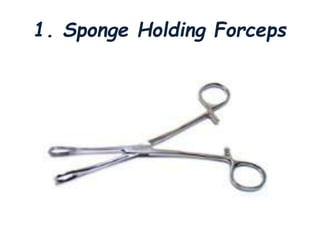
1. Sponge Holding Forceps
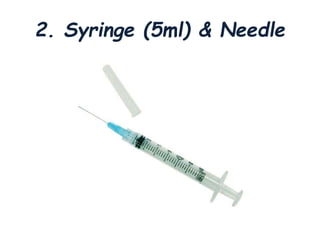
2. Syringe (5ml) & Needle
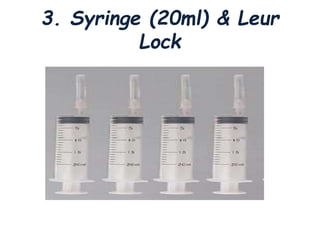
3. Syringe (20ml) & Leur
Lock
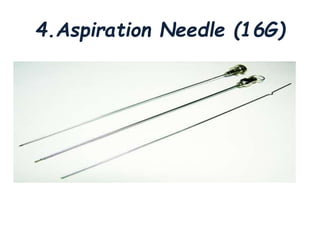
4.Aspiration Needle (16G)
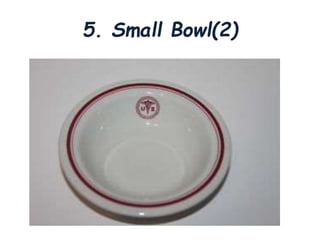
5. Small Bowl(2)
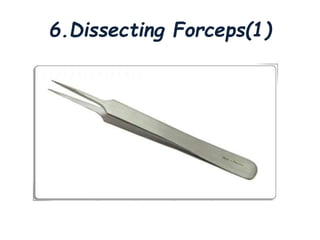
6.Dissecting Forceps(1)
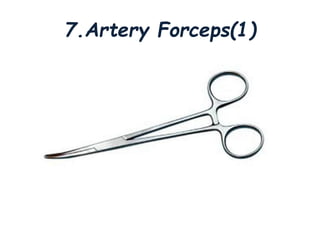
7.Artery Forceps(1)
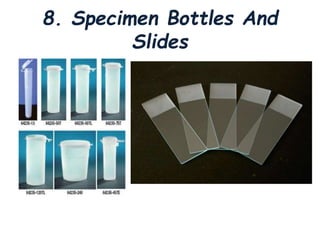
8. Specimen Bottles And
Slides
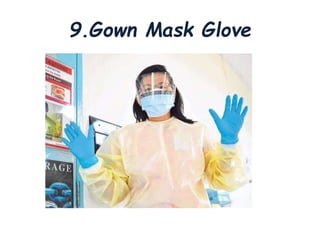
9.Gown Mask Glove
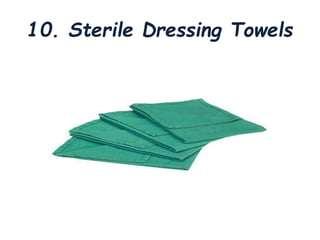
10. Sterile Dressing Towels
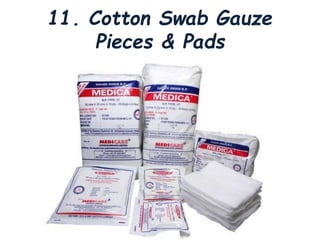
11. Cotton Swab Gauze
Pieces & Pads
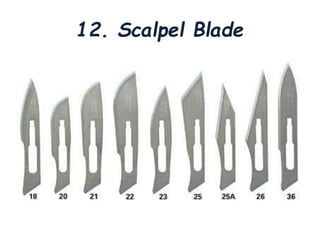
12. Scalpel Blade
II. Clean Tray Containing
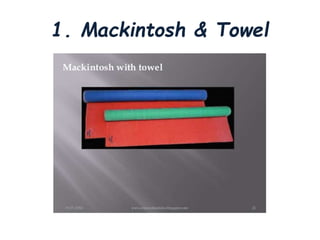
1. Mackintosh & Towel
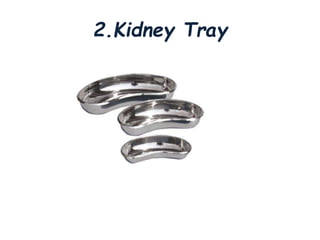
2.Kidney Tray
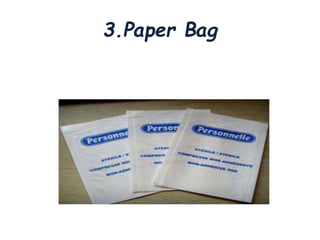
3.Paper Bag
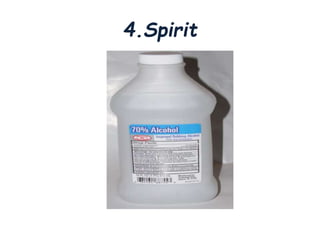
4.Spirit
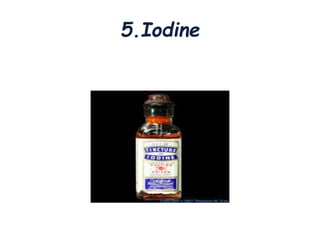
5.Iodine
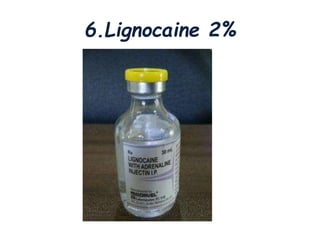
6.Lignocaine 2%
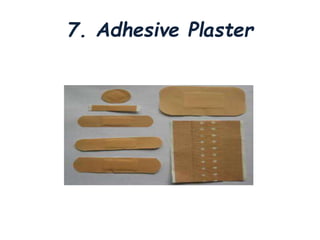
7. Adhesive Plaster
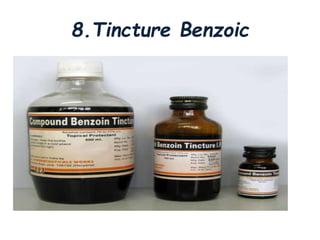
8.Tincture Benzoic
III. Other article like
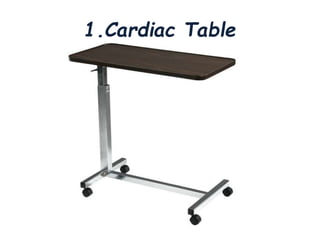
1.Cardiac Table
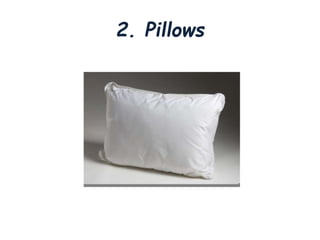
2. Pillows
Procedure of thoracentesis
1. Identify Patient And Explain Procedure To
Him And Relatives. Explain That Procedure He
May Experience A Sensation Of Deep
Pressure When Fluid Is Aspirated
2. Review The Chest X-ray
3. Obtained An Informed Consent From Patient
4. Instruct The Patient The He Should Not Move
During The Procedure
5. Position The Patient Comfortably
A. Sitting On The Edge Of Bed With Full
Supported, Arms And Head On Pillow Over The
Cardiac Table
B. Straddling A Chair With Arms And Head
Resting On The Back Of Chair
C. Lying On The Unaffected Side With The
Bed Elevated 30-40 Degree If Patient Is Unable
To Assume Sitting Position
6. Expose The Chest. The Physician Determines
The Sites For Aspiration By Visualizing Chest X-
ray Performing Chest Percussion. If Air Is To Be
Removed The Site Is Usually In 2nd And 3rd
Intercostals Space. If Fluid Is To Be Aspirated
Then Usually The Site In The 8th And 9th
Intercostals Space
7. Clean The Site With Antiseptic Solution And
Assist For Administering The Local Anesthesia
8. The Physician Introduces The Thoracentesis
Needle. Instruct The Patient To Hold His Breath
When Needle Is Inserted.
9. When Needle Is In Pleural Space Physician
Aspirates Pleural Fluid With Syringes. Assisting
In Collecting Specimen In Sterile Container
- A 20ml Syringes With 3-way Adapter Is
Attached To Needle. The Tubing Which Leads
To The Recitals Is Attached To Third Port Of
Three-way Adapter.
- If Consider Quantity Of Fluid Is To Be
Removed The Needle Is Held In Place On The
Chest Wall With A Small Hemostat
10. For Therapeutic Purposes Usually 1000-
2000ml Of Fluid Is Removed And For
Diagnostic Purpose30-60ml Of Fluid Is
Removed. Encourage The Patient To Remain
Still During The Procedure And Monitor The
Vital Sign.
11. After Needle Is Withdrawn, Apply The
Tincture Benzoic Seal And Pressure Dressing
Over The Site.
12. Position The Patient In The Bed With
Affected Side Up. He Should Remain In Bed For
4-6 Hours After Procedure.
13. Monitor The Vital Sign For Every 4-6 Hours Or
Still Steady. Observe Patient For Complication
Such As Shock, Fainting, Low Blood Pressure,
Low Pulse Rate And Respiratory Rate,
Uncontrolled Cough Etc. Check Breathing Sound
In All Lung Fields.
14.Record The Procedure With Total Amount Of
Fluid Withdrawn, Color, Nature And Signs Of
Complication.
15. Send Labelled Specimen To Library.
16. Instruct The Patient For Deep Breathing And
Coughing Exercise. Demonstrate And Teach
These Exercise To Patient
17.Have A Chest X-ray If Indicated
18. Wash The Articles Used For Thoracentesis In
Cold Water And Then In Warm Soapy Water
Rinse, Dry And Send For Autoclaving, Wear
Gloves While Washing
Summary
So Far In this clinical teaching we have explain
about:-
 Definition
 Purposes
 Articles
 Procedure

Thoracosintesis

  • 1.
  • 2.
    Definition Insertion Of ANeedle Into A Pleural Space To Remove Accumulation Of Fluid And Aseptic Technique
  • 3.
    Purposes Of theProcedure To remove the air and fluid from pleural cavity To decrease pressure on the lung tissue To aspirate pleural fluid for diagnostic studies To instill the medication in the pleural space To perform pleural biopsy
  • 4.
    I. A pleuralaspiration set containing
  • 5.
  • 6.
  • 7.
    3. Syringe (20ml)& Leur Lock
  • 8.
  • 9.
  • 10.
  • 11.
  • 12.
  • 13.
  • 14.
  • 15.
    11. Cotton SwabGauze Pieces & Pads
  • 16.
  • 17.
    II. Clean TrayContaining
  • 18.
  • 19.
  • 20.
  • 21.
  • 22.
  • 23.
  • 24.
  • 25.
  • 26.
  • 27.
  • 28.
  • 29.
    Procedure of thoracentesis 1.Identify Patient And Explain Procedure To Him And Relatives. Explain That Procedure He May Experience A Sensation Of Deep Pressure When Fluid Is Aspirated 2. Review The Chest X-ray 3. Obtained An Informed Consent From Patient 4. Instruct The Patient The He Should Not Move During The Procedure
  • 30.
    5. Position ThePatient Comfortably A. Sitting On The Edge Of Bed With Full Supported, Arms And Head On Pillow Over The Cardiac Table B. Straddling A Chair With Arms And Head Resting On The Back Of Chair C. Lying On The Unaffected Side With The Bed Elevated 30-40 Degree If Patient Is Unable To Assume Sitting Position
  • 31.
    6. Expose TheChest. The Physician Determines The Sites For Aspiration By Visualizing Chest X- ray Performing Chest Percussion. If Air Is To Be Removed The Site Is Usually In 2nd And 3rd Intercostals Space. If Fluid Is To Be Aspirated Then Usually The Site In The 8th And 9th Intercostals Space 7. Clean The Site With Antiseptic Solution And Assist For Administering The Local Anesthesia 8. The Physician Introduces The Thoracentesis Needle. Instruct The Patient To Hold His Breath When Needle Is Inserted.
  • 32.
    9. When NeedleIs In Pleural Space Physician Aspirates Pleural Fluid With Syringes. Assisting In Collecting Specimen In Sterile Container - A 20ml Syringes With 3-way Adapter Is Attached To Needle. The Tubing Which Leads To The Recitals Is Attached To Third Port Of Three-way Adapter. - If Consider Quantity Of Fluid Is To Be Removed The Needle Is Held In Place On The Chest Wall With A Small Hemostat
  • 33.
    10. For TherapeuticPurposes Usually 1000- 2000ml Of Fluid Is Removed And For Diagnostic Purpose30-60ml Of Fluid Is Removed. Encourage The Patient To Remain Still During The Procedure And Monitor The Vital Sign. 11. After Needle Is Withdrawn, Apply The Tincture Benzoic Seal And Pressure Dressing Over The Site. 12. Position The Patient In The Bed With Affected Side Up. He Should Remain In Bed For 4-6 Hours After Procedure.
  • 34.
    13. Monitor TheVital Sign For Every 4-6 Hours Or Still Steady. Observe Patient For Complication Such As Shock, Fainting, Low Blood Pressure, Low Pulse Rate And Respiratory Rate, Uncontrolled Cough Etc. Check Breathing Sound In All Lung Fields. 14.Record The Procedure With Total Amount Of Fluid Withdrawn, Color, Nature And Signs Of Complication. 15. Send Labelled Specimen To Library.
  • 35.
    16. Instruct ThePatient For Deep Breathing And Coughing Exercise. Demonstrate And Teach These Exercise To Patient 17.Have A Chest X-ray If Indicated 18. Wash The Articles Used For Thoracentesis In Cold Water And Then In Warm Soapy Water Rinse, Dry And Send For Autoclaving, Wear Gloves While Washing
  • 36.
    Summary So Far Inthis clinical teaching we have explain about:-  Definition  Purposes  Articles  Procedure