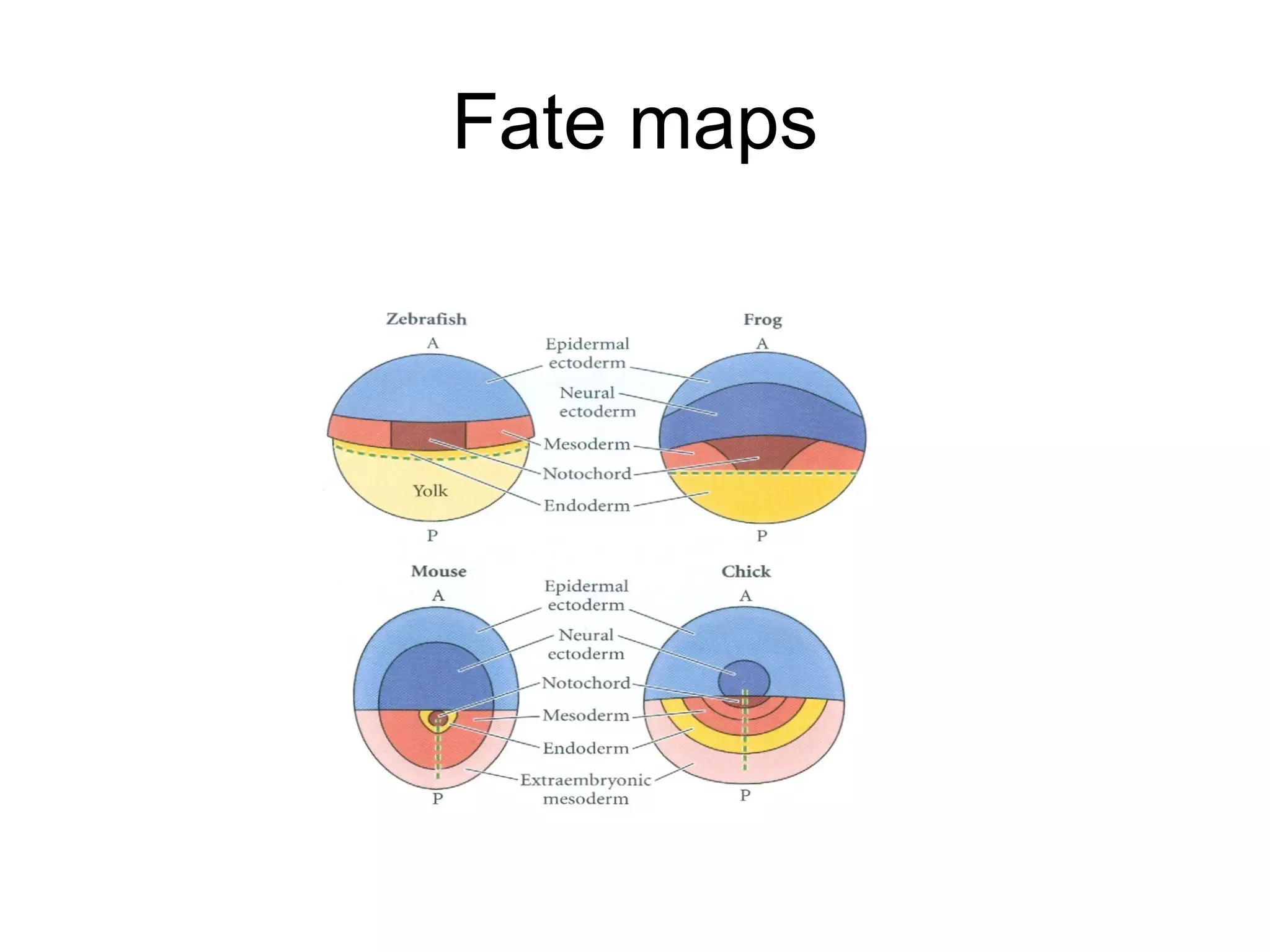
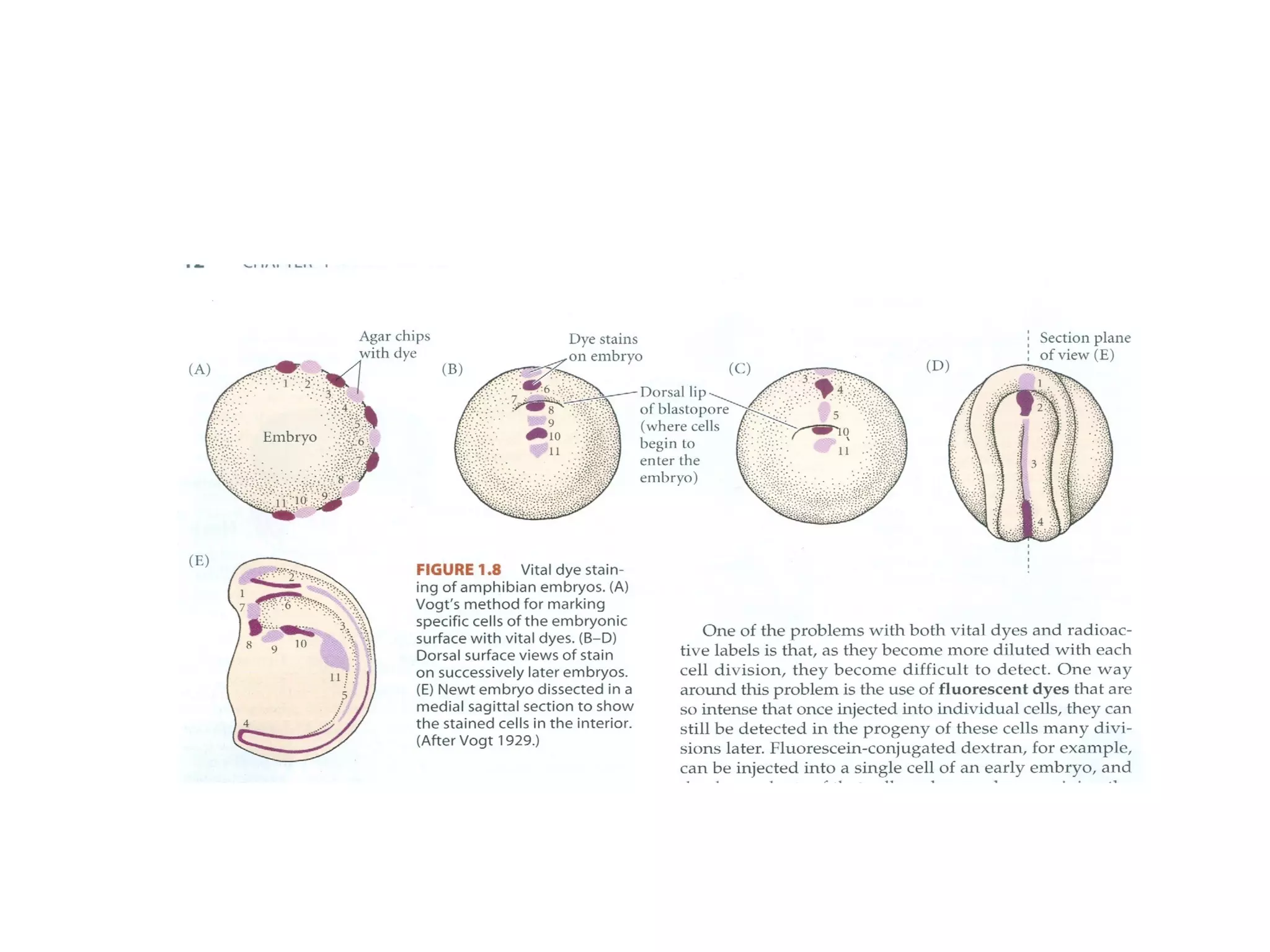
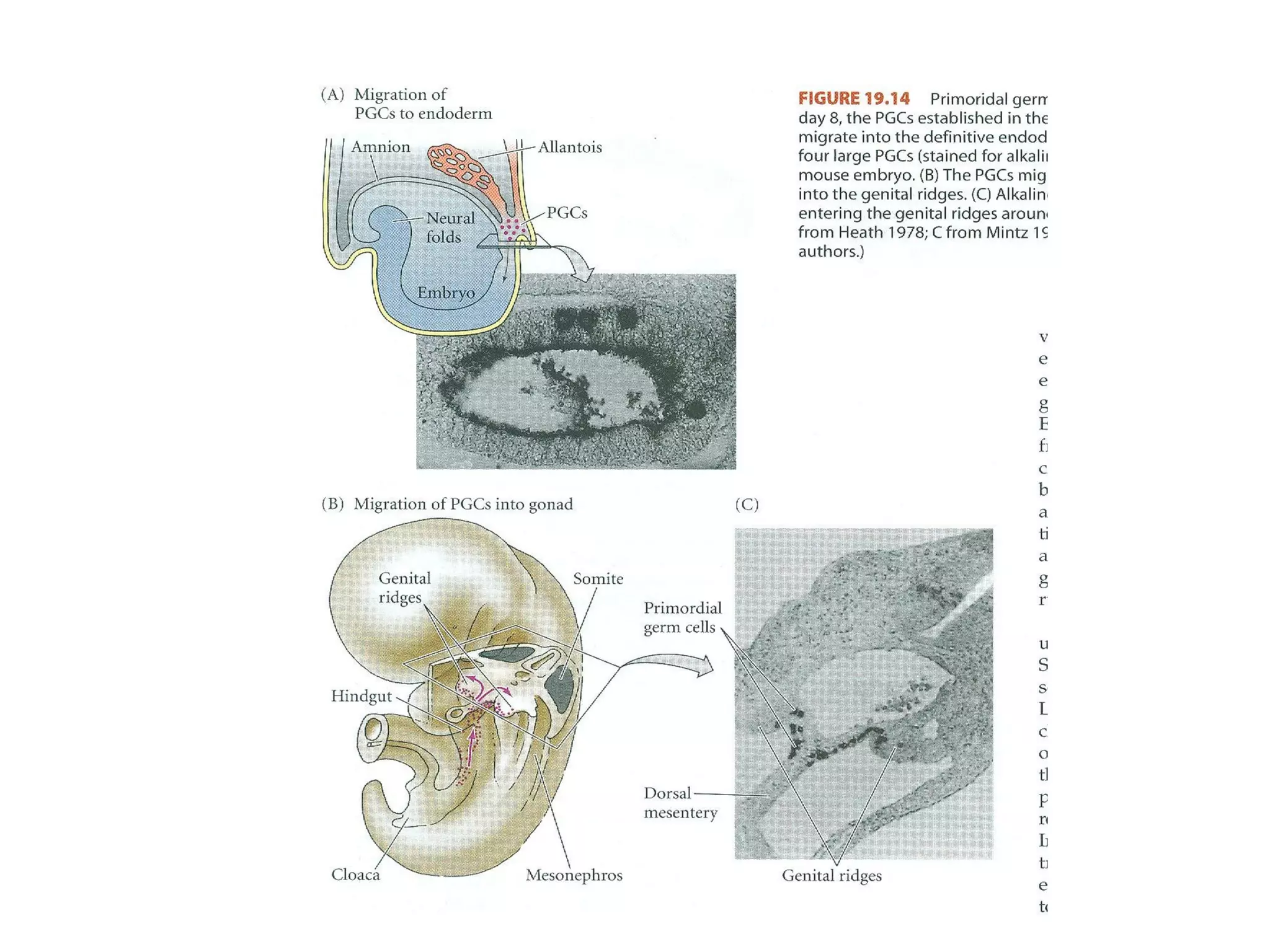
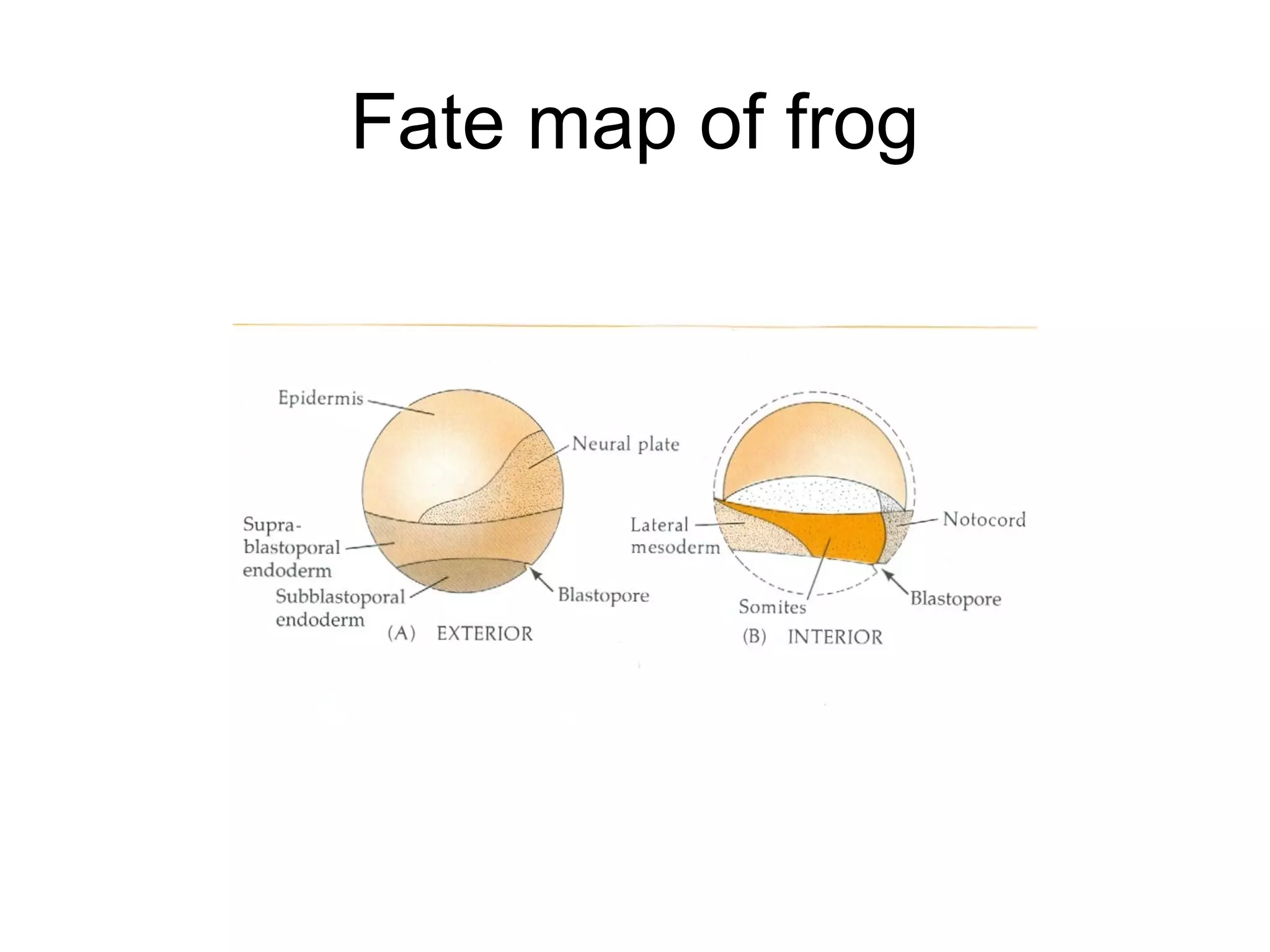
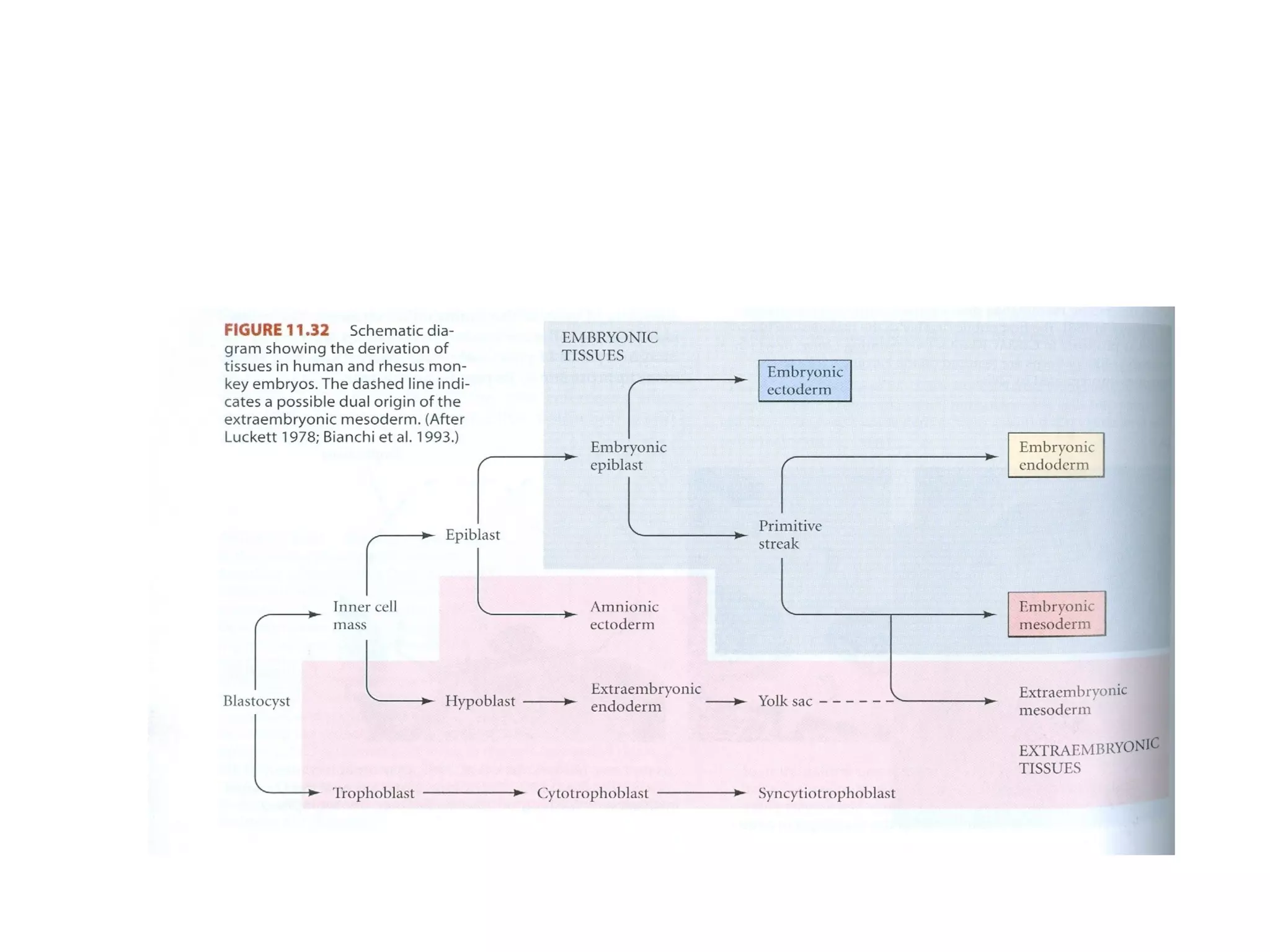
Fate maps
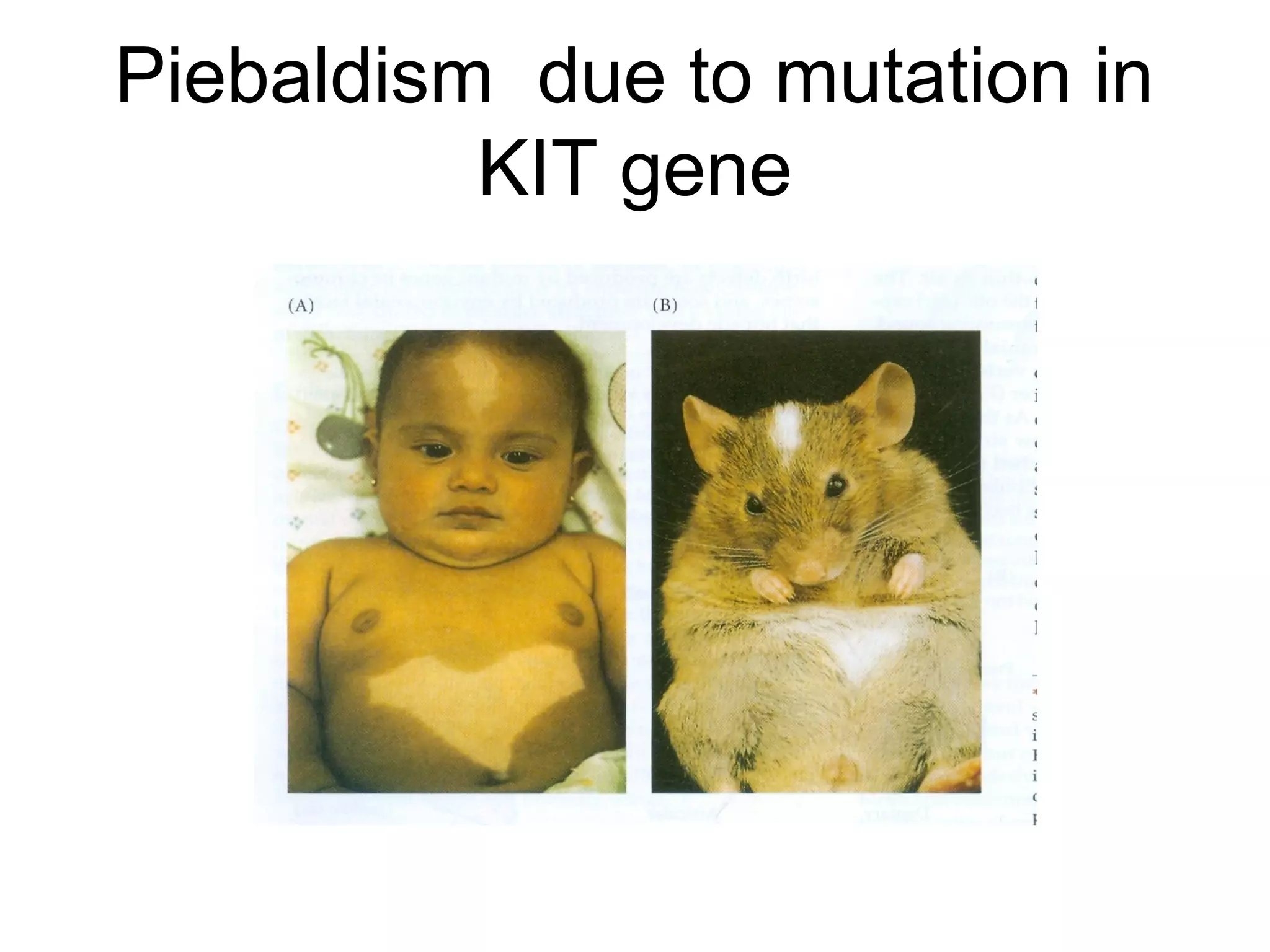
Piebaldism due to mutation in
          KIT gene
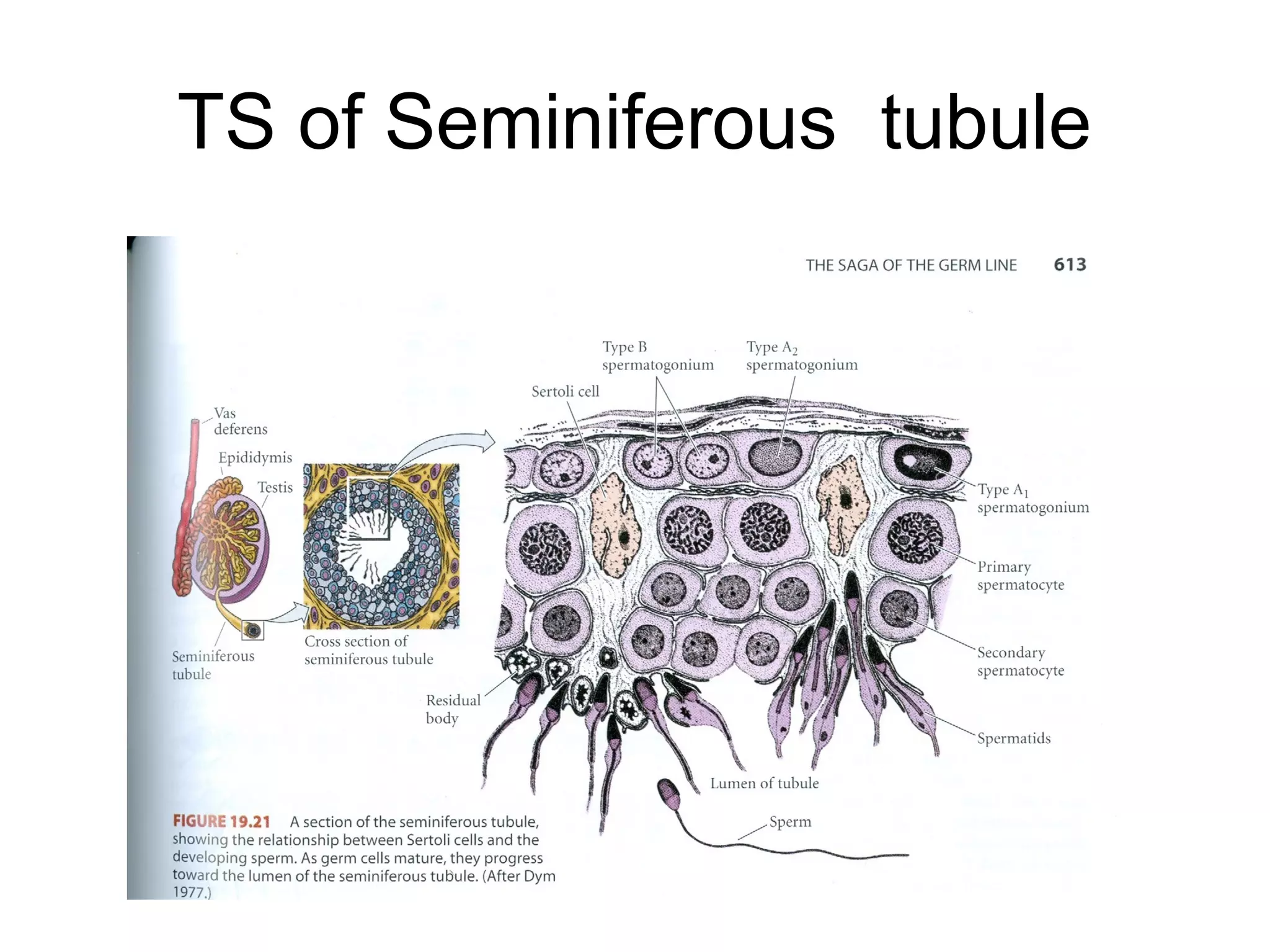
TS of Seminiferous tubule
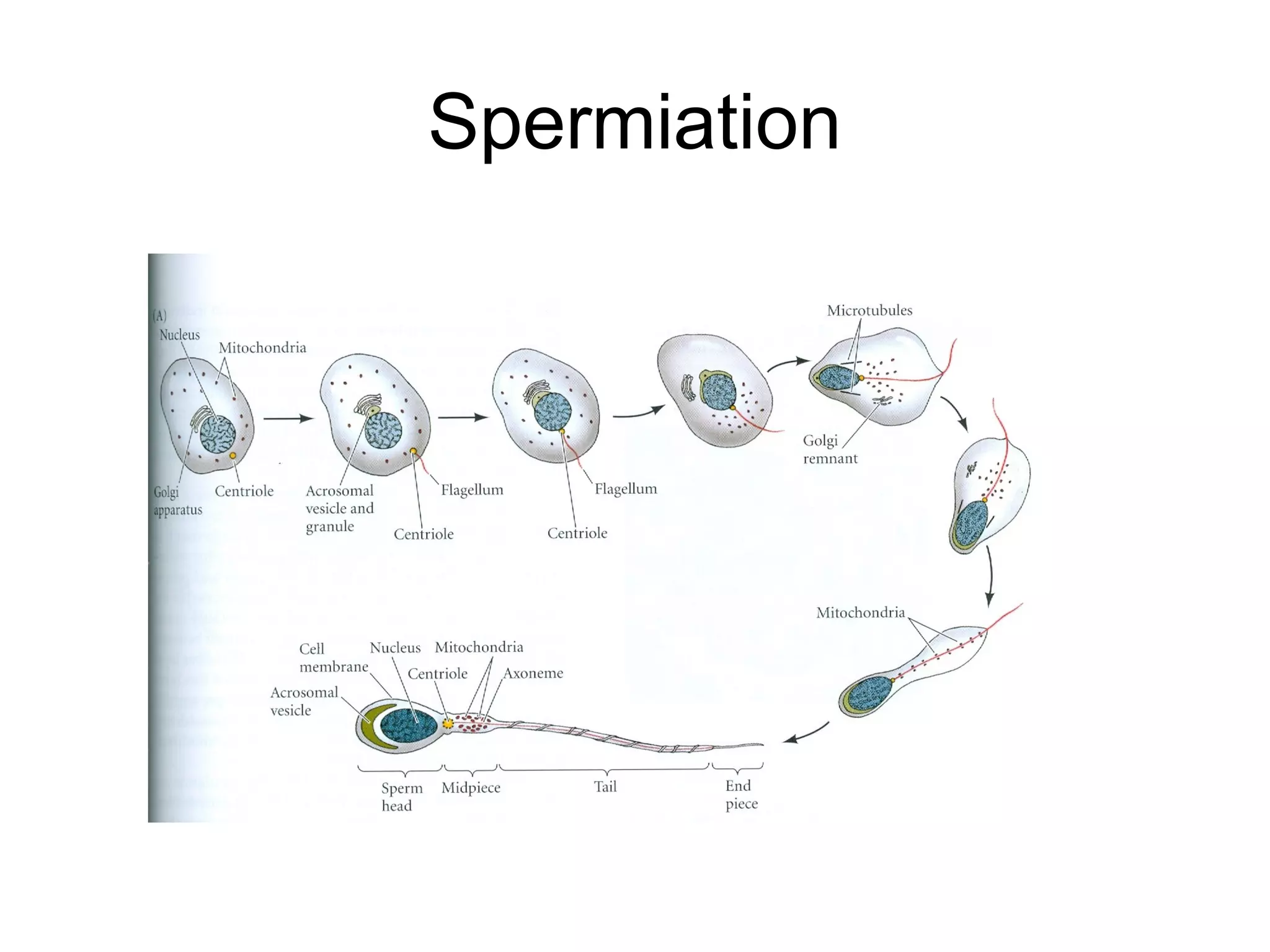
Spermiation
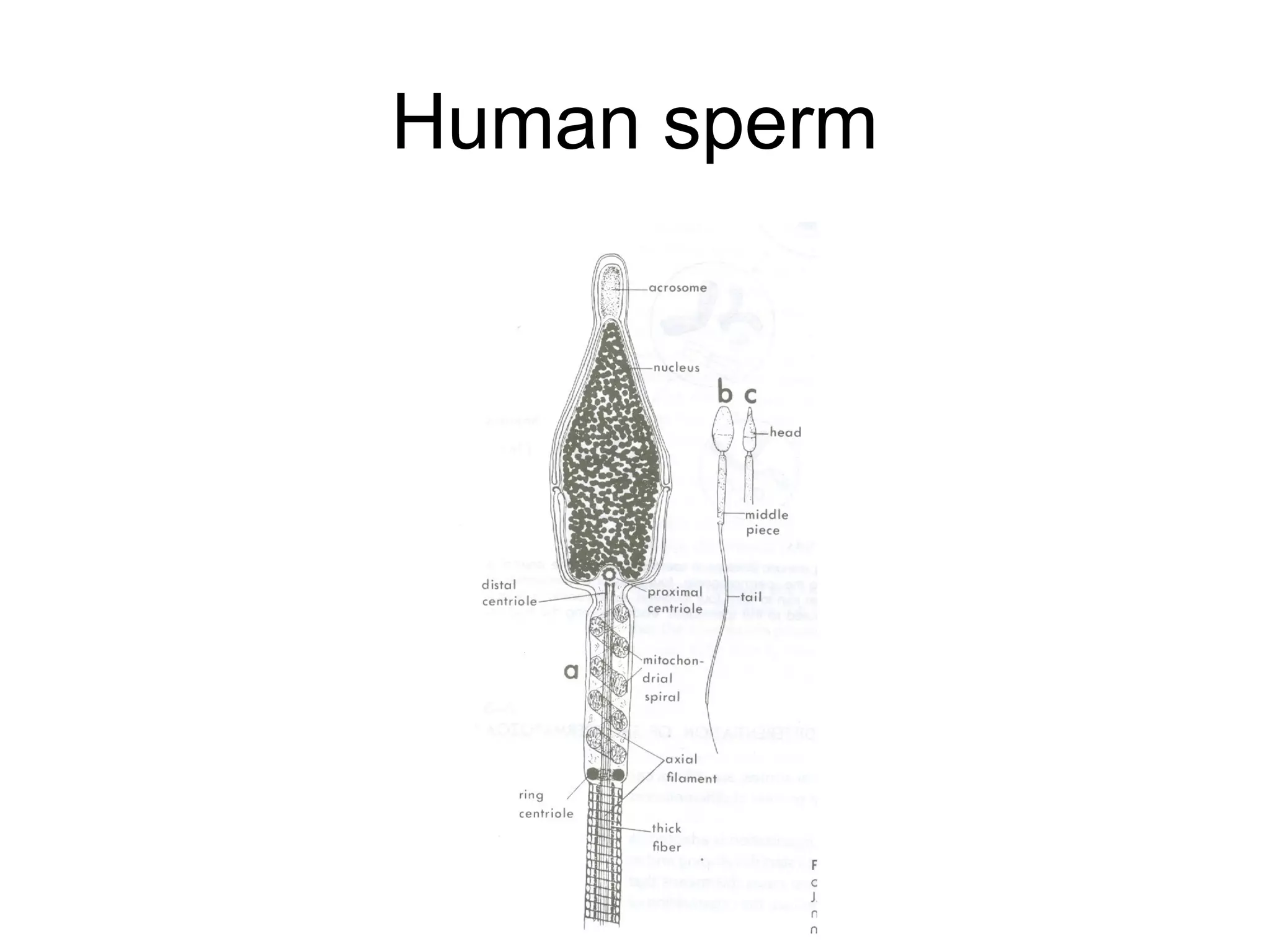
Human sperm
Human sperm in further detail
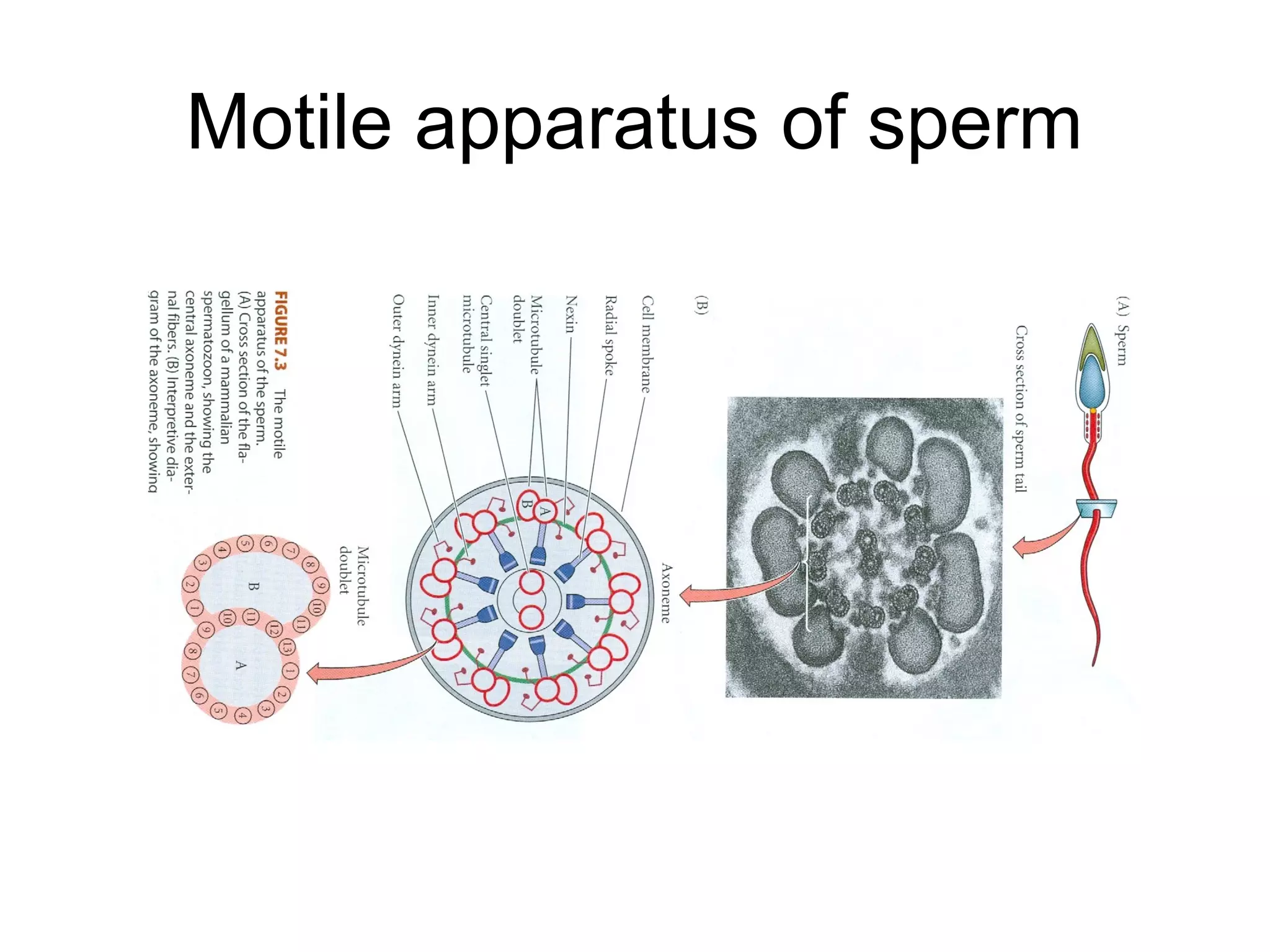
Motile apparatus of sperm
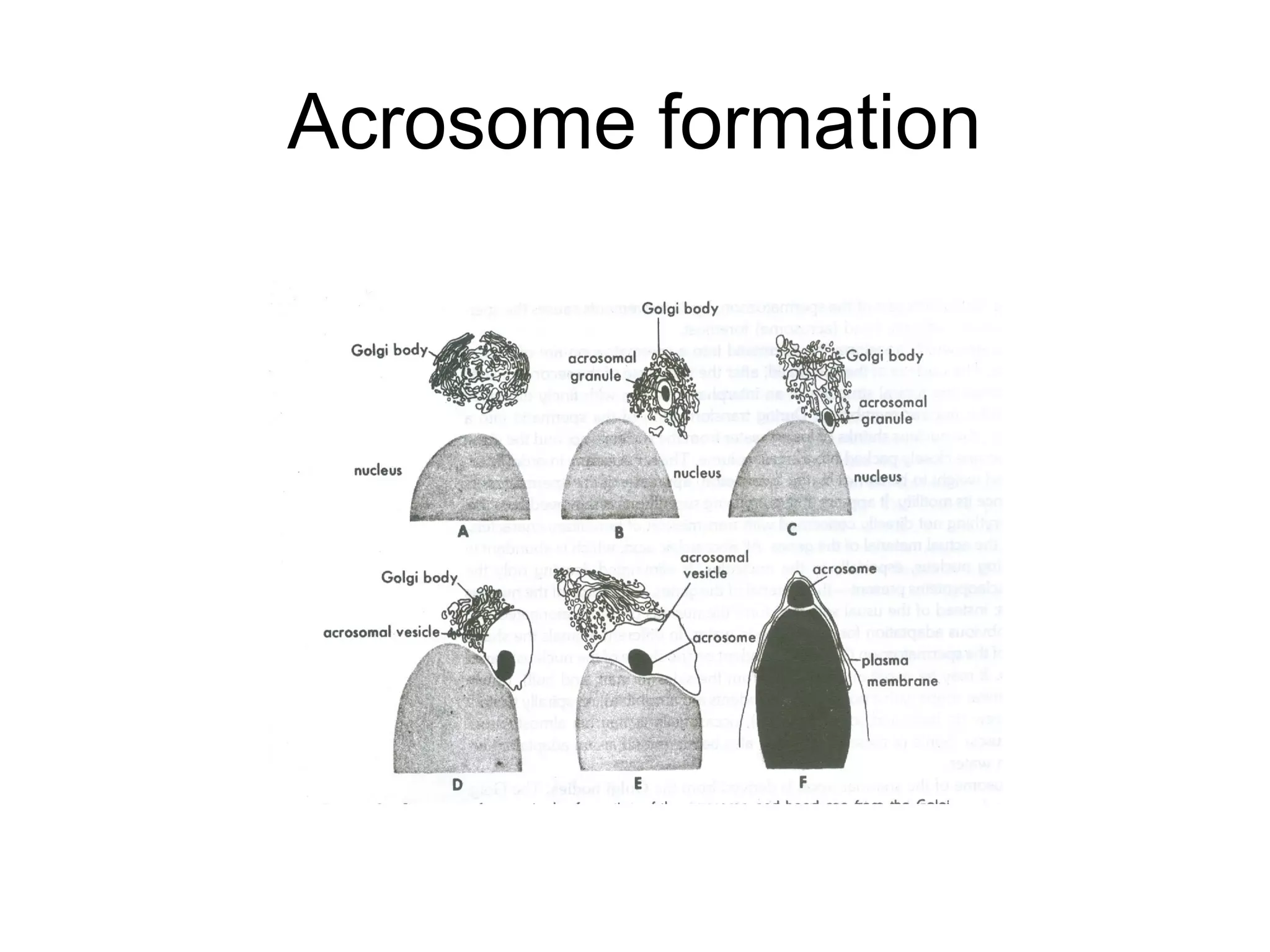
Acrosome formation
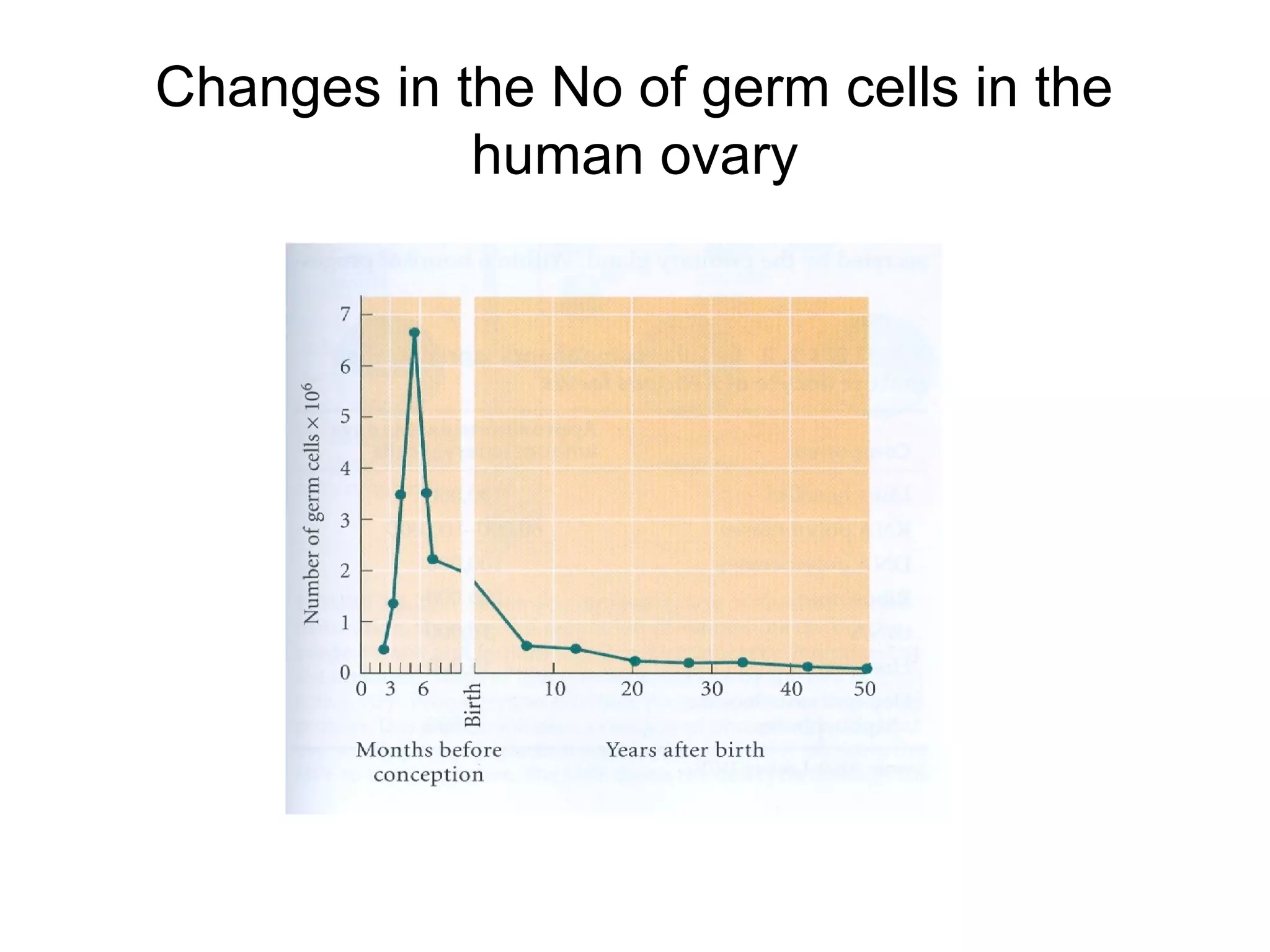
Changes in the No of germ cells in the
            human ovary
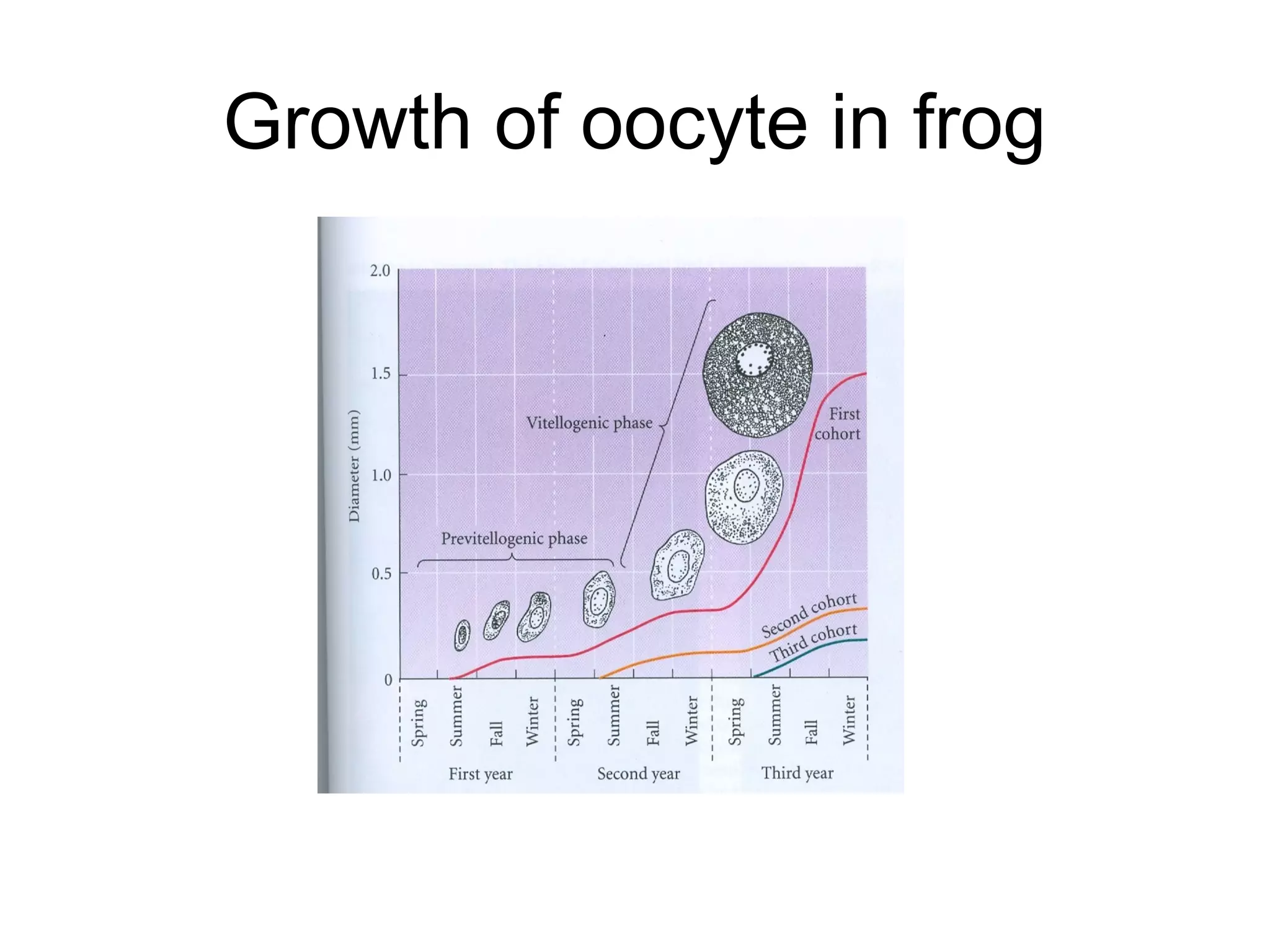
Growth of oocyte in frog
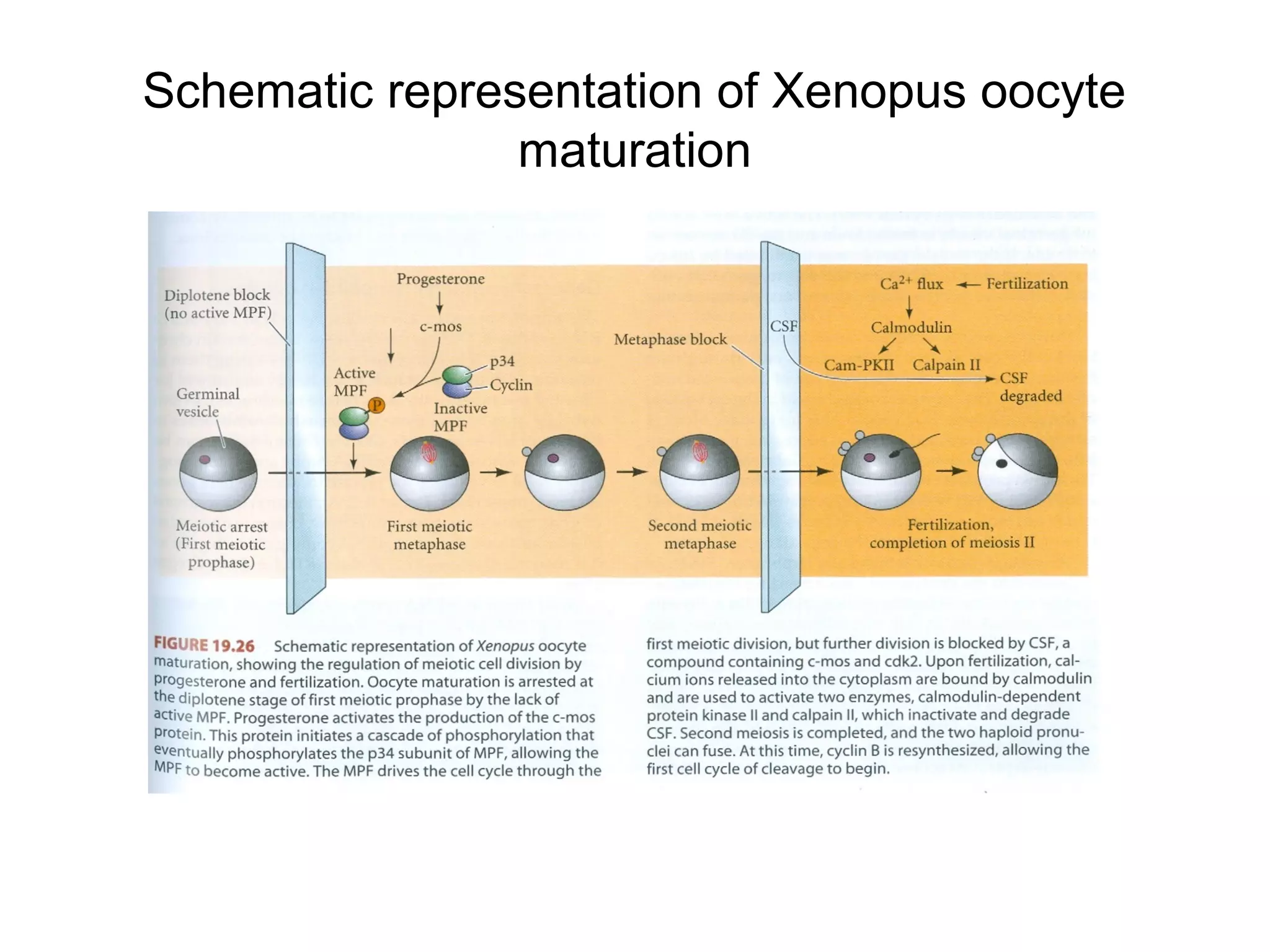
Schematic representation of Xenopus oocyte
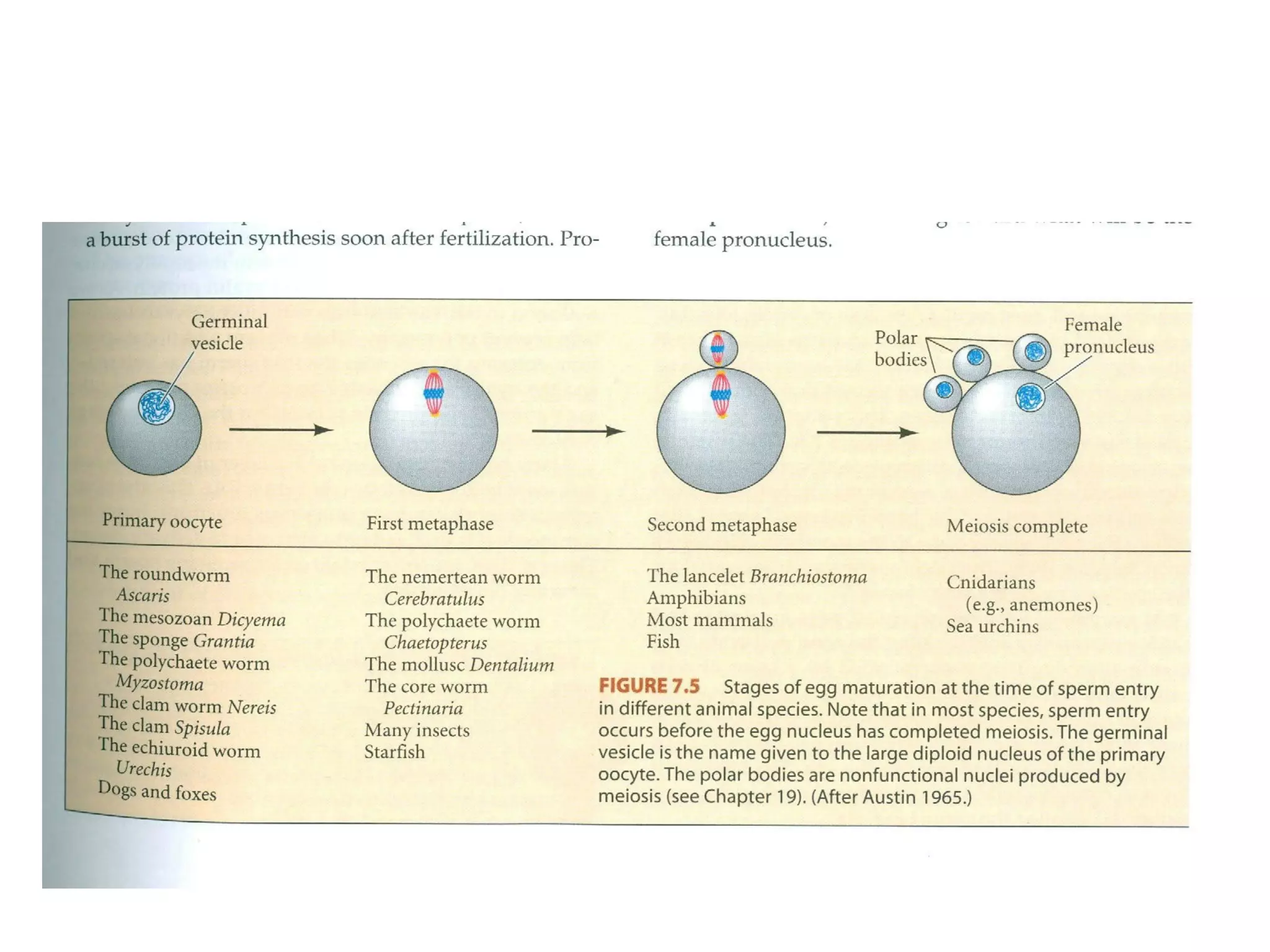
                maturation
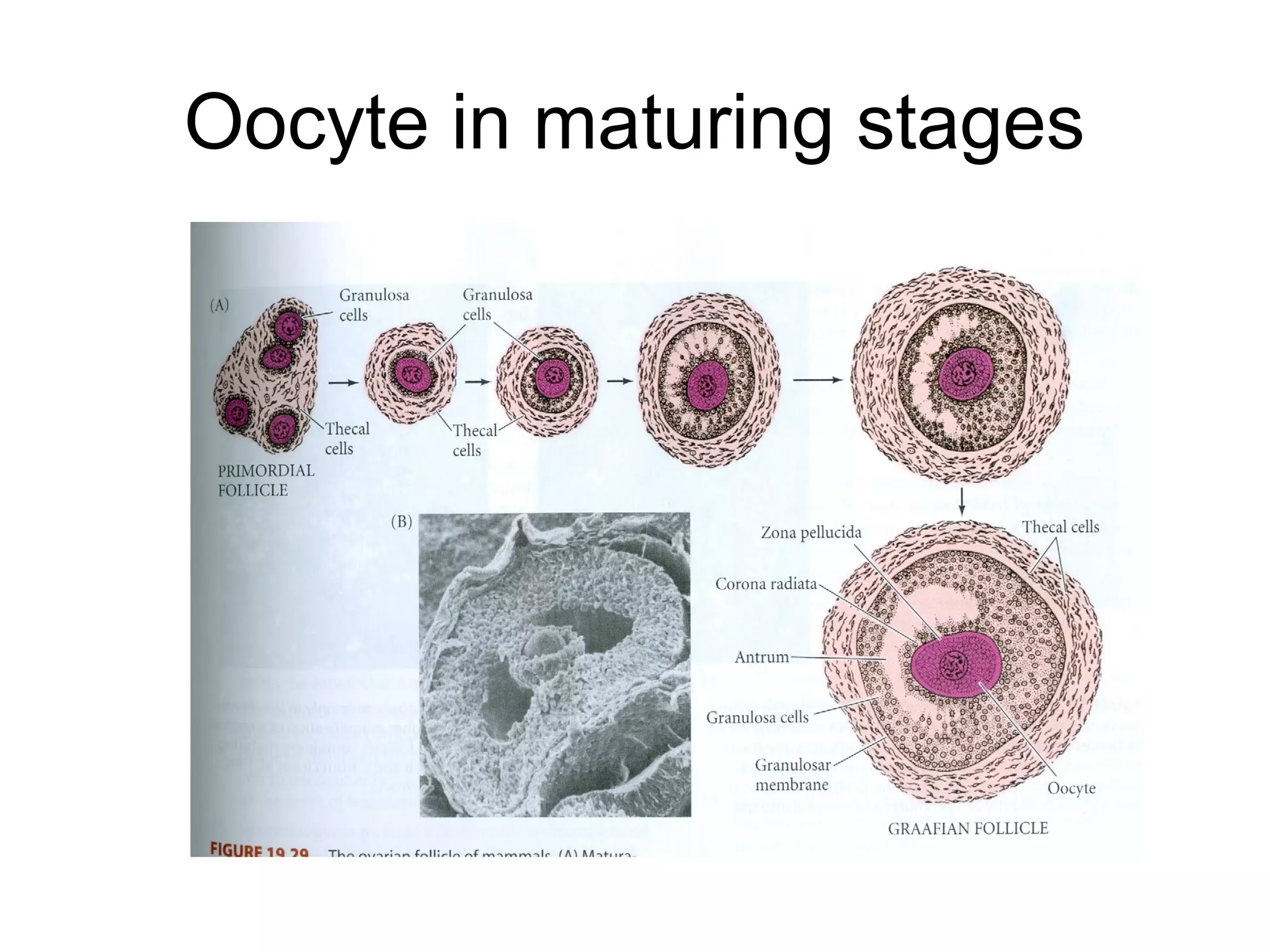
Oocyte in maturing stages
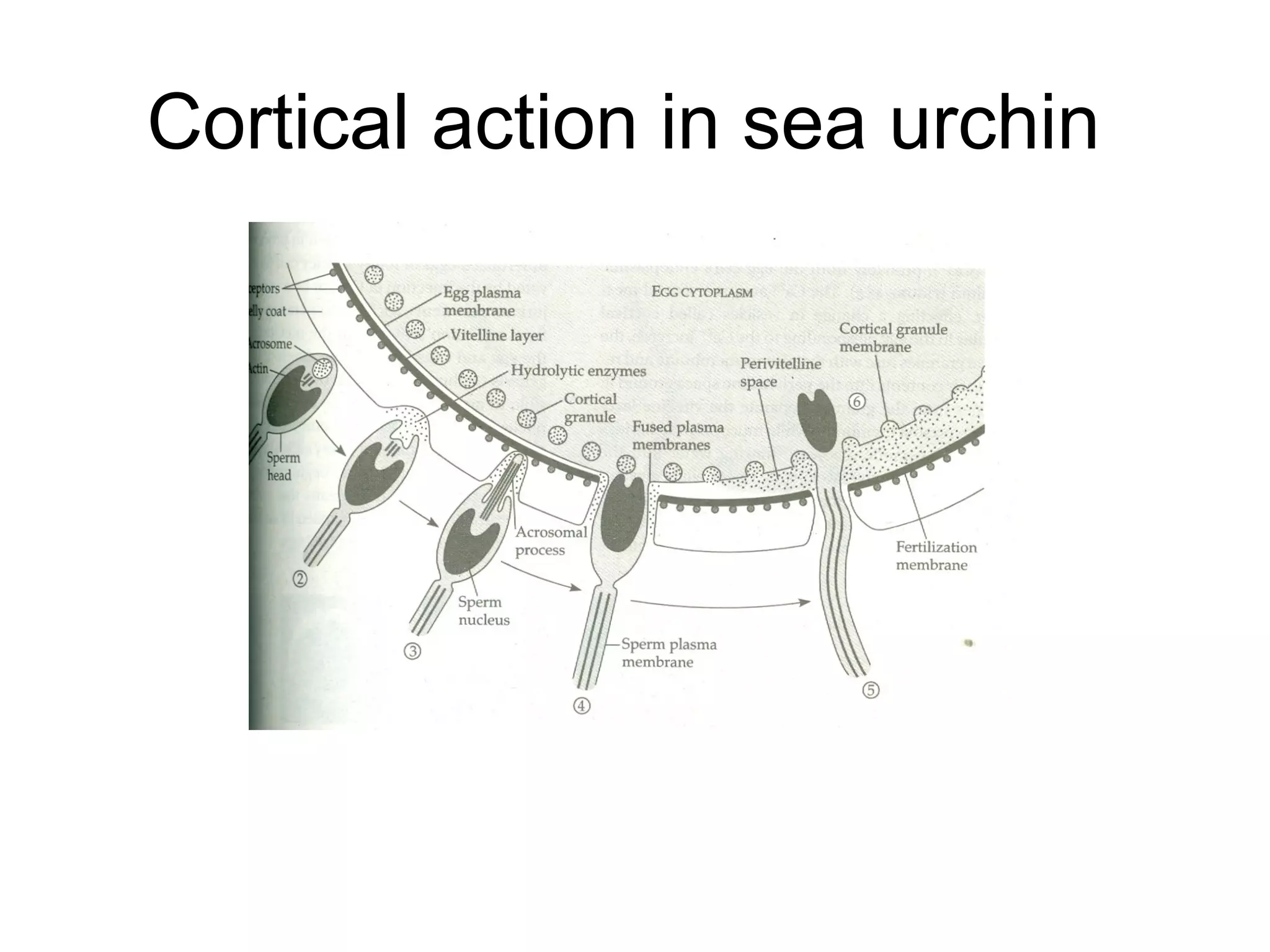
Cortical action in sea urchin
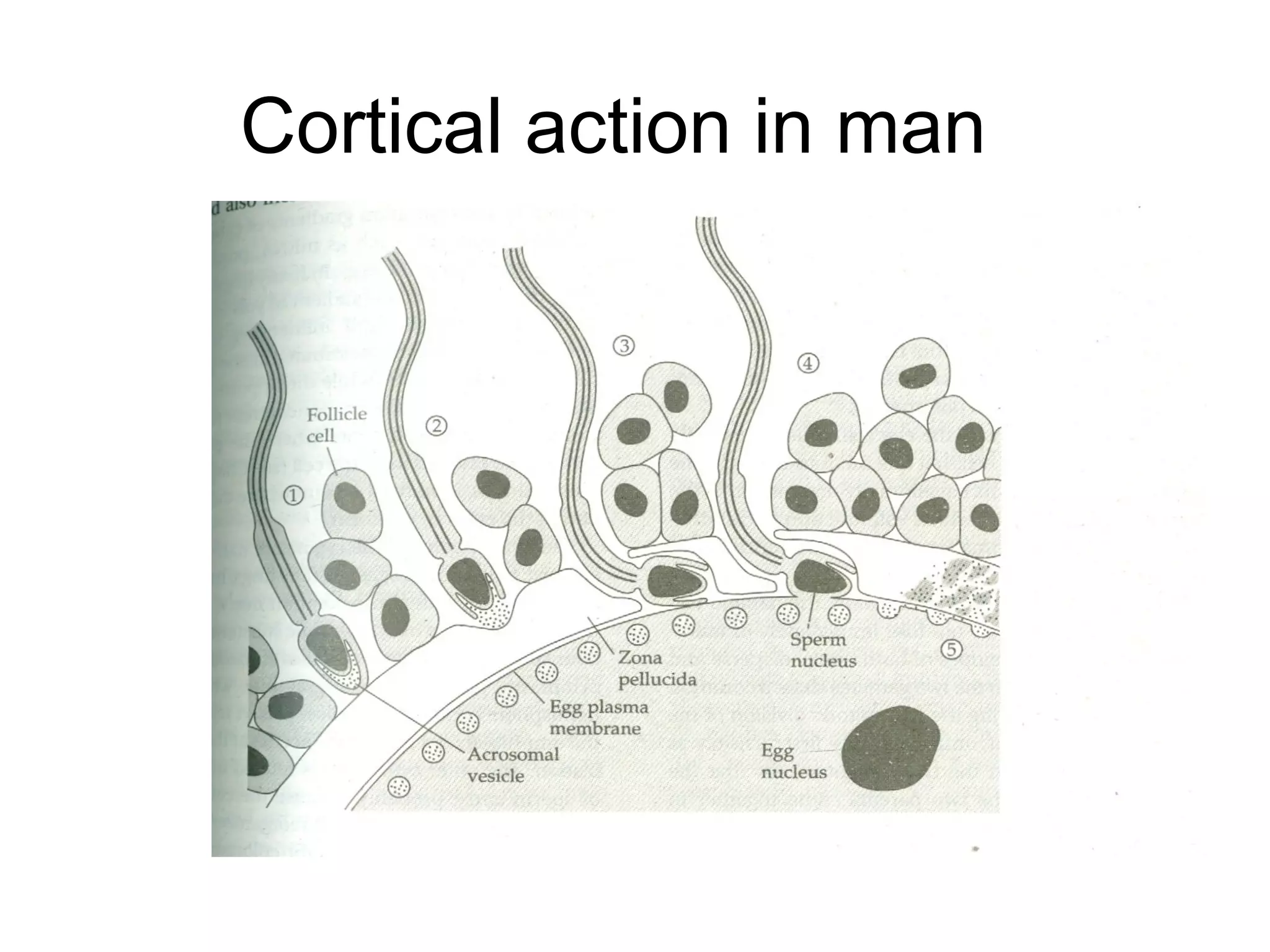
Cortical action in man
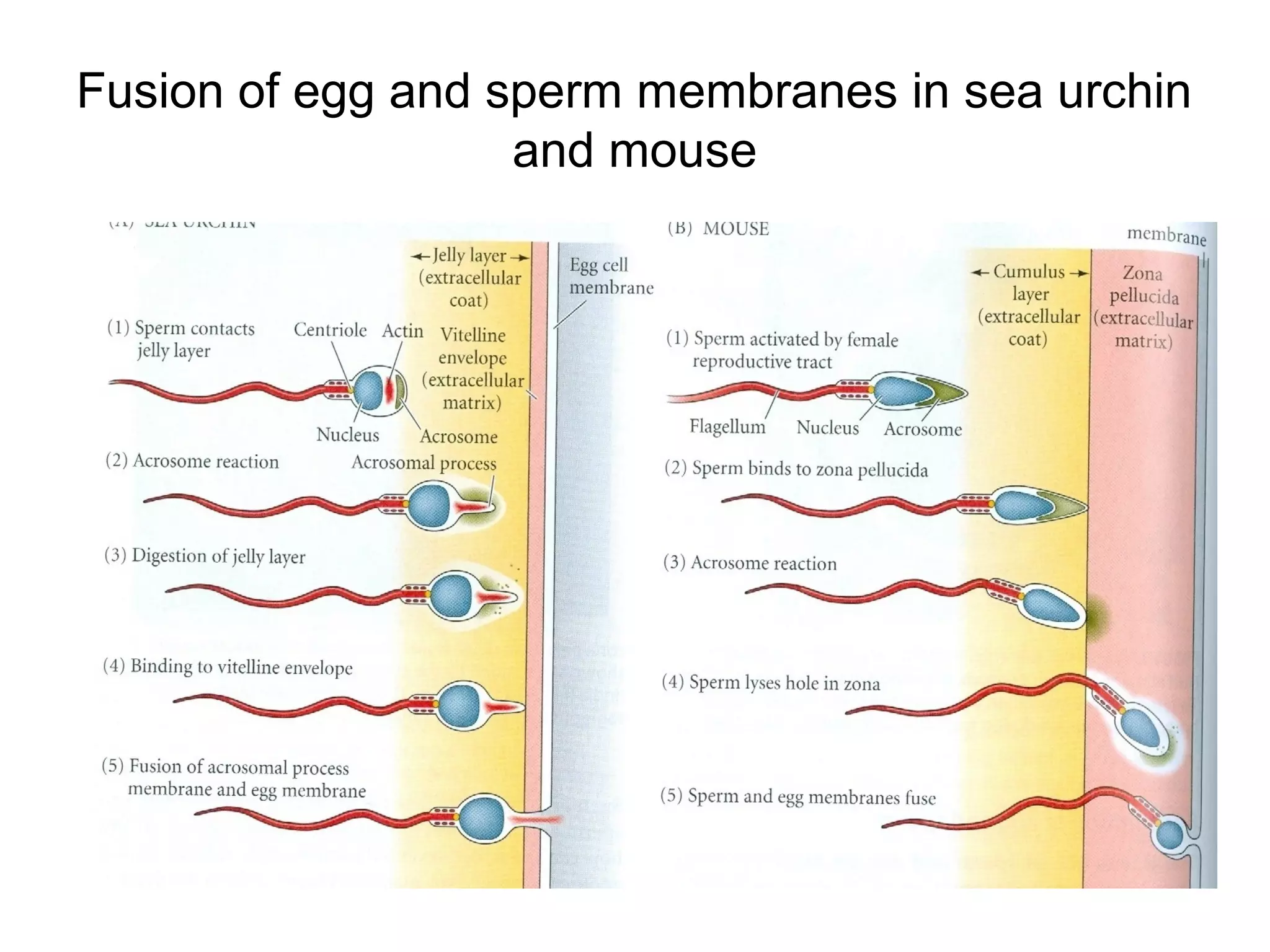
Fusion of egg and sperm membranes in sea urchin
                   and mouse
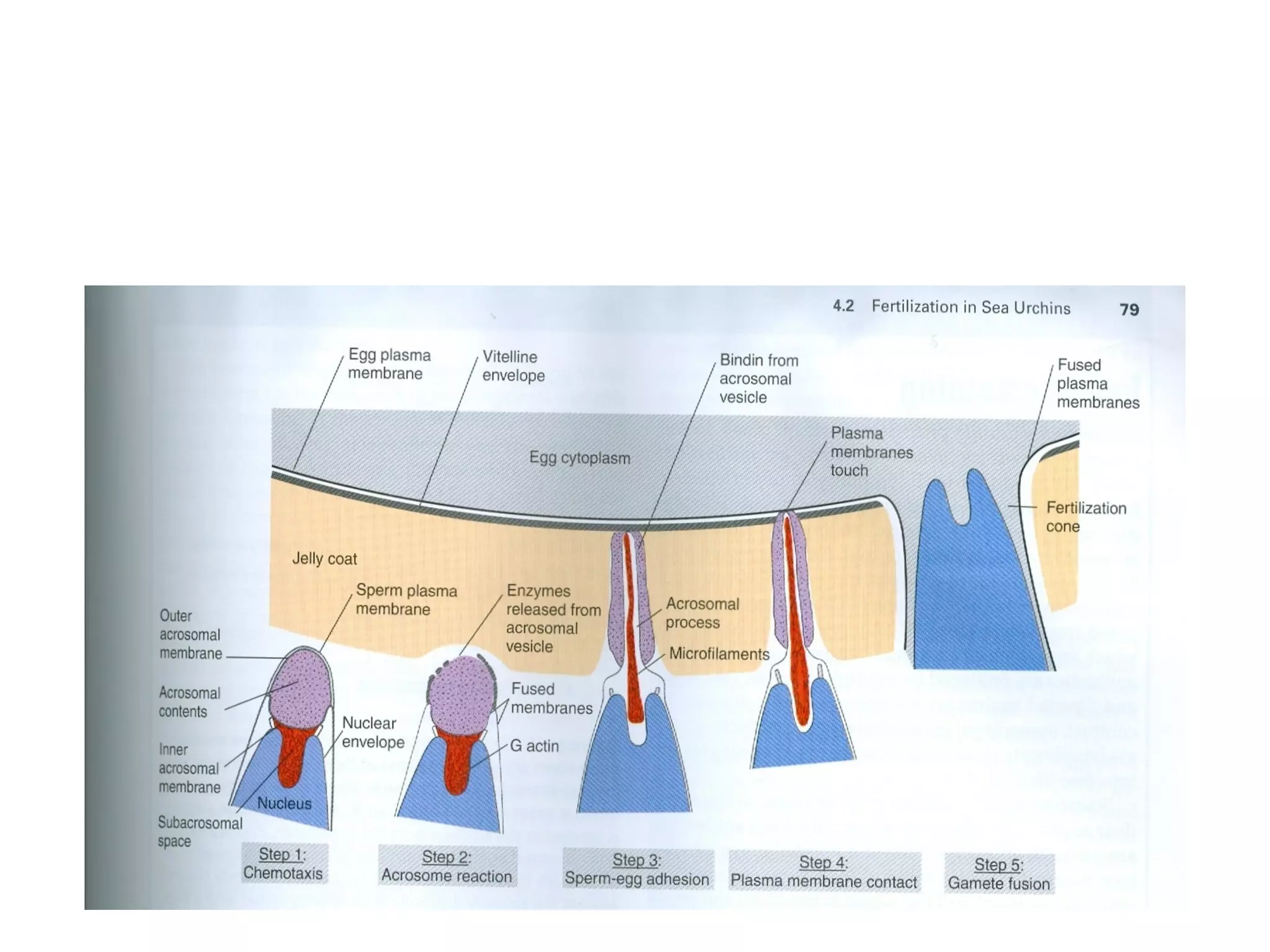
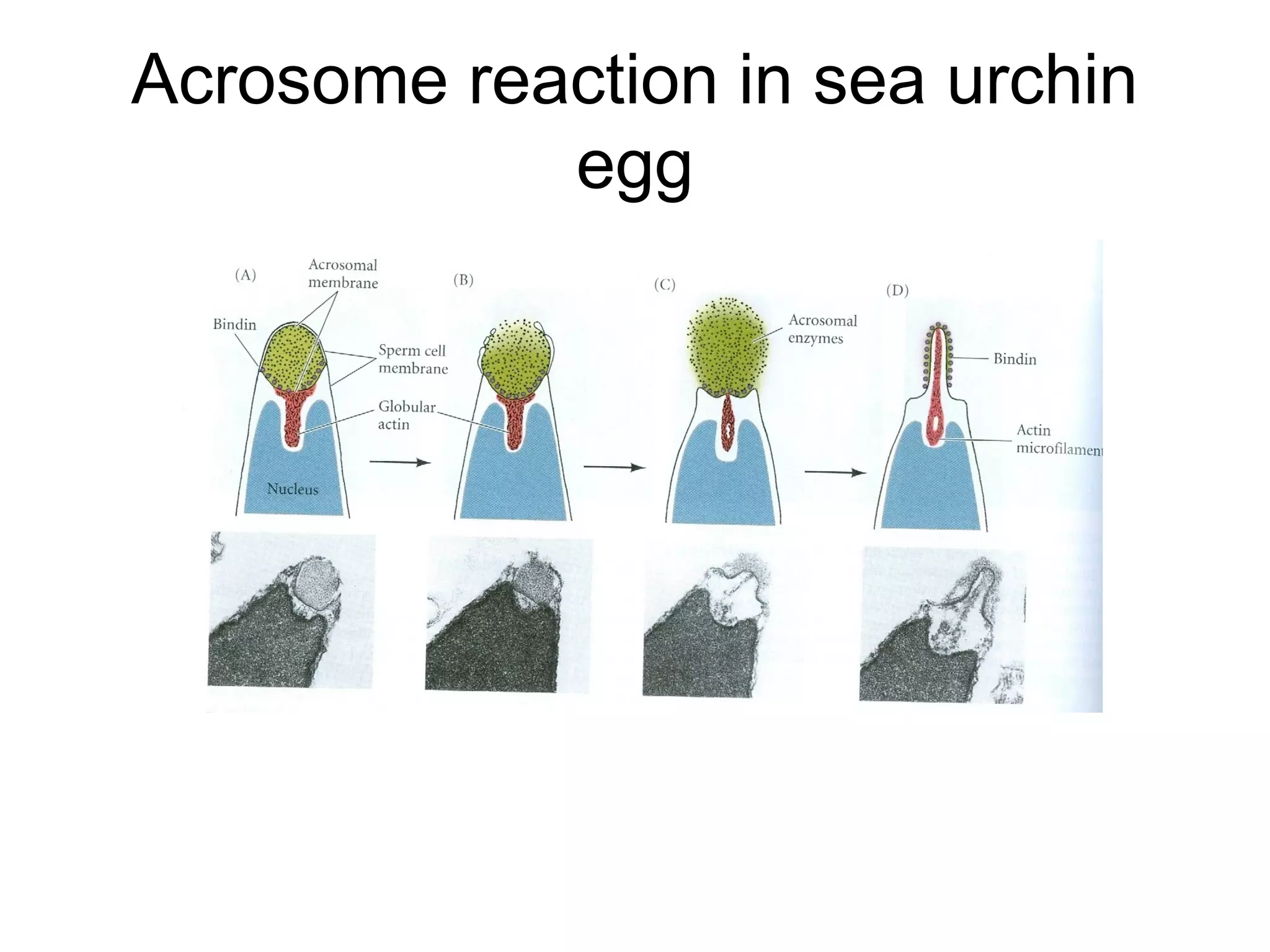
Acrosome reaction in sea urchin
            egg
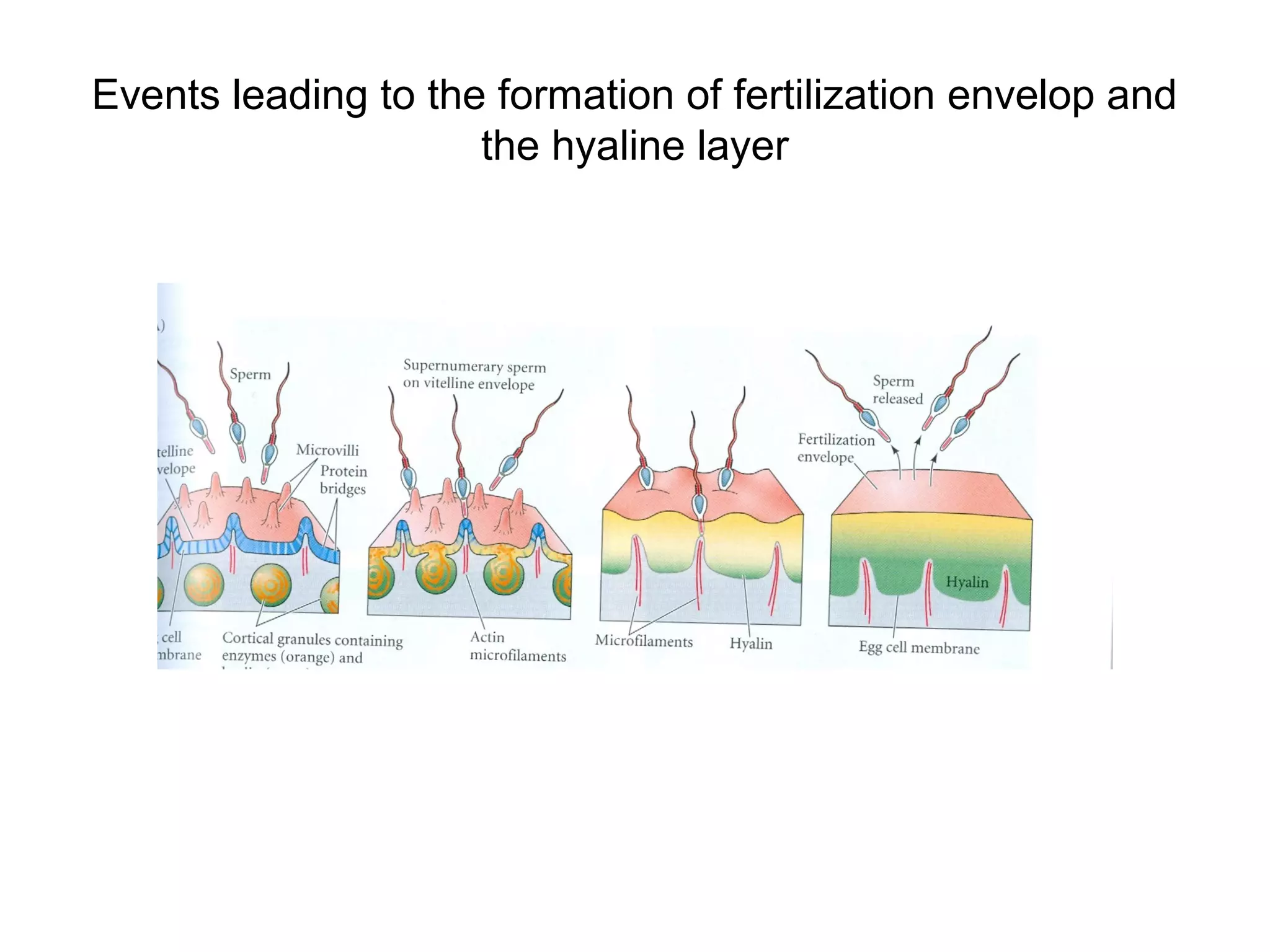
Events leading to the formation of fertilization envelop and
                     the hyaline layer
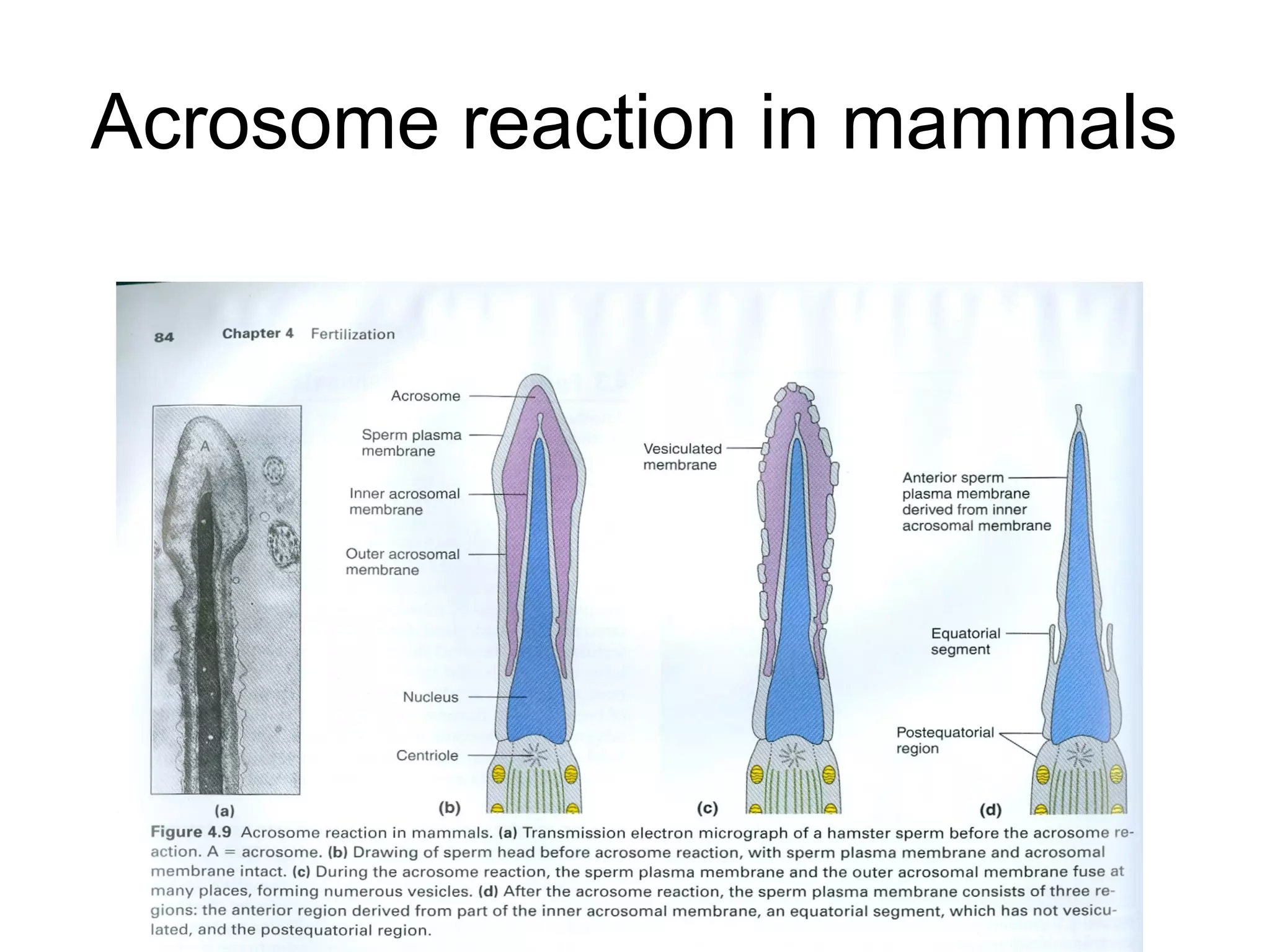
Acrosome reaction in mammals
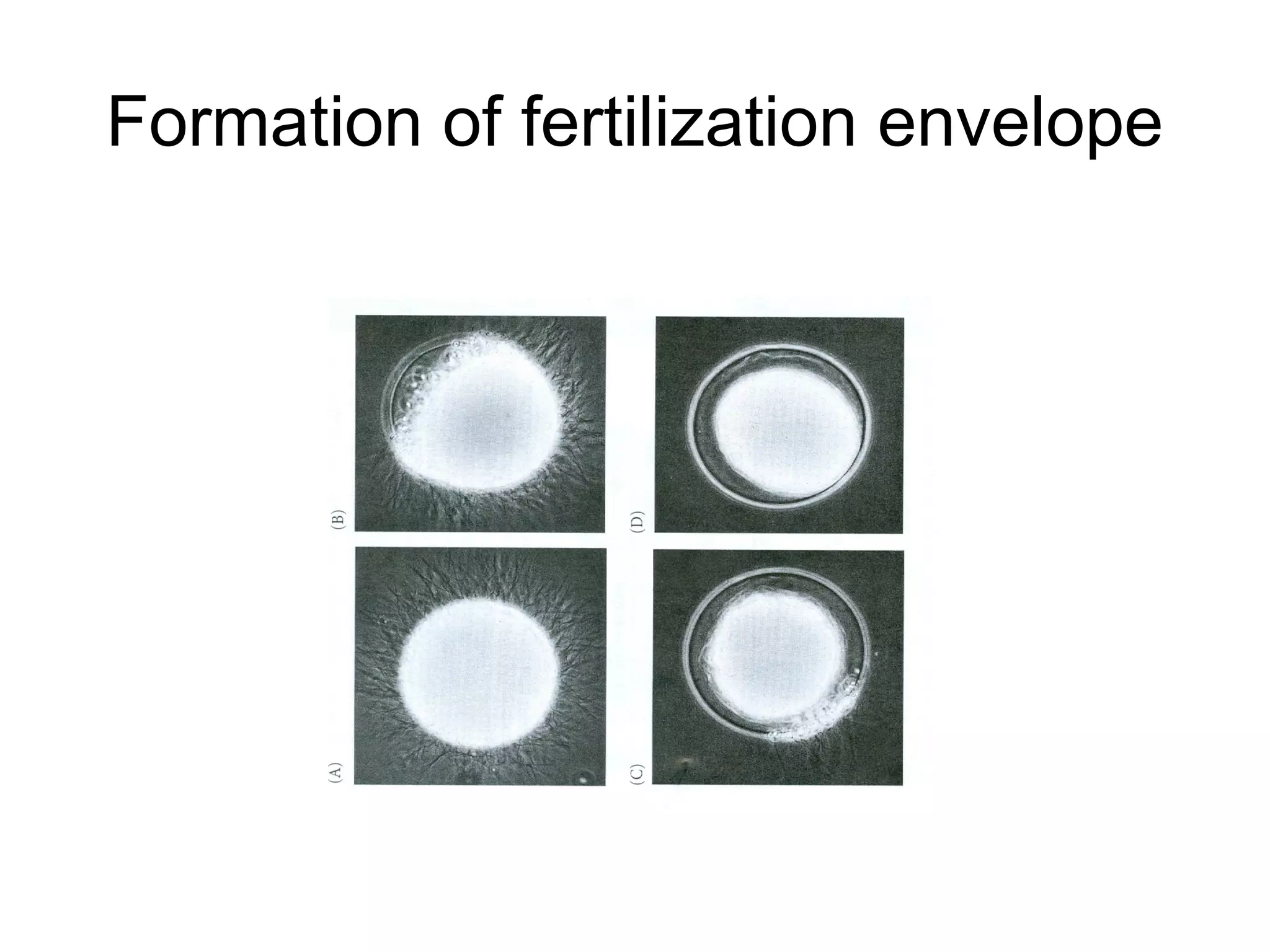
Formation of fertilization envelope
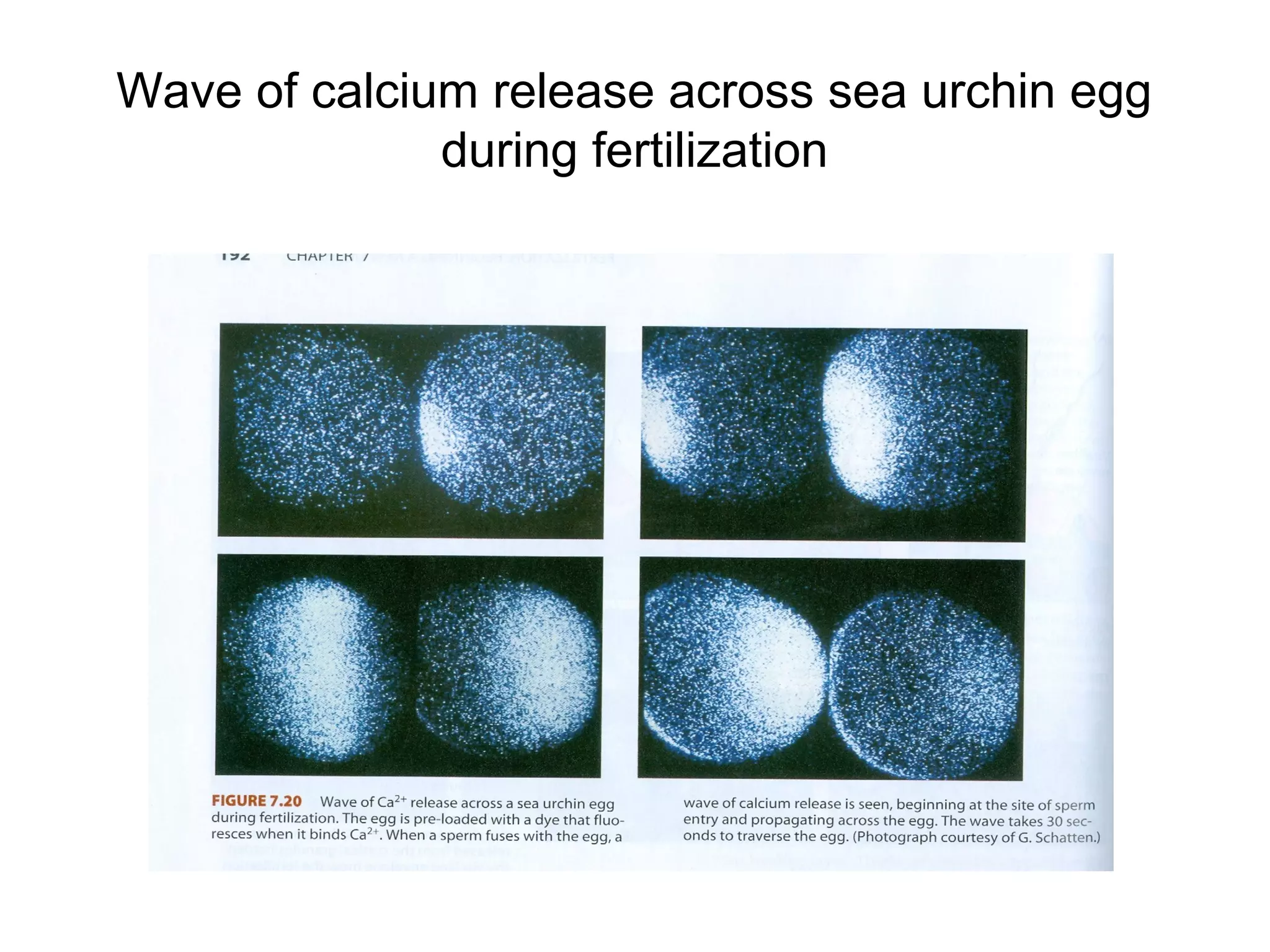
Wave of calcium release across sea urchin egg
              during fertilization
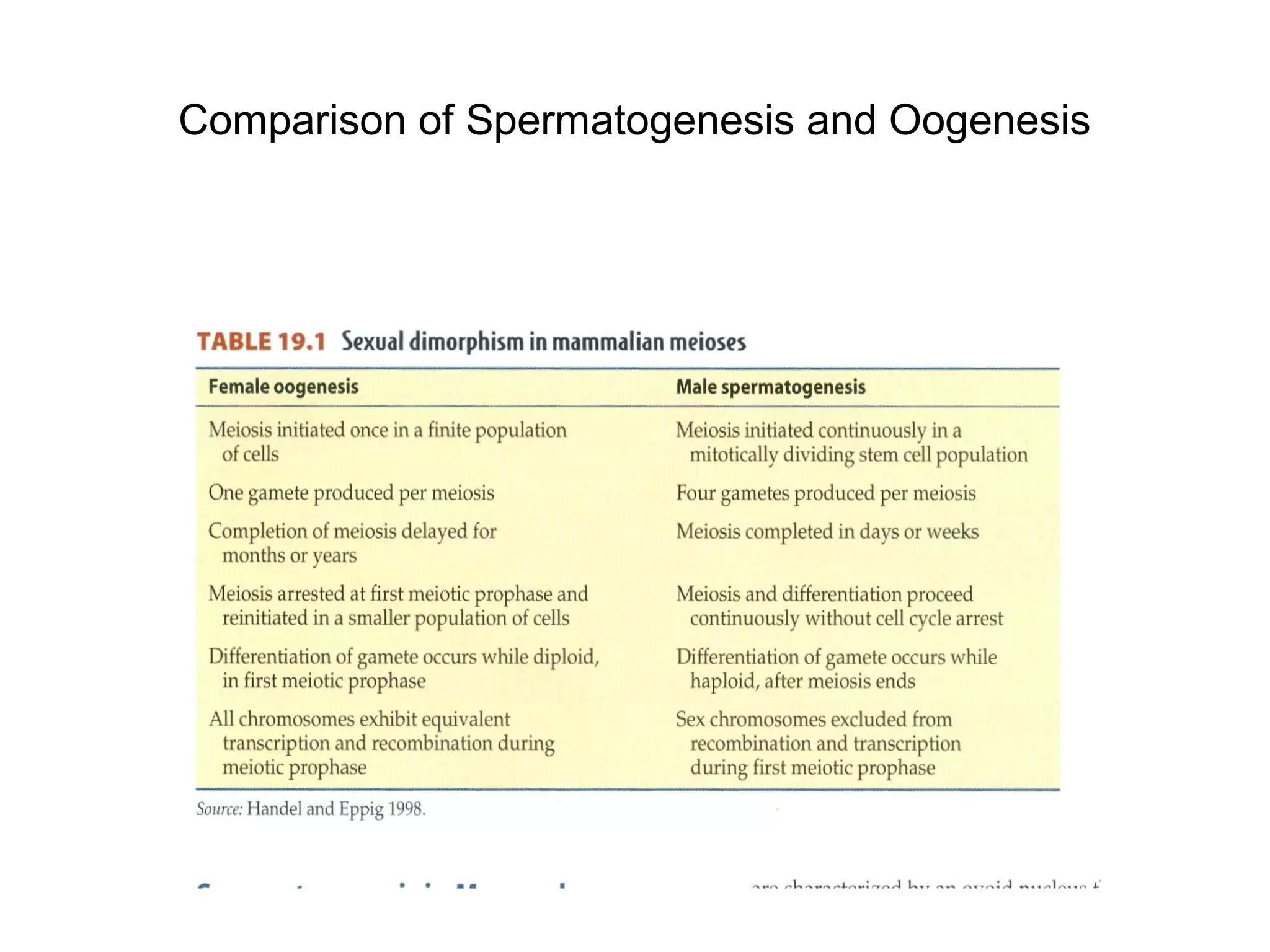
Comparison of Spermatogenesis and Oogenesis
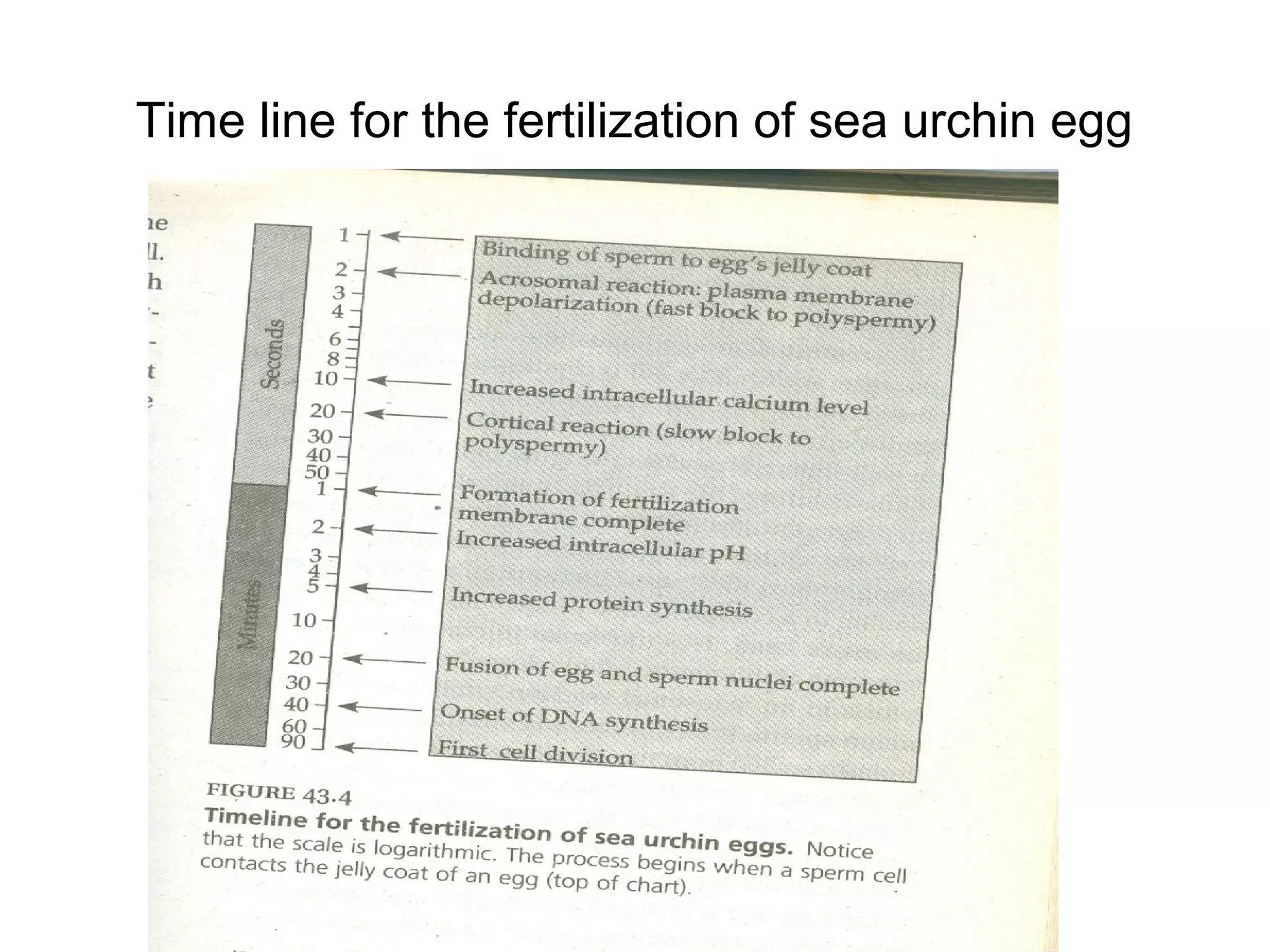
Time line for the fertilization of sea urchin egg
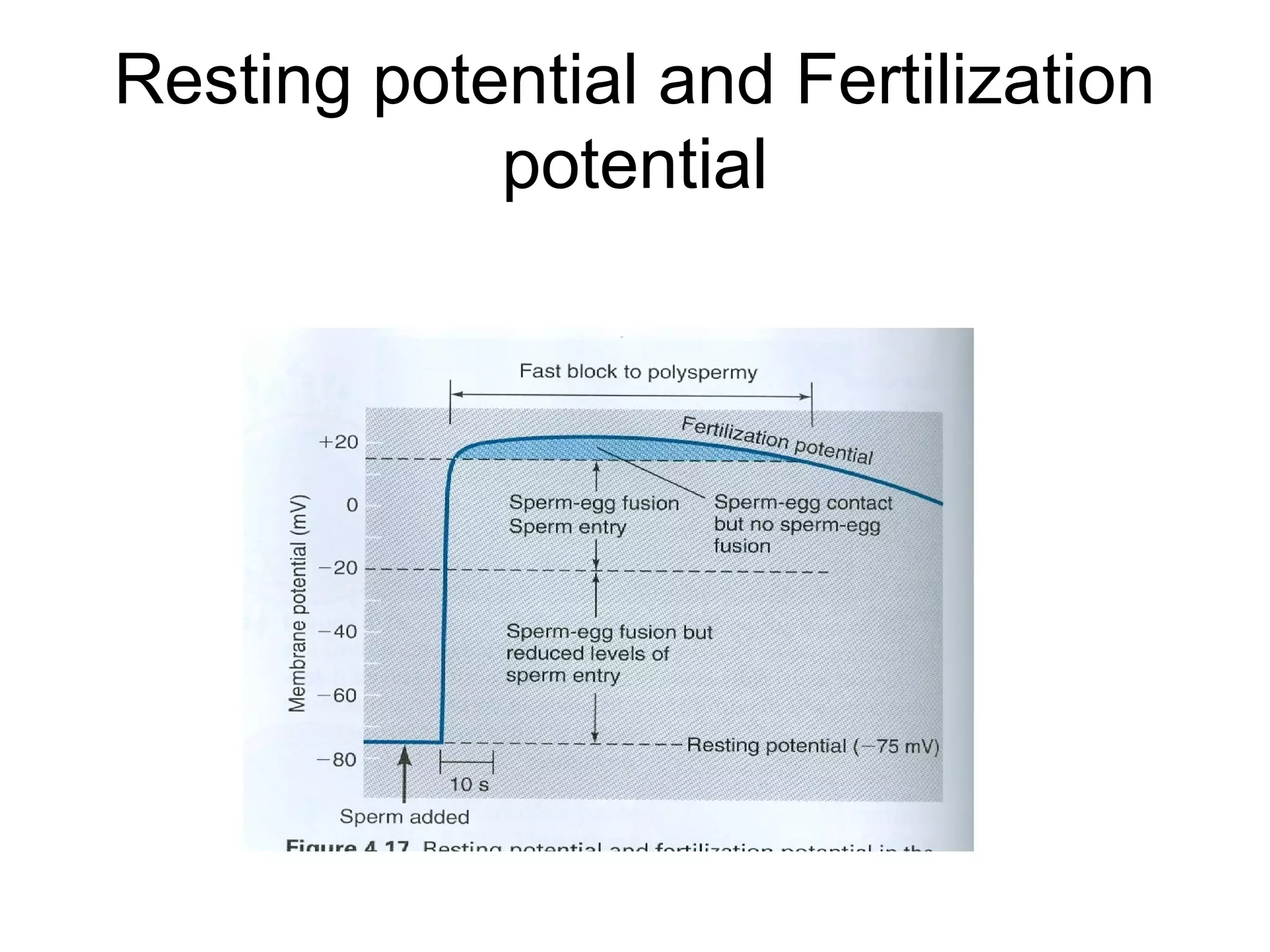
Resting potential and Fertilization
            potential
Cleavage
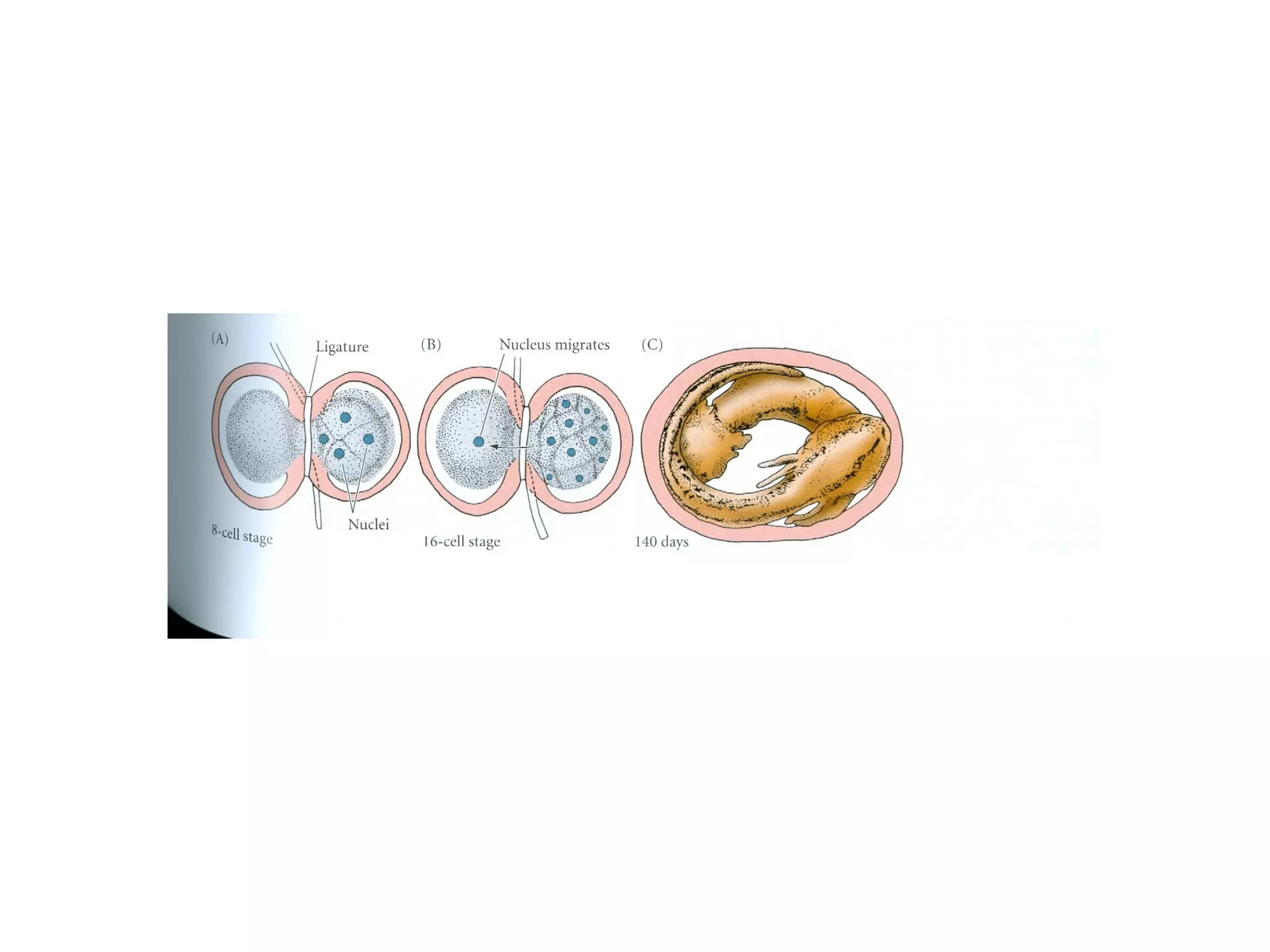
• Cleavage is a series of rapid mitotic divisions
  whereby the enormous volume of egg cytoplasm
  is divided into numerous smaller nucleated cells.
  These cleavage stages are called blastomeres.
  One consequence of this rapid division is that
  the ratio to cytoplasmic to nuclear volume gets
  increasingly smaller as cleavage progresses.
  The rate of cell division and the placement of
  blastomeres with respect to one another is
  completely under the control of proteins and
  mRNAs stored in the oocyte of the mother
Cell cycle of somatic and early
          blastomeres
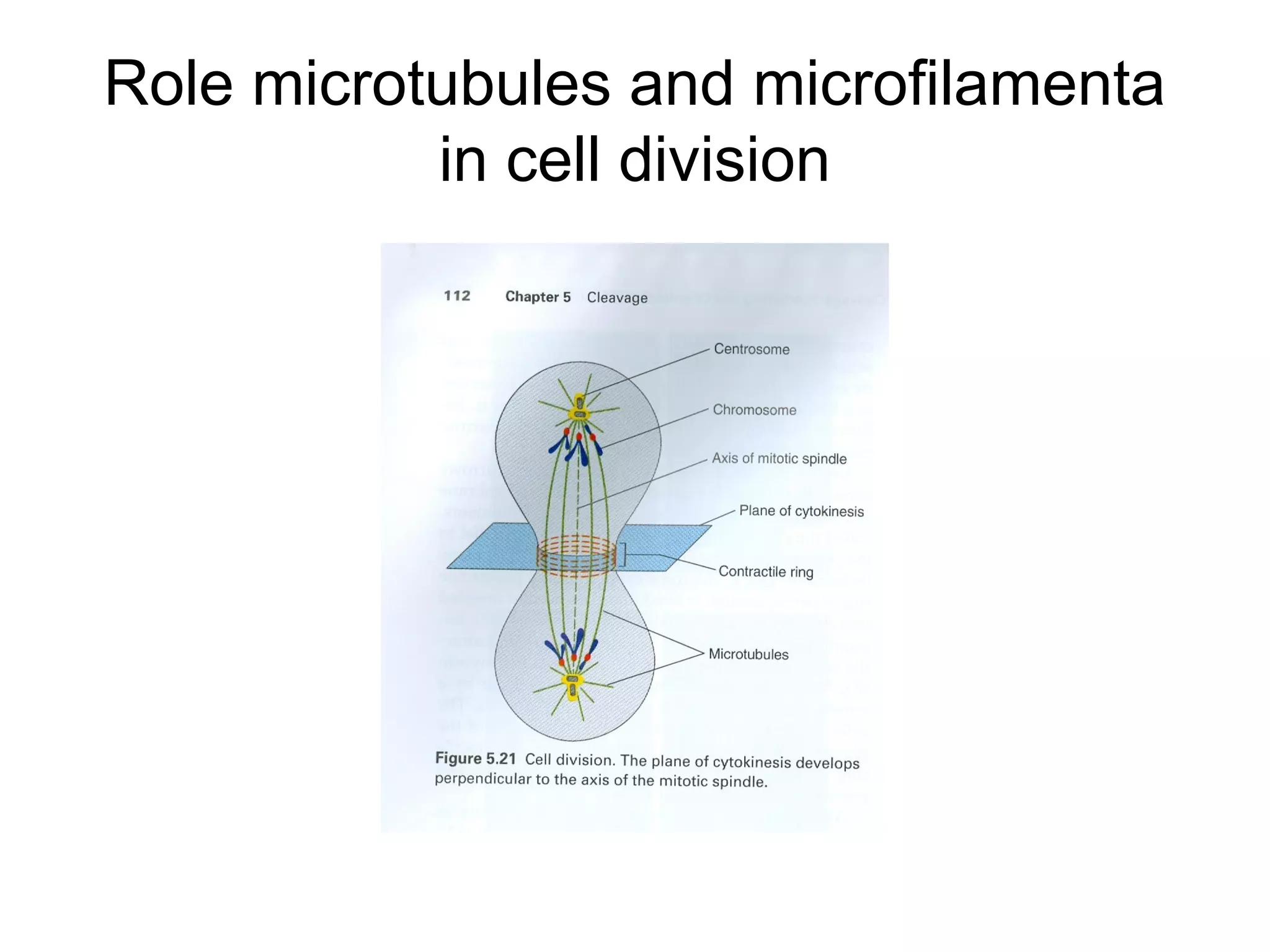
Role microtubules and microfilamenta
           in cell division
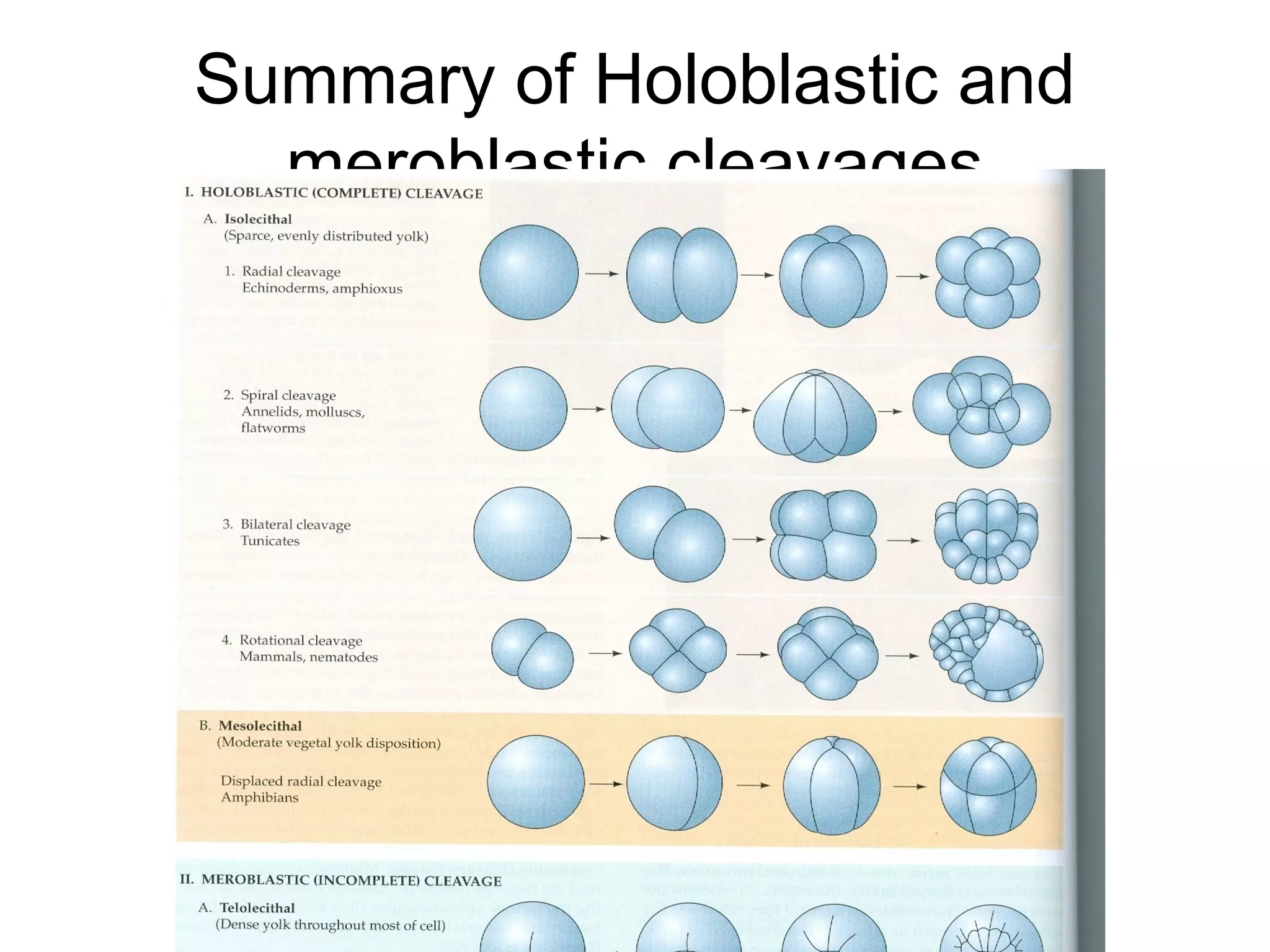
Summary of Holoblastic and
  meroblastic cleavages
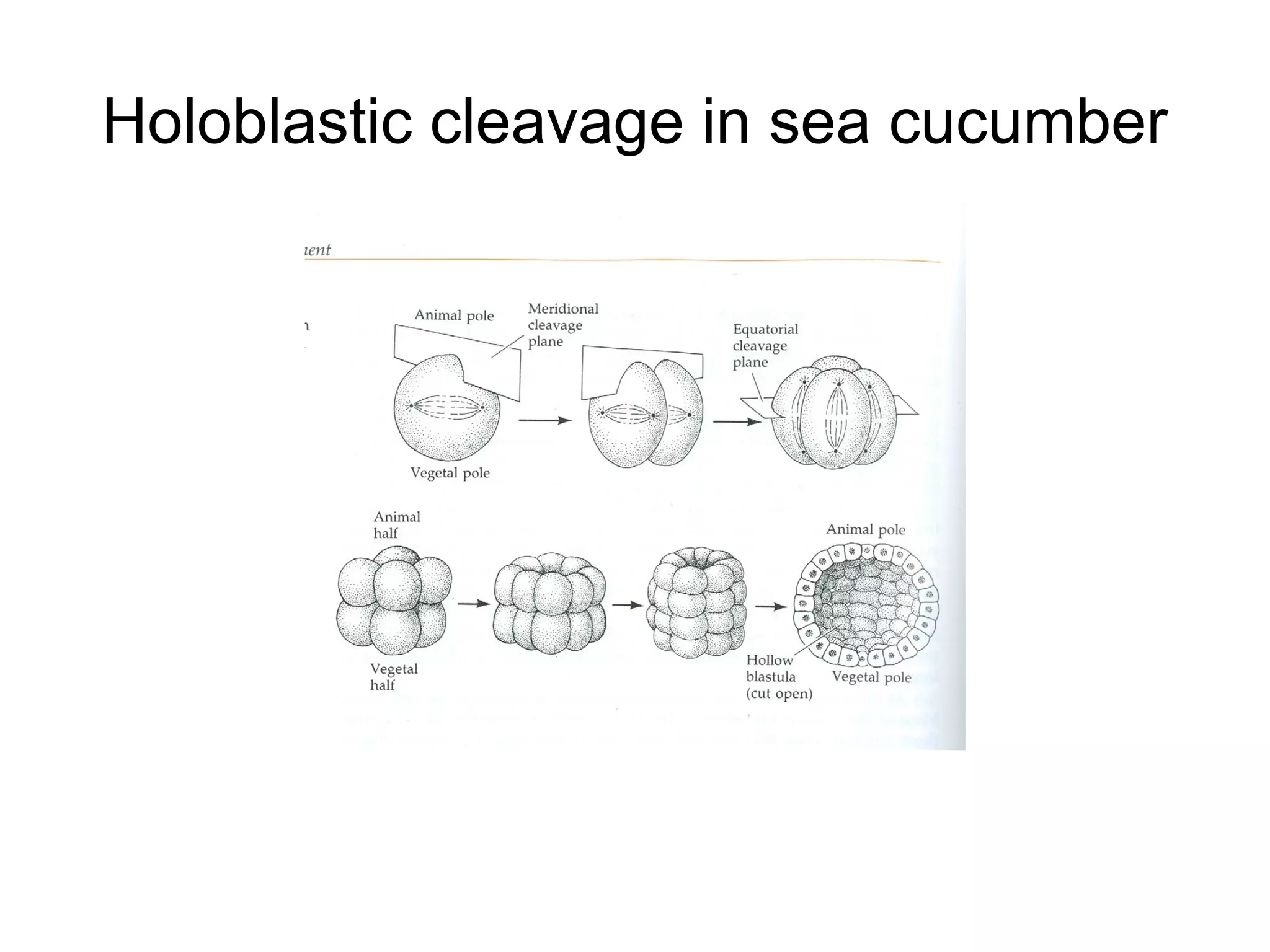
Holoblastic cleavage in sea cucumber
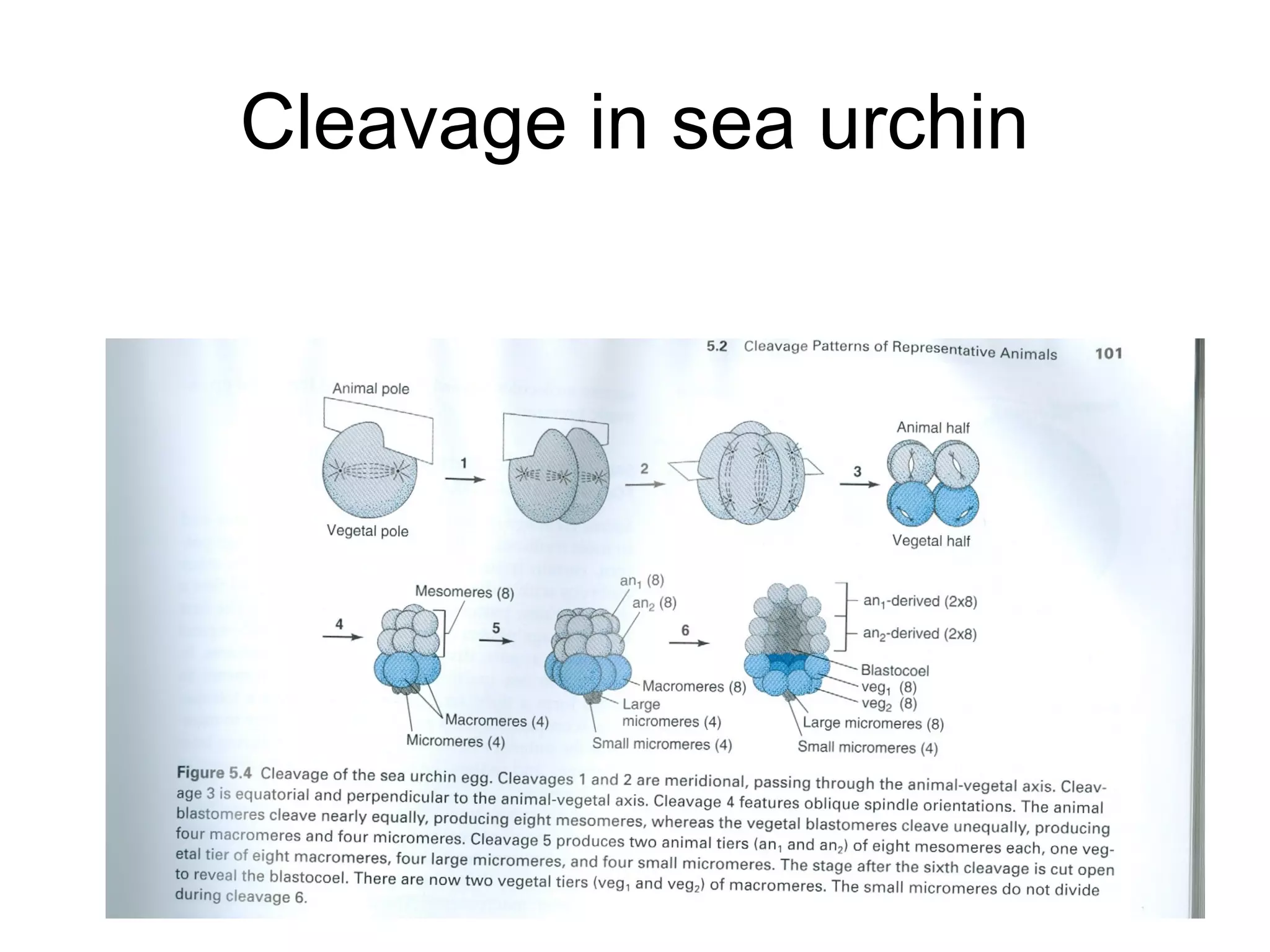
Cleavage in sea urchin
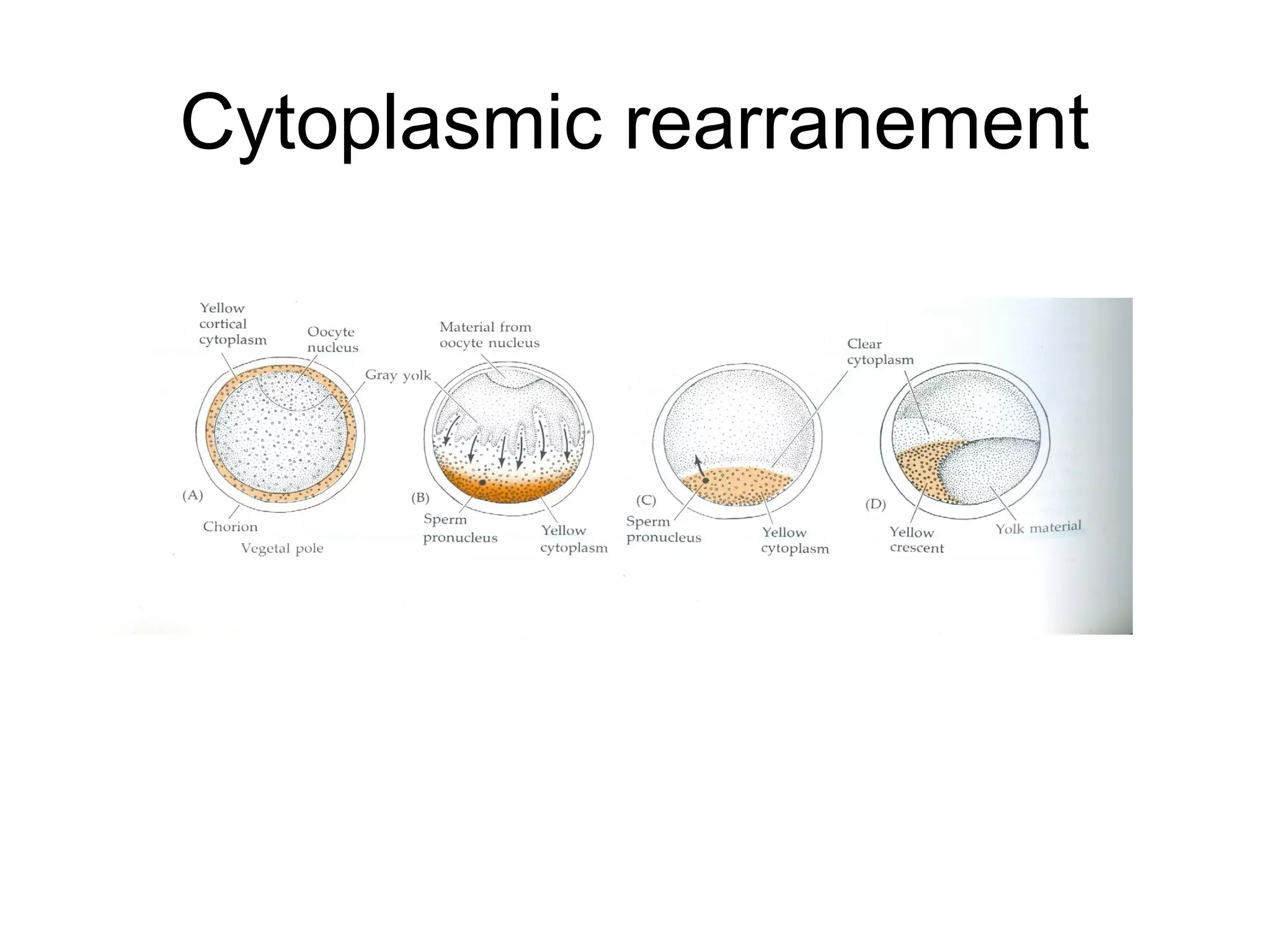
Cytoplasmic rearranement
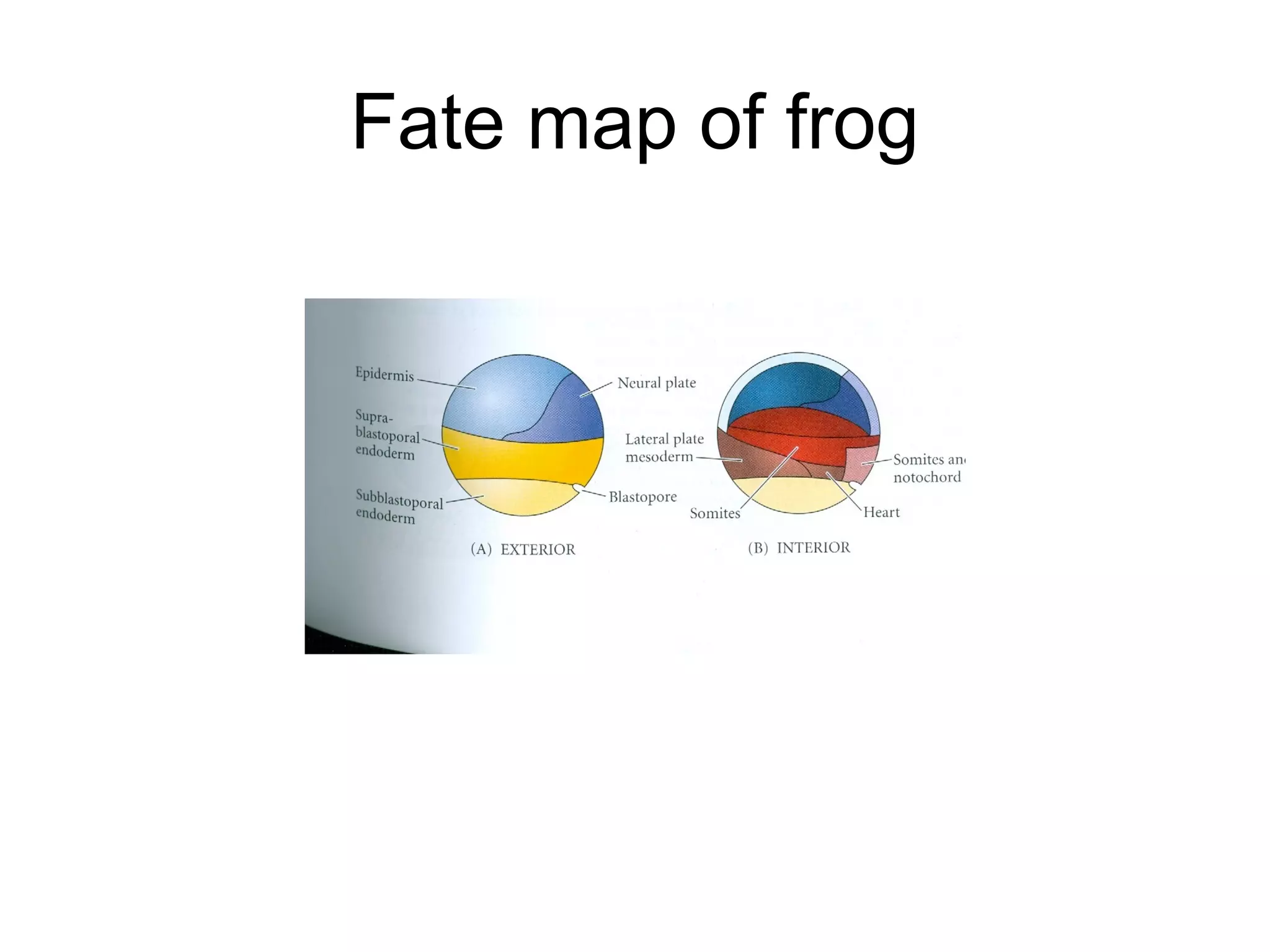
Fate map of frog
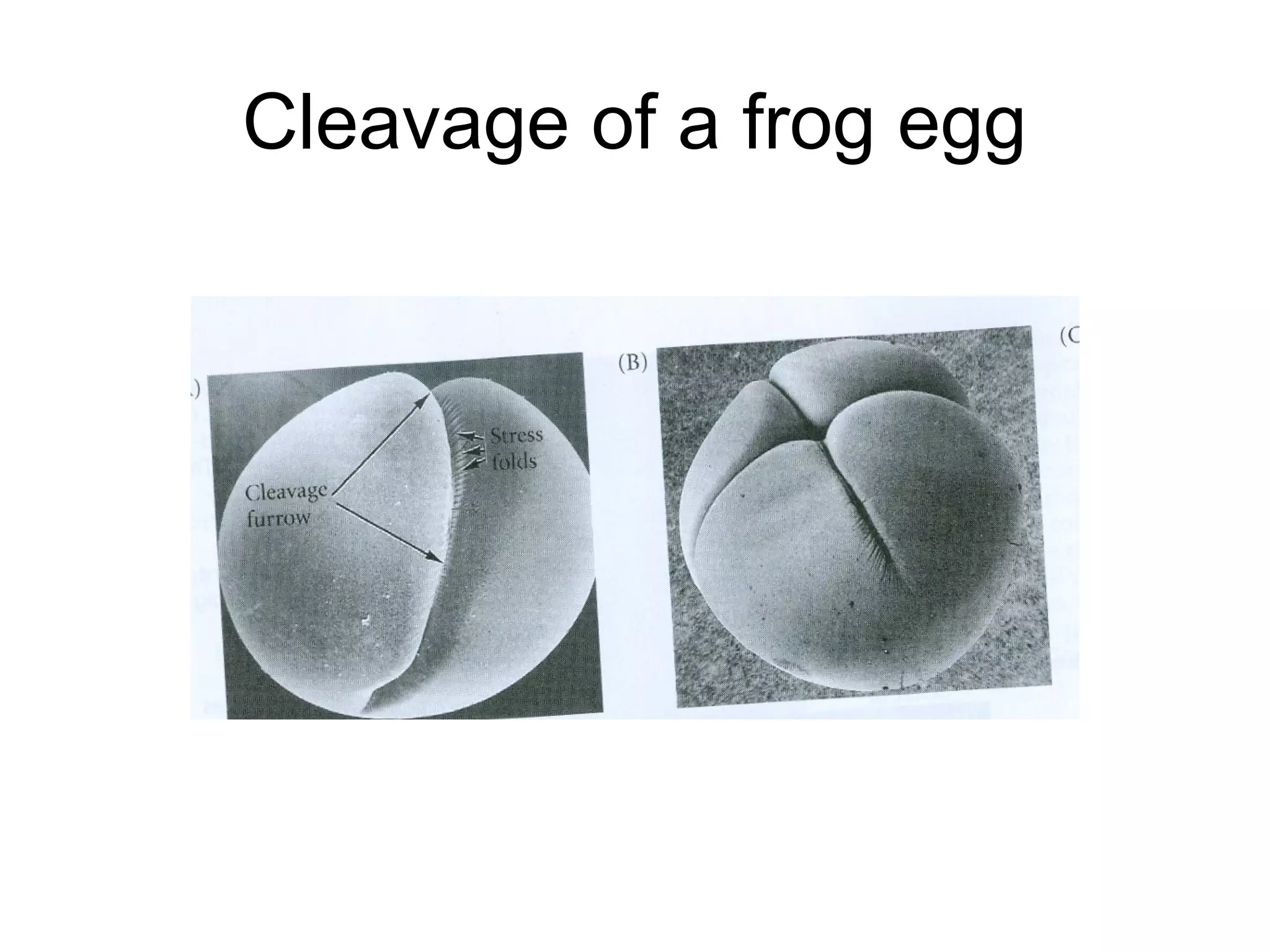
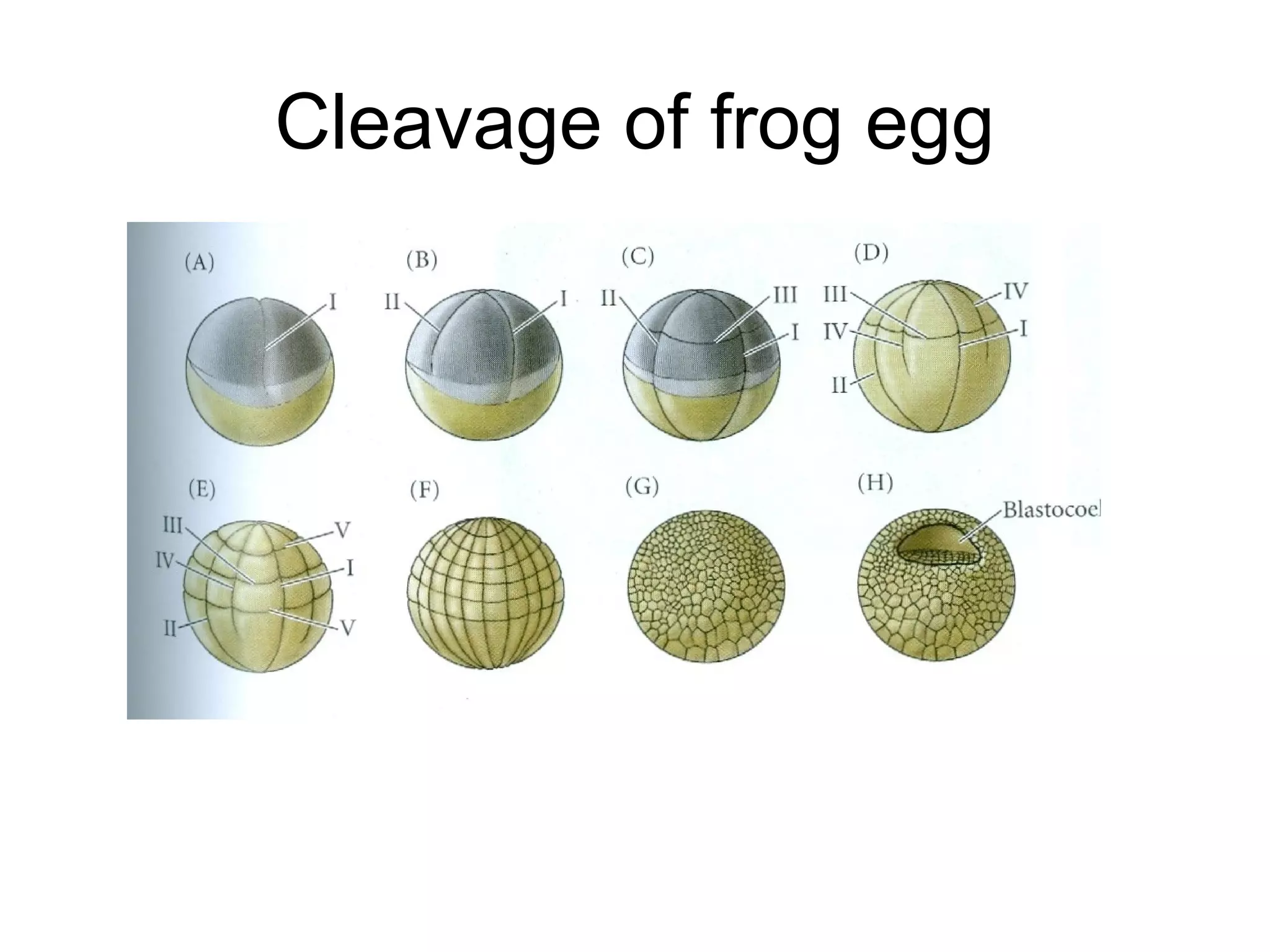
Cleavage of a frog egg
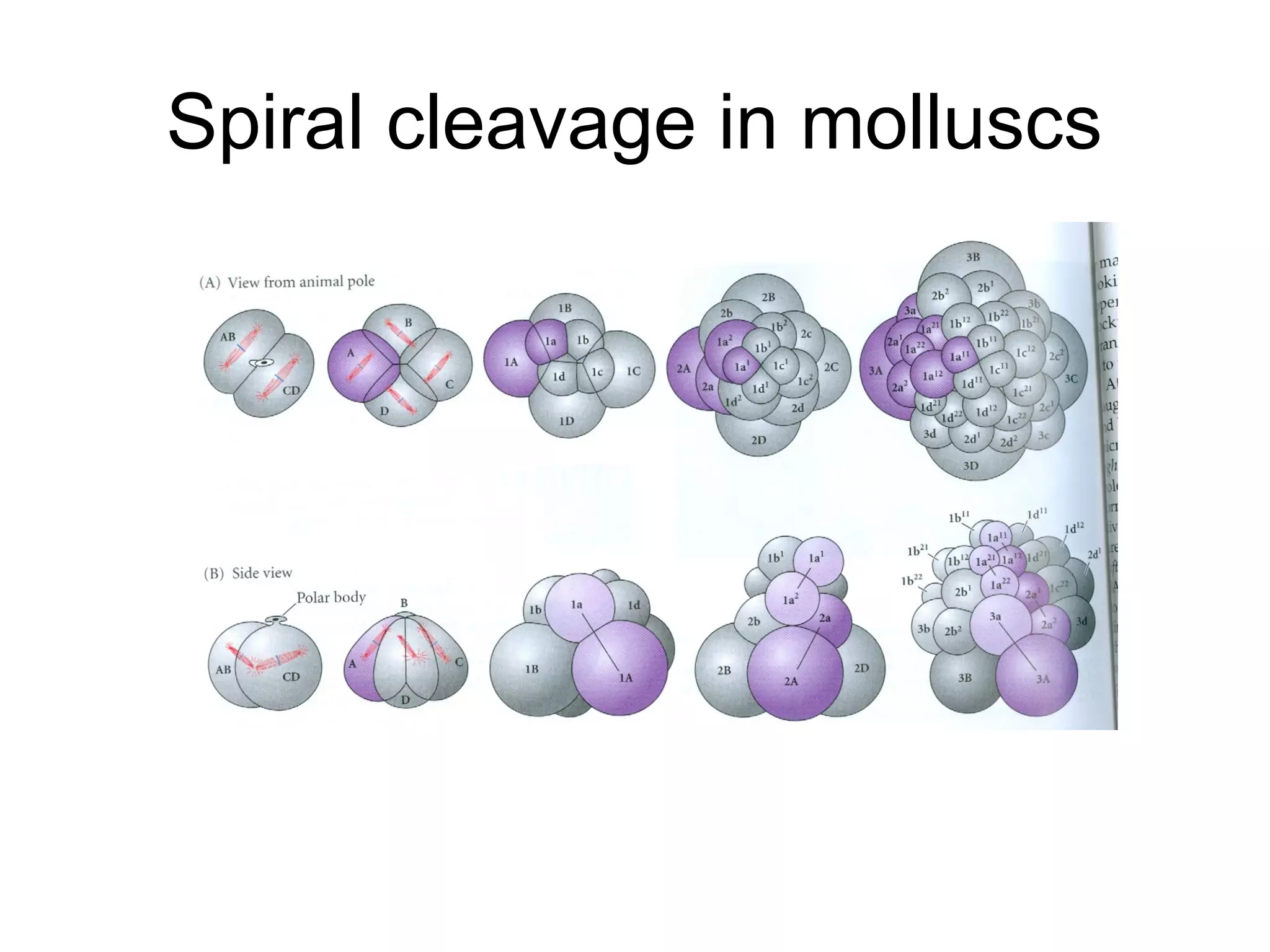
Spiral cleavage in molluscs
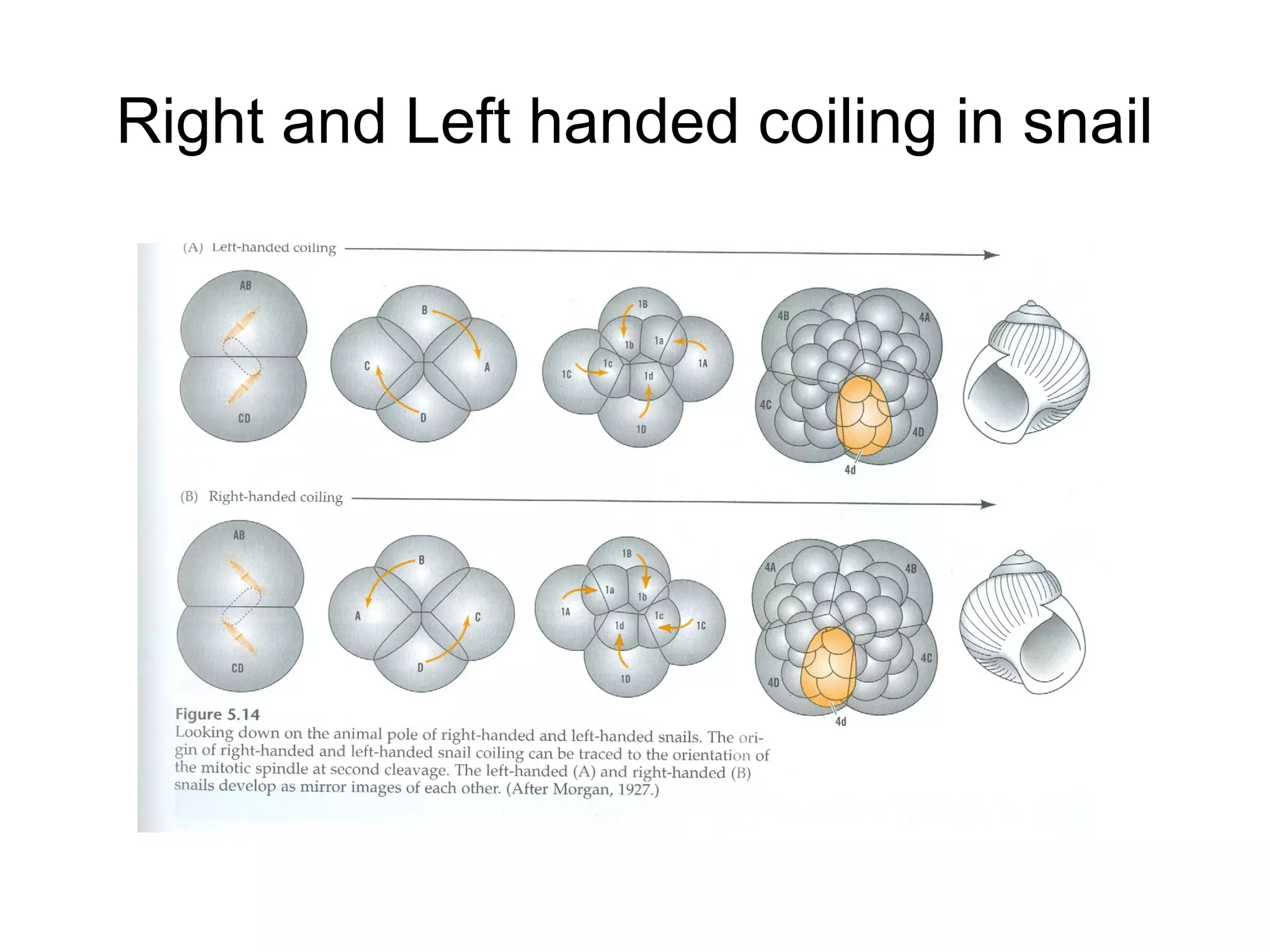
Right and Left handed coiling in snail
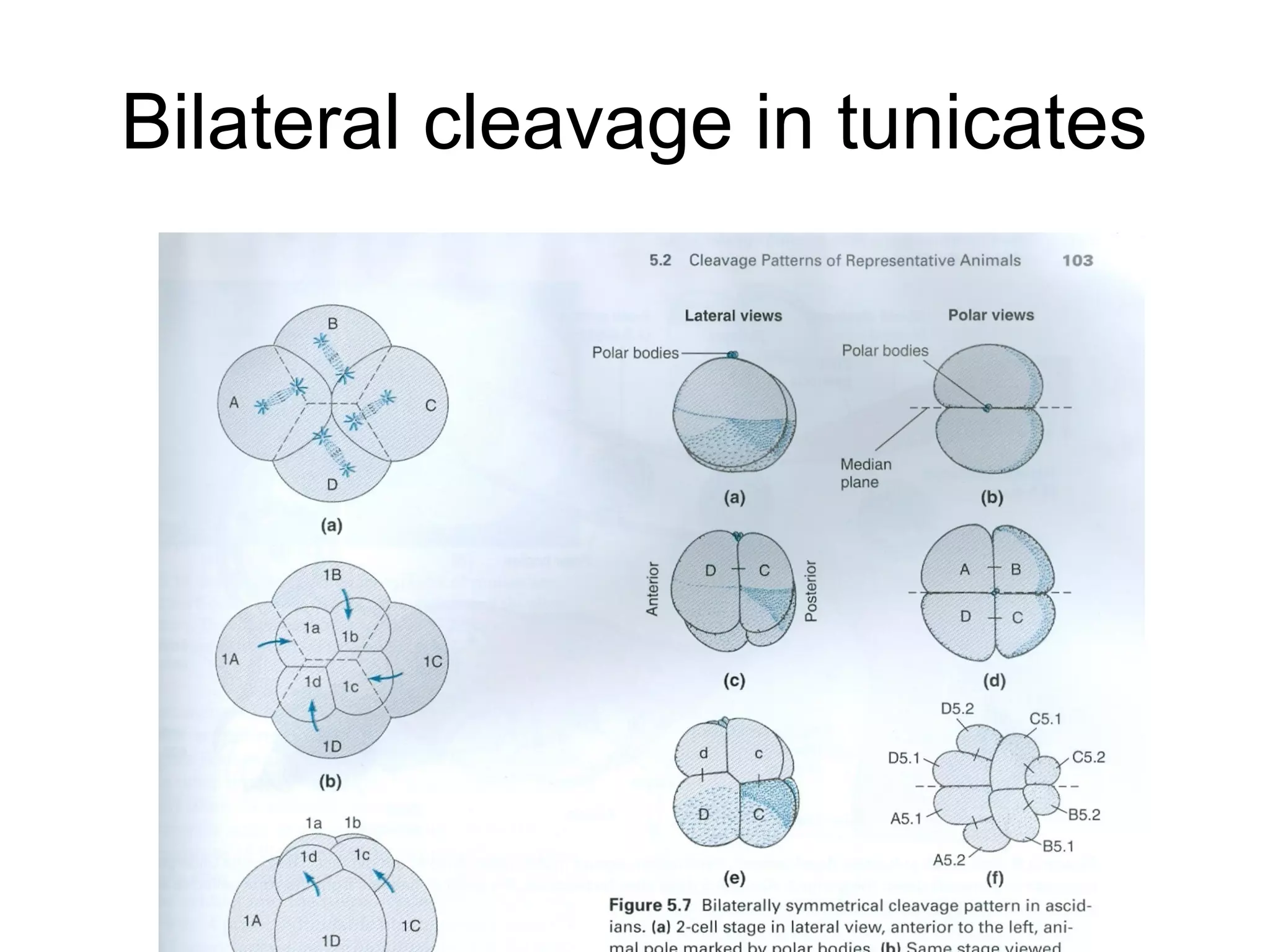
Bilateral cleavage in tunicates
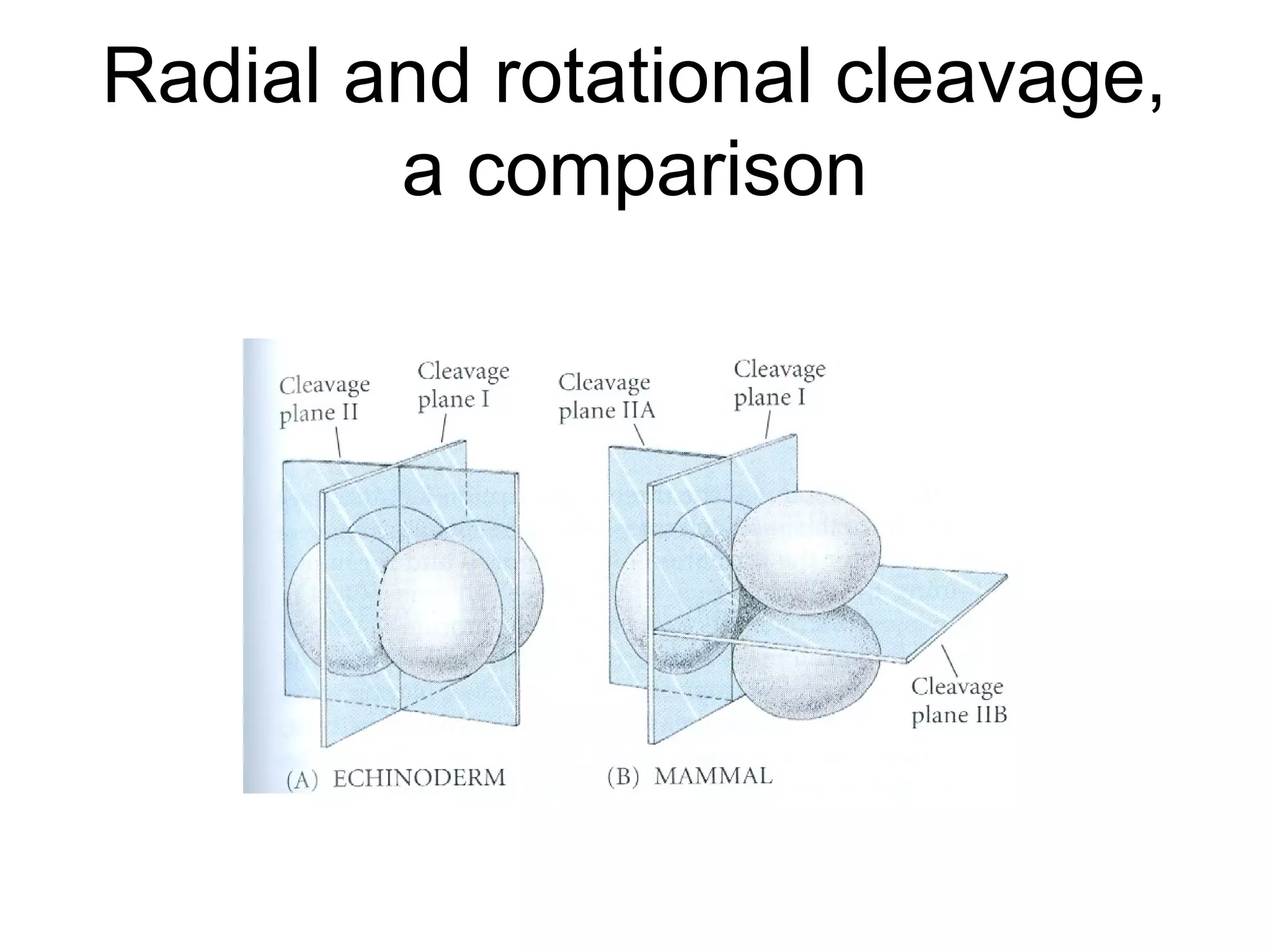
Radial and rotational cleavage,
        a comparison
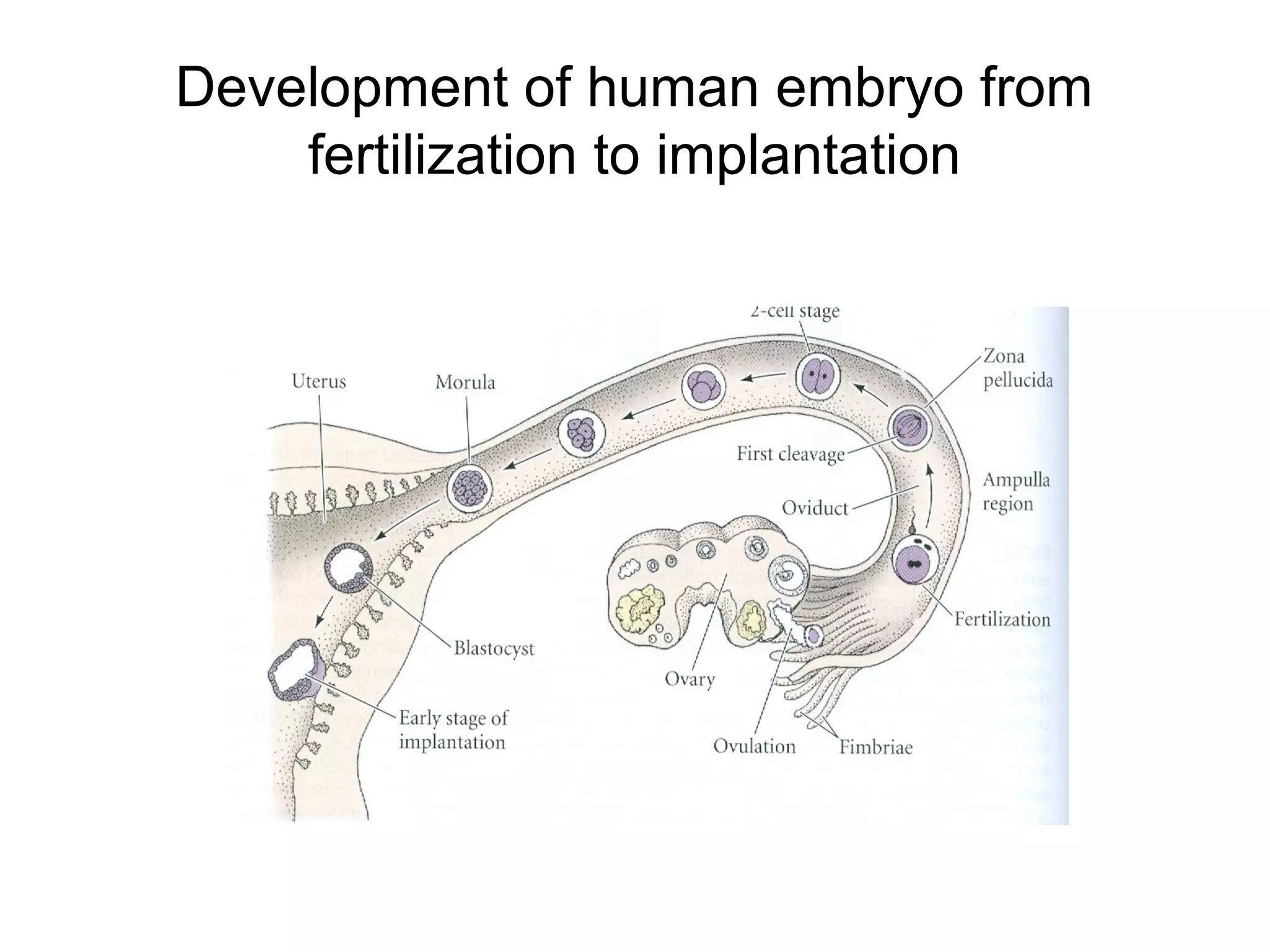
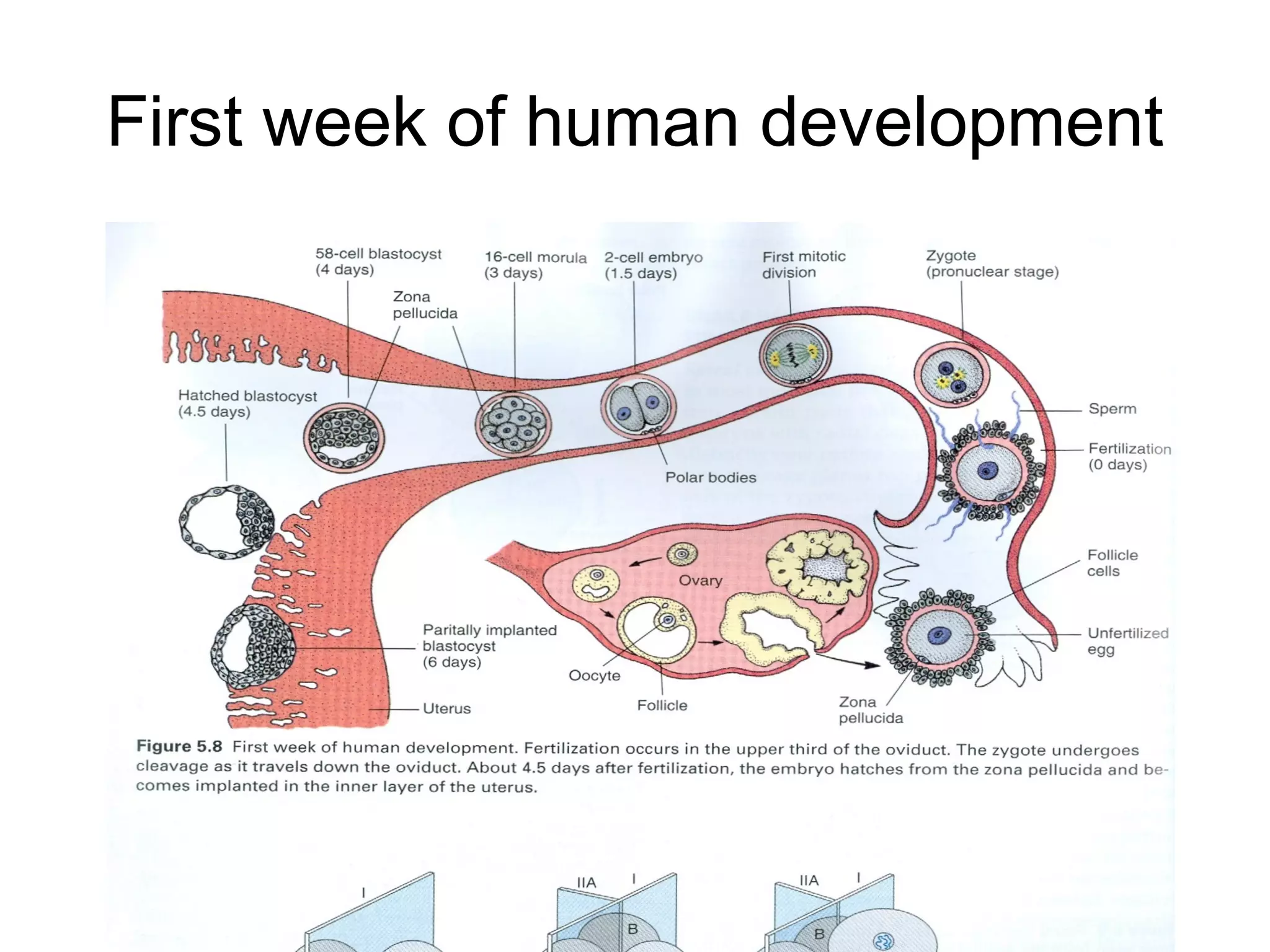
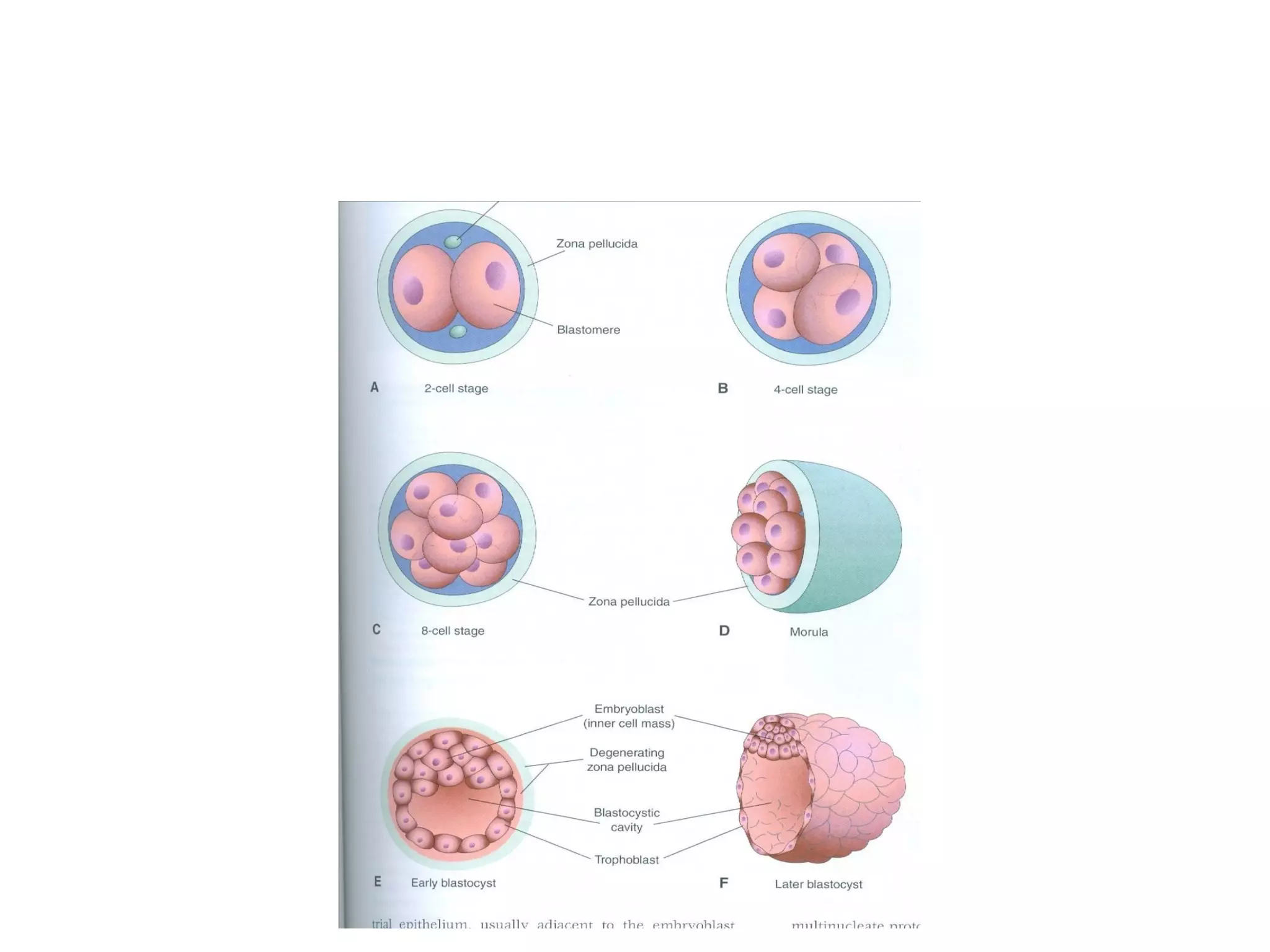
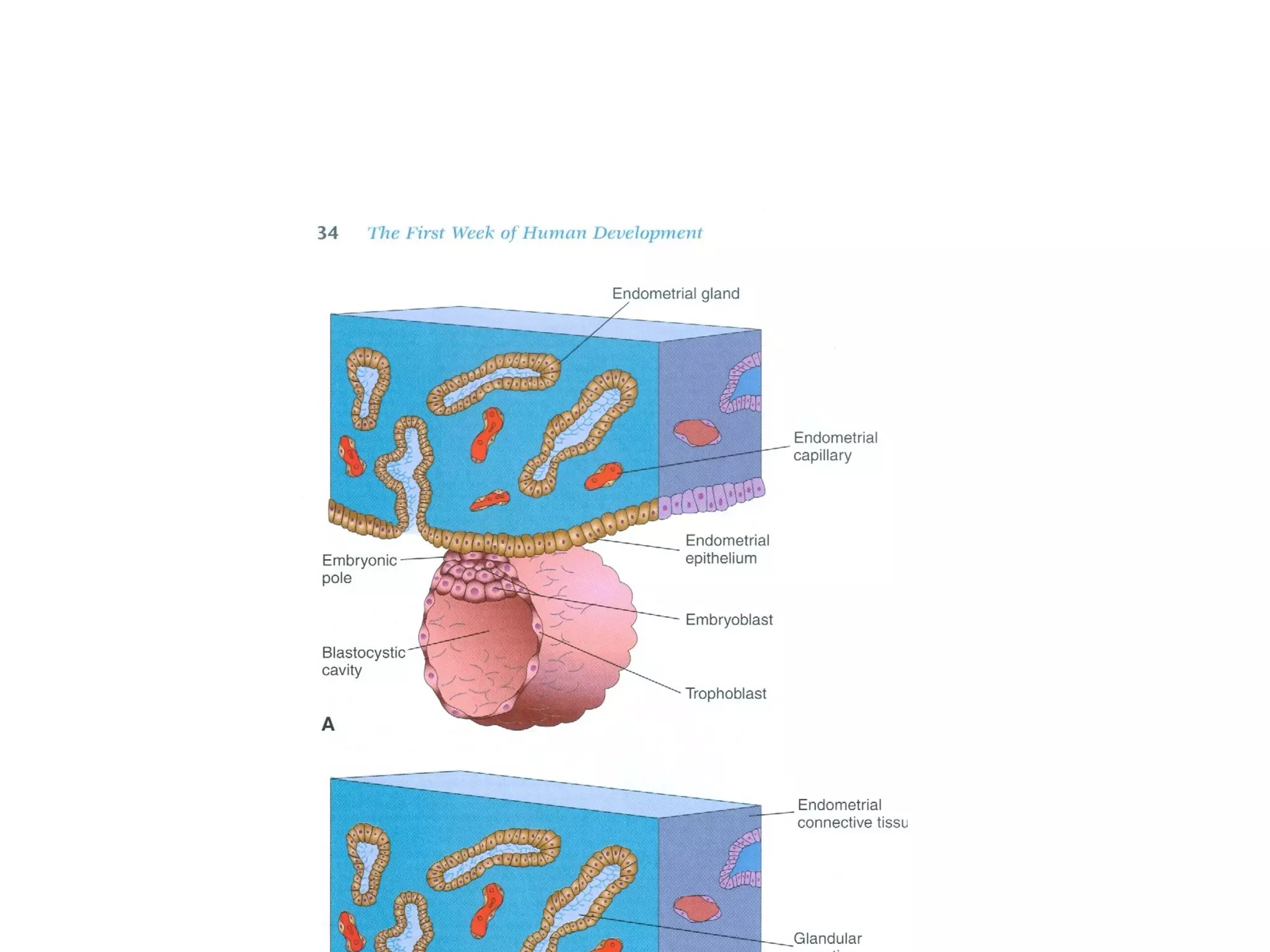
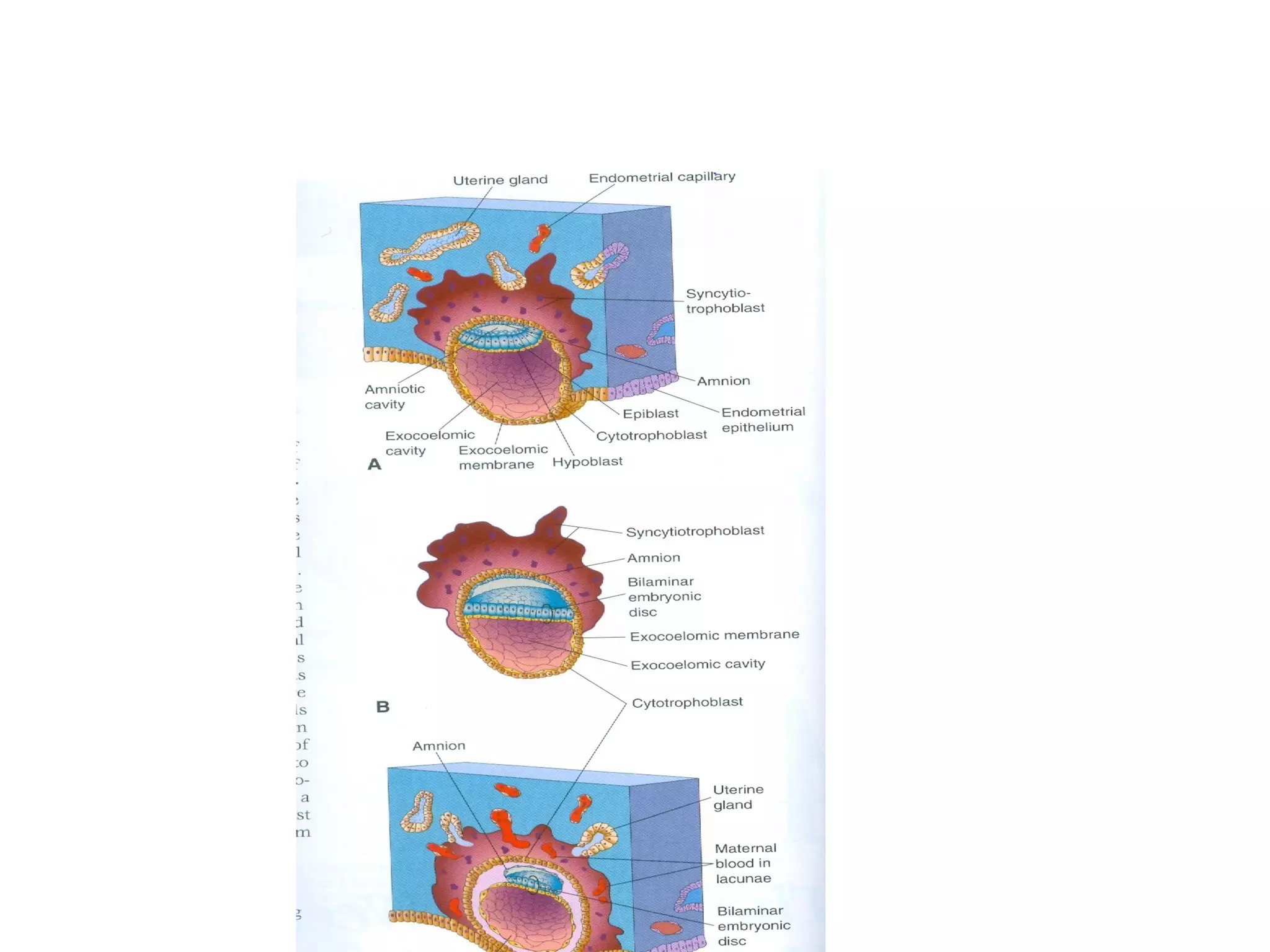
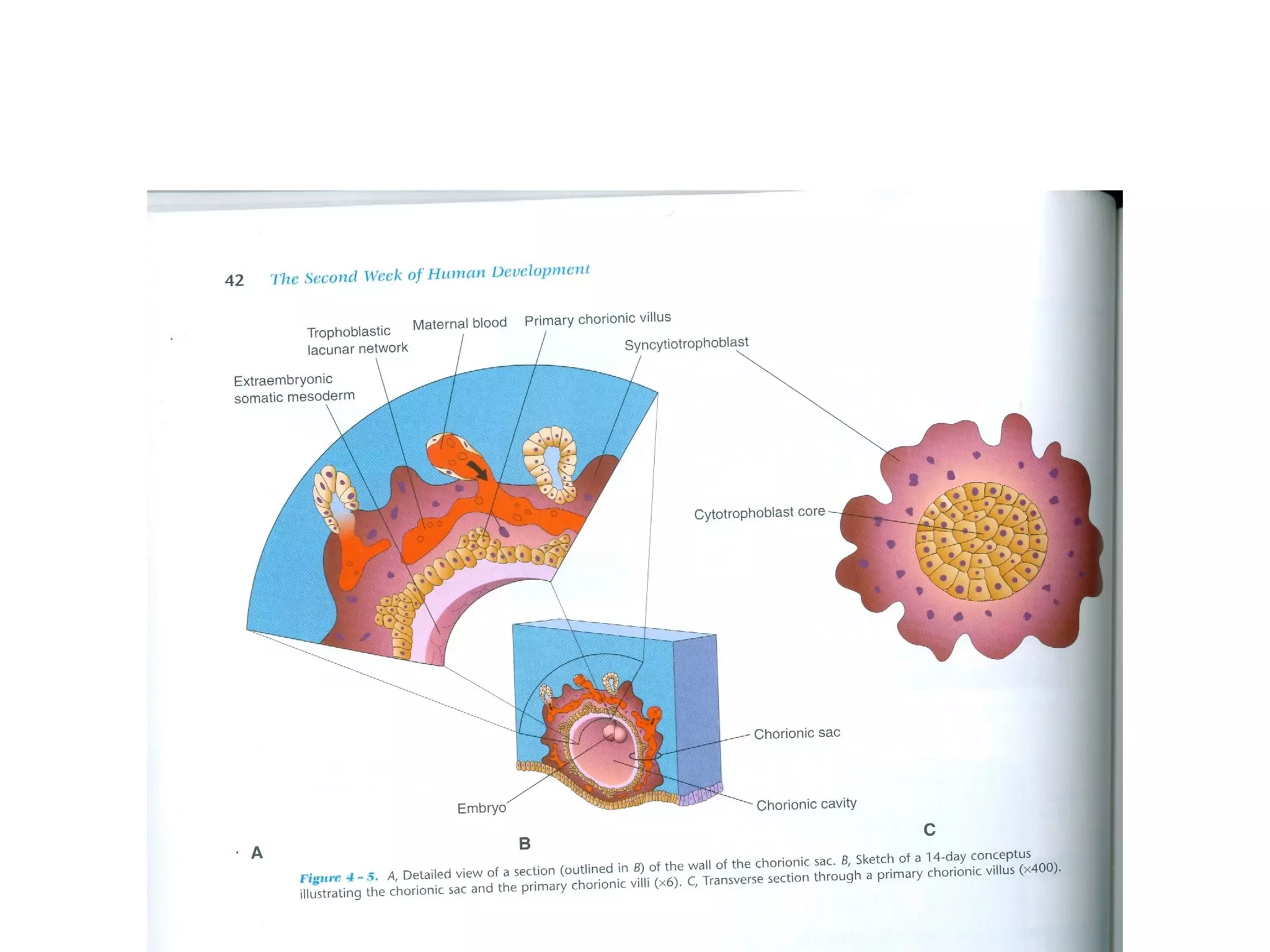
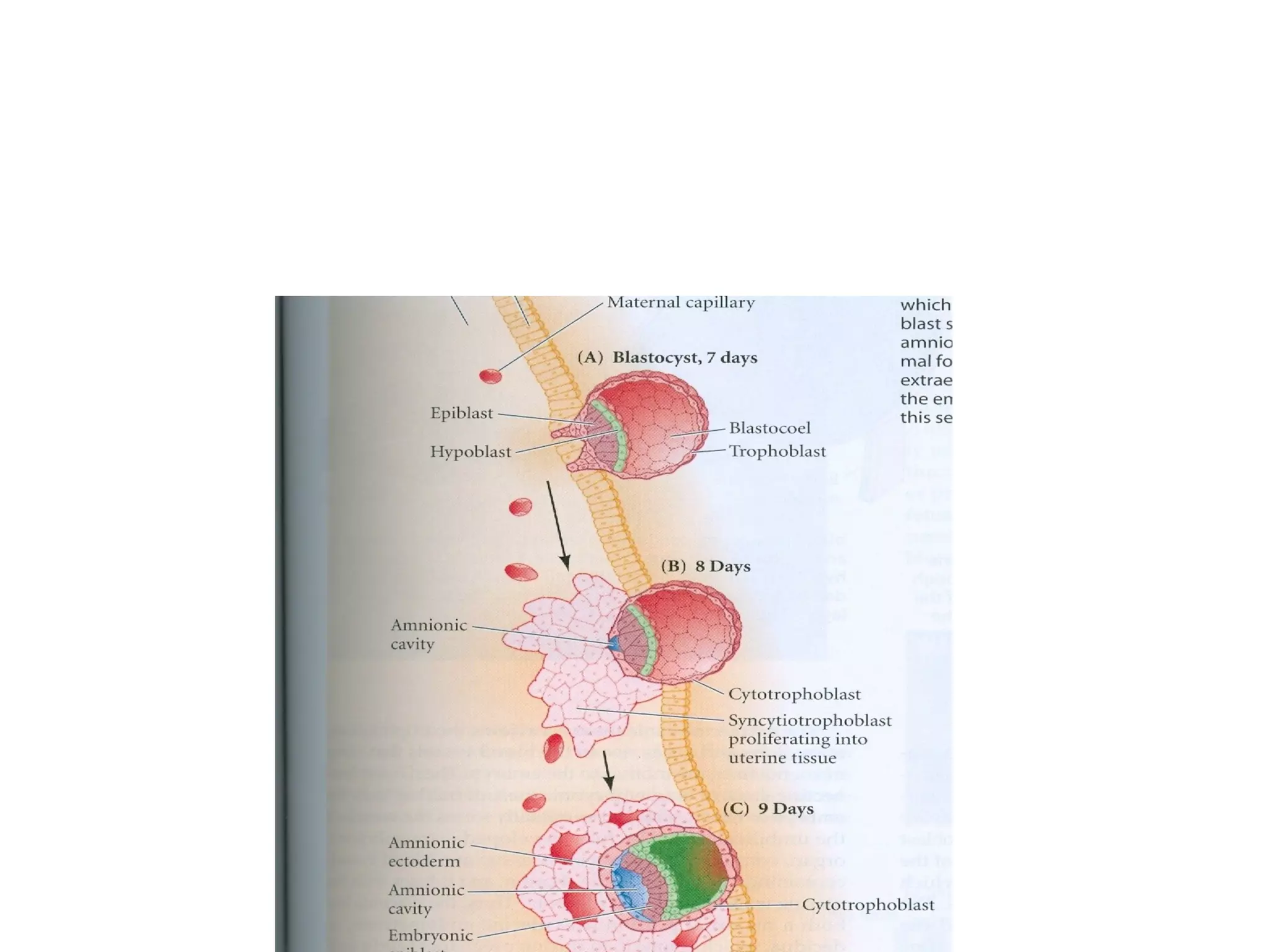
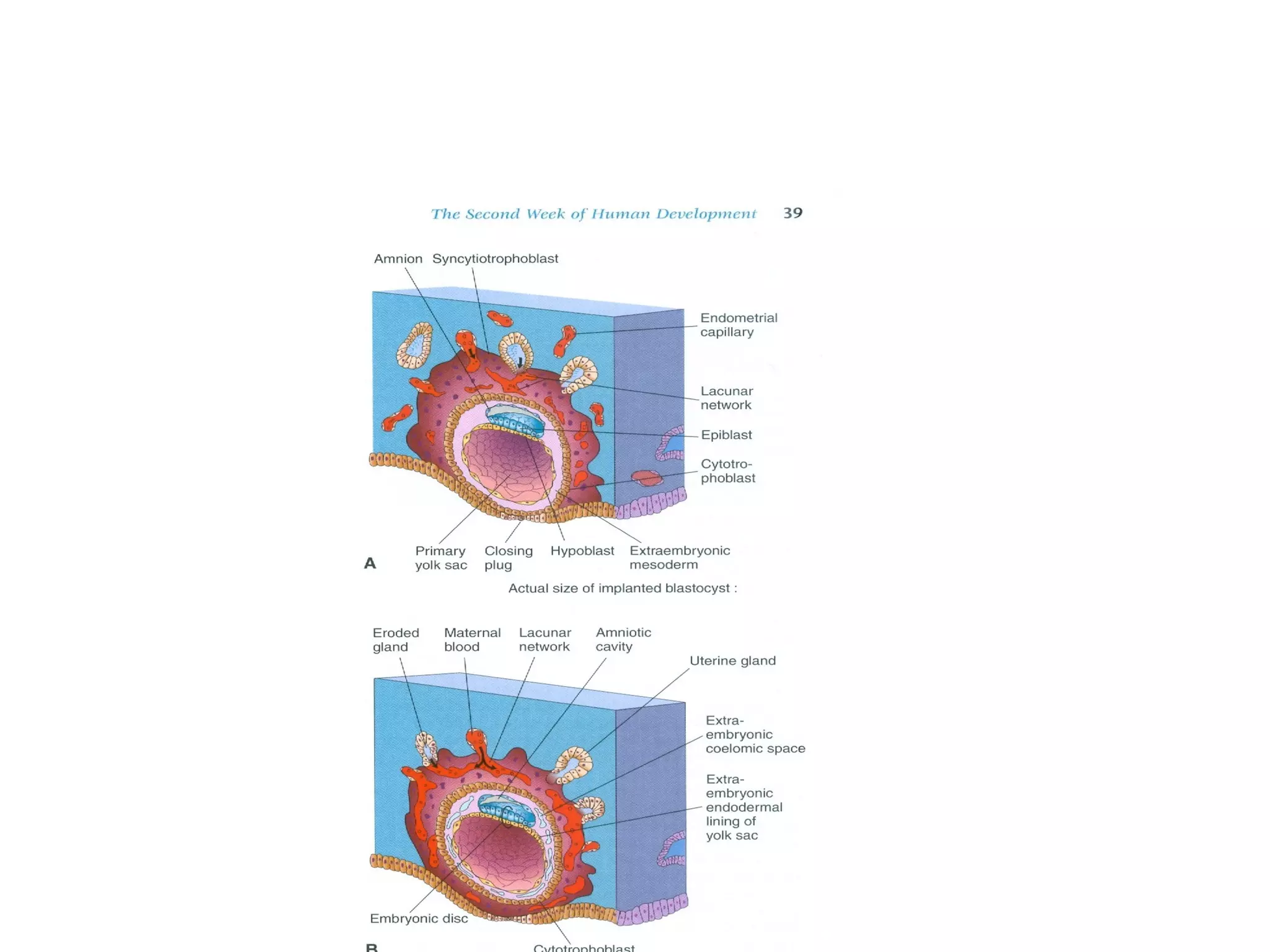
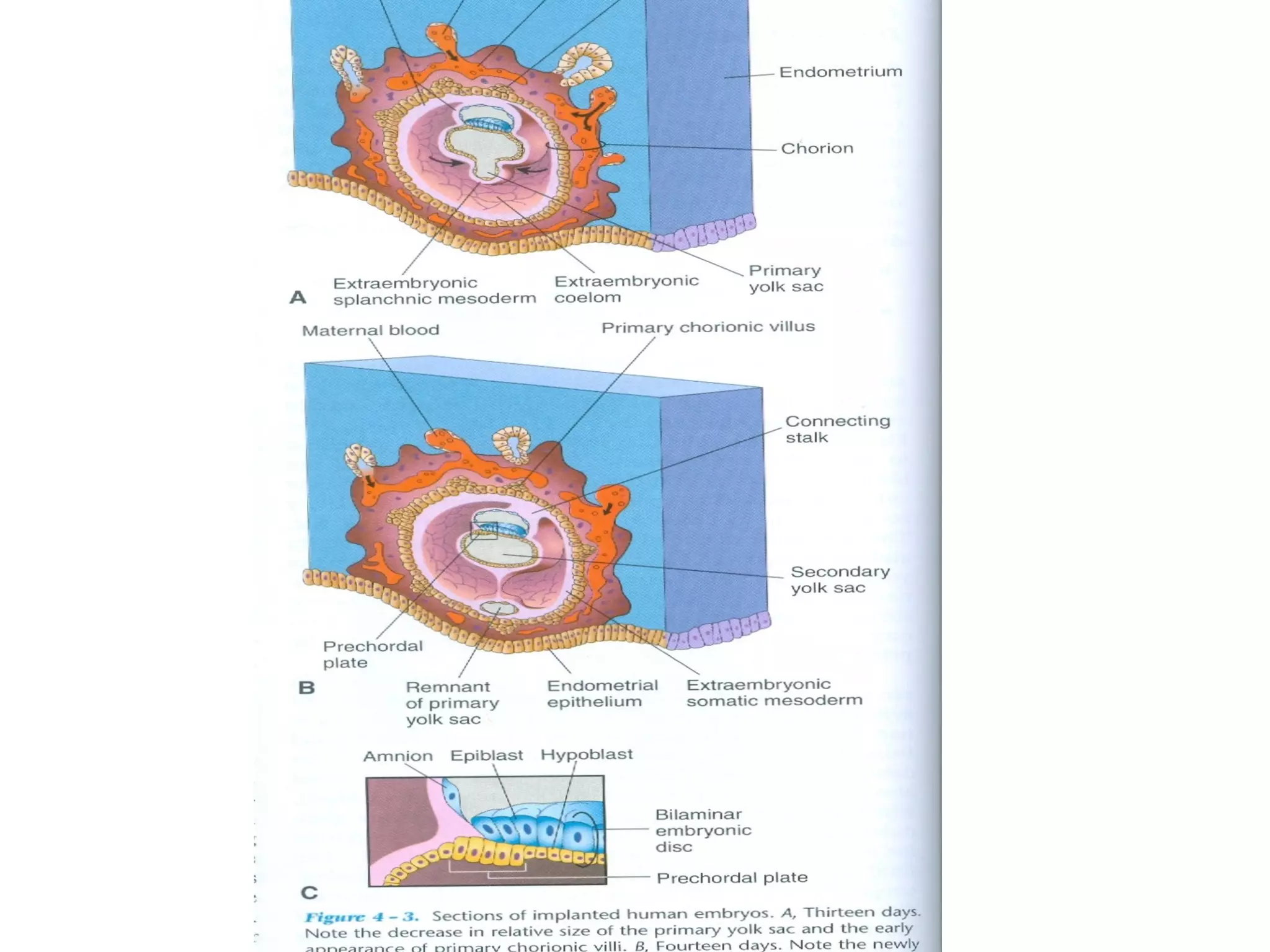
Development of human embryo from
    fertilization to implantation
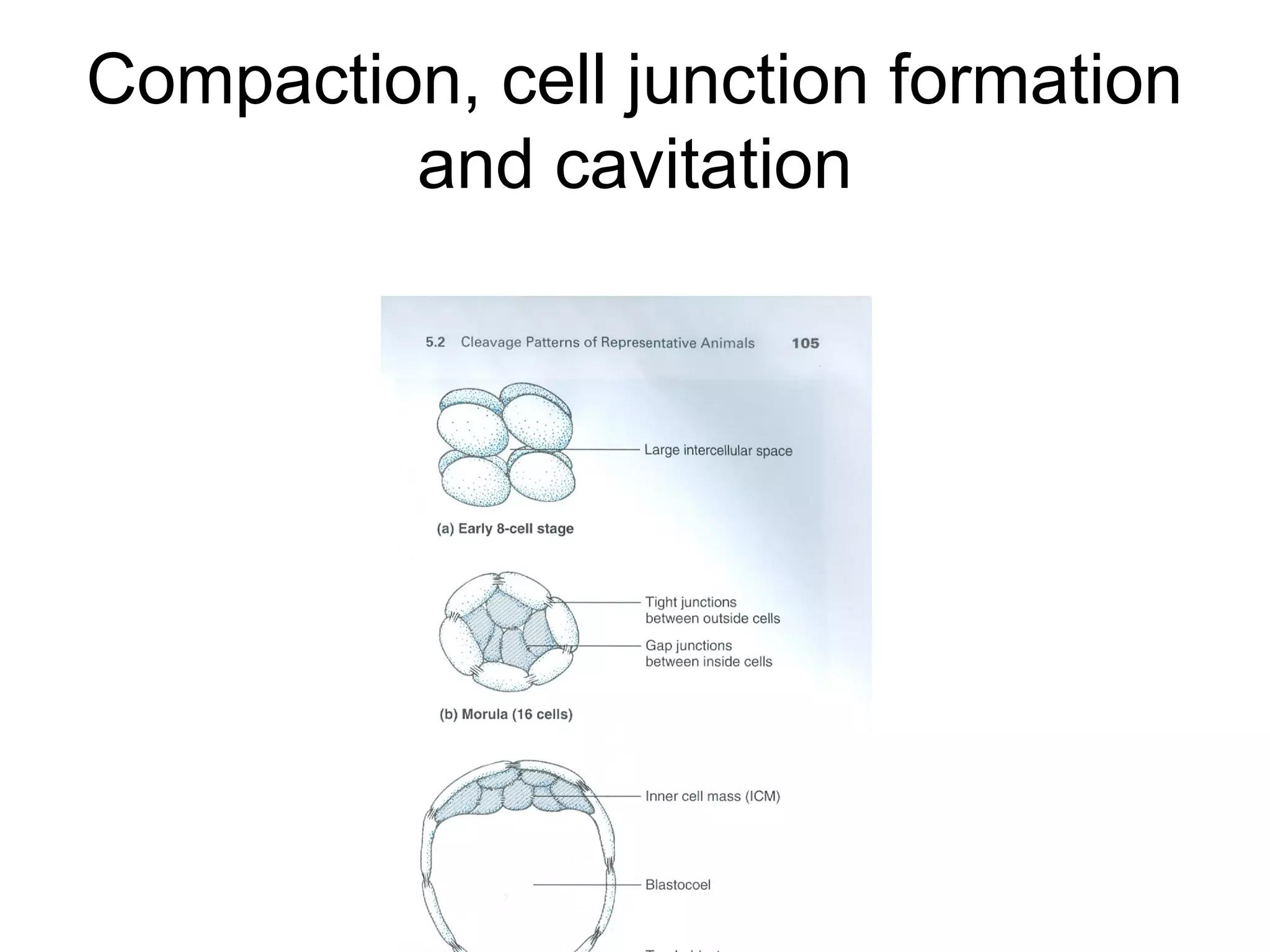
Compaction, cell junction formation
         and cavitation
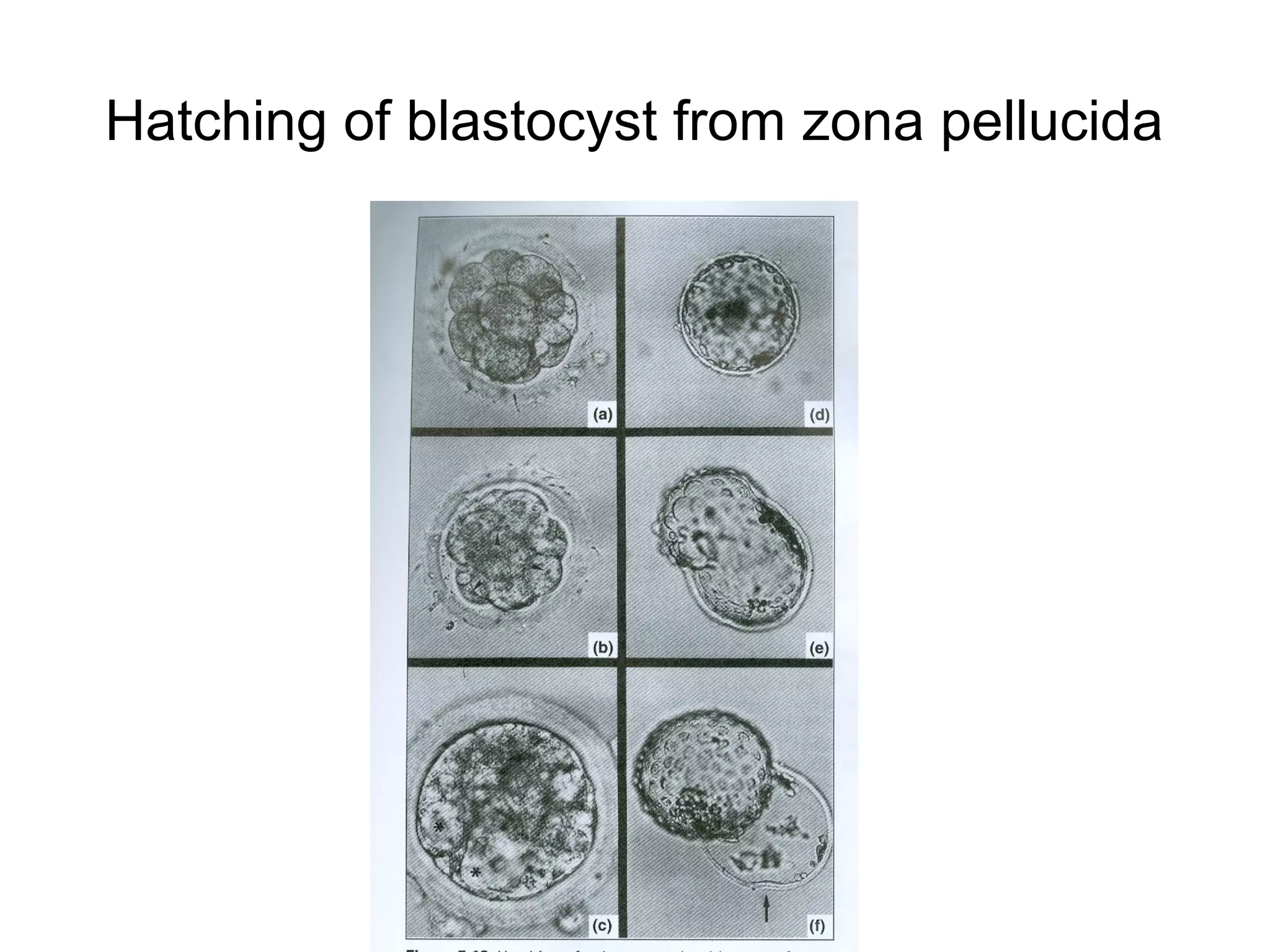
Hatching of blastocyst from zona pellucida
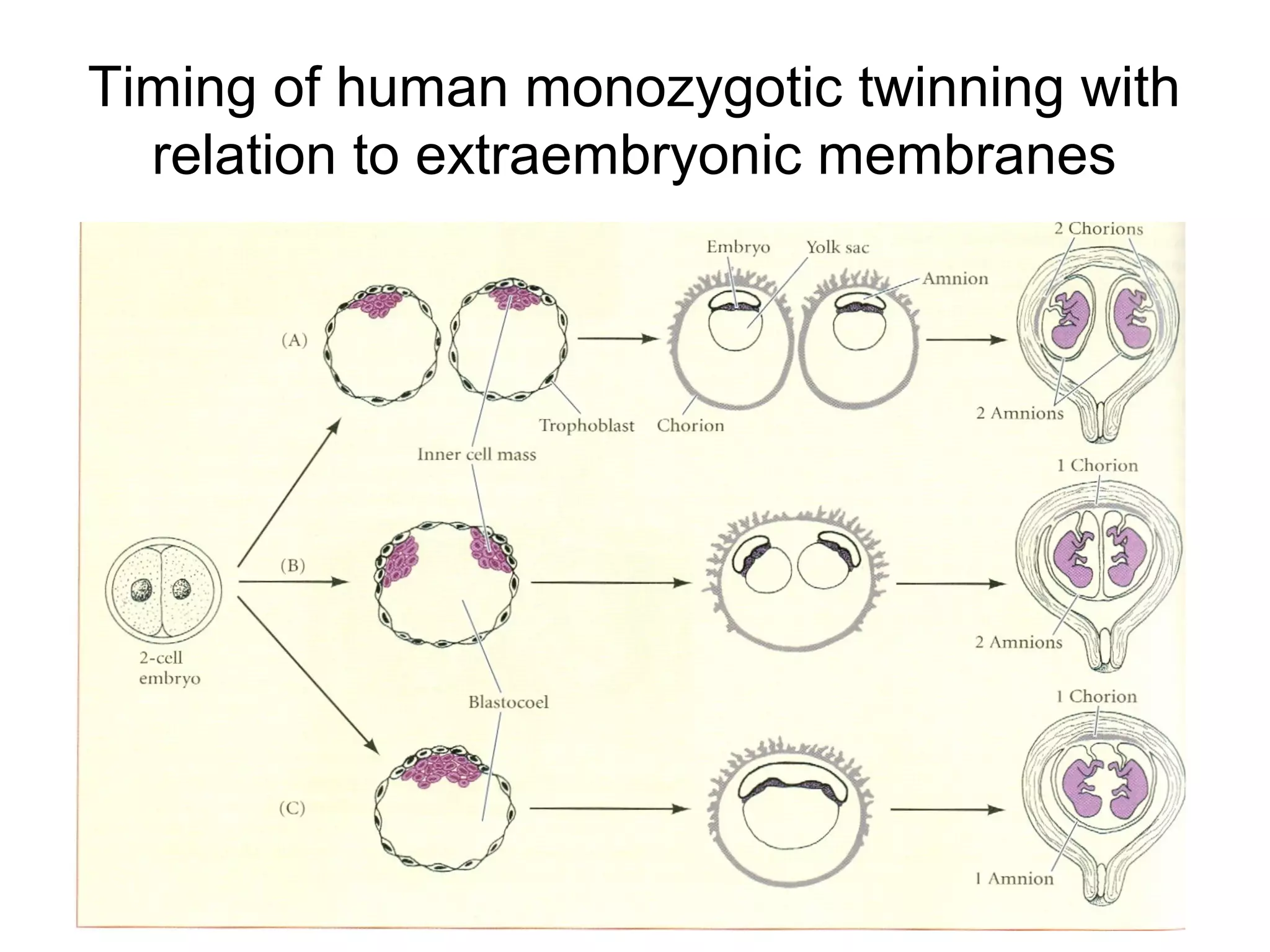
Timing of human monozygotic twinning with
  relation to extraembryonic membranes
• Fate maps of different animals
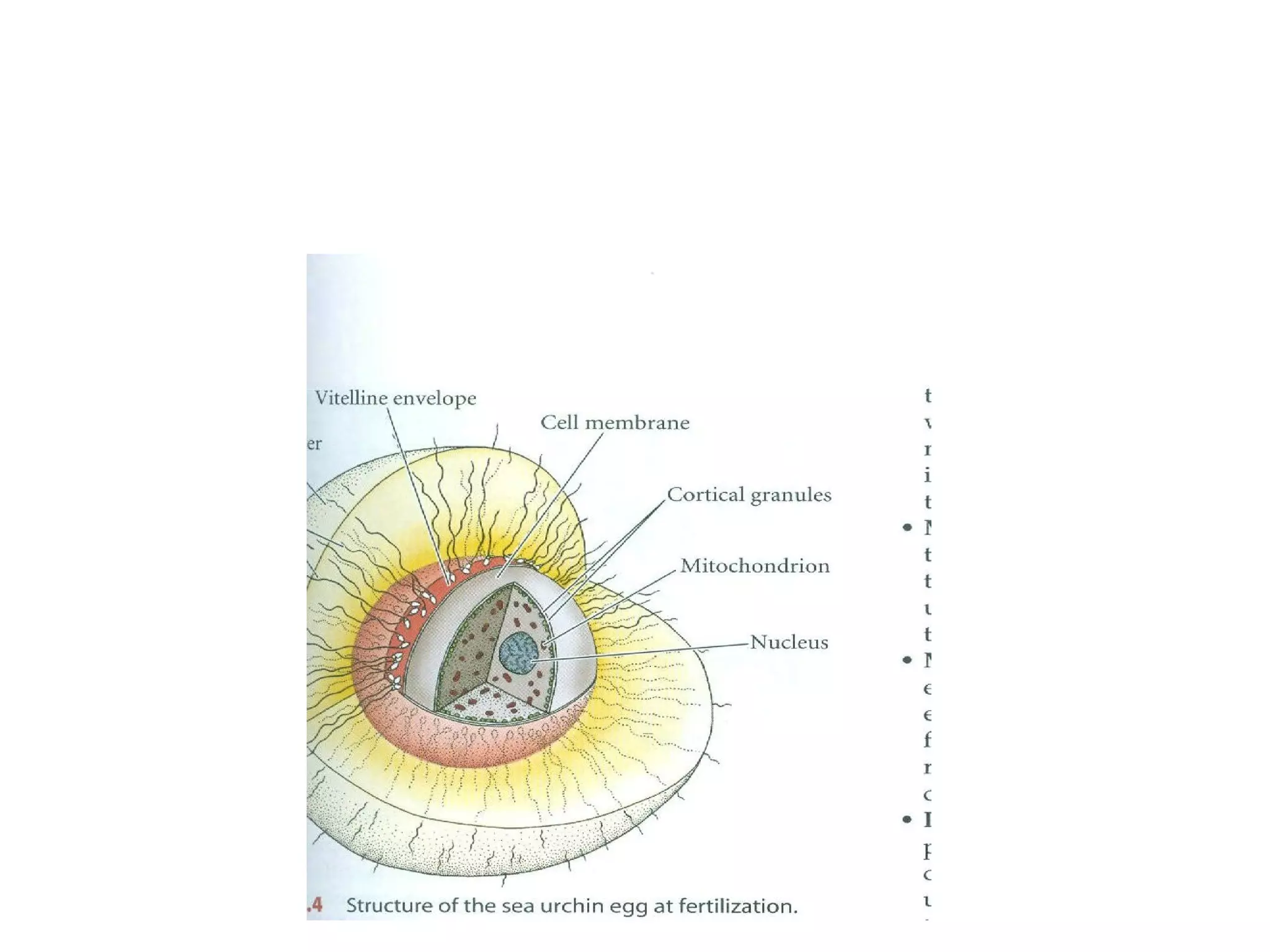
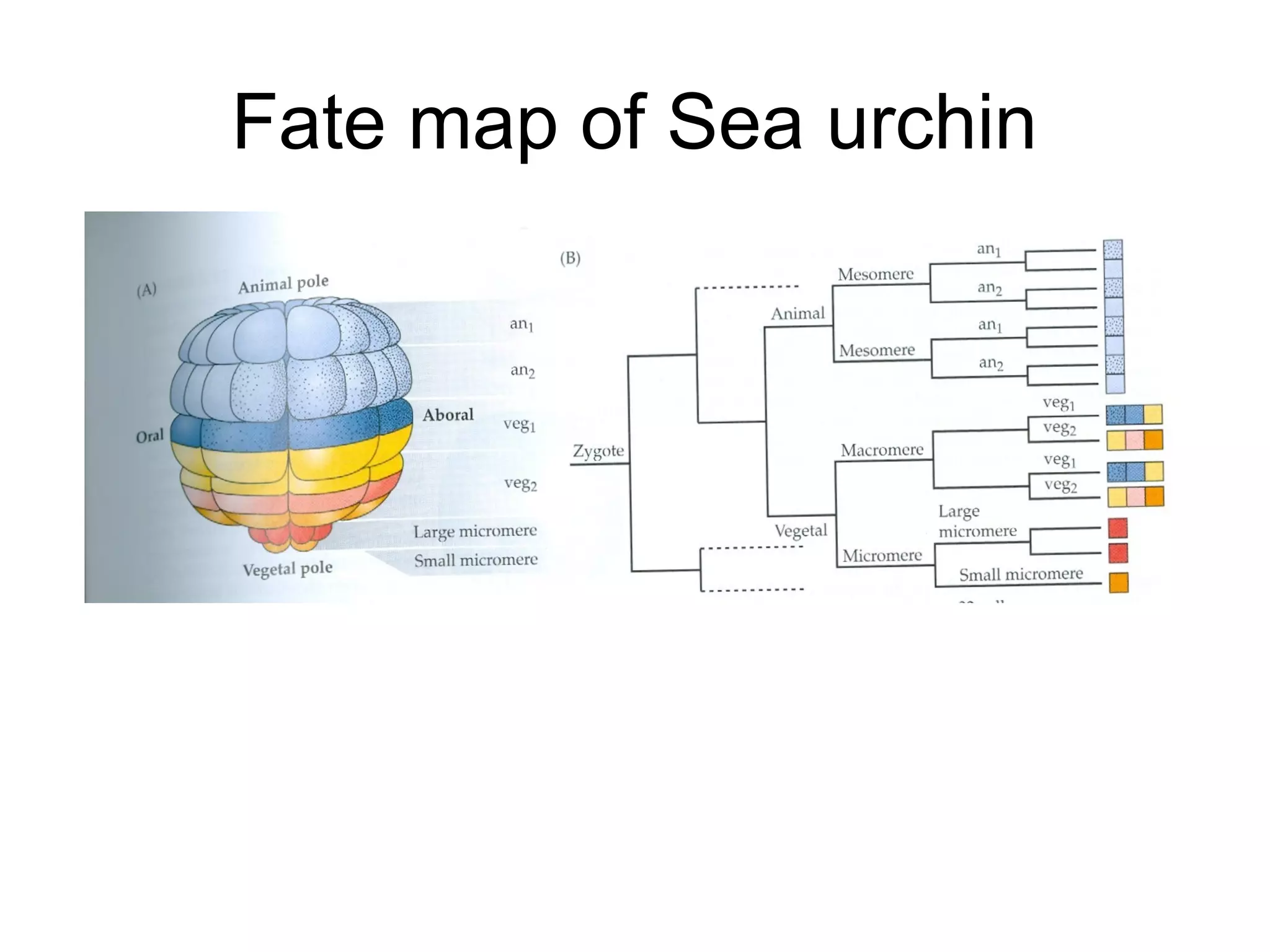
Fate map of Sea urchin
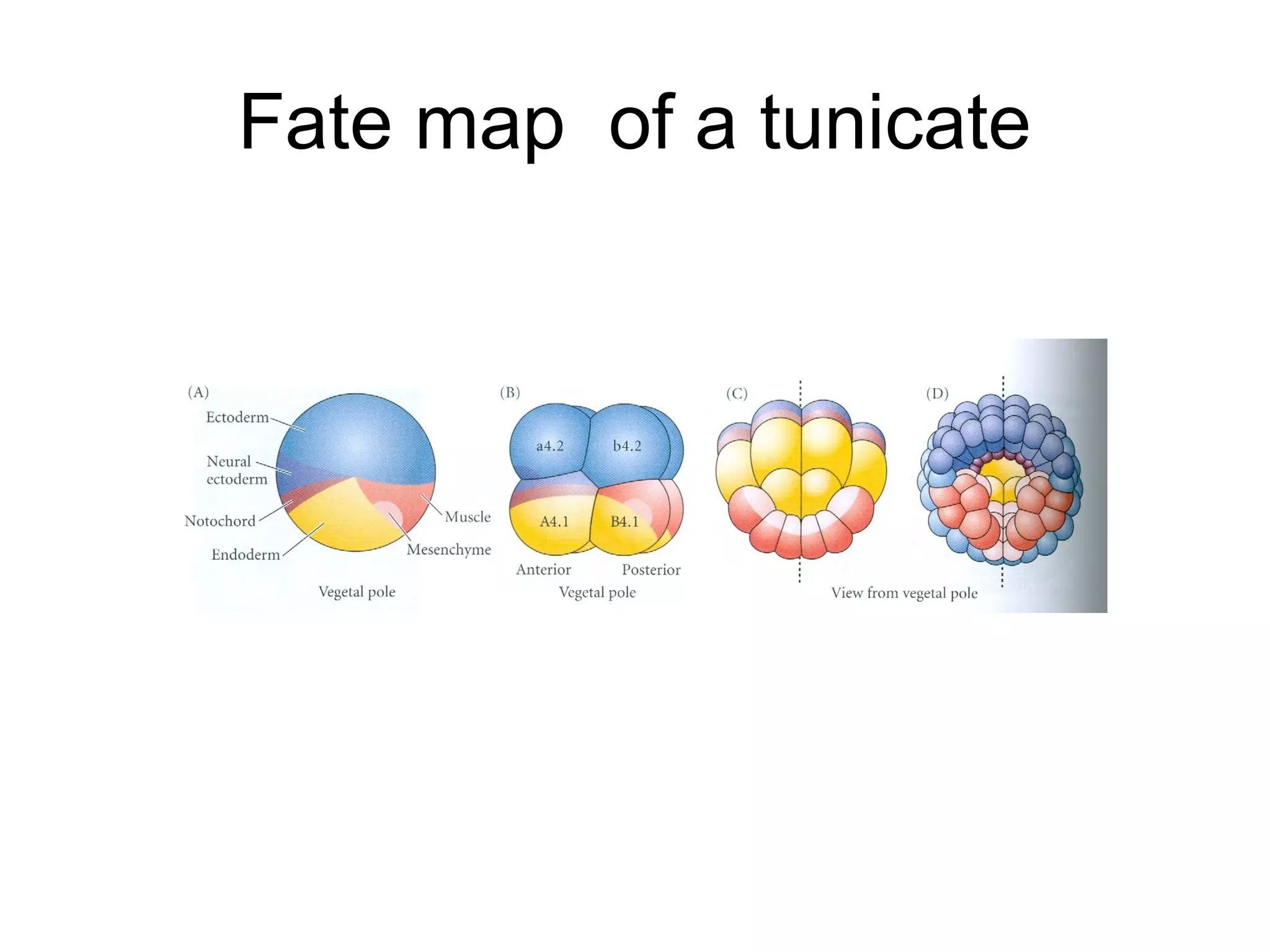
Fate map of a tunicate
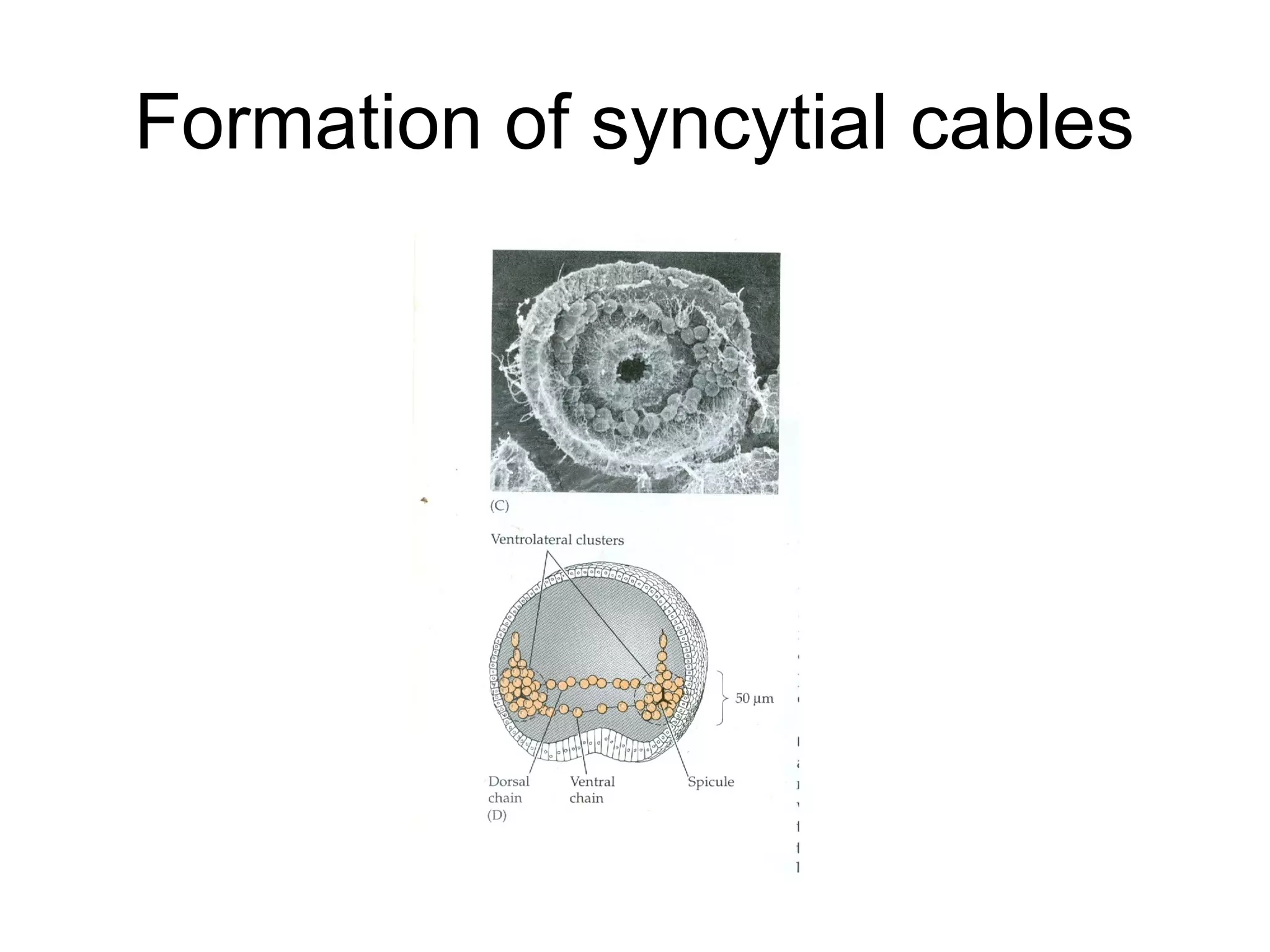
Formation of syncytial cables
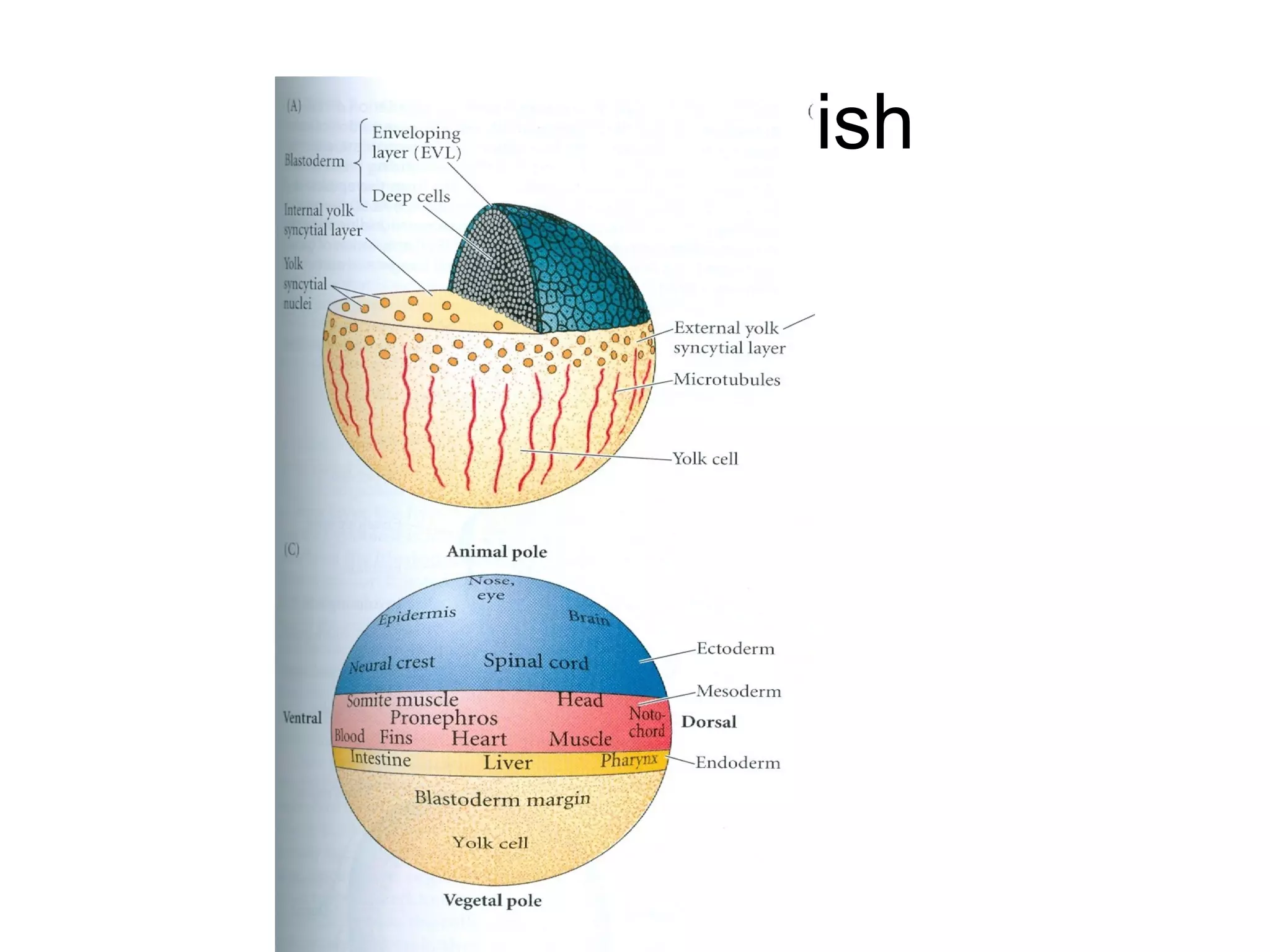
Fate map of Fish
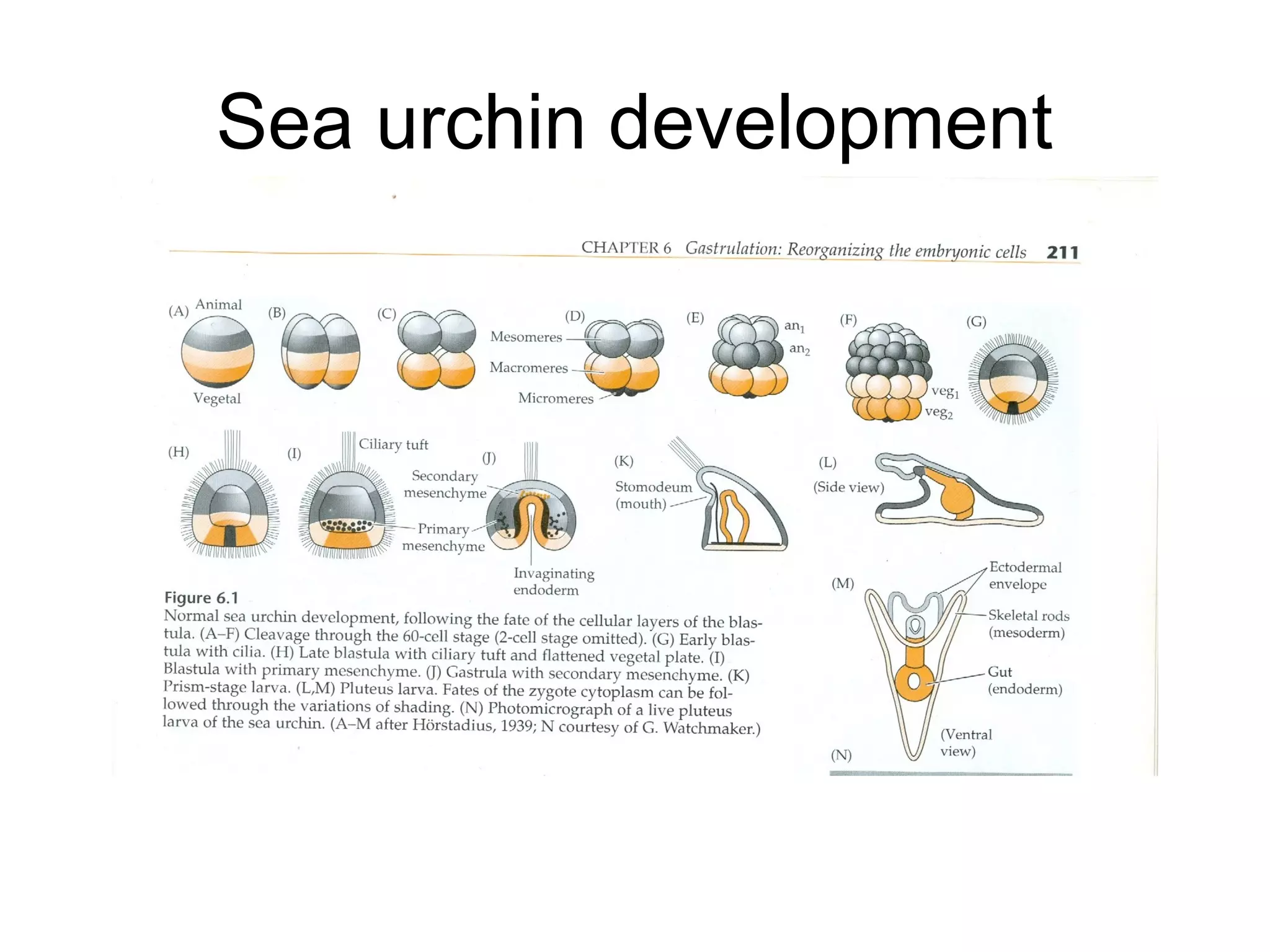
Sea urchin development
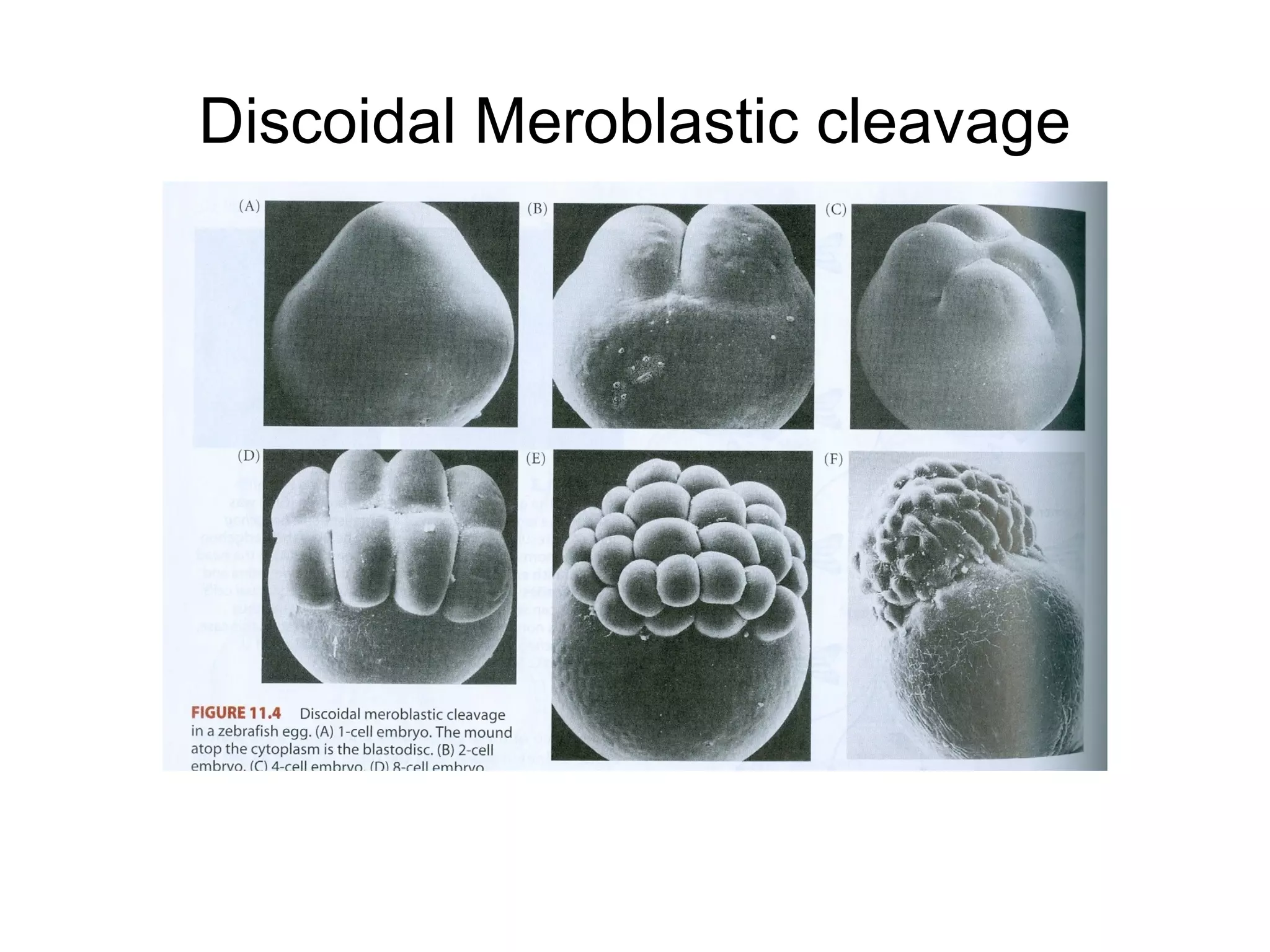
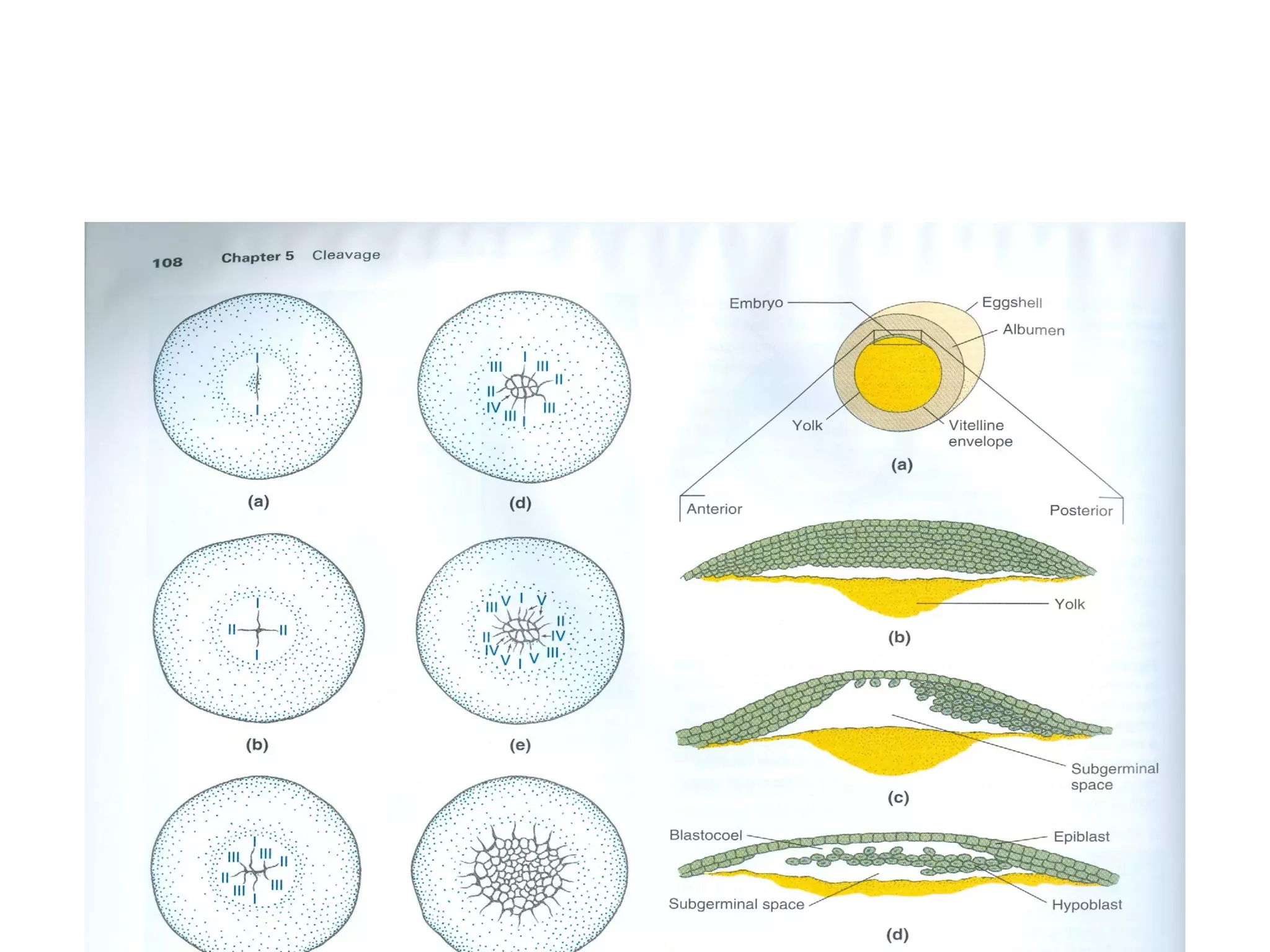
Discoidal Meroblastic cleavage
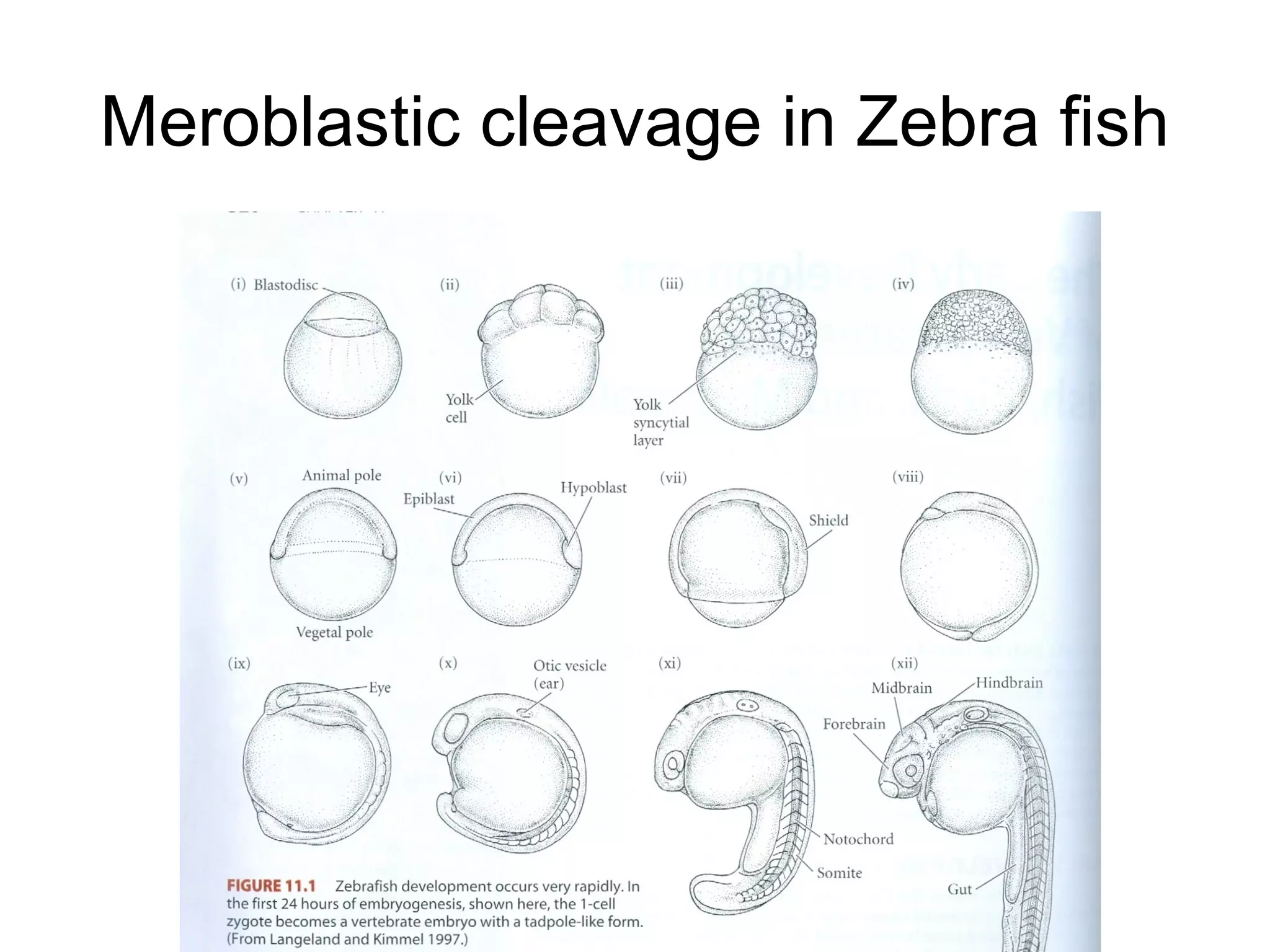
Meroblastic cleavage in Zebra fish
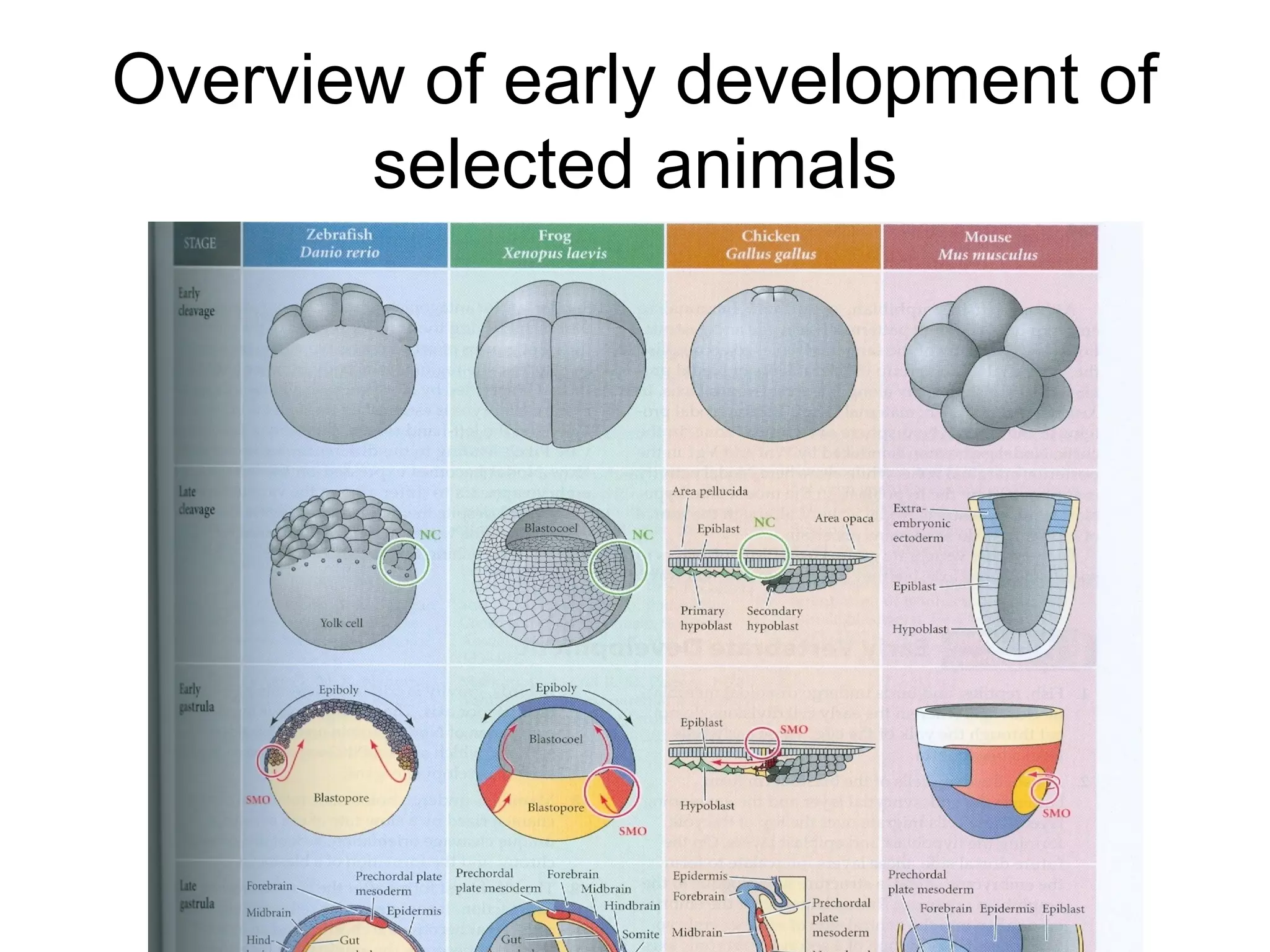
Overview of early development of
       selected animals
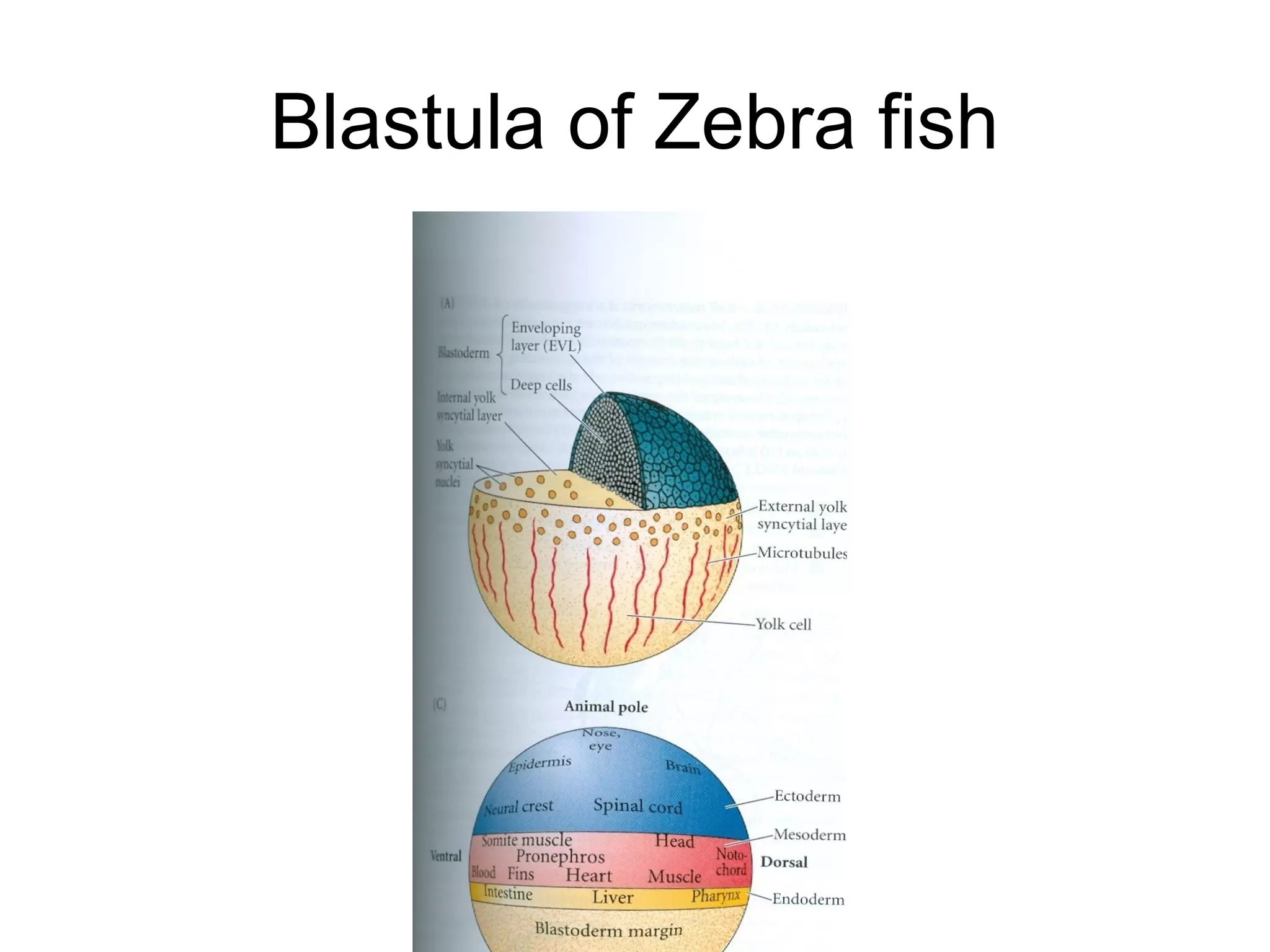
Blastula of Zebra fish
Cleavage of frog egg
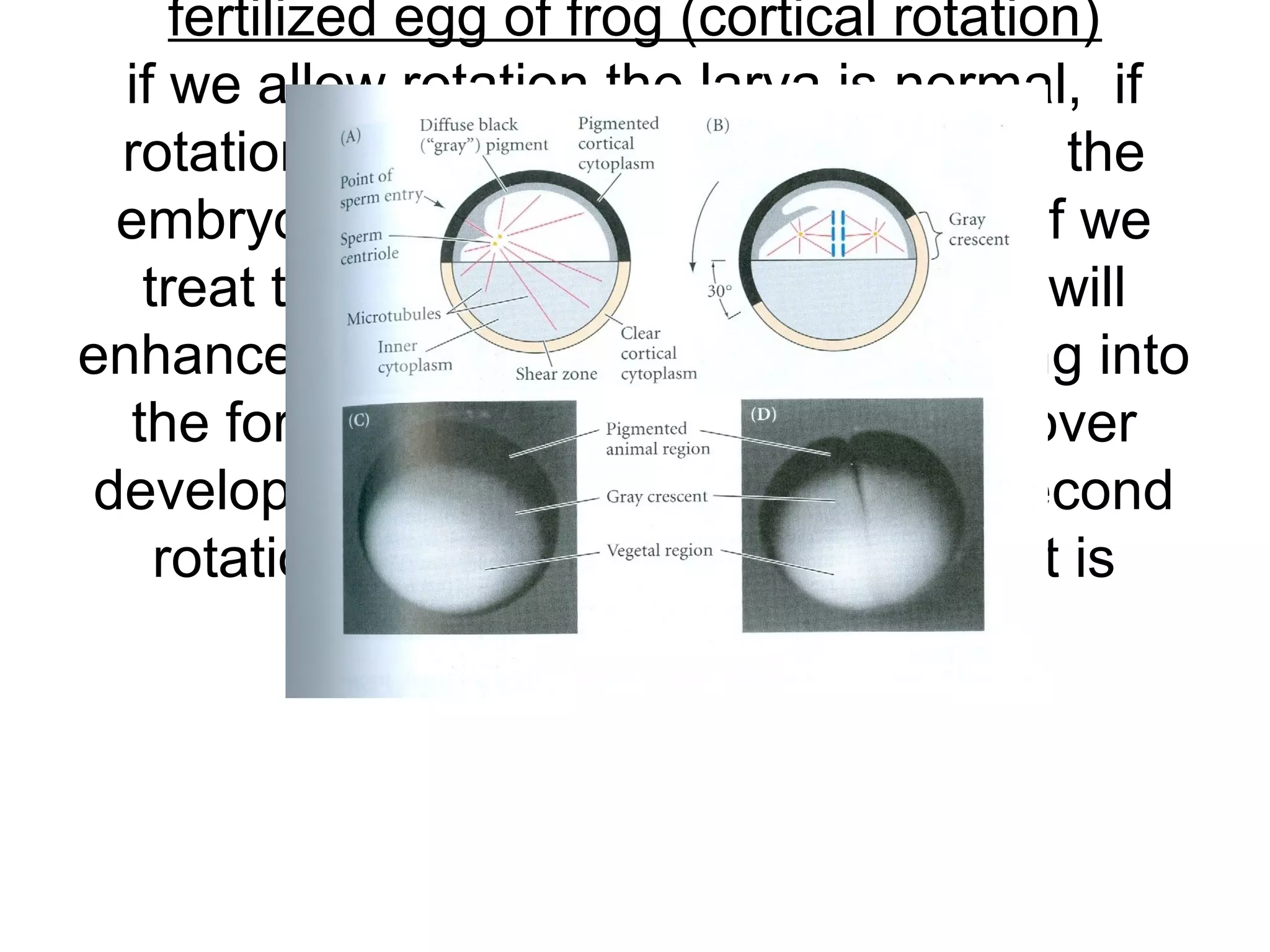
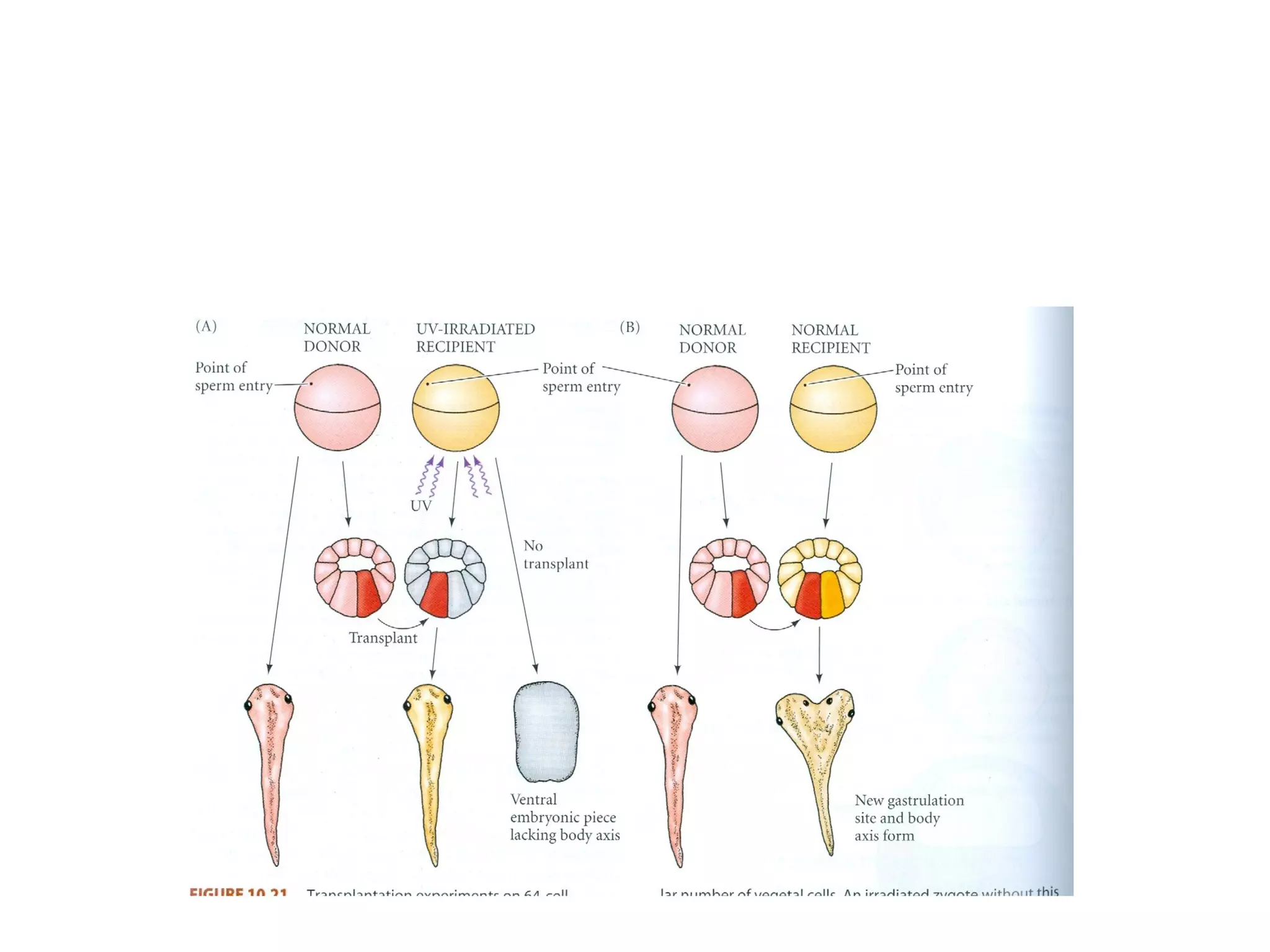
fertilized egg of frog (cortical rotation)
  if we allow rotation the larva is normal, if
  rotation is inhibited with UVirradiation the
  embryo is featureless and vetralized if we
   treat the embryo with heavy water it will
enhance microtubule formation resulting into
  the formation of cyclopean eye and over
 developed sucker and if we impose second
    rotation with centrifugation the result is
                  conjoined twin
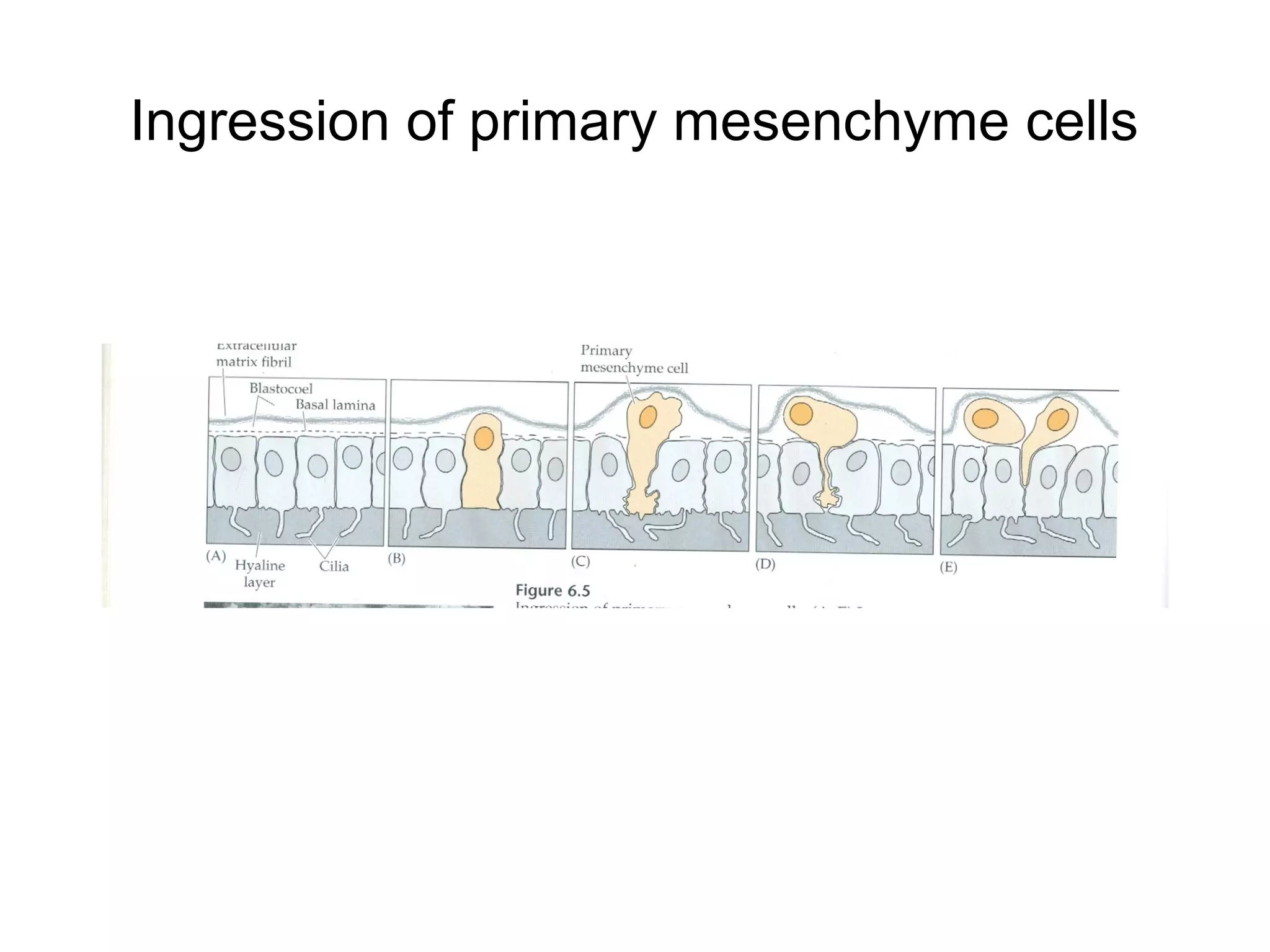
Ingression of primary mesenchyme cells
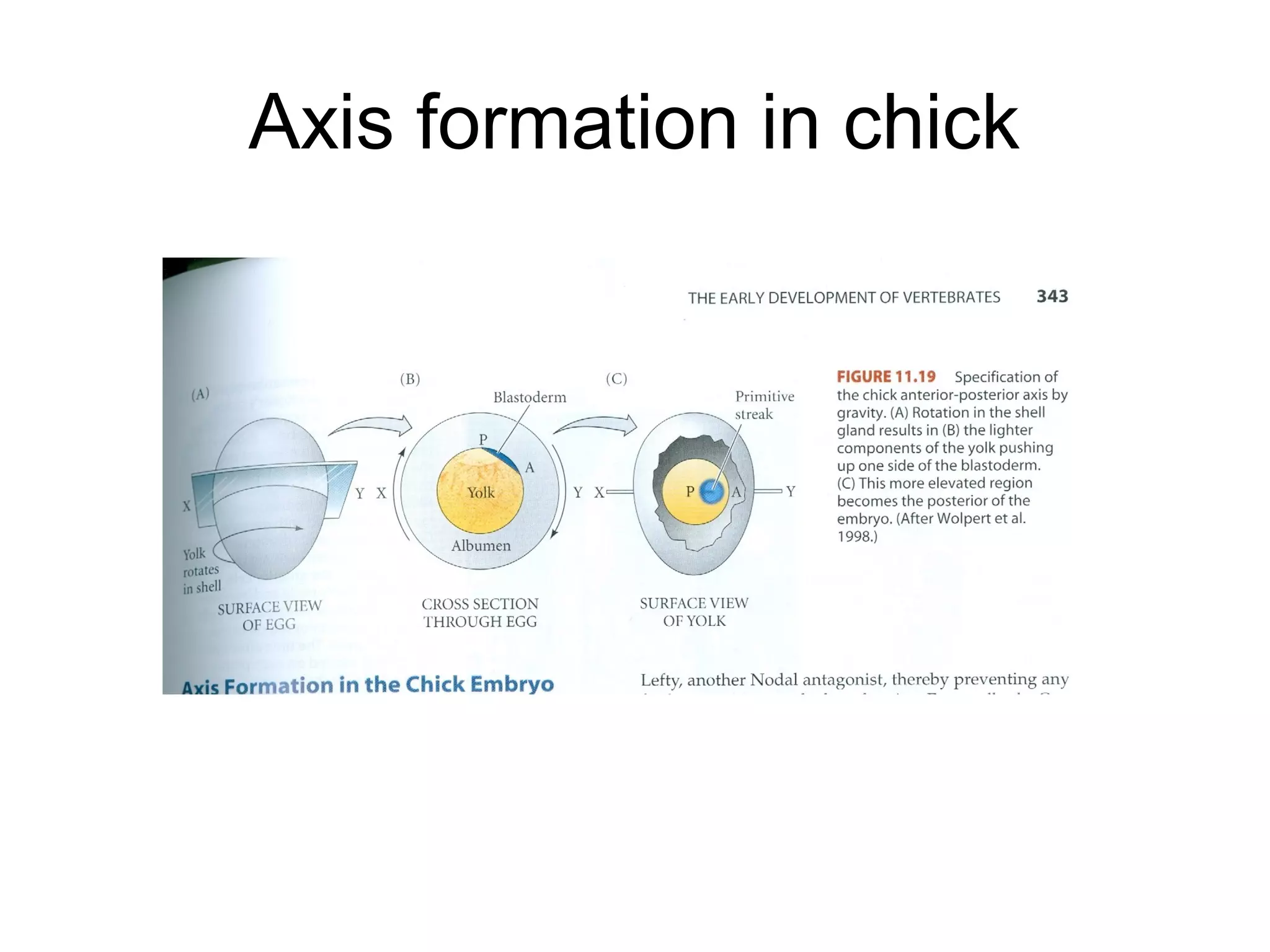
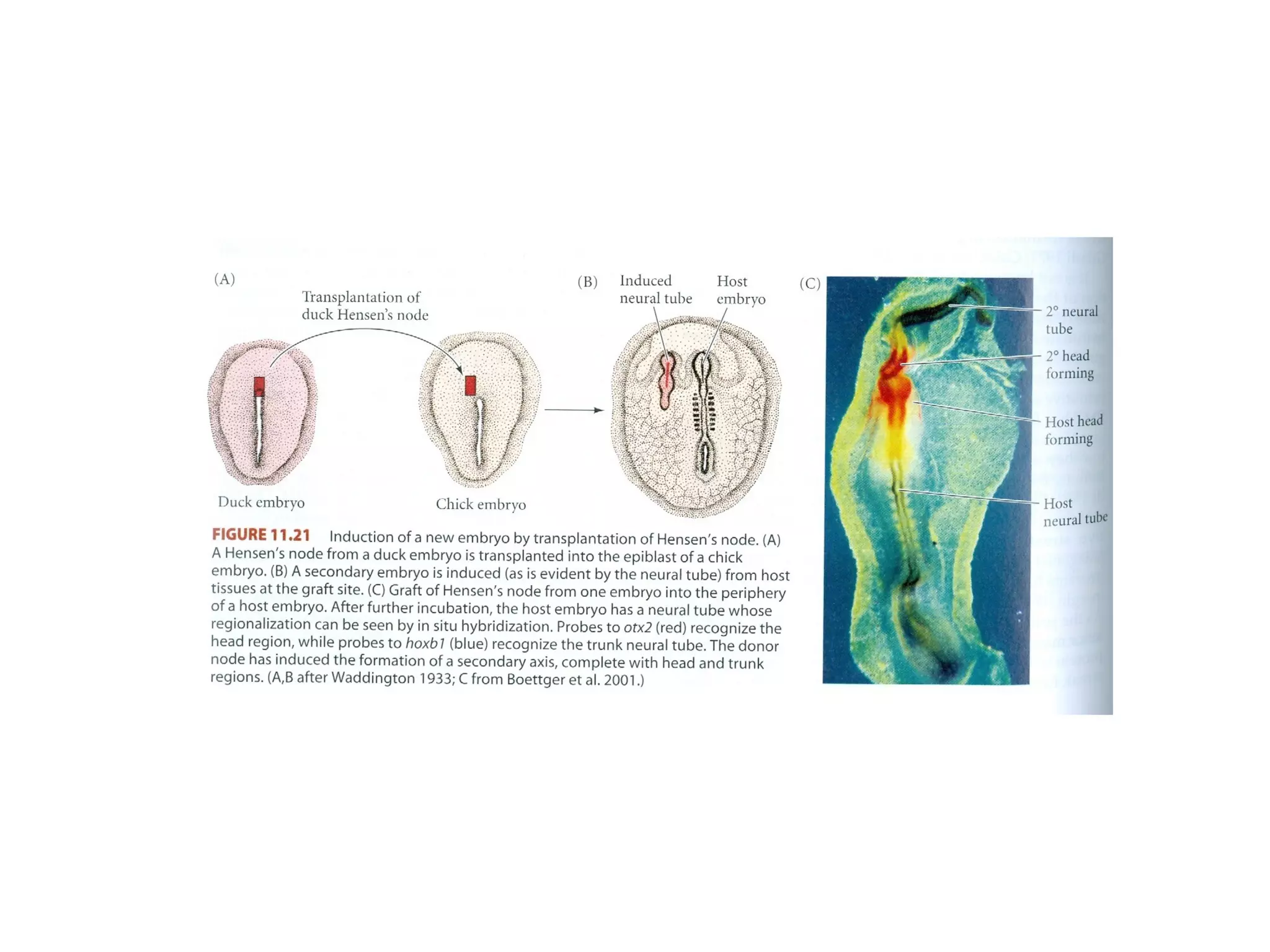
Axis formation in chick
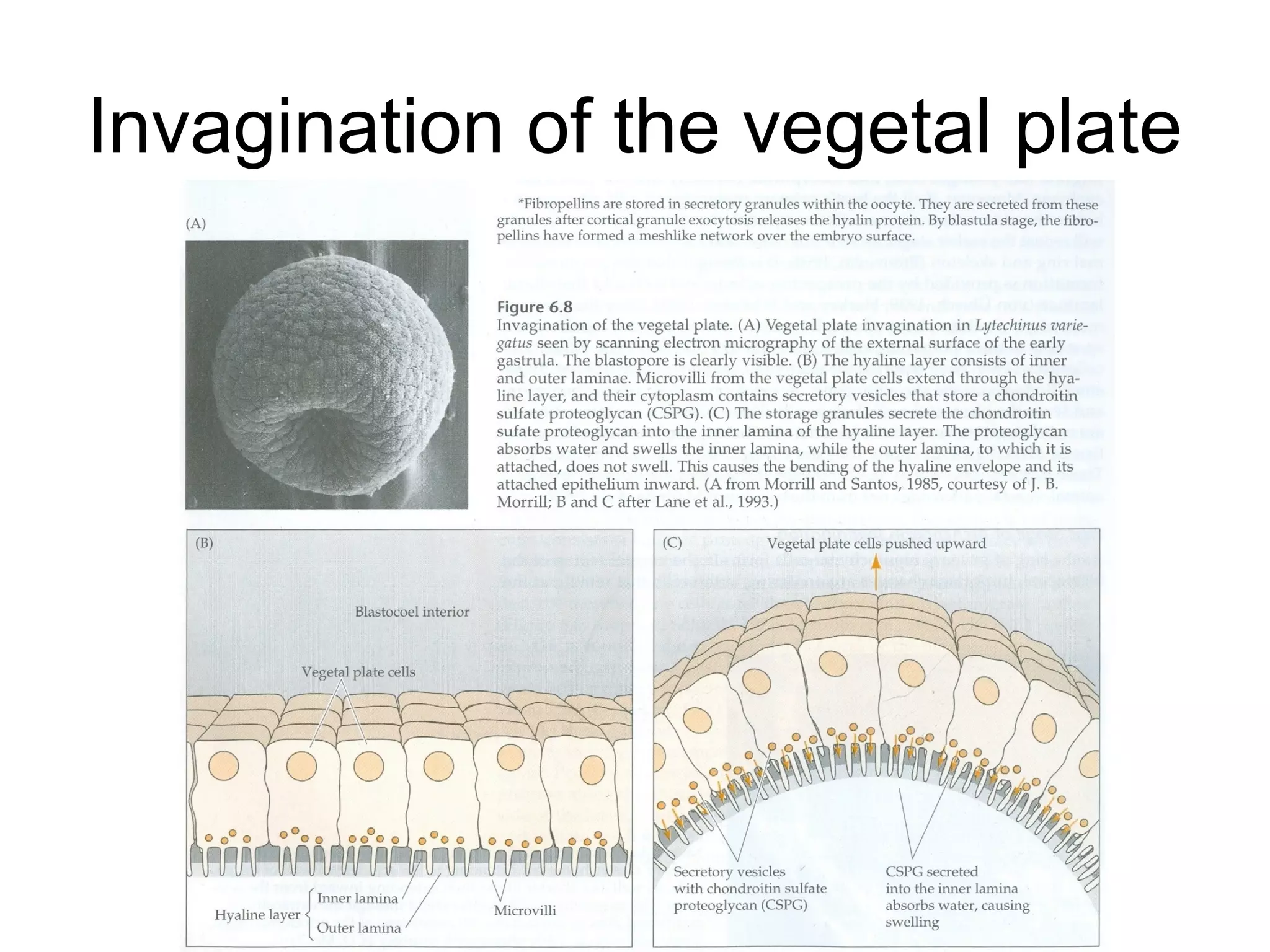
Invagination of the vegetal plate
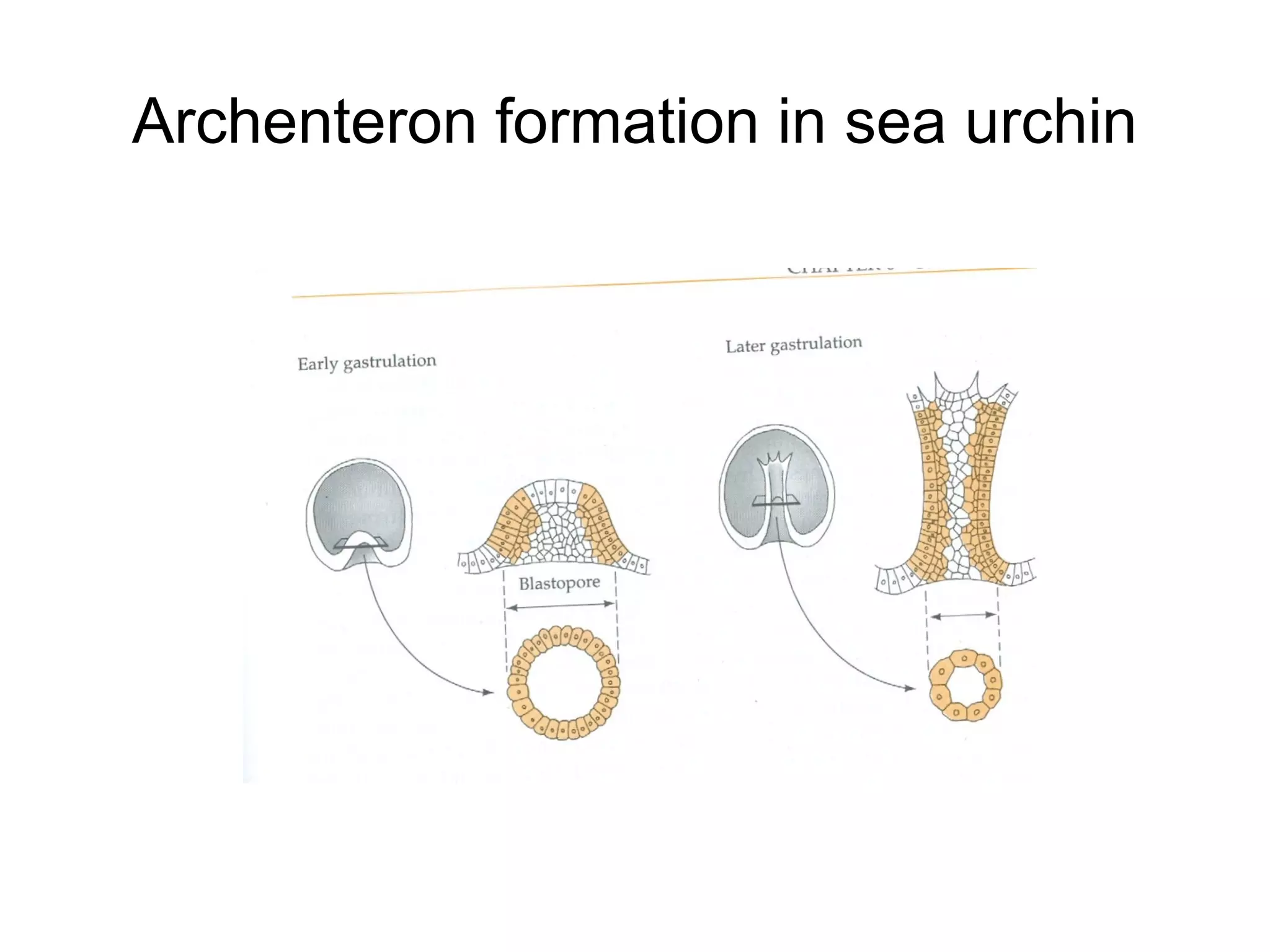
Archenteron formation in sea urchin
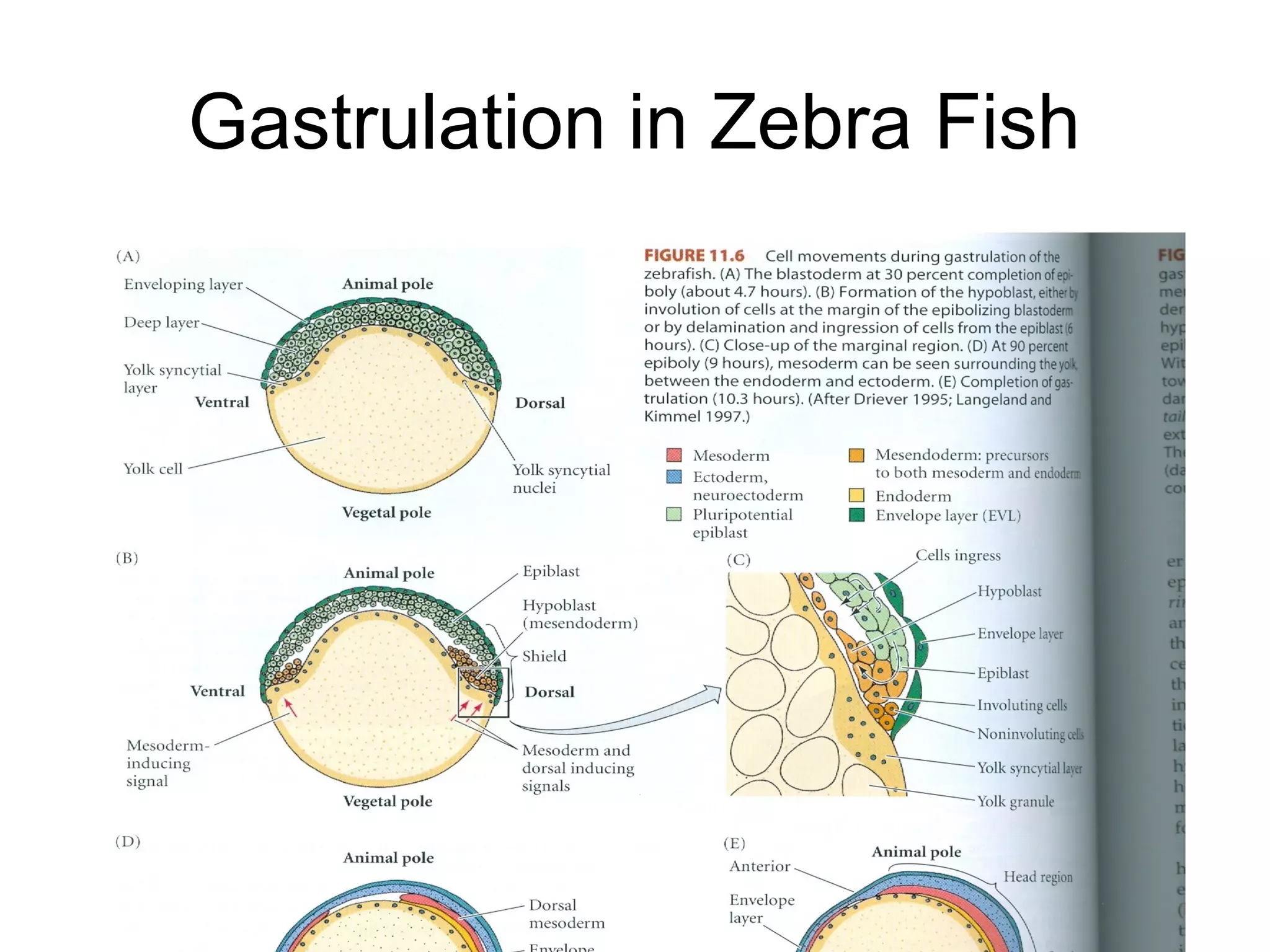
Gastrulation in Zebra Fish
Fate map of frog
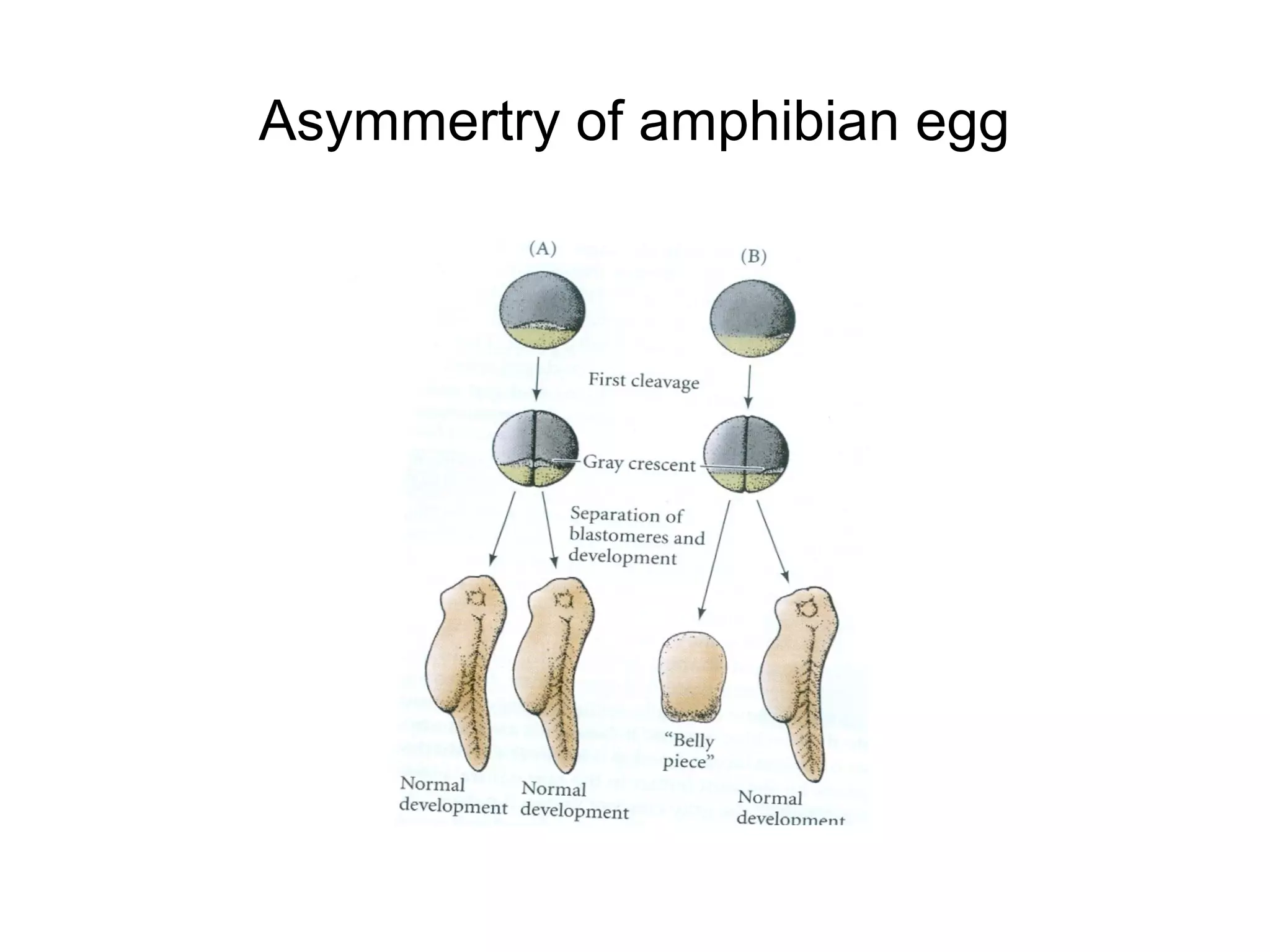
Asymmertry of amphibian egg
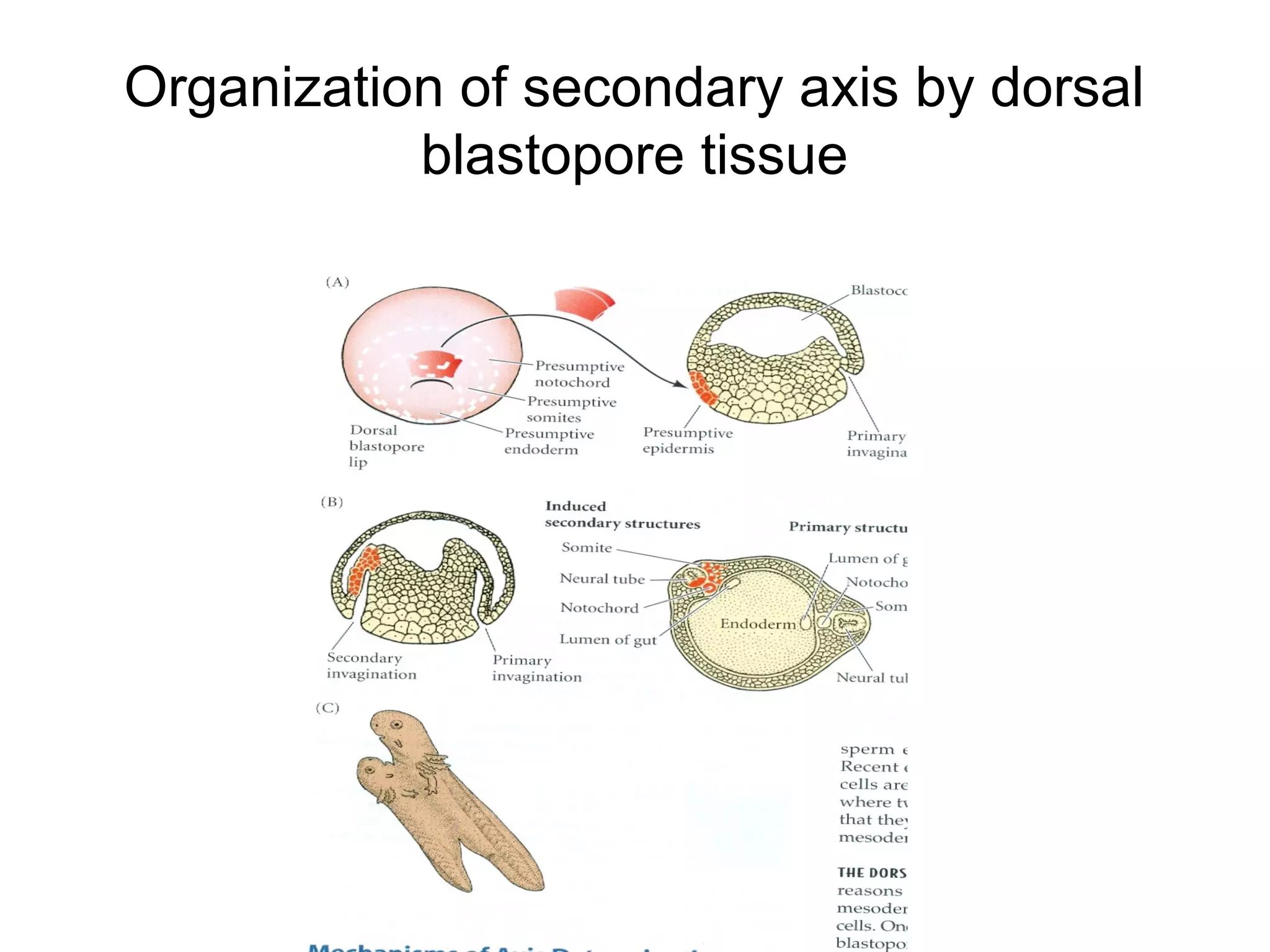
Organization of secondary axis by dorsal
           blastopore tissue
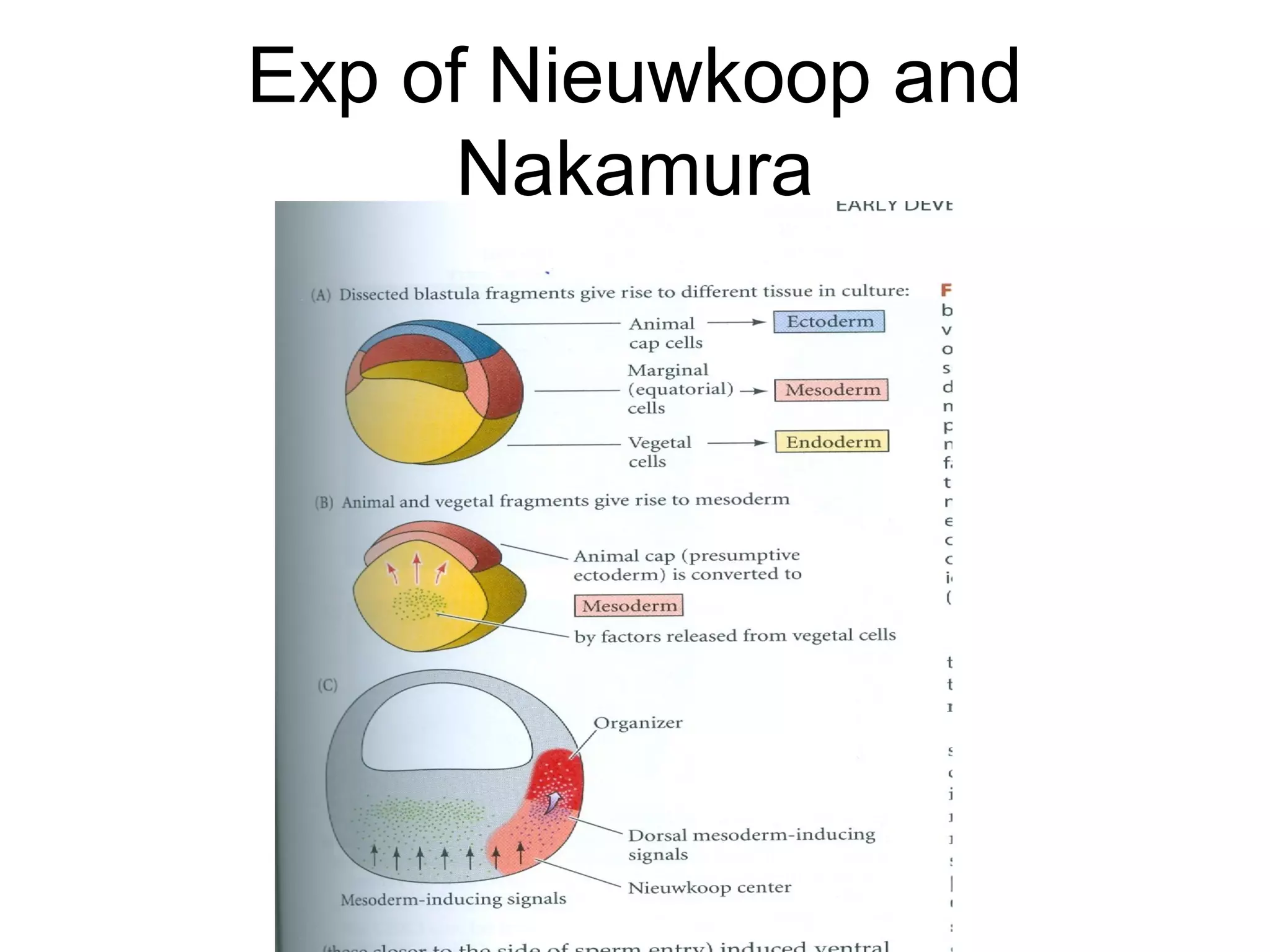
Exp of Nieuwkoop and
      Nakamura
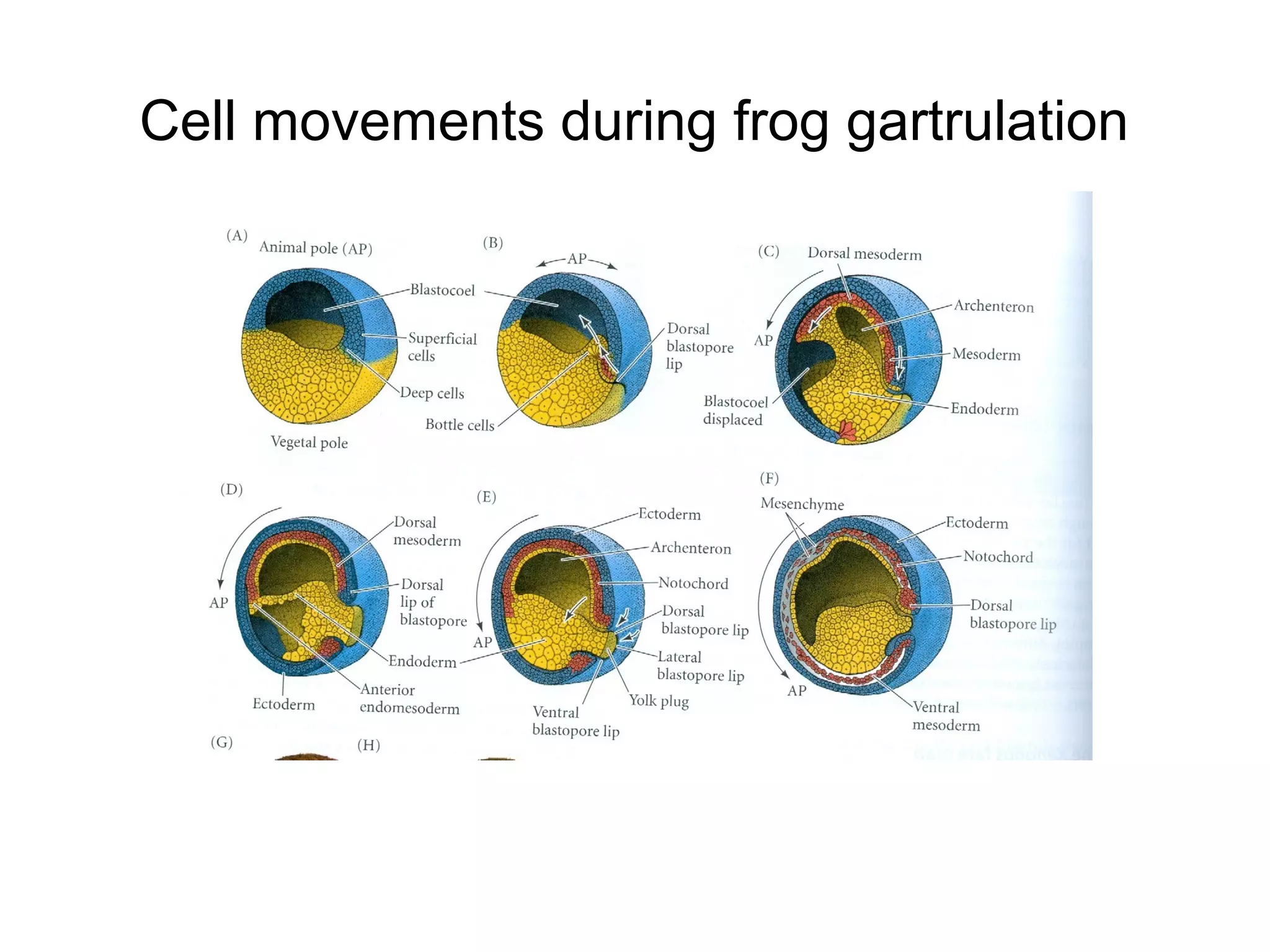
Cell movements during frog gartrulation
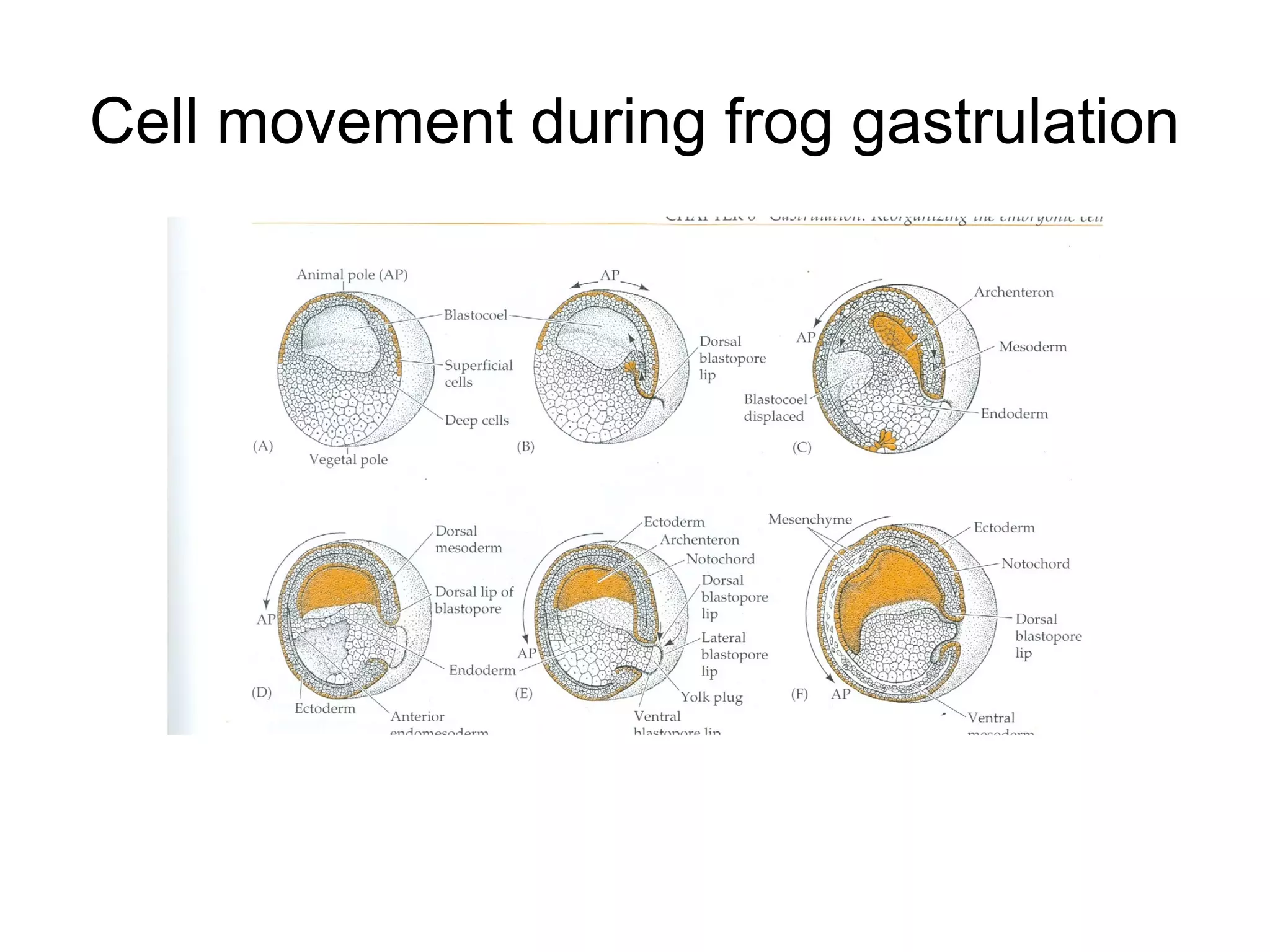
Cell movement during frog gastrulation
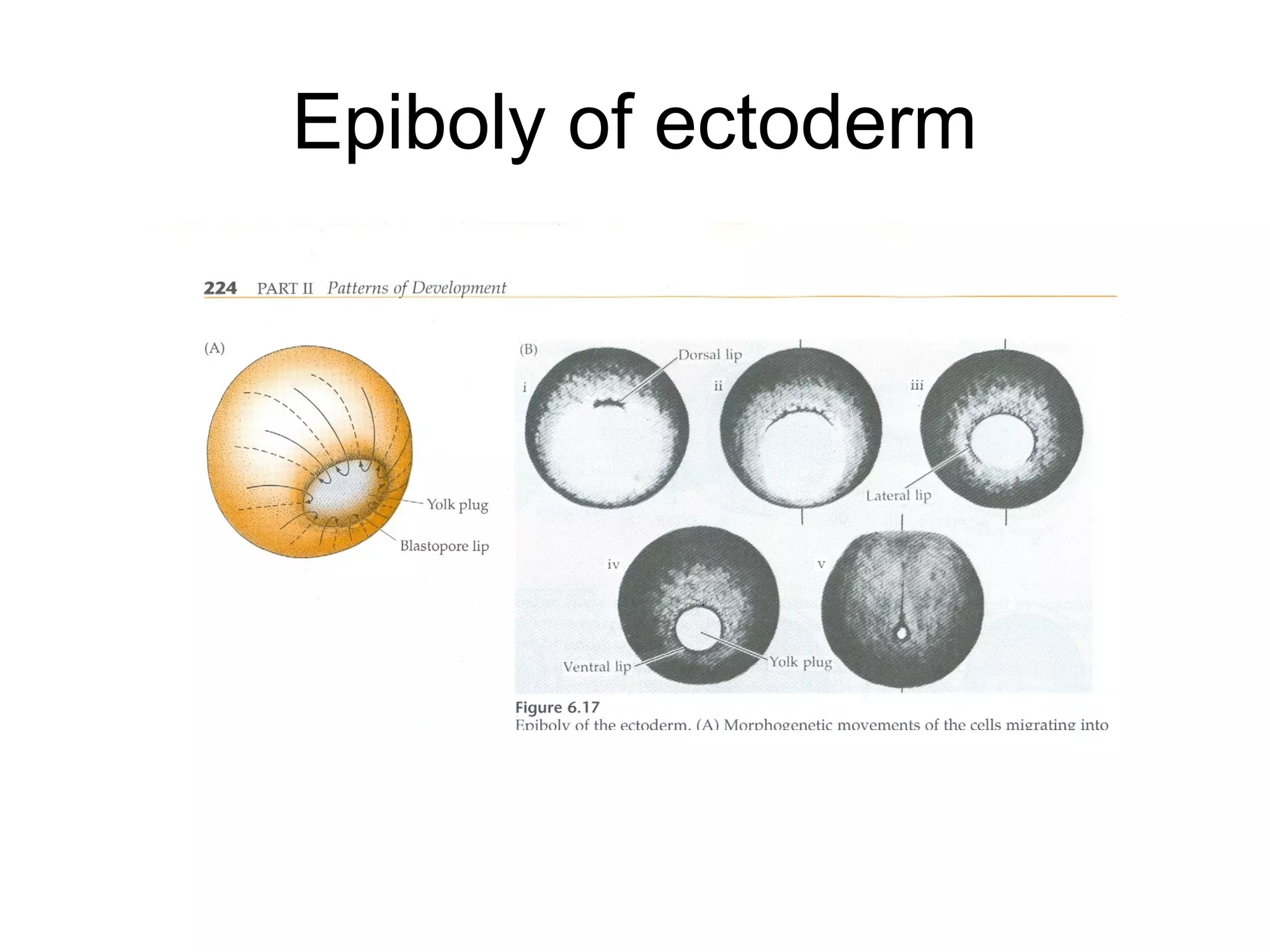
Epiboly of ectoderm
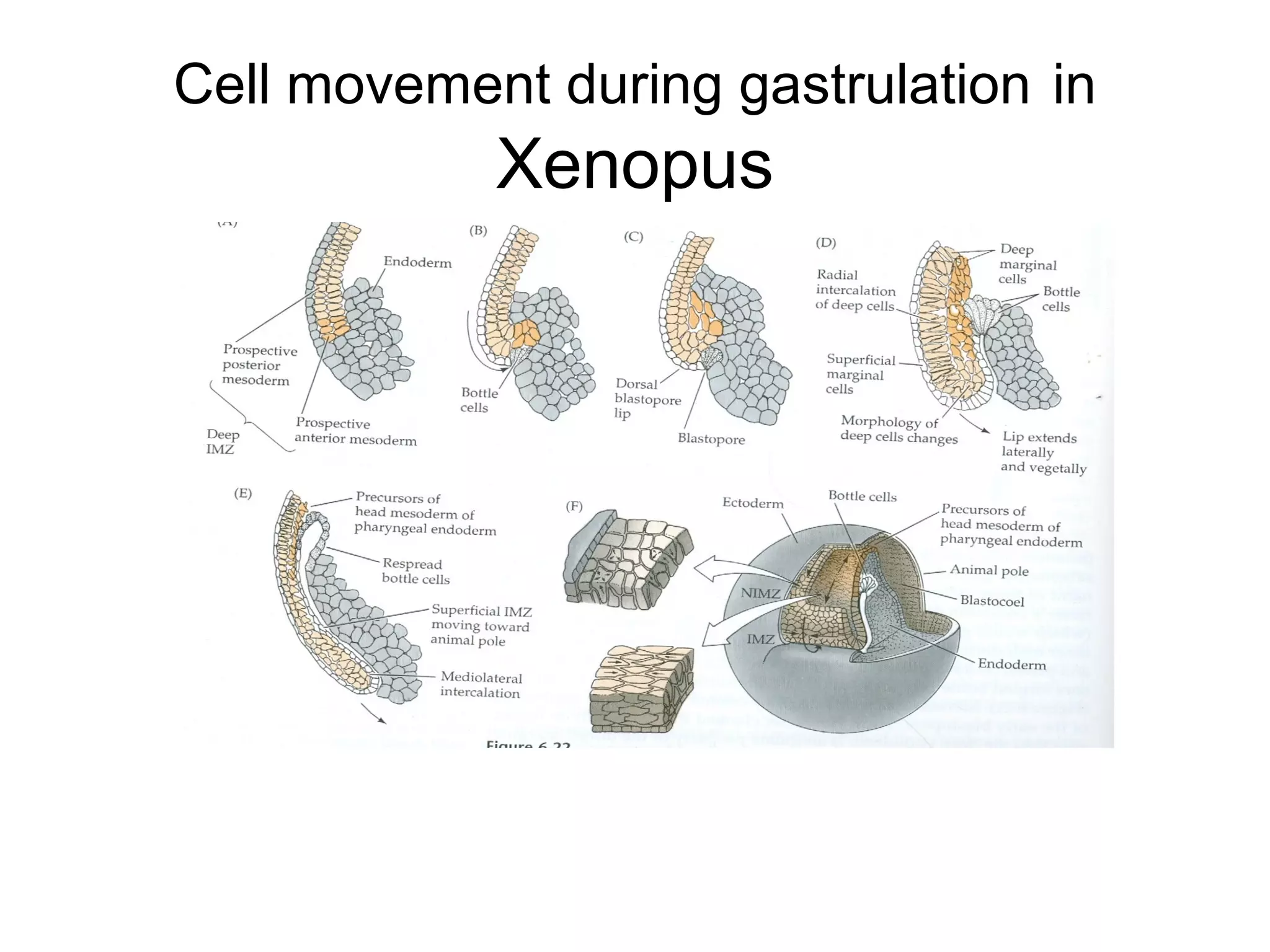
Cell movement during gastrulation in
            Xenopus
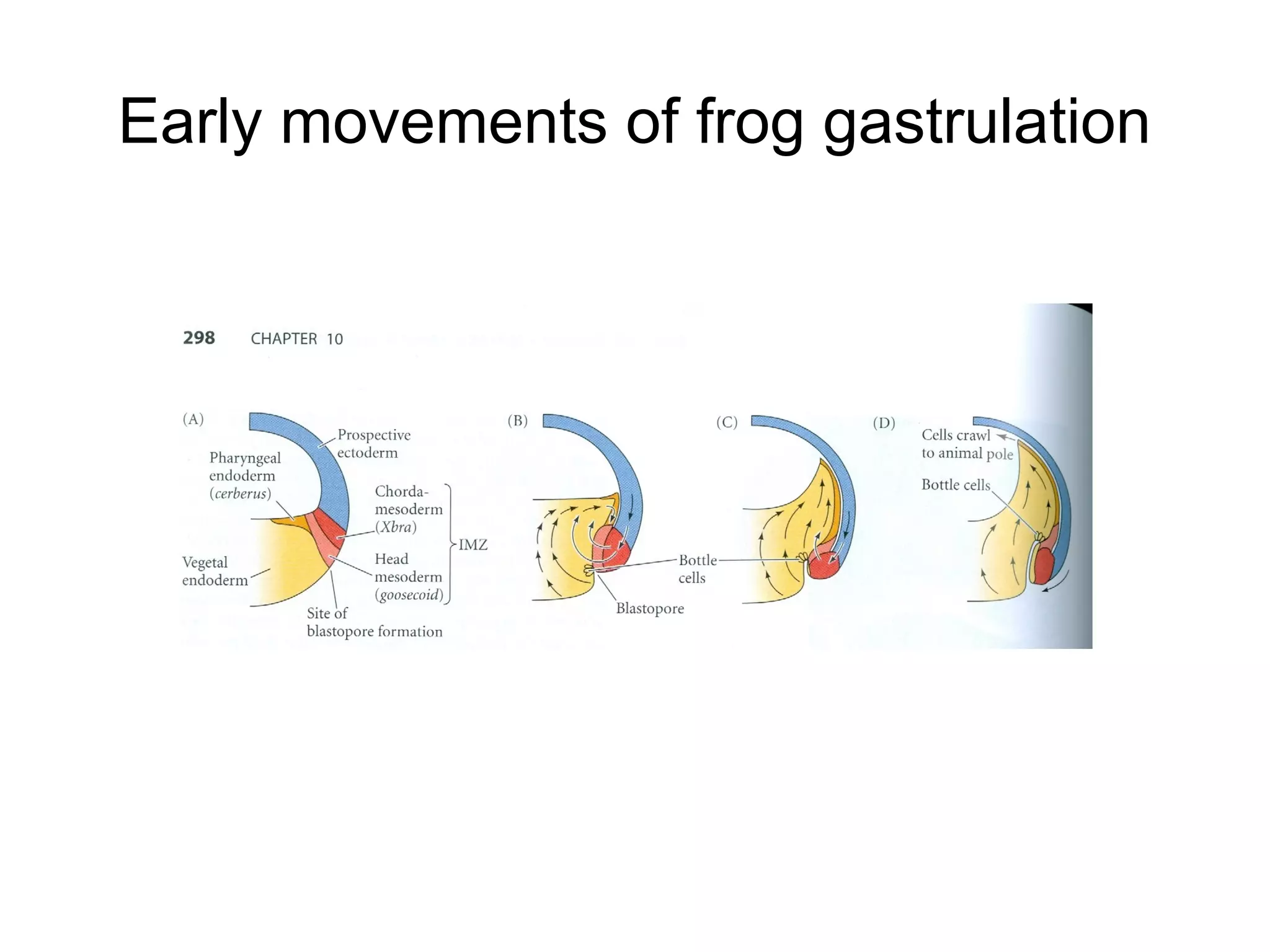
Early movements of frog gastrulation
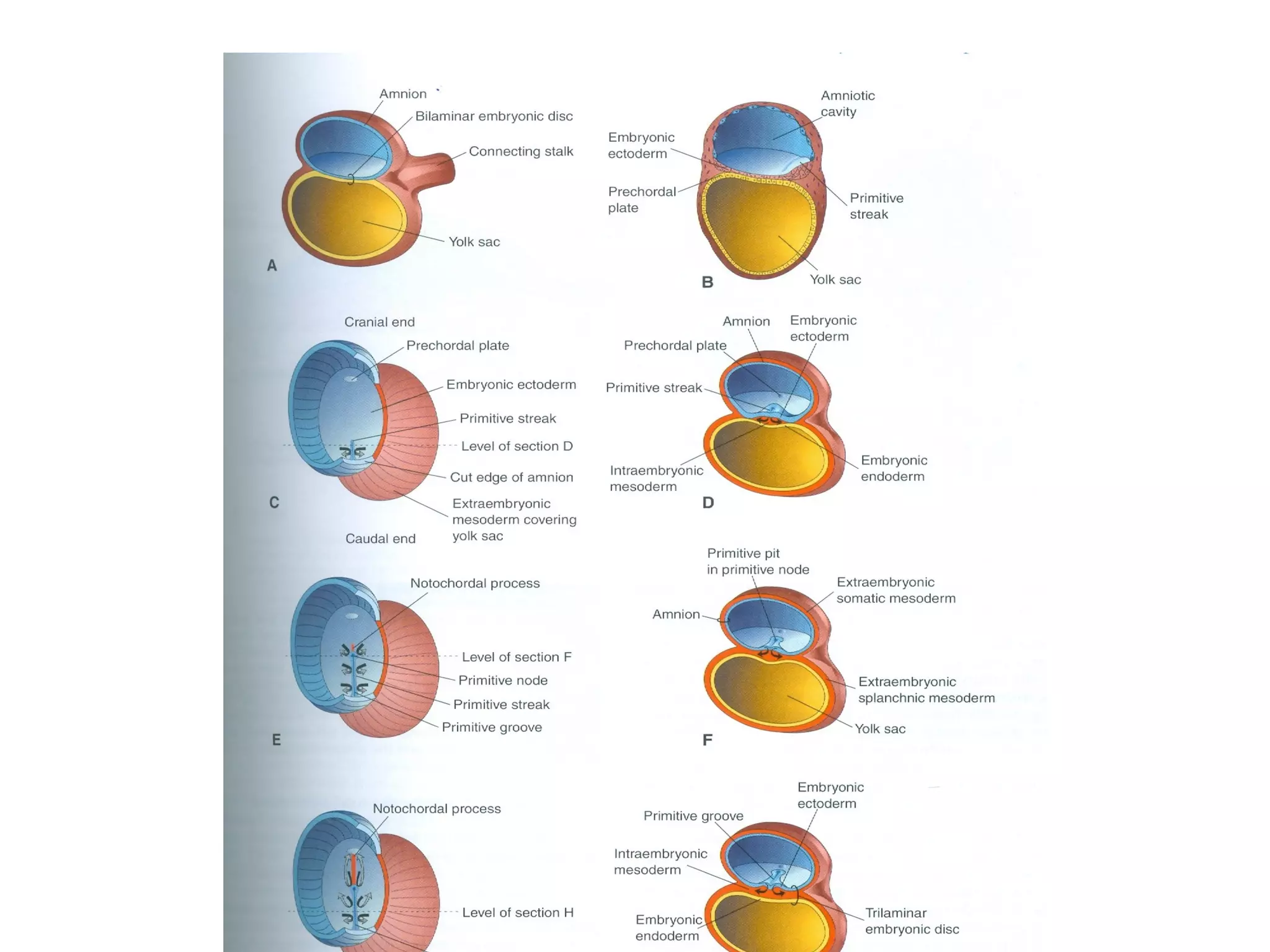
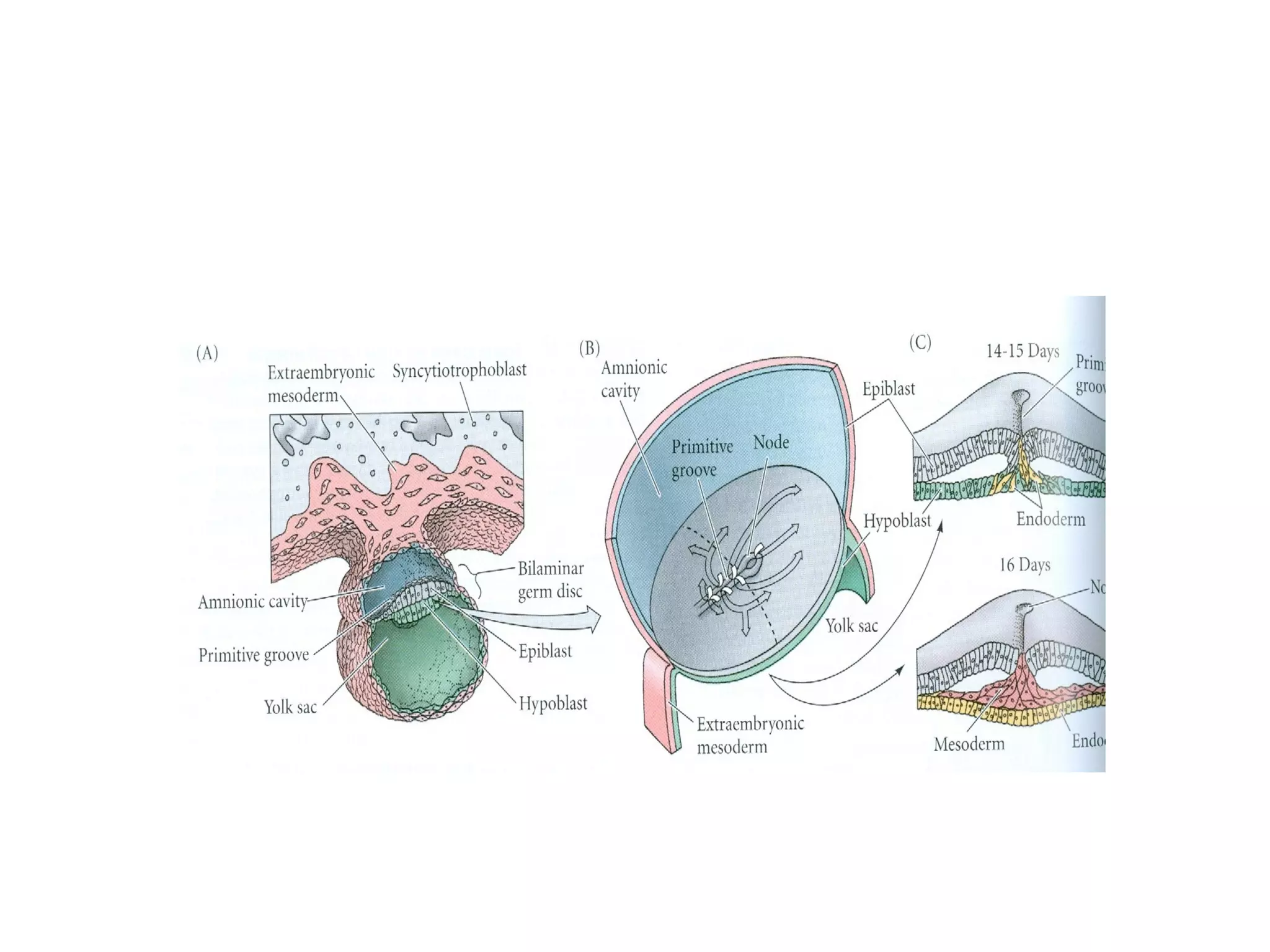
Gastrulation
• It is the process of highly integrated cell
  and tissue movements and their
  rearrangements so as to develop a three
  layered embryo composed of ectoderm,
  mesoderm and endoderm.
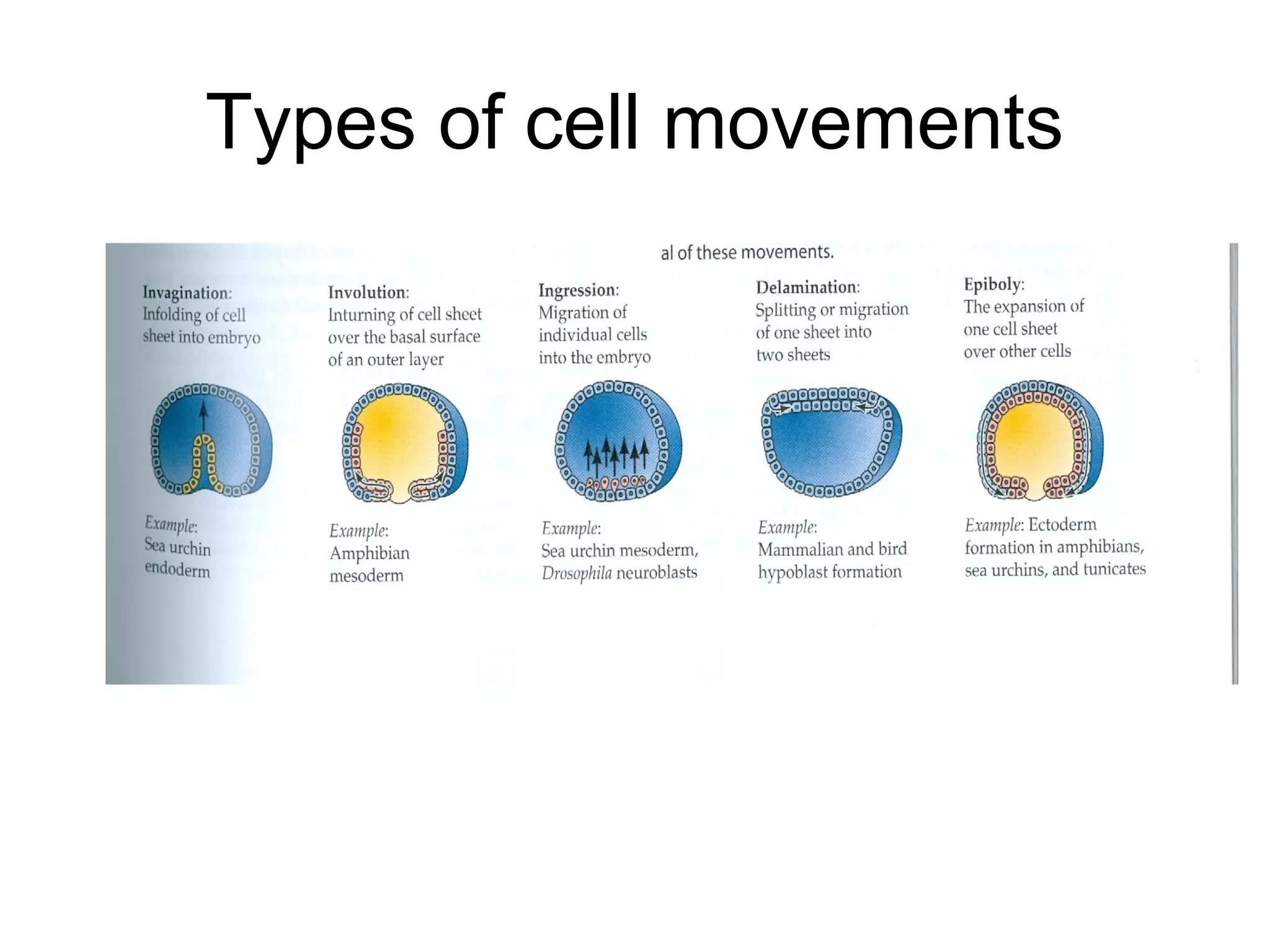
Types of cell movements
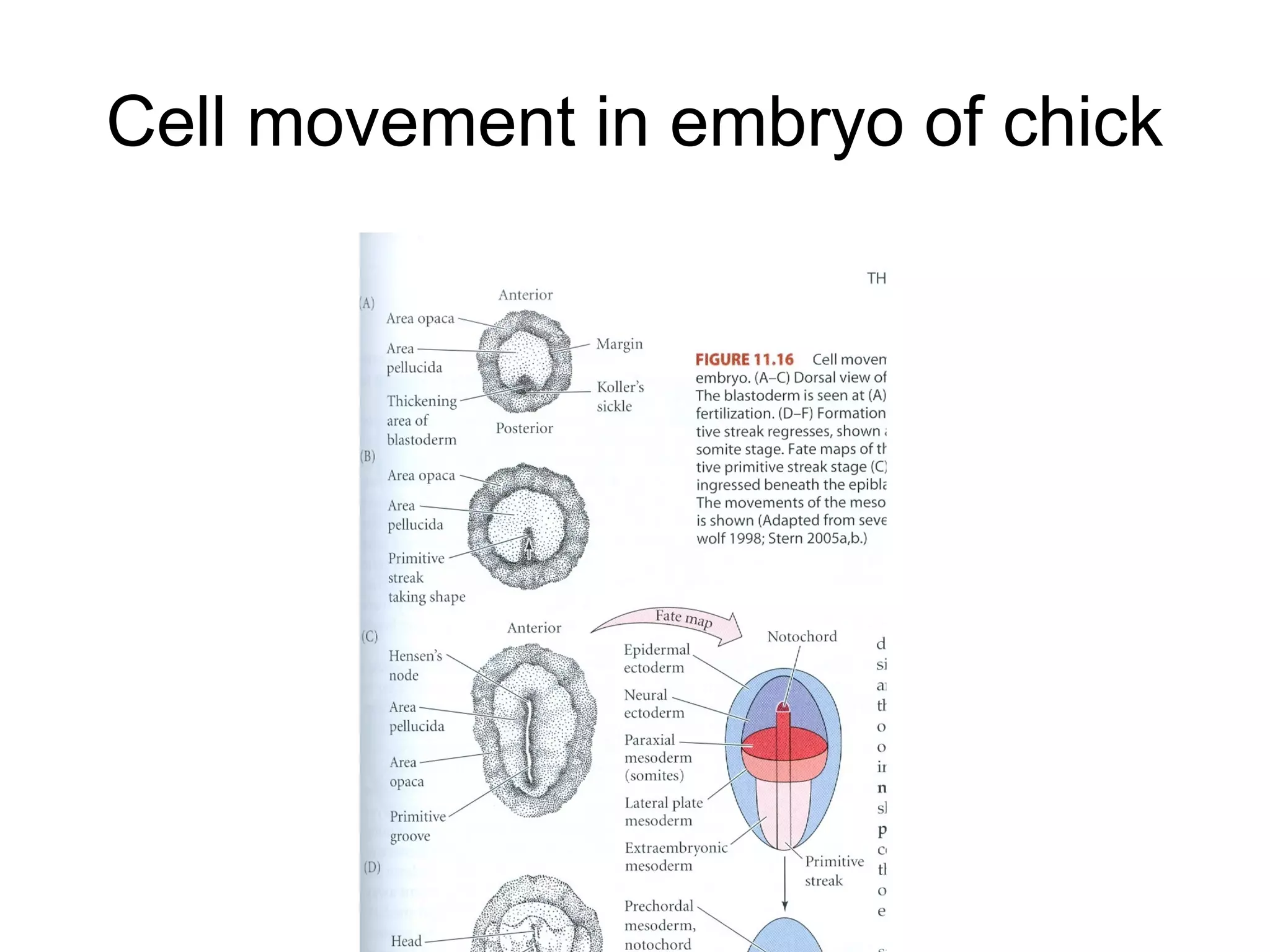
Cell movement in embryo of chick
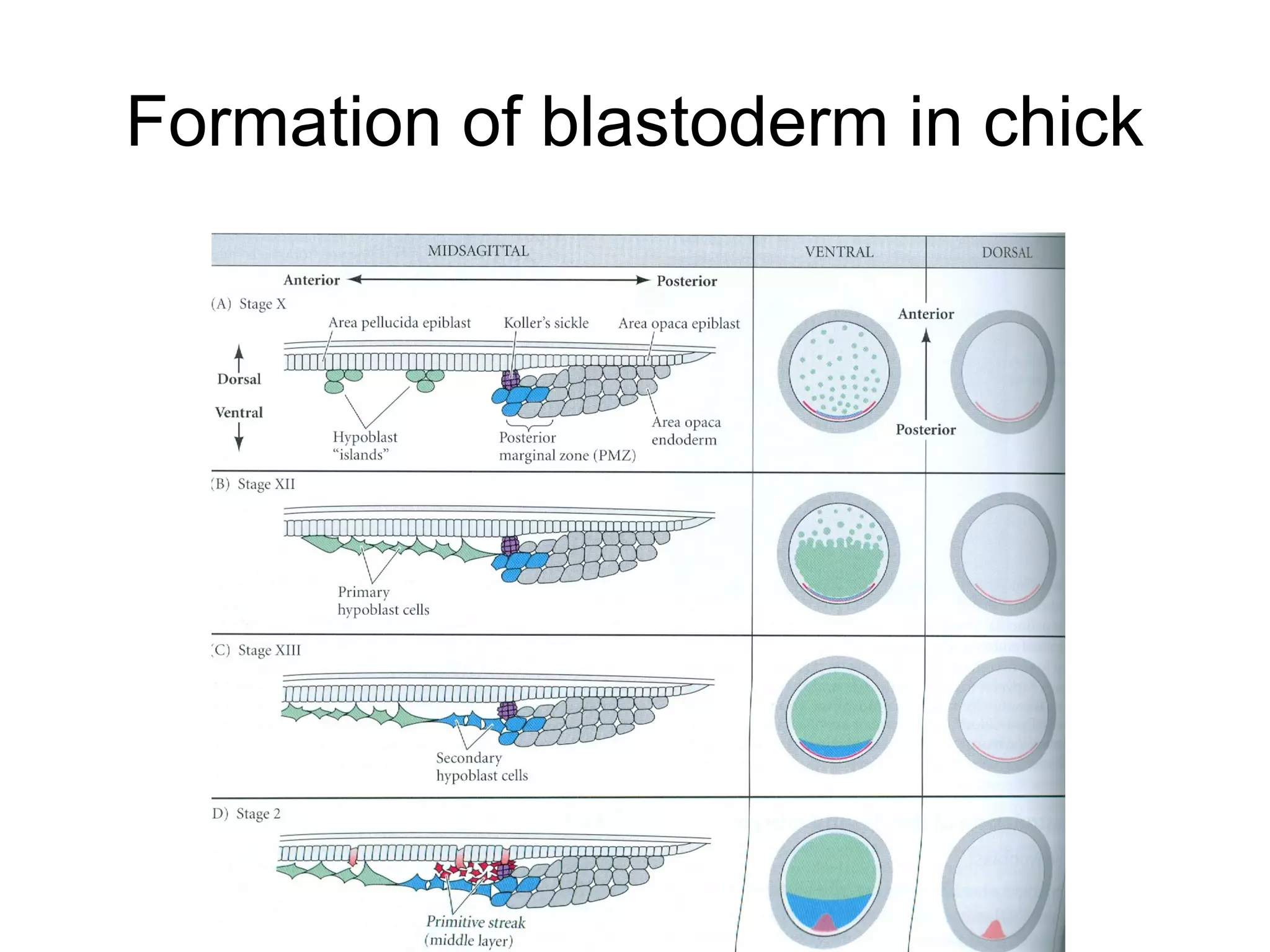
Formation of blastoderm in chick
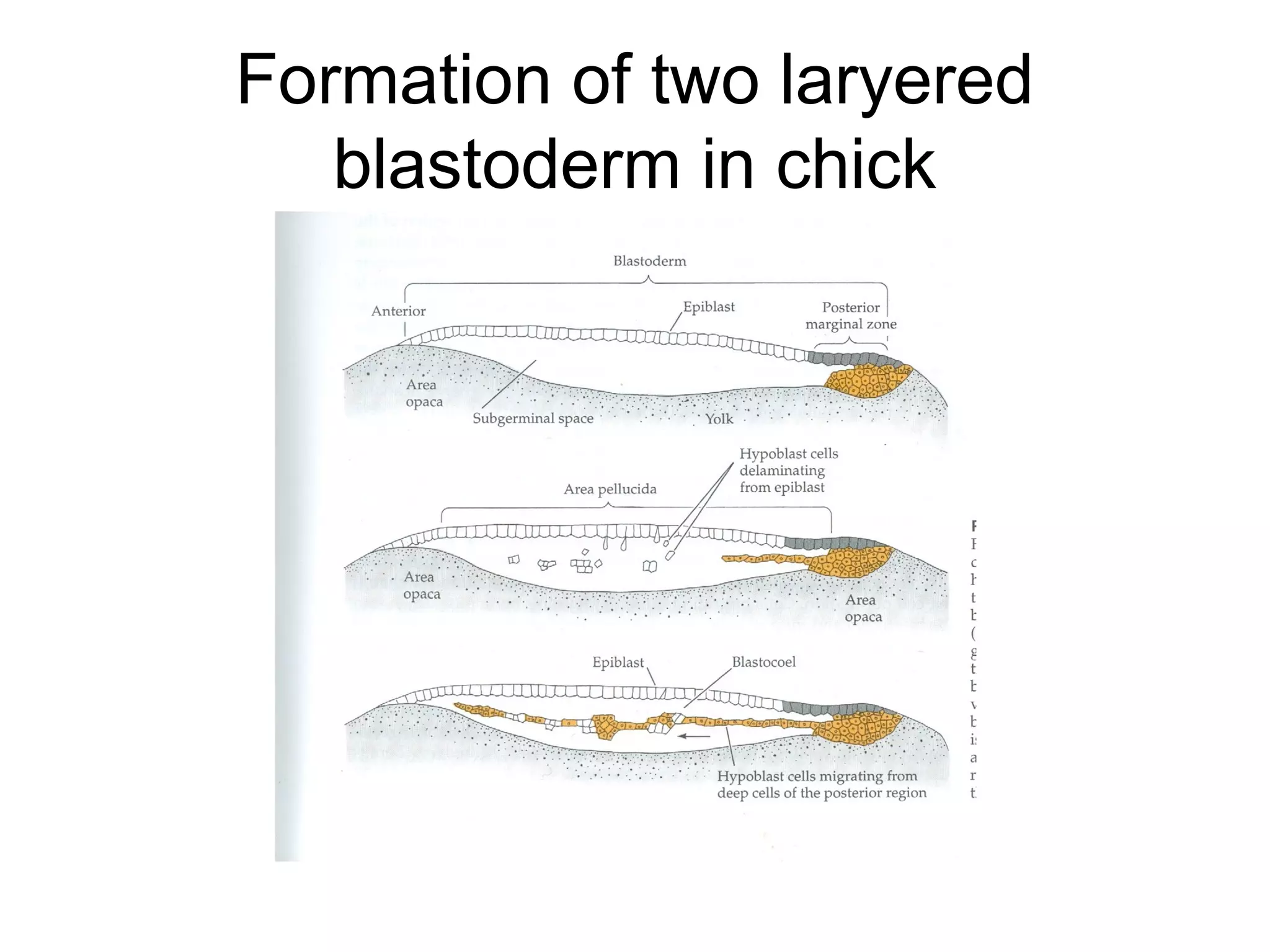
Formation of two laryered
   blastoderm in chick
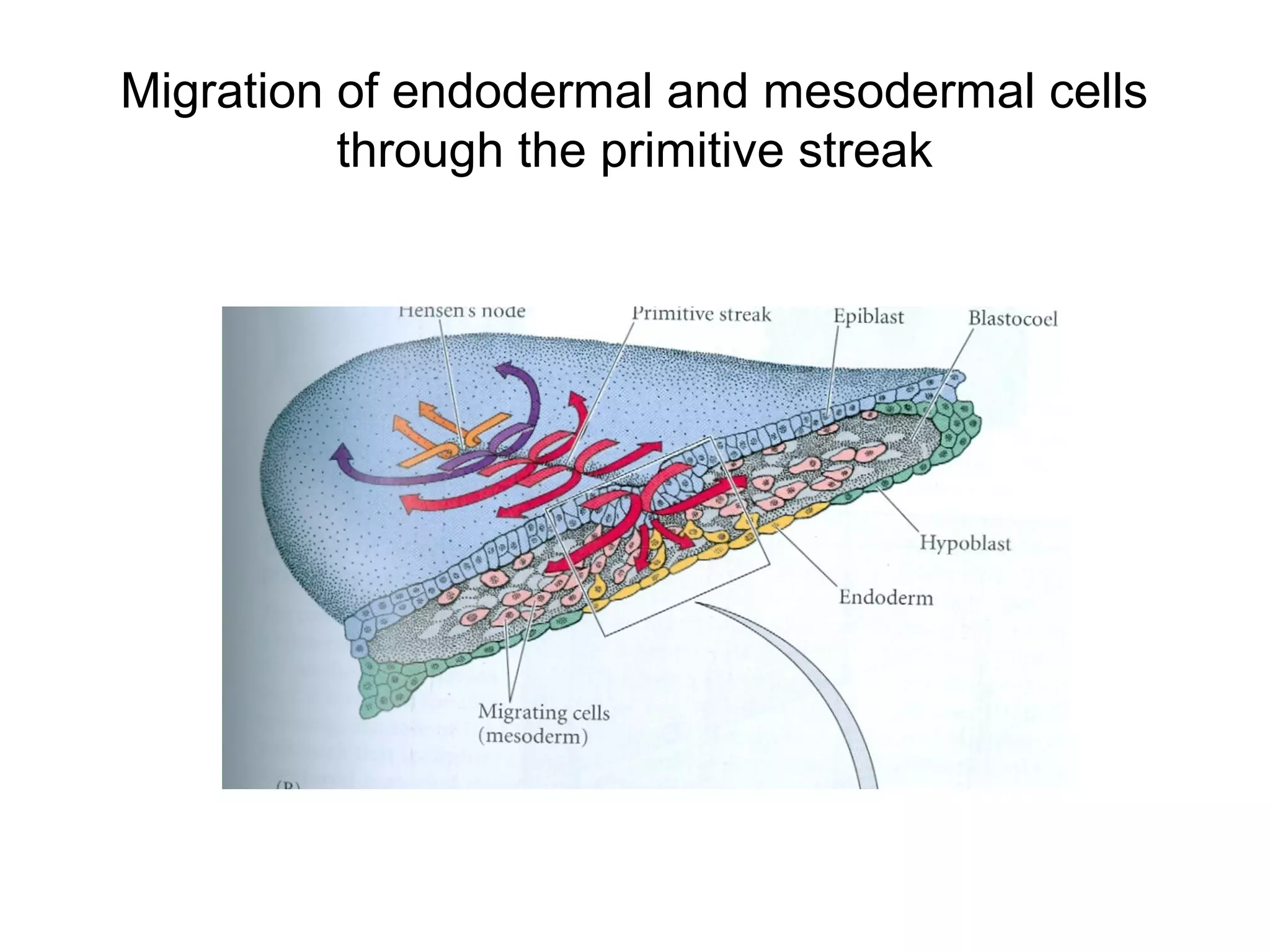
Migration of endodermal and mesodermal cells
          through the primitive streak
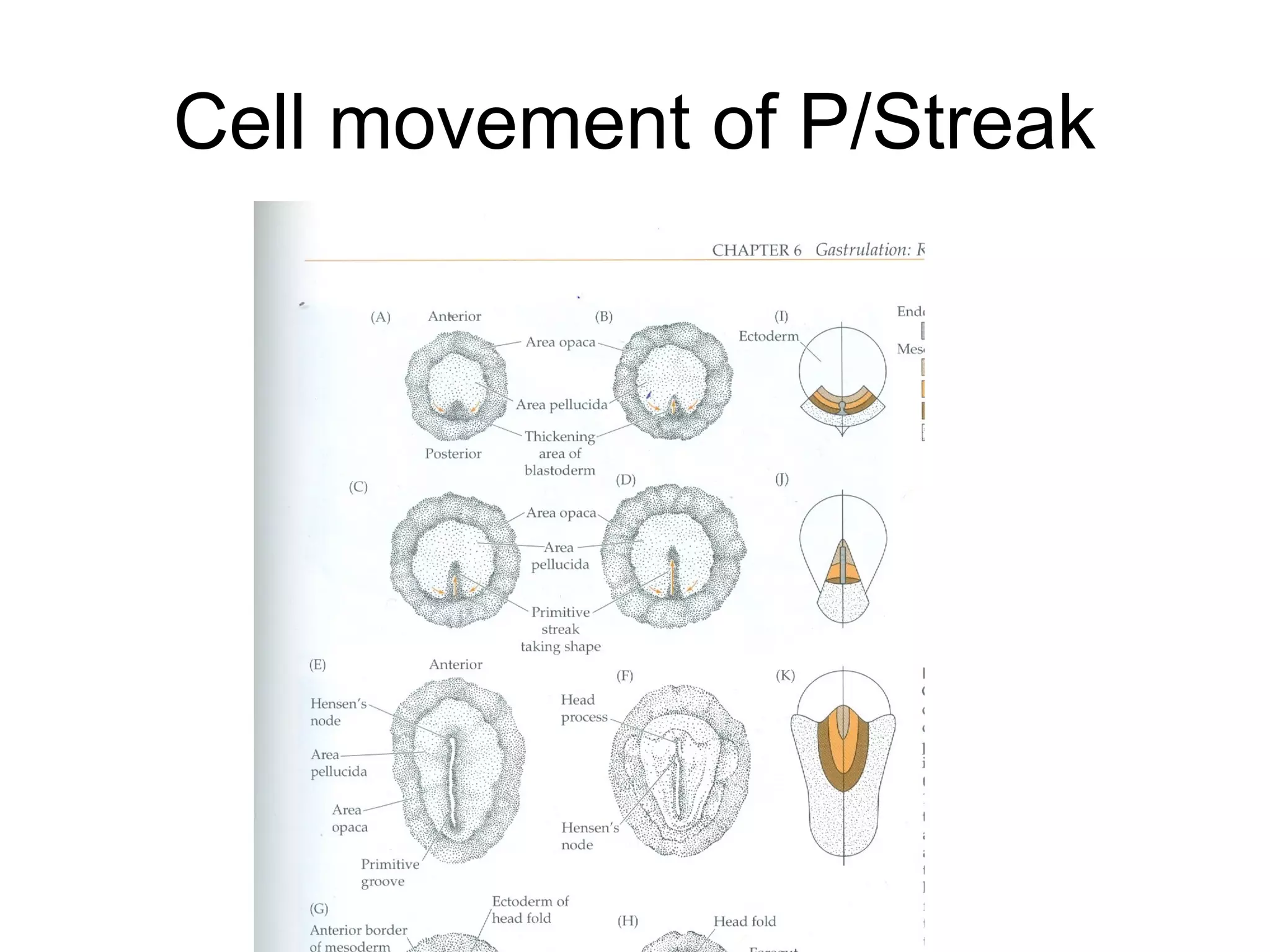
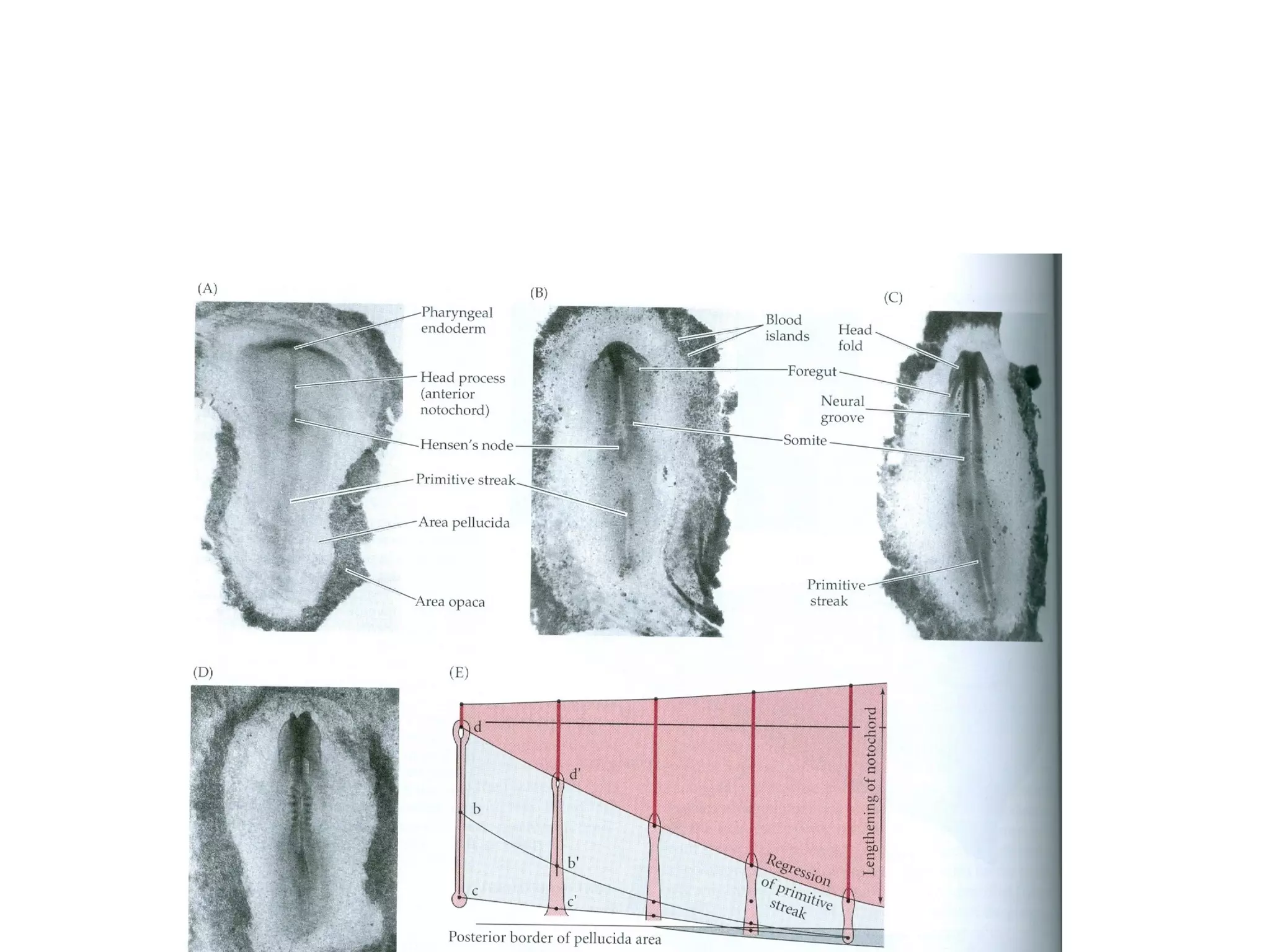
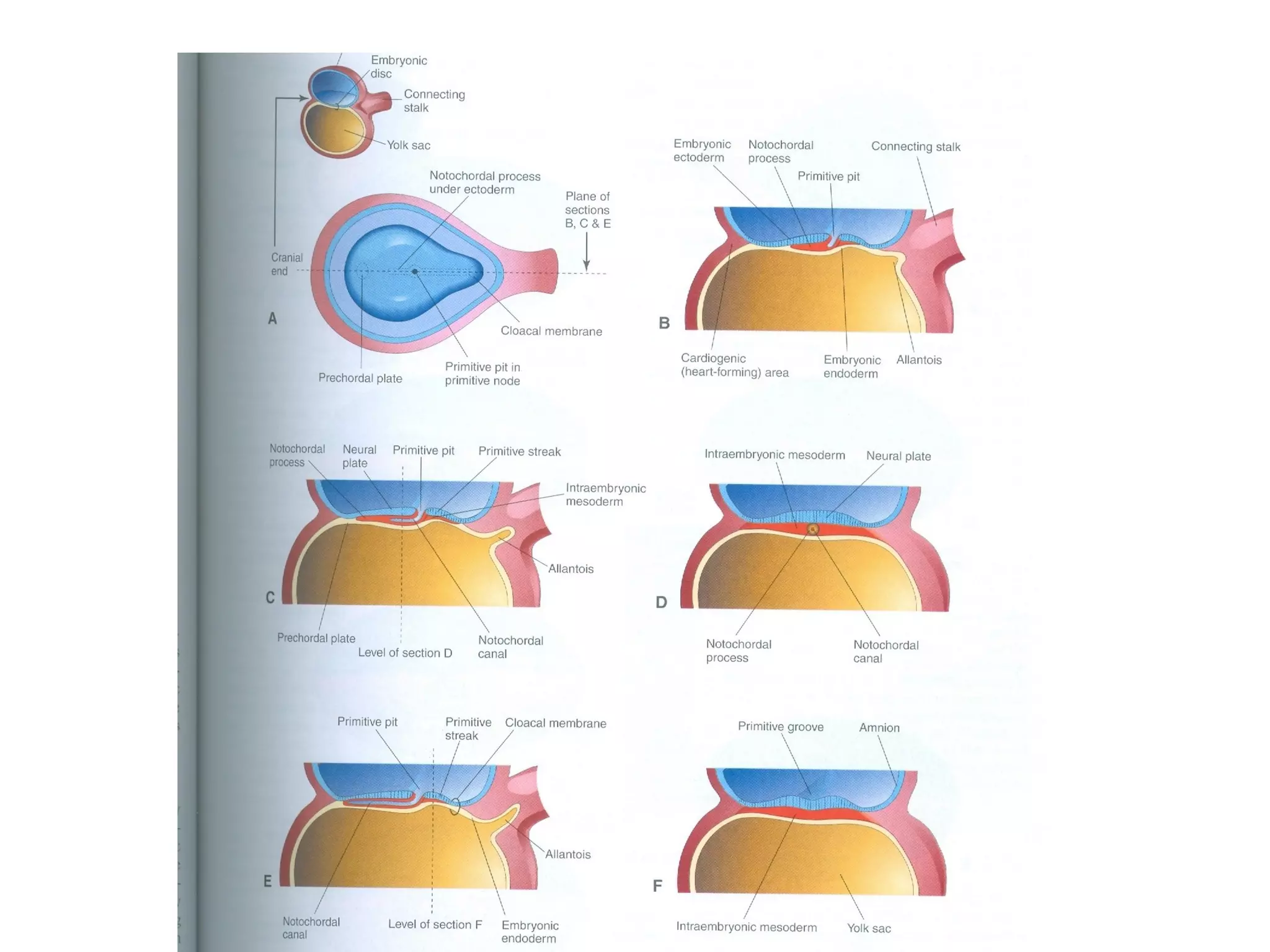
Cell movement of P/Streak
First week of human development
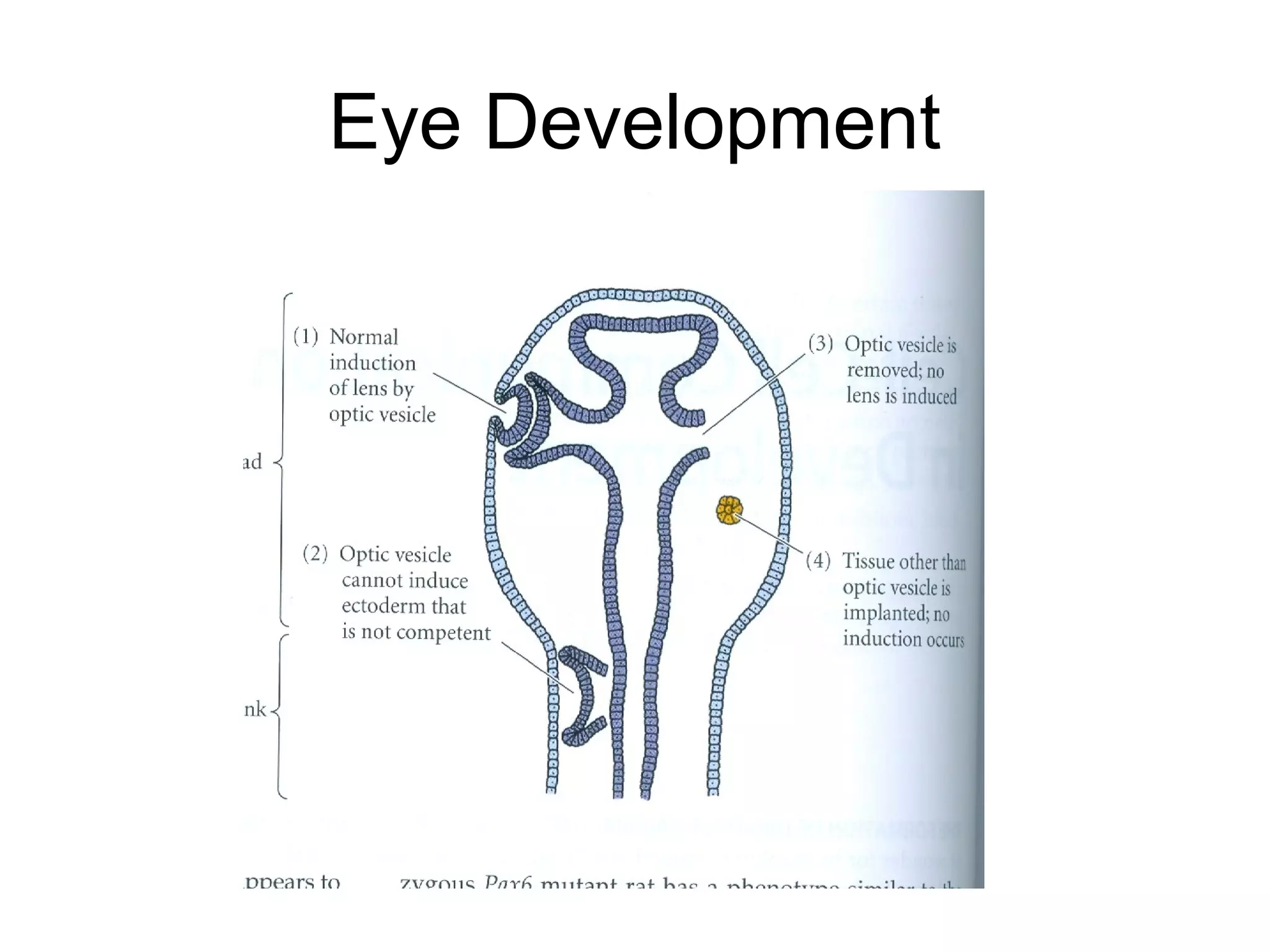
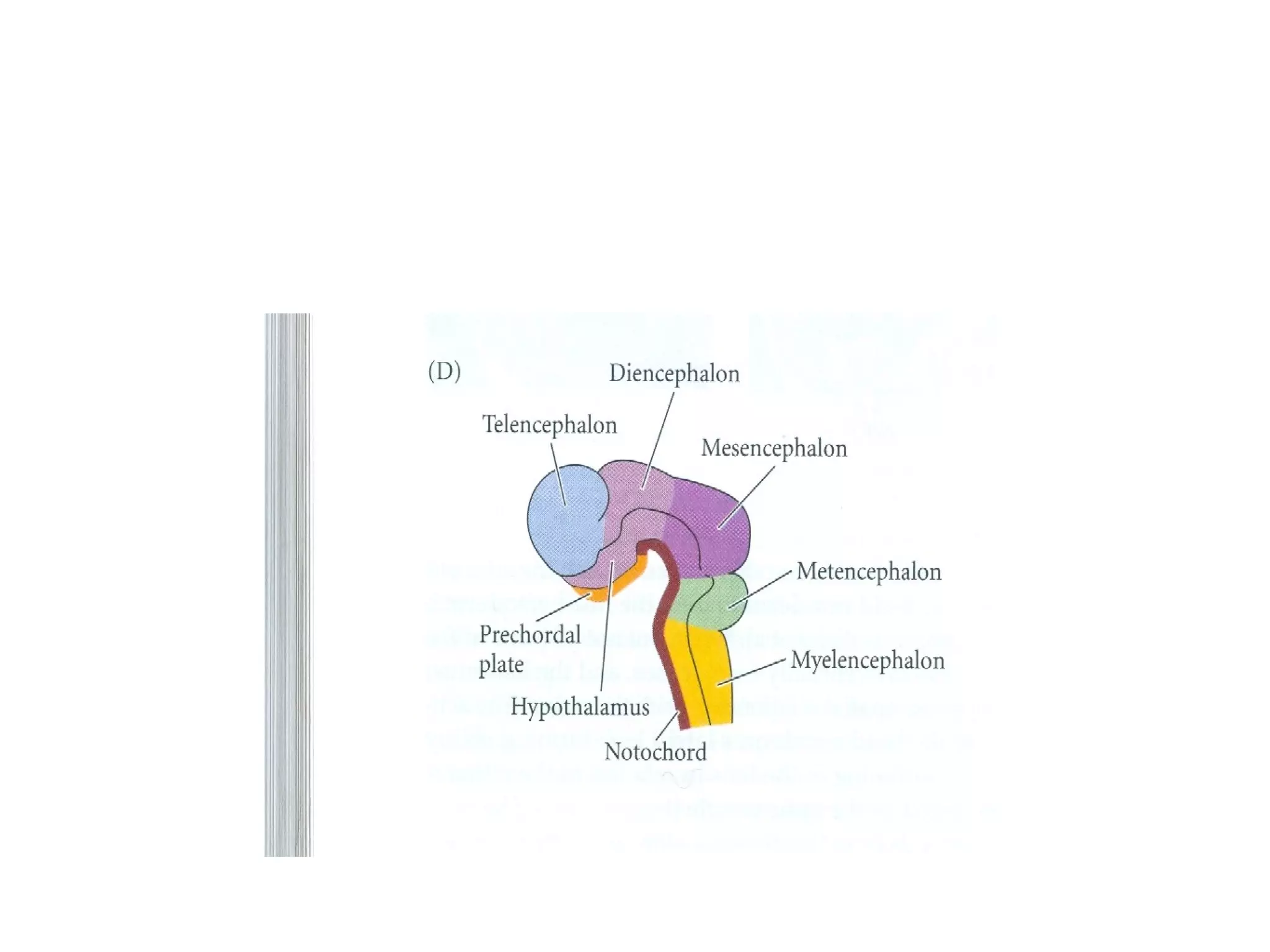
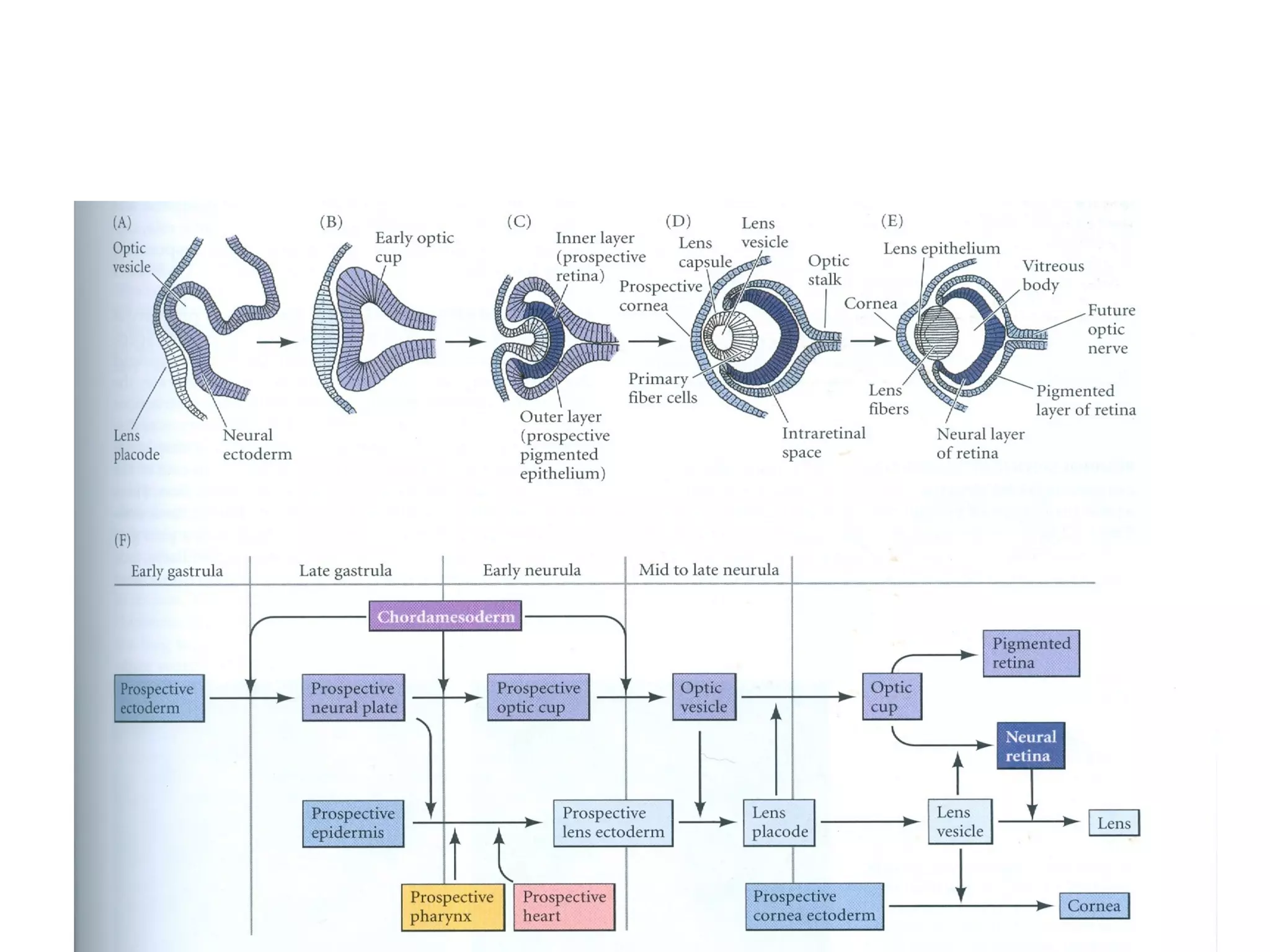
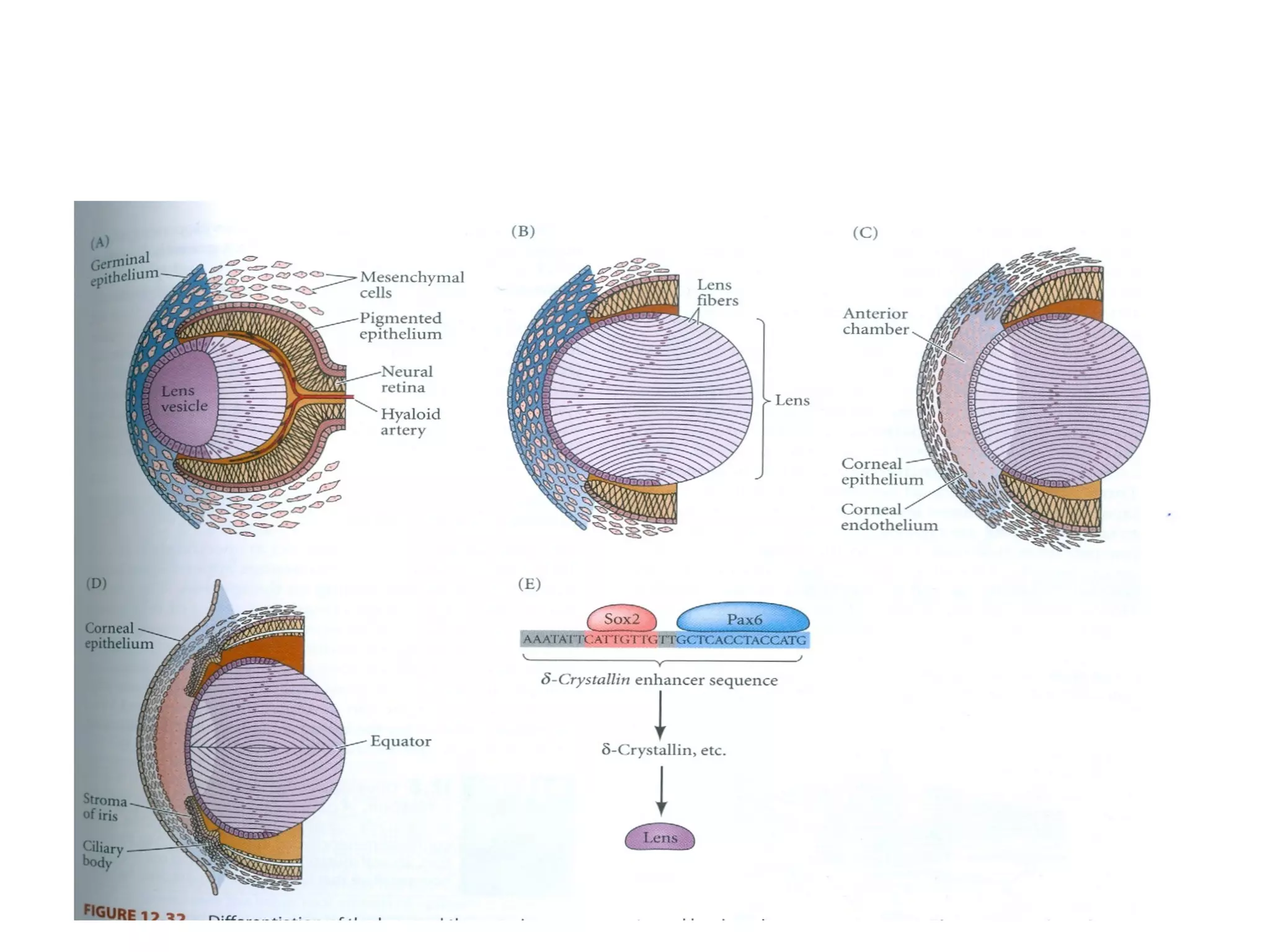
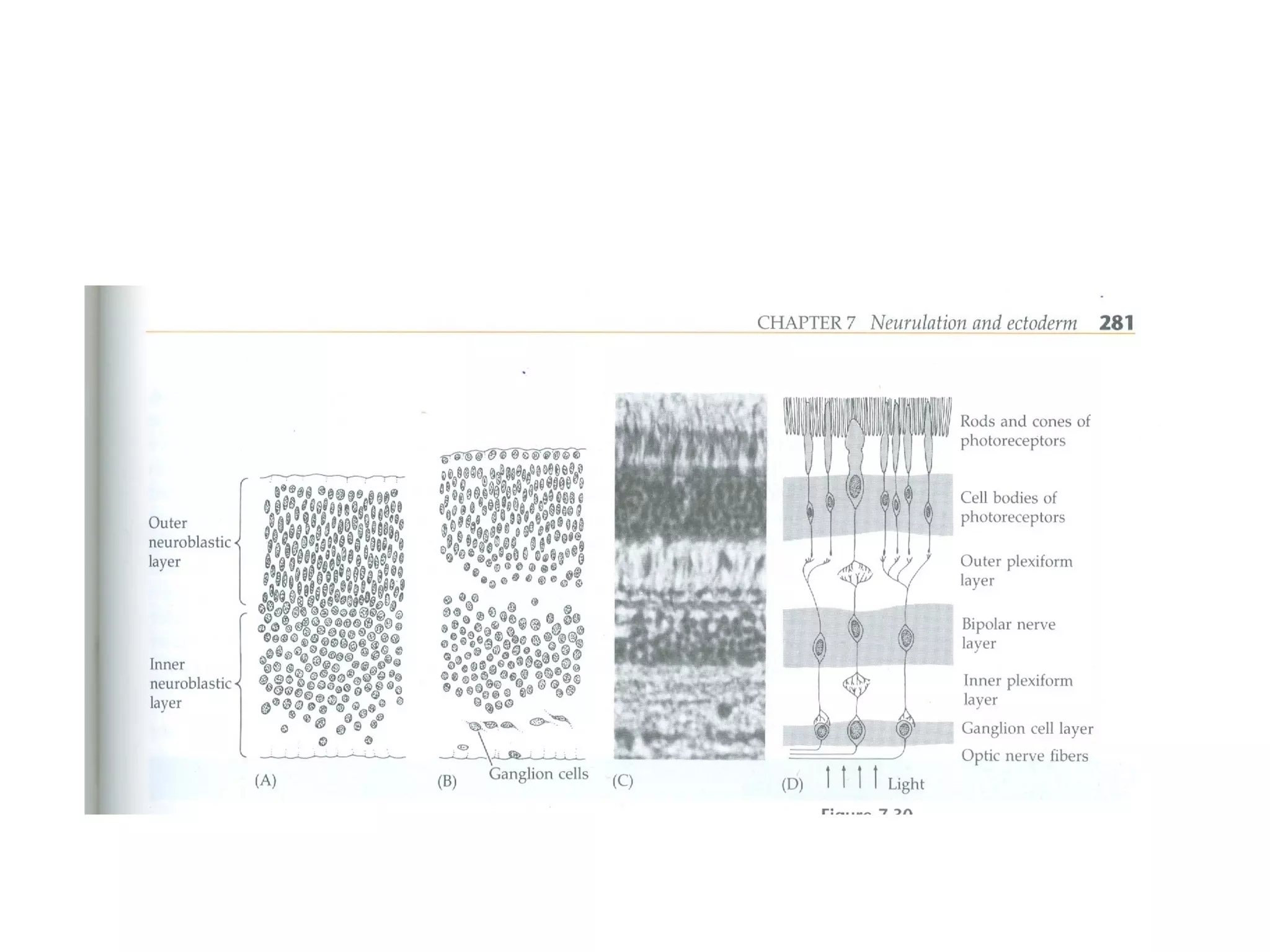
Eye Development
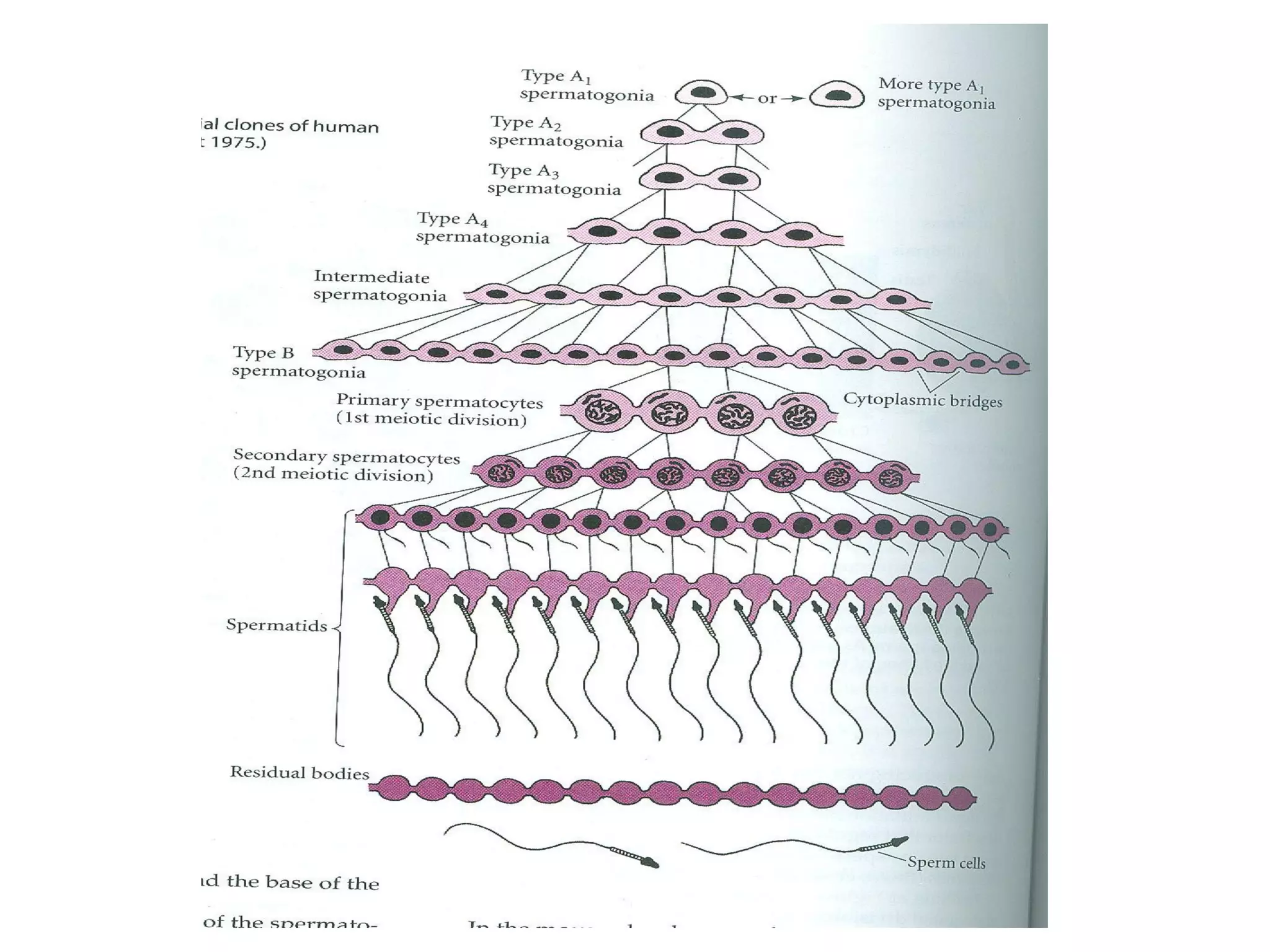
Spermatogenesis
Spermatogenesis
Spermatogenesis
Spermatogenesis
Spermatogenesis
Spermatogenesis
Spermatogenesis
Spermatogenesis

Spermatogenesis

Editor's Notes

  • #56 Aboral ectoderm Oral Ectoderm Endoderm Secondary ectoderm Skeletogenic cell Coelom