Downloaded 1,607 times
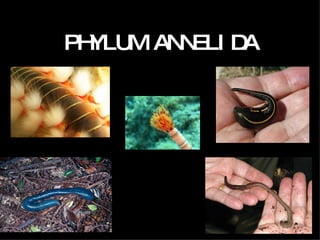

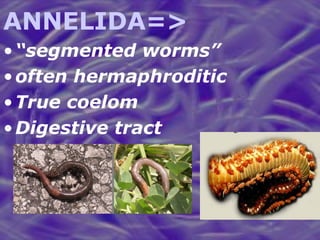
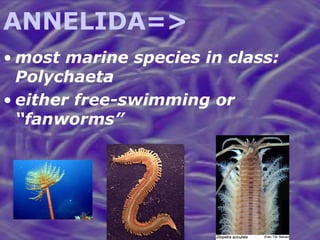
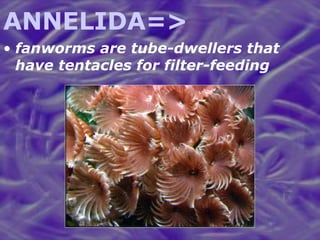
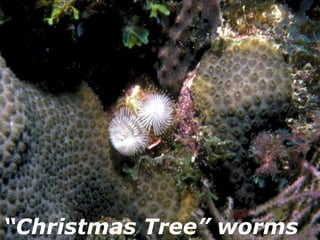
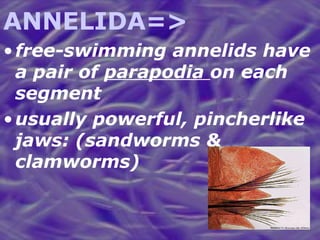
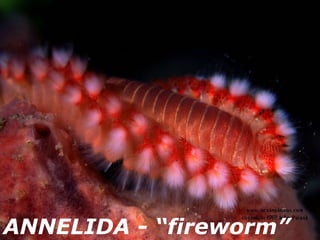
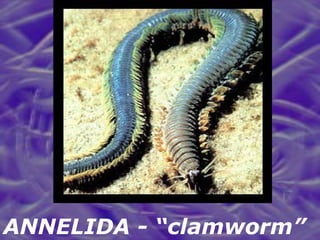
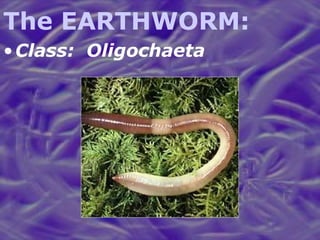
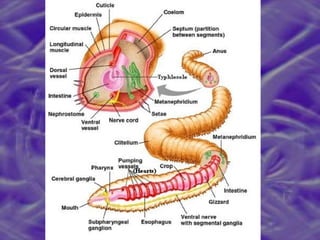
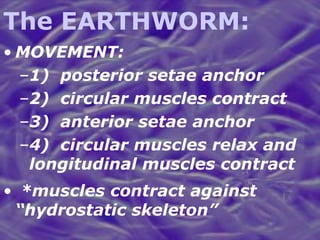
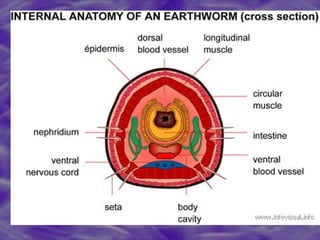
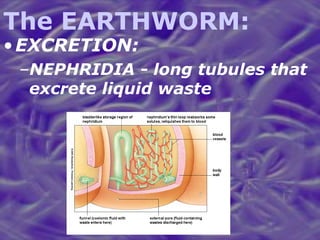
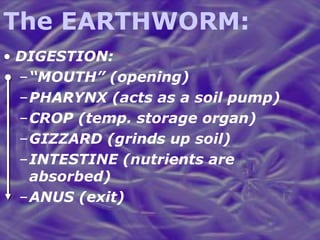
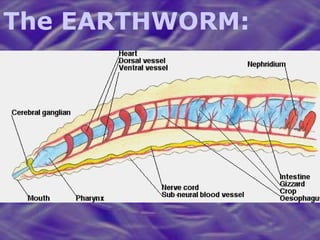
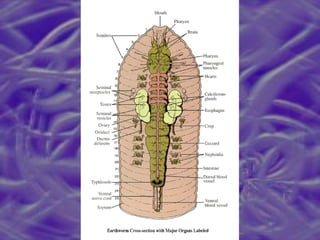
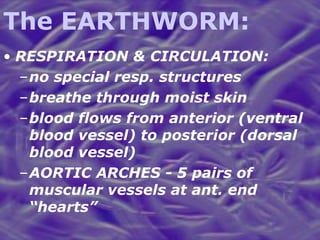
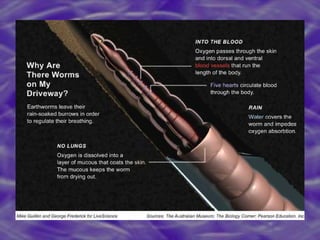
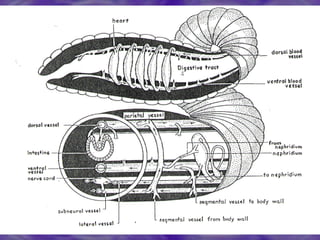
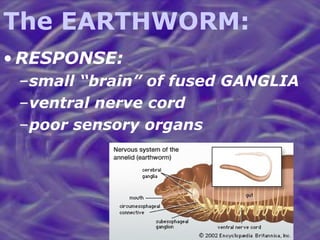
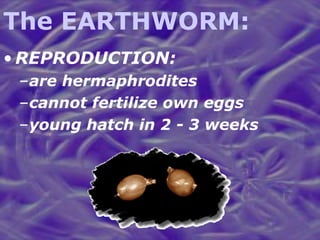
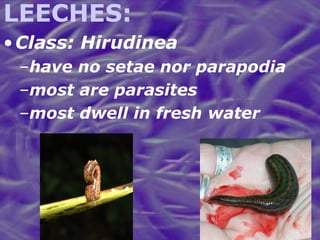
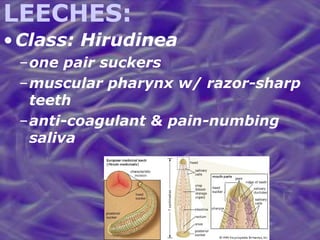
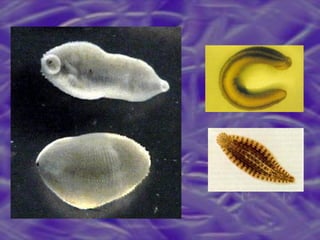
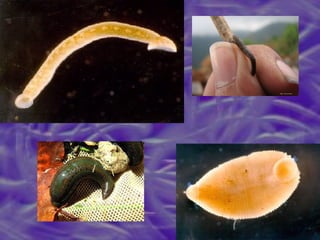

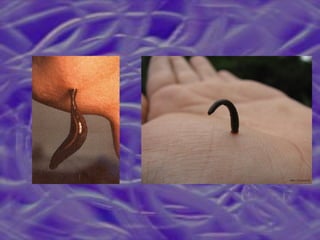


The document discusses the phylum Annelida, or segmented worms. It describes their characteristics, such as being hermaphroditic and having a true coelom. It then discusses different classes of annelids, including Polychaeta (marine fanworms and free-swimming worms), Oligochaeta (earthworms), and Hirudinea (leeches). For earthworms specifically, it outlines their movement, excretion, digestion, respiration, circulation, response, and reproduction systems.


![GROUP 3 Phylum Annelida[1].pptx group presentation](https://cdn.slidesharecdn.com/ss_thumbnails/group3phylumannelida1-250908082209-eef56668-thumbnail.jpg?width=640&height=640&fit=bounds)


![Annelida[1]](https://cdn.slidesharecdn.com/ss_thumbnails/annelida1-100627084315-phpapp02-thumbnail.jpg?width=640&height=640&fit=bounds)


![Amphibia[1]](https://cdn.slidesharecdn.com/ss_thumbnails/amphibia1-090514093737-phpapp02-thumbnail.jpg?width=640&height=640&fit=bounds)


