Nursing Care of Clients with Neurologic Disorders   Ma. Tosca Cybil A. Torres, RN, MAN
Outline  Autoimmune Disorders  Multiple Sclerosis (MS) Myasthenia Gravis (MG) Guillen-Barr é syndrome (GBS) Degenerative disorders  Parkinson’s Disease Huntington’s Disease Amyotrophic Lateral Sclerosis (ALS)
Multiple Sclerosis
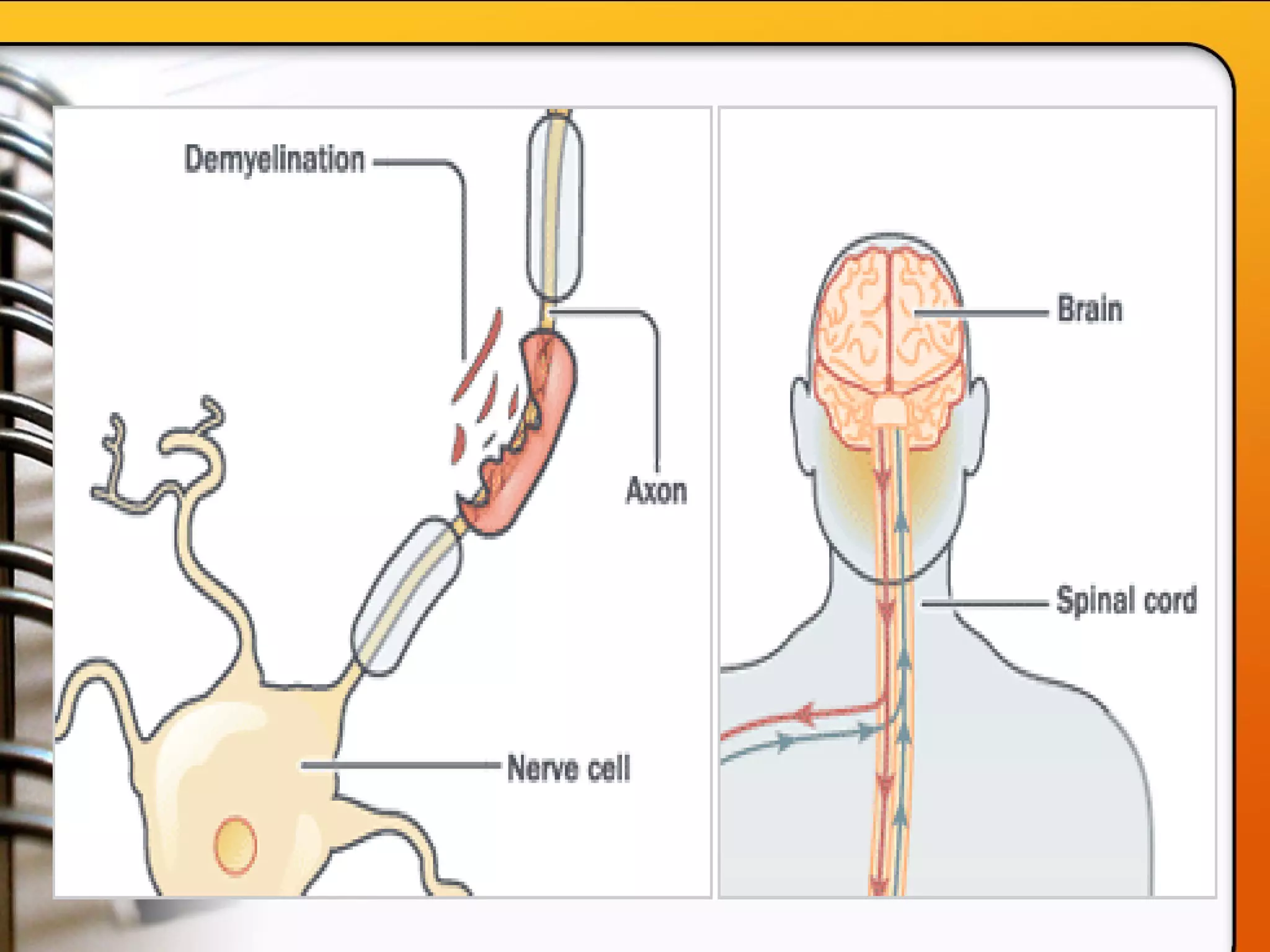
Multiple Sclerosis   Chronic  demyelinating  disease of the CNS associated with abnormal immune response to environmental factor
 
Multiple Sclerosis Periods of exacerbations and remissions Progression of disease with increasing loss of function Incidence is highest in young adults (20 – 40); onset between 20 – 50 Affects females more than males More common in temperate climates Occurs mainly in Caucasians
Manifestations   Fatigue Optic nerve involvement: blurred vision, haziness nystagmus, dysarthria,cognitive dysfunctions, vertigo, deafness Weakness, numbness in leg(s), spastic paresis, bladder and bowel dysfunction ataxia Spasticity  Blindness
STRESS AGGRAVATES SYMPTOMS.
Collaborative Care   Focus is on retaining optimum functioning and limiting disability
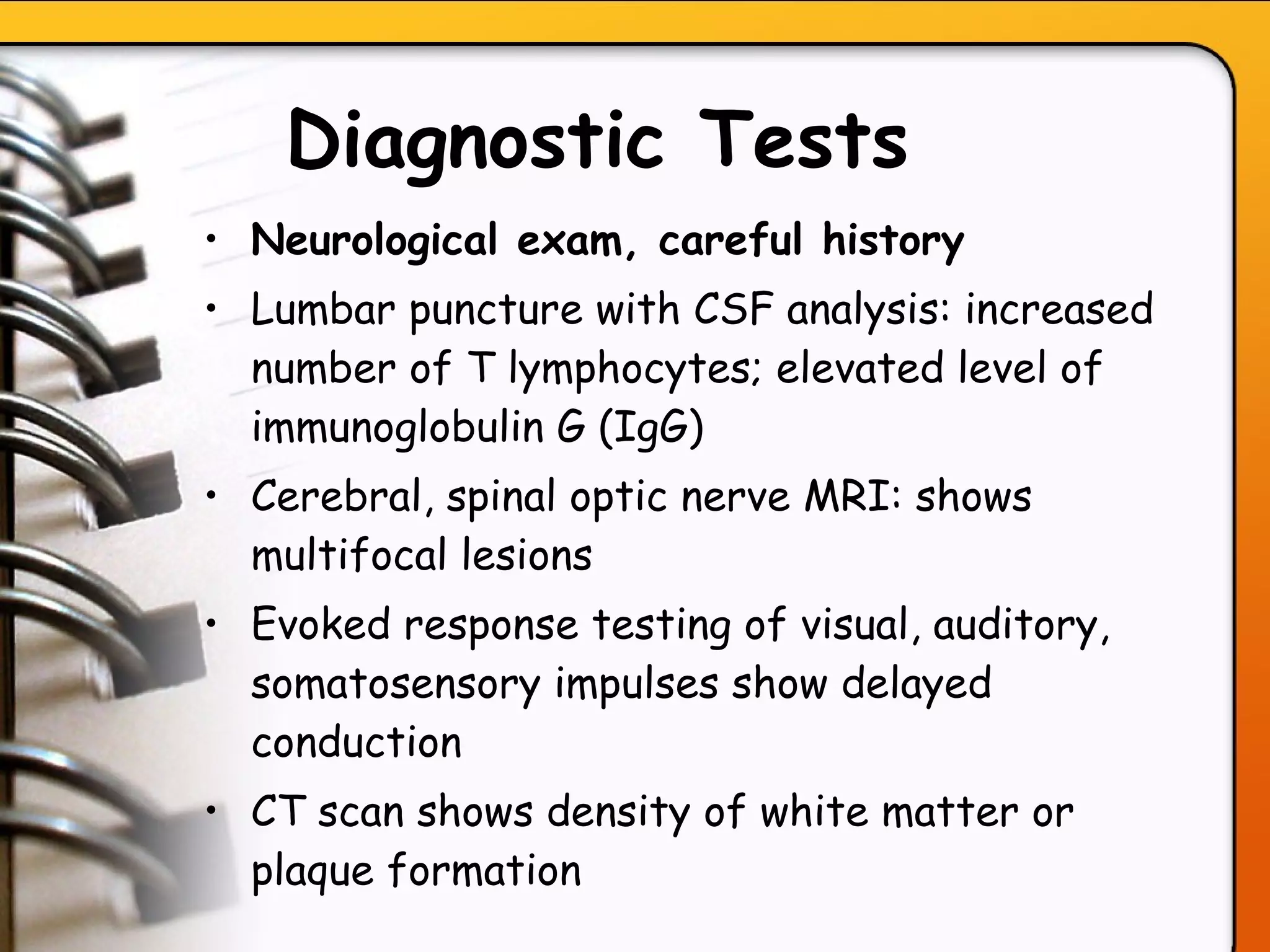
Diagnostic Tests   Neurological exam, careful history Lumbar puncture with CSF analysis: increased number of T lymphocytes; elevated level of immunoglobulin G (IgG) Cerebral, spinal optic nerve MRI: shows multifocal lesions Evoked response testing of visual, auditory, somatosensory impulses show delayed conduction   CT scan shows density of white matter or plaque formation
NO CURE EXISTS FOR MS
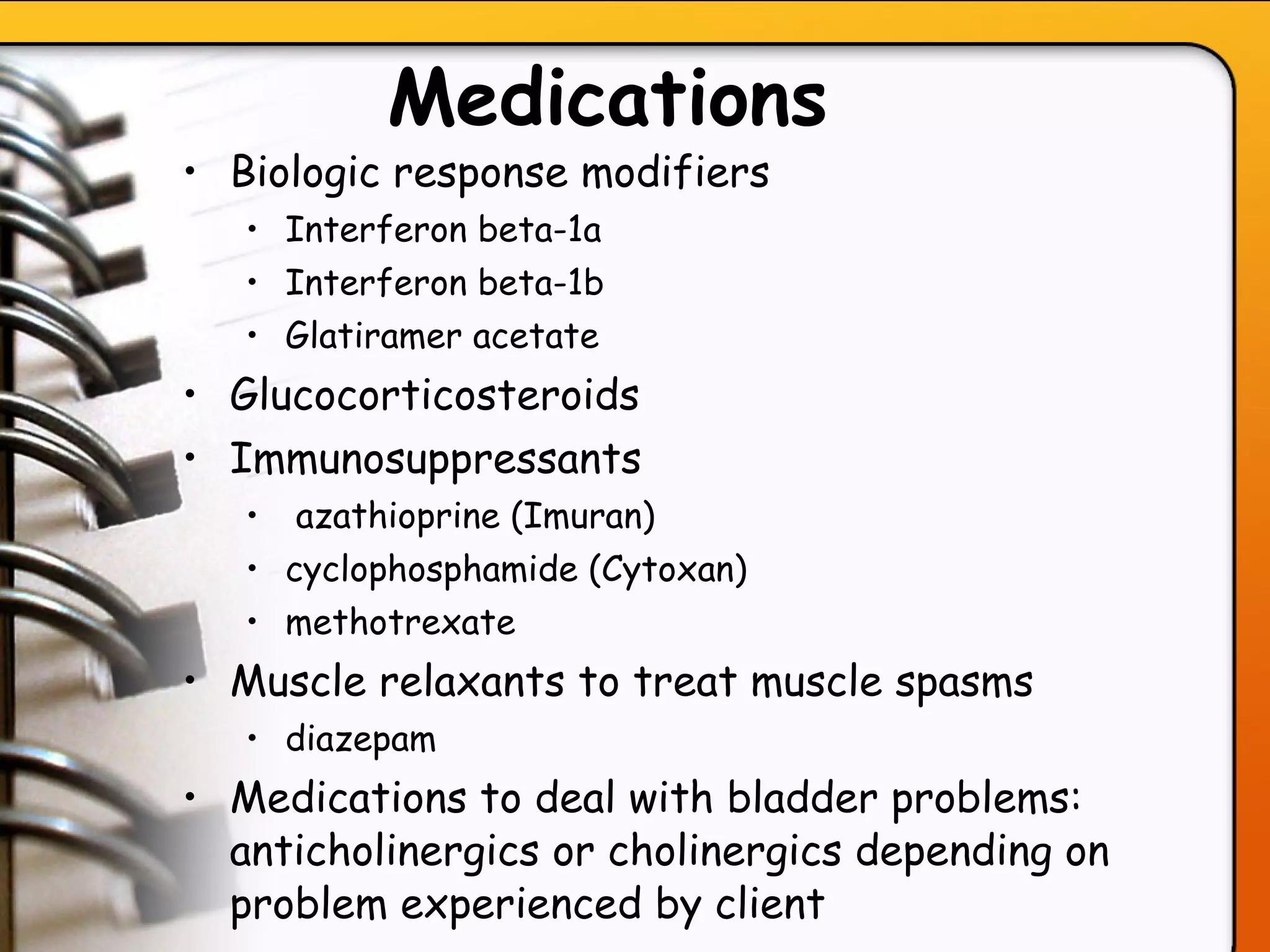
Medications   Biologic response modifiers Interferon beta-1a Interferon beta-1b Glatiramer acetate Glucocorticosteroids Immunosuppressants azathioprine (Imuran) cyclophosphamide (Cytoxan) methotrexate  Muscle relaxants to treat muscle spasms diazepam Medications to deal with bladder problems: anticholinergics or cholinergics depending on problem experienced by client
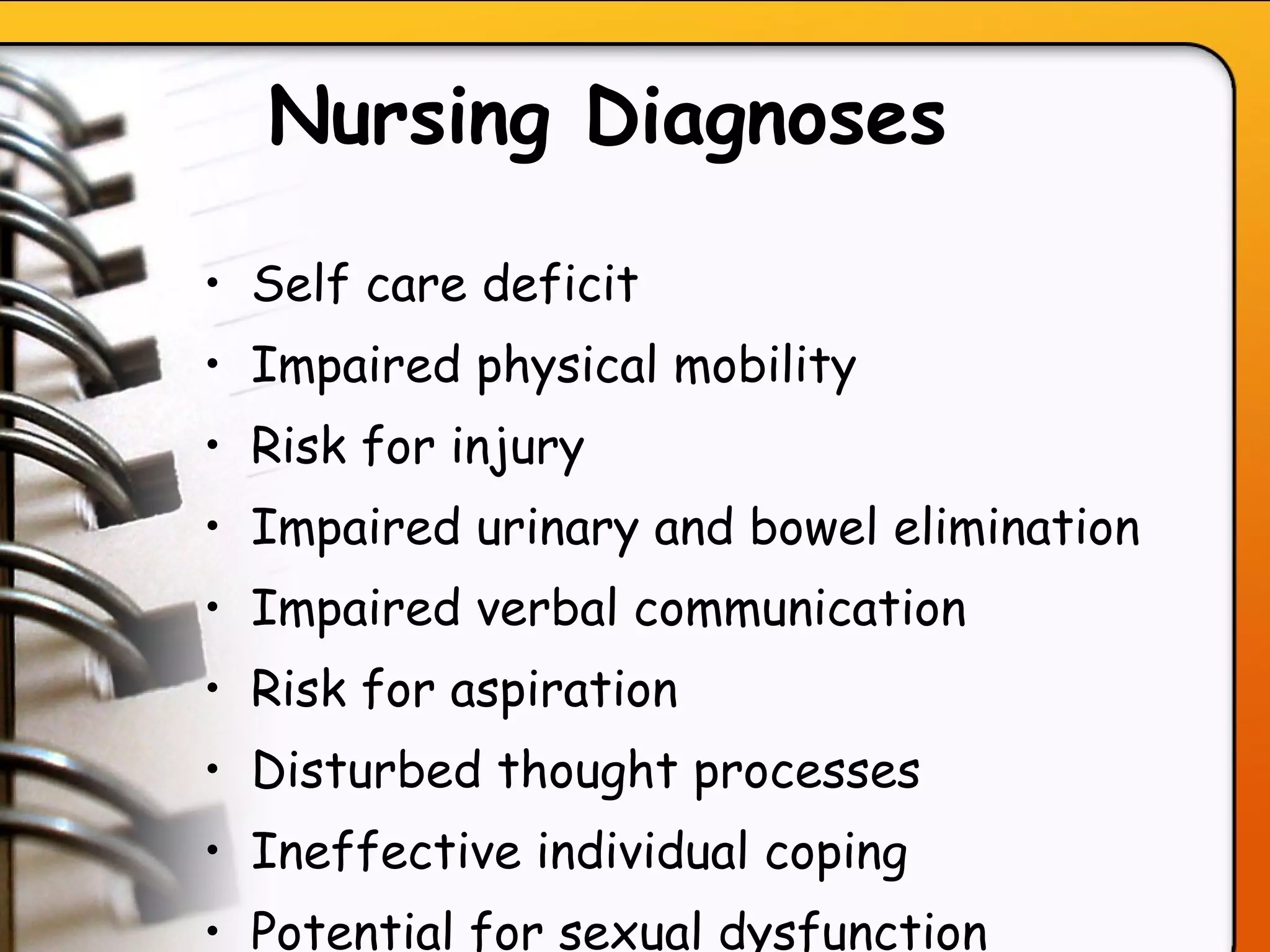
Nursing Diagnoses   Self care deficit Impaired physical mobility  Risk for injury  Impaired urinary and bowel elimination  Impaired verbal communication  Risk for aspiration  Disturbed thought processes Ineffective individual coping  Potential for sexual dysfunction
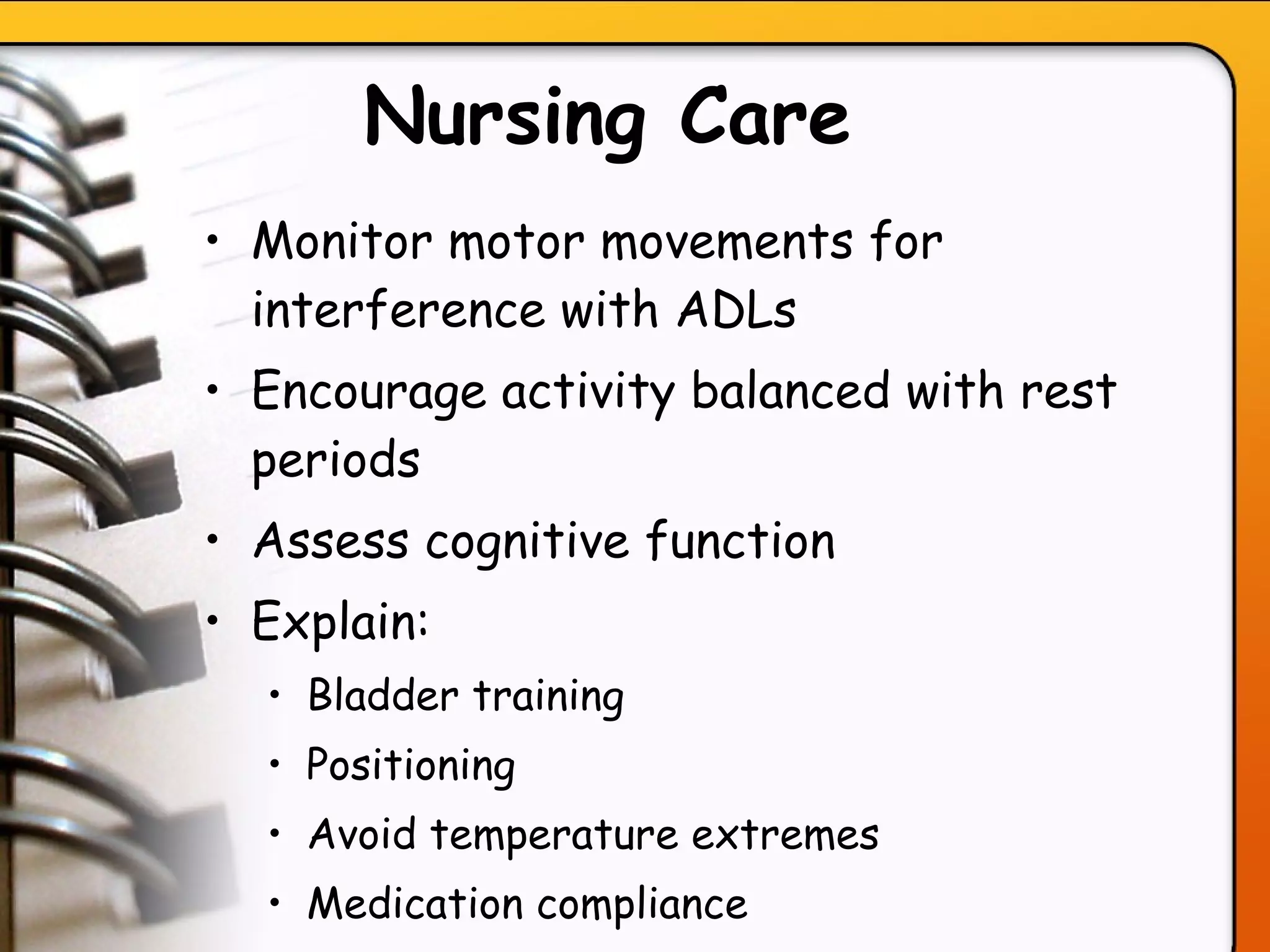
Nursing Care   Monitor motor movements for interference with ADLs Encourage activity balanced with rest periods Assess cognitive function  Explain:  Bladder training  Positioning  Avoid temperature extremes Medication compliance  Avoid STRESS.
Health Promotion   Client needs to develop strategies to deal with fatigue, exacerbations Prevention of respiratory and urinary tract infections
Home Care   Education Referral to support group and resources Referral to home health agencies when condition requires
Myasthenia gravis (MG)
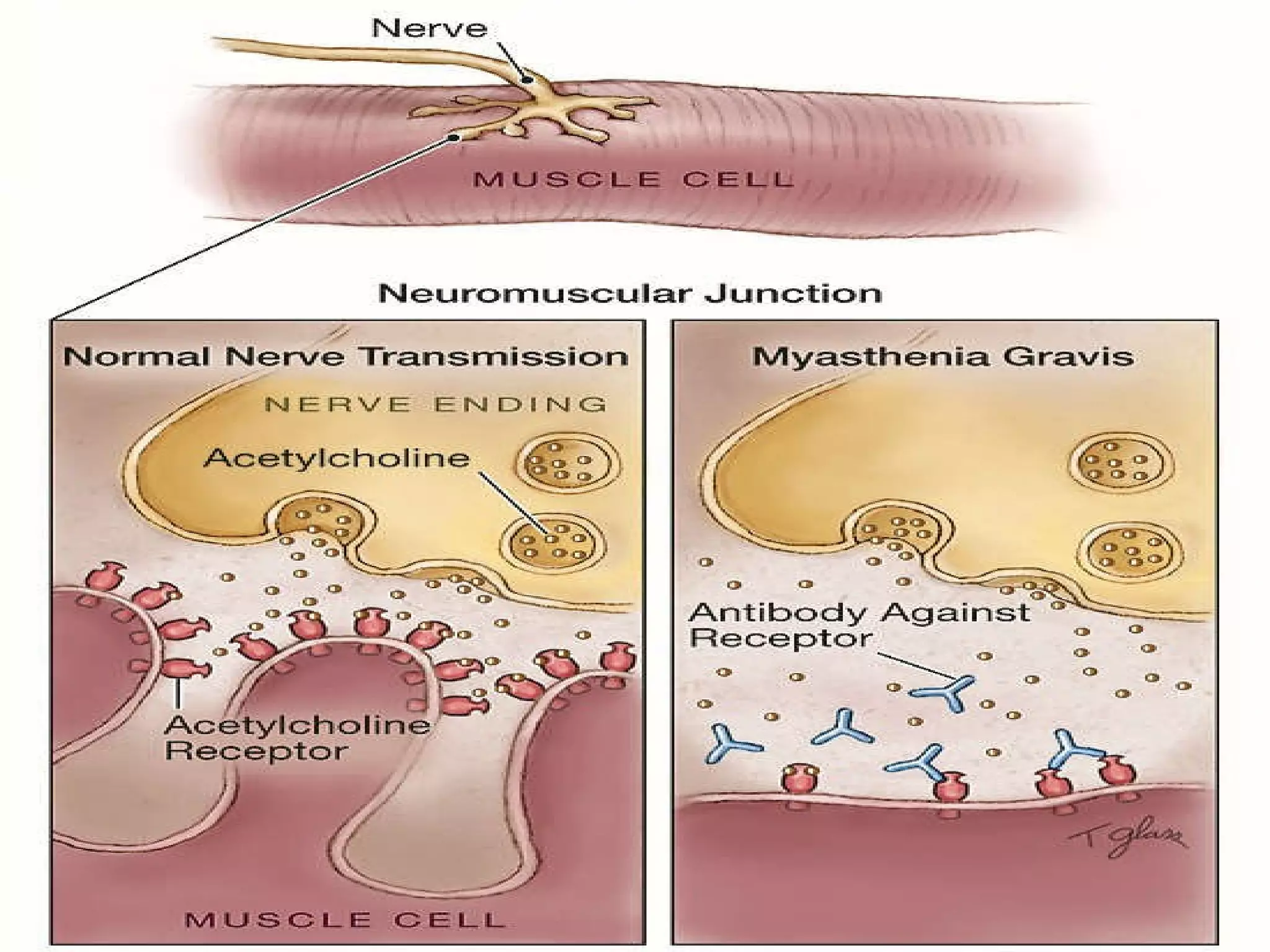
Myasthenia gravis (MG)   Chronic autoimmune neuromuscular disorder affecting the neuromuscular joint
 
Myasthenia gravis (MG)   characterized by fatigue and severe weakness of skeletal muscles Occurs with remissions and exacerbations Occurs more frequently in females, with onset between ages 20 – 30
Manifestations   Seen in the muscles that are affected: Ptosis (drooping of eyelids), diplopia (double vision) Weakness in mouth muscles resulting in dysarthria and dysplagia Weak voice, smile appears as snarl Head juts forward Muscles are weak but DTRs are normal Weakness and fatigue exacerbated by  stress , fever, overexertion, exposure to heat; improved with rest
MG is purely a  MOTOR disorder  with no effect on sensation or coordination
Complications   Pneumonia Myasthenic Crisis Sudden exacerbation of motor weakness putting client at risk for respiratory failure and aspiration Manifestations: tachycardia, tachypnea, respiratory distress, dysphasia
Complications Cholinergic Crisis Occurs with overdosage of medications (anticholinesterase drugs) used to treat MG Develops GI symptoms, severe muscle weakness, vertigo and respiratory distress Both crises often require ventilation assistance
Diagnostic Tests   Physical examination and history Tensilon Test:  edrophonium chloride (Tensilon) administered and client with myasthenia will show significant improvement lasting 5 minutes EMG: reduced action potential Antiacetylcholine receptor antibody serum levels: increased in 80% MG clients; used to follow course of treatment Serum assay of circulating acetylcholine receptor antibodies: if increased, is diagnostic of MG
Medications   Anticholinesterase medications  Pyridostigmine bromide (Mestinon) Immunsuppression medications including glucocorticoids Cyclosporineor azathioprine (Imuran)
Surgery   Thymectomy is recommended in clients <60 Remission occurs in 40 % of clients, but may take several years to occur
Plasmapheresis   Used to remove antibodies Often done before planned surgery, or when respiratory involvement has occurred
Nursing Care   Teaching interventions to deal with fatigue Importance of following medication therapy
Nursing Diagnoses   Ineffective Airway Clearance Impaired Swallowing: plan to take medication to assist with chewing activity
Home Care   Avoid fatigue and stress Plan for future with treatment options Keep medications available  Carry medical identification Referral to support group, community resources
Guillain-Barr é  Syndrome (GBS)
Guillain-Barr é  Syndrome (GBS)   Acute autoimmune inflammatory  demyelinating disorder of peripheral nervous system  characterized by acute onset of  ascending motor paralysis
Guillain-Barr é  Syndrome (GBS)   Cause is unknown but precipitating events include GI or respiratory infection, surgery, or viral immunizations 80 – 90% of clients have spontaneous recovery with little or no disabilities 4 – 6% mortality rate, and up to 10% have permanent disabling weakness 20 % require mechanical ventilation due to respiratory involvement
Manifestations   Most clients have  symmetric weakness beginning in lower extremities Ascends body to include upper extremities, torso, and cranial nerves  Sensory involvement causes severe pain, paresthesia and numbness Paralysis of intercostals and diaphragmatic muscle Autonomic nervous system involvement: blood pressure fluctuations, cardiac dysrhythmias, paralytic ileus, urinary retention Weakness usually plateaus or starts to improve in the fourth week with slow return of muscle strength
Diagnostic Tests   diagnosis made thorough history and clinical examination;  there is no specific test CSF analysis: increased protein EMG: decrease nerve conduction Pulmonary function test reflect degree of respiratory involvement
Medications   supportive and prophylactic care Antibiotics Morphine for pain control Anticoagulation to prevent thromboembolic complications
Medical management  Tracheostomy Plasmapheresis Enteral feeding  IVIG
Nursing Diagnoses   Ineffective breathing pattern  Impaired bed and physical mobility  Imbalanced nutrition Acute Pain Risk for Impaired Skin Integrity Impaired Communication Fear
Nursing Care   Maintain respiratory function Enhancing physical mobility  Providing adequate nutrition  Improving communication  Decreasing fear and anxiety
Home Care Clients will usually require hospitalization, rehabilitation, and eventually discharge to home Client and family will need support; support groups
Degenerative Disorders
Parkinson’s Disease
Parkinson’s Disease   Associated with  decreased levels of dopamine  resulting from destruction of pigmented neuronal cells in the substantia nigra in the basal ganglia.
Parkinson’s Disease   characterized by tremor at rest, muscle rigidity and akinesia (poor movement); cause unknown   Affects older adults mostly, mean age 60 with males more often than females Parkinson-like syndrome can occur with some medications, encephalitis, toxins; these are usually reversible
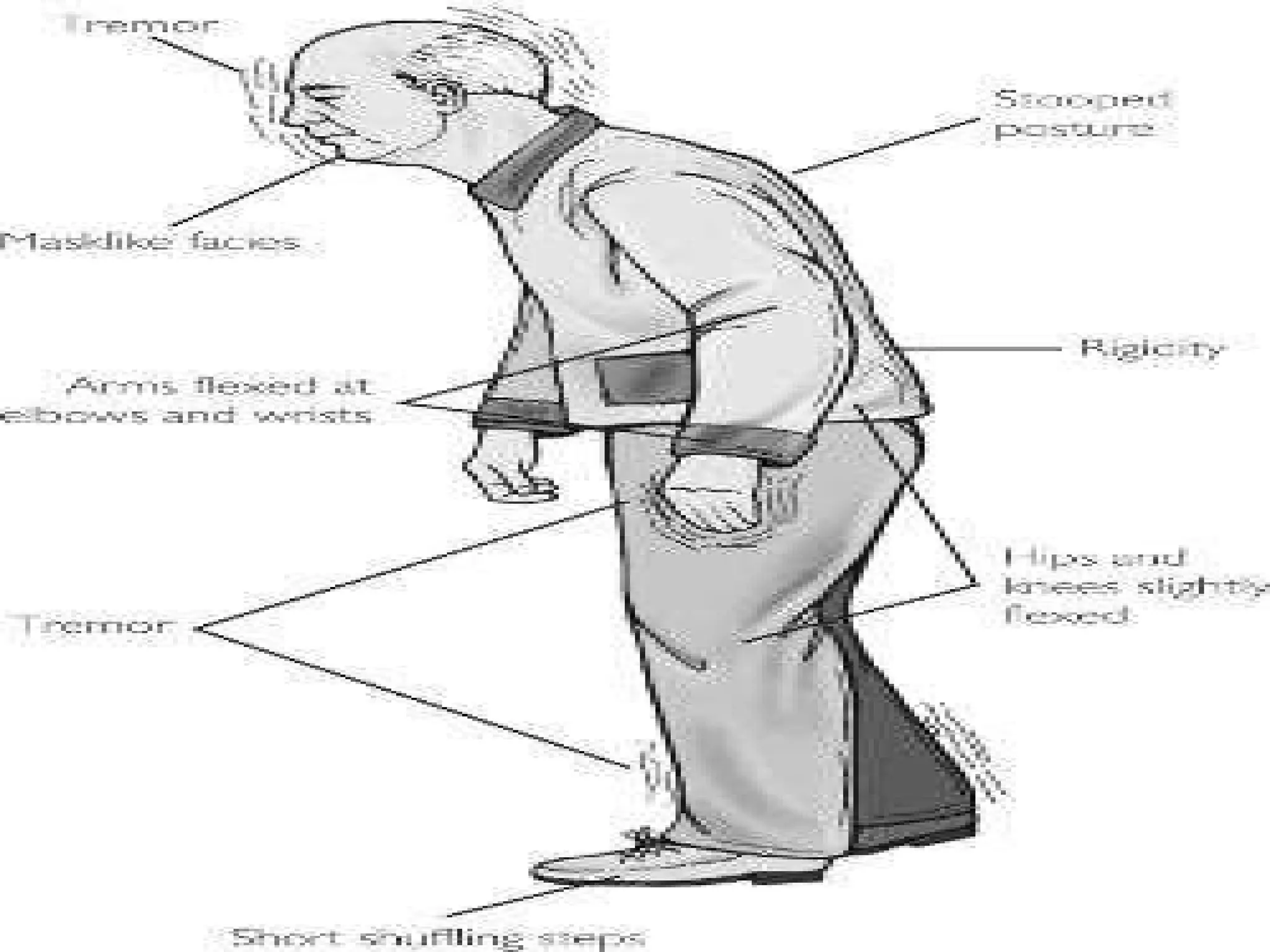
Manifestations   Tremor  at rest with pill rolling motion of thumb and fingers Worsens with stress and anxiety Progressive impairment affecting ability to write and eat Rigidity Involuntary contraction of skeletal muscles Cogwheel rigidity: jerky motion
Manifestations Akinesia Slowed or delayed movement that affects chewing, speaking, eating May freeze: loss of voluntary movement Bradykinesia: slowed movement Posture instability  Involuntary flexion of head and shoulders, stooped leaning forward position Equilibrium problems causing falls, and short, accelerated steps   Shuffling gait
 
Manifestations Autonomic nervous system Constipation and urinary hesitation or frequency Orthostatic hypotension, dizziness with position change Eczema, seborrhea Depression and dementia; confusion, disorientation, memory loss, slowed thinking Inability to change position while sleeping, sleep disturbance   Mask-like face  Dysphonia
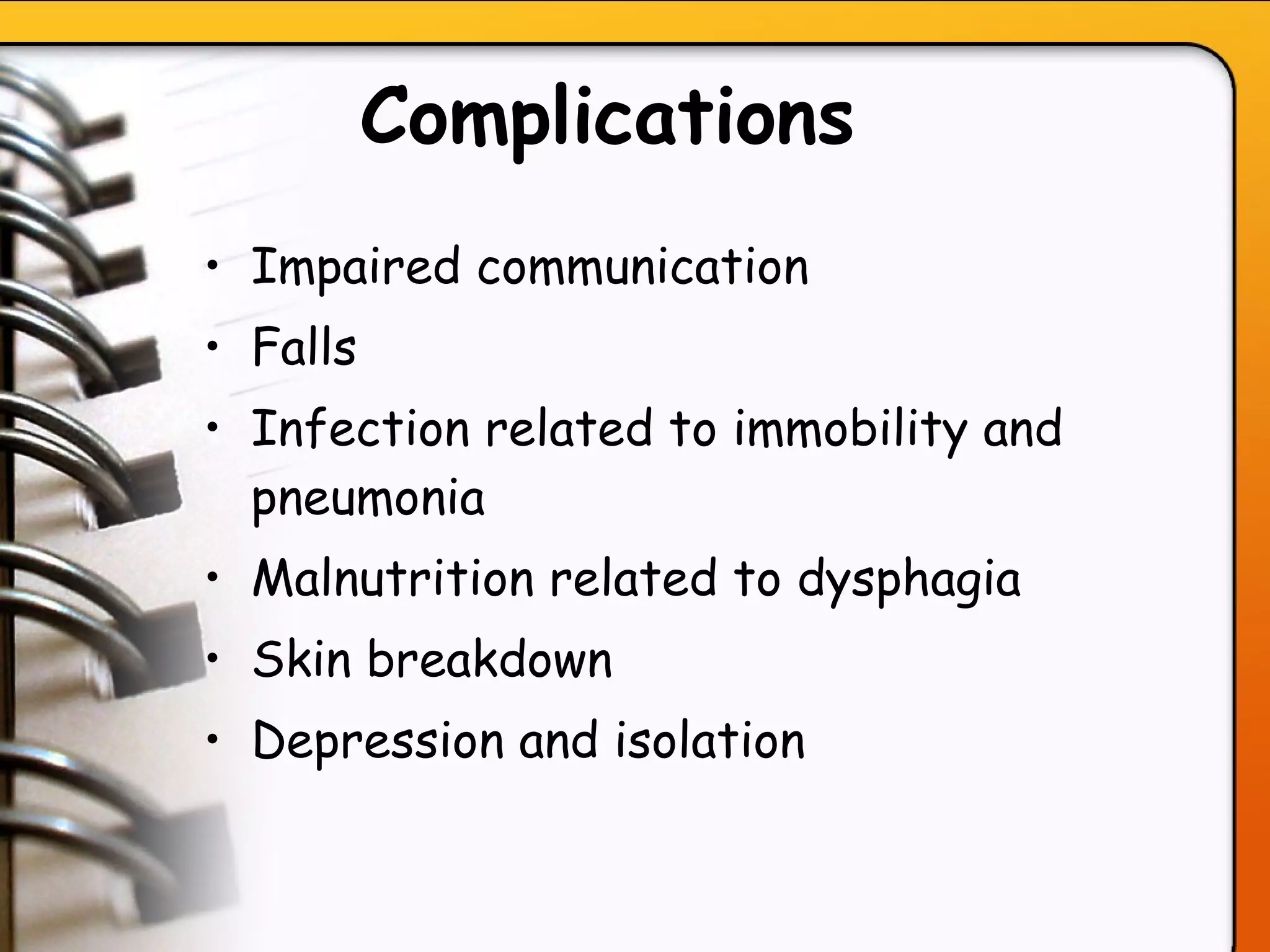
Complications   Impaired communication Falls Infection related to immobility and pneumonia Malnutrition related to dysphagia Skin breakdown Depression and isolation
Prognosis   Slow progressive degeneration Eventual debilitation
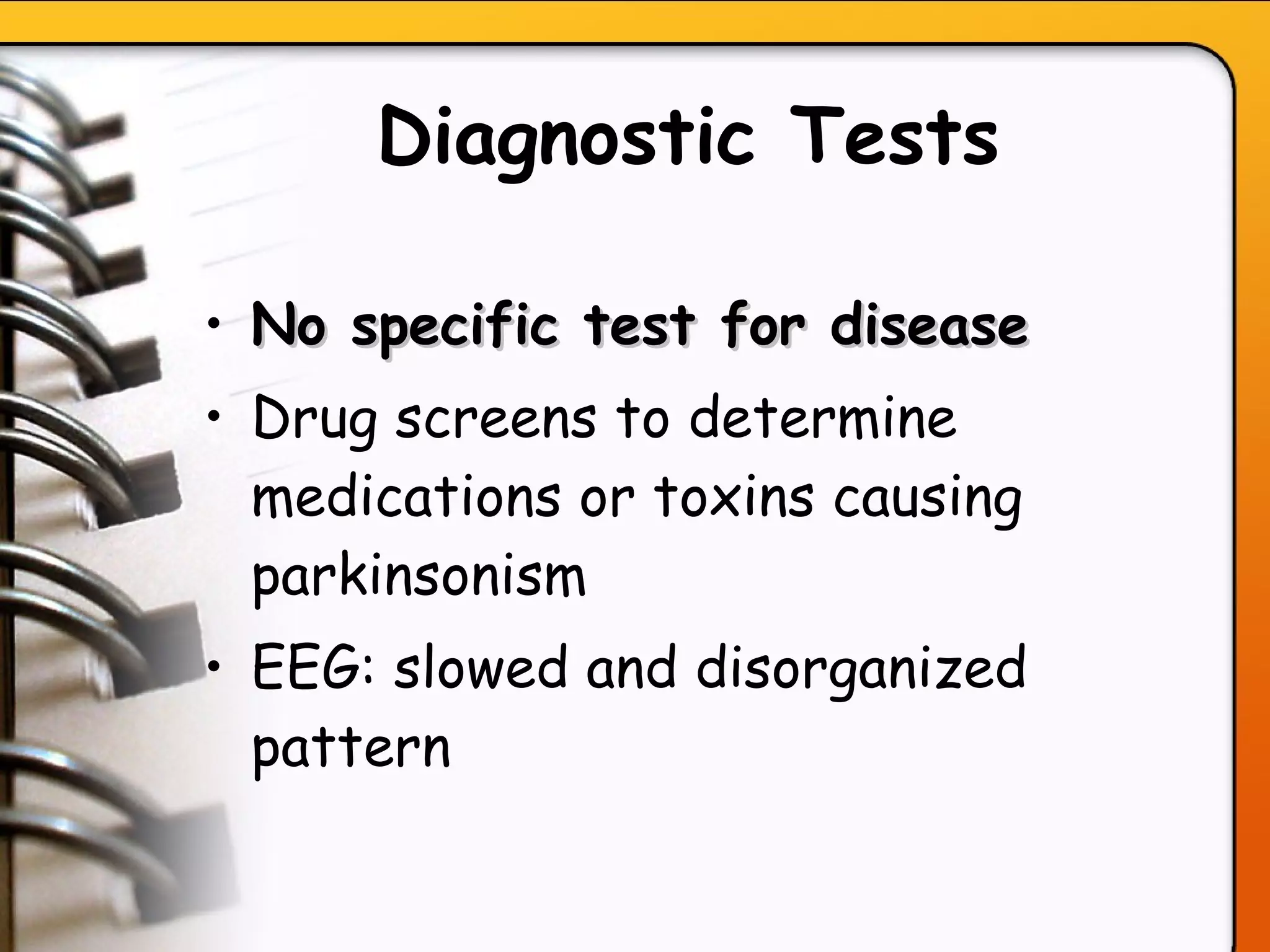
Diagnostic Tests No specific test for disease Drug screens to determine medications or toxins causing parkinsonism EEG: slowed and disorganized pattern
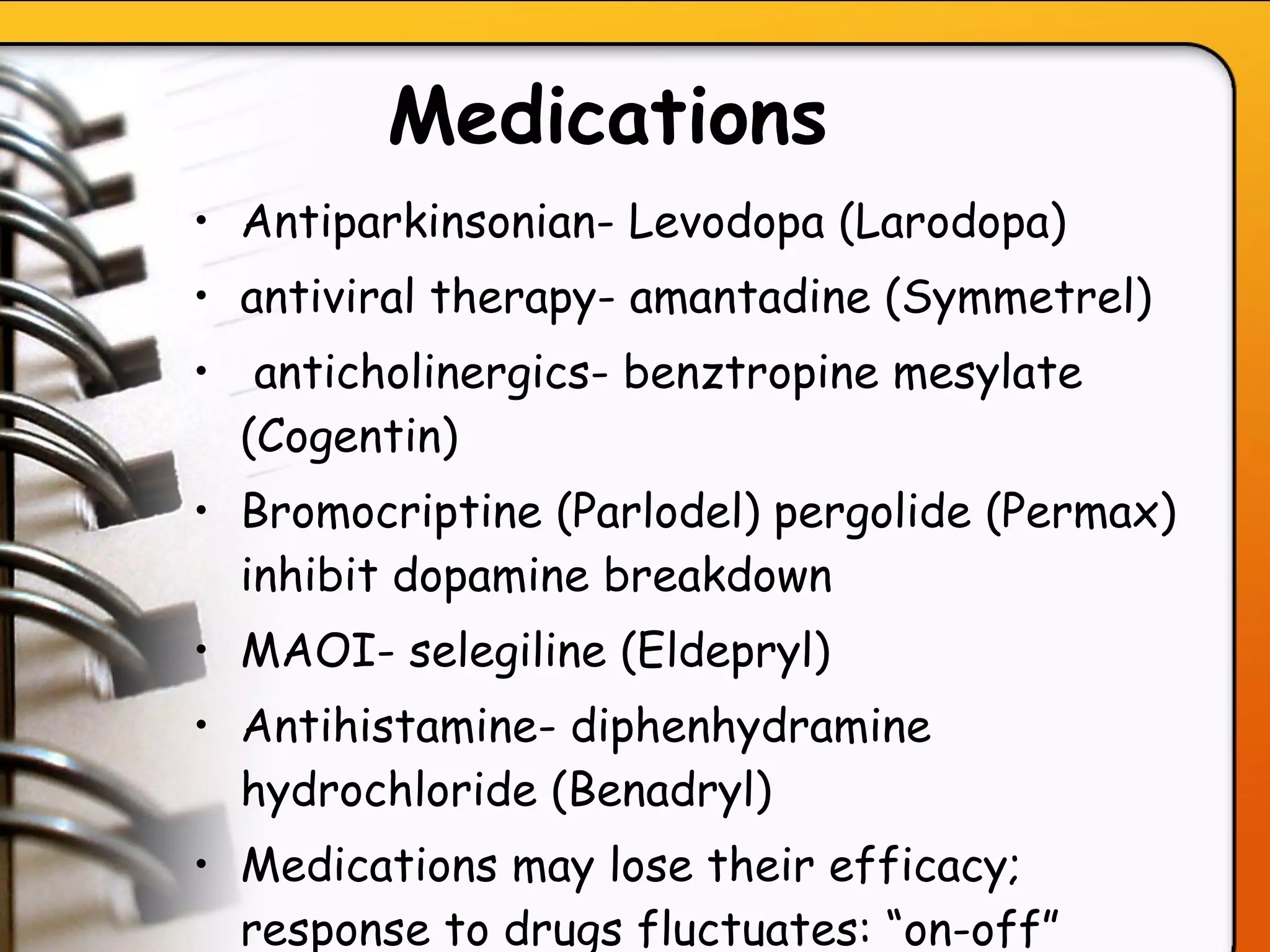
Medications   Antiparkinsonian- Levodopa (Larodopa)  antiviral therapy- amantadine (Symmetrel) anticholinergics- benztropine mesylate (Cogentin)  Bromocriptine (Parlodel) pergolide (Permax) inhibit dopamine breakdown MAOI- selegiline (Eldepryl) Antihistamine- diphenhydramine hydrochloride (Benadryl)  Medications may lose their efficacy; response to drugs fluctuates: “on-off” effect
Treatments   Deep brain stimulation  Stereotactic procedures  Pallidotomy: destruction of involved tissue thalamotomy: destroys specific tissue involved in tremor
Nursing Diagnoses   Impaired Physical Mobility Impaired Verbal Communication Impaired Nutrition: Less than body requirements Self care deficit  Constipation  Disturbed Sleep Patterns   Ineffective coping
Nursing Care   Improve mobility  Enhance self care activities  Improving bowel elimination  Improving nutrition  Enhancing swallowing  Improving communication supporting coping abilities
Home Care   Medication education Adaptation of home environment Gait training and exercises Nutritional teaching
Huntington’s Disease (chorea)
Huntington’s Disease (chorea)   Progressive, degenerative  inherited  neurologic disease characterized by increasing  dementia and chorea
Huntington’s Disease (chorea)   Cause unknown Autosomal dominant genetic disorder No cure Usually asymptomatic until age of 30 – 40  a significant reduction (volume and activity) of acetylcholine
Manifestations   Abnormal movement and progressive dementia Early signs are personality change with severe depression, memory loss; mood swings, signs of dementia Increasing restlessness, worsened by environmental stimuli and emotional stress; arms and face and entire body develops choreiform movements, lurching gait; difficulty swallowing, chewing, speaking Slow progressive debilitation and total dependence Death usually results from aspiration pneumonia or another infectious process
Diagnostic Tests   Genetic testing of blood CT scan shows cerebral atrophy
Medications   Antipsychotic (phenothiazines and butyrophenones) to block dopamine receptors  Antidepressants
Nursing Diagnoses   Risk for injury  Risk for Aspiration Imbalanced Nutrition: Less than body requirements Impaired Skin Integrity Impaired Verbal Communication   Disturbed thought processes
Nursing Care   Very challenging: physiological, psychosocial and ethical problems Genetic counseling
Home Care   Referral to agencies to assist client and family, support group and organization
Amyotrophic Lateral Sclerosis (ALS) Lou Gehrig’s disease
Amyotrophic Lateral Sclerosis (ALS)   Disease of unknown cause in which there is  a loss of motor neurons in the anterior horns of the spinal cord and the motor nuclei in the lower brain stem.
Amyotrophic Lateral Sclerosis (ALS)   Progressive, degenerative neurologic disease characterized by weakness and wasting of muscles without sensory or cognitive changes Several types of disease including a familial type onset is usually between age of 40 – 60 higher incidence in males at earlier ages but equally post menopause Physiologic problems involve swallowing, managing secretions, communication, respiratory muscle dysfunction  Death usually occurs in 2 – 5 years due to respiratory failure
Manifestations   Initial: spastic, weak muscles with increased DTRs; muscle flaccidity, paresis, paralysis, atrophy; clients note muscle weakness and fasciculations; muscles weaken, atrophy; client complains of progressive fatigue; usually involves hands, shoulders, upper arms, and then legs Atrophy of tongue and facial muscles result in dysphagia and dysarthria; emotional lability and loss of control occur 50% of clients die within 2 – 5 years of diagnosis, often from respiratory failure or aspiration pneumonia
Diagnostic Test   Testing rules out other conditions that may mimic early ALS such as hyperthyroidism, compression of spinal cord, infections, neoplasms  EMG to differentiate neuropathy from myopathy Muscle biopsy shows atrophy and loss of muscle fiber Serum creatine kinase if elevated (non-specific) Pulmonary function tests: to determine degree of respiratory involvement
Medications   Rilutek (Riluzole) antiglutamate  Prescribed to slow muscle degeneration Requires monitoring of liver function, blood count, chemistries, alkaline phosphatase
Nursing Diagnoses   Risk for Disuse Syndrome Ineffective Breathing Pattern: may require mechanical ventilation and tracheostomy
Nursing Care   Help client and family deal with current health problems Plan for future needs including inability to communicate
Home Care   Education regarding disease, community resources for health care assistance and dealing with disabilities
Creutzfeldt-Jakob disease (CJD, spongiform encephalopathy)
Creutzfeldt-Jakob disease Rapid progressive degenerative neurologic disease causing brain degeneration without inflammation
Description   Transmissible and progressively fatal Caused by prion protein: transmission of prion is through direct contamination with infected neural tissue Variant form of CJD is “mad cow disease”: believed transmitted by consumption of beef contaminated with bovine form of disease Pathophysiology: spongiform degeneration of gray matter of brain
No definitive treatment. Outcome is fatal.
Manifestations   Onset: memory changes, exaggerated startle reflex, sleep disturbances  Rapid deterioration in motor, sensory, language function Confusion progresses to dementia Terminal states: clients are comatose with decorticate and decerebrate posturing
Diagnostic Tests Clinical pictures, suggestive changes on EEG and CT scan Similar to Alzheimers in early stages Final diagnosis made on postmortem exam
Nursing Care   Use of standard precautions with blood and body fluids Support and assistance to client and family
Trigeminal neuralgia (tic douloureux)
Description   Chronic disease of trigeminal nerve (cranial nerve V) causing severe facial pain The maxillary and mandibular divisions of nerve are effected Occurs more often in middle and older adults, females more than males Cause is unknown
Manifestations   Severe facial pain occurring for brief seconds to minutes hundreds of times a day, several times a year Usually occurs unilaterally in area of mouth and rises toward ear and eye Wincing or grimacing in response to the pain  Trigger areas on the face may initiate the pain Sensory contact or eating, swallowing, talking may set off the pain Often there is spontaneous remission after years, and then condition recurs with dull ache in between pain episodes
Diagnosis   by physical assessment
Medications   Anticonvulsants carbamazepine (Tegretol) phenytoin (Dilantin) gabapentin (Neurotin)
Surgery   Intractable pain may be treated by severing the nerve root: rhizotomy Client may have lost facial sensation and have loss of corneal reflex
Nursing Care  Teaching client self-management of pain Maintaining nutrition Preventing injury
Bell’s Palsy
Description   Disorder of seventh cranial nerve and causes unilateral facial paralysis Occurs between age of 20 – 60 equally in males and females Cause unknown, but thought to be related to herpes virus
Manifestations   Numbness, stiffness noticed first Later face appears asymmetric: side of face droops; unable to close eye, wrinkle forehead or pucker lips on one side Lower facial muscles are pulled to one side; appears as if a stroke
Prognosis   Majority of person recover fully in few weeks to months Some persons have residual paralysis
Diagnosis   based on physical examination
Collaborative Care   Corticosteroids are prescribed in some cases but use has been questioned  Treatment is supportive
Nursing Care   Teaching client self-care: prevent injury and maintain nutrition Use of artificial tears, wearing eye patch or taping eye shut at night; wearing sunglasses Soft diet that can be chewed easily, small frequent meals

Neurologic disorders

  • 1.
    Nursing Care ofClients with Neurologic Disorders   Ma. Tosca Cybil A. Torres, RN, MAN
  • 2.
    Outline AutoimmuneDisorders Multiple Sclerosis (MS) Myasthenia Gravis (MG) Guillen-Barr é syndrome (GBS) Degenerative disorders Parkinson’s Disease Huntington’s Disease Amyotrophic Lateral Sclerosis (ALS)
  • 3.
  • 4.
    Multiple Sclerosis Chronic demyelinating disease of the CNS associated with abnormal immune response to environmental factor
  • 5.
  • 6.
    Multiple Sclerosis Periodsof exacerbations and remissions Progression of disease with increasing loss of function Incidence is highest in young adults (20 – 40); onset between 20 – 50 Affects females more than males More common in temperate climates Occurs mainly in Caucasians
  • 7.
    Manifestations Fatigue Optic nerve involvement: blurred vision, haziness nystagmus, dysarthria,cognitive dysfunctions, vertigo, deafness Weakness, numbness in leg(s), spastic paresis, bladder and bowel dysfunction ataxia Spasticity Blindness
  • 8.
  • 9.
    Collaborative Care Focus is on retaining optimum functioning and limiting disability
  • 10.
    Diagnostic Tests Neurological exam, careful history Lumbar puncture with CSF analysis: increased number of T lymphocytes; elevated level of immunoglobulin G (IgG) Cerebral, spinal optic nerve MRI: shows multifocal lesions Evoked response testing of visual, auditory, somatosensory impulses show delayed conduction CT scan shows density of white matter or plaque formation
  • 11.
  • 12.
    Medications Biologic response modifiers Interferon beta-1a Interferon beta-1b Glatiramer acetate Glucocorticosteroids Immunosuppressants azathioprine (Imuran) cyclophosphamide (Cytoxan) methotrexate Muscle relaxants to treat muscle spasms diazepam Medications to deal with bladder problems: anticholinergics or cholinergics depending on problem experienced by client
  • 13.
    Nursing Diagnoses Self care deficit Impaired physical mobility Risk for injury Impaired urinary and bowel elimination Impaired verbal communication Risk for aspiration Disturbed thought processes Ineffective individual coping Potential for sexual dysfunction
  • 14.
    Nursing Care Monitor motor movements for interference with ADLs Encourage activity balanced with rest periods Assess cognitive function Explain: Bladder training Positioning Avoid temperature extremes Medication compliance Avoid STRESS.
  • 15.
    Health Promotion Client needs to develop strategies to deal with fatigue, exacerbations Prevention of respiratory and urinary tract infections
  • 16.
    Home Care Education Referral to support group and resources Referral to home health agencies when condition requires
  • 17.
  • 18.
    Myasthenia gravis (MG) Chronic autoimmune neuromuscular disorder affecting the neuromuscular joint
  • 19.
  • 20.
    Myasthenia gravis (MG) characterized by fatigue and severe weakness of skeletal muscles Occurs with remissions and exacerbations Occurs more frequently in females, with onset between ages 20 – 30
  • 21.
    Manifestations Seen in the muscles that are affected: Ptosis (drooping of eyelids), diplopia (double vision) Weakness in mouth muscles resulting in dysarthria and dysplagia Weak voice, smile appears as snarl Head juts forward Muscles are weak but DTRs are normal Weakness and fatigue exacerbated by stress , fever, overexertion, exposure to heat; improved with rest
  • 22.
    MG is purelya MOTOR disorder with no effect on sensation or coordination
  • 23.
    Complications Pneumonia Myasthenic Crisis Sudden exacerbation of motor weakness putting client at risk for respiratory failure and aspiration Manifestations: tachycardia, tachypnea, respiratory distress, dysphasia
  • 24.
    Complications Cholinergic CrisisOccurs with overdosage of medications (anticholinesterase drugs) used to treat MG Develops GI symptoms, severe muscle weakness, vertigo and respiratory distress Both crises often require ventilation assistance
  • 25.
    Diagnostic Tests Physical examination and history Tensilon Test: edrophonium chloride (Tensilon) administered and client with myasthenia will show significant improvement lasting 5 minutes EMG: reduced action potential Antiacetylcholine receptor antibody serum levels: increased in 80% MG clients; used to follow course of treatment Serum assay of circulating acetylcholine receptor antibodies: if increased, is diagnostic of MG
  • 26.
    Medications Anticholinesterase medications Pyridostigmine bromide (Mestinon) Immunsuppression medications including glucocorticoids Cyclosporineor azathioprine (Imuran)
  • 27.
    Surgery Thymectomy is recommended in clients <60 Remission occurs in 40 % of clients, but may take several years to occur
  • 28.
    Plasmapheresis Used to remove antibodies Often done before planned surgery, or when respiratory involvement has occurred
  • 29.
    Nursing Care Teaching interventions to deal with fatigue Importance of following medication therapy
  • 30.
    Nursing Diagnoses Ineffective Airway Clearance Impaired Swallowing: plan to take medication to assist with chewing activity
  • 31.
    Home Care Avoid fatigue and stress Plan for future with treatment options Keep medications available Carry medical identification Referral to support group, community resources
  • 32.
    Guillain-Barr é Syndrome (GBS)
  • 33.
    Guillain-Barr é Syndrome (GBS) Acute autoimmune inflammatory demyelinating disorder of peripheral nervous system characterized by acute onset of ascending motor paralysis
  • 34.
    Guillain-Barr é Syndrome (GBS) Cause is unknown but precipitating events include GI or respiratory infection, surgery, or viral immunizations 80 – 90% of clients have spontaneous recovery with little or no disabilities 4 – 6% mortality rate, and up to 10% have permanent disabling weakness 20 % require mechanical ventilation due to respiratory involvement
  • 35.
    Manifestations Most clients have symmetric weakness beginning in lower extremities Ascends body to include upper extremities, torso, and cranial nerves Sensory involvement causes severe pain, paresthesia and numbness Paralysis of intercostals and diaphragmatic muscle Autonomic nervous system involvement: blood pressure fluctuations, cardiac dysrhythmias, paralytic ileus, urinary retention Weakness usually plateaus or starts to improve in the fourth week with slow return of muscle strength
  • 36.
    Diagnostic Tests diagnosis made thorough history and clinical examination; there is no specific test CSF analysis: increased protein EMG: decrease nerve conduction Pulmonary function test reflect degree of respiratory involvement
  • 37.
    Medications supportive and prophylactic care Antibiotics Morphine for pain control Anticoagulation to prevent thromboembolic complications
  • 38.
    Medical management Tracheostomy Plasmapheresis Enteral feeding IVIG
  • 39.
    Nursing Diagnoses Ineffective breathing pattern Impaired bed and physical mobility Imbalanced nutrition Acute Pain Risk for Impaired Skin Integrity Impaired Communication Fear
  • 40.
    Nursing Care Maintain respiratory function Enhancing physical mobility Providing adequate nutrition Improving communication Decreasing fear and anxiety
  • 41.
    Home Care Clientswill usually require hospitalization, rehabilitation, and eventually discharge to home Client and family will need support; support groups
  • 42.
  • 43.
  • 44.
    Parkinson’s Disease Associated with decreased levels of dopamine resulting from destruction of pigmented neuronal cells in the substantia nigra in the basal ganglia.
  • 45.
    Parkinson’s Disease characterized by tremor at rest, muscle rigidity and akinesia (poor movement); cause unknown Affects older adults mostly, mean age 60 with males more often than females Parkinson-like syndrome can occur with some medications, encephalitis, toxins; these are usually reversible
  • 46.
    Manifestations Tremor at rest with pill rolling motion of thumb and fingers Worsens with stress and anxiety Progressive impairment affecting ability to write and eat Rigidity Involuntary contraction of skeletal muscles Cogwheel rigidity: jerky motion
  • 47.
    Manifestations Akinesia Slowedor delayed movement that affects chewing, speaking, eating May freeze: loss of voluntary movement Bradykinesia: slowed movement Posture instability Involuntary flexion of head and shoulders, stooped leaning forward position Equilibrium problems causing falls, and short, accelerated steps Shuffling gait
  • 48.
  • 49.
    Manifestations Autonomic nervoussystem Constipation and urinary hesitation or frequency Orthostatic hypotension, dizziness with position change Eczema, seborrhea Depression and dementia; confusion, disorientation, memory loss, slowed thinking Inability to change position while sleeping, sleep disturbance Mask-like face Dysphonia
  • 50.
    Complications Impaired communication Falls Infection related to immobility and pneumonia Malnutrition related to dysphagia Skin breakdown Depression and isolation
  • 51.
    Prognosis Slow progressive degeneration Eventual debilitation
  • 52.
    Diagnostic Tests Nospecific test for disease Drug screens to determine medications or toxins causing parkinsonism EEG: slowed and disorganized pattern
  • 53.
    Medications Antiparkinsonian- Levodopa (Larodopa) antiviral therapy- amantadine (Symmetrel) anticholinergics- benztropine mesylate (Cogentin) Bromocriptine (Parlodel) pergolide (Permax) inhibit dopamine breakdown MAOI- selegiline (Eldepryl) Antihistamine- diphenhydramine hydrochloride (Benadryl) Medications may lose their efficacy; response to drugs fluctuates: “on-off” effect
  • 54.
    Treatments Deep brain stimulation Stereotactic procedures Pallidotomy: destruction of involved tissue thalamotomy: destroys specific tissue involved in tremor
  • 55.
    Nursing Diagnoses Impaired Physical Mobility Impaired Verbal Communication Impaired Nutrition: Less than body requirements Self care deficit Constipation Disturbed Sleep Patterns Ineffective coping
  • 56.
    Nursing Care Improve mobility Enhance self care activities Improving bowel elimination Improving nutrition Enhancing swallowing Improving communication supporting coping abilities
  • 57.
    Home Care Medication education Adaptation of home environment Gait training and exercises Nutritional teaching
  • 58.
  • 59.
    Huntington’s Disease (chorea) Progressive, degenerative inherited neurologic disease characterized by increasing dementia and chorea
  • 60.
    Huntington’s Disease (chorea) Cause unknown Autosomal dominant genetic disorder No cure Usually asymptomatic until age of 30 – 40 a significant reduction (volume and activity) of acetylcholine
  • 61.
    Manifestations Abnormal movement and progressive dementia Early signs are personality change with severe depression, memory loss; mood swings, signs of dementia Increasing restlessness, worsened by environmental stimuli and emotional stress; arms and face and entire body develops choreiform movements, lurching gait; difficulty swallowing, chewing, speaking Slow progressive debilitation and total dependence Death usually results from aspiration pneumonia or another infectious process
  • 62.
    Diagnostic Tests Genetic testing of blood CT scan shows cerebral atrophy
  • 63.
    Medications Antipsychotic (phenothiazines and butyrophenones) to block dopamine receptors Antidepressants
  • 64.
    Nursing Diagnoses Risk for injury Risk for Aspiration Imbalanced Nutrition: Less than body requirements Impaired Skin Integrity Impaired Verbal Communication Disturbed thought processes
  • 65.
    Nursing Care Very challenging: physiological, psychosocial and ethical problems Genetic counseling
  • 66.
    Home Care Referral to agencies to assist client and family, support group and organization
  • 67.
    Amyotrophic Lateral Sclerosis(ALS) Lou Gehrig’s disease
  • 68.
    Amyotrophic Lateral Sclerosis(ALS) Disease of unknown cause in which there is a loss of motor neurons in the anterior horns of the spinal cord and the motor nuclei in the lower brain stem.
  • 69.
    Amyotrophic Lateral Sclerosis(ALS) Progressive, degenerative neurologic disease characterized by weakness and wasting of muscles without sensory or cognitive changes Several types of disease including a familial type onset is usually between age of 40 – 60 higher incidence in males at earlier ages but equally post menopause Physiologic problems involve swallowing, managing secretions, communication, respiratory muscle dysfunction Death usually occurs in 2 – 5 years due to respiratory failure
  • 70.
    Manifestations Initial: spastic, weak muscles with increased DTRs; muscle flaccidity, paresis, paralysis, atrophy; clients note muscle weakness and fasciculations; muscles weaken, atrophy; client complains of progressive fatigue; usually involves hands, shoulders, upper arms, and then legs Atrophy of tongue and facial muscles result in dysphagia and dysarthria; emotional lability and loss of control occur 50% of clients die within 2 – 5 years of diagnosis, often from respiratory failure or aspiration pneumonia
  • 71.
    Diagnostic Test Testing rules out other conditions that may mimic early ALS such as hyperthyroidism, compression of spinal cord, infections, neoplasms EMG to differentiate neuropathy from myopathy Muscle biopsy shows atrophy and loss of muscle fiber Serum creatine kinase if elevated (non-specific) Pulmonary function tests: to determine degree of respiratory involvement
  • 72.
    Medications Rilutek (Riluzole) antiglutamate Prescribed to slow muscle degeneration Requires monitoring of liver function, blood count, chemistries, alkaline phosphatase
  • 73.
    Nursing Diagnoses Risk for Disuse Syndrome Ineffective Breathing Pattern: may require mechanical ventilation and tracheostomy
  • 74.
    Nursing Care Help client and family deal with current health problems Plan for future needs including inability to communicate
  • 75.
    Home Care Education regarding disease, community resources for health care assistance and dealing with disabilities
  • 76.
    Creutzfeldt-Jakob disease (CJD,spongiform encephalopathy)
  • 77.
    Creutzfeldt-Jakob disease Rapidprogressive degenerative neurologic disease causing brain degeneration without inflammation
  • 78.
    Description Transmissible and progressively fatal Caused by prion protein: transmission of prion is through direct contamination with infected neural tissue Variant form of CJD is “mad cow disease”: believed transmitted by consumption of beef contaminated with bovine form of disease Pathophysiology: spongiform degeneration of gray matter of brain
  • 79.
    No definitive treatment.Outcome is fatal.
  • 80.
    Manifestations Onset: memory changes, exaggerated startle reflex, sleep disturbances Rapid deterioration in motor, sensory, language function Confusion progresses to dementia Terminal states: clients are comatose with decorticate and decerebrate posturing
  • 81.
    Diagnostic Tests Clinicalpictures, suggestive changes on EEG and CT scan Similar to Alzheimers in early stages Final diagnosis made on postmortem exam
  • 82.
    Nursing Care Use of standard precautions with blood and body fluids Support and assistance to client and family
  • 83.
  • 84.
    Description Chronic disease of trigeminal nerve (cranial nerve V) causing severe facial pain The maxillary and mandibular divisions of nerve are effected Occurs more often in middle and older adults, females more than males Cause is unknown
  • 85.
    Manifestations Severe facial pain occurring for brief seconds to minutes hundreds of times a day, several times a year Usually occurs unilaterally in area of mouth and rises toward ear and eye Wincing or grimacing in response to the pain Trigger areas on the face may initiate the pain Sensory contact or eating, swallowing, talking may set off the pain Often there is spontaneous remission after years, and then condition recurs with dull ache in between pain episodes
  • 86.
    Diagnosis by physical assessment
  • 87.
    Medications Anticonvulsants carbamazepine (Tegretol) phenytoin (Dilantin) gabapentin (Neurotin)
  • 88.
    Surgery Intractable pain may be treated by severing the nerve root: rhizotomy Client may have lost facial sensation and have loss of corneal reflex
  • 89.
    Nursing Care Teaching client self-management of pain Maintaining nutrition Preventing injury
  • 90.
  • 91.
    Description Disorder of seventh cranial nerve and causes unilateral facial paralysis Occurs between age of 20 – 60 equally in males and females Cause unknown, but thought to be related to herpes virus
  • 92.
    Manifestations Numbness, stiffness noticed first Later face appears asymmetric: side of face droops; unable to close eye, wrinkle forehead or pucker lips on one side Lower facial muscles are pulled to one side; appears as if a stroke
  • 93.
    Prognosis Majority of person recover fully in few weeks to months Some persons have residual paralysis
  • 94.
    Diagnosis based on physical examination
  • 95.
    Collaborative Care Corticosteroids are prescribed in some cases but use has been questioned Treatment is supportive
  • 96.
    Nursing Care Teaching client self-care: prevent injury and maintain nutrition Use of artificial tears, wearing eye patch or taping eye shut at night; wearing sunglasses Soft diet that can be chewed easily, small frequent meals