INTERNATIONAL UNIVERSITY
The circulatory system and the heart
Dr Sam Nang
Generality
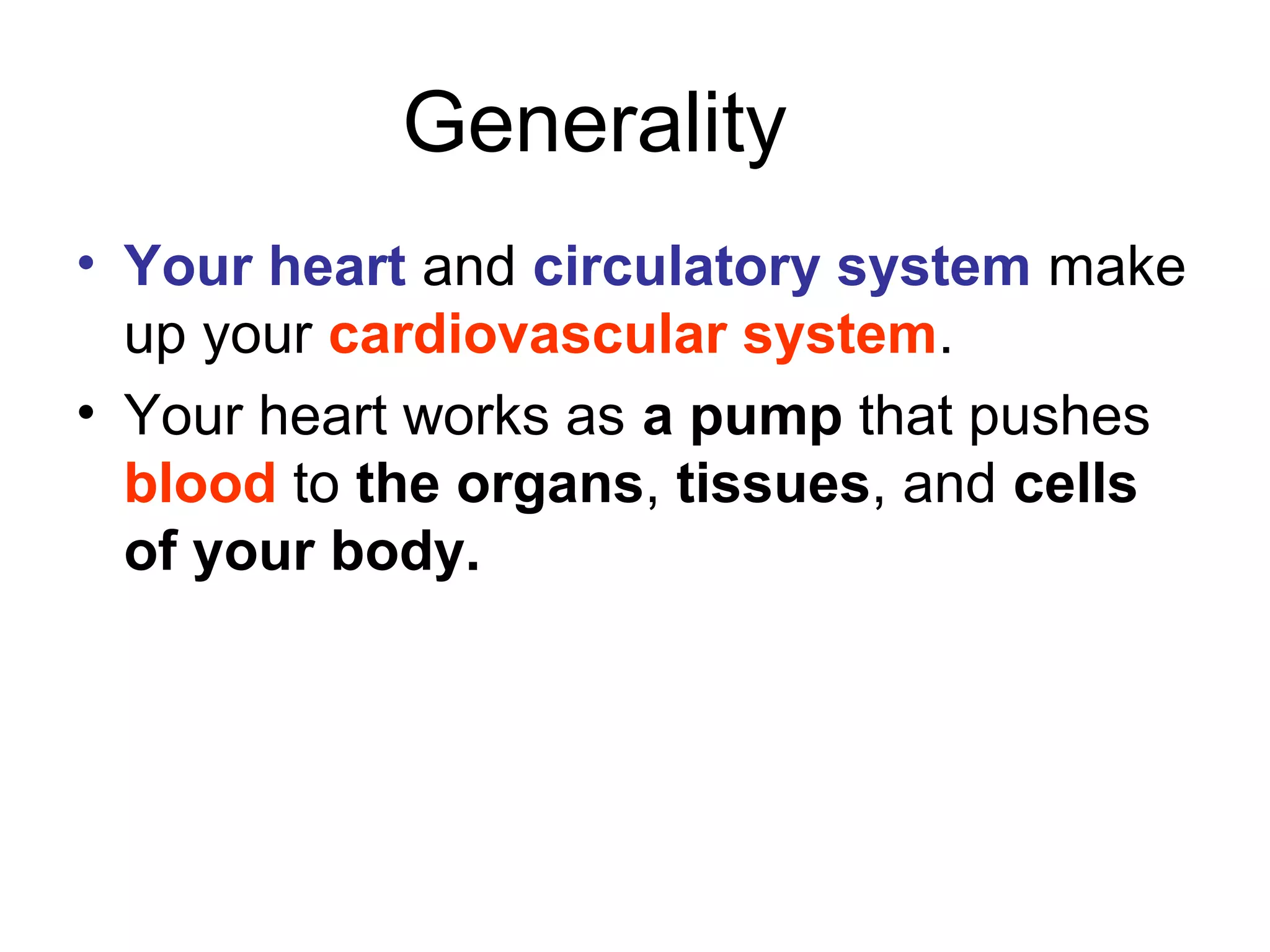
• Your heart and circulatory system make
up your cardiovascular system.
• Your heart works as a pump that pushes
blood to the organs, tissues, and cells
of your body.
Generality
• Blood delivers oxygen and nutrients
to every cell and removes the
carbon dioxide and waste products
made by those cells.
• Blood is carried from your heart to
the rest of your body through a
complex network of arteries,
arterioles, and capillaries.
Generality
• Blood is returned to your heart
through venules and veins.
• If all the vessels of this network
in your body were laid end-to-
end, they would extend for about
60,000 miles (more than 96,500
kilometers), which is far enough
to circle the earth more than
twice!
Generality
• The one-way circulatory system
carries blood to all parts of your
body.
• This process of blood flow
within your body is called
circulation.
Generality
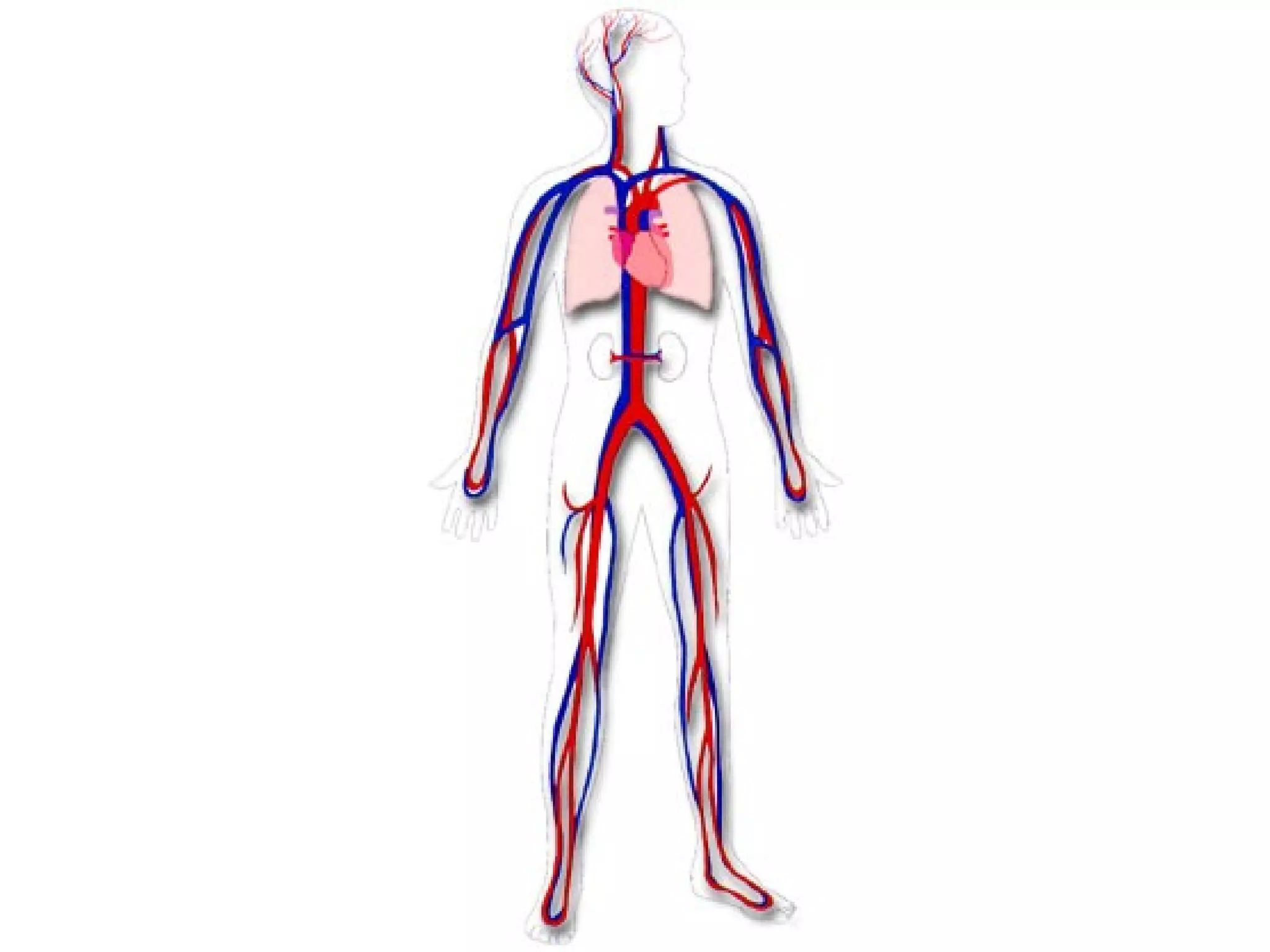
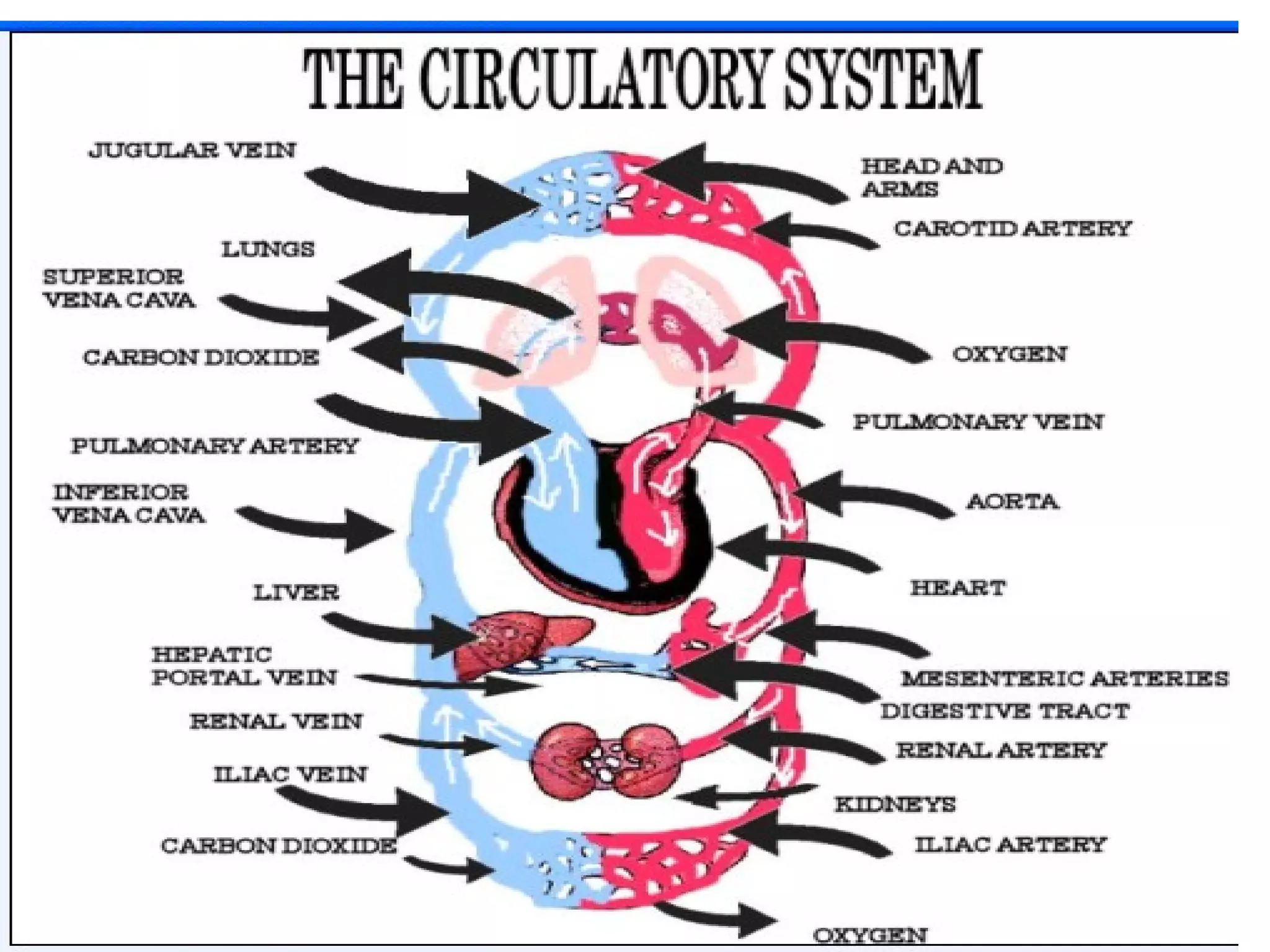
• Arteries carry oxygen-rich
blood away from your heart,
and
• veins carry oxygen-poor
blood back to your heart.
Generality
• In pulmonary circulation:
• the pulmonary artery that brings
oxygen-poor blood into your
lungs and
• the pulmonary vein that brings
oxygen-rich blood back to your
heart.
Generality
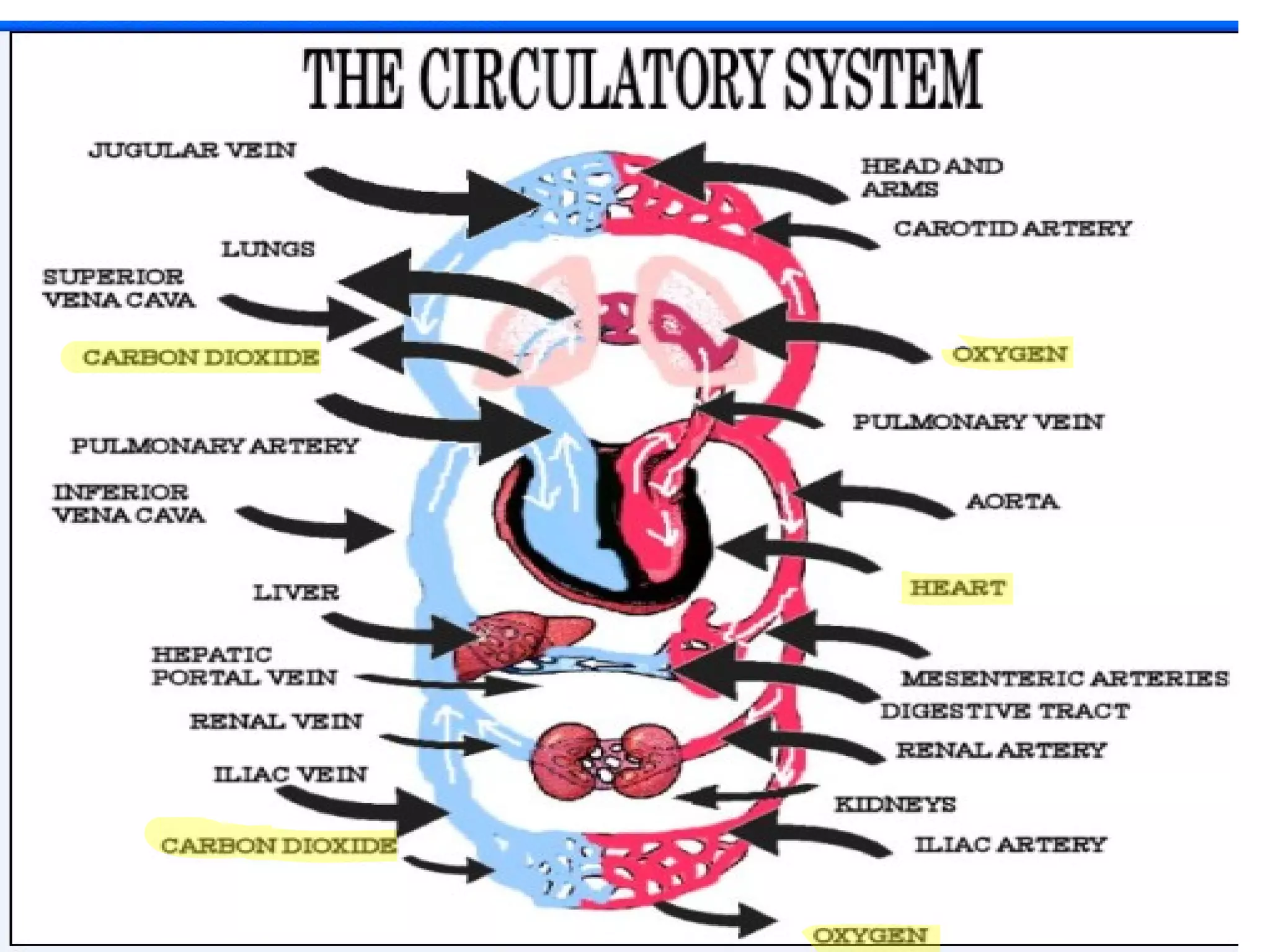
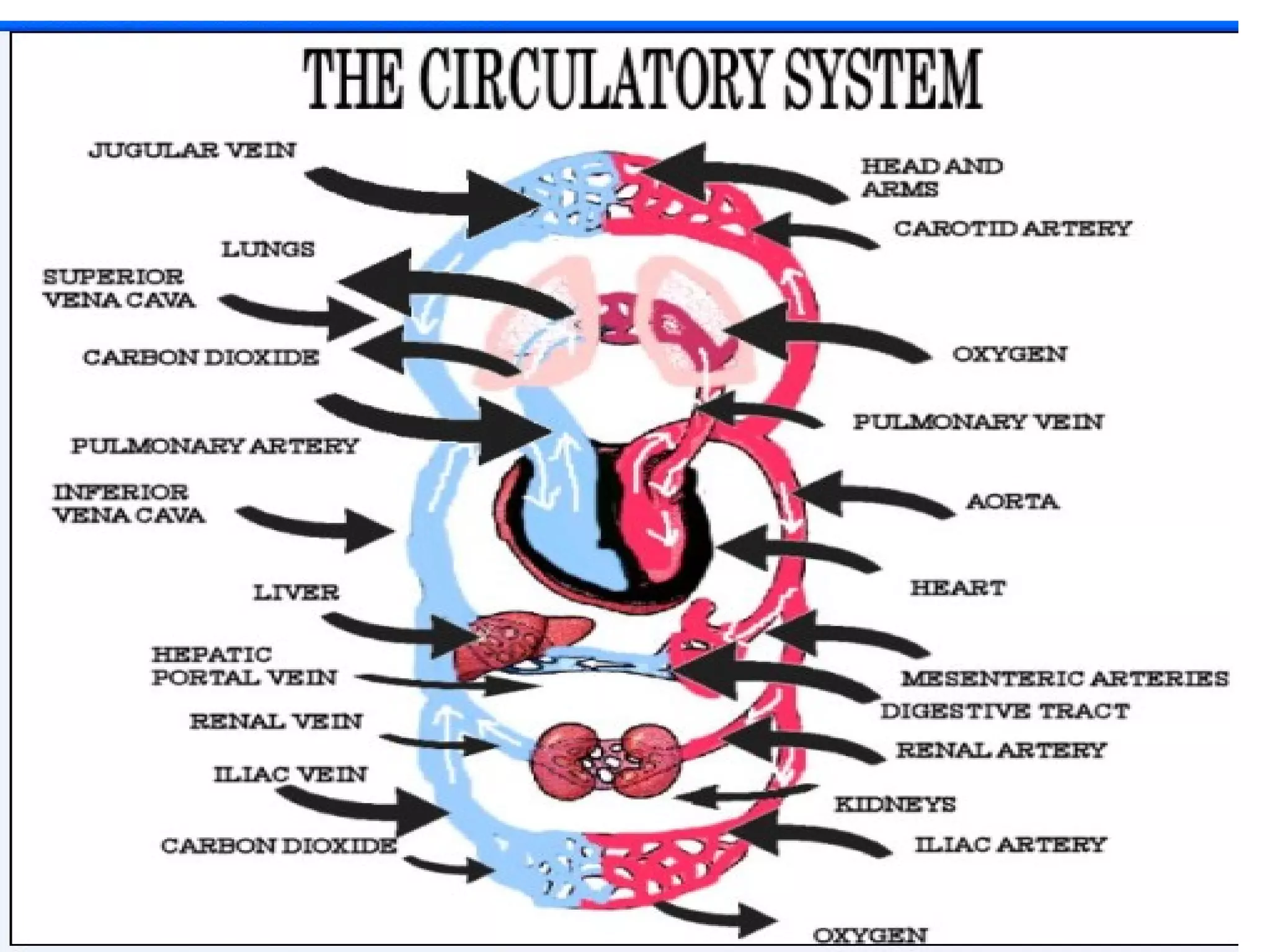
In the diagram :
• the vessels that carry oxygen-
rich blood are colored red, and
• the vessels that carry oxygen-
poor blood are colored blue.
Generality
• Twenty major arteries make a
path through your tissues, where
they branch into smaller vessels
called arterioles.
• Arterioles further branch into
capillaries, the true deliverers of
oxygen and nutrients to your
cells.
Generality
• Most capillaries are thinner than
a hair.
• In fact, many are so tiny, only
one blood cell can move through
them at a time.
Generality
• Once the capillaries deliver oxygen
and nutrients and pick up carbon
dioxide and other waste, they move
the blood back through wider
vessels called venules.
• Venules eventually join to form
veins, which deliver the blood back
to your heart to pick up oxygen.
INTERNATIONAL UNIVERSITY
The Heart
Dr. Sam Nang
The Heart
• The heart weighs between 7 and
15 ounces (200 to 425 grams) and
is a little larger than the size of your
fist.
• By the end of a long life, a person's
heart may have beat (expanded and
contracted) more than 3.5 billion
times.
The Heart
• In fact, each day, the average
heart beats 100,000 times,
pumping about 2,000 gallons
(7,571 liters) of blood.
The Heart
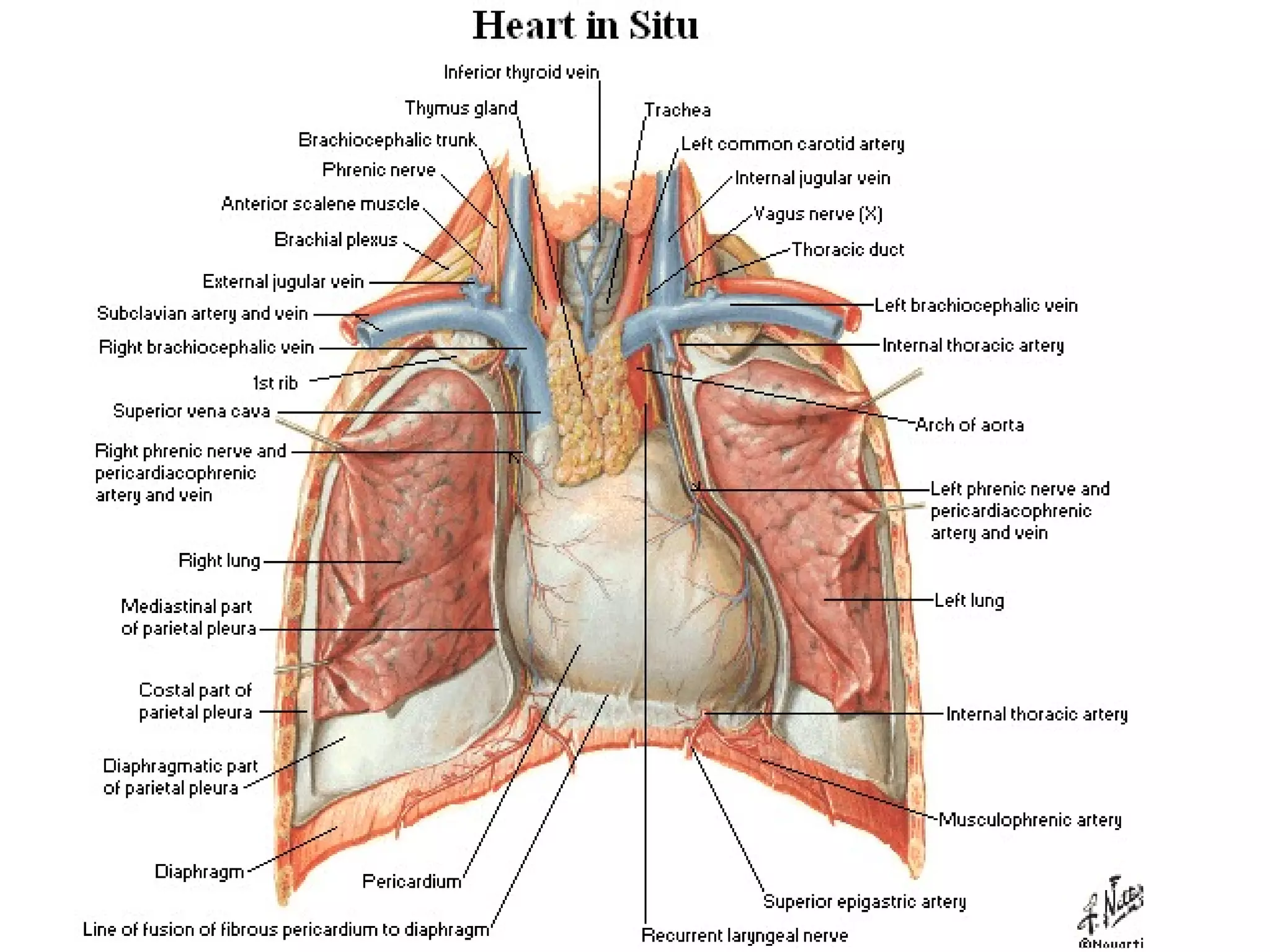
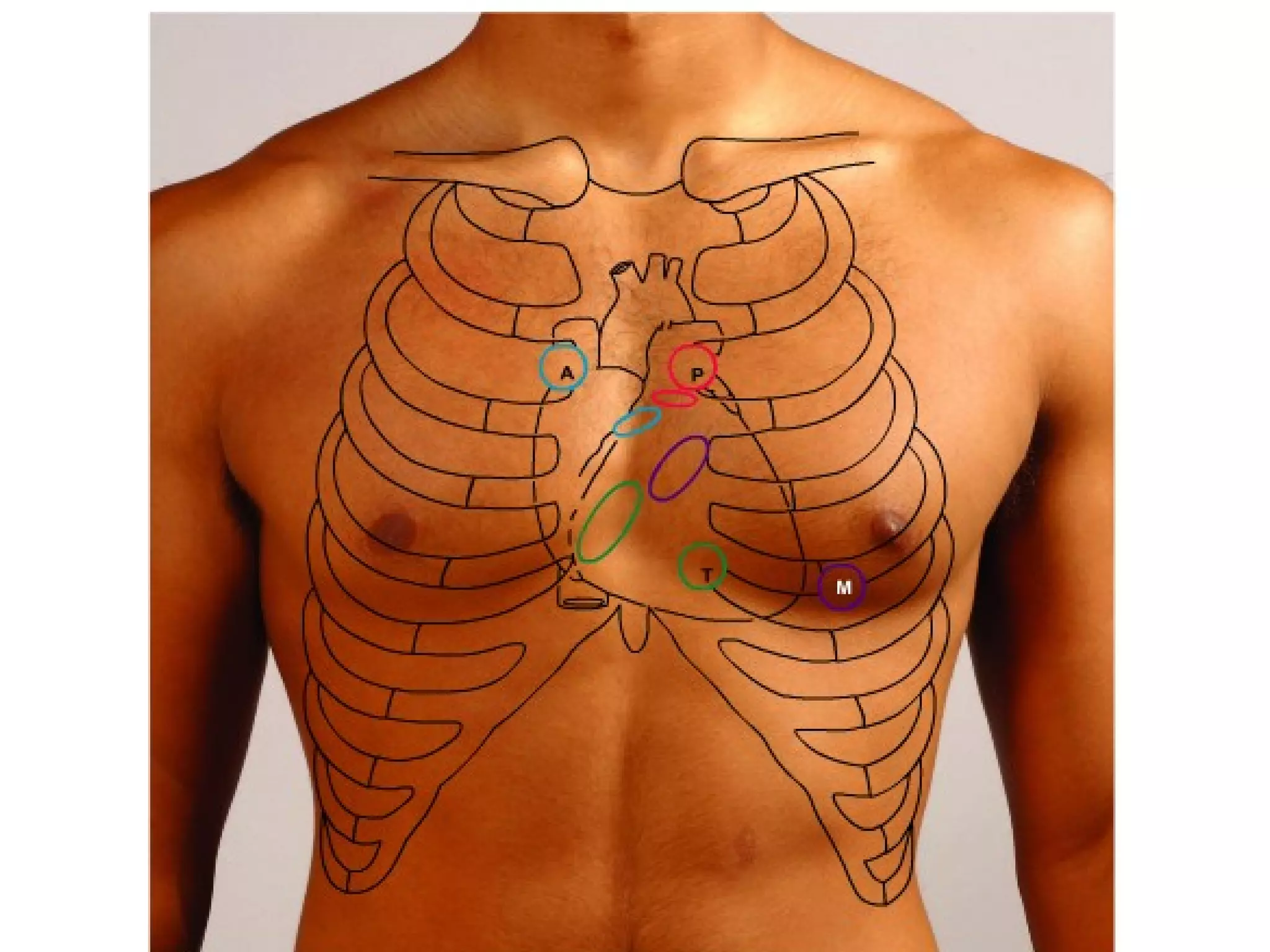
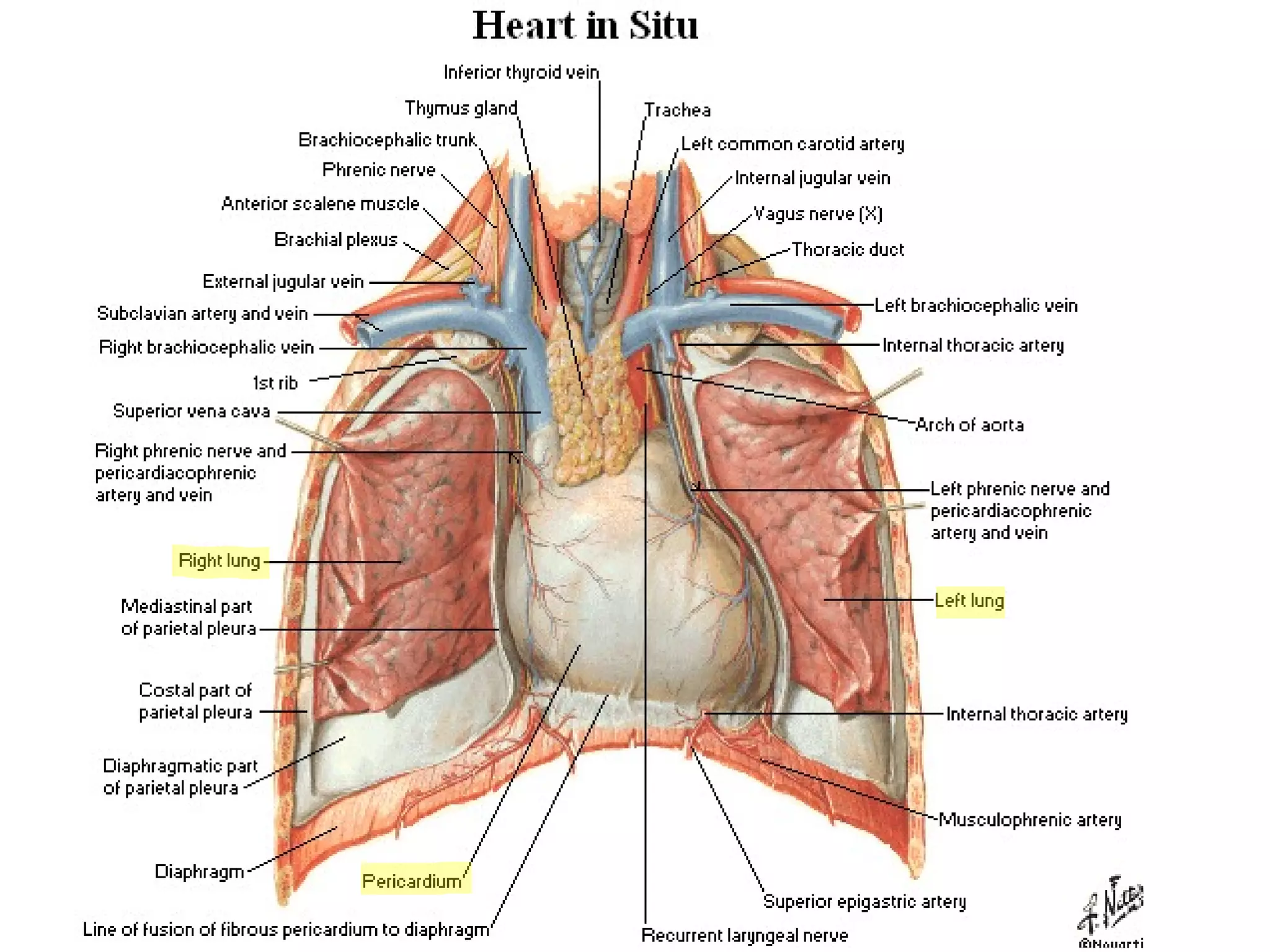
• Your heart is located between
your lungs in the middle of your
chest, behind and slightly to the
left of your breastbone
(sternum).
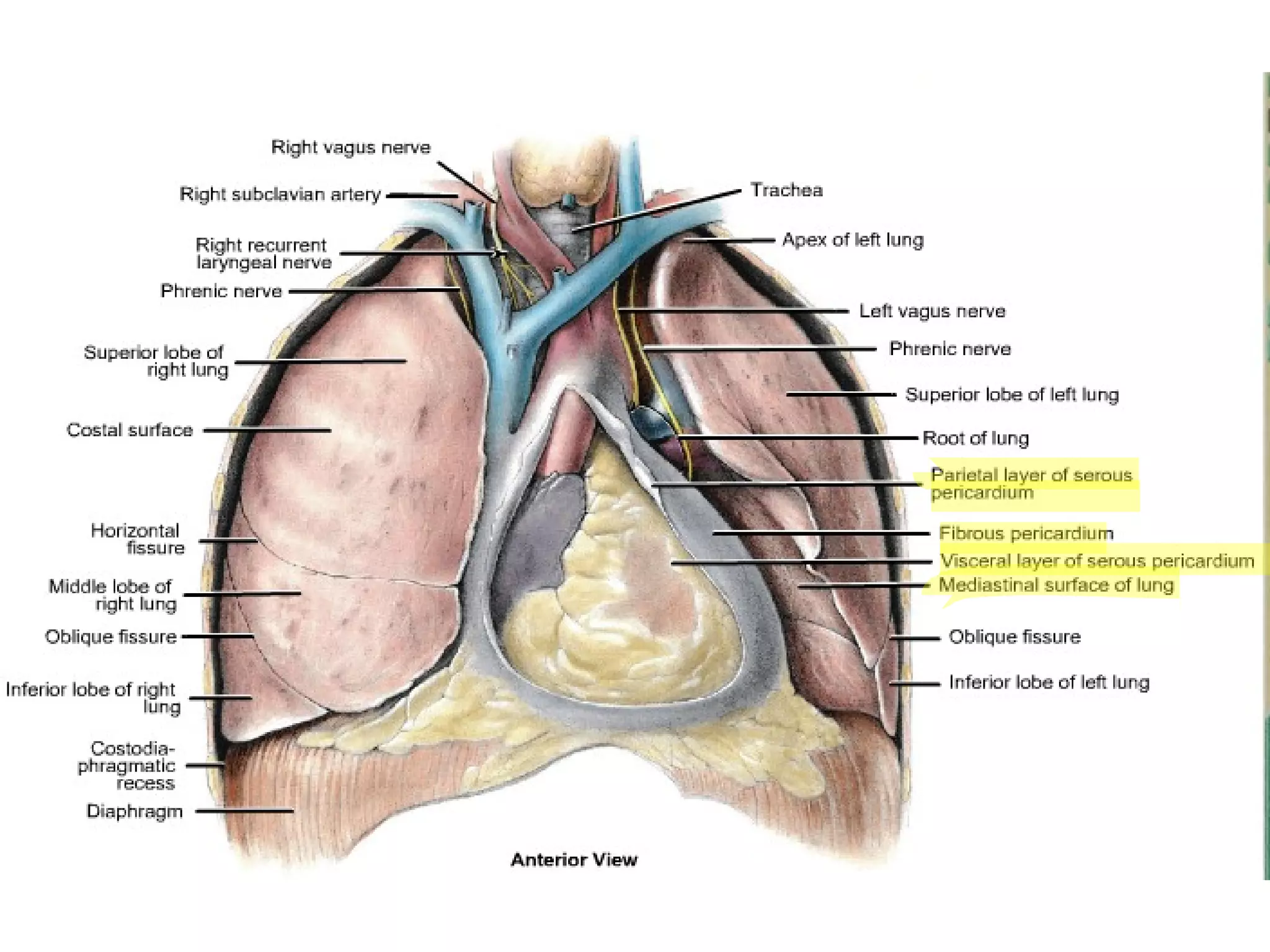
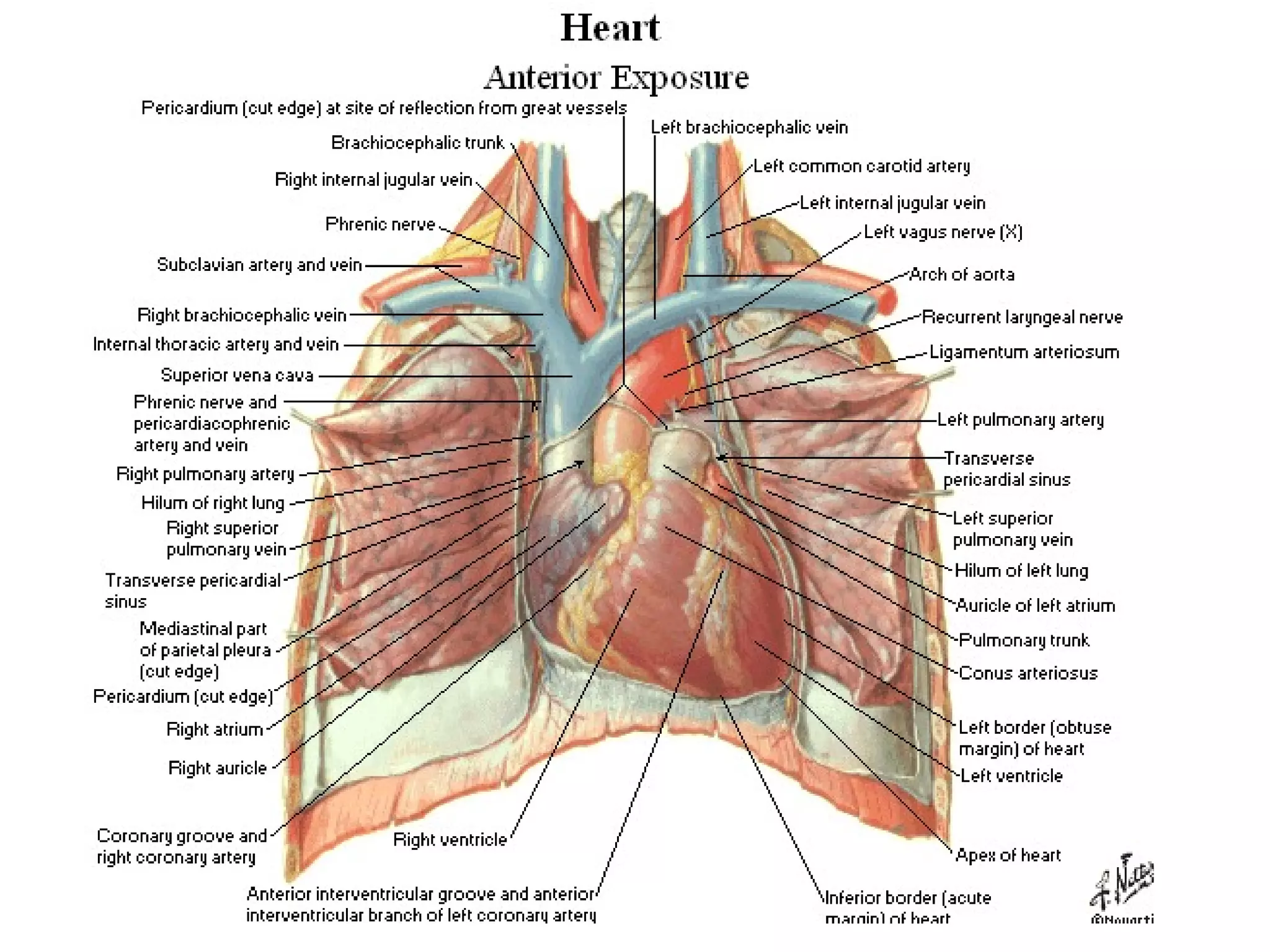
• A double-layered membrane
called the pericardium surrounds
your heart like a sac.
The Heart
• The outer layer of the
pericardium surrounds the roots
of your heart's major blood
vessels and is attached by
ligaments to your spinal column,
diaphragm, and other parts of
your body.
The Heart
• The inner layer of the
pericardium is attached to the
heart muscle.
• A coating of fluid separates the
two layers of membrane, letting
the heart move as it beats, yet
still be attached to your body.
The Heart
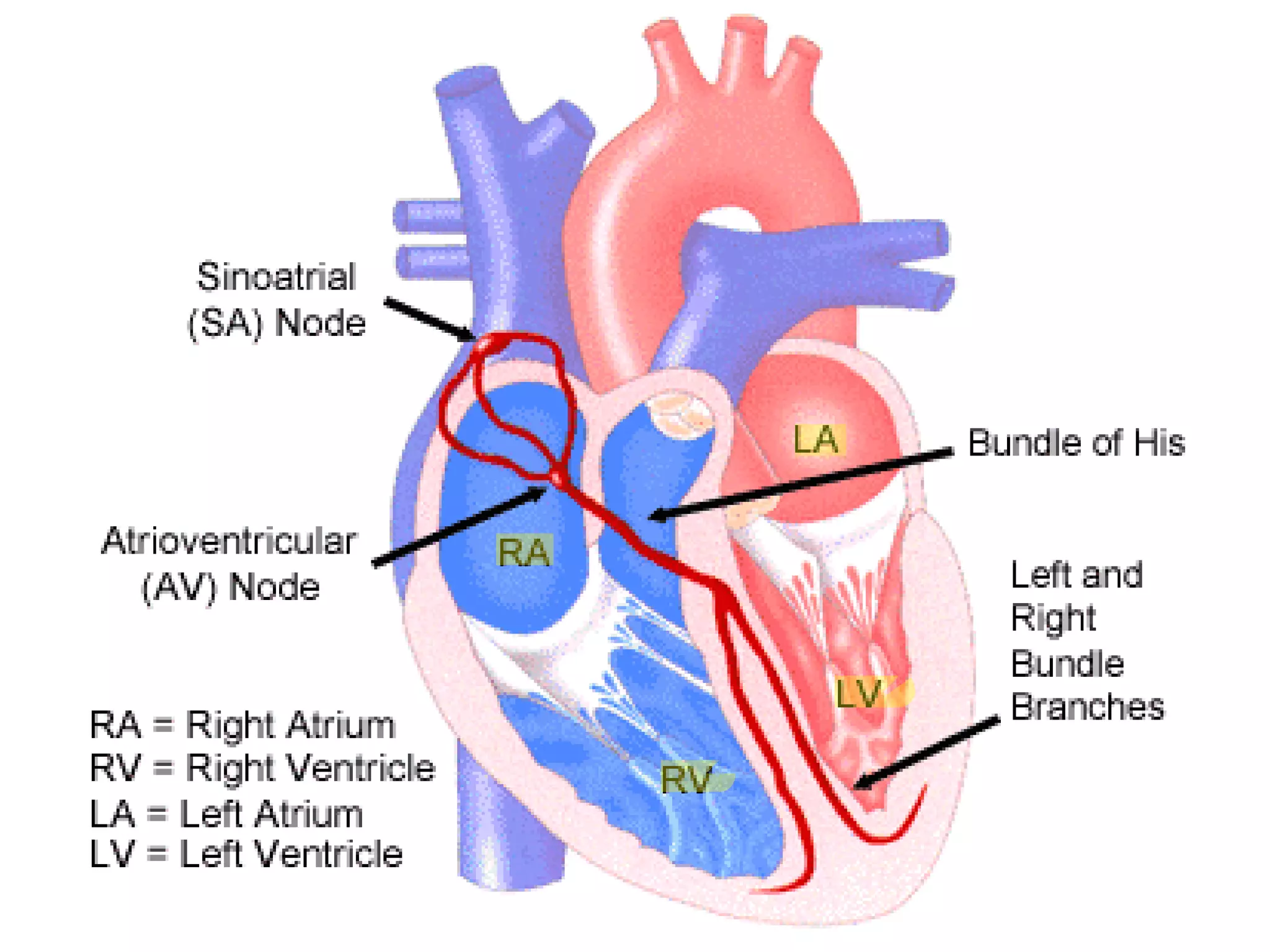
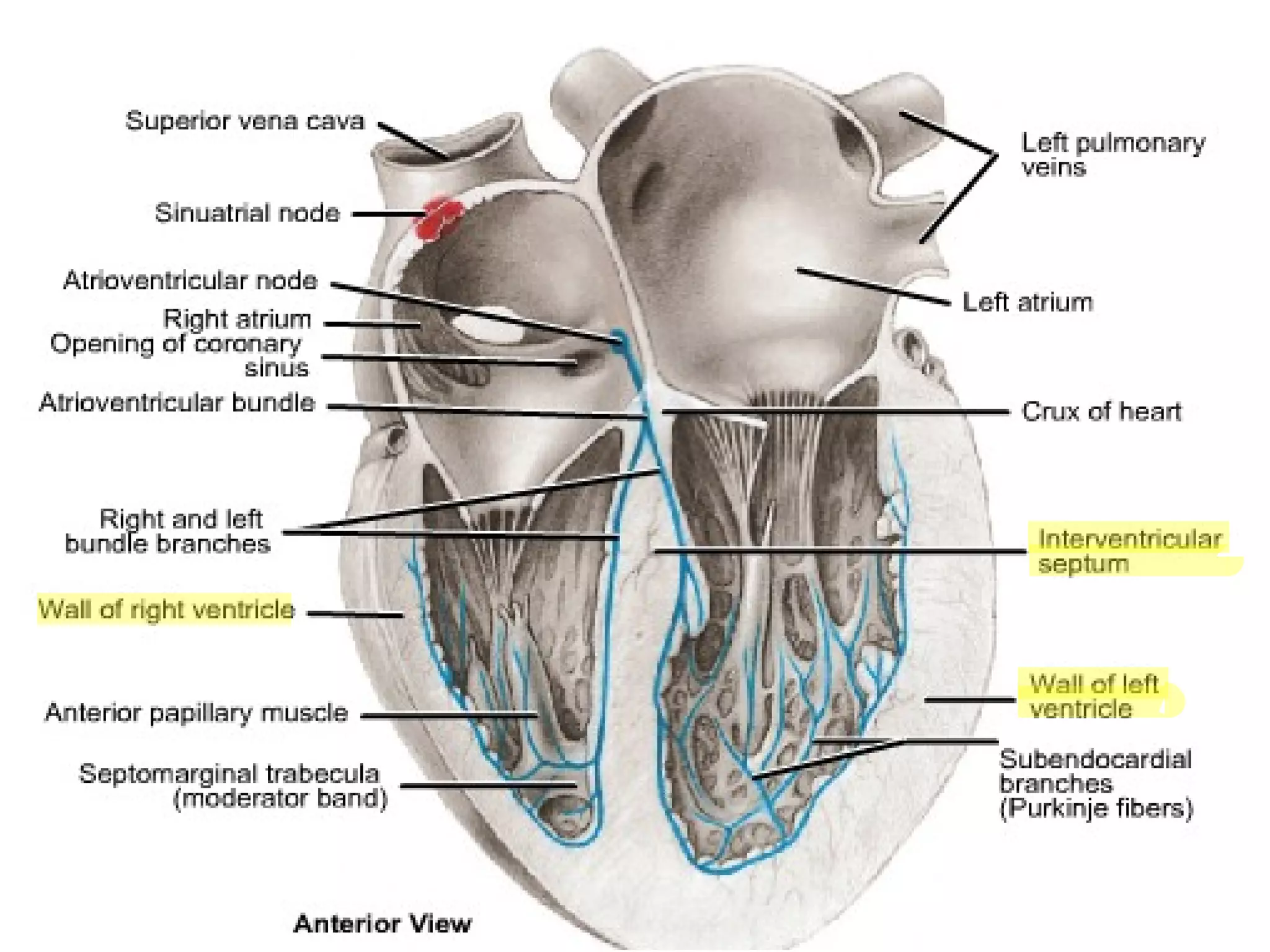
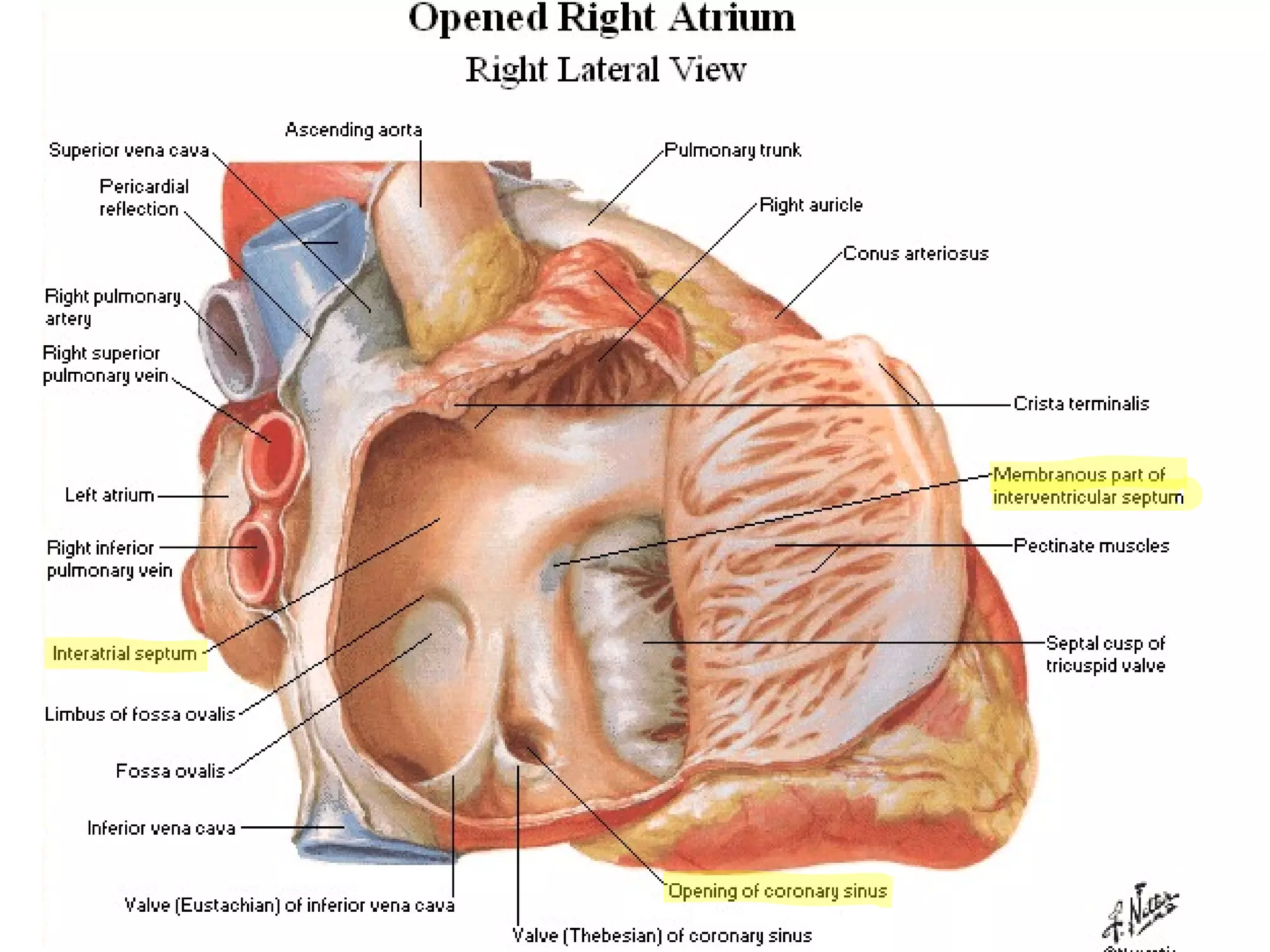
• Your heart has 4 chambers.
• The upper chambers are called
the left and right atria, and
• The lower chambers are called
the left and right ventricles.
The Heart
• A wall of muscle called the
septum separates the left and
right atria and the left and right
ventricles.
• The left ventricle is the
largest and strongest chamber
in your heart.
The Heart
• The left ventricle's chamber
walls are only about a half-inch
thick, but they have enough force
to push blood through the aortic
valve and into your body.
The Heart (Valves)
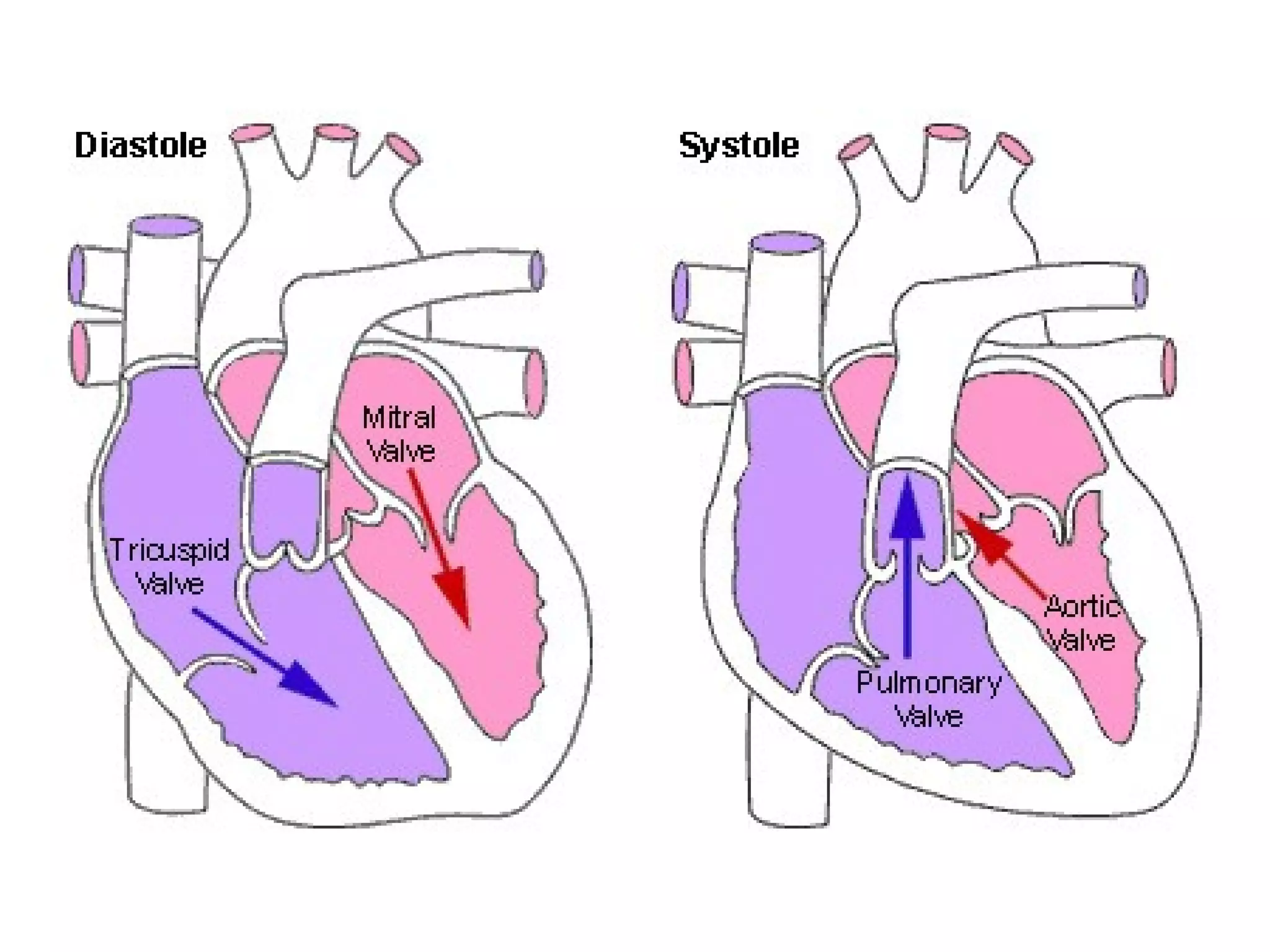
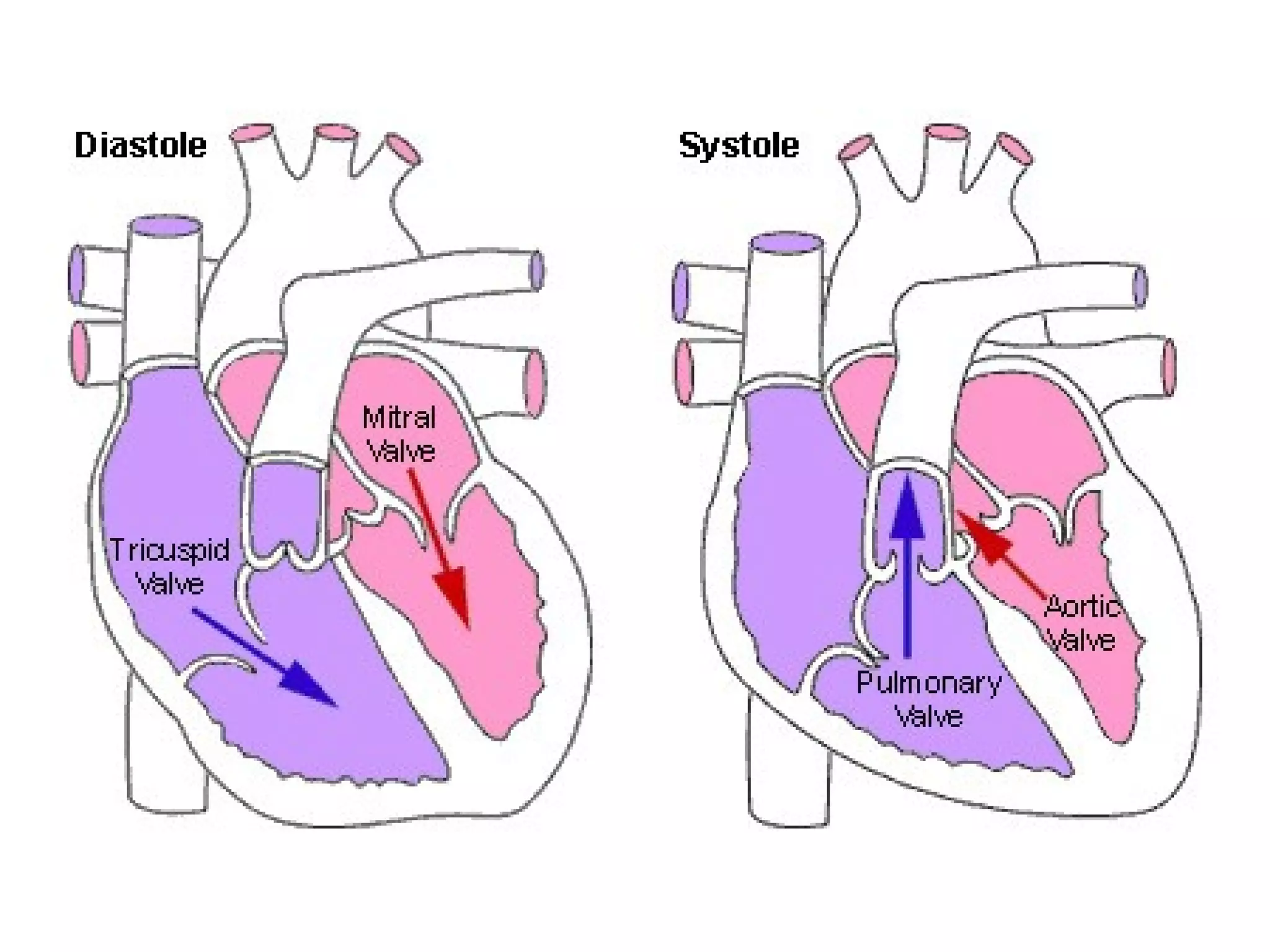
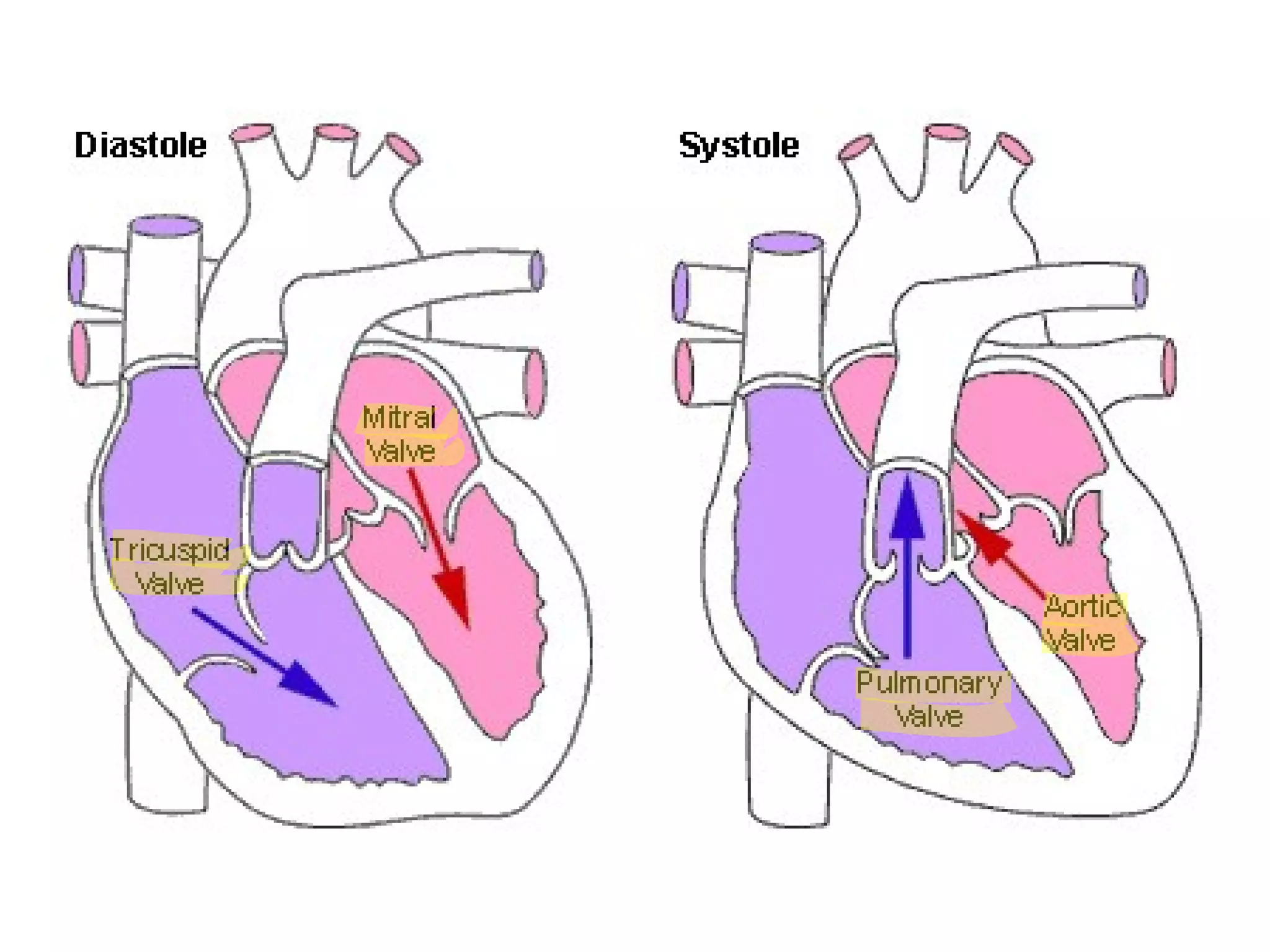
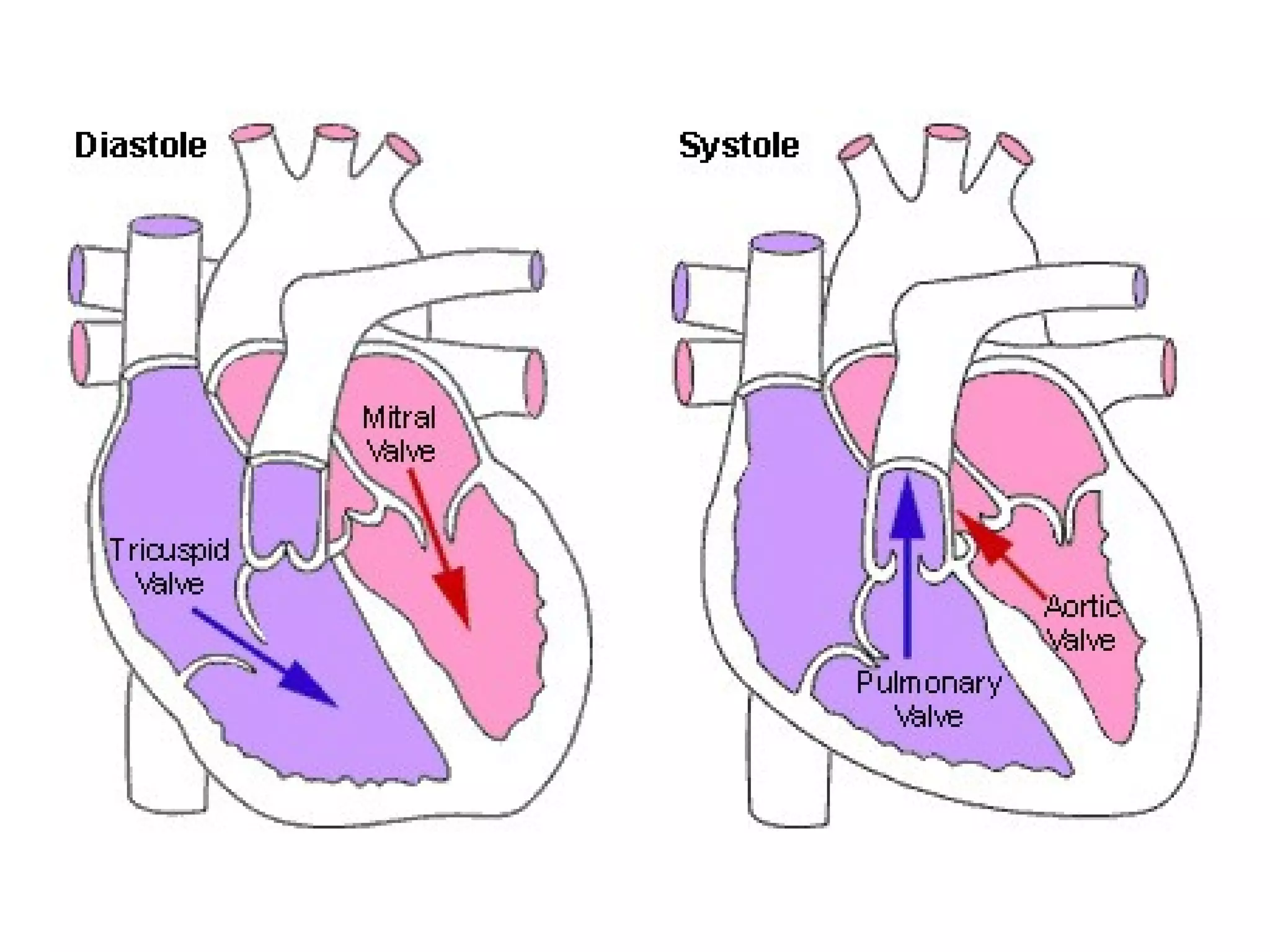
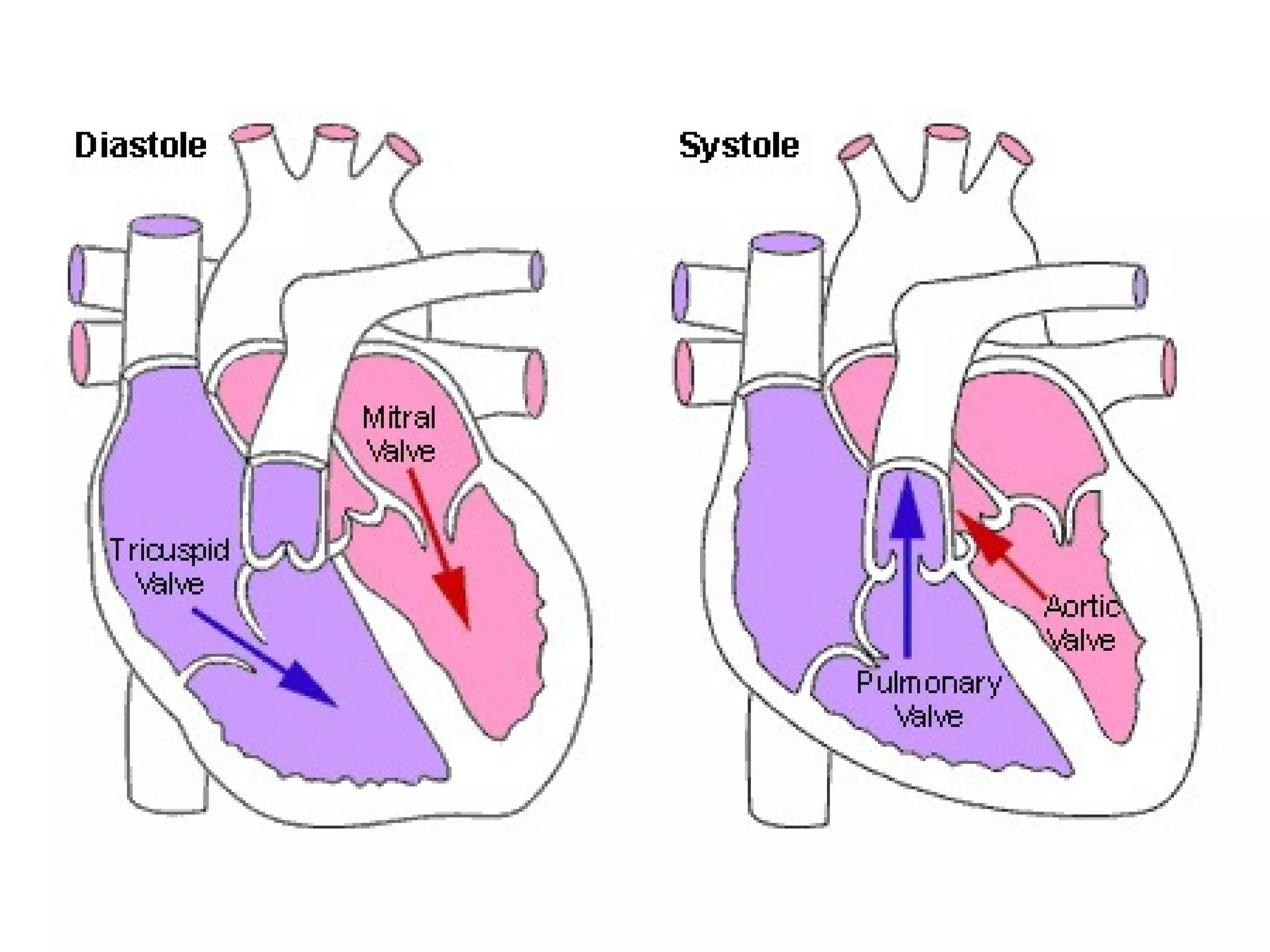
• Four types of valves regulate
blood flow through your heart:
• The tricuspid valve regulates
blood flow between the right
atrium and right ventricle.
The Heart (Valves)
• The pulmonary valve controls blood
flow from the right ventricle into the
pulmonary arteries, which carry
blood to your lungs to pick up
oxygen.
• The mitral valve lets oxygen-rich
blood from your lungs pass from the
left atrium into the left ventricle.
The Heart (Valves)
• The aortic valve opens the way
for oxygen-rich blood to pass
from the left ventricle into the
aorta, your body's largest artery,
where it is delivered to the rest of
your body.
THE END

L1 the circulatory system +heart

  • 1.
    INTERNATIONAL UNIVERSITY The circulatorysystem and the heart Dr Sam Nang
  • 6.
    Generality • Your heartand circulatory system make up your cardiovascular system. • Your heart works as a pump that pushes blood to the organs, tissues, and cells of your body.
  • 8.
    Generality • Blood deliversoxygen and nutrients to every cell and removes the carbon dioxide and waste products made by those cells. • Blood is carried from your heart to the rest of your body through a complex network of arteries, arterioles, and capillaries.
  • 10.
    Generality • Blood isreturned to your heart through venules and veins. • If all the vessels of this network in your body were laid end-to- end, they would extend for about 60,000 miles (more than 96,500 kilometers), which is far enough to circle the earth more than twice!
  • 11.
    Generality • The one-waycirculatory system carries blood to all parts of your body. • This process of blood flow within your body is called circulation.
  • 12.
    Generality • Arteries carryoxygen-rich blood away from your heart, and • veins carry oxygen-poor blood back to your heart.
  • 13.
    Generality • In pulmonarycirculation: • the pulmonary artery that brings oxygen-poor blood into your lungs and • the pulmonary vein that brings oxygen-rich blood back to your heart.
  • 14.
    Generality In the diagram: • the vessels that carry oxygen- rich blood are colored red, and • the vessels that carry oxygen- poor blood are colored blue.
  • 16.
    Generality • Twenty majorarteries make a path through your tissues, where they branch into smaller vessels called arterioles. • Arterioles further branch into capillaries, the true deliverers of oxygen and nutrients to your cells.
  • 17.
    Generality • Most capillariesare thinner than a hair. • In fact, many are so tiny, only one blood cell can move through them at a time.
  • 18.
    Generality • Once thecapillaries deliver oxygen and nutrients and pick up carbon dioxide and other waste, they move the blood back through wider vessels called venules. • Venules eventually join to form veins, which deliver the blood back to your heart to pick up oxygen.
  • 19.
  • 20.
    The Heart • Theheart weighs between 7 and 15 ounces (200 to 425 grams) and is a little larger than the size of your fist. • By the end of a long life, a person's heart may have beat (expanded and contracted) more than 3.5 billion times.
  • 21.
    The Heart • Infact, each day, the average heart beats 100,000 times, pumping about 2,000 gallons (7,571 liters) of blood.
  • 22.
    The Heart • Yourheart is located between your lungs in the middle of your chest, behind and slightly to the left of your breastbone (sternum). • A double-layered membrane called the pericardium surrounds your heart like a sac.
  • 25.
    The Heart • Theouter layer of the pericardium surrounds the roots of your heart's major blood vessels and is attached by ligaments to your spinal column, diaphragm, and other parts of your body.
  • 28.
    The Heart • Theinner layer of the pericardium is attached to the heart muscle. • A coating of fluid separates the two layers of membrane, letting the heart move as it beats, yet still be attached to your body.
  • 29.
    The Heart • Yourheart has 4 chambers. • The upper chambers are called the left and right atria, and • The lower chambers are called the left and right ventricles.
  • 32.
    The Heart • Awall of muscle called the septum separates the left and right atria and the left and right ventricles. • The left ventricle is the largest and strongest chamber in your heart.
  • 35.
    The Heart • Theleft ventricle's chamber walls are only about a half-inch thick, but they have enough force to push blood through the aortic valve and into your body.
  • 36.
    The Heart (Valves) •Four types of valves regulate blood flow through your heart: • The tricuspid valve regulates blood flow between the right atrium and right ventricle.
  • 38.
    The Heart (Valves) •The pulmonary valve controls blood flow from the right ventricle into the pulmonary arteries, which carry blood to your lungs to pick up oxygen. • The mitral valve lets oxygen-rich blood from your lungs pass from the left atrium into the left ventricle.
  • 40.
    The Heart (Valves) •The aortic valve opens the way for oxygen-rich blood to pass from the left ventricle into the aorta, your body's largest artery, where it is delivered to the rest of your body.
  • 42.