

Genetic Modified Organism
 It is an organism whose genetic material has
been altered using genetic engineering
techniques.
 GMOs are source of medicines, genetically
modified foods, are widely used in scientific
research & to produce other goods.
 The first genetically modified mouse was
produced in 1981, the first plant was produced
in 1983, the first GM human (modified Mt DNA)
was born on July 21, 1997.
Uses
 GMOs have wide arrays of applications in
different fields of Biology.
1. Human Gene Therapy
2. Transgenic Plants(crops)
3. Producing food quality traits
4. Research use
5. Microbes
6. Mammals.
Human Gene Therapy
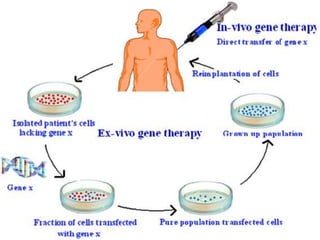
 Gene therapy is a collection of methods that allows
correction of a gene defect that has been
diagnosed in a child/embryo. Here genes are
inserted into a person’s cells and tissues to treat a
disease.
 Correction of a genetic defect involves delivery of a
normal gene into the individual or embryo to take
over the function of and compensate for the non-
functional gene.
Genetically Modified Crops
 Genetically modified crops (GM crops, or biotech
crops) are plants used in agriculture, the DNA of
which has been modified using genetic engineering
techniques.
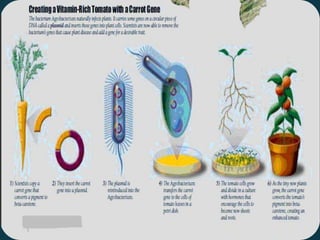
 In most cases the aim is to introduce a new trait to
the plant which does not occur naturally in the
species.
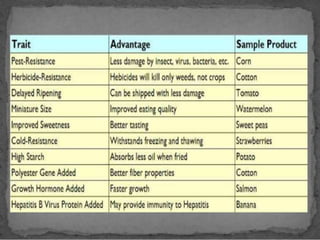
 Examples in food crops include resistance to
certain pests, diseases, or environmental
conditions, reduction of spoilage, or resistance to
chemical treatments (e.g. resistance to a
herbicide), or improving the nutrient profile of the
crop.
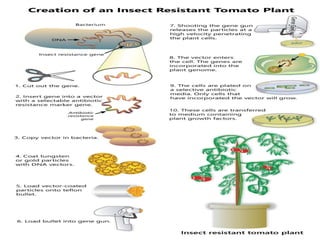
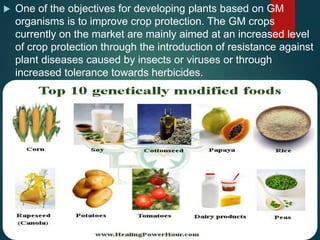
 One of the objectives for developing plants based on GM
organisms is to improve crop protection. The GM crops
currently on the market are mainly aimed at an increased level
of crop protection through the introduction of resistance against
plant diseases caused by insects or viruses or through
increased tolerance towards herbicides.
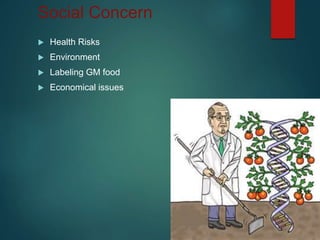
Social Concern
 Health Risks
 Environment
 Labeling GM food
 Economical issues
Health Risks: Animals
 Many scientific data indicate that animals fed by GM
crops have been harmed. E.g. rats exposed to GM
potatoes and soya had abnormal young sperm.
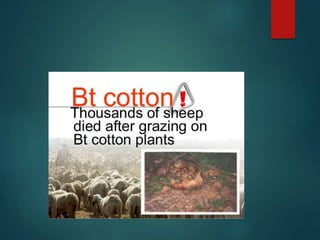
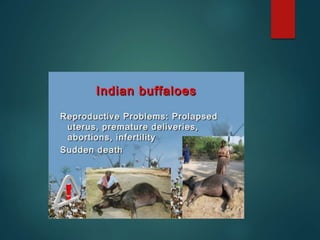
 Cow, goats buffalo, pigs & other livestock grazing on
Bt-maize & certain biotech corn showed complications
including early delivery, abortions, infertility & many
more died.
GM potaotoes damaged rats
 Potentially pre cancerious cell growth in digestive tract
 Immune system damage
 Brain cell affected
Mice ate BT corn
 Increased infertility and lower birth rate
 Multiple immune system responses
Health Risks: Human
 Many companies do not accept the direct link between
GMF consumption & human health problems.
 E.g. Foodborne diseases such as soya allergies have
increased over past 10 years in UK & USA.
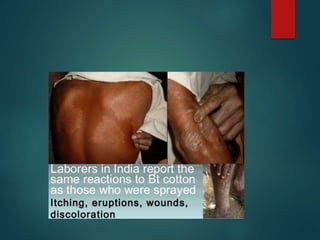
 Many villagers & cotton handlers have developed skin
allergies in India.
GMO Foods
Are Threatening
Our Children’s Health!
Kids who consume GMO foods have
been found to be more susceptible to
food allergies and other nutritional
problems.
Environmental Risk
 Genes may escape & find their way into other members of species or
other species. Imagine the trouble if herbicide- resistant genes found
their way into weeds.
 GM crops could compete or breed with wild species threatening
biodiversity.
 Monogenetic crops may not react sufficiently to environmental stresses,
posing danger of reenactment of Ireland’s potato famine.
 Unintended harm to other species.
Gmo affect the biodiversity
 Consequences of GMOs for biodiversity. Genetic
modification produces genetically modified animals,
plants and organisms. If they are introduced into the
environment they can affect biodiversity.
For example, existing species can be overrun by more
dominant new species.
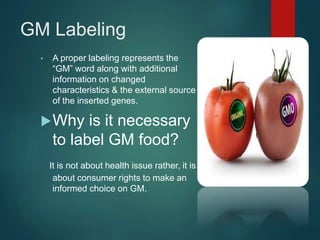
GM Labeling
• A proper labeling represents the
“GM” word along with additional
information on changed
characteristics & the external source
of the inserted genes.
Why is it necessary
to label GM food?
It is not about health issue rather, it is
about consumer rights to make an
informed choice on GM.
GMO And Ethical Issues
 Genetic modification of organisms can have unpredictable results
when such organisms are introduced into the ecosystem.
Therefore, the Indian Government has set up organizations such as
GEAC (Genetic Engineering Approval Committee), which will
make decisions regarding the validity of GM research and the
safety of introducing GM-organisms for public services.
 The modification/usage of living organisms for public services (as
food and medicine sources, for example) has also created
problems with patents granted for the same.
 There is growing public anger that certain companies are being
granted patents for products and technologies that make use of the
genetic materials, plants and other biological resources that have
long been identified, developed and used by farmers and
indigenous people of a specific region/country.
GMO & Ethical Issues
 Biopiracy is the term used to refer to the use of
bio-resources by multinational companies and
other organizations without proper
authorization from the countries and people
concerned without compensatory payment.
 Most of the industrialized nations are rich
financially but poor in biodiversity and
traditional knowledge. In contrast the
developing and the underdeveloped world is
rich in biodiversity and traditional knowledge
related to bio-resources.
 Traditional knowledge related to bio-resources
can be exploited to develop modern
applications and can also be used to save time,
GMO & Ethical Issues
 There has been growing realization of the
injustice, inadequate compensation and benefit
sharing between developed and developing
countries. Therefore, some nations are
developing laws to prevent such unauthorized
exploitation of their bio-resources and
traditional knowledge.
 The Indian Parliament has recently cleared the
second amendment of the Indian Patents Bill,
that takes such issues into consideration,
including patent terms emergency provisions
and research and development initiative.

Issues related to gm os

  • 1.
    Genetic Modified Organism It is an organism whose genetic material has been altered using genetic engineering techniques.  GMOs are source of medicines, genetically modified foods, are widely used in scientific research & to produce other goods.  The first genetically modified mouse was produced in 1981, the first plant was produced in 1983, the first GM human (modified Mt DNA) was born on July 21, 1997.
  • 3.
    Uses  GMOs havewide arrays of applications in different fields of Biology. 1. Human Gene Therapy 2. Transgenic Plants(crops) 3. Producing food quality traits 4. Research use 5. Microbes 6. Mammals.
  • 4.
    Human Gene Therapy Gene therapy is a collection of methods that allows correction of a gene defect that has been diagnosed in a child/embryo. Here genes are inserted into a person’s cells and tissues to treat a disease.  Correction of a genetic defect involves delivery of a normal gene into the individual or embryo to take over the function of and compensate for the non- functional gene.
  • 6.
    Genetically Modified Crops Genetically modified crops (GM crops, or biotech crops) are plants used in agriculture, the DNA of which has been modified using genetic engineering techniques.  In most cases the aim is to introduce a new trait to the plant which does not occur naturally in the species.  Examples in food crops include resistance to certain pests, diseases, or environmental conditions, reduction of spoilage, or resistance to chemical treatments (e.g. resistance to a herbicide), or improving the nutrient profile of the crop.
  • 8.
     One ofthe objectives for developing plants based on GM organisms is to improve crop protection. The GM crops currently on the market are mainly aimed at an increased level of crop protection through the introduction of resistance against plant diseases caused by insects or viruses or through increased tolerance towards herbicides.
  • 11.
    Social Concern  HealthRisks  Environment  Labeling GM food  Economical issues
  • 12.
    Health Risks: Animals Many scientific data indicate that animals fed by GM crops have been harmed. E.g. rats exposed to GM potatoes and soya had abnormal young sperm.  Cow, goats buffalo, pigs & other livestock grazing on Bt-maize & certain biotech corn showed complications including early delivery, abortions, infertility & many more died.
  • 13.
    GM potaotoes damagedrats  Potentially pre cancerious cell growth in digestive tract  Immune system damage  Brain cell affected
  • 14.
    Mice ate BTcorn  Increased infertility and lower birth rate  Multiple immune system responses
  • 15.
    Health Risks: Human Many companies do not accept the direct link between GMF consumption & human health problems.  E.g. Foodborne diseases such as soya allergies have increased over past 10 years in UK & USA.  Many villagers & cotton handlers have developed skin allergies in India.
  • 19.
    GMO Foods Are Threatening OurChildren’s Health!
  • 21.
    Kids who consumeGMO foods have been found to be more susceptible to food allergies and other nutritional problems.
  • 22.
    Environmental Risk  Genesmay escape & find their way into other members of species or other species. Imagine the trouble if herbicide- resistant genes found their way into weeds.  GM crops could compete or breed with wild species threatening biodiversity.  Monogenetic crops may not react sufficiently to environmental stresses, posing danger of reenactment of Ireland’s potato famine.  Unintended harm to other species.
  • 23.
    Gmo affect thebiodiversity  Consequences of GMOs for biodiversity. Genetic modification produces genetically modified animals, plants and organisms. If they are introduced into the environment they can affect biodiversity. For example, existing species can be overrun by more dominant new species.
  • 24.
    GM Labeling • Aproper labeling represents the “GM” word along with additional information on changed characteristics & the external source of the inserted genes. Why is it necessary to label GM food? It is not about health issue rather, it is about consumer rights to make an informed choice on GM.
  • 25.
    GMO And EthicalIssues  Genetic modification of organisms can have unpredictable results when such organisms are introduced into the ecosystem. Therefore, the Indian Government has set up organizations such as GEAC (Genetic Engineering Approval Committee), which will make decisions regarding the validity of GM research and the safety of introducing GM-organisms for public services.  The modification/usage of living organisms for public services (as food and medicine sources, for example) has also created problems with patents granted for the same.  There is growing public anger that certain companies are being granted patents for products and technologies that make use of the genetic materials, plants and other biological resources that have long been identified, developed and used by farmers and indigenous people of a specific region/country.
  • 26.
    GMO & EthicalIssues  Biopiracy is the term used to refer to the use of bio-resources by multinational companies and other organizations without proper authorization from the countries and people concerned without compensatory payment.  Most of the industrialized nations are rich financially but poor in biodiversity and traditional knowledge. In contrast the developing and the underdeveloped world is rich in biodiversity and traditional knowledge related to bio-resources.  Traditional knowledge related to bio-resources can be exploited to develop modern applications and can also be used to save time,
  • 27.
    GMO & EthicalIssues  There has been growing realization of the injustice, inadequate compensation and benefit sharing between developed and developing countries. Therefore, some nations are developing laws to prevent such unauthorized exploitation of their bio-resources and traditional knowledge.  The Indian Parliament has recently cleared the second amendment of the Indian Patents Bill, that takes such issues into consideration, including patent terms emergency provisions and research and development initiative.